Branded Water vs Event Swag: Cost per Impression Compared
Pens, totes, mugs and water all cost money at a booth. Here is what published promotional products research says about cost per impression, where branded water wins and loses on that number, and a better way to compare giveaways by the leads they bring in.
The budget review is next week. Your CFO has a simple question about the event line: "We spent this much on giveaways. What did we get?" Last year's answer was a shrug and a photo of an empty swag table. This year you want a number. Someone on the team found a stat that says promotional products cost less than a cent per impression, and someone else wants to swap the tote bags for branded water. Now you need to compare them honestly.
Cost per impression is a useful starting point, but it measures only one thing: how many times people see your logo. This guide is for CMOs and marketing directors who want to compare event swag and branded water using published data, understand where each one wins, and measure what actually matters after the event: conversations and leads.
What is cost per impression for promotional products?
Cost per impression, or CPI, is the cost of an item divided by the number of times people see the brand on it over its life. According to ASI's 2026 Global Advertising Impressions Study, promotional products deliver an average cost per impression of about $0.006, or six-tenths of a cent, based on a survey of nearly 5,000 consumers in the U.S., Canada, Mexico and Europe (ASI, April 2026).
The same release reports that a typical promotional product generates about 3,300 brand views over its lifetime, and that 78% of consumers keep items because they find them useful.
What the published data says about common giveaways
ASI has published category-level numbers in its impressions studies. These are the figures most often quoted for the classic booth giveaways.
From ASI's 2023 study (ASI Central, April 2023):
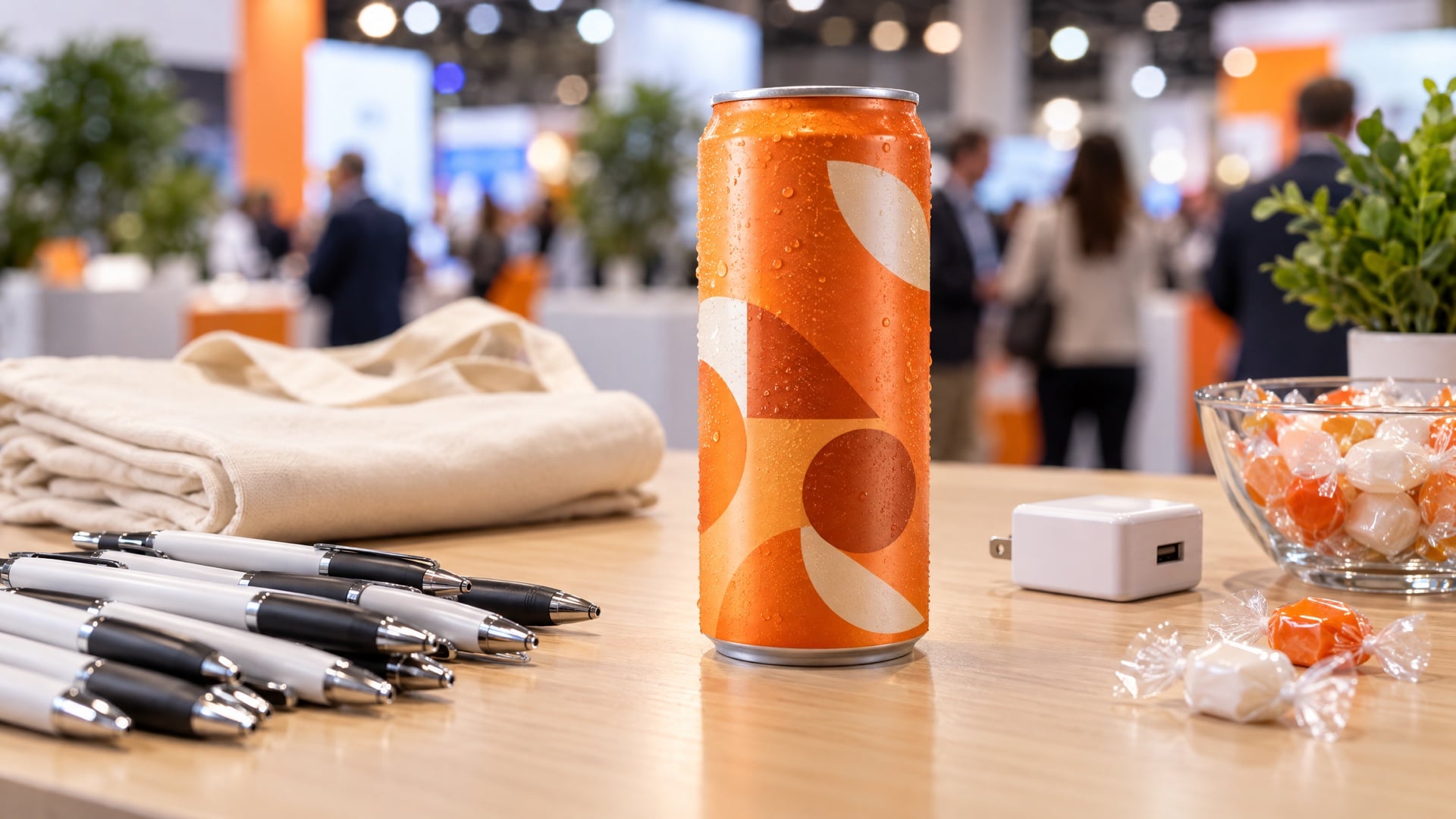
- Writing instruments. About 2,436 lifetime impressions. Under one-tenth of a cent per impression for a $1 metal pen. 52% of consumers would keep one for at least a year.
- Drinkware. About 3,162 lifetime impressions. About one-third of a cent per impression for a $10 insulated travel mug. 63% would keep one for at least a year.
- Bags. About 1,940 lifetime impressions. One-tenth of a cent per impression for a $2 non-woven tote. 43% would keep one for at least two years.
- T-shirts. About 5,053 lifetime impressions. One-fifth of a cent per impression for a $10 T-shirt. 47% would keep one for at least two years.
From ASI's 2026 study:
- Tote bags. A $6 tote generates about 5,000 impressions over its life, for about $0.001 per impression.
These numbers come from consumer surveys run by a promotional products industry organization. They are useful benchmarks, not guarantees for your booth.
How does branded water compare on cost per impression?
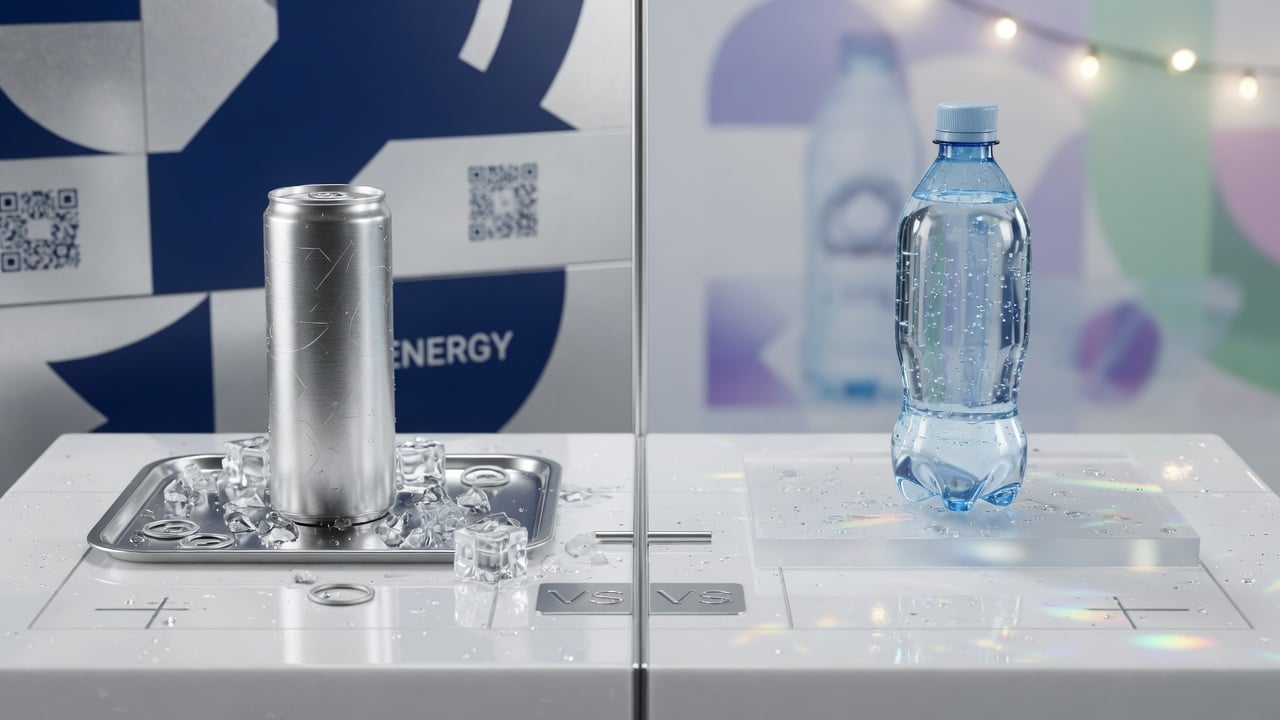
On pure lifetime impressions, branded water usually loses to durable swag. A tote or a mug is kept for months or years and seen thousands of times. A can of water is opened and finished within an hour or a day. That means far fewer lifetime impressions, so its cost per impression is higher than a long-lived item. Water wins on a different measure: it is used right away, in the room, by people you want to talk to.
Where branded water is strong:
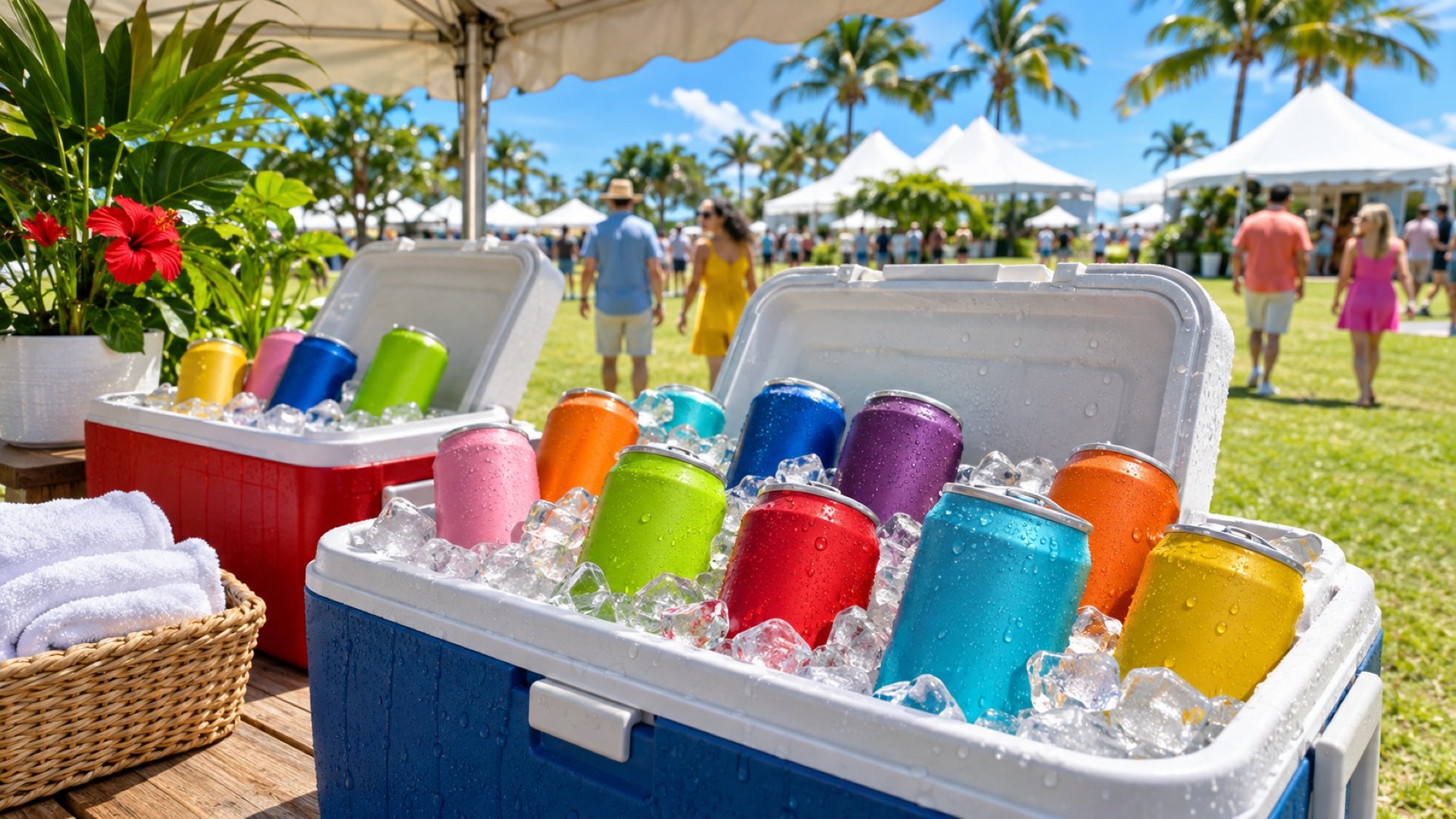
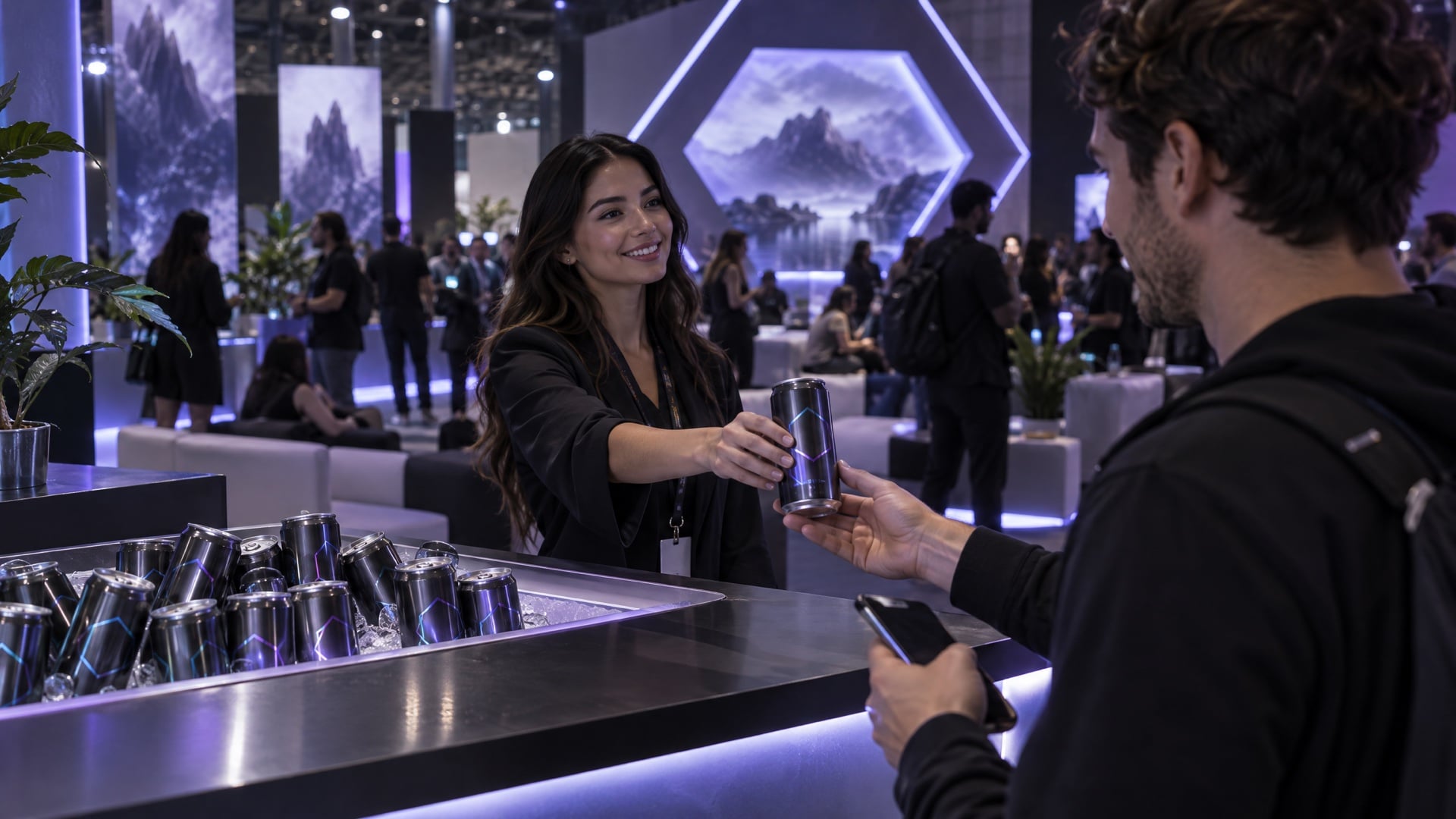
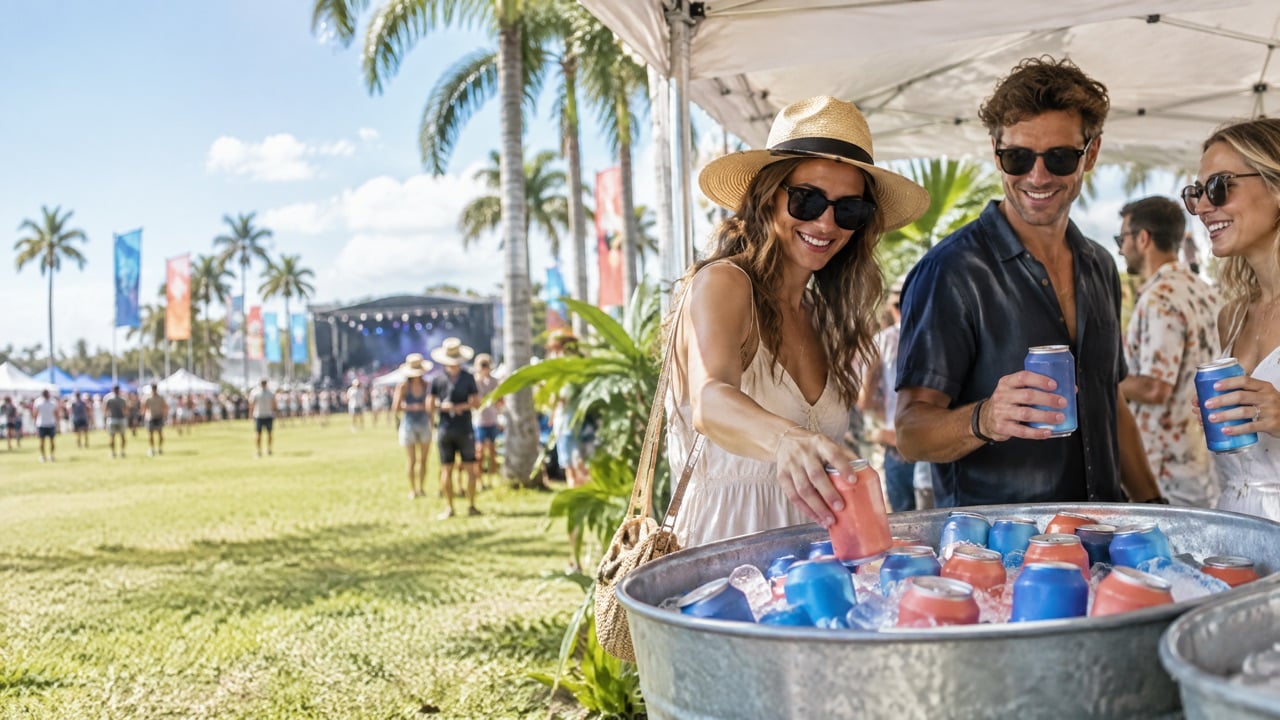
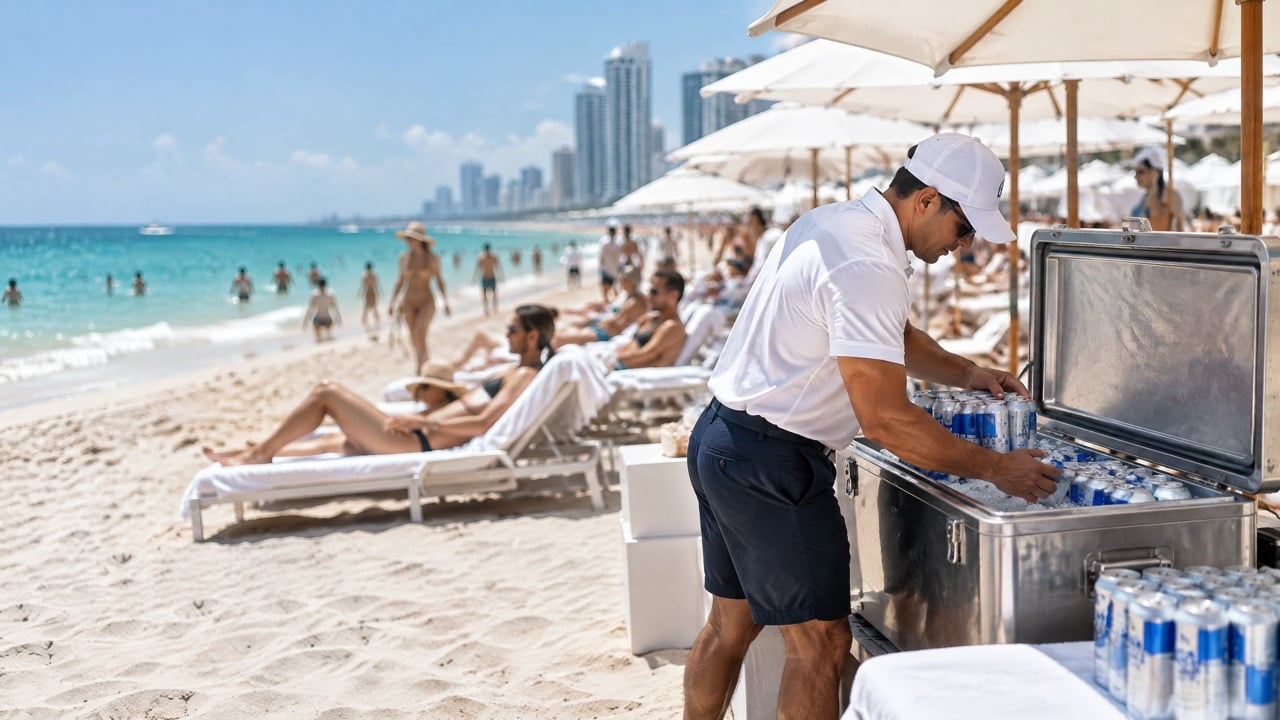
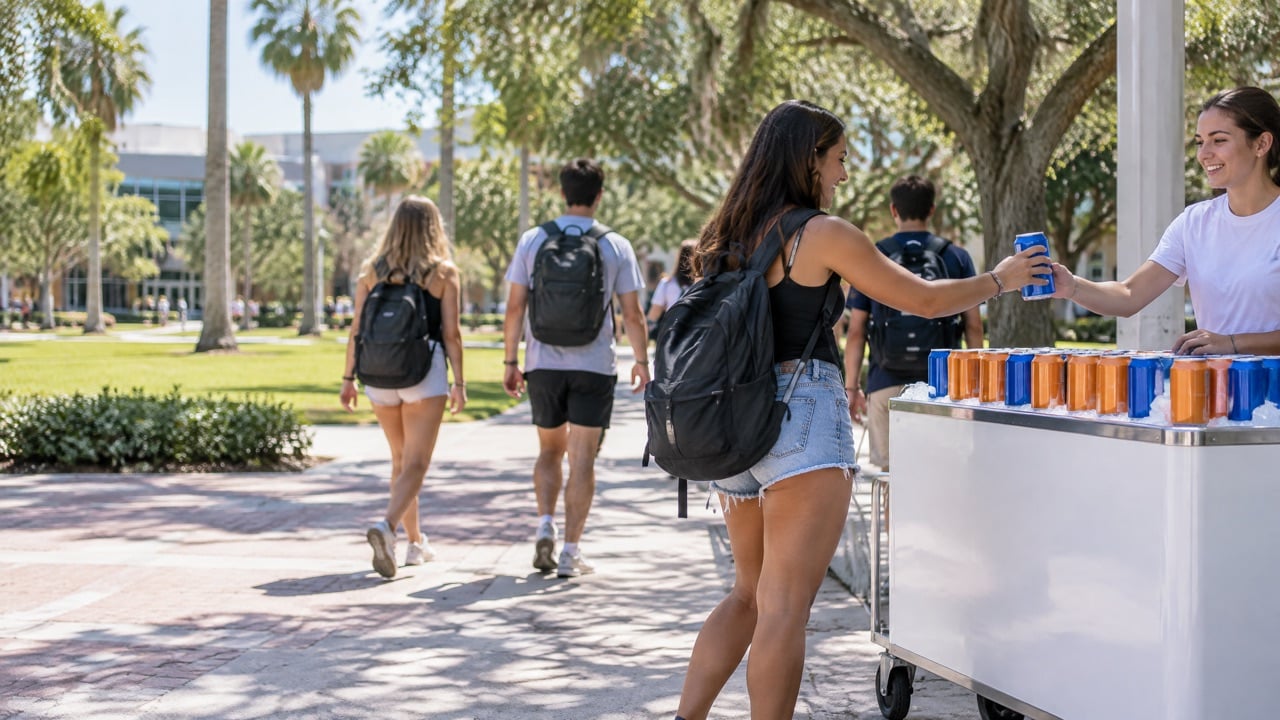
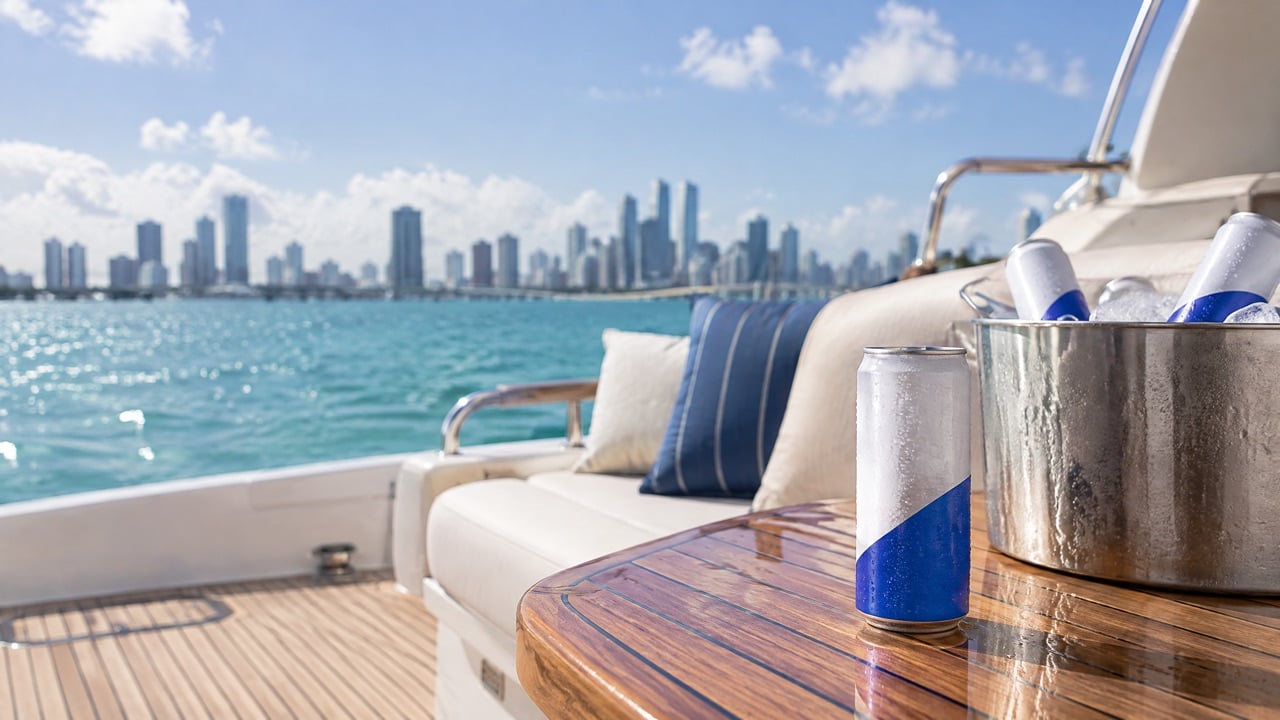
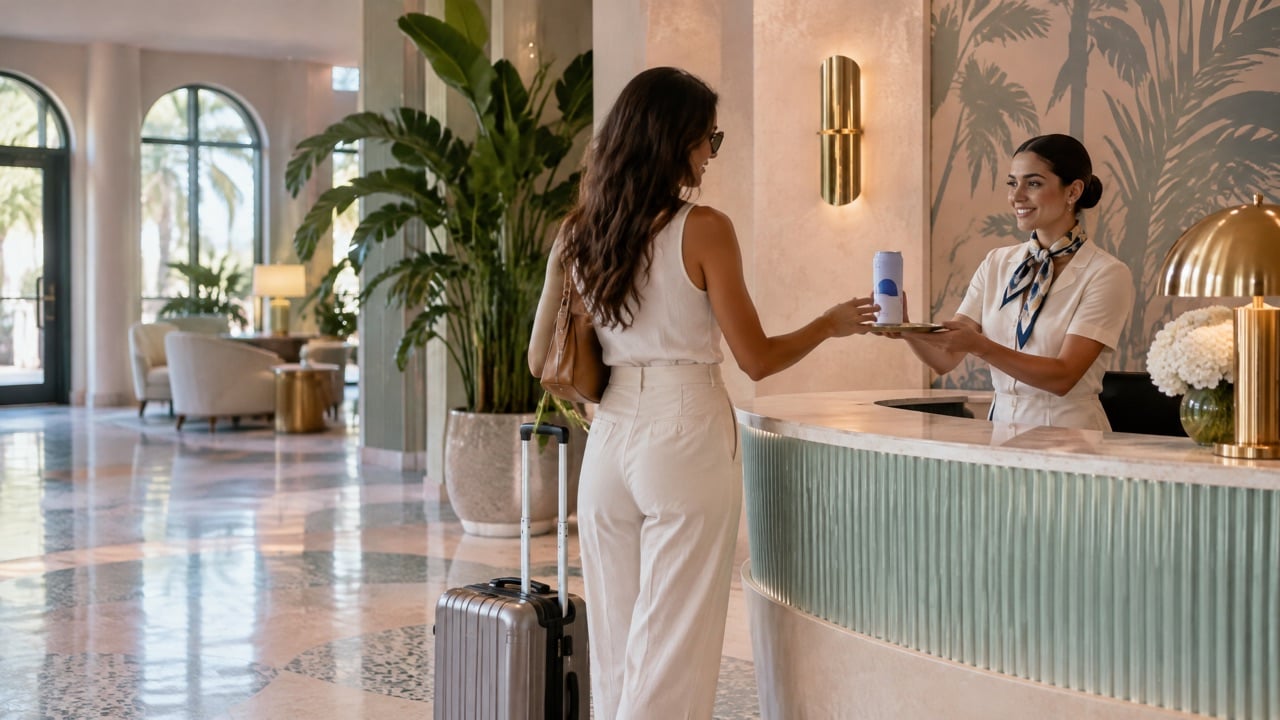
- Immediate use. Nearly everyone at an event accepts a cold drink, especially in Florida heat.
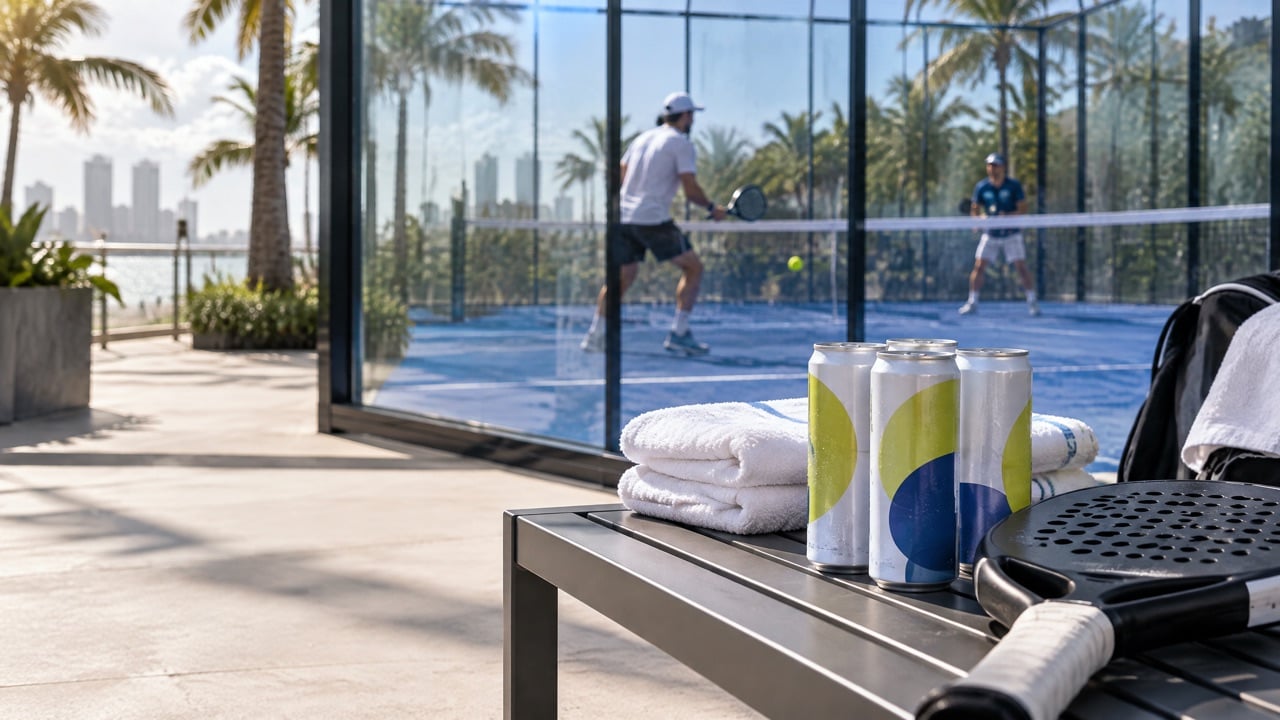
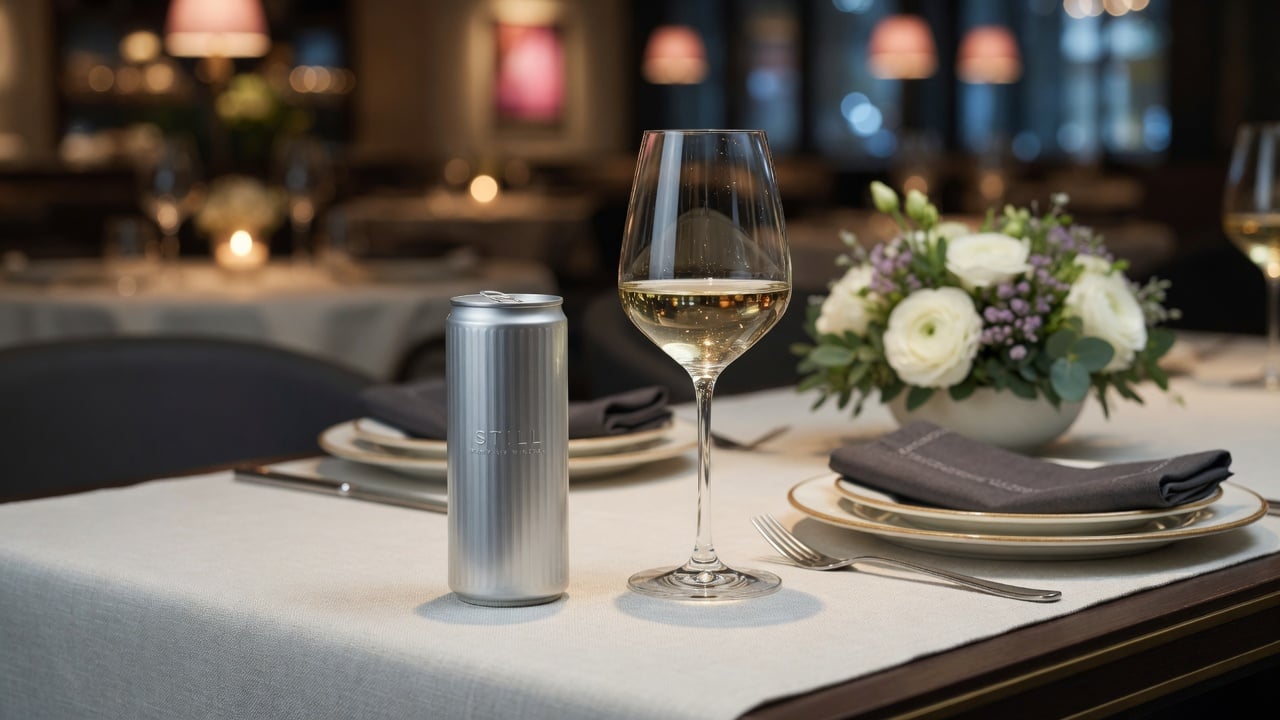
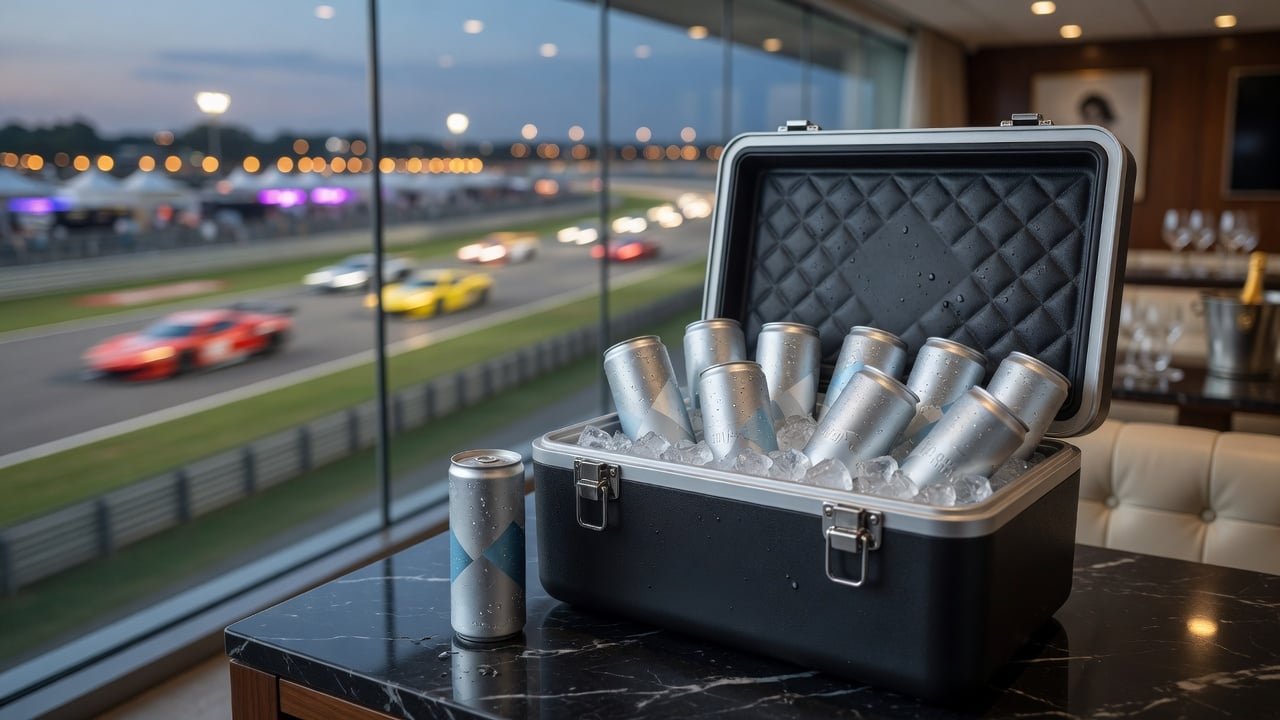
- In-the-room visibility. The can is seen across the floor while the event is happening, when your team can follow up.
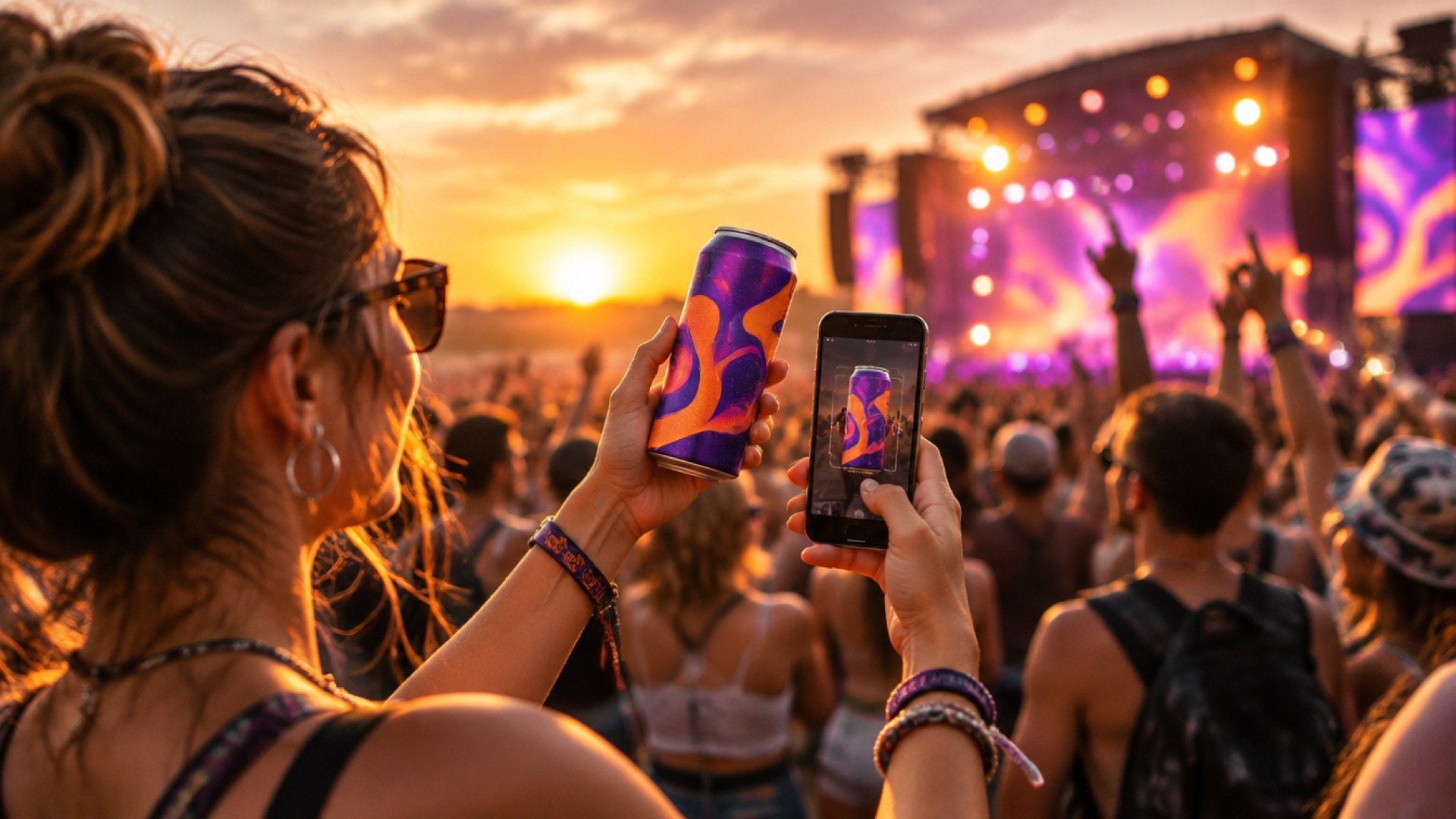
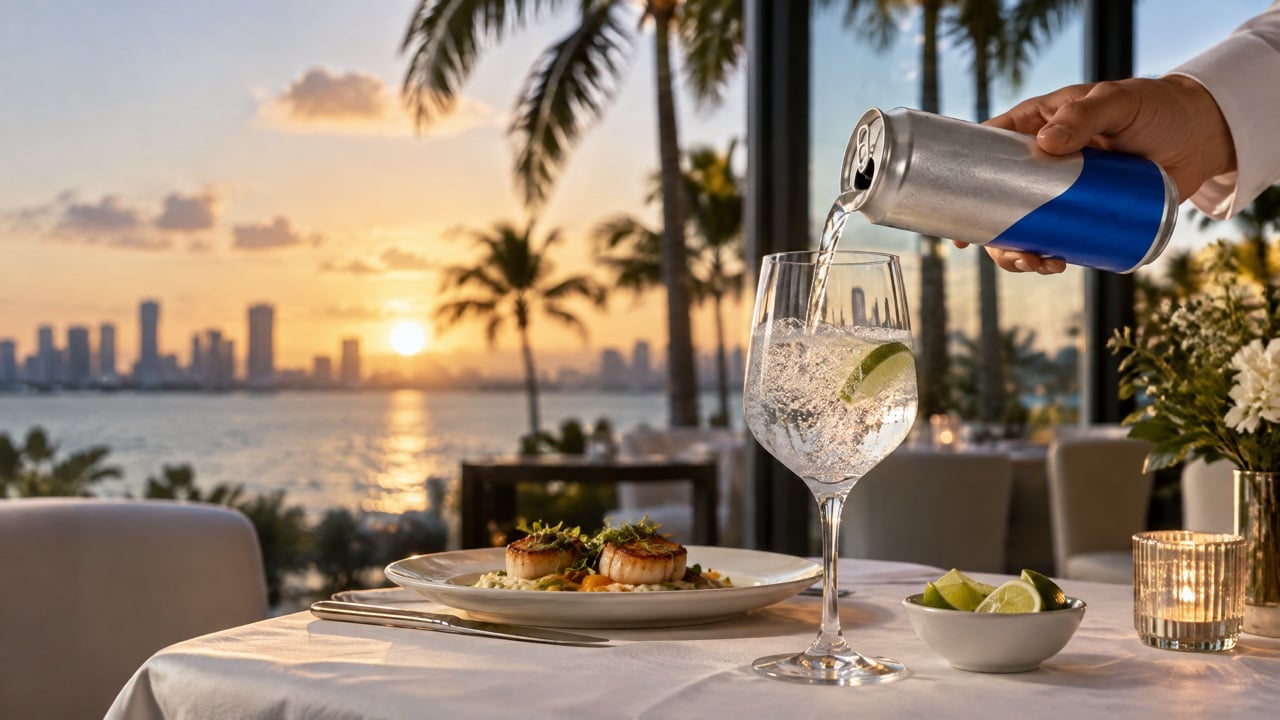
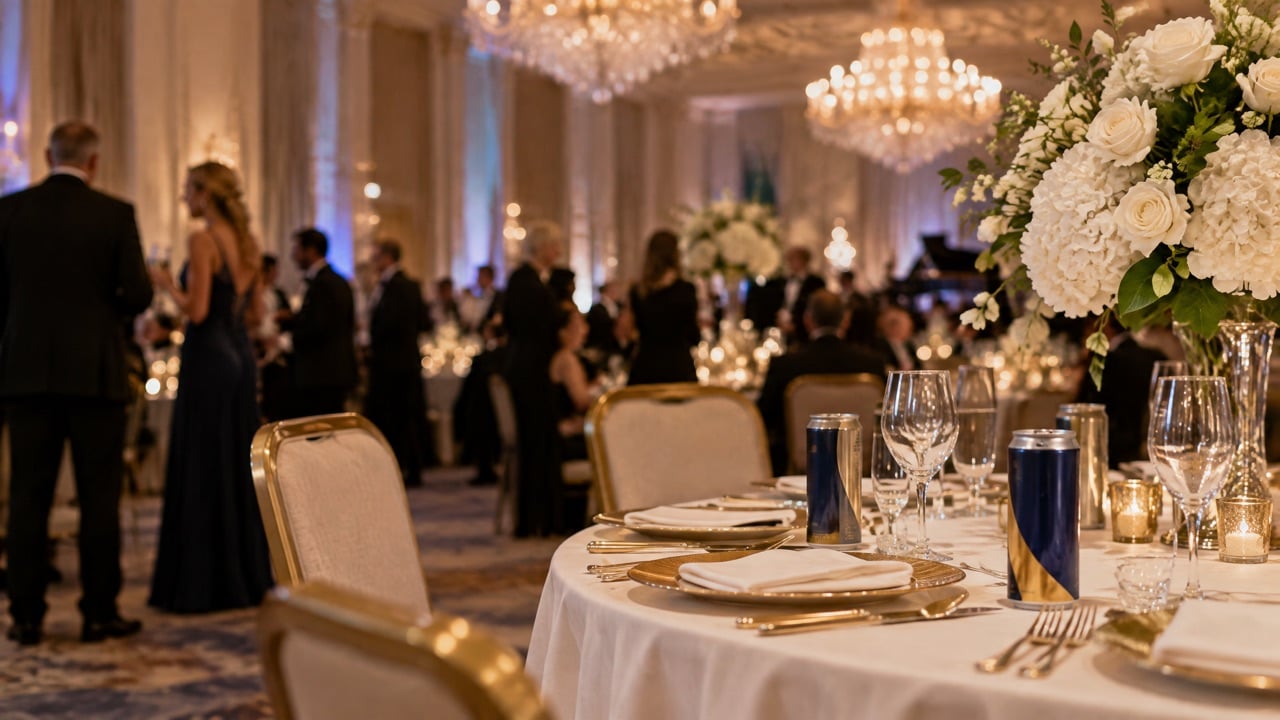
- Photos. A well-designed can shows up in guest photos and social posts during the event.
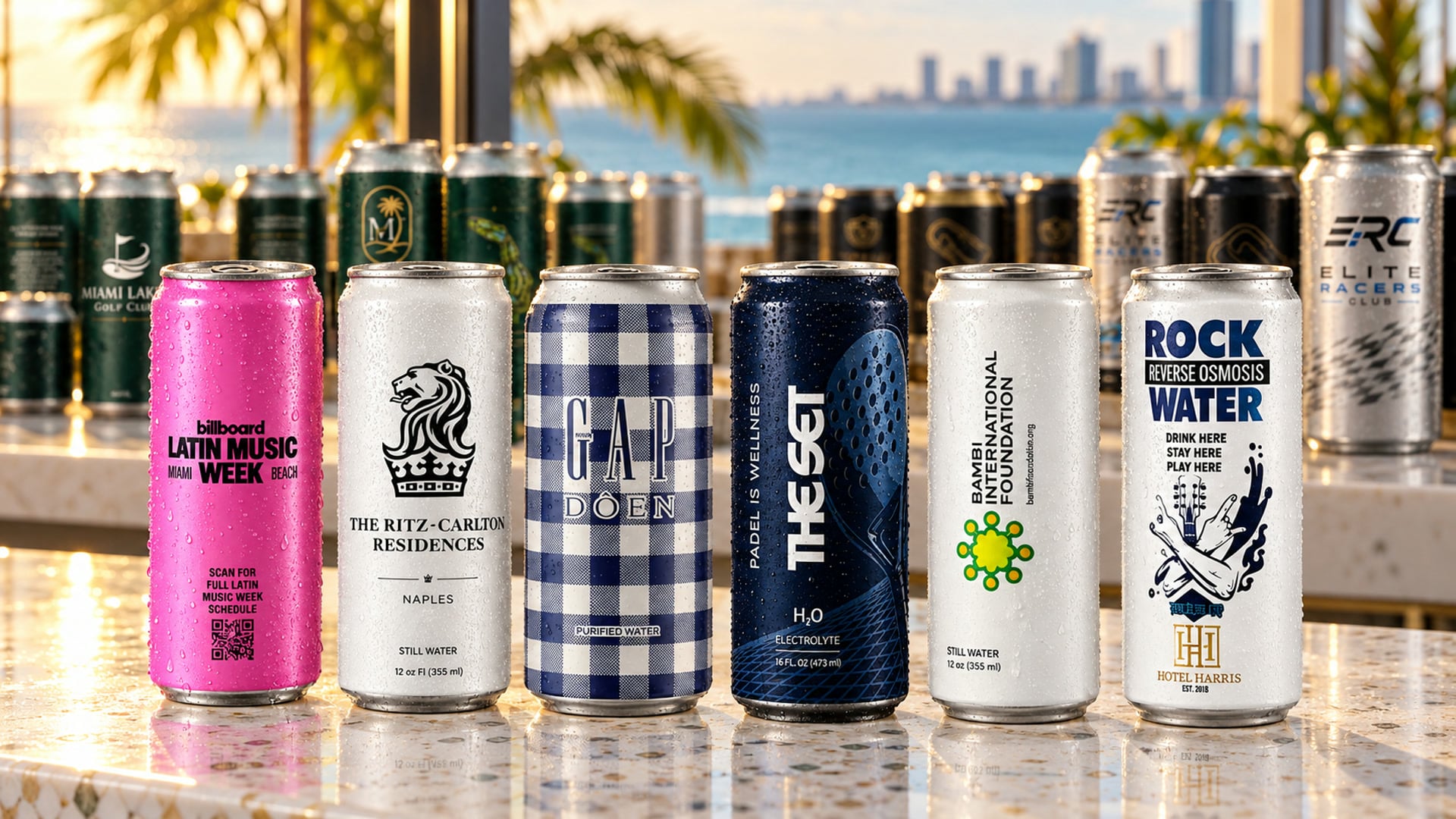
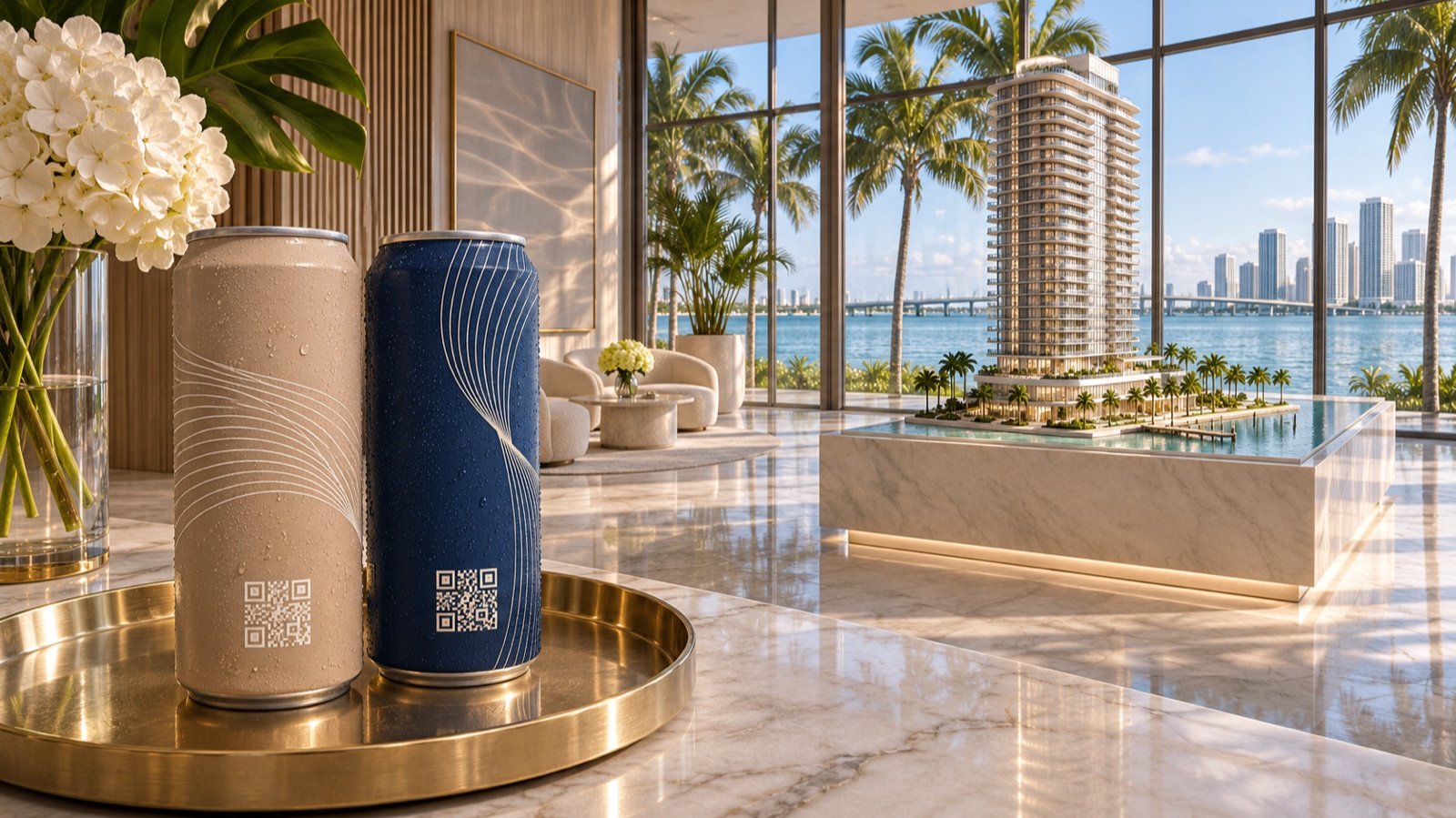
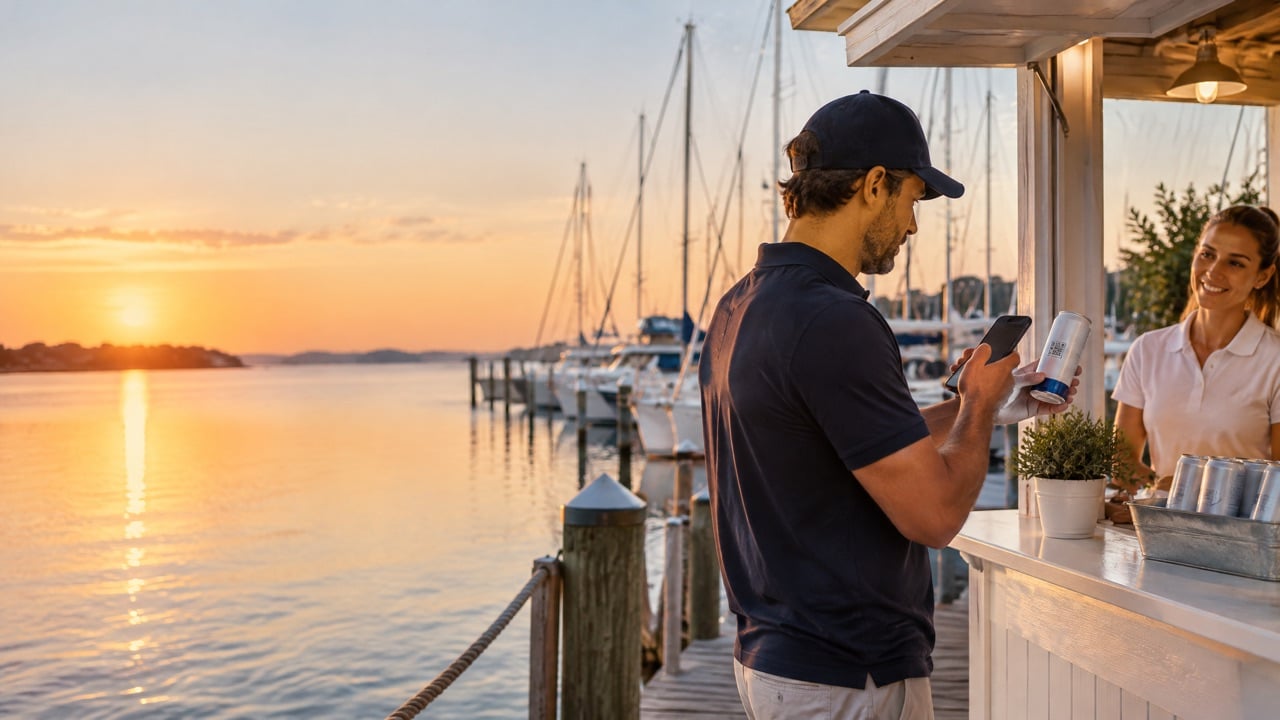
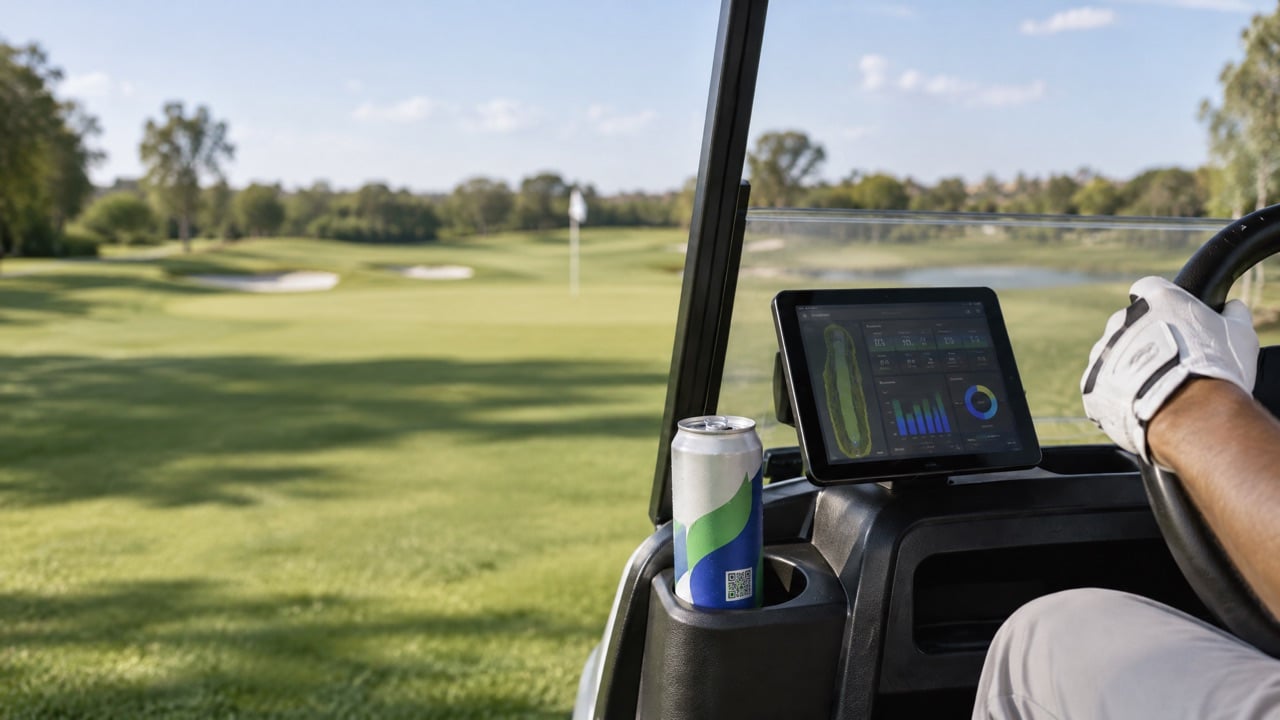
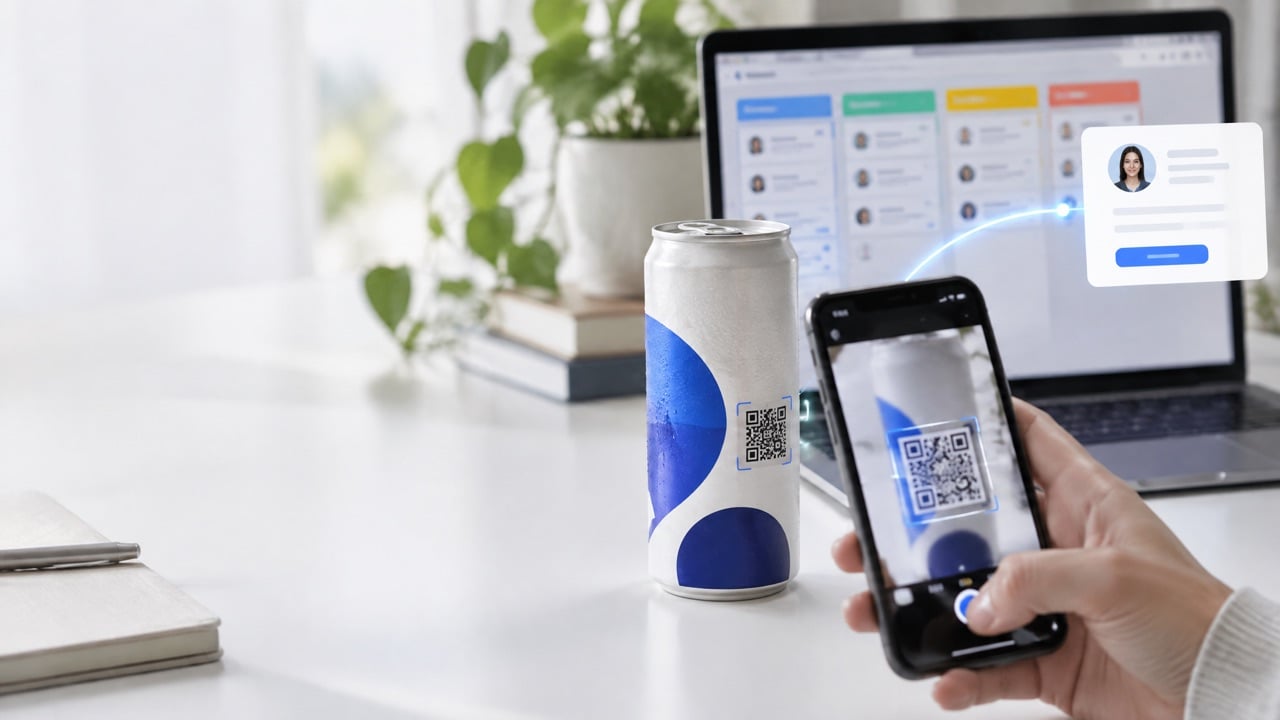
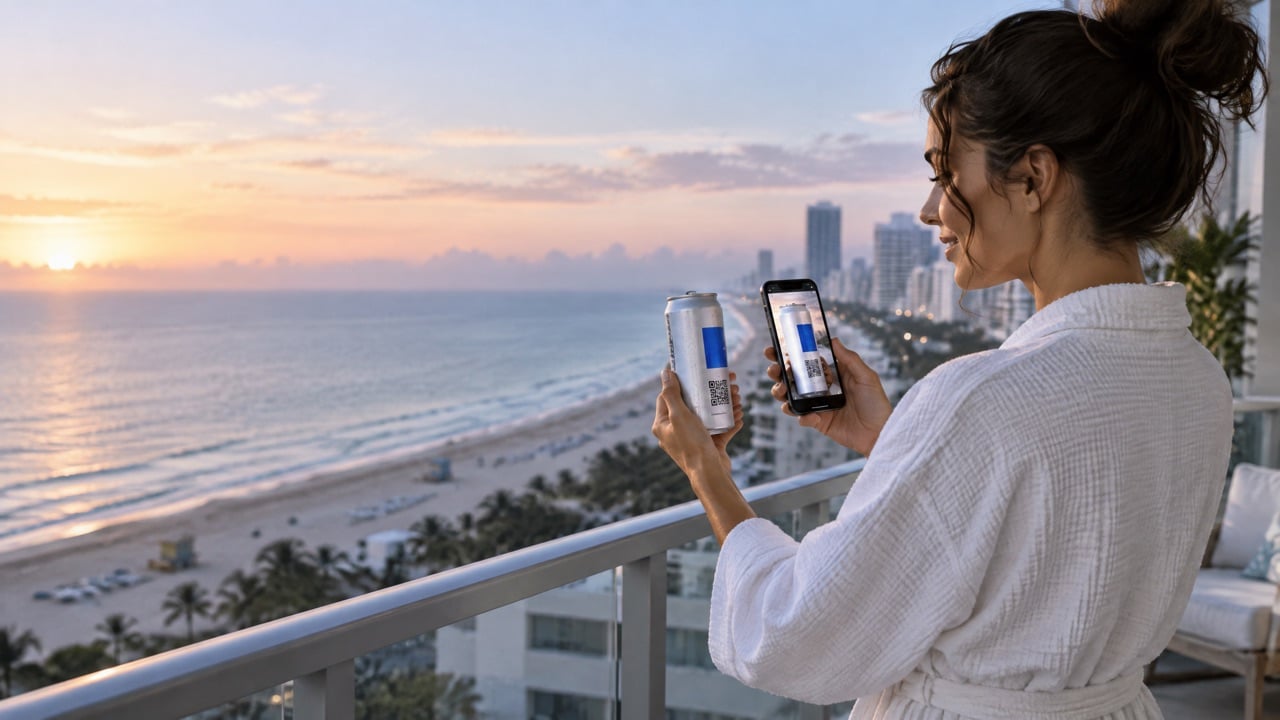
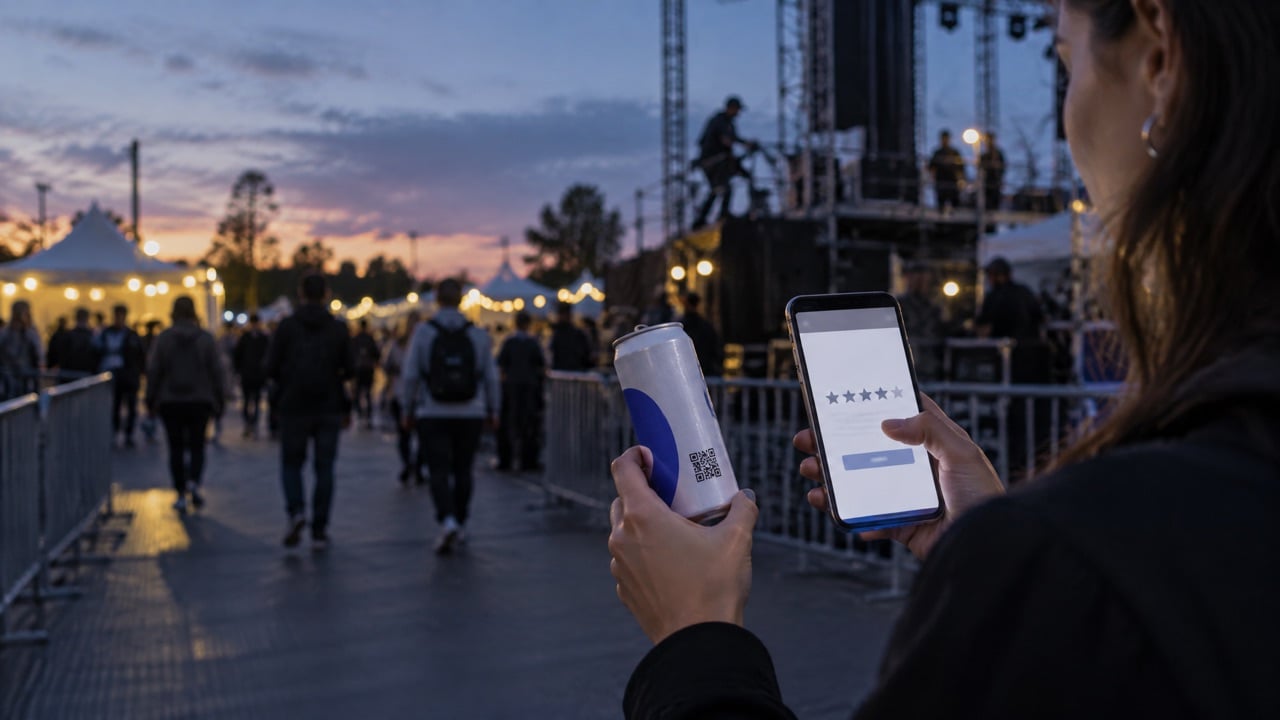
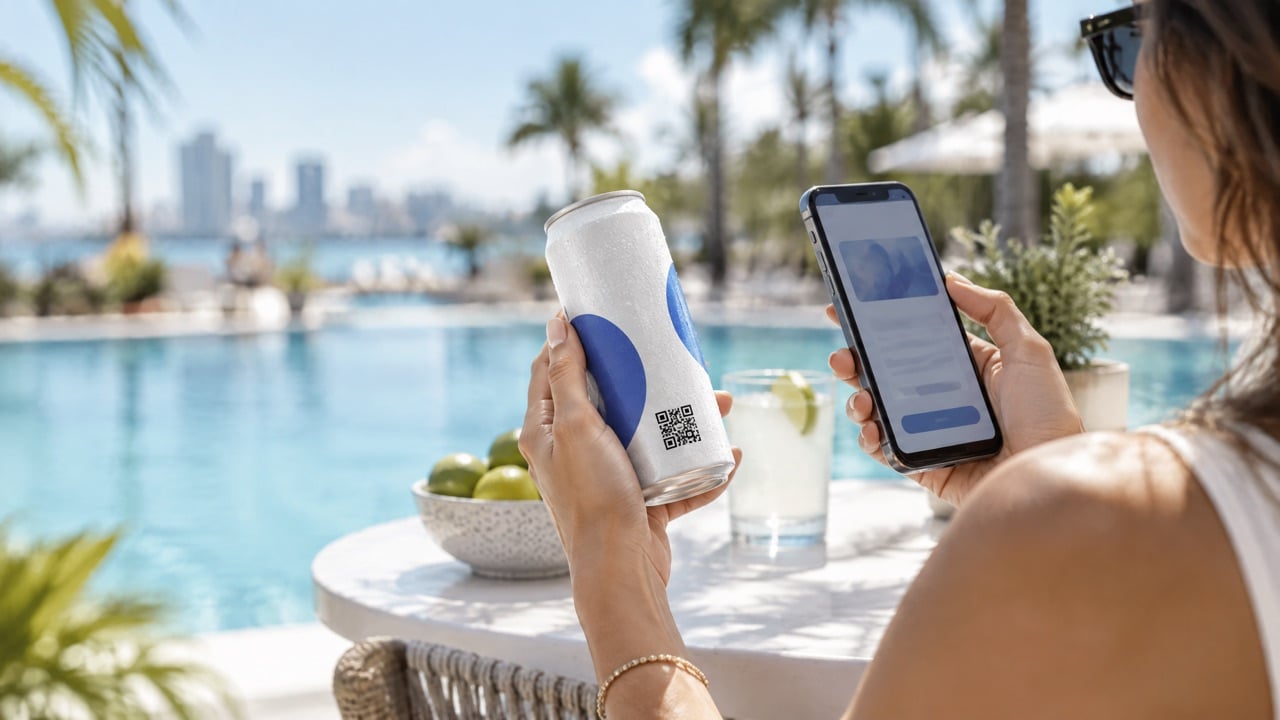
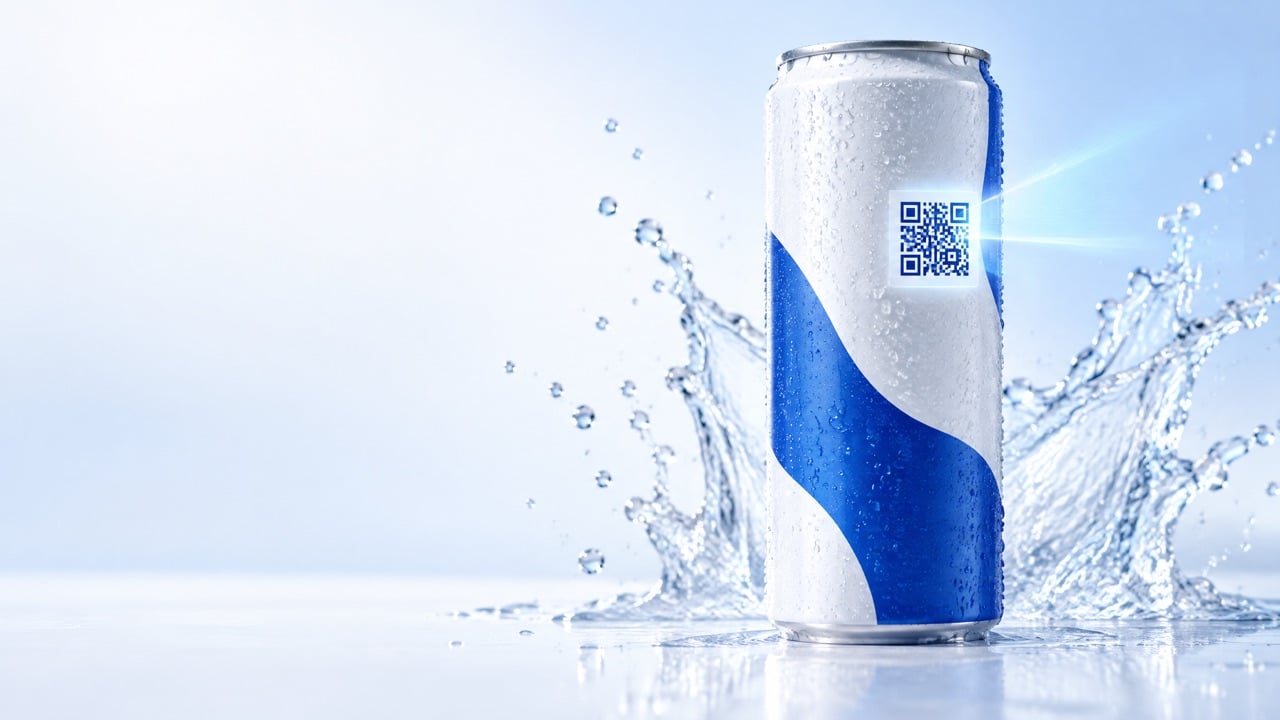
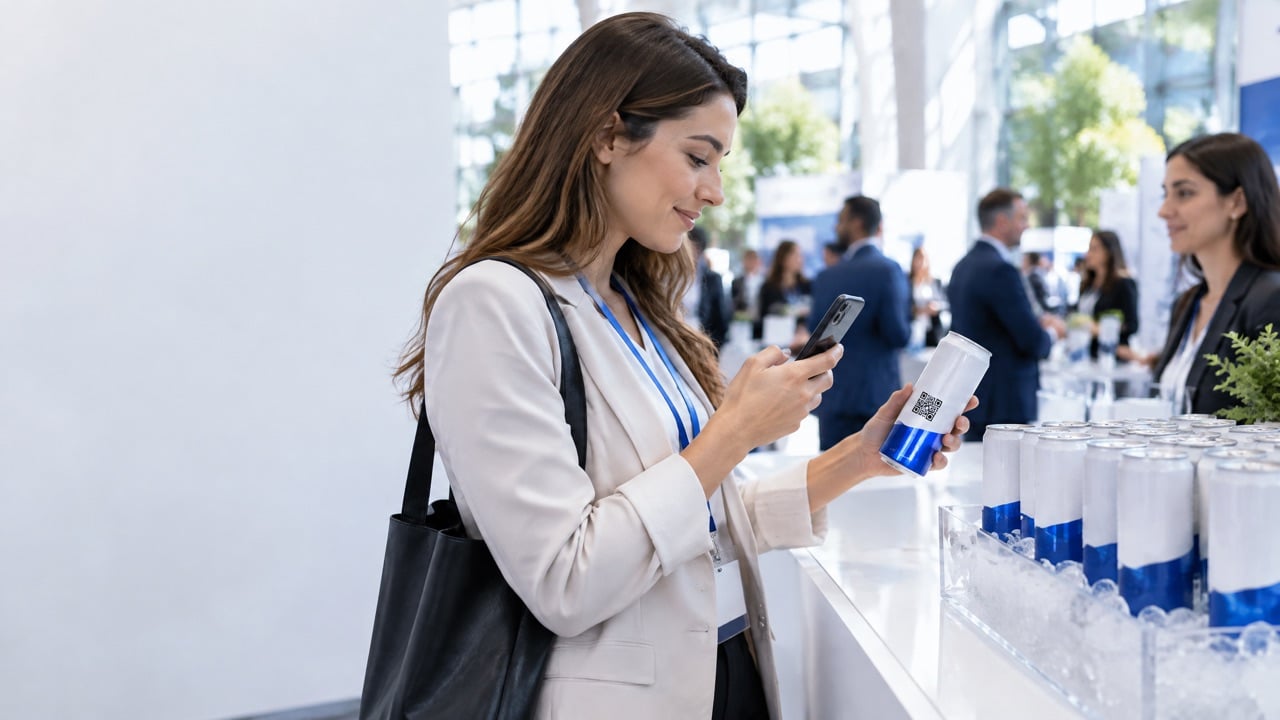
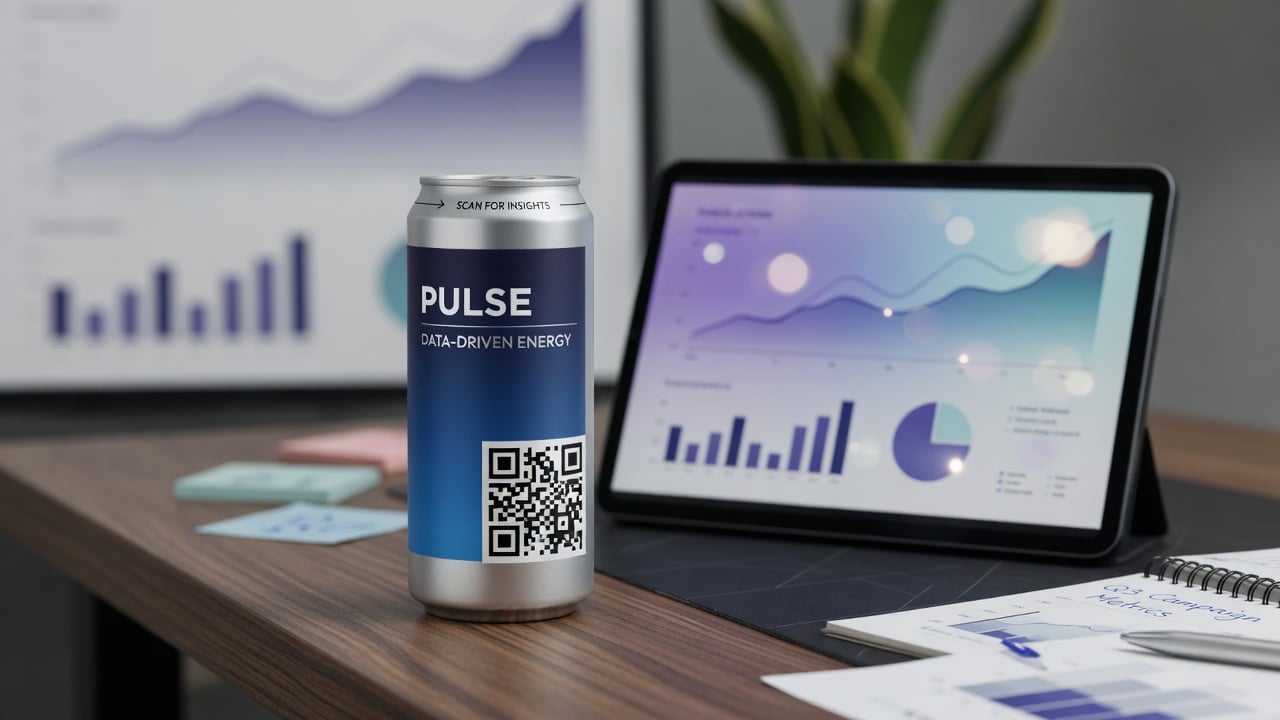
- A built-in digital link. A QR code on the can turns a giveaway into a way to start a conversation.
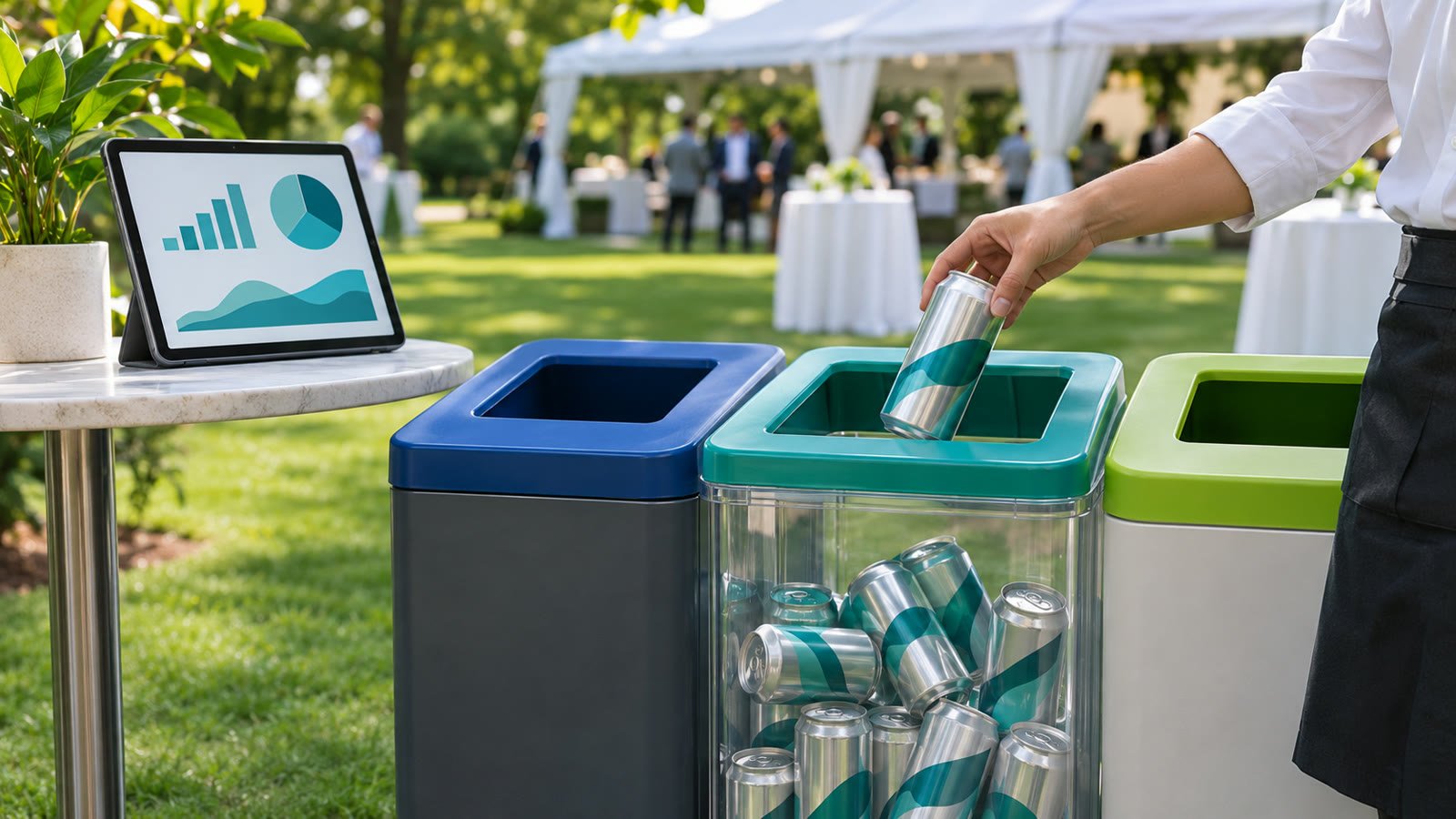
- Less landfill swag. Aluminum cans are widely recycled, while many unwanted giveaways are thrown away.
Where durable swag is strong:
- Long life. Mugs, bags and shirts are seen for months or years.
- Low cost per lifetime impression. The ASI numbers favor durable, useful items.
- Out-of-event recall. People see your logo long after the show.
The honest takeaway: if your only goal is cheap lifetime logo views, durable swag wins. If your goal is conversations and leads at the event, CPI is the wrong scorecard.
A better metric: cost per engaged visitor and cost per lead
At a trade show or activation, most marketing teams are judged on pipeline, not logo views. Two simple metrics capture that better than CPI:
- Cost per engaged visitor. Total giveaway cost divided by the number of people who had a real interaction, such as a conversation, a demo or a QR scan.
- Cost per lead. Total giveaway cost divided by the number of qualified contacts you captured.
A simple worksheet you can fill in with your own numbers:
- Total giveaway cost. Product, decoration, shipping and staff time.
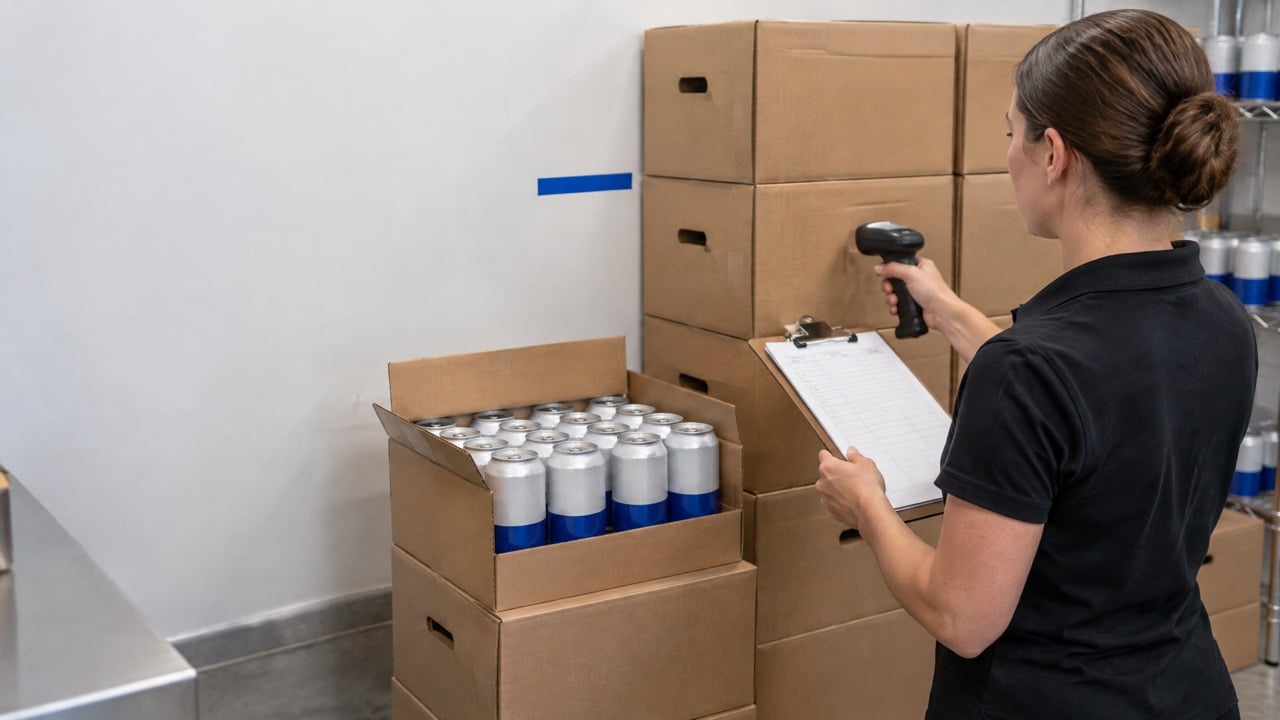
- Items handed out. Count what left the booth, not what you ordered.
- Engaged visitors. Conversations logged, demos given or QR scans.
- Leads captured. Contacts that meet your qualification criteria.
- Divide. Cost by engaged visitors, then cost by leads.
Run the same worksheet for every giveaway you test. After two or three events you will have your own numbers, which beat any industry average.
How a QR code changes the comparison
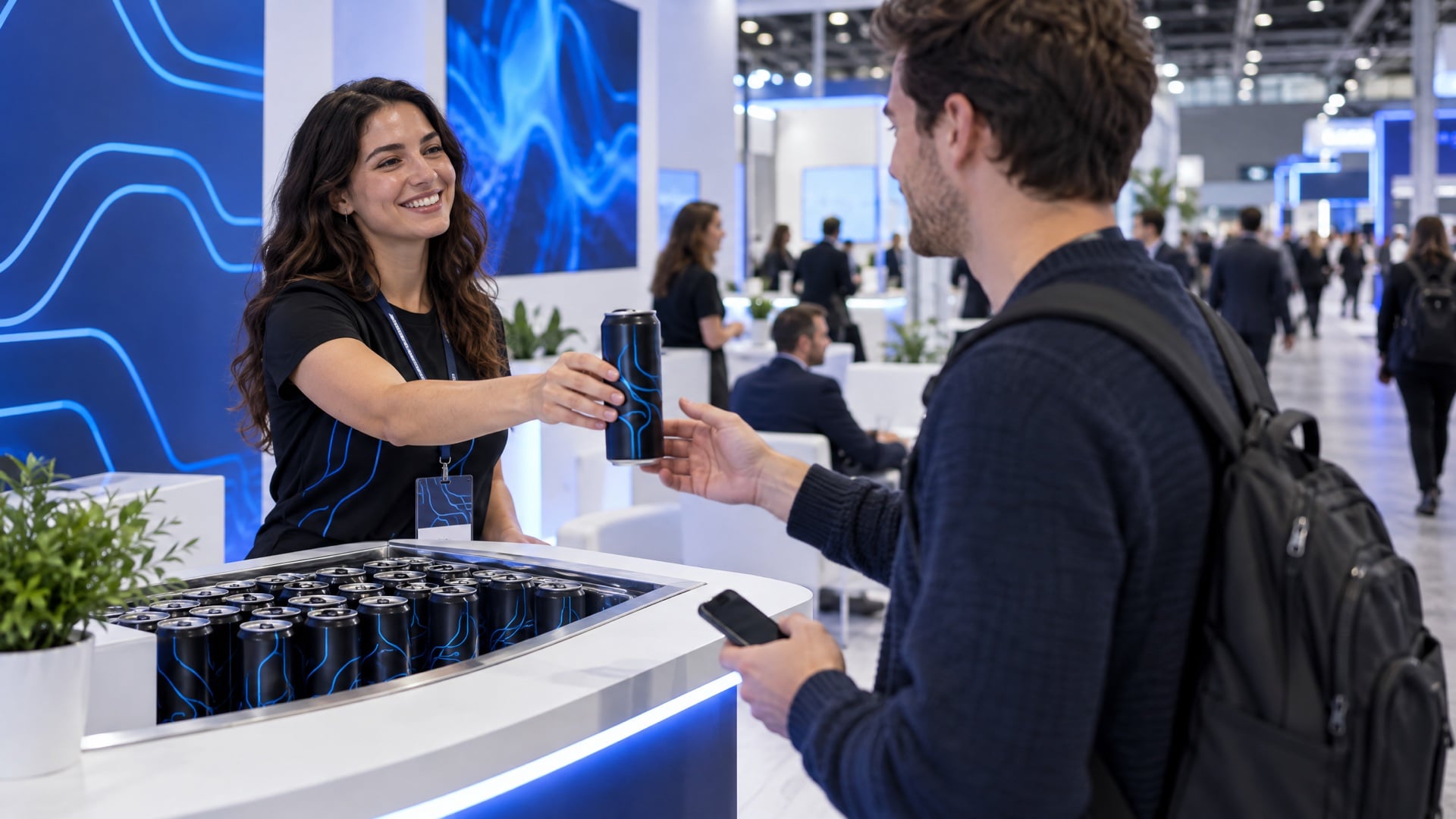
Most swag is a one-way message: the logo is seen, but you learn nothing about who saw it. A QR code on a branded can turns a giveaway into a two-way interaction. When a visitor scans, you can see that it happened, and you can offer something worth leaving a name for.
Good QR destinations for events:
- Book a meeting or demo with your sales team
- Download the product sheet or a short guide
- Enter a drawing with a simple form, within the rules that apply to promotions
- Watch a short product video
- Join a VIP list for an after-party or next event
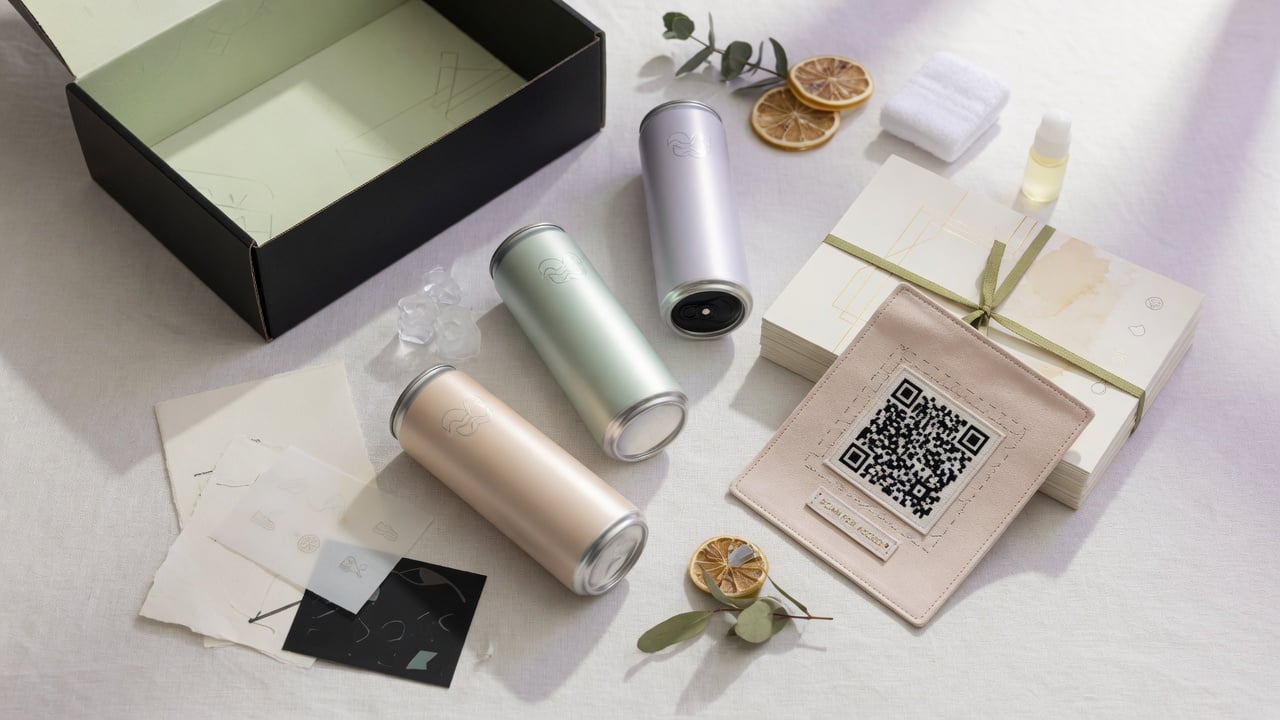
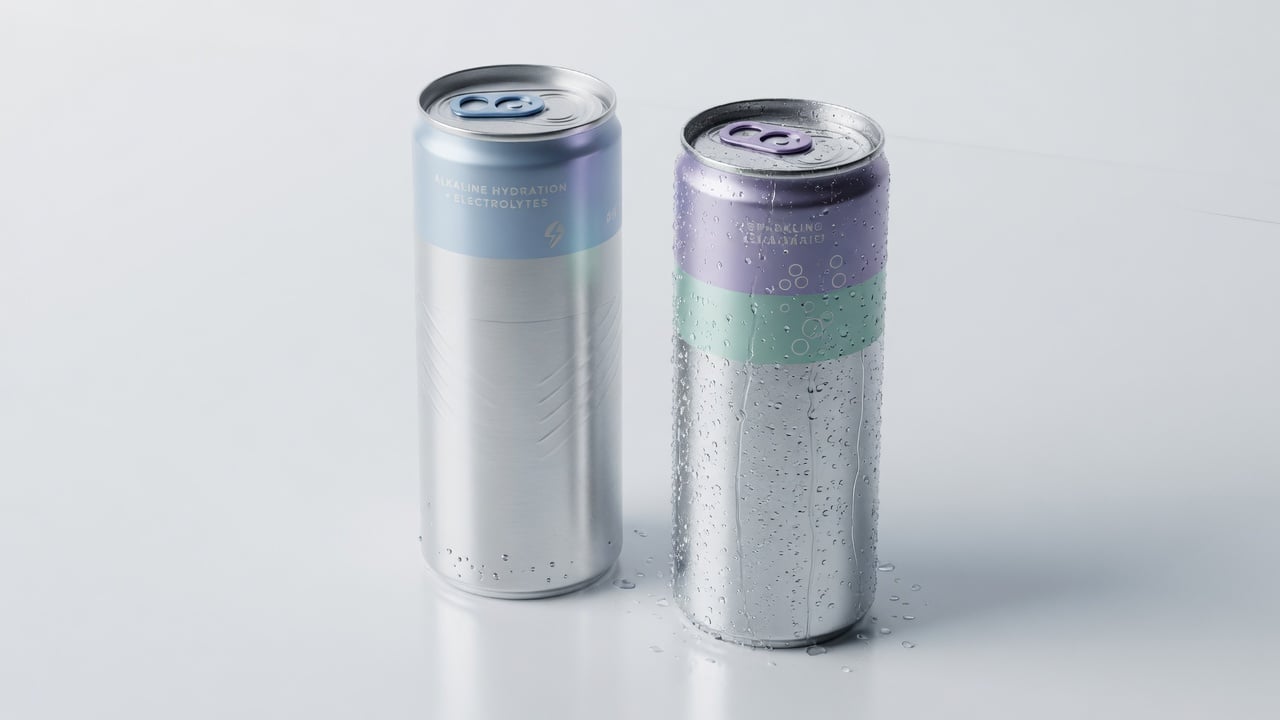
QR codes are included at no extra cost on both labeled and digitally printed We Can It cans. For brands with performance marketing goals, Journeys is our platform for building the experience behind the code and seeing scans, sign-ups and visits by booth zone. We do not publish average scan rates, because they depend on the offer, the crowd and the booth. Measure your own and compare events against each other.
Our guide to trade show giveaways that capture leads compares popular giveaways in detail, and our guide to trade show follow-up in the first 48 hours shows what to do with the contacts you collect.
When to choose branded water, swag or both
Choose by the job you need the giveaway to do.
- Choose branded water when the event is hot or long, when you want visitors to stop at the booth, and when you want a QR path to a meeting or sign-up.
- Choose durable swag when the goal is long-term recall with a defined audience, such as customers or partners.
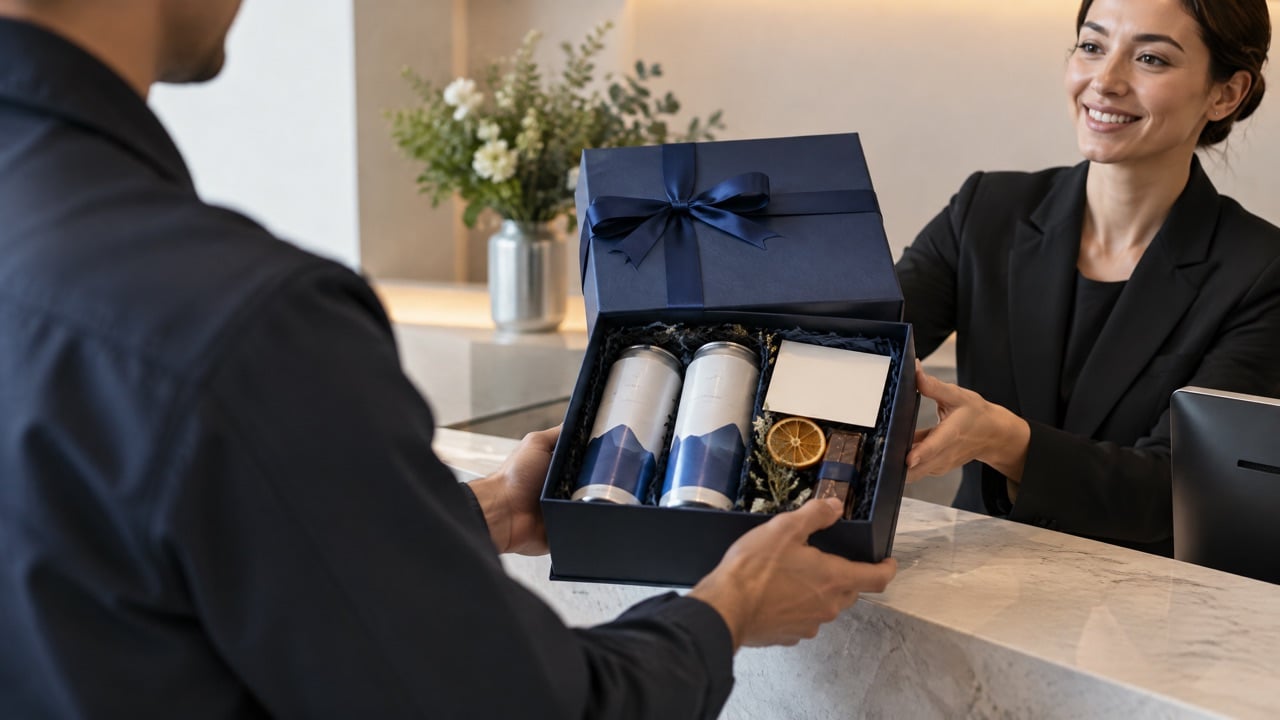
- Choose both when you want to stop traffic with a cold can, then reward qualified visitors with a better, durable gift after a conversation.
Many teams find the combination works best: water for everyone who passes, a quality item for people who book a meeting.
Costing a branded water giveaway
To compare fairly, include every cost:
- Cans. Digitally printed cans cost $1.60 to $2.00 per can depending on volume. Labeled cans run $1.15 to $1.55 per can.
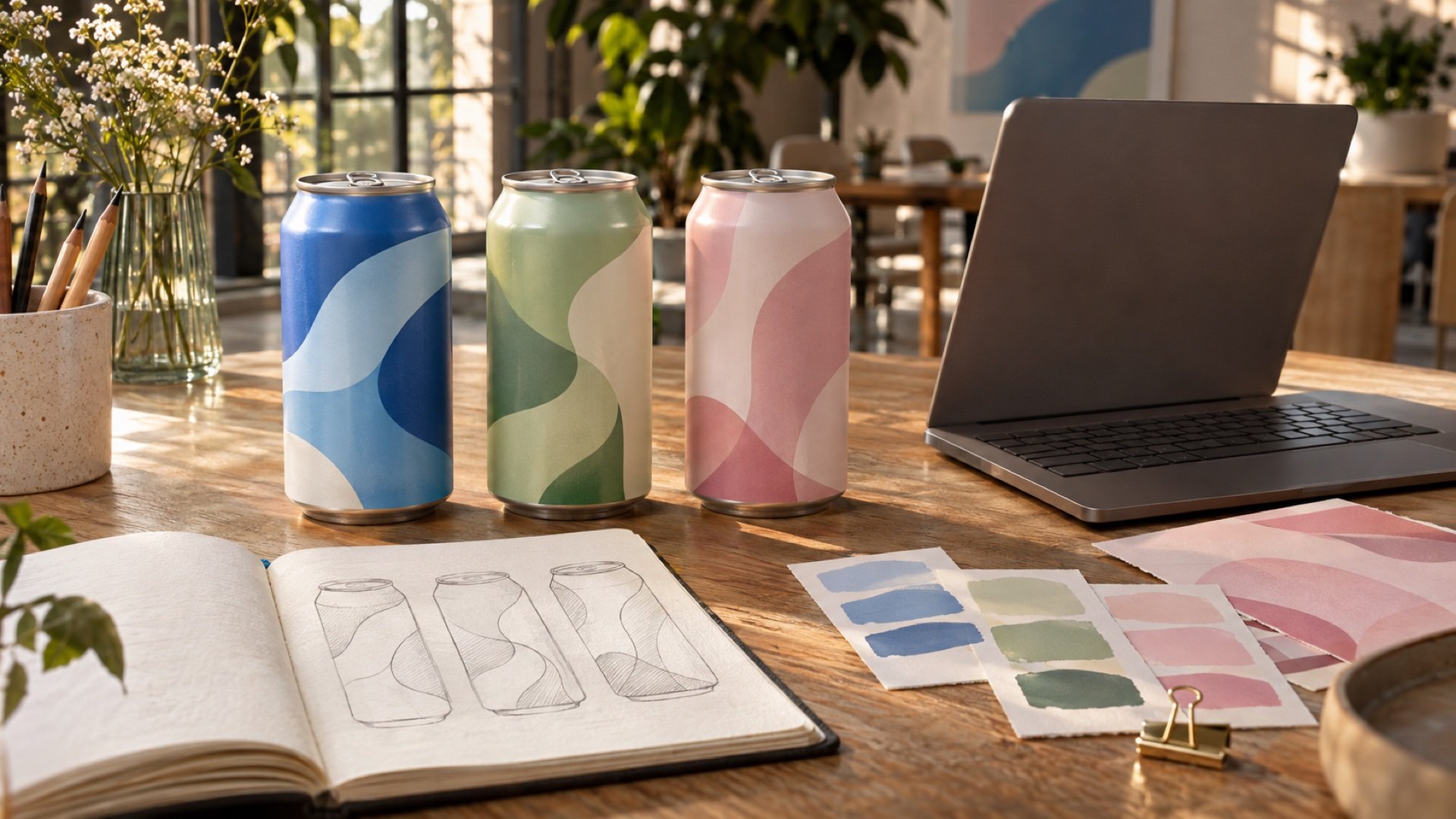
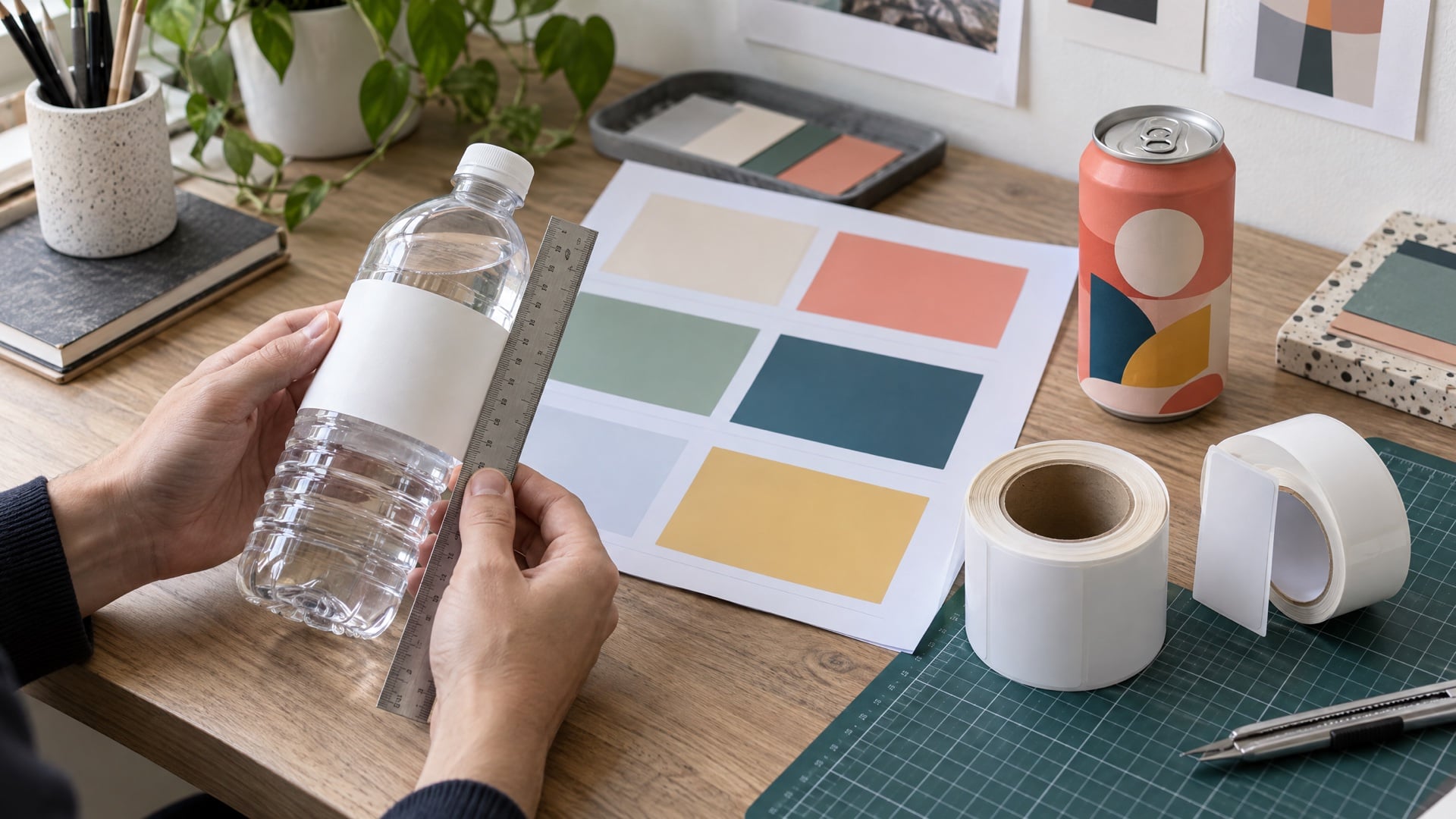
- Decoration choice. Labels from 10 cases (240 cans), ready in 3 weeks. Digital print from 21 cases (504 cans), in 3 weeks for printed labels or 4 weeks for digital print.
- Freight. We ship from Miami nationwide with logistics billed at cost.
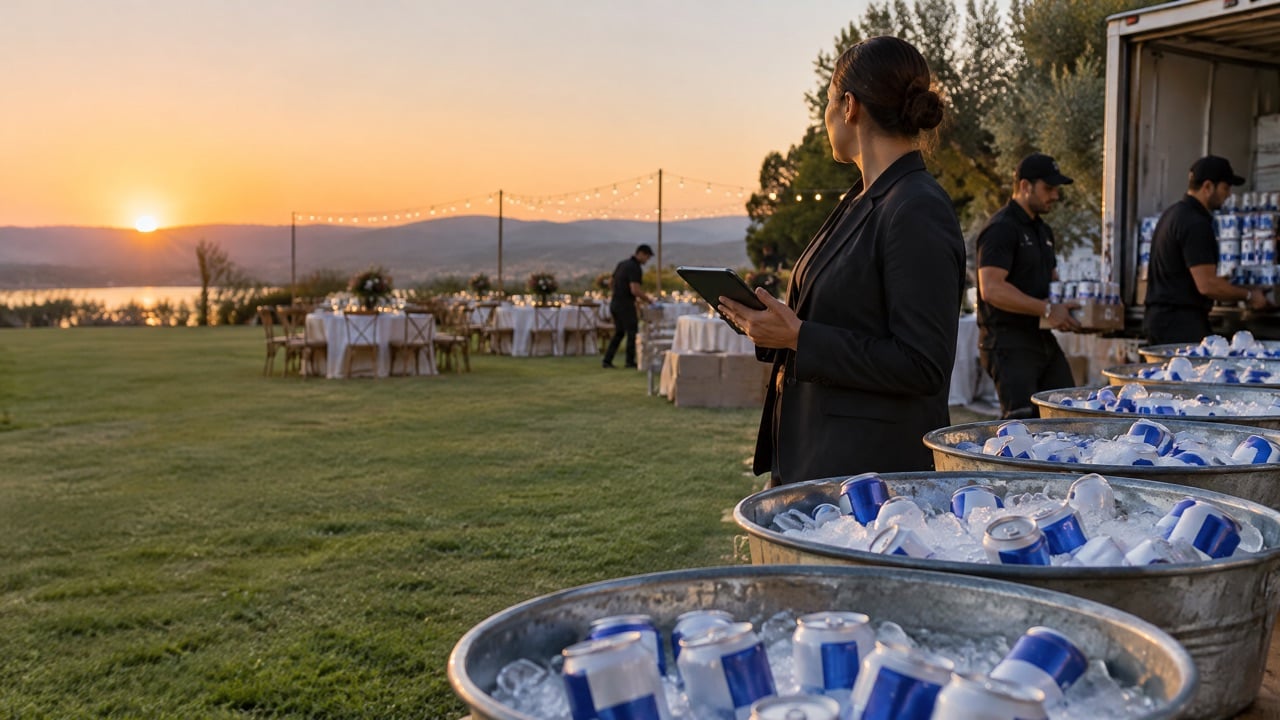
- Chilling and staffing. A cooler, ice and someone to hand cans out.
- QR destination. Included at no extra cost, plus your team's time to build the landing page.
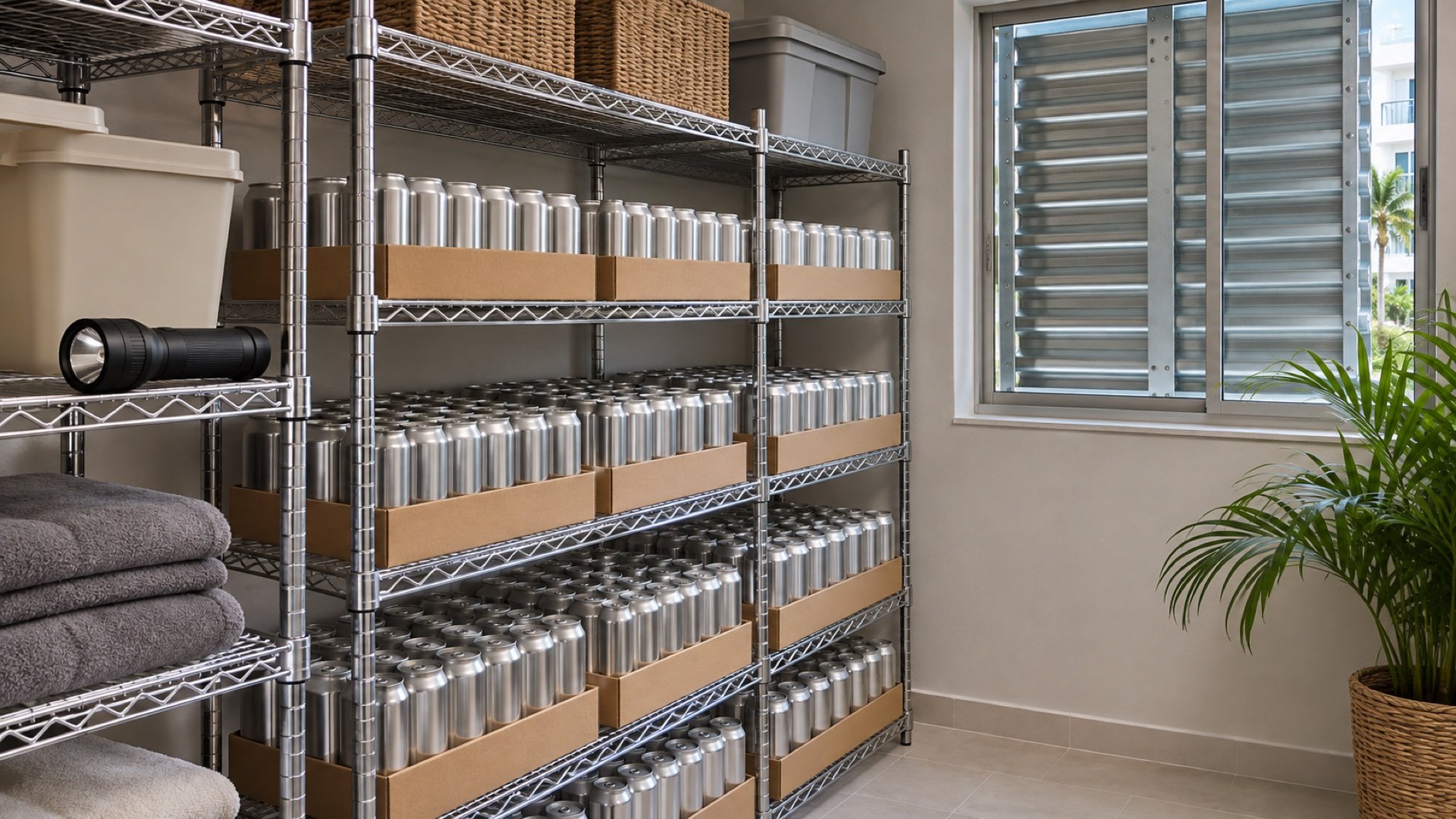
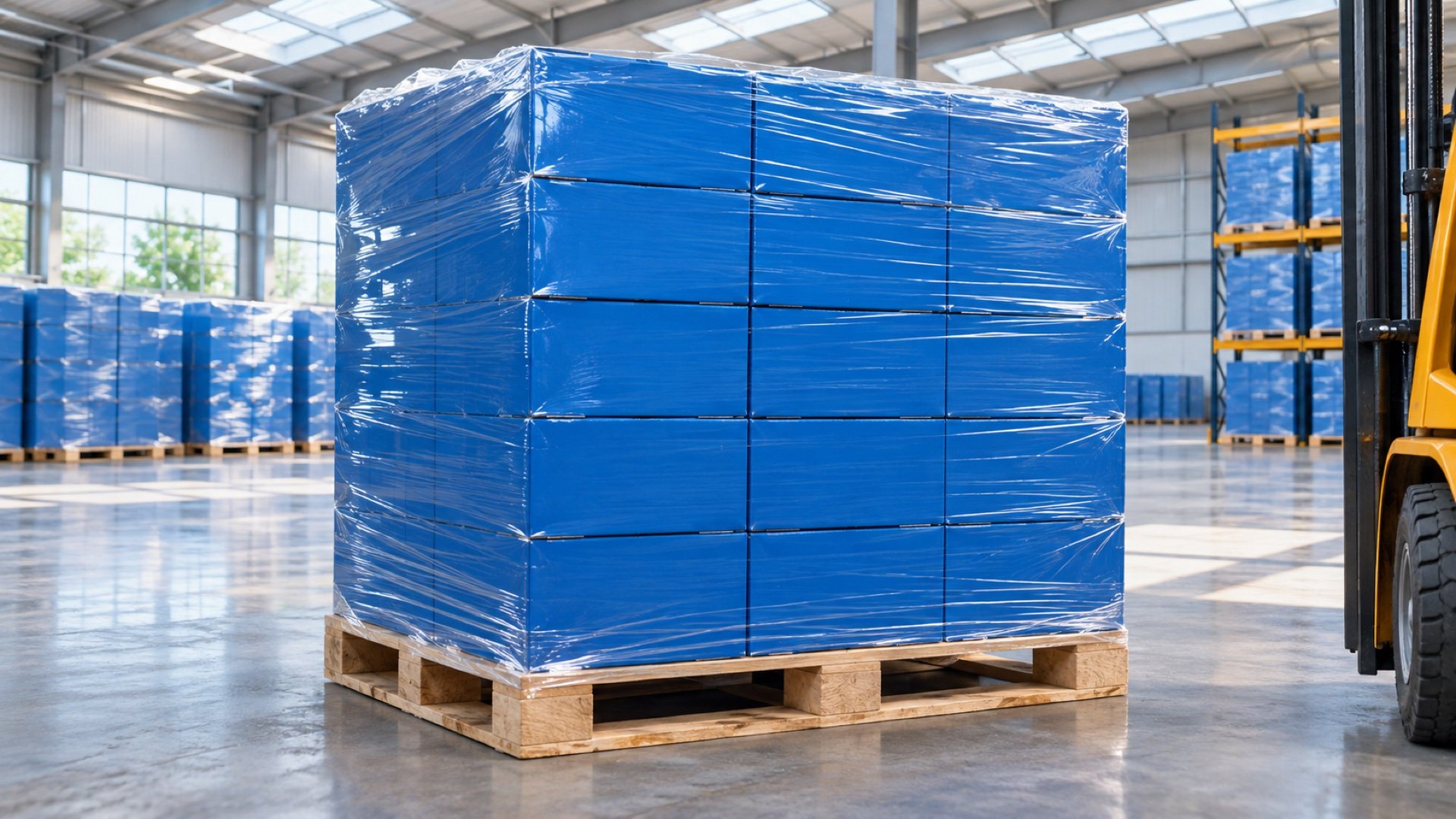
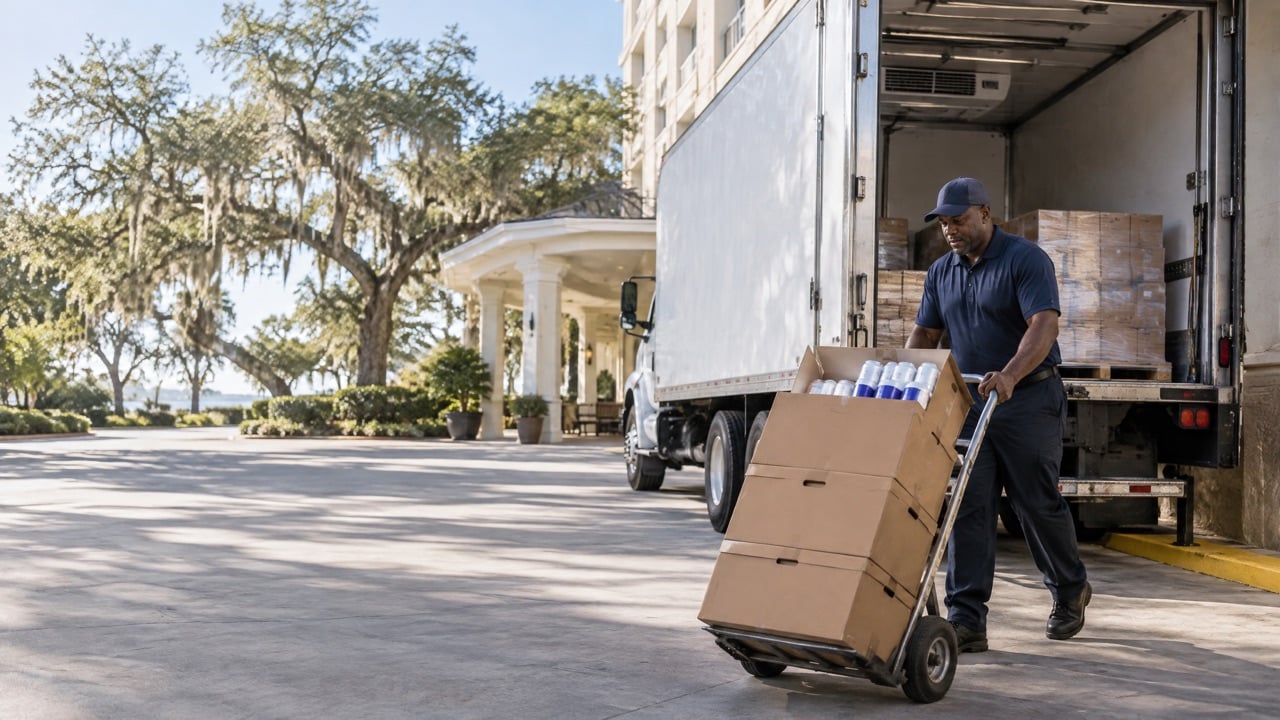
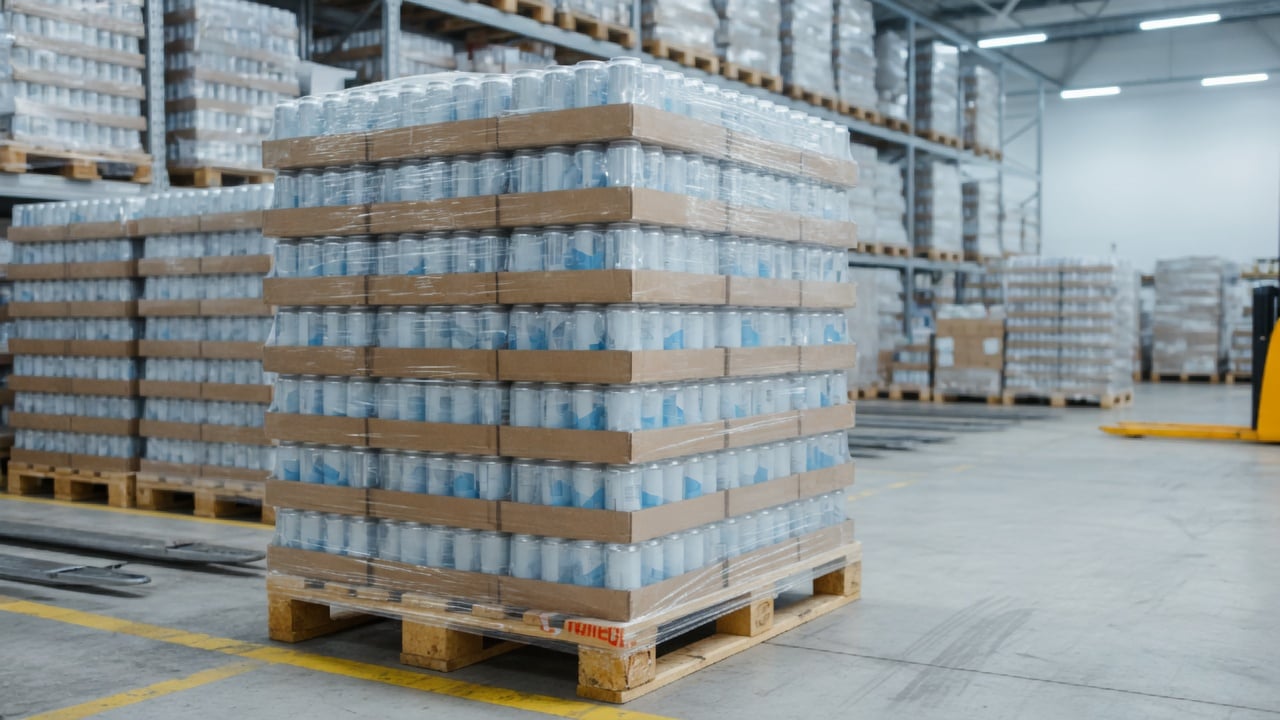
Freight matters for a fair comparison. Water is heavy compared with pens or totes. LTL carriers typically cap a single pallet at around 1,500 to 4,000 lb, so plan pallets and delivery early for large shows.
Event swag checklist
- Set the goal. Logo recall, booth traffic or leads.
- Pick the metric. CPI for recall, cost per engaged visitor or cost per lead for pipeline.
- Count everything that leaves the booth.
- Add a QR code to anything you can, so interactions are measurable.
- Run the worksheet after every event.
- Compare events against each other, not against a national average.
Frequently asked questions
What is the average cost per impression for promotional products?
ASI's 2026 Global Advertising Impressions Study reports an average cost per impression of about $0.006, or six-tenths of a cent, based on a survey of nearly 5,000 consumers in the U.S., Canada, Mexico and Europe.
Is branded water a good trade show giveaway?
Branded water is a strong giveaway when your goal is booth traffic and conversations, especially at hot or long events. It has fewer lifetime impressions than a mug or tote, so its value comes from immediate use and the QR path to a lead.
Which promotional product has the lowest cost per impression?
In ASI's published data, low-cost, long-lived items such as pens and tote bags show some of the lowest costs per impression, around one-tenth of a cent or less. Results vary by product price and how long people keep it.
How do I measure event swag ROI?
Divide the total giveaway cost by the number of engaged visitors and by the number of qualified leads. Track both at every event and compare events against each other over time.
What is the minimum order for branded water for an event?
With We Can It, labeled cans start at 10 cases, which is 240 cans, and are ready in 3 weeks. Digitally printed cans start at 21 cases (504 cans) and take 4 weeks.
Get a quote for branded water for your next event
If your event is judged on conversations and leads, test branded water against your usual swag and measure both. Tell us about your next show and a product advisor will help you size the order and plan the QR path.