How to Plan Private Label Water for Peak Hospitality
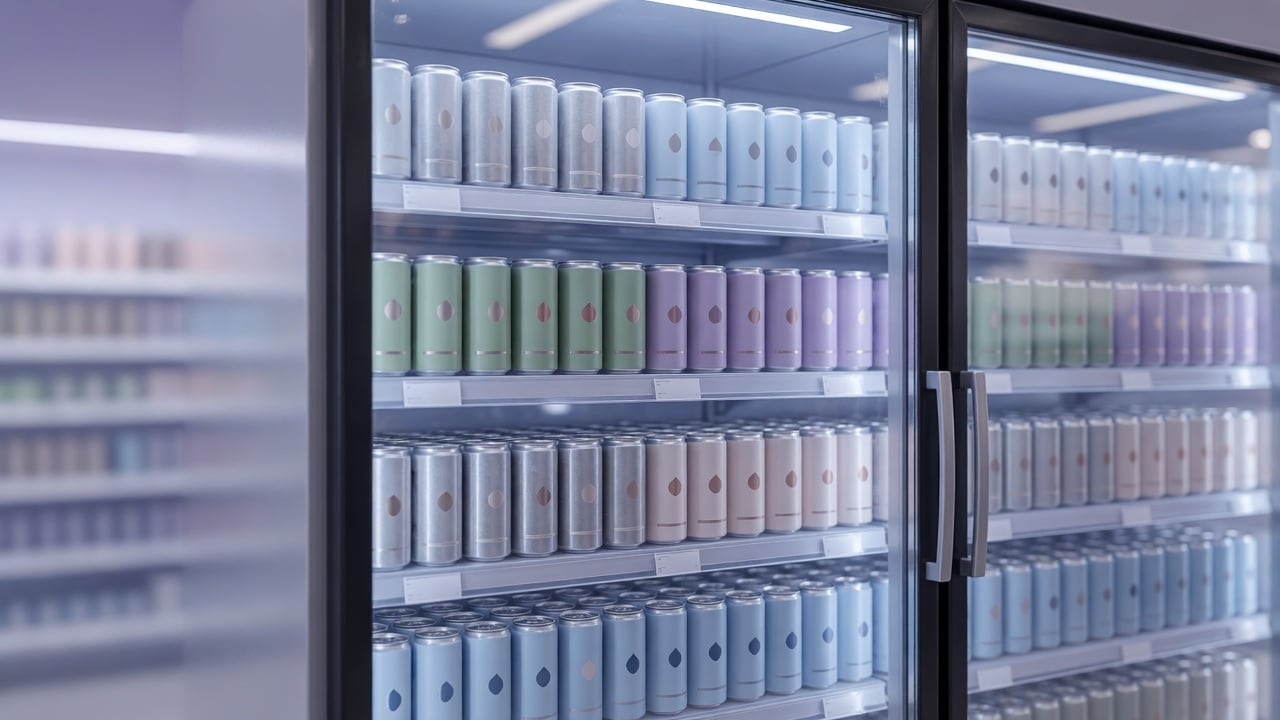
Peak season does not send a polite calendar invite. Occupancy jumps. Pool hours stretch. Group business lands on the same weekend as a citywide event. F&B is already short-staffed. Then someone opens the cooler and finds last year's mixed bottles, or worse, an empty shelf.
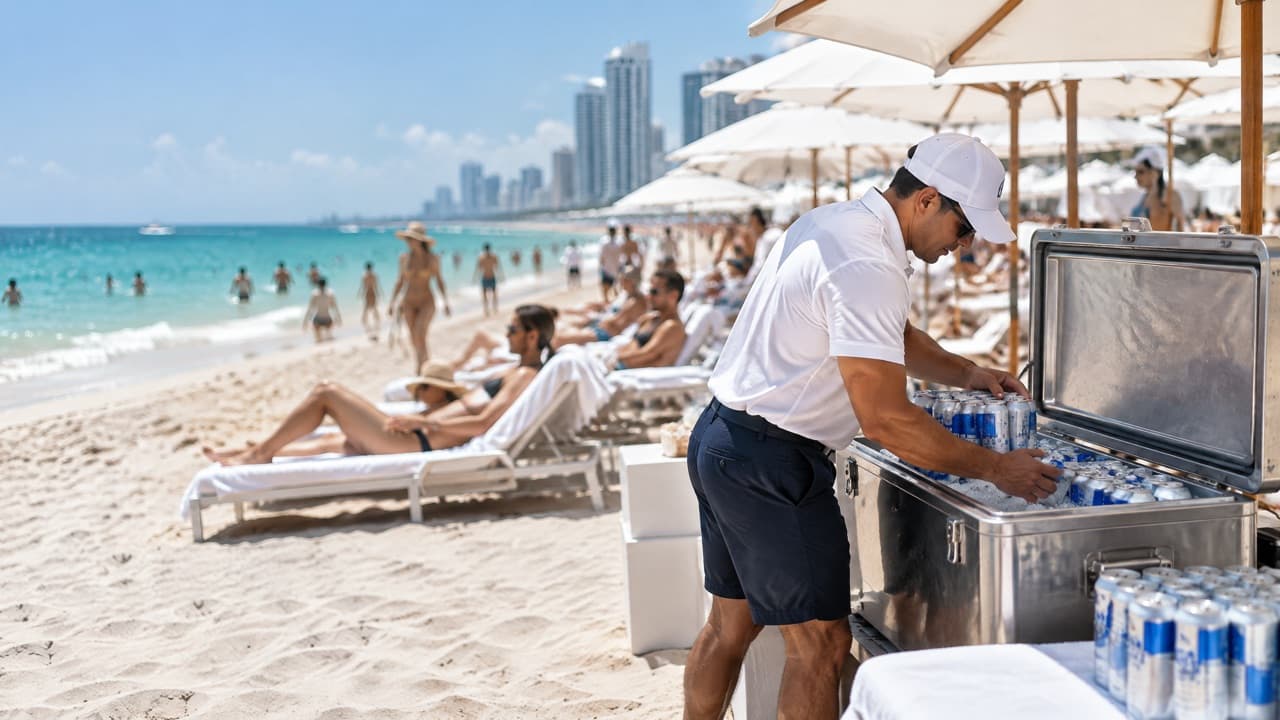
Peak season does not send a polite calendar invite. Occupancy jumps. Pool hours stretch. Group business lands on the same weekend as a citywide event. F&B is already short-staffed. Then someone opens the cooler and finds last year's mixed bottles, or worse, an empty shelf. Seasonal planning for amenity water is not glamorous. It is how the property still looks considered when every other system is loud.
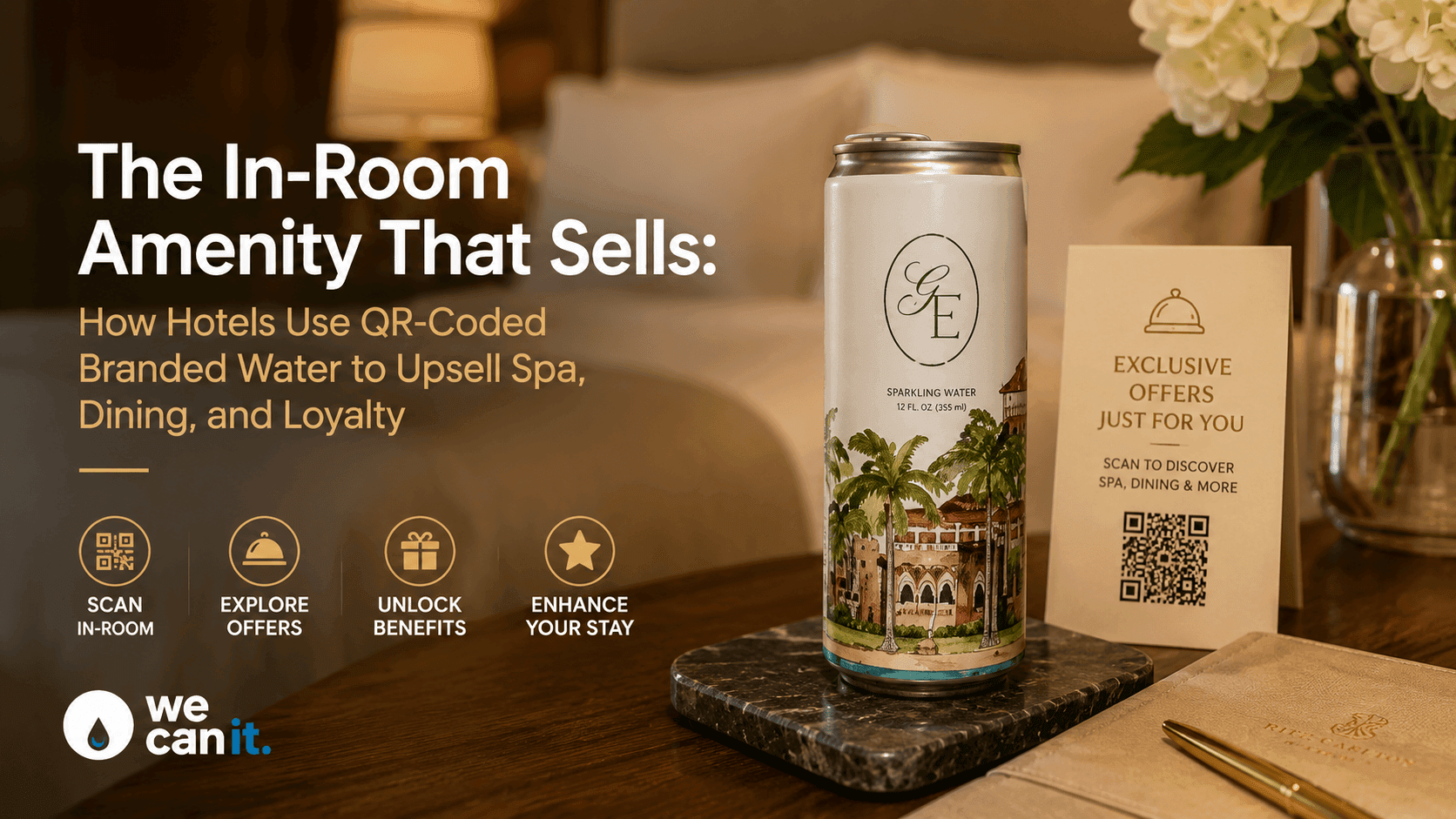
Private label water seasonal planning hospitality is the practice of reverse-planning branded cans from the dates you cannot miss: high season, holidays, citywide events, and openings. This guide is for GMs, F&B directors, and brand leads who need a cooler plan that survives the peak, not a heroic last-minute catalog order.
How do you plan private label water for peak hospitality?
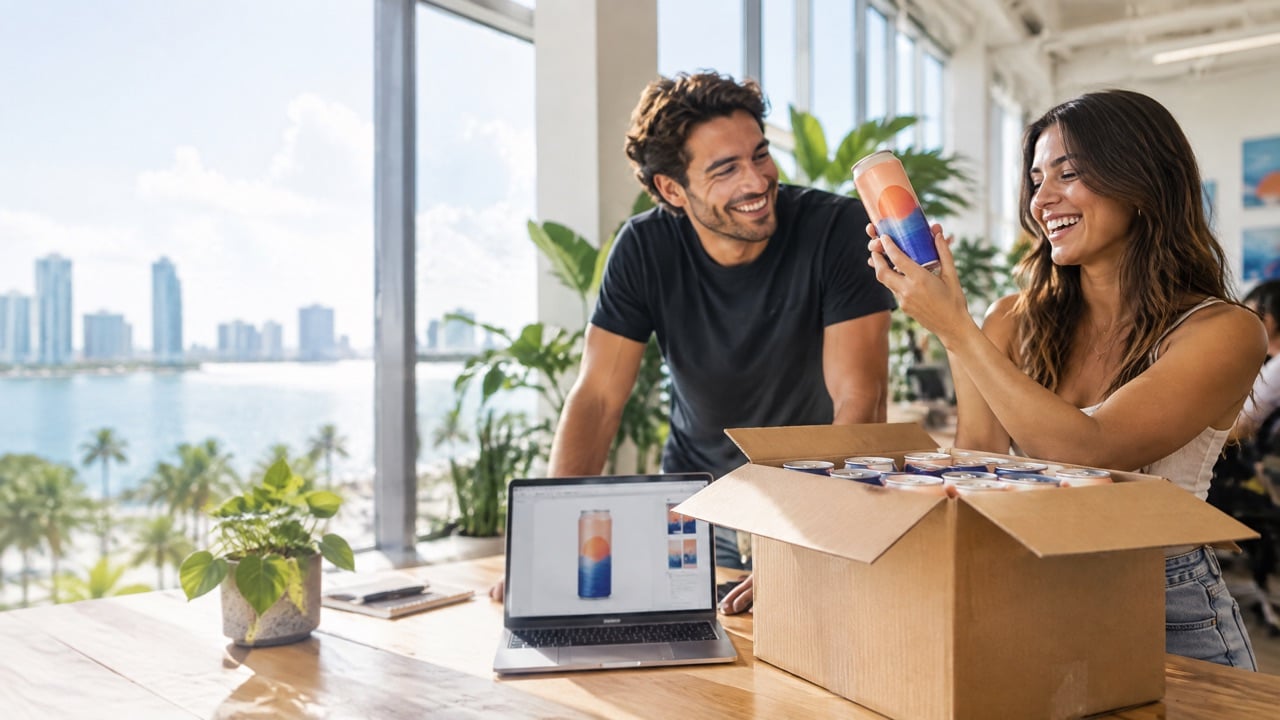
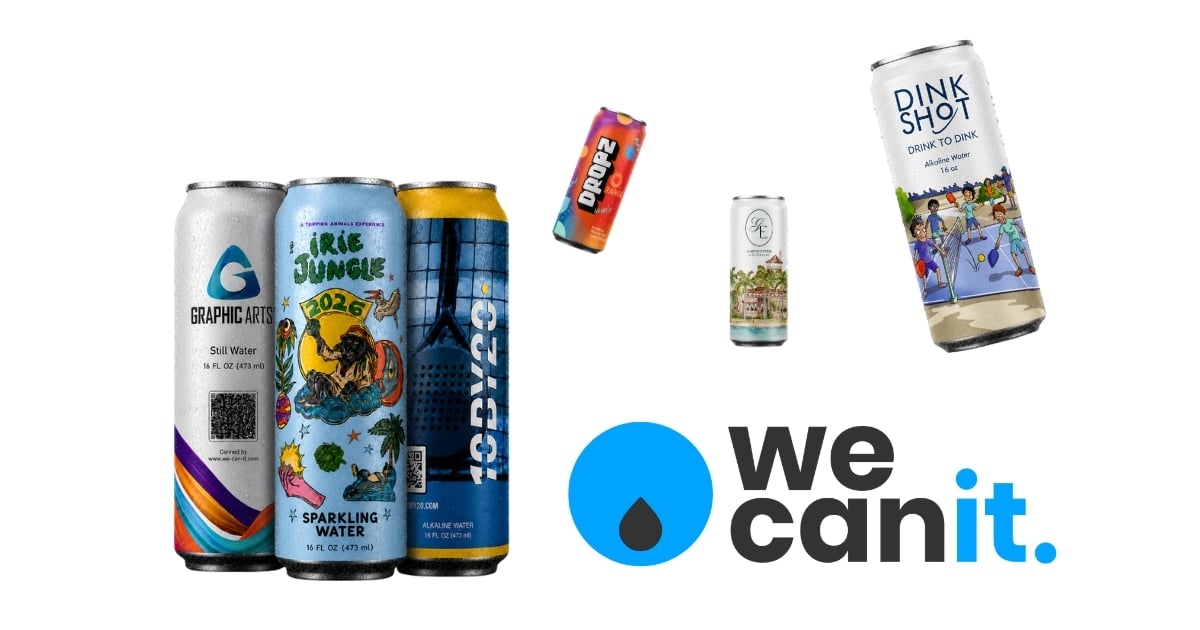
You plan backward from receiving day, not forward from a curious email. Lock art early. Choose still as the volume base. Add sparkling only for peak F&B moments. Pilot if you lack burn history. Produce in about 2 to 3 weeks from artwork approval. Pad freight. Stock hero stations before the first sold-out weekend. At We Can It, programs start at 21 cases (504 cans), which is enough to learn before you over-order a season.
The factory is not late when the brief is late. Put art lock on a shared calendar with a named owner. Peak hospitality punishes soft files against hard dates.
Why seasonal water plans fail (even at good properties)
Most failures are calendar failures dressed up as vendor failures.
- Art still in "one more round" while rooms are already on the books
- Annual volume guesses with no station map
- Sparkling-only orders for still-thirsty pool days
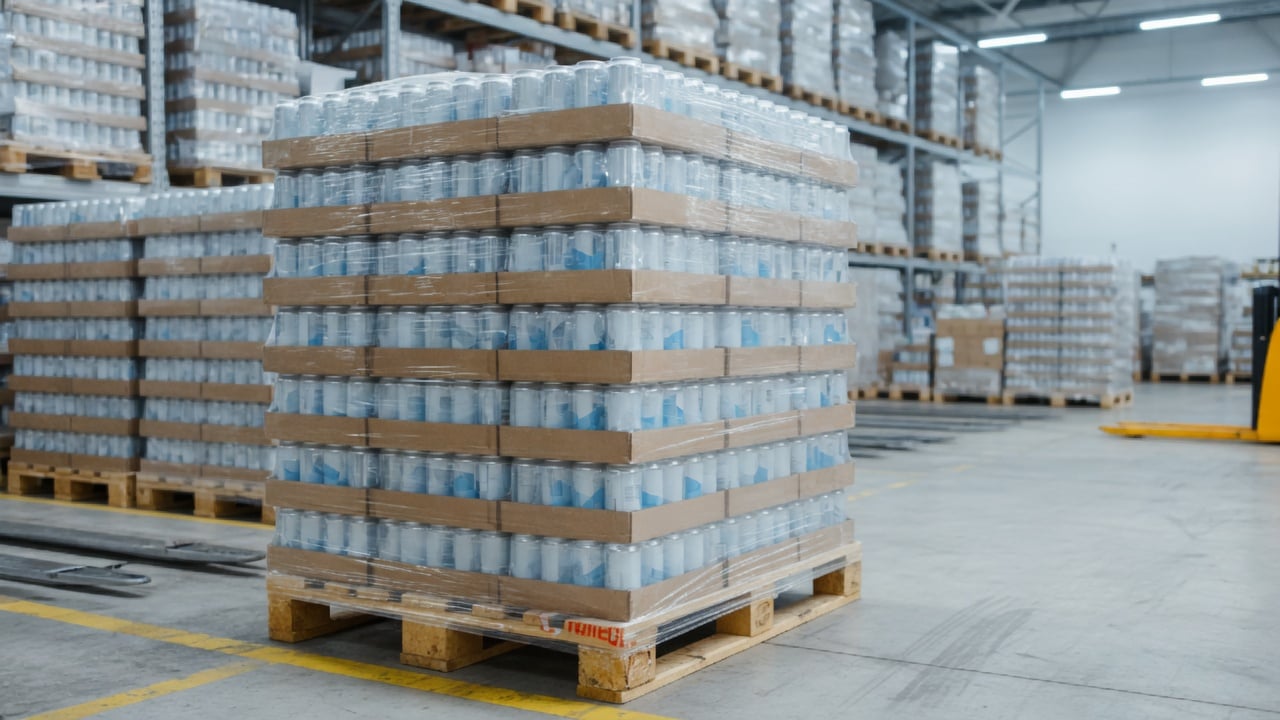
- No owner for receiving, so pallets sit or bounce
- Reorders started after the stockout, not from a burn rule
- Promo bottles bought in a panic that then live in photos all season
You cannot buy your way out of a missed art-lock date with nicer copy. You can only move the date or the scope. Miami production speed helps Florida and Southeast properties, but it cannot compress a committee.
For local production context, see hospitality branded water solutions in Miami and custom water cans in Florida.
What a peak-season private label plan includes
A seasonal plan is a short document ops will actually use.
- Peak dates: high season, holidays, citywides, weddings, group blocks
- Station map: suite, lobby, pool, spa, bar, meeting, event
- Water roles: still first, sparkling for peaks, alkaline only if wellness is real
- Case math by station hours, not by "feels busy"
- Print path: label from 21 cases, digital from 100 cases
- Art-lock date, proof owner, receiving owner
- Freight buffer and dock constraints
- Reorder rule after week one of peak
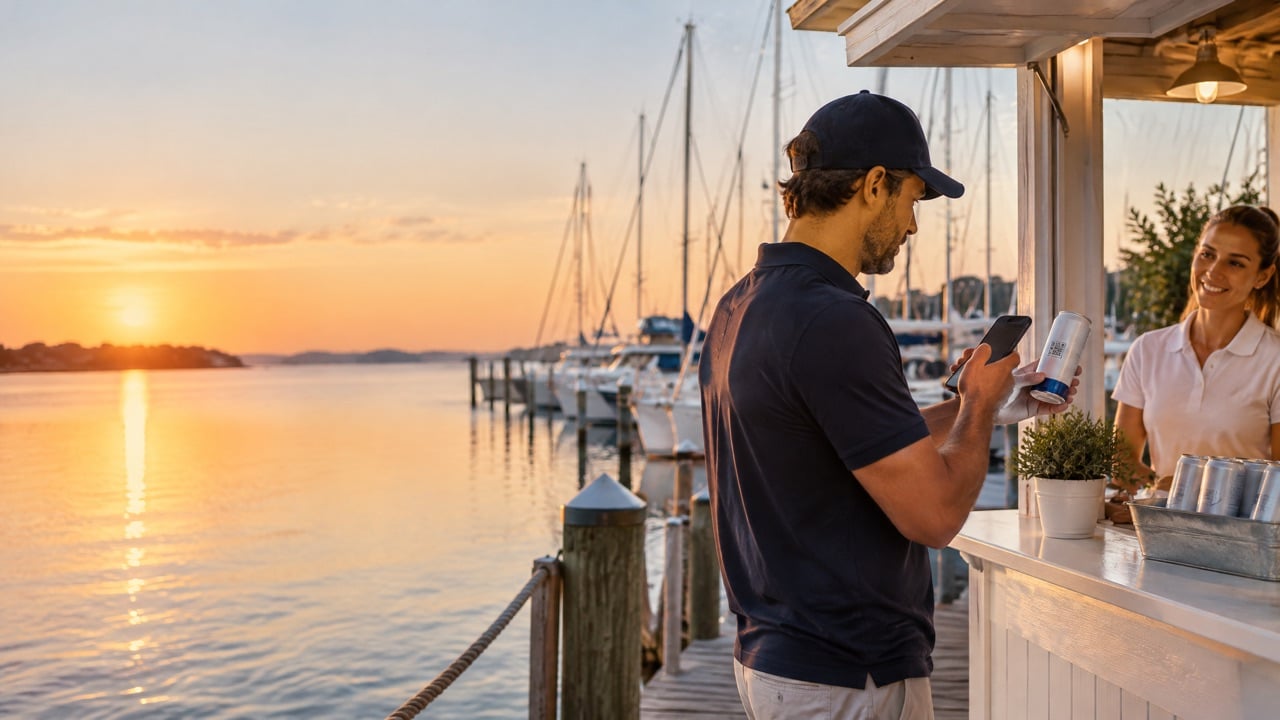
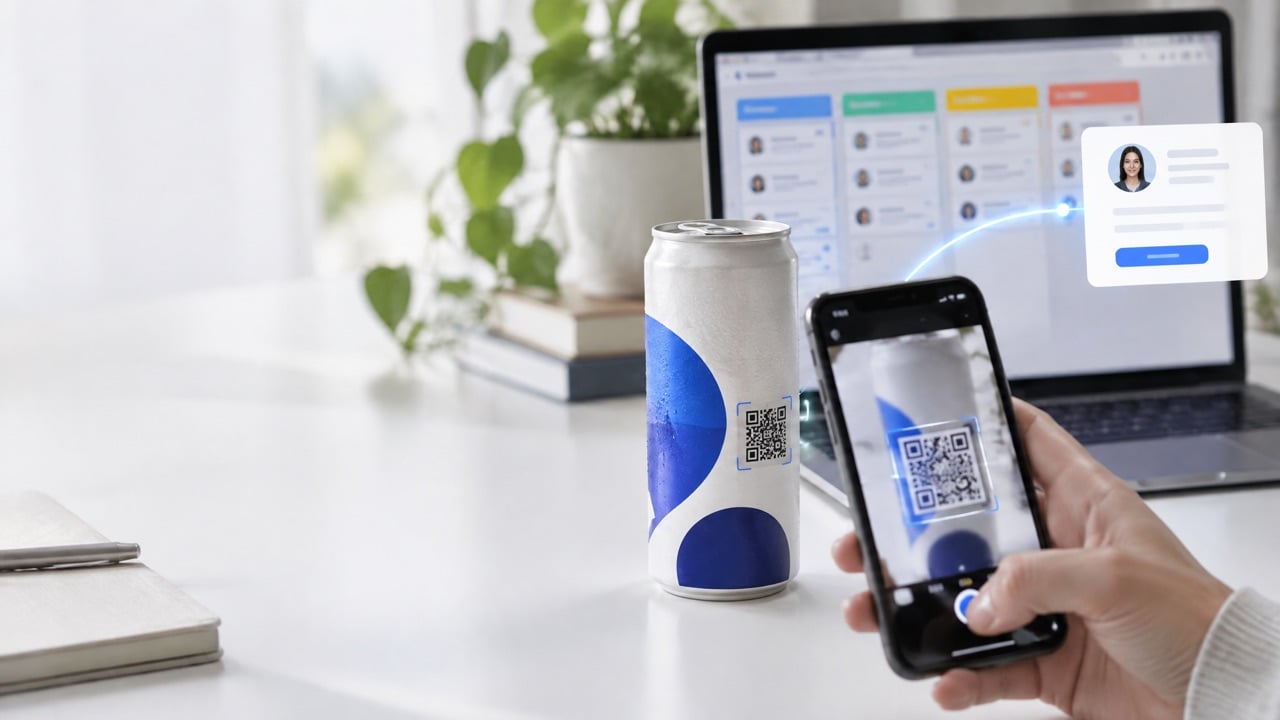
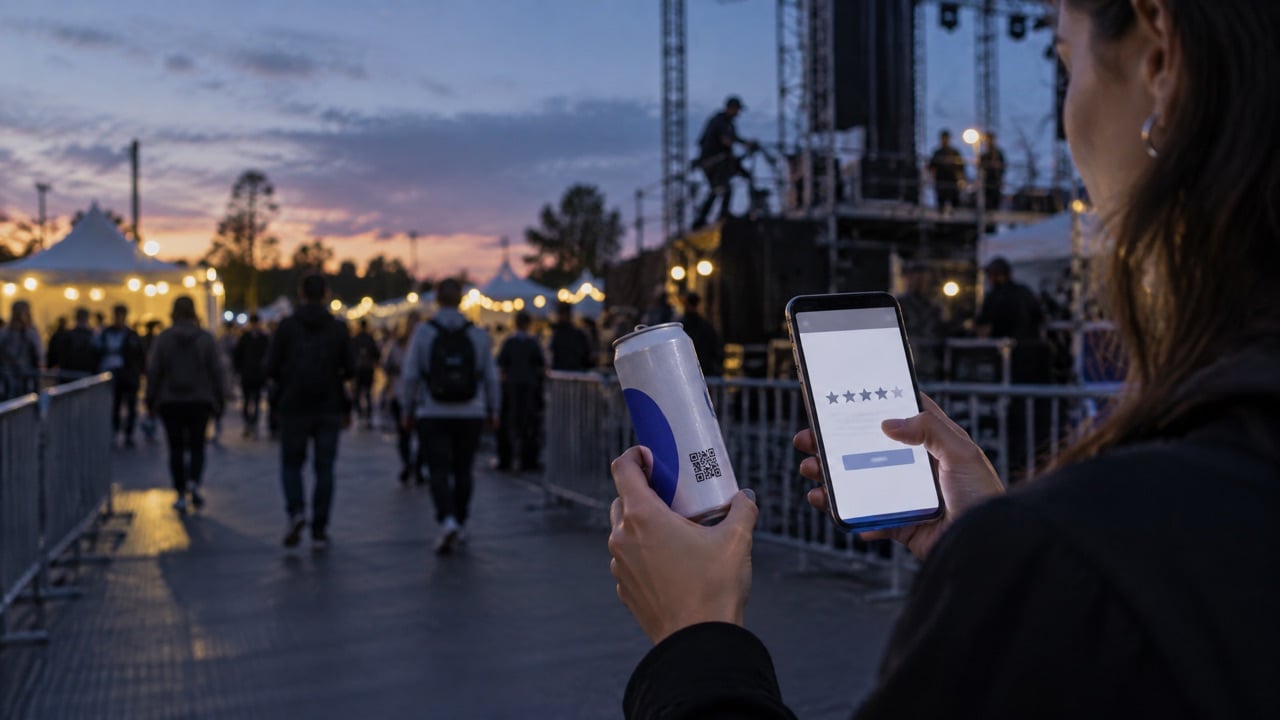
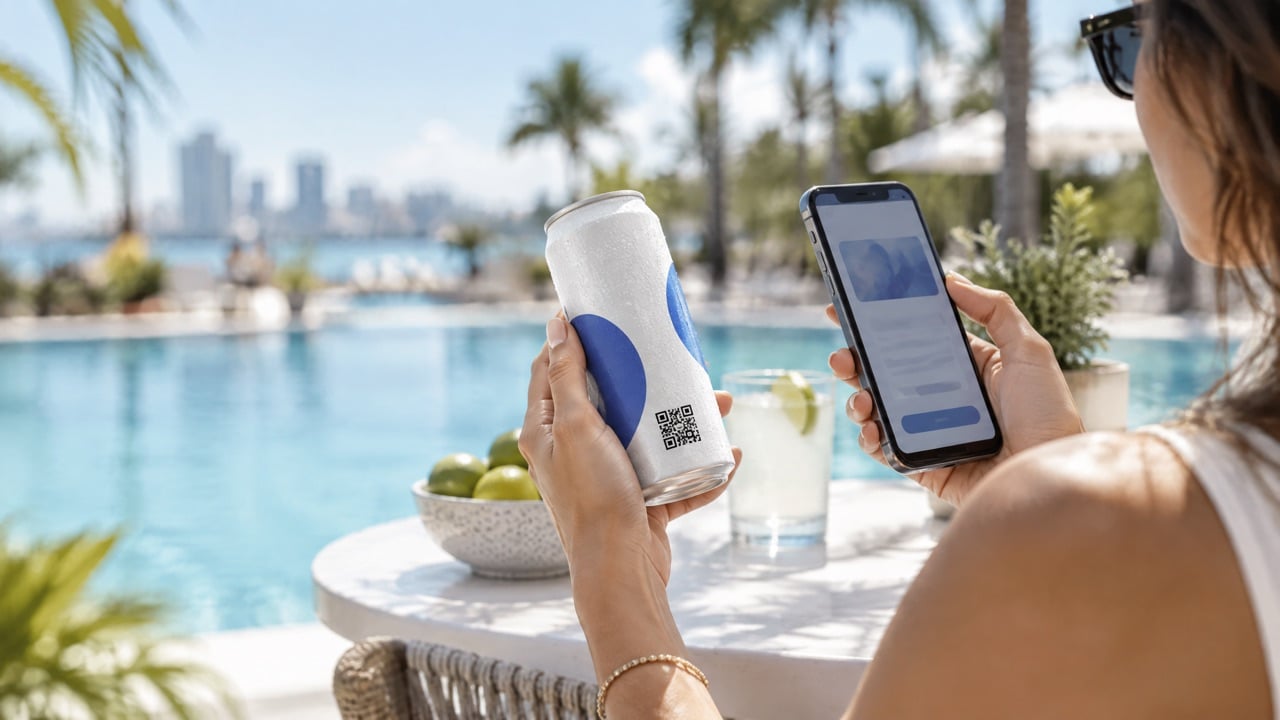
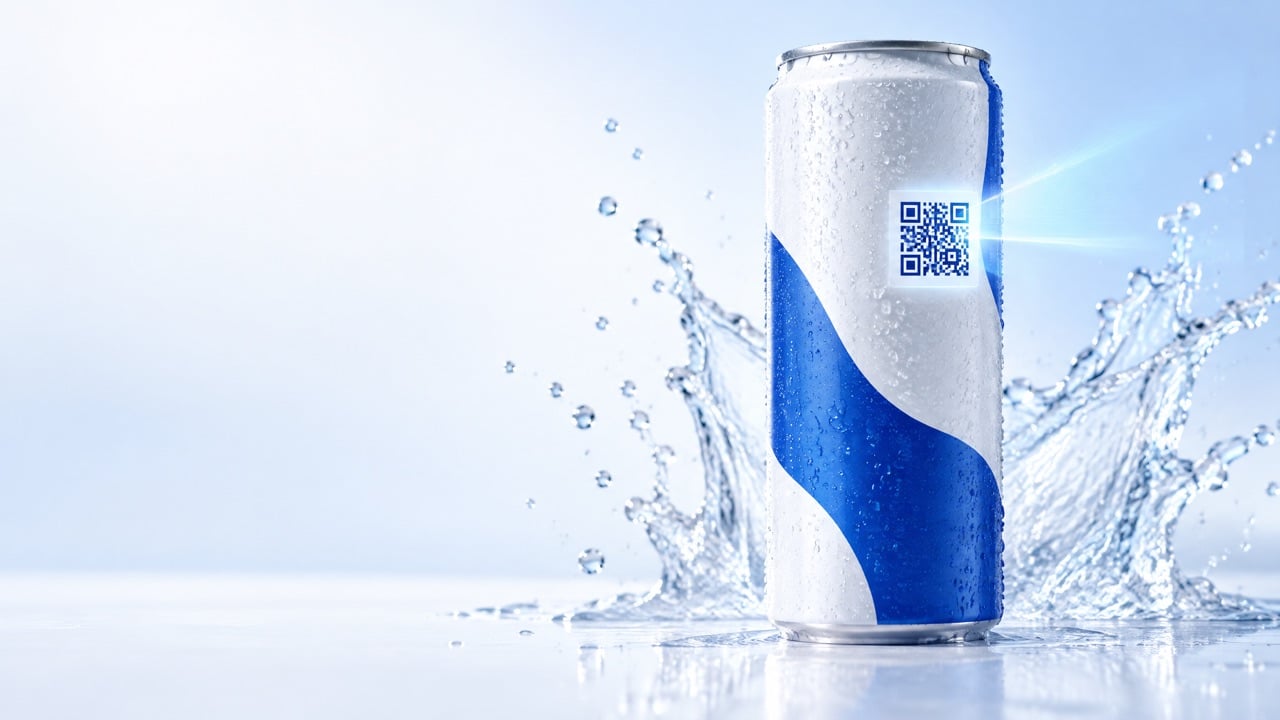
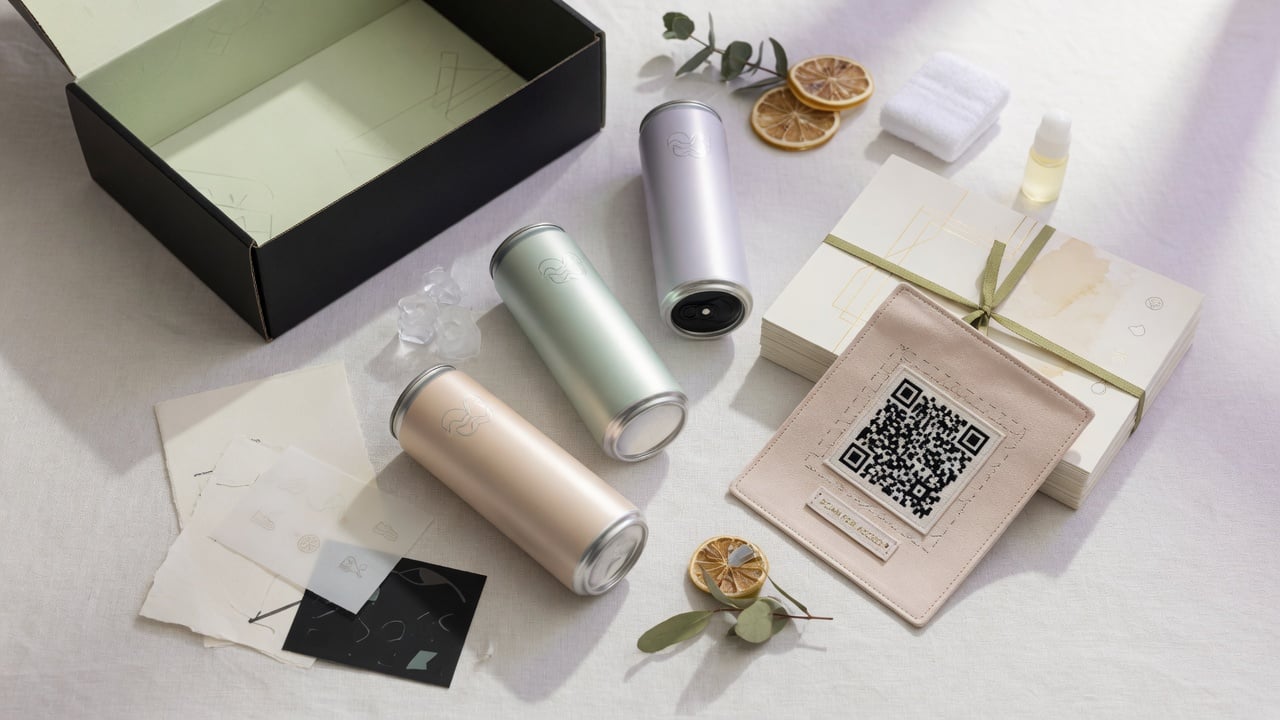
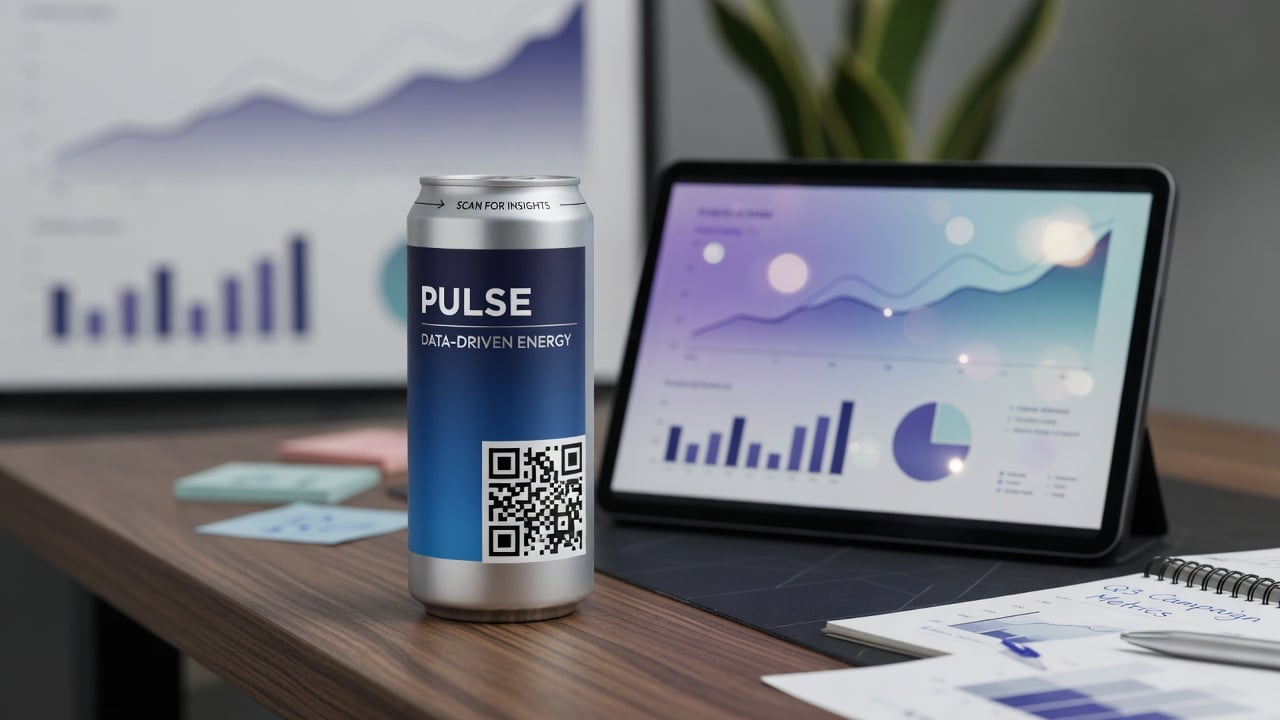
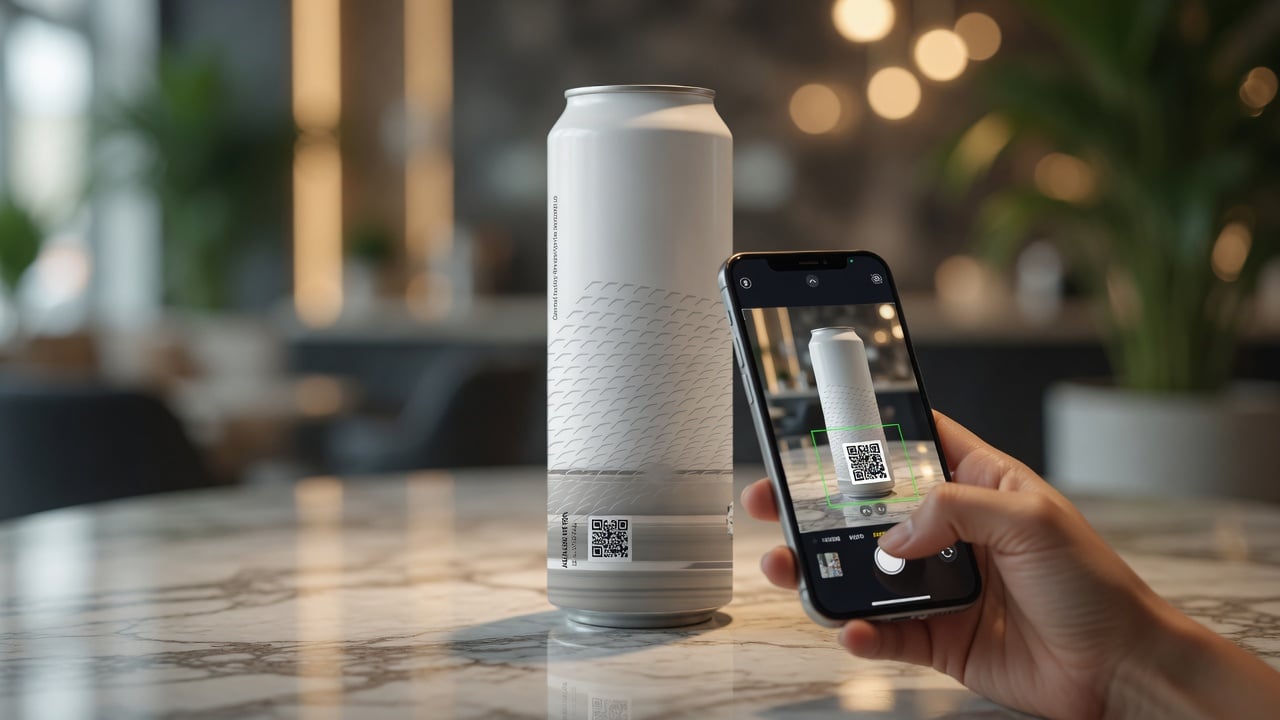
- Optional QR only if the destination will stay live through the season
If you cannot fit that on one page, you do not have a plan. You have a wish.
Reverse-planning the clock
Work backward. The live date is not the start. It is the finish line.
- Guest-ready day: first sold-out weekend, opening, or citywide
- On-property buffer: 2 to 5 days to stock, chill, and train the one-sentence script
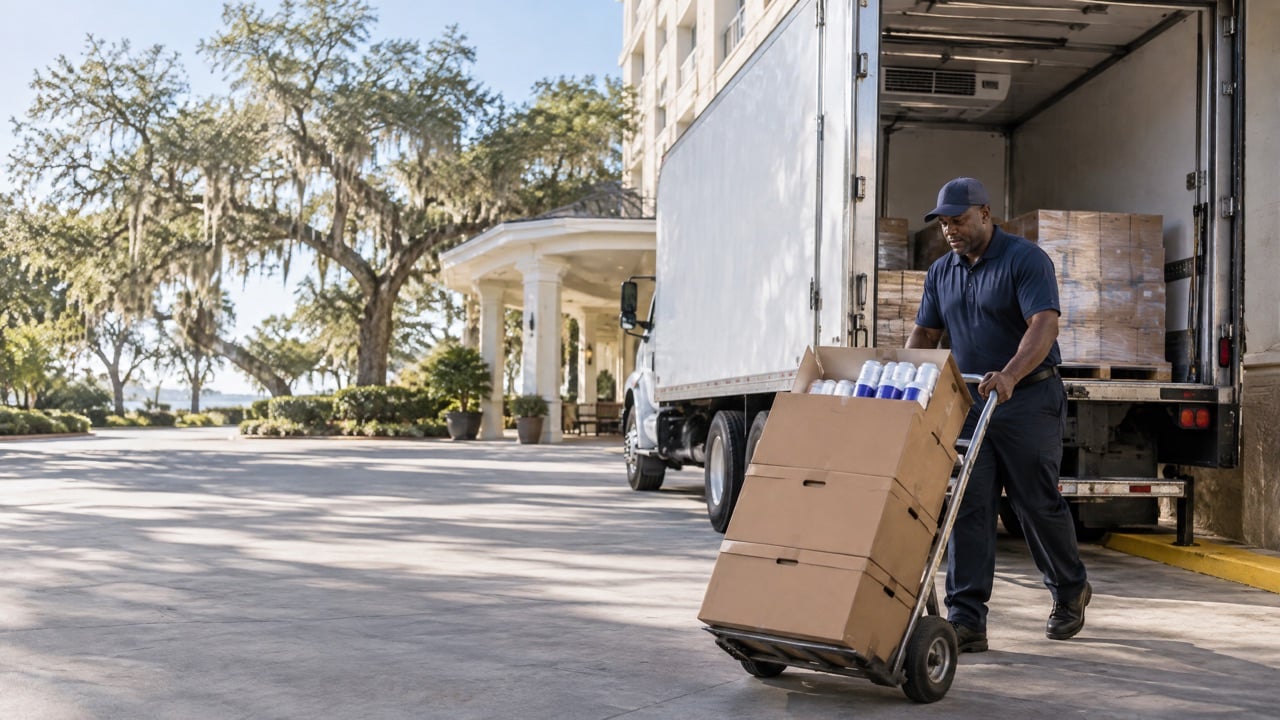
- Freight window: door-to-door after production, longer if the dock is picky
- Production window: about 2 to 3 weeks from artwork approval (industry co-pack often 8 to 12 weeks)
- Proof and stakeholder days: brand, F&B, and GM on one thread
- Art-lock day: the real start of the manufacturing clock
Write those dates in that order. If art lock falls in the past, you are already negotiating scope. Cut SKUs. Cut doors. Do not cut the proof.
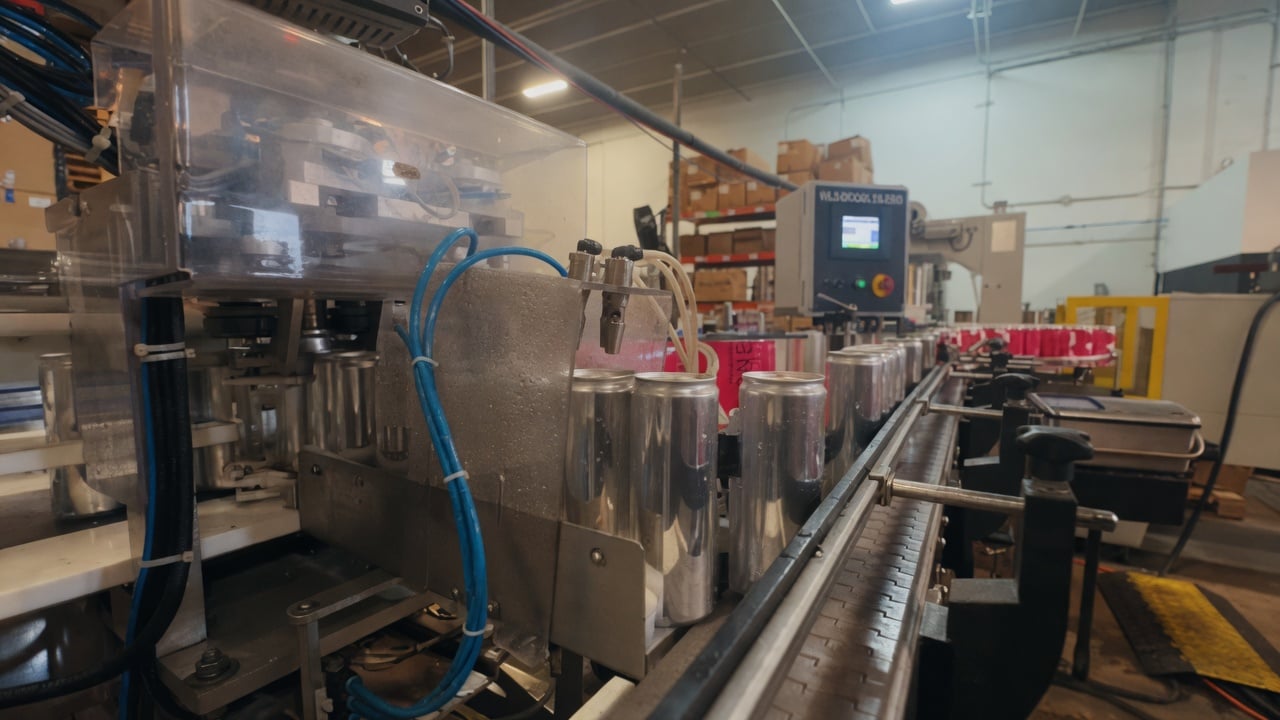
We Can It manufactures in Miami and ships nationwide. Our process is described for you at Technology · Water and Products. Questions? Get a quote and a product advisor will email you quickly.
How to forecast cases without a year of history
If you lack last year's branded-can burn, do not invent a heroic number.
- Count concurrent guests at each station during peak hours
- Count hours the station is open
- Assume still is what most people grab when they are hot
- Pilot at 21 cases (504 cans) for a new wrap or a new door
- Hold a small sparkling quantity for bar and VIP, not for the entire pool
- Reorder from actual cases used in week one, plus a buffer you can store
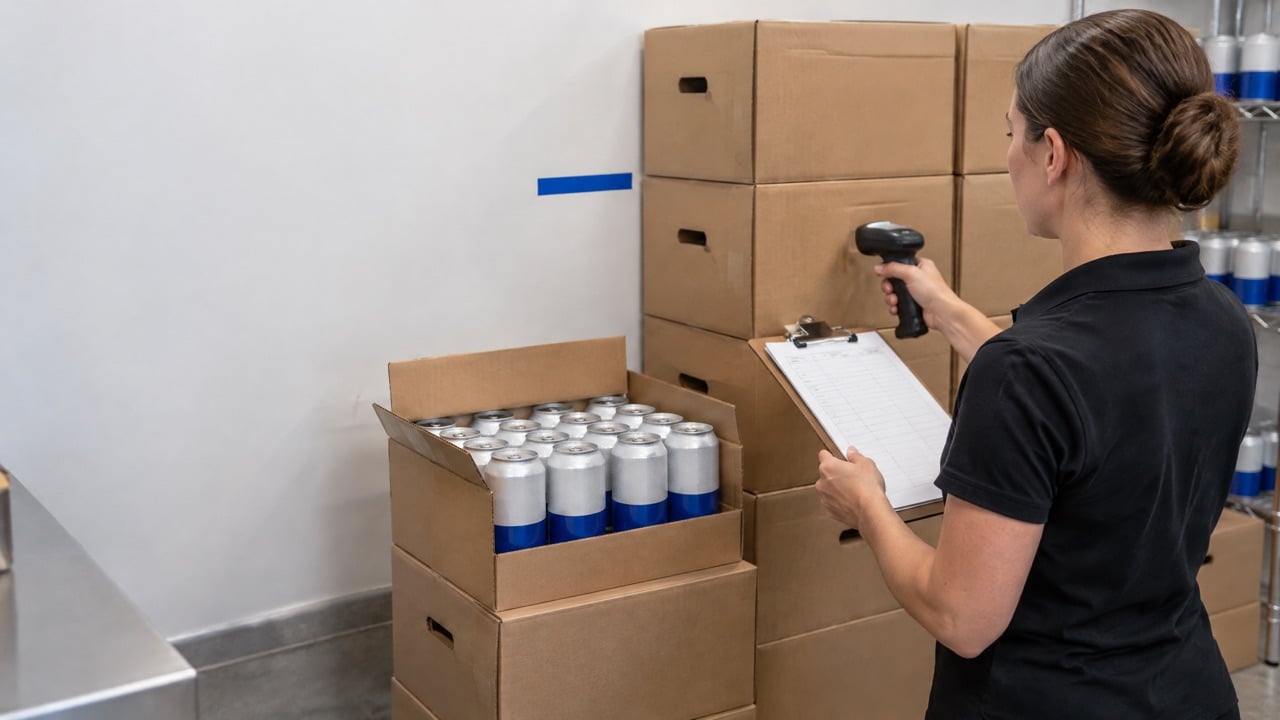
Cases of 24 are the unit of truth. Staff can count cases. They cannot count "a vibe." Finance can defend cases. They cannot defend a round number from a deck.
A simple station worksheet
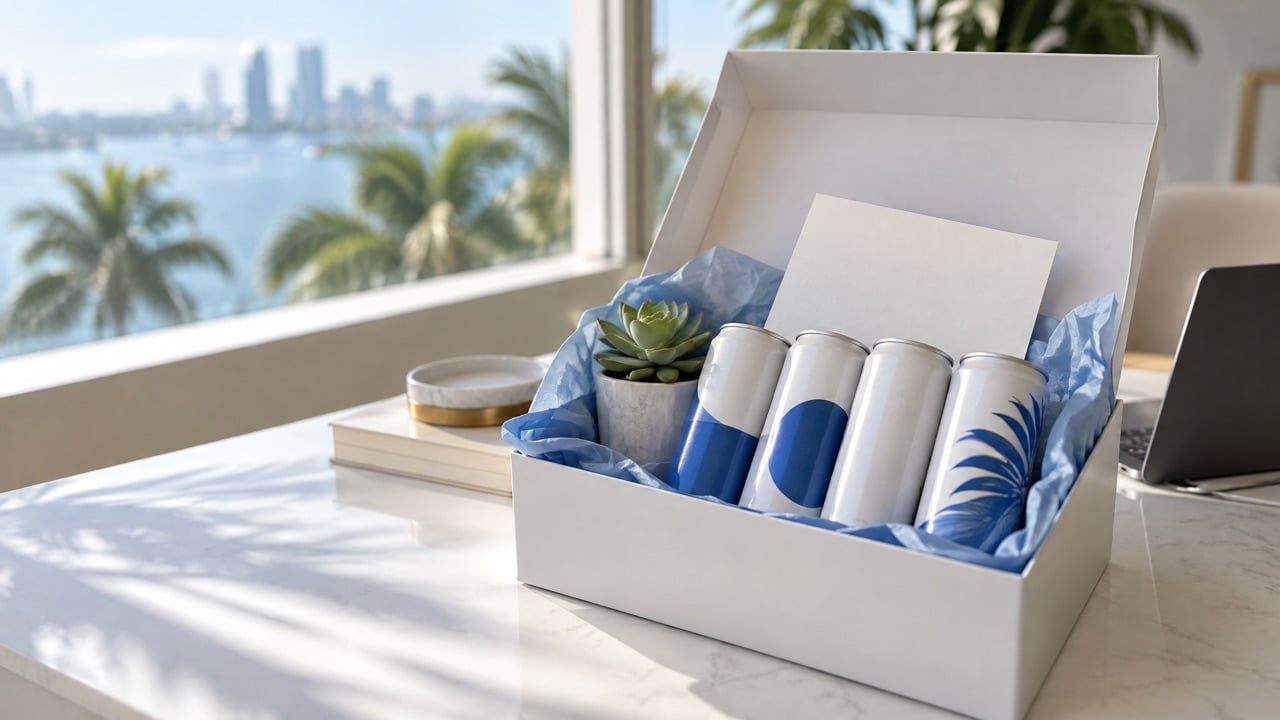
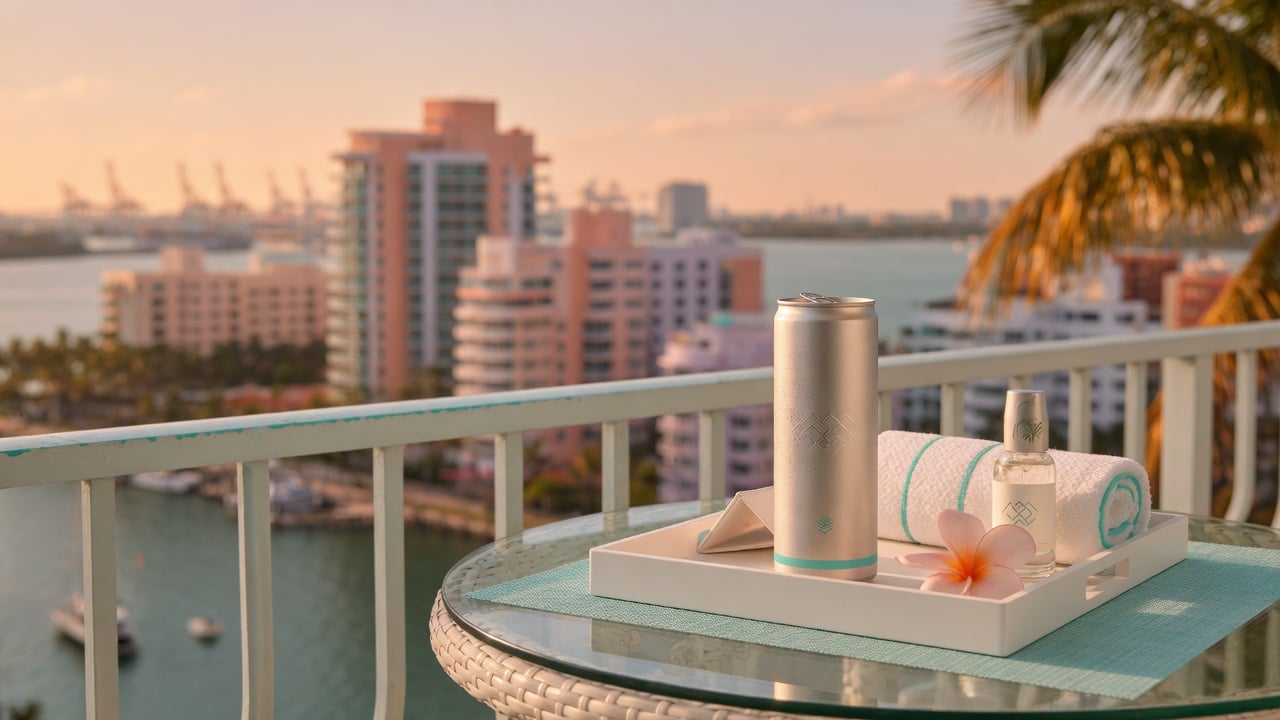
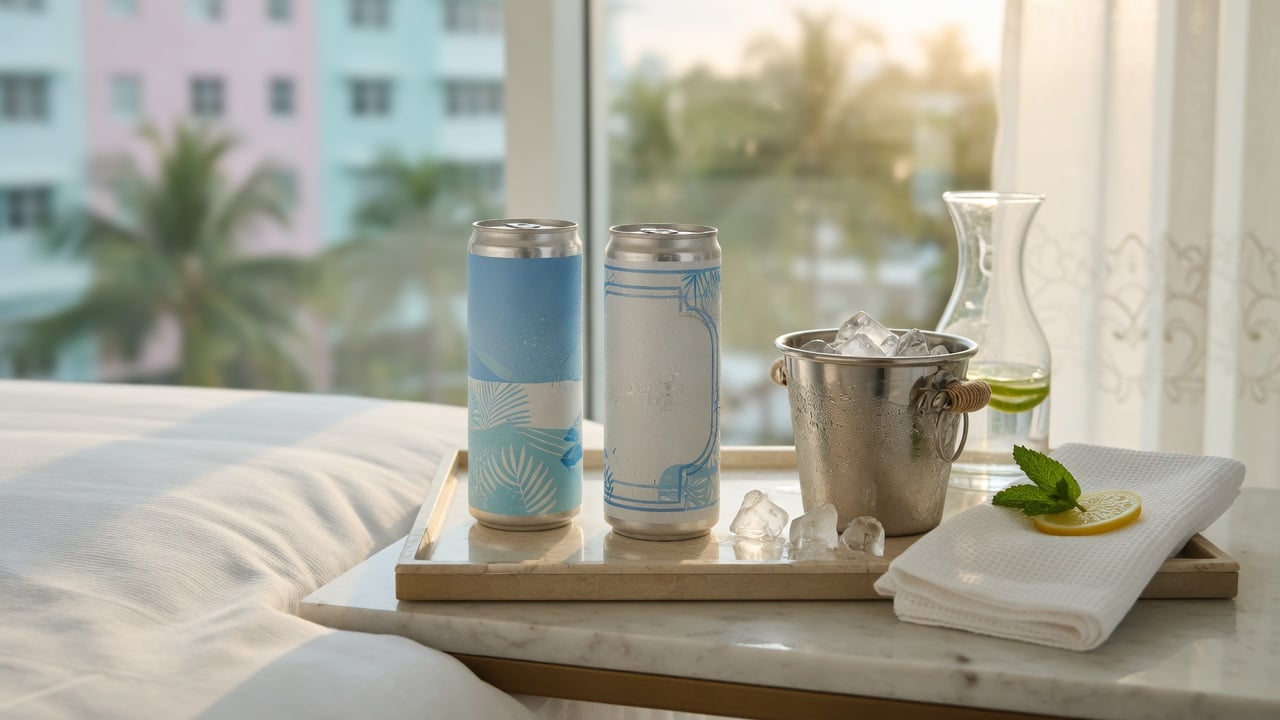
- Suites / welcome: still, one can per arrival plus a small restock
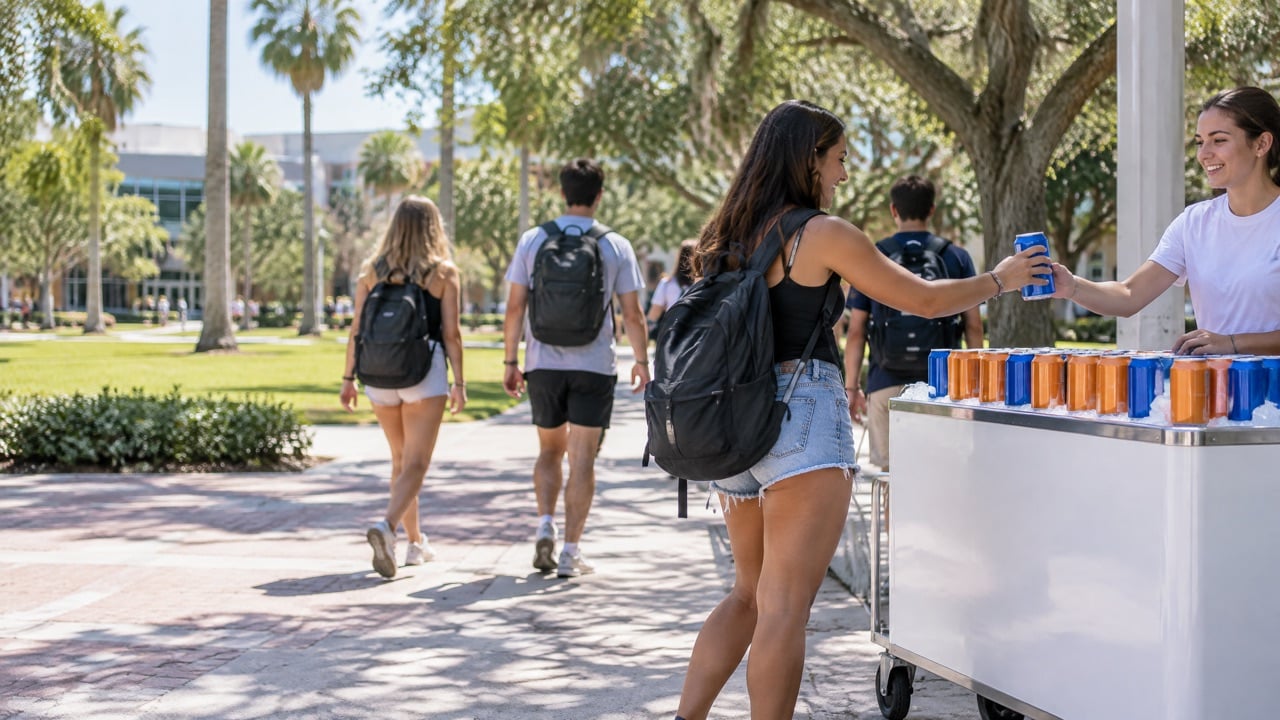
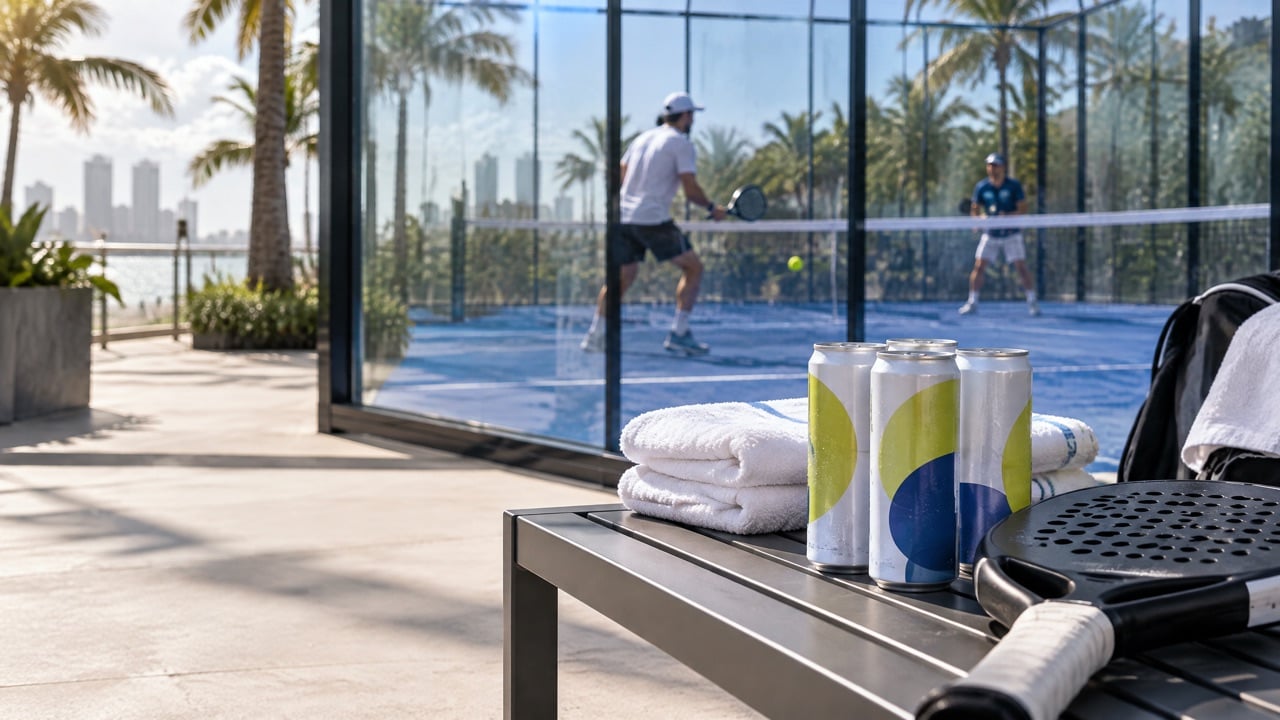
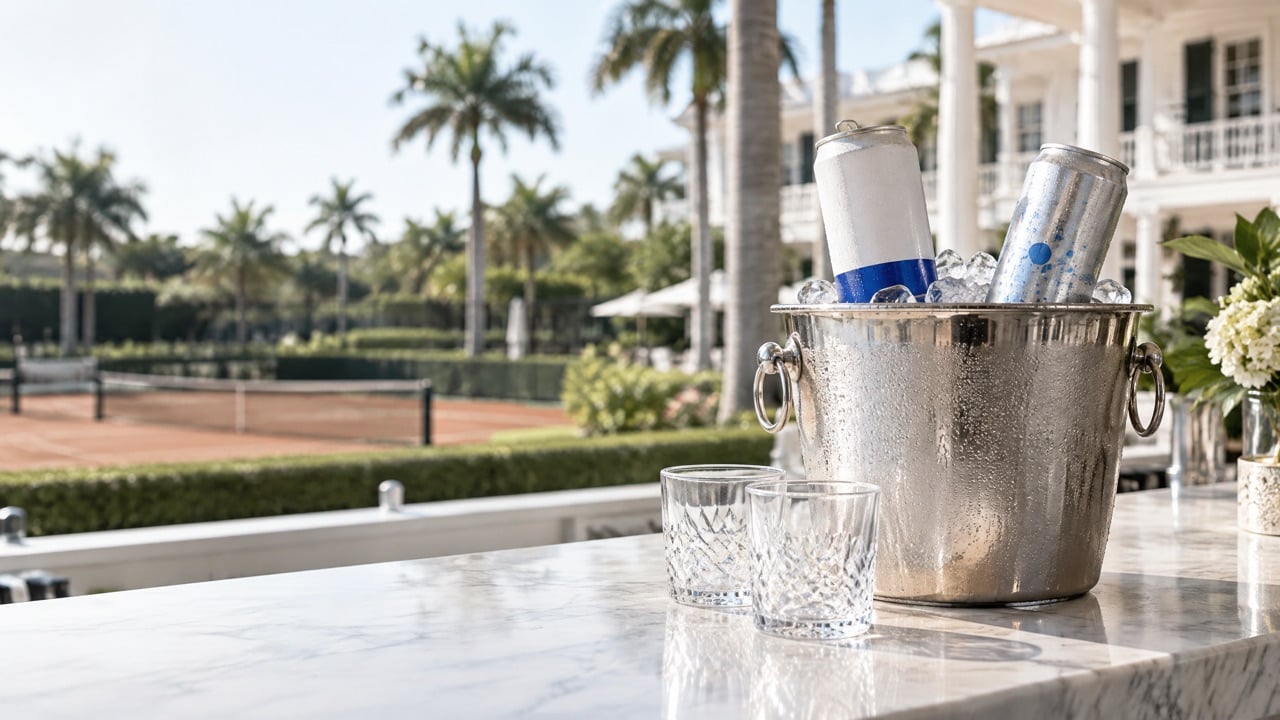
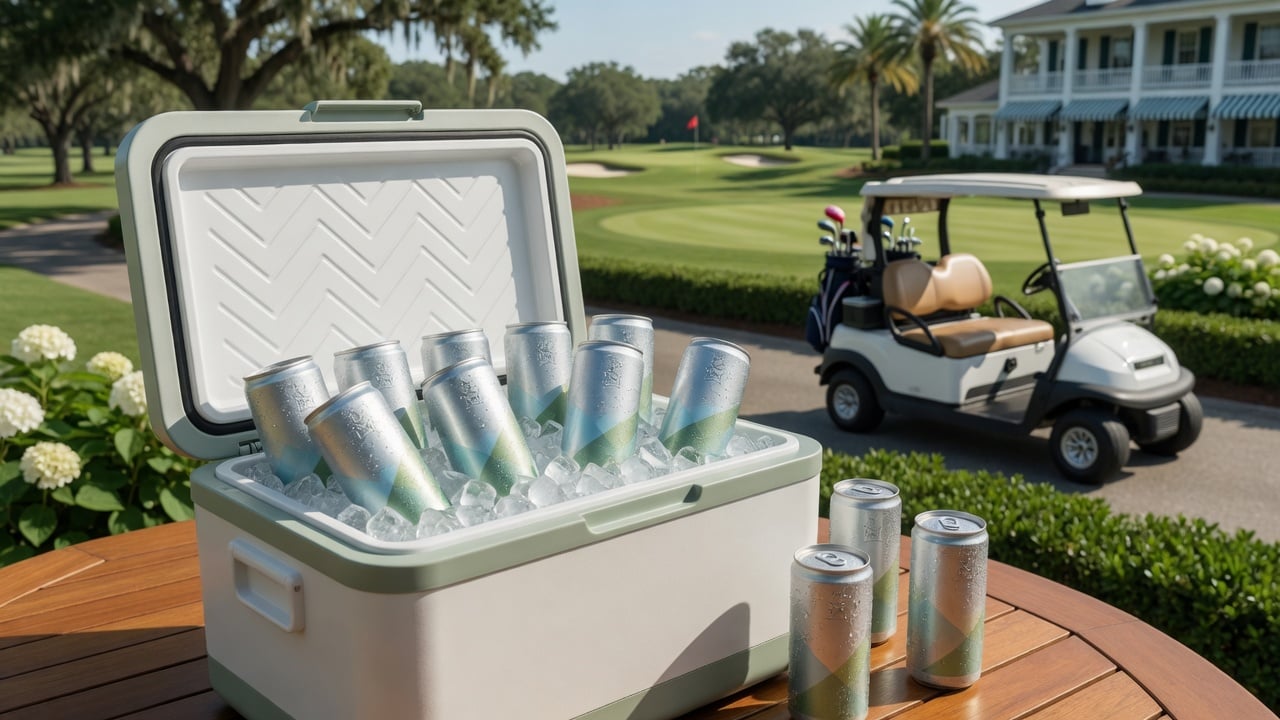
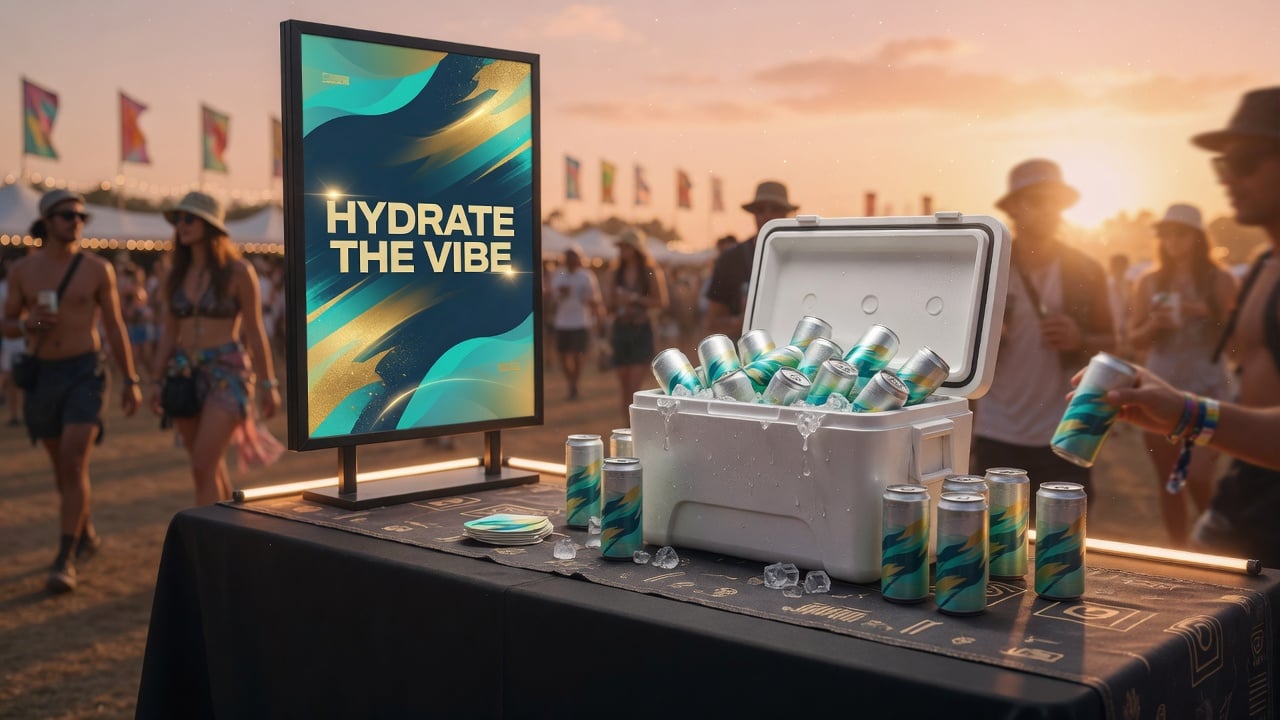
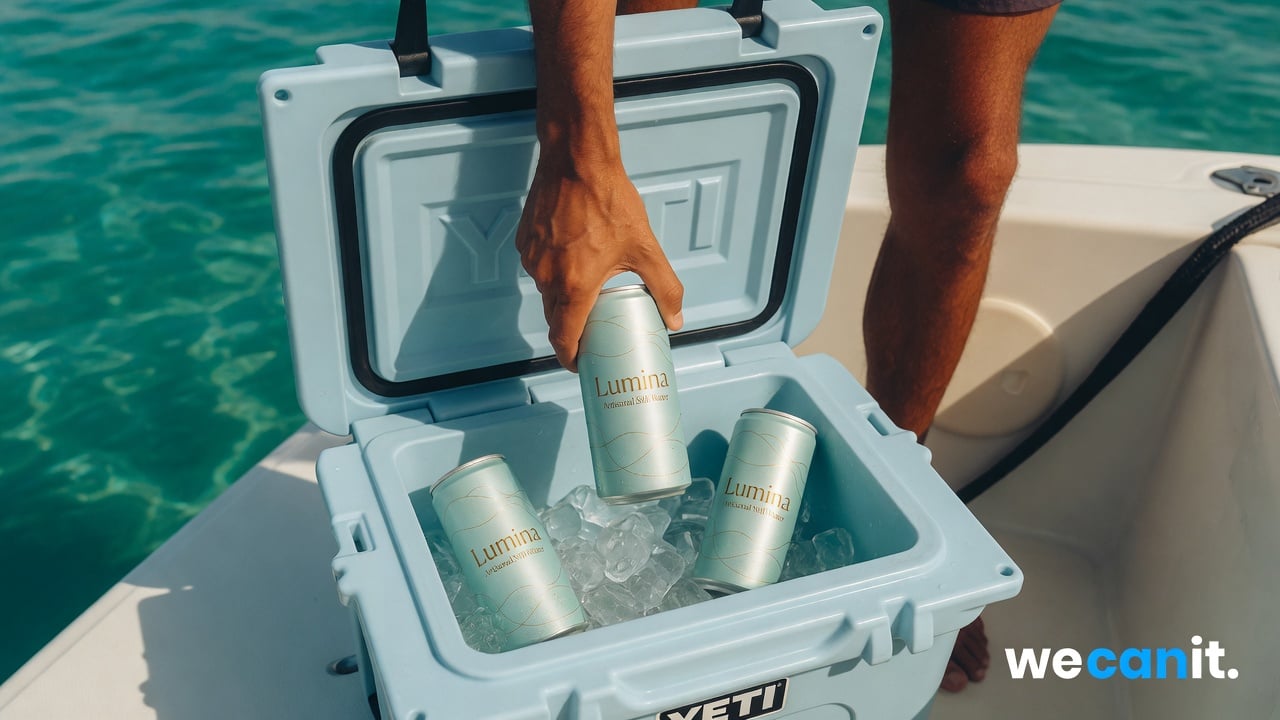
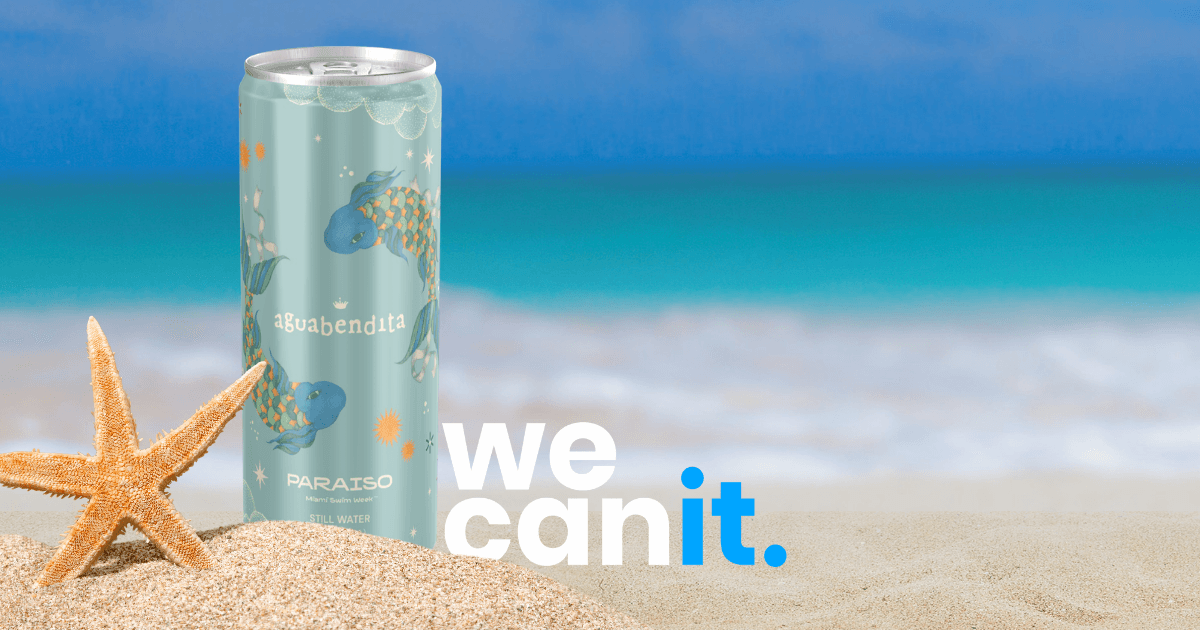
- Pool / deck: still-heavy, aluminum only, glass-free
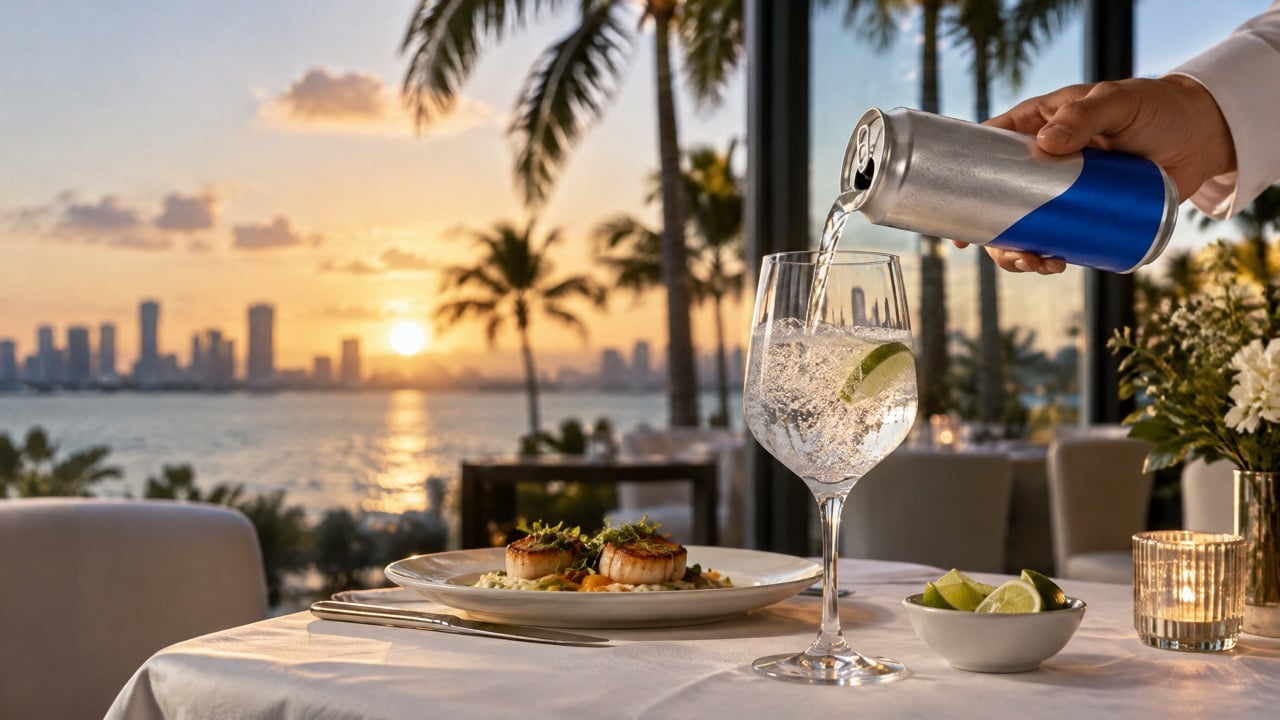
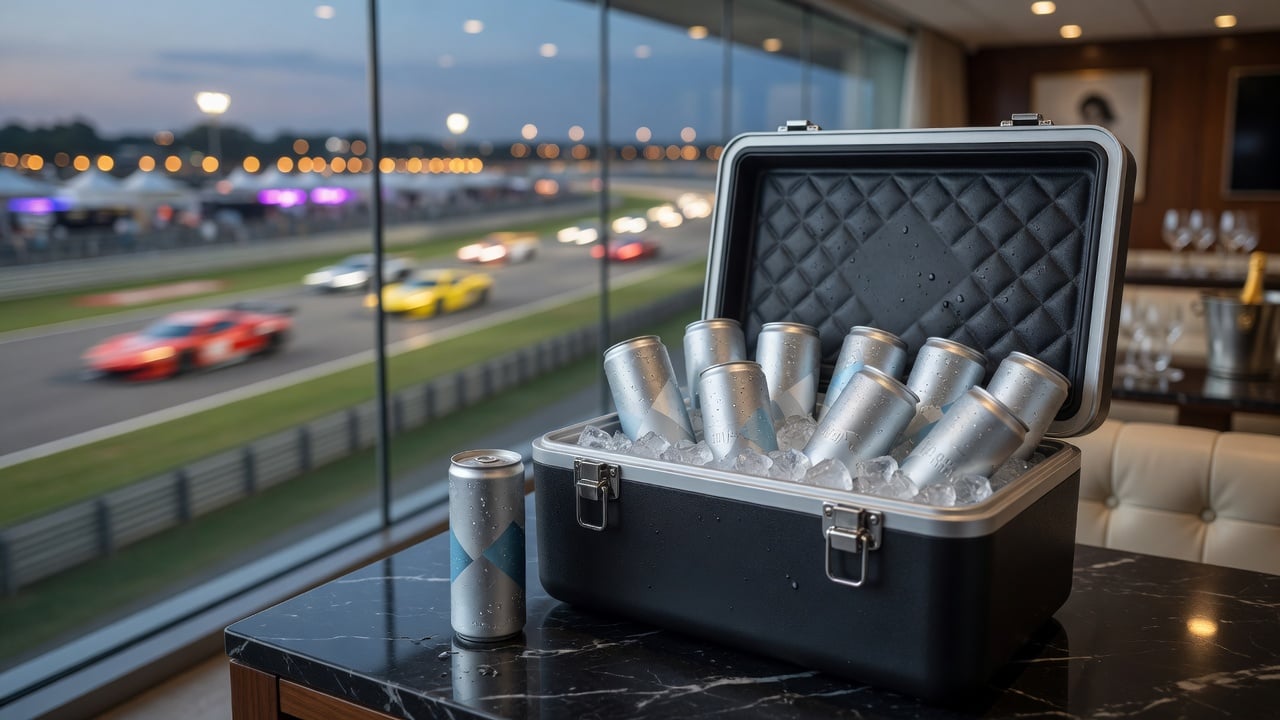
- Bar / VIP: sparkling as a lift, still as backup
- Meetings: still for all-day volume
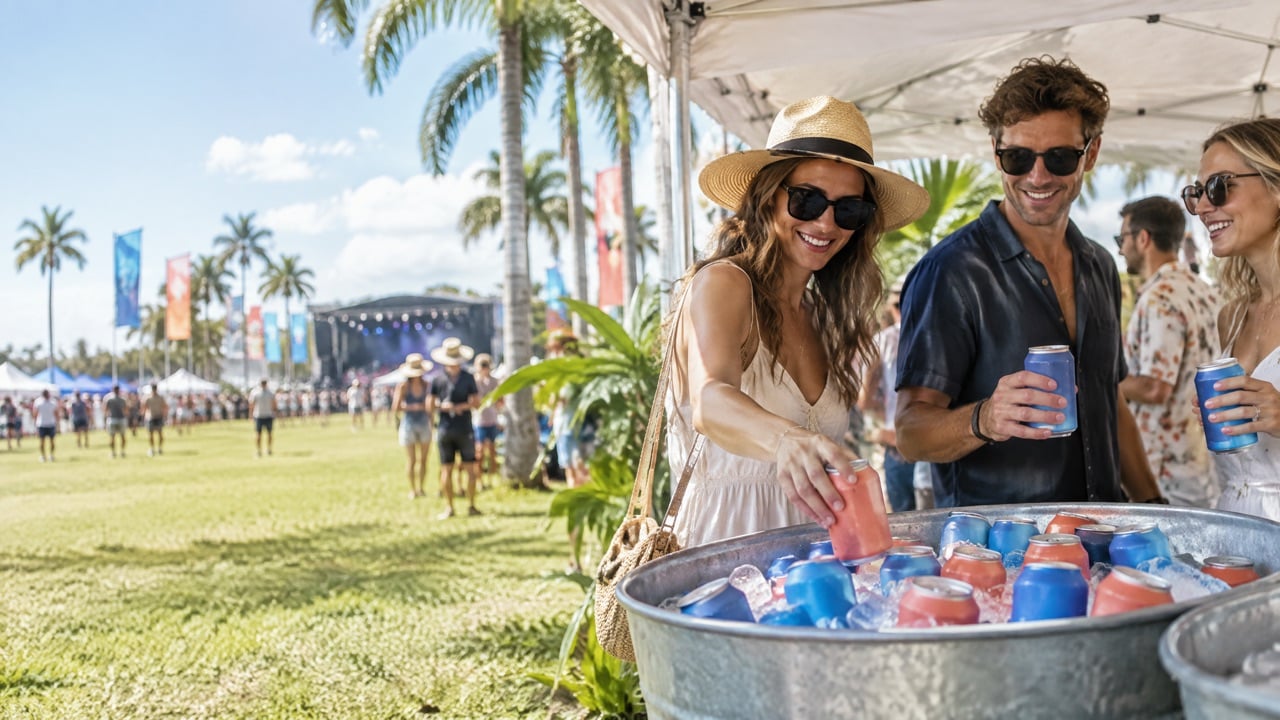
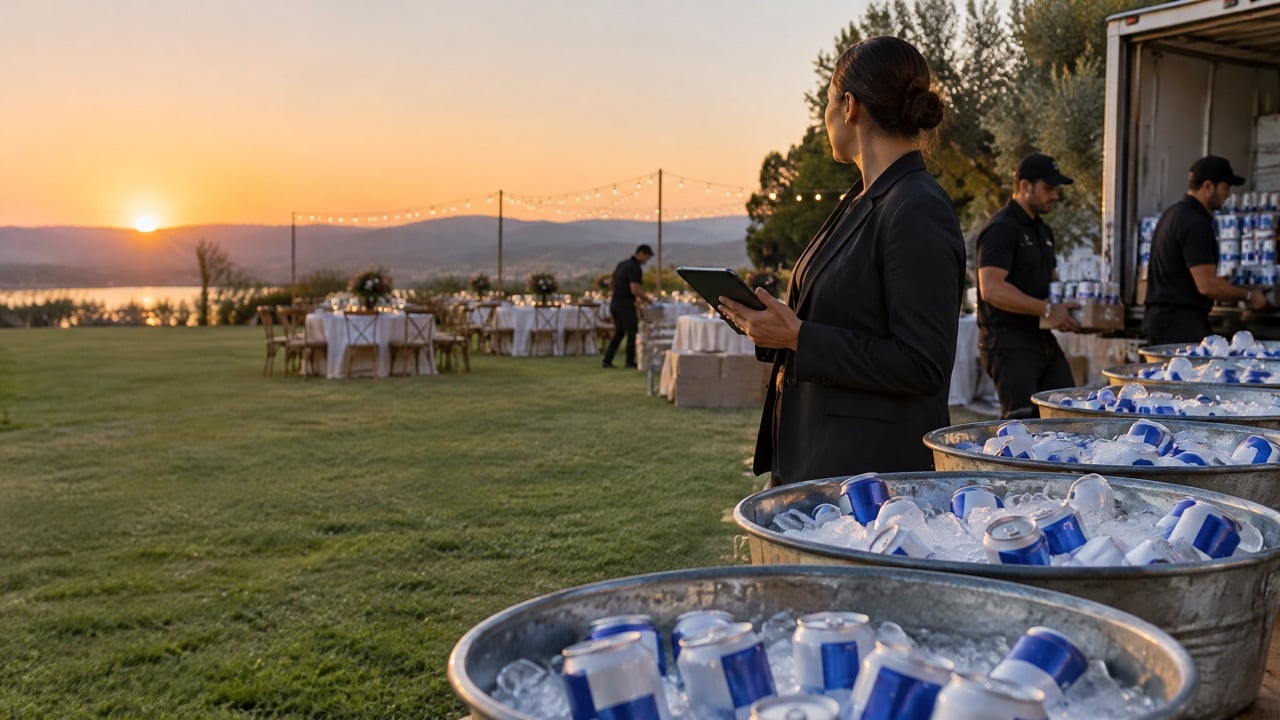
- Events / citywide overflow: a dated extra that does not become dead stock
Add the stations. That is your first calculator input. Then run the instant quote calculator with size and print path. Sparkling can carry a small per-can premium, which is why it should not be the default for every thirsty guest.
Still, sparkling, and alkaline in a peak mix
- Still: the hospitality volume base. Heat, arrivals, meetings, recovery.
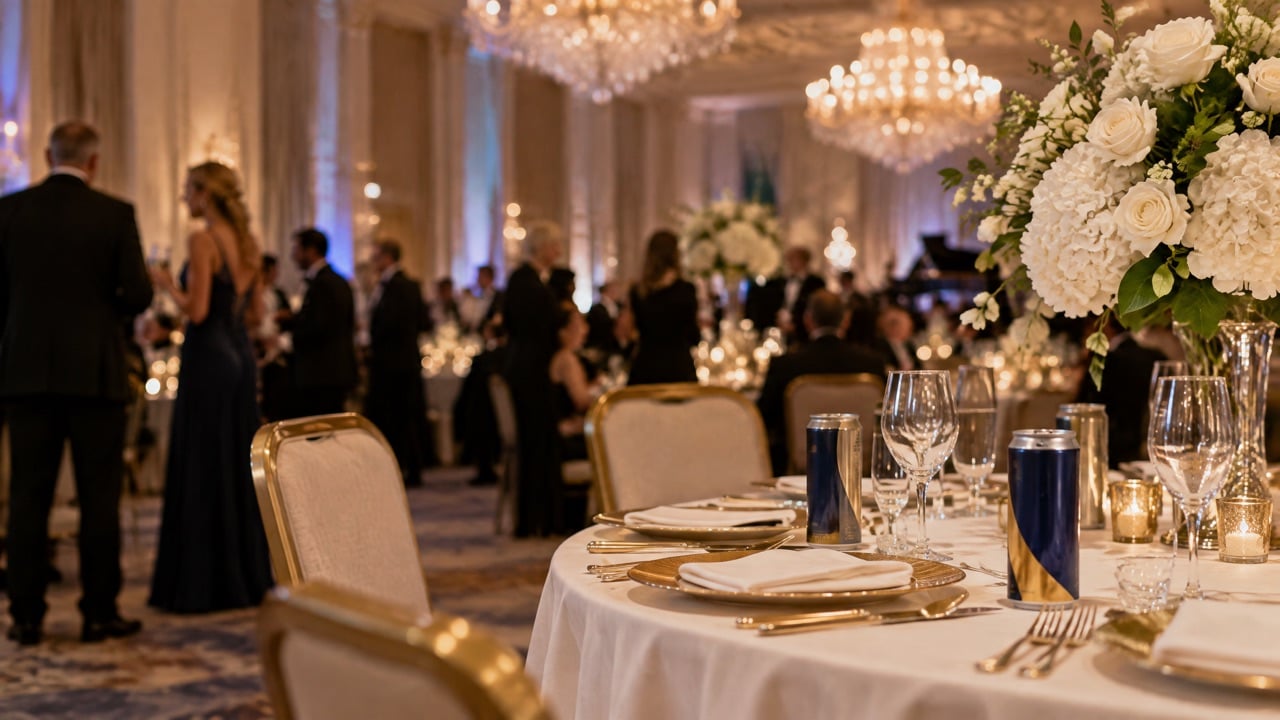
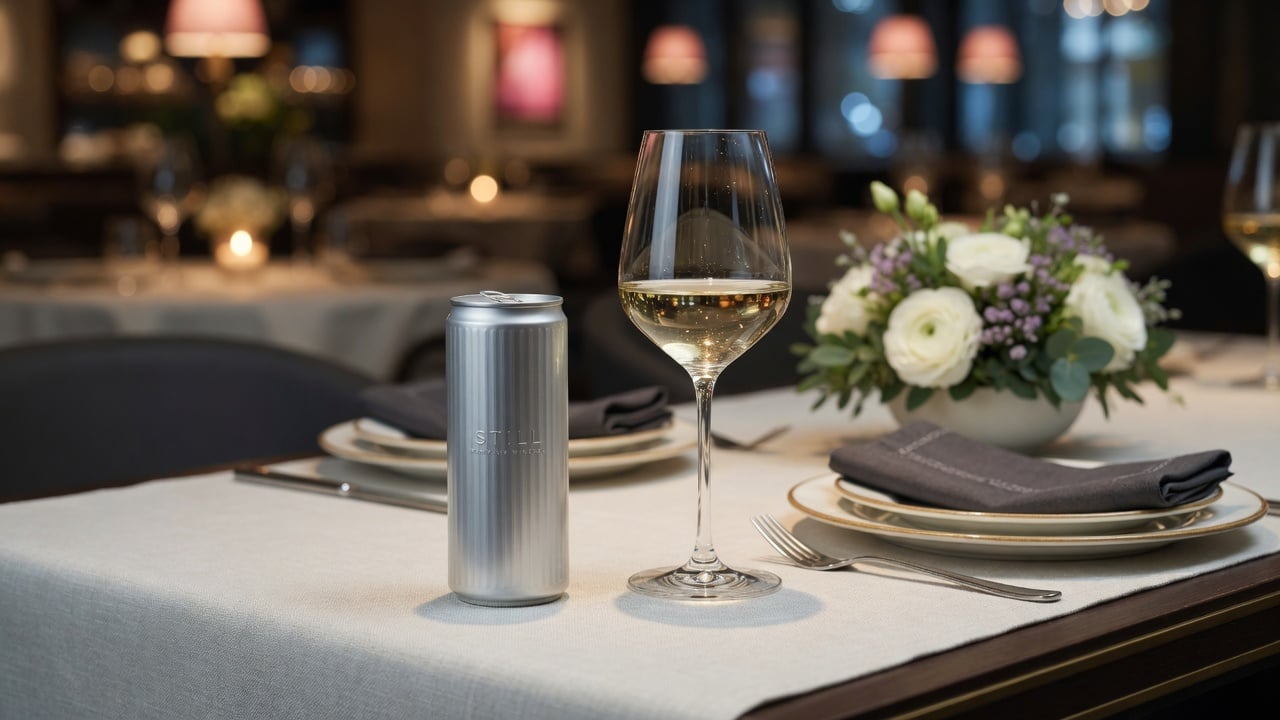
- Sparkling: celebration and F&B peaks. New Year, weddings, rooftop hours.
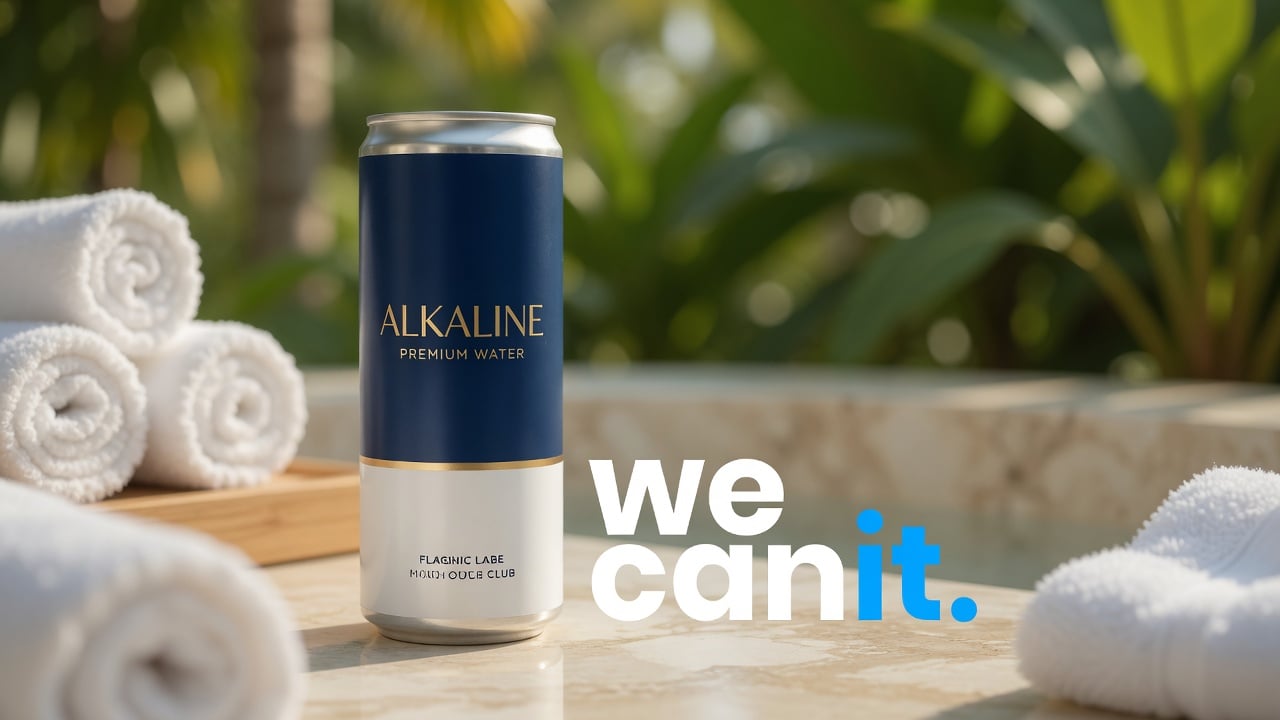
- Alkaline: only where the property already sells premium wellness.
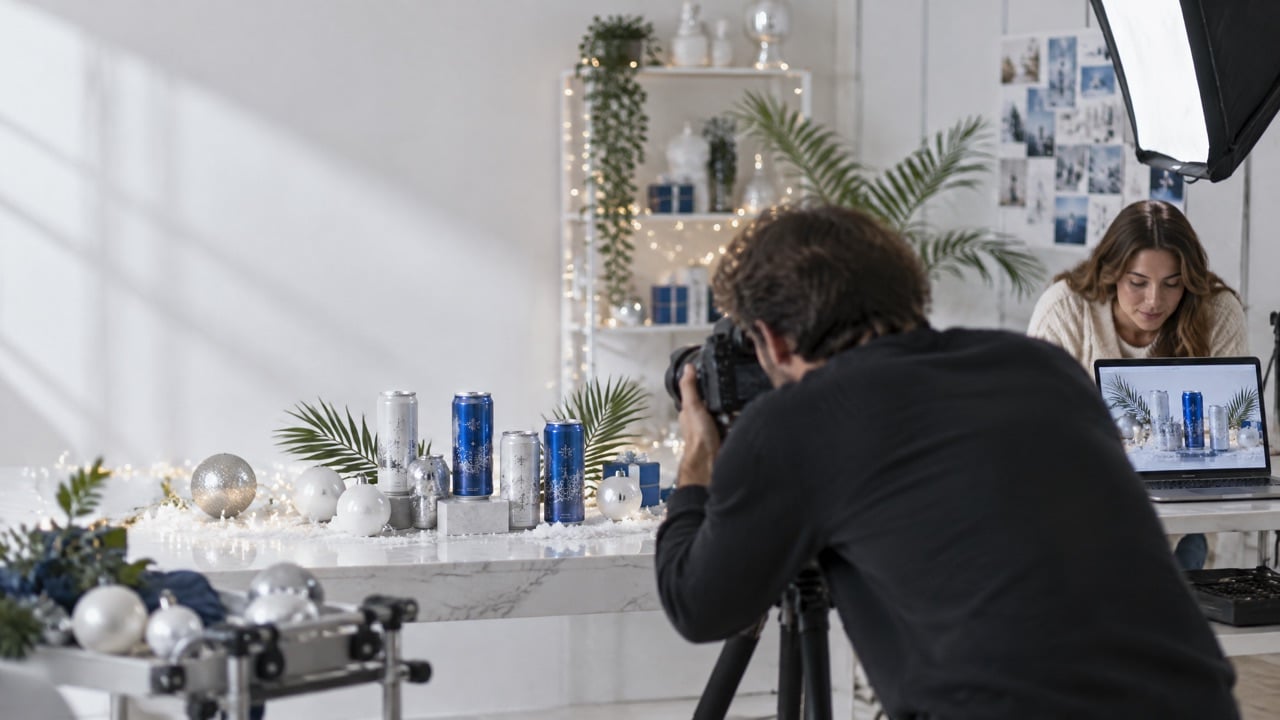
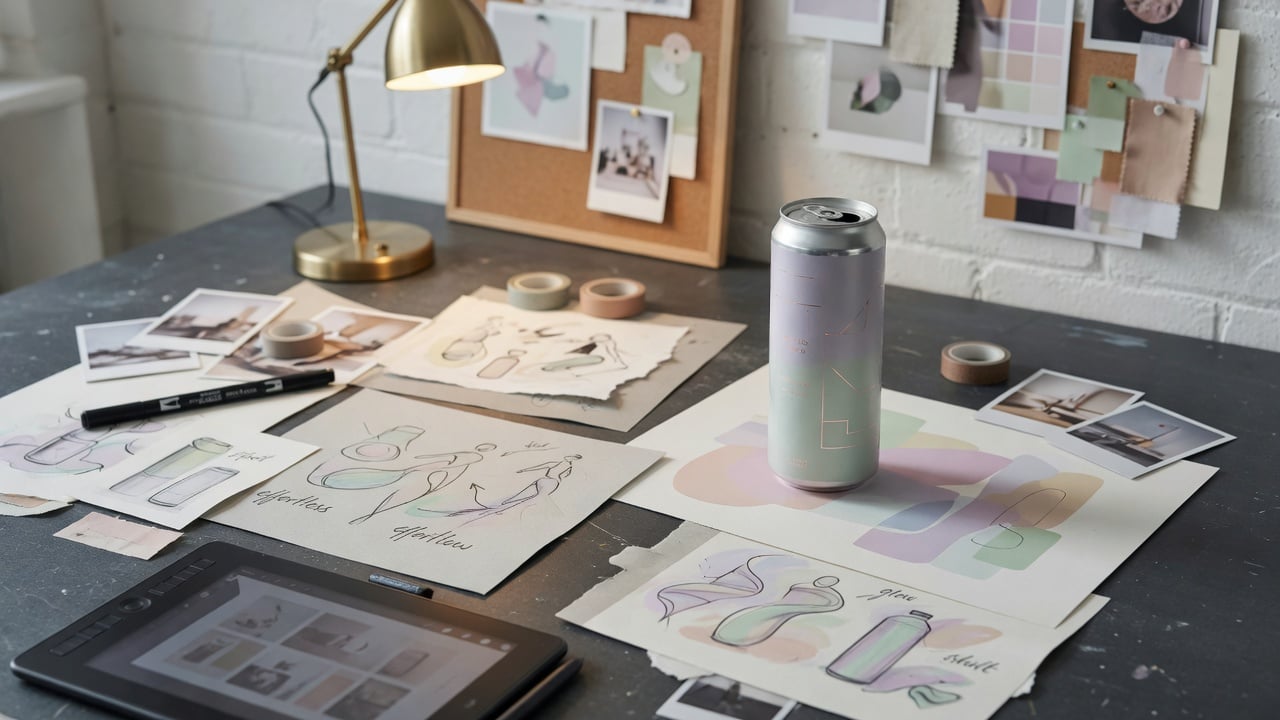
Guests should recognize the property across pour types. Keep one wrap system. Seasonal planning is a volume plan, not a redesign plan. If you want a holiday moment, change the offer behind a QR or add a small dated drop with a kill date. Do not rebuild the brand in October because a campaign brief was bored.
Print path decisions before the rush
Label print from 21 cases is how most peak pilots start. Digital print from 100 cases is available when volume and art need that path. File prep for digital lives on the existing resource, artwork templates for digital can printing. Print process: Technology · Labels.
Do not discover at week two of peak that you wanted photorealistic metal and only funded a 21-case label run. Align creative ambition with the floor you can receive in time.
A seasonal calendar hospitality teams can copy
Use this as a starting shape. Move it to match your market.
12 to 10 weeks out: Write peak dates and the station map. Decide still-first. Name owners.
10 to 8 weeks out: Design. Stakeholder review. Confirm sizes (12oz Regular, 12oz Sleek, 16oz).
8 to 6 weeks out: Art lock and proofs. Calculator quote. Confirm dock hours.
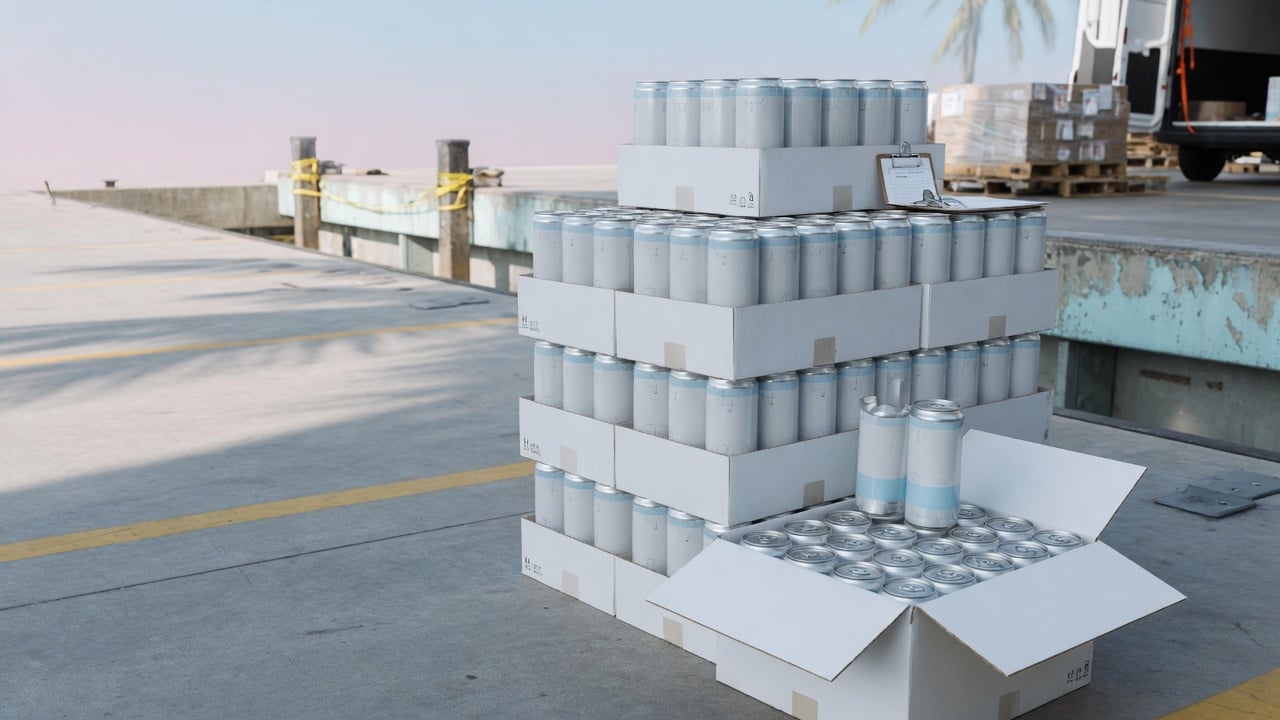
6 to 3 weeks out: Production after approval. Confirm freight. Brief staff. Test any QR on cellular data.
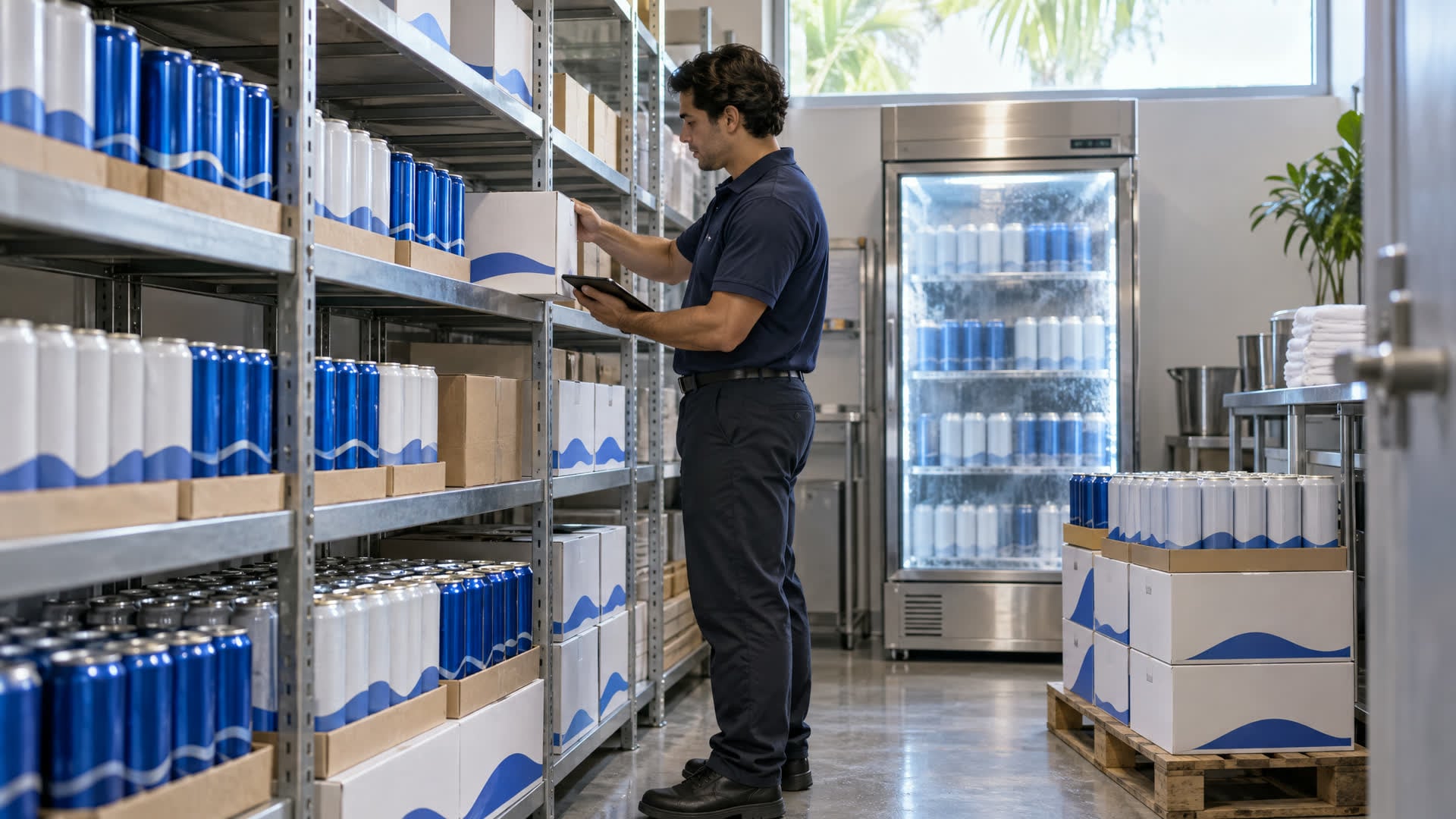
2 to 1 weeks out: Receive, chill, stock hero stations. Photograph the real can.
Peak weeks: Count burn every few days. Reorder from real use. Do not wait for a stockout.
After peak: After-action note: cases used, stations that failed, comments that mentioned the pour. That note is next year's plan.
If you are already inside eight weeks and art is not locked, compress to a still-only pilot at 21 cases for the hero station. A smaller honest cooler beats a large late fantasy.
How GMs should talk to finance about peak inventory
Finance does not hate hospitality. Finance hates cases that outlive the season in a storage room. A 504-can floor turns peak buying into a learning budget. You can still scale. You just refuse to fund a 10,000-unit co-pack because the occupancy forecast felt optimistic in a meeting.
Useful language:
- "We are funding a pilot at the manufacturing floor, then reordering from week-one burn."
- "Production time starts when art is approved, so the peak date is reverse-planned from that lock."
- "Still is the volume base. Sparkling is optional for F&B peaks."
- "Next PO uses real case counts, not a year-one guess."
No invented unit prices. Attach the calculator export.
Buyer checklist for private label water seasonal planning
- List the dates you cannot miss (high season, holidays, citywides, opening).
- Map stations and hours.
- Choose still-first, with sparkling only where F&B owns the peak.
- Confirm minimum order (21 cases / 504 cans at We Can It).
- Confirm lead time from artwork approval (about 2 to 3 weeks typical).
- Set art-lock and receiving dates on one calendar.
- Confirm size, print path, and ship-to constraints.
- Run the calculator with real case counts.
- Name owners for art, money, receiving, and cooler reset.
- Write the reorder rule before the first stockout.
Do / Do not in peak season
Do
- Reverse-plan from guest-ready day
- Keep one wrap system all season
- Chill product before the first arrival photo
- Count cases like you count linen
- Reorder while you still have a buffer
Do not
- Start art during the sold-out weekend
- Buy a year of sparkling because it photographs once
- Mix random retail bottles into the hero station "just this week"
- Print a QR that will rot when the campaign page is unpublished in January
- Invent per-can prices to win a budget meeting
FAQ
When should we lock art for winter high season?
Far enough back that 2 to 3 weeks of production plus freight plus a stocking buffer still land before the first peak weekend. If that math does not fit, reduce SKUs or doors. Do not skip proofs.
What if we have no last-year data?
Pilot at 21 cases for the hero station. Count week-one burn. Reorder. That is better seasonal planning than a round number in a deck.
Should we change the wrap for holidays?
Only with a dated plan and a kill date. Recognition is a seasonal asset. Constant redesign is how leftover cases happen.
How do citywide events change the plan?
They add a dated overflow, not a new brand. Keep the same wrap. Add still volume you can actually store. Staff the receiving window.
Can we rely on 8 to 12 week national co-pack for peak?
You can, if your art and volume decisions are that early. Many hospitality calendars are not. A 2 to 3 week Miami window after approval is why local manufacturing shows up in seasonal plans.
Does sparkling belong in the pool plan?
Usually as a small F&B lift, not as the volume base. Heat and all-day thirst are still jobs.
Get a quote for private label water seasonal planning
Bring peak dates, a station map, and a still-first case count. We will help you land cans before the weekend you cannot miss.