How Much Does Private Label Canned Water Cost: Price Drivers Explained
Private label water cost is not one magic number. It moves with volume, size, print path, and water type. Here are the drivers, then the calculator.
"How much does private label water cost?" is the right question asked the wrong way if you expect a single magic number on a blog page. Cost moves with case count, can size, print path, and water type. The useful answer is a transparent set of drivers plus a calculator that turns your real inputs into a quote finance can defend without inventing a shelf price that will be wrong next quarter when volume changes.
This guide is for COOs, procurement leads, and marketing owners who need private label water cost explained without invented per-can prices, and without treating a pilot like a 10,000-unit co-pack gamble. If your last deck had a made-up dollar figure that finance later rejected, start here instead.
What drives private label water cost?
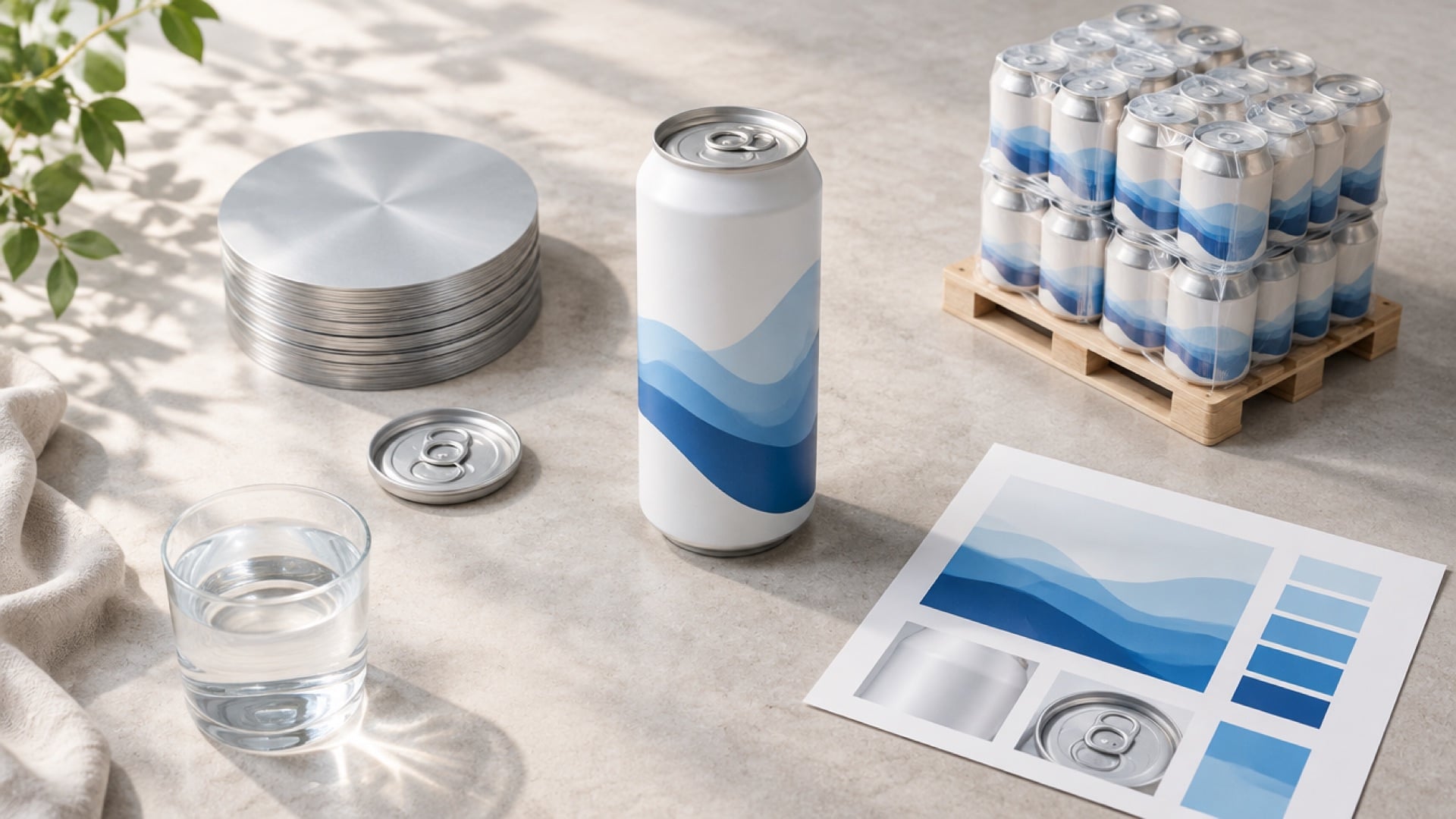
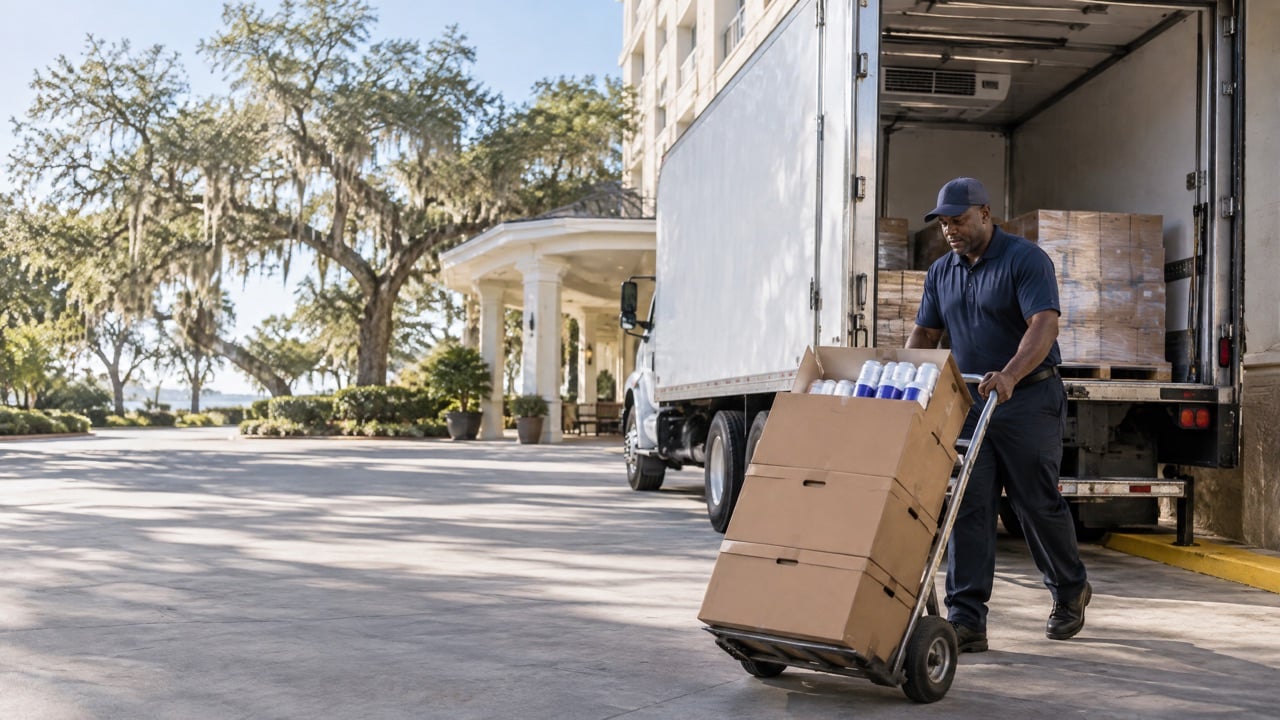
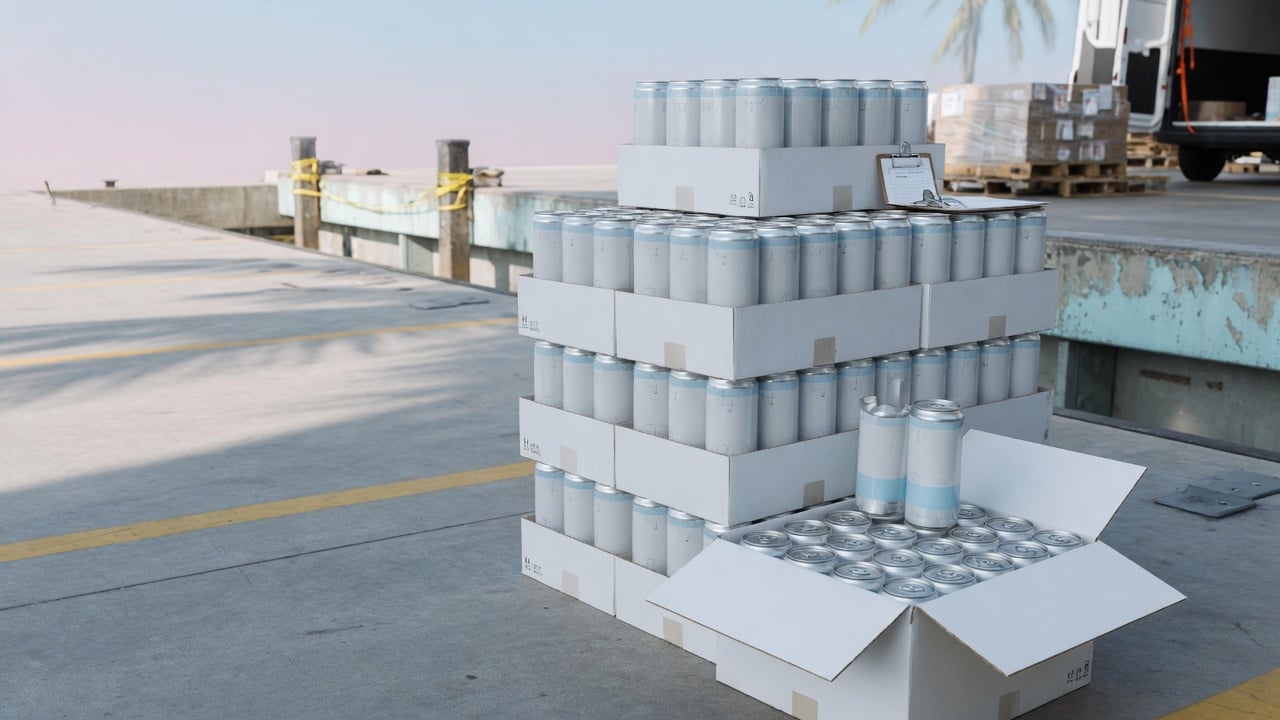
Private label water cost is driven mainly by volume (cases), can size, print method, and water type (still, sparkling, or alkaline), plus freight to your dock. At We Can It, manufacturing starts at 21 cases (504 cans) with about 2 to 3 weeks from artwork approval in Miami. Sparkling can carry a small per-can premium. We do not publish fake shelf prices here. Run the instant quote calculator with your inputs.
Invented prices go stale, ignore freight, and hide print path differences. A responsible partner shows drivers, minimums, and a live quote path. If a page promises a fixed dollar figure without your case count, treat it as marketing theater, not procurement truth.
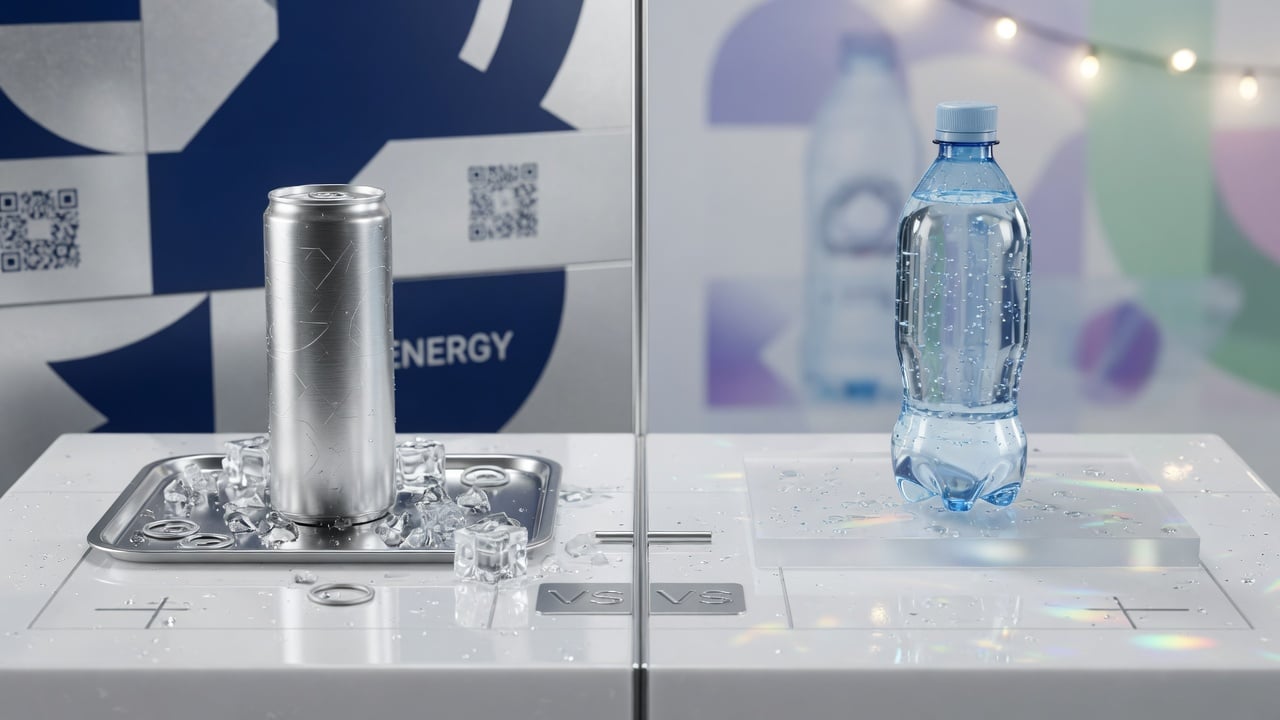
Wondering why a can of water costs more than a plastic bottle in the first place? Our guide on why canned water is so expensive breaks down the aluminum, filling, print and freight behind every can.
The four primary cost drivers
- Volume: more cases usually lower cost per can; pilots start at 21 cases (504 cans)
- Can size: 12oz Regular, 12oz Sleek, or 16oz change material and fill profiles
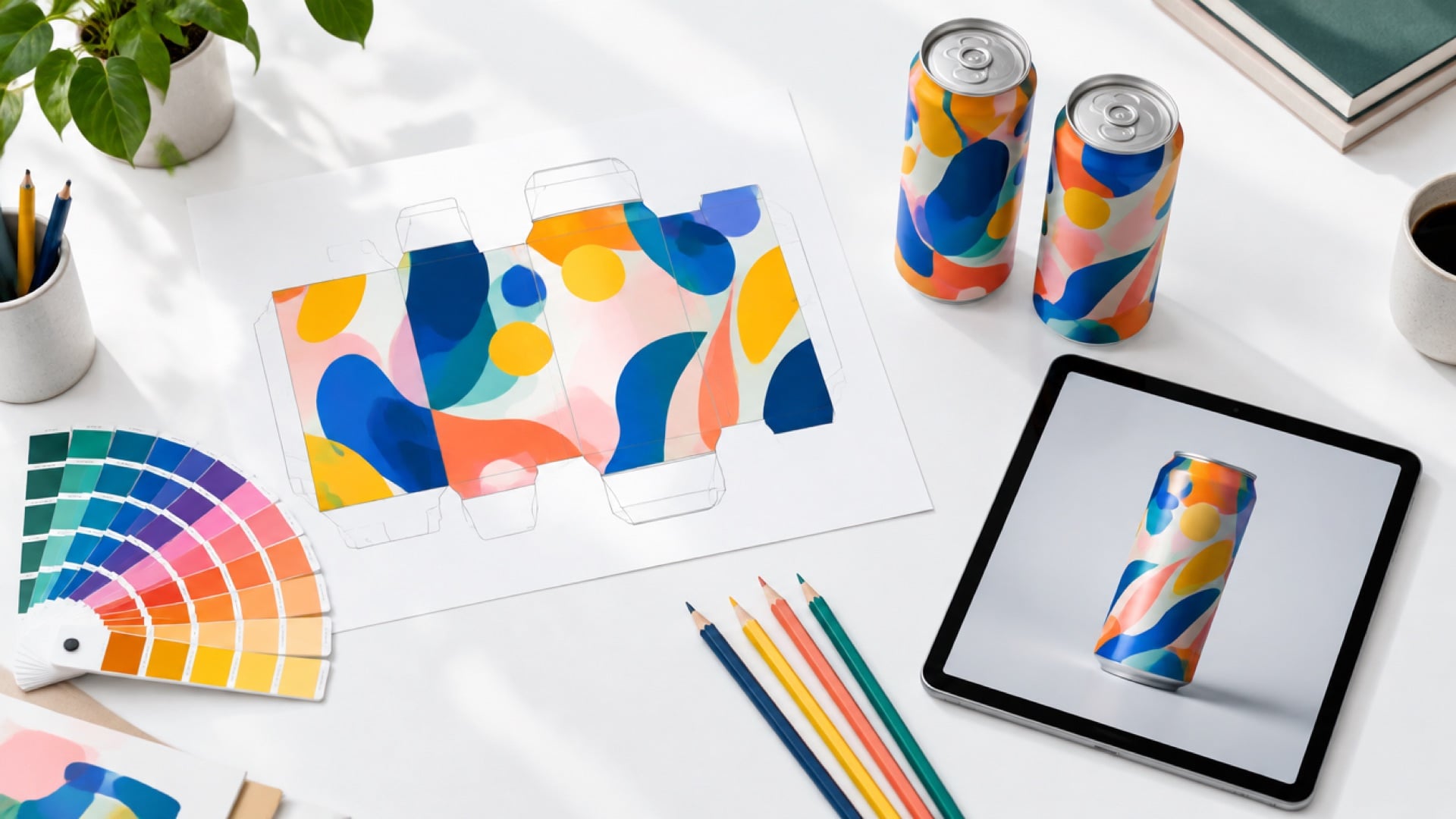
- Print path: label print from 21 cases; digital print from 100 cases
- Water type: still for everyday volume; sparkling can carry a small per-can premium; alkaline for premium positioning
Secondary drivers include freight distance, multi-address splits, rush pressure when art is late, and storage if you overbuy. When two quotes look different, line them up on these four primaries first. Most "surprises" are a print path change or a sparkling mix nobody wrote down. Put the four drivers on one slide and half the boardroom confusion disappears.
How to scope cost without overbuying
Define the guest moment and station map first. Forecast concurrent guests by station hours. Choose still-first volume, then optional sparkling. Pick a pilot floor (21 cases) when history is thin. Run the calculator with real case counts. Reverse-plan art approval, production (about 2 to 3 weeks), and freight. Reorder from actual burn, not annual fantasy volume.
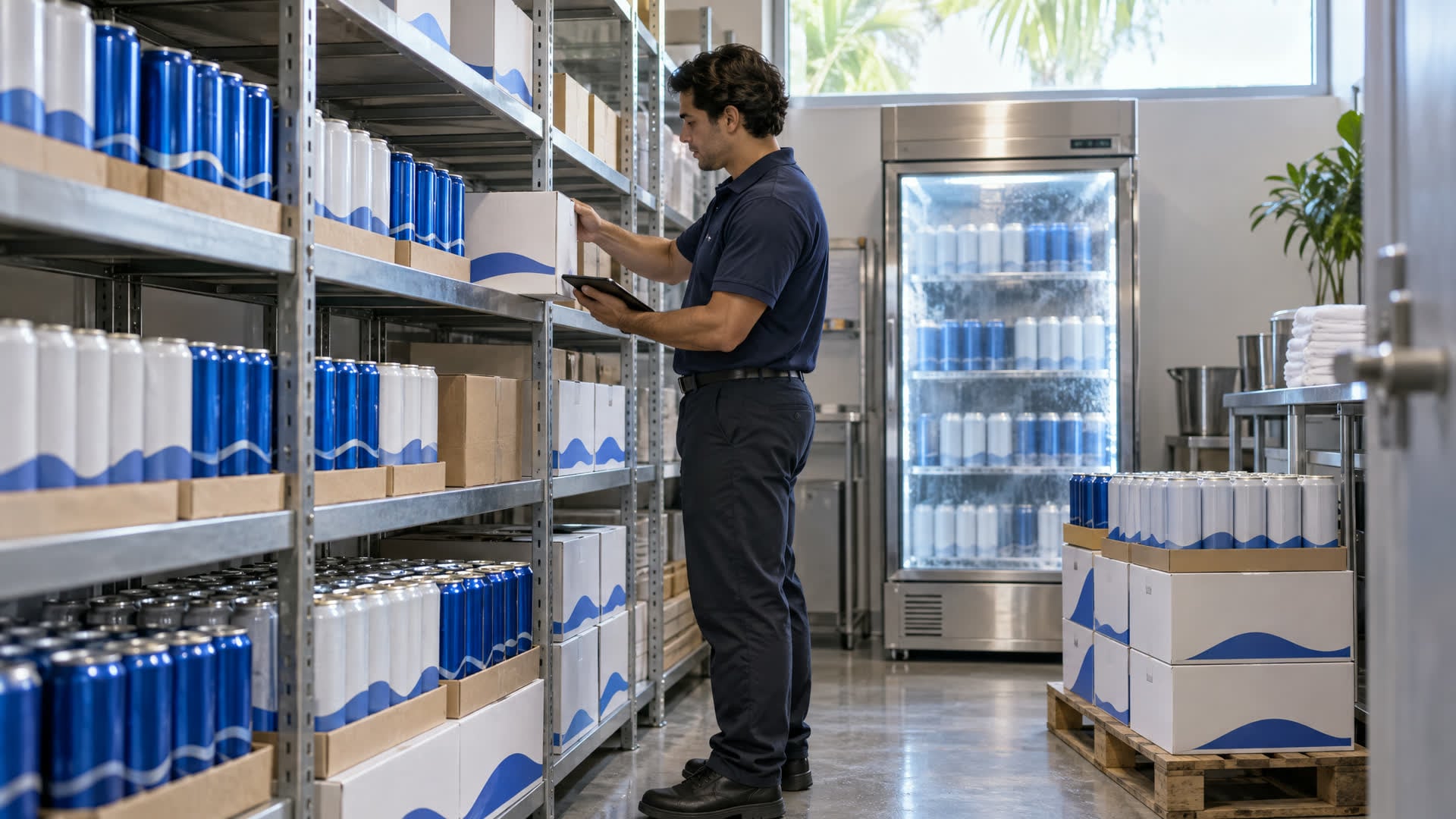
Wholesale and amenity programs fail when teams buy a year of inventory before one weekend of data. Cost control starts with learning, not with heroic first POs that strand untested design in a storage unit.
Volume: pilots vs programs
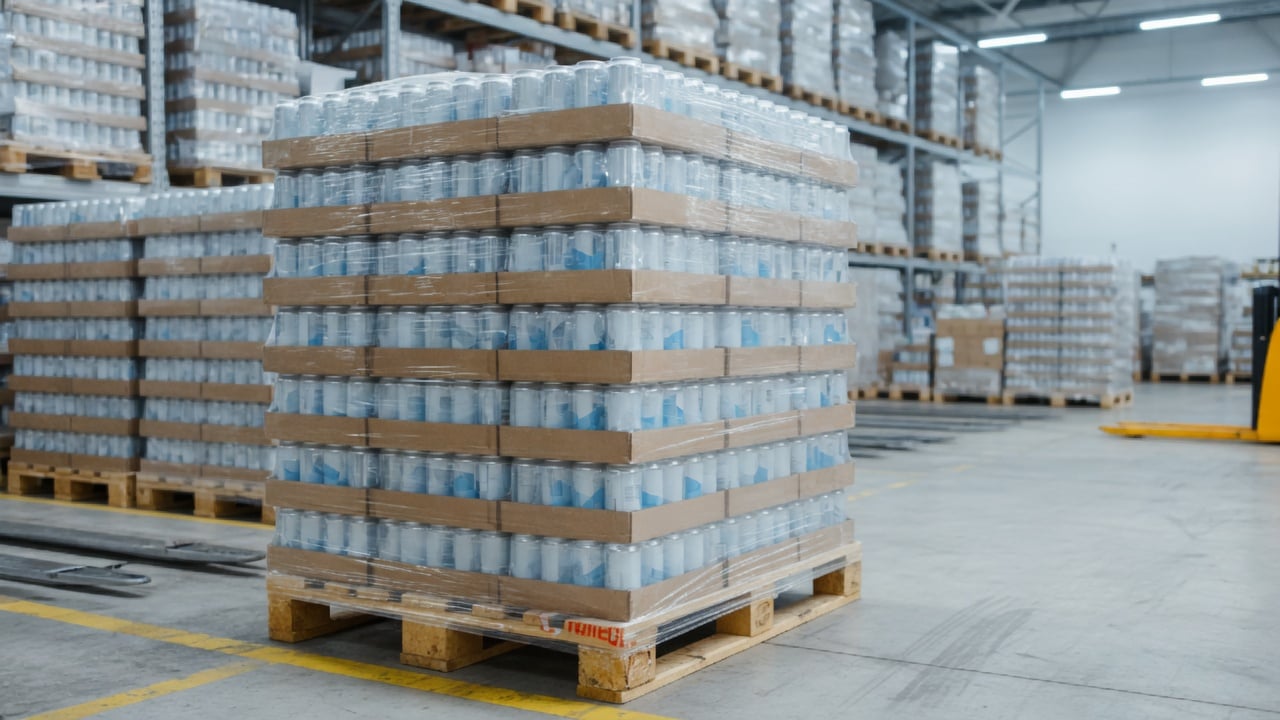
First test at 21 cases (504 cans) is a controlled learning budget. Proven station reorders what burned; unit path often improves as cases rise. Multi-site keeps the same art with local case counts; redesign churn is a hidden cost that never shows as a line item until it hurts.
Industry co-pack minimums near 10,000 units force a different risk conversation. Low minimums turn cost into an experiment you can stop or scale. That is the point of a pilot floor, not a discount gimmick.
Print path and why it changes the quote
Label print is available from 21 cases and built for pilots and first programs. Digital print is available from 100 cases for larger runs when the brief needs that path.
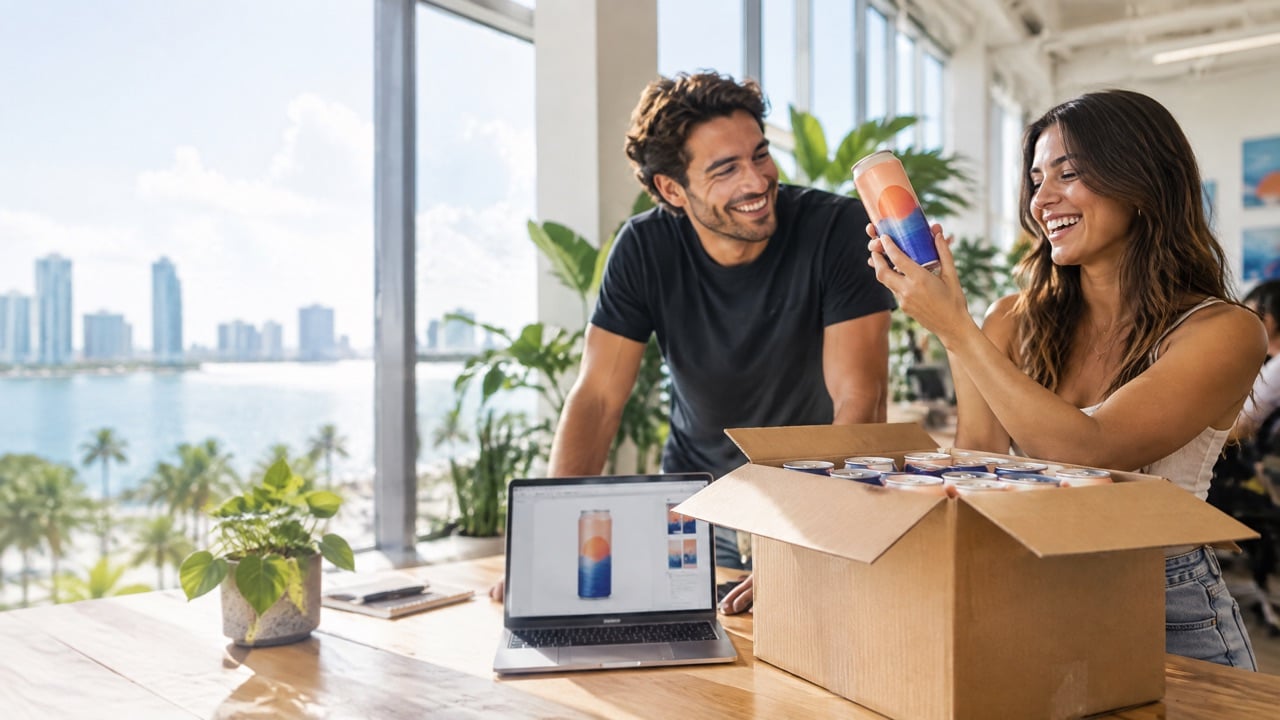
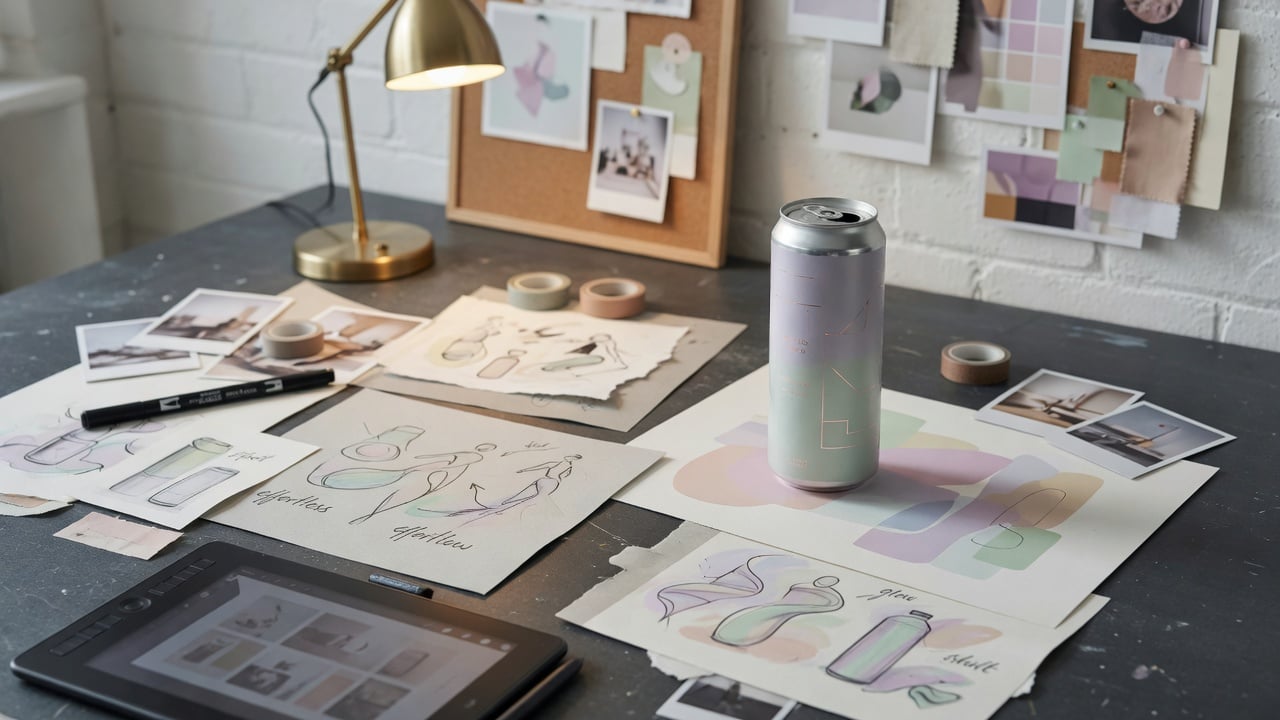
Print choice is not only aesthetic. It is a cost and minimum-order decision. Align creative ambition with the print floor you can fund this quarter. Details live on Technology · Labels.
Water type and the sparkling premium
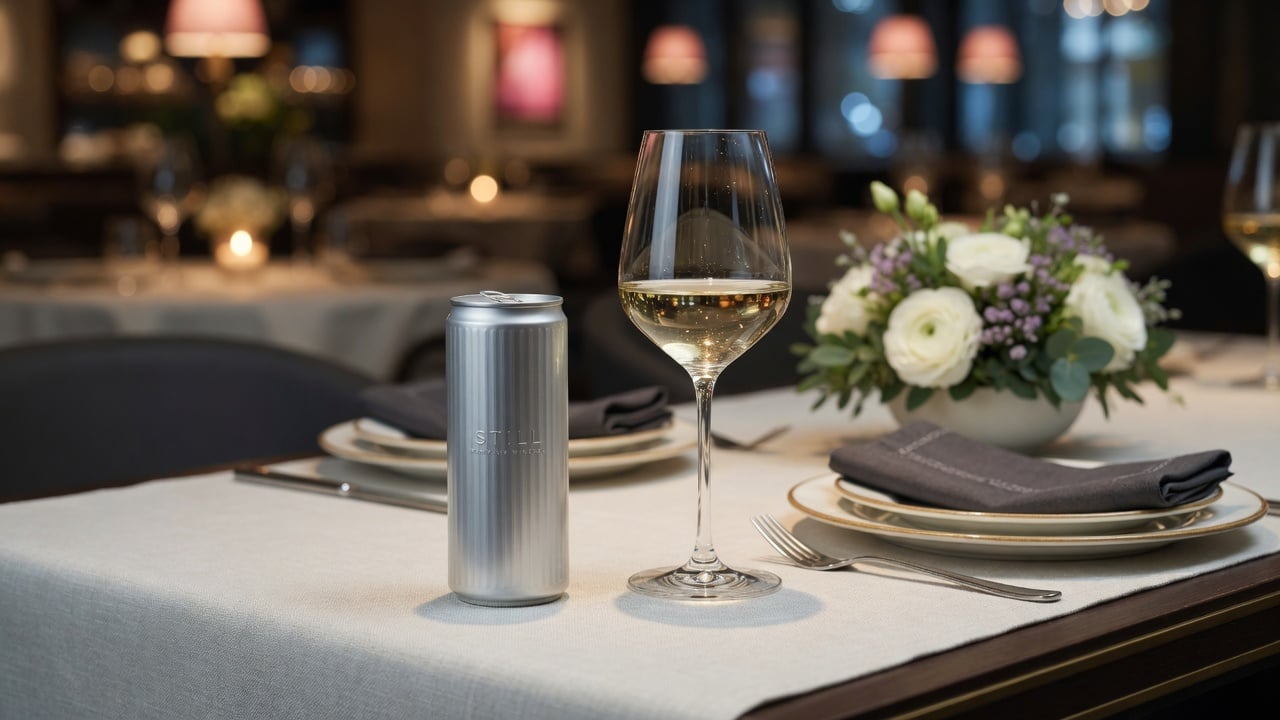
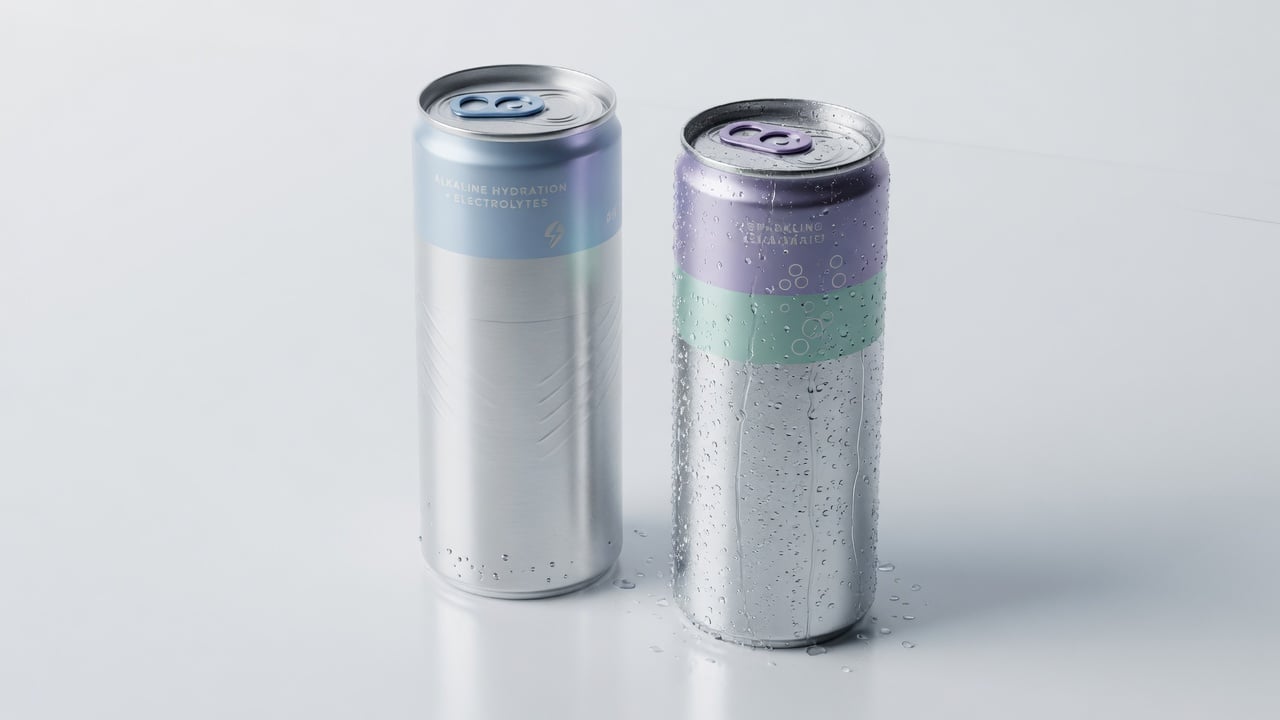
Still is the everyday volume base for most venues and campaigns. Sparkling fits celebration and F&B peaks and can carry a small per-can premium. Alkaline fits premium wellness positioning when the brand story supports it.
Most teams should cost still as the base SKU. Sparkling is additive. Ordering sparkling-only "because it feels premium" is a common way to raise cost and leave everyday thirst unserved. Guests drink still first when heat and volume show up.
Lead time is a cost lever (even when it is not a line item)
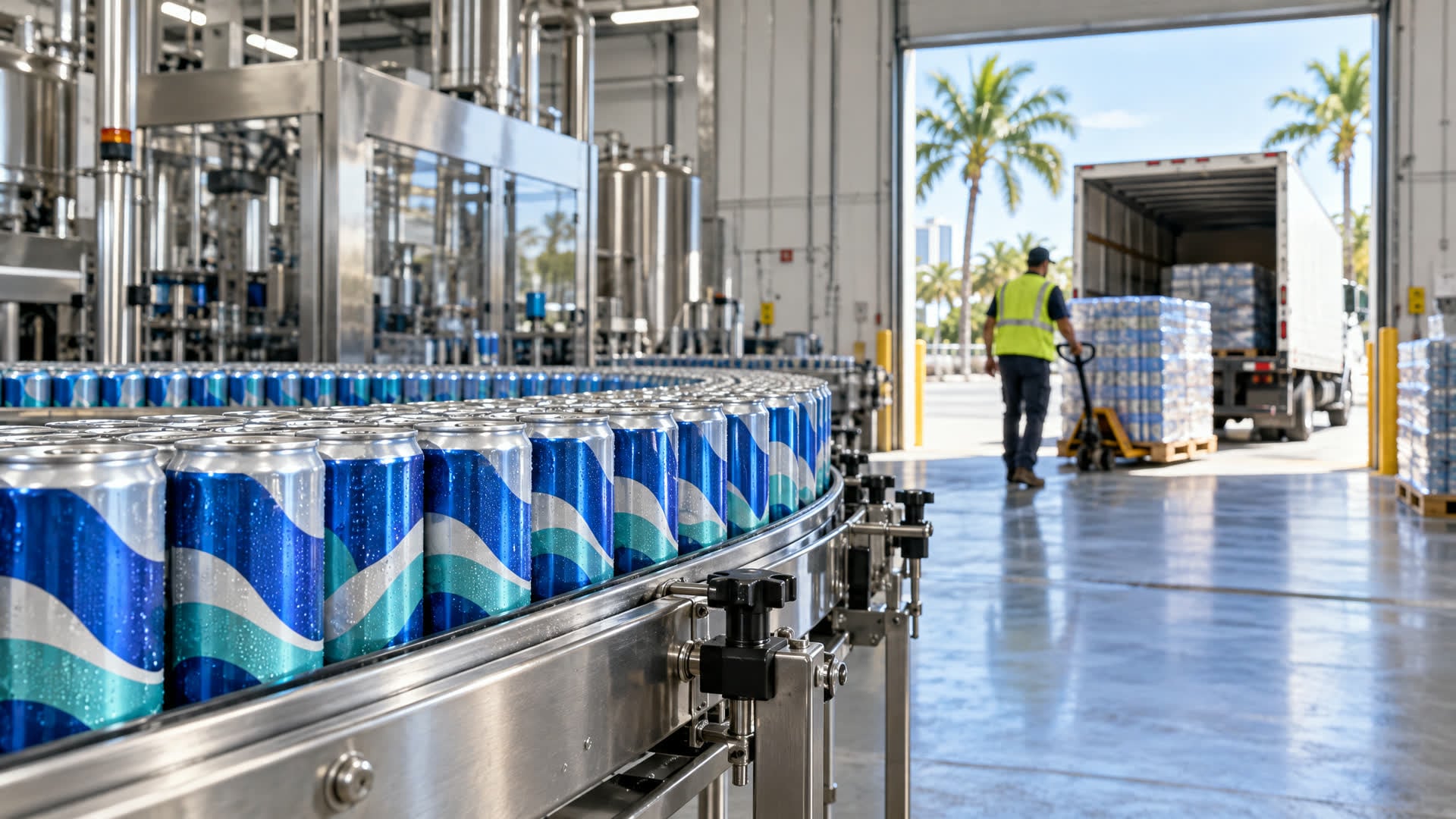
About 2 to 3 weeks from artwork approval is typical. Longer co-pack queues (often 8 to 12 weeks) create soft costs: rushed freight, missed events, and emergency promo buys that blow the budget. Soft art is the most common reason a fixed date becomes an expensive scramble.
Reverse-plan from the live date or first receiving day, then subtract freight buffer, production window after art approval, proof and stakeholder review days, and art lock day. Art lock is the real start of the clock. Late art is a cost event, even when no one puts it on a spreadsheet.
What inputs make a useful cost quote?
- Case count by water type
- Can size
- Print method
- Ship date target
- Dock constraints (hours, liftgate, multi-address)
- Whether still and sparkling share one brand system
Bring those four to six inputs into the instant quote calculator. Questions? A product advisor will follow up by email quickly. Process context: Technology · Water and Products.
Cost questions finance will ask (and good answers)
What is the minimum cash risk? A pilot at 21 cases, not a co-pack wall. What starts the production clock? Artwork approval, not first inquiry. What changes unit cost most? Volume, size, print path, water type, freight. What is the reorder plan? Cases used × buffer after week one. What claims are we making? Only claims the manufacturer can support.
Finance does not hate branding. Finance hates dead inventory and opaque quotes. Speak that language and the conversation gets easier.
Private label cost vs promo imprint catalogs
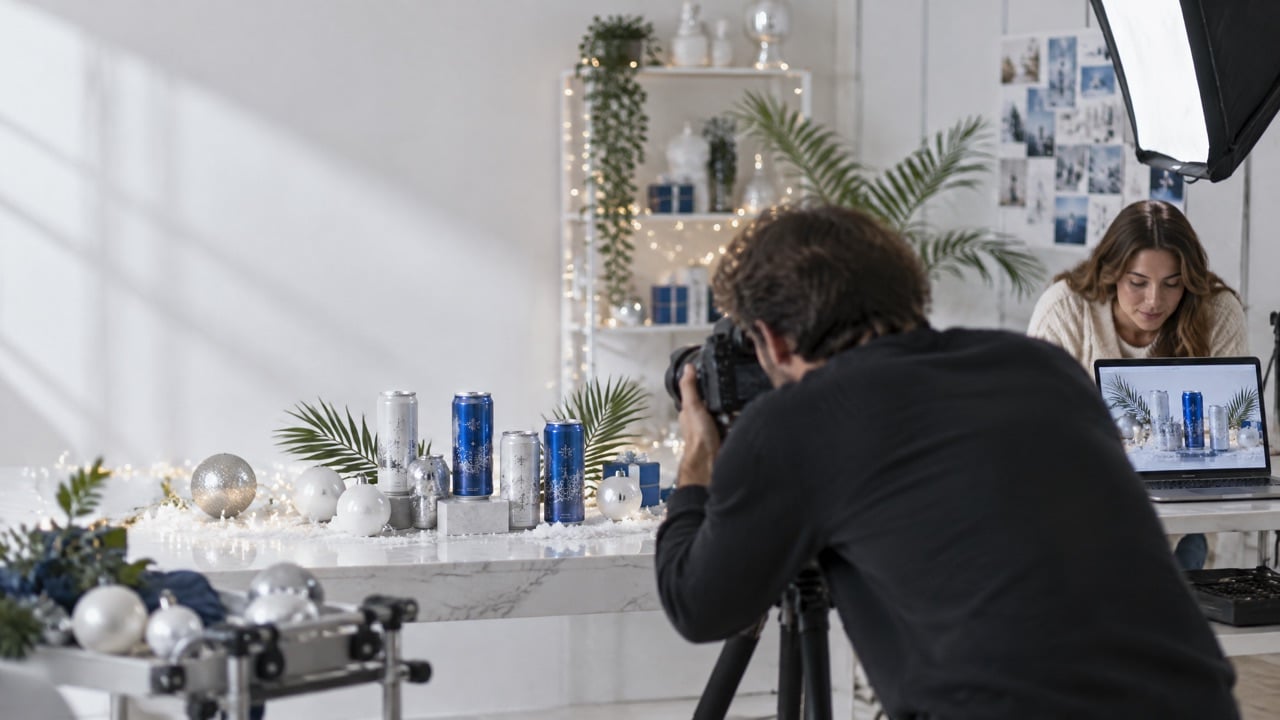
Promo catalogs optimize for logo-on-stock at sample quantity. They can look "cheap" on a unit line and expensive on brand control, photo quality, and reorder consistency. Private label optimizes for a brand system you can run for a season.
Score total program cost across packaging that photographs, station ops and cooler density, reorder match, freight and storage, and creative and proof cycles. A low sample unit price that forces redesign every event is not a savings plan. It is a habit that keeps buying the same problem.
Hidden cost killers (and how to avoid them)
Soft art against a hard event date. Annual volume guesses before one pilot. Sparkling-only programs for still-thirsty guests. Redesign churn that strands old wraps. Broken QR pages that waste print real estate and trust. No receiving owner that causes failed deliveries. Invented deck prices that finance later rejects.
Name the killer, name the owner, and most of these disappear before the first PO.
Buyer checklist for private label water cost
- Confirm minimum order in cases and cans (21 cases / 504 cans at We Can It).
- Confirm lead time from artwork approval (about 2 to 3 weeks typical).
- Confirm size, print path, and water type before you compare quotes.
- Confirm calculator or line-item quote path (no black-box only).
- Confirm freight assumptions and dock constraints.
- Confirm still-first plan with optional sparkling.
- Confirm reorder rule after first real consumption week.
- Confirm no invented unit prices in internal decks.
How to present cost to a board or ownership group
Boards do not need a beverage chemistry lecture. They need risk, timing, and a path to say yes or no.
- Risk: pilot floor is 21 cases (504 cans), not a 10,000-unit co-pack commit
- Timing: about 2 to 3 weeks from artwork approval, plus freight
- Drivers: volume, size, print path, water type, freight
- Quote path: calculator or line-item quote, not a verbal guess
- Exit: reorder if guests respond; stop if they do not
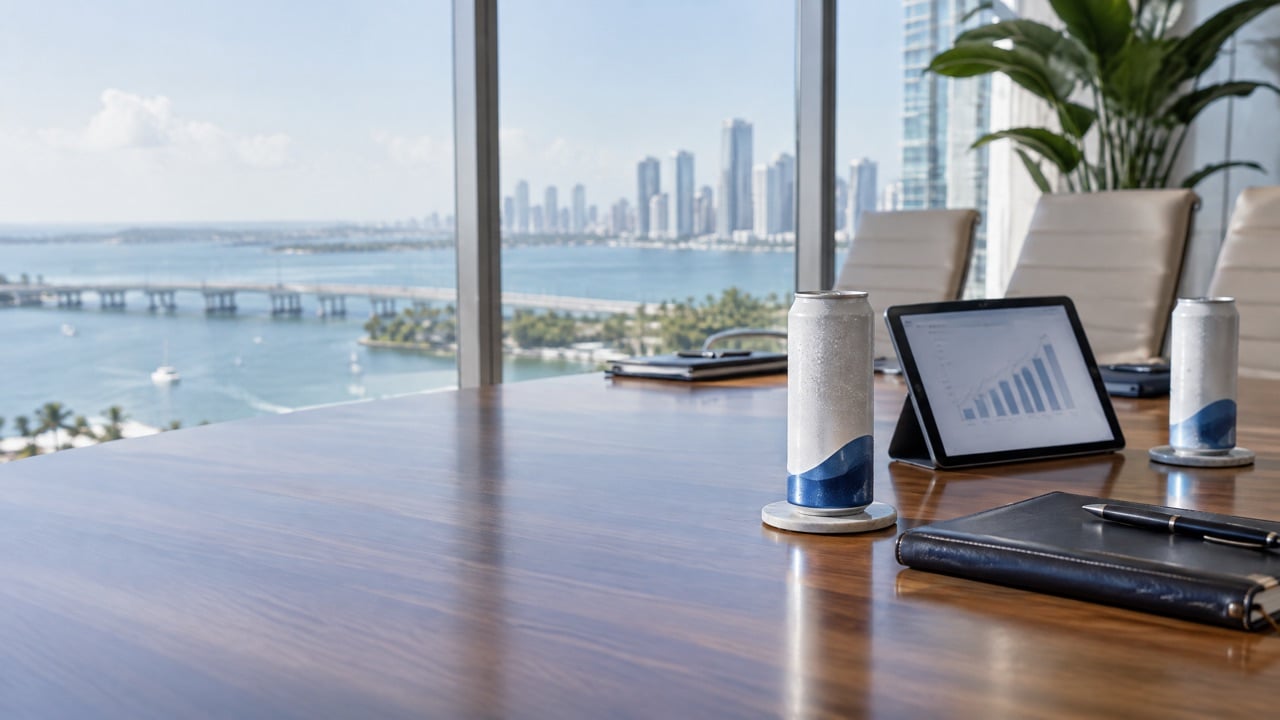
One slide can hold that list. Attach the calculator export. Skip invented per-can claims that will be wrong next quarter when volume changes.
Sample decision language you can reuse
- "We are funding a pilot at the manufacturing floor so we can learn station burn before we scale."
- "Production time starts when art is approved, so the campaign date is reverse-planned from that lock."
- "Still is the volume base; sparkling is optional for peak moments and may carry a small premium."
- "Next PO uses real case counts from week one, not a year-one guess."
That language keeps creative ambition and financial control in the same room.
What the two weeks before art lock look like
Day 1 to 2: Align brief, station map, and budget band with marketing, ops, and finance. Day 3 to 4: Design and stakeholder review so print path ambition matches the funded floor. Day 5: Proof approval and calculator quote lock. Then production: Typical window is about 2 to 3 weeks from approval. Pad for freight. After delivery: Stock, count burn, reorder with better inputs.
If the date cannot fit that window, change the date or the scope. Late art is a cost event.
Expanding cost literacy across the company
Share drivers, not mythology. Teach marketing that art lock starts the clock. Teach ops that cases of 24 are the unit of truth. Teach finance that pilots at 504 cans beat co-pack walls for learning. When those three groups use the same language, private label water cost stops being a mystery line item and becomes a managed program.
A useful internal habit is a short after-action note after every pilot week: cases used, stations that stocked out, stations that over-ordered, and whether the wrap earned a reorder. That note is cheaper than another annual guess. It is also how calculator inputs get smarter over time.
For Florida production context, see custom water cans in Florida. For volume scoping, pair with wholesale volume scope.
What good looks like after 90 days
Ninety days in, you should see a reorder placed without redesign panic, finance that trusts the calculator-to-PO path, station stockouts that are rare and explainable, staff who can explain the can in one sentence, and guests who notice the brand, not a generic bottle. That is the bar for private label water cost done without theater.
FAQ
How much does private label canned water cost per can?
It depends on volume, size, print path, water type, and freight. Use the instant quote calculator rather than a blog list price.
What is the lowest volume I can cost at We Can It?
21 cases (504 cans) at 24 per case.
Does sparkling cost more?
Sparkling can carry a small per-can premium. Confirm in the calculator for your case count.
How long does production take, and why does that matter for cost?
About 2 to 3 weeks from artwork approval is typical. Missed windows create rush freight and emergency buys that raise total cost.
Is label print cheaper than digital for pilots?
Label print starts at 21 cases and is built for first runs. Digital print starts at 100 cases. Compare paths for your volume rather than assuming a universal winner.
Get a quote for private label water cost
Bring case counts, size, print path, and water type. Leave invented unit prices out of the deck.