How Multi-Property Teams Standardize Private Label Cans
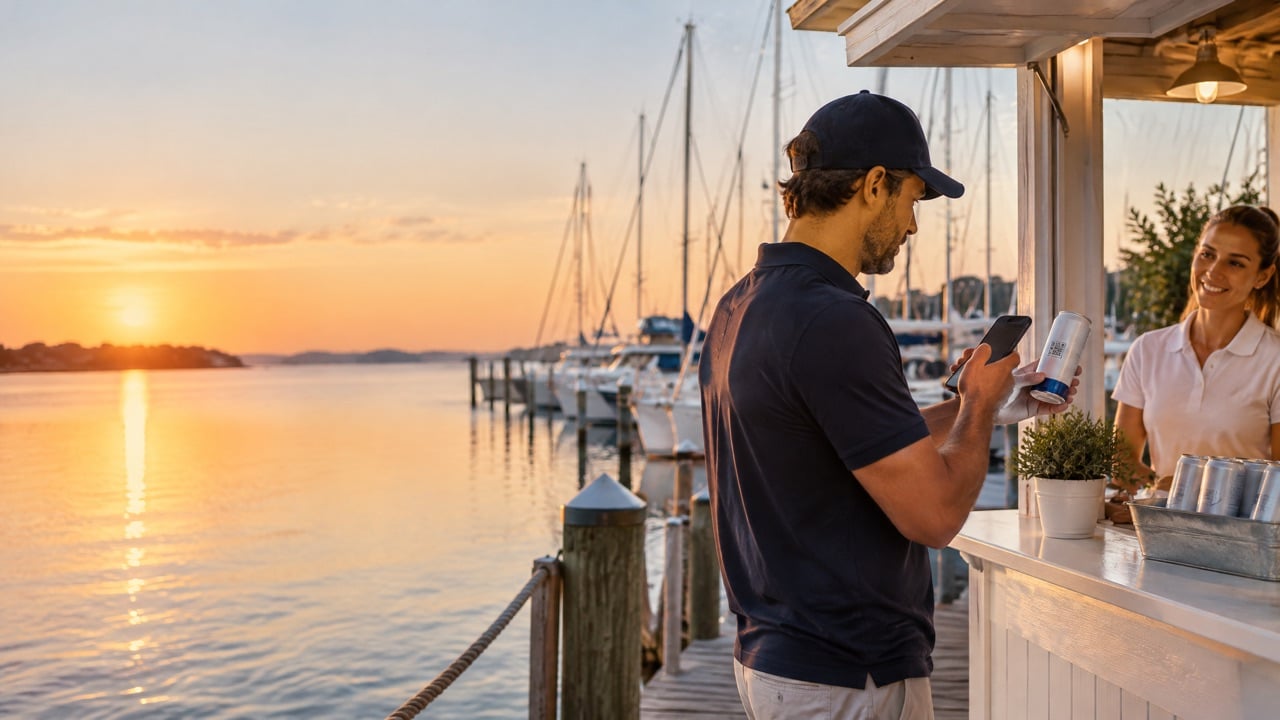
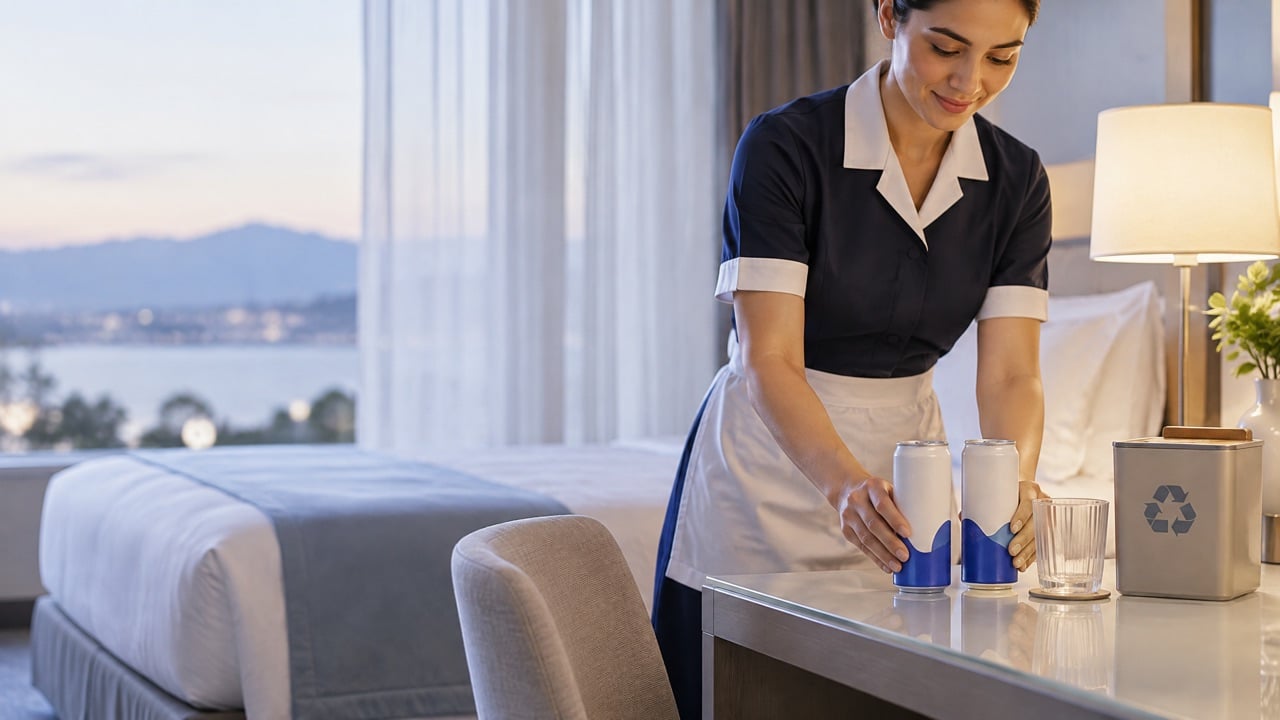
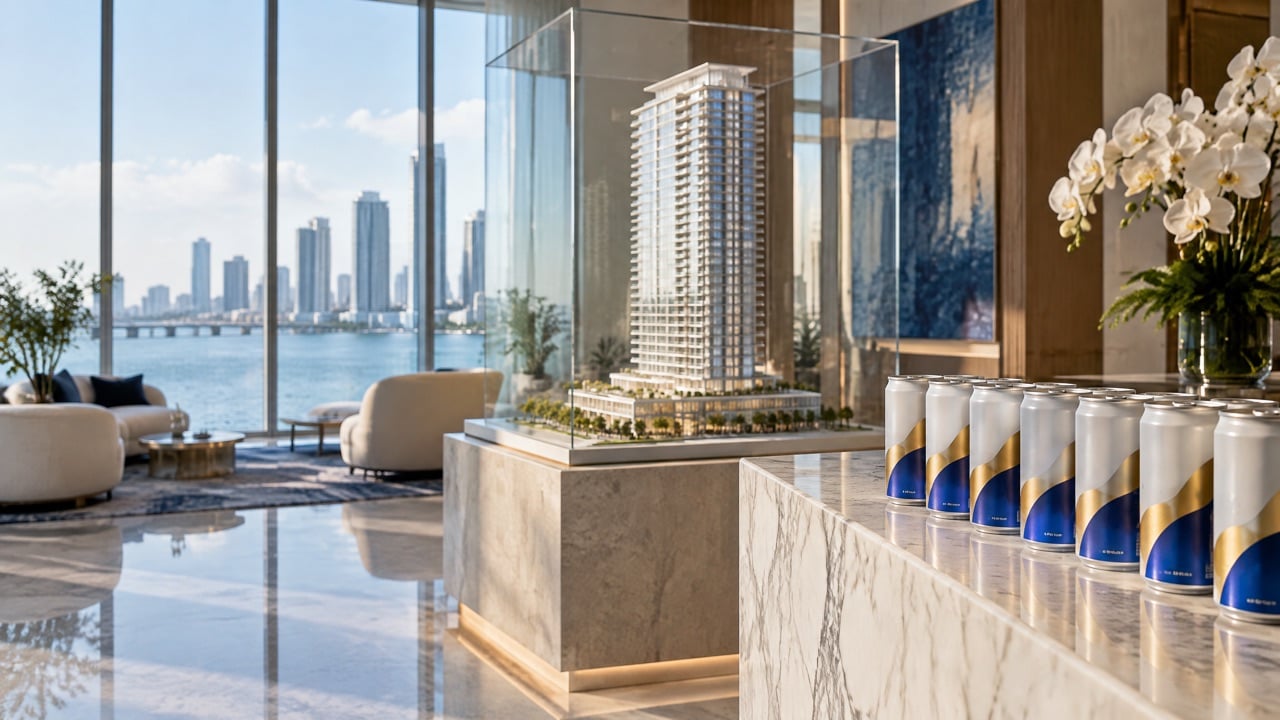
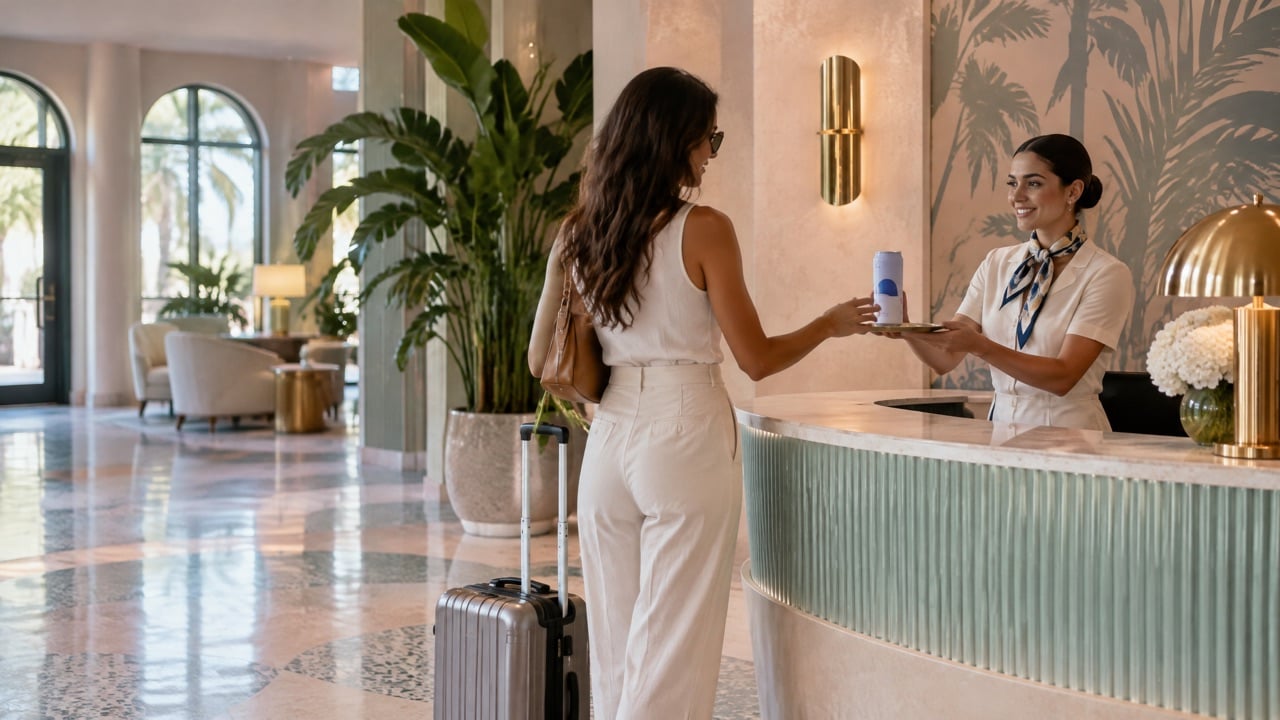
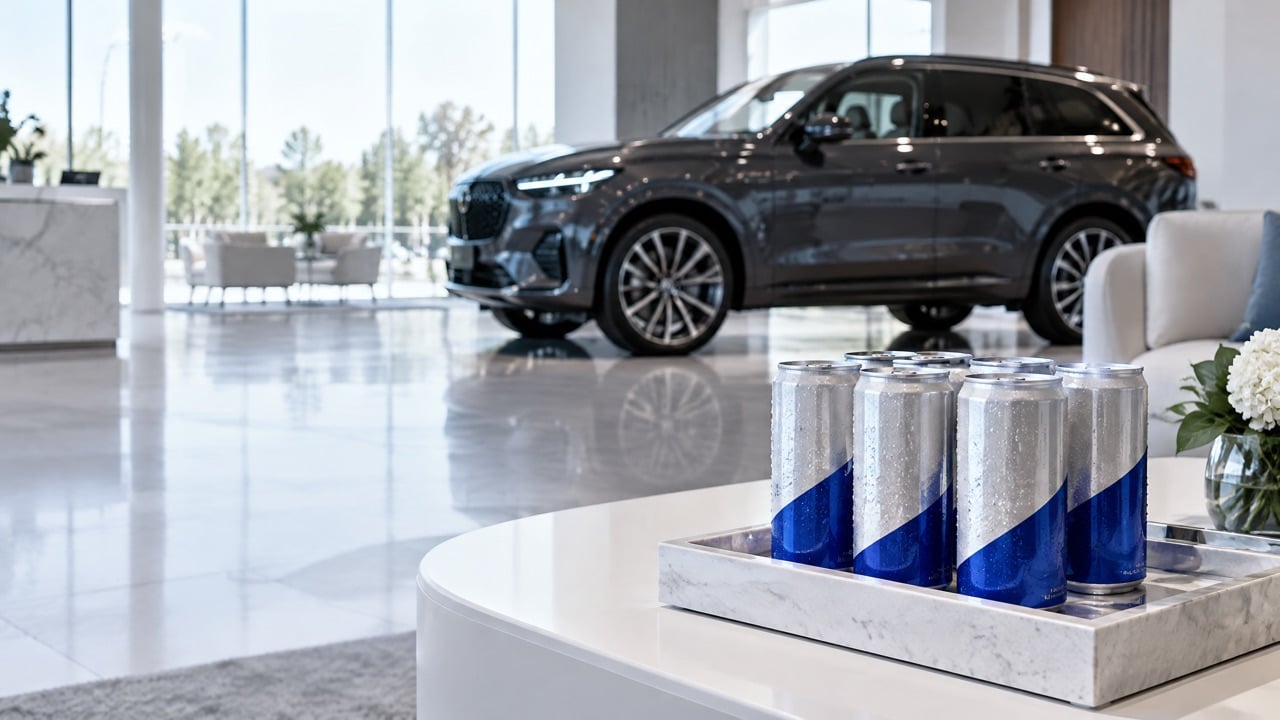
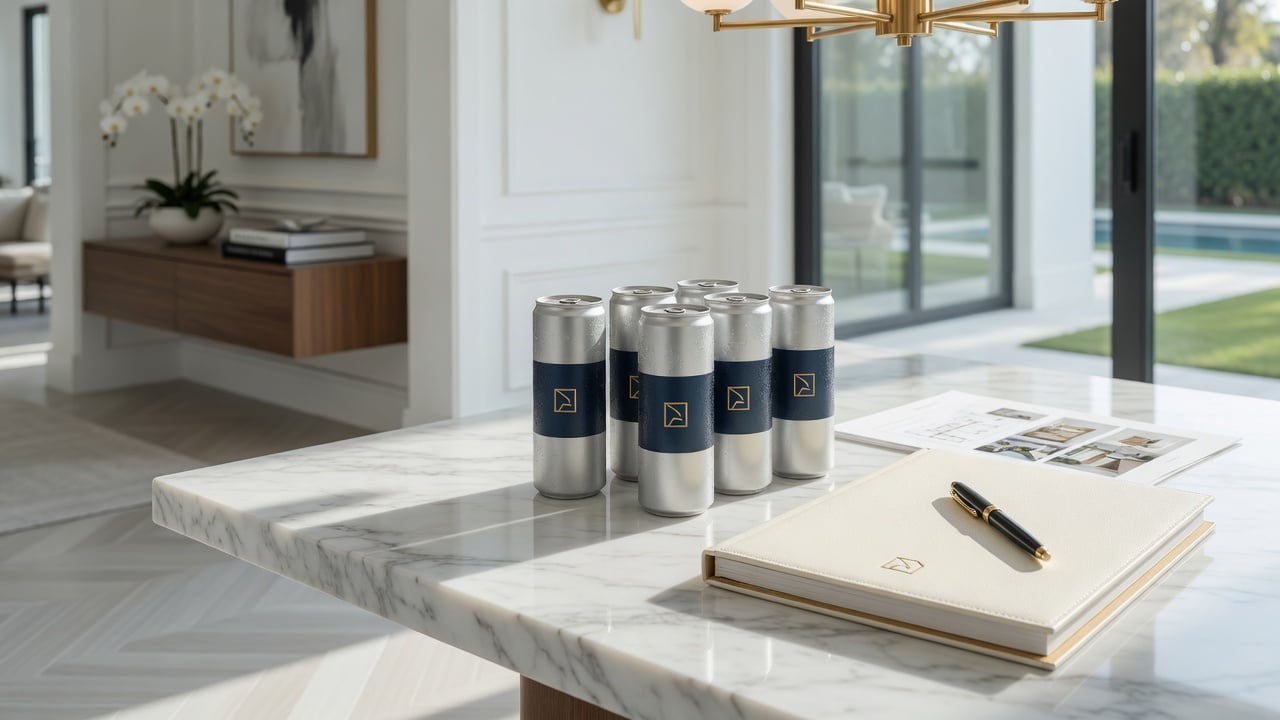
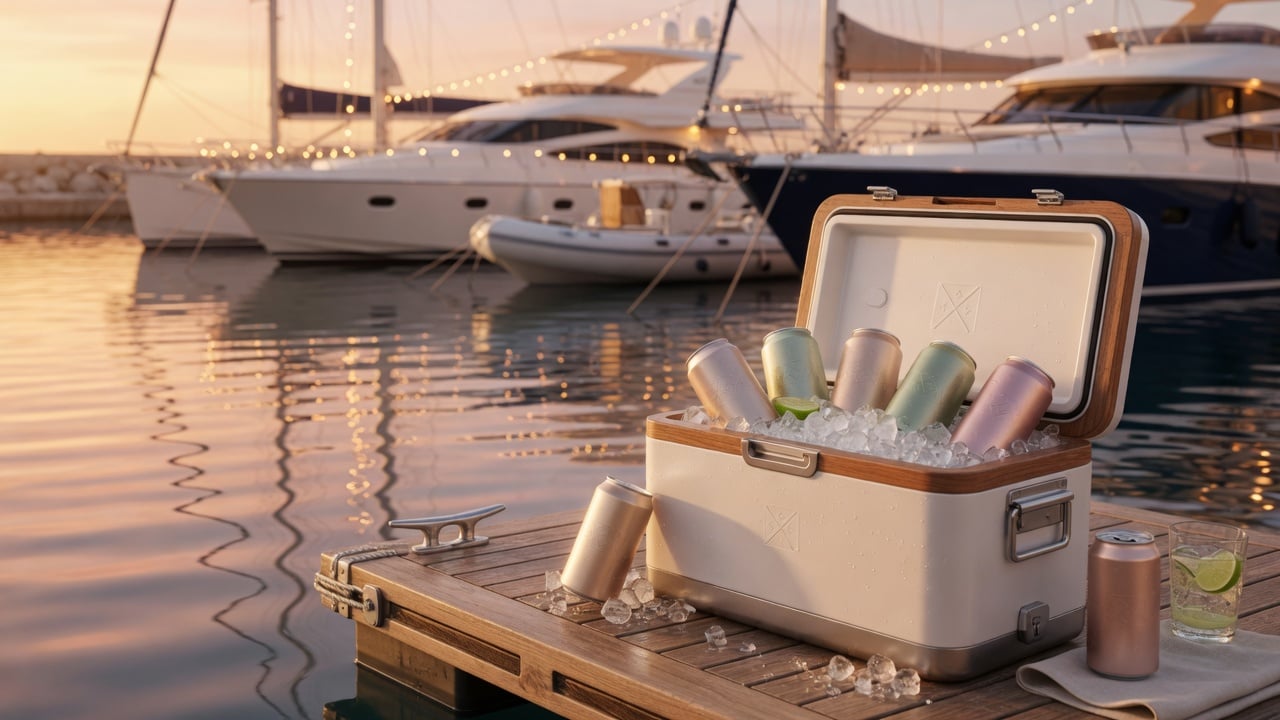
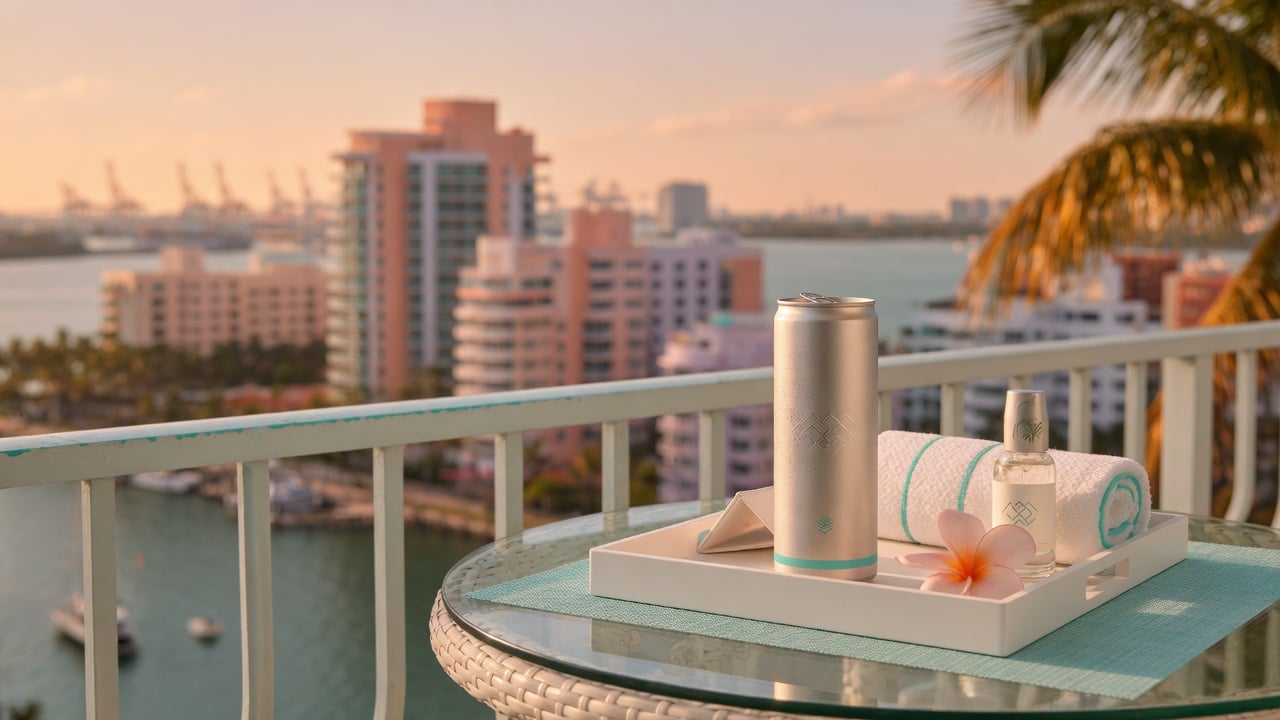
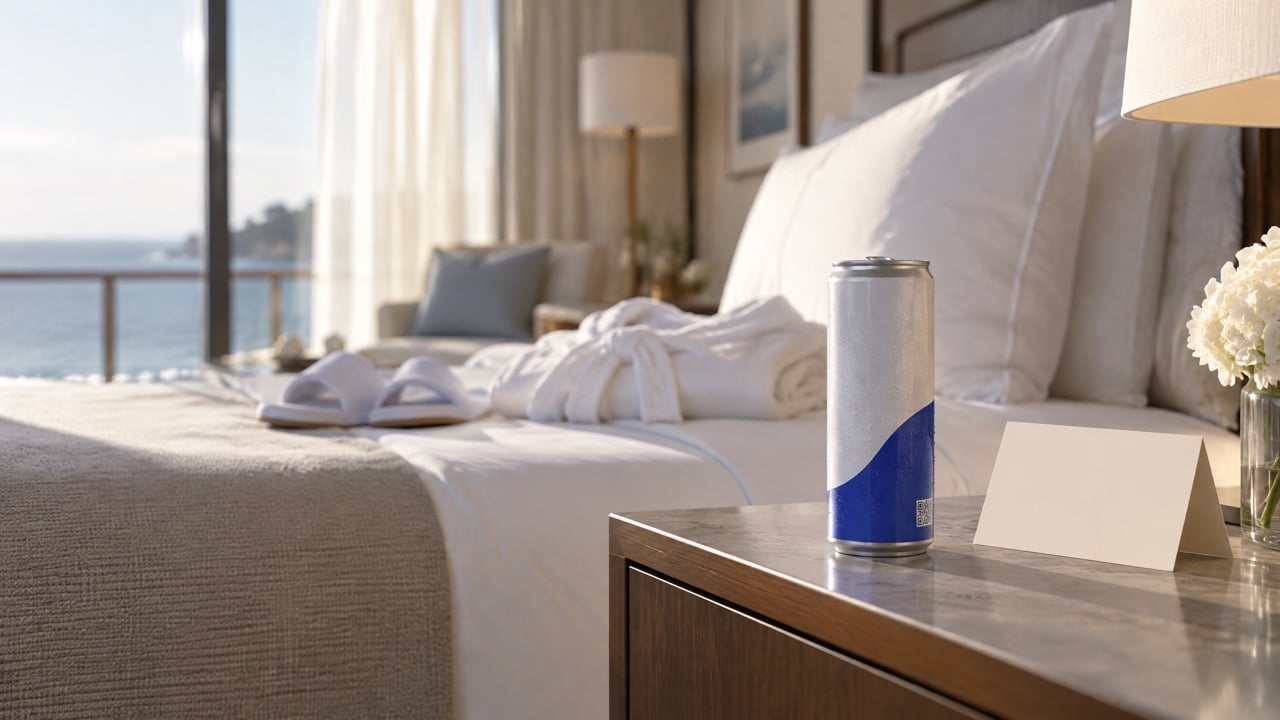
A guest stays at your beach property on Thursday and your downtown property on Sunday. The rooms feel related. The uniforms almost match. Then they open the cooler. One door has a full-wrap can with your wordmark.
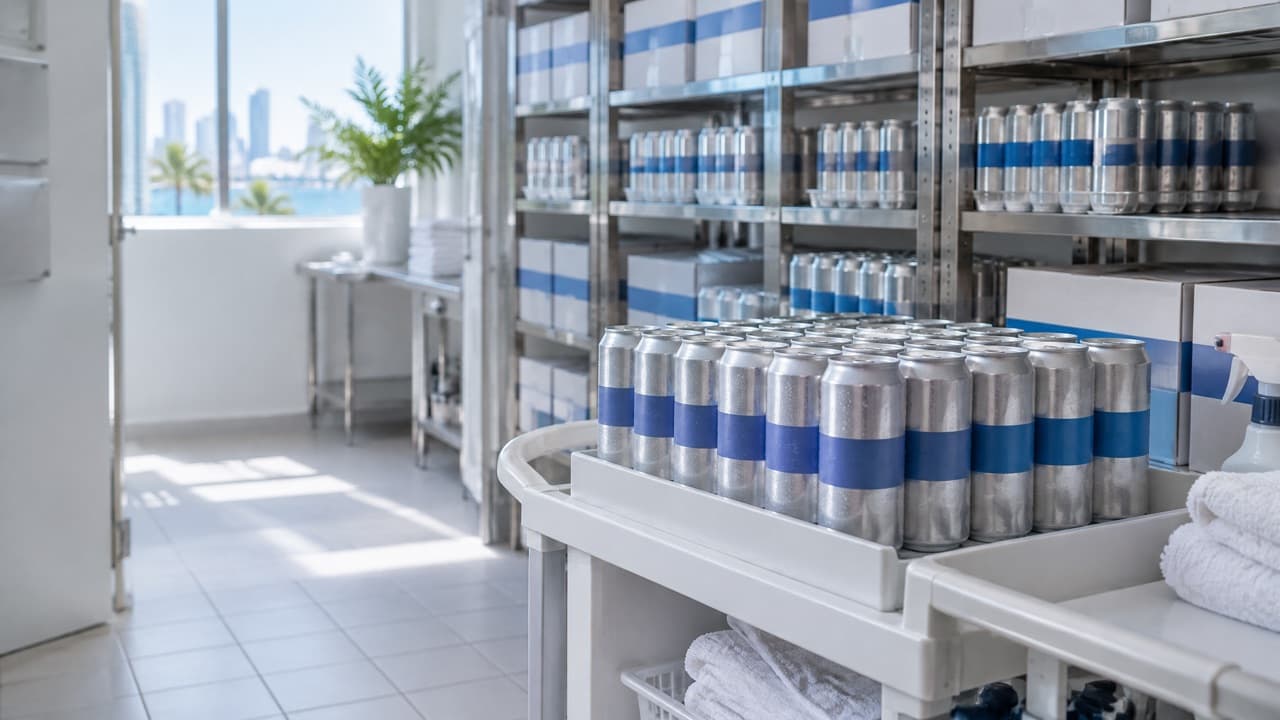
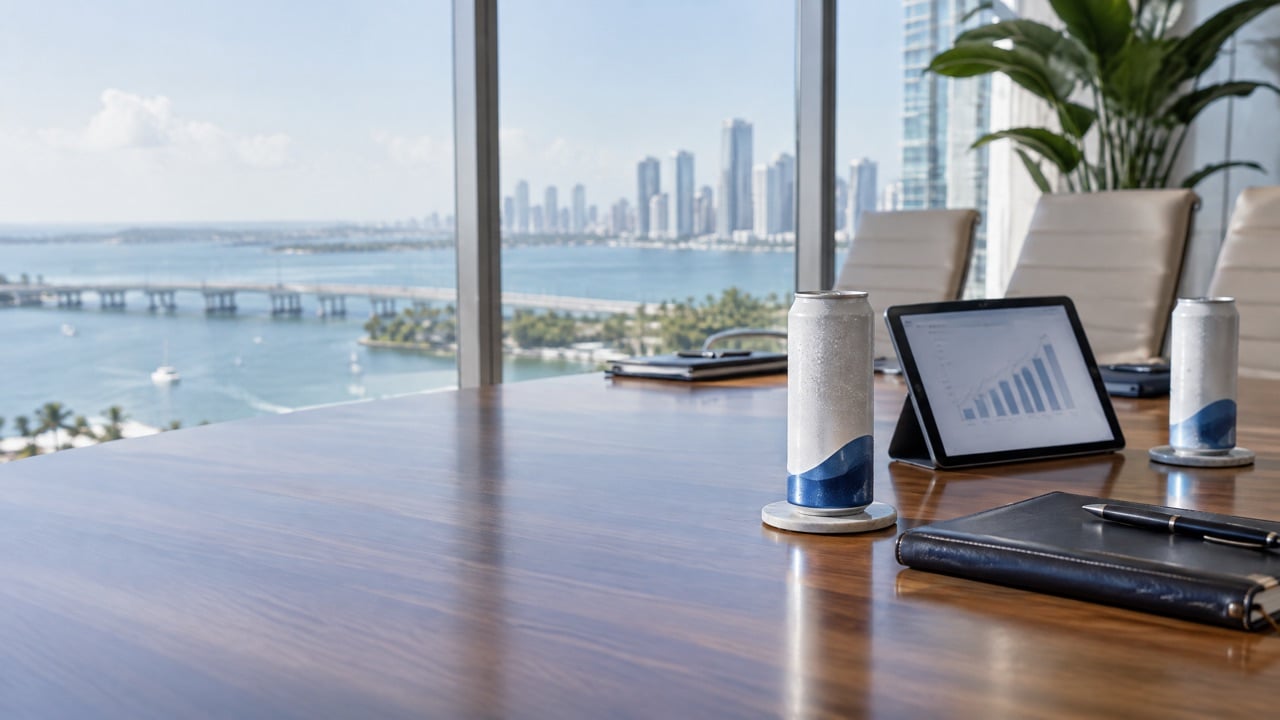
A guest stays at your beach property on Thursday and your downtown property on Sunday. The rooms feel related. The uniforms almost match. Then they open the cooler. One door has a full-wrap can with your wordmark. The other has a mixed retail bottle that could belong to any hotel on the highway. That is how a brand system breaks in a place corporate rarely photographs: the amenity guests actually hold.
A multi property private label water program is how groups keep one look across doors without forcing every property to buy like a national bottler. Shared art. Local case counts. A reorder path that ops can run without a redesign every quarter. This guide is for brand directors, regional COOs, and F&B leads who need the pour to match the flag.
How do multi-property teams standardize private label cans?
They lock one brand system for the wrap, then let each property order the volume it actually burns. Standardization is not one giant purchase order. It is shared artwork, shared sizes, shared water roles (still first, sparkling for peaks), and a quote path that finance can repeat. At We Can It, properties can pilot from 21 cases (504 cans) with about 2 to 3 weeks from artwork approval in Miami.
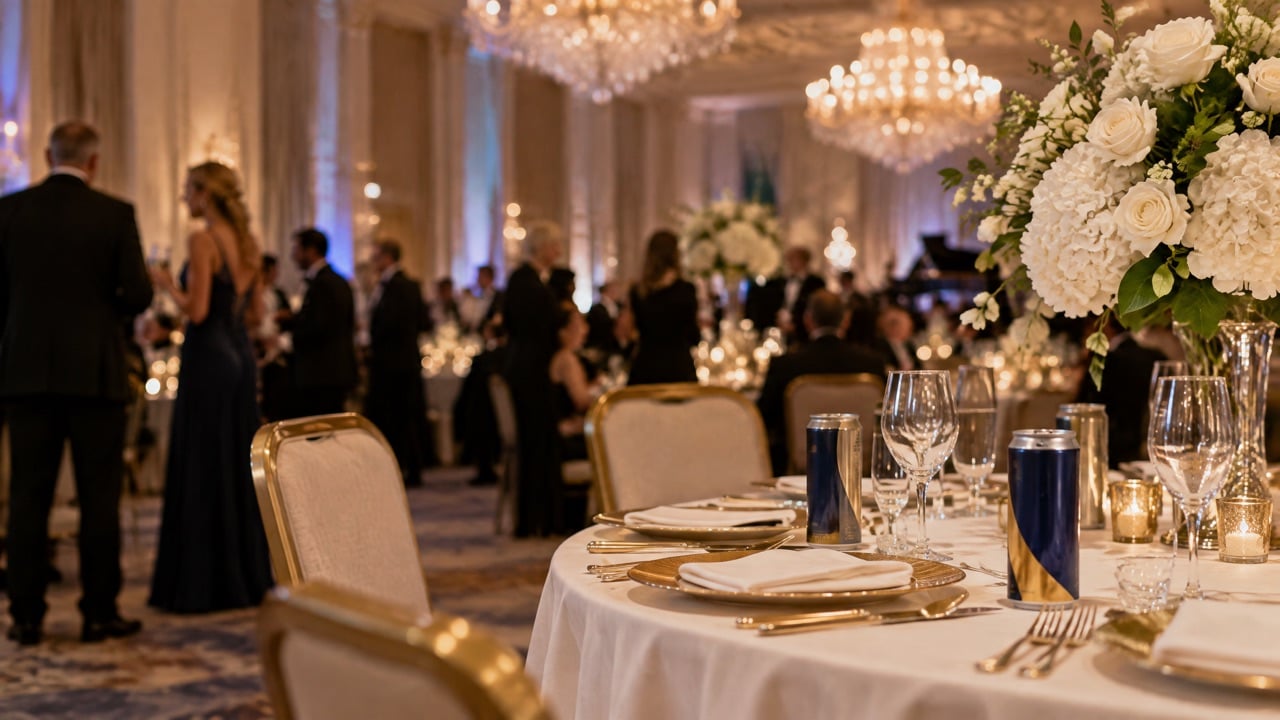
Corporate owns the look. Property owns the cooler. When those two jobs stay clear, guests recognize the group whether they are in a suite, a clubhouse, or a meeting floor two cities away. When they blur, every GM invents a local bottle and the portfolio looks accidental.
Why generic water undoes a brand book
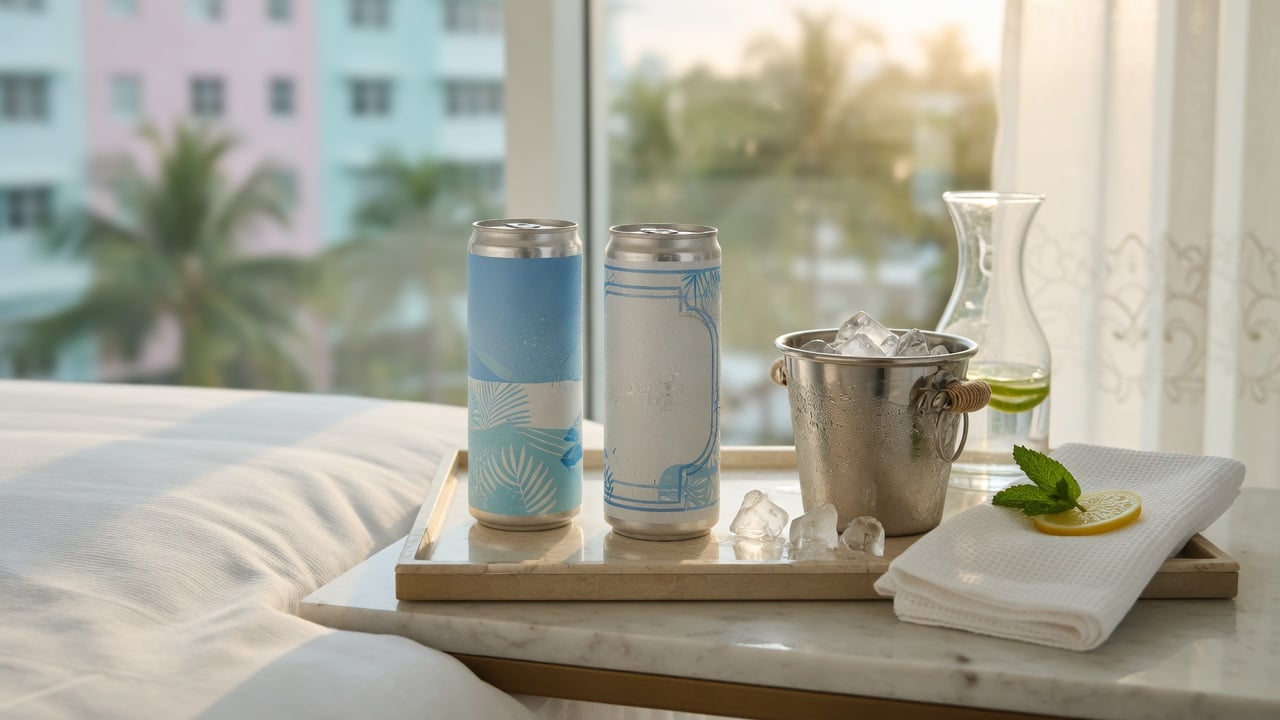
Brand books spend years protecting color, type, and photography. Then procurement buys whatever is cheap and cold. Guests do not read the brand book. They read the tray. A mixed cooler teaches them that the flag is optional. Staff learn the same lesson when they restock whatever arrived this week.
Multi-property groups feel this faster than single-site operators because photos travel. A guest posts the downtown pour. Another guest posts the resort pour. If those two images disagree, your "one brand" claim is doing extra work in paid media that the amenity could have done for free.
If you have only seen "logo on a stock bottle" promo sites, that is a different world. Private label means your brand system, your sizes, and a partner who can grow with you when one door becomes twenty.
What a multi property private label water program includes
A real program is more than a logo file emailed to whoever shouts first.
- One wrap system that works on 12oz Regular, 12oz Sleek, and 16oz
- Still as the volume base at every door
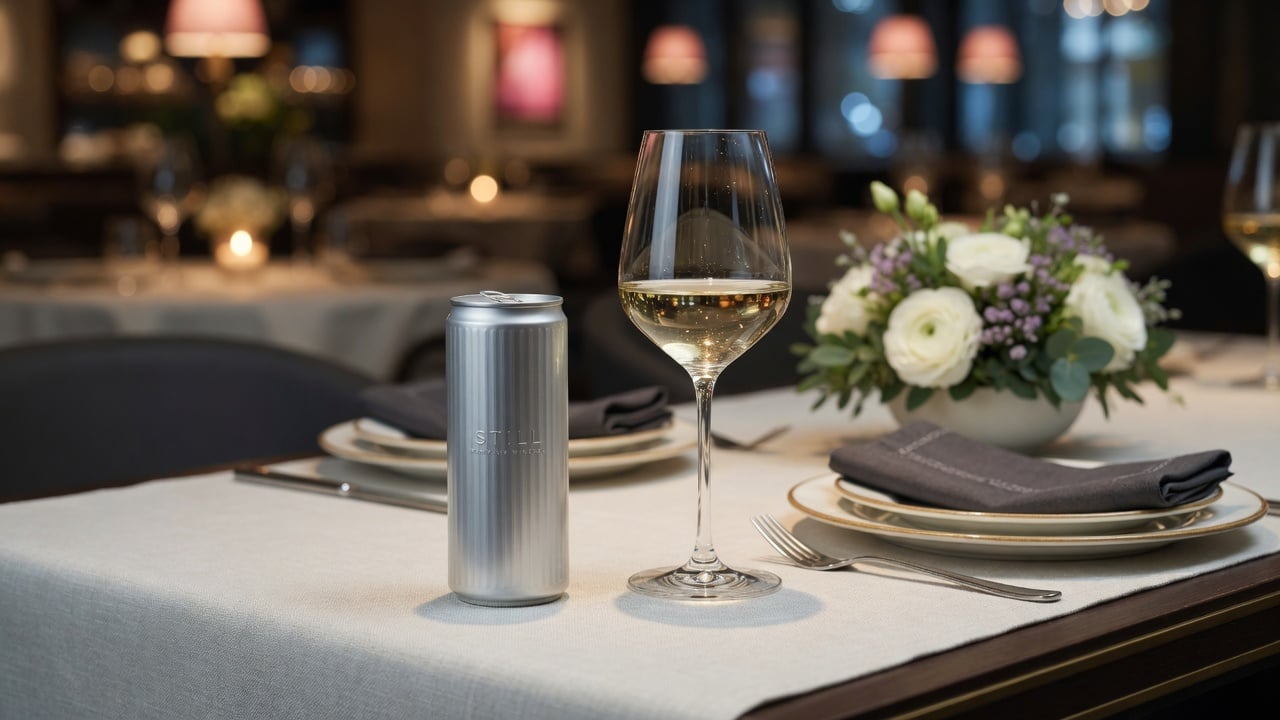
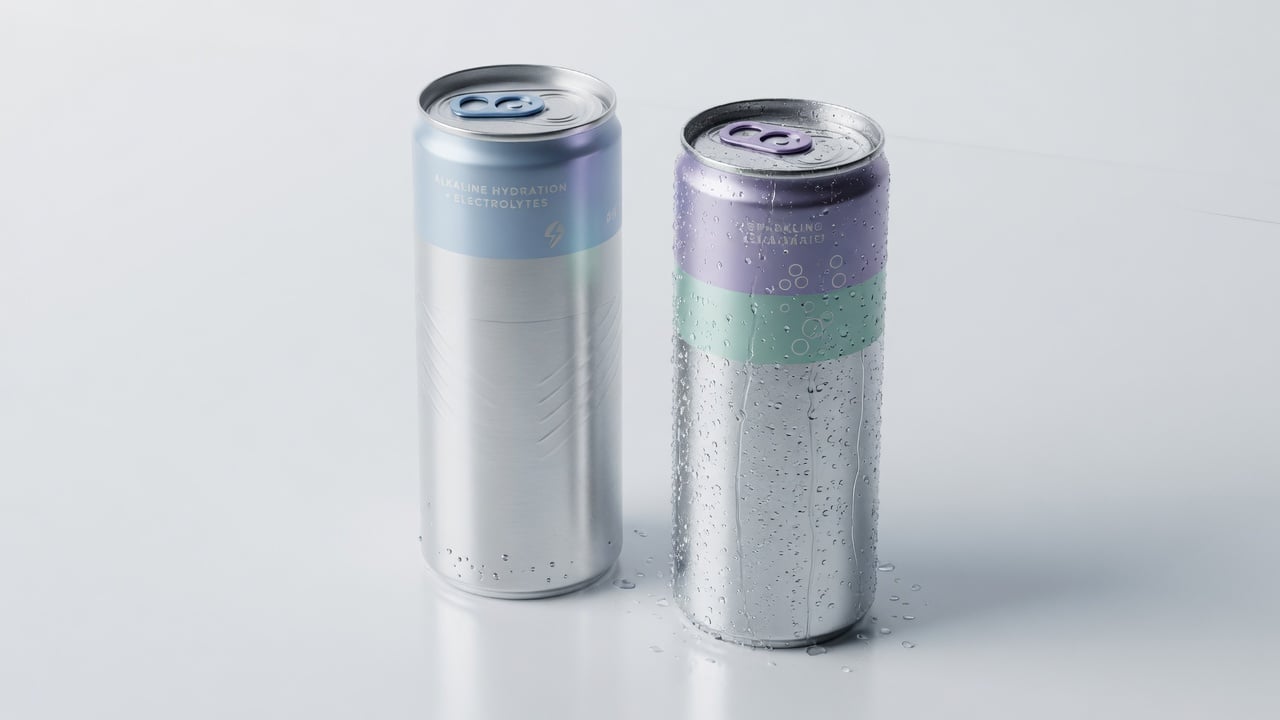
- Optional sparkling for F&B peaks, under the same identity
- Optional alkaline only where the property already sells wellness
- Label print from 21 cases for pilots and smaller doors
- Digital print from 100 cases when a door or the group is ready
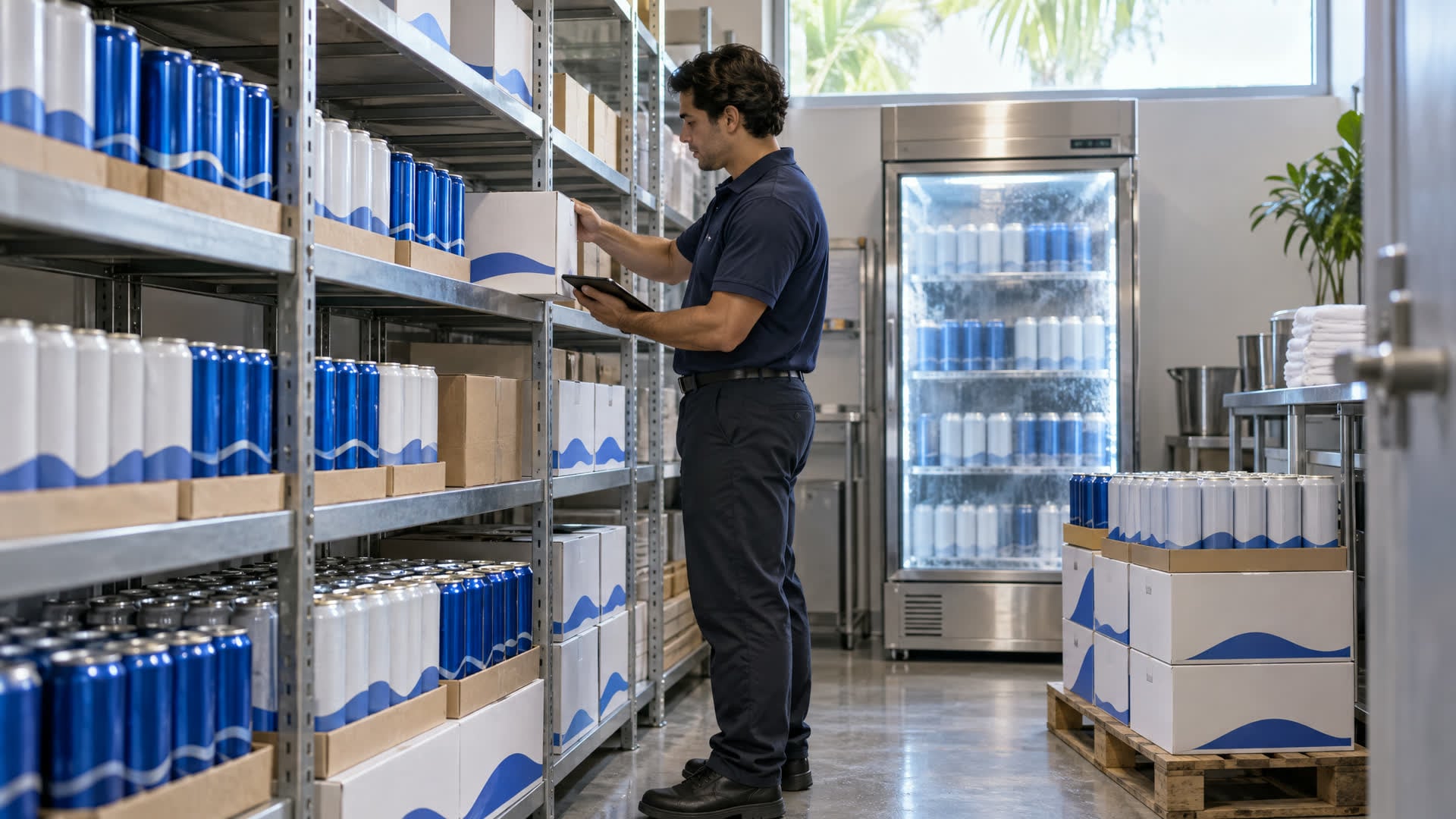
- Shared proofs, then local shipping addresses
- A calculator path so each PO uses real case counts
Explore Products and Technology · Water. Questions? Get a quote and a product advisor will email you quickly.
Corporate vs property: who owns what
Confusion here is how programs stall. Write it down.
- Brand / creative: lock the wrap, protect the wordmark, approve proofs
- Procurement / finance: approve the quote path, not invented deck prices
- Regional ops: set receiving rules, case storage, and reorder cadence
- Property F&B or rooms: stock stations, count burn, report stockouts
- Guest experience: tag comments that mention water or packaging
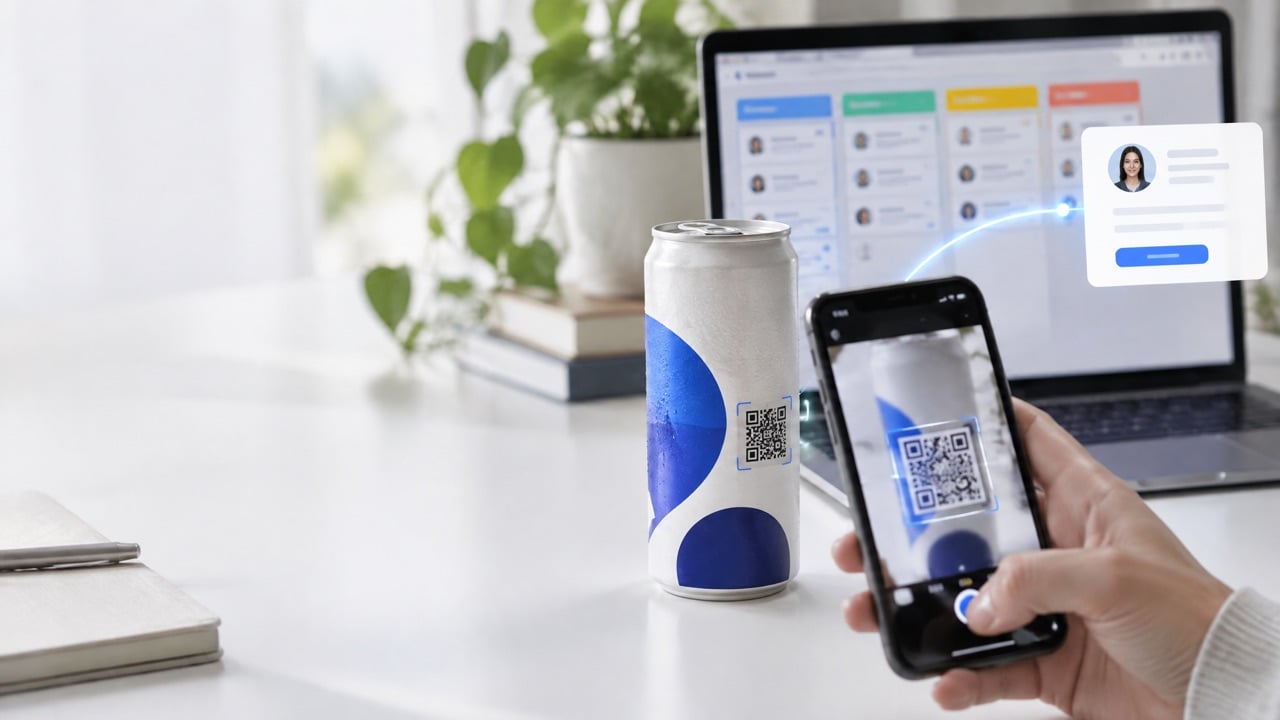
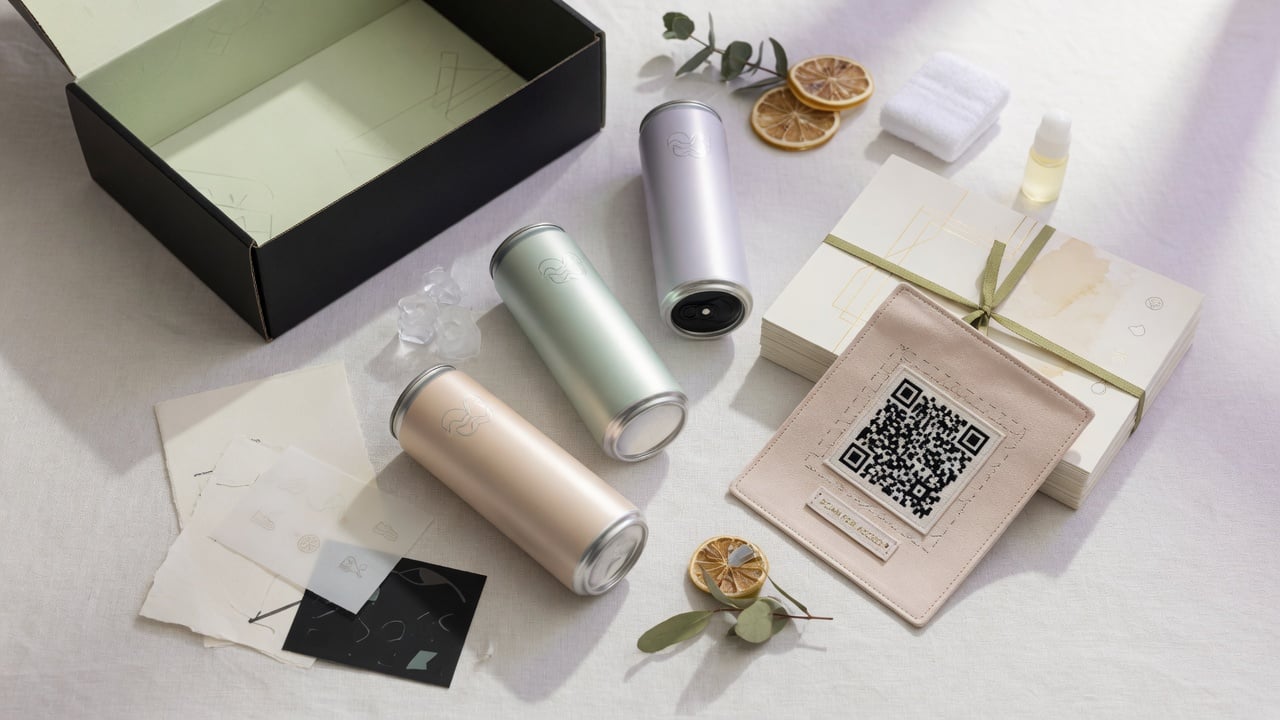
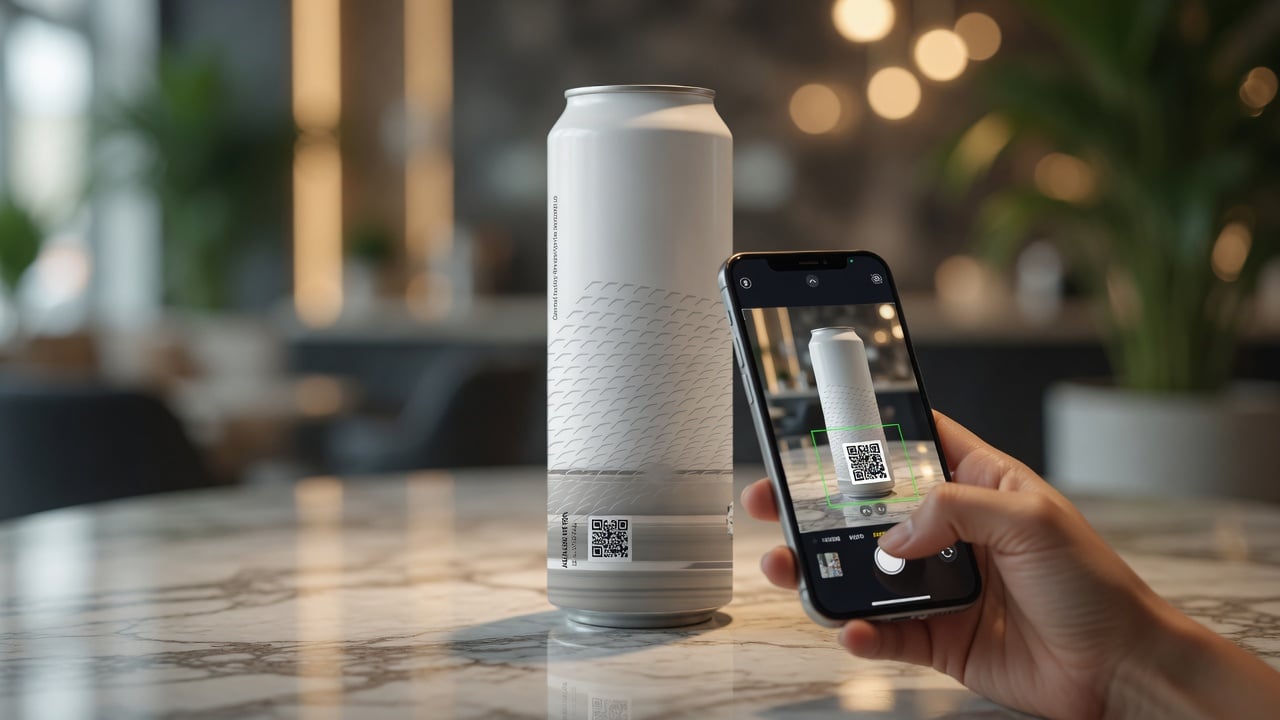
- Optional digital owner: keep any QR destination live on mobile
Anonymous ownership is how proofs freeze for two weeks and a high-season door runs out on a Saturday. Name people, not departments.
How to standardize without flattening local service
Standardize the can. Do not pretend every door has the same guest mix.
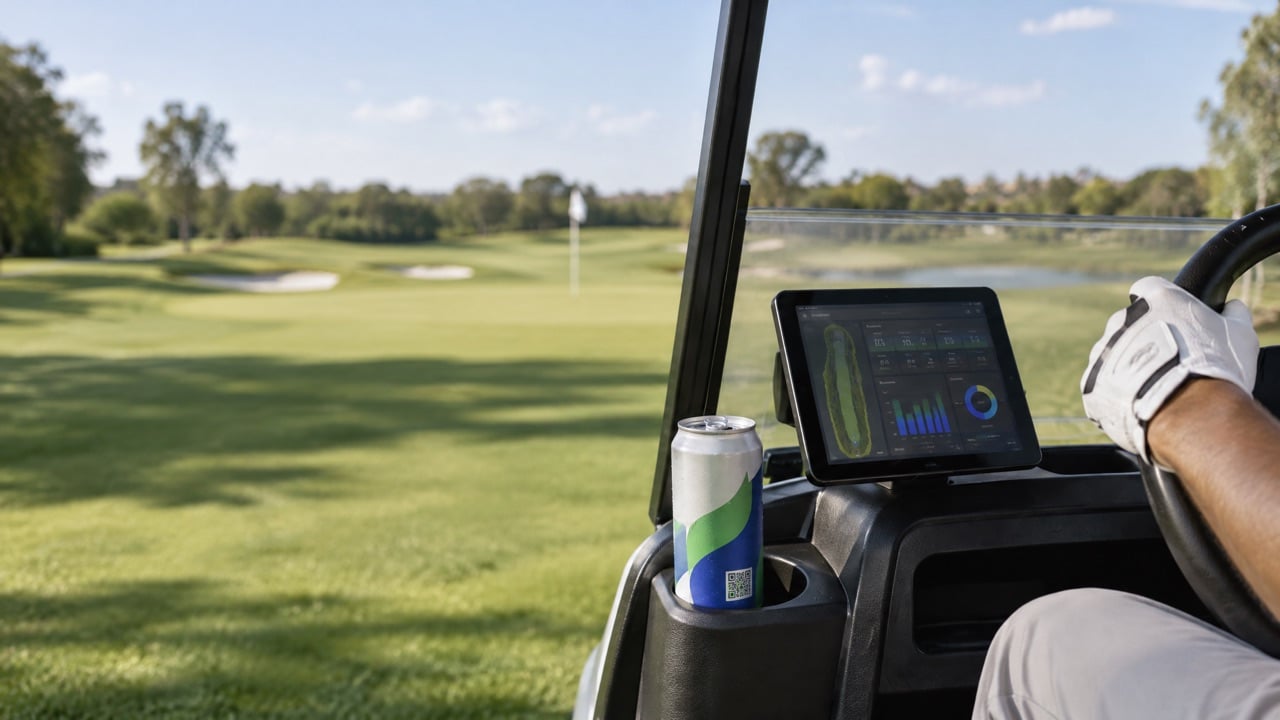
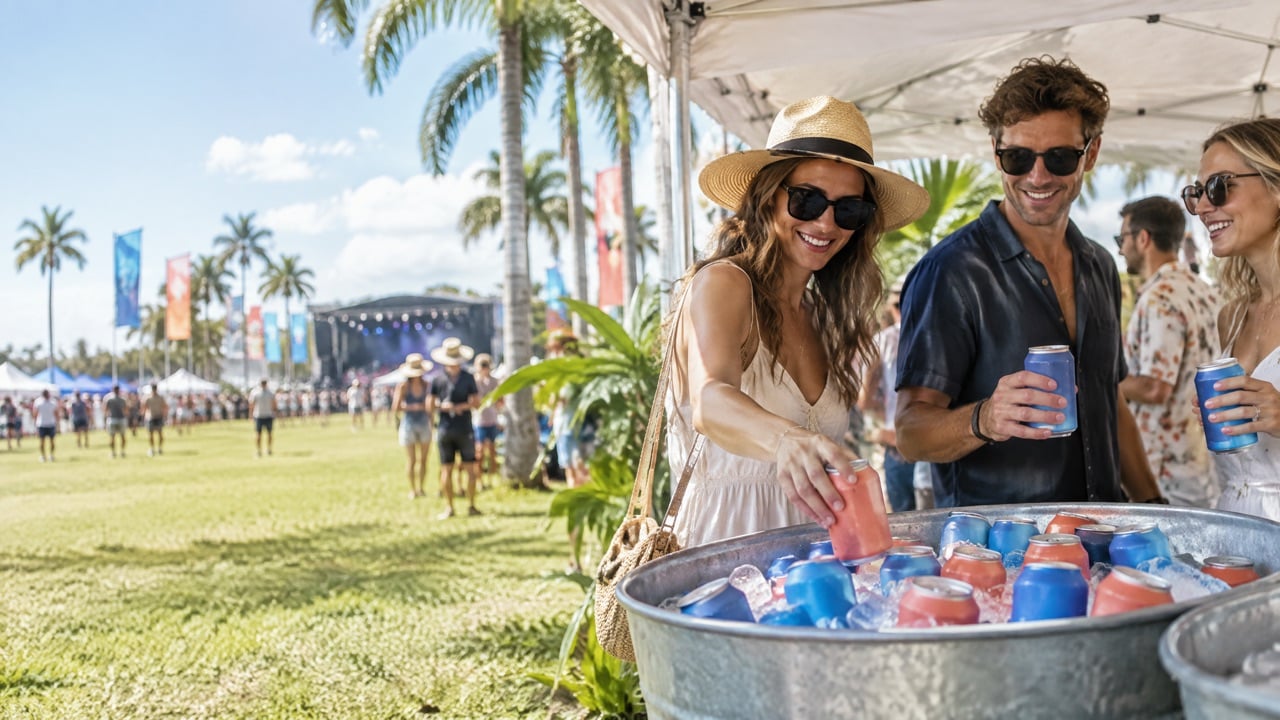
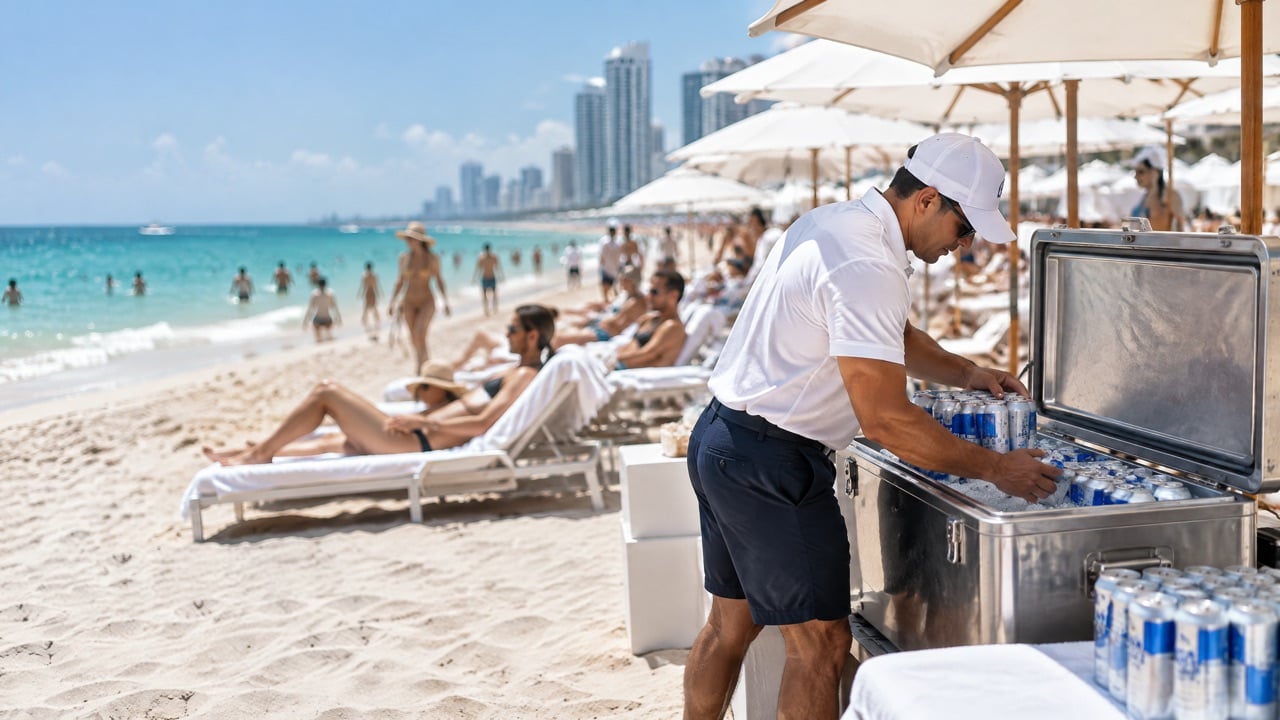
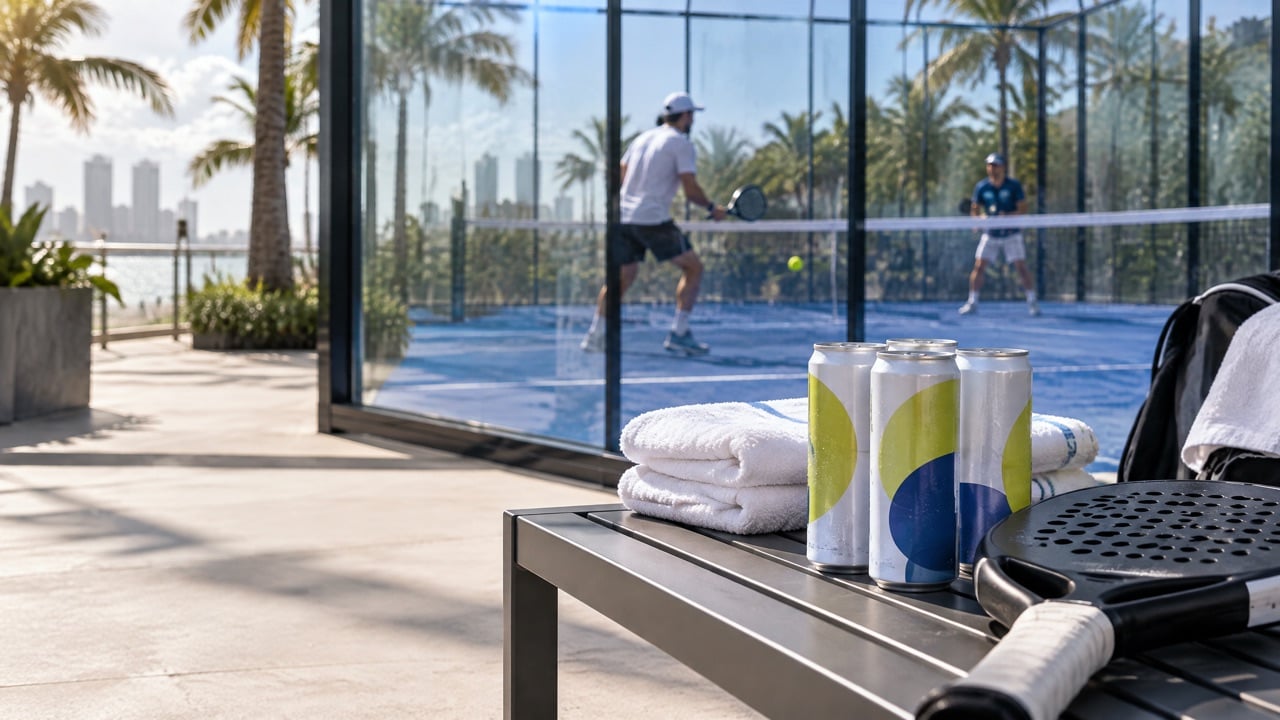
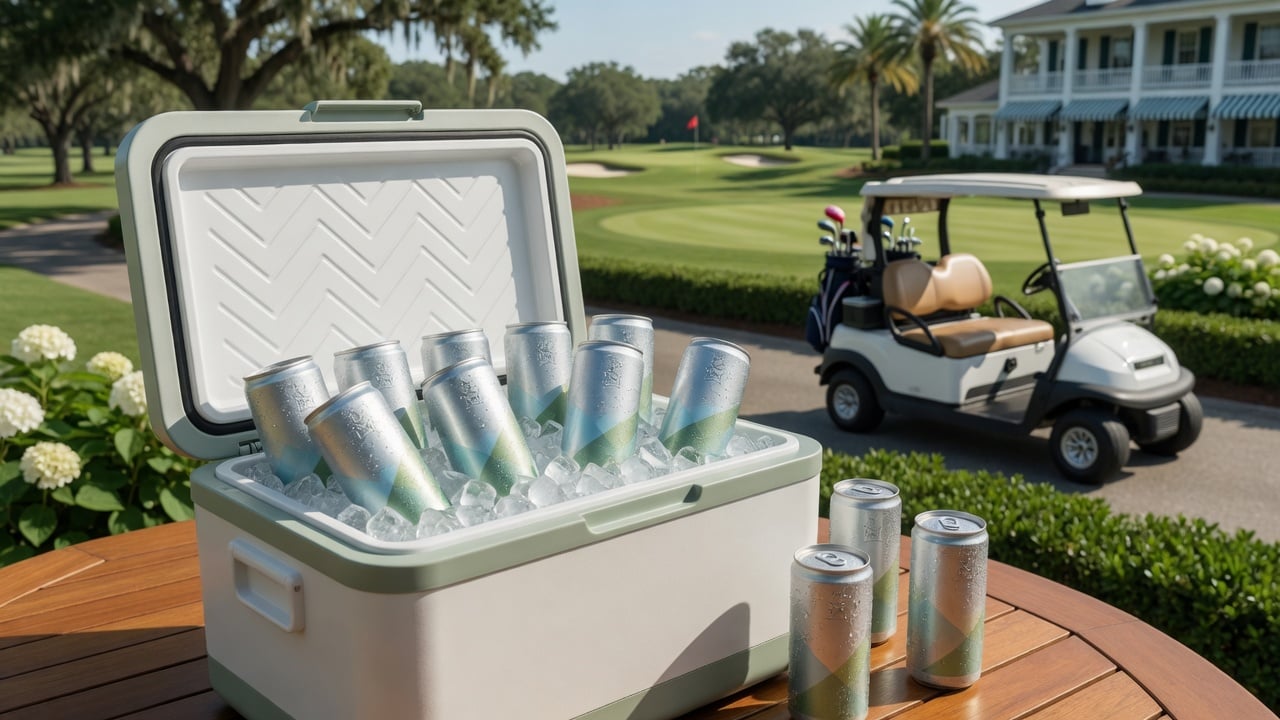
A beach resort may burn more pool still. A downtown business hotel may burn meeting-floor still all week and sparkling at a rooftop bar. A golf-adjacent property may need cart-cooler density. The wrap can still be one system. The case mix can move.
What should stay identical
- Logo, color, and typography on the wrap
- Can sizes you actually service
- The still-first rule unless a door has data to change it
- Proof and reorder process
- Claims you print (only claims the manufacturer can support)
What can vary by door
- Case count
- Still vs sparkling mix
- Station map (suite vs lobby vs pool vs meeting)
- Ship-to address and receiving hours
- Whether a QR is used at all
Local "special edition" wraps are tempting. They also strand inventory when the event ends and confuse guests who thought they knew your look. If you need a seasonal moment, plan it as a dated drop with a kill date, not as a permanent second brand.
The production path groups can actually run
The sequence is the same whether you have two doors or twenty. Volume is what changes.
- Agree the guest promise in one sentence ("the pour looks like us at every door")
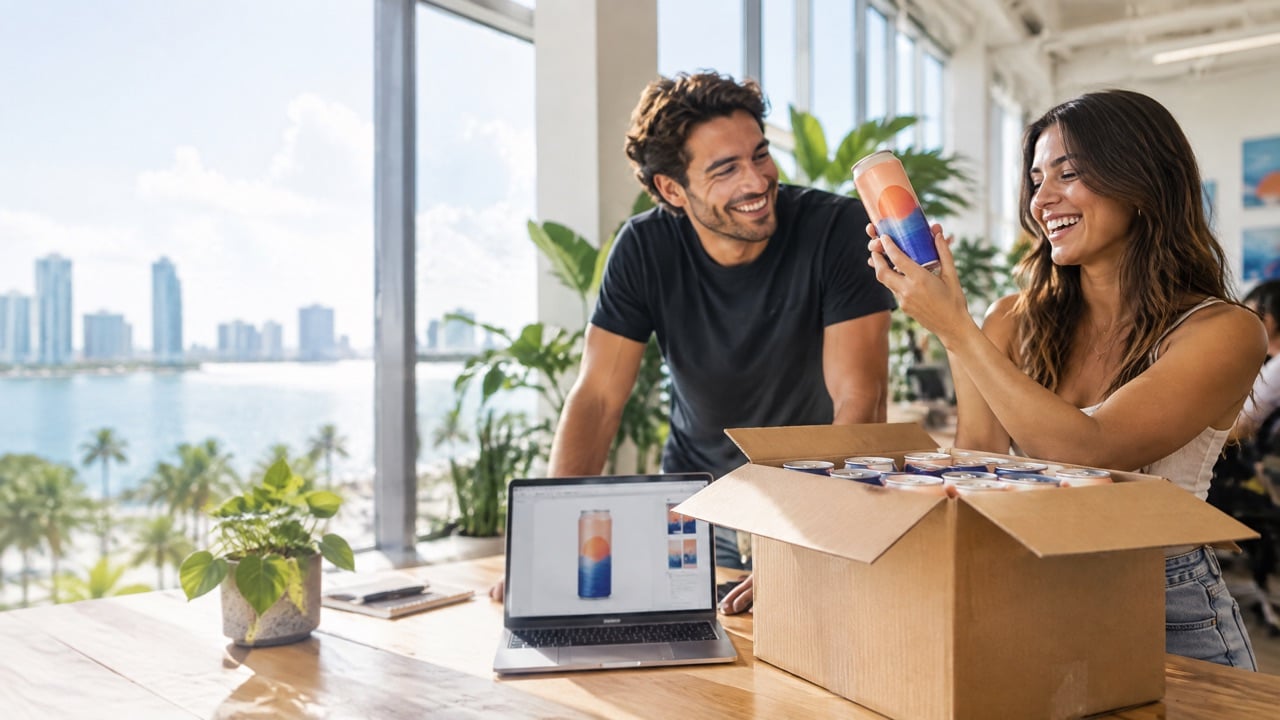
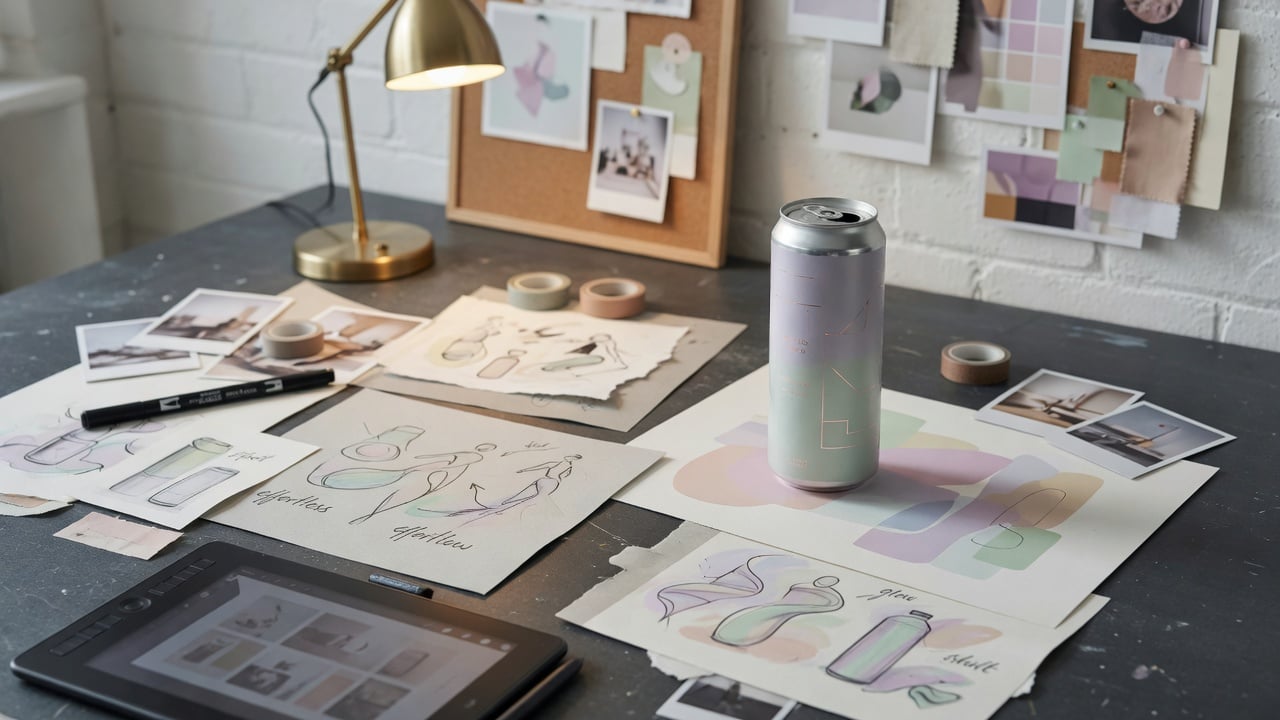
- Design for can geometry, not only for a square social template
- Approve digital proofs with brand and one ops owner on the thread
- Pilot at one or two doors starting at 21 cases (504 cans)
- Produce in about 2 to 3 weeks from artwork approval
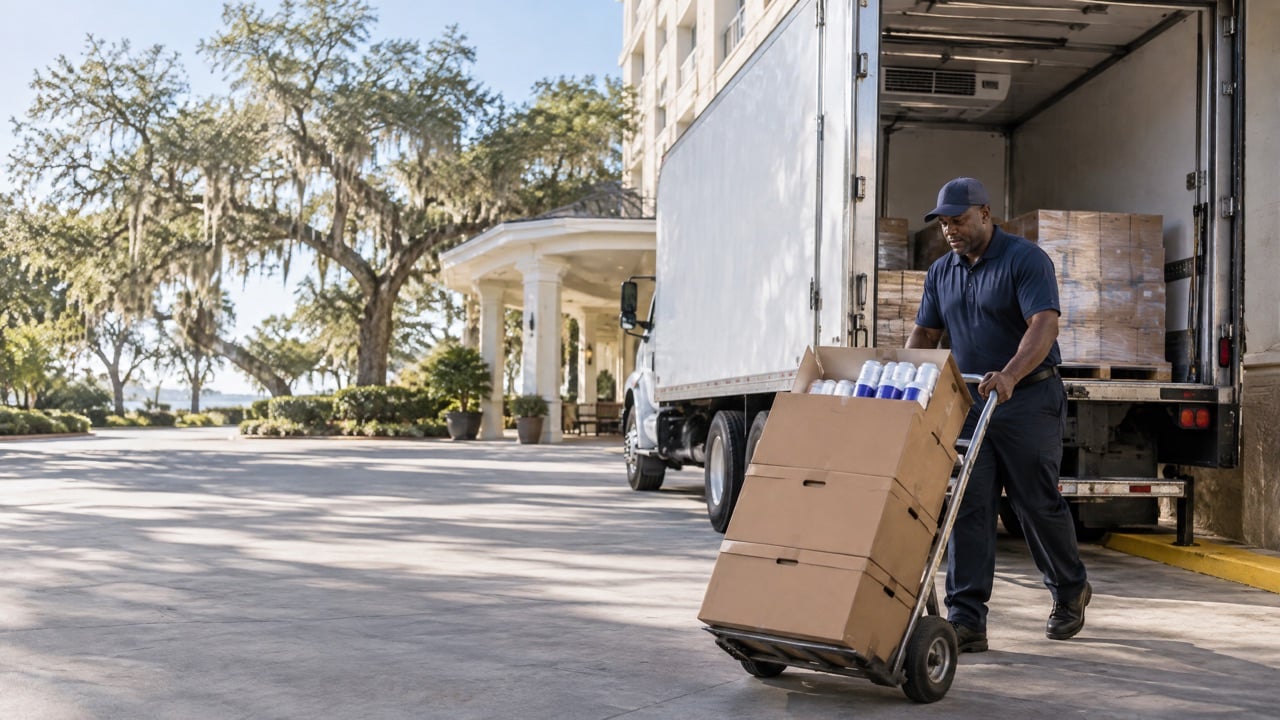
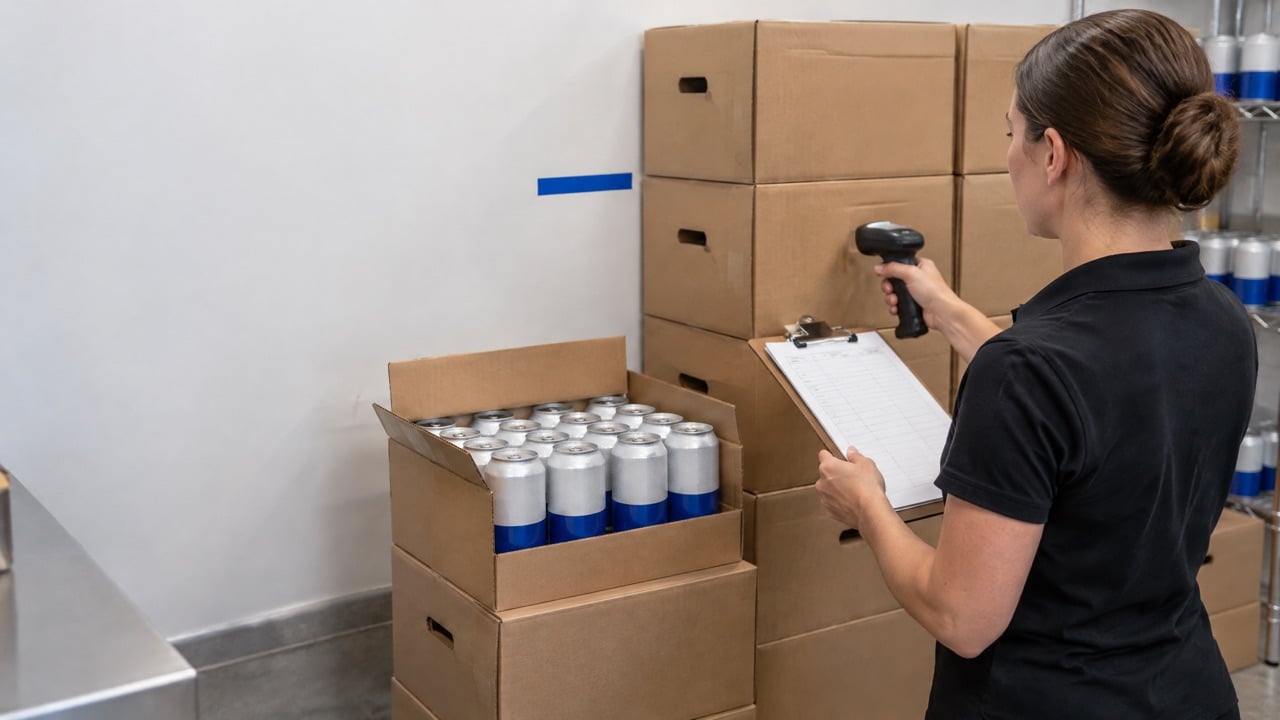
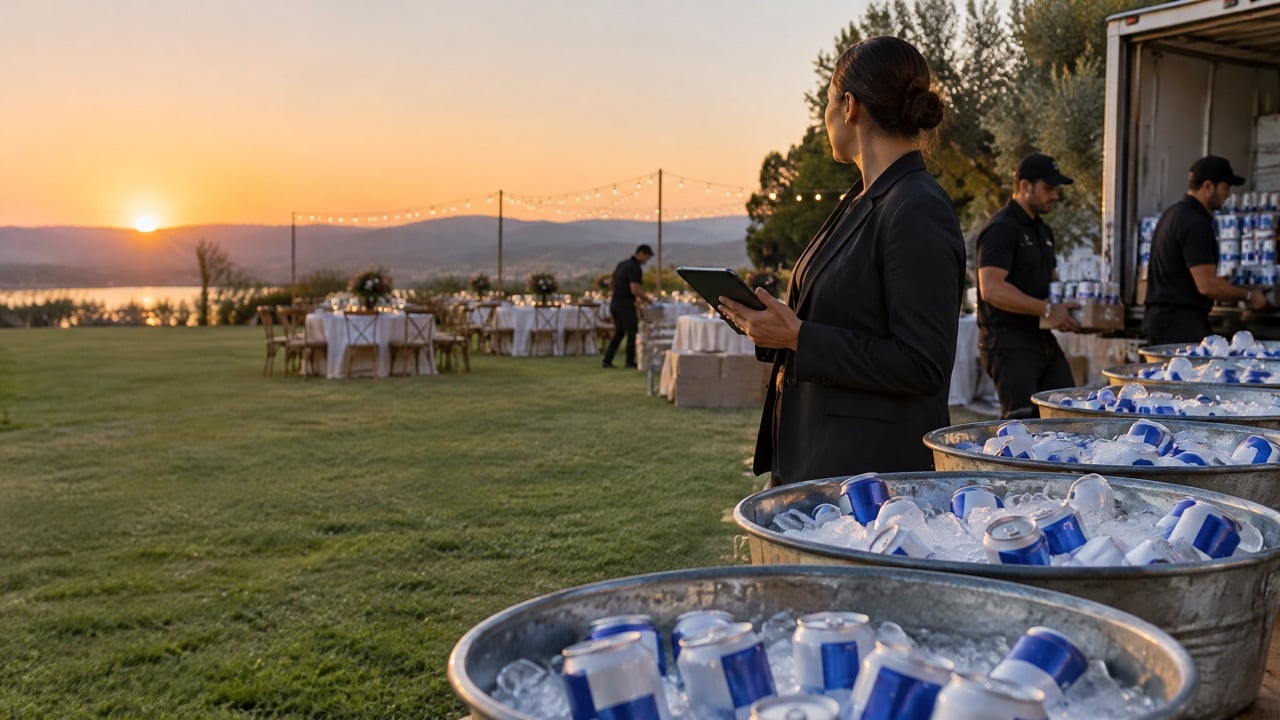
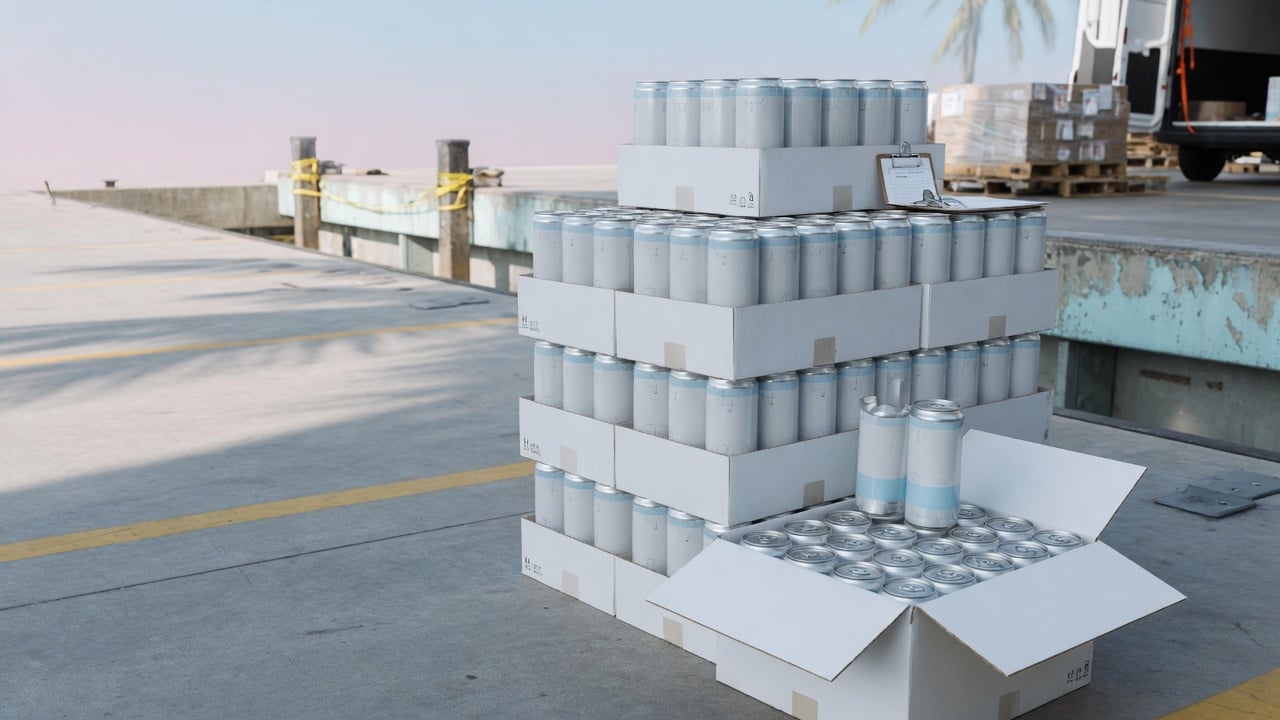
- Ship cases of 24 to named docks
- Count burn for two weeks
- Issue a group spec: sizes, water types, reorder rule
- Let remaining doors order against that spec
National co-pack minimums near 10,000 units force a different risk conversation. A 504-can floor lets a single property learn before the group scales. That is the point of a multi-site program: learning that travels, not a heroic first PO.
Print path details live on Technology · Labels. Florida production context: custom water cans in Florida.
SKU discipline that saves the second year
The hidden cost in multi-property water is not the first wrap. It is the third wrap someone requested because a GM liked a different blue.
- Cap SKUs on purpose: one still, optional one sparkling, rare alkaline
- Ban one-off door logos unless brand has a written exception
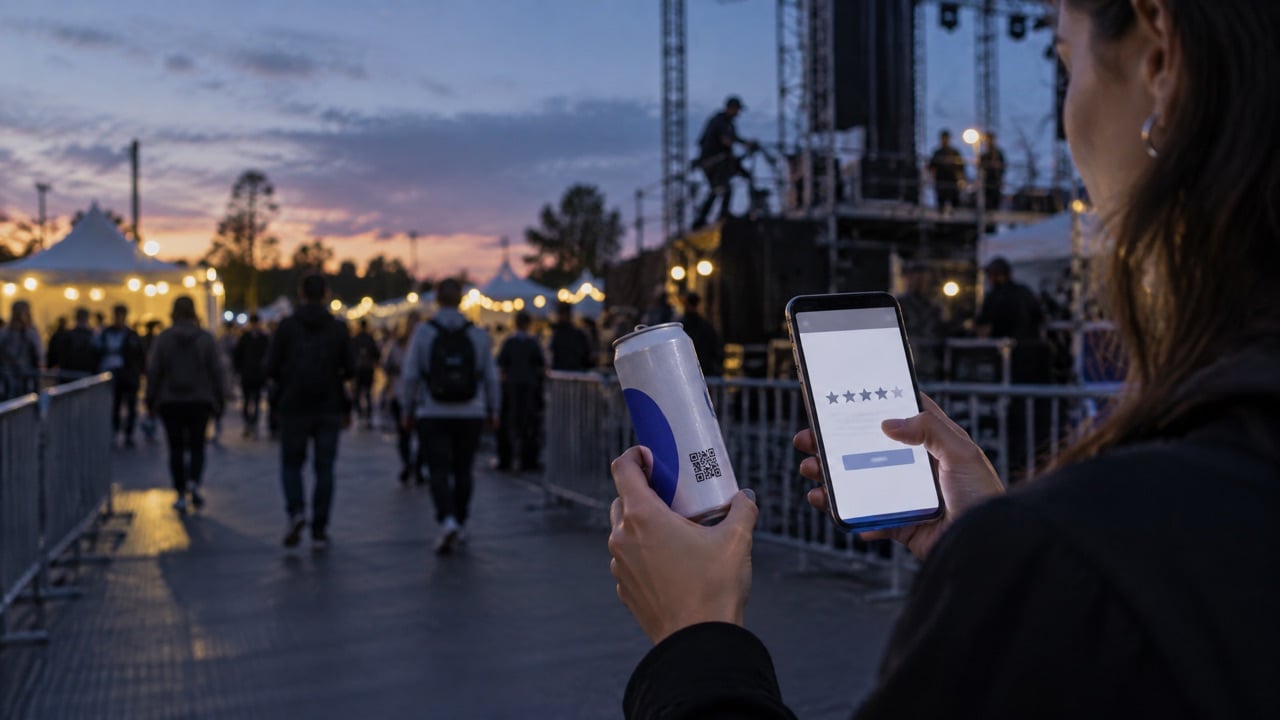
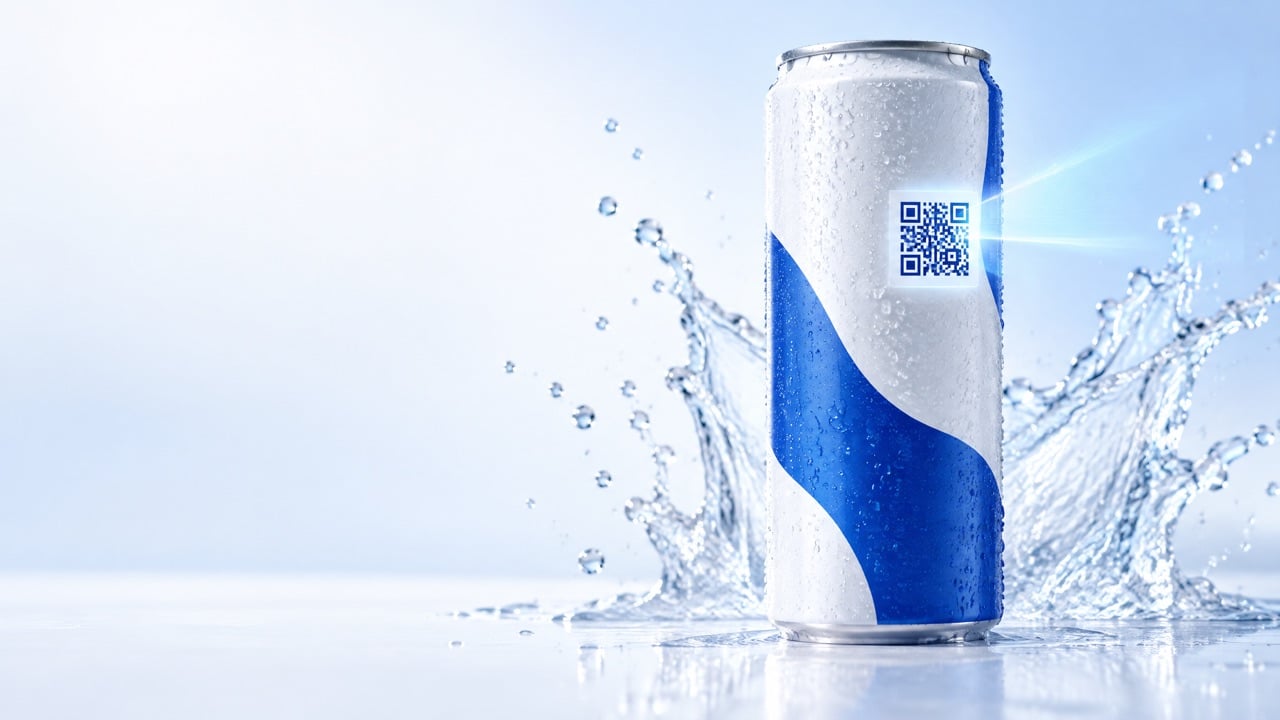
- Keep QR destinations stable; change offers behind the code, not the wrap every month
- Record which doors used which case counts so next year's plan is not folklore
- Retire a design in writing so leftover cases have a home
Redesign churn never shows as a line item until it hurts. Old wraps in a storage room are a brand problem and a finance problem. Stable art is how guests learn to recognize you.
How regional COOs should brief finance
Finance does not hate branding. Finance hates dead inventory and quotes that cannot be repeated. Speak in drivers, not mythology.
- Risk: each door can start at 21 cases, not a 10,000-unit co-pack commit
- Timing: about 2 to 3 weeks from artwork approval, plus freight
- Drivers: volume, size, print path, water type, freight, multi-address splits
- Quote path: calculator or line-item quote
- Exit: reorder doors that burn; pause doors that do not
Sparkling can carry a small per-can premium. We do not invent dollar amounts in articles. Run real case counts. Attach the calculator export to the PO packet. Skip per-can claims that will be wrong next quarter when volume changes.
A 90-day rollout for two to ten properties
Days 1 to 10: Align brand, ops, and finance on the one-sentence promise. Pick two pilot doors with different guest mixes if you can (example: resort + urban). Map stations.
Days 11 to 20: Lock art. Approve proofs. Run the calculator per ship-to. Confirm dock hours and liftgate needs.
Days 21 to 45: Produce and receive. Stock hero stations only. Train staff with one sentence. Count cases. Capture comments.
Days 46 to 70: Write the group spec from real burn. Decide still/sparkling mix. Decide whether digital print at 100 cases is relevant for larger doors.
Days 71 to 90: Roll remaining doors against the spec. Schedule the first reorder. Ban a second wrap unless brand signs an exception.
This is boring on purpose. Boring is how a portfolio looks like one company.
Buyer checklist for a multi property private label water program
- Write the guest promise in one sentence that works at every door.
- Name owners for art, money, receiving, and station reset.
- Confirm minimum order in cases and cans (21 cases / 504 cans at We Can It).
- Confirm lead time from artwork approval (about 2 to 3 weeks typical).
- Confirm sizes, print path, and water types before comparing quotes.
- Pilot one or two doors before a group-wide PO.
- Keep shared art; vary case counts, not logos.
- Set a reorder rule from week-one burn.
- Confirm freight and multi-address assumptions in the quote.
- Keep QR optional and live, or omit it.
Do / Do not for group programs
Do
- Treat the wrap as a brand asset with a spec, like uniforms
- Let doors order local volume against that spec
- Start still-first everywhere
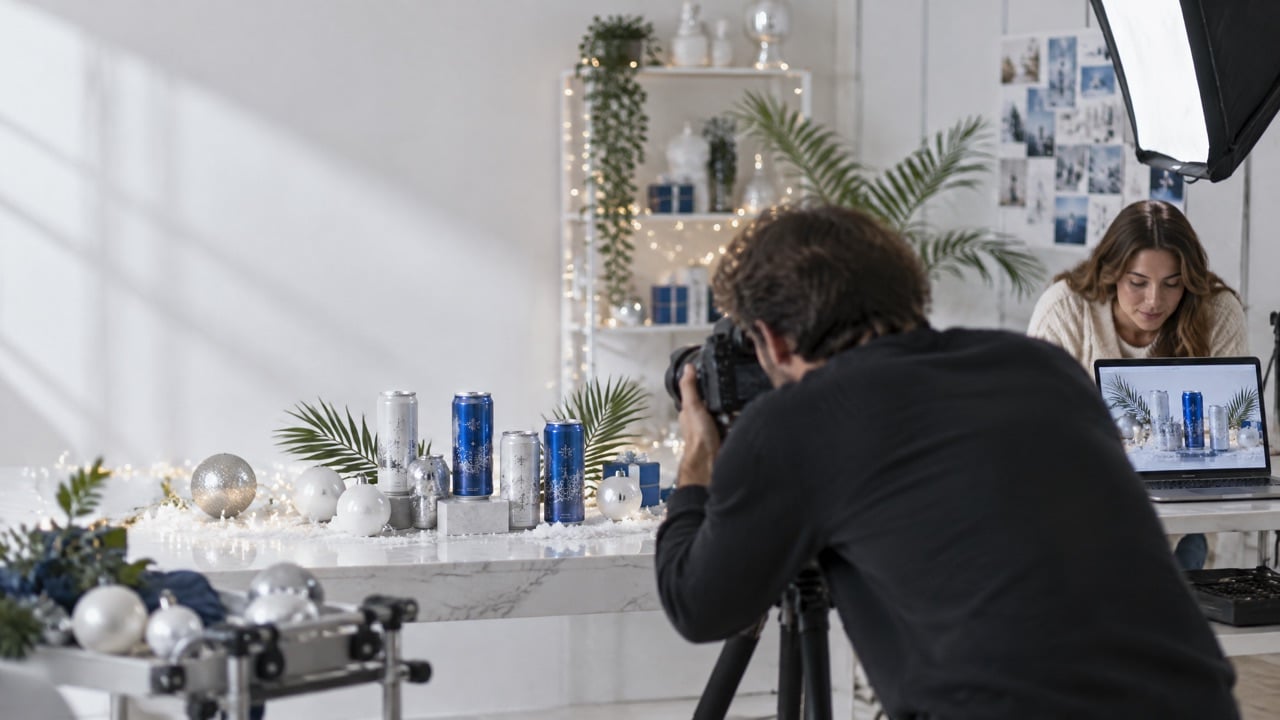
- Photograph the real can at two doors before you scale creative
- Reorder the same system when guests respond
Do not
- Let every GM pick a catalog bottle "just for this season"
- Force a 10,000-unit buy because the deck wanted a round number
- Print a QR that 404s on property wifi
- Invent unit prices in a franchisee or owner memo
- Change the wrap every campaign while asking guests to "recognize us"
FAQ
Can each property order a different quantity?
Yes. Shared art with local case counts is the usual model. Standardization lives in the wrap and the process, not in identical pallet counts.
What is the smallest order per property?
We Can It manufacturing starts at 21 cases (504 cans) at 24 per case. Smaller doors can pilot at that floor. Larger doors scale after they see burn.
Should every door run sparkling?
No. Still is the everyday volume base. Add sparkling where F&B has a peak story. Sparkling can carry a small per-can premium, which is another reason to let data lead.
How do we keep franchise or managed doors on brand?
Publish a one-page spec: art file, sizes, water types, reorder rule, and calculator path. Make the on-brand can easier to order than a random retail case.
How long before a new door can be in the program?
About 2 to 3 weeks from artwork approval, plus freight, if the group art is already locked. New art adds proof time before that clock starts.
Label print or digital print for a group?
Label print starts at 21 cases and fits pilots and smaller doors. Digital print starts at 100 cases. Choose by volume and creative need, not by fashion.
Get a quote for a multi property private label water program
Bring two ship-to addresses, a still-first case count, and the wrap you want guests to recognize at every door.