How Hotel Banquet Teams Serve Branded Water at Meetings
Meeting planners judge a hotel in small moments. The room is set on time. The screen works. The coffee is hot at the break. And the water on the table is cold, neat, and plentiful all day.
Meeting planners judge a hotel in small moments. The room is set on time. The screen works. The coffee is hot at the break. And the water on the table is cold, neat, and plentiful all day. When water runs out halfway through an afternoon session, planners notice, and it shows up in their feedback and their next booking decision.
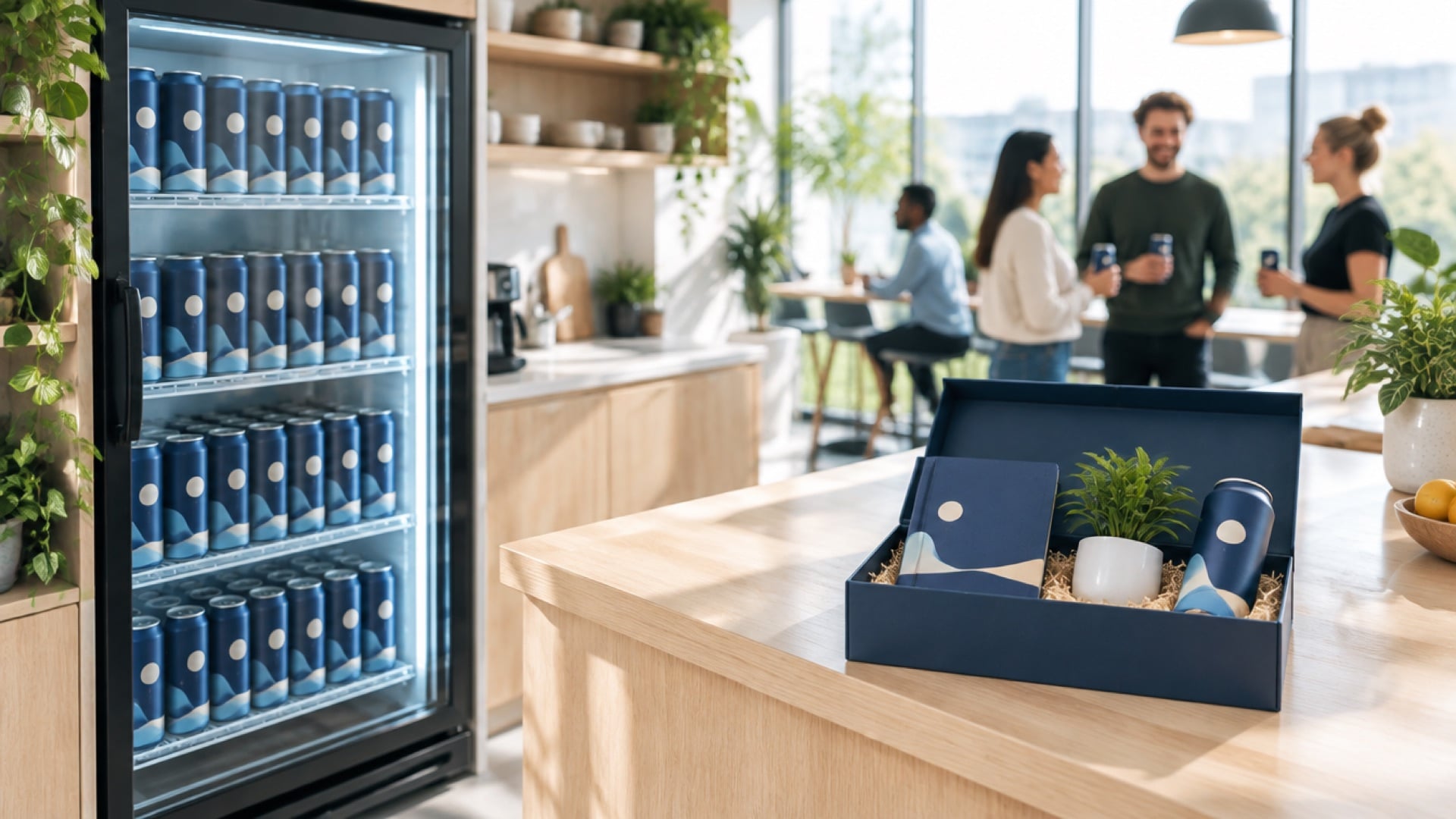
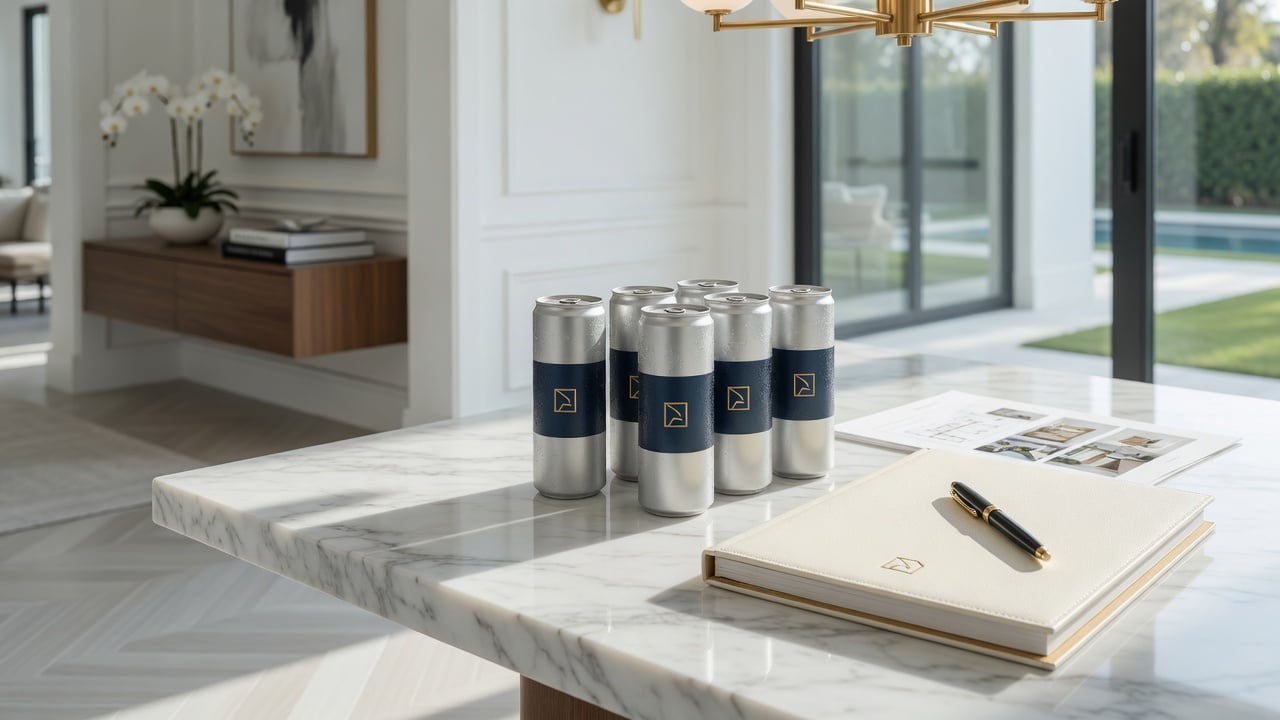
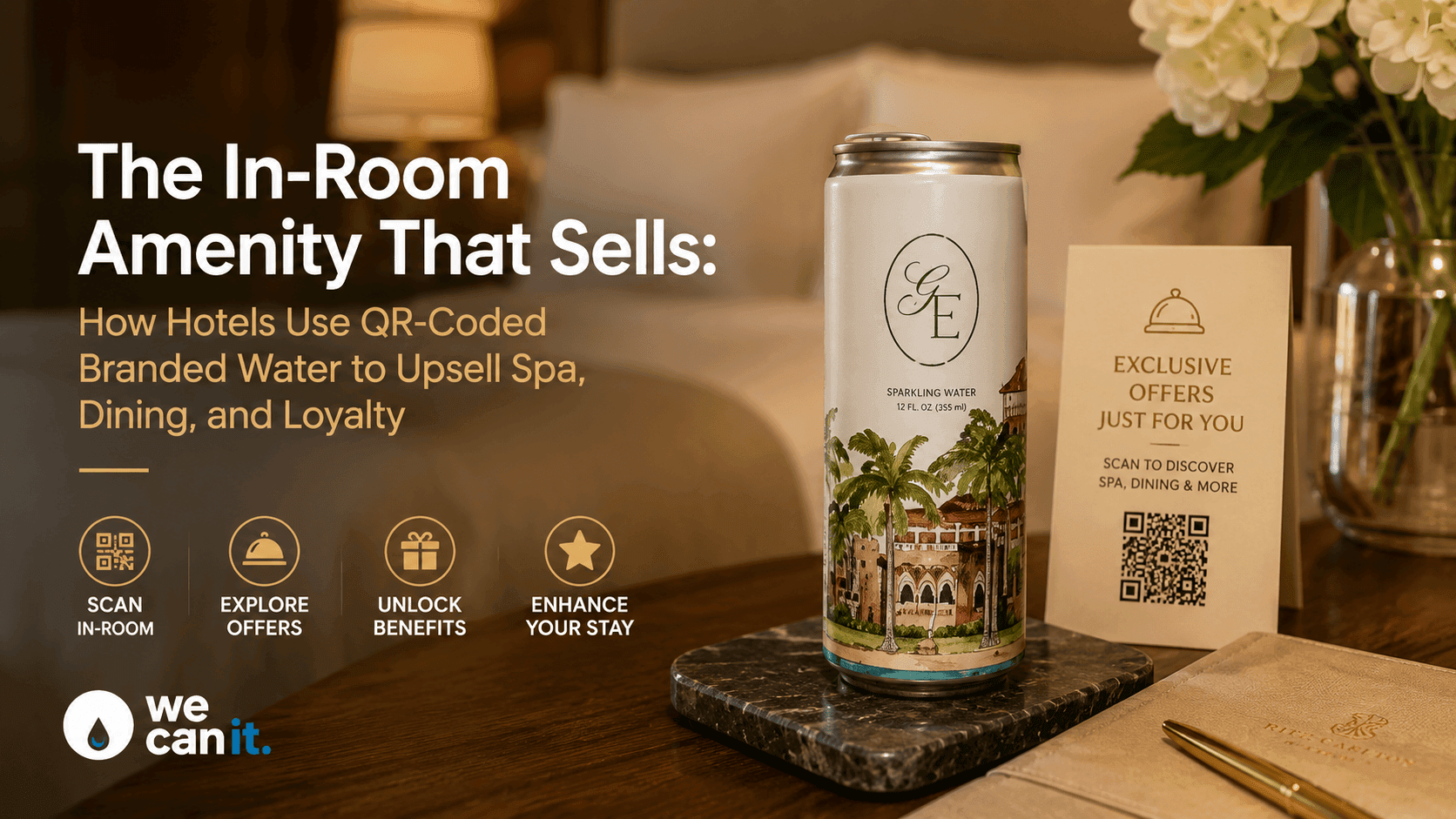
Branded water cans give banquet teams a clean, consistent way to handle meeting water, with the hotel's name on every table. This guide is for directors of catering, banquet managers, and conference services teams. It covers how many cans to set per person, how to set tables and break stations, when to refresh, how water appears on the banquet event order, and how to keep service smooth across a busy conference day.
Why use branded cans for meeting water?
Many hotels still use pitchers and glasses, or generic plastic bottles, for meetings. Cans offer a few advantages.
- Consistent presentation on every table, every time.
- Faster resets between sessions, with no pitchers to refill and wipe.
- Hygienic, sealed single servings that planners and attendees trust.
- Your hotel brand on every table in photos of the event.
- Easier counting for billing and inventory.
How many cans should you set per person?
A practical starting point for indoor meetings:
- Half-day meeting: one to two cans per attendee.
- Full-day meeting: two to three cans per attendee.
- Plus break stations: about one can per attendee per break, for those who prefer to grab one.
Adjust for the group. Long training days, workshops with activity, and warm rooms need more. Short board meetings need less. Record actual use for regular groups and refine over time.
How should tables be set?
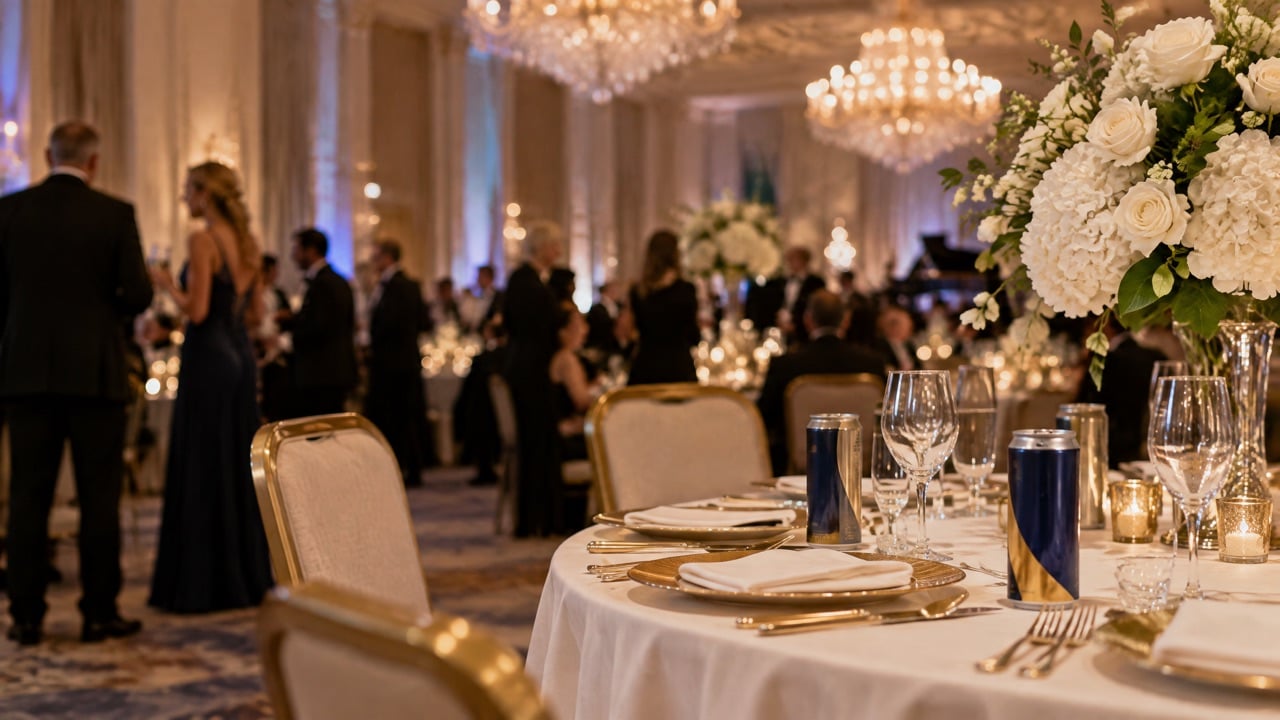
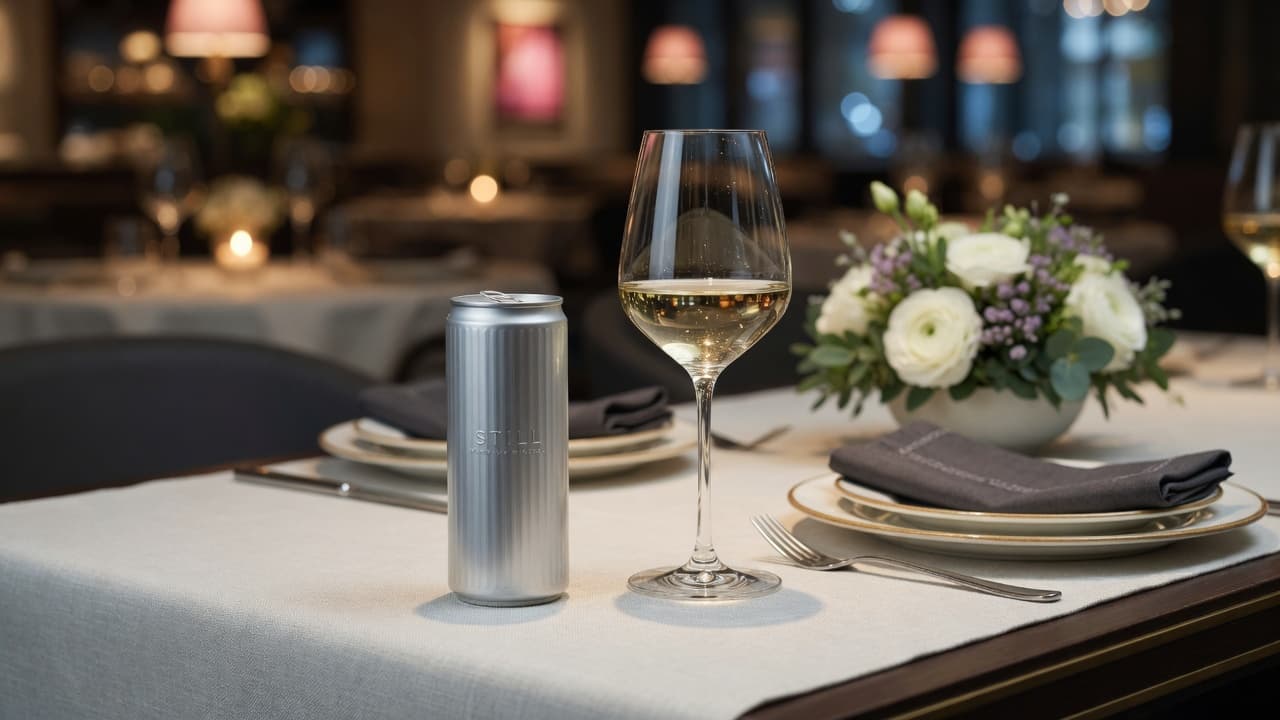
- Classroom and conference setups: one or two cans per seat, placed at the top right of the setting, with a glass.
- Rounds: cans grouped at the center of the table or at each seat, depending on the planner's preference.
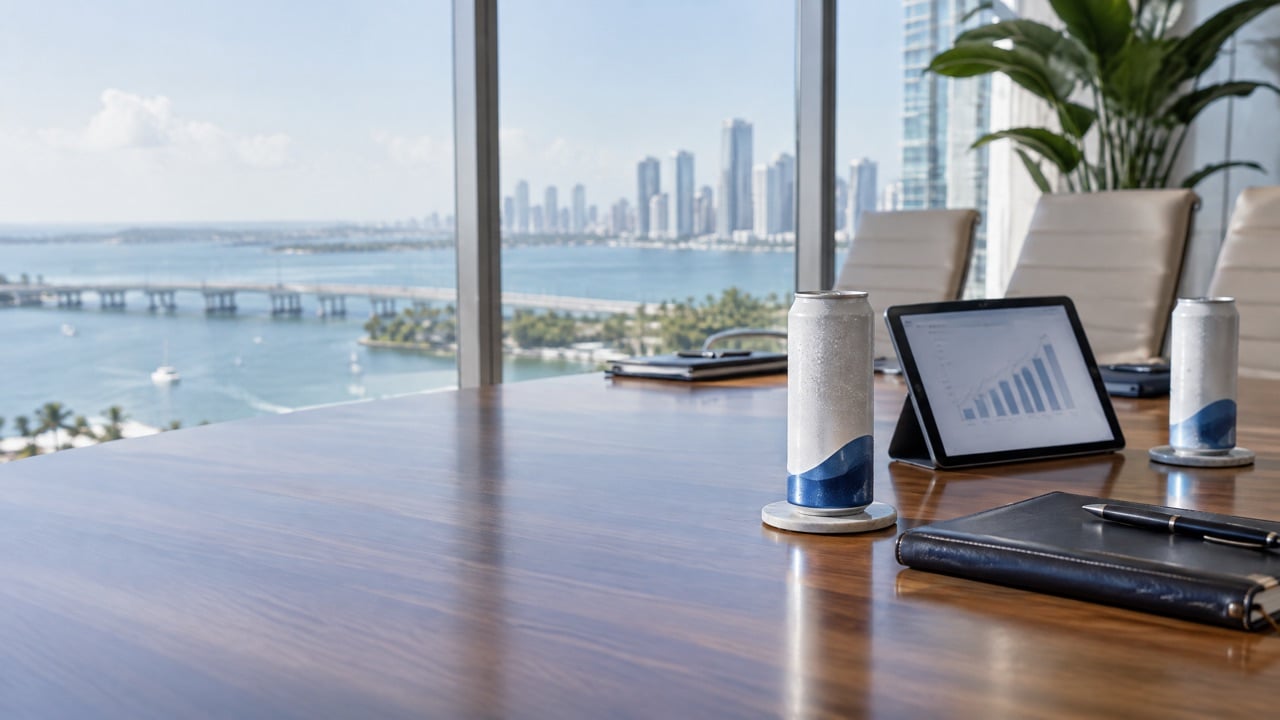
- Boardroom: cans at each seat with a glass and napkin.
- Theater style: no table setting, so rely on break stations and water at the entrance.
Keep labels facing the attendee and cans dry. Condensation on paperwork is a small complaint that is easy to avoid.
How should break stations be set?
Break stations are where water moves fastest.
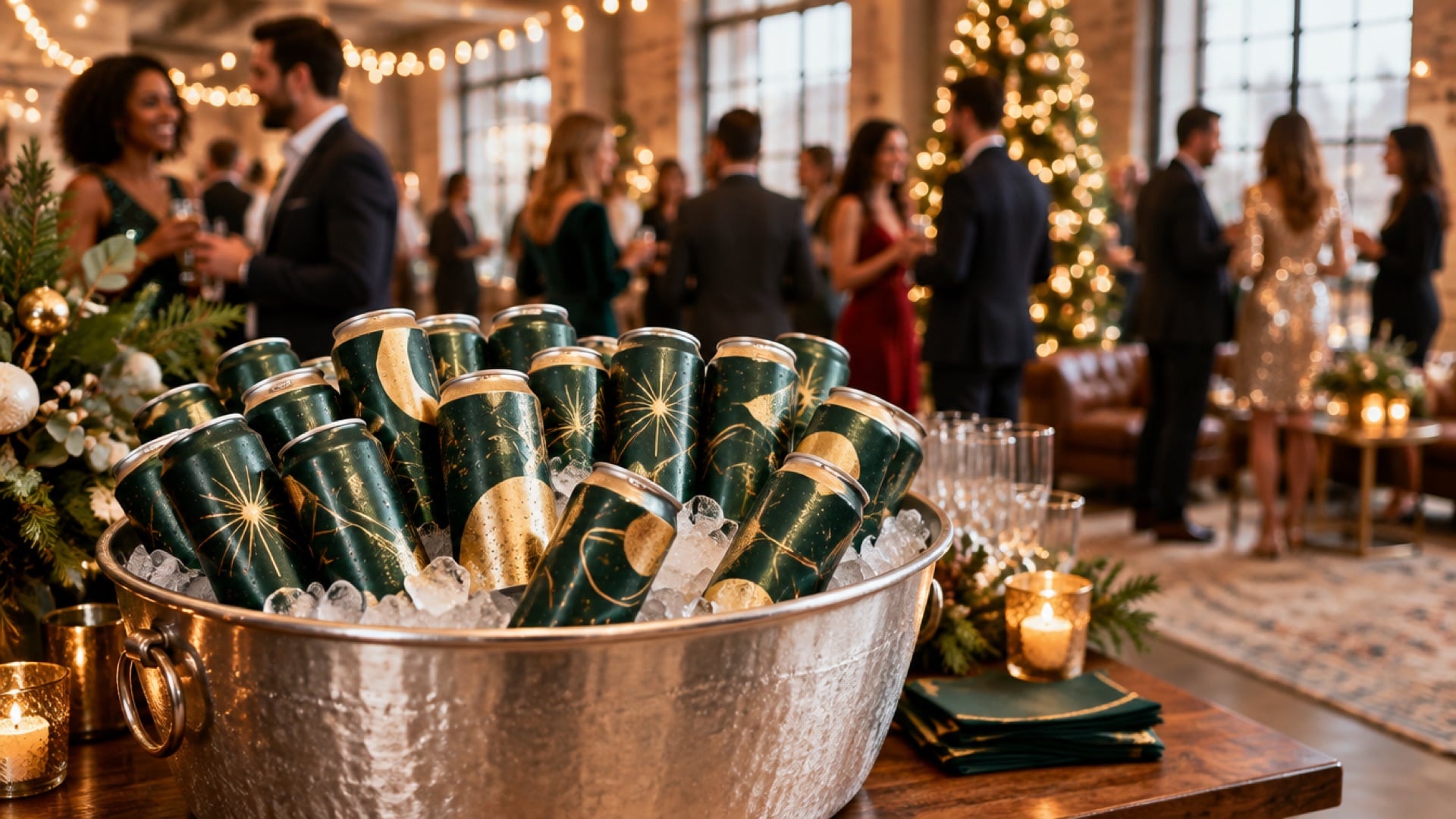
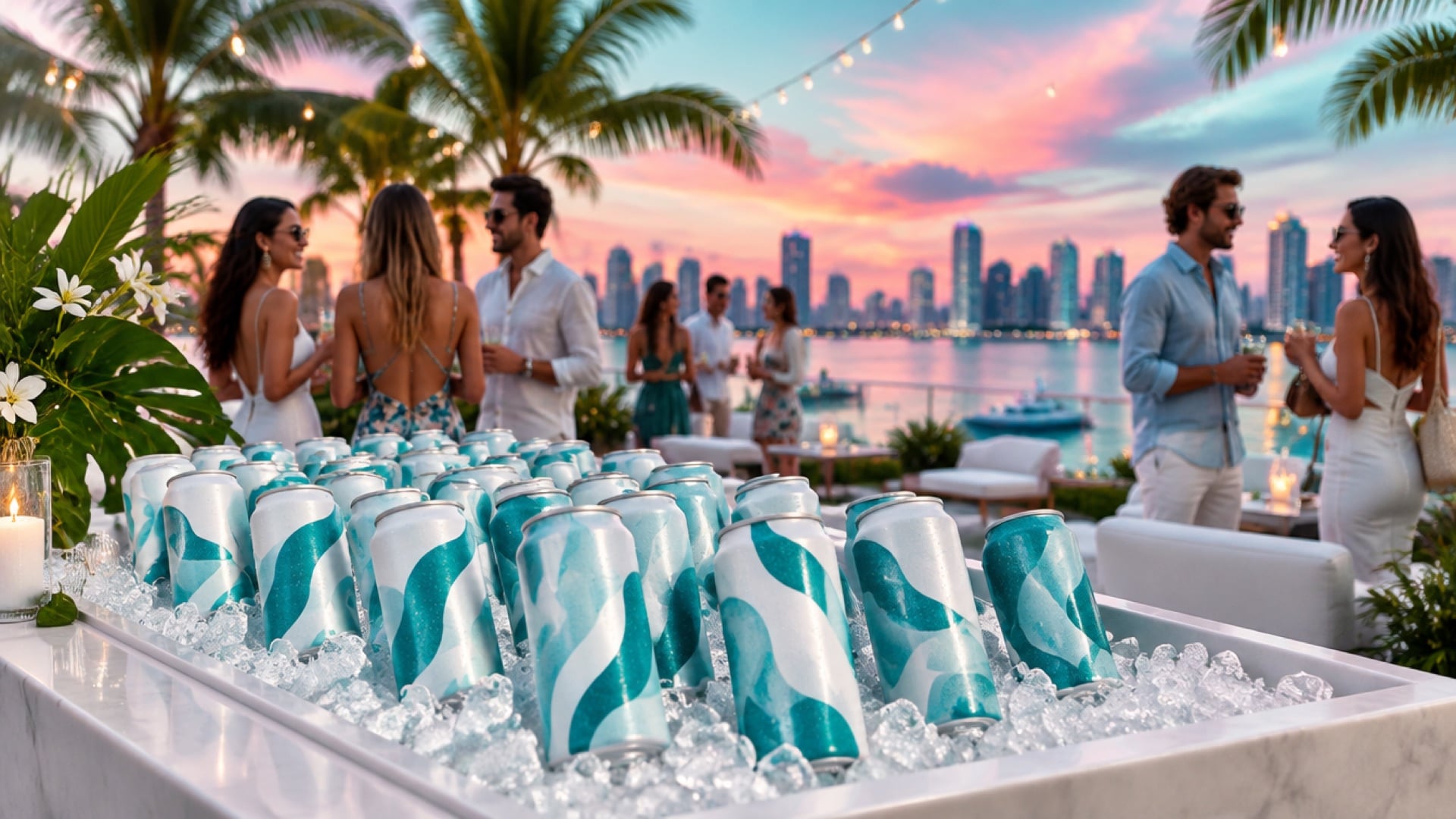
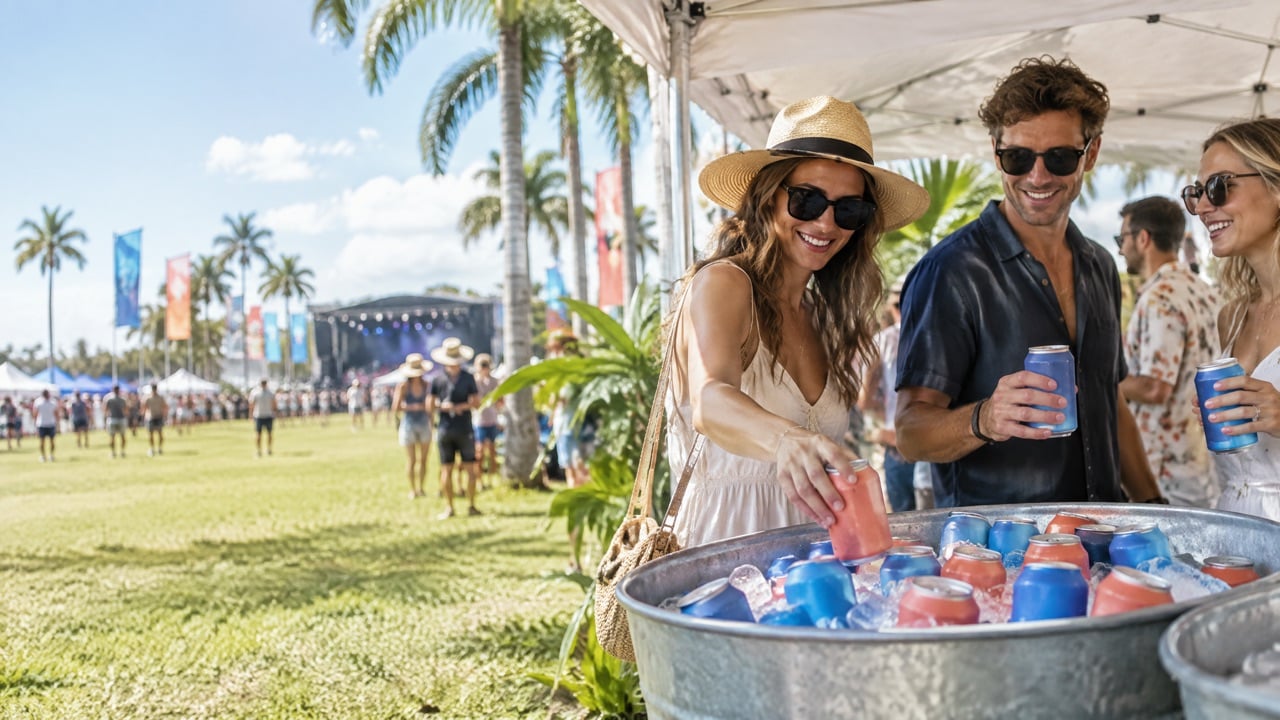
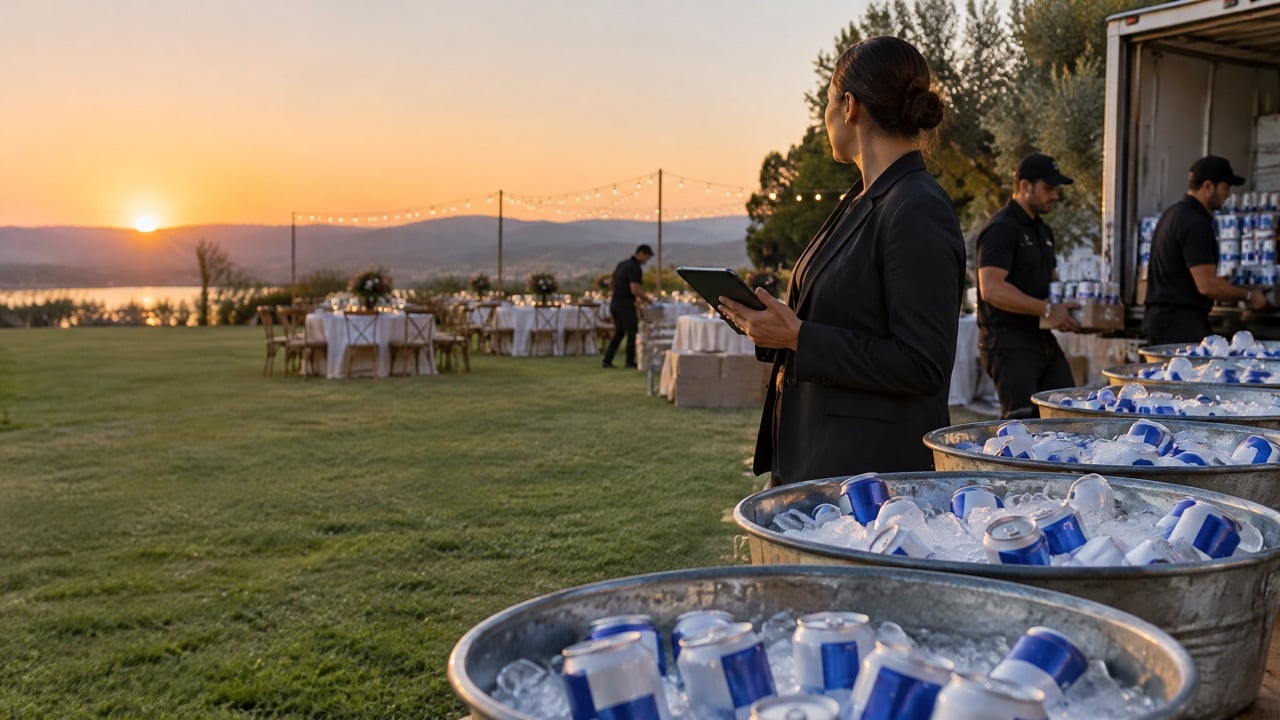
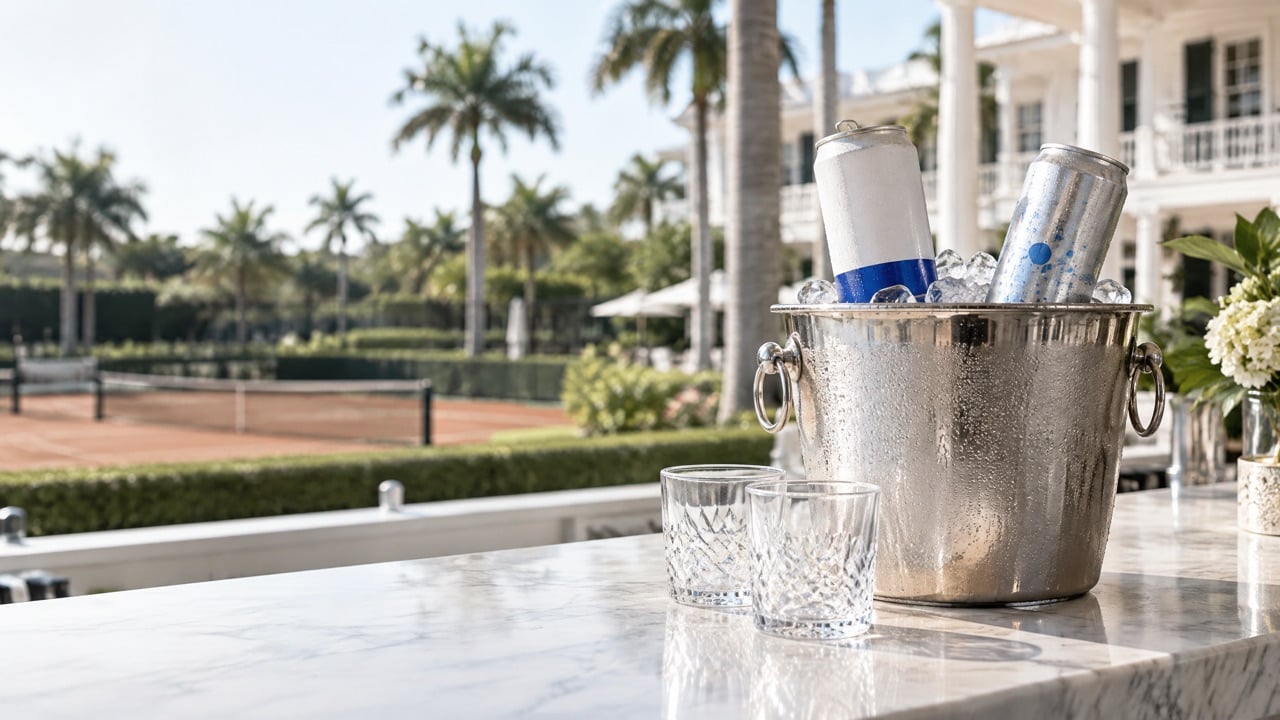
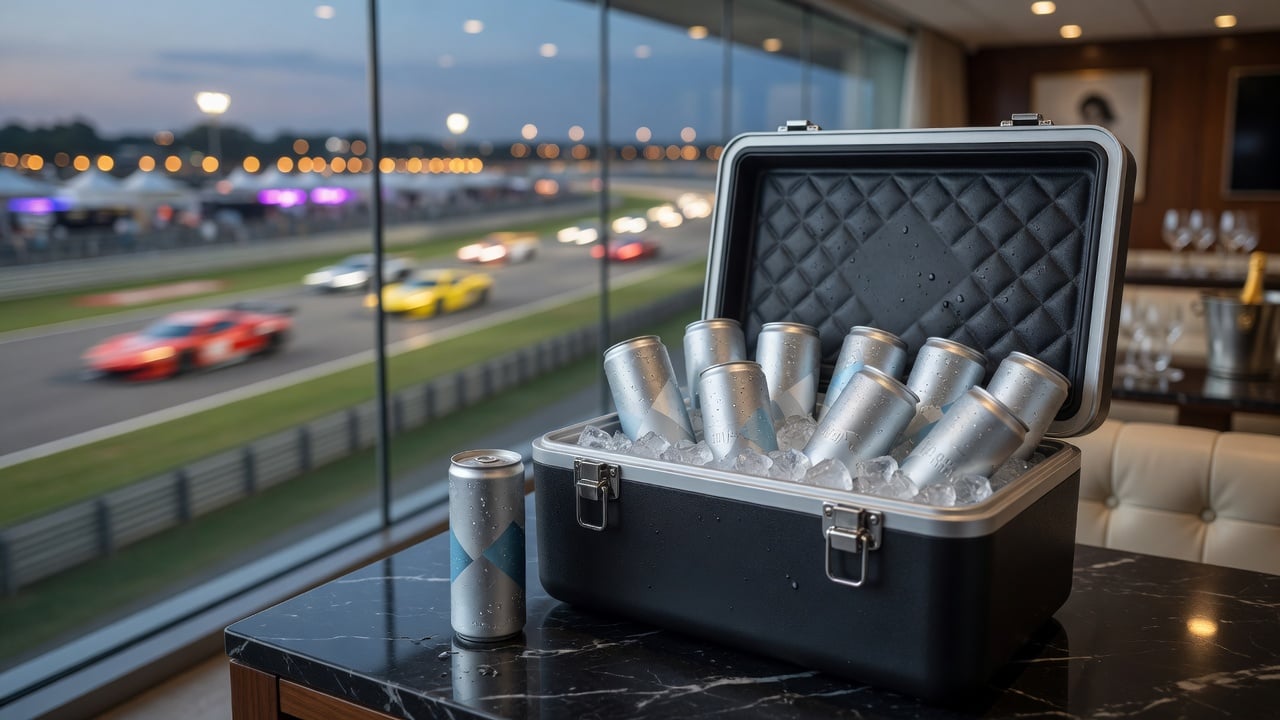
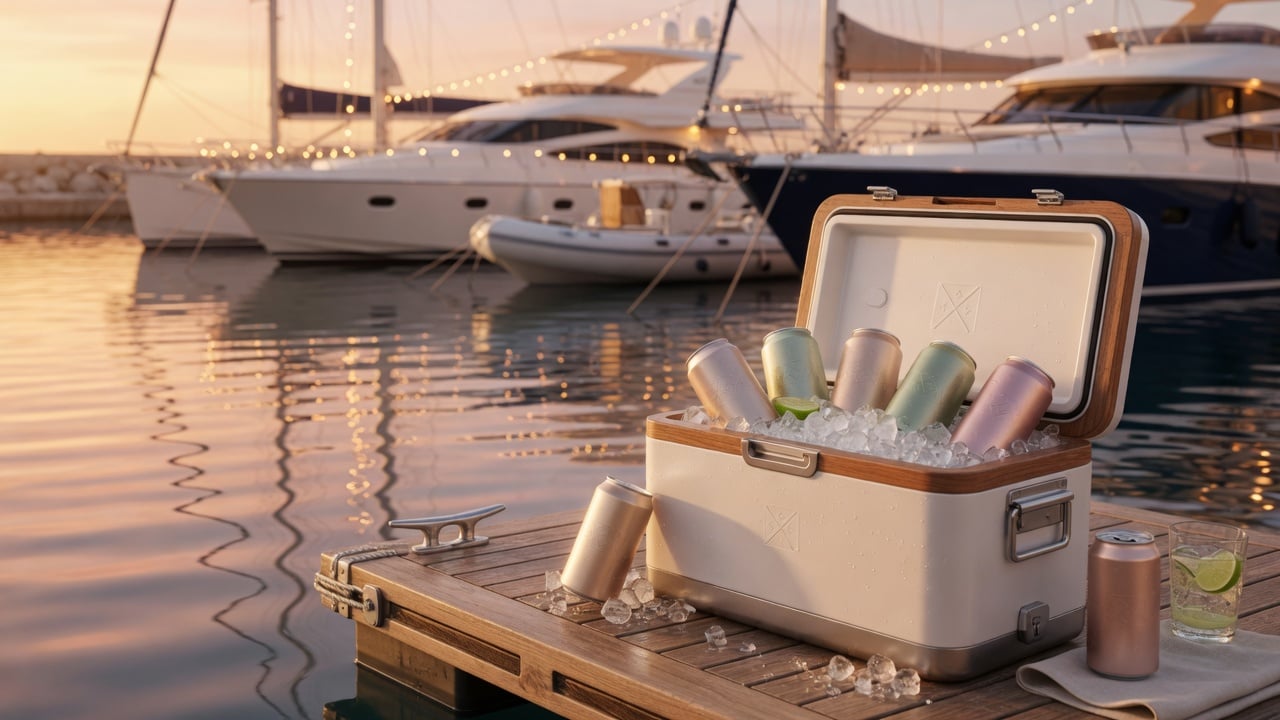
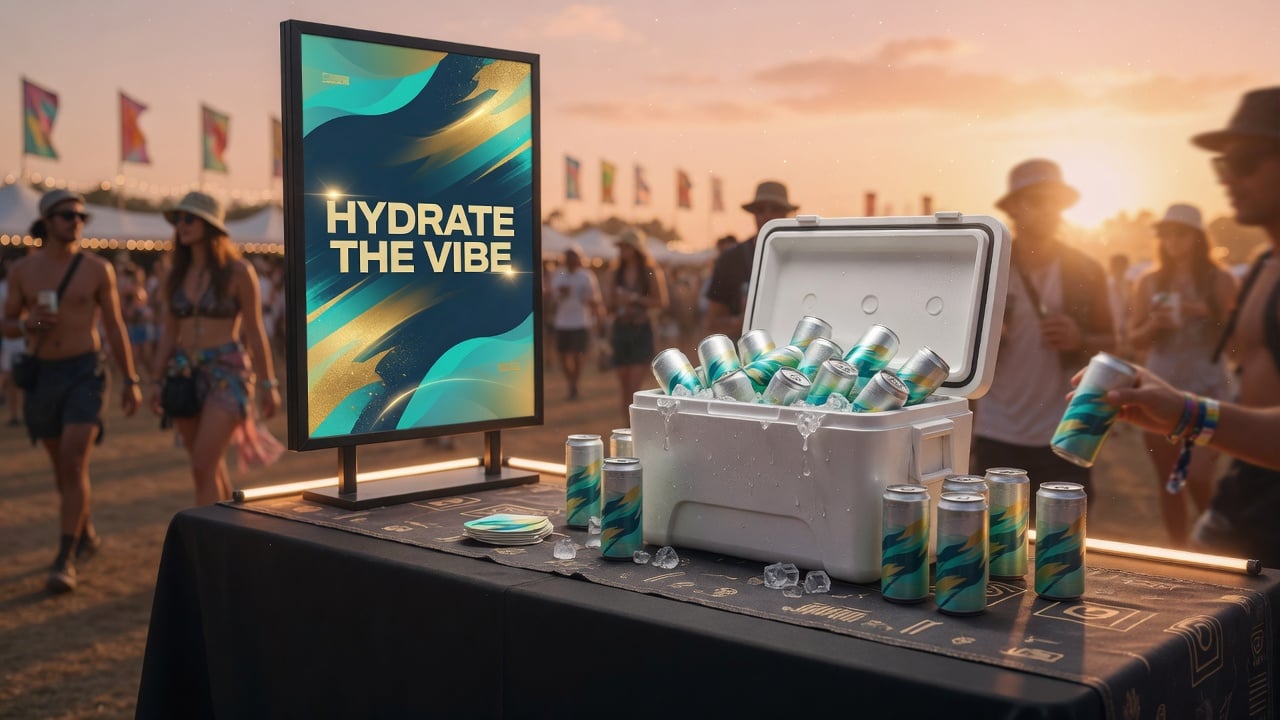
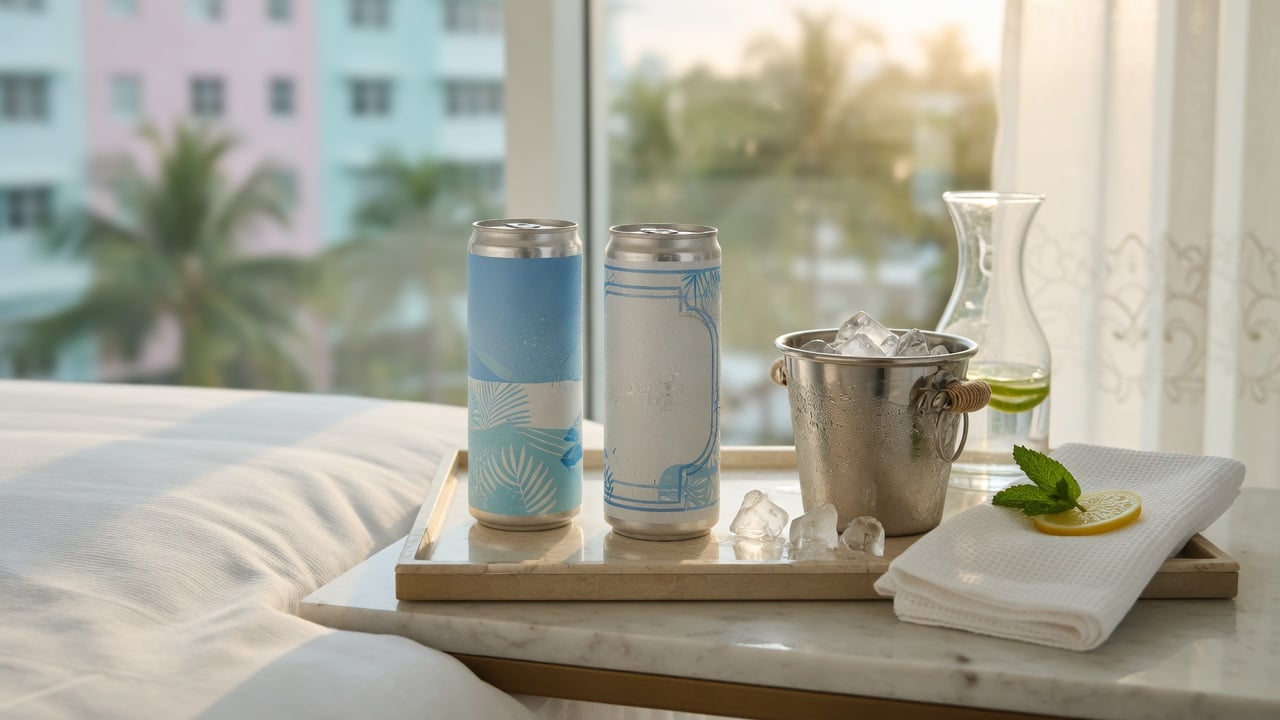
- Place cans in a clean tub with ice or a small cooler.
- Put water at the start of the line, so people who only want water do not queue behind coffee.
- Include both still and sparkling if the group requested it.
- Stock more than you think for the afternoon break, when people are thirstiest.
- Add a recycling bin next to the station.
When should water be refreshed?
Refresh at predictable moments so service never disrupts the meeting.
- Before the session starts: full setup.
- During the morning break: replace used cans and tidy tables.
- During lunch: full reset while the room is empty.
- During the afternoon break: replace used cans and restock break stations.
- On request: a quiet refresh if a planner asks mid-session.
Brief banquet servers on the schedule so resets happen quickly and quietly.
How should water appear on the banquet event order?
The banquet event order, or BEO, tells every team what to deliver. Water should be specific, not assumed.
- Item: branded still water cans, and sparkling if requested.
- Quantity or method: per person, per session, or on consumption.
- Placement: tables, break stations, or both.
- Refresh times: matching the agenda.
- Billing: included in a package or charged on consumption.
Clear BEO details prevent the most common complaint, running out, and help billing match what was served. Review the water line with the planner at the pre-event meeting so there are no surprises on the final invoice.
How should meeting water be priced?
Hotels usually handle meeting water in one of three ways.
- Included in a meeting package, such as a day delegate rate.
- Charged per can on consumption, counted at the end of each day.
- Charged per person per day for continuous water service.
Choose based on your catering pricing strategy. Know your real cost per can from a quote before setting prices.
Which sizes and water types suit meetings?
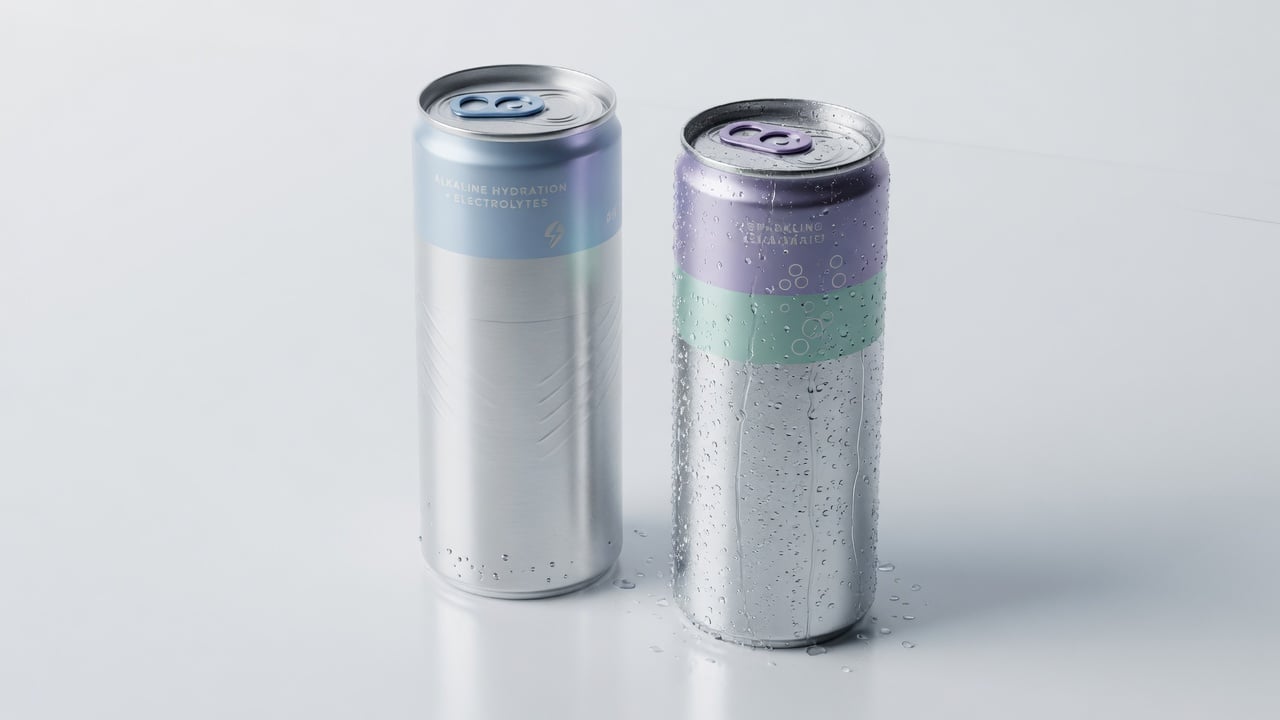
- 12oz Regular or Sleek: the right size for meeting tables.
- 16oz: useful for long, active workshops.
- Still: the standard for most meetings.
- Sparkling: a popular addition for executive meetings and afternoon breaks.
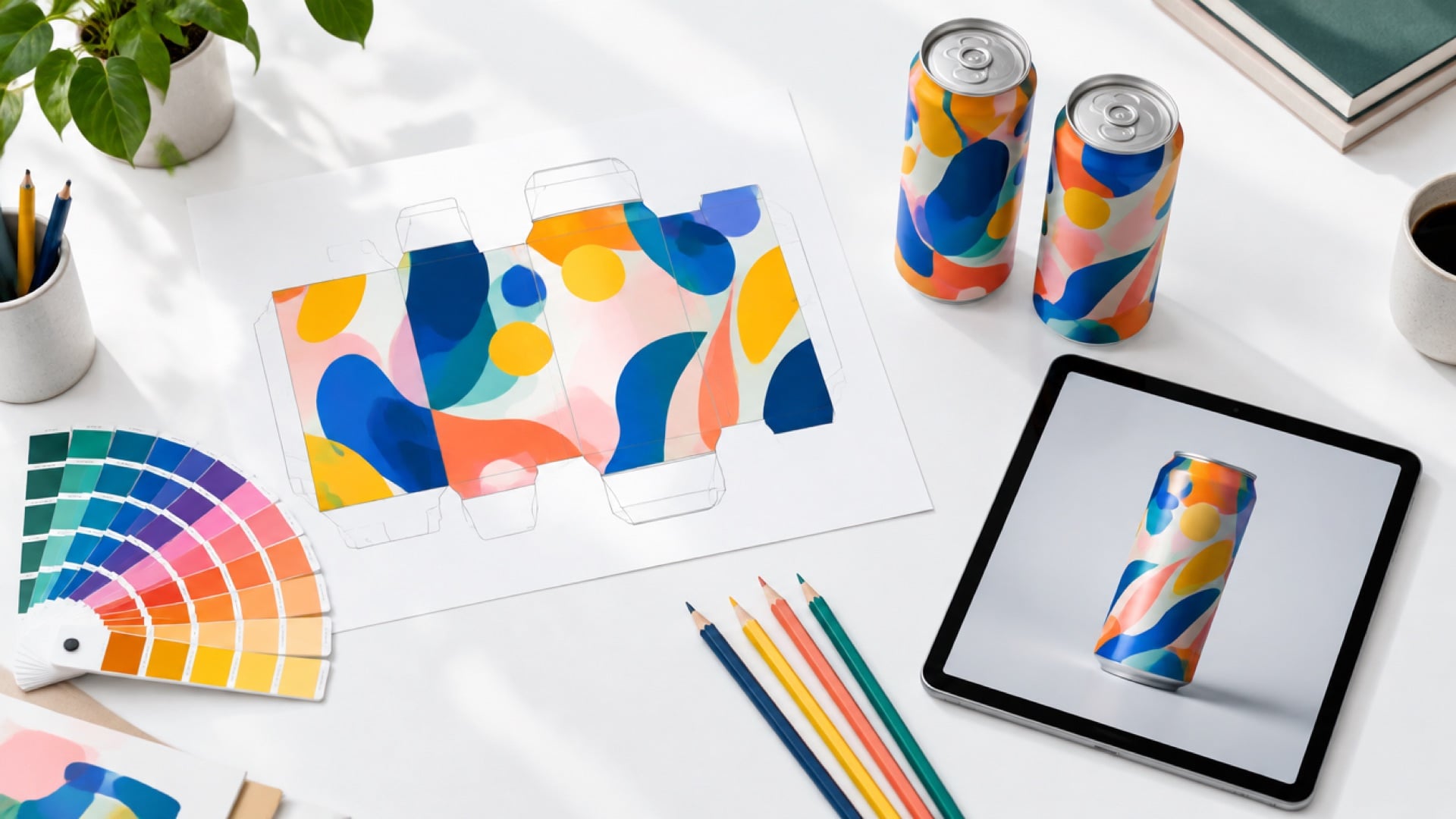
What should the meeting can design include?
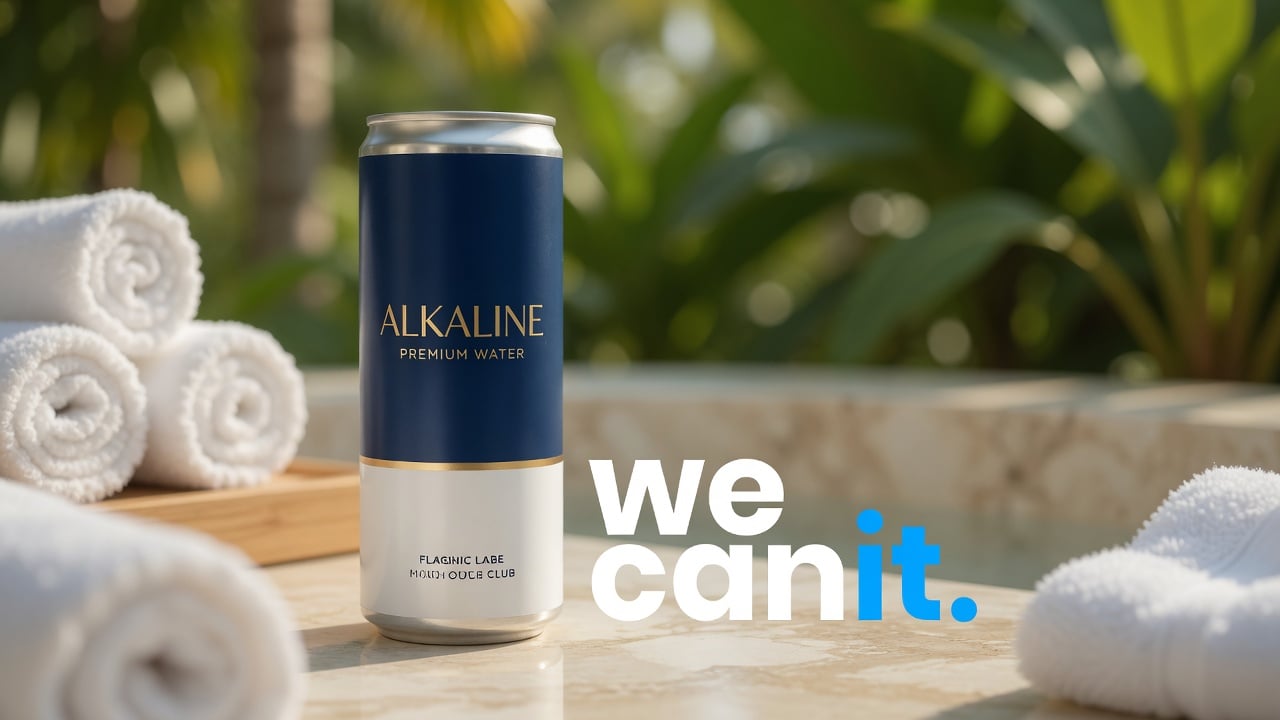
- Hotel logo as the main mark.
- A clean, professional look.
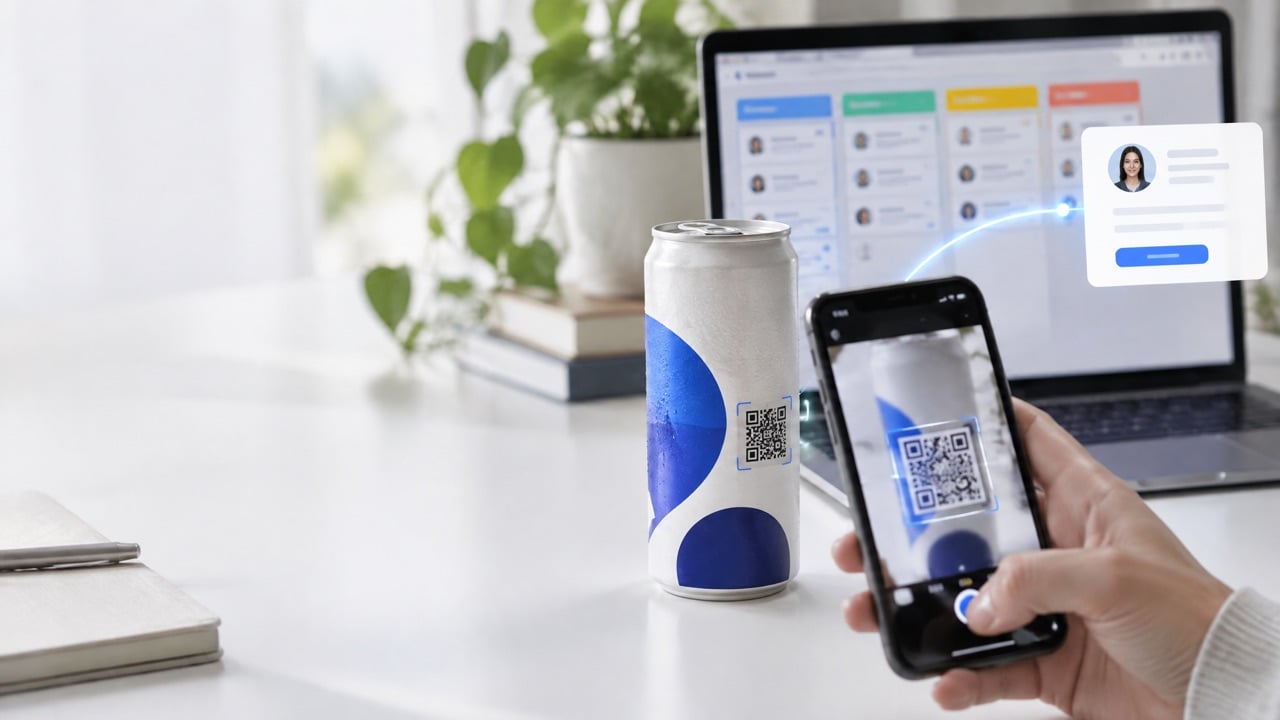
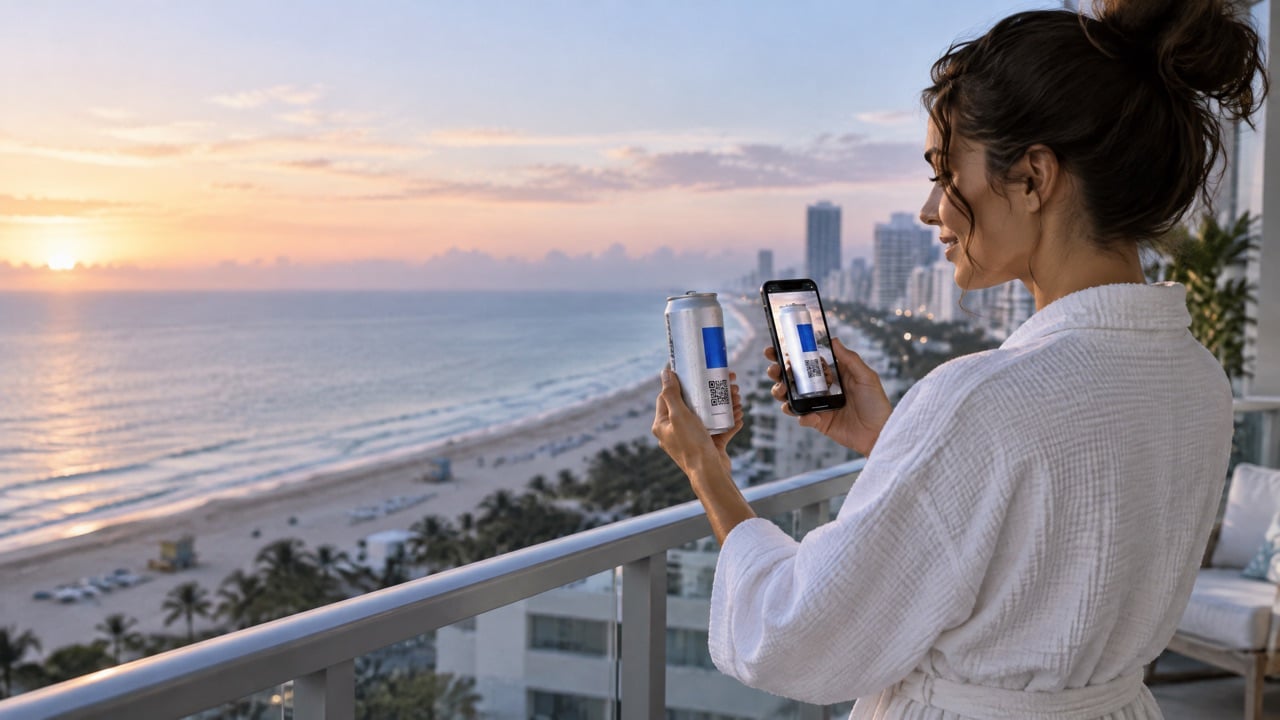
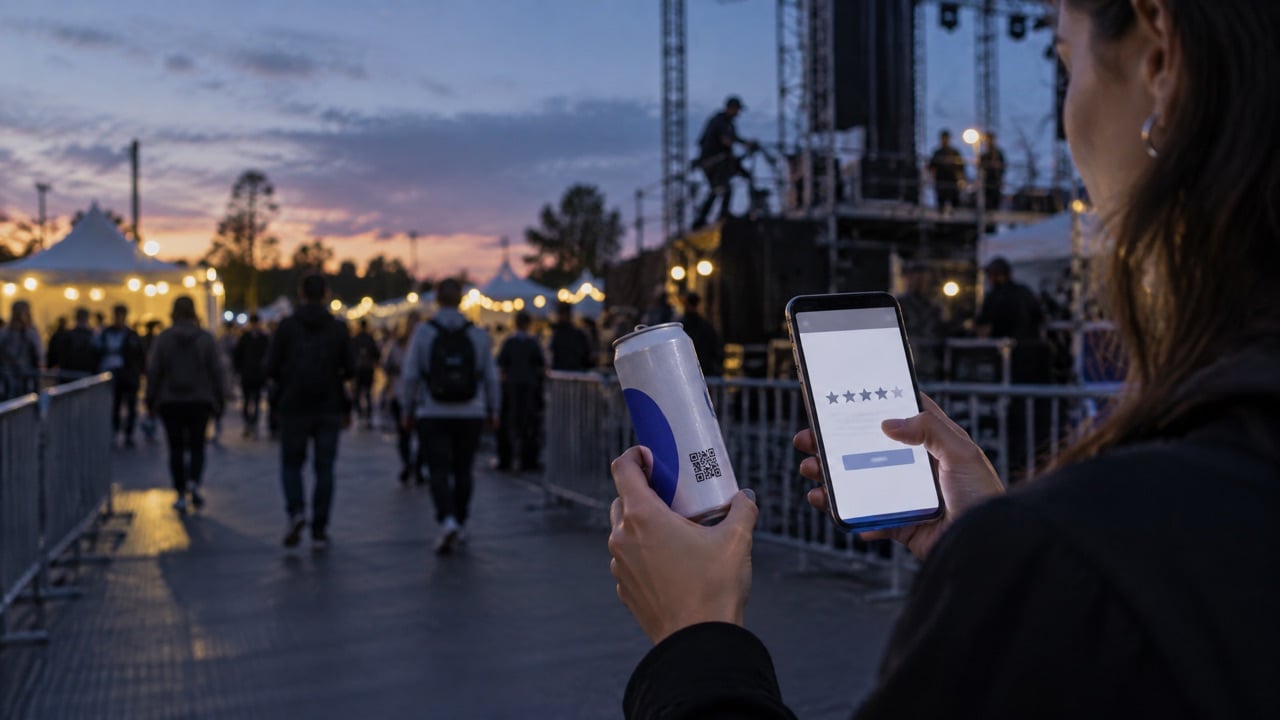
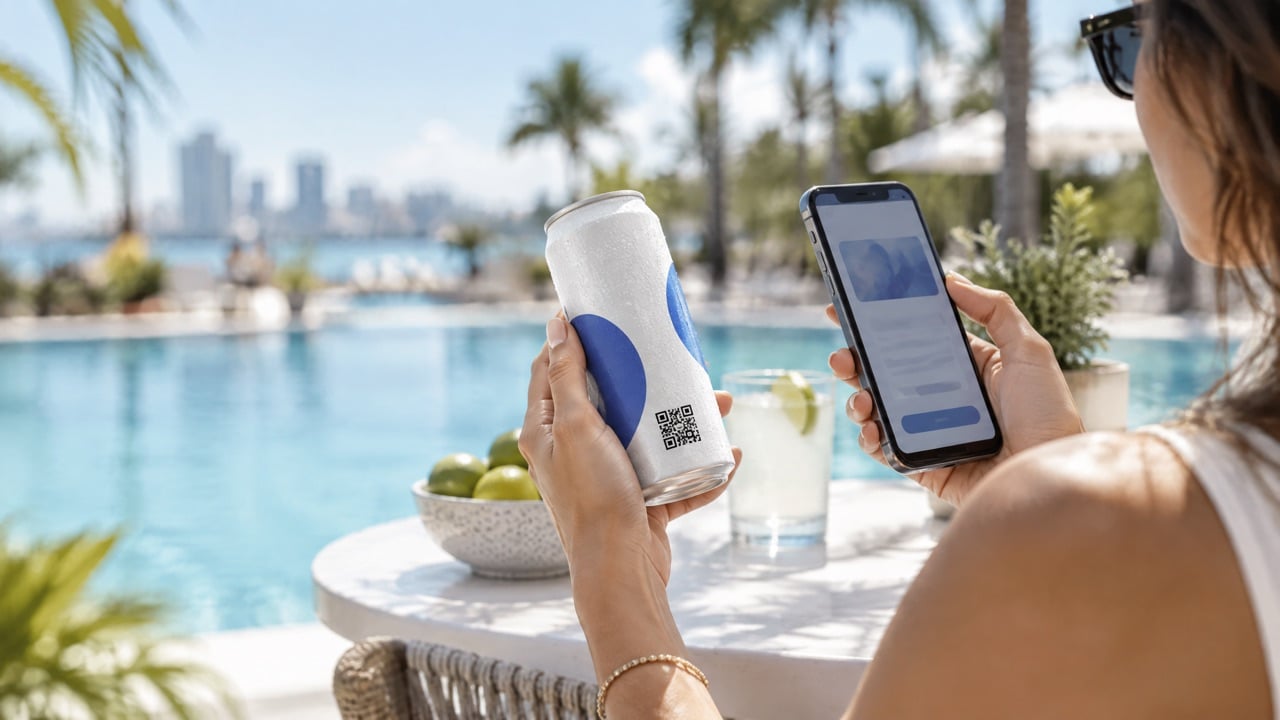
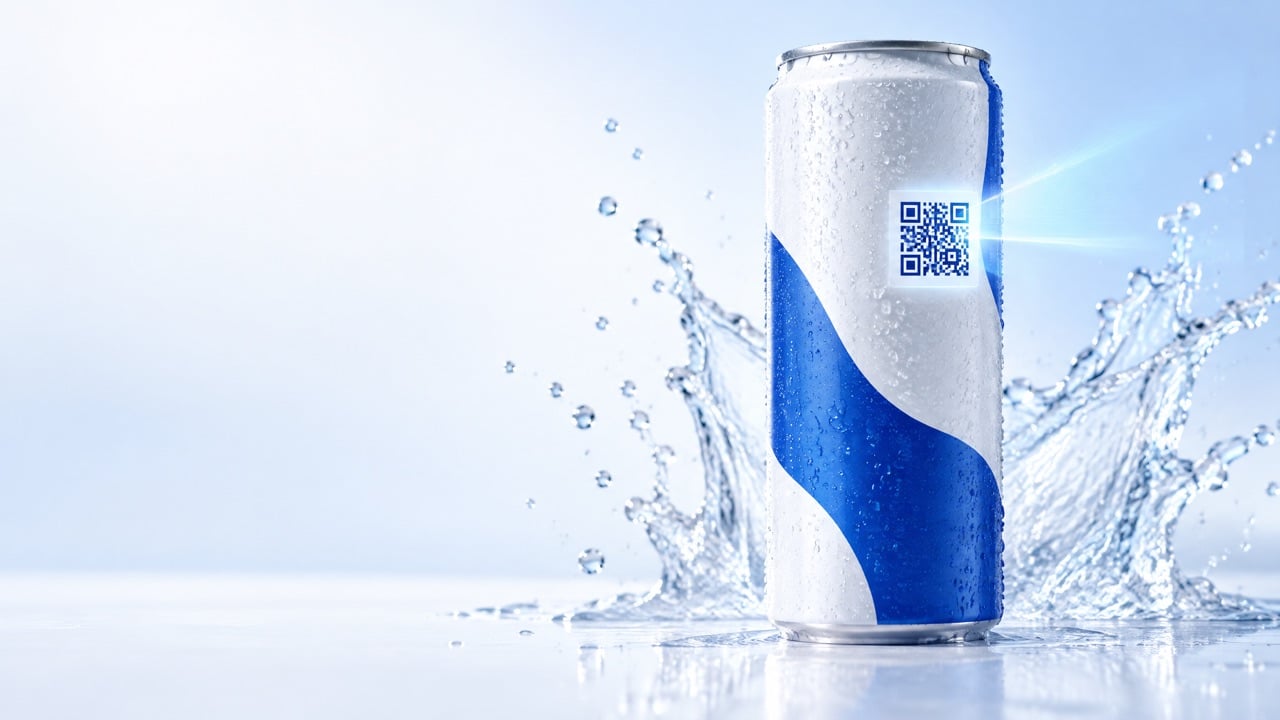
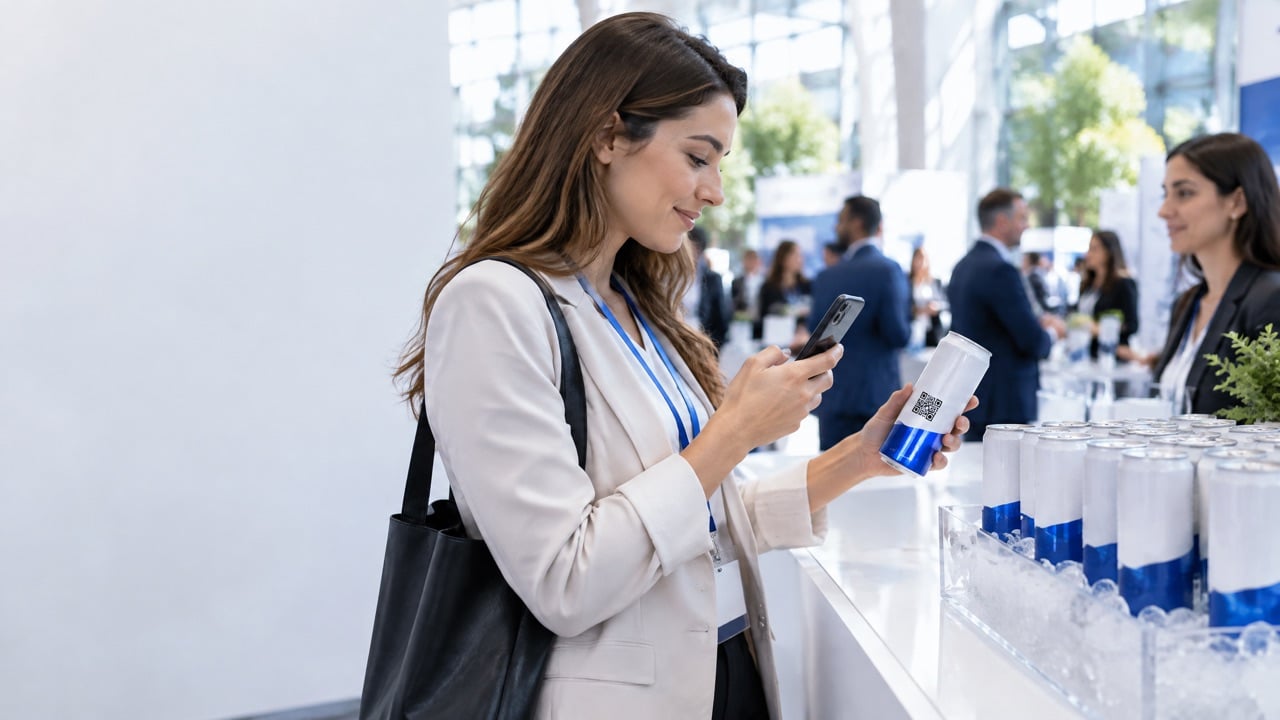
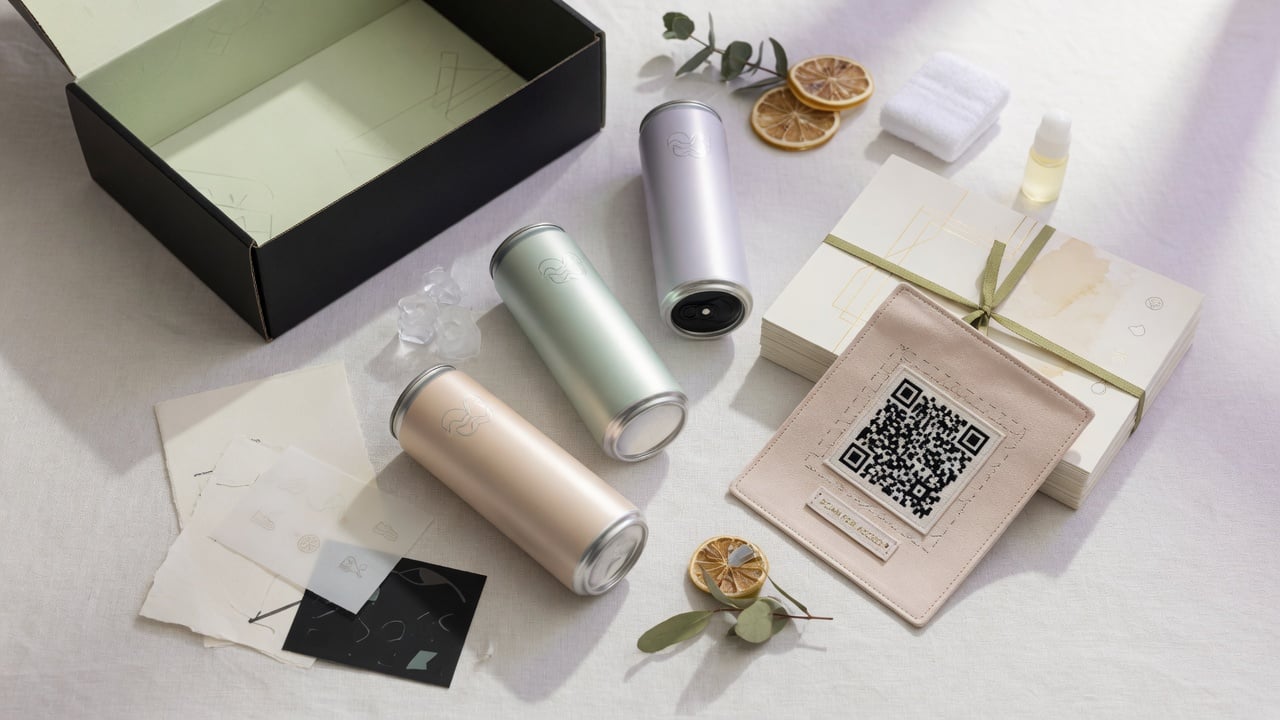
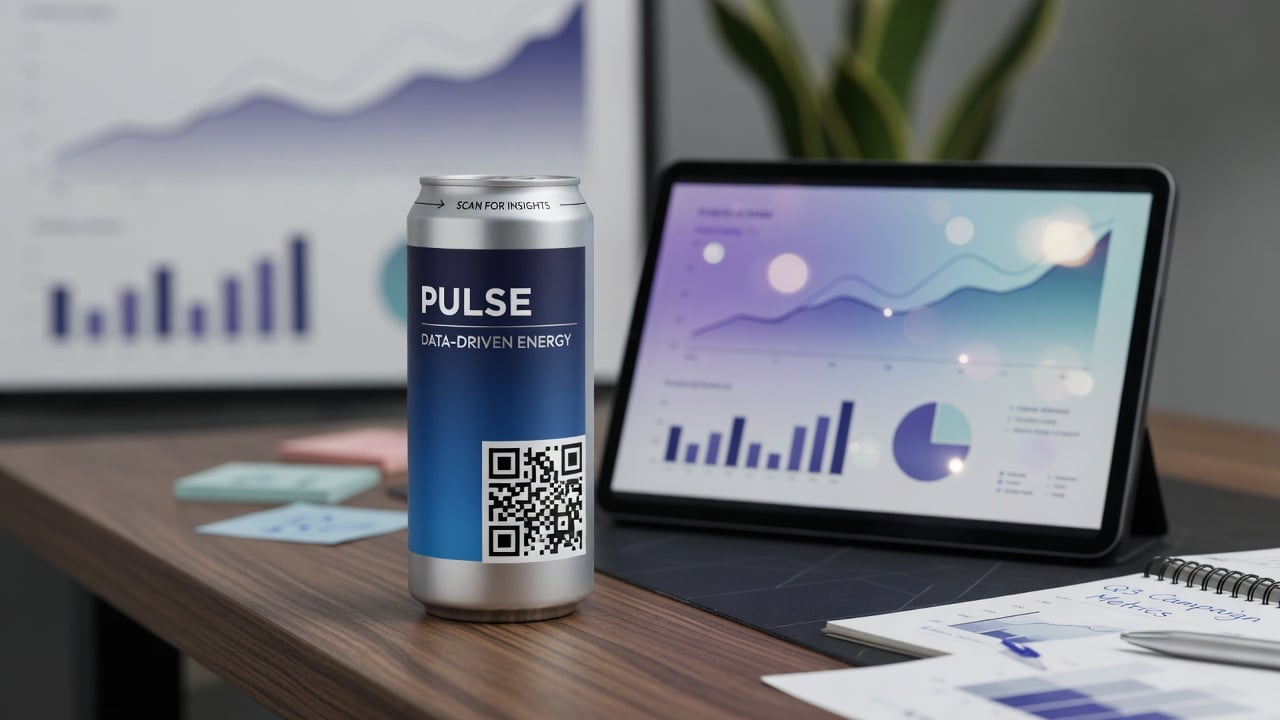
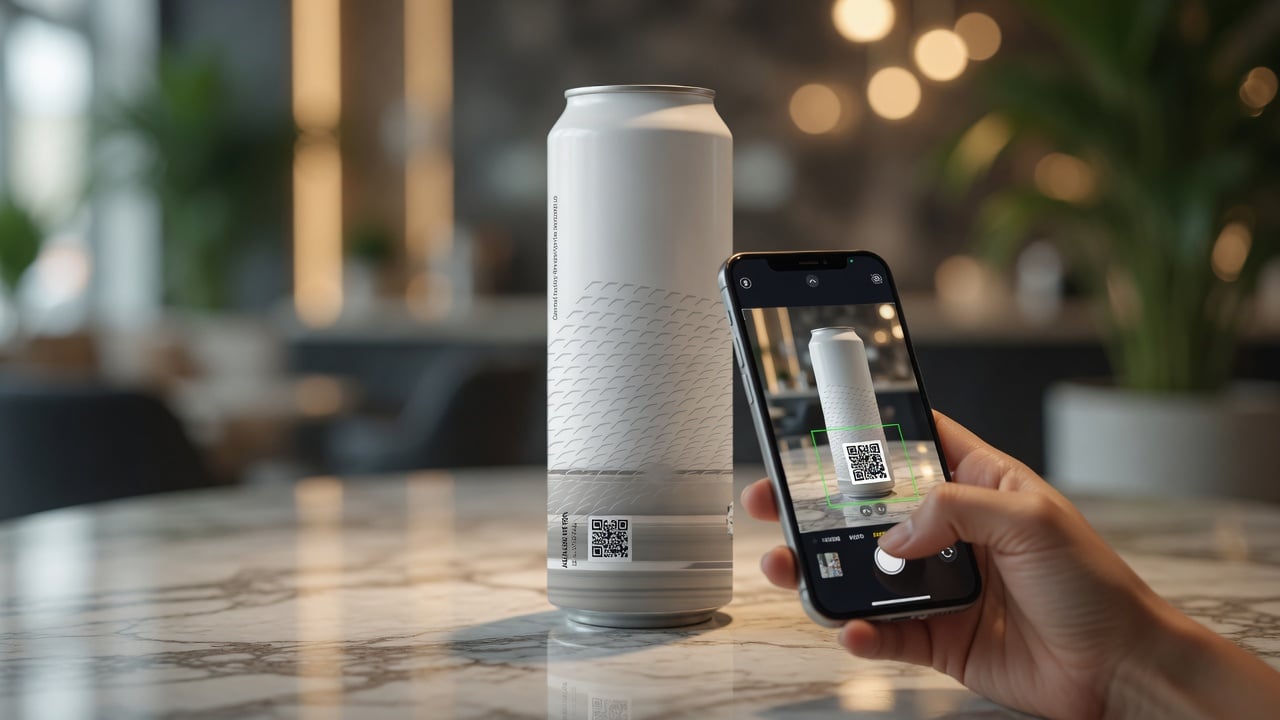
- Optional QR code to the hotel's Wi-Fi details, event app, or meetings sales page.
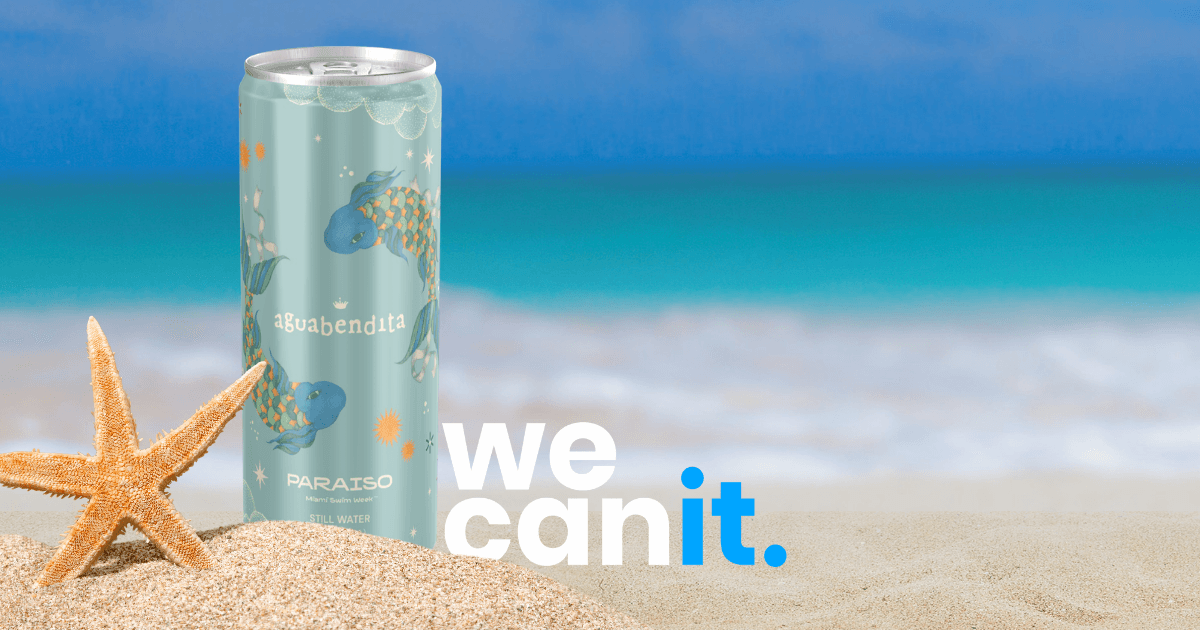
- Optional co-branding for large conferences that request their logo on the can.
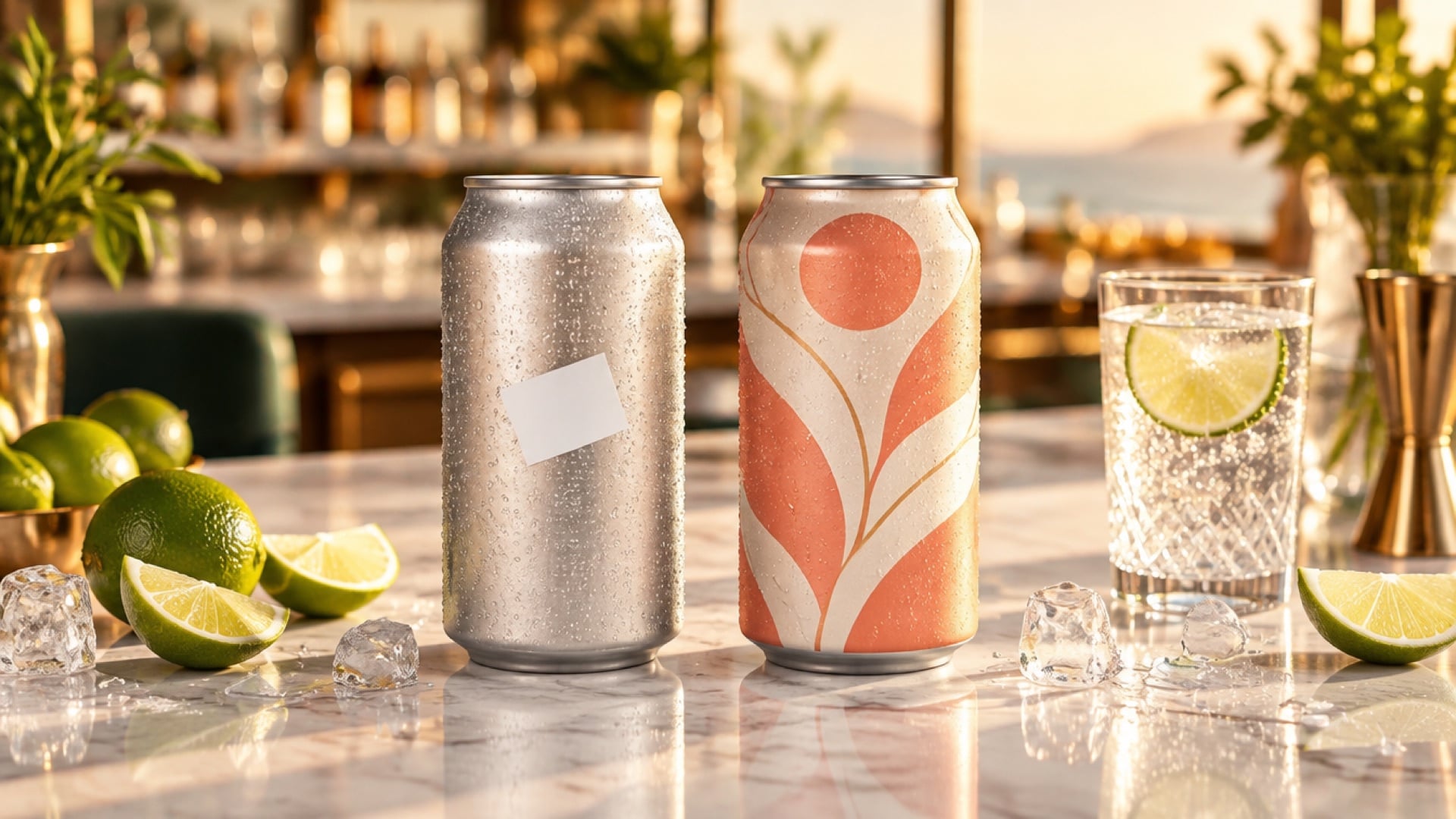
Label print starts at 21 cases and digital print starts at 100 cases. See Technology · Labels.
How do you train banquet servers on water service?
Banquet teams often include part-time and on-call staff, so training has to be simple and visual.
- Show a photo standard of a correctly set table and break station.
- Explain the refresh schedule at the pre-shift meeting.
- Assign one person to watch break stations during each break.
- Teach quiet resets, entering and leaving the room without interrupting the speaker.
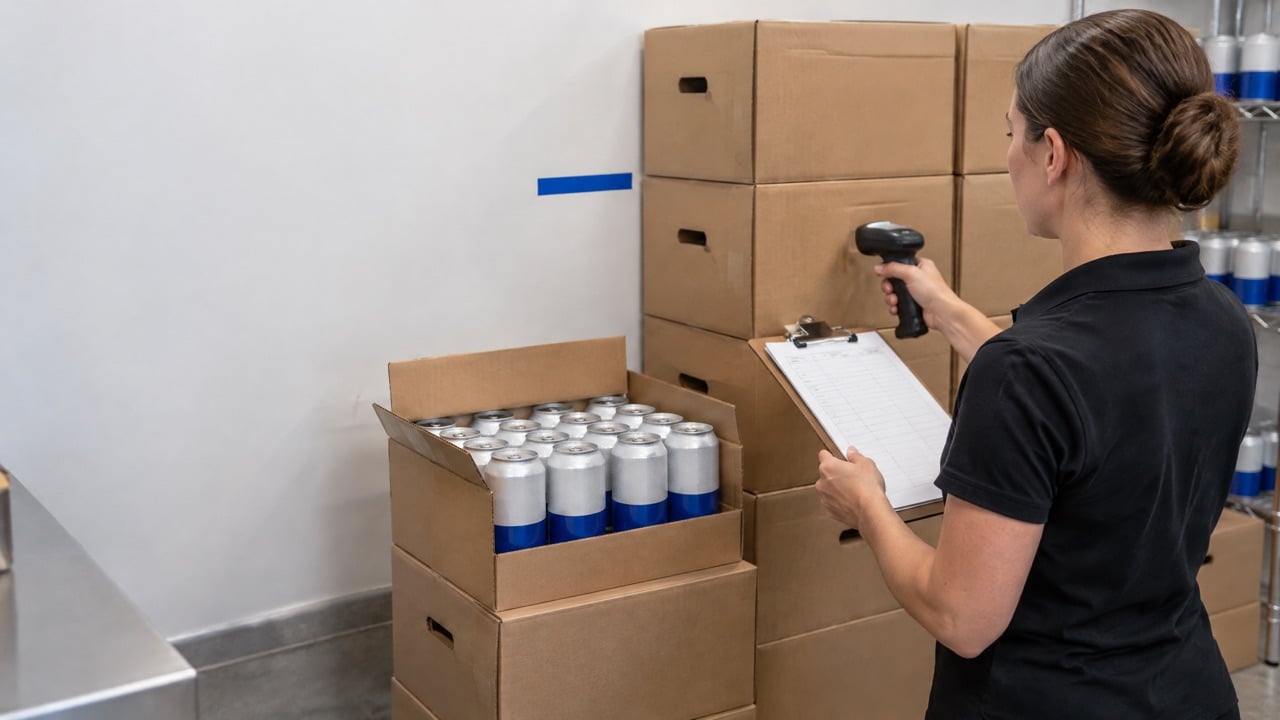
- Show how to count empties and unopened cans for billing.
A two-minute briefing before each event, with the BEO in hand, keeps service consistent even when the team changes day to day. Recognize servers who handle a busy conference day smoothly, because consistency comes from people who care about the details and feel noticed for it.
How can water support the hotel's meeting sales?
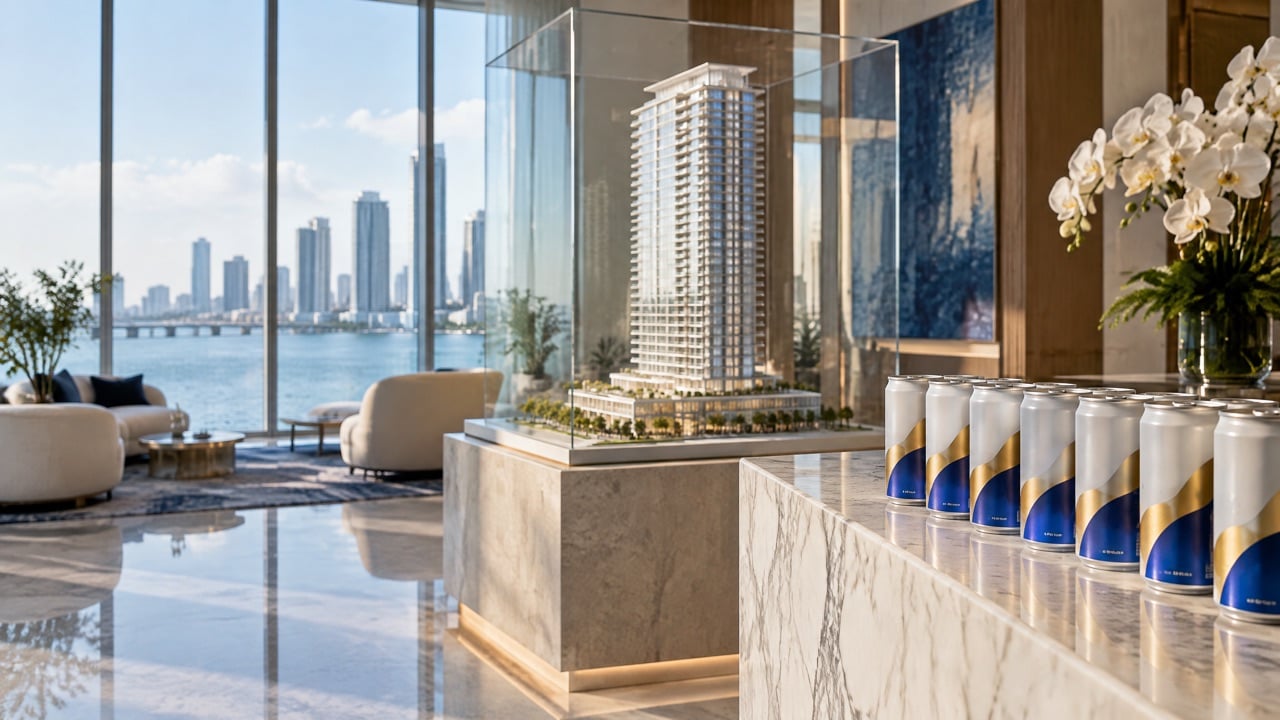
Meeting planners compare hotels on many details, and presentation is one of them. A polished branded can on every table appears in the photos planners share with their teams and clients, and it signals attention to detail. Some hotels add a QR code that opens the meetings and events sales page, so attendees who plan events themselves can reach the sales team easily. Over time, a consistent, professional water service becomes part of the reason planners return.
How much should the hotel stock?
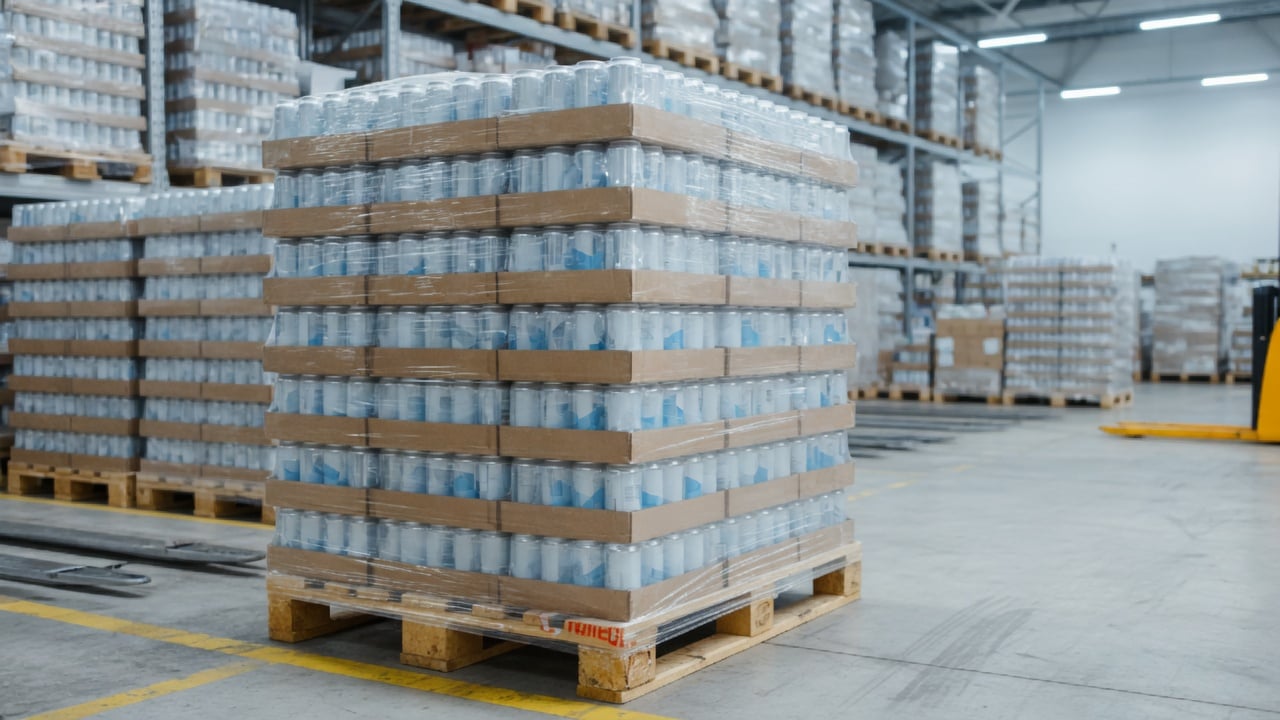
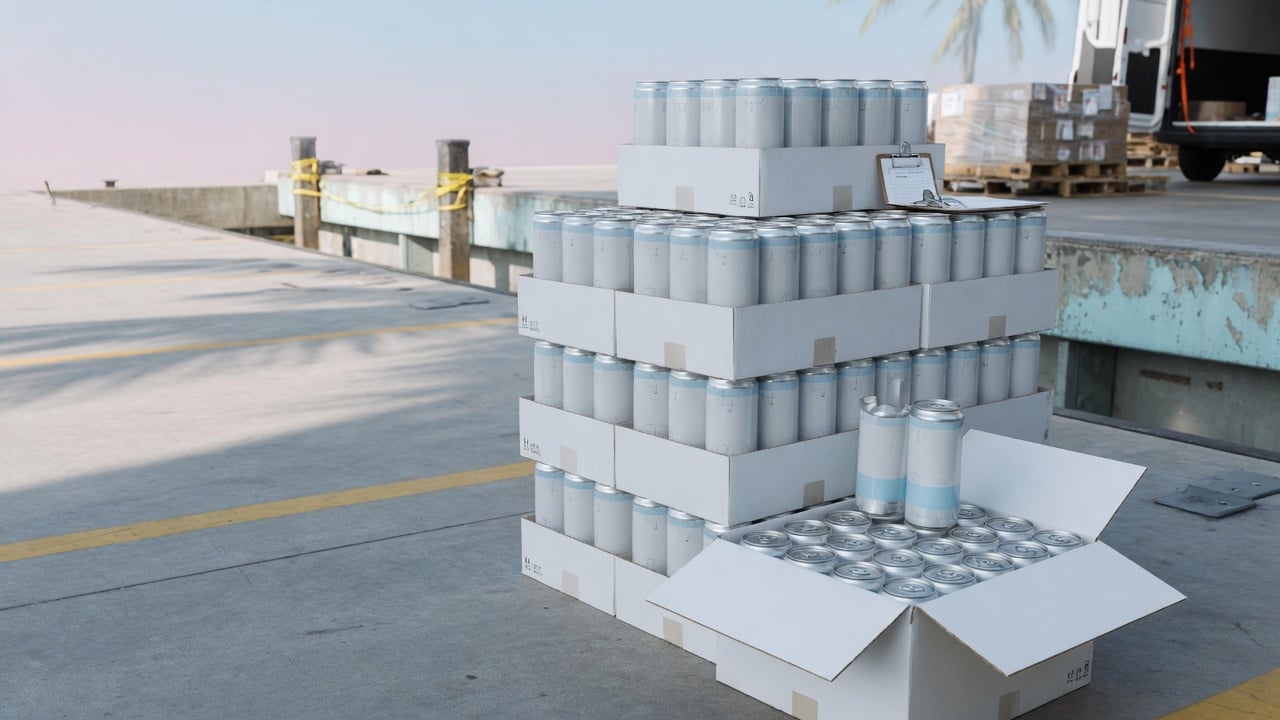
Base stock on your meeting calendar. Busy conference weeks can use far more water than a normal week, so check the calendar before each reorder. At We Can It, the minimum order is 21 cases, which is 504 cans, and production takes about 2 to 3 weeks from artwork approval. Our par level guide explains how to set reorder points.
What does a smooth conference day look like?
A 200-person association conference runs from 8:00 to 5:00 with two breaks and lunch. The BEO lists two cans per attendee on tables, still and sparkling at both breaks, and billing on consumption. The banquet team sets 400 cans on tables by 7:30, stocks ice tubs at the break area, and replaces used cans during the 10:15 break and lunch. At the afternoon break, the station is restocked with extra cans because the room is warm. At 5:00, the captain counts empties and unopened cans for billing. The planner never has to ask for water, and the hotel logo is in every photo from the day.
Banquet water service checklist
- Confirm per-person quantities on the BEO.
- Set tables before the session starts.
- Stock break stations with ice and recycling.
- Refresh at breaks and lunch.
- Count consumption for billing.
- Check the meeting calendar before reorders.
- Offer co-branded cans for large conferences.
Frequently asked questions
How much water should a hotel set per person for a meeting?
About one to two cans per attendee for a half-day meeting and two to three for a full day, plus break stations. Adjust for group size, activity, and room temperature.
What is the banquet event order?
The document that tells every hotel team what to deliver for an event, including food, beverages, setup, timing, and billing.
How should meeting water be billed?
Many hotels include it in a meeting package, charge per can on consumption, or charge per person per day.
When should banquet teams refresh water?
Before the session, at each break, and during lunch, plus a quiet refresh if the planner asks.
Can a conference have its own logo on the can?
Yes. Large conferences can request co-branded cans with the hotel and the event logo.
What is the minimum order for branded meeting water?
We Can It starts at 21 cases, which is 504 cans, with about 2 to 3 weeks of production after artwork approval.
Get a quote for branded banquet and meeting water
Tell us your meeting volume and room count, and a product advisor will help you plan quantities and design.