How to Launch a Limited-Edition Seasonal Can Design
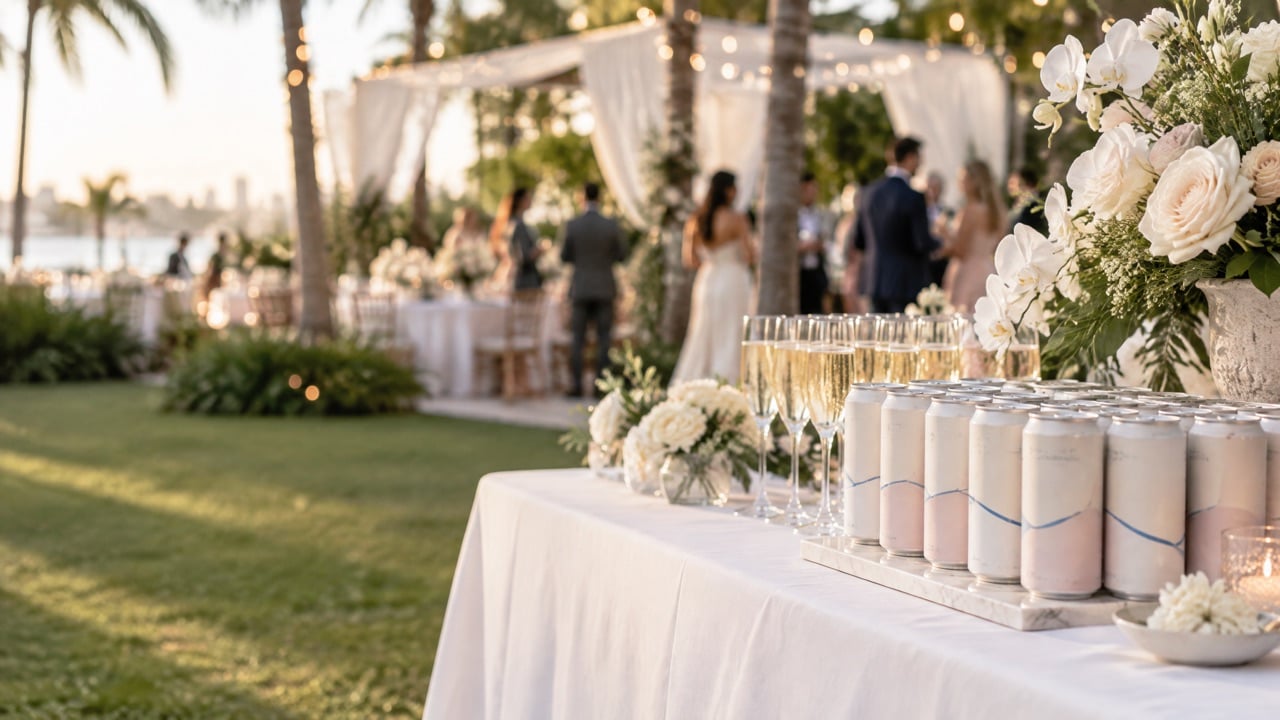
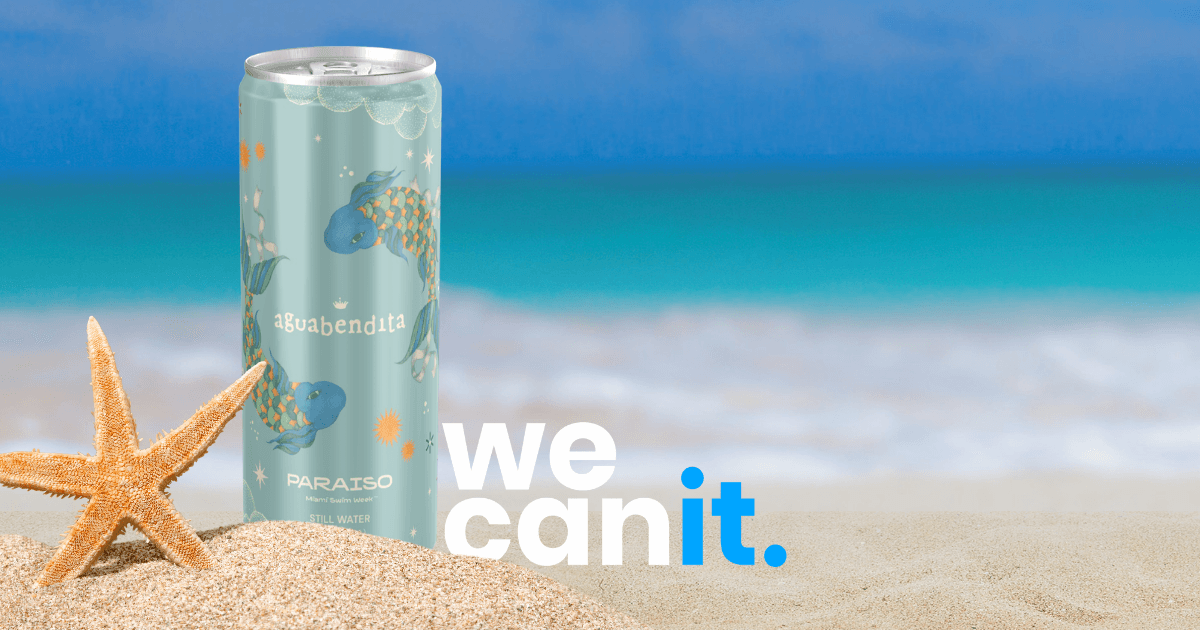
A limited edition creates something packaging rarely gets: anticipation. When people know a design will only be around for a season, they pay attention, they take photos, and some of them keep the can long after the water is gone.
A limited edition creates something packaging rarely gets: anticipation. When people know a design will only be around for a season, they pay attention, they take photos, and some of them keep the can long after the water is gone. Sneaker brands, coffee chains, and beverage companies have used limited editions for years. The same idea works beautifully for branded water cans.
This guide is for brand managers, designers, and marketing teams planning a limited-edition or seasonal can design. It covers how to choose a concept, the artwork rules that matter on a curved can, how to proof it, when to release it, and what makes an edition feel collectible instead of disposable.
What makes a limited edition work?
A good limited edition has three qualities.
- A clear reason to exist: a season, an anniversary, a collaboration, or a moment.
- A visible difference: people should notice immediately that it is not the usual can.
- A real limit: a set quantity or a set end date that you actually keep.
Without a reason, it feels random. Without a difference, nobody notices. Without a limit, it is not limited.
How do you choose a concept for a seasonal edition?
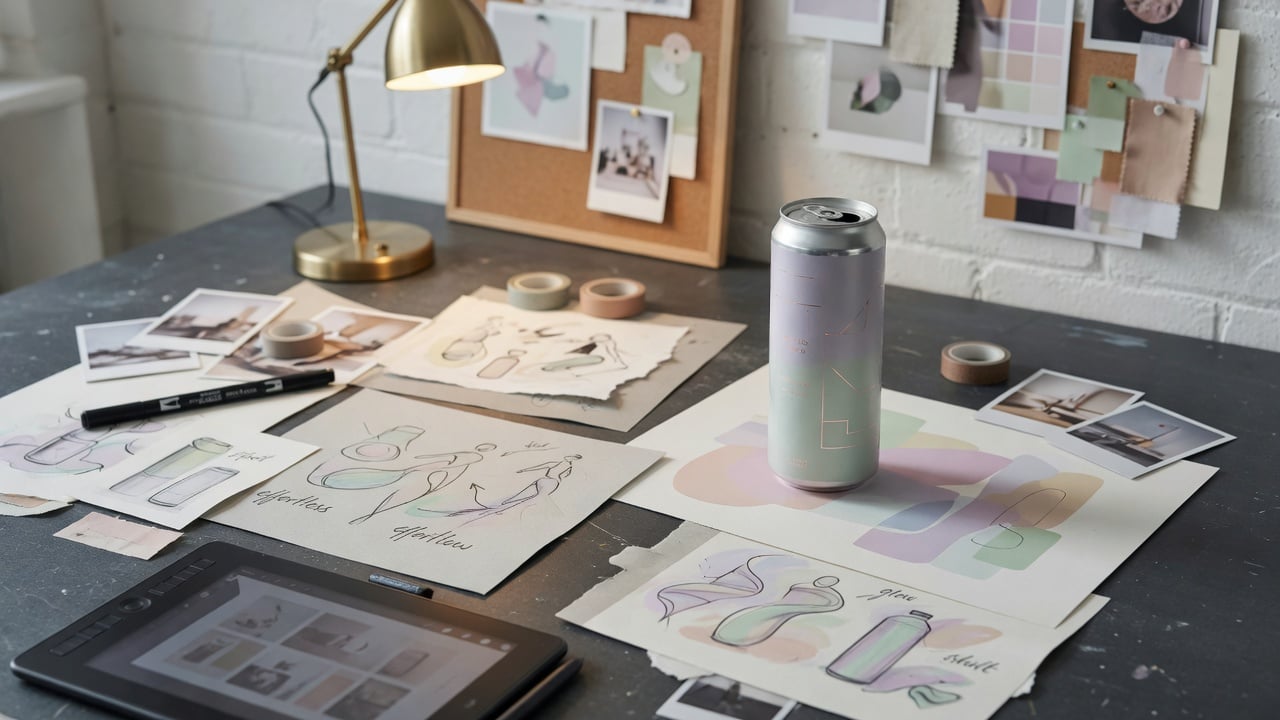
Start with the moment, then find the visual idea.
- Seasonal: summer, holiday, or a local season like hurricane season safety or winter visitors.
- Anniversary: your brand's birthday or a milestone year.
- Collaboration: a local artist, designer, or partner brand.
- Cause: a charity partnership with a clear story.
- Place: a city, venue, or event that matters to your audience.
Write the concept as one sentence before any design starts, such as "A summer edition inspired by Miami's pastel lifeguard towers." That sentence guides every decision.
What artwork rules matter on a curved can?
A design that looks great flat can look wrong on a can. Keep these rules in mind.
- The can is a cylinder. Only part of the design is visible from any angle. Put the key element where the viewer will see it first.
- Mind the seam area where the label or wrap meets.
- Avoid tiny details that disappear at arm's length.
- Check contrast so the logo reads in bright sun and dim bars.
- Leave clean space for required information and any QR code.
- Think in 360 degrees. A pattern that flows around the can feels premium.
We Can It has a live 3D can designer that shows your artwork on the real can shape, so you can rotate it and catch problems before production. Our artwork templates are on the artwork templates page, and print options are on Technology · Labels.
Label or digital print for a limited edition?
- Label print starts at 21 cases, which is 504 cans. It is a flexible choice for smaller editions.
- Digital print starts at 100 cases and suits full-wrap, photo-heavy, or gradient designs.
For a small edition tied to one event, label print is often enough. For a signature seasonal edition with a bold full-wrap design, digital print shows off the artwork best.
How should you proof a limited-edition design?
Proofing is where editions succeed or fail. Take it seriously.
- Review in the 3D designer from every angle.
- Print a flat proof at actual size and wrap it around a can to feel the scale.
- Check colors against your brand standards.
- Have fresh eyes review it, someone who has not seen the drafts.
- Approve in writing so production can start.
Production takes about 2 to 3 weeks from artwork approval, so build proofing time into your plan before that clock starts.
When should you release a seasonal edition?
Timing a drop is as important as the design.
- Announce one to two weeks before release to build anticipation.
- Release on a meaningful date, such as the first day of summer or a holiday event.
- Keep the window clear, for example "available through December 31."
- End on time. An edition that never ends loses its magic.
Work backward: for a release on a specific date, approve artwork at least five weeks before, and have cans delivered a week early.
How do you make an edition collectible?
Collectibility turns a can into a keepsake and a talking point.
- Number the edition or state the total quantity.
- Add the season and year in a subtle place.
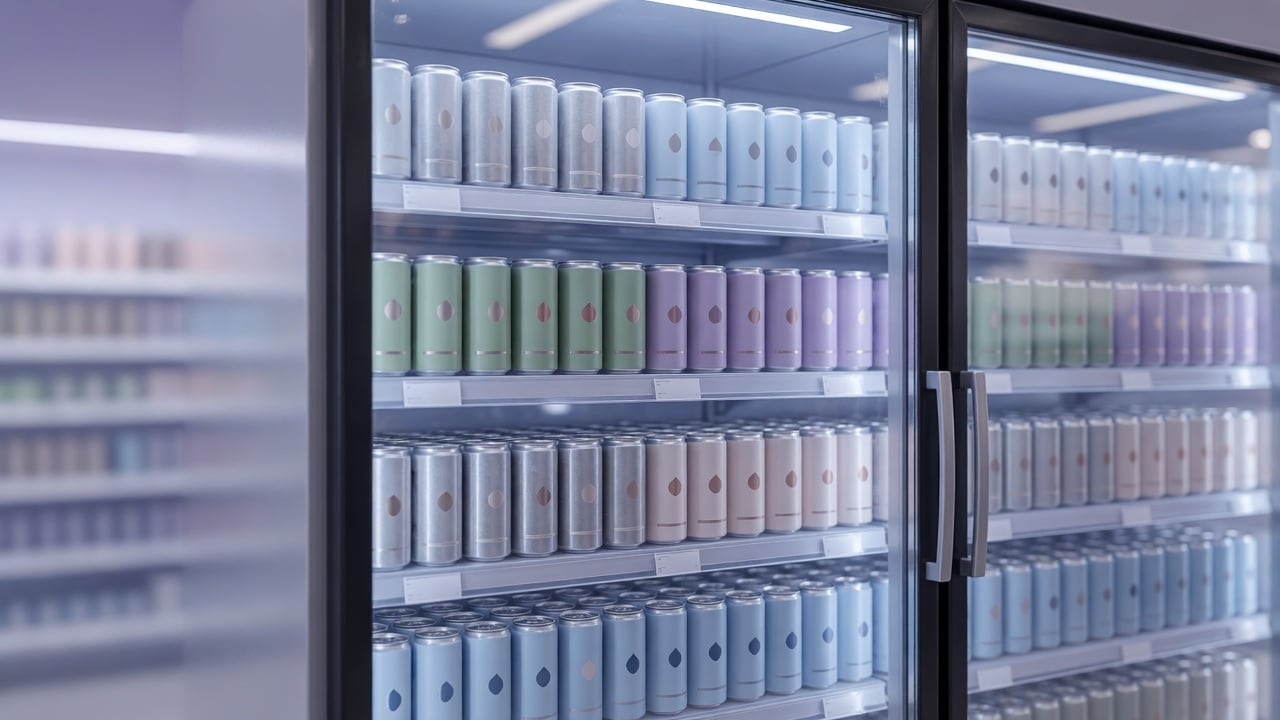
- Create a series: summer, fall, winter, spring, so fans want the full set.
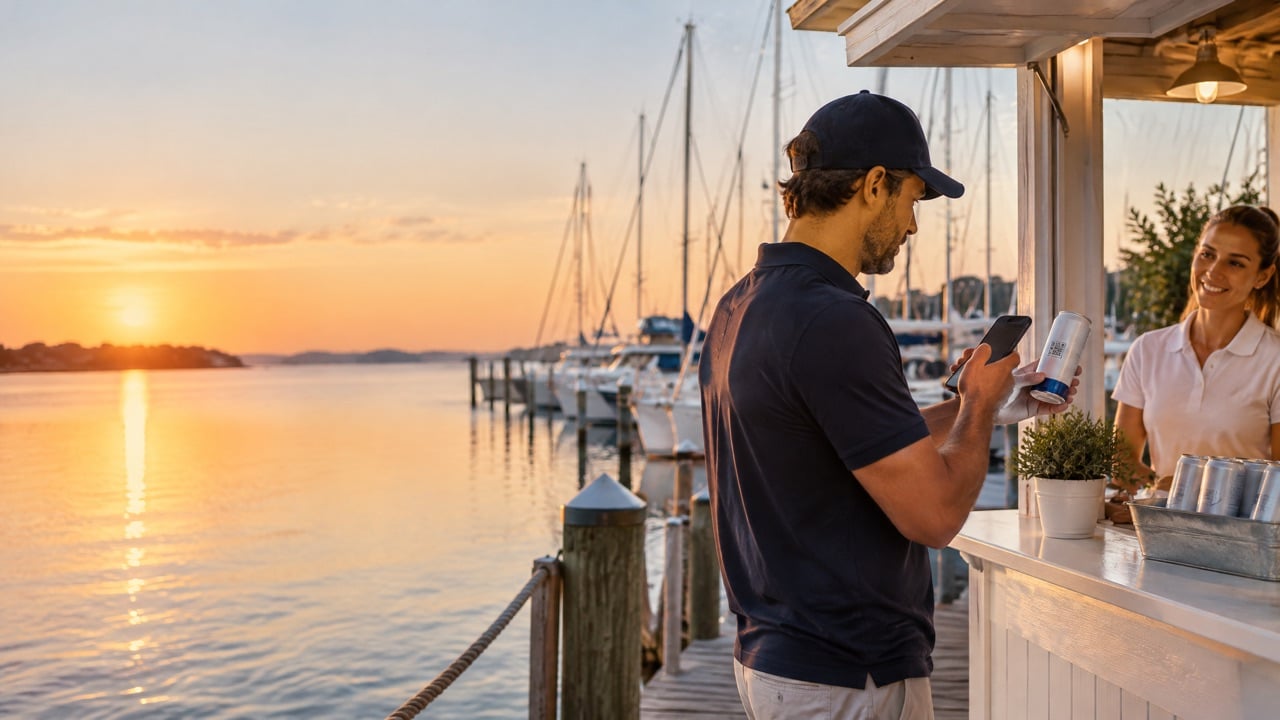
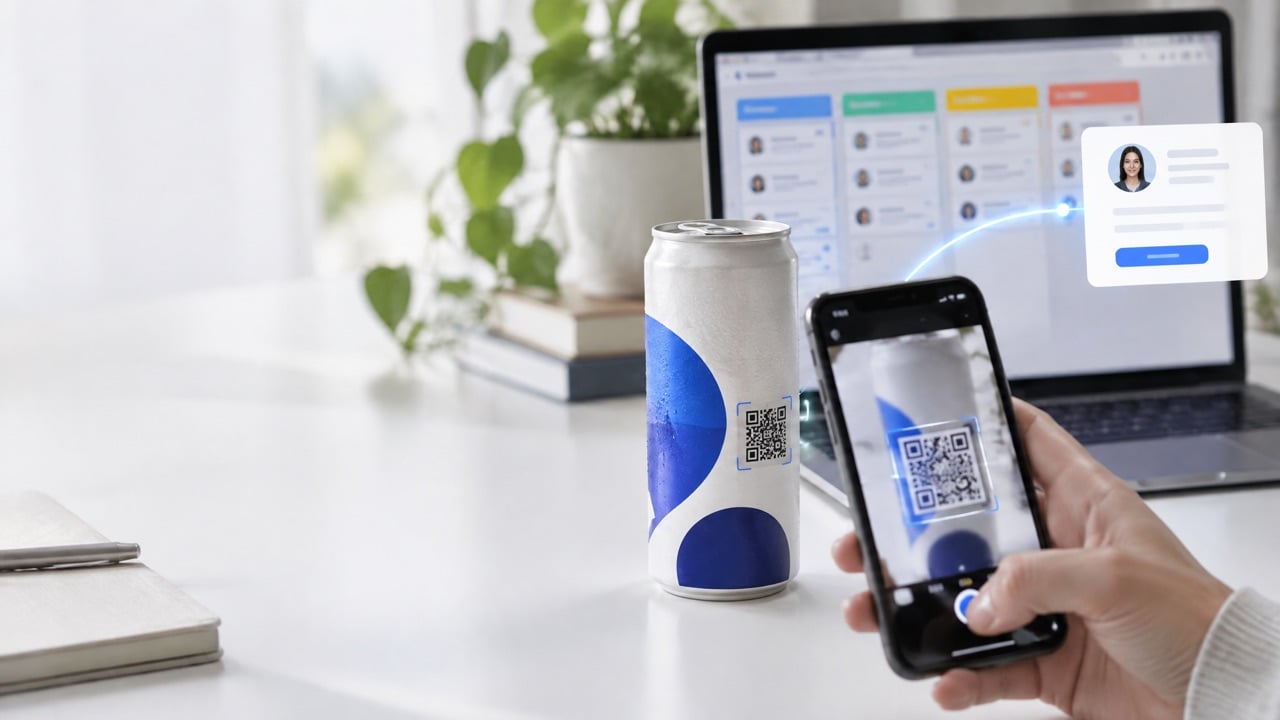
- Tell the story behind the design on social media and on a QR page.
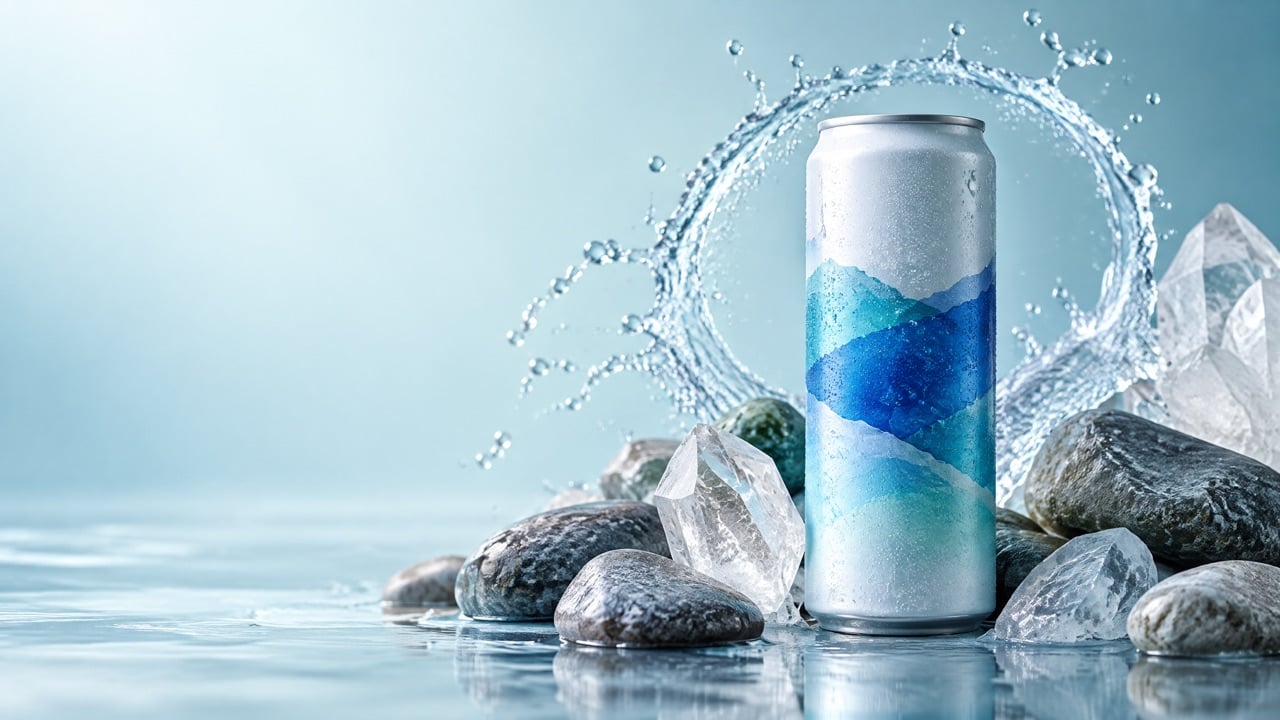
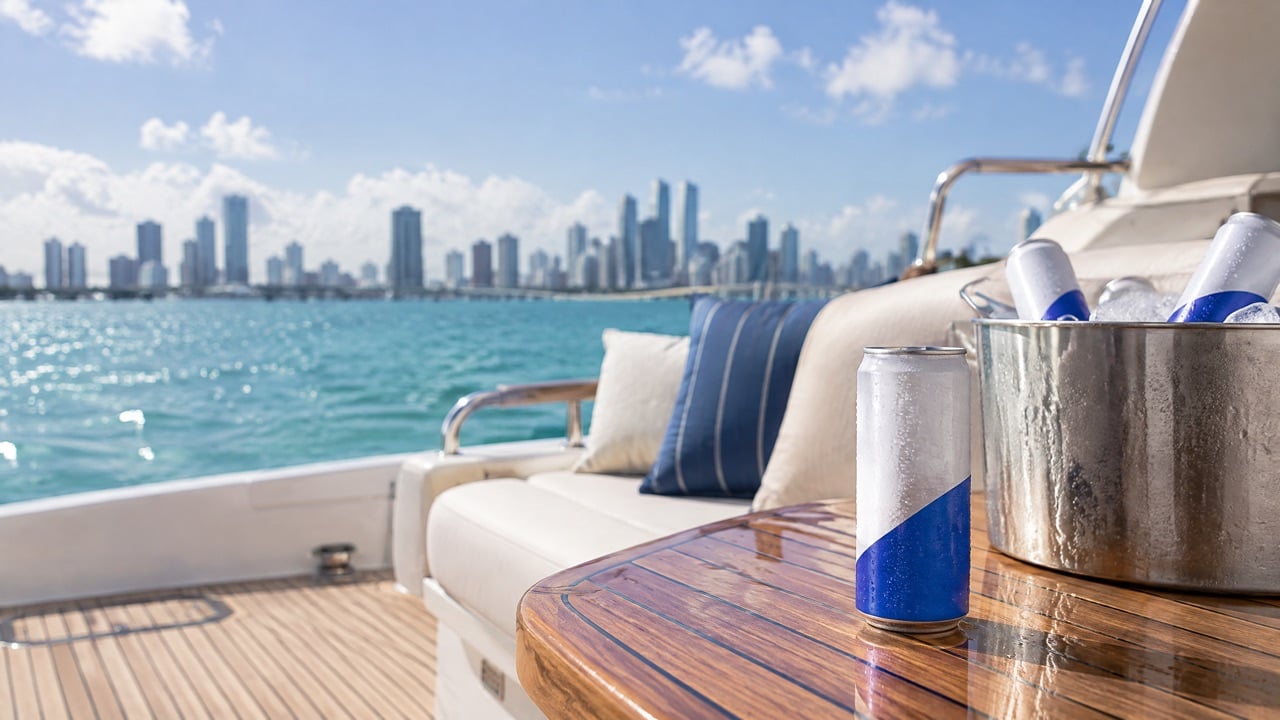
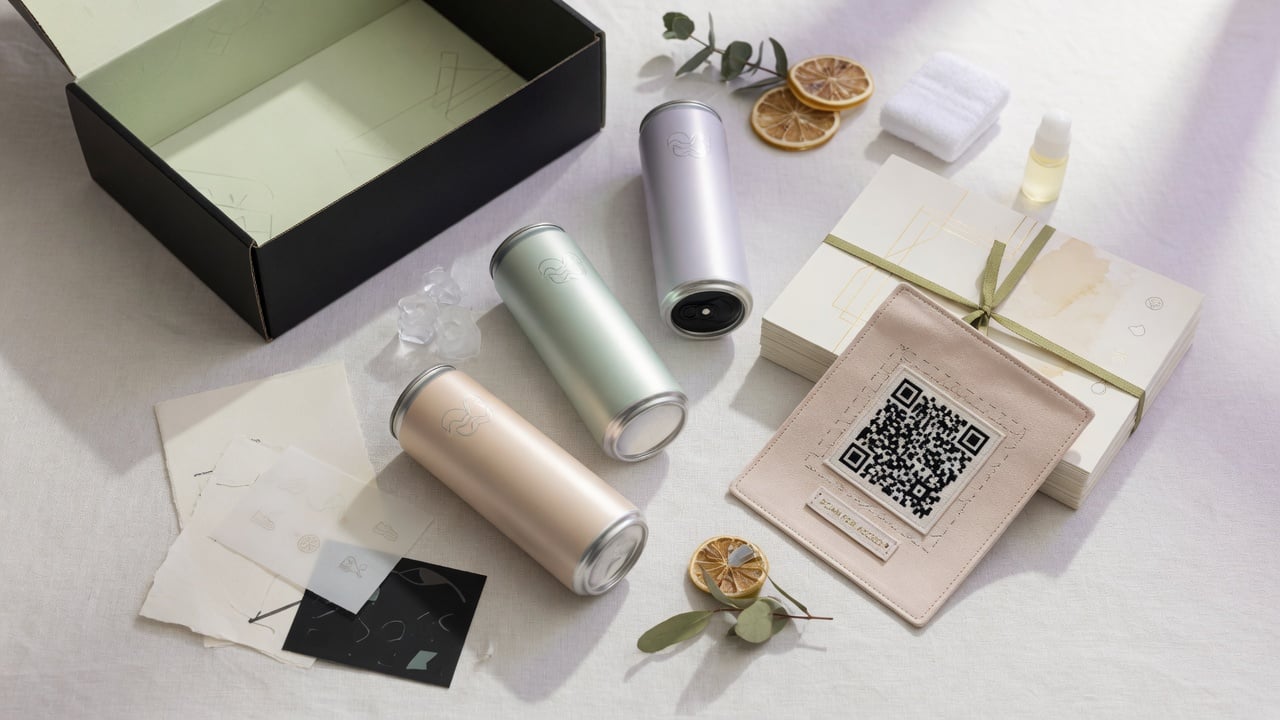
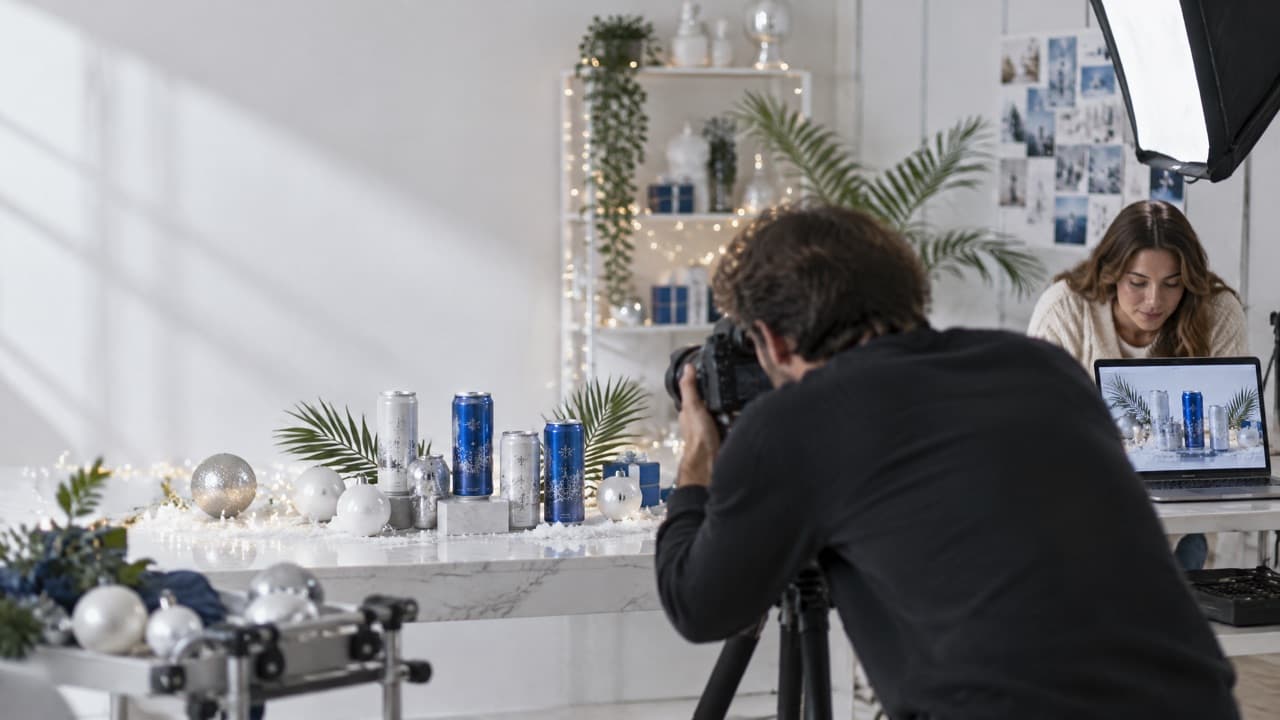
- Photograph the edition beautifully before release.
Where should a limited edition be used?
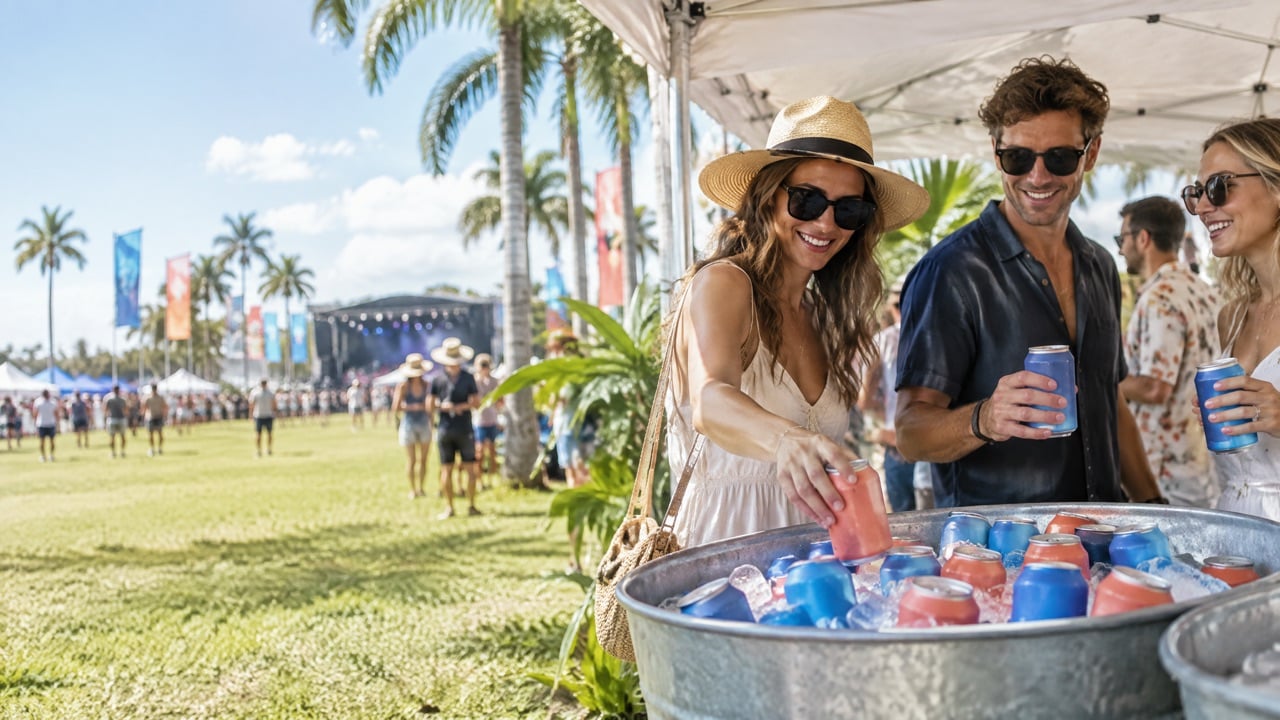
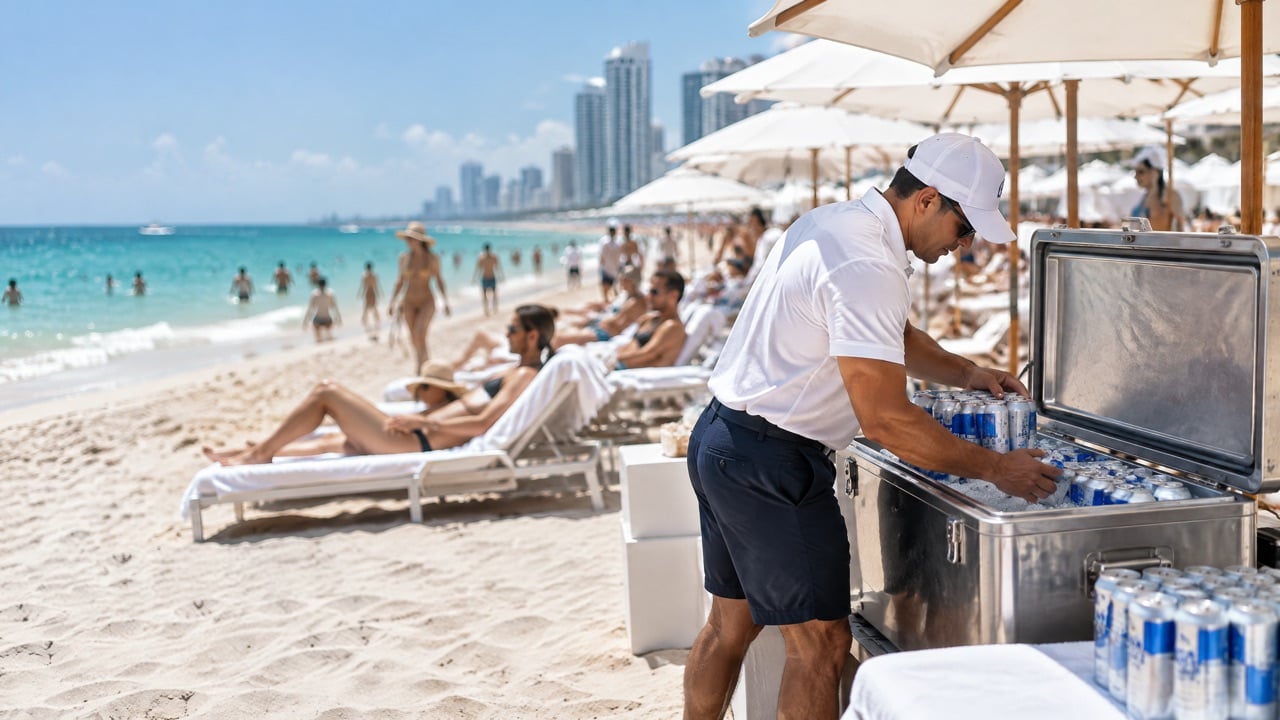
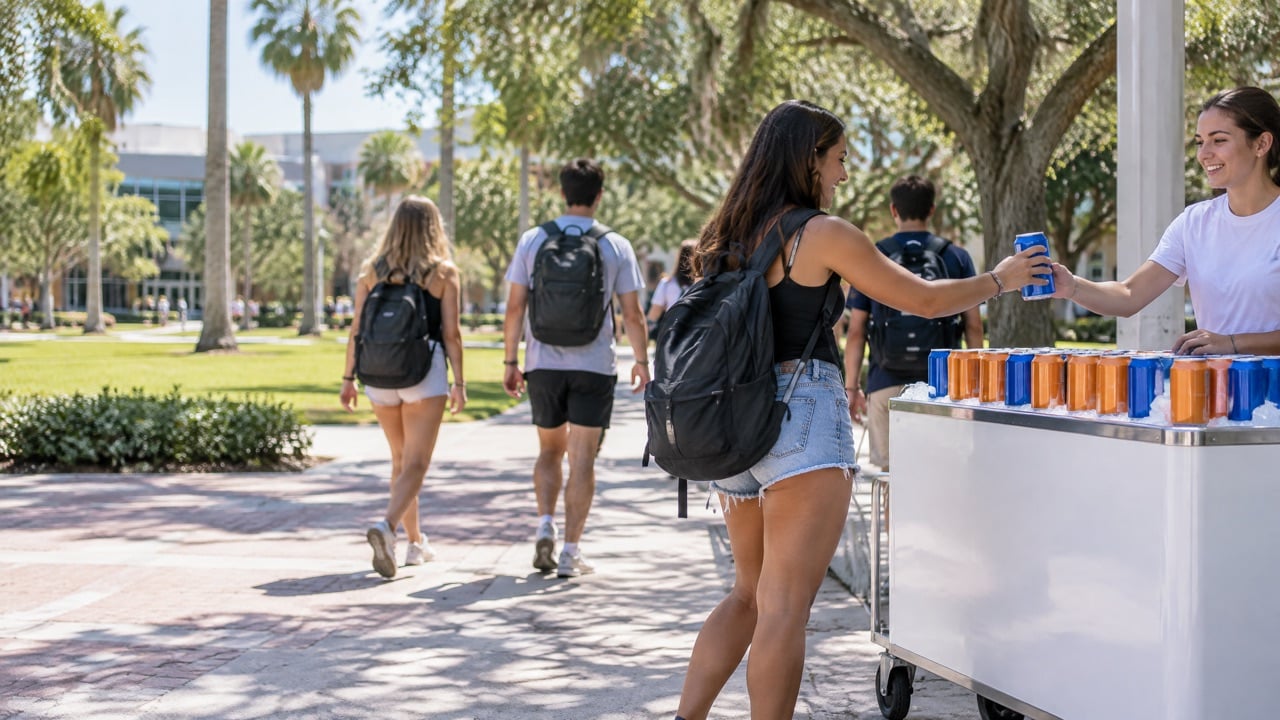
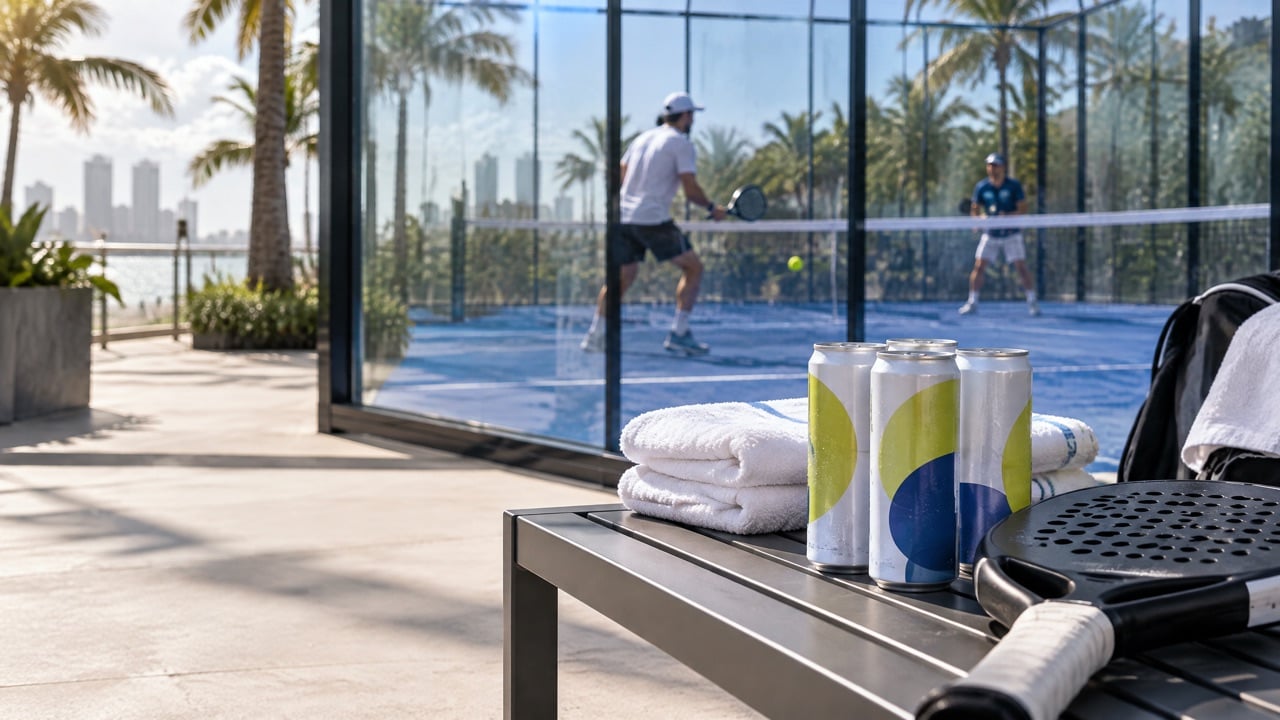
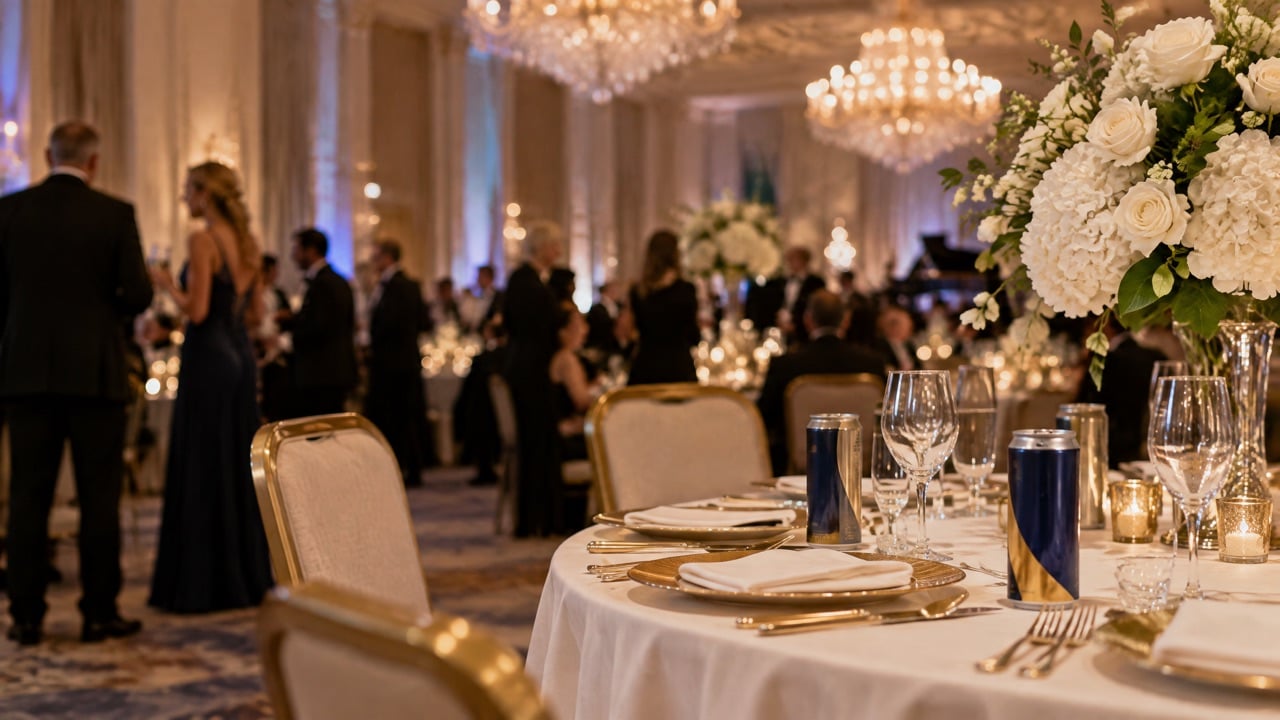
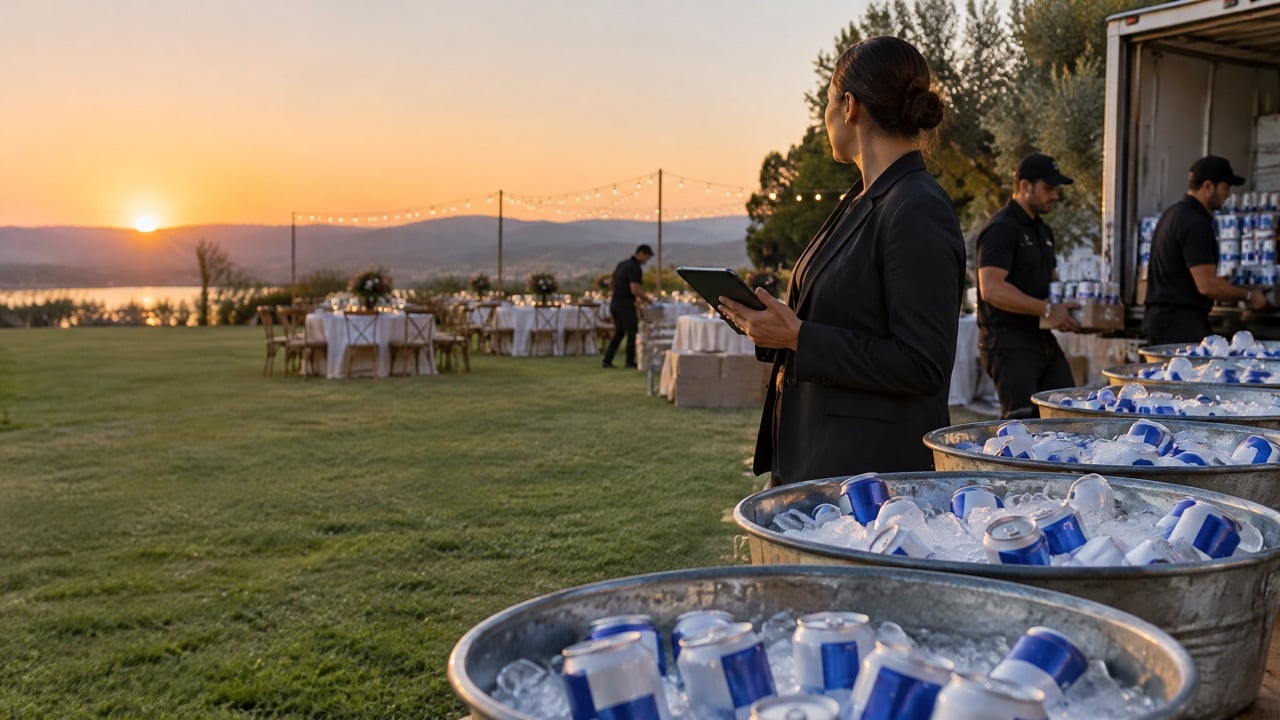
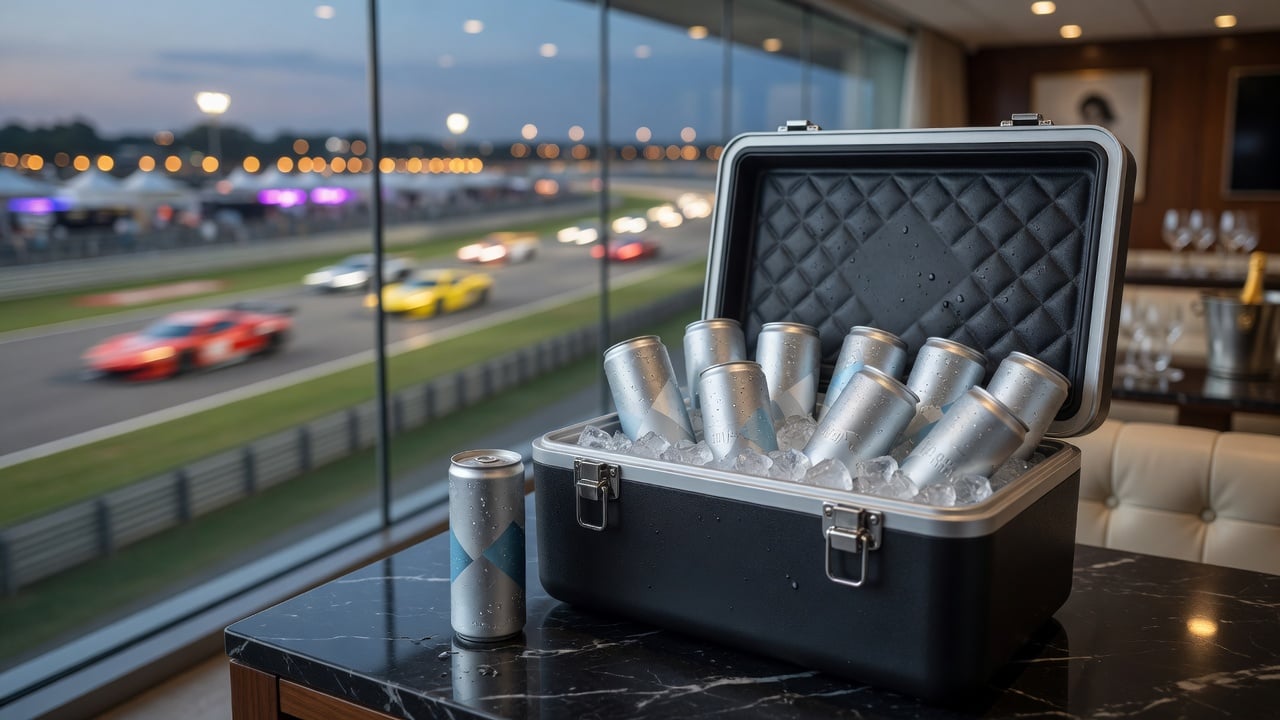
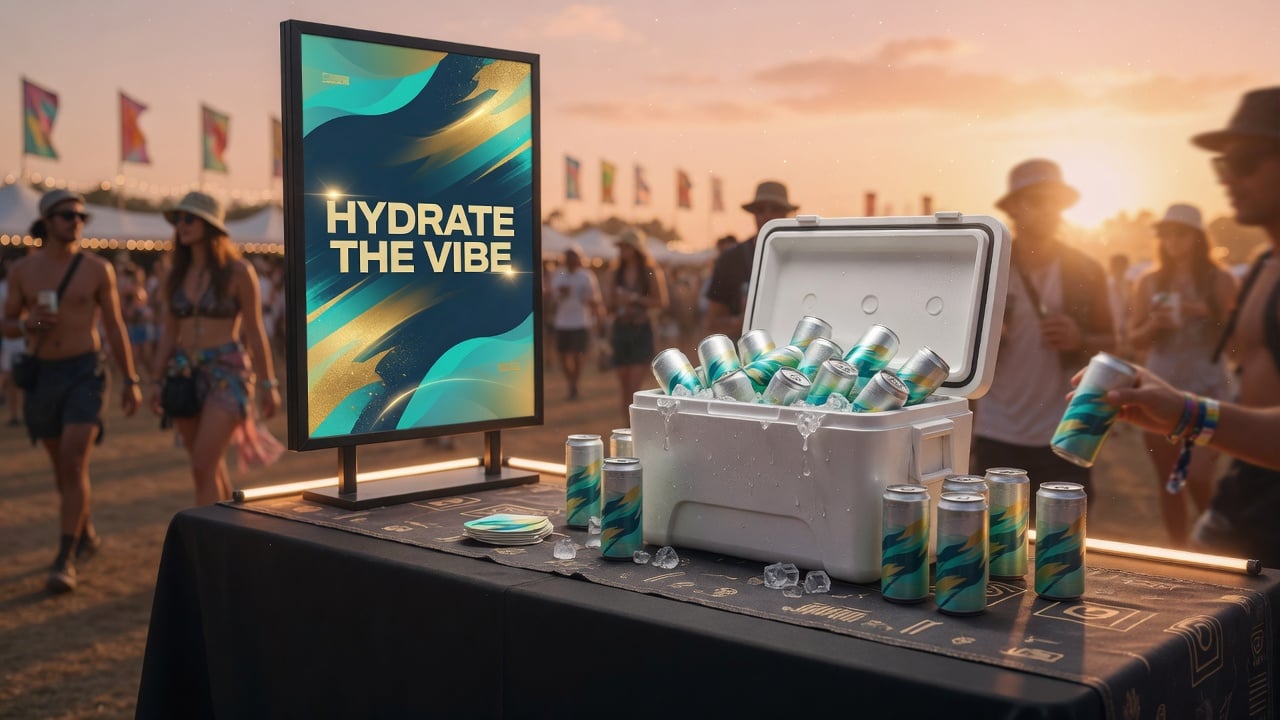
- Events and launches where the edition is the star.
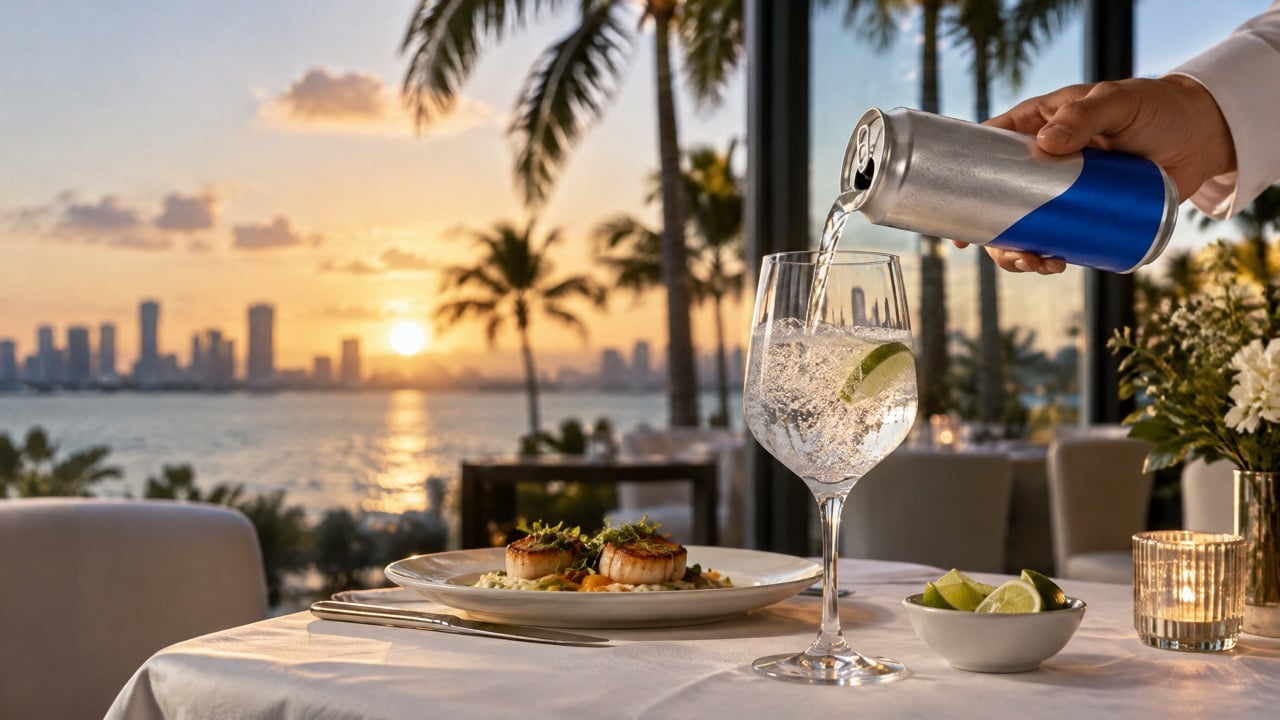
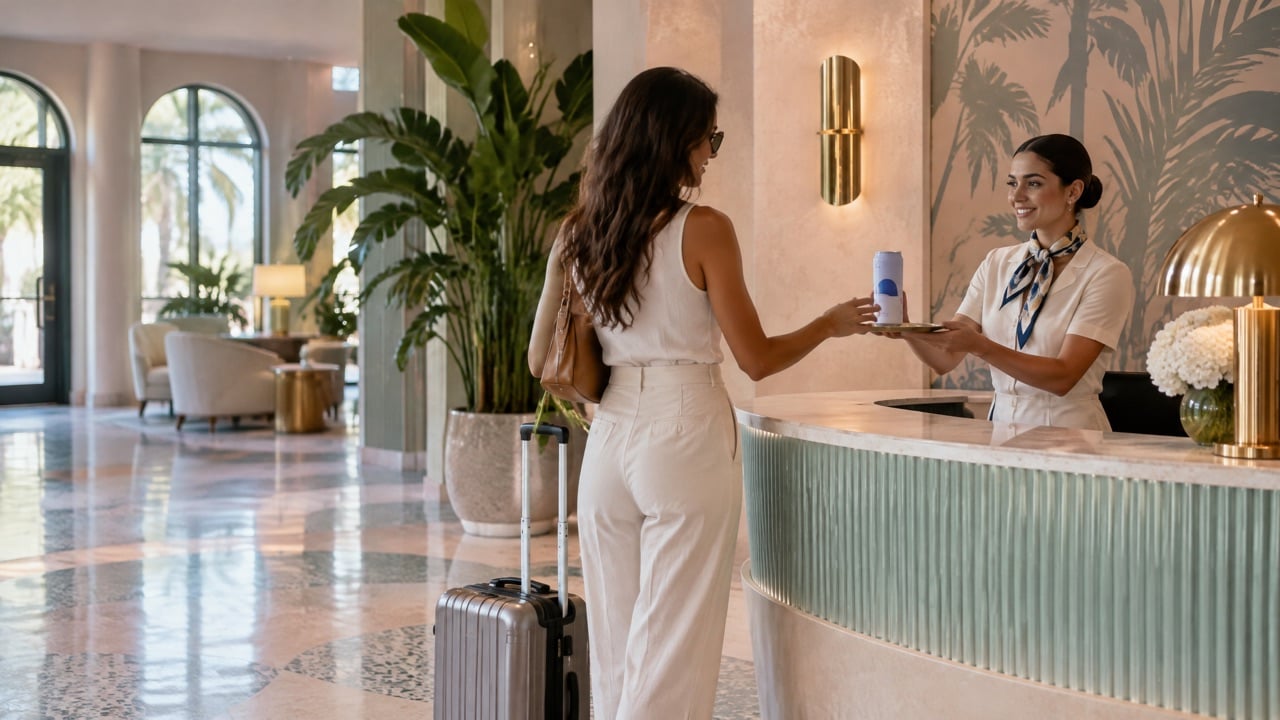
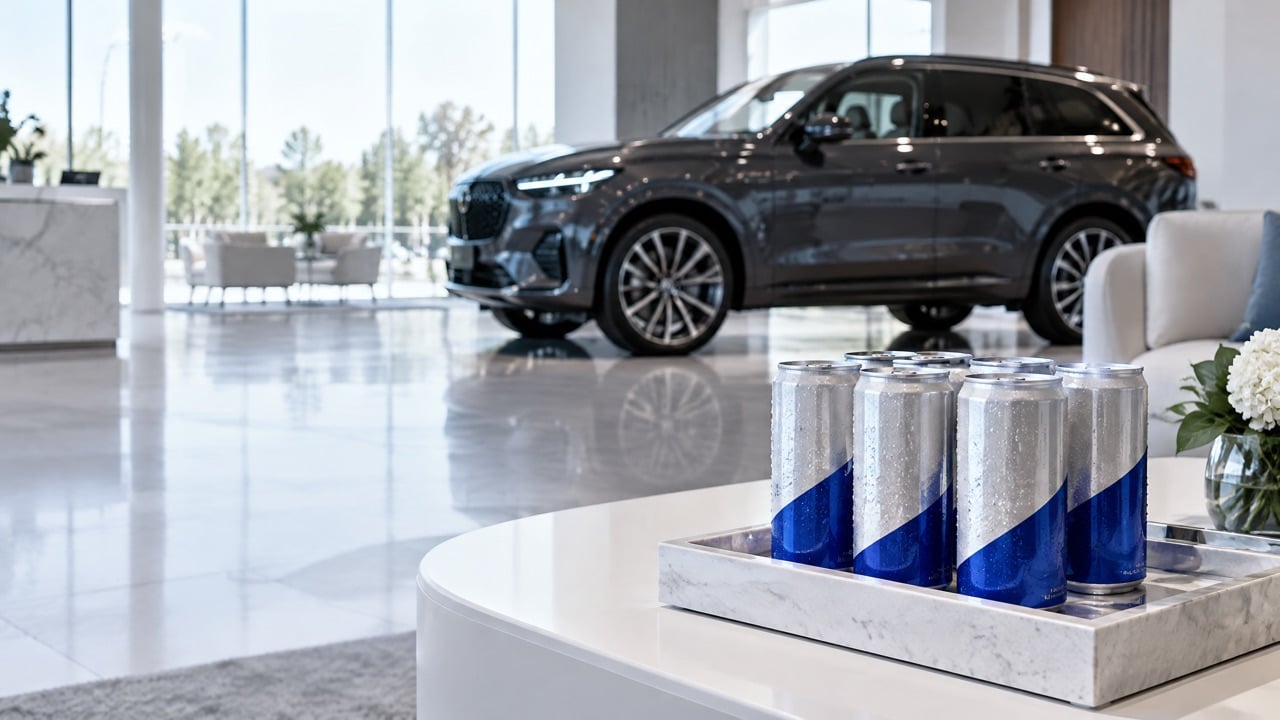
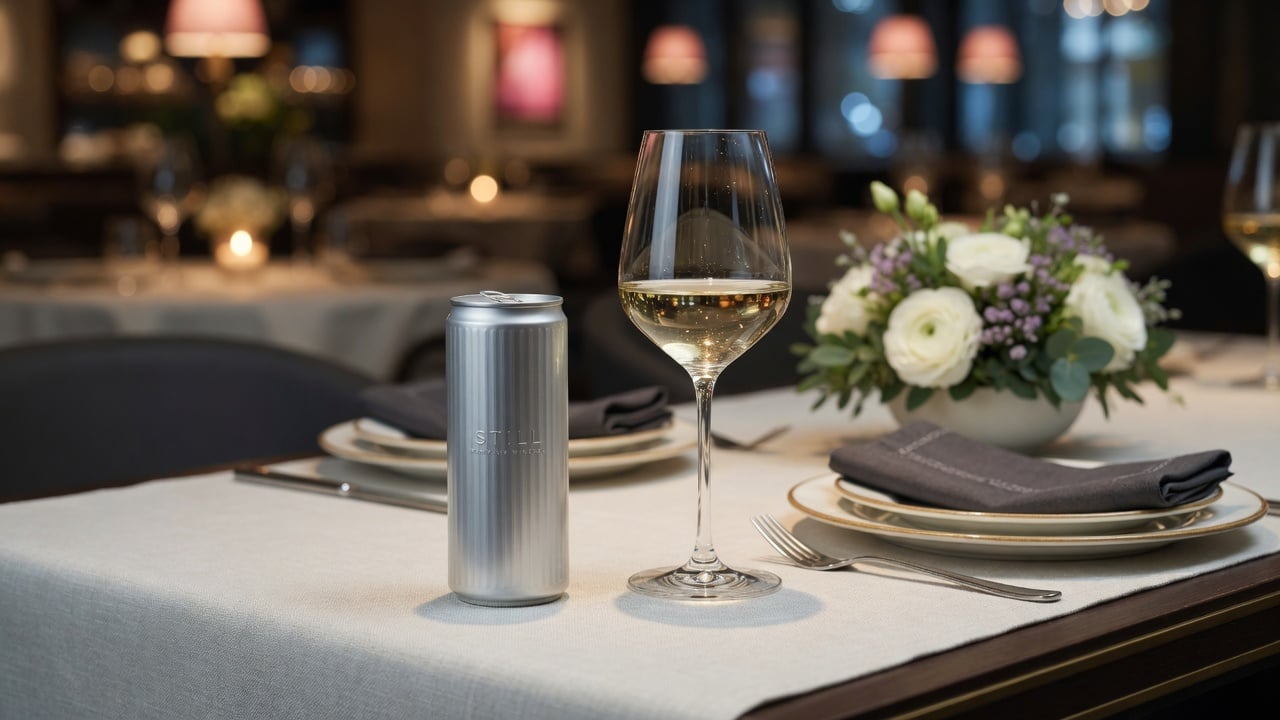
- Retail and hospitality outlets that carry your regular can.
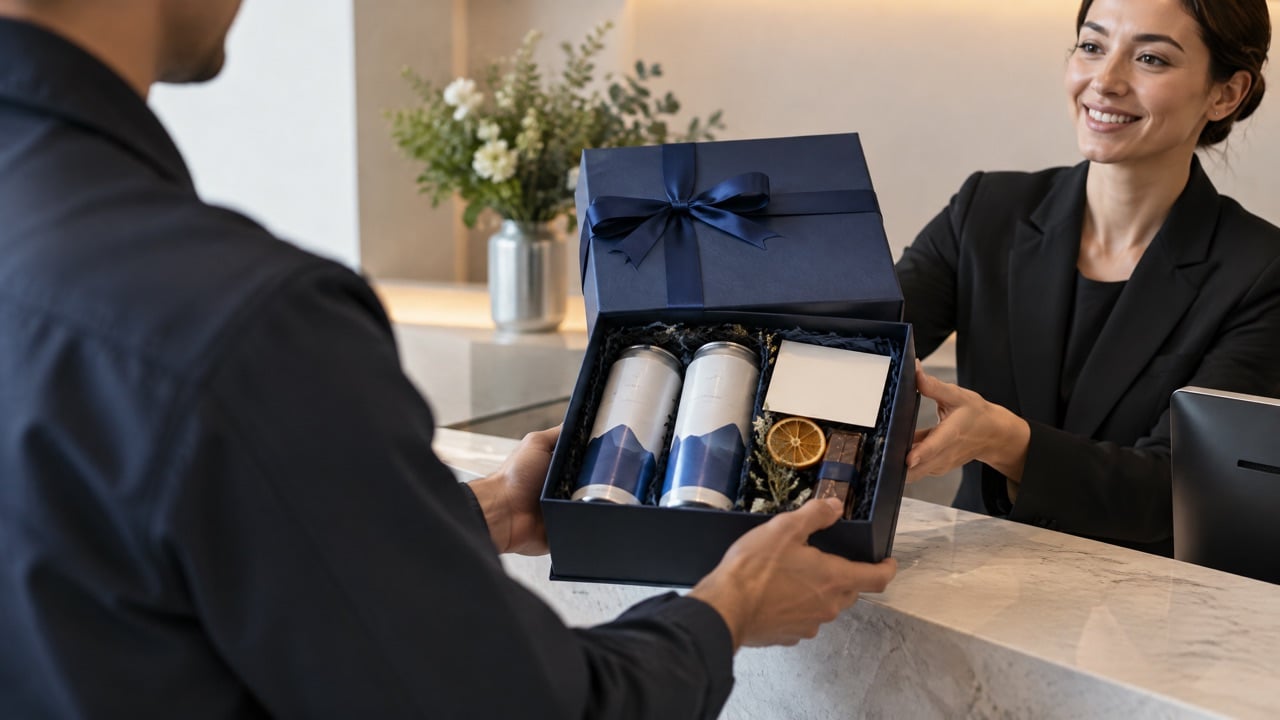
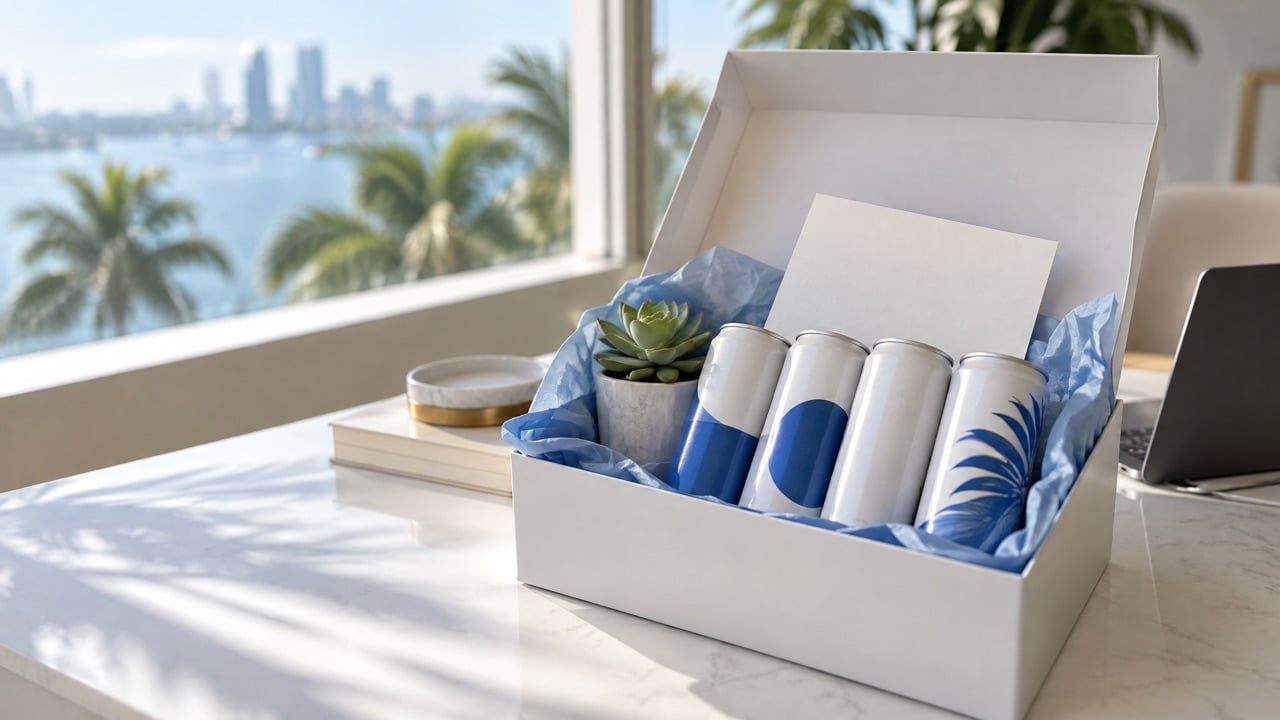
- Client and partner gifts during the season.
- Social media content and influencer seeding.
- Your own office and team, so everyone feels part of the moment.
How much should you order for a limited edition?
Order enough to meet demand during the window, but not so much that the edition lingers. For most brands, one run sized to the season's events and outlets works well. At We Can It, the minimum is 21 cases, which is 504 cans, so even small editions are practical.
How do you tell the story of the design?
A limited edition is also content. The story behind the design is what makes people care about a can they would otherwise ignore.
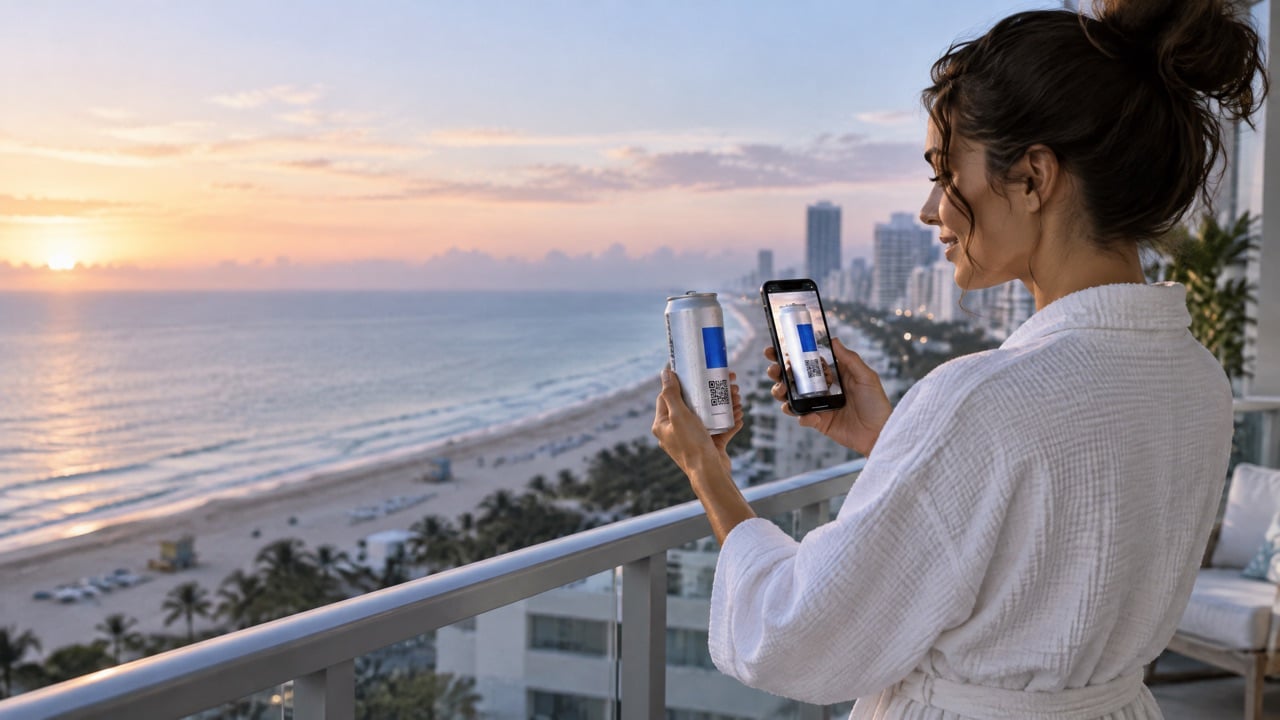
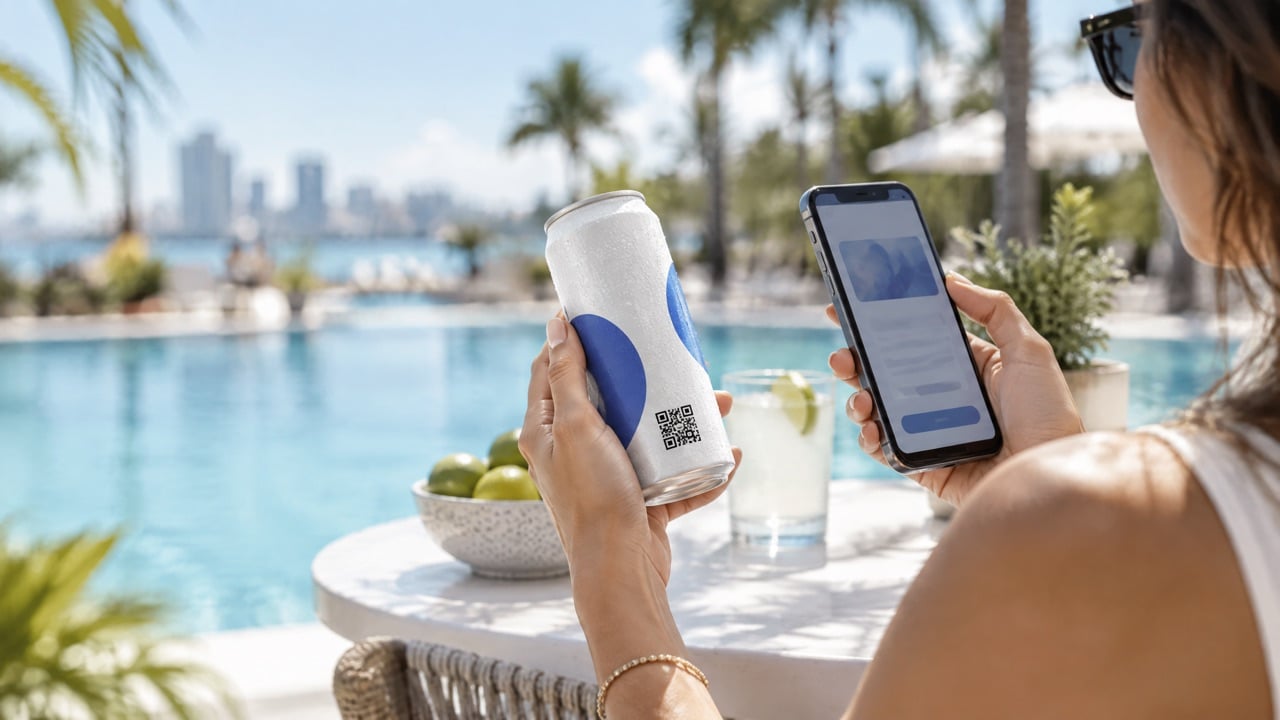
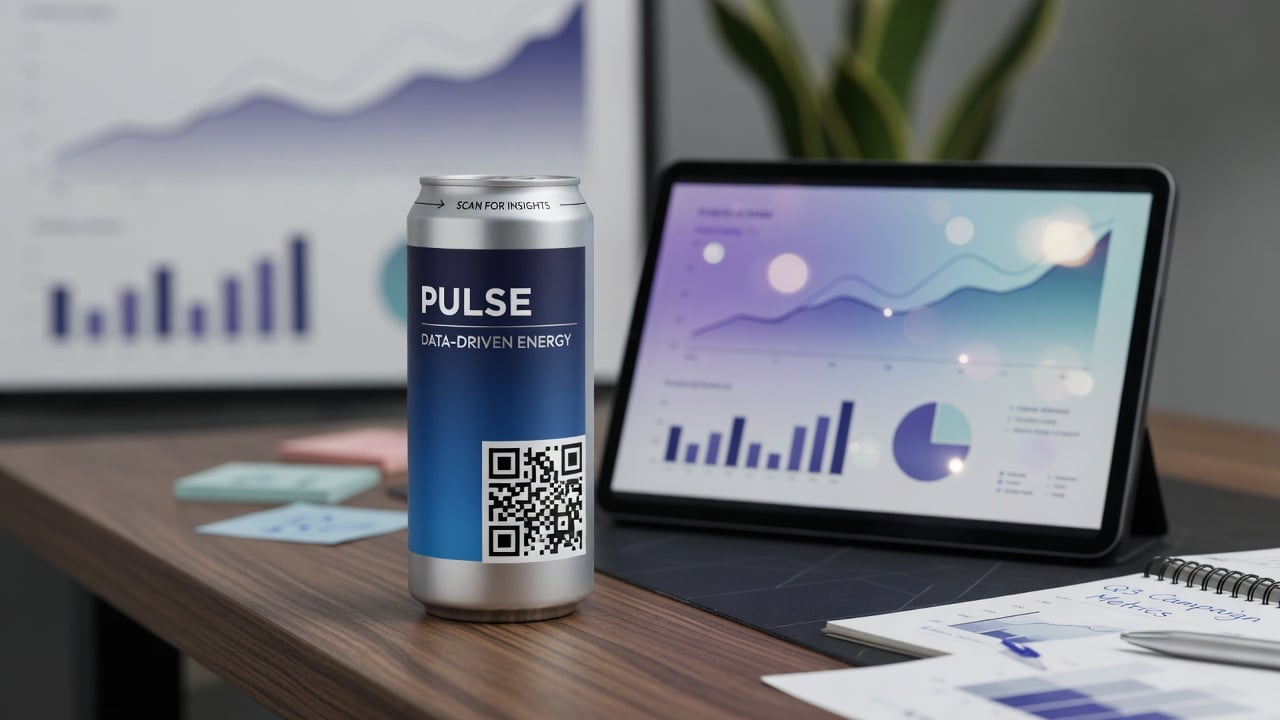
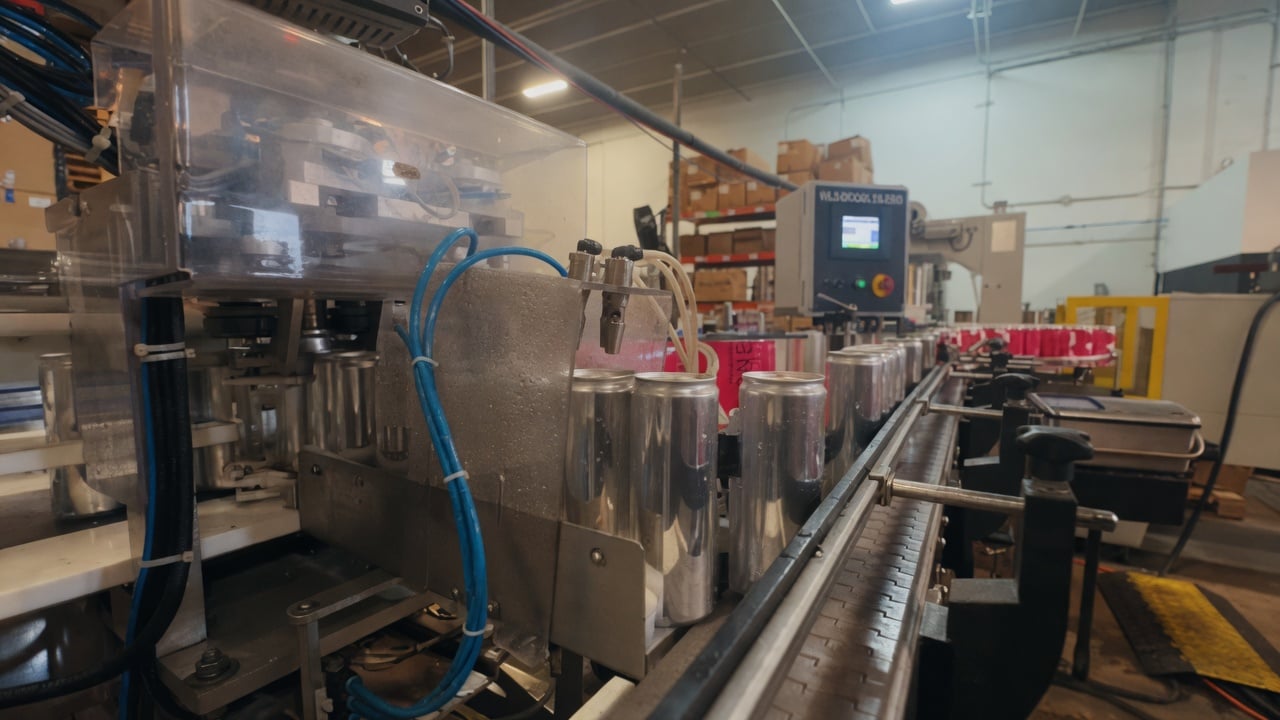
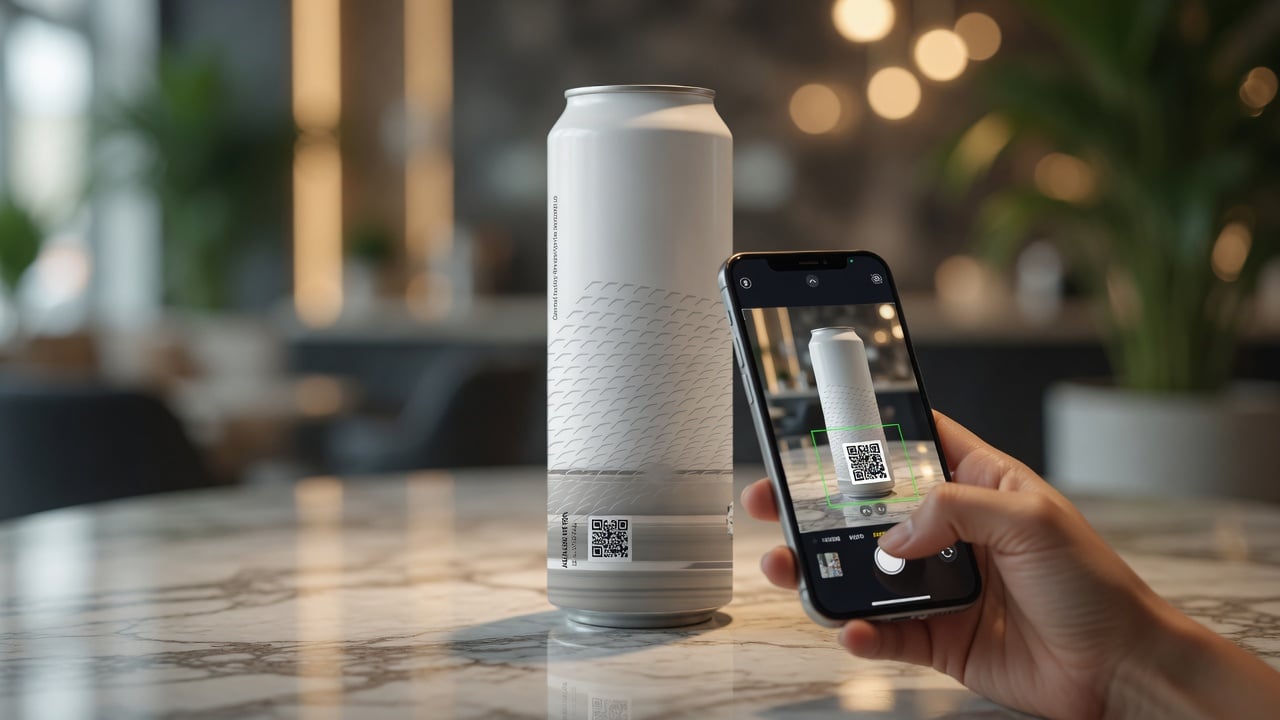
Share the process: sketches, color choices, the artist or partner, and why the season matters to your brand. Short videos of the first cans coming off the line, or of the team unboxing the edition, perform well because they feel real. A QR code on the can can open a page with the story, the artist, and the full series, turning each can into a small piece of storytelling.
How do you work with an artist or partner on a collaboration edition?
Collaborations can make an edition special, but they need clear agreements before design starts.
- Agree on the brief: the concept, the season, and what the edition should feel like.
- Agree on rights: how the artwork can be used, for how long, and where.
- Agree on credit: where the artist or partner name appears on the can and in marketing.
- Agree on approvals: who signs off on the final proof, and by when.
- Agree on promotion: how each side will share the launch.
Give the artist the can template and the curved-can rules at the start. Artists who design for walls or canvases often need a moment to adjust to a cylinder, and the 3D designer helps them see how their work will look in hand.
How do you measure a limited edition's success?
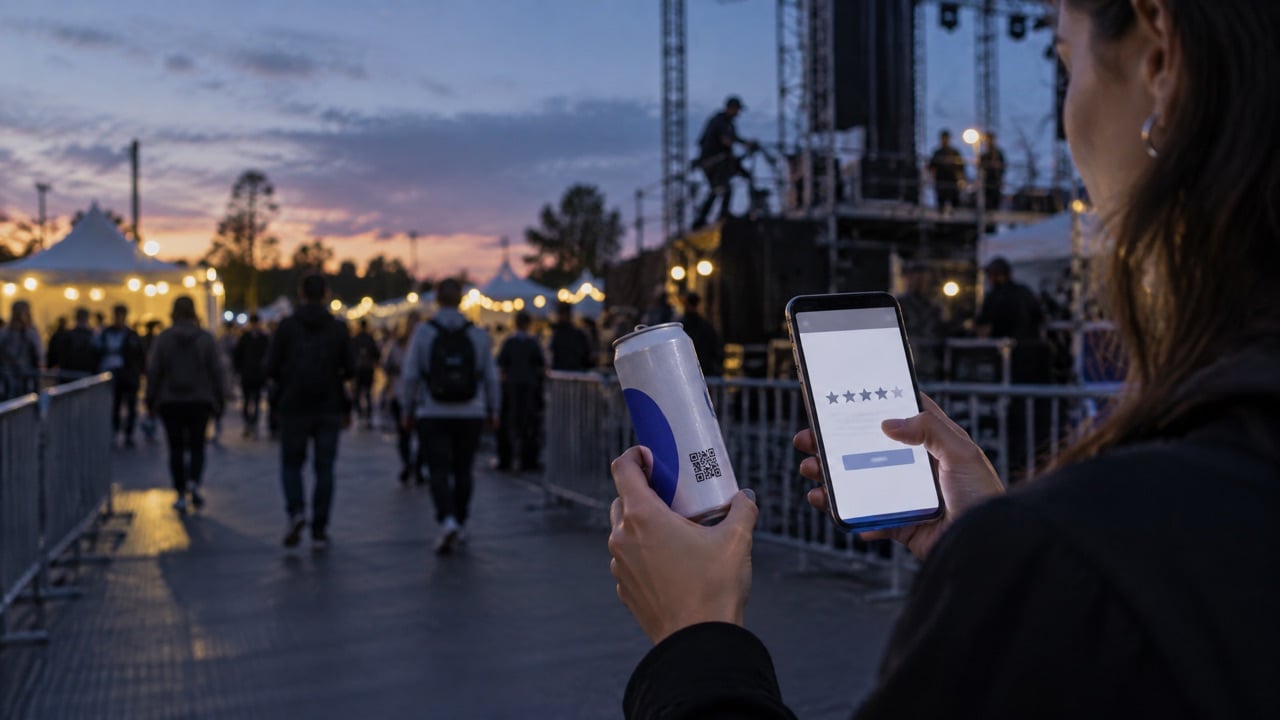
Decide what success looks like before the release. Useful signals include how quickly the edition moves through your outlets, social mentions and photos, QR scans on the story page, press or partner coverage, and requests for the next edition. Compare those numbers with a normal season to see what the edition added.
What do you do with leftover cans after the edition ends?
Plan the end before the start. Leftover cans can become gifts for top clients, raffle prizes at your next event, or part of a "last chance" moment during the final week. What you should avoid is quietly continuing to hand them out for months, which undoes the limited promise.
Limited-edition launch checklist
- Write the concept in one sentence.
- Design with curved-can rules in mind.
- Choose label or digital print.
- Proof in the 3D designer and on a physical can.
- Approve at least five weeks before release.
- Announce one to two weeks before the drop.
- Release on a meaningful date with a clear end.
- Tell the story and plan for leftovers.
Frequently asked questions
How do you design limited-edition packaging?
Start with a clear reason for the edition, make it visibly different from the regular design, set a real limit, and design for the curved can shape with a 3D preview before production.
What makes limited-edition packaging collectible?
Numbered editions, the season and year on the design, a series people can collect, and a story that explains the design.
How long does it take to produce a limited-edition can?
About 2 to 3 weeks from artwork approval at We Can It. Plan proofing time before that, so approve at least five weeks before release.
Should a limited edition use label or digital print?
Label print from 21 cases suits smaller editions. Digital print from 100 cases suits bold full-wrap designs.
What is the minimum order for a limited-edition can?
We Can It starts at 21 cases, which is 504 cans.
When should a seasonal can be released?
Announce one to two weeks before, release on a meaningful date, and keep a clear end date.
Get a quote to launch your limited-edition can
Share your concept and release date, and a product advisor will help you plan artwork, print type, and timing.