Canned Water vs Bottled Water: Which One Should You Buy?
Plastic bottles, aluminum bottles and cans each win in different places. Here is a plain buyer's guide to matching the package to the job, from the staff fridge to the welcome tray, so you only pay for a can where it earns its keep.
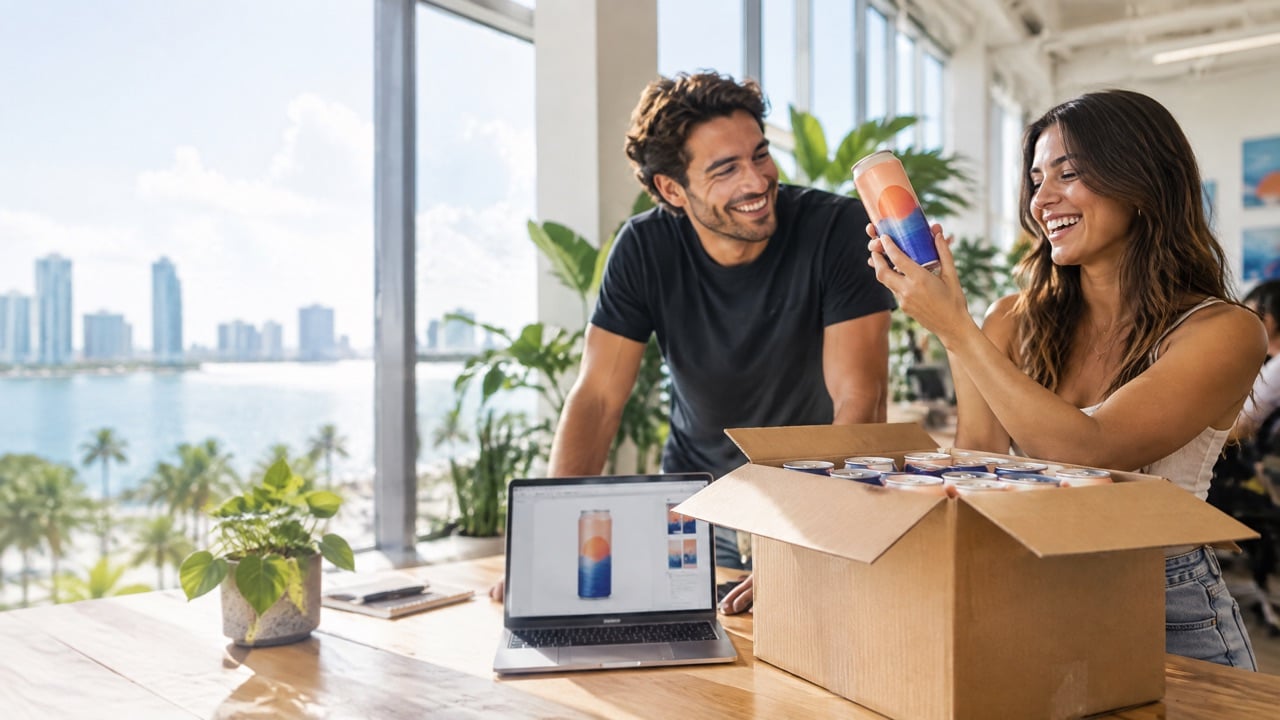
It is two weeks before the event and someone in the planning meeting asks the question that always comes up: "Why don't we just order bottled water?" It is a fair question. Bottles are everywhere, they are cheap, and nobody has ever been fired for buying them.
The honest answer is that it depends on where the water will be served and who will see it. This guide walks you through the choice one decision at a time, with no packaging hype. For the full background on what canned water is, how it is made and how long it lasts, see our canned water guide.
Canned water vs bottled water: the short answer
Buy plastic bottles when the goal is the lowest cost per drink and nobody cares about the package, such as staff water or back-of-house cases. Buy aluminum bottles when guests need to reseal and carry the water for hours. Buy aluminum cans when the water is guest facing, needs to look premium, should chill fast, and carries your brand or a QR code. Most venues end up using two of the three, each in its own place.
This is rarely an all-or-nothing switch. The smartest programs put cans where guests and cameras are, and cheaper water everywhere else.
Three packages, three different jobs
First, be clear about what each package is good at.
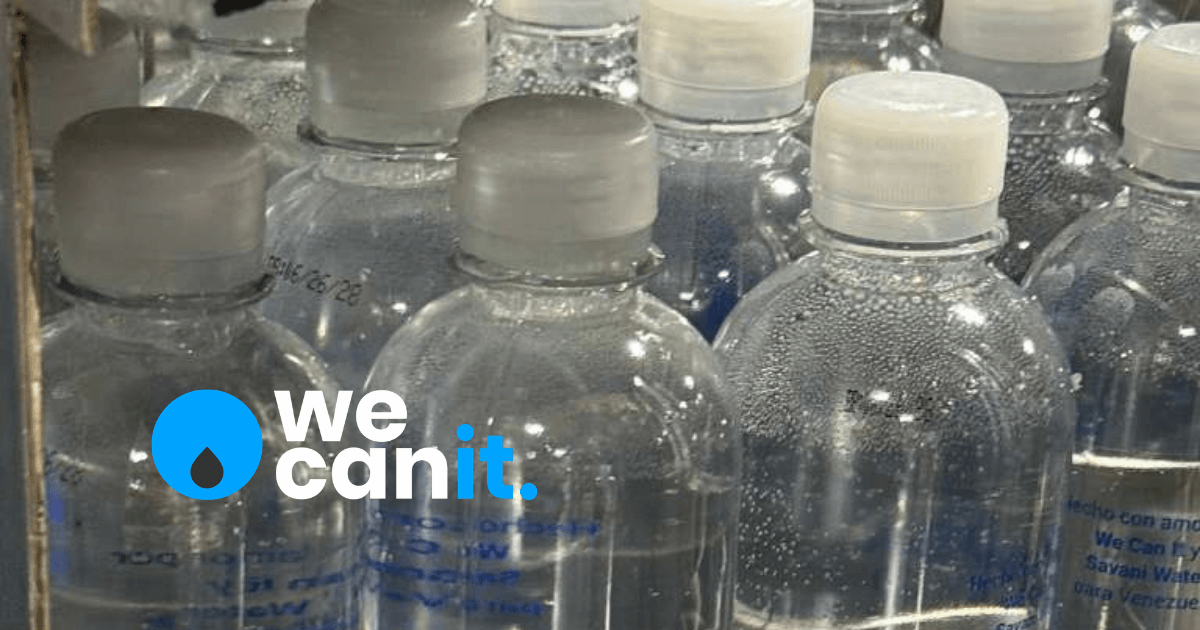
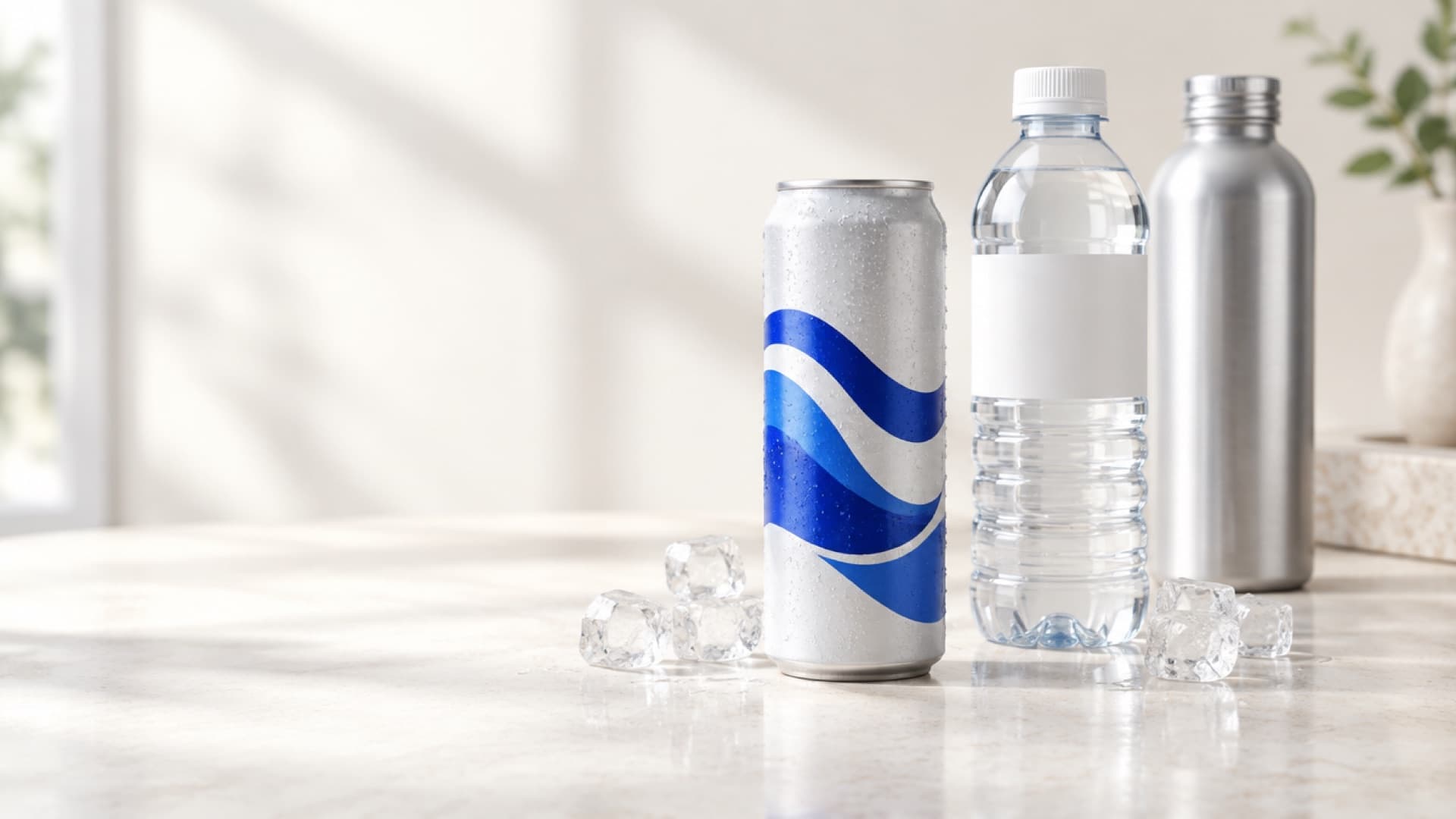
- Plastic (PET) bottle: the lowest cost per unit, resealable, light, and available almost anywhere. Usually carries a narrow label, and the clear plastic lets light through.
- Aluminum bottle: resealable with a screw cap, blocks light, and feels premium. It is typically the most expensive of the three per unit.
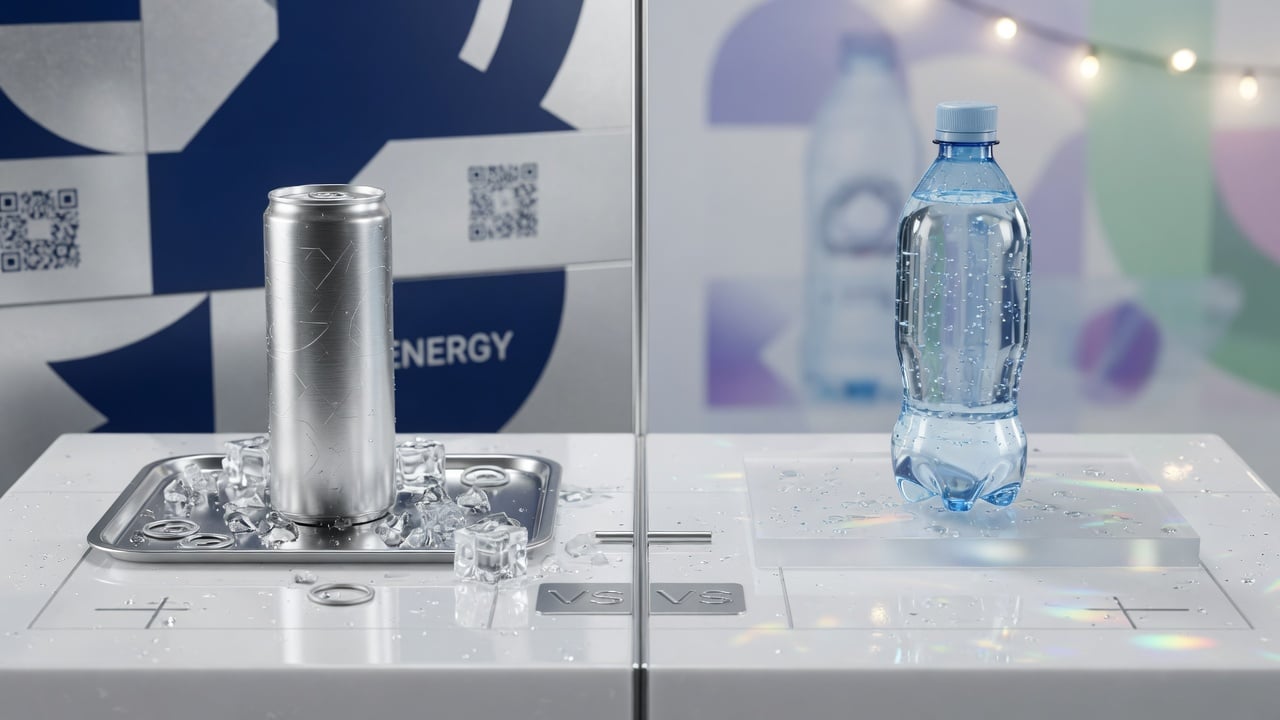
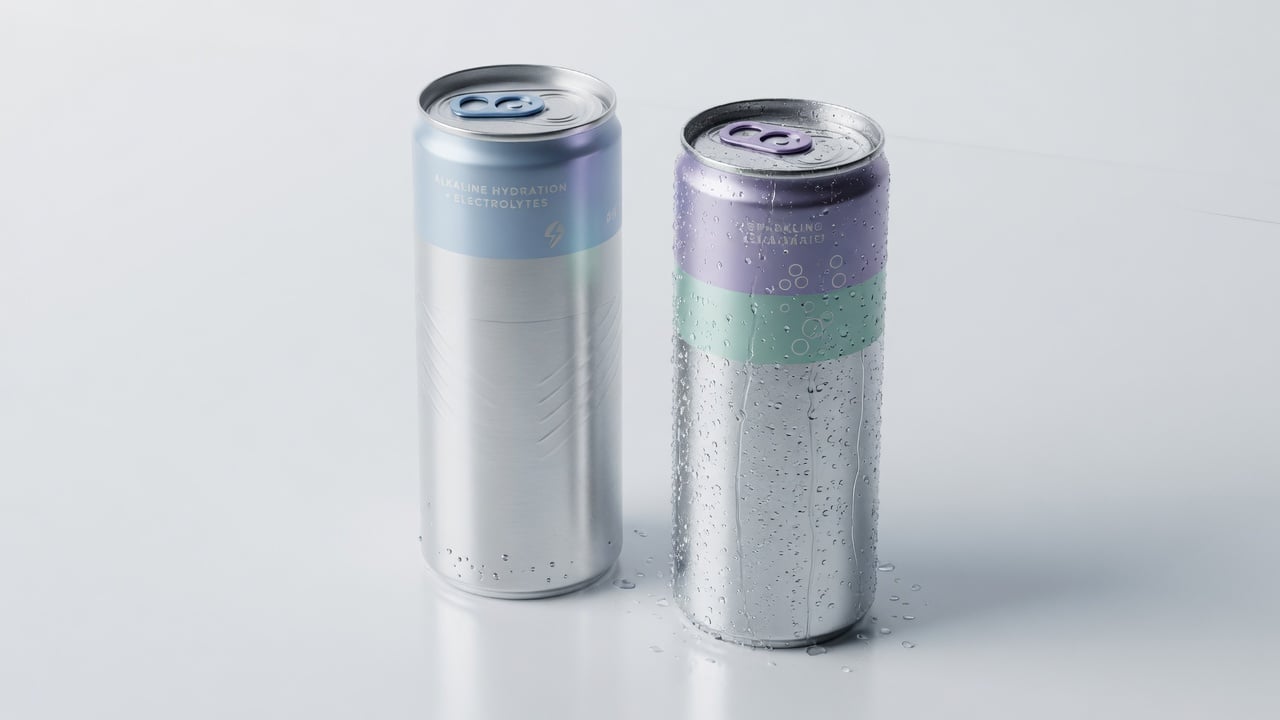
- Aluminum can: blocks light completely, chills very fast, and offers a full wrap of branding space, printed on the metal or labeled. It sits in the middle on cost, and a standard lid is not resealable.
When plastic bottles are the right call
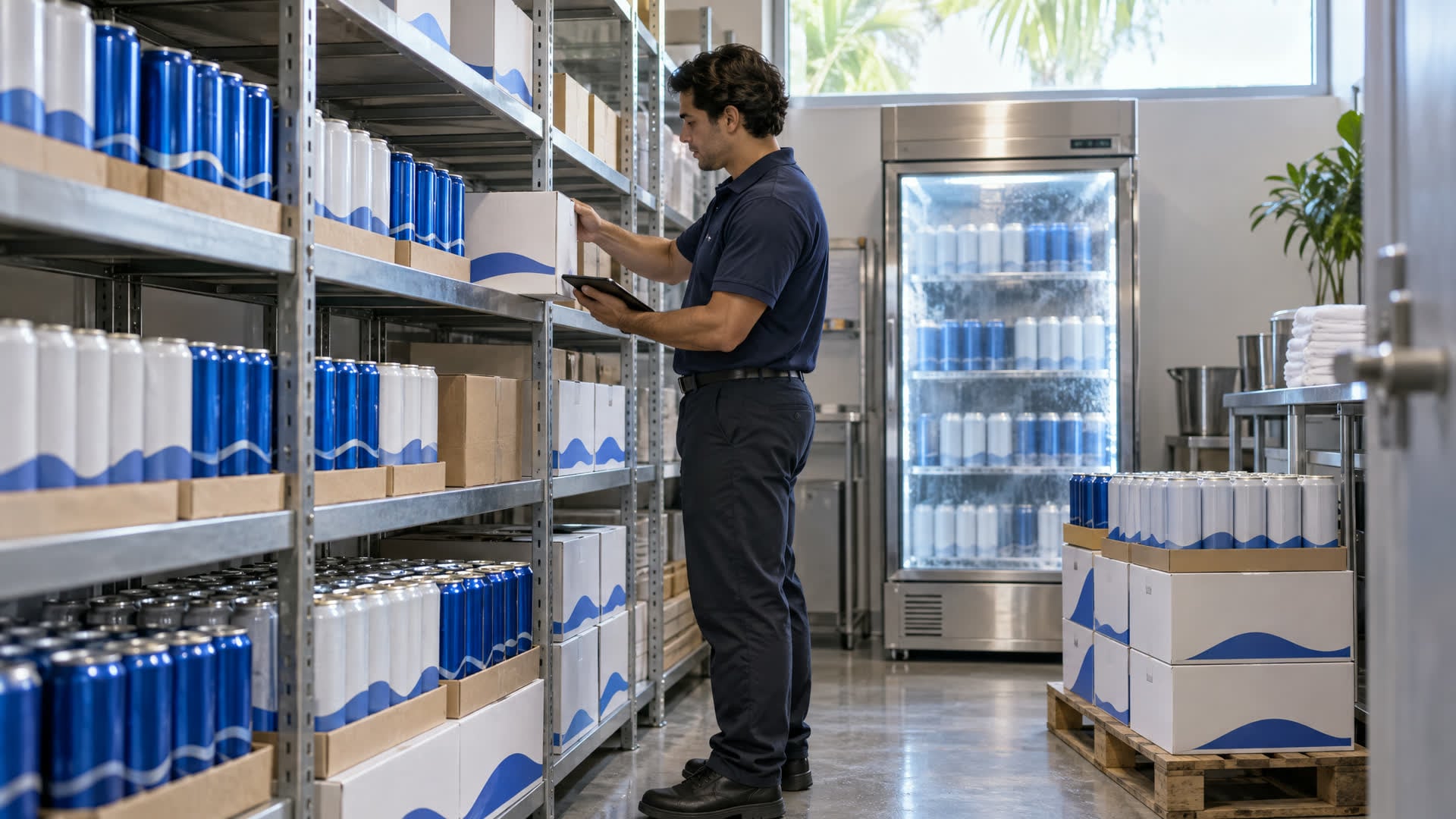
Plastic bottles win when water is pure supply. If no guest, client or camera sees the drink, a premium package rarely makes sense.
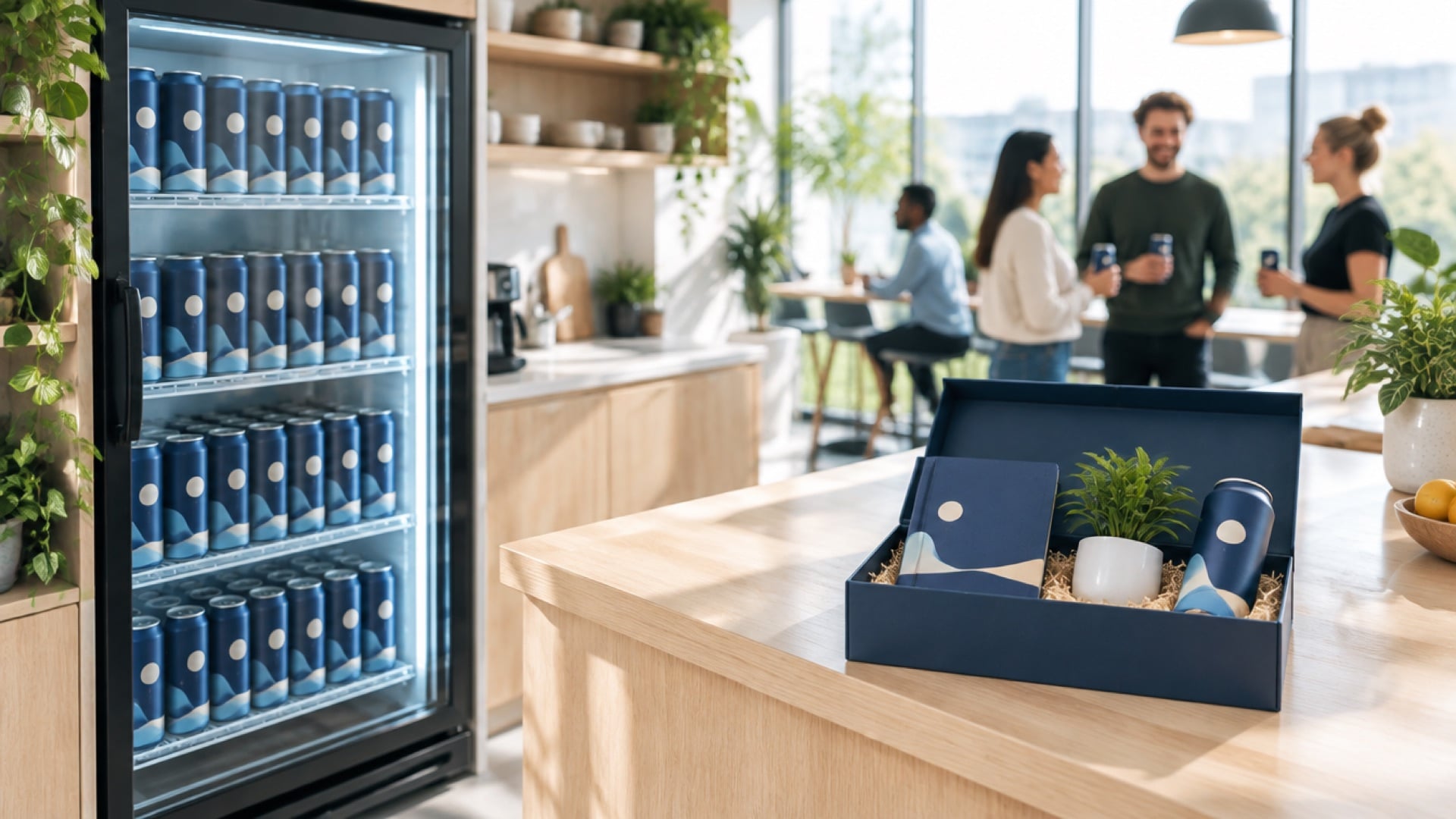
- Staff and crew water in the back office, kitchen or loading dock.
- Very large giveaways where the only goal is hydration at the lowest possible cost.
- Long walks or all-day use where people need to close the drink and carry it.
- Last-minute needs where you have hours, not weeks, to stock up.
If that describes your whole program, stay with bottles.
When aluminum bottles win
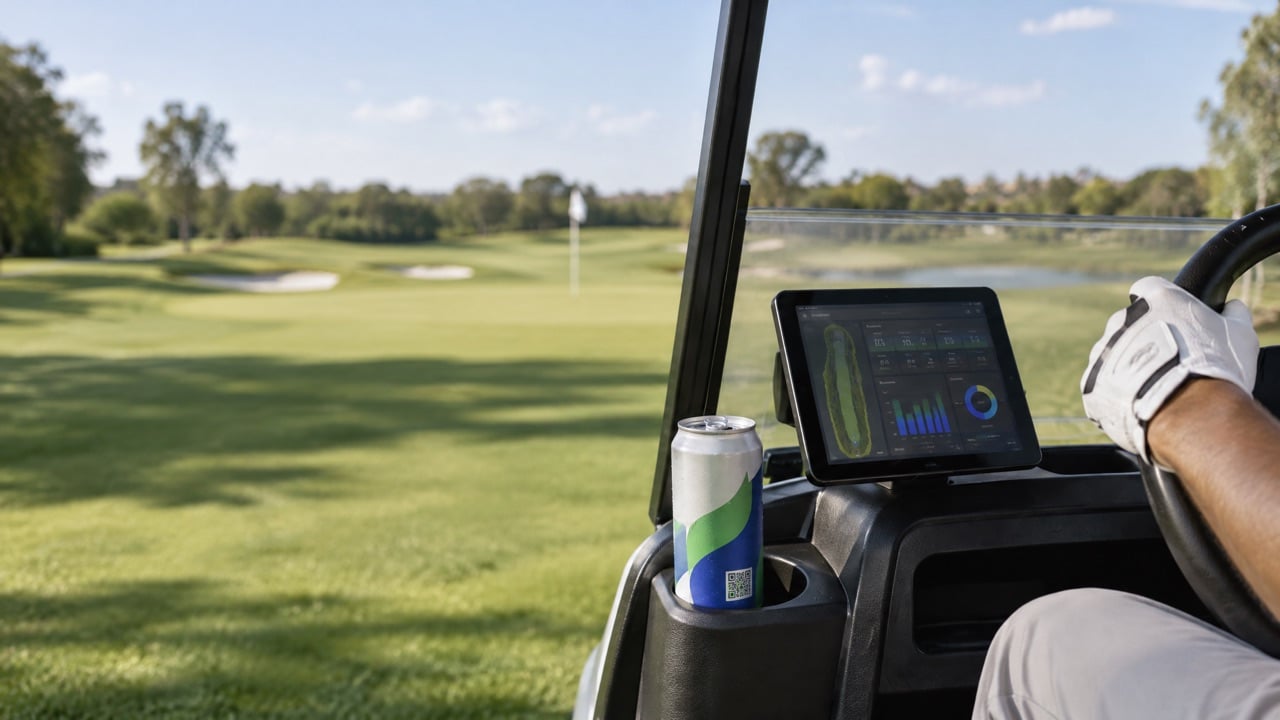
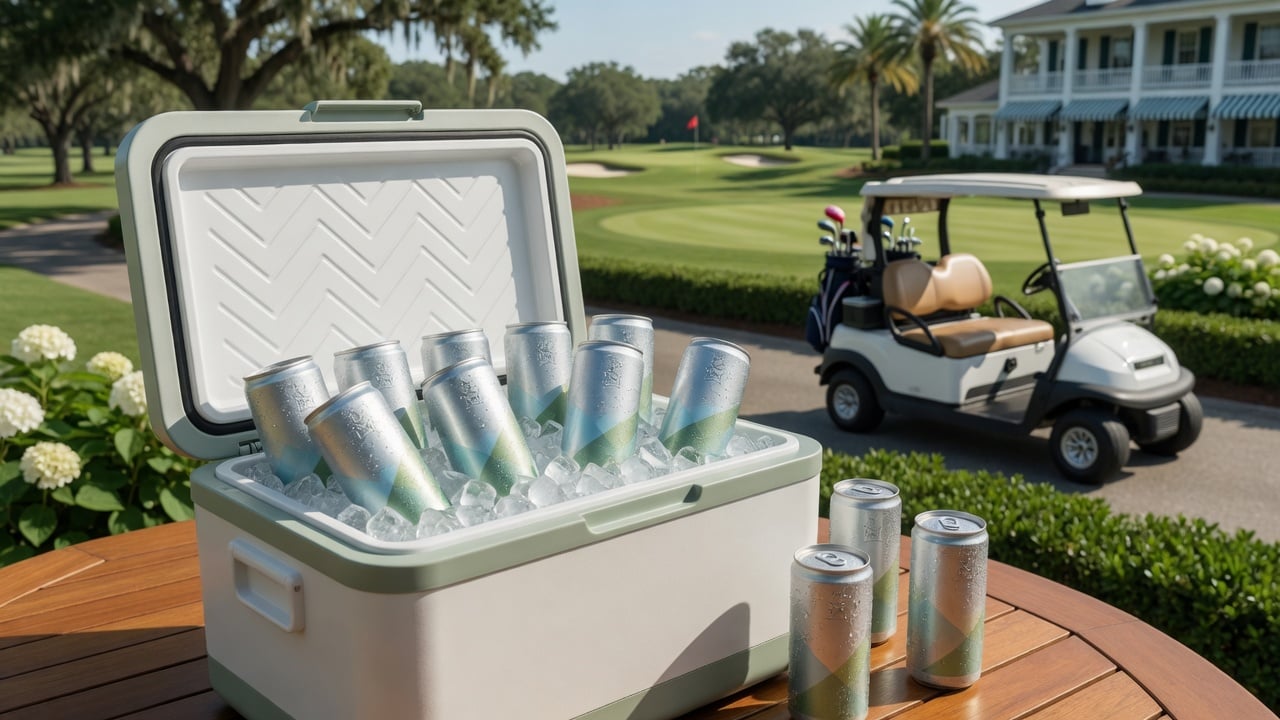
Aluminum bottles make sense when you want a premium, light-proof package that guests can reseal: golf rounds where the drink rides in the cart for hours, or gifts meant to be carried home. The tradeoff is cost, so they work best in smaller, high-value quantities.
When cans win
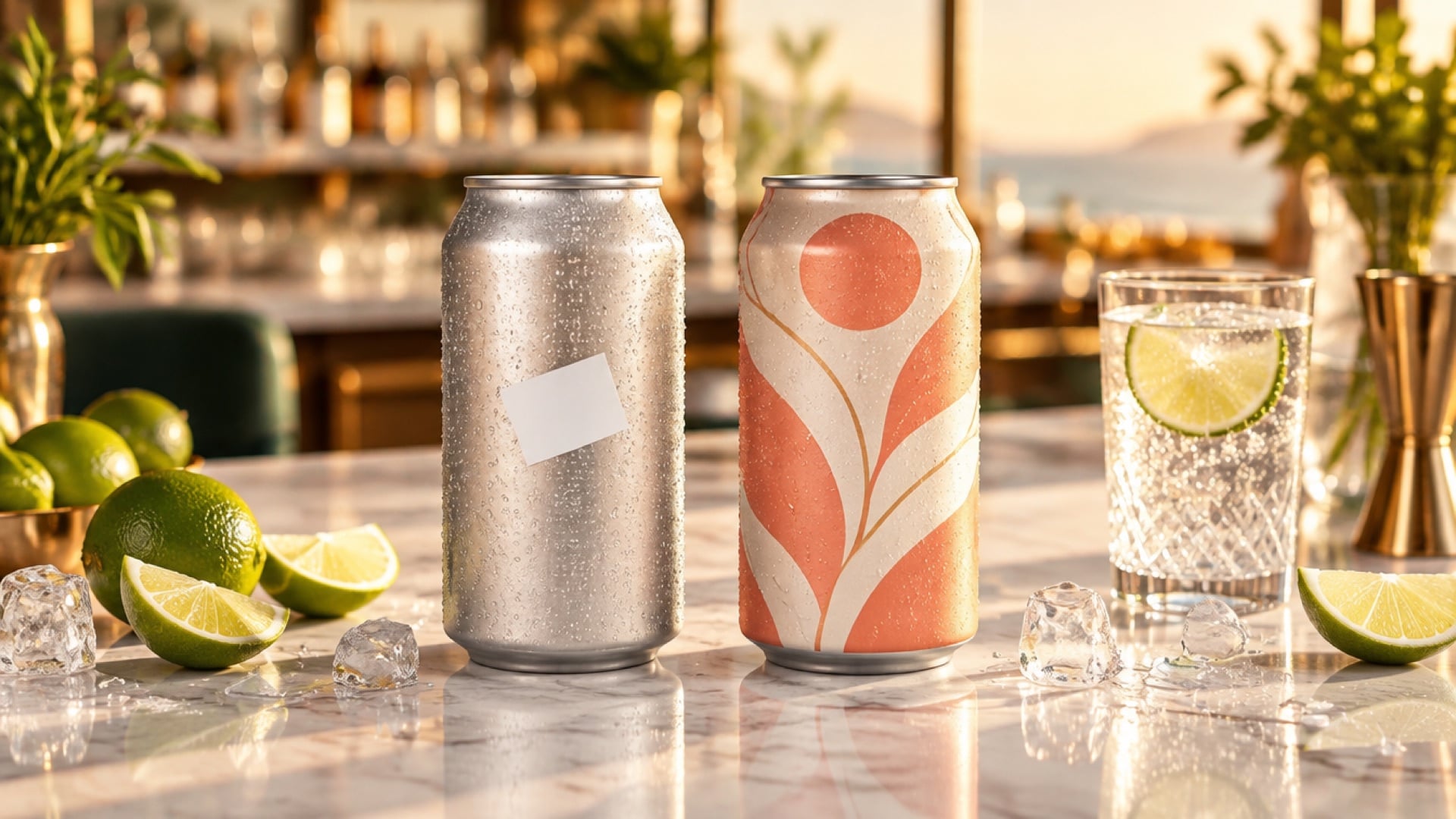
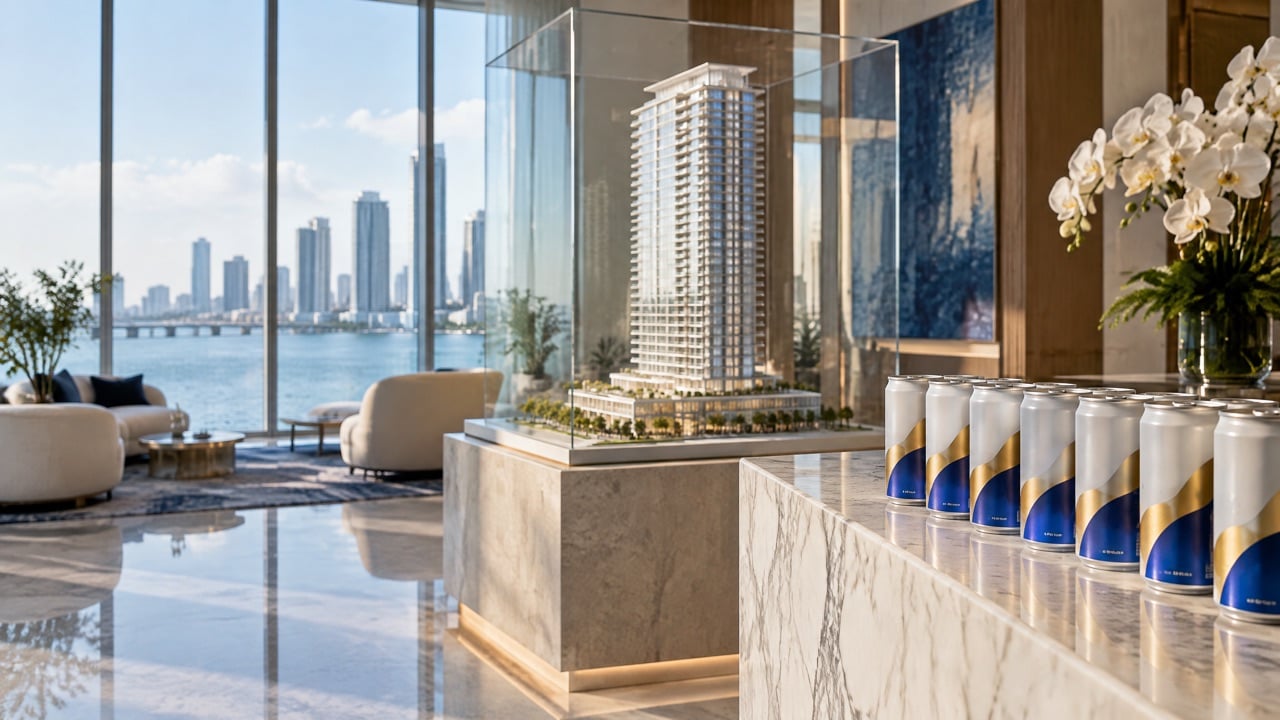
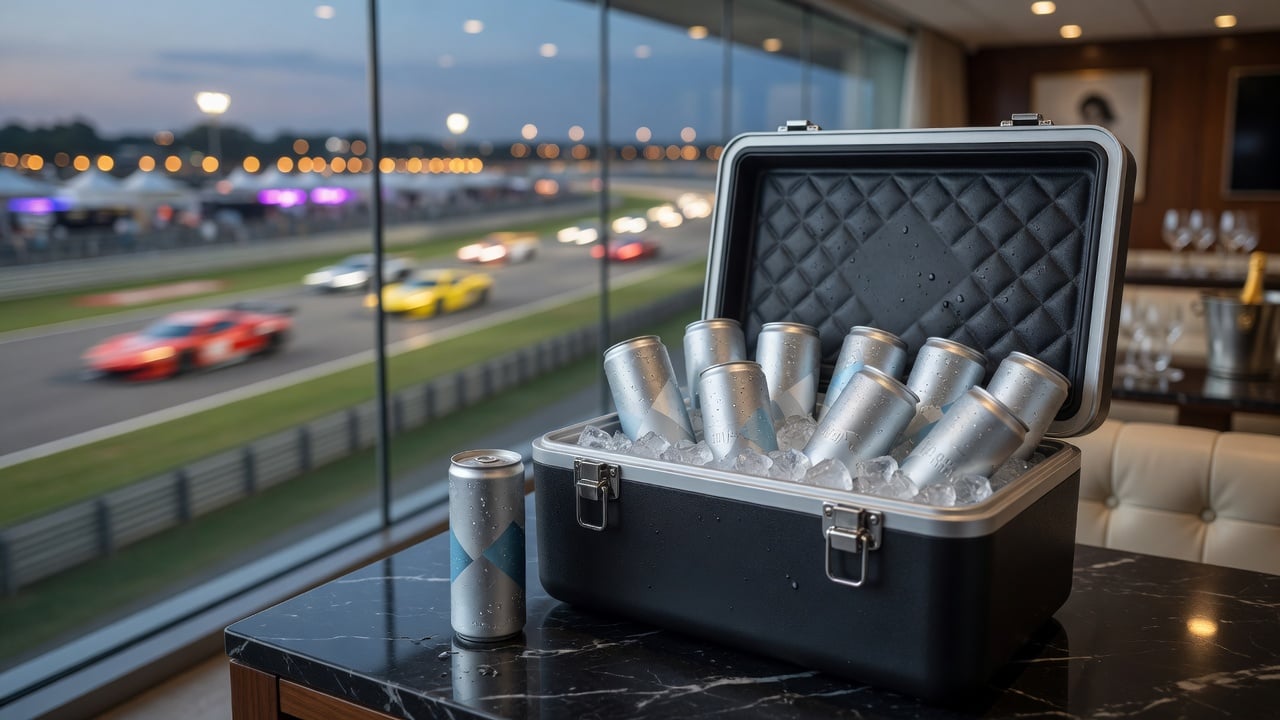
Cans win when the water is part of the experience. That covers most guest-facing moments:
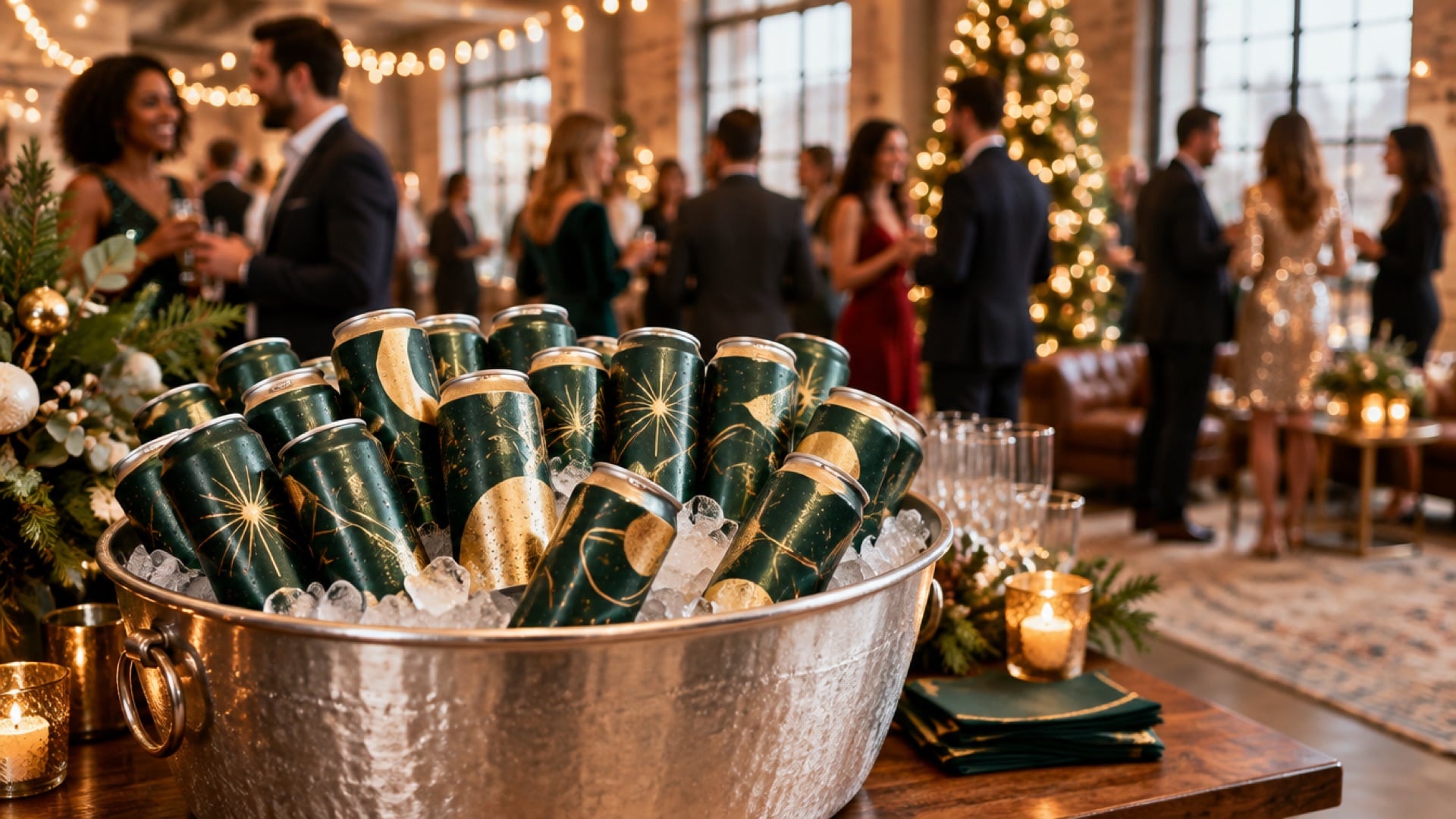
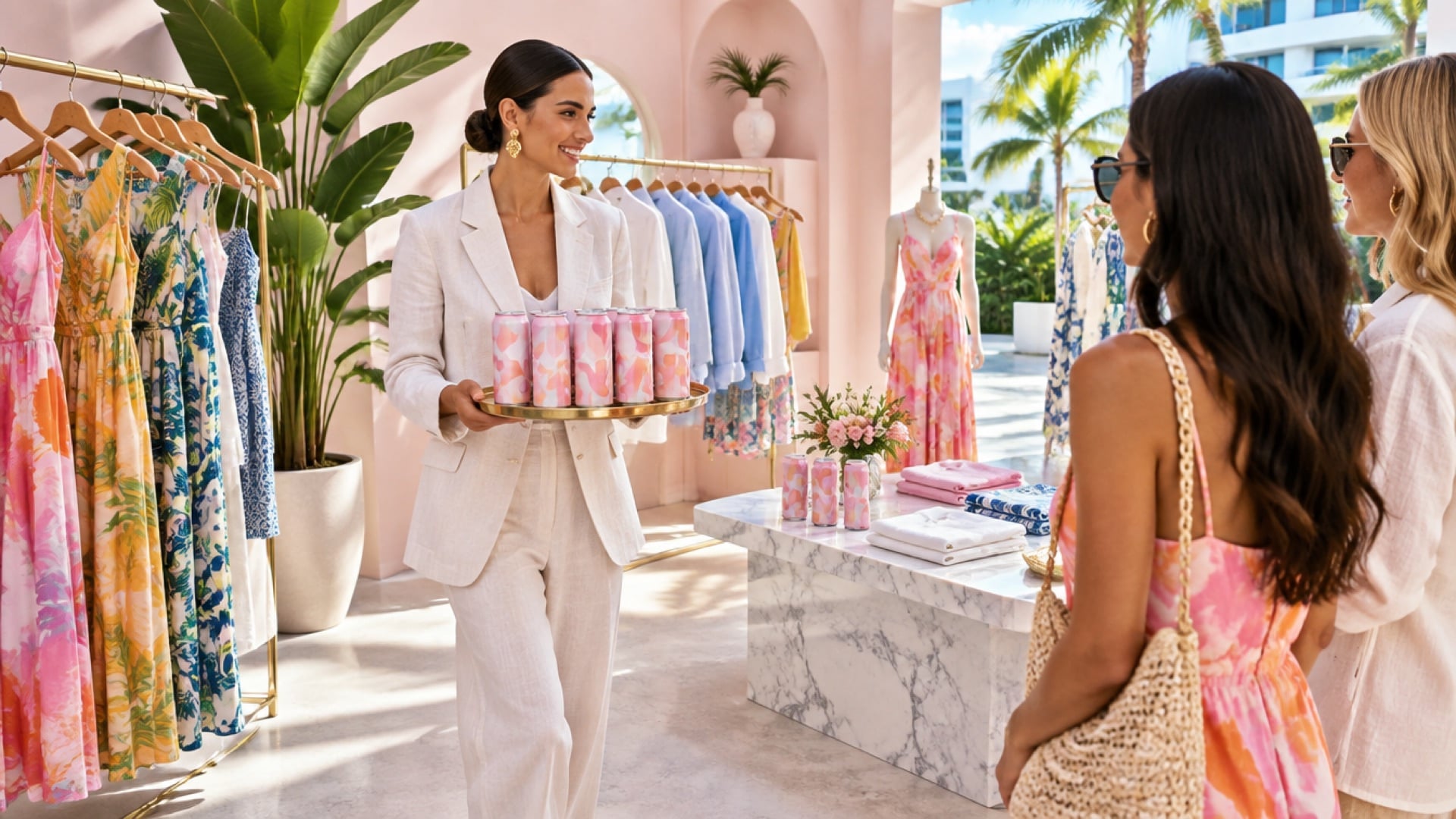
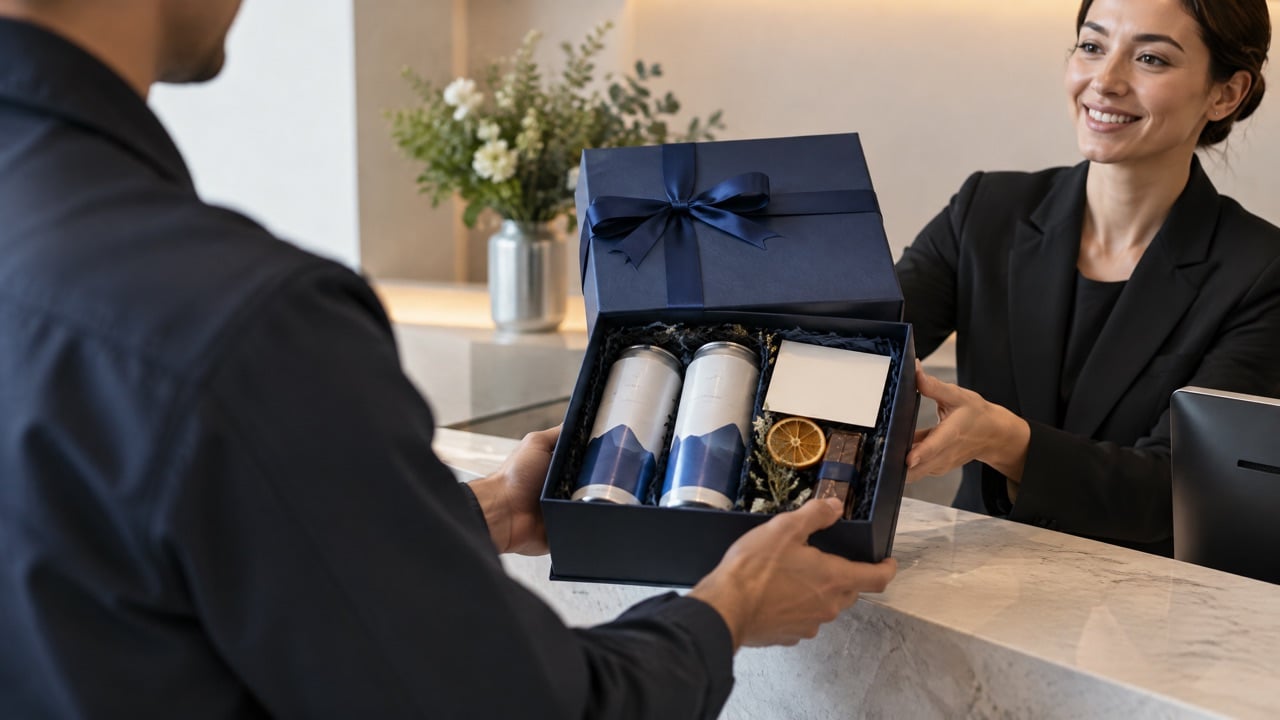
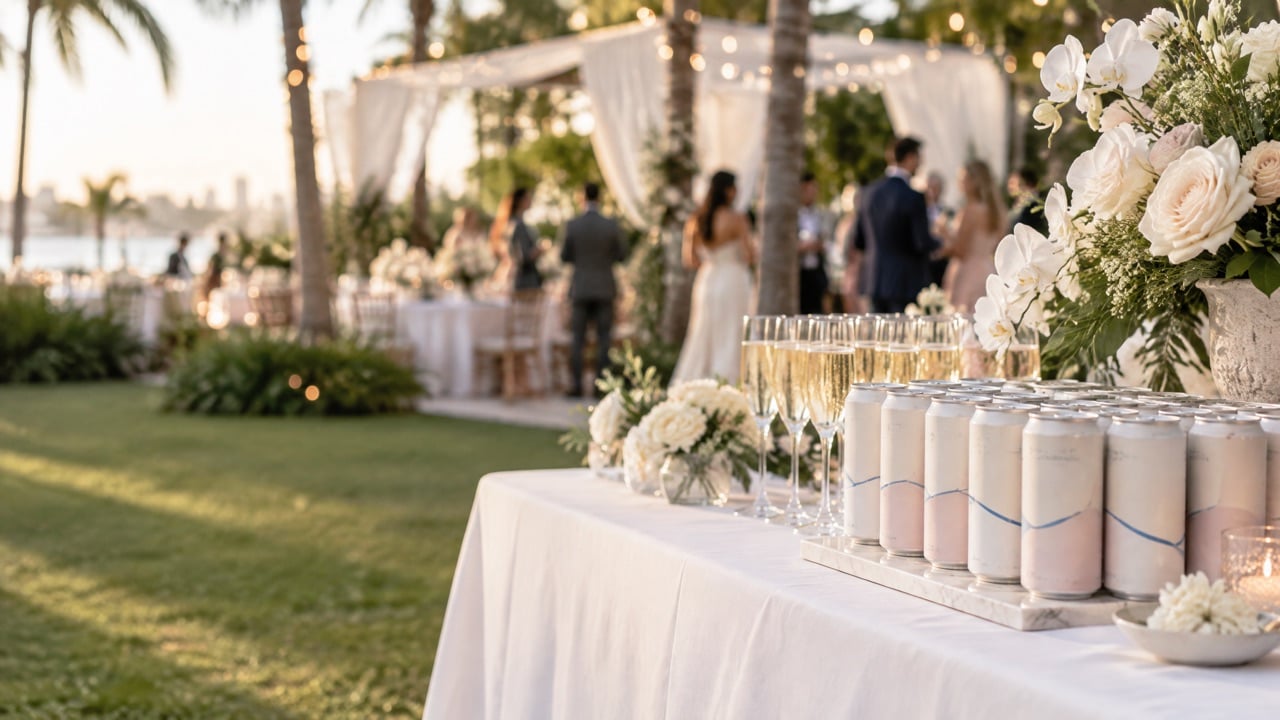
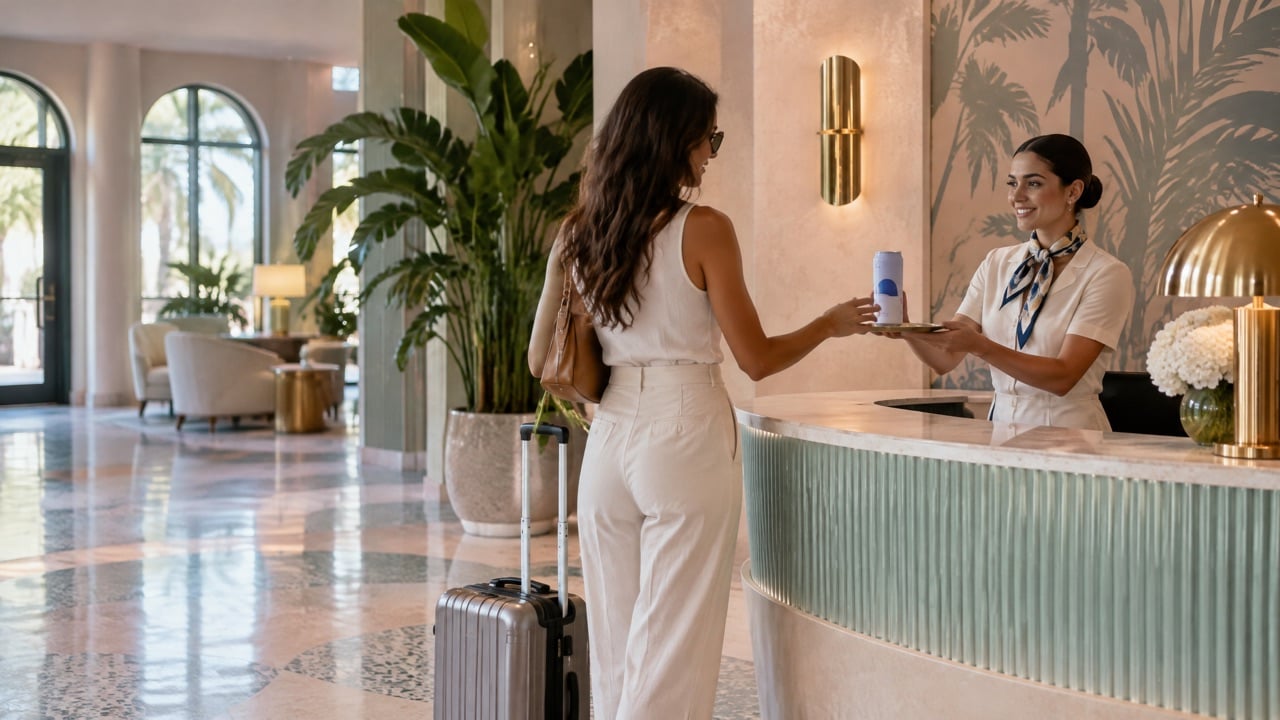
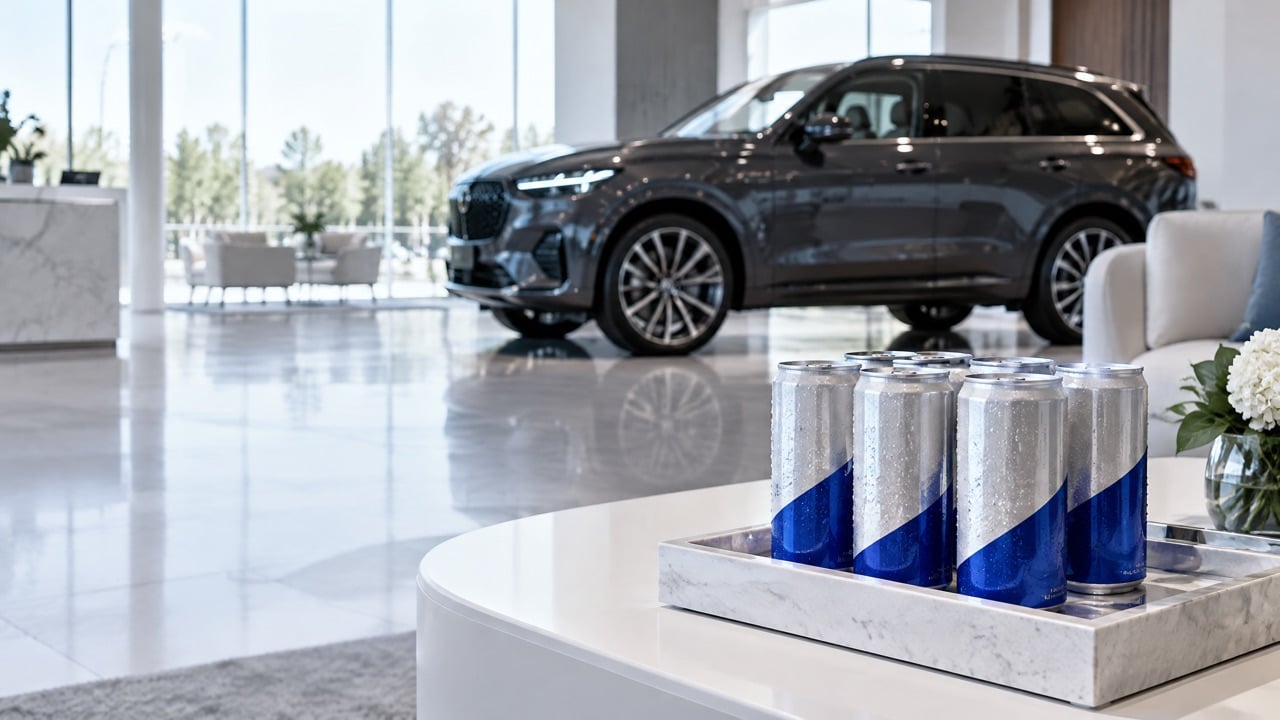
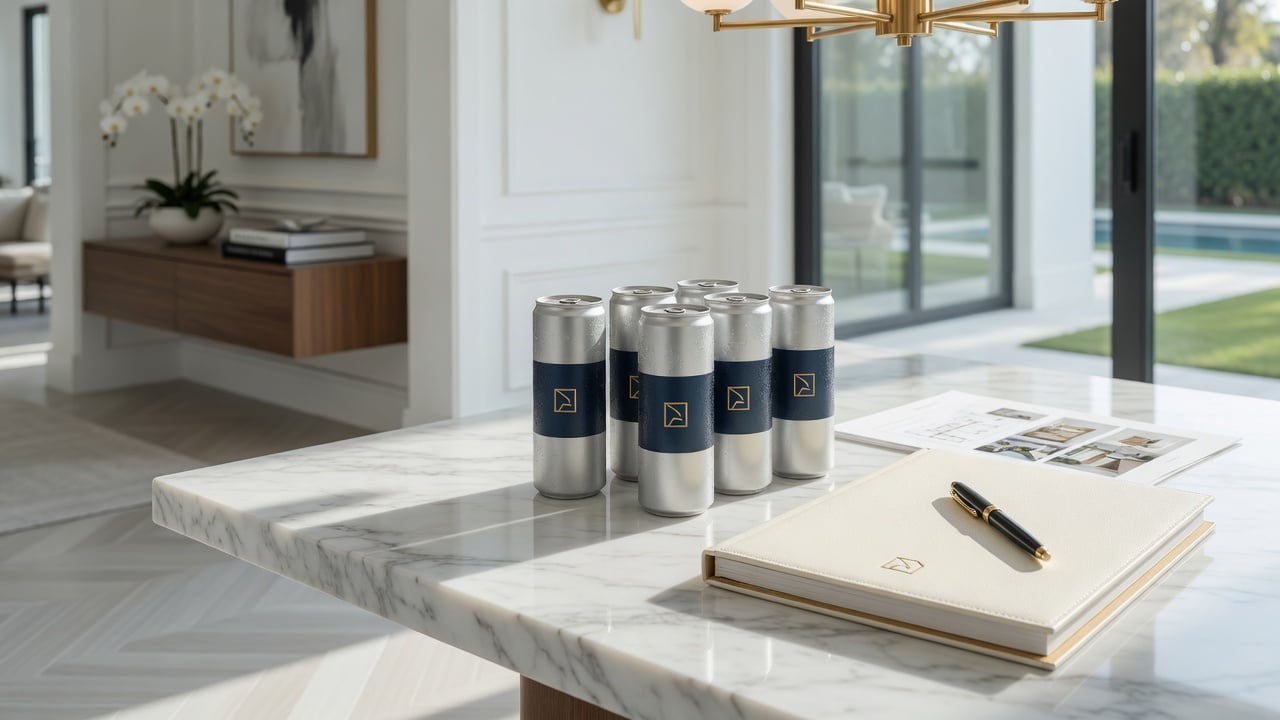
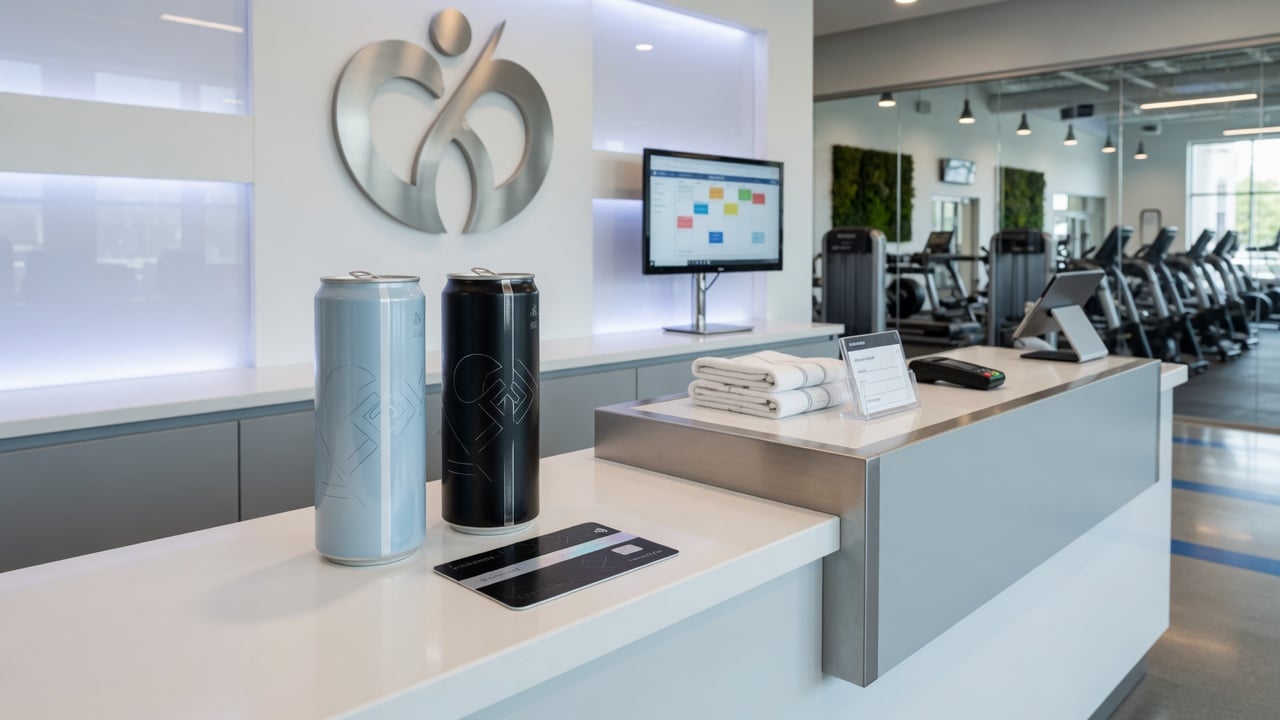
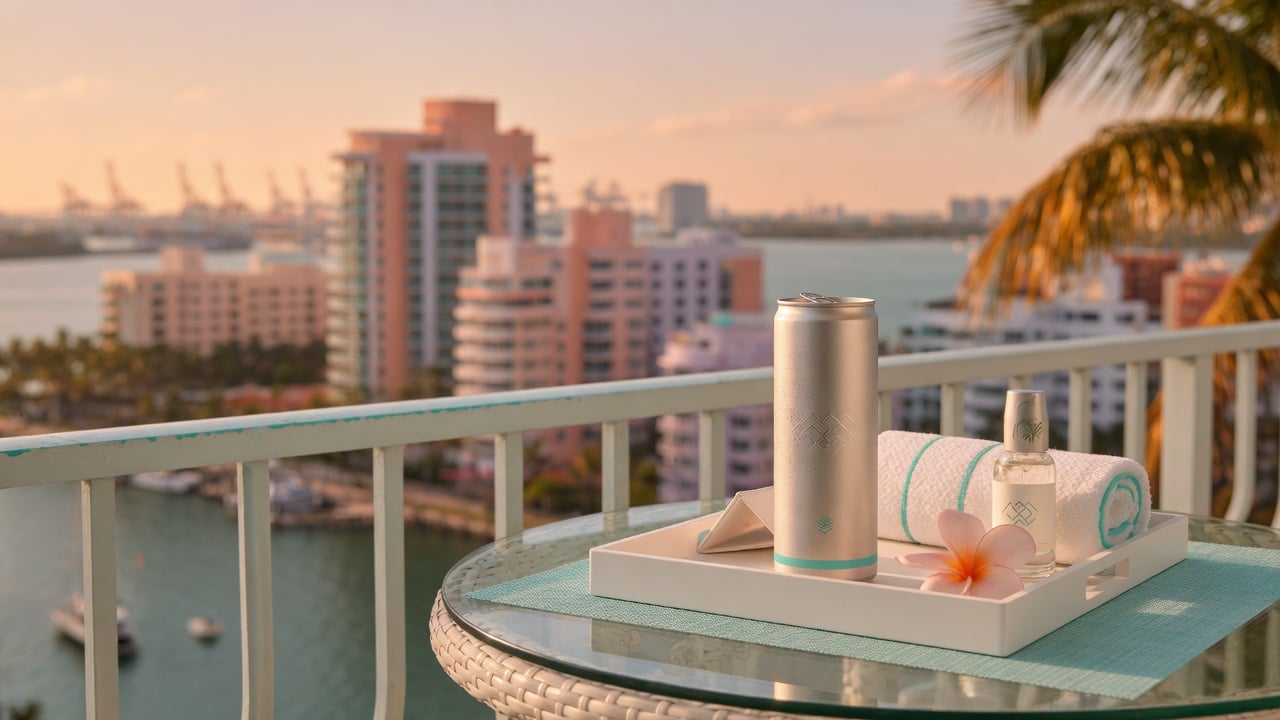
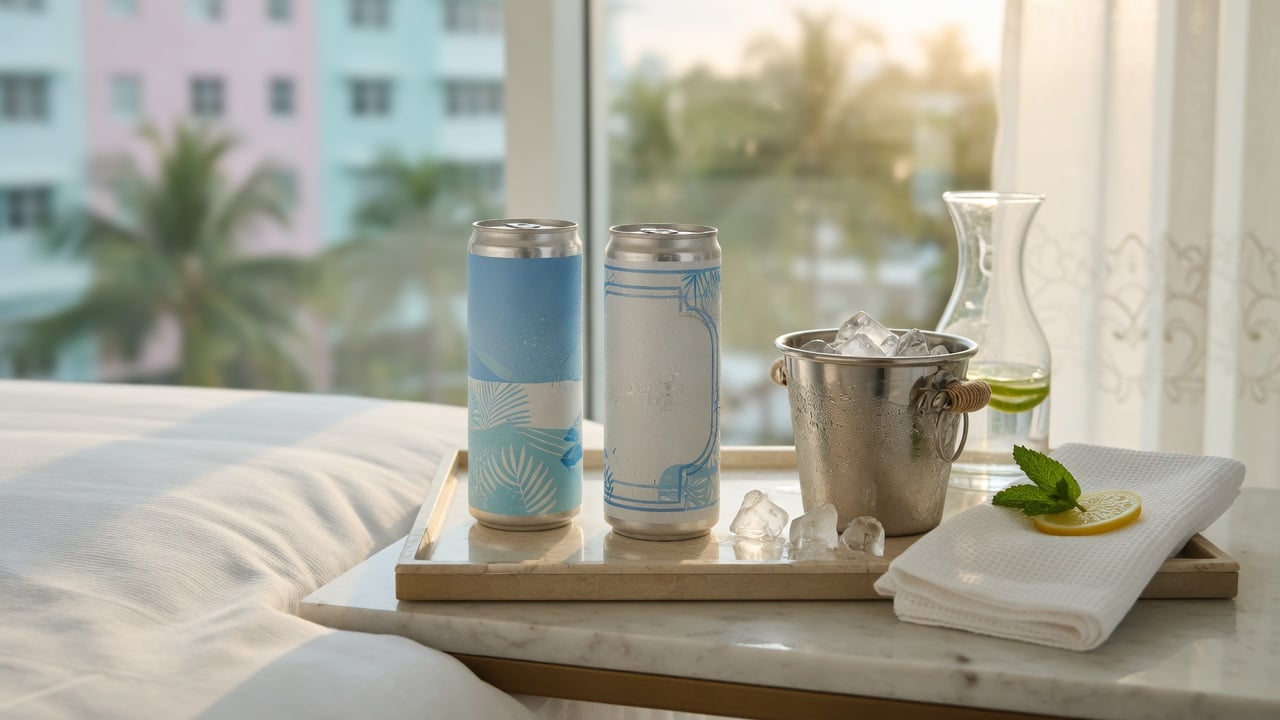
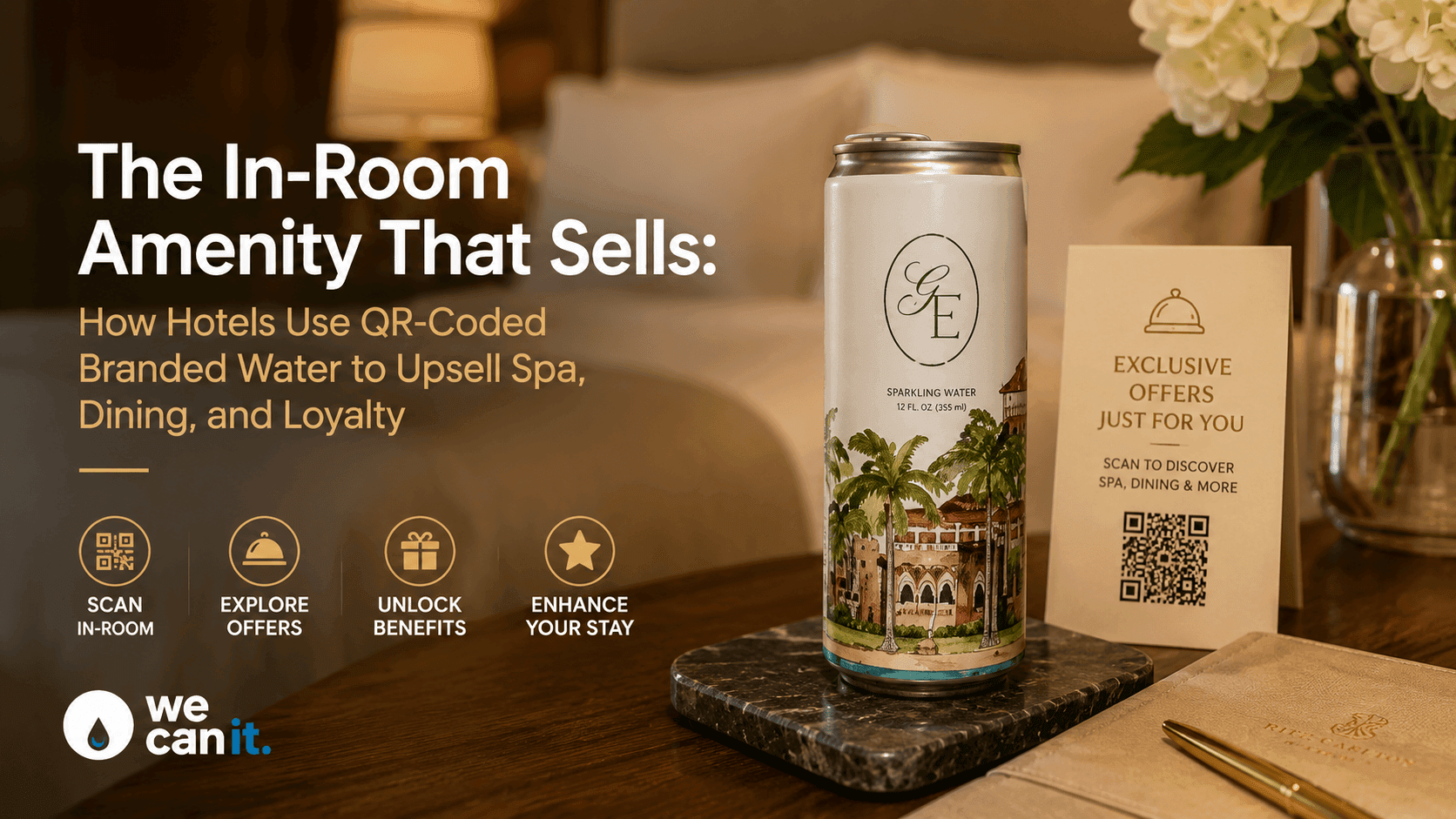
- Welcome trays, lobbies and check-in desks, where the first impression is the package.
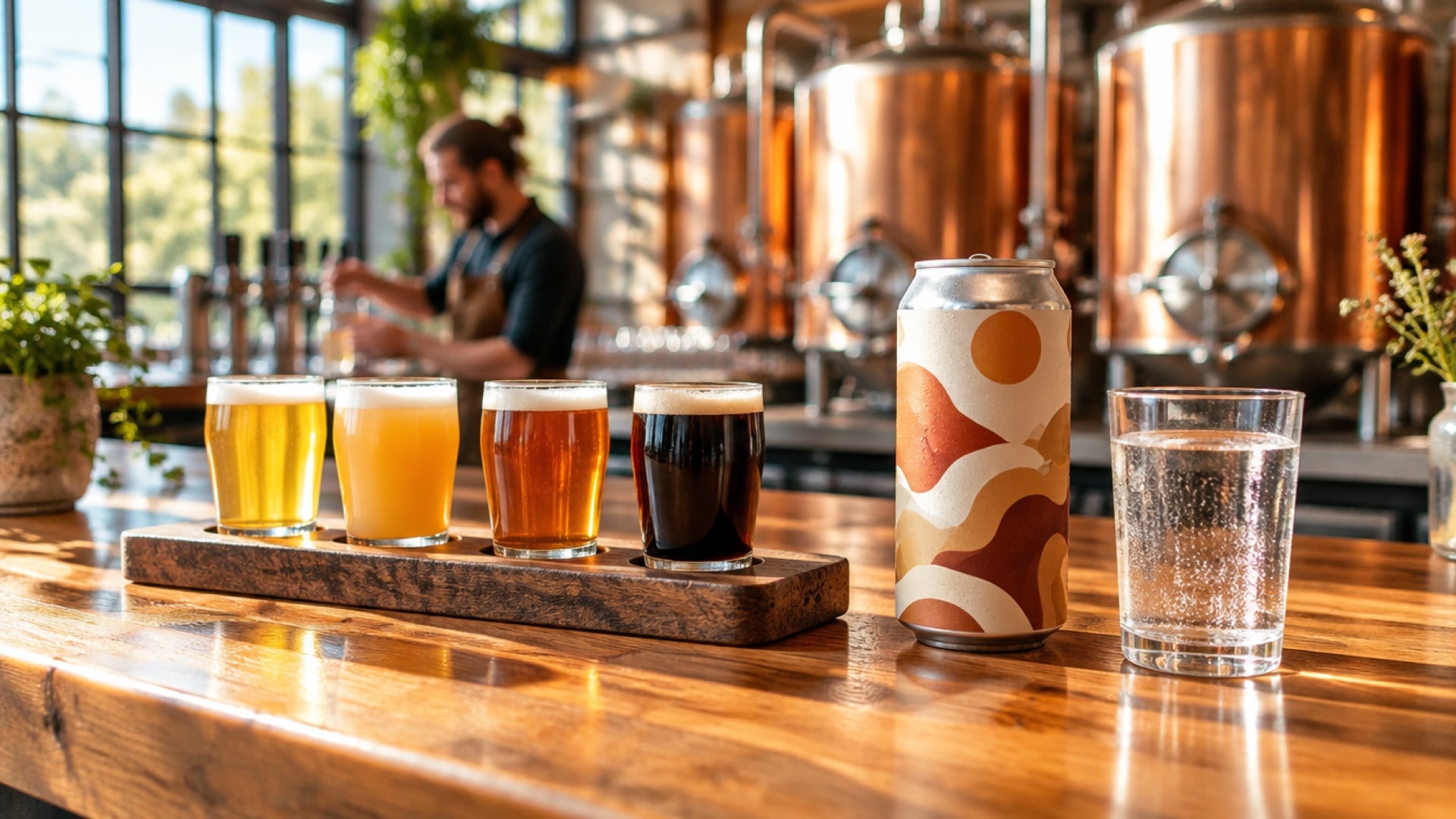
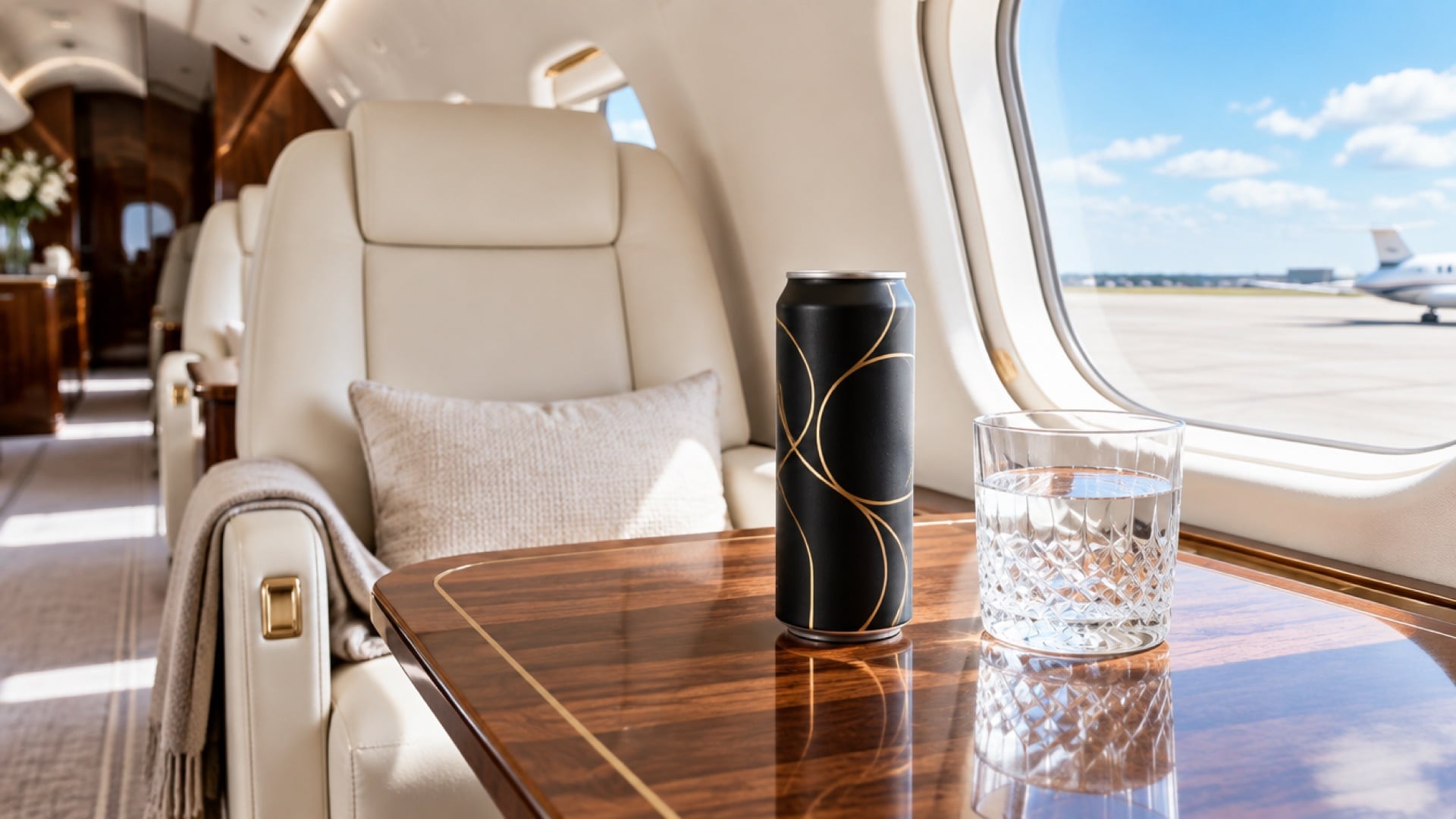
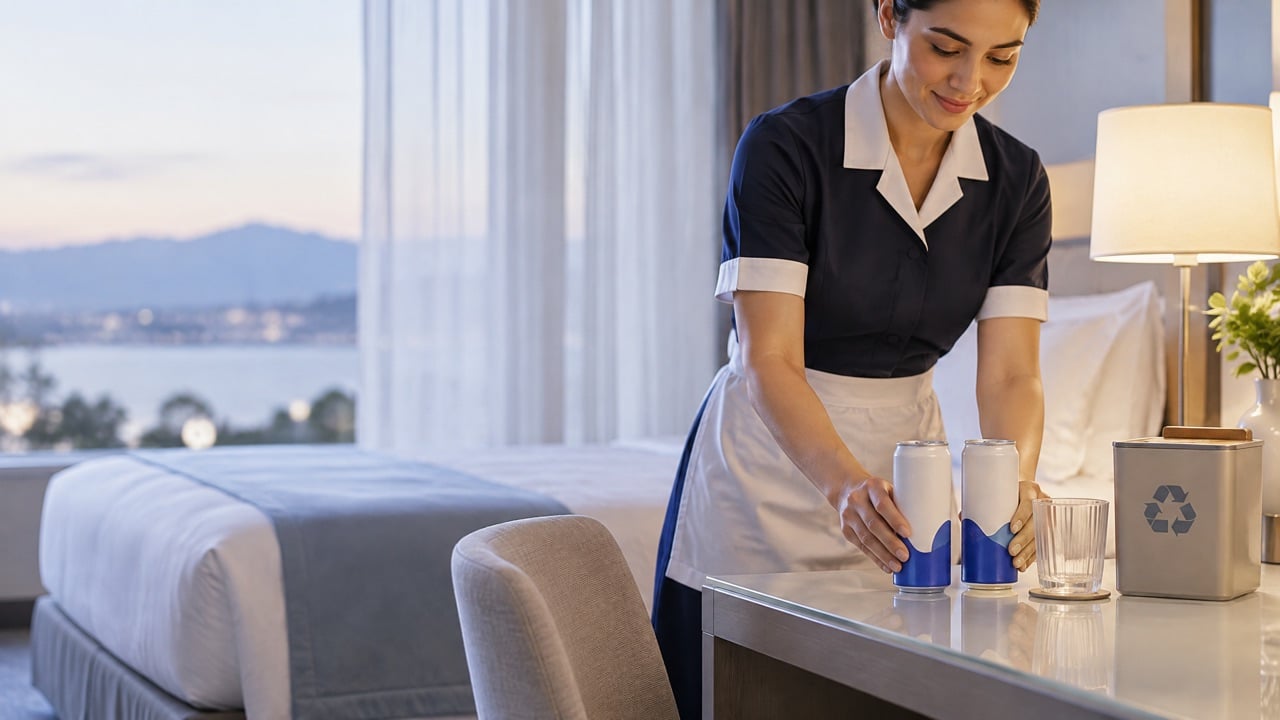
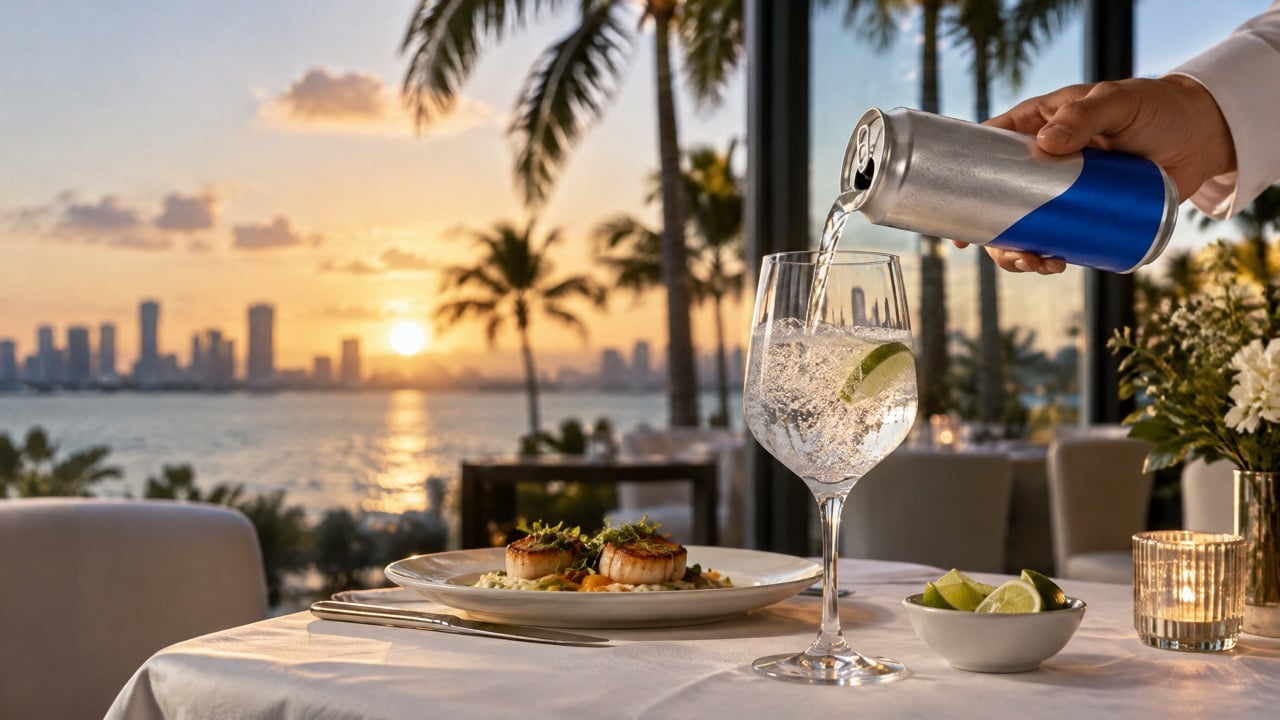
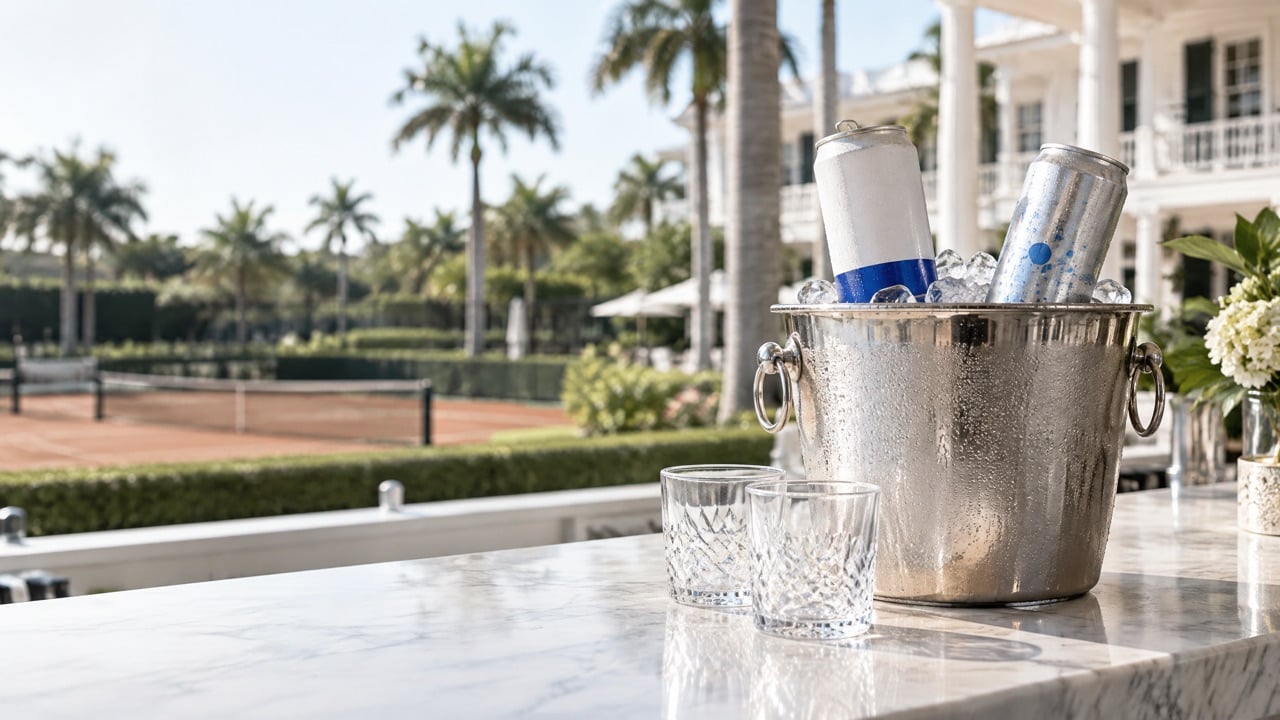
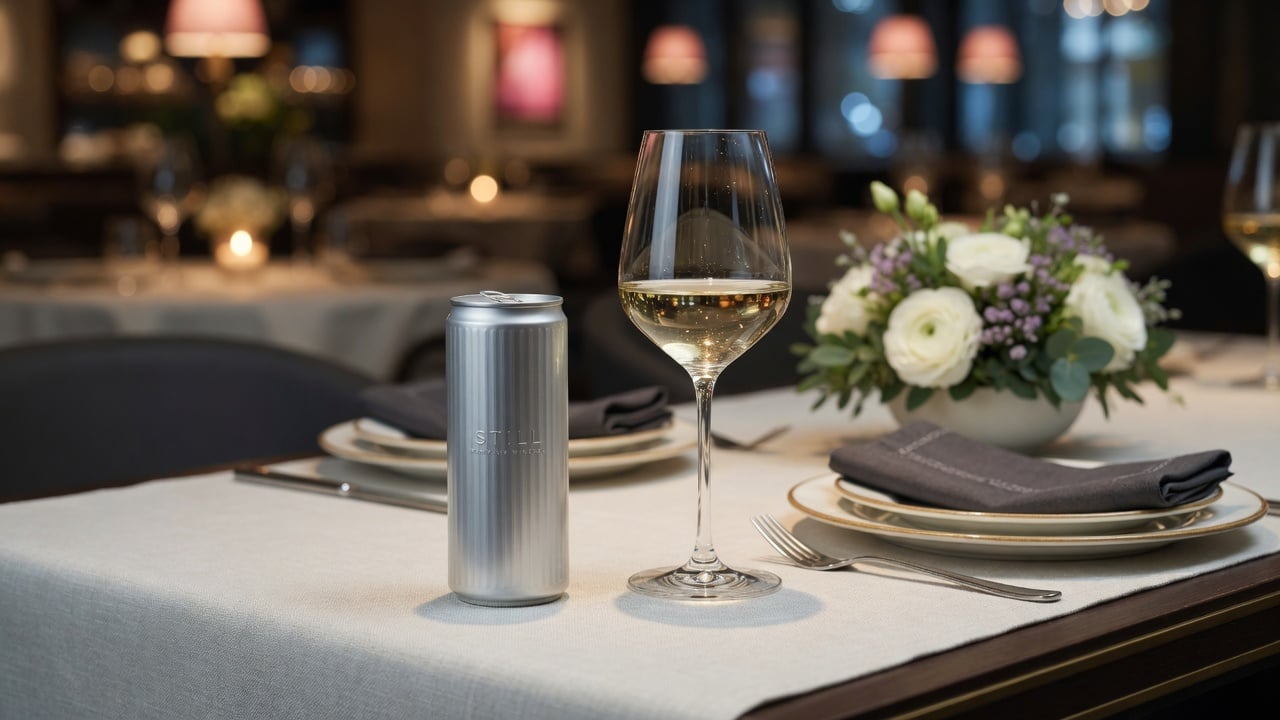
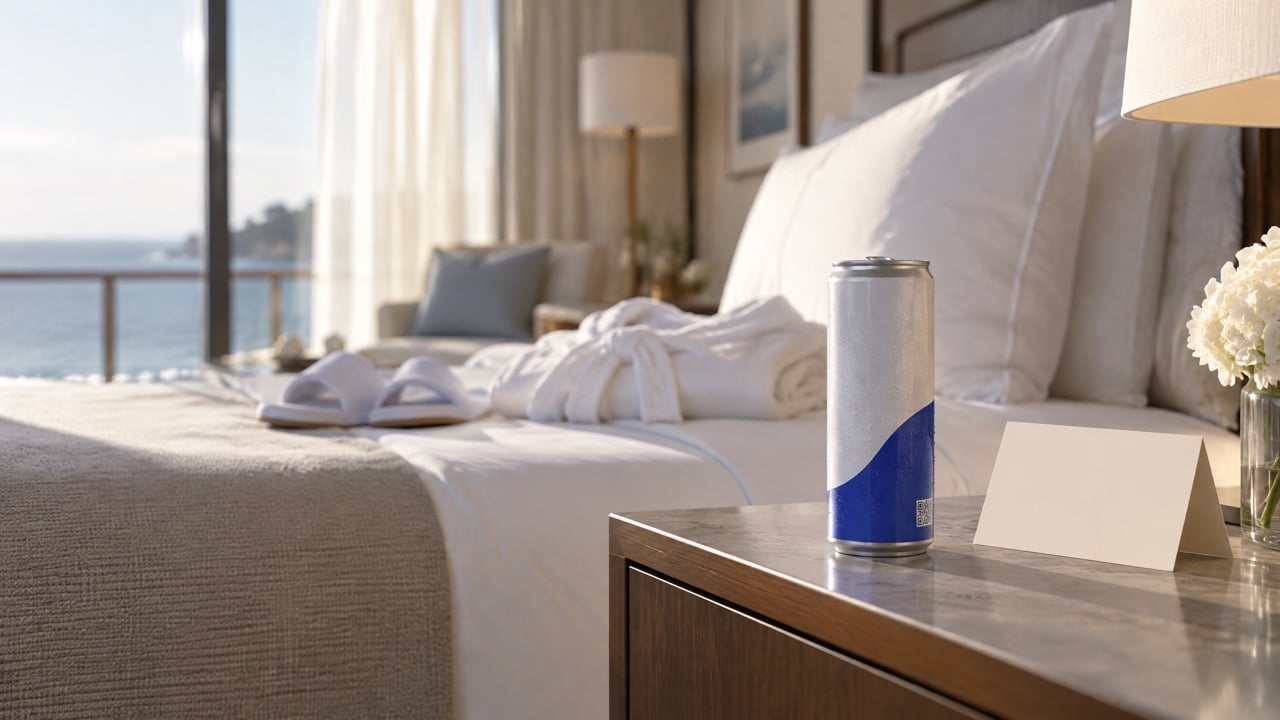
- Bars, minibars and suites, where a can looks at home next to other premium drinks.
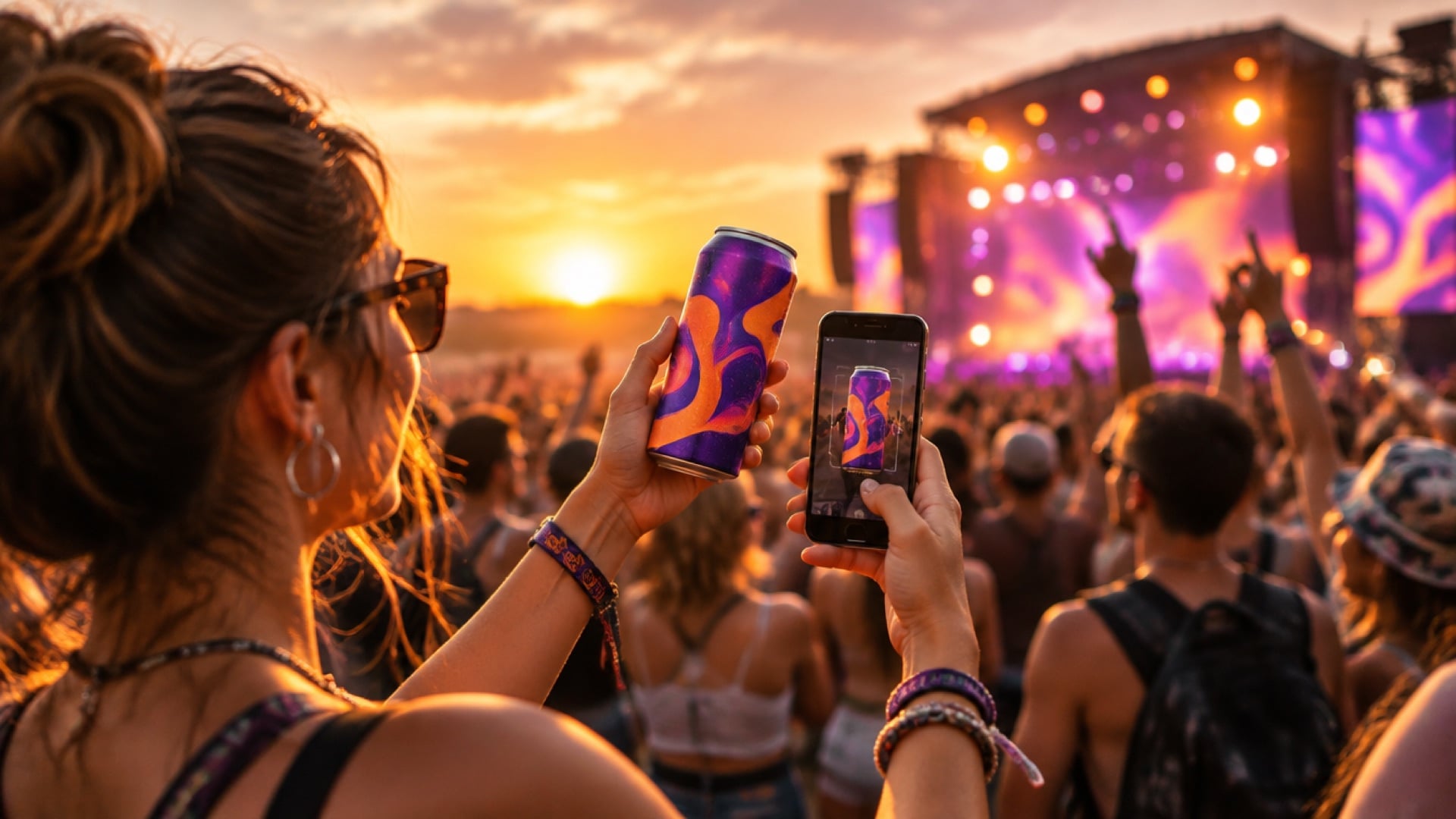
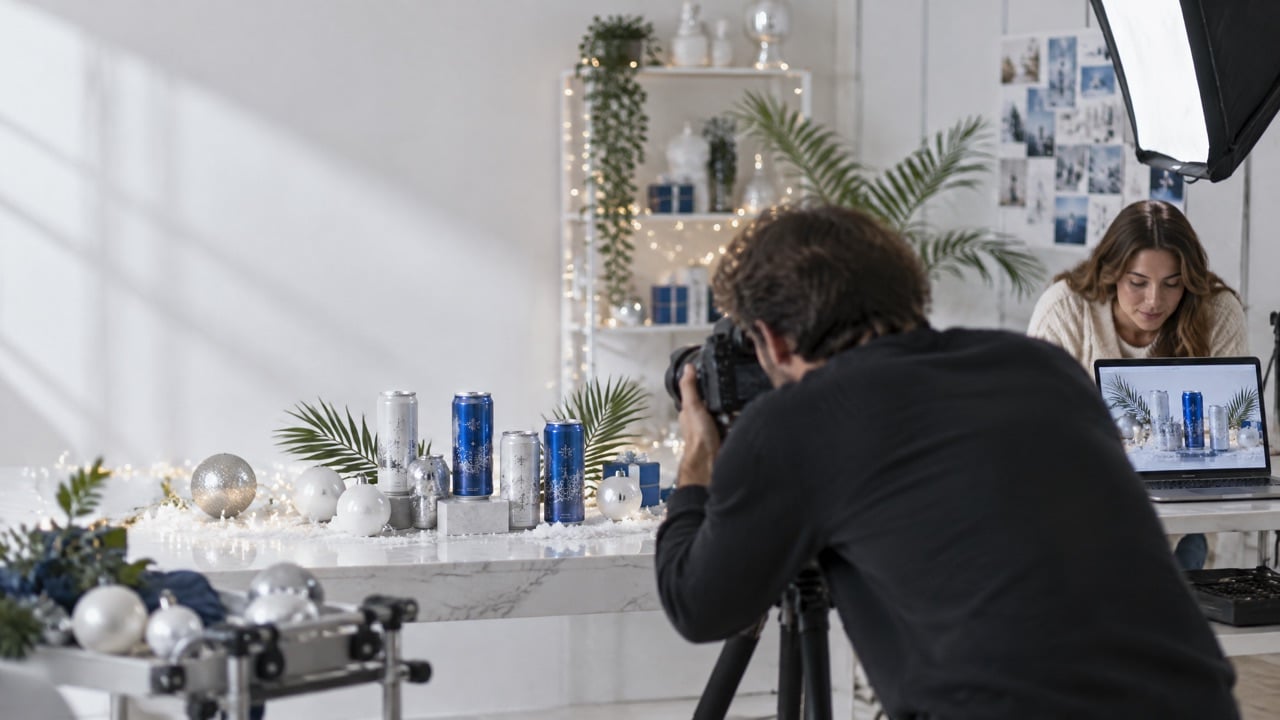
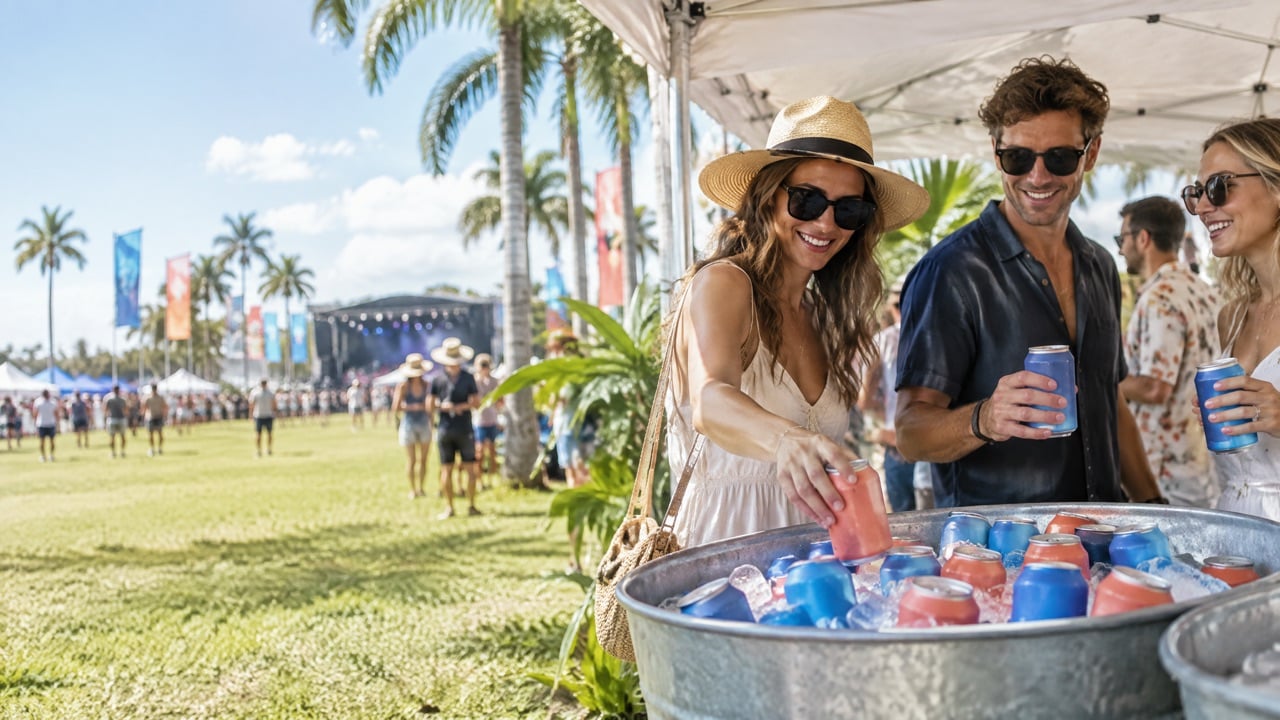
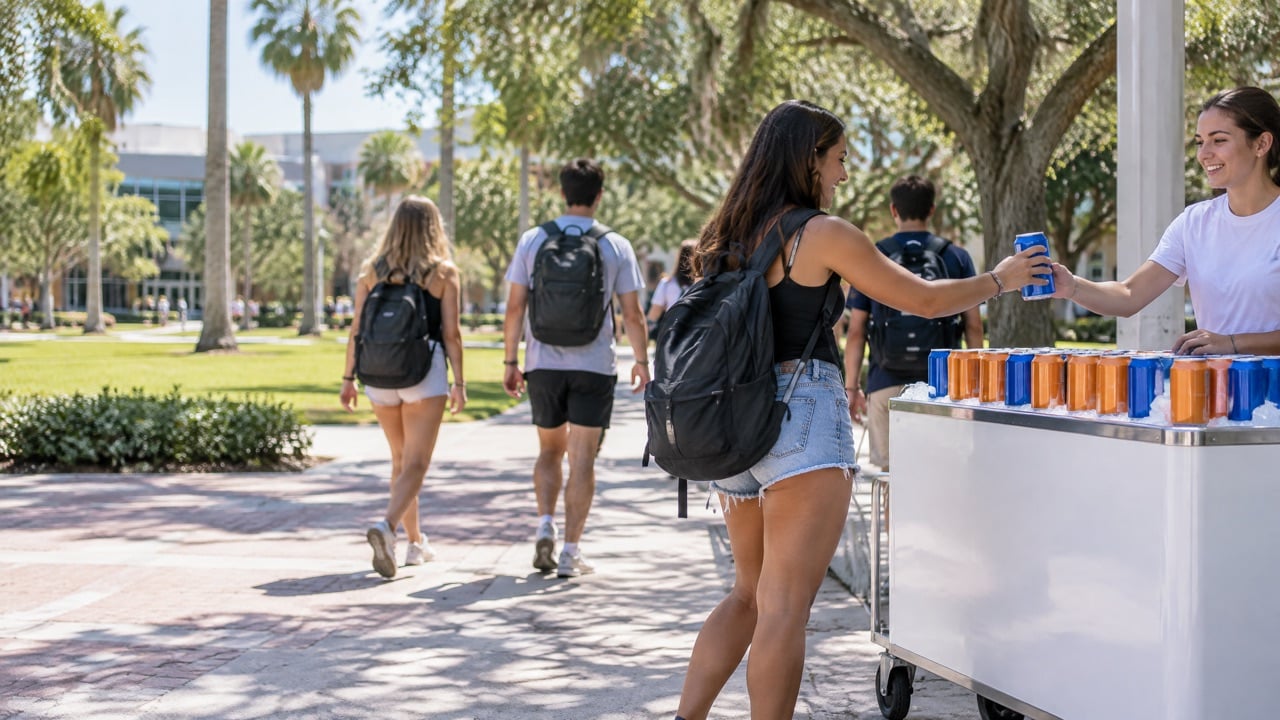
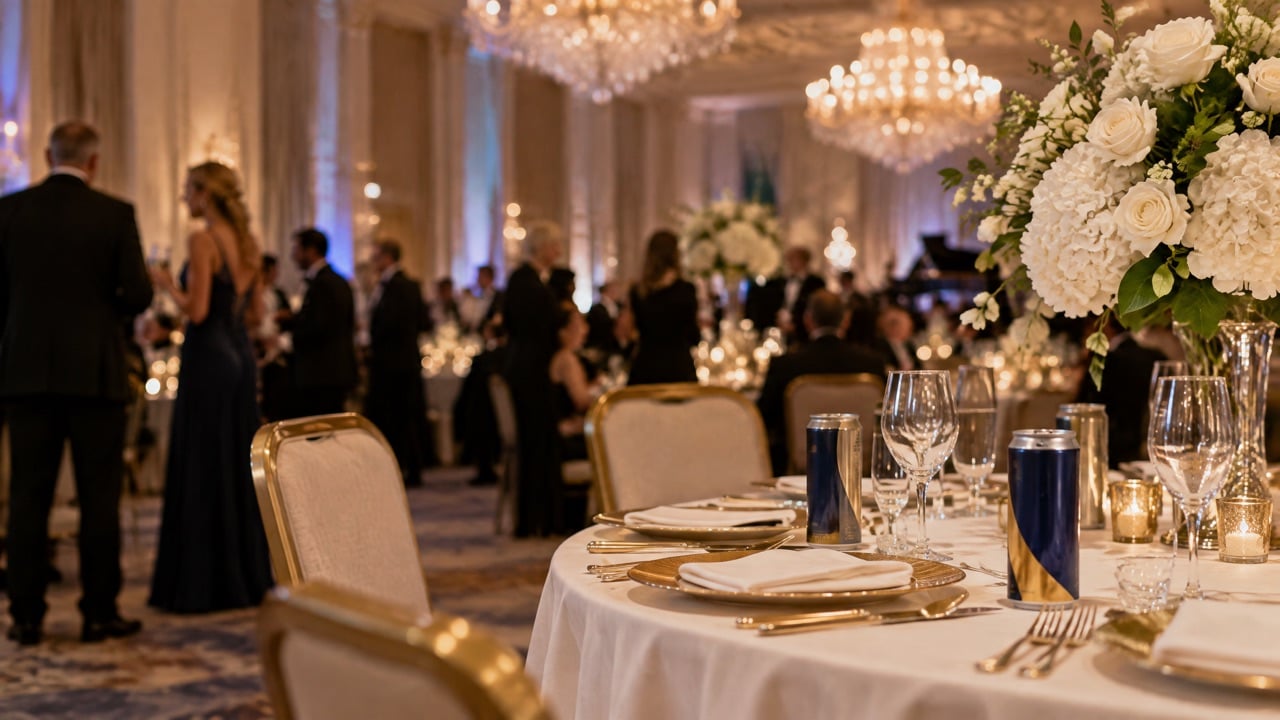
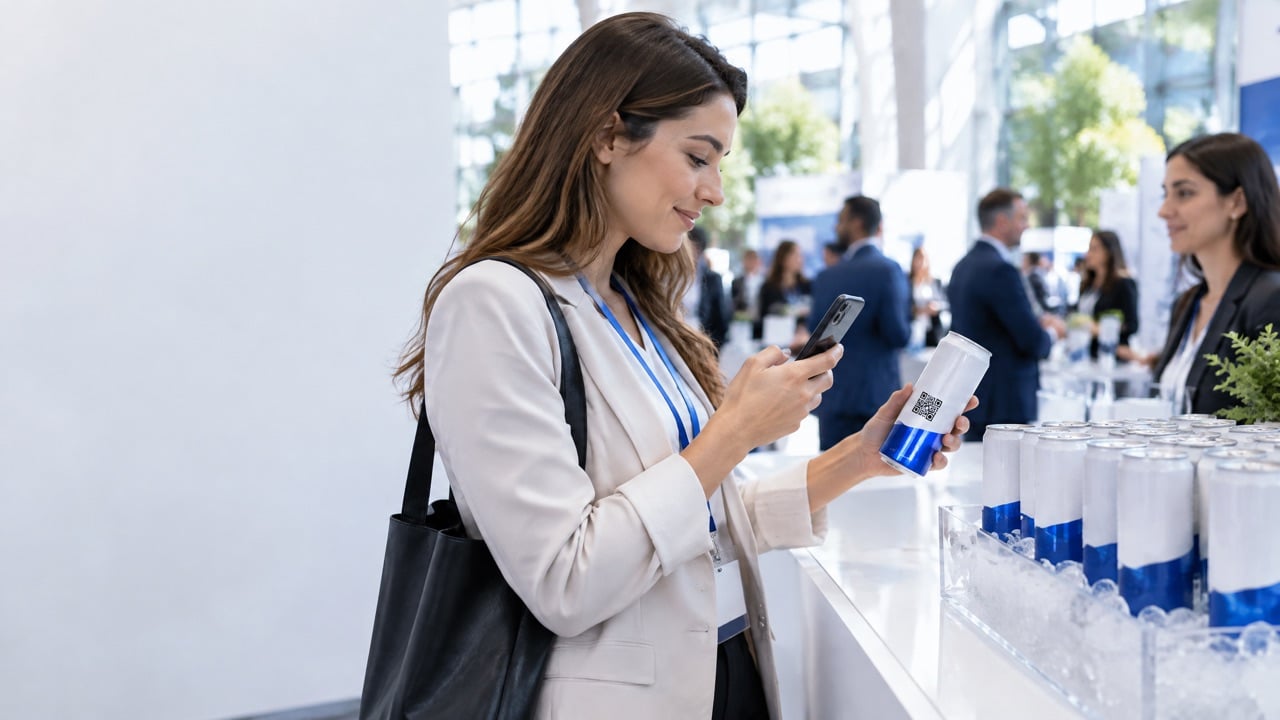
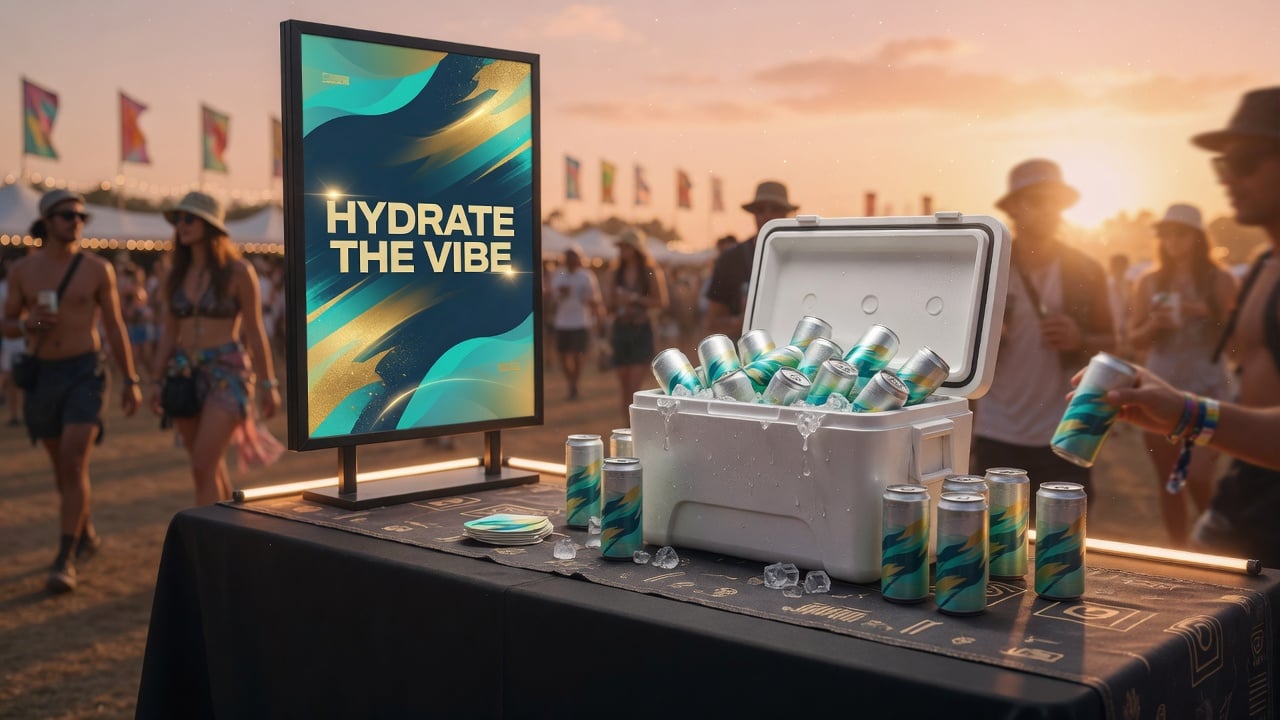
- Events, booths and launches, where the drink ends up in photos and social posts.
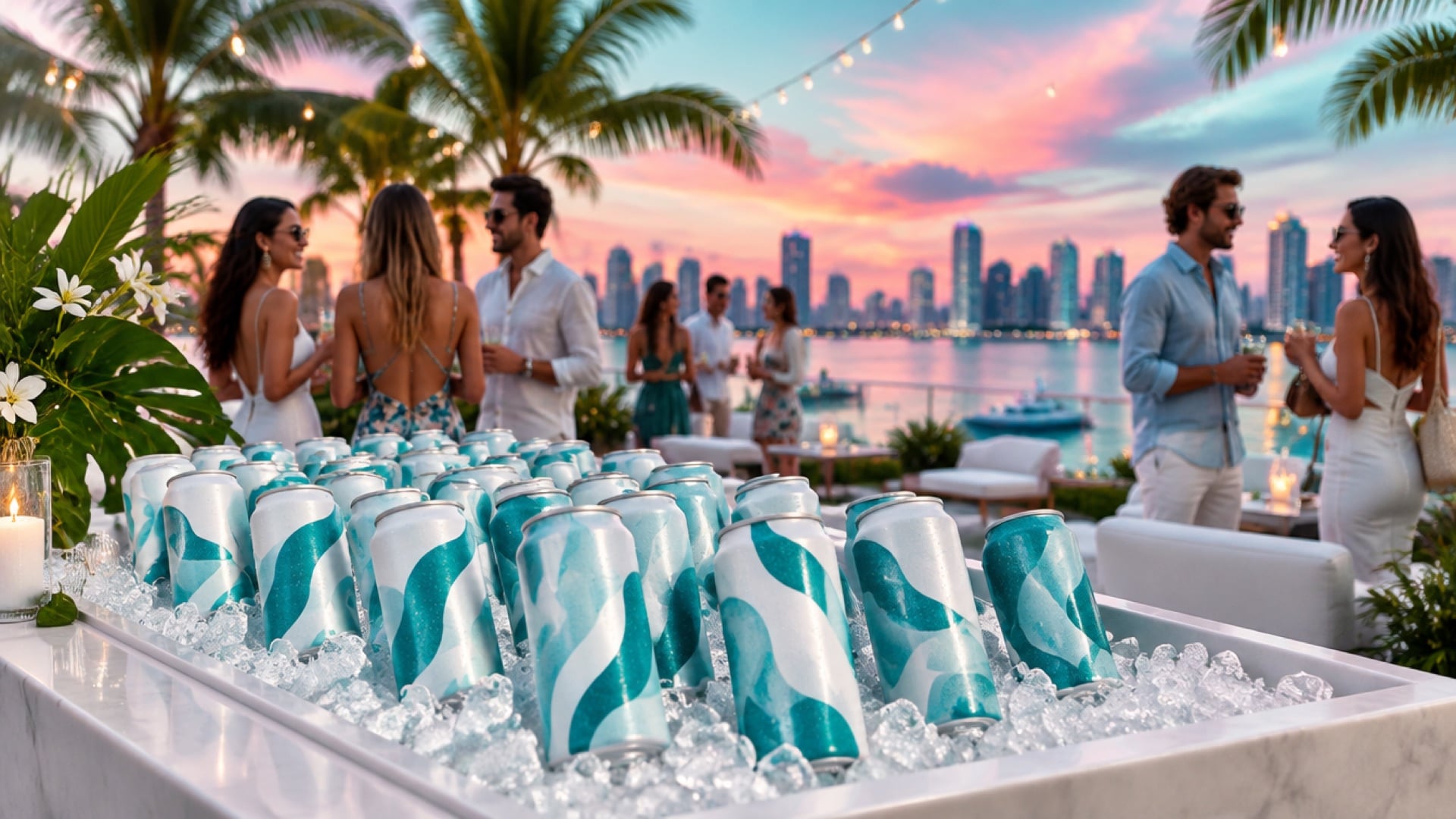
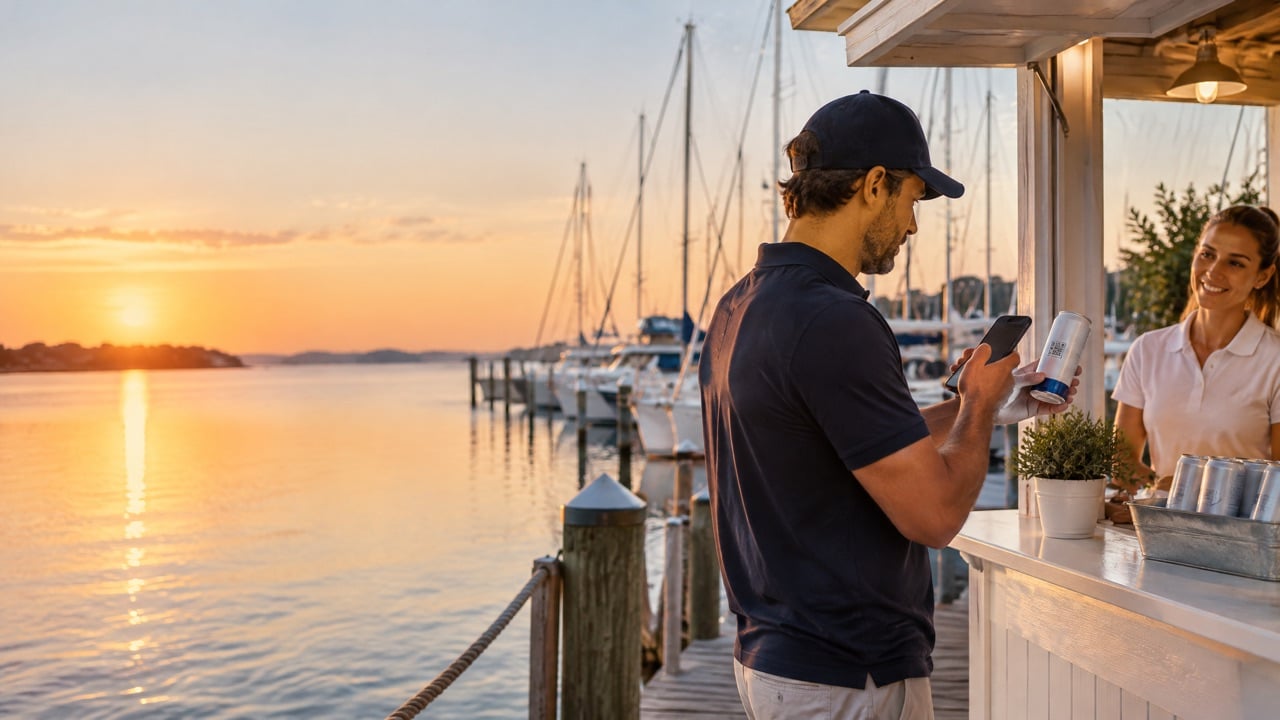
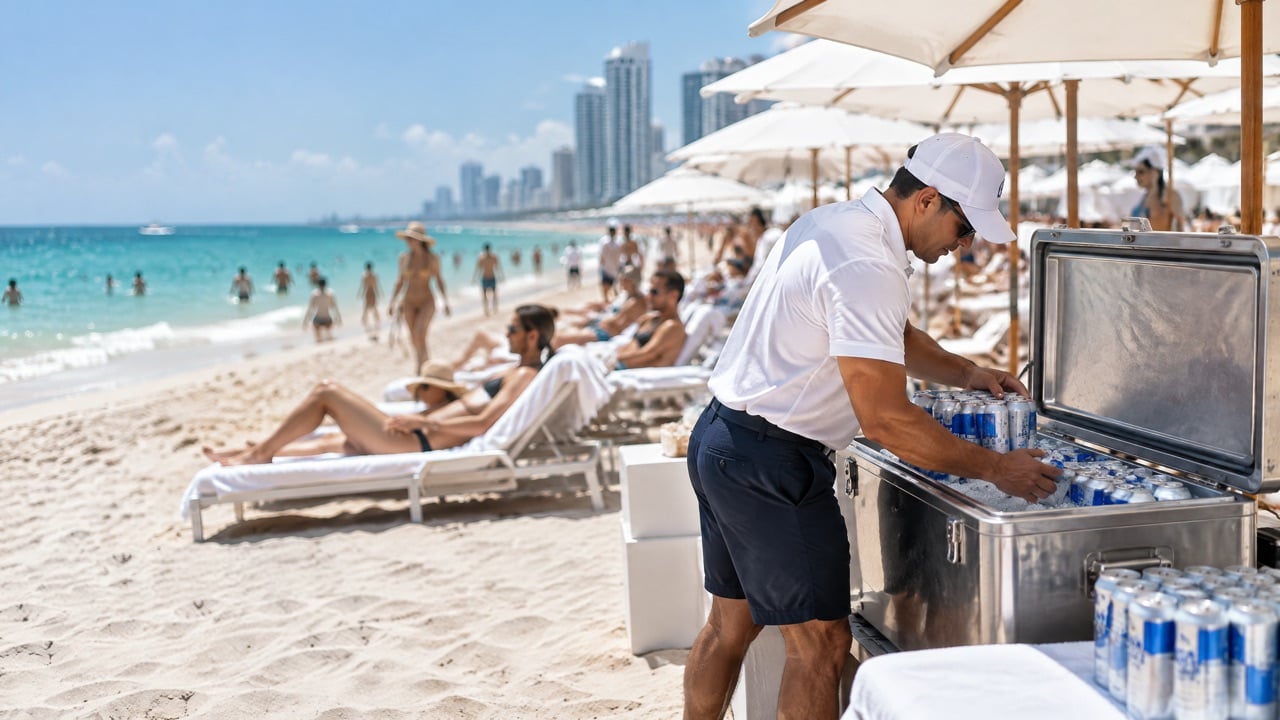
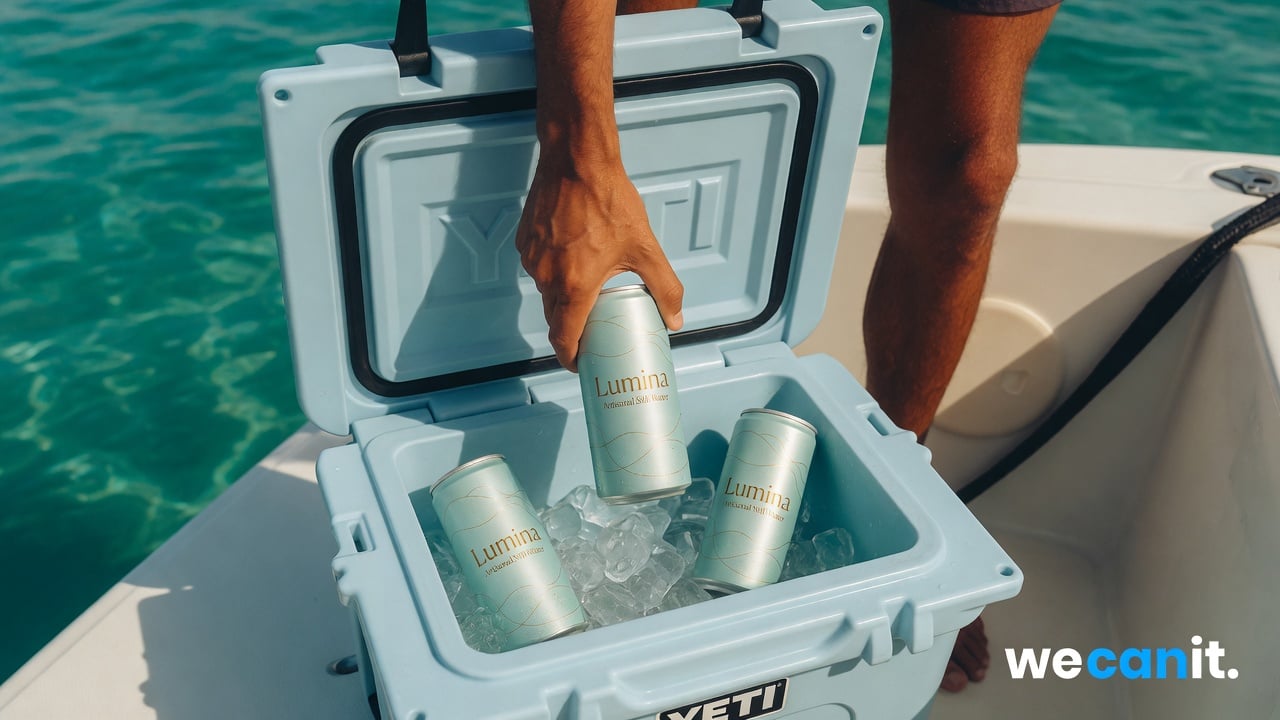
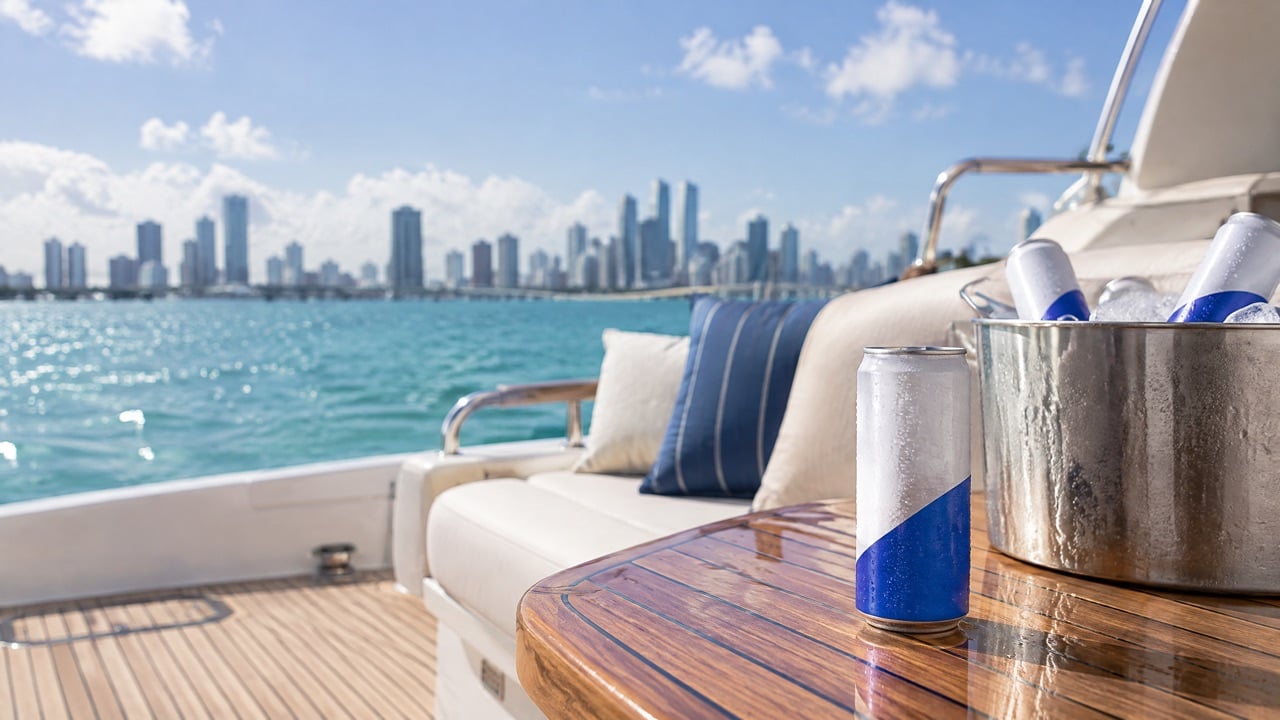
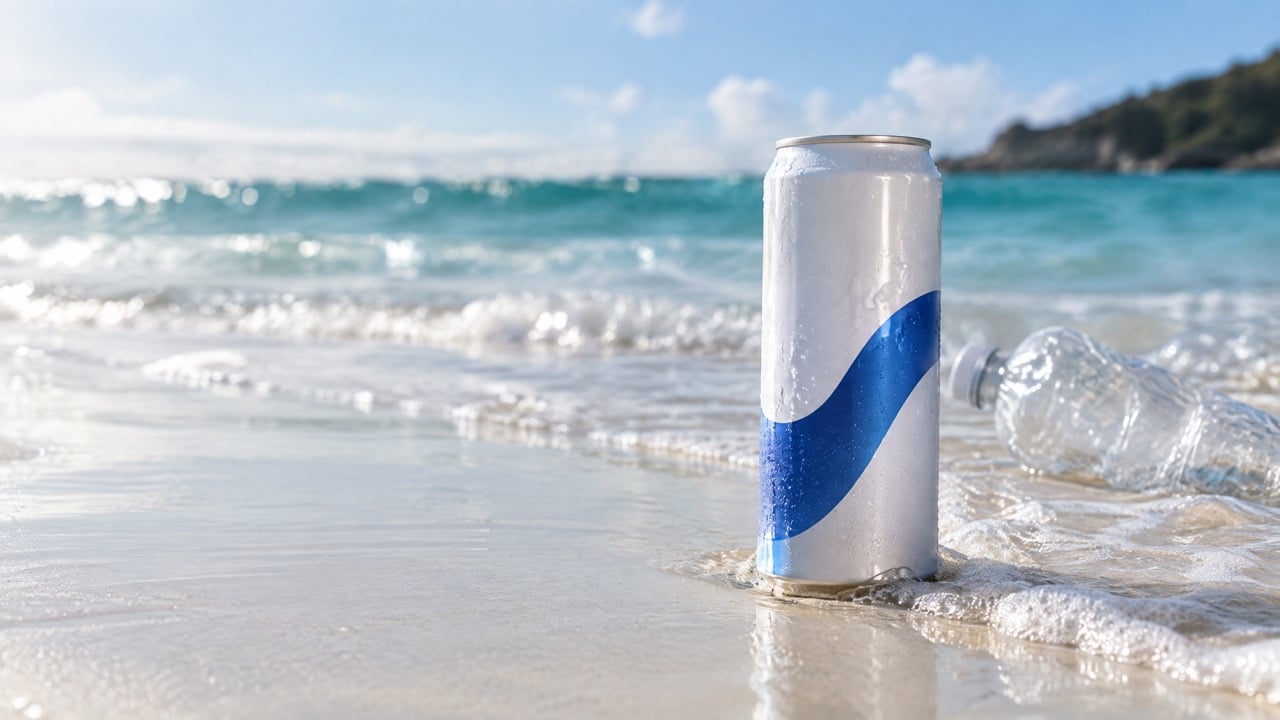
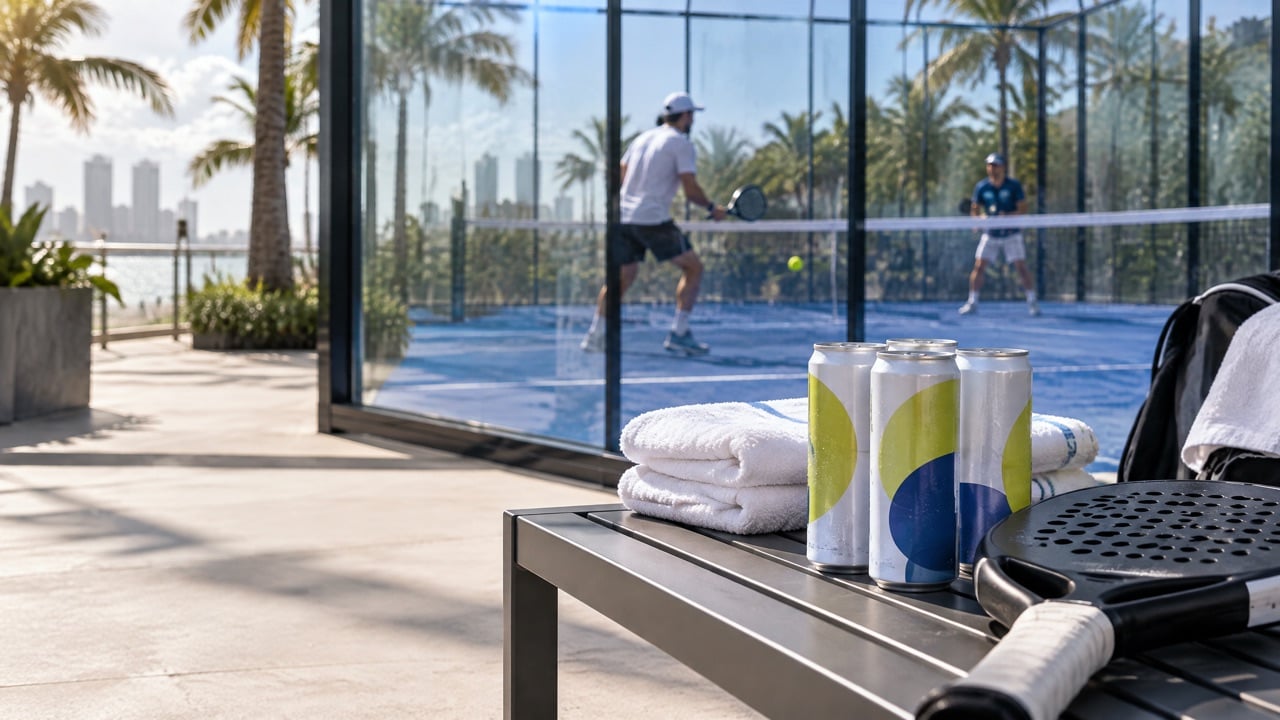
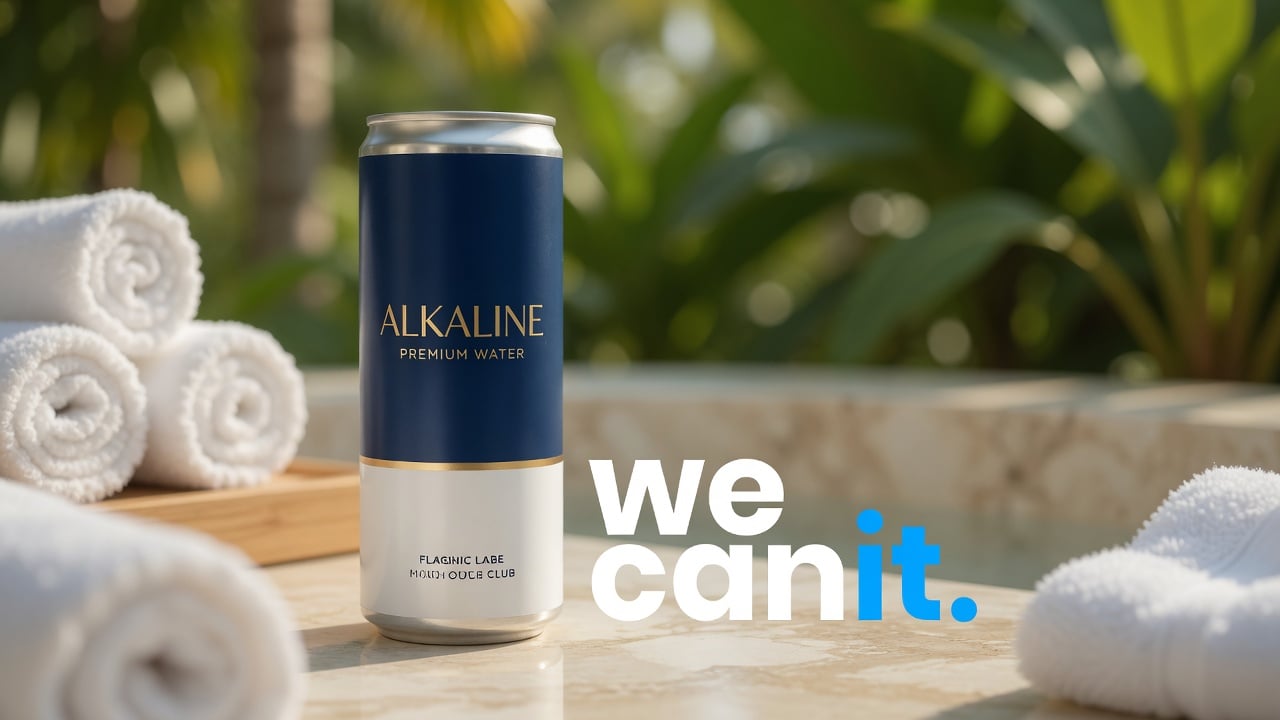
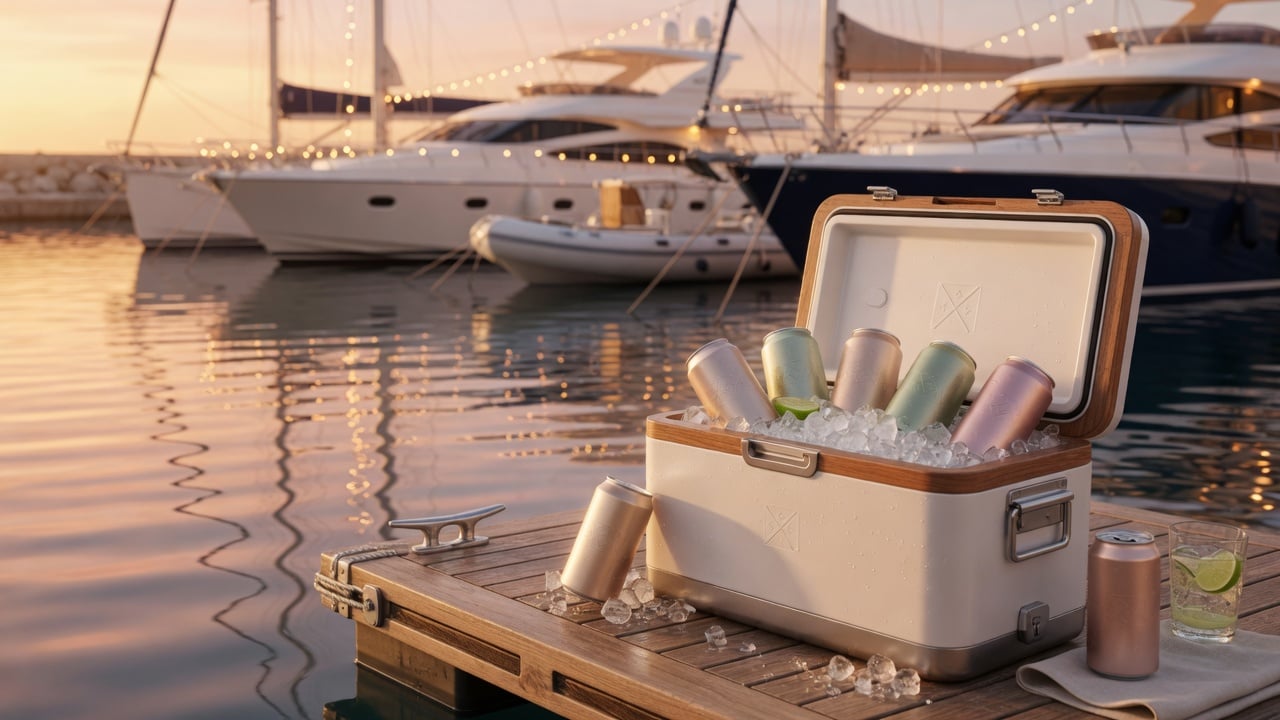
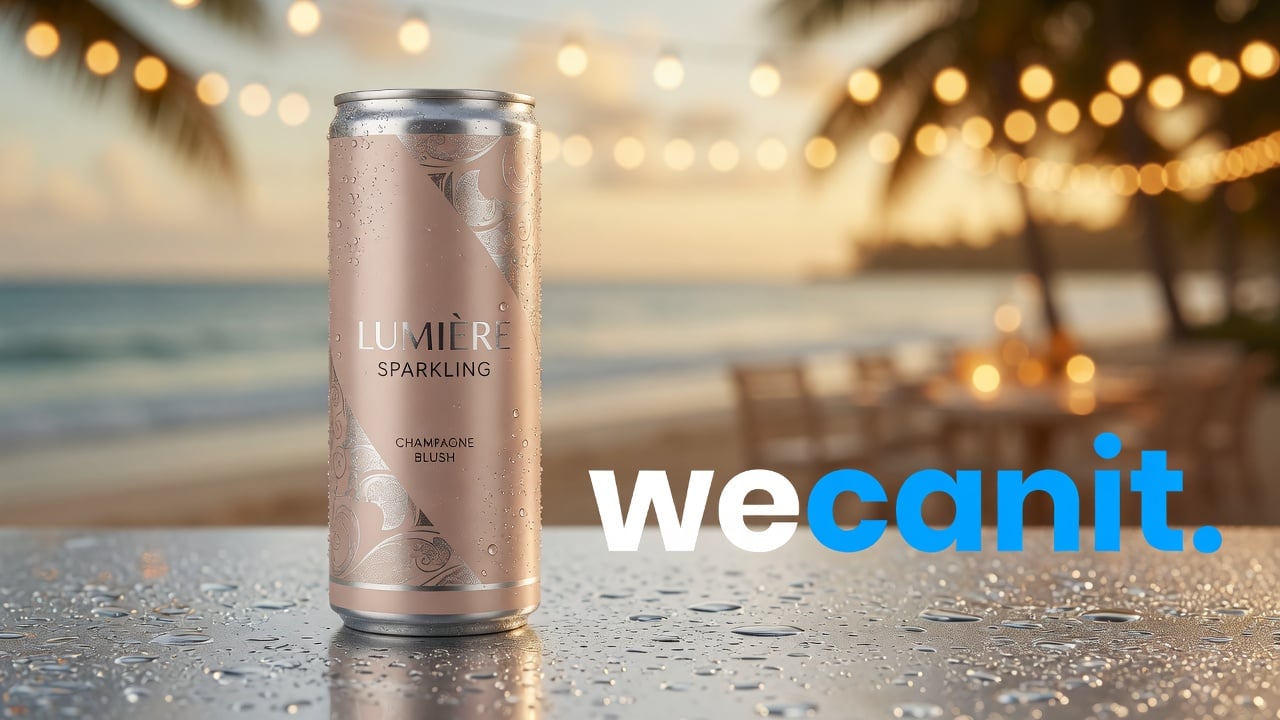
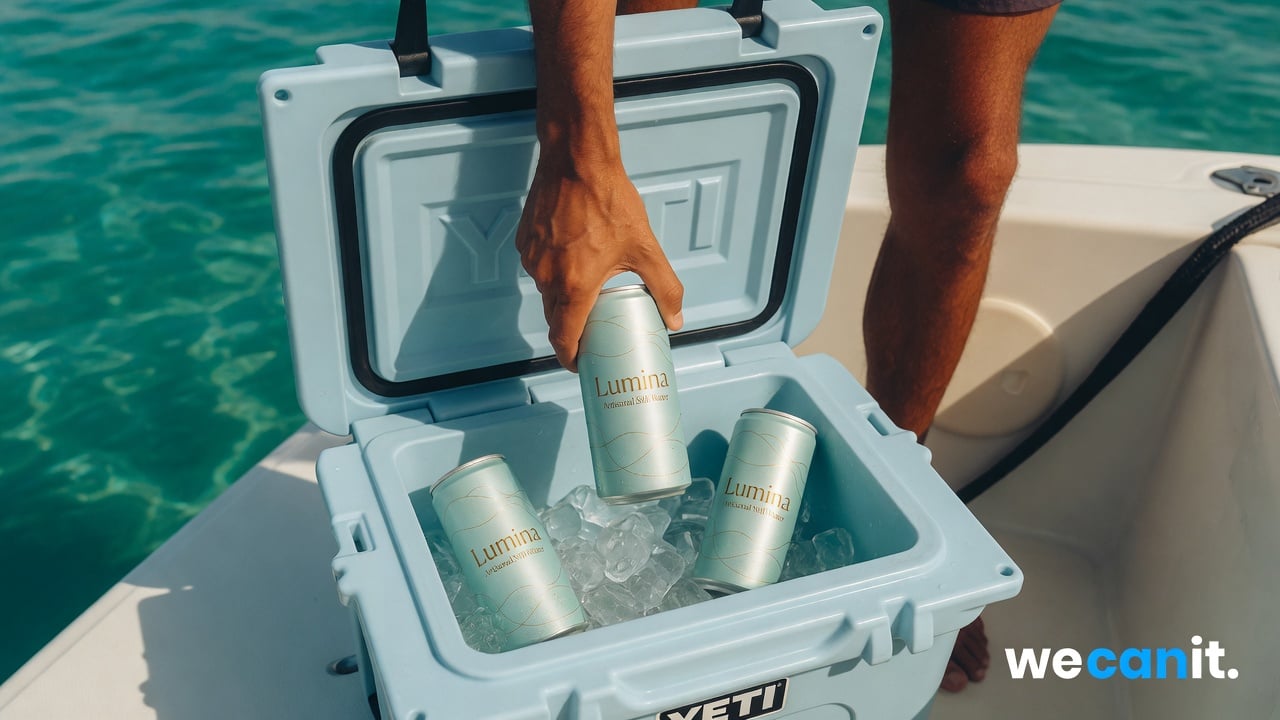
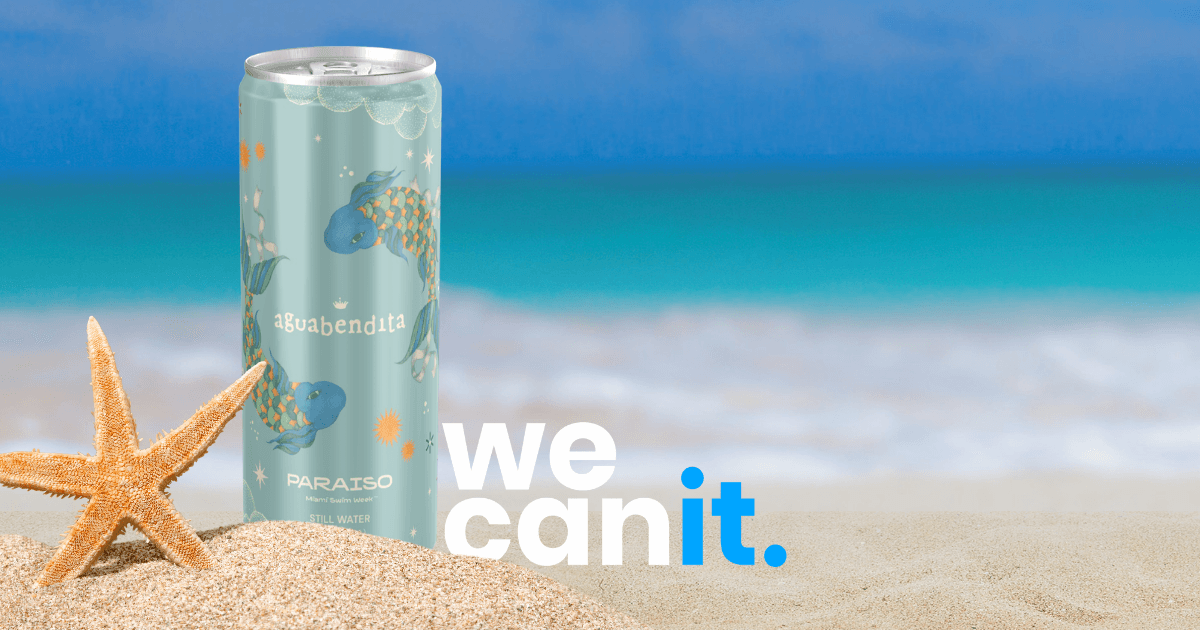
- Pool decks, beaches and boats, where cans chill fast and nothing can shatter.
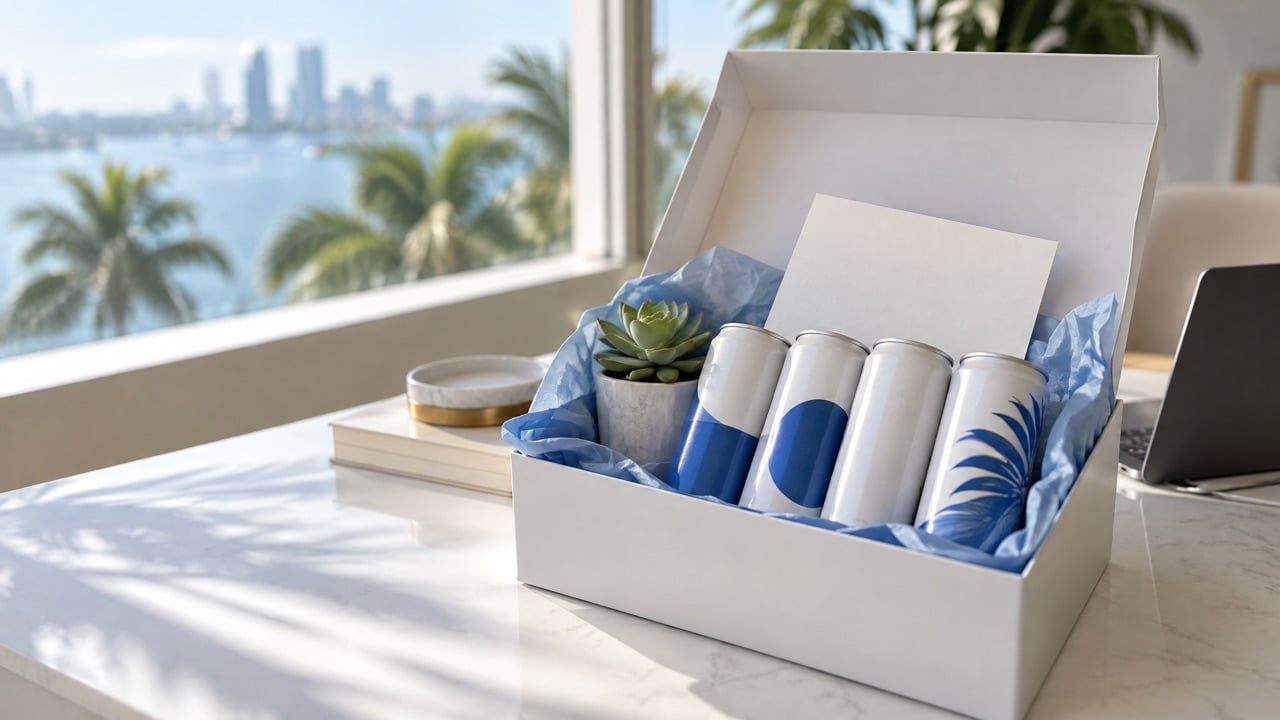
- Gift bags and client kits, where the can carries your brand home.
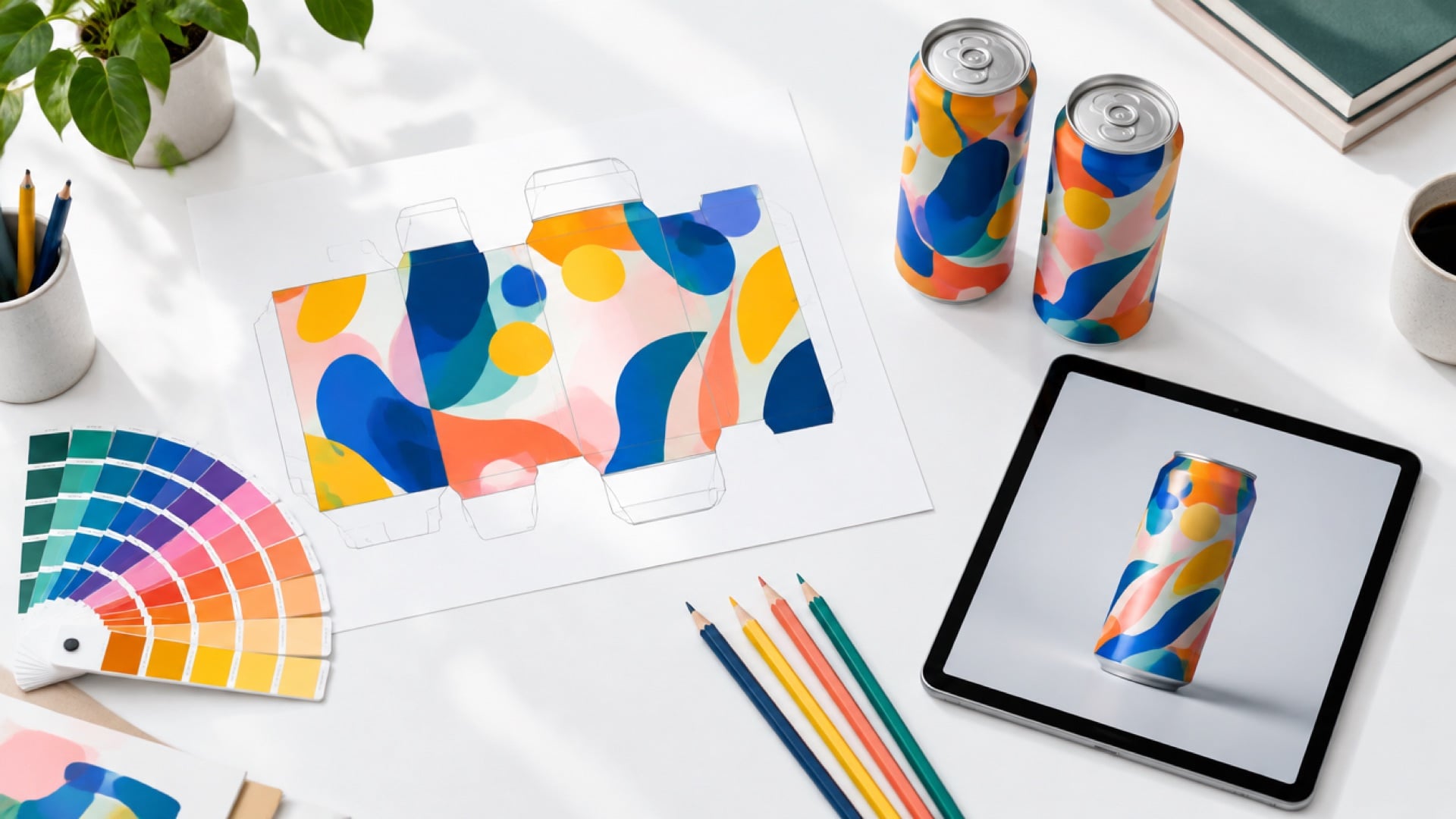
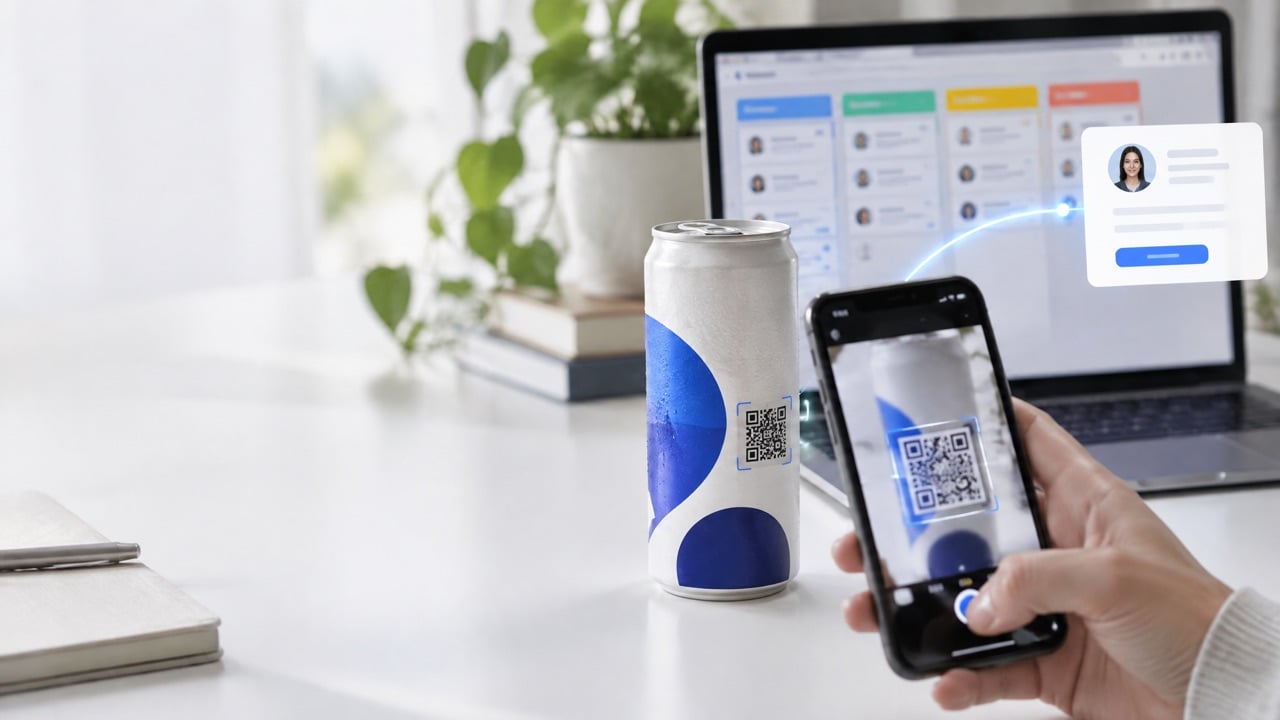
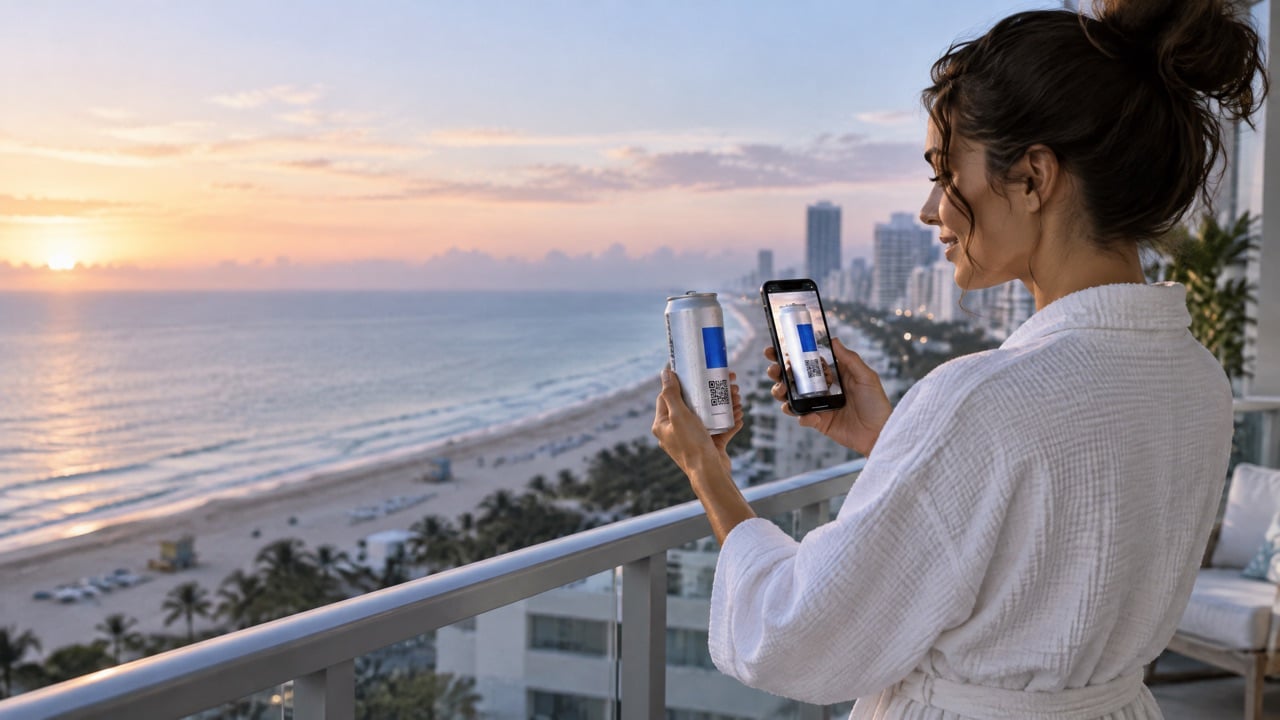
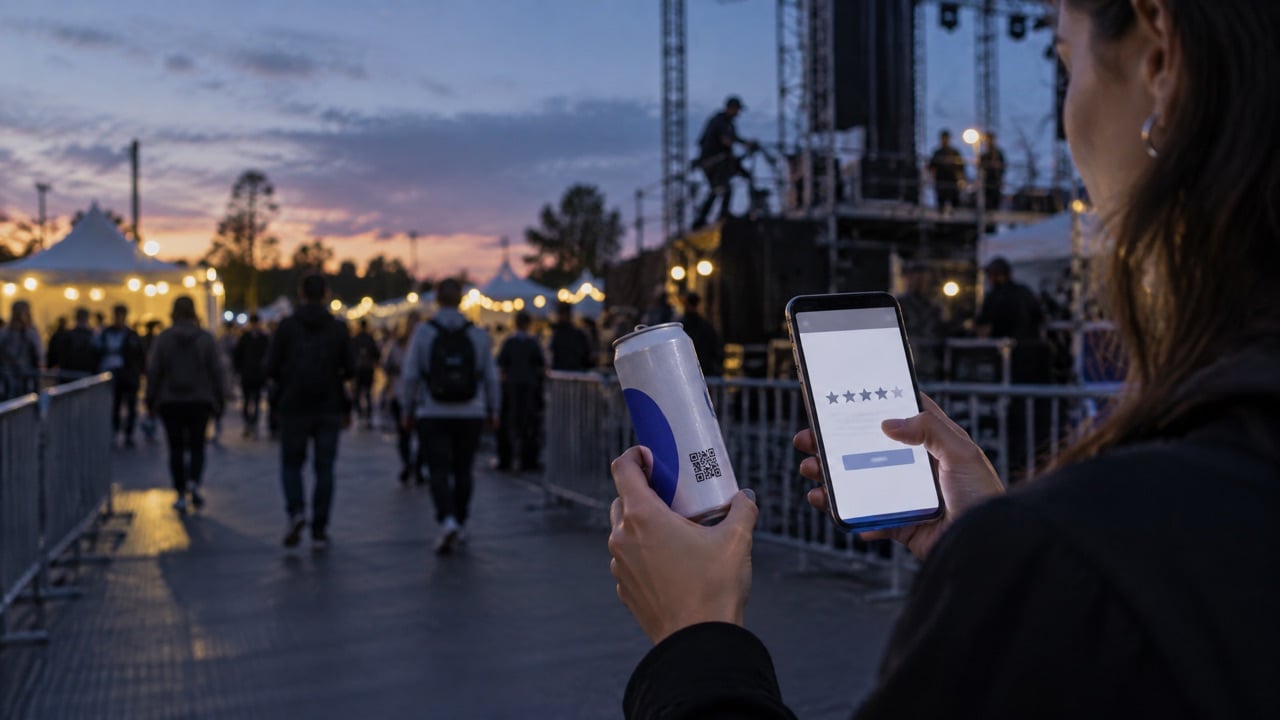
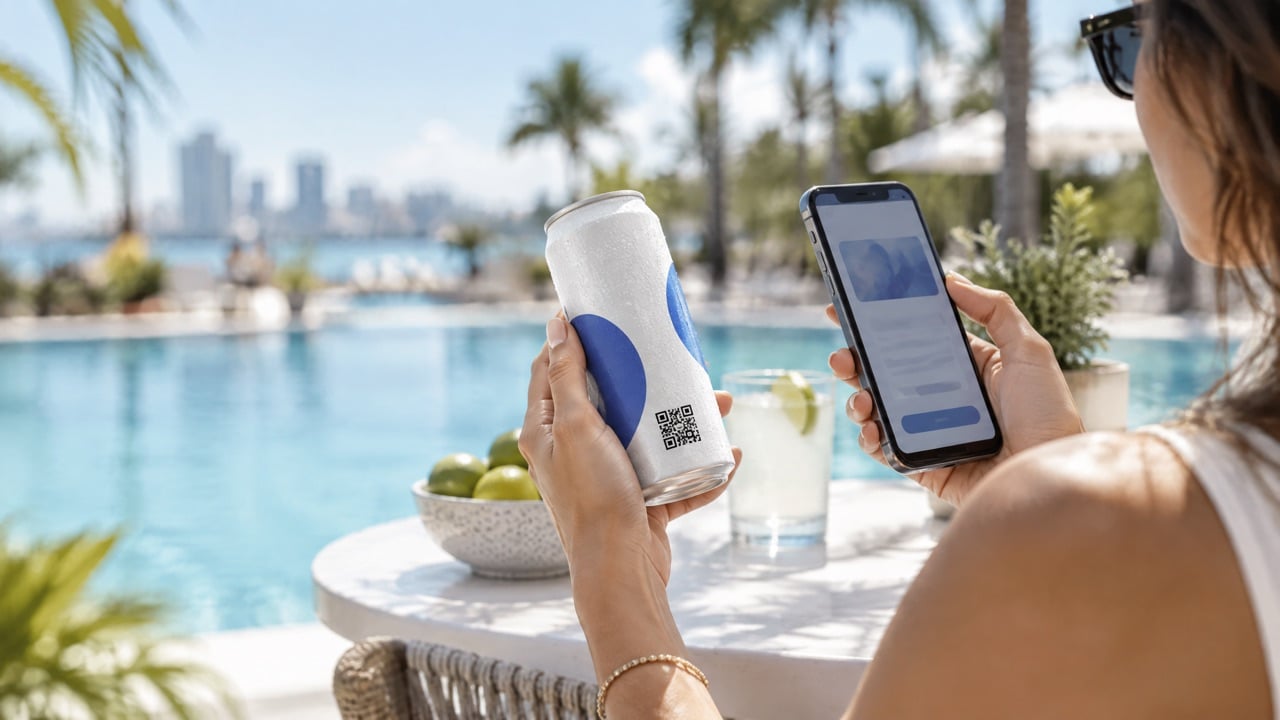
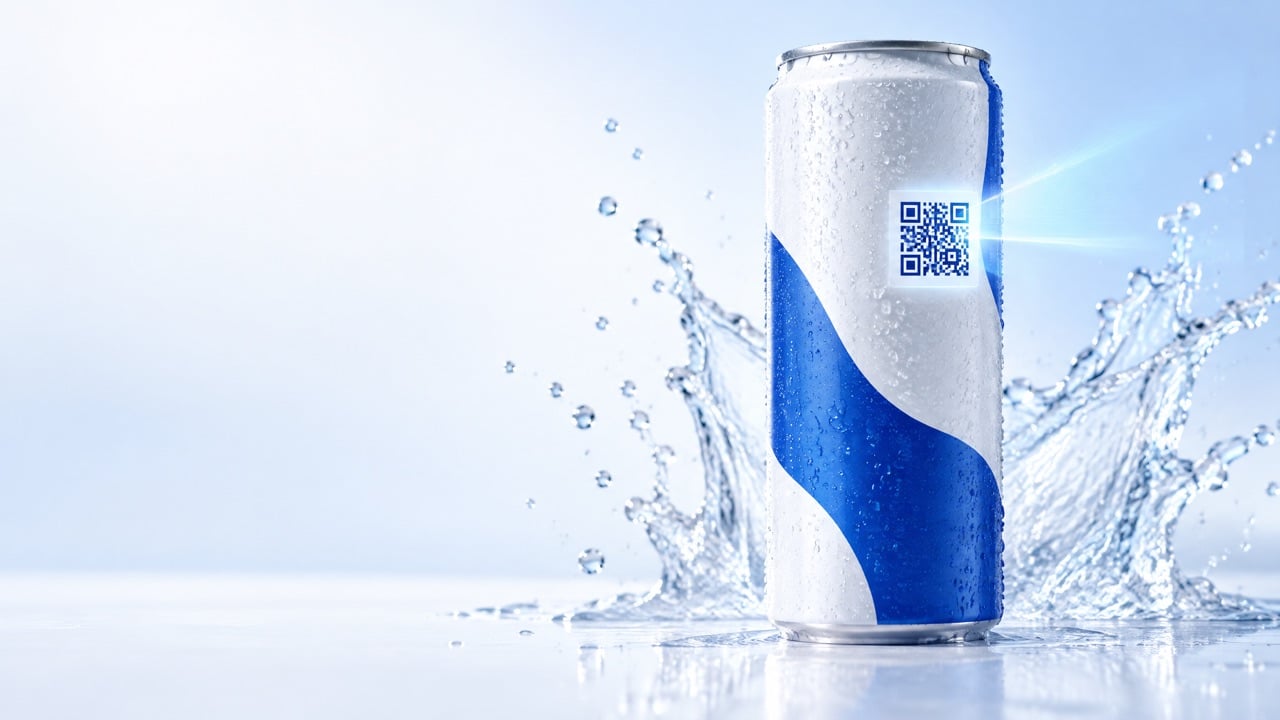
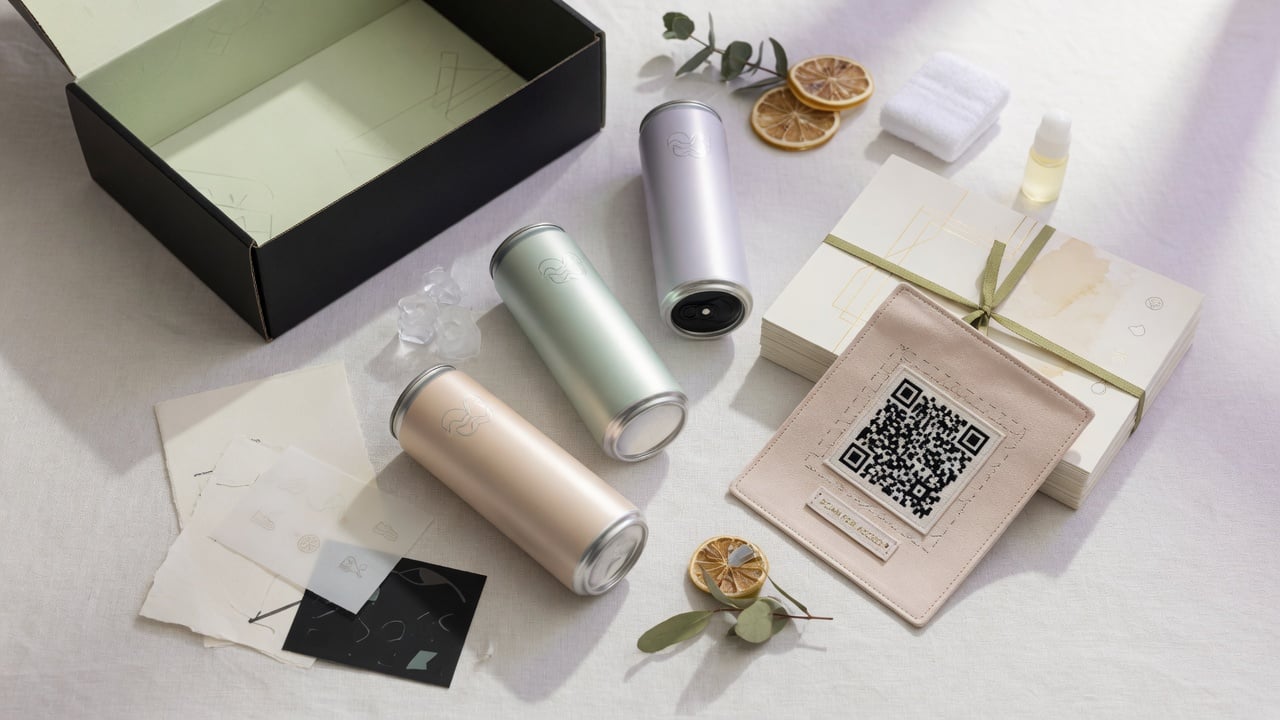
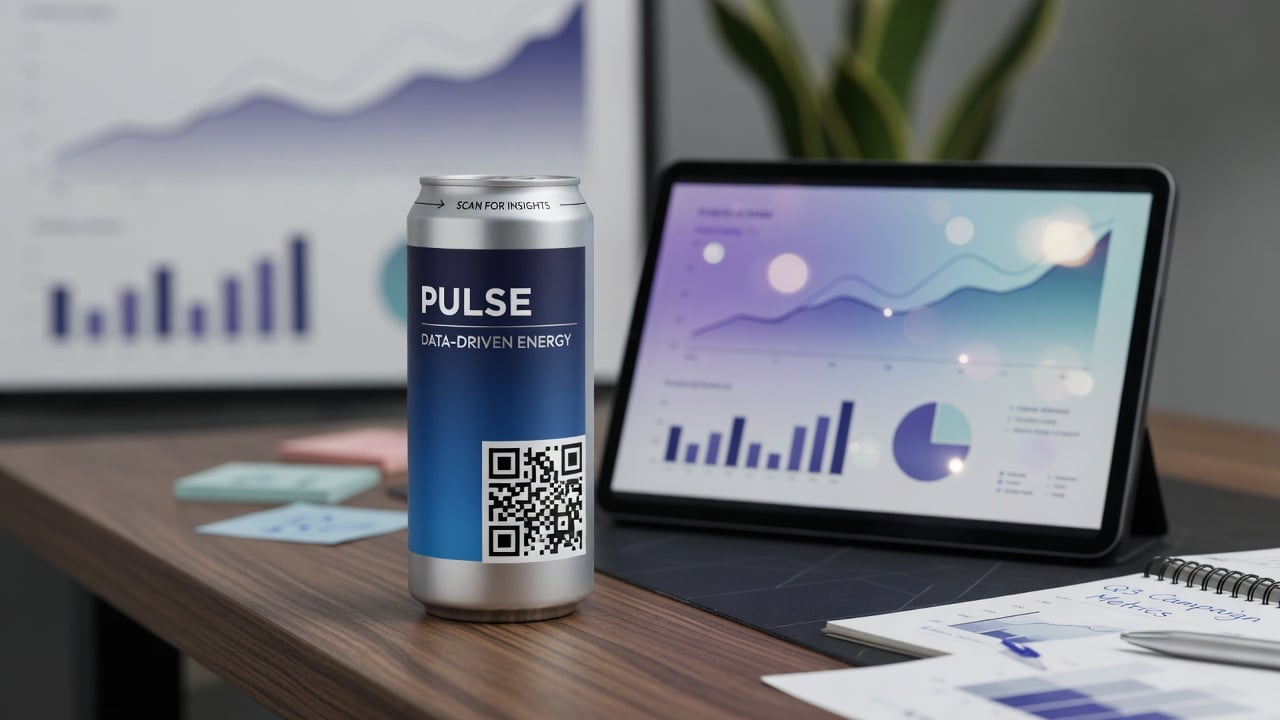
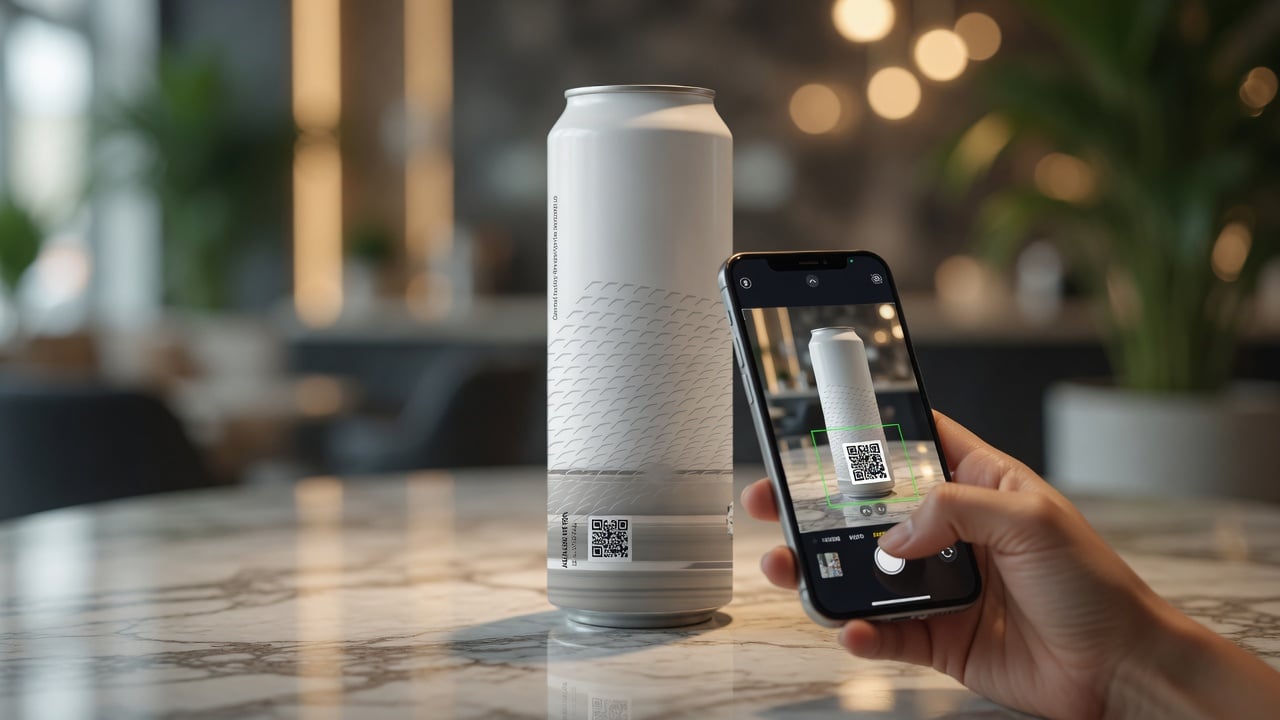
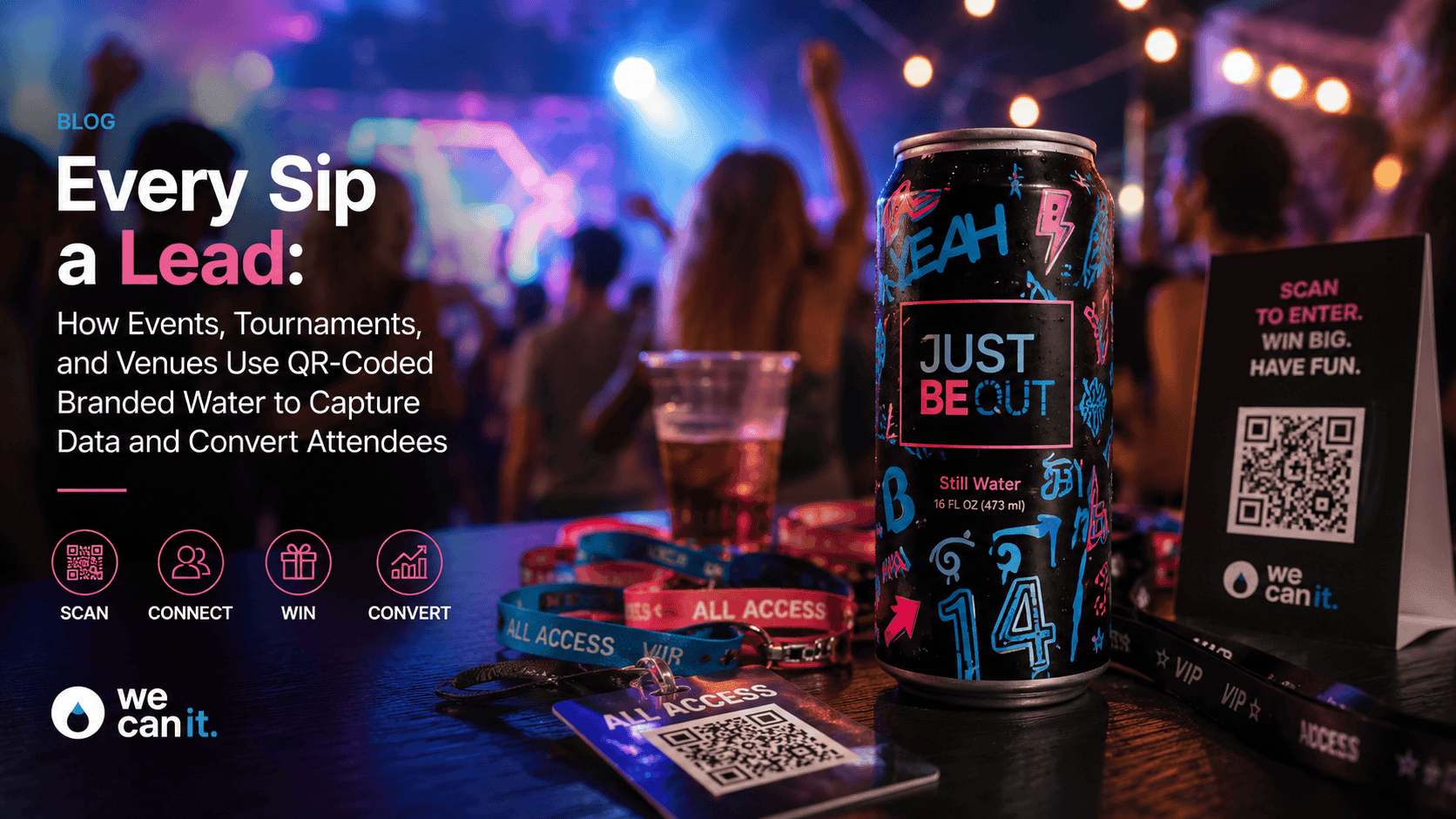
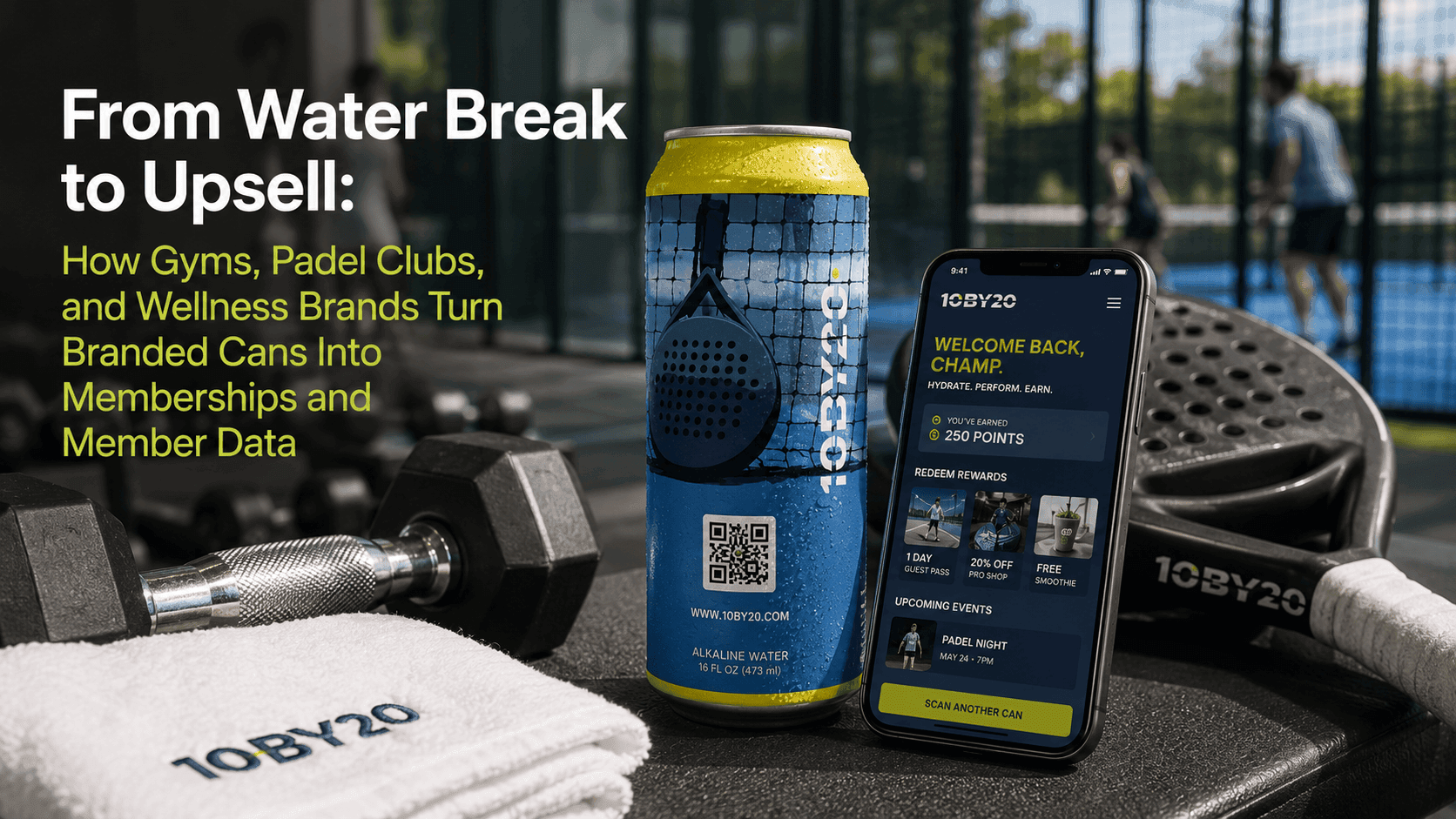
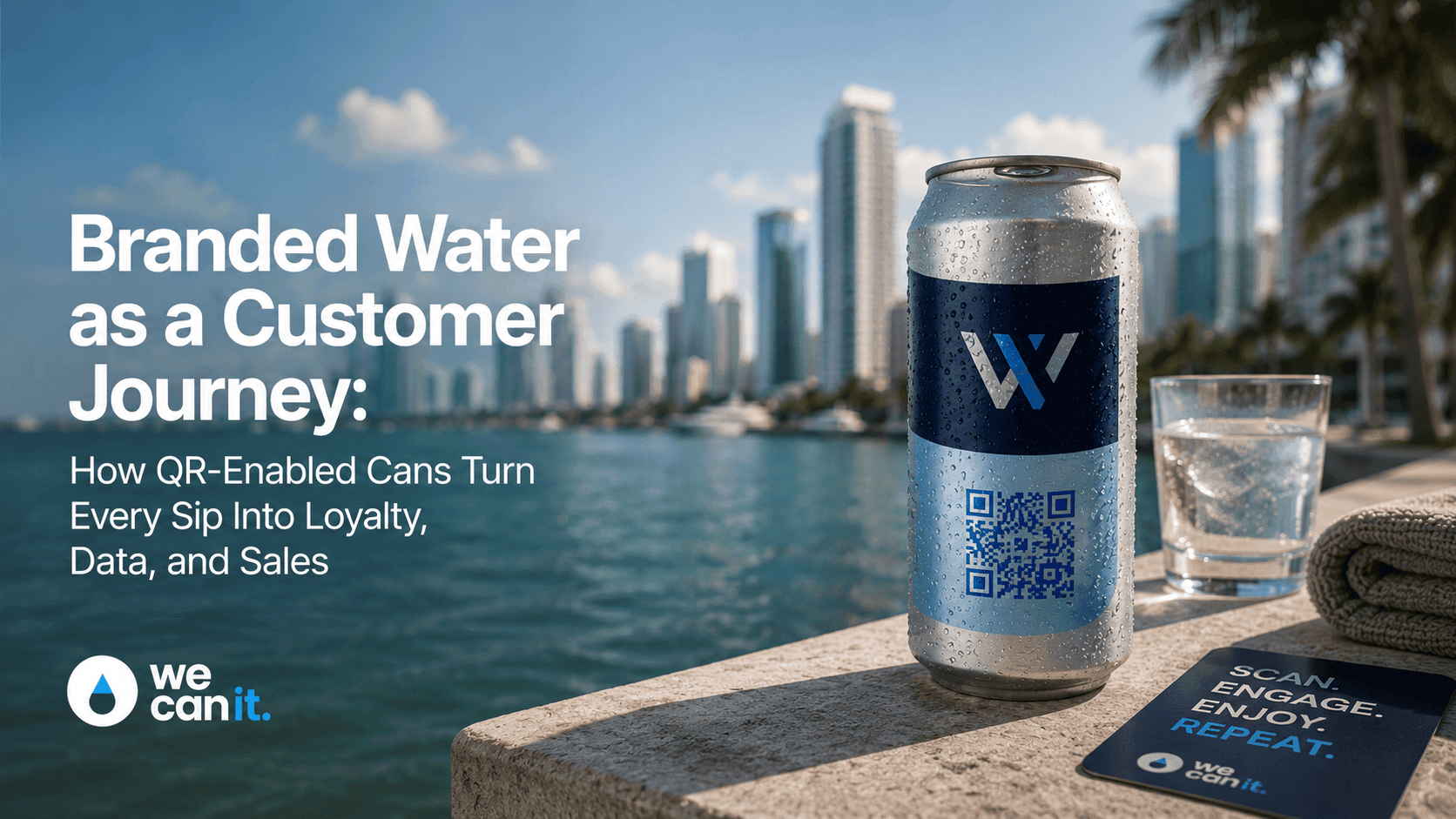
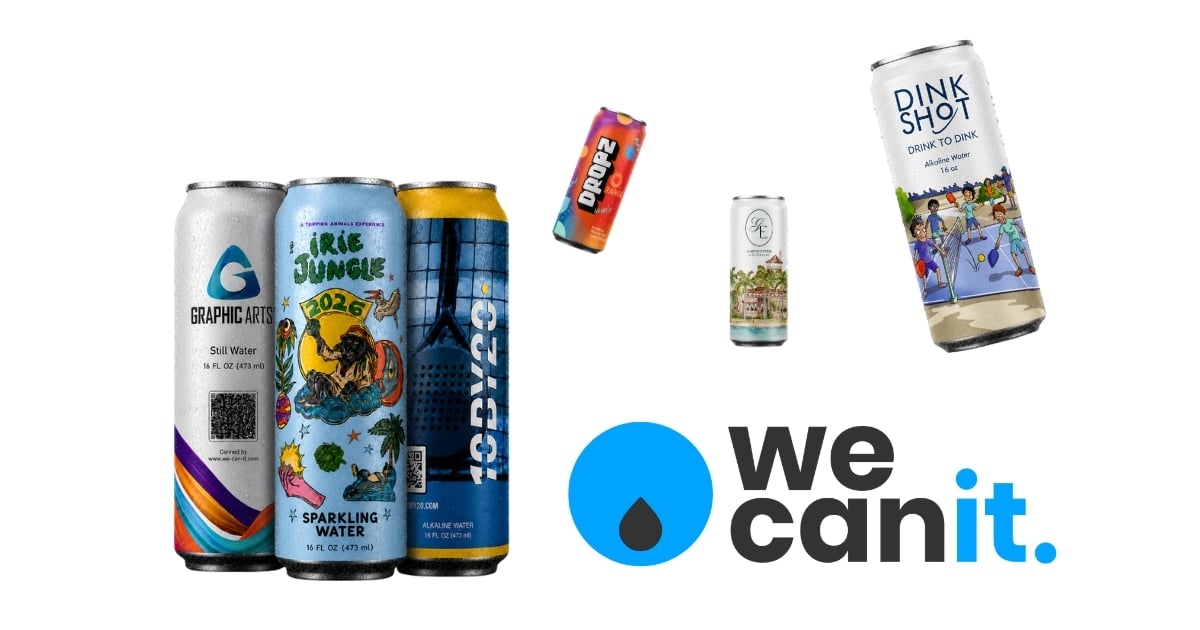
Cans also give you a full wrap to design and room for a QR code that opens a menu, a survey or a full branded experience.
How cans and bottles compare on what buyers ask about
These are the six questions procurement, operations and marketing teams raise most often.
Cost
Plastic is the cheapest per unit, cans sit in the middle, and aluminum bottles are usually the most expensive. For branded cans from We Can It, digital print runs from $0.90 to $2.75 per can depending on volume, and labeled cans are priced very competitively for small runs. Our post on why canned water costs more breaks down every cost driver.
Taste
All three should taste like clean water. Beverage cans have an internal liner, so the water never touches bare aluminum. Because cans and aluminum bottles block light, they also protect the water from sun exposure on a deck or a delivery dock.
Shelf life and storage
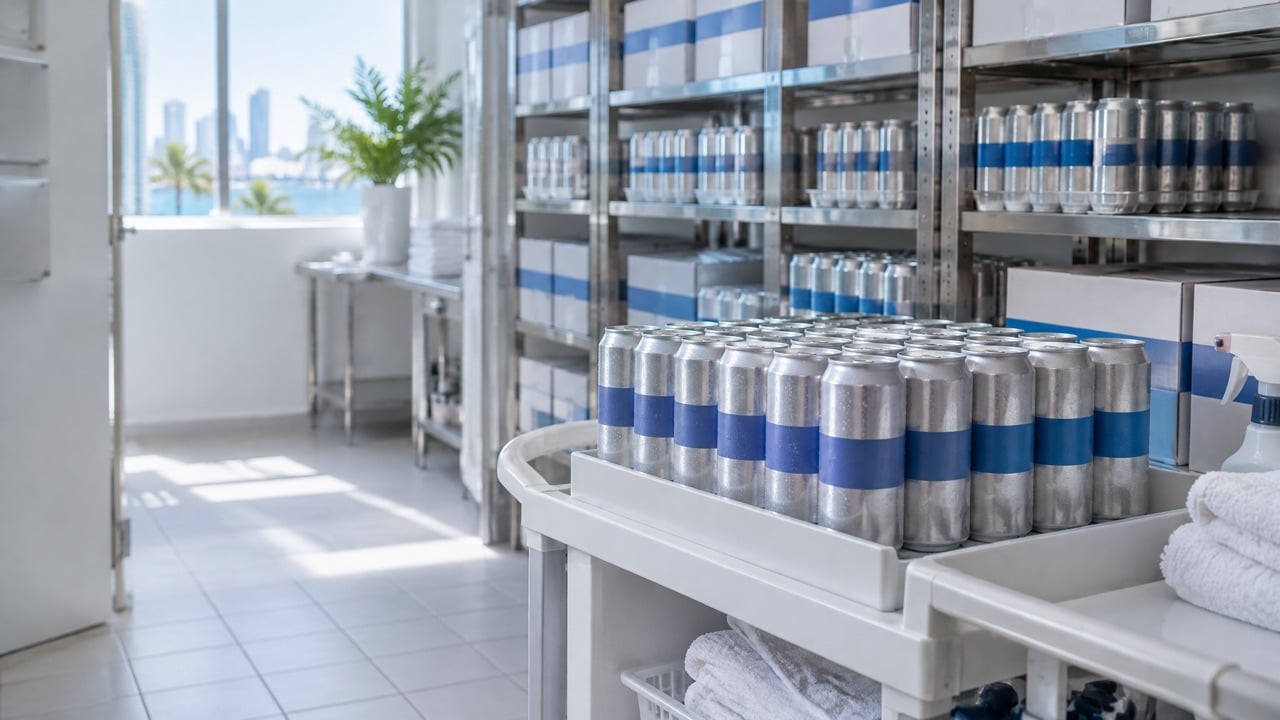
Sealed water does not spoil like food. Most producers print a best-by date, commonly around two years after production, and that date is about peak taste, not safety. Cool, dark storage away from cleaning chemicals keeps any package at its best. Our guide to how long canned water lasts covers storage in detail.
Logistics
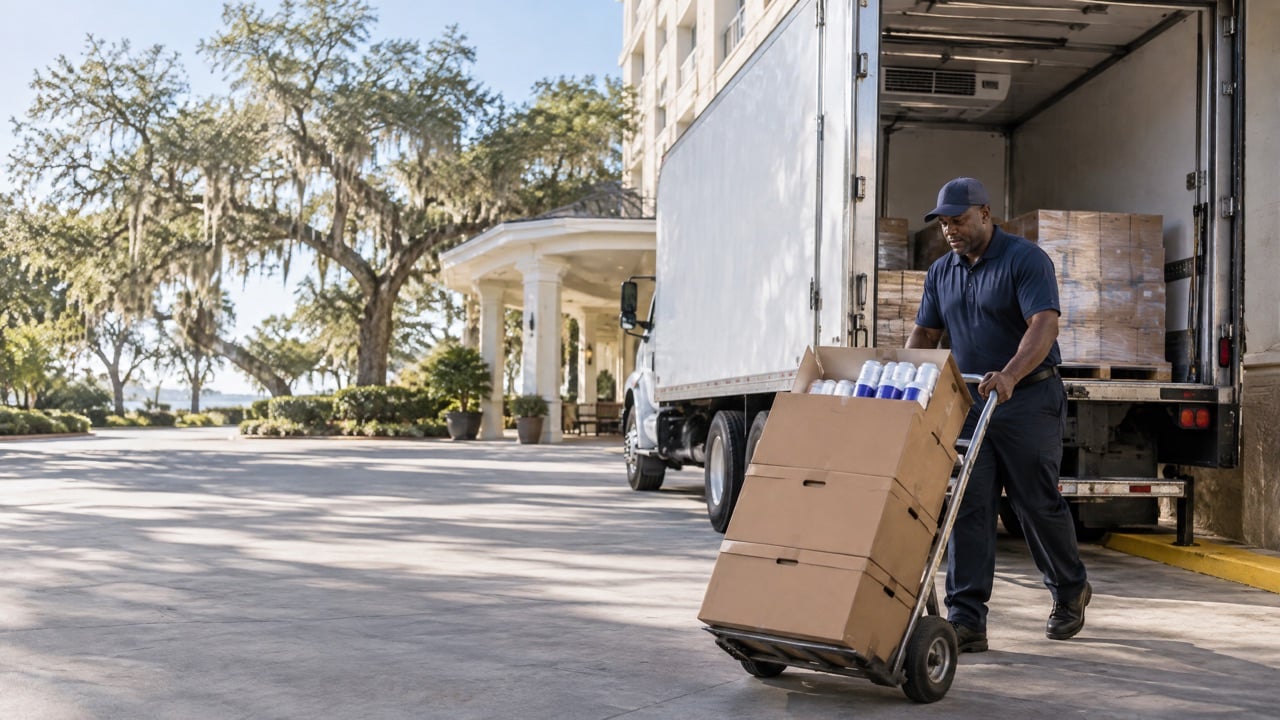
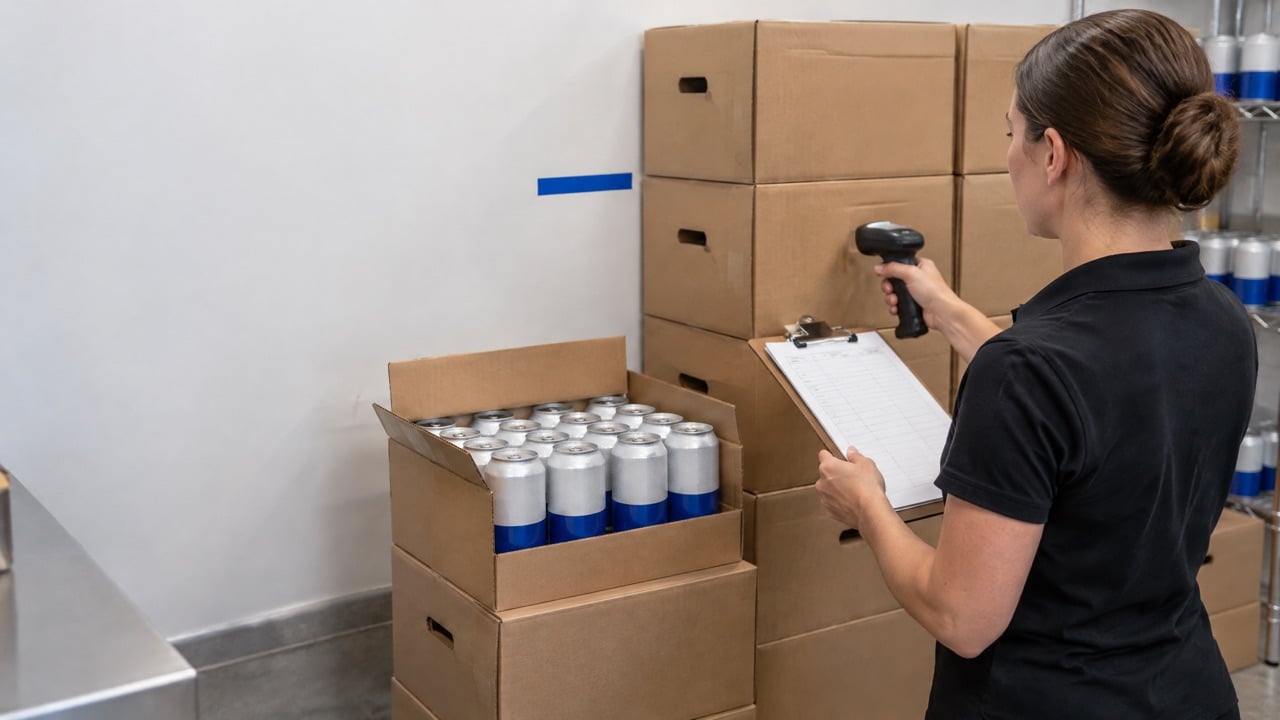
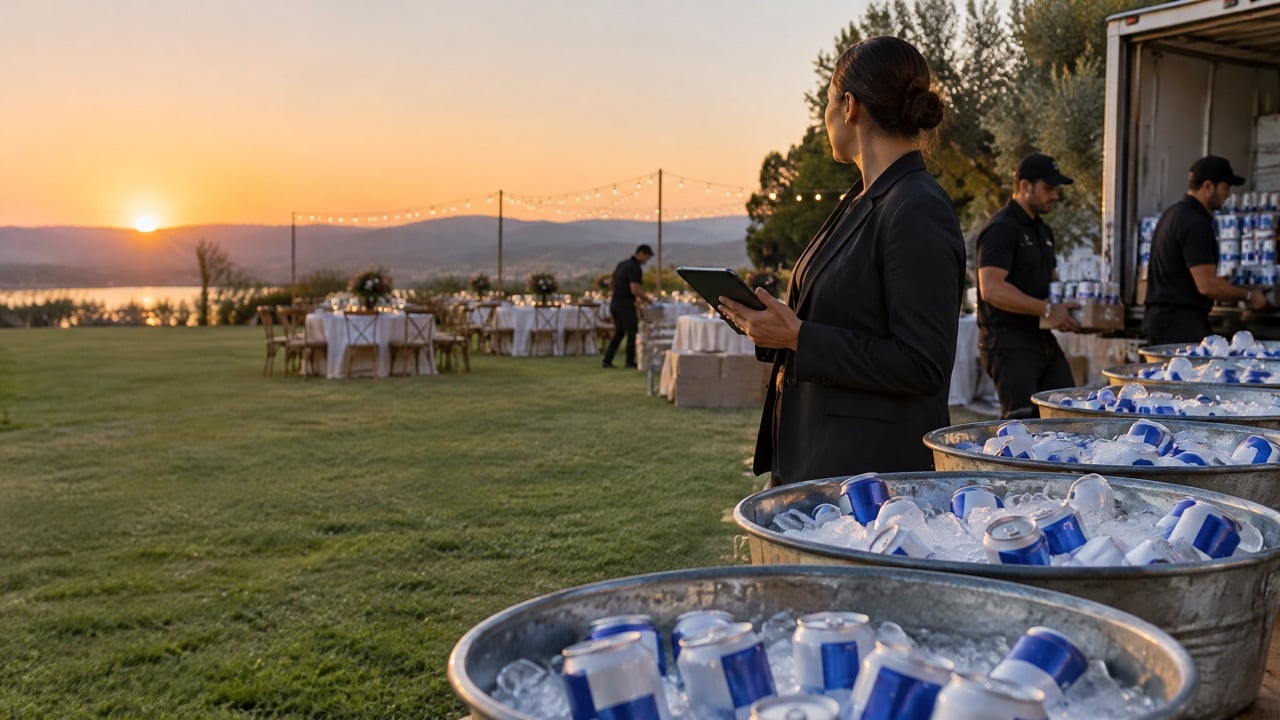
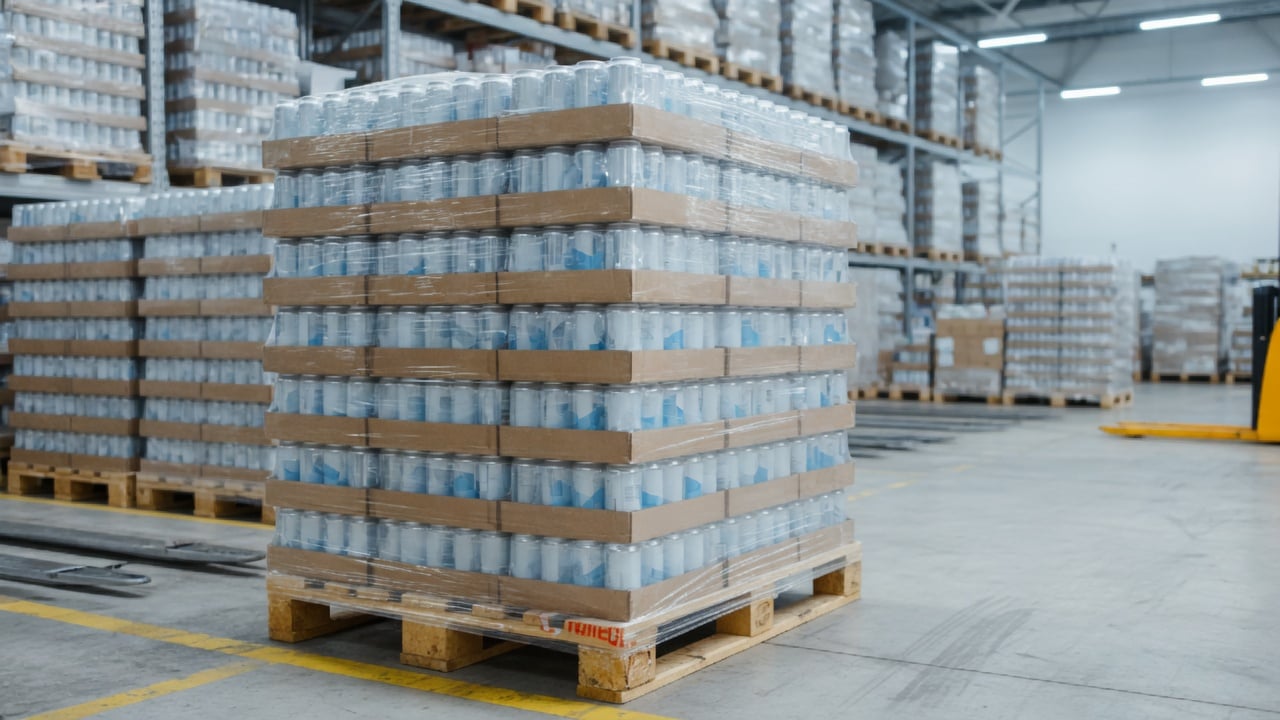
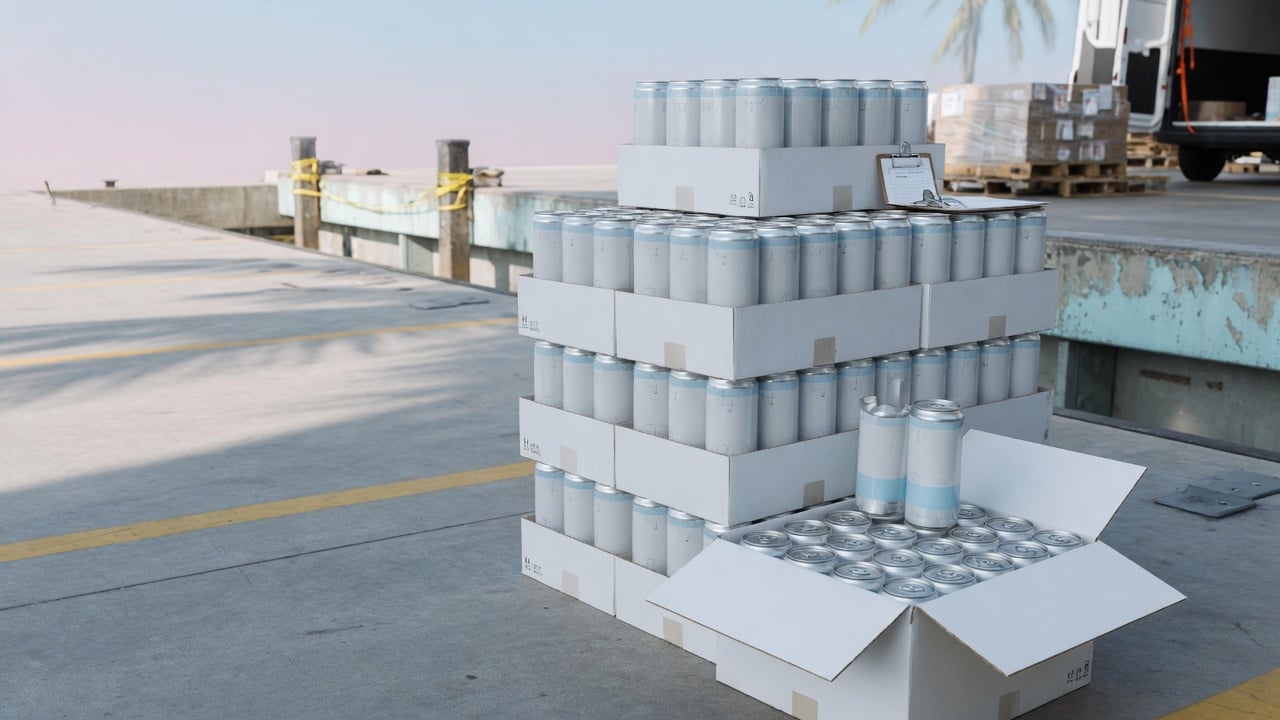
Cans pack 24 to a case and chill very fast, which helps when delivery lands the morning of an event. Bottles reseal; a standard can does not, so plan one can per serving moment.
Branding
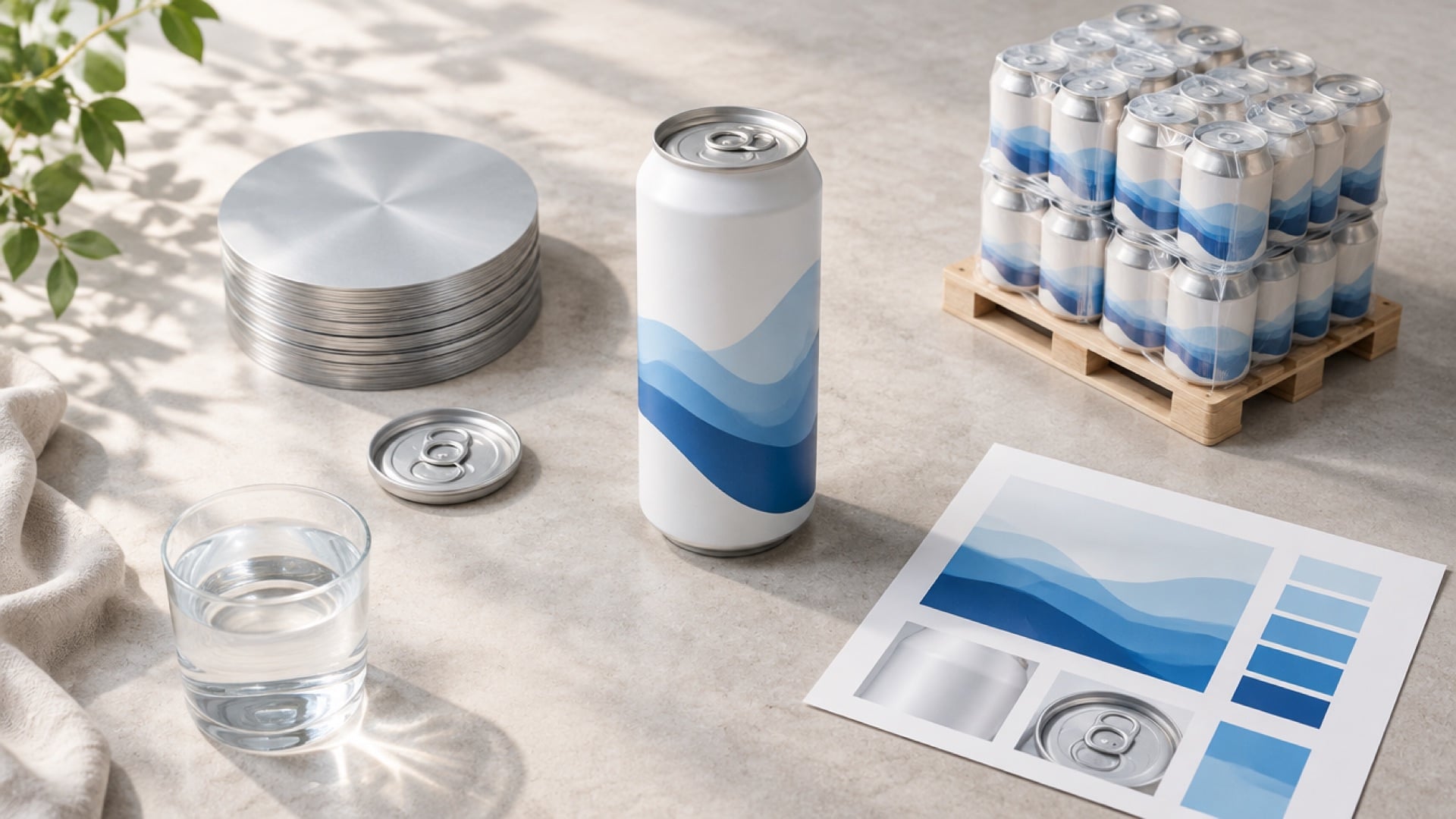
This is where the gap is widest. A plastic bottle usually carries a narrow label. A can carries a full wrap of design, printed on the metal or labeled, plus a QR code.
Sustainability claims
Aluminum can be recycled again and again without losing quality, while plastic bottles are often downcycled. The real outcome depends on whether guests actually recycle, so keep claims specific and put clear bins wherever you serve.
A 5-question way to decide
If you are still torn, answer these in order. The first "yes" usually settles it.
- Will a guest, client or camera see the water? If no, buy plastic bottles.
- Do people need to reseal and carry it for hours? If yes, look at aluminum bottles.
- Do you want your brand or a QR code on the package? If yes, cans give you the most space for it.
- Is the setting glass-free or by the water? If yes, cans are a natural fit.
- Do you have about 2 to 3 weeks before the date you need it? If yes, custom cans are realistic. If not, use bottles this time and plan cans for the next event.
What to check before you switch from bottles to cans
Switching does not have to be a big bet. Before you lock artwork, check these with any supplier:
- Confirm the minimum order and whether it fits a single event or property.
- Confirm the lead time from artwork approval, not from the first email.
- Choose the can size for the moment: 12oz sleek, 12oz regular or 16oz.
- Choose still, sparkling or alkaline for your guests.
- Ask whether a QR code is included and what it can link to.
- Ask how freight is billed and when cases arrive.
Where We Can It fits
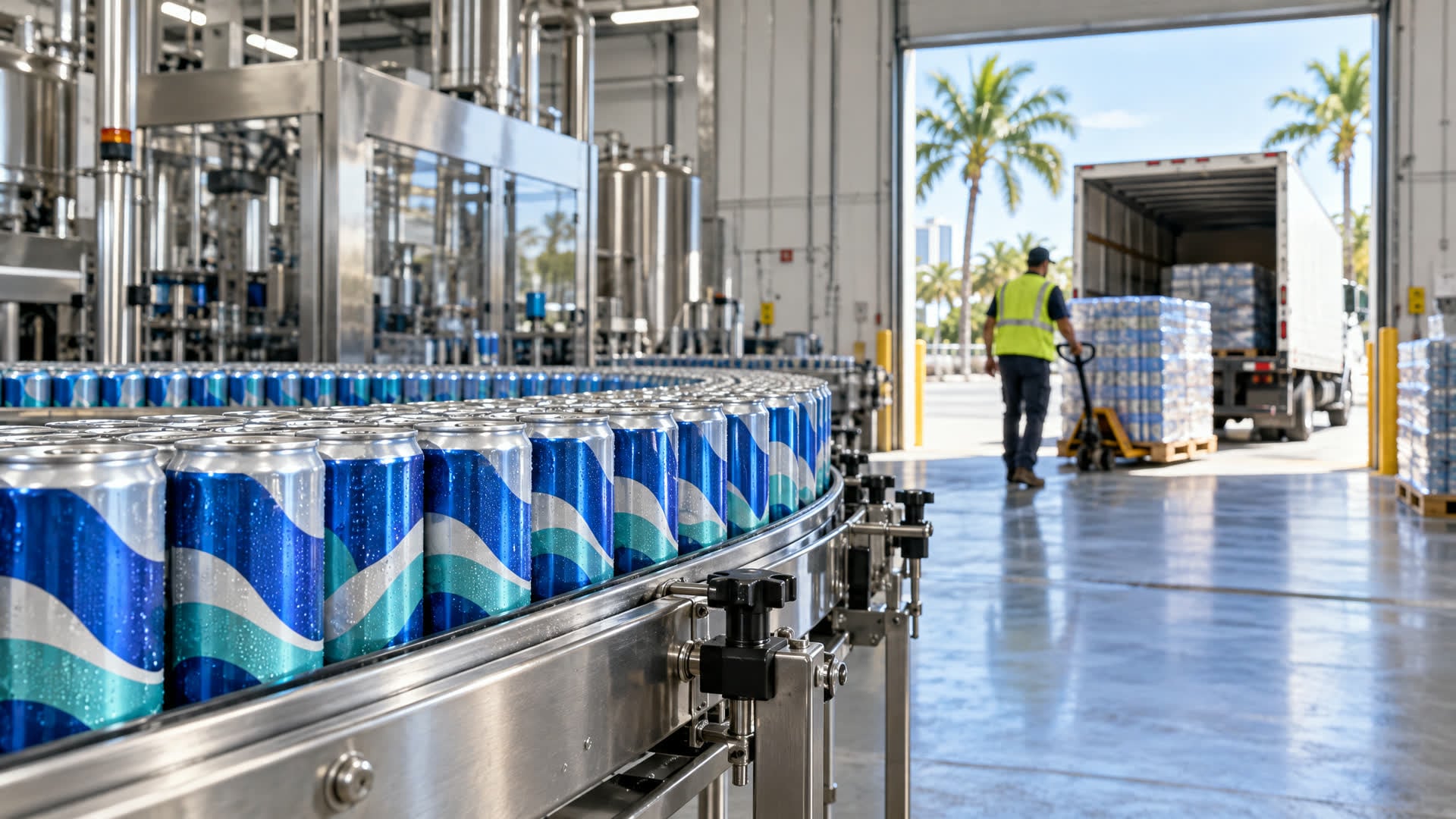
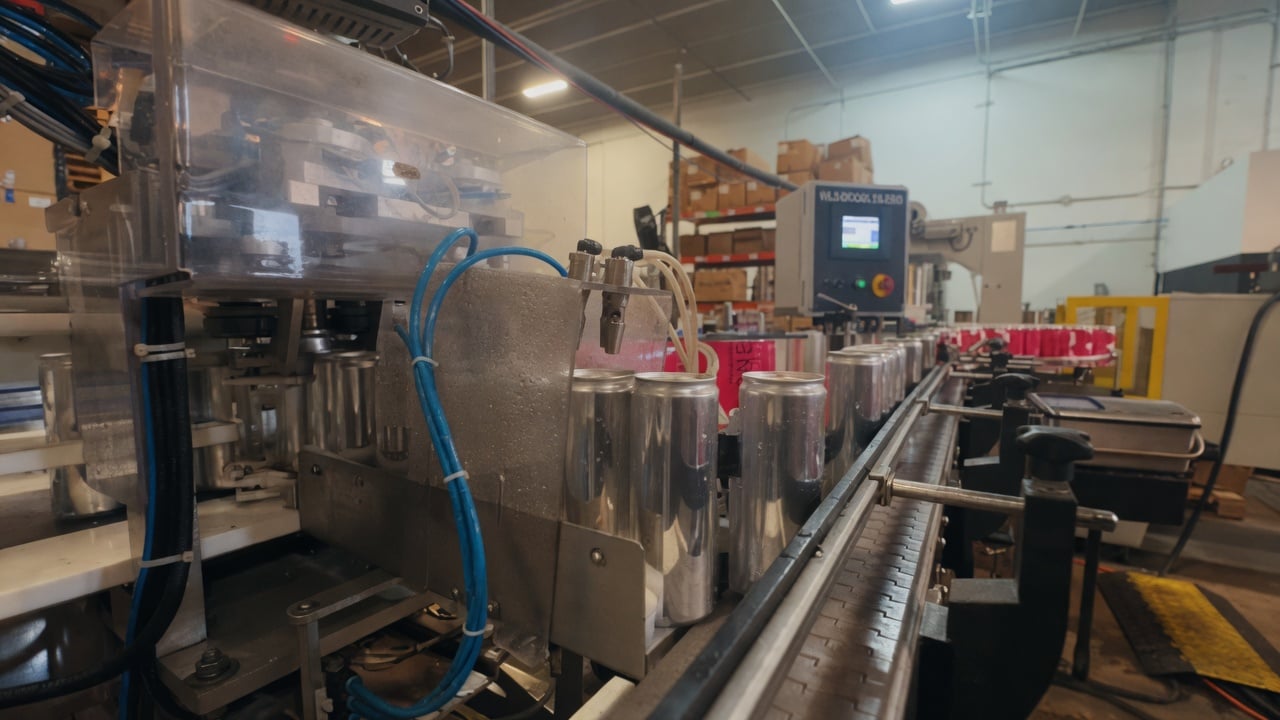
We Can It works where industrial water manufacturing and packaging meet immersive marketing with performance analytics. We make premium still, sparkling and alkaline water in custom aluminum cans for brands, venues and agencies that want to delight customers, patrons and attendees. Minimums start at 21 cases (504 cans, 24 per case), production takes about 2 to 3 weeks from approved art, and cases ship nationwide from Miami, South Florida, with freight billed at cost. A QR code comes on every can at no extra cost.
Canned water has been around for years. Our focus is making it practical for programs too small for the 10,000-unit minimums common in the industry. Explore our still water cans, or read the full canned water guide for safety, types and supplier questions.
Frequently asked questions
Can I use cans and bottles at the same event?
Yes, and many teams do. Put branded cans at the welcome desk, bars, stage and gift bags. Keep plain bottles for crew, vendors and back-of-house.
What if guests want to save their water for later?
A standard can lid does not reseal, so serve cans where people drink on the spot, like trays, bars and coolers. For long hikes or all-day carry, a resealable bottle is the better choice.
Should I start with still or sparkling cans?
Still is the safe first order because nearly every guest drinks it. Sparkling works well at bars, dinners and celebrations, and costs slightly more per can.
Can a bottle carry a QR code too?
Any package can carry a printed code, but a narrow bottle label leaves little room. A can's full wrap gives the code space to stand out. At We Can It, a QR code is included on every can at no extra cost.
What is the smallest order to test cans before switching?
Labeled cans start at 21 cases, which is 504 cans. Digitally printed cans start at 100 cases. That lets you test cans at one event before changing a whole program.
How far ahead should I order cans for an event?
Plan on about 2 to 3 weeks from approved artwork, then add freight time to your venue and a few days for proofs. Ordering a month out gives you breathing room.
What can I honestly say about switching to cans?
Stick to specific, true statements, such as "packaged in a recyclable aluminum can." Avoid broad words like "eco-friendly" without proof, and pair any claim with clear recycling bins.
Get a quote for branded canned water
If cans fit your guest-facing moments, see your own number. Tell us your size, water type and quantity, and a product advisor will follow up by email.