Water in a Can: What It Is, How It Is Made and Why Brands Use It
Water in a can is still or sparkling water sealed in a lined aluminum can instead of a plastic bottle. Here is how it is filled and sealed, how it tastes and keeps, and why hotels and brands now print their own.
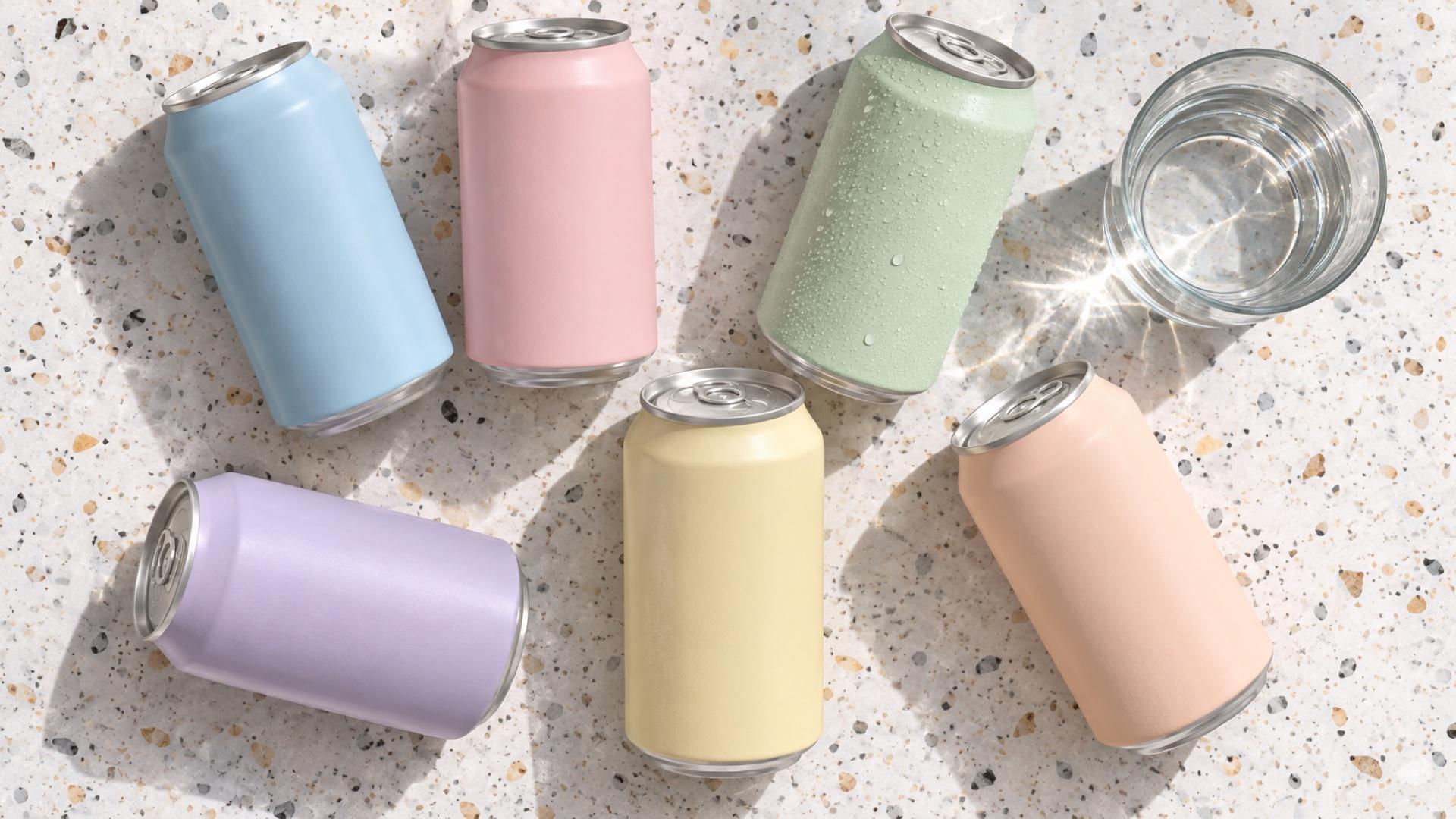
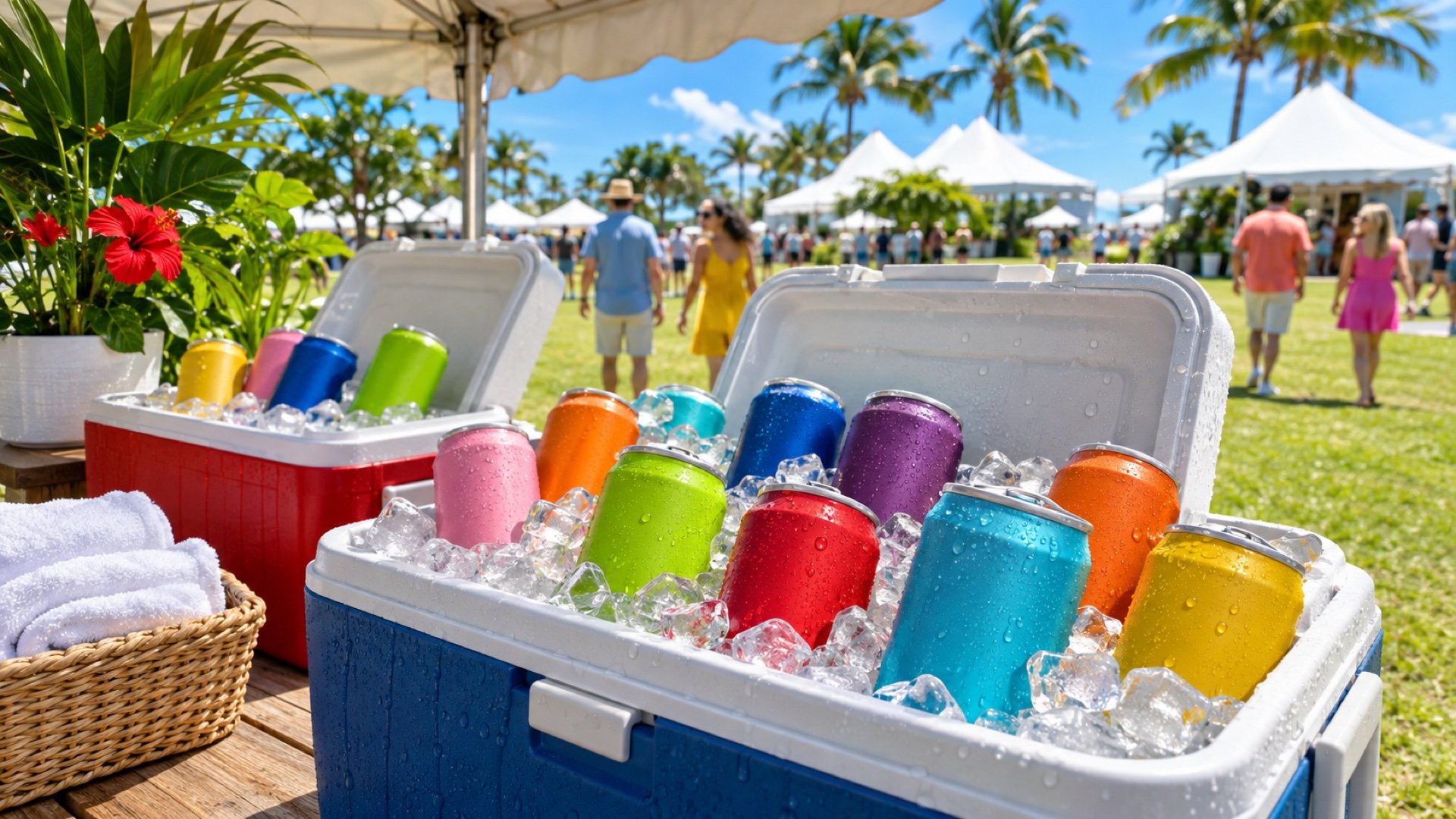
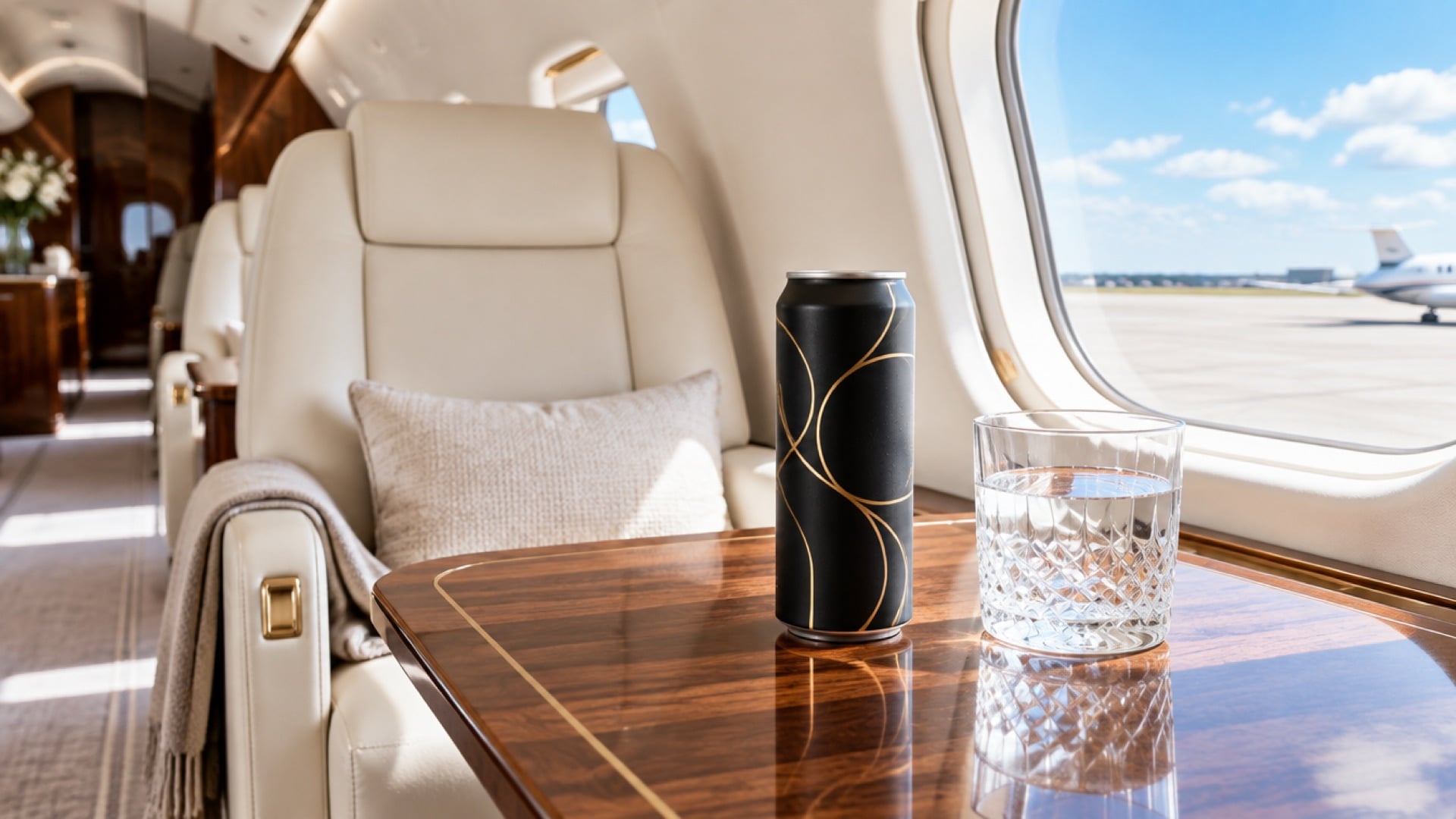
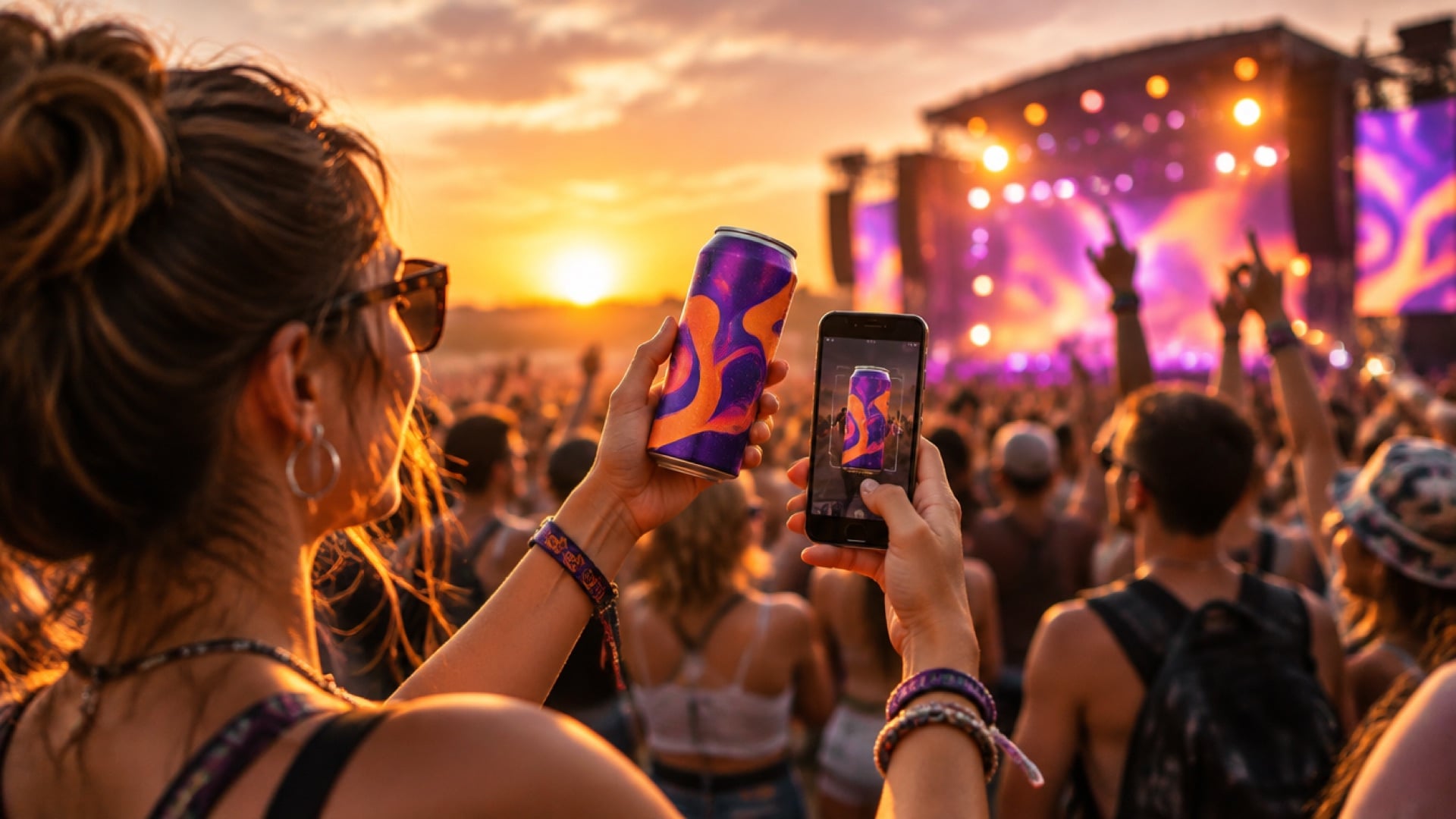
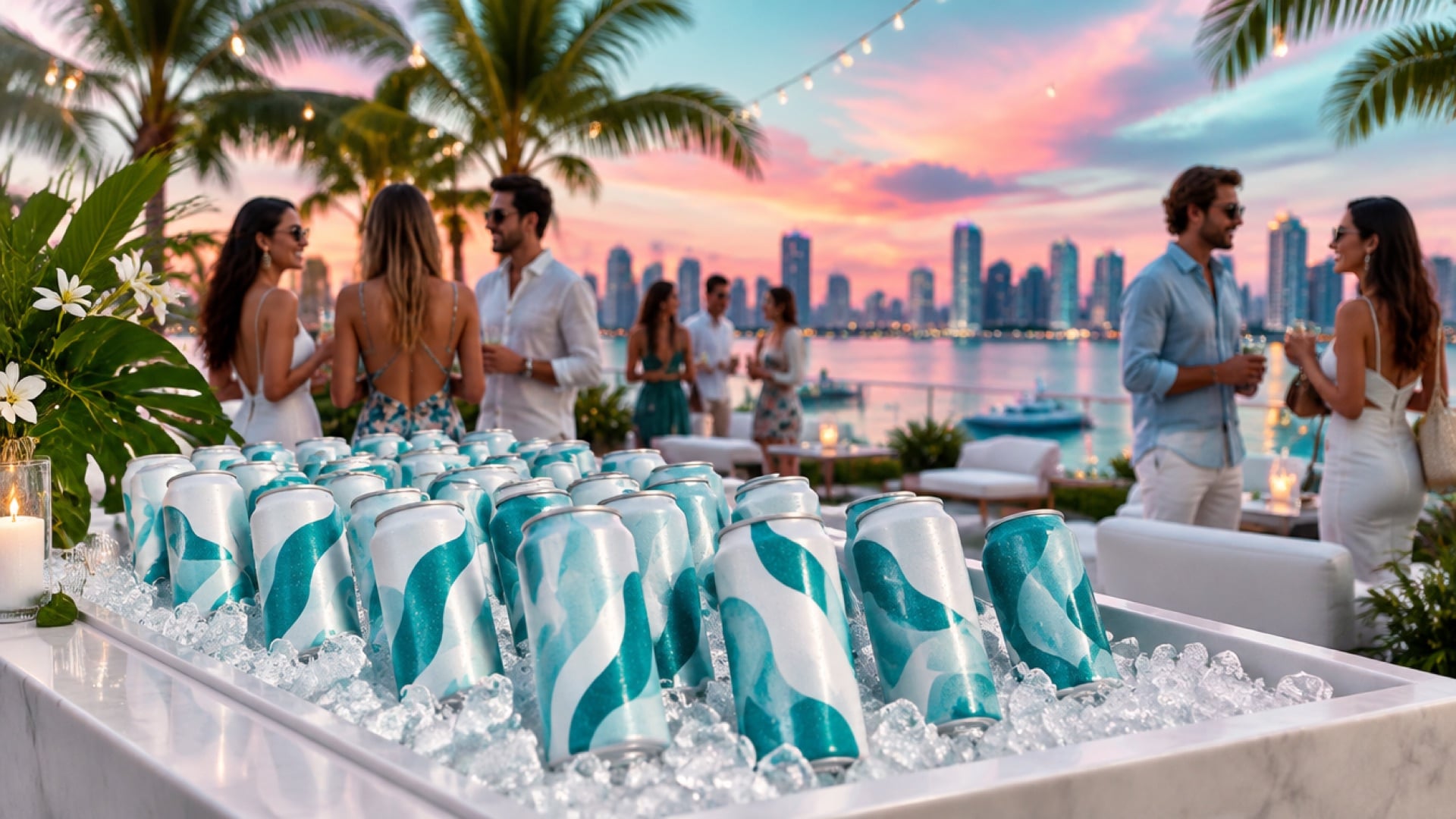
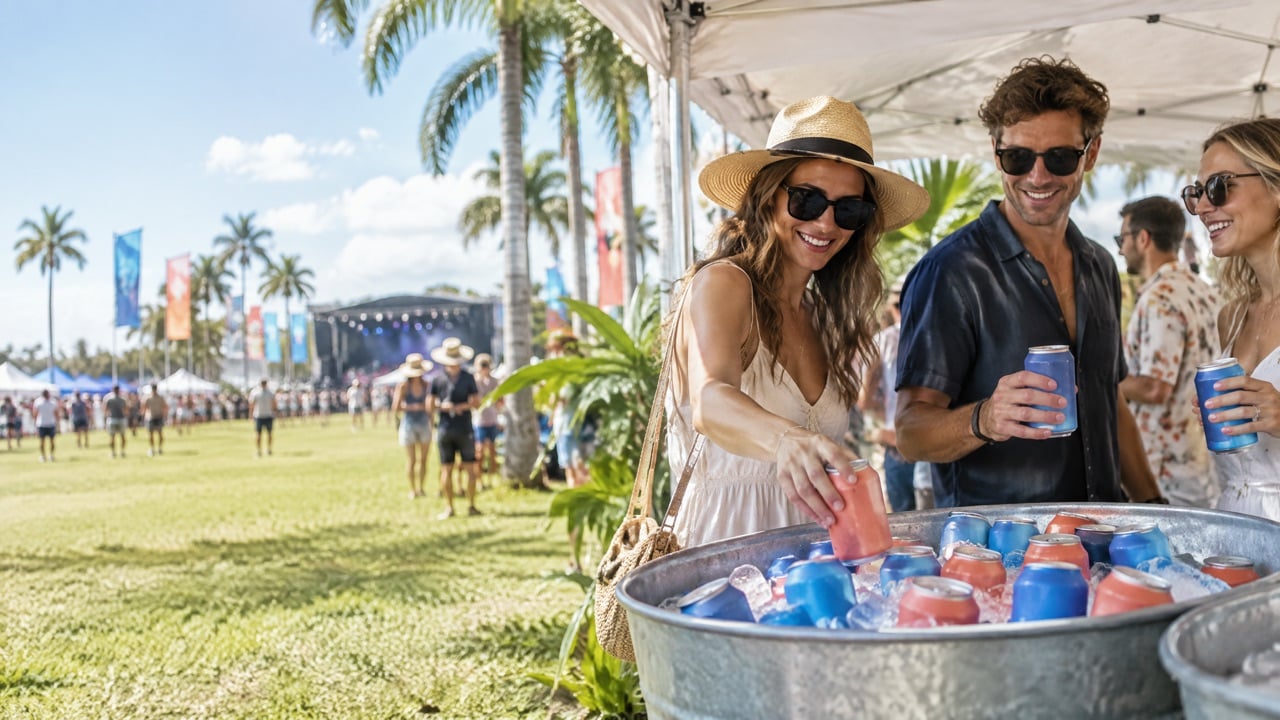
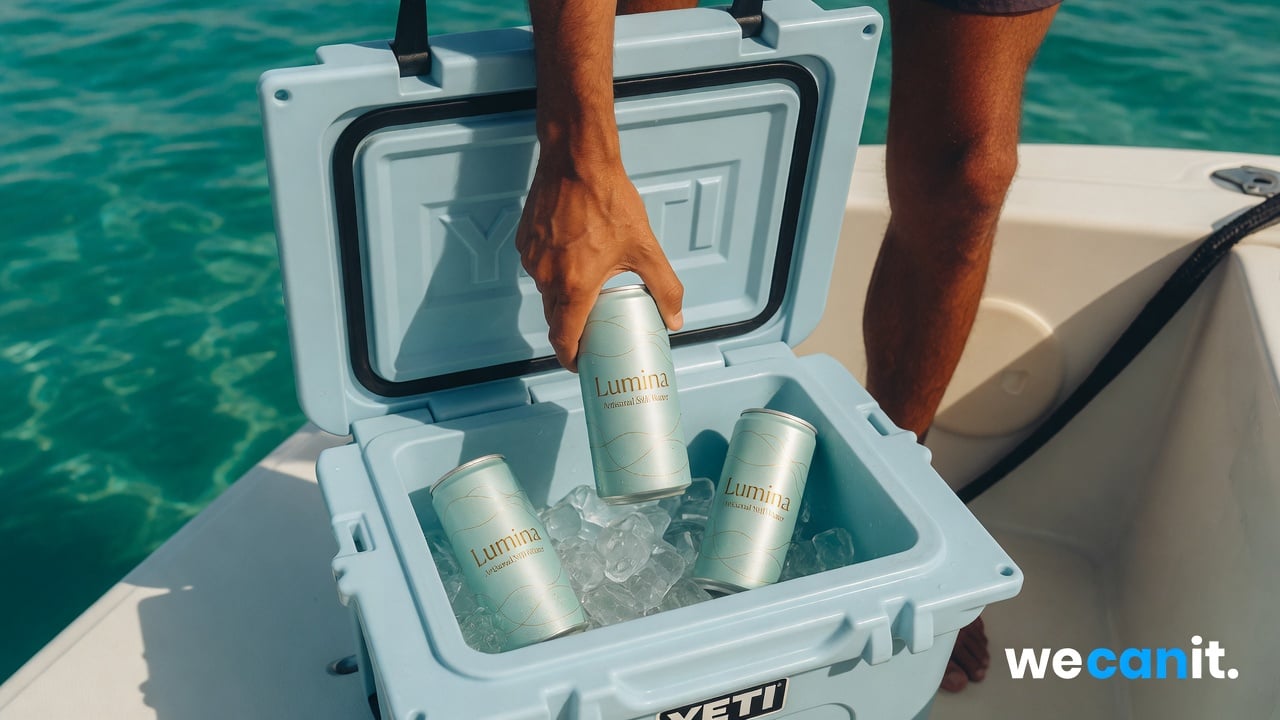
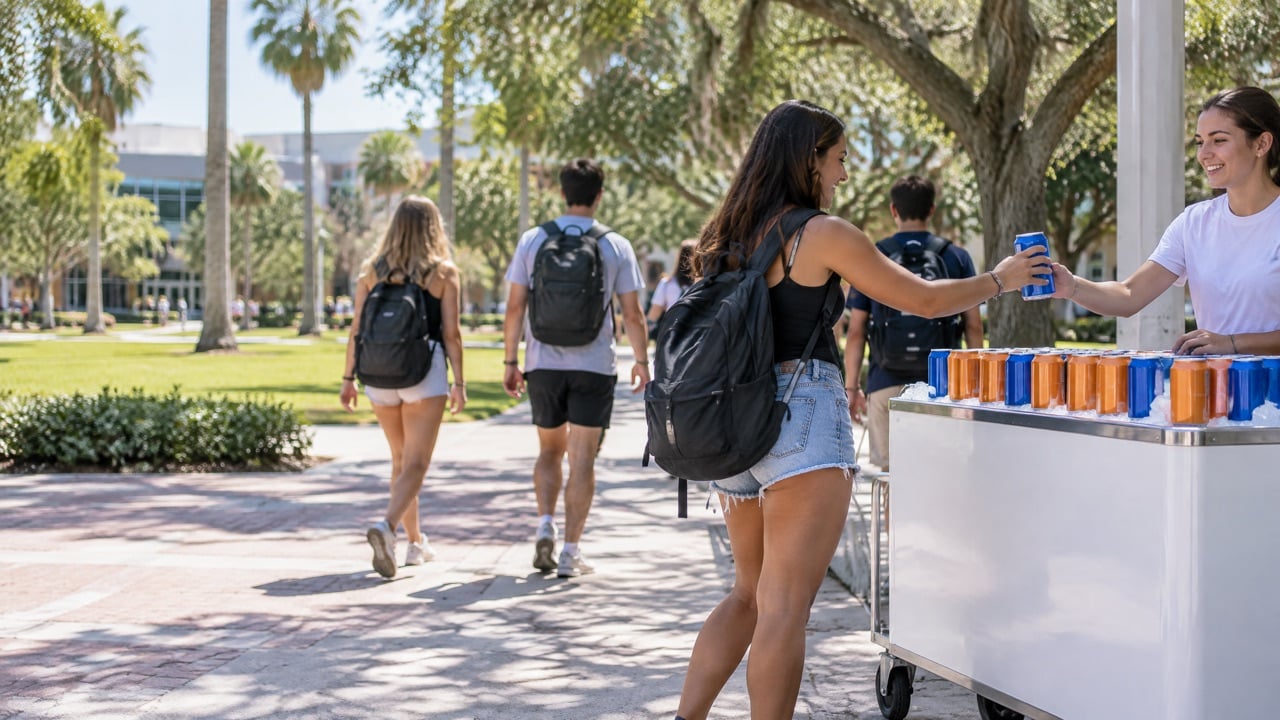
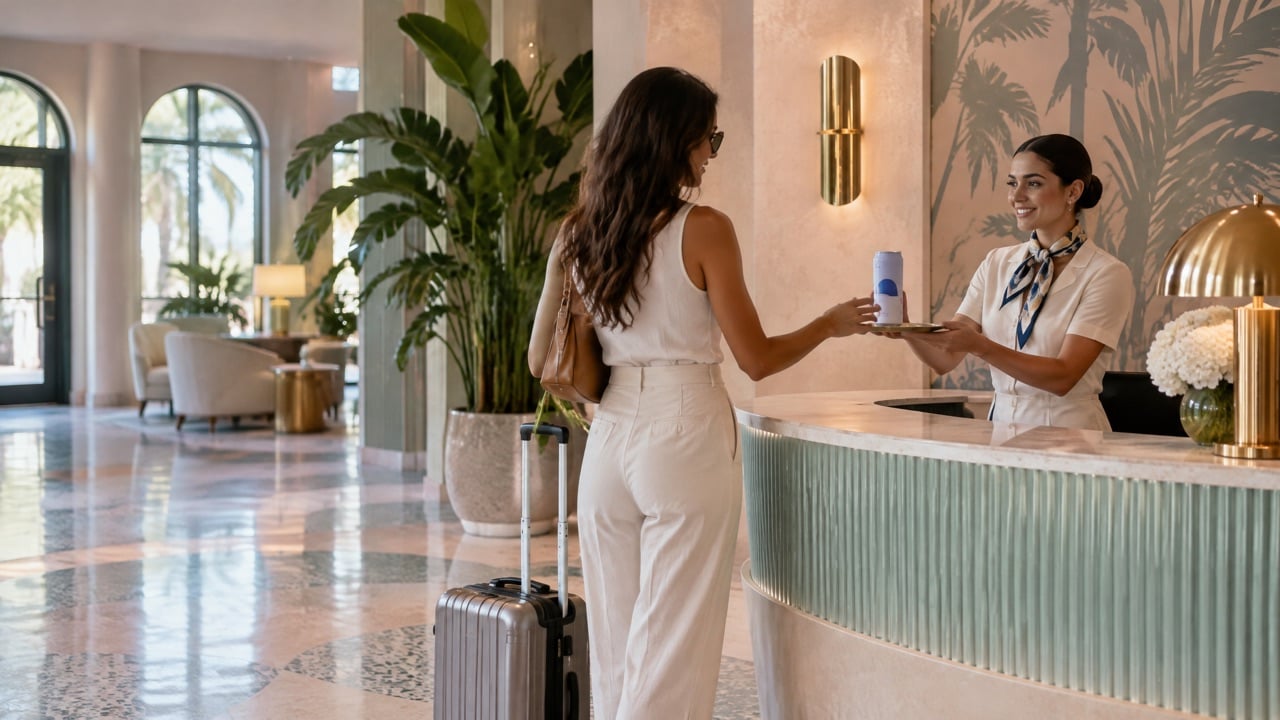
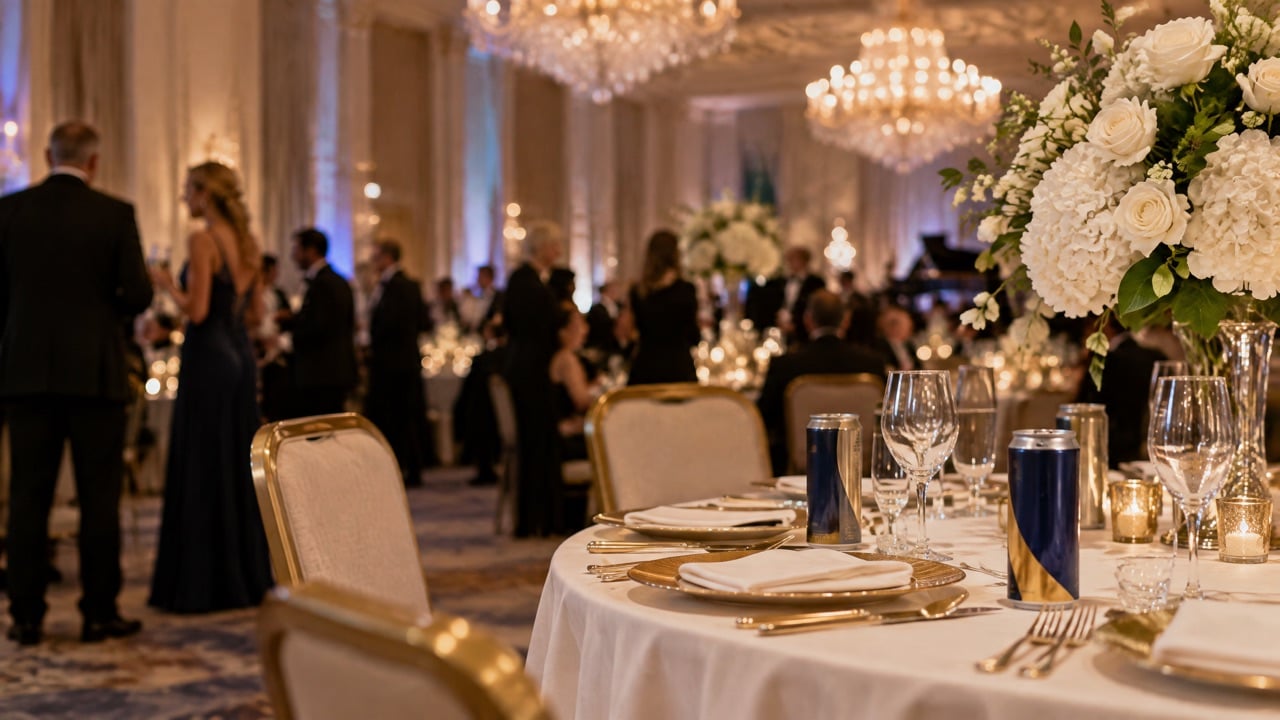
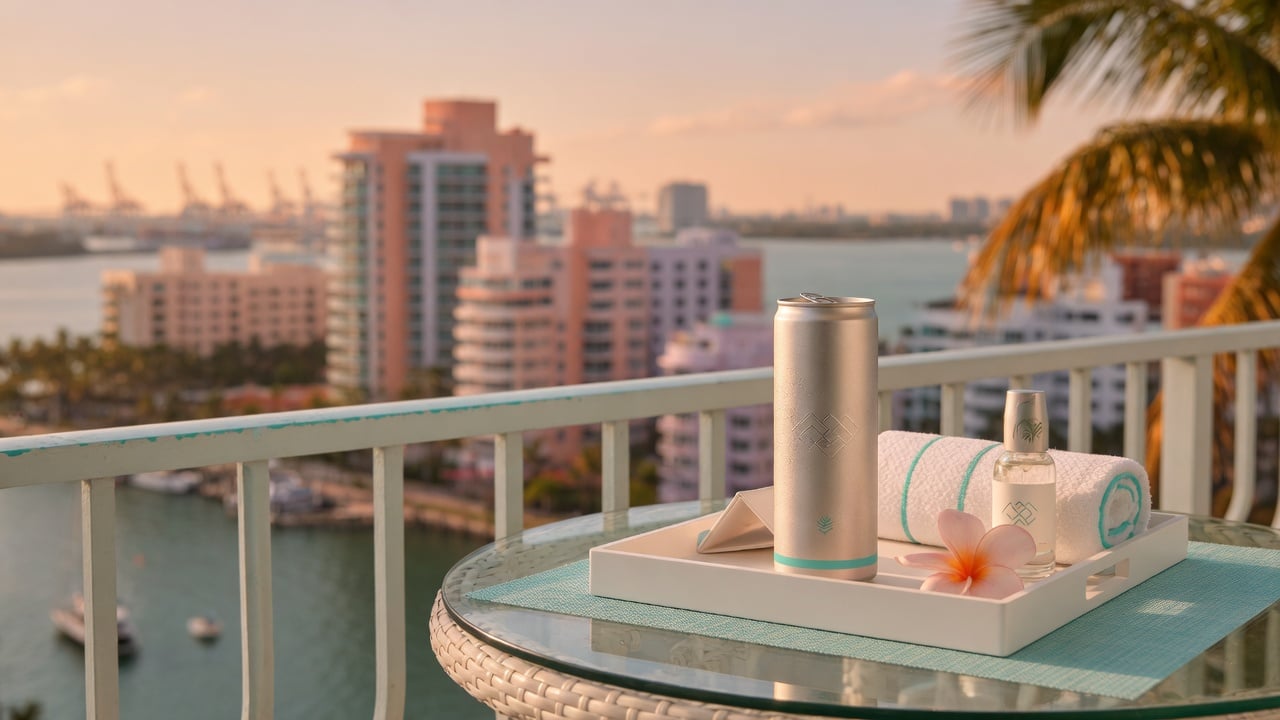
A few years ago, handing someone a can of water at a hotel check-in or a festival gate would have earned a puzzled look. Is it soda? Is it beer? Today it is normal. You see cans of water at airport lounges, concerts, gyms, golf courses and boutique hotels, often with the venue's own design on the side.
If you are wondering what water in a can actually is, how it gets into the can and why so many brands are switching to it, this guide covers it in plain language. It is written for curious first-time buyers and for the teams who will eventually order it.
What is water in a can?
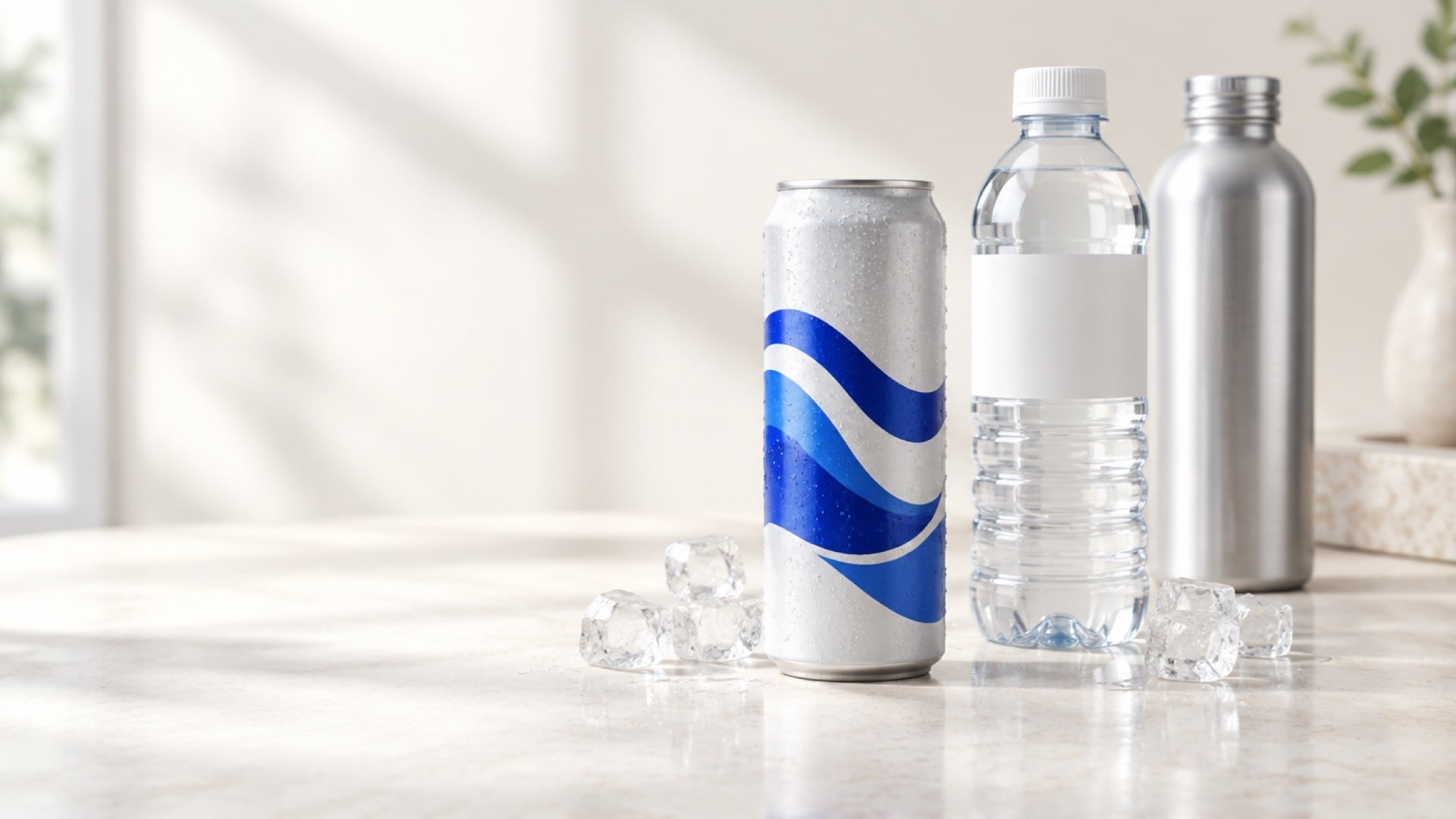
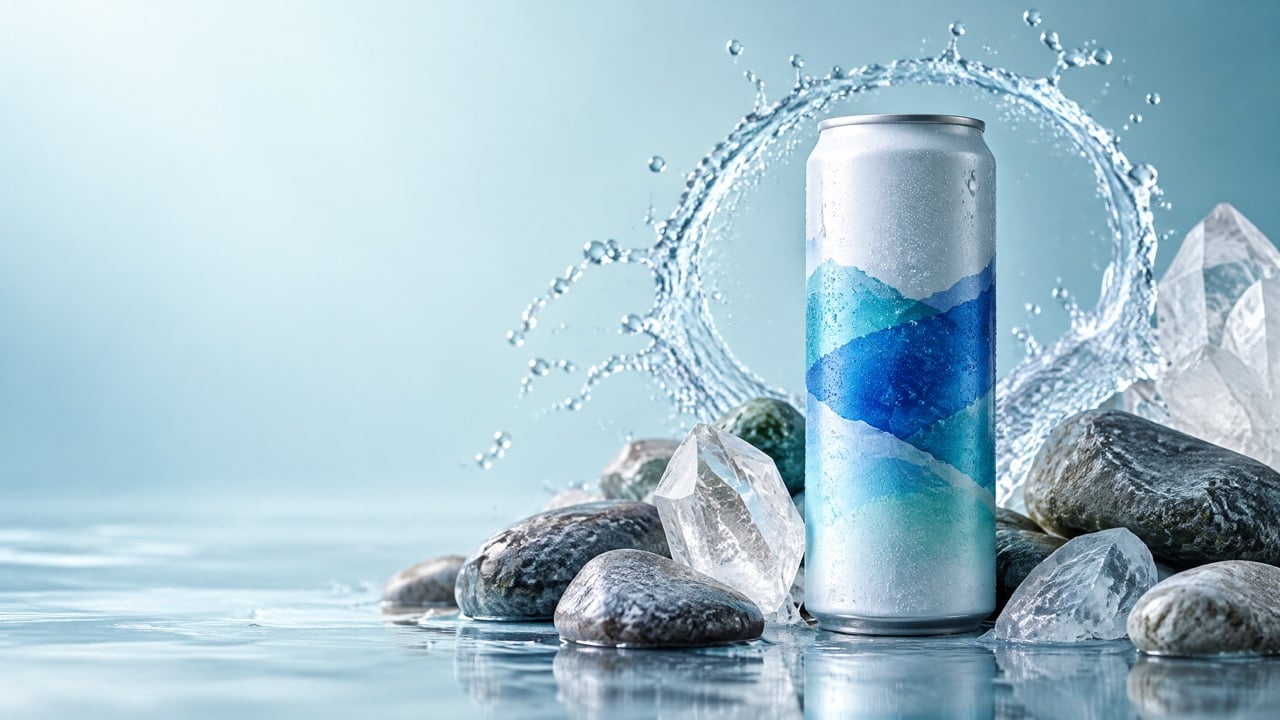
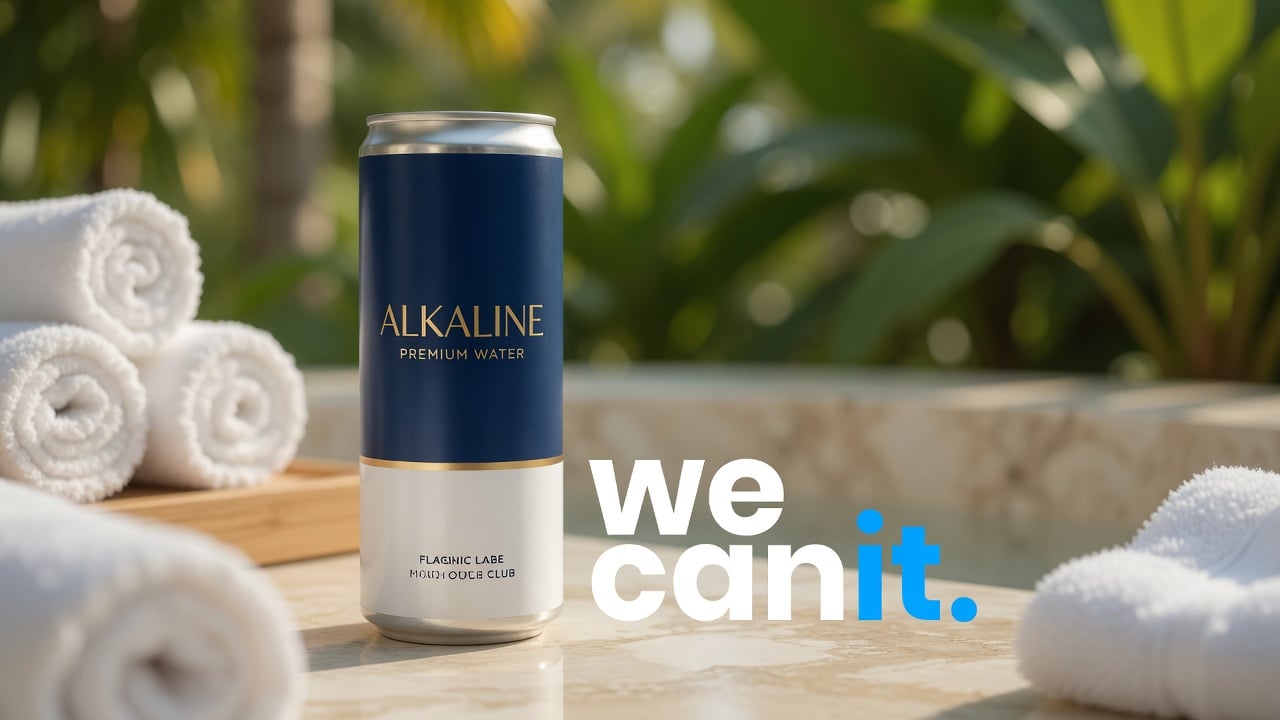
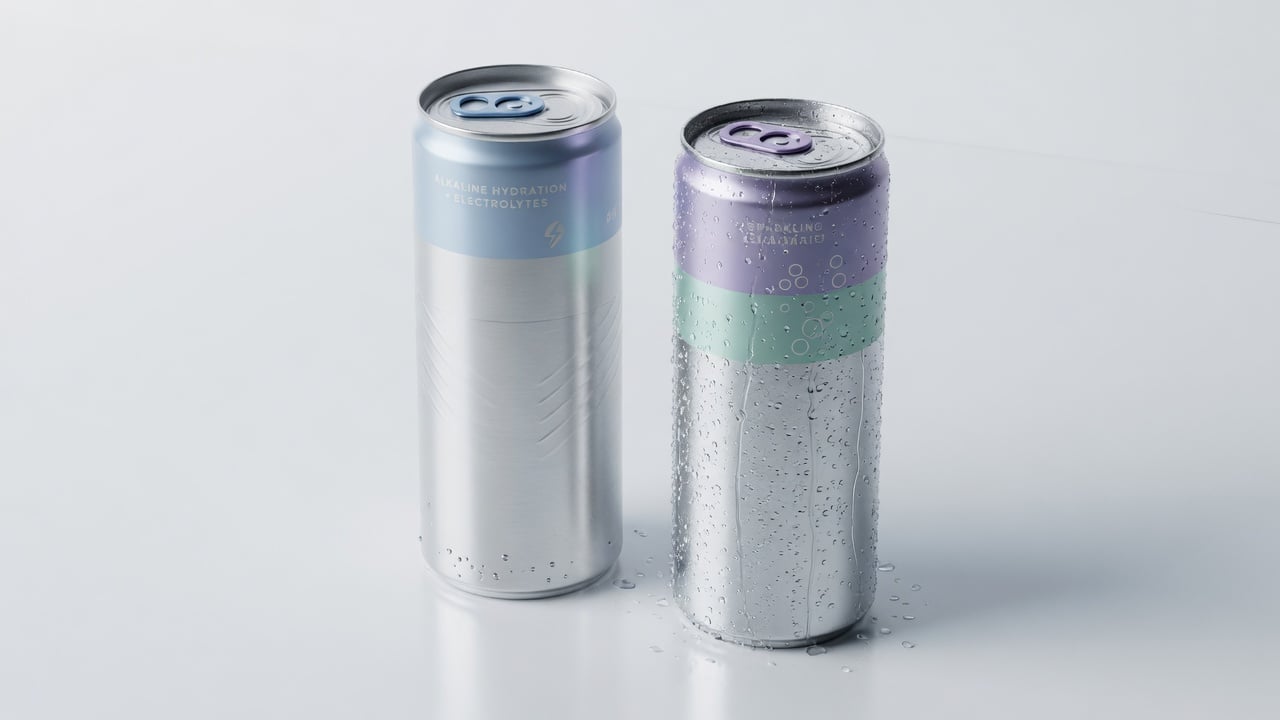
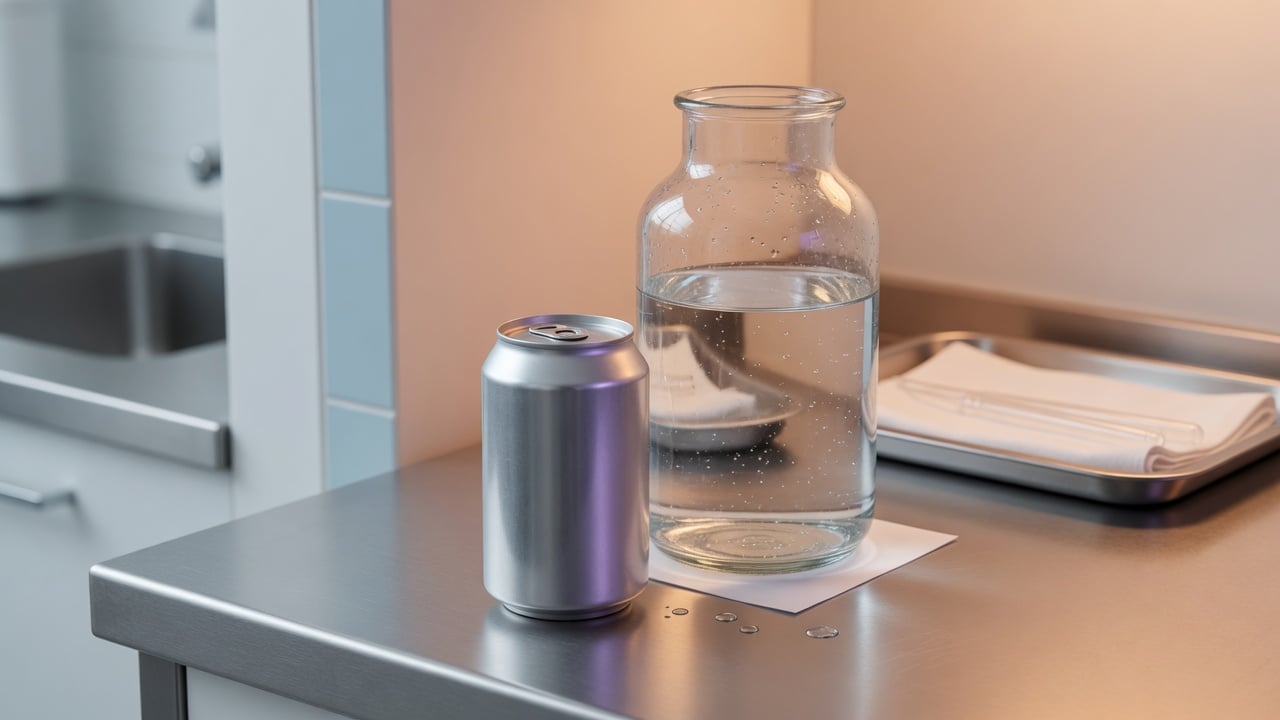
Water in a can is drinking water, still or sparkling, that is filled into an aluminum can and sealed with a lid, the same way soft drinks are packaged. The inside of the can has a thin protective coating so the water never touches bare metal. Nothing else changes: it is the same kind of water you would buy in a bottle, just in a different container.
The main difference is the package. Aluminum is lighter than glass, does not break, chills quickly and is widely recycled. For brands, the can is also a full 360 degree surface for design.
How is canned water made?
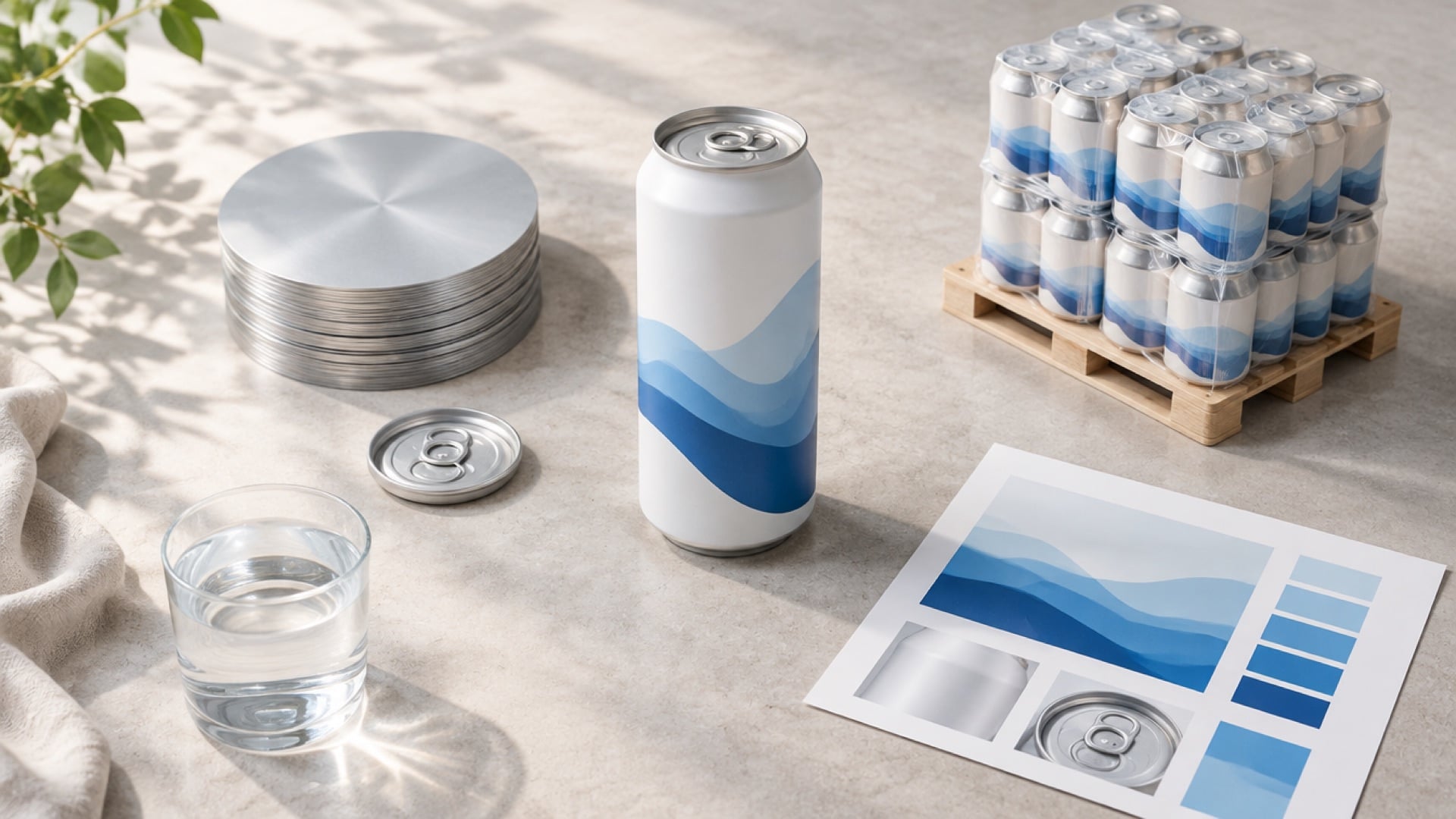
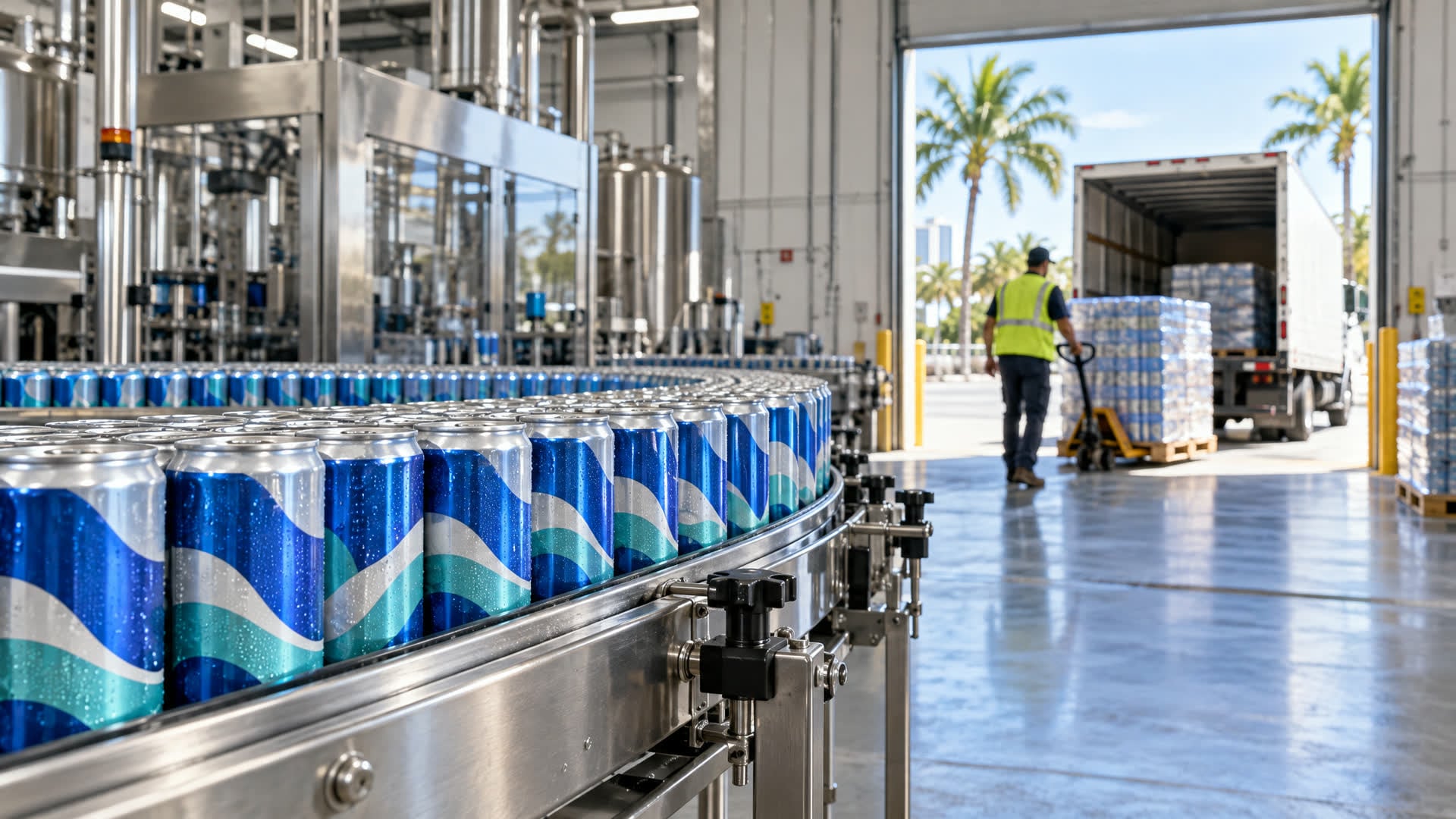
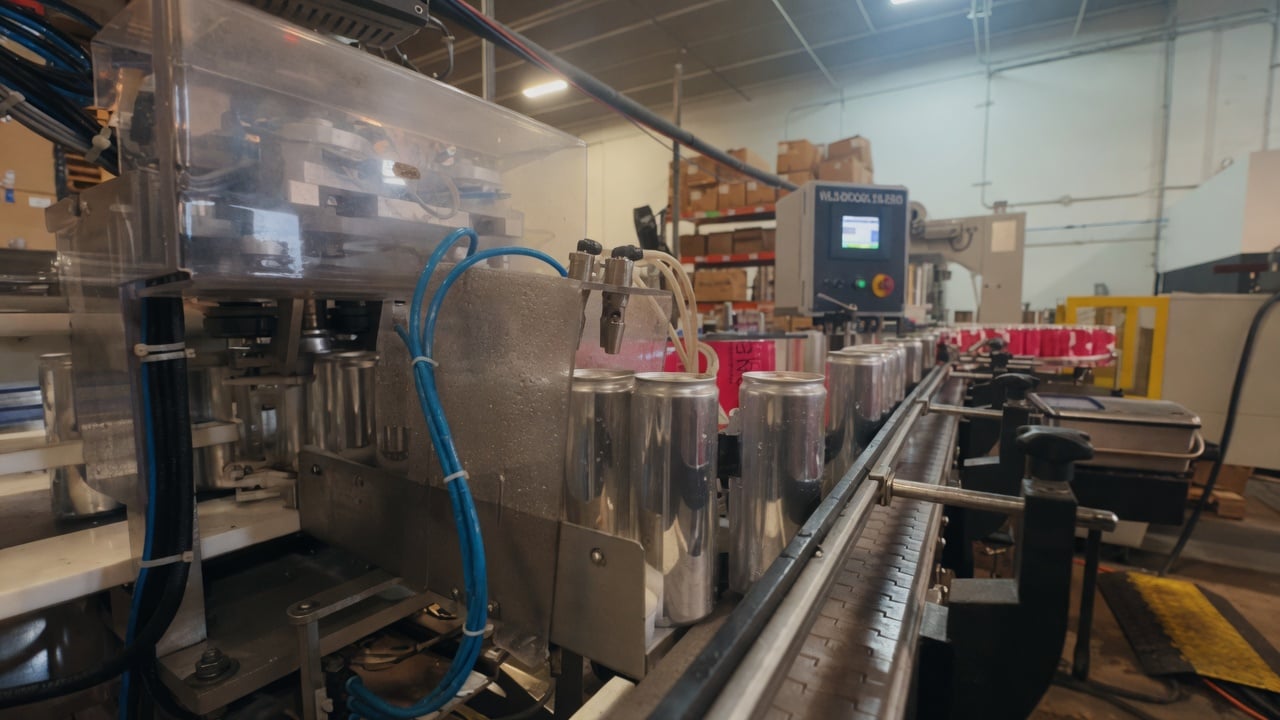
Canned water goes through the same basic steps as any packaged drinking water, plus a canning line instead of a bottling line. Here is the process in simple terms:
- Water treatment. The water is filtered and treated to meet drinking water standards. Depending on the product, it may be purified, mineral-adjusted or made alkaline.
- Carbonation, if sparkling. For sparkling water, carbon dioxide is added before filling.
- Filling. Clean, empty cans move down a line and are filled with water.
- Seaming. A lid is placed on each can and mechanically sealed with a double seam, which locks the water in and keeps air out.
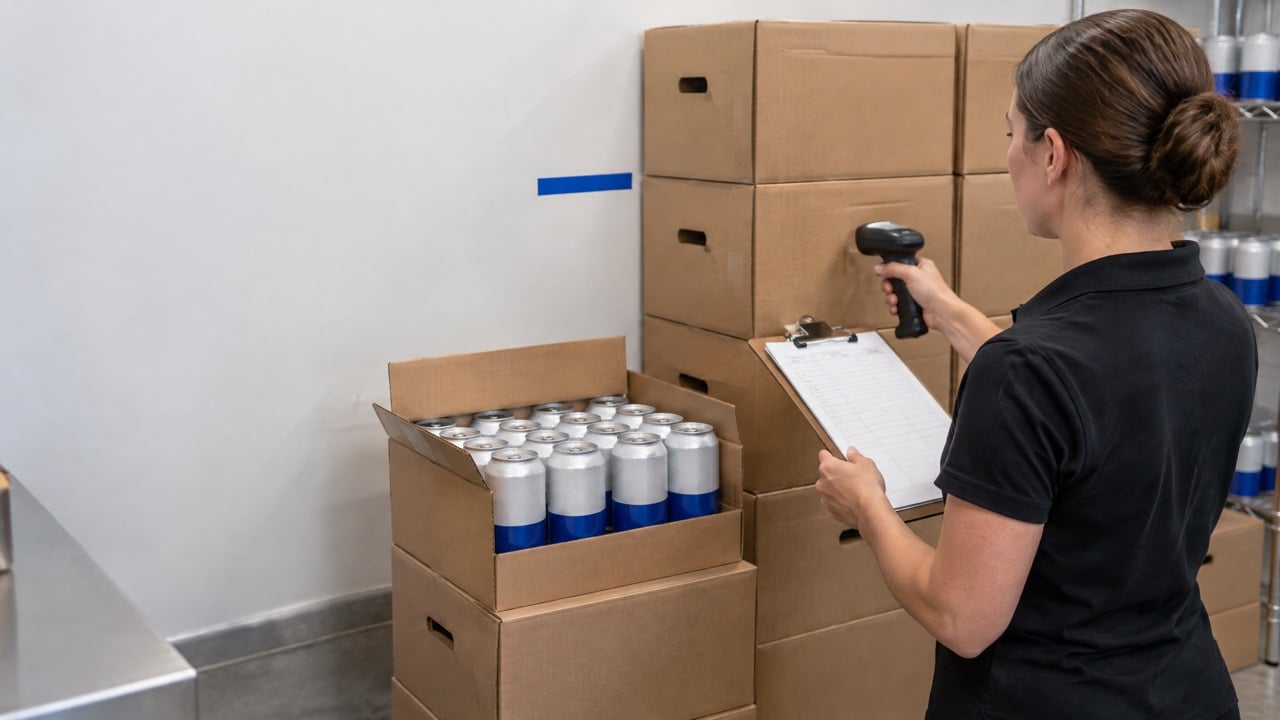
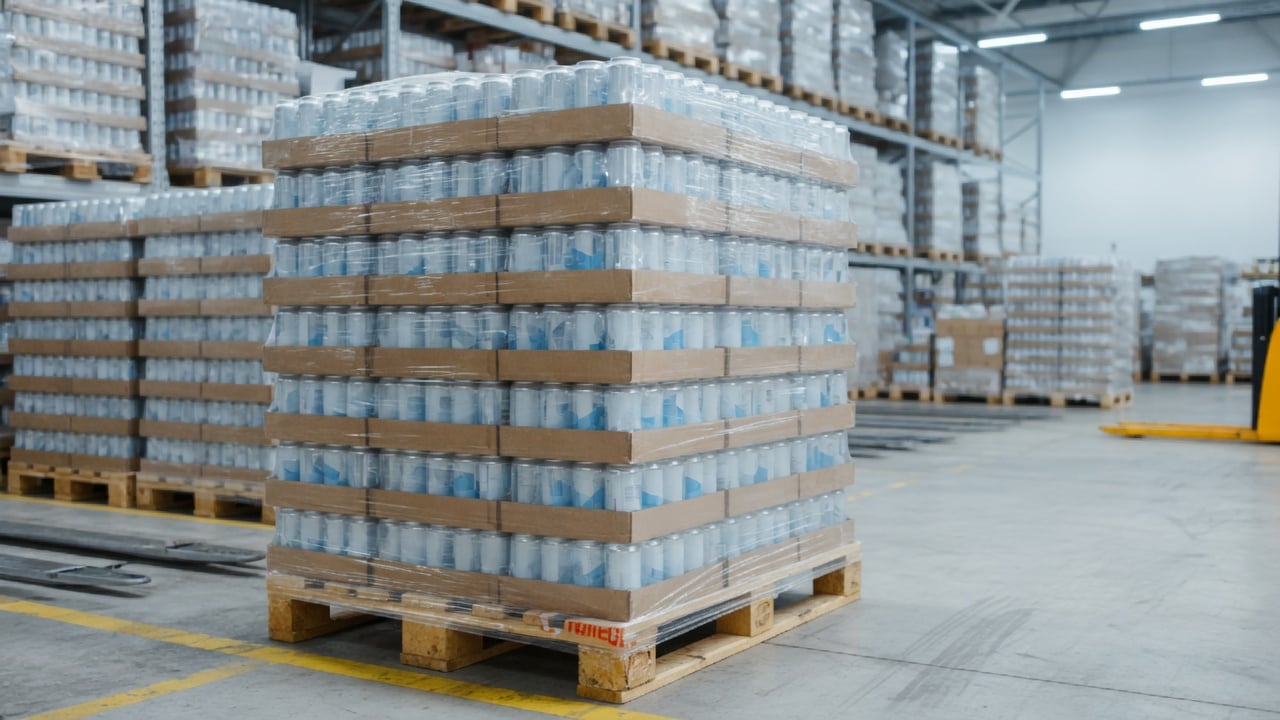
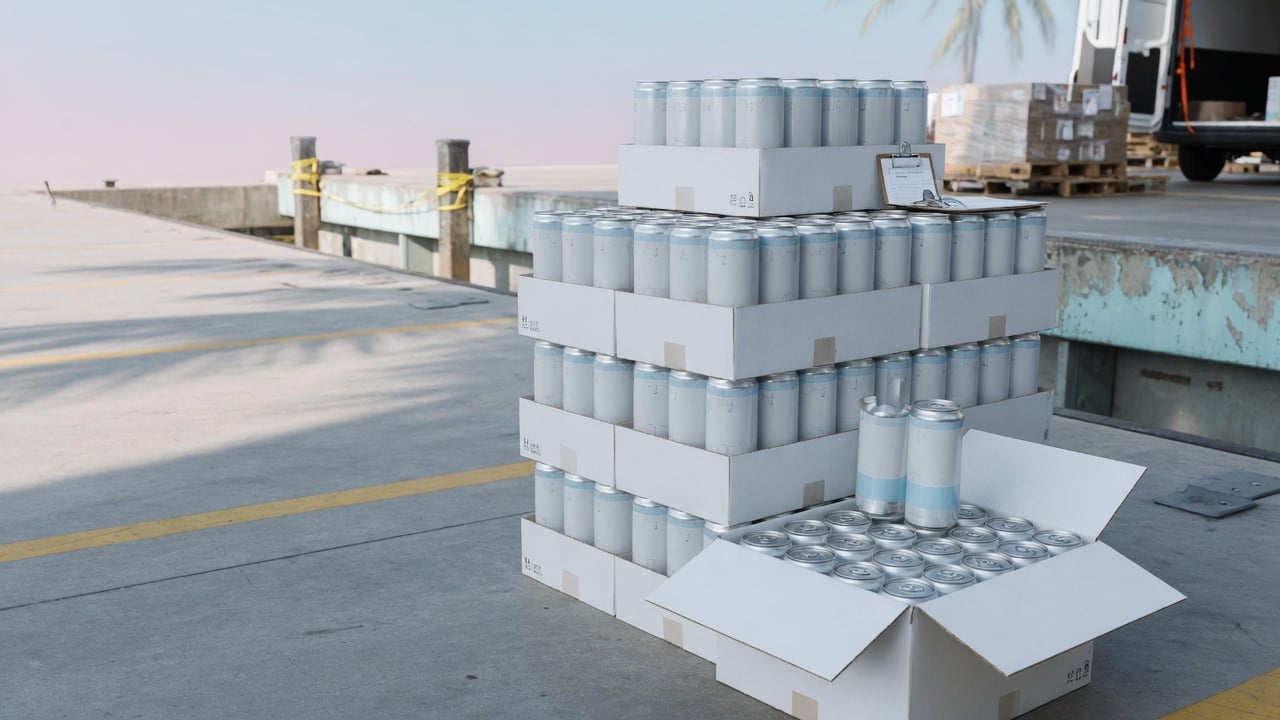
- Coding and packing. Each can gets a date and lot code, then cans are packed into cases, usually 24 per case.
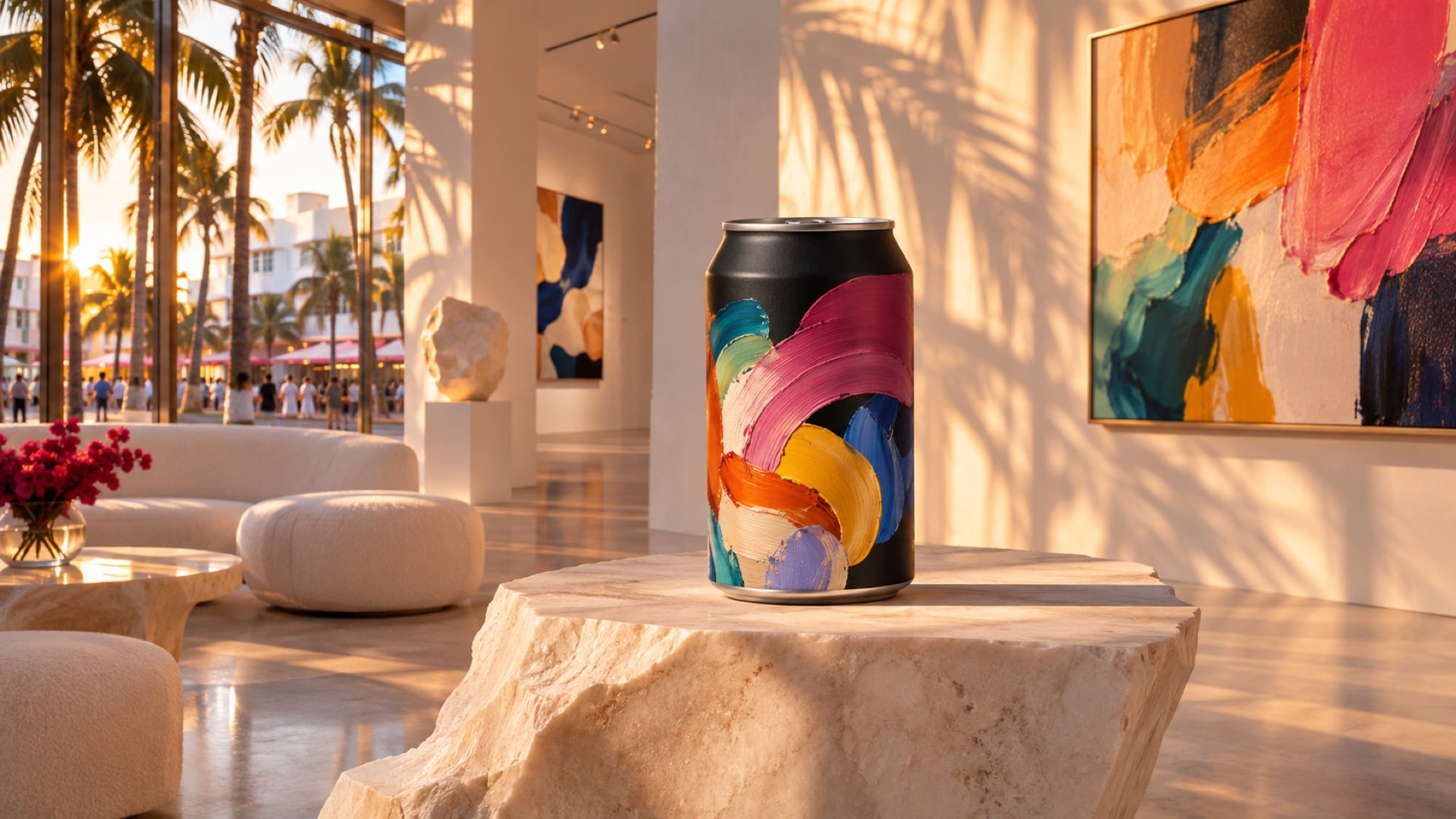
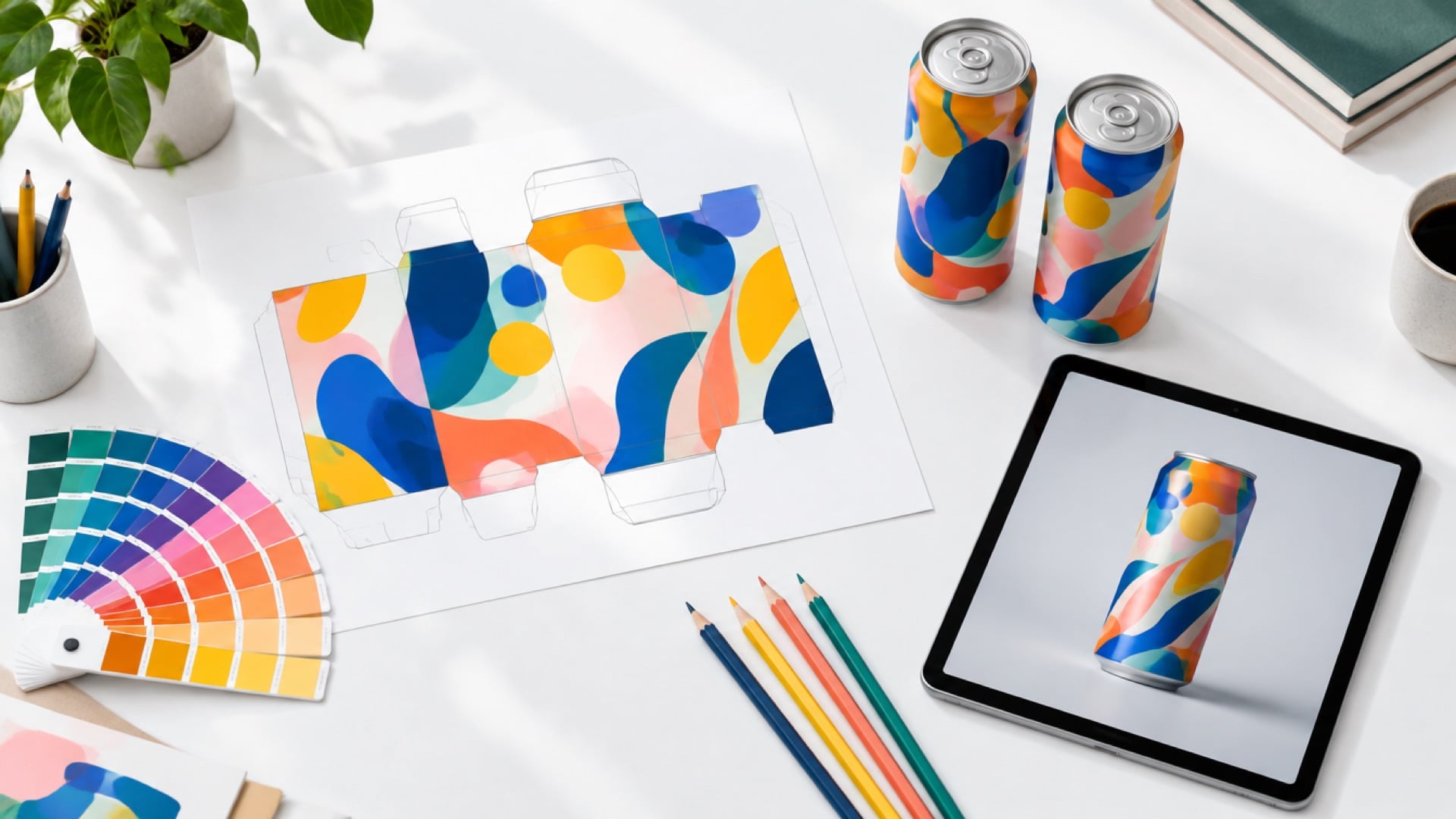
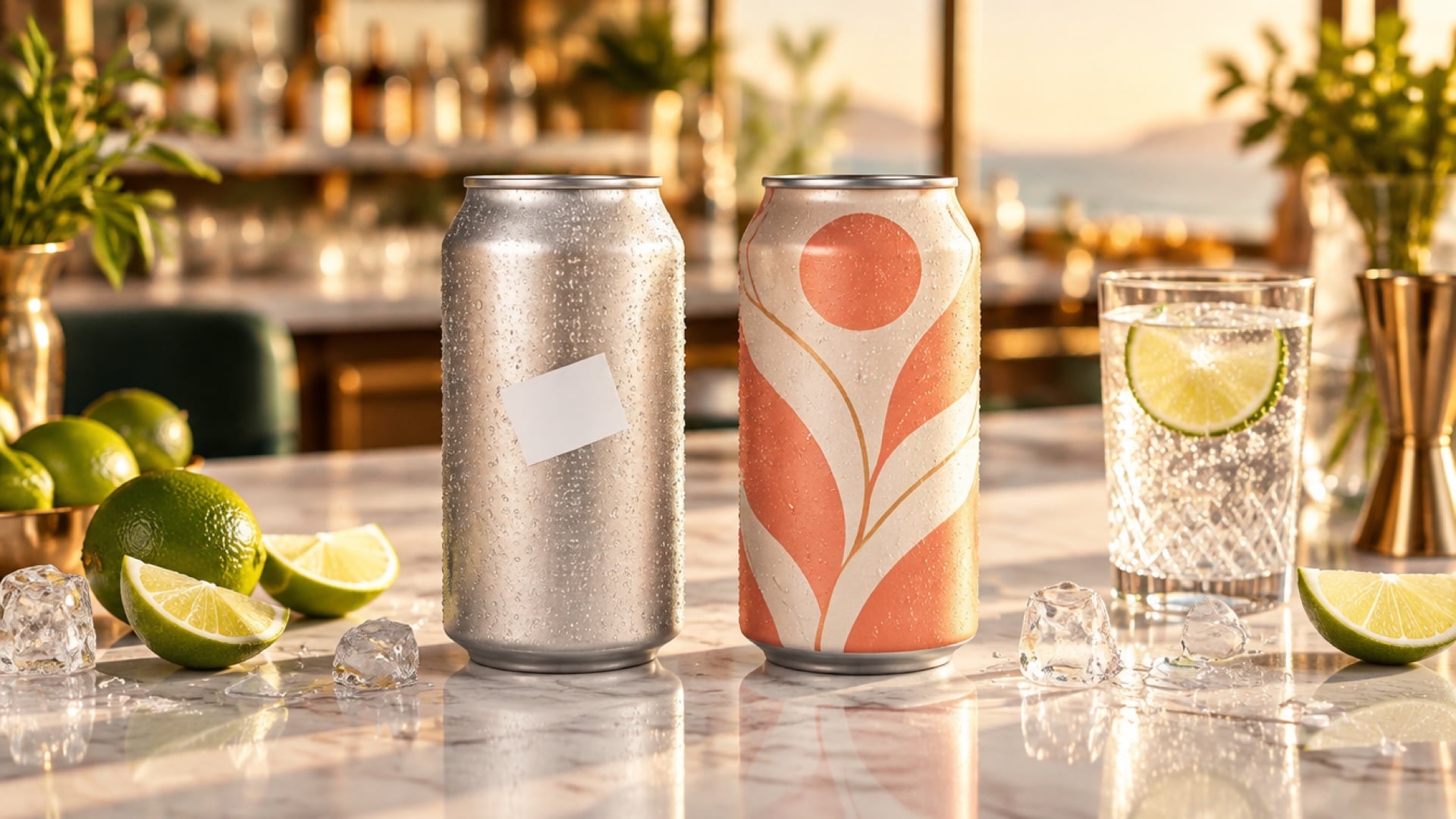
The can itself arrives at the filler already decorated, either digitally printed directly on the aluminum or ready for a label. That is what makes branded water in a can possible at smaller volumes than people expect.
If you want to see how we handle each step, our technology and water page explains our process in more detail.
Does water in a can taste like metal?
No, water in a properly made can should taste clean. Modern beverage cans have an interior coating, often called a liner, that separates the water from the aluminum. That liner is the reason soft drinks and sparkling water do not taste like metal either. What usually affects taste is temperature and storage, not the can.
A few tips for the best taste:
- Serve it cold. Cold water tastes crisper, and aluminum chills faster than plastic.
- Store it out of the sun. Heat affects the taste of any packaged water over time.
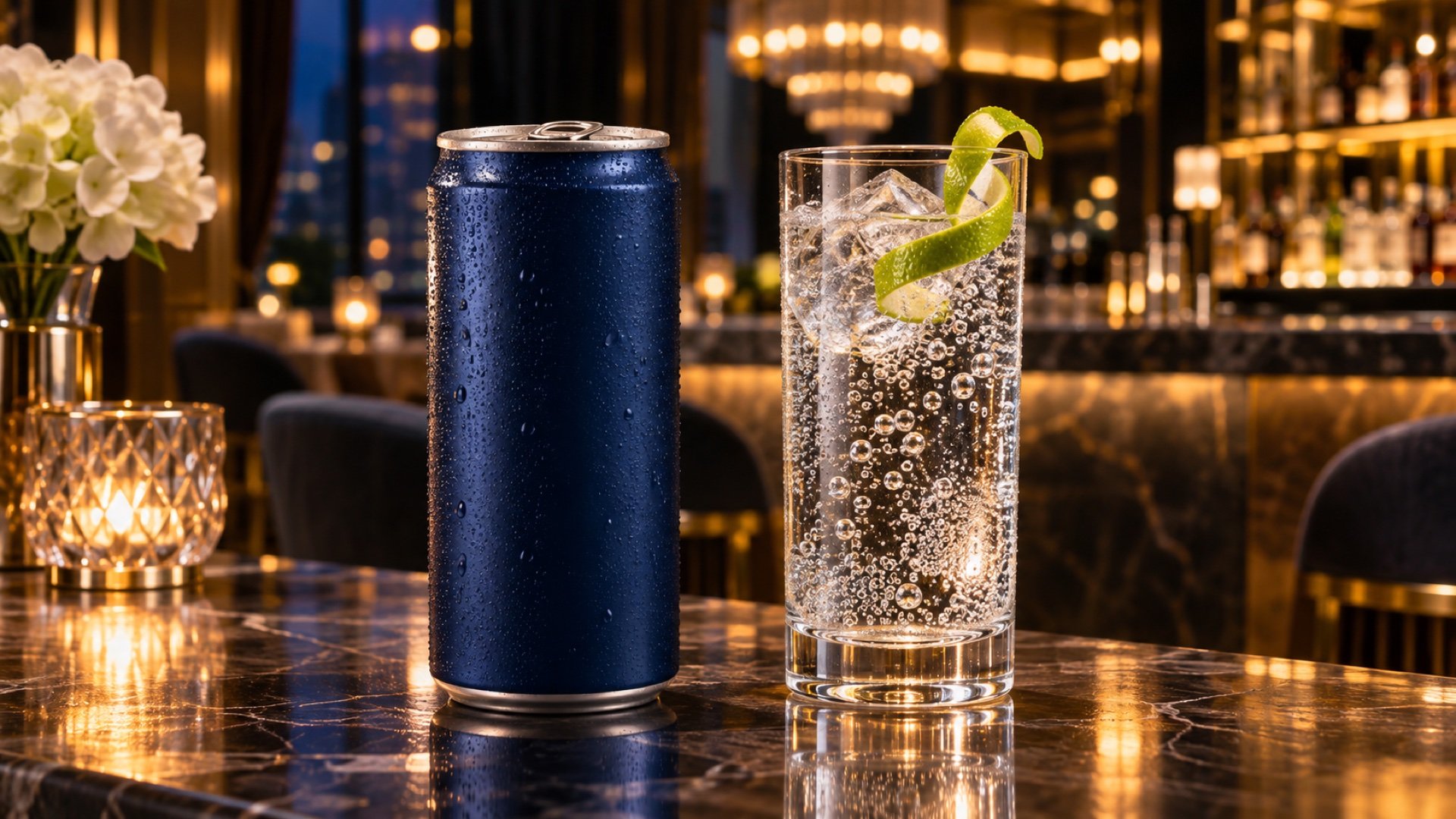
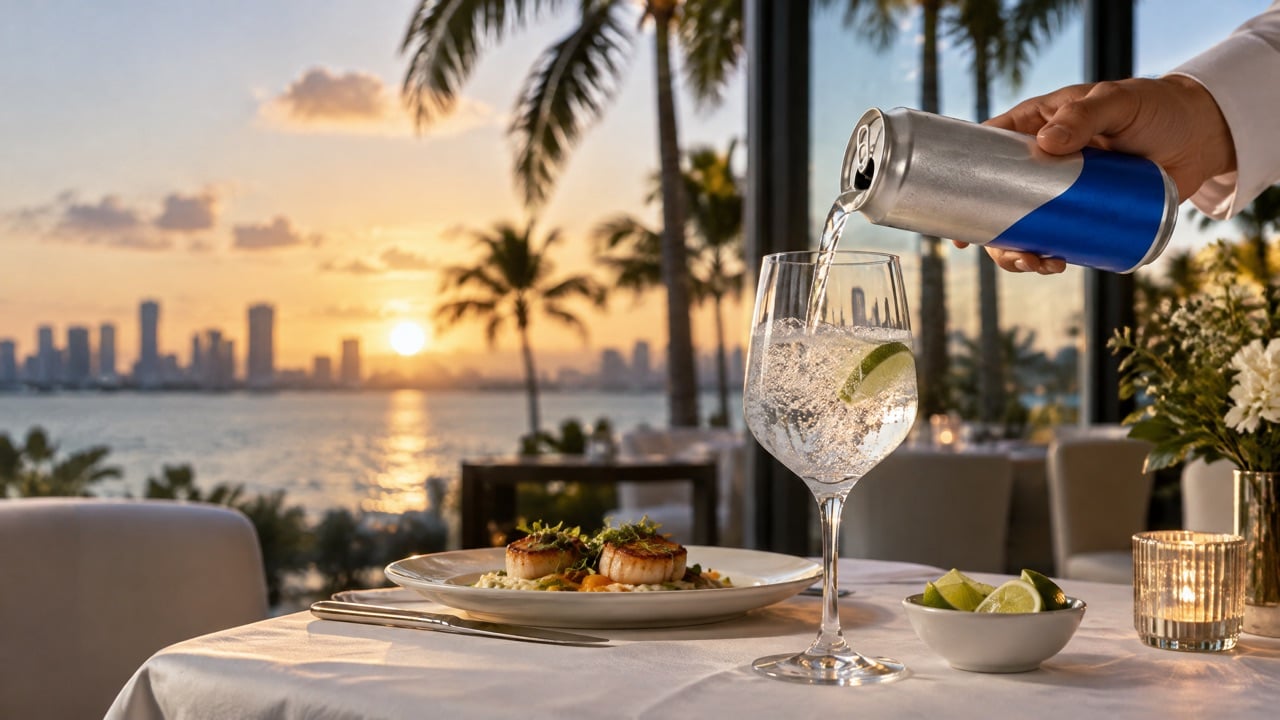
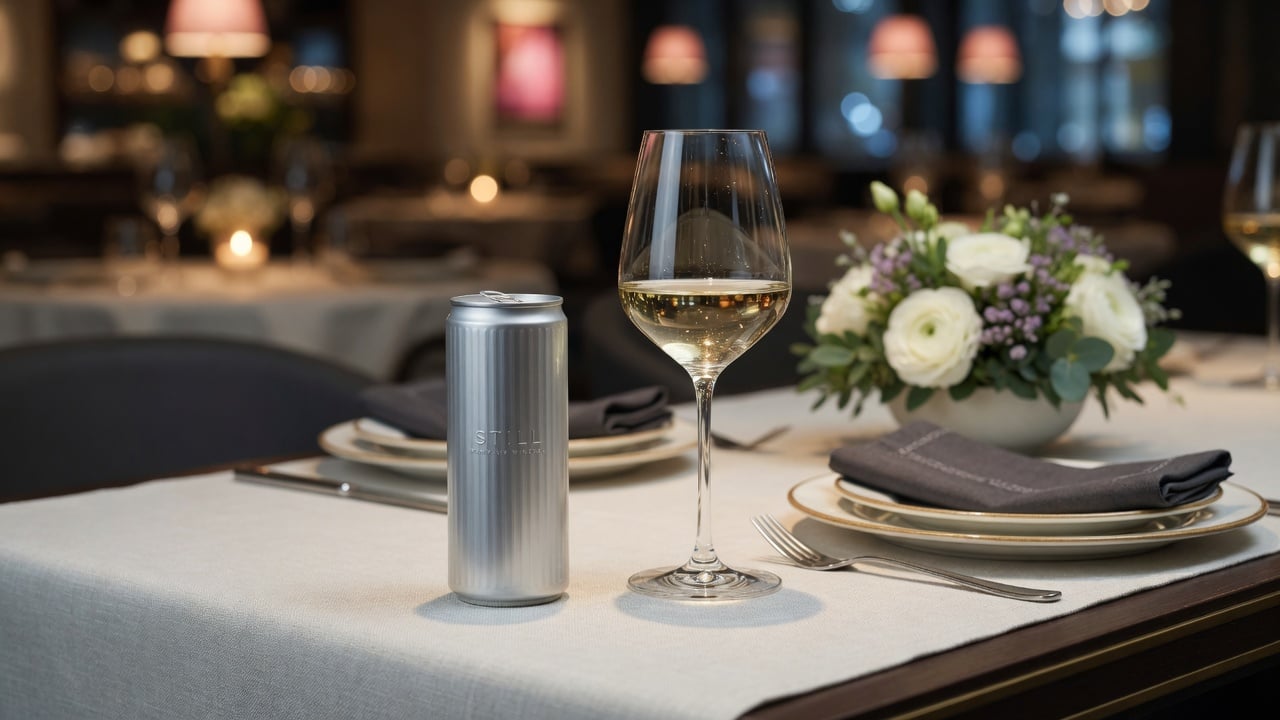
- Pour sparkling into a glass at dinners. It looks elegant and shows off the bubbles.
How long does water in a can last?
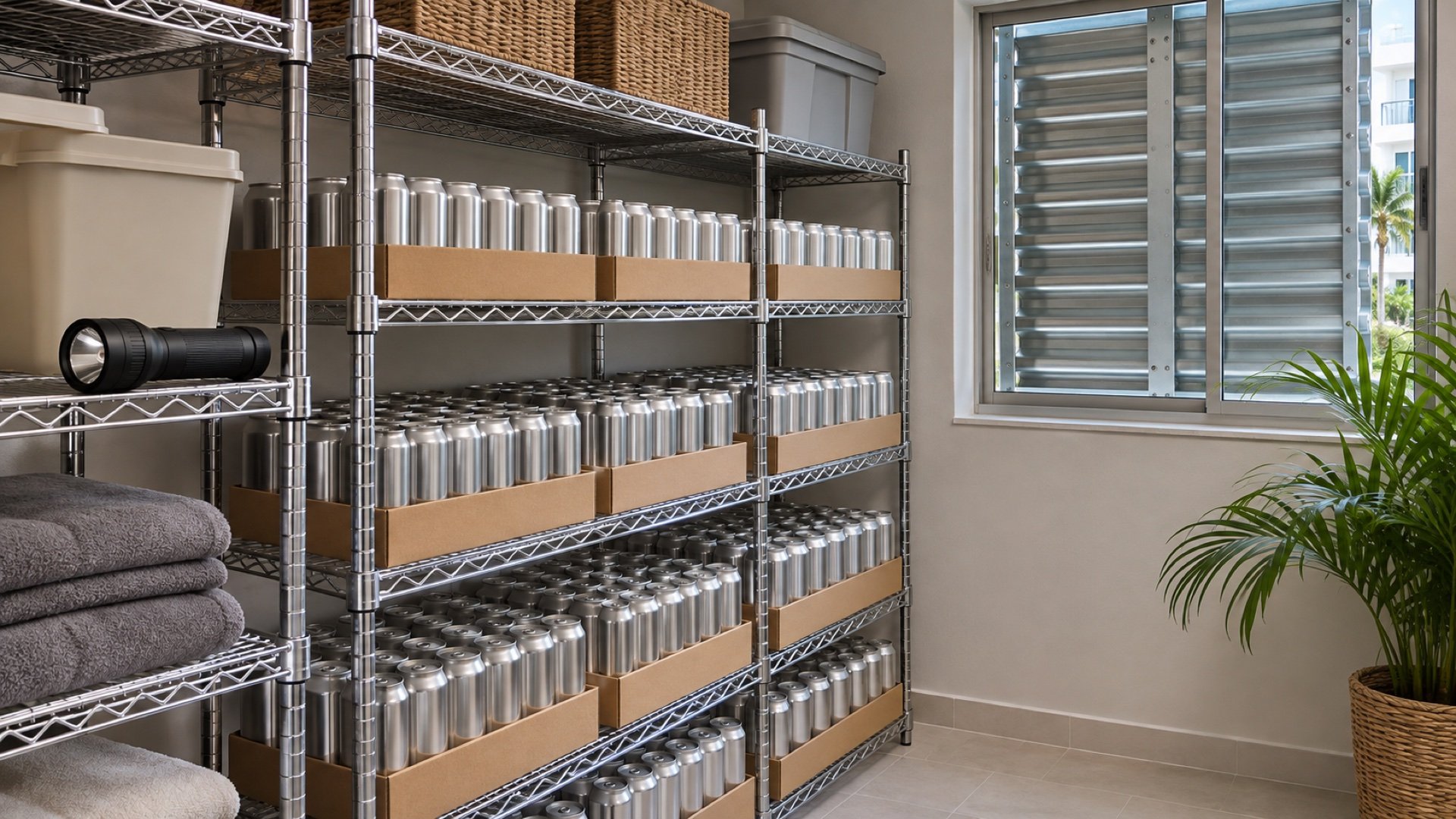
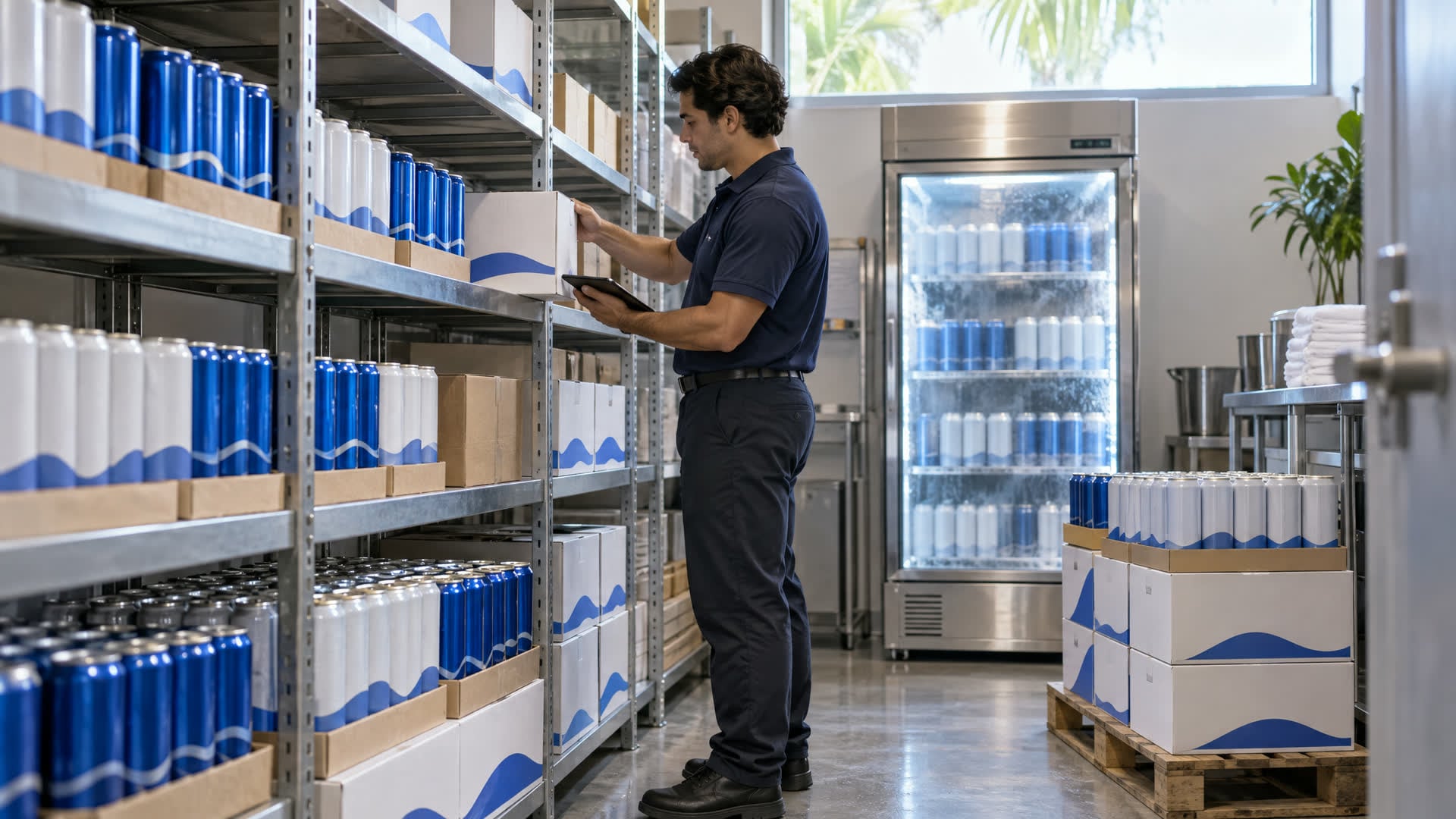
Sealed canned water keeps for a long time because the can blocks light and air. Most brands print a best-by date, commonly around two years after production. That date is a quality promise, not a safety cutoff. Storage matters as much as the date: keep cans cool, dry and out of direct sunlight.
We cover dates, storage and how to tell if a can is past its best in our full guide on how long canned water lasts.
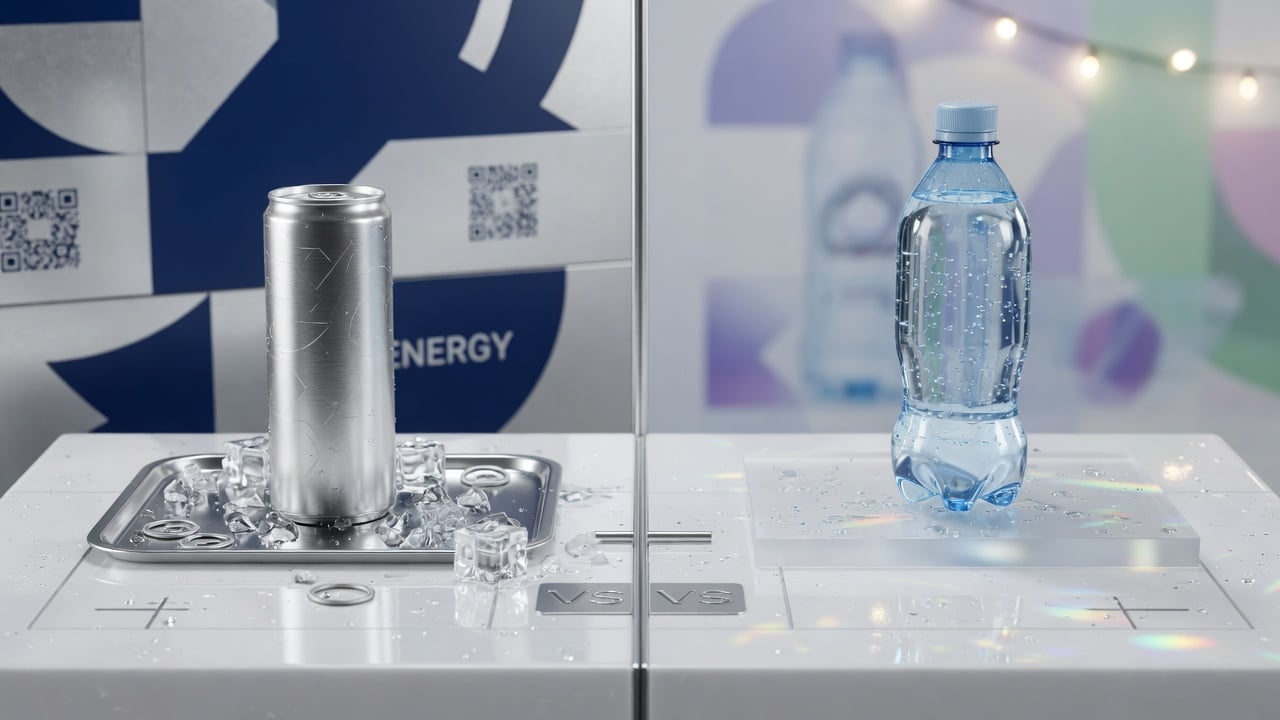
Water in a can vs water in a bottle: the honest comparison
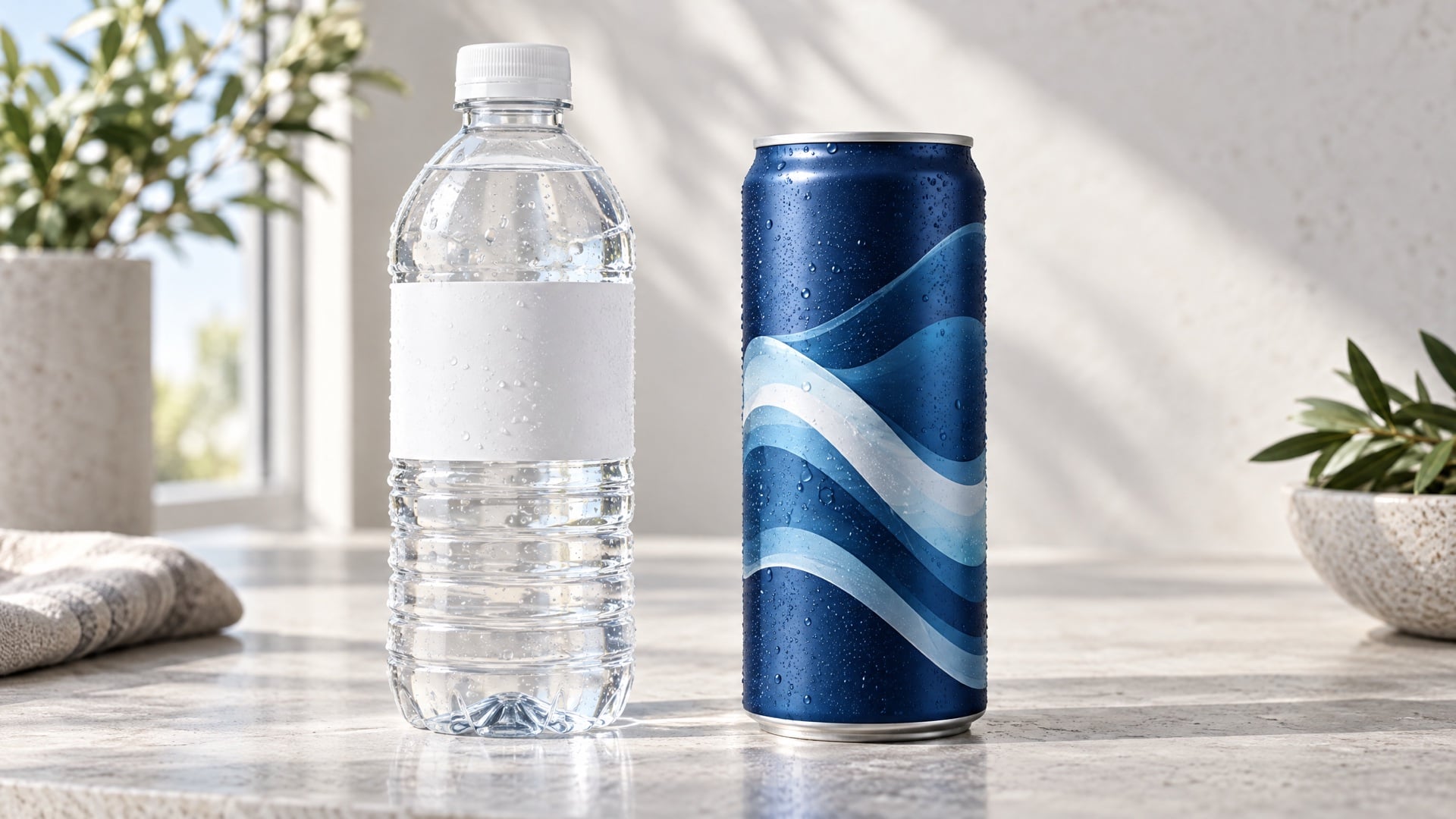
Cans are not perfect for every situation, and bottles are not always worse. Here is how they compare on the things buyers care about most.
- Recycling. Aluminum cans are widely accepted in curbside recycling, and aluminum can be recycled repeatedly. Plastic bottles are recyclable too, but often end up downcycled.
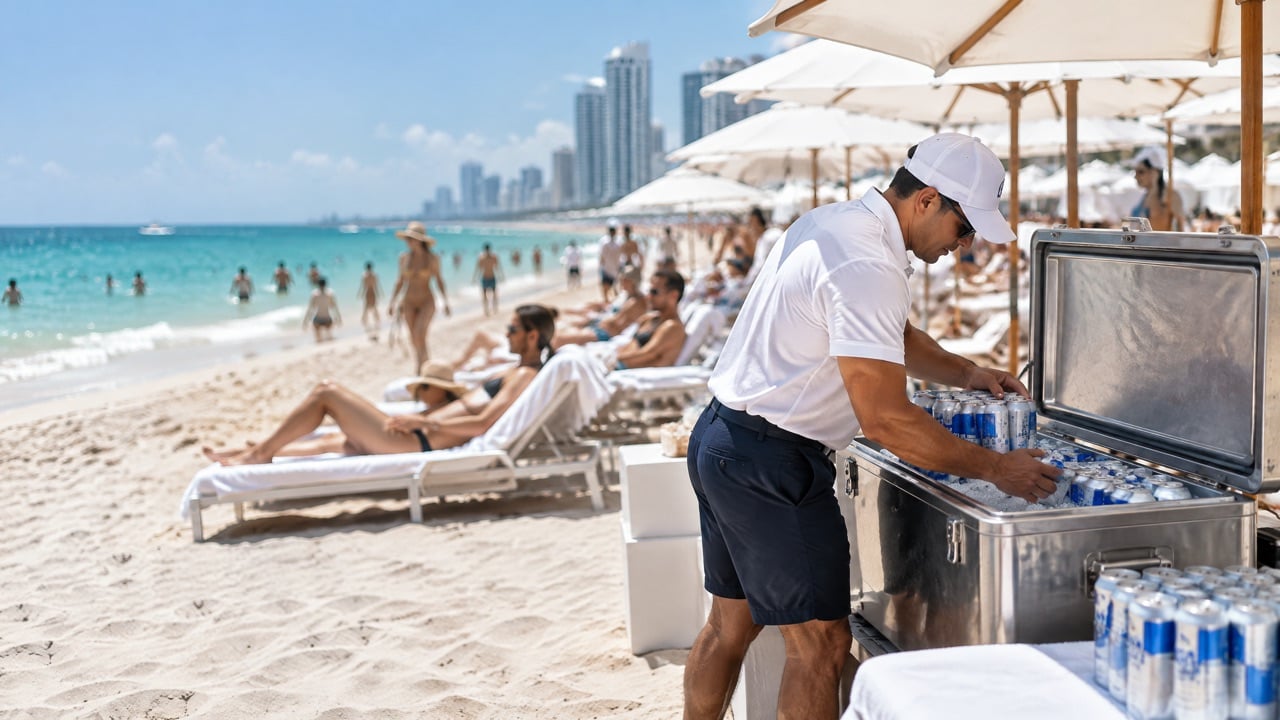
- Weight and breakage. Cans are light and do not shatter, which matters at pools, beaches, stadiums and events.
- Chilling. Aluminum cools quickly in a cooler or fridge.
- Resealing. Most bottles have a cap. Most cans do not, so cans suit settings where people finish a drink in one go.
- Design surface. A can gives you a full wrap for artwork. A bottle usually means a label band.
- Light protection. Aluminum blocks light completely, which helps keep the water tasting fresh.
For a deeper look at the trade-offs, read our comparison of canned water vs bottled water.
Why do brands put their own water in a can?
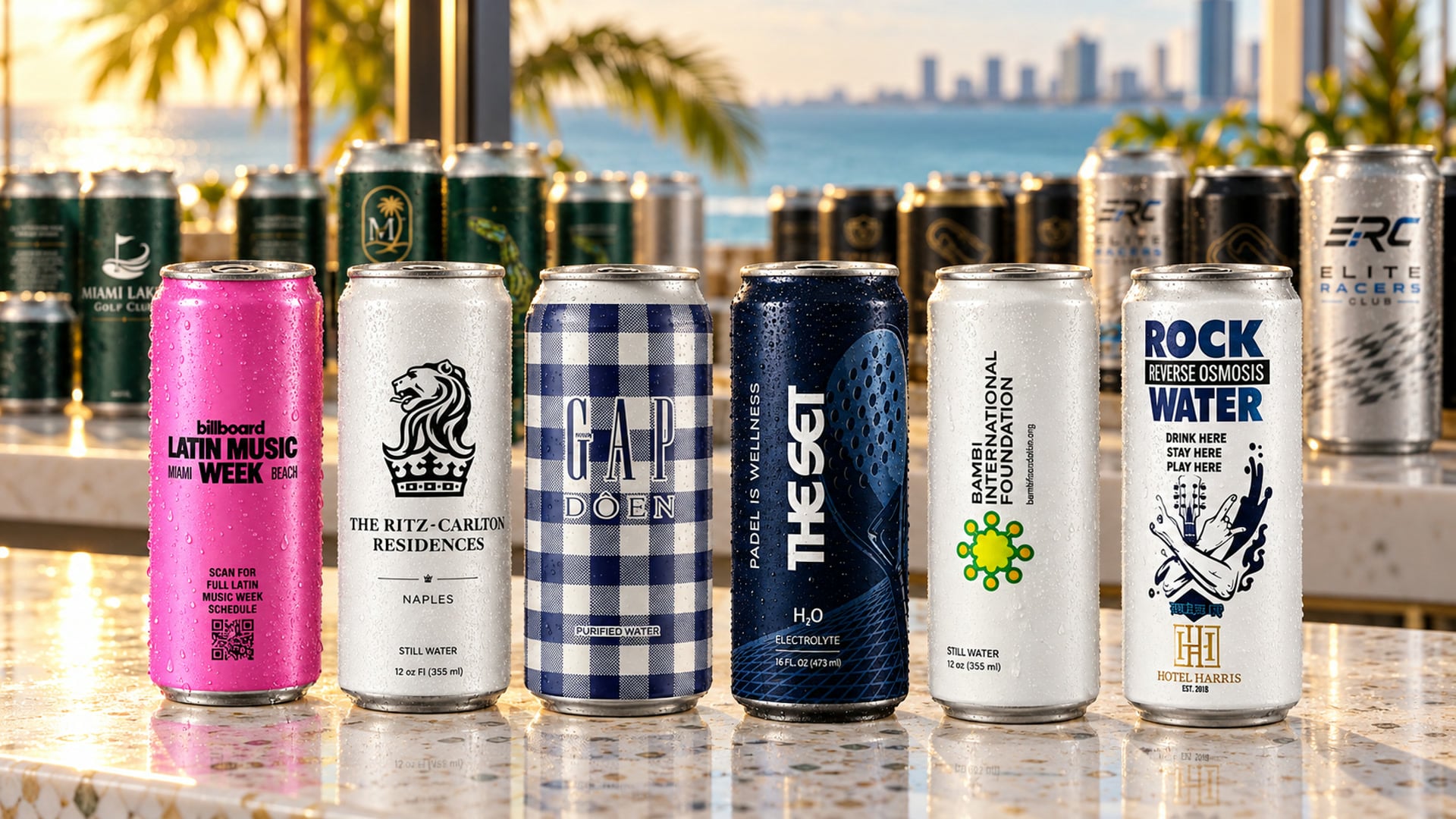
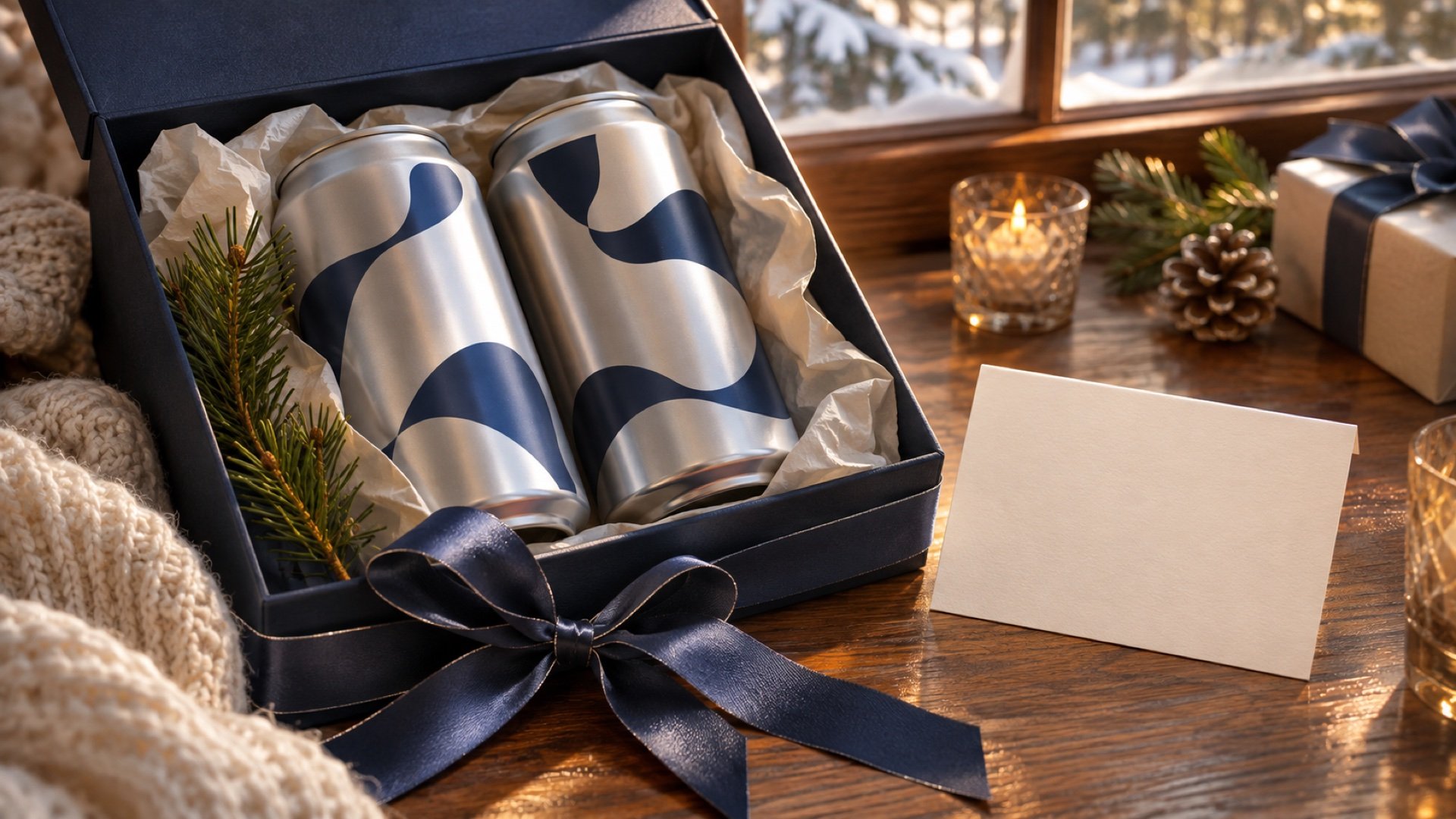
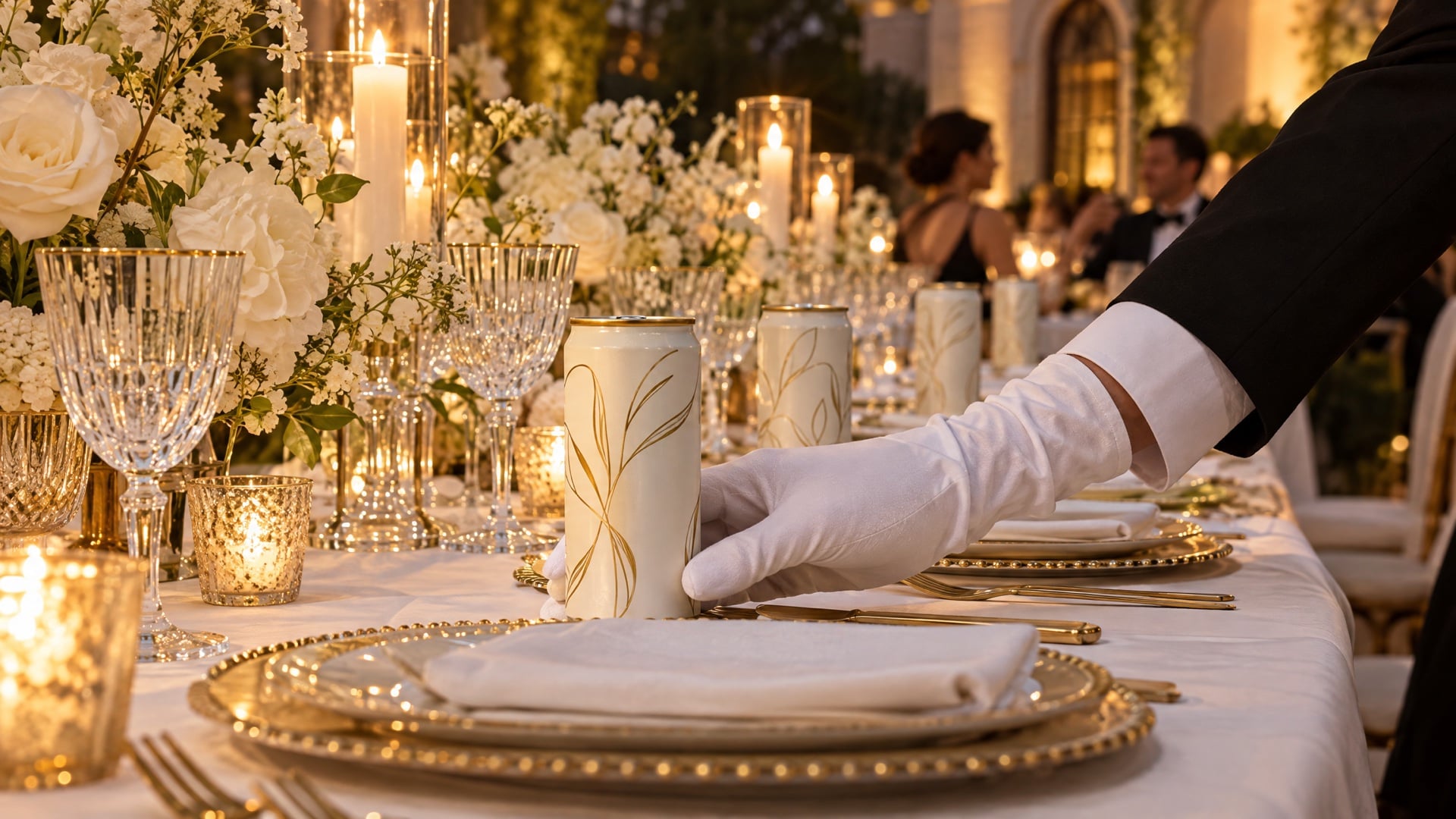
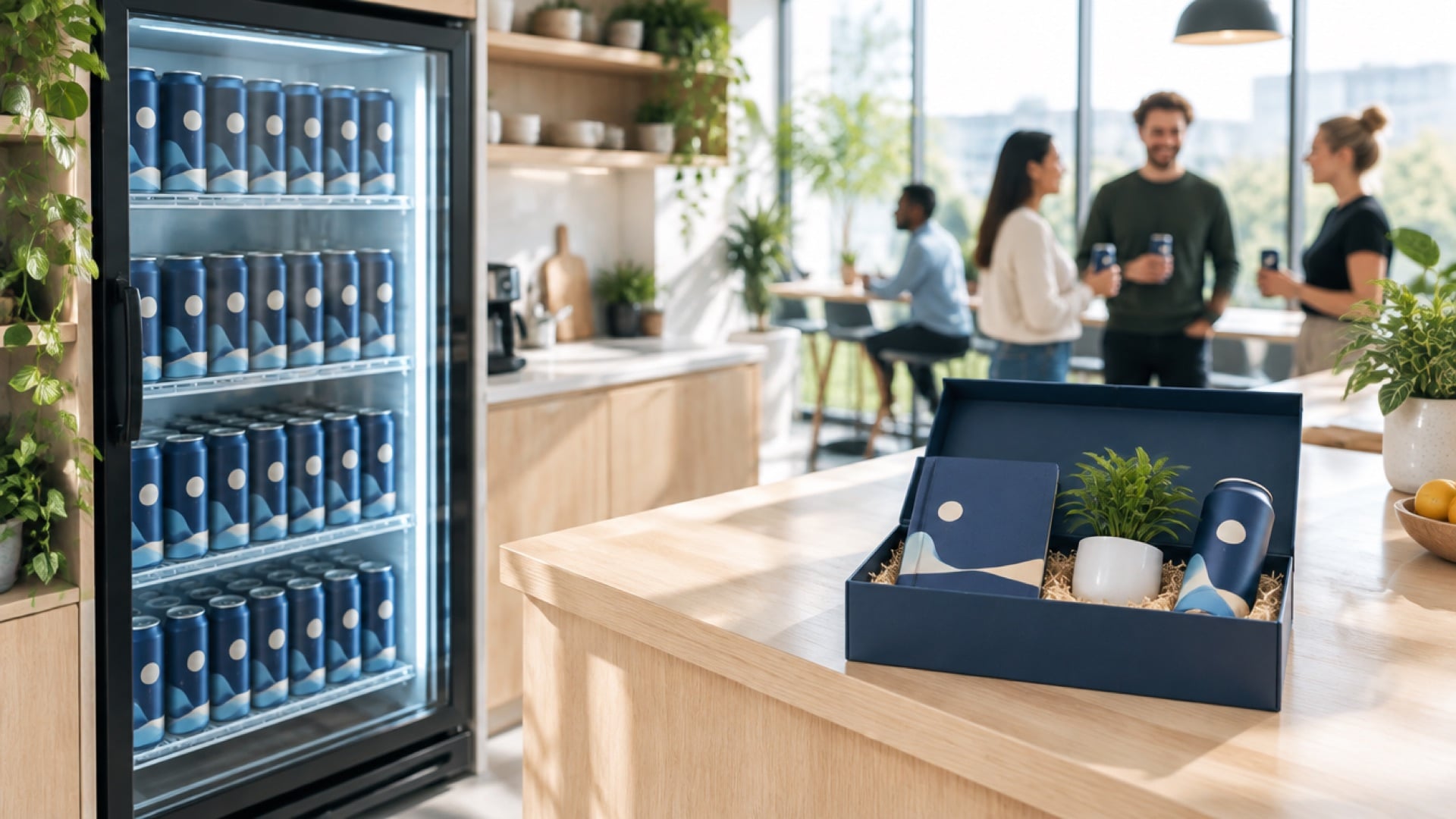
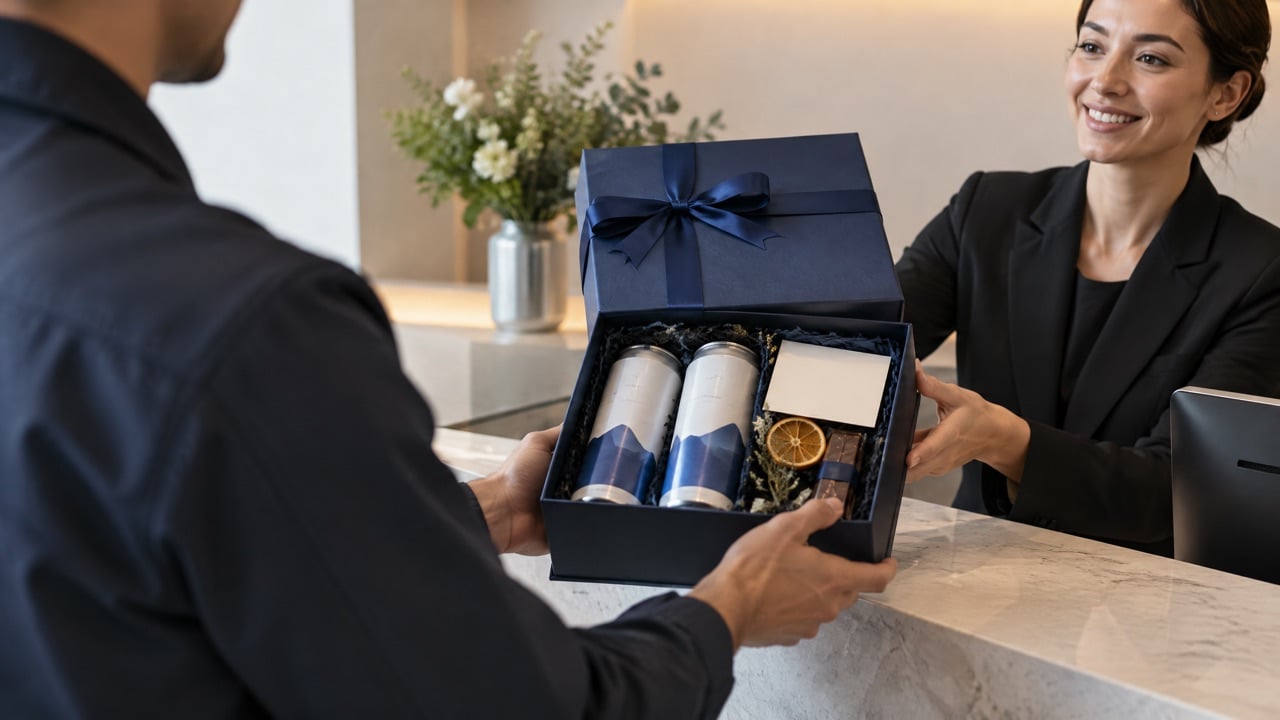
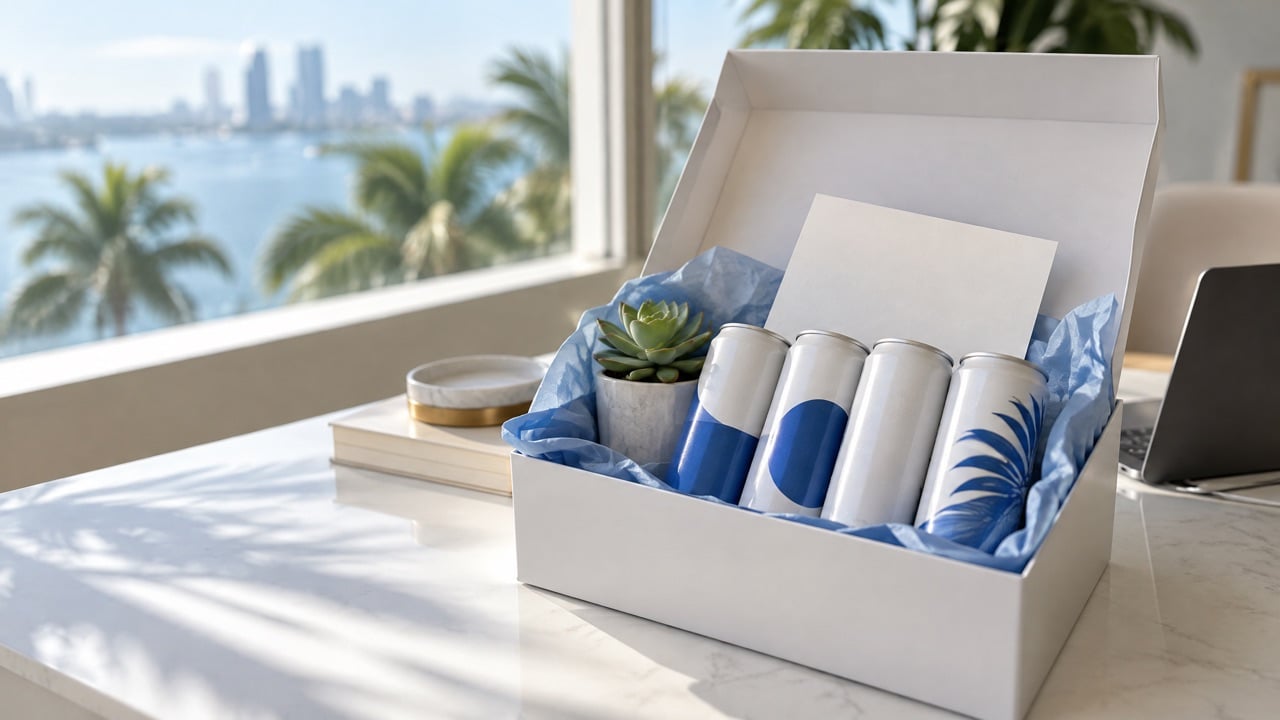
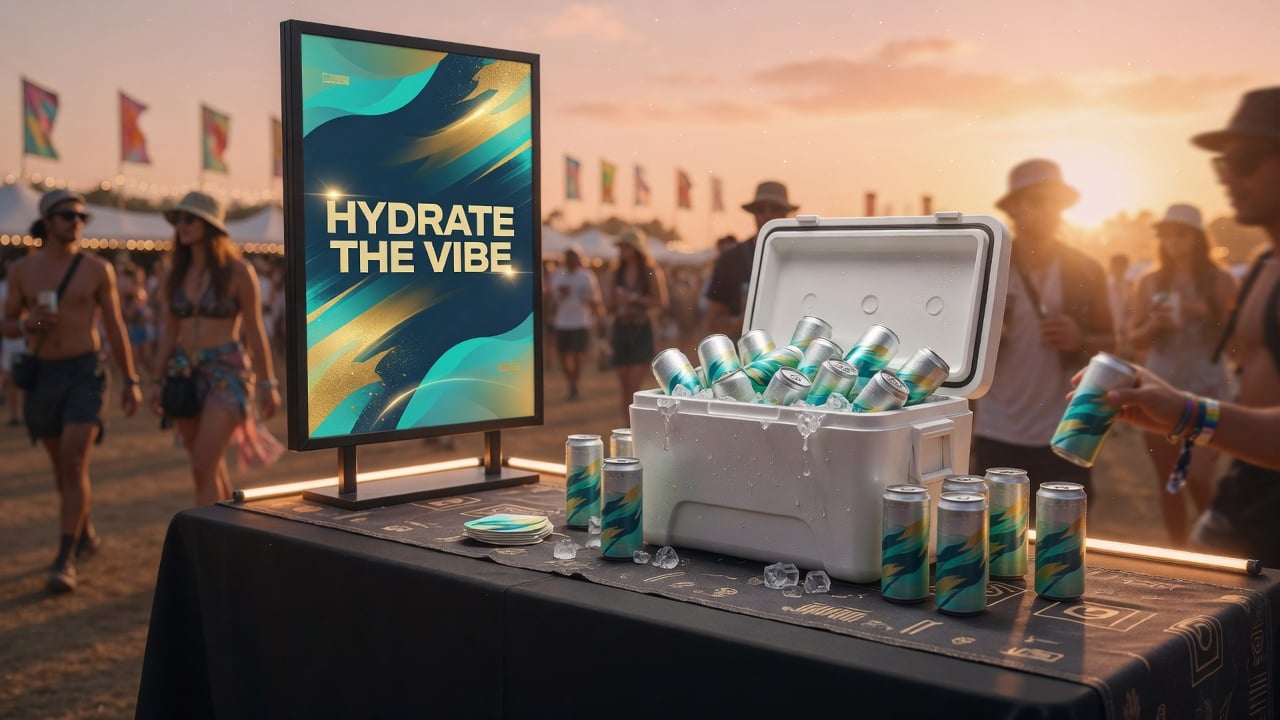
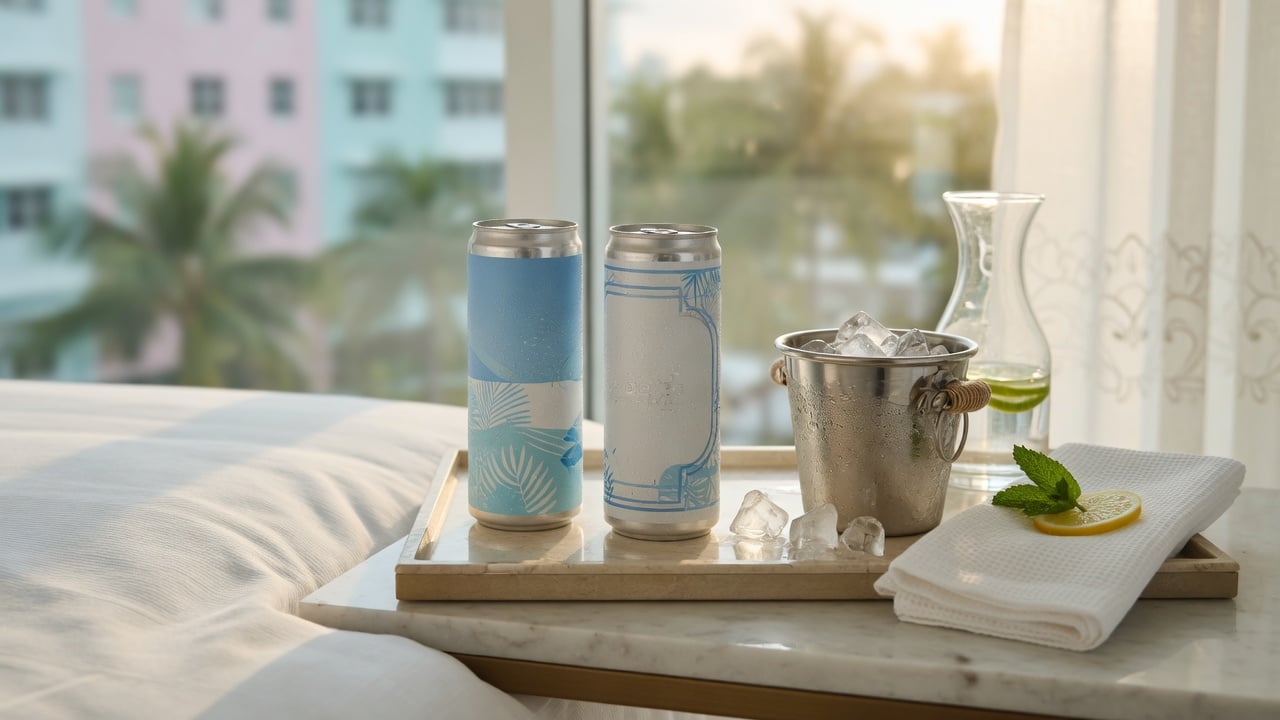
Brands use custom canned water because it turns something every guest needs into something every guest notices. A hotel, golf club or event that hands out a can with its own design gets a branded object in the guest's hand, in photos and often in their bag on the way home.
The most common reasons brands switch:
- Guest experience. A designed can feels intentional, like the venue thought about every detail.
- Visibility. Cans show up in social posts and event photos far more than generic bottles.
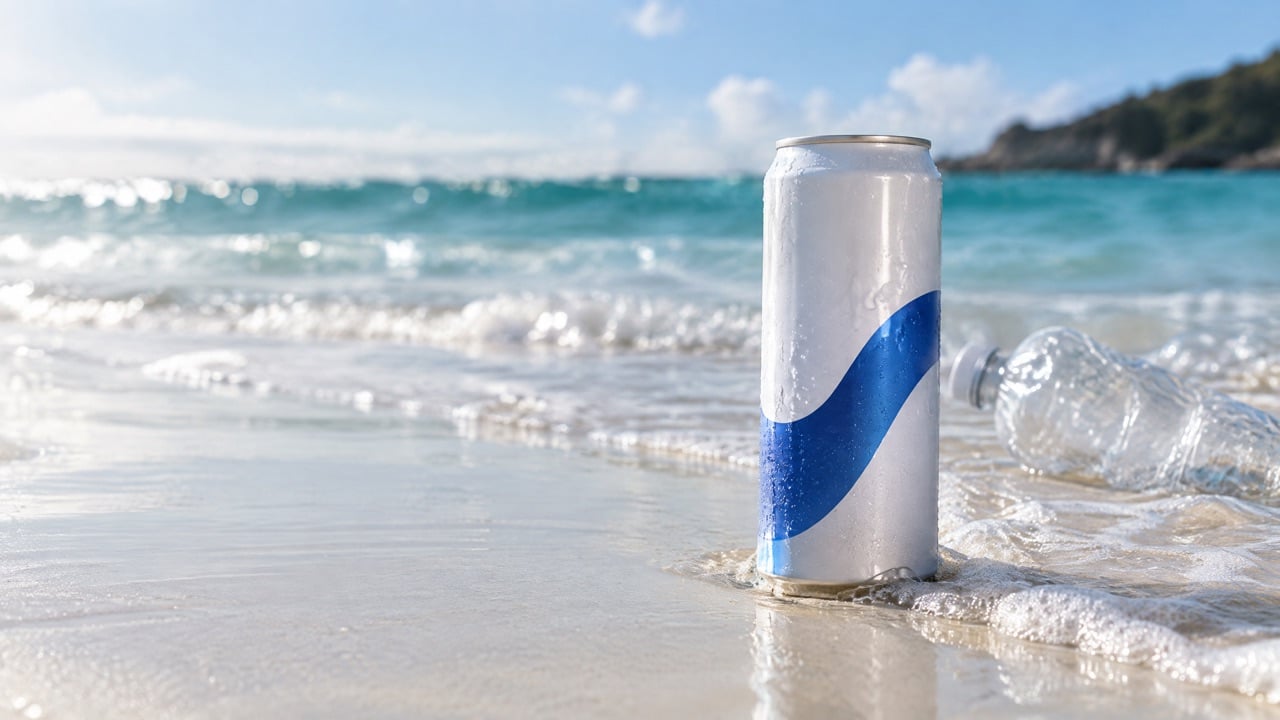
- Sustainability story. Moving away from single-use plastic is easier to explain to guests.
- Upsell and margin. Venues can sell their own water at retail outlets, bars and minibars.
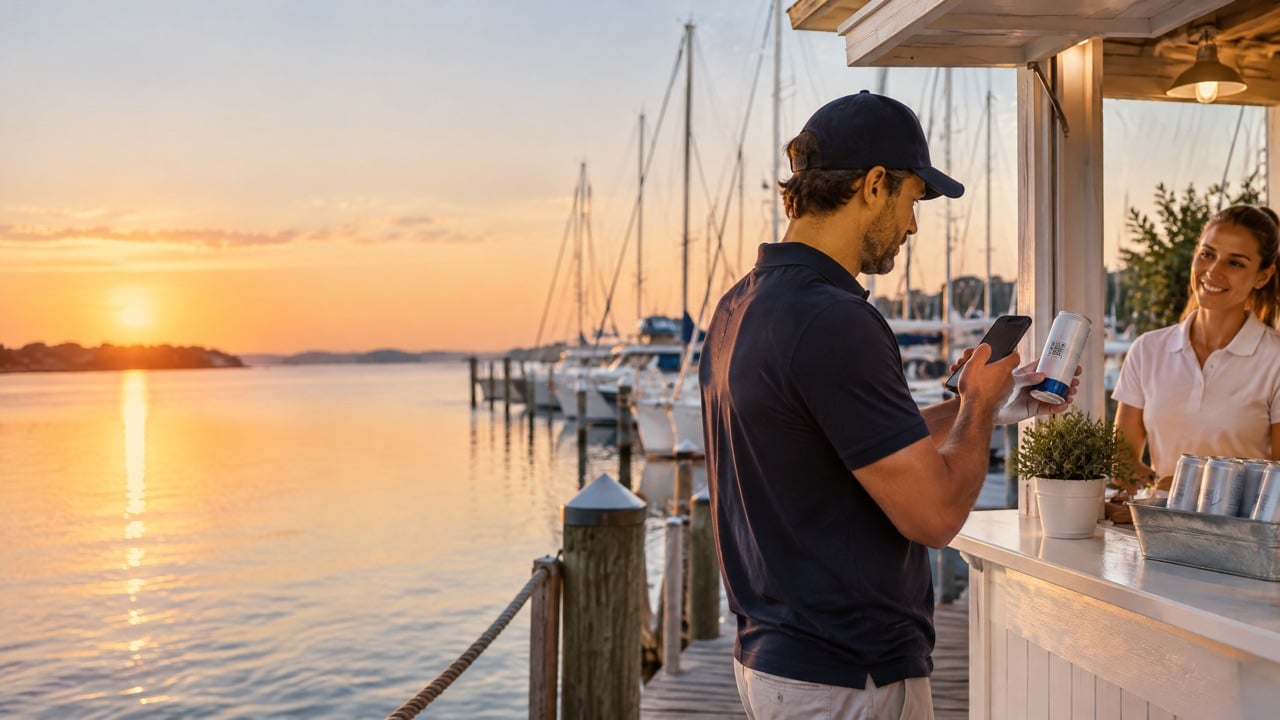
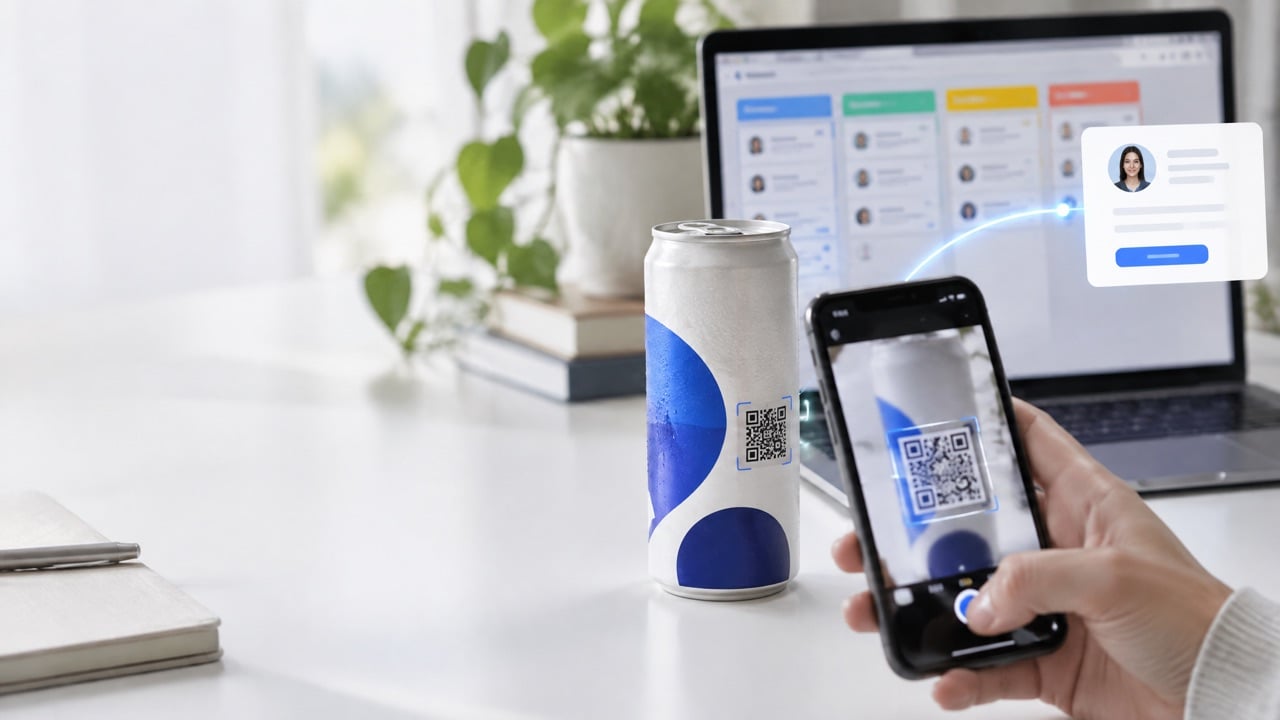
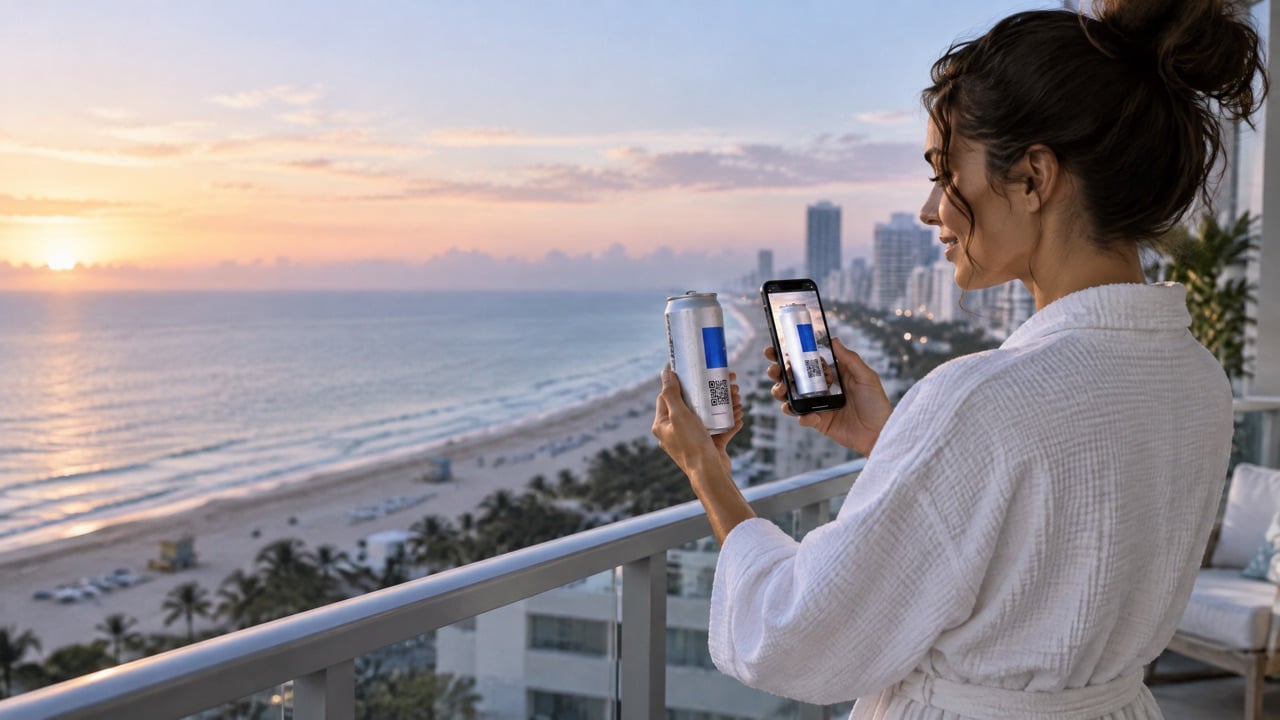
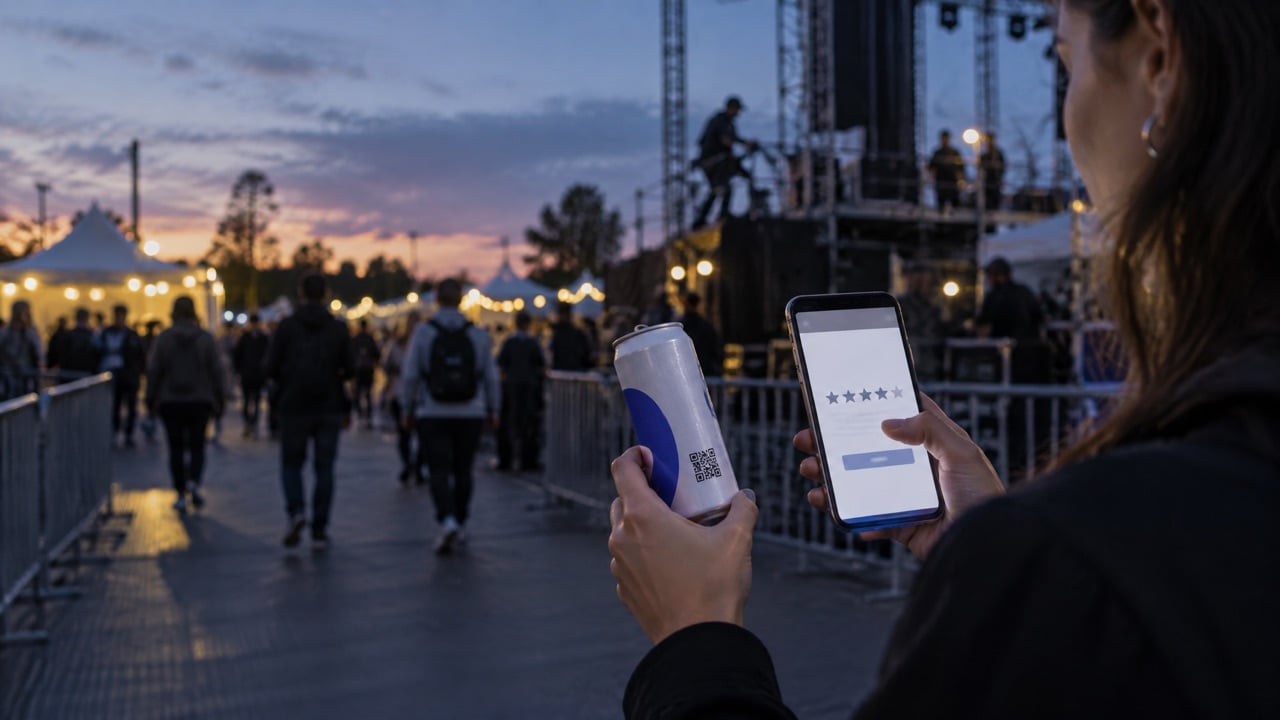
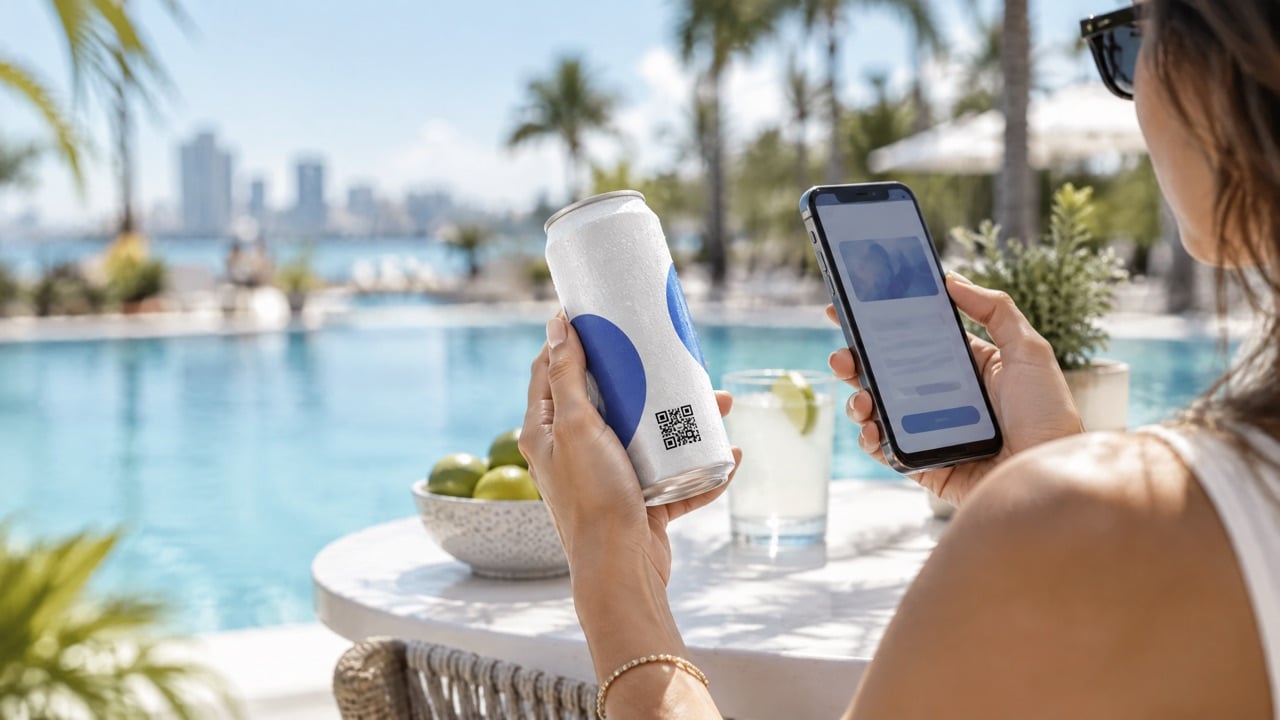
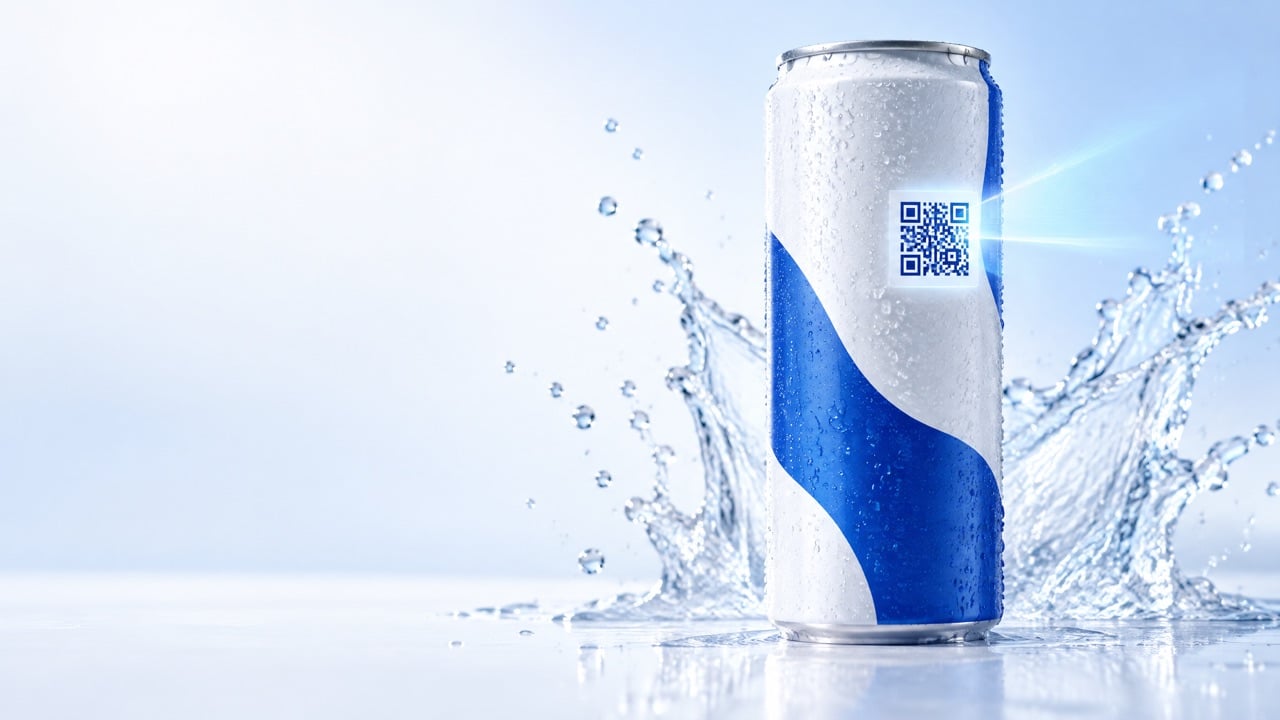
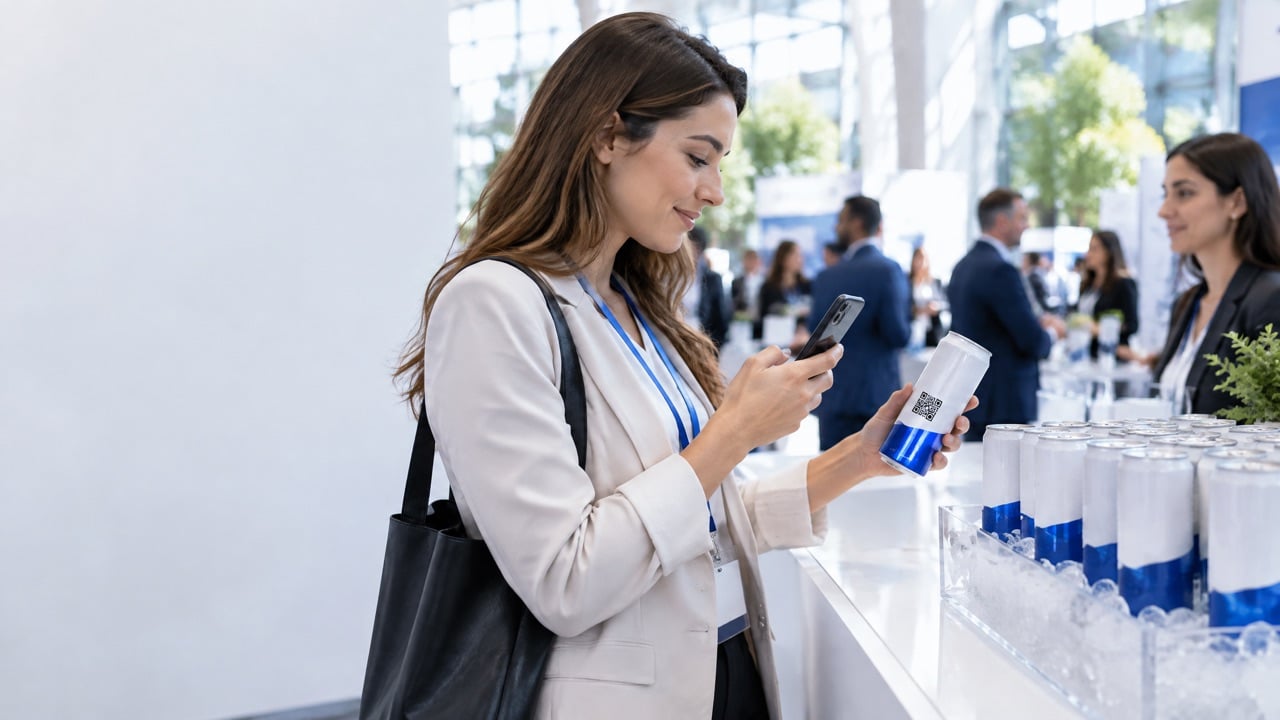
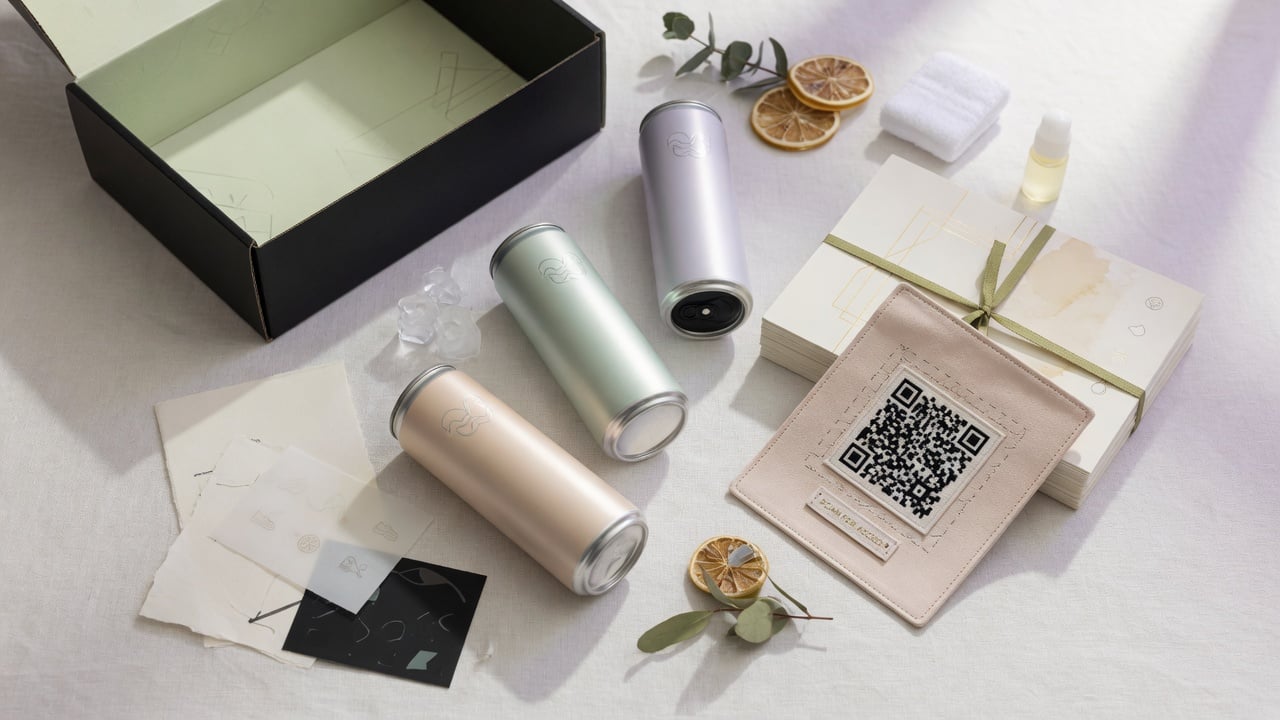
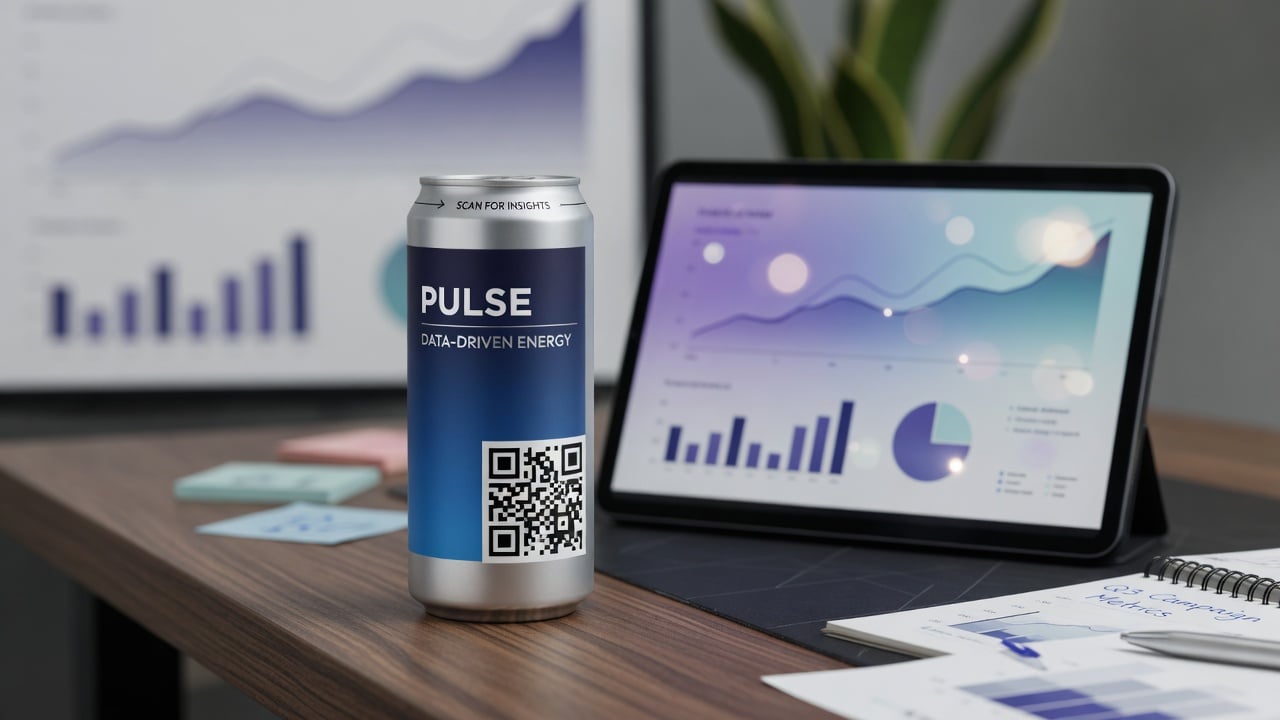
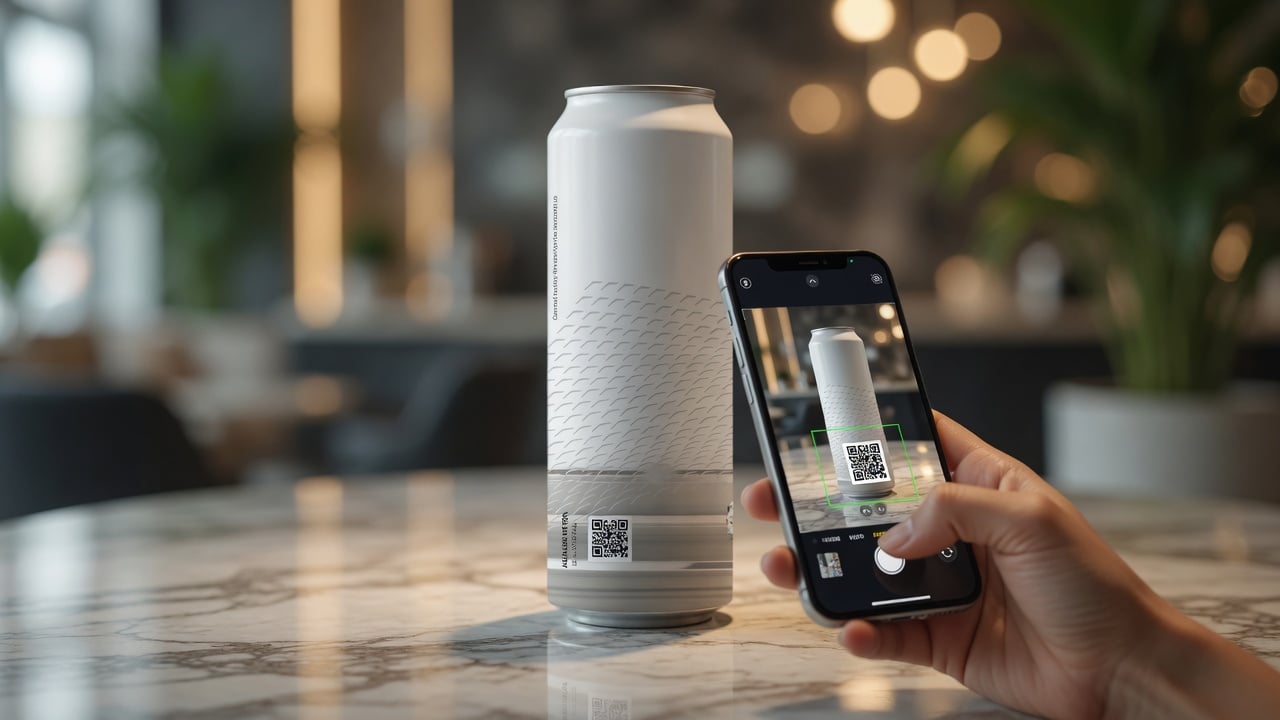
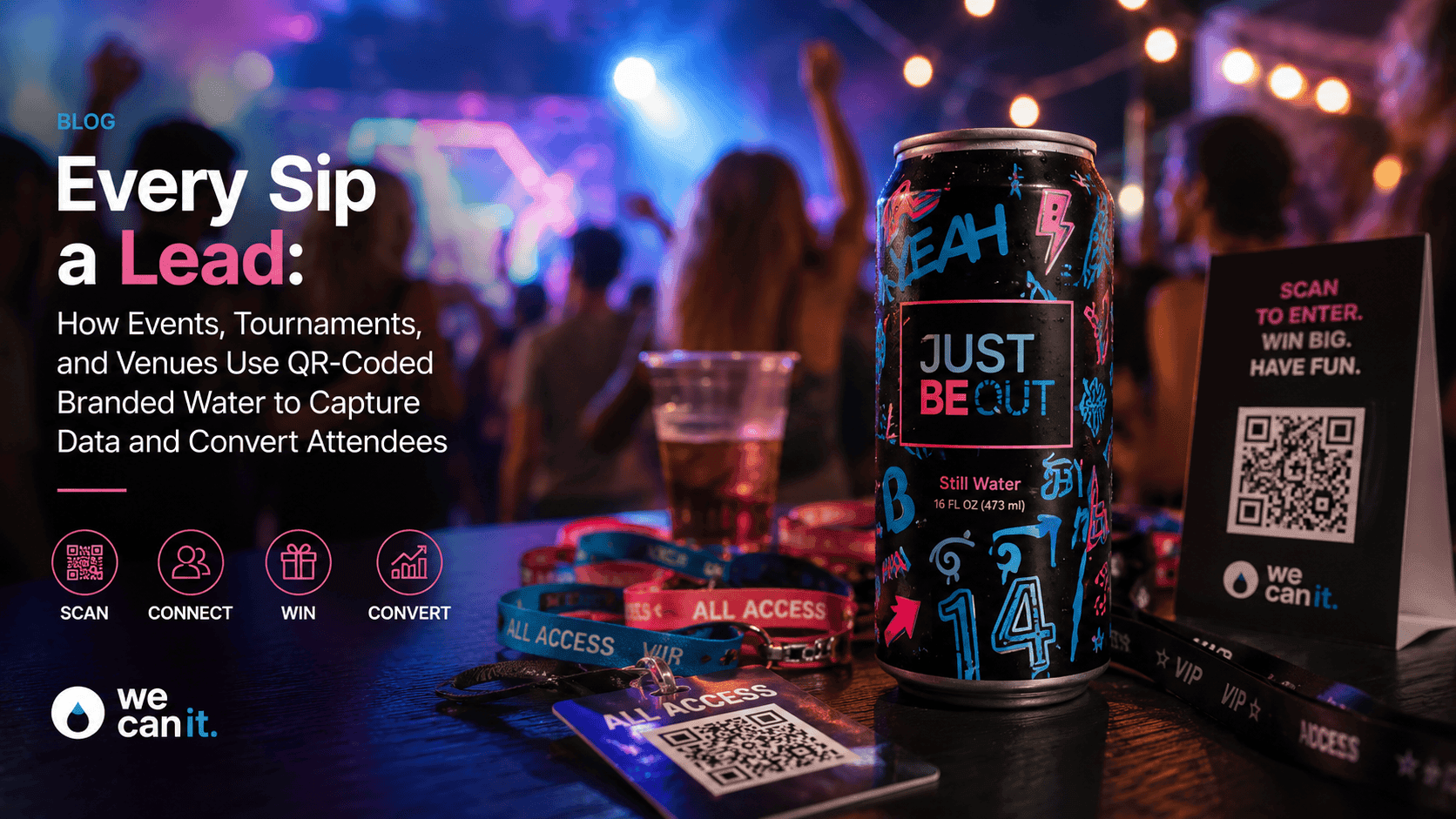
- Data. A QR code on the can can open a menu, a survey or an offer, so the brand learns who engaged.
Who uses water in a can?
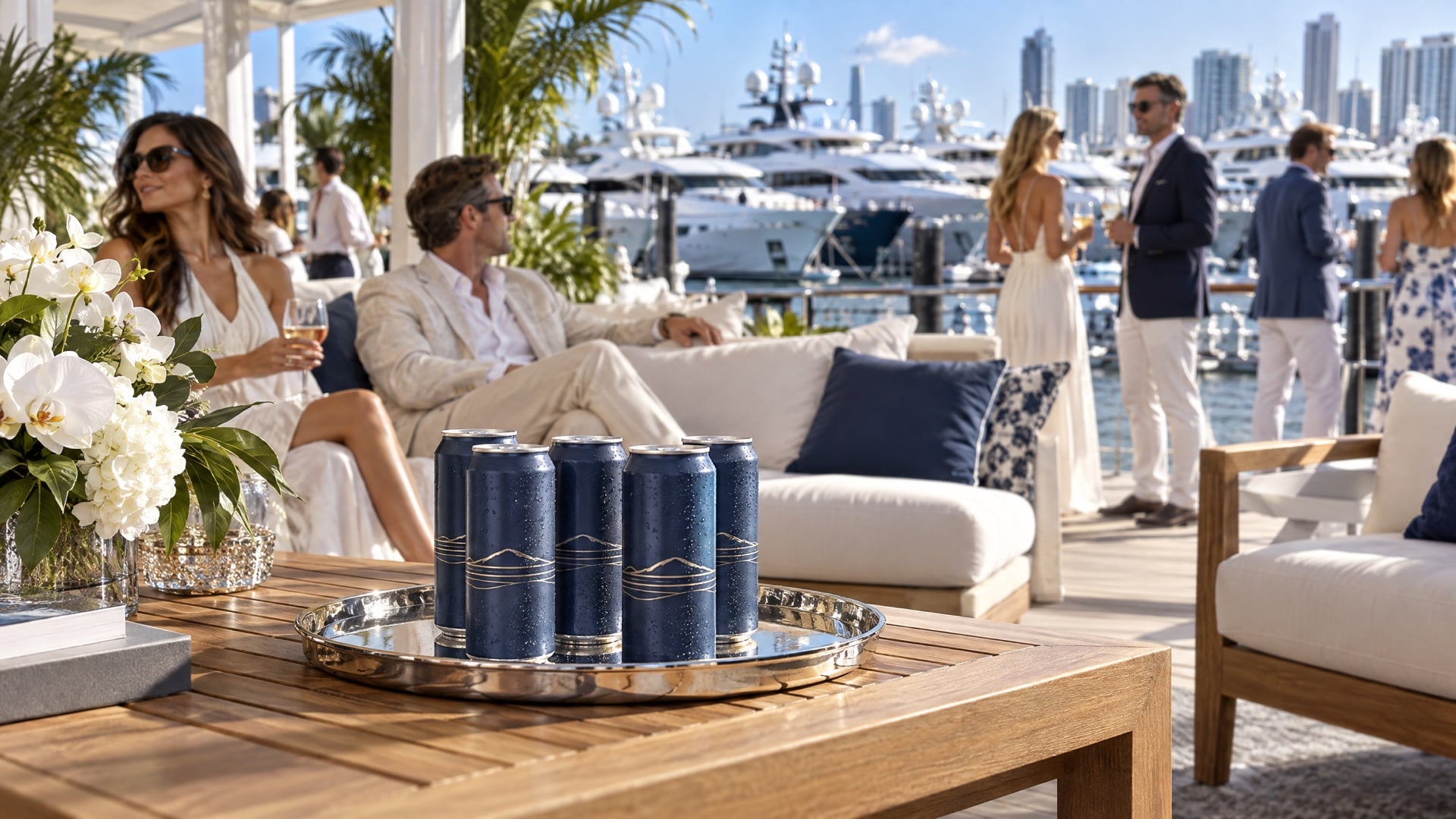
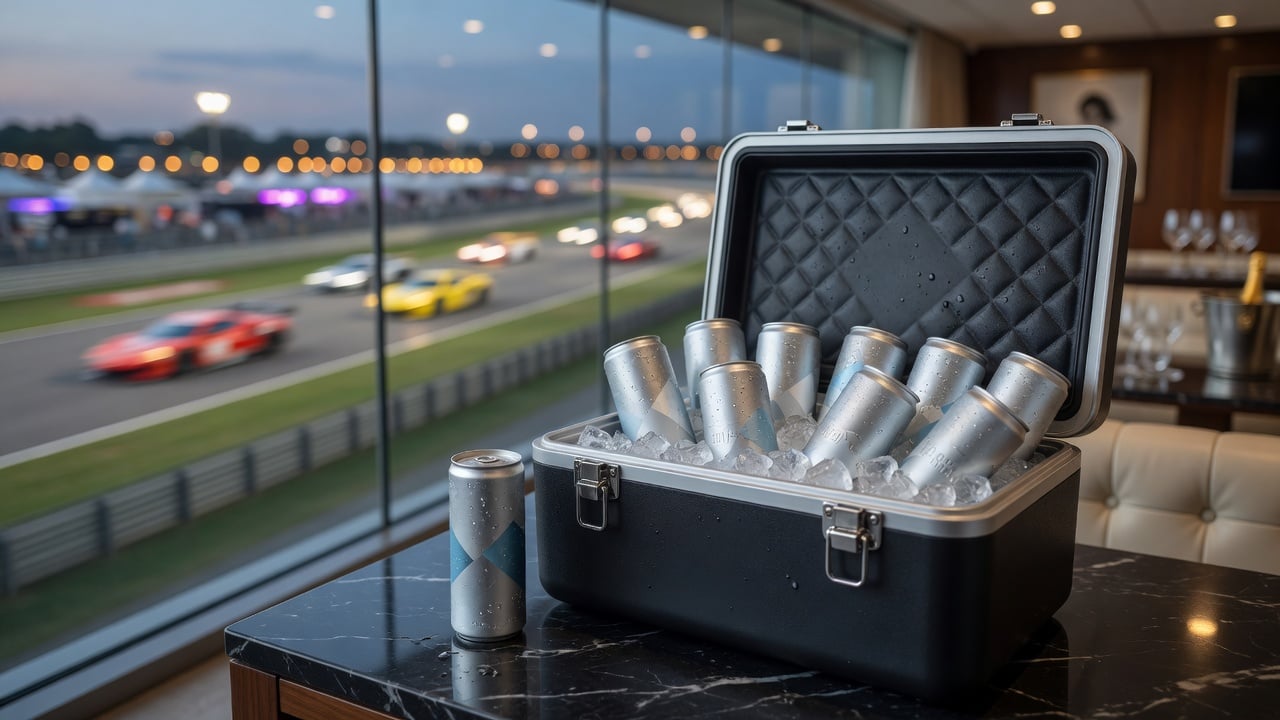
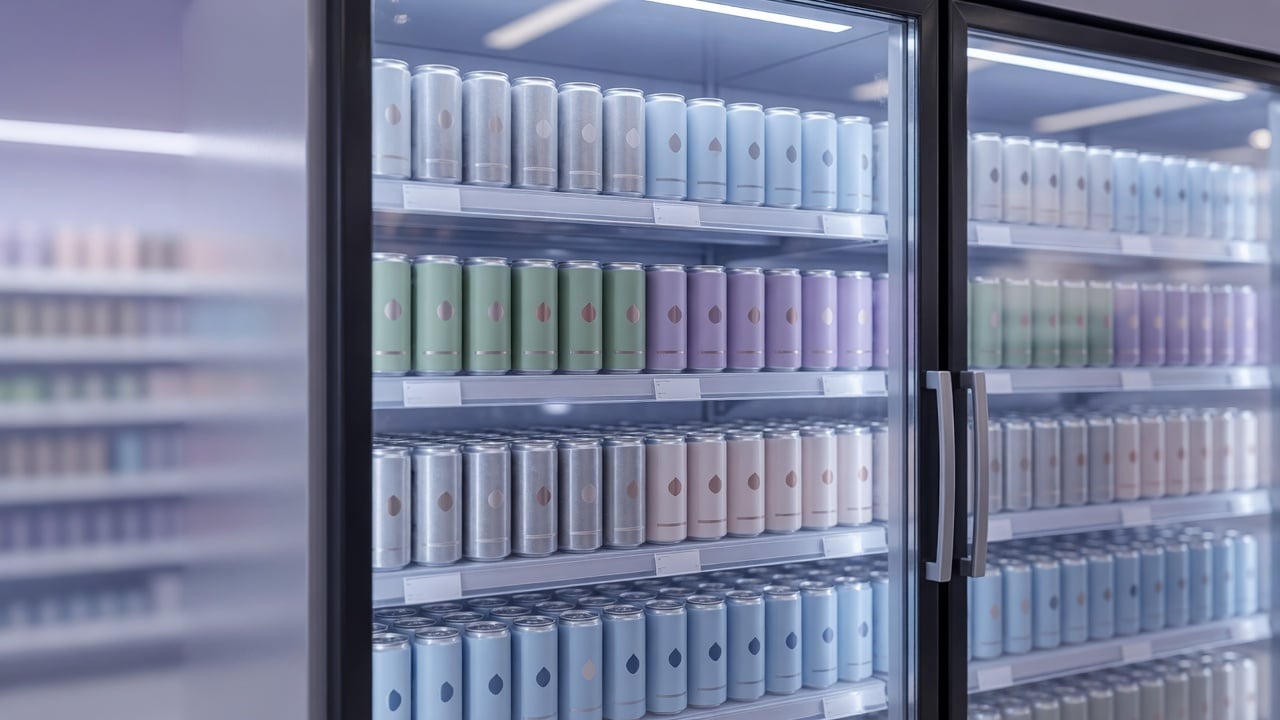
You will find branded cans of water across many kinds of businesses. Some of the most common:
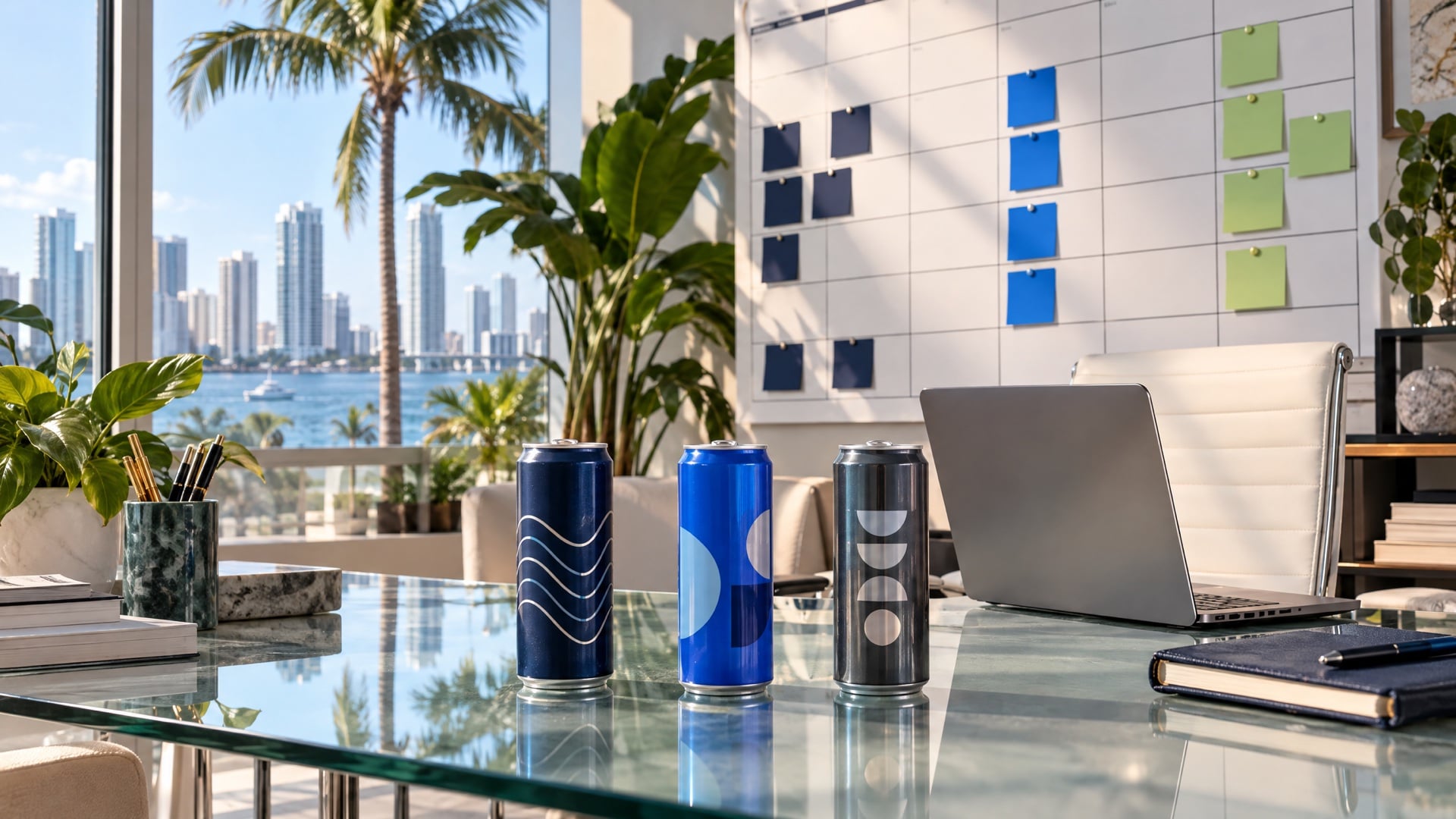
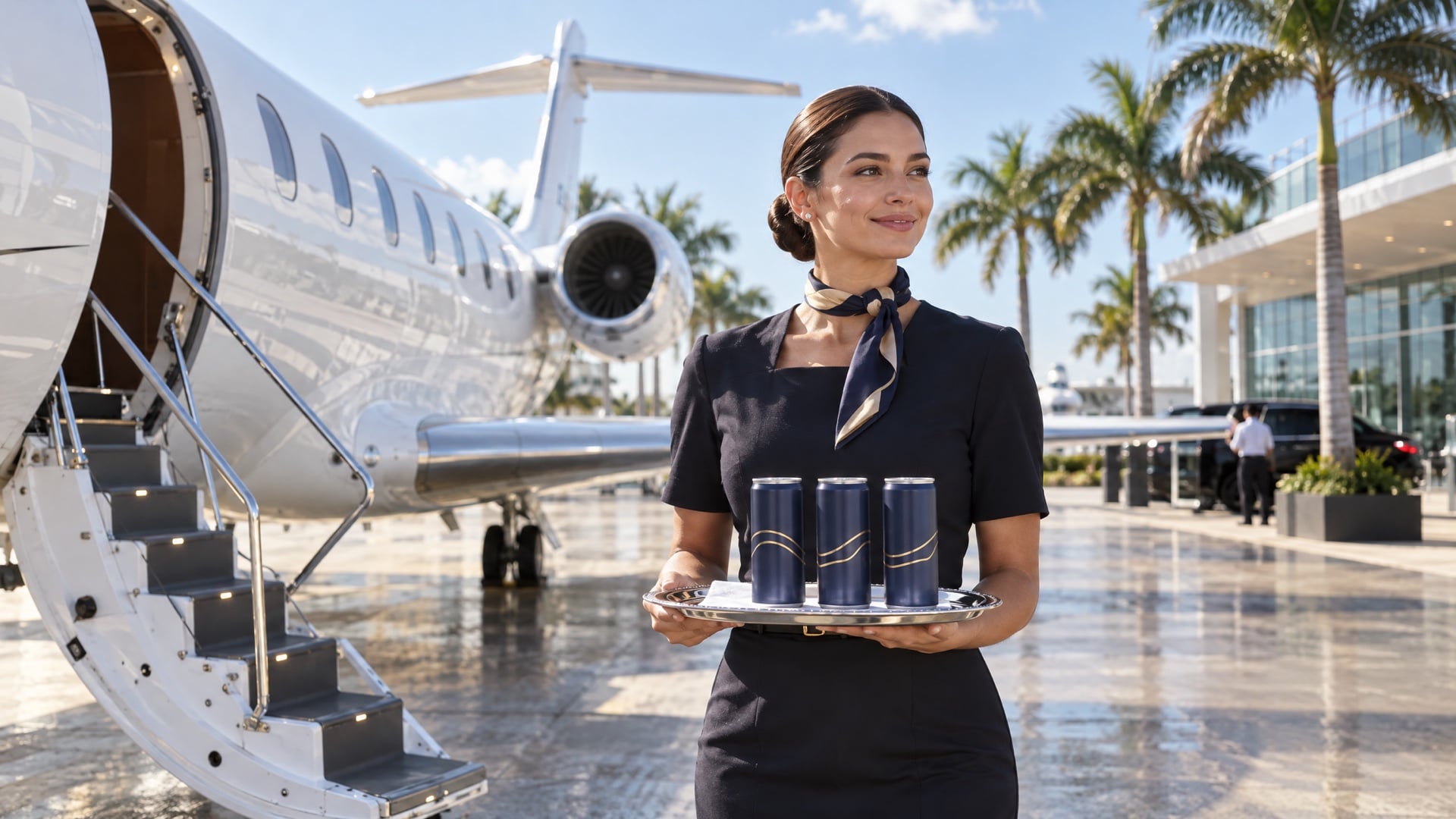
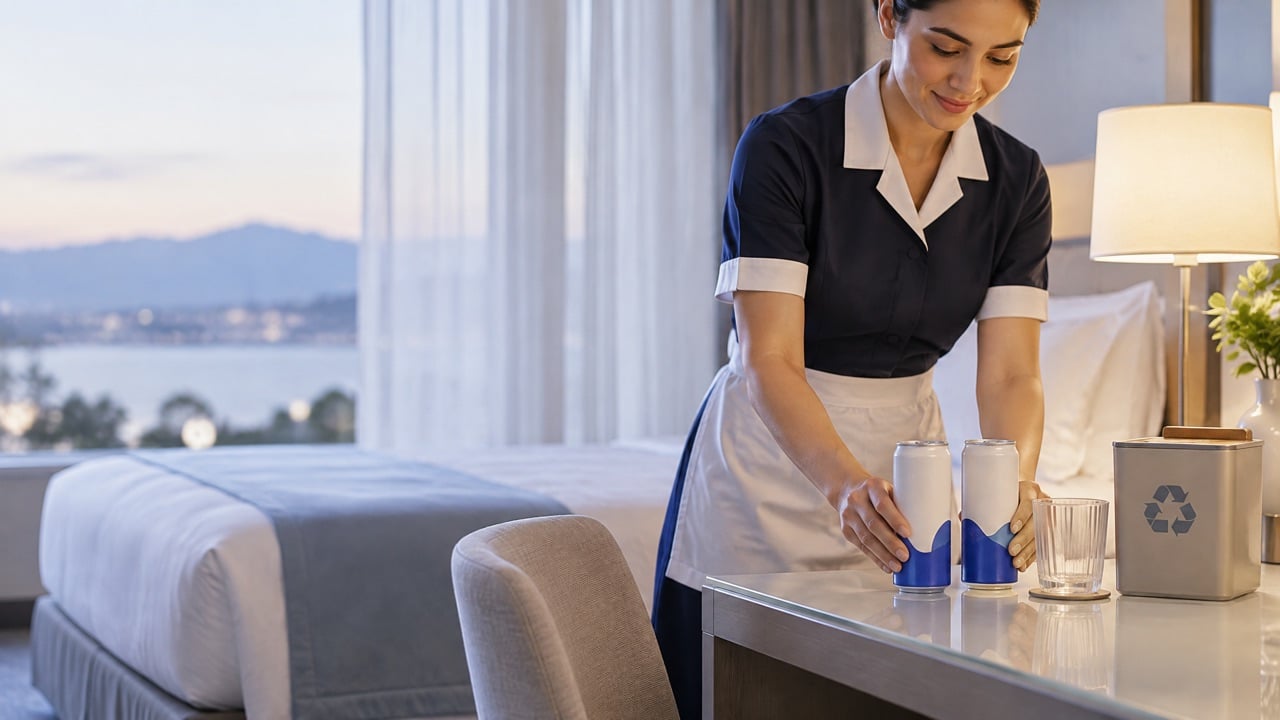
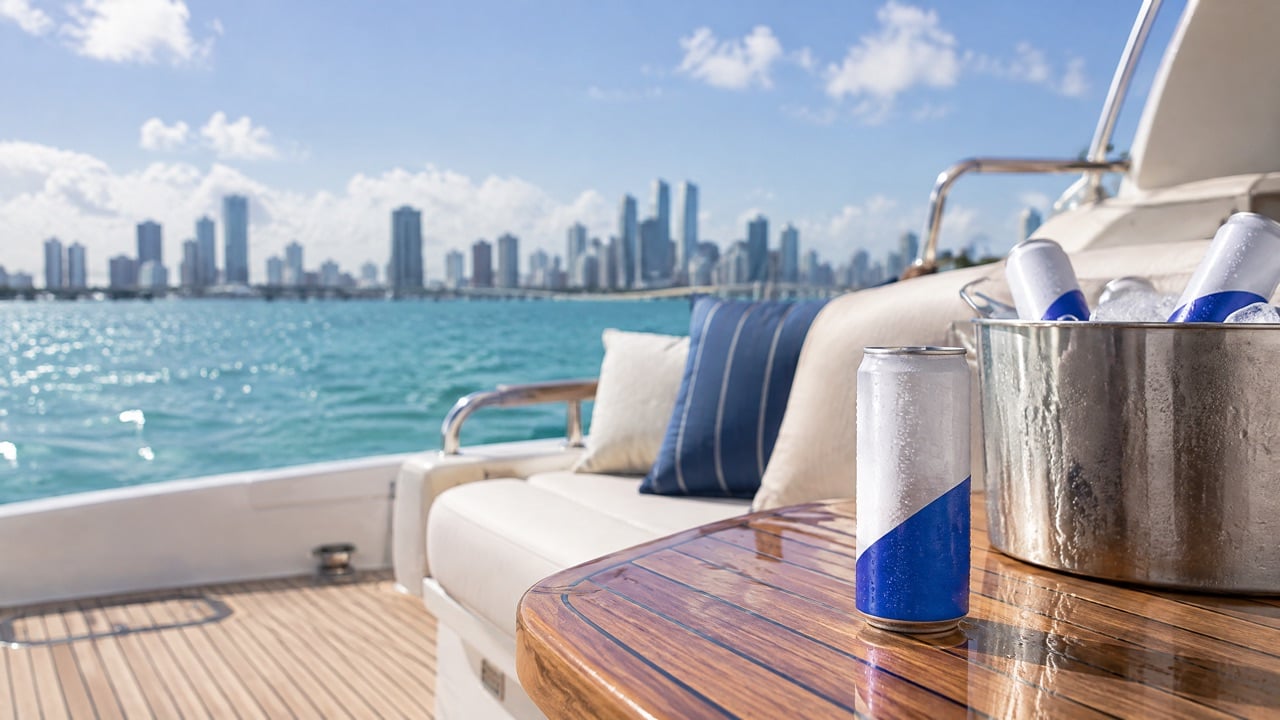
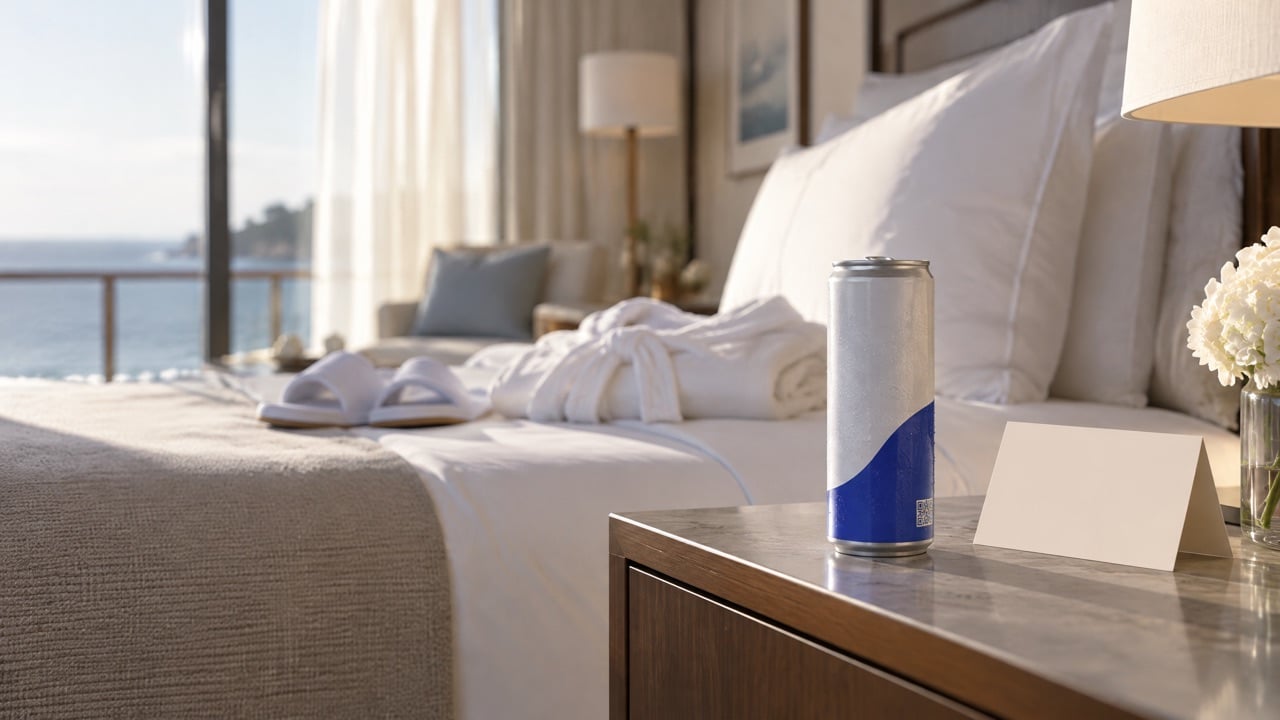
- Boutique hotels and hospitality groups
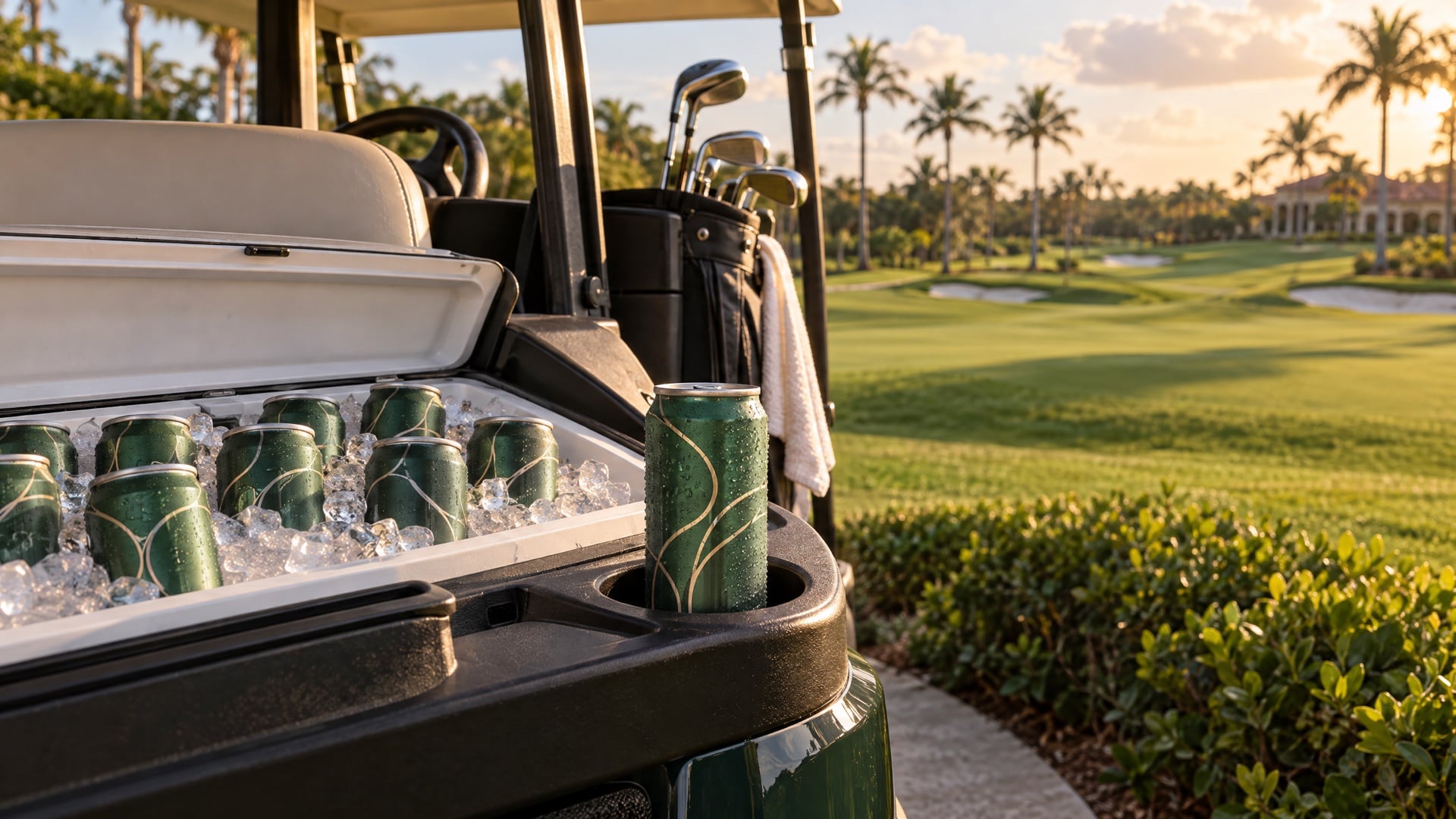
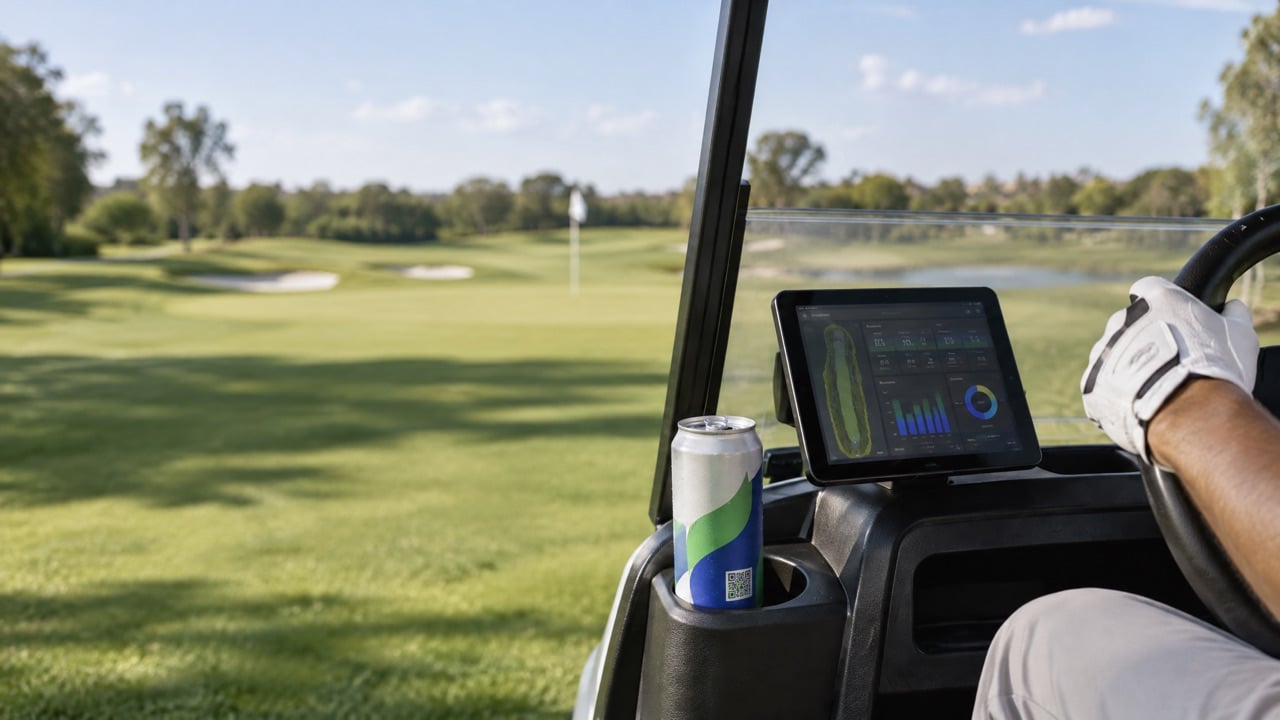
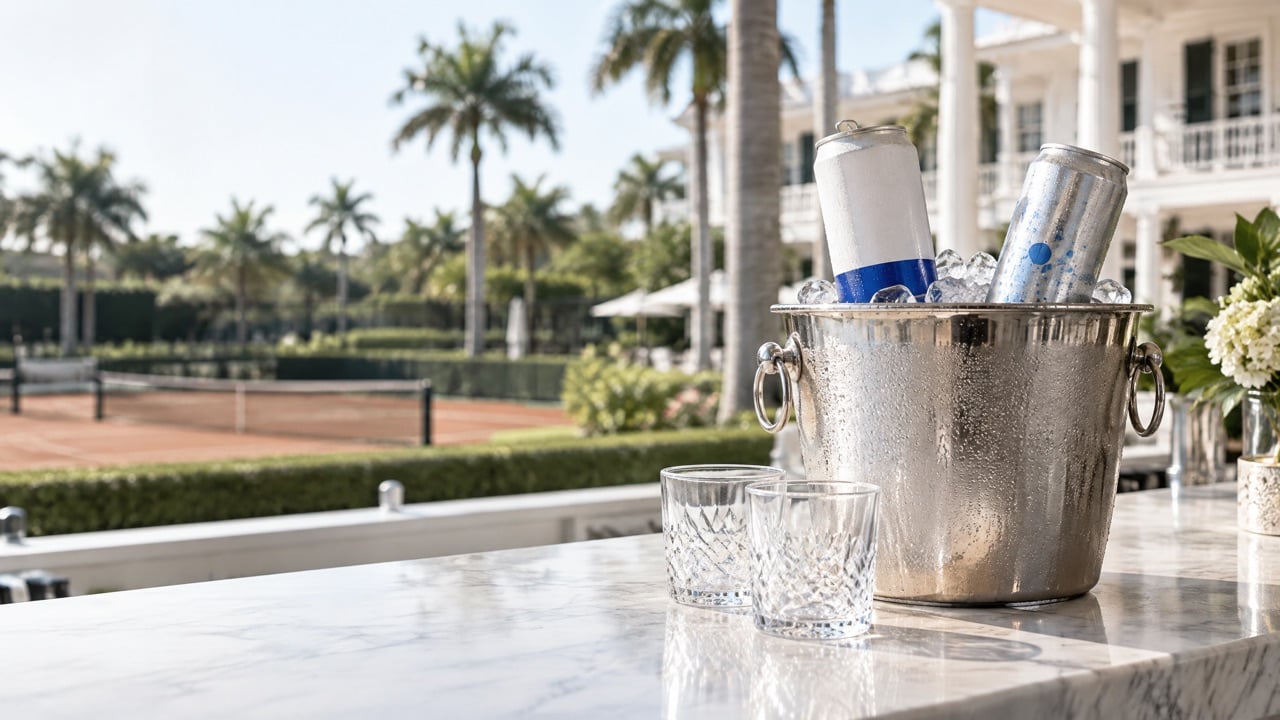
- Golf courses, country clubs and private clubs
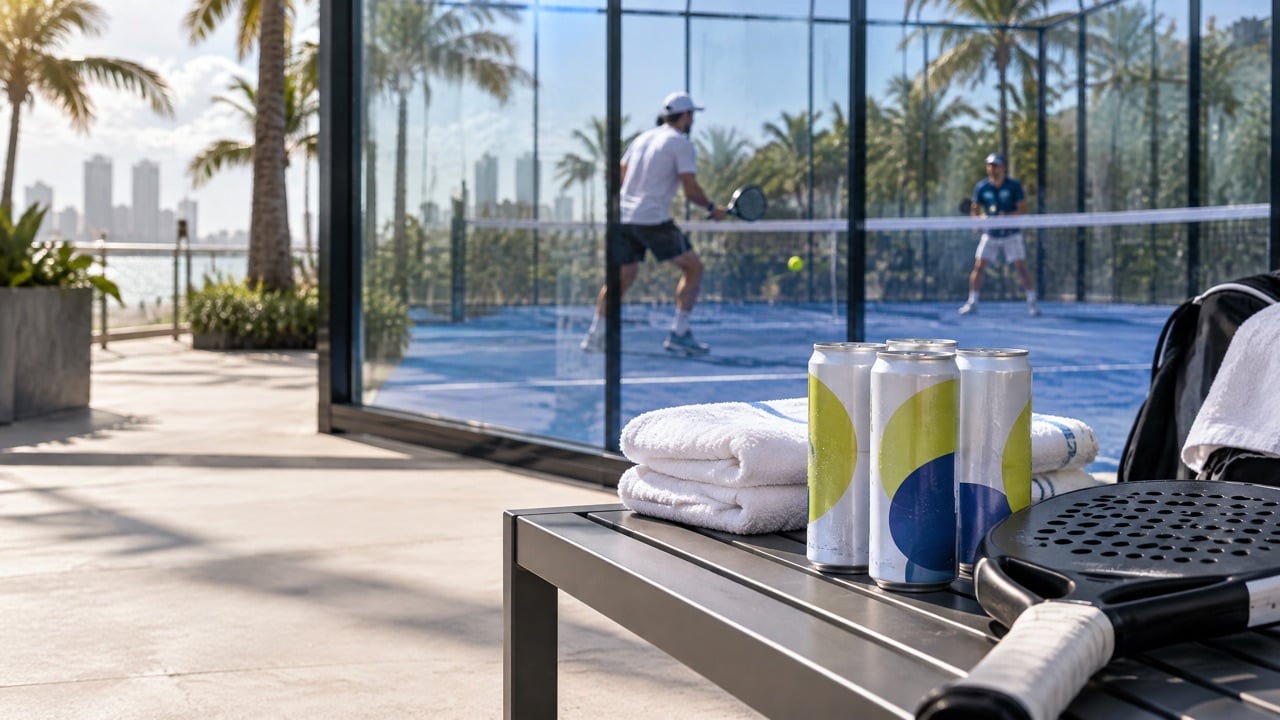
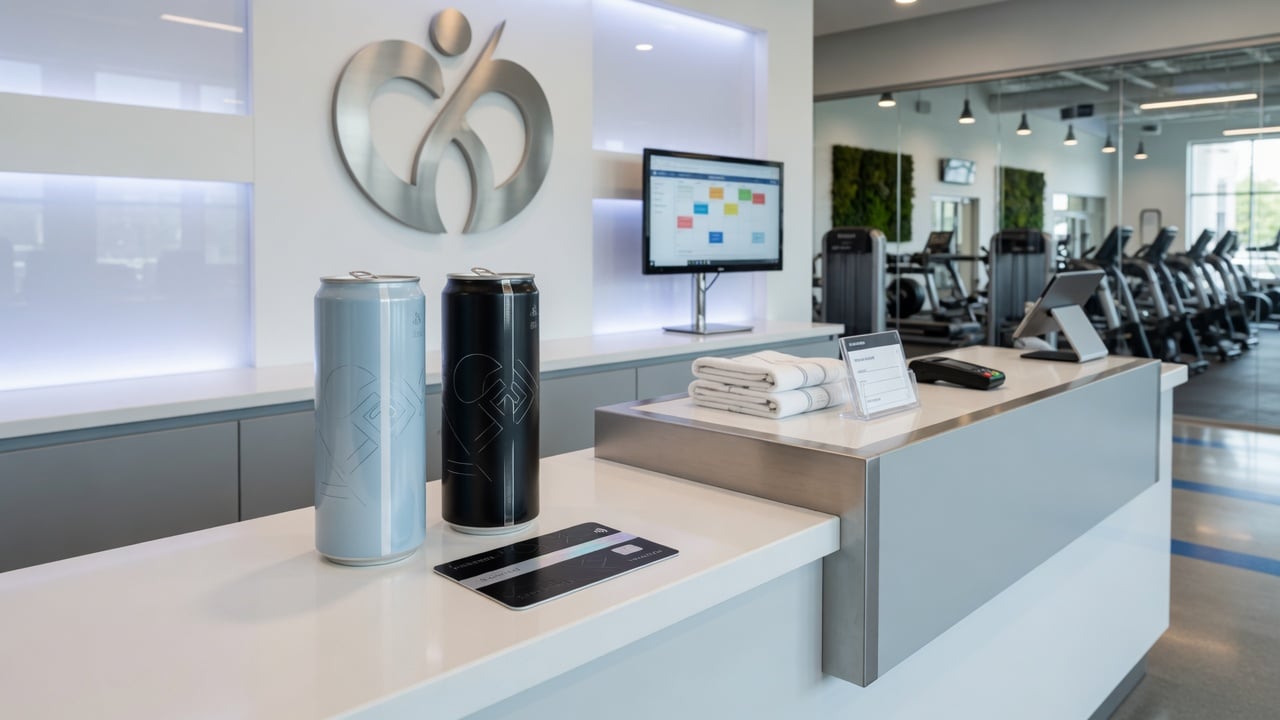
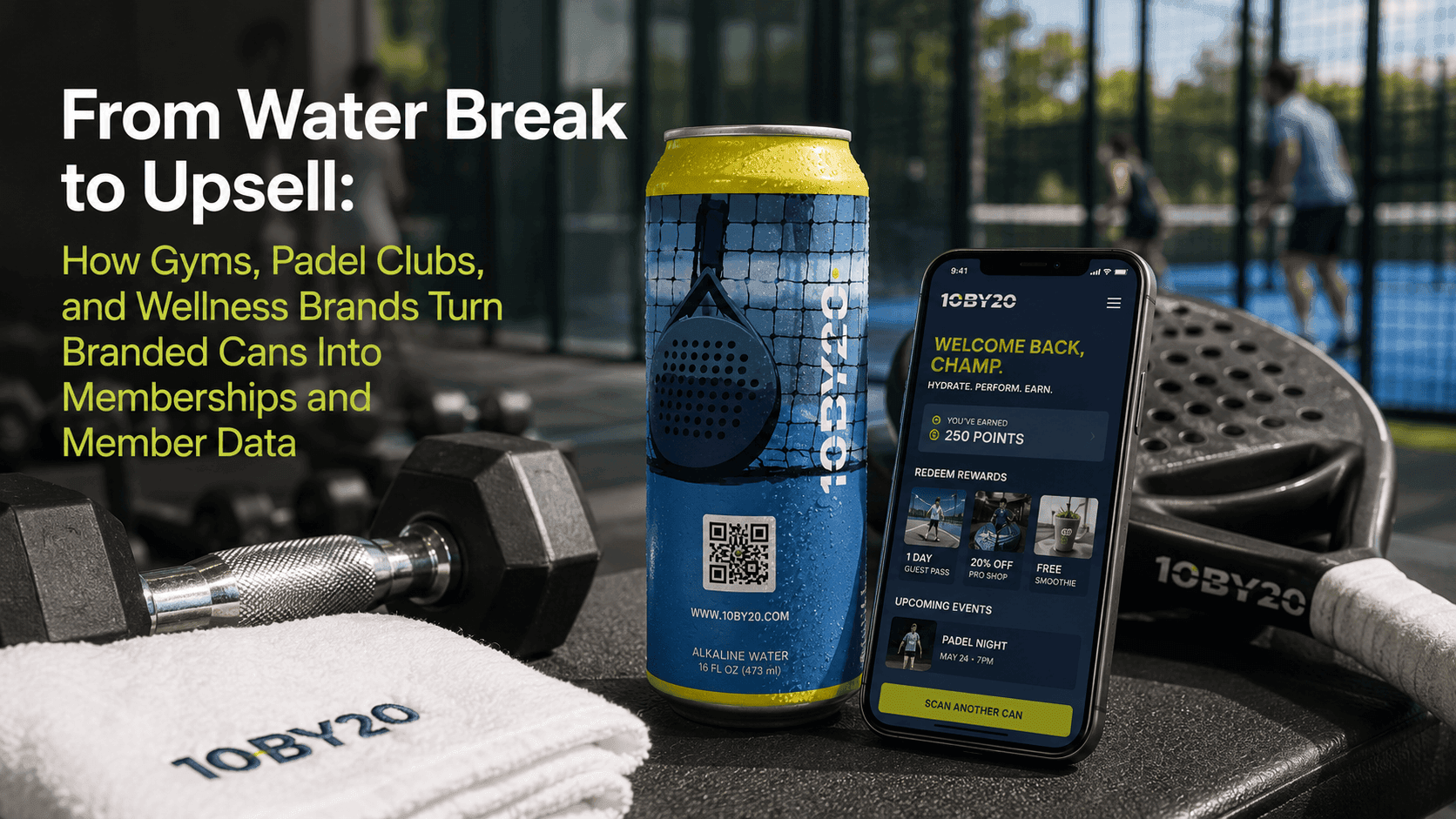
- Gyms, fitness studios and padel courts
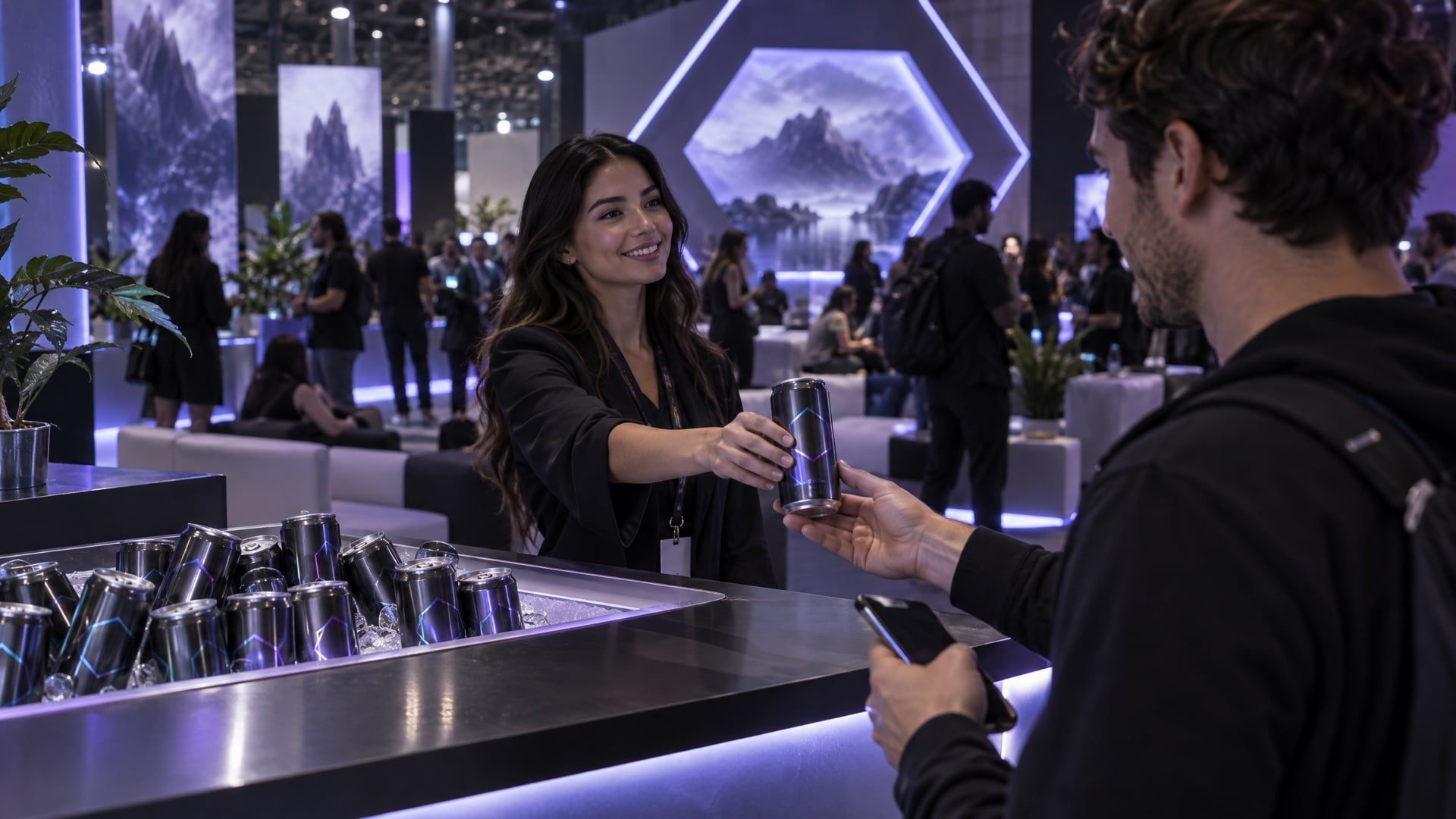
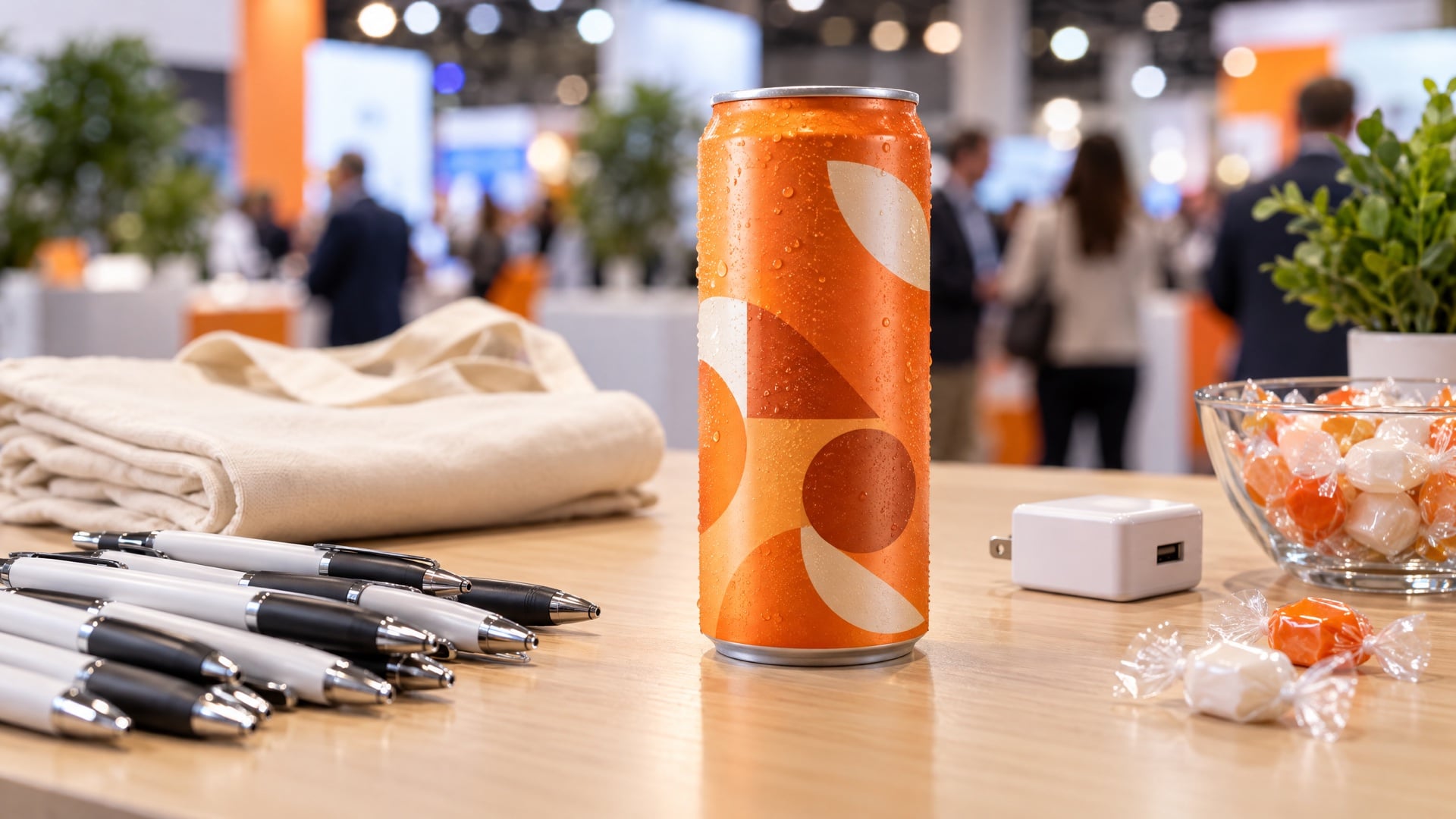
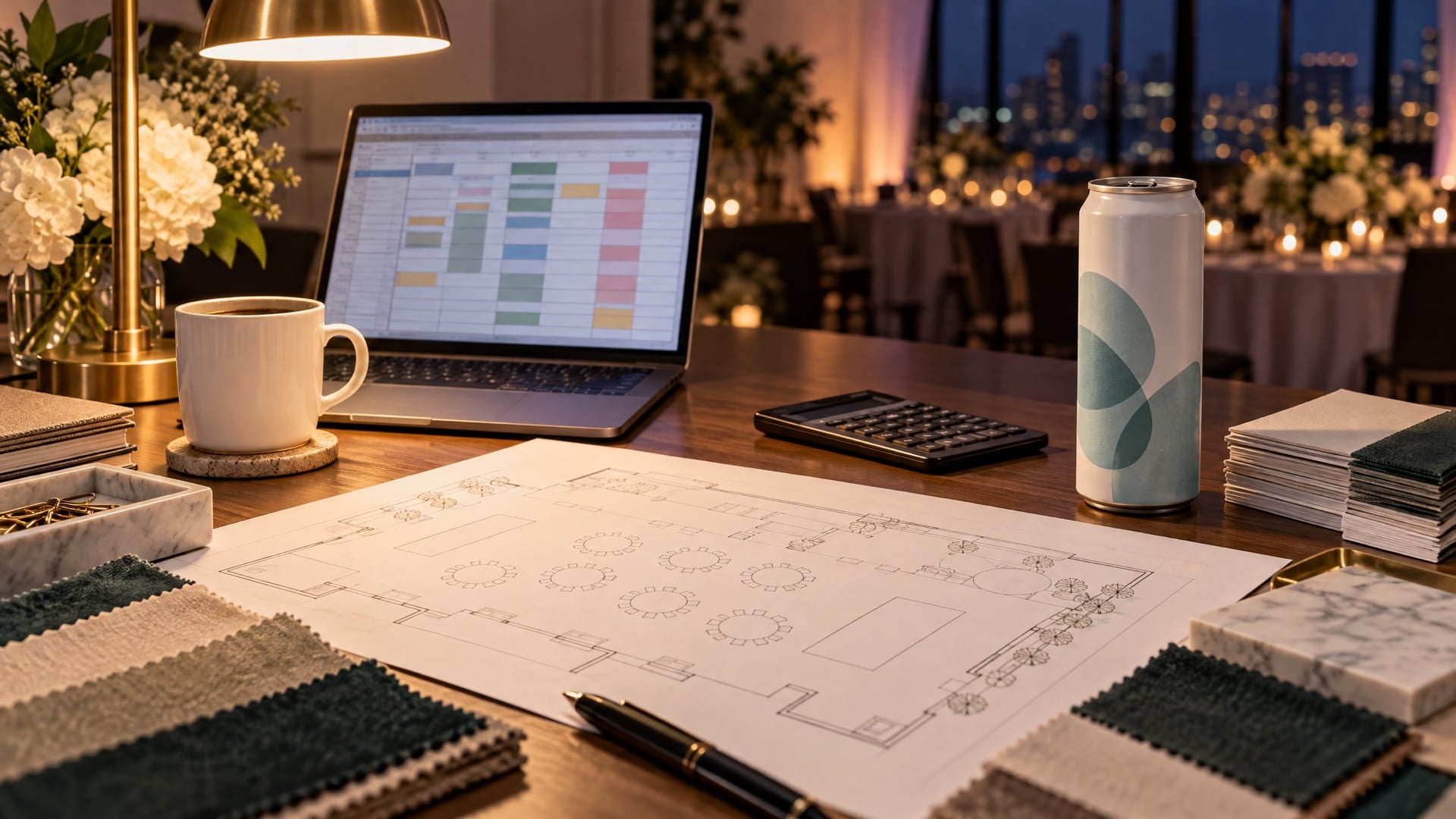
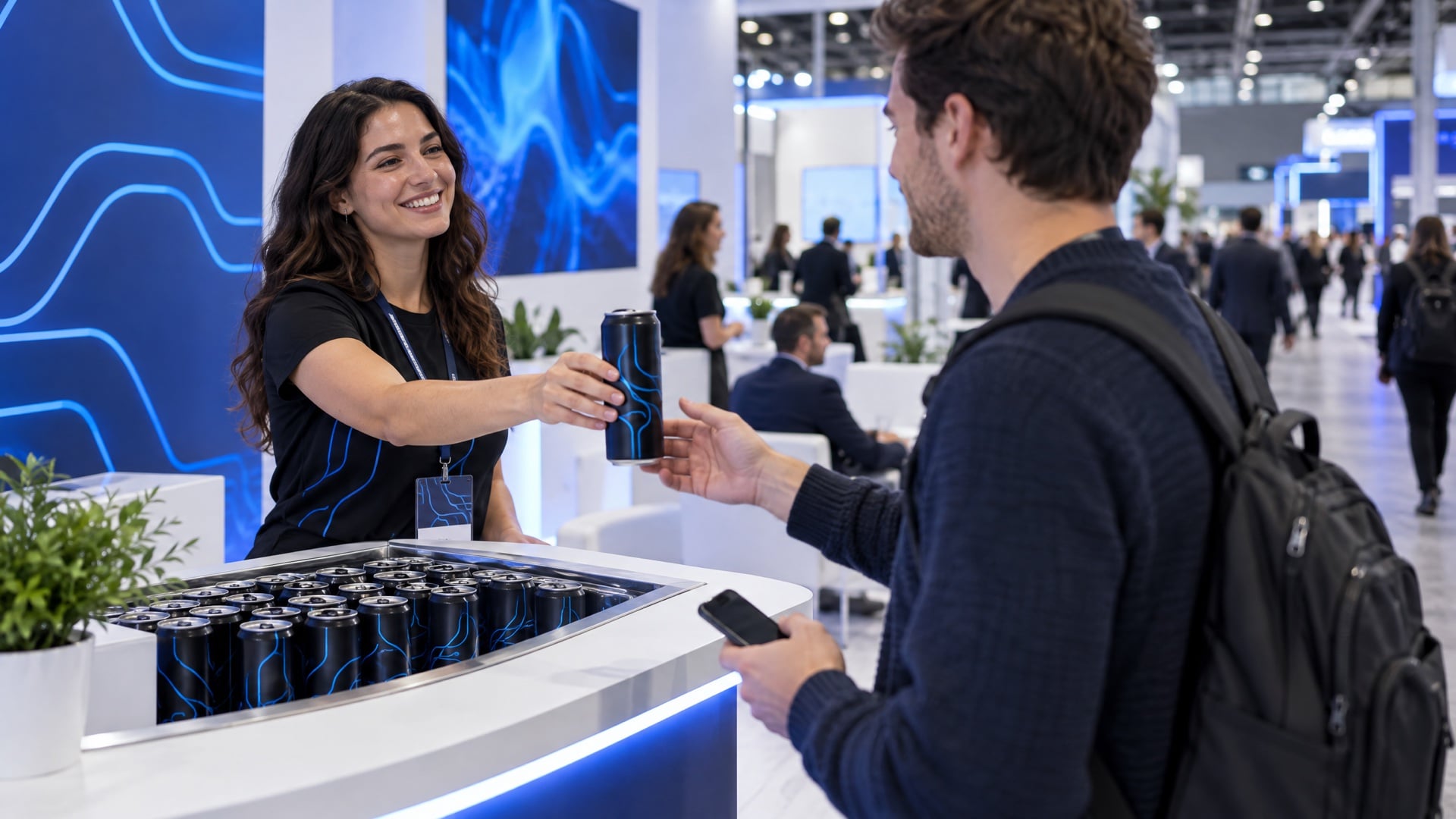
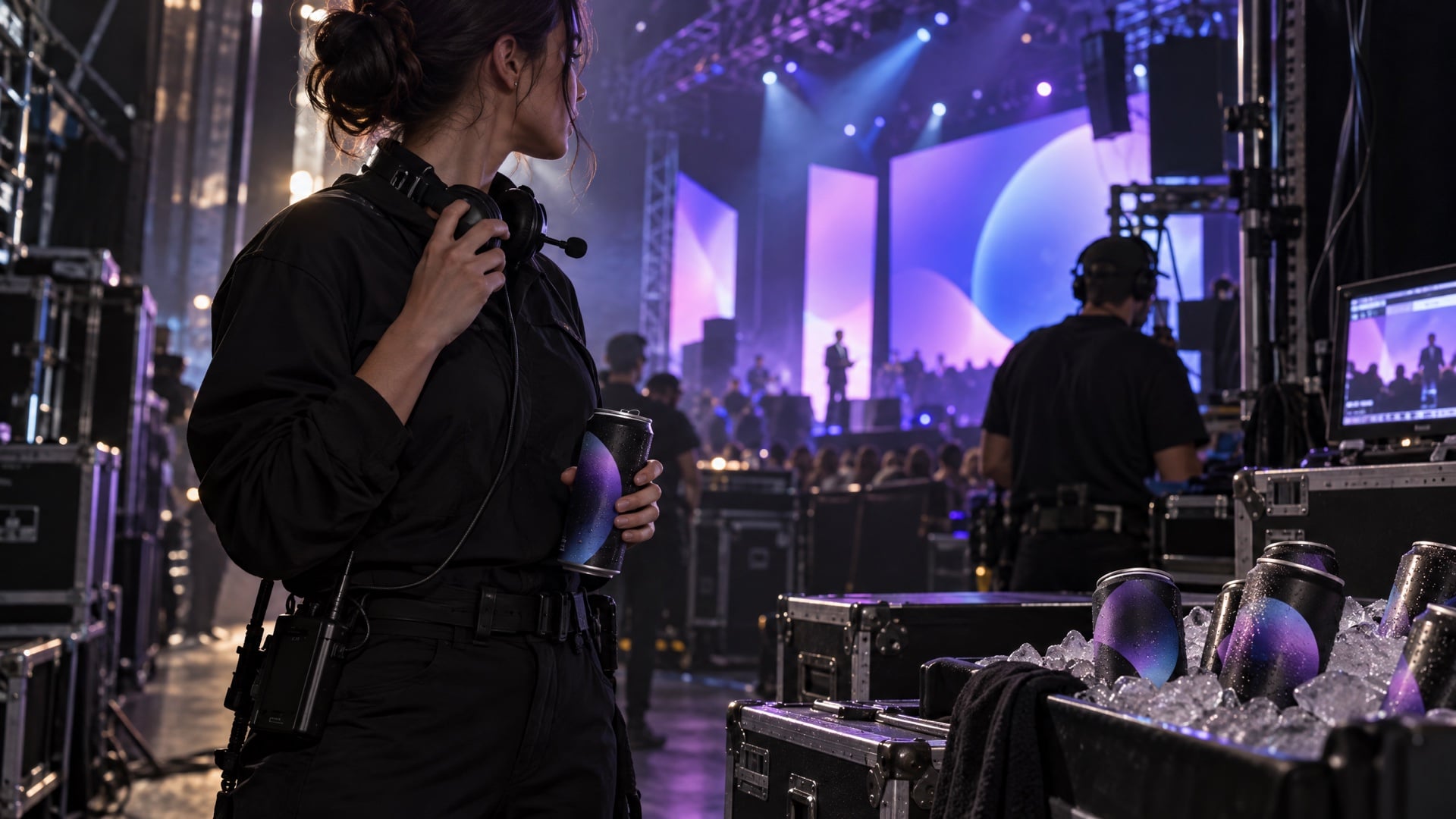
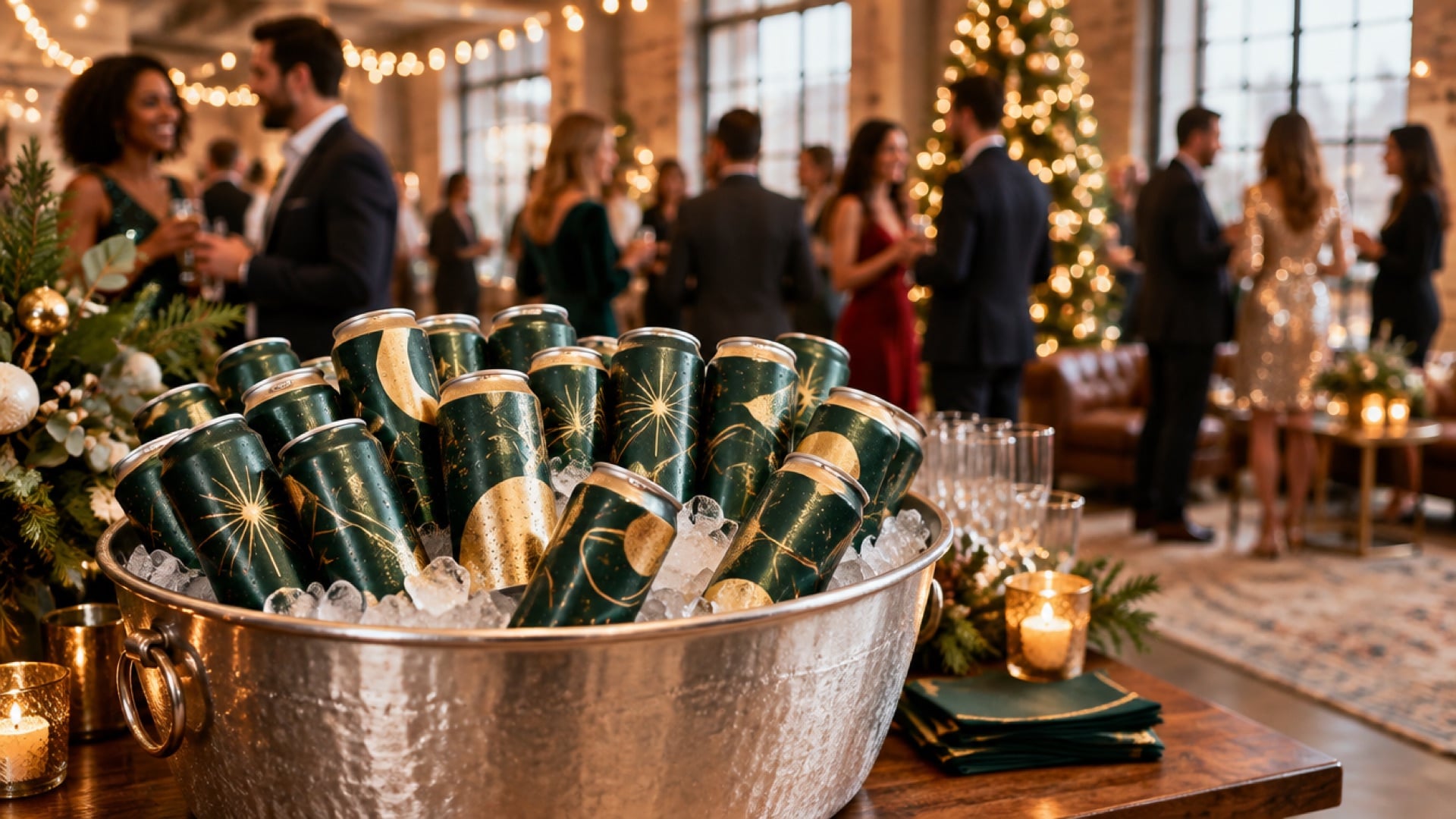
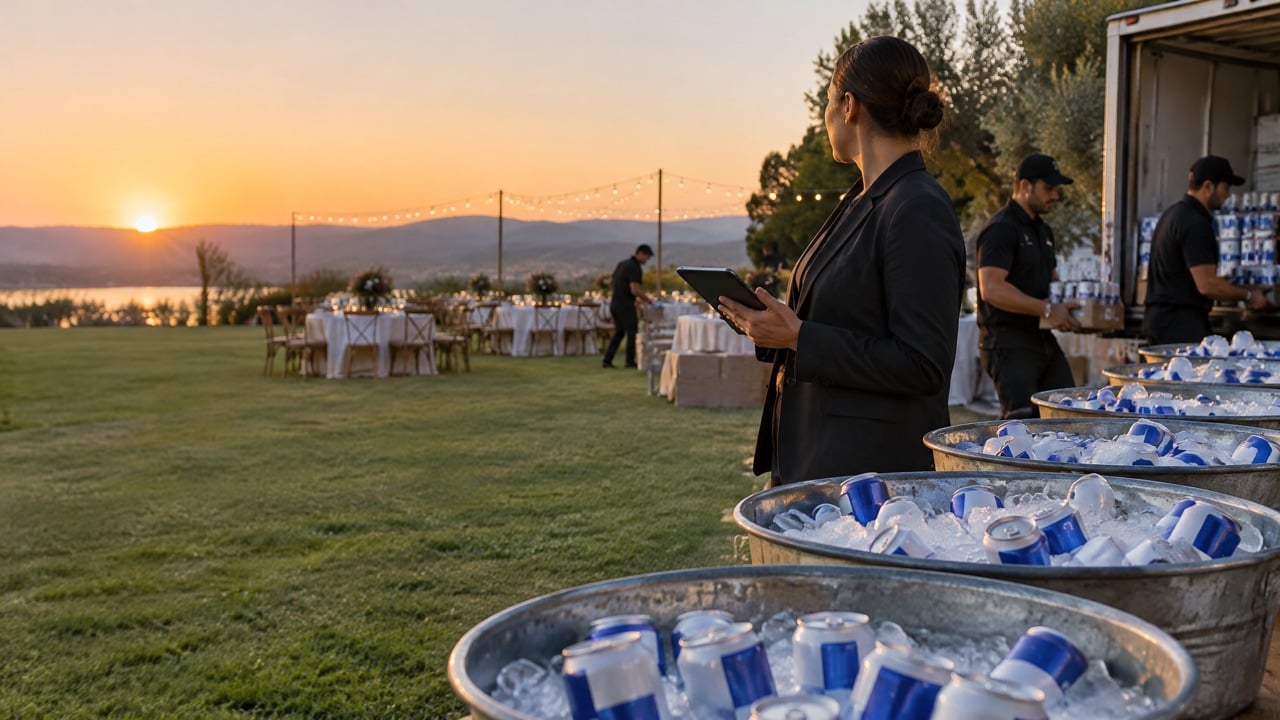
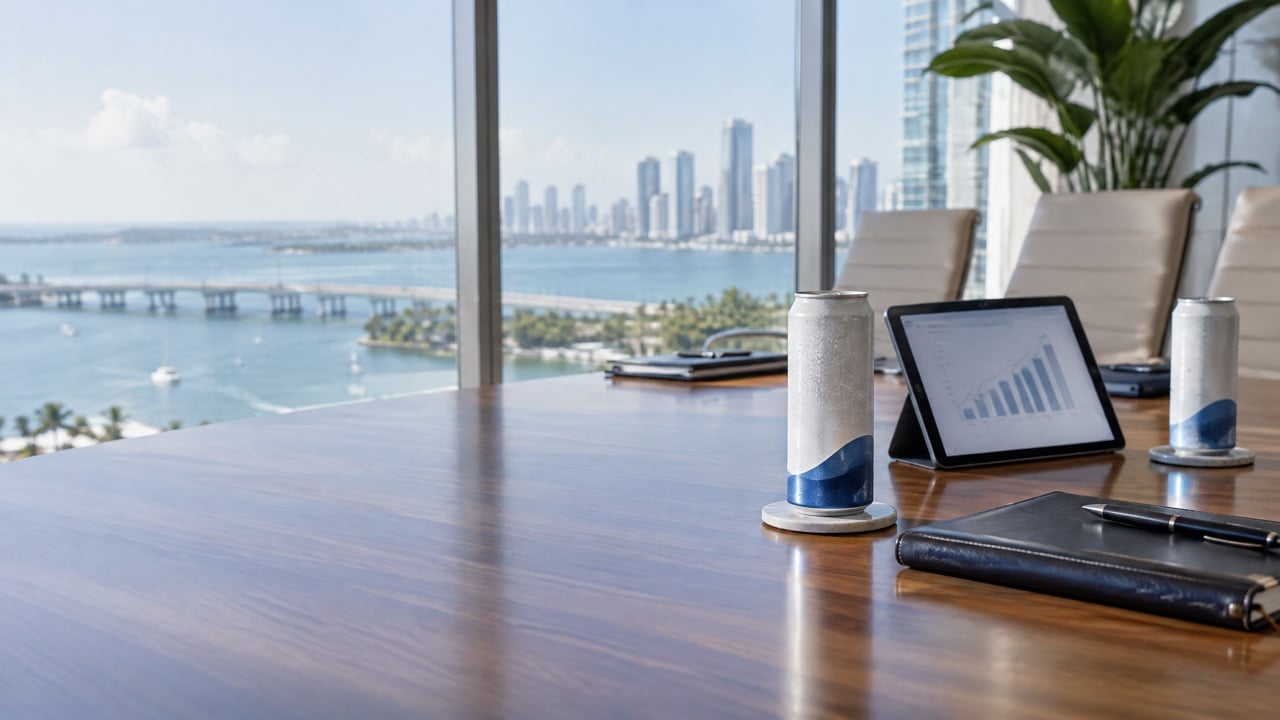
- Event planners, conferences and trade show exhibitors
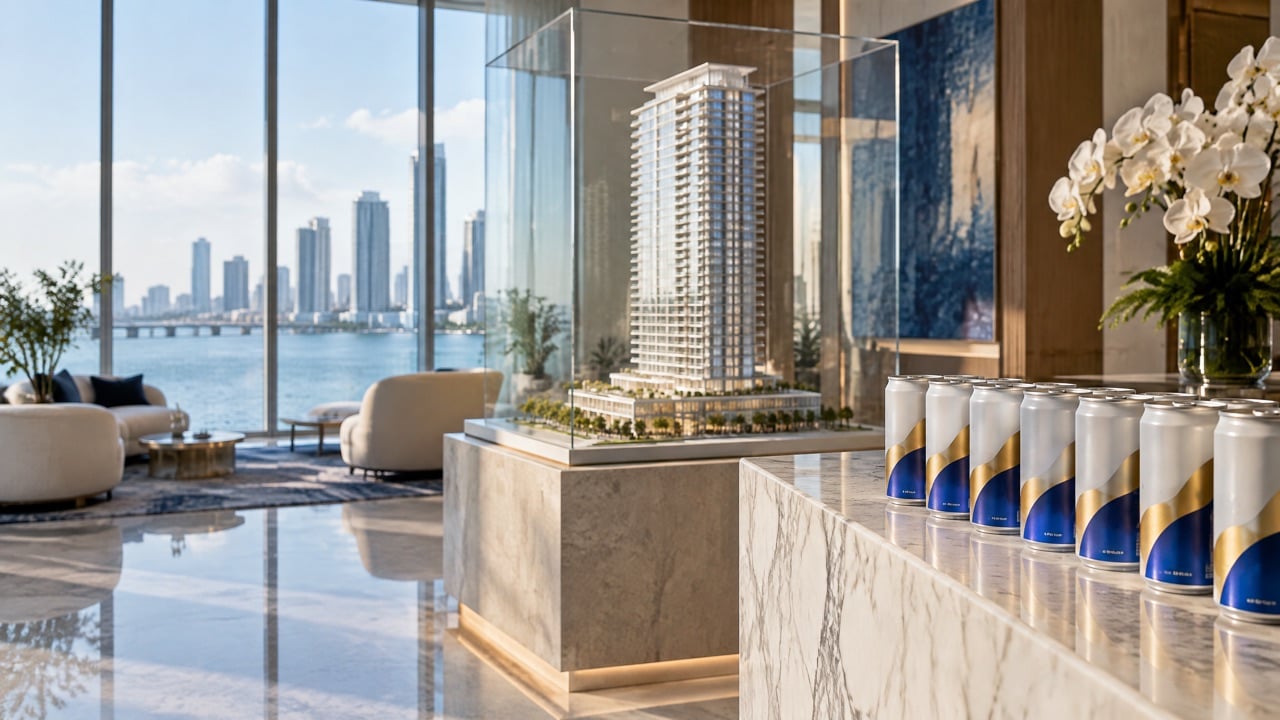
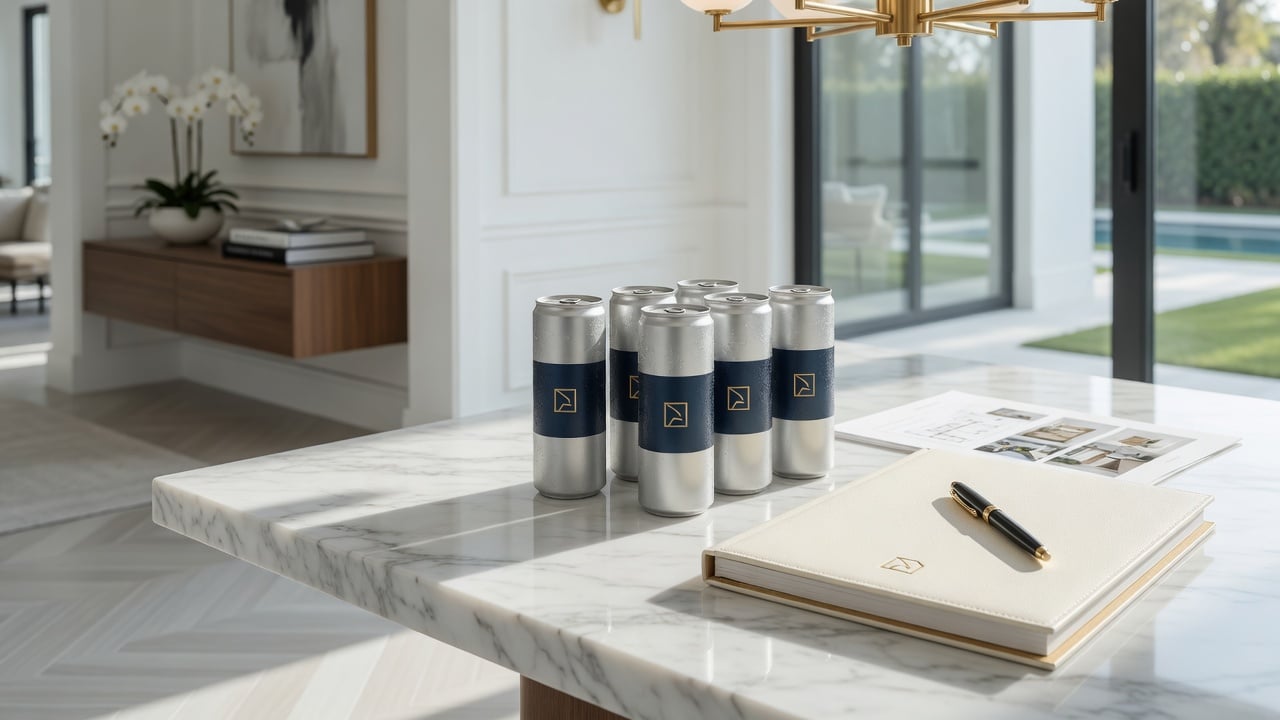
- Real estate developers and brokerages for open houses and sales galleries
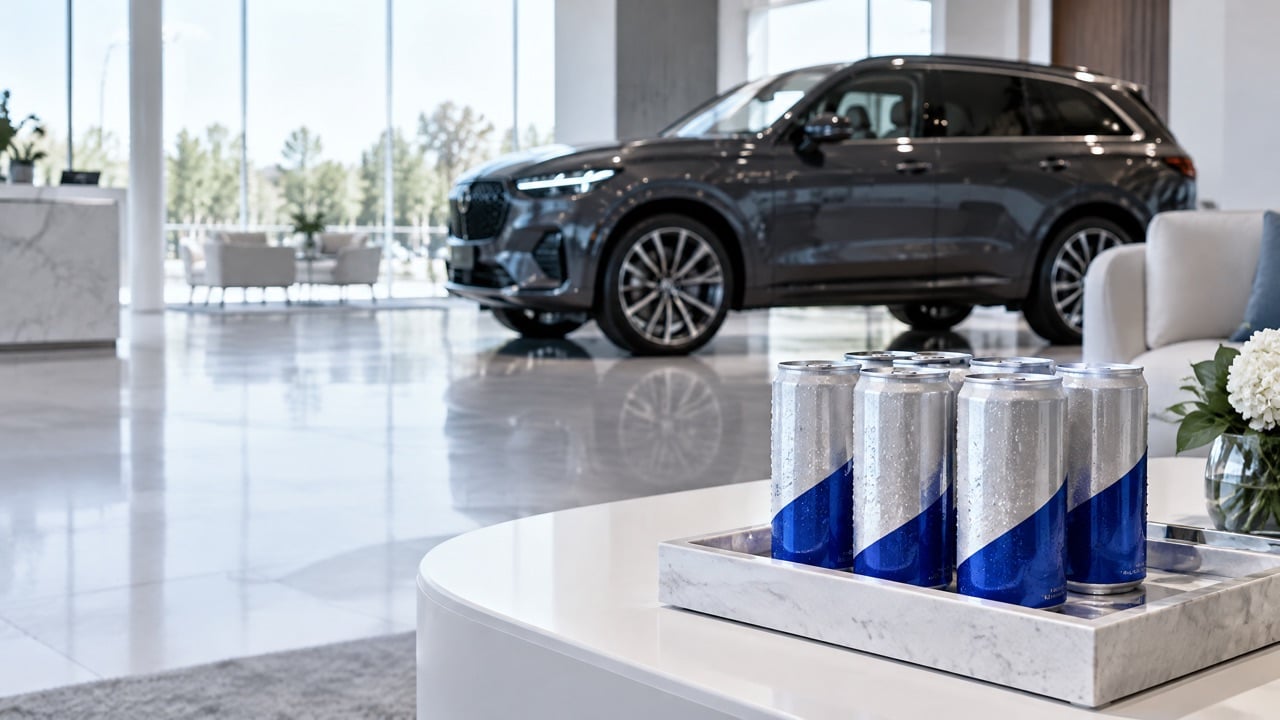
- Car, motorcycle and boat dealerships
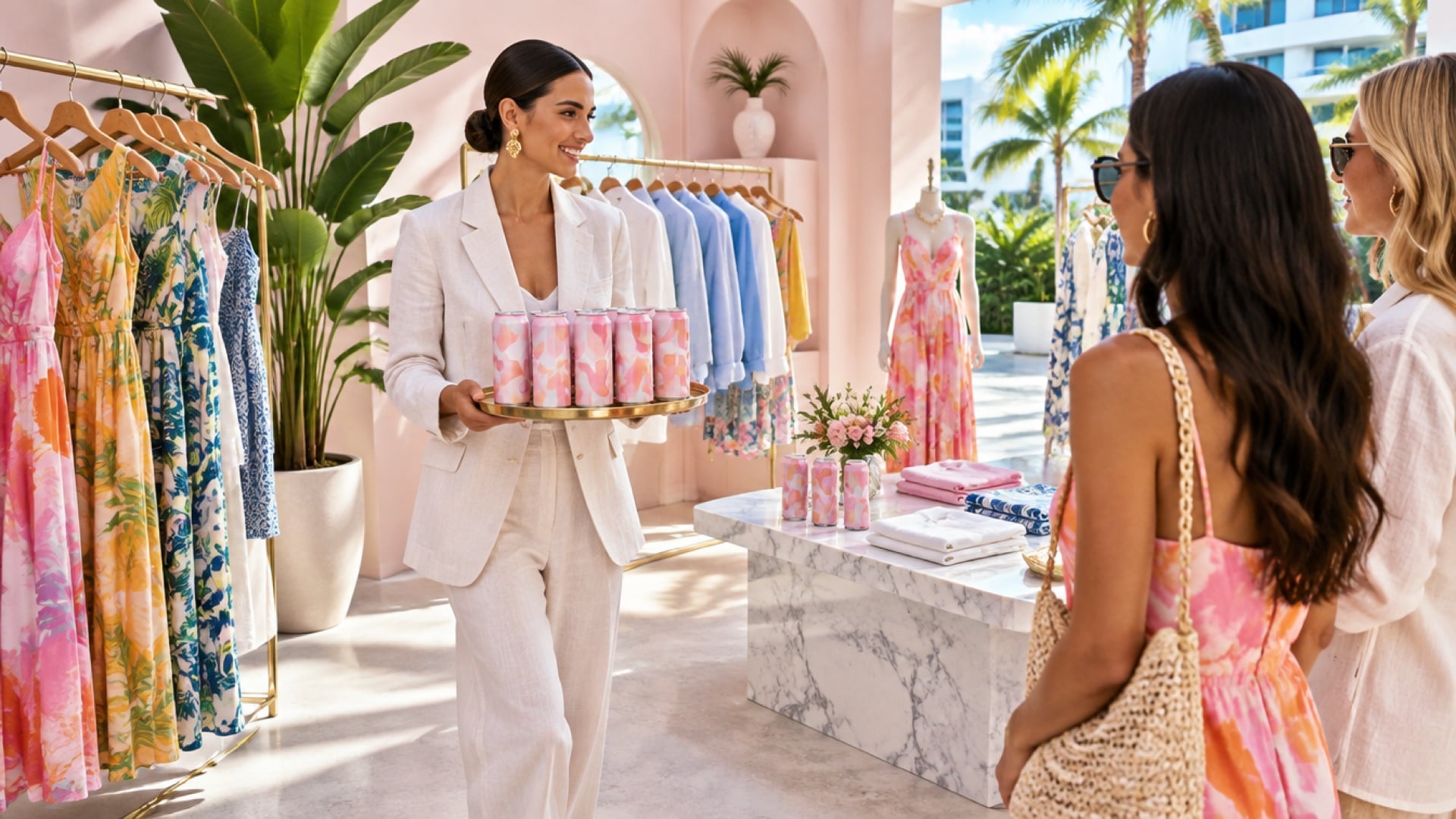
- Fashion and retail brands at launches and pop-ups
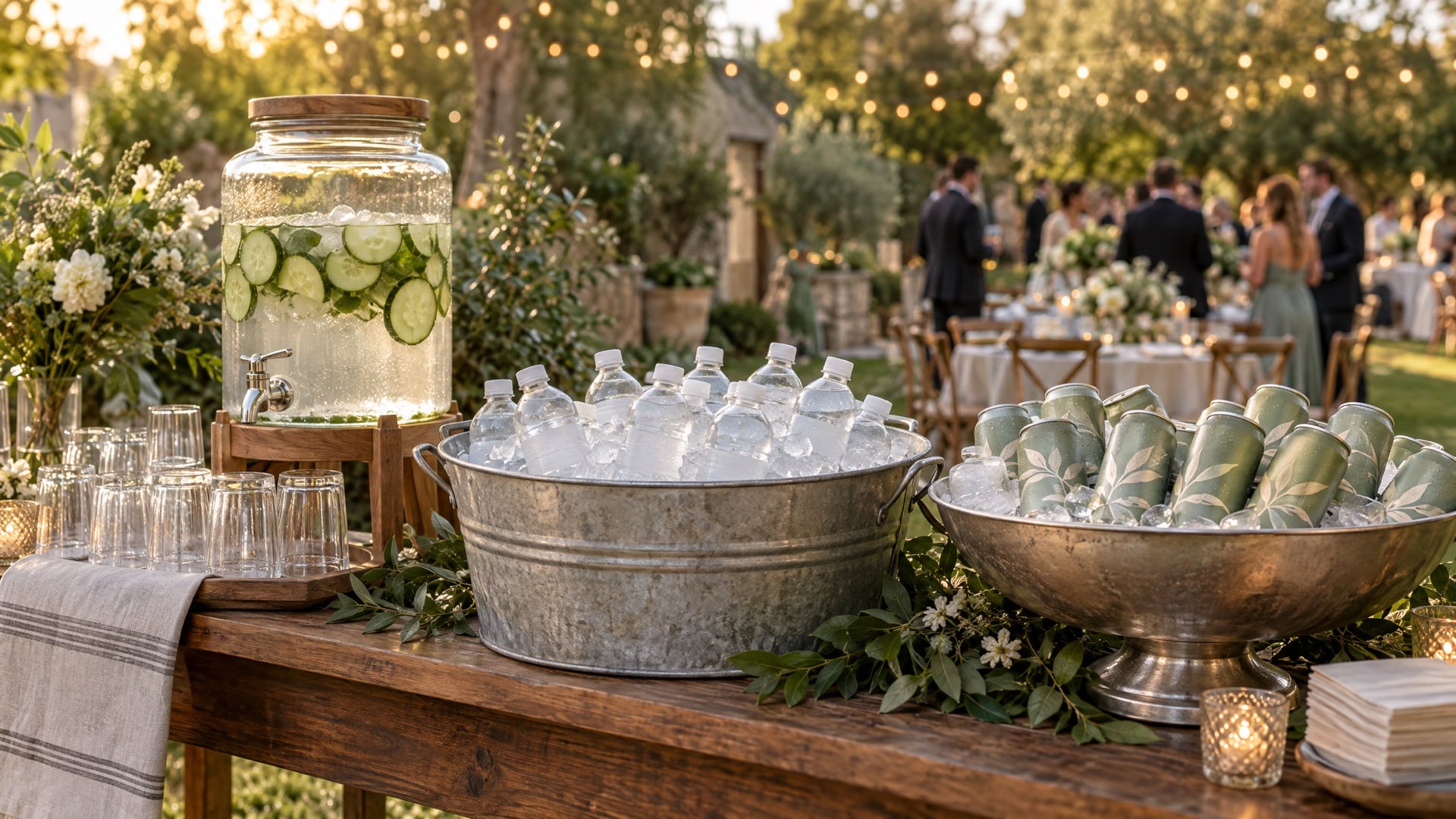
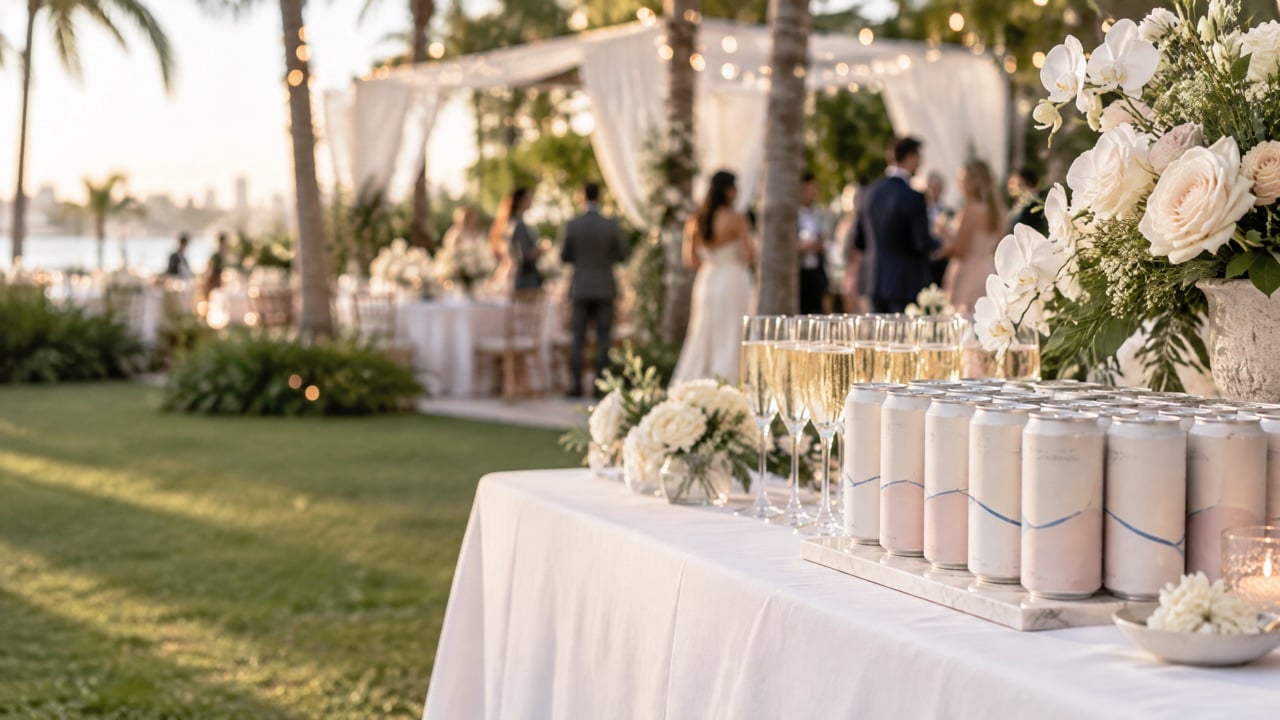
- Foundations and nonprofits at galas and fundraisers
How much does a custom can of water cost?
The price of a custom can of water depends mostly on volume, print method, can size and water type. At We Can It, digitally printed cans range from $0.90 to $2.50 per can depending on volume, with lower prices at higher volumes. Labeled cans are very competitive, and sparkling adds a small premium per can. QR codes are included at no extra cost.
If you want to understand what drives those numbers, our guide on why canned water costs what it does explains it. For an exact figure for your order, use the calculator.
How to get your own water in a can
Getting branded canned water is simpler than most people expect. With We Can It, the path looks like this:
- Choose your water. Still, sparkling or alkaline.
- Choose your can. 12oz Regular, 12oz Sleek or 16oz.
- Choose your print method. Labels start at 21 cases (504 cans). Digital print on the aluminum starts at 100 cases.
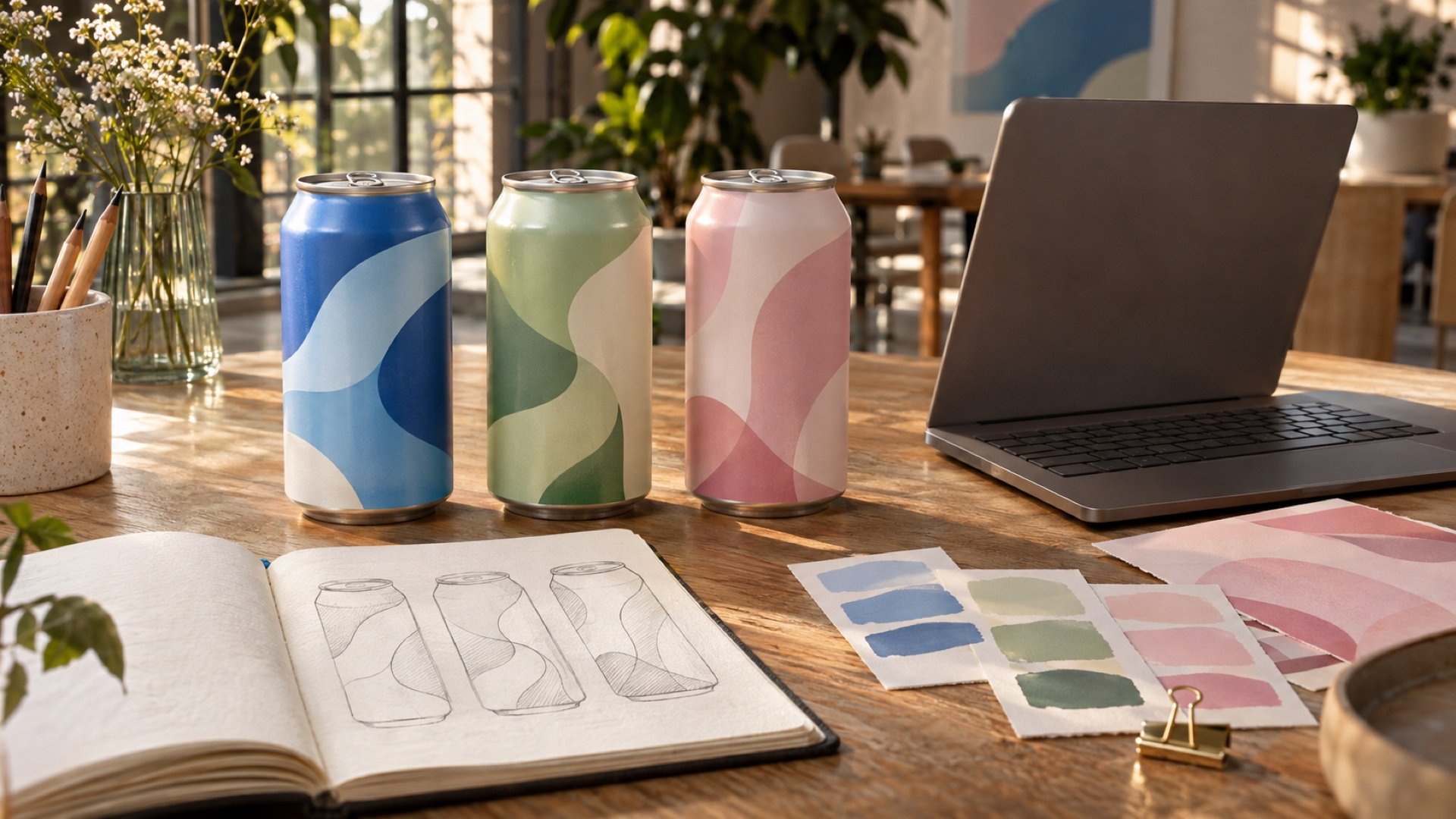
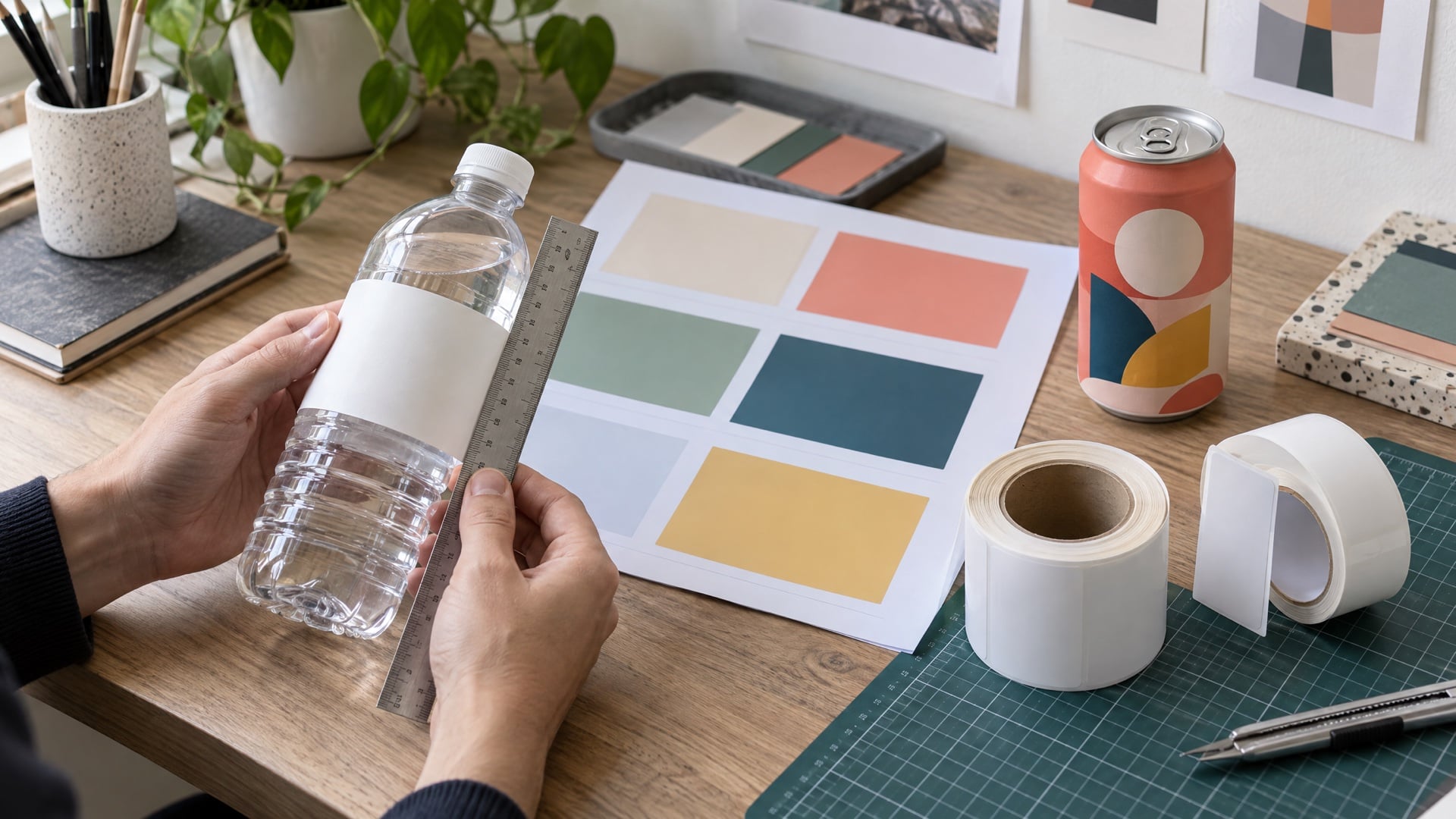
- Send your artwork. Use our templates or work with our team on a design.
- Approve your proof. You see a digital proof before anything is produced.
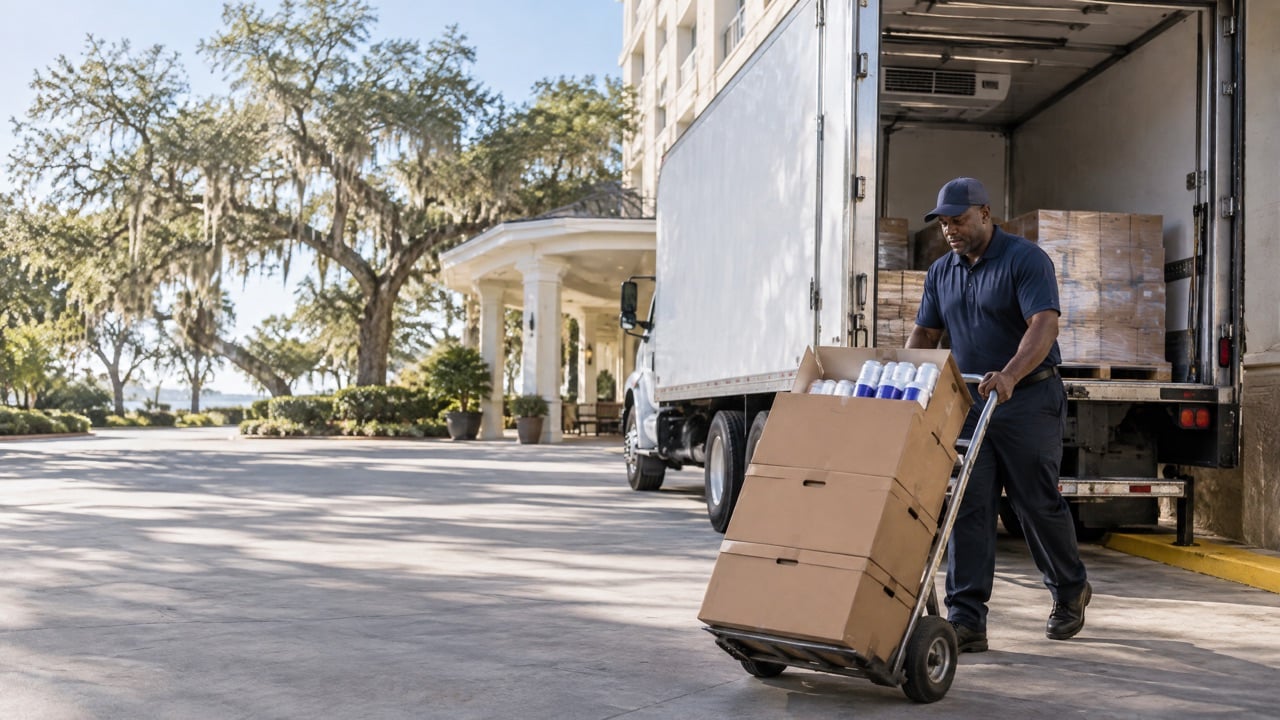
- Production and delivery. Cans are produced in about 2 to 3 weeks from artwork approval in Miami and shipped nationwide, with logistics billed at cost.
Our canned water hub brings together everything you need to plan your first order.
Frequently asked questions
What is water in a can?
Water in a can is still or sparkling drinking water sealed in an aluminum can with a protective interior coating. It is the same kind of water you would find in a bottle, packaged in a lighter, unbreakable container that chills quickly and gives brands a full surface for design.
Is canned water safe to drink?
Yes. Canned water is produced to the same drinking water standards as bottled water, and the interior liner keeps the water from touching the aluminum. As with any packaged water, store it somewhere cool and dry for the best taste.
Is canned water better than bottled water?
It depends on the setting. Cans are lighter, unbreakable, chill faster and are widely recycled, which makes them great for events, hospitality and outdoor venues. Bottles are resealable, which some people prefer for drinking slowly over a day.
Can I get sparkling water in a can with my own brand?
Yes. We Can It produces still, sparkling and alkaline water in custom cans. Sparkling carries a small premium per can compared with still.
What is the minimum order for custom canned water?
At We Can It, labeled cans start at 21 cases, which is 504 cans. Digitally printed cans start at 100 cases. That is far lower than the 10,000 unit minimums common in the industry.
How long does it take to get custom cans of water?
Production takes about 2 to 3 weeks from artwork approval. Plan extra time for design and proofing, and confirm your delivery date with our team.
Get a quote for your own water in a can
Whether you need a few cases for one event or a steady supply for a hotel, a branded can of water is one of the simplest ways to make every guest interaction feel designed. Tell us what you need and a product advisor will email you quickly.