How Long Does Canned Water Last? Shelf Life, Storage and Best-By Dates
Sealed water does not spoil the way food does, but how it tastes depends on how you store it. Here is how long canned water lasts, what the date on the can means, and how to keep branded cans fresh for your next event.
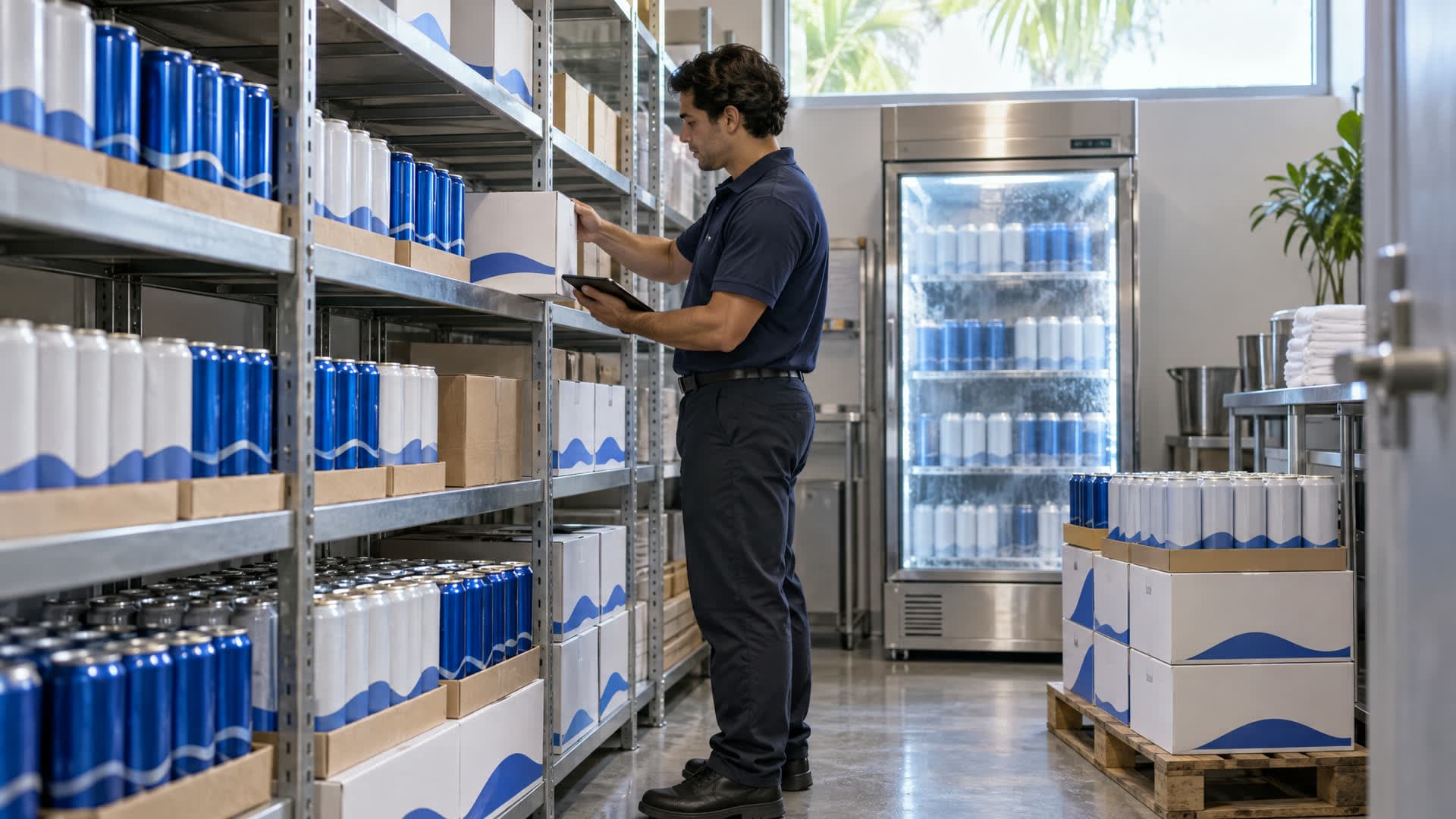
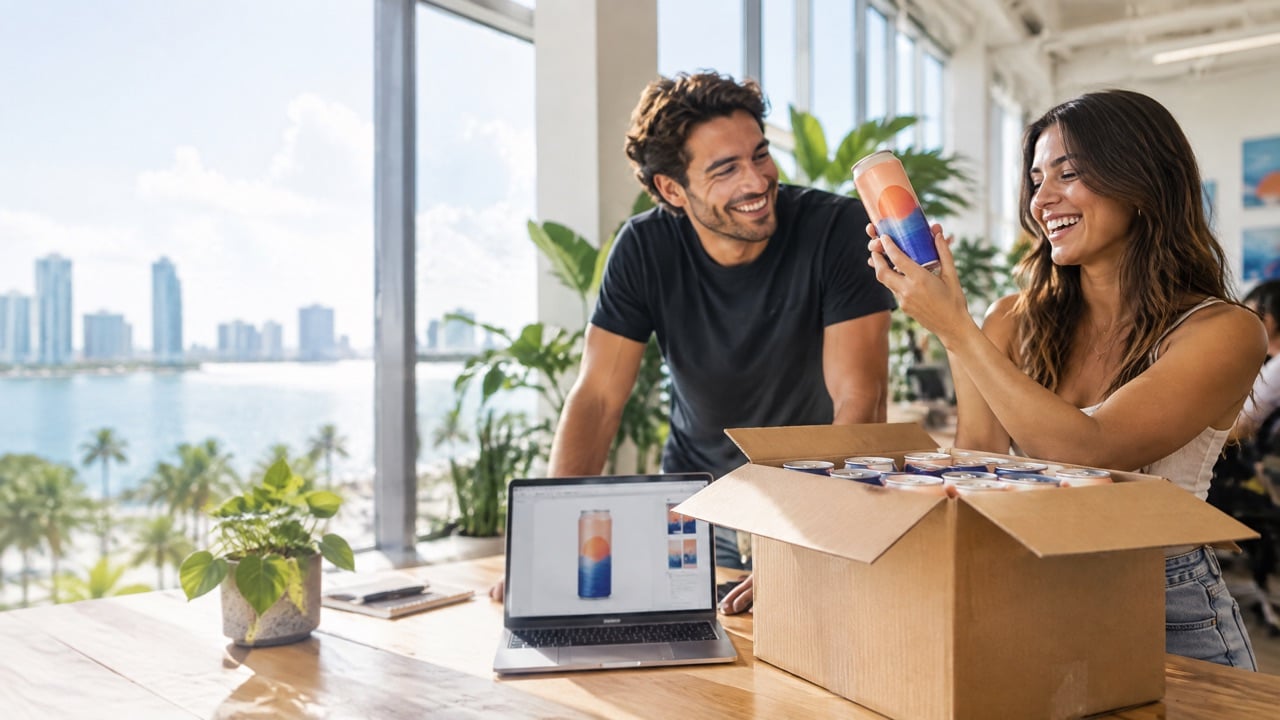
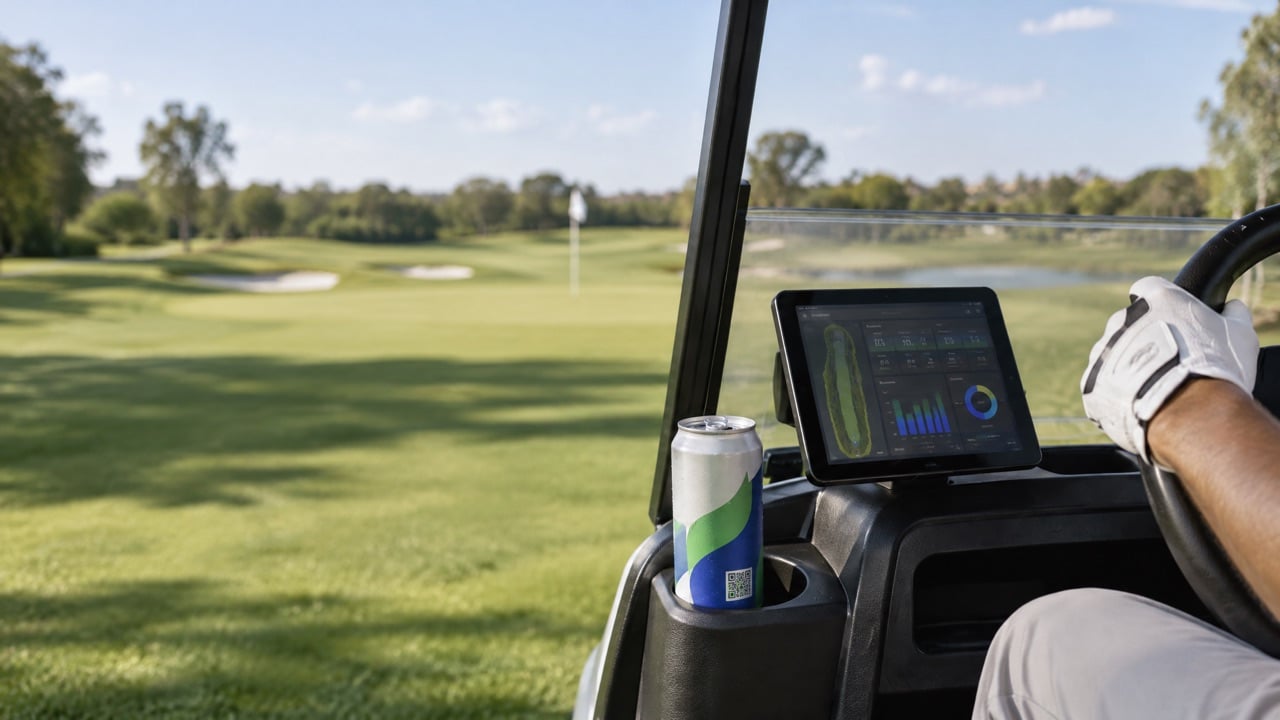
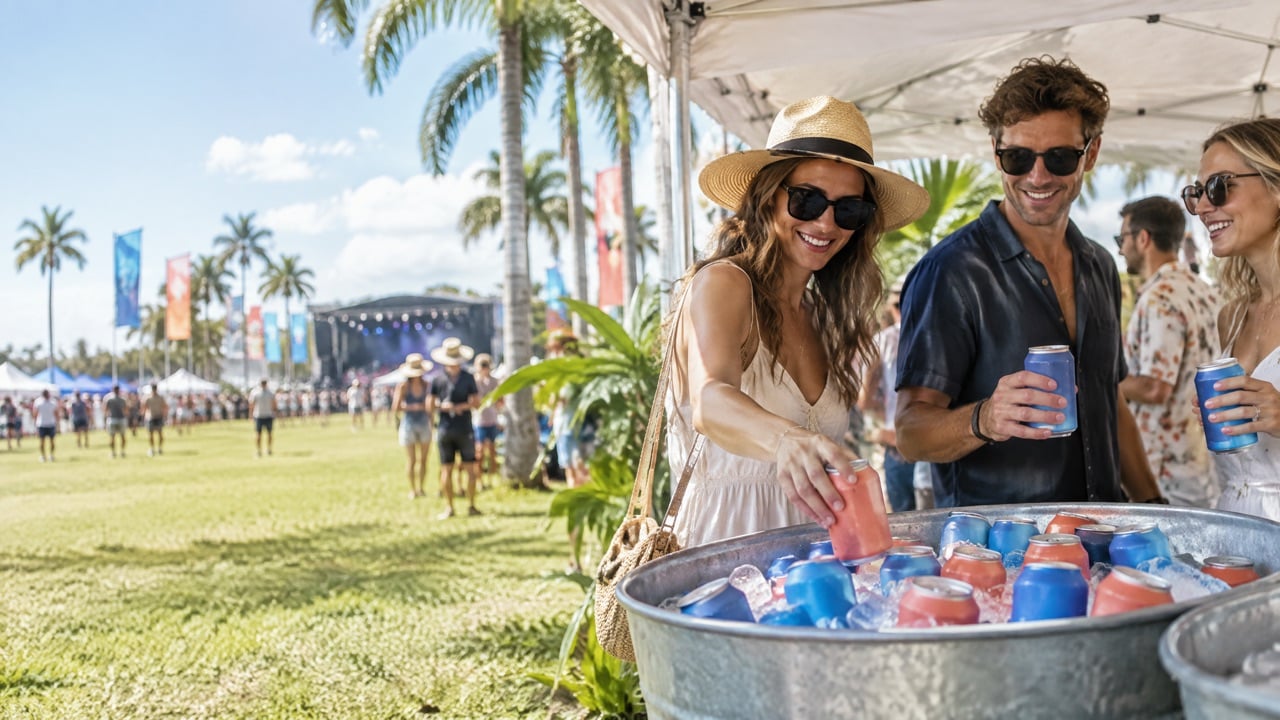
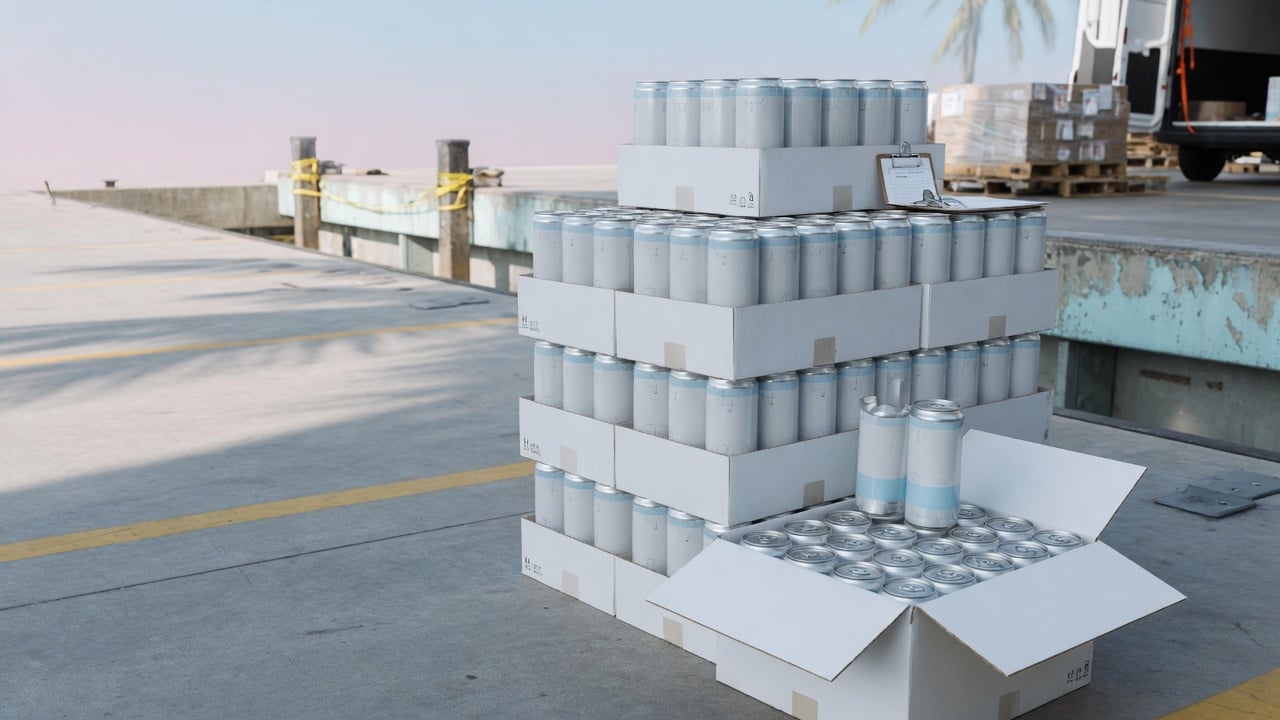
Picture the week after your event. The last pallet of branded cans is sitting in a storage room, and someone on your team asks the obvious question: are these still good for the holiday party in December? Or the golf tournament in spring?
It is a fair question, and the answer is good news. Sealed water does not spoil the way food does, and an aluminum can is one of the best containers you can put it in. What changes over time is quality, not safety, and quality depends almost entirely on how you store the cans.
This guide explains how long canned water lasts, what the date on the can actually means, and how to store and plan branded cans so every guest gets one that tastes as fresh as the first.
How long does canned water last?
Unopened canned water that was produced under proper standards and kept sealed lasts a very long time. The U.S. Food and Drug Administration regulates bottled water as a packaged food and, as the International Bottled Water Association explains, has determined that there is no limit to its shelf life, so it does not require an expiration date. Water has no sugars or proteins for spoilage to feed on, and a sealed container keeps it that way.
In practice, most brands still print a best-by date, commonly around two years after production. That date is a quality promise from the producer, not a safety cutoff. For branded cans, the practical answer is simple: plan to serve them within the best-by window printed on the can, and store them well so they taste their best right up to that date.
What does the date on a can of water mean?
A date on a can of water is a best-by date. It tells you how long the producer stands behind the taste and presentation of the product. It does not mean the water becomes unsafe the next day.
- Best by / best before: the window for peak quality. This is what you will usually see on water.
- Use by / expiration: a safety-related date used on perishable foods. The FDA does not require one on bottled water.
- Production or lot code: tells the producer when and where a batch was made, which matters for tracking and reorders.
If a guest asks, the honest answer is that the date is about freshness. If a can has been stored in a hot trunk for months, though, freshness is exactly what you lose, which is why storage matters more than the calendar.
Why aluminum cans keep water fresh
The container shapes how water tastes over time. Aluminum has a few advantages that make it a strong choice for water you plan to store and serve later.
- It blocks light completely. Sunlight can affect taste and warm the water, and an opaque can keeps light out entirely.
- It is sealed and rigid. A can does not flex or breathe the way thin plastic can, so it holds its shape in a cooler and on a shelf.
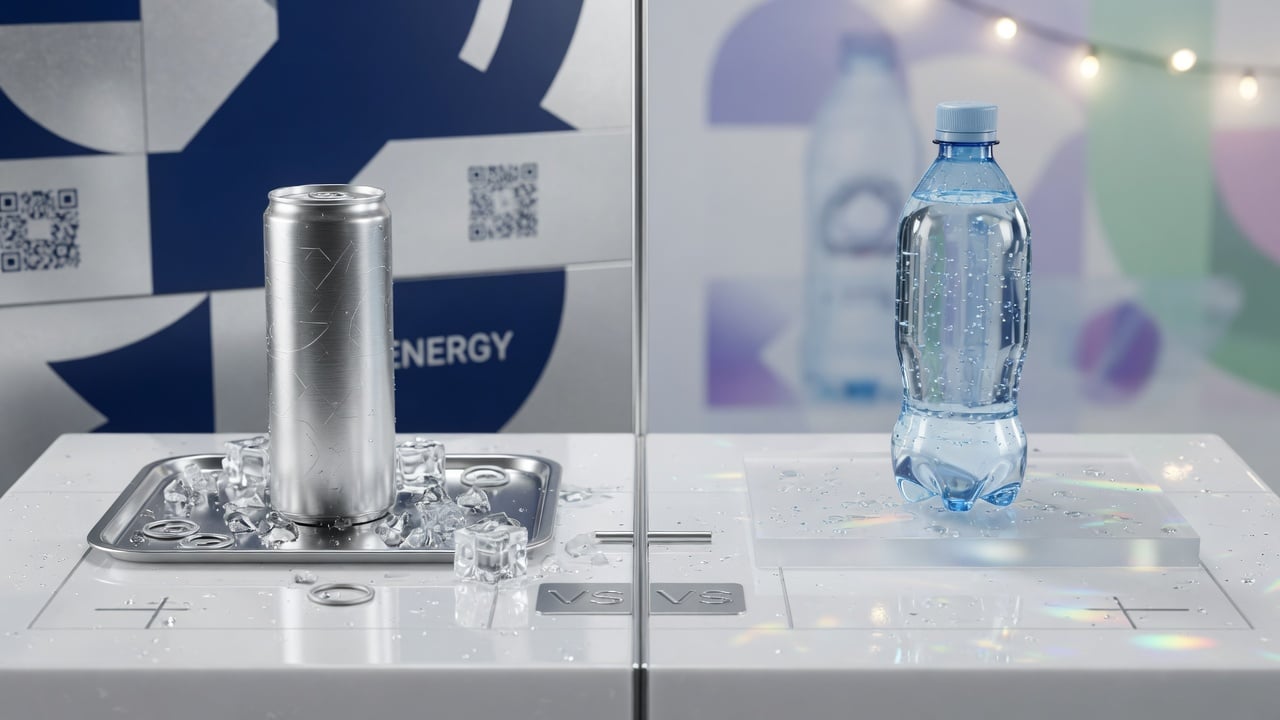
- It keeps outside odors out. The IBWA notes that plastic bottles are slightly porous and can pick up vapors from nearby chemicals. A sealed can is a stronger barrier, although good storage habits still apply to every package.
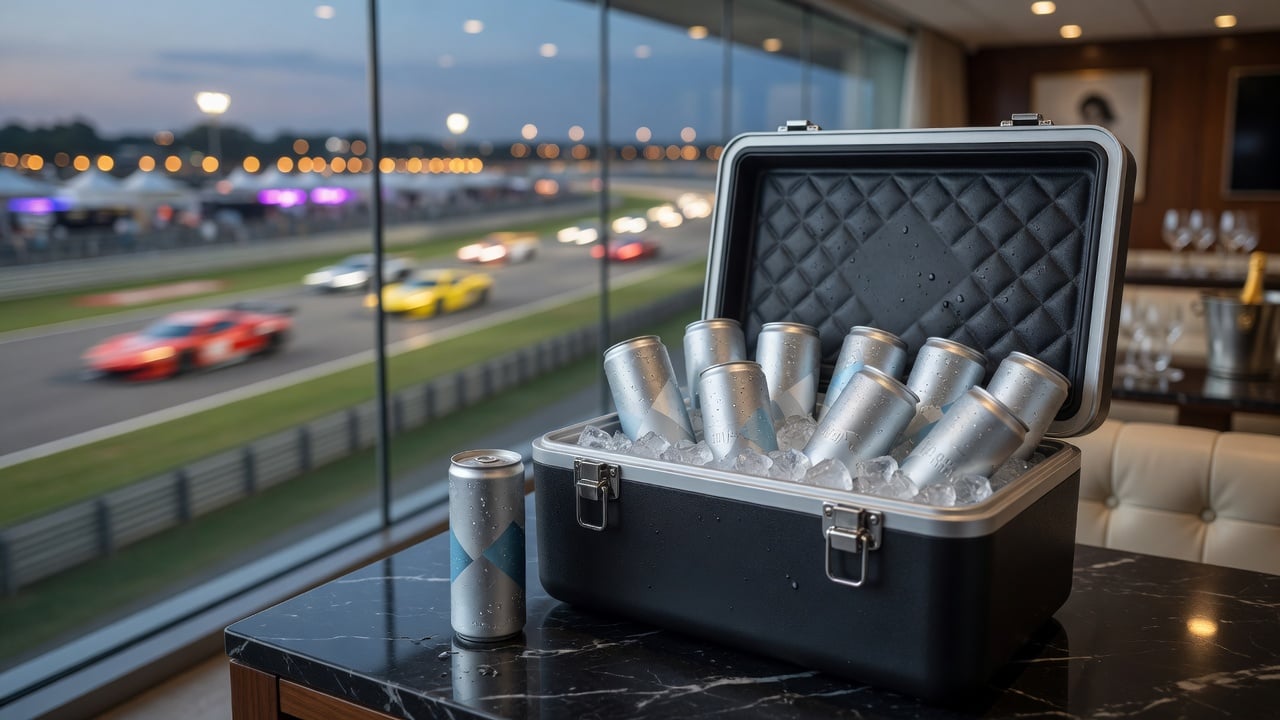
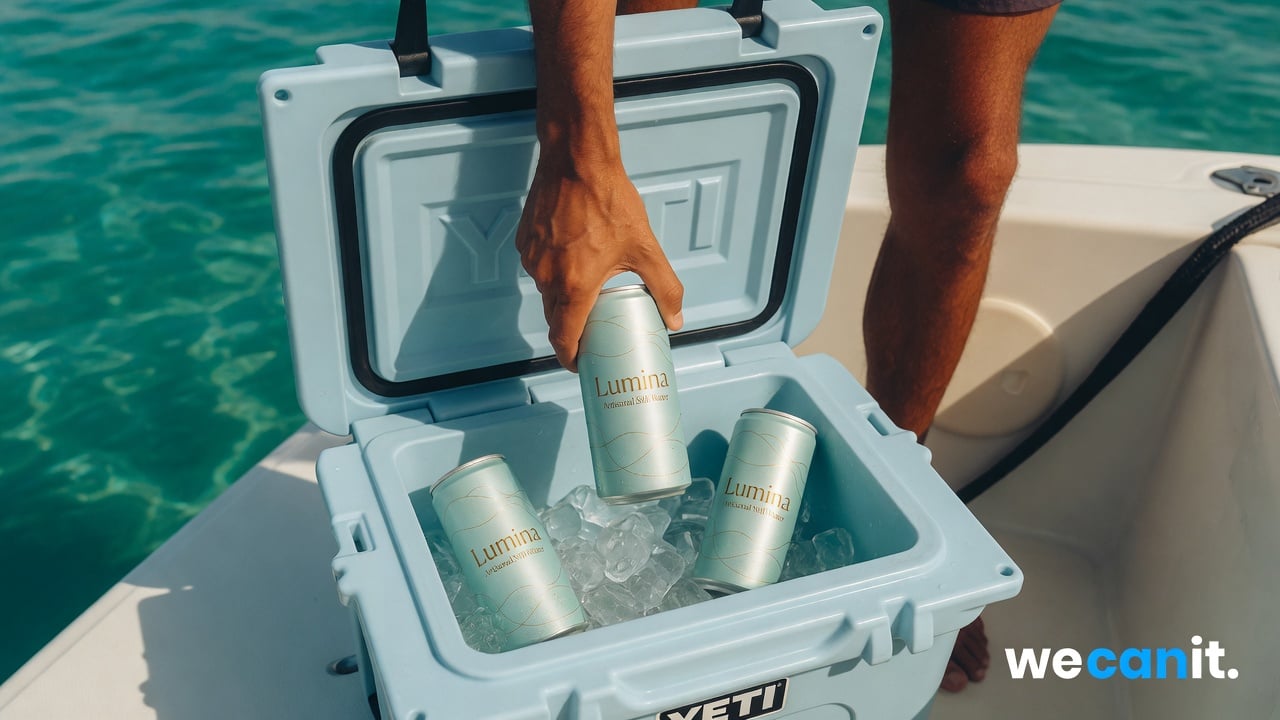
- It chills fast. Cans cool quickly in ice or a fridge, which helps when a delivery arrives the morning of an event.
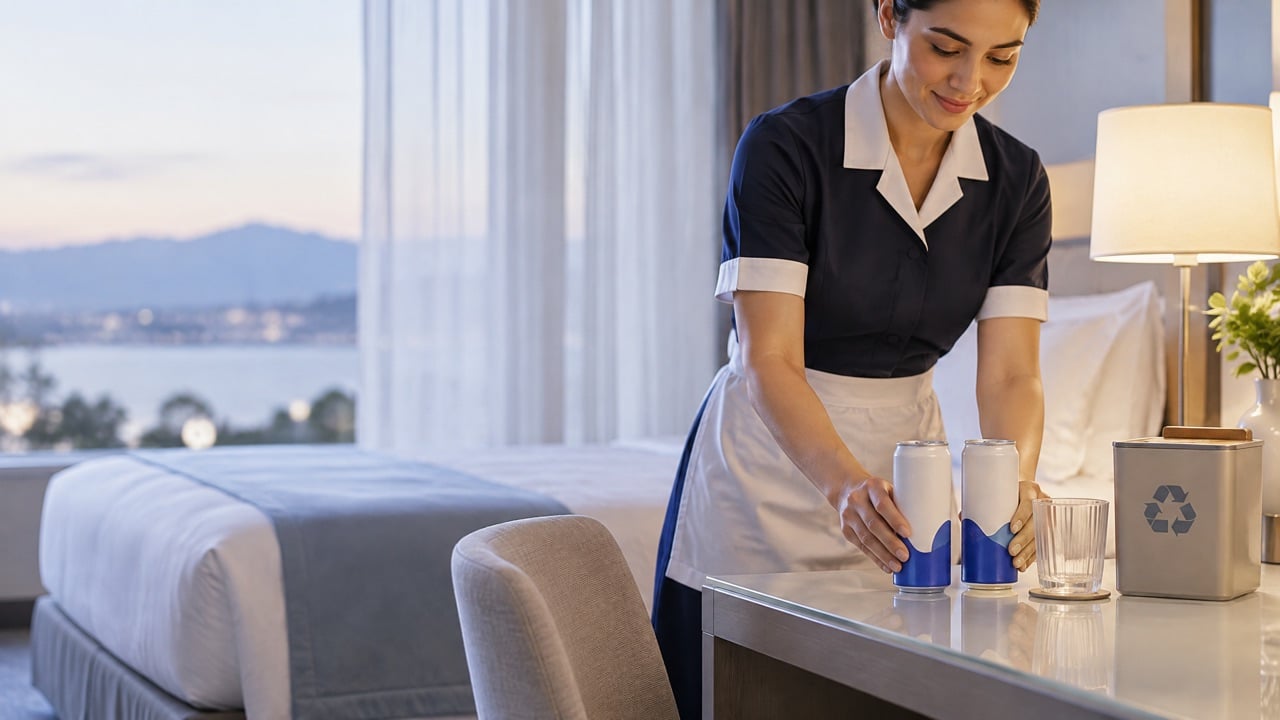
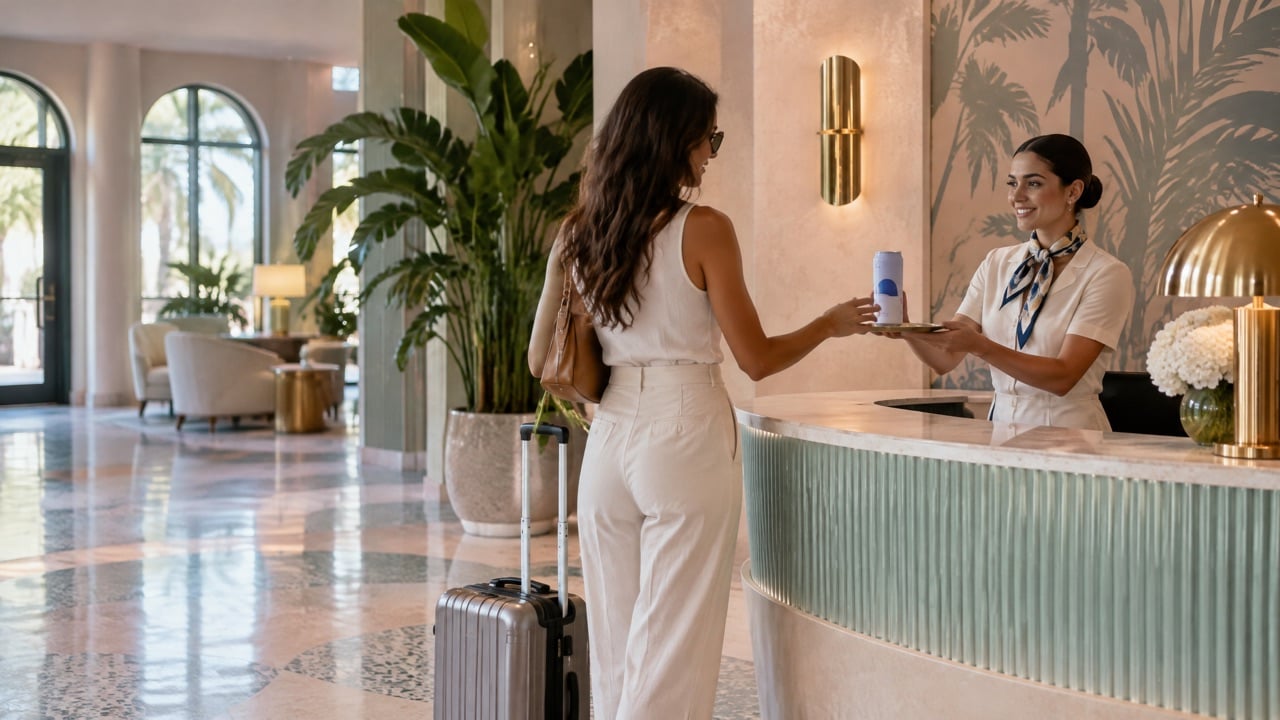
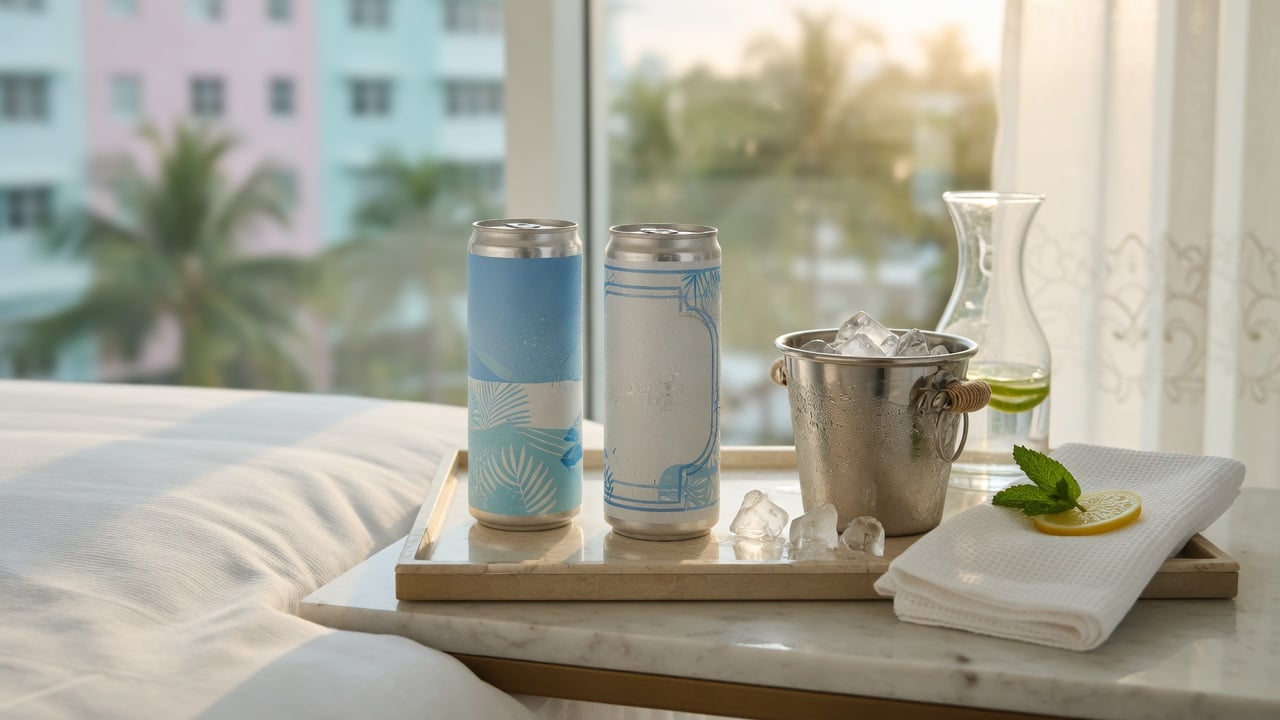
That is part of why hotels, clubs and event teams choose cans for branded water. The package protects the product and it is recyclable, so it fits the sustainability story many venues want to tell.
How to store canned water so it stays fresh
Storage is where most freshness problems start. The good news is that the rules are easy, and most venues already have the right space.
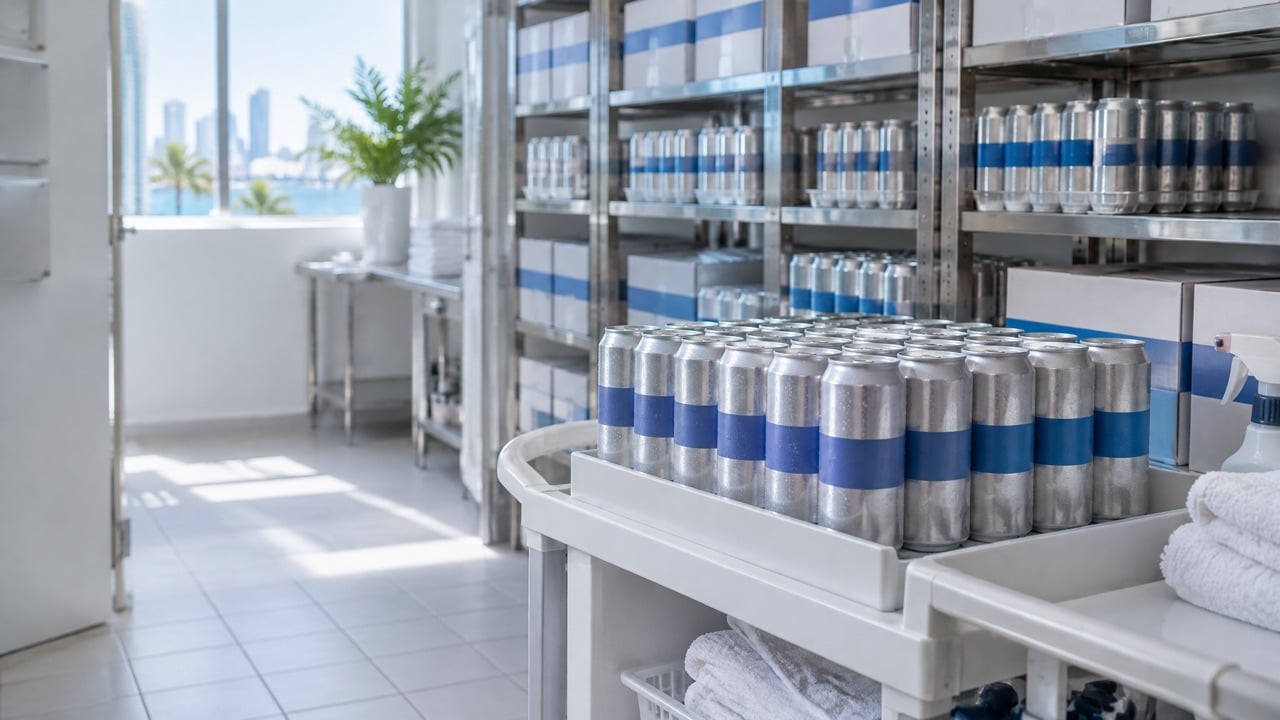
- Keep it cool. Room temperature or cooler is ideal. Avoid attics, sheds, hot garages and anywhere that bakes in summer.
- Keep it out of direct sunlight. Store cases inside, away from windows, loading docks and outdoor decks.
- Keep it away from chemicals. The IBWA recommends storing water away from solvents such as gasoline, paint thinners and cleaning chemicals. Do not stack cases in the same closet as janitorial supplies.
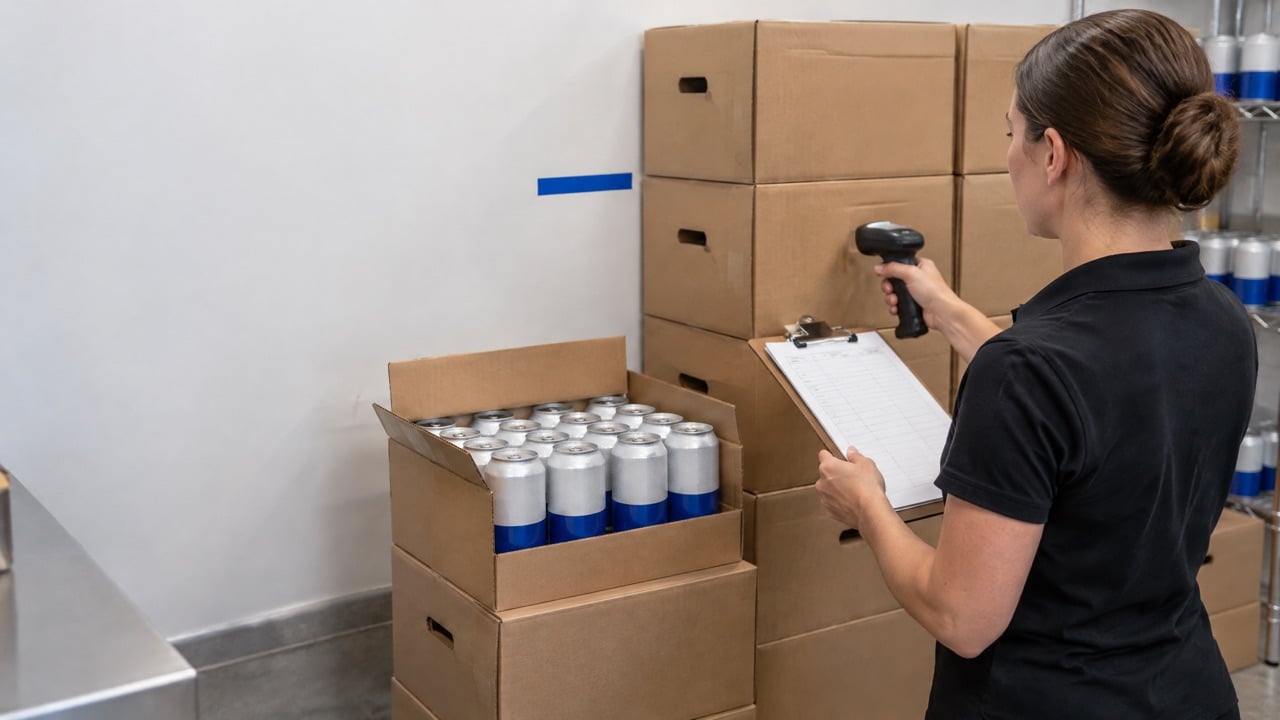
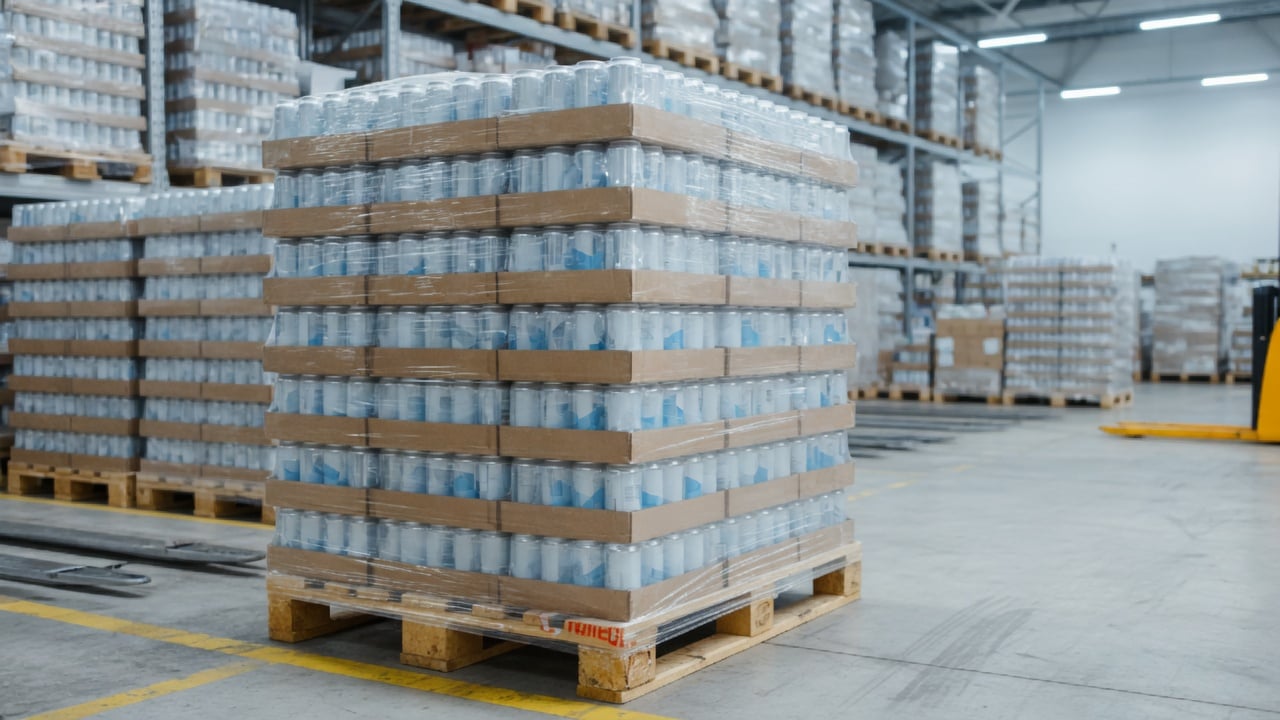
- Keep cases off the floor. A pallet or shelf protects cases from spills and moisture, and keeps the cardboard in good shape.
- Rotate stock. Serve older cases first. First in, first out keeps every guest on the freshest can.
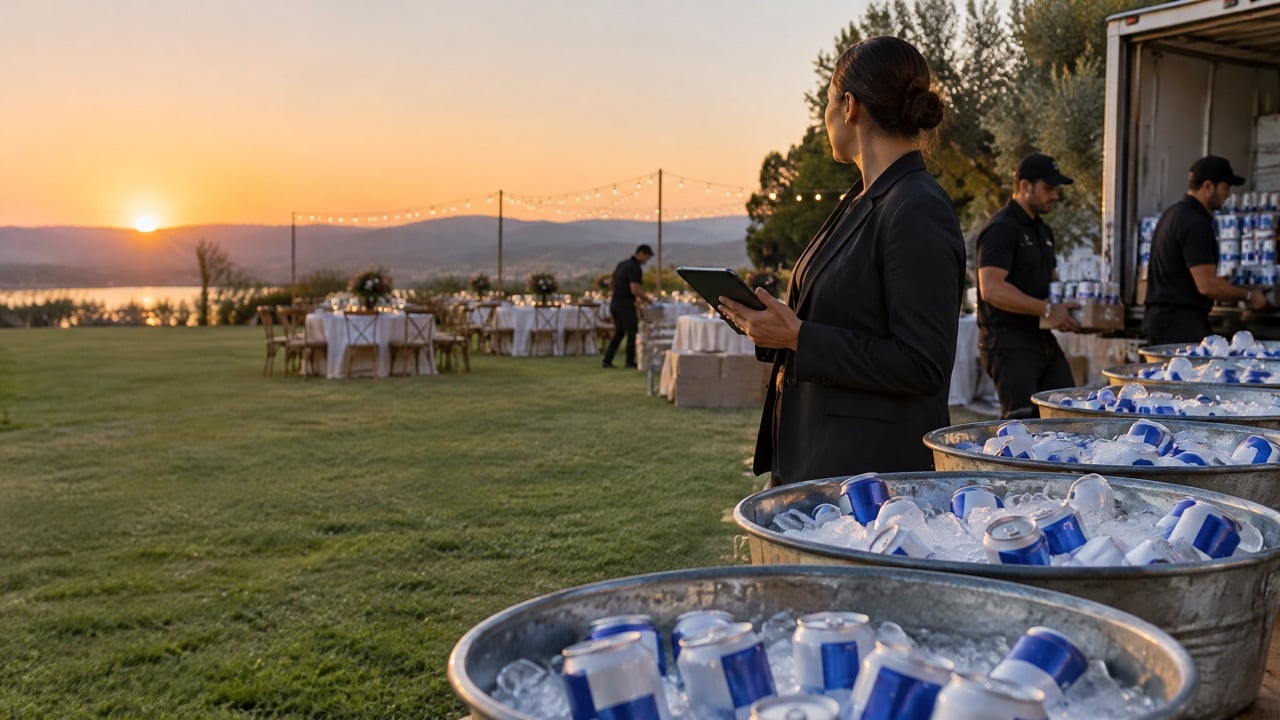
- Chill only what you will serve. Move cases into coolers the day before or the morning of the event, rather than cycling the same cans between hot and cold for weeks.
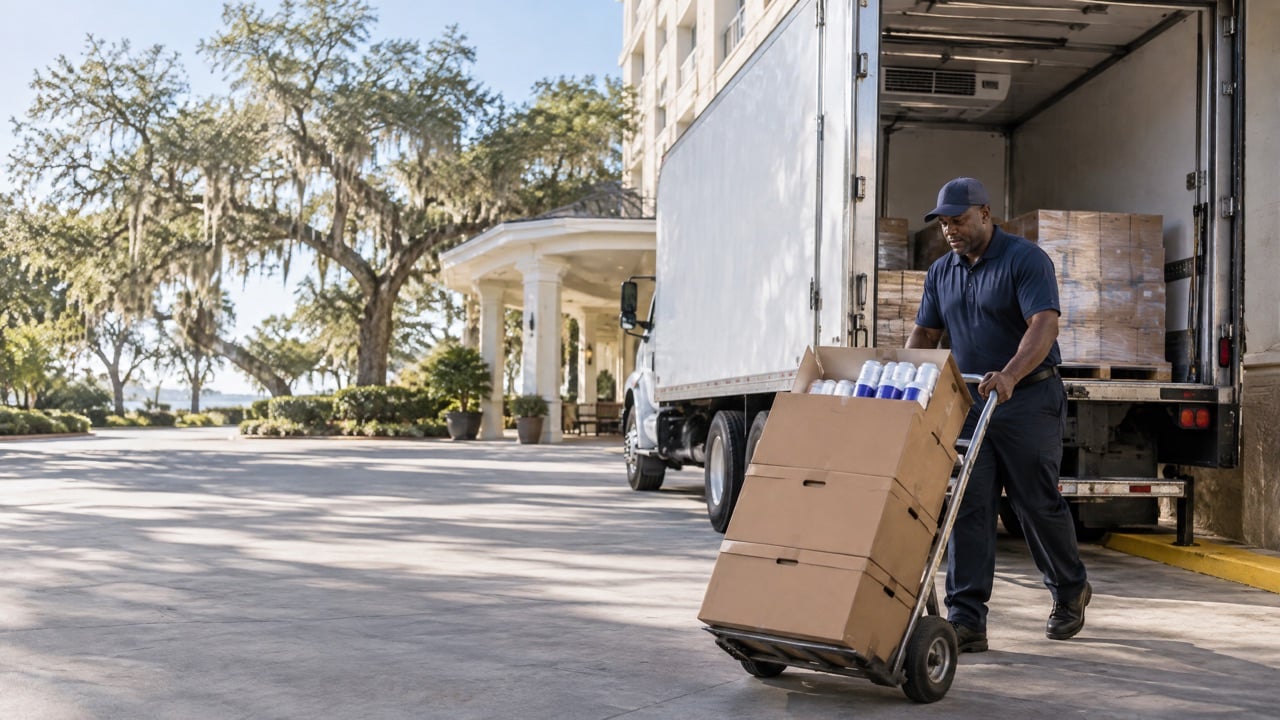
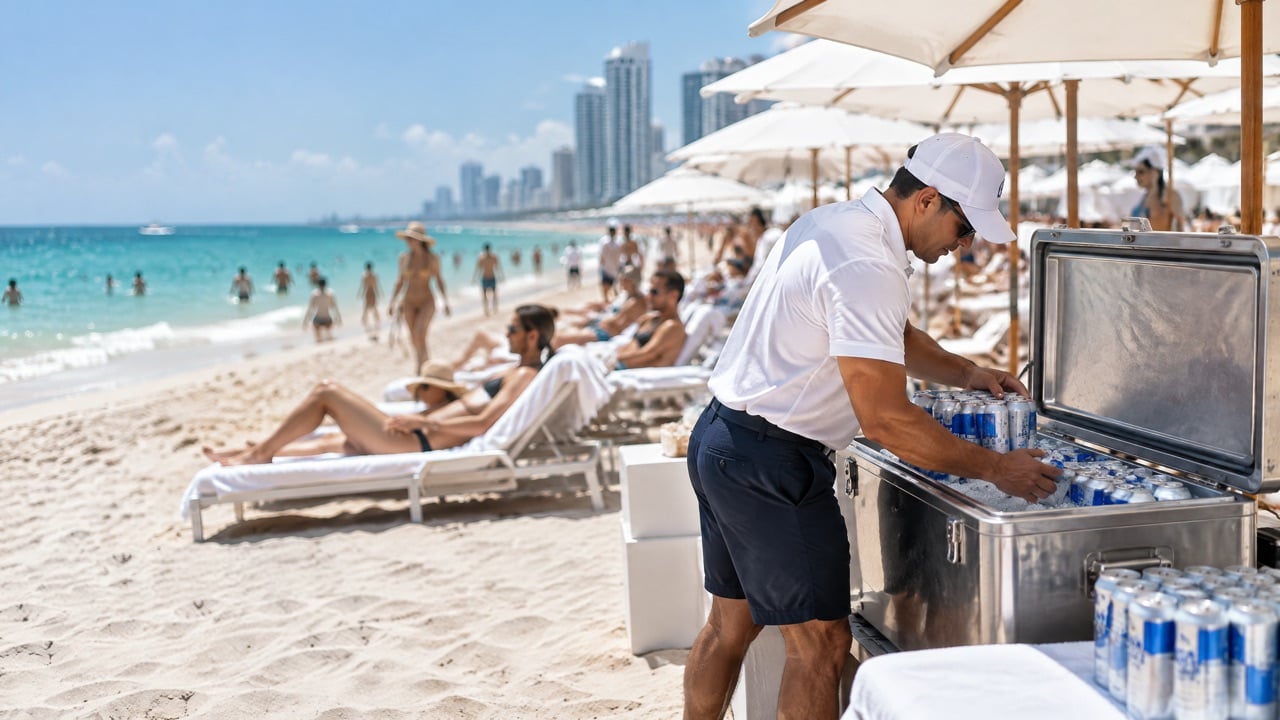
A quick tip for Florida and the rest of the Sun Belt: vehicles and outdoor staging areas get far hotter than people expect. Treat a parked car like an oven and bring cans inside as soon as they arrive.
Still vs sparkling: does it change shelf life?
Still and alkaline water in a sealed can behave very similarly: the main risk to quality is heat and sunlight. Sparkling water adds one more consideration, the bubbles.
- Store sparkling cans cool and upright. Heat raises the pressure inside the can and dulls the fizz once it is opened.
- Serve sparkling cold. Carbonation feels livelier at low temperatures, so chill sparkling cans well before service.
- Plan sparkling closer to the event. If you want the brightest bubbles, serve sparkling well within its best-by window.
If you are deciding between water types for an event, our guides on the still water manufacturer, sparkling water manufacturer and alkaline water manufacturer pages walk through where each one fits.
How to tell if canned water has gone bad
Because sealed water does not spoil, the checks are mostly about the package and the taste.
- Look at the can. Bulging, deep dents on the seams, rust or leaks are reasons to set a can aside.
- Check the seal. If the tab area is damaged or the can hisses when it should not, do not serve it.
- Taste and smell. A flat, stale or chemical taste usually points to poor storage, such as heat or nearby solvents.
- When in doubt, leave it out. Replacing a few cans costs far less than a guest's bad first impression.
A dented case from shipping is different from a damaged can. Inspect deliveries when they arrive and report anything damaged to your supplier right away.
Planning branded cans so they are always fresh
The best way to serve fresh cans is to avoid over-ordering in the first place. Low minimums and short lead times make that much easier than it used to be.
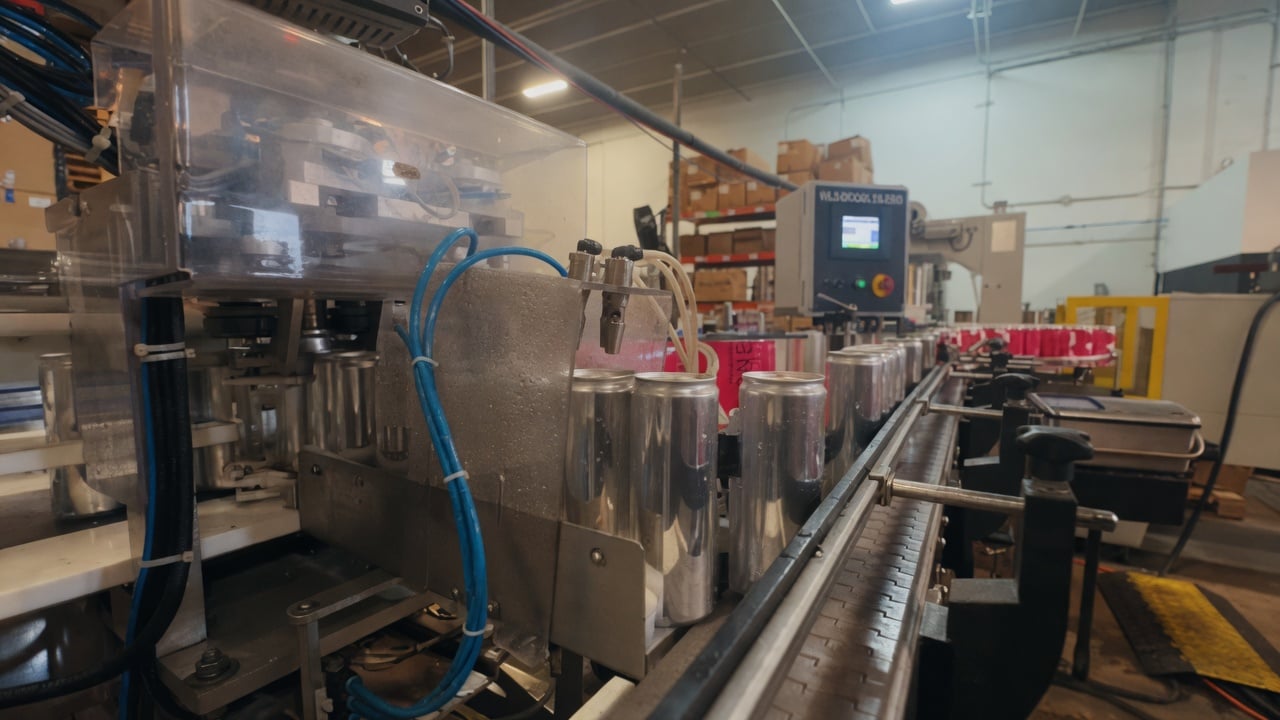
With We Can It, private label canned water starts at 21 cases (504 cans) and production takes about 2 to 3 weeks from artwork approval. That means you can size each order to an event or a season instead of warehousing a year of stock.
- Order per event or per quarter. Match quantities to real guest counts and outlets, not a guess for the whole year.
- Time delivery close to the date. With a 2 to 3 week production window, plan backward from the event and leave buffer for freight.
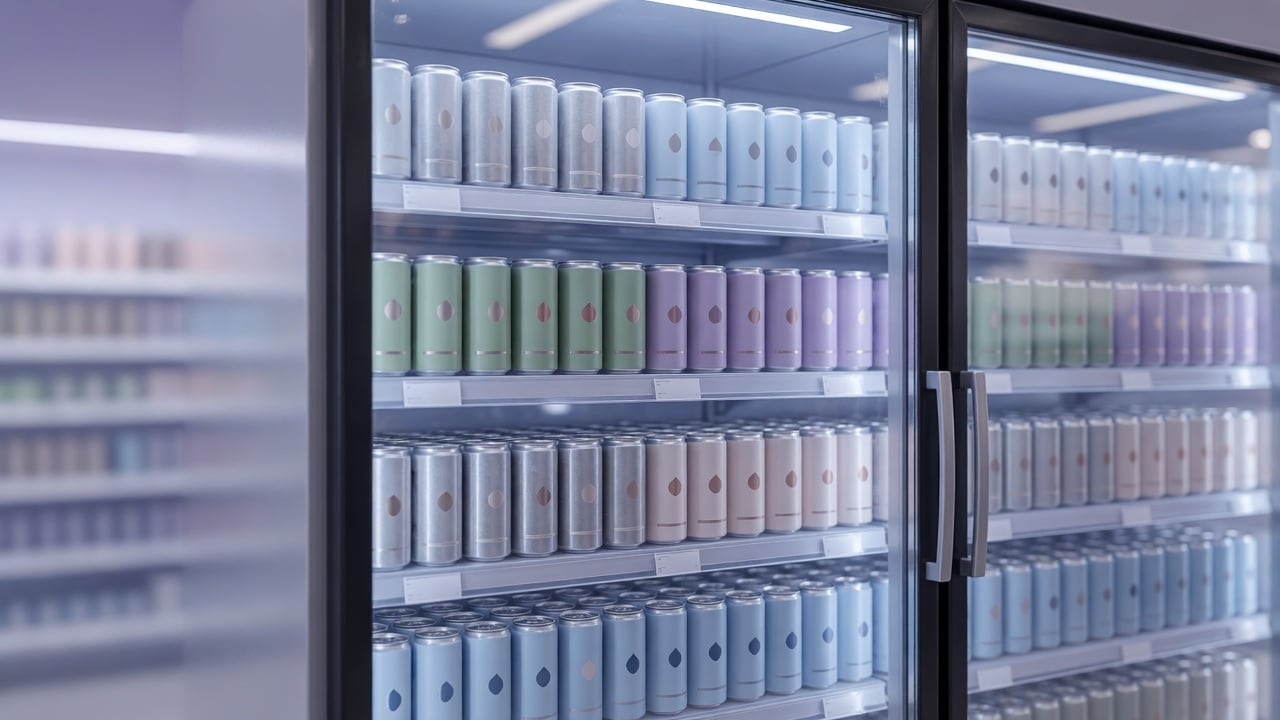
- Split by water type. Order still, sparkling and alkaline in the mix your guests actually drink, so no single type sits for months.
- Leave room for a reorder. A small first run plus a quick reorder beats one oversized pallet that ages in storage.
- Assign one storage owner. One person who knows where the cases are and rotates them prevents forgotten pallets.
Pricing works in your favor here too. Digital print cans, printed directly on the aluminum, run $0.90 to $2.50 per can depending on volume, and the QR code is included at no extra cost. Larger orders get a lower per-can price, so the right plan balances volume savings against how quickly you will actually serve the cans. We ship from Miami nationwide, and freight is billed at cost with no markup.
You can model quantities and water types in the instant quote calculator before you talk to anyone.
Why freshness matters for a branded can
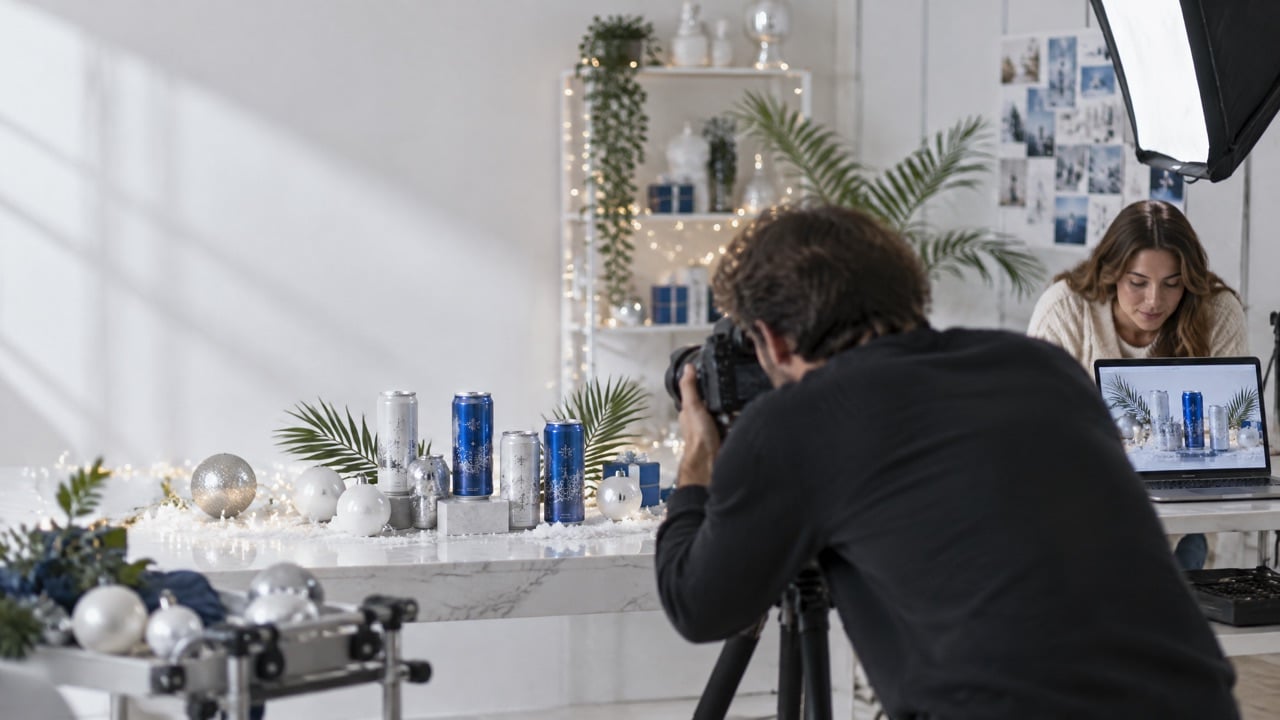
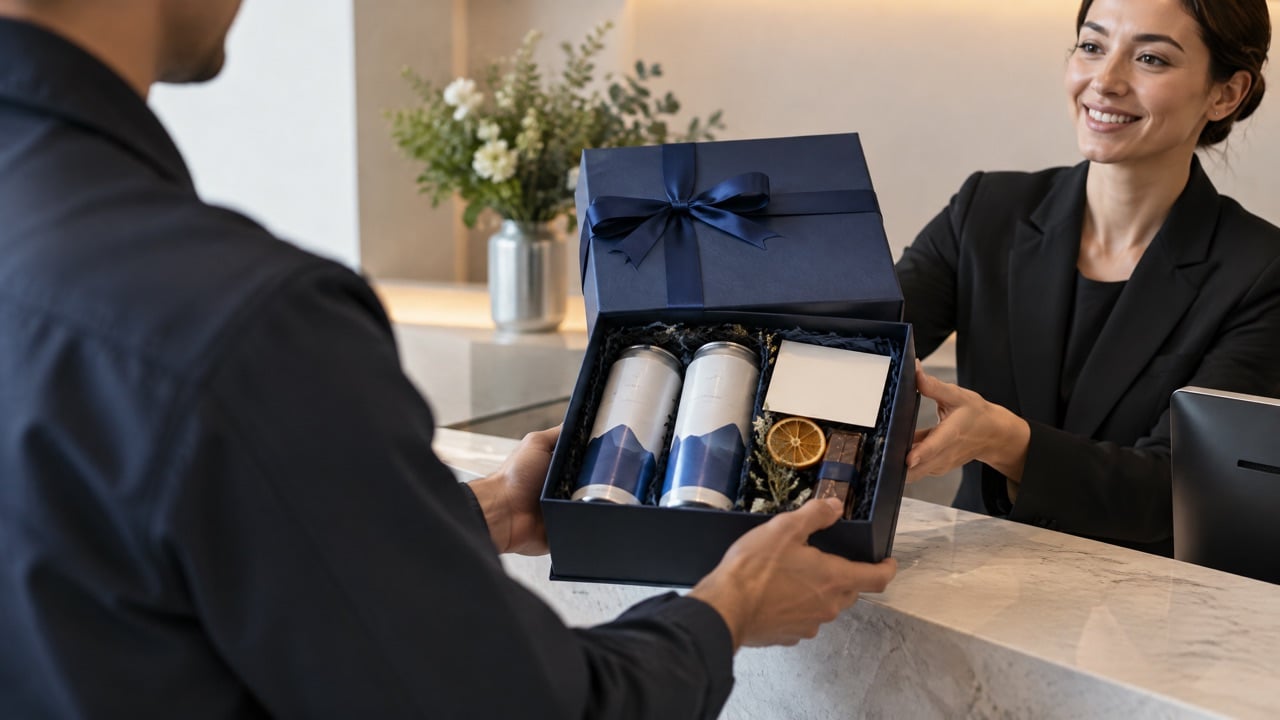
A branded can is not just water. It is your logo in a guest's hand, in their photos and on their table. A warm, stale can undoes the work your design did.
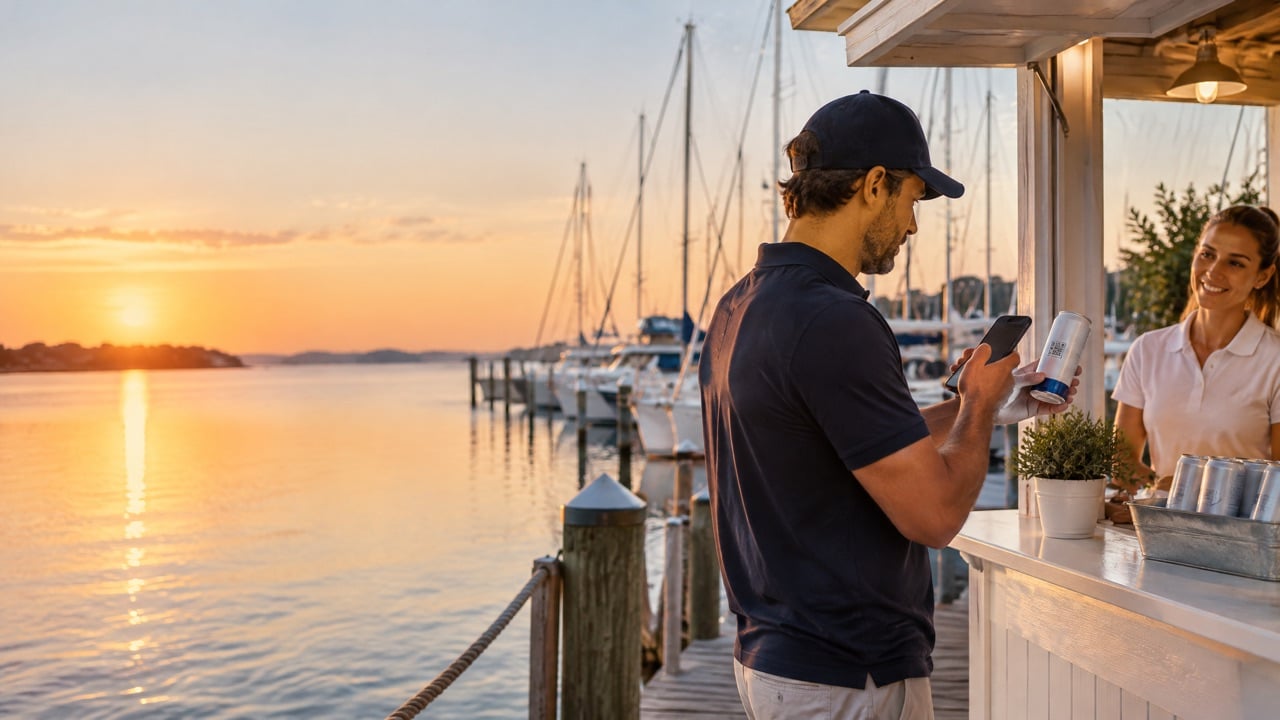
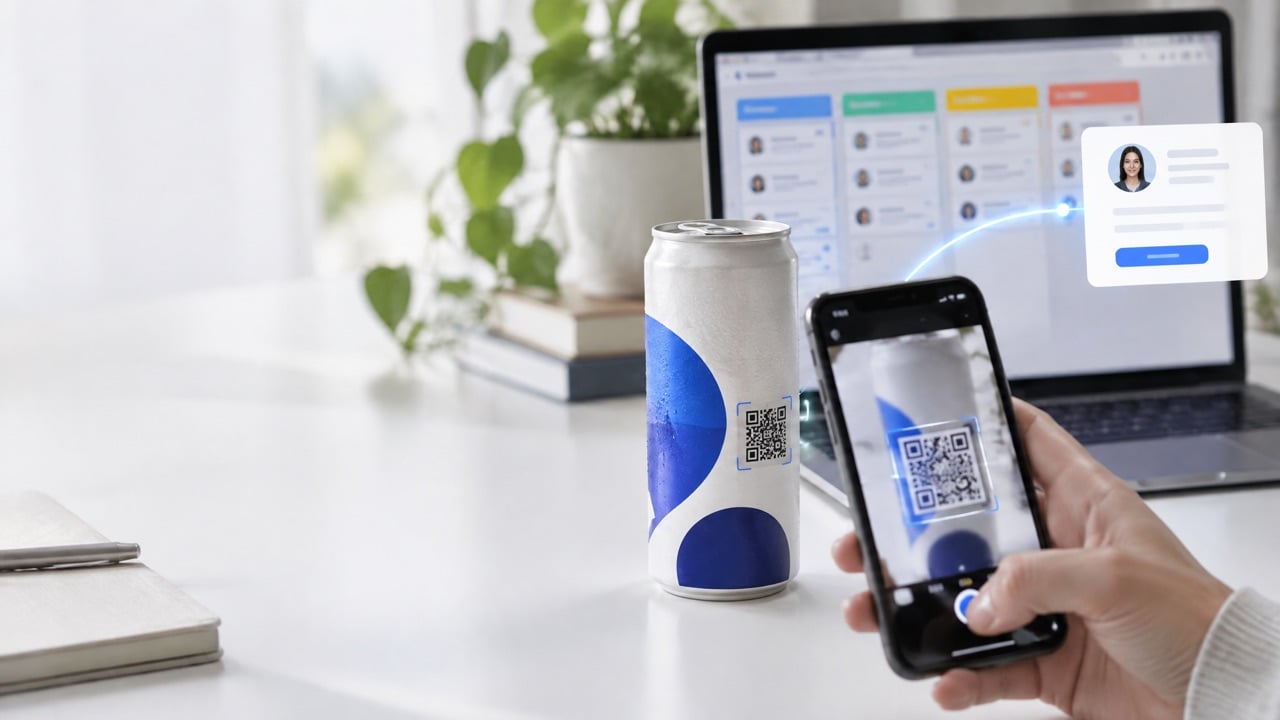
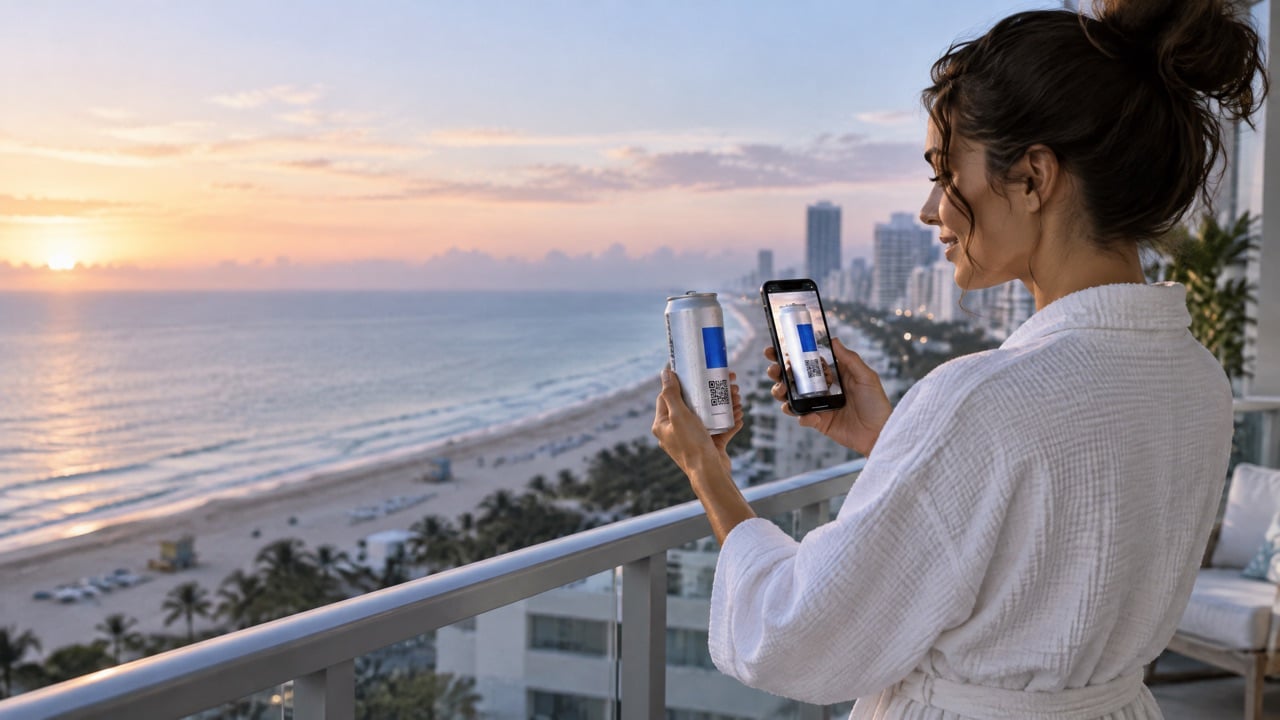
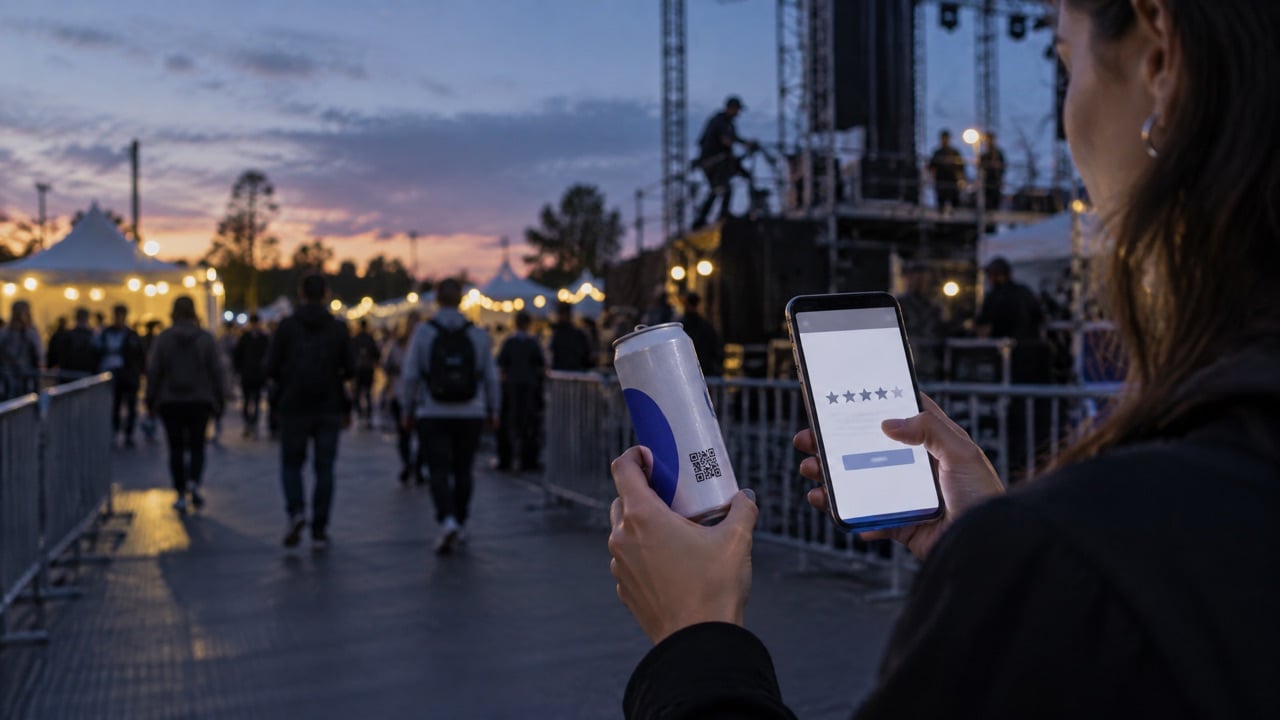
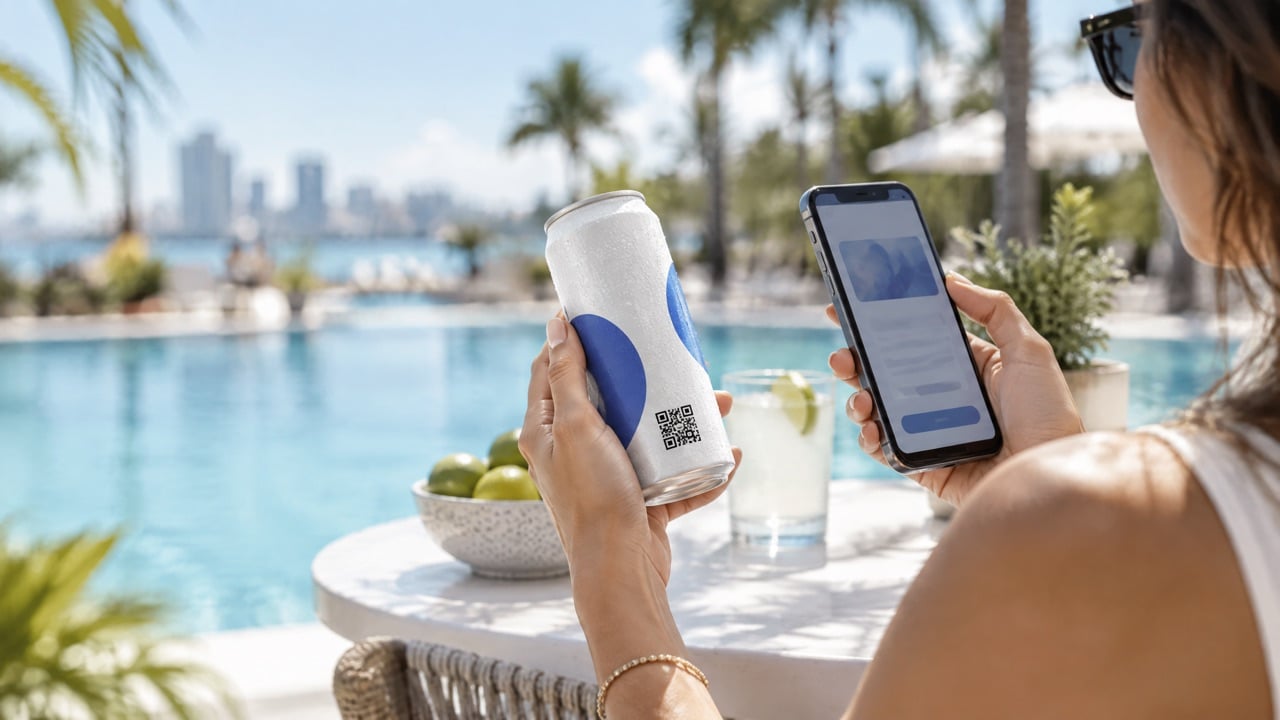
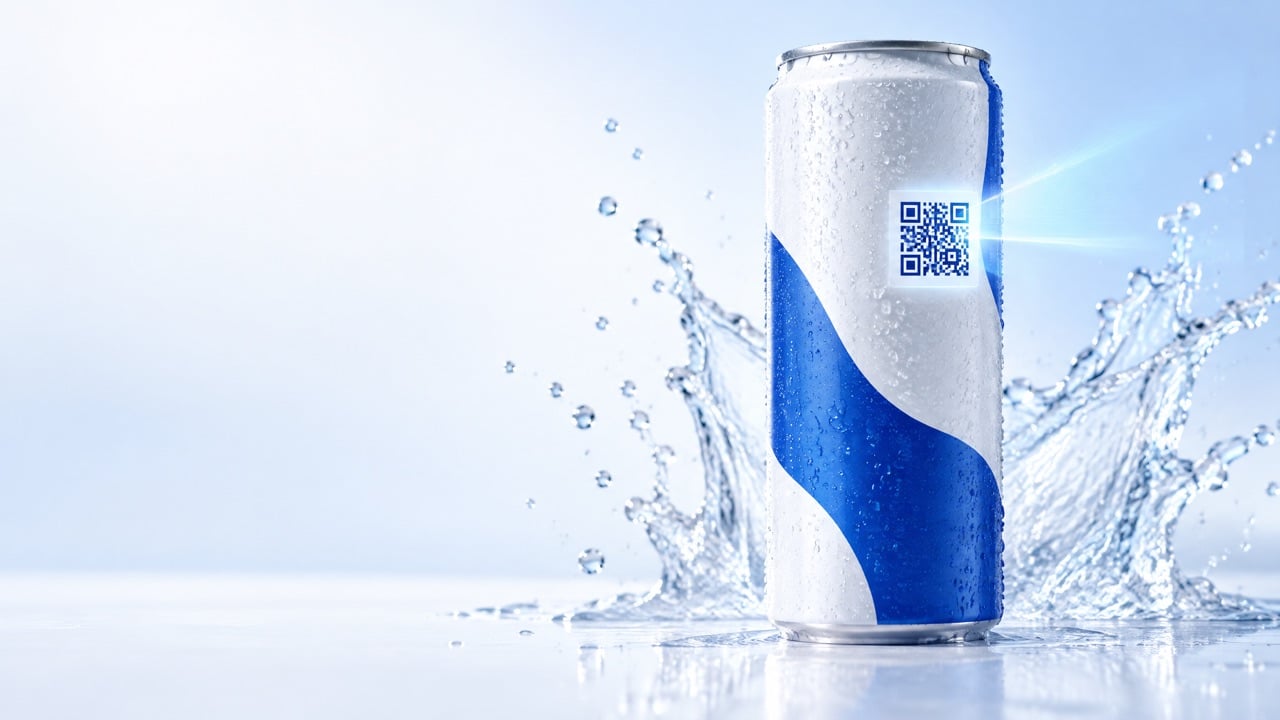
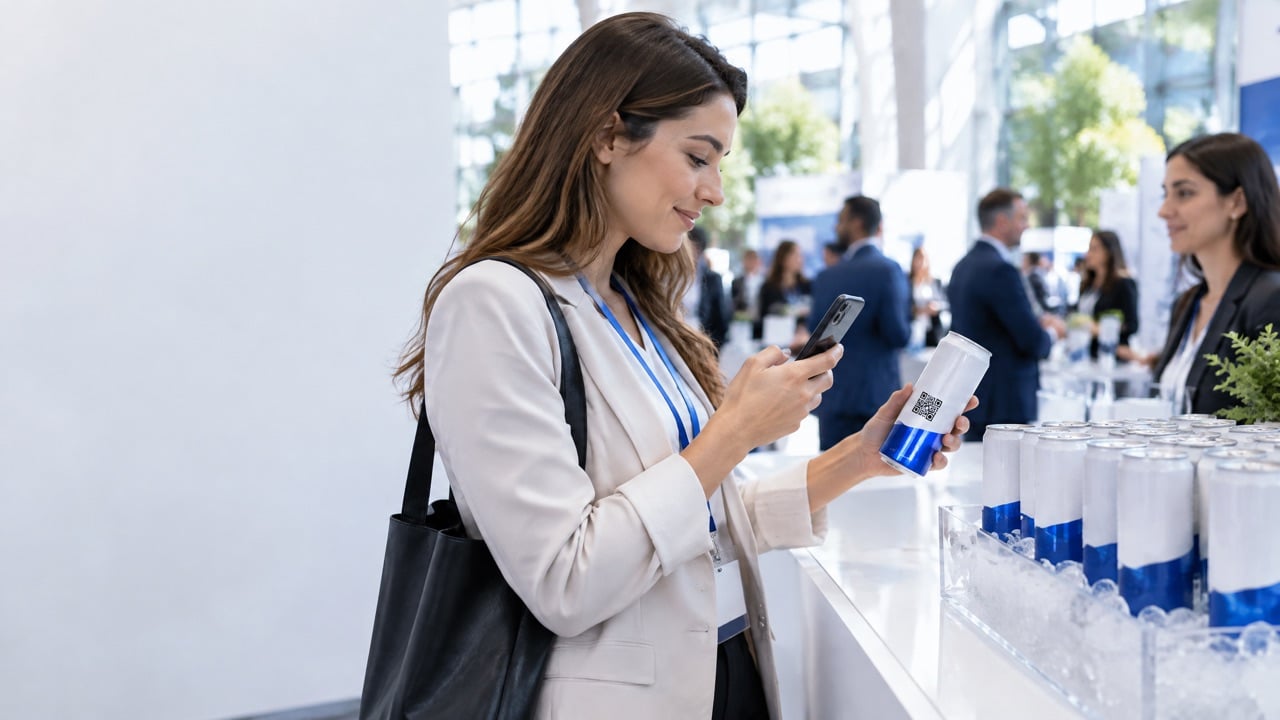
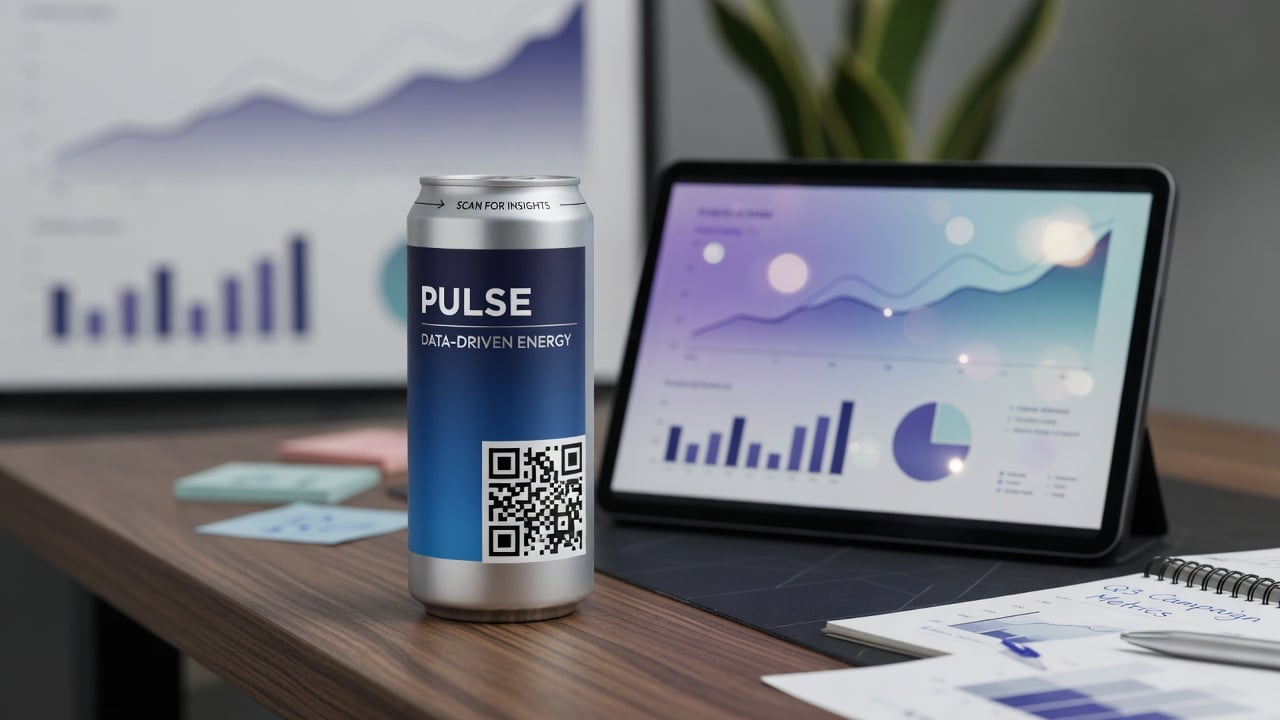
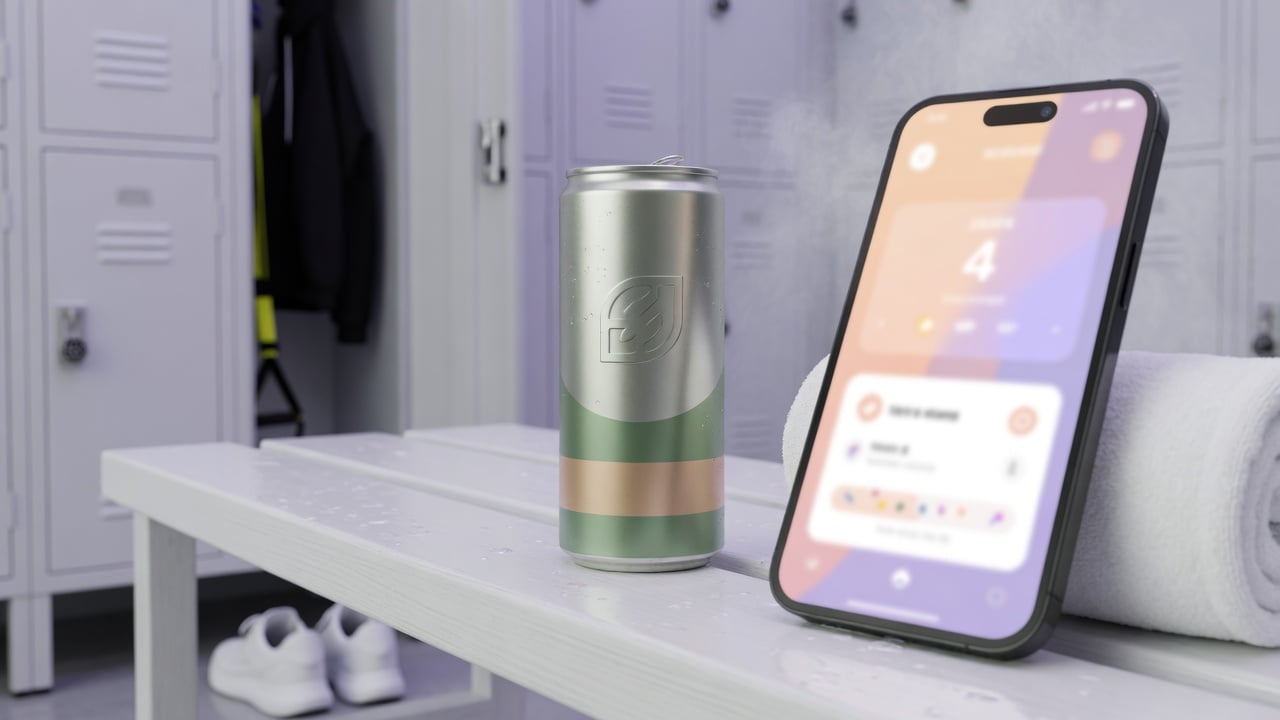
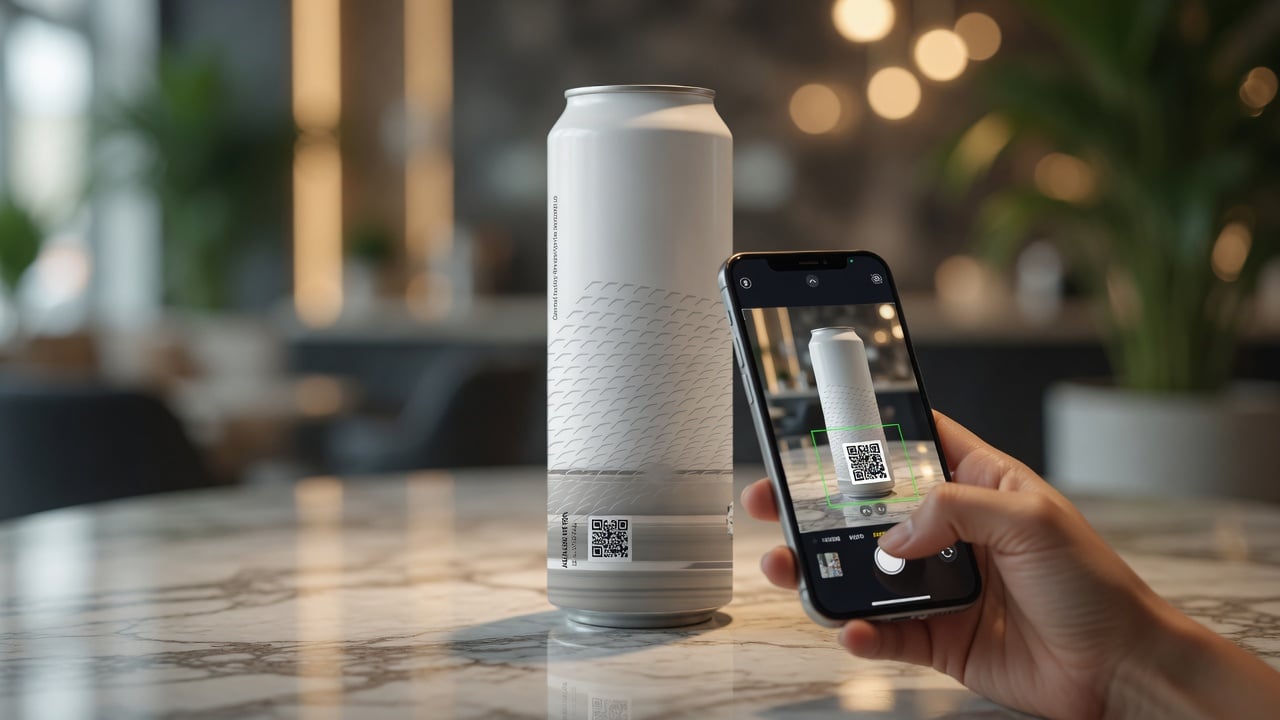
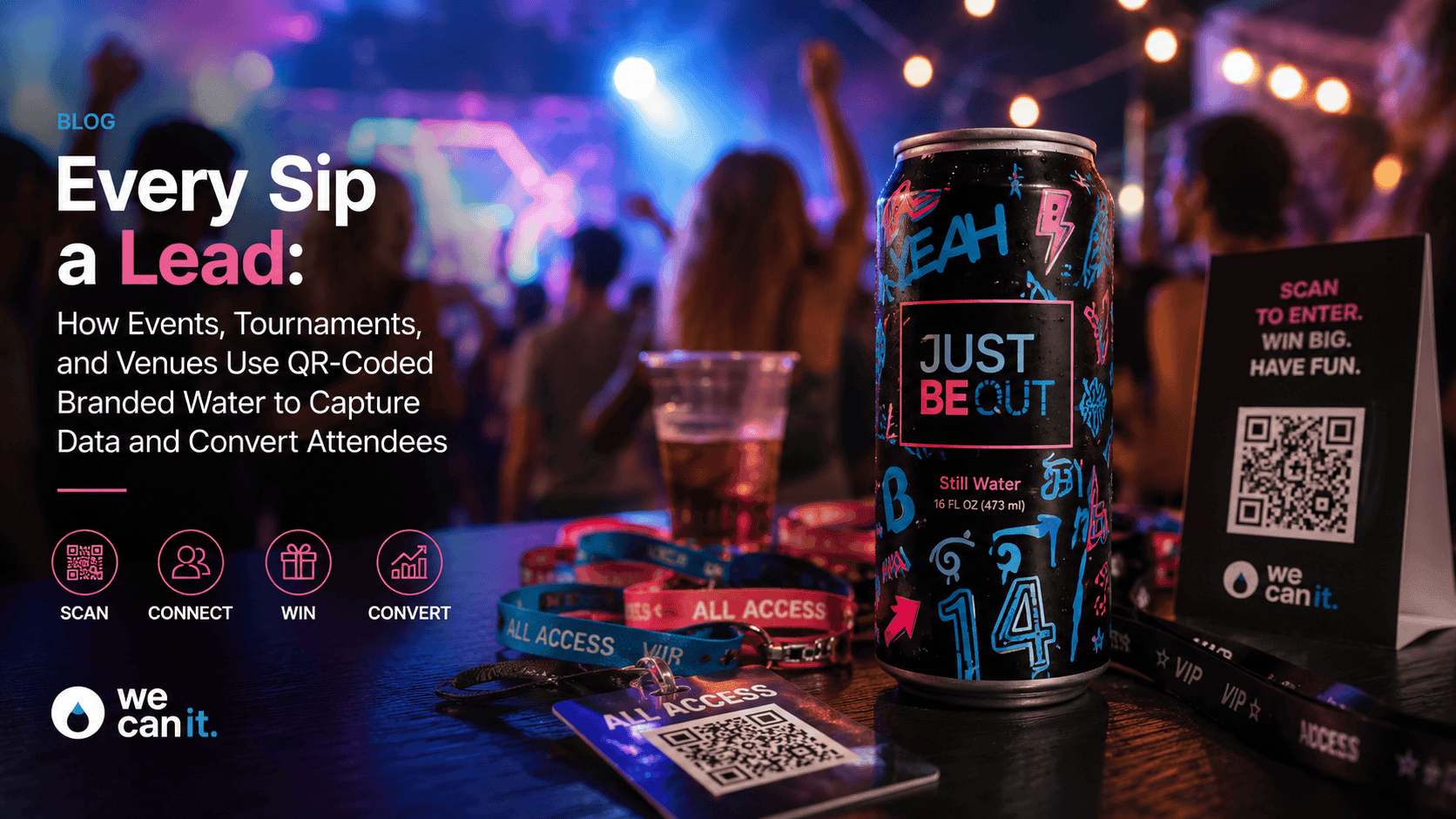
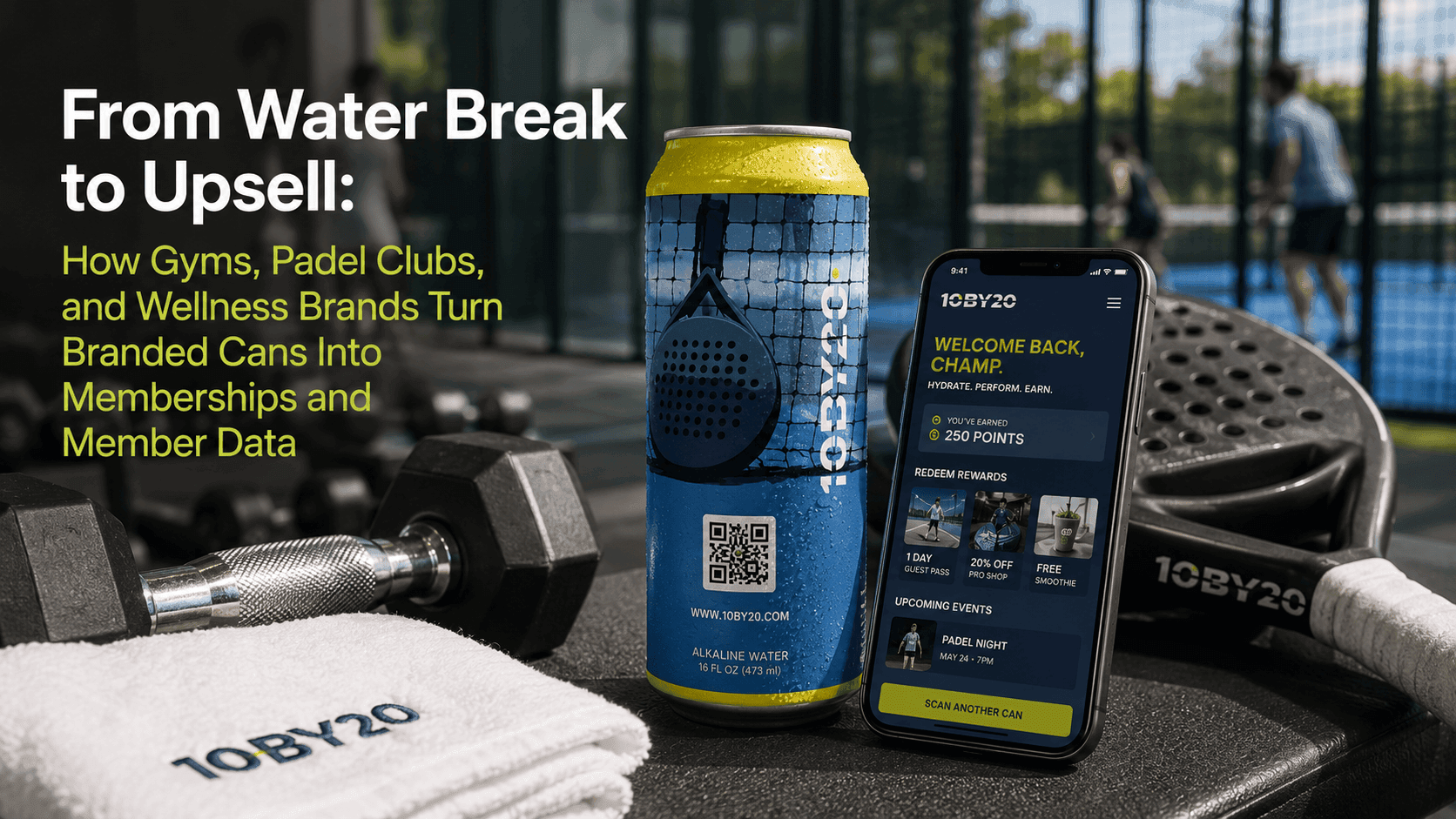
Freshness also matters for what happens after the sip. Every We Can It can carries a QR code, and brands with performance marketing goals can use Journeys, our platform for building the experience behind that code and seeing scans, opt-ins and visits by venue zone. A can that tastes great is a can guests keep holding, and a can guests keep holding is a can that gets scanned.
Frequently asked questions
Does canned water expire?
Not in the way food does. The FDA does not require an expiration date on bottled water and considers properly produced, sealed water to have no limit to its shelf life. The date you see on a can is a best-by date for quality, so serve cans within that window for the best taste.
How long is canned water good after the best-by date?
Sealed water stored well is generally still safe after the best-by date, but taste and presentation are no longer guaranteed by the producer. For branded cans served to guests, plan to use them before the date so every can tastes fresh.
Can canned water be stored in a hot car or garage?
It is best not to. Heat is the biggest threat to taste, and cars, sheds and garages in warm climates can get very hot. Move cases indoors to a cool, dry spot as soon as they arrive.
Is canned water better than bottled water for storage?
Aluminum blocks light, is sealed and rigid, and keeps outside odors out better than thin plastic, which makes it a strong container for storage. Good habits still matter for every package: keep it cool, out of sunlight and away from chemicals.
Does sparkling canned water lose its fizz over time?
Sealed sparkling water holds its carbonation well when stored cool and upright. Heat is what dulls the bubbles, so keep sparkling cans cool and serve them cold, ideally well within the best-by window.
How much branded canned water should I order so it does not sit too long?
Order for a specific event or season rather than a full year. With a minimum of 21 cases (504 cans) and about 2 to 3 weeks of production, you can order close to your date and reorder as needed.
Get a quote for fresh private label canned water
Want cans that arrive fresh and ready for your next event, venue or season? Tell us your dates, guest counts and water mix, and a product advisor will help you plan quantities and timing.
- Estimate your order in the instant quote calculator
- See our water and can options
- Learn how Journeys turns the QR code into measurable results
Sources: IBWA, Bottled Water Storage and FDA, bottled water regulation.