Private Label Electrolyte Water in Cans: What Brands Need to Know
Electrolyte water is a growing part of the hydration aisle, and many fitness and sports brands want their own. Here is what goes into a private label electrolyte can, how it differs from still water on cost and labeling, and the honest questions to ask before you commit.
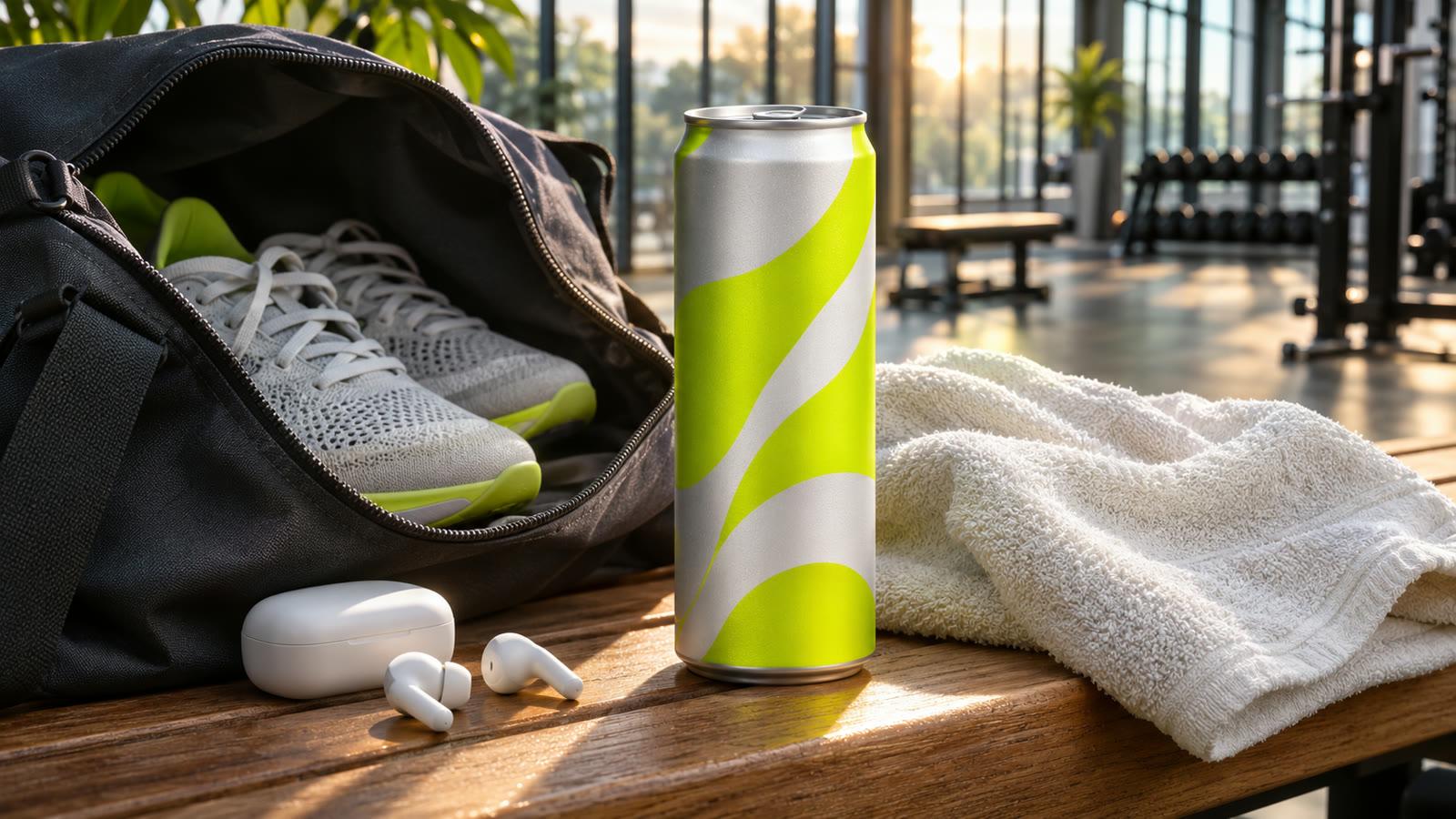
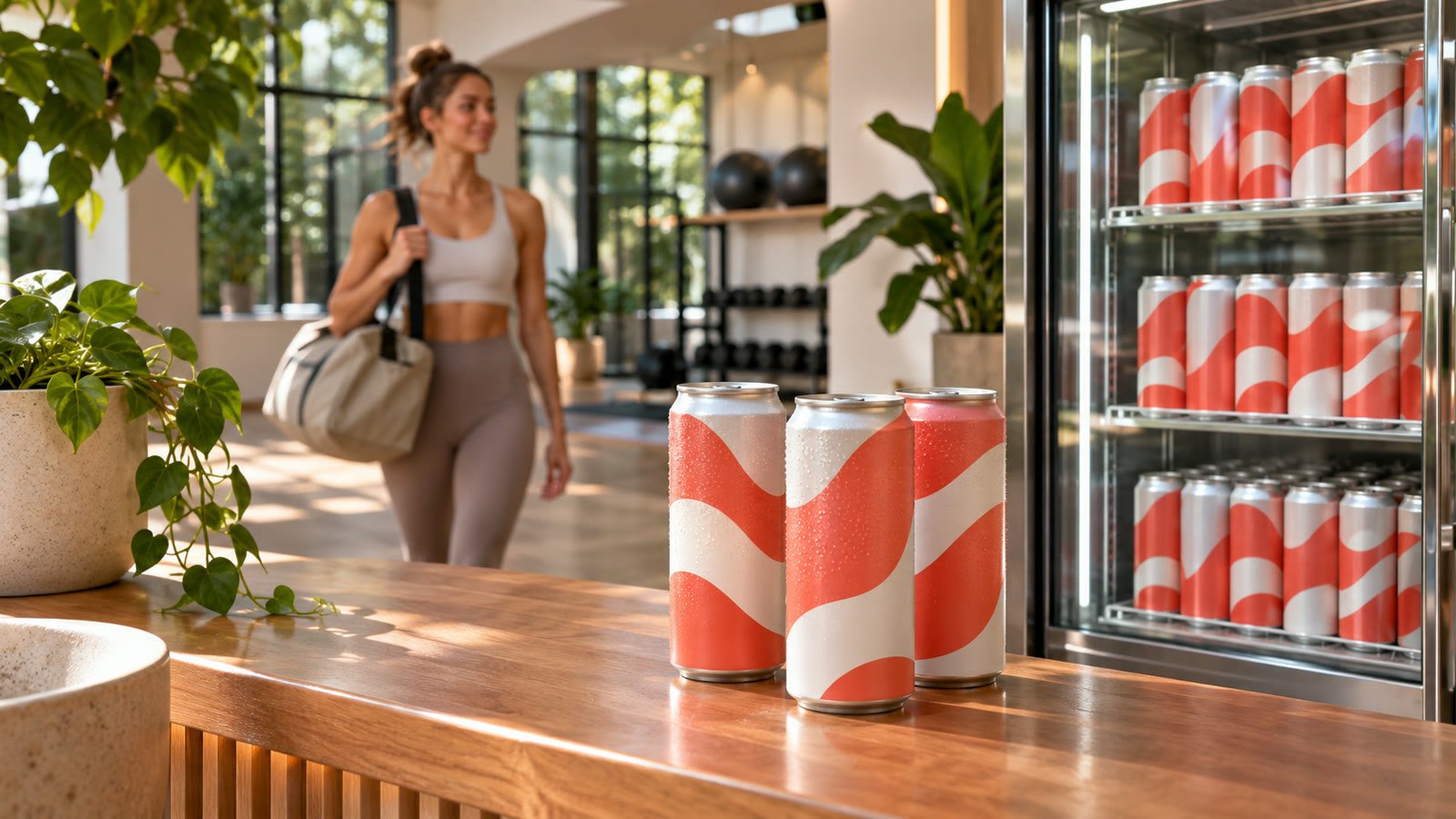
A trainer finishes a session and reaches into her bag for the drink she recommends to every client. It is not a sugary sports drink and not plain water. It is lightly mineralized water in a slim can, and the can carries her studio's brand. Her clients ask where to buy it. She wishes she could sell it herself.
That is the moment most private label electrolyte water projects start. A gym owner, a coach, a wellness brand or a sports team sees demand for "functional" hydration and wants a product with its own name on it. The idea is simple. The product is not quite as simple as still water, and the difference matters for cost, labeling and timing. This guide explains what changes when you add electrolytes, who buys these products and the honest questions to ask a manufacturer before you design a single can.
What is private label electrolyte water?
Private label electrolyte water is drinking water with added minerals such as sodium, potassium or magnesium, packaged under your brand by a manufacturer. You own the name and design. The manufacturer handles the formulation inputs, filling and packaging. Compared with still water, it adds a recipe, an ingredient list and more labeling work.
It usually sits between plain water and a full sports drink:
- Plain still water. Water only. Simplest to produce and label.
- Electrolyte water. Water with added minerals, often for taste or hydration positioning, usually without sugar.
- Sports drinks. Water with electrolytes, sugars, flavors and colors, formulated for longer exercise.
Most private label brands that ask about electrolyte water want the middle option: clean, low or no sugar, and a clear hydration story.
How electrolyte water differs from still water
The main difference is that electrolyte water has added ingredients, and added ingredients change three things: the recipe, the label and the paperwork. Still water is defined by its source and treatment. Electrolyte water is defined by what you put into it, in what amounts, and how you describe it.
Under US federal rules, the standard for bottled water describes water sealed in containers "with no added ingredients" apart from limited exceptions such as safe and suitable antimicrobial agents and fluoride within set limits (21 CFR 165.110). Once you add electrolytes for a functional purpose, your product moves into a different labeling conversation, with an ingredient list and nutrition information to get right.
We are not your regulatory advisor, and this is not legal advice. The practical point is simple: budget time for a qualified food labeling review before you finalize an electrolyte can.
Who buys private label electrolyte water?
Electrolyte water appeals to brands whose customers already think about hydration as part of a routine. In practice, that usually means:
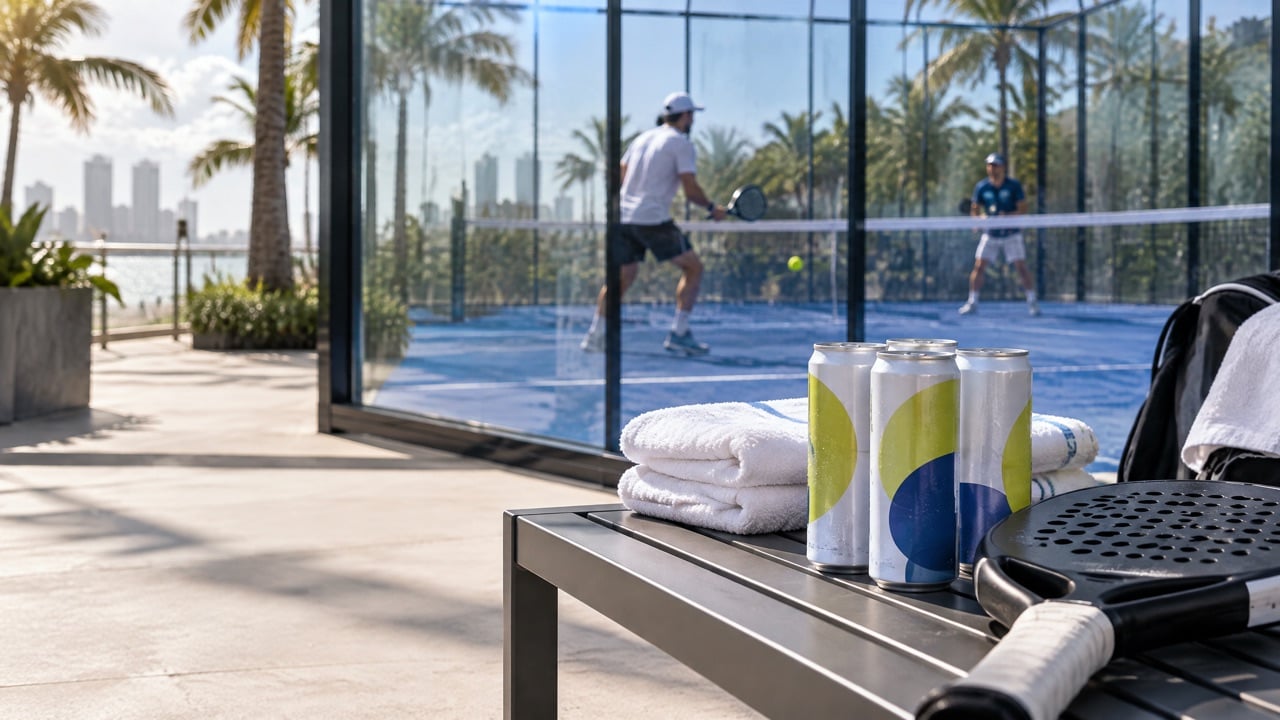
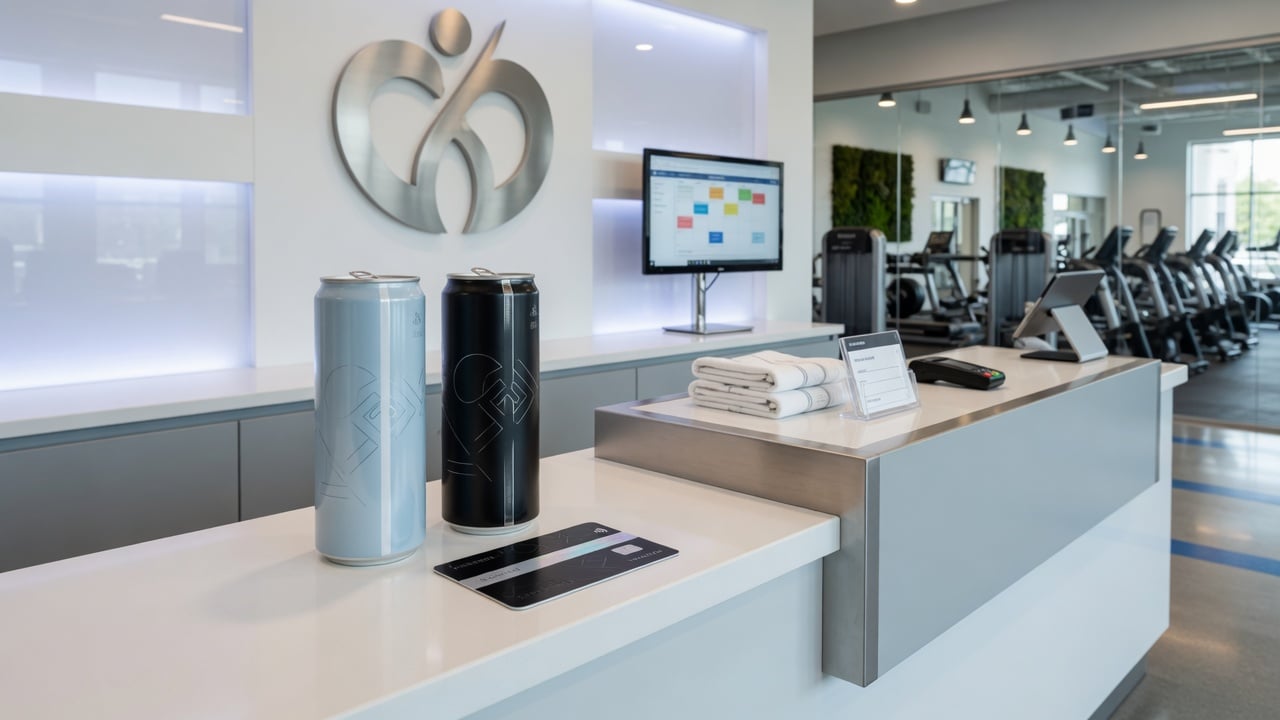
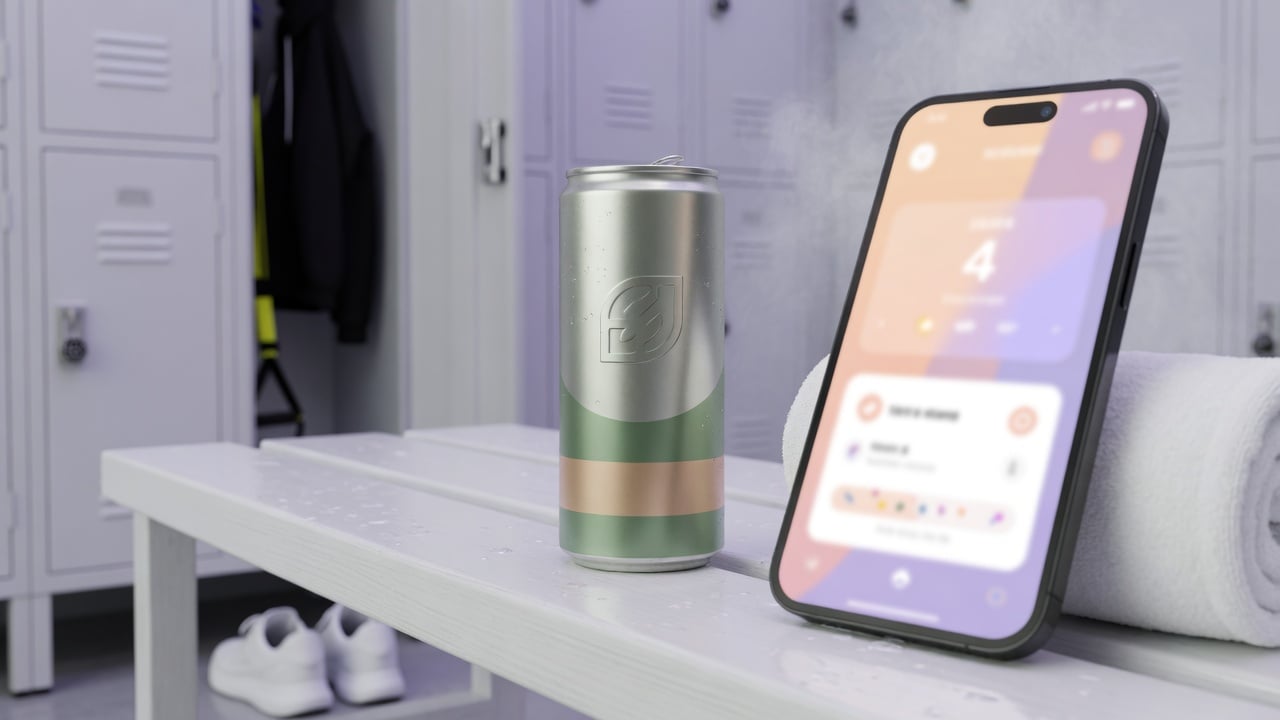
- Gyms, boutique studios and padel clubs selling at the front desk.
- Personal trainers and coaches with an audience and a merch store.
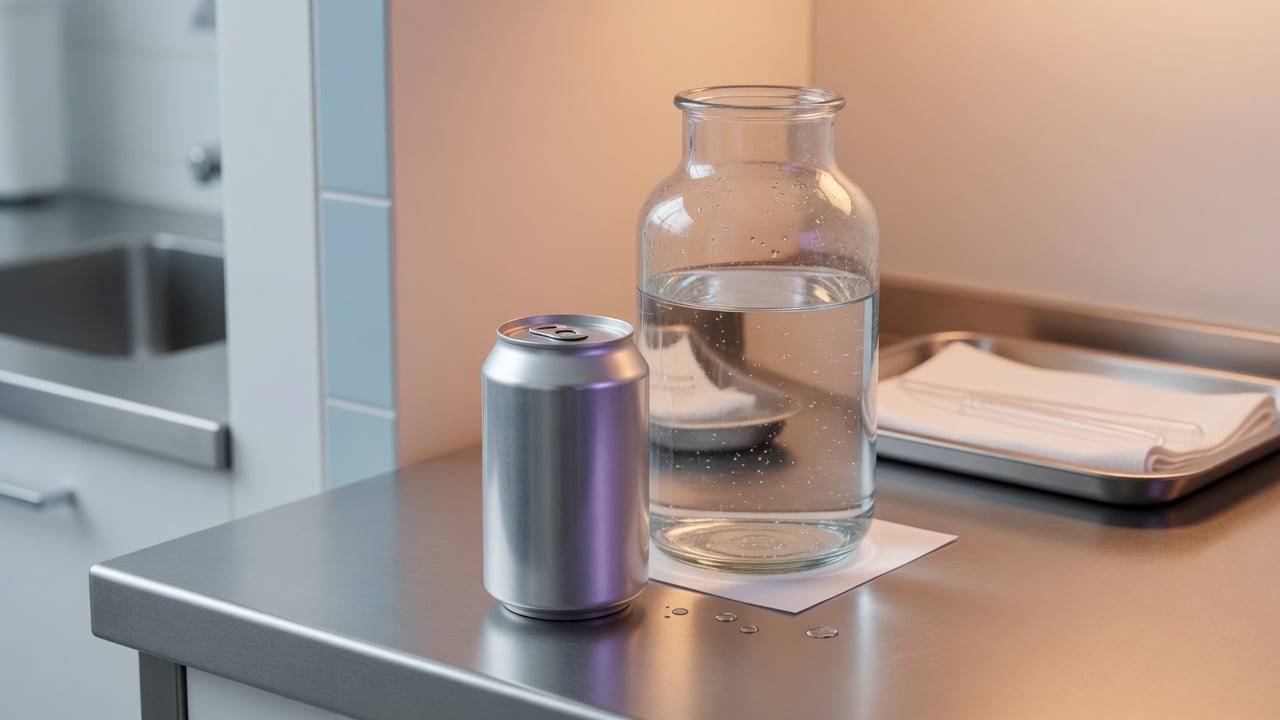
- Wellness and recovery brands such as spas, recovery studios and clinics.
- Sports teams and races offering hydration to athletes and fans.
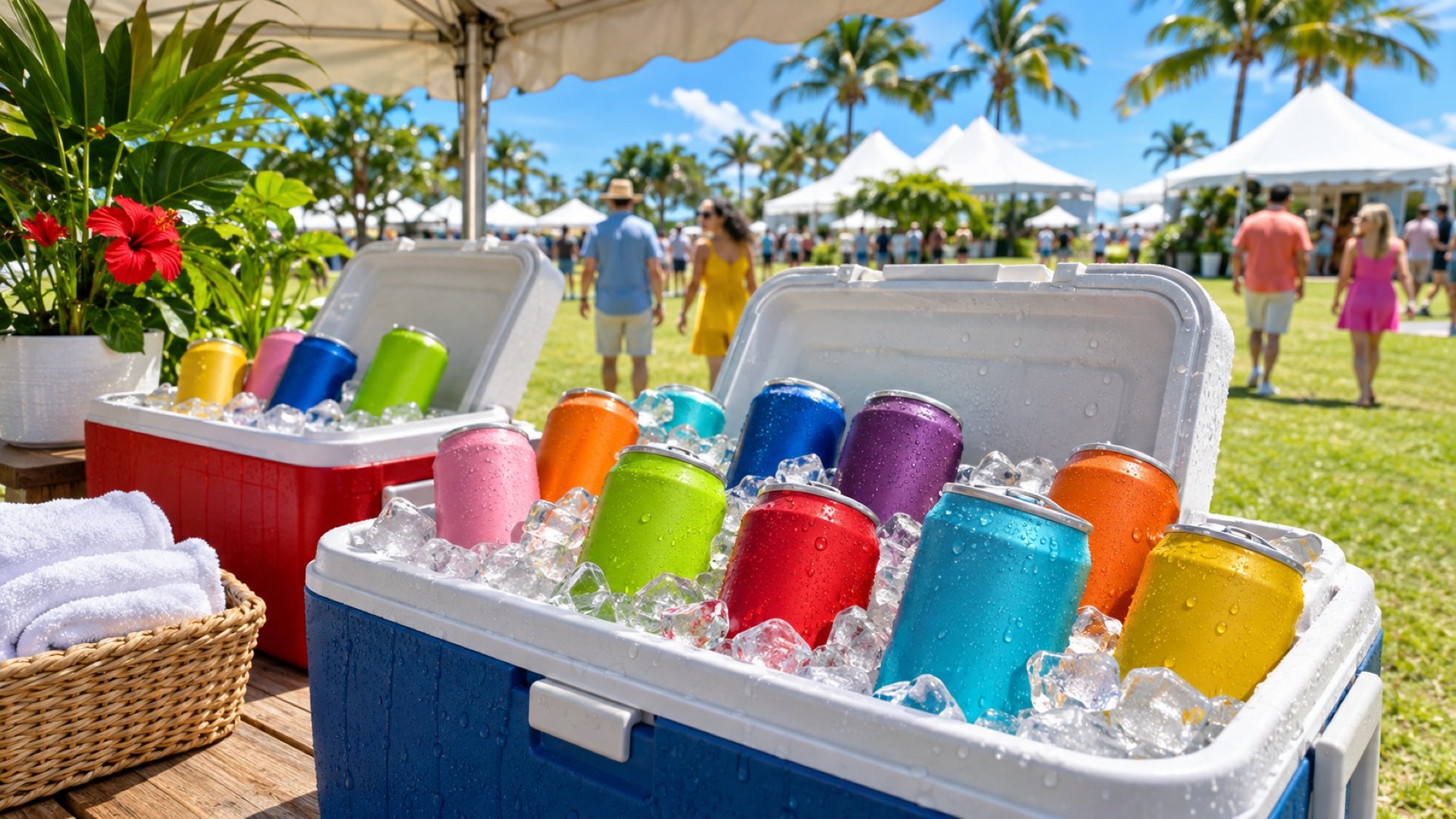
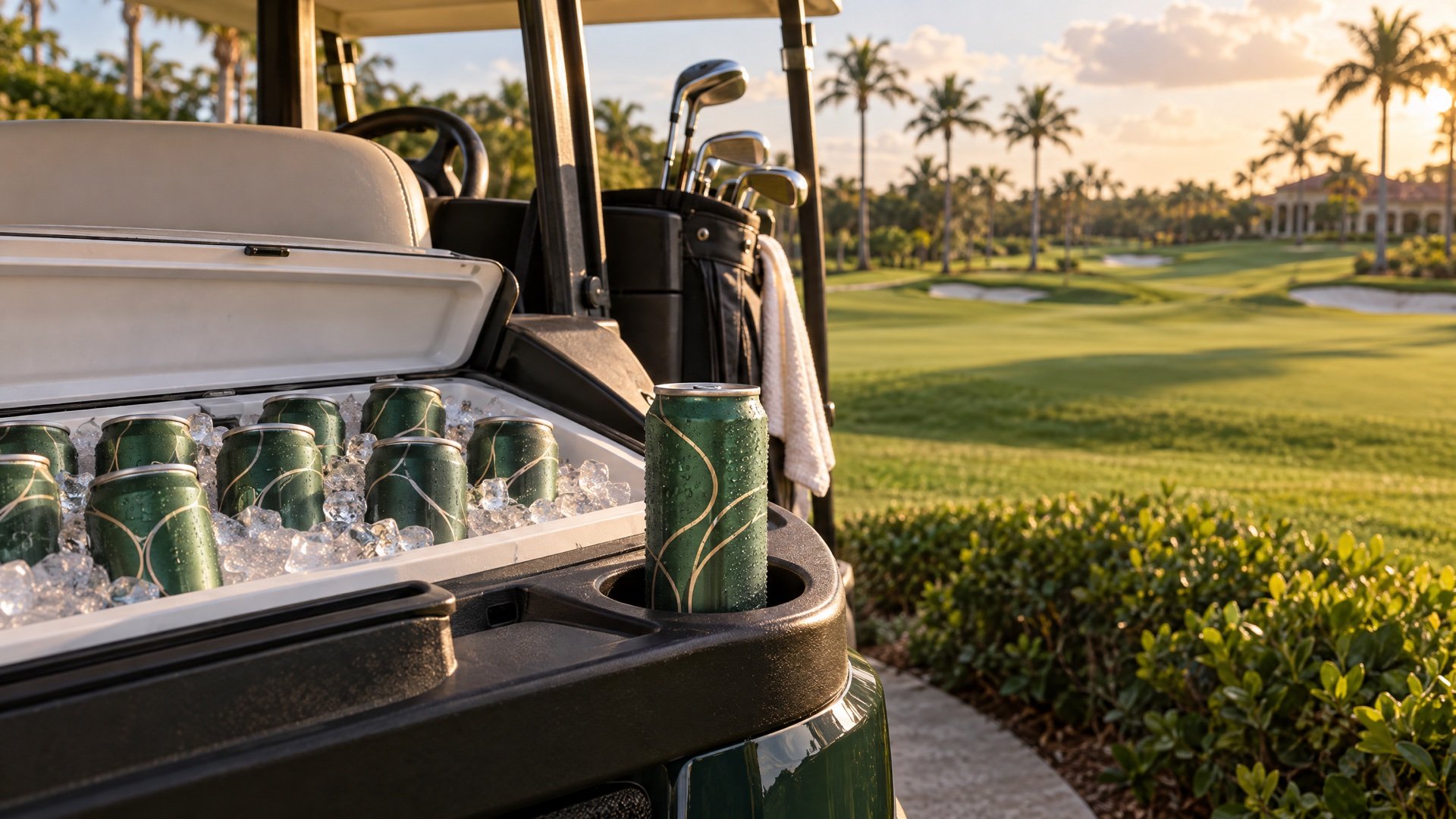
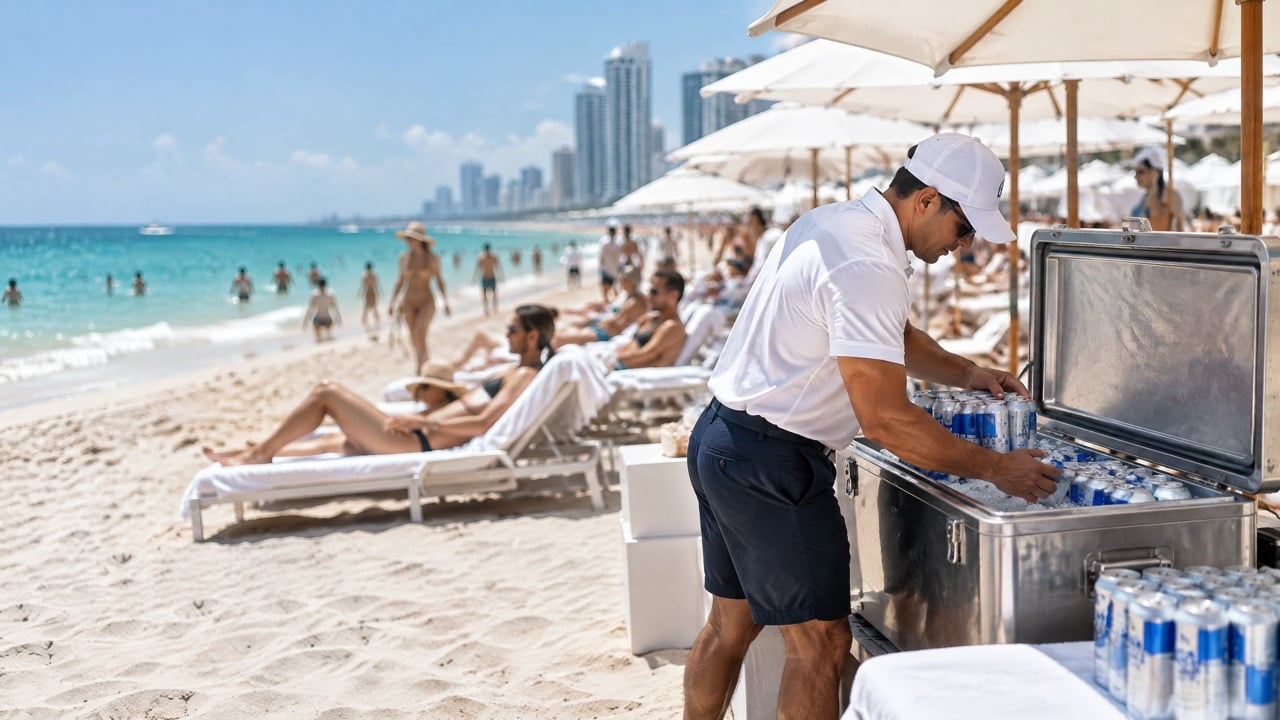
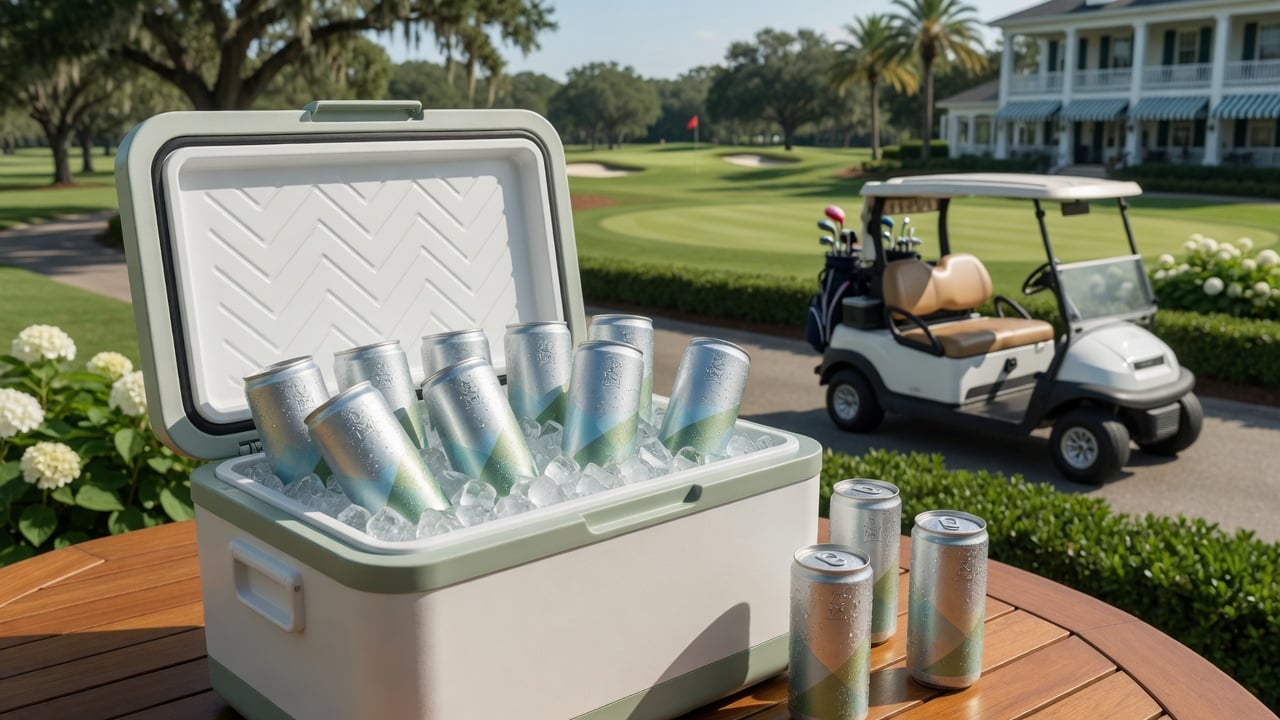
- Outdoor and heat-heavy venues in places like South Florida, where people sweat through every event.
If your audience mainly wants a premium, branded water for hospitality or events, still, sparkling or alkaline water is usually the simpler and faster choice.
What drives the cost of electrolyte water compared with still water?
Electrolyte water costs more to bring to market than still water because it adds ingredients, formulation work, testing and label review. The can, print and freight costs are similar, but the recipe and compliance steps add expense and time. Exact pricing depends on the formula, volume and packaging, so get a quote before you set a retail price.
The main cost drivers:
- Ingredients. The minerals themselves and any flavor you add.
- Formulation. Getting a taste and mineral profile that is consistent batch to batch.
- Testing and documentation. Confirming that what is in the can matches the label.
- Label review. Ingredient statement, nutrition information and any claims.
- Packaging. Can size, print type and design, the same as for still water.
- Volume. Larger runs spread fixed costs across more cans.
For context on the packaging side, our guide to private label water cost and price drivers walks through how size, print and quantity change the price of a can.
Labeling basics for an electrolyte can
An electrolyte can needs everything a water can needs, plus more care with ingredients and claims. Before you approve artwork, check these items with your labeling advisor:
- Product name. It should describe the product accurately, for example "water with added electrolytes".
- Ingredient list. Ingredients listed by their common names in descending order of predominance.
- Nutrition information. Required on most packaged foods and beverages with added ingredients.
- Net quantity. For example 12 FL OZ or 16 FL OZ.
- Name and place of business. Of the manufacturer, packer or distributor.
- Claims. Words like "hydrating", "recovery" or "replenishes" need careful review. Avoid health claims you cannot support.
The safest designs keep the front of the can focused on your brand and a plain product name, and put the details where they belong.
What to ask a manufacturer before you start
Electrolyte water is a category where honest answers matter more than fast ones. Ask these questions before you sign anything:
- Do you produce electrolyte water today, or would this be a new formula?
- Who develops and owns the formula?
- What testing confirms the mineral content of each batch?
- Who reviews the label and nutrition panel?
- What are the minimums and lead times for this specific product?
- Can I start with still or alkaline water while the electrolyte product is developed?
At We Can It, our core private label products today are still, sparkling and alkaline water in custom aluminum cans. We only commit to an electrolyte program after product and compliance verification with our team. Our electrolyte water manufacturer page explains that approach, and a product advisor can tell you what is possible for your brand.
A practical path: launch the brand first
Many brands do not need to wait for a custom electrolyte formula to start building their name. A common path is to launch with a branded still or alkaline can, learn what customers buy, and then add a functional product once demand is proven.
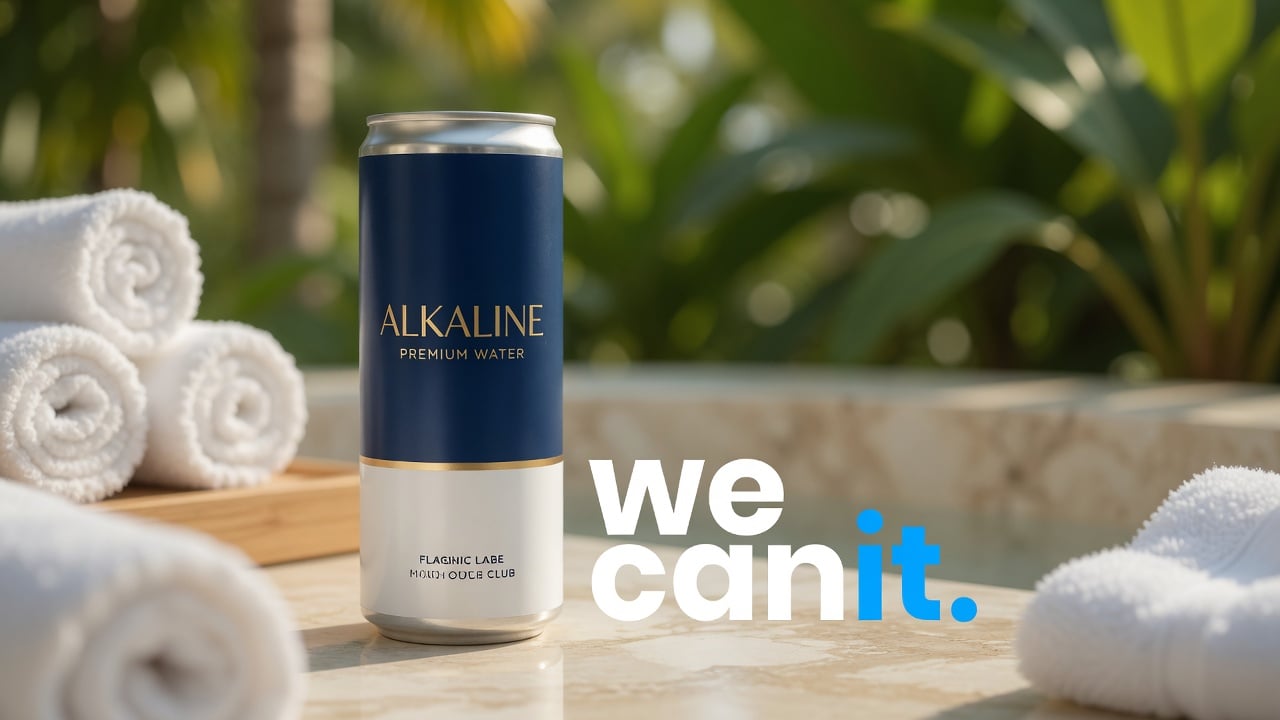
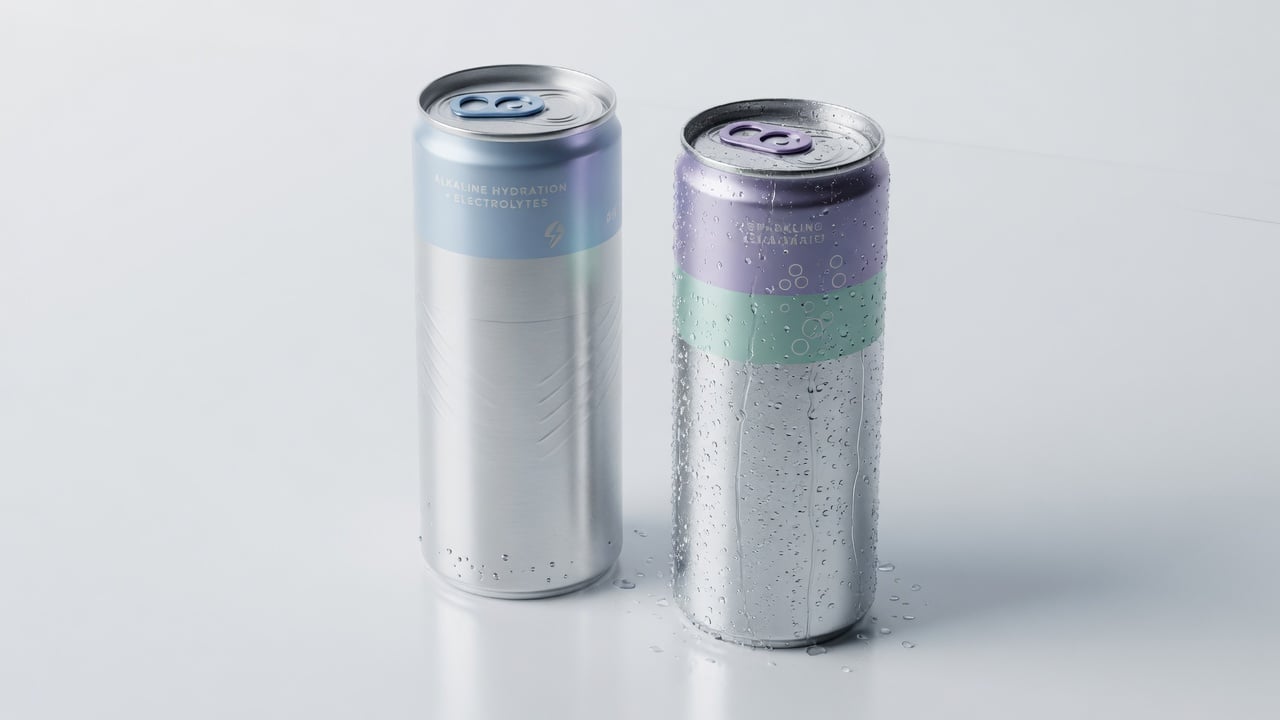
- Alkaline water already carries a wellness story many fitness customers like. See our alkaline water manufacturer page.
- Low minimums let you test. Labeled cans start at 10 cases, which is 240 cans, and digitally printed cans start at 21 cases (504 cans).
- Speed helps. Labeled cans can be ready in 3 weeks, and digital print on the aluminum takes 4 weeks.
- Pricing is transparent. Digital print runs $1.60 to $2.00 per can depending on volume, labeled cans run $1.15 to $1.55 per can and a QR code is included at no extra cost.
Our guide on starting a water brand with still, sparkling or alkaline covers that launch decision in more detail.
Why aluminum works for hydration brands
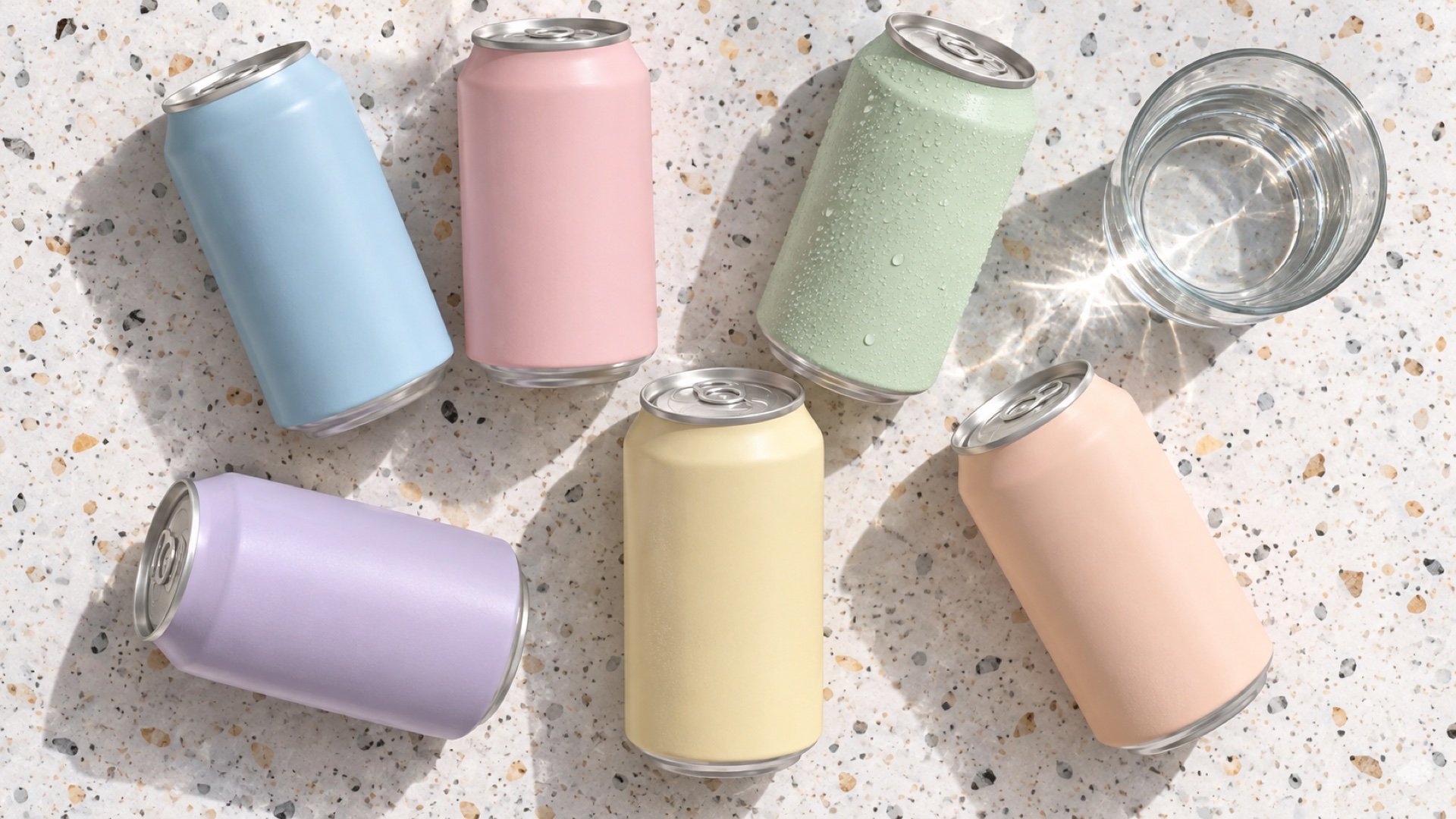
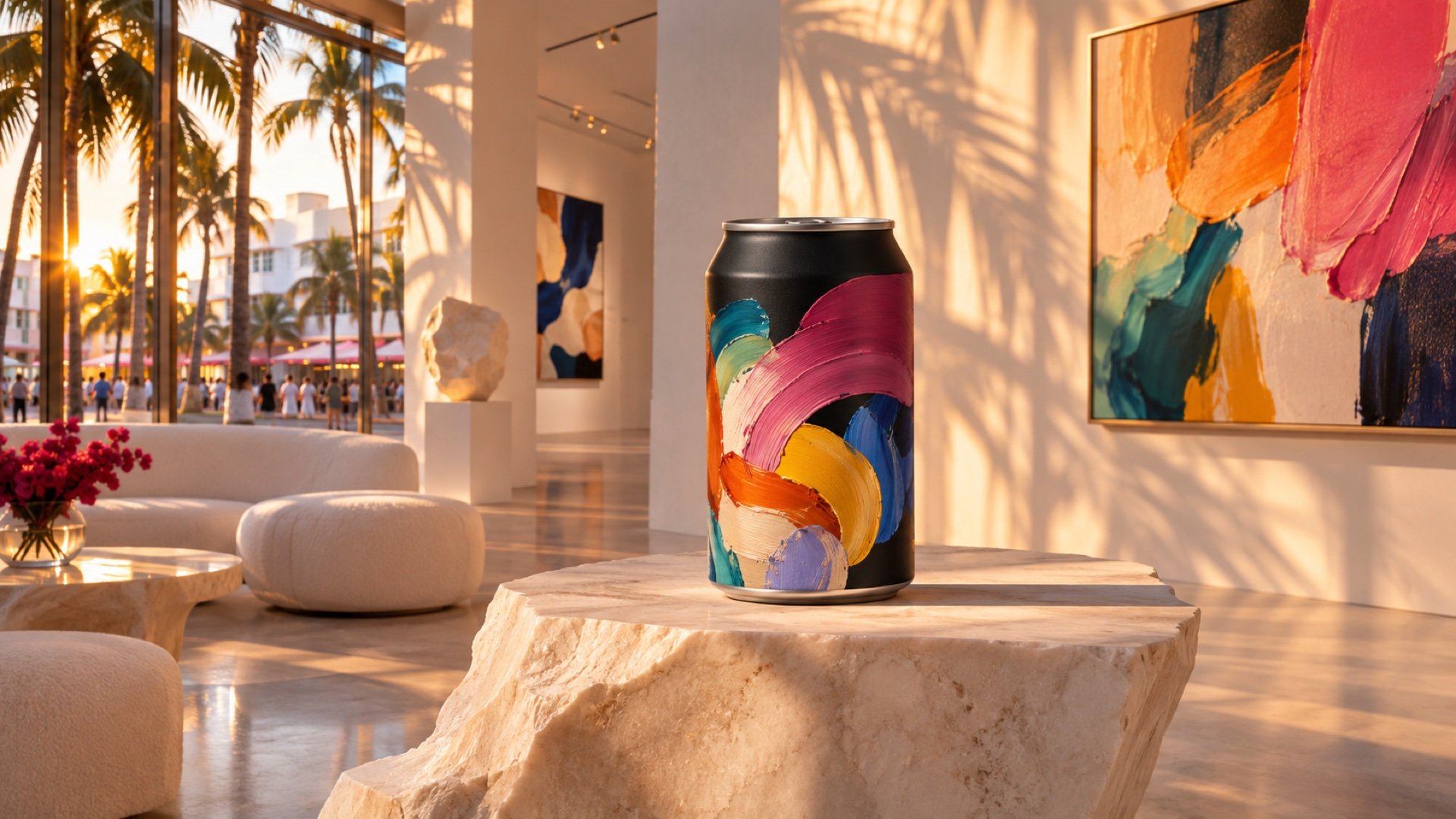
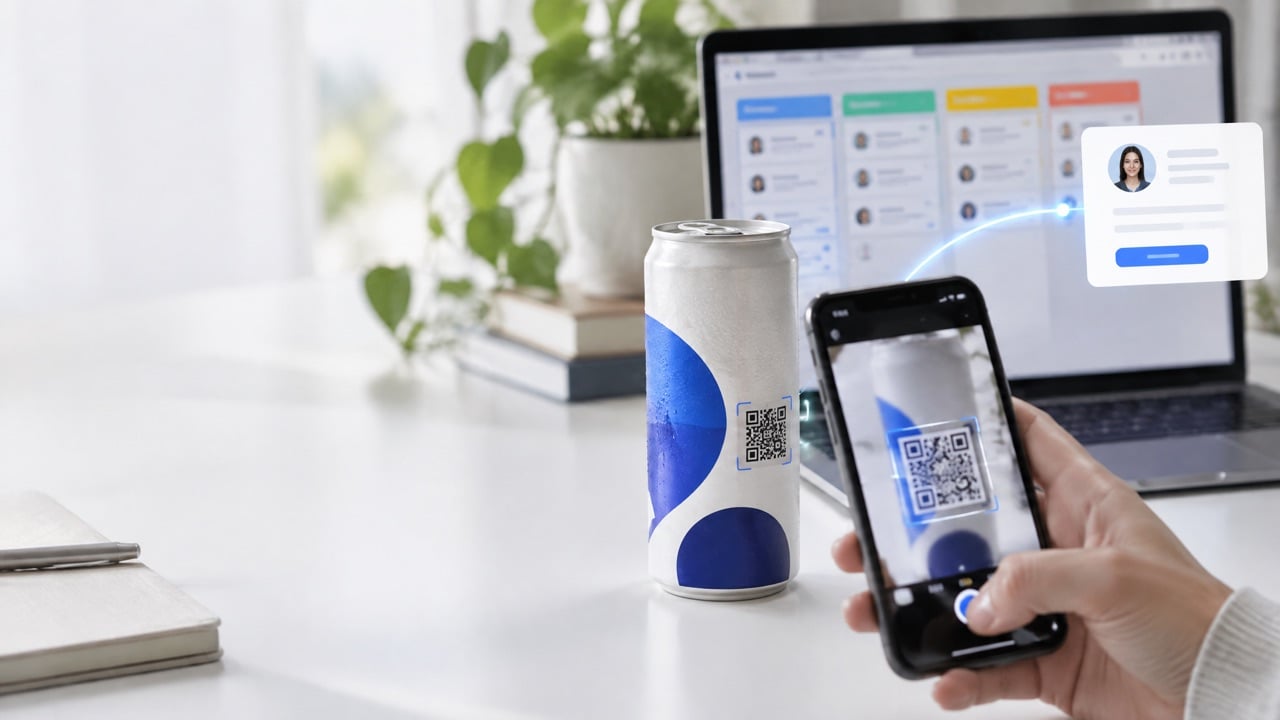
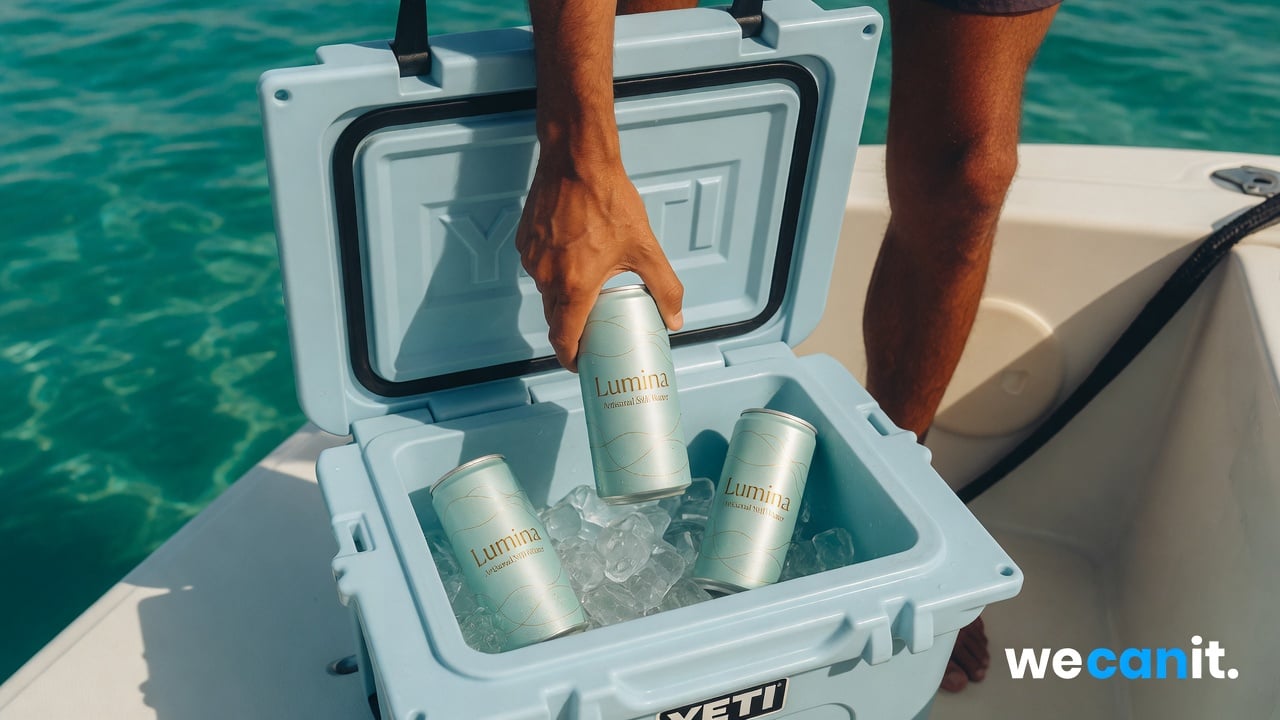
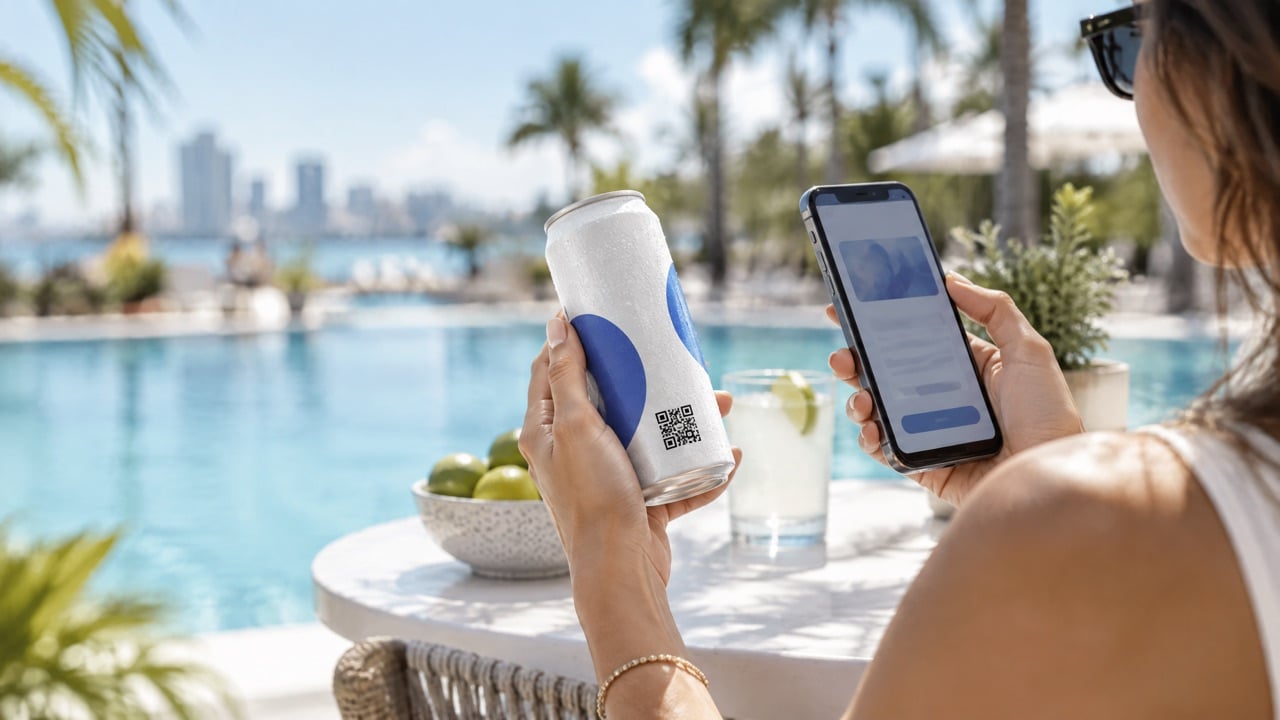
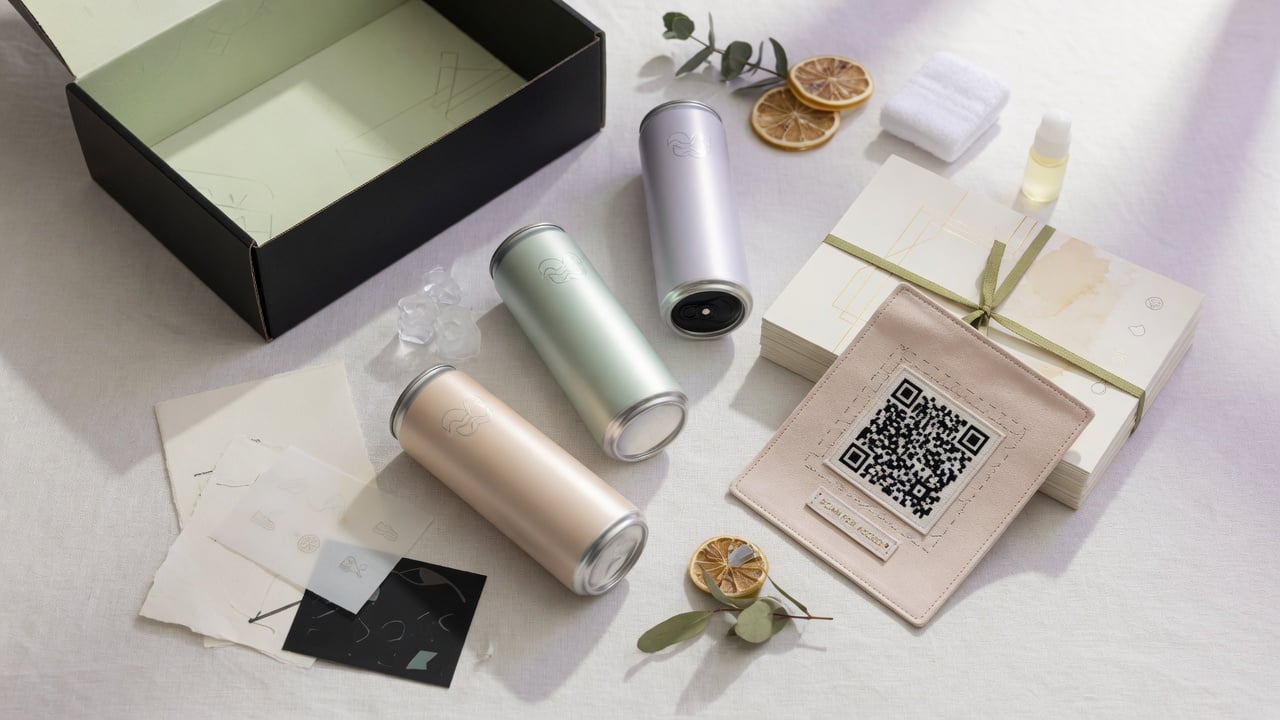
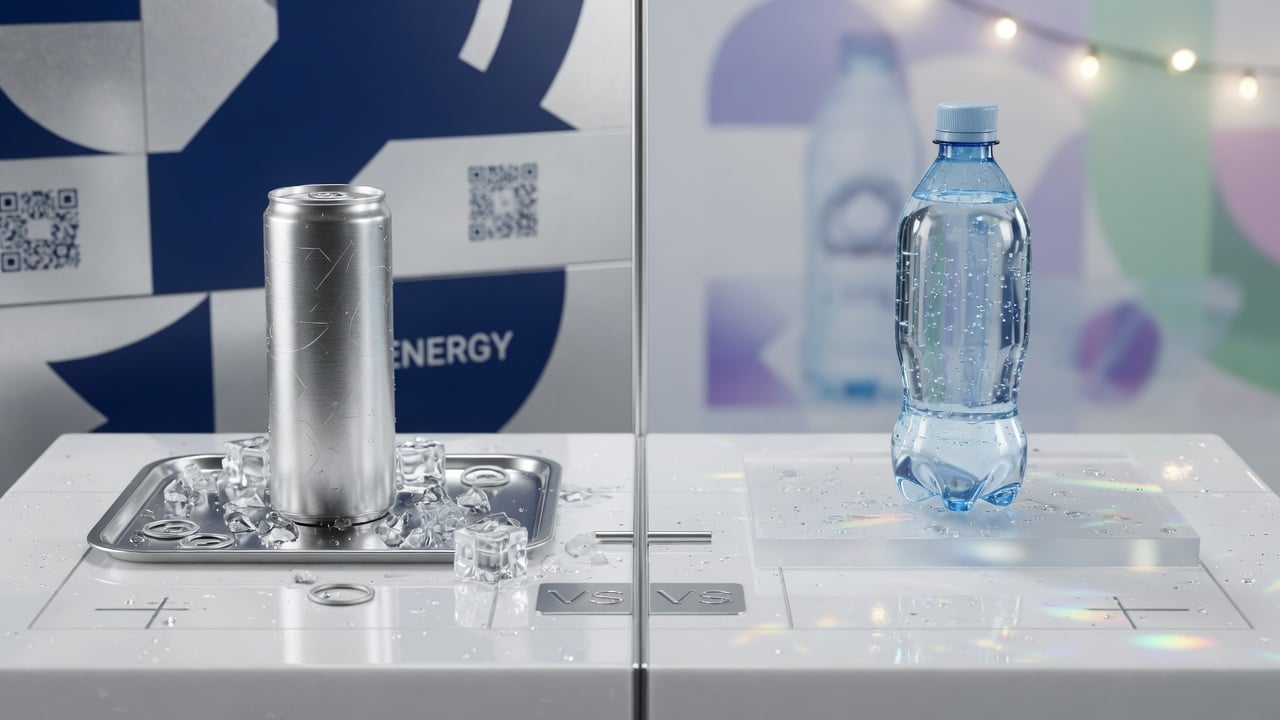
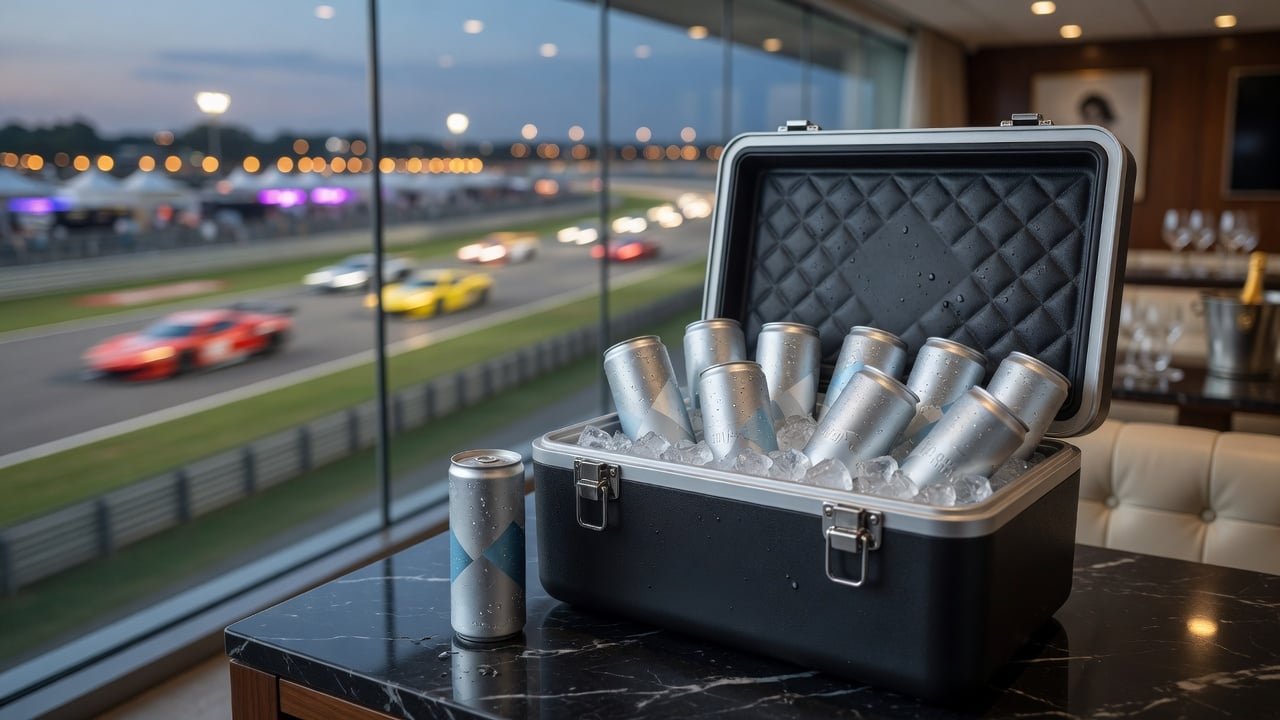
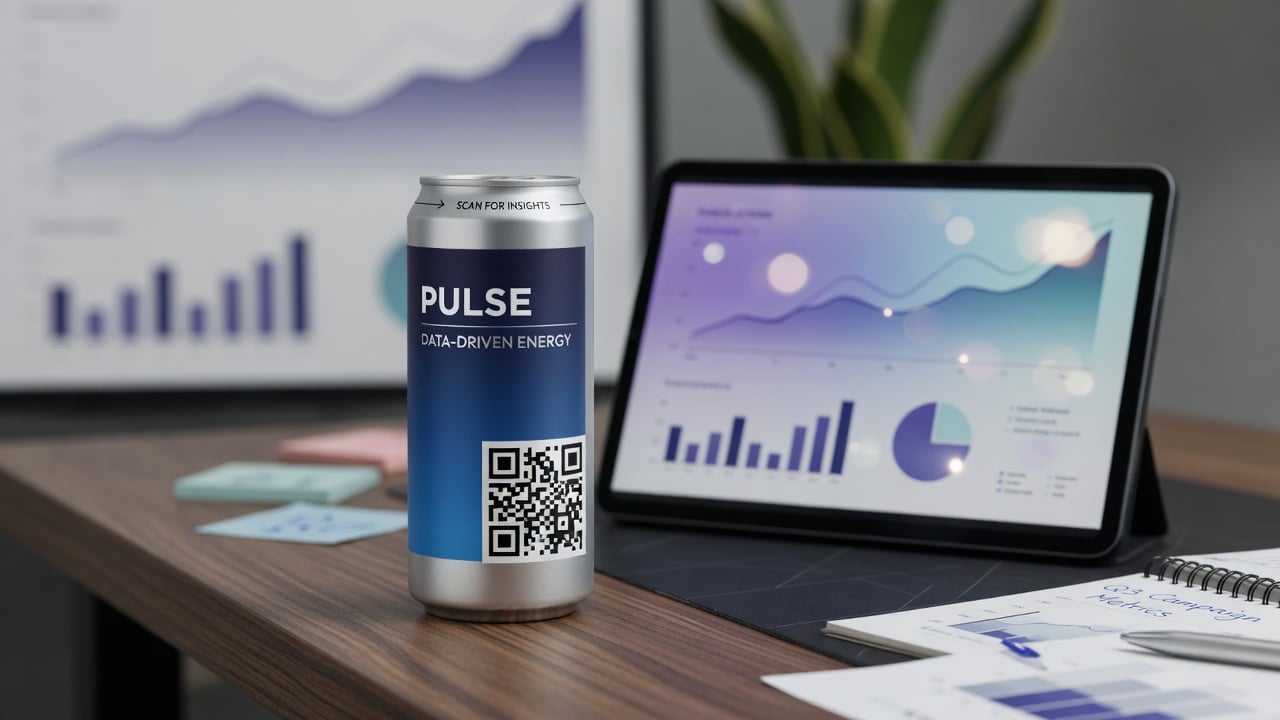
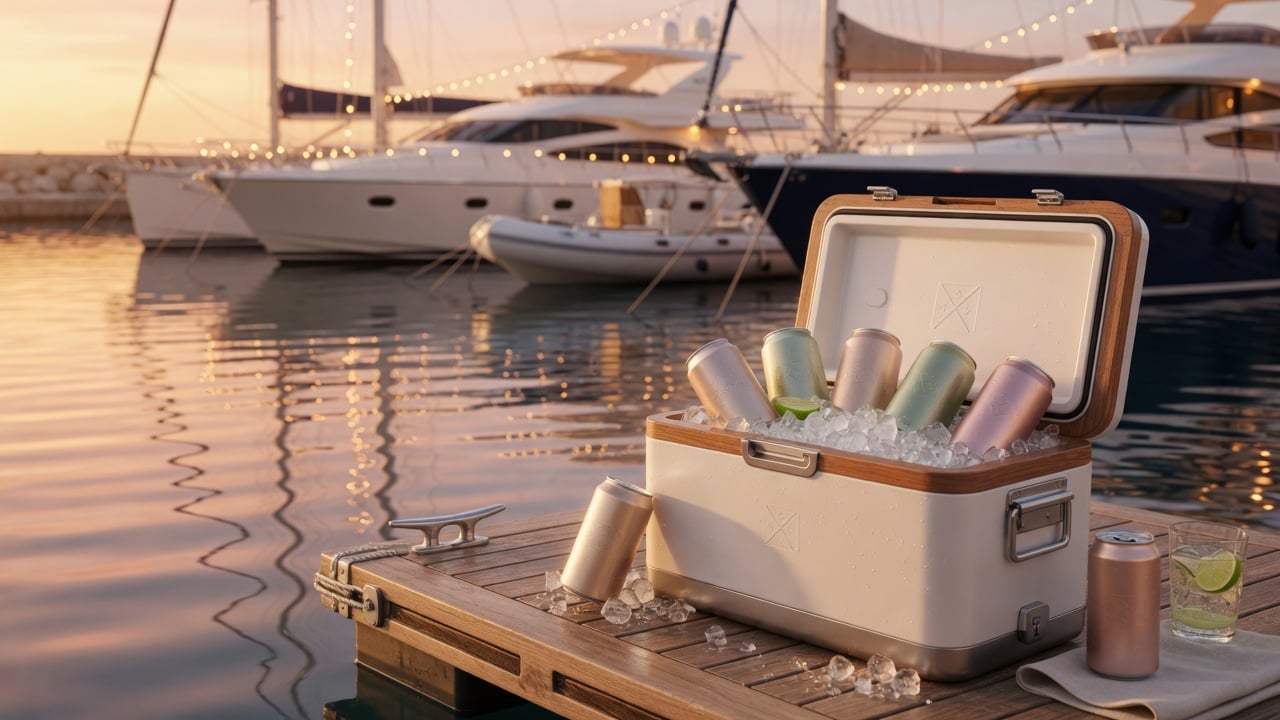
Aluminum cans chill quickly, block light, stack neatly in coolers and gym bags, and give a brand a full surface to design on. For an active audience, a can that gets cold fast and does not break is a practical advantage. A QR code on the can can link to training content, a product page or a reorder link.
Frequently asked questions
What is private label electrolyte water?
It is drinking water with added minerals such as sodium, potassium or magnesium, packaged under your brand by a manufacturer. You own the name and design, while the manufacturer handles filling and packaging. It needs more formulation and labeling work than still water.
Is electrolyte water more expensive to produce than still water?
Yes, usually. Ingredients, formulation, batch testing and label review add cost and time compared with still water. Packaging and freight costs are similar. Get a quote for your specific formula and volume.
Does We Can It make electrolyte water?
Our core private label products today are still, sparkling and alkaline water in custom aluminum cans. We only commit to electrolyte programs after product and compliance verification, so ask a product advisor about your project.
What needs to be on an electrolyte water label?
Typically a descriptive product name, an ingredient list, nutrition information, net quantity and the name and place of business. Any hydration or health claims need careful review by a qualified labeling advisor.
Who buys private label electrolyte water?
Gyms, studios, trainers, wellness brands, sports teams and outdoor venues are common buyers, because their customers already treat hydration as part of a routine.
Can I start with still or alkaline water and add electrolytes later?
Yes. Many brands launch with branded still or alkaline water at low minimums, learn what customers buy and add a functional product once demand is proven.
Get a quote for private label electrolyte water
If you are planning a hydration brand, start with a conversation. Tell us your audience, volumes and timeline, and a product advisor will tell you honestly what we can produce now and what an electrolyte program would require.