Aluminum vs PET Plastic: Recycling Facts for Brand Buyers
When a brand chooses packaging for its water, the conversation often turns to sustainability. Customers ask about it, procurement teams require it, and marketing wants to talk about it. The problem is that packaging claims are easy to exaggerate.
When a brand chooses packaging for its water, the conversation often turns to sustainability. Customers ask about it, procurement teams require it, and marketing wants to talk about it. The problem is that packaging claims are easy to exaggerate. "Eco-friendly," "green," and "sustainable" appear on many labels with very little explanation behind them.
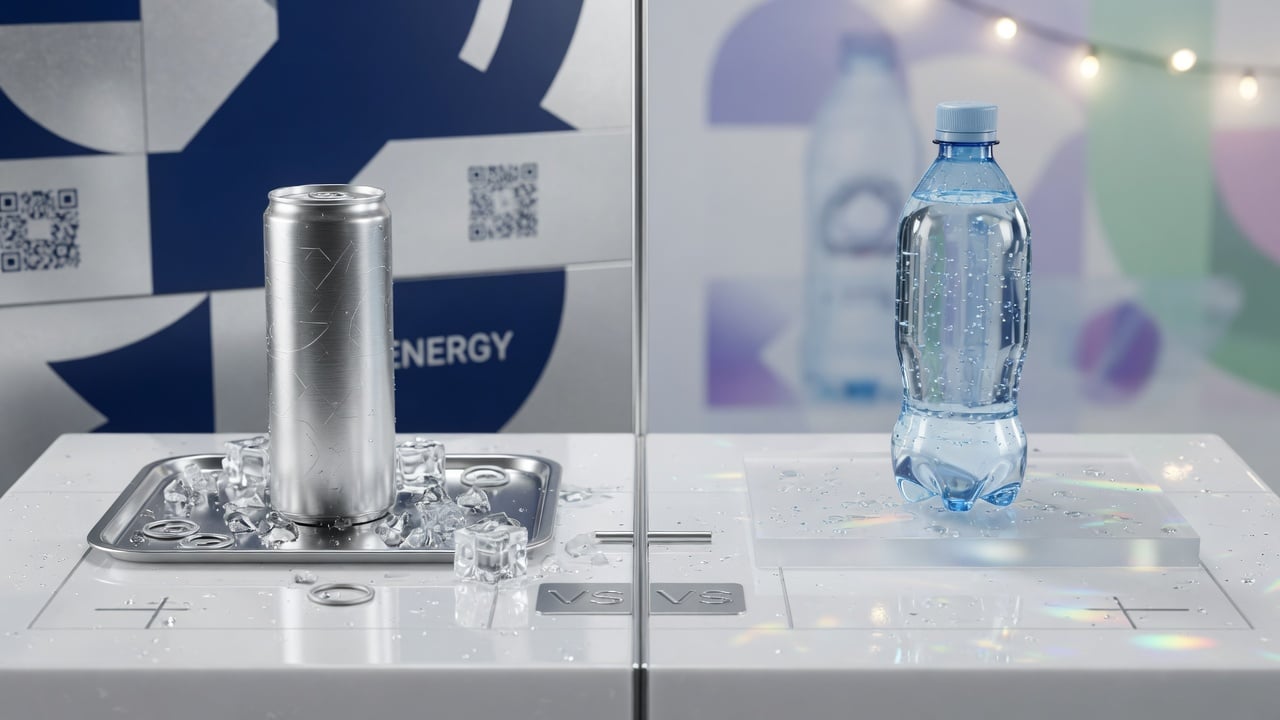
This guide is for brand managers, procurement teams, and marketers comparing aluminum cans and PET plastic bottles. It explains the material differences in plain words, what actually happens in recycling, how weight and shipping compare, and how to make honest claims your customers can trust. It avoids big statistics that change by region and year, and focuses on facts you can explain and defend.
What is PET plastic?
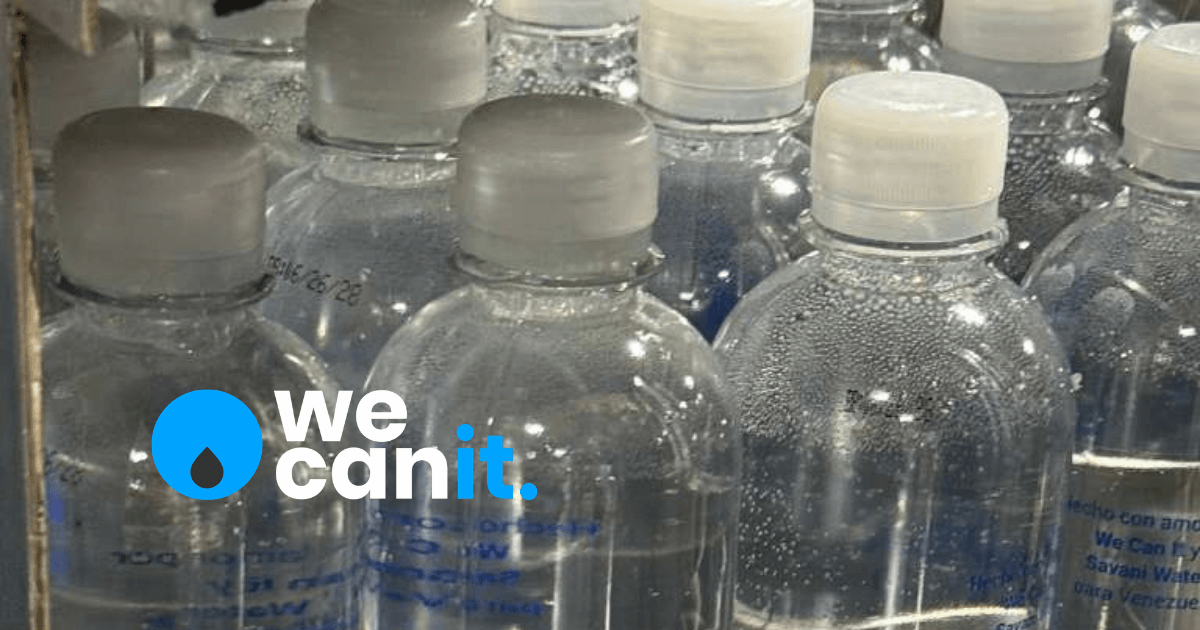
PET, short for polyethylene terephthalate, is the clear, light plastic used for most single-use water and soda bottles. It is cheap, light, clear, and shatter-resistant, which is why it became the standard for bottled water. PET is recyclable in many programs, usually marked with the number 1 inside the recycling symbol.
What is an aluminum can?
An aluminum beverage can is made from thin aluminum sheet formed into a seamless body with a separate lid. It is light, strong, blocks light, and chills quickly. Aluminum cans are accepted in most curbside and commercial recycling programs.
How do aluminum and PET compare in recycling?
The biggest difference is what happens after collection.
- Aluminum can be melted and made into new cans again and again, and aluminum can be recycled repeatedly without losing its quality. A recycled can can become a new can.
- PET can also be recycled, but it often becomes other products, such as fibers for clothing or carpet, rather than a new bottle. This is sometimes called downcycling. Bottle-to-bottle recycling of PET does exist and is growing, but it depends on the program and the quality of the material collected.
Aluminum also has strong scrap value, which gives recyclers a financial reason to collect and process it.
Recycling rates for each material vary by country, state, and year, and published figures are updated regularly. If you want to cite a rate, use a current figure from a recognized industry or government source, name the source, and include the year.
How do they compare on weight and shipping?
- PET bottles are very light for their volume.
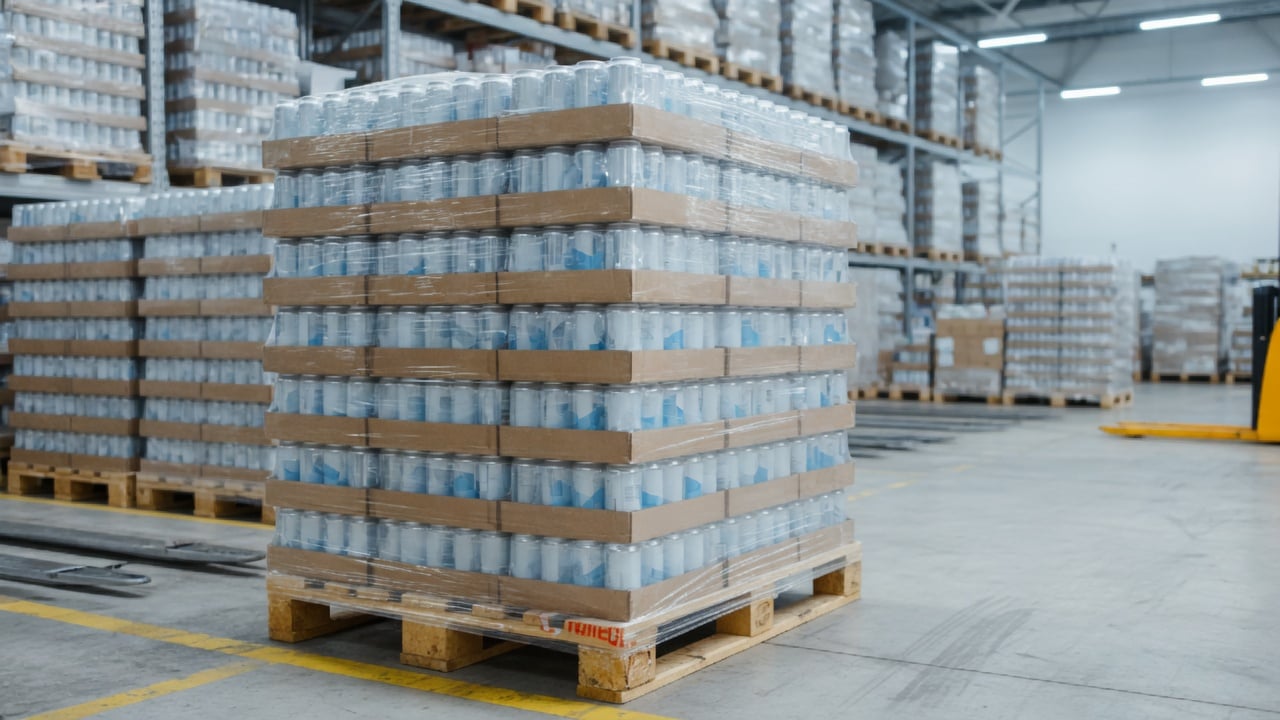
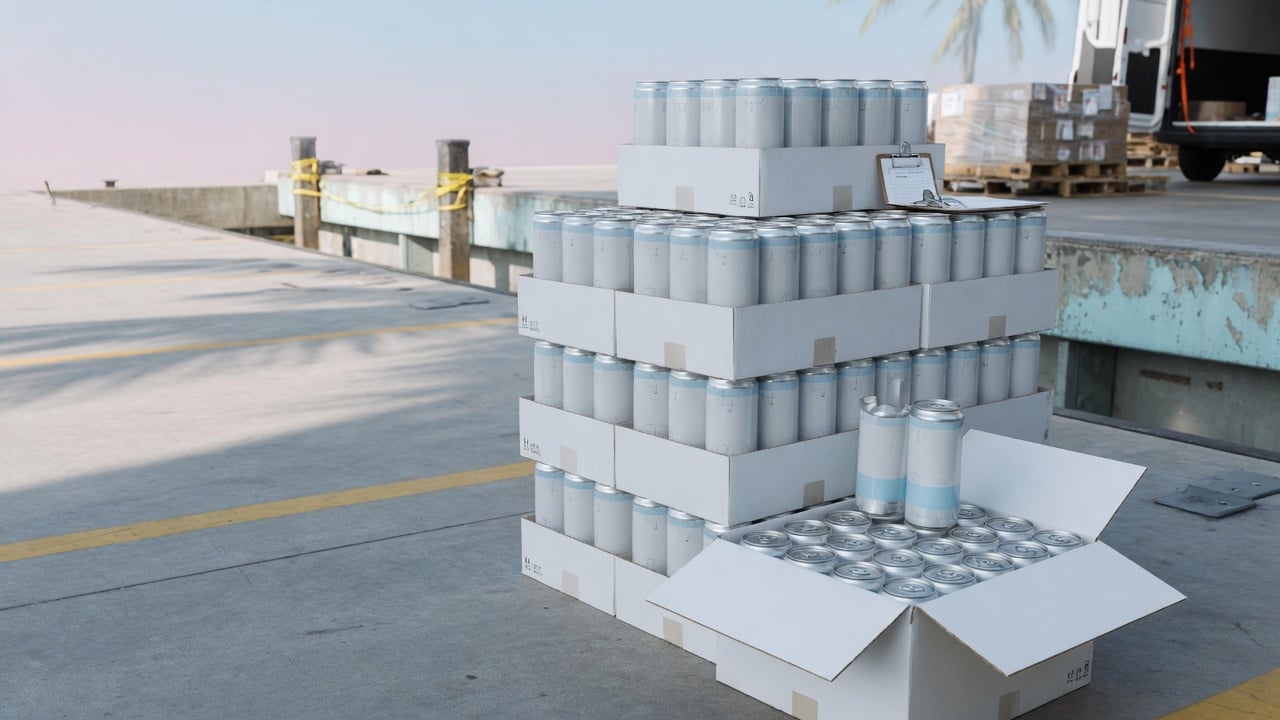
- Aluminum cans are also light and stack efficiently in cases and on pallets.
- Both are much lighter than glass, which reduces freight weight and handling effort.
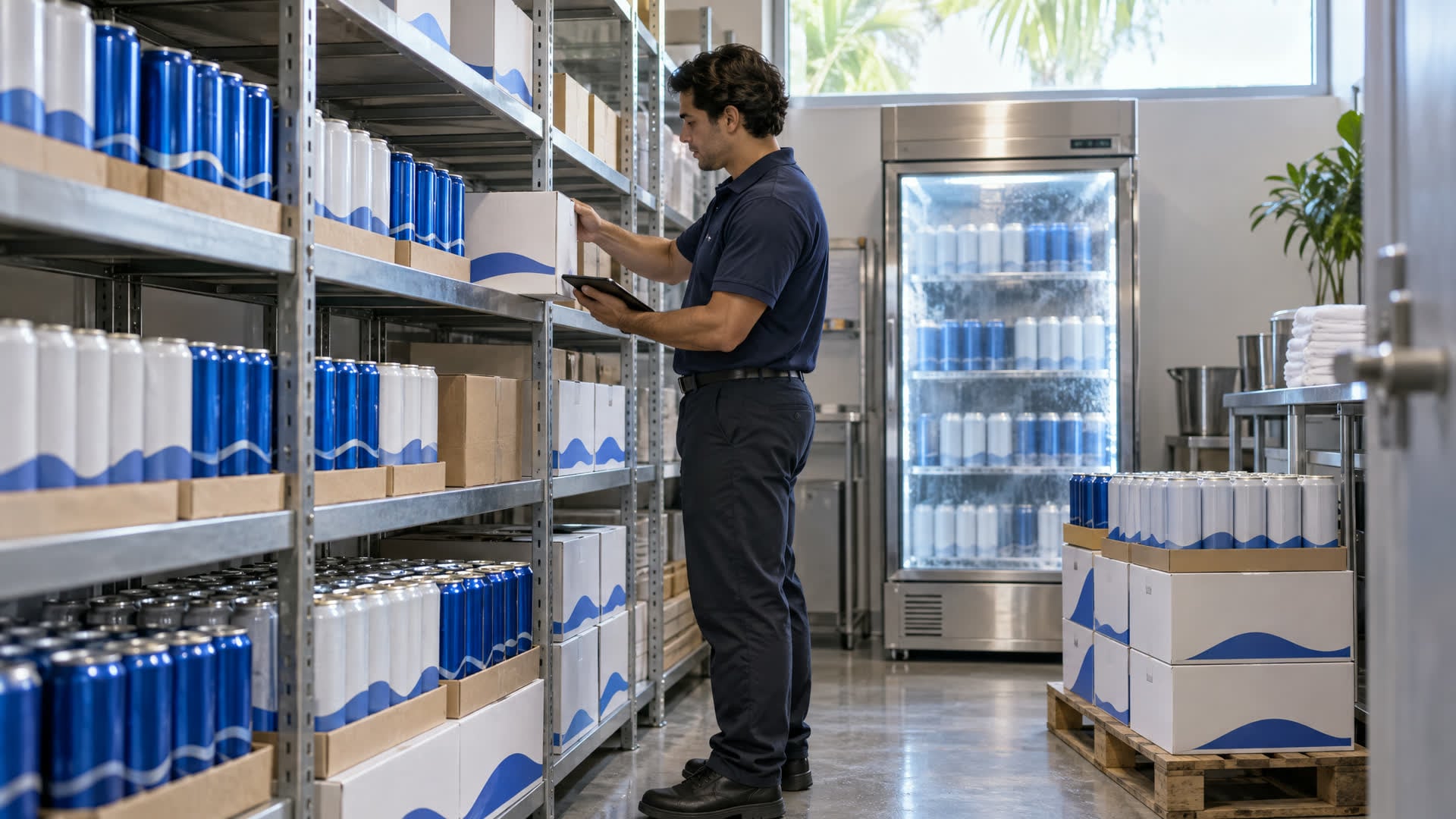
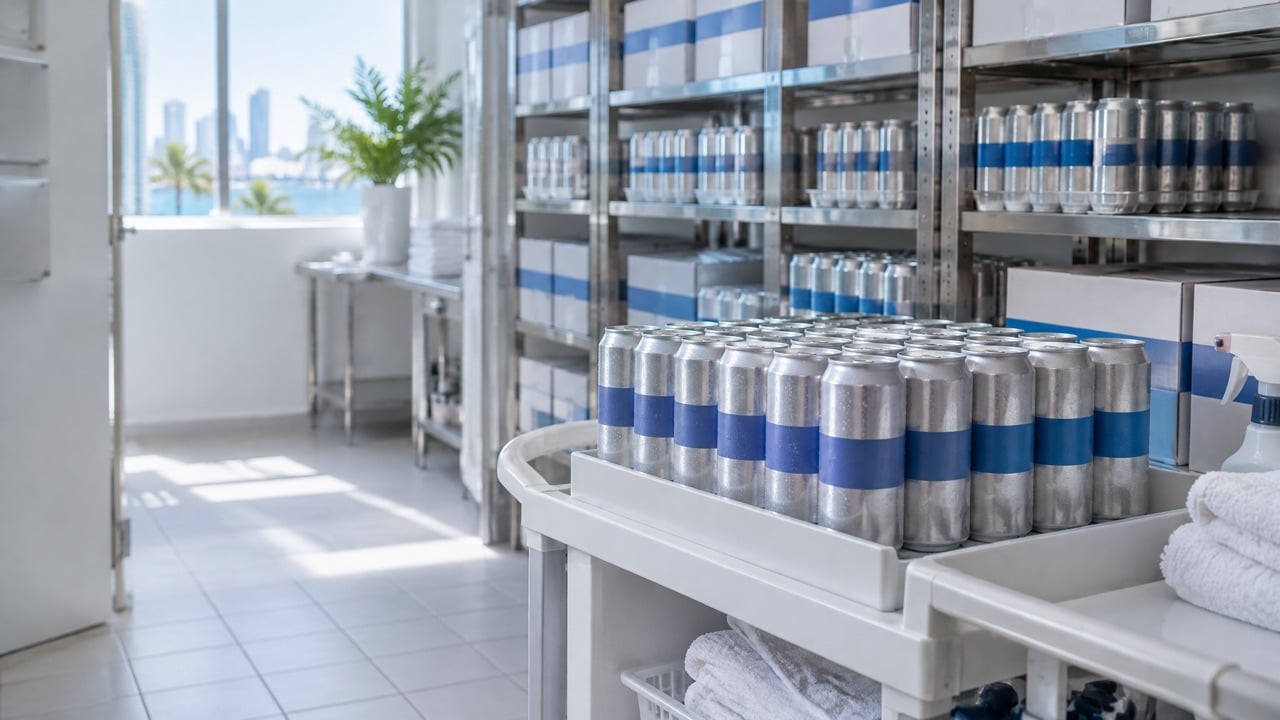
For brands, the practical difference is often in storage and stacking. Cans form compact, stable cases, which many venues and warehouses find easy to handle.
How do they compare in use?
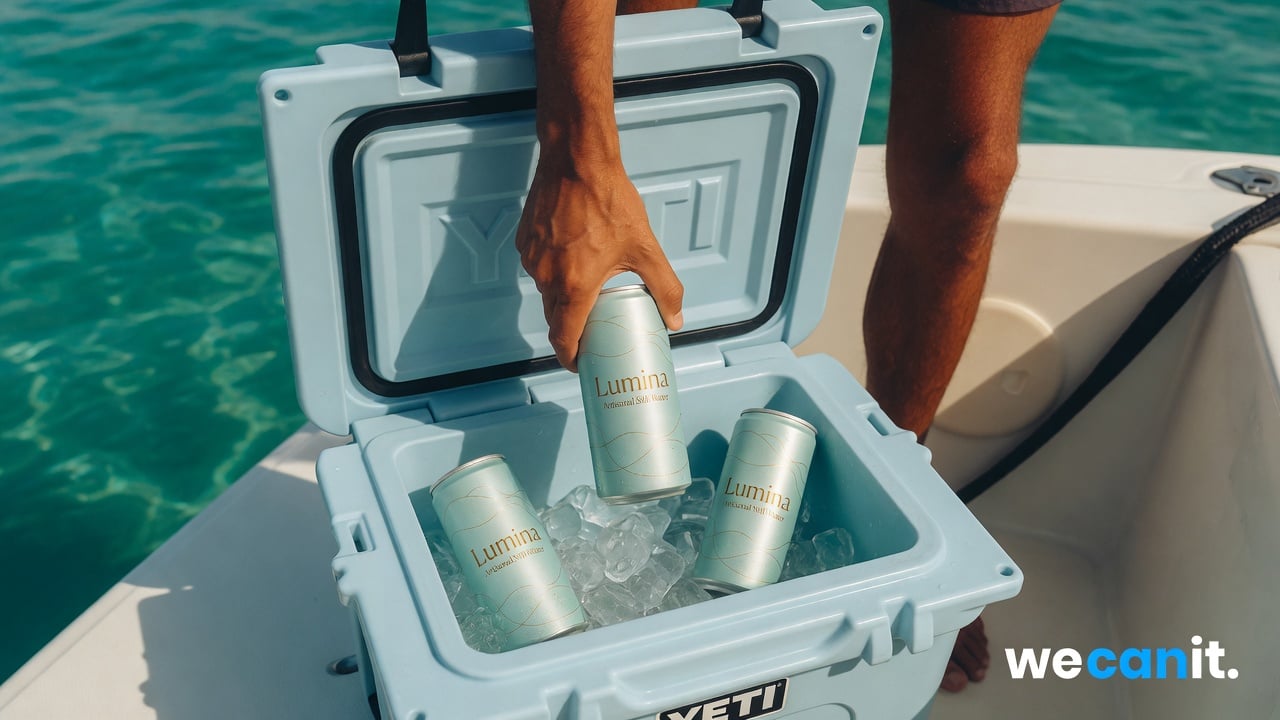
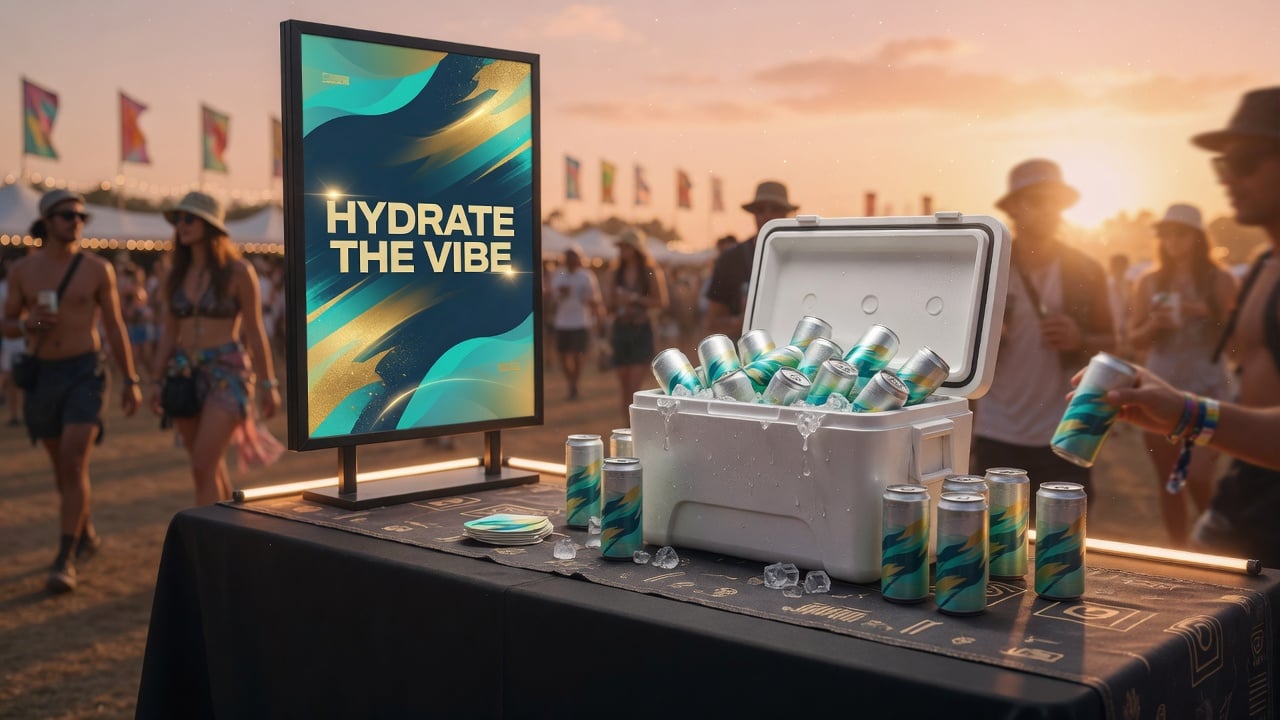
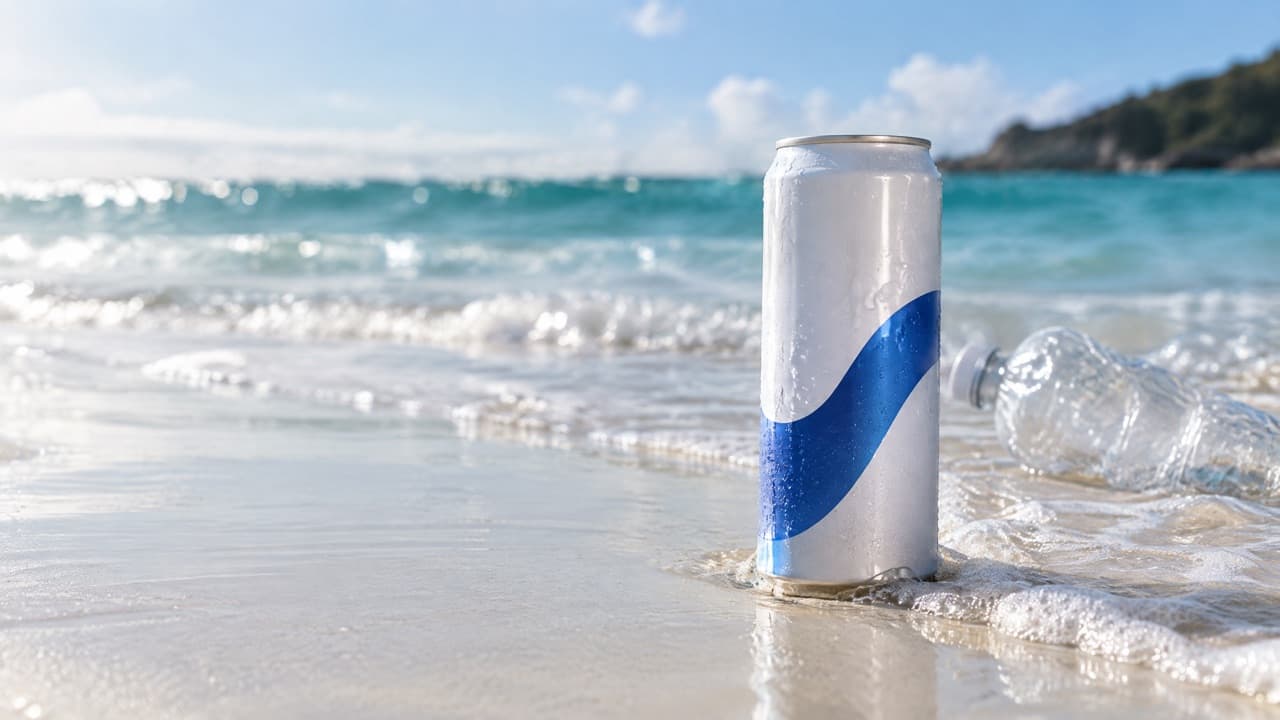
- Breakage: neither shatters like glass, which matters at pools, beaches, events, and on boats.
- Resealing: PET bottles have screw caps and can be resealed. Standard cans cannot.
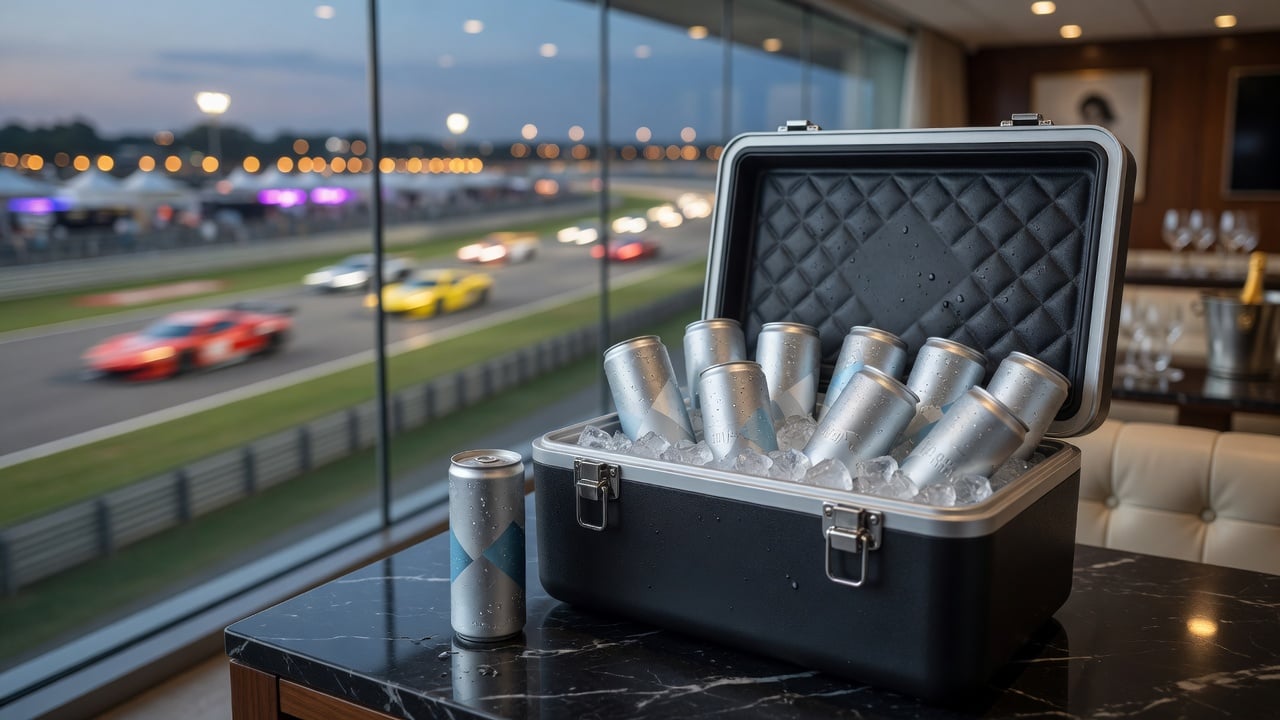
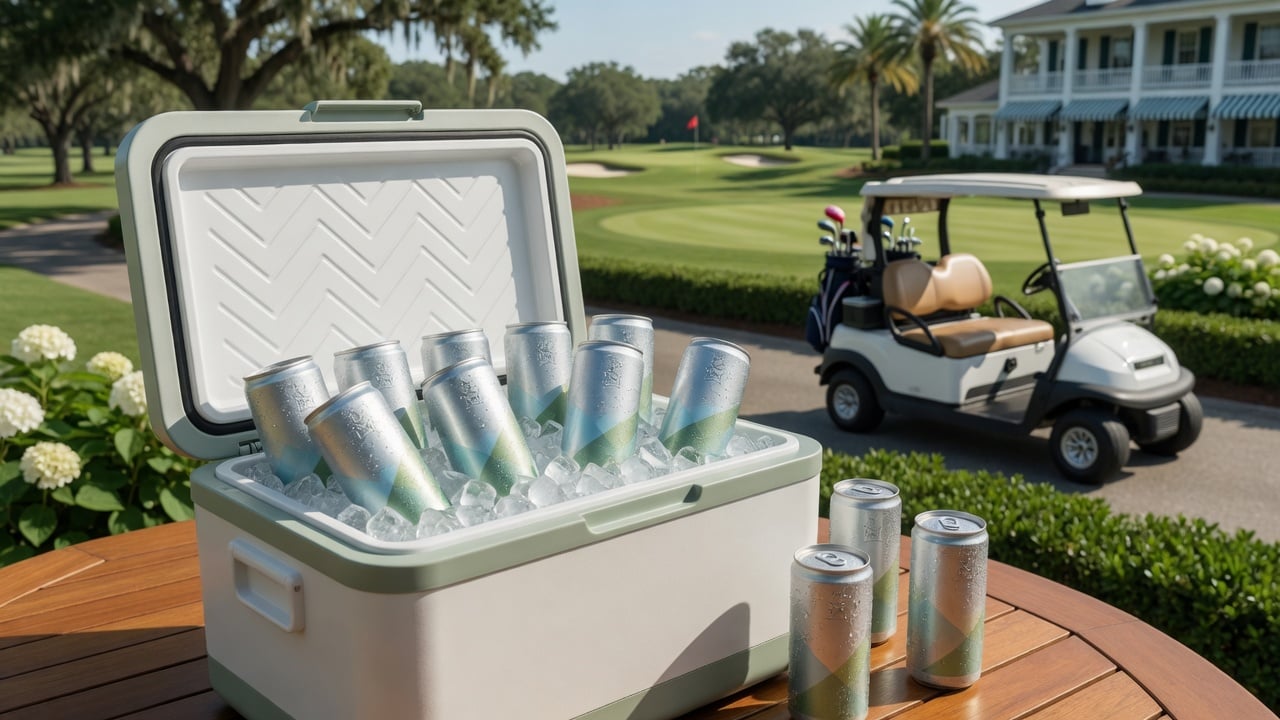
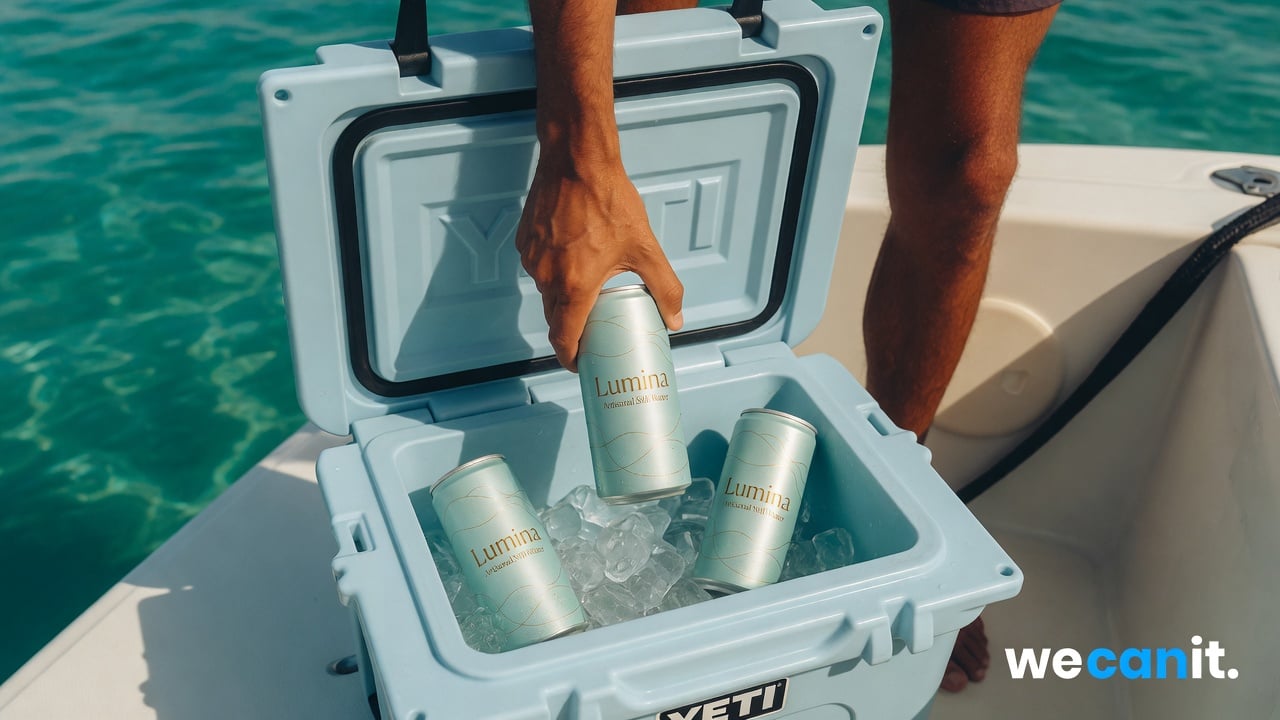
- Chilling: aluminum chills quickly in coolers and ice.
- Light and air: aluminum blocks light completely, which protects contents.
- Branding surface: a can offers a full, continuous surface for design. Bottles often rely on a paper or plastic label.
Which is better for sustainability?
There is no single answer for every situation, and honest brands say so. A full comparison looks at the whole life of the package, including materials, production, transport, use, and what happens after use. That kind of life cycle analysis depends on many factors, such as local recycling systems and transport distances.
What you can say with confidence is that aluminum cans are widely recyclable and aluminum can be recycled repeatedly without losing quality, and that choosing cans can help reduce single-use plastic at your venues or events. Those are simple, defensible reasons many brands choose cans.
What claims can brands make honestly?
Good claims are specific, accurate, and supported.
Safer claims:
- "Packaged in recyclable aluminum."
- "Aluminum can be recycled again and again."
- "Please recycle" with local instructions.
- "We replaced single-use plastic bottles with aluminum cans at our events."
Claims to avoid without strong evidence:
- "Zero impact" or "carbon neutral" packaging.
- "Better for the planet" without explaining why.
- Specific percentages without a current, named source.
- "Plastic-free" if any part of your packaging includes plastic.
When in doubt, describe what you did, not what you hope the effect is.
How do you help customers actually recycle?
Recyclable only matters if the can reaches a recycling bin.
- Add "Please recycle" to the can design.
- Place recycling bins next to every place you serve cans.
- Use clear signs with pictures.
- Work with your venue or hauler to confirm aluminum is collected.
- Tell customers what you are doing, simply and honestly.
How should procurement teams compare packaging suppliers on sustainability?
Many procurement teams now include sustainability questions in supplier reviews. For water packaging, a few practical questions reveal a lot, and they apply whether you are buying cans or bottles.
- What material is the package made of, and is any part plastic, such as a label or cap?
- Is the package accepted in recycling programs where it will be used?
- Does the supplier help reduce over-ordering, for example with low minimums?
- How is the product shipped, and how are cases and pallets packed?
- What claims does the supplier make, and can they support them?
Suppliers who answer plainly and avoid inflated promises are usually easier to work with over time. Be wary of suppliers who offer impressive-sounding numbers but cannot explain where they came from, or who avoid naming the source and year behind a statistic.
Why do minimum order sizes matter for sustainability?
Ordering far more than you need is its own sustainability problem. Excess stock takes storage space, may be transported more than once, and can end up unused. Low minimums let brands order closer to real demand, especially for events and seasonal programs, which reduces waste regardless of the material. That is one reason small, frequent runs can be both practical and more responsible than one oversized order.
What does switching from PET to aluminum involve?
For brands and venues switching from plastic bottles to cans, the practical changes are small.
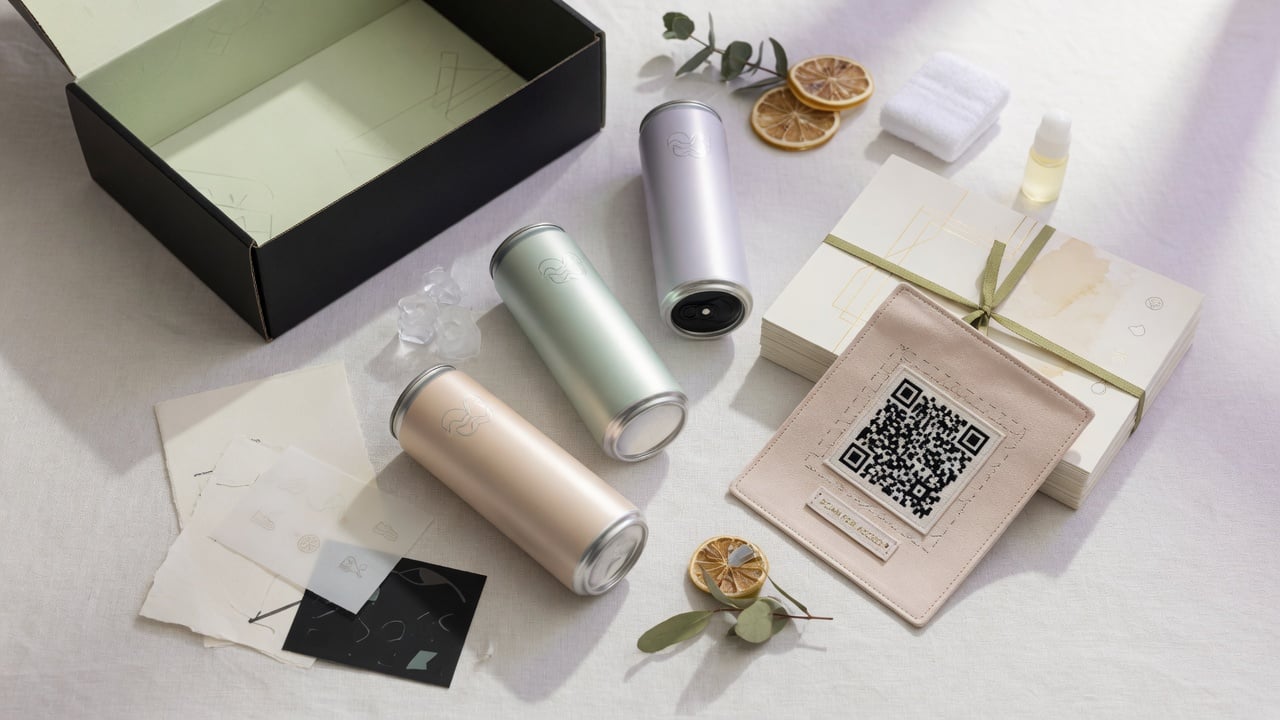
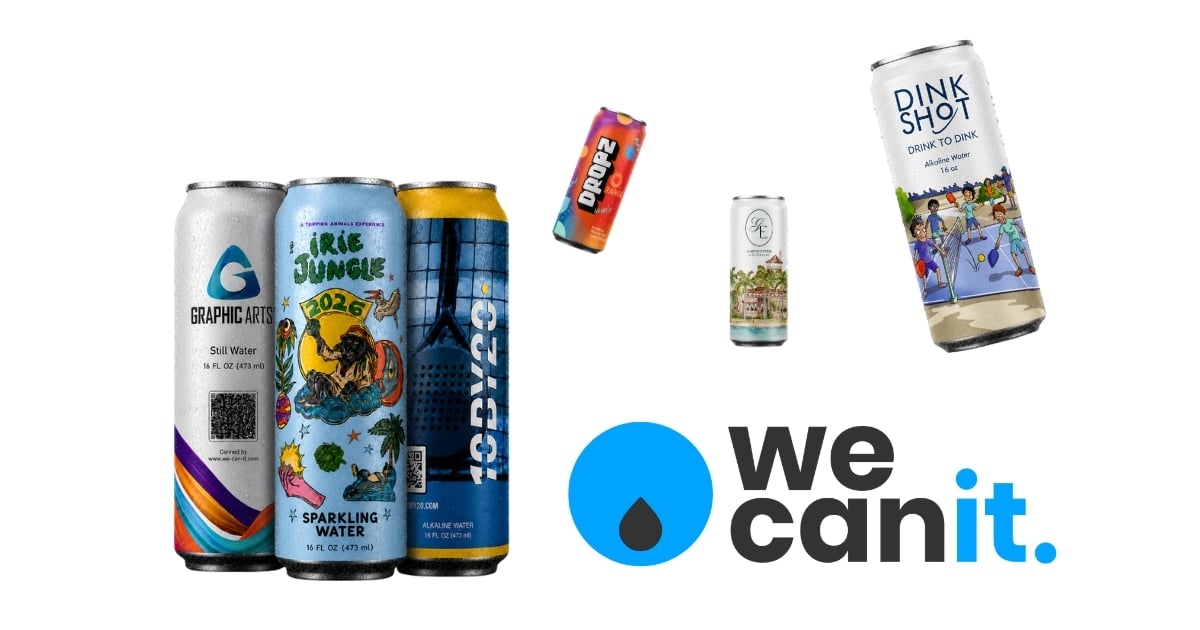
- Design a can with your brand.
- Update storage for cases of 24 cans.
- Add or move recycling bins.
- Brief staff on serving and recycling.
- Update your messaging with honest, specific claims.
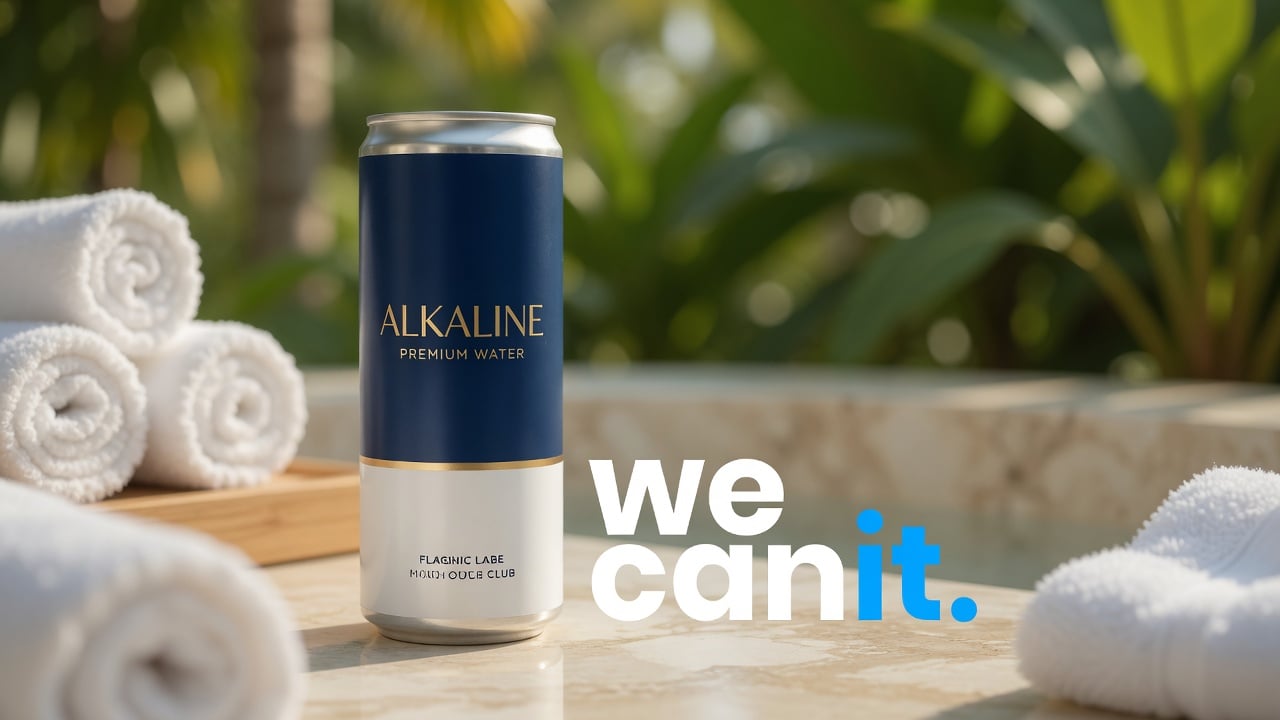
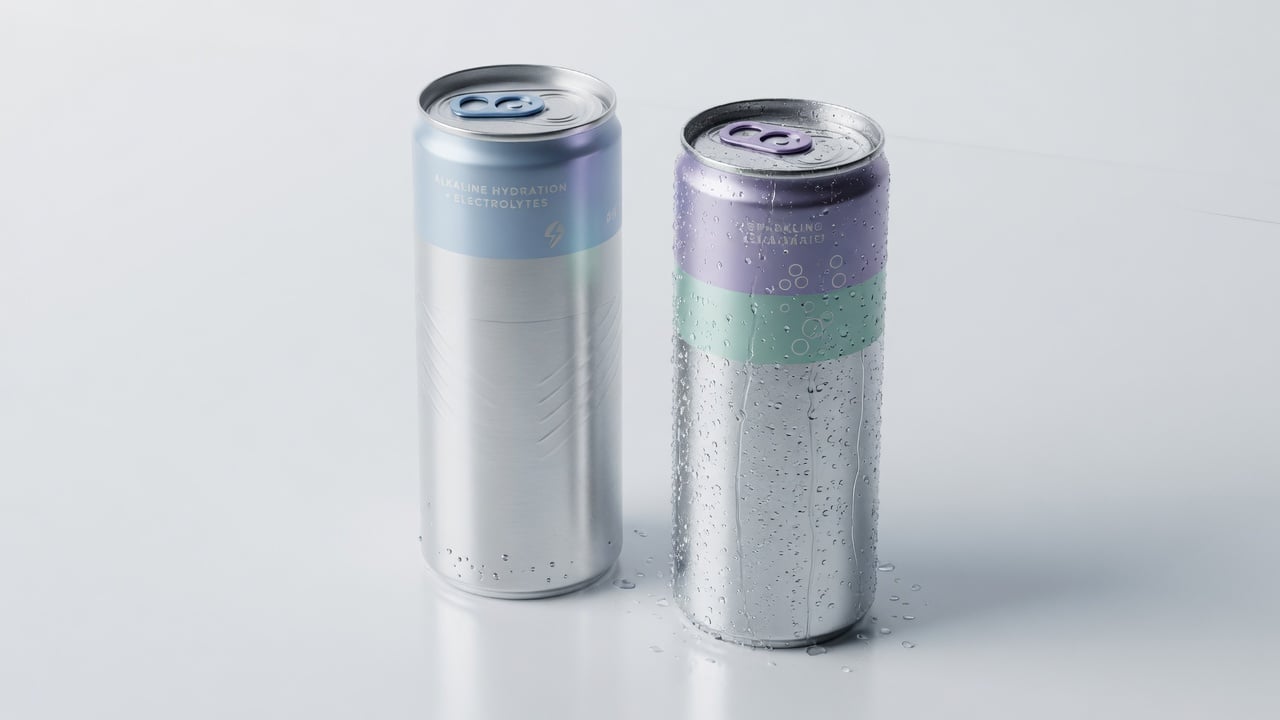
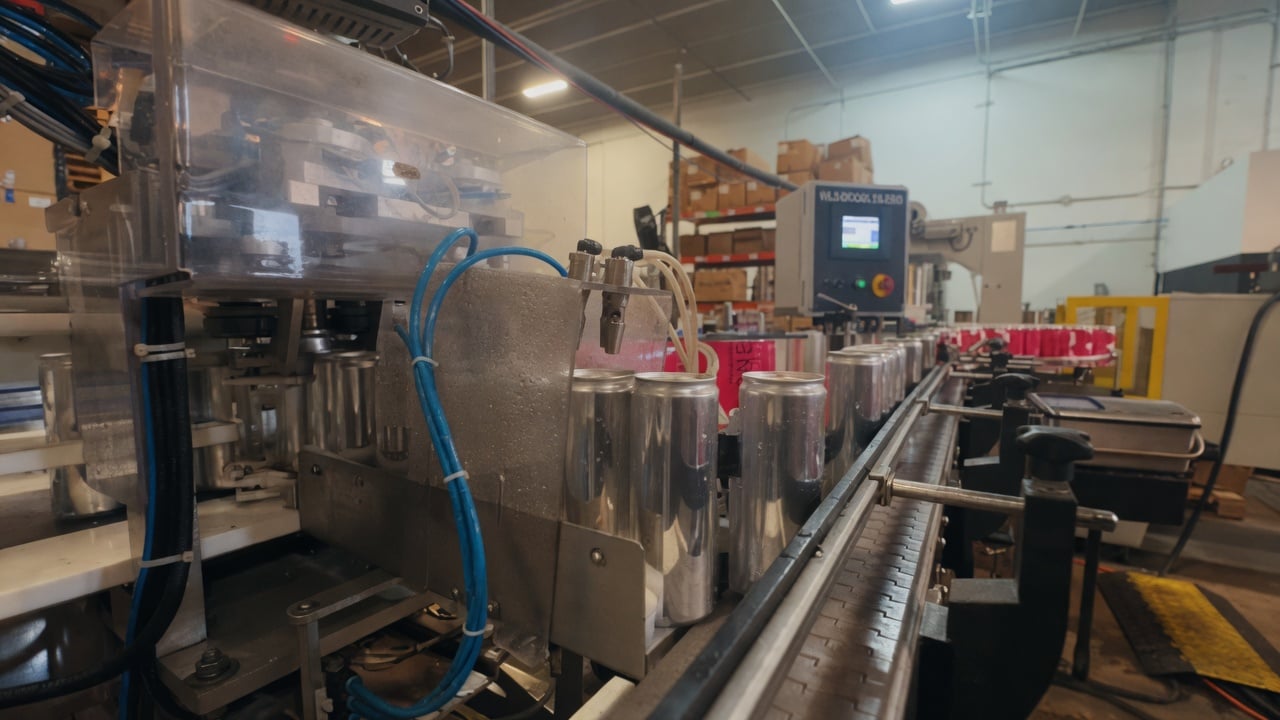
At We Can It, runs start at 21 cases, which is 504 cans, in 12oz Regular, 12oz Sleek, or 16oz, with still, sparkling, or alkaline water. Production takes about 2 to 3 weeks from artwork approval. Our packaging is described on Technology · Packaging.
What does a strong switch story look like?
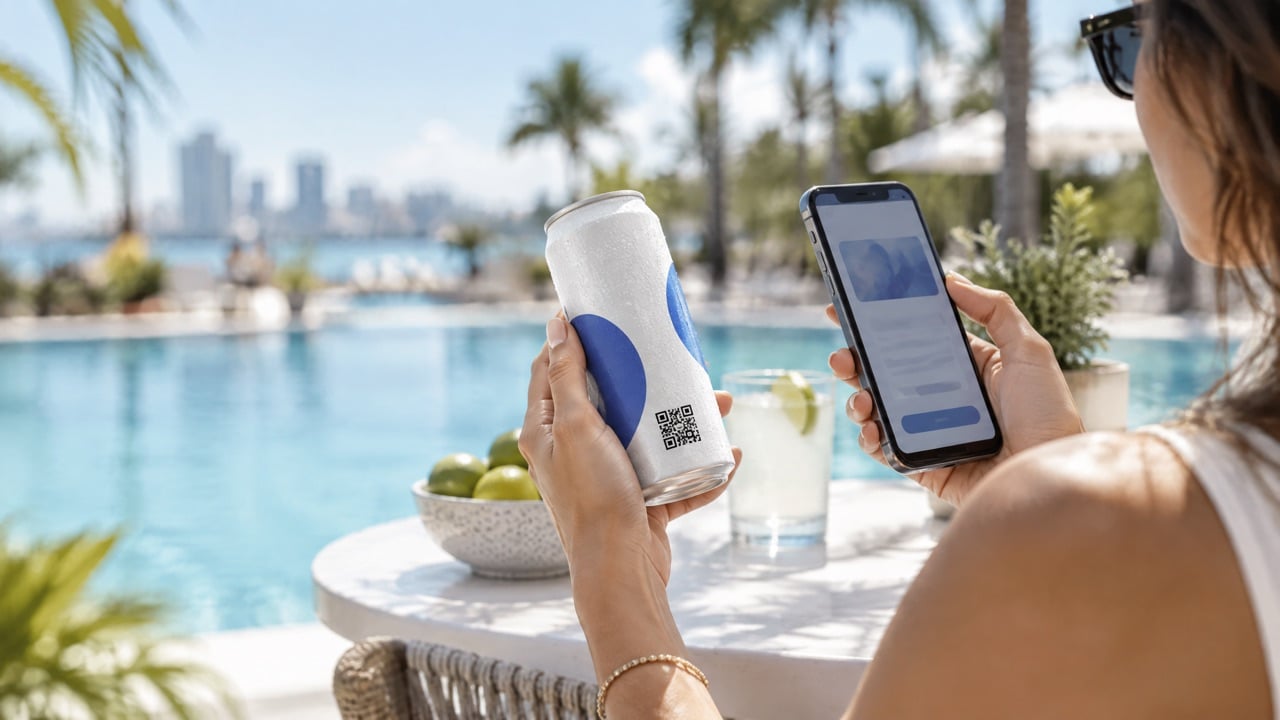
A beach club that served thousands of plastic bottles every summer decides to switch to branded aluminum cans. It designs a can in its colors with "Please recycle" on the back, adds paired trash and recycling bins at every lounger row, and briefs staff to point guests to the bins. On its website, it writes one clear sentence: "This season we replaced single-use plastic bottles with recyclable aluminum cans." It does not claim to be carbon neutral or zero waste. Guests notice the change, appreciate the honest message, and the club has a simple, true story to share.
Aluminum vs PET decision checklist
- List where and how your water will be served.
- Check local recycling for both materials.
- Consider breakage, chilling, and branding needs.
- Decide on resealing needs.
- Use current, named sources for any statistics.
- Write specific, honest claims.
- Plan recycling at every serving point.
Frequently asked questions
Are aluminum cans better than plastic bottles for recycling?
Aluminum cans are widely recyclable and aluminum can be recycled repeatedly without losing quality, often back into new cans. PET is also recyclable but is often made into other products. Local systems affect results.
What is PET plastic?
Polyethylene terephthalate, the clear, light plastic used for most single-use water bottles, usually marked with the number 1 recycling symbol.
Can aluminum be recycled forever?
Aluminum can be recycled again and again without losing its quality, which is why recycled cans can become new cans.
What sustainability claims can I put on a water can?
Specific, accurate claims such as "Packaged in recyclable aluminum" and "Please recycle." Avoid vague or absolute claims without strong evidence.
Should I quote recycling rates on my packaging?
Only with a current figure from a recognized source, named and dated. Rates vary by region and year.
What is the minimum order for aluminum water cans?
We Can It starts at 21 cases, which is 504 cans, with about 2 to 3 weeks of production after artwork approval.
Get a quote to switch to recyclable aluminum water cans
Tell us where you serve water today and a product advisor will help you plan the switch.