Pre-Construction Sales Galleries: QR Water That Captures Buyer Interest
Condo developers spend millions on a pre-construction sales gallery, then lose track of who walked through. Here is how a QR code on the welcome can feeds the sales team brochure downloads, floor plan interest and broker referrals, so every gallery visit becomes a follow-up.
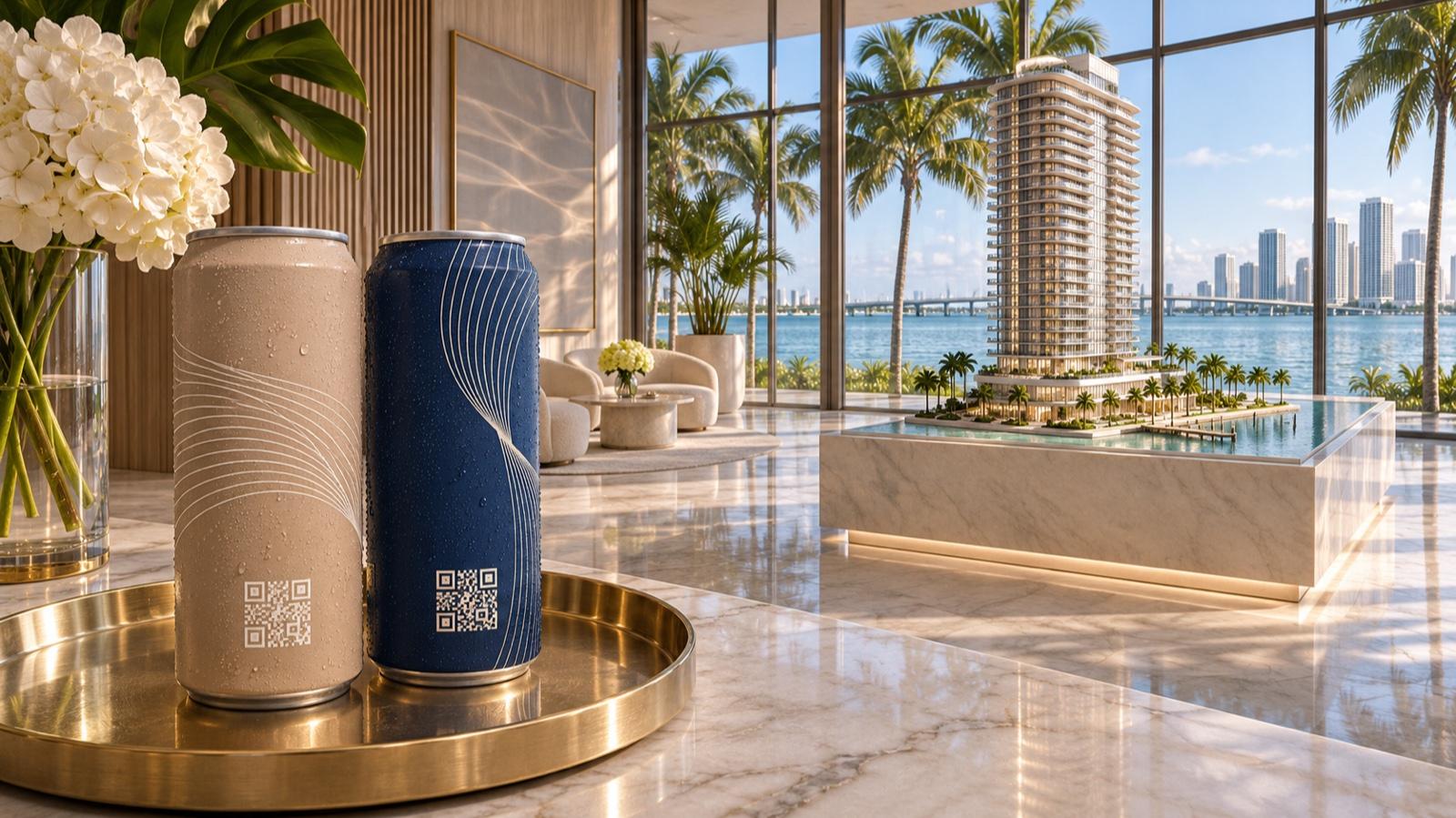
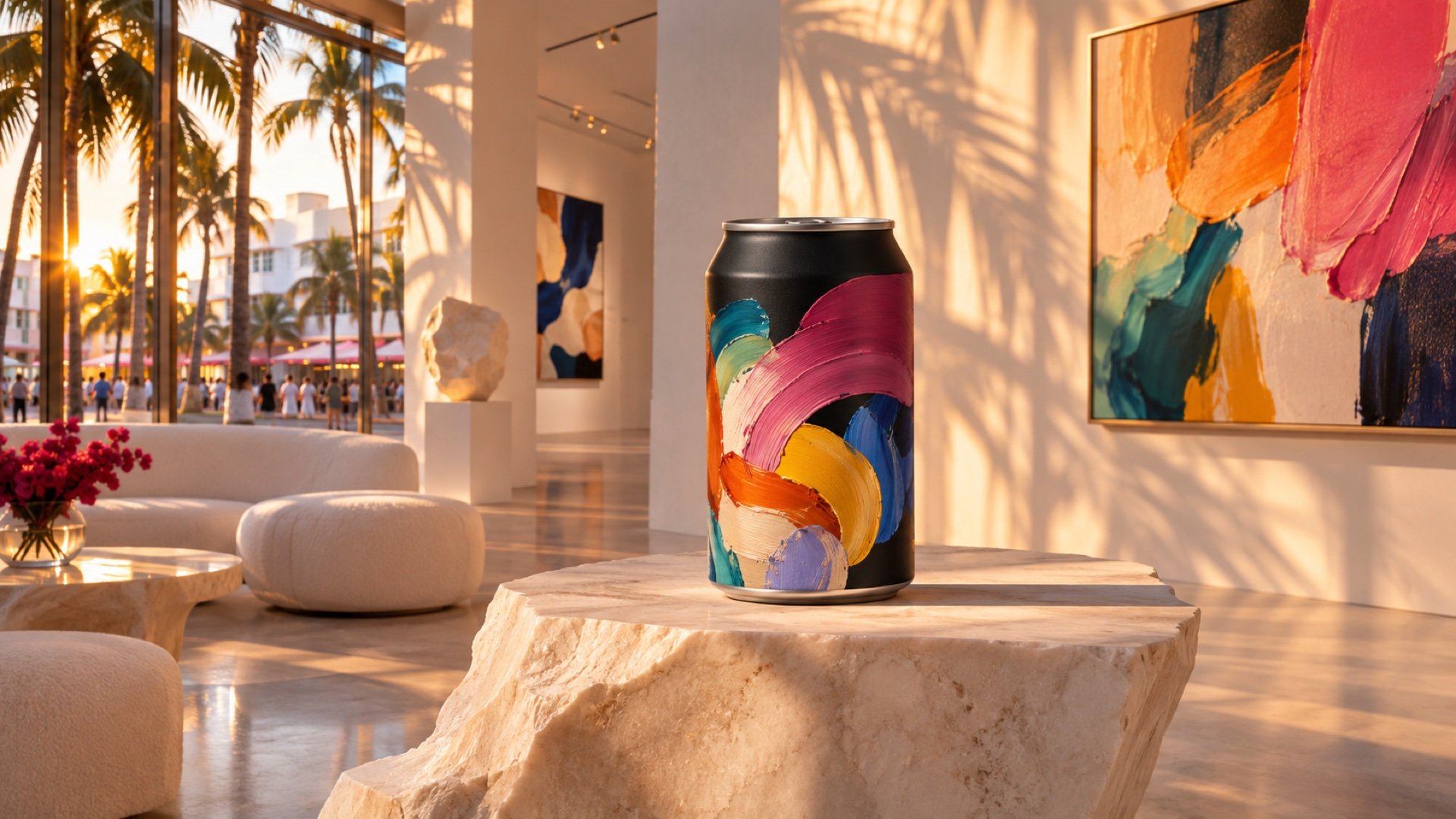
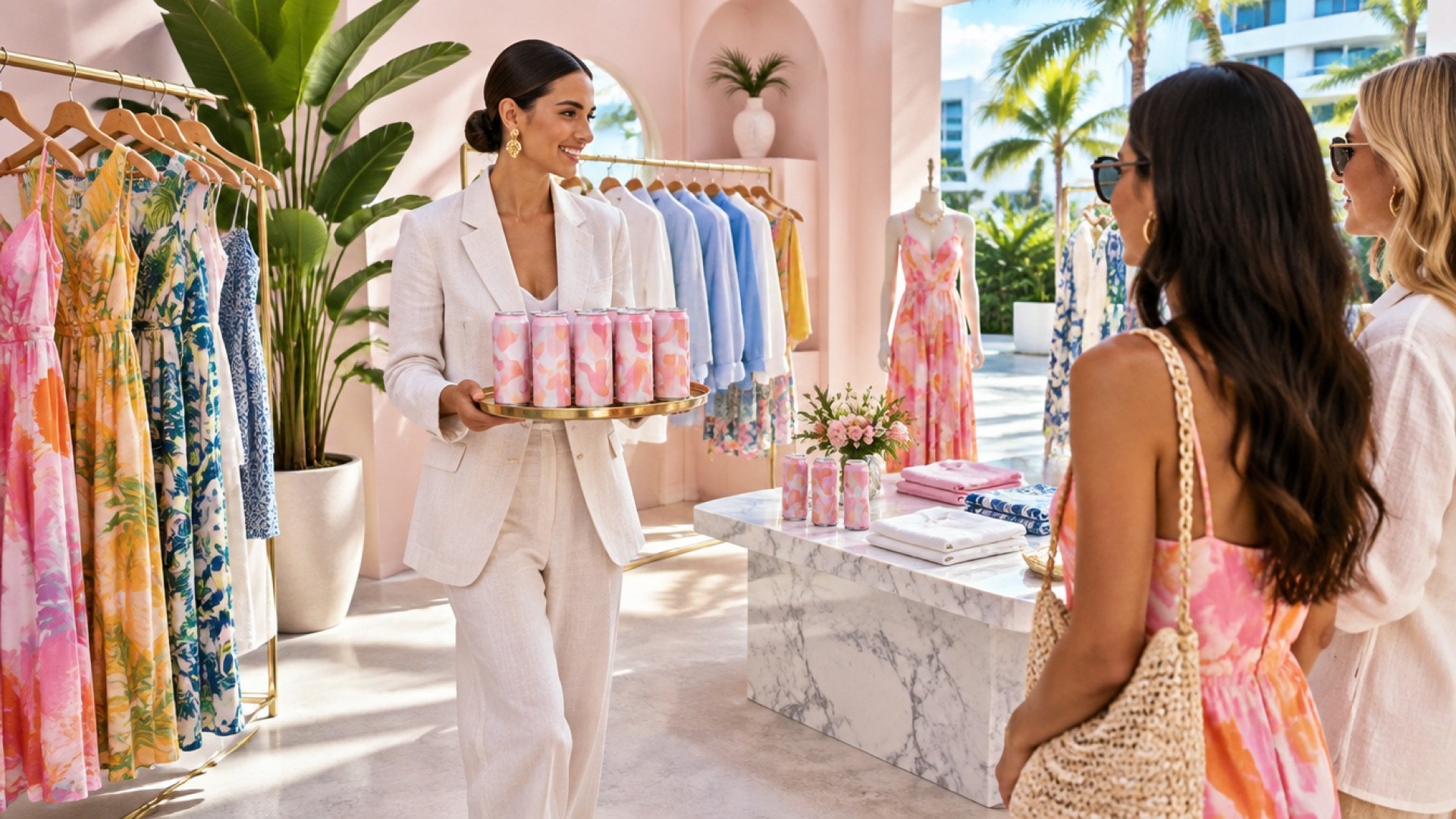
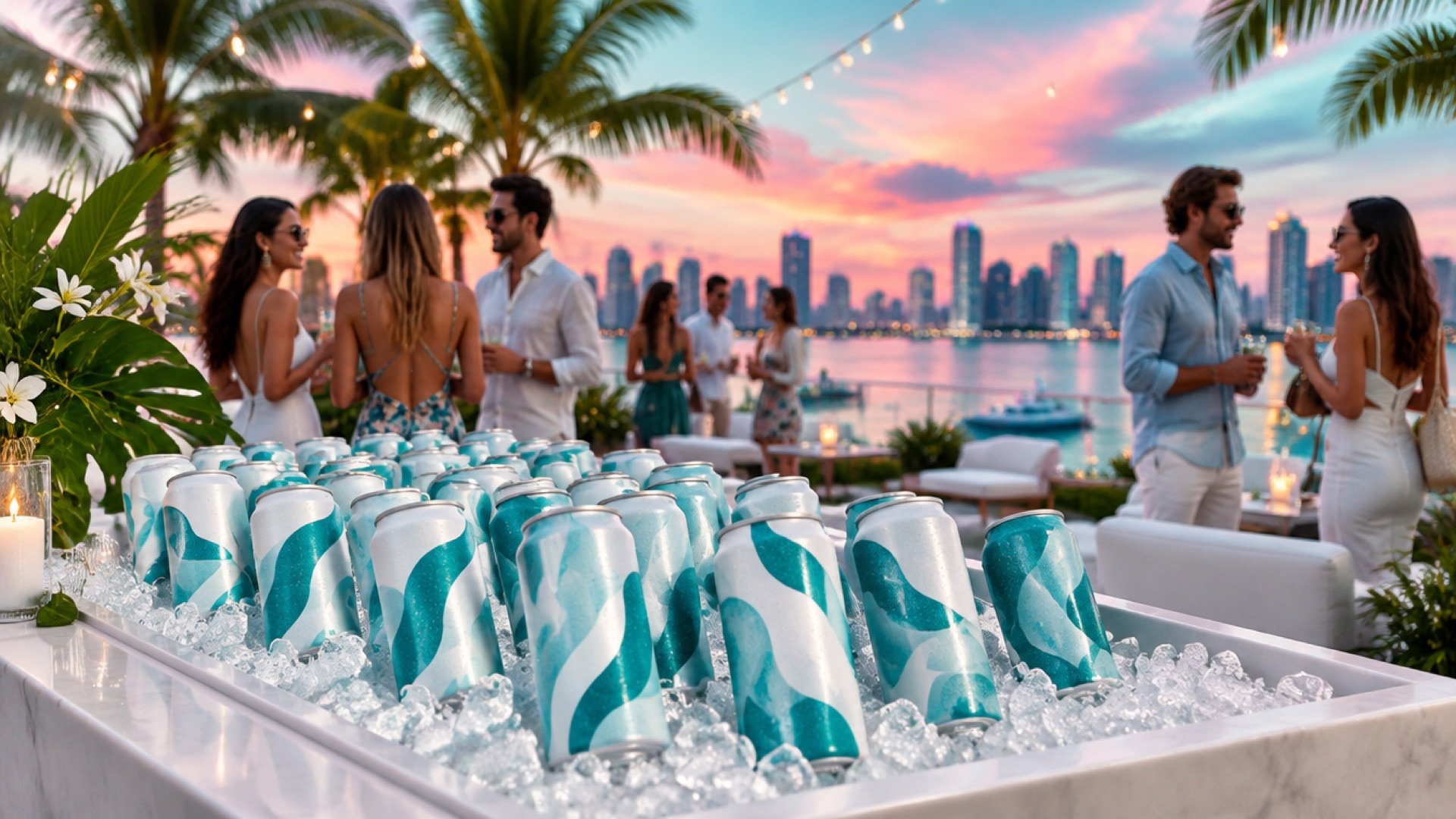
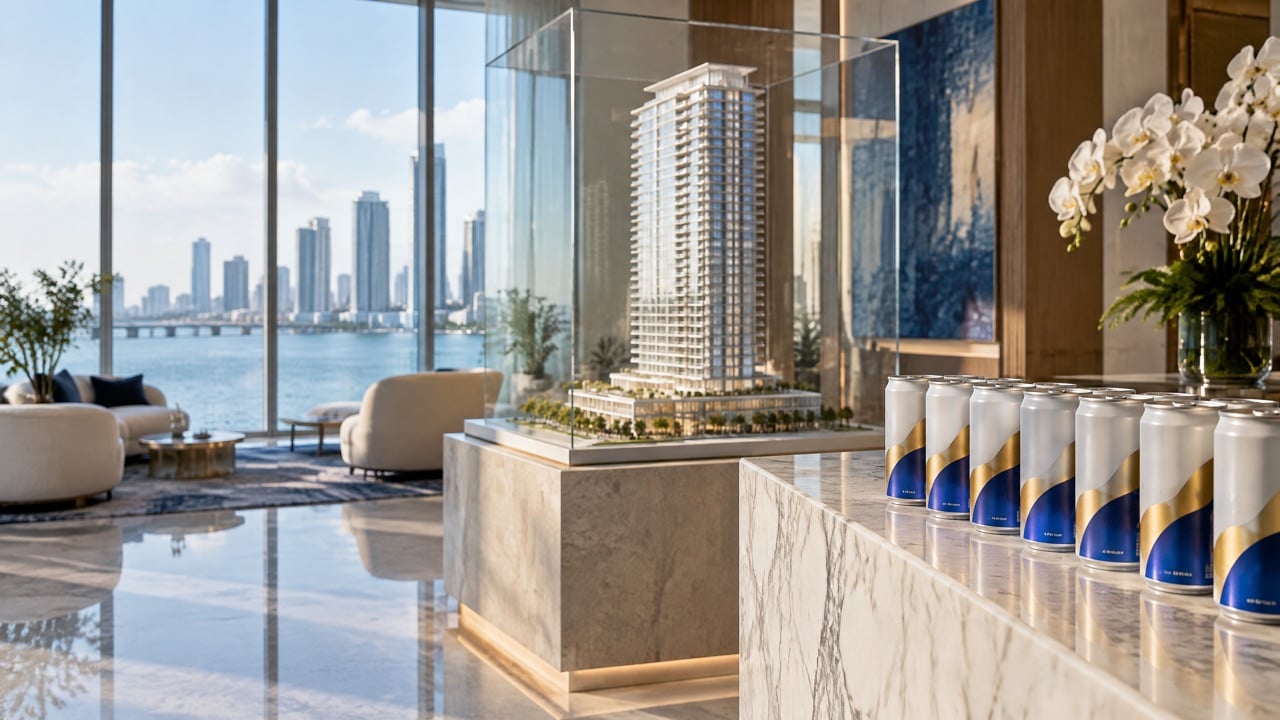
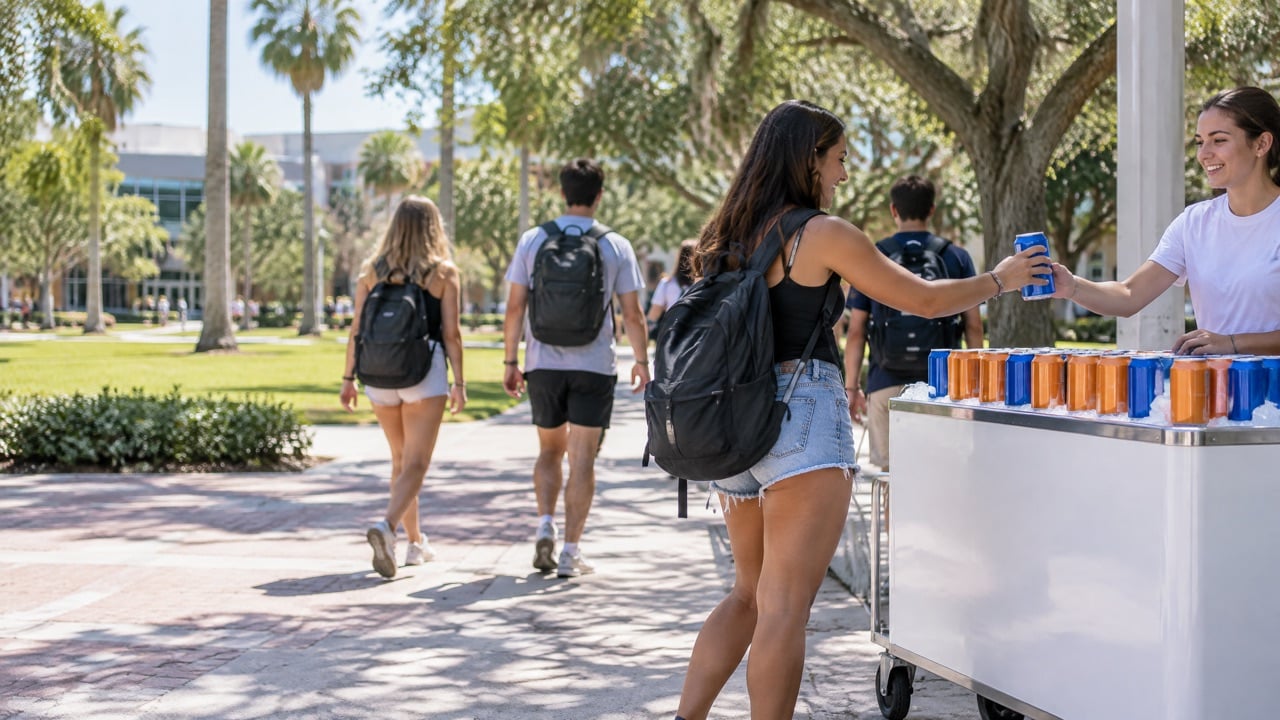
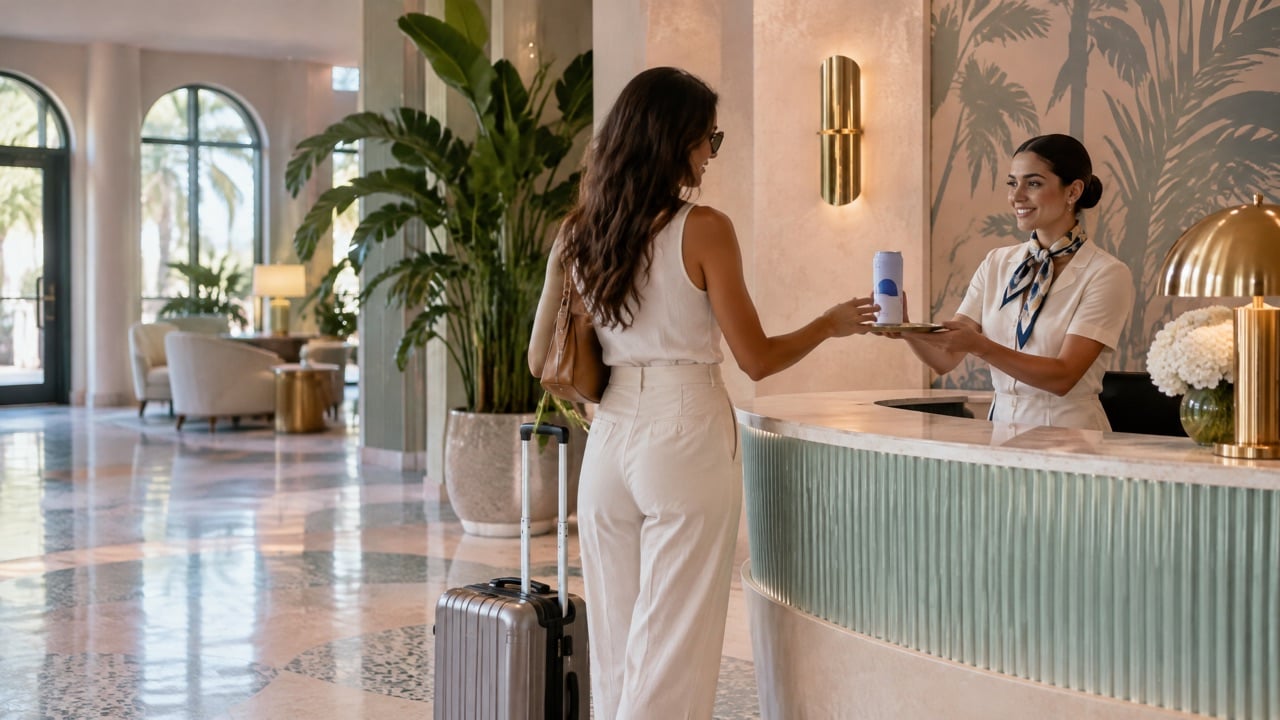
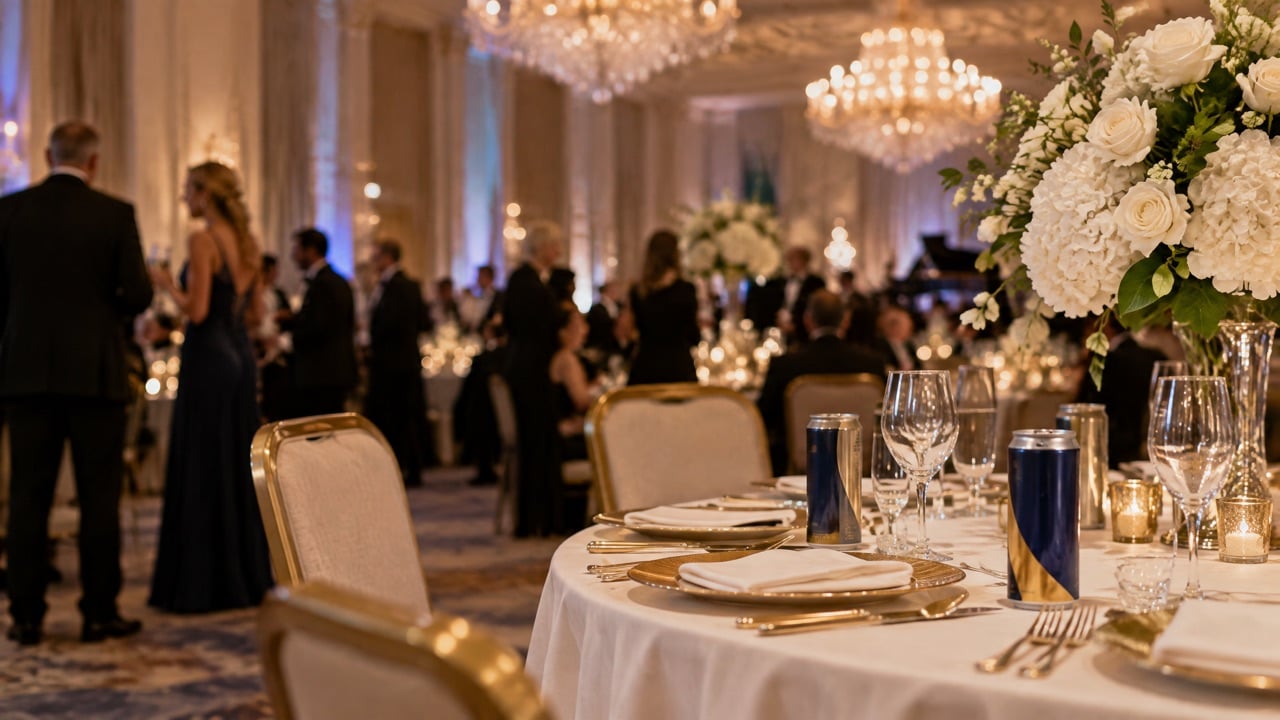
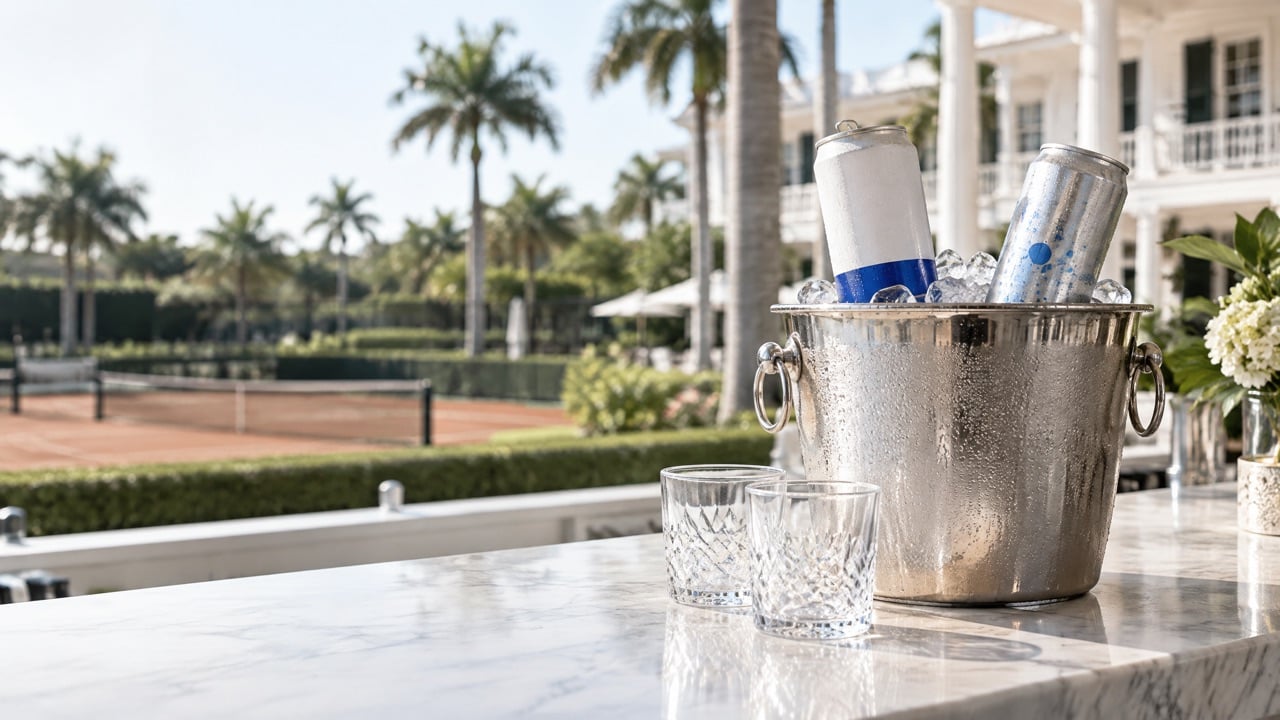
It is Saturday afternoon at a waterfront condo sales gallery in Miami. A couple walks in, a sales associate hands them a chilled can with the tower's design on it, and they spend forty minutes at the scale model, in the model kitchen and on the terrace view. They take a brochure, say they will think about it and leave. On Monday, the sales director asks a simple question: "Which residences were they interested in?" Nobody remembers for sure.
Pre-construction sales galleries are some of the most expensive marketing rooms in real estate. They include scale models, finish samples, immersive screens and a full hospitality experience. Yet many galleries still capture less buyer data than a simple landing page. This guide shows how developers and marketing directors use a QR code on a branded water can to turn gallery visits into useful information and timely follow-ups.
What is a real estate sales gallery?
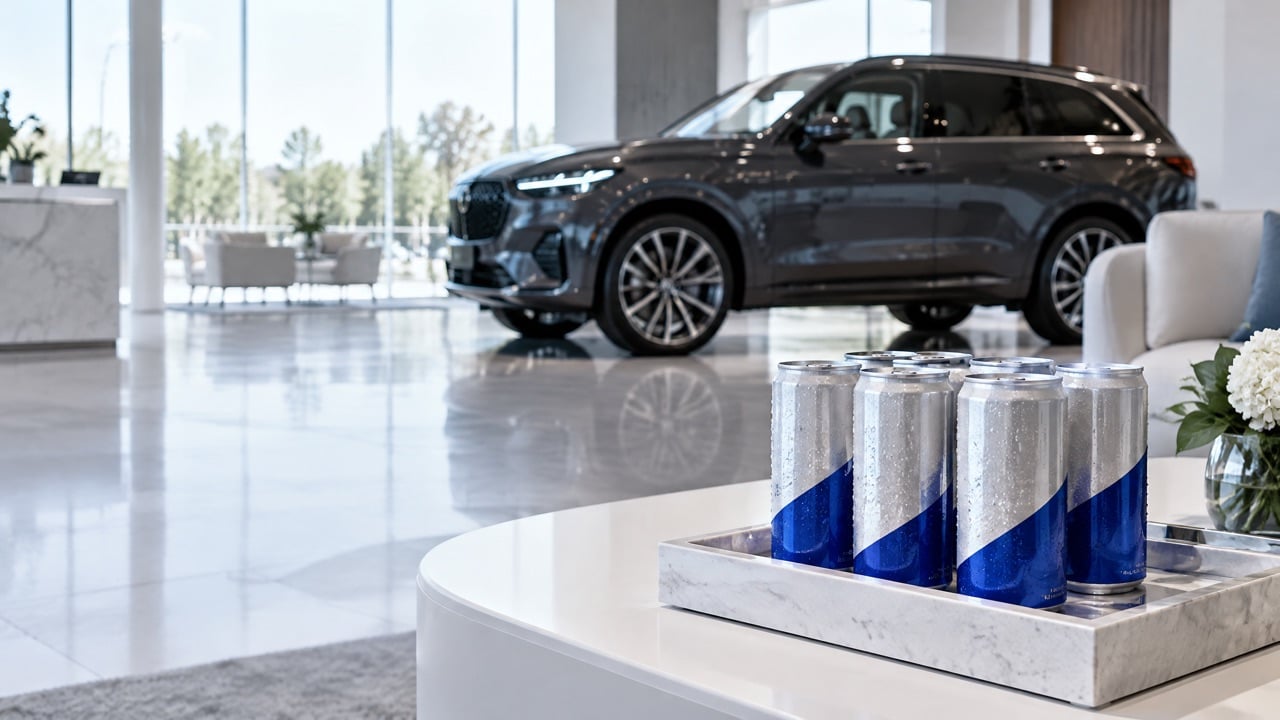
A real estate sales gallery, also called a sales center, is a designed space where developers sell residences before the building is finished. Since buyers cannot tour the real units, the gallery shows the project through scale models, model rooms, finish boards, views and digital tours. It is where pre-construction buyers and their brokers form their first real impression.
Because buyers are often deciding on a large purchase, sometimes from overseas, the sales gallery has two jobs: create desire and collect the information the sales team needs to close.
Why do sales galleries lose track of buyer interest?
Most galleries rely on a sign-in sheet or a tablet at reception, plus the sales associate's memory. Buyers skip forms, brokers fill in partial details and the most useful signals (which floor plans, which views, which price range) never get written down. By the time the team follows up, the conversation is generic instead of specific.
Common gaps we hear about from marketing teams:
- Walk-ins who never register at reception.
- Broker-accompanied buyers whose details stay with the broker.
- Interest that is never recorded, such as a buyer who kept going back to the corner residence.
- Brochures that leave the room with no way to know whether anyone opened them later.
- Follow-ups that are too slow or too vague to compete with other projects.
How does a QR water can capture buyer interest?
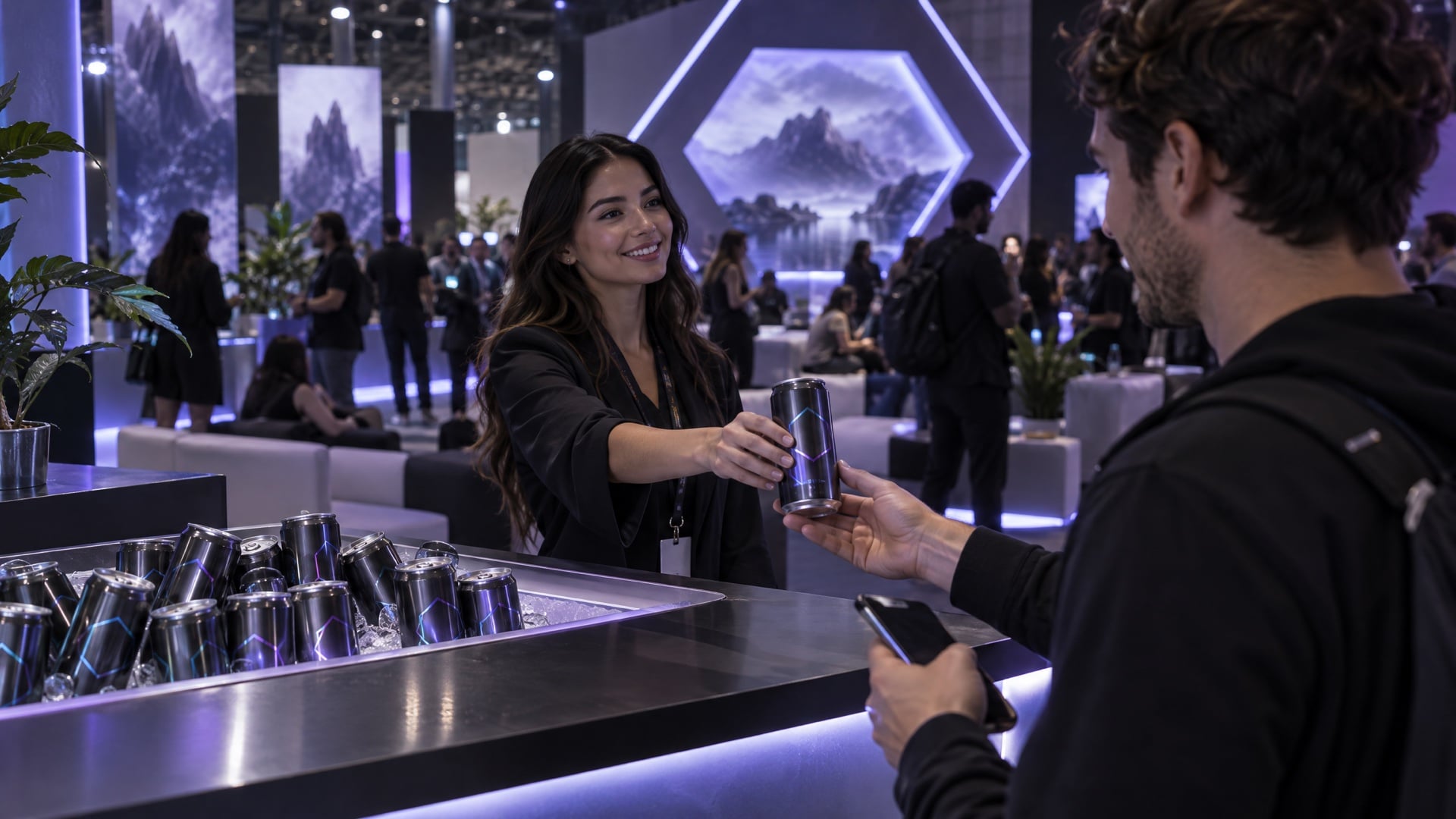
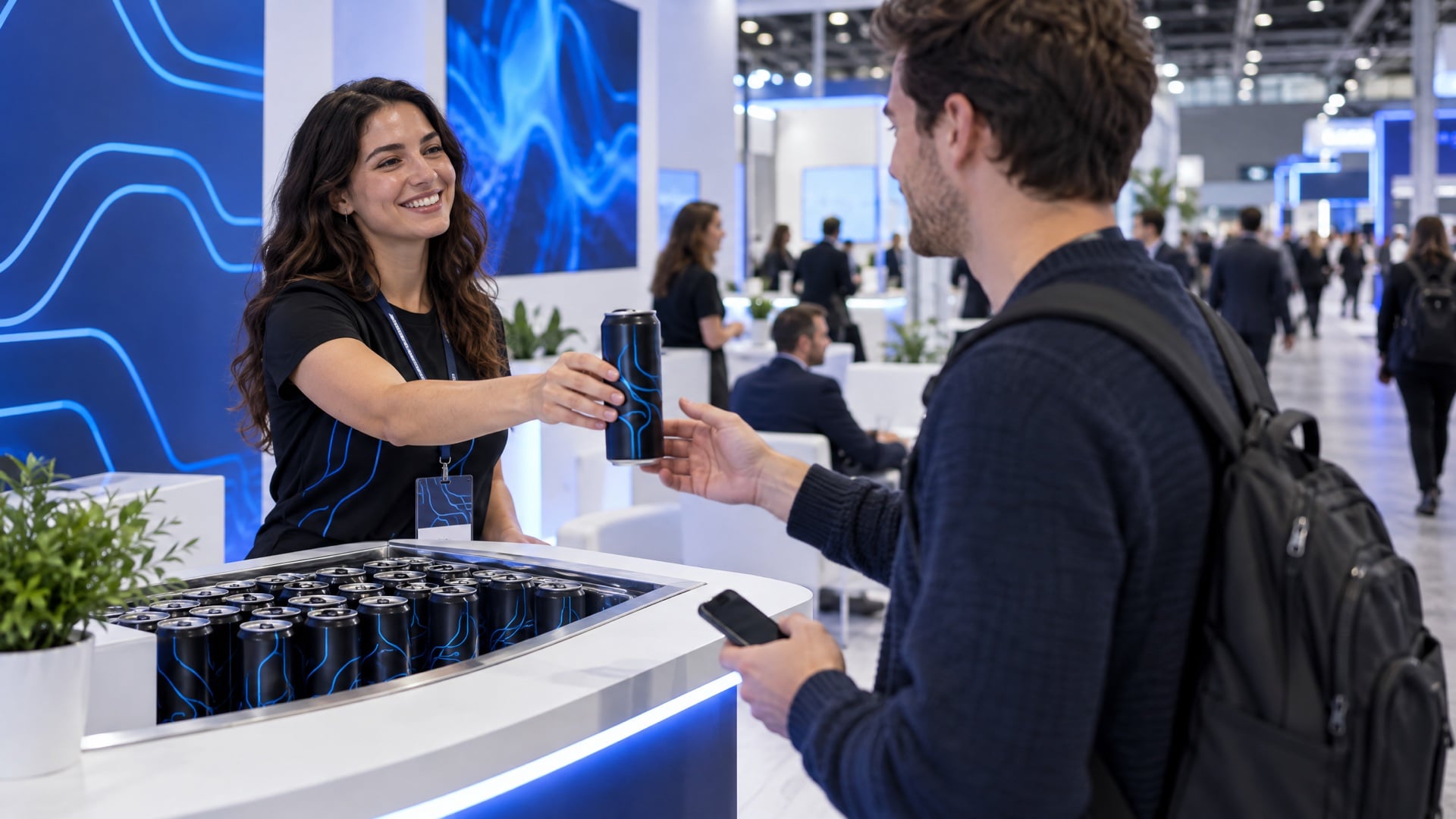
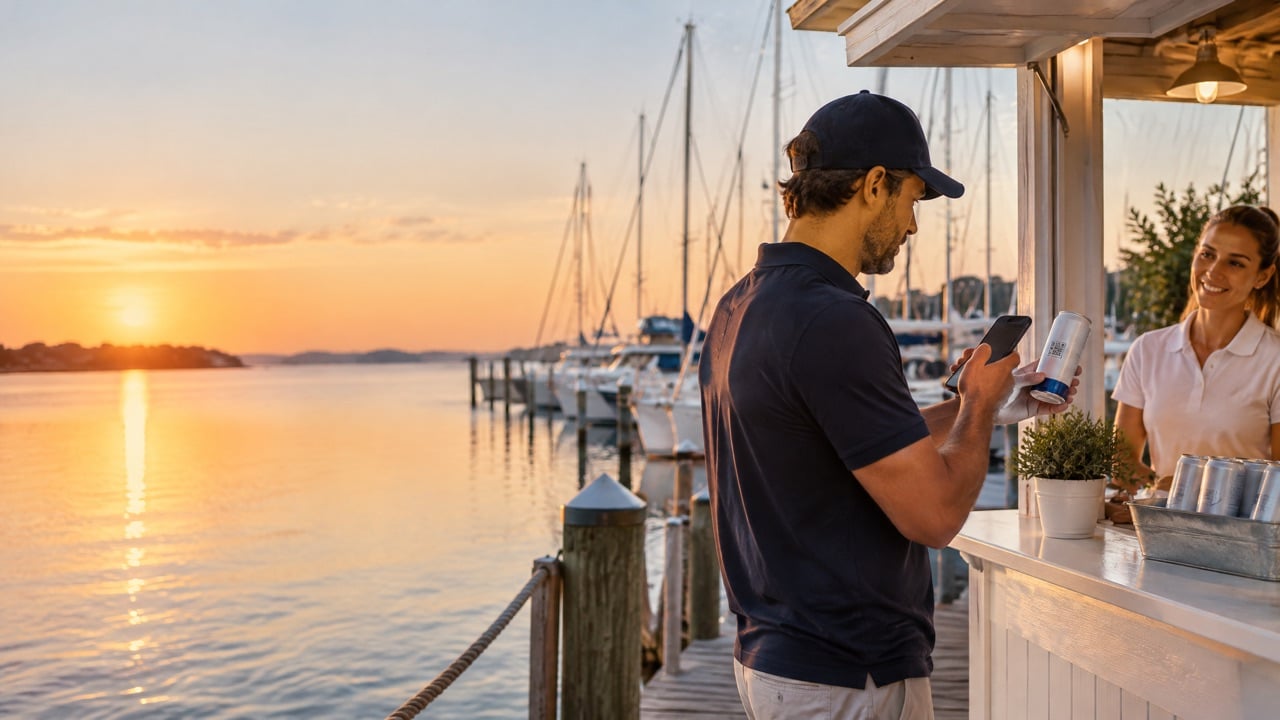
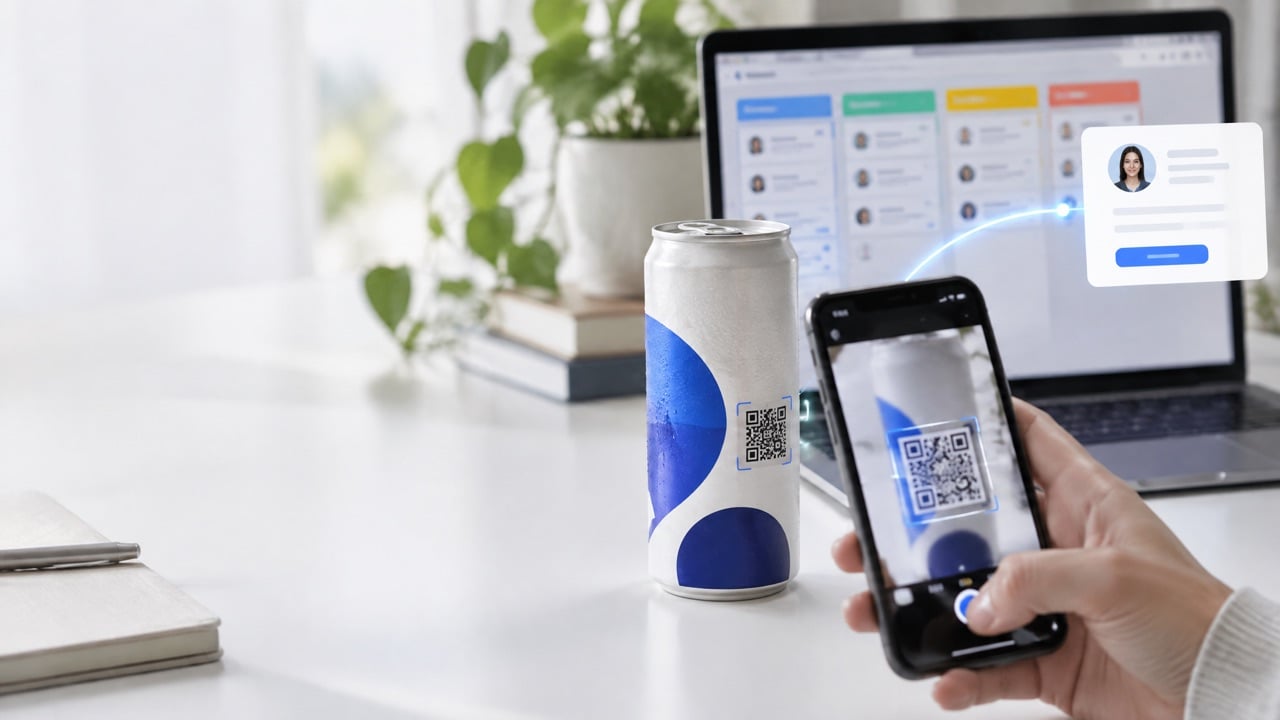
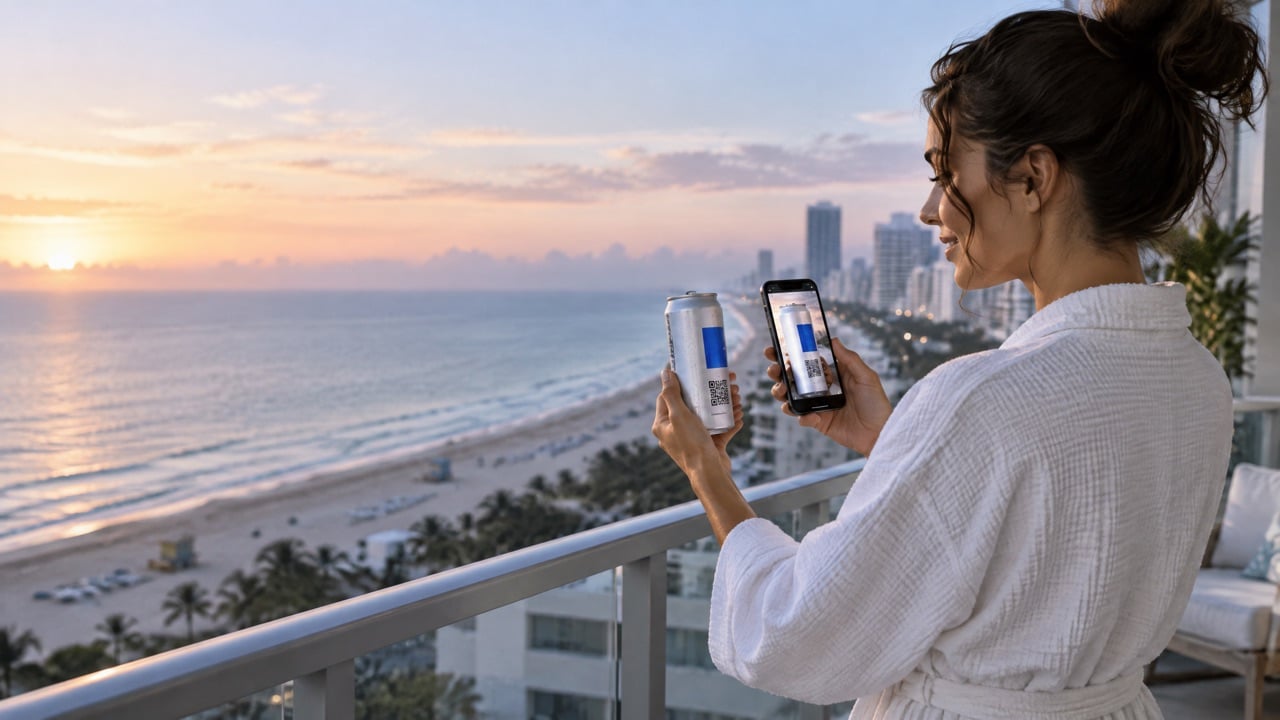
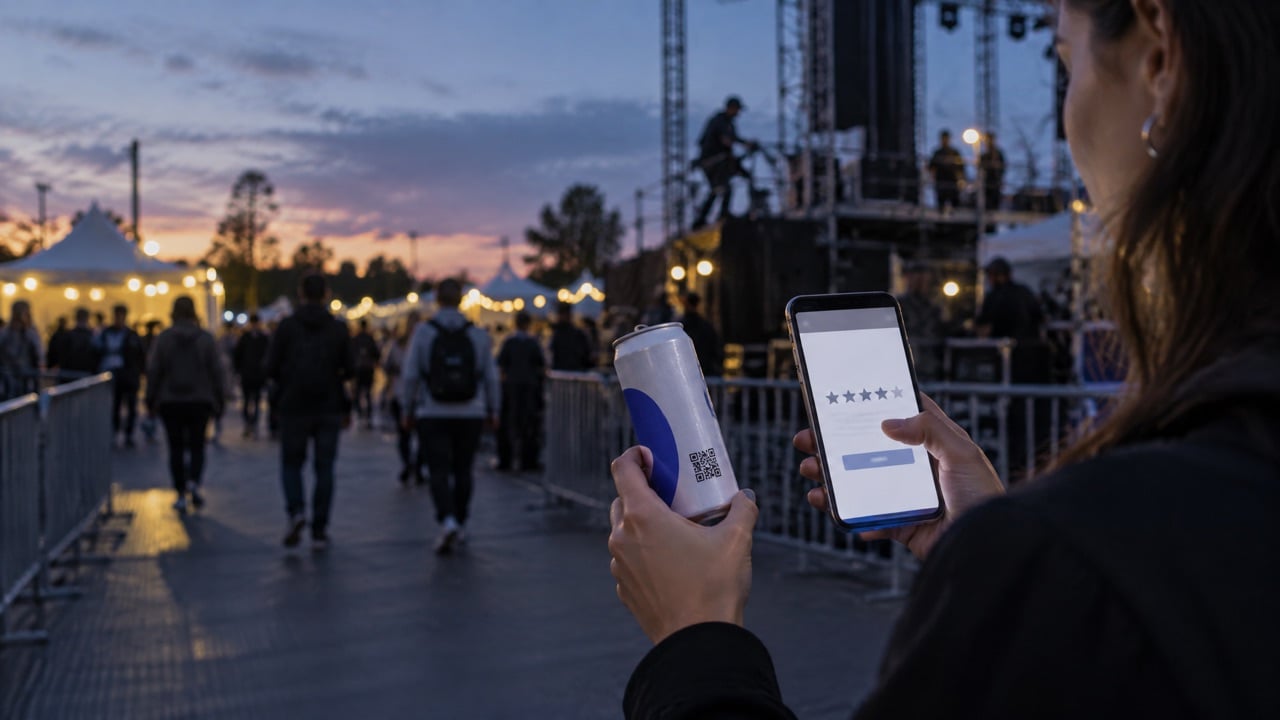
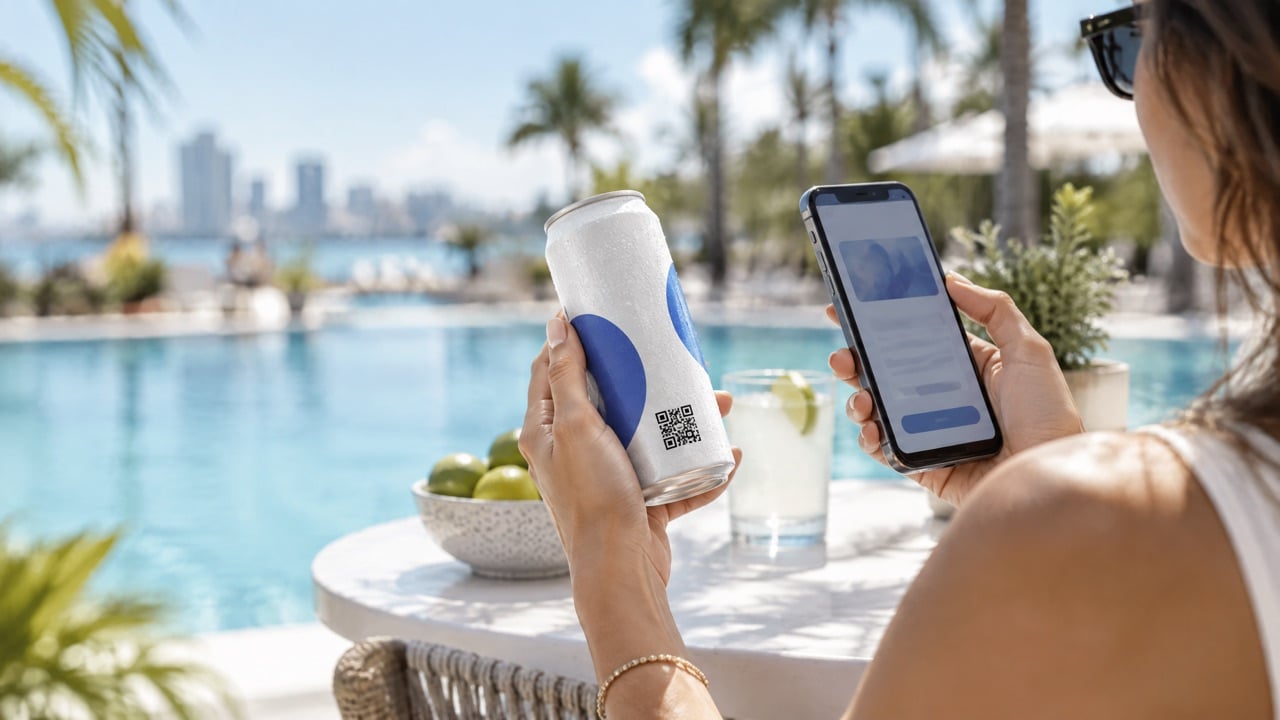
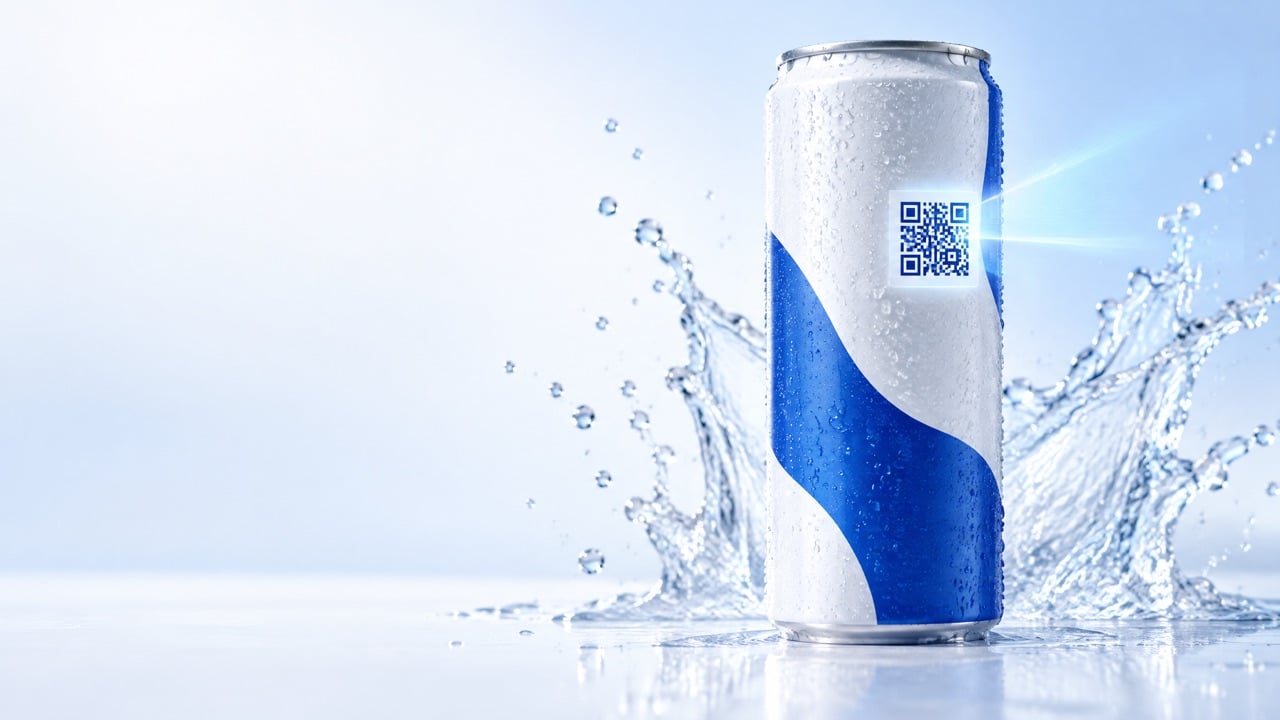
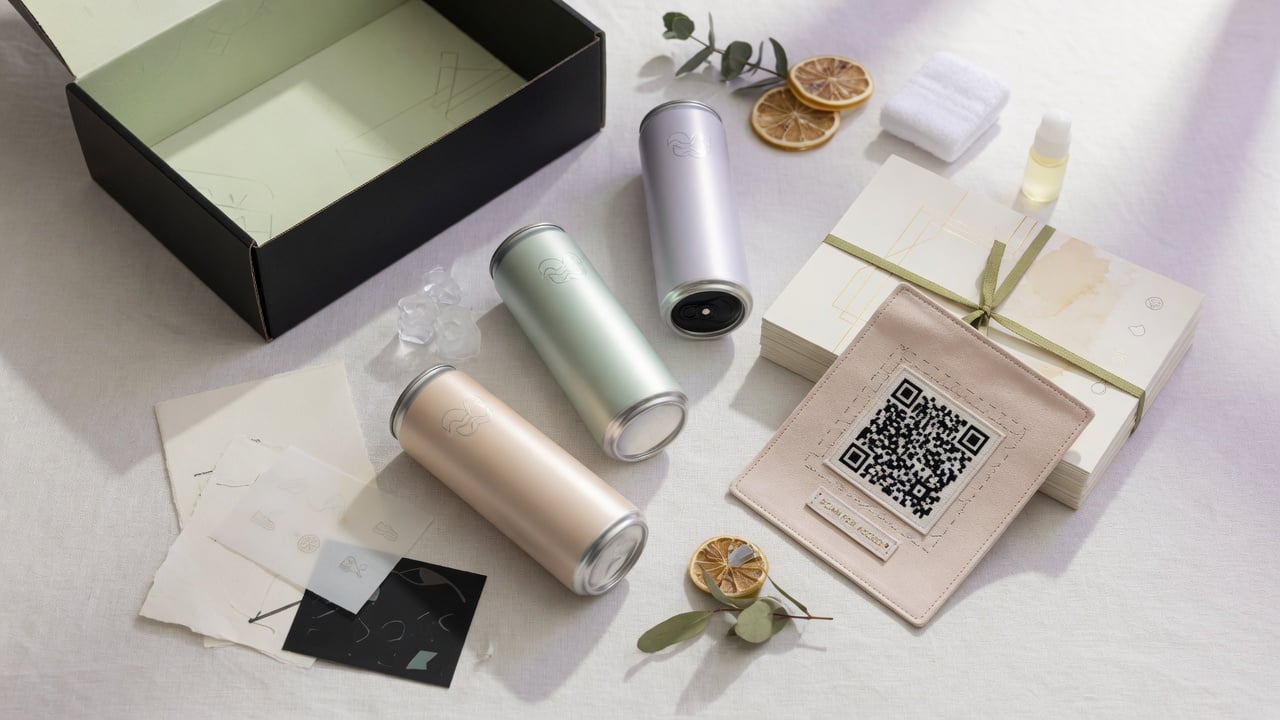
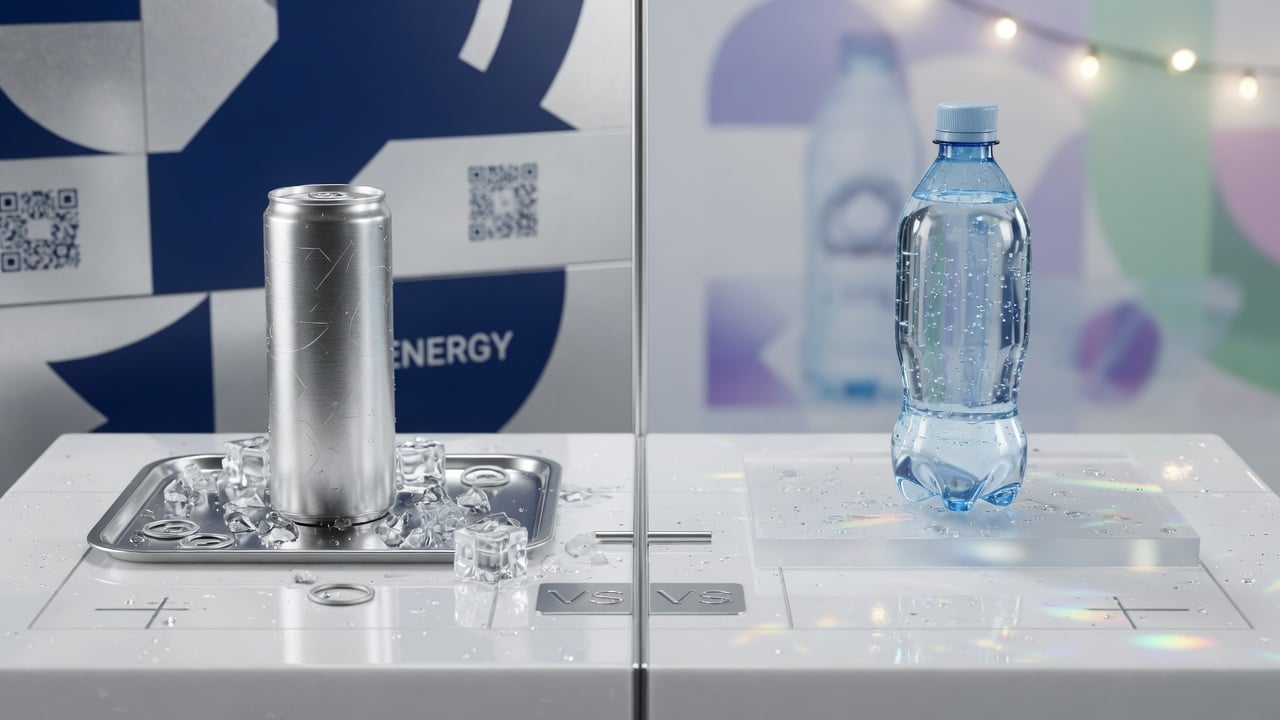
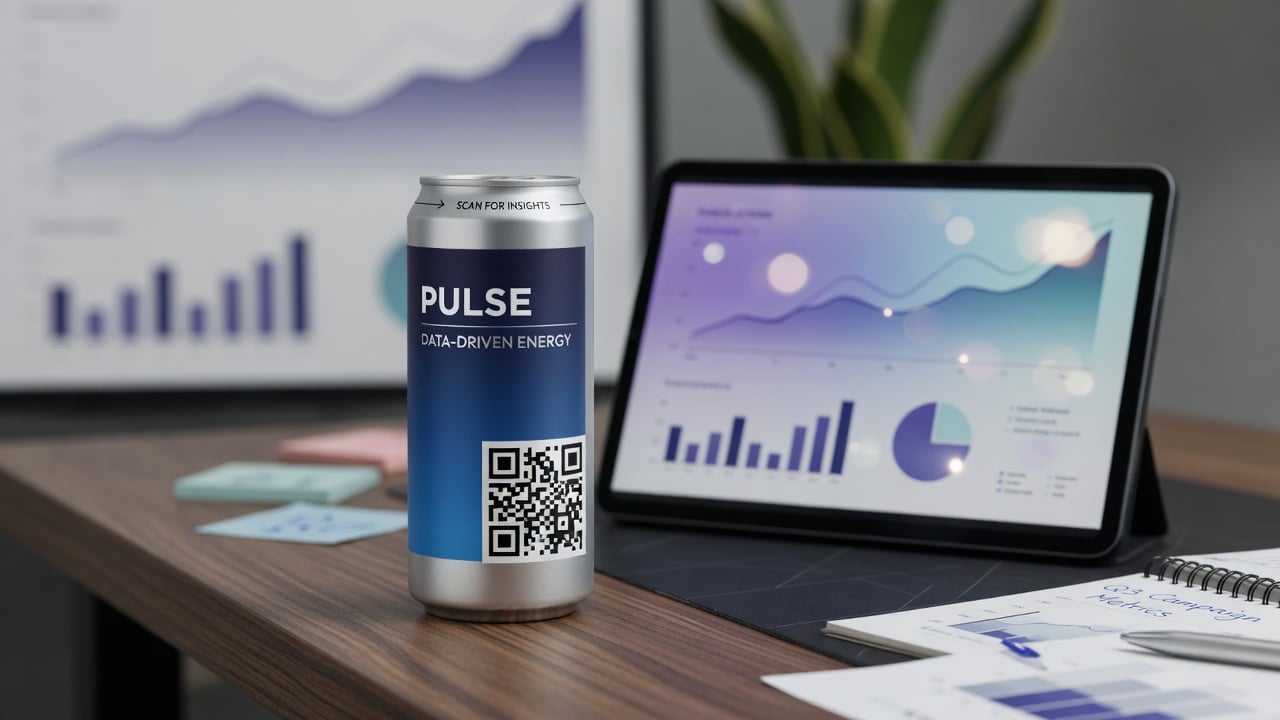
A QR code printed on a branded can opens a mobile page when a guest scans it. In a sales gallery, that page can offer the digital brochure, floor plans, a video tour or a "save my favorite residence" option. Each scan and each choice tells your sales team what the visitor cares about, and gives them a natural reason to follow up.
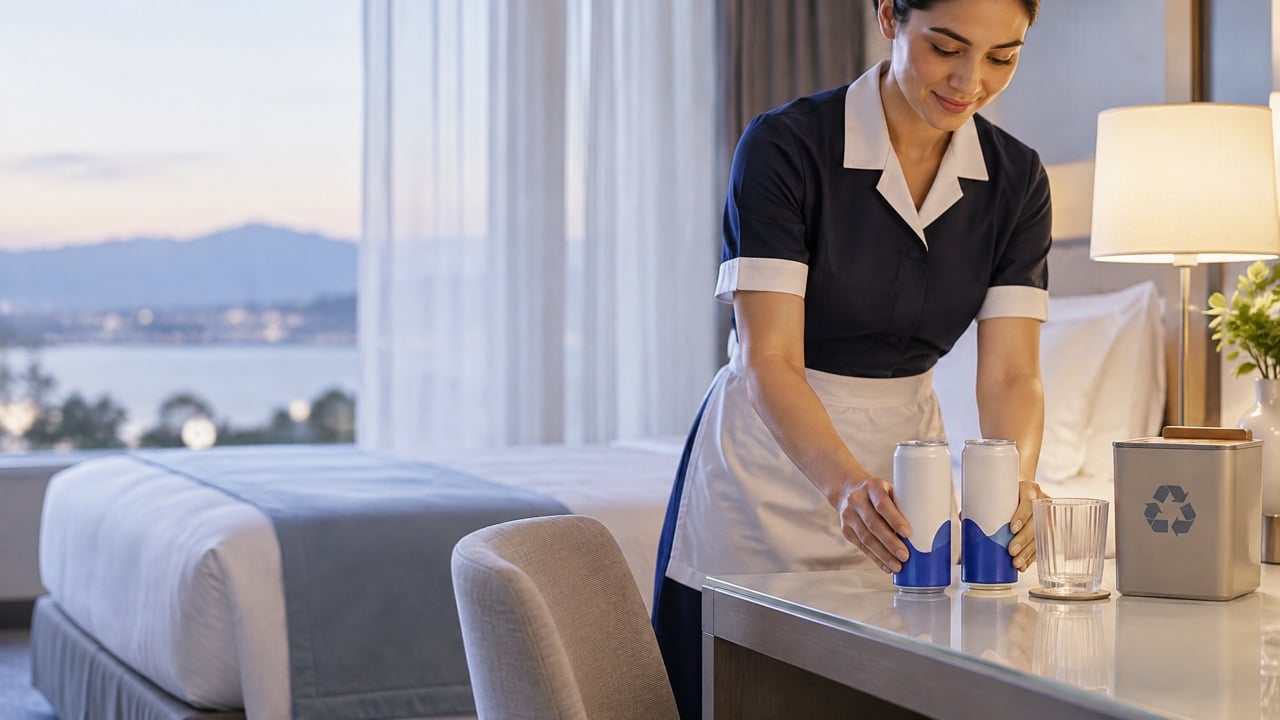
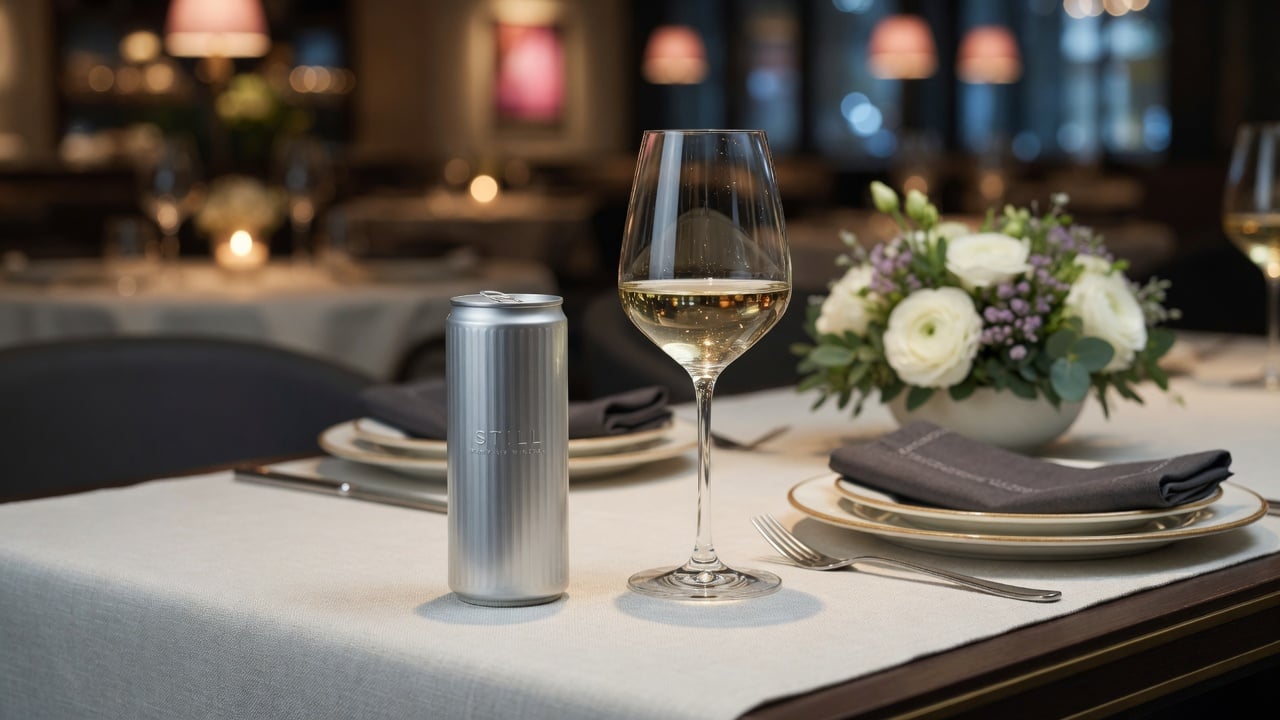
Water works well as the carrier because every visitor is offered something to drink. The can stays in their hand during the tour, often leaves the gallery with them, and can still be scanned after the visit.
What to put behind the QR code
The best QR experiences give the buyer something useful in exchange for a little information. Ideas that fit a pre-construction gallery:
- The digital brochure and floor plans. Let visitors browse residence types and save the ones they like.
- A "send me this floor plan" option. A simple form with name and email or phone, so the buyer receives the plan and your team receives the lead.
- A video tour of the views. Drone footage from the right floor helps buyers picture the residence.
- Broker registration. A fast way for brokers to register their client and protect their commission.
- A request for a private appointment with the sales director.
- Event invitations. Hard hat tours, VIP previews or neighborhood events for registered visitors.
We Can It's Journeys platform is built for exactly this kind of experience. It lets brands build immersive QR experiences behind the can and capture first-party data with the visitor's permission. You can read more about this approach in our guide to branded water with QR codes and first-party data.
What data a developer can learn from QR water
When the experience is set up well, a sales team can see patterns that a sign-in sheet never shows.
- Which residence types and floor plans get the most attention.
- Which brokers bring active buyers.
- Which days and events bring the most engaged visitors.
- Which visitors come back to the digital brochure after their visit.
- Which questions buyers ask most often, such as parking, amenities or delivery dates.
This is market research as much as lead capture. If the two-bedroom plans get far more saves than the one-bedrooms, that can shape pricing, release strategy and ad spend. Always explain clearly what you collect and why, and follow the privacy rules that apply to your marketing.
How to design the gallery can
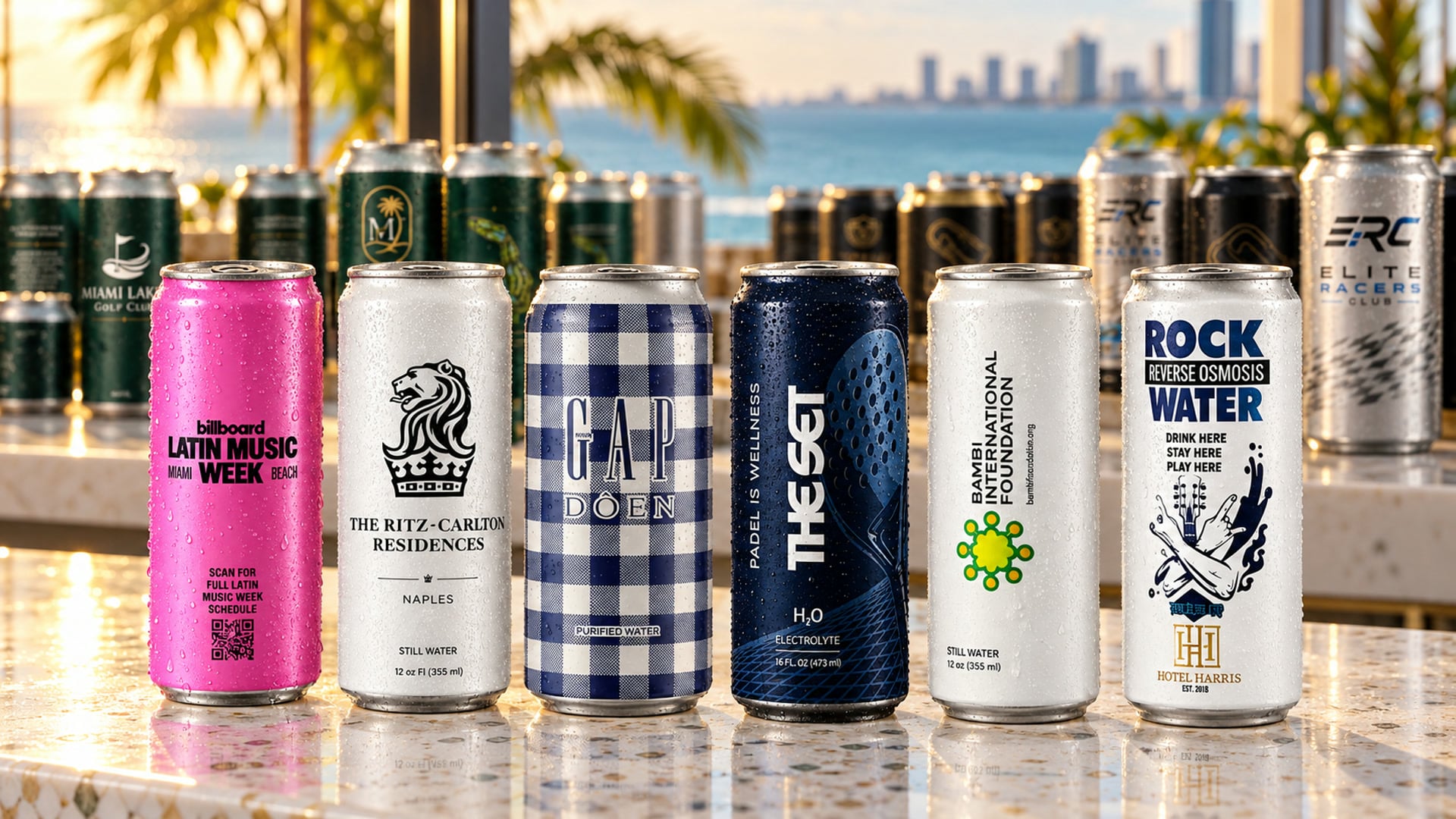
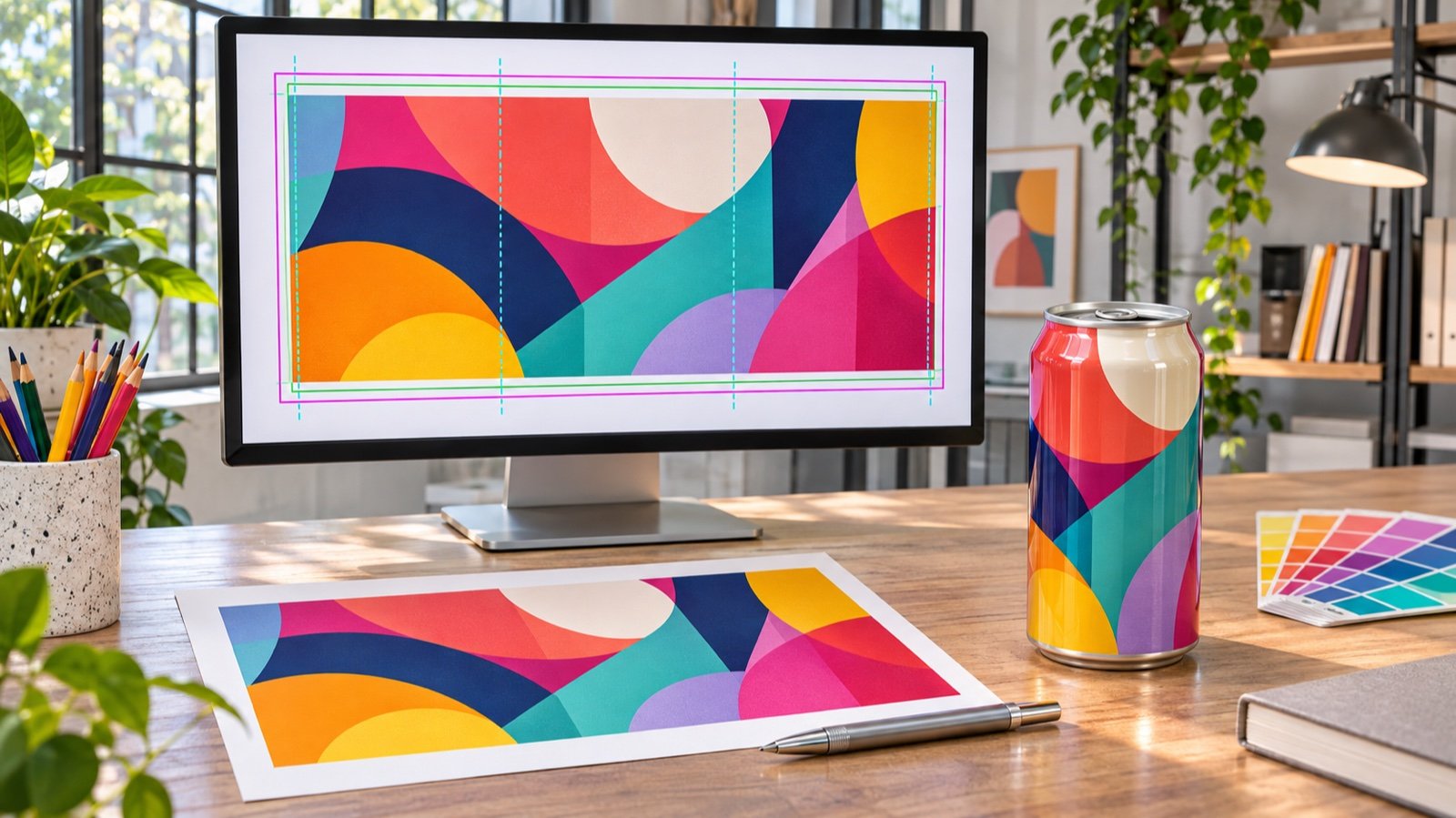
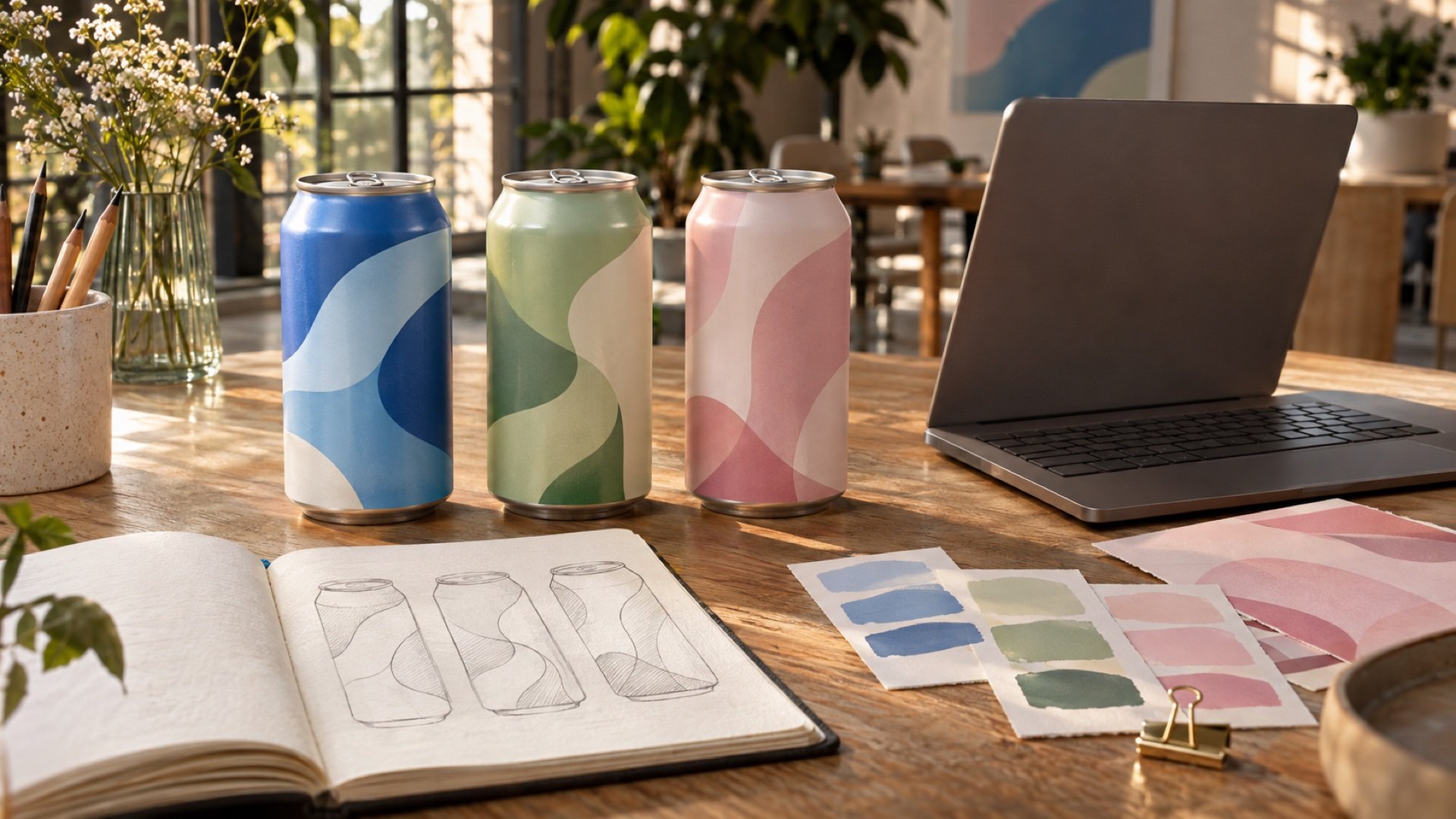
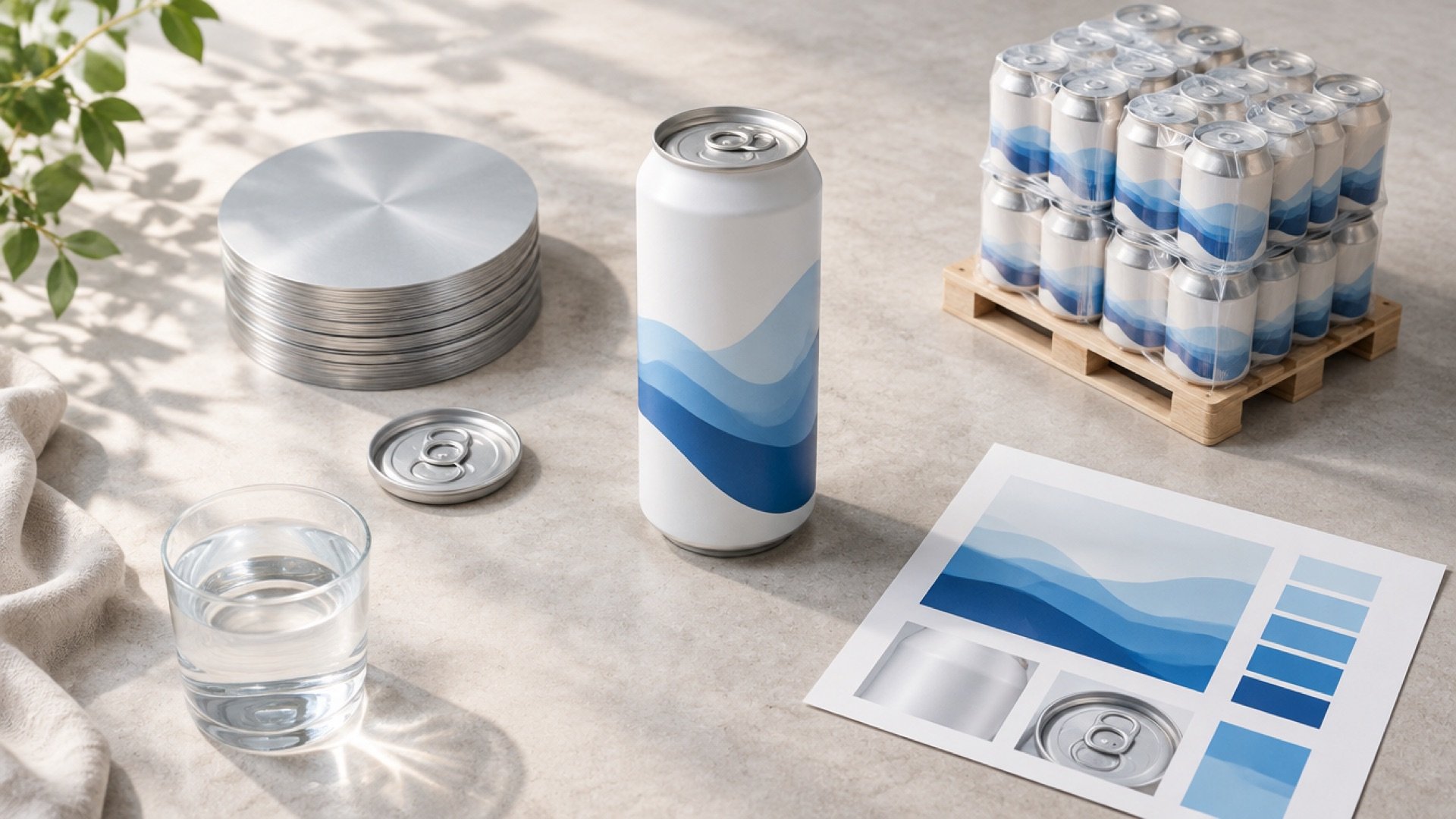
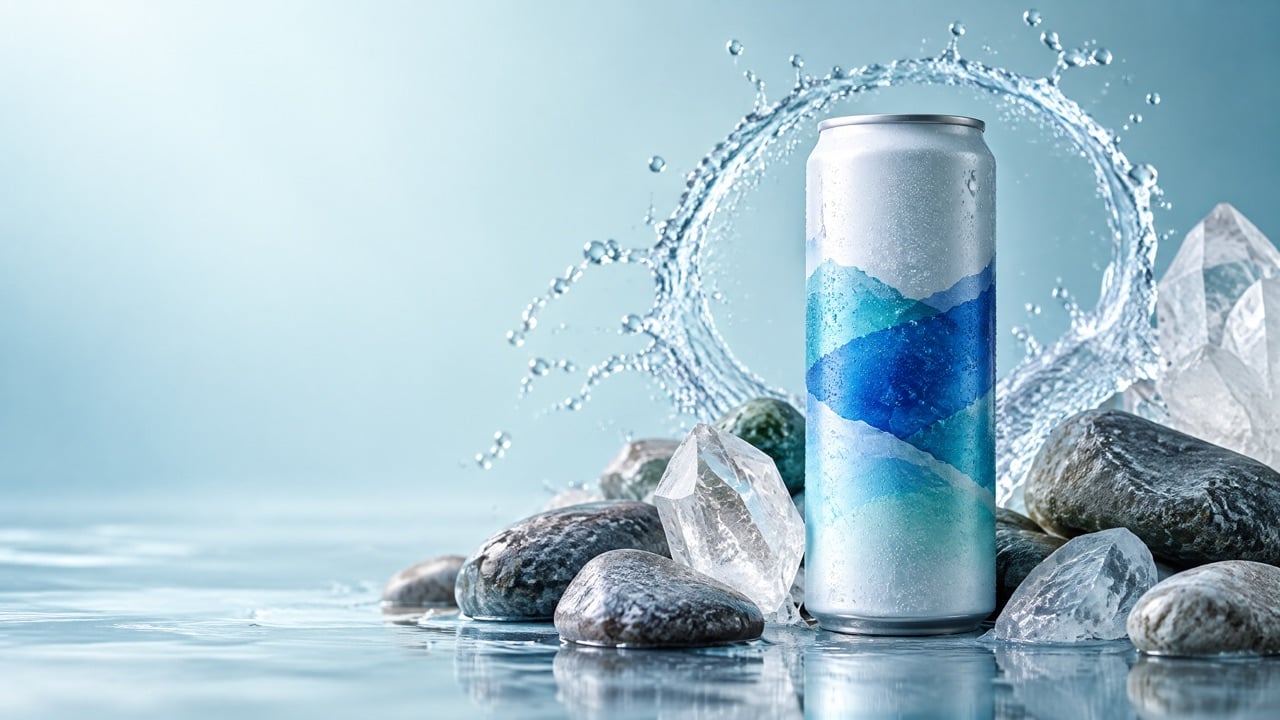
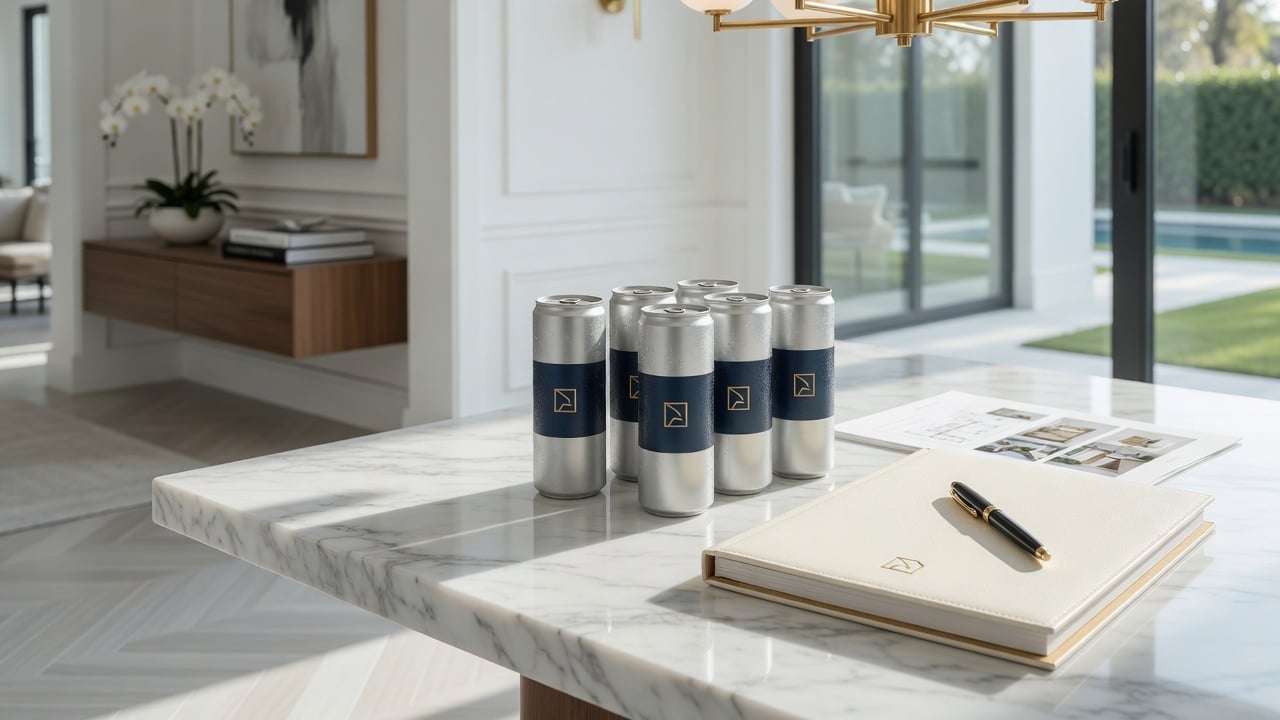
The can should feel like part of the project's brand, not a giveaway. A few design principles:
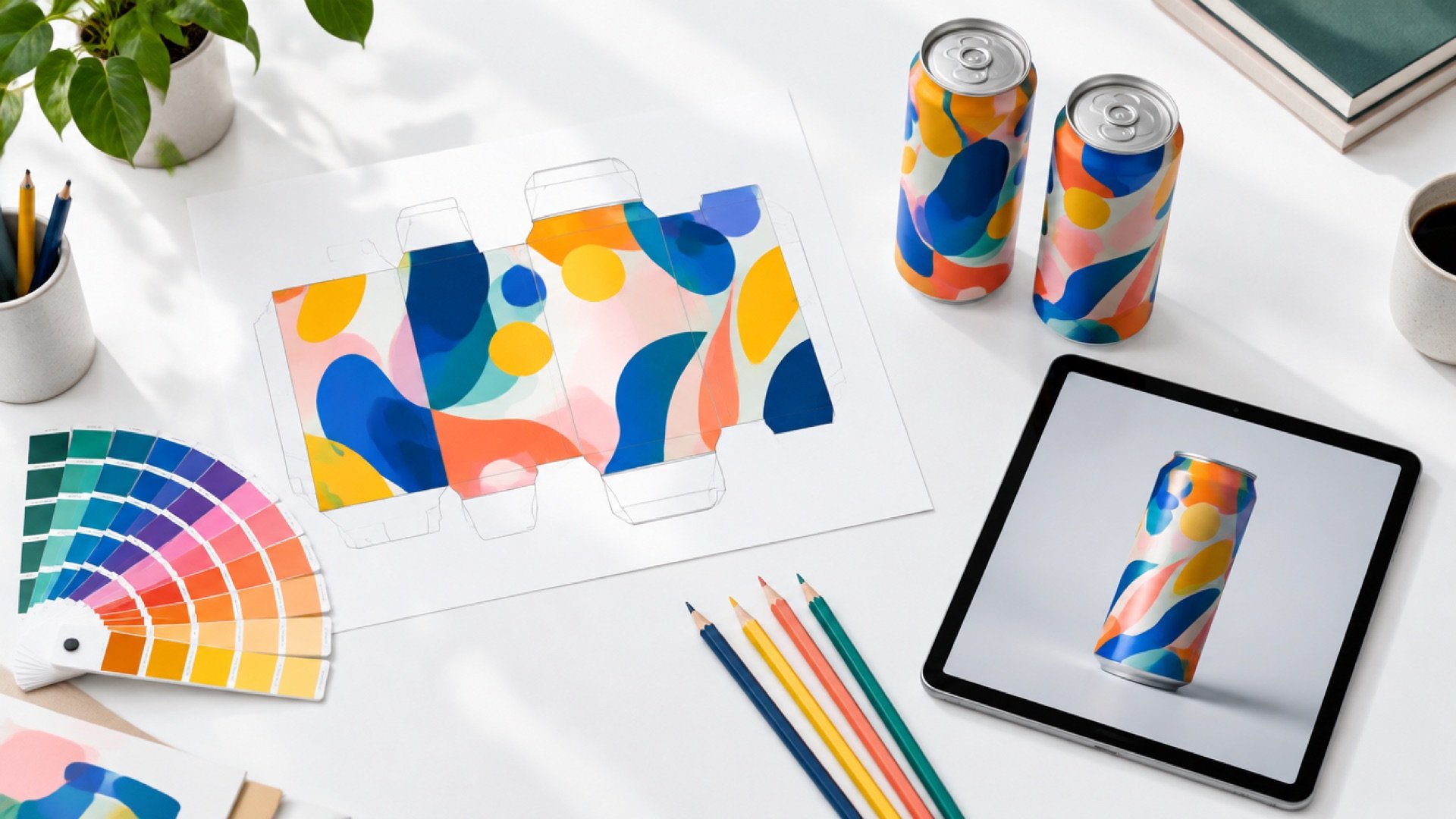
- Use the project's visual identity: colors, typography and a hint of the architecture.
- Keep the QR code on the main body of the can, with good contrast and a short call to action such as "Scan to see the floor plans."
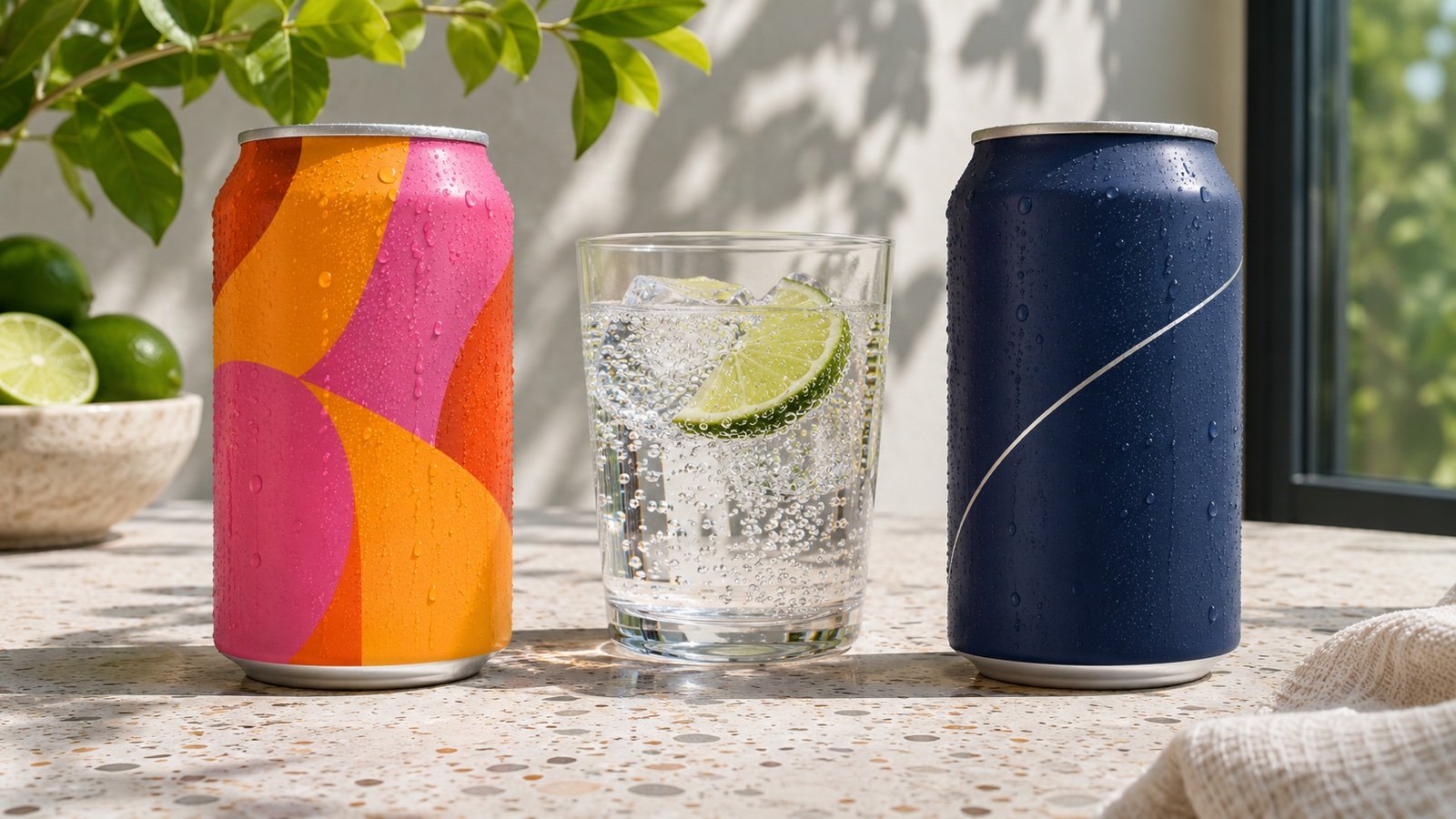
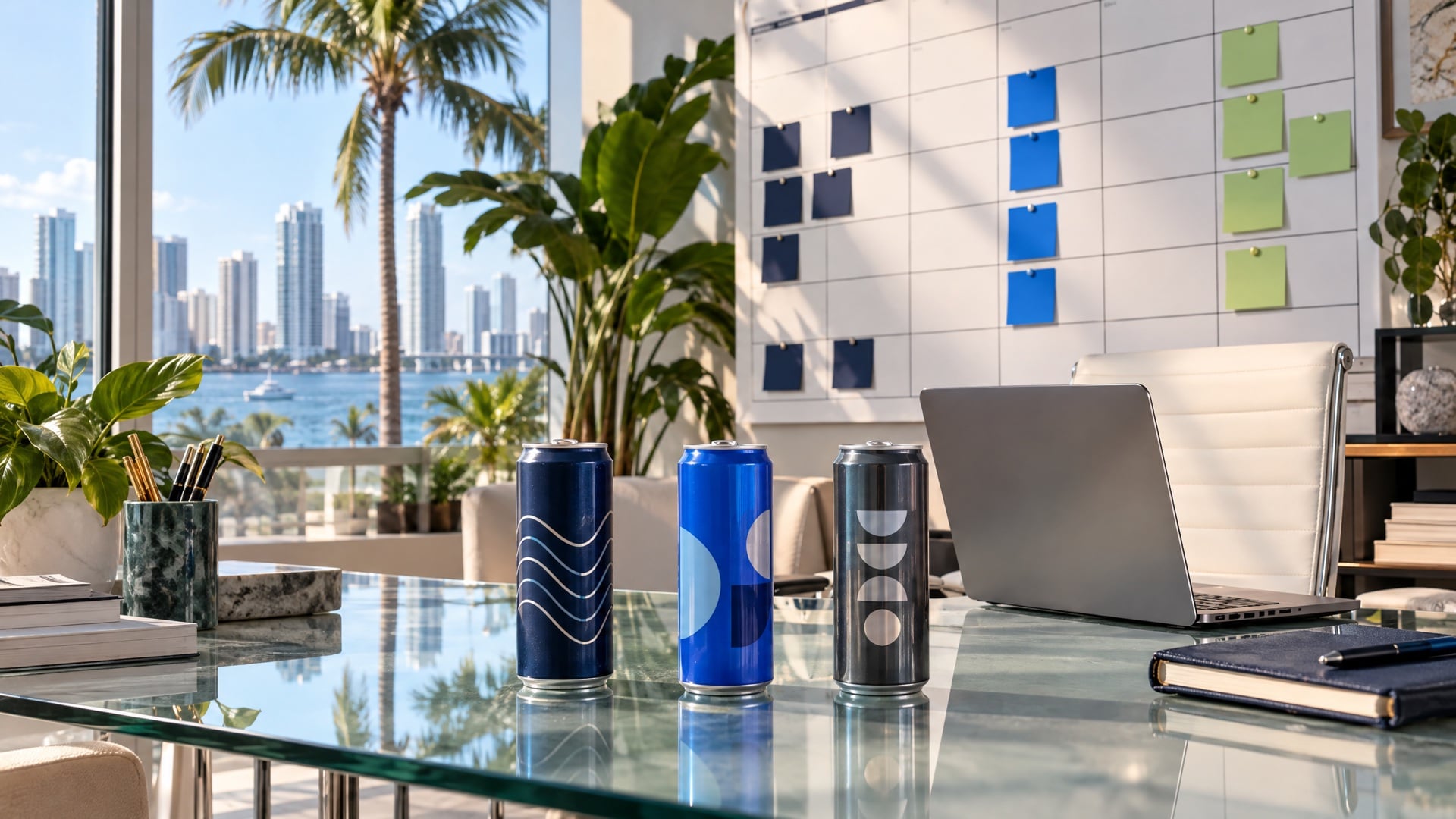
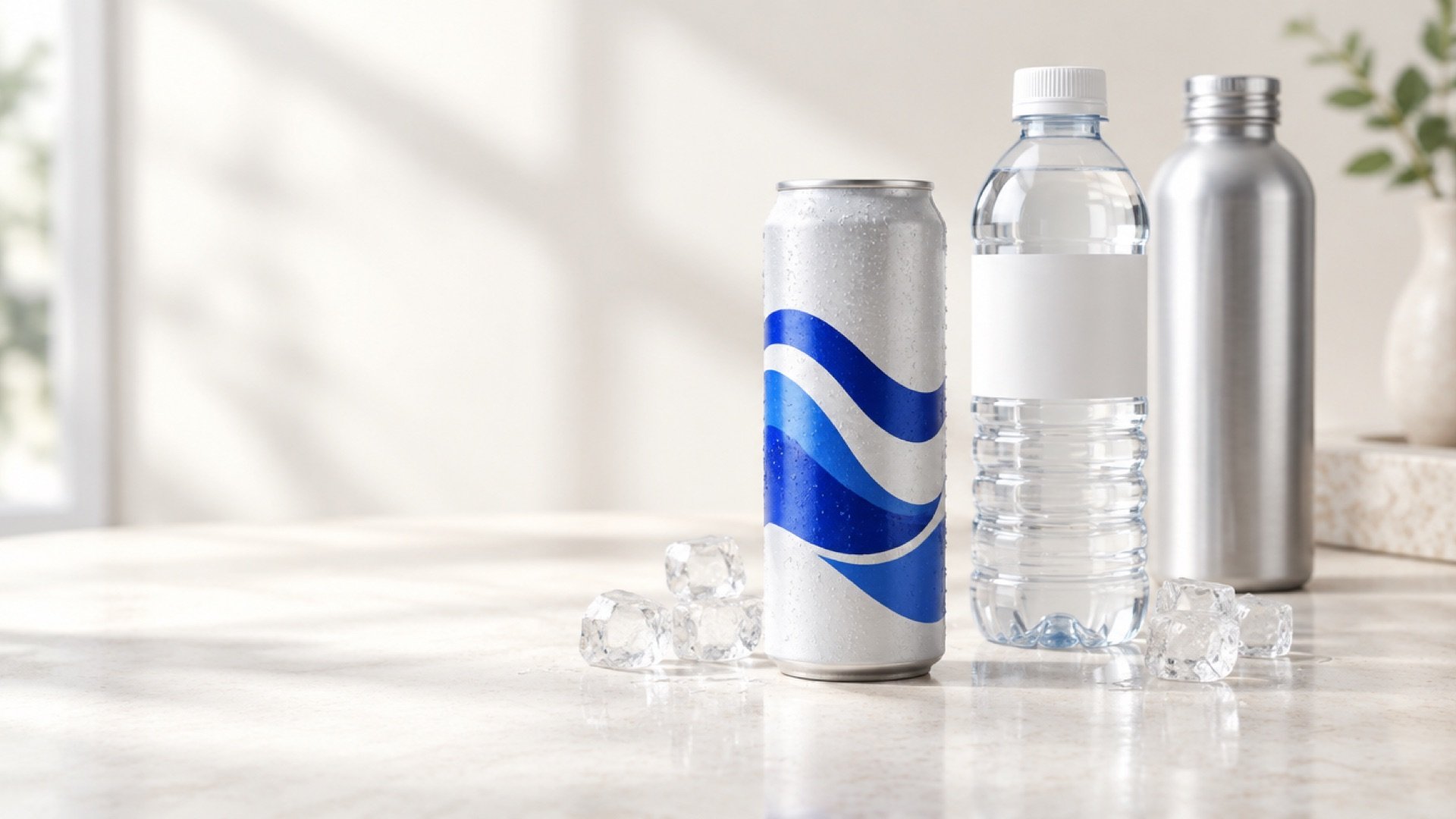
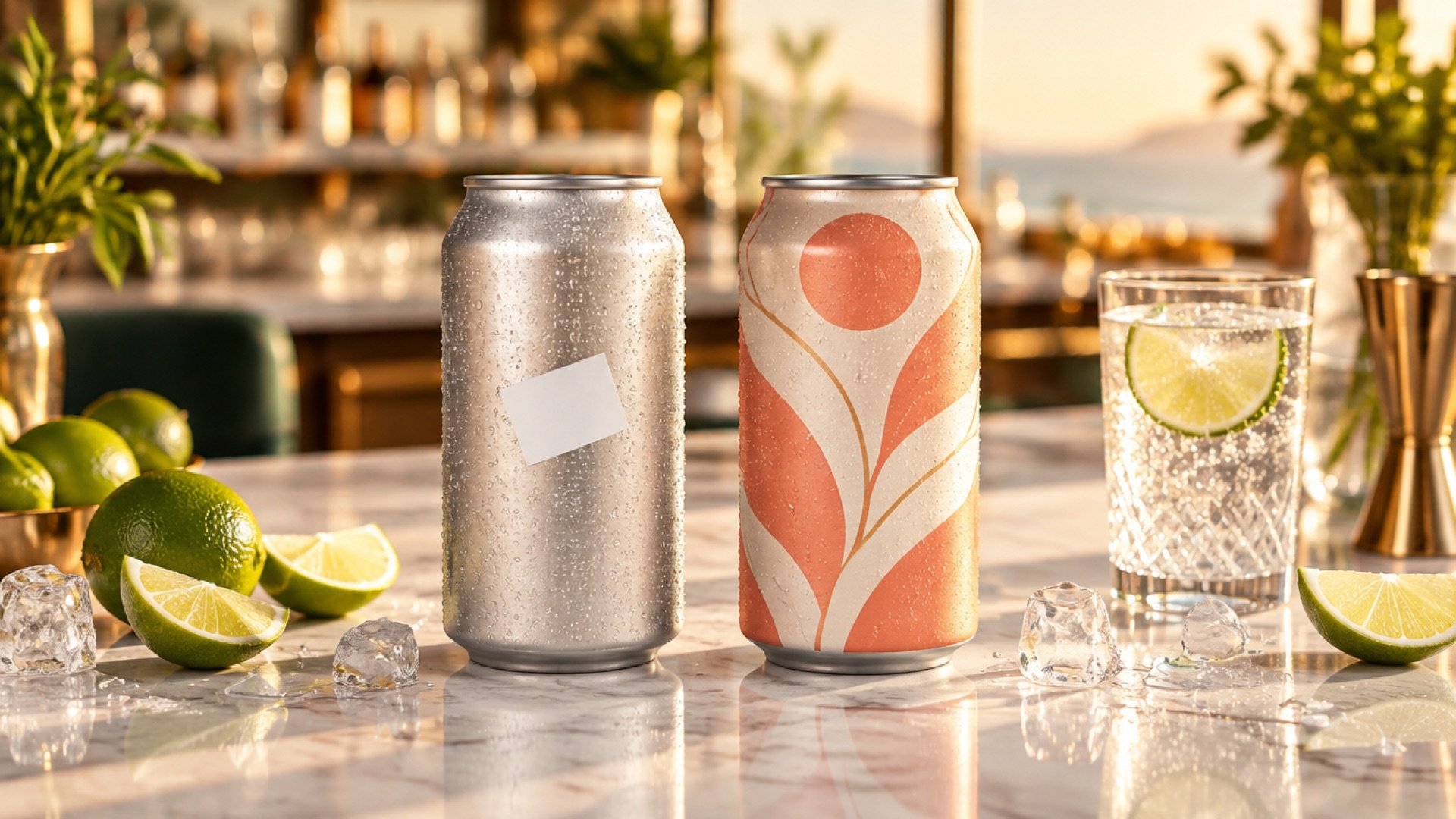
- Pair still and sparkling in matching designs if the gallery has a bar or lounge.
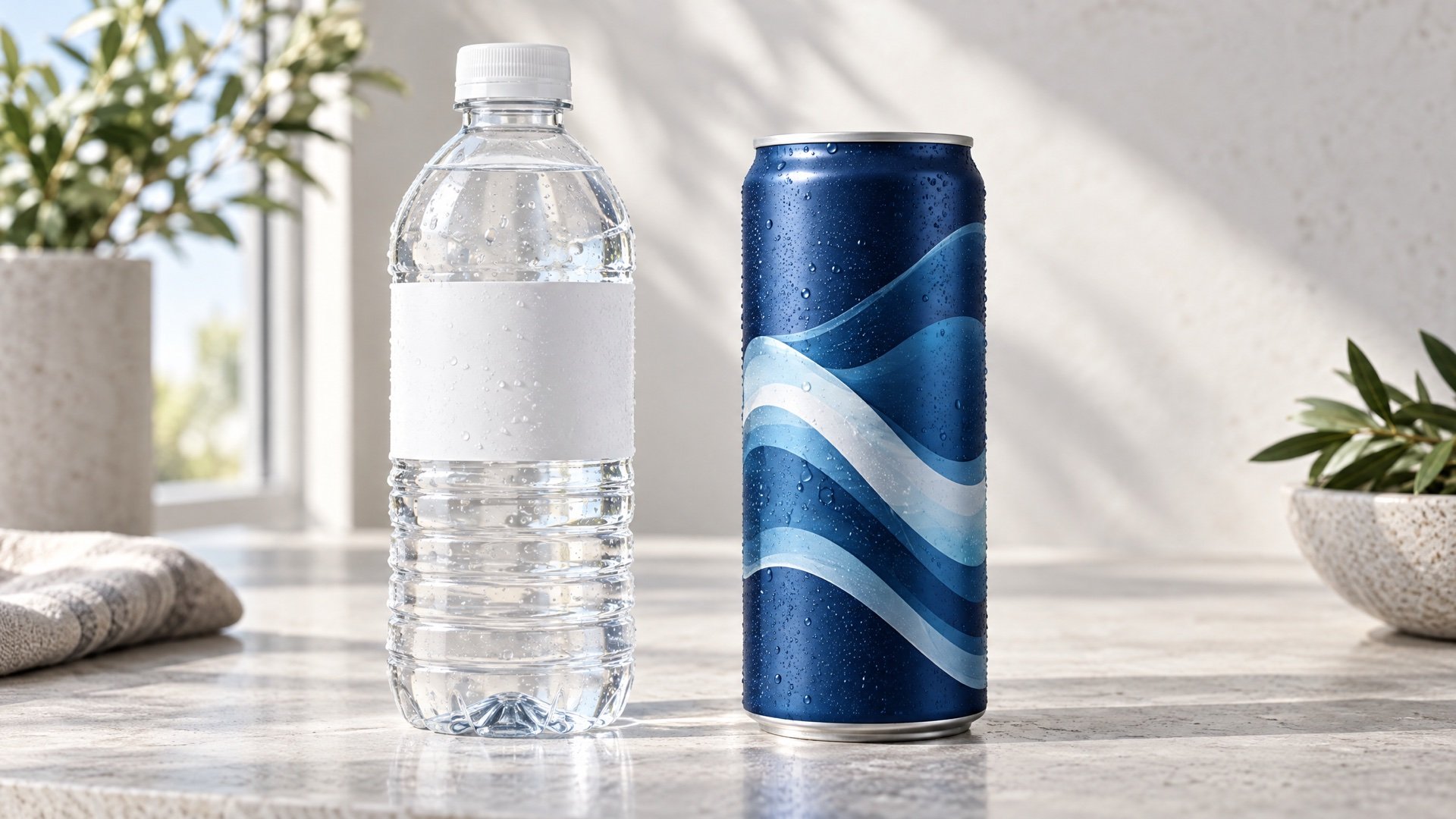
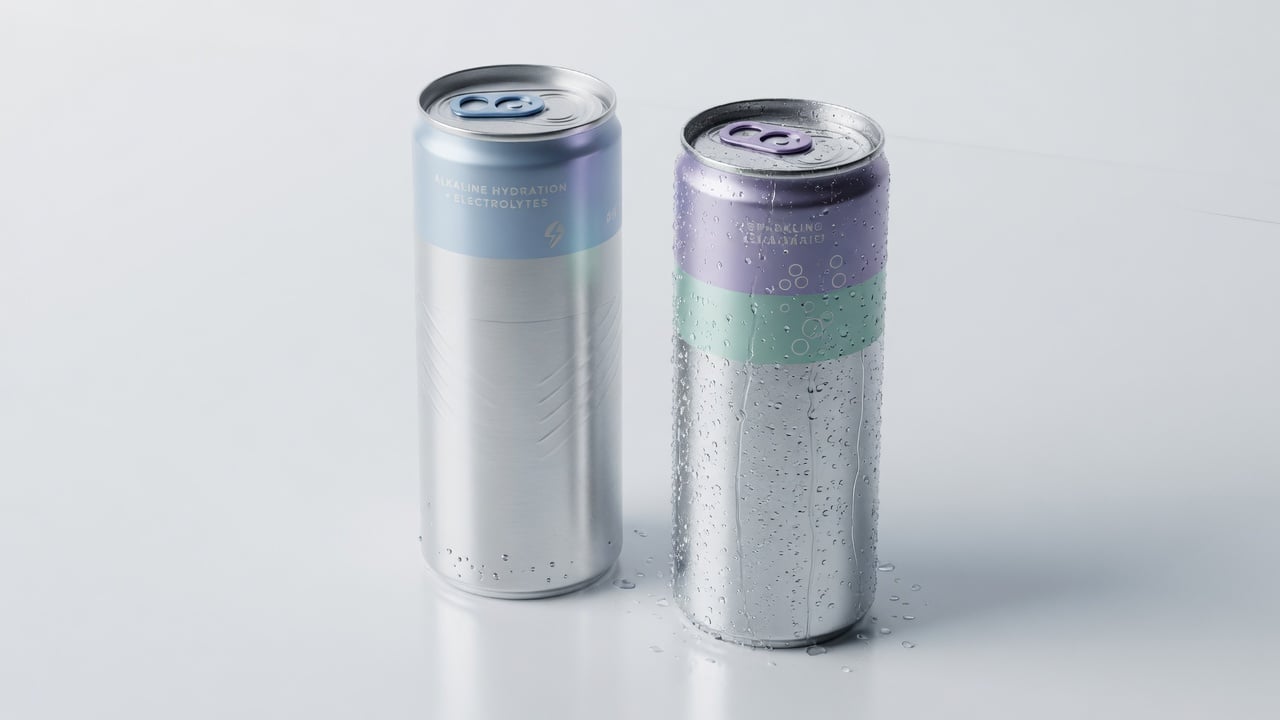
- Consider the 12oz Sleek can for an elegant look on welcome trays and the 16oz can for outdoor events and site tours.
A QR code is included on We Can It cans at no extra cost, on both labeled cans and digital print. For more ideas on presentation inside the gallery itself, see our guide to branded water for luxury real estate galleries.
Where QR water works in the sales journey
Pre-construction marketing runs for months, sometimes years. A branded can fits into many moments, not just the welcome tray.
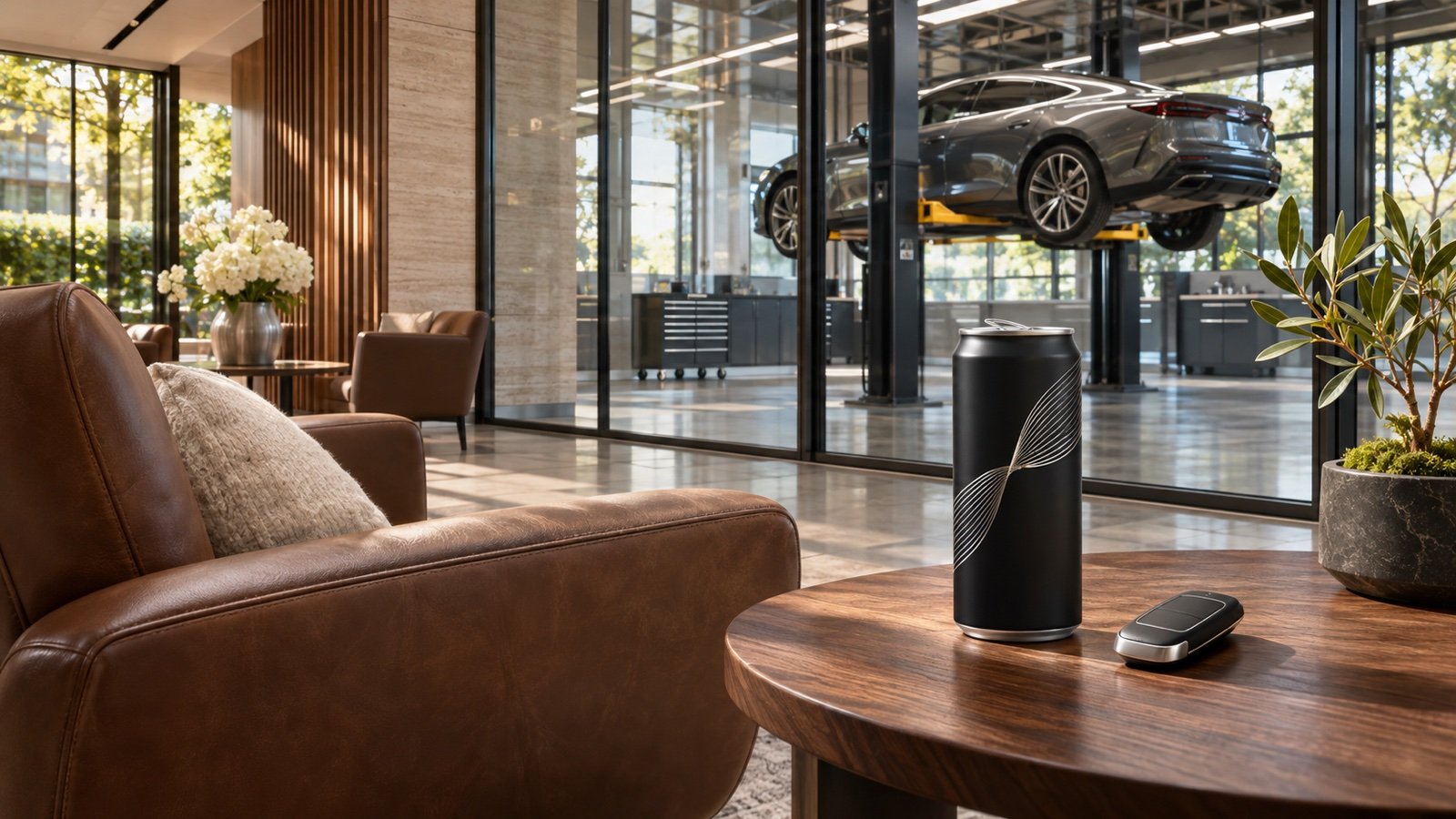
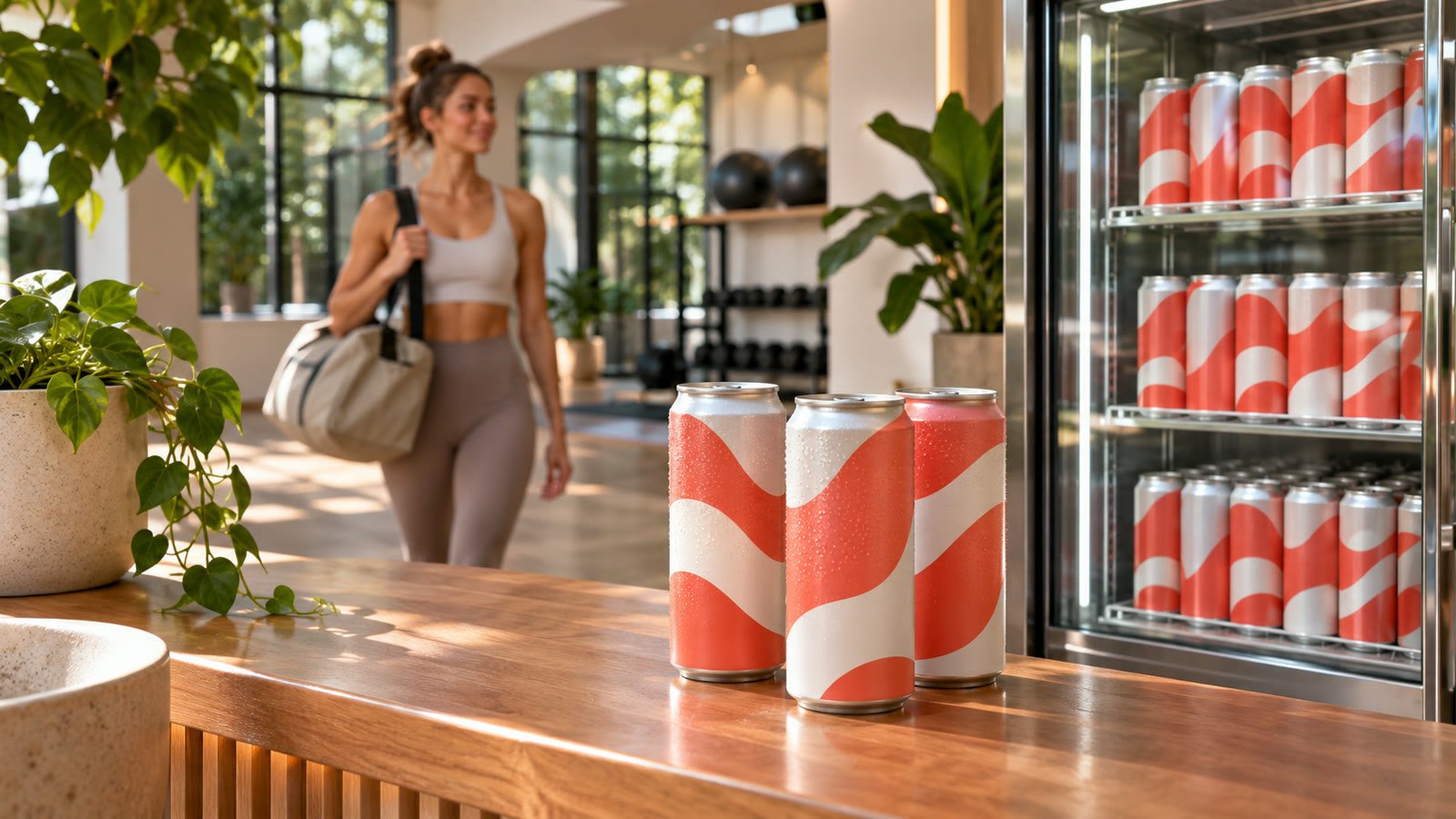
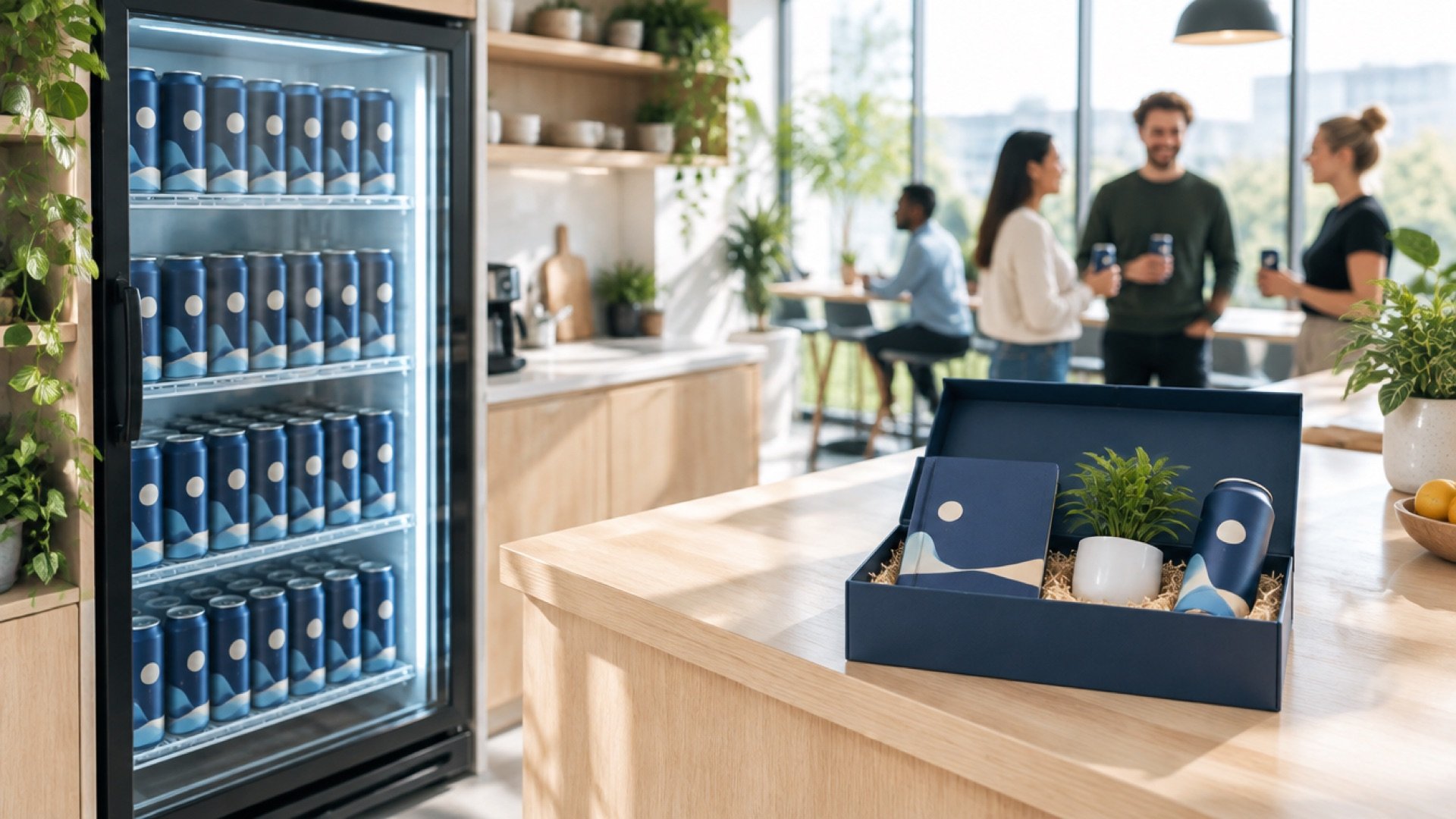
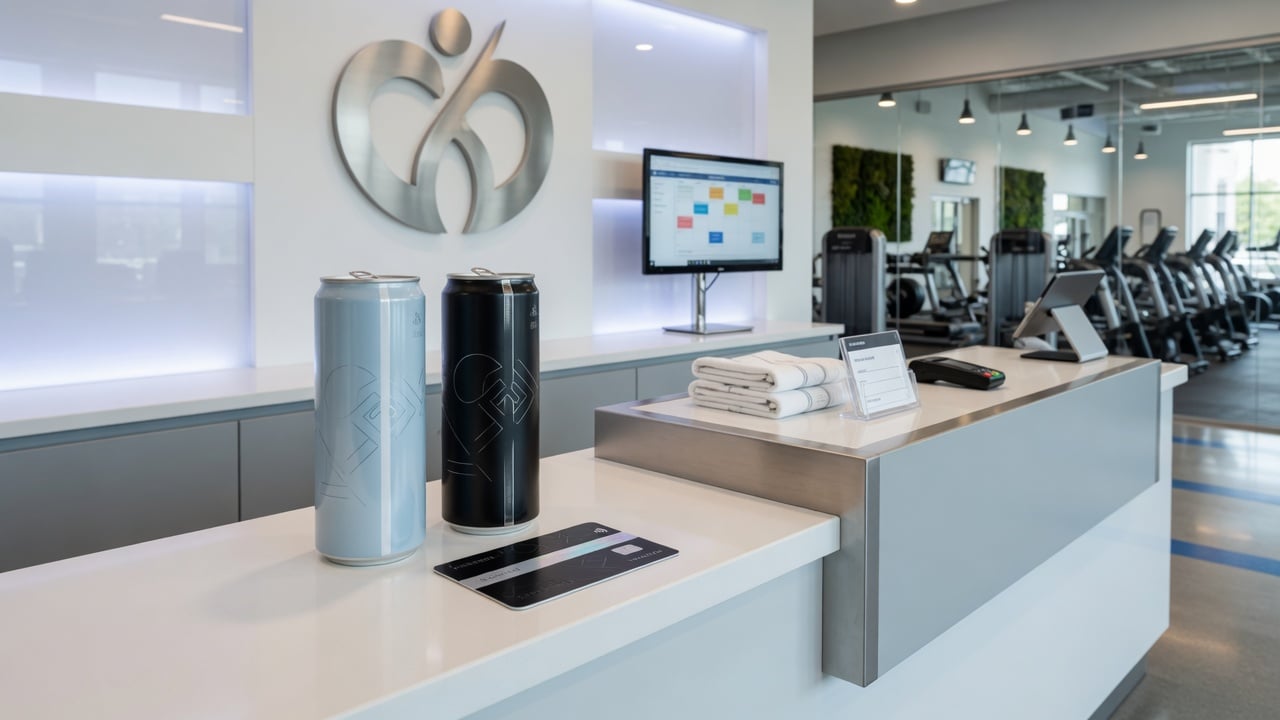
- Sales gallery reception and lounge. The first and most frequent touchpoint.
- Model residences. A chilled can in the model kitchen makes the space feel lived in.
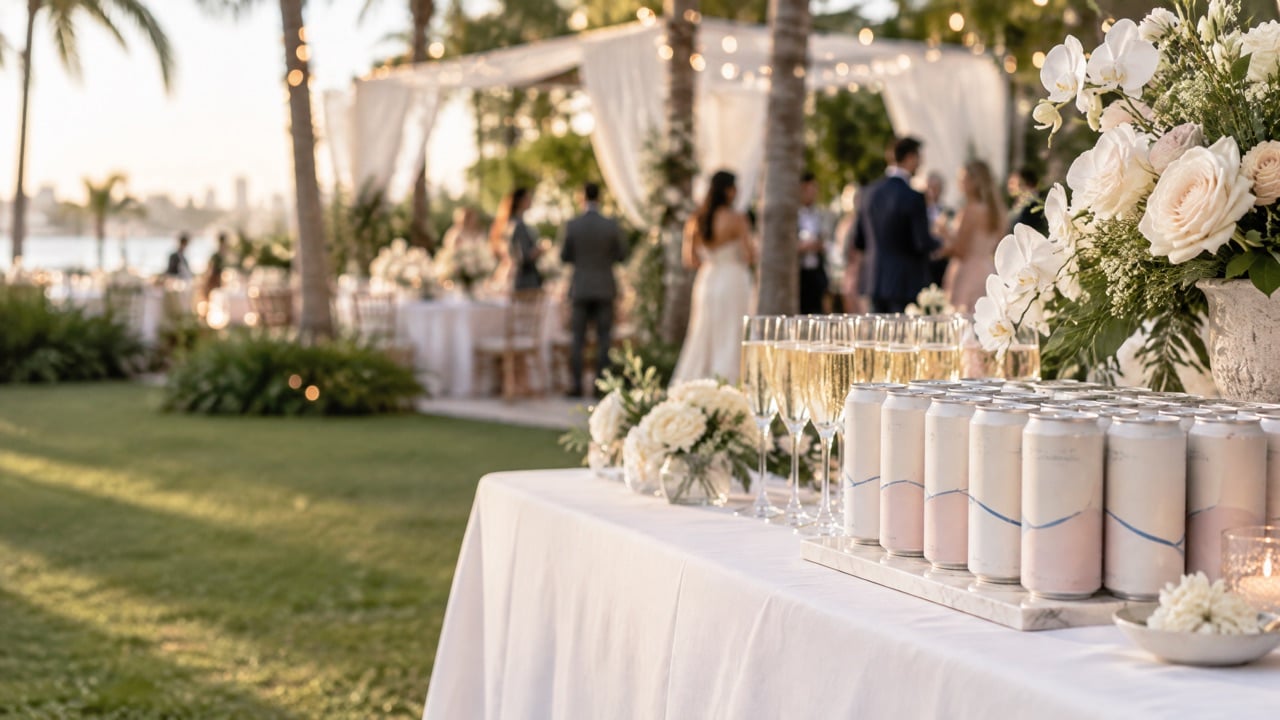
- Broker events and launch parties. Track which brokers attend and engage.
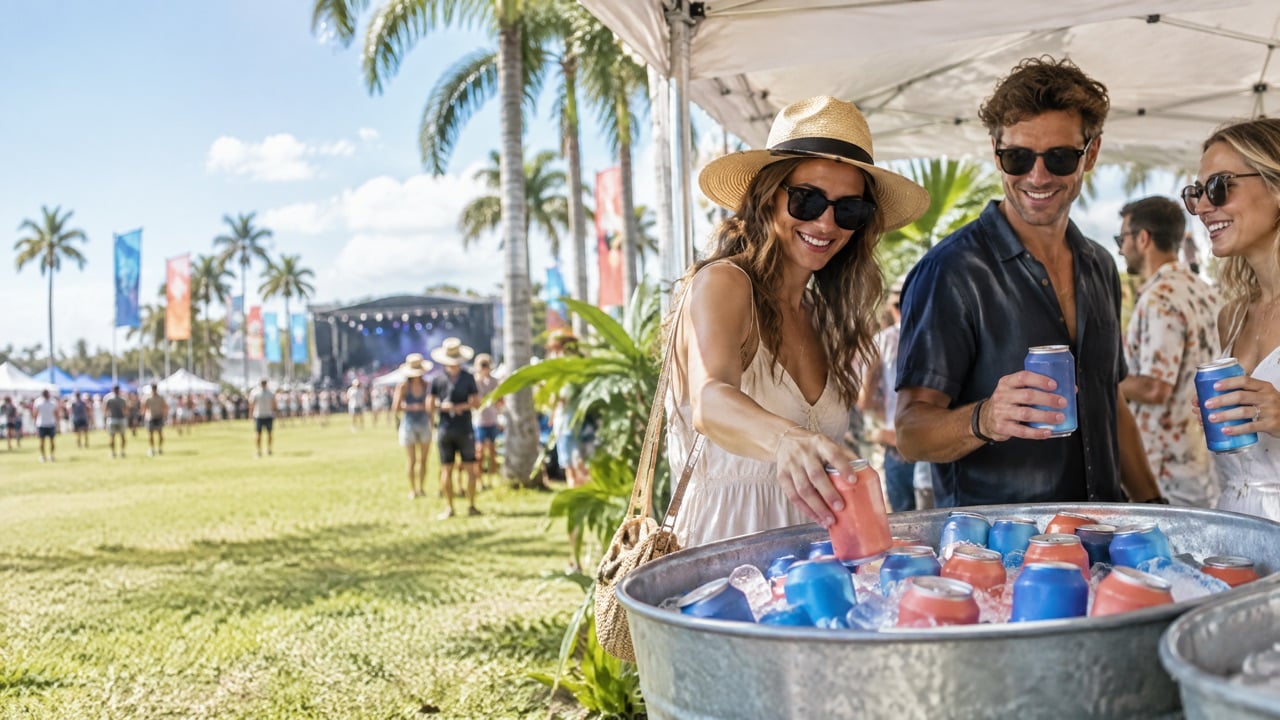
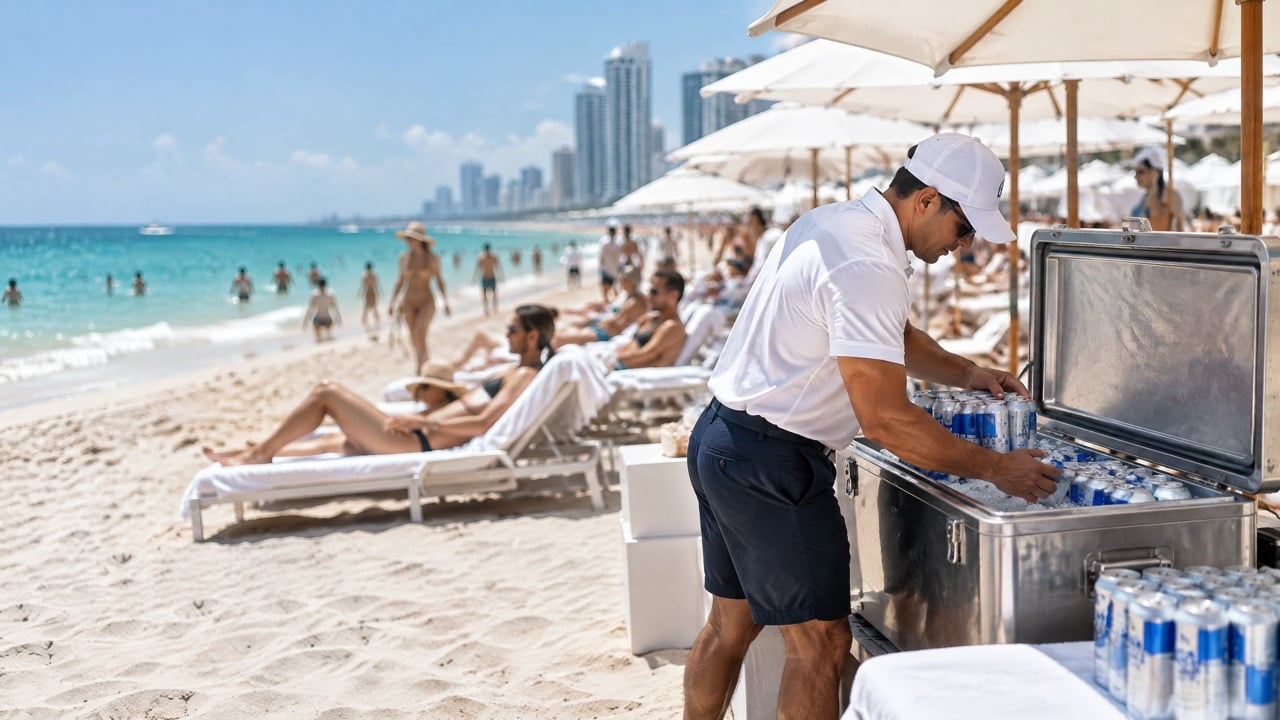
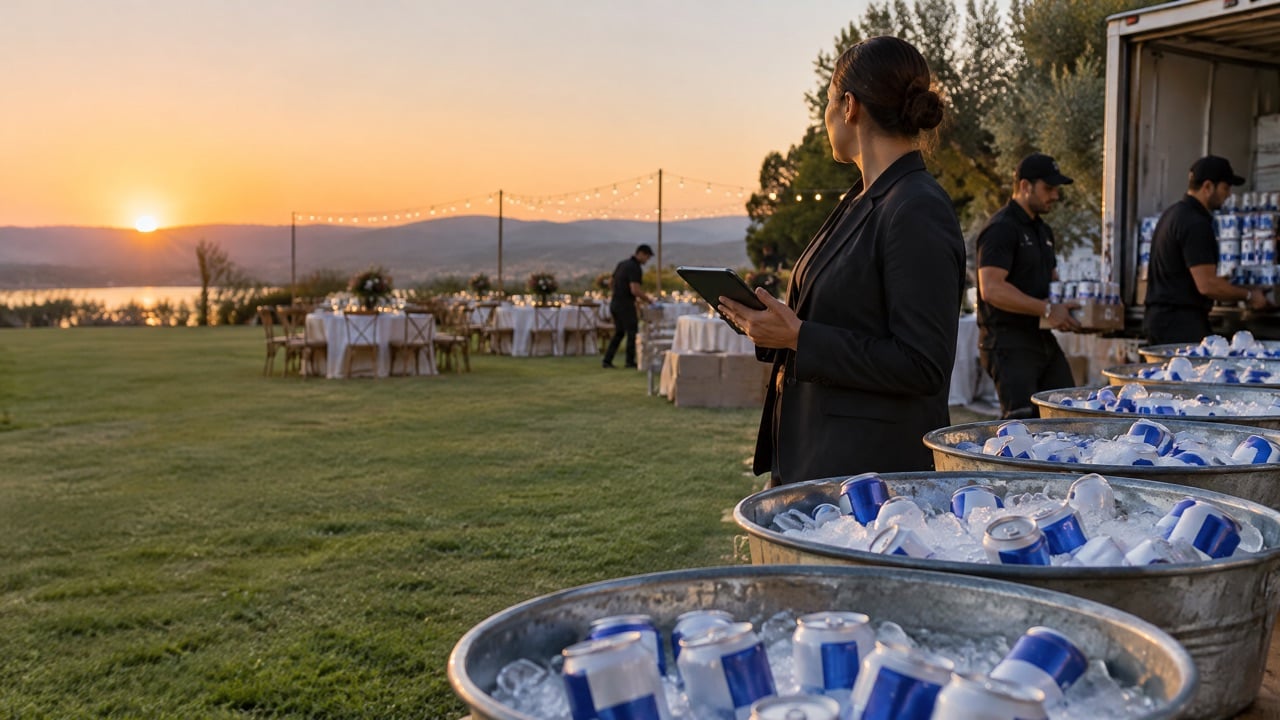
- Hard hat tours and site visits. Hydration on a hot Miami afternoon, with a QR code to the construction updates page.
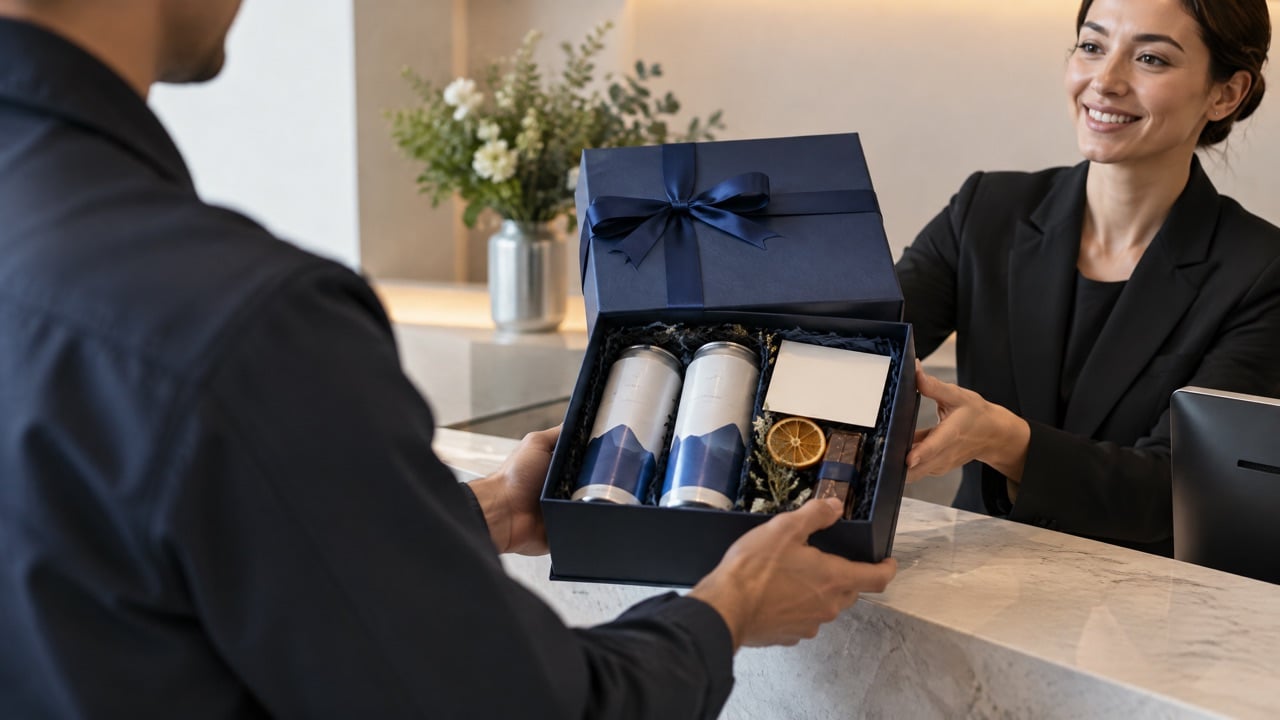
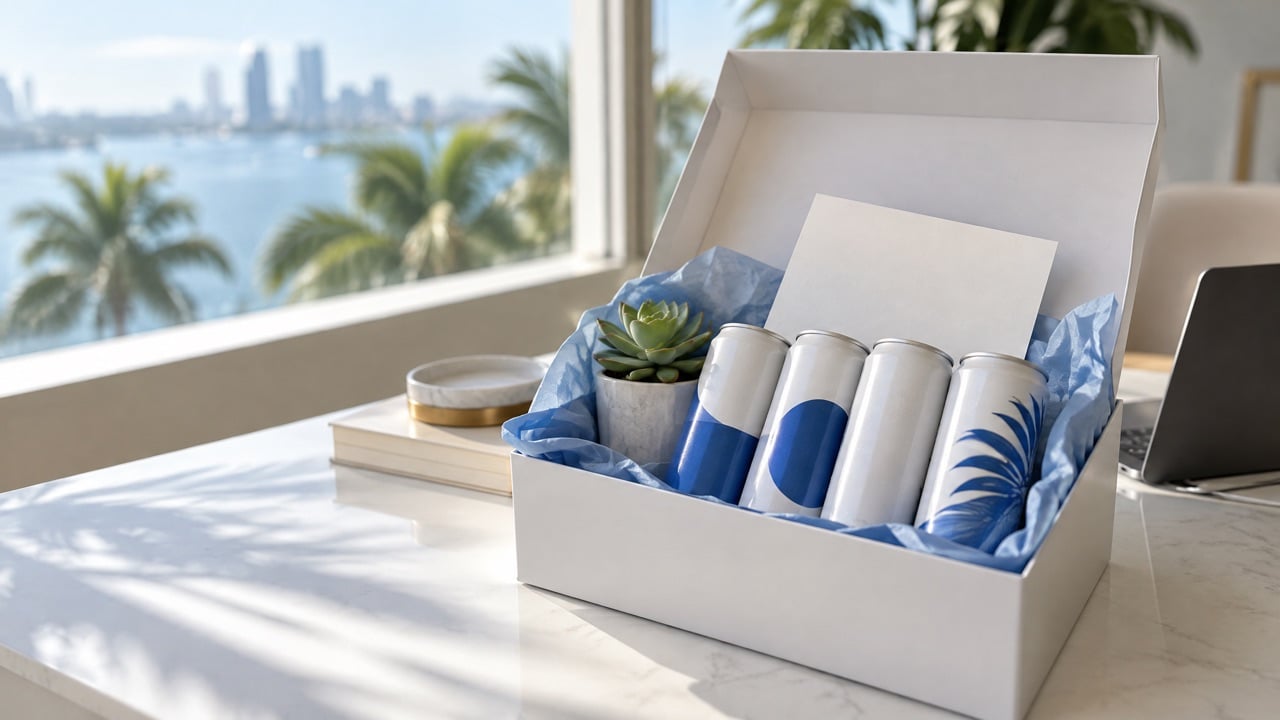
- Gifts for reservation holders. A case of branded water at contract signing or deposit milestones.
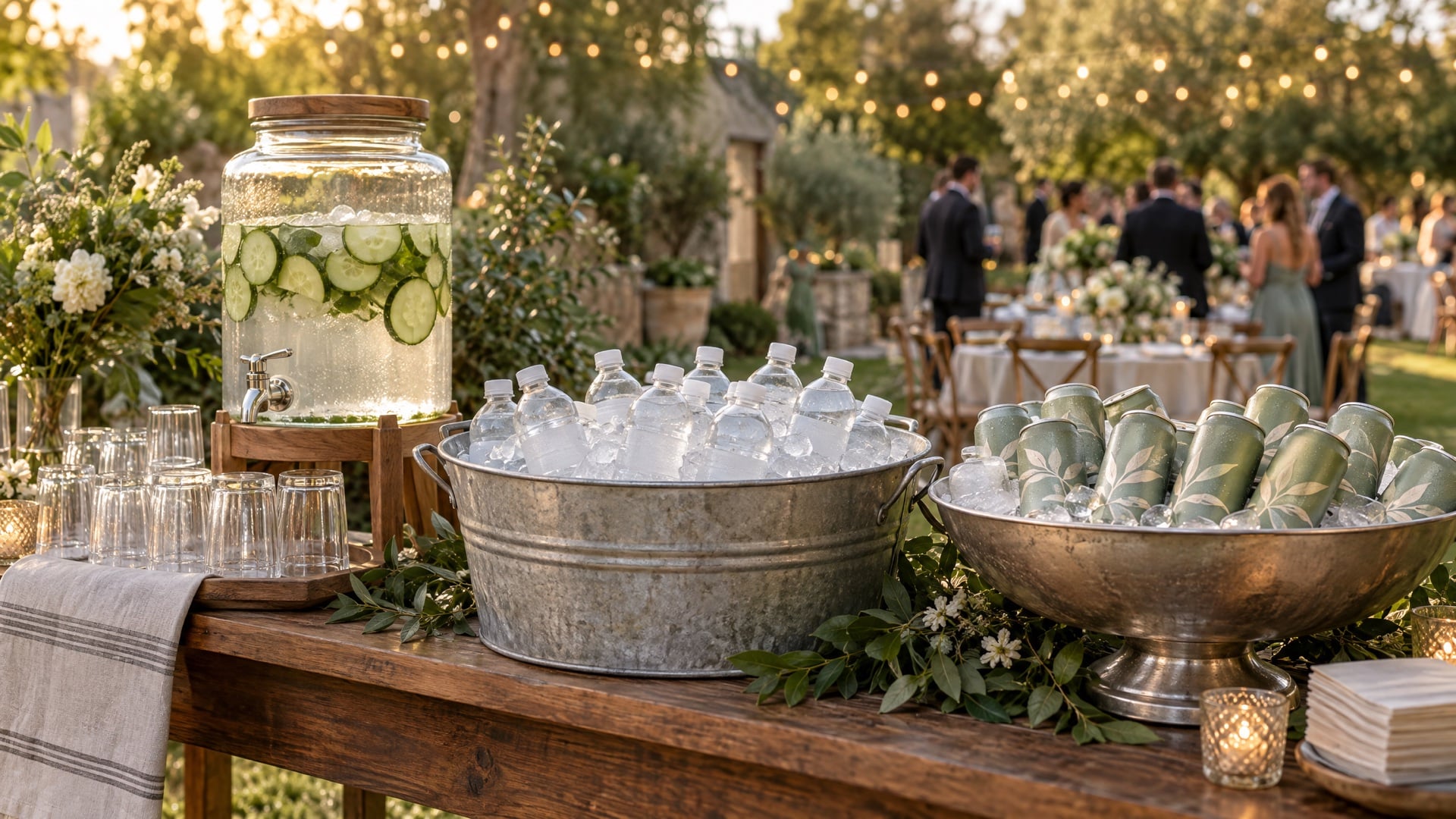
- Open houses for resale or completed units. Our guide on real estate open house branded water cans covers that format.
How much water does a sales gallery need?
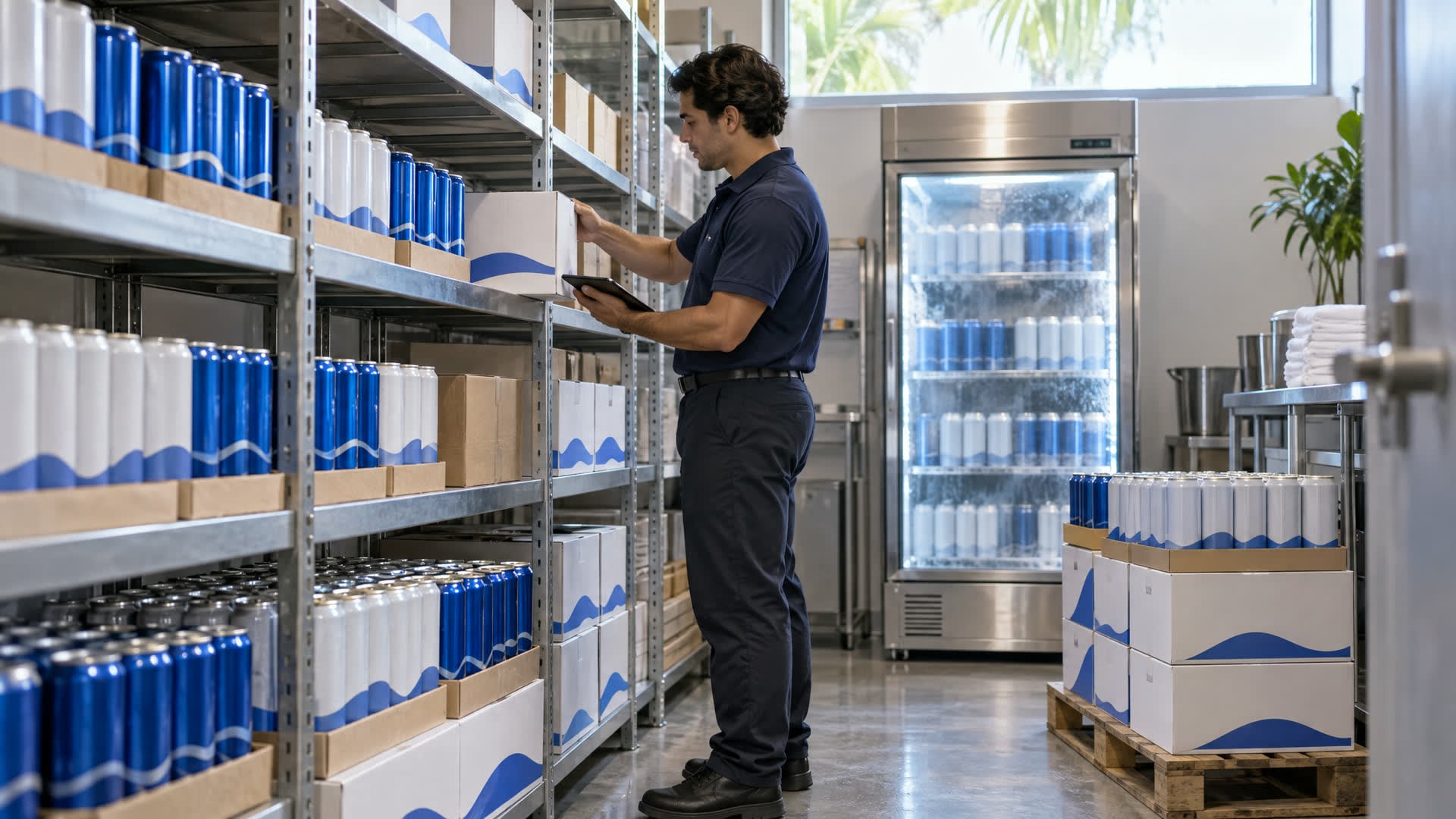
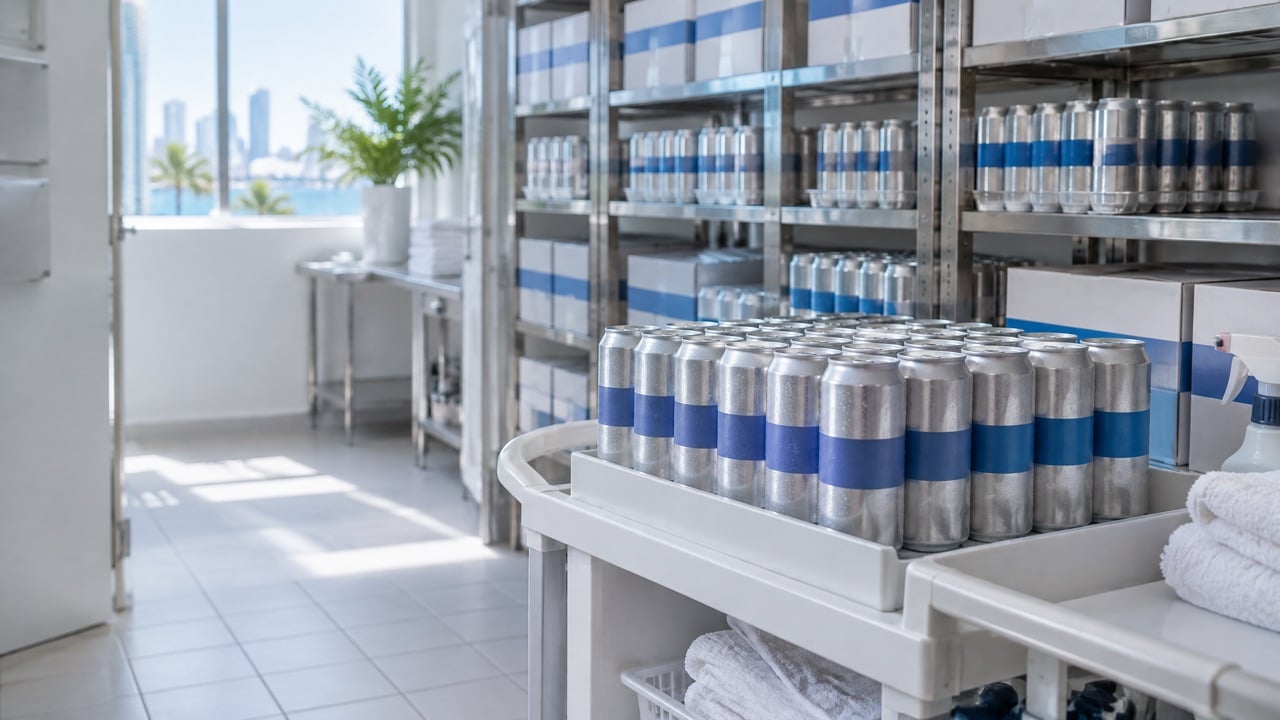
Start with your weekly traffic and your events calendar. Count average walk-ins and appointments per week, add expected attendance for broker events and launches, and plan roughly one to two cans per guest. Then add a reserve for model rooms and staff. Review after the first month and reorder based on real use.
A simple planning example:
- Average visitors per week: your appointments plus walk-ins.
- Cans per visitor: one to two, depending on visit length.
- Events: add attendance for each planned event.
- Reserve: add a buffer for model rooms, staff and surprise VIP visits.
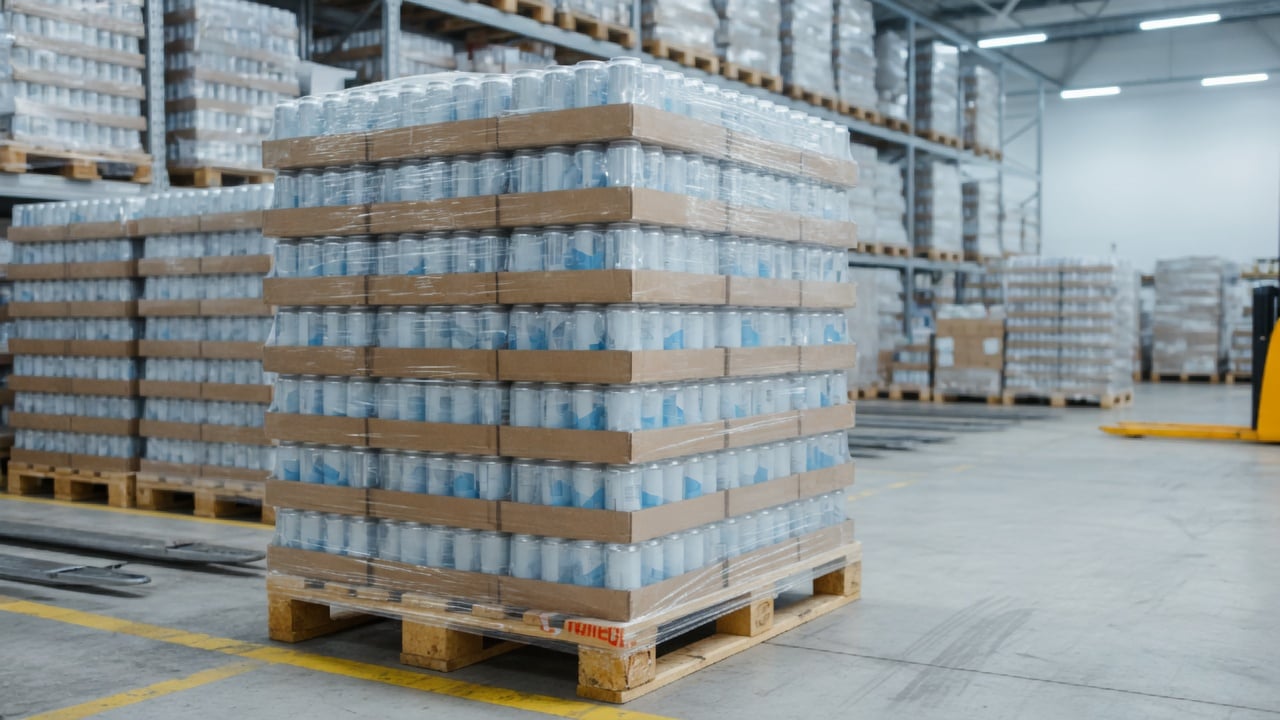
With We Can It, labeled cans start at 10 cases (240 cans, 24 cans per case), which is enough for many galleries to run a first month and learn. Digital print directly on the aluminum starts at 21 cases (504 cans) and suits a larger launch or a longer sales program.
Timing your order around launch dates
Pre-construction launches are fixed dates with a lot riding on them. Plan your water order early.
- Labeled cans: ready in 3 weeks after artwork approval.
- Digital print on aluminum: 3 weeks for printed labels or about 4 weeks for digital print after artwork approval.
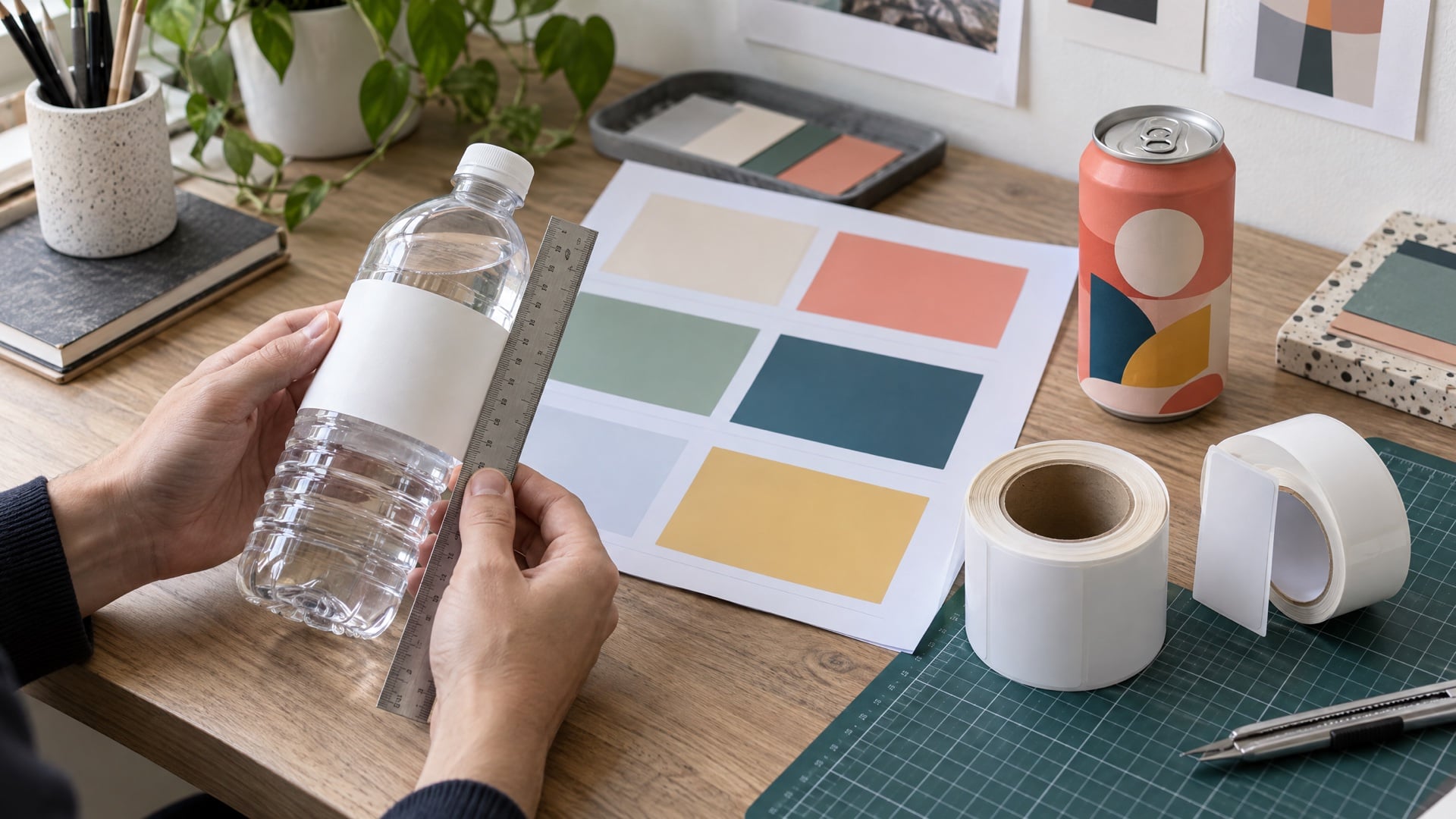
- Design and proofing: allow time for your agency and the developer to approve the art.
- Delivery: we ship from Miami nationwide, with logistics billed at cost.
If your launch event is on a fixed date, work backward from it and lock the artwork first. Labeled cans are a smart way to test a design at a broker preview before you commit to a larger digital print run for the main launch.
Measuring what the gallery water earns
Treat the QR can like any other marketing channel and review it monthly.
- Scans per visitor across days and events.
- Leads captured through brochure and floor plan requests.
- Broker registrations through the QR page.
- Appointments booked from QR follow-ups.
- Reservations or contracts that started with a QR lead.
Over a few months, these numbers help you answer the question every developer eventually asks: which marketing actually brought buyers into contract?
Frequently asked questions
What should a real estate sales gallery offer visitors?
A strong sales gallery offers a scale model, model rooms or finish samples, views or video tours, knowledgeable associates and a hospitality touch such as branded water. It should also capture which residences each visitor is interested in, so the sales team can follow up with specifics.
How do developers capture leads in a sales center?
Most use reception sign-ins, tablets and broker registrations. Adding a QR code on a branded can gives visitors an easy, optional way to get floor plans or a brochure, which captures their contact details and interests at the same time.
Is a QR code included on the can?
Yes. We Can It includes a QR code at no extra cost on both labeled cans and digitally printed cans.
What is the minimum order for branded water for a sales gallery?
Labeled cans start at 10 cases, which is 240 cans. Digitally printed cans start at 21 cases (504 cans). A practical path is to start with labels and move to digital print for a larger launch.
How quickly can we get branded cans for a launch event?
Labeled cans can be ready in 3 weeks after artwork approval, and digital print on the aluminum takes 4 weeks. Add time for design approval and delivery.
Can the QR code change after the cans are printed?
That depends on how the code is set up. A QR code that points to a page you control, such as a Journeys experience, lets you update what visitors see without reprinting the cans. Ask your product advisor when you order.
Get a quote for QR water for your sales gallery
Your sales gallery already does the hard work of creating desire. A QR can on the welcome tray helps your team see which residences buyers want and who to call back. Tell us about your project and launch dates, and a product advisor will help you plan the first order.