Why Is Canned Water So Expensive? What You Pay For
A can of water often costs more than a bottle, and buyers want to know why. Here is what goes into the price of every can, from aluminum and filling to freight, and which parts you can actually control.
You are standing in front of a hotel cooler, or reading a supplier quote, and the math feels off. A plastic bottle of water costs almost nothing. The aluminum can next to it costs noticeably more. It is the same water, so where does the difference go?
It is a fair question, and it is one we hear every week from marketing teams, hotel buyers and event planners. The short version: you are not paying more for the water. You are paying for the package, the way it is filled, the art on it, and the trip it takes to reach you. Once you see those pieces, you can also see which ones you control.
This guide walks through each cost driver in plain language, compares cans with plastic bottles honestly, and shows how brands keep the price per can sensible without giving up the premium look.
Why is canned water more expensive than bottled water?
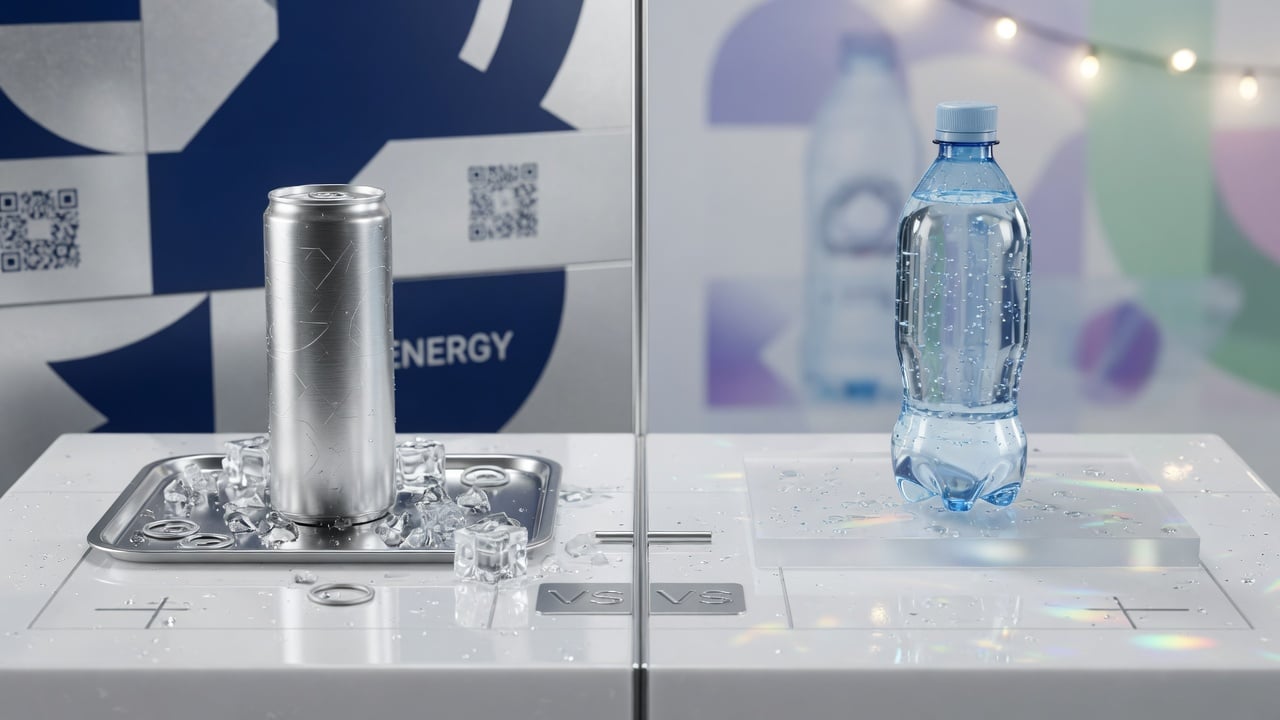
Canned water costs more mainly because of the package, not the water. An aluminum can and its lid cost more to make than a thin plastic bottle, filling cans takes specialized equipment, and still water in cans needs a small nitrogen dose to keep the can firm. Smaller production runs and printed branding add more. Big plastic brands spread their costs across billions of units, which pushes their price per bottle far lower.
That last point matters. Supermarket bottled water is one of the most scaled products on earth. A branded can for your hotel, club or event is closer to a custom product. Comparing the two is a bit like comparing a stock T-shirt with one printed for your team: same cotton, very different job.
The 6 cost drivers inside every can
Here is where your money actually goes, roughly in order of impact.
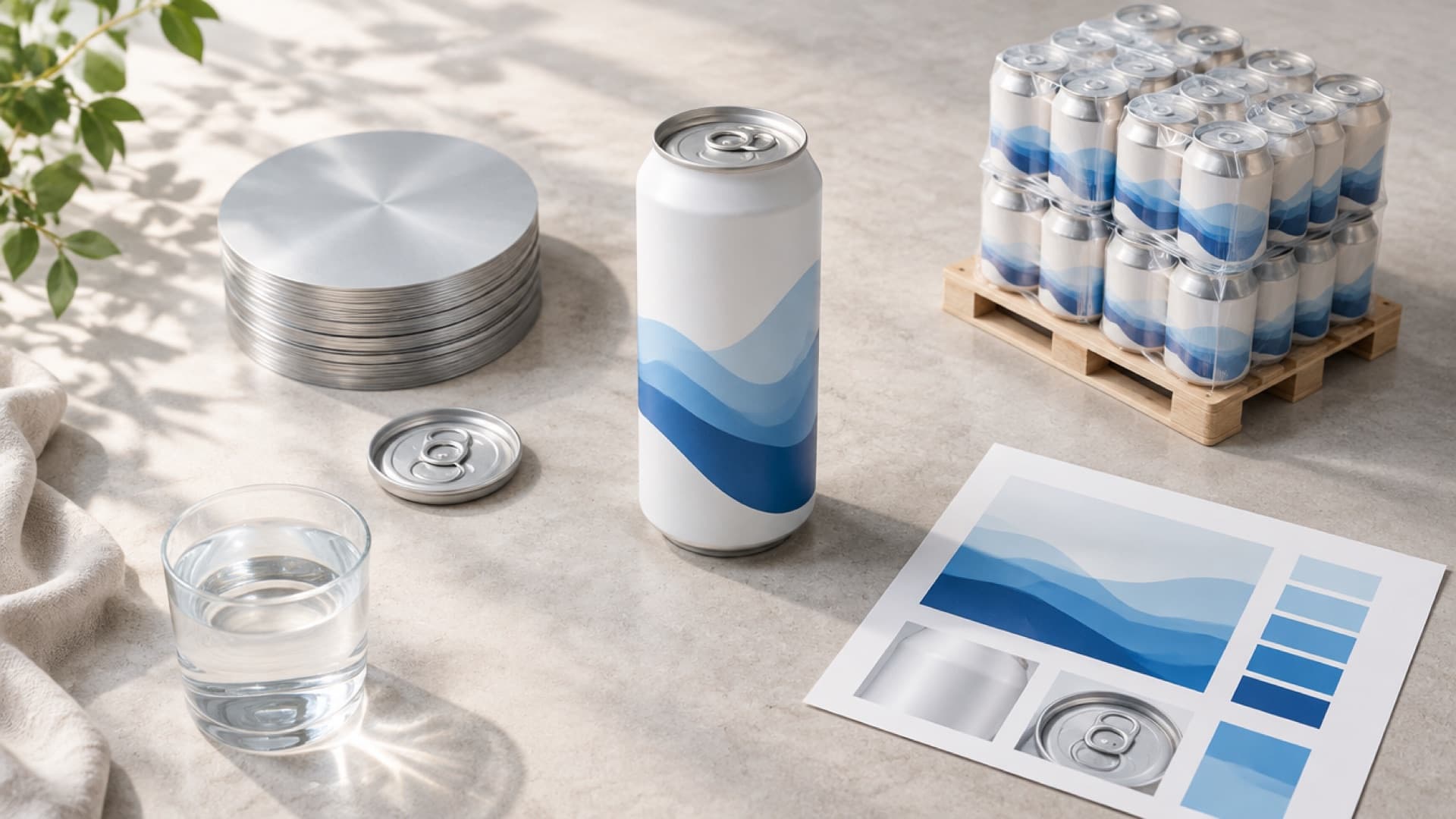
- The aluminum can and lid. Aluminum is a commodity with a market price that moves. A can also needs an internal liner so the water never touches bare metal, plus a lid that seals tight. That is more material and more engineering than a lightweight plastic bottle.
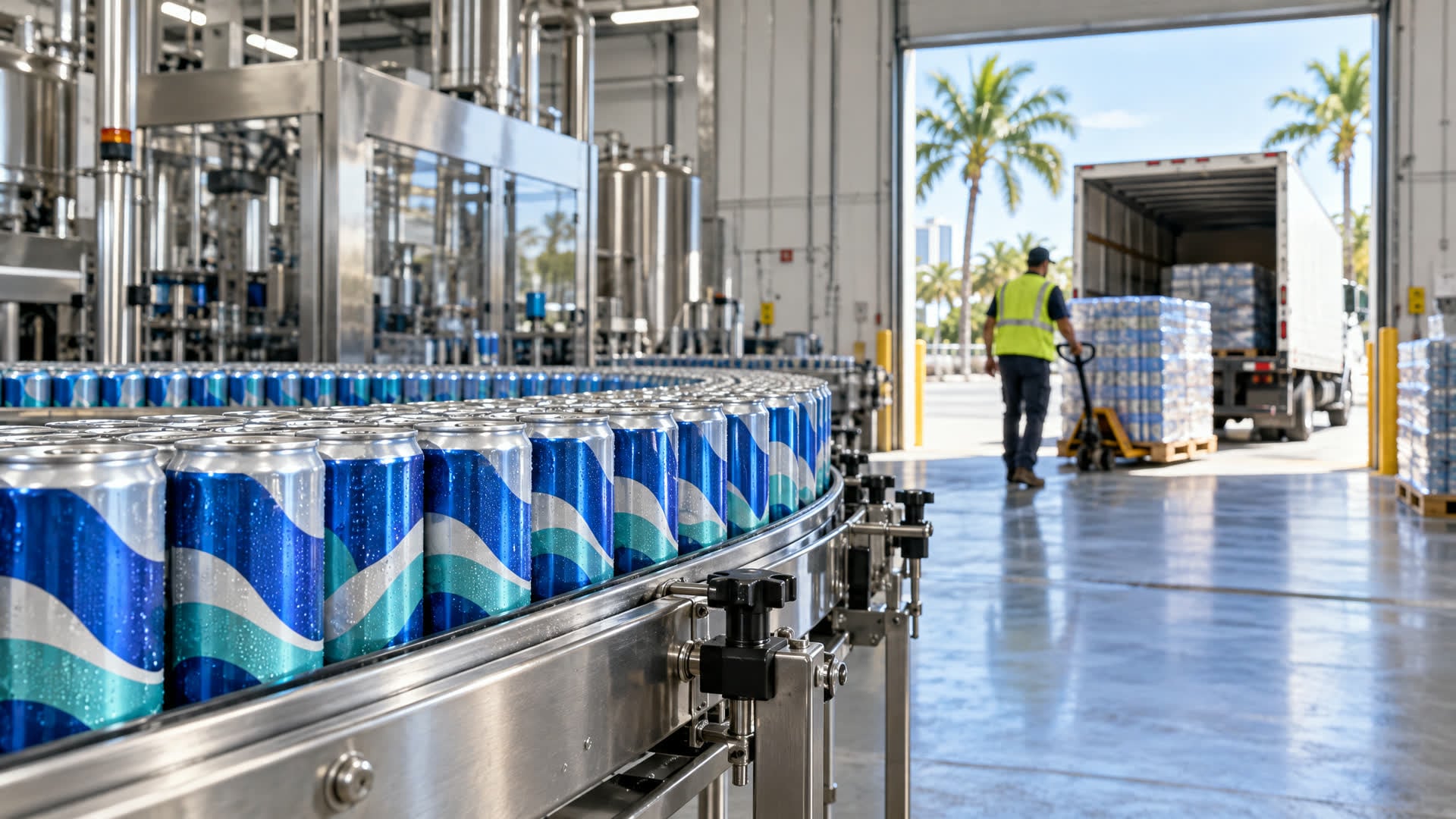
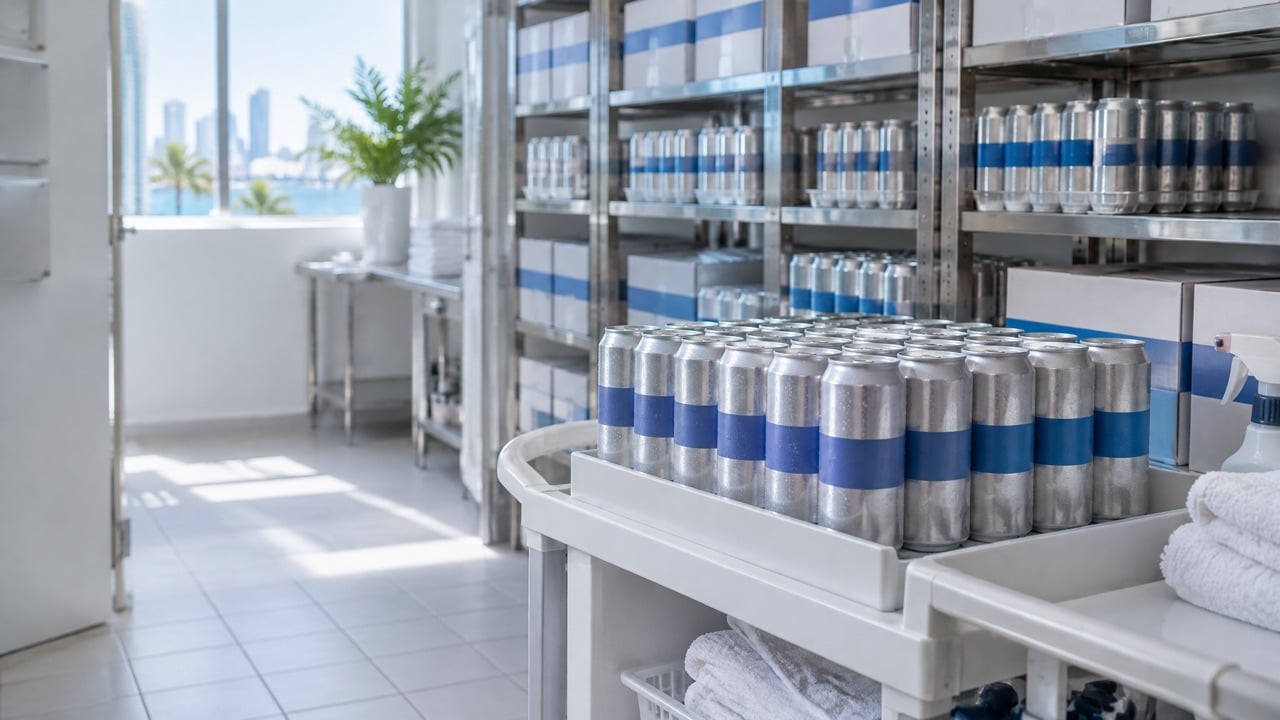
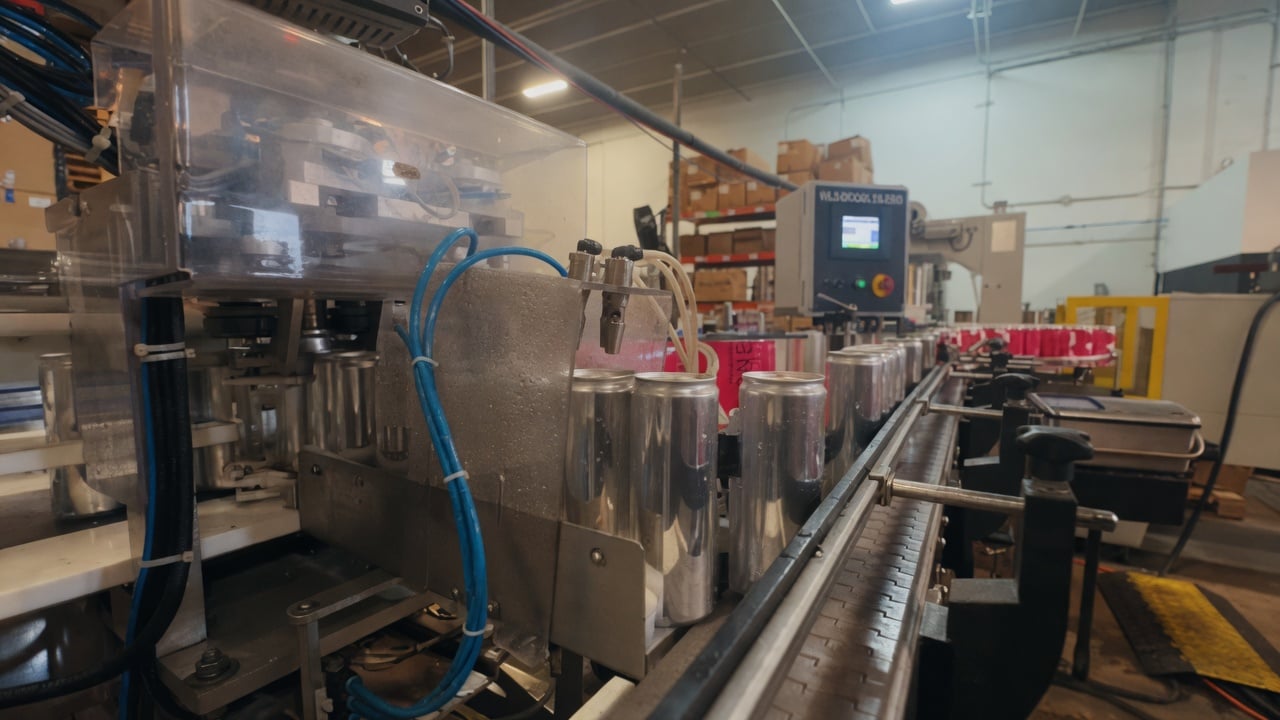
- Filling and sealing. Can lines run fast, but they need careful setup, cleaning and quality checks between runs. Still water adds a step: a tiny dose of liquid nitrogen goes in before the lid, so the can stays rigid instead of soft. Sparkling water is pressurized by its carbonation.
- The water itself. Treated, filtered water costs very little per can. Specialty types change that a bit, which is why sparkling and alkaline are priced a little differently from still.
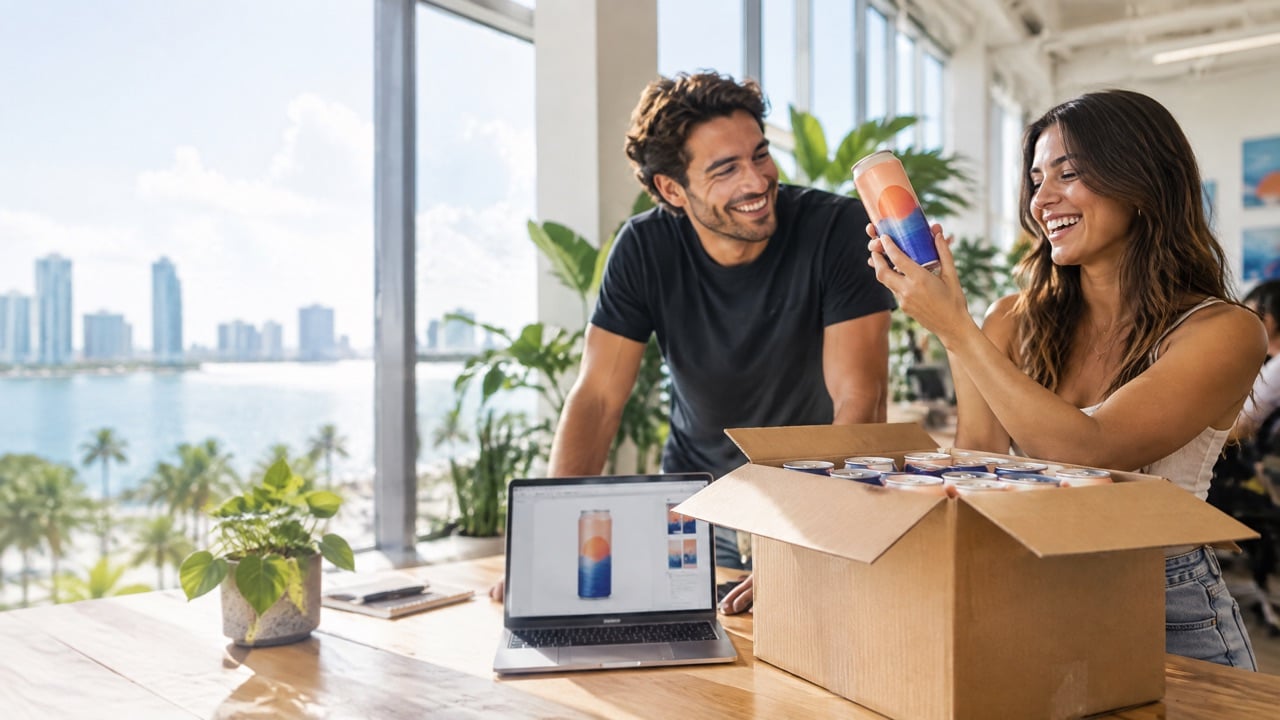
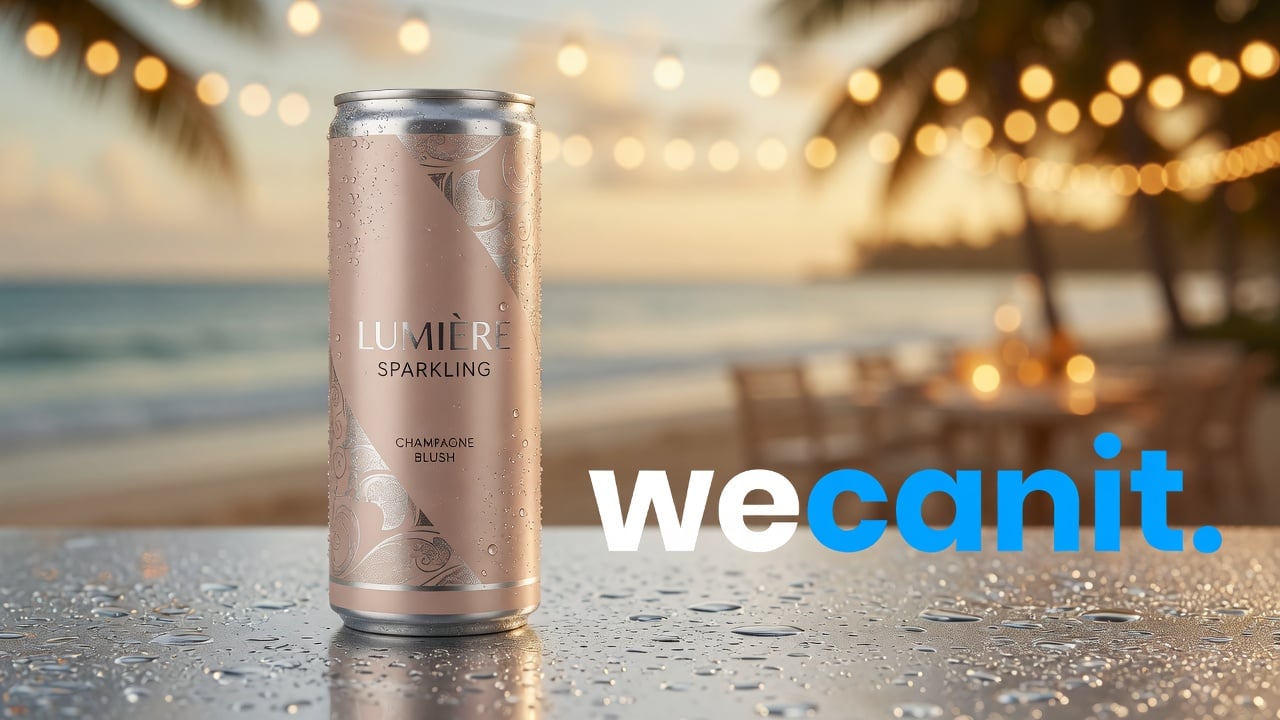
- Print and branding. A label or a full digital print on the aluminum adds cost, design proofs and setup. It is also the reason the can exists: it carries your brand into every hand.
- Run size. Setup time is spread across every can in a run. A run of 504 cans carries more setup per can than a run of 50,000. This is the single biggest lever you control.
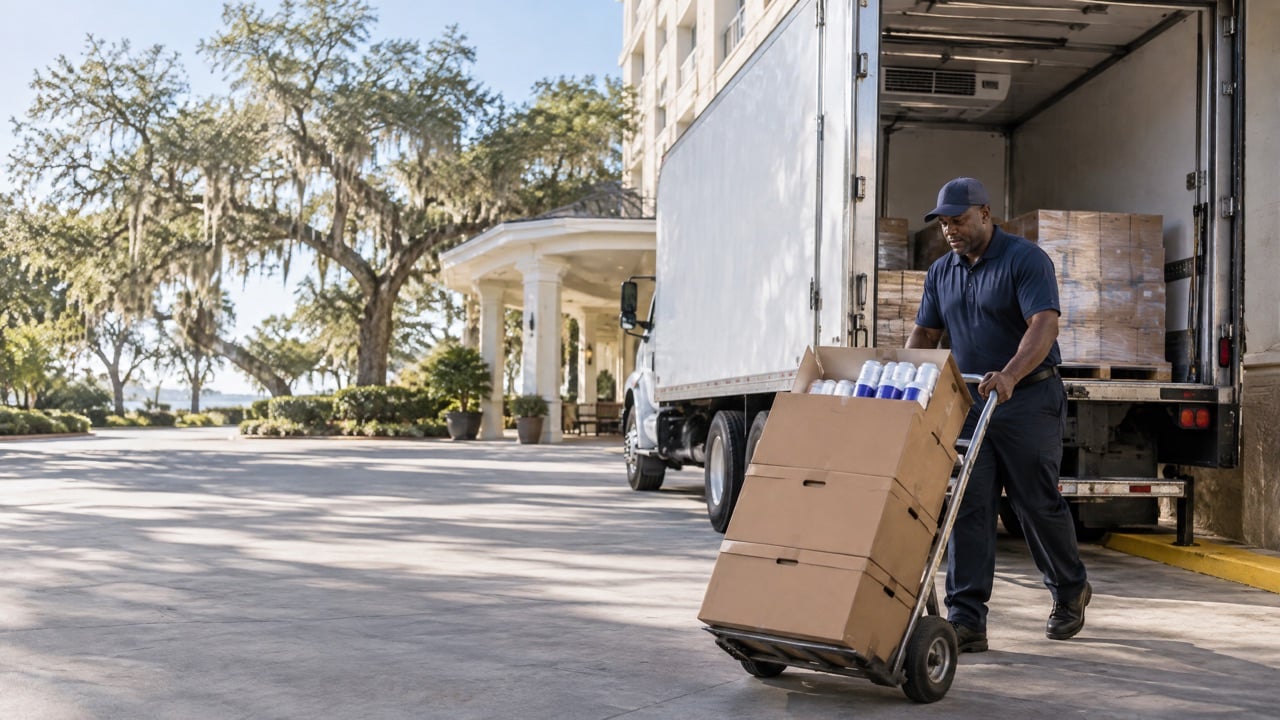
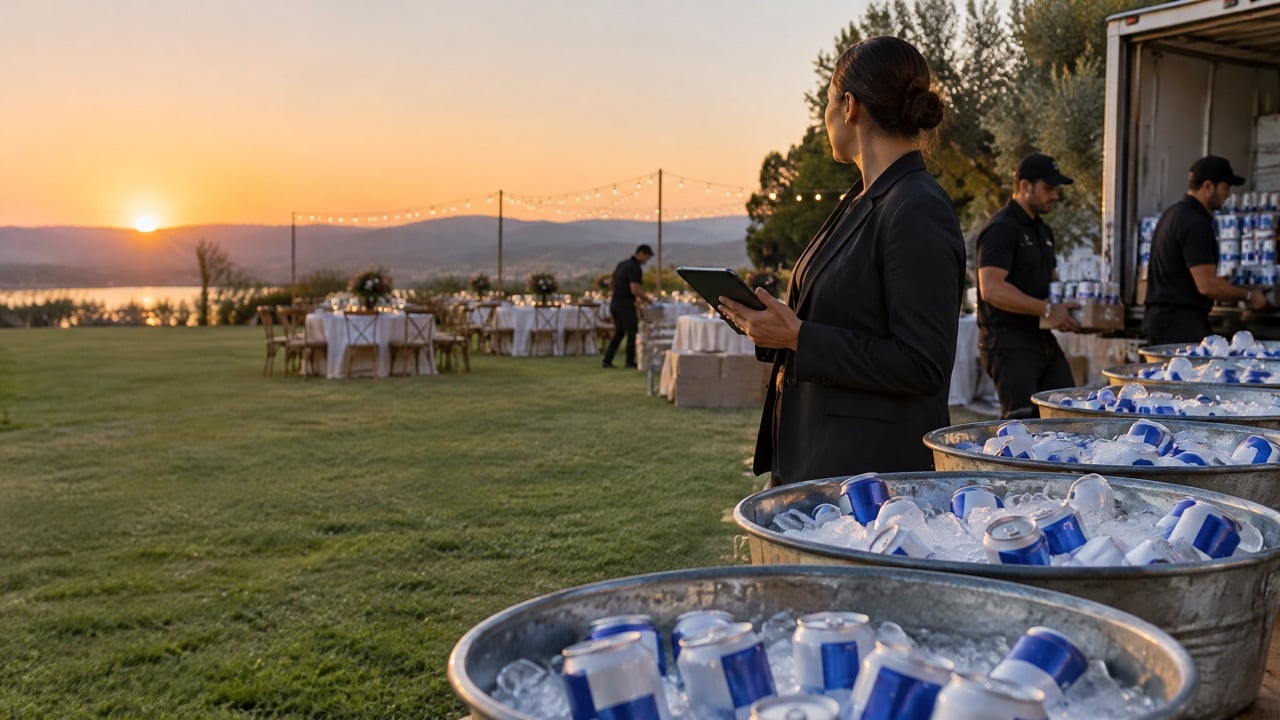
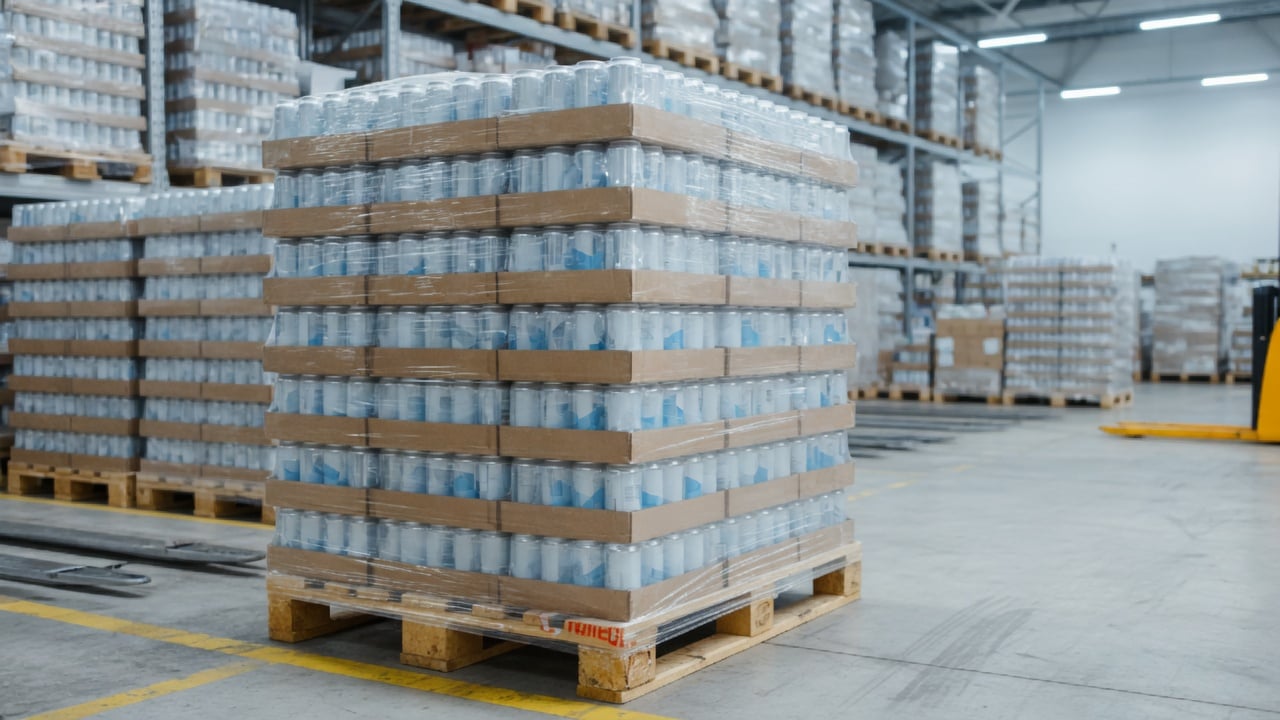
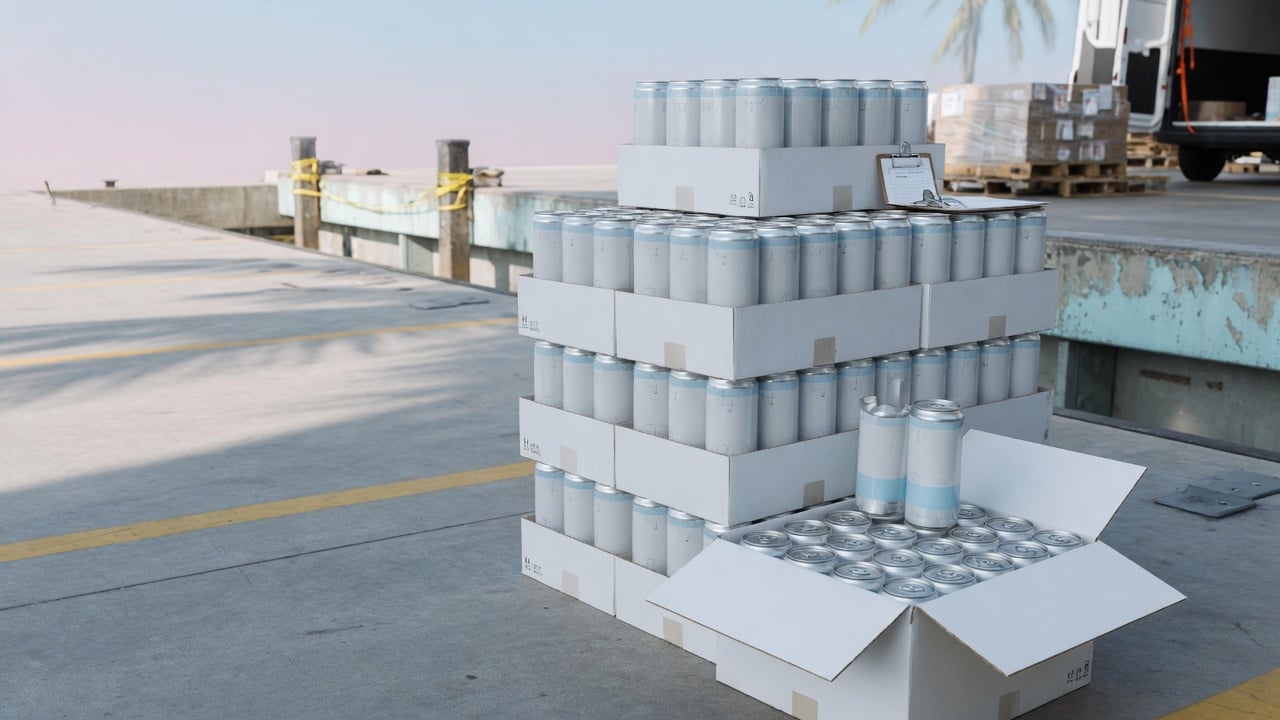
- Freight. Water is heavy. Cases ride on pallets and trucks, and distance changes the bill. Aluminum is lighter than glass and stacks well, but shipping still shows up in your total.
What you are paying for that a plastic bottle does not give you
Price only makes sense next to value, so it is worth naming what the can actually delivers.
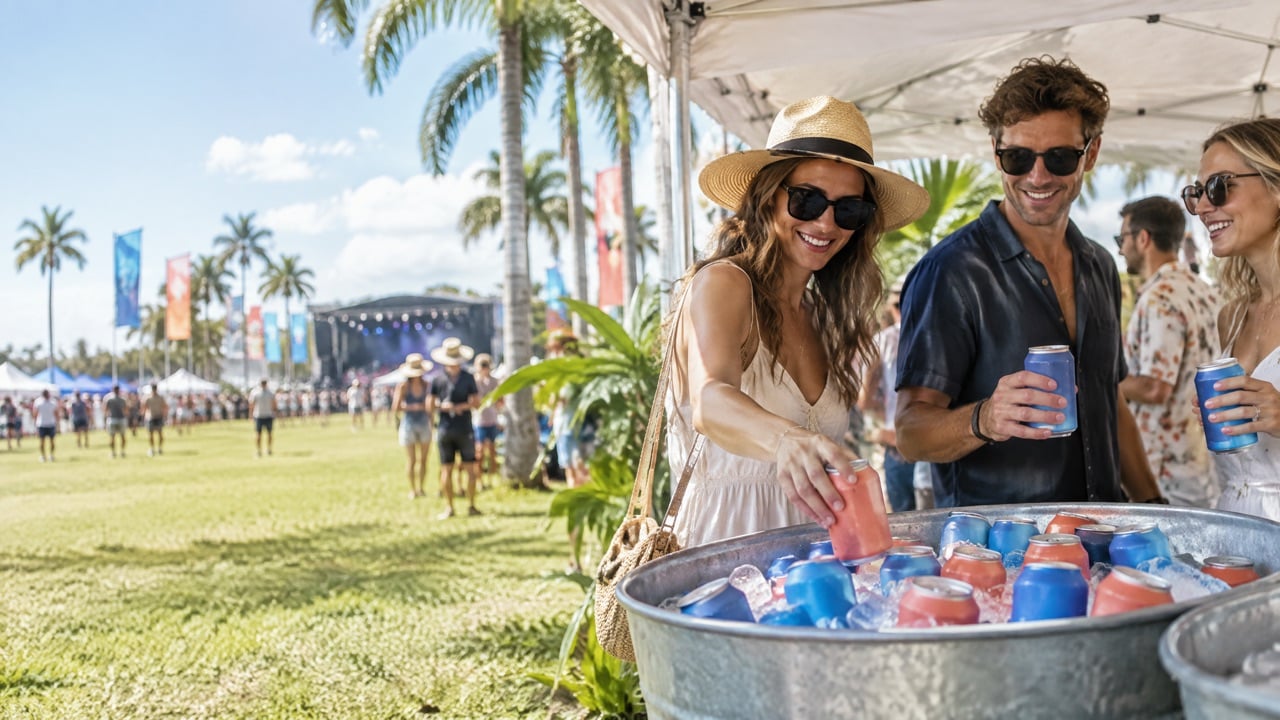
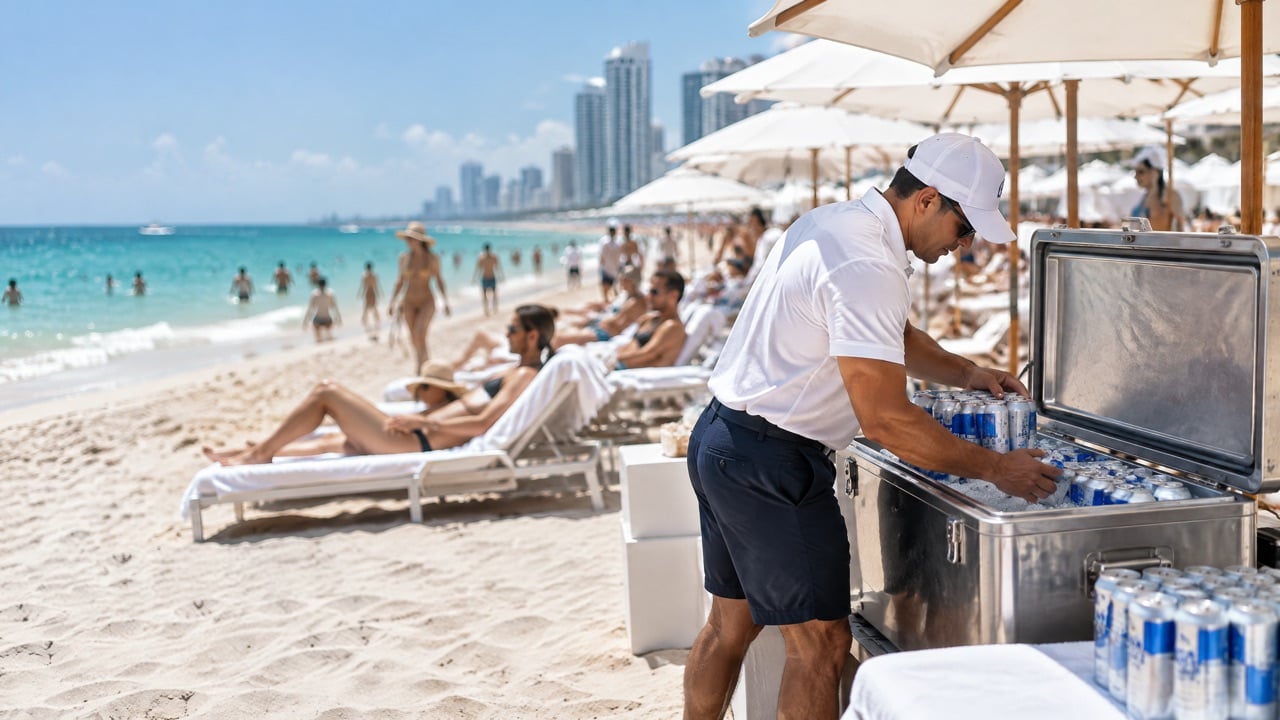
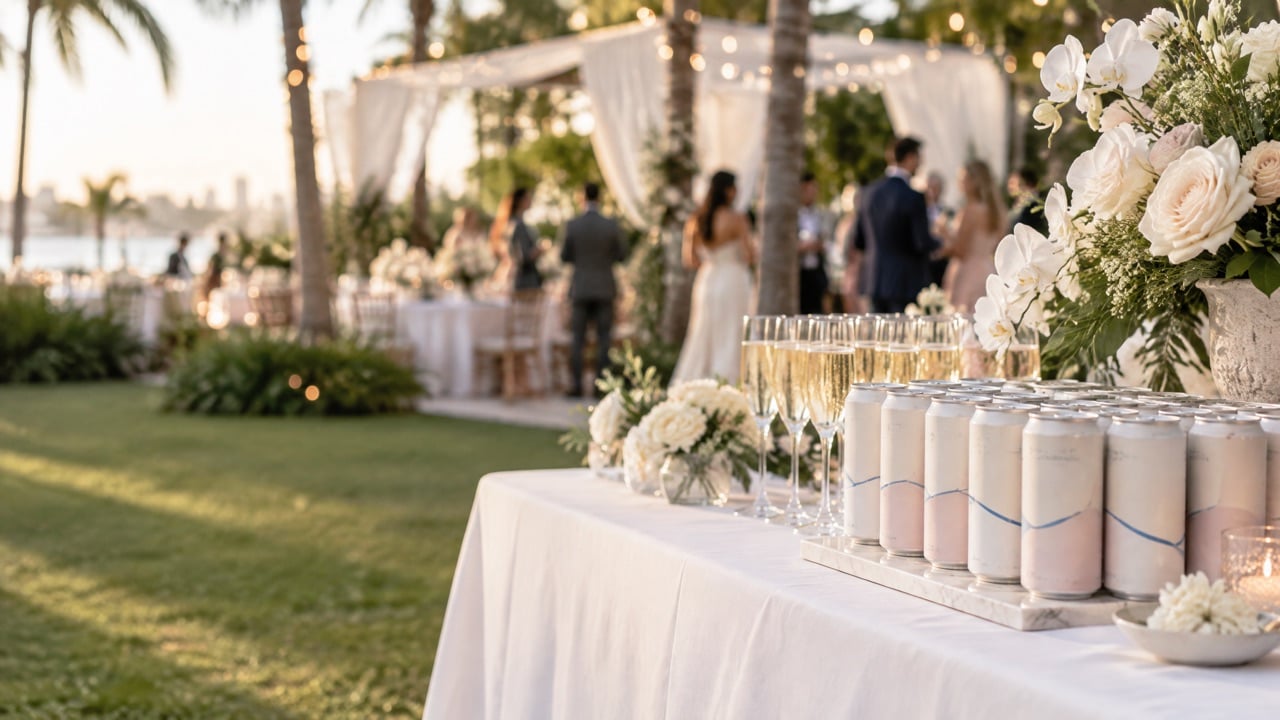
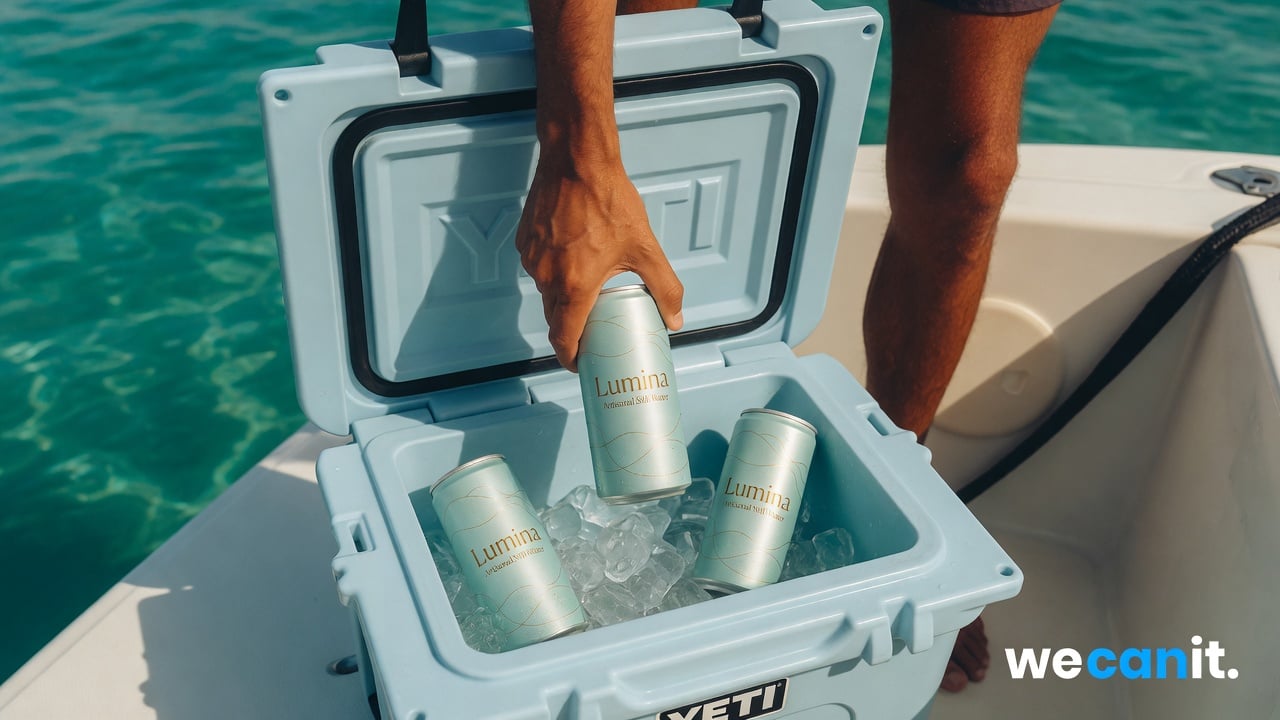
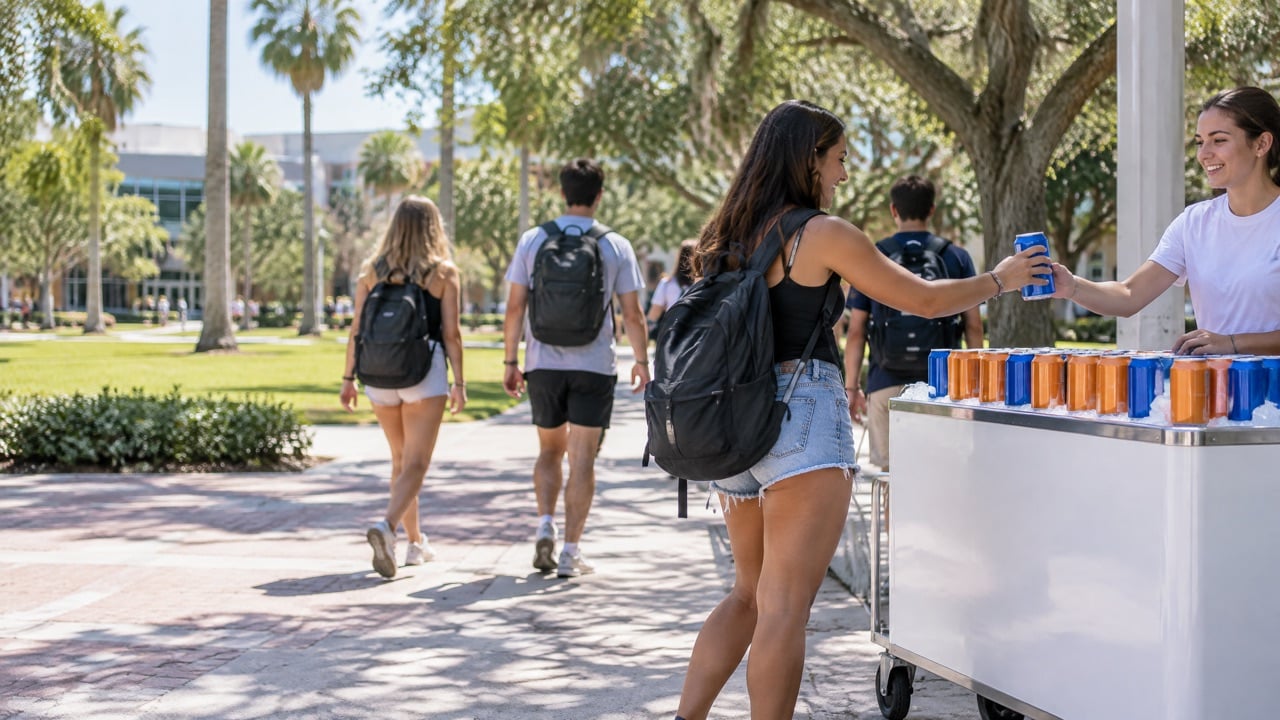
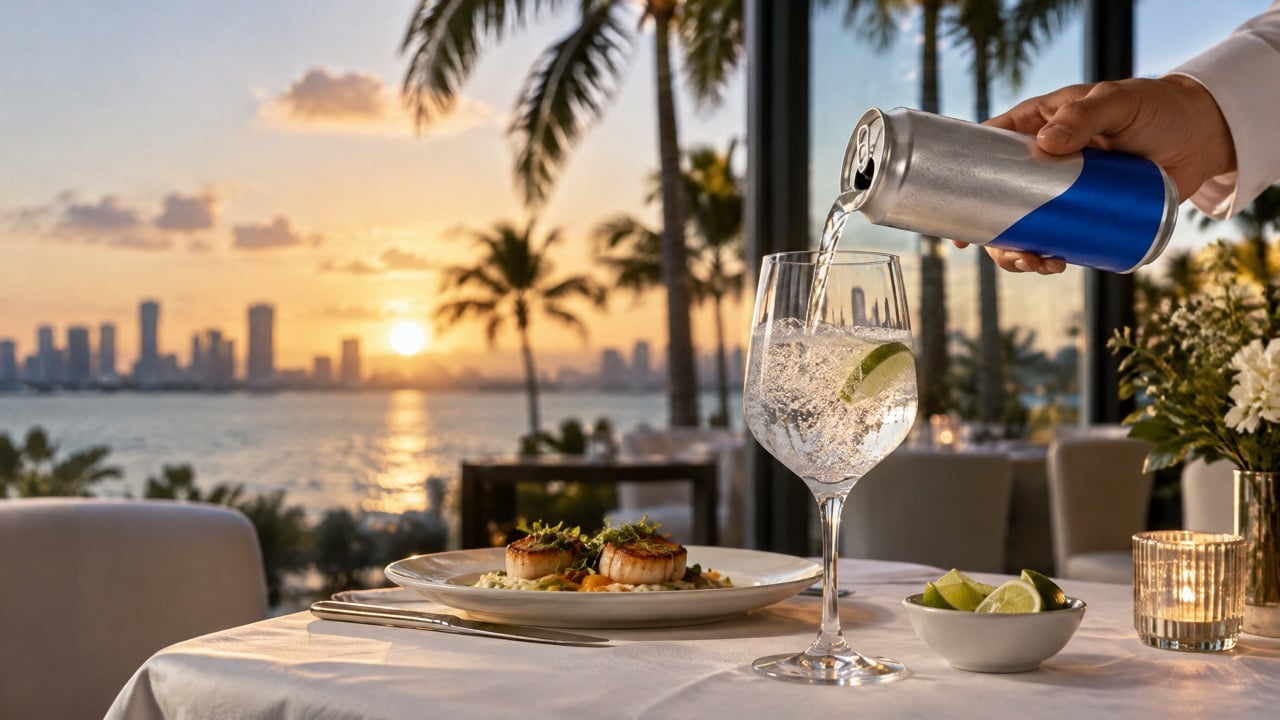
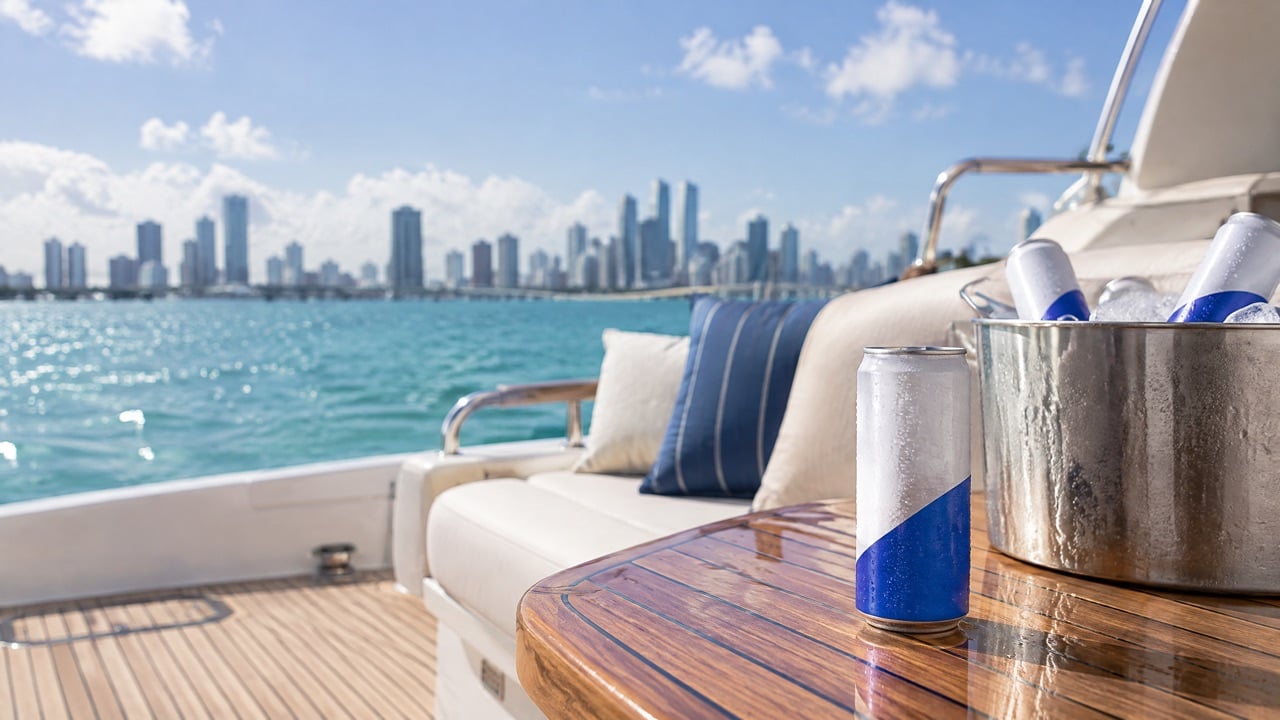
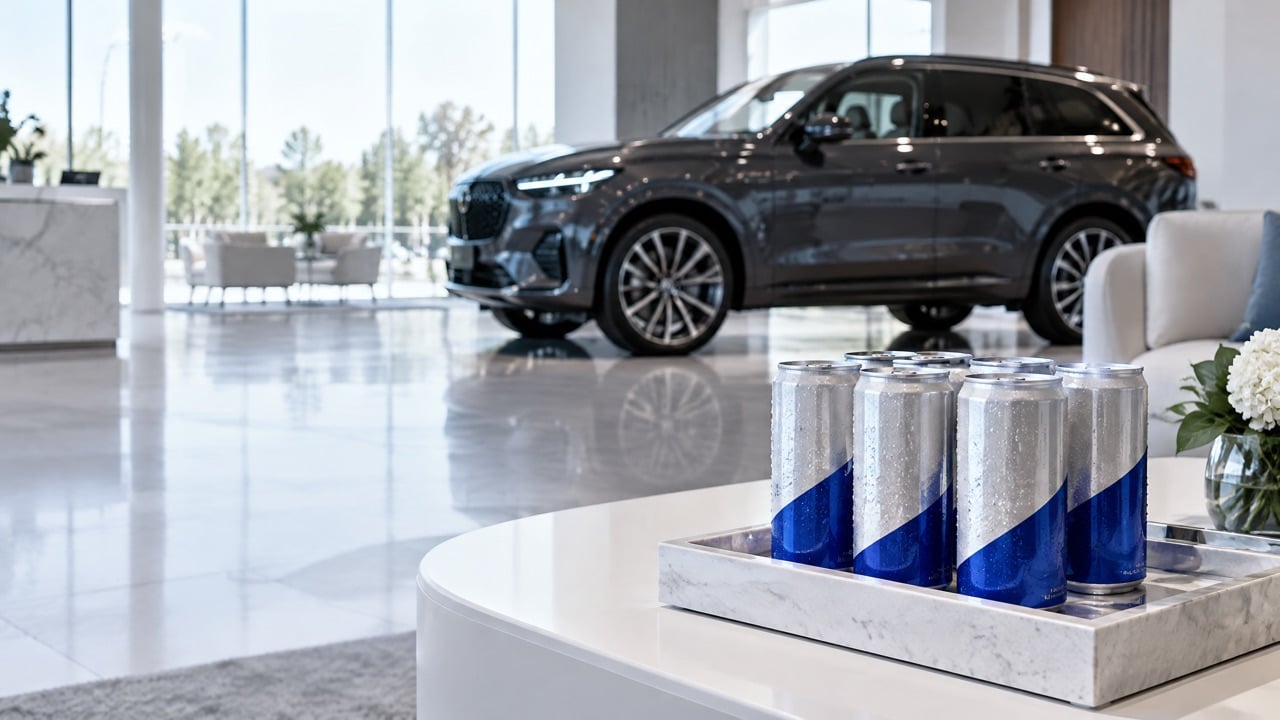
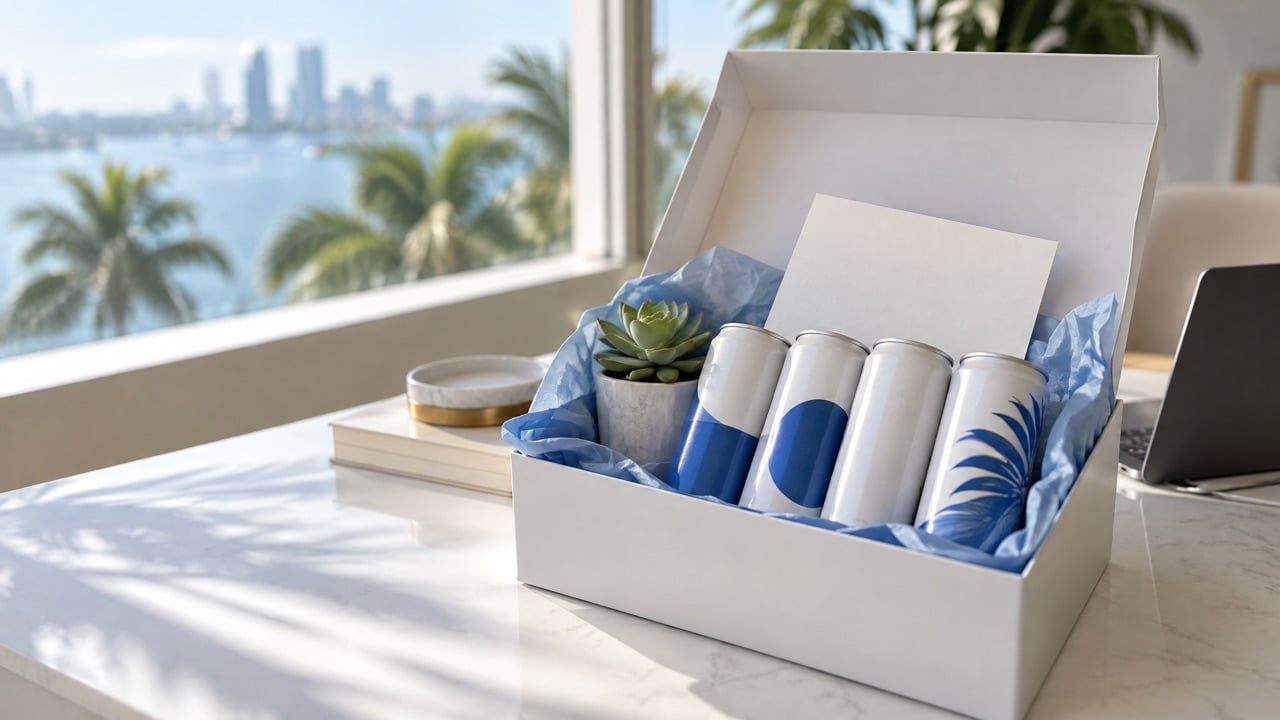
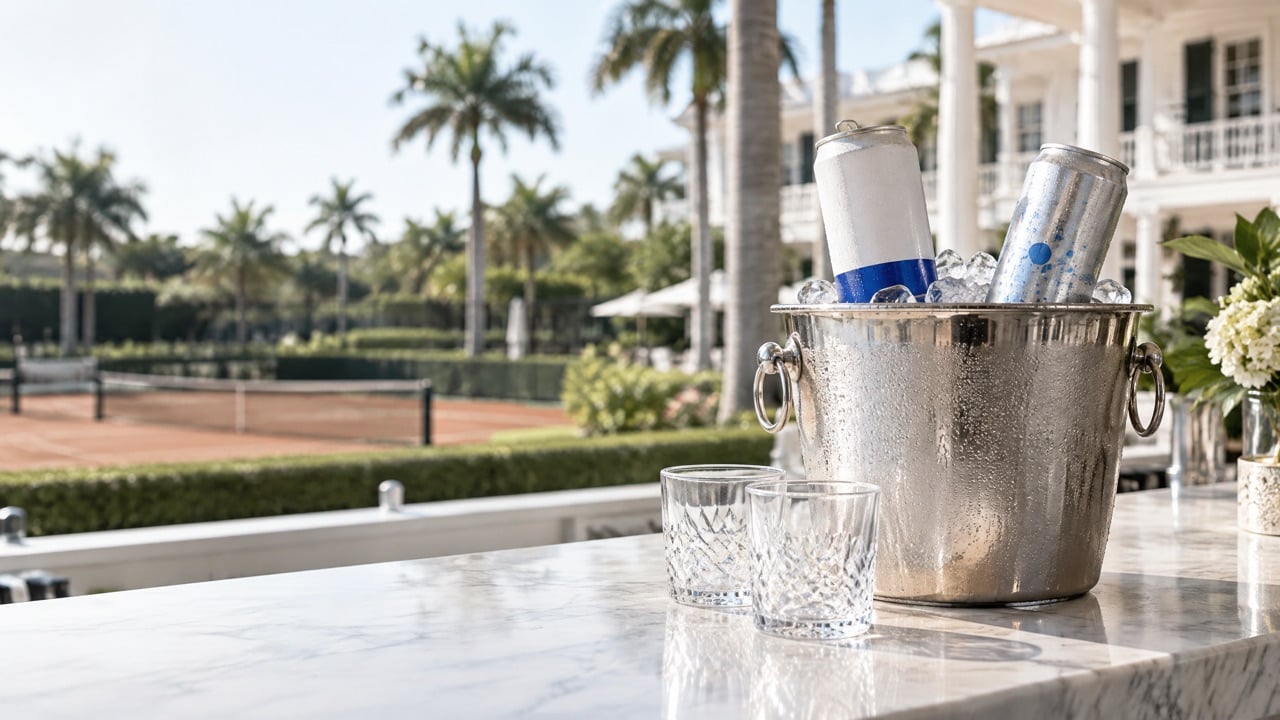
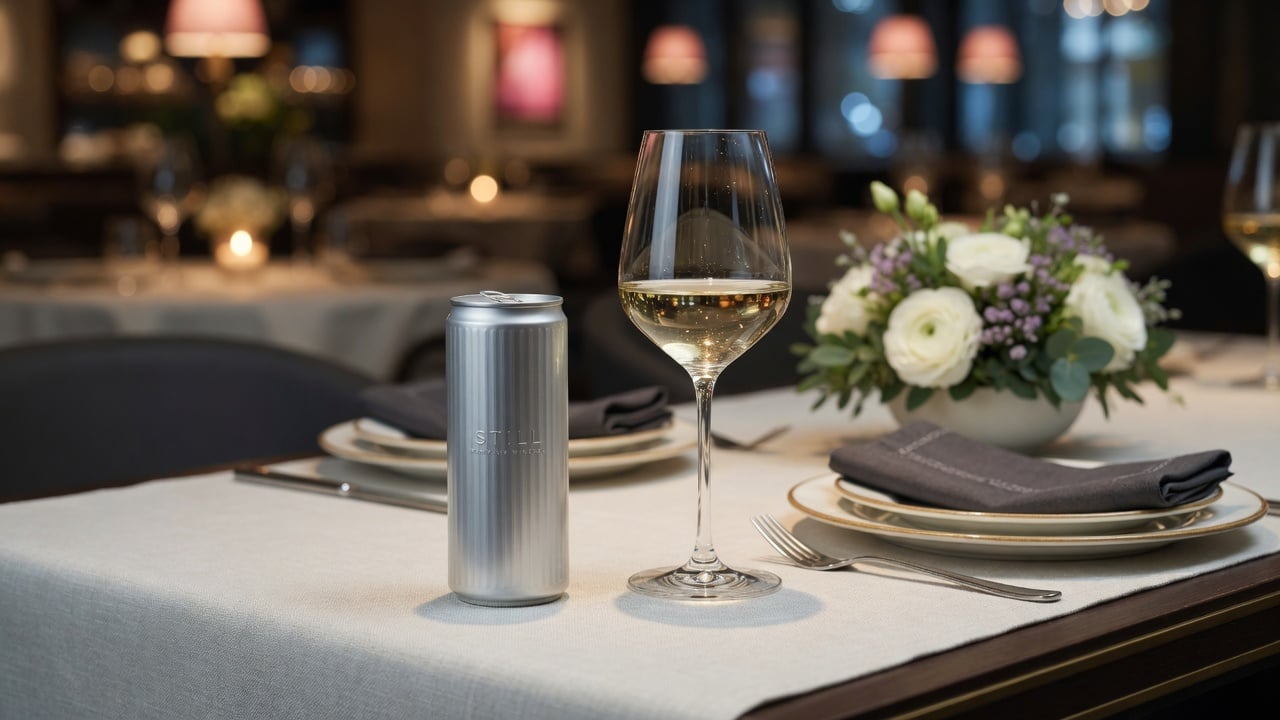
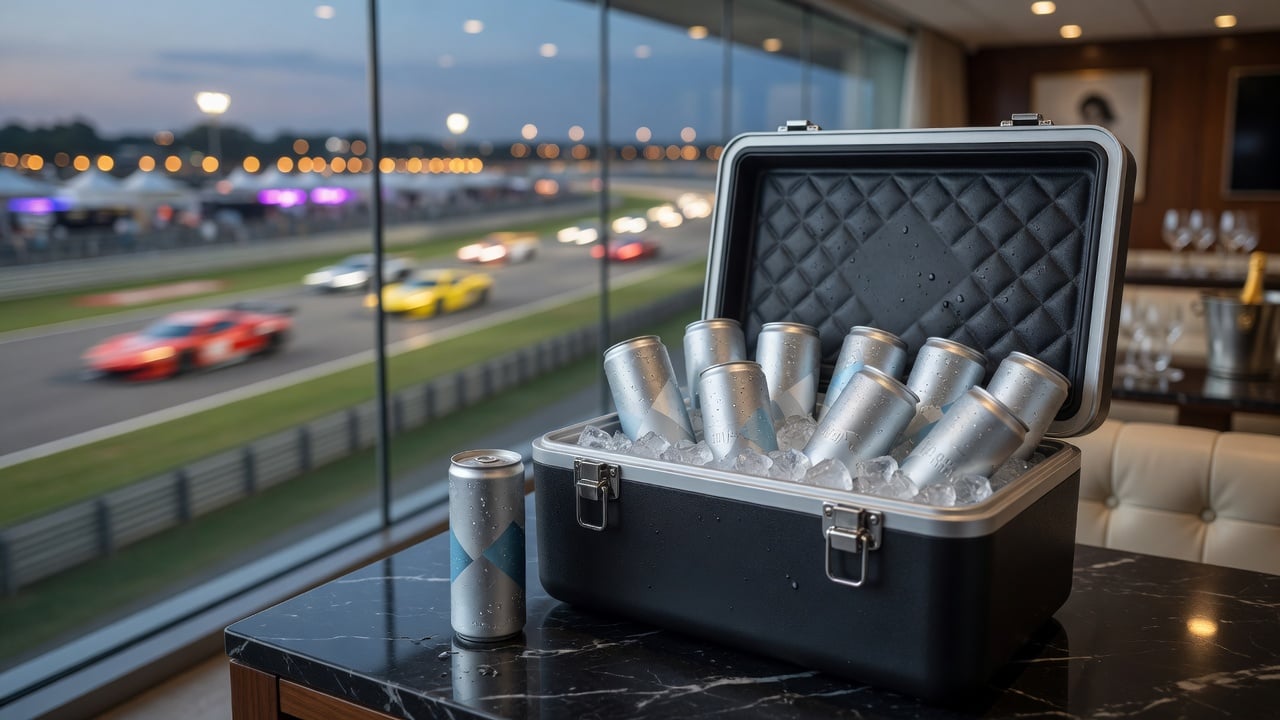
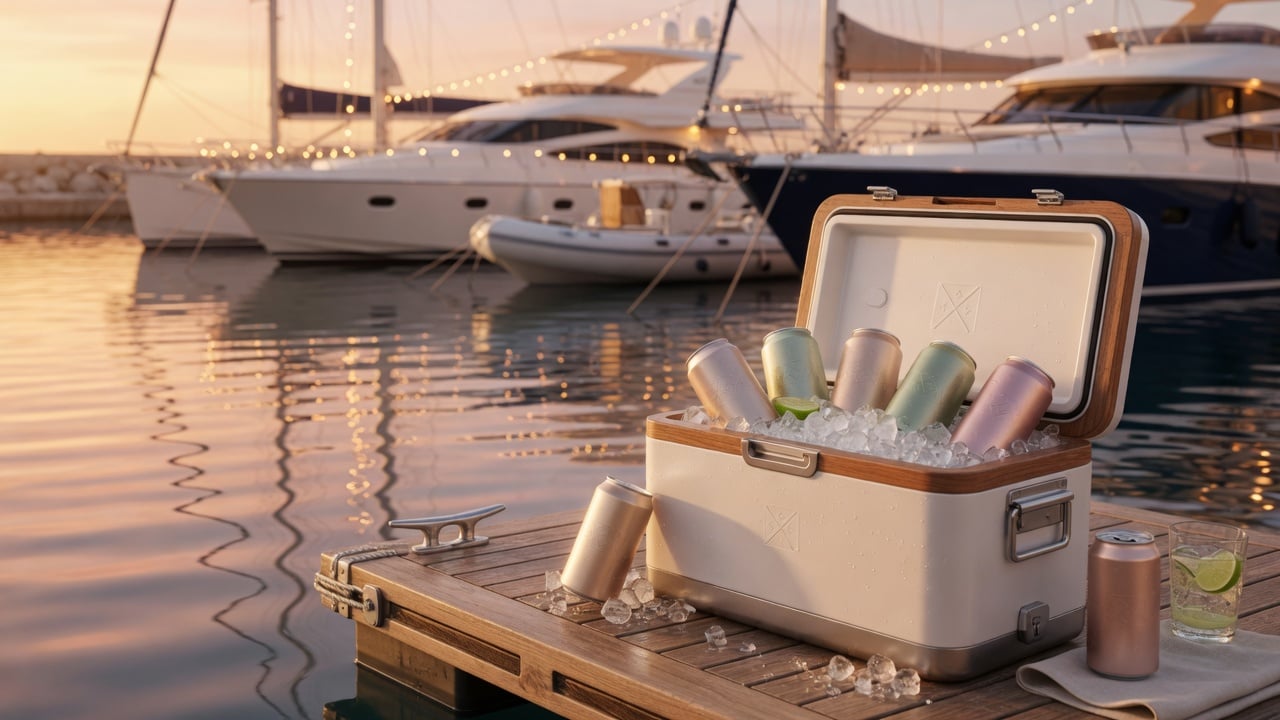
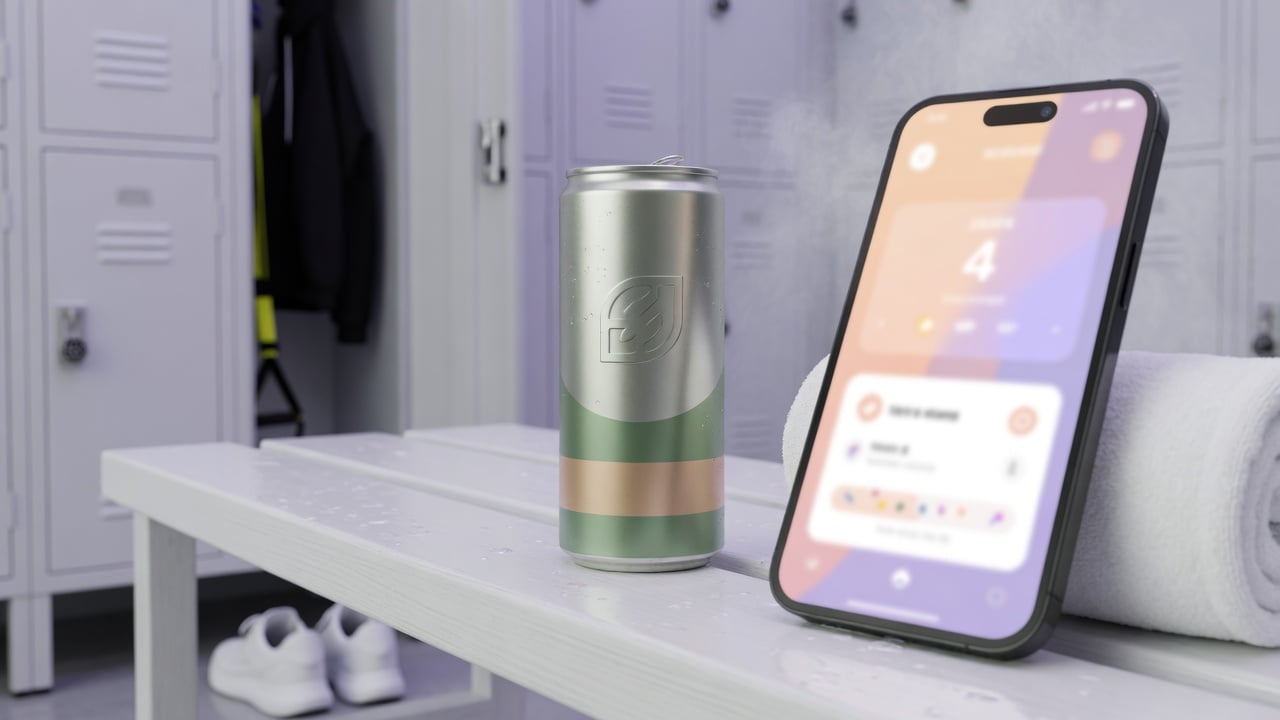
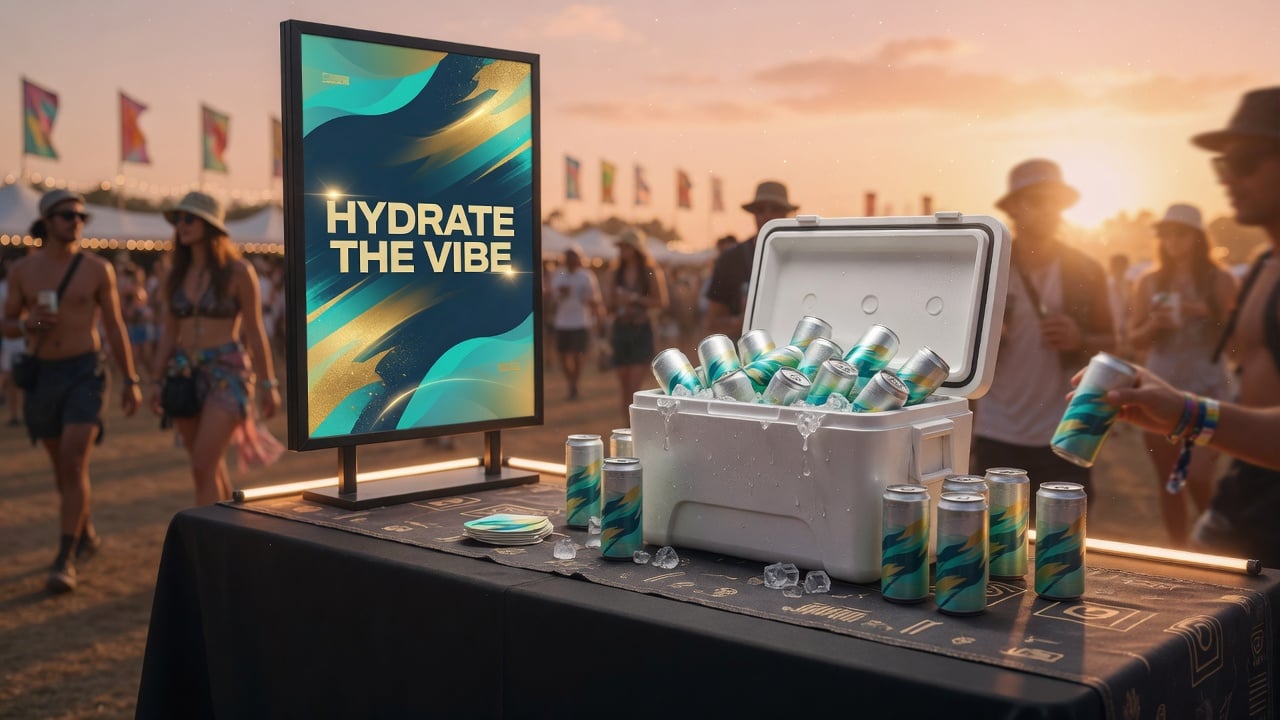
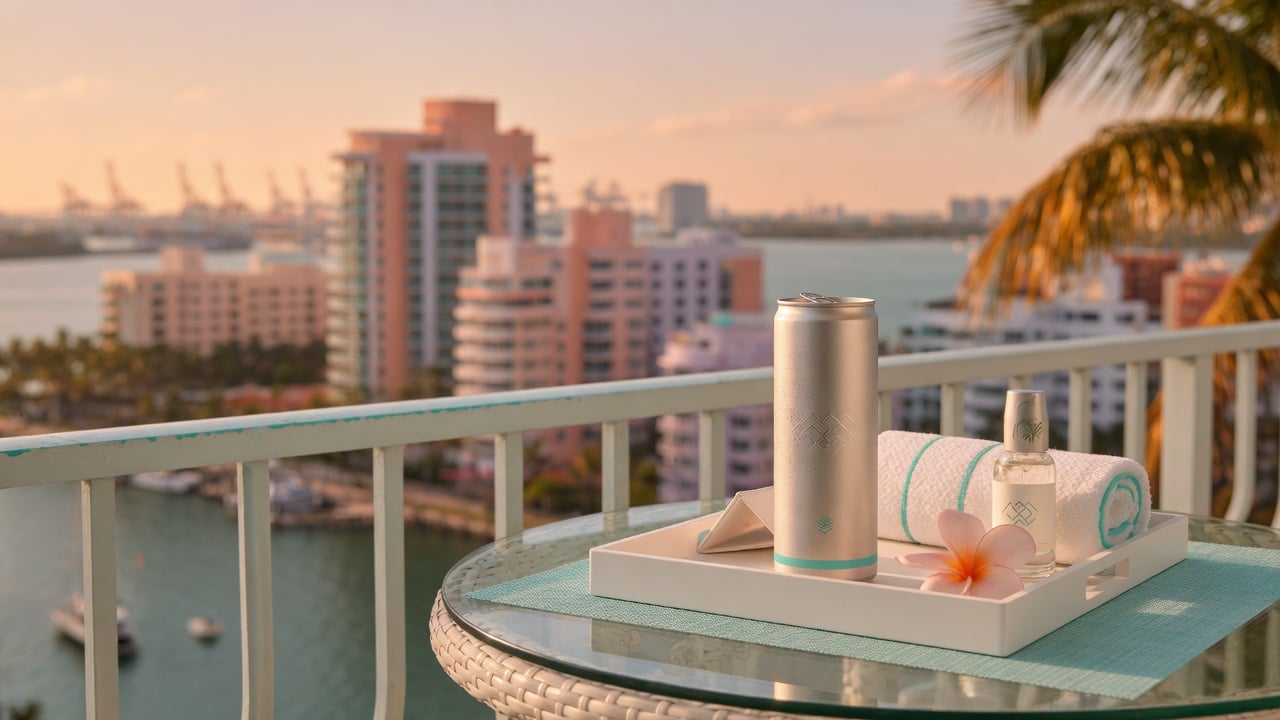
- A premium feel. A cold aluminum can reads as intentional in a lobby, on a bar tray or in a gift bag. Guests photograph it.
- Full branding surface. Wrap-around art gives you far more room than a narrow bottle label.
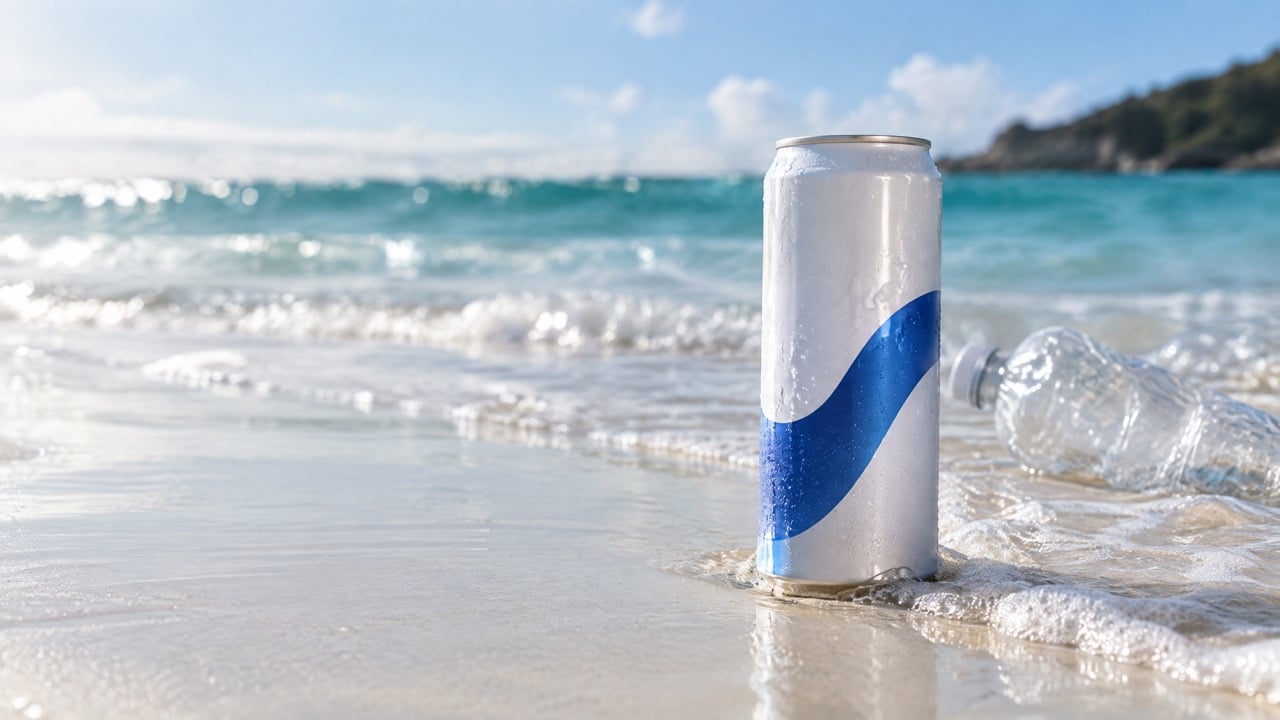
- A recycling story you can stand behind. Aluminum is widely recycled, and the Aluminum Association notes it can be recycled repeatedly without losing quality. Many venues and brands are actively moving away from single-use plastic.
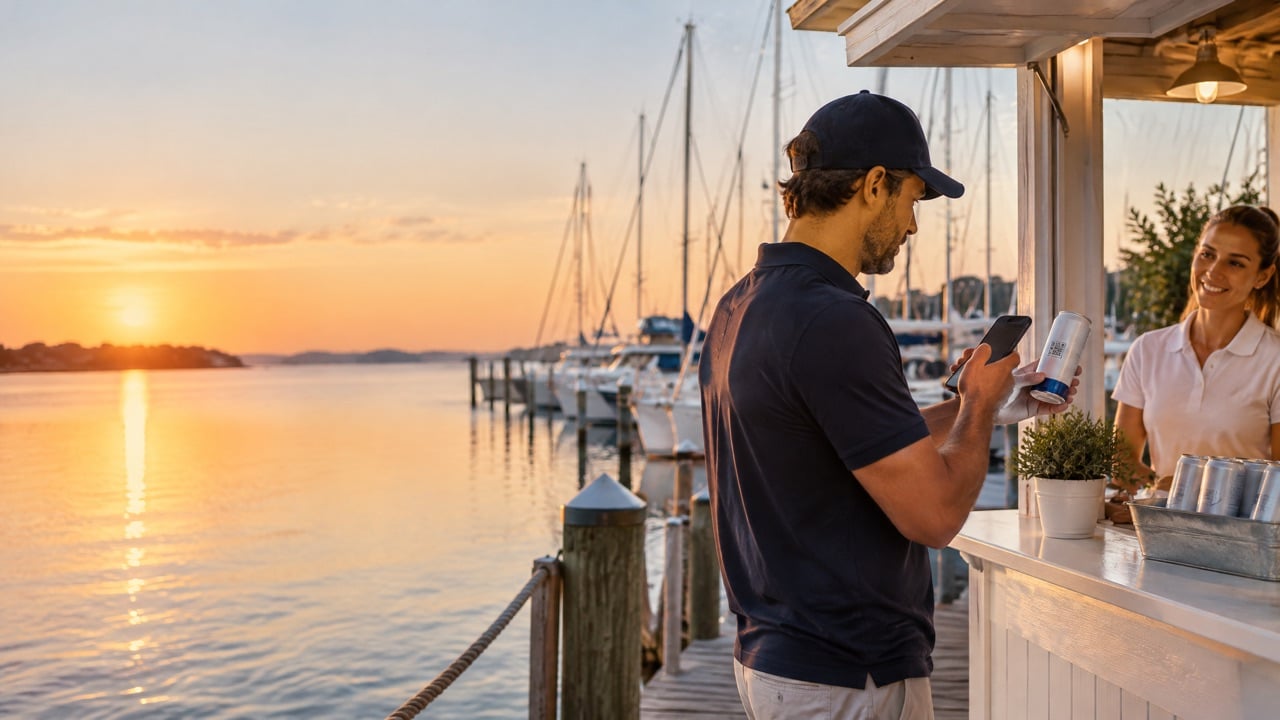
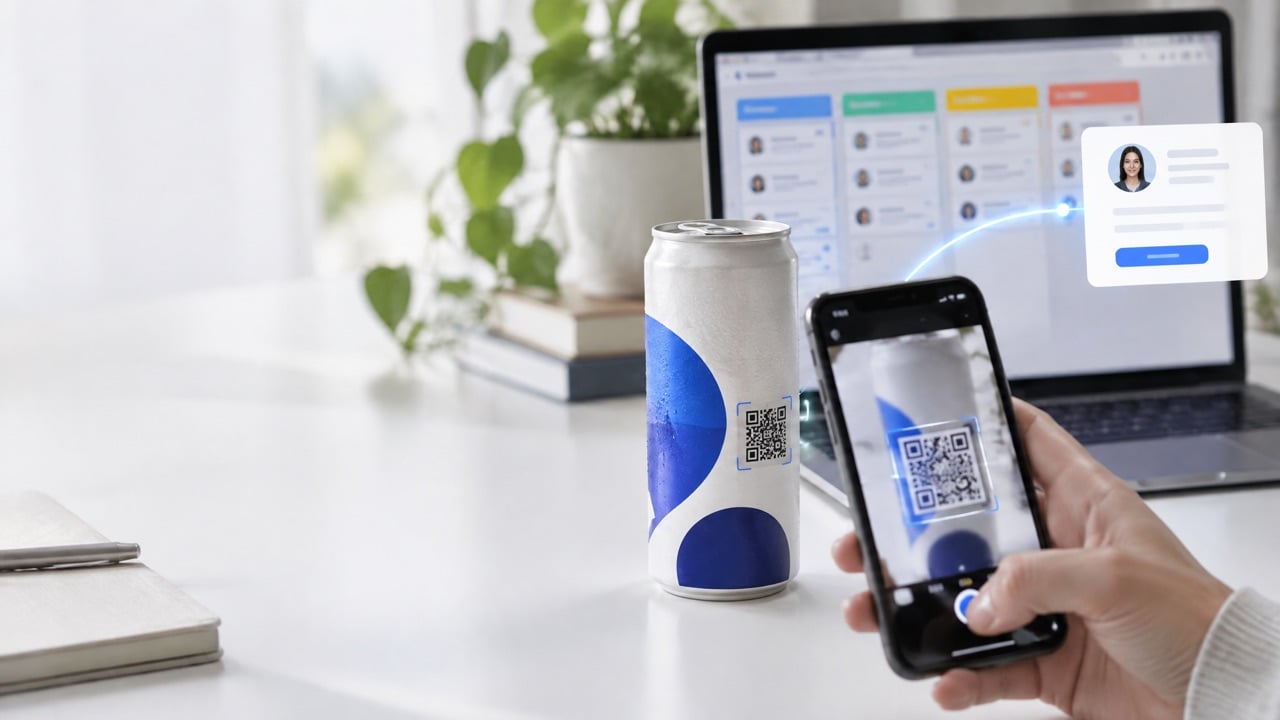
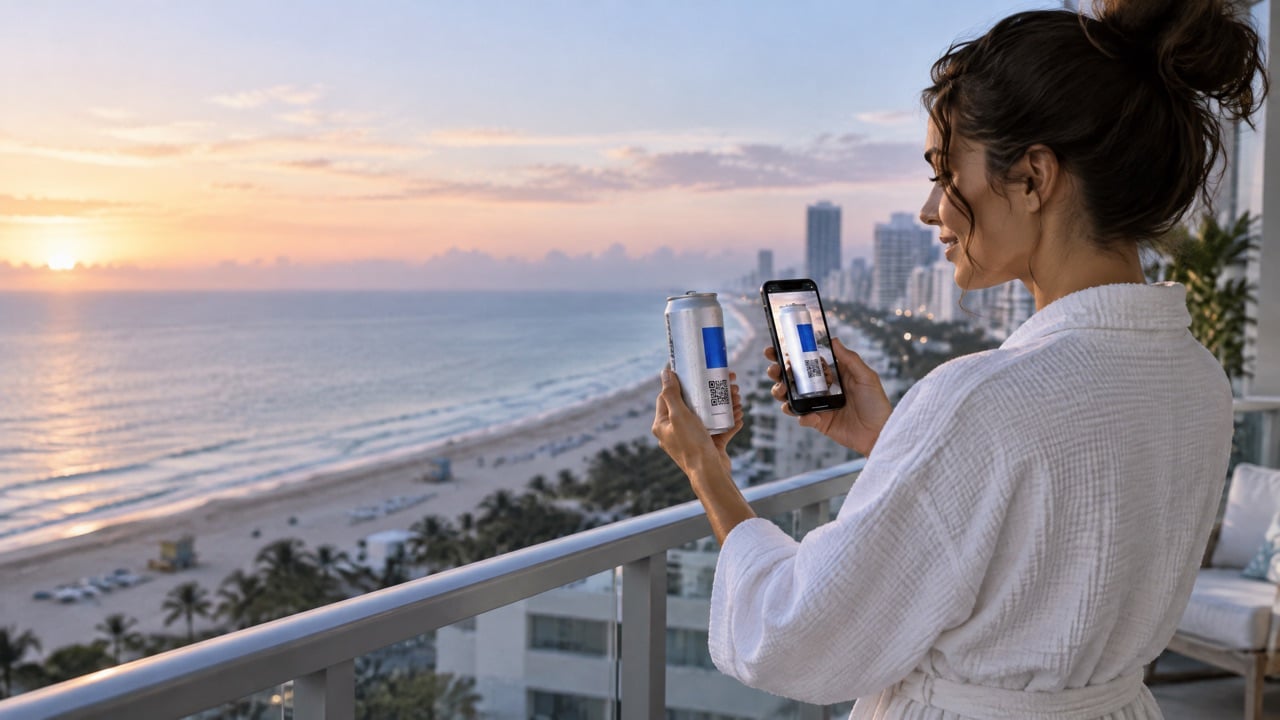
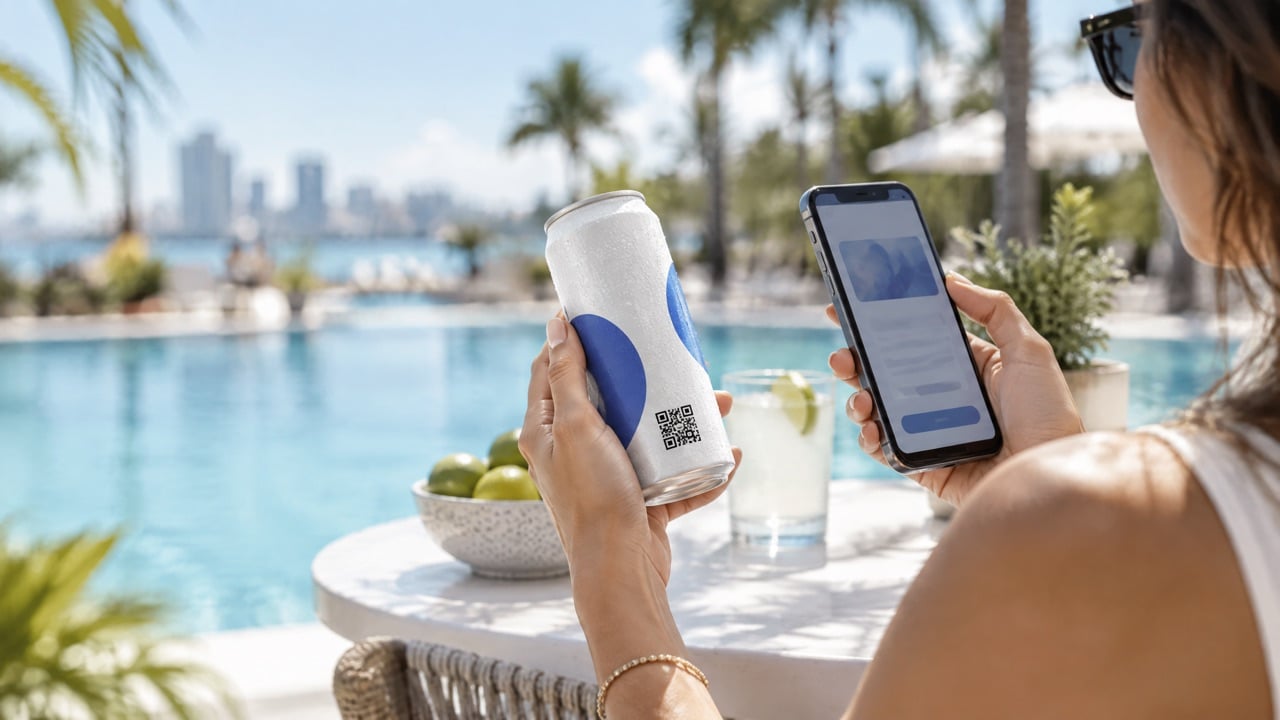
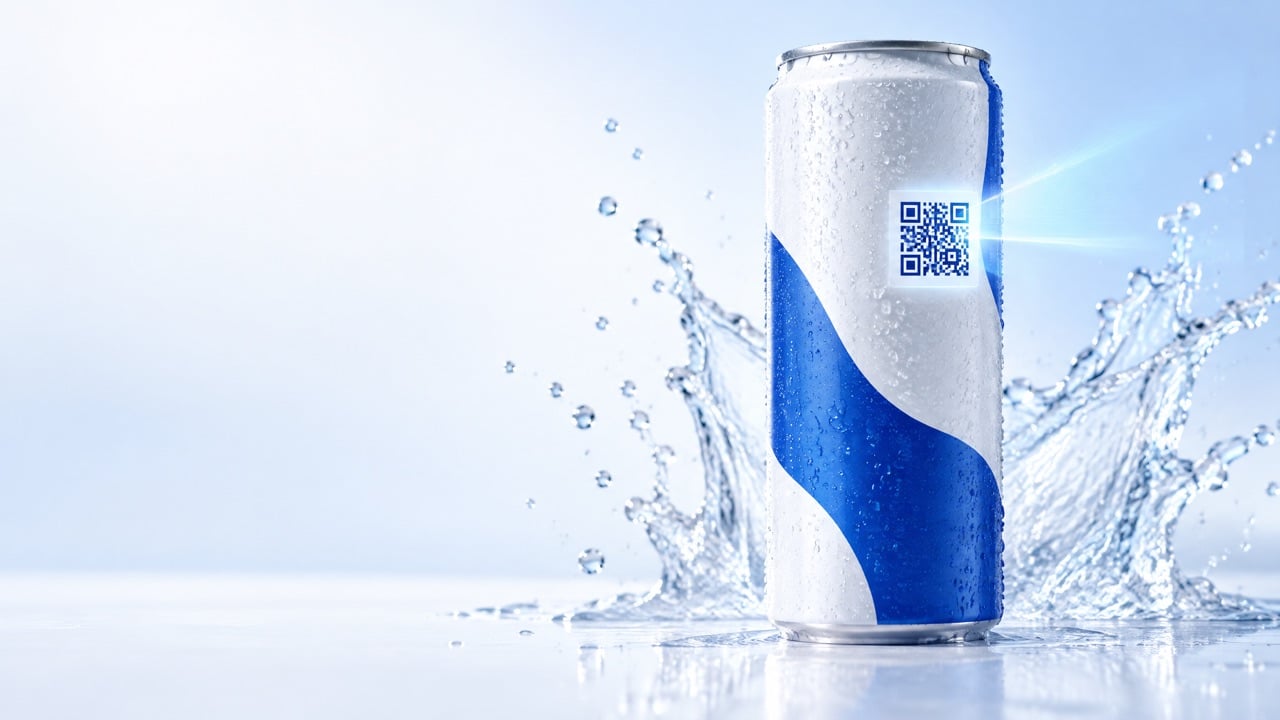
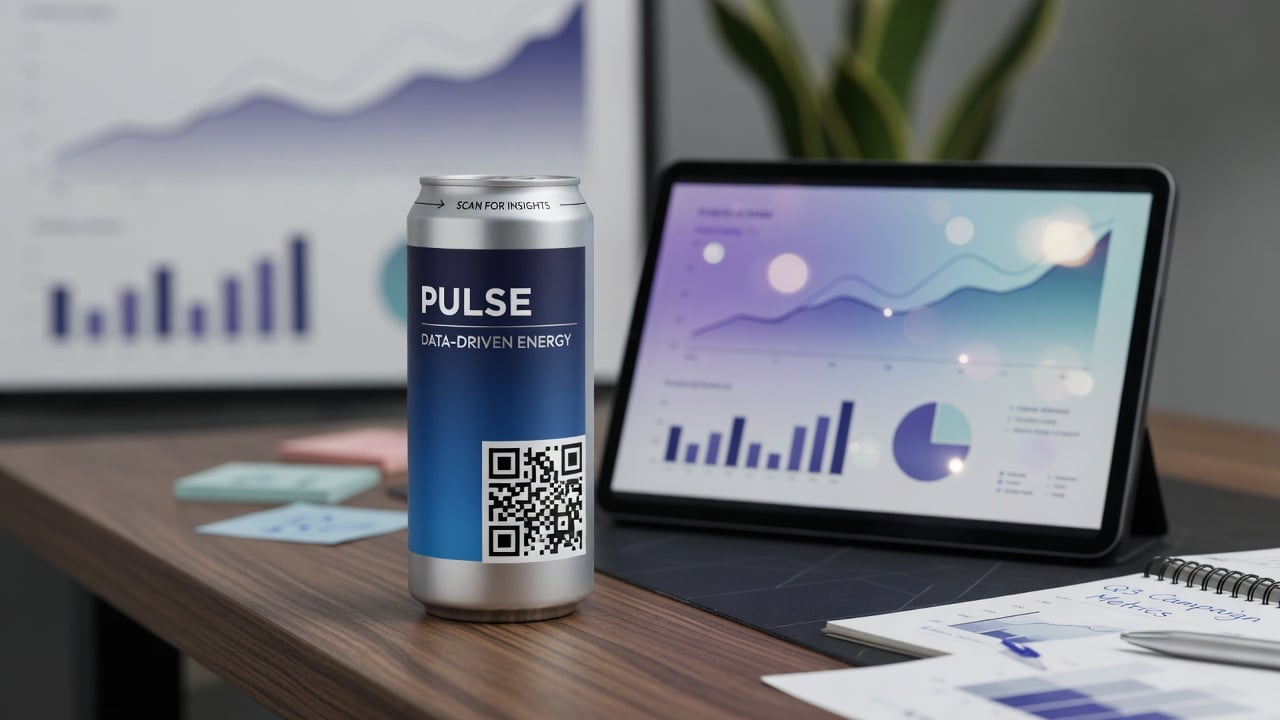
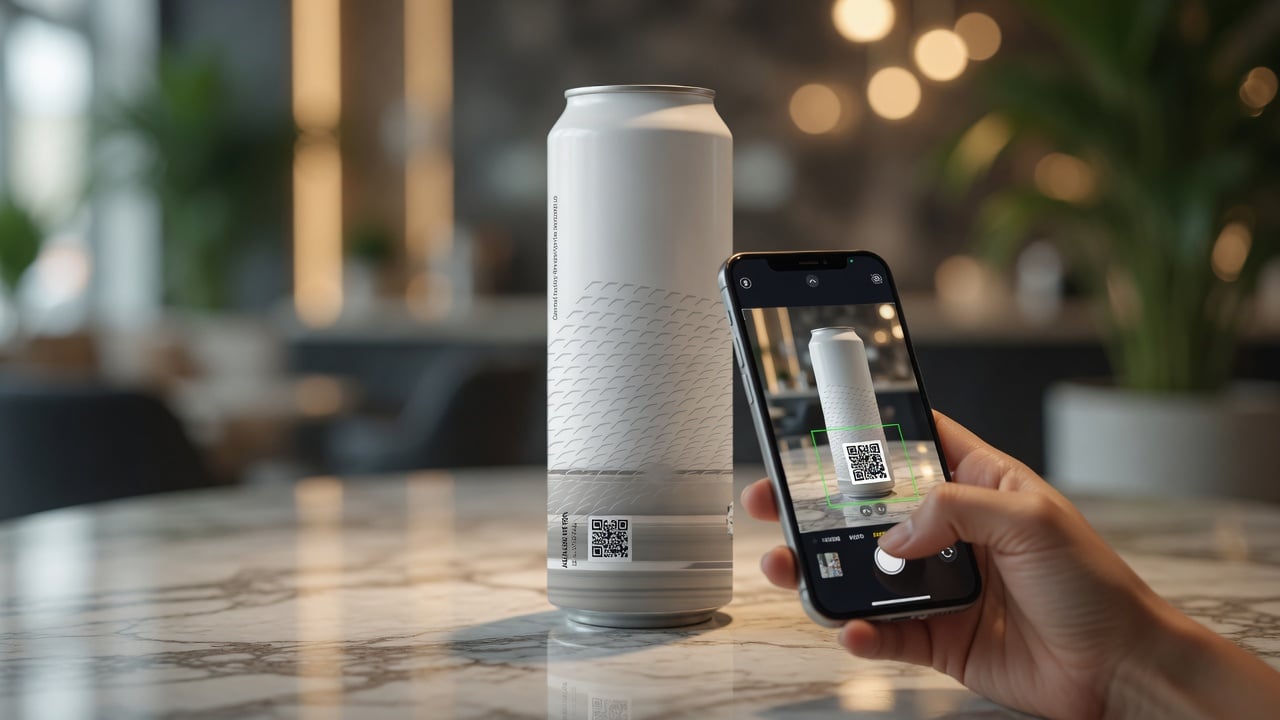
- A digital doorway. A QR code on the can opens a landing page, a survey, a menu or a full Journeys experience. A plain bottle stops at hydration.
- Protection from light and air. The can blocks light completely, which helps the water taste the way it should. Our guide on how long canned water lasts covers shelf life in detail.
If your goal is the cheapest possible hydration, plastic wins. If your goal is a branded moment guests remember, the can usually earns its price.
How much does private label canned water cost per can?
For digitally printed cans, We Can It pricing runs from $0.90 to $2.50 per can, depending on volume. Higher volumes get lower per-can prices. Labeled cans are priced very competitively for small runs, and a QR code is included at no extra cost on both options. Your exact number depends on size, water type, print method and quantity, so the fastest way to see it is the online calculator.
We publish a range instead of a single number on purpose. A single price would only be true for one specific order, and quoting it as a universal fact would mislead you. The calculator gives you a real estimate in a couple of minutes, and a product advisor follows up by email if you want to talk it through.
Building a budget for finance? Our private label water cost guide walks through the inputs a useful quote needs and the questions a CFO will ask.
Labels vs digital print: how the print method changes price
Your print choice is one of the clearest ways to shape cost.
- Labeled cans start at 21 cases (504 cans). They are ideal for pilots, single events and first orders, when you want a branded can without committing to a large run.
- Digital print starts at 100 cases. The art is printed directly on the aluminum, which gives a seamless, premium finish, and the per-can price drops as volume rises.
Many brands start with labels for a first event, learn what guests respond to, then move to digital print once the design and volume are settled. Our packaging technology page explains both processes.
Can size and water type
Size and water type change the price a little, and the guest experience a lot.
- 12oz Regular: the classic can most guests expect.
- 12oz Sleek: taller and slimmer, popular for hospitality and fashion events.
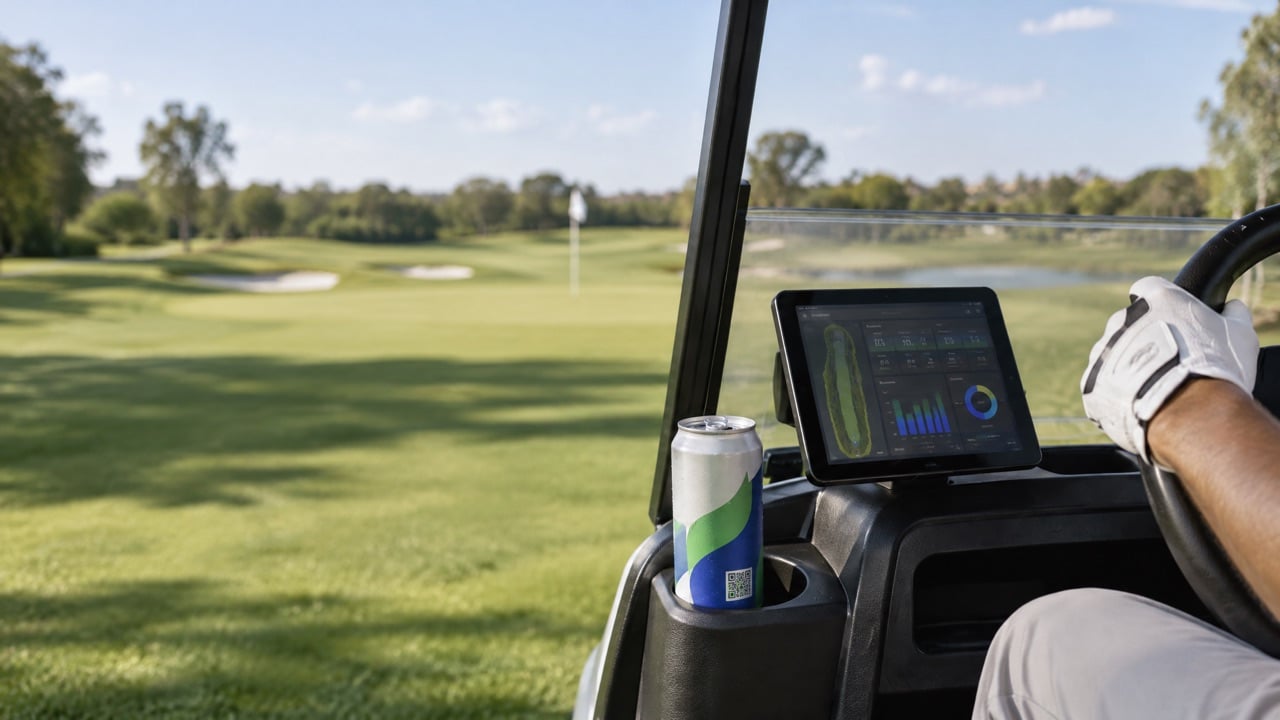
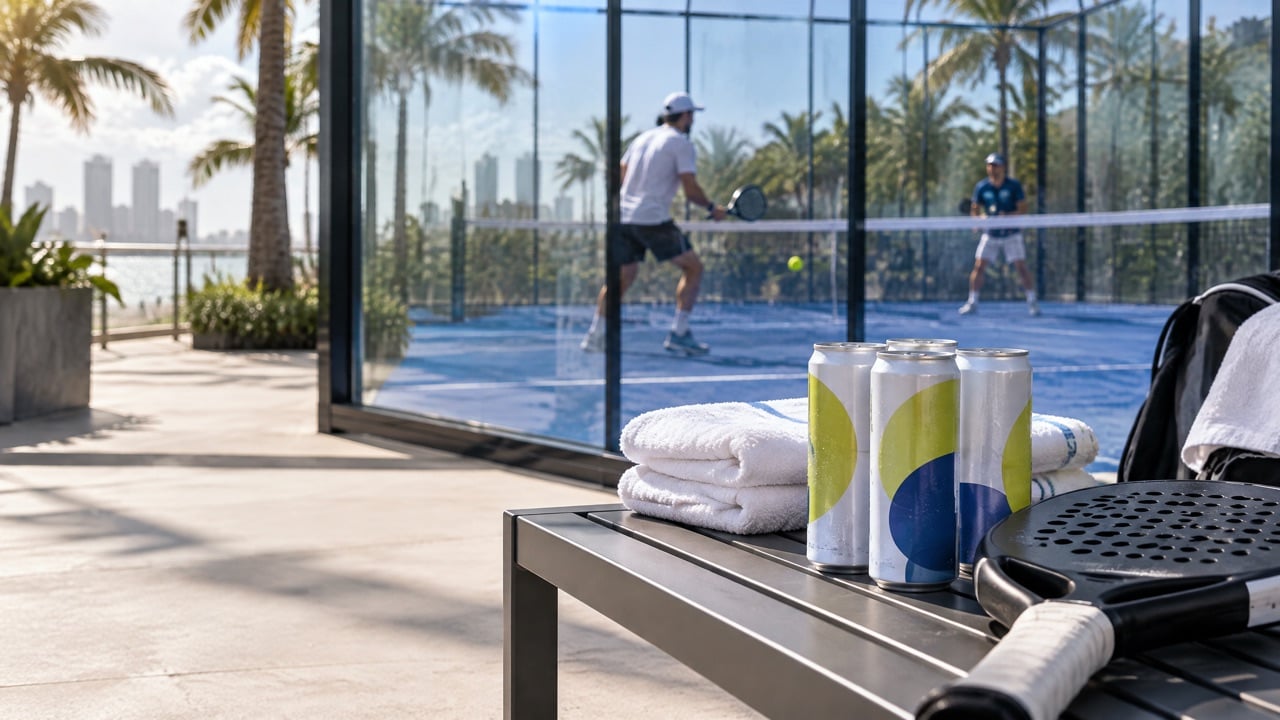
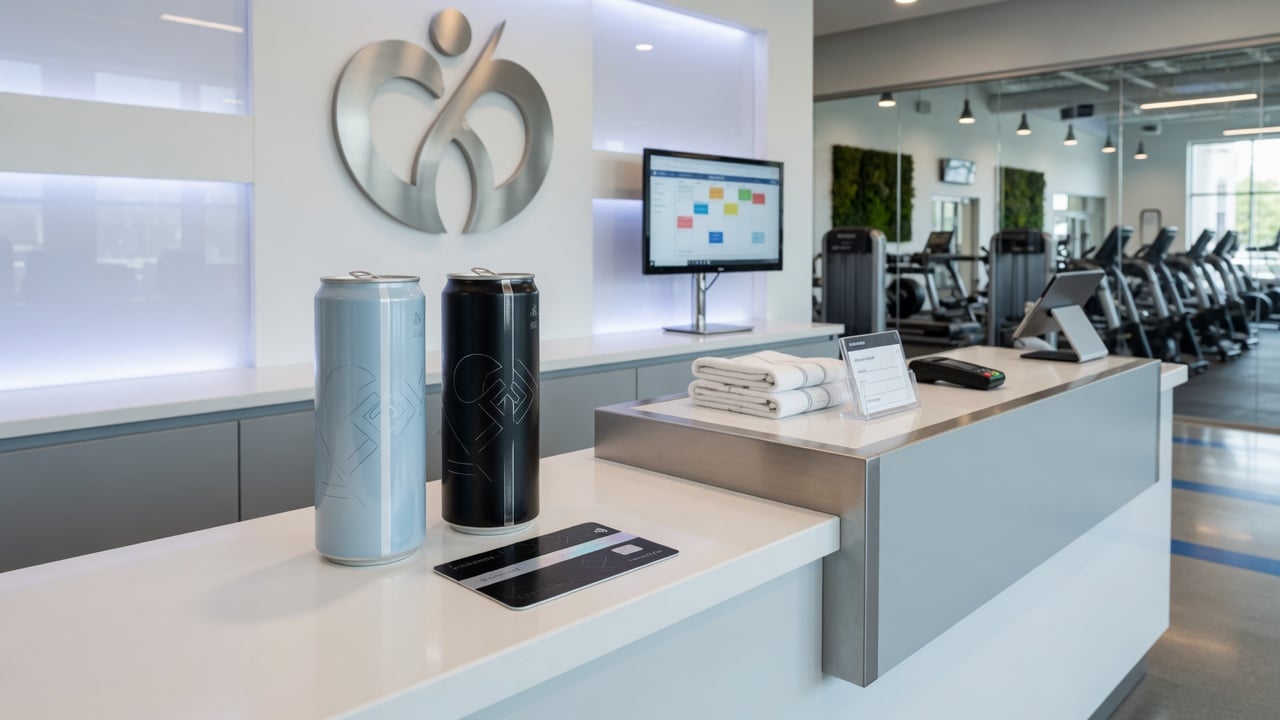
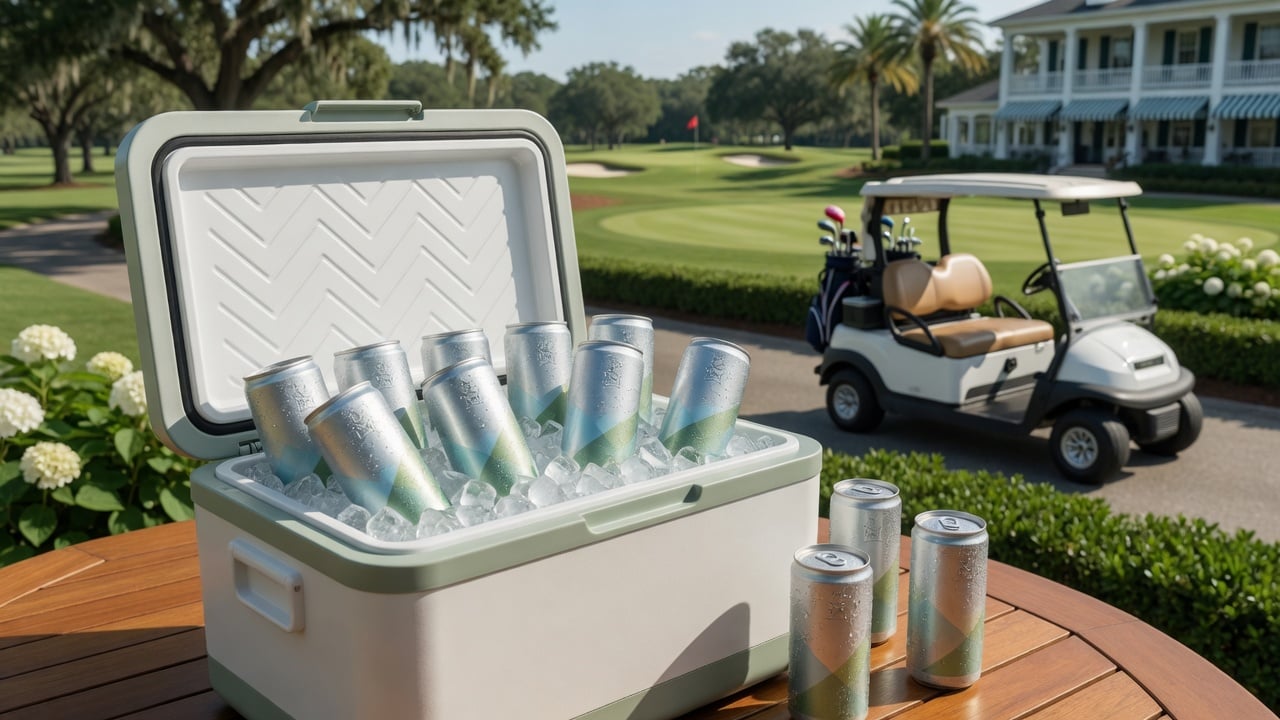
- 16oz: more water for gyms, golf and outdoor events where people are actually thirsty.
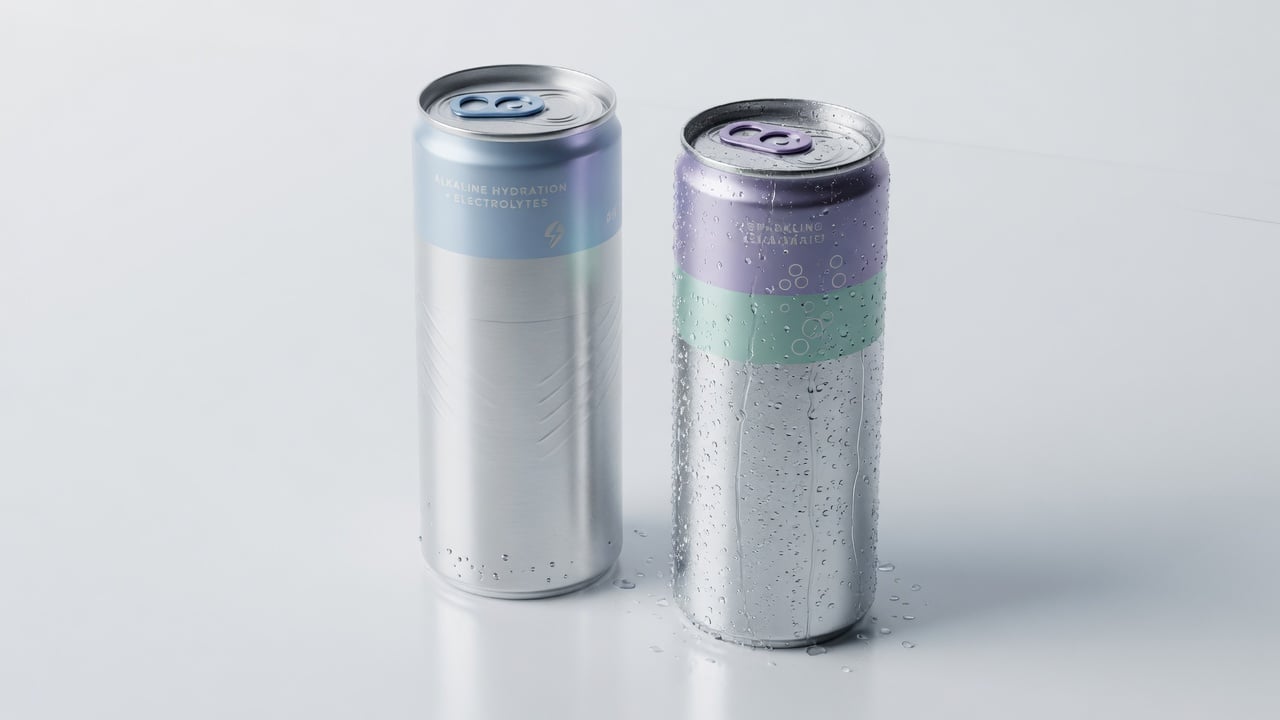
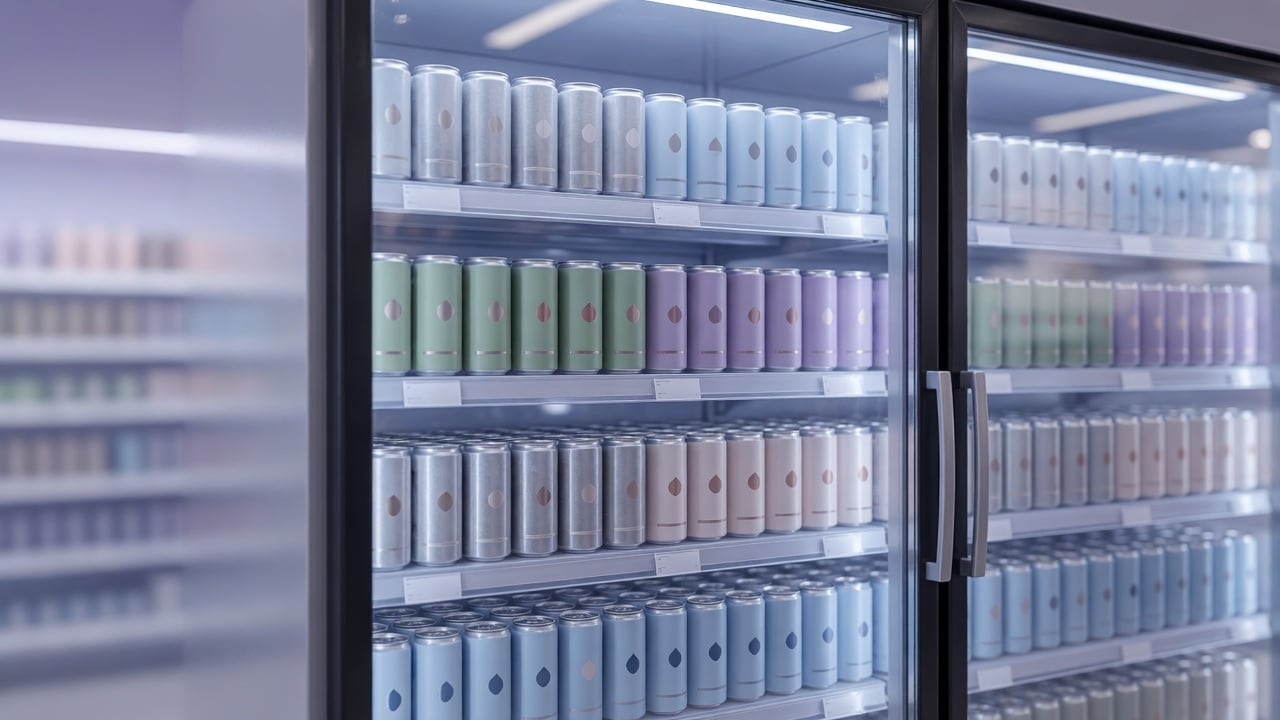
For water type, still is the everyday pour, sparkling lifts a bar tray or launch night and carries a small per-can add-on, and alkaline suits wellness and fitness brands. You can read more on our still, sparkling and alkaline manufacturer pages.
Why small runs cost more per can (and why that is still a good deal)
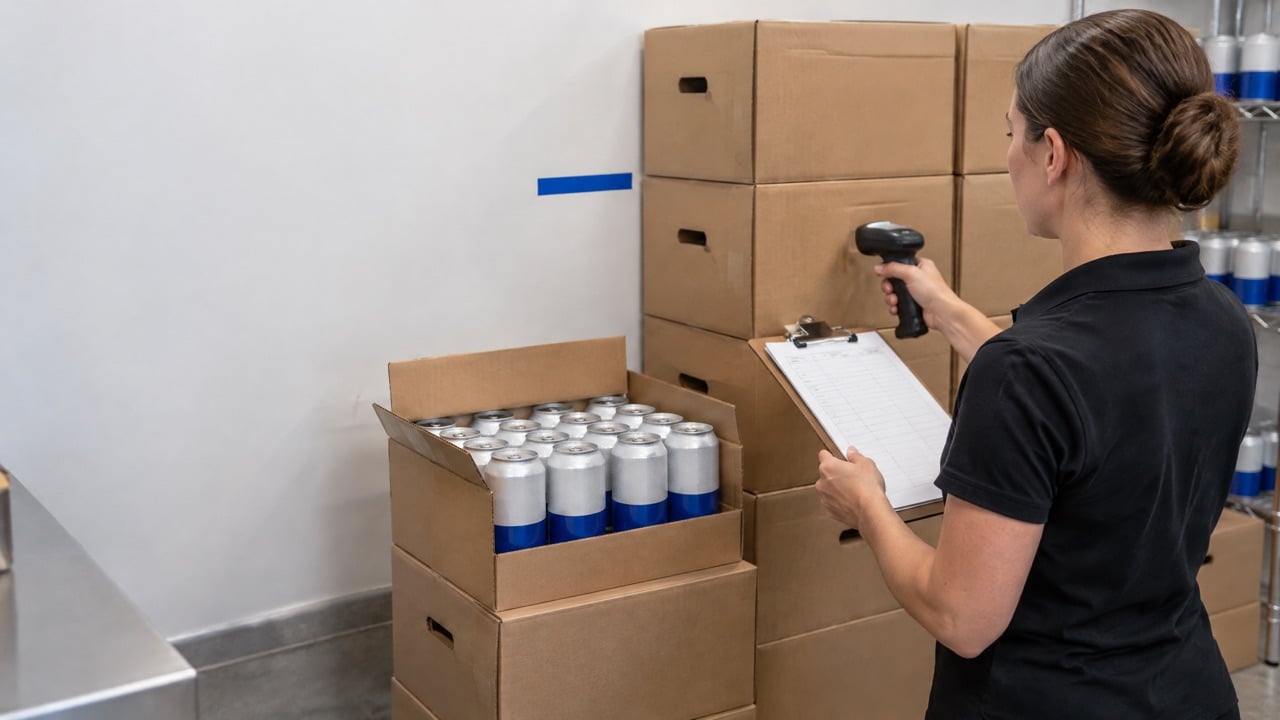
Every production run has fixed work: art proofing, line setup, cleaning, quality checks and paperwork. That work costs the same whether the run is small or huge. Spread across a few hundred cans, it adds more to each can. Spread across tens of thousands, it nearly disappears.
Here is the part buyers often miss. Traditional private label suppliers handle that problem by forcing big minimums, often 10,000 units or more. You get a low price per can, but you also get a large bill, a warehouse problem and months of waiting. We Can It was built to close that gap. As a young, AI-native Miami company with lean procurement and production planning, we start at 21 cases and typically deliver in about 2 to 3 weeks from artwork approval. You pay a bit more per can on a pilot, and far less in total.
Freight: the cost people forget
Freight is the line item that surprises first-time buyers. A few things move it:
- Distance from Miami. Florida and the Southeast cost less to reach than the West Coast.
- Pallet count. Full pallets ship more efficiently than a handful of loose cases.
- Delivery details. Liftgates, residential addresses and tight delivery windows add cost.
We ship nationwide and bill logistics at cost, with no markup. If you are planning across several states, our guide to shipping branded cans across the Southeast breaks down planning in more detail.
7 ways to lower your price per can
You cannot change the price of aluminum, but you can shape almost everything else.
- Order for two events at once instead of placing two small orders.
- Standardize one can size across locations so runs stay larger.
- Keep one core design and change only a small element (a date, a QR destination) between events.
- Choose digital print once volume is steady. Its per-can price falls as quantity rises.
- Plan around 2 to 3 weeks of lead time so you never pay for rush freight.
- Ship full pallets to one receiving point when you can.
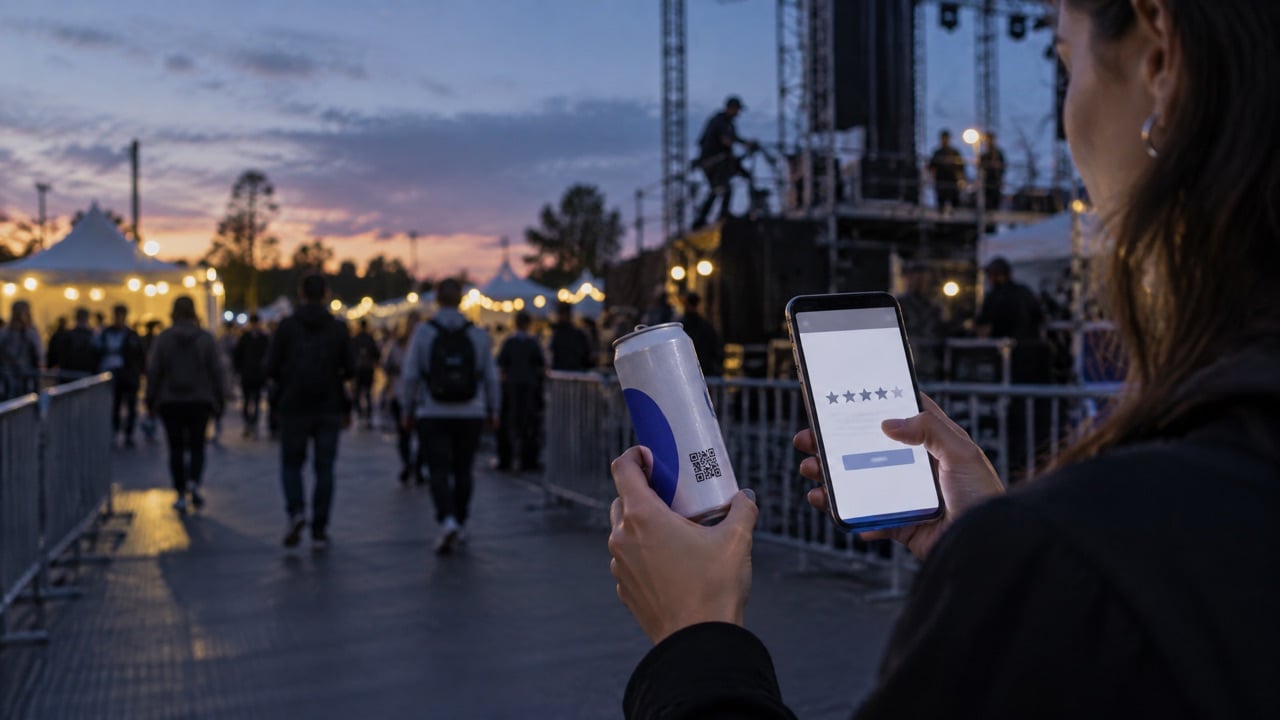
- Use the QR code to prove results. A can that captures leads or reviews pays for itself, which changes the whole cost conversation with finance.
Is canned water worth the extra cost for your brand?
Canned water is worth it when the can does a job beyond hydration: carrying your brand into photos, replacing single-use plastic in a guest-facing setting, or starting a digital conversation through the QR code. It is usually not worth it for back-of-house staff water or settings where nobody sees the package. Most of our clients use cans where guests and cameras are, and stock plain water elsewhere.
A simple way to decide: list the places the water will be seen. If the answer is "lobby, bar, suite, gift bag, booth or stage," the can is doing marketing work, and you can judge its cost against your marketing budget rather than your supplies budget.
Frequently asked questions
Why is canned water more expensive than plastic bottled water?
Aluminum cans and lids cost more to produce than thin plastic bottles, can filling needs specialized equipment, and still water needs a nitrogen dose to keep the can firm. Mass-market bottled water also spreads its costs over enormous volumes. Branded canned water is closer to a custom product, so the comparison is not like for like.
How much does a custom can of water cost?
Digitally printed cans from We Can It range from $0.90 to $2.50 per can depending on volume, with lower prices at higher volumes. Labeled cans are priced competitively for small runs, and the QR code is included at no extra cost. Use the online calculator for an estimate tied to your size, water type and quantity.
What is the minimum order for private label canned water?
We Can It starts at 21 cases, which is 504 cans at 24 cans per case, for labeled cans. Digital print starts at 100 cases. Many traditional suppliers ask for 10,000 units or more, so a small first run lets you test with one event or one property.
Does sparkling water cost more than still water in a can?
Yes, slightly. Sparkling water carries a small per-can add-on because of carbonation. Still water needs its own step, a nitrogen dose before sealing, so both have production details that bottled tap water does not. The calculator shows the difference for your order.
Is canned water better for the environment than plastic?
Aluminum is widely recycled and can be recycled repeatedly without losing quality, which is why many venues choose cans to cut single-use plastic. The real impact depends on local recycling habits, so we recommend clear recycling bins wherever you serve cans.
How long does it take to get custom canned water?
We Can It typically delivers in about 2 to 3 weeks from artwork approval, compared with the 8 to 12 weeks common in the industry. Planning around that window also helps you avoid rush freight costs.
Get a quote for private label canned water
Now that you know what goes into every can, the next step is seeing your own number. Tell us your size, water type and quantity and you will have an estimate in minutes. A product advisor will follow up by email with any questions.