How to Run Consumer Taste and Preference Research with QR Cans
Before a brand commits to a new product, a new flavor, or a new design, it wants to know what real people think. Traditional research, with focus groups, panels, and agencies, is valuable but can be slow and expensive for smaller decisions.
Before a brand commits to a new product, a new flavor, or a new design, it wants to know what real people think. Traditional research, with focus groups, panels, and agencies, is valuable but can be slow and expensive for smaller decisions. Many teams end up guessing, or asking a few colleagues, which is not the same as asking customers.
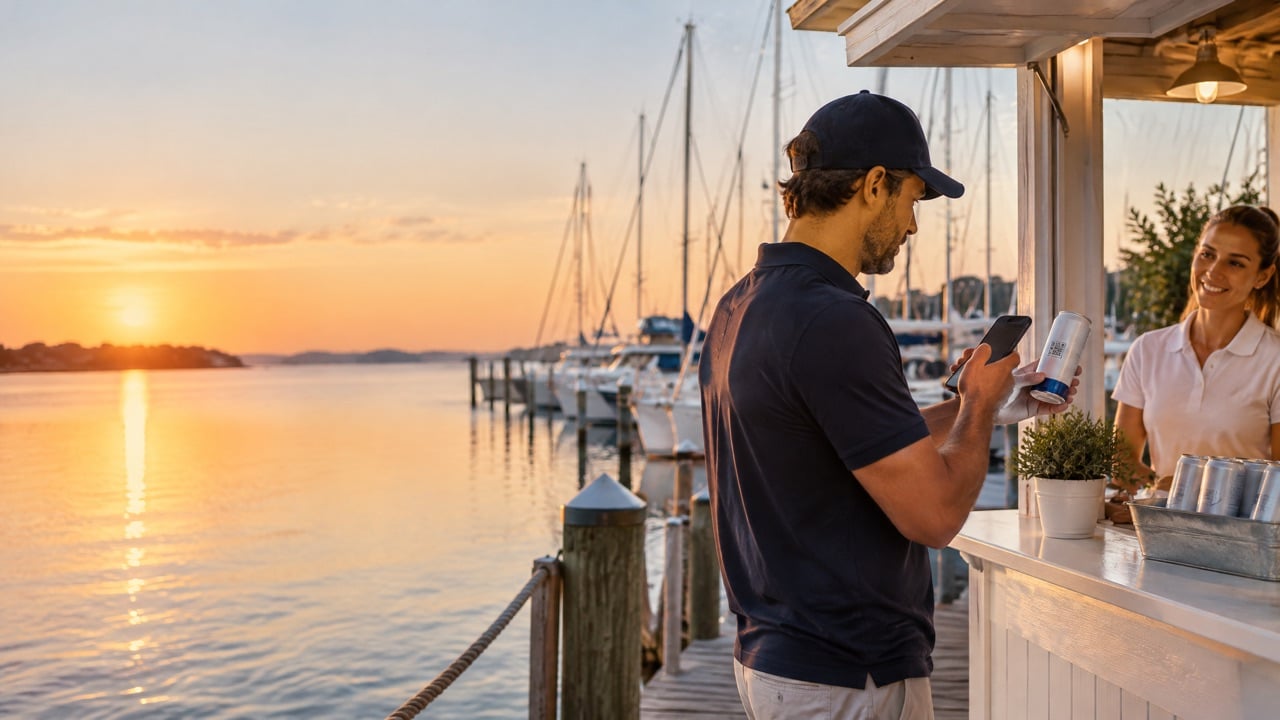
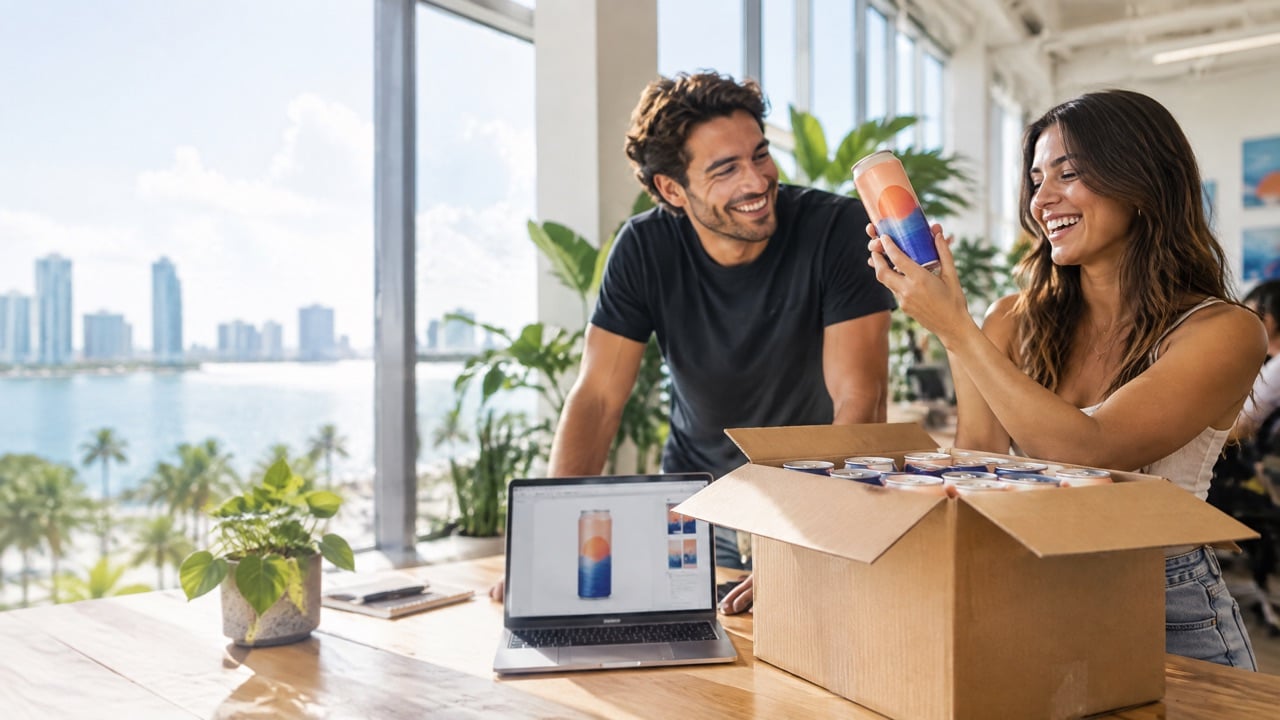
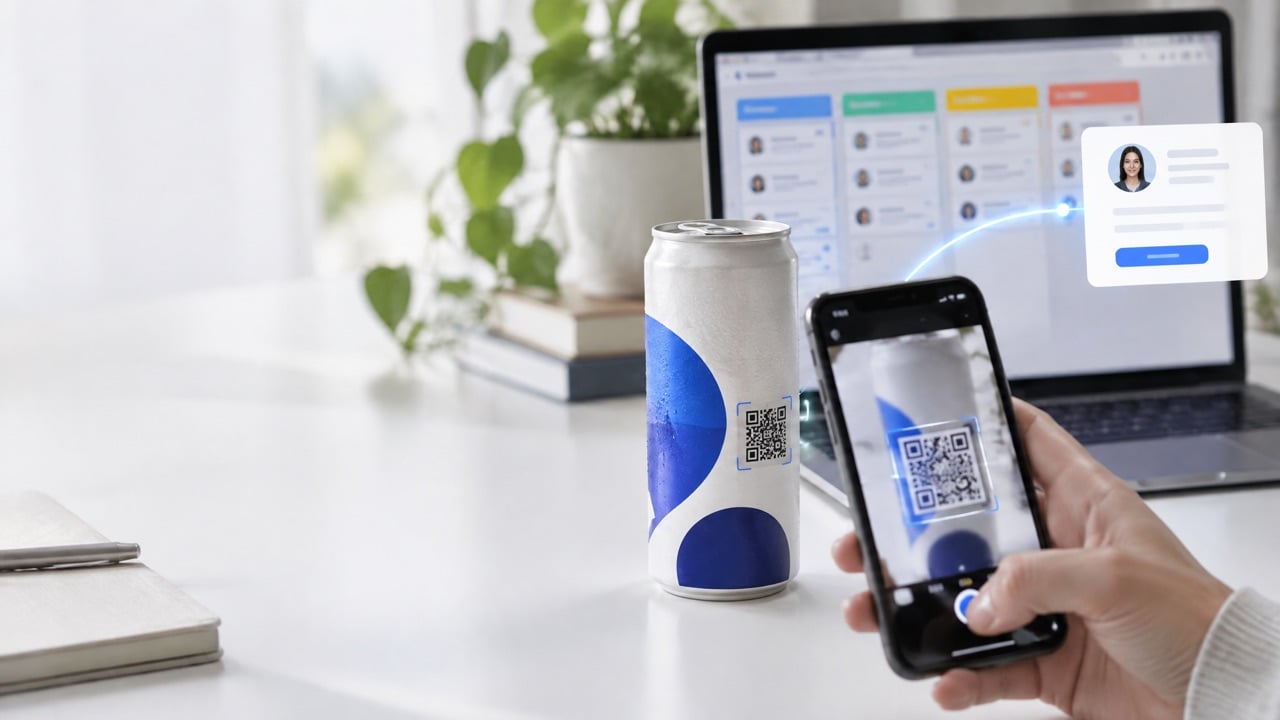
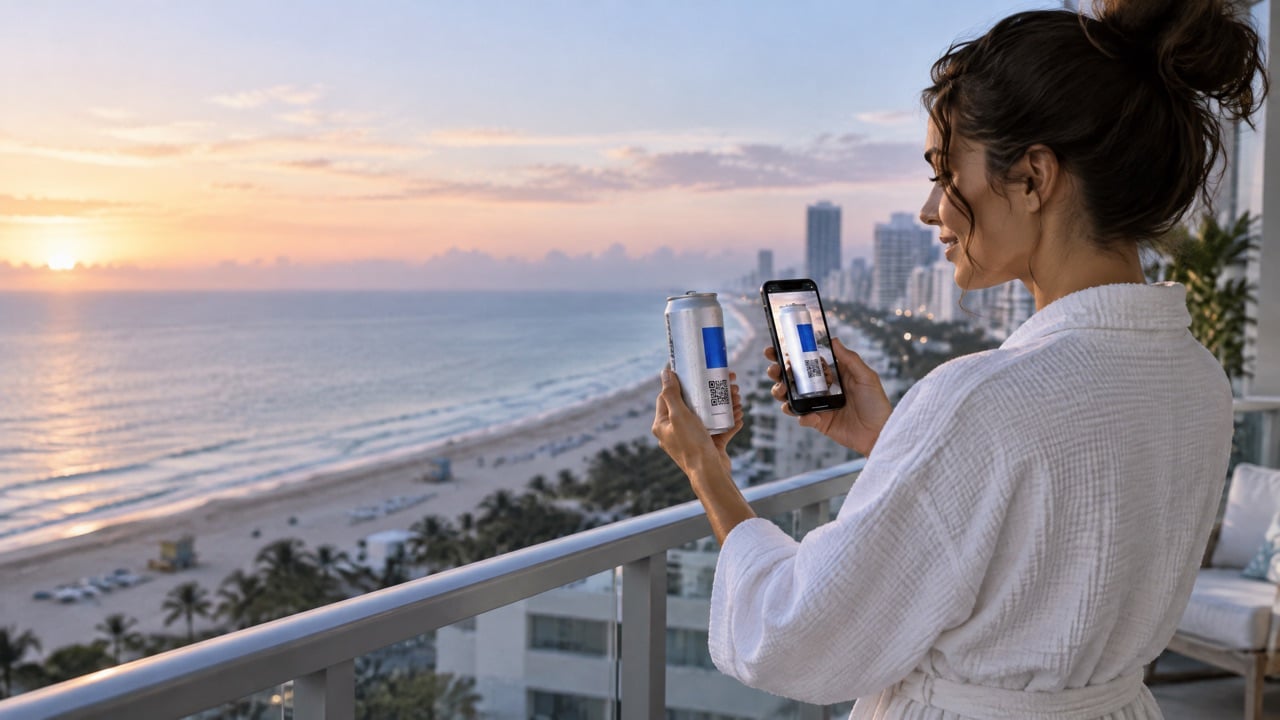
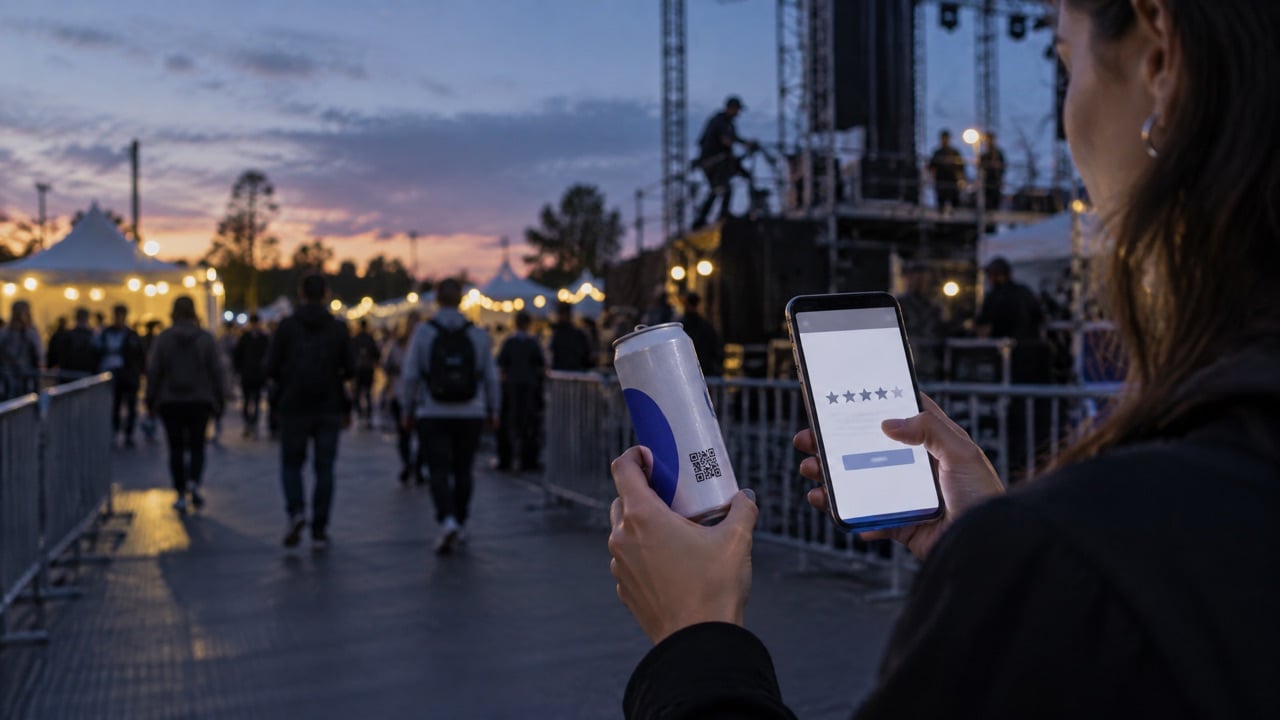
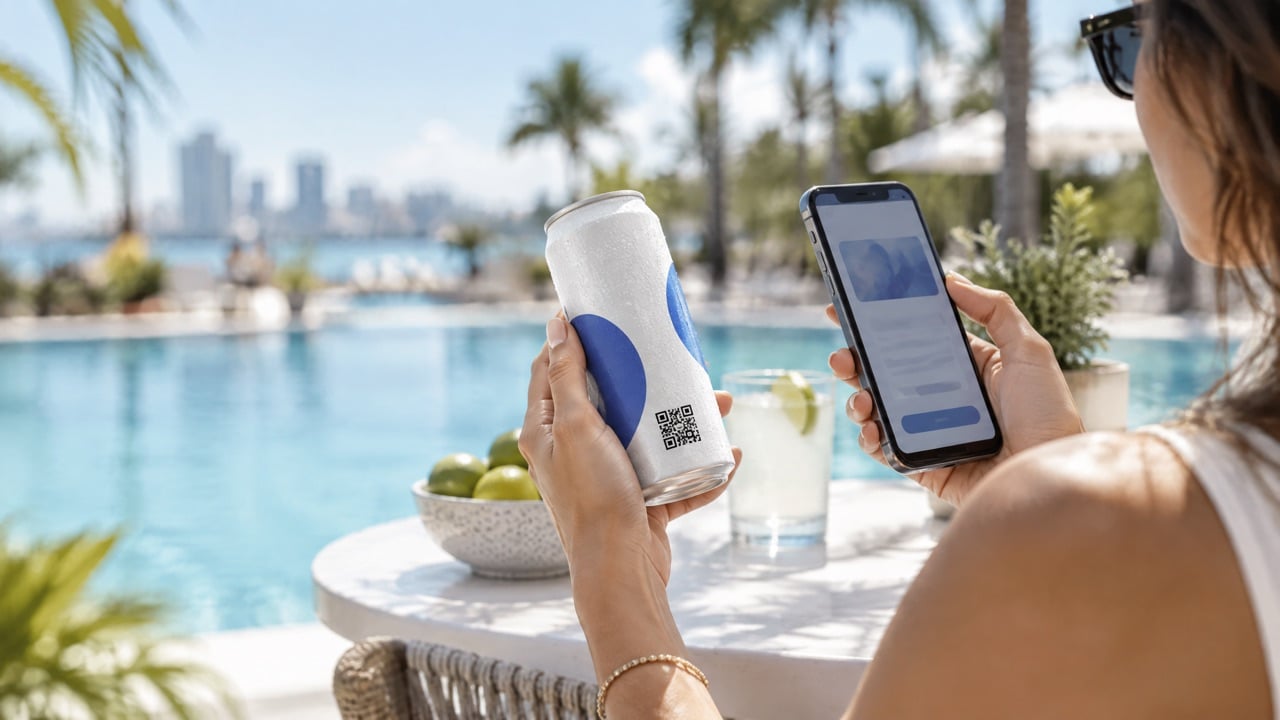
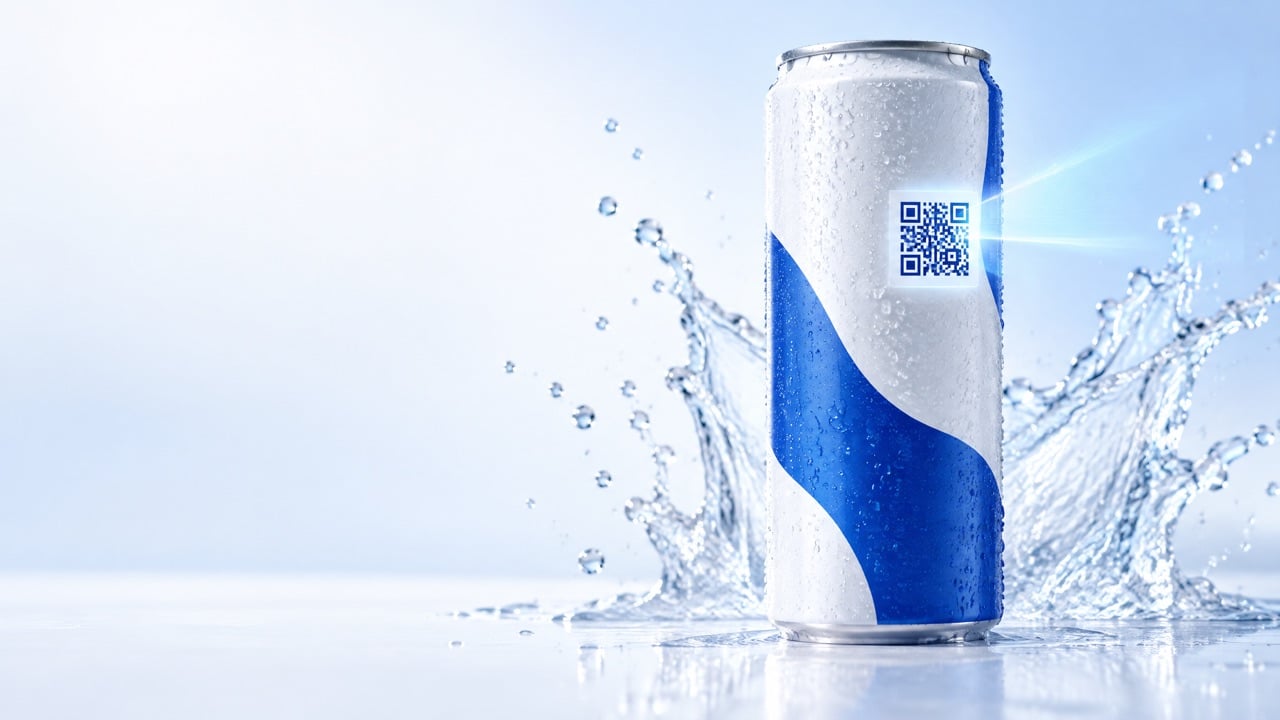
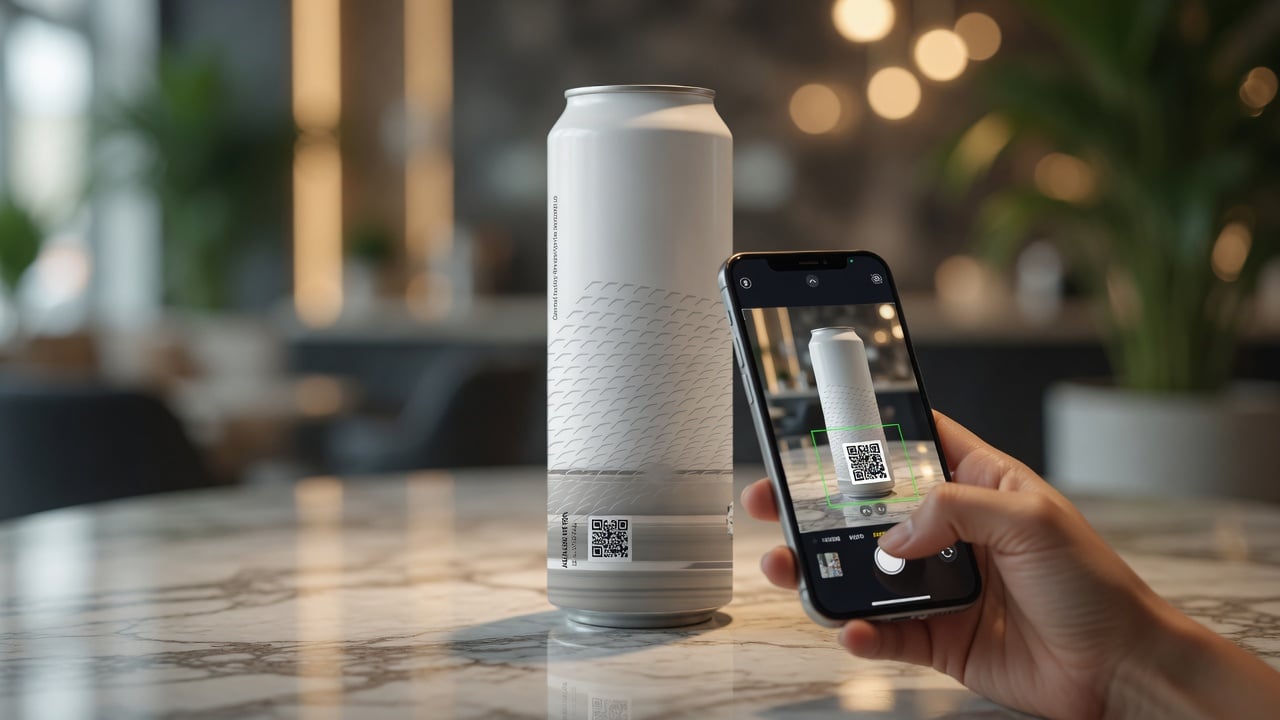
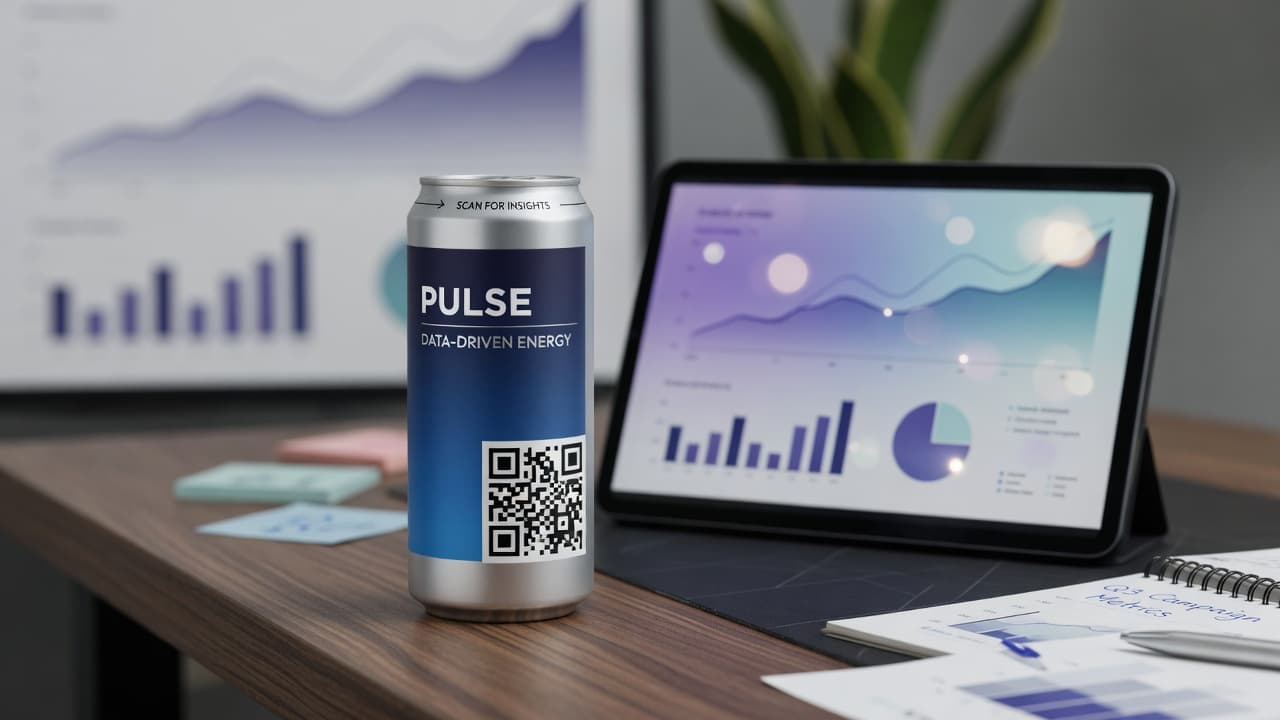
Sample cans with a QR code offer a practical middle ground. You put the product in people's hands in a real setting, and the code opens a short set of questions while the taste is fresh. This guide is for brand managers, product teams, and agencies who want to run quick consumer taste and preference research with branded cans. It covers what to ask, where to sample, how to encourage answers, and how to turn responses into product decisions.
What kind of research works with QR cans?
QR can research works best for simple, focused questions where you need many real reactions quickly.
- Taste preference: which water type or variant people prefer.
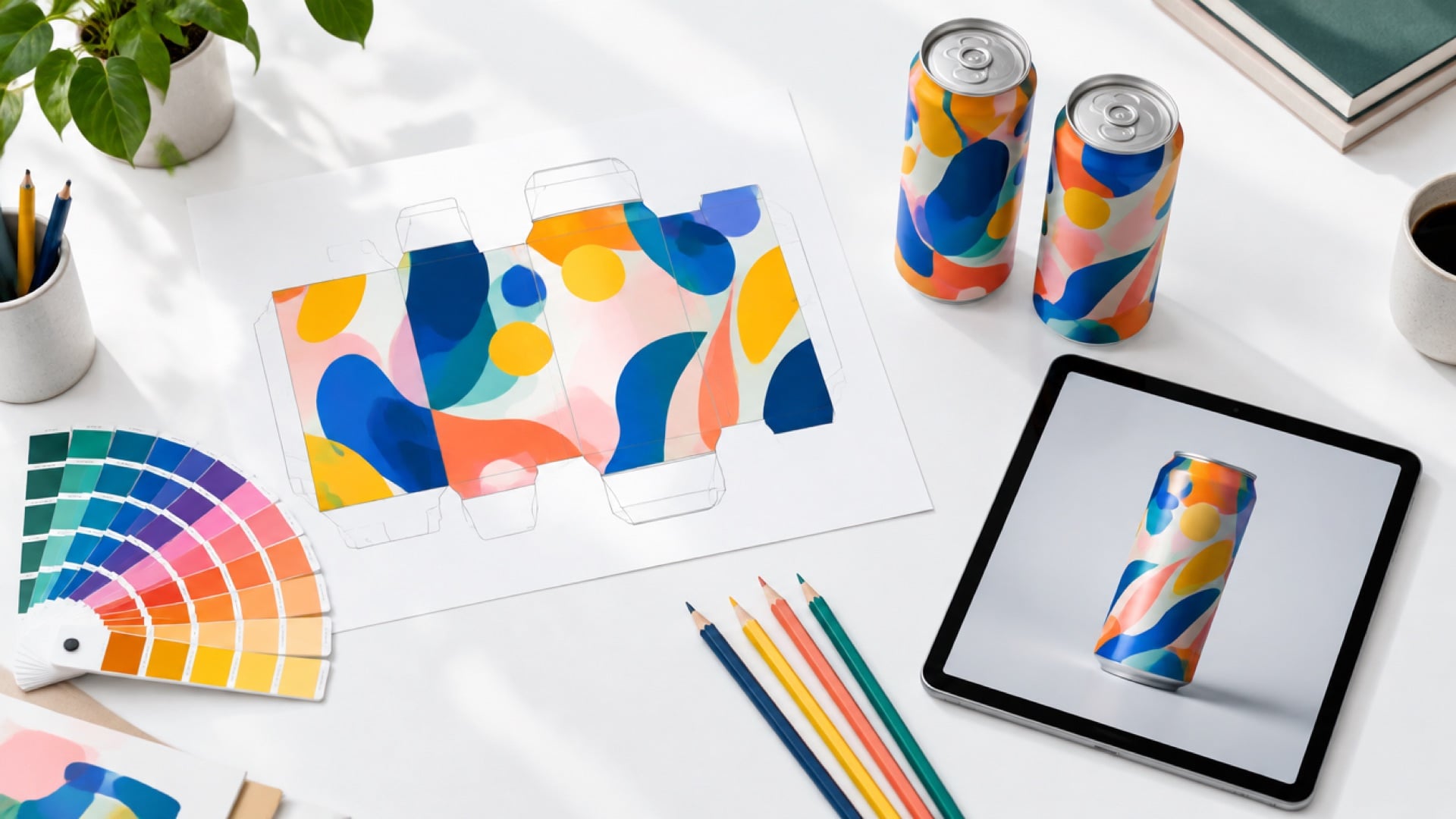
- Design preference: which can design people find more appealing.
- Purchase intent: how likely people are to buy or ask for the product.
- Occasion: when and where people would drink it.
- Price perception: whether the product feels premium, fair, or expensive.
It is not a replacement for in-depth research on complex topics, but it is excellent for directional answers and early validation.
How do you write good research questions?
Short, clear questions get more and better answers.
- Keep it to three to five questions. Every extra question lowers completion.
- Use simple scales, such as one to five, for ratings.
- Ask one thing per question.
- Avoid leading questions like "How much did you love it?"
- Include one open question for comments.
- Test the questions on a few people before launch.
Example set for a water taste test:
- How would you rate the taste? (1 to 5)
- How refreshing did it feel? (1 to 5)
- How likely are you to choose this again? (1 to 5)
- Where would you most likely drink it? (multiple choice)
- Anything else you would like to tell us? (open text)
How do you compare two variants fairly?
When you are testing two options, such as still versus alkaline or two designs, fairness matters.
- Give each variant its own QR code so answers are separated.
- Sample both in the same places and times.
- Rotate the order in which people try them, if they try both.
- Keep everything else the same: temperature, can size, and serving.
- Collect enough responses from each before comparing.
Where should you sample?
Choose places where your target customers already are.
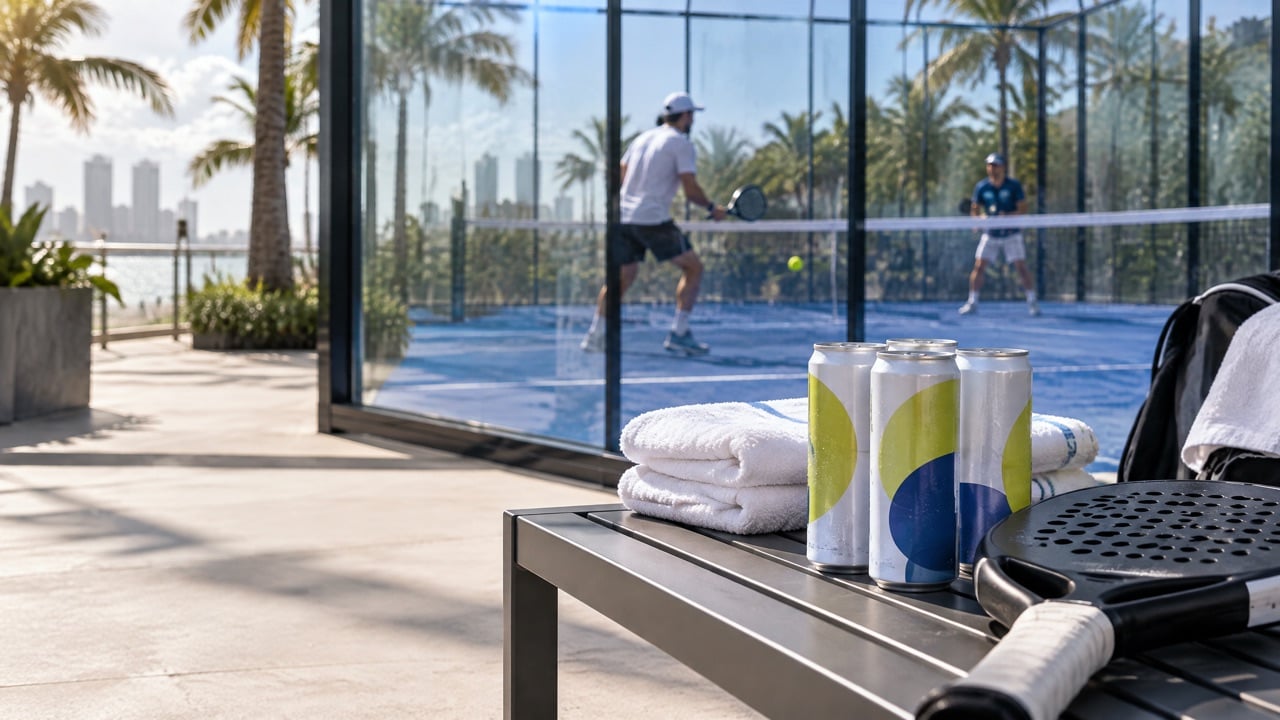
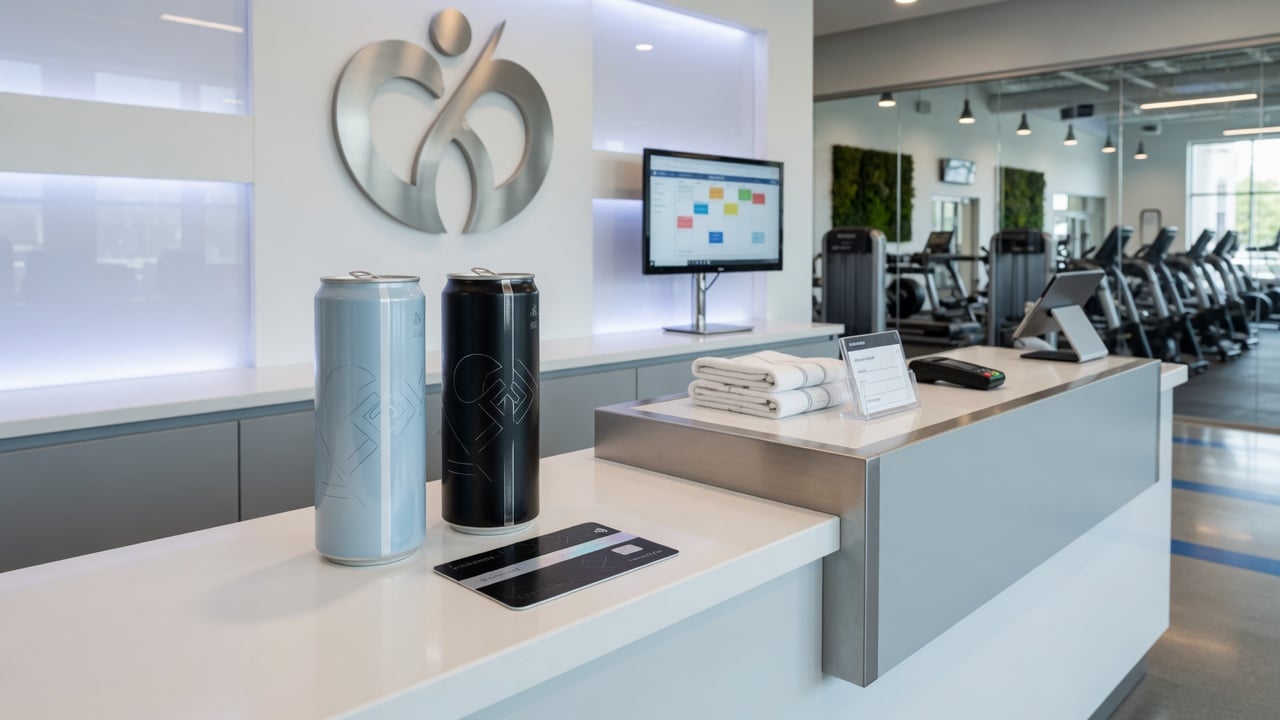
- Fitness studios and gyms for wellness and alkaline products.
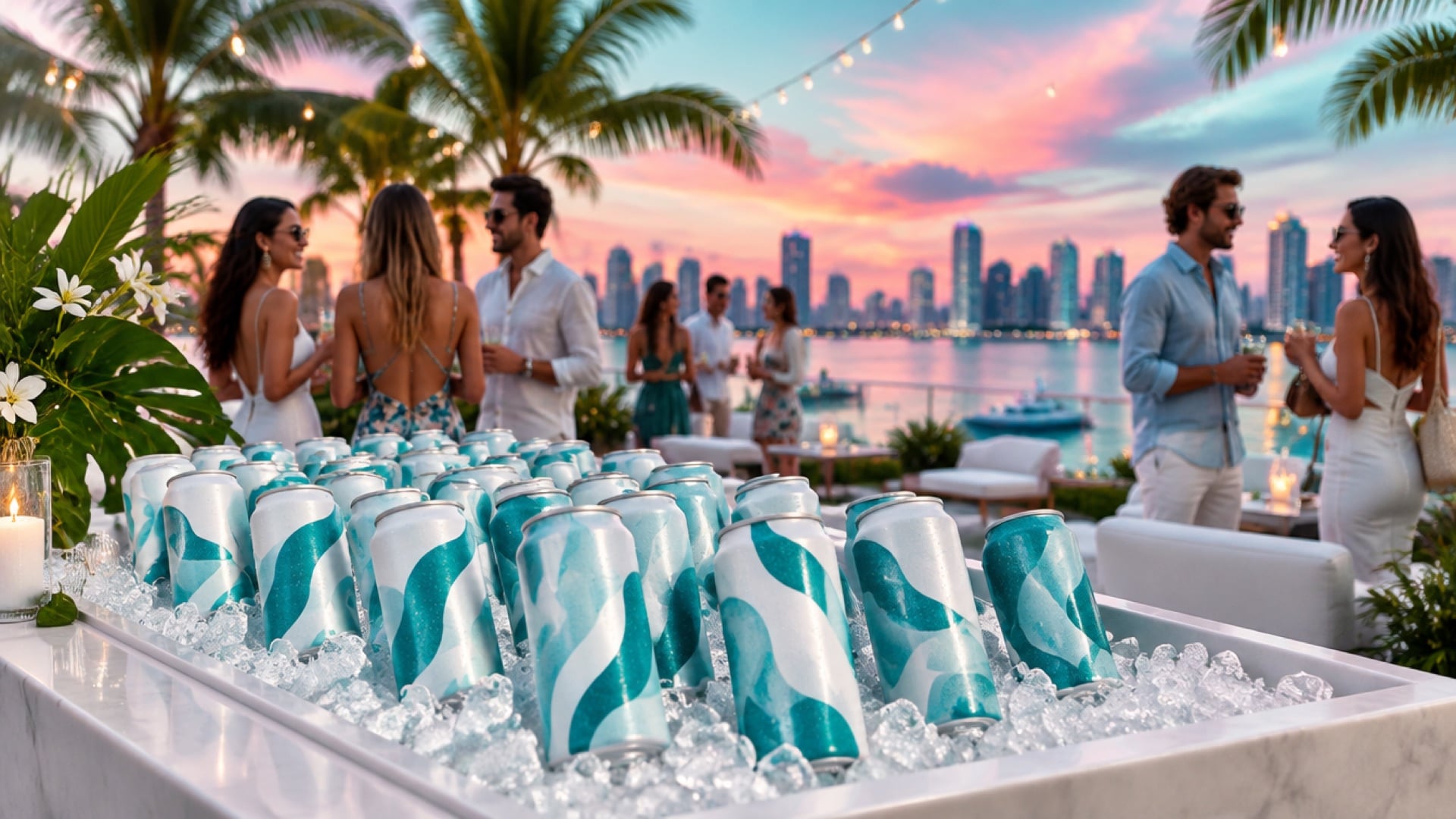
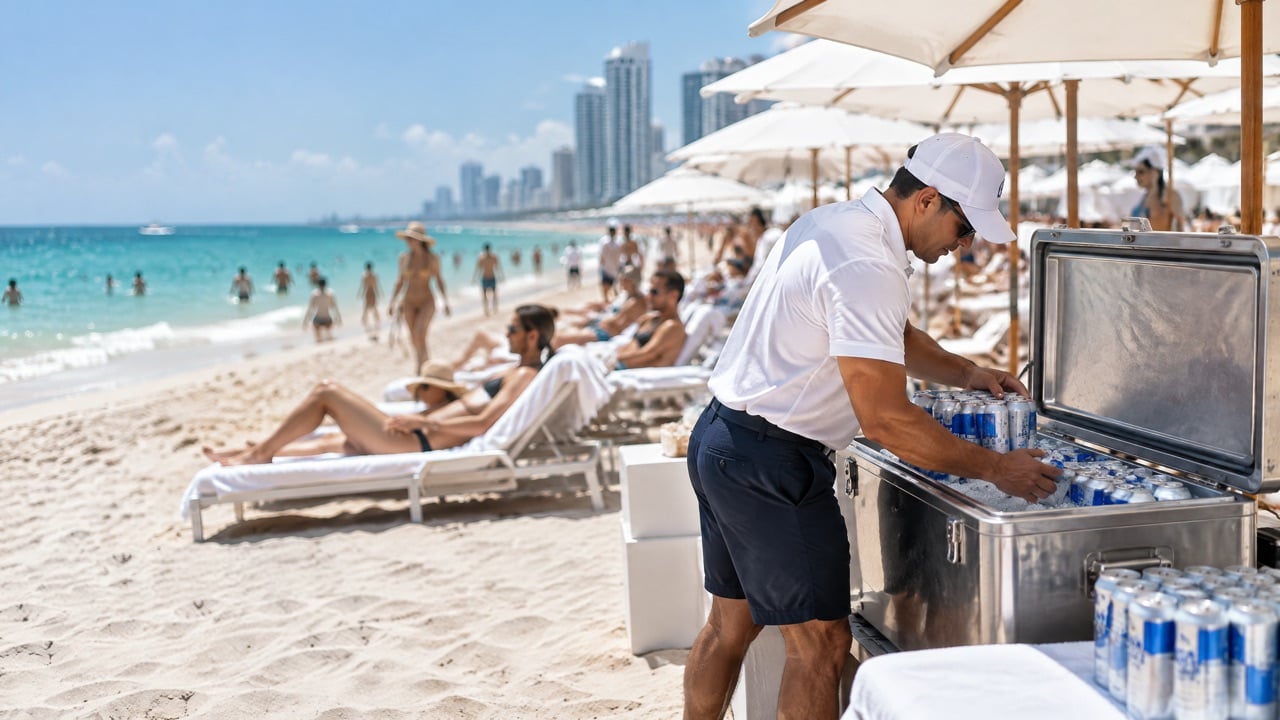
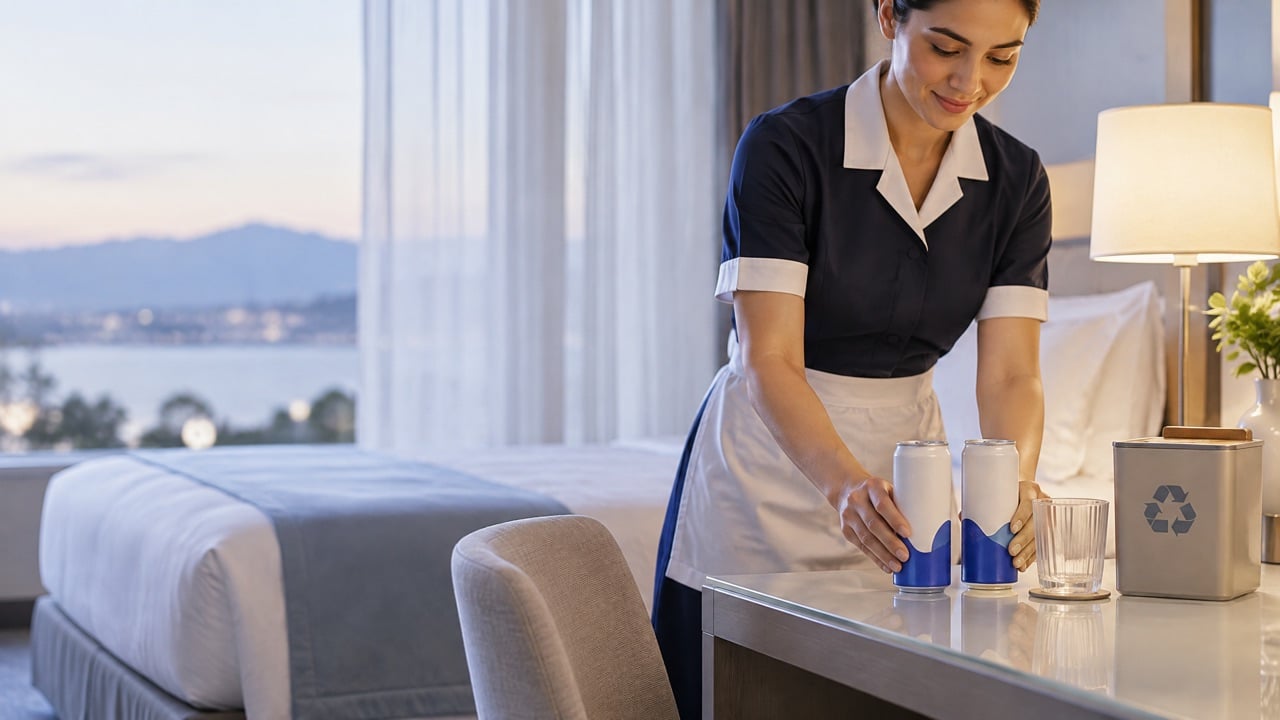
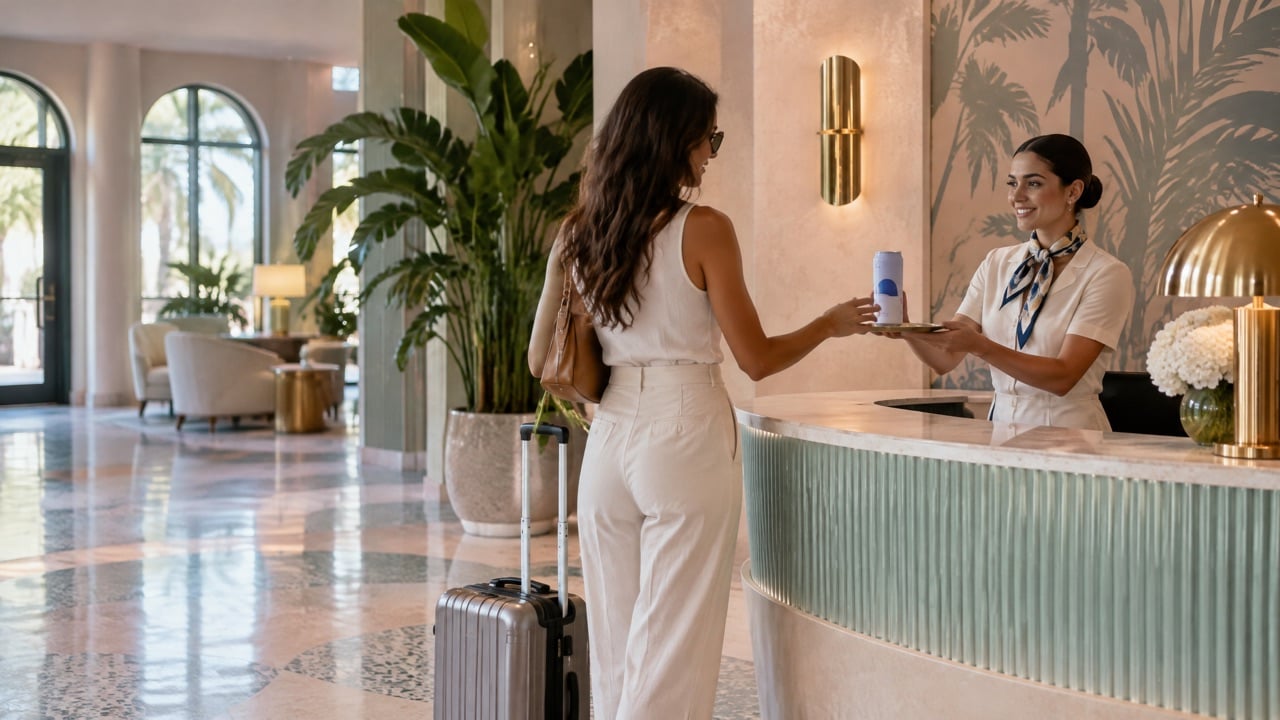
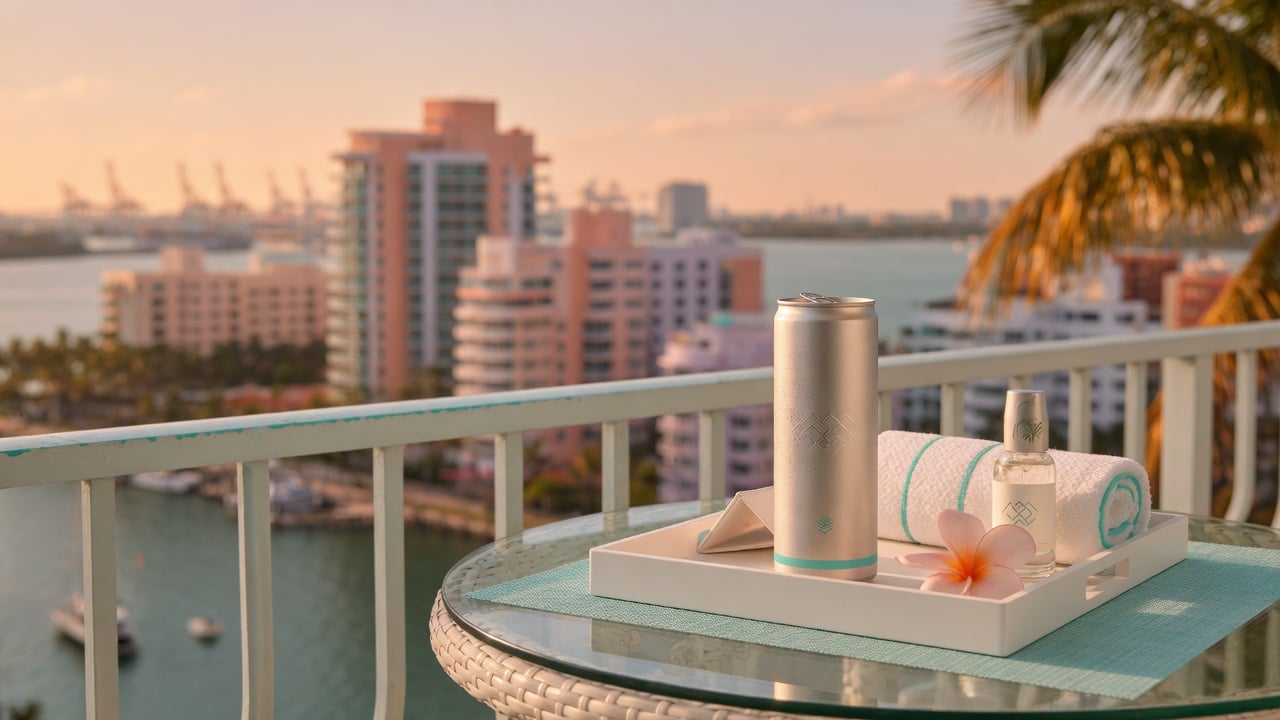
- Hotels, pools, and beach clubs for hospitality programs.
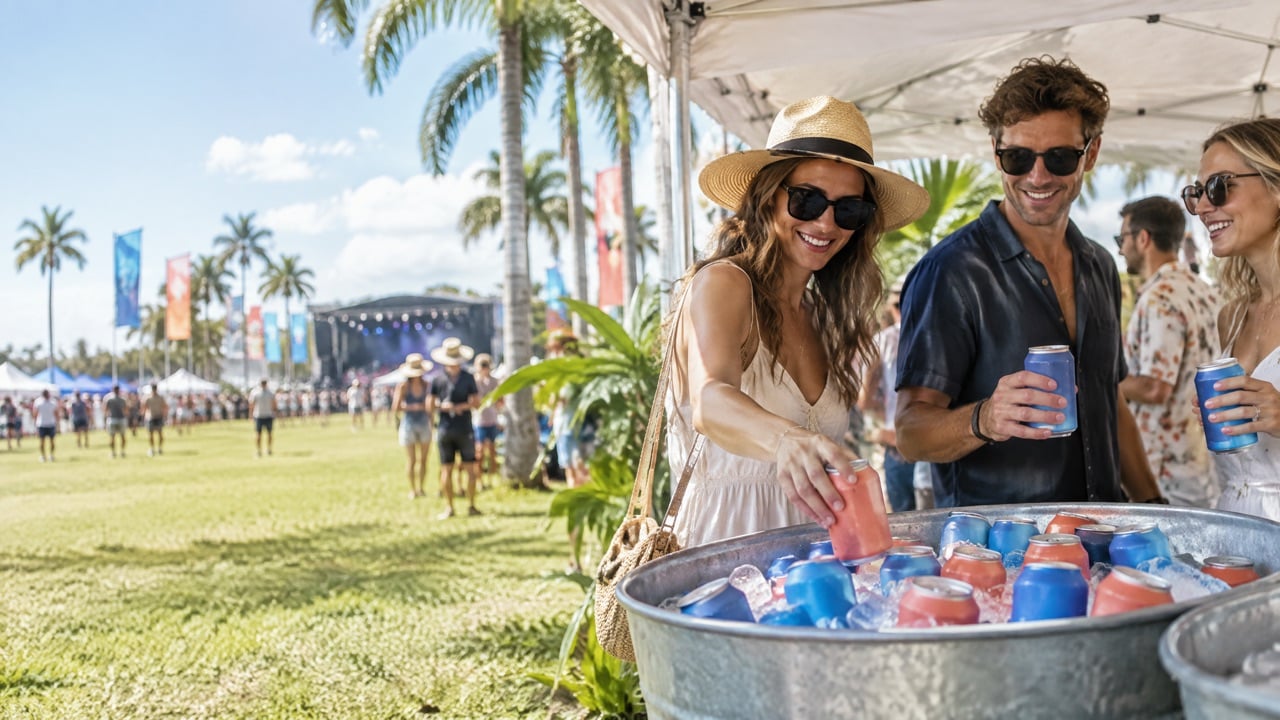
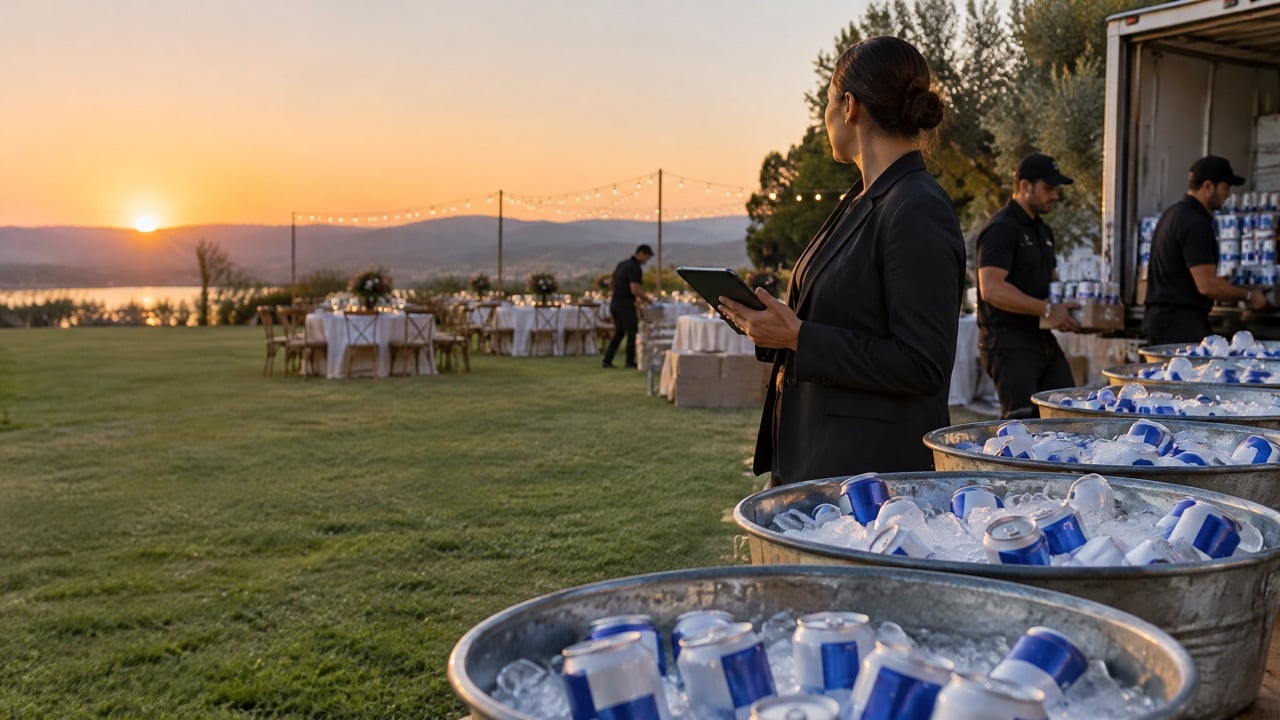
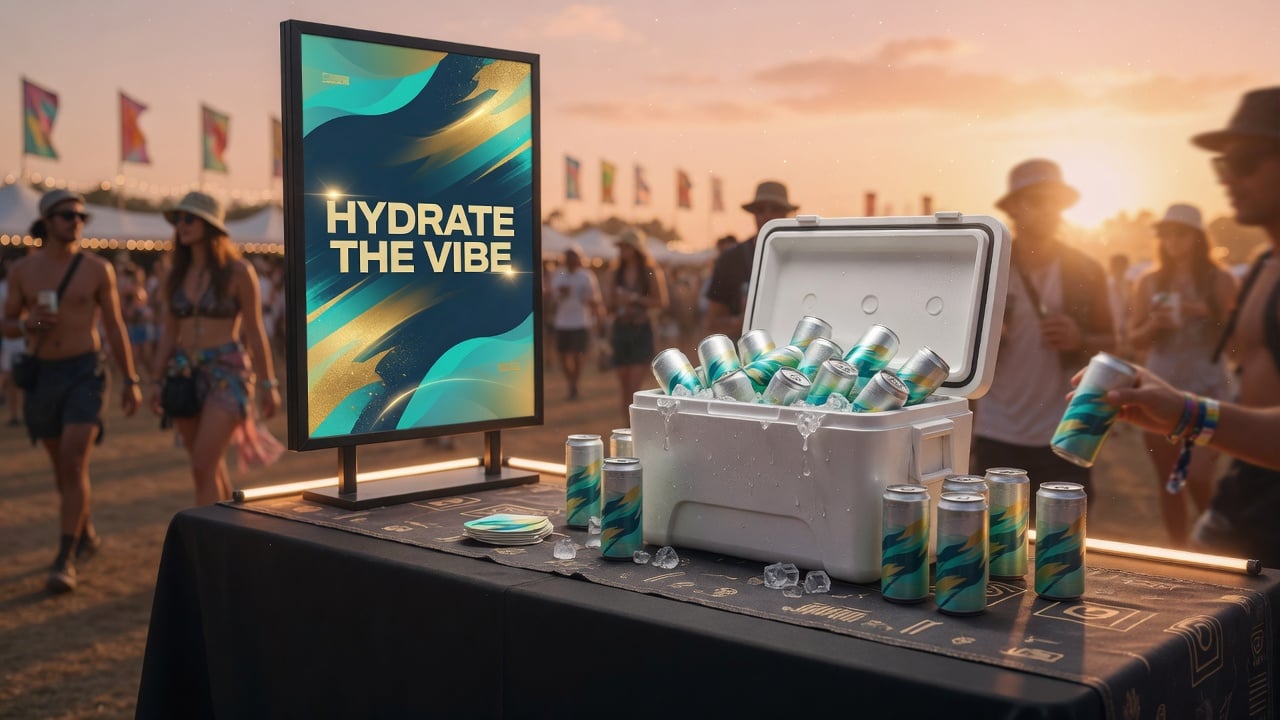
- Events and festivals for broad reach.
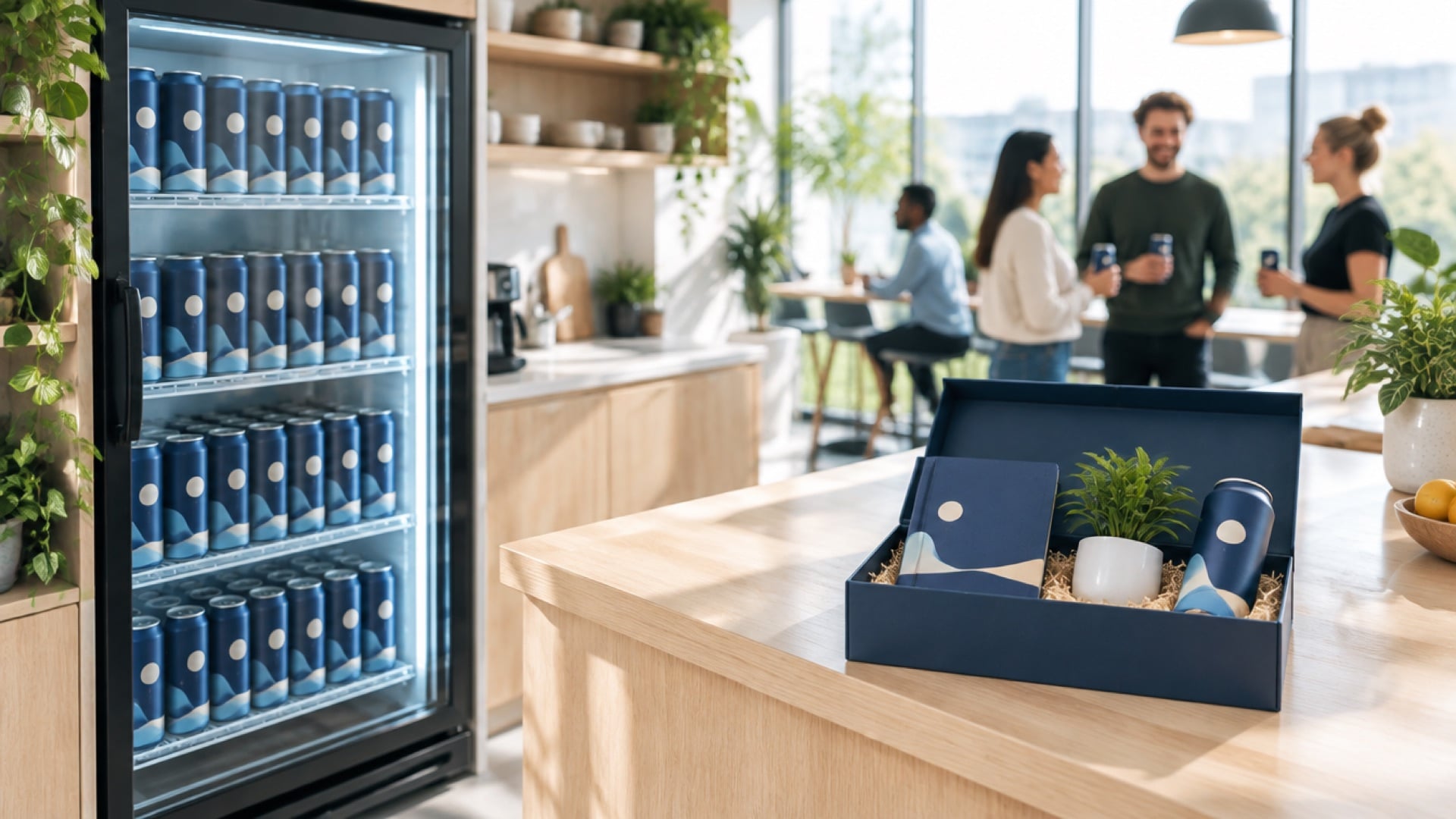
- Offices and co-working spaces for everyday hydration.
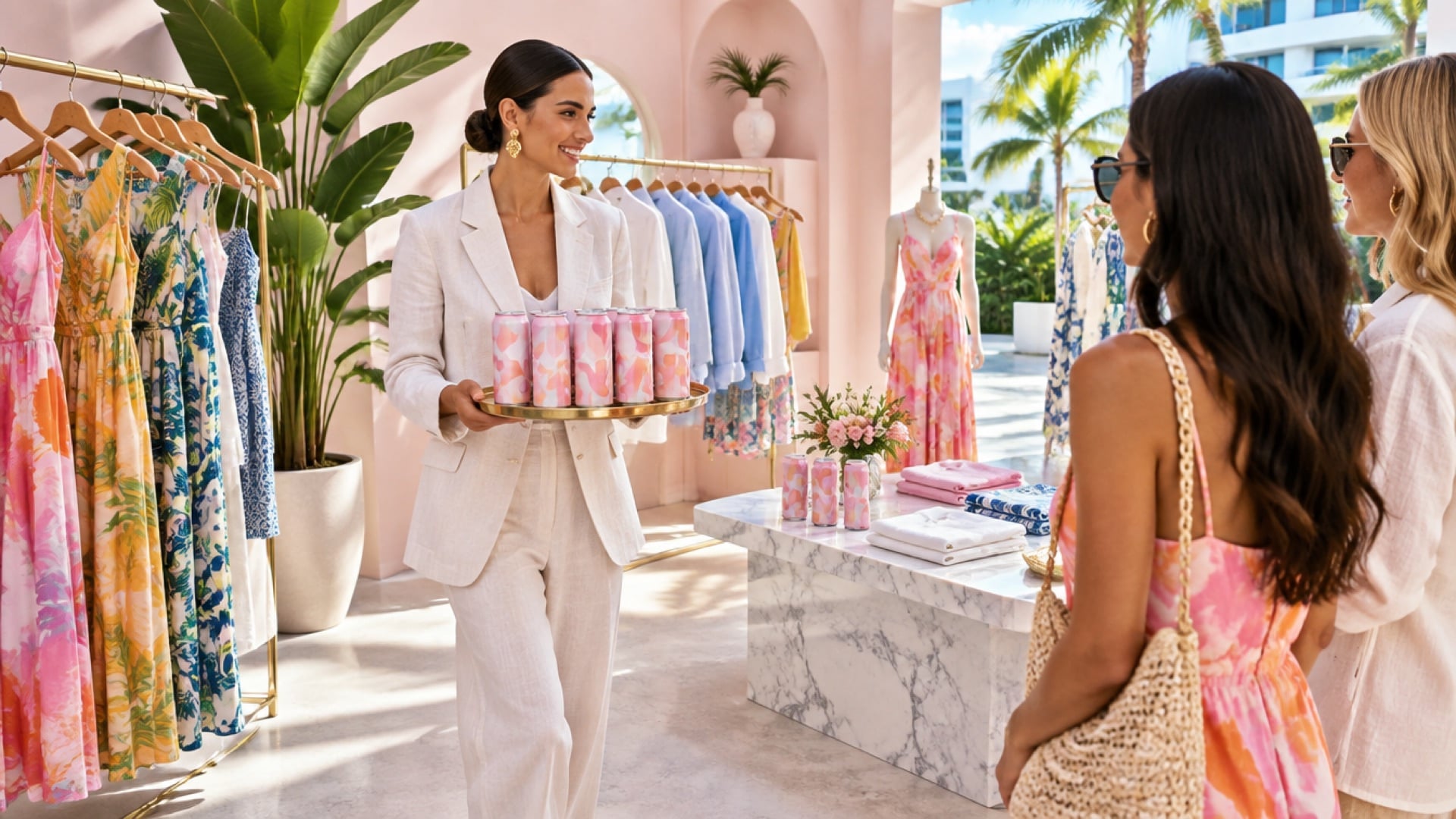
- Retail pop-ups for purchase intent.
Sampling in the right setting gives more realistic answers than sampling in a meeting room.
How do you encourage people to answer?
- Make it quick: tell people it takes under a minute.
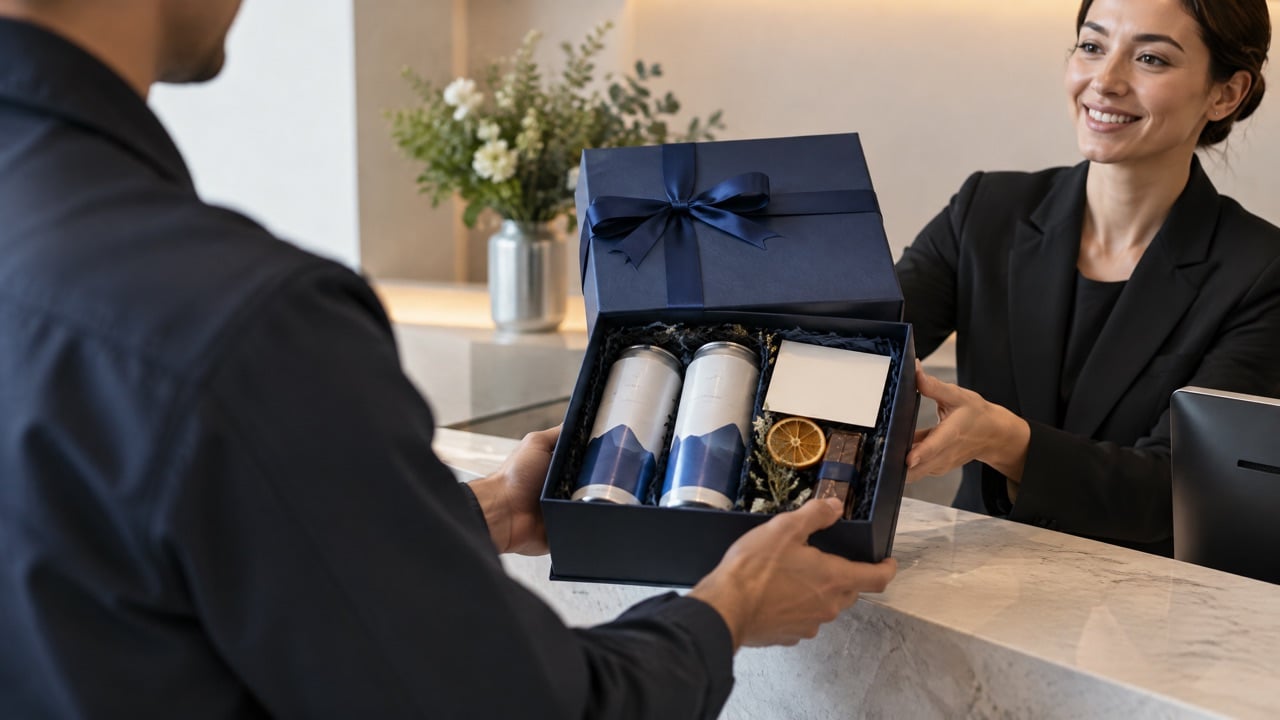
- Offer a small thank-you, such as a discount, a prize draw entry, or a free can.
- Ask at the right moment, soon after they taste.
- Keep the page mobile-first and fast.
- Be clear about how answers are used.
If you offer a prize draw, follow proper giveaway rules. Our sweepstakes rules checklist explains the basics.
How many responses do you need?
It depends on the decision. For a directional answer, a few hundred responses per variant often reveal a clear pattern. For close calls or bigger decisions, collect more, or run a second round. Look for differences that repeat across venues and days, not one lucky sample.
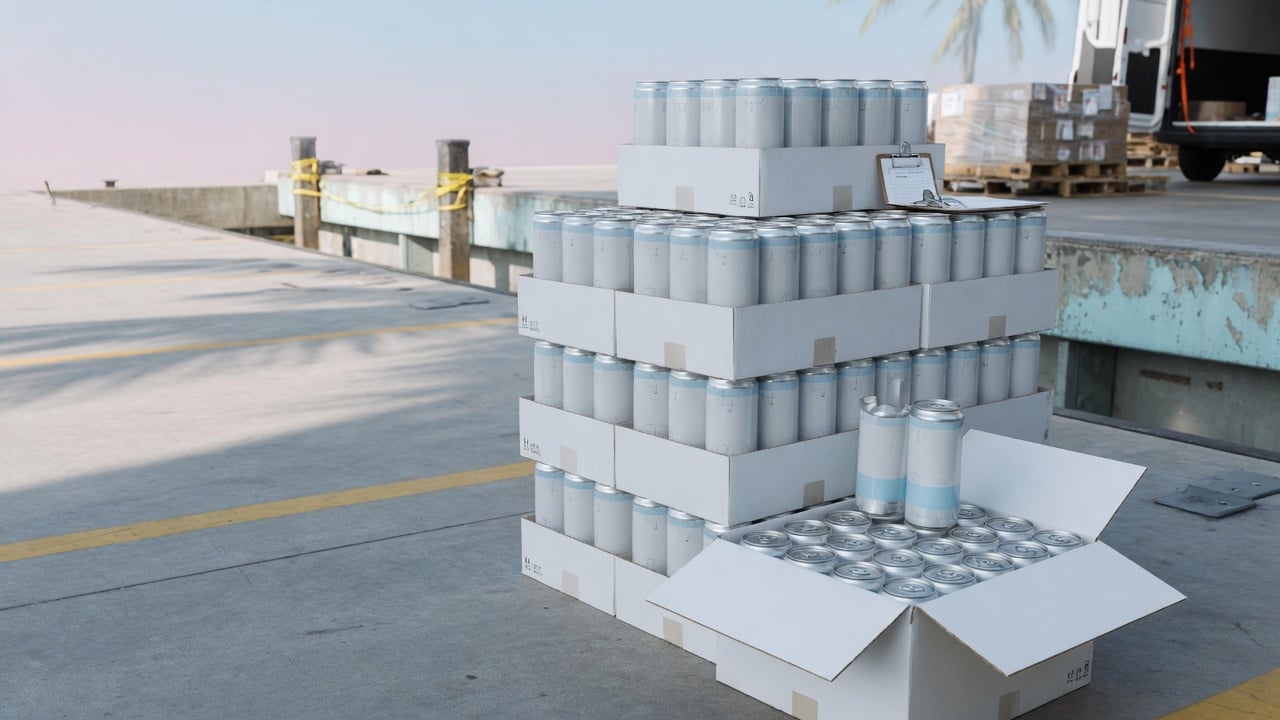
At We Can It, runs start at 21 cases, which is 504 cans, so one run per variant gives enough product for a solid sampling program in several venues.
What does a real research project look like?
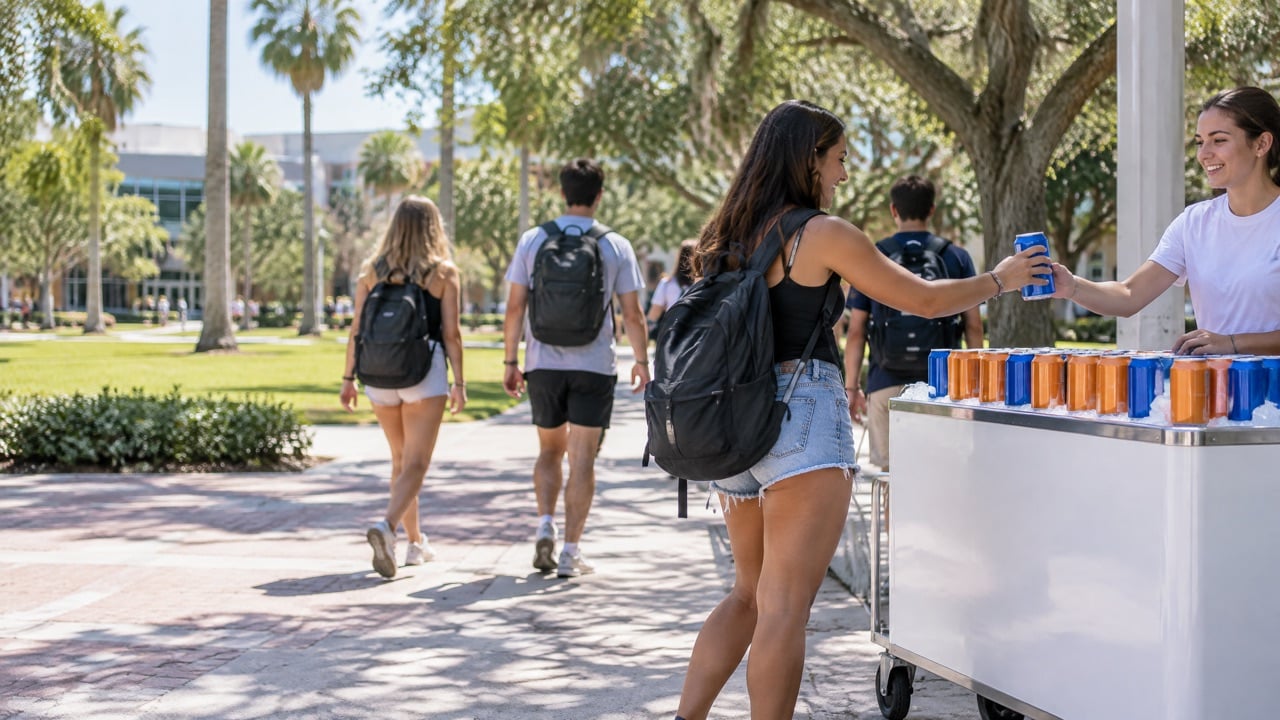
Imagine a wellness brand deciding whether to launch with still or alkaline water. It orders one run of each, with the same design and separate QR codes. Over three weekends, the team samples both at four fitness studios, offering one can of each to members after class and asking five quick questions for each.
When the results come in, alkaline scores higher on "likely to choose again" among studio members, while still scores similarly on taste. Open comments mention that members already look for alkaline after class. The brand decides to launch with alkaline for studios and keep still as a second product for general retail. A decision that might have taken months of debate took one month of simple research.
How do you turn answers into decisions?
- Summarize scores by variant and venue.
- Read every open comment, grouping them by theme.
- Look for patterns that repeat.
- Write one-sentence conclusions for each question.
- Make the decision and document why.
- Plan a follow-up test if something remains unclear.
Why is QR can research faster than traditional research?
Traditional research usually means recruiting a panel, booking a room, briefing a moderator, and waiting for a report. That process is right for complex questions, but it is slow and costly for everyday decisions like "which of these two designs do people prefer?"
Sampling with QR cans removes most of those steps. The product itself does the recruiting, because people are happy to try a free cold drink. The questions travel with the product, so answers arrive while the taste is fresh. Results come in daily, not weeks later, and you can sample in several cities or venues at once.
The trade-off is depth. You get short answers from many people rather than long conversations with a few. For many product and marketing decisions, that is exactly what you need: a clear signal from real customers in real settings, fast enough to act on.
What mistakes weaken consumer research?
- Too many questions, which leads to rushed or abandoned answers.
- Sampling only friends, staff, or existing fans, which skews results.
- Serving variants at different temperatures or in different settings.
- Reading one day's results as the final answer.
- Asking what people think you want to hear through leading questions.
Who should be on the research team?
A small team works best: one person who owns the questions and the decision, one person who organizes sampling at venues, and one person who summarizes results. Agencies running research for a client should agree with the client in advance on the decision the research will inform, so the results lead to action instead of a report nobody uses.
How should you handle respondent data?
Collect only what you need. For taste research, you often do not need names or emails at all. If you ask for contact details for a thank-you or prize, make it optional, explain how you will use them, and store them securely.
What can sizes and options work for sampling?
- 12oz Regular or Sleek for tasting portions.
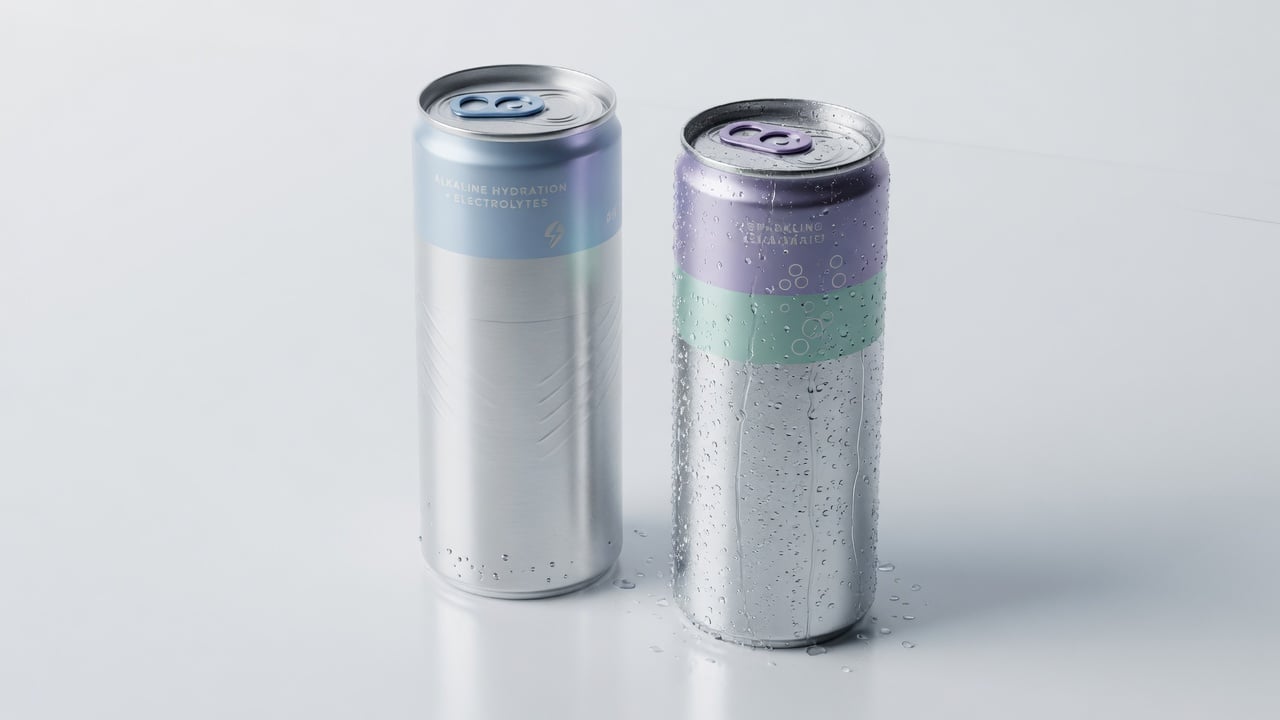
- Still, sparkling, and alkaline as variants.
- Label print from 21 cases for small research runs.
Production takes about 2 to 3 weeks from artwork approval. The QR experience is described on Technology · Digital experience.
Consumer research checklist
- Define the decision you need to make.
- Write three to five simple questions.
- Give each variant its own QR code.
- Sample in realistic settings.
- Offer a small thank-you.
- Collect enough responses per variant.
- Summarize, decide, and document.
Frequently asked questions
How do you run a consumer taste test with QR codes?
Give people a sample can in a real setting, and use a QR code on the can to open a short set of questions about taste, preference, and intent while the experience is fresh.
How many questions should a taste survey have?
Three to five short questions, including one open comment question, to keep completion high.
How do you compare two product variants?
Give each variant its own QR code, sample both in the same places and times, and compare scores once you have enough responses for each.
How many responses are enough for consumer research?
For directional answers, a few hundred per variant often show a clear pattern. Collect more for close or important decisions.
What is the minimum order for research sample cans?
We Can It starts at 21 cases, which is 504 cans, with about 2 to 3 weeks of production after artwork approval.
Do I need respondents' contact details?
Often not. Make contact details optional, and only collect them if you need them for a thank-you or prize.
Get a quote for sample cans for your consumer research
Tell us what you want to learn and where you will sample, and a product advisor will help you plan variants and quantities.