Private Label Sparkling Water Cans: Carbonation and Cost Guide
Sparkling water changes the mood of a table. Still water is what guests expect. Sparkling is what makes them feel looked after: the hiss when the can opens, the bubbles in the glass, the sense that this is a moment rather than a routine.
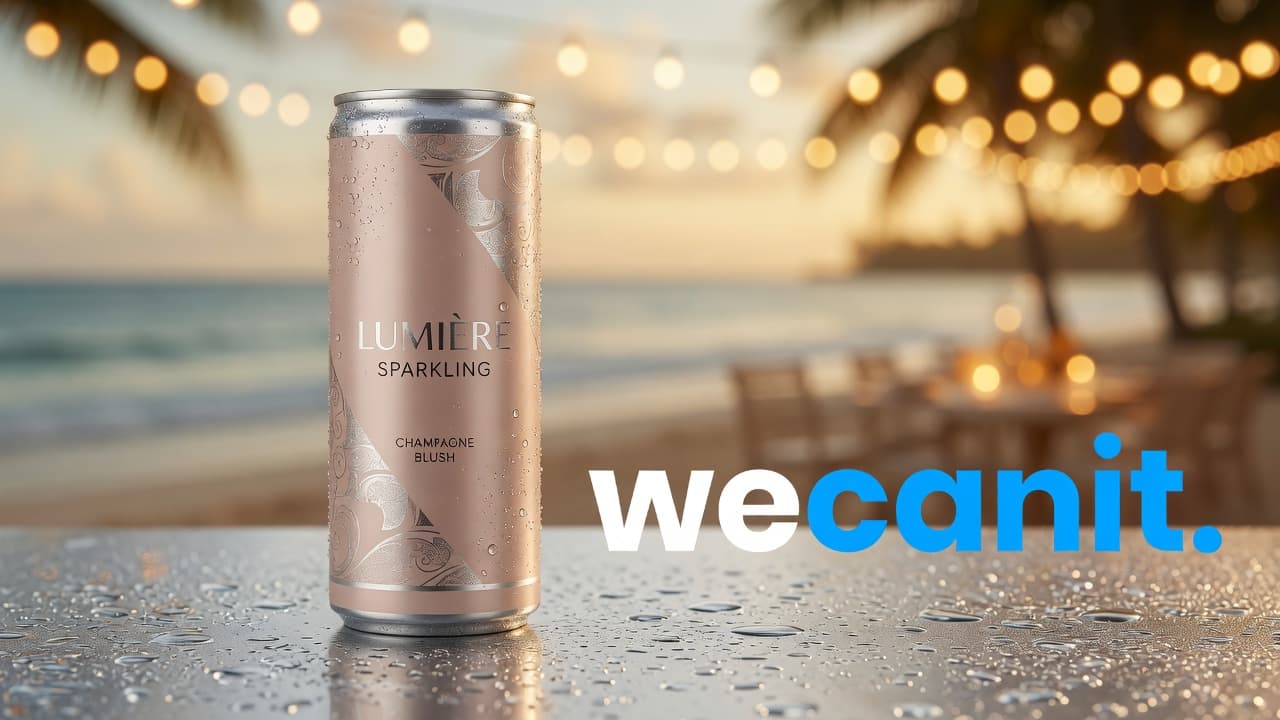
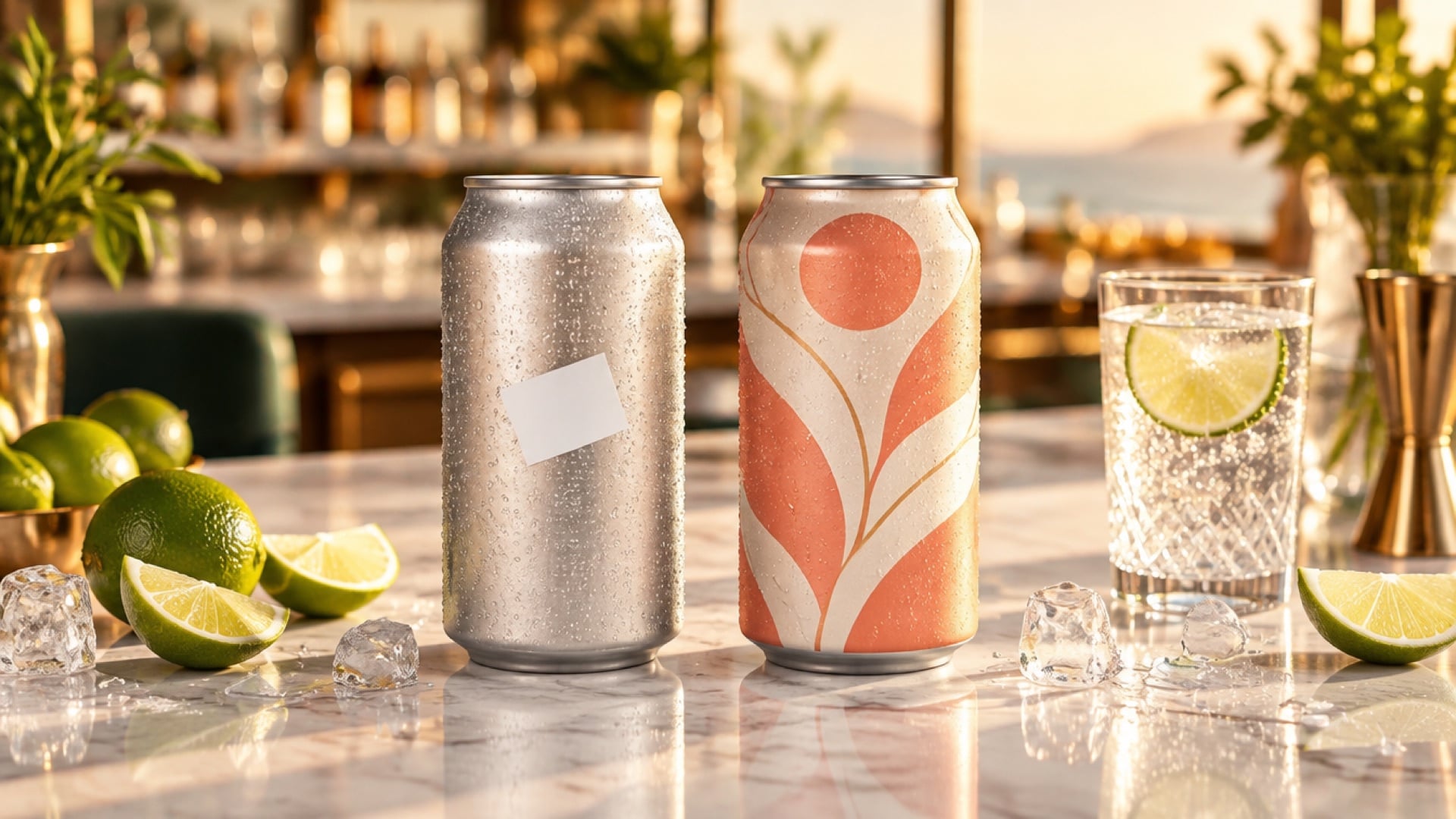
Sparkling water changes the mood of a table. Still water is what guests expect. Sparkling is what makes them feel looked after: the hiss when the can opens, the bubbles in the glass, the sense that this is a moment rather than a routine. That is why restaurants, bars, hotels, and event brands often want sparkling in their own branded can.
But sparkling is not simply still water with bubbles on the label. It feels different, pours differently, costs a little more, and suits some programs better than others. This guide is for F&B directors, brand managers, and event teams considering private label sparkling water in cans. It explains carbonation in plain words, how sparkling pours and pairs, what it adds to the cost, how to store it, and when sparkling is worth it for your program.
What makes sparkling water different from still?
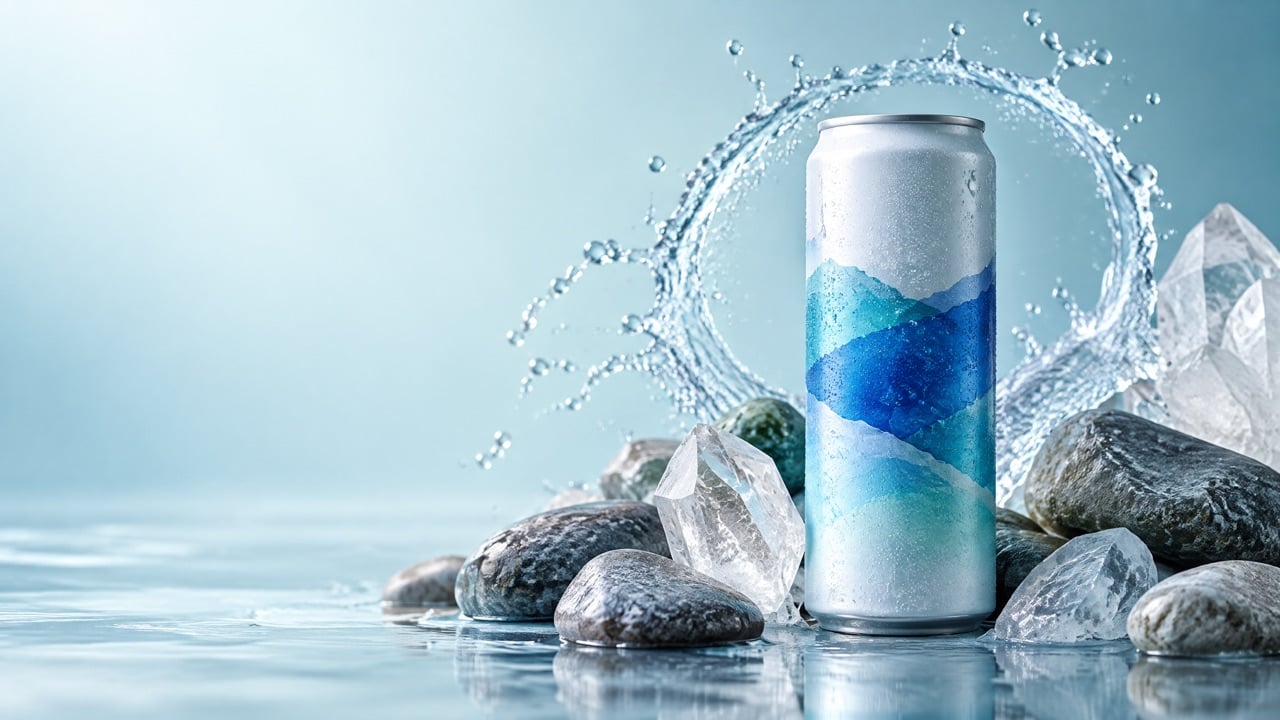
Sparkling water is water with dissolved carbon dioxide, which creates the bubbles and the light, crisp bite on the tongue. In a sealed can, the gas stays dissolved under pressure. When the can is opened, the pressure drops and bubbles form.
For buyers, three differences matter most:
- Experience: sparkling feels more celebratory and pairs well with food.
- Handling: it needs to be kept cold and handled gently for the best pour.
- Cost: sparkling adds about $0.15 per can compared with still at We Can It.
How does carbonation feel, and why does it matter?
Carbonation level shapes the drinking experience. Stronger carbonation feels sharper and more refreshing on a hot day. Softer carbonation feels smoother and more elegant with food. Temperature matters too: cold sparkling water holds its bubbles longer and tastes crisper, while warm sparkling water loses fizz quickly and can taste flat.
When you evaluate a sparkling sample, taste it the way your guests will, cold, poured into your glassware, and alongside the food or setting it will be served with.
How should sparkling water be poured?
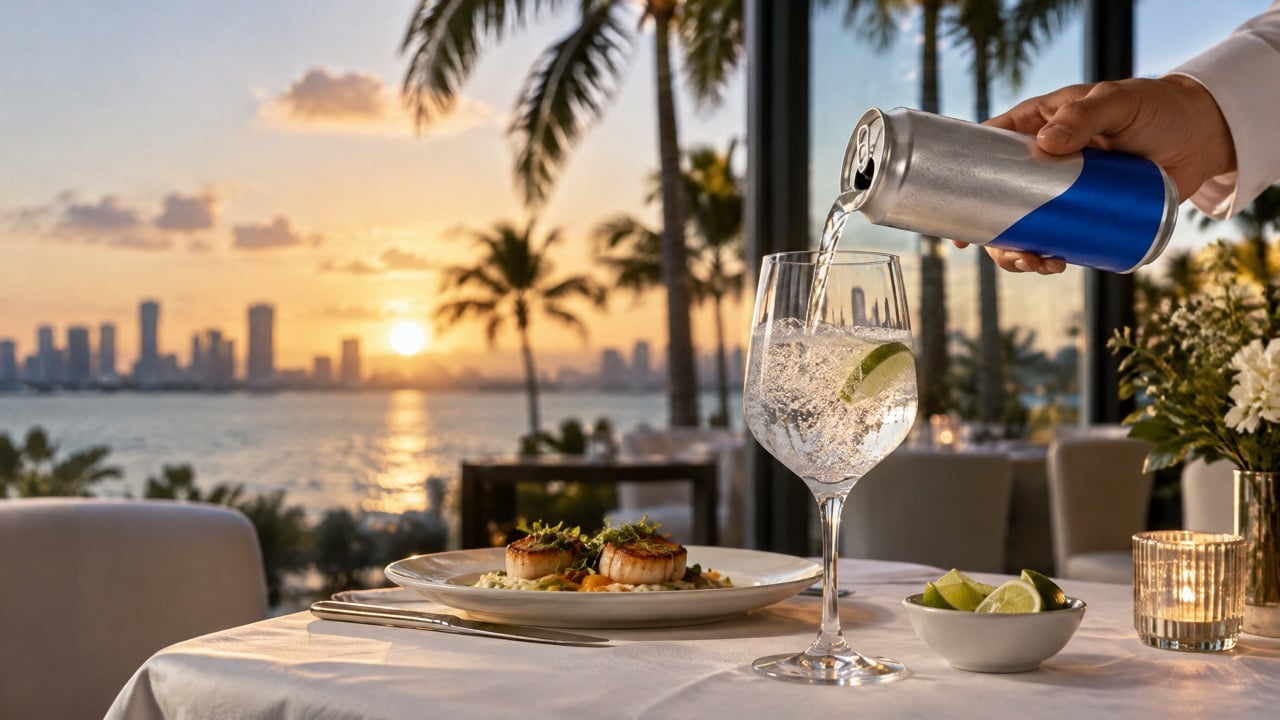
A good pour keeps the bubbles in the glass instead of on the table.
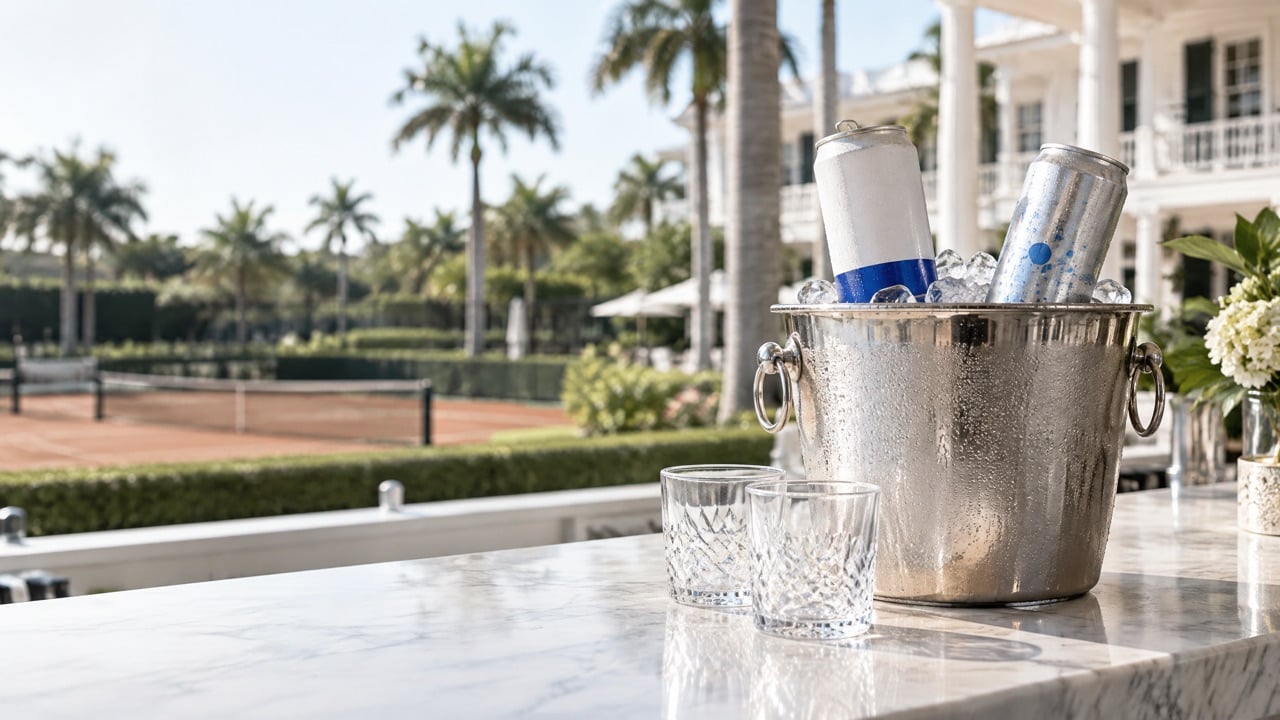
- Serve very cold, straight from the refrigerator or ice.
- Open gently to avoid a rush of foam.
- Tilt the glass and pour down the side.
- Leave the can on the table label forward so guests can top up.
- Offer citrus on the side rather than in the glass by default.
What does sparkling water pair well with?
Sparkling water cleanses the palate, which is why chefs and sommeliers like it.
- Rich or fried dishes, where bubbles cut through fat.
- Seafood and citrus-forward plates.
- Tasting menus, between courses.
- Cheese and charcuterie boards.
- Celebrations, as an alcohol-free toast.
When is sparkling worth the extra cost?
Sparkling makes the most sense when the moment matters.
- Restaurants and bars that already sell imported sparkling.
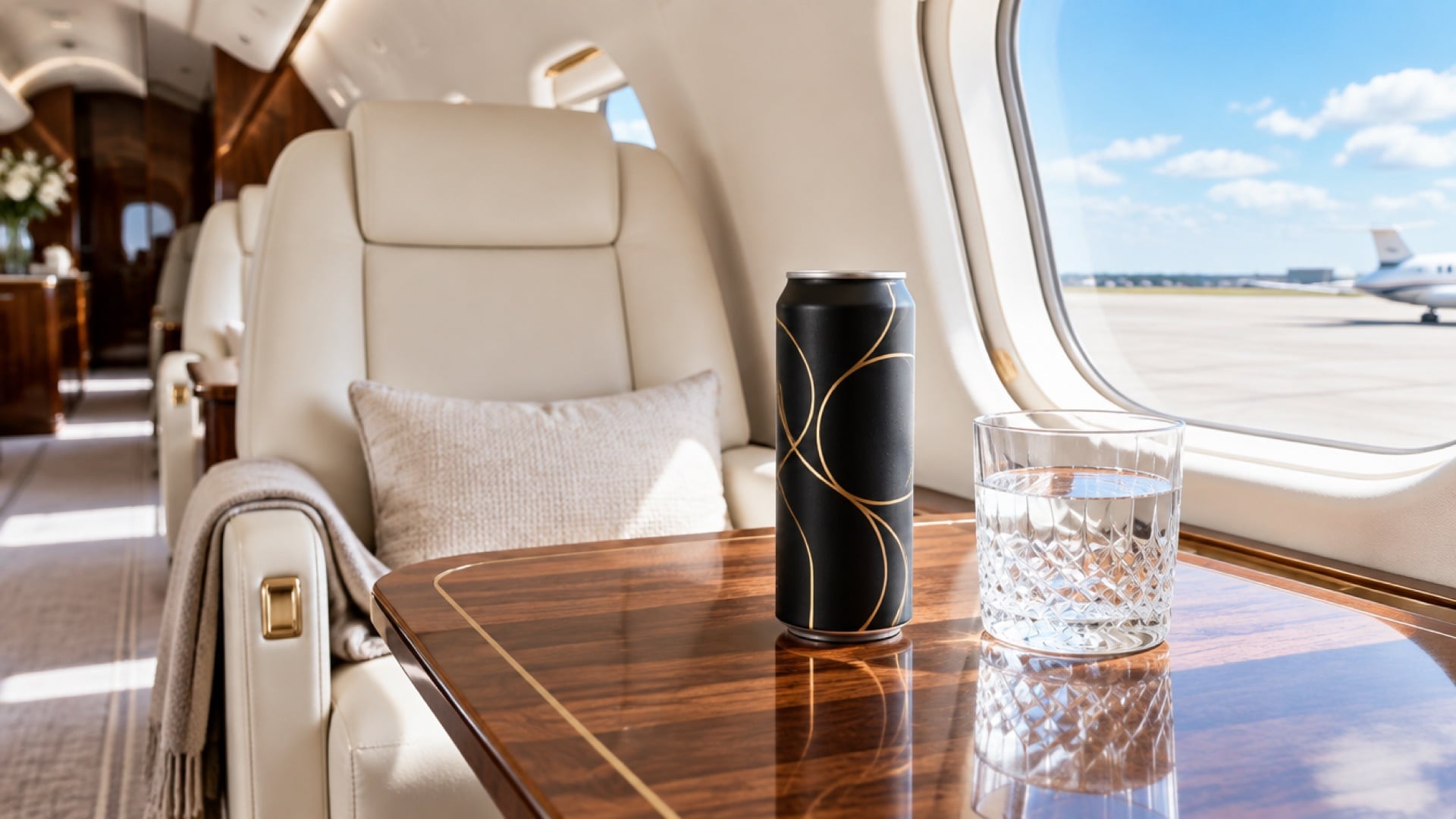
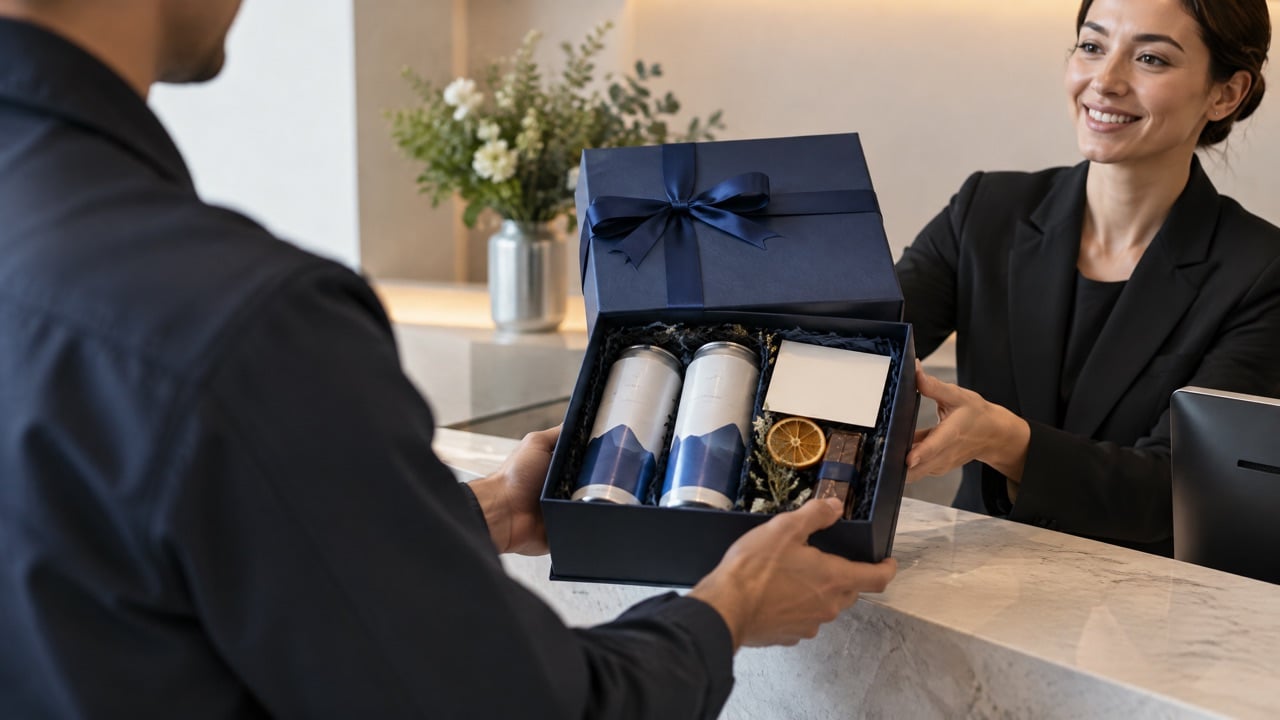
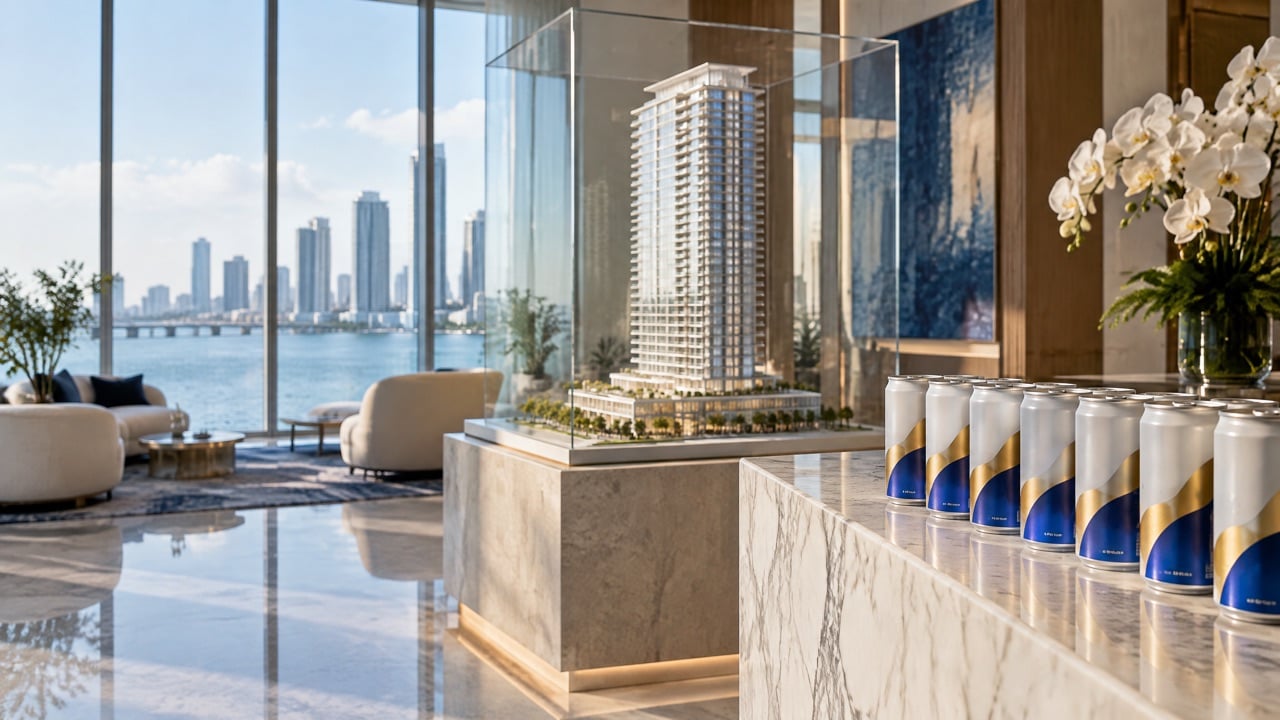
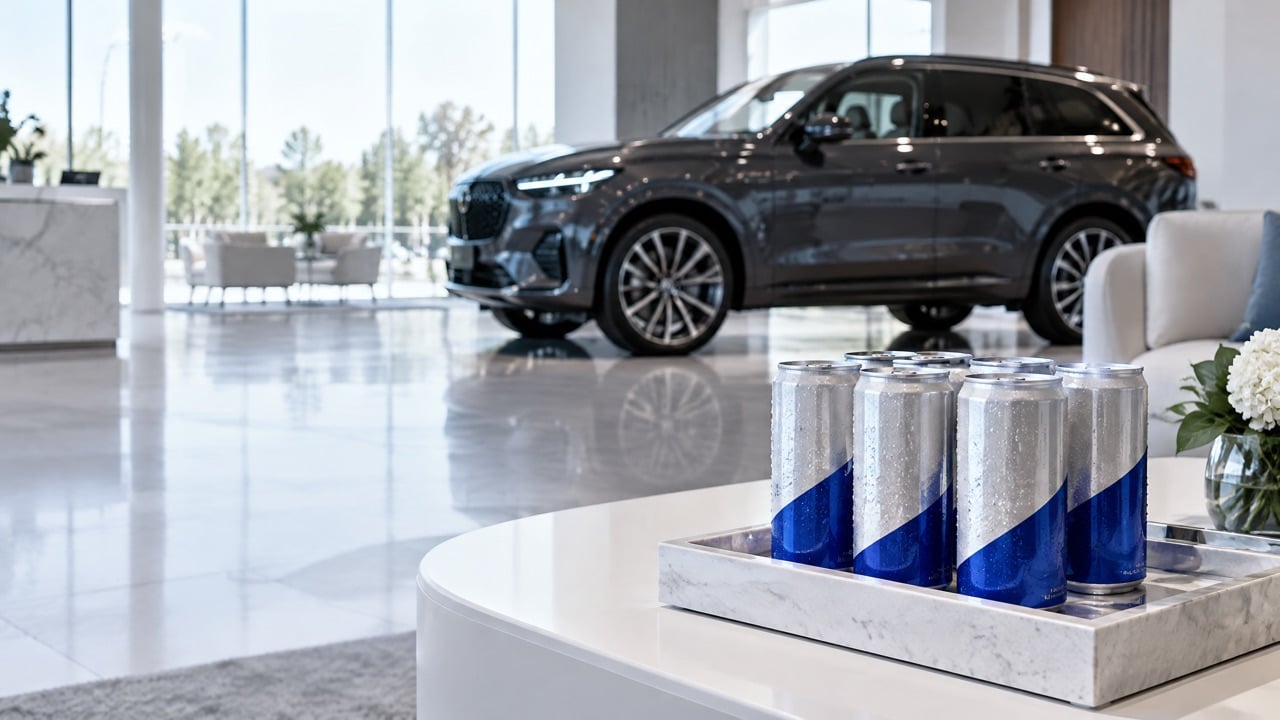
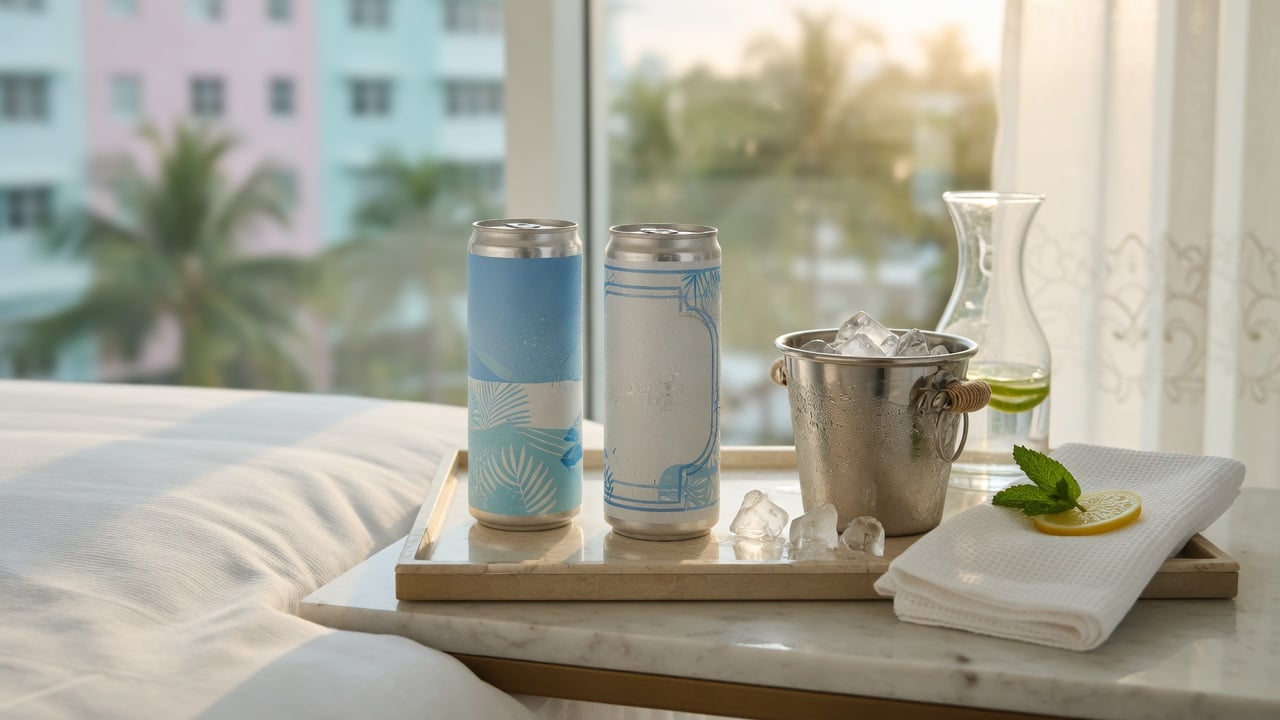
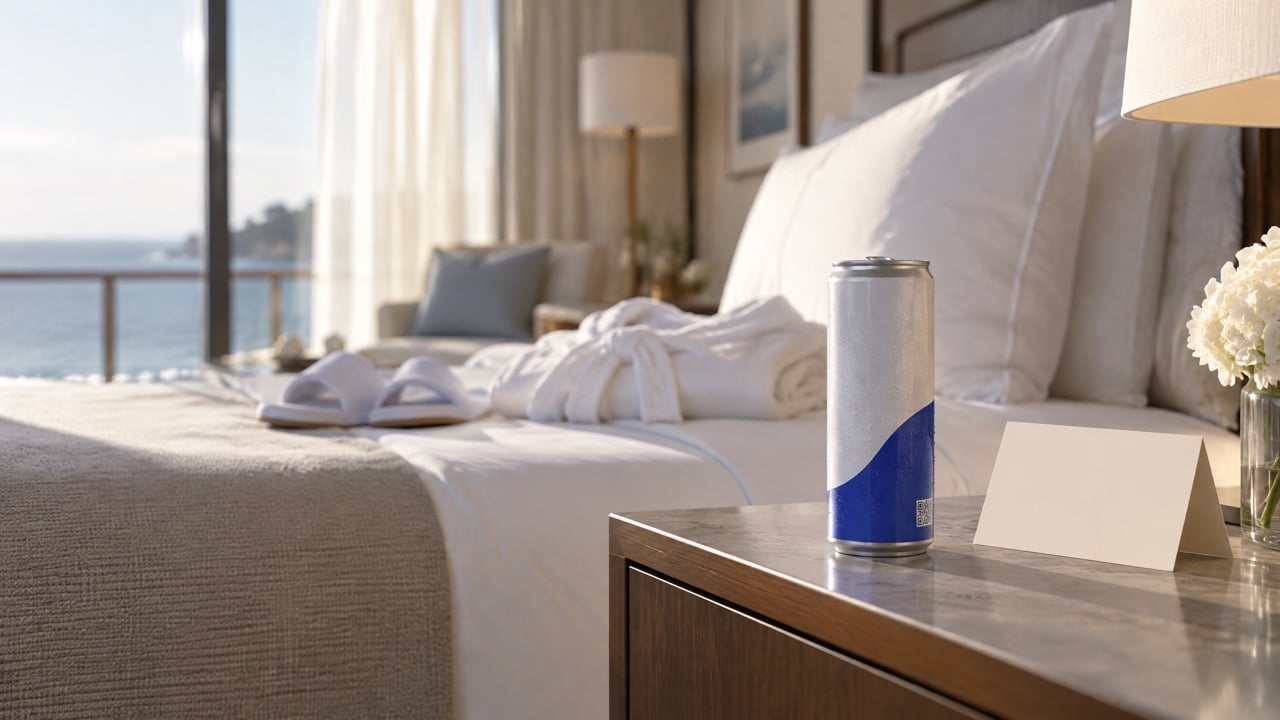
- Hotel lounges, suites, and spas where guests expect a premium touch.
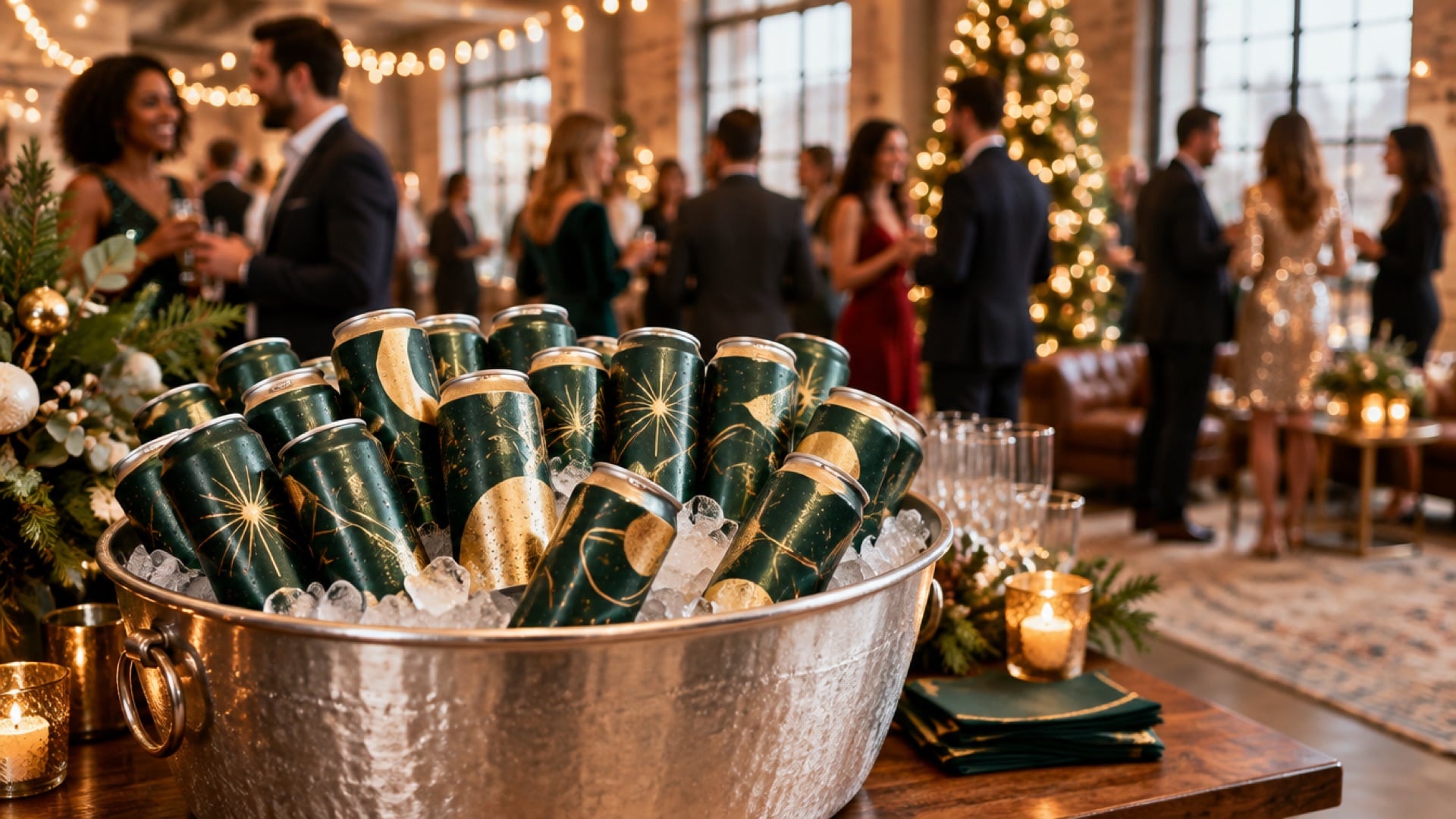
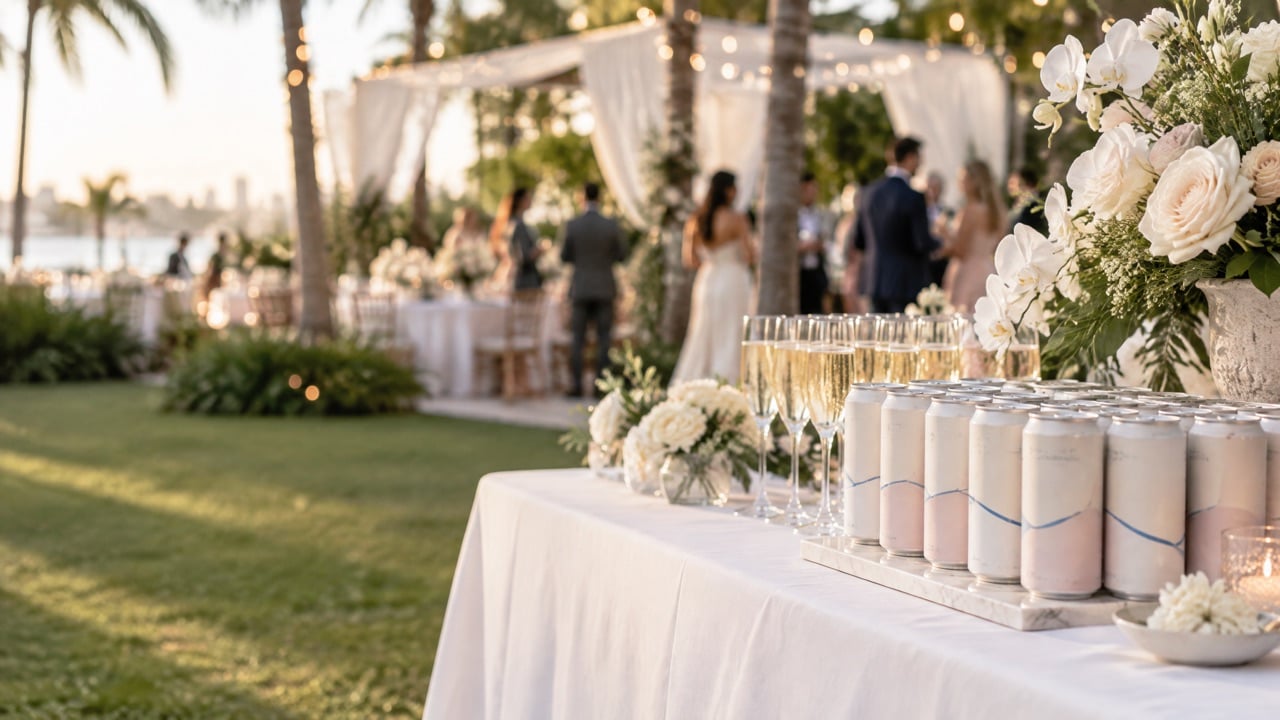
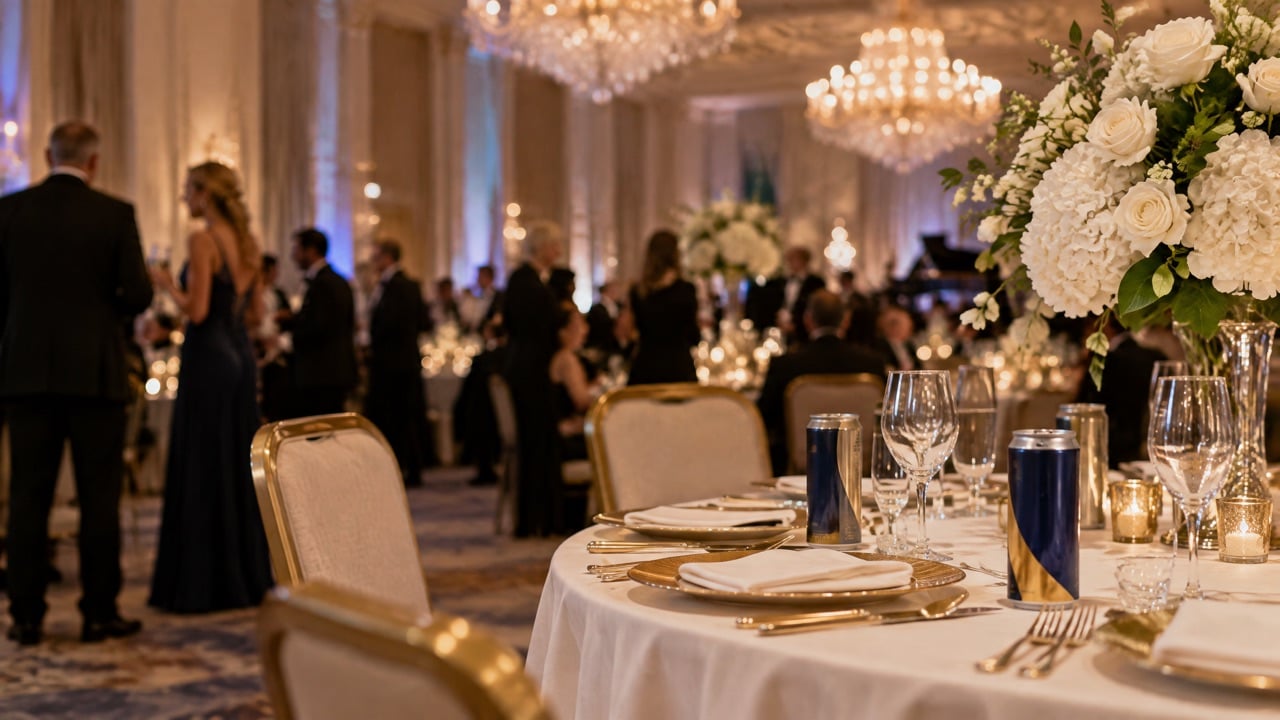
- Galas, weddings, and launches where an alcohol-free toast is needed.
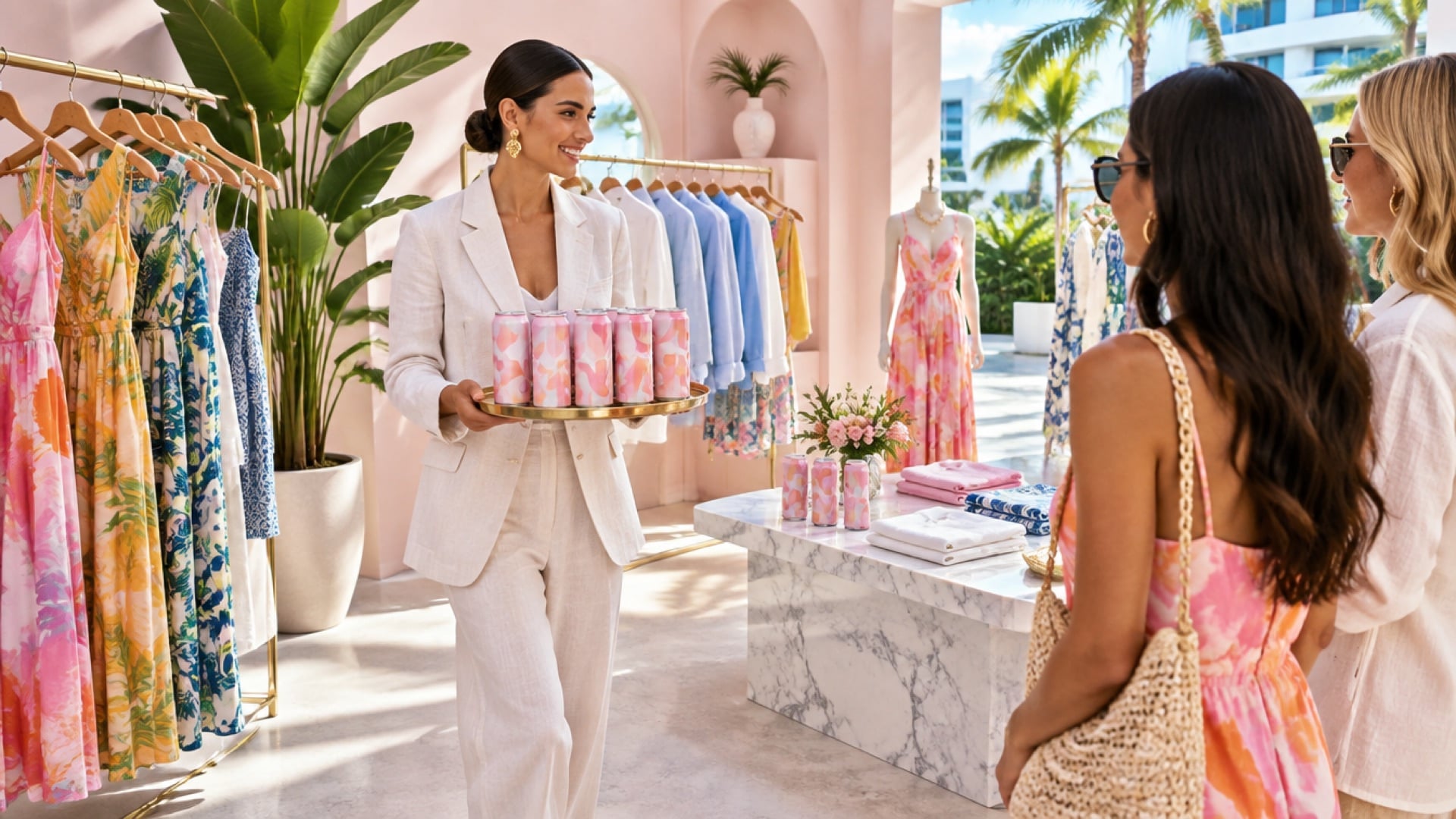
- Luxury retail and private appointments.
- Brands whose identity is lively or celebratory.
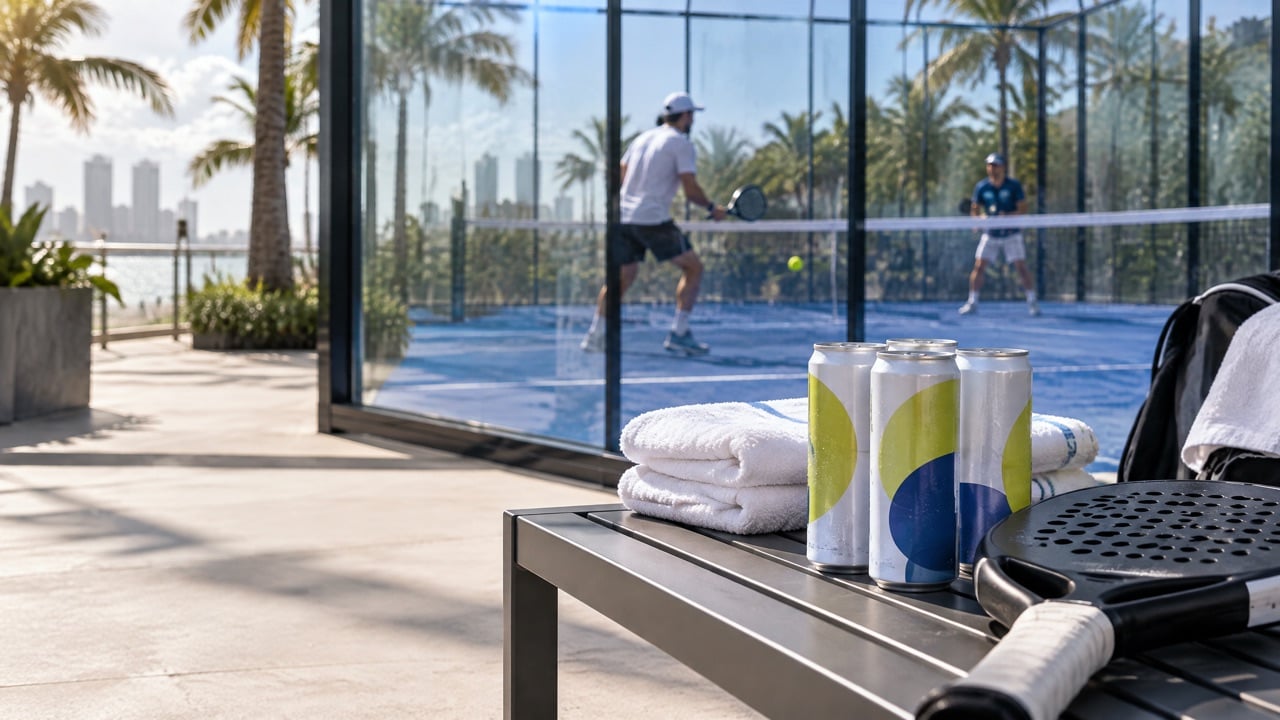
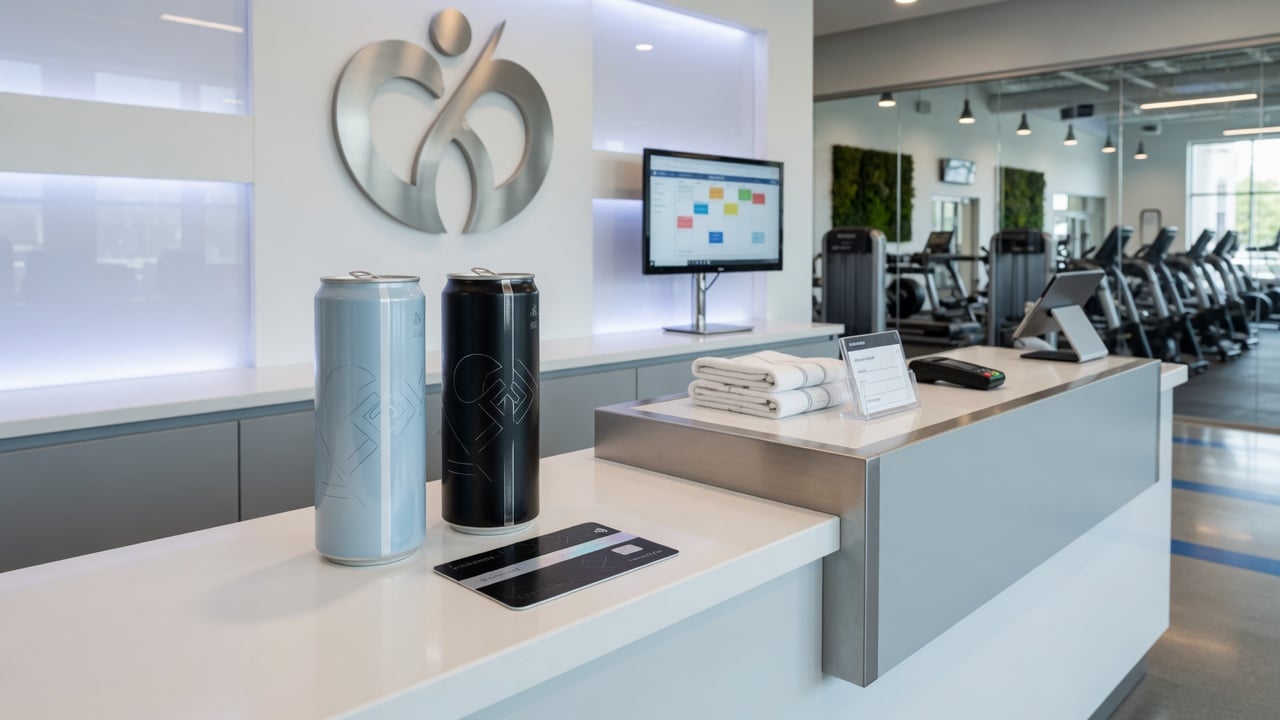
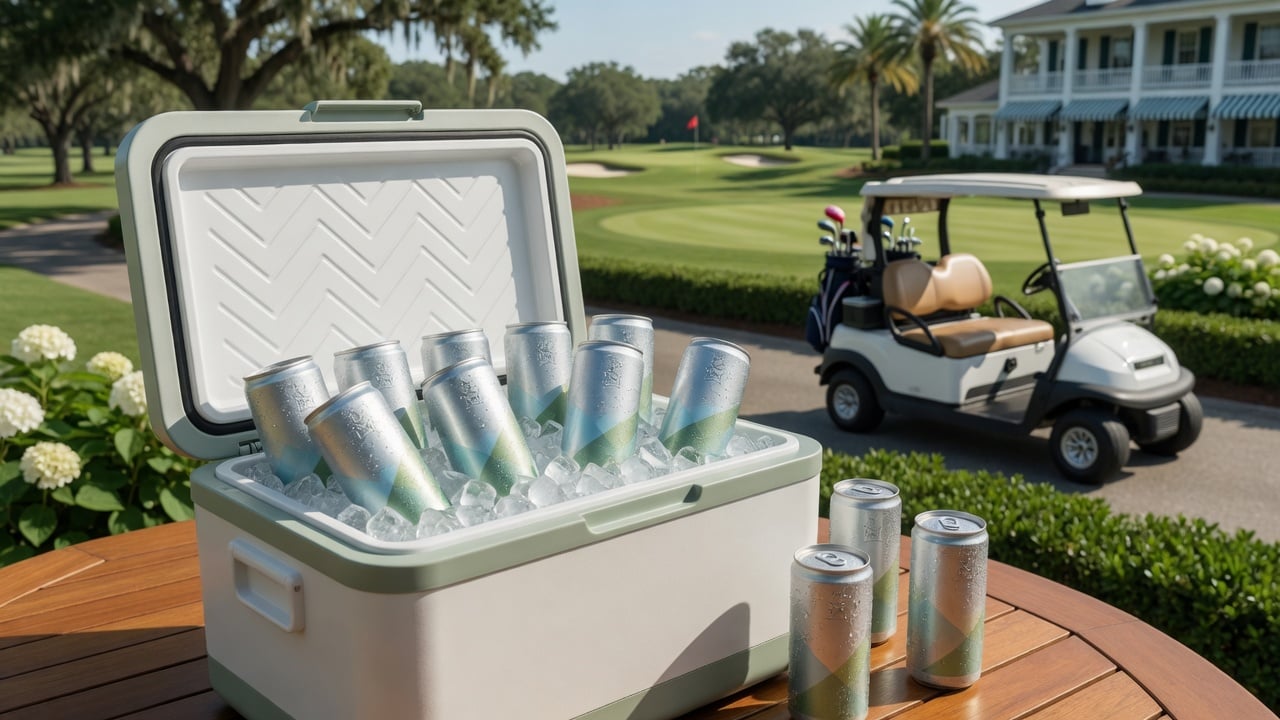
For everyday hydration, such as gyms, golf courses, and conferences, still water is usually the better default, with sparkling offered as an option.
Can a program offer both still and sparkling?
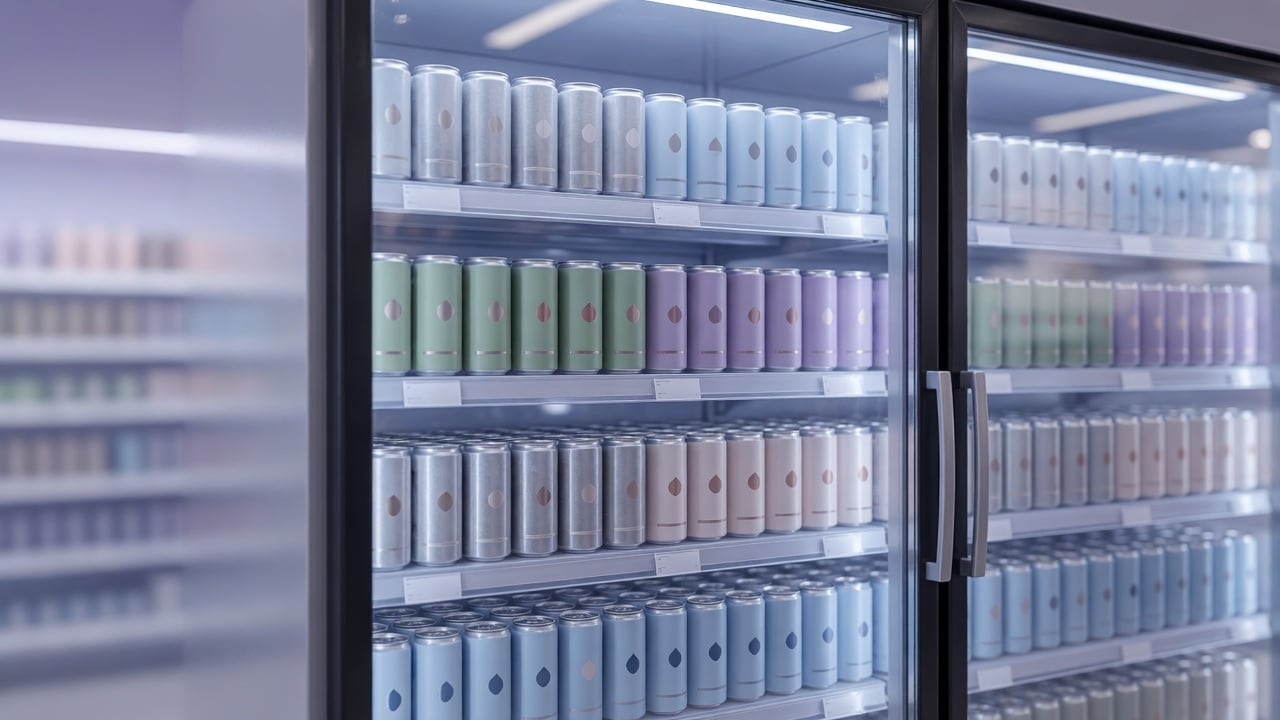
Yes, and many do. A common setup is still water as the everyday can and sparkling as the premium or evening option. Use the same core design with a clear sparkling mark so staff and guests can tell them apart at a glance.
How should sparkling cans be stored?
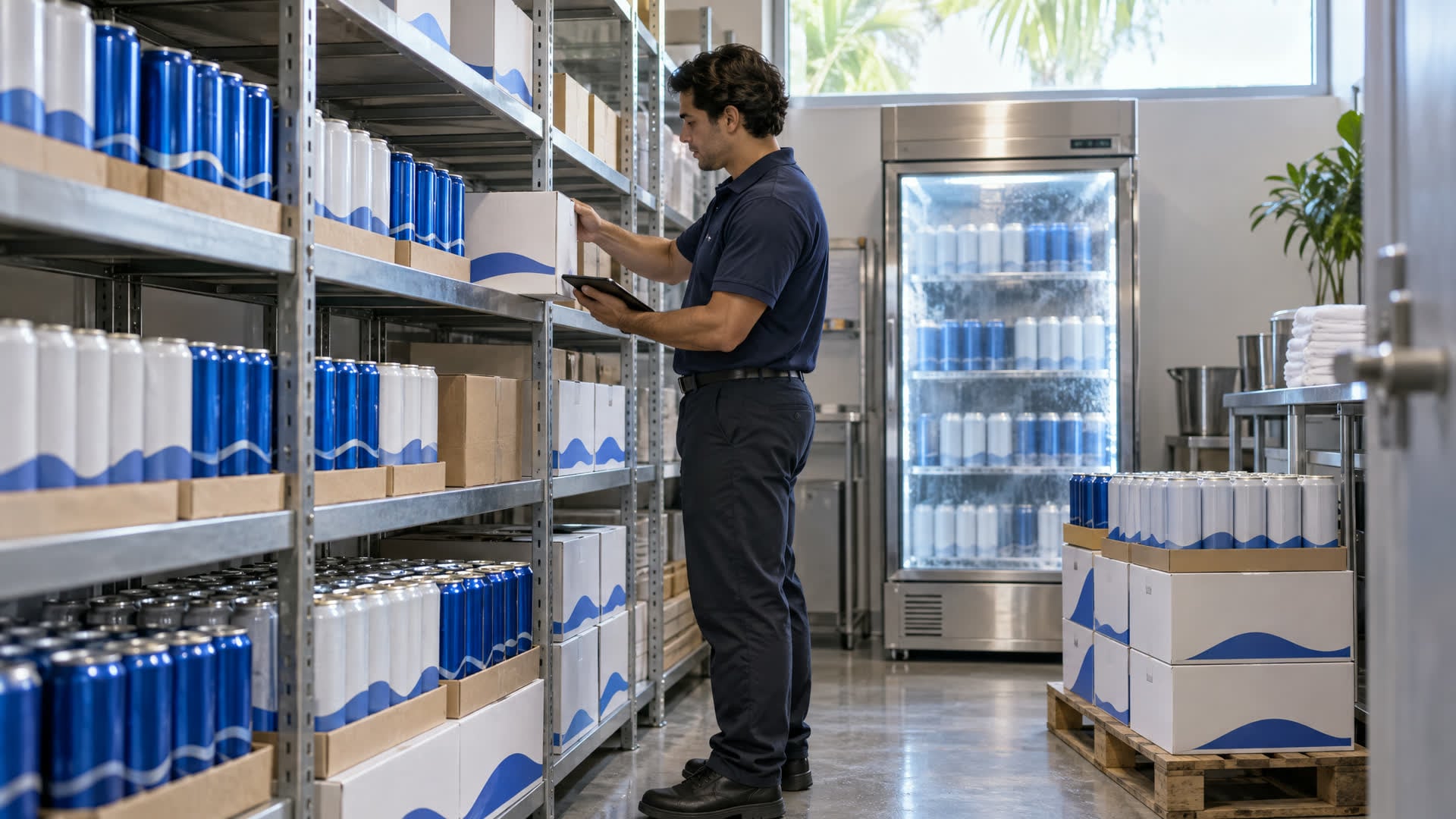
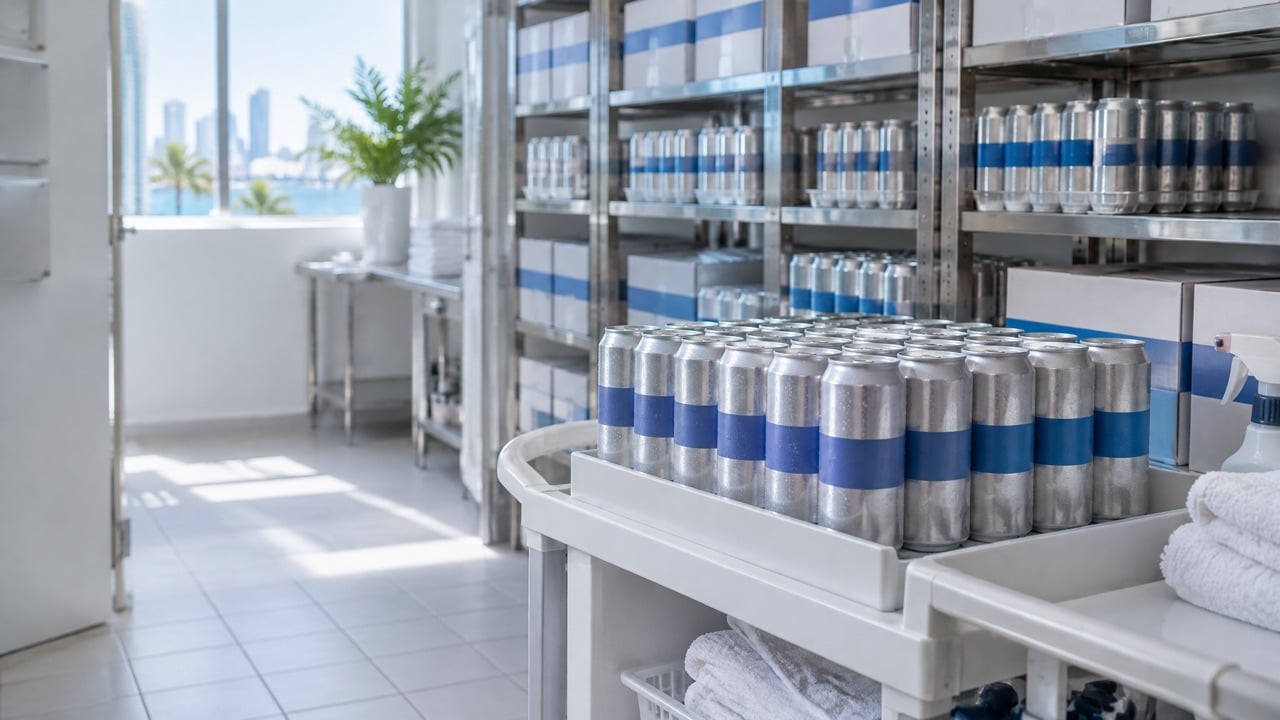
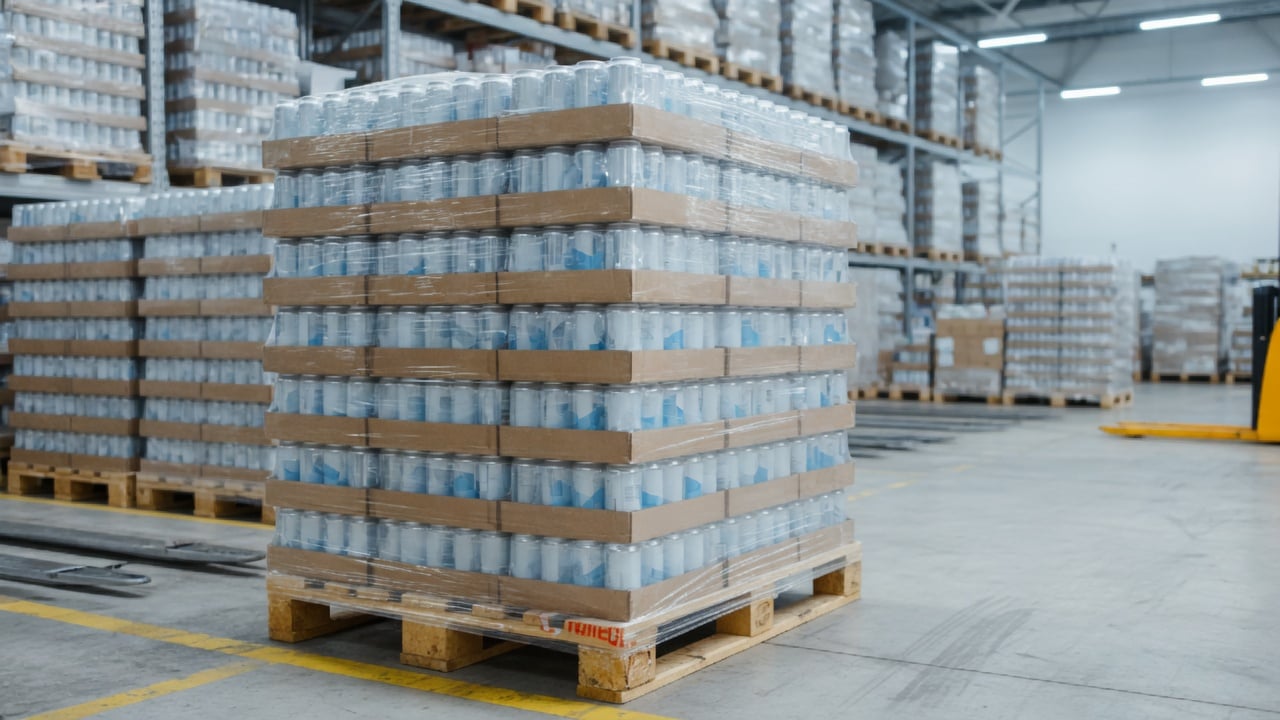
- Store cases in a cool, dry place out of direct sun.
- Avoid heat, which affects taste and pour quality.
- Chill well before serving, ideally several hours.
- Handle gently when restocking coolers.
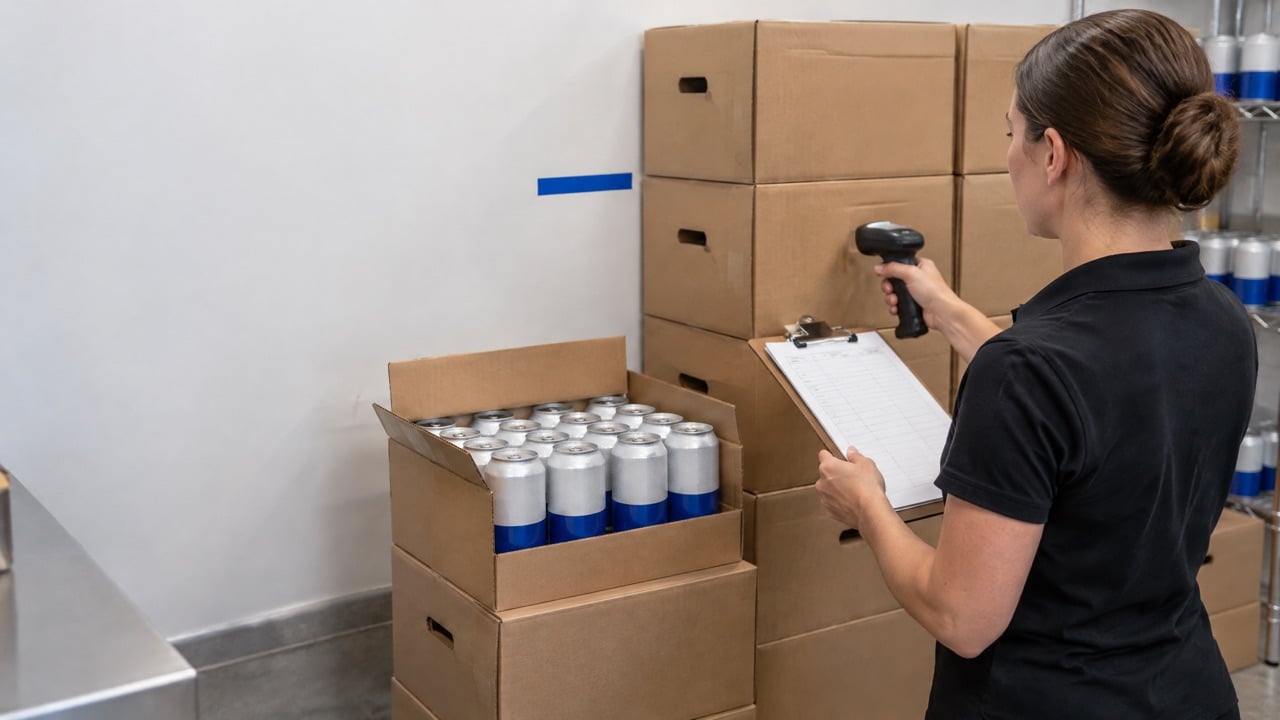
- Rotate stock first in, first out.
What sizes work best for sparkling?
- 12oz Sleek: elegant single serving for tables, lounges, and events.
- 12oz Regular: a classic choice for bars and casual dining.
- 16oz: good for sharing at the table.
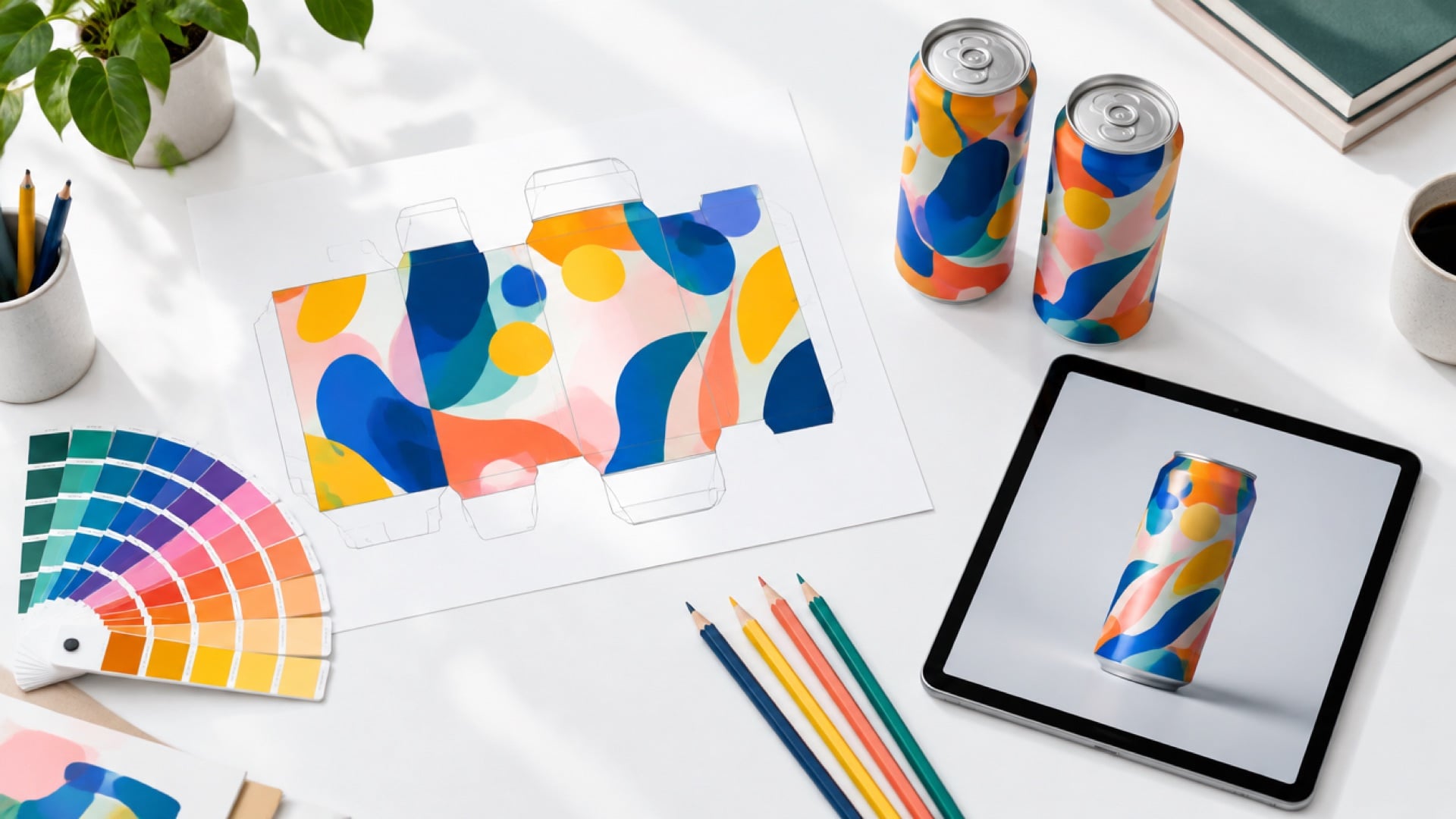
How do you design a sparkling can?
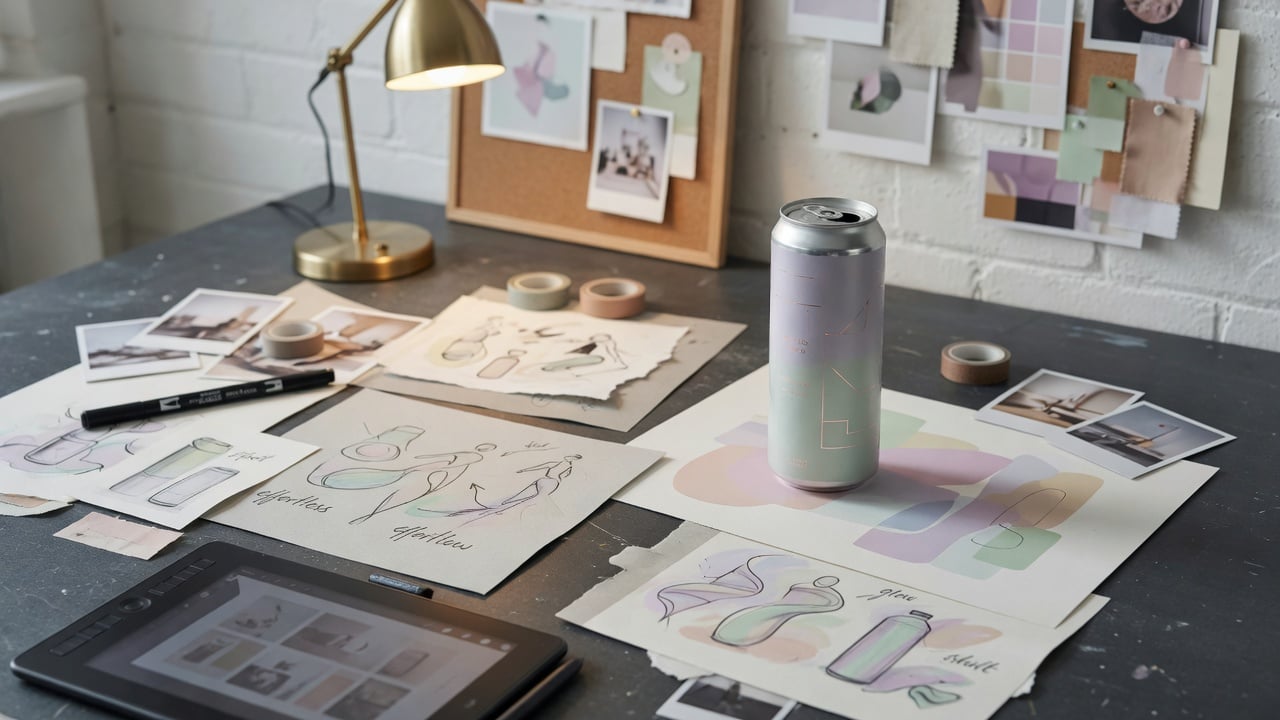
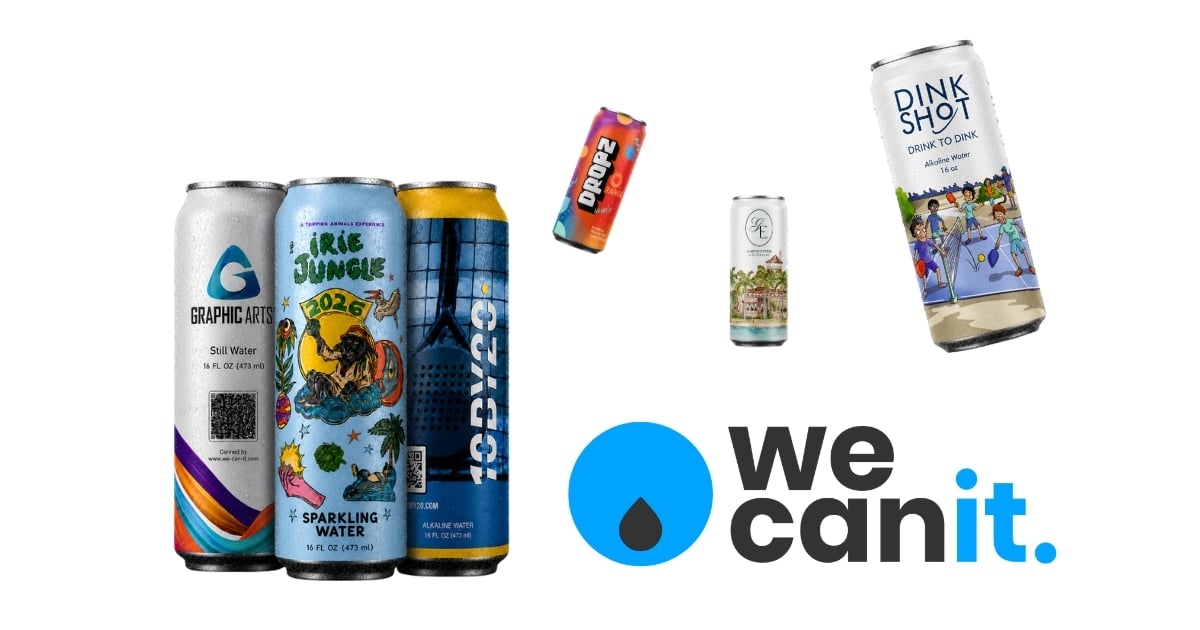
- A clear "sparkling" identifier in the design.
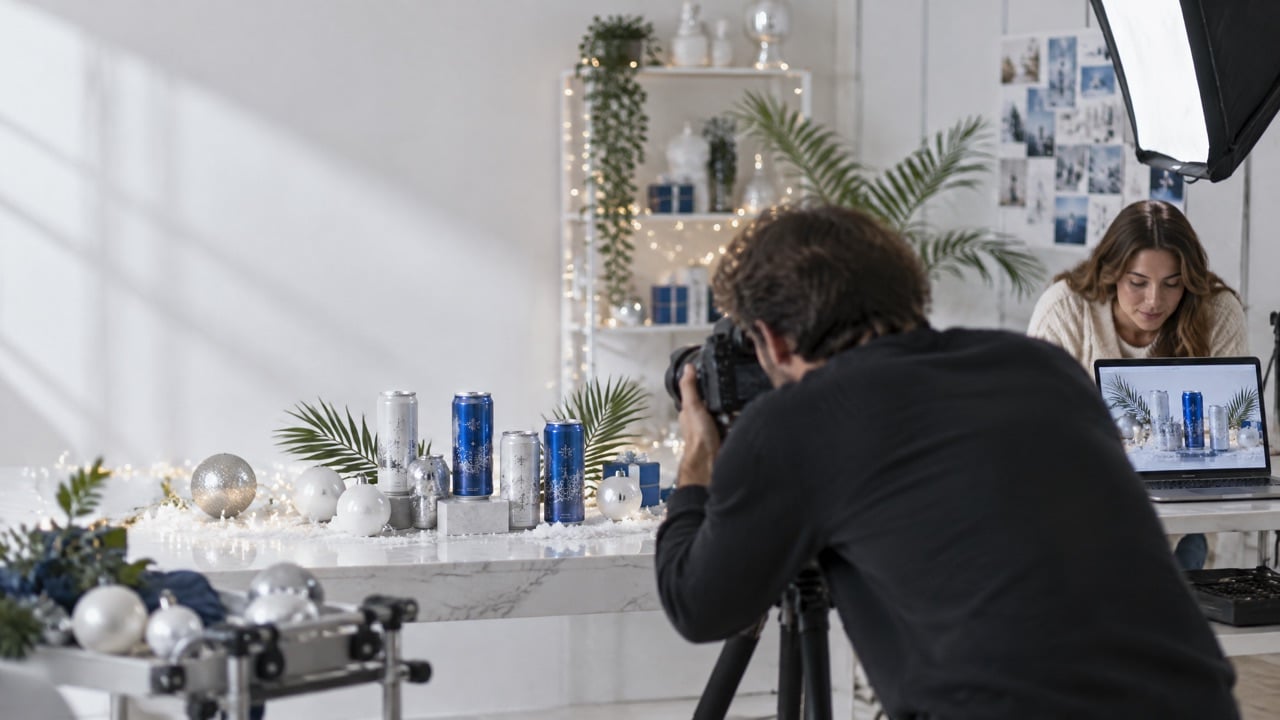
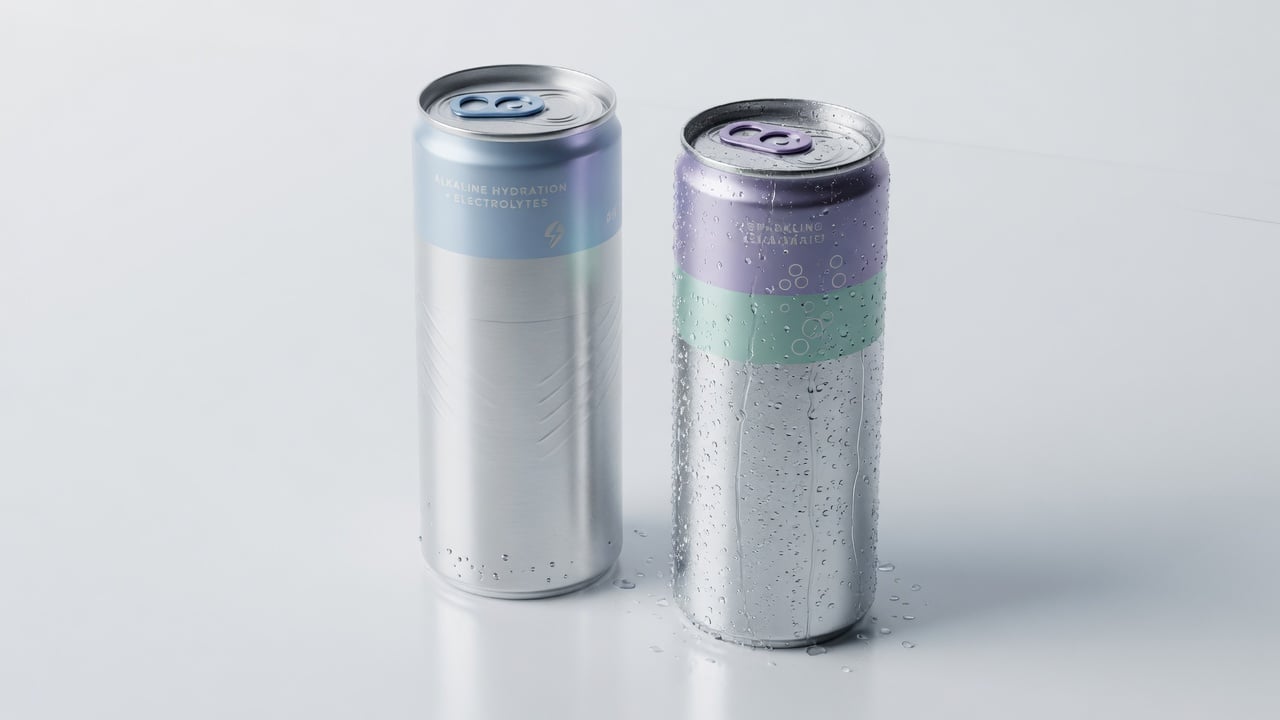
- A lively but premium look, often with a lighter palette or bubble motif.
- Your logo as the main mark.
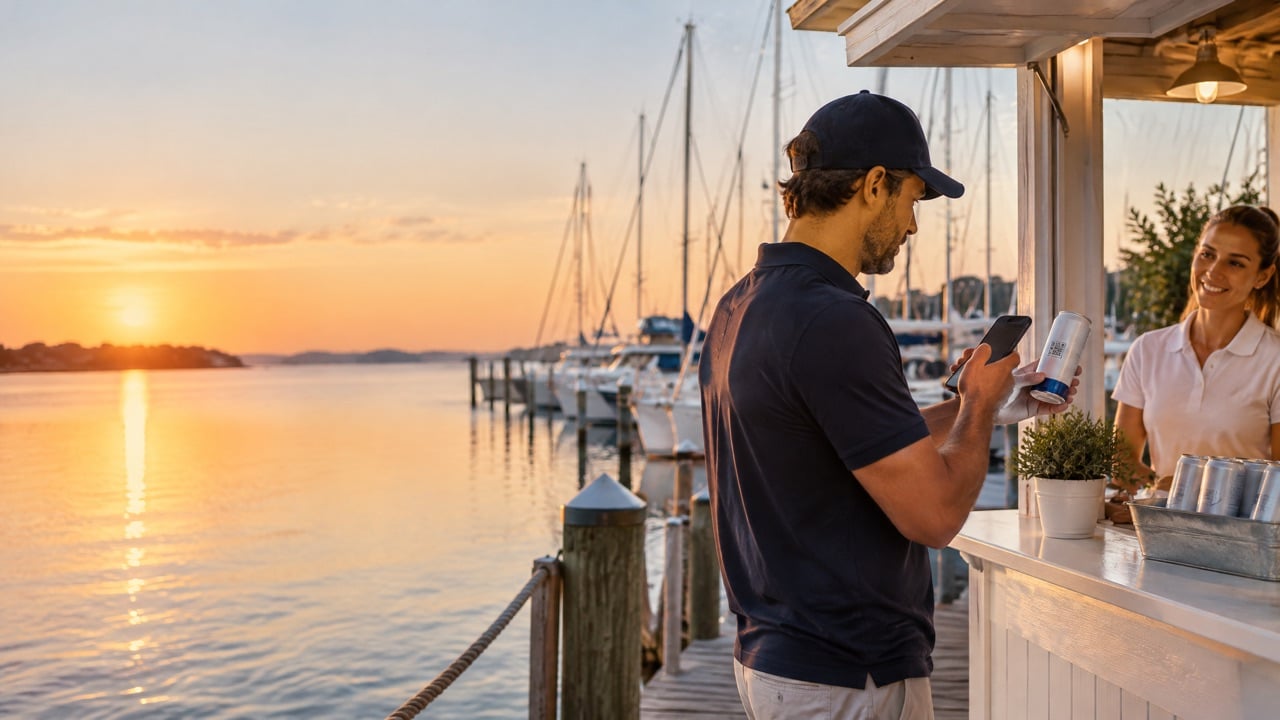
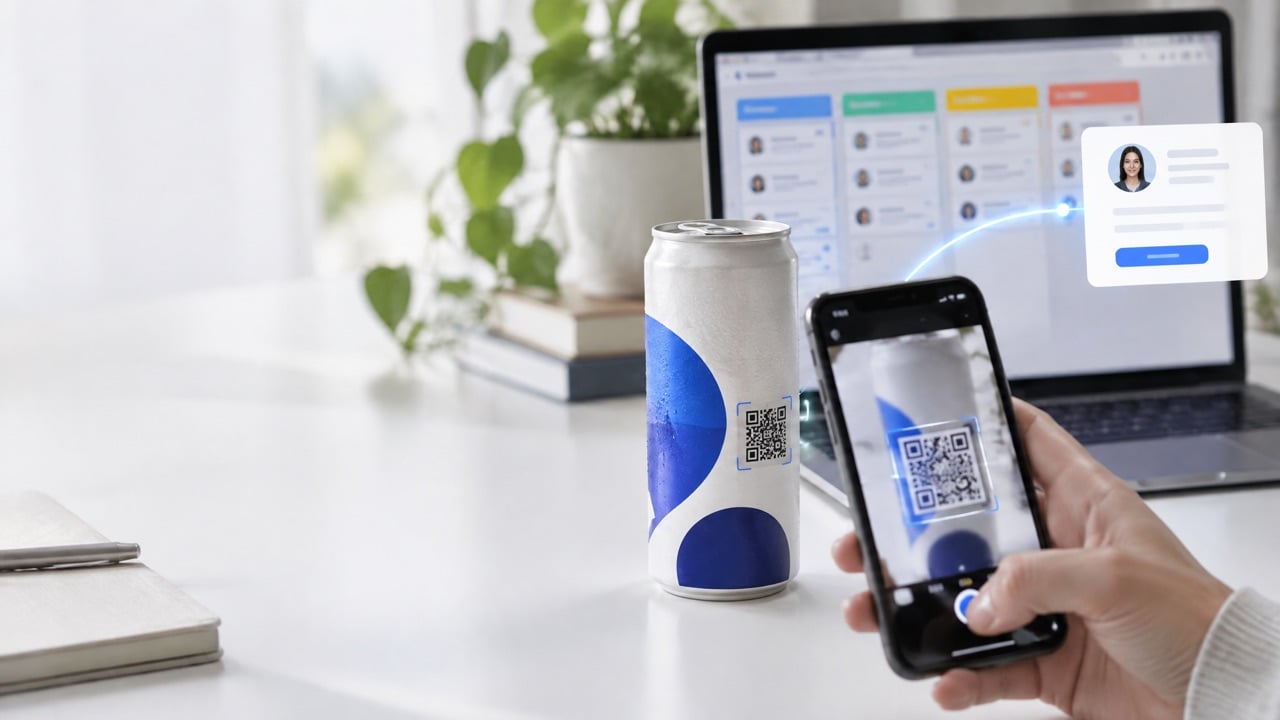
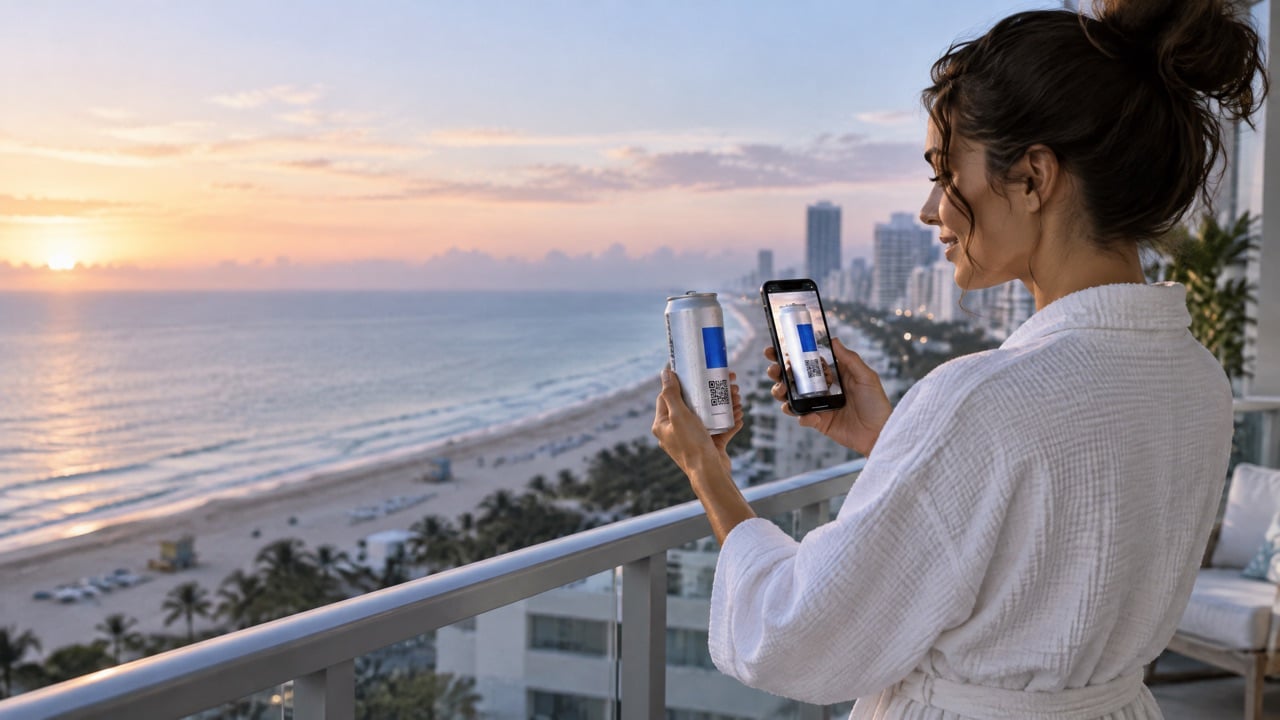
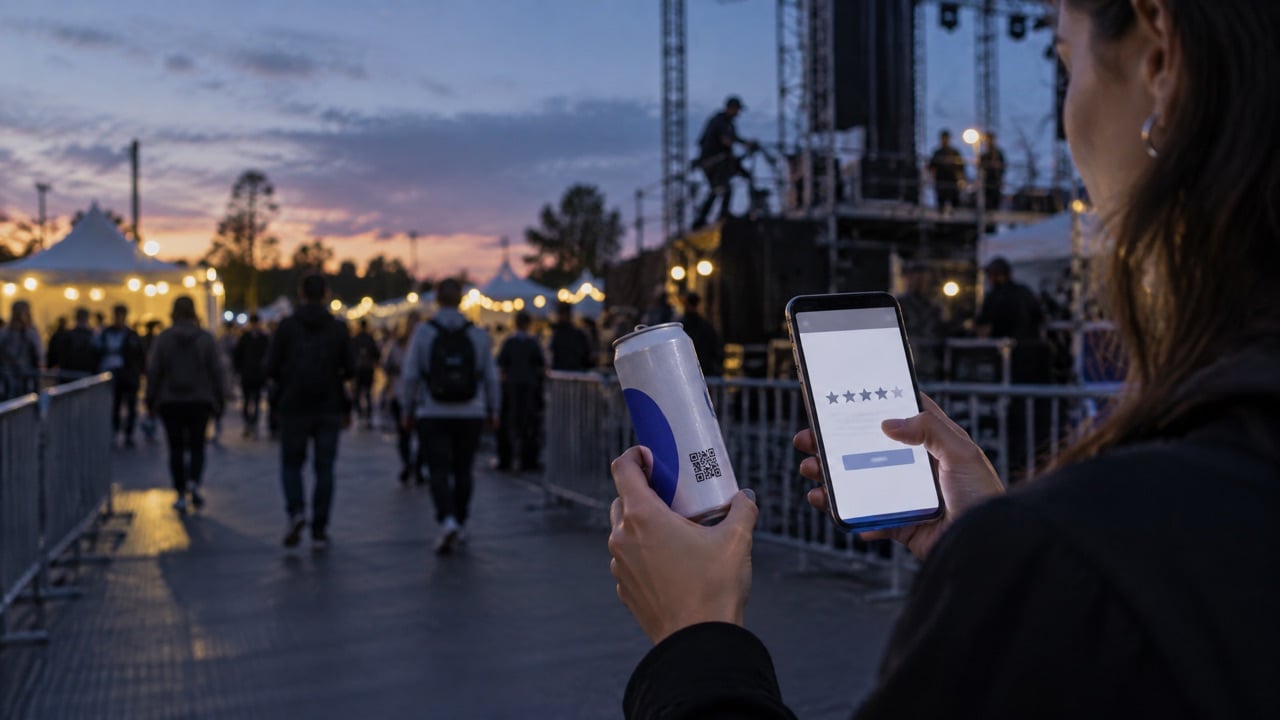
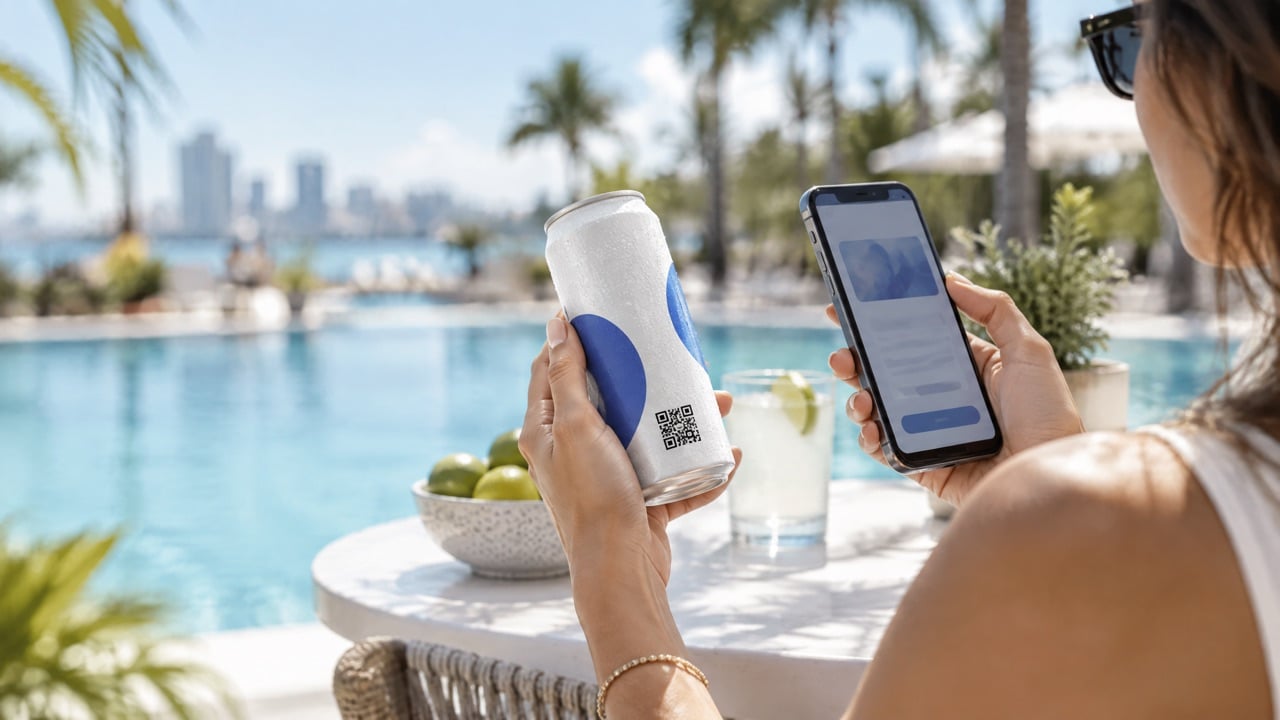
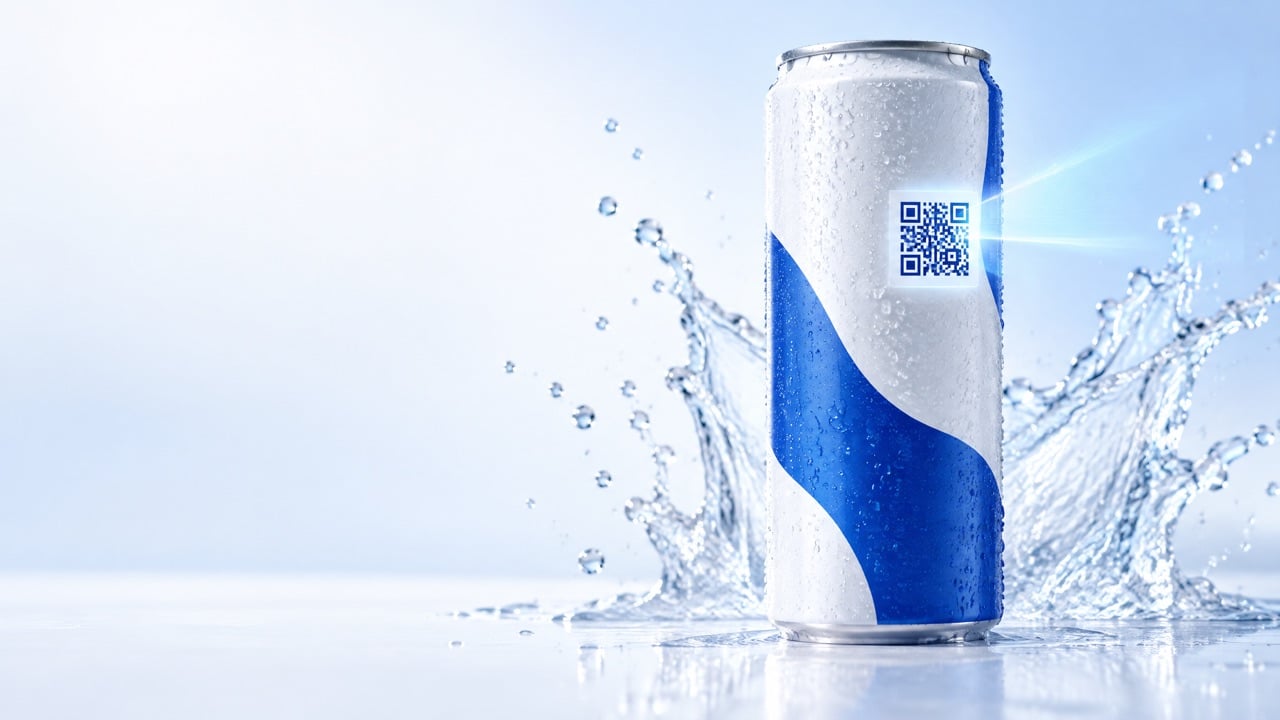
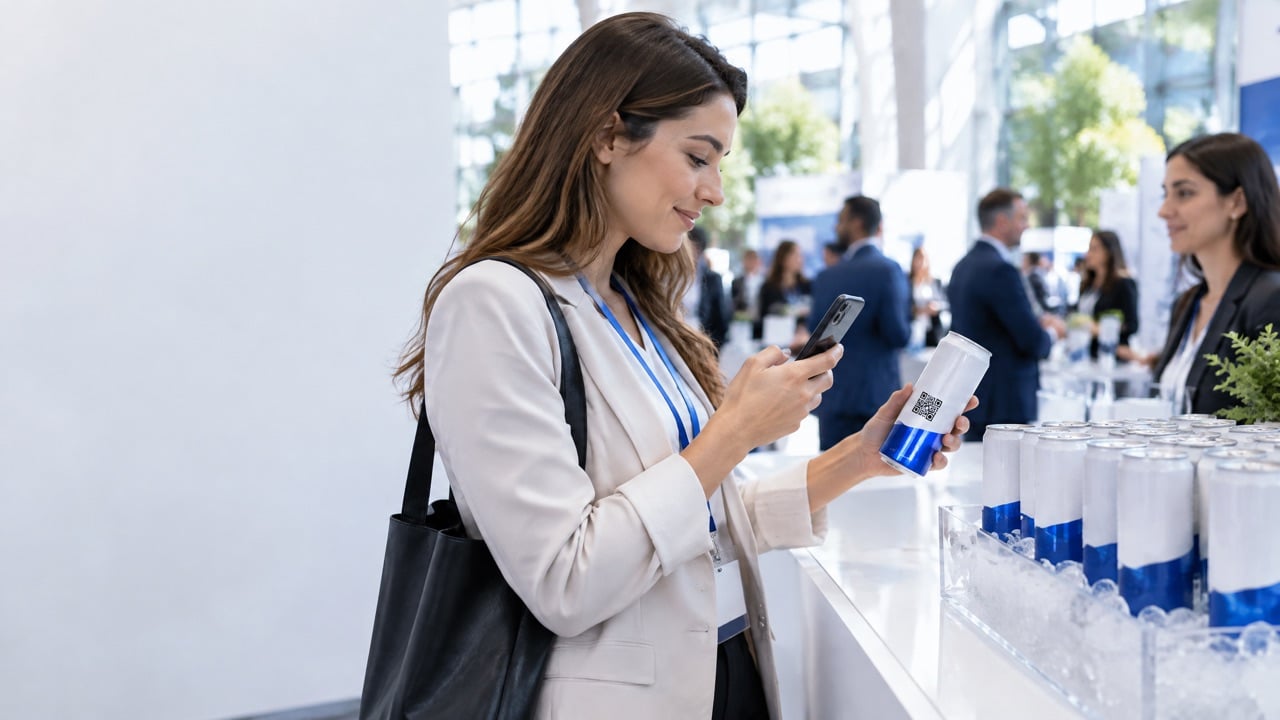
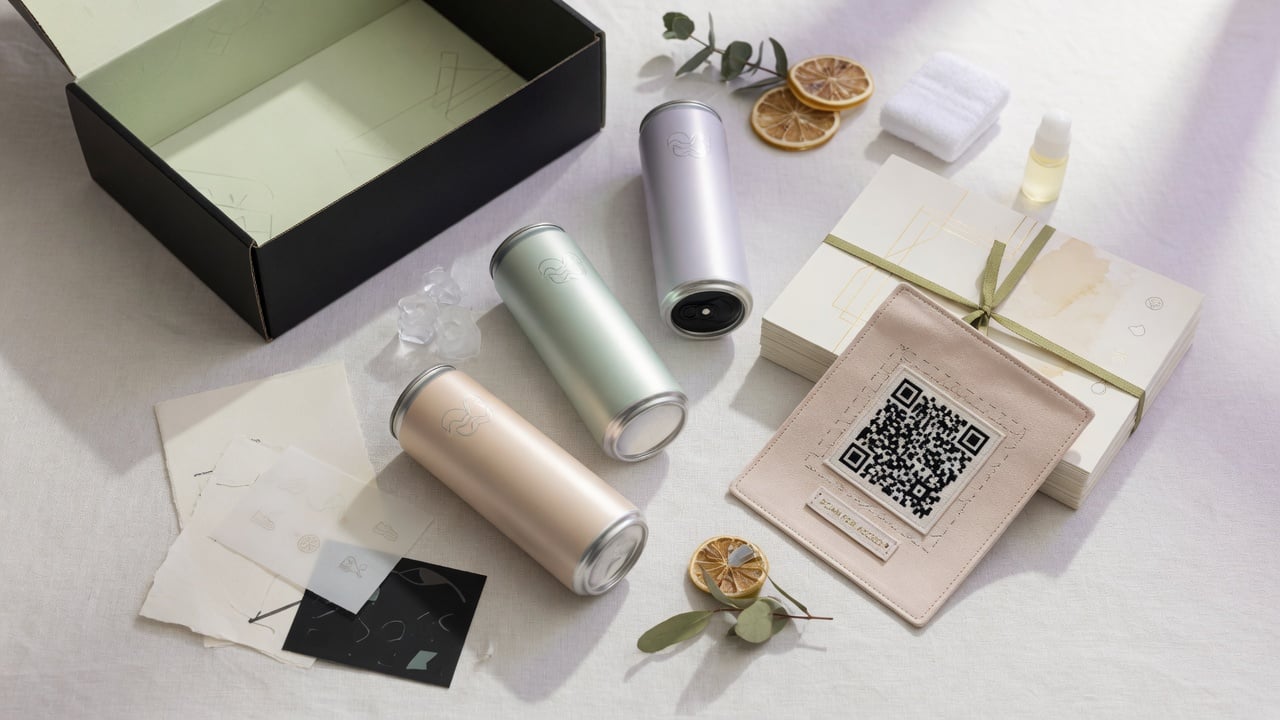
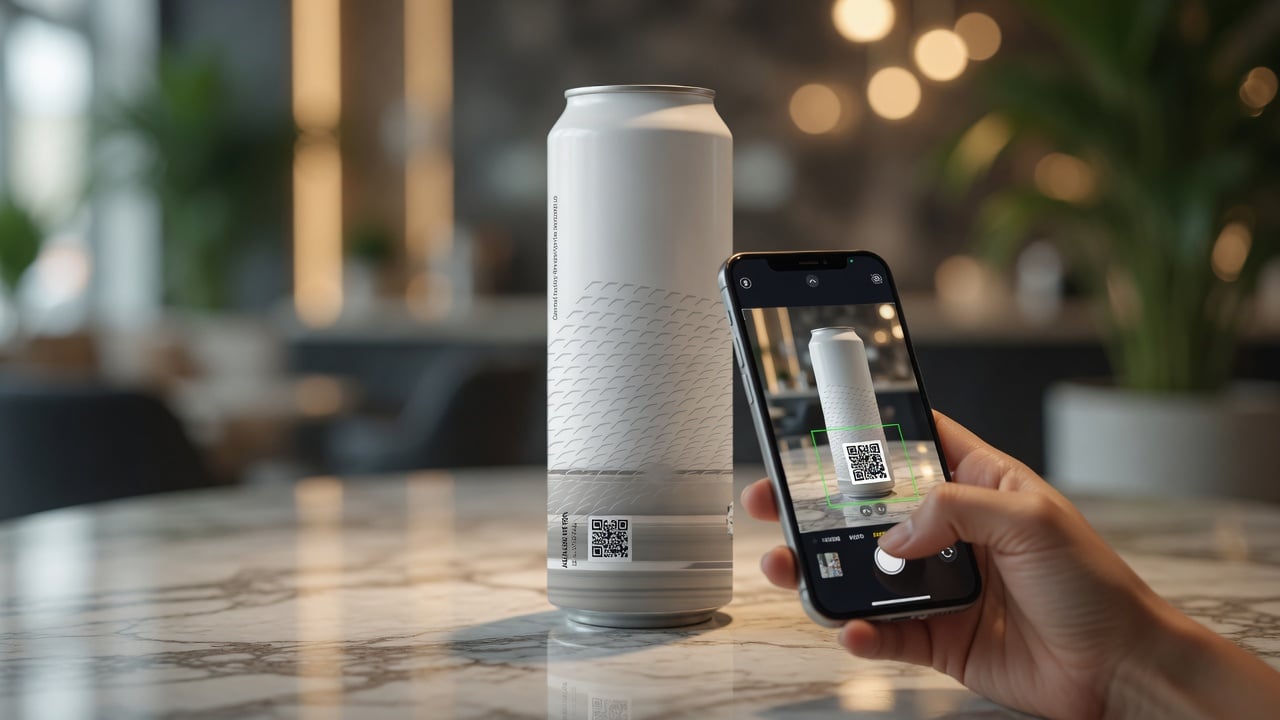
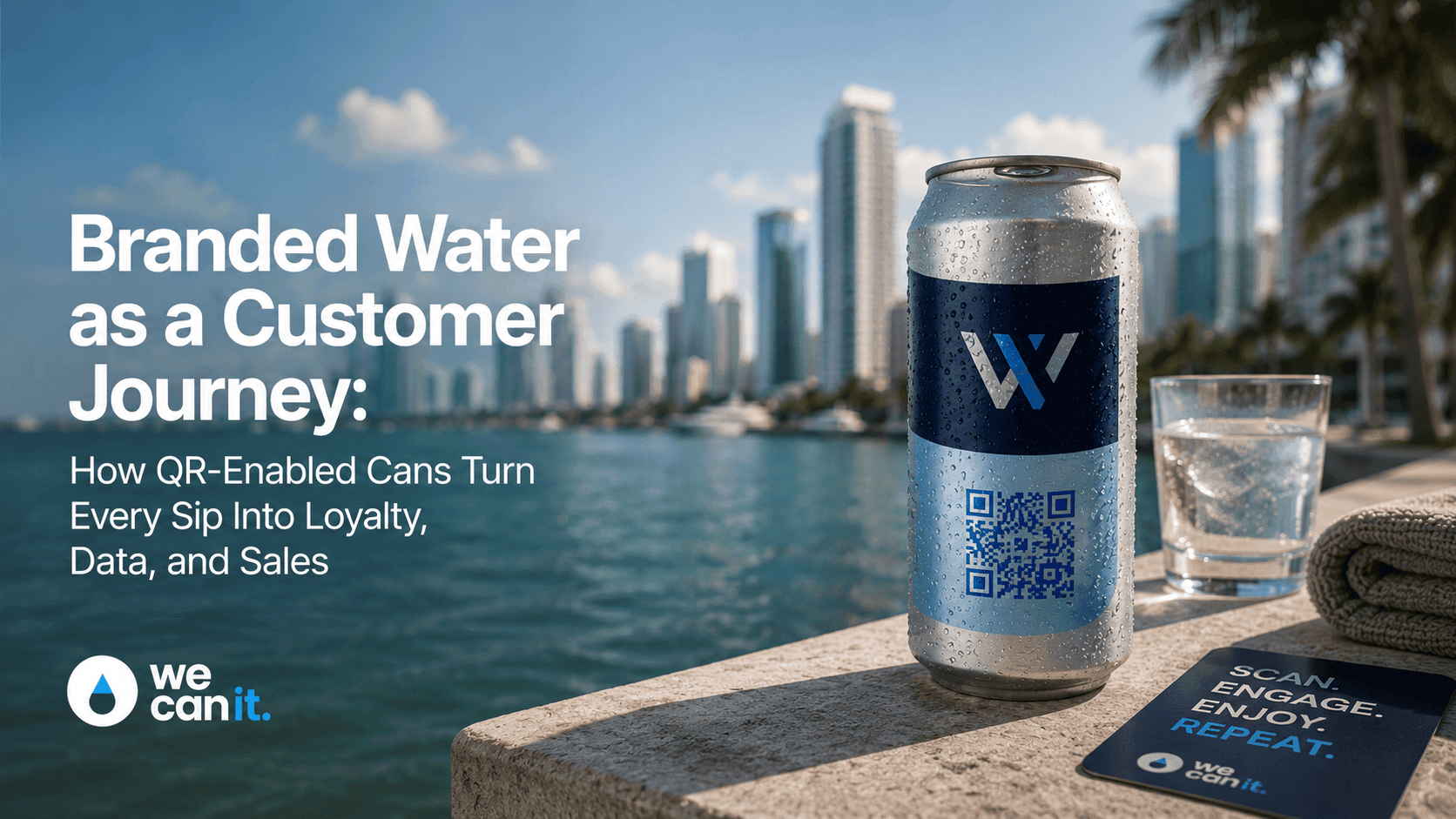
- Optional QR code to a menu, reservation page, or event.
Label print starts at 21 cases and digital print starts at 100 cases. See Technology · Labels.
How does ordering work for private label sparkling?
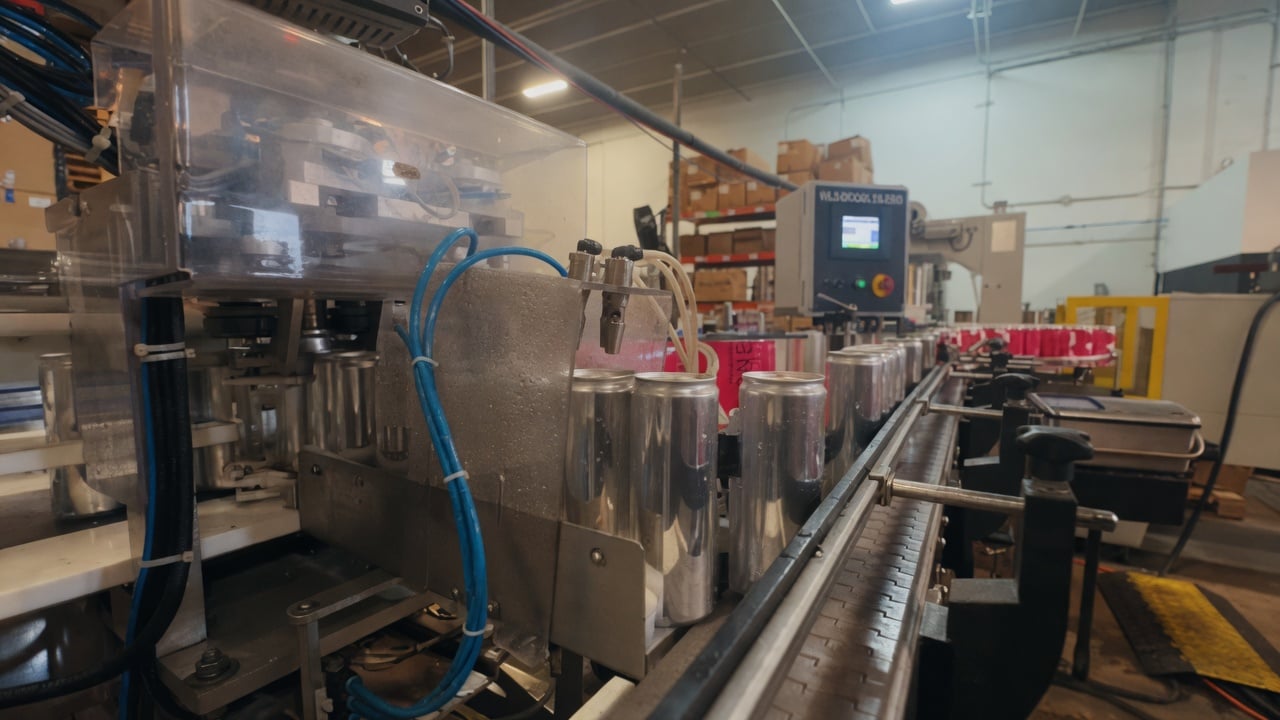
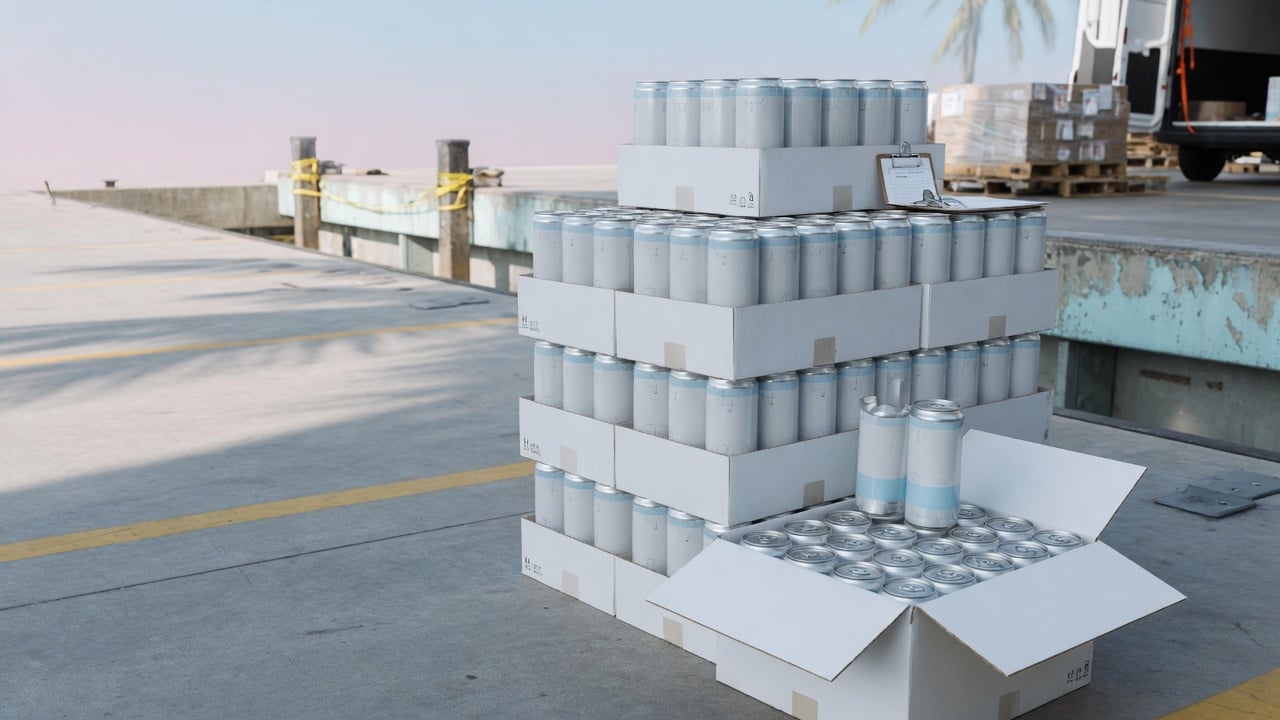
At We Can It, private label sparkling water starts at 21 cases, which is 504 cans, in 12oz Regular, 12oz Sleek, or 16oz. Production takes about 2 to 3 weeks from artwork approval in Miami. Use the calculator to see pricing for your quantity and size, and our sparkling water manufacturer page for product details.
How does sparkling fit different programs?
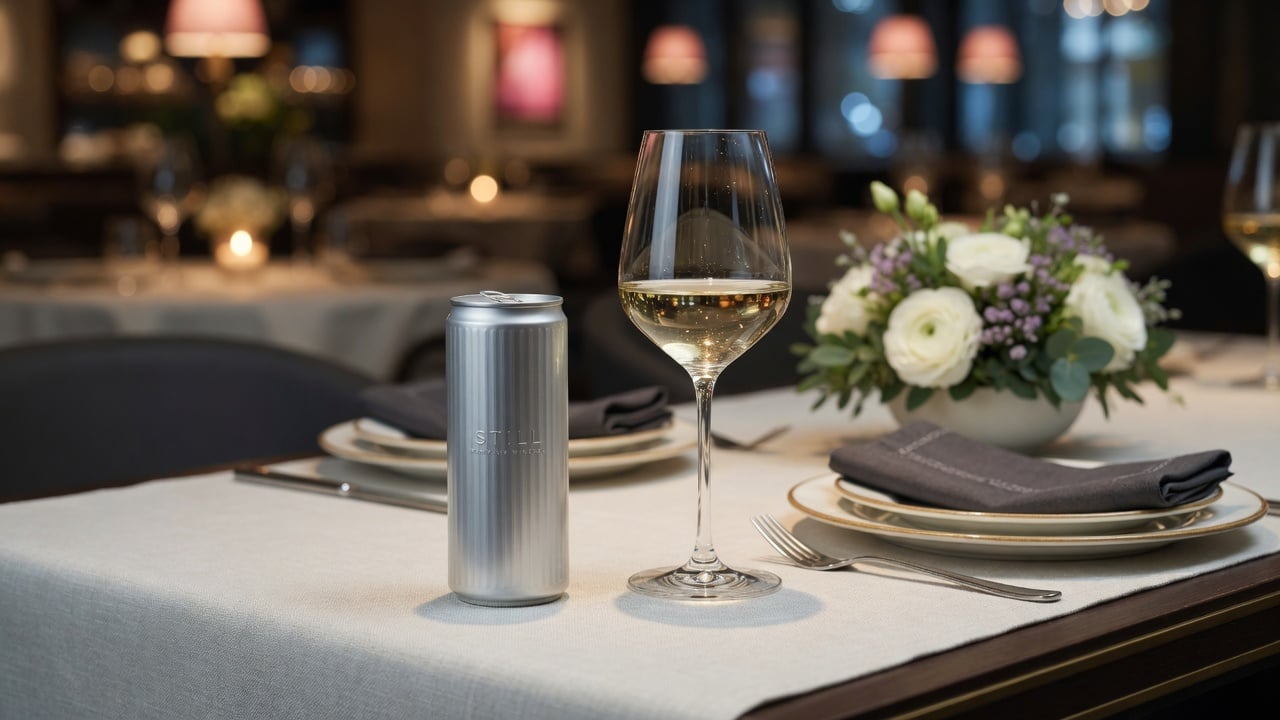
In restaurants, sparkling is often the house water that replaces imported glass bottles. The can is poured tableside and left on the table, carrying the restaurant's name through the whole meal. The key decisions are menu price, glassware, and server training.
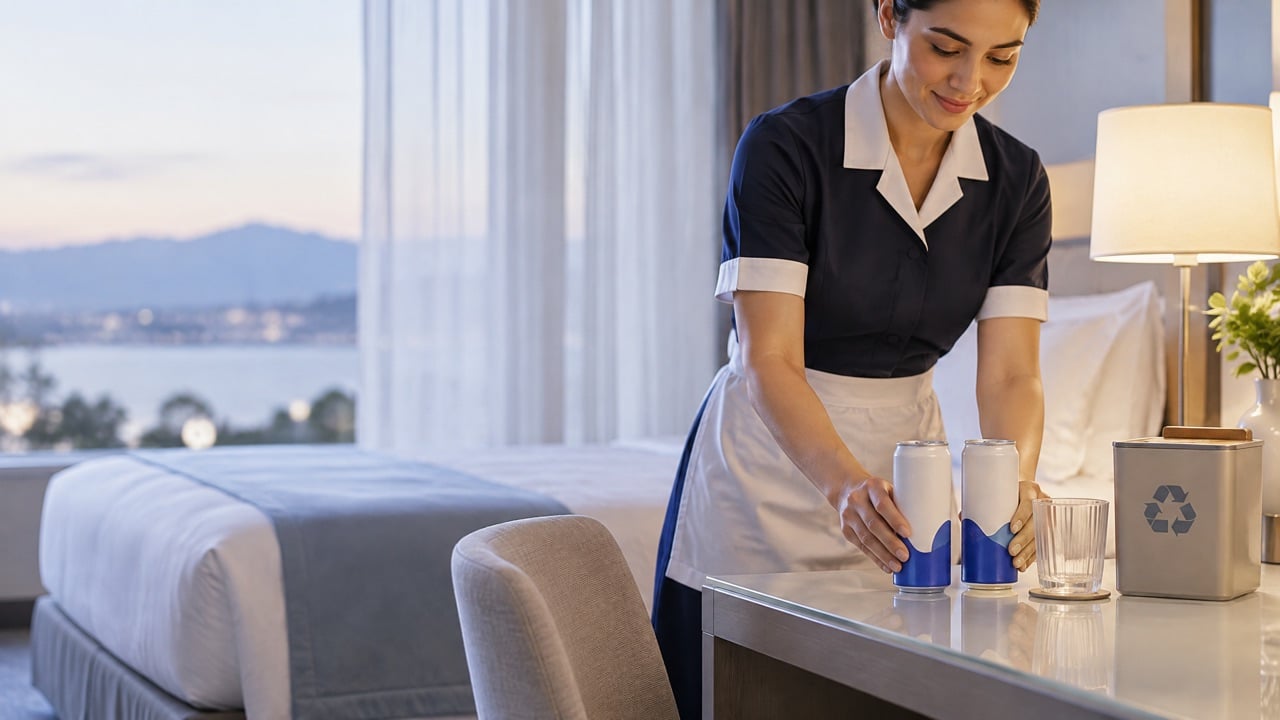
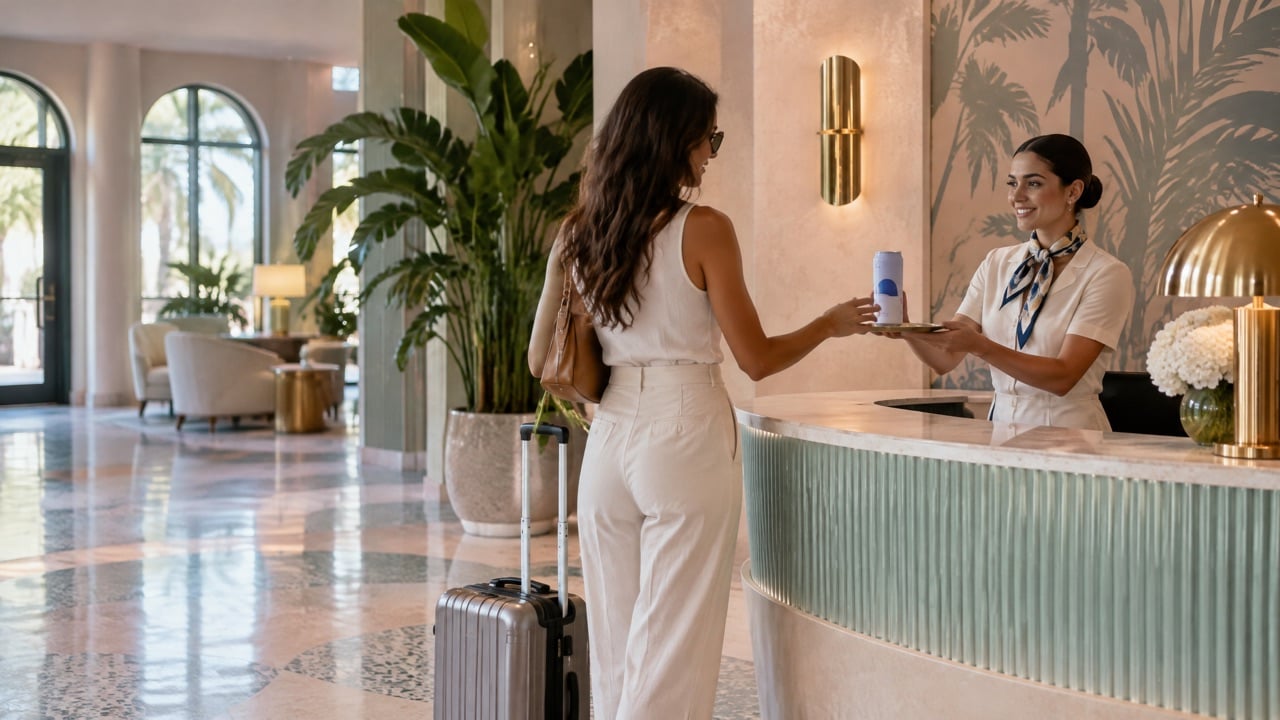
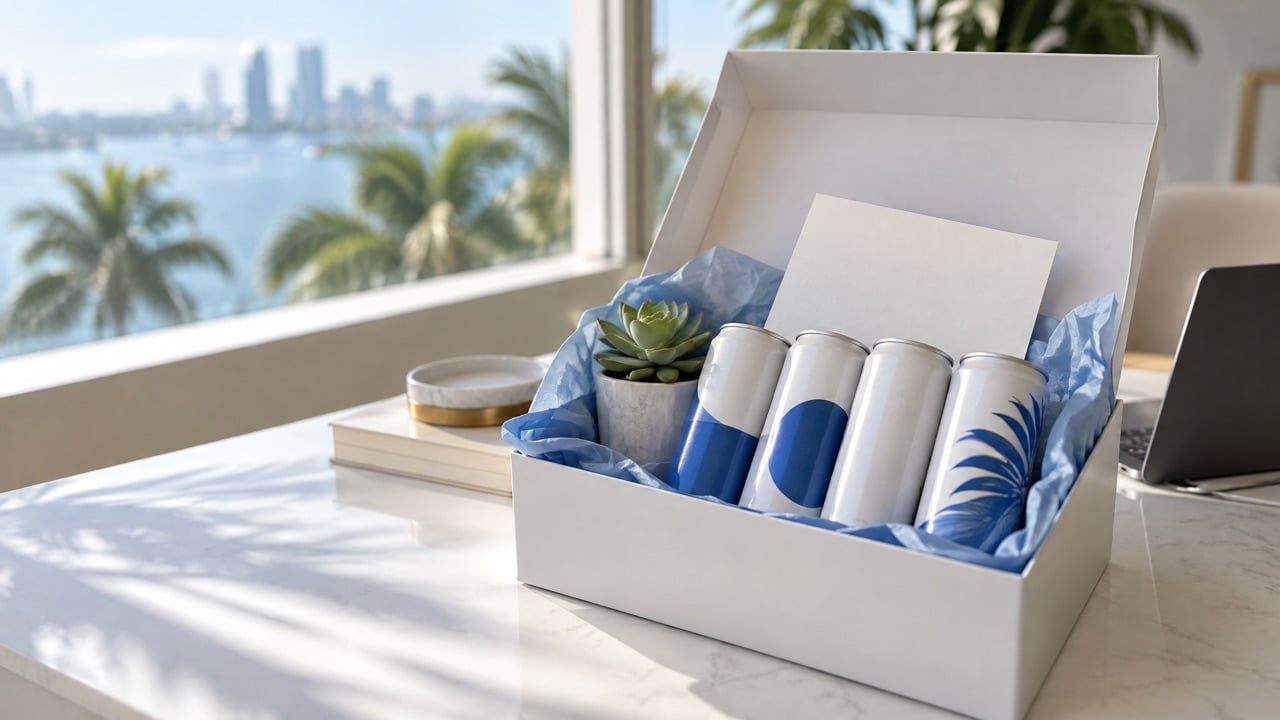
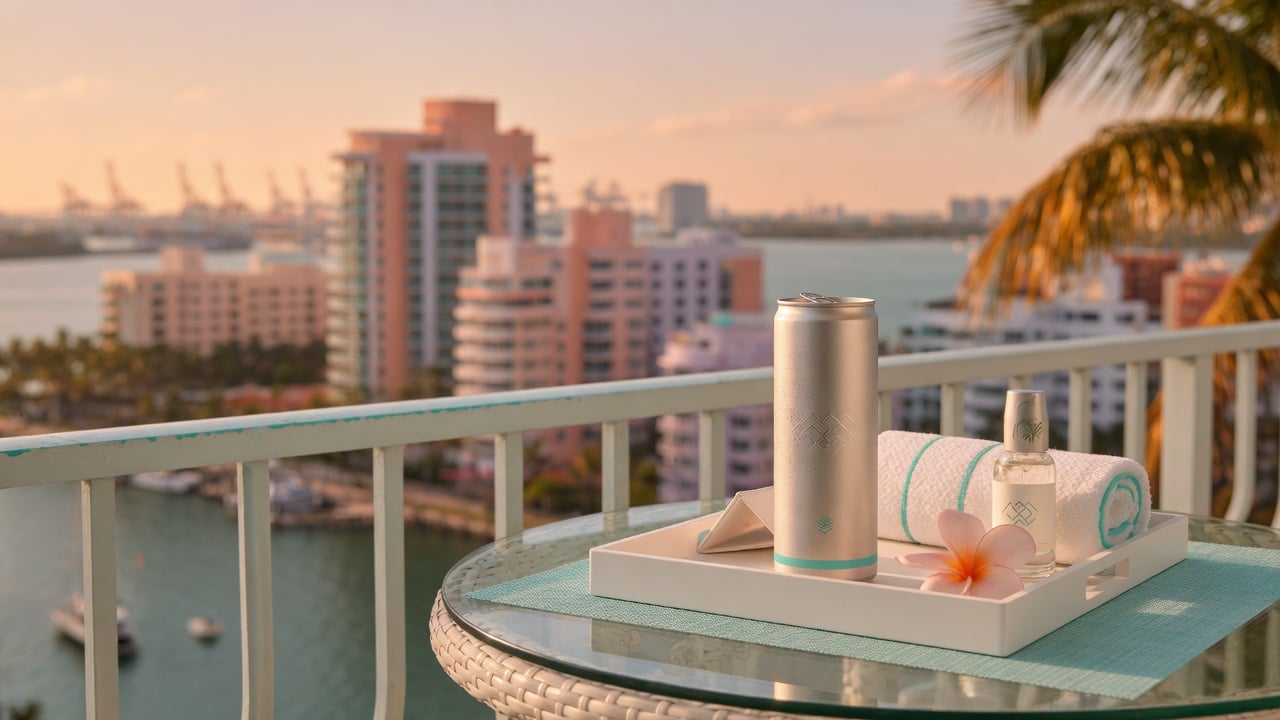
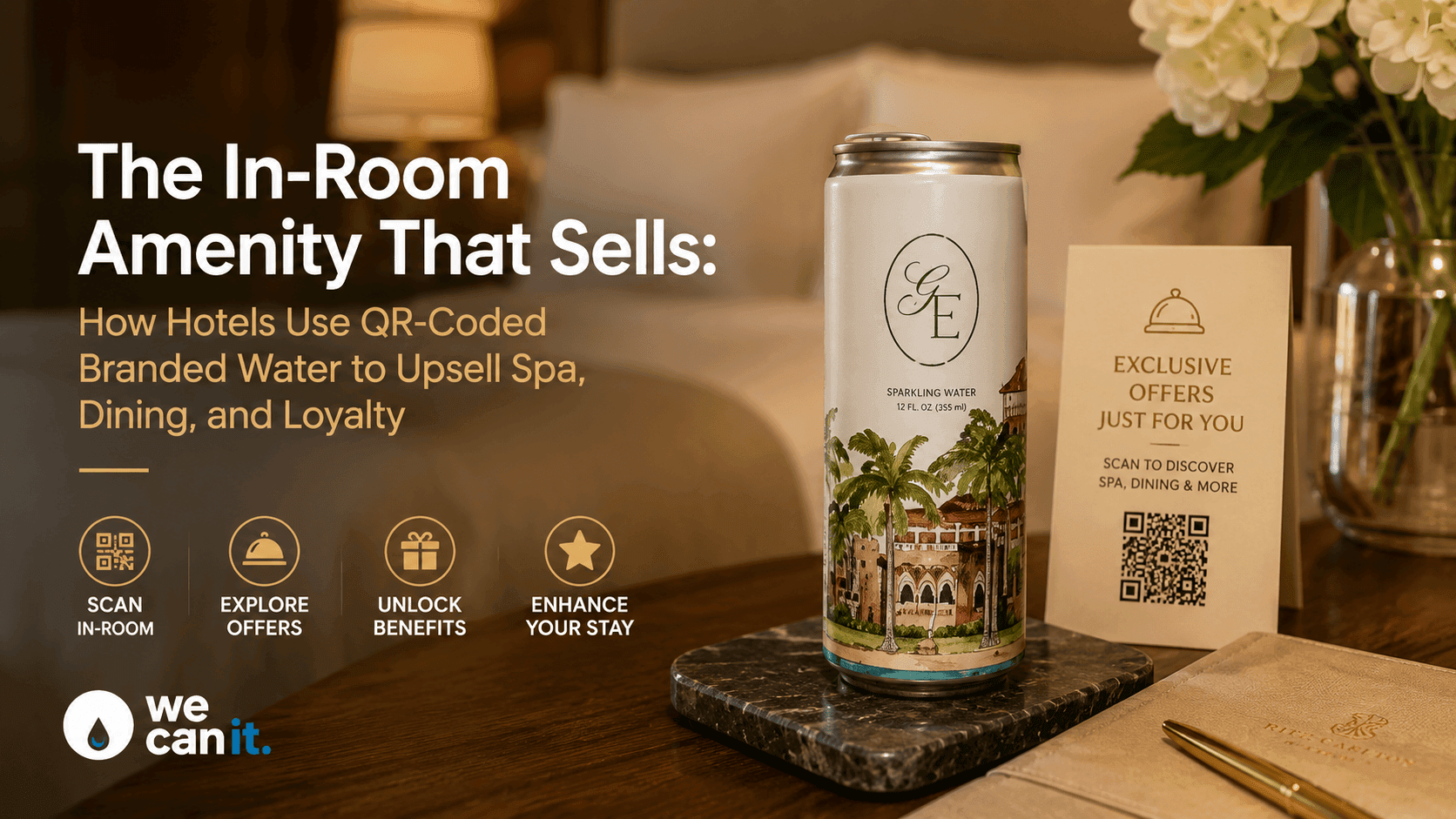
In hotels, sparkling works best in places where guests slow down: the lobby lounge, club floors, suites, and the spa relaxation room. Still water remains the in-room standard, with sparkling as the premium upgrade.
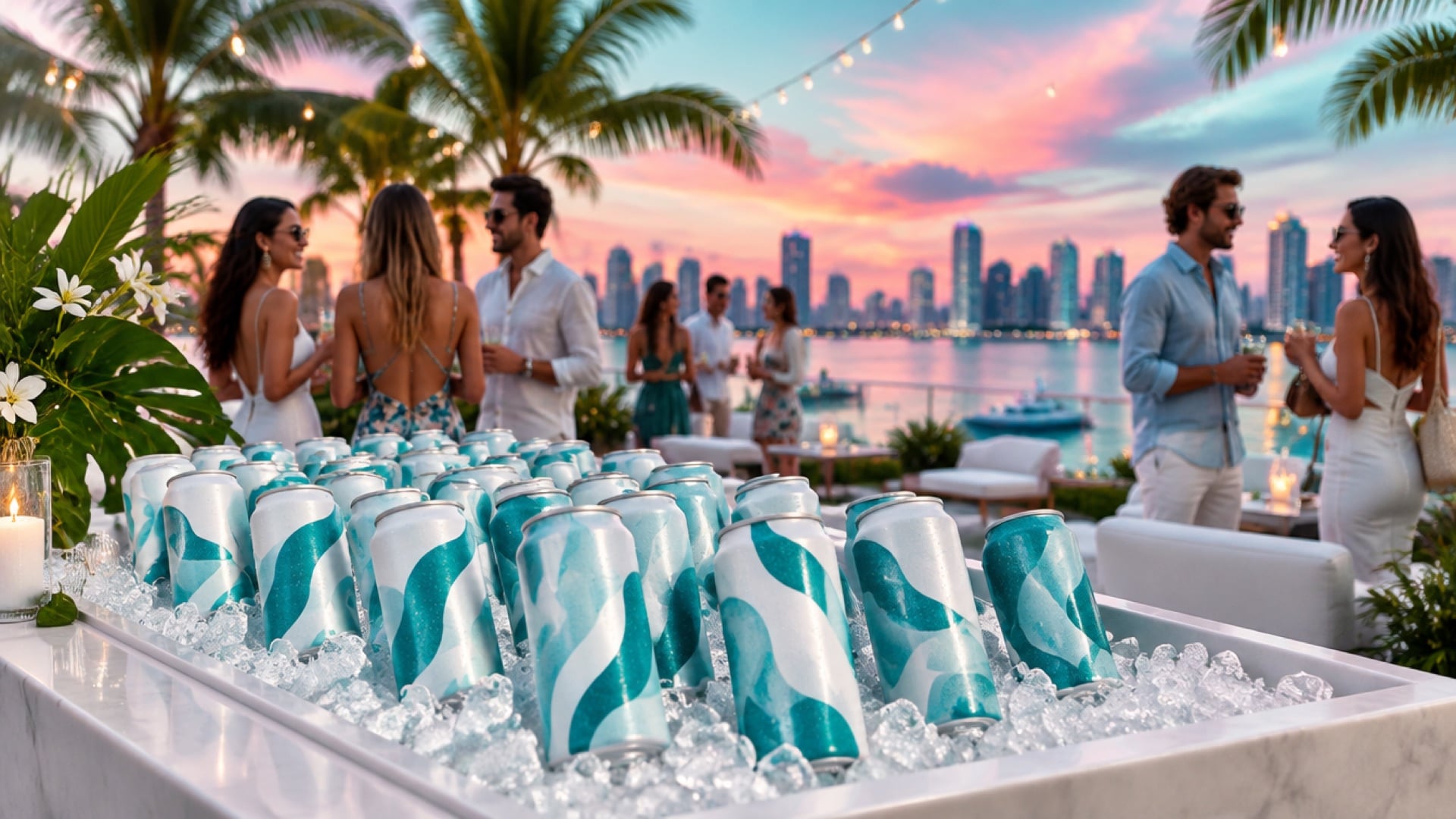
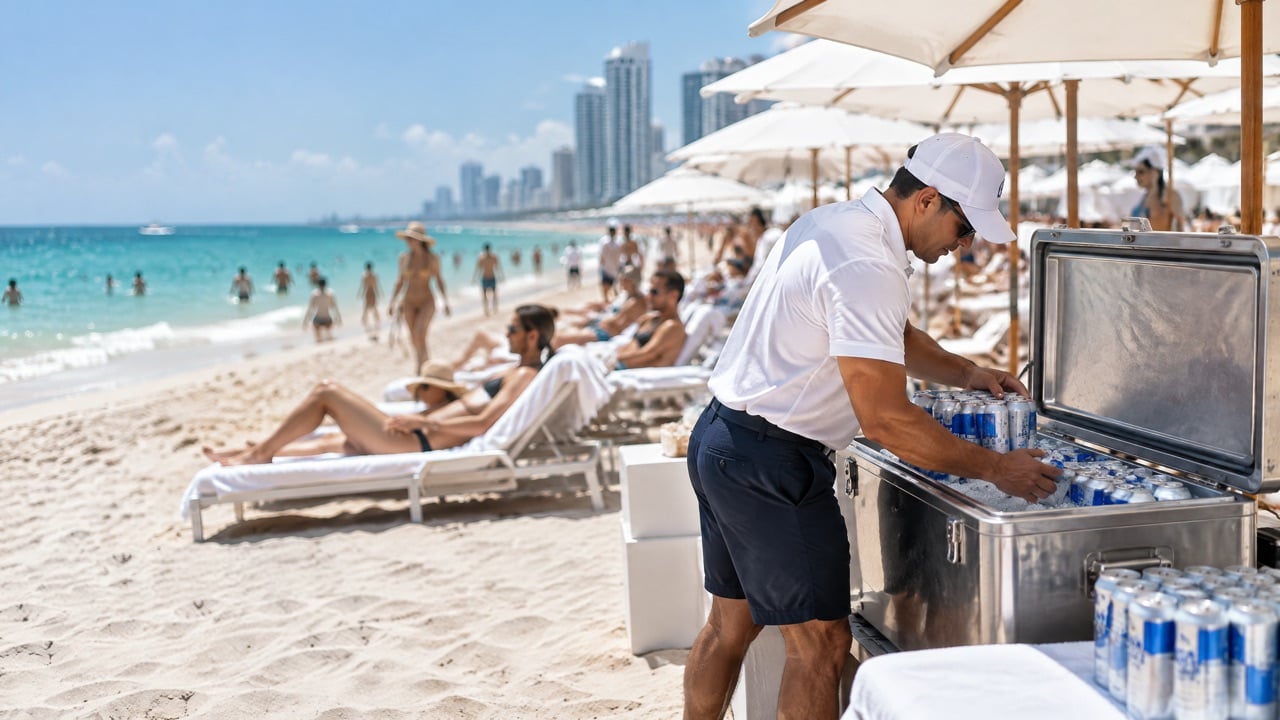
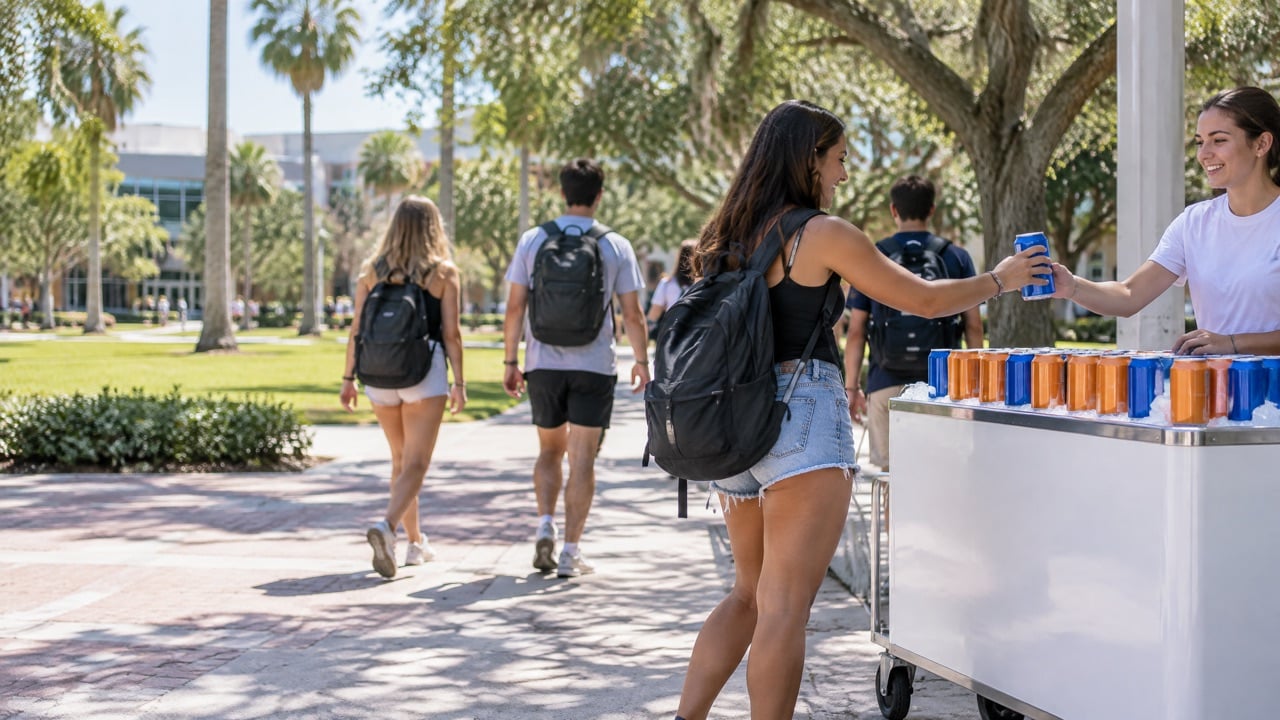
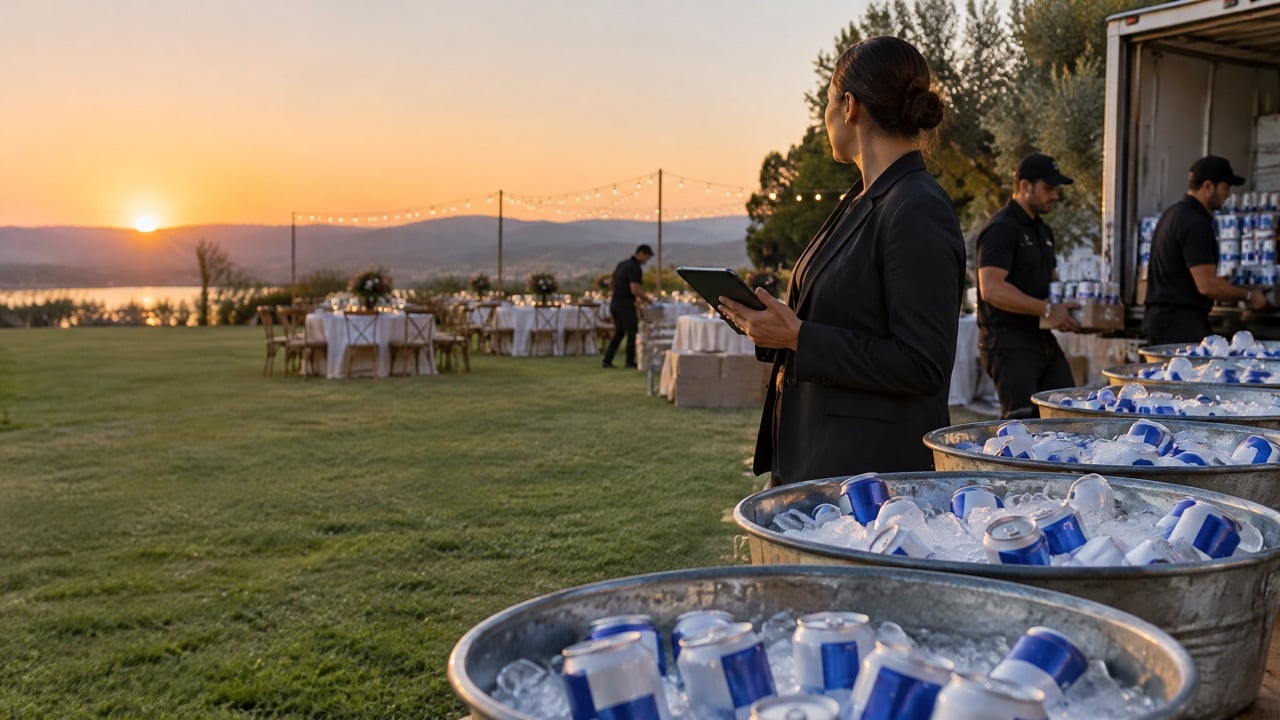
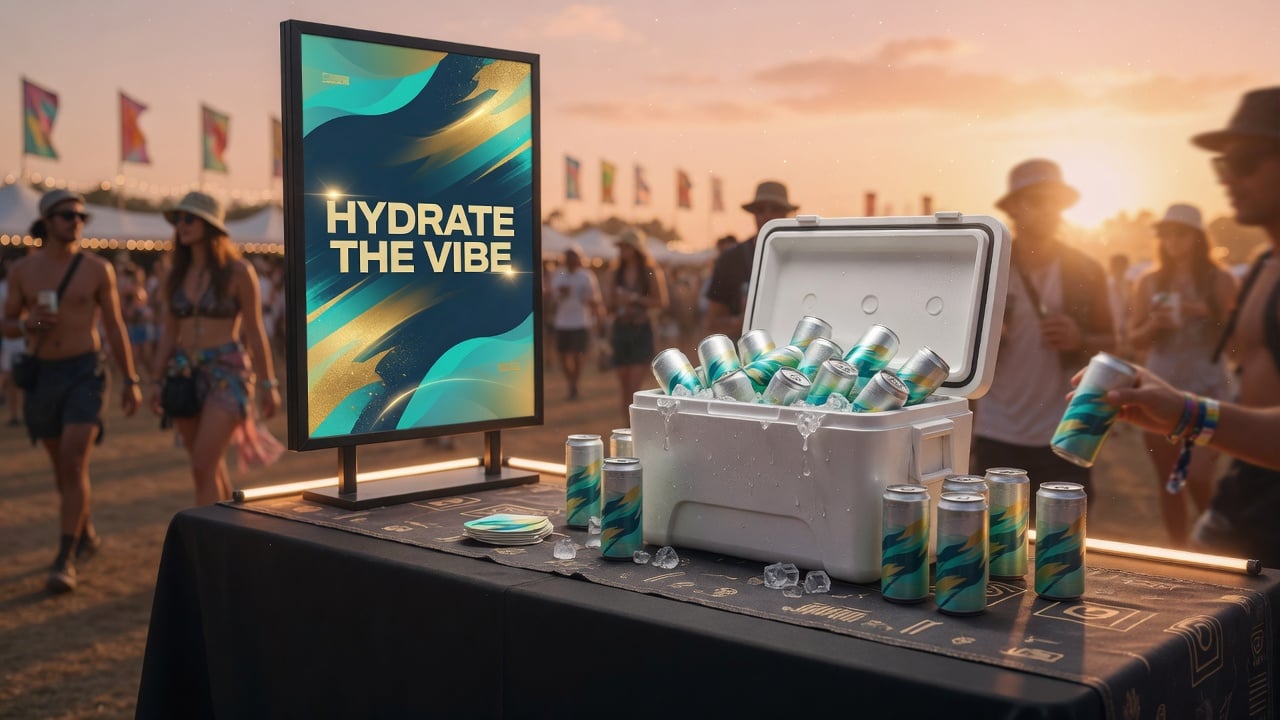
At events, sparkling shines during toasts, cocktail hours, and VIP areas. It gives guests who do not drink alcohol something celebratory to raise, which makes everyone feel included.
For brands launching a product line, sparkling can be the lead product if the brand is lively and social, or a second product added after still has found its audience.
In every case, the question is the same: where will the bubbles make the moment better? Put sparkling there, and keep still everywhere else.
How do you decide the still and sparkling split?
Start with an estimate based on where each will be served, then let guest choices guide you. Many programs begin with most volume in still and a smaller share in sparkling, then adjust after the first month. Track what staff restock most often, and reorder accordingly.
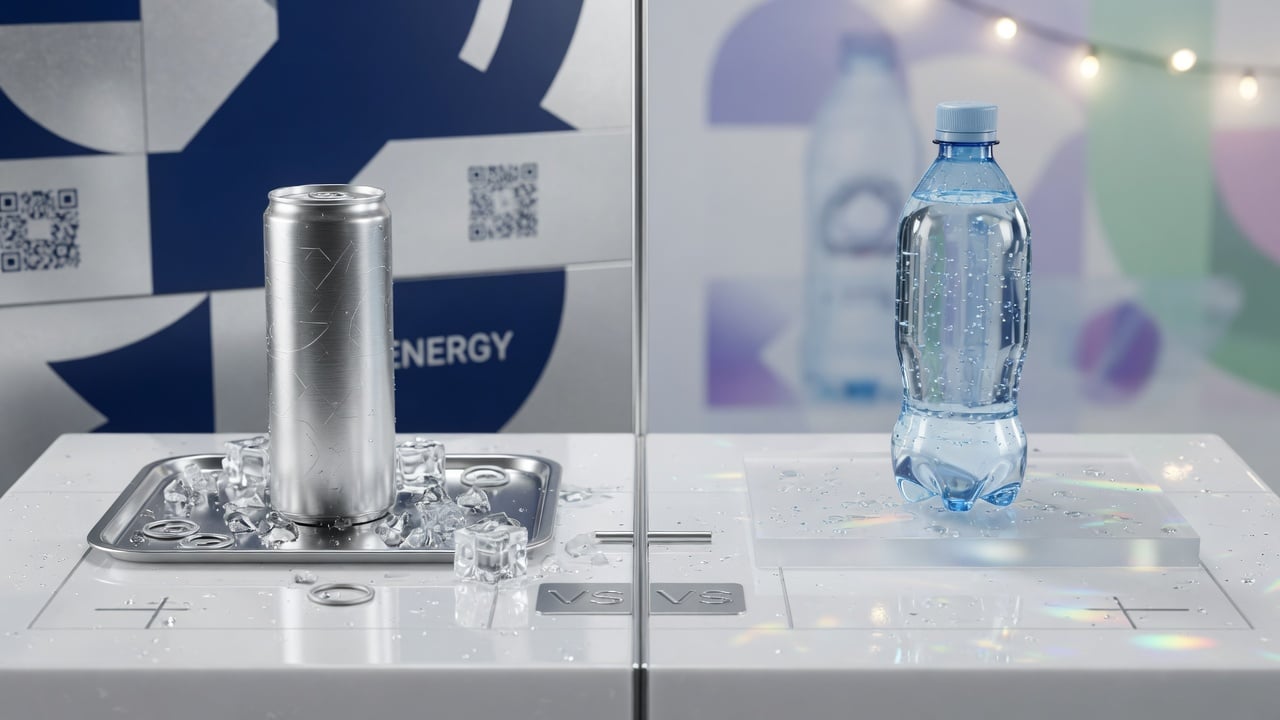
Why choose a can for sparkling instead of glass?
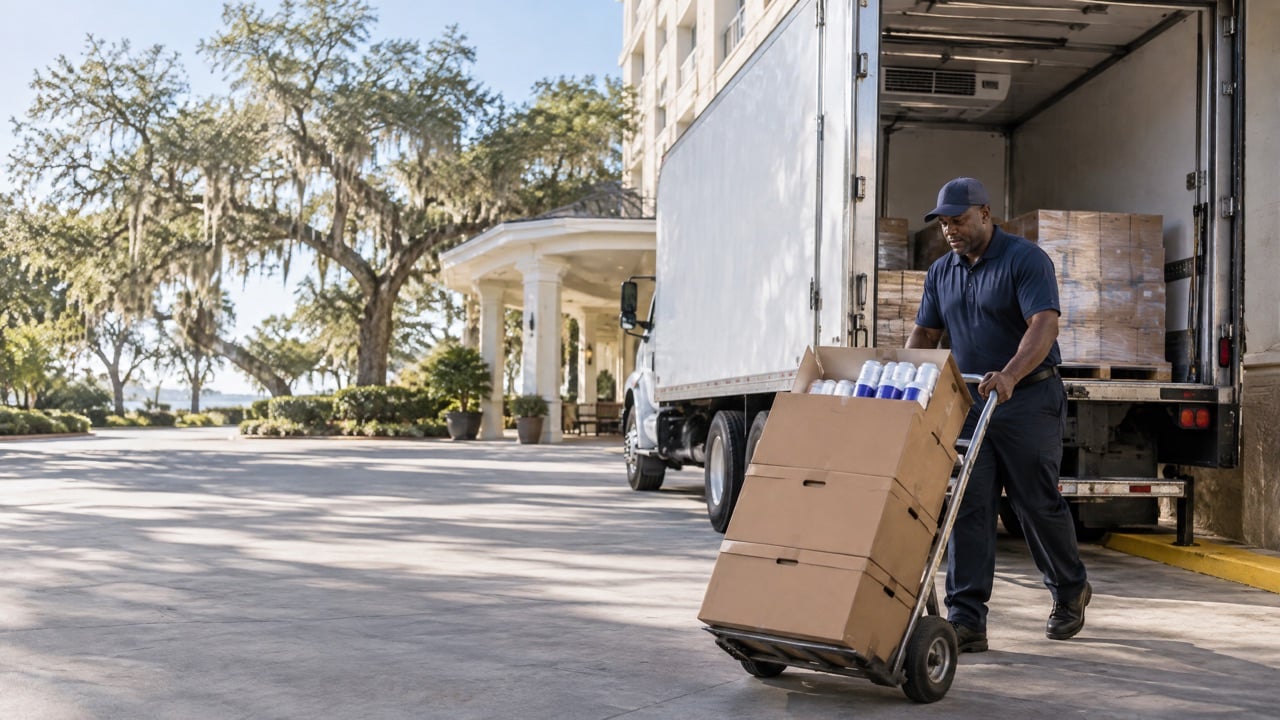
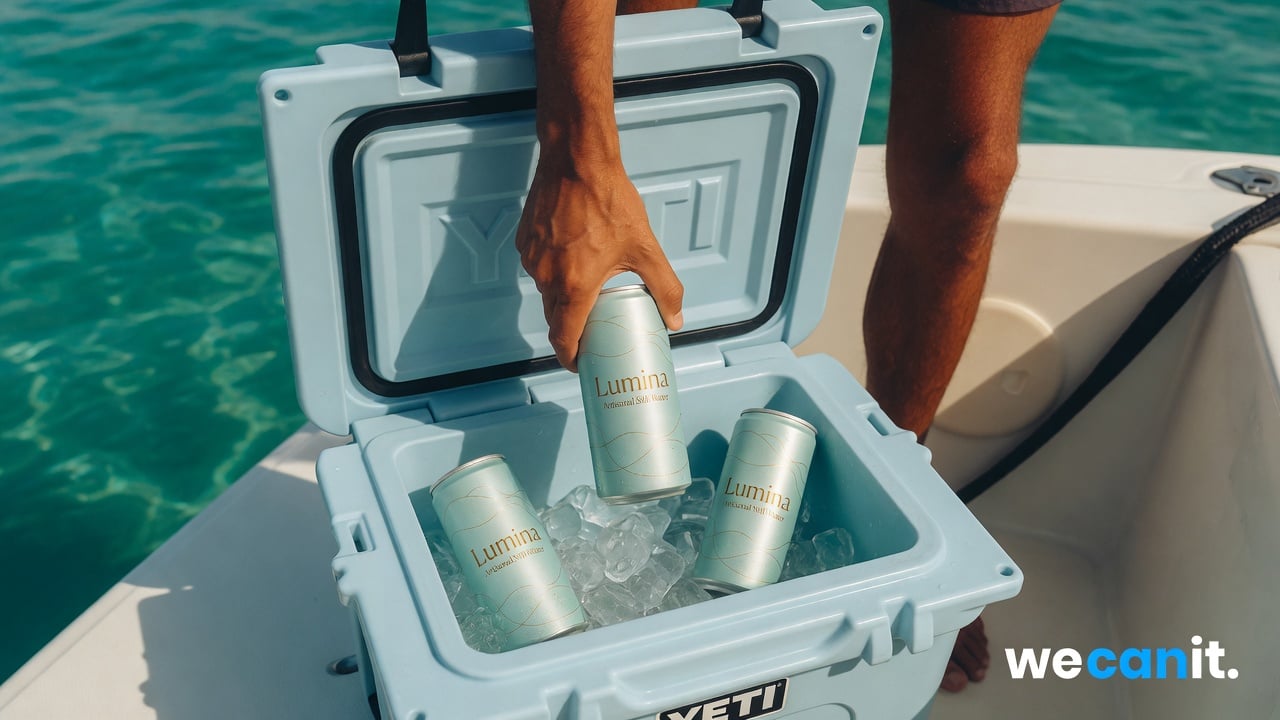
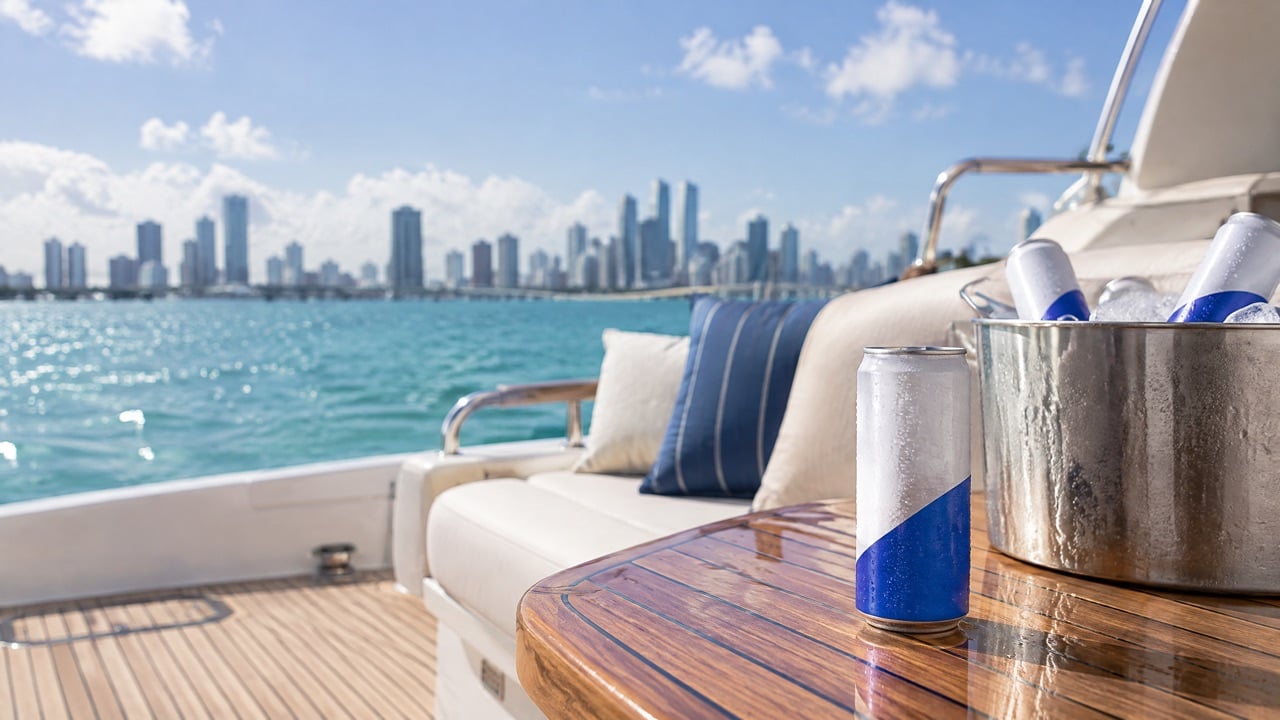
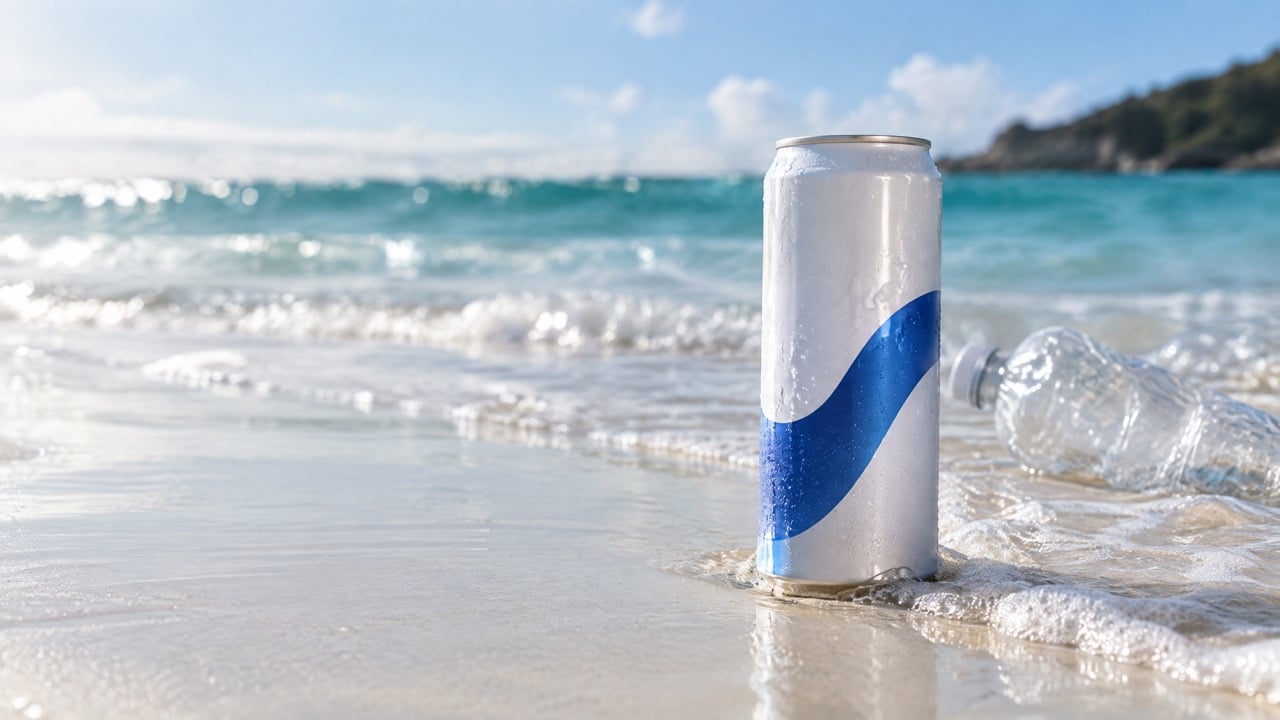
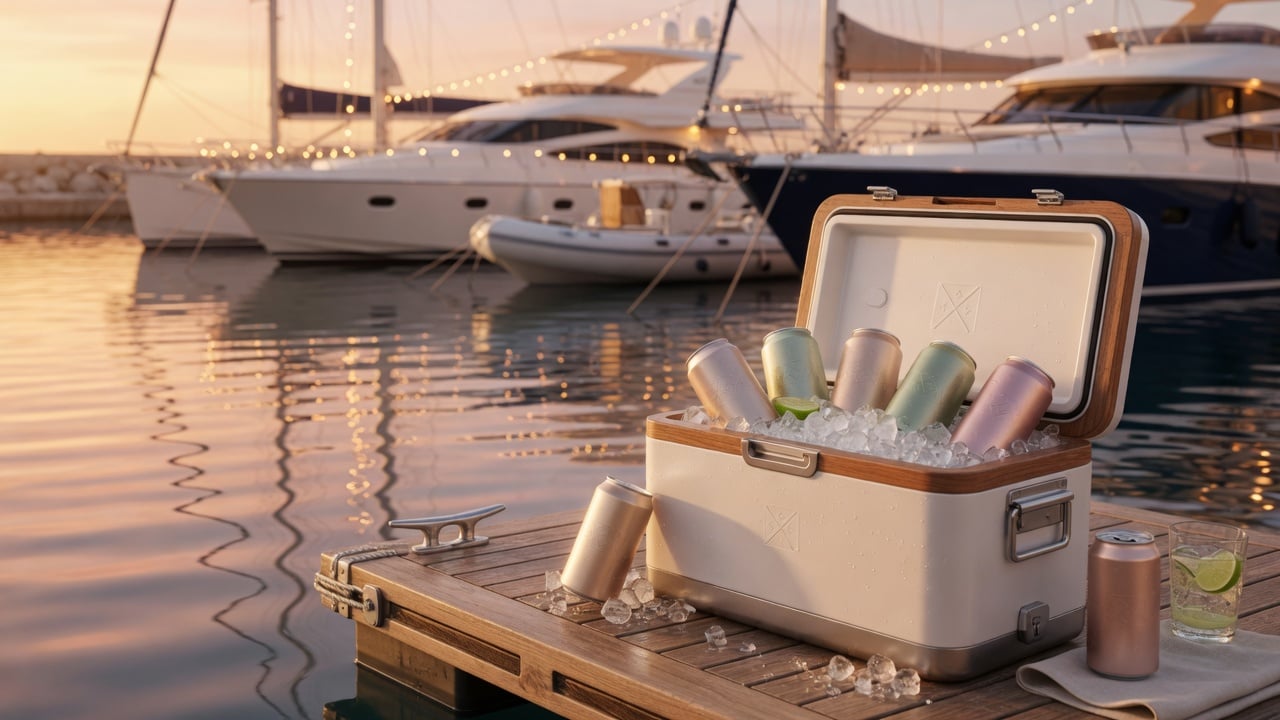
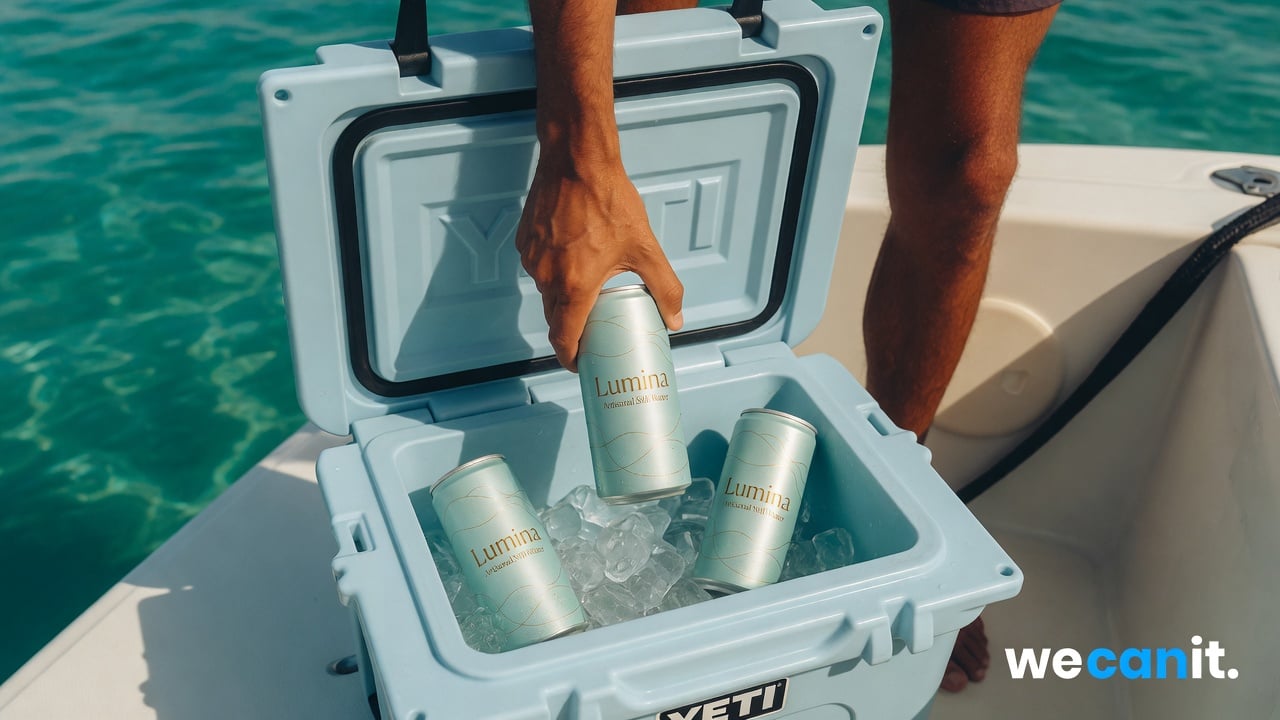
Glass has been the traditional home of premium sparkling water, but cans bring practical advantages. They are lighter to store and move, they do not shatter in busy kitchens or around pools, they chill quickly in a cooler or ice bucket, and they carry a full brand design on every side of the can. For outdoor venues, pool decks, events, and boats where glass is restricted, a can is often the only premium option available. And because aluminum is widely recyclable, cans also fit sustainability goals many venues now have.
Is sparkling right for every audience?
Not always. Some guests prefer still water during exercise or on very hot days, and some find carbonation uncomfortable. Children and older guests often choose still. That is why sparkling works best as an option alongside still in most programs, rather than as the only choice. Watch what guests pick in the first month and adjust your mix.
What mistakes do buyers make with sparkling?
- Serving it warm, which ruins the pour.
- Choosing sparkling for high-exertion settings where still is preferred.
- A design that looks identical to the still can.
- No glassware in premium settings.
- Ordering sparkling only when guests also want still.
Sparkling program checklist
- Decide where sparkling adds value in your program.
- Taste samples cold with your food or setting.
- Pair it with still for everyday use.
- Design a clear sparkling identifier.
- Train staff on the pour.
- Store cool and chill well.
- Review the still and sparkling mix after a month.
Frequently asked questions
Can I get private label sparkling water in cans?
Yes. We Can It produces private label sparkling water in 12oz Regular, 12oz Sleek, and 16oz cans, starting at 21 cases, which is 504 cans.
How much more does sparkling cost than still?
Sparkling adds about $0.15 per can compared with still at We Can It. Use the calculator for full pricing for your order.
How should sparkling water be served?
Very cold, opened gently, poured down the side of a tilted glass, with the can left on the table and citrus on the side.
When should a business choose sparkling over still?
When the moment matters: restaurants, lounges, spas, galas, launches, and luxury retail. For everyday hydration, still is usually the default.
How long does it take to produce private label sparkling water?
About 2 to 3 weeks from artwork approval at We Can It.
Can I offer both still and sparkling with one design?
Yes. Use the same core design with a clear sparkling mark so both are easy to tell apart.
Get a quote for private label sparkling water cans
Tell us where you will serve sparkling and how much you need, and a product advisor will help you plan your program.