How Restaurants Replace Imported Sparkling with a House Brand
" It is one of the first questions a server asks, and in many restaurants the sparkling answer means an imported glass bottle that looks the same as it does at every other restaurant in town.
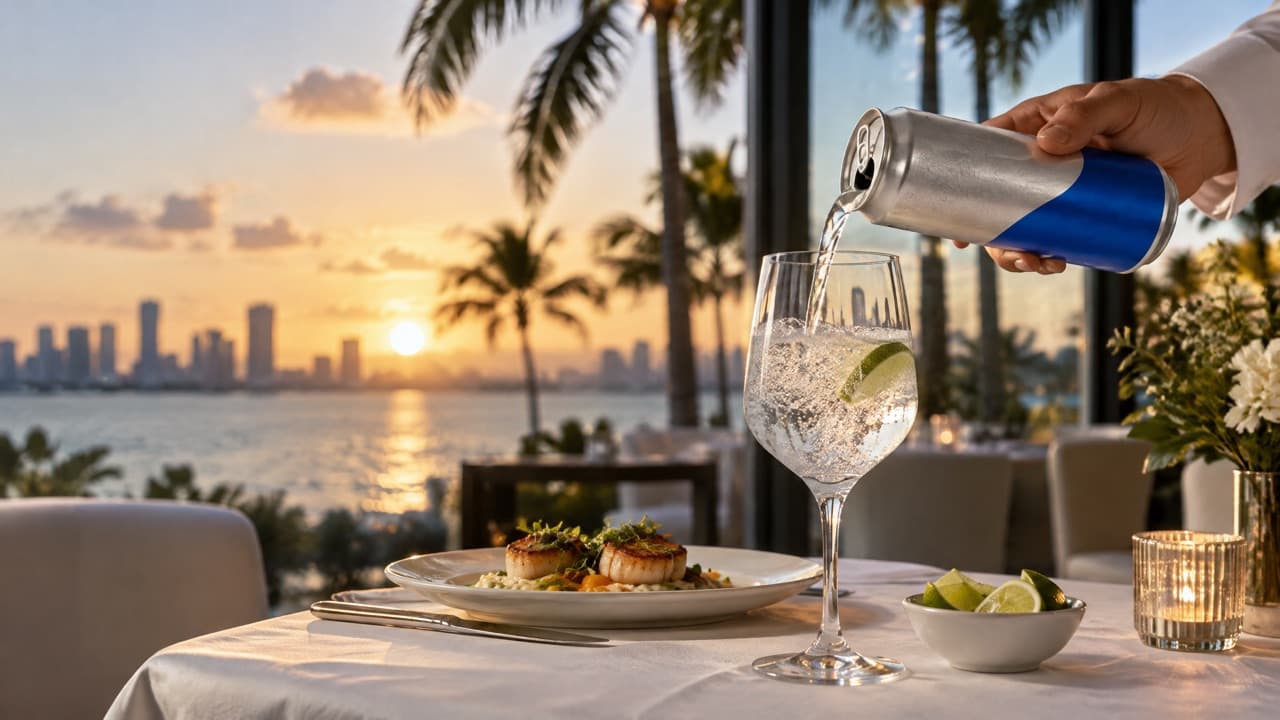
"Still or sparkling?" It is one of the first questions a server asks, and in many restaurants the sparkling answer means an imported glass bottle that looks the same as it does at every other restaurant in town. It is heavy to store, it breaks, it takes space in the cooler, and it does nothing for the restaurant's own brand.
A growing number of restaurants are replacing that bottle with a house-branded sparkling water in a can. This guide is for restaurant owners, general managers, and beverage directors who want to understand what changes when sparkling water carries your name: presentation at the table, server scripts, storage and breakage, and how to price it on the menu.
Why would a restaurant replace imported sparkling water?
The imported bottle has served restaurants well for a long time, but a house brand has advantages that matter to modern restaurants.
- Your brand on every table: the can carries your name into photos and conversations.
- Less breakage: aluminum does not shatter in the dish pit or on the floor.
- Lighter to handle: cases are easier to move than glass.
- Consistent supply: you control the product instead of depending on an importer's allocation.
- A story to tell: "our house sparkling" is a natural conversation starter.
How should house sparkling be presented at the table?
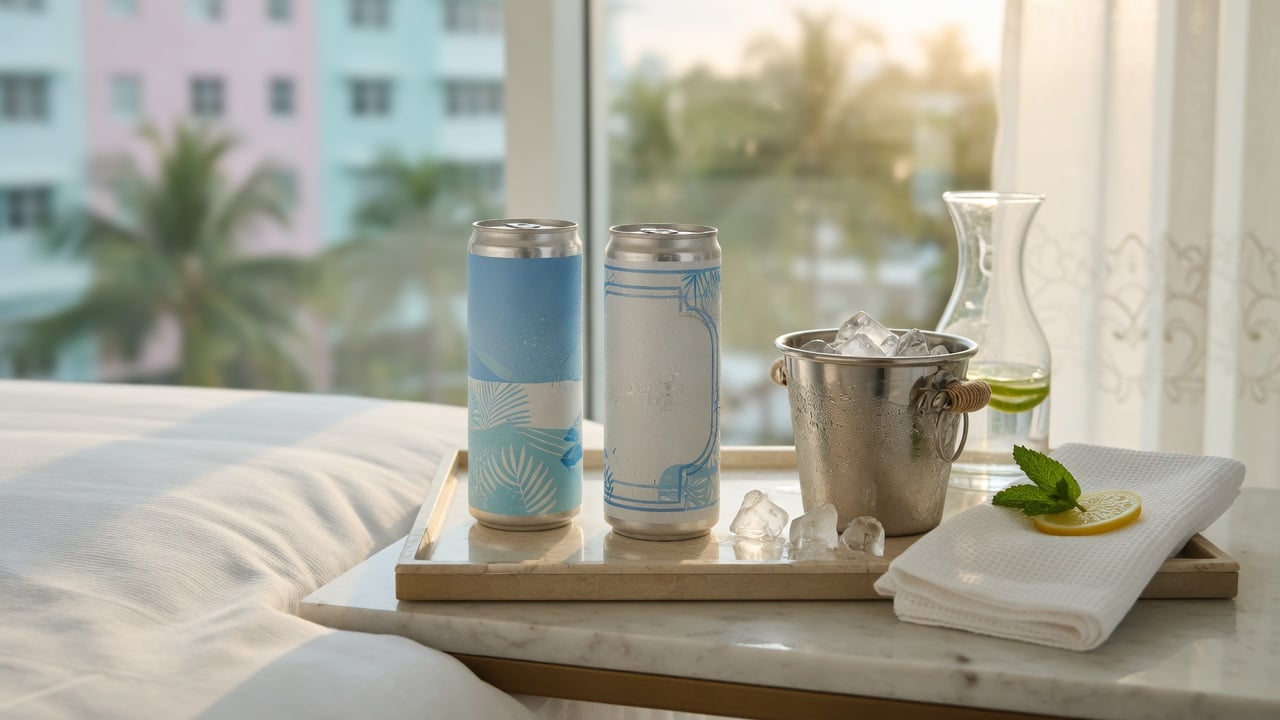
Presentation decides whether a can feels premium or casual. In a restaurant, it should feel intentional.
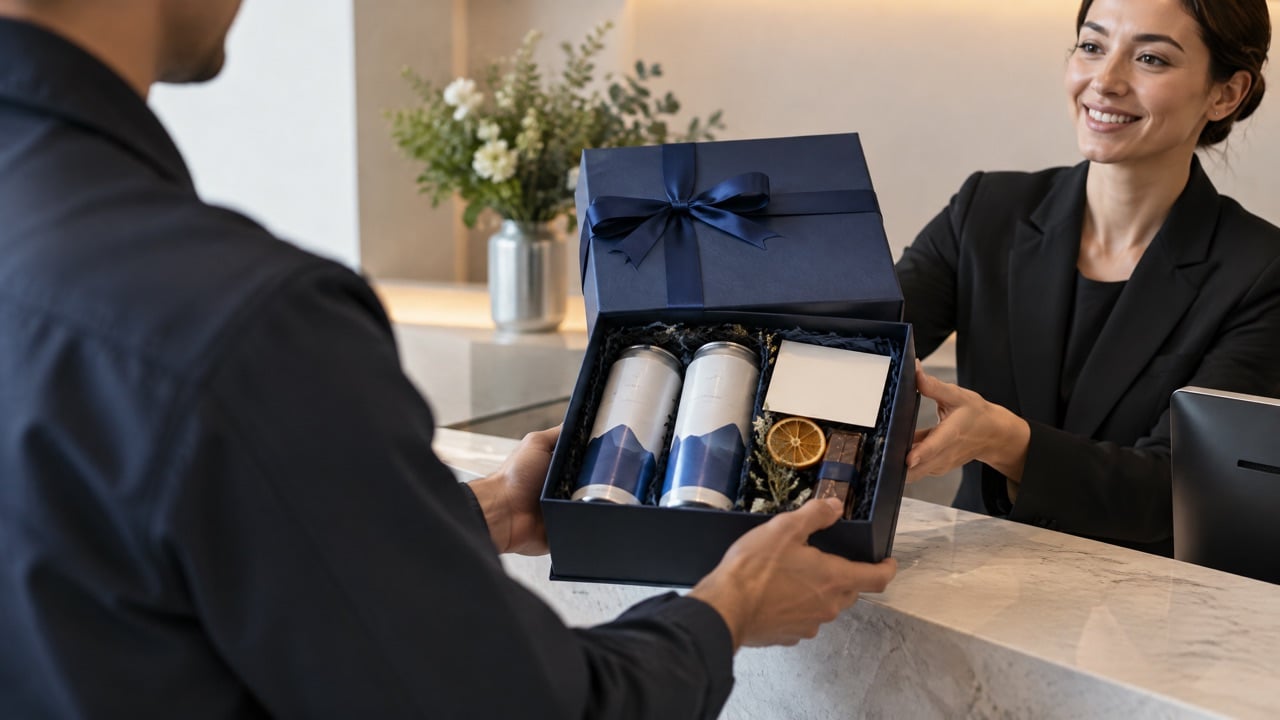
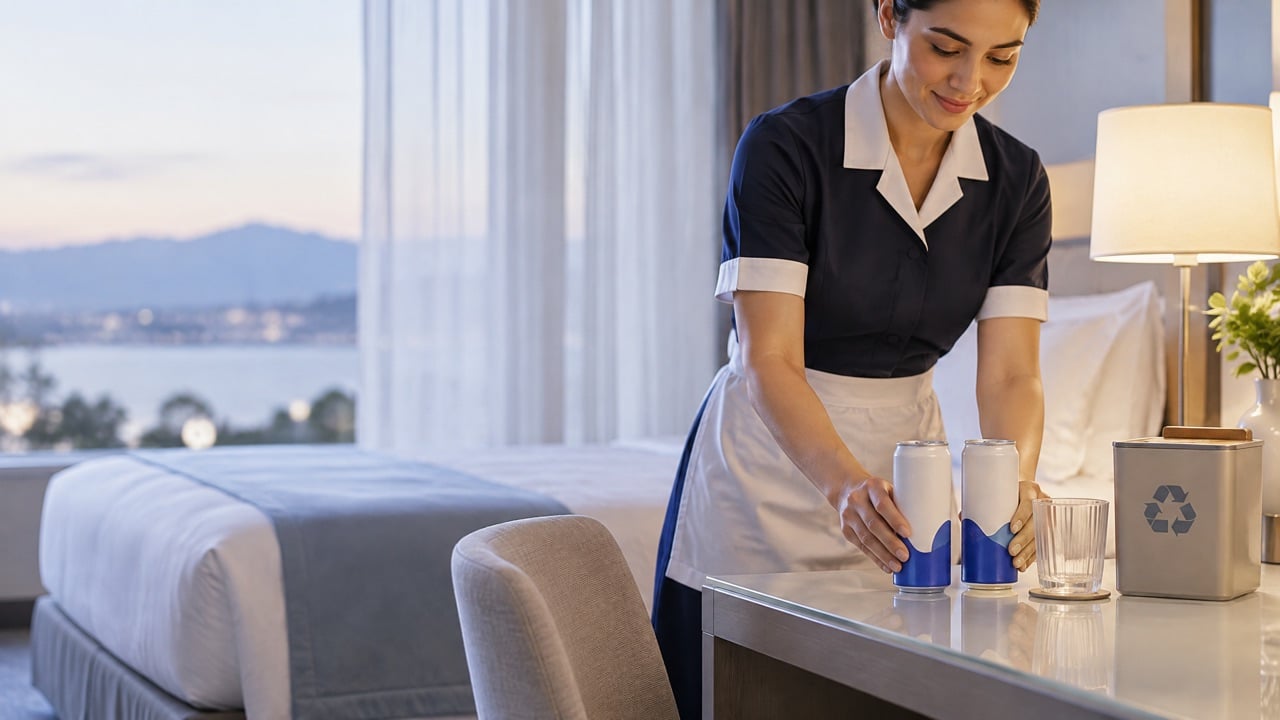
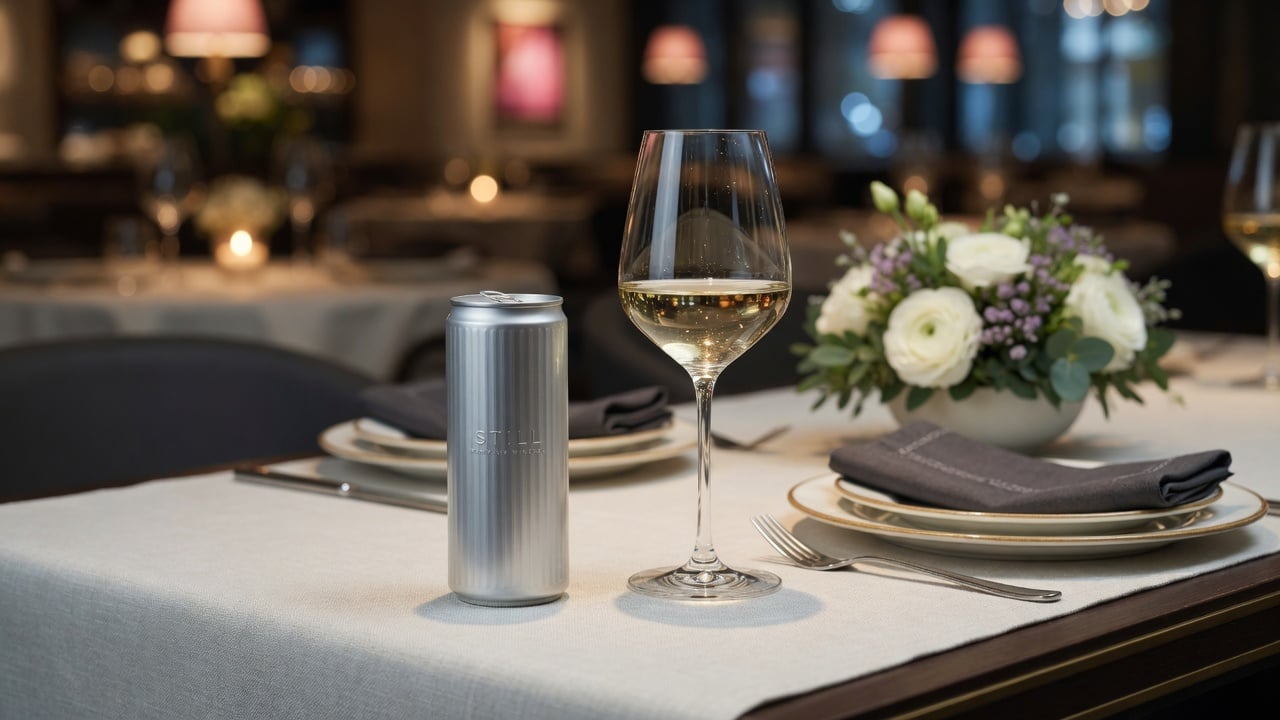
- Serve the can with a glass, never alone.
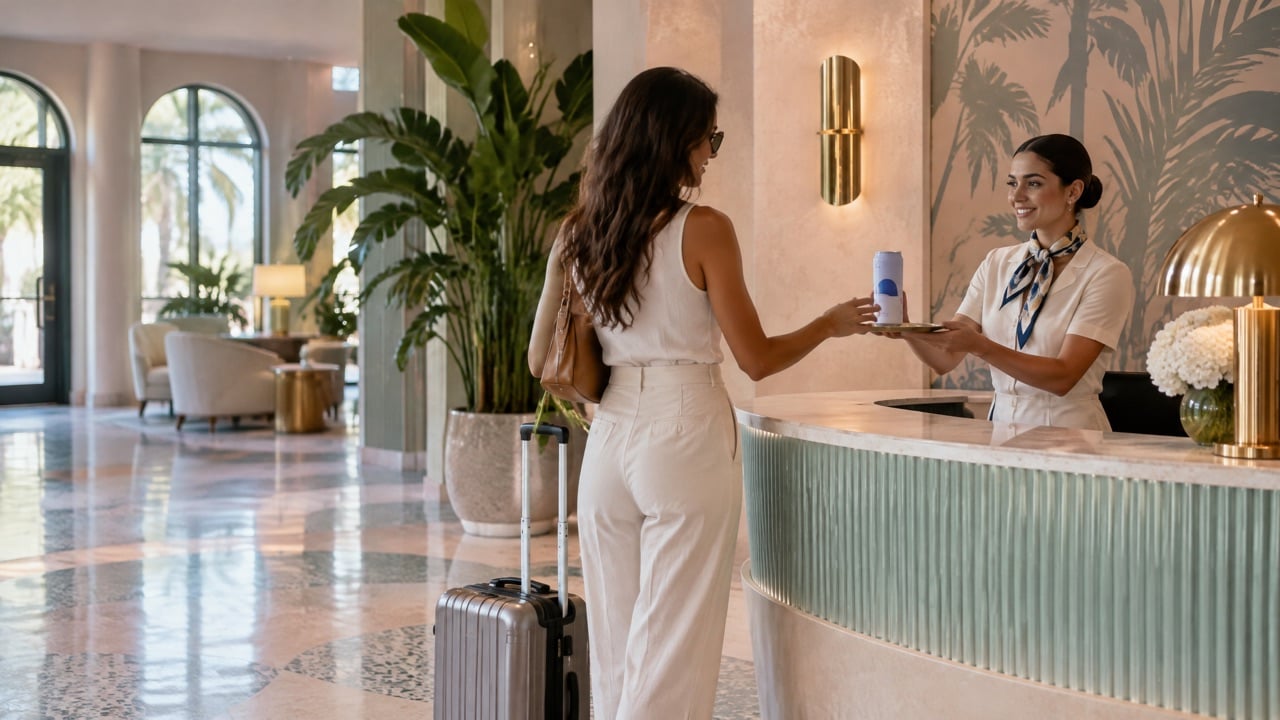
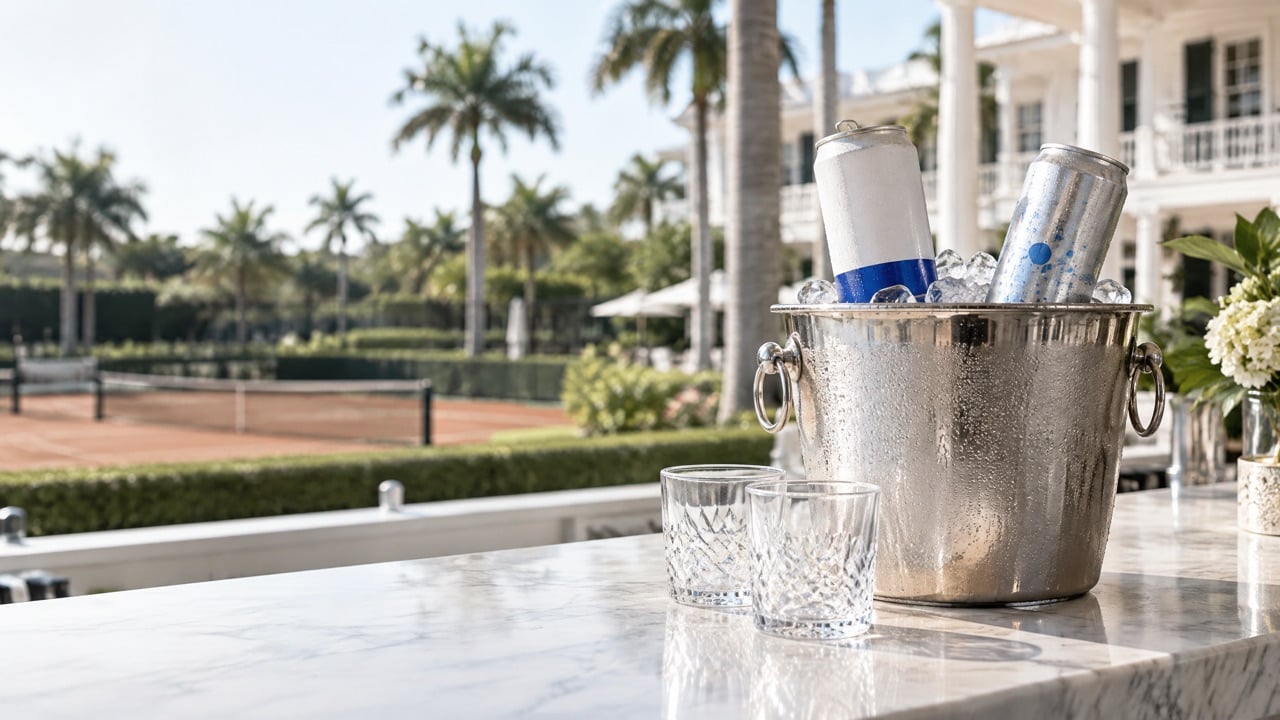
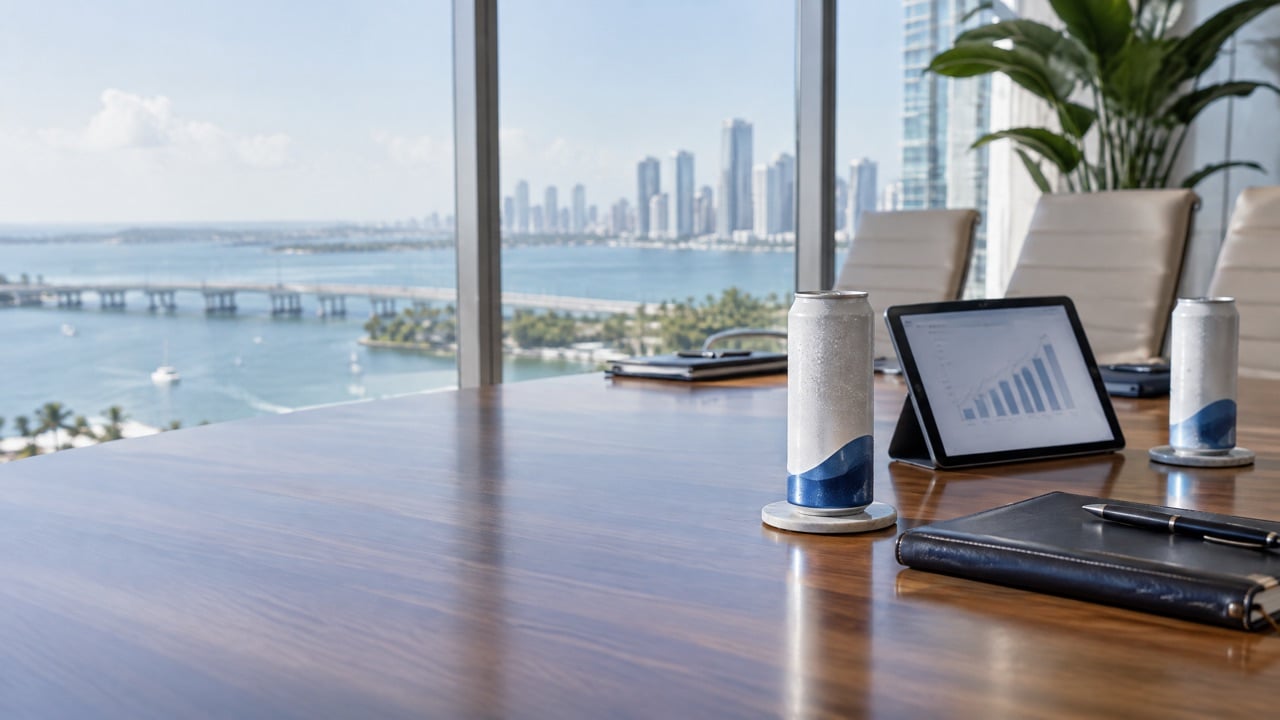
- Pour tableside for the first glass, then leave the can on the table label facing the guest.
- Use proper glassware: a stemmed glass or a clean tumbler, depending on your style.
- Offer ice and citrus on the side, not in the glass by default.
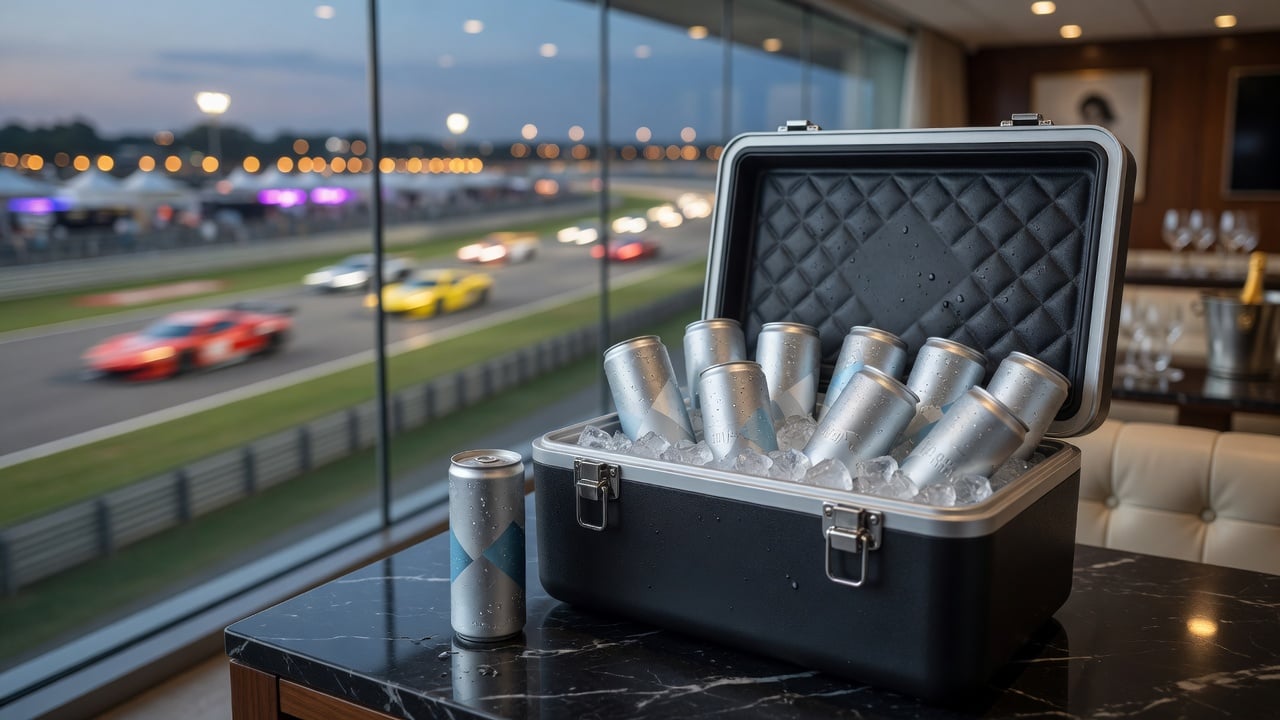
- Keep cans very cold so the carbonation feels crisp.
Tableside pouring changes the whole perception. The guest sees a considered service moment, not someone setting down a can.
What should servers say about the house sparkling?
Servers need one simple, confident line. It should sound natural, not scripted.
- "Still or sparkling? Our sparkling is our own house water."
- "We have our own sparkling water, in a can we designed for the restaurant."
- "Can I start you with our house sparkling?"
Train servers to mention it at the water question, not as an upsell later. When it is part of the first question, guests accept it as part of the restaurant's identity.
How does storage change when switching from glass to cans?
Storage is where many operators notice the biggest daily difference.
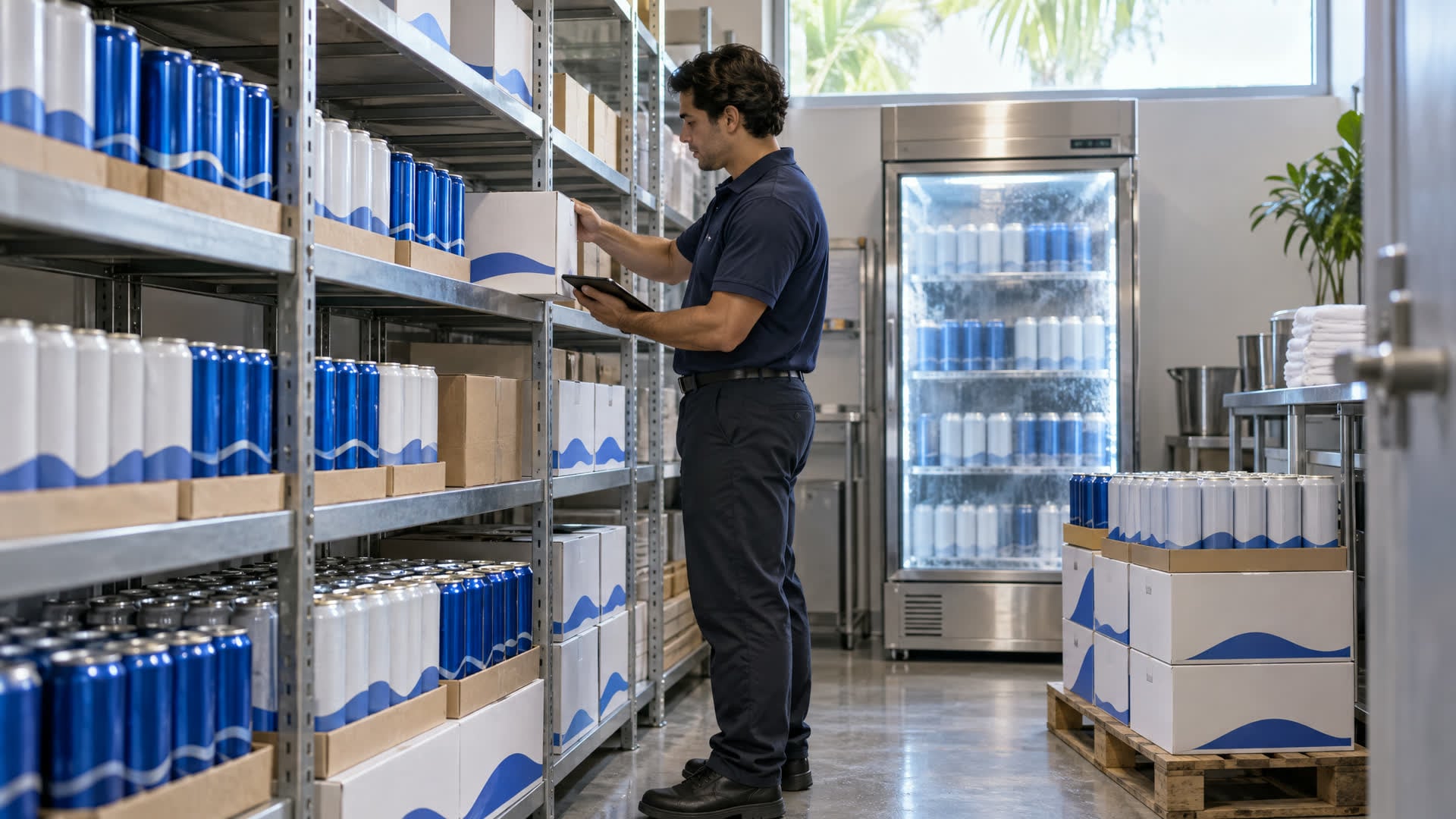
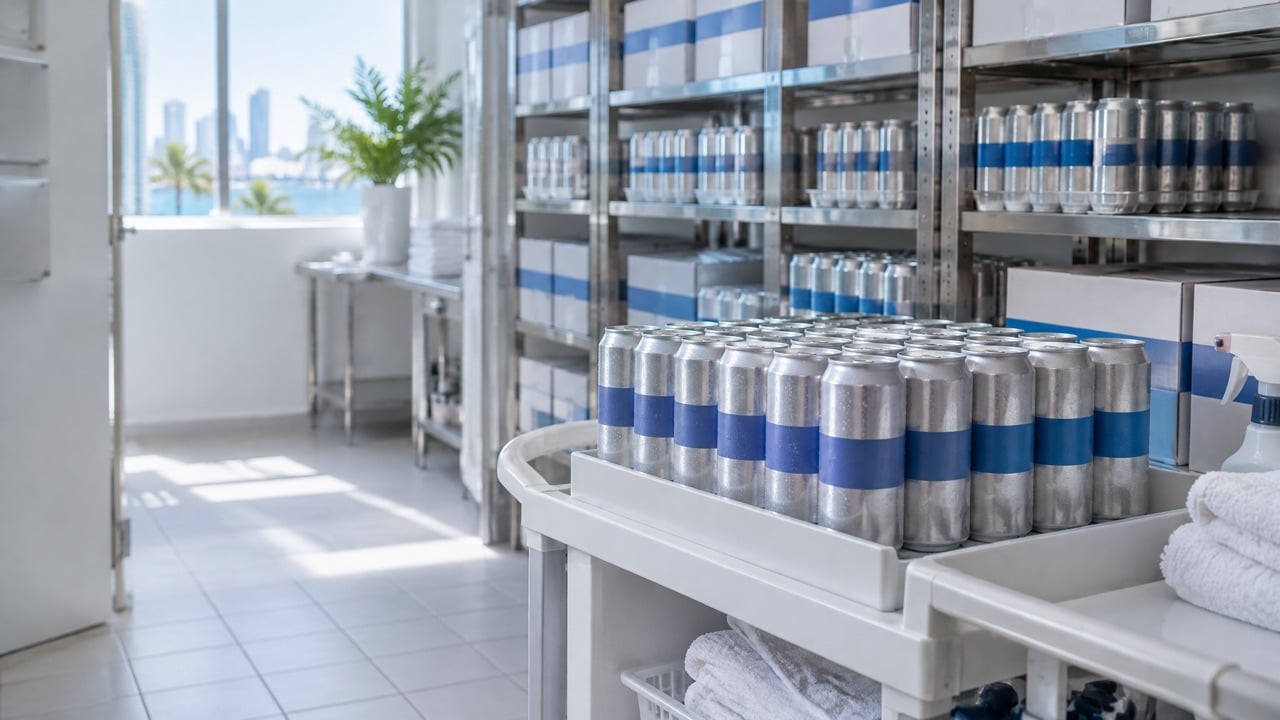
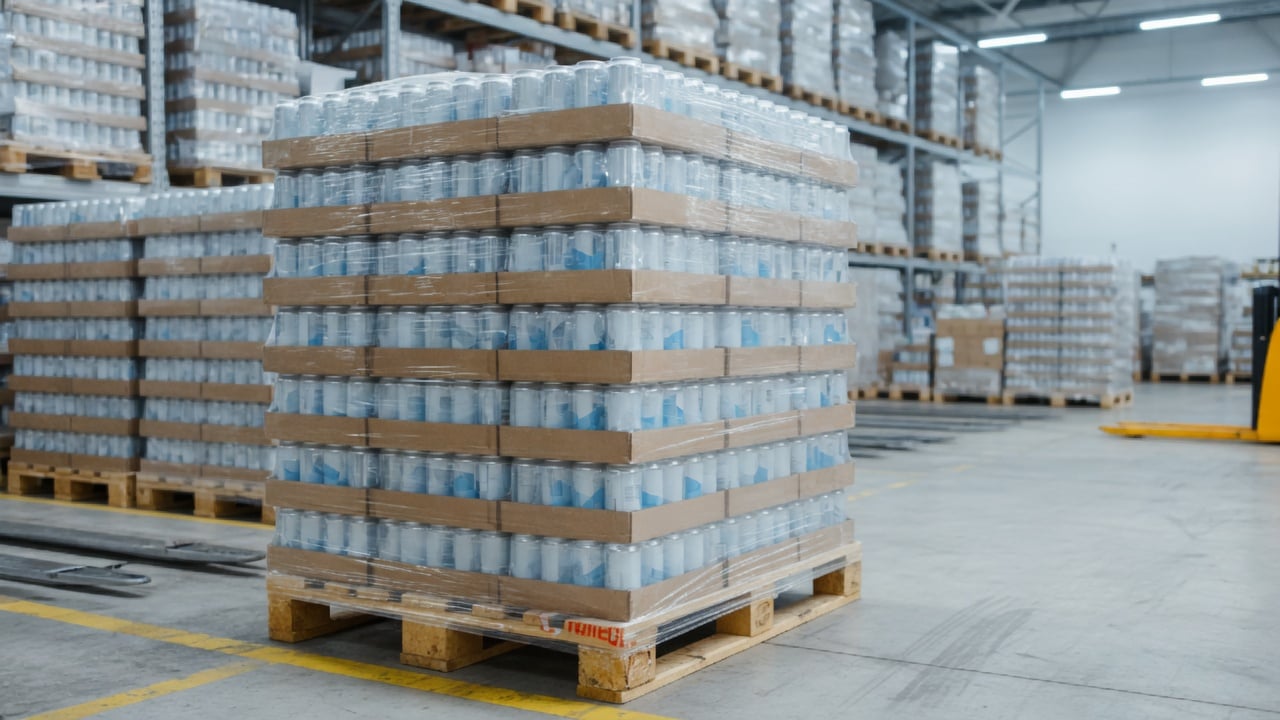
- Cases are lighter and stack neatly on shelves.
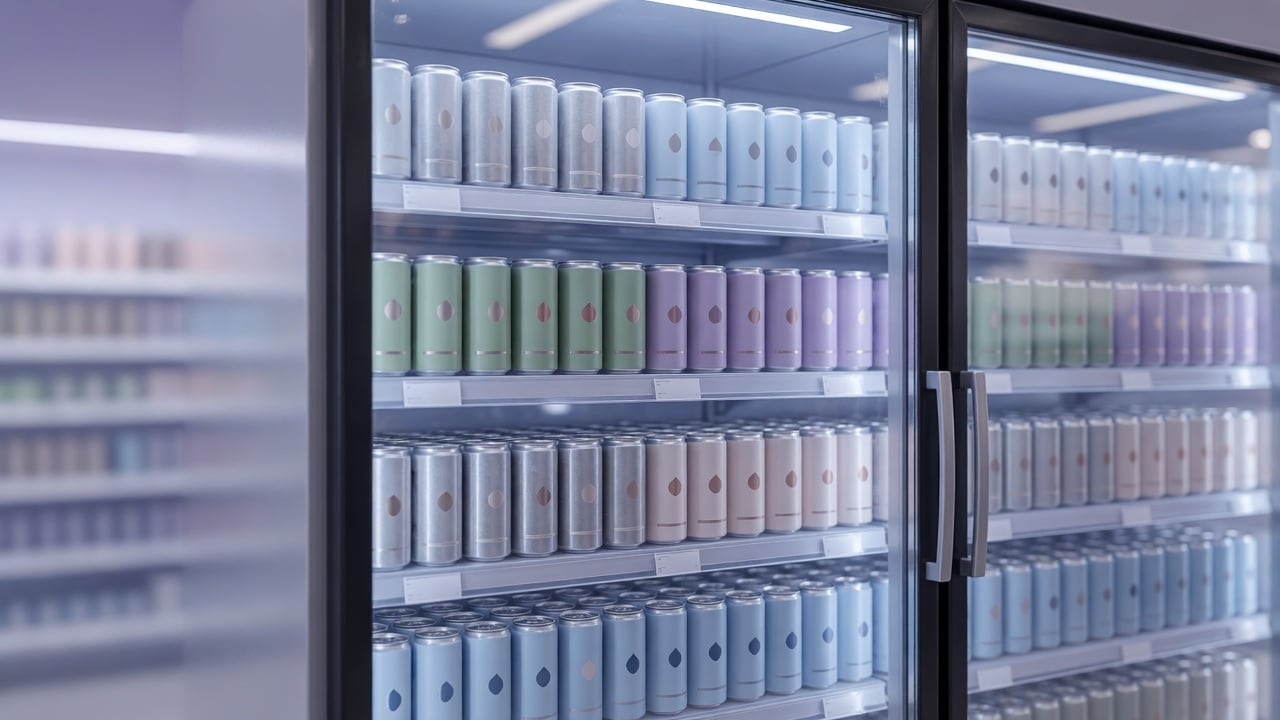
- Coolers hold more units in the same space compared with most glass bottles.
- Breakage drops, which reduces waste and cleanup.
- Recycling is simpler, because cans crush flat and go in a single stream.
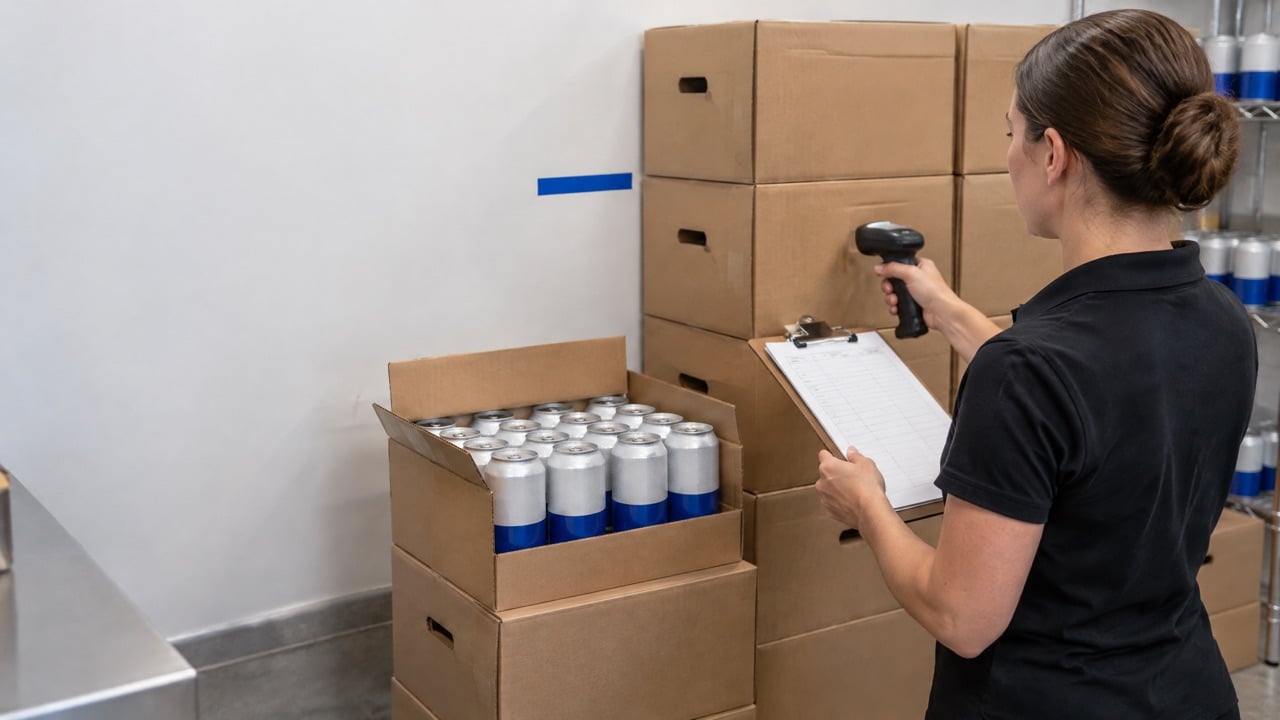
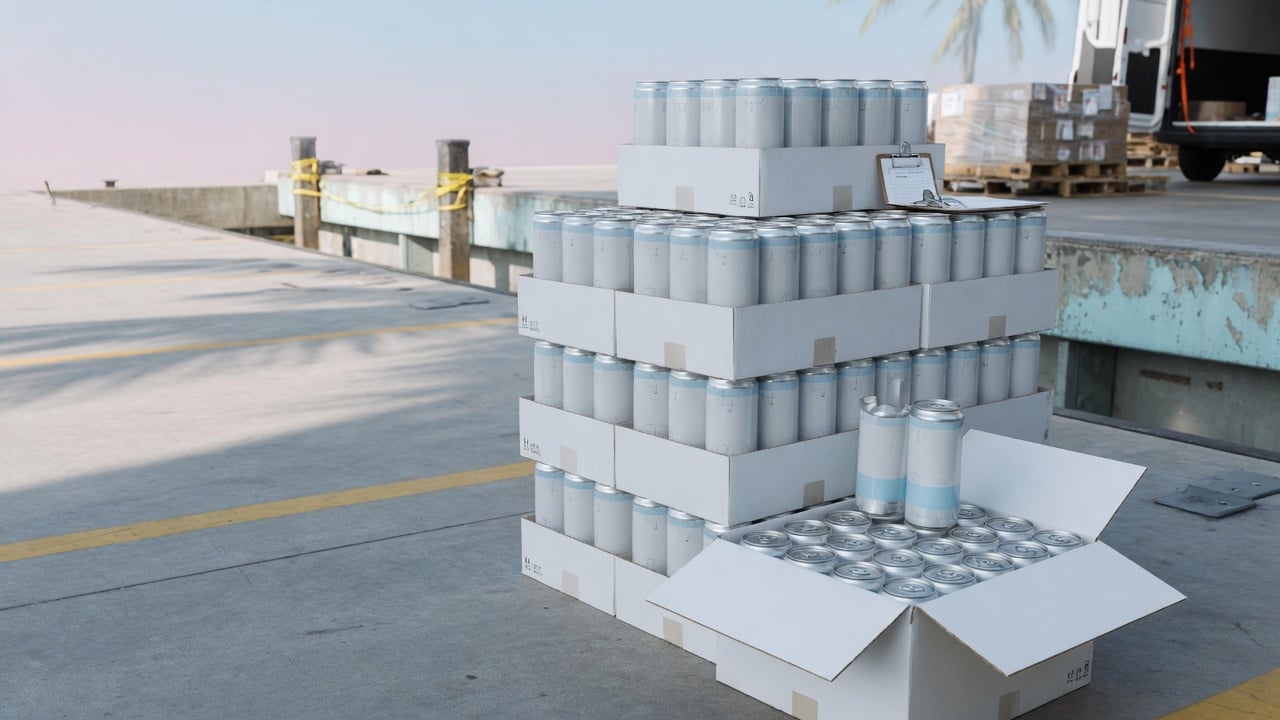
At We Can It, cans ship in cases of 24, which fits easily into most restaurant storage routines.
How should a restaurant price house sparkling on the menu?
Pricing is a positioning choice. Work from your real cost and your guest expectations.
- Get your real cost per can from a quote, including delivery. Sparkling costs a little more per can than still.
- Look at what you charge today for imported sparkling and how often guests order it.
- Decide on your position: keep a similar menu price, or price slightly lower to encourage more orders.
- Consider service style: fine dining often lists water by the bottle or can, casual dining may include it as a simple add-on.
- Review after a month based on order rates.
Which can size is best for restaurant service?
- 12oz Sleek: the most elegant option for the table and a comfortable single serving.
- 12oz Regular: classic and practical for casual dining.
- 16oz: good for sharing or for guests who order one can for the table.
Some restaurants offer two sizes: a 12oz for one person and a 16oz for the table.
Should the restaurant offer still water in cans too?
Many restaurants start with house sparkling only, because it has the biggest presentation impact. Others add a house still water in the same design so both answers to "still or sparkling?" carry the brand. If your restaurant already serves filtered still water, sparkling alone may be enough.
What should the house sparkling can look like?
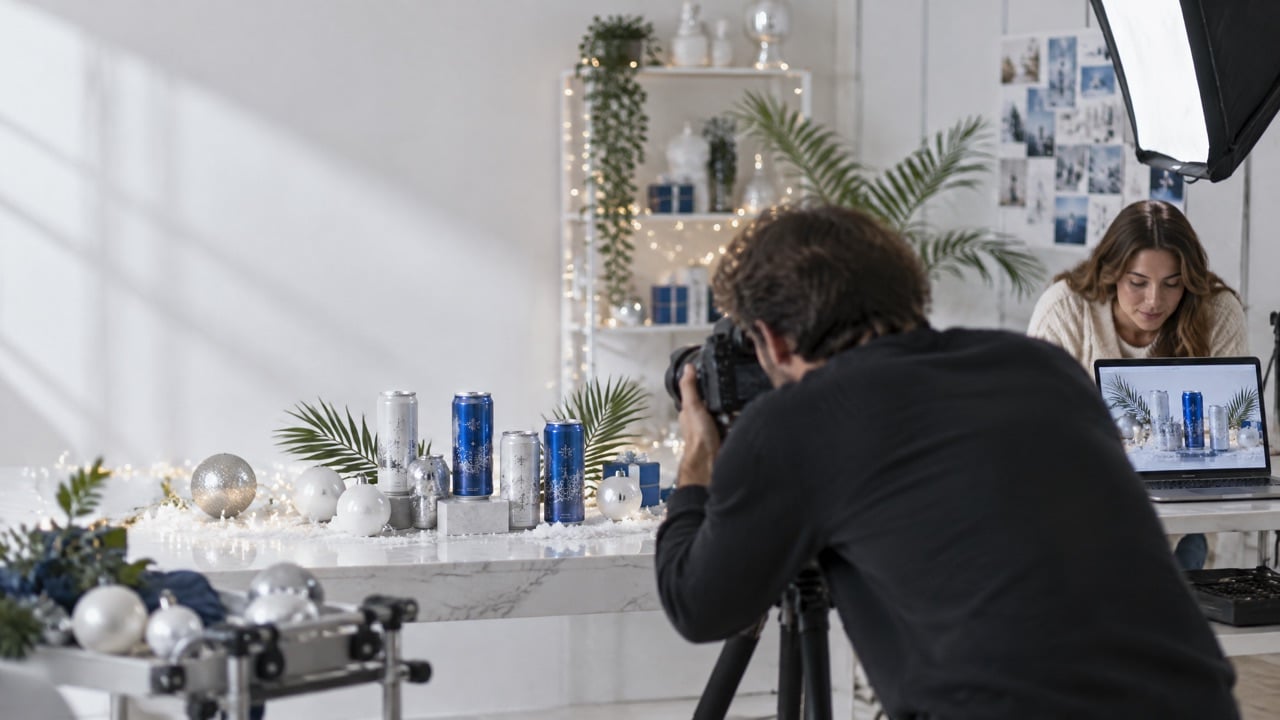
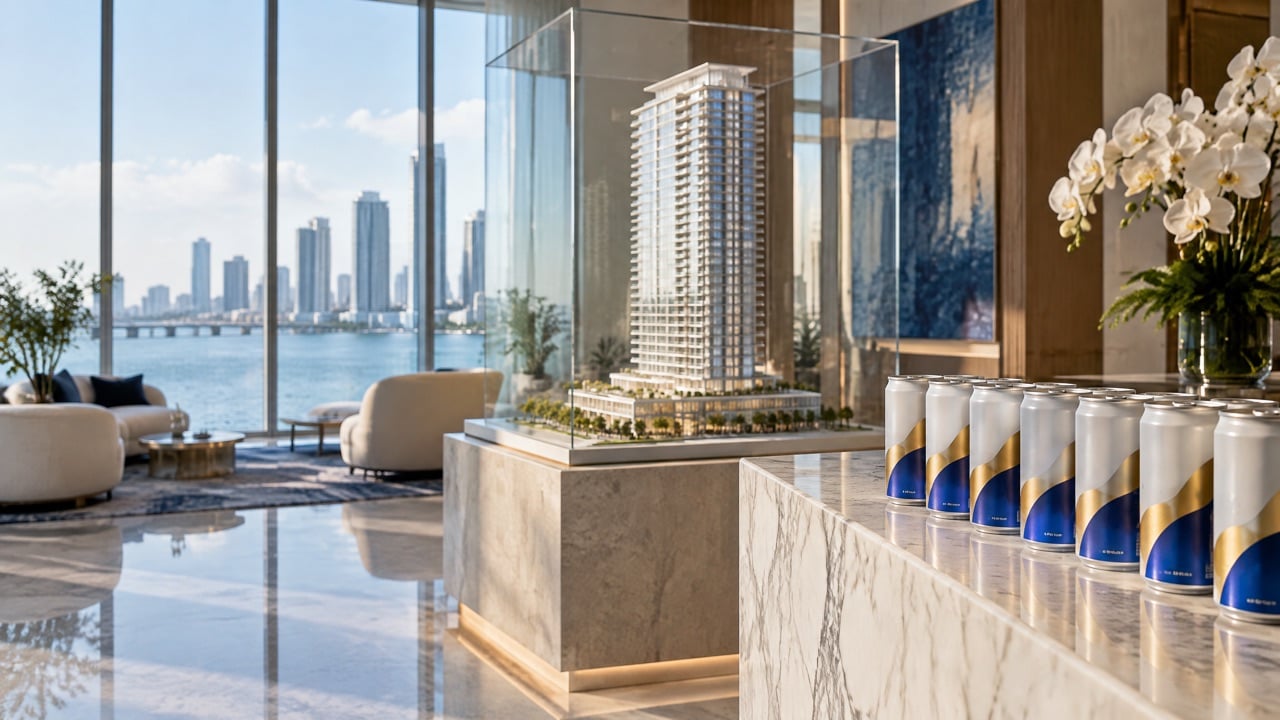
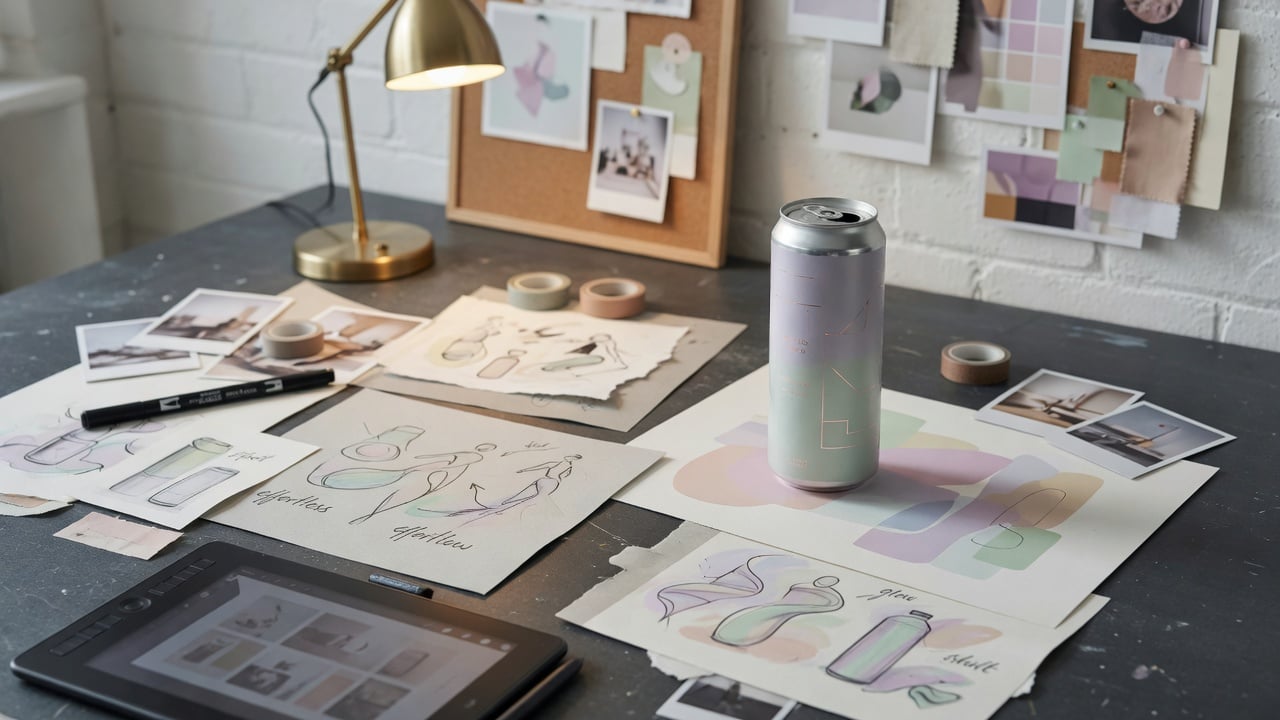
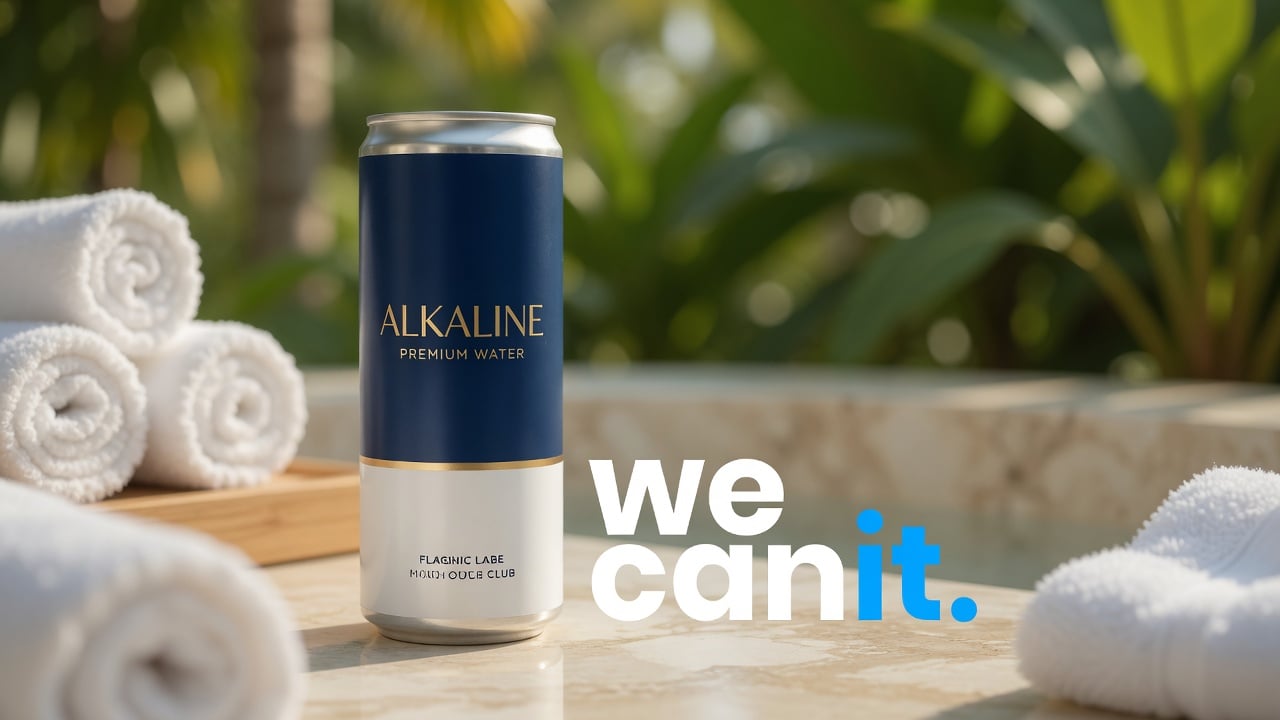
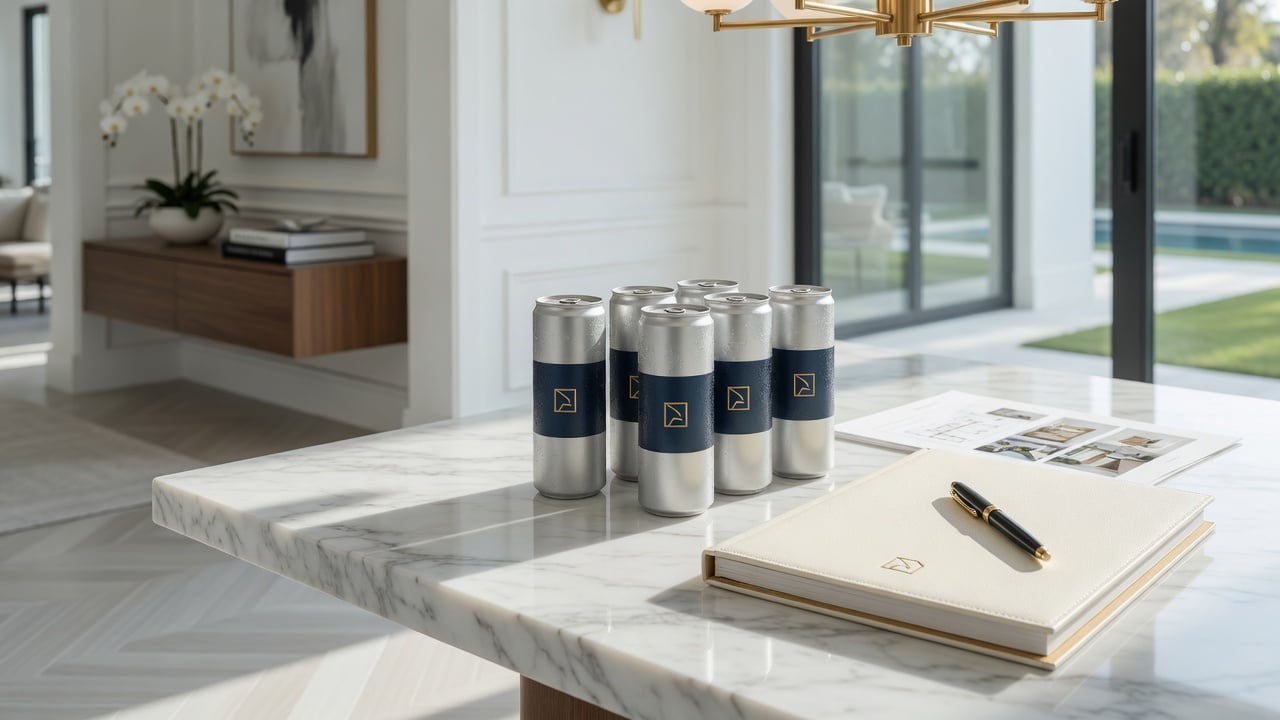
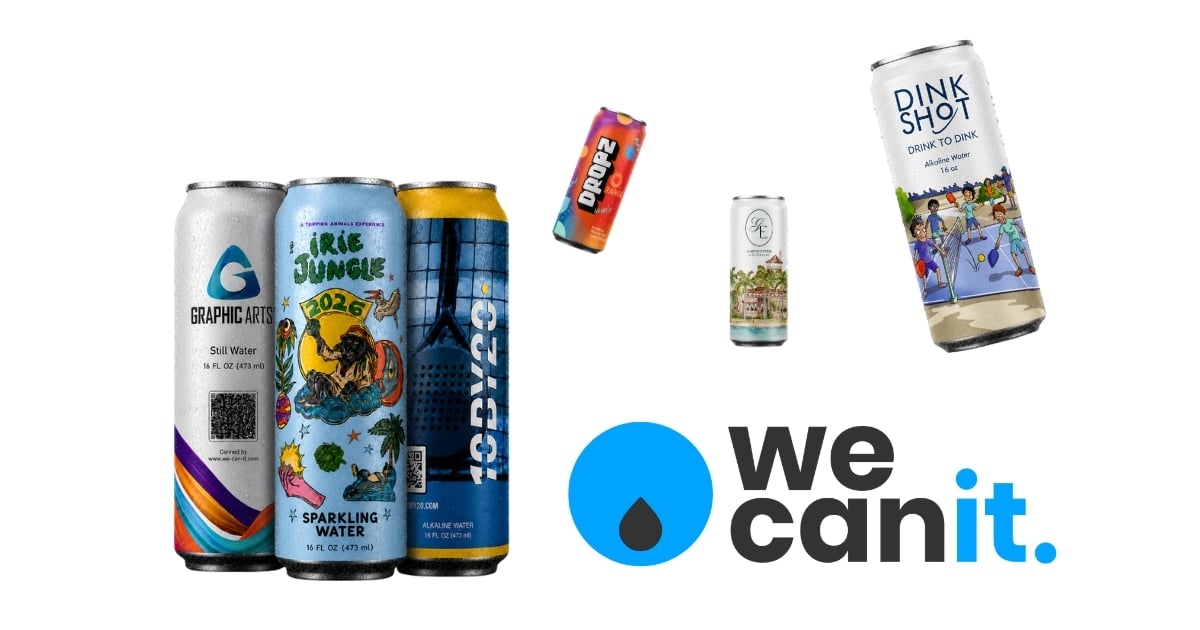
The can stays on the table for the whole meal, so the design should match your interiors and menu.
- Your restaurant name or logo.
- Colors and typography from your menu and signage.
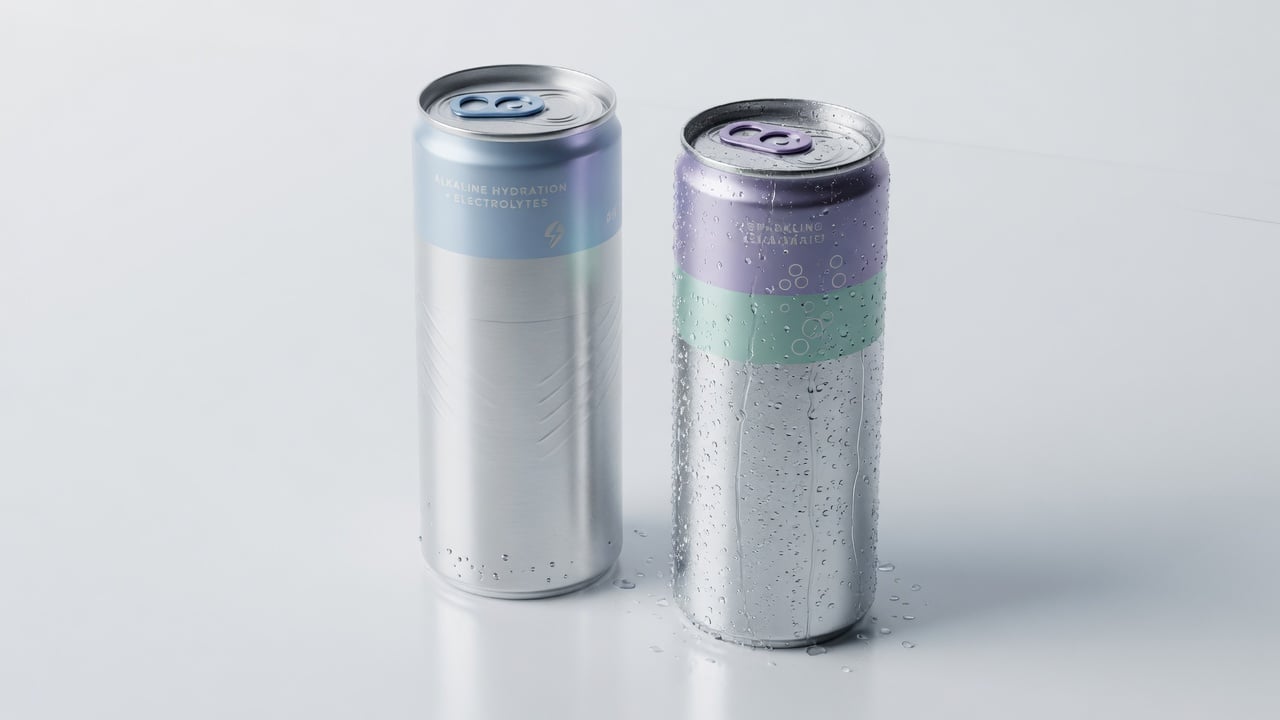
- A clear "sparkling" mark so servers and guests can tell it apart from still.
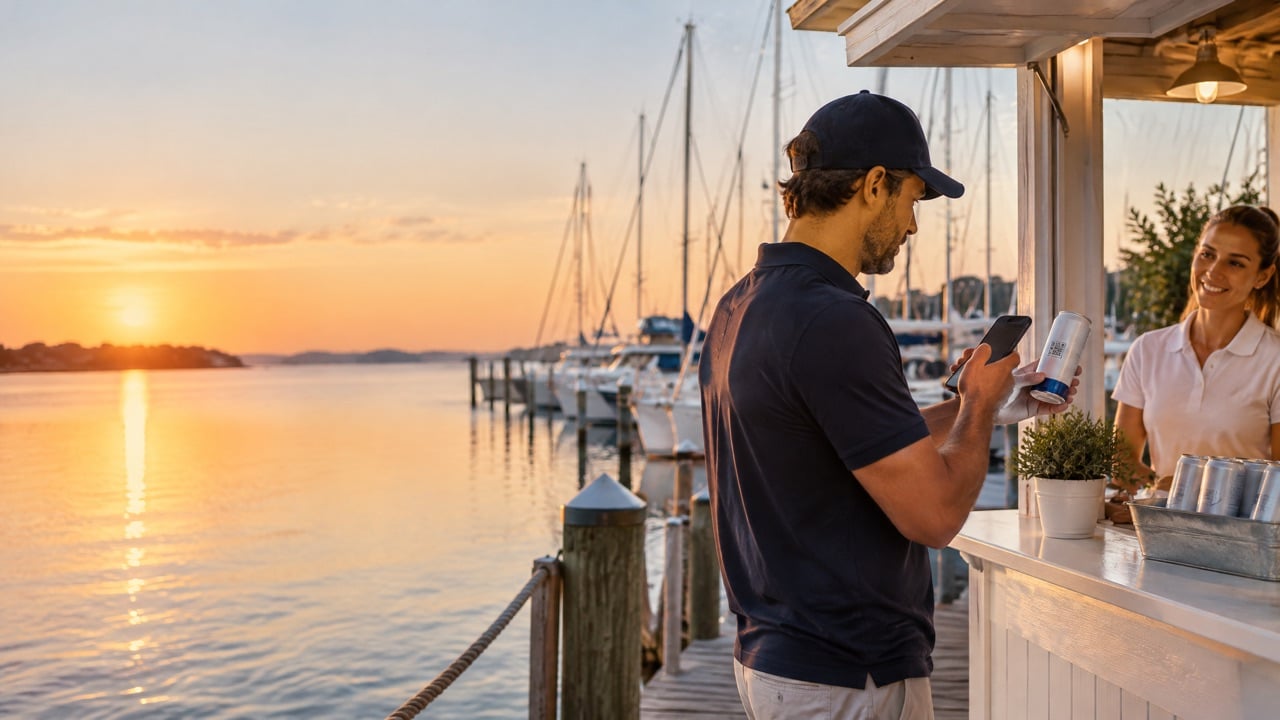
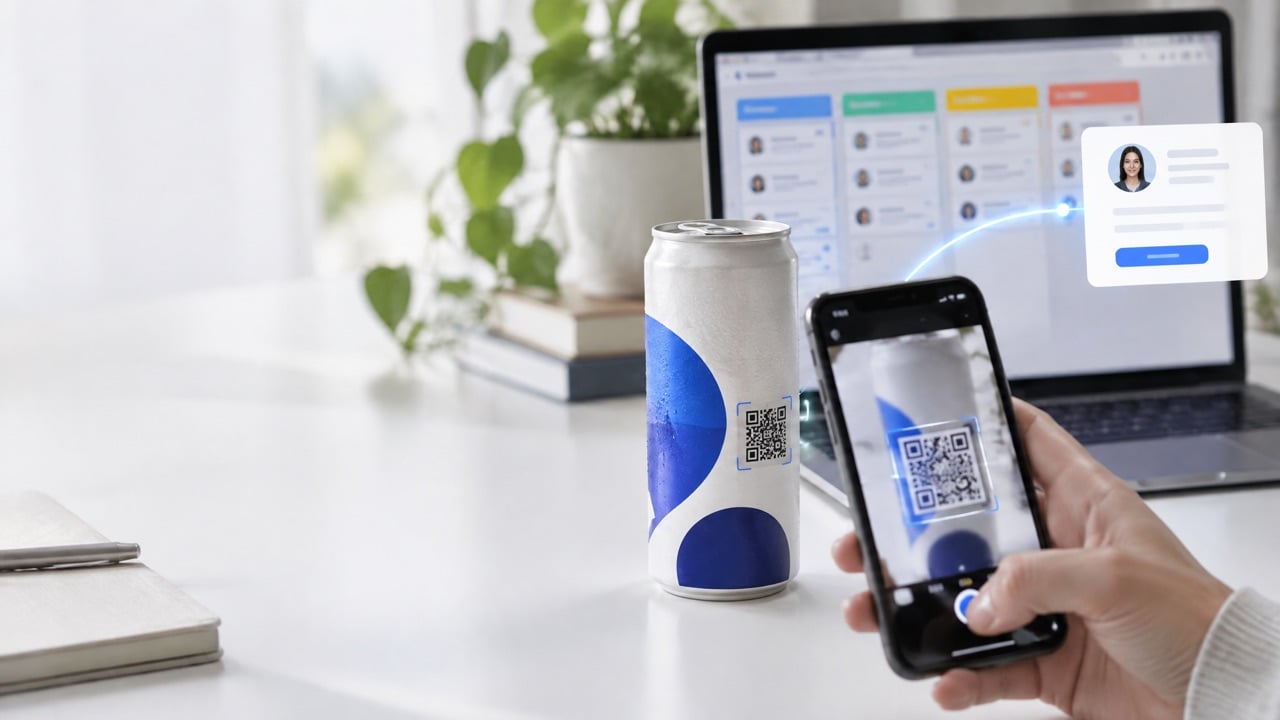
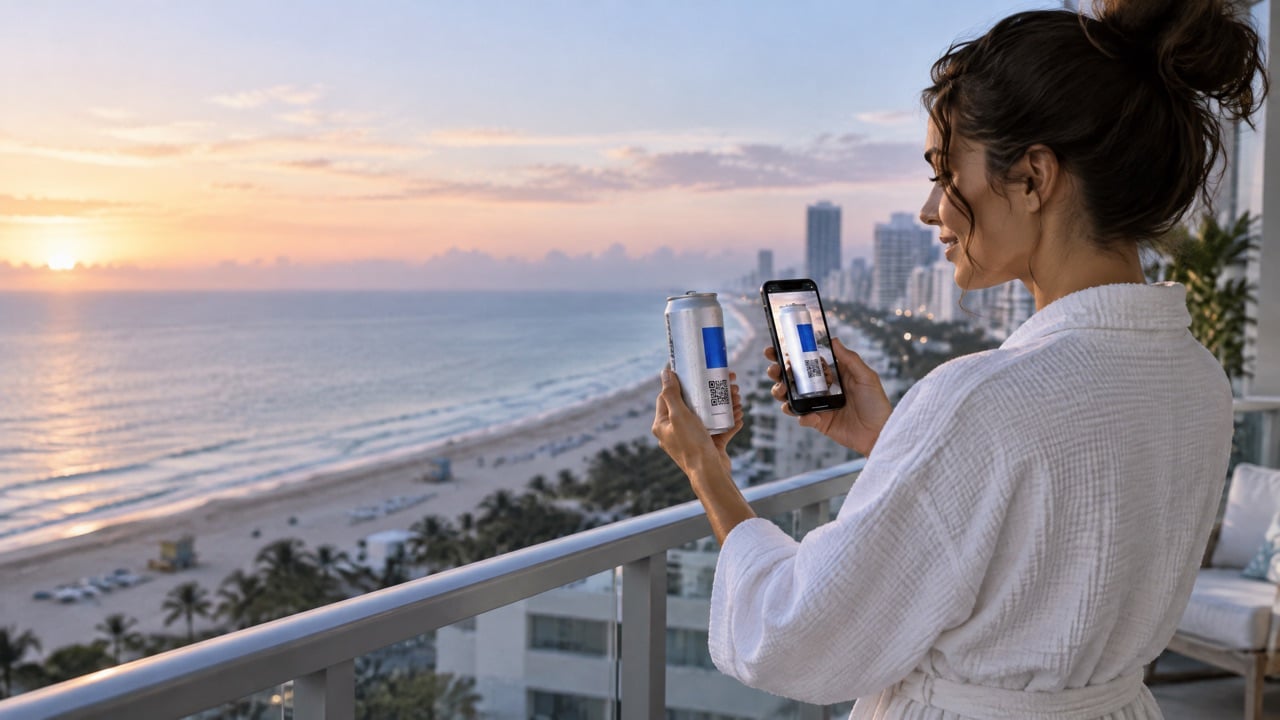
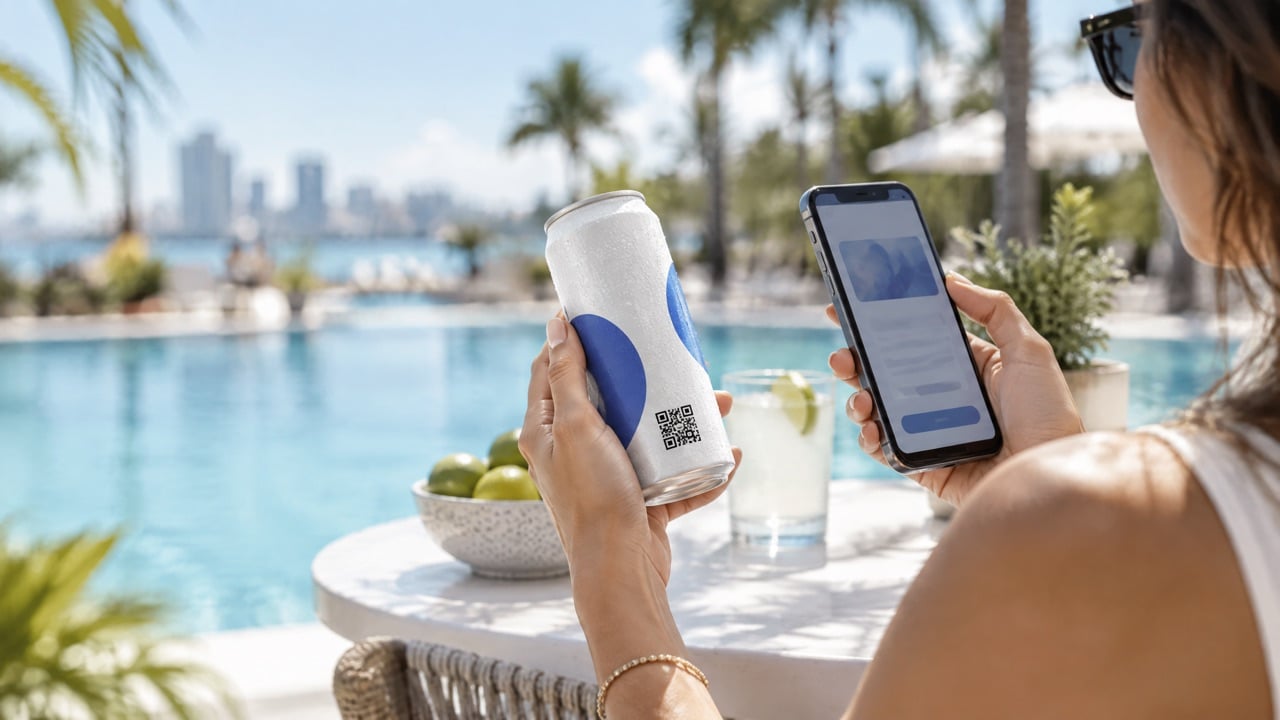
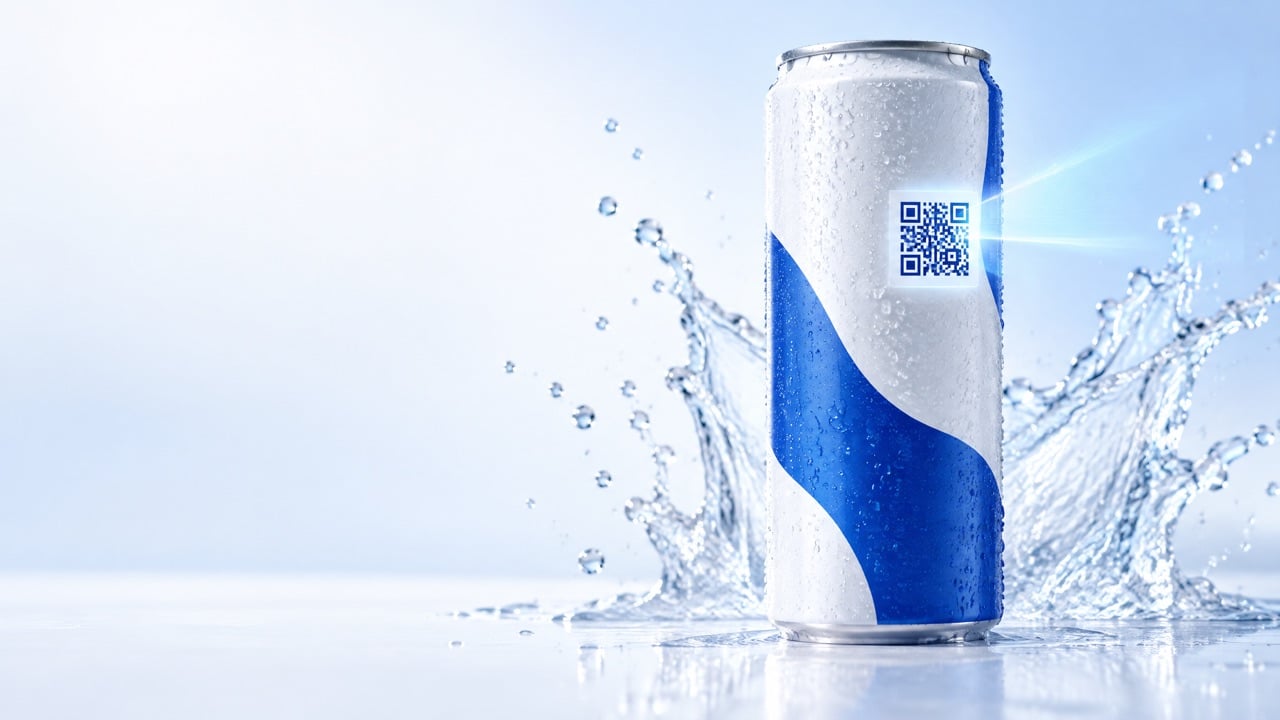
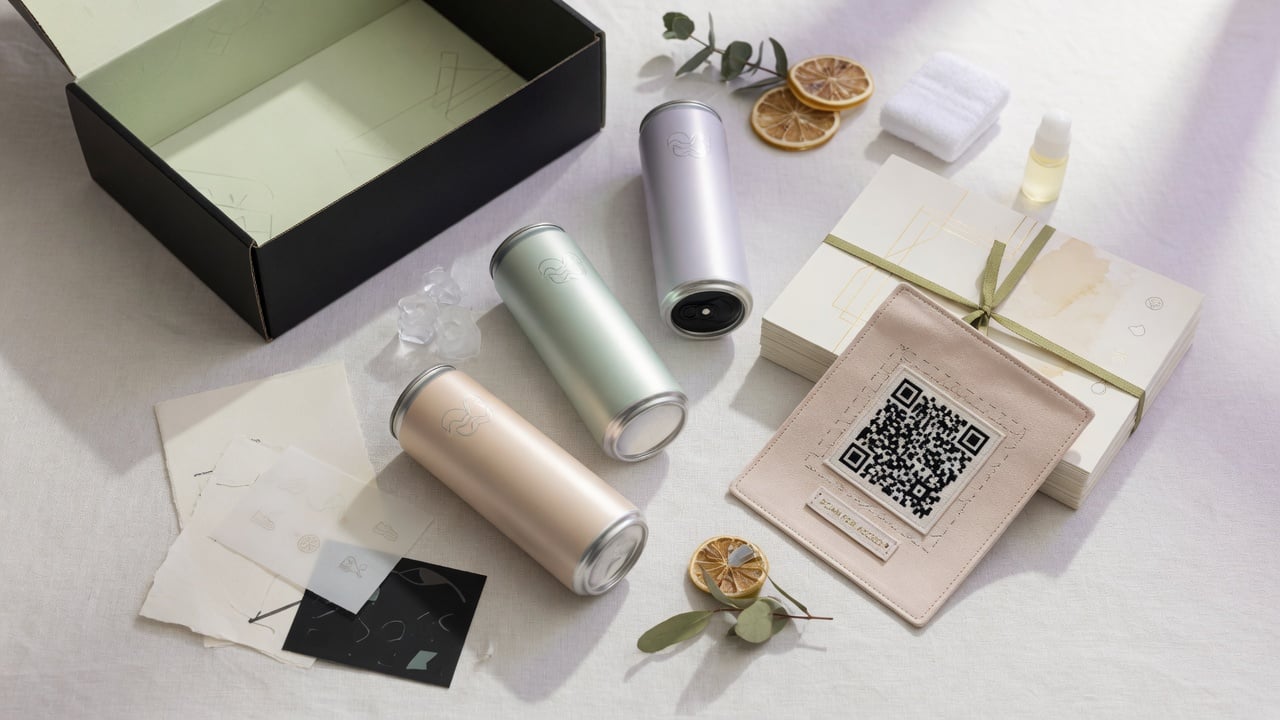
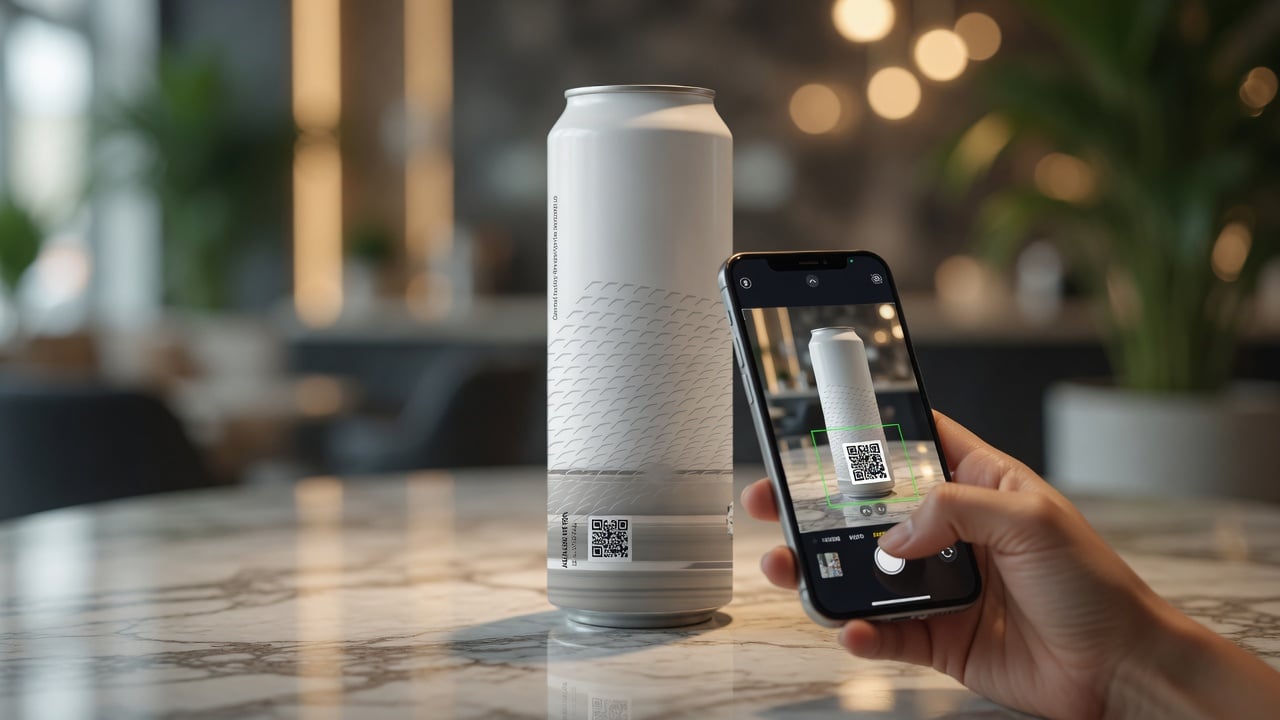
- Optional QR code that opens your reservations page or a wine list.
Our print options are described on Technology · Labels. Label print starts at 21 cases and digital print starts at 100 cases.
How much house sparkling should a restaurant order?
Start with covers and your current sparkling order rate.
- Weekly covers x share of guests who order sparkling = cans per week.
- For example, 900 covers a week with 25 percent ordering sparkling is 225 cans a week, or about 9 to 10 cases.
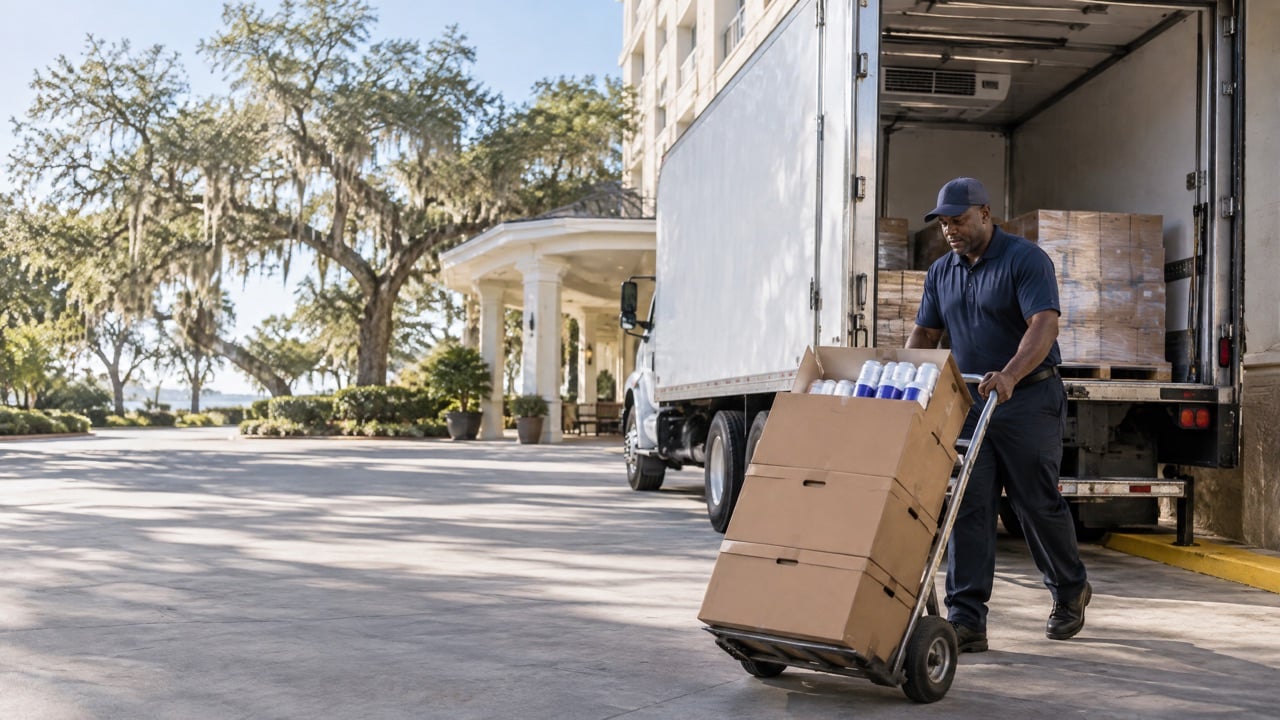
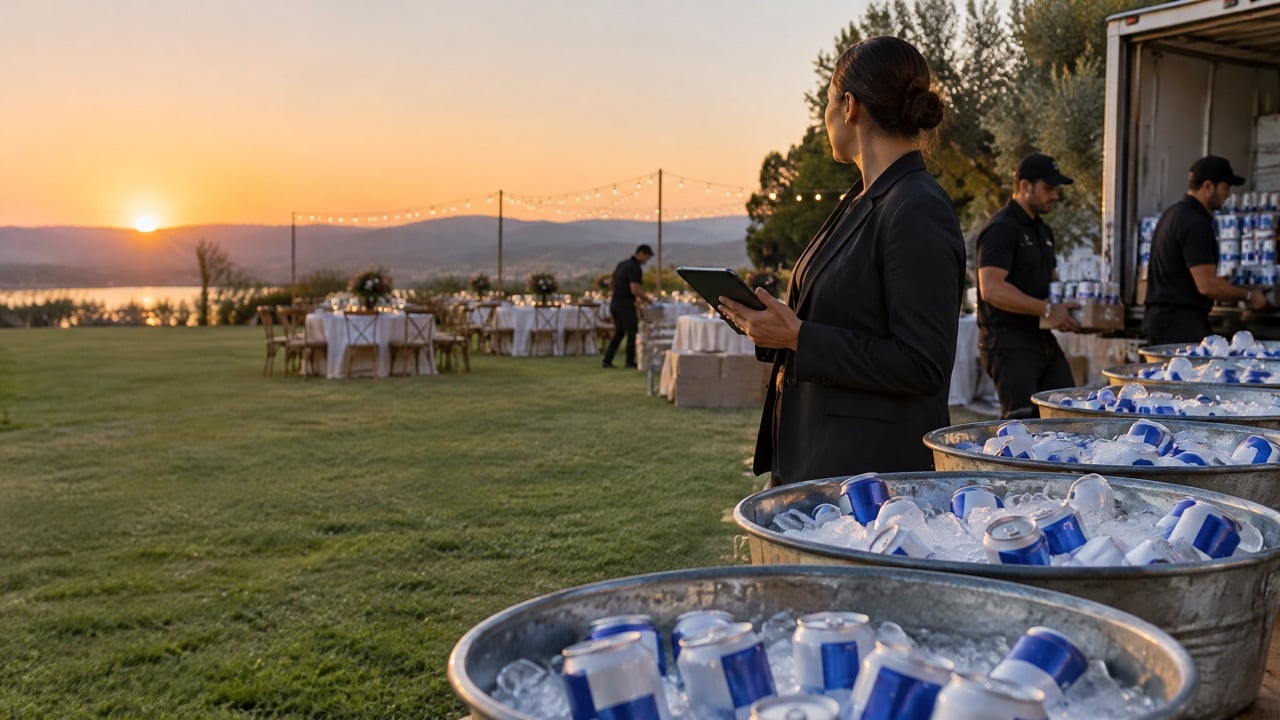
The minimum order at We Can It is 21 cases, which is 504 cans, and production takes about 2 to 3 weeks from artwork approval. For many restaurants, a minimum run covers several weeks of service.
How can restaurant groups use a house brand across locations?
Restaurant groups can use one house water across all concepts or a separate design for each. A shared group brand is simpler to order and store. Separate designs work better when each concept has a strong identity of its own. Either way, central ordering and one par sheet per location keep supply steady.
How does house sparkling fit with the bar program?
Sparkling water is not only a table drink. Bartenders use it for spritzes, highballs, and alcohol-free cocktails, and a house brand can connect the bar and the dining room.
Some restaurants keep the house sparkling can at the bar for guests who want water while they wait for a table, and serve it in the same glassware as the dining room. Others feature it in a short list of zero-proof drinks, which is increasingly important as more guests choose not to drink alcohol. If your bar uses sparkling as a mixer, talk to your beverage director about whether the can size and carbonation suit their recipes before you commit.
What do guests notice first?
Guests tend to notice three things right away: the design of the can on the table, how cold it is when it arrives, and how carefully it is poured into the glass. None of these depend on the water alone, and all of them are in your team's hands. Get those right and the switch from imported glass feels like an upgrade. Get them wrong and it can feel like a shortcut. That is why presentation and training matter more than the product change itself.
What mistakes should restaurants avoid?
- Serving the can without a glass in a full-service setting.
- Warm cans that lose their crisp feel.
- A design that clashes with the dining room.
- No server training, so the house brand never gets mentioned.
- Running out on busy weekends because par was not adjusted.
House sparkling launch checklist
- Get a real cost per can.
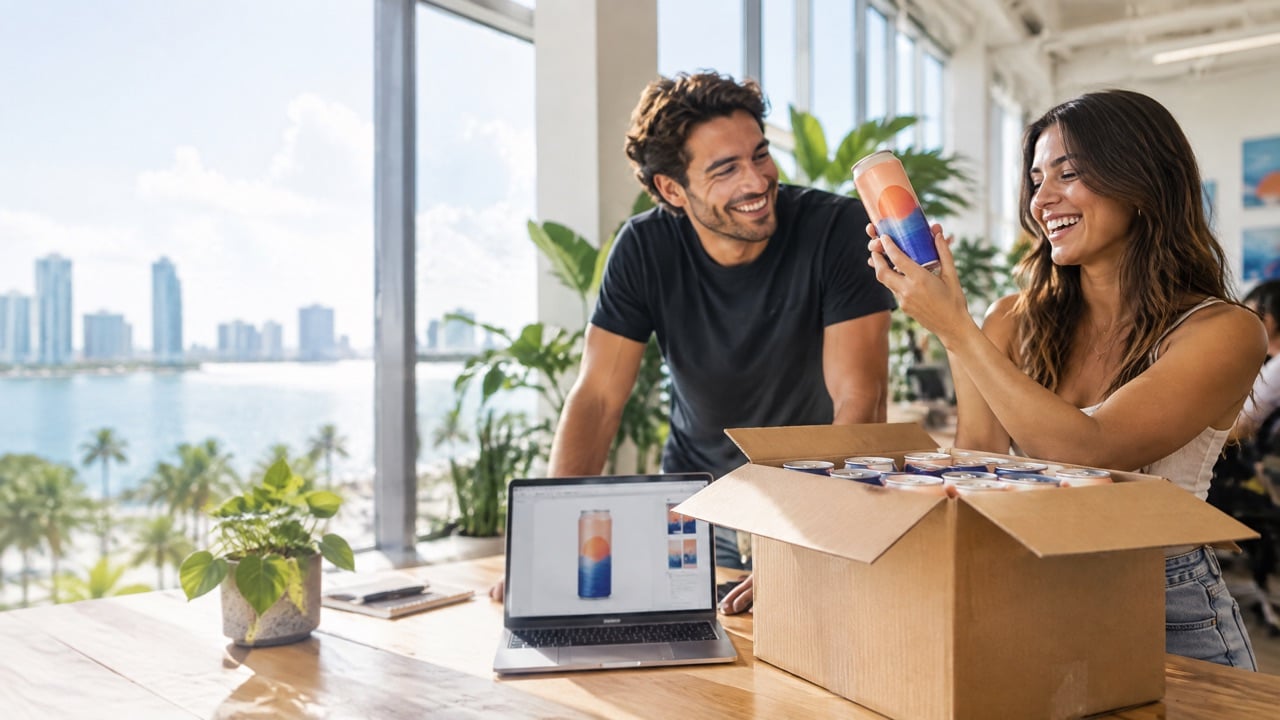
- Design a can that matches your brand.
- Choose sizes for single and table service.
- Set menu pricing.
- Train servers on the water question.
- Set glassware and pour standards.
- Adjust cooler and storage space.
- Review order rates after a month.
Frequently asked questions
Can a restaurant have its own brand of sparkling water?
Yes. With private label manufacturing, a restaurant can serve sparkling water in cans designed with its own name and colors.
Is canned sparkling water appropriate for fine dining?
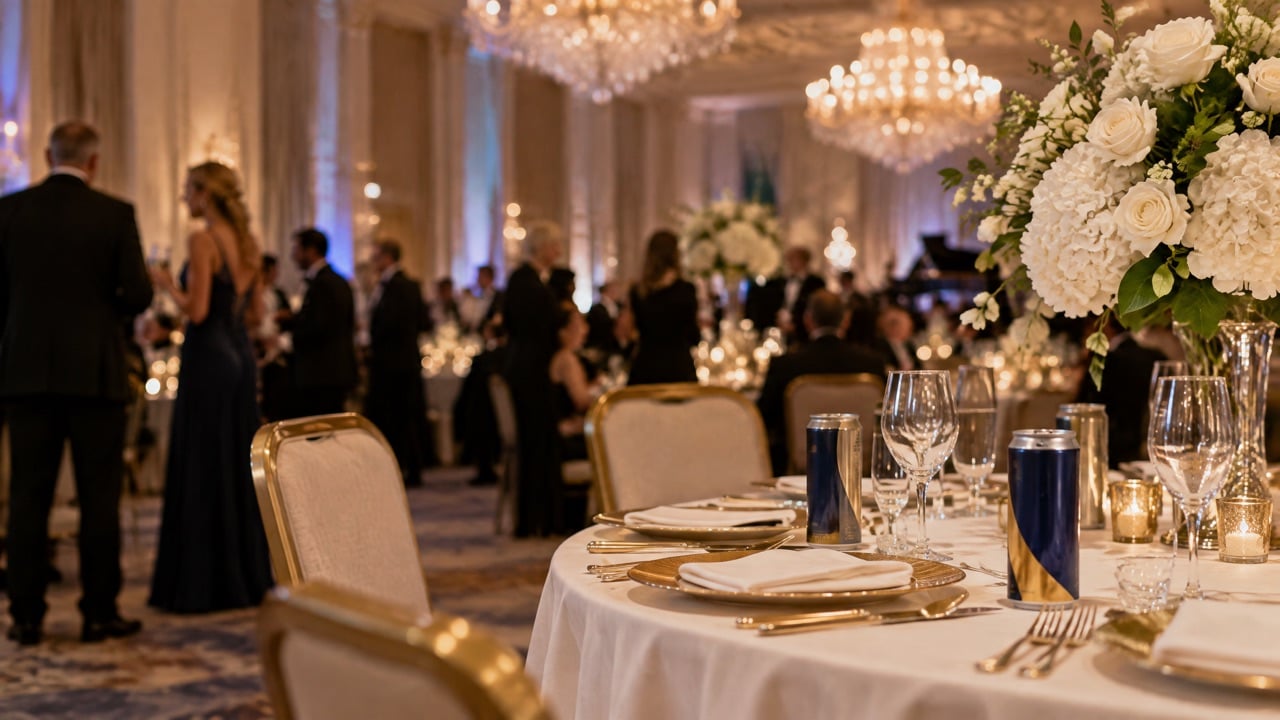
It can be, if it is presented well: a well-designed can, a tableside pour into proper glassware, and the can left on the table label forward.
How should a restaurant price house sparkling water?
Start from your real cost per can and what you charge today for imported sparkling, then choose a price that matches your positioning and review order rates after a month.
Does sparkling water cost more than still in cans?
Yes, sparkling costs a little more per can than still.
What is the minimum order for house-branded sparkling water?
We Can It starts at 21 cases, which is 504 cans, with about 2 to 3 weeks of production after artwork approval.
What can size works best at the table?
The 12oz Sleek is the most elegant single serving. Some restaurants add a 16oz for sharing.
Get a quote for house-branded sparkling water for your restaurant
Tell us your weekly covers and service style, and a product advisor will help you plan your house sparkling program.