For CMOs: Build the 2027 Event Budget From 2026 Scan Data
Budget season is when your event data finally pays off. Here is how marketing leaders turn 2026 scan, survey and lead data into a 2027 event marketing budget that finance will sign, without guessing at what each show was worth.
It is November and the finance team has sent the planning spreadsheet. Every line needs a number, and the events line is the one everyone watches. Last year you defended it with photos, a sponsor logo wall and a feeling that the booth "went well". This year the CFO wants to know which shows produced pipeline, which ones produced selfies, and why the 2027 events budget should be bigger than the 2026 one.
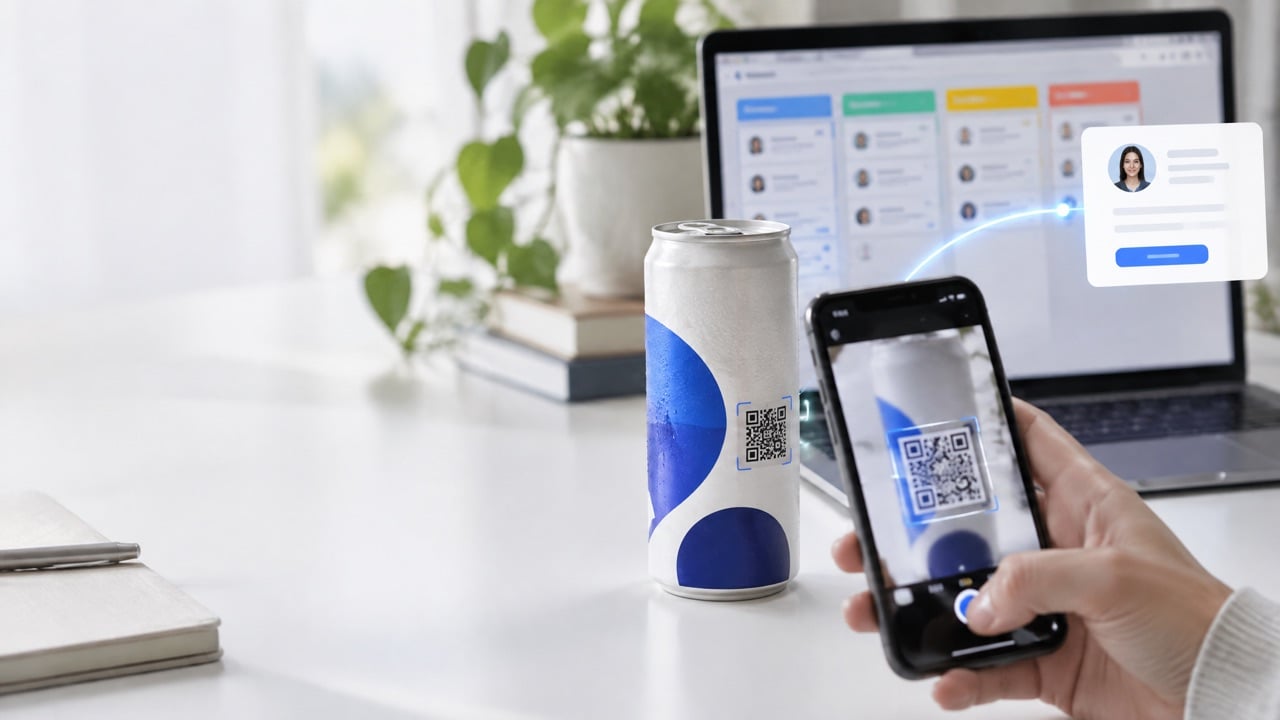
If you put a QR code on anything your team handed out in 2026, you already have better answers than most marketing leaders. Every scan is a timestamp, a location and an action. Stack those scans next to your spend and you can build an event marketing budget for 2027 on evidence instead of memory. This guide walks through how to do it, step by step, in a way a marketing coordinator can run and a board can read.
What data should a CMO pull before building the 2027 event budget?
Pull five things for every 2026 event: total spend, units handed out, scans, completed actions (form fills, surveys, bookings) and the pipeline or revenue those leads became. With those five numbers per event you can calculate cost per scan, cost per lead and pipeline per dollar, which is what finance actually asks about when it reviews an events line.
Here is the full list, event by event:
- Total cost. Booth or sponsorship fee, travel, staff time, freight, printed materials and the cost of anything you gave away.
- Units distributed. How many cans, cards or items with a QR code actually went out the door.
- Scans. Total scans and unique scanners from your QR or landing page analytics.
- Completed actions. Form submissions, survey answers, meeting requests or coupon redemptions.
- Pipeline and revenue. Opportunities and closed deals your CRM ties back to that event's source tag.
If one of these is missing for an event, write "unknown" in the sheet rather than estimating. A gap you can see is better than a guess that looks like data.
Why scan data beats badge scans and gut feel
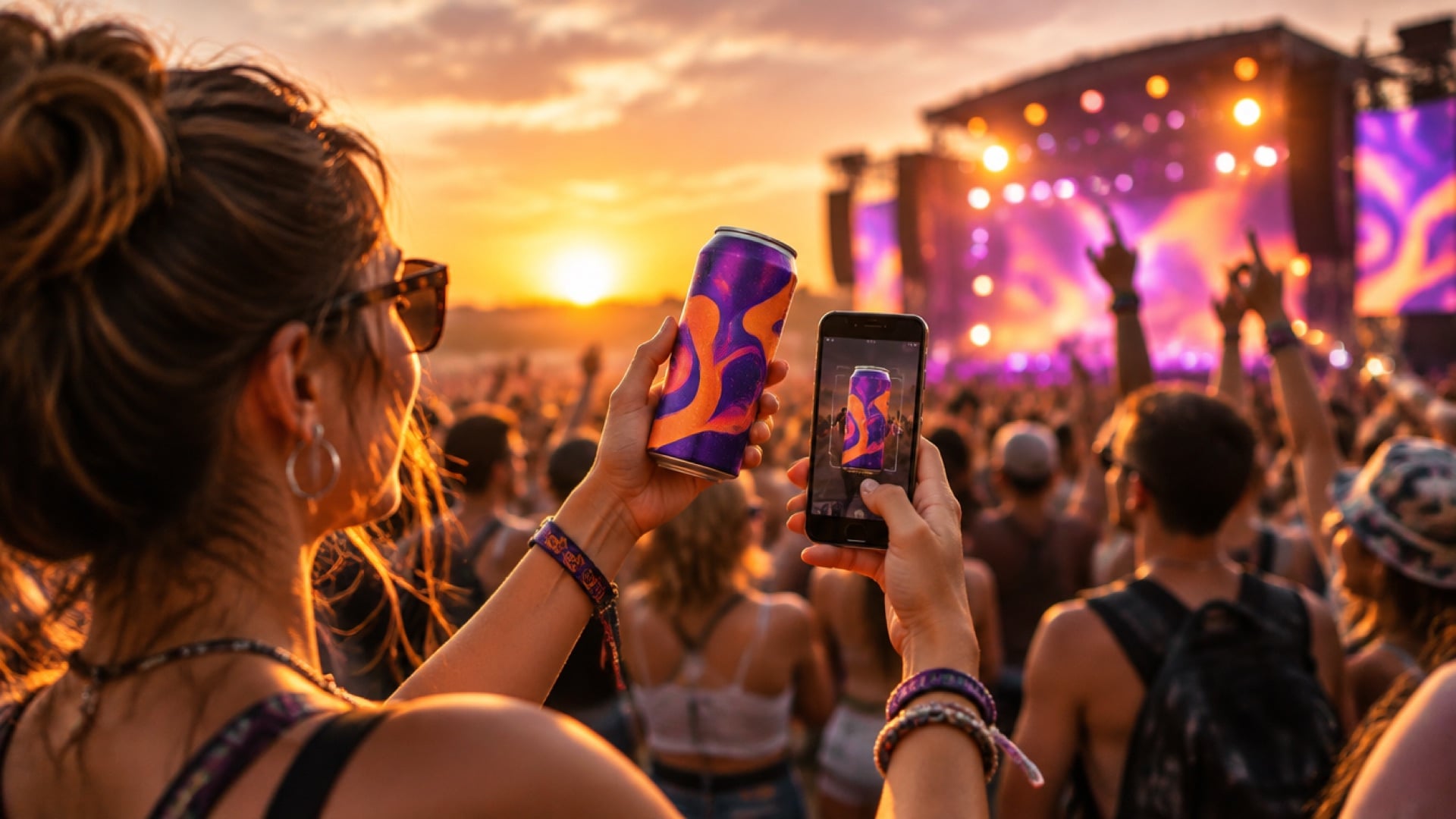
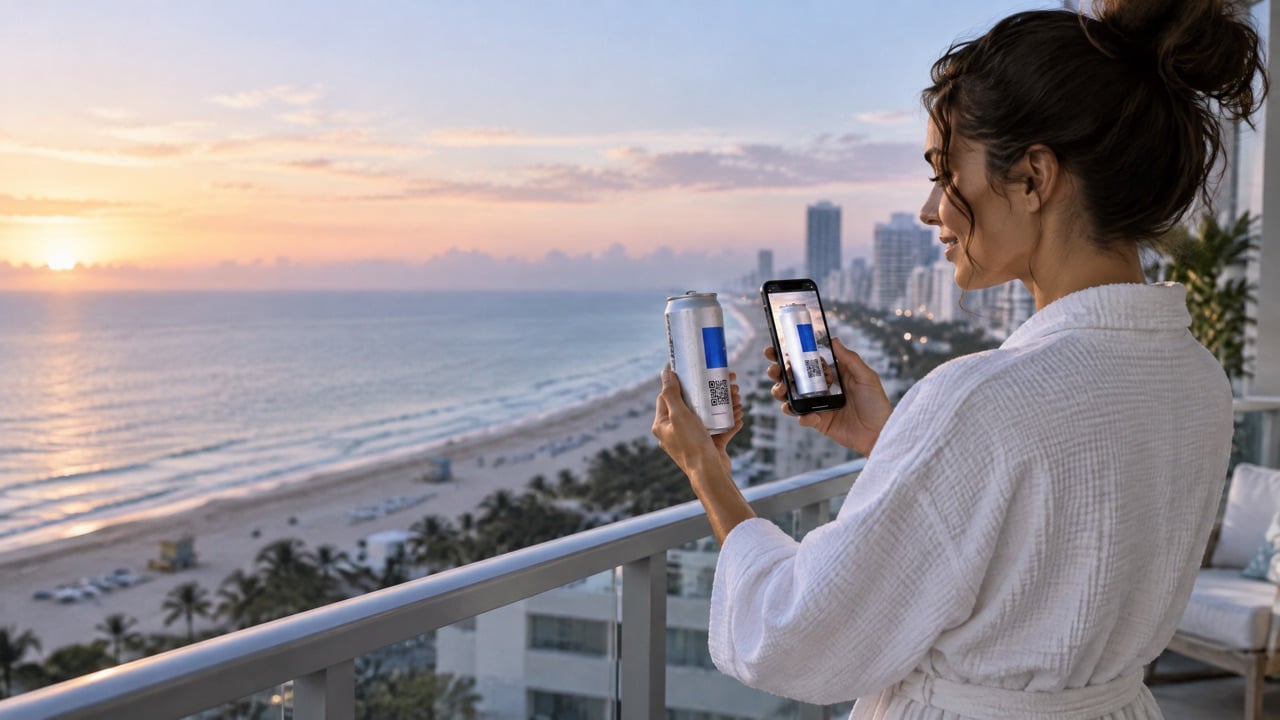
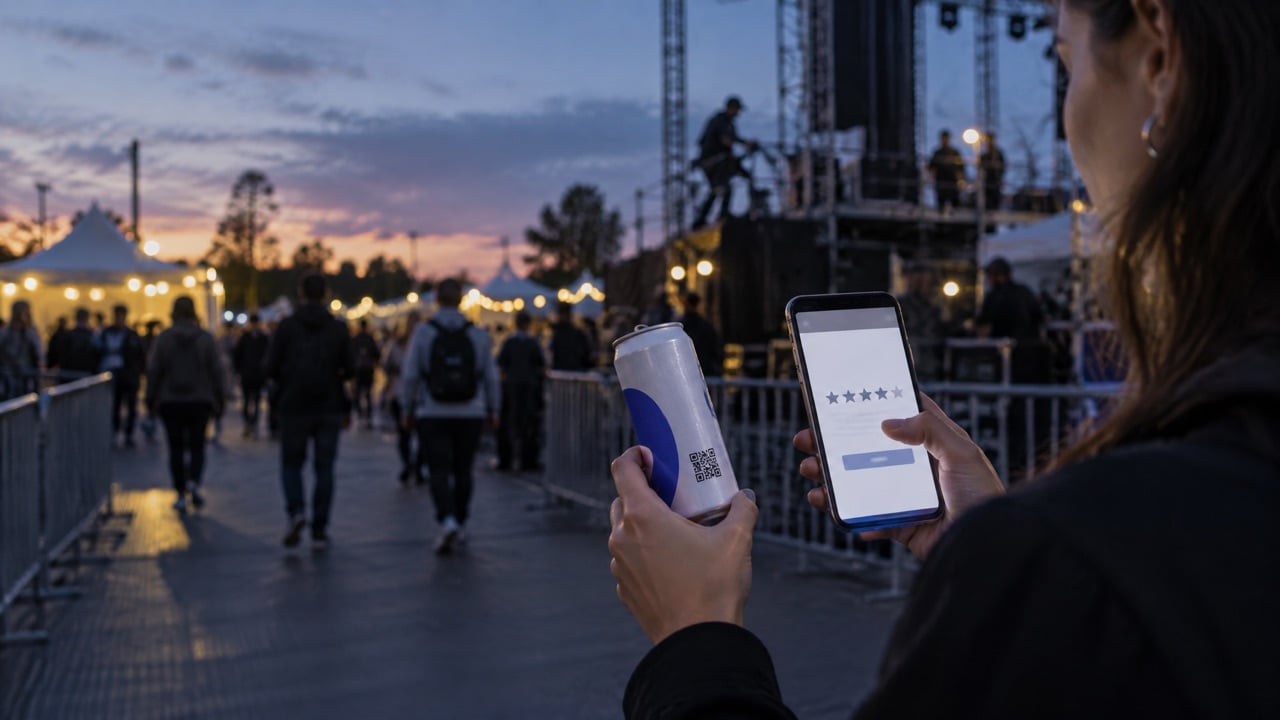
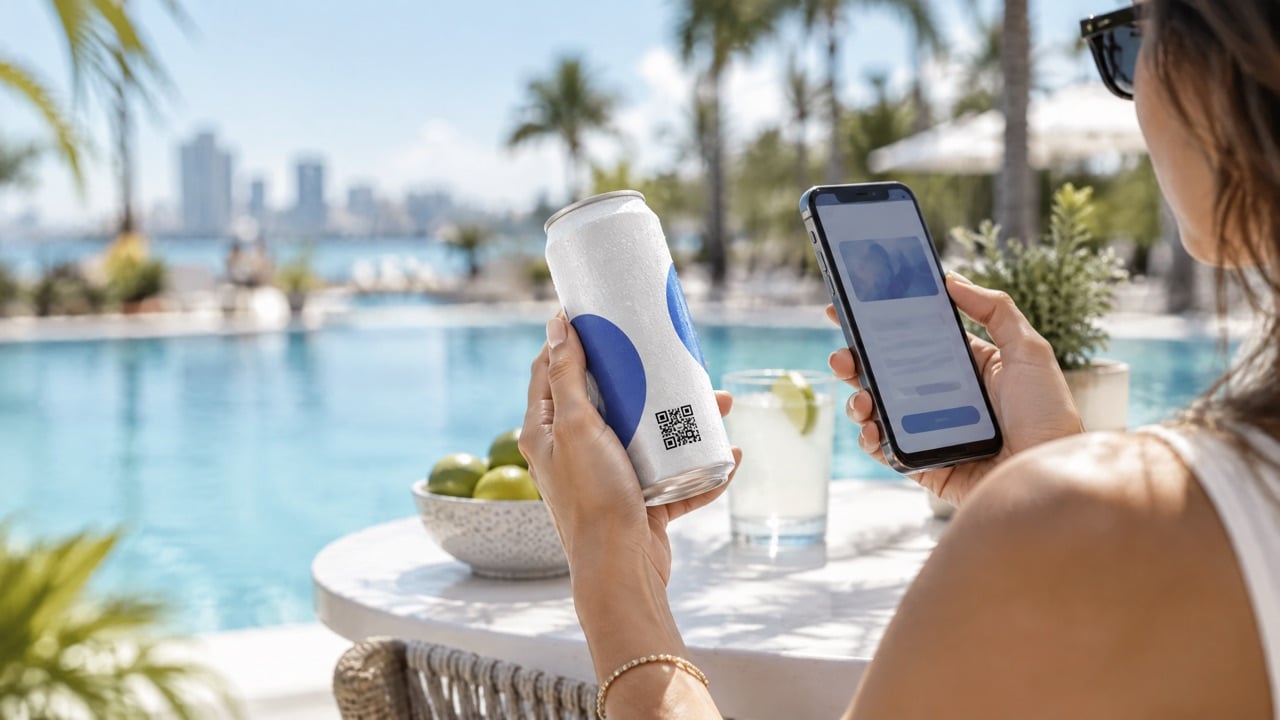
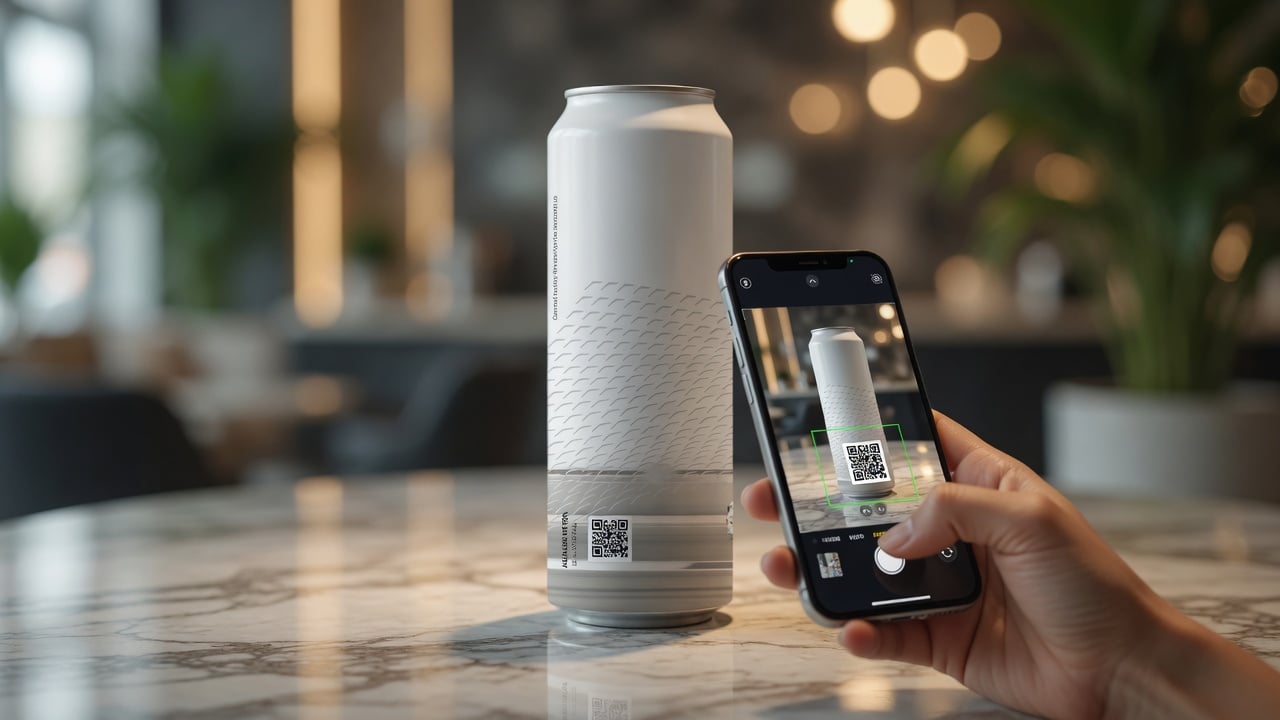
Badge scans tell you who walked past the booth. A scan from a can or a card tells you who chose to engage with your brand after the conversation, often hours later at their hotel or on the flight home. That second signal is closer to buying intent, and it is the one most event recaps leave out.
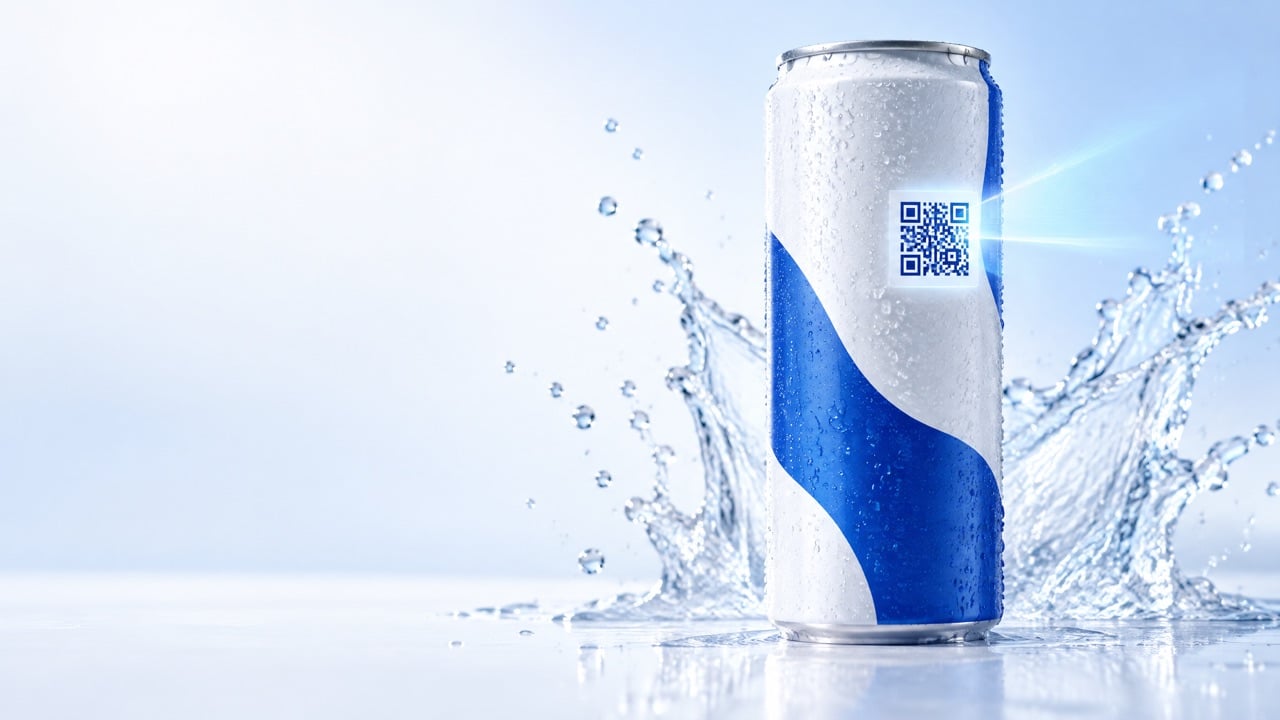
Scan data also travels with the item. A branded water can that leaves the booth gets opened in a session room, a suite or an office. When someone scans it, you learn the moment and the place your brand was still in their hands. For a deeper look at the metrics brand teams use, see our guide on how brand teams track activation metrics with QR cans.
The four event ROI metrics finance understands
Finance teams do not need twenty metrics. They need a few ratios they can compare across events and across years. Use these four, with the same definitions for every event.
- Scan rate. Scans divided by units distributed. It tells you whether people engaged with what you handed them.
- Cost per scan. Total event cost divided by scans. Useful for comparing formats, such as a can versus a printed card.
- Cost per lead. Total event cost divided by completed actions that include contact details.
- Pipeline per dollar. Pipeline value attributed to the event divided by total event cost.
Keep a short definitions tab in your workbook so that everyone, from the coordinator to the CFO, reads the numbers the same way.
How to build the 2027 event budget, step by step
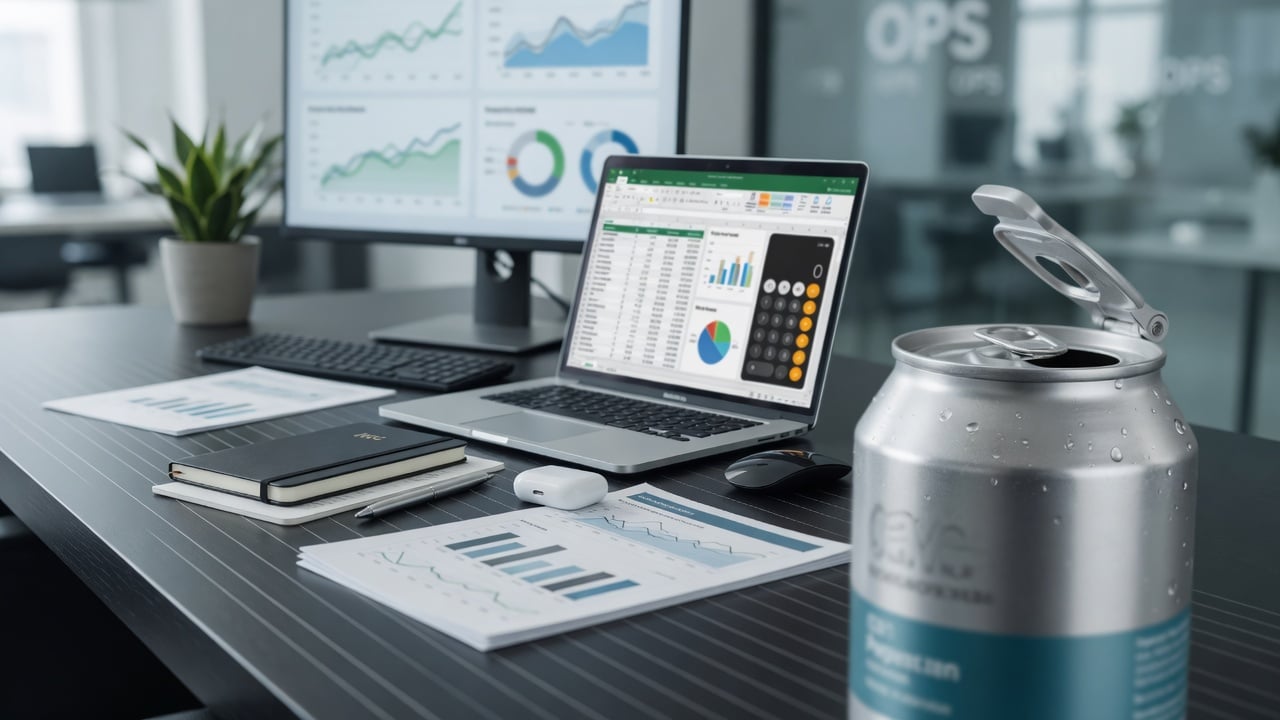
Start from what you already spent, rank events by results, then reallocate. A 2027 event marketing budget built this way is a set of decisions you can explain, not a percentage increase on last year. The steps below take a team about a week if the 2026 data is in one place.
- List every 2026 event in one sheet with its date, city, format and total cost.
- Add the five data points from the section above for each event.
- Calculate the four ratios and sort events by cost per lead and pipeline per dollar.
- Group events into three tiers. Keep and grow, keep and fix, and cut or replace.
- Set a 2027 line for each kept event based on its 2026 cost plus any planned changes.
- Reserve a test budget for one or two new shows you want to try, with a clear goal for each.
- Write one sentence per event explaining the decision. Finance will ask, so answer first.
- Agree on tracking for 2027 before the first event, so next year's review is even easier.
A worked example with illustrative numbers
Illustrative numbers only, not a benchmark: imagine two 2026 trade shows with the same total cost. At the first, your team handed out branded cans with a QR code and saw a healthy share of recipients scan and complete a short survey. At the second, you handed out printed flyers and saw very few scans. The cost per lead at the first show is a fraction of the second.
The decision almost writes itself. Keep the first show and grow the hospitality budget there. At the second, either change the format or move the money. The point is not the exact numbers. It is that you can show the CFO the same math for every line.
What to change in 2027 based on 2026 scans
Your 2026 data will usually point to three kinds of changes: different items, different moments and different follow-up. Each one can lower cost per lead without cutting the number of events.
- Swap low-scan items for useful ones. Items people keep and use, like a cold can of water, tend to stay in hand longer than paper.
- Move the handoff to a better moment. A can handed out at the end of a demo gives the QR a reason to be scanned.
- Point the QR at one clear action. A short survey, a meeting link or a gated resource beats a generic homepage.
- Follow up fast. Leads go cold quickly after a show. Our 48-hour trade show follow-up guide shows how teams use scan data in the first two days.
Where branded water fits in an event budget line
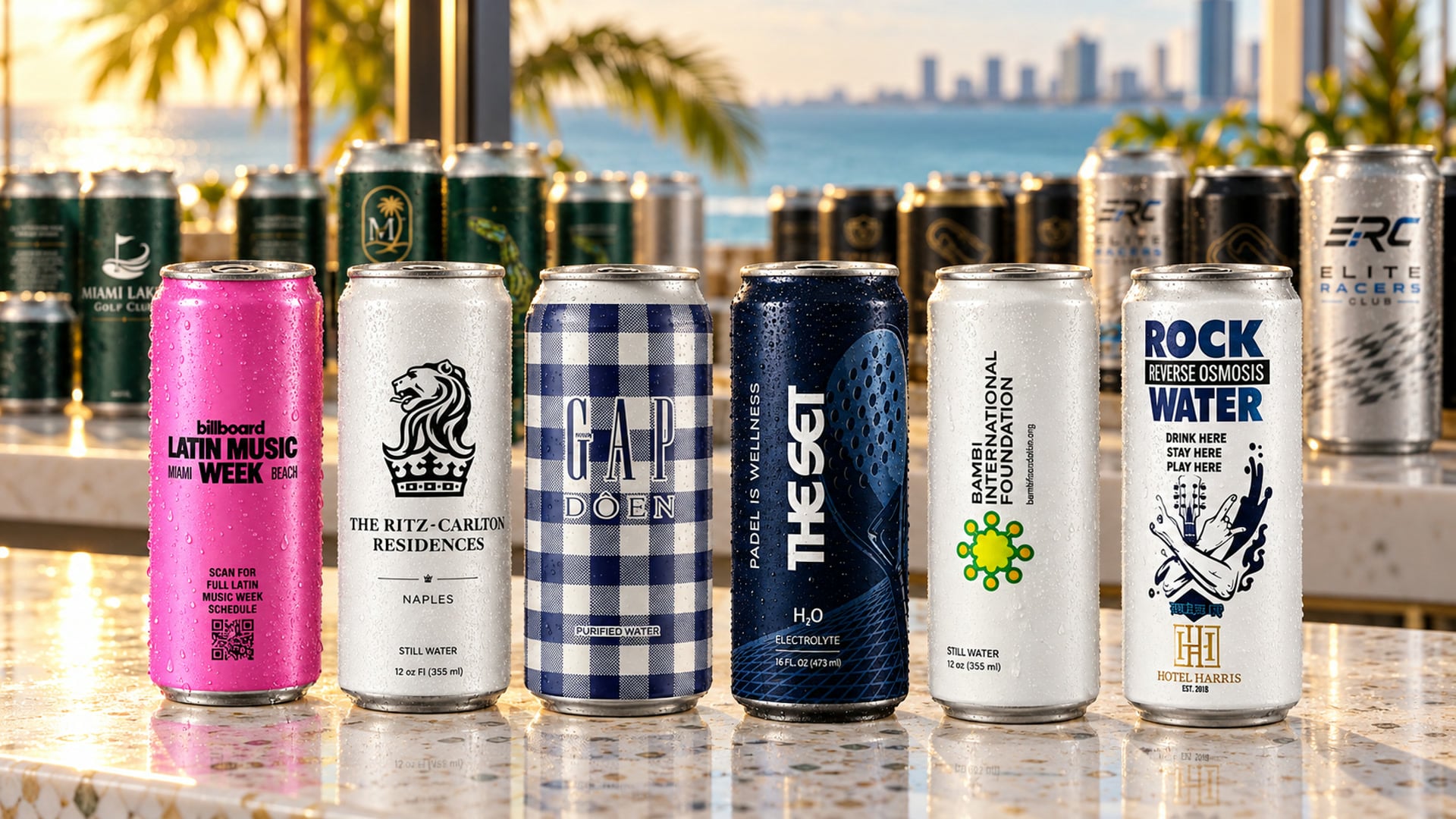
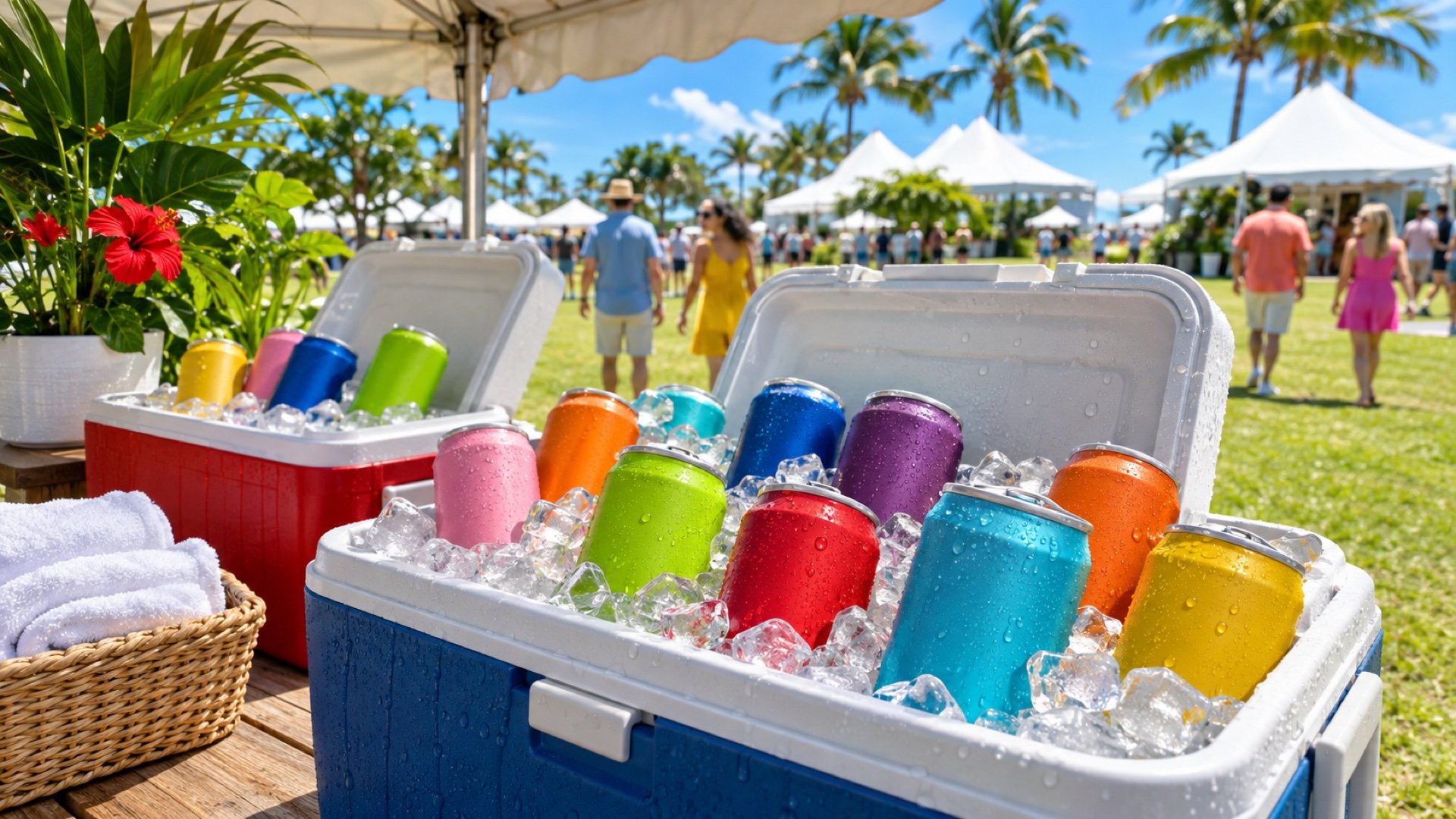
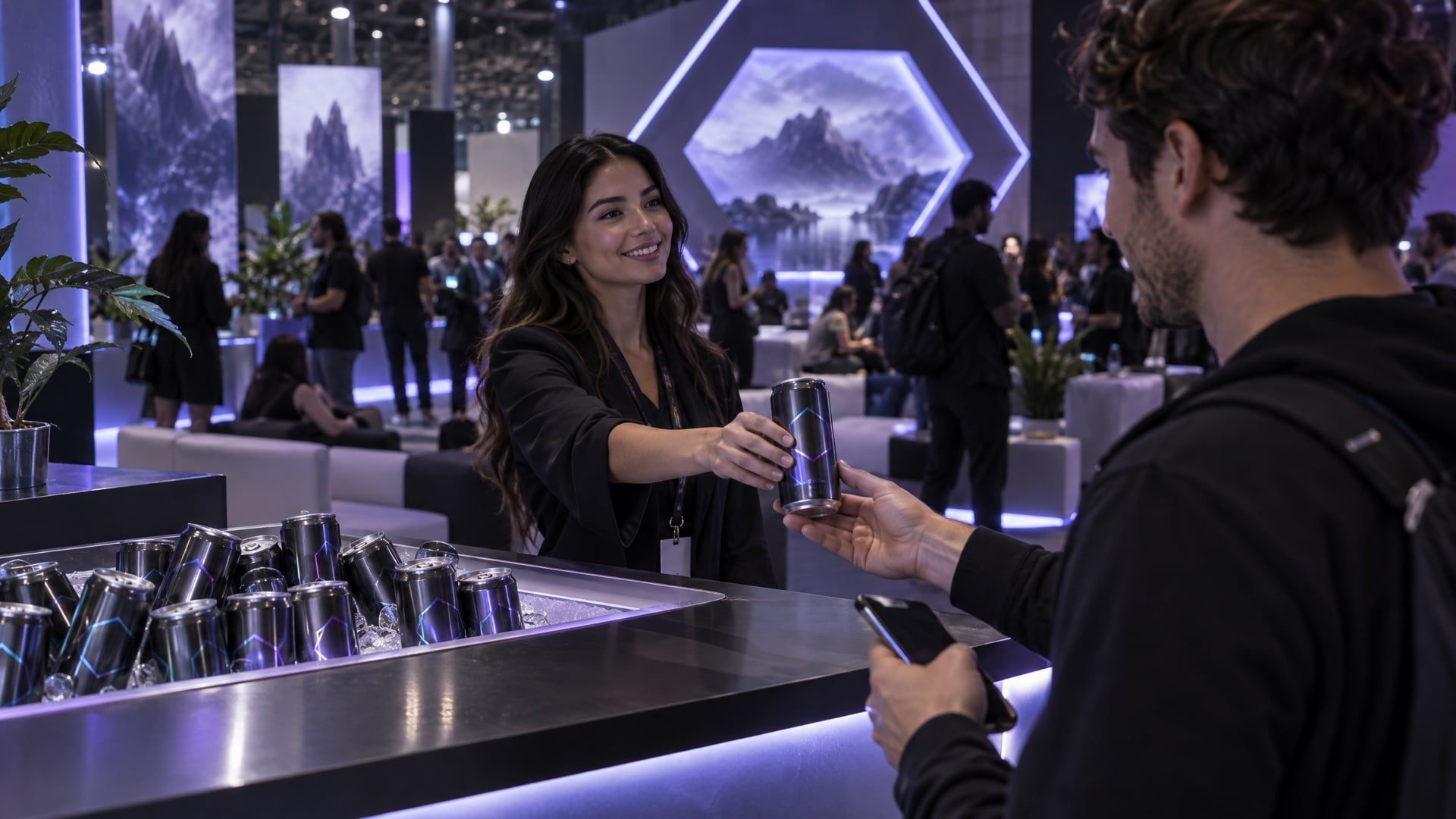
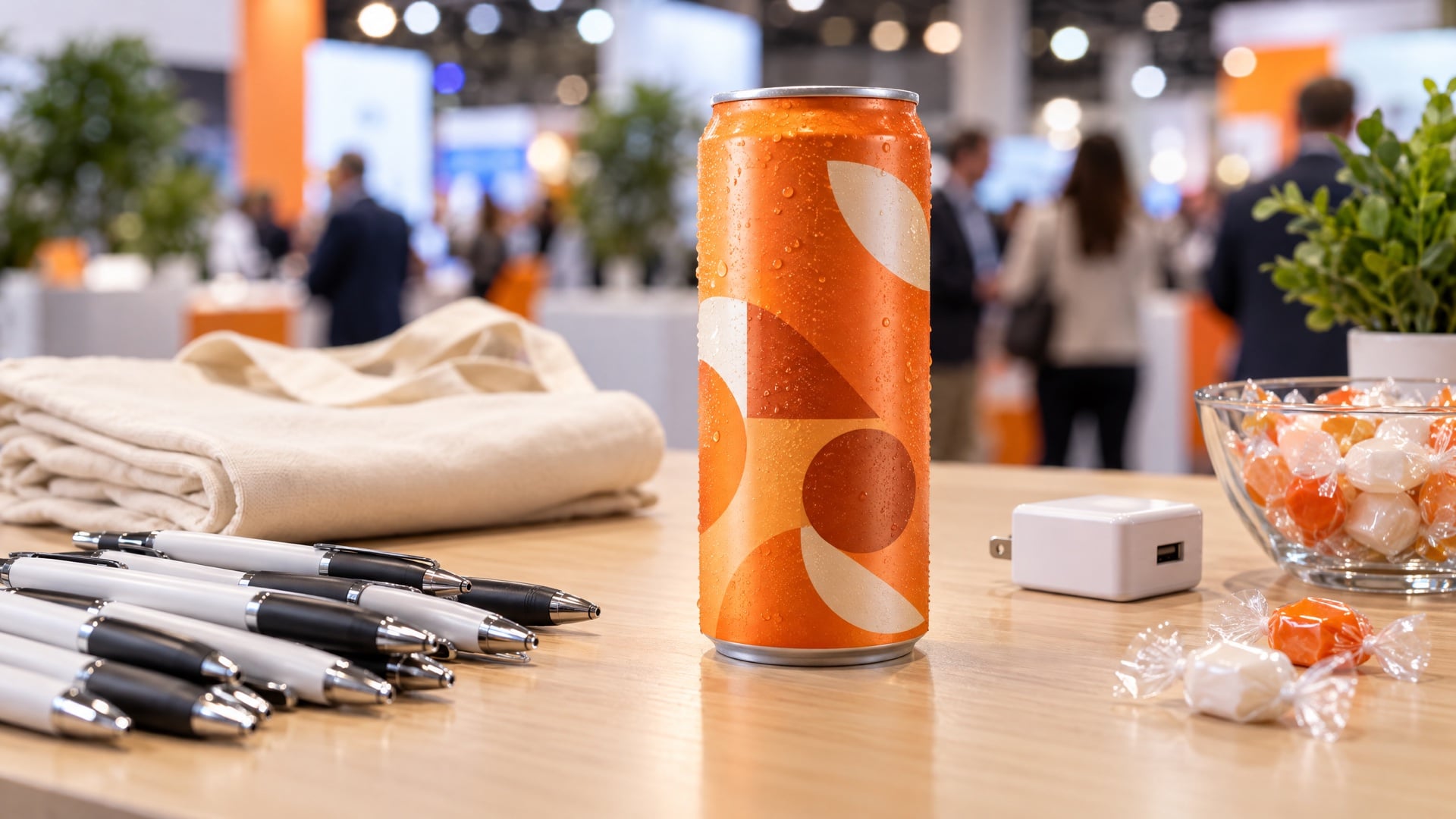
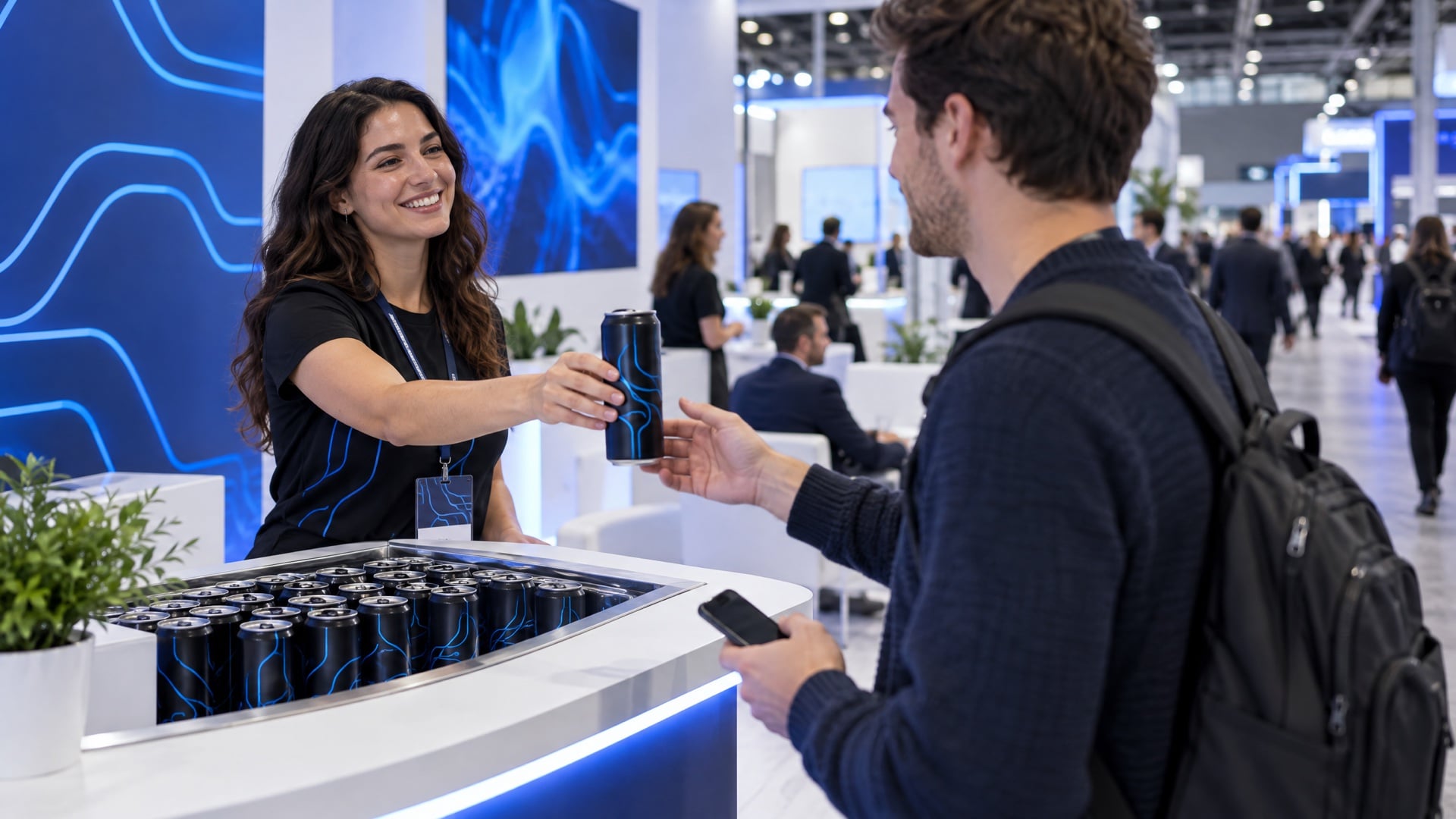
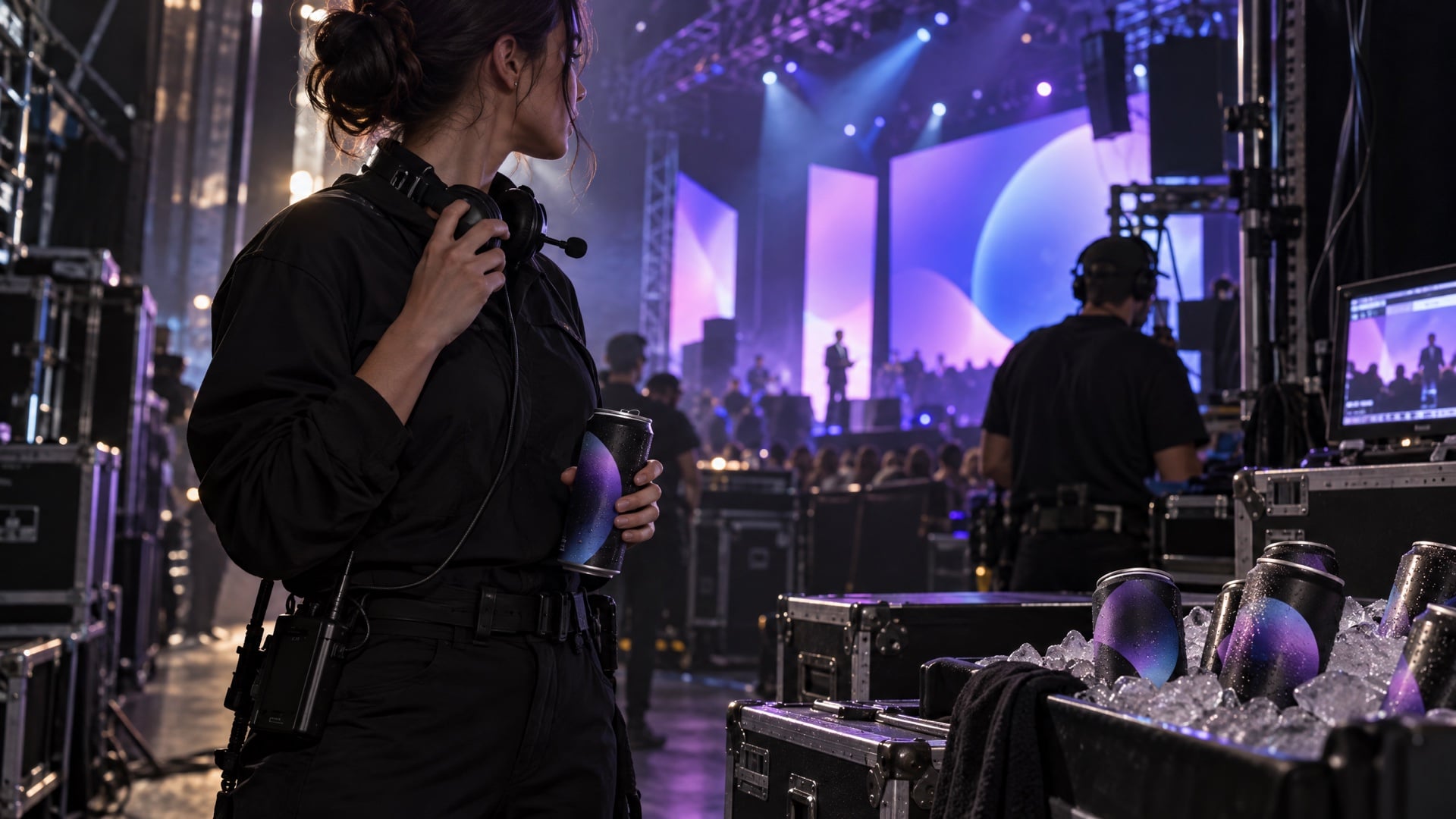
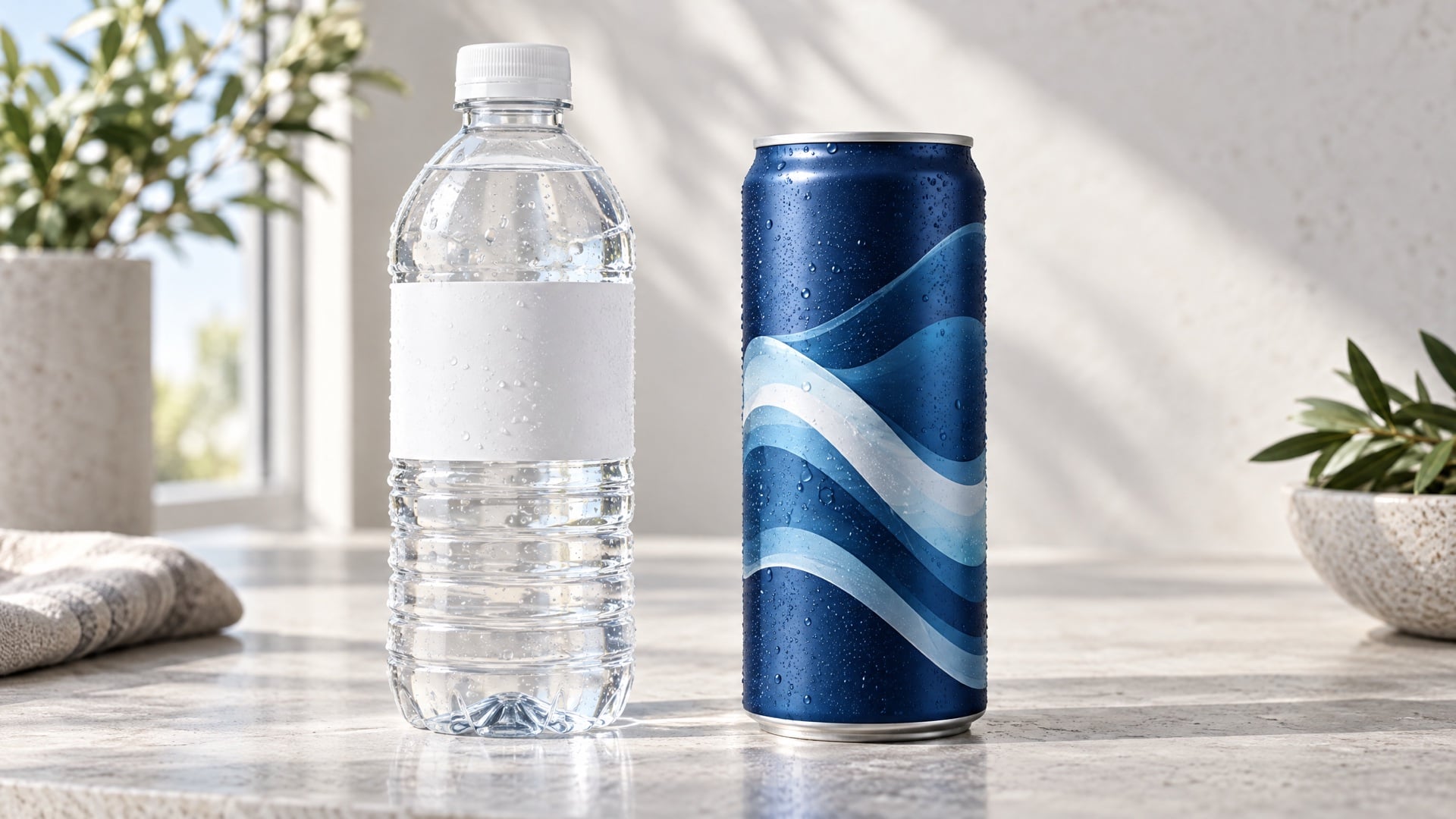
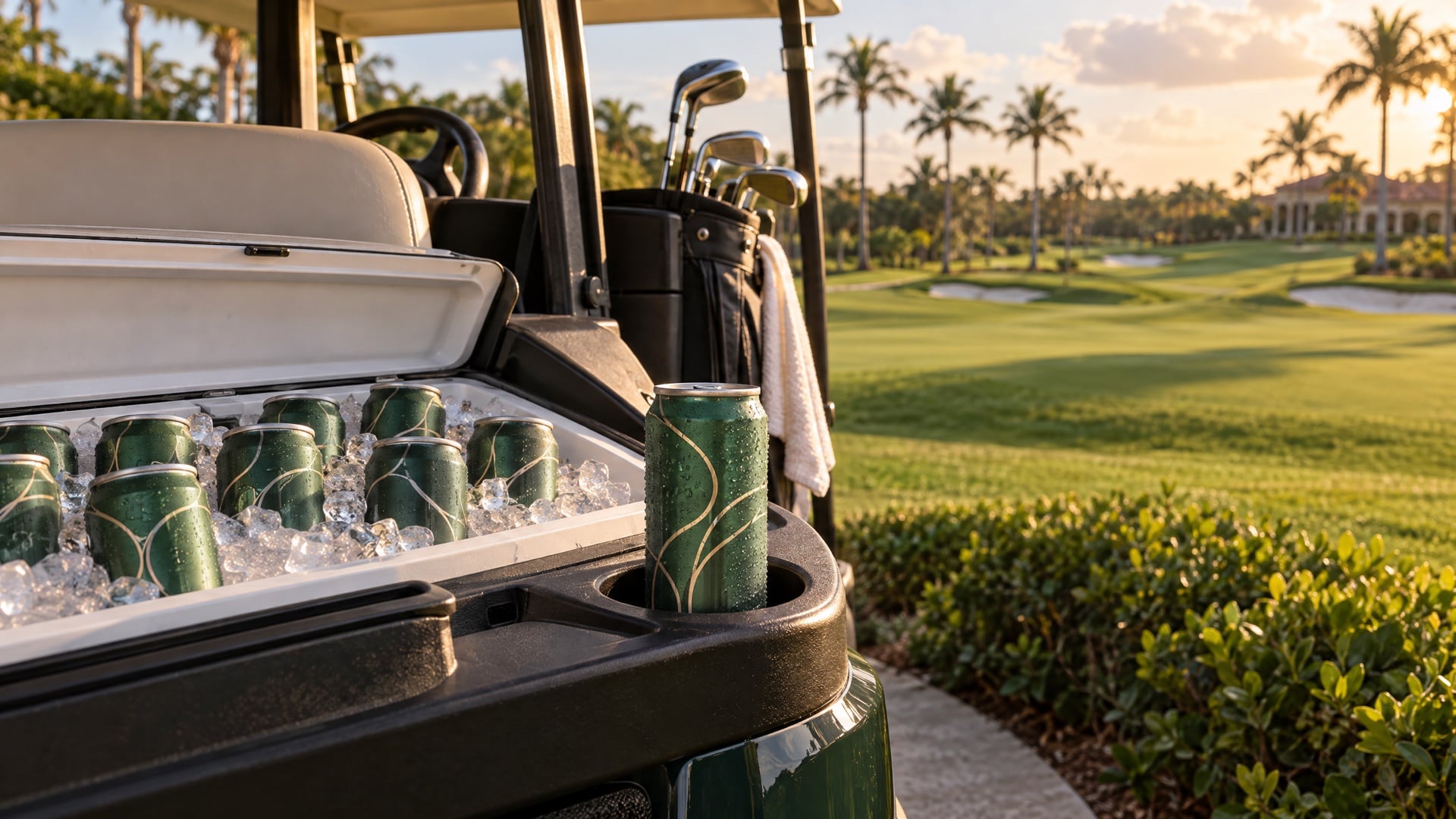
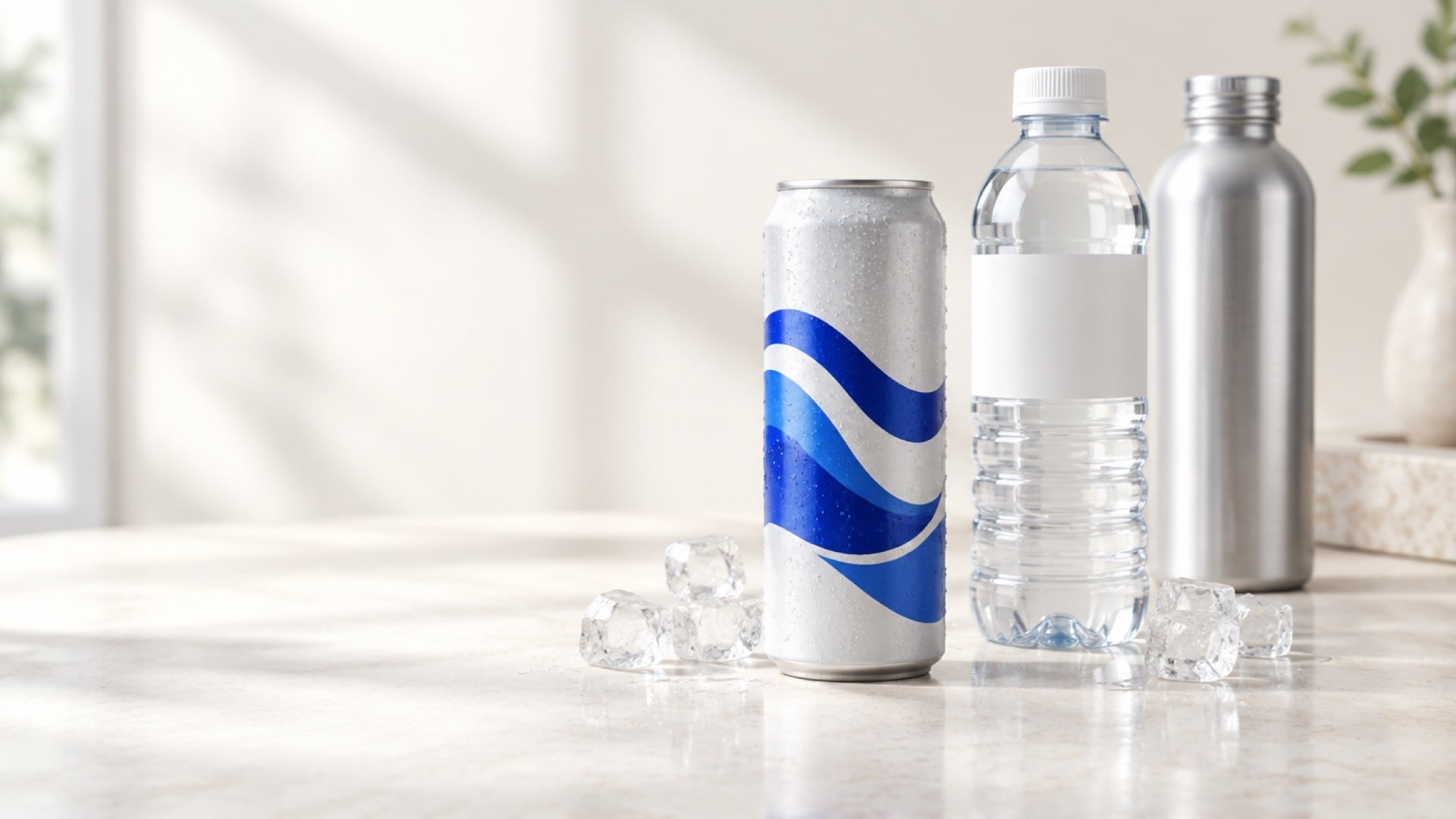
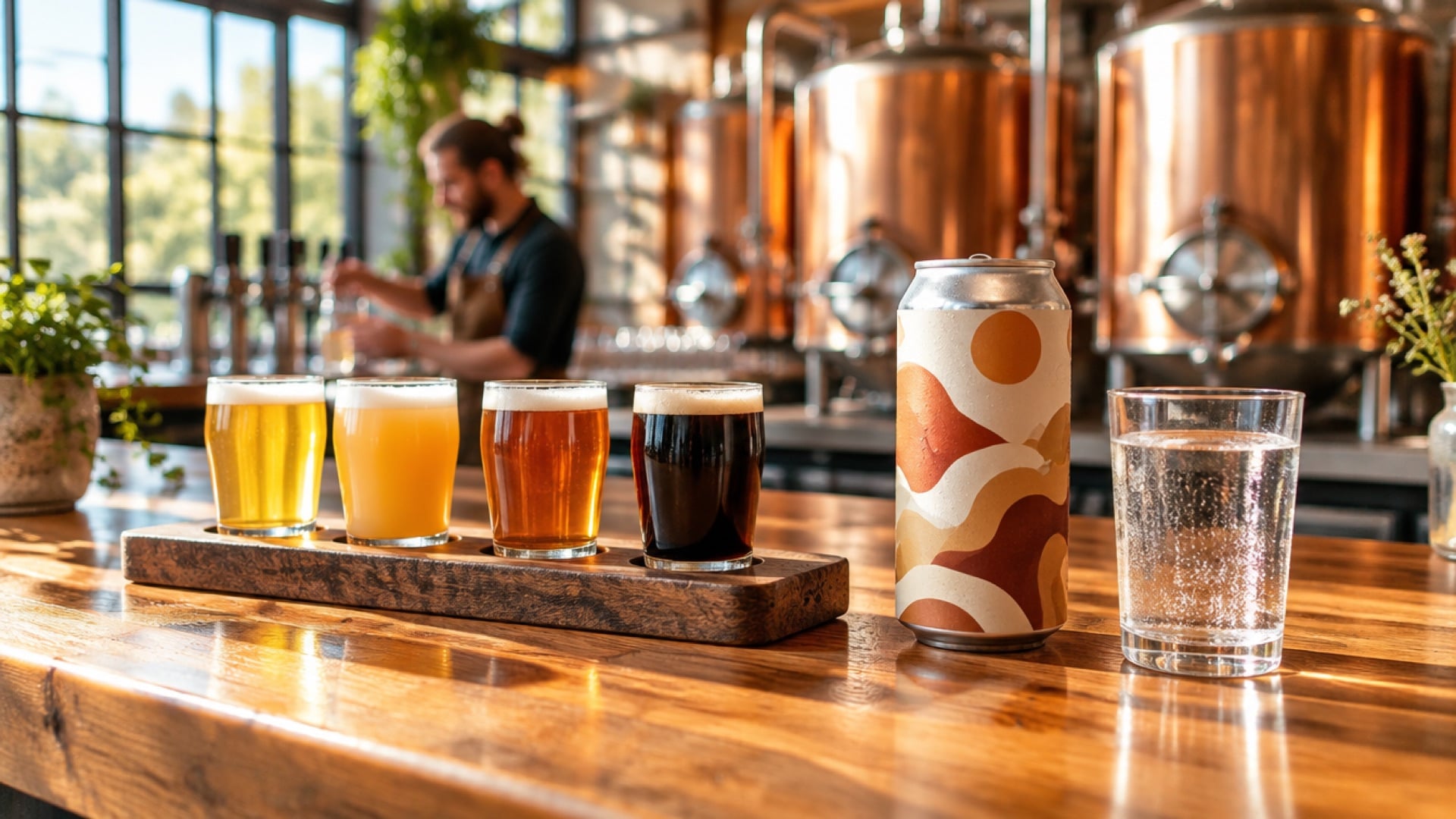
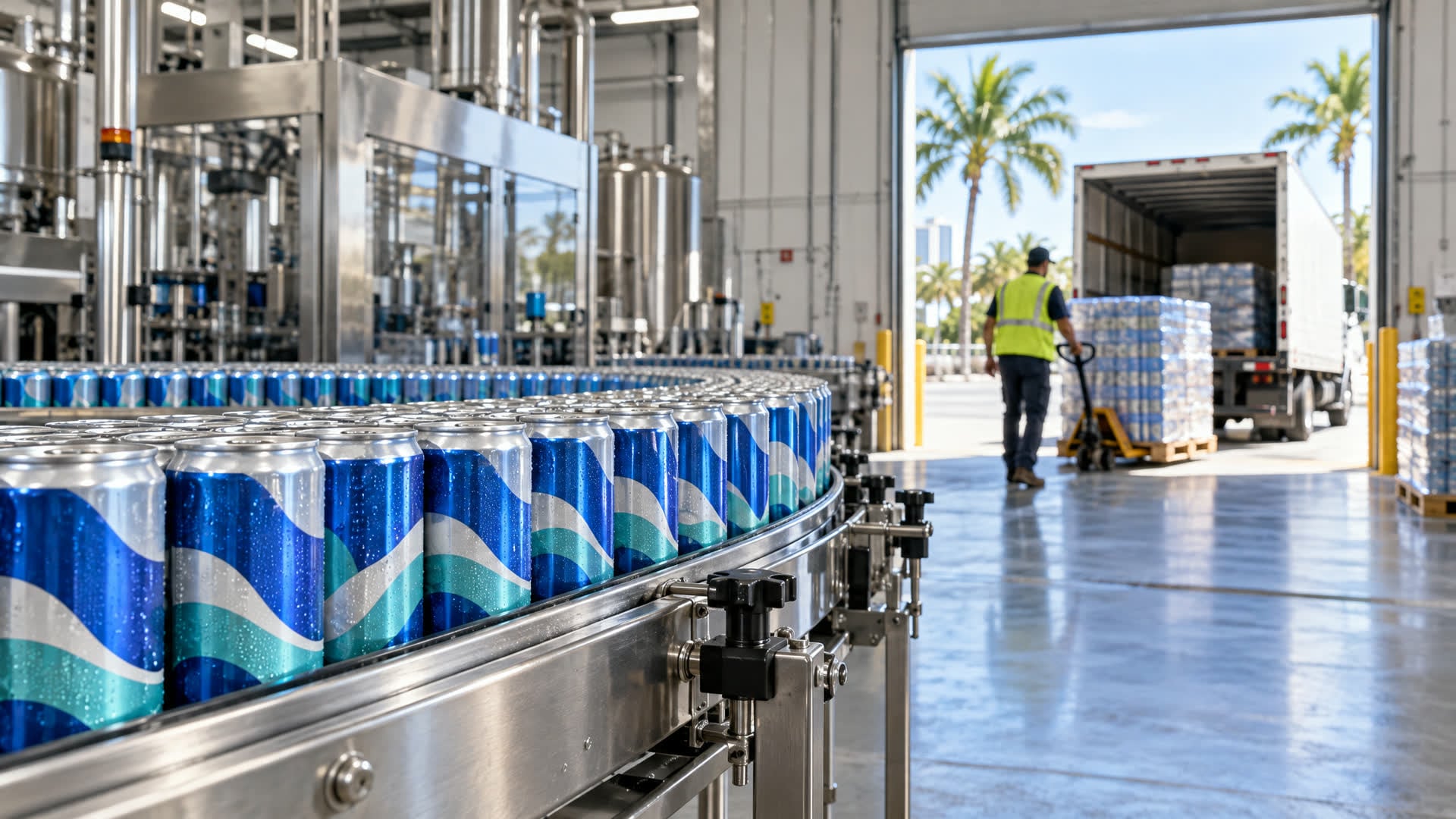
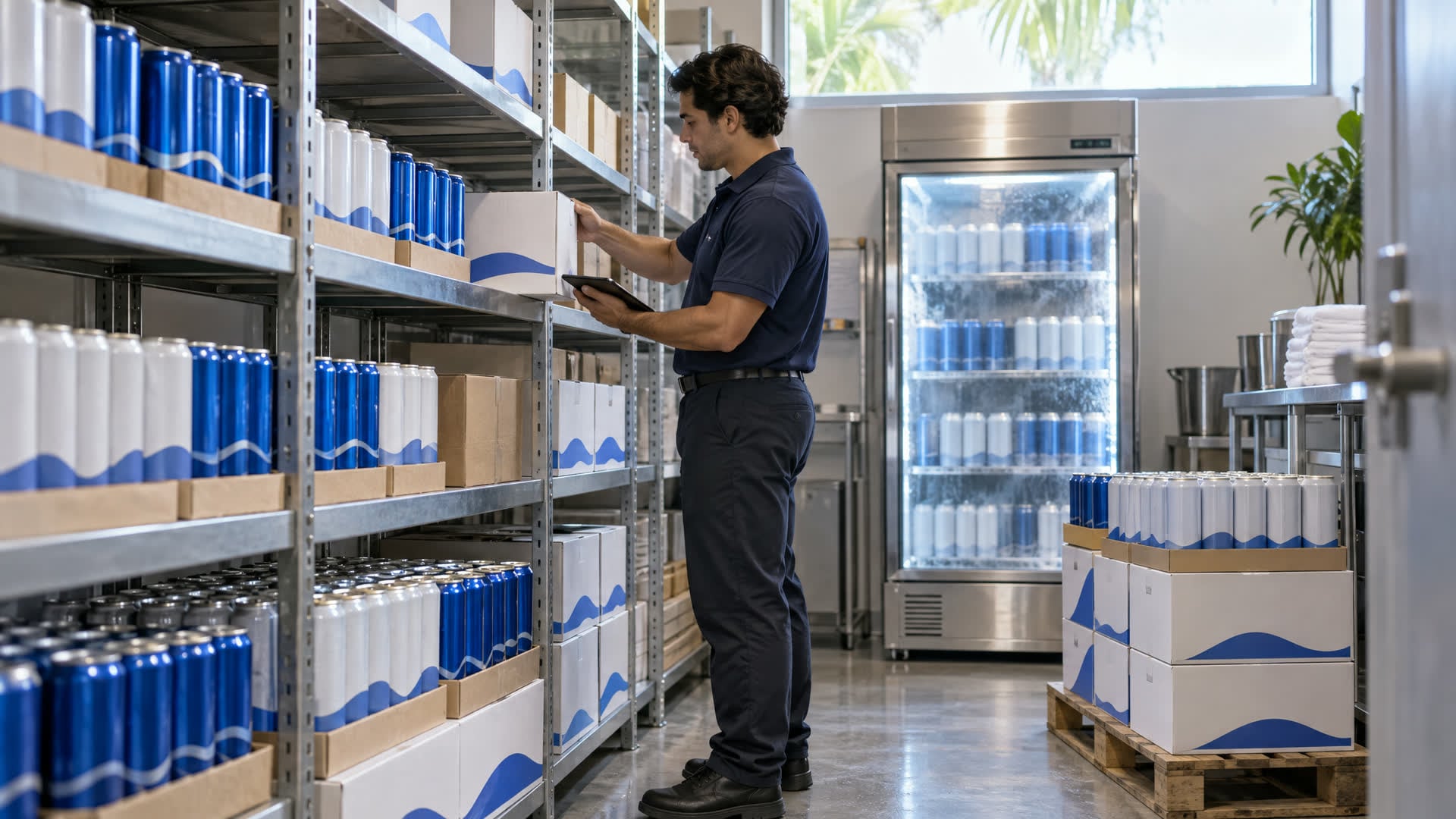
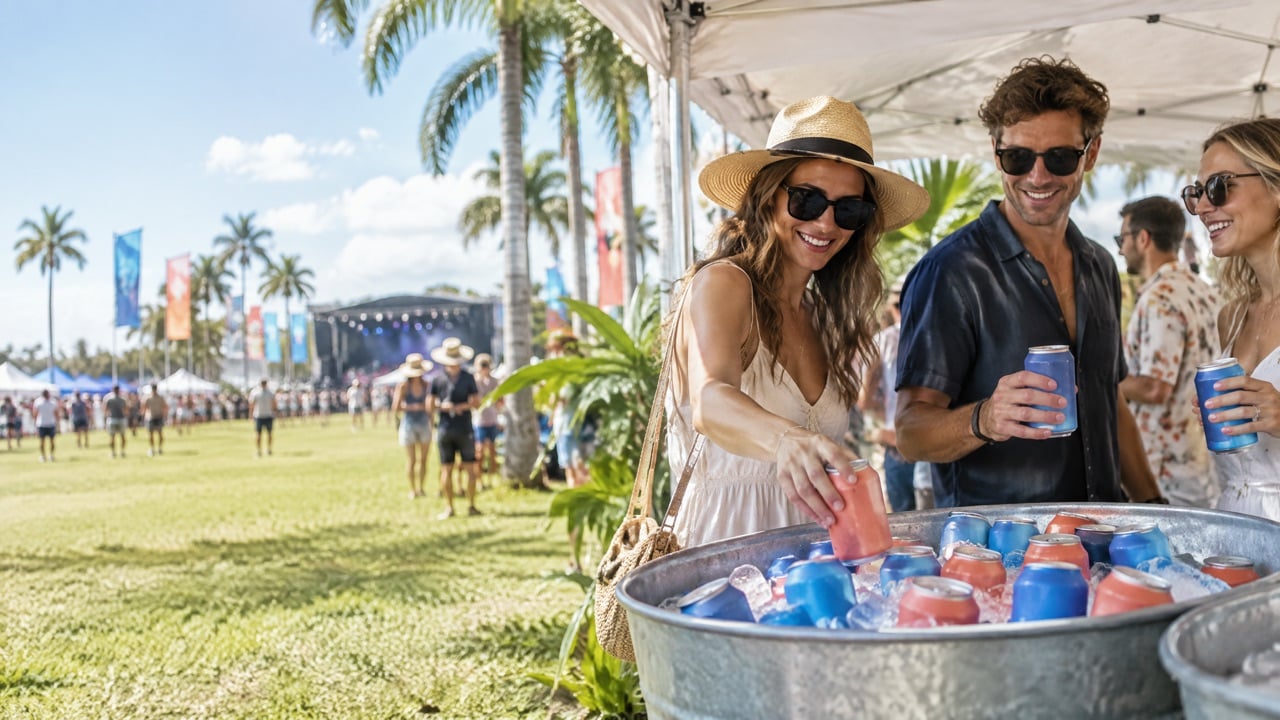
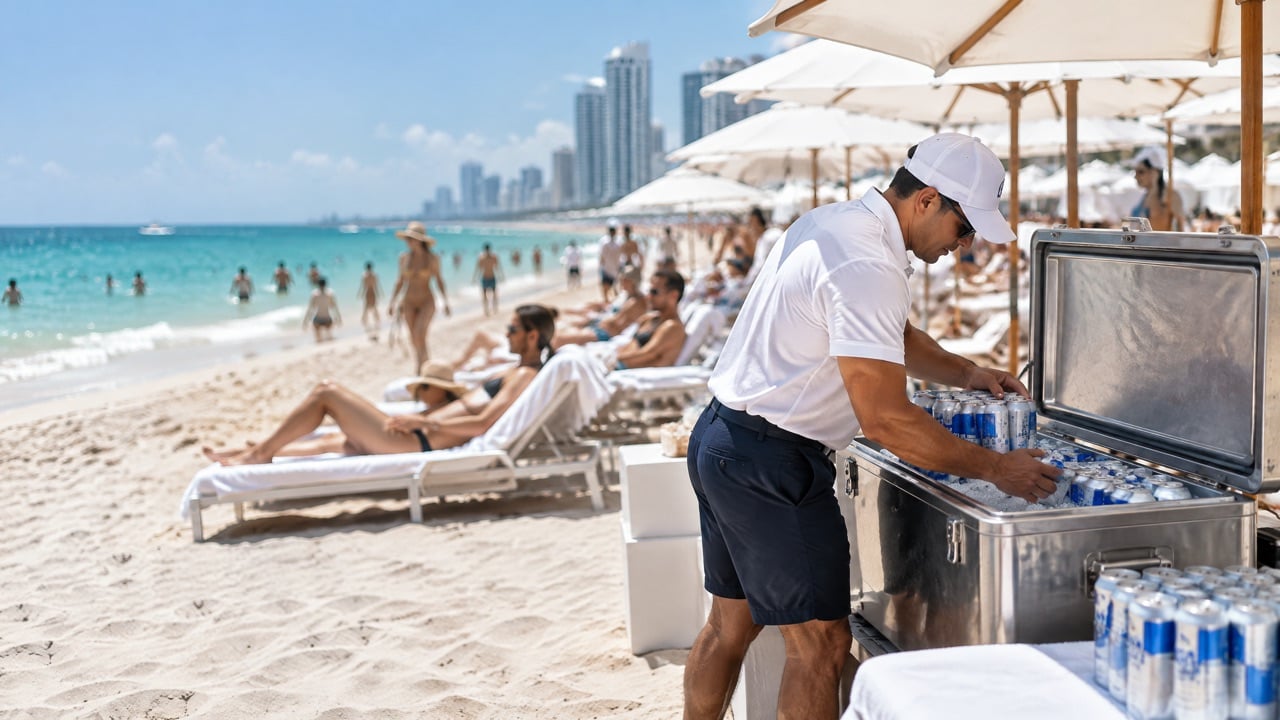
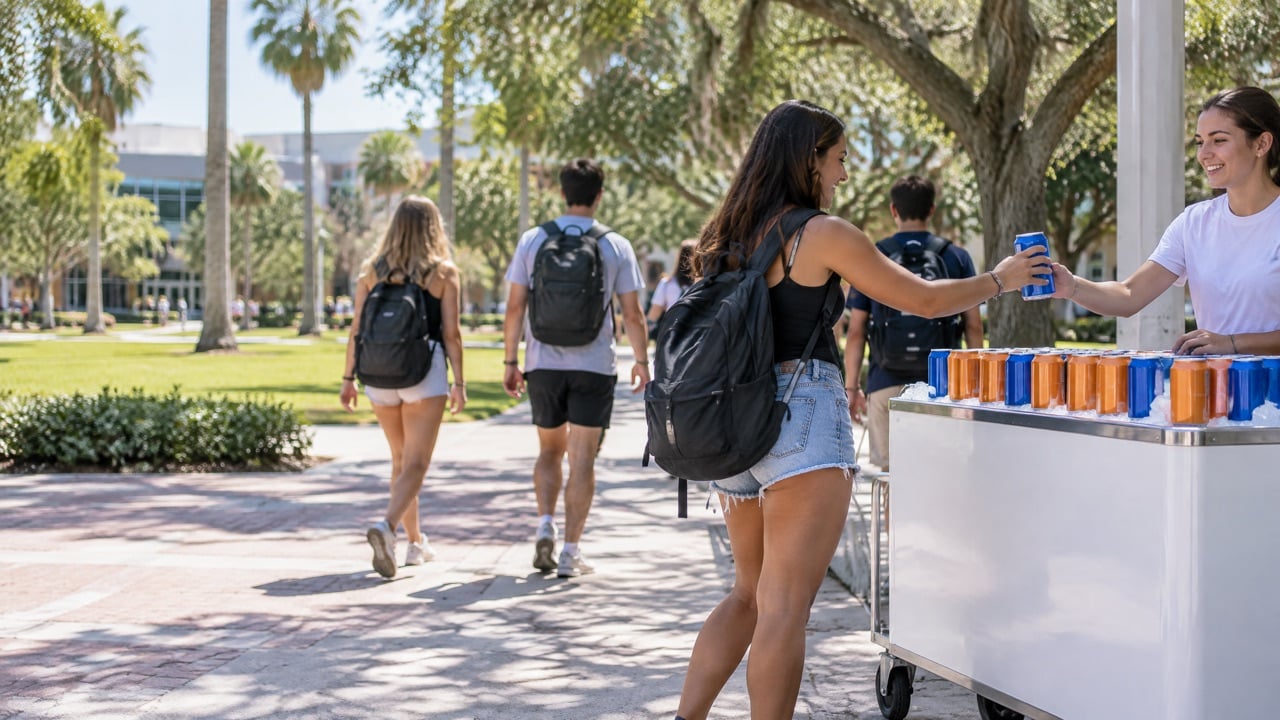
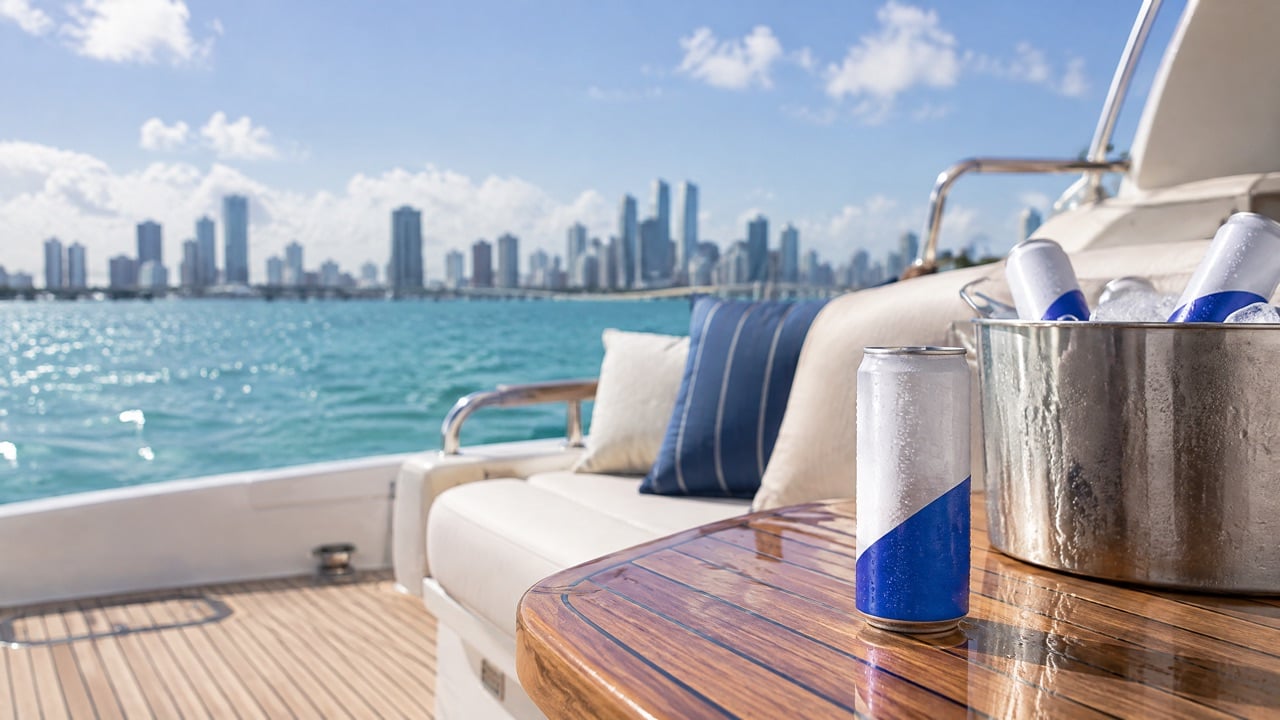
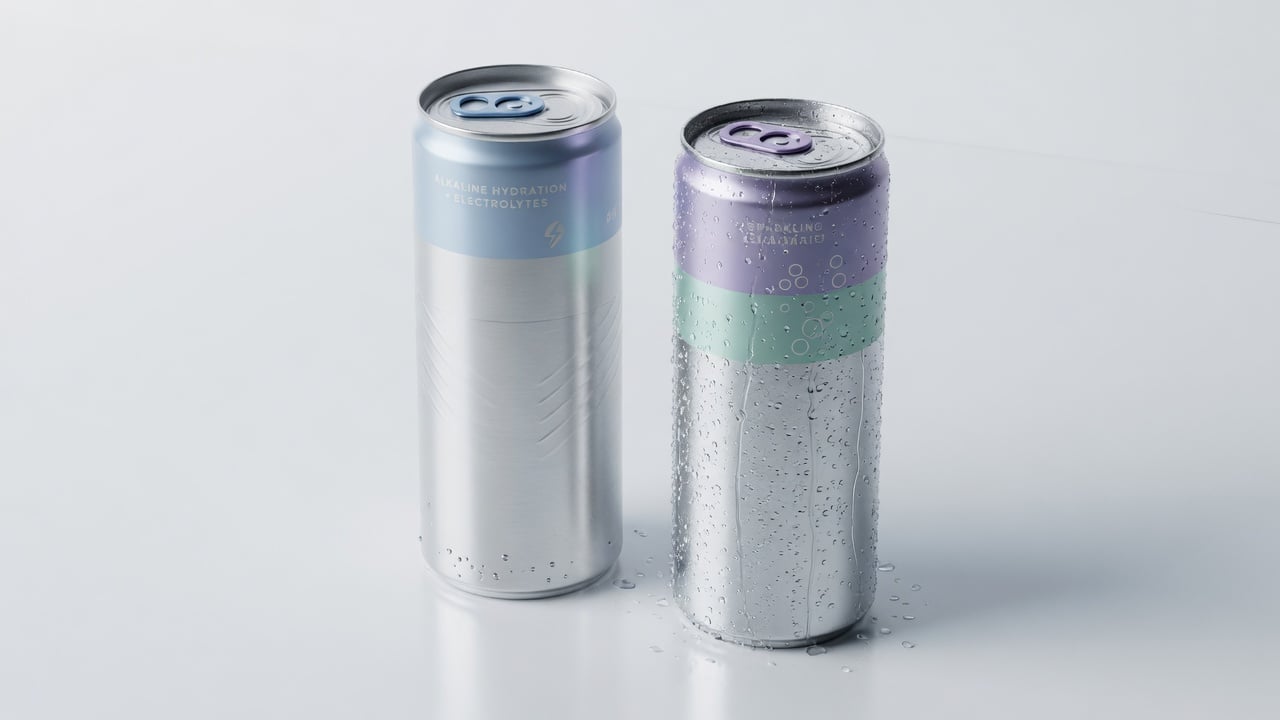
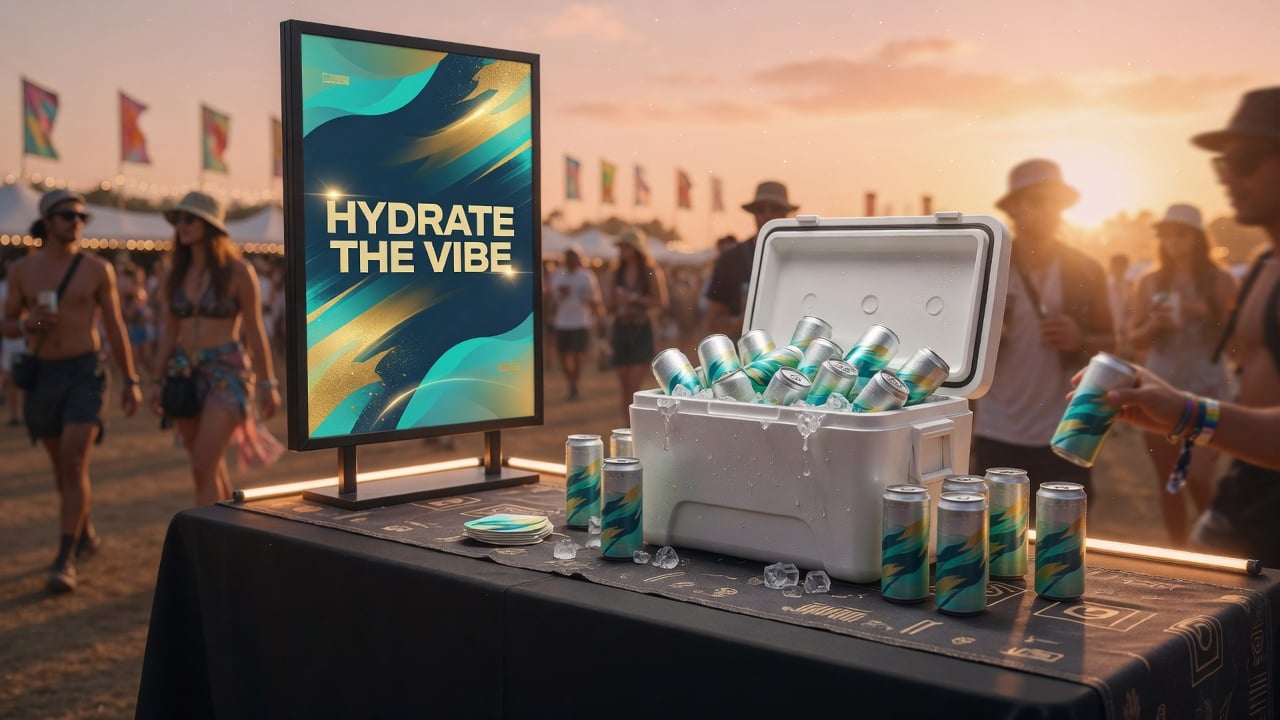
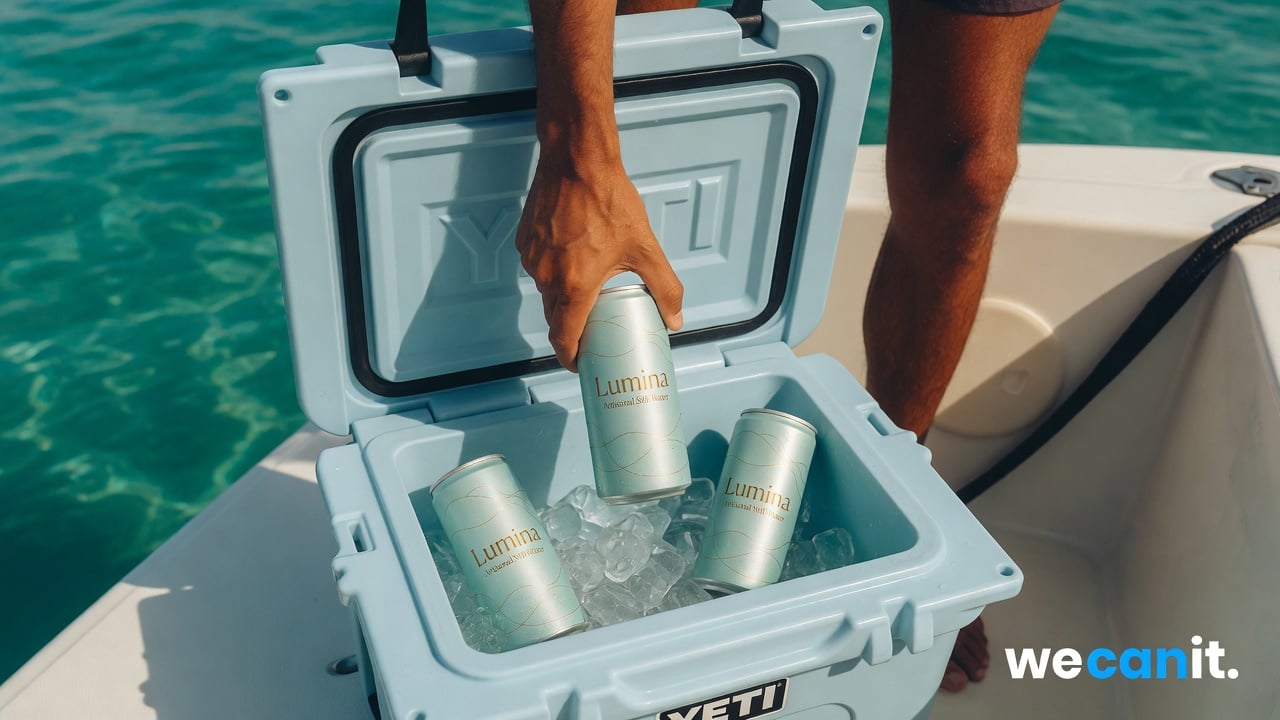
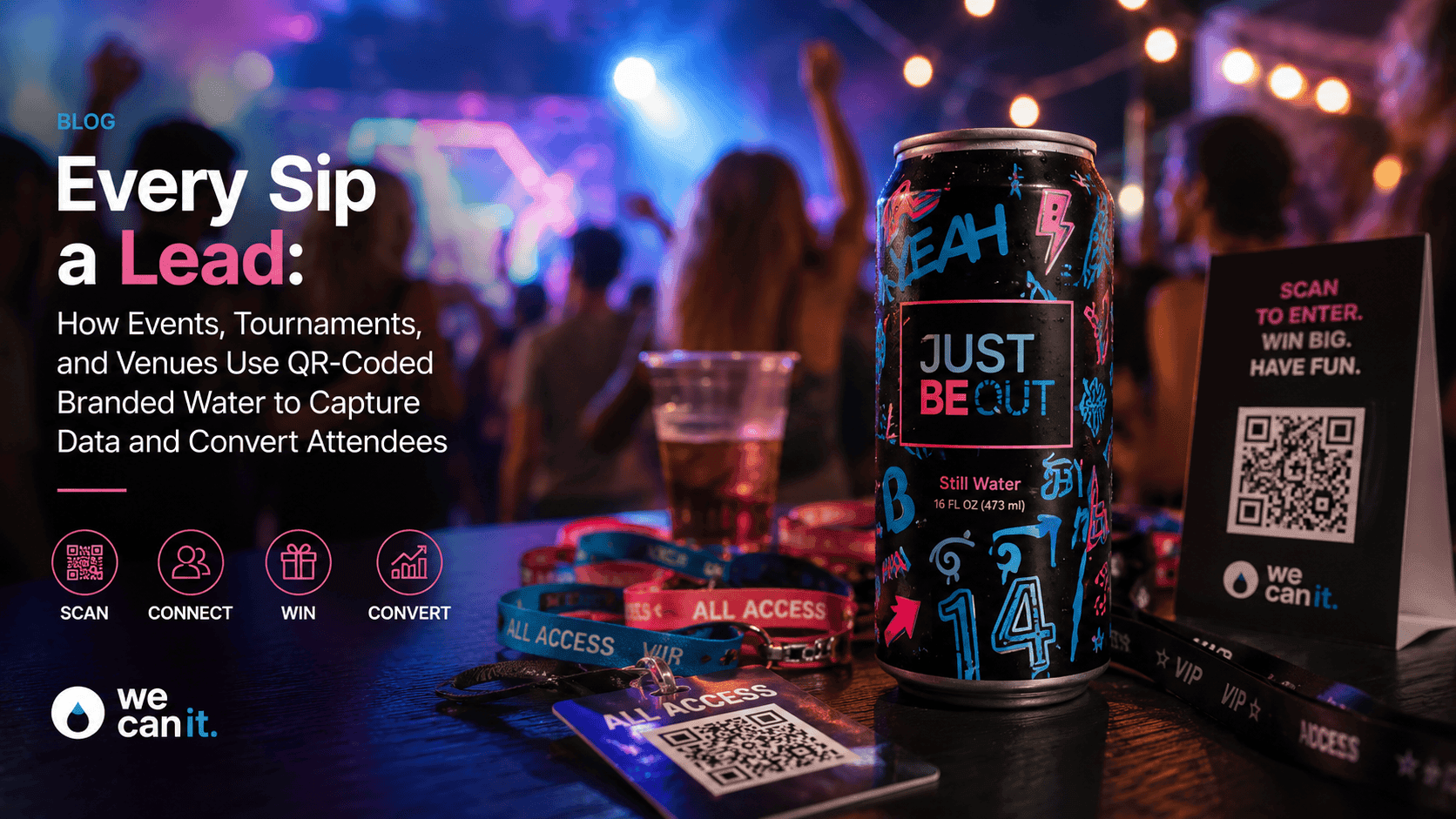
Branded water is usually a small line inside the booth or hospitality budget, but it touches every visitor. People drink water at every show, so a can with your design and a QR code is one of the few items almost everyone accepts and uses. That makes it a practical carrier for the scan data this whole budget method depends on.
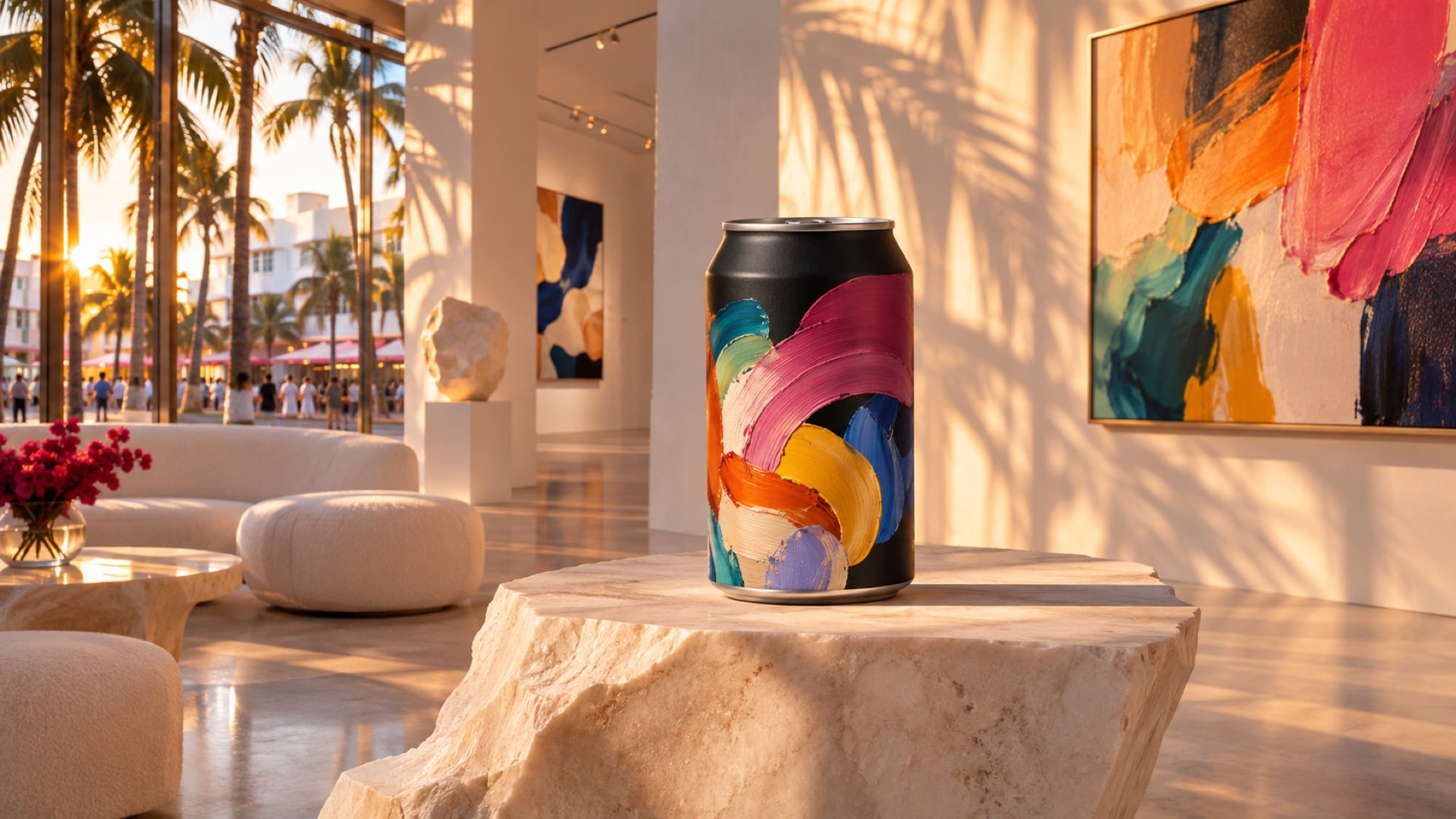
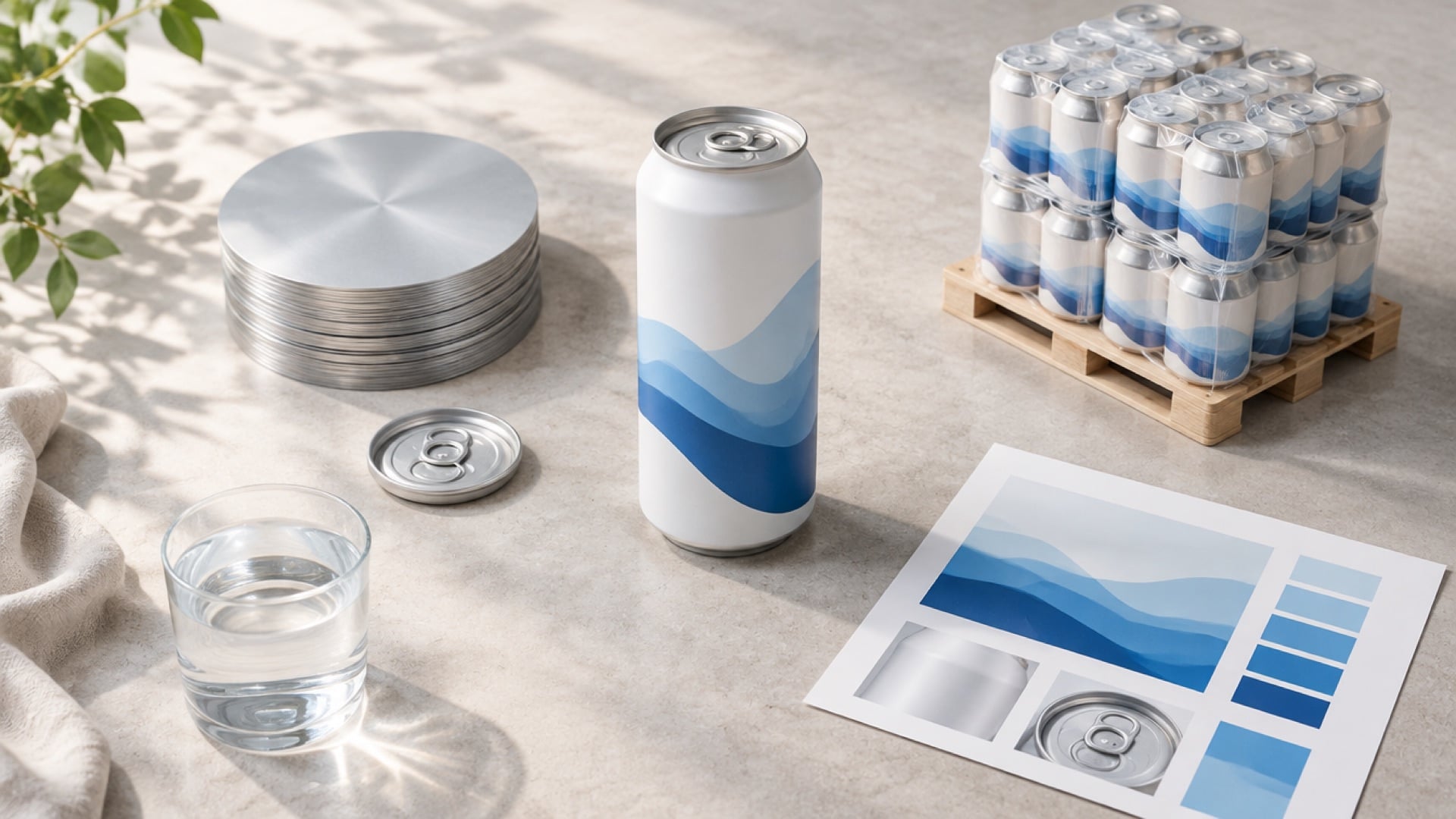
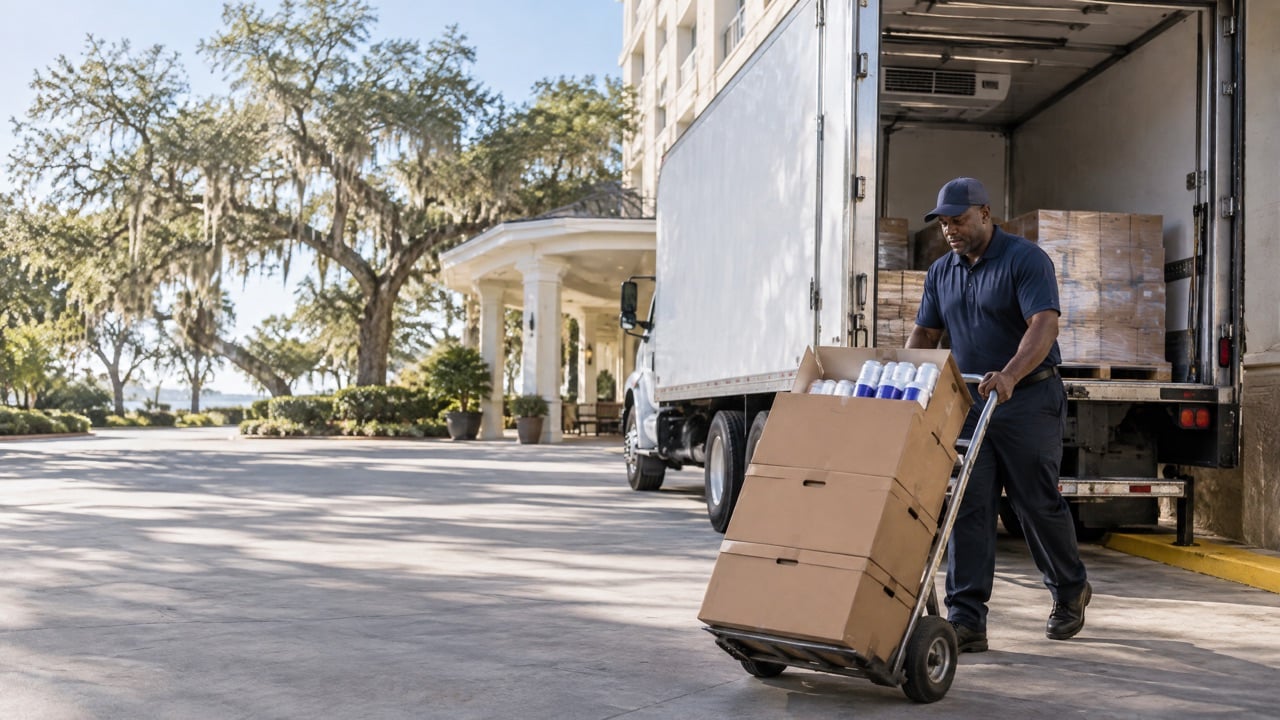
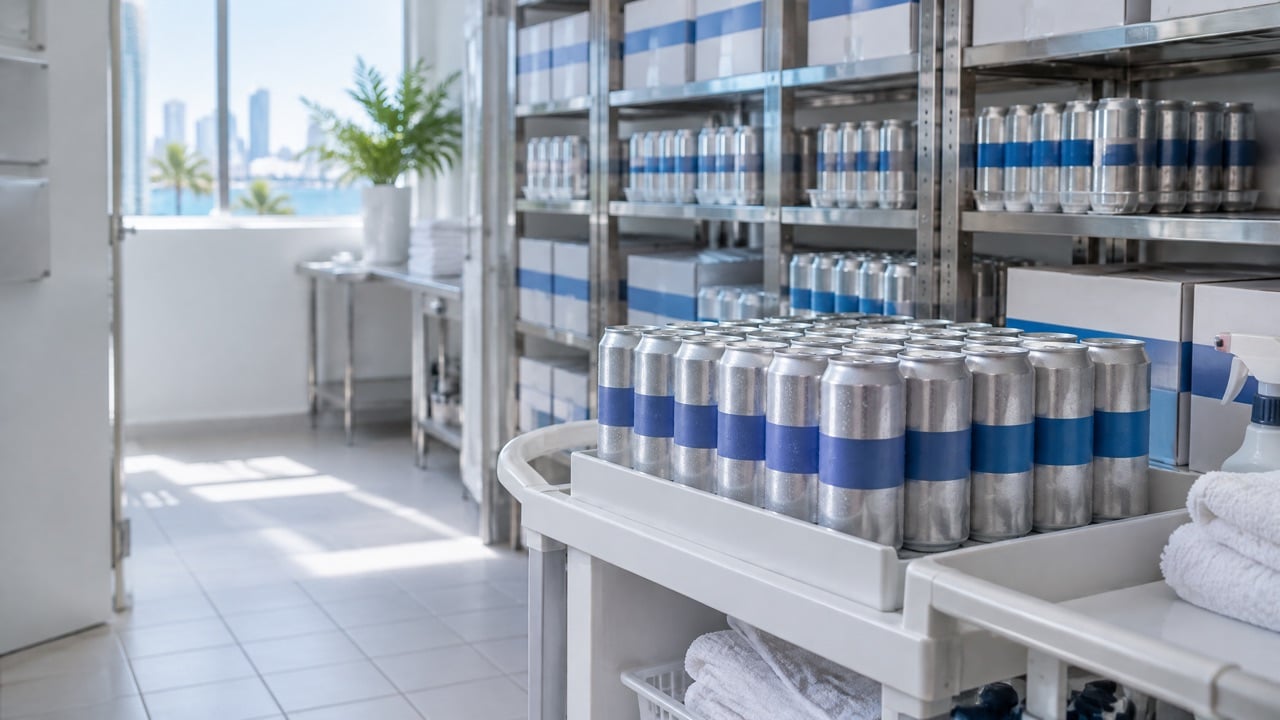
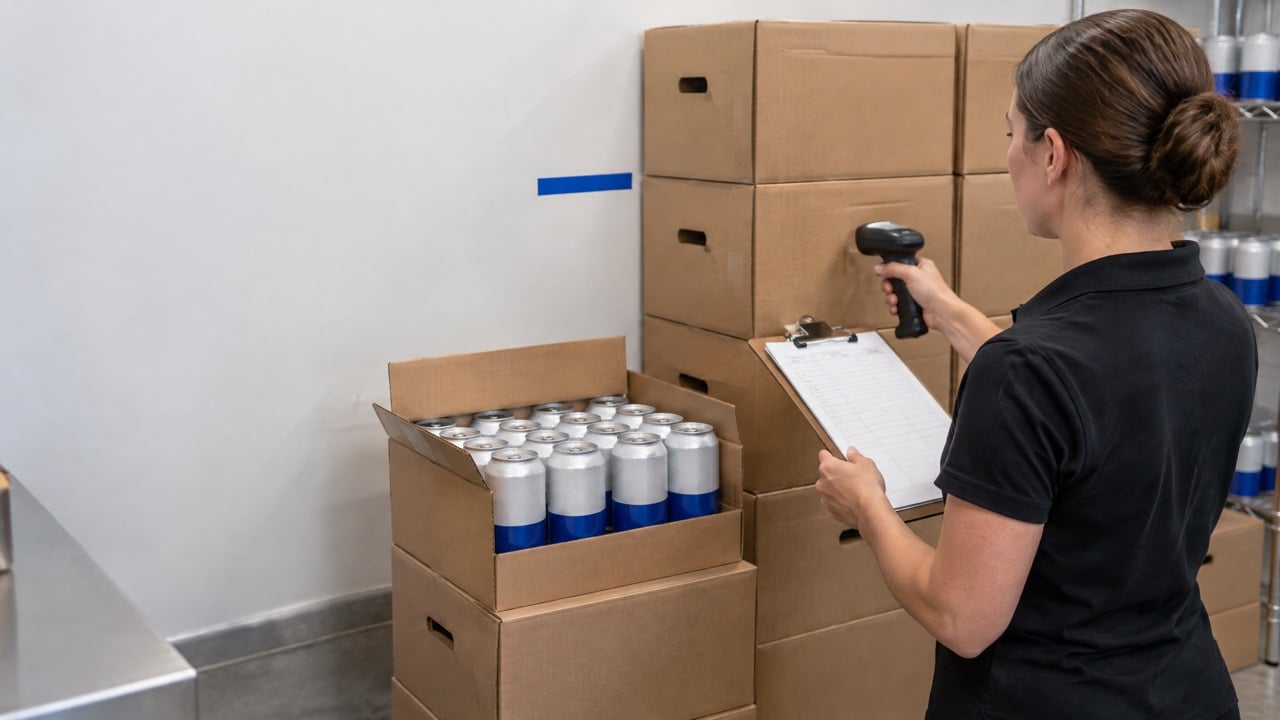
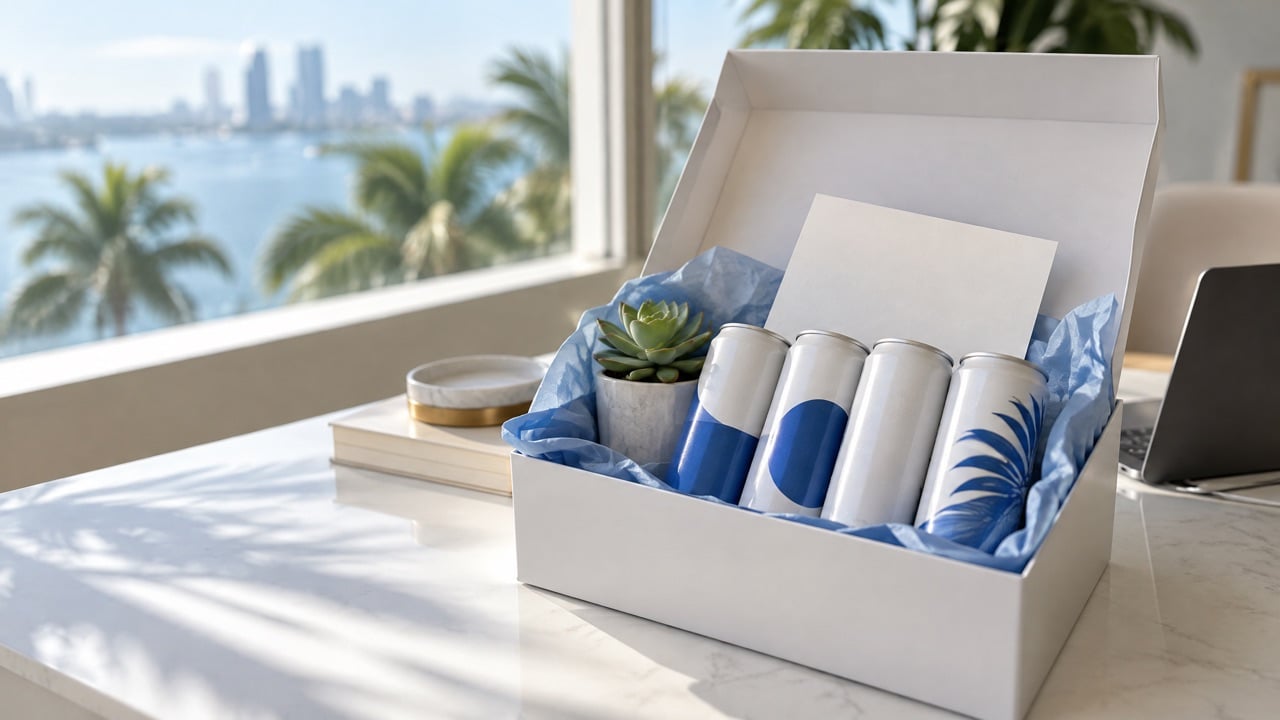
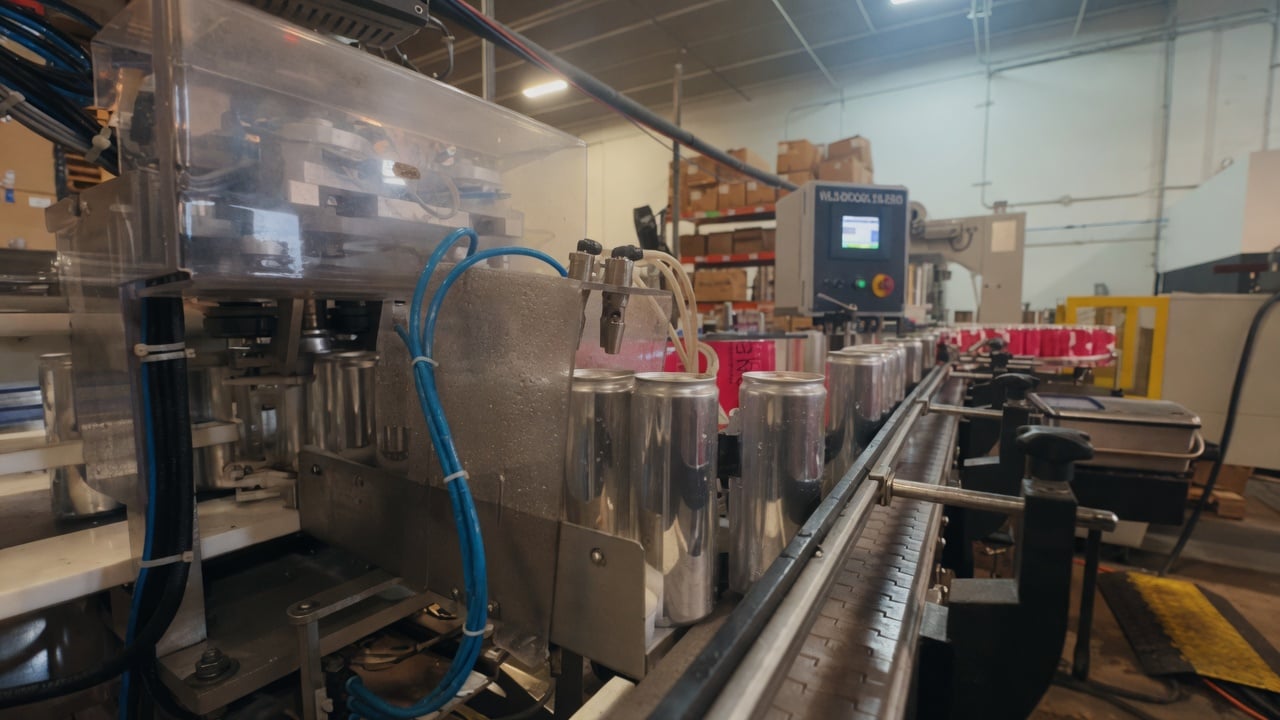
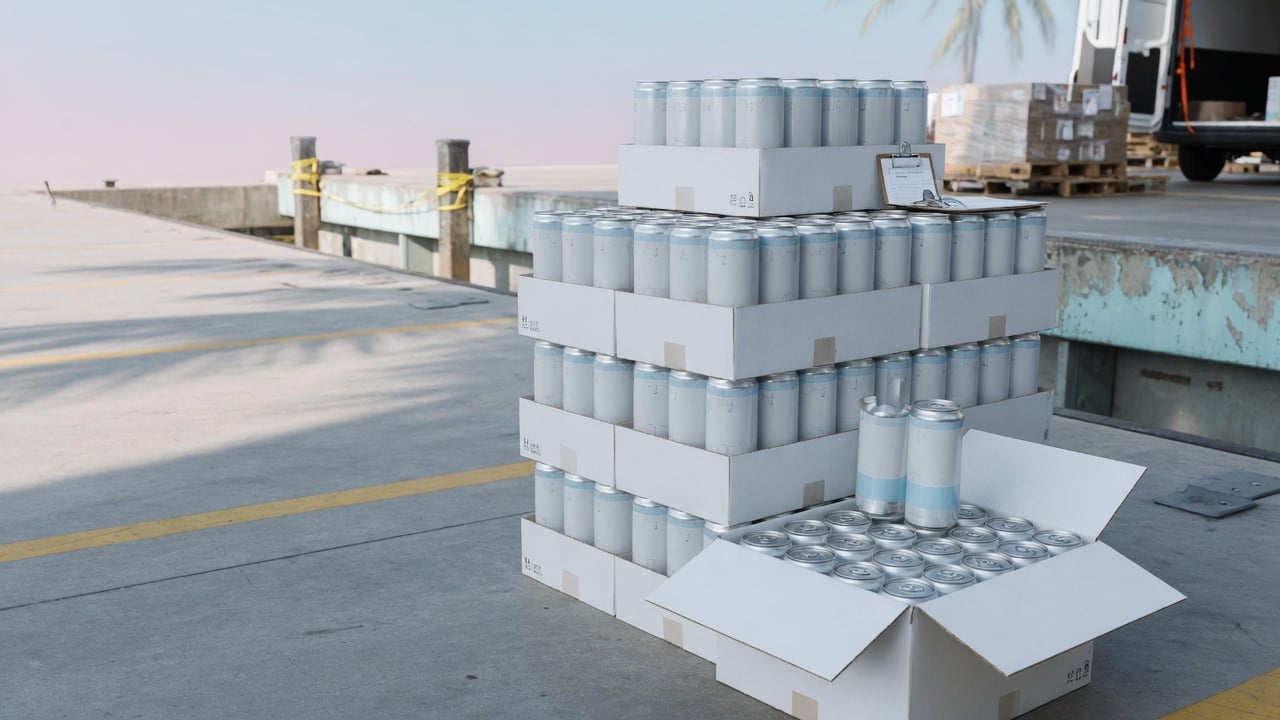
With We Can It, labeled cans start at 10 cases, which is 240 cans (24 cans per case), and digitally printed cans start at 21 cases (504 cans). Digital print runs $0.90 to $2.50 per can depending on volume, with lower prices at higher volumes, and labeled cans are very competitive. A QR code is included at no extra cost on both, and freight is billed at cost from Miami.
For a single show, that low minimum means you can test a branded can at one event before you roll it into every 2027 line.
How to plan 2027 event timing around production lead times
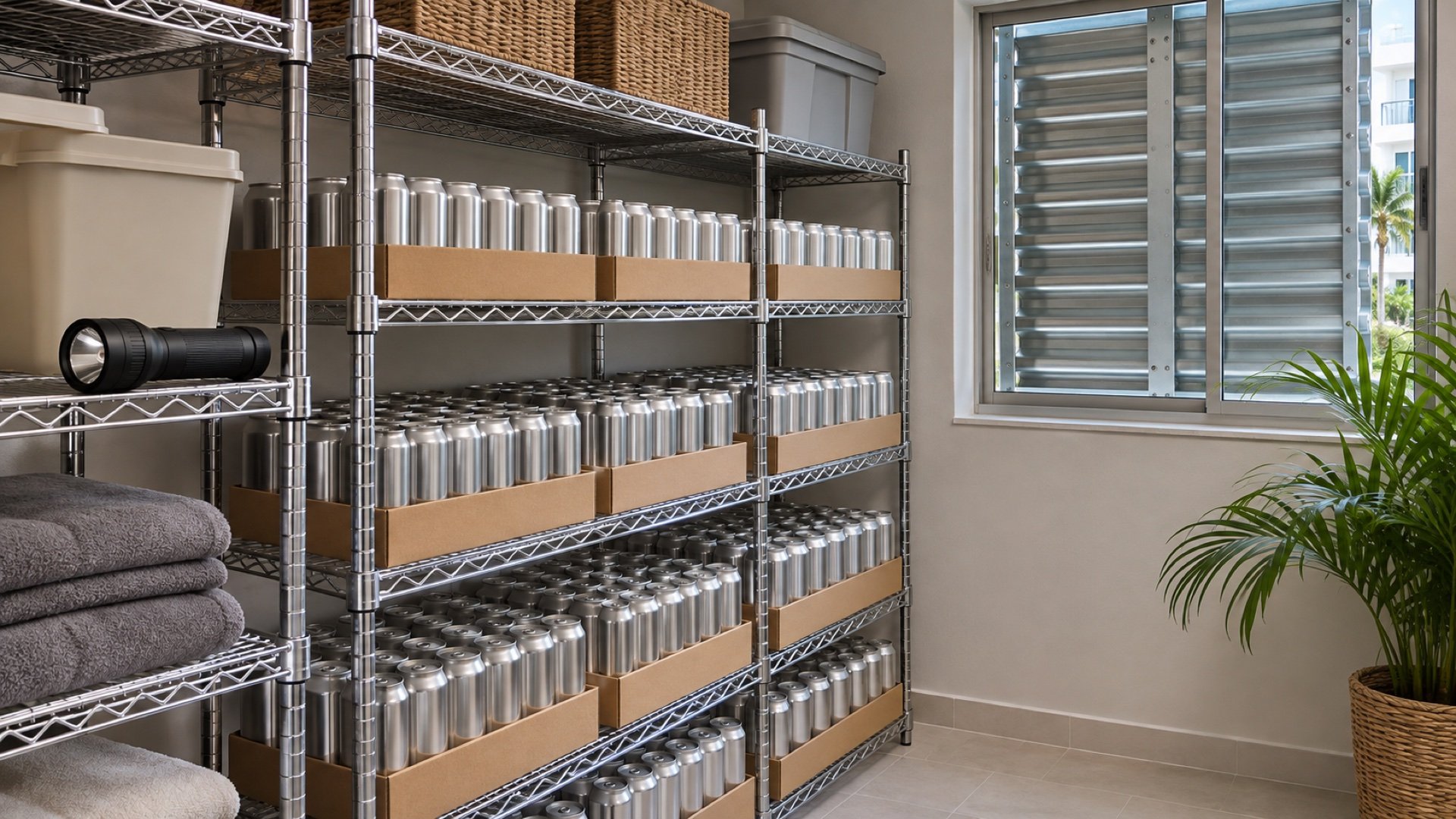
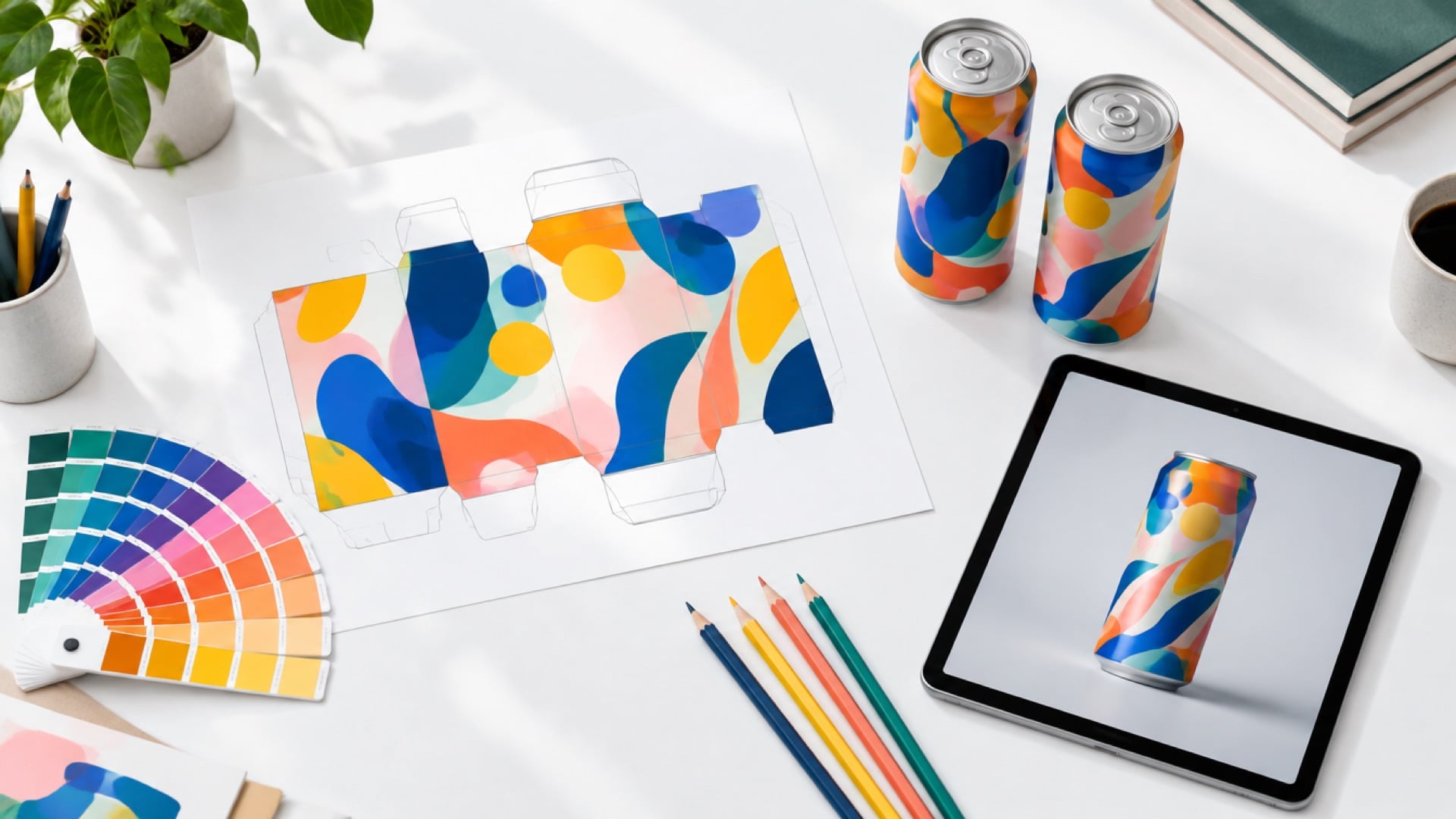
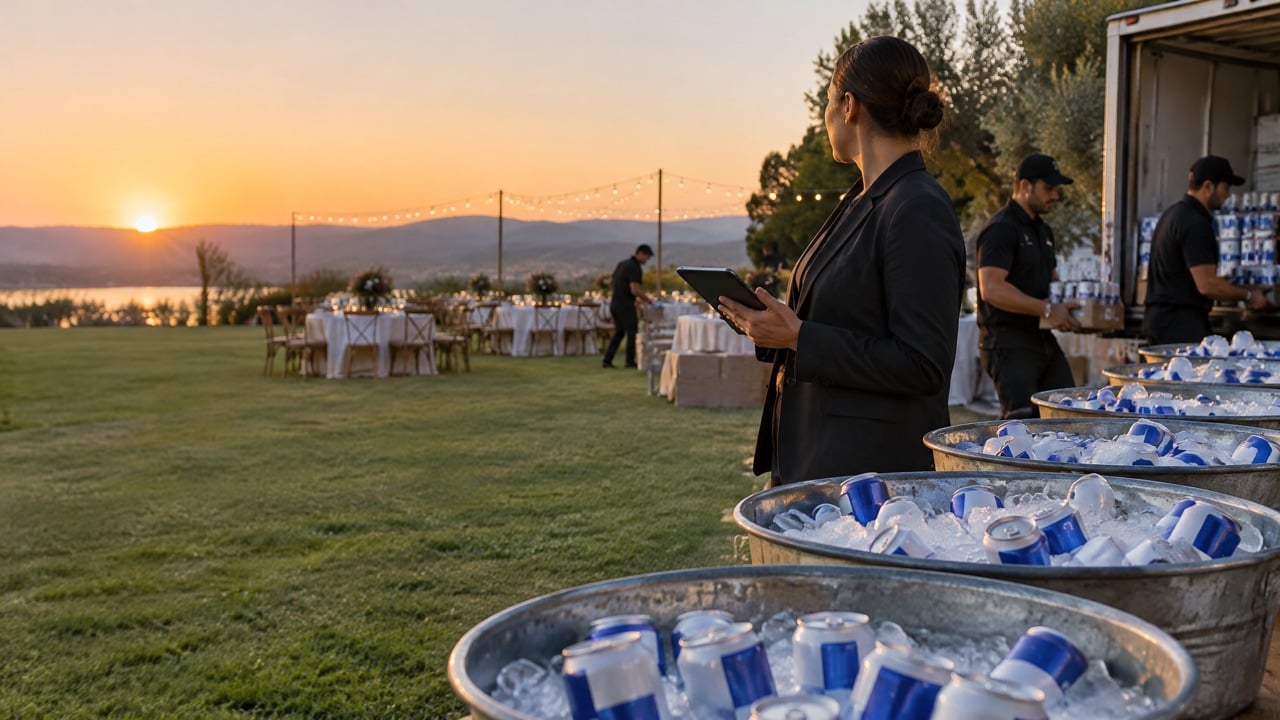
Lock your 2027 calendar first, then work backward from each event date. Labeled cans can be ready in 3 to 5 days and digital print on the aluminum takes 2 to 3 weeks, plus design, proof approval and freight. Build those windows into your budget calendar so no event depends on a rush order.
A simple planning rhythm:
- Confirm event dates for the first half of 2027. Our Miami 2027 trade show calendar is a good place to start for South Florida shows.
- Choose a print path per event. Labels for small or fast runs, digital print for larger runs and a fully printed look.
- Set an art deadline for each event that leaves room for one round of changes.
- Book freight once quantities are final, especially for out-of-state venues.
What finance will ask, and how to answer
Expect the same questions every year. Having the answers in your workbook before the meeting is the fastest way to get the budget approved.
- "Which events paid for themselves?" Show pipeline per dollar, sorted from best to worst.
- "Why should this line grow?" Point to cost per lead trends and the planned changes.
- "What happens if we cut it?" Show the leads and pipeline that event produced in 2026.
- "How will we know in 2027?" Show the tracking plan and the QR destinations you will use.
If you want a richer data layer behind the scan, Journeys is our platform for building immersive QR experiences that capture first-party data and survey answers at each event.
Common mistakes when budgeting events from scan data
- Counting scans without counting units. A scan rate needs both numbers.
- Mixing definitions across events. If one event counts unique scanners and another counts total scans, the comparison is broken.
- Ignoring the cost of giveaways. Include every item in total cost, even the inexpensive ones.
- Treating one event as a trend. Look for patterns across several events before cutting a format.
- Forgetting follow-up. Scans that never reach the sales team cannot become pipeline.
Frequently asked questions
How do you build an event marketing budget for 2027?
List every 2026 event with its total cost, units distributed, scans, completed actions and pipeline. Calculate cost per lead and pipeline per dollar for each event, sort them, then keep, fix or cut each one. Reserve a small test budget for new shows and agree on tracking before the first 2027 event.
What are the most useful event ROI metrics?
Four ratios cover most budget conversations: scan rate, cost per scan, cost per lead and pipeline per dollar. Use the same definitions for every event so the comparison is fair, and keep a short definitions tab in your workbook.
What if we did not track scans in 2026?
Use what you have, such as badge scans, form fills and CRM source tags, and mark missing numbers as unknown. Then add a QR code to items you hand out in 2027 so next year's review has better data.
How much branded water should we order for a trade show?
Start from expected booth traffic and the number of days, then add a reserve for hospitality and meetings. Labeled cans start at 10 cases, which is 240 cans, so even a single show can be covered without a large minimum order.
How far ahead should we order cans for a 2027 event?
Labeled cans can be ready in 3 to 5 days and digital print takes 2 to 3 weeks. Add time for design, proof approval and freight, and set an art deadline for each event when you build the calendar.
Does the QR code cost extra on branded cans?
No. With We Can It, a QR code is included at no extra cost on both labeled and digitally printed cans.
Get a quote for QR cans for your 2027 events
The best time to plan 2027 event data is before the first show. Tell us your event calendar and expected traffic, and a product advisor will help you price each event and set art deadlines that fit your budget.