How to Report Event Sustainability: Aluminum Cans vs Plastic
A few years ago, the sustainability slide in an event recap was a nice extra. Today, many corporate clients expect it. Procurement teams ask about waste before they sign. ESG teams want numbers they can put in an annual report.
A few years ago, the sustainability slide in an event recap was a nice extra. Today, many corporate clients expect it. Procurement teams ask about waste before they sign. ESG teams want numbers they can put in an annual report. Attendees notice when a conference that talks about the planet hands out single-use plastic bottles all day.
Water is one of the easiest parts of an event footprint to improve and to measure. This guide is for corporate event managers, agency producers, and ESG or sustainability coordinators who need to report on the hydration side of an event honestly. It covers what to measure, how aluminum cans and plastic bottles compare in a report, and how to build a simple, credible sustainability section for your recap.
Why is hydration a good place to start sustainability reporting?
Hydration is a contained, countable stream. You know how many units you ordered, how many were served, and where the empties went. That makes it far easier to measure than something like attendee travel.
It is also visible. Guests hold the container in their hand, so a change from plastic to aluminum is noticed and appreciated in a way that a change in a back-of-house process is not.
What should an event team measure for hydration?
Keep the measurement simple and repeatable across events.
- Units ordered by container type and size.
- Units served, calculated as ordered minus unopened units left over.
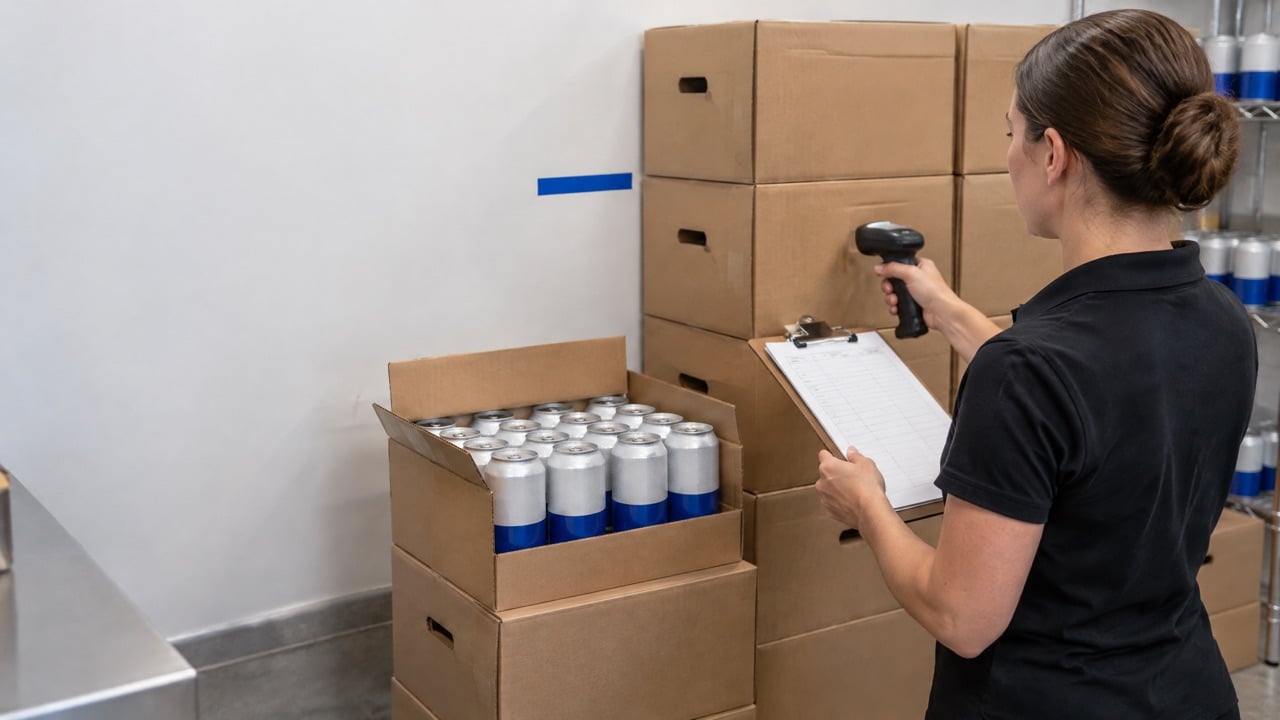
- Unopened units recovered and where they went, such as the next event or the office.
- Empties collected for recycling, counted or weighed with your venue or hauler.
- Containers found in general waste, if your venue can do a quick waste check.
- Water stations or refill points, if you offered them.
Write down how each number was collected. A report that explains its method is more credible than one with bigger numbers.
How do aluminum cans and plastic bottles compare in a sustainability report?
In a report, you compare the materials on facts you can support, not slogans.
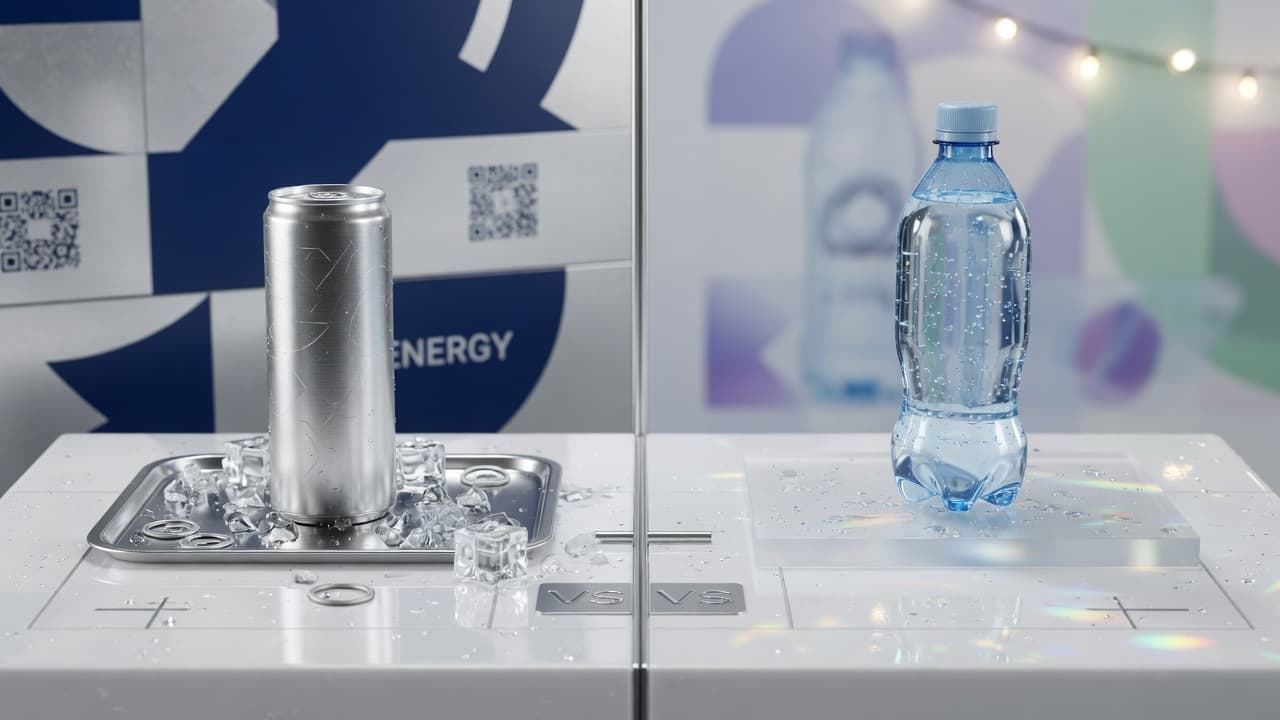
- Recyclability: aluminum cans are accepted in most recycling programs and aluminum can be recycled repeatedly without losing quality. PET plastic is also recyclable, but it is often downcycled into other products.
- Weight: aluminum cans are light, which helps freight and handling.
- Breakage: cans do not shatter, which matters for venues that ban glass.
- Collection: cans are easy to crush and bag for recycling at the venue.
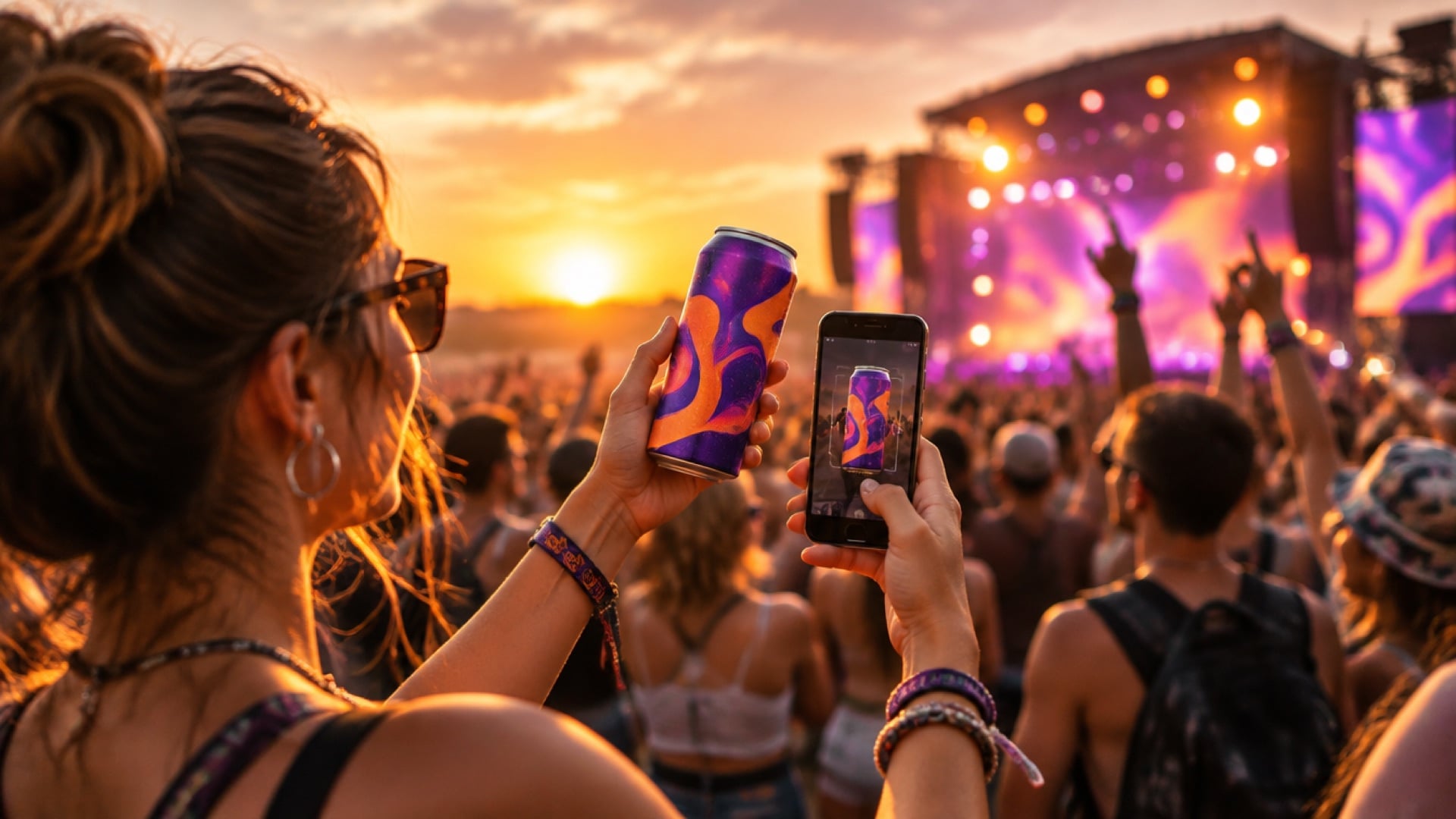
- Perception: many attendees see aluminum as the more sustainable option.
Recycling rates vary by region and by year. Instead of quoting a national figure you cannot verify, ask your venue or waste hauler for their local numbers, or report only what you measured on site.
How do you avoid greenwashing in an event report?
Greenwashing is making environmental claims that are vague, exaggerated, or unsupported. It damages trust faster than saying nothing at all.
- Report what you measured, not what you hope happened.
- Avoid absolute claims like "zero waste" unless you can prove every stream.
- Name your sources for any outside figures.
- Show the method for each number.
- Share what did not go well and what you will change next time.
A modest, honest report is exactly what ESG reviewers want to see.
What does a good hydration section of a sustainability report look like?
A clear one-page section usually has five parts.
- What we changed: for example, replaced single-use plastic bottles with recyclable aluminum cans.
- What we served: units by type and size.
- What we recovered: unopened units reused and empties sent to recycling.
- How we measured: counts, weights, and who did them.
- What we will improve: such as more recycling bins near exits or better station signage.
How do you set up recycling so the numbers are good?
The report is only as good as what happens on the day. Most recycling fails because bins are in the wrong places.
- Put recycling bins next to every water station and bar, not only at the back.
- Use clear signage with pictures of what goes in each bin.
- Pair every trash bin with a recycling bin so guests do not have to choose.
- Brief volunteers and staff on where empties go.
- Agree with the venue on who collects and counts recycling.
- Take photos of full recycling bags for the report.
Can the can itself help communicate sustainability?
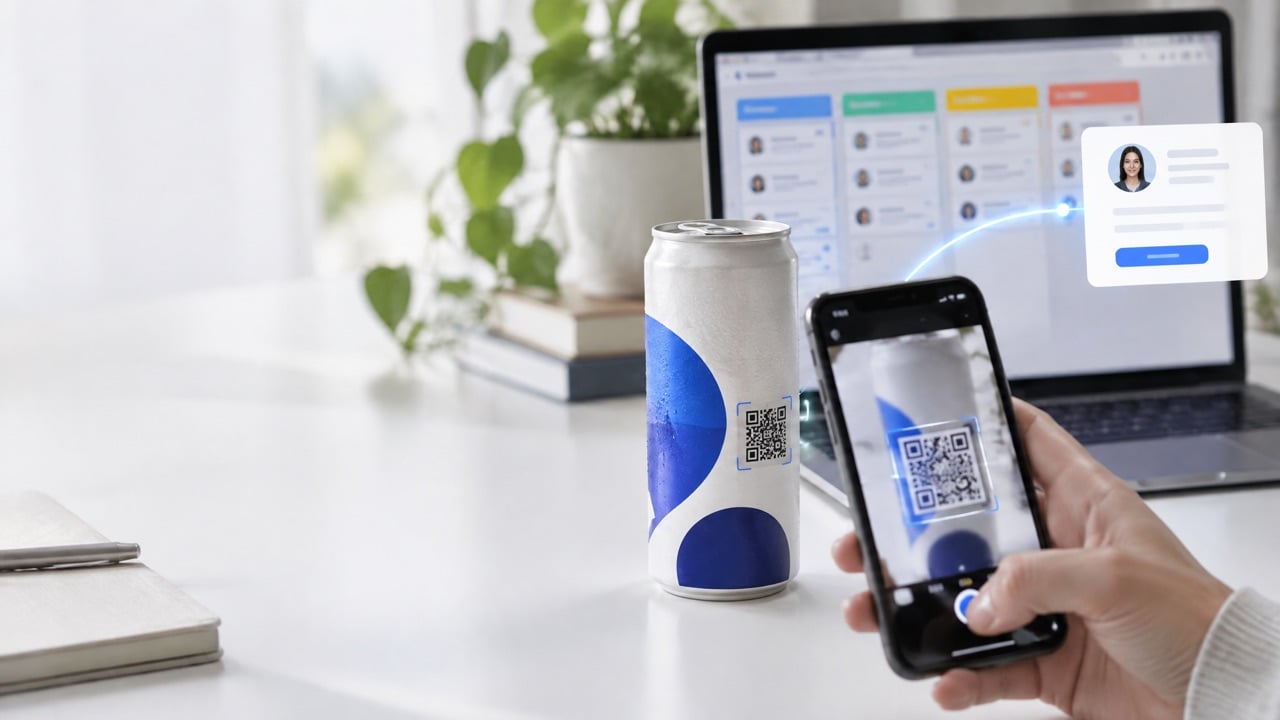
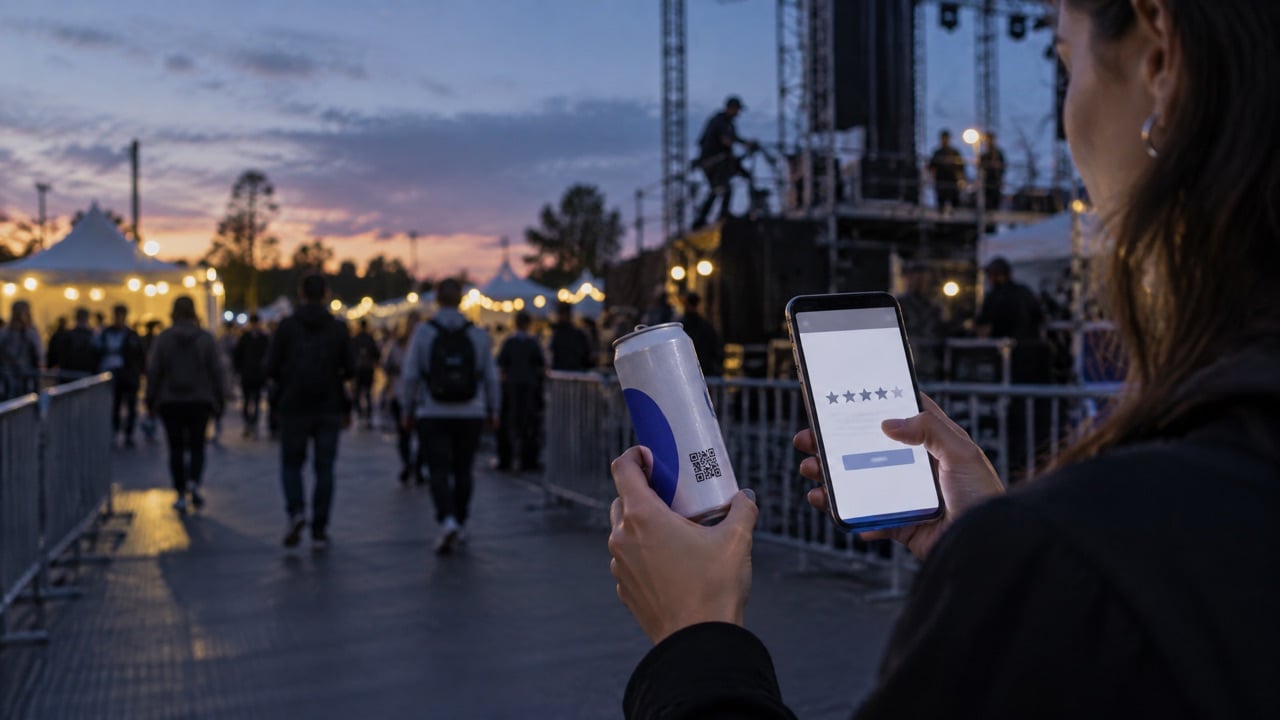
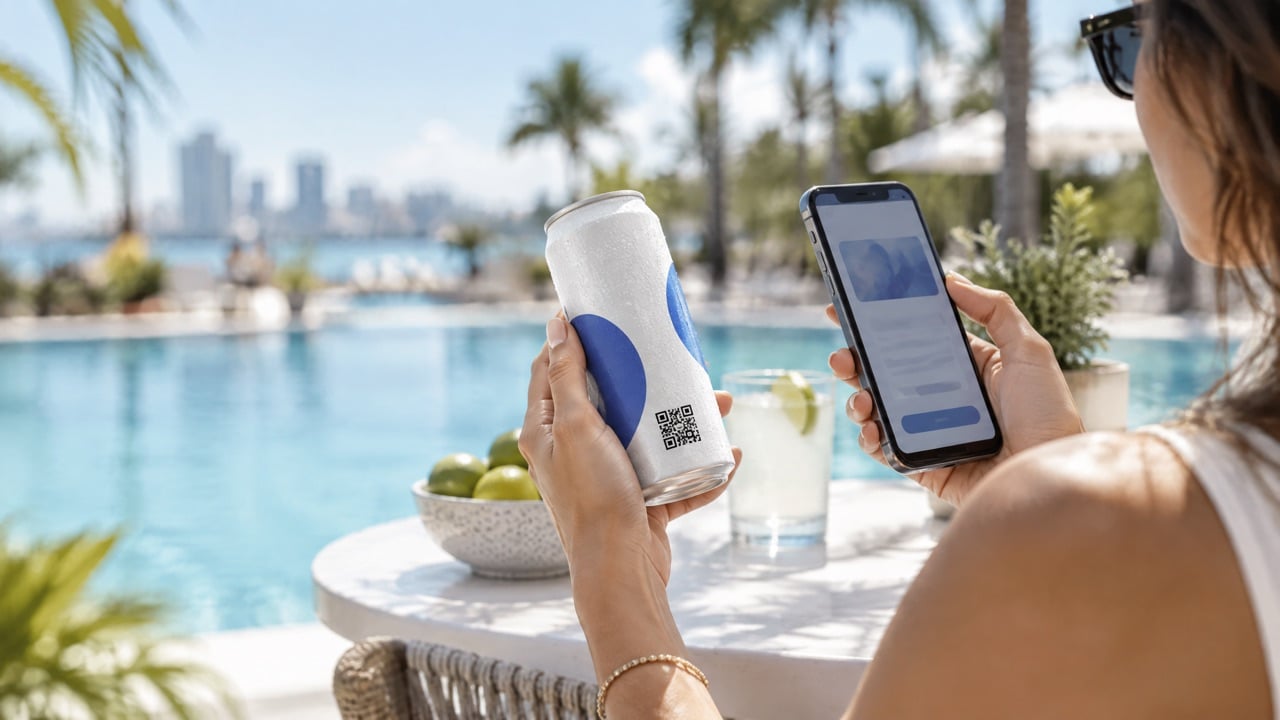
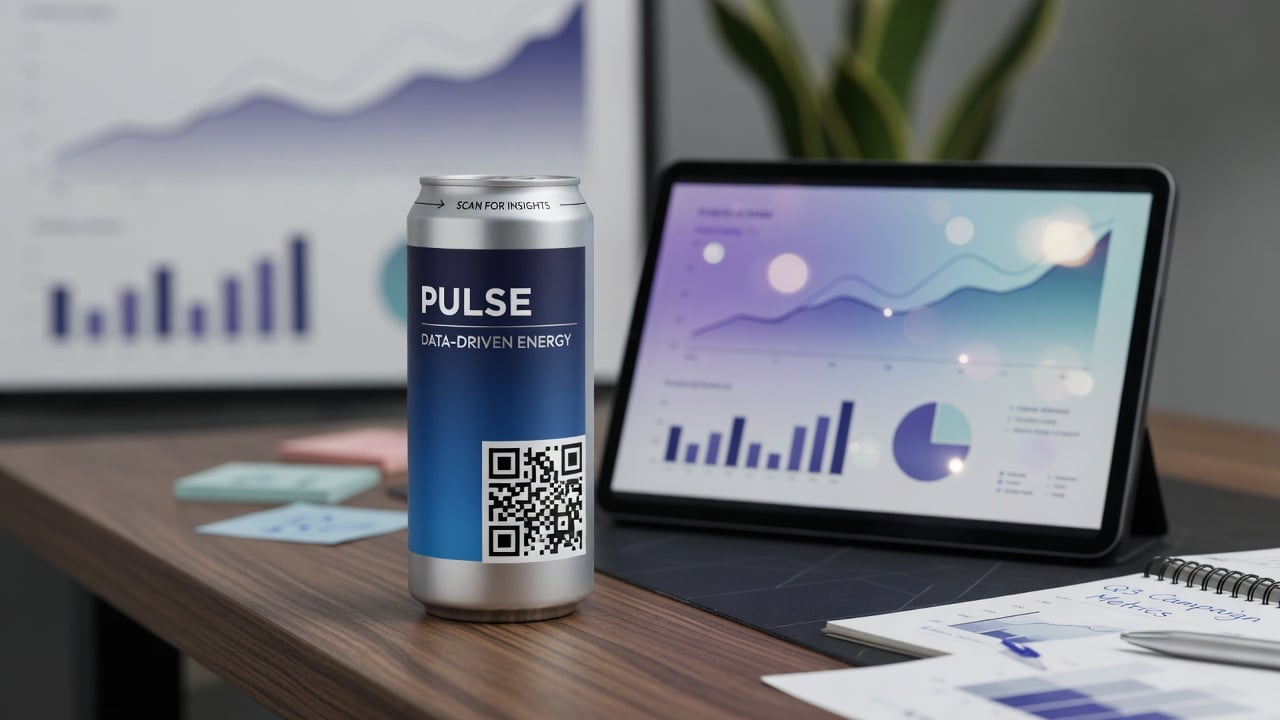
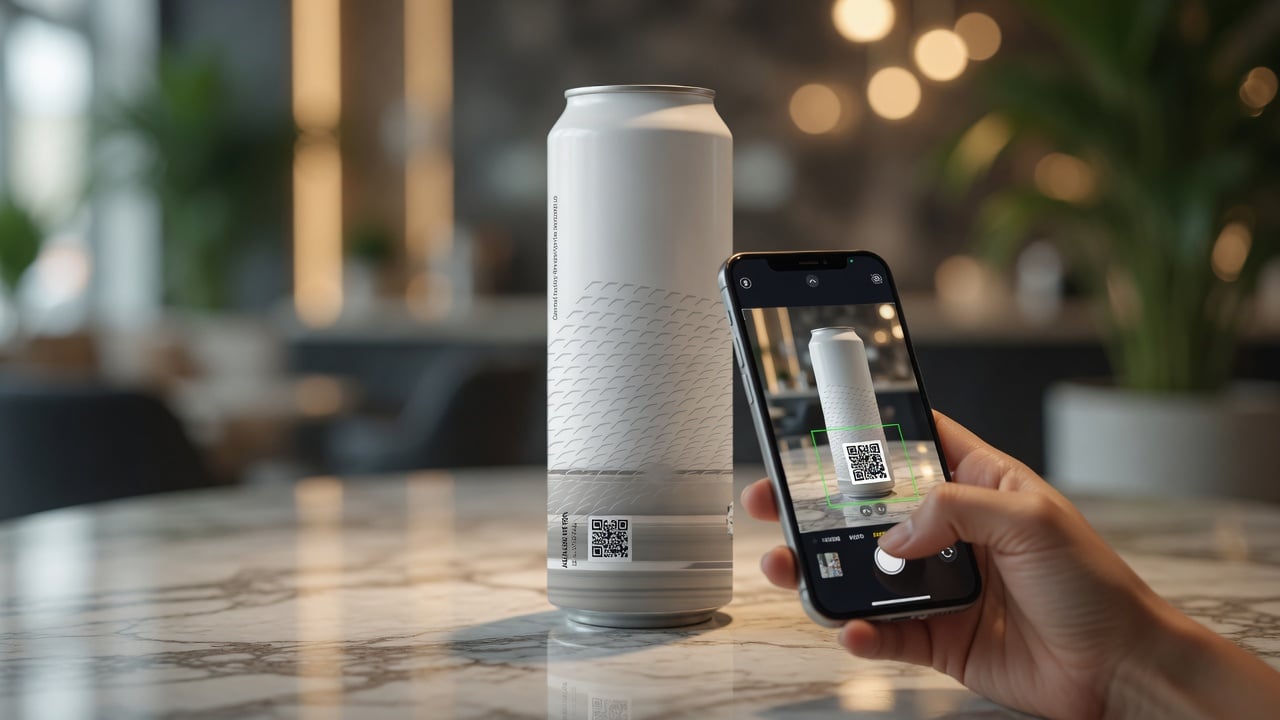
Yes, gently. A short line on the can or a QR code can explain why the event chose aluminum and where to recycle the can on site. Keep it factual and friendly. A QR page can also carry a short survey about the event's sustainability efforts, which gives you attendee feedback for the report.
The QR experience is explained on Technology · Digital experience, and our packaging is described on Technology · Packaging.
What about the leftovers?
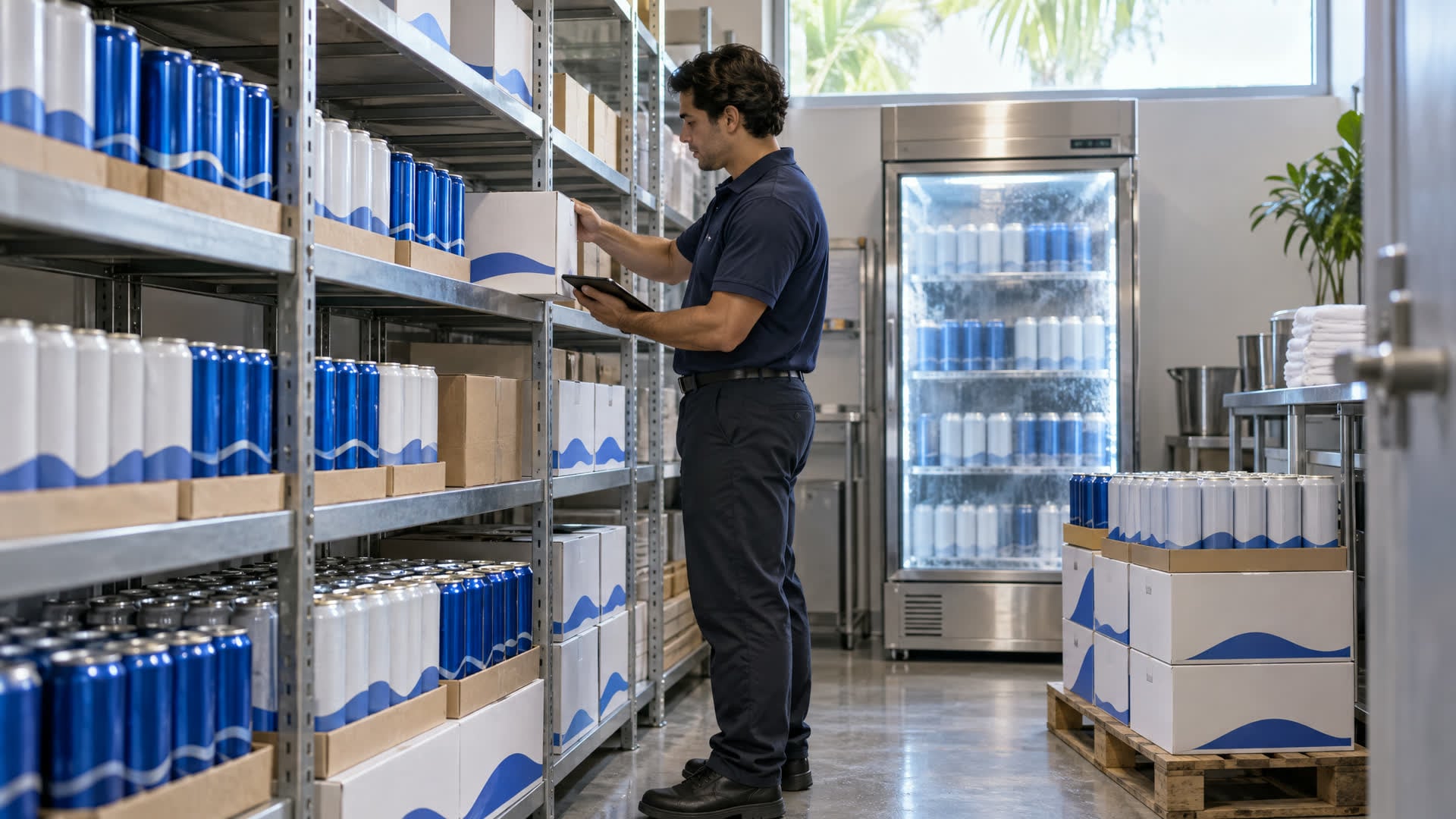
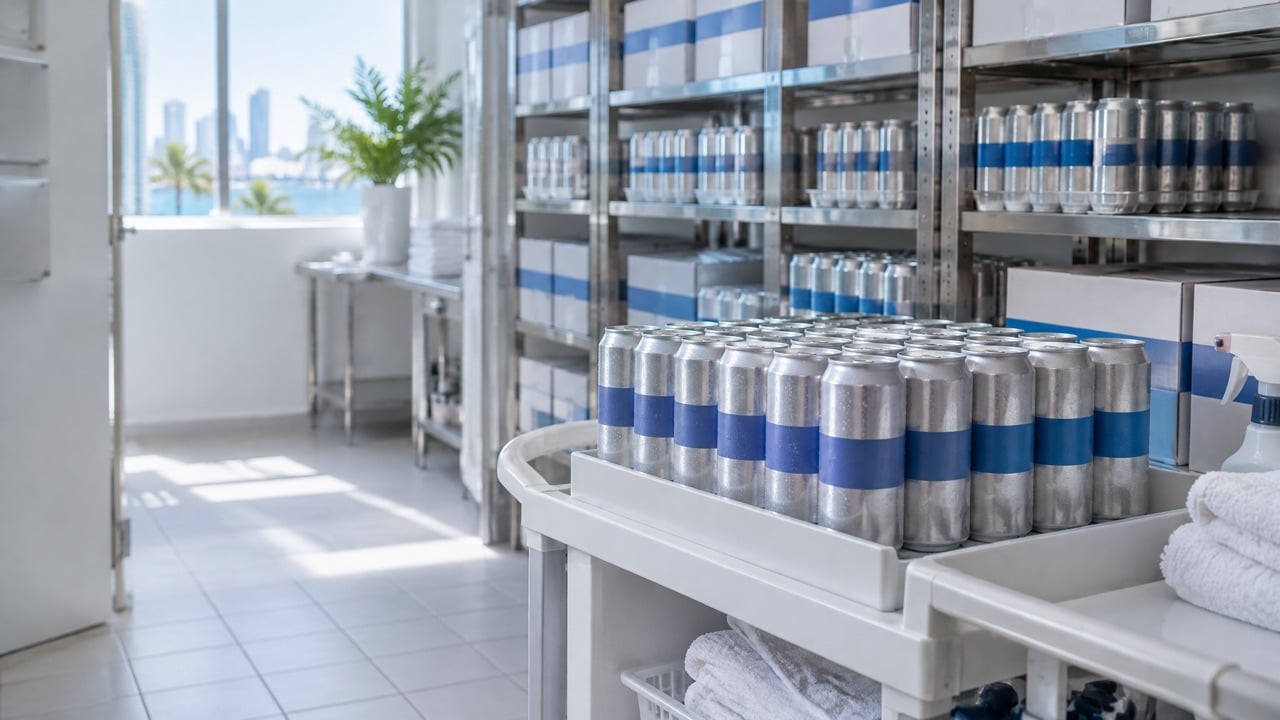
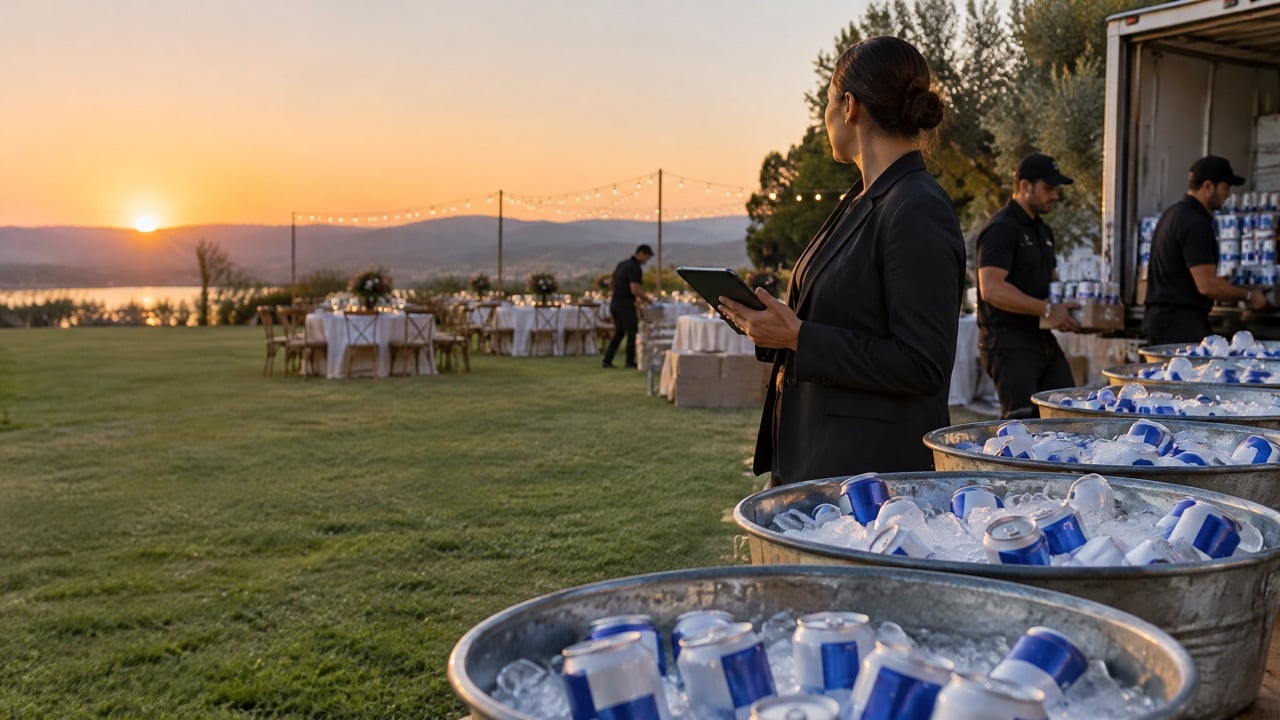
Unopened branded cans are not waste. They are sealed and keep well in cool storage. Plan in advance where they will go:
- The next event in your calendar.
- The office or client lounge.
- Donation to a local organization, if appropriate.
Count them and include them in the report as recovered units.
How does ordering affect the sustainability story?
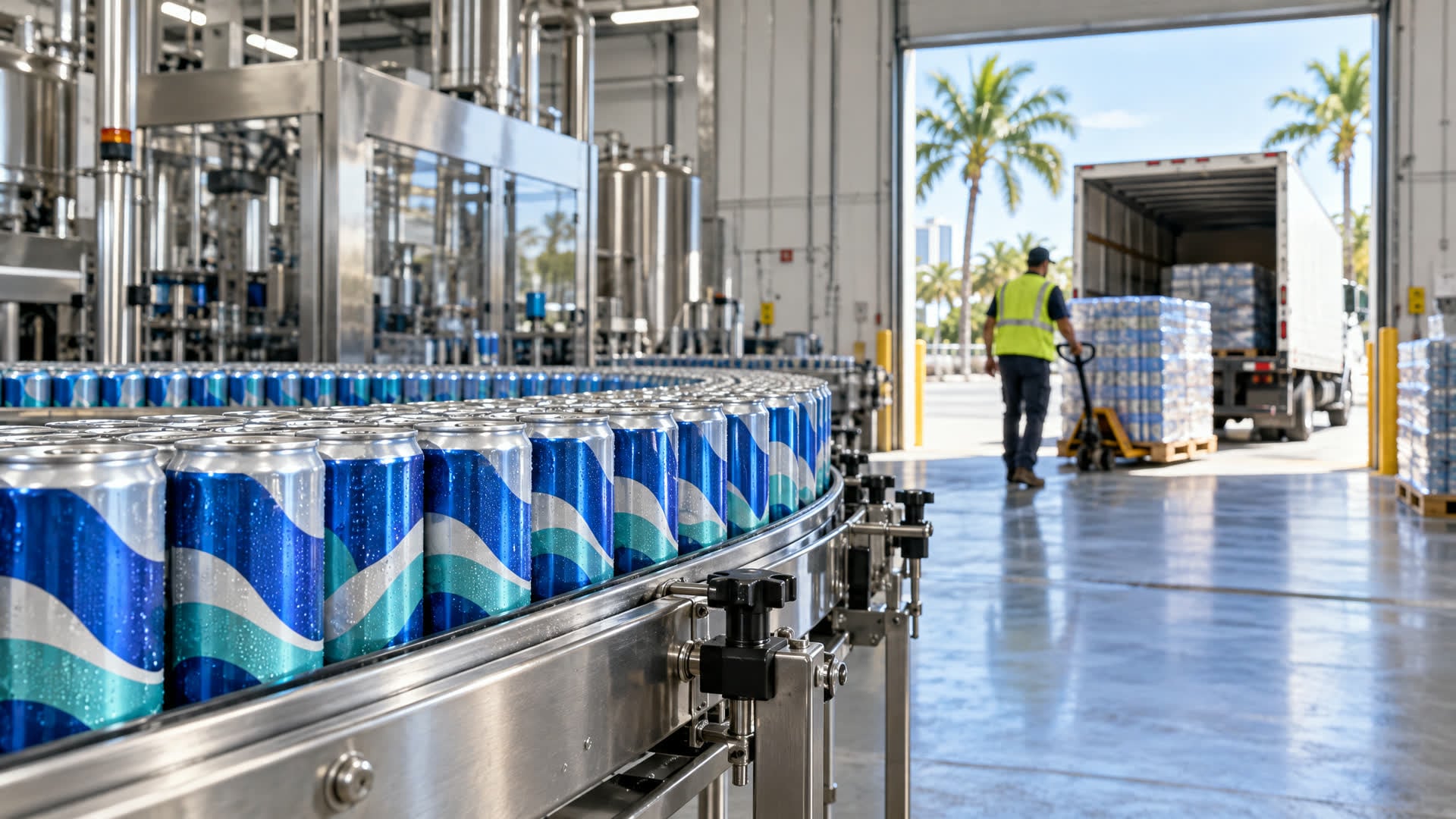
Ordering the right amount is a sustainability decision too. Over-ordering creates storage, transport, and potential waste. At We Can It, runs start at 21 cases, or 504 cans, so smaller events do not need to order thousands of units to get a custom can. Production takes about 2 to 3 weeks from artwork approval, so you can order closer to the event when headcounts are more certain.
How do you compare events year over year?
A single report is useful. A series of reports shows progress, which is what ESG teams really want.
- Use the same measures every time, even if you add new ones.
- Report per attendee as well as totals, so a bigger event does not look worse only because it grew.
- Note what changed between events, such as a new venue or more bins.
- Keep your raw counts and photos in one shared folder.
- Summarize trends once a year for your annual sustainability reporting.
For example, you might report units served per attendee, the share of empties captured for recycling, and unopened units recovered for reuse. Per-attendee figures make it fair to compare a 200-person dinner with a 2,000-person conference.
Who should own the numbers on event day?
Give one person clear ownership of the sustainability numbers. Usually this is someone on the event operations team, not the sustainability lead, because they are on site. Their job is to confirm counts with the venue, photograph bins, and send the raw numbers within two days.
What questions do procurement and ESG teams usually ask?
If your client or company has a sustainability team, expect questions like these, and have answers ready before the event.
- What containers will be used, and are they recyclable locally?
- How will waste and recycling be collected and measured?
- How will over-ordering be avoided?
- What happens to leftover product?
- Who will provide the final numbers, and when?
Event sustainability reporting checklist
- Decide what you will measure before the event.
- Choose recyclable aluminum cans over single-use plastic.
- Order close to real headcount.
- Place recycling bins next to every water point.
- Agree on counting with the venue or hauler.
- Record unopened units recovered.
- Write the method next to every number.
- Share improvements for next time.
Frequently asked questions
How do you report sustainability for an event?
Measure a few clear streams such as hydration, food waste, and materials, record how each number was collected, and present what changed, what was measured, and what you will improve next time.
Are aluminum cans better than plastic bottles for events?
Aluminum cans are widely recyclable, light, and do not break, and many attendees see them as the more sustainable choice. Use local recycling data or your own on-site counts to support the comparison in your report.
What is greenwashing in event marketing?
It is making vague, exaggerated, or unsupported environmental claims, such as calling an event zero waste without evidence. Reporting only what you measured avoids it.
How do I measure recycling at an event?
Work with your venue or waste hauler to count or weigh collected recycling, and take photos. Put bins next to every water station to improve the results.
What should happen to unopened branded cans?
Reuse them at your next event or in the office, and count them as recovered units in your report.
What is the minimum order for custom event cans?
We Can It starts at 21 cases, which is 504 cans, with about 2 to 3 weeks of production after artwork approval.
Get a quote for recyclable branded cans for your next event
Tell us your event size and date, and a product advisor will help you order the right amount.