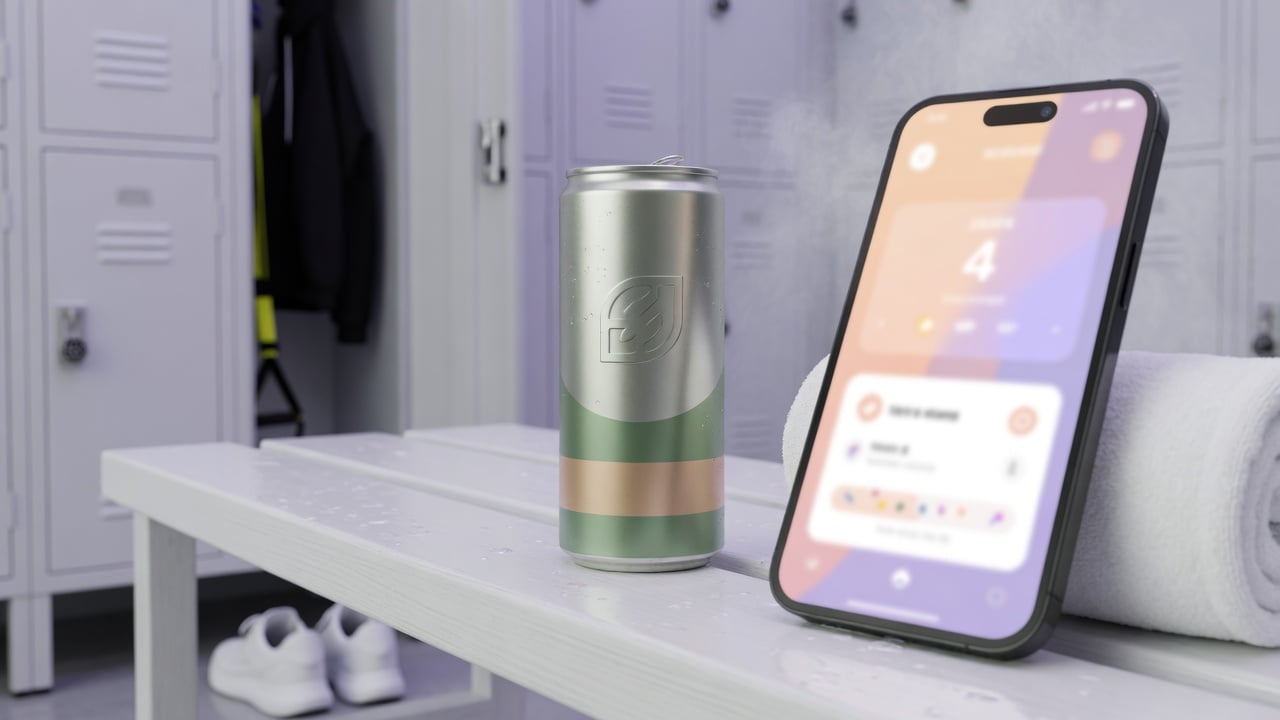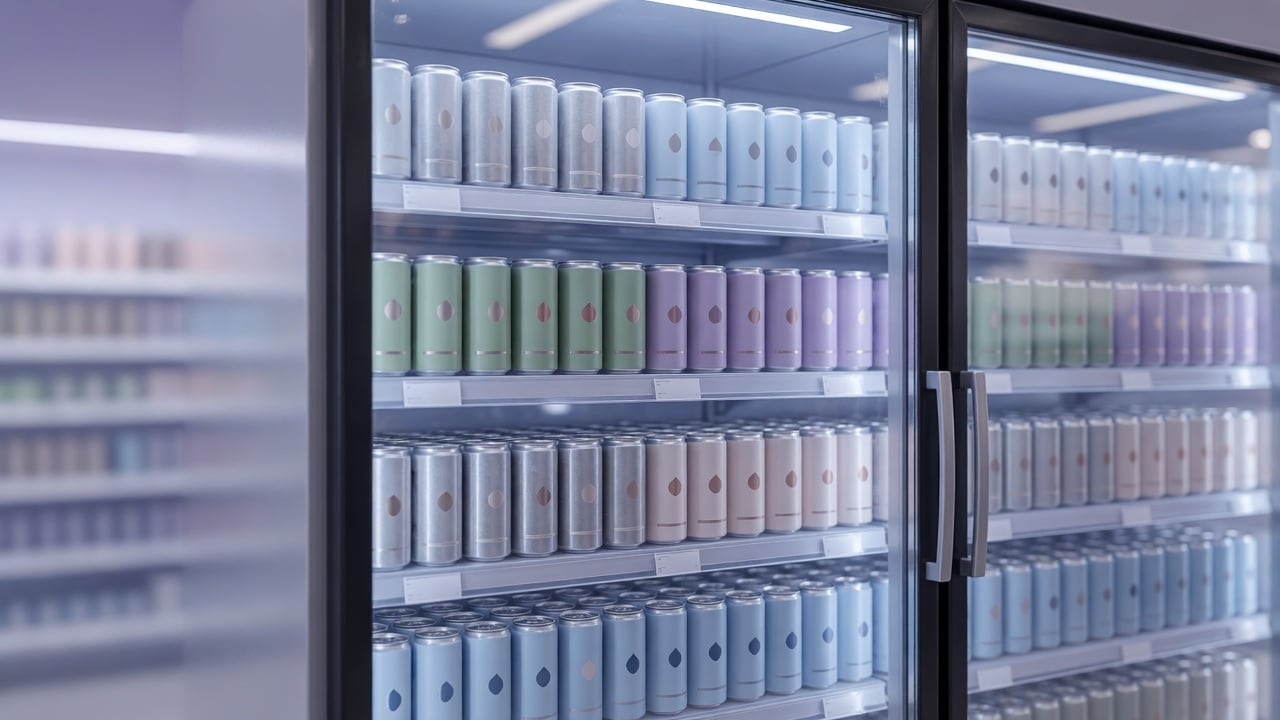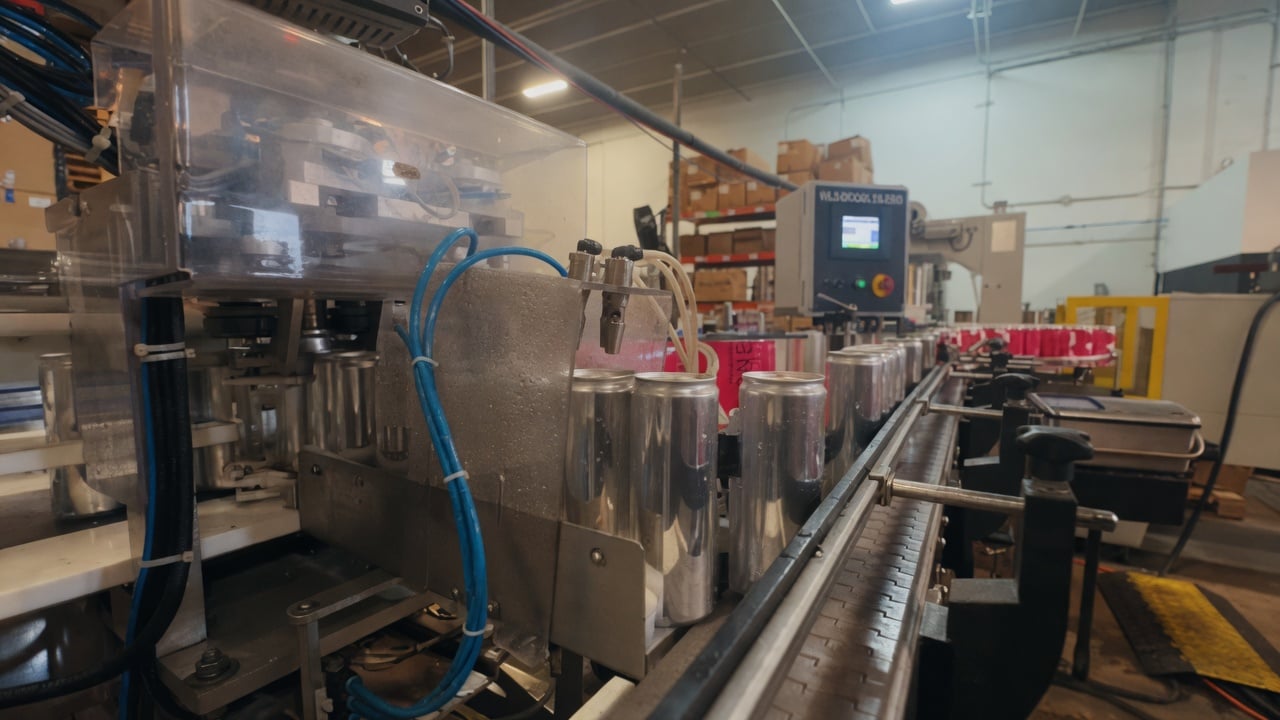
Why Breweries and Distilleries Serve Branded Water in Tasting Rooms
More guests are pacing their drinks, and the tasting room is where that shows. Here is how breweries, wineries and distilleries add a branded water can that fits the bar and keeps guests longer.
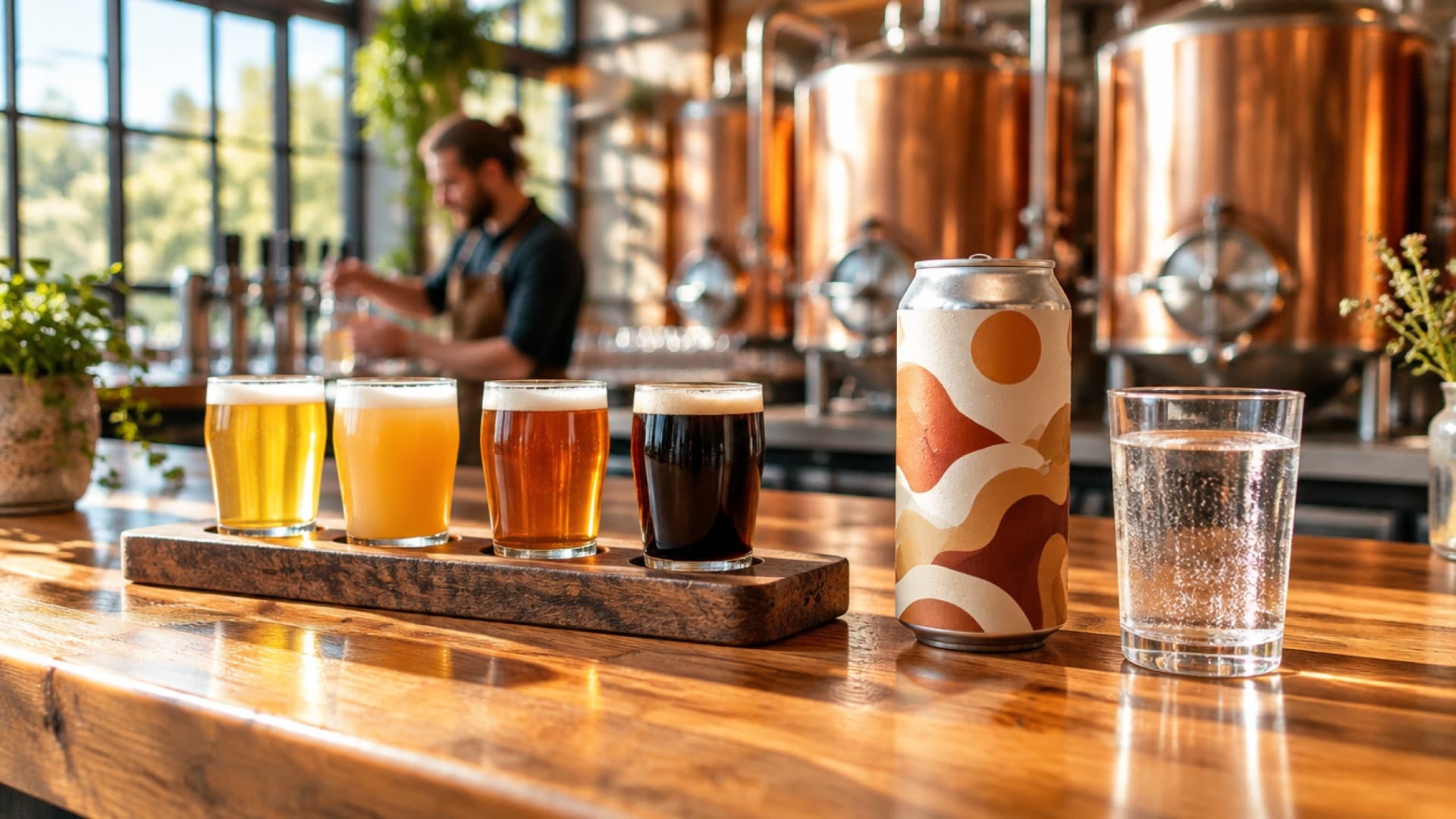
Saturday afternoon at the tasting room. A group of friends works through a flight, the brewer is pouring a new release, and one person at the table is the designated driver. Another is pacing. A third just finished a long bike ride and wants water before anything else.
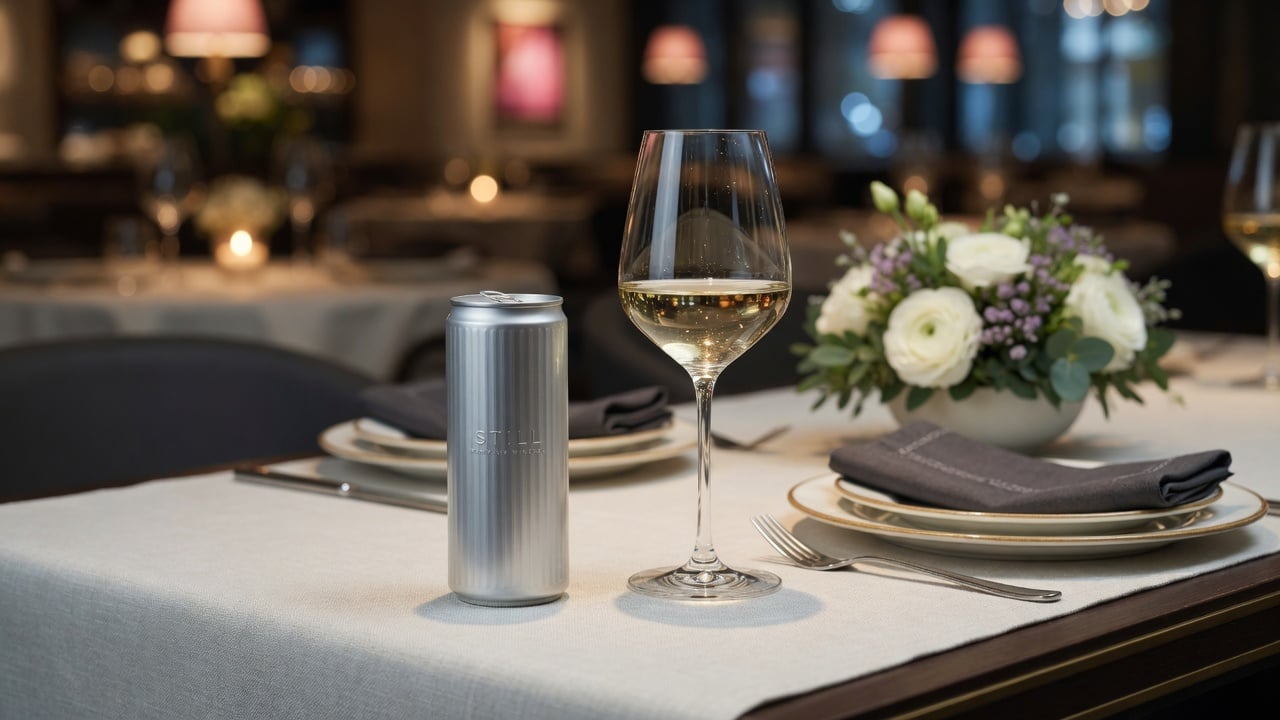
Tasting rooms have changed. Guests are more mindful about how much they drink, more groups include someone who is not drinking at all, and the experience is about the place as much as the pour. Water has quietly become part of the hospitality, and the businesses that treat it as part of the brand stand out.
This guide explains why breweries, wineries and distilleries serve branded canned water, where it fits, and how to design and order it without a large minimum.
Why do breweries and distilleries serve branded water?
Breweries and distilleries serve branded water because it supports guests who pace their drinks, gives designated drivers and non-drinkers something that feels part of the experience, and keeps the brand consistent from the taps to the tables. A custom can matches the look of the beer or spirits line, suits the bar setting, and carries a QR code for tours, events or club sign-ups. With minimums from 504 cans, a single tasting room can run its own design.
There is a hospitality case too. Guests who feel looked after are more likely to linger, enjoy the visit and come back.
The changing tasting room guest
Many people today choose to drink less, and more groups include a non-drinker. That does not mean they skip the tasting room. It means they want something that belongs at the table besides a glass of tap water or a generic bottle.
A branded water can fills that gap:
- Designated drivers get something that feels like part of the visit.
- Pacers alternate between a pour and water without leaving the experience.
- Non-drinkers feel included in the brand, not handed an afterthought.
- Active visitors, such as cyclists and hikers, hydrate first.
Our post on restaurants replacing imported sparkling with a house brand covers a similar shift in F&B.
Where branded water fits
- Flight boards: a can beside every flight as a palate reset.
- Tours: a cold can at the start of the production tour.
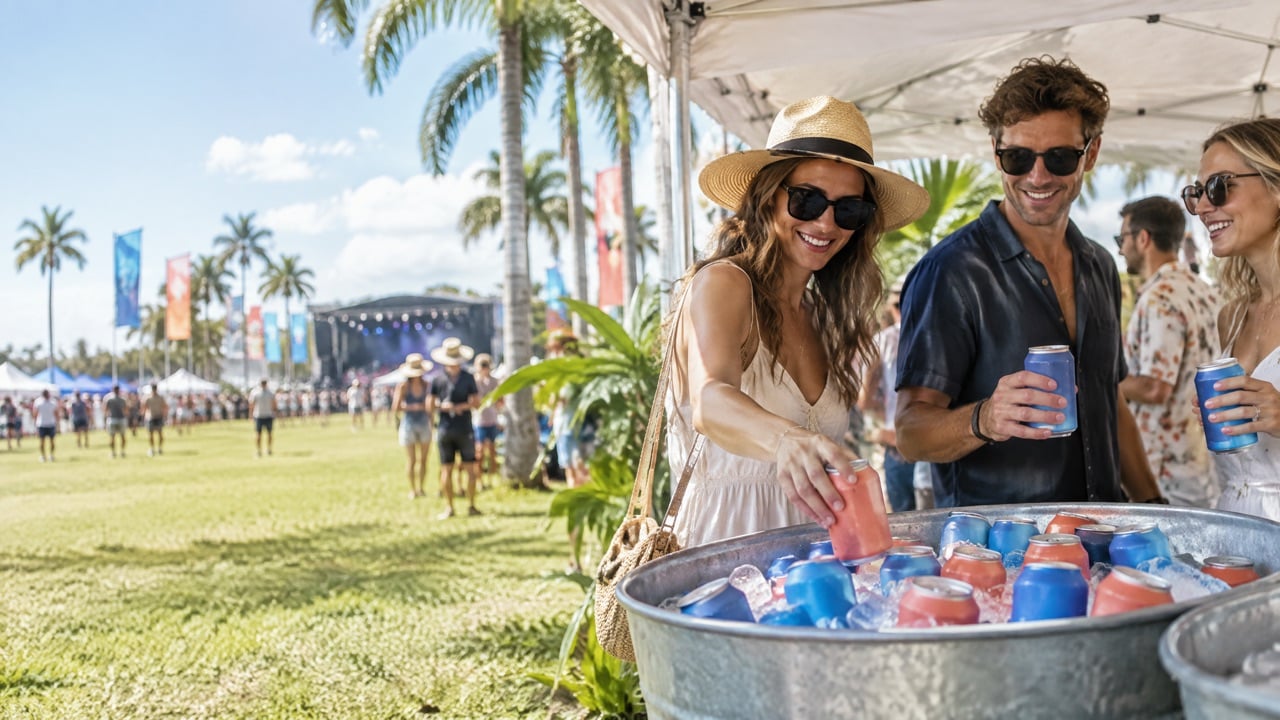
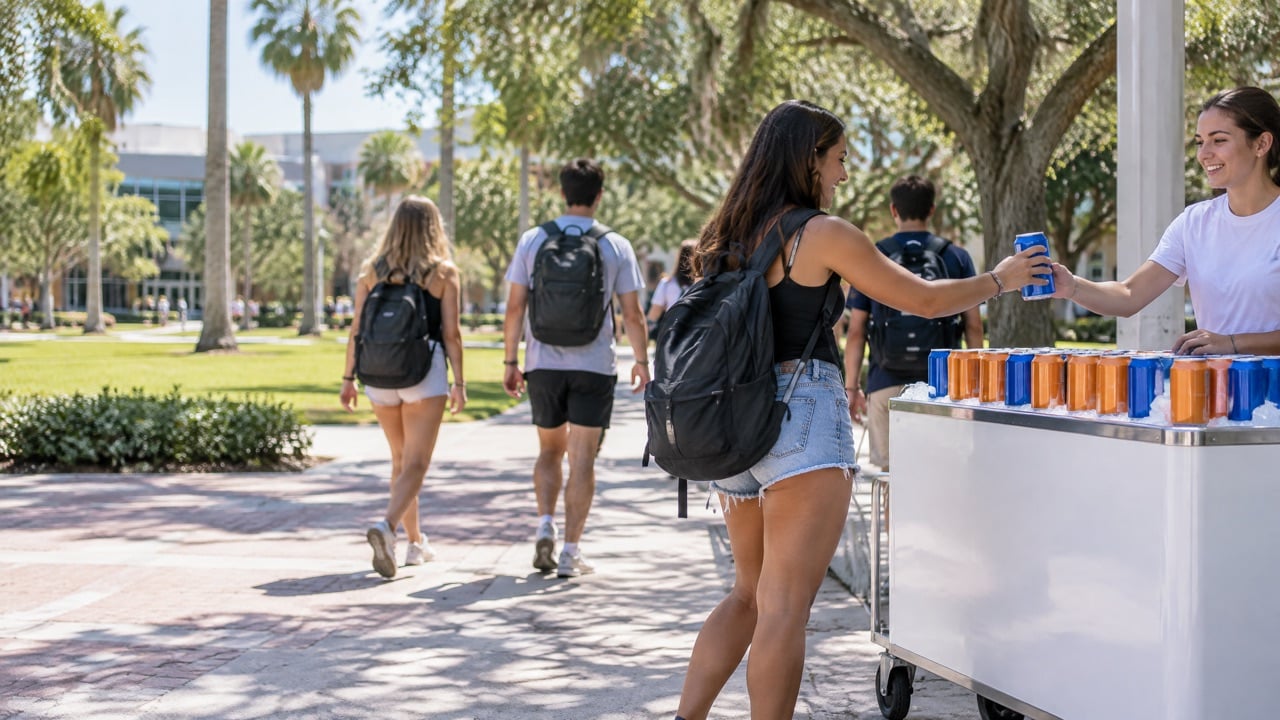
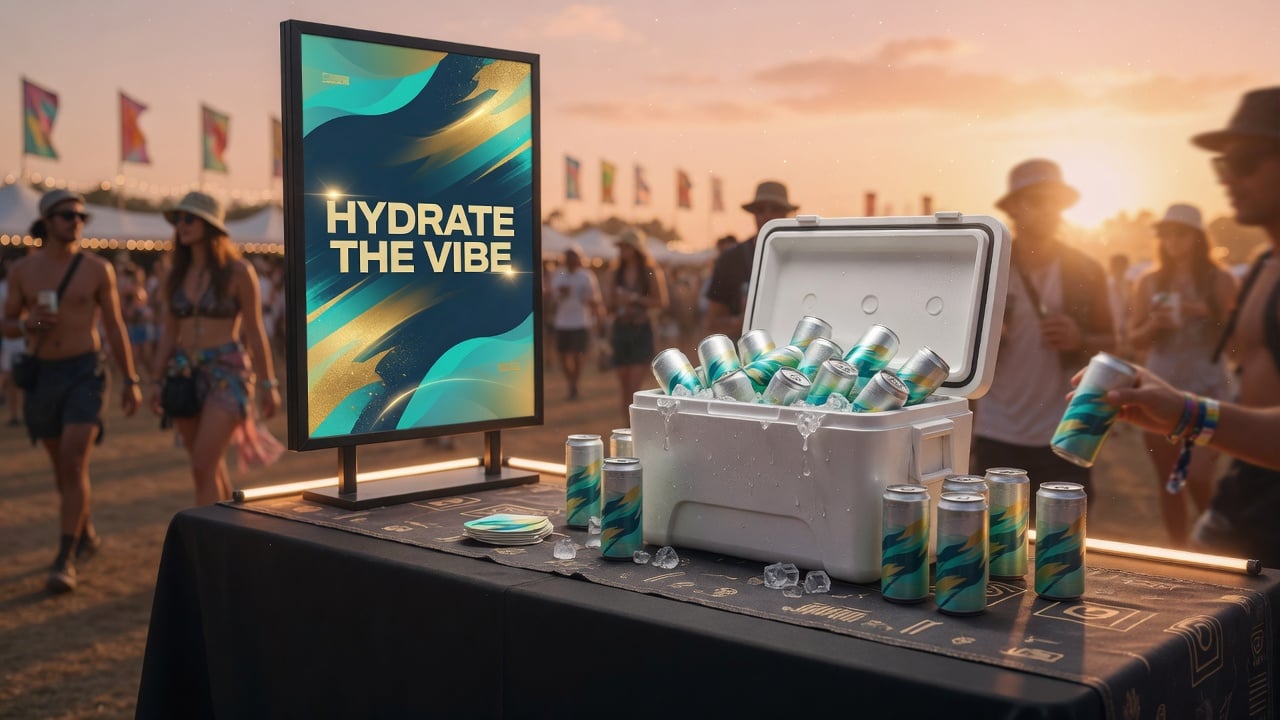
- Events: release parties, live music nights and festivals.
- Members and clubs: a welcome gift for wine club or mug club members.
- Merch shop: sold alongside glassware and apparel.
- Private events and buyouts: branded for the occasion.
Design that matches your bar
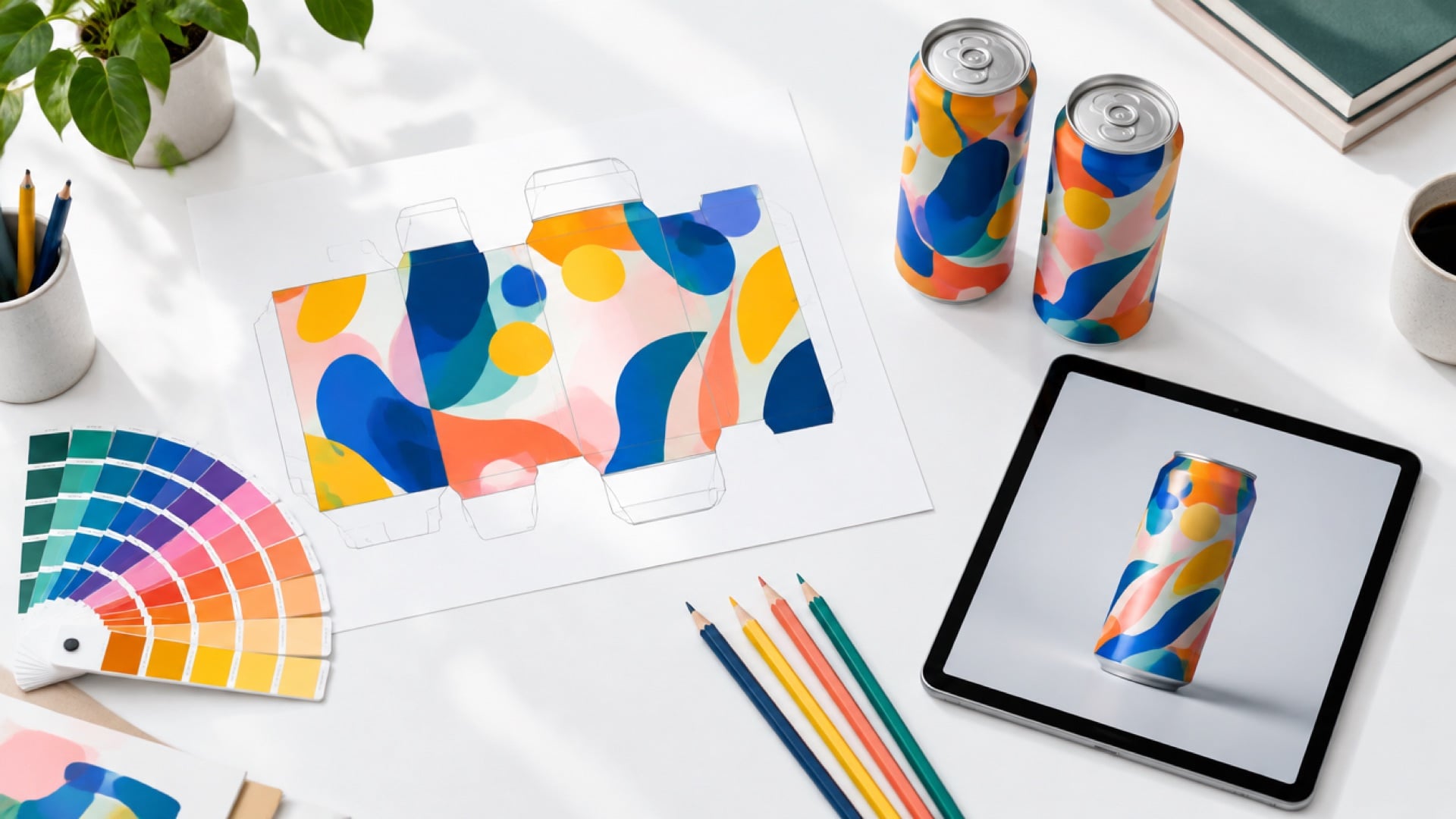
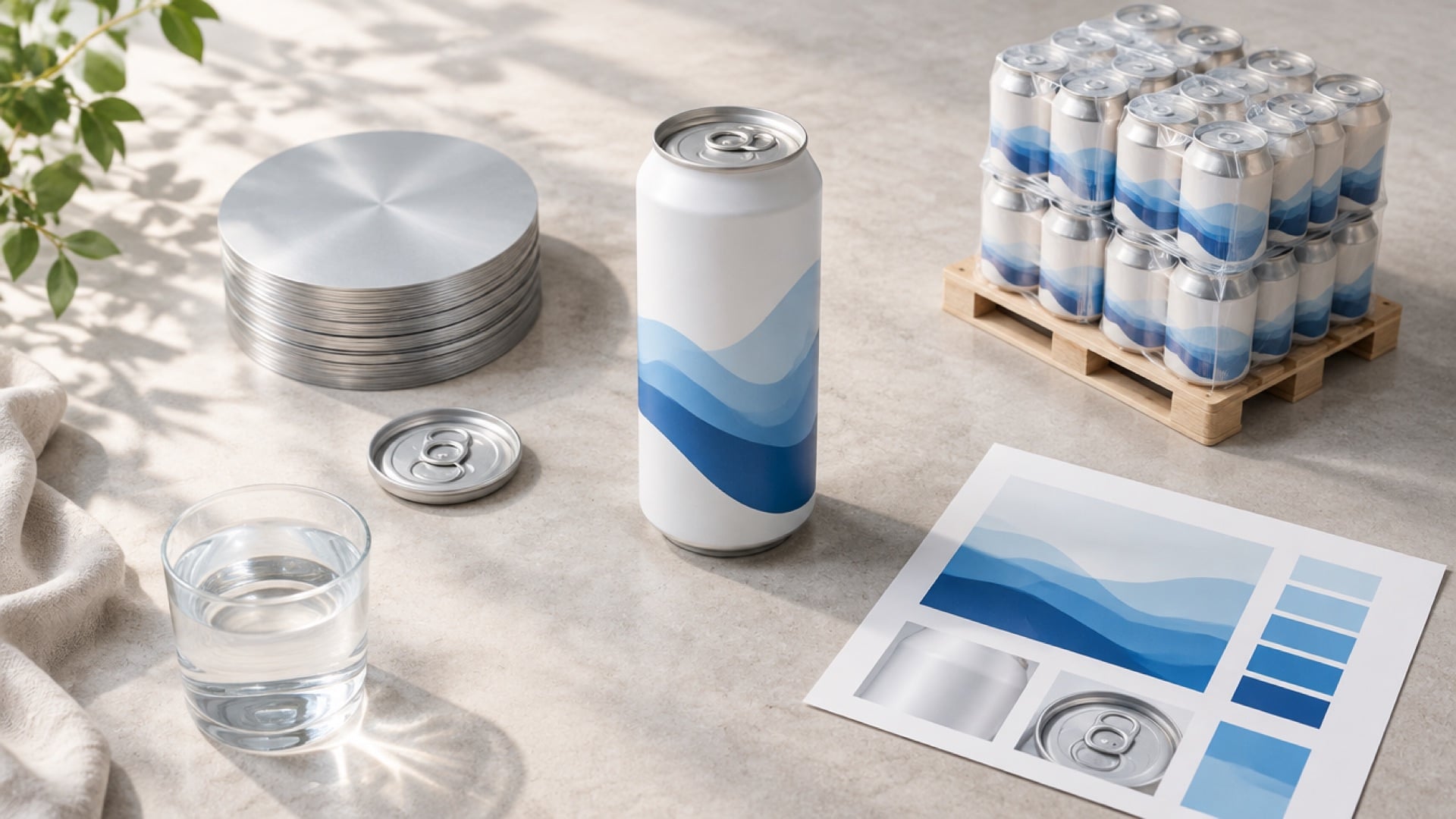
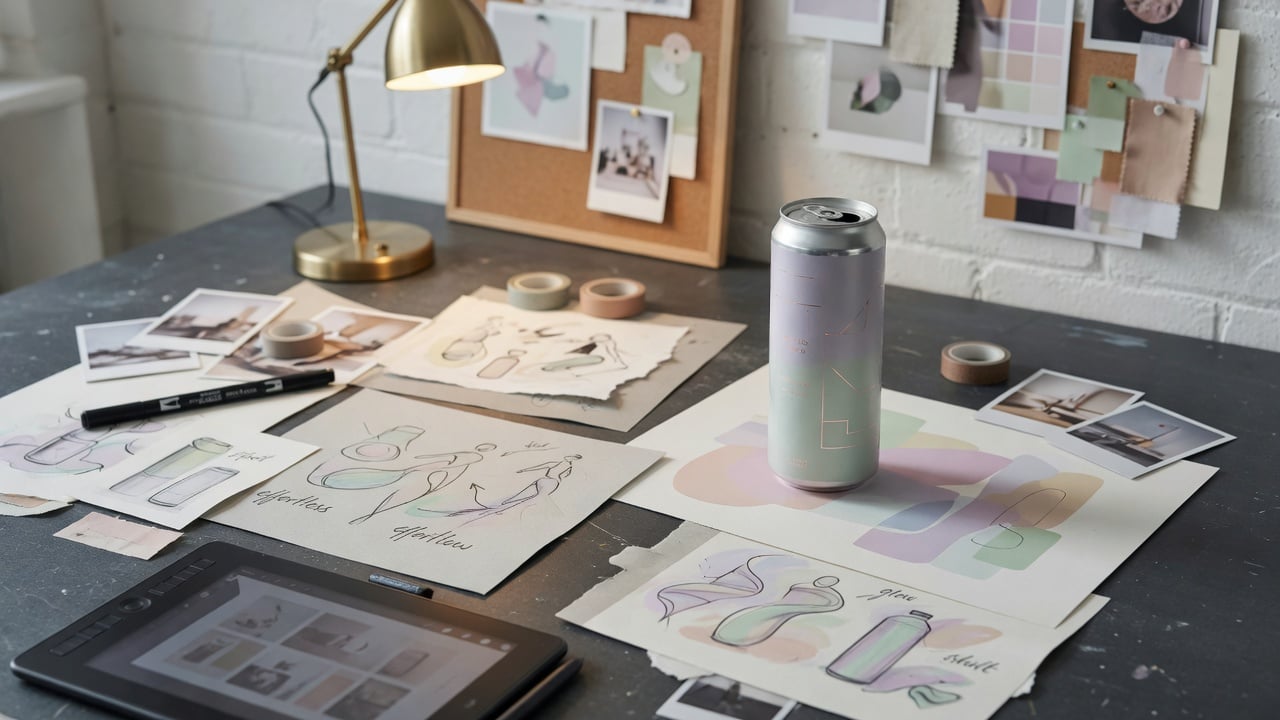
Your beer and spirits already have a visual identity. The water should feel like part of that family.
- Borrow from your labels: the same illustration style, paper texture or typography.
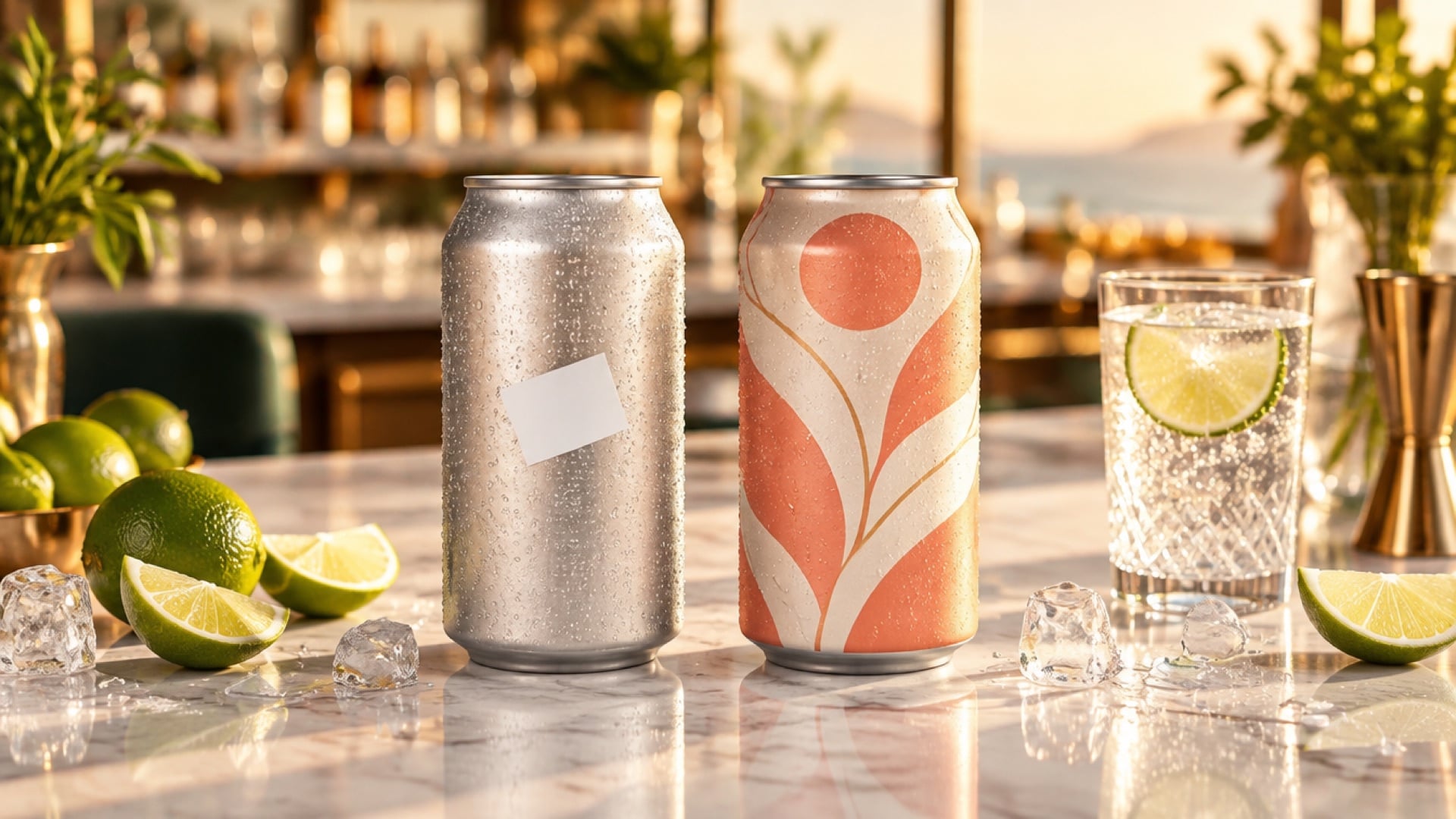
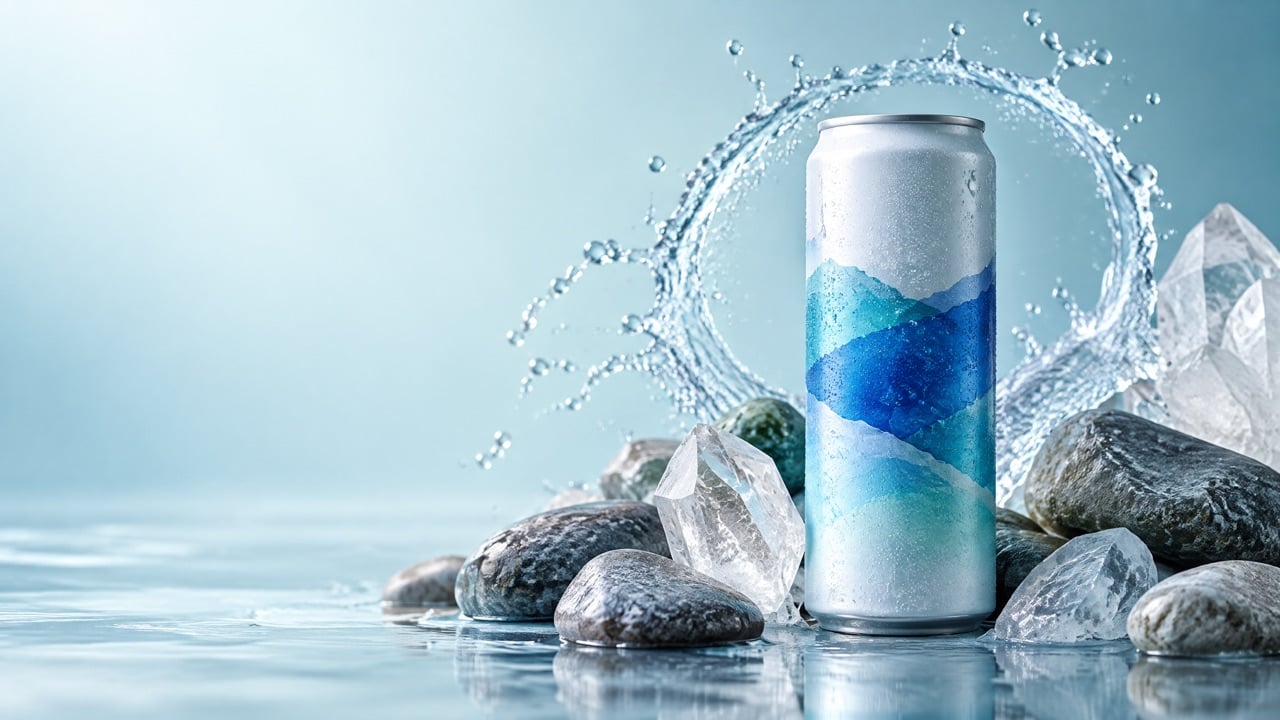
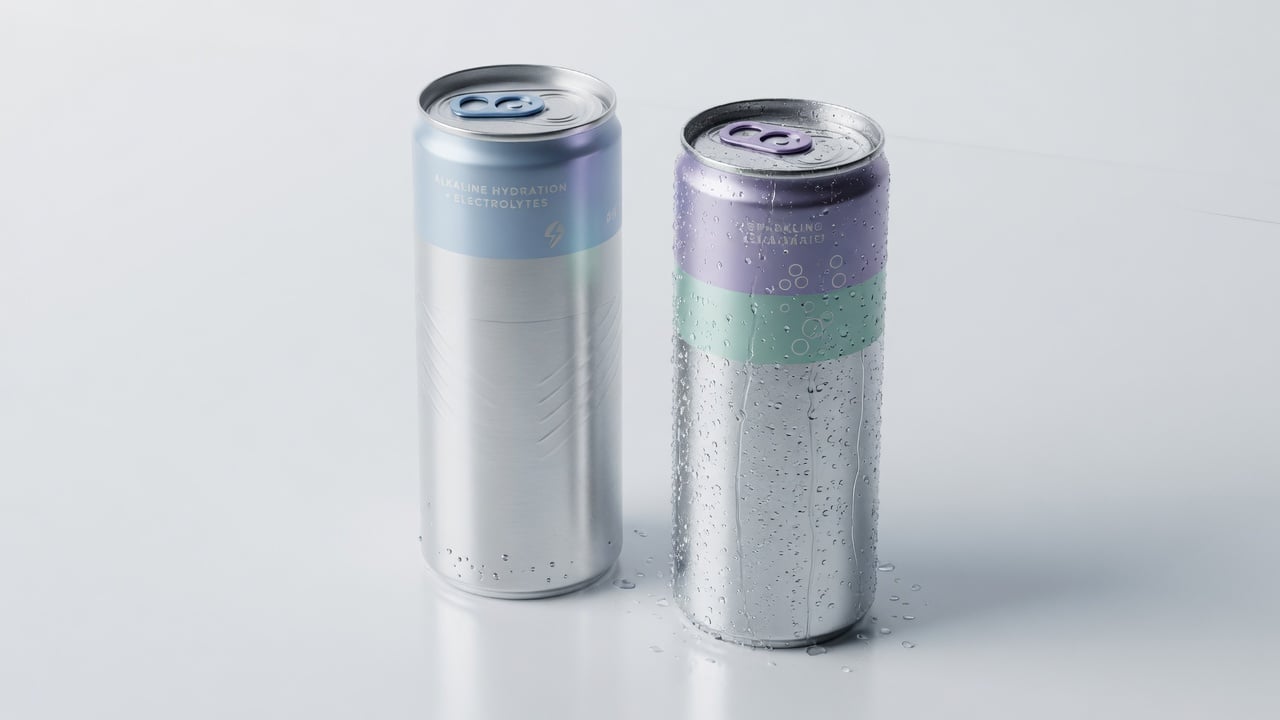
- Make it clearly water. Use calm colors or a clean layout so no one confuses it with a beer can at a glance.
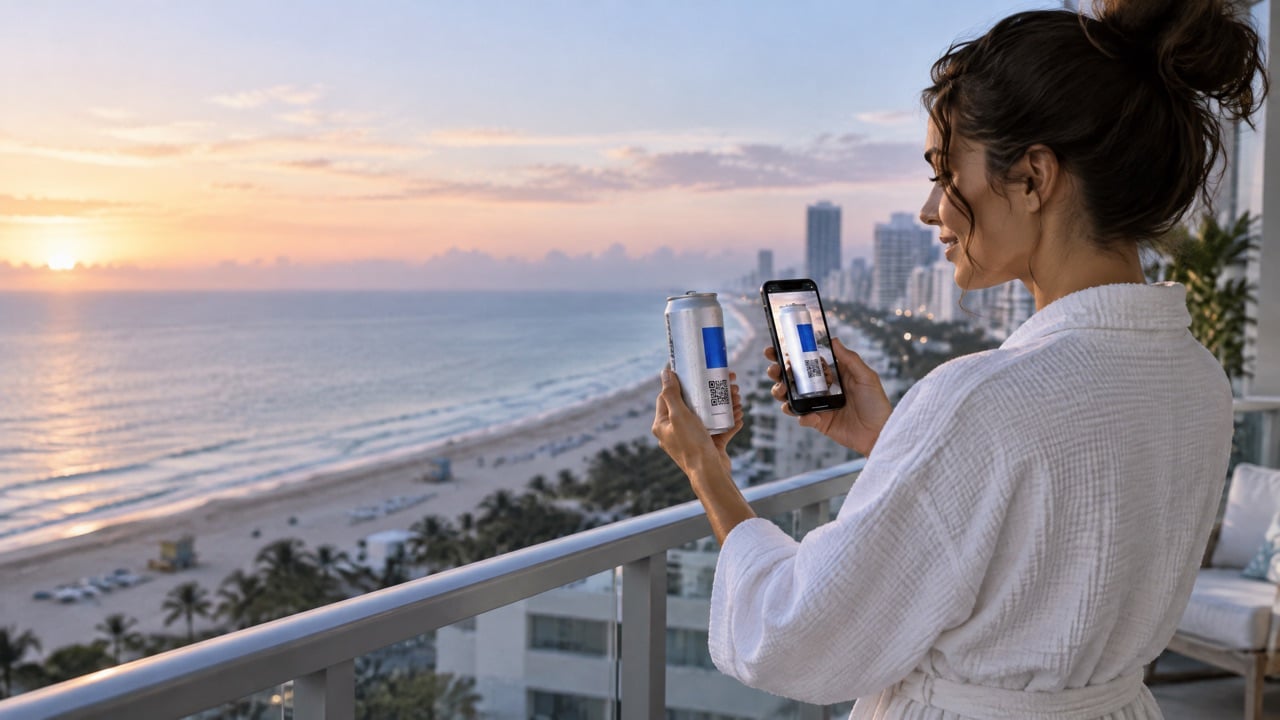
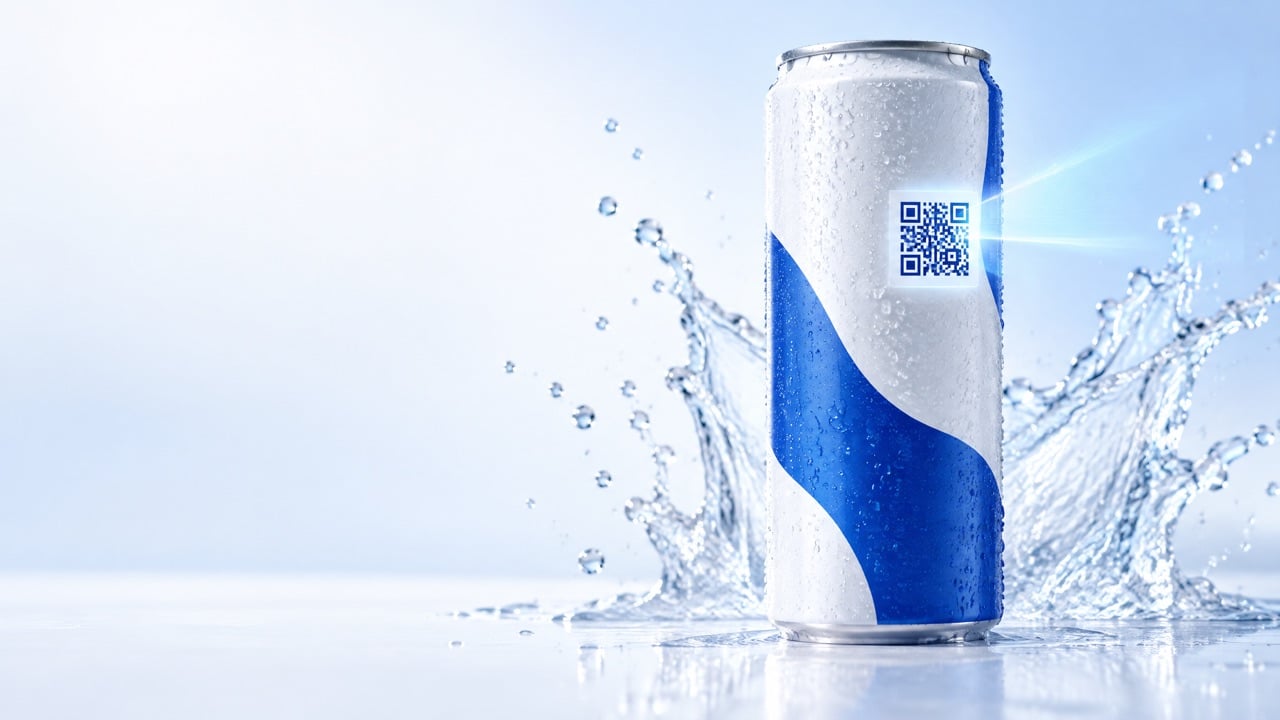
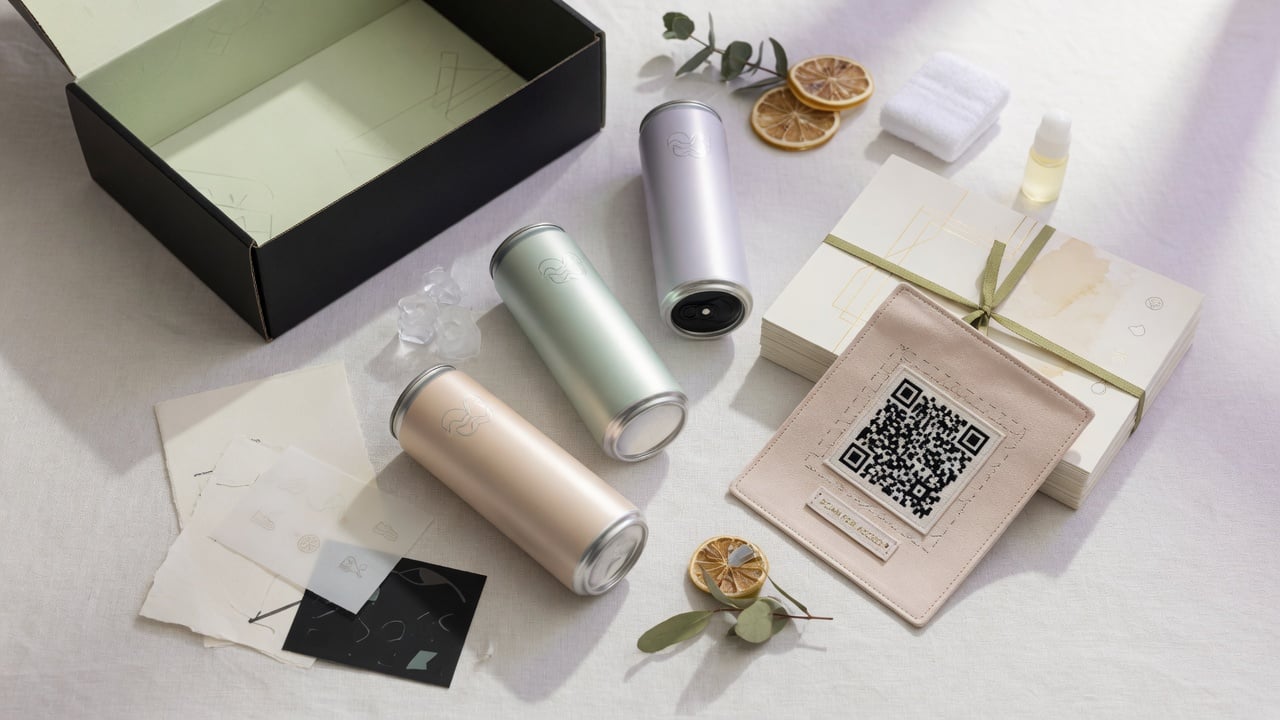
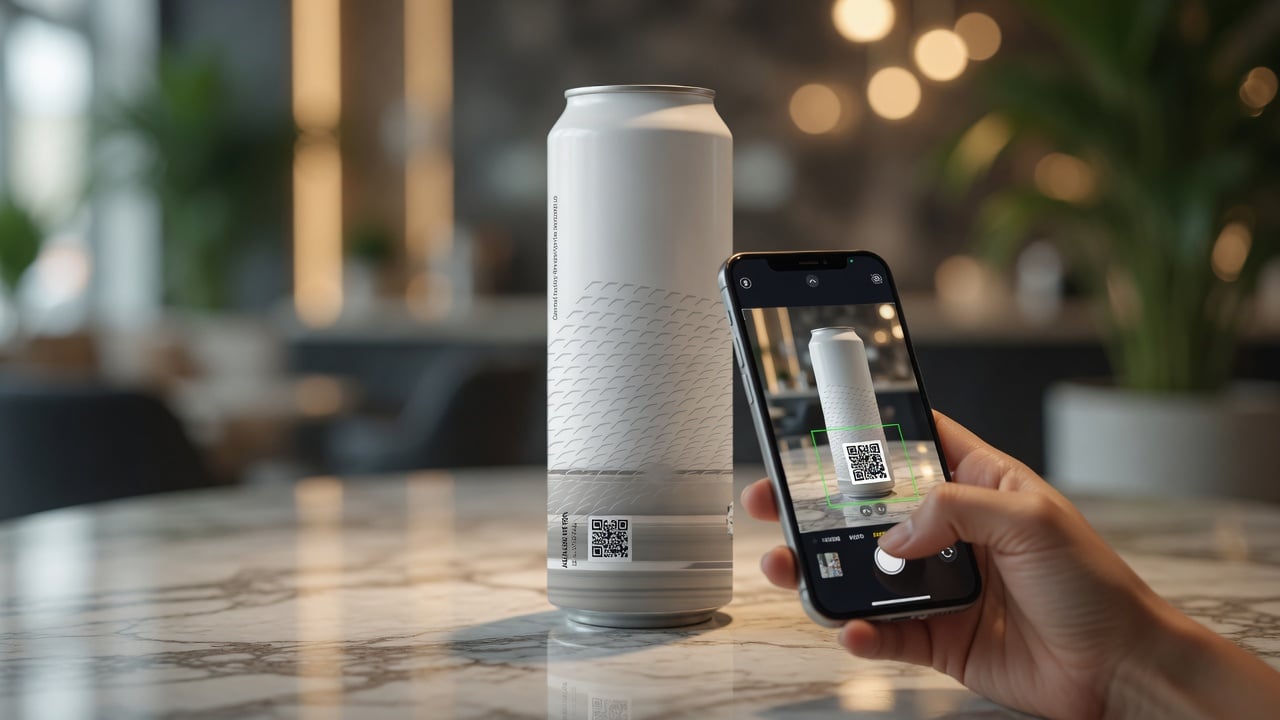
- Use a light, simple back panel with the QR code and a short invitation.
- Think about a "house water" name that fits your brand voice.
Clarity matters in a tasting room. Guests and staff should know instantly that the can holds water. Our custom water can design rules cover contrast and layout.
Still, sparkling or both?
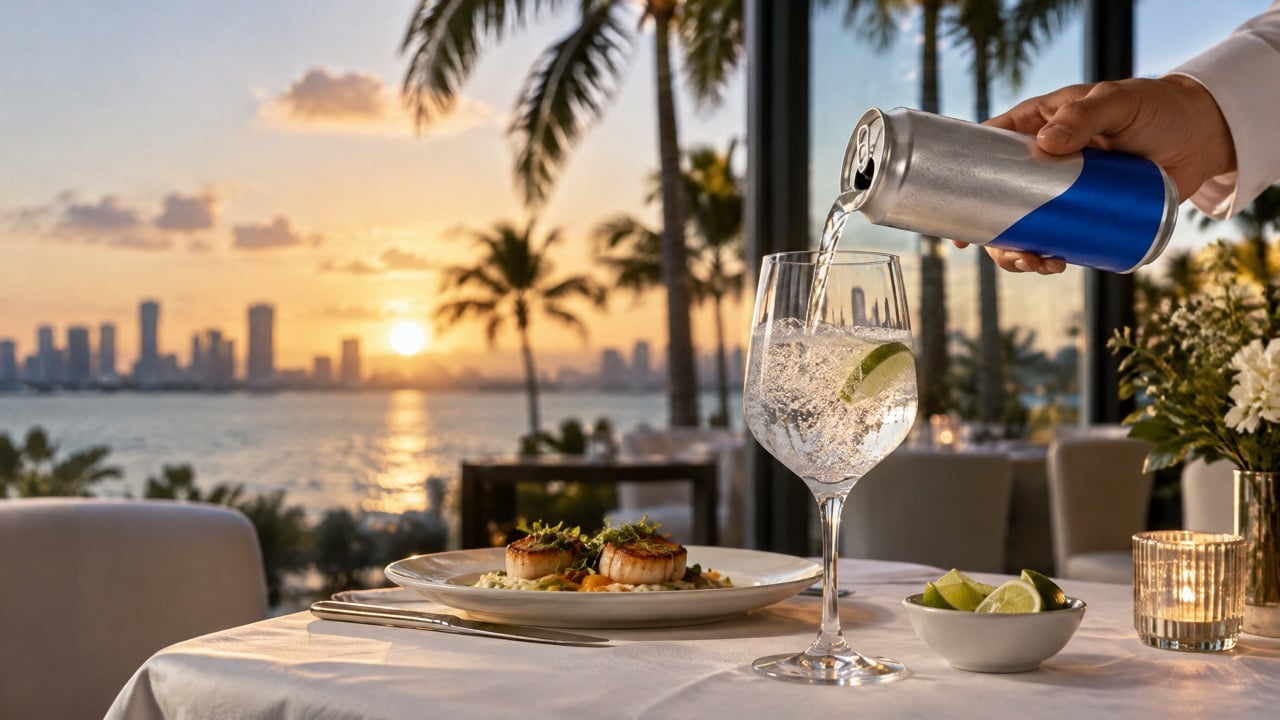
- Sparkling works as a palate cleanser between pours and feels special for non-drinkers.
- Still is the everyday hydration choice for tours, outdoor seating and events.
Many tasting rooms offer both in the same design family, with color telling them apart. Explore sparkling and still options.
Use the QR code to grow your community
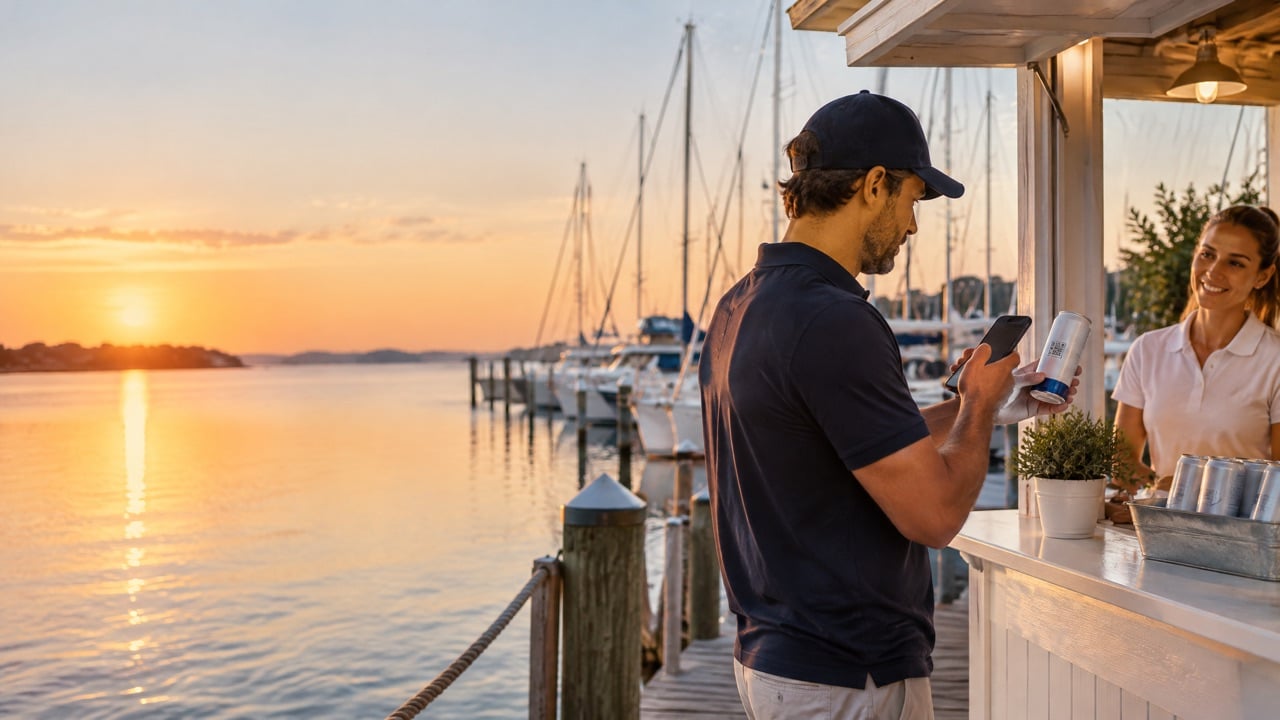
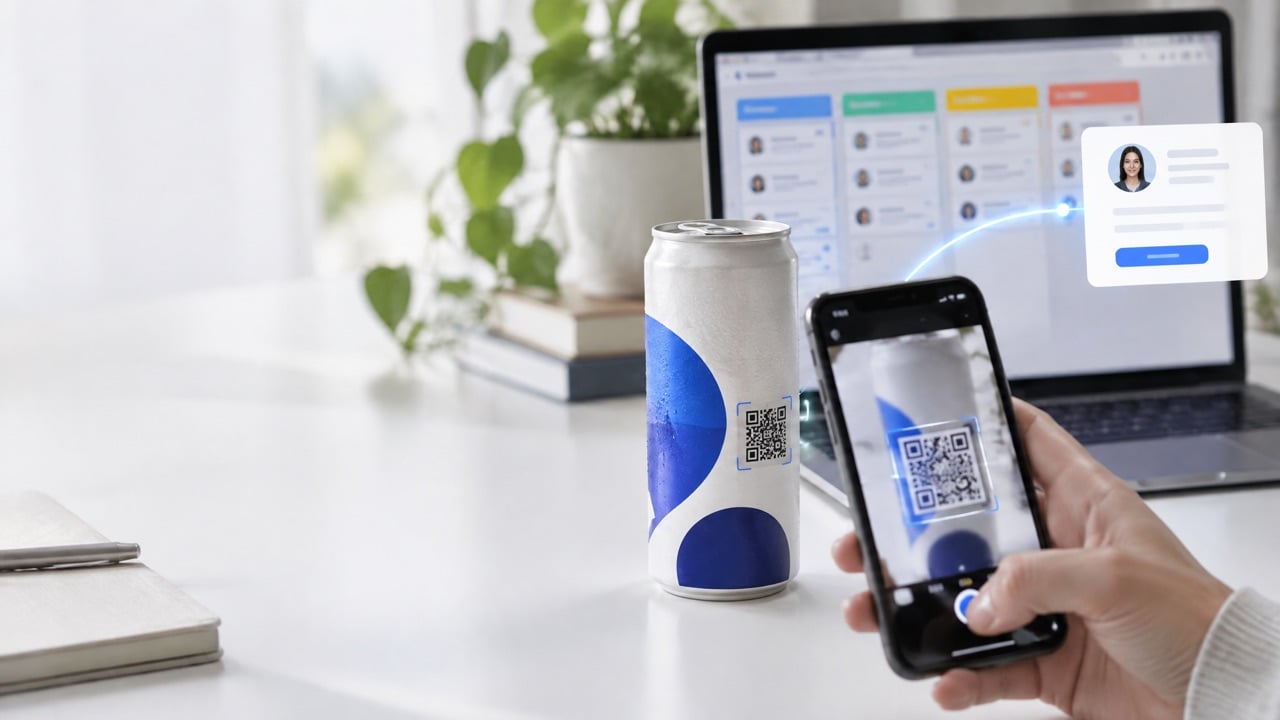
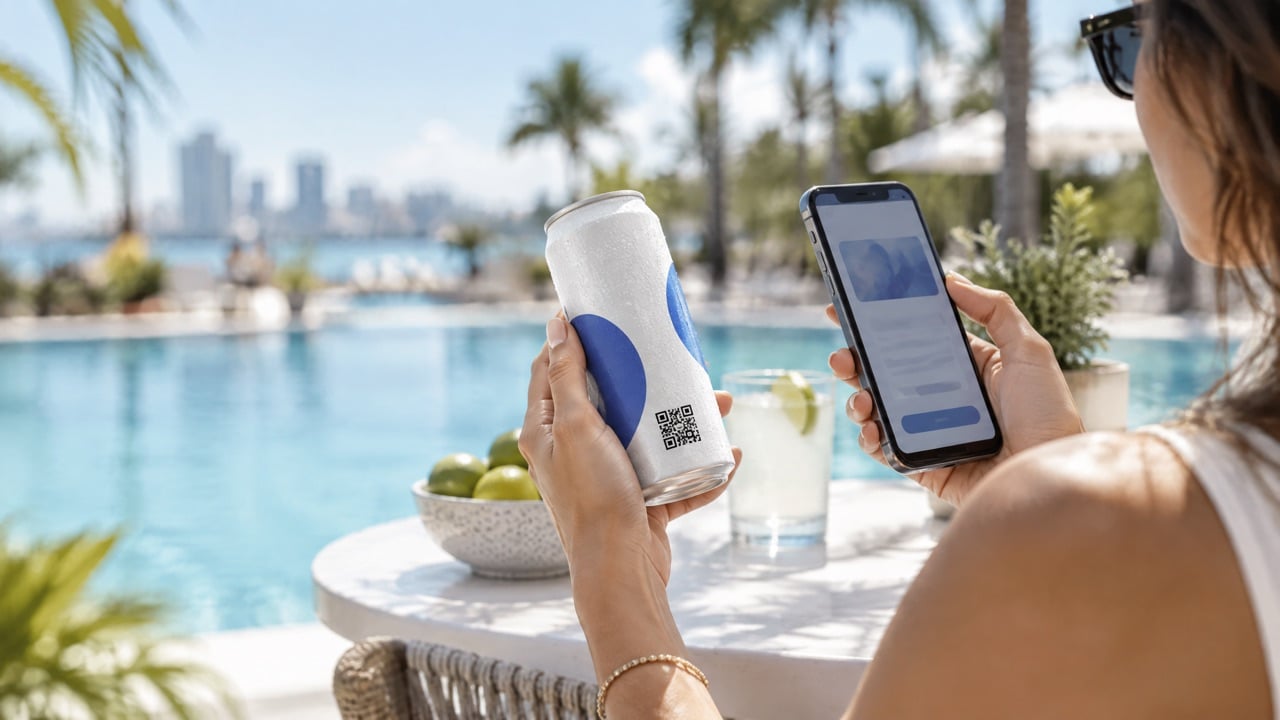
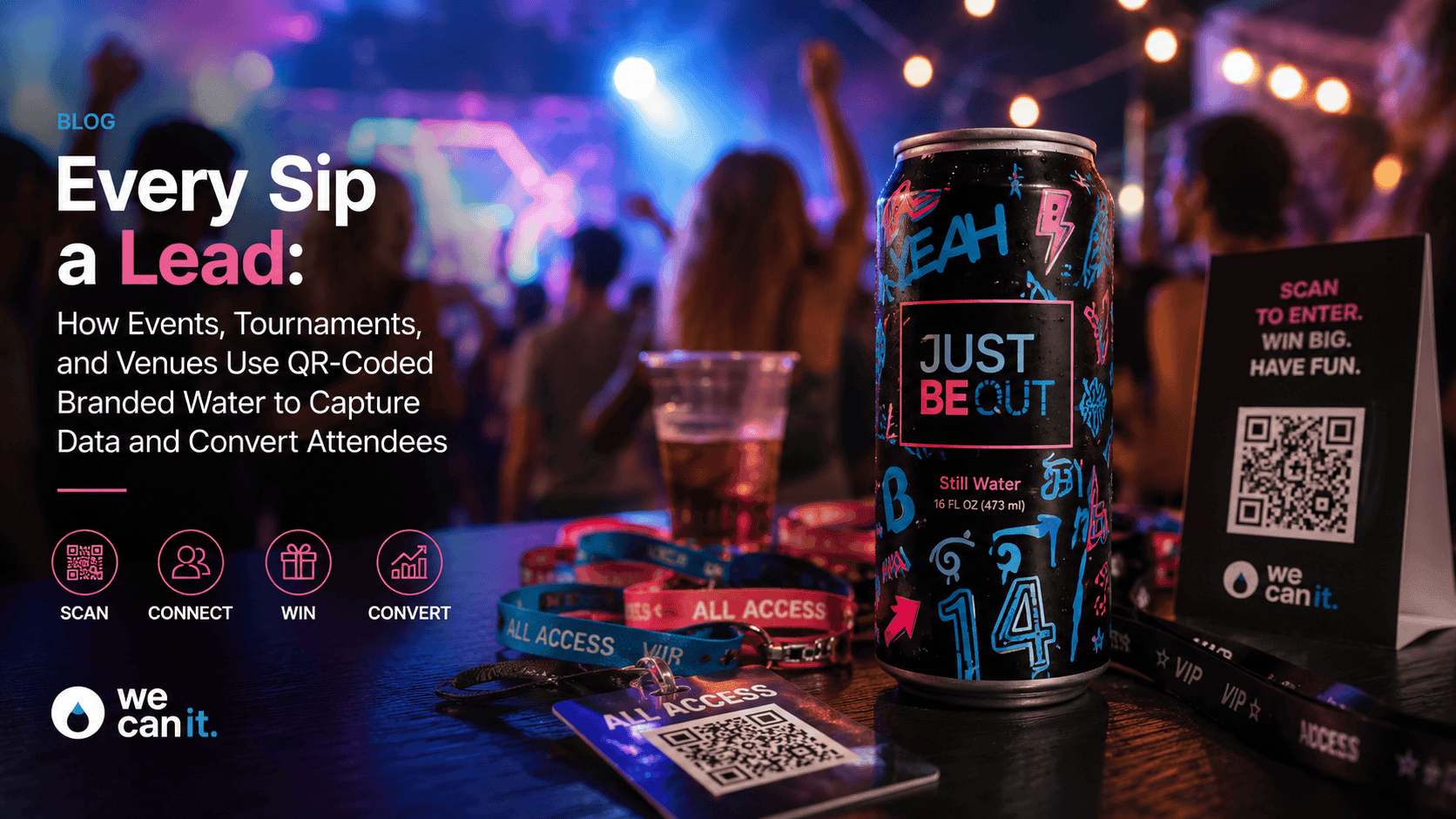
The QR code is included at no extra cost on every can. Point it somewhere that builds loyalty:
- Tour booking for friends who are visiting next time.
- Club or membership sign-up, with a first-visit perk.
- Event calendar for releases and live music.
- Online shop for merch and gift cards.
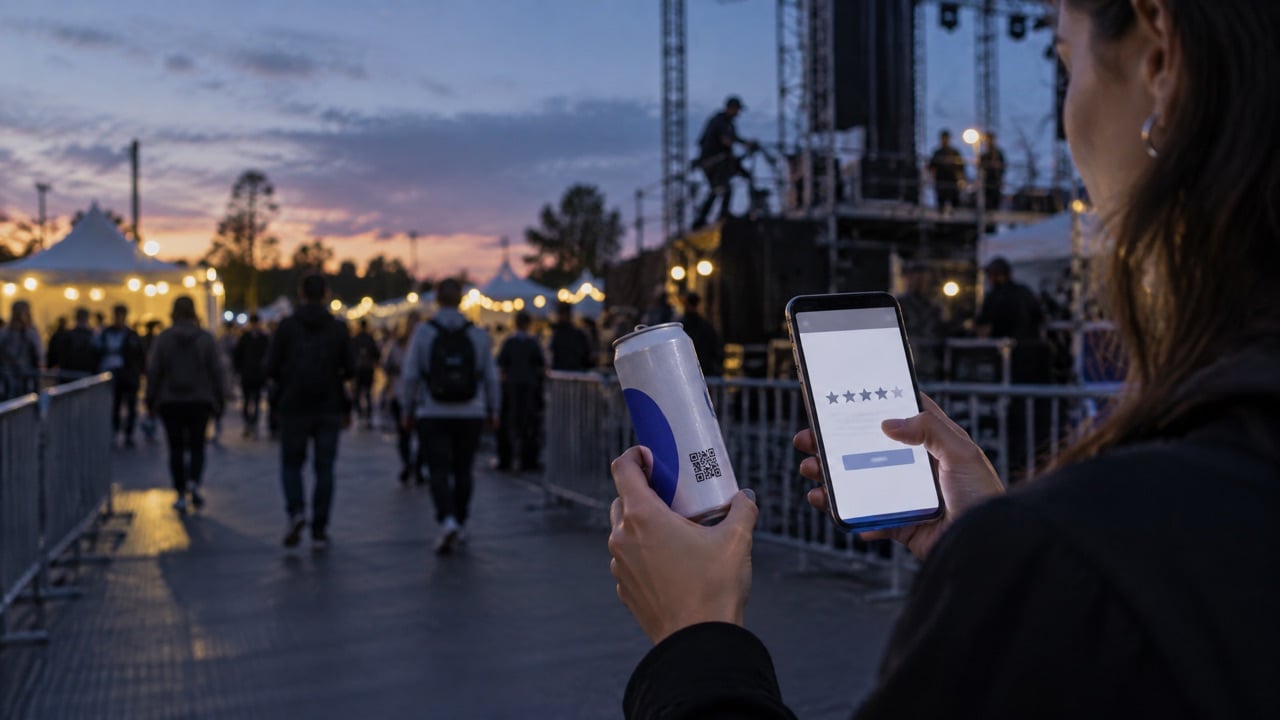
- Feedback on today's flight, in two quick questions.
With Journeys, you can see which areas generate the most scans, such as the patio or the tour, and plan around what guests actually use.
How much to order
Tasting room demand is steady and predictable, which makes planning easy.
- Count weekly visitors across typical weeks and busy weekends.
- Estimate how many guests take water. Track it for a few weeks if you can.
- Add tours and events.
- Add a buffer of 10 to 15 percent.
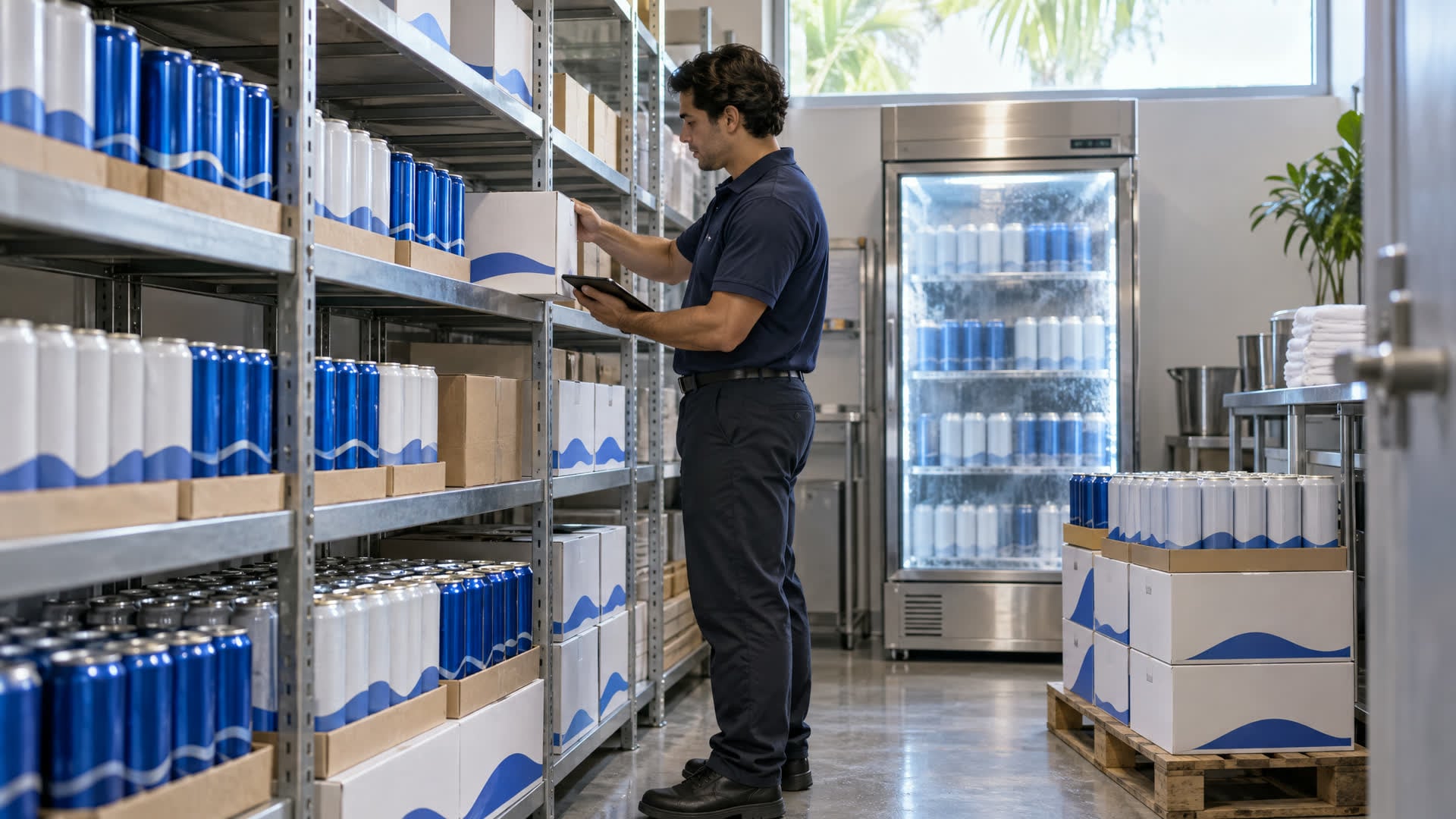
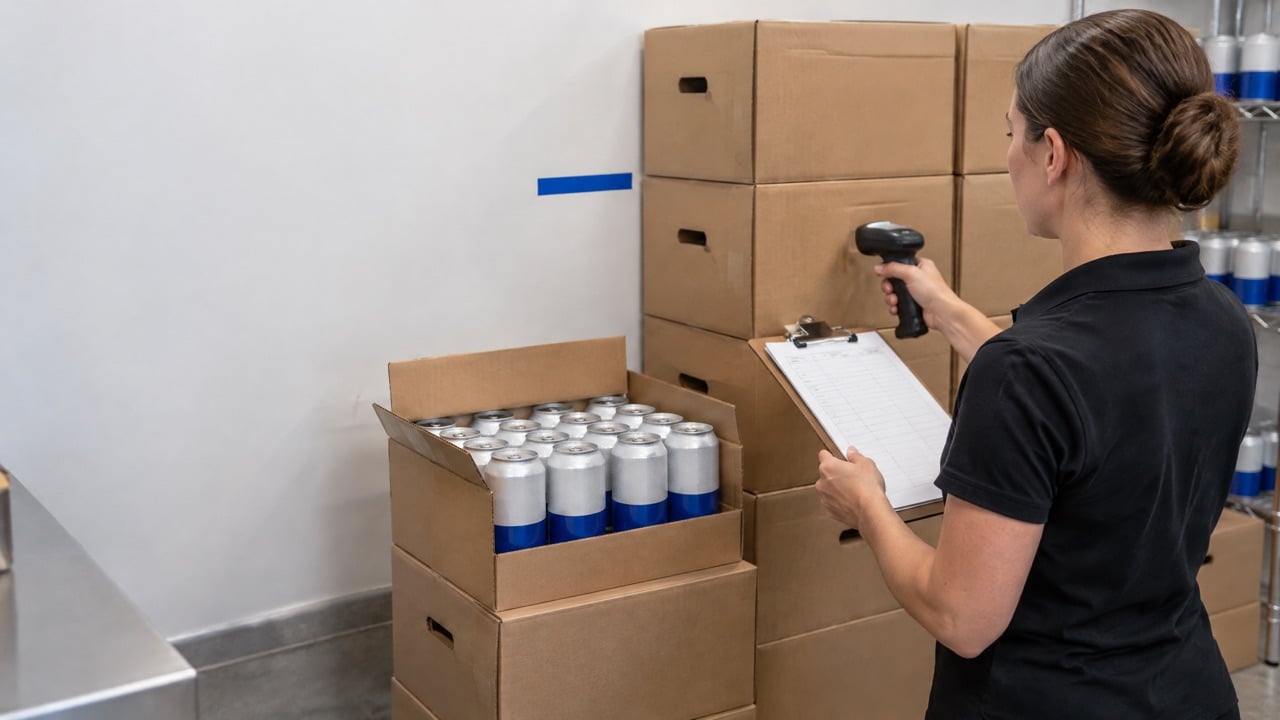
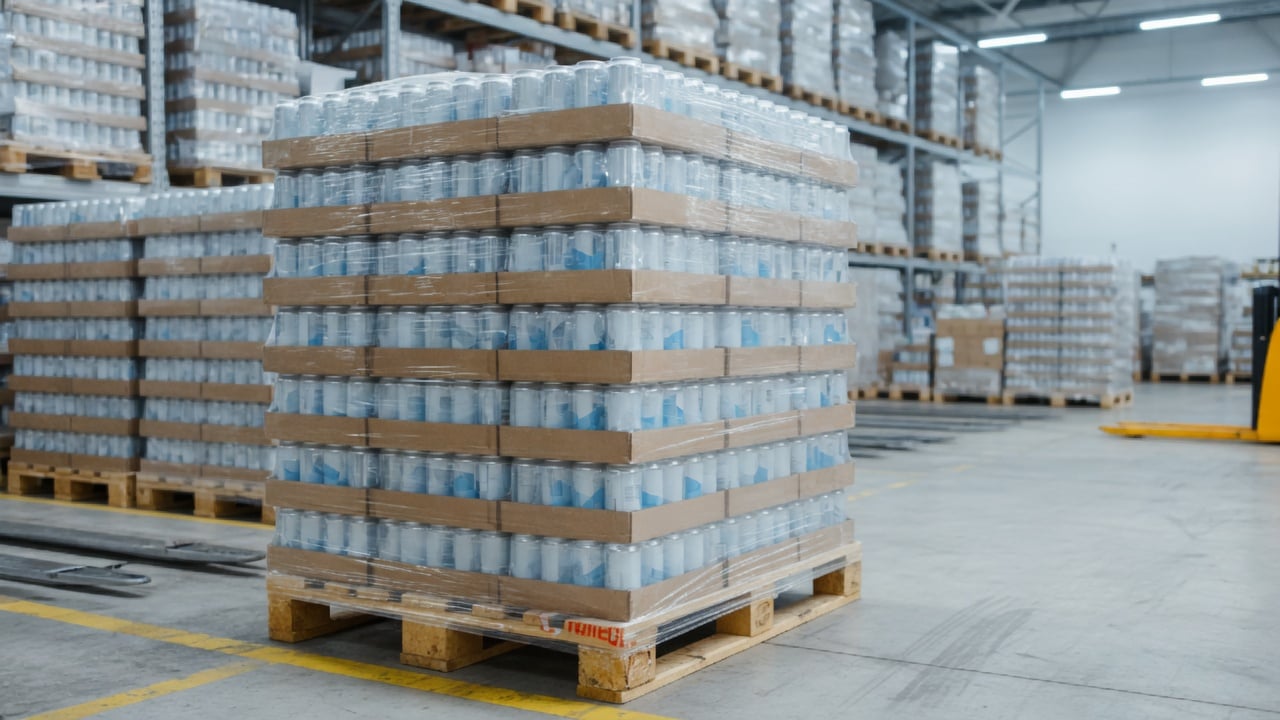
- Set a reorder point at about a month of stock, since production typically takes about 2 to 3 weeks from artwork approval.
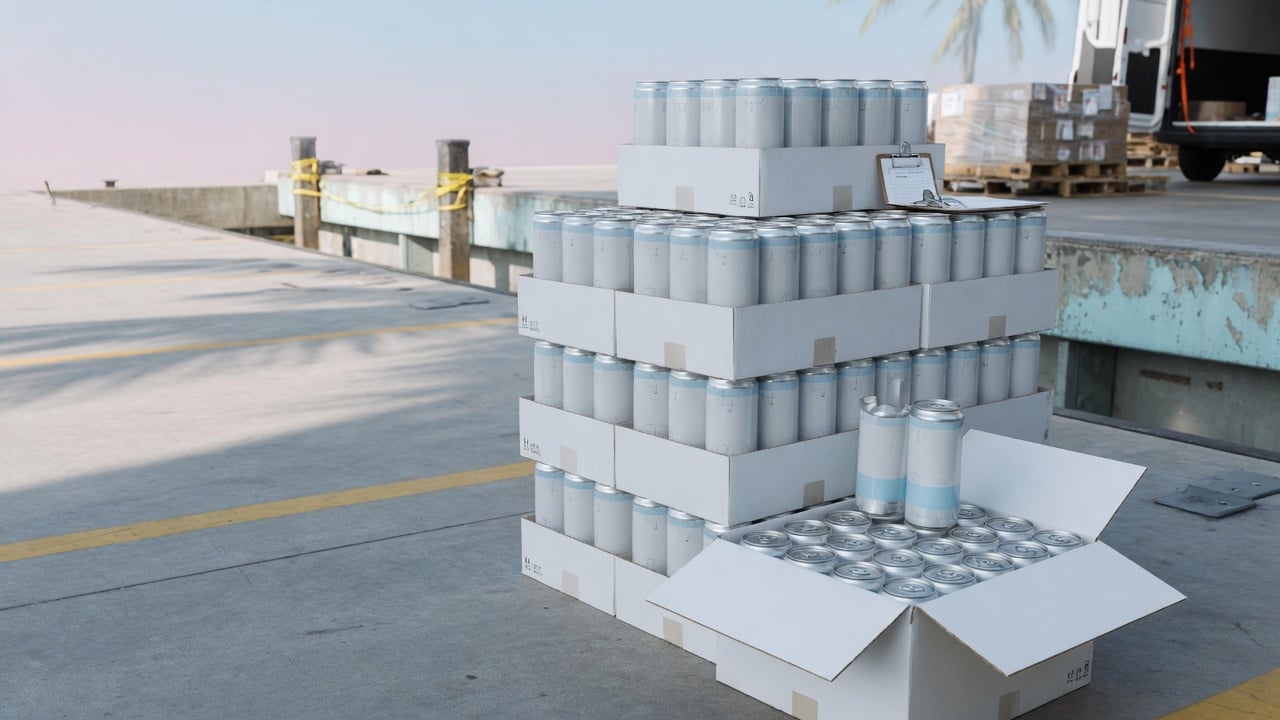
Many tasting rooms start with a 504-can labeled run to learn real demand, then move to digital print from 100 cases once usage is clear. Our post on par levels and reorder points explains the math.
Selling water vs giving it away
Both approaches work. Choose based on your hospitality style.
- Complimentary with flights: builds goodwill and keeps guests comfortable.
- Sold at the bar: a small margin item for non-drinkers and designated drivers.
- Hybrid: free on tours and with flights, sold on its own.
Whatever you choose, check any local rules that apply to your license and how you serve. Your licensing advisor can help.
What it costs
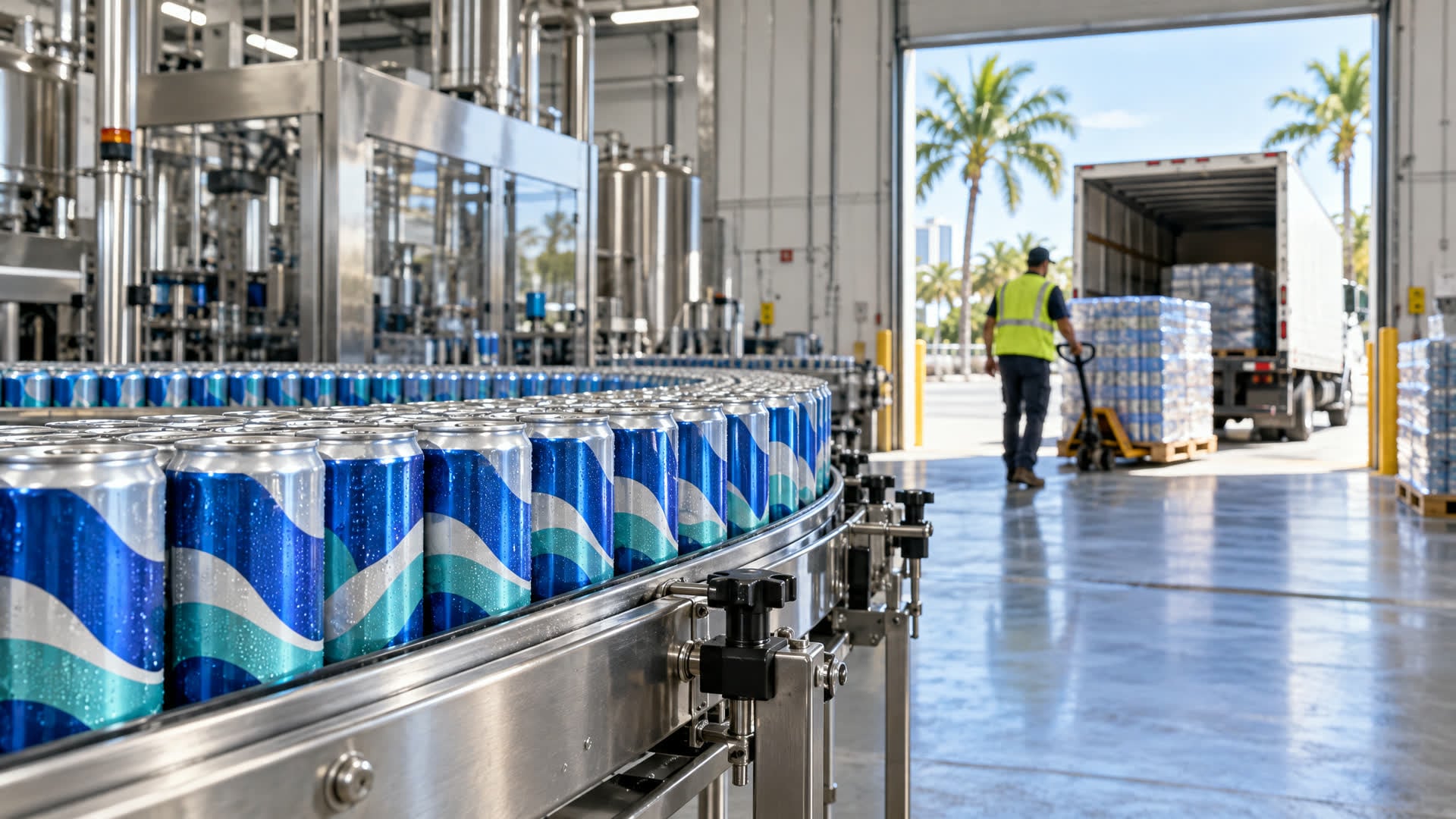
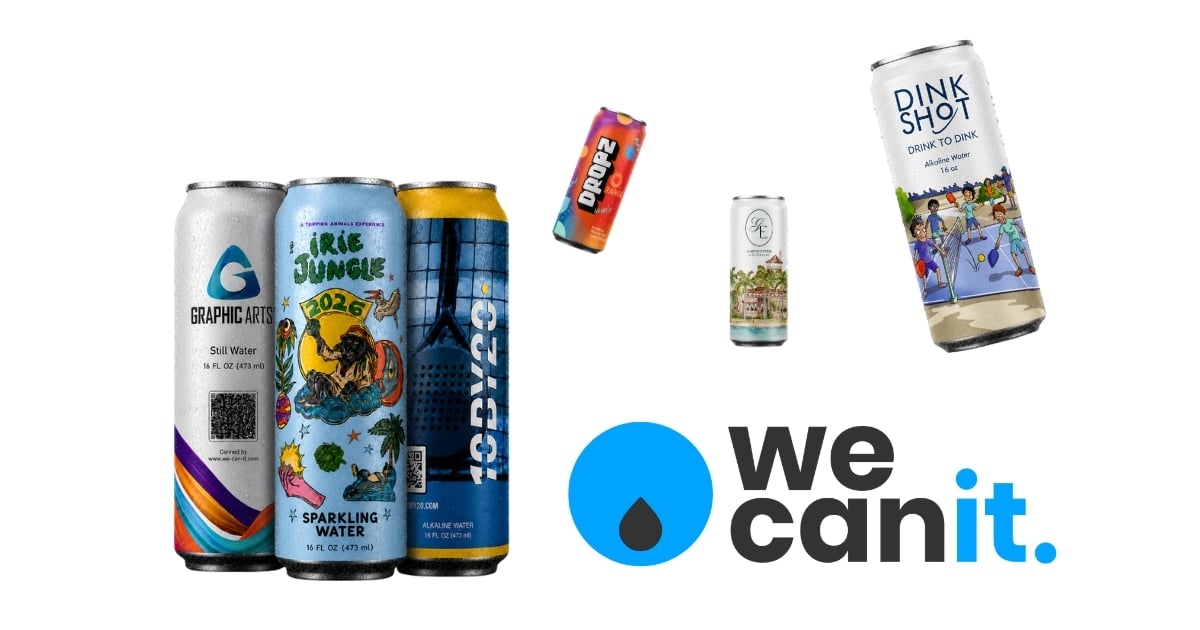
Digitally printed cans from We Can It range from $0.90 to $2.75 per can, depending on volume, with lower prices at higher volumes. Labeled cans start at 21 cases (504 cans) and are priced very competitively for small runs. The QR code is included at no extra cost, and logistics ship from Miami at cost. For your exact number, use the online calculator.
Getting started checklist
- Decide where water fits: flights, tours, events or retail.
- Choose still, sparkling or both.
- Design a can that matches your labels but clearly reads as water.
- Pick a QR destination that builds loyalty.
- Approve the digital proof.
- Set a reorder point and an owner.
Example: a brewery's first year with house water
Here is how a neighborhood brewery might introduce branded water over its first year.
The brewery starts with one labeled run of 504 cans of still water, designed in the same hand-drawn style as its beer labels but in calm cream and blue so nobody mistakes it for an IPA. Every flight comes with a can, and every brewery tour starts with one. The QR code opens the tour booking page and the event calendar.
After a couple of months, staff notice that designated drivers and pacers ask for the water by name. The brewery adds sparkling for weekend nights and starts selling cans at the merch counter for people who want to take one home.
By summer, the brewery has a clear monthly usage number, a reorder point and a steady stream of tour bookings coming from the QR code. At the anniversary party, a limited-edition can celebrates the brewery's first year, and regulars collect it.
The water never competes with the beer. It supports the experience around it, which is exactly what a tasting room is for.
Mistakes to avoid
- A can that looks like beer. Make water obvious at a glance.
- Hiding the water. Put it on the flight board, not behind the bar.
- No reorder owner. Busy weekends empty the fridge quickly.
Pairing water with your events calendar
Tasting rooms run on a calendar of releases, live music, trivia nights and seasonal festivals. Plan water around it. Hot summer patio days and outdoor festivals call for more still water. Release nights and private buyouts are a good moment for sparkling and a limited-edition design. Point the QR code to the next event on the calendar, so every can quietly promotes the next reason to visit.
Frequently asked questions
Why should a brewery offer branded water?
Branded water supports guests who pace their drinks, gives designated drivers and non-drinkers something that feels part of the visit, and keeps the brand consistent across the tasting room. A QR code on the can can also drive tour bookings and club sign-ups.
What is the minimum order for a tasting room?
Labeled cans start at 21 cases, which is 504 cans. Digital print starts at 100 cases. Many tasting rooms start with labels to learn demand before scaling up.
Will guests confuse a water can with a beer can?
Not if the design is clear. Use calmer colors or a distinct layout, and name it clearly as water. Staff should also present it as the house water.
Should we serve still or sparkling water in the tasting room?
Many offer both. Sparkling works as a palate cleanser between pours, while still water suits tours, patios and hot days.
How long does production take?
We Can It typically delivers in about 2 to 3 weeks from artwork approval. Setting a reorder point at about a month of stock keeps the bar supplied.
Get a quote for branded water for your tasting room
Give every guest at the table something that belongs to your brand. Get an instant estimate, and a product advisor will follow up by email to help with design and quantities.