How to A/B Test Can Designs and Offers with QR Scans
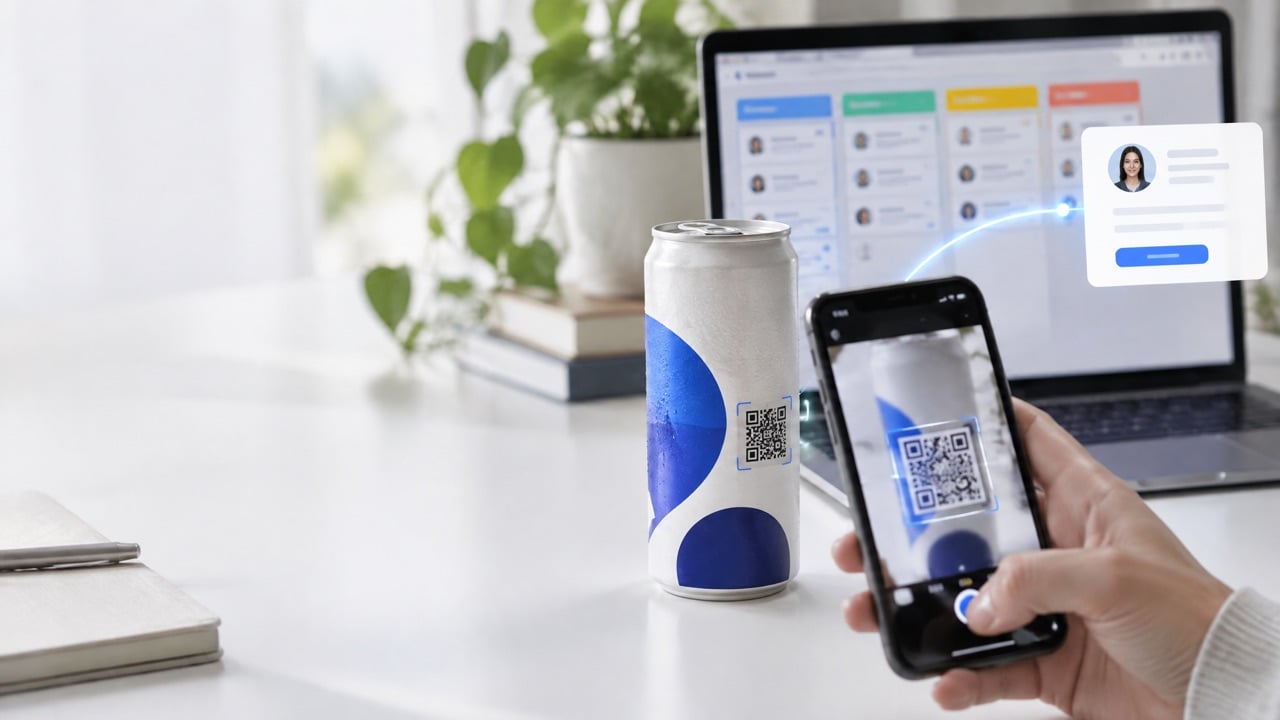
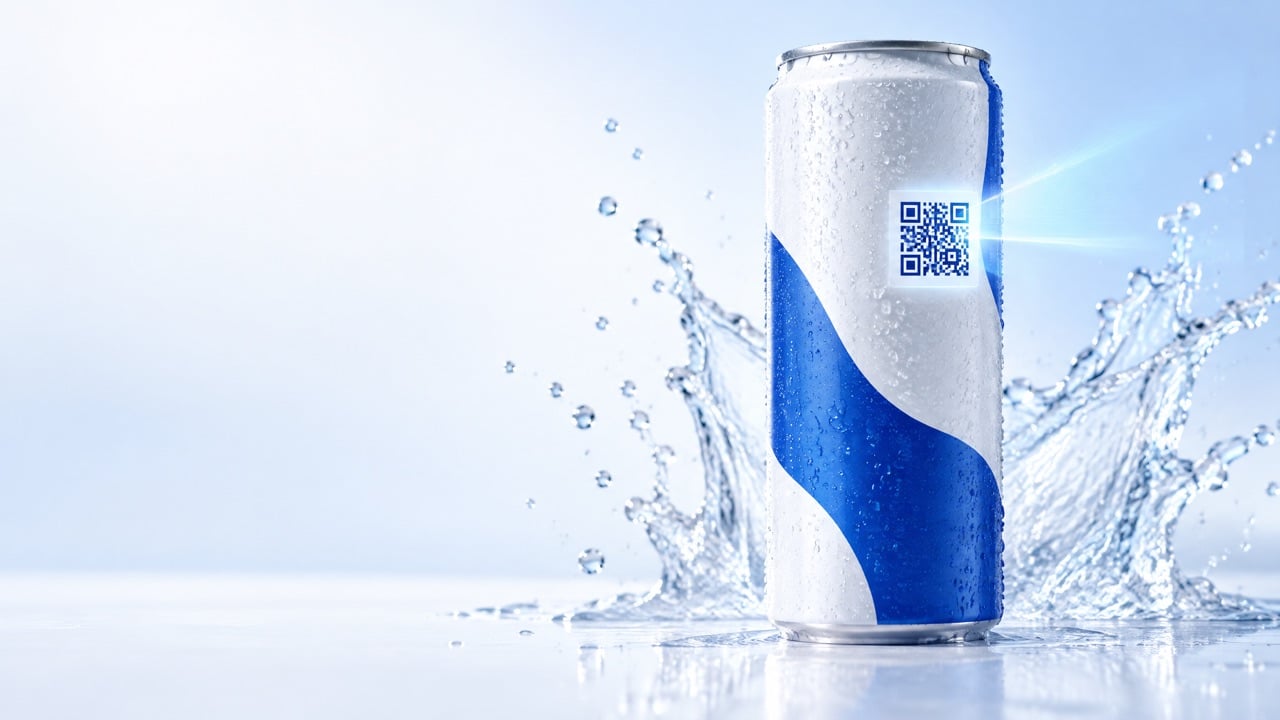
Two can designs, two QR codes, and a fair split across venues: that is all it takes to find out which design or offer people actually scan more. Here is how to set up a packaging A/B test, compare scan rates honestly, and pick the version to reorder.

Two can designs, two QR codes, and a fair split across venues: that is all it takes to find out which design or offer people actually scan more. Here is how to set up a packaging A/B test, compare scan rates honestly, and pick the version to reorder.
Every design review ends with the same debate. The blue version feels more premium. The white version is cleaner. The CEO likes the bold one. Everyone has an opinion, and nobody has evidence. So the team picks one, prints it, and never finds out whether the other would have done better.
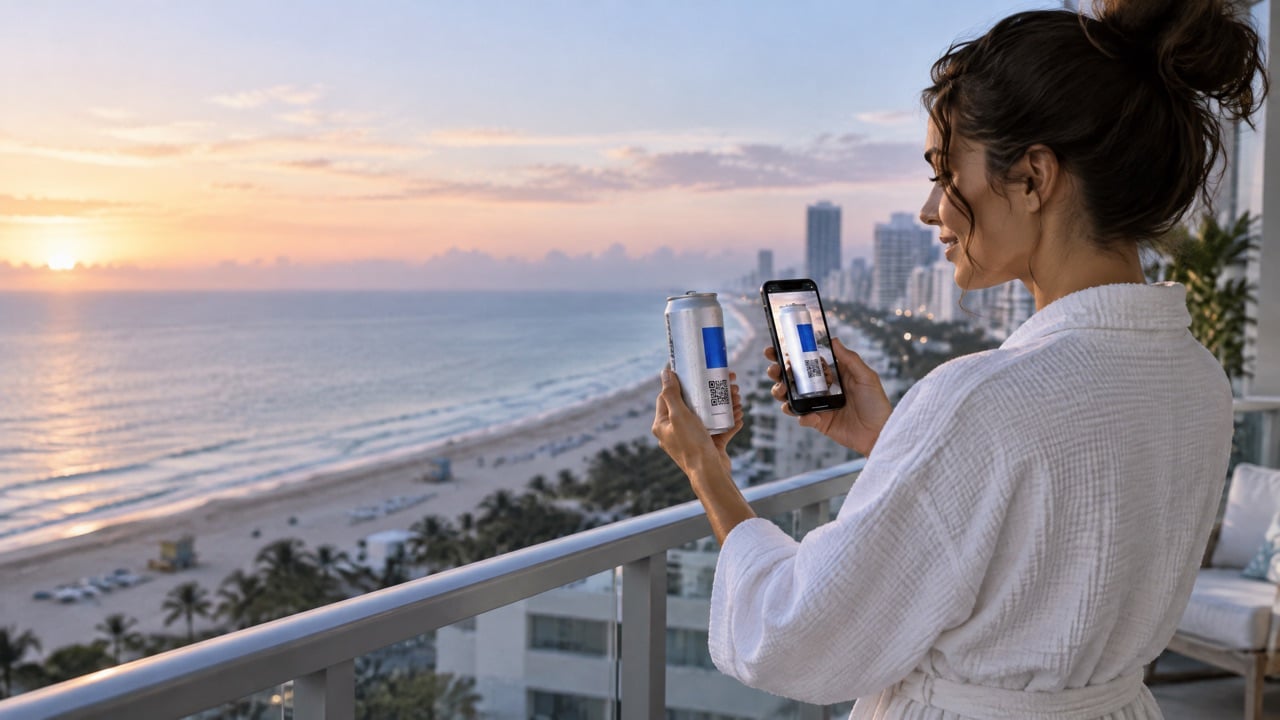
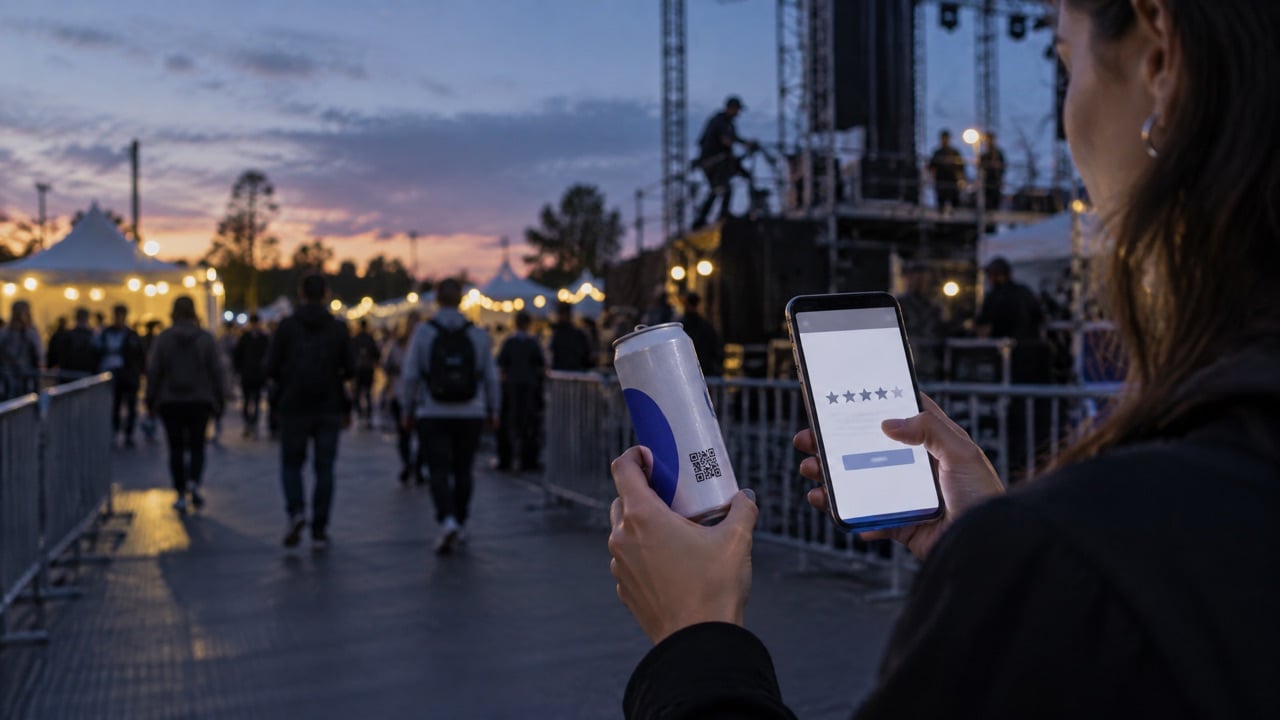
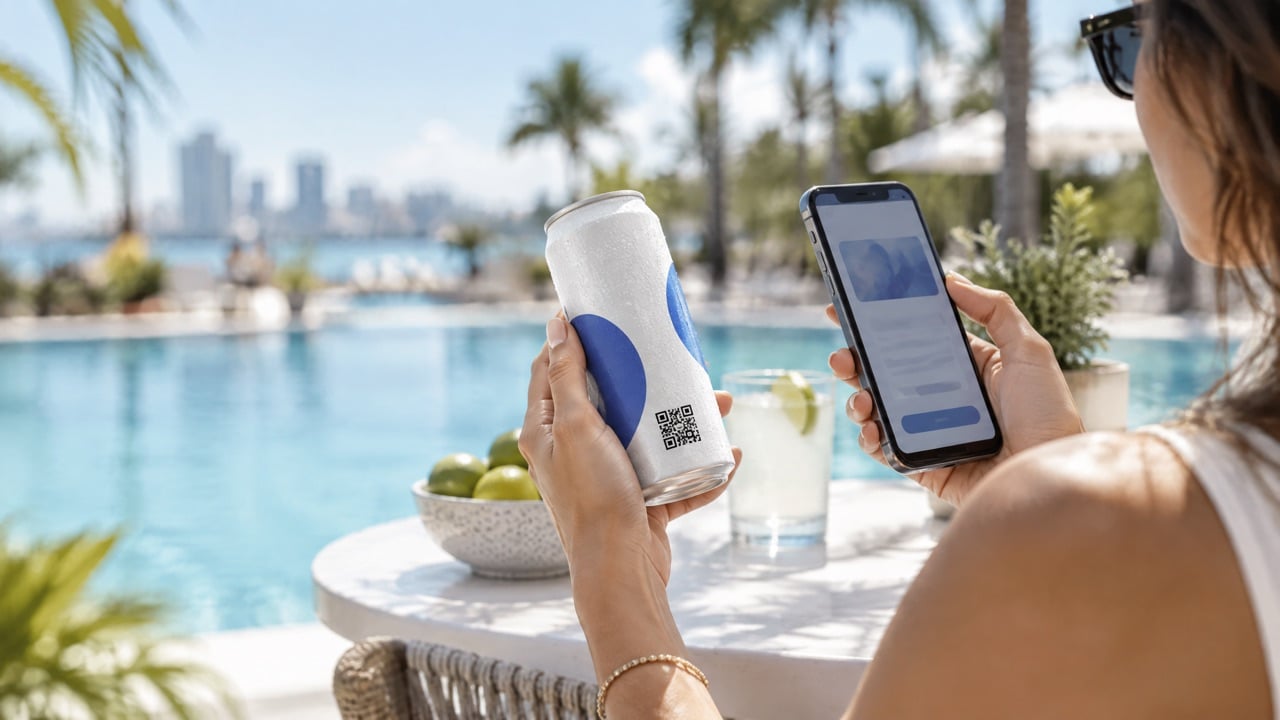
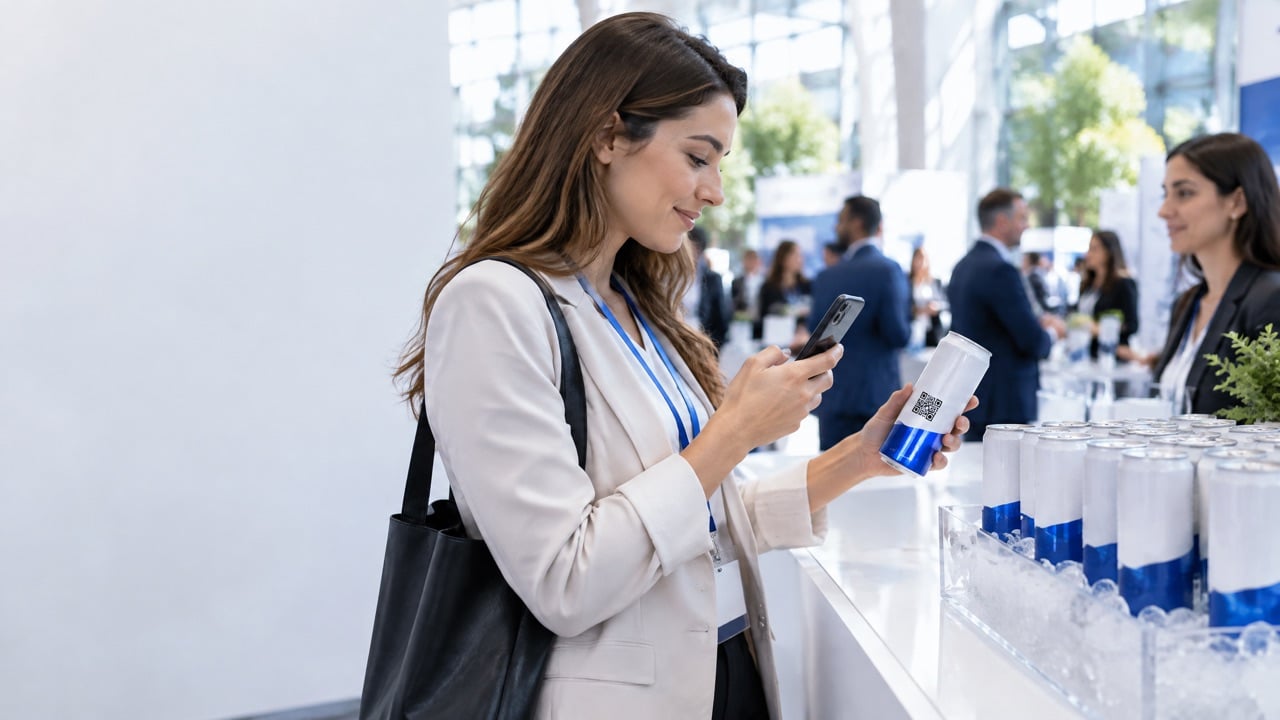
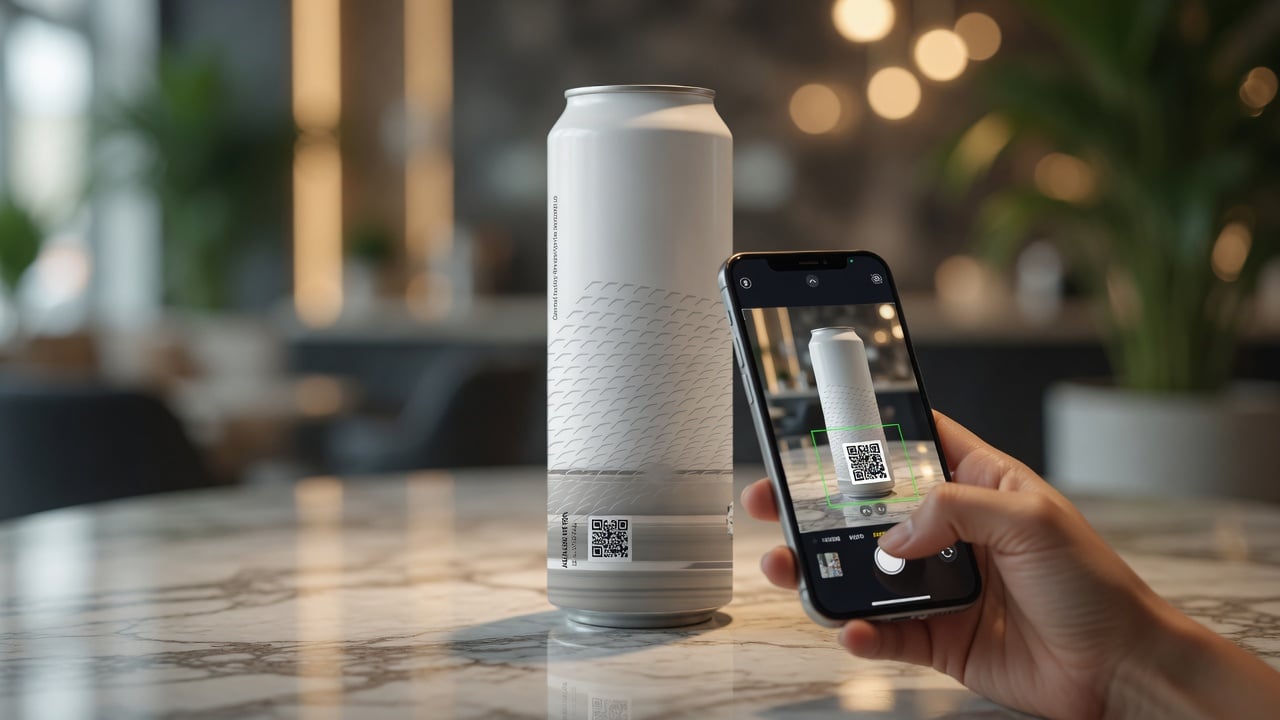
QR codes on cans give you a simple way to settle the debate with real behavior. By splitting two designs or two offers across venues and comparing scan rates, you can learn which one guests actually respond to. This guide is for brand managers, marketing teams, and small brands who want to run a fair, practical A/B test with branded cans, without a data science team.
What is an A/B test for packaging?
An A/B test compares two versions of something, A and B, that differ in one important way, to see which performs better. For branded cans, the thing you compare is usually the can design or the offer behind the QR code. The measure is usually the scan rate: how many scans each version gets relative to how many cans were handed out.
What can you test with QR cans?
Test one thing at a time so you know what caused the difference.
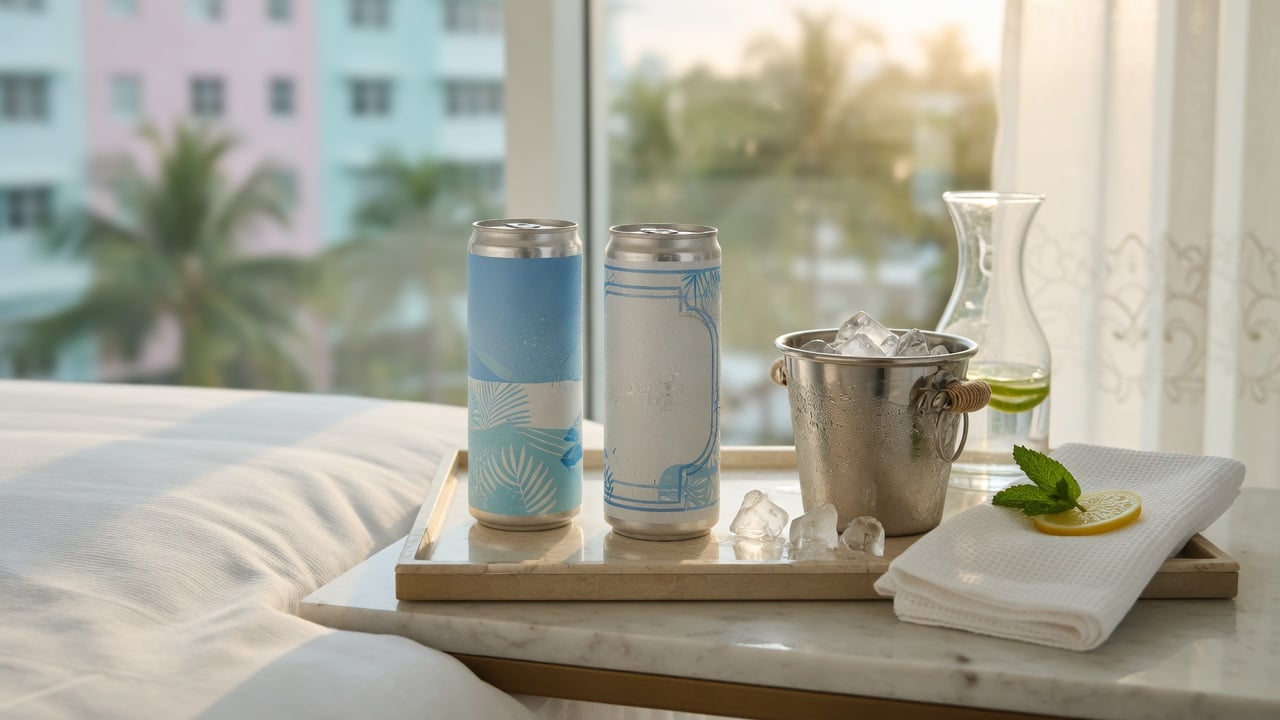
- Design: two color schemes, two layouts, or two hero images.
- Call to action: "Scan for 20 percent off" versus "Scan to win."
- Offer: a discount versus a free sample versus exclusive content.
- Placement of the QR code: front versus back of the can.
- Landing page: two versions of the page after the scan.
If you change the design and the offer at the same time, you will not know which one made the difference.
How do you set up a fair test?
Fairness is what makes the result trustworthy.
- Print both versions in the same run size so neither has an advantage.
- Give each version its own QR link so scans are counted separately.
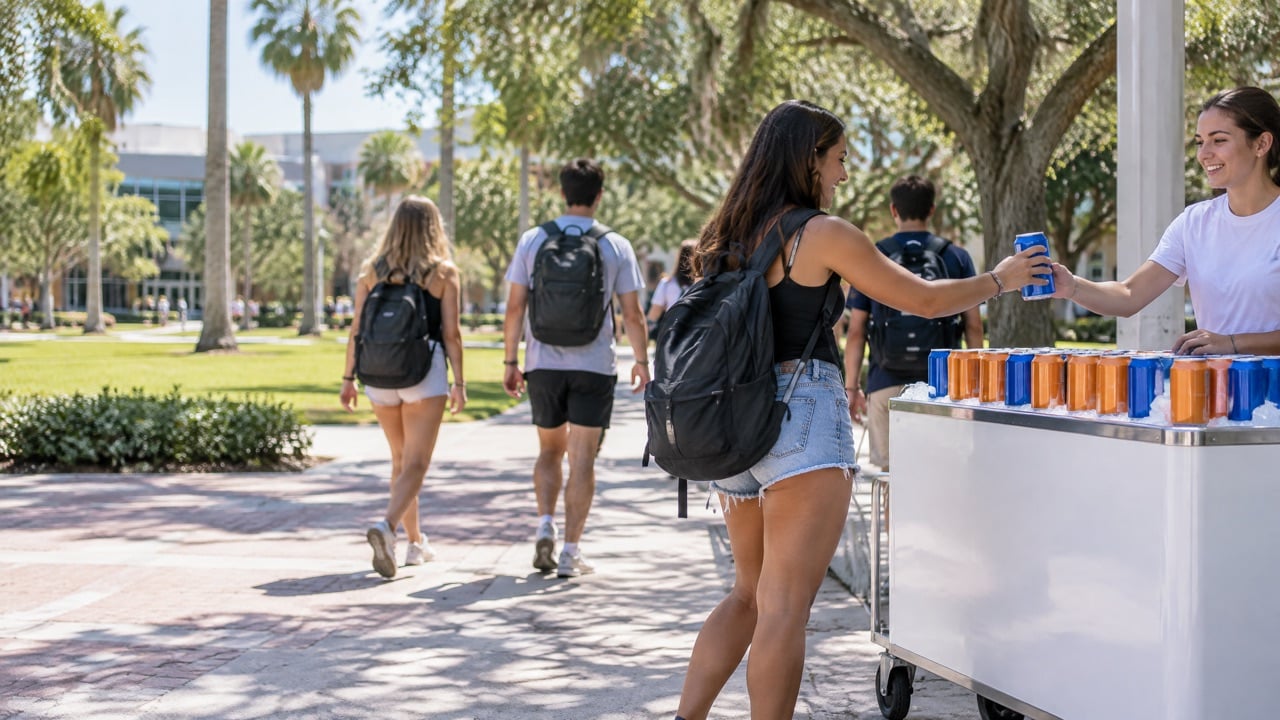
- Split distribution evenly, ideally across similar venues, days, and times.
- Hand out the same number of cans of each version, or record exactly how many.
- Run both versions at the same time so weather or events affect both.
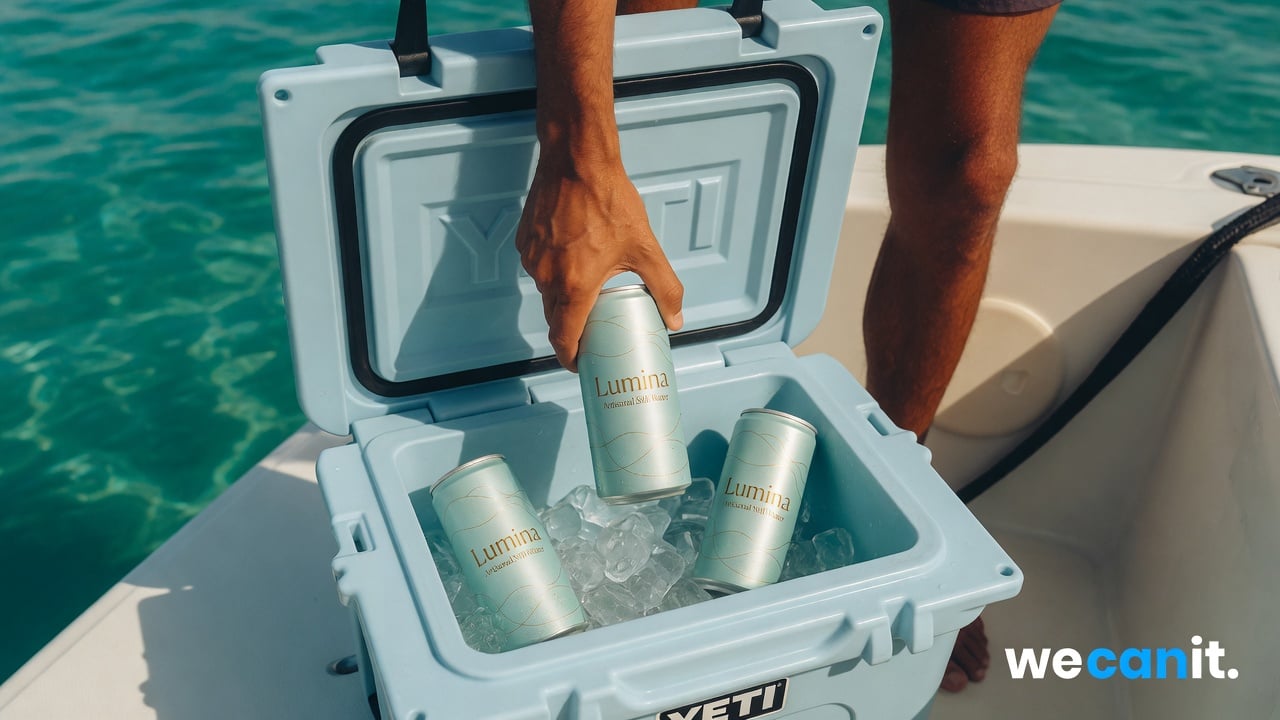
- Keep everything else the same: size, water type, cooler, and staff script.
A common setup is to alternate versions by venue: A at two venues, B at two similar venues, then swap for the second half of the test.
How do you measure the results?
The main measure is the scan rate.
Scan rate = scans / cans distributed
If version A had 1,000 cans and 80 scans, its scan rate is 8 percent. If version B had 1,000 cans and 50 scans, its scan rate is 5 percent.
For offer tests, also track what happens after the scan:
- Form completion rate
- Offer redemptions
- Sales or bookings
Sometimes the version with more scans produces fewer real results, so look at the whole path.
How many cans do you need for a meaningful test?
Small tests can mislead. The more cans and scans you have, the more confident you can be.
- Aim for at least a few hundred cans per version, more if scan rates are low.
- Look for a clear, repeated difference, not a small gap after one weekend.
- If results are close, treat them as a tie and keep testing.
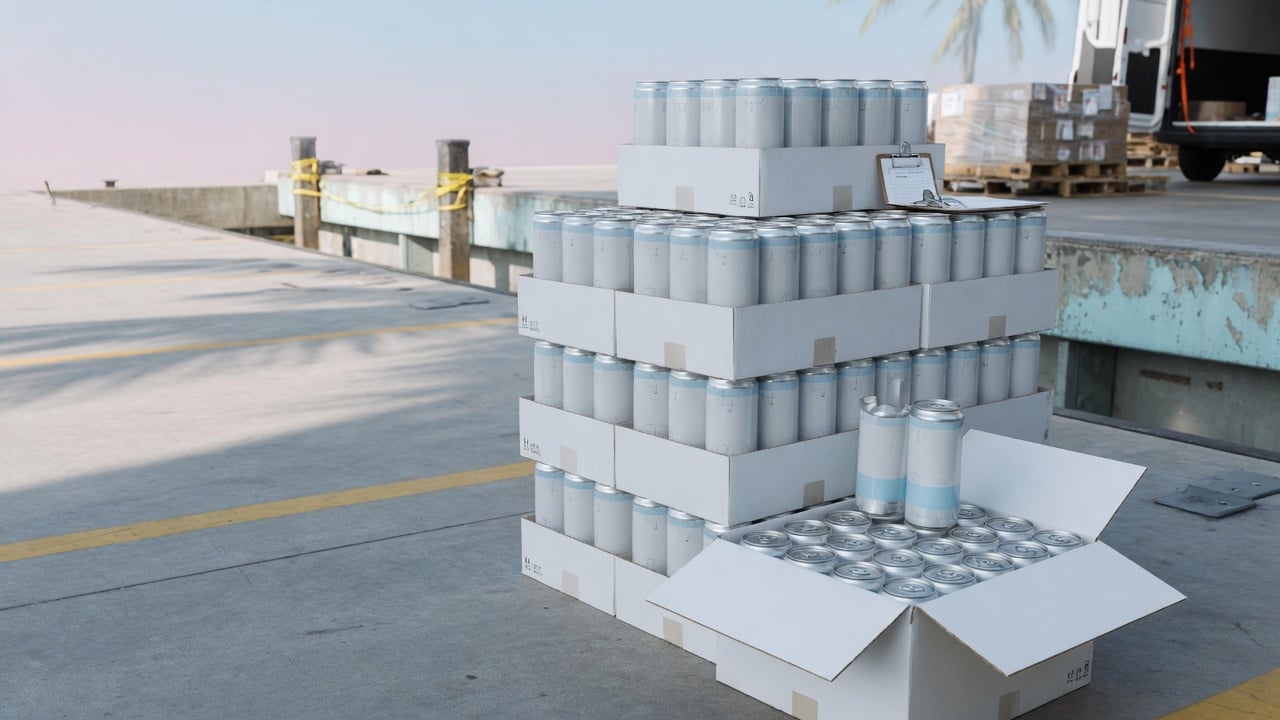
At We Can It, runs start at 21 cases, which is 504 cans, so a two-version test with one minimum run per version gives you around 500 cans each. That is enough for a useful first read in many venues.
How do you avoid common testing mistakes?
- Changing two things at once.
- Uneven distribution, such as version A at a busy festival and version B at a quiet office.
- Ending the test too early after a lucky day.
- Not recording how many cans went out.
- Letting staff favor one version in how they present it.
- Ignoring what happens after the scan.
How do you read results when they are close?
Close results are common, and they are still useful. They tell you the difference you tested does not matter much to guests, which frees you to choose based on cost, brand fit, or production preference. If you need a clearer answer, run a second round with a bigger difference between A and B.
What does a real test look like?
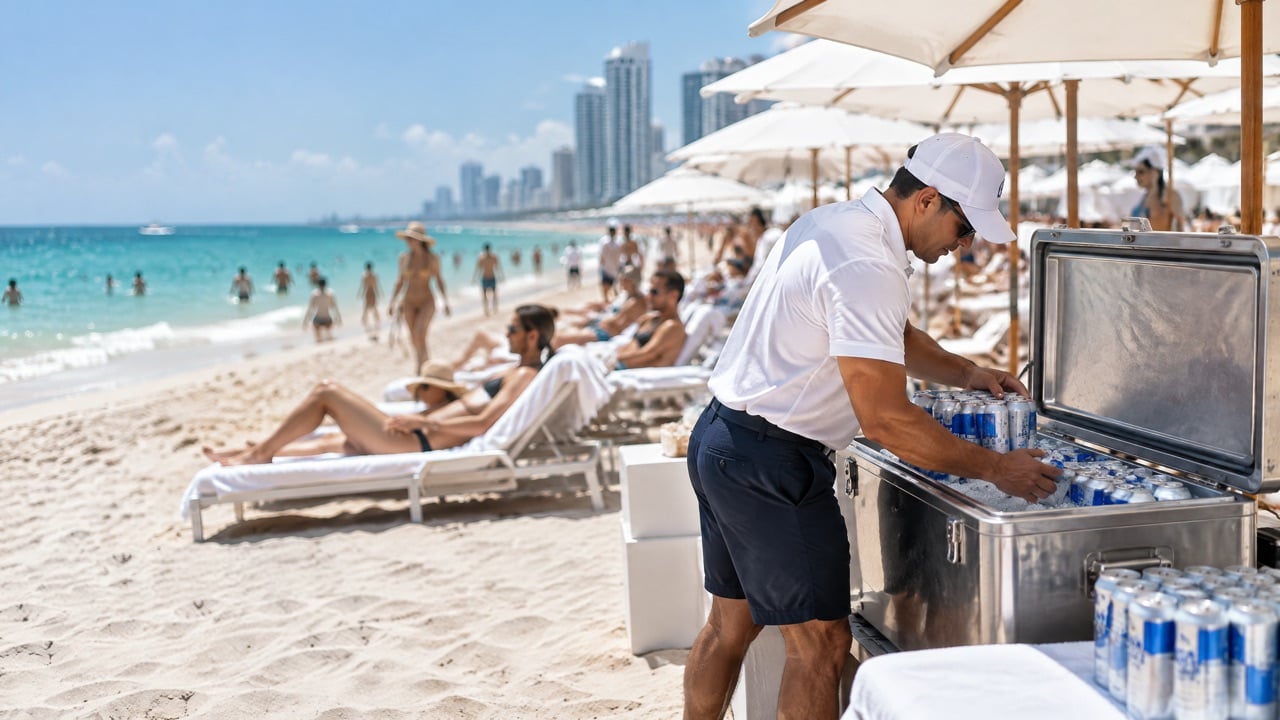
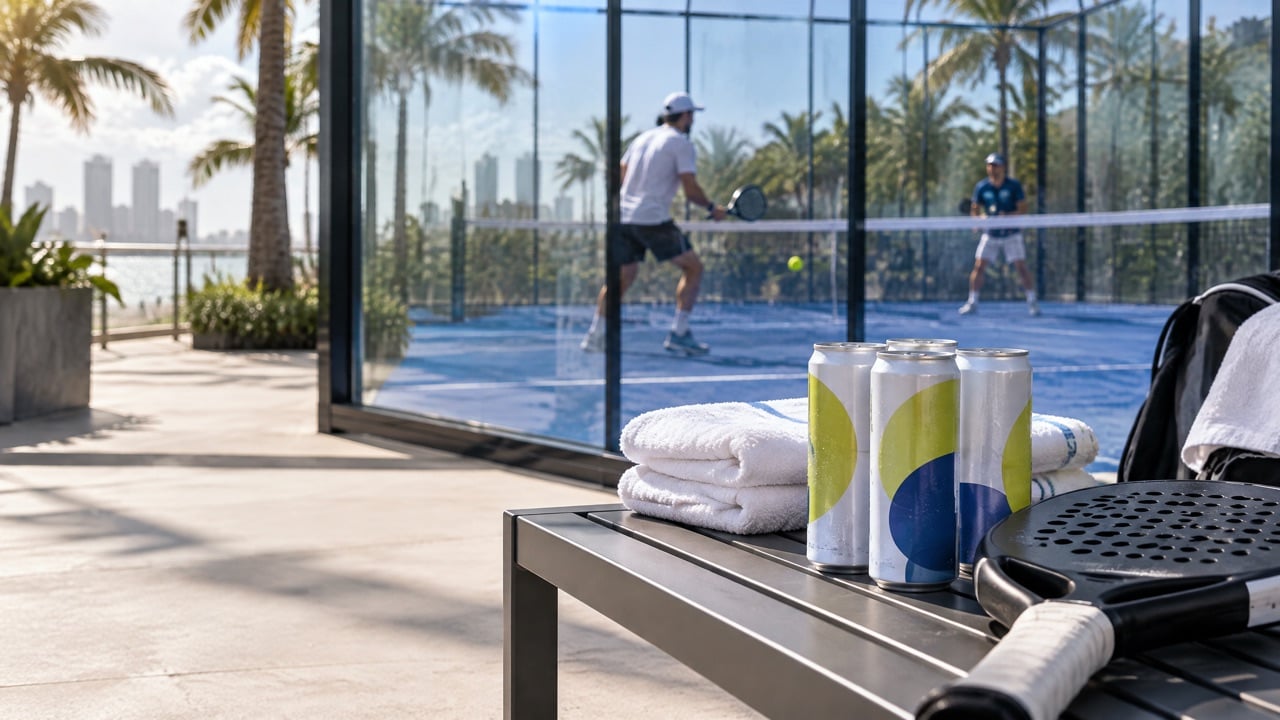
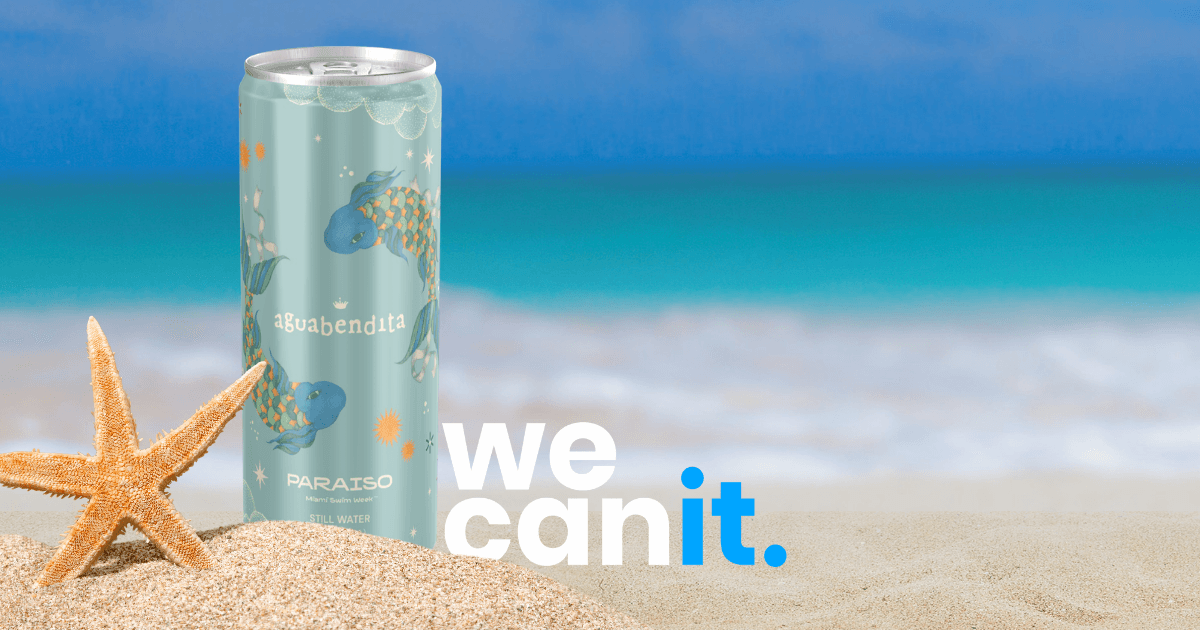
Here is an example. A beverage brand wants to know whether a bold coral design or a calm white design gets more attention at beach clubs. It prints one minimum run of each, about 500 cans per version, with separate QR links that open the same offer page.
For the first two weekends, the coral can goes to two beach clubs and the white can to two similar beach clubs nearby. For the next two weekends, they swap. Staff use the same line for both: "Scan the can for a free drink on your next visit." At the end, coral cans have a noticeably higher scan rate at all four clubs, in both halves of the test.
The team now has evidence, not opinions. It reorders the coral design for the summer and plans the next test: the free drink offer against a prize draw, using the coral can for both.
What should you test next?
After a design test, move to the offer. After the offer, test the landing page. Each test builds on the last, and over a season you learn a lot about what your audience responds to.
Who should be involved in a packaging test?
Bring the designer, the marketing lead, and the person who manages distribution into the plan from the start. The designer makes sure the two versions differ in only the intended way, marketing owns the offer and the reporting, and distribution makes sure the split across venues is actually fair on the ground.
What should you do after the test?
- Write down the result in one sentence: "The white design scanned 60 percent more than the blue design across four venues."
- Reorder the winning version for the next run.
- Share the result with the design team and leadership.
- Plan the next test based on what you learned.
- Keep a test log so you build knowledge over time.
How can AI tools help with A/B testing?
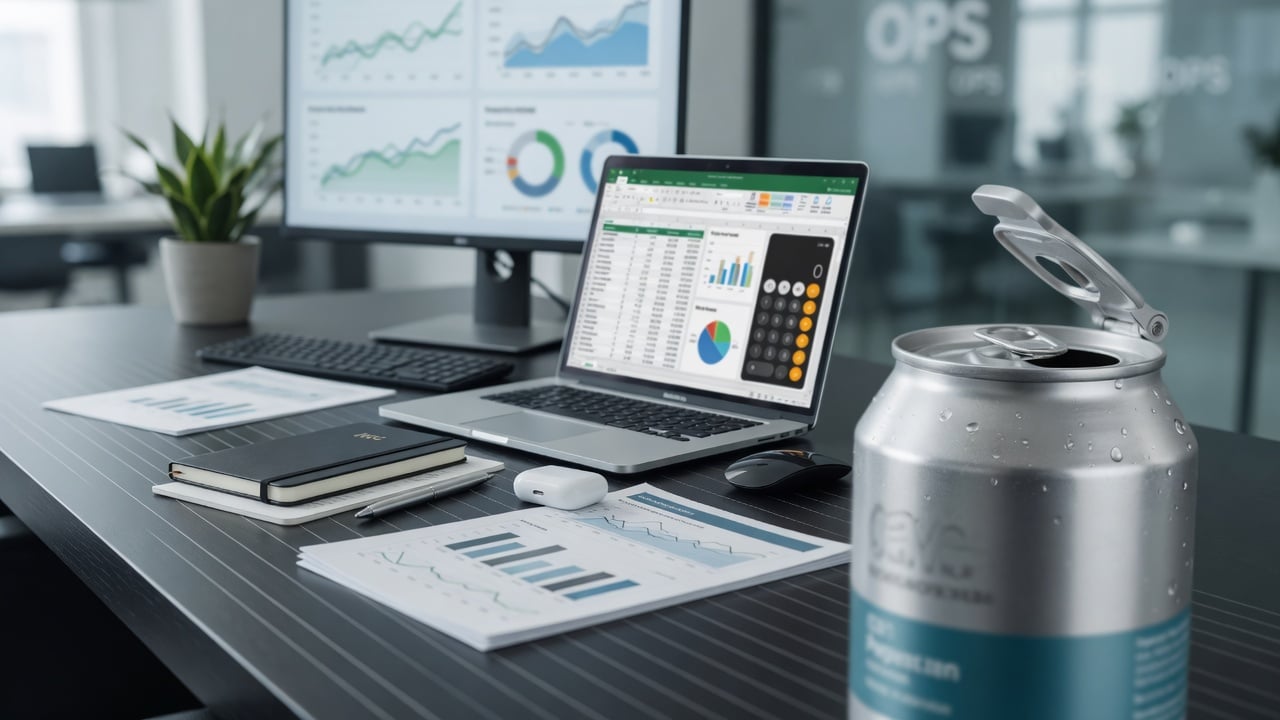
You can paste your scan counts and distribution numbers into a spreadsheet assistant and ask it to calculate scan rates, compare versions, and highlight whether the difference looks meaningful. It saves time on the math. The decisions about what to test and how to act still belong to your team.
Which can setup works best for testing?
- 12oz Sleek or Regular: keep the size the same across versions.
- Label print from 21 cases: practical for small test runs.
- Digital print from 100 cases: useful when testing full-wrap designs at larger scale.
Production takes about 2 to 3 weeks from artwork approval, so plan both versions together. Label and print options are on Technology · Labels, and the QR side is on Technology · Digital experience.
A/B testing checklist for branded cans
- Choose one thing to test.
- Create two versions with separate QR links.
- Print equal quantities.
- Split distribution fairly across venues and times.
- Record cans distributed per version.
- Track scans and what happens after.
- Run long enough for a clear difference.
- Reorder the winner and log the result.
Frequently asked questions
How do you A/B test packaging design?
Print two versions that differ in one way, give each its own QR link, distribute them evenly across similar venues and times, and compare scan rates and results after the scan.
What is a good scan rate for QR codes on cans?
It varies widely by venue, audience, and offer. Instead of relying on benchmarks, compare your two versions against each other in the same conditions.
How many cans do I need for an A/B test?
Aim for at least a few hundred cans per version. One minimum run of 21 cases, or 504 cans, per version is a practical starting point.
Can I test two offers with the same can design?
Yes. Print one design with two QR links, or place different offers on two landing pages, and compare scans and redemptions.
How long should a packaging test run?
Long enough to see a clear, repeated difference across several days and venues, not just one busy weekend.
What is the minimum order for test cans?
We Can It starts at 21 cases, which is 504 cans, with about 2 to 3 weeks of production after artwork approval.
Get a quote for two test versions of your branded can
Tell us what you want to test and where, and a product advisor will help you plan both runs.