Event Sustainability Report Template: Counting Water Packaging
Your client wants a sustainability page in the event recap. Here is a simple template for counting the water packaging you bought, served, collected and recycled, with the published recycling data to cite and the claims to avoid.
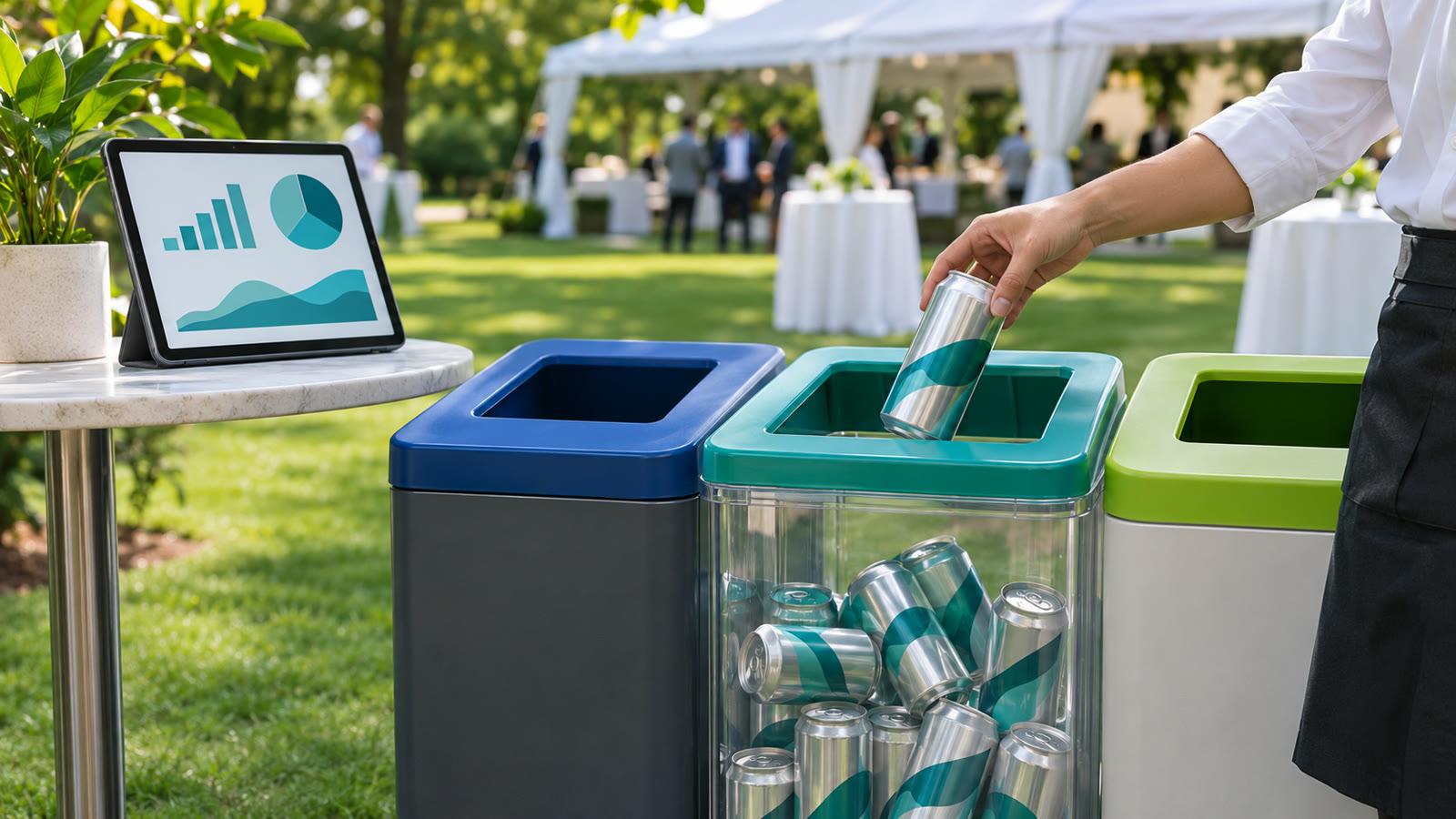
The event is over. The tents are down, the attendees are home and the recap deck is due on Friday. Somewhere in the client's email is a new request: "Please include a sustainability slide." Nobody counted anything during the event. The best anyone can offer is a photo of the recycling bins and a line about "eco-friendly packaging".
That slide is now standard for many corporate events, and it is getting harder to fill with vague words. Procurement teams, ESG leads and communications departments want numbers, sources and claims they can repeat without risk. Water is one of the easiest places to start because every attendee drinks it and every container can be counted. This guide gives you a simple event sustainability report template for water packaging, the published recycling data you can cite and the claims to leave out.
What should an event sustainability report include for water?
An event sustainability report for water should state how many containers you bought, how many were served, how many were collected for recycling and what material they were made of. Add the published national recycling rate for that material as context, cite the source and avoid claims you cannot prove from your own event.
The core data points, in order:
- Containers purchased. Total units by type: cans, plastic bottles, cartons or glass.
- Containers served. Purchased minus what was left unopened at the end.
- Containers collected. What went into recycling bins, counted or weighed.
- Destination. Which hauler or venue program took the recycling stream.
- Context data. National recycling rates for each material, with a source link.
Why counting beats claiming
A count is a fact about your event. A claim like "our water was sustainable" is an opinion, and it can be challenged. The more your report relies on what you counted, the easier it is for a client to put it in their own annual report without asking you to defend it later.
The US Federal Trade Commission's Green Guides set out how environmental marketing claims should be made. For example, the guide on recyclable claims says marketers should qualify a "recyclable" claim when recycling facilities are not available to a substantial majority of consumers or communities, defined as at least 60 percent (16 CFR 260.12). An event recap is not a product label, but the same principle keeps it honest: state what you can support.
What the published data says about cans and plastic bottles
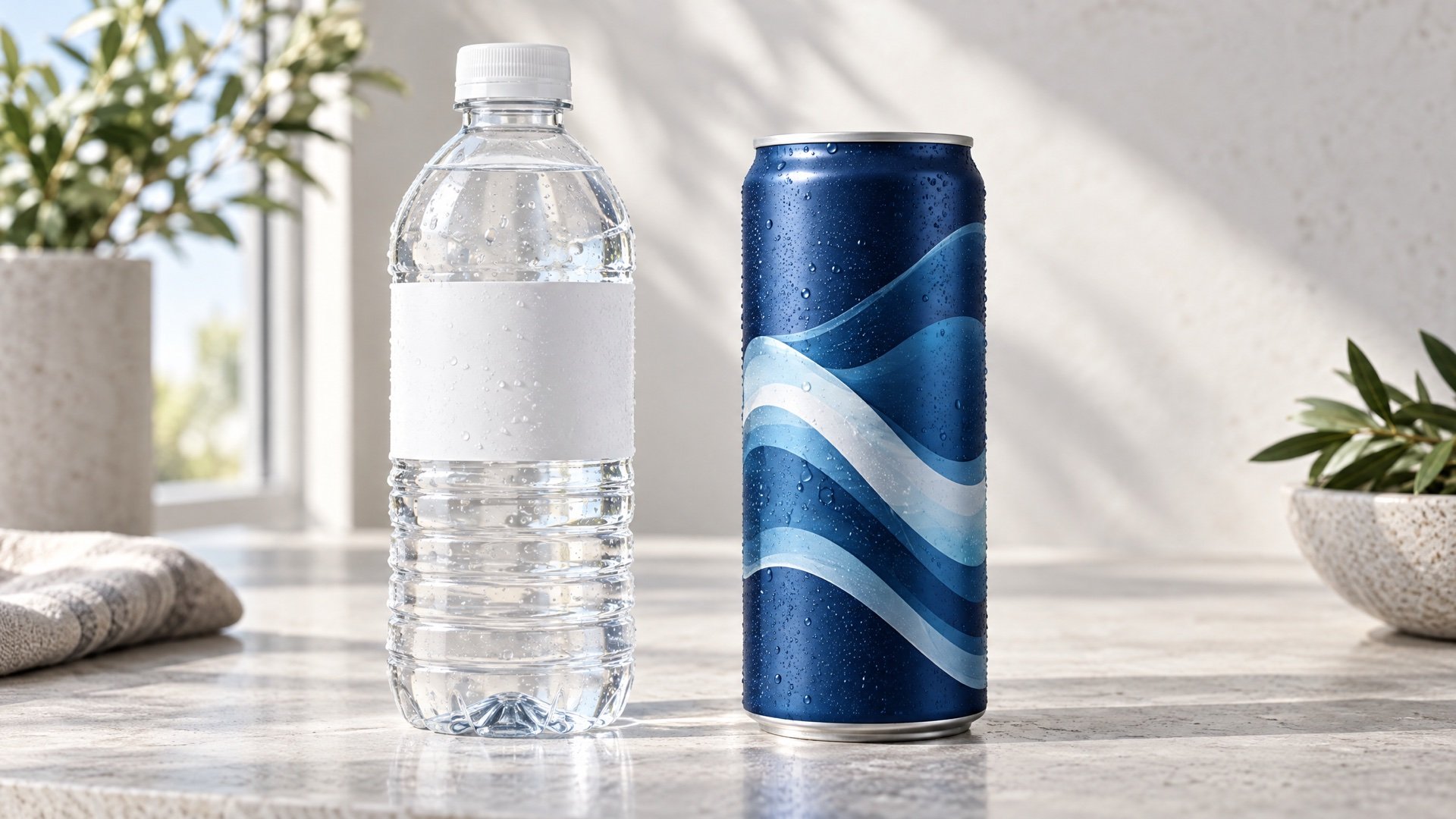
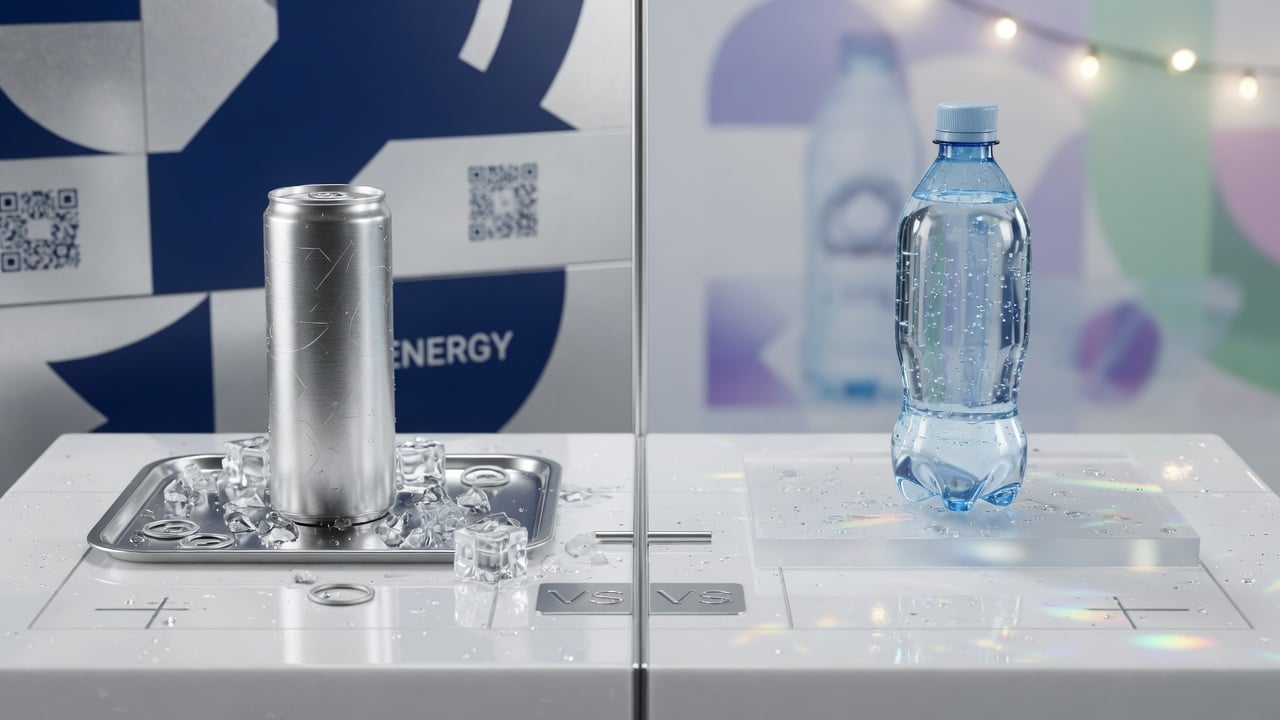
Published data shows aluminum beverage cans are recycled at a higher rate than PET plastic bottles in the United States, though both rates have room to improve. The figures depend on the source and the year, so cite one source clearly and note the year of the data in your report.
Two widely cited sources:
- Aluminum Association and Can Manufacturers Institute (December 2024 report, 2023 data). The consumer recycling rate for aluminum beverage cans was 43%, compared with 20.0% for PET plastic bottles and 39.6% for glass. The same report put average recycled content in US-made cans at 71% (Aluminum Association).
- US EPA Facts and Figures (2018 data). Aluminum beer and soft drink cans were recycled at 50.4%, and PET bottles and jars at 29.1% (EPA containers and packaging data).
Notice that the numbers differ. They measure different years and use different methods. That is exactly why your report should name the source and the year next to each number, instead of quoting "the" recycling rate as if there were only one.
The event sustainability report template
Copy this structure into your recap deck or report. It fits on one slide or one page, and every line is either a count from your event or a cited figure.
- Event name, date and venue.
- Water packaging used. Material and size, for example 12oz aluminum cans.
- Units purchased. From your order or invoice.
- Units served. Purchased minus unopened units at close.
- Units or weight collected for recycling. From your count or the hauler's weight ticket.
- Collection rate at the event. Units collected divided by units served.
- Recycling destination. Venue program or hauler name.
- Context. National recycling rate for the material, with source and year.
- What we will improve next time. One or two specific actions.
Line 6 is the number that belongs to you. It shows how well your event captured containers, which is something the national average cannot tell anyone.
How to count containers during the event
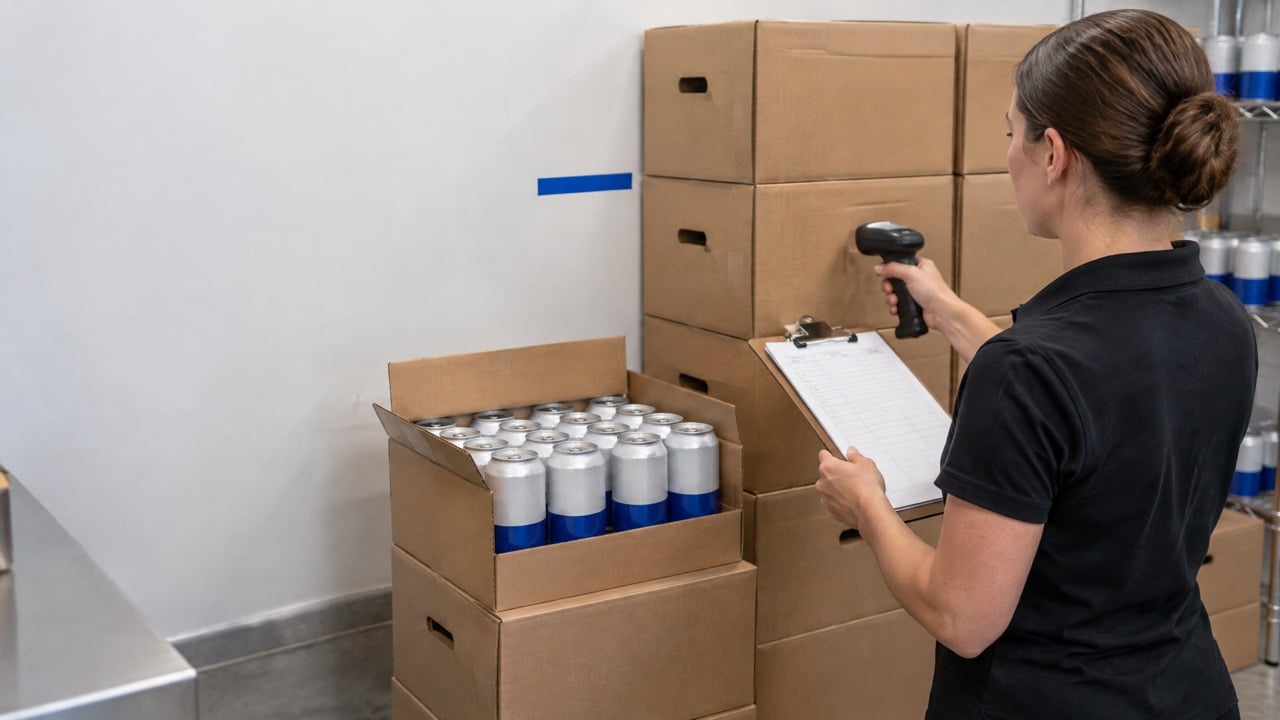
Counting does not need special software. It needs a plan made before doors open and one person who owns it.
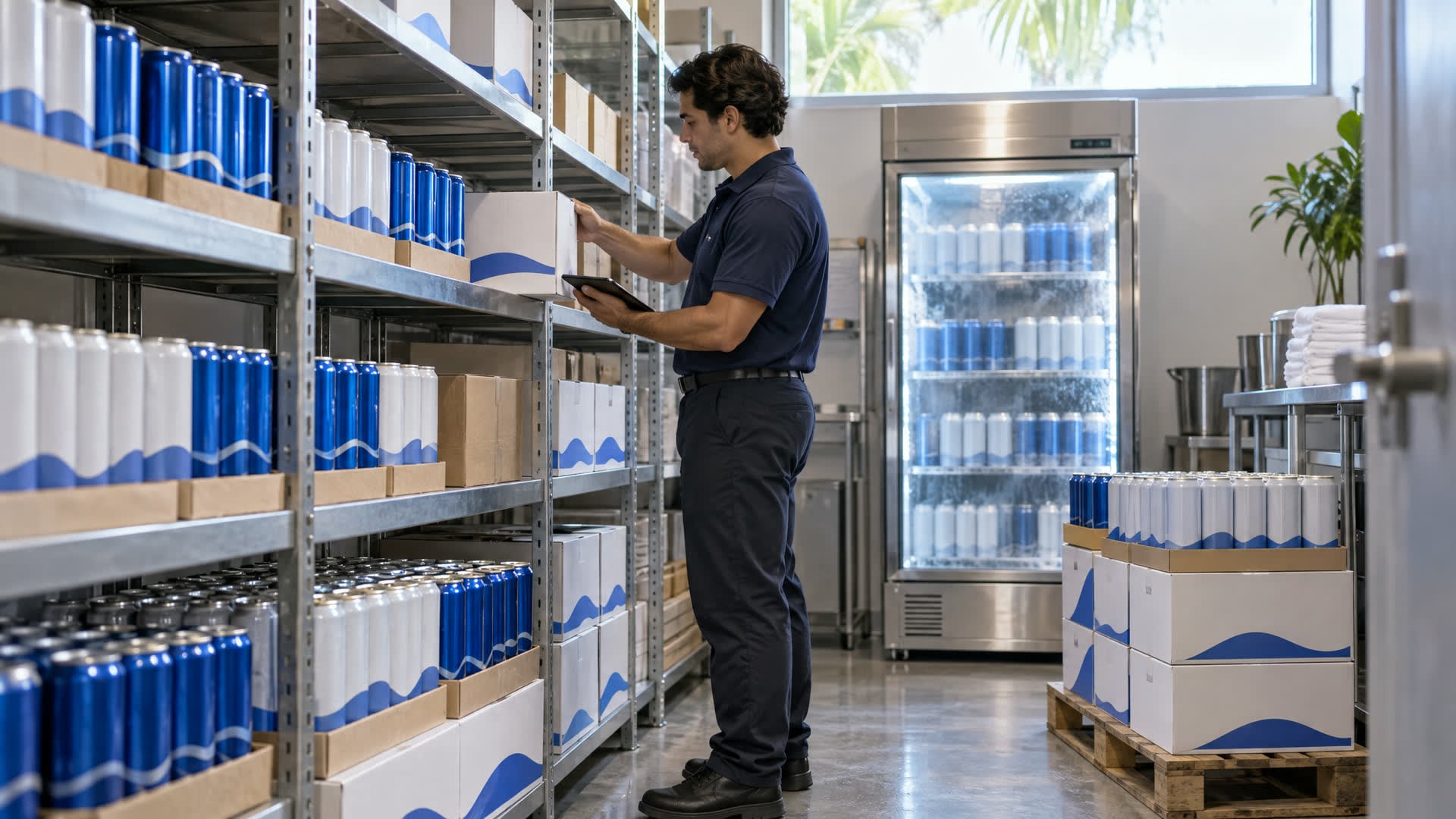
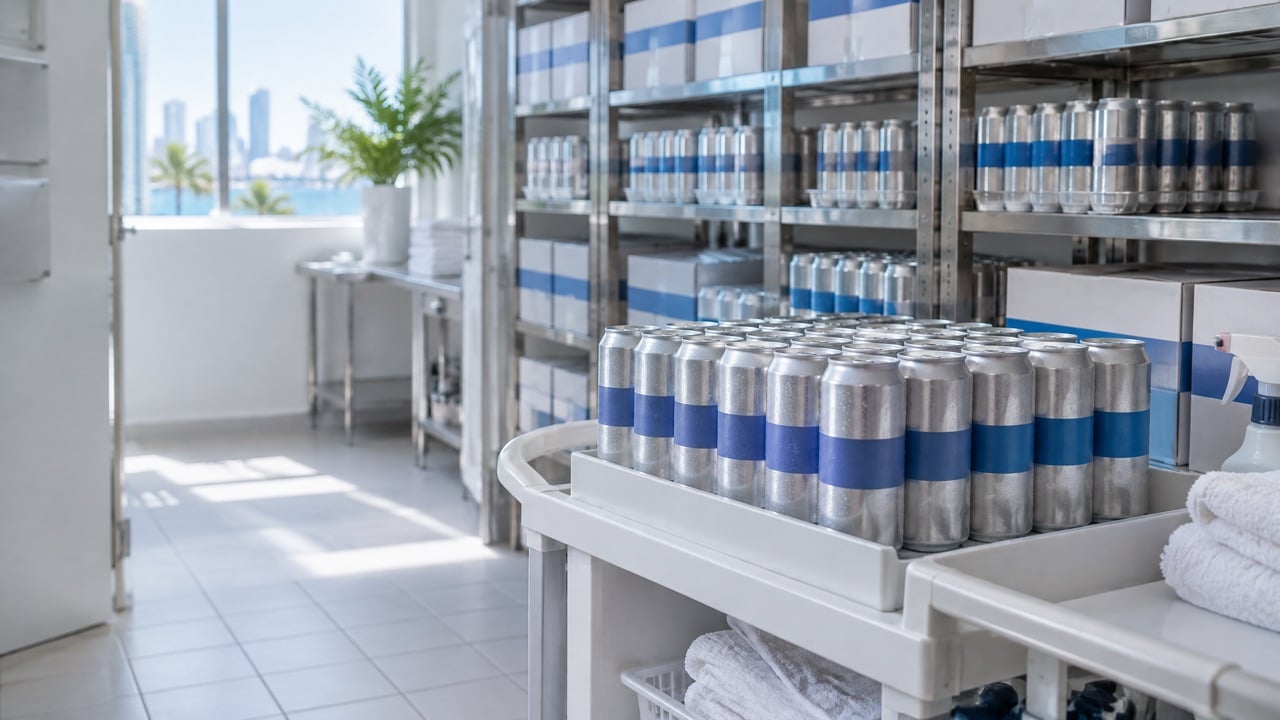
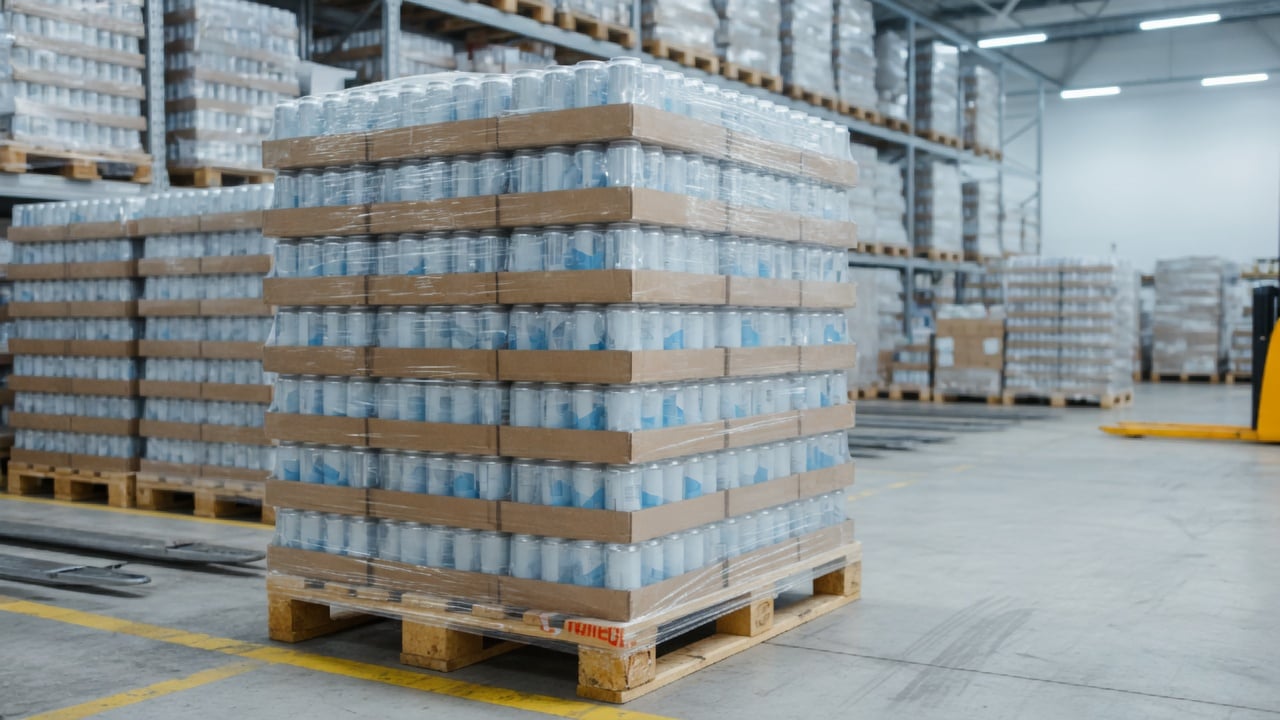
- Record opening inventory. Cases delivered times units per case.
- Record closing inventory. Unopened units at the end of the event.
- Use dedicated bins for cans and bottles. Clear bins make counting and spot checks easier.
- Ask the hauler for a weight ticket. Many haulers can weigh a separated stream.
- Take a dated photo of the full bins. It is supporting evidence, not the number itself.
- Note contamination. If food waste went into the can bin, say so and plan better signage.
If you serve canned water, counting is simpler because each can is a single unit and the cases are standard. With We Can It, a case holds 24 cans, so opening inventory is cases times 24.
Claims to avoid in an event sustainability report
The fastest way to lose a client's trust is a claim their legal team has to remove. Keep these out of your report unless you have specific proof.
- "Zero waste" without a full waste audit of every stream.
- "100% recycled" when you only know what went into the bin, not what the facility processed.
- "Carbon neutral" without a calculation and offsets you can document.
- "Infinitely recyclable" stated as a fact about your event's containers.
- Unsourced percentages. Every national figure needs a source and a year.
Write what you counted and what you will improve. That is both safer and more useful.
Why many events switch water to aluminum cans
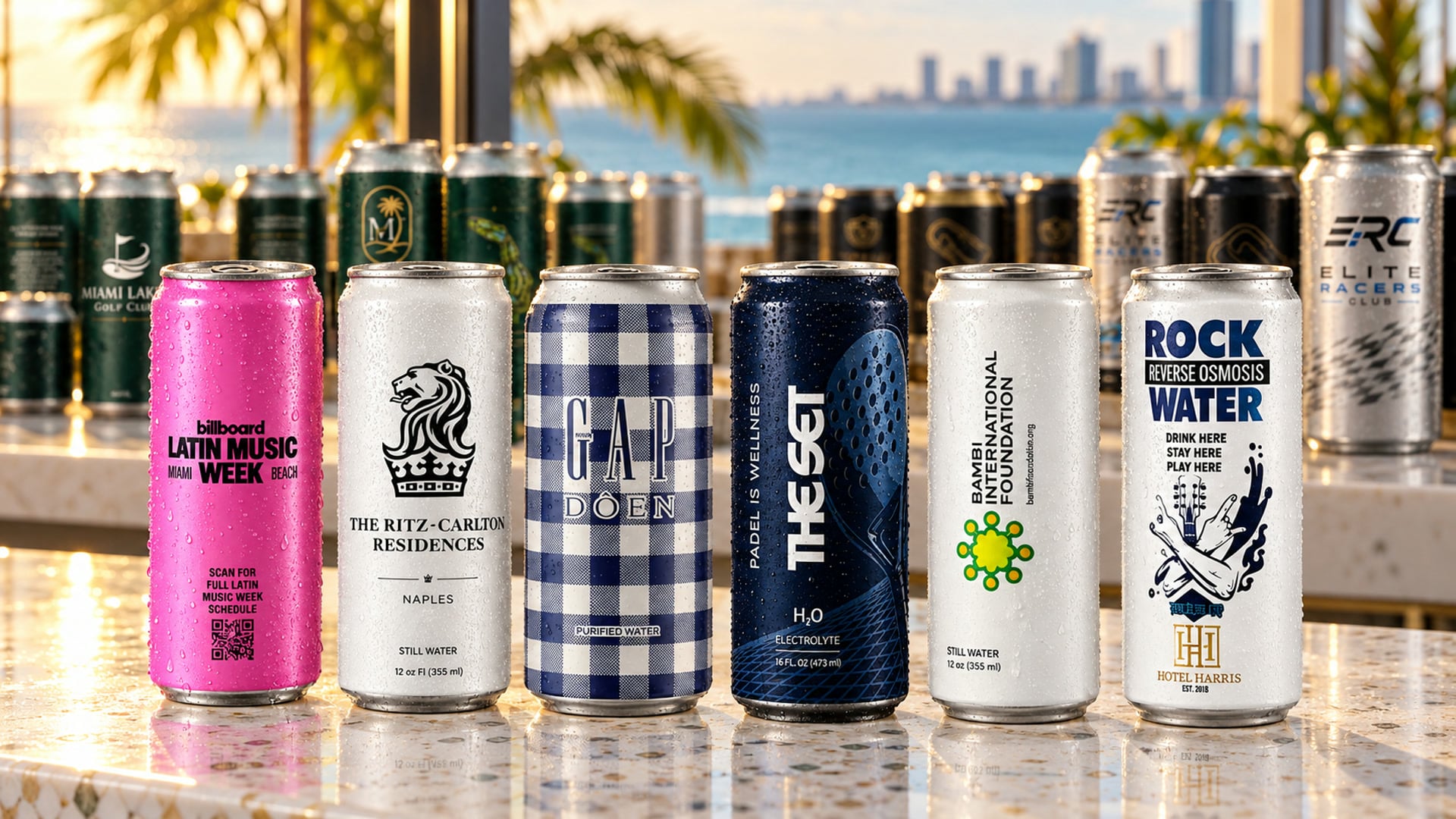
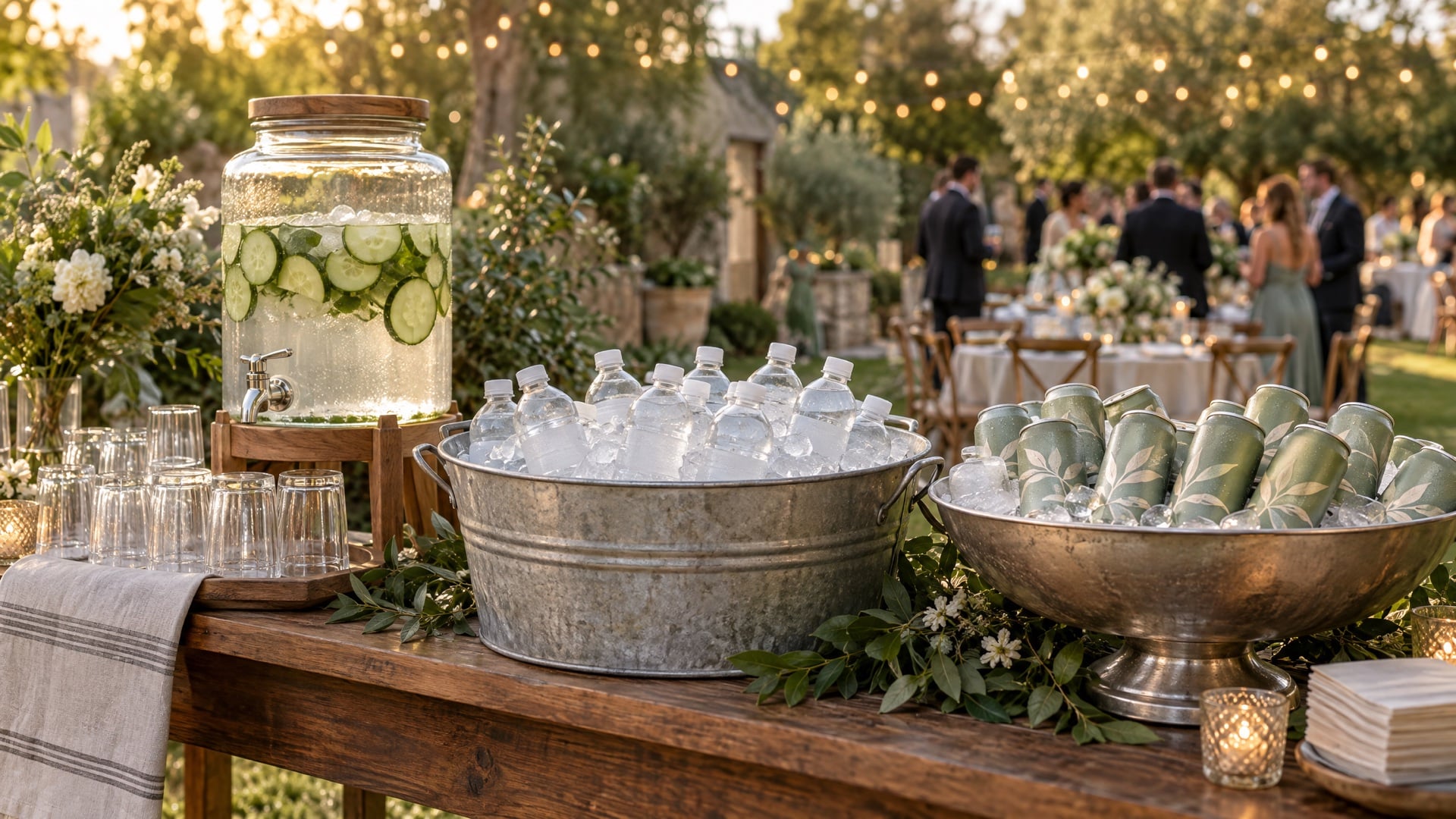
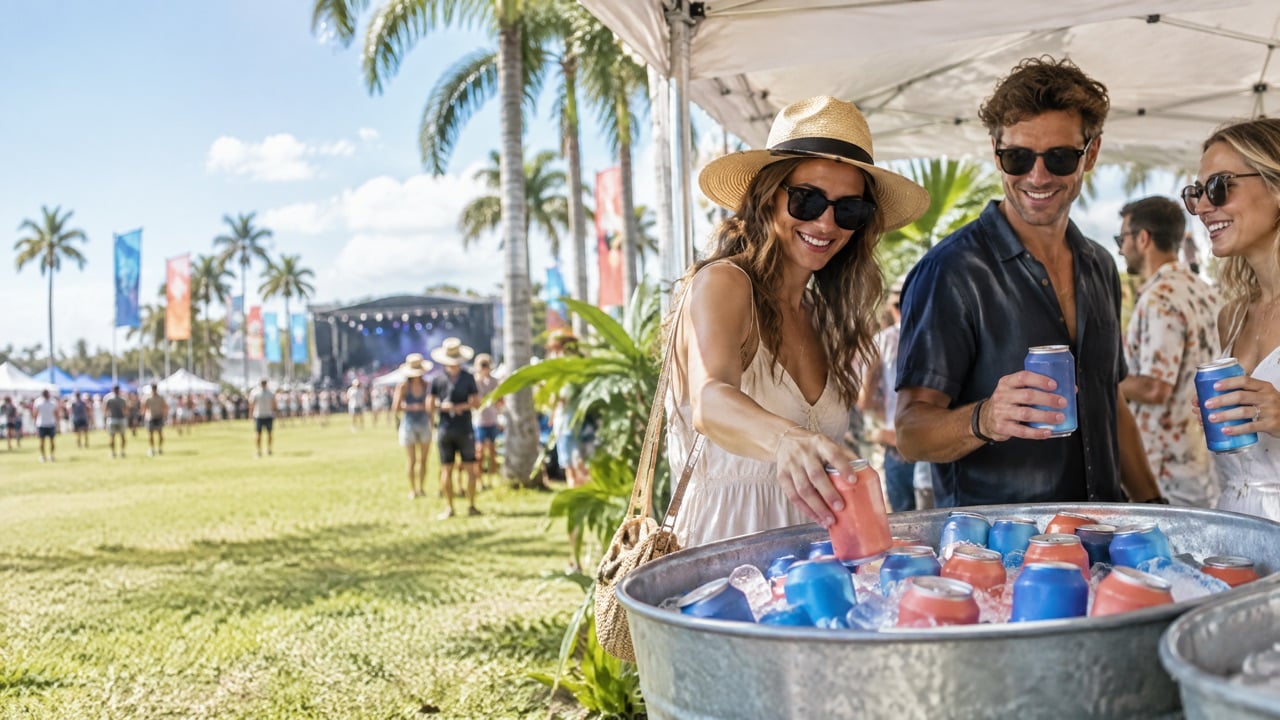
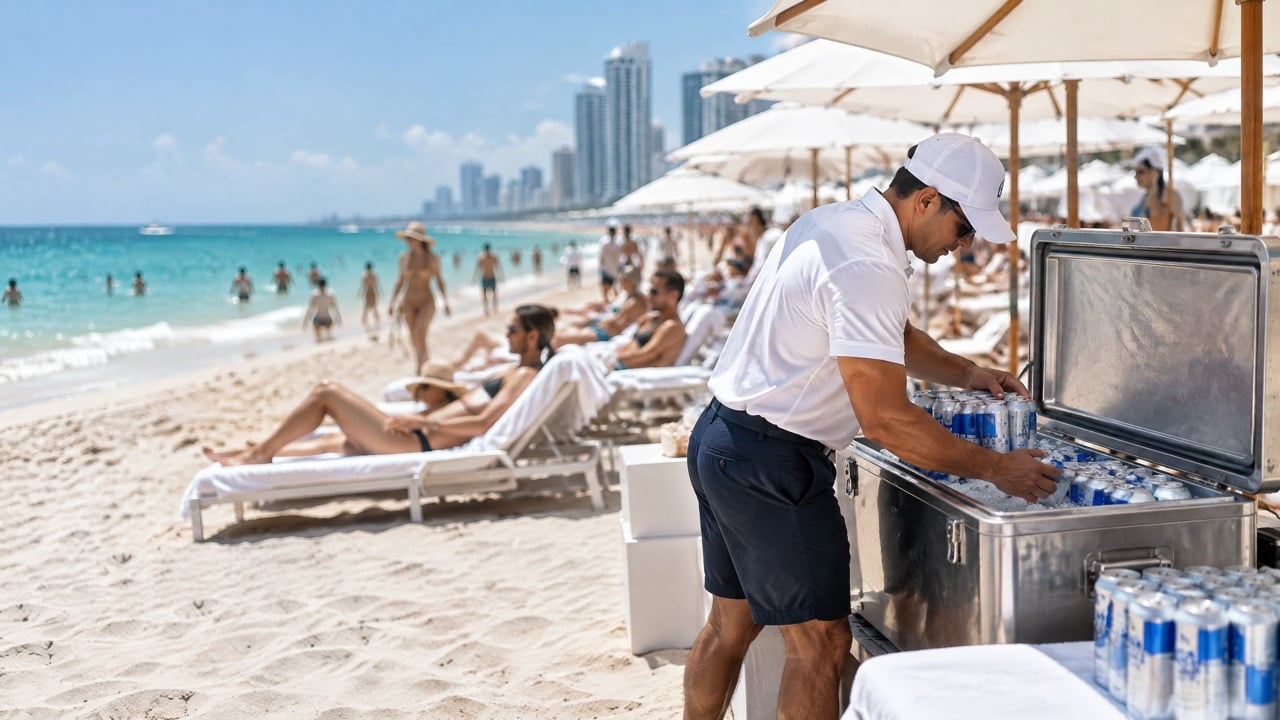
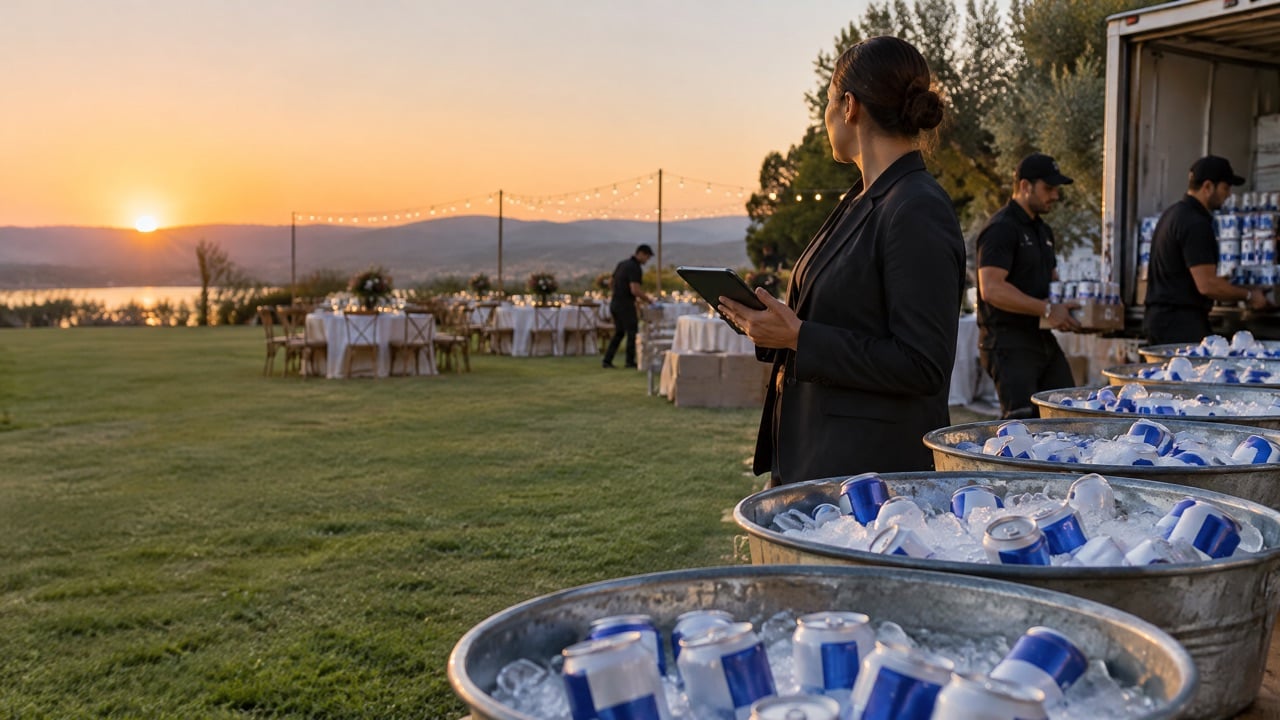
Event teams often choose aluminum cans for water because cans are widely accepted in recycling programs, chill quickly, stack well and can carry the event or sponsor brand. For reporting, a can is easy to count and easy to separate from food waste in a clearly marked bin.
Our article on canned water vs bottled water compares the formats in detail, and our aluminum vs PET recycling facts guide explains how to talk about packaging without overstating it. If you need the full comparison for a sponsor recap, see how to report event sustainability for cans vs plastic.
Adding a QR code to support the report
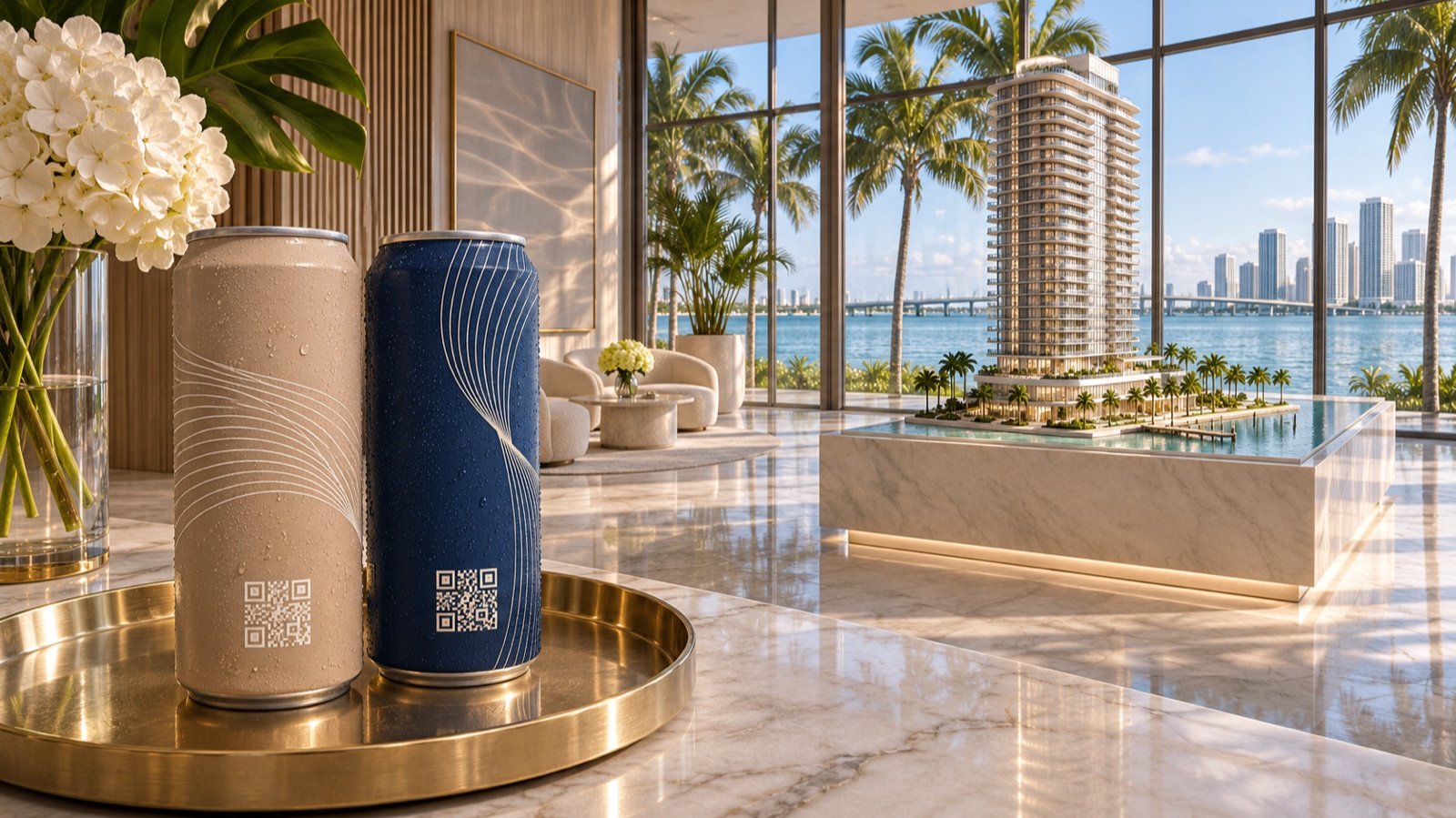
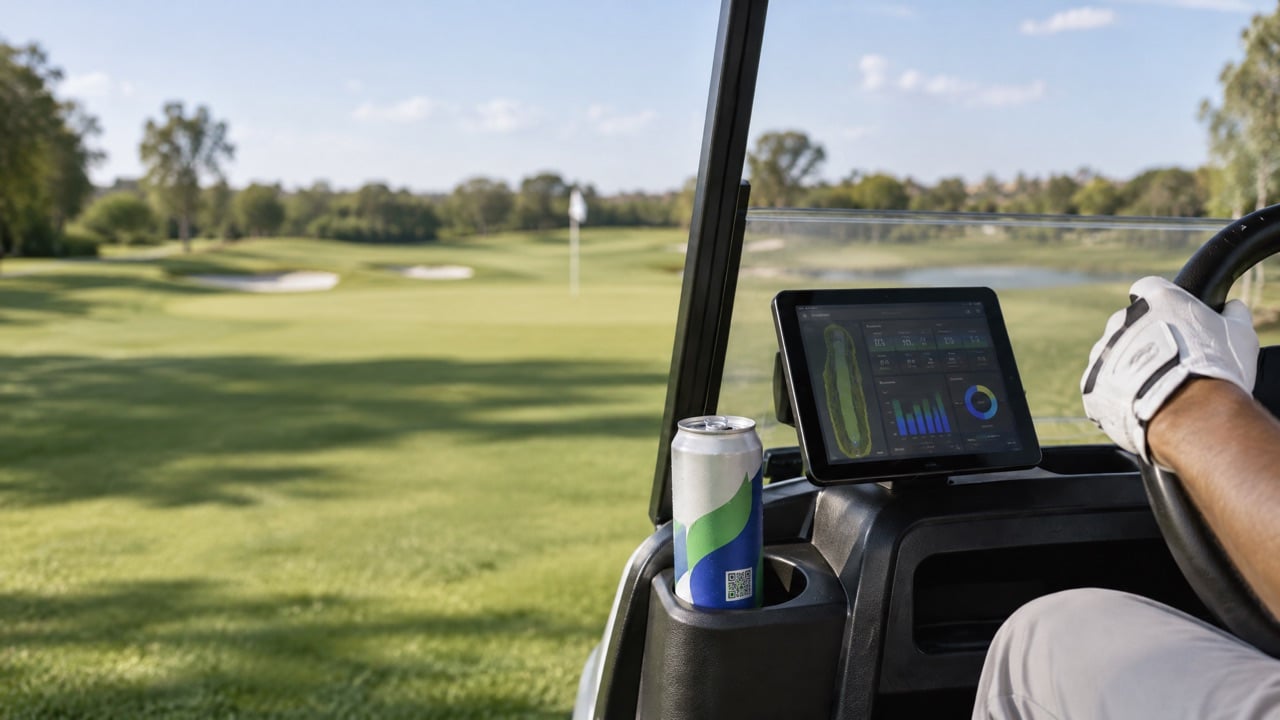
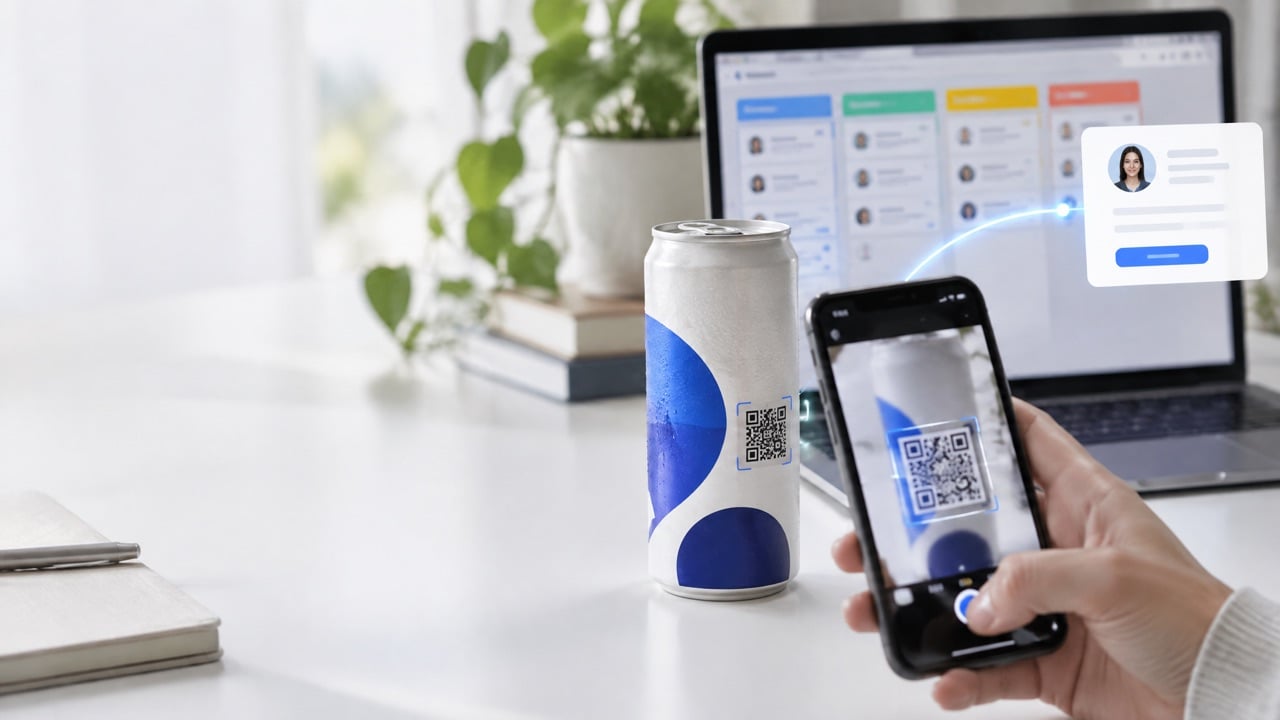
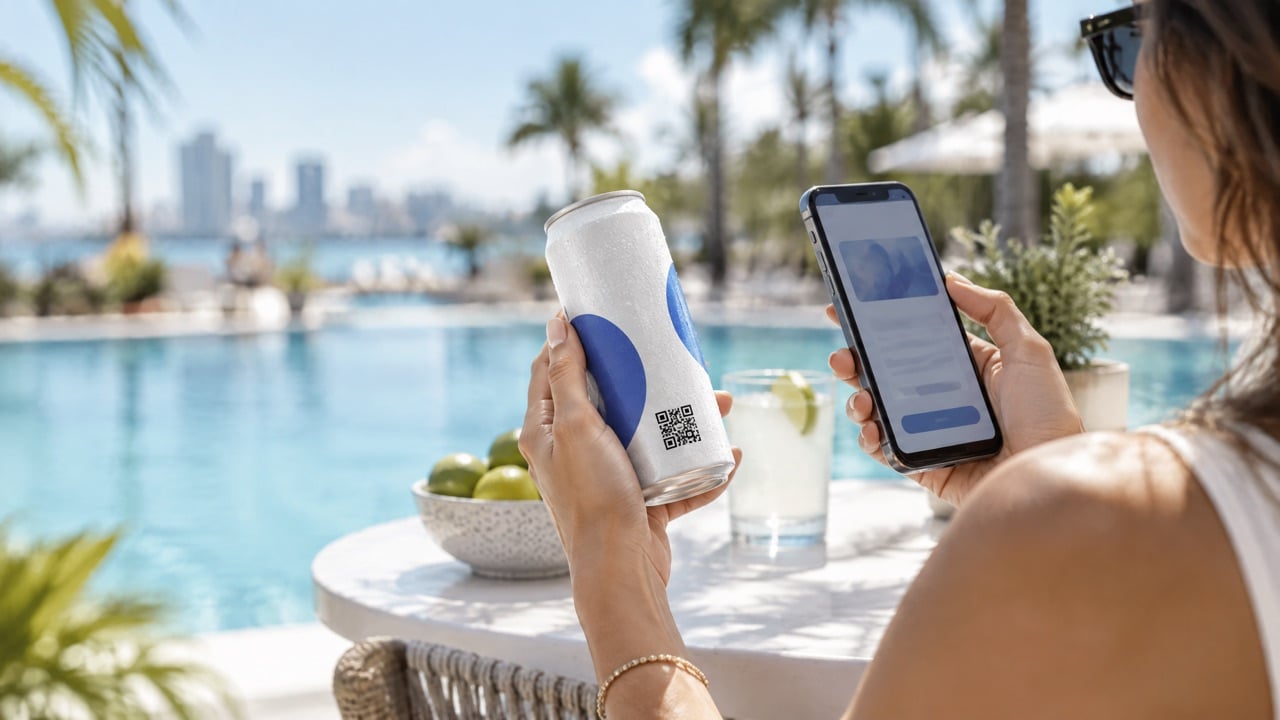
A QR code on the can can point attendees to the nearest recycling station, a short survey or a thank-you page from the sponsor. It will not count containers for you, but it can help collection and give you engagement data for the same recap. Journeys is our platform for building those QR experiences.
Ordering canned water for an event
With We Can It, labeled cans start at 10 cases, which is 240 cans, and digitally printed cans start at 21 cases (504 cans). Labeled cans can be ready in 3 weeks and digital print on the aluminum takes 4 weeks. A QR code is included at no extra cost, and freight from Miami is billed at cost. For a general overview of the format, see our canned water guide.
Frequently asked questions
What is an event sustainability report?
It is a short summary of an event's environmental footprint, often requested by corporate clients for their own reporting. For water, it should list containers purchased, served and collected for recycling, the material used and cited national recycling data for context.
What is the recycling rate for aluminum cans?
It depends on the source and year. The Aluminum Association reported a 43% consumer recycling rate for aluminum beverage cans in 2023, while EPA's 2018 data put it at 50.4%. Always cite the source and year you use.
Are aluminum cans better than plastic bottles for events?
Published data shows aluminum cans are recycled at a higher rate than PET plastic bottles in the US. Cans are also easy to count and separate at an event. Report the data you can source rather than claiming one format is sustainable in absolute terms.
Can we say our event water was 100% recyclable?
Be careful. Under the FTC Green Guides, recyclable claims should be qualified when recycling is not available to a substantial majority of people. Stick to what you counted and what your venue or hauler confirmed.
How do we count containers at an event?
Record opening and closing inventory, use dedicated bins for cans and bottles, ask your hauler for a weight ticket and assign one person to own the count. Then calculate units collected divided by units served.
How fast can we get branded canned water for an event?
Labeled cans can be ready in 3 weeks and digital print takes 4 weeks, plus design, proof approval and freight.
Get a quote for aluminum canned water for your events
A good sustainability slide starts with packaging you can count. Tell us about your next event, attendance and recycling plan, and a product advisor will help you size the order and plan the timing.