For CMOs: How to Follow Up Trade Show Leads in 48 Hours
Most trade show leads go cold before the booth is packed. Here is a 48-hour follow-up plan for marketing teams, from tagging leads on the floor to the first email, with QR scan data that tells sales who actually wants a meeting.
The booth is packed into crates, the team is at the airport and everyone is exhausted. The badge scanner holds several hundred contacts. Someone says, "We will send the follow-up next week once everyone is back." Next week becomes the week after. By then, the attendees have heard from a dozen other vendors, and your booth is a blur.
Trade show results are often decided after the show, not during it. The difference between a show that "felt busy" and one that produced pipeline is usually the first 48 hours of follow-up.
This guide lays out a practical 48-hour plan for marketing leaders: how to capture the right information on the floor, sort leads by intent, send the first message while the show is still fresh and give sales a clear list of who to call.
How fast should you follow up with trade show leads?
Follow up with trade show leads within 48 hours of the conversation, while attendees still remember your booth. Send a personal, specific message to high-intent leads within 24 hours, a useful resource to medium-intent leads within 48 hours, and a lighter nurture sequence to everyone else. Speed matters, but relevance matters more: reference what the person actually asked for at the booth.
Step 1: Capture intent on the floor, not just contact details
A badge scan tells you who someone is. It does not tell you what they want. Build intent capture into the booth.
- Use a short tagging system for staff: hot, warm, info only, partner, press.
- Add one note per conversation: the problem they mentioned, the product they asked about.
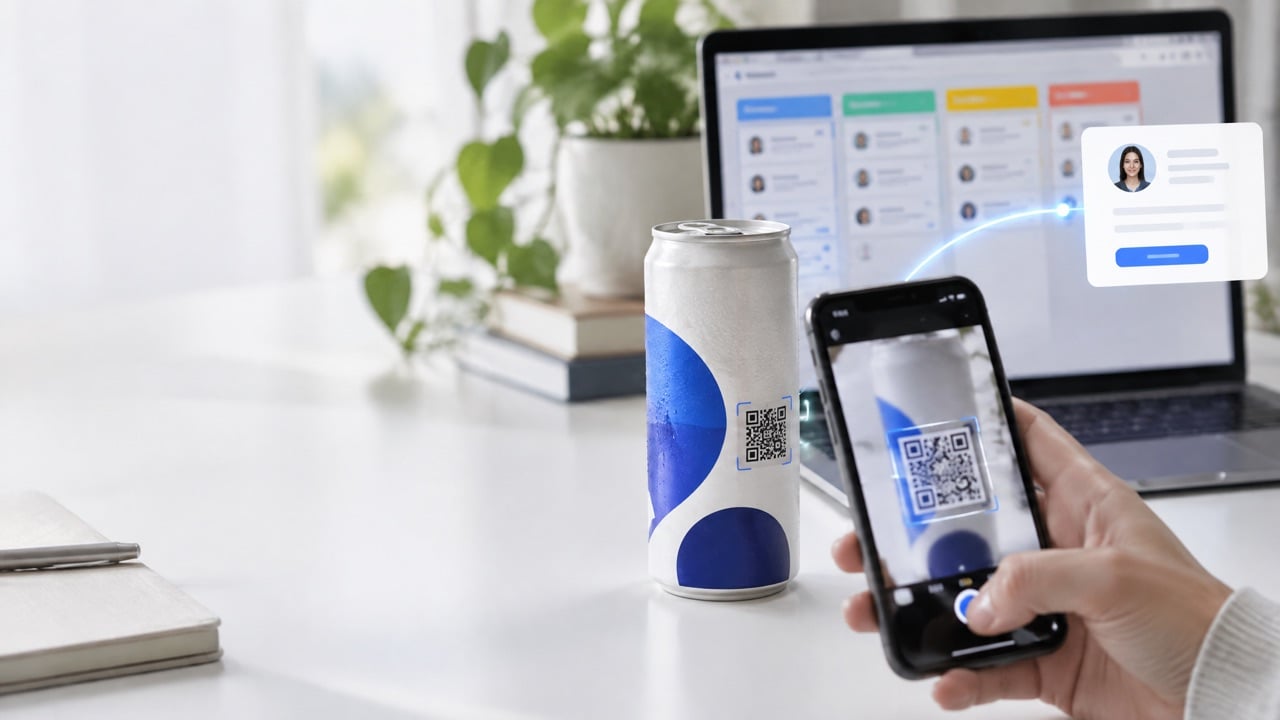
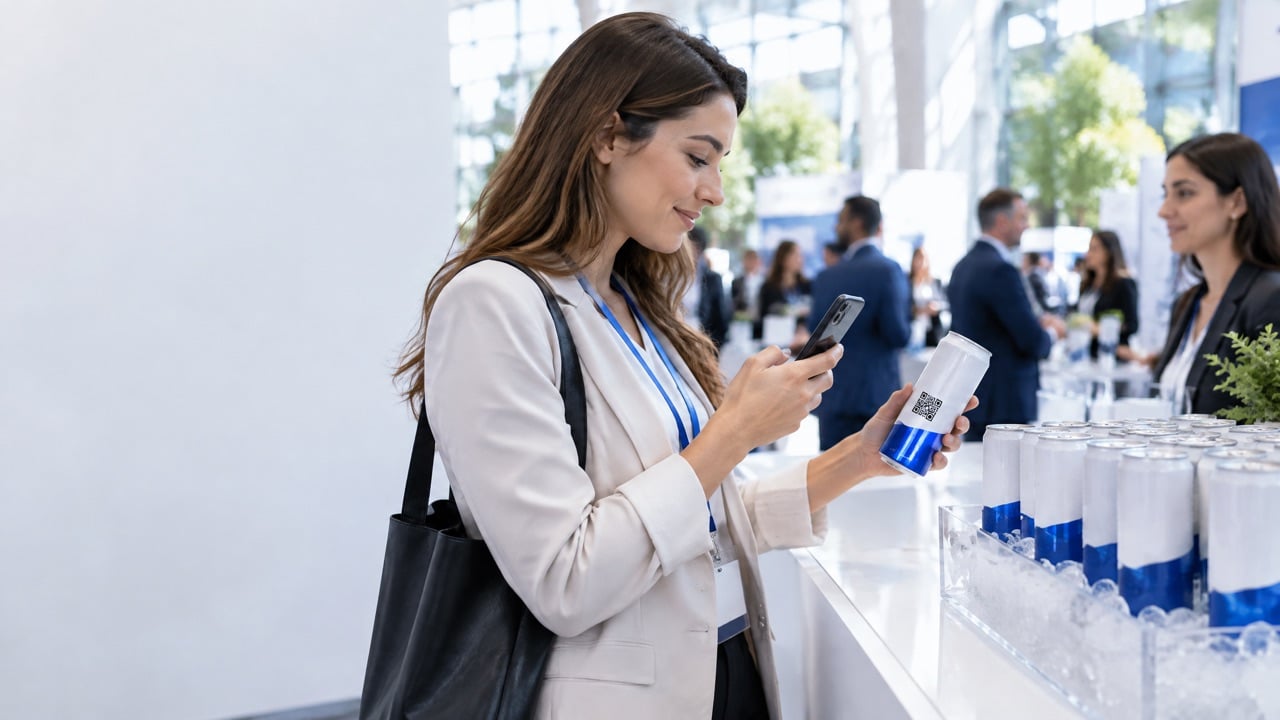
- Give visitors a way to raise their hand themselves, such as a QR code that leads to a demo booking or a resource request.
- Review leads every evening with the booth team while memories are fresh.
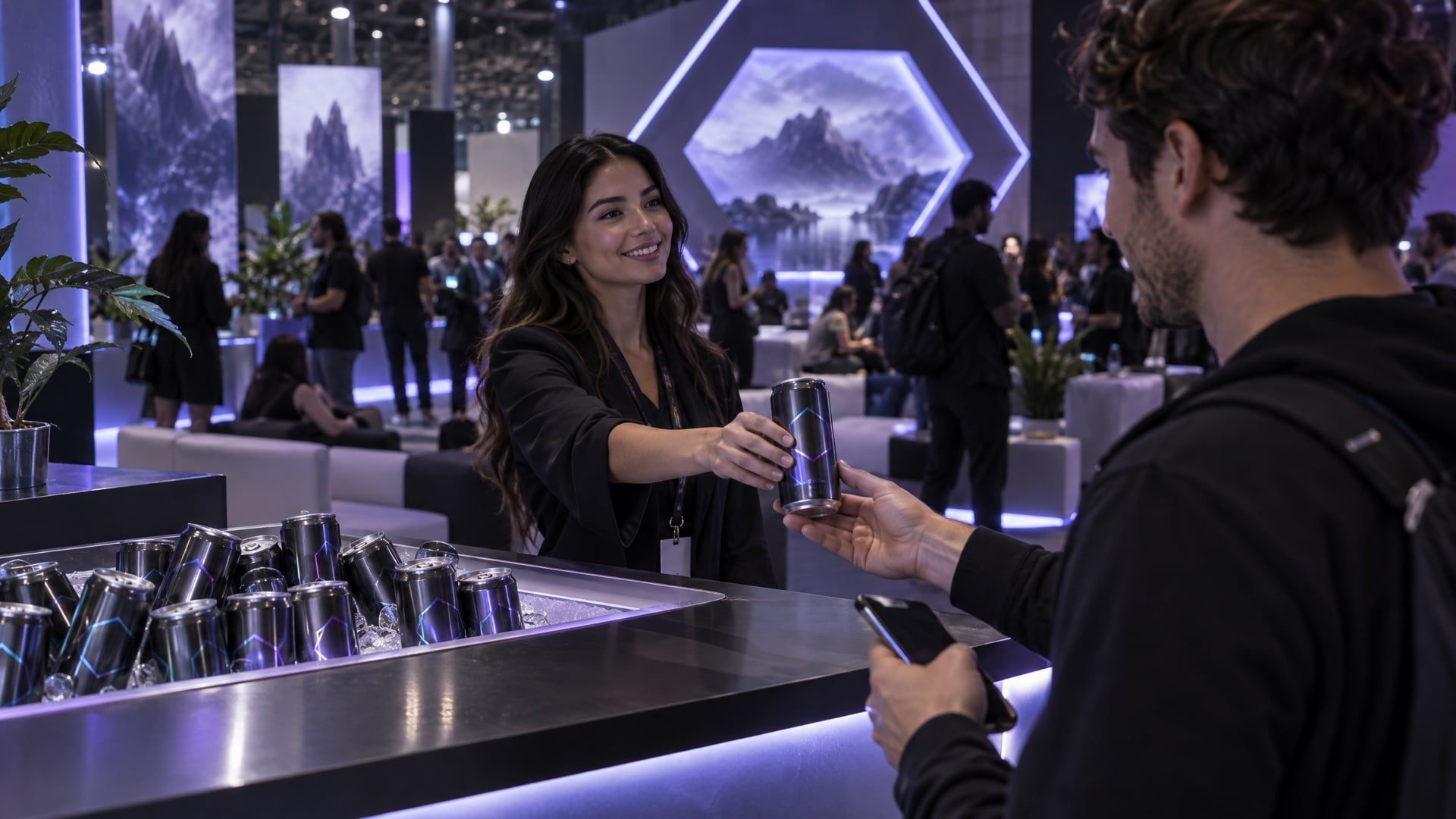
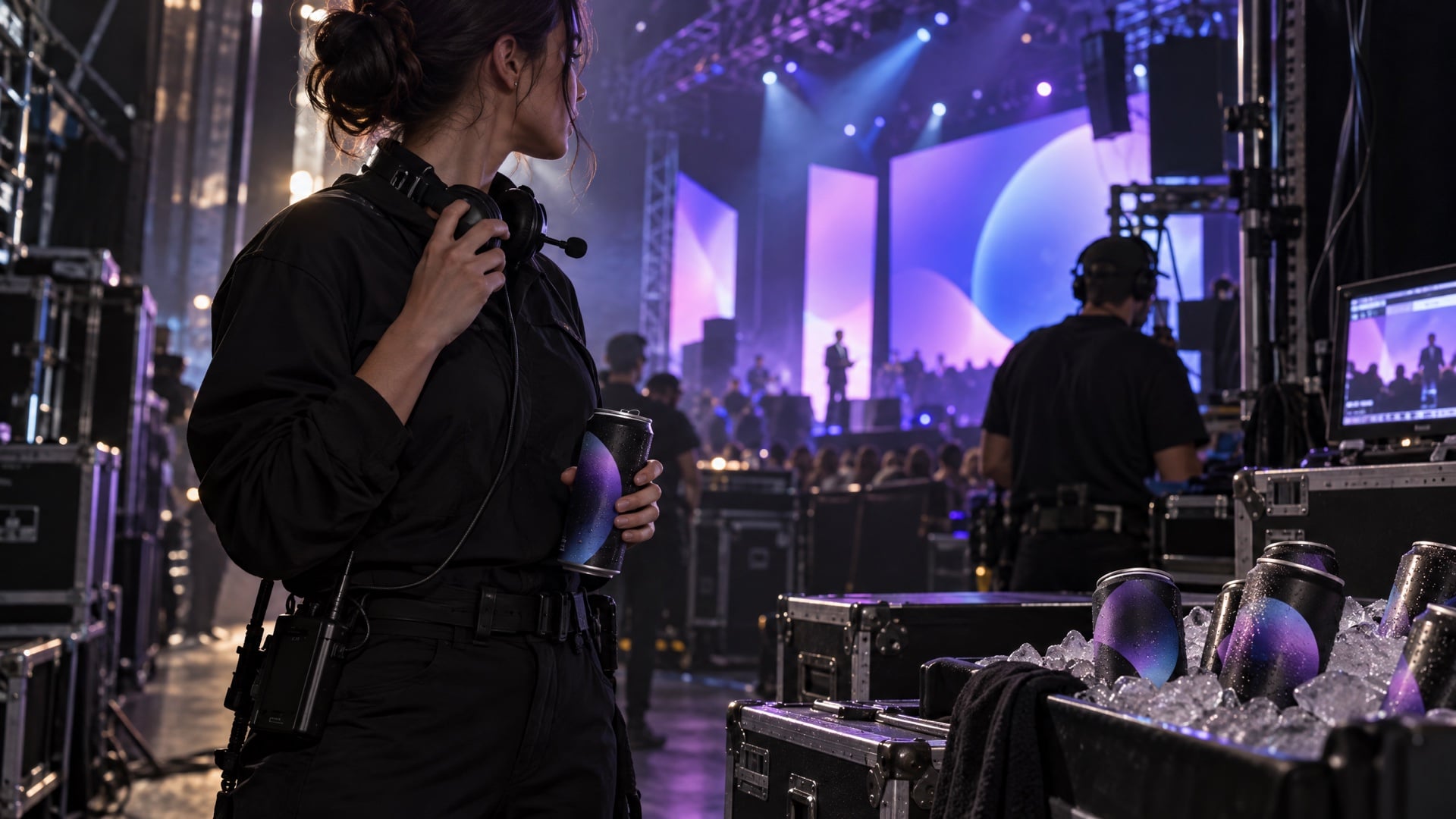
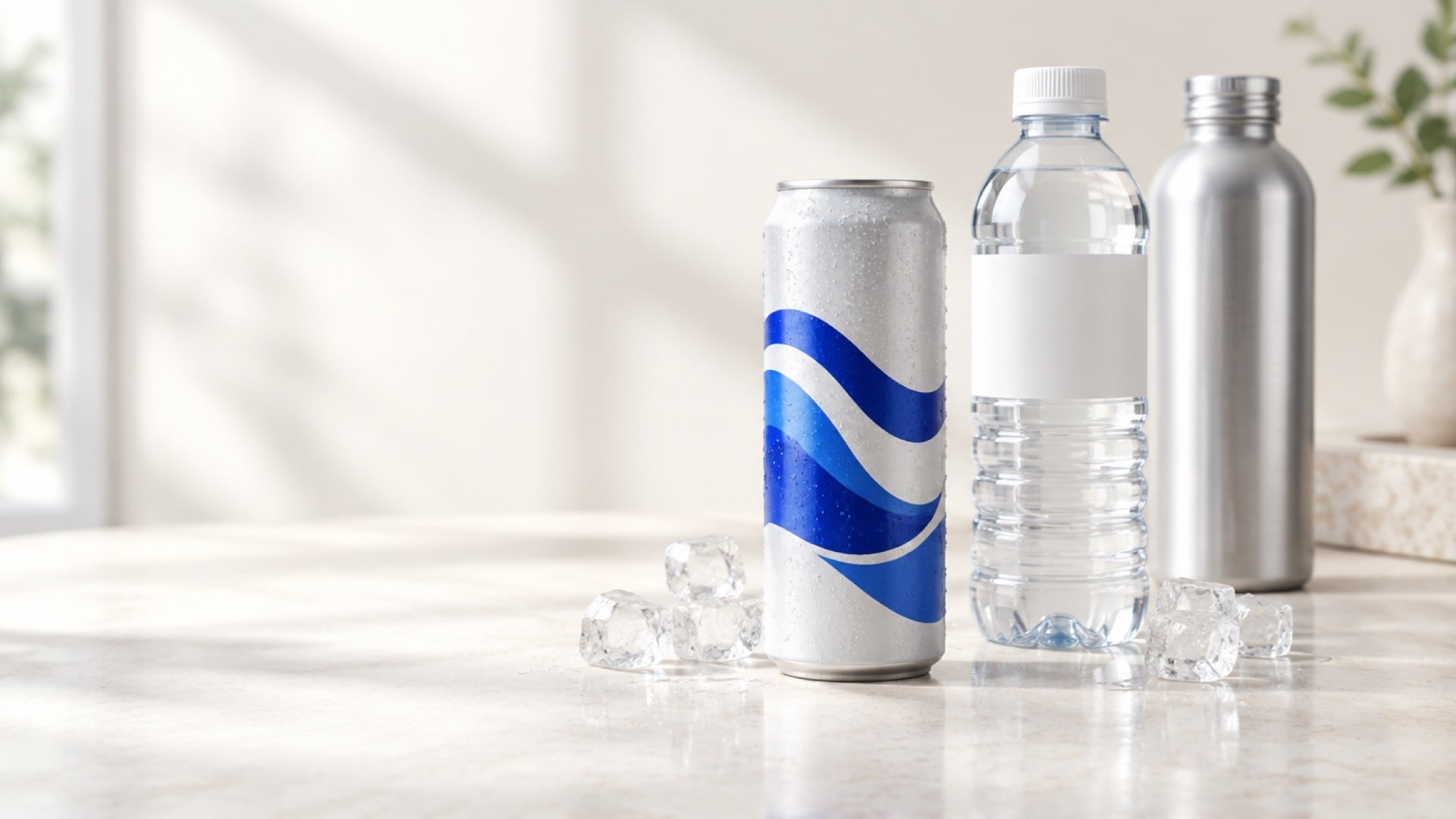
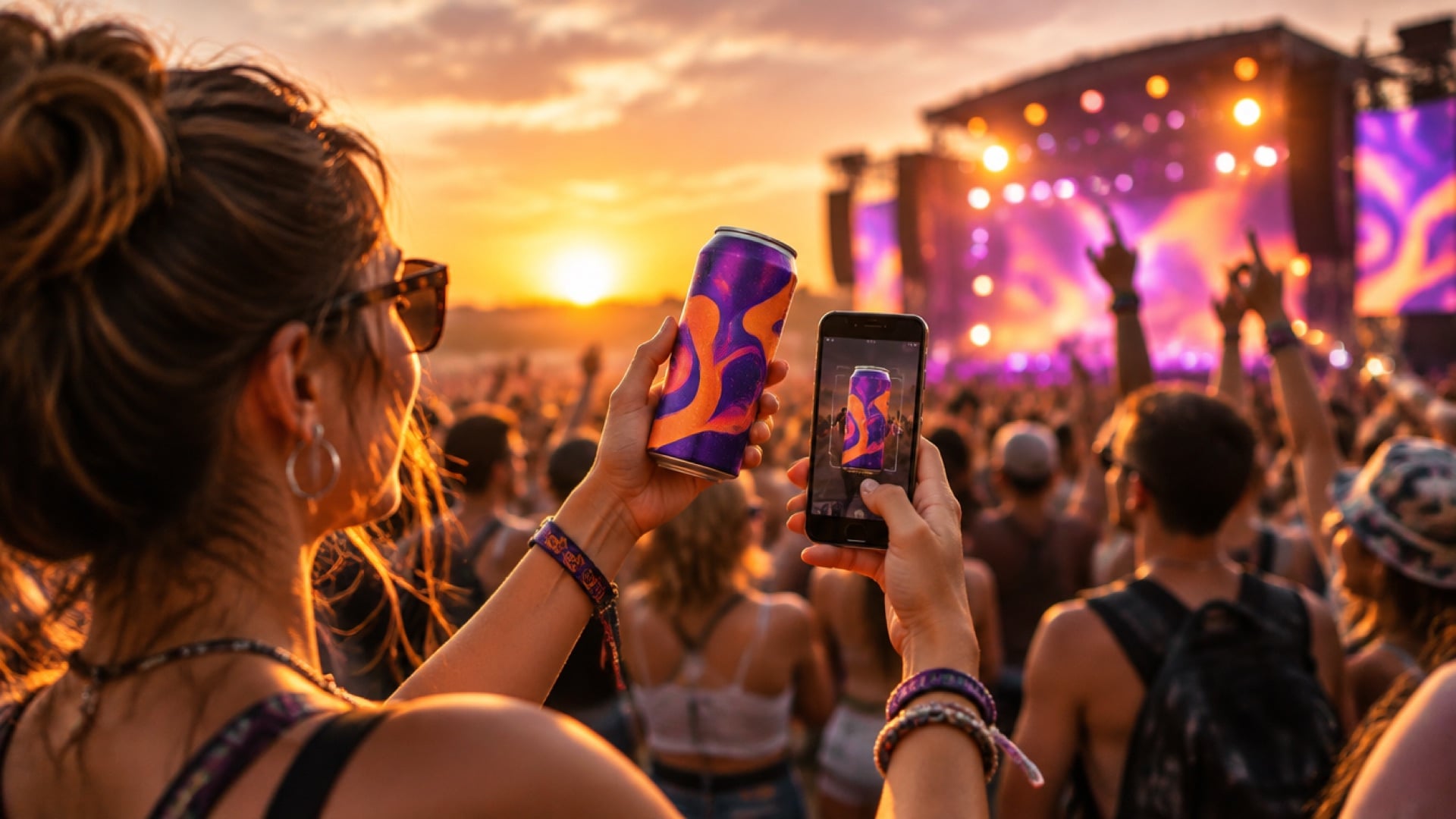
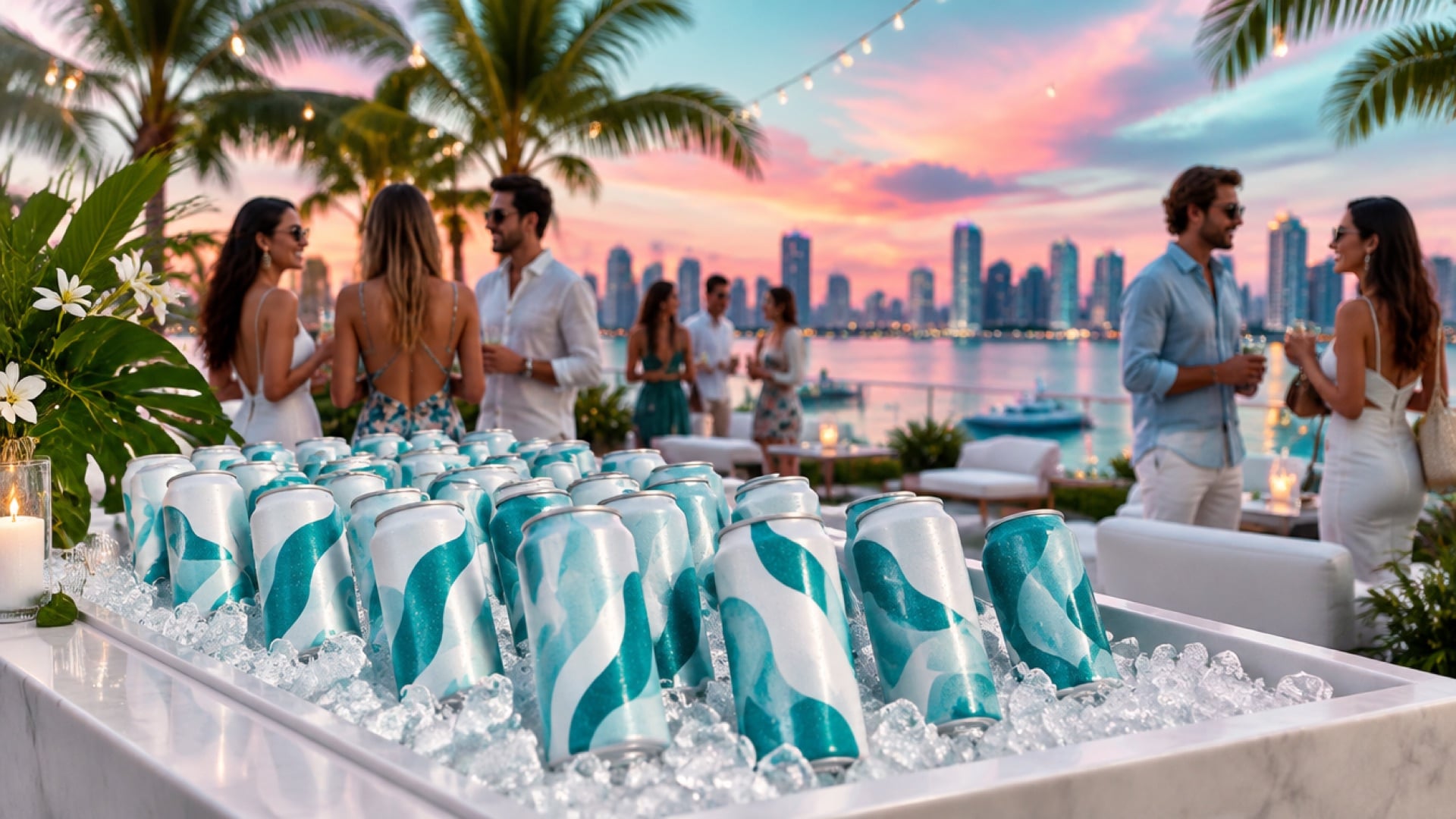
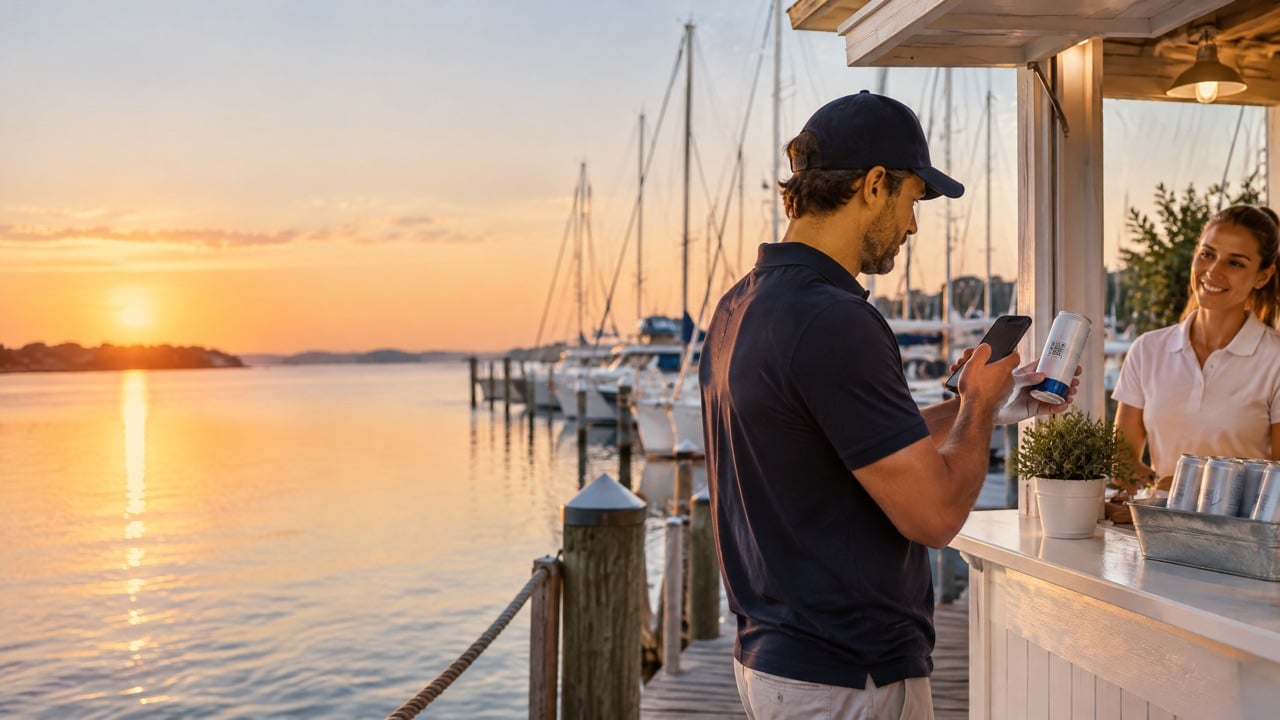
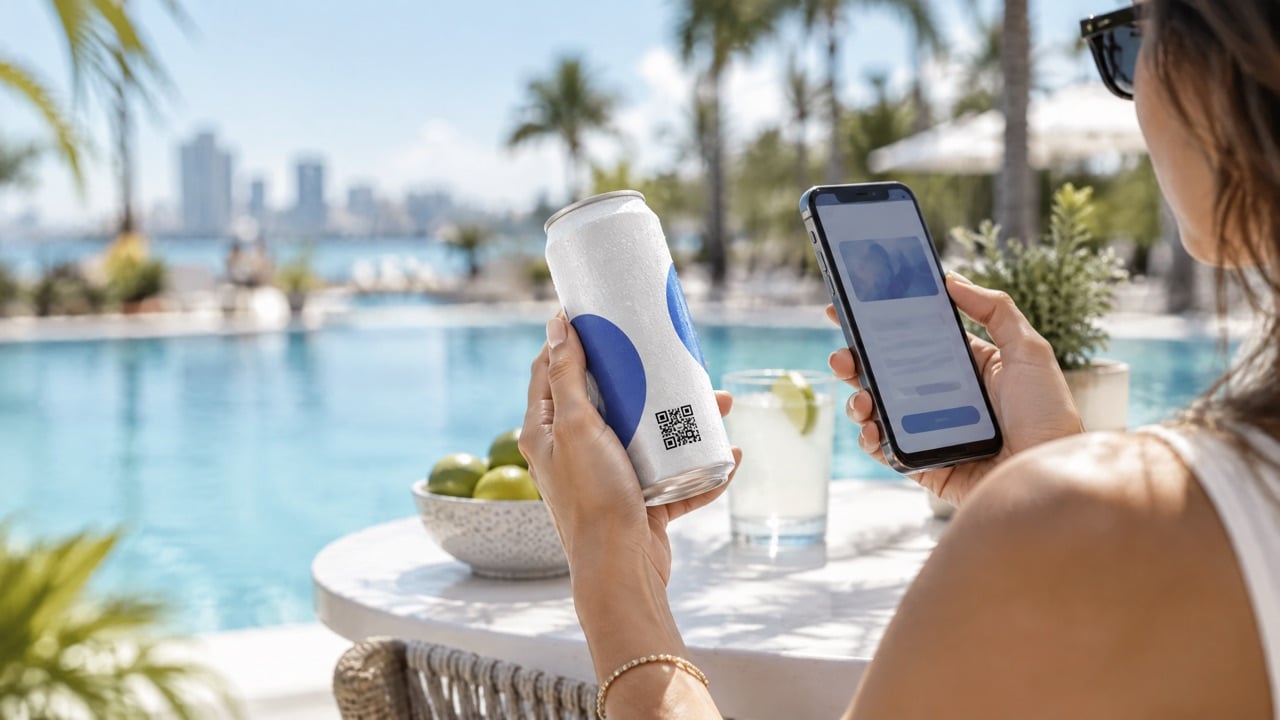
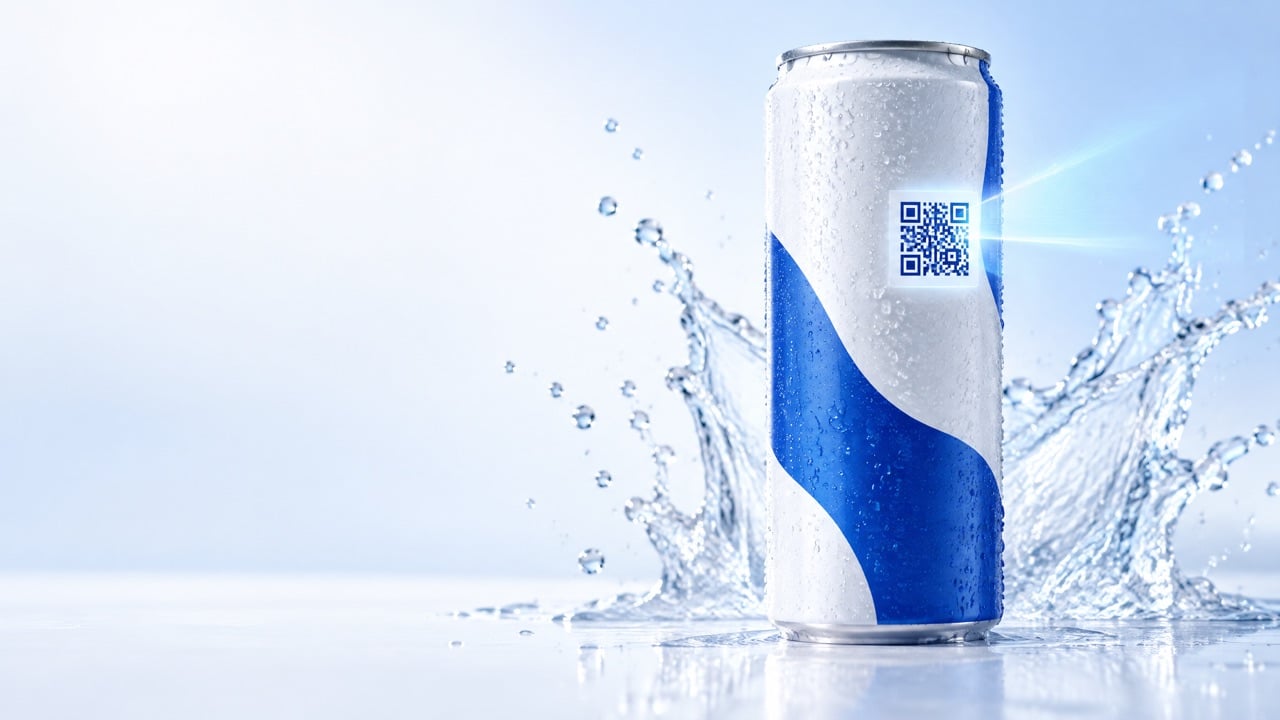
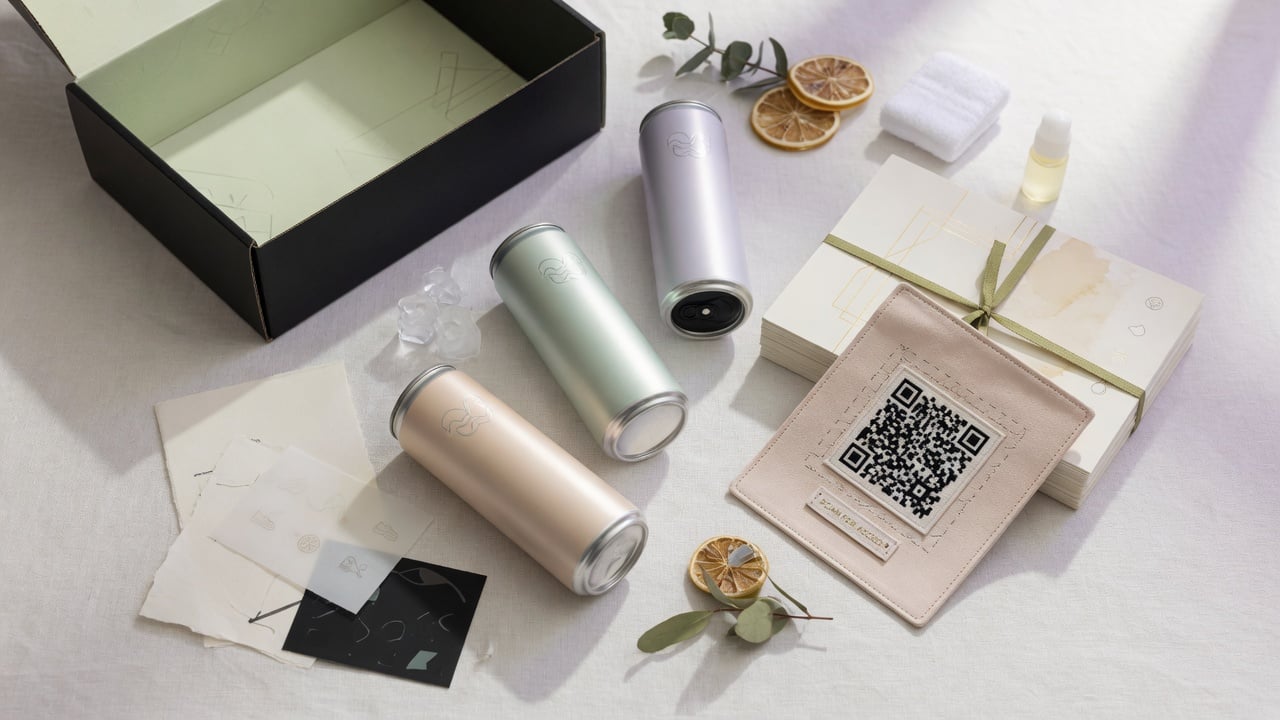
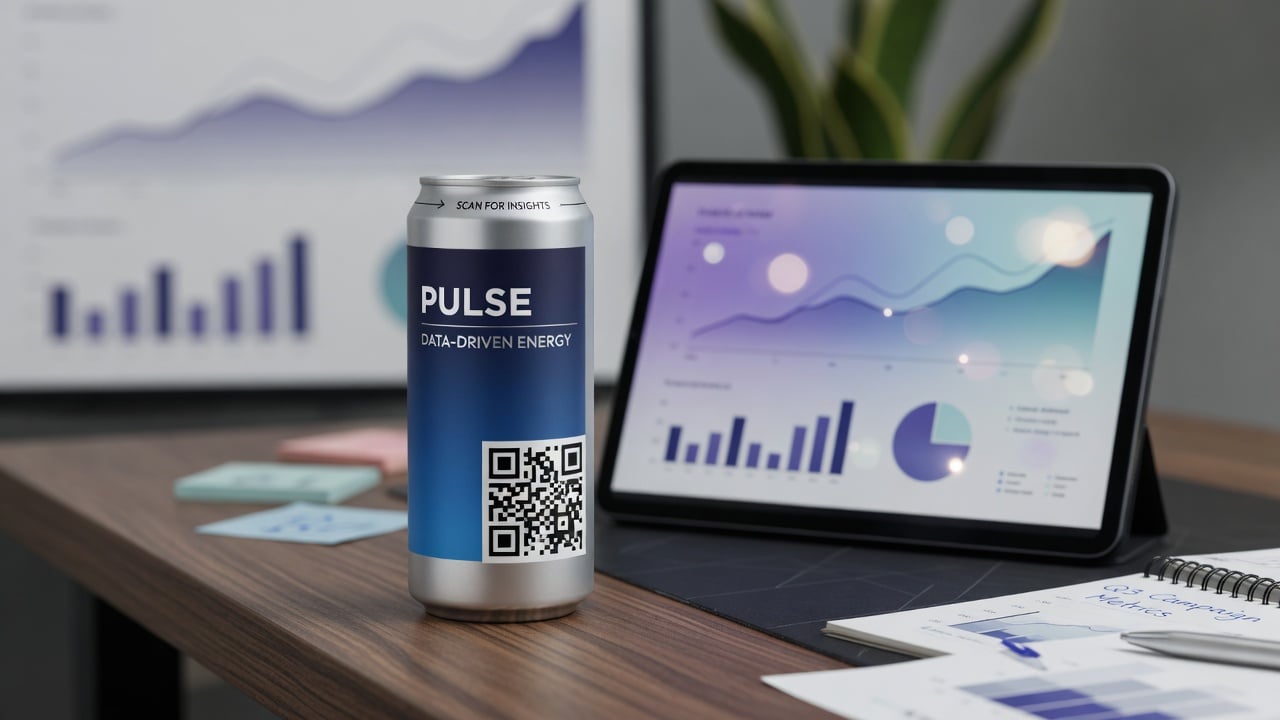
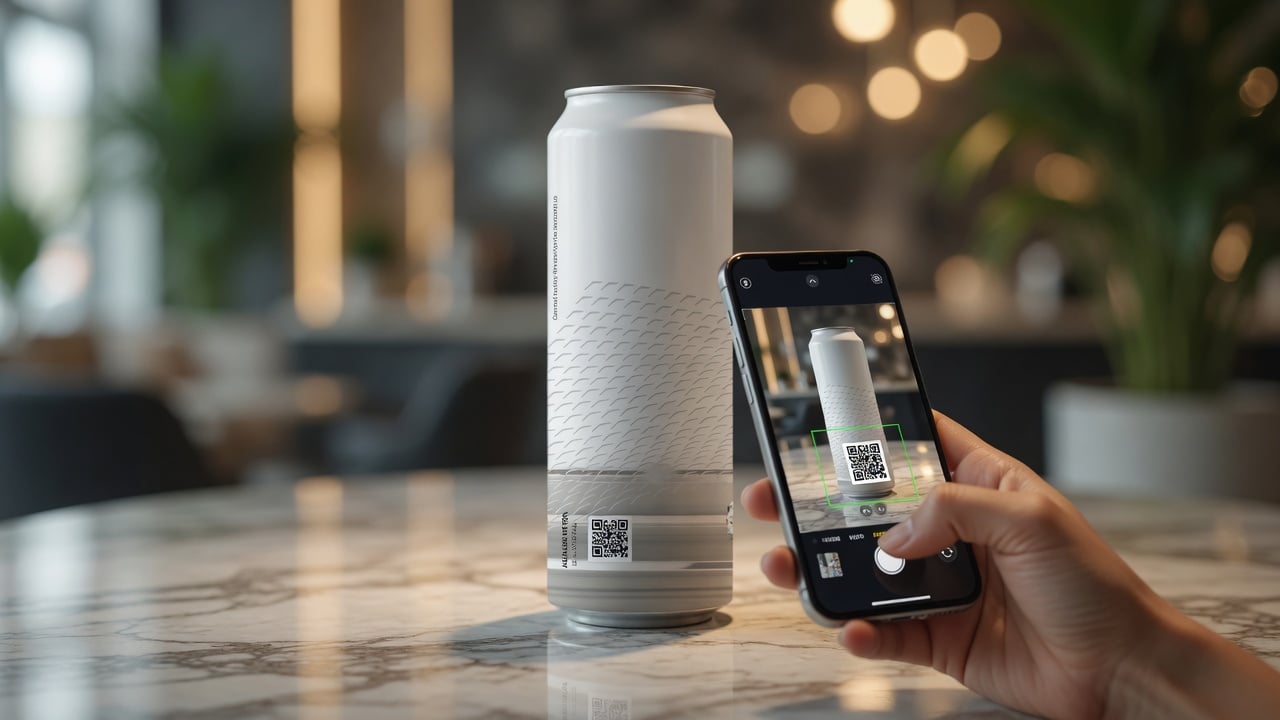
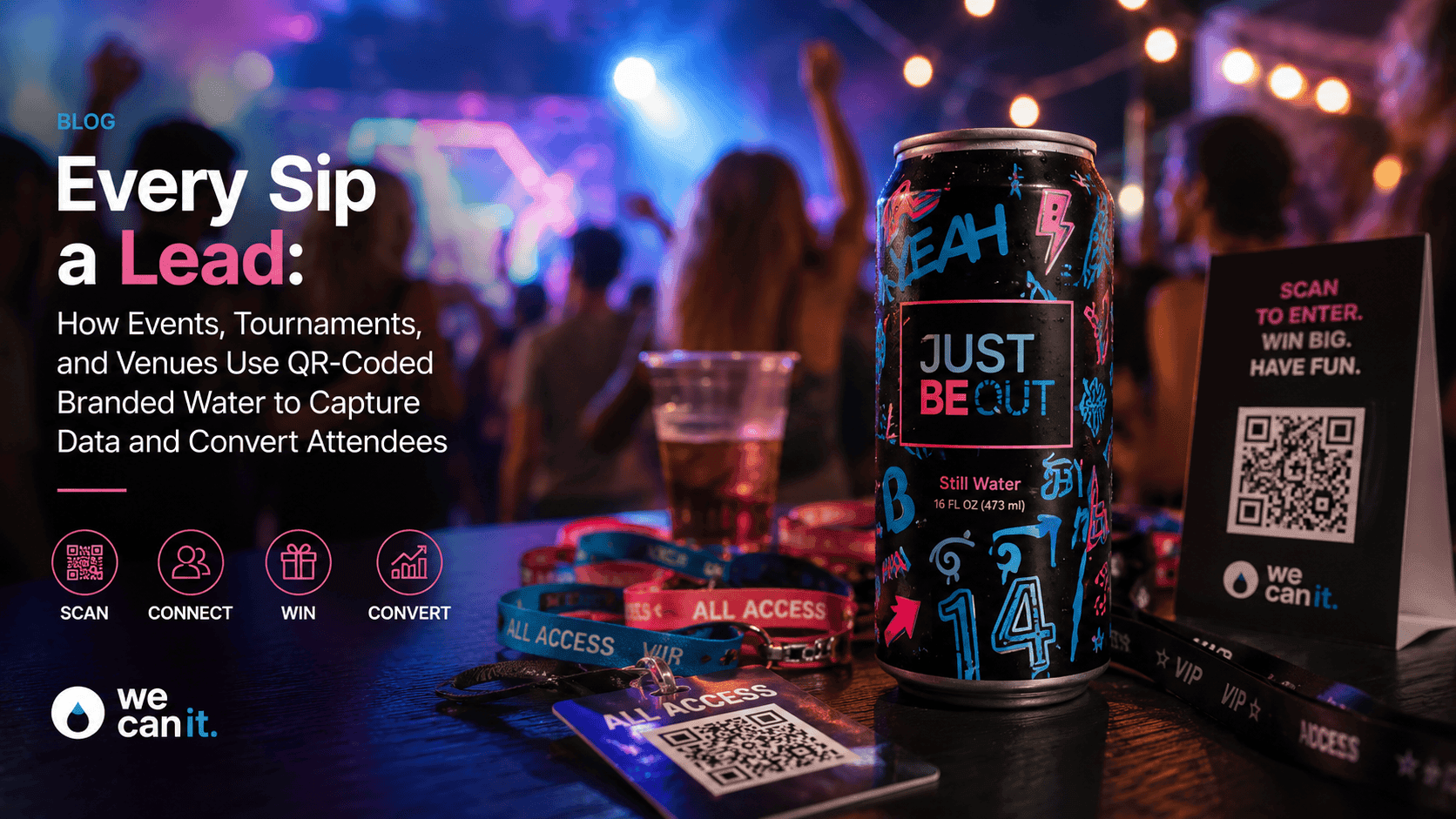
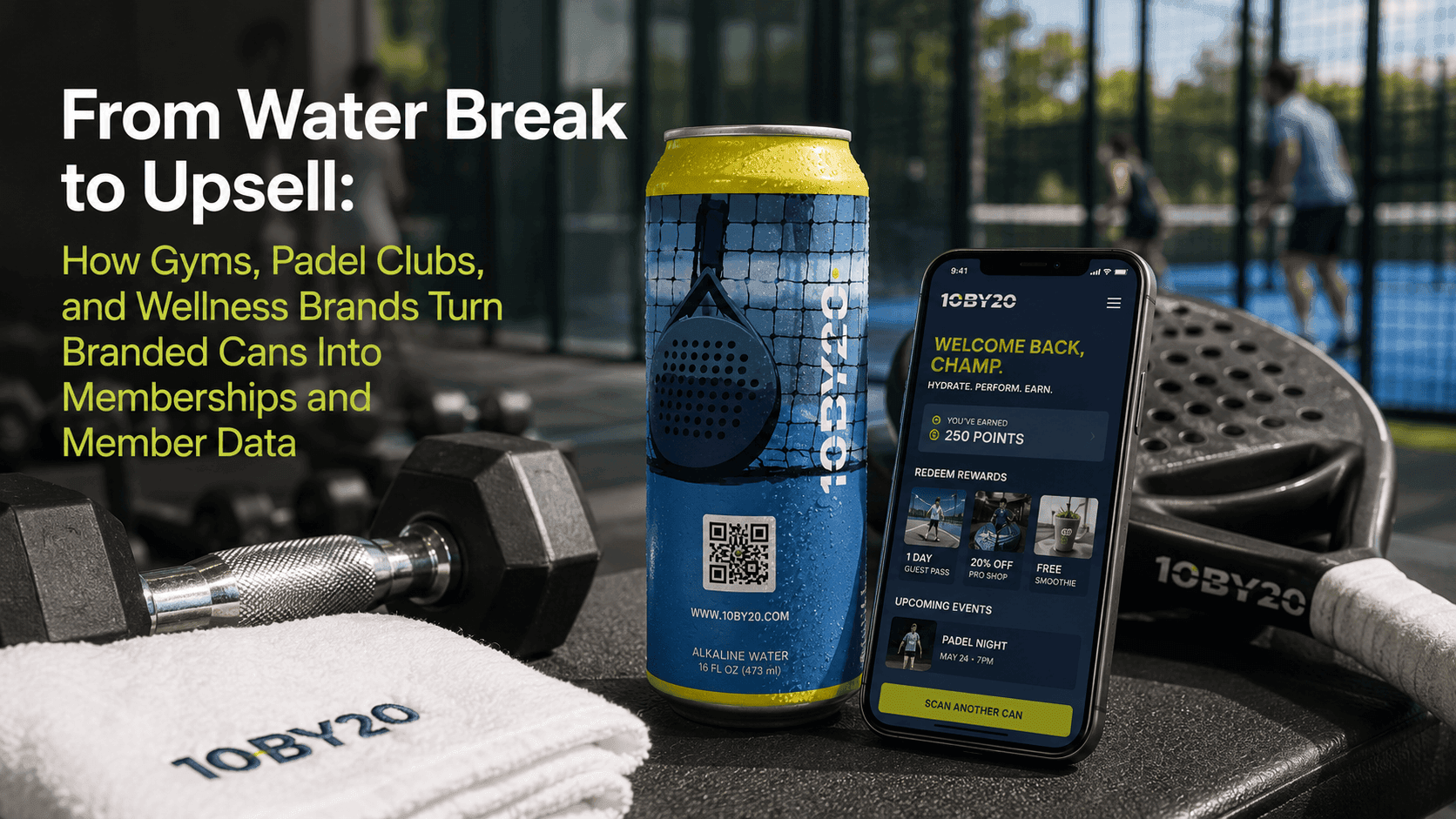
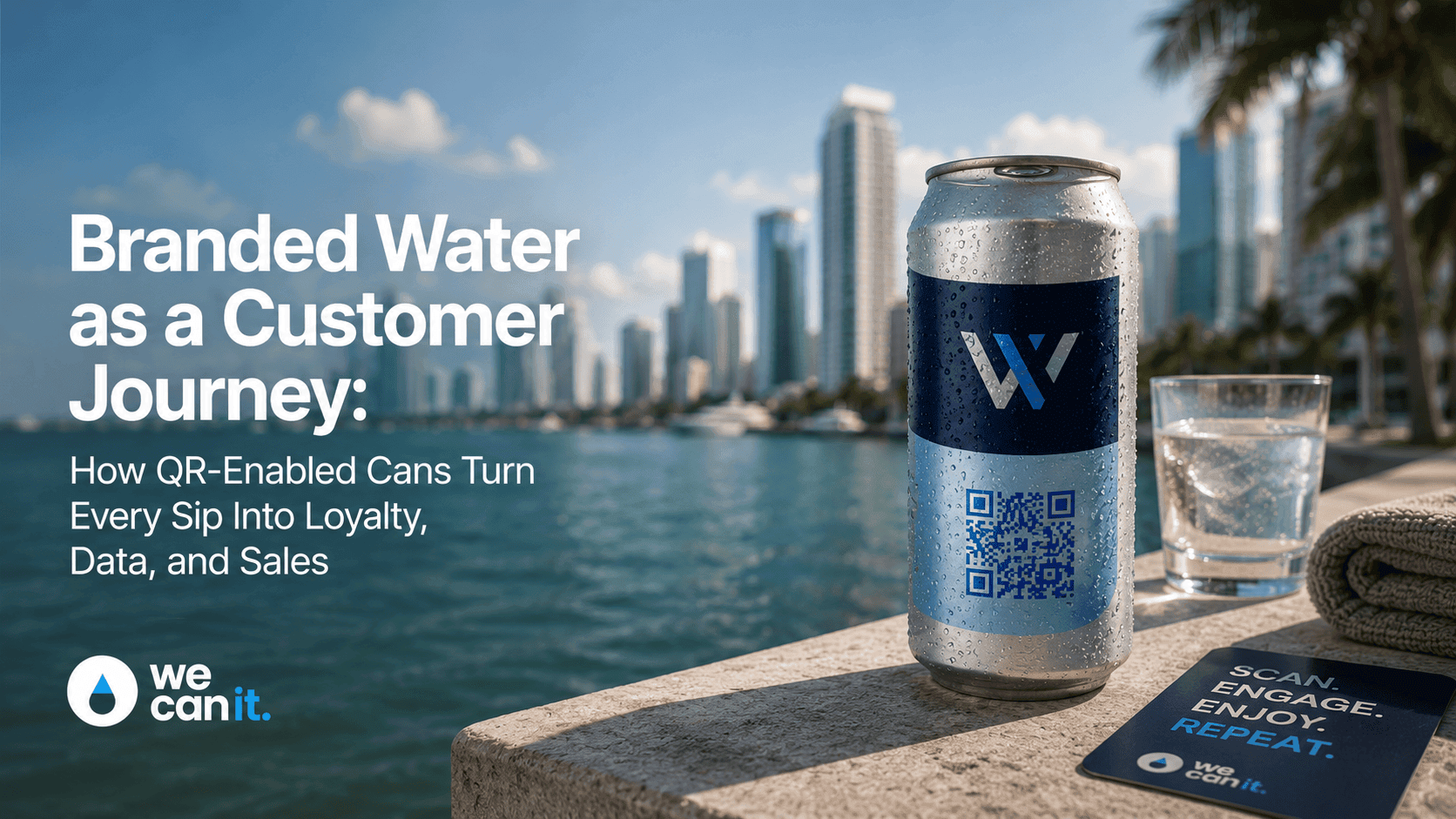
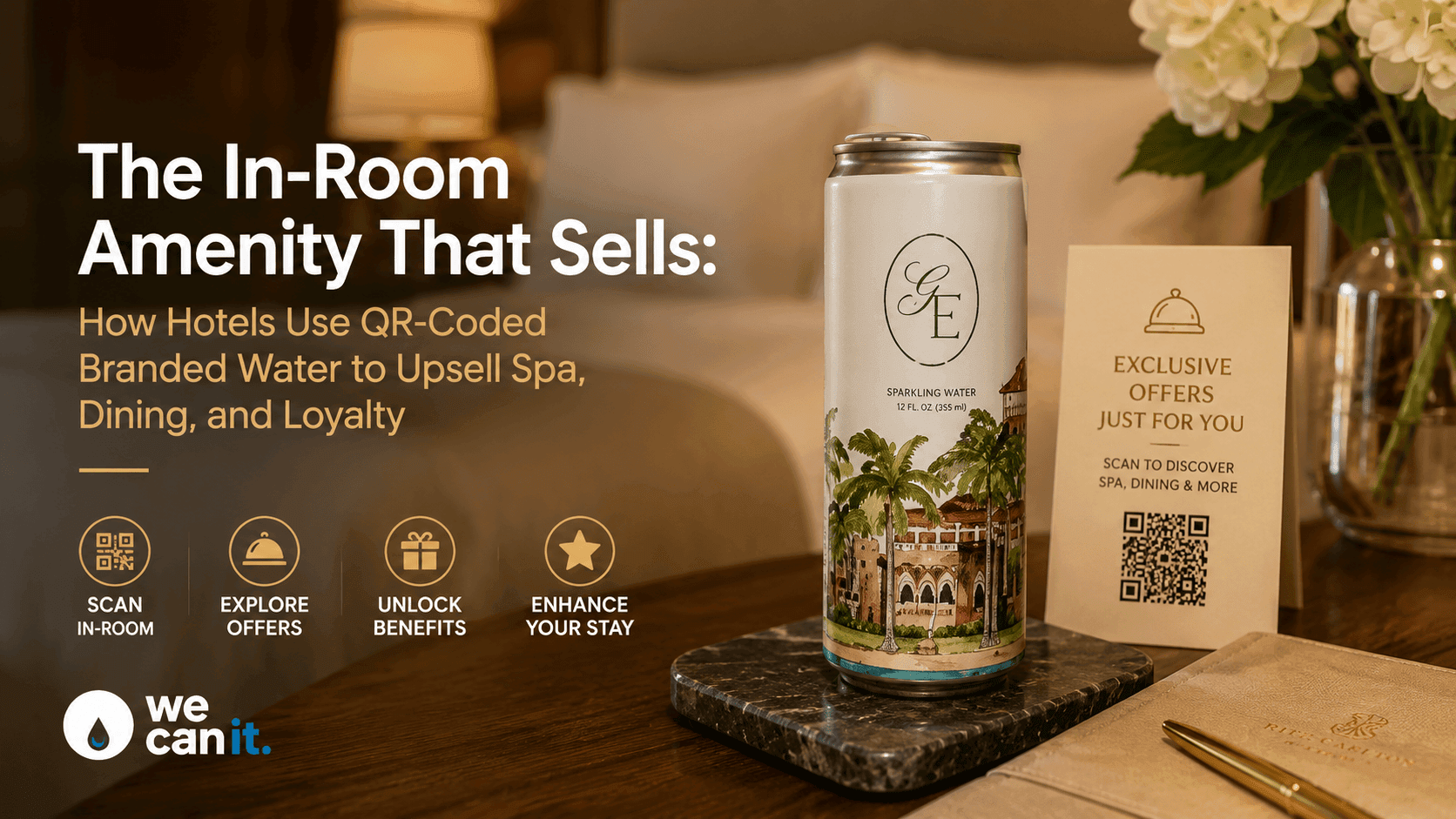
QR scans are especially useful because they capture what the visitor chose, not what staff remember. Every We Can It can includes a QR code at no extra cost, and with Journeys a branded water can at the booth becomes an intent signal: who booked a demo, who downloaded the report, who asked for pricing. Our guide to QR lead capture for conferences using canned water covers booth setup.
Step 2: Sort leads by intent, the same night
Sort every lead into three groups before the team leaves the show.
- High intent: asked for a meeting, pricing or a demo; scanned a "book a demo" QR path.
- Medium intent: had a real conversation; requested a resource or report.
- Low intent: badge scan only, no conversation or picked up a giveaway.
Assign an owner to every high-intent lead before anyone flies home.
Step 3: The first 24 hours: high-intent leads
High-intent leads should hear from a real person, by name, within a day.
- Personal email from the person they met, referencing the conversation.
- A specific next step: a meeting link with two or three time options.
- One relevant resource, not a brochure pack.
- A LinkedIn connection from the same person, with a short note.
Keep it short. "Great to meet you at the booth on Tuesday. You mentioned your team is evaluating X before Q3. Here are three times for a 20-minute walkthrough."
Step 4: Within 48 hours: medium-intent leads
Medium-intent leads get a useful, slightly broader message.
- Send the resource they asked for, with a one-line summary of why it matters.
- Invite them to a follow-up webinar or demo for people who visited the booth.
- Offer a simple reply option: "Reply with 'yes' if you want a walkthrough."
Step 5: The first week: low-intent leads
Low-intent leads join a light nurture sequence.
- A thank-you email with a show recap or the most-requested resource.
- One or two value emails over the following weeks.
- Clear unsubscribe options, and only for contacts who agreed to be contacted.
Respect consent rules for every region you market to. Our post on QR codes and first-party data explains why opt-in data captured at the booth is so valuable.
Templates for the first email
High intent
- Subject: Our conversation at show] about their problem]
- Body: one line recalling the conversation, one line on what you can show them, three meeting times.
Medium intent
- Subject: The report or guide] you asked for at show]
- Body: the resource link, one key takeaway and an invitation to a short walkthrough.
Low intent
- Subject: Thanks for stopping by at show]
- Body: a recap, one useful resource and an easy way to reply.
Using scan data to prioritize sales calls
When a booth uses QR journeys, the scan data adds context sales can use.
- Which path they chose: demo, pricing, report, event invite.
- When they scanned: during the conversation, later that day or after the show.
- Repeat engagement: visitors who scan again after the show are often the warmest.
Our post on how brand teams measure activation metrics with QR cans explains how to report these numbers to leadership.
Measuring follow-up, not just booth traffic
Report the show on outcomes your CFO cares about.
- Leads by intent level.
- Time to first contact for high-intent leads.
- Meetings booked within two weeks.
- Pipeline created within 30 and 90 days.
- Cost per meeting and cost per opportunity.
If you are planning a season of shows, our Miami 2027 trade show calendar covers the boat show, eMerge Americas and Consensus, with planning dates for each.
The 48-hour checklist
- Tags and notes captured for every conversation.
- QR journeys connected to your lead list.
- Leads sorted by intent the same night.
- Owners assigned to every high-intent lead.
- High-intent emails sent within 24 hours.
- Medium-intent emails sent within 48 hours.
- Low-intent nurture scheduled within a week.
- Results reported at two weeks, 30 days and 90 days.
Making the booth feed the follow-up
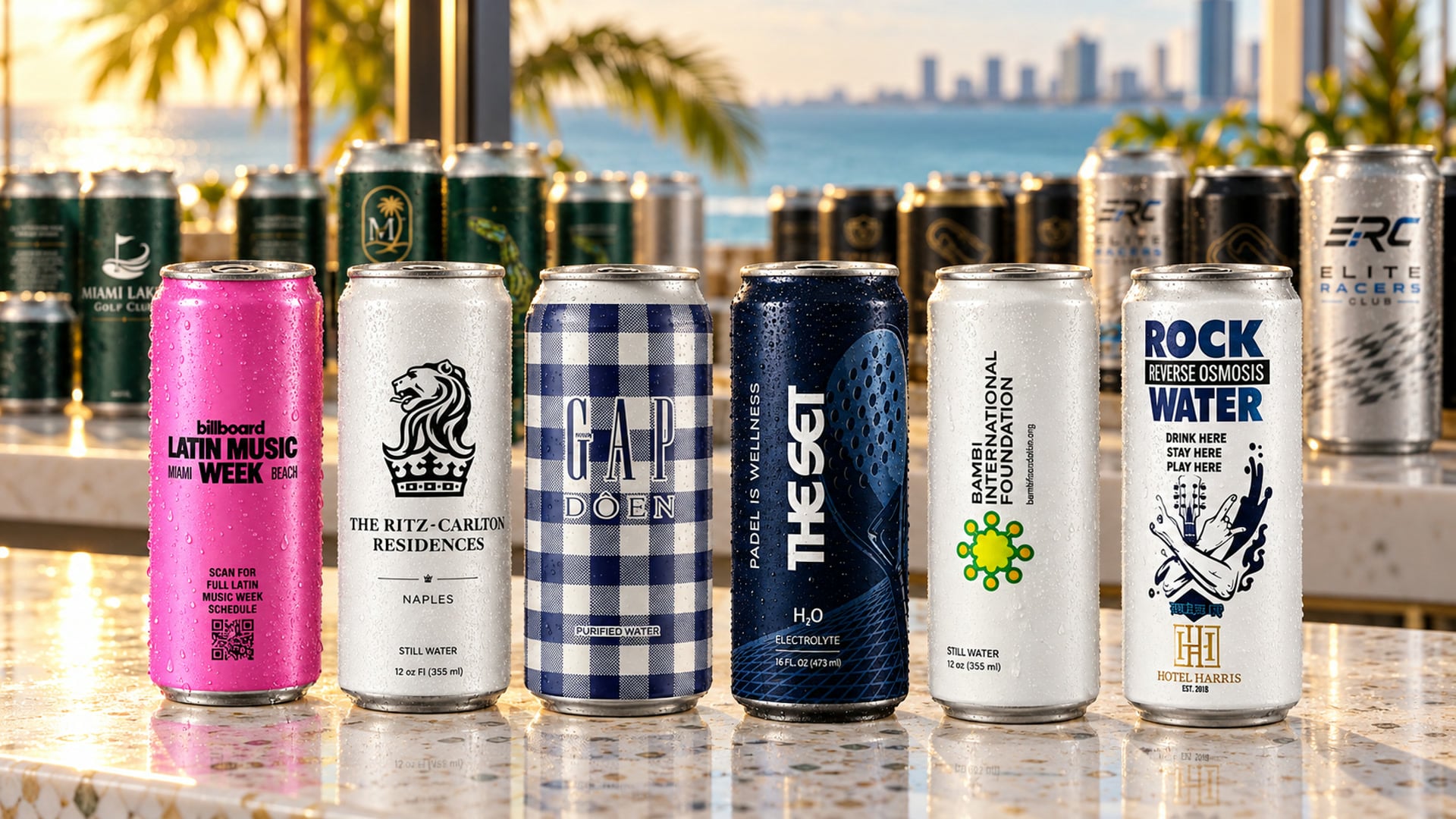
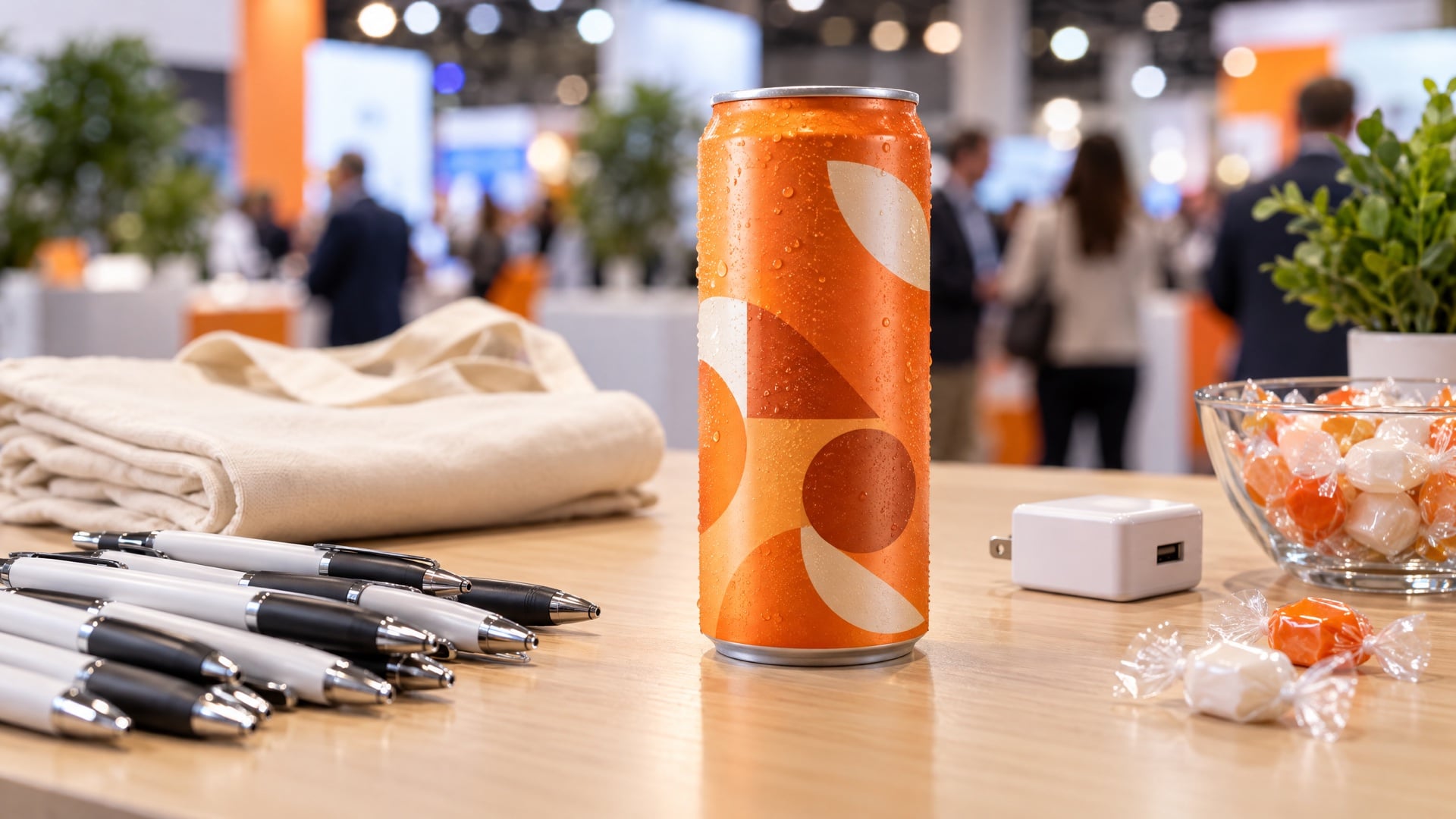
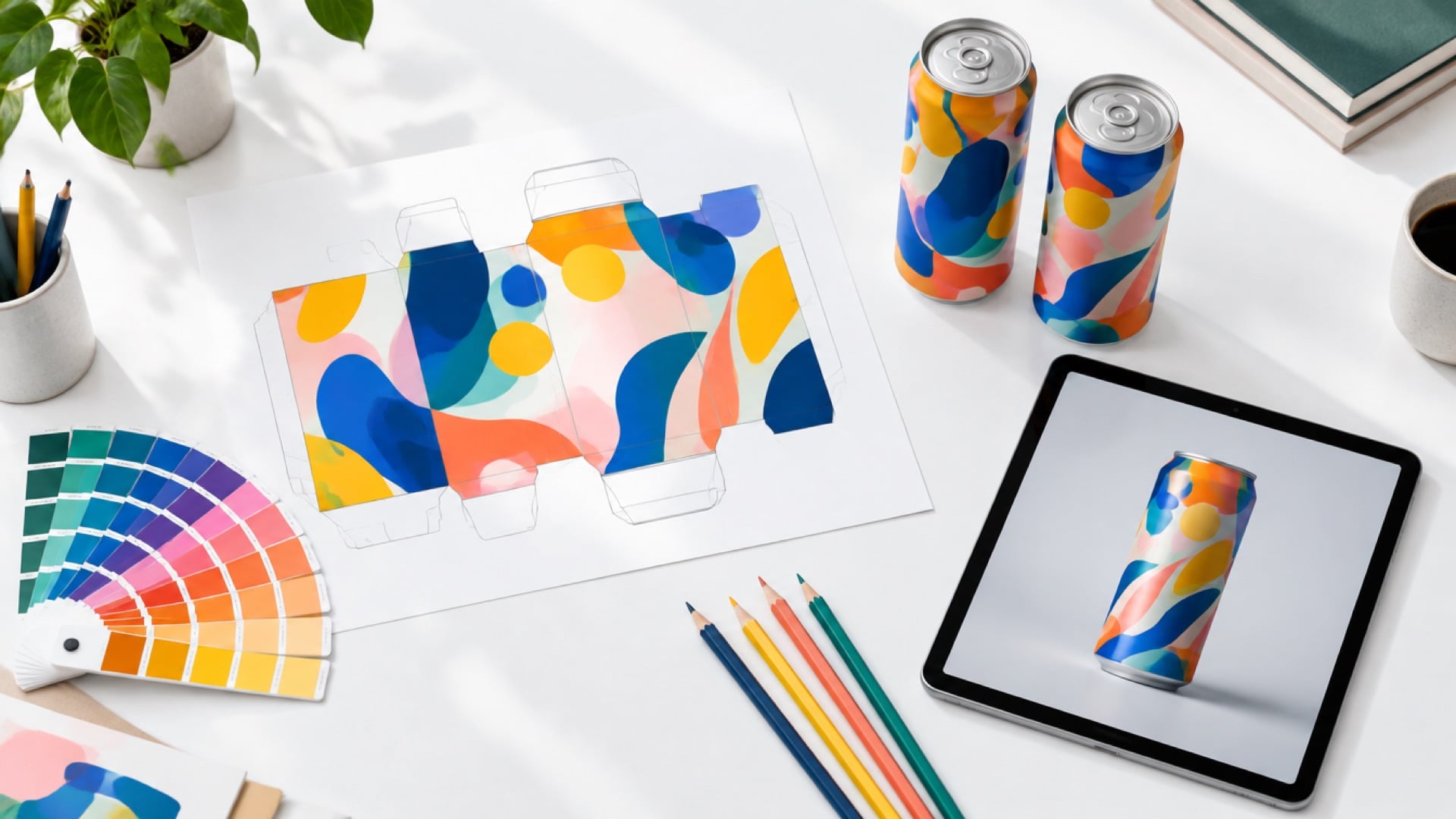
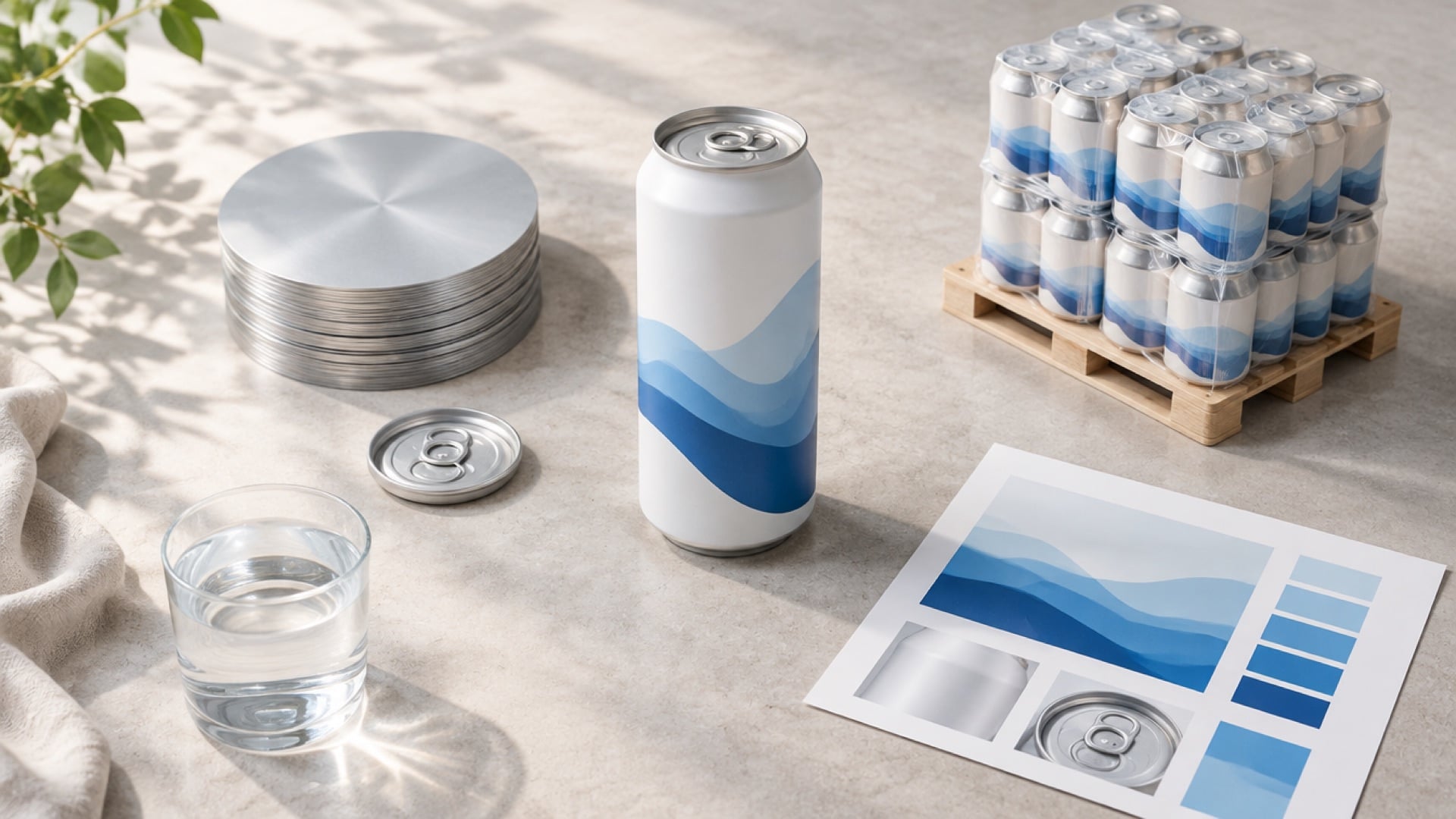
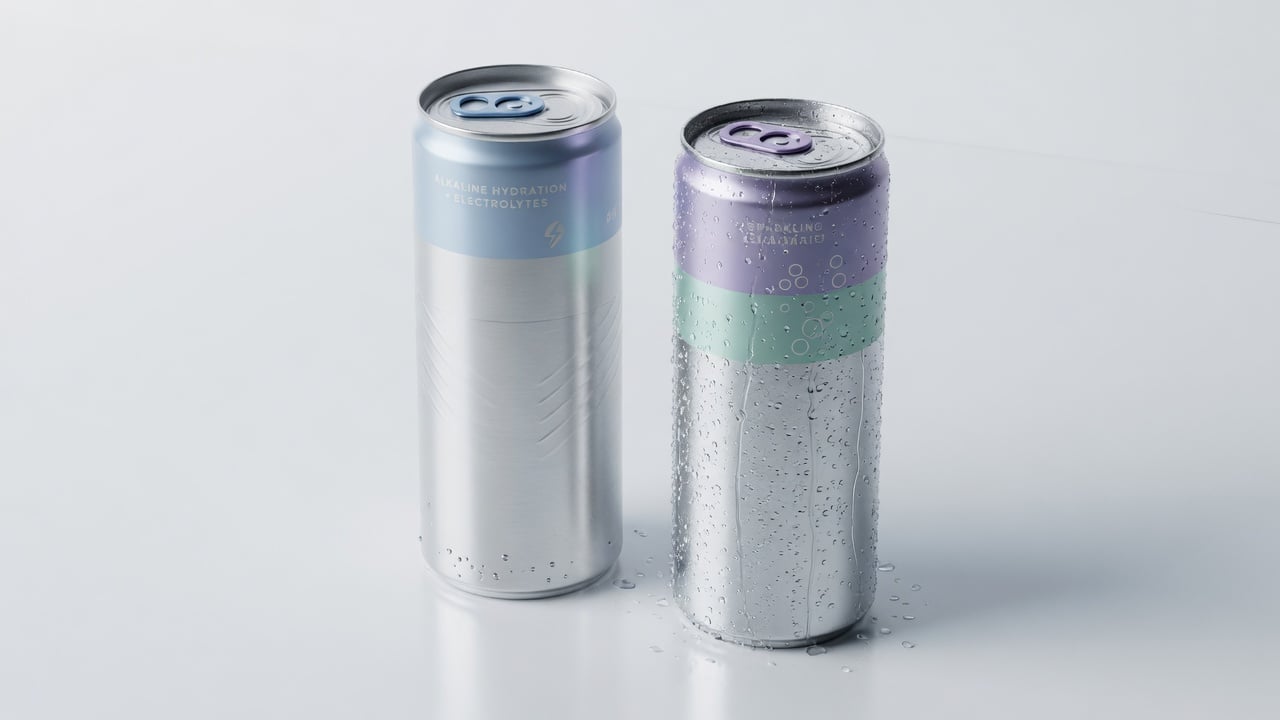
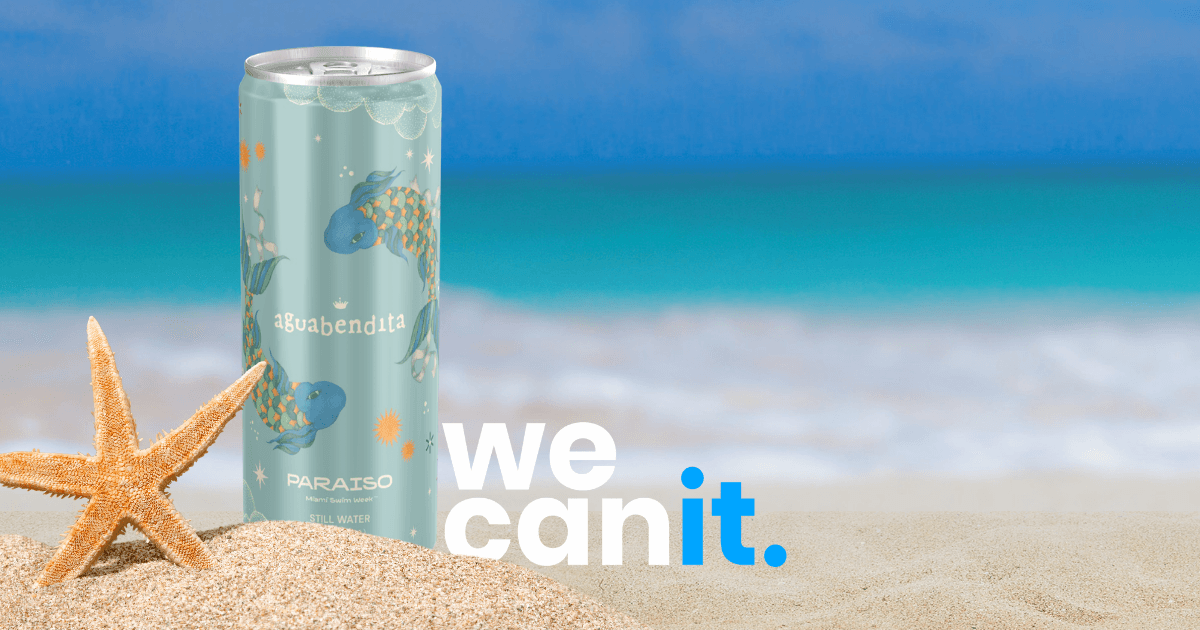
The follow-up is only as good as what the booth captures. A designed can handed over by a host starts the conversation, and the QR code on the back gives every visitor a way to tell you what they want. Digitally printed cans from We Can It range from $0.90 to $2.50 per can depending on volume, labeled cans start at 21 cases (504 cans) and production takes about 2 to 3 weeks from artwork approval. Use the online calculator to price your next show.
Example: a two-day show, followed up in 48 hours
Here is how a marketing team might run this plan.
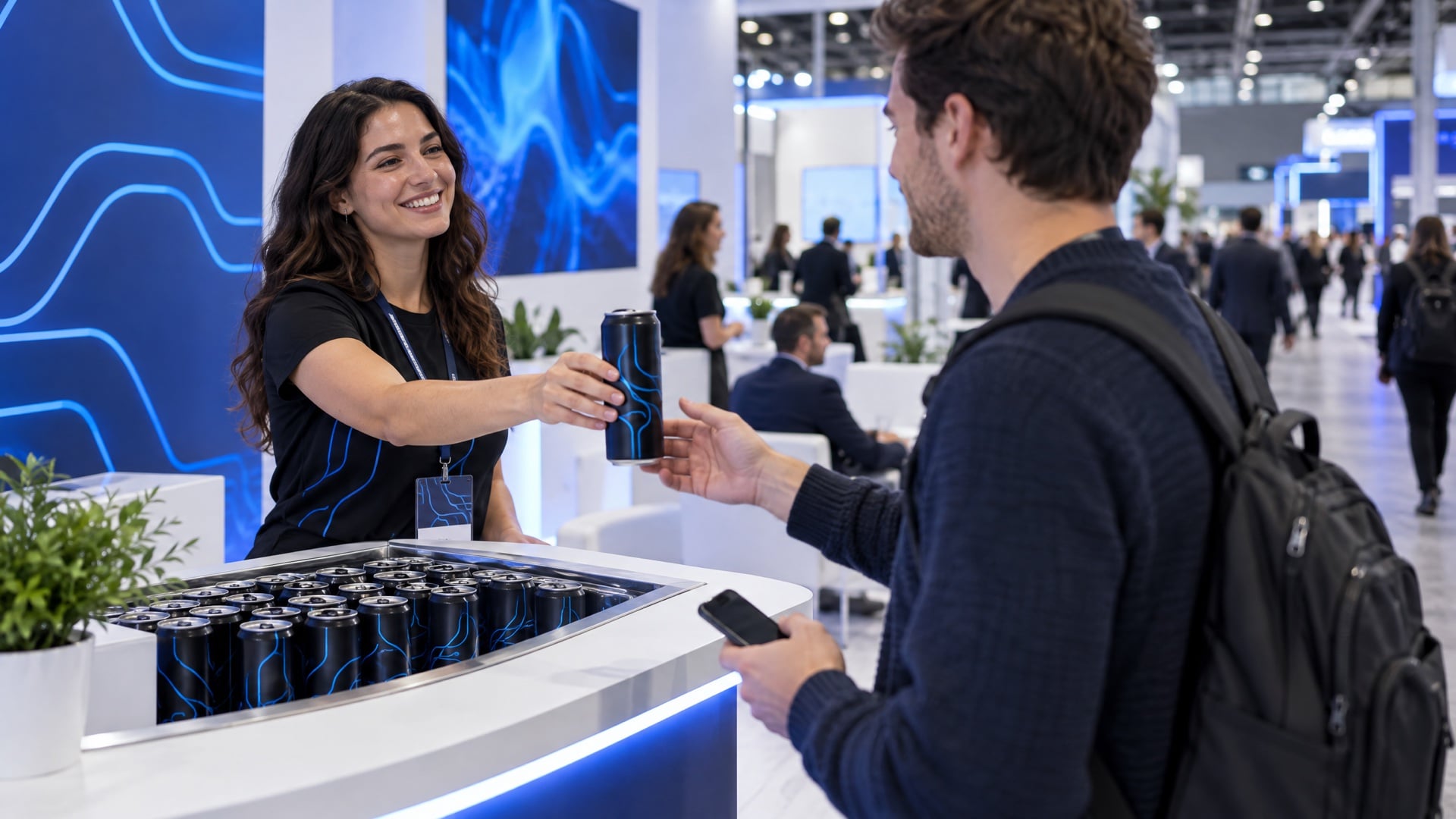
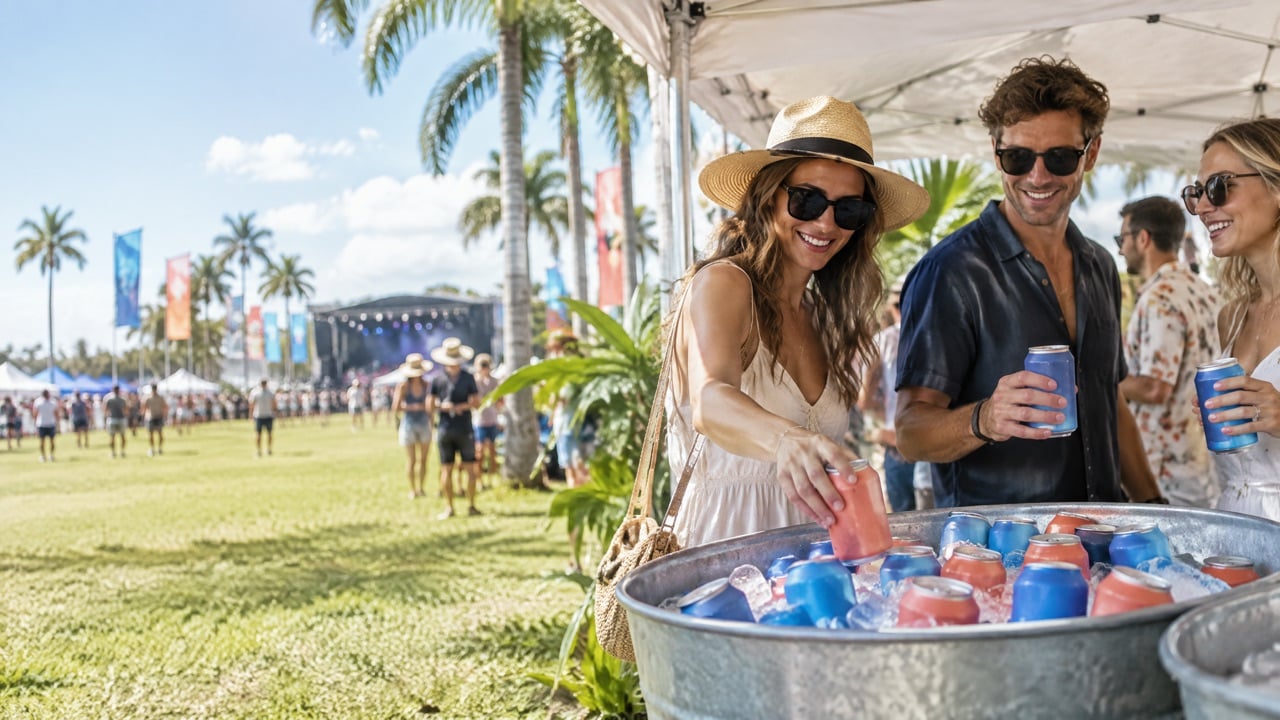
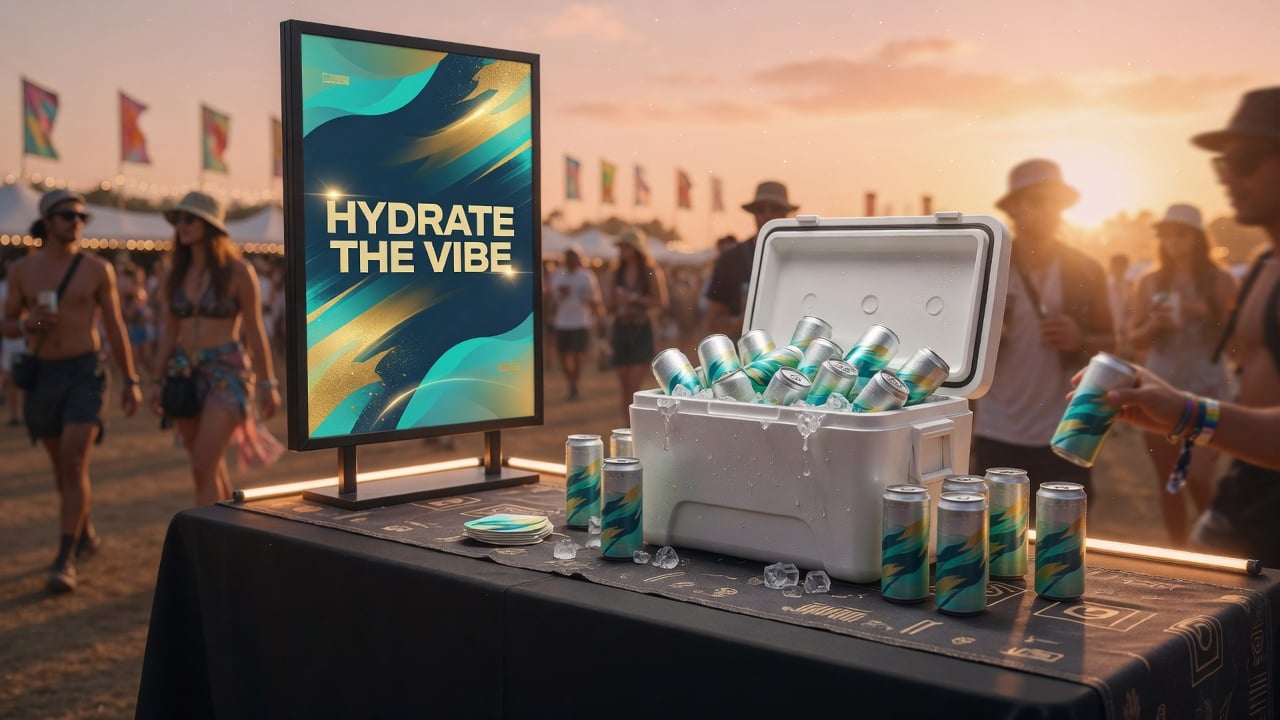
During the show, booth staff tag every conversation in their scanning app and add one note. The booth hands out branded water cans, and the QR code on each can offers three paths: book a demo, get the report or join the team's evening event. Each night, the marketing lead exports badge scans and QR scans into one list and sorts by intent.
On the last evening, account executives receive their high-intent leads with notes and the path each visitor chose. By the next afternoon, every high-intent lead has a personal email with meeting times. The following morning, medium-intent leads receive the report they asked for and an invitation to a short walkthrough. Low-intent contacts join a light nurture sequence later that week.
Two weeks later, the team reports meetings booked and time to first contact. At 30 and 90 days, it reports pipeline. The next show's budget conversation starts with those numbers, not with a count of badge scans.
Common follow-up mistakes
- Waiting until everyone is back in the office. Momentum fades within days.
- Sending the same email to everyone. High-intent leads deserve a personal note.
- Attaching a brochure pack. One relevant resource beats ten files.
- No owner for hot leads. Assign them before the team leaves the show.
- Measuring badge scans. Measure meetings and pipeline instead.
Frequently asked questions
When should I send trade show follow-up emails?
Send personal follow-ups to high-intent leads within 24 hours and useful resources to medium-intent leads within 48 hours. Low-intent contacts can join a lighter sequence during the first week.
What should a trade show follow-up email say?
Reference the actual conversation, offer one specific next step such as a meeting with time options, and include one relevant resource. Keep it short and personal.
How do you prioritize trade show leads?
Sort them by intent: those who asked for a meeting, pricing or a demo first, then those who had a real conversation or requested a resource, then badge-only contacts.
How can QR codes improve trade show follow-up?
QR codes let visitors choose what they want, such as a demo or a report, and record when they engaged. That data helps sales prioritize calls and personalize the first message.
How do I measure trade show ROI?
Track leads by intent, time to first contact, meetings booked, pipeline created at 30 and 90 days and cost per meeting. Booth traffic alone does not show return.
Get a quote for QR-powered cans for your next trade show
Start the follow-up at the booth with a can that captures intent. Get an instant estimate, and a product advisor will follow up by email to help with design, QR journeys and timing.