Event Production Budget: 9 Line Items Clients Forget
Event budgets rarely blow up on the stage or the lights; they blow up on the small items nobody priced until load-in week. Here are nine line items production agencies should quote up front, from crew meals to guest hydration, with how to estimate each one.

The budget was approved in August. The stage, lighting and catering were all on it. Then, three days before the event, the venue mentions a separate power fee, the crew needs dinner because load-in runs late, and someone asks who is paying for the water at registration. None of these items is large on its own. Together, they turn a clean budget into an awkward conversation with the client.
Every experienced production agency has a list of items that clients forget, and that junior producers forget to quote. Putting them in the first budget makes the agency look prepared, protects margins and avoids change orders that strain the relationship.
Here are nine line items worth adding to every event budget template, with a simple way to estimate each one.
What line items do event budgets usually miss?
Event budgets usually miss small operational items that only appear close to the event: venue fees beyond the rental, power and rigging, crew meals and overtime, guest and crew hydration, waste and cleanup, permits, insurance, contingency and post-event shipping. Each is easy to estimate early. Listing them in the first proposal avoids late change orders and protects the agency's margin.
1. Venue fees beyond the room rental
Rental rates are rarely the whole story. Ask for the venue's full fee schedule before you price.
- Service charges on food and beverage.
- Security and cleaning fees.
- Dock or load-in fees and freight handling.
- In-house AV requirements or patch fees if you bring your own.
How to estimate: request the venue's fee sheet and add each item as its own line.
2. Power and rigging
Stages, LED walls and lighting need power and points, and many venues charge separately for both.
How to estimate: have your technical director list power drops and rigging points from the drawings, then price them against the venue's rate card.
3. Crew meals, overtime and parking
Long build days need food, and late load-outs trigger overtime.
- Meals for every crew shift over a set number of hours.
- Overtime buffers for load-out nights.
- Parking or shuttles for crew at city venues.
How to estimate: crew count times shifts times a per-meal allowance, plus a fixed overtime buffer.
4. Guest and crew hydration
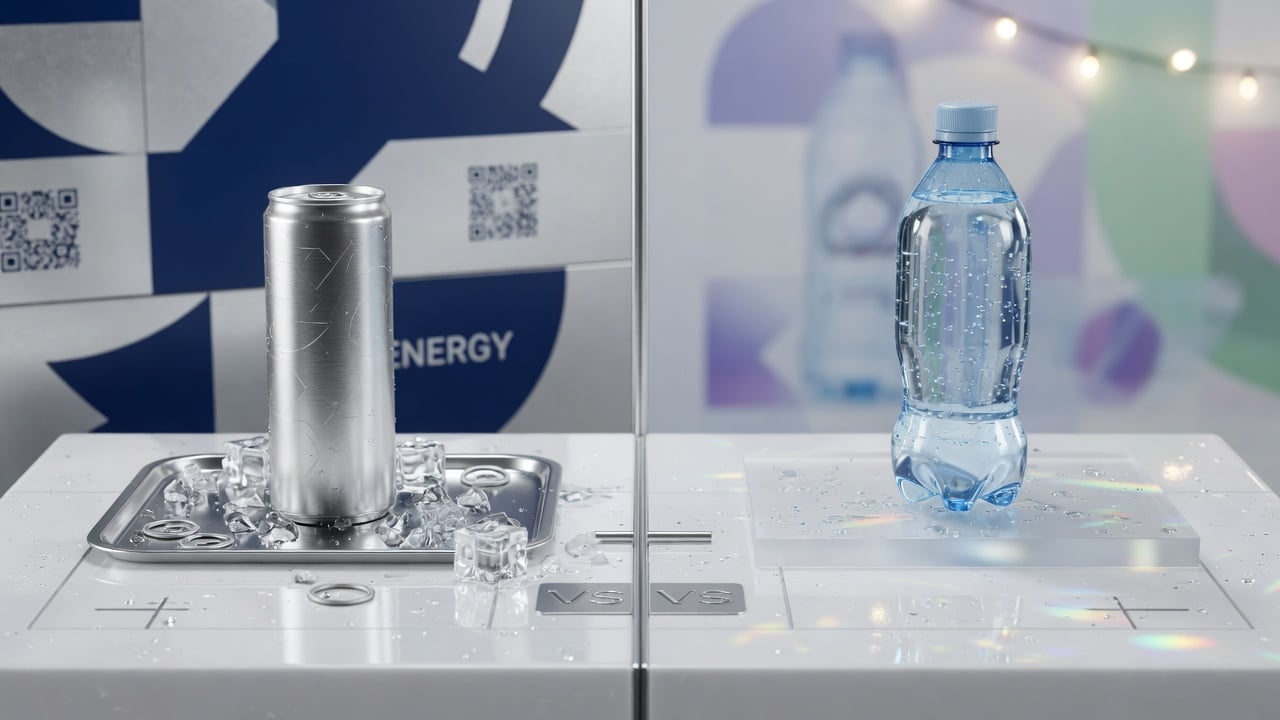
Water is the item almost every budget assumes "the venue will handle." Sometimes it does, with a generic product at venue prices. Often it does not cover registration, sessions, the stage, the green room or the crew.
- Guest water at arrivals, sessions, receptions and activations.
- Stage and talent water for speakers and performers.
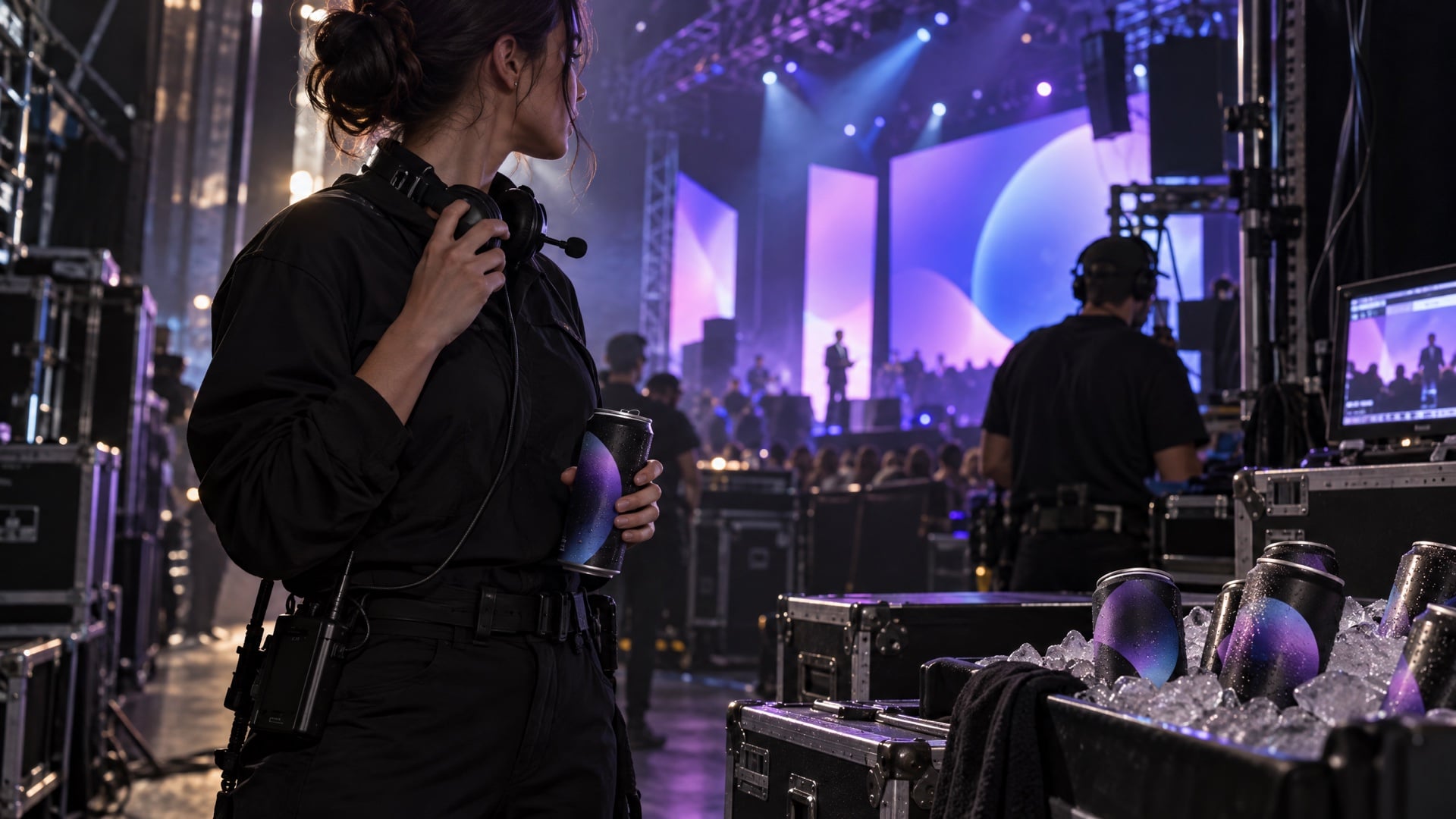
- Crew water for build and load-out days.
How to estimate: guests times hours times a per-hour allowance, plus crew per shift, plus 10 to 15 percent buffer. Our guide on how many cans of water to order per guest has worked examples.
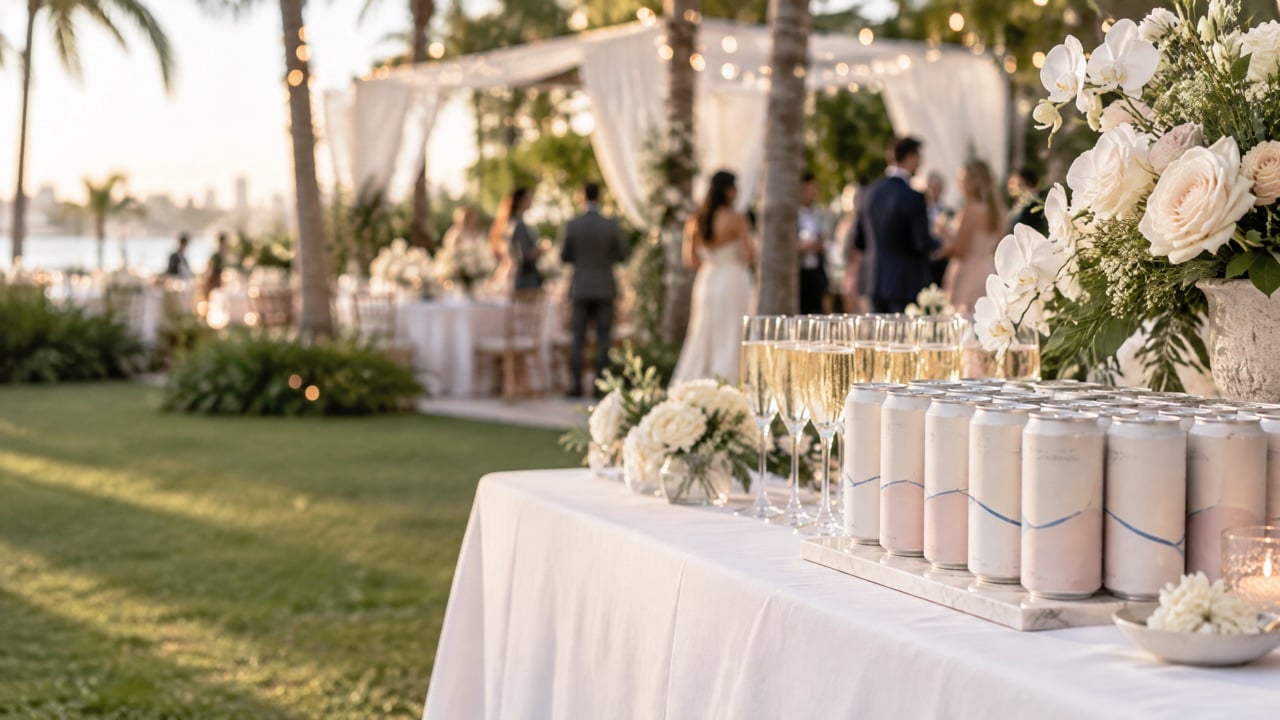
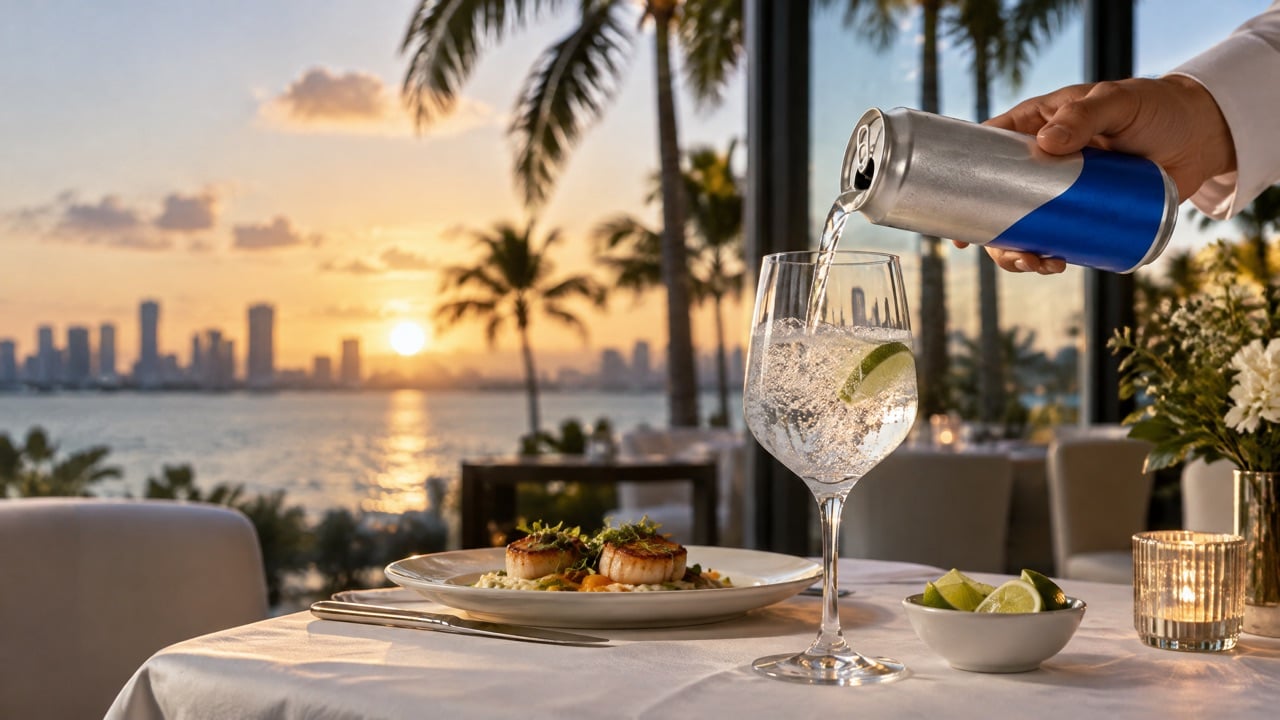
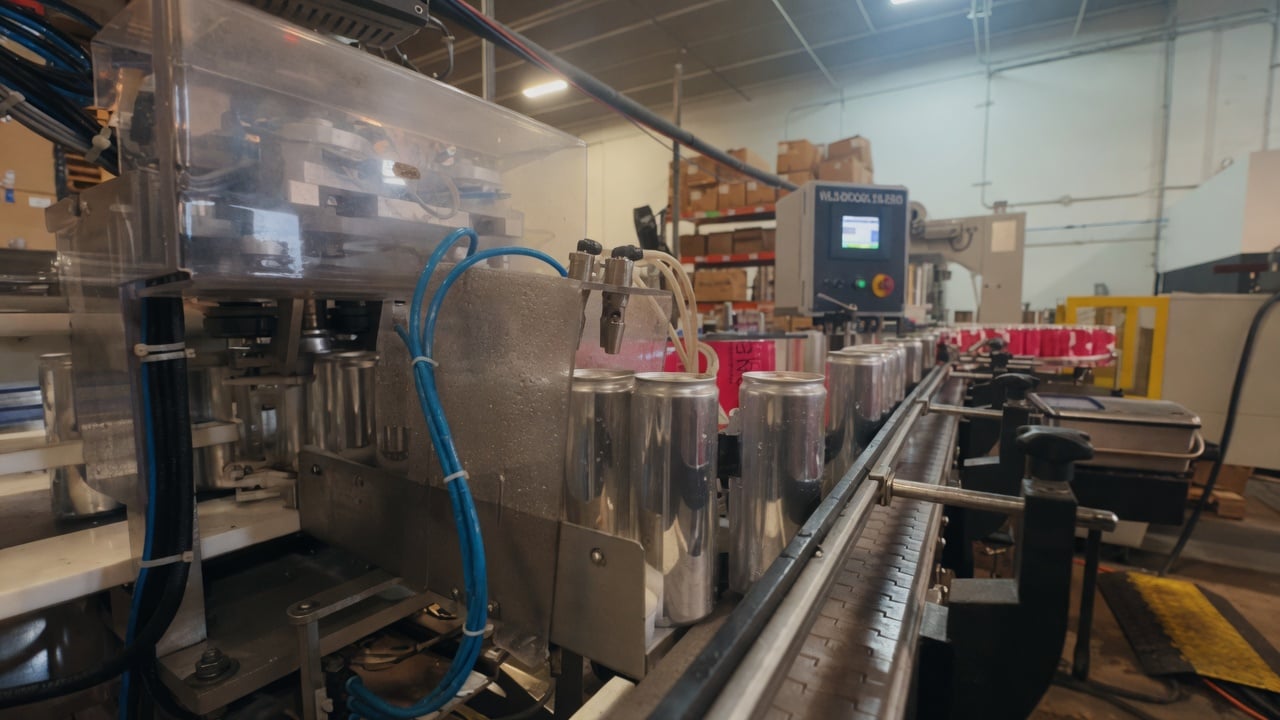
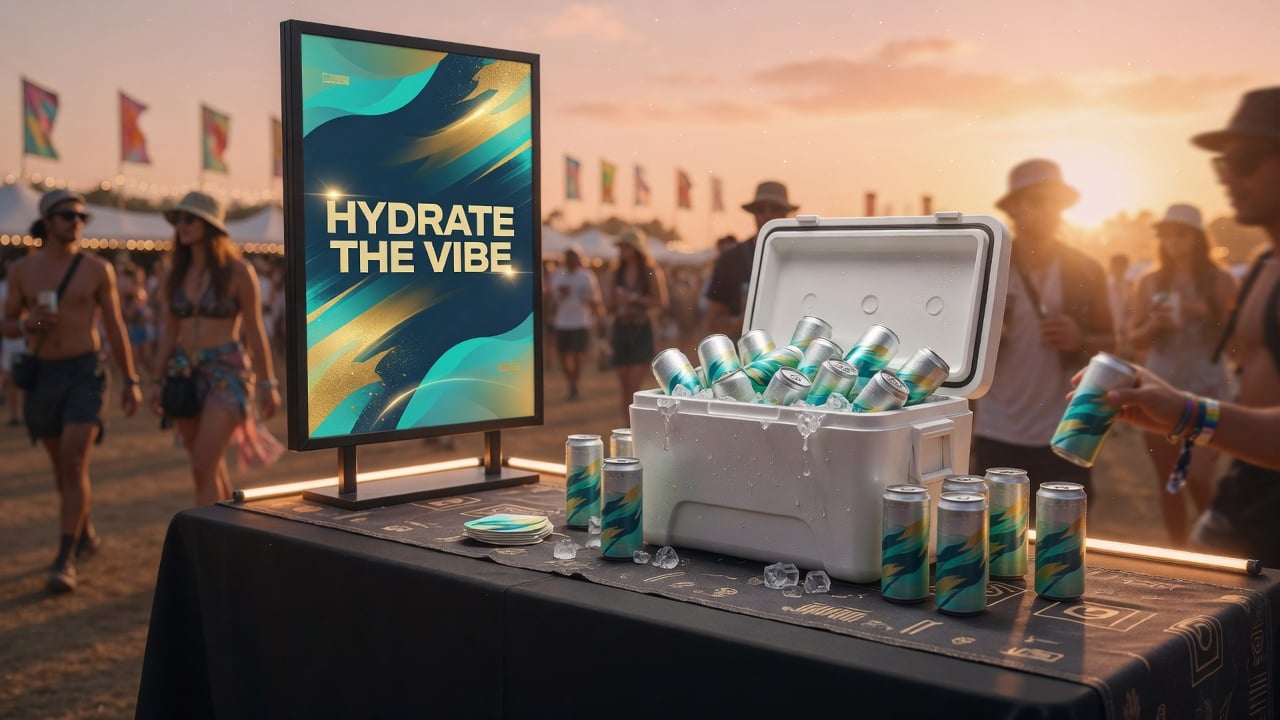
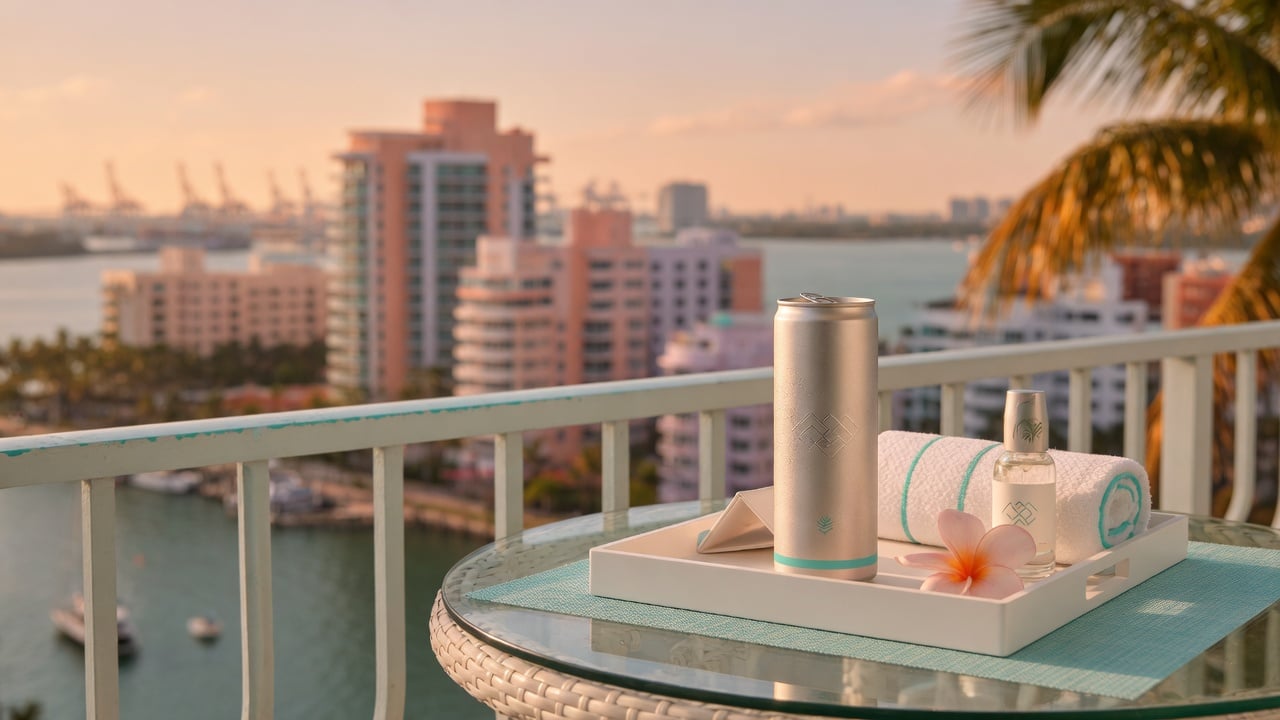
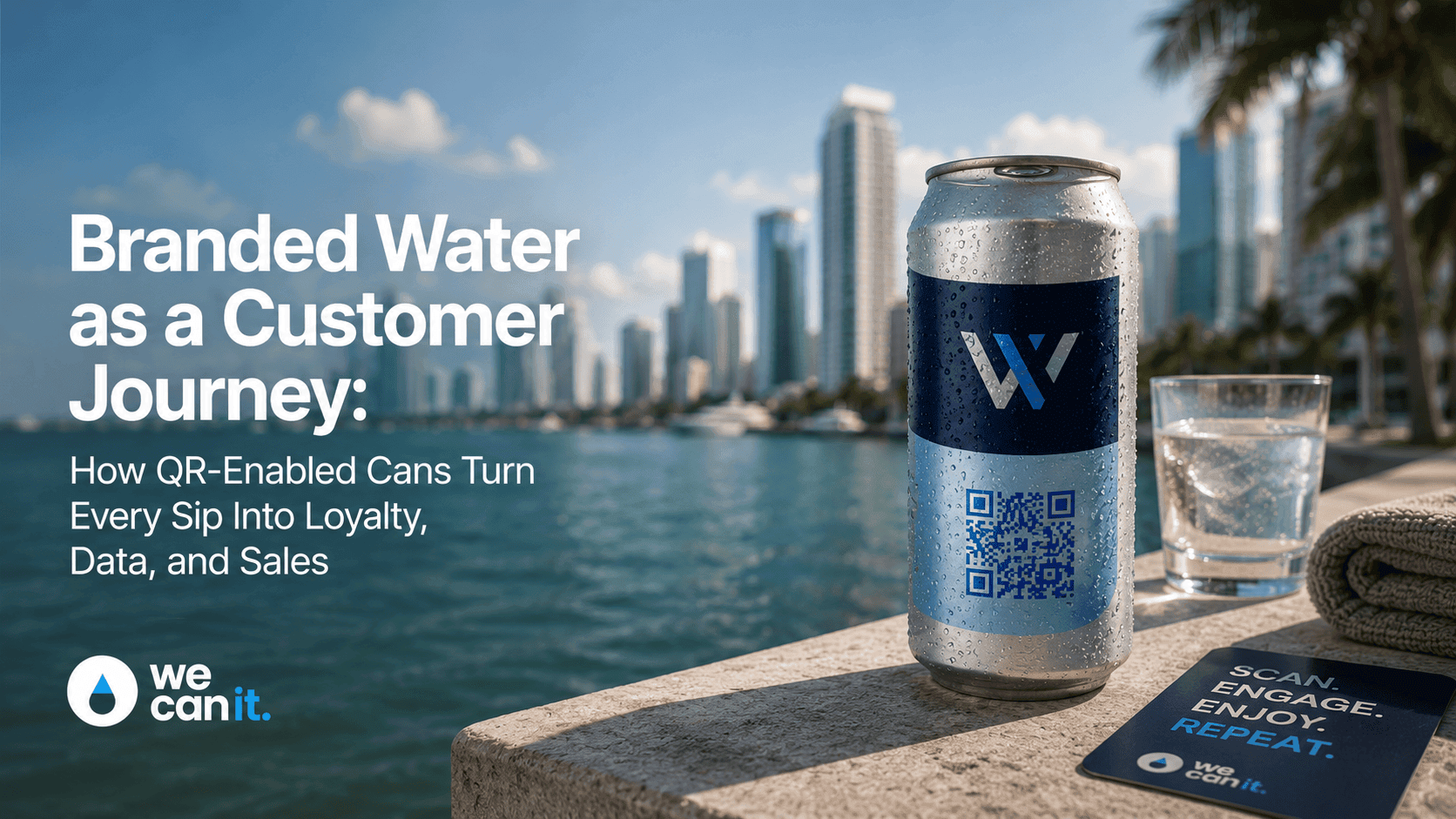
This is also where many agencies turn a cost into a feature. A client-branded can, designed to match the event, replaces generic bottles and puts the client's brand in every hand. We Can It produces branded cans in Miami from 21 cases (504 cans), with about 2 to 3 weeks of production. Our post on how event production companies add branded water to every show shows how to spec it into the run of show.
5. Waste, recycling and cleanup
Large events produce a lot of waste, and venues increasingly charge for it.
- Dumpster or haul-away fees.
- Recycling stations and sorting staff.
- Post-event cleaning beyond the standard turnover.
How to estimate: ask the venue for its waste policy and rates; add sorting staff hours if the client has sustainability goals. Clients who report on sustainability may want our guide on how to report event sustainability for cans vs plastic.
6. Permits and approvals
Outdoor events, street closures, pyrotechnics, tents and amplified sound can each require permits.
How to estimate: list every element that touches public space or safety rules and check local requirements early. Price permit fees and the staff time to file them.
7. Insurance and certificates
Venues commonly require certificates of insurance from the agency and vendors, and some events need extra coverage.
How to estimate: confirm the venue's requirements in the contract and price any event-specific coverage with your broker.
8. Contingency
Every event has surprises. A contingency line makes them a plan instead of a crisis.
How to estimate: a percentage of the total budget, agreed with the client up front, with a clear rule for when it can be used.
9. Post-event shipping and storage
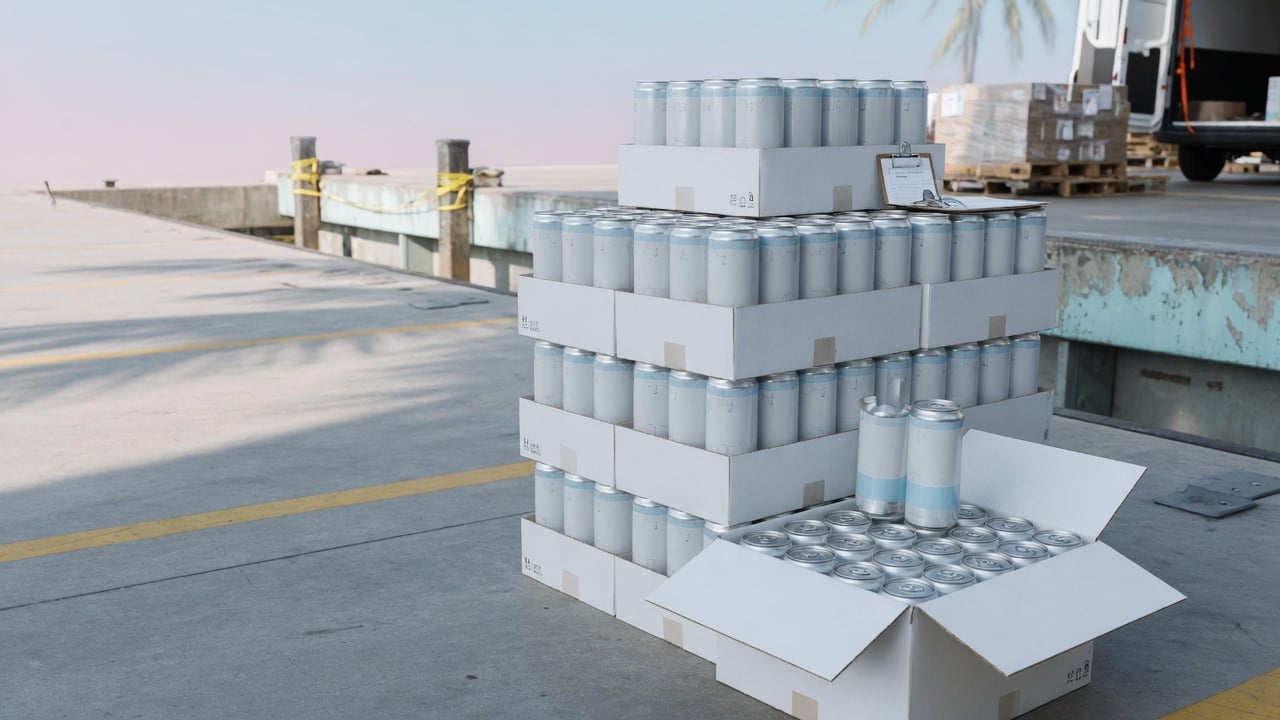
Booths, signage, leftover branded materials and rental returns all need to go somewhere after the event.
How to estimate: price return freight, warehouse days and disposal for anything not coming back. Leftover branded cans can often be used at the client's offices or next event, which is worth mentioning in the proposal.
A simple event budget template structure
Organize the budget so these items are hard to forget.
- Venue: rental, service charges, security, cleaning, dock fees.
- Production: stage, AV, lighting, power, rigging, labor.
- Creative: design, signage, printed and branded items.
- Guest experience: catering, beverages, hydration, gifts.
- Crew: meals, overtime, travel, parking.
- Operations: permits, insurance, waste, cleanup.
- Logistics: freight in, freight out, storage.
- Contingency.
- Agency fees.
Turning forgotten items into value for the client
The best agencies do not just list these costs; they explain why each one protects the event. Hydration is a good example. Instead of a line that reads "water," a proposal can offer "client-branded water at registration, stage and receptions," with a mockup. The cost is visible, the value is obvious and the client sees an agency that thinks about the guest.
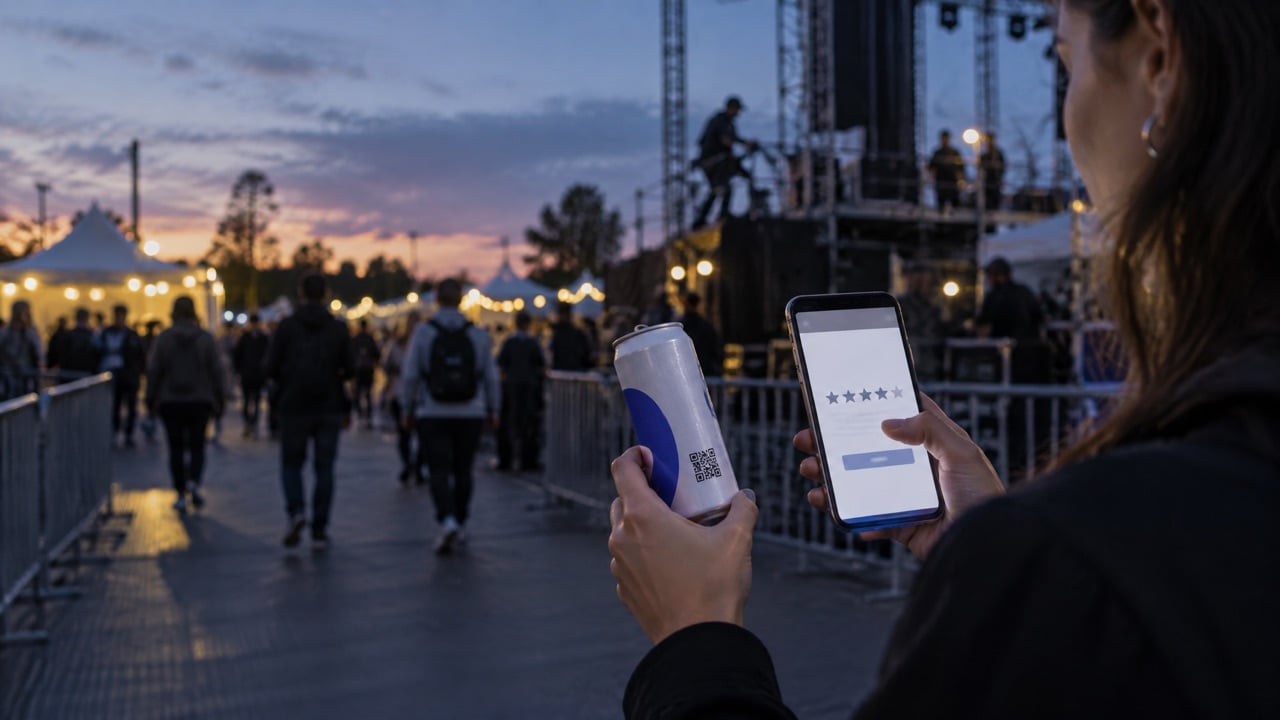
For pricing, digitally printed cans from We Can It range from $0.90 to $2.50 per can depending on volume, labeled cans are priced very competitively for small runs, and every can includes a QR code at no extra cost. With Journeys, that QR code can open agendas, surveys or sponsor offers. Use the online calculator for an estimate to drop into your budget.
Example: catching forgotten items before the proposal
Here is how a production agency might use this list on a real proposal.
A client asks for a 400-guest awards dinner in a hotel ballroom. The first draft budget covers the room, staging, lighting, AV, catering and decor. Before sending it, the producer runs through the nine items.
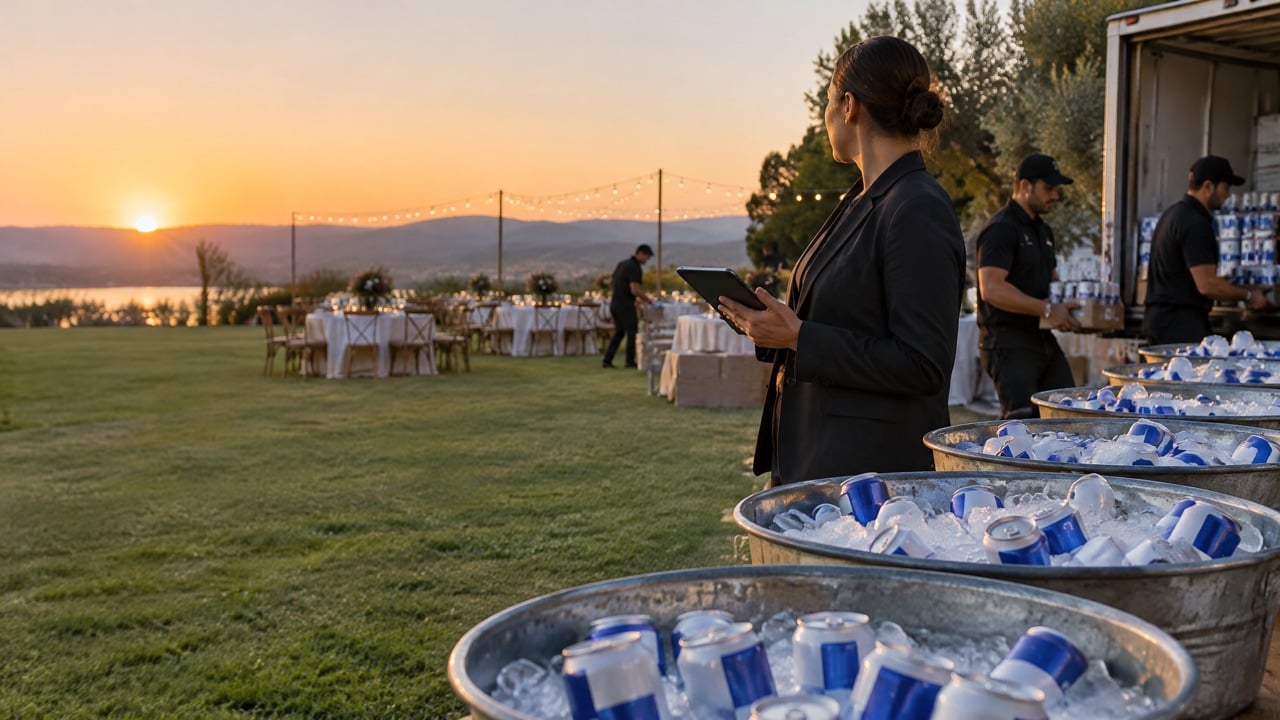
The hotel fee sheet shows a separate power charge and a dock fee for freight. The build runs late the day before the event, so the producer adds crew meals and an overtime buffer. The client wants water at registration, on the stage and at the after-party, which the banquet package does not cover, so the producer adds client-branded cans for those areas, with a mockup. The hotel charges for waste removal beyond standard turnover, which goes on the budget too, along with a contingency line agreed with the client.
The total is higher than the first draft, but it is honest. Two weeks before the event, there are no surprise change orders, and the client sees an agency that thought of everything, including the water in the CEO's hand on stage.
How to present these items to the client
- Group them under clear headings so they look like planning, not padding.
- Explain why each item matters in one line.
- Show options where they exist, such as a standard and a branded hydration plan.
- Agree on the contingency rule in writing before the event.
Frequently asked questions
What should an event production budget include?
An event production budget should cover venue costs and fees, production and AV, power and rigging, creative and branded items, catering and hydration, crew costs, permits, insurance, waste and cleanup, logistics, contingency and agency fees.
How much contingency should an event budget have?
Contingency is usually set as a percentage of the total budget and agreed with the client up front, with a clear rule for when it can be used. The right percentage depends on the event's complexity and risk.
Who pays for water at a corporate event?
It depends on the venue contract. Venues often supply water at their own prices for food and beverage areas, but registration, stage, green room and crew water may not be covered. List it explicitly in the budget.
How far ahead should branded items be ordered?
It depends on the item. Branded water cans from We Can It take about 2 to 3 weeks from artwork approval, so approve designs about a month before the event.
How can an agency avoid late change orders?
Use a budget template that lists commonly forgotten items, request venue fee sheets early and agree on a contingency rule with the client before the event.
Get a quote for branded water in your next event budget
Turn a forgotten line item into a visible part of the guest experience. Get an instant estimate for your budget, and a product advisor will follow up by email.