Spring vs Purified vs Mineral Water: Which to Put in Your Private Label Can
Spring, purified and mineral water come from different sources, taste different and carry different label names under FDA rules. Here is how each is defined, how they compare on taste, sourcing and cost, and how brands pick the right water for their own can.
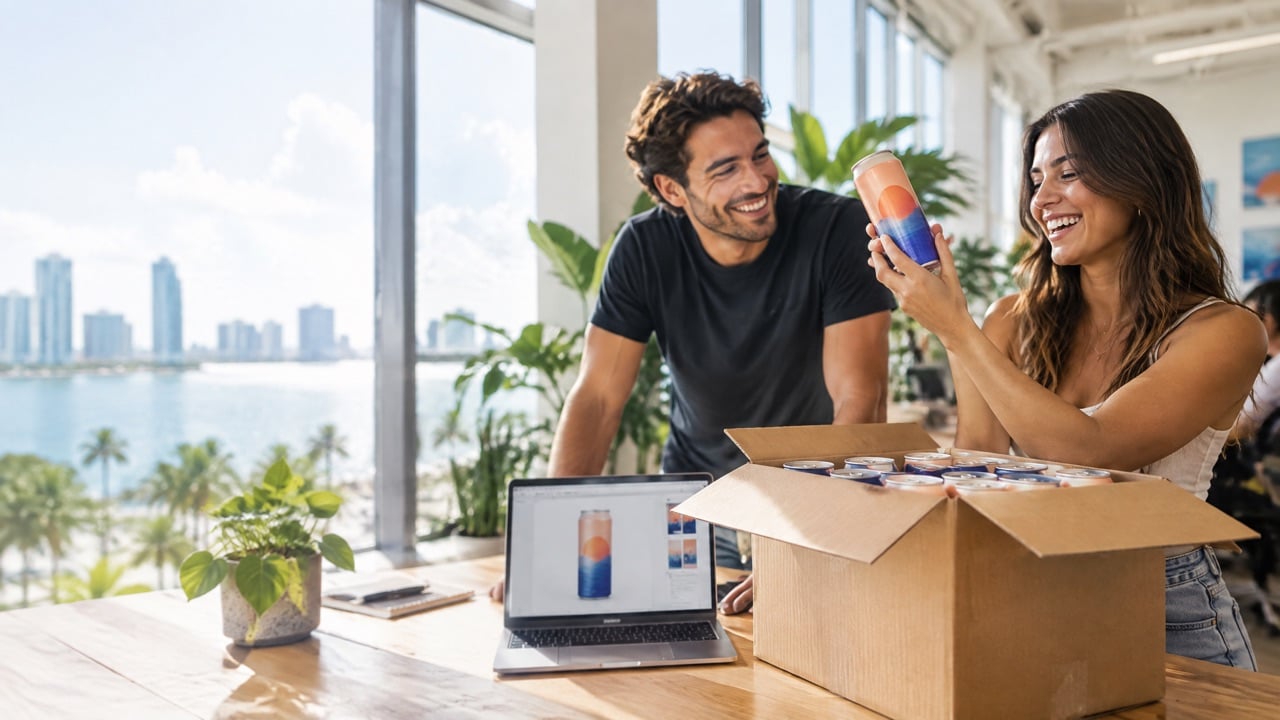
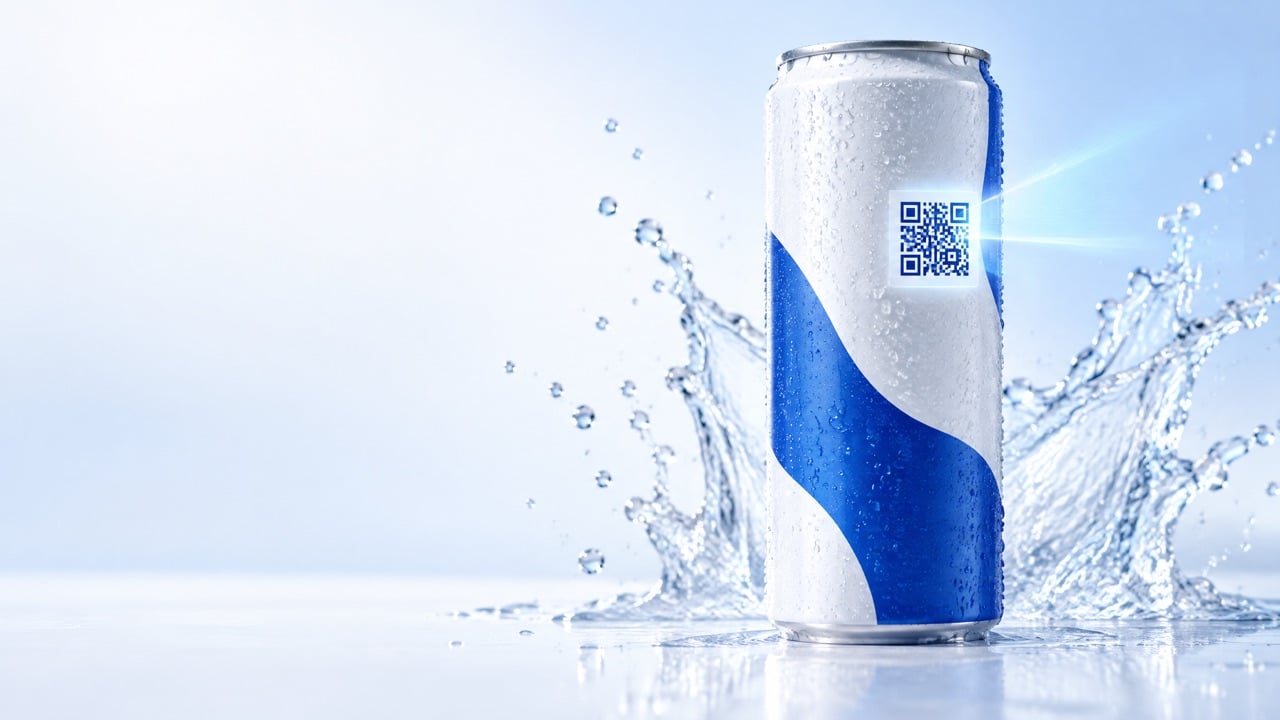
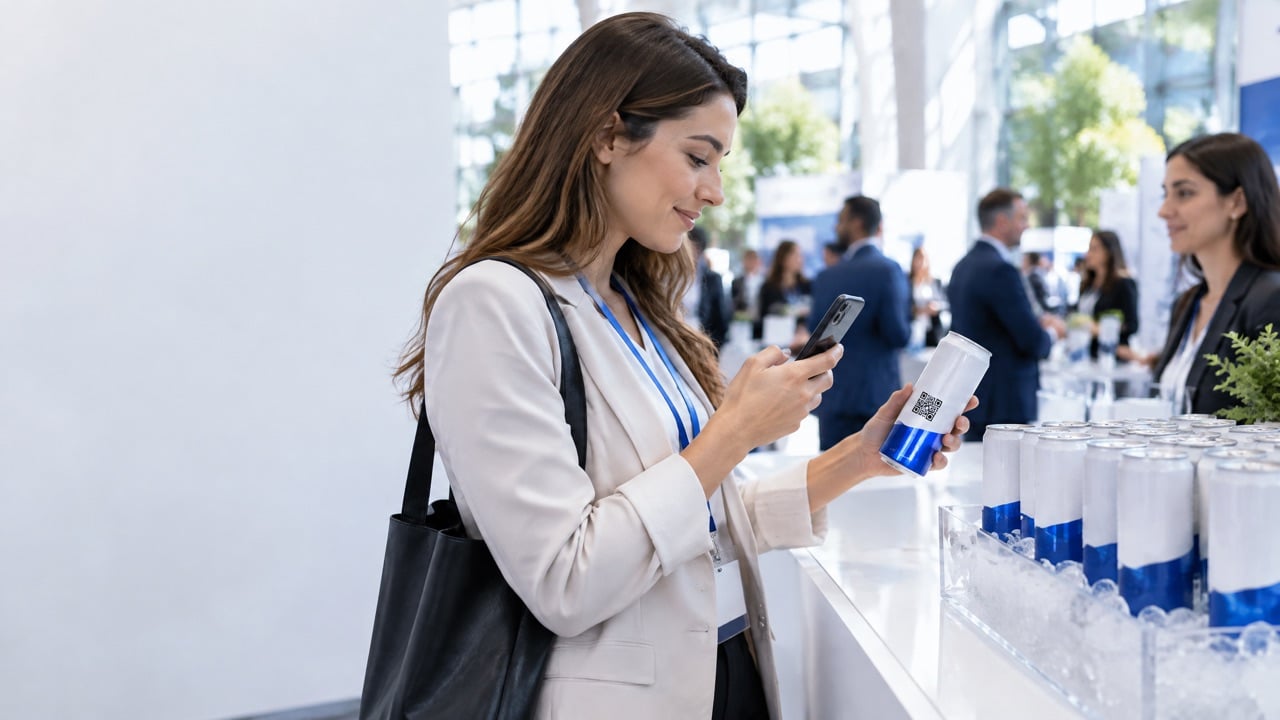
The design is almost done. The can looks great, the QR code points to the right page, and the marketing team is ready to order. Then someone in the meeting asks a simple question: "What kind of water is actually inside?" Nobody is sure whether to say spring, purified or mineral, or whether it even matters.
It matters more than most first-time buyers expect. In the United States, spring water, purified water and mineral water are not just marketing words. Each one has a definition in federal rules, each one comes from a different kind of source, and each one changes how the water tastes, how it is sourced and what it costs. This guide walks you through the differences in plain language so you can pick the right water for your private label can with confidence.
What is the difference between spring water and purified water?
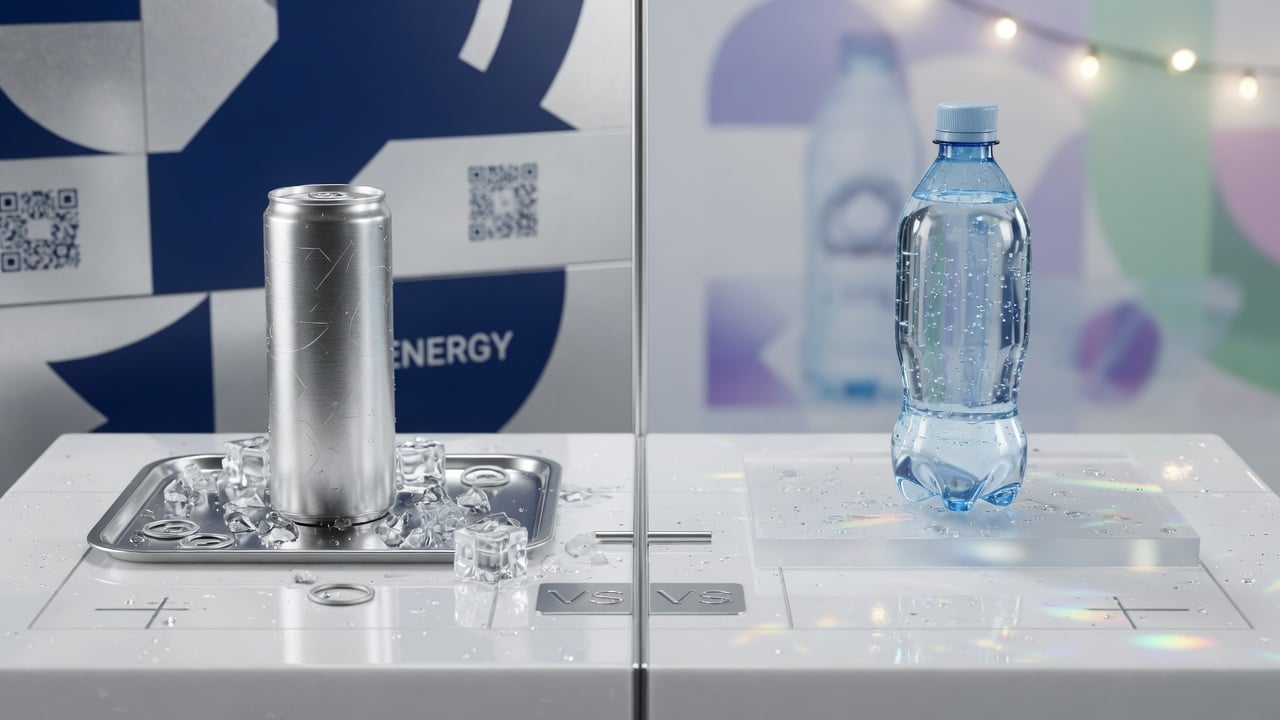
Spring water comes from an underground formation where water flows naturally to the surface, and it must be collected at the spring or through a bore hole that taps the same underground source. Purified water can come from many sources, but it has been treated by distillation, deionization, reverse osmosis or a similar process until it meets the pharmacopeia standard for purified water. In short: spring water is defined by where it comes from, purified water by how it is treated.
Both terms come from the FDA's standard of identity for bottled water, 21 CFR 165.110. That rule covers water "sealed in bottles or other containers," which is why it also matters for water in aluminum cans.
What is mineral water?
Mineral water is water with at least 250 parts per million (ppm) of total dissolved solids, from a protected underground source tapped at one or more bore holes or springs. Its mineral levels must stay naturally constant at the source, and no minerals may be added. If the dissolved solids are below 500 ppm the label must say "low mineral content," and above 1,500 ppm it must say "high mineral content."
That last point surprises many buyers. A mineral water is defined by its natural composition, so you cannot create one by adding minerals to filtered water. Water with added minerals for taste is a different product with a different name.
The three waters side by side
Here is a quick comparison you can share with your team.
- Spring water. Source: a natural spring or a bore hole into the same underground formation. Taste: varies by source, often soft and slightly mineral. What it tells guests: a natural origin story. What it needs from your supplier: a specific, identified spring and proof of the source.
- Purified water. Source: can be municipal, well or other approved sources. Taste: clean, neutral and consistent from batch to batch. What it tells guests: purity and consistency. What it needs from your supplier: a treatment process such as reverse osmosis that meets the purified water standard.
- Mineral water. Source: a protected underground source with naturally constant minerals. Taste: distinctive and sometimes bold, depending on the mineral profile. What it tells guests: a terroir story, a bit like wine. What it needs from your supplier: a qualifying source, testing and the right mineral content statement.
If you remember one thing, make it this: the name on the label has to match what is truly in the can, and each name brings its own proof requirements.
How each choice affects taste
Taste is often the deciding factor for hospitality and event buyers, because guests notice it in the first sip.
- Purified water tastes clean and neutral. Because treatment removes most dissolved solids, there is very little to taste except cold, fresh water. That makes it predictable across every event and every reorder.
- Spring water carries a light character from the rock it passed through. Two spring waters from different regions can taste noticeably different.
- Mineral water has the most personality. Higher mineral content can taste slightly salty, chalky or rich, which some guests love and others do not expect.
For a broad audience, such as a hotel lobby, a gala or a trade show booth, a clean and neutral taste is usually the safest choice. A strong mineral taste can be a feature for a dining program that wants a conversation piece, but it is a risk when you are serving hundreds of people with different preferences.
How each choice affects sourcing and supply
Sourcing is where the three waters differ the most for a private label buyer.
- Spring water depends on a specific spring. The spring's location must be identified, and the bottler has to be able to show that a bore hole draws from the same underground formation as the spring. That ties your product to one source and the companies that have rights to it.
- Mineral water depends on a qualifying source. The water must come from a geologically and physically protected underground source, with a constant mineral profile. Fewer sources qualify, and they are rarely close to where your cans are filled.
- Purified water depends on a process. Because purified water is defined by treatment, it can be produced wherever the right treatment system is installed. That makes supply more flexible and easier to scale.
For brands that reorder often, or need cans for a series of events, supply flexibility is not a small detail. It is the difference between a smooth reorder and a scramble.
How each choice affects cost
We do not publish price differences between water types, because every quote depends on your volume, can size, print method and freight. What we can explain are the cost drivers you will see in the market.
- Source access. Spring and mineral waters come from specific places. Rights, extraction and testing at the source add cost.
- Transport. Water is heavy. If the source is far from the filling line, you pay to move the water before it ever reaches a can.
- Testing and documentation. Source claims need ongoing proof. That work is built into the price.
- Treatment. Purified water needs a treatment system and its upkeep, but it avoids most of the source and transport costs above.
For many branded programs, the can, the print and the freight move the total far more than the water type does. To see real numbers for your order, the We Can It calculator gives you an instant estimate.
What We Can It puts in the can
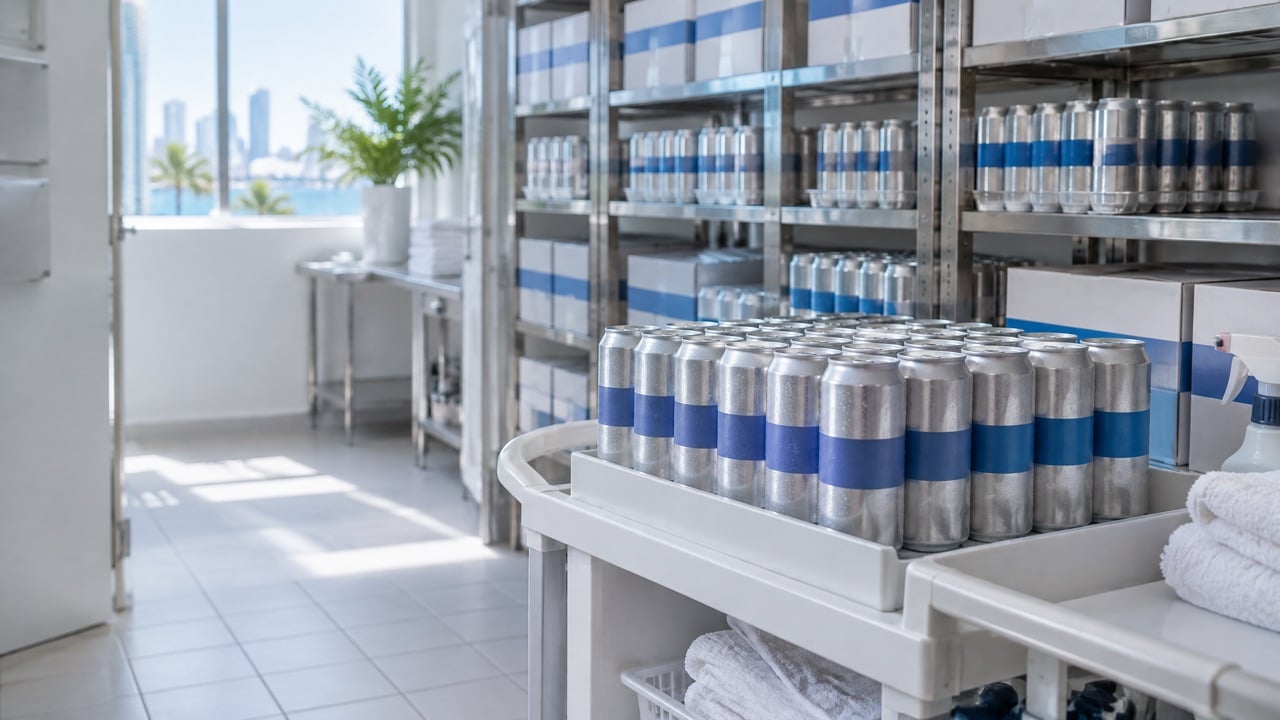
We Can It manufactures private label still, sparkling and alkaline water in custom aluminum cans in Miami. Our water is treated with a multi-step reverse osmosis process before it is filled, which is the purified water path most brand programs need. You can see how the water is treated, filled and sealed on our water technology page.
We are open about what we do not make. We do not market a spring source or a natural mineral composition, because we will not put a claim on your can that we cannot stand behind. If your project truly requires certified spring or mineral water, we will tell you so early. Our pages for spring water, purified water and mineral water explain where we fit and where another supplier may be a better match.
What you get with a purified water base:
- Consistent taste across every event, property and reorder.
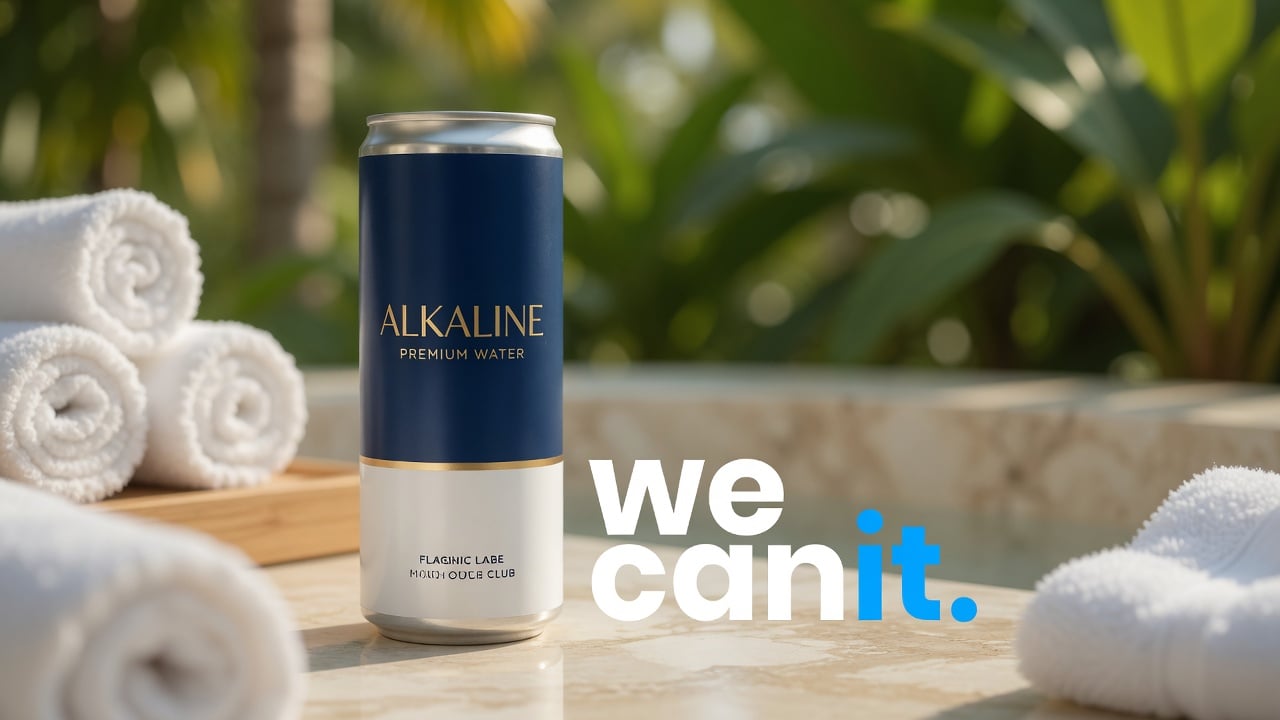
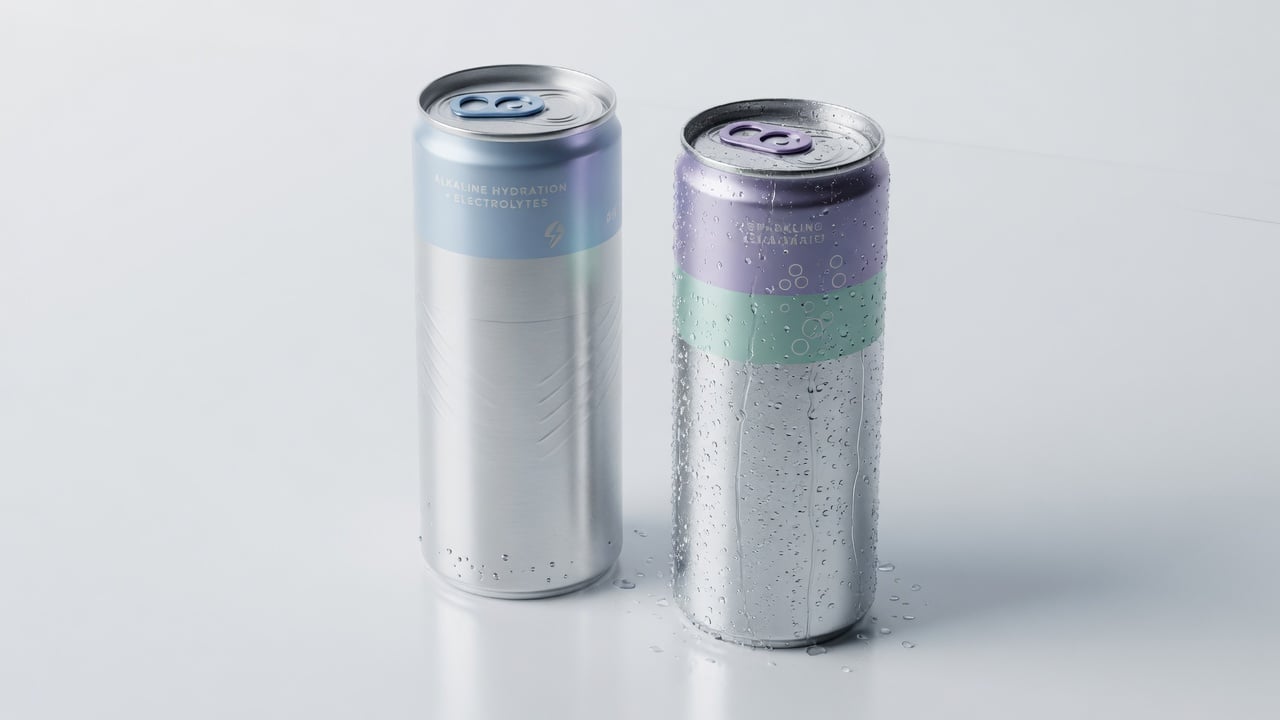
- Three styles to choose from: still for everyday hydration, sparkling for bars and dinners, and alkaline as our flagship for wellness-minded guests.
- Low minimums: labeled cans from 10 cases (240 cans, 24 cans per case) and digital print directly on the aluminum from 21 cases (504 cans).
- Fast production: labeled cans in 3 weeks and digital print in 4 weeks.
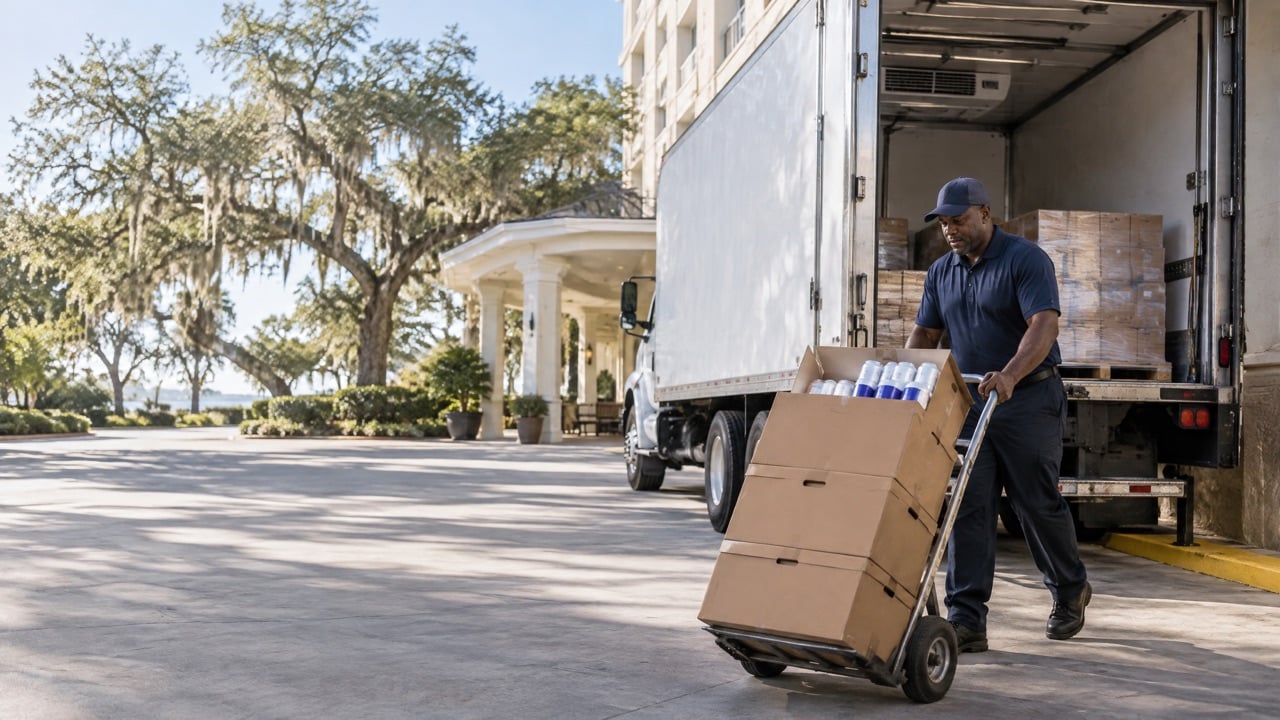
- Nationwide shipping from Miami, with logistics billed at cost.
Which water should you choose for your brand?
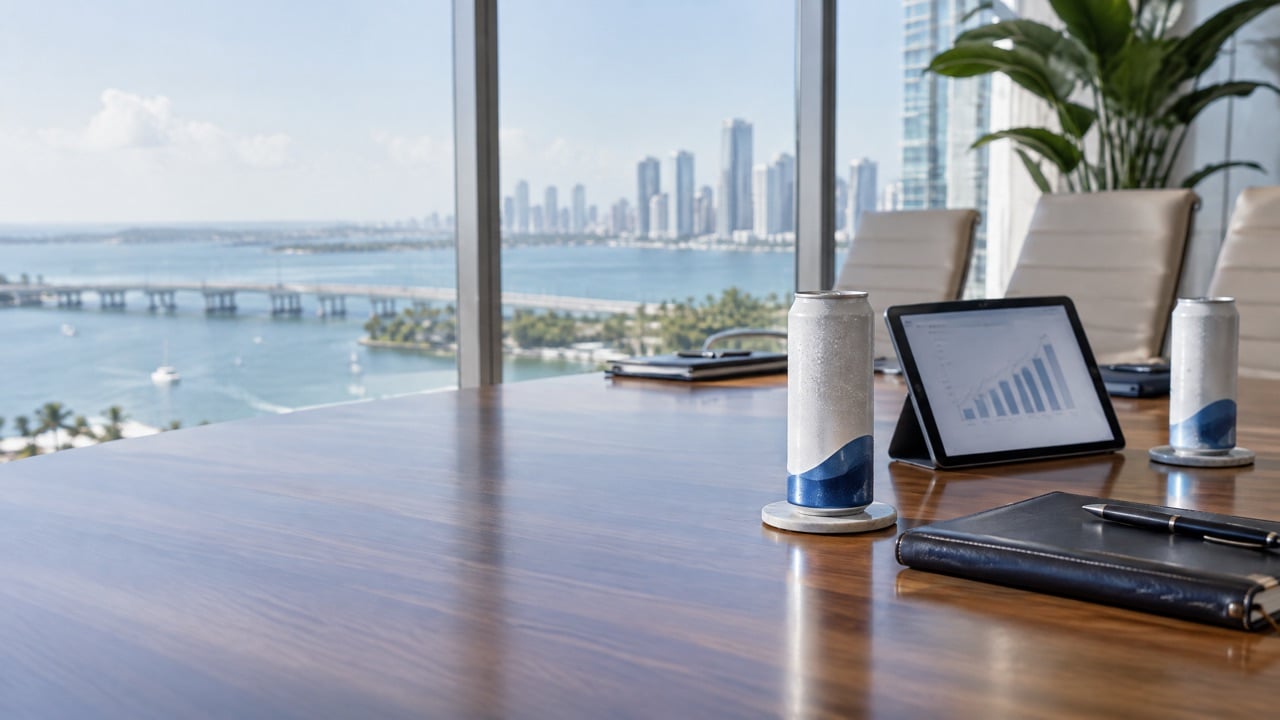
Choose based on the story you want to tell, the guests you serve and how often you plan to reorder. Most hospitality, event and corporate programs choose a purified base in still, sparkling or alkaline, because it tastes clean, scales easily and keeps the label simple. Spring or mineral water fits brands whose whole identity is a specific natural source.
A few common scenarios:
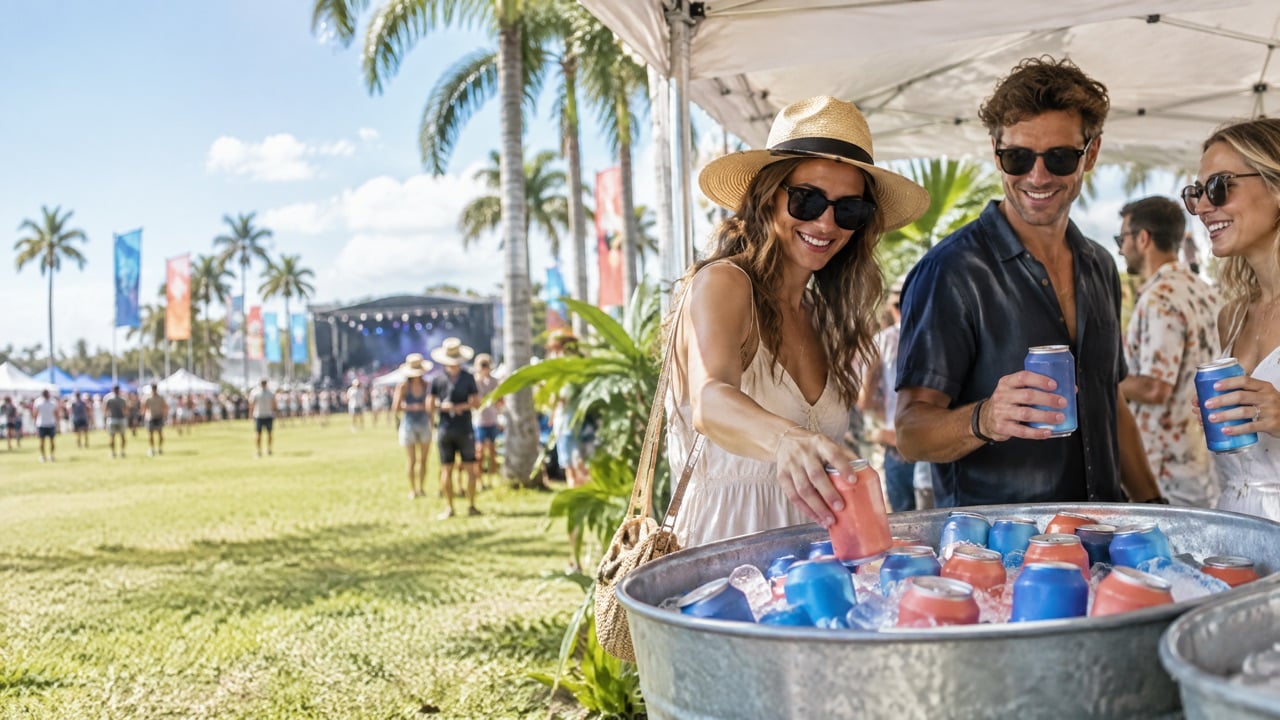
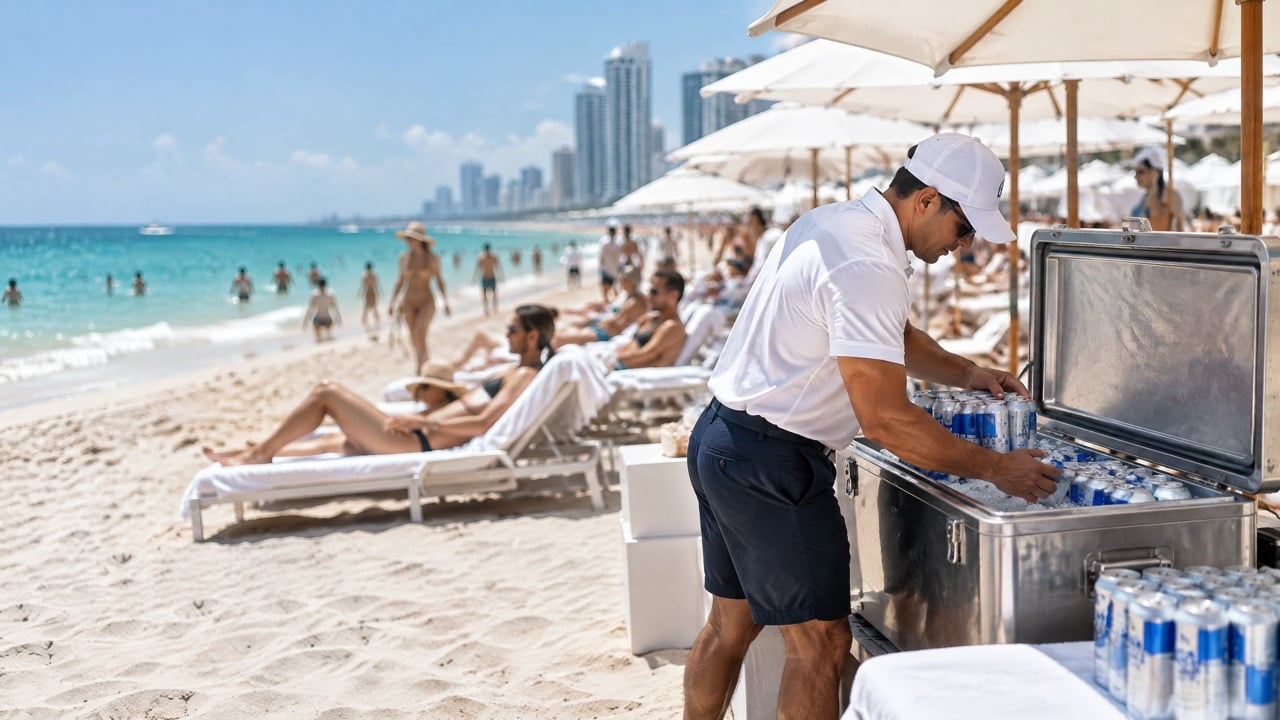
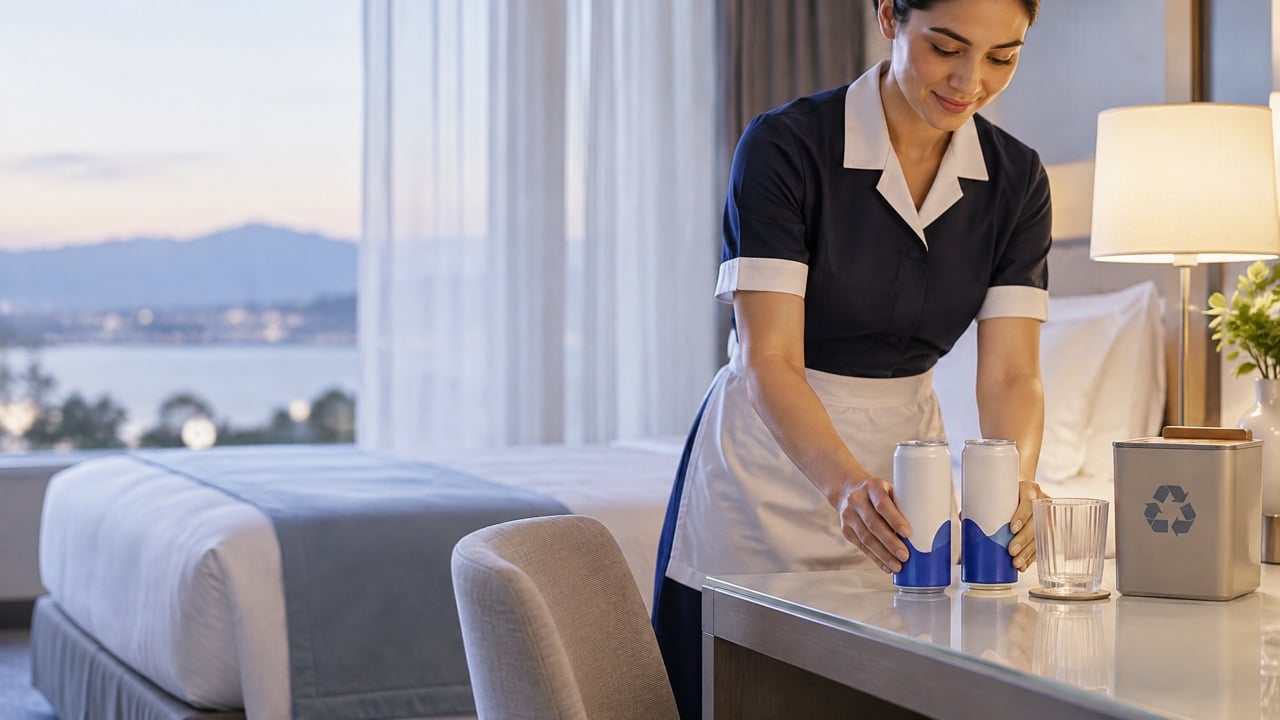
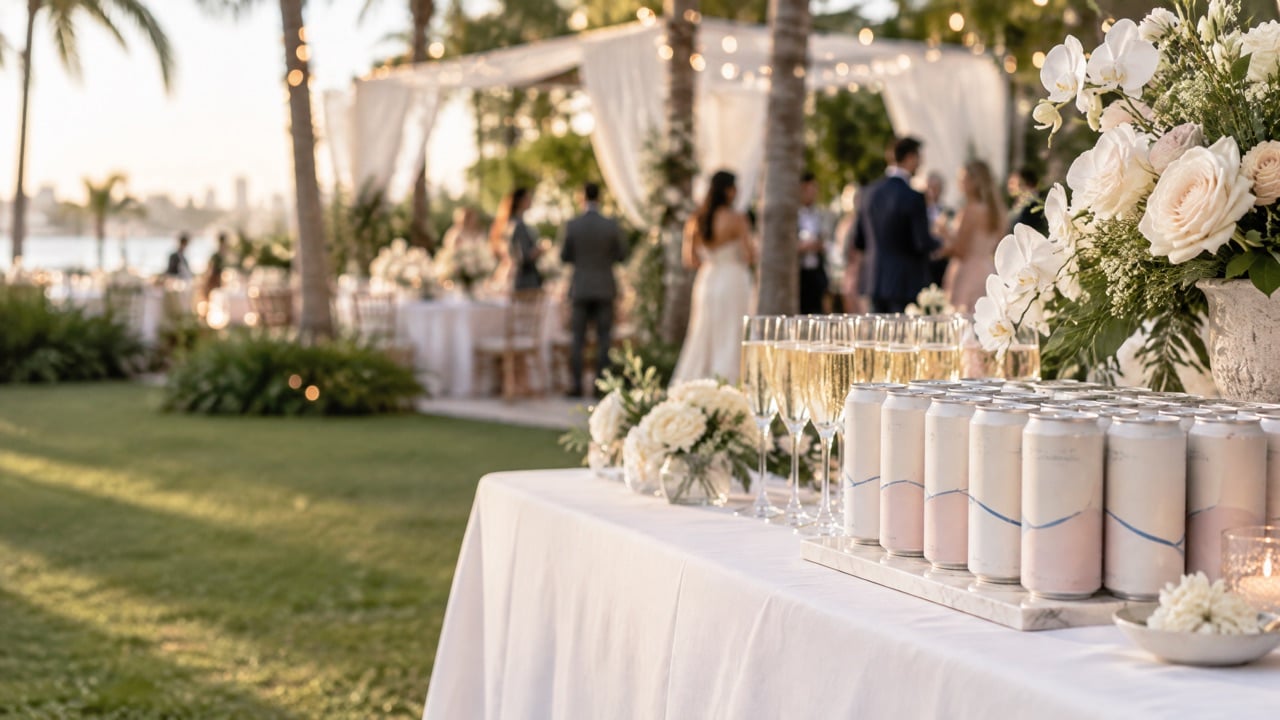
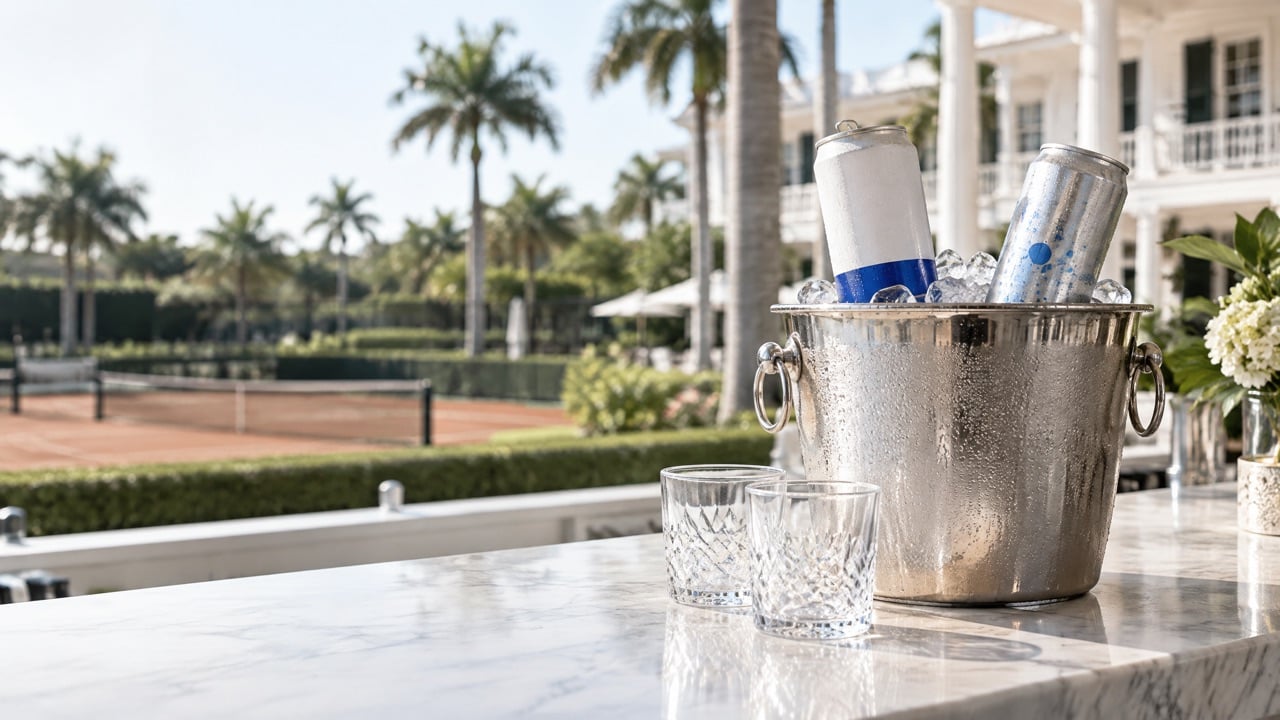
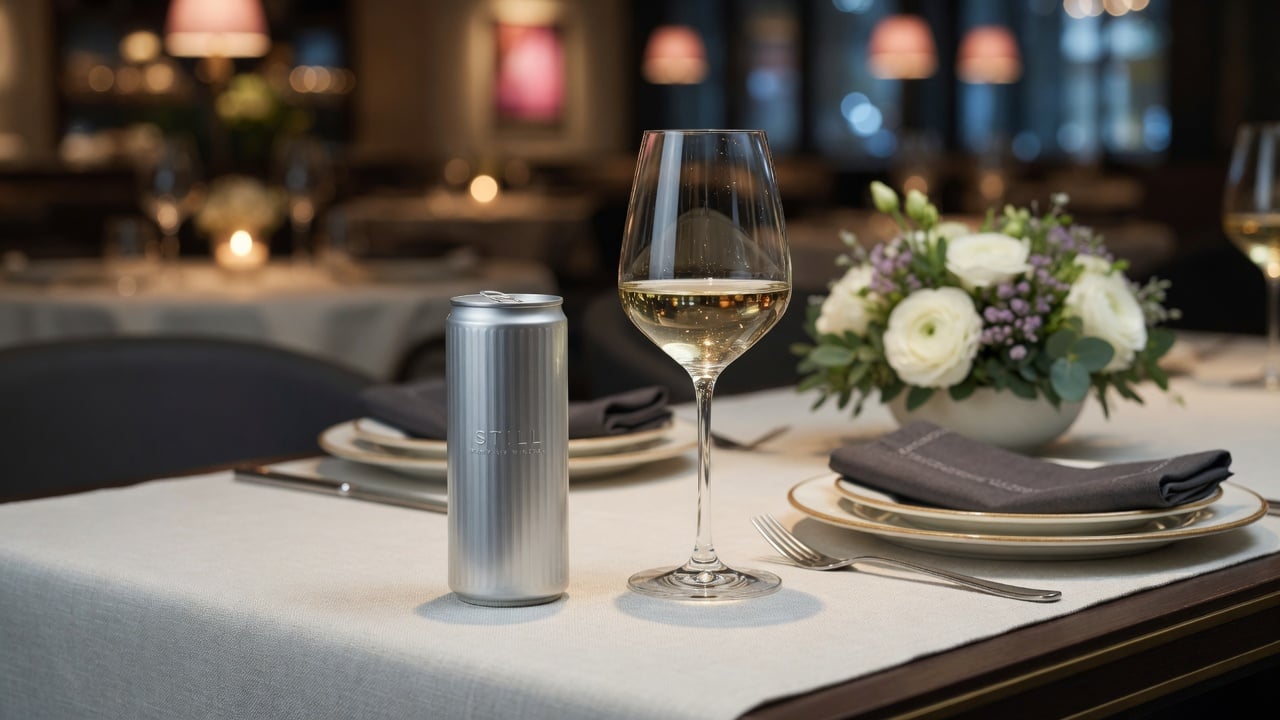
- Hotels and resorts. Purified still water for rooms and pools, plus sparkling for the bar. Guests want clean, cold and consistent.
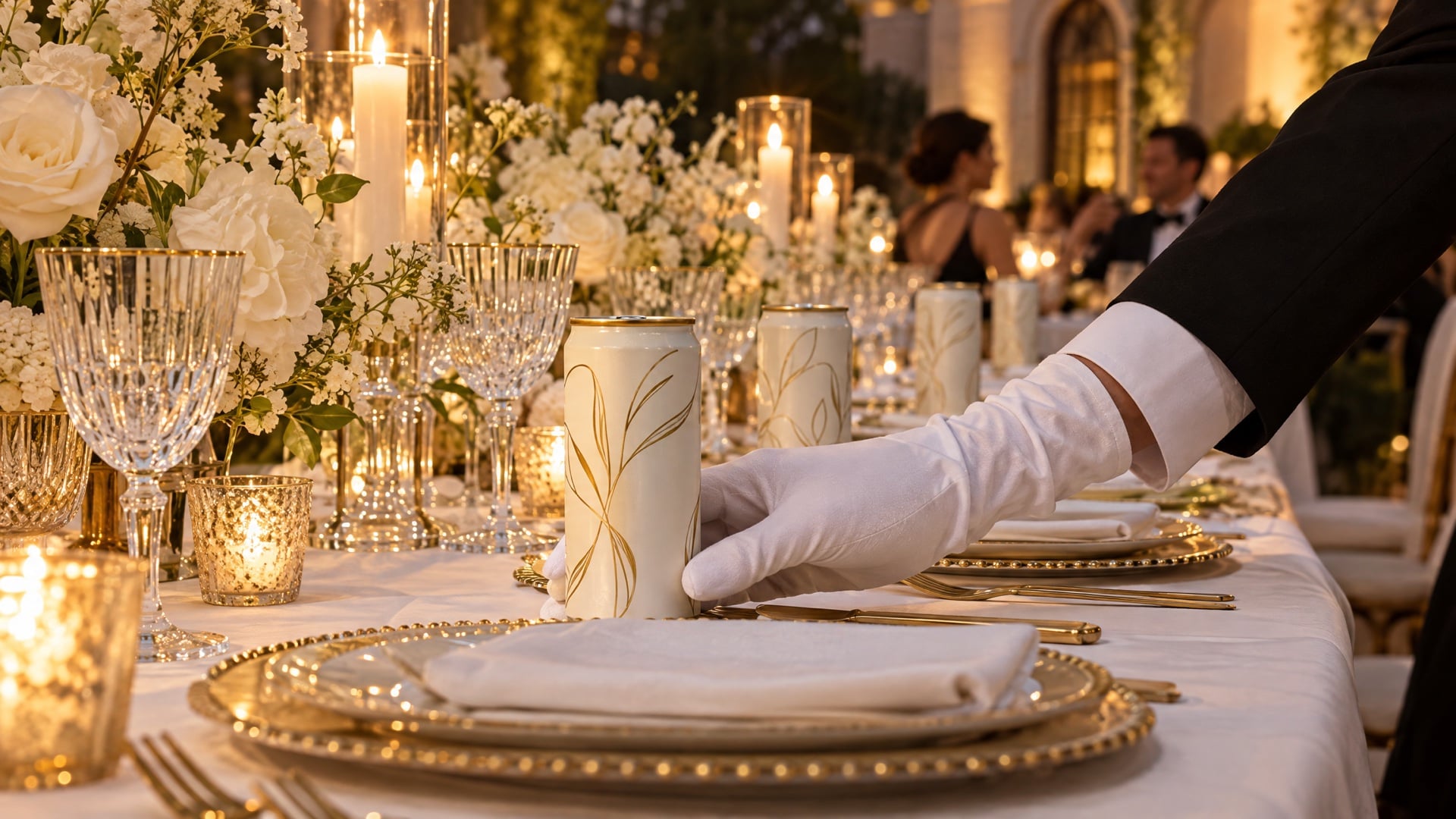
- Event planners and venues. Purified still or alkaline. You need a taste nobody will complain about and supply you can count on for the next event.
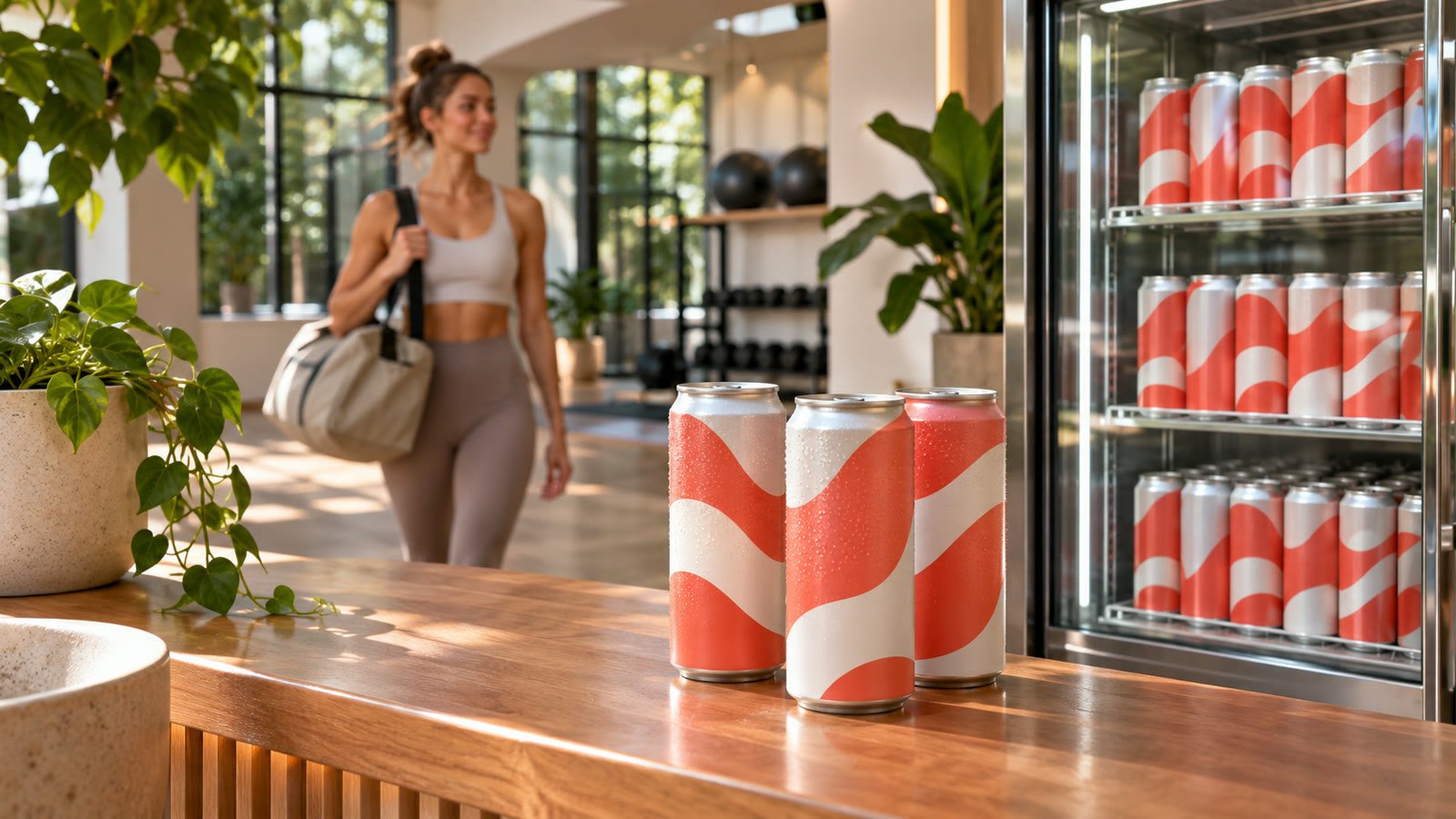
- Fitness clubs and wellness brands. Alkaline is often the first pick, with still as the everyday option.
- Founders launching a water brand. If your brand promise is "water from a named spring," you need a spring source and a bottler that controls it. If your brand promise is design, lifestyle or a cause, a purified base gives you more freedom. Our guide on starting a water brand walks through the still, sparkling or alkaline decision.
Questions to ask any private label water supplier
Before you approve artwork, ask these questions so the water and the label match.
- What type of water is it, in the exact words that will appear on the can?
- Where does the water come from, and how is it treated?
- Can you share recent water quality testing for the product?
- If it is spring or mineral water, can you identify the source and show the documentation?
- Will the taste stay consistent when we reorder in three or six months?
- What are the minimum order and the production time for our print method?
A good supplier answers these clearly and in writing. If the answers are vague, the claim on your can will be too.
Words to be careful with on your can
The label is where these definitions become real. Keep the following in mind while you work on copy:
- Do not call water "spring" unless it meets the spring water definition and comes from an identified spring.
- Do not call water "mineral" unless it comes from a qualifying source with at least 250 ppm of naturally occurring dissolved solids.
- Do not imply a natural source with imagery alone if the water is purified. A mountain spring illustration next to purified water can confuse guests.
- Use the name your supplier confirms in writing. Purified water may be called "purified water," "purified drinking water" or a process name such as "reverse osmosis water."
When in doubt, keep the water name simple and accurate, and let your design and brand carry the personality. Our post on water in a can explains how canned water is filled and sealed if your team is new to the format.
How does private-label water production work for a small business?
Private label water production lets a small business sell water under its own name while a manufacturer handles the water, the filling and the packaging. Here is how it works with We Can It, step by step:
- Choose the water and container. Still, sparkling or alkaline water, in aluminum cans (12oz or 16oz).
- Get a quote. Order size, can size, label or digital print, and delivery location set the price per can. Labeled cans start at 10 cases (240 cans); digital print starts at 21 cases (504 cans).
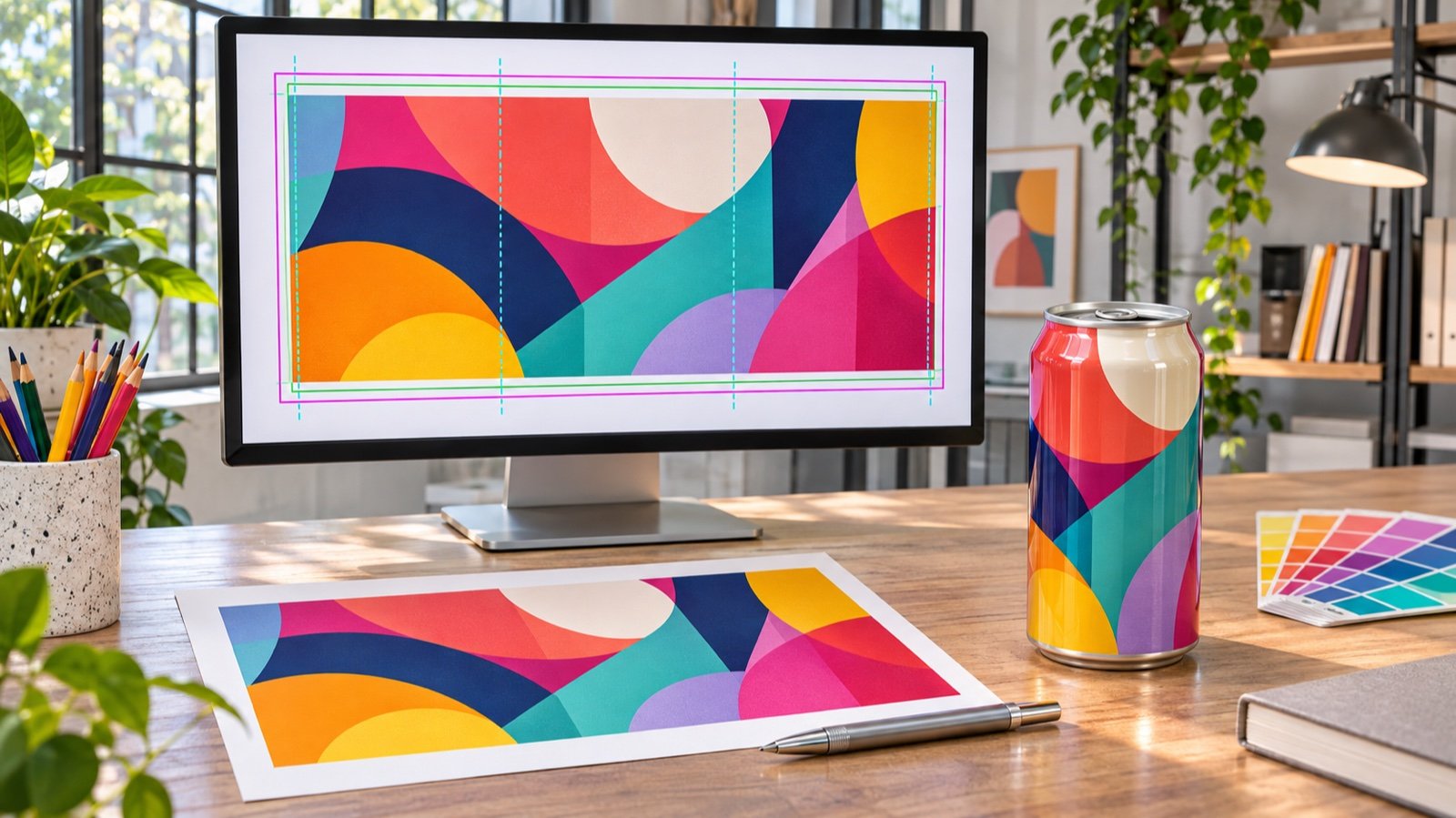
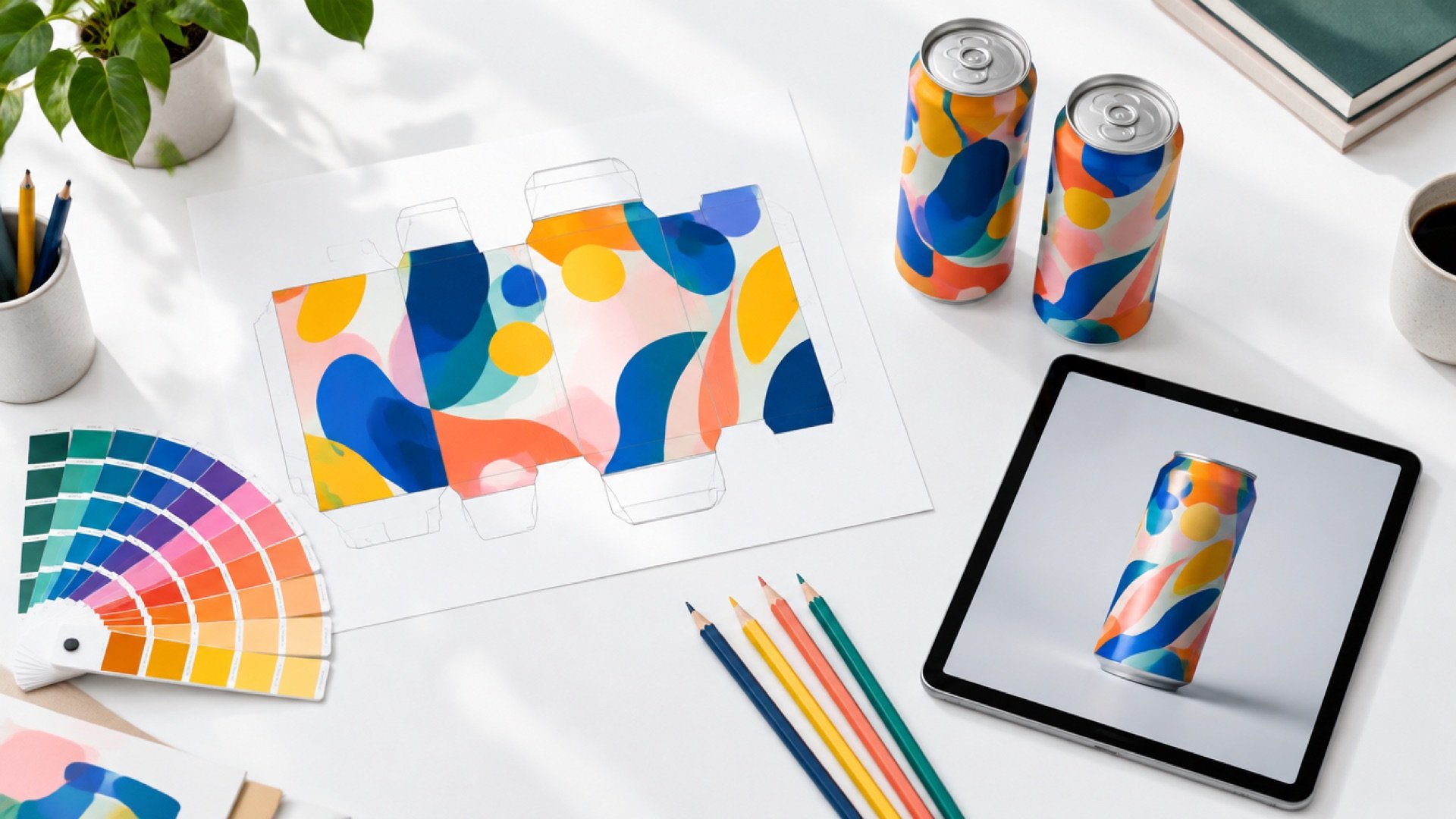
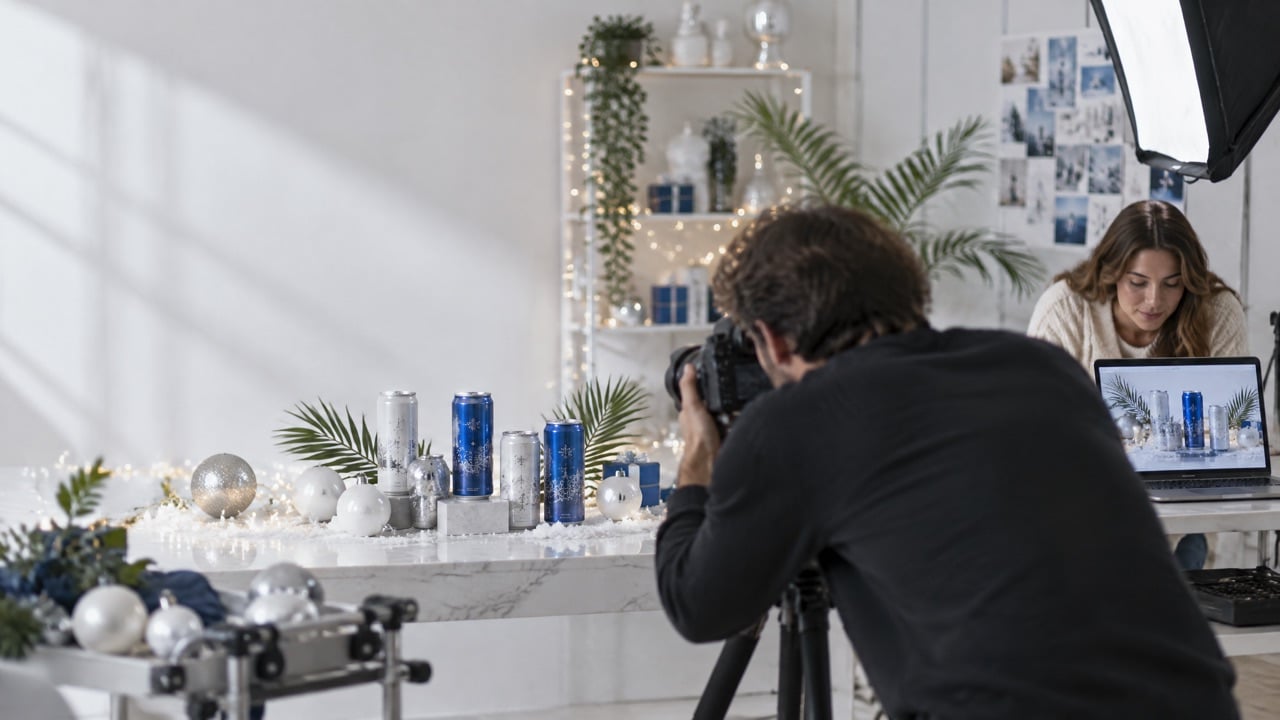
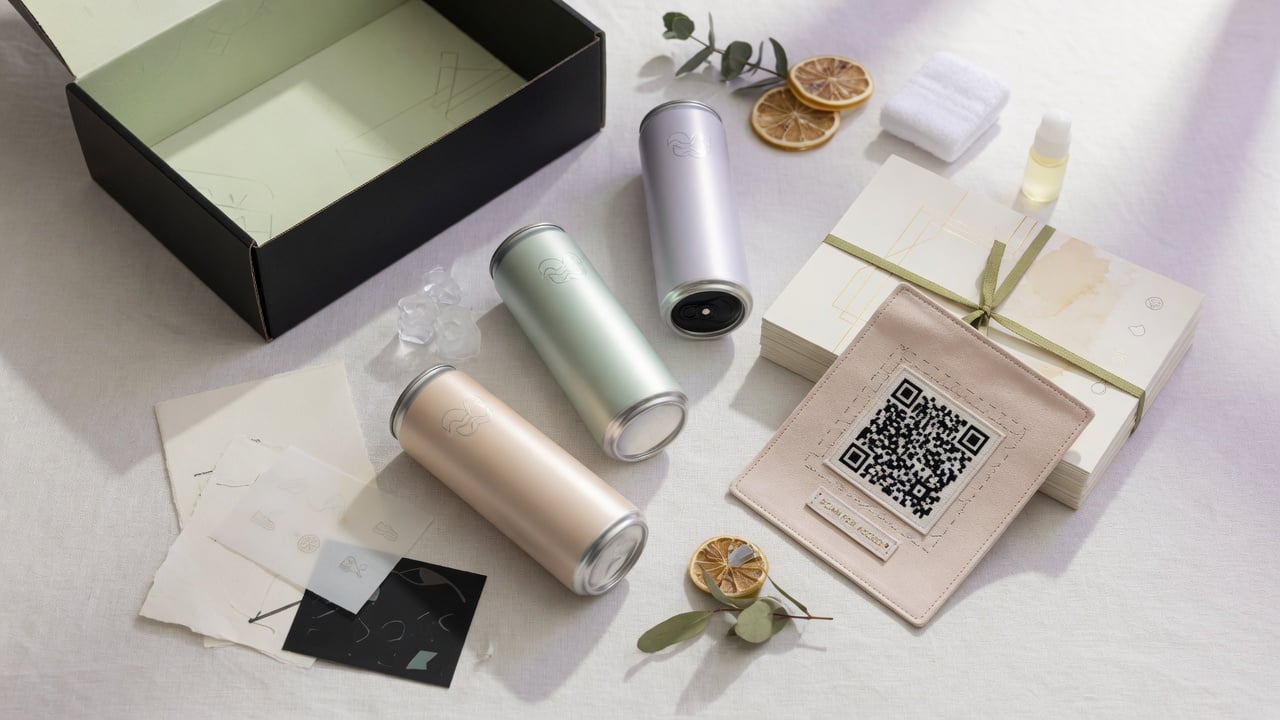
- Send your artwork. Our team places your design on the can template and sends a proof. Nothing is produced until you approve it.
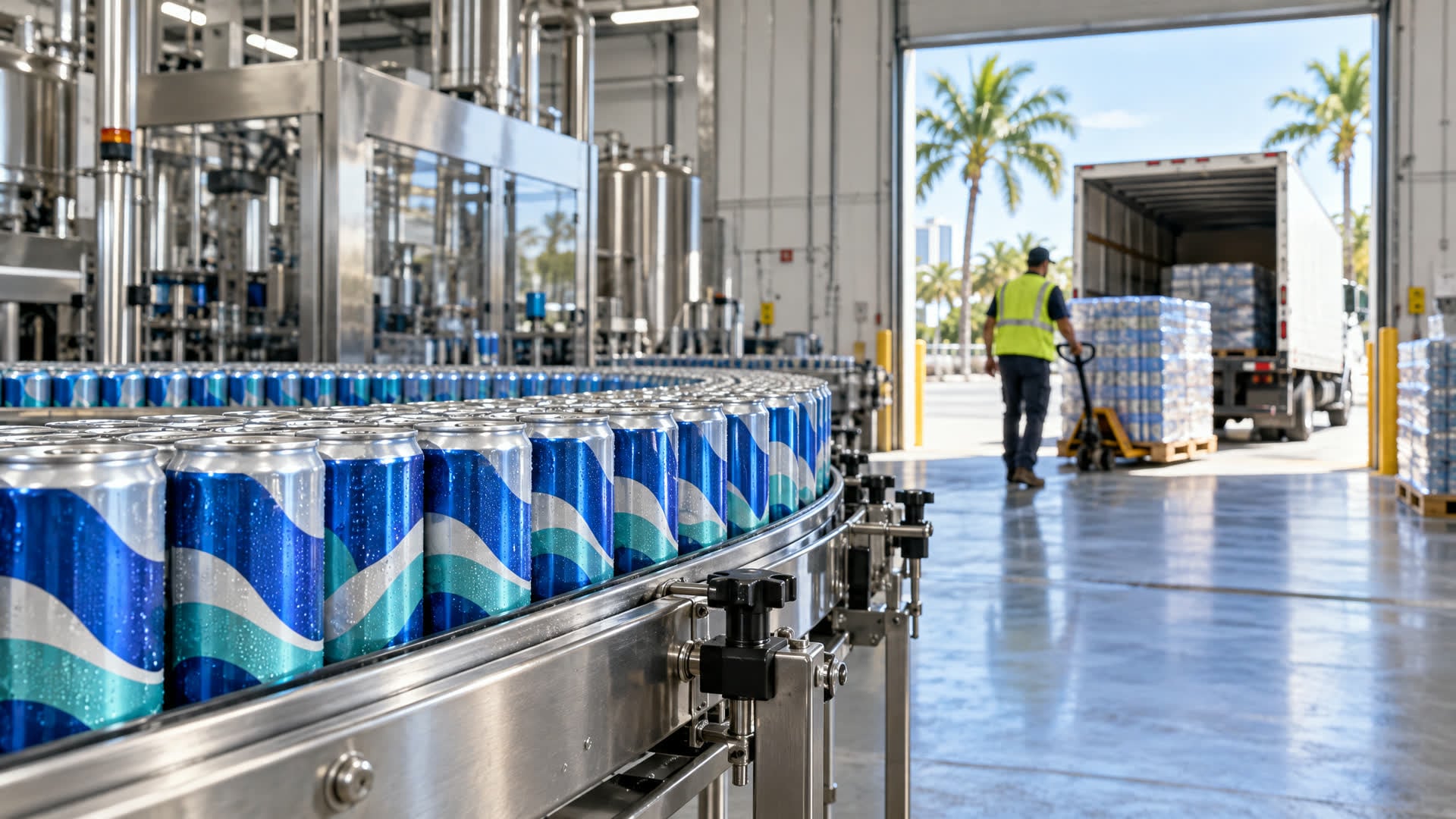
- Treatment and filling. The water is treated with a multi-step reverse osmosis process, then filled and sealed in aluminum cans in our Miami facility.
- Labeling or printing. Labeled cans can be ready in 3 weeks; digital print directly on the aluminum takes 3 weeks for printed labels or 4 weeks for digital print.
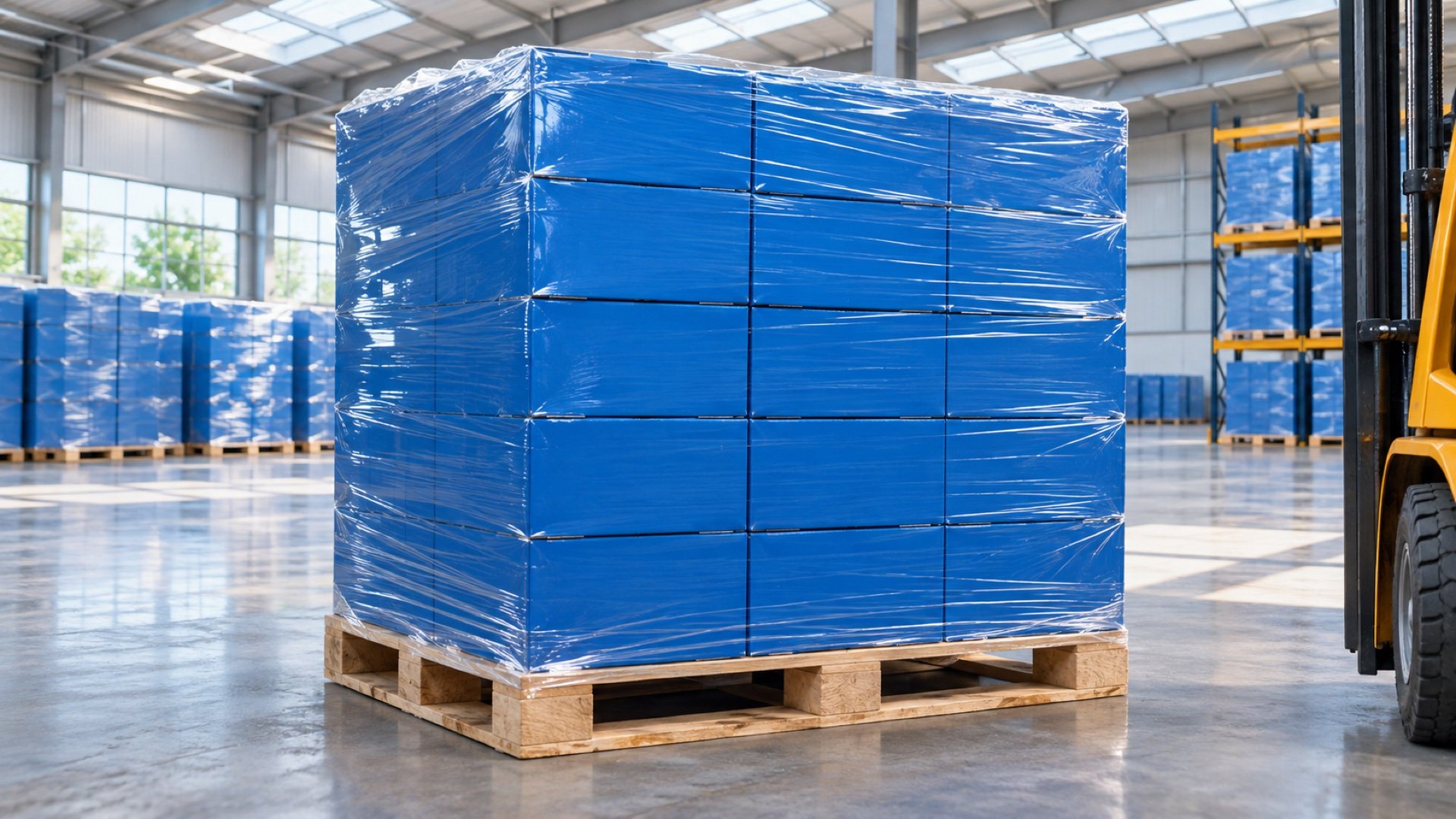
- Shipping. Cases ship nationwide on pallets, with freight billed at cost.
The small business never handles water treatment or equipment. It owns the brand, the customers and the price. See how the water is treated on our water technology page.
Frequently asked questions
How does private-label water production work for a small business?
A manufacturer treats, fills and packages the water under your brand while you own the name and customers. With We Can It you choose still, sparkling or alkaline, approve a proof, and get labeled cans in 3 weeks from 10 cases (240 cans), shipped nationwide.
Is spring water better than purified water?
Neither is better in general. Spring water is defined by its natural source and tastes a little different from spring to spring. Purified water is defined by treatment and tastes clean and consistent. For most branded programs, consistency and supply matter more than source, so purified water is the more common choice.
Is purified water the same as distilled water?
Distilled water is one type of purified water. Under FDA rules, water purified by distillation can be called "distilled water," water purified by reverse osmosis can be called "reverse osmosis water," and both can be called "purified water" if they meet the standard.
Can minerals be added to make mineral water?
No. Under 21 CFR 165.110, no minerals may be added to mineral water. Its mineral content must come naturally from a protected underground source and stay constant at the source.
What water does We Can It use in private label cans?
We Can It produces still, sparkling and alkaline water in custom aluminum cans, treated with a multi-step reverse osmosis process. We do not market a spring source or a natural mineral composition.
Do FDA bottled water rules apply to water in cans?
The FDA standard of identity covers water "sealed in bottles or other containers," so the same names and definitions apply to water sealed in aluminum cans. Your supplier should confirm the exact name for your product.
What is the minimum order for private label canned water?
With We Can It, labeled cans start at 10 cases, which is 240 cans, and digitally printed cans start at 21 cases (504 cans). Labeled cans can be produced in 3 weeks and digital print takes 4 weeks.
Get a quote for private label water in your can
Choosing the water is the first decision. The next one is how your can looks and how many you need. Tell us about your program and a product advisor will help you match the right water style, can size and print method.