Boxed Water vs Canned Water: Which Branded Format Fits Your Brand
Cartons and cans both promise a way out of plastic bottles. Here is how boxed water and canned water compare on what the package is made of, recycling, print, chilling, minimum orders and price, so you can pick the right format for a branded run.
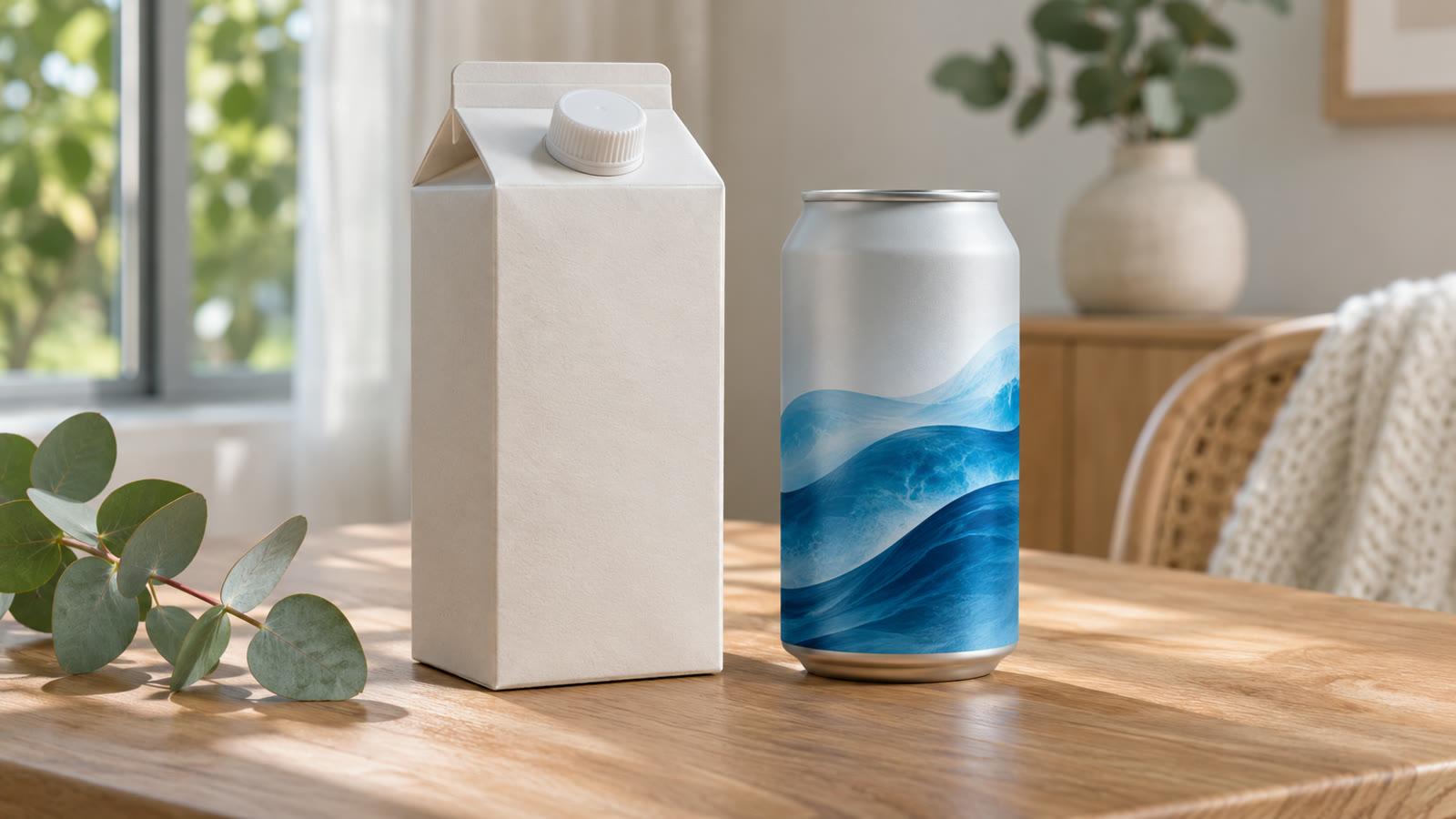
The brief from the brand team says one thing in bold: "No plastic bottles this year." The event is in three months, the logo files are ready and someone has already sent two links. One shows a tall paper carton with a screw cap. The other shows a slim aluminum can. Both look clean. Both say "better for the planet". Now you need to pick one and explain why.
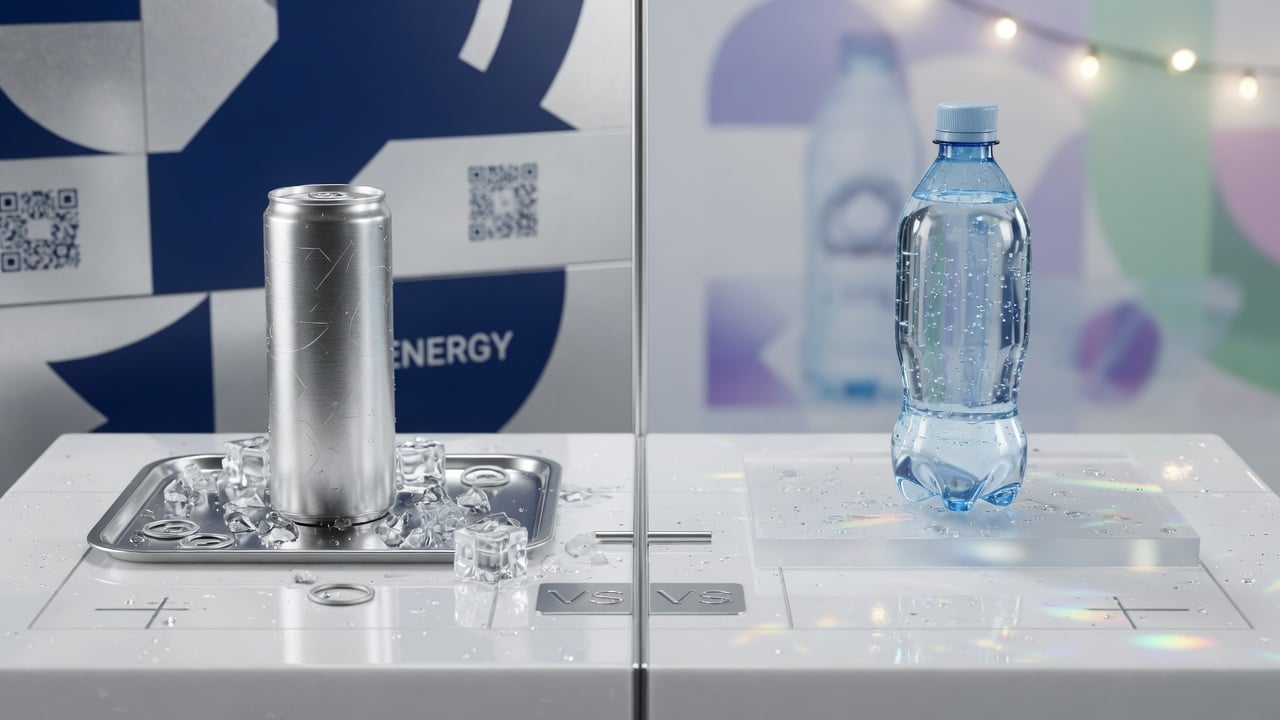
Boxed water and canned water are the two formats most brands consider when they move away from plastic. They solve the same problem in different ways, and the right choice depends on how your water will be served, where it will be thrown away and what you want the package to say about your brand. This guide compares them side by side in plain language, using published data where it exists and honest "it depends" answers where it does not.
What is the difference between boxed water and canned water?
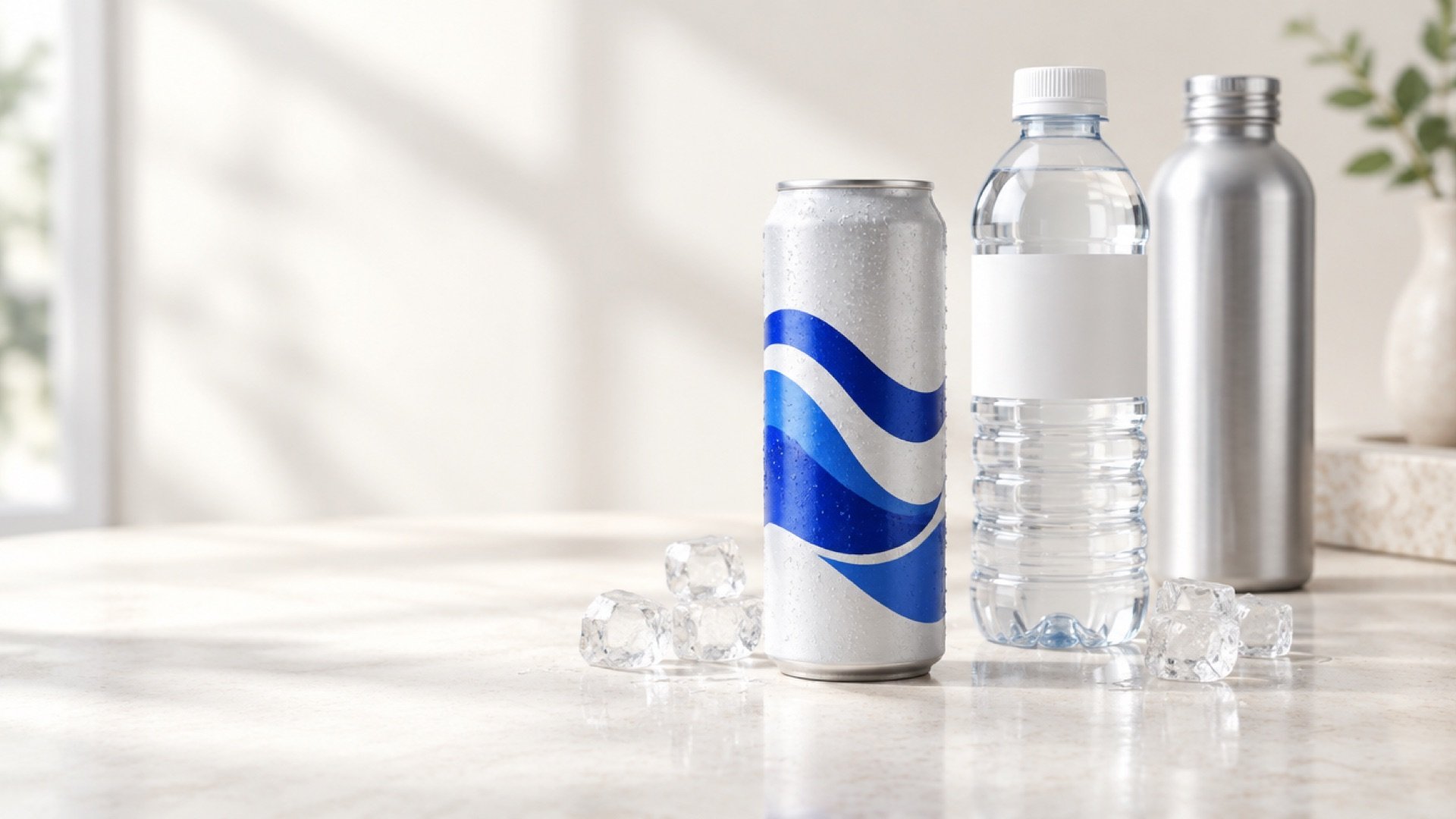
Boxed water is water packed in a paperboard carton lined with plastic, and often a thin aluminum layer, usually with a plastic cap. Canned water is water sealed in an aluminum can with a pull tab. Cartons are mostly paper by weight. Cans are a single metal. That difference shapes recycling, chilling, print and how each feels in a guest's hand.
A quick summary:
- Boxed water. Paper-based carton, plastic lining, usually a resealable cap. Familiar from milk and juice.
- Canned water. Aluminum can, single material body, not resealable. Familiar from soda and sparkling drinks.
What are water cartons made of?
According to the Carton Council, shelf-stable cartons are made on average of 74% paper, 22% plastic (polyethylene) and 4% aluminum, while refrigerated cartons are about 80% paper and 20% plastic (Carton Council). The layers keep liquid in and light and oxygen out.
That layered structure is why cartons are recycled differently from cans. Mills separate the paper fiber from the plastic and aluminum layers, so a carton depends on a recycling program that accepts cartons and a mill that can process them.
Recycling: what the published numbers say
Both formats can be recycled, but access and rates differ. Cite a source and year whenever you mention a number in your own marketing.
- Cartons. The Carton Council reports that about 63% of US households had access to carton recycling at the end of 2025 (Carton Council).
- Aluminum cans. The Aluminum Association reported a consumer recycling rate of 43% for aluminum beverage cans in 2023, with average recycled content of 71% in US-made cans (Aluminum Association).
These two figures measure different things: one is access to recycling, the other is the share of cans actually recycled. Do not put them side by side as if they were the same metric. The practical question for your event or venue is simpler: which containers does your local hauler or venue program actually accept?
Print and branding: how each format looks
Cans and cartons both give you a full surface to design on, but they print differently and send different signals.
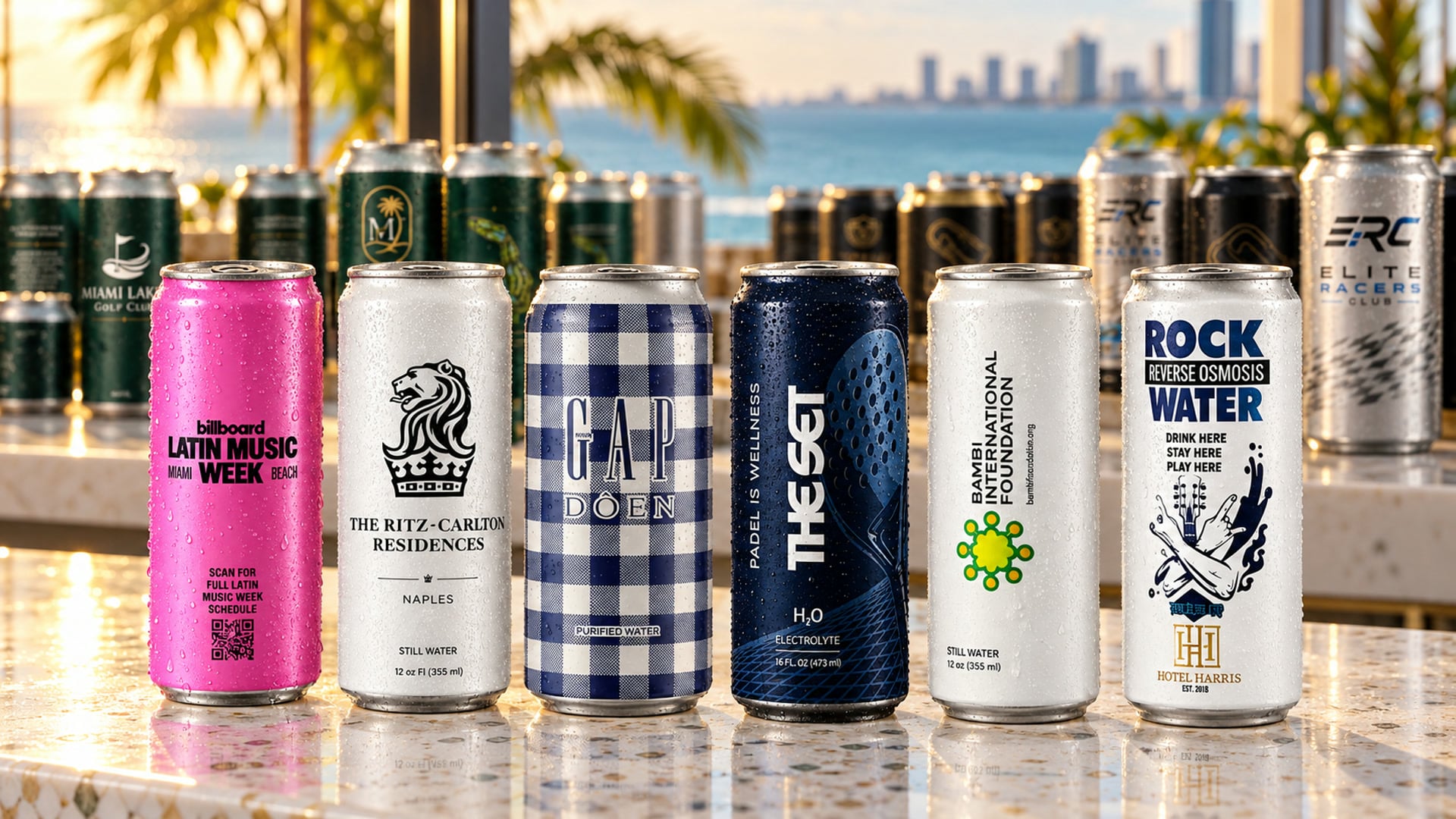
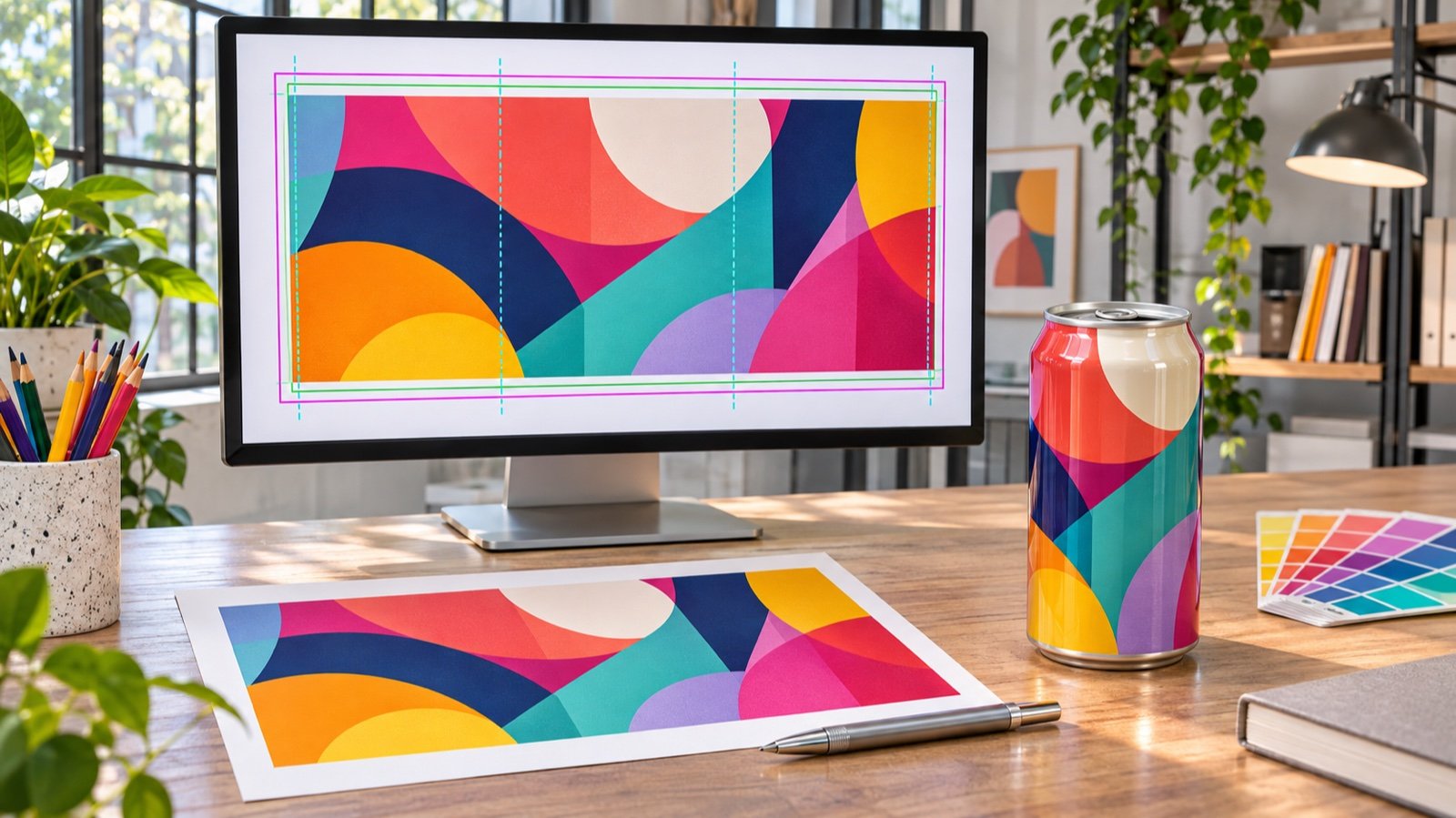
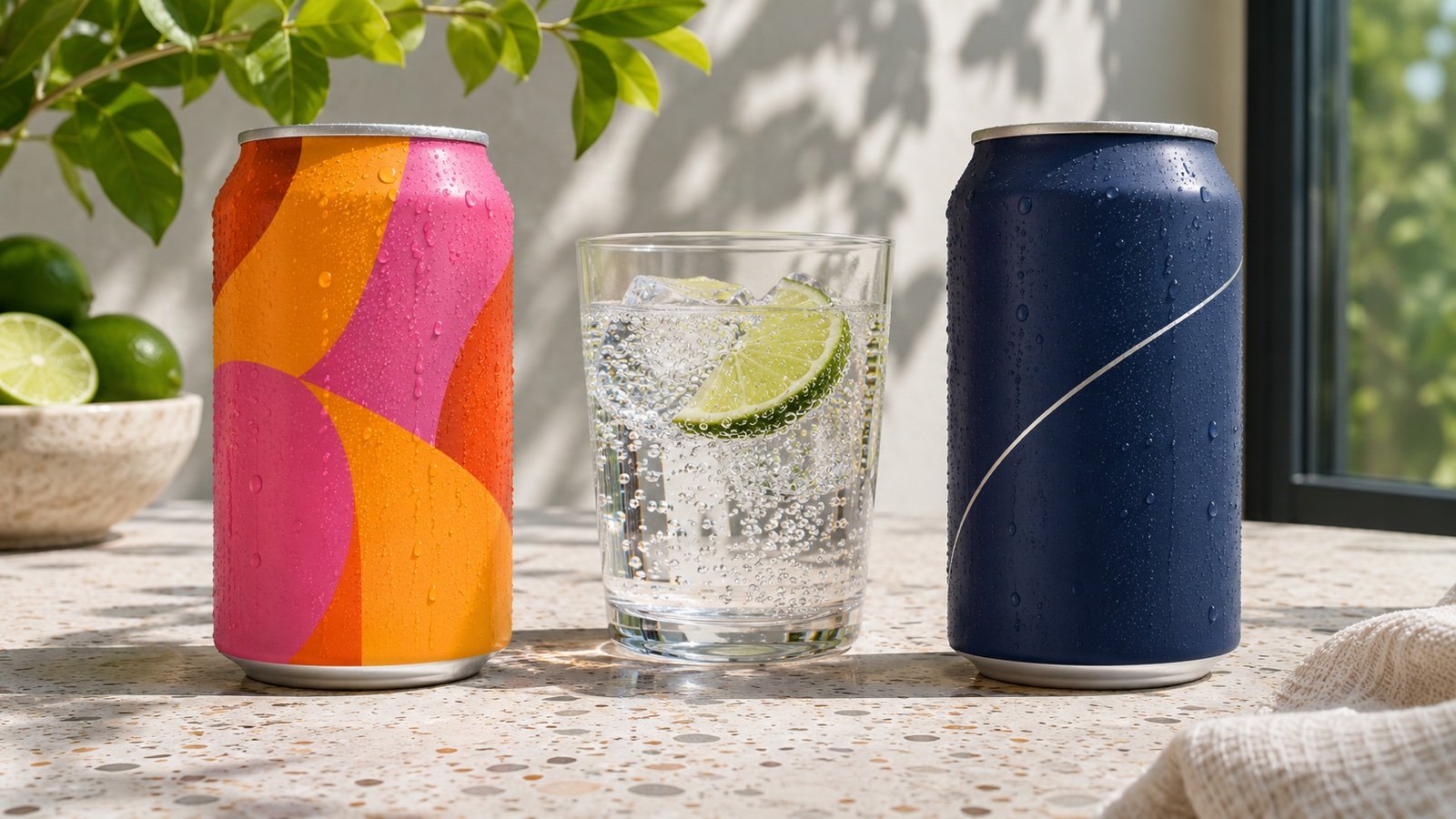
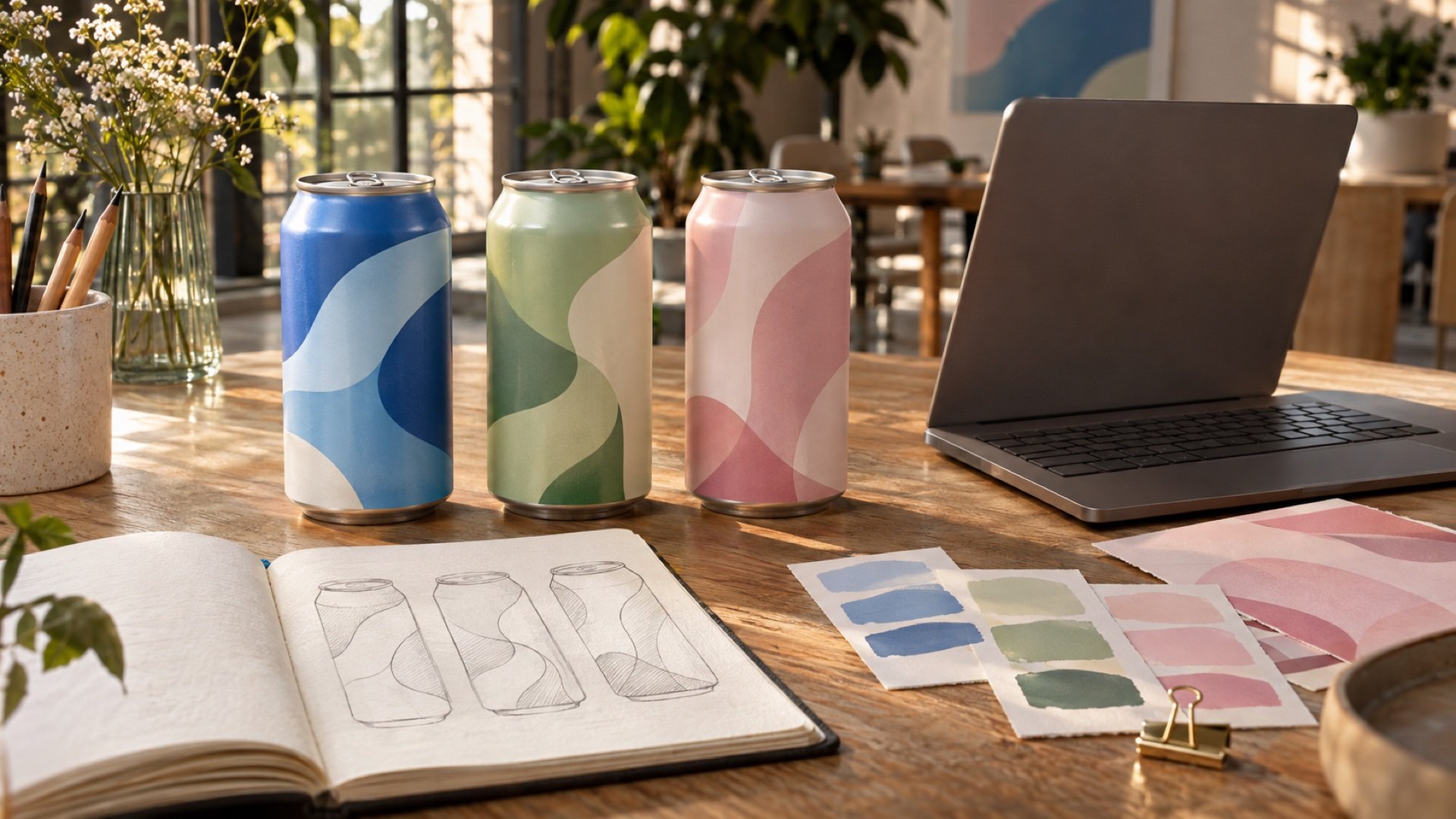
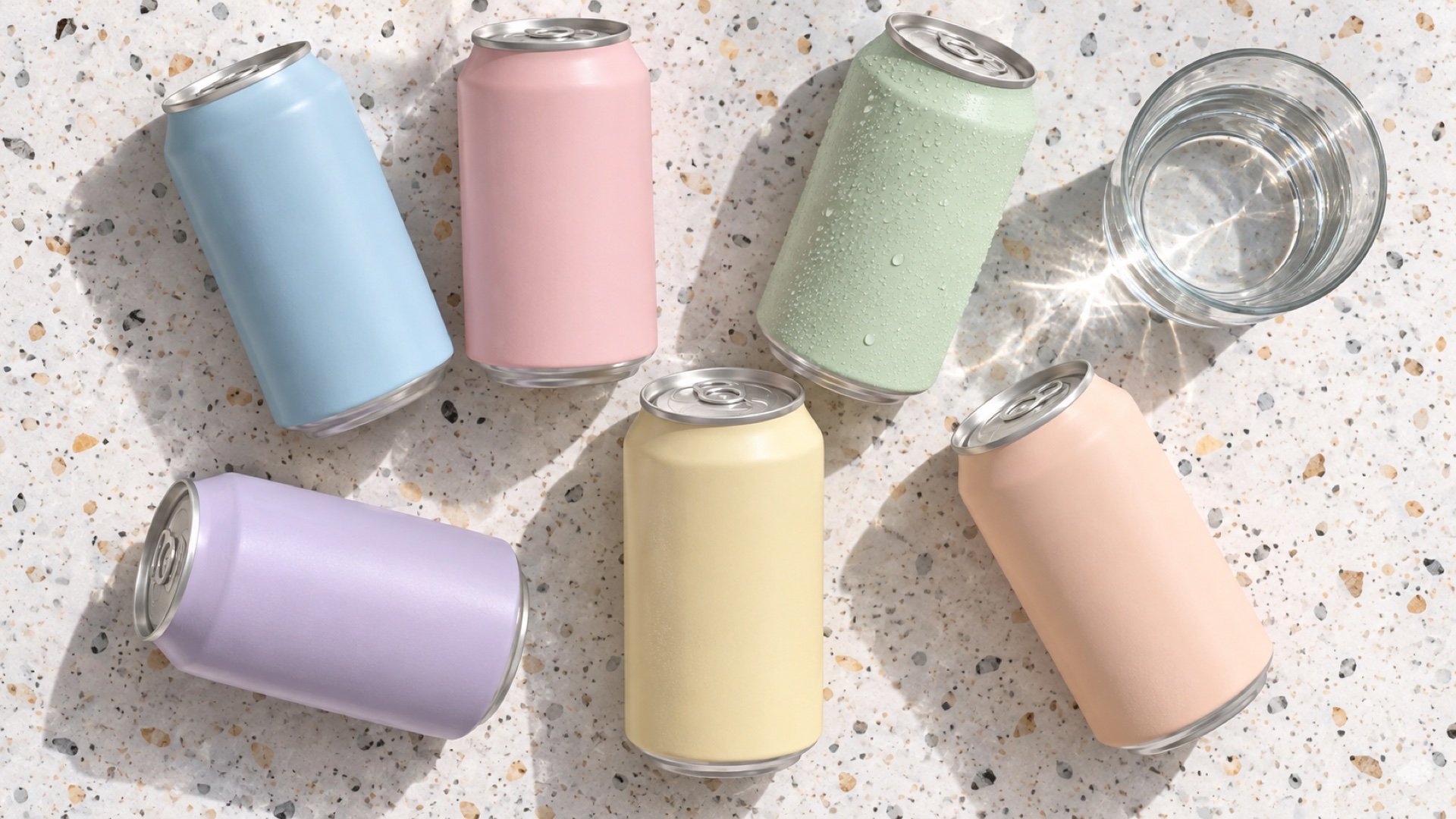
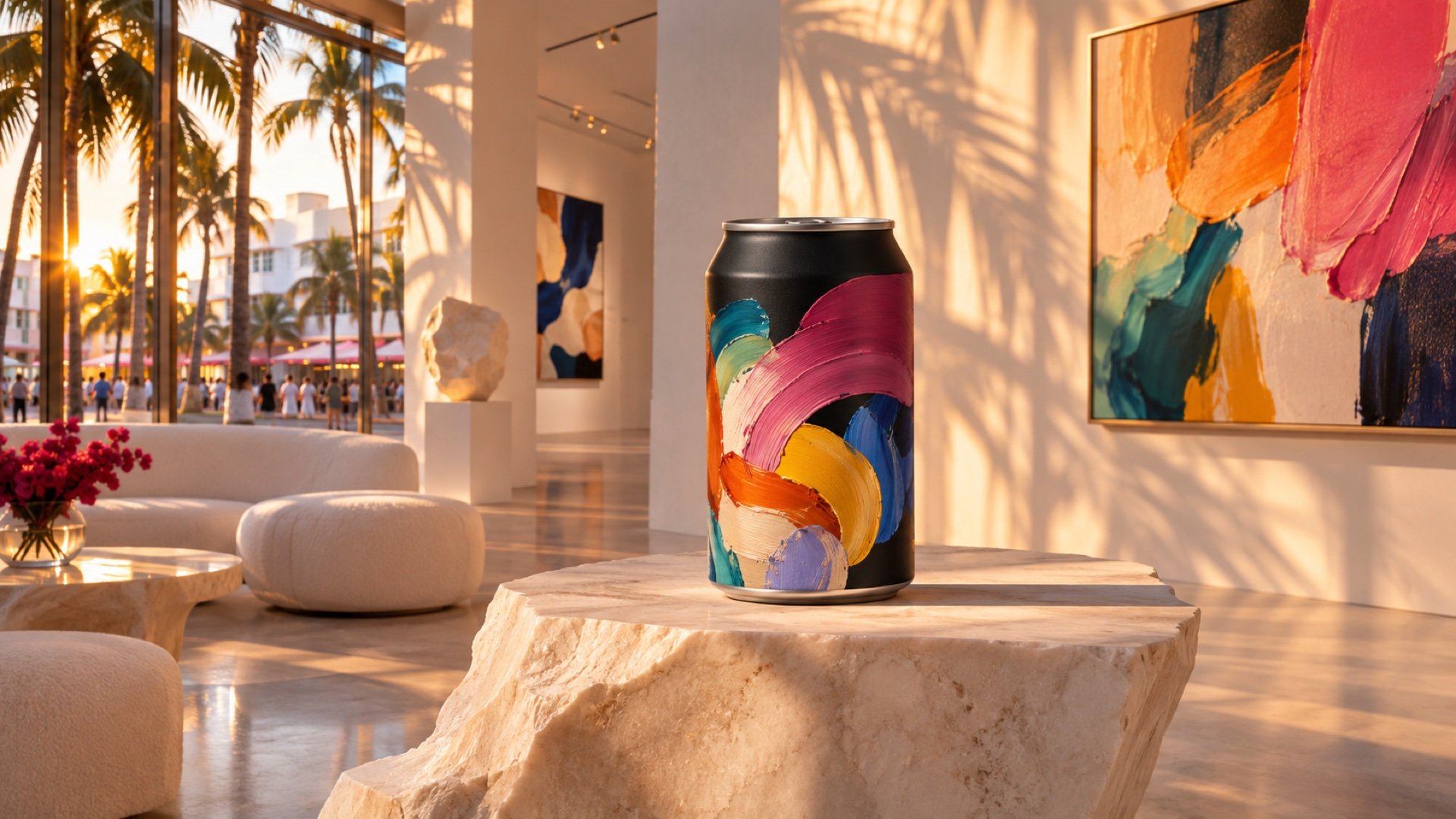
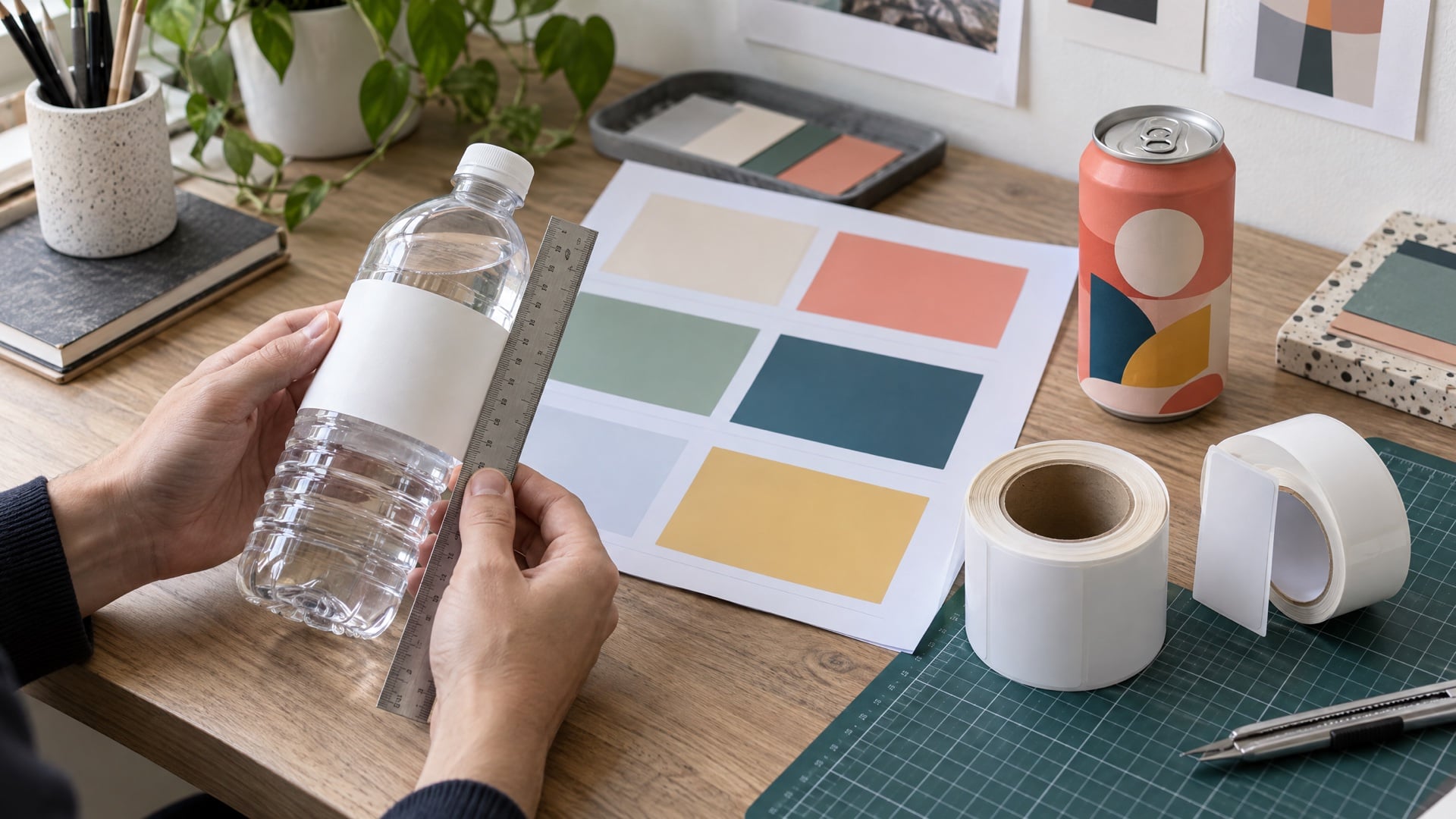
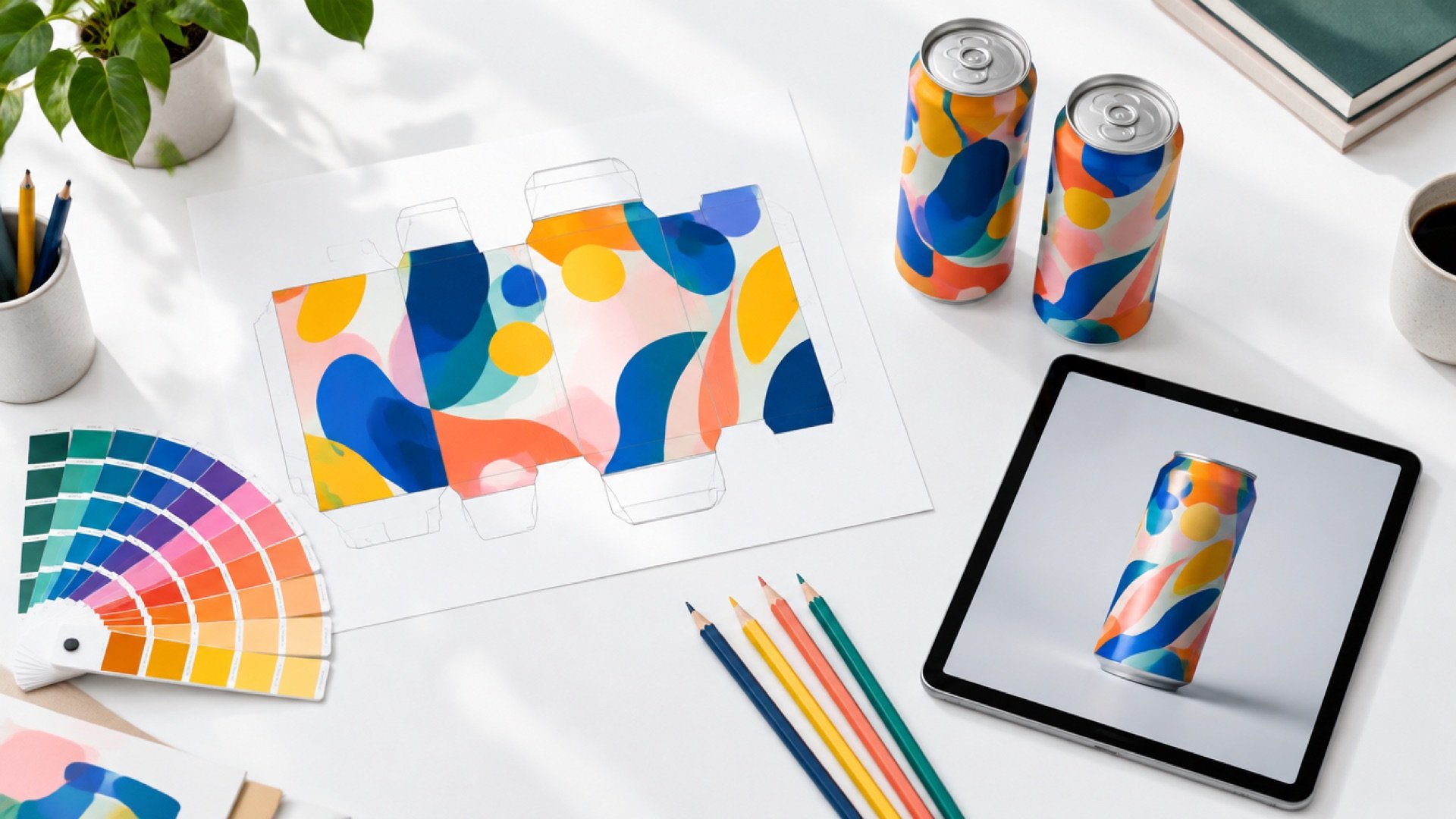
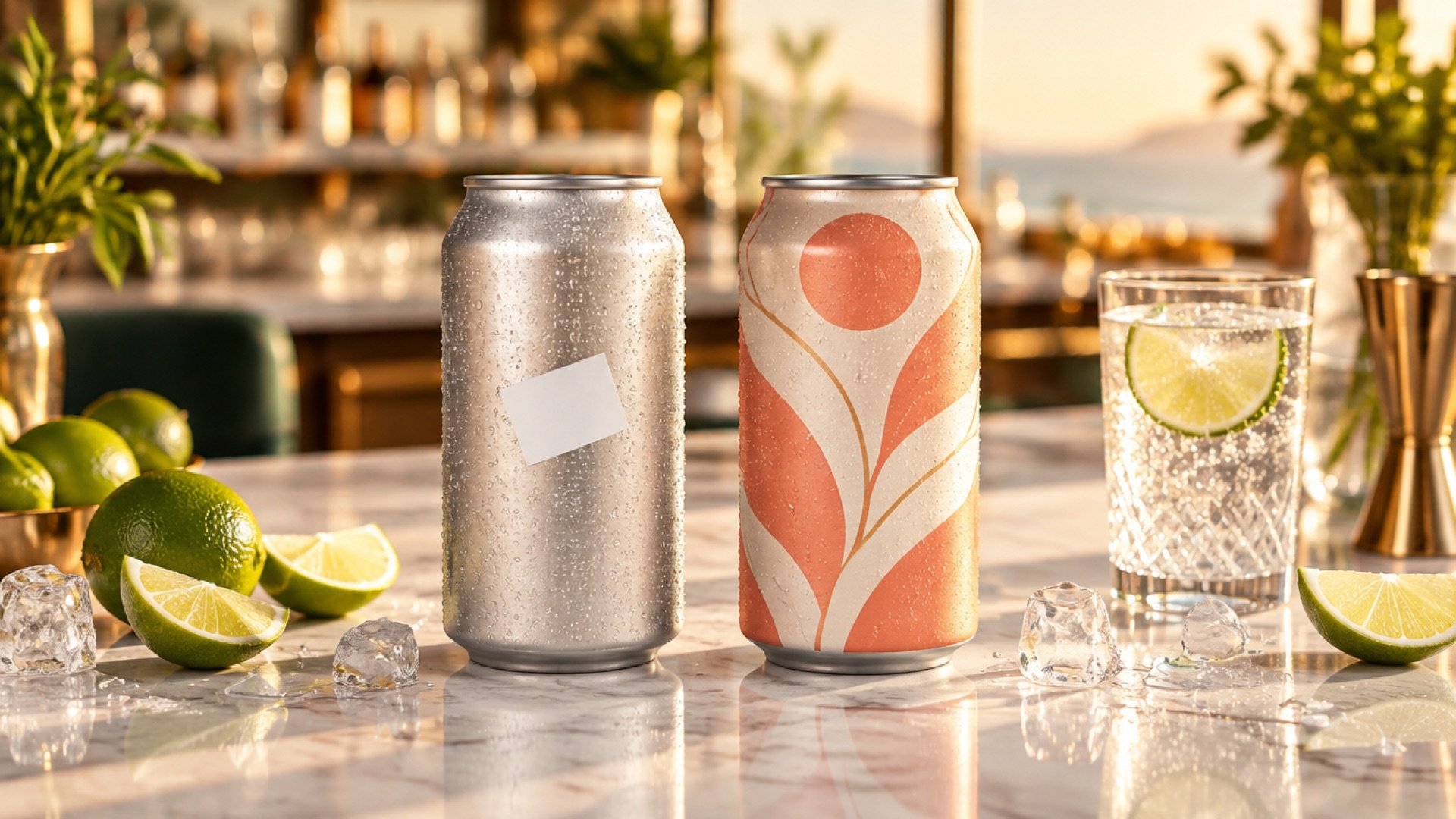
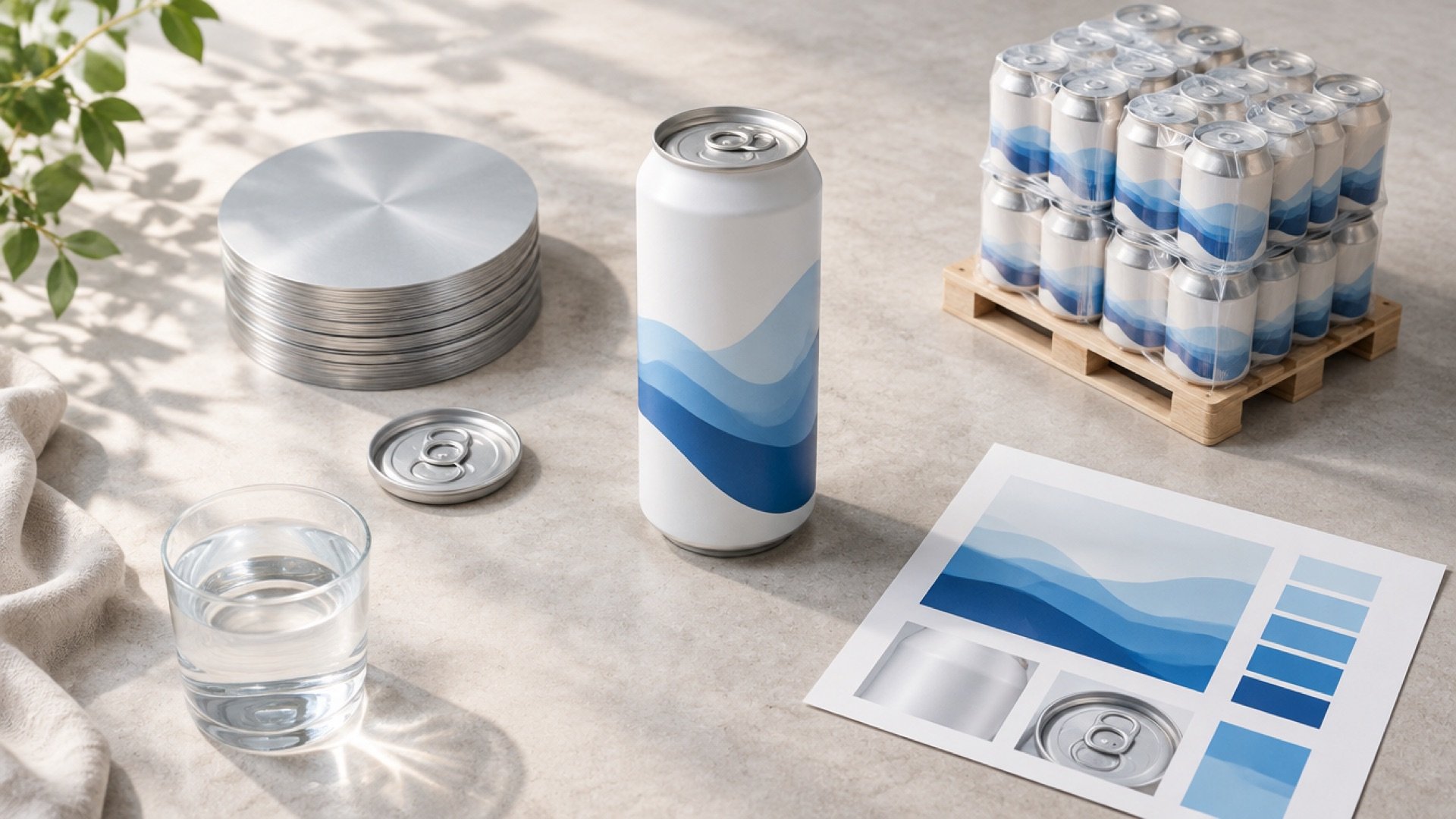
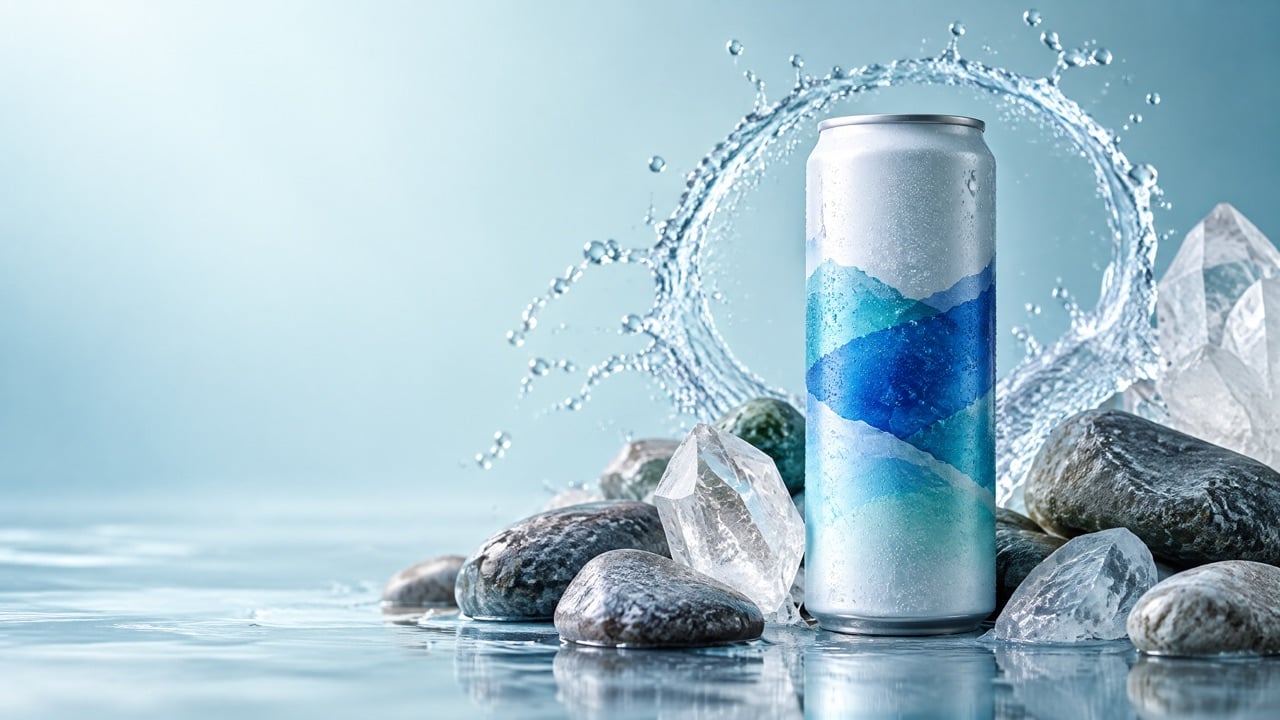
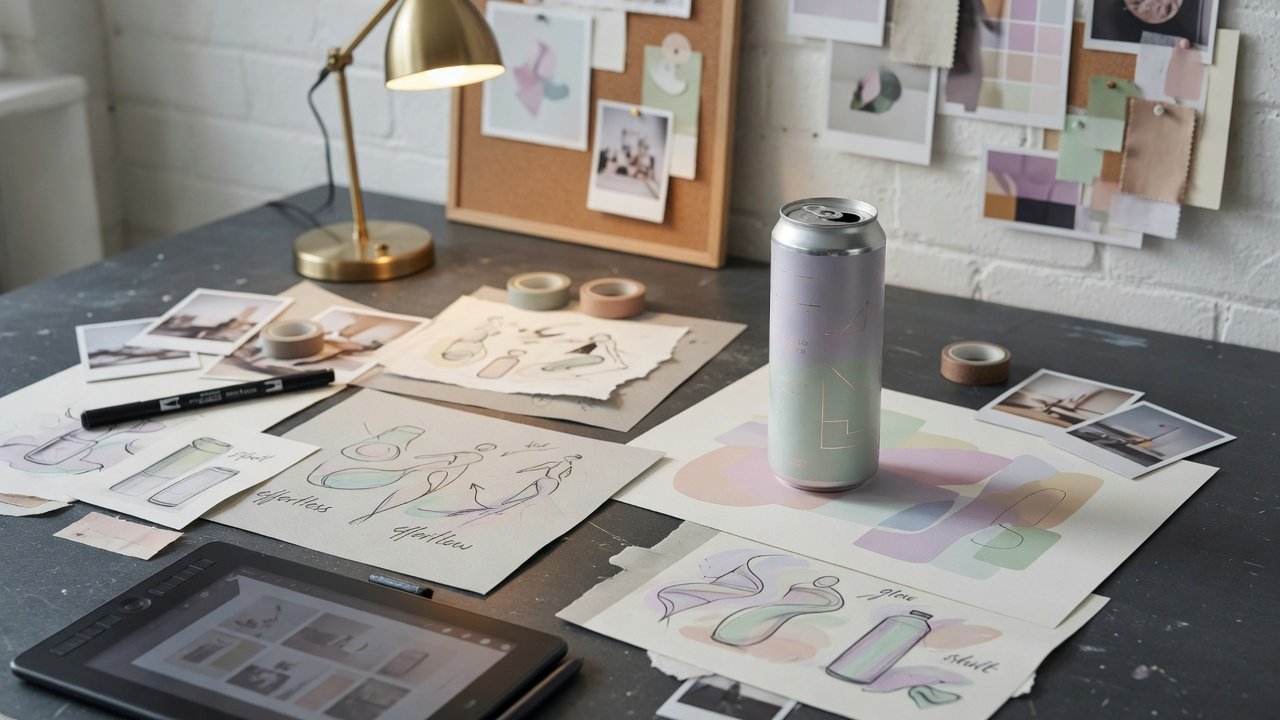
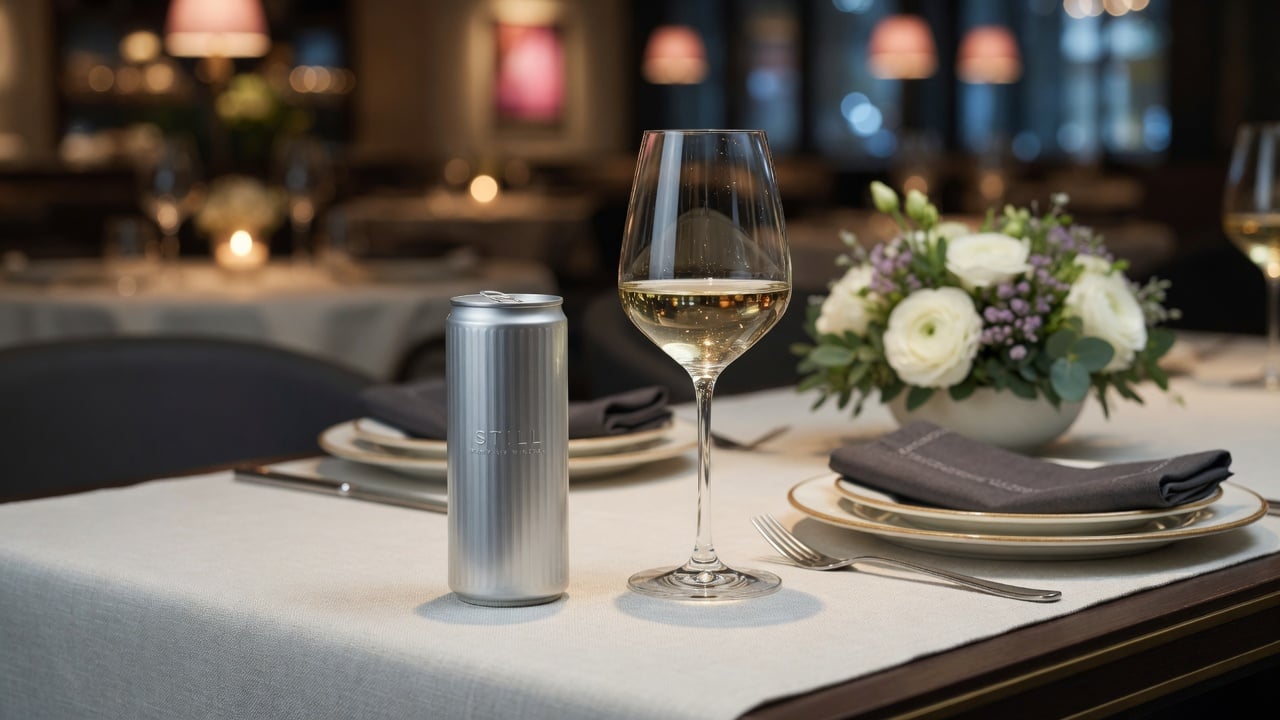
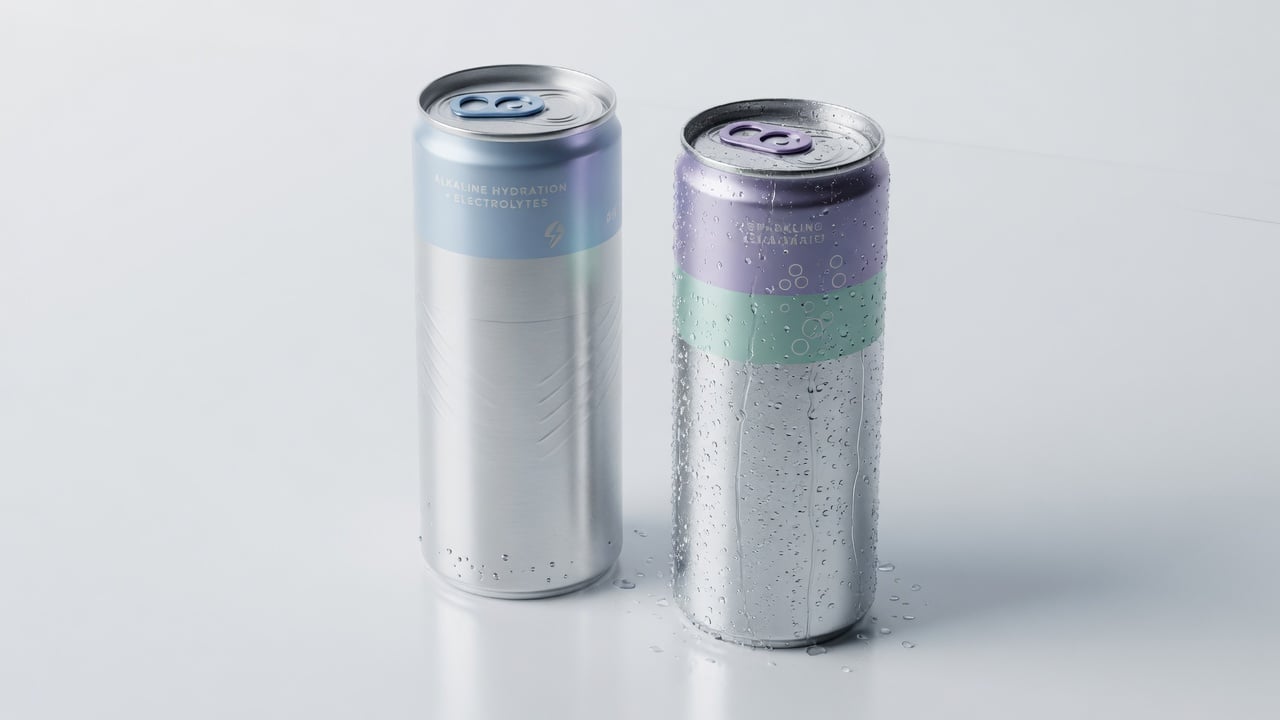
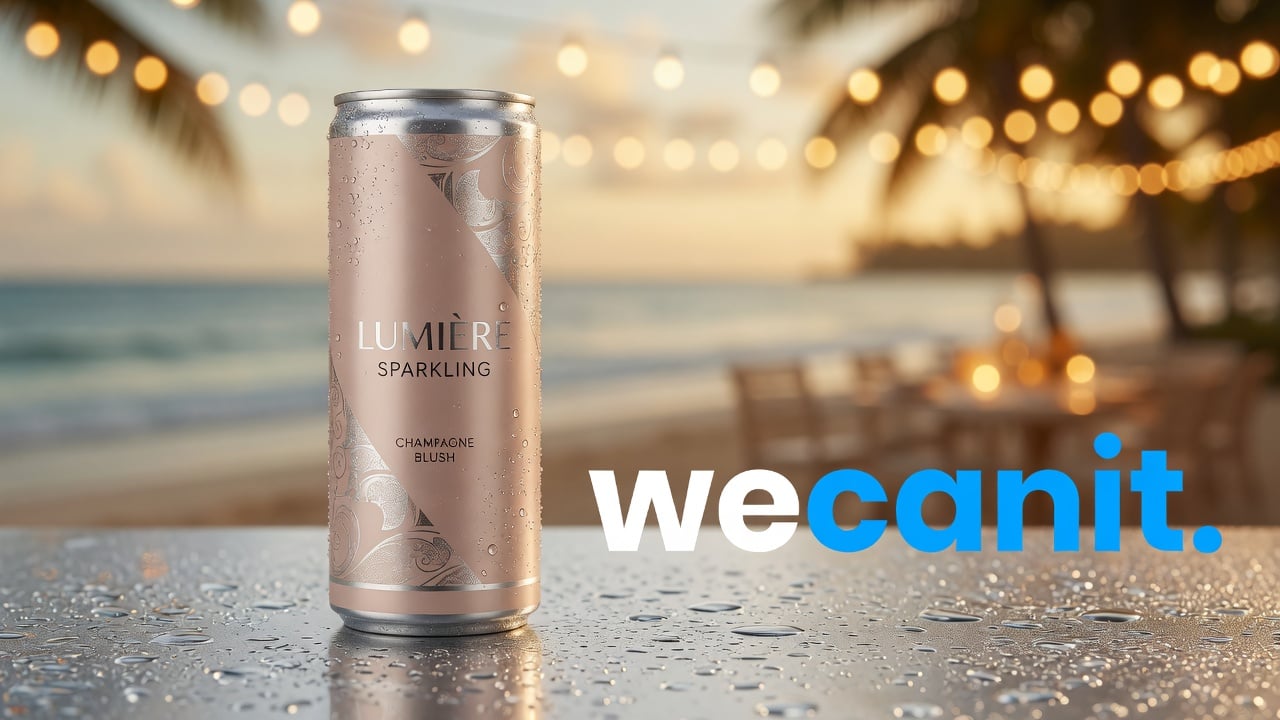
- Cans. Digital print goes directly on the aluminum, with a metallic sheen and vivid color. Labels wrap the can for smaller runs. The look reads premium and modern, close to a craft beverage.
- Cartons. Print sits on paperboard, which gives a matte, natural, paper feel. The look reads earthy and minimal.
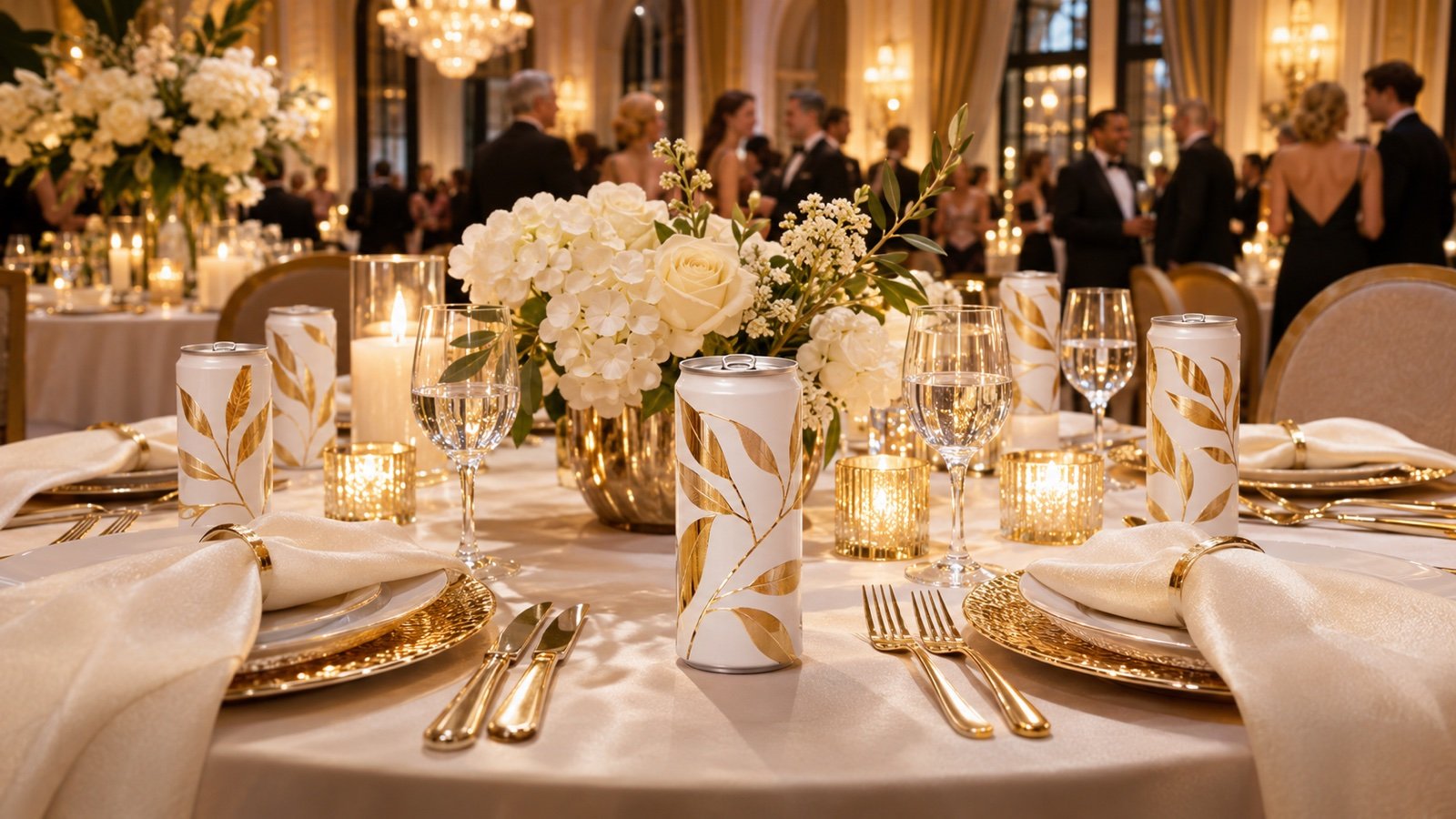
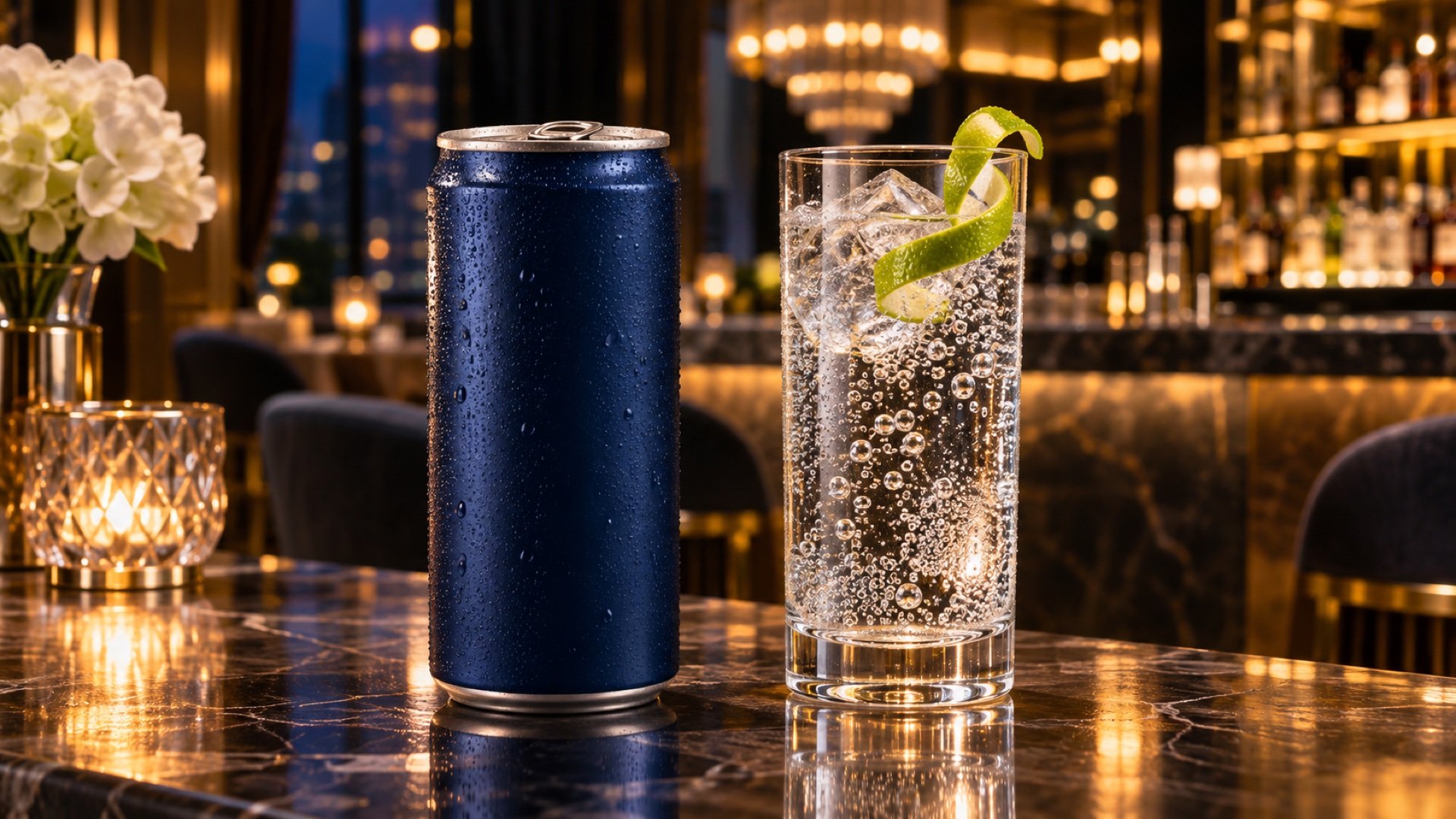
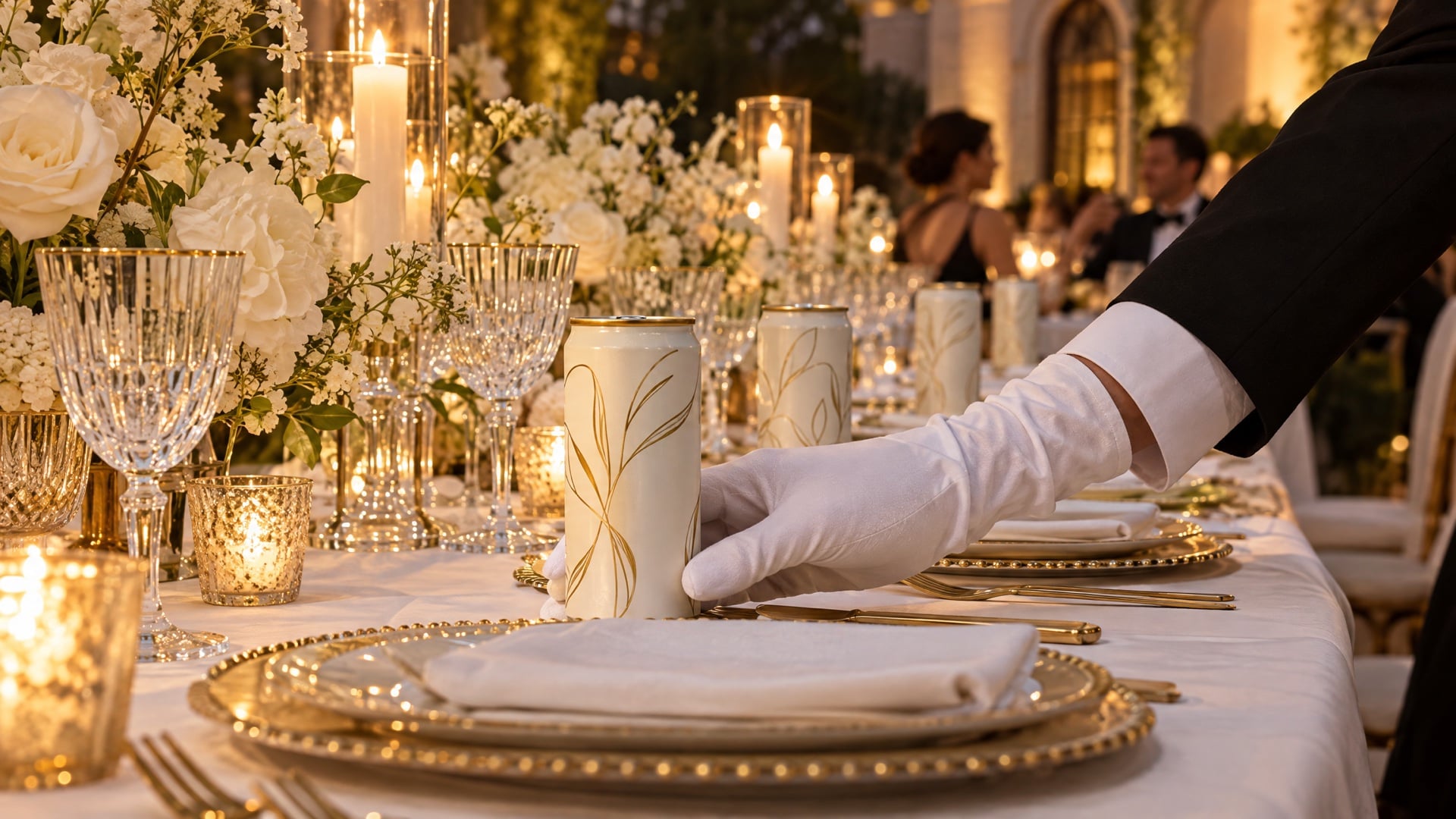
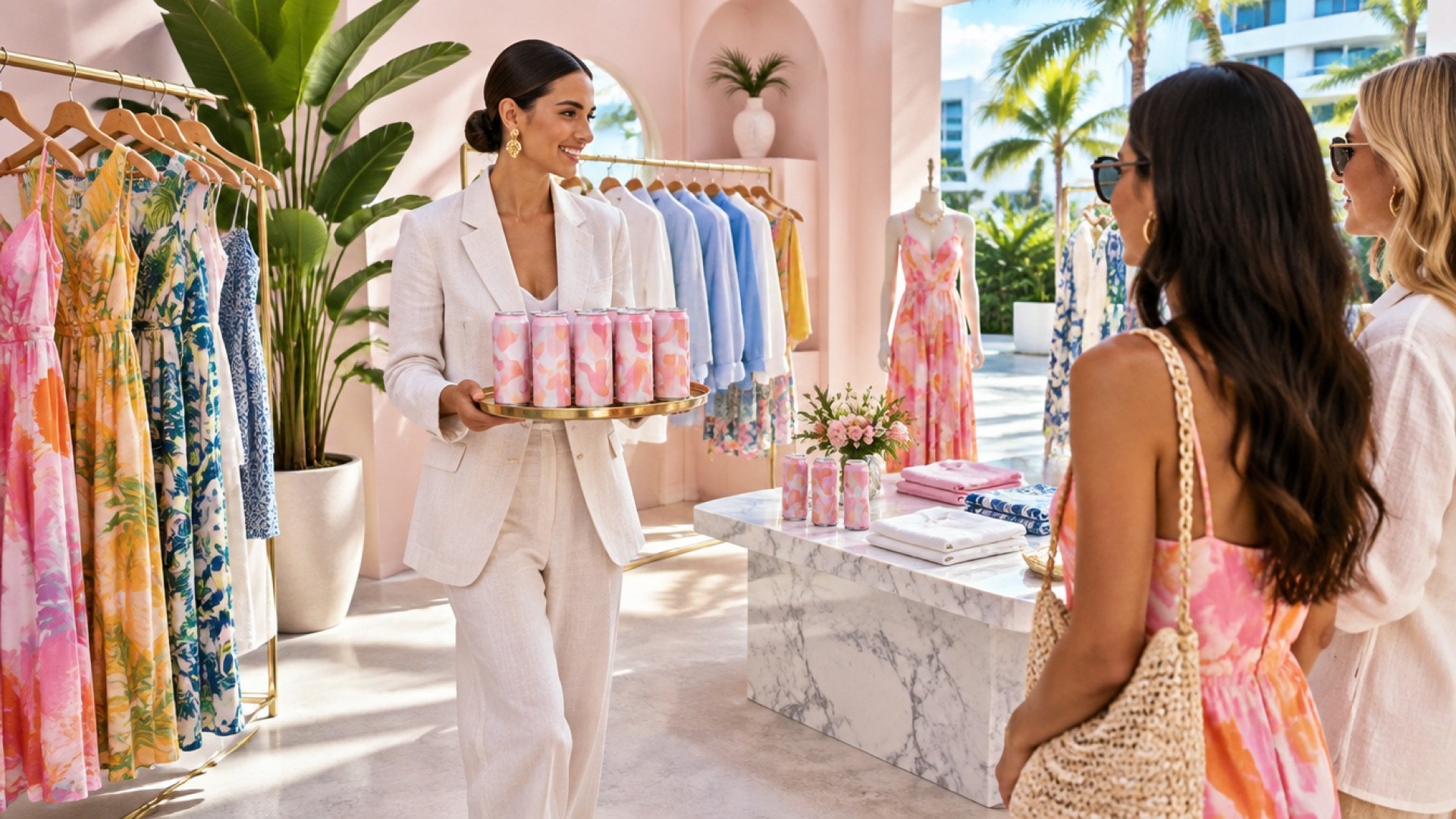
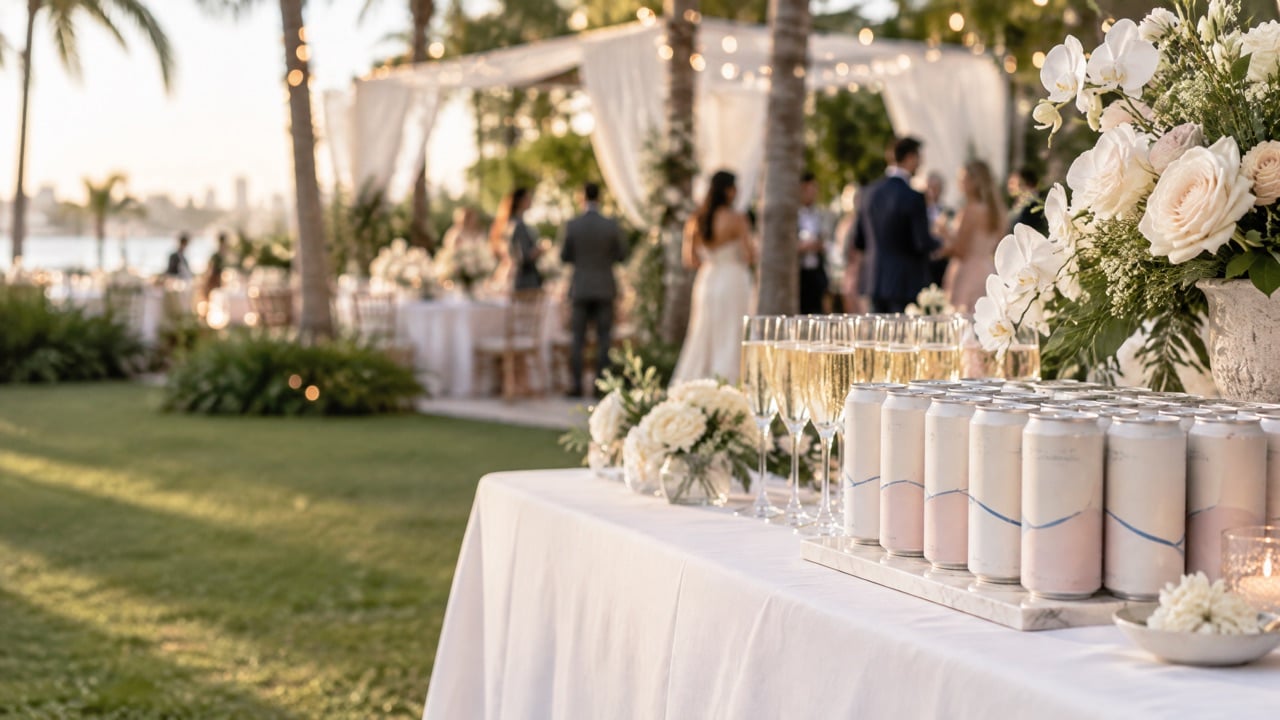
Think about your brand. A luxury hotel, a nightlife venue or a tech launch often fits the can. A farm-to-table brand or a wellness retreat might lean toward the carton look. For can design ideas, see our custom water can design tips.
Chilling, serving and guest experience
How the water is served at your event or venue often decides the format faster than any spec sheet.
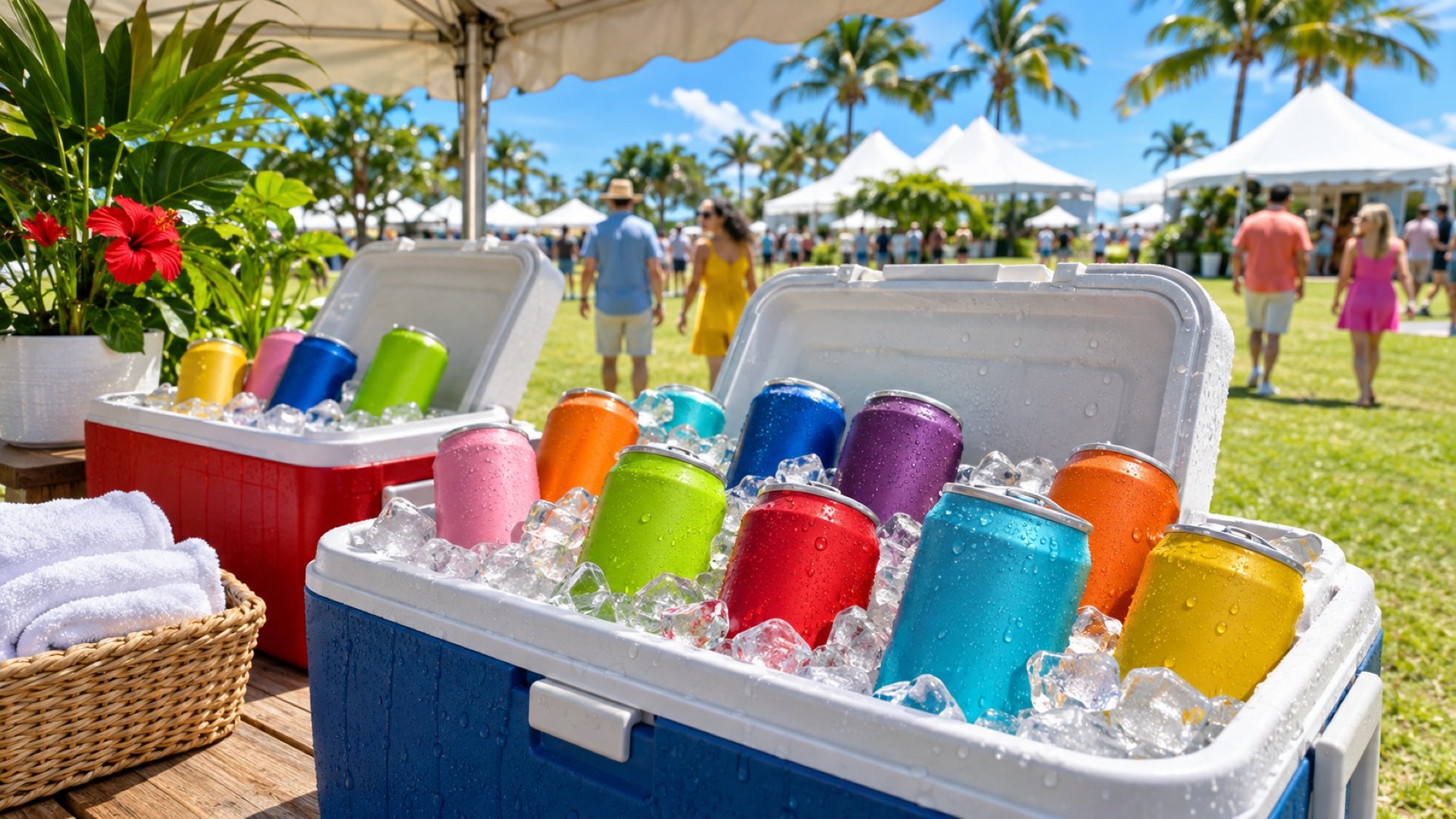
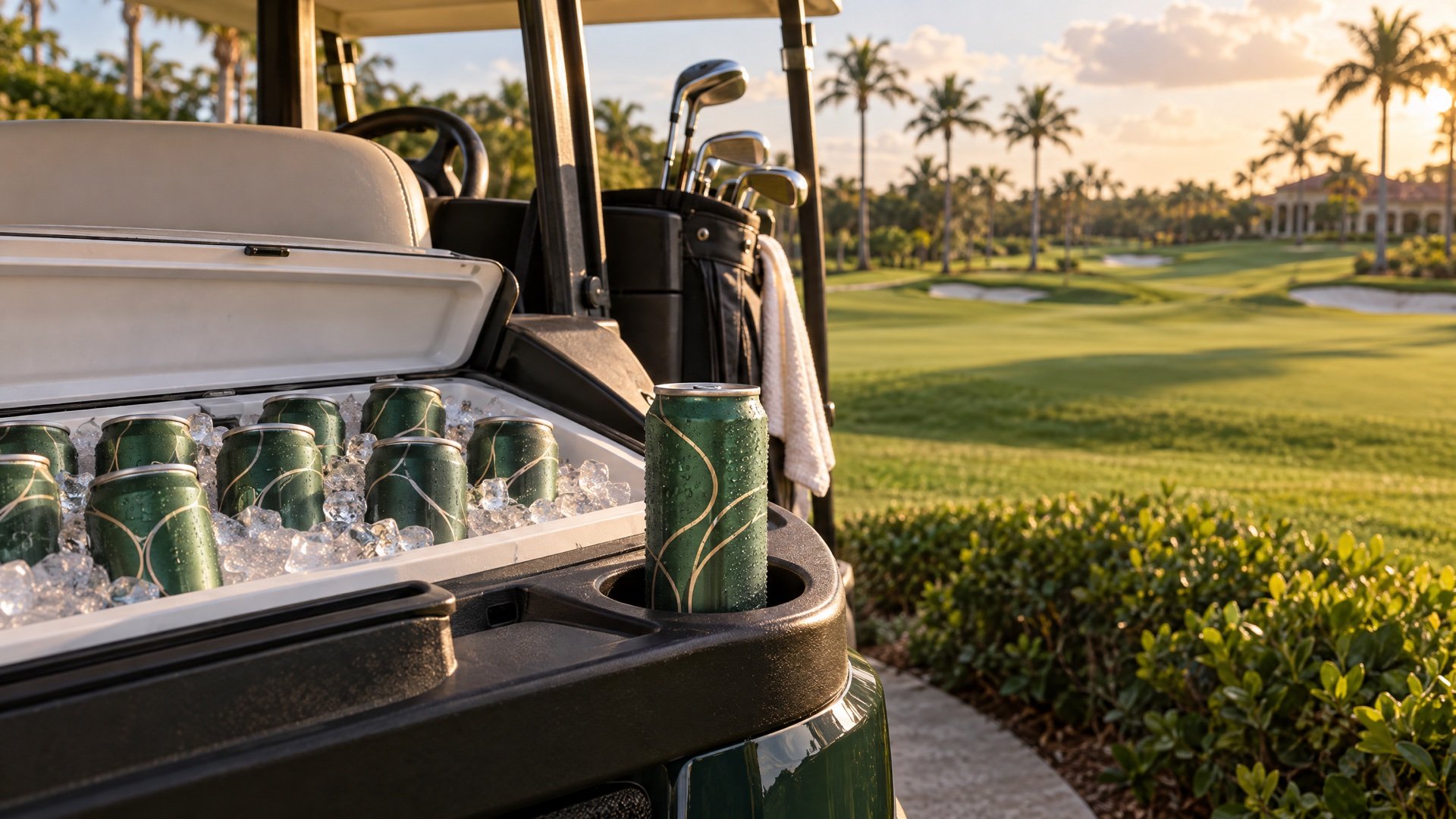
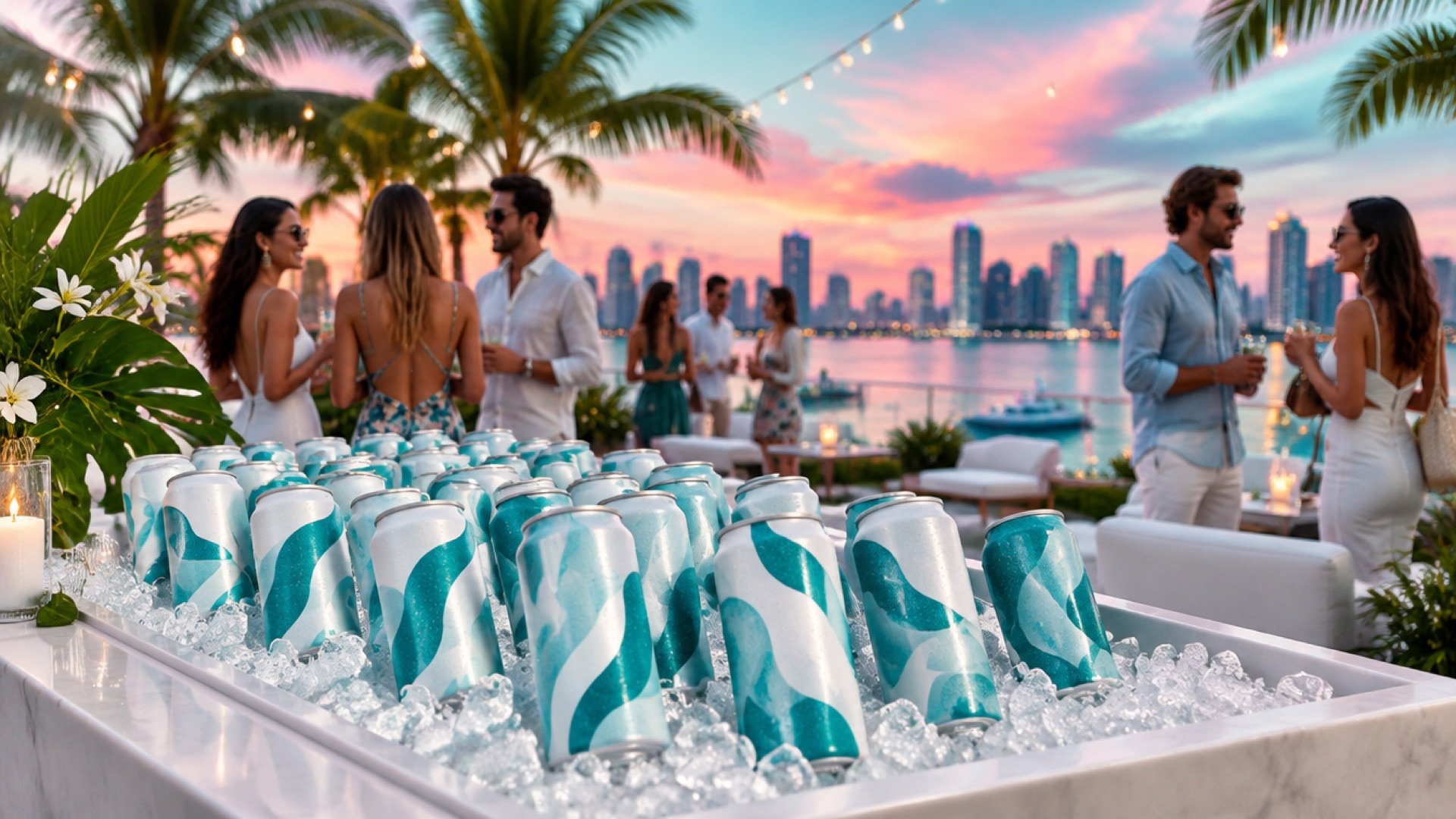
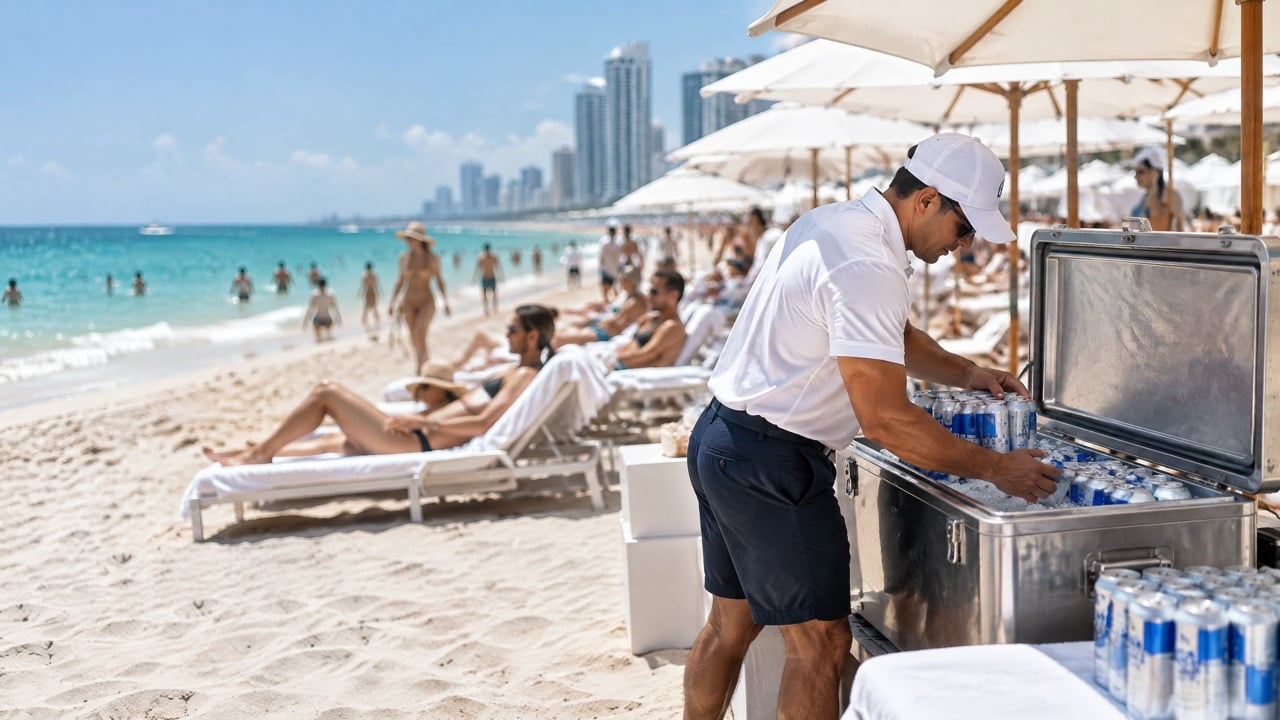
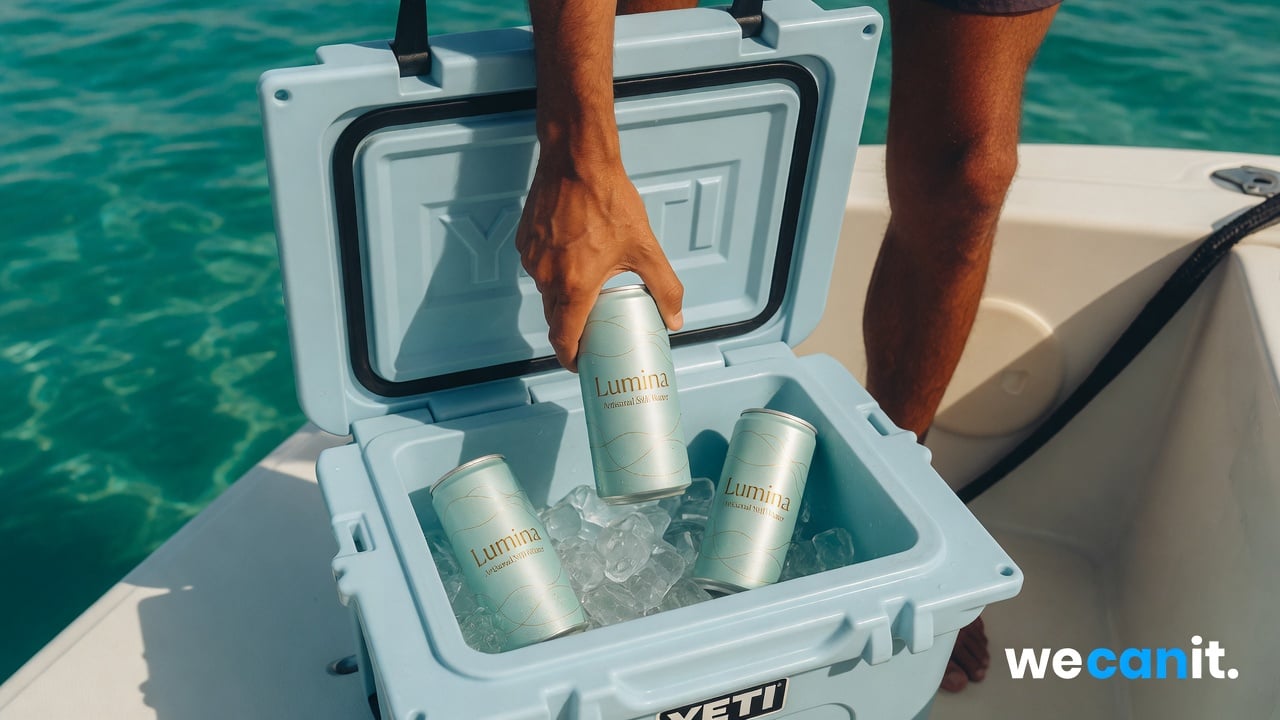
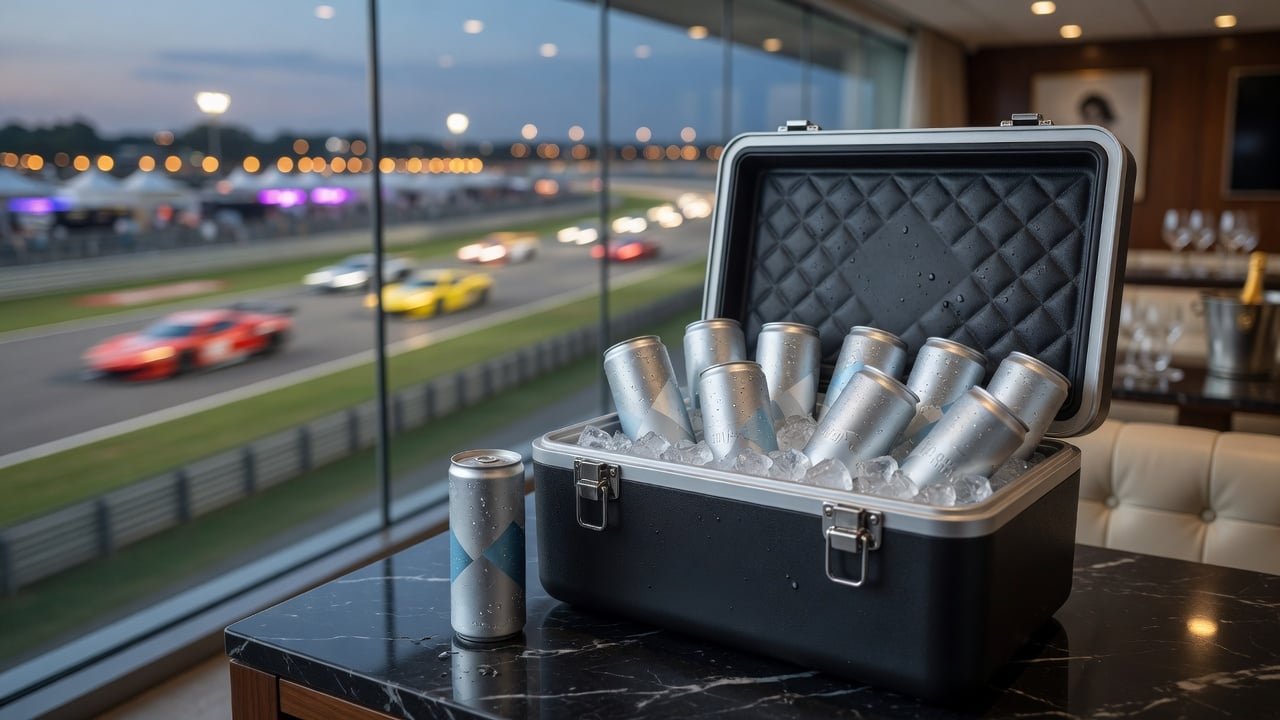
- Chilling. Aluminum cools quickly in a cooler or ice bath. Paperboard insulates, so cartons take longer to get cold and can soften if they sit in melting ice for hours.
- Resealing. Cartons usually have a screw cap, which helps for long walks or desks. Cans are a single serve, opened once.
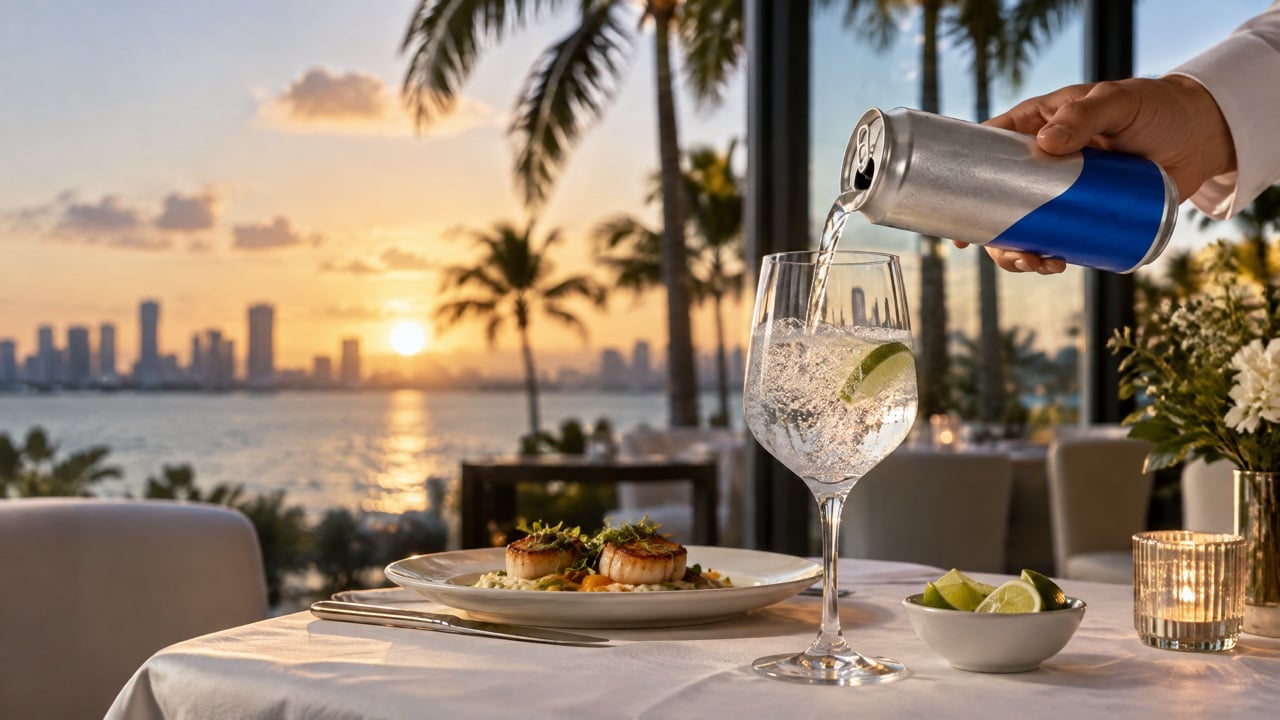
- Pouring. Cans pour cleanly into a glass for table service. Cartons pour well too, though some guests drink straight from the cap.
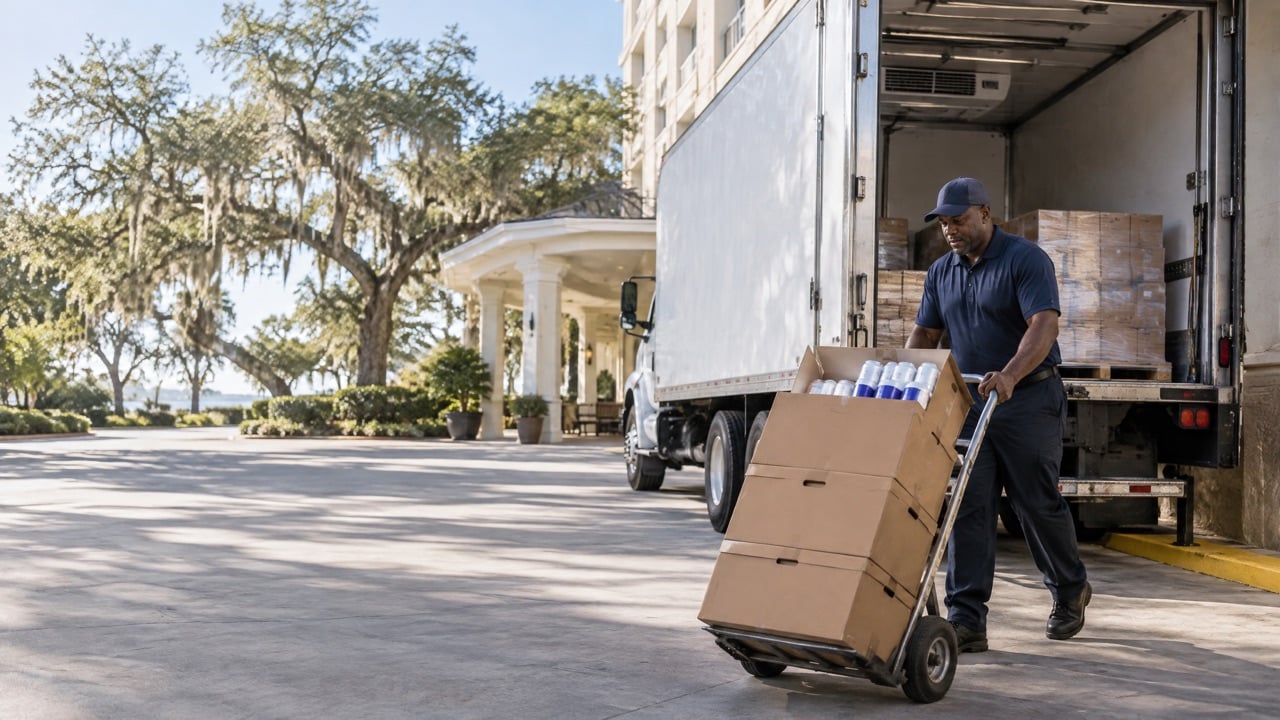
- Stacking and shipping. Both stack in cases. Cans are compact and sturdy in transit.
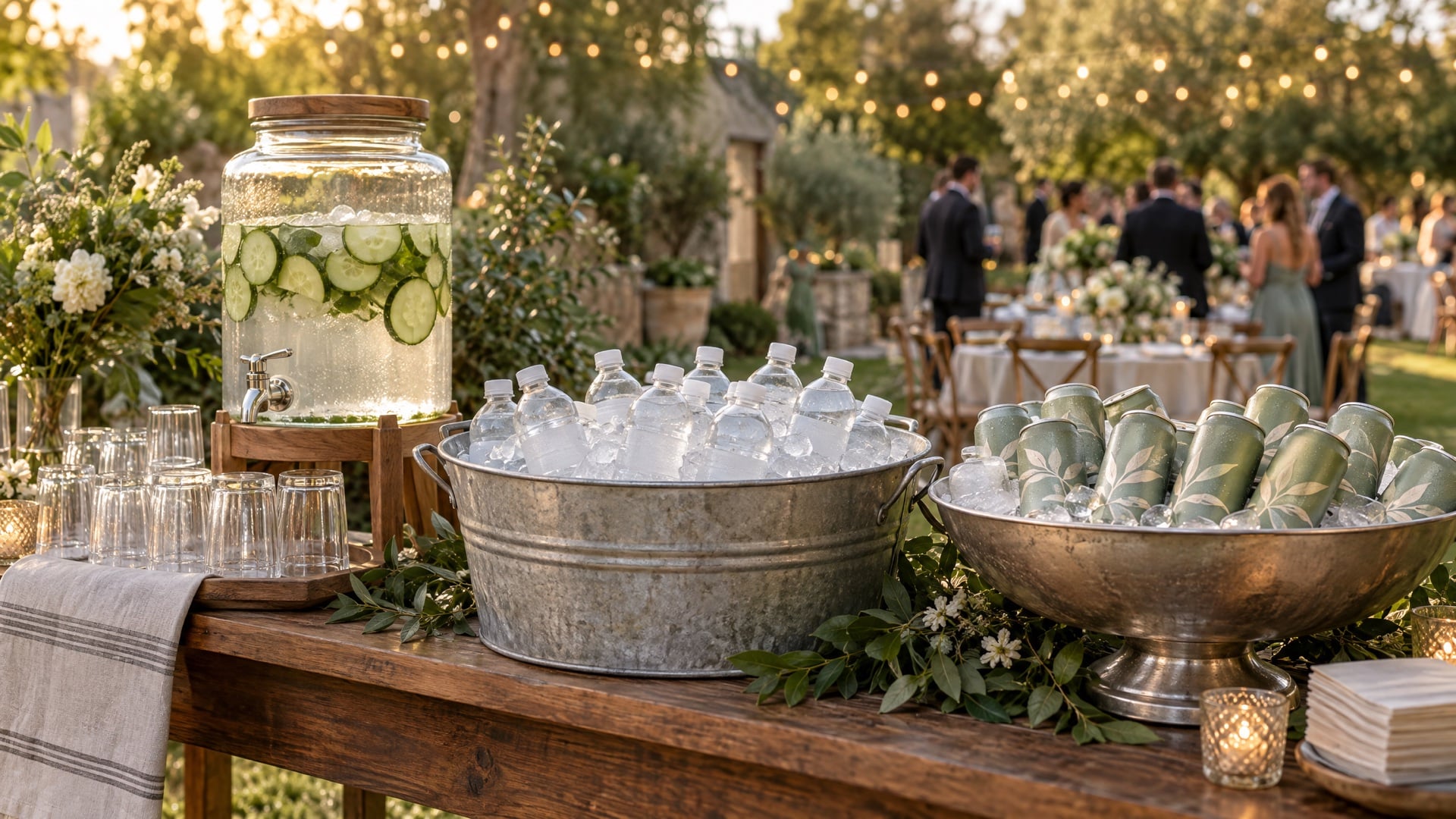
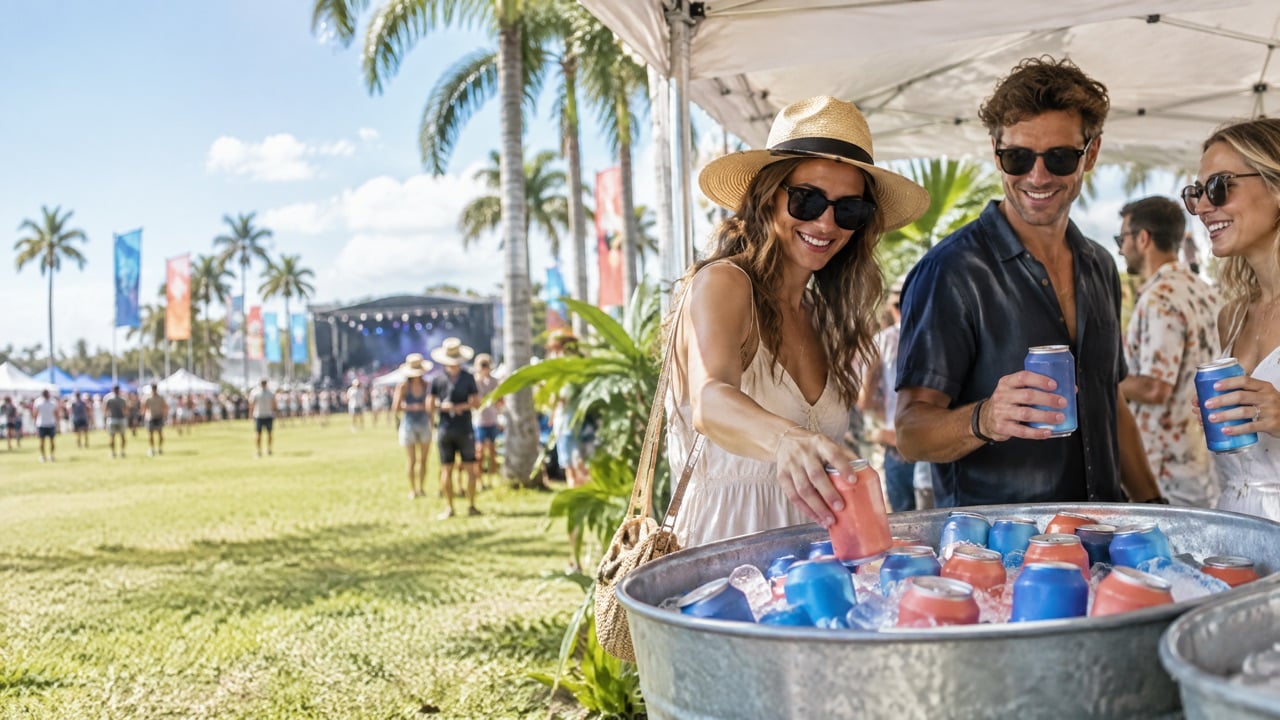
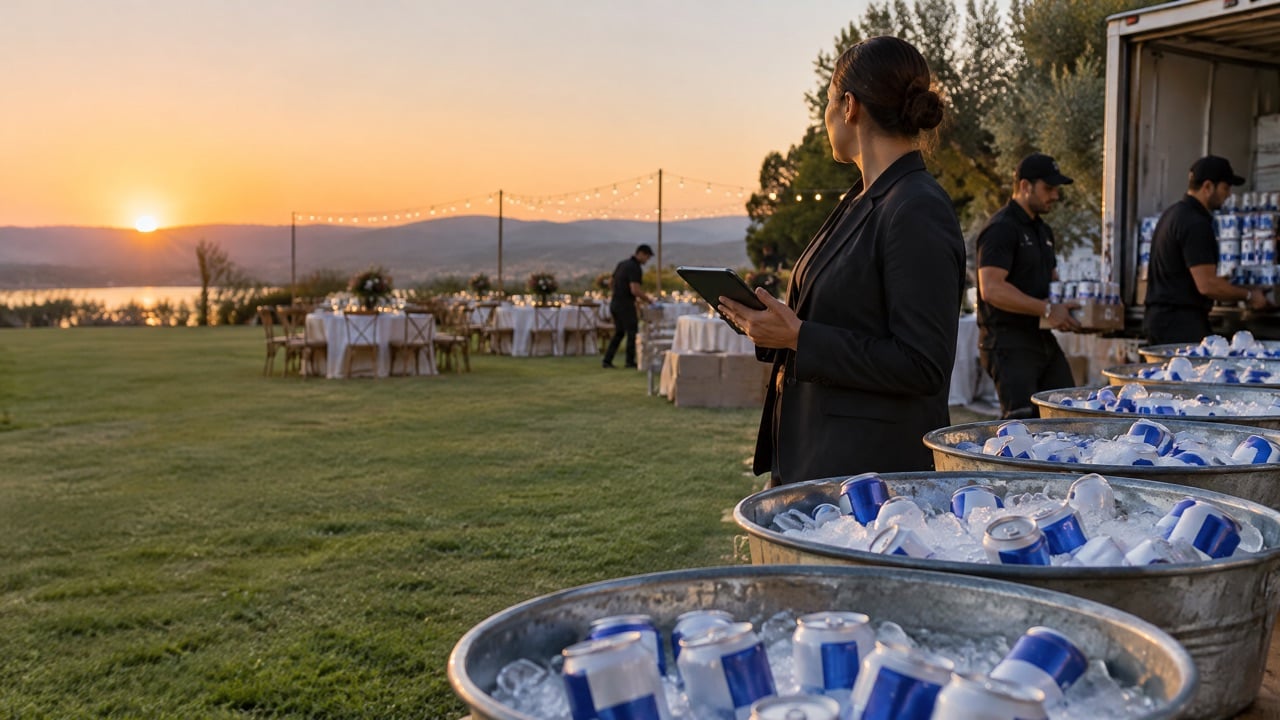
If guests will grab water from an ice tub at a hot outdoor event, cans tend to handle it better. If people will carry water around all day and want to close it, a cap helps.
Minimum orders: boxed water vs canned water
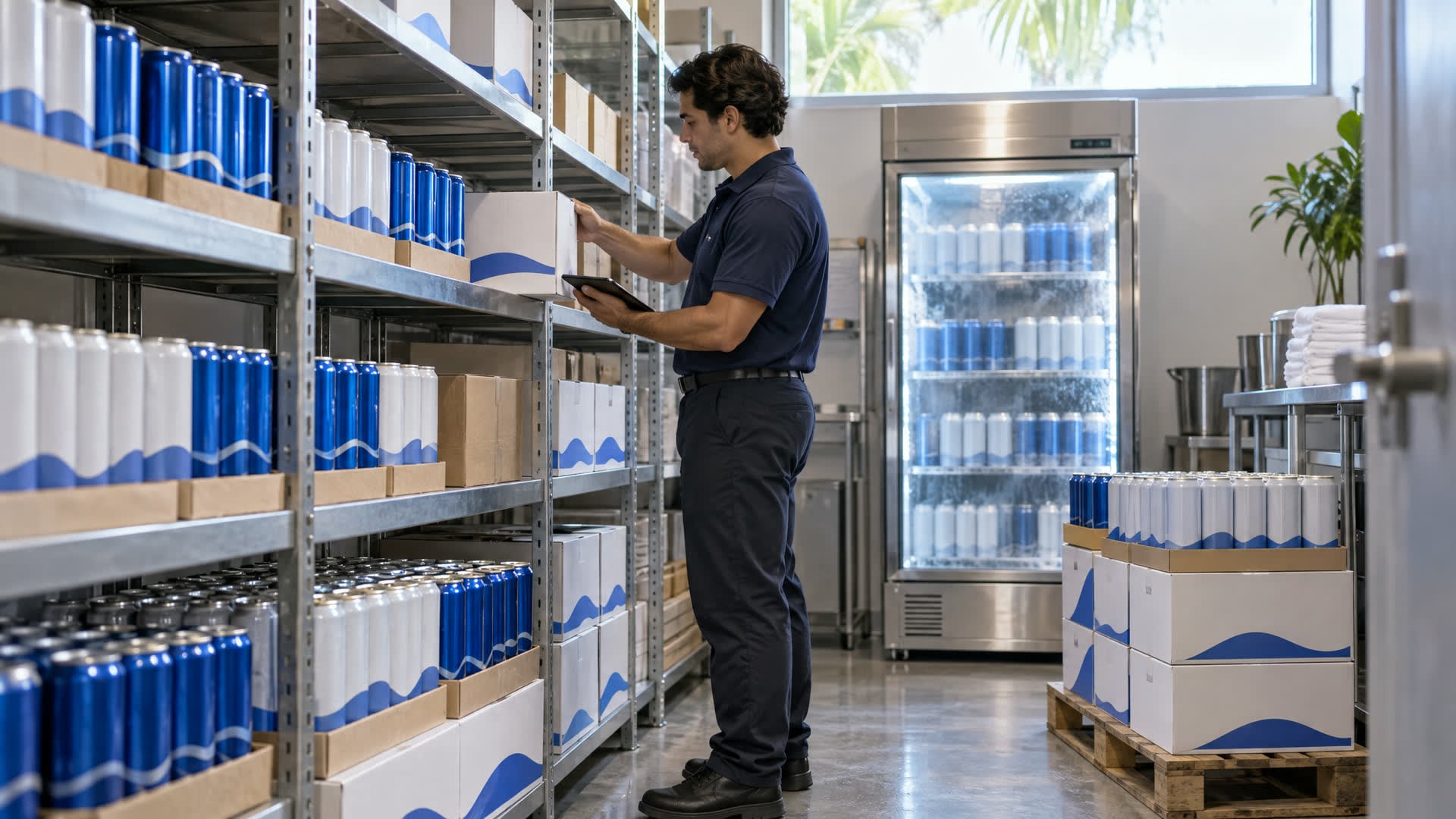
Minimum orders for custom branded cartons vary widely by supplier, and many carton programs are built around large runs. Branded canned water can start much smaller. With We Can It, labeled cans start at 10 cases, which is 240 cans, and digitally printed cans start at 21 cases (504 cans).
For a carton supplier, ask directly:
- What is the minimum order for a custom printed carton?
- Is the minimum per design or per order?
- What is the lead time from approved art?
- Is freight included or billed separately?
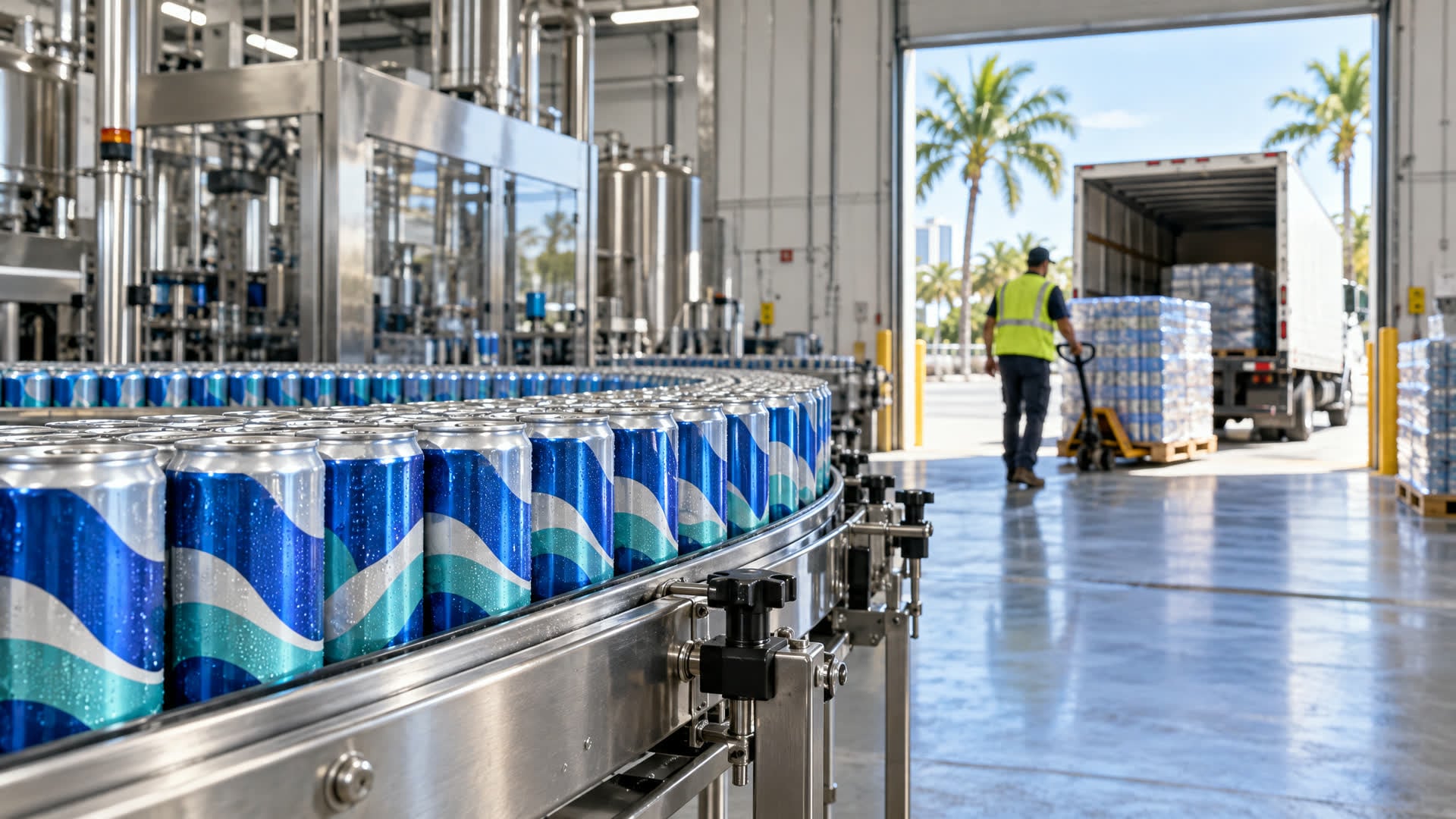
For cans with We Can It, the answers are public: labeled cans from 10 cases (24 cans per case), digital print from 21 cases (504 cans), labeled cans ready in 3 weeks and digital print on the aluminum in 4 weeks, with freight from Miami billed at cost.
Price: what drives the cost of each format
Price depends on volume, print method, size and freight, so compare full quotes rather than a single per-unit number from a website. For canned water with We Can It, digital print runs $1.60 to $2.00 per can depending on volume, with lower prices at higher volumes. Labeled cans run $1.15 to $1.55 per can, and a QR code is included at no extra cost.
When you compare quotes, line them up on the same basis:
- Same size (for example 12oz or 16oz).
- Same quantity.
- Same print method (full print or label).
- Freight to the same address.
- Any design, plate or setup fees.
When boxed water makes sense
Boxed water can be a good fit when:
- Your brand look is natural and paper-based.
- Guests need a resealable cap for long days on foot.
- Your venue's recycling program accepts cartons, and you have checked.
- You are ordering a large volume that fits a carton supplier's minimums.
When canned water makes sense
Canned water usually fits better when:
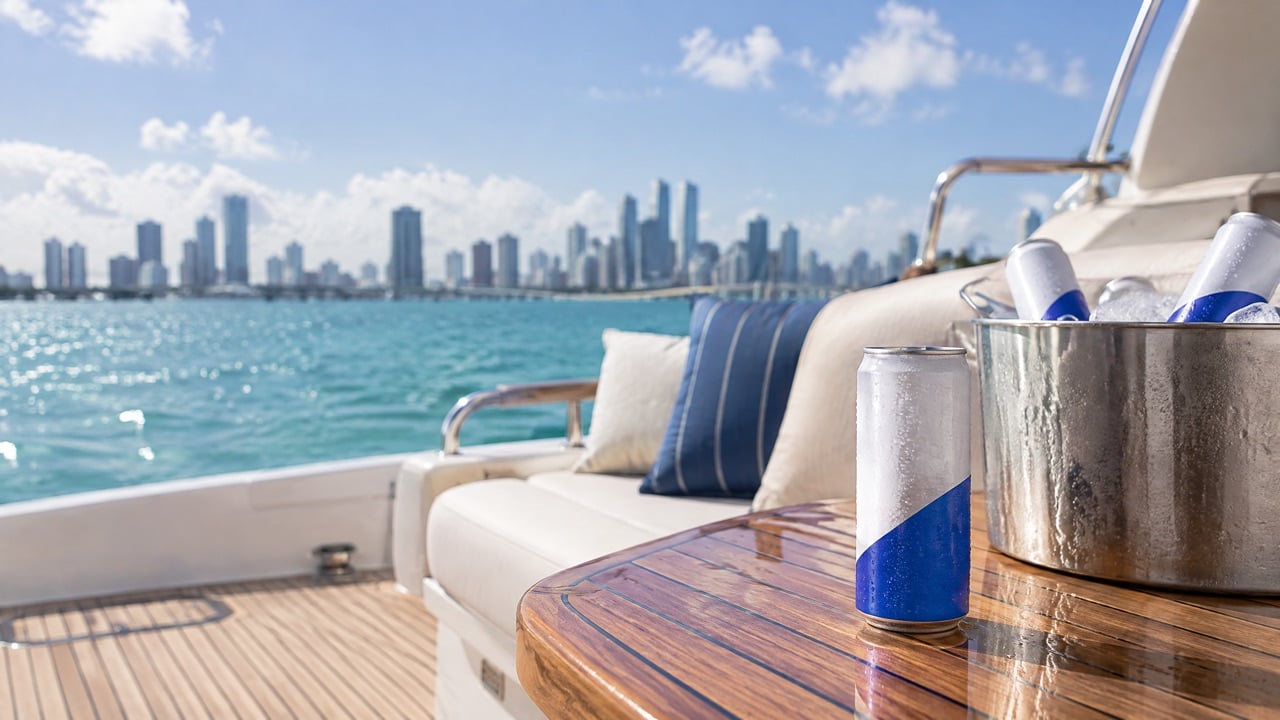
- You need a small or fast first run. Labeled cans start at 240 cans.
- Water will be served cold from coolers, ice tubs or minibars.
- You want a premium, beverage-style look with metallic print.
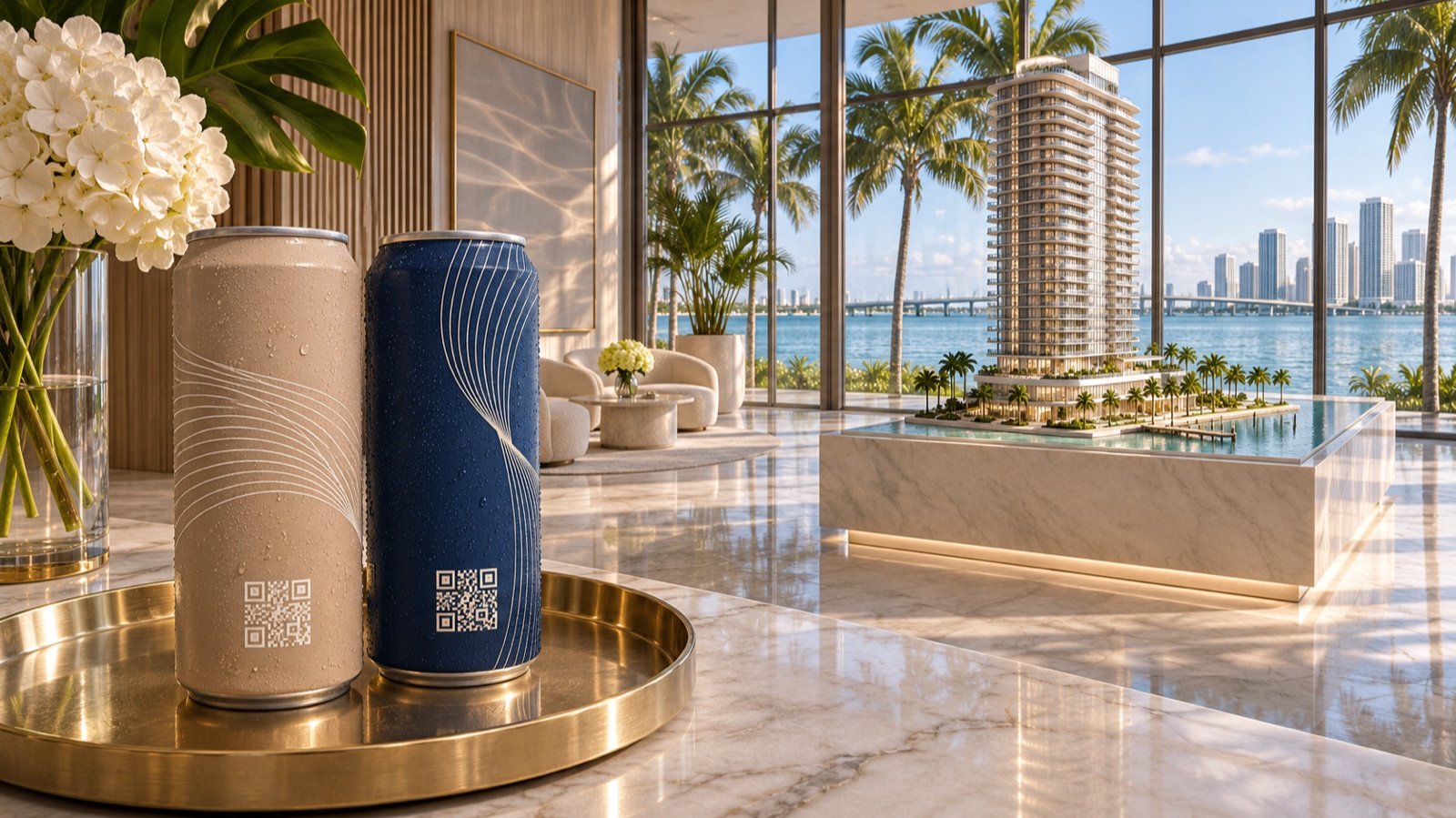
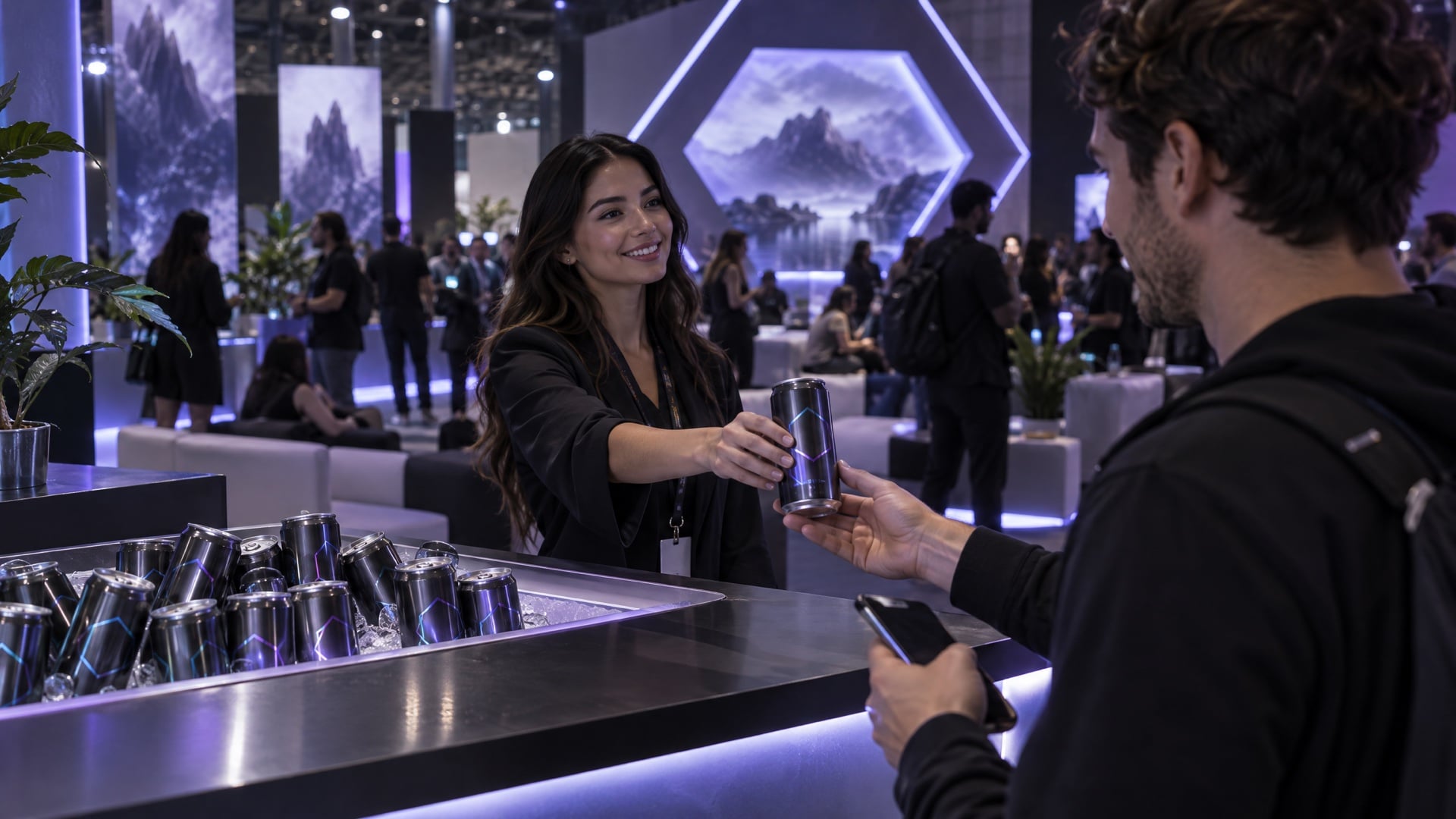
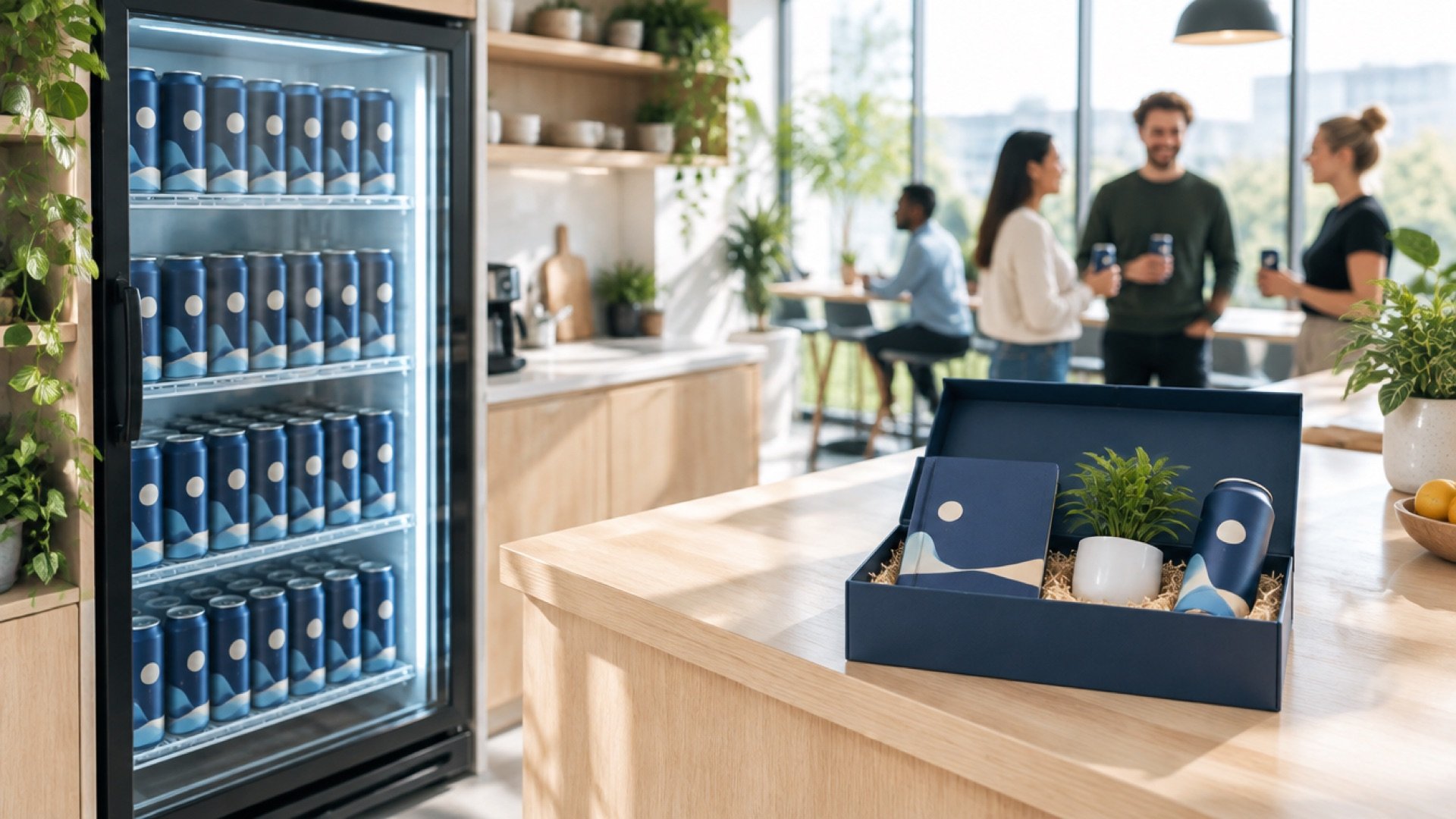
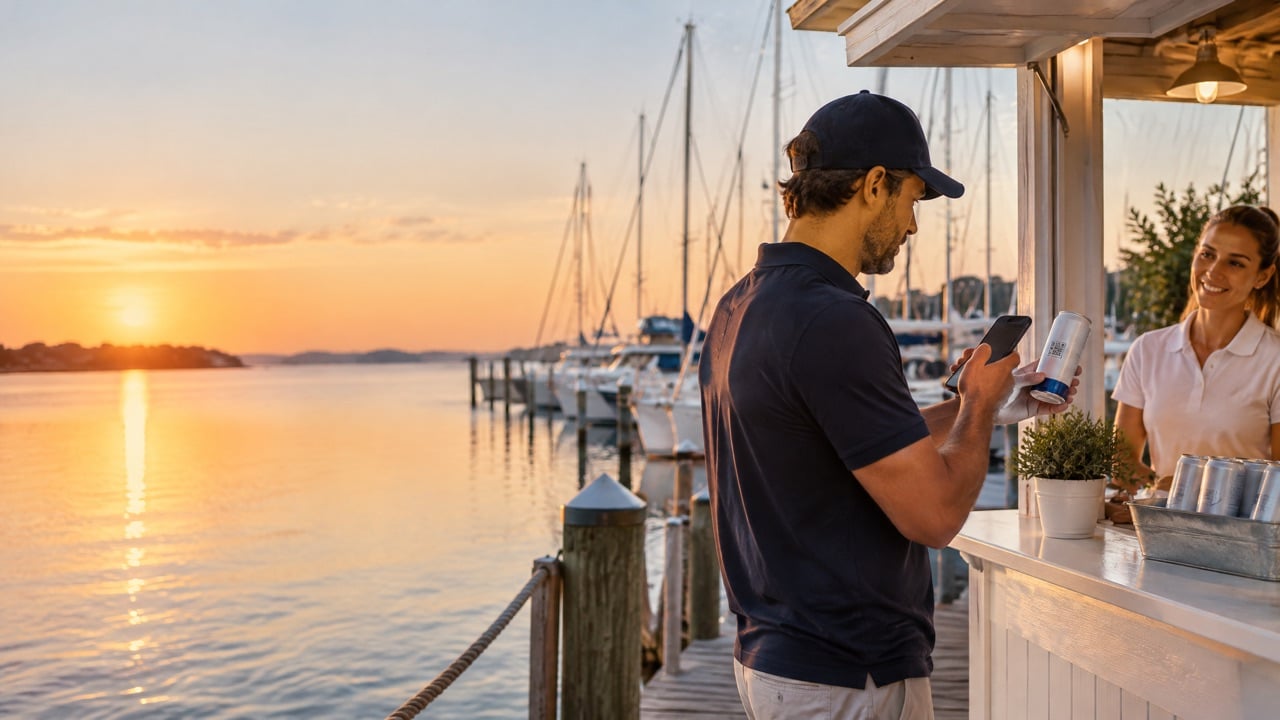
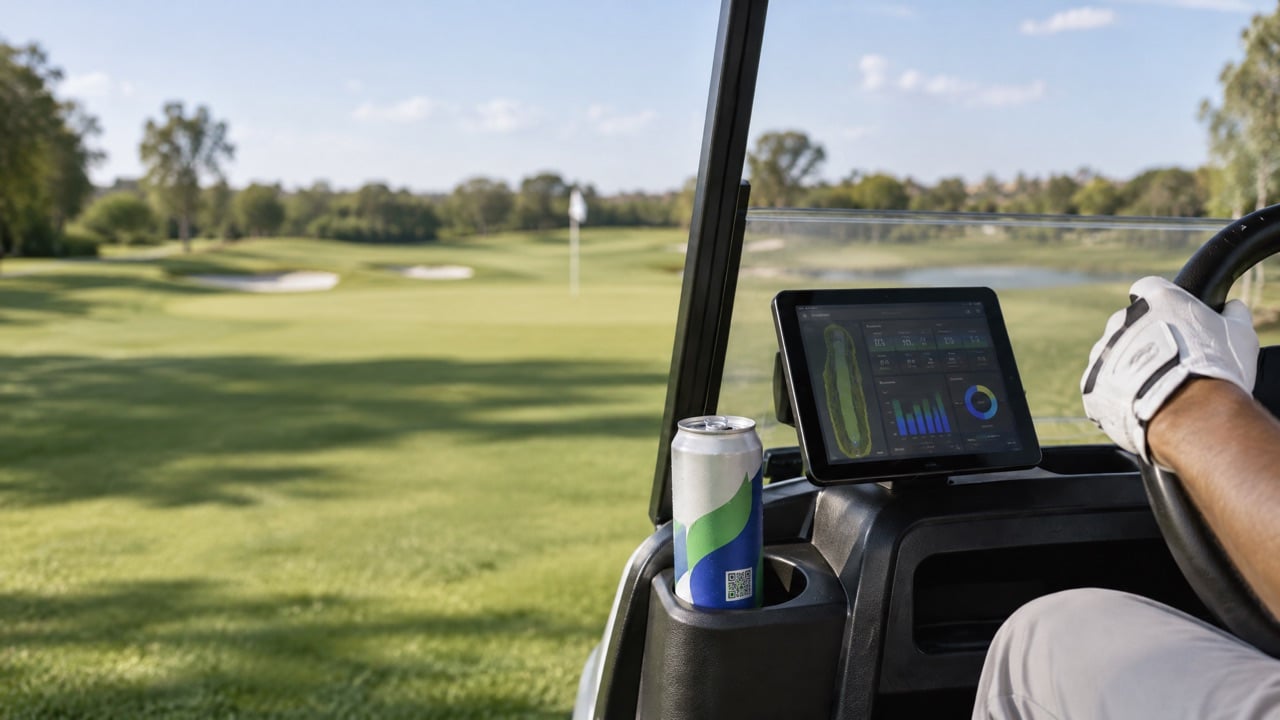
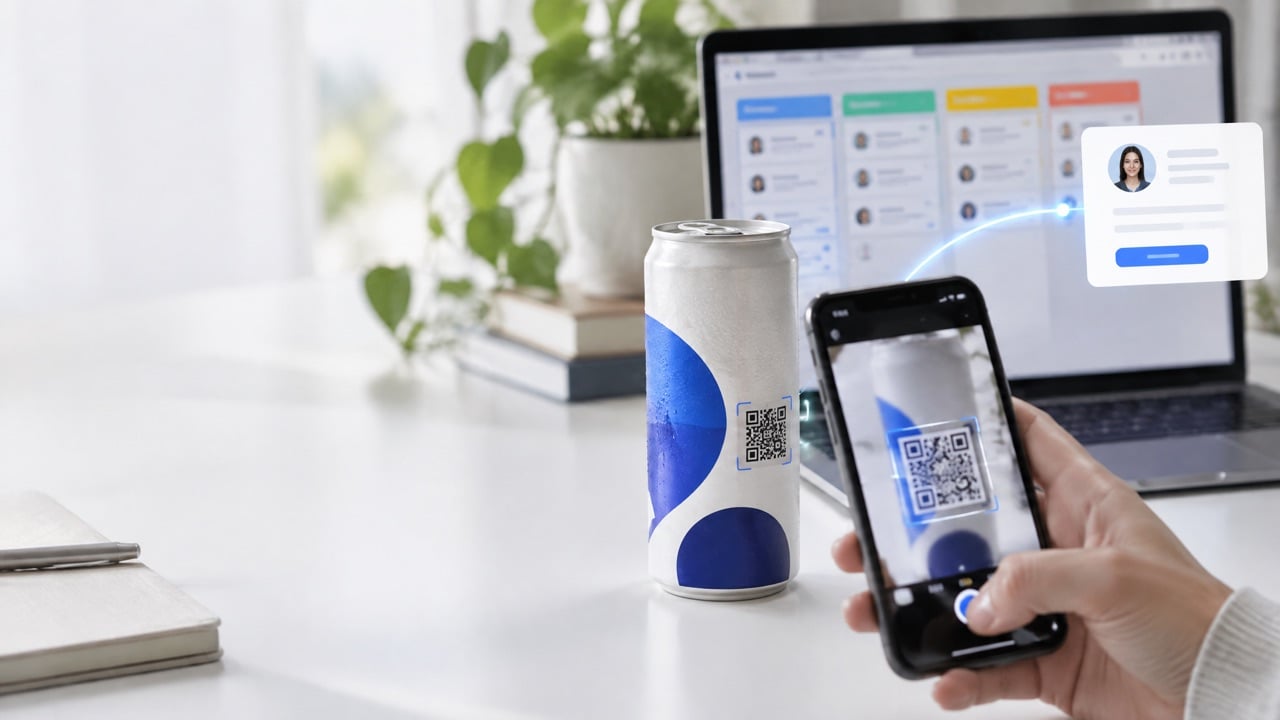
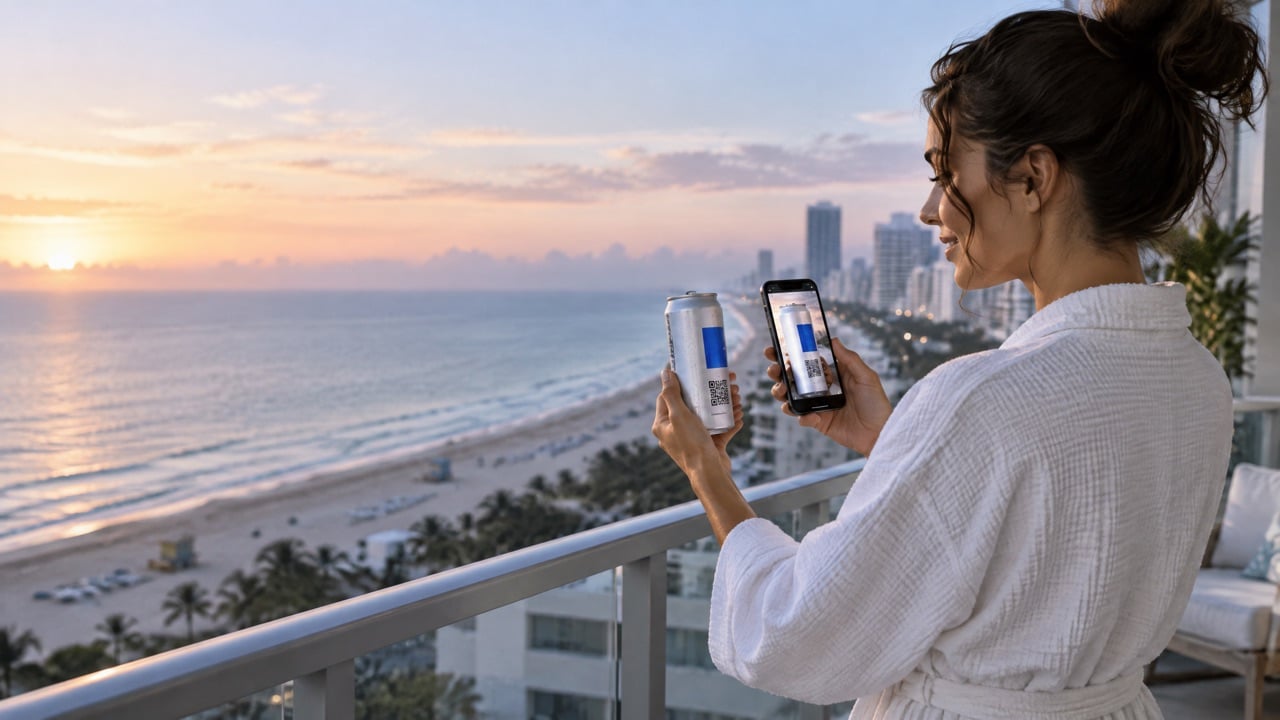
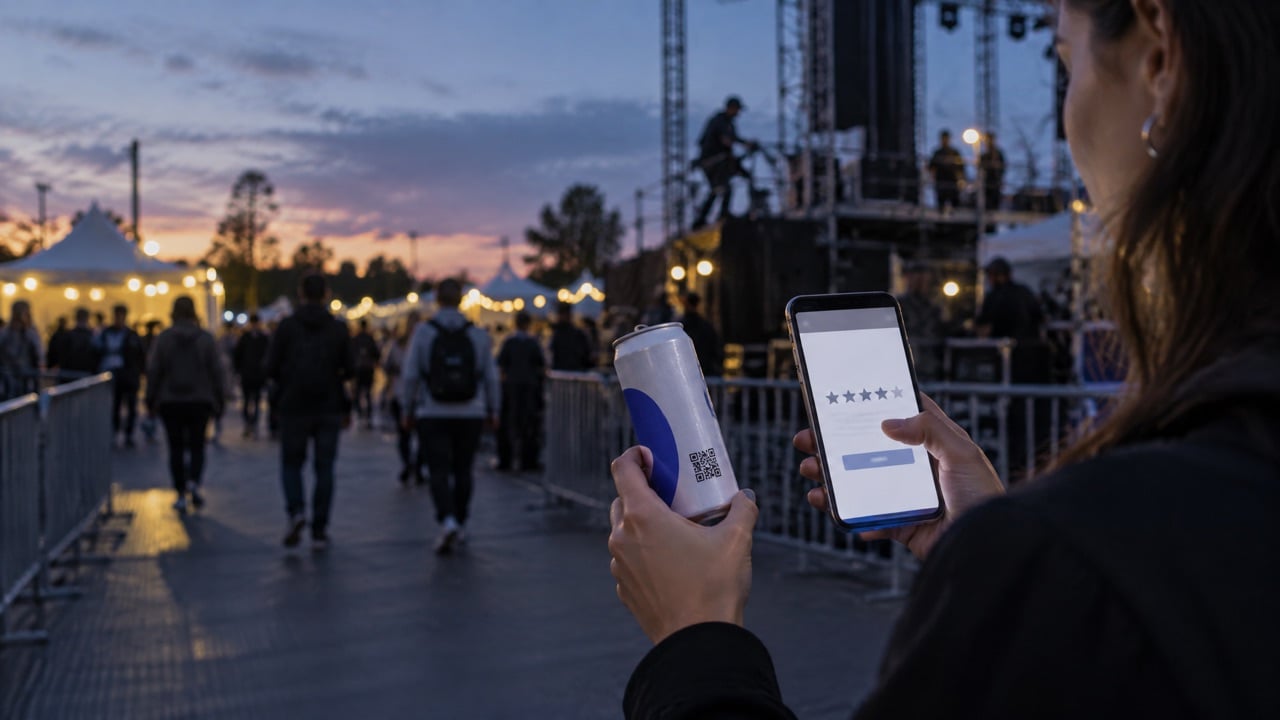
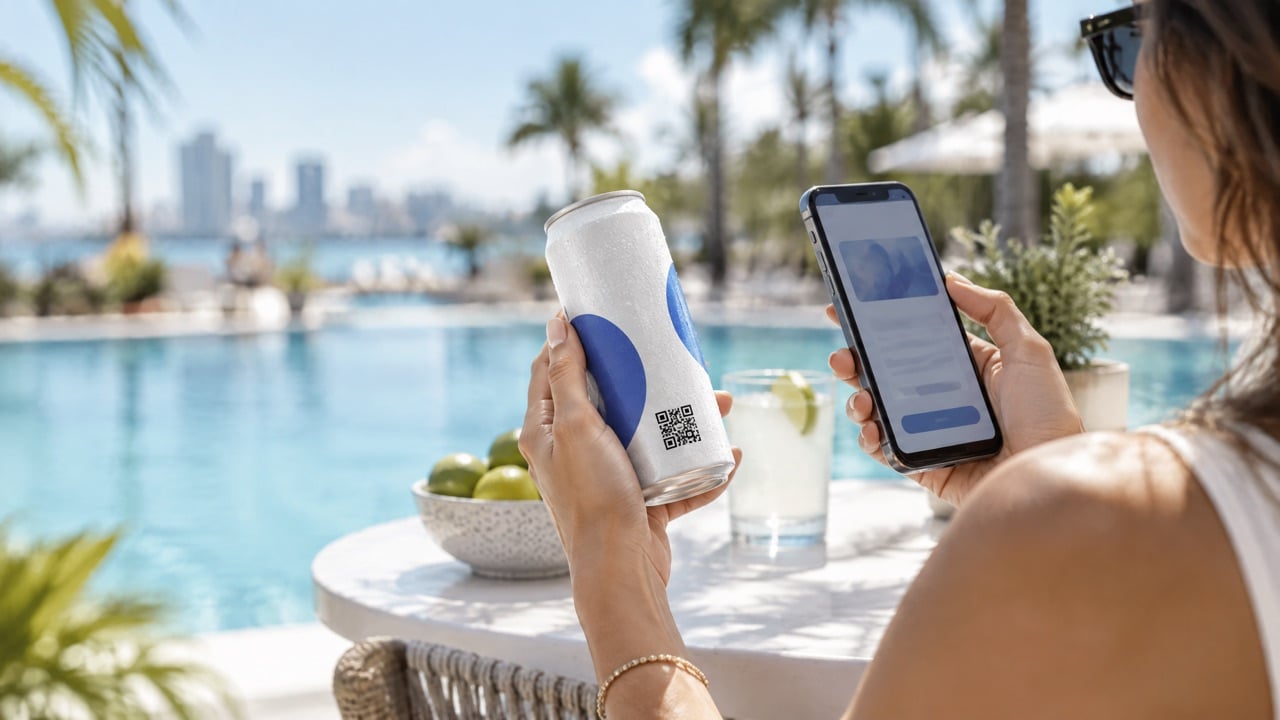
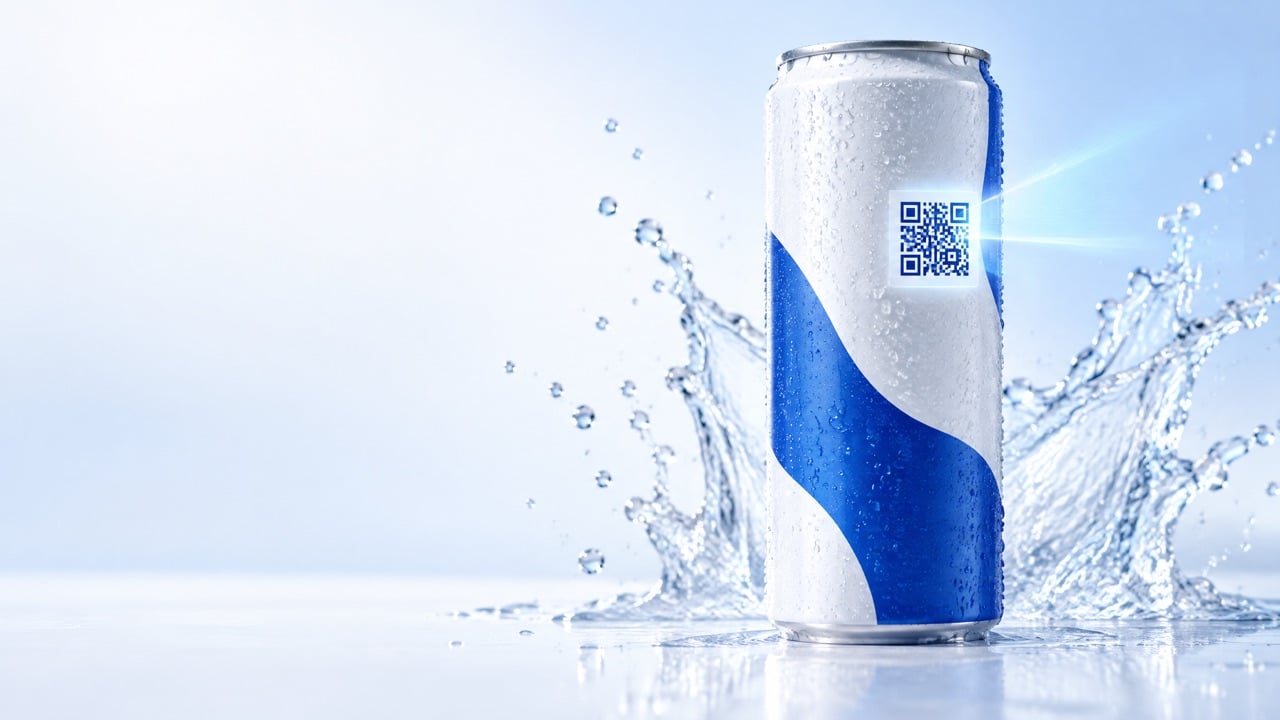
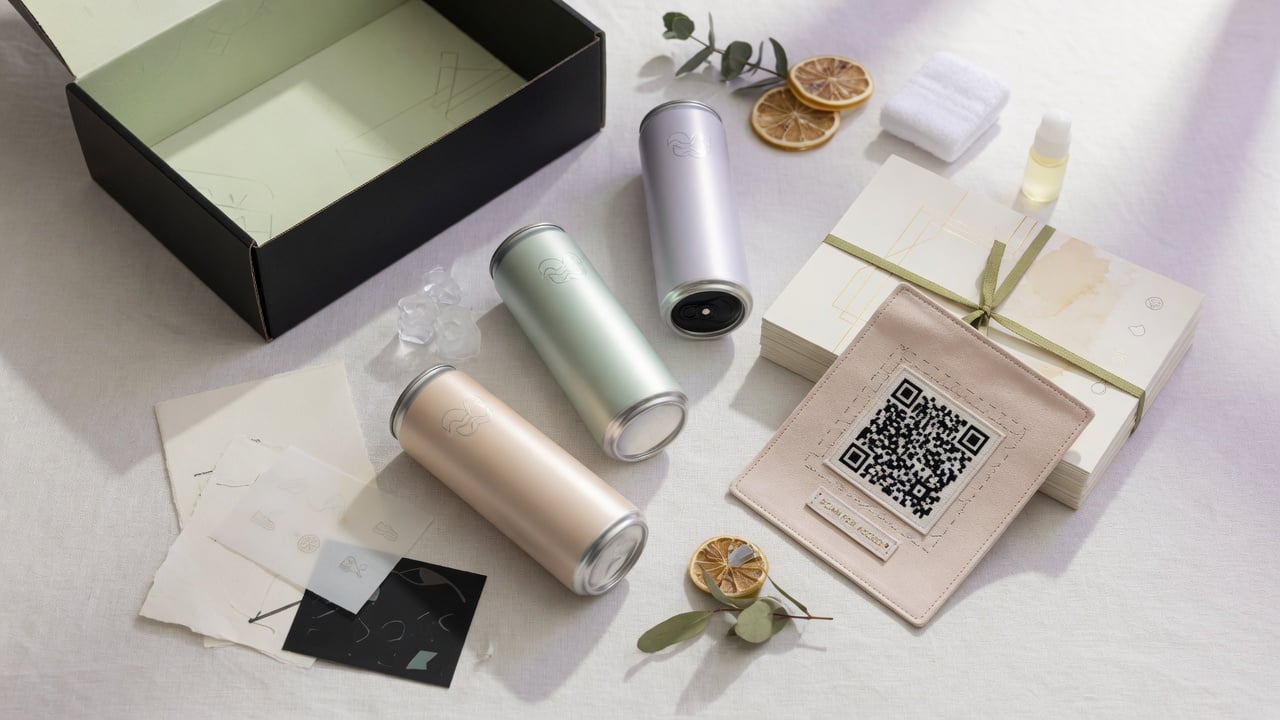
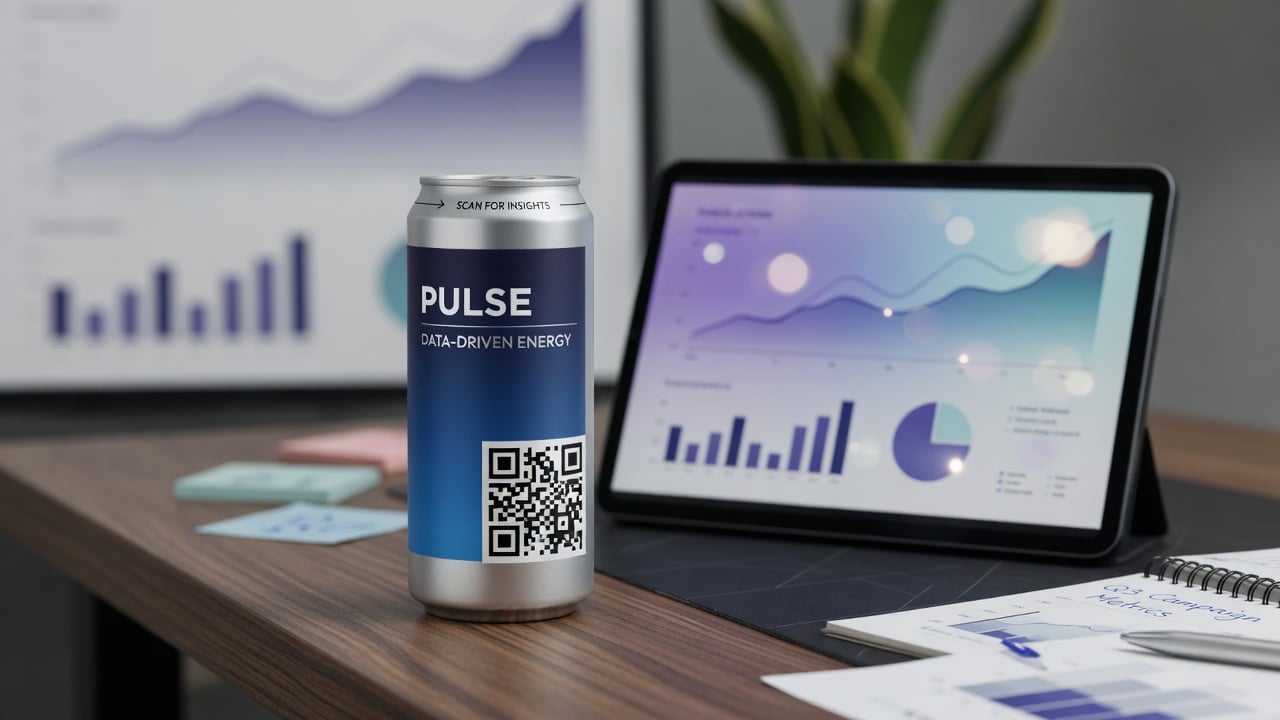
- You want a QR code linking guests to a menu, survey or offer, included at no extra cost.
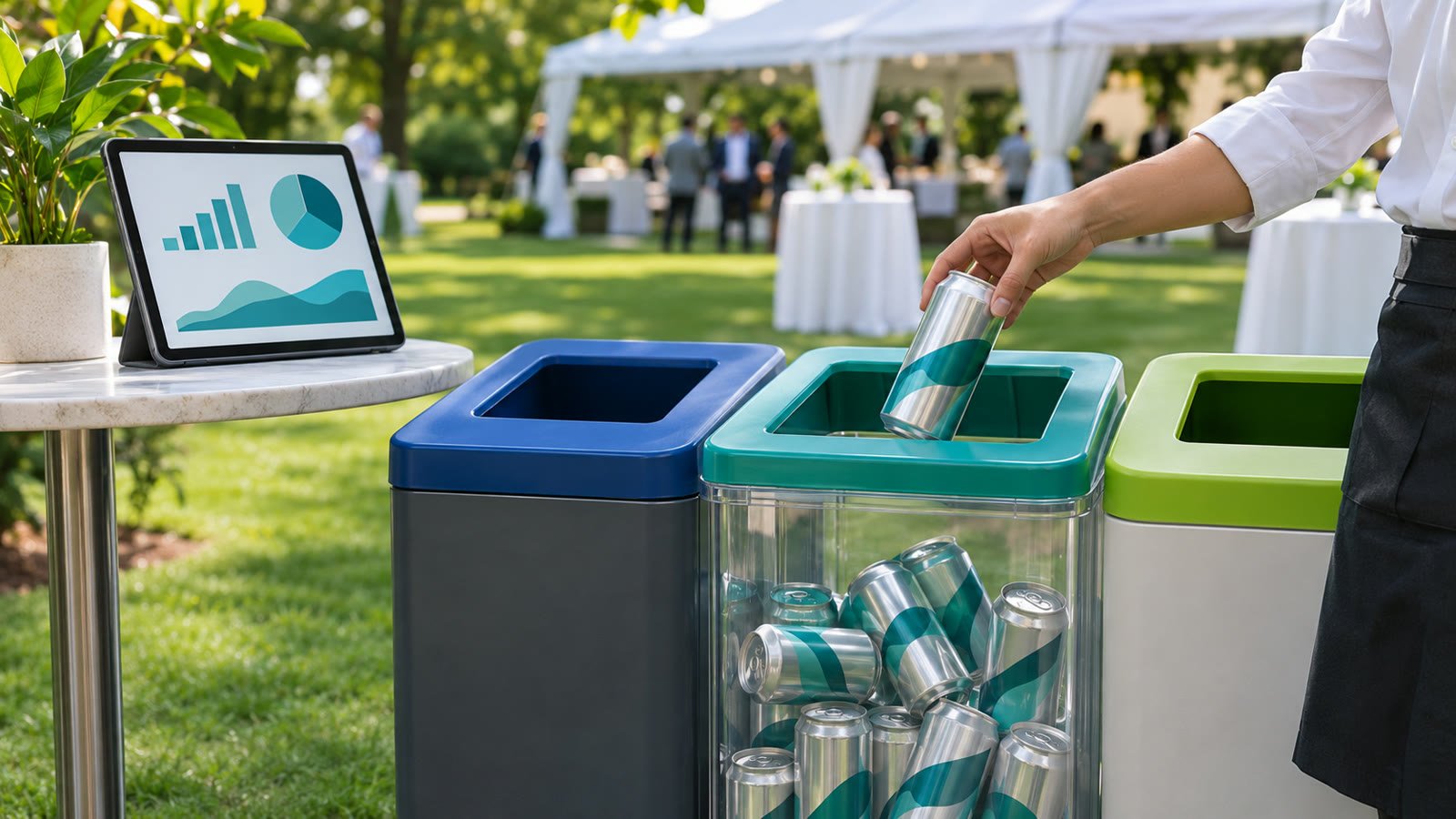
- Aluminum is accepted in your venue or local recycling program.
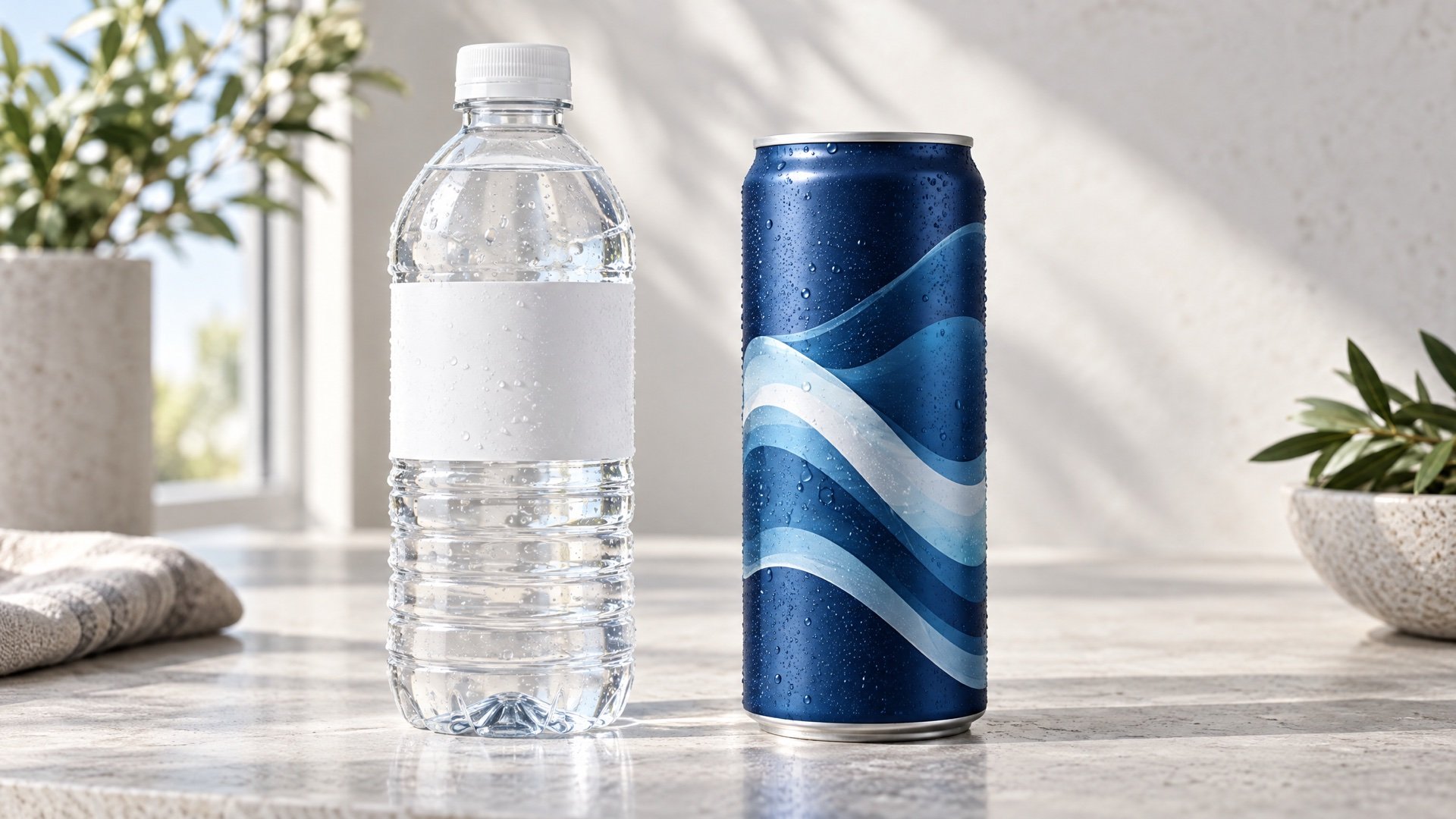
Our article on canned water vs bottled water compares cans with plastic, and our canned water guide covers the format in more depth. If you are moving away from promo-catalog plastic, see aluminum vs PET recycling facts for brand buyers.
How to decide in five questions
- How will guests drink it? Cold and fast favors cans. All day on foot may favor a cap.
- What does your local program accept? Check cartons and cans with your venue or hauler.
- How many units do you need? Small first runs favor cans with low minimums.
- How soon is your date? Compare lead times from approved art.
- What should the package say about your brand? Metallic and premium, or matte and natural.
What should I compare when choosing a branded water supplier?
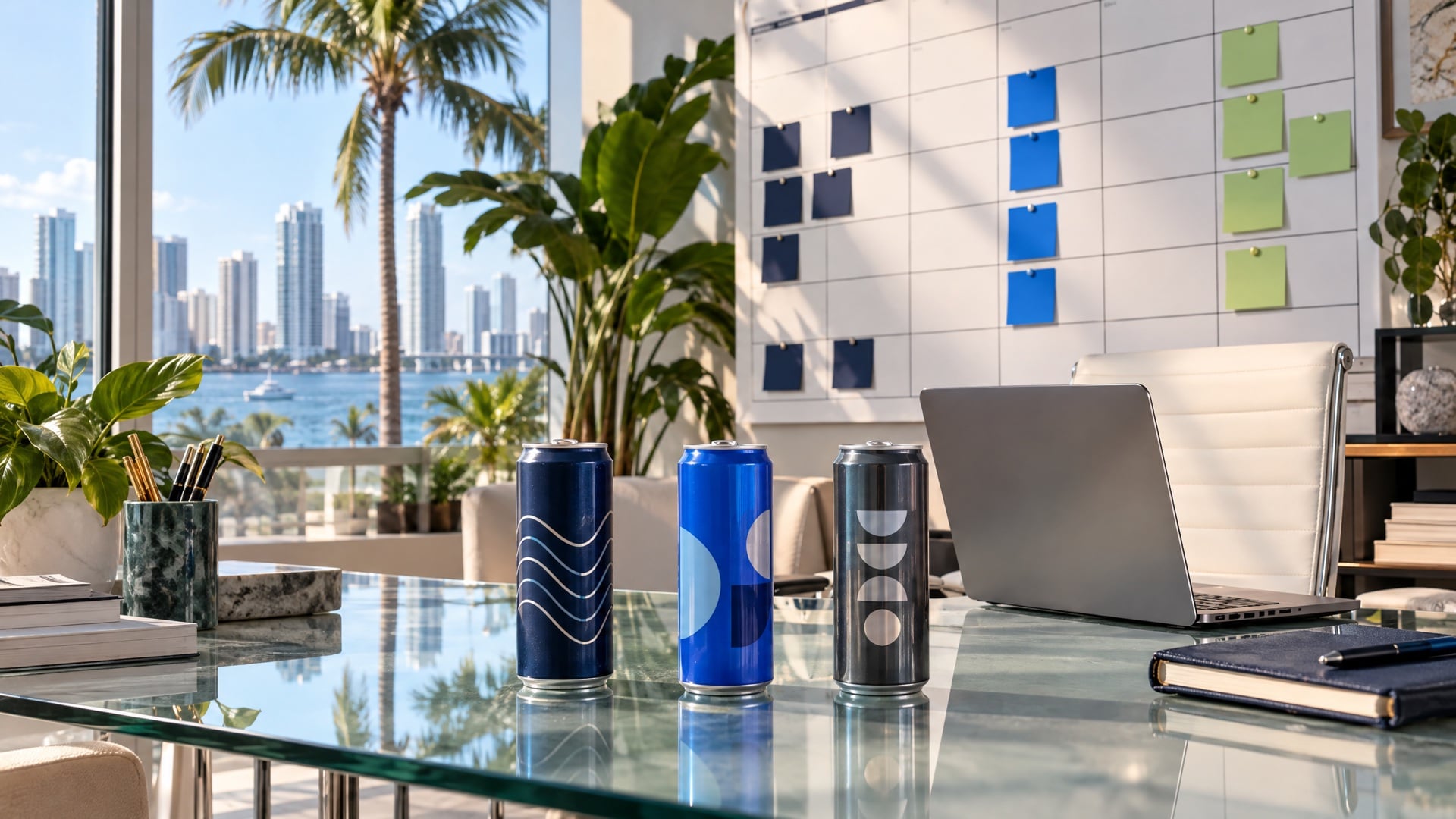
Whether you choose boxed, bottled or canned water, compare branded water suppliers on the same eight points:
- Minimum order. Can you start with one event or one property, or does the supplier need thousands of units? (We Can It: labeled cans from 10 cases / 240 cans; digital print from 21 cases (504 cans).)
- Lead time. How many days from approved artwork to delivery? (Labeled cans in 3 weeks; digital print in 3 weeks for printed labels or 4 weeks for digital print.)
- Decoration method. Labels are fast and flexible; full print on the container looks most premium. Ask which one your price assumes.
- Water and source. What water is in the container and how is it treated? Avoid claims the supplier cannot document.
- Container and recyclability. Aluminum cans, cartons and plastic bottles chill, ship and recycle very differently.
- Price per unit, all in. Include printing, setup and freight, not just the headline price.
- Shipping. Where the product is made, whether freight is billed at cost, and whether they ship nationwide.
- Extras that create value. QR codes, reorder support and data from scans.
Use the same list on every quote so you compare like for like. See how We Can It compares.
Frequently asked questions
What should I compare when choosing a branded water supplier?
Compare minimum order, lead time, decoration method (label or full print), water source and treatment, container and recyclability, all-in price per unit including freight, shipping coverage and extras like QR codes. Use the same checklist on every quote.
Is boxed water better than canned water?
Neither is better for every brand. Cartons are mostly paper with plastic and sometimes aluminum layers, and usually have a resealable cap. Cans are aluminum, chill quickly and suit cold service. Choose based on how the water will be served, what your local program recycles and your order size.
What is the minimum order for custom branded water cartons?
It varies by supplier, and many carton programs are designed for large runs, so ask each supplier for the minimum per design. For comparison, We Can It's branded canned water starts at 10 cases, which is 240 cans, for labeled cans.
Are water cartons recyclable?
Cartons can be recycled where programs accept them. The Carton Council reports about 63% of US households had access to carton recycling at the end of 2025. Check with your local program or venue before you claim it.
Which gets colder faster, a can or a carton?
Aluminum cans chill faster than paperboard cartons, which insulate. For events with ice tubs or coolers, cans usually reach serving temperature sooner and hold up better in melting ice.
How fast can I get branded canned water?
With We Can It, labeled cans can be ready in 3 weeks and digital print on the aluminum takes 4 weeks, plus design approval and freight.
Can I put a QR code on branded water?
Yes. A QR code is included at no extra cost on both labeled and digitally printed cans from We Can It.
Get a quote for branded canned water
If a can fits your brand and your event, the next step is a real number. Tell us your size, quantity, design and delivery date, and a product advisor will send a quote and timeline.