How Marketing Managers Align Content Campaigns with Branded Cans
A content calendar without a physical proof point is easy to scroll past. Align branded cans with content so every sip supports the campaign.
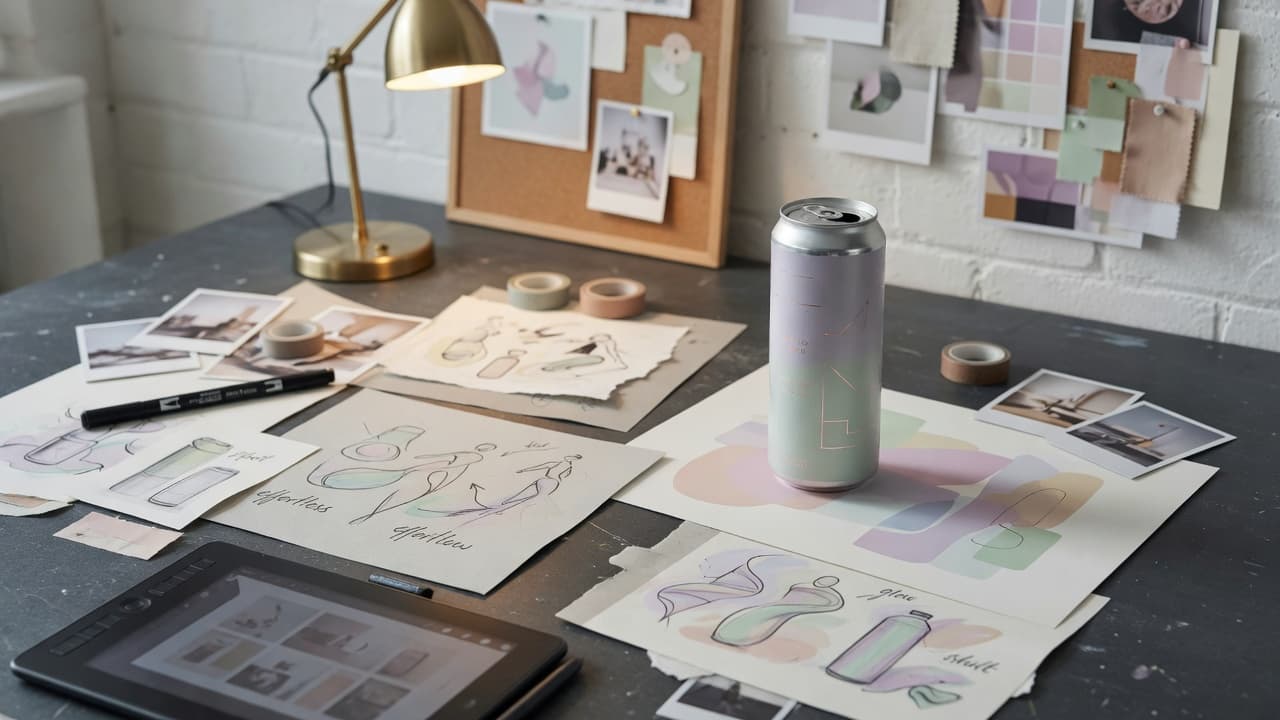
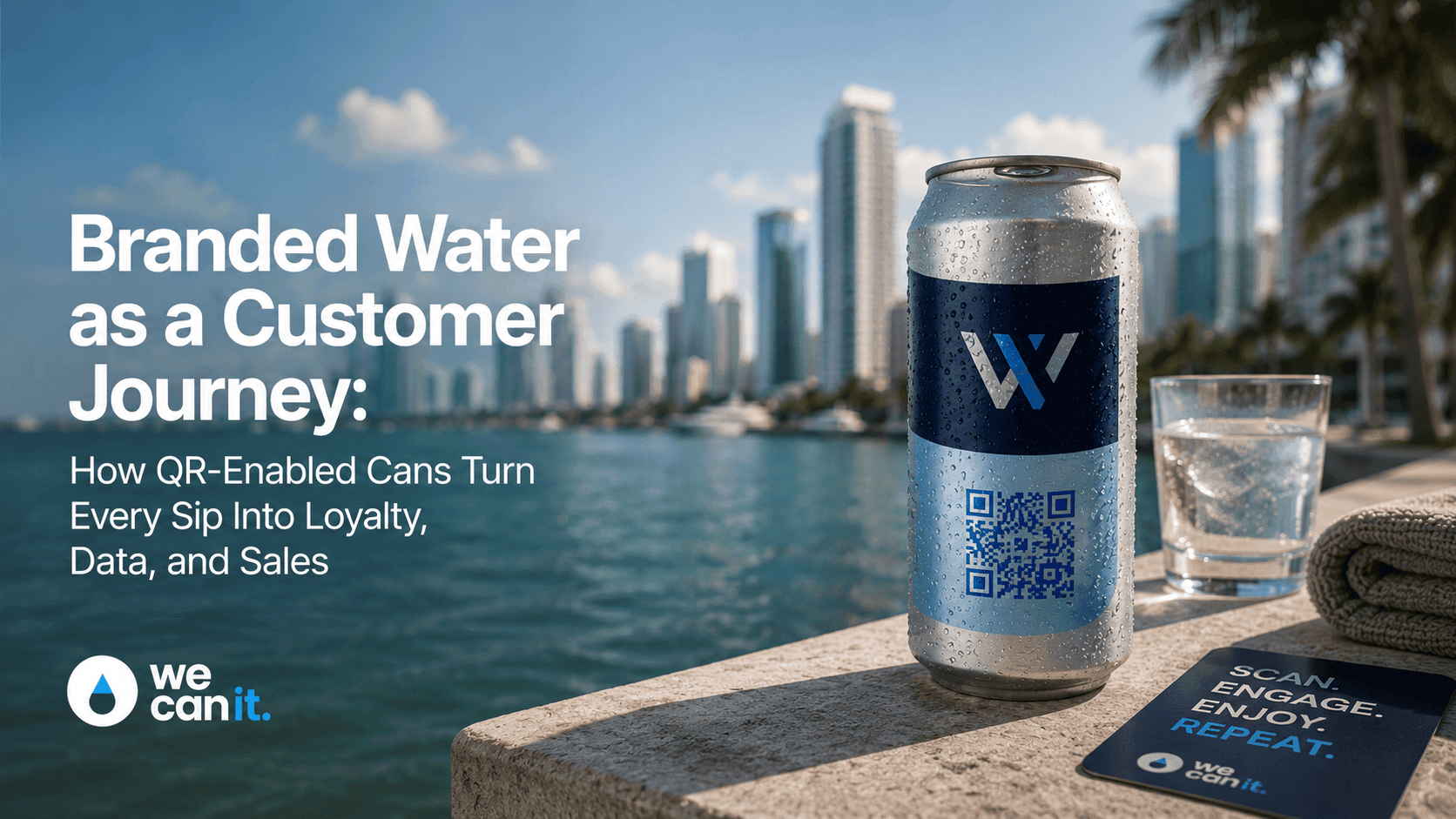
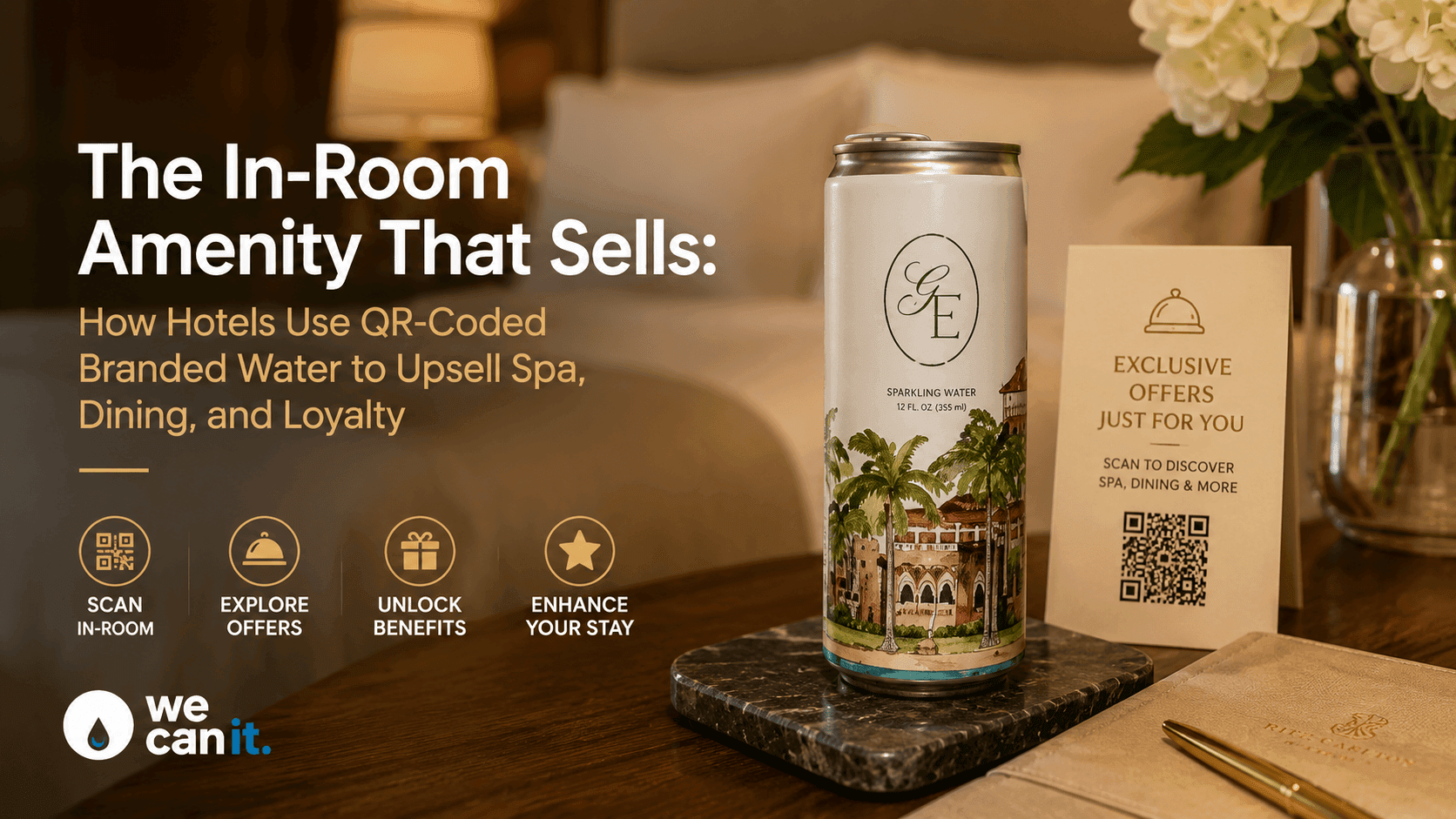
A content calendar without a physical proof point is easy to scroll past. A branded can without a content plan is just hydration. Marketing managers who align both turn every sip into a portable scene: the wrap shows up in UGC, the QR opens a real journey, and the reorder follows measured demand instead of guesswork after launch week excitement fades.
This guide is for marketing managers, brand managers, and content leads who need private-label canned water to support a campaign, not sit in a storage closet after the first social post lands. If creative, media, and ops have ever shipped on three different calendars, this is the glue post that keeps them in the same room.
What is a branded canned water marketing campaign?
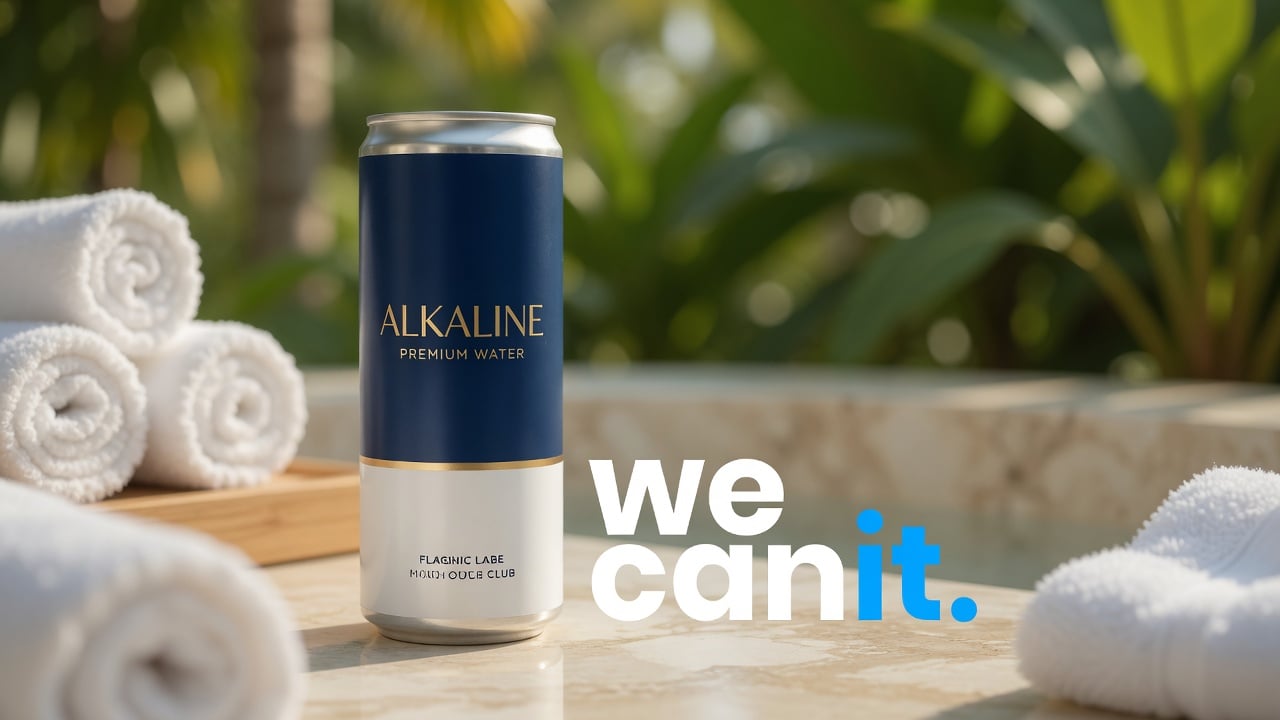
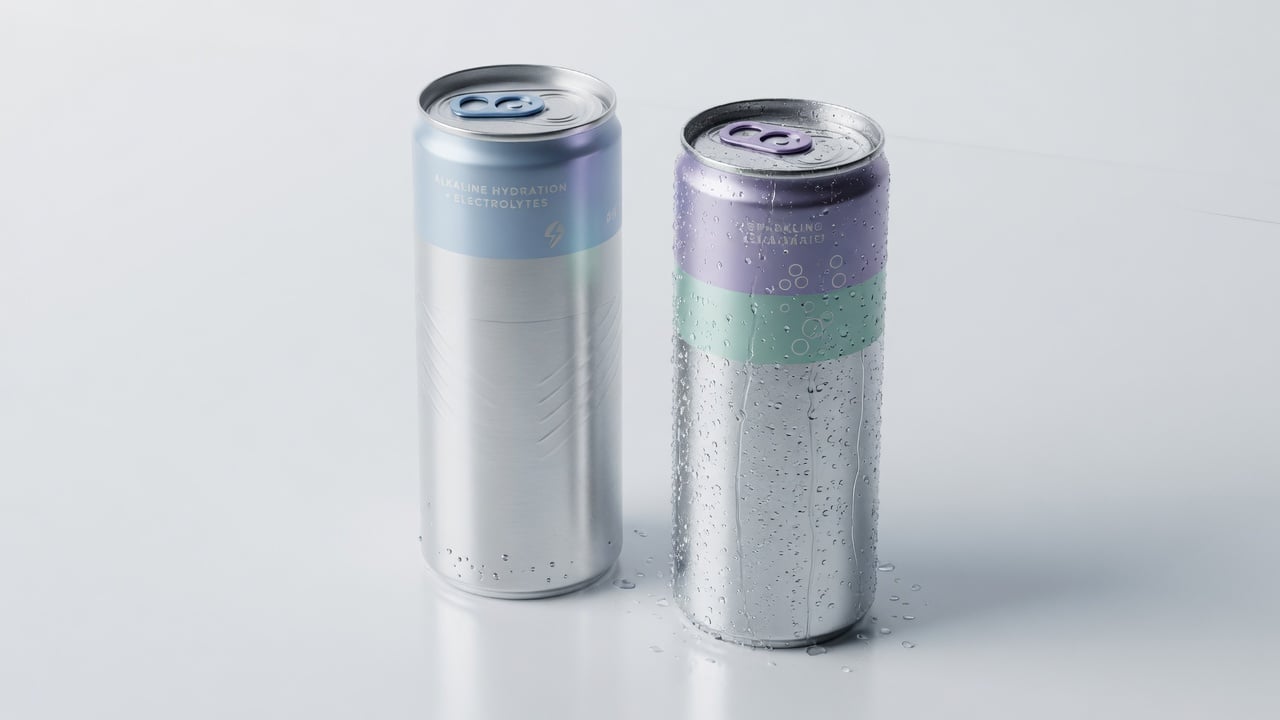
A branded canned water marketing campaign pairs private-label aluminum cans (still, sparkling, or alkaline with your wrap) with a content plan, distribution moments, and optional digital journeys. The can is the physical asset. The campaign is the story, schedule, and measurement that make the asset earn its keep.
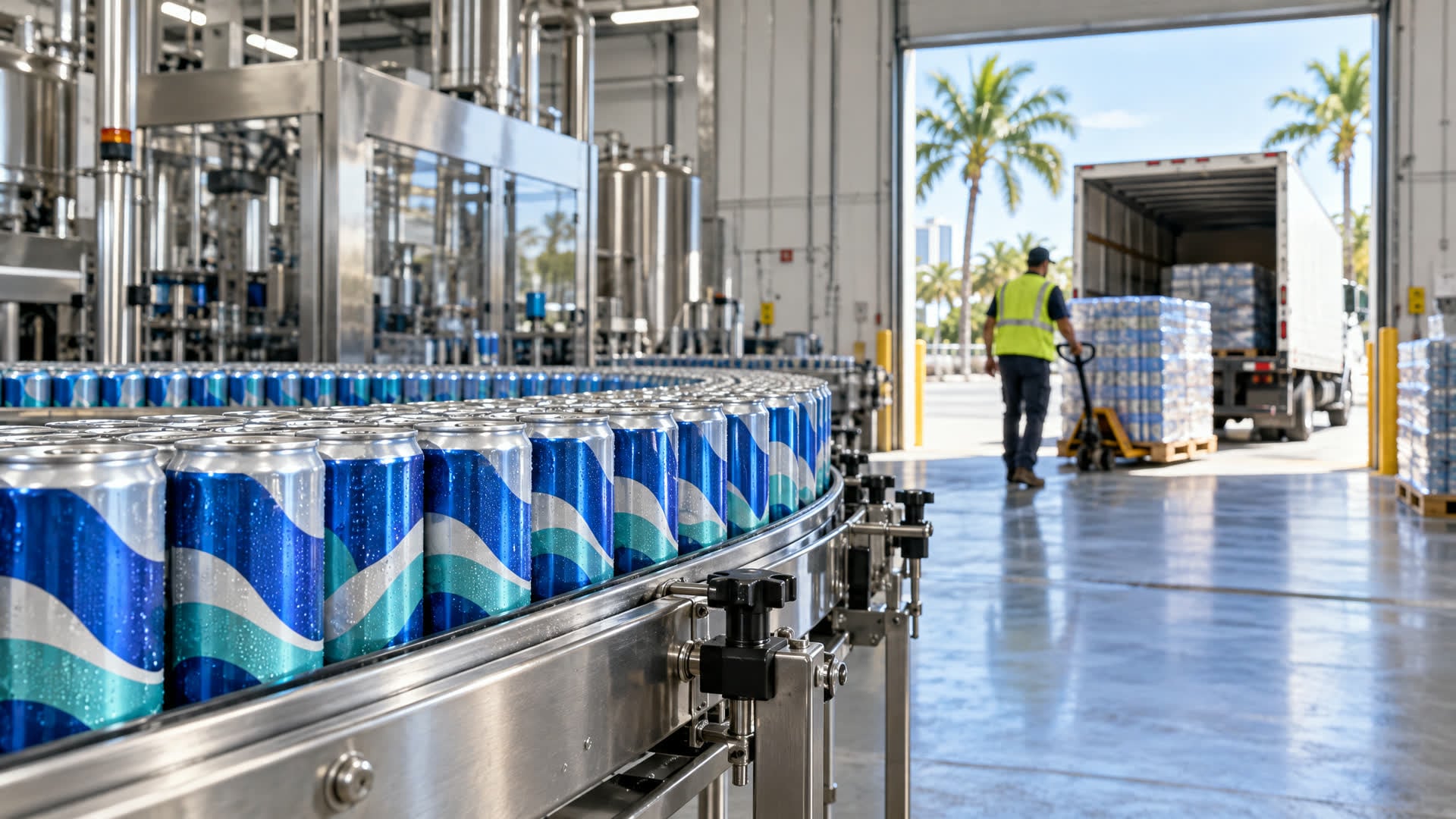
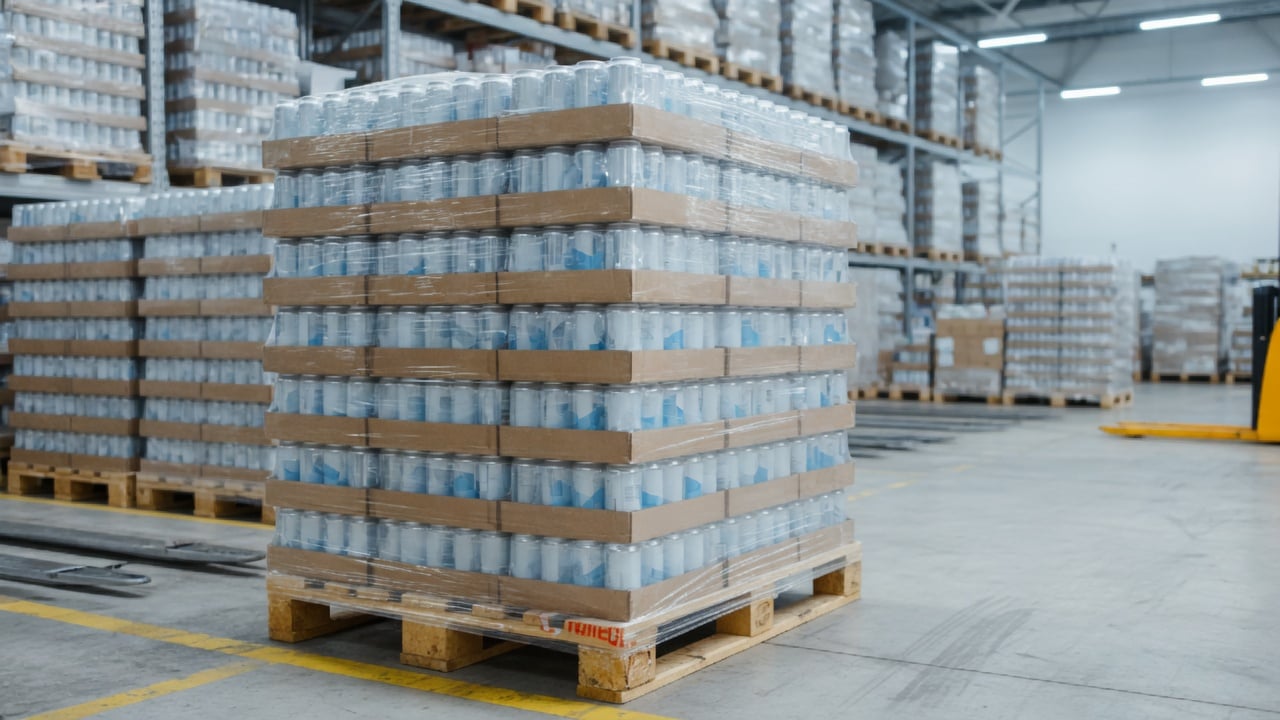
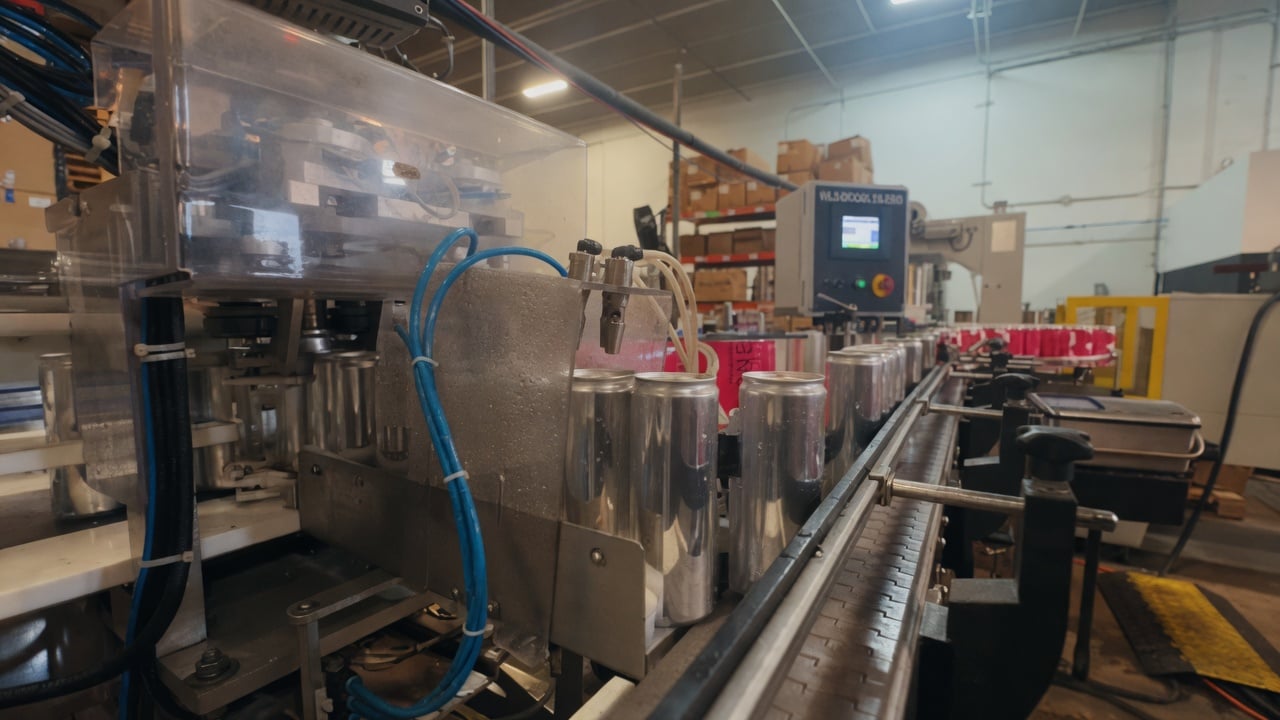
At We Can It, programs start at 21 cases (504 cans) with about 2 to 3 weeks from artwork approval in Miami. That floor lets you pilot one market or one drop before you scale creative and media spend.
When creative owns the feed and ops owns the cooler, the wrap and the post drift apart. Guests see one brand on Instagram and another brand in their hand. Align early: one promise, one visual system, one success metric for the first reorder decision. That alignment is the real campaign work. The can is how it shows up in the physical world.
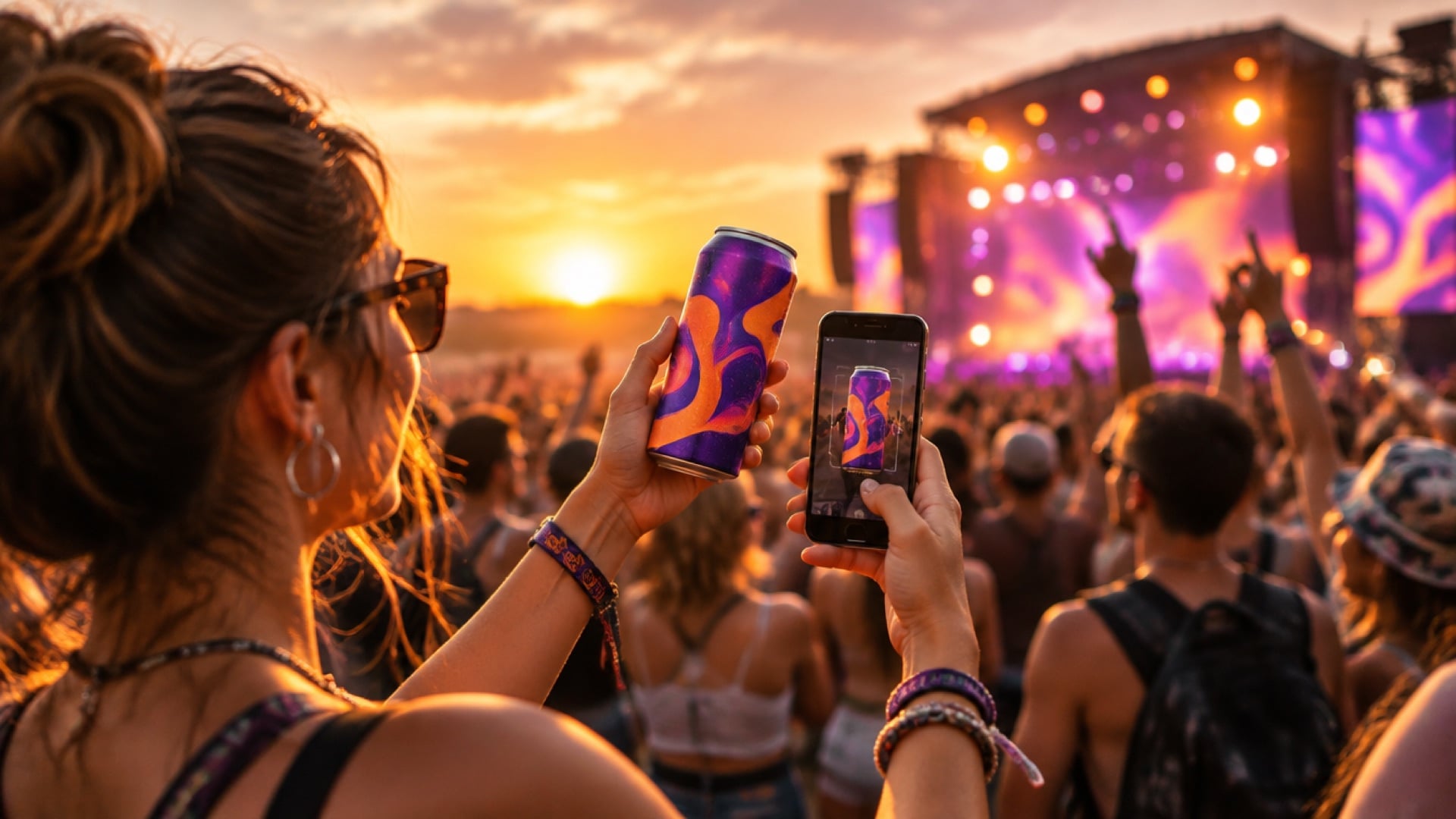
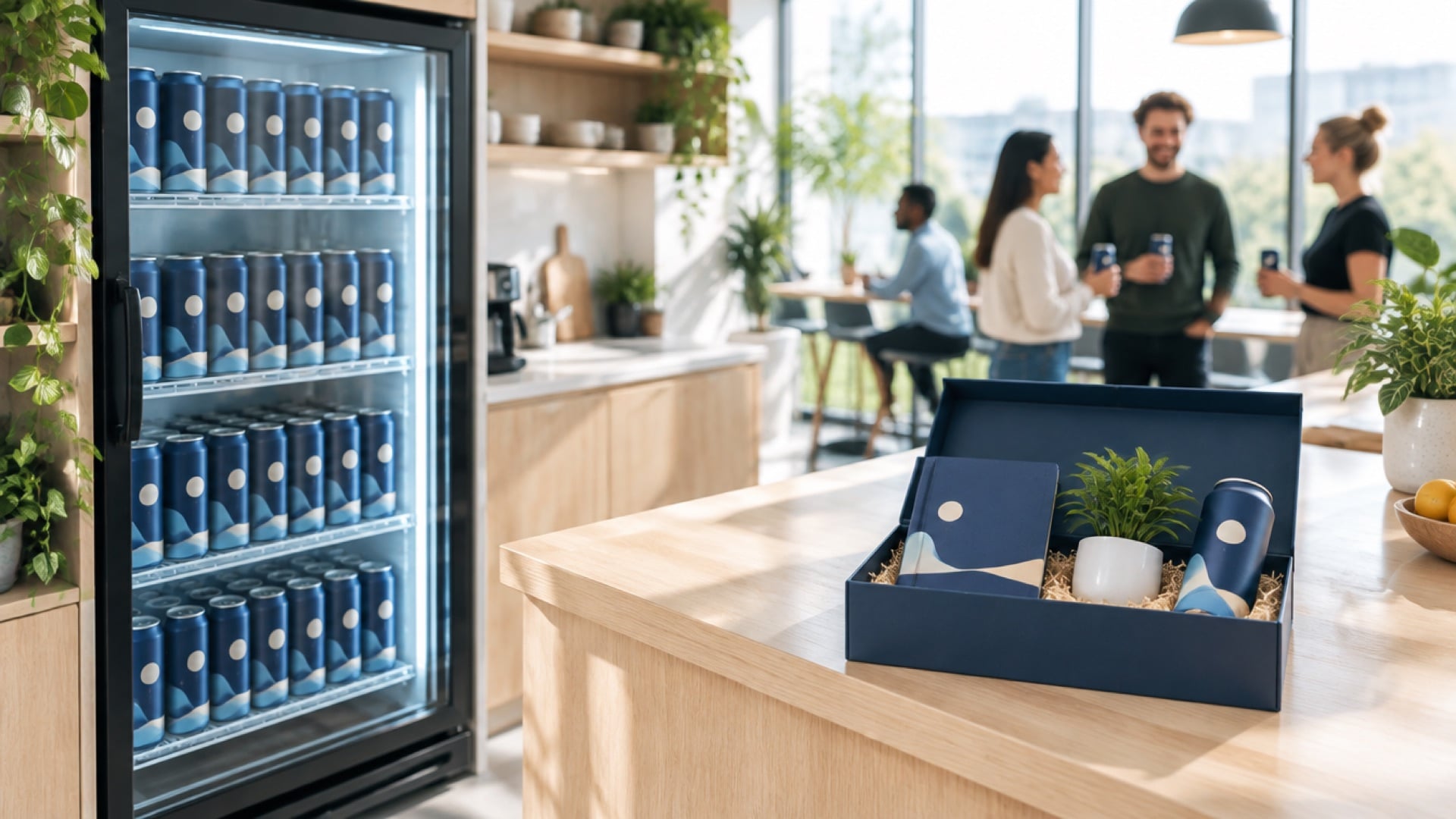
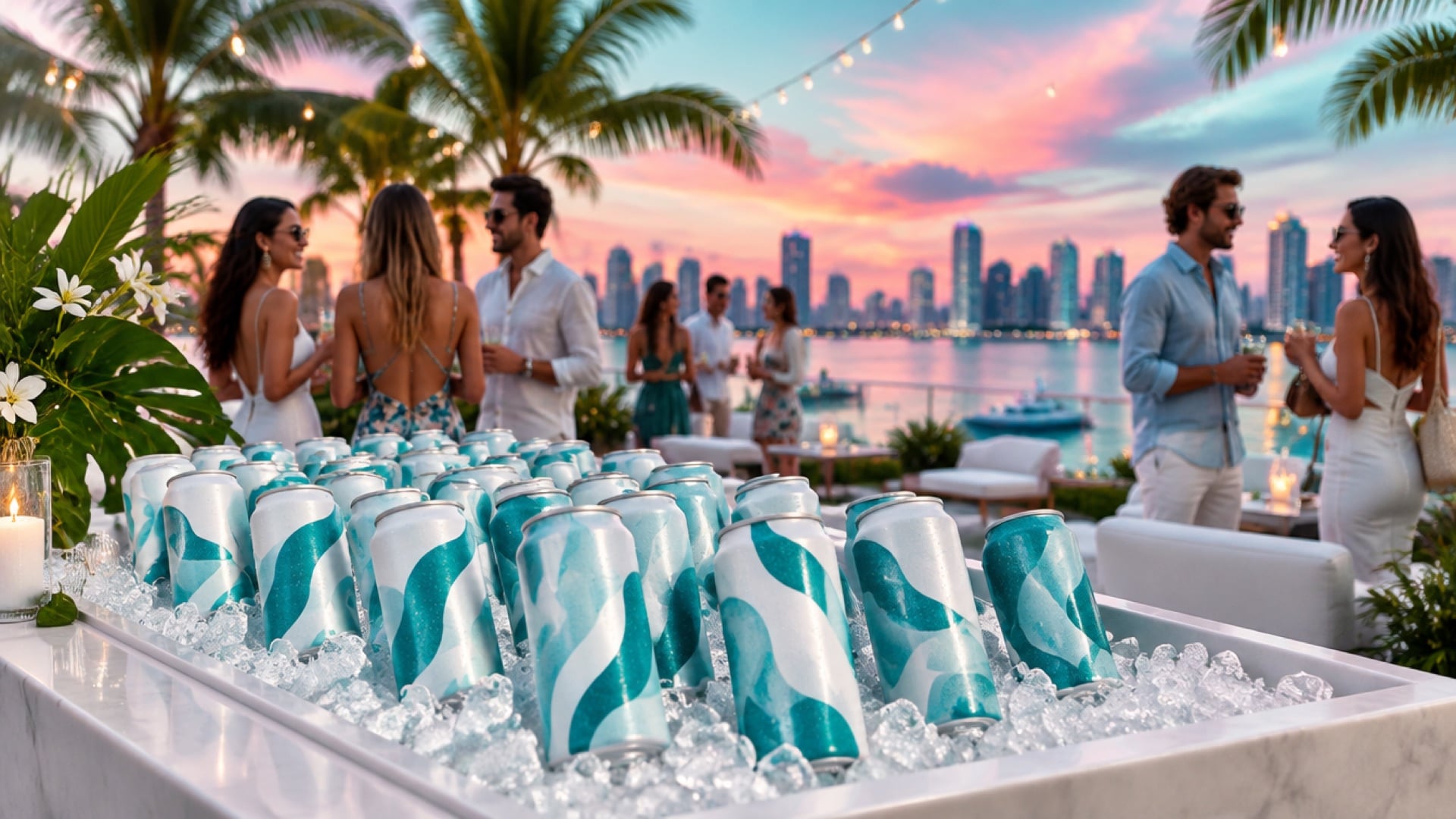
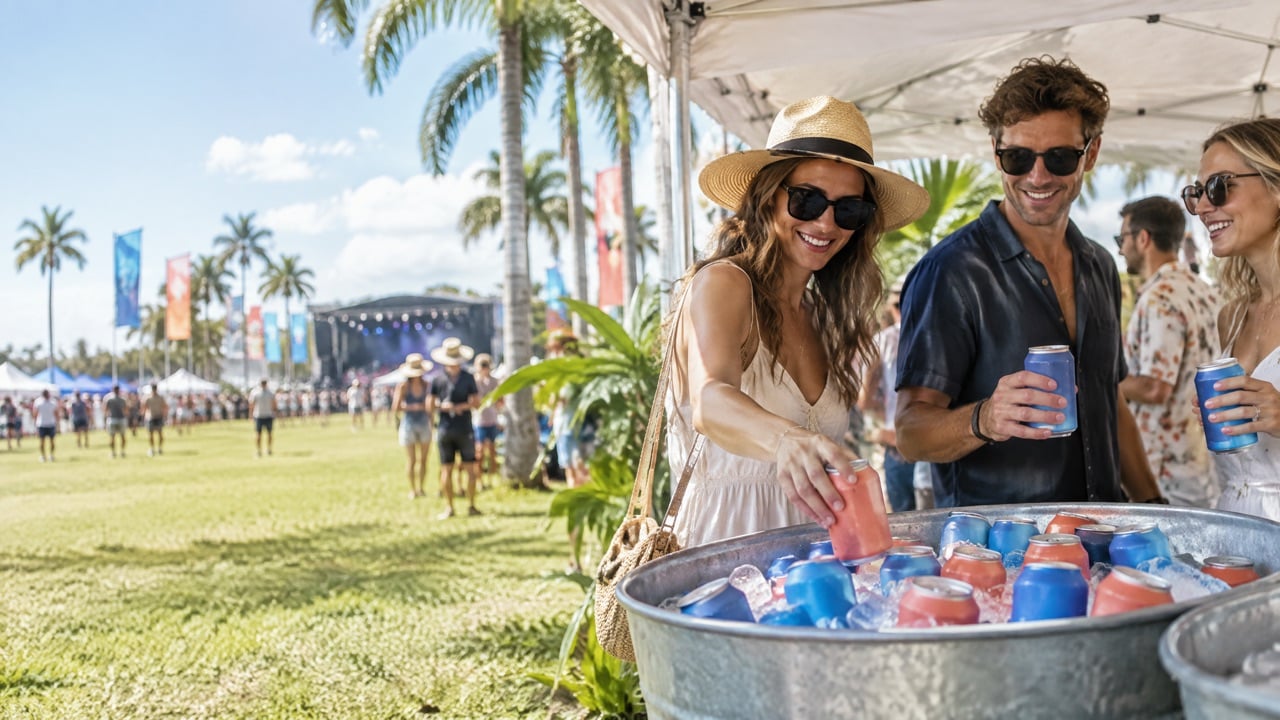
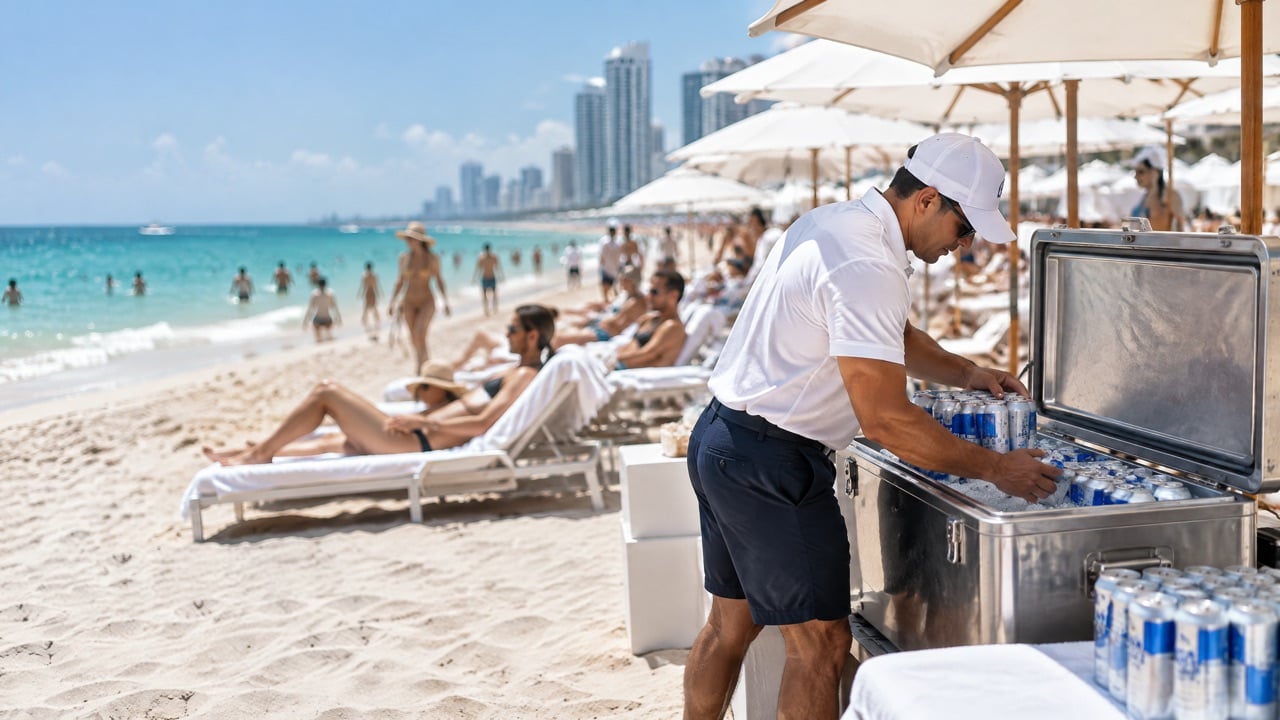
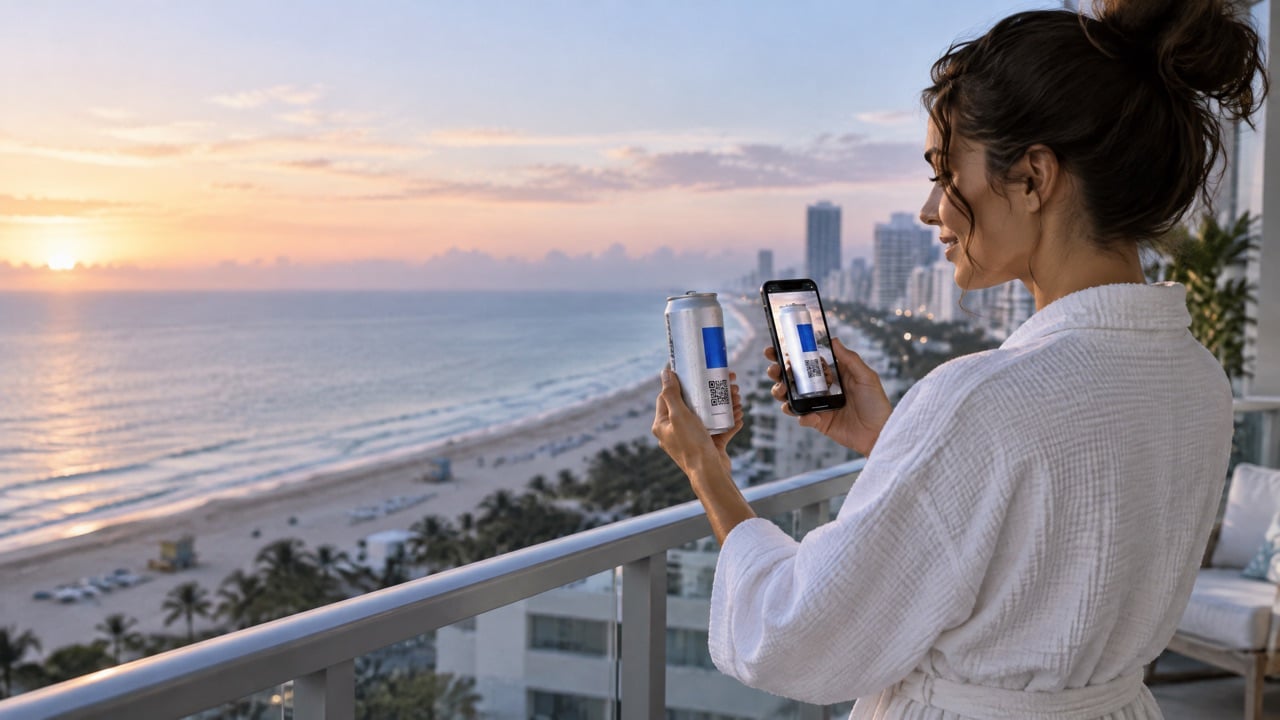
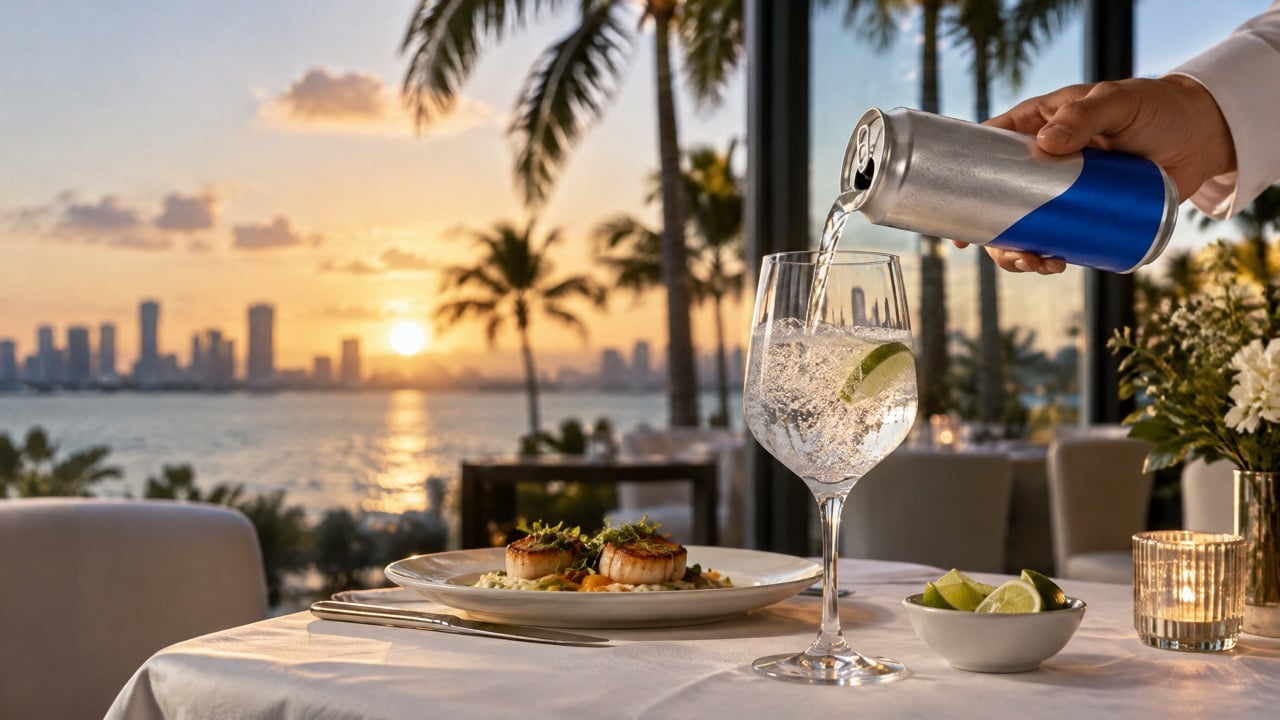
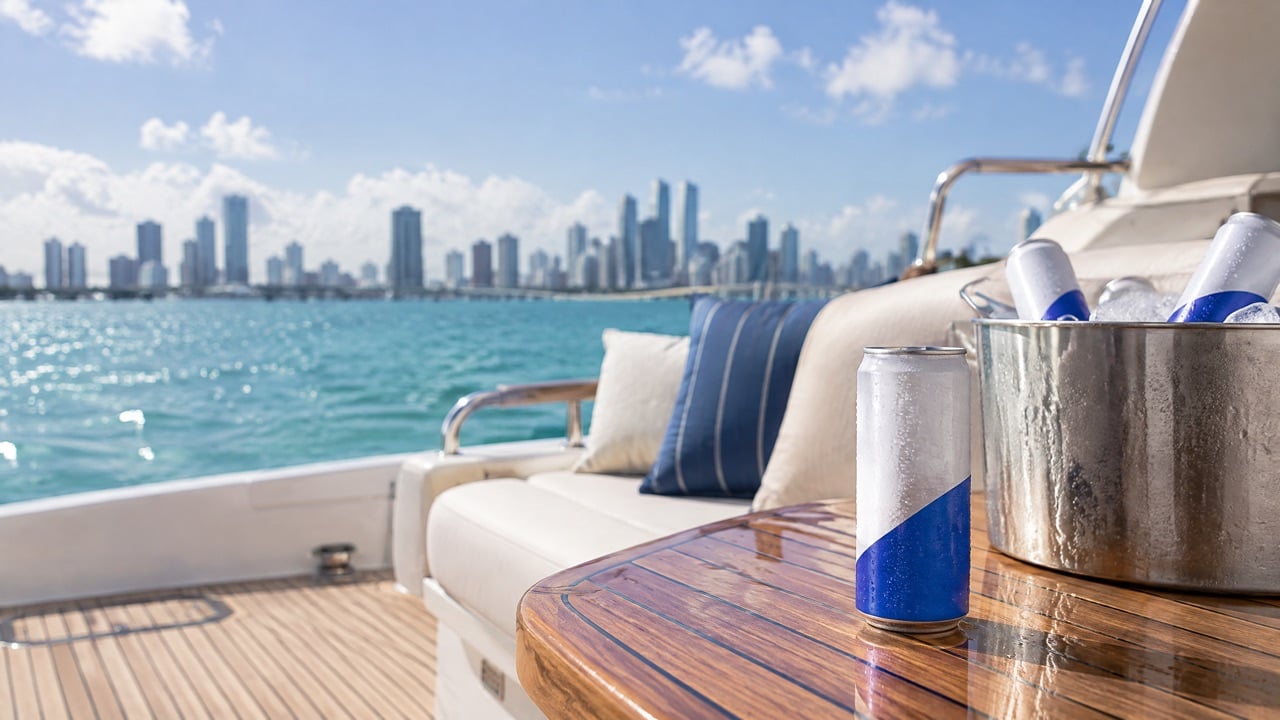
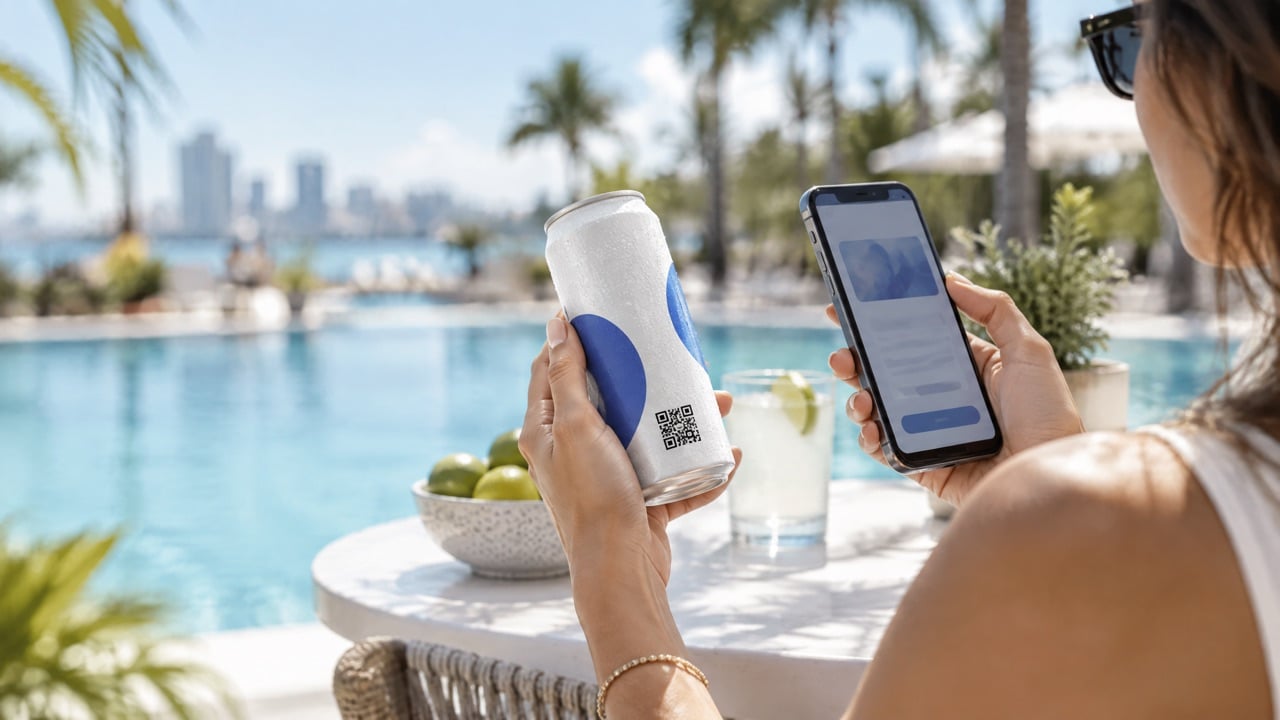
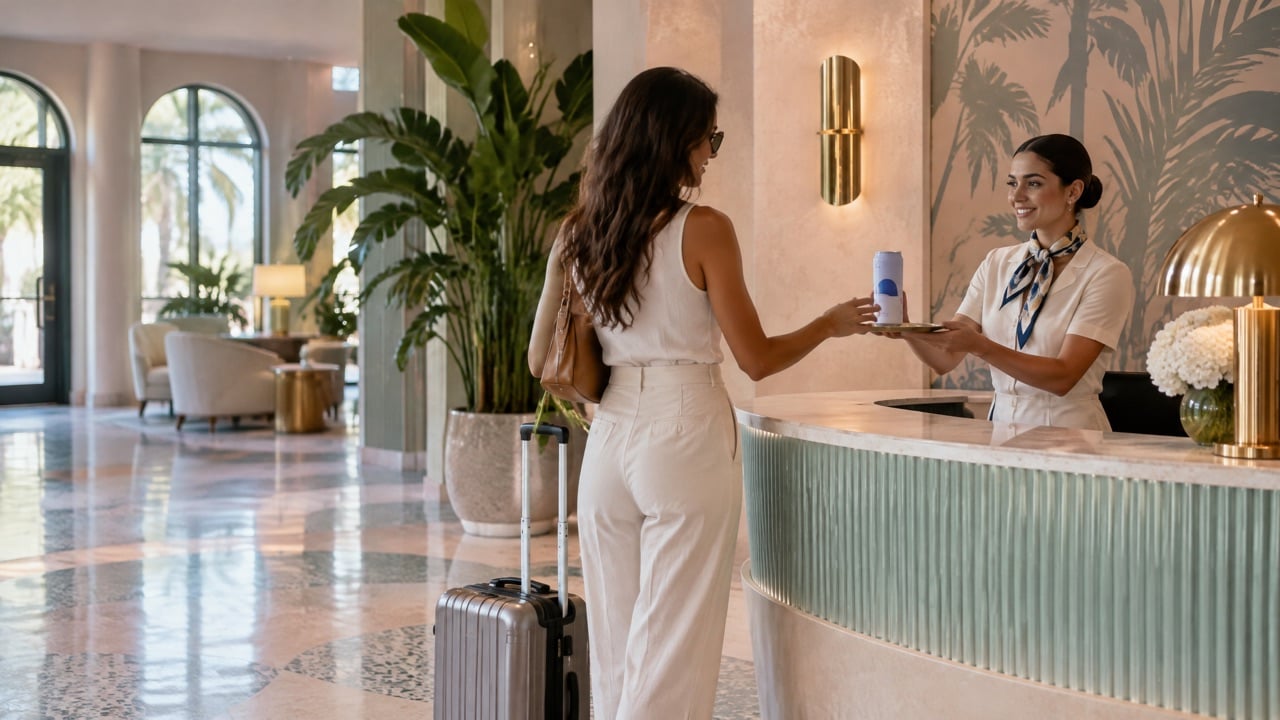
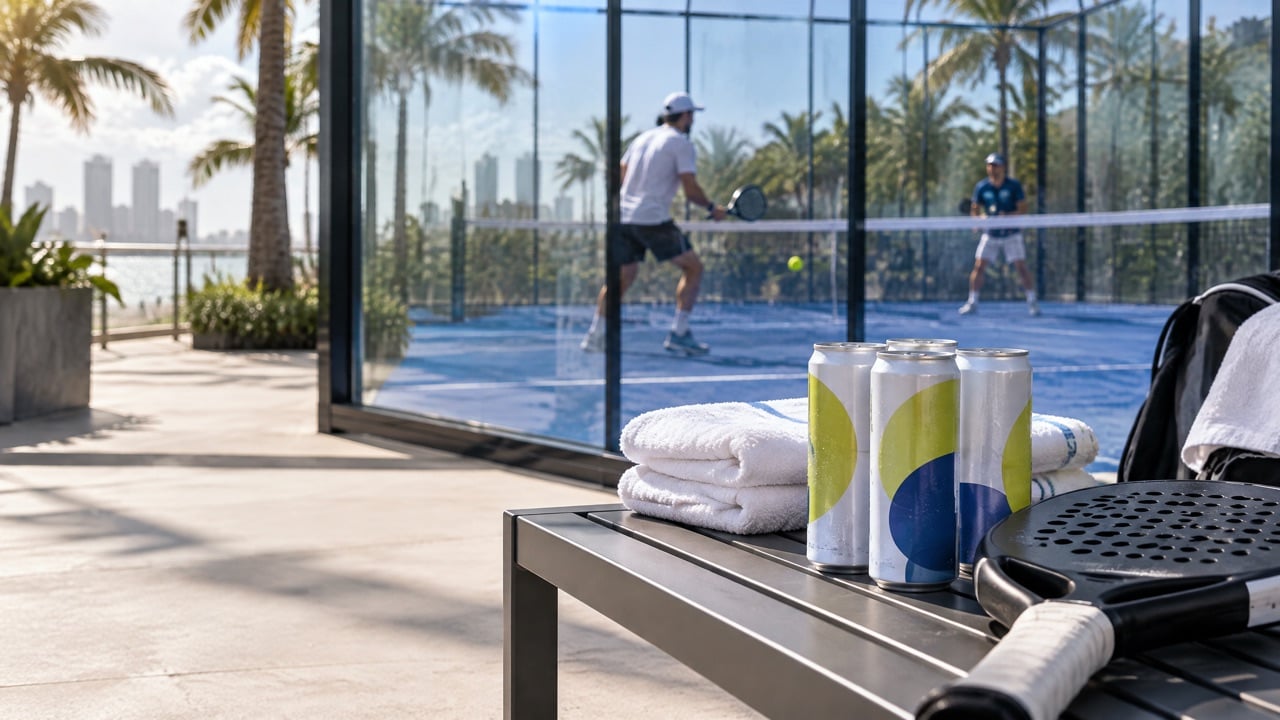
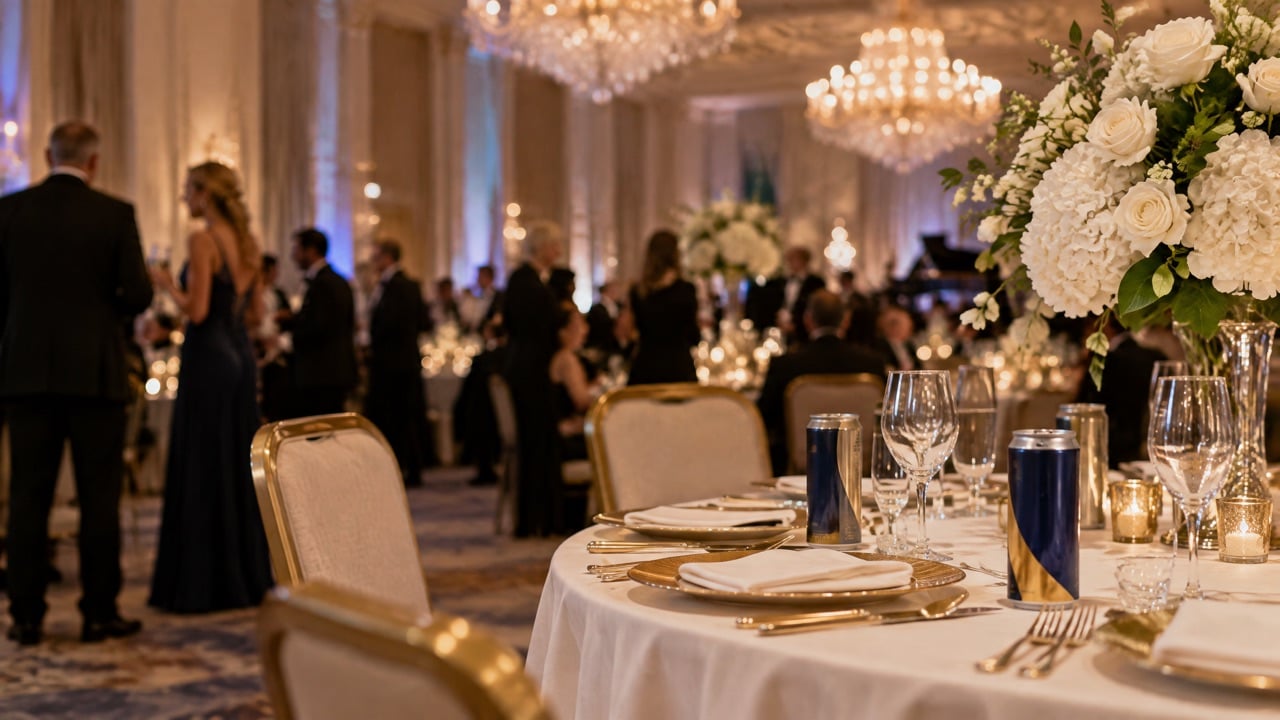
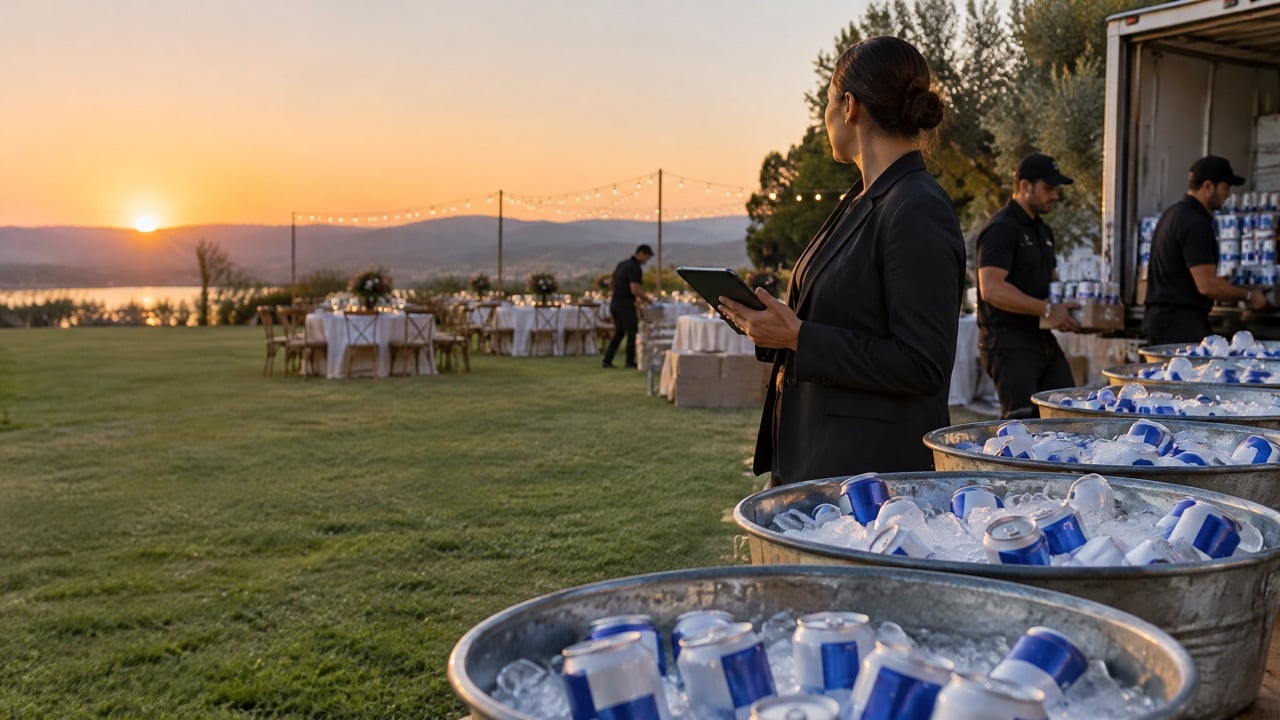
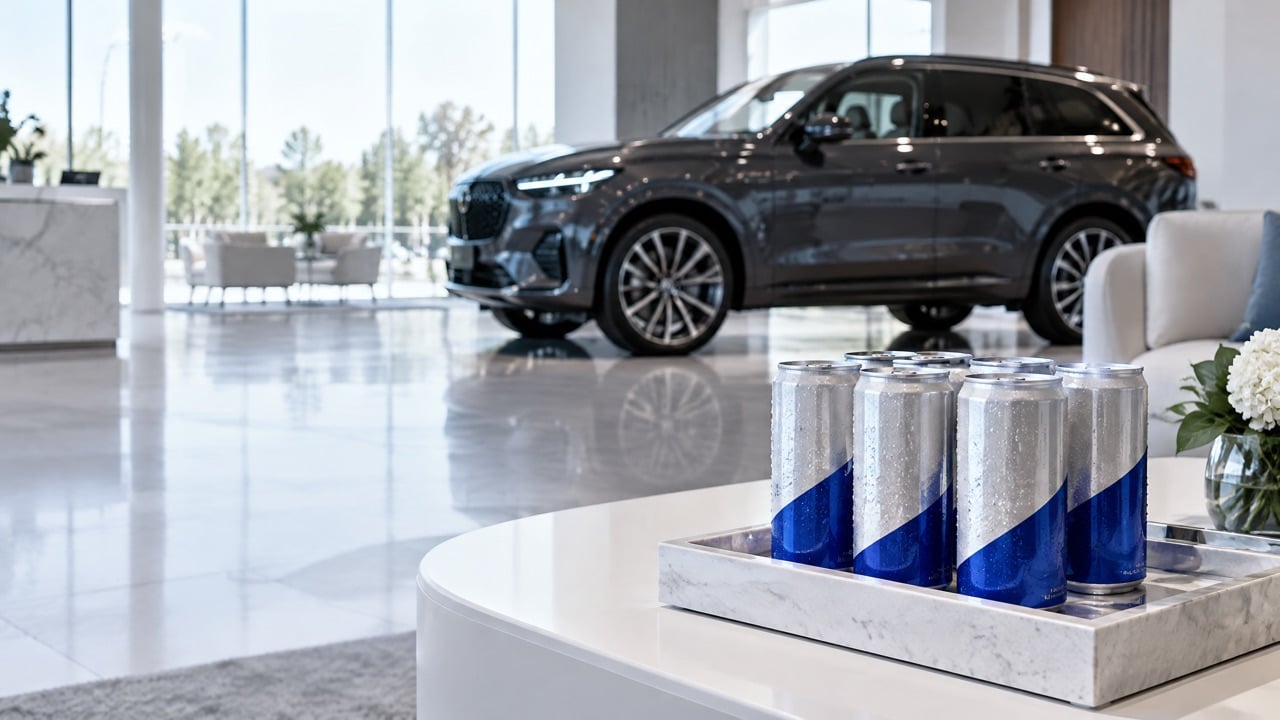
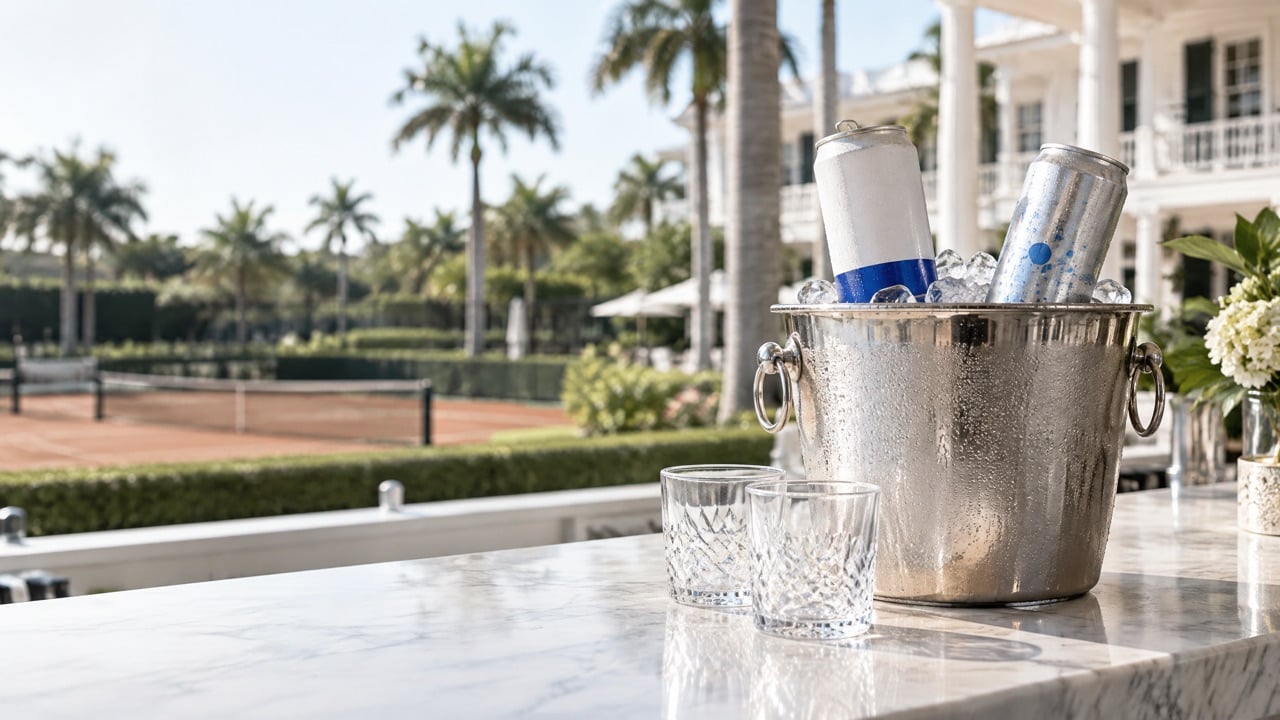
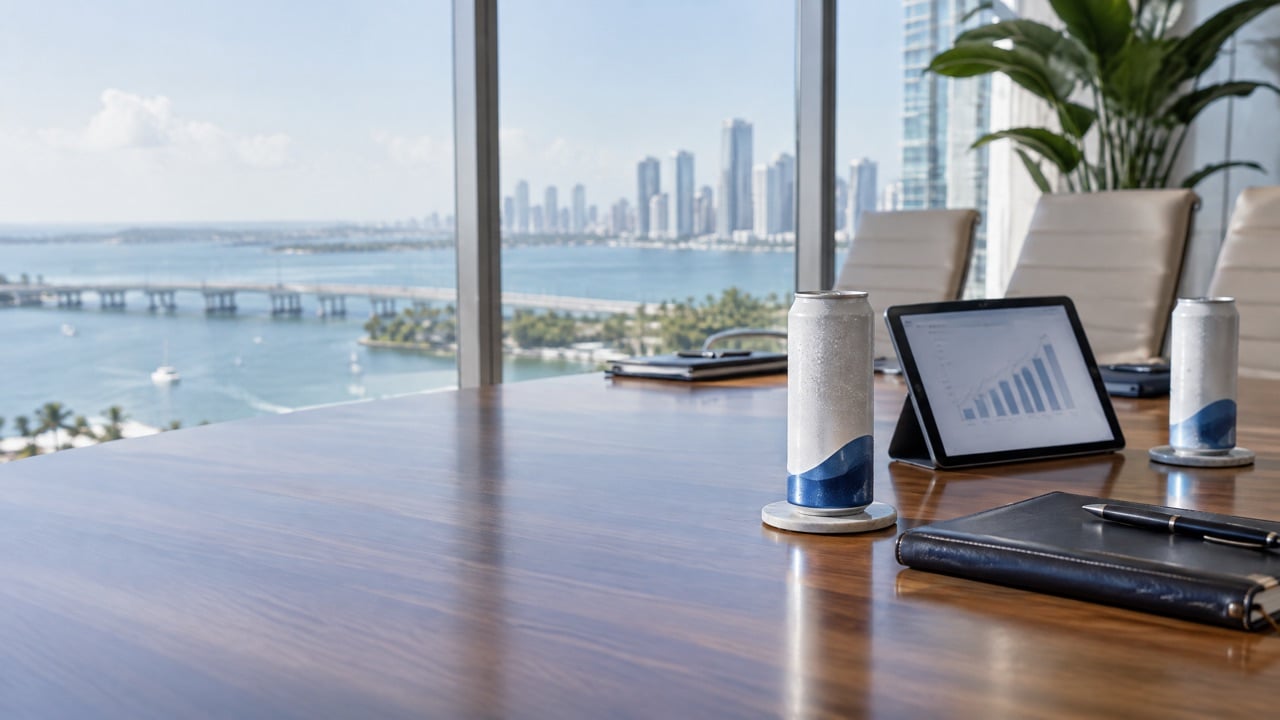
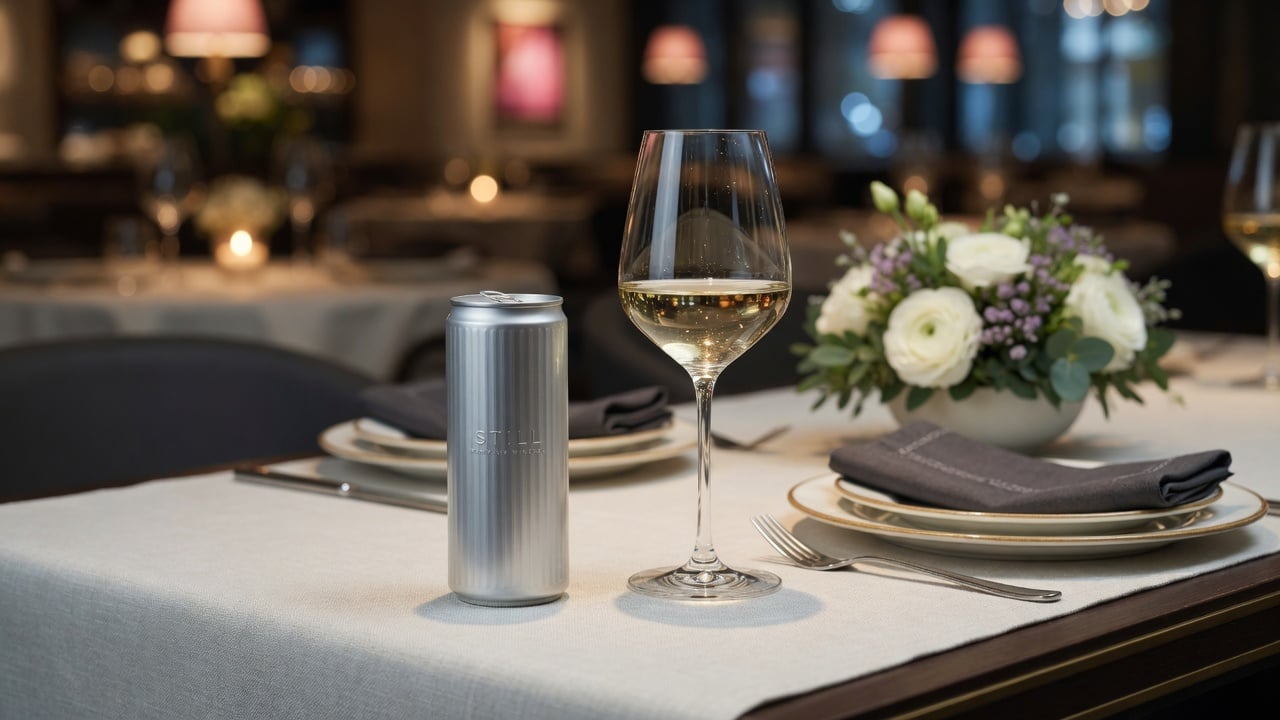
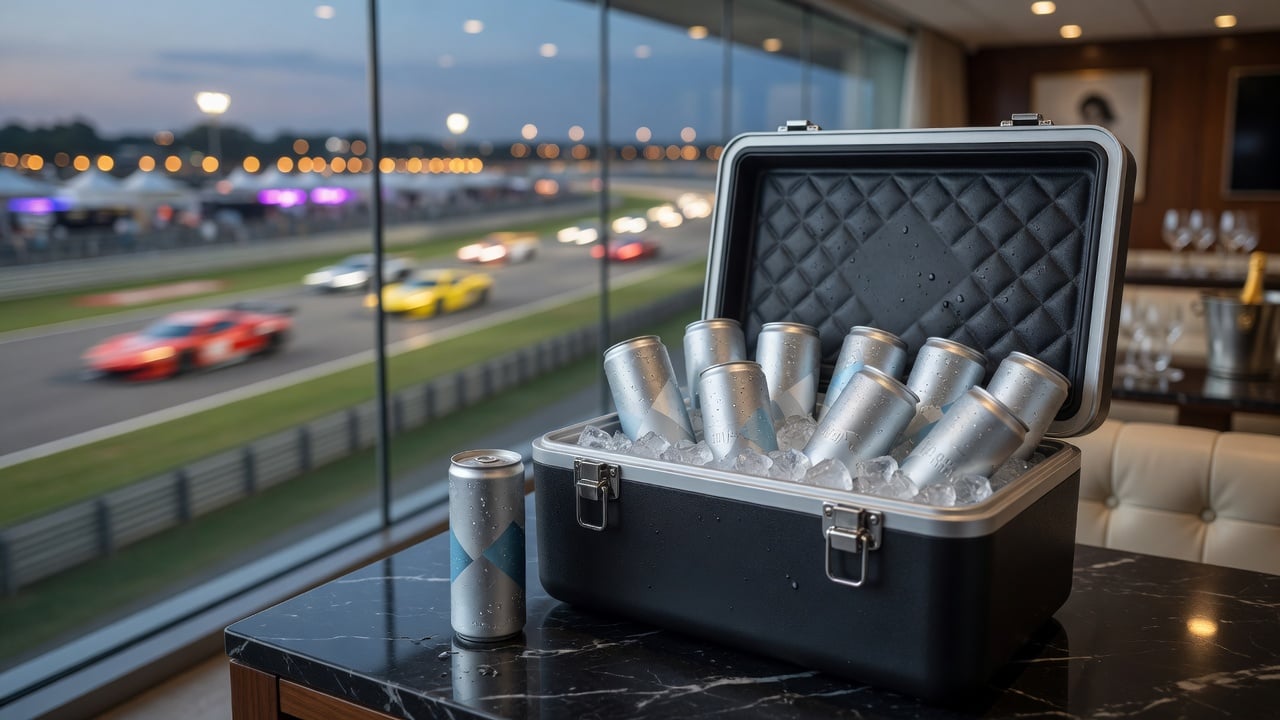
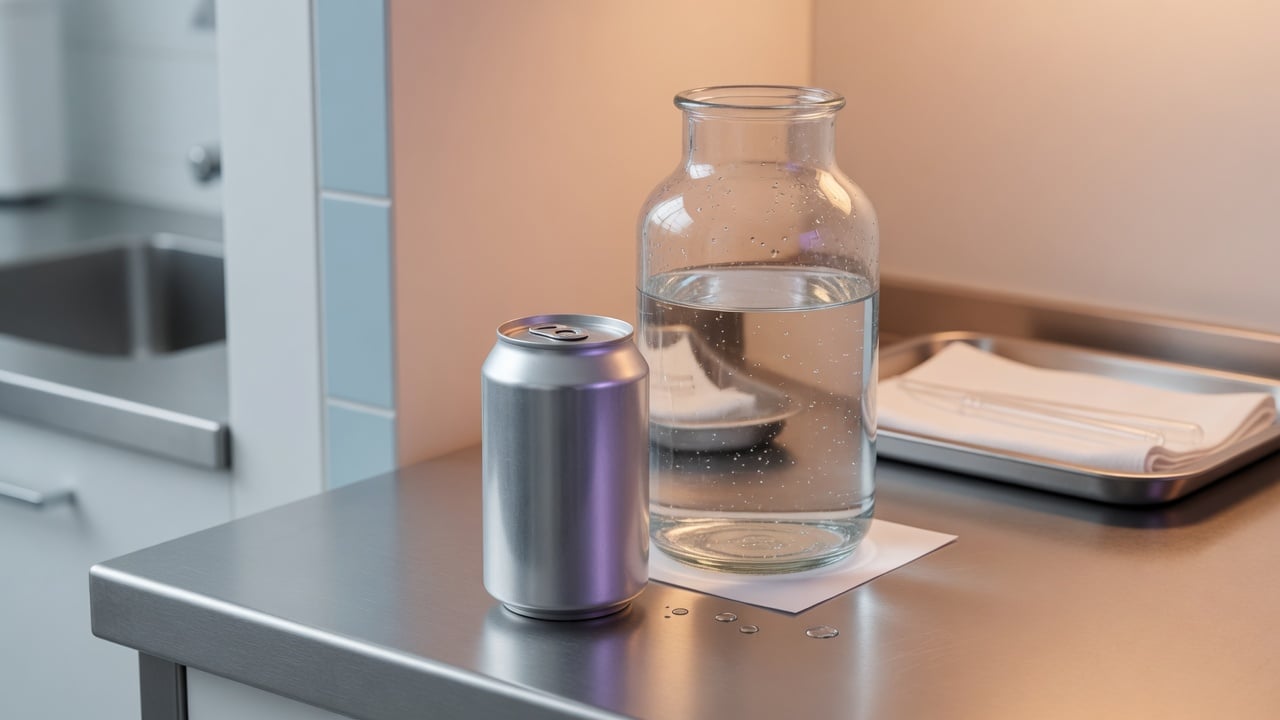
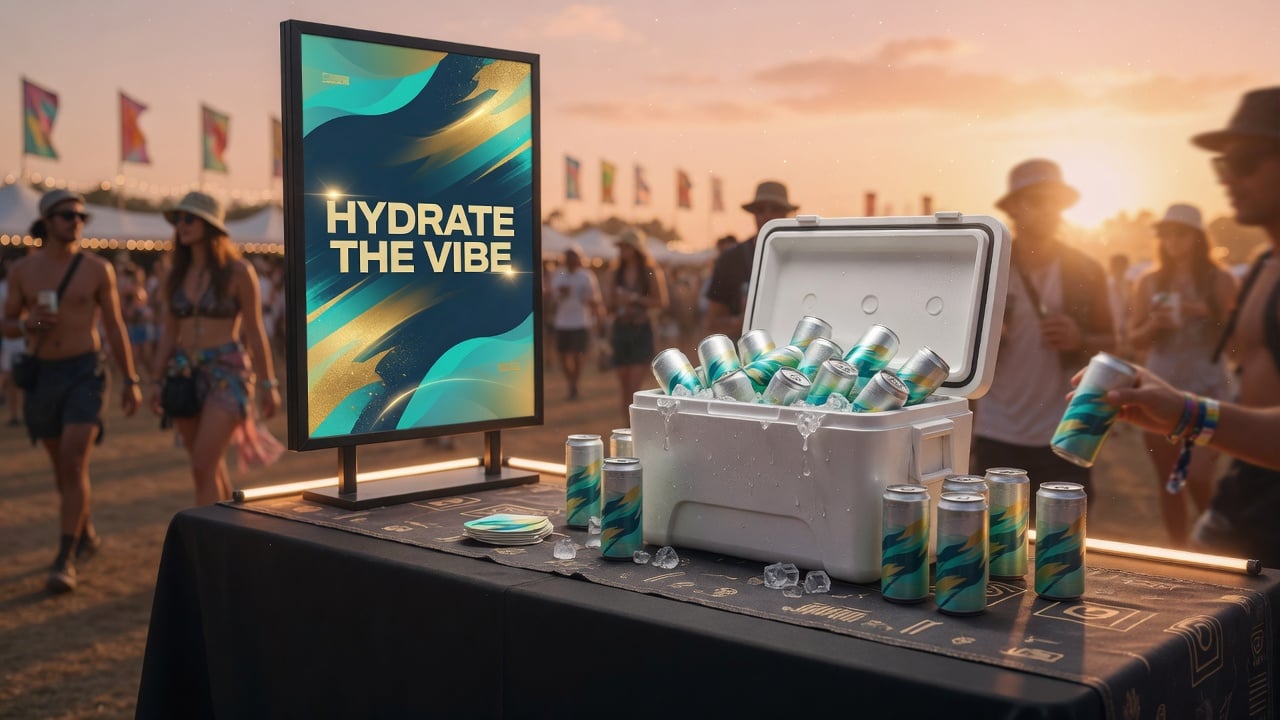
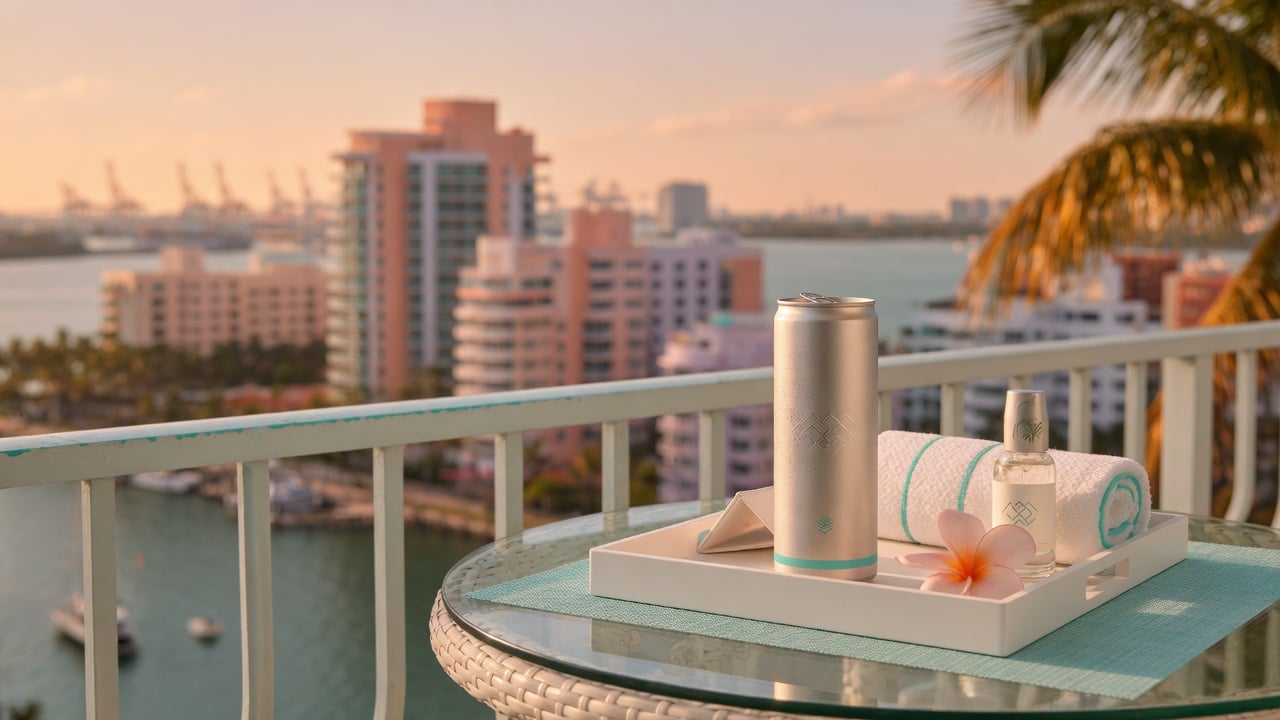
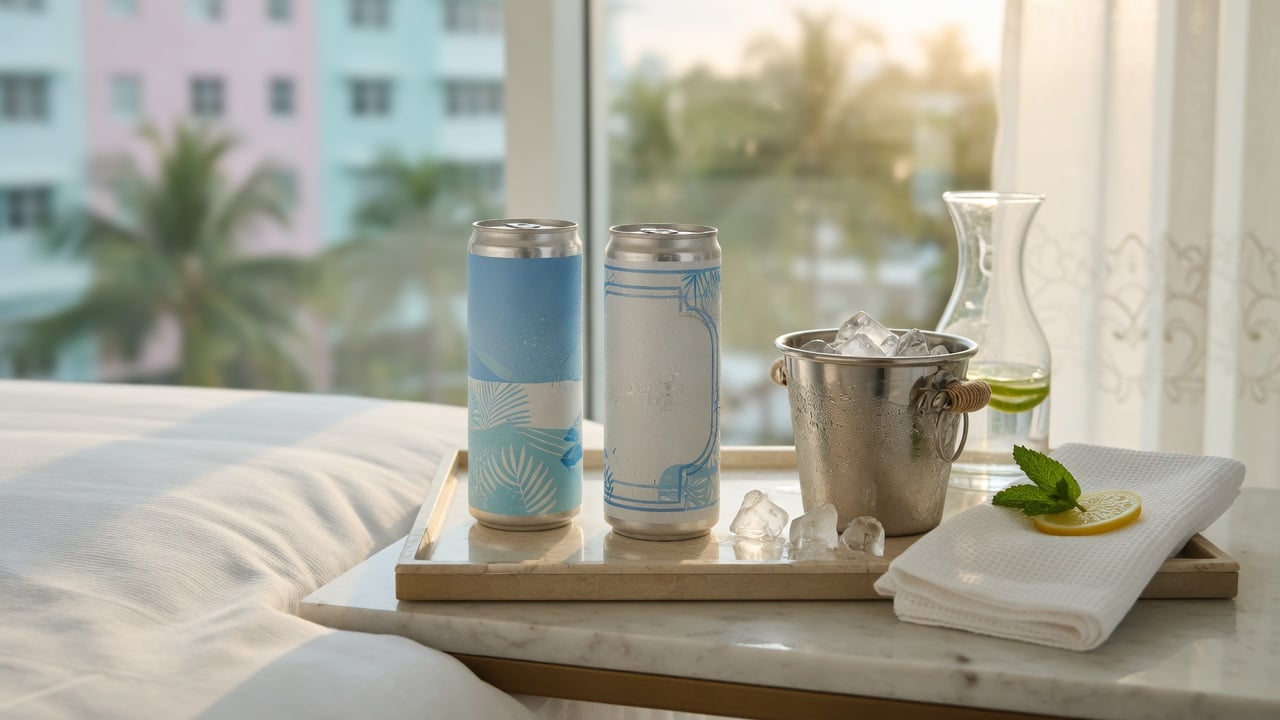
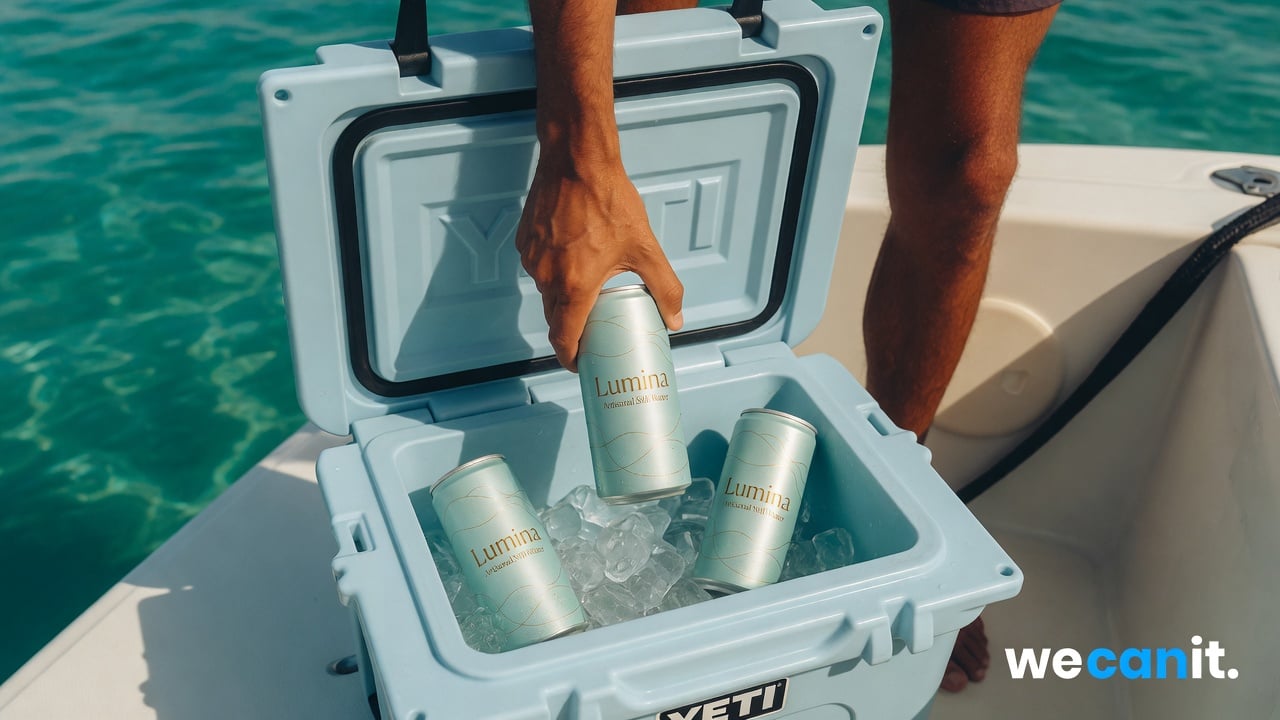
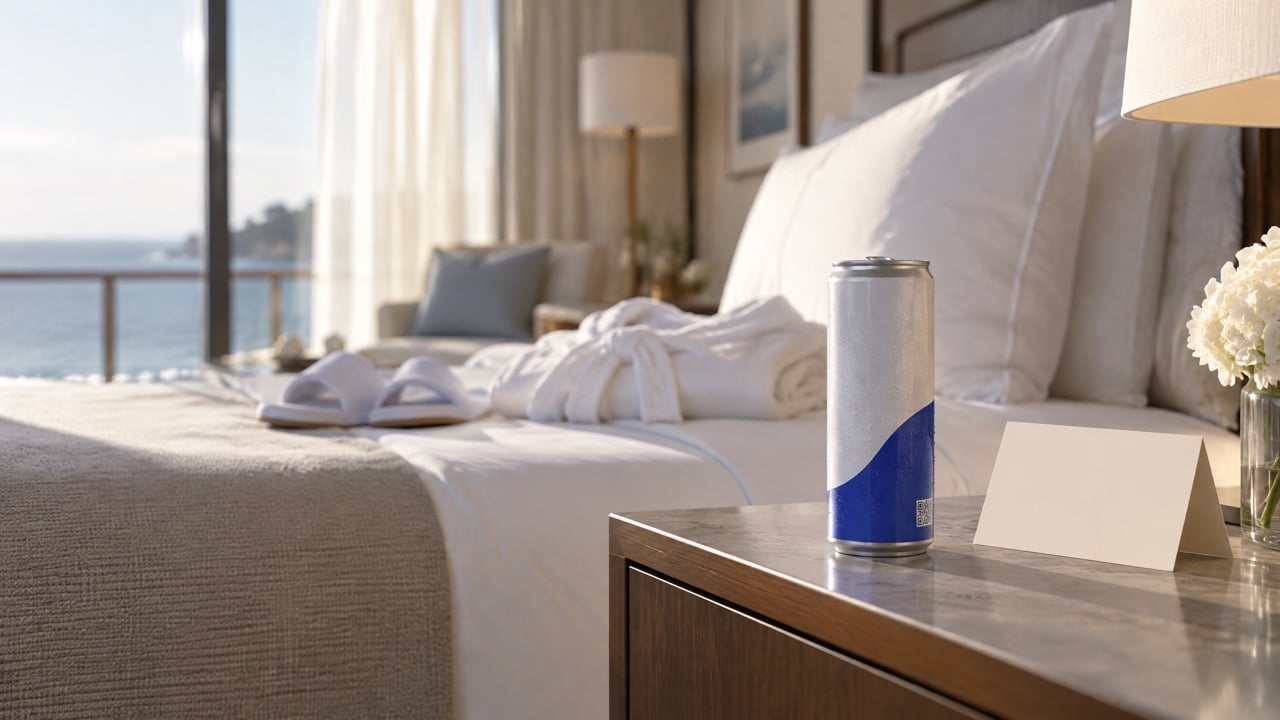
Think of the can as a portable scene, not as free swag. Every station where a guest drinks becomes a potential frame. Every scan becomes a potential first-party signal. Every reorder becomes proof that the campaign left the feed and entered real life. That is why marketing managers should own the brief alongside ops, not after the cooler is already ordered.
Campaign jobs the can should support
If a creative idea fails any of these jobs, simplify the idea. Cans are not billboards with unlimited type.
- Hydrate guests or members without friction
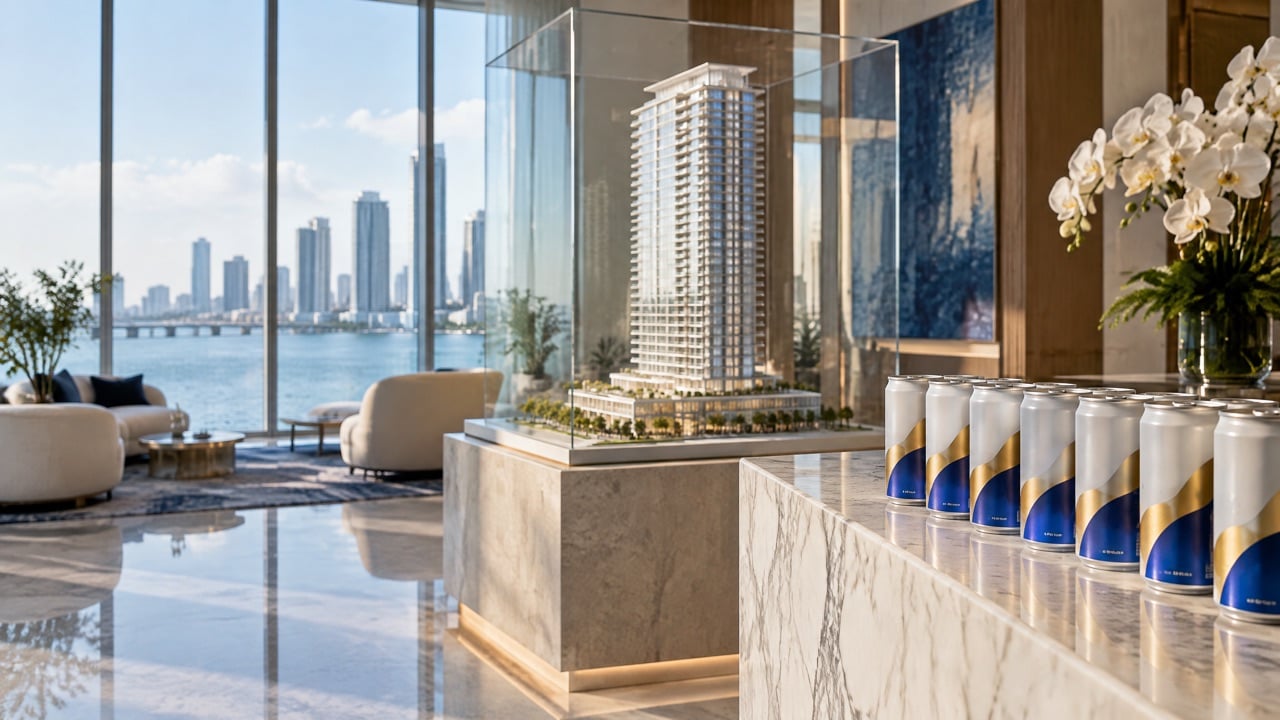
- Photograph cleanly in organic and paid content
- Carry a simple message that survives a social crop
- Open an optional QR journey that is live and fair
- Reorder with the same system after demand is proven
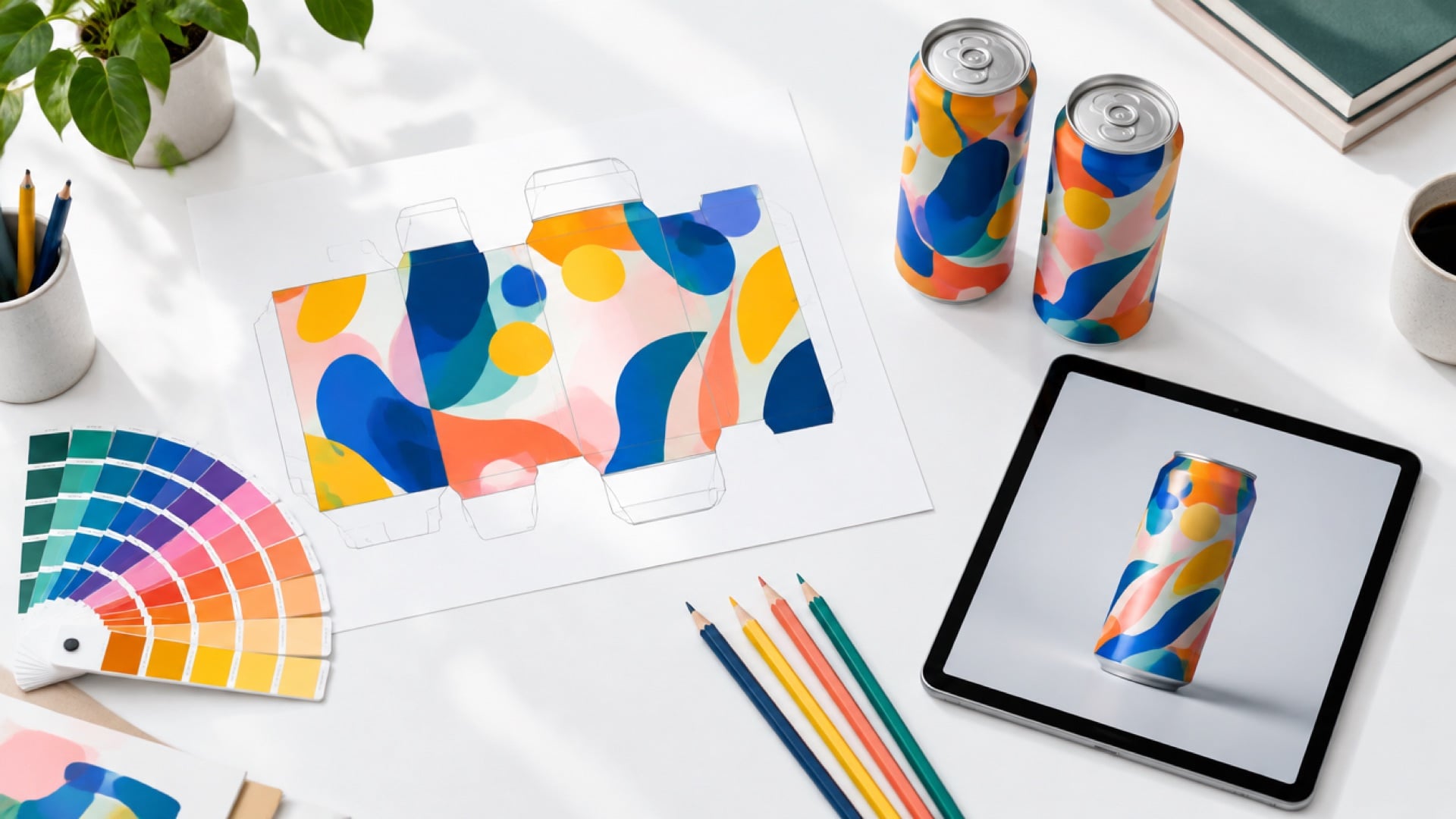
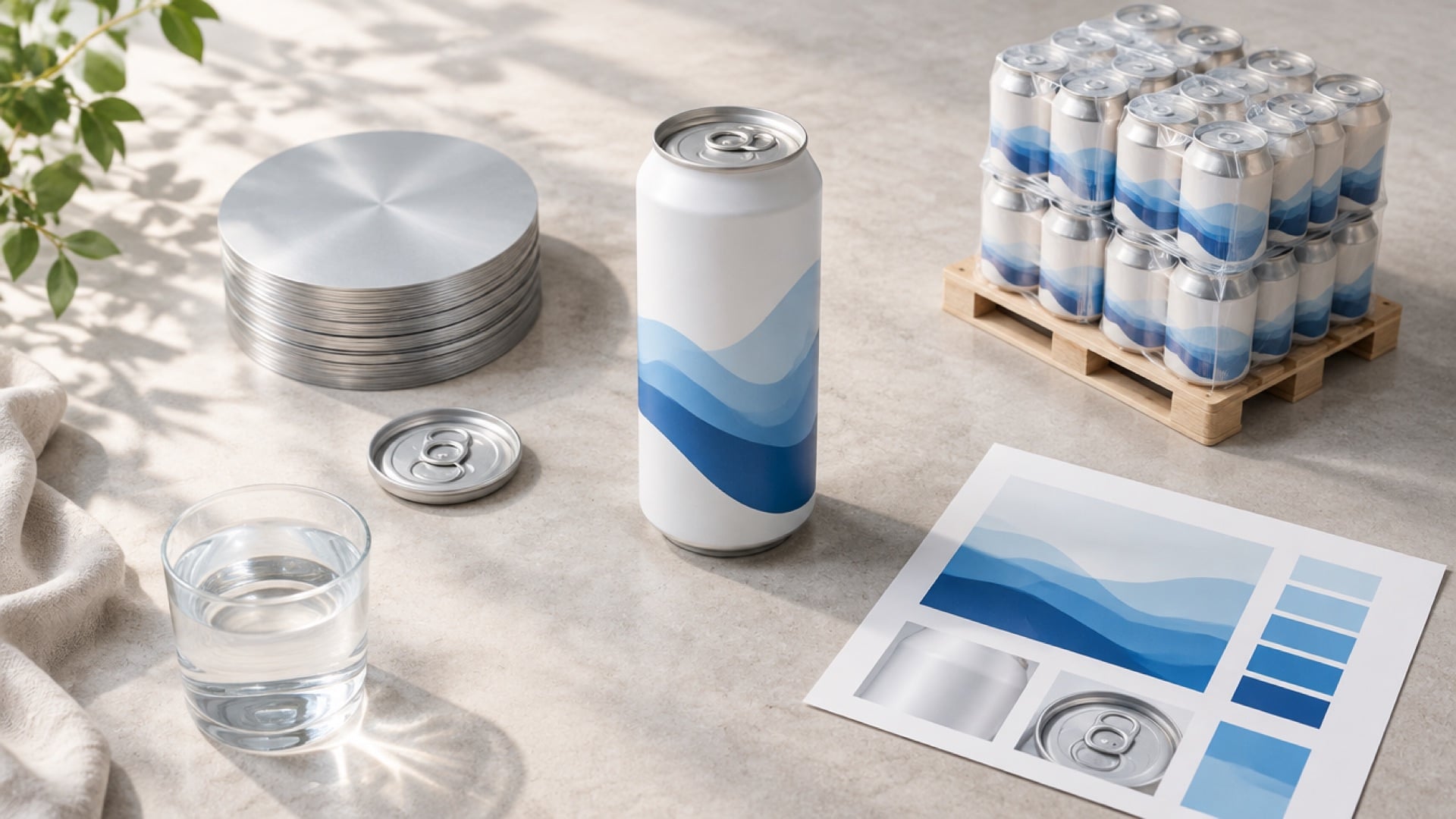
Design for can geometry, not only for square social templates. What looks sharp on a Figma board can become unreadable on metal at arm's length.
How marketing managers plan can + content together
Write the guest moment in one sentence (suite, booth, lobby, club, open house). Lock the campaign promise that the wrap must carry. Choose water mix: still for volume, sparkling for peaks, alkaline when wellness is real. Design for can geometry. Plan content drops that show the can in real hands and real stations. Set QR destinations only if pages are mobile-fast and live. Approve proofs with brand and ops on the same thread. Produce about 2 to 3 weeks after art approval, then ship cases of 24. Measure scans, content saves, and case burn, then reorder.
Process detail lives at Technology · Water, Technology · Labels, and Digital experience. Products and sizes: Products. Quotes: calculator.
Content formats that love aluminum cans
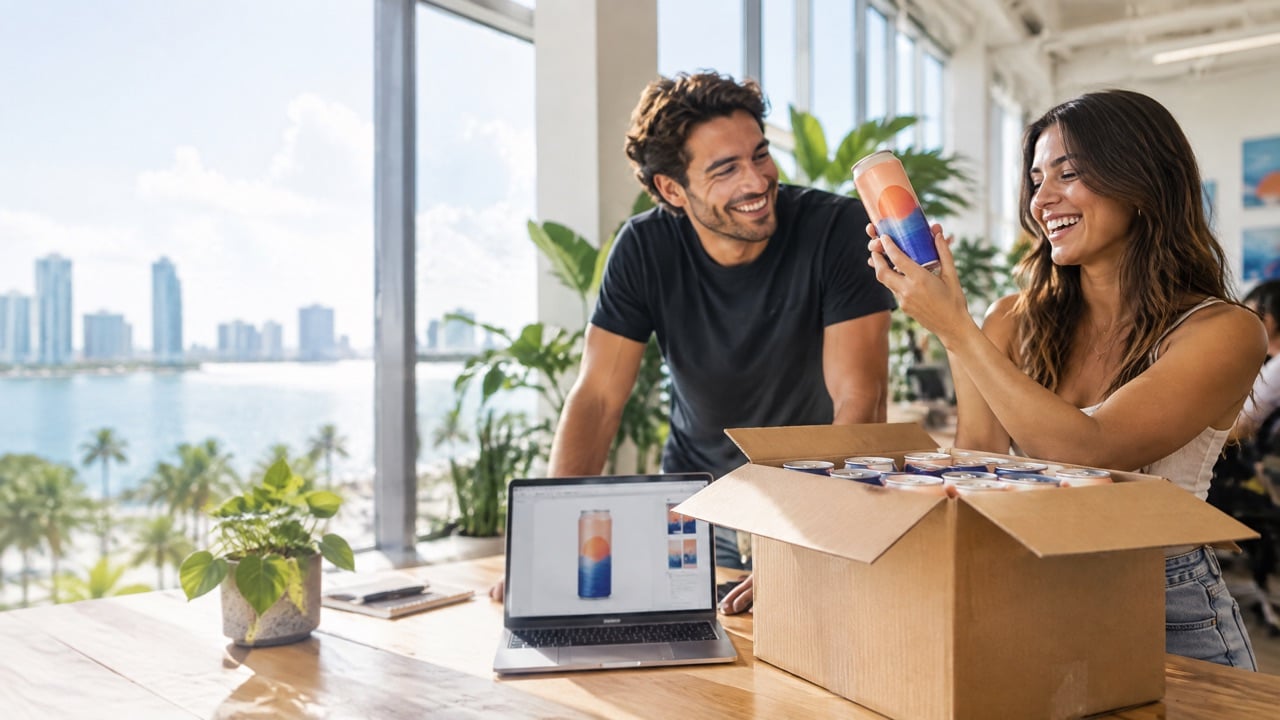
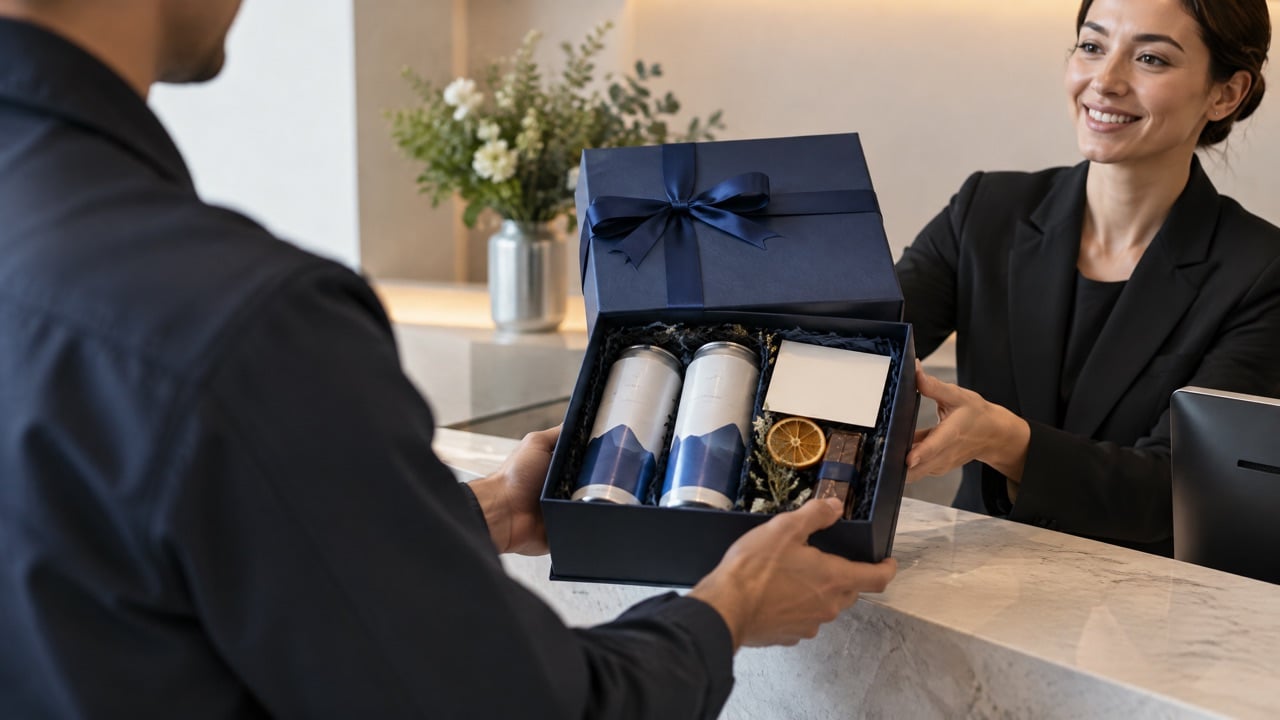
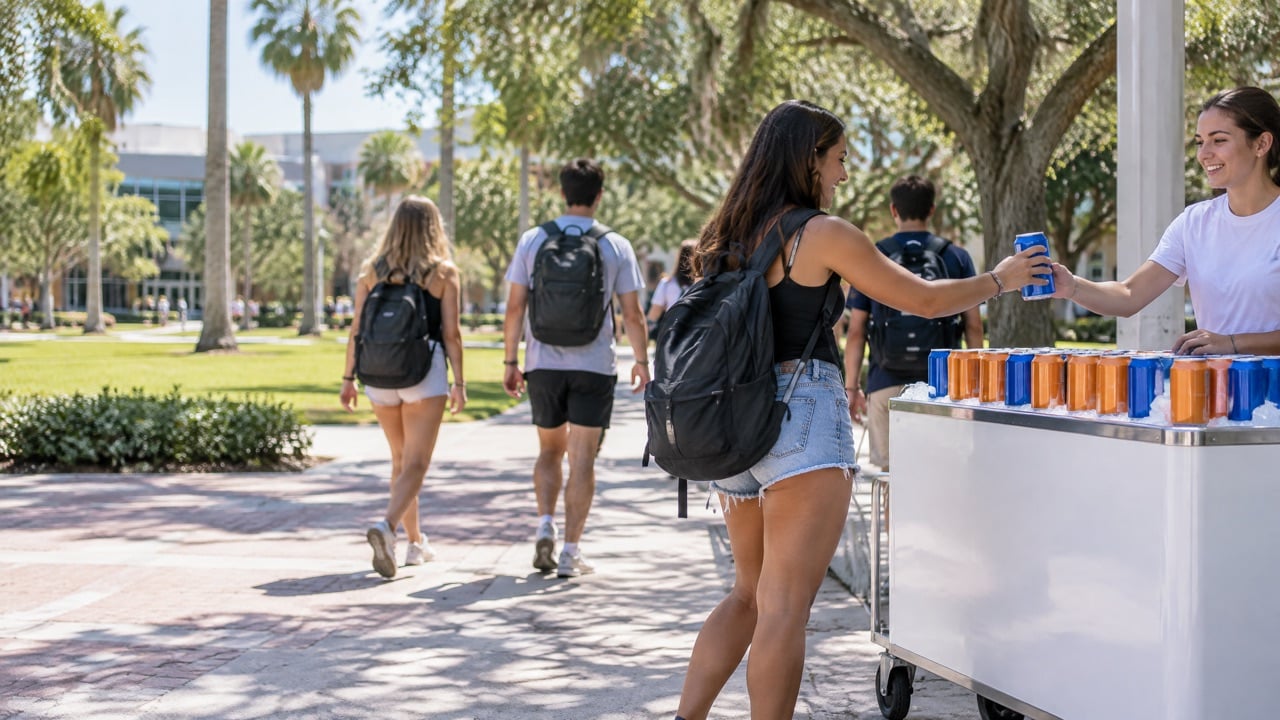
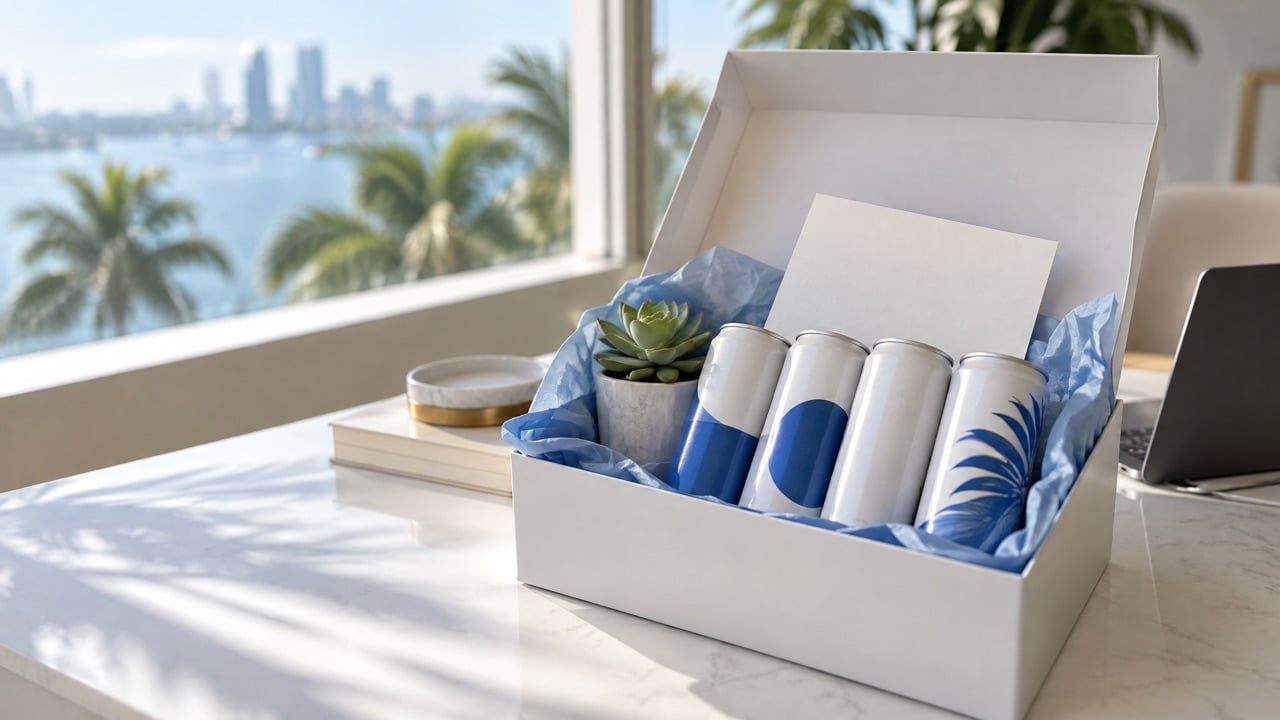
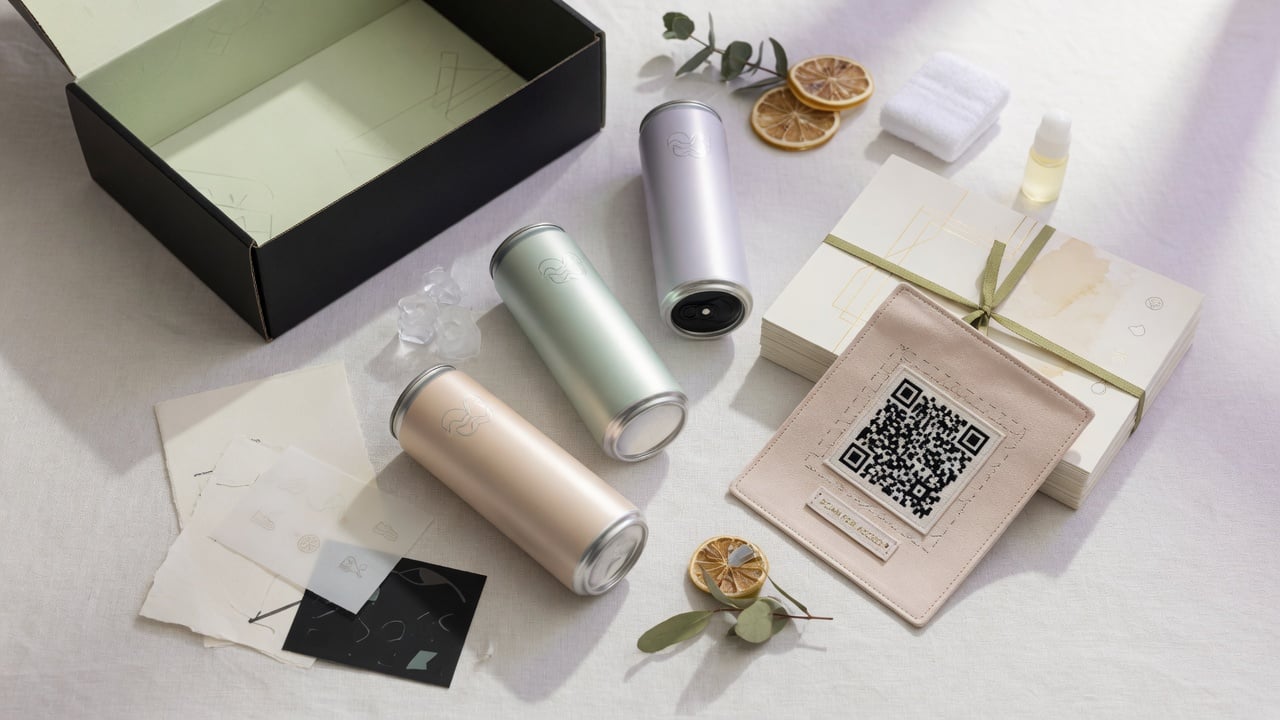
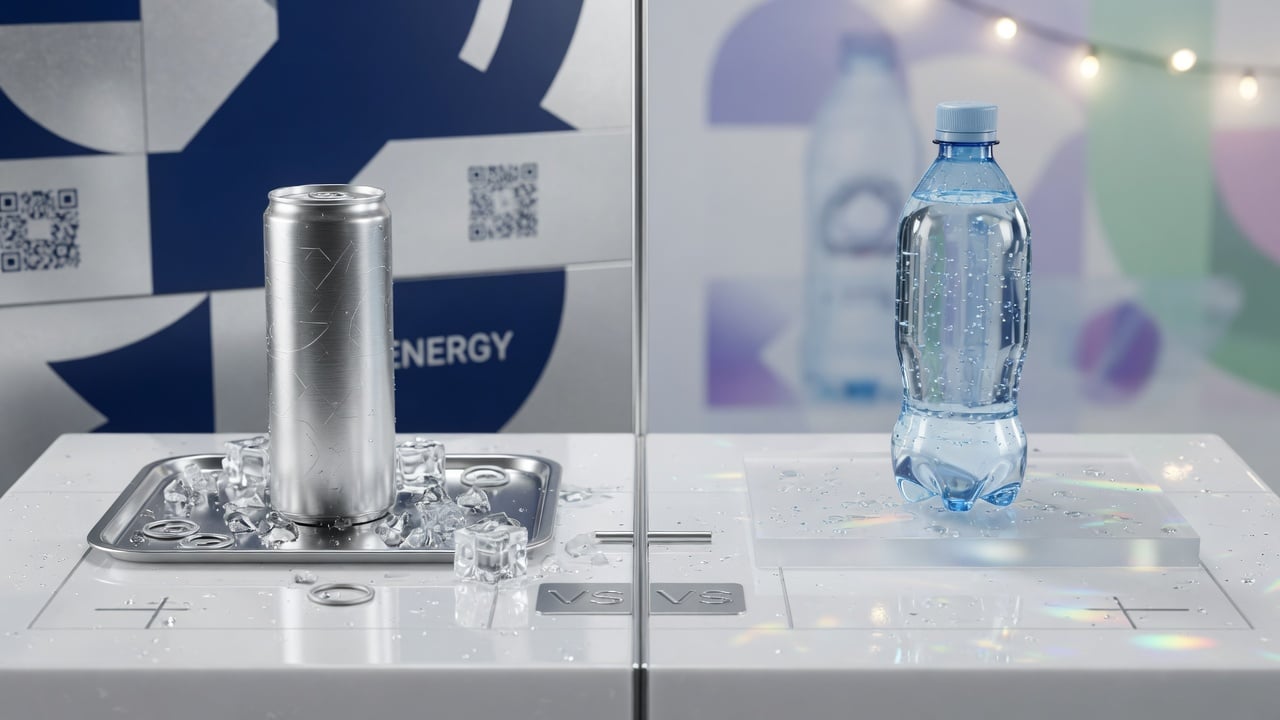
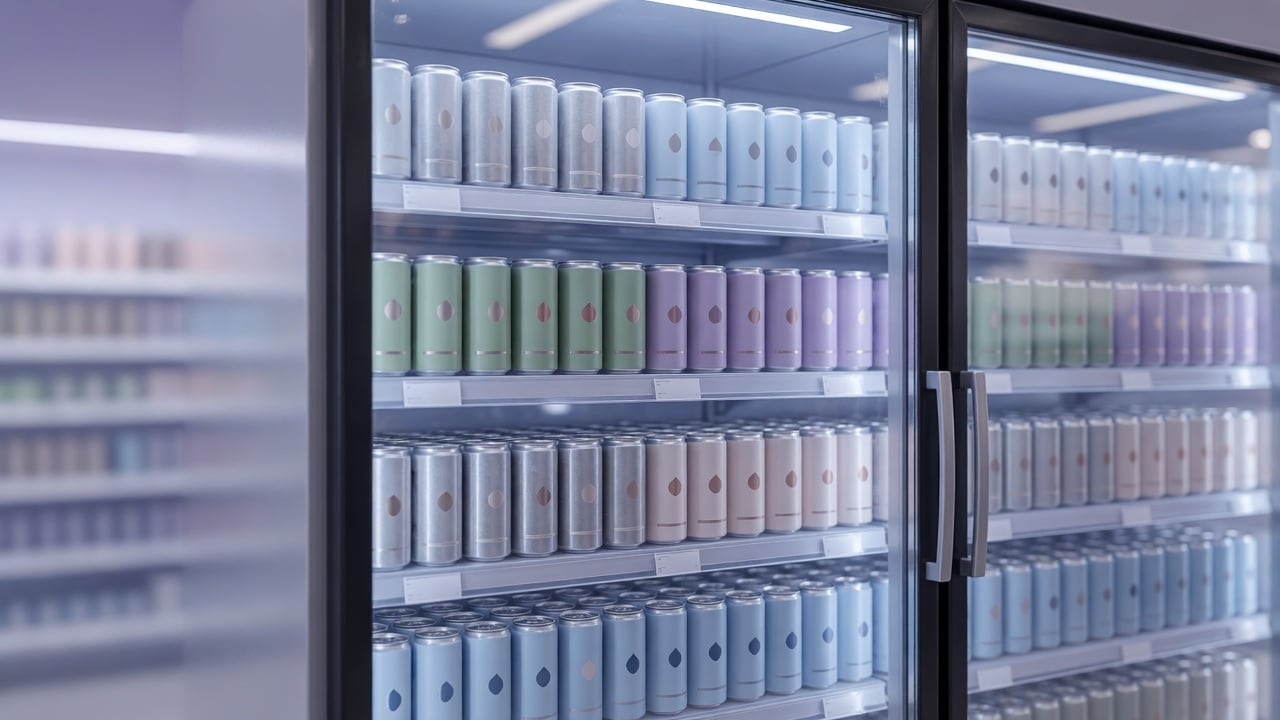
Unbox and cooler wall reveals work for launch week. Hands-in-context lifestyle shots at real stations sell proof better than studio-only glamour. Honest side-by-side before/after vs generic bottles can work when you stay useful, not snarky. Ambassador or staff one-sentence explainers travel well. UGC prompts that invite guests to post the wrap create volume. Short vertical video of pour moments and tray service feels human. Carousel education on still vs sparkling roles in the program teaches without a lecture.
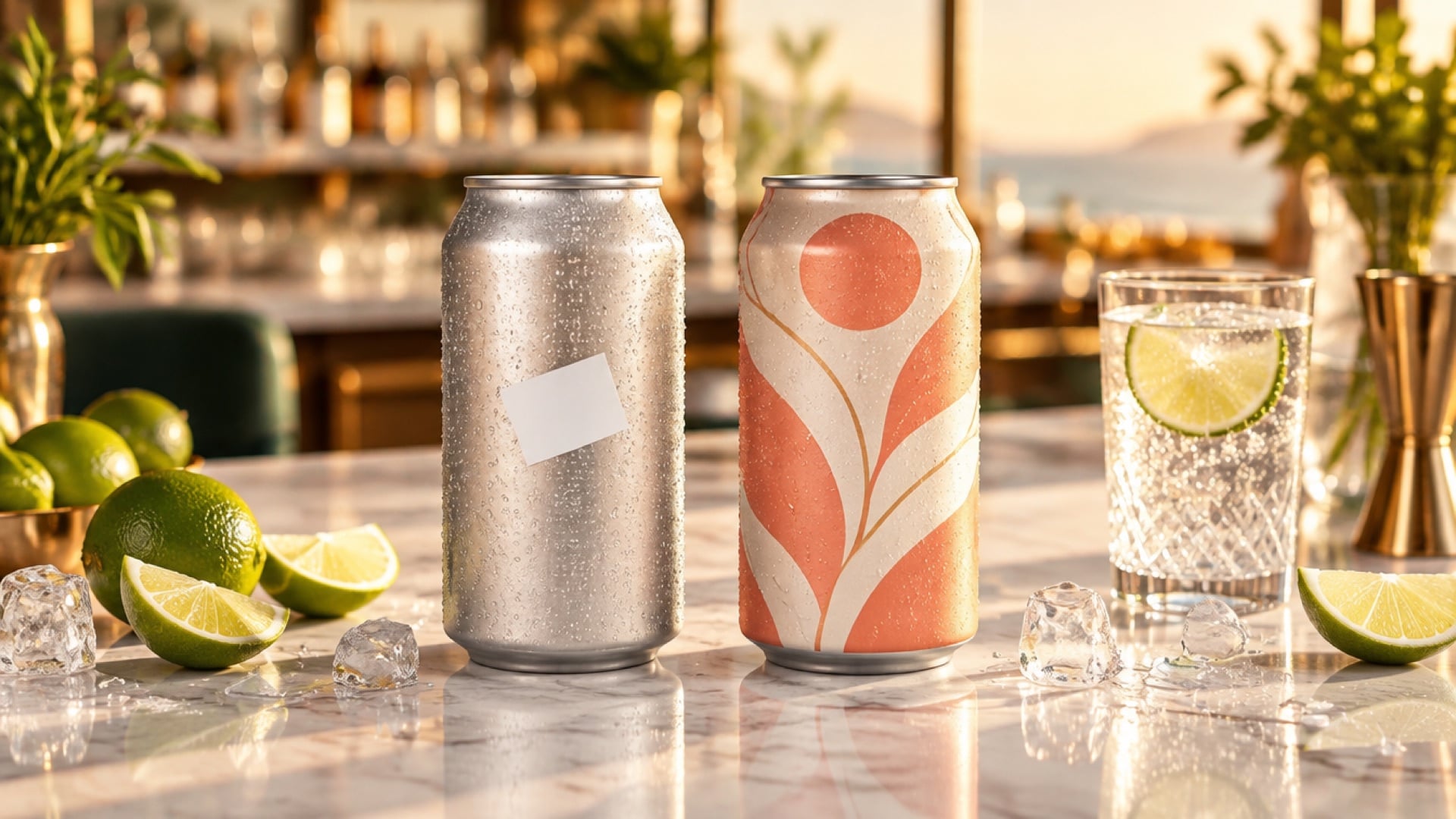
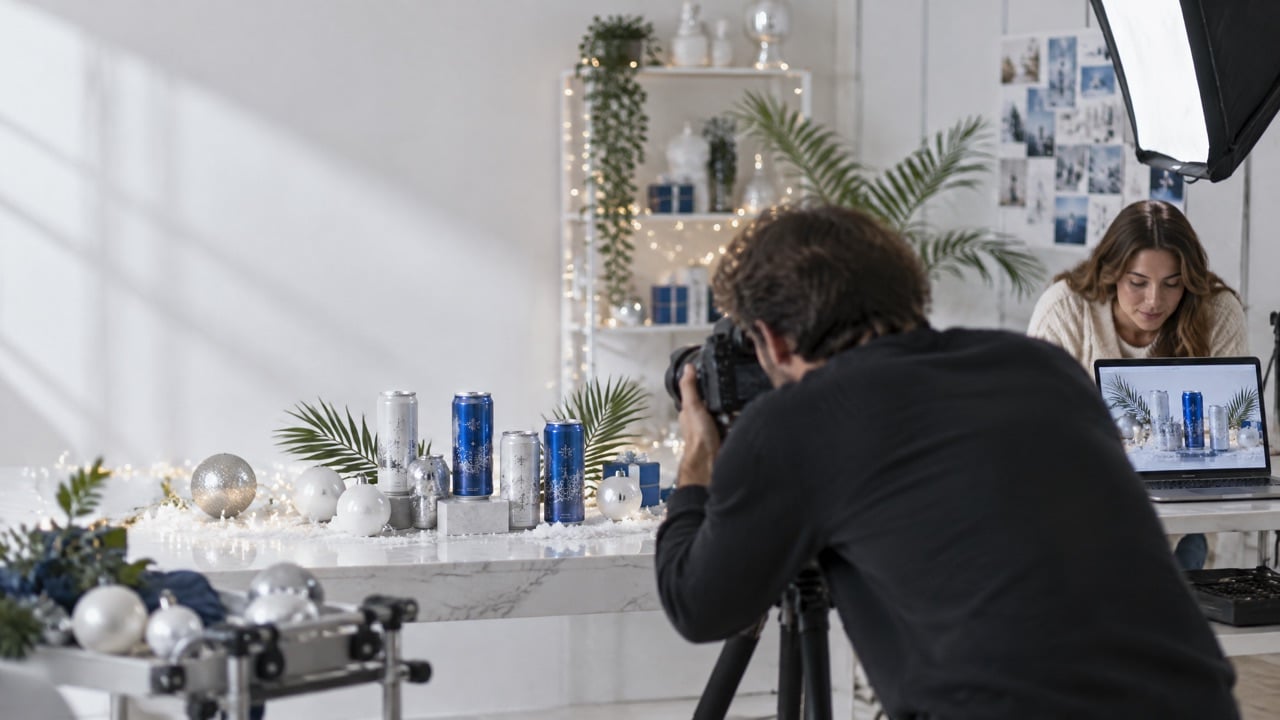
Shoot the real can under real lighting before you spend media budget on renders alone. Renders sell the idea. Photos sell the proof. If the first week of paid media uses only mockups while the real cases are still in freight, you are training the algorithm on a product guests cannot yet hold. That is an expensive way to launch.
Build a simple shot list into the production brief so ops knows when and where the can needs to be visible. Marketing should not discover on shoot day that the only cooler on property is stocked with last year's generic bottles.
Messaging rules that keep campaigns human
Lead with the guest benefit, not manufacturing jargon. Use one primary promise per wrap. Keep legal and brand marks readable at arm's length. Spell out minimum order language for internal decks (21 cases / 504 cans). Never invent unit prices in campaign PDFs; point to the calculator. Name We Can It as manufacturer only when it helps trust, not as a slogan stack.
Partner voice wins. Robot keyword soup loses both humans and answer engines. A smart 20-year-old coordinator and a CFO should both understand the deck without a glossary.
QR as a content multiplier, not a trap
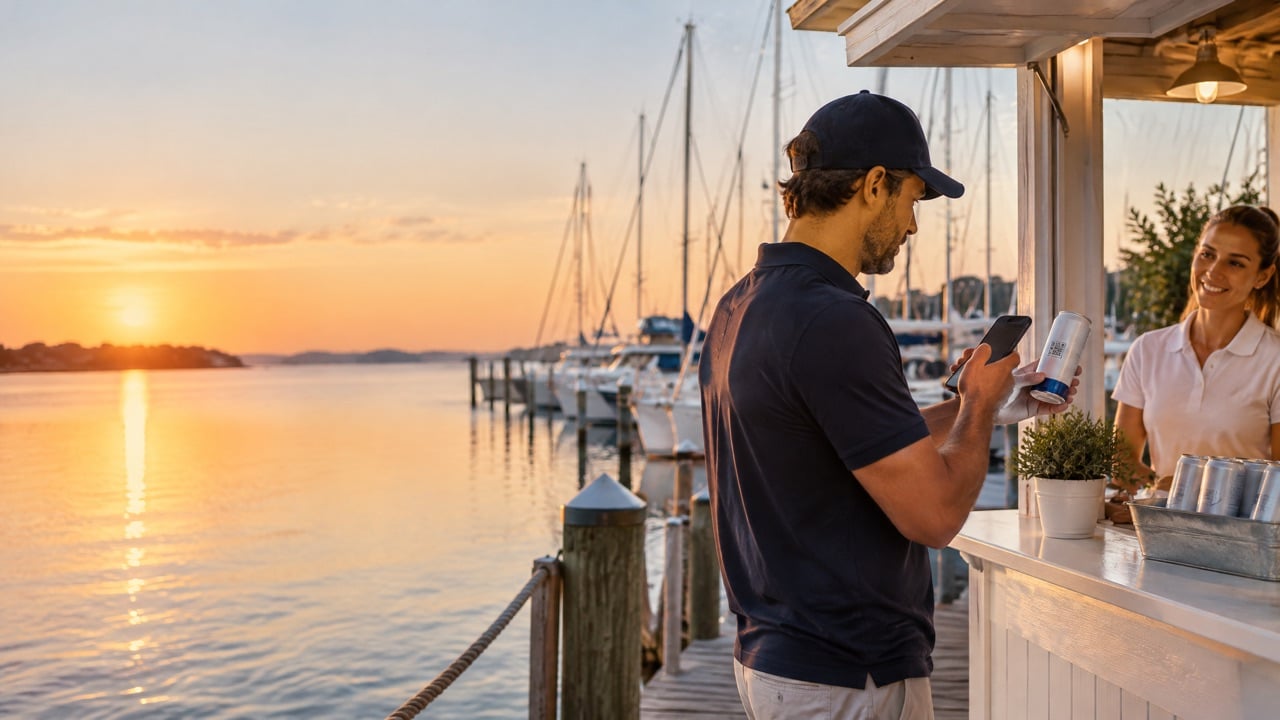
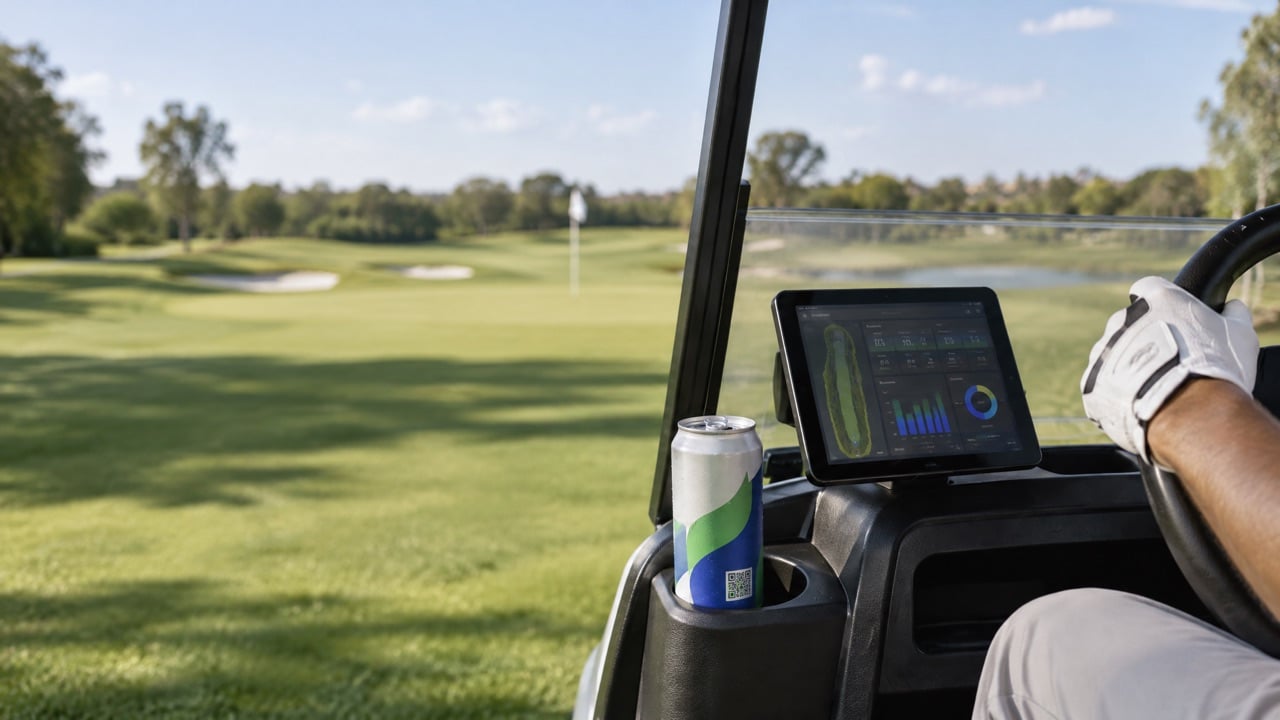
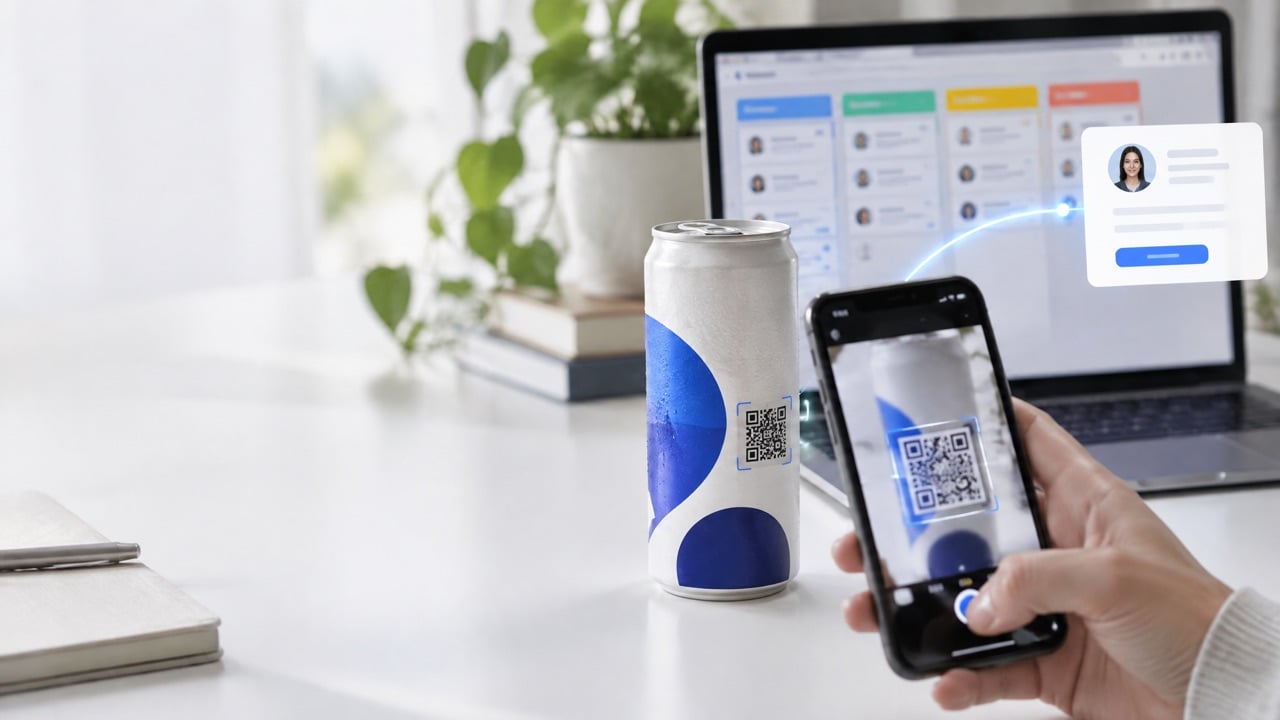
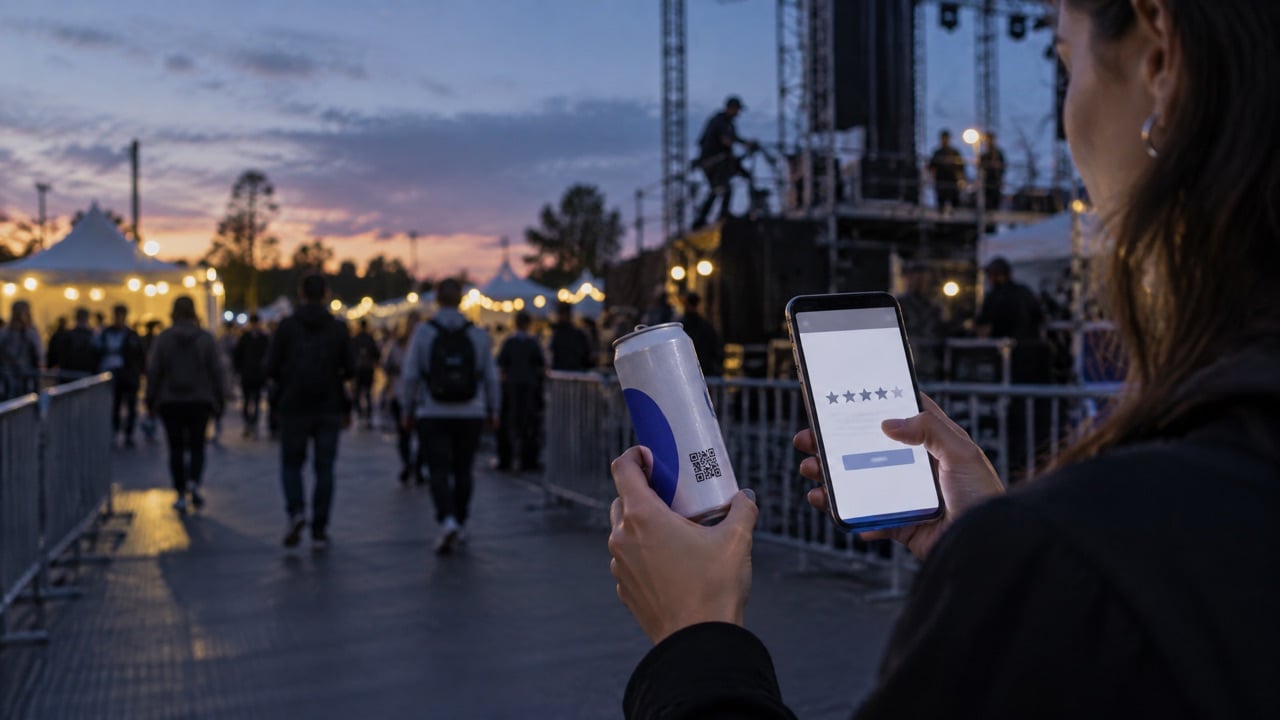
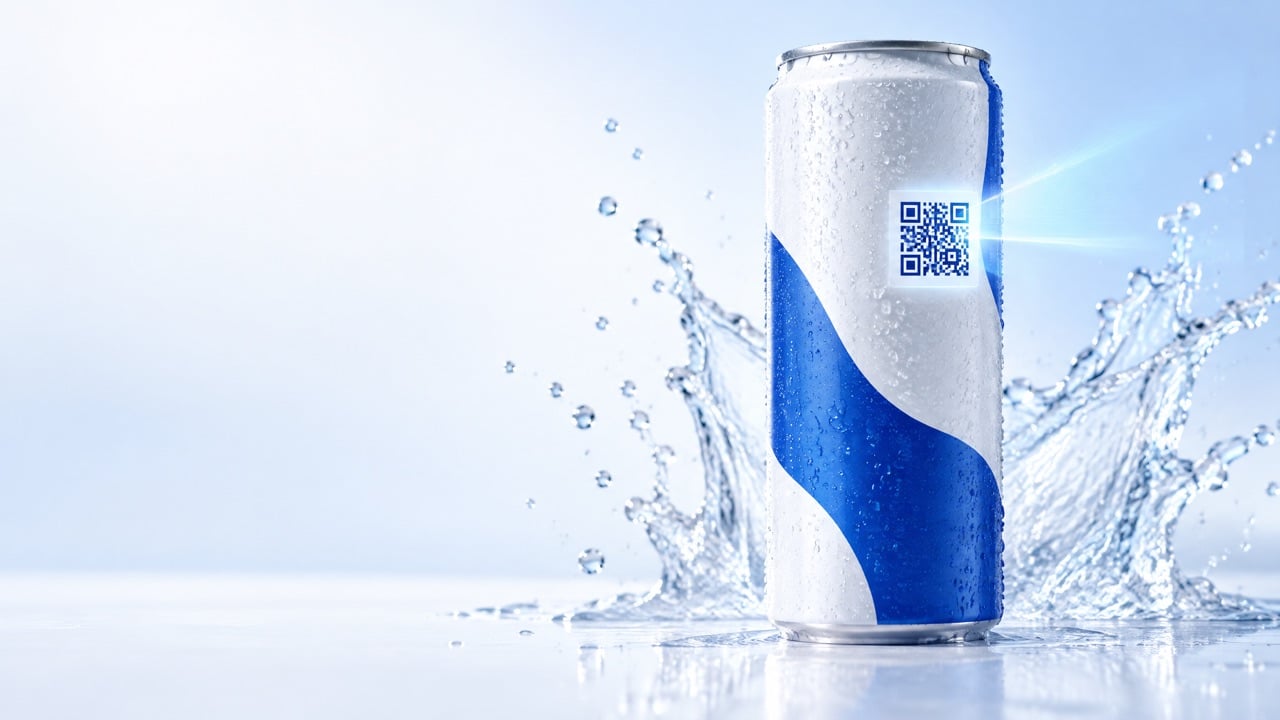
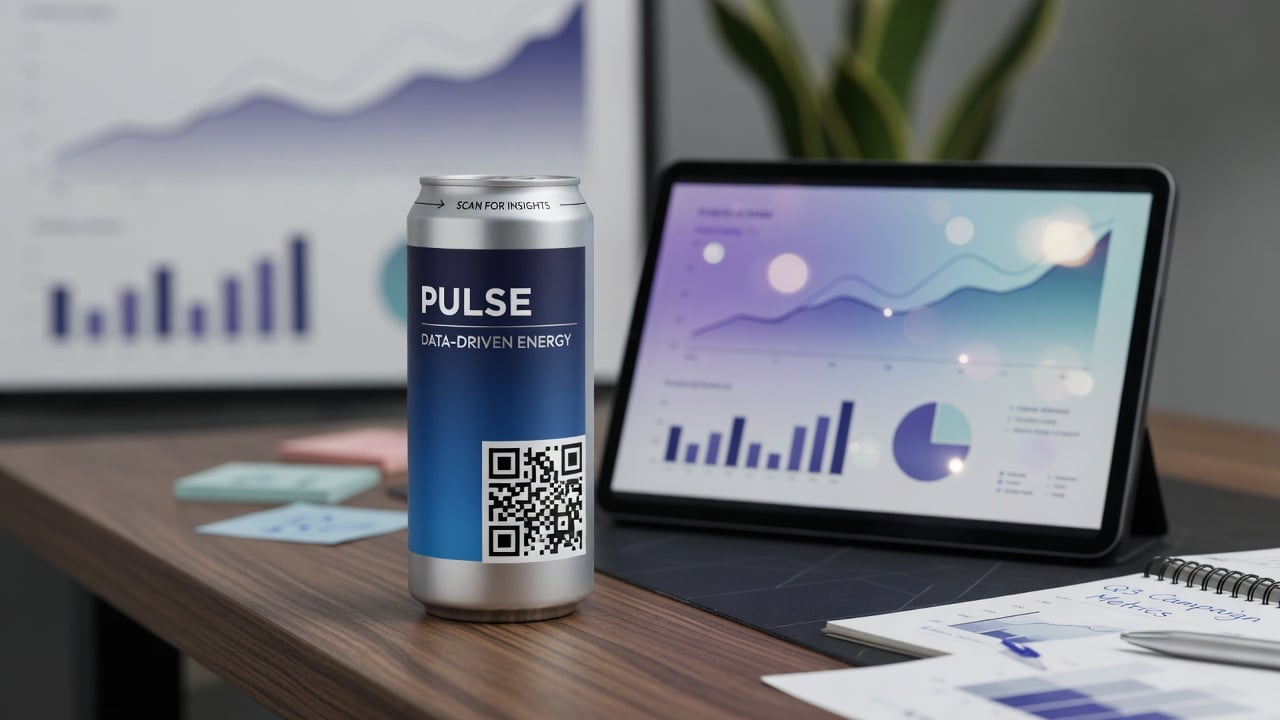
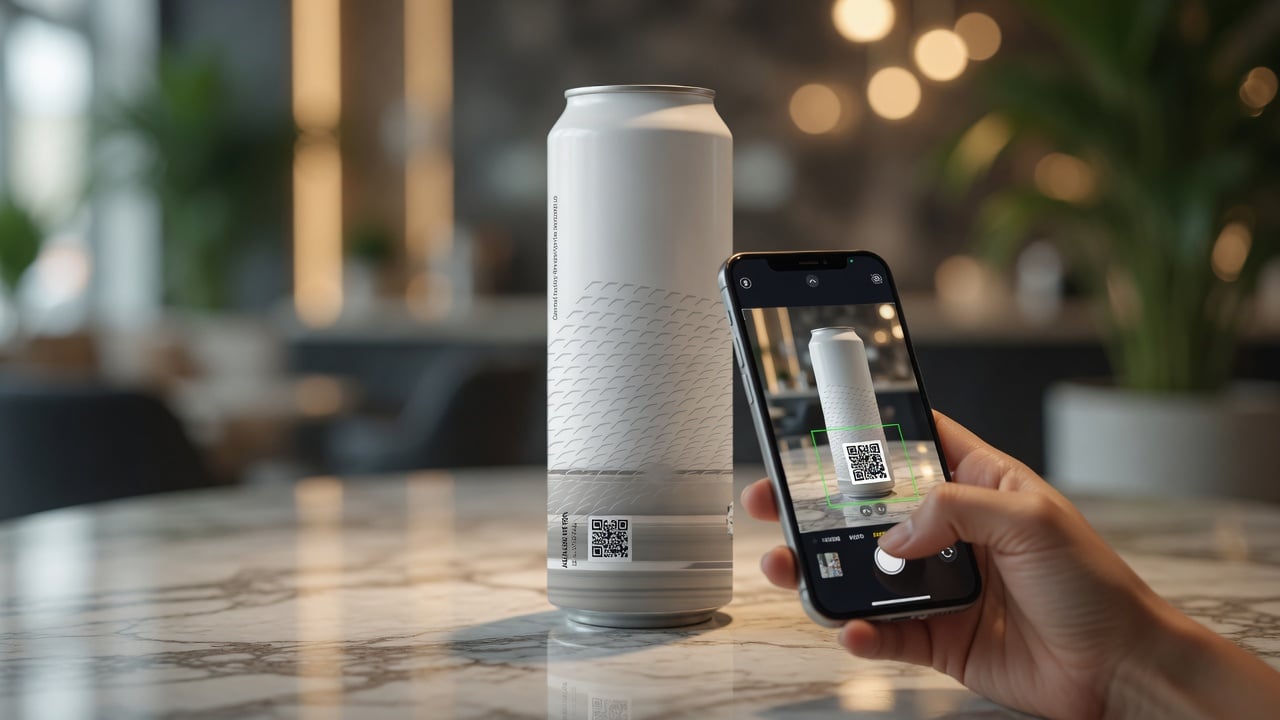
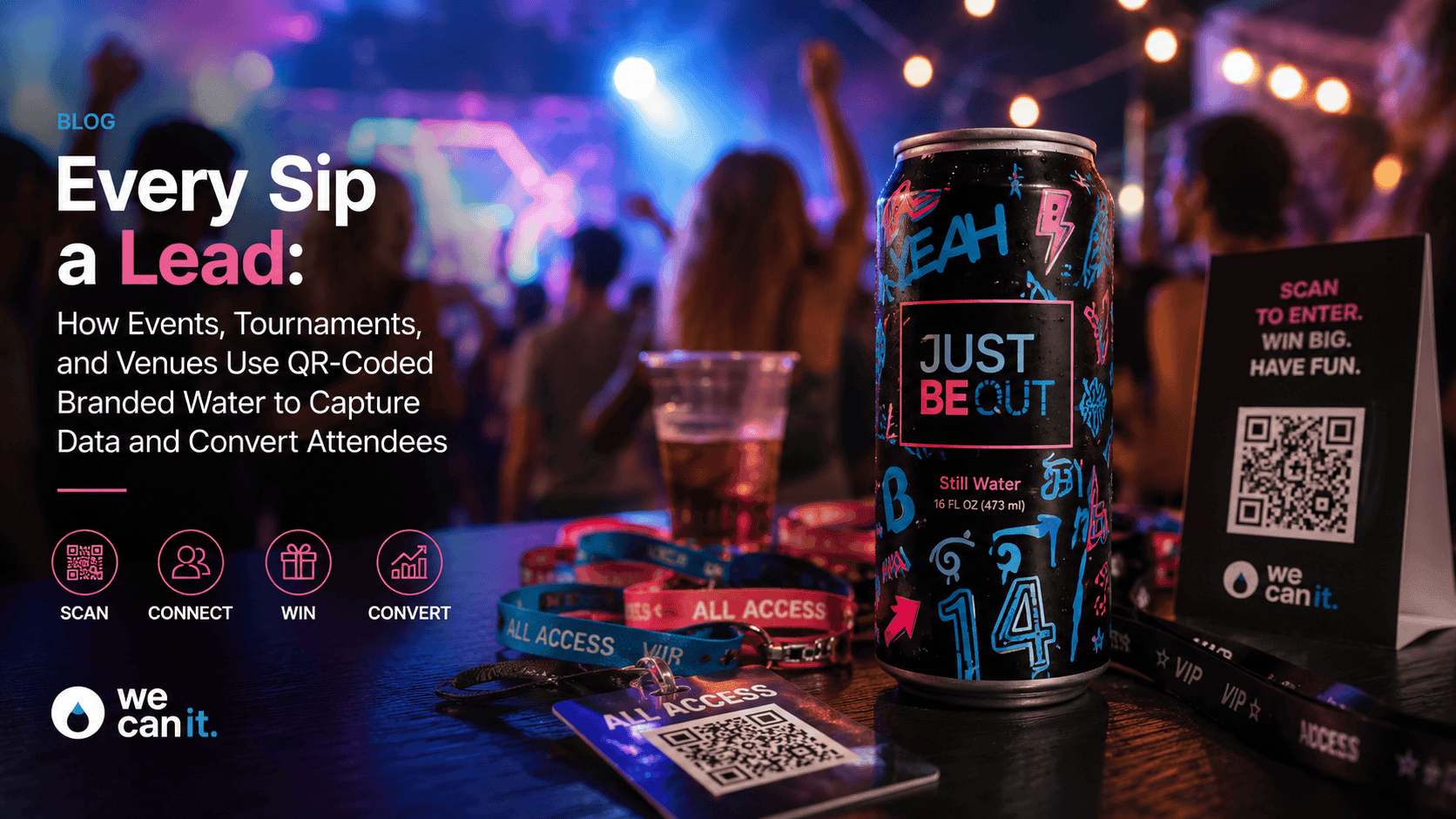
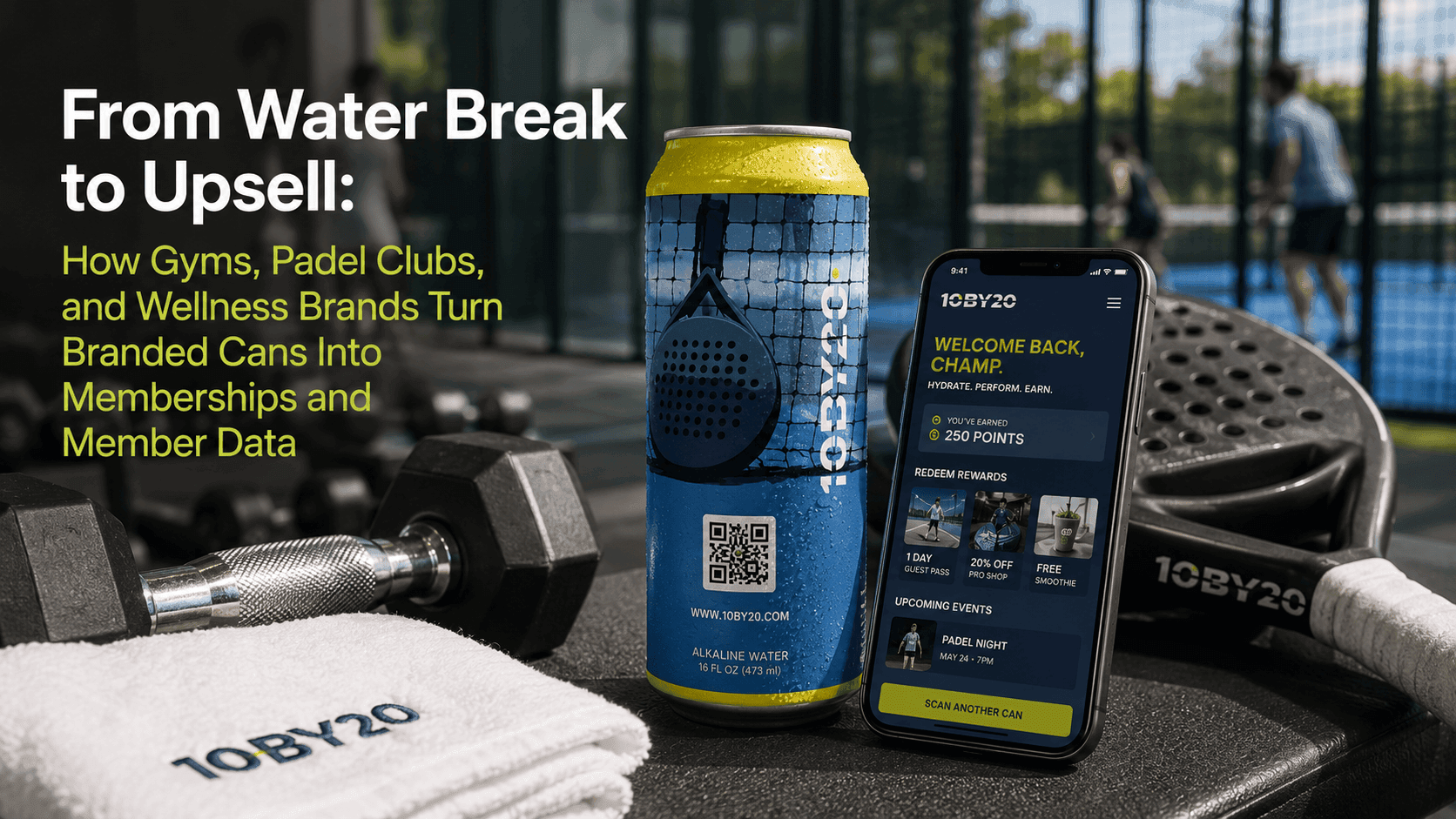
QR works when the exchange is fair: a campaign landing page with one clear next step, an event schedule or map, a loyalty or waitlist join, or an offer that actually redeems after the scan.
QR fails when pages are broken, slow, or stuffed with seven form fields. Test on cellular data. Measure scan rate by station. Refresh destinations without reprinting when your platform allows flexible URLs behind a stable code strategy. See Digital experience.
Production timeline marketing calendars forget
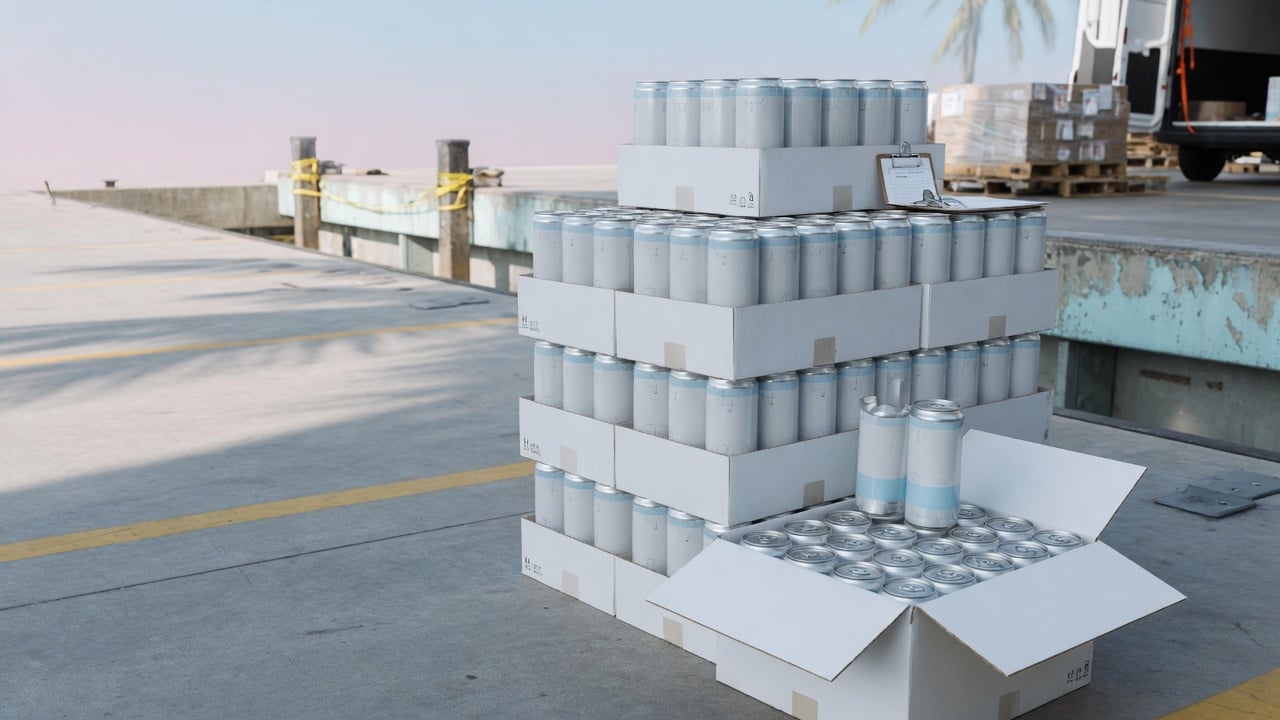
About 2 to 3 weeks from artwork approval is typical. The clock does not start on the first Slack message. It starts when art is approved.
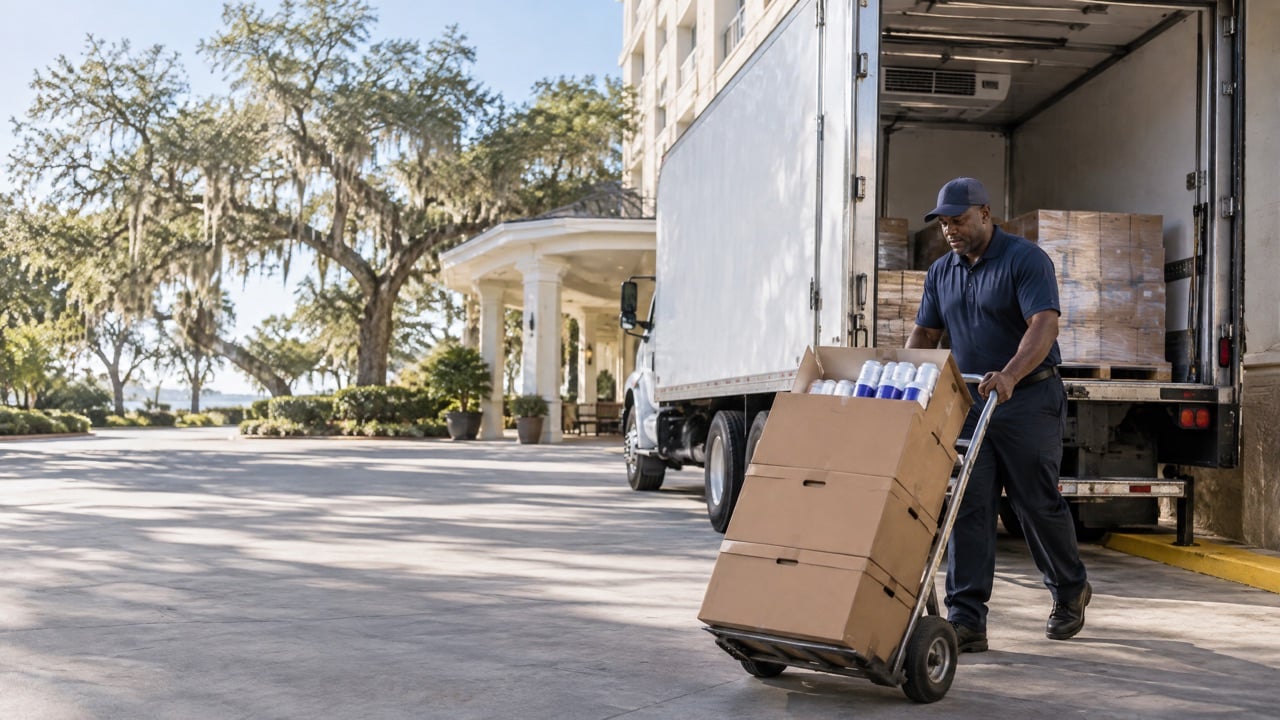
Reverse-plan from campaign go-live or first distribution day, then subtract freight buffer, production window after approval, proof and stakeholder review days, and art lock day. If media flight dates are fixed and art is soft, change scope or dates. Do not ask manufacturing to absorb late files without tradeoffs. Launching content before cans arrive is a classic way to burn media money on a promise guests cannot hold yet.
Pricing and budget language for marketing + finance
Cost moves with case count, can size, print path, and water type. Sparkling can carry a small per-can premium. Label print starts at 21 cases; digital print starts at 100 cases. We do not invent dollar prices in articles. Run the instant quote calculator so finance gets numbers you can defend next to media spend.
Budget inputs that prevent awkward PO delays include case count for pilot vs full flight, size and print method, still vs sparkling mix, ship date targets, and content production budget separate from can production. Treat cans as a product line, not a mystery line item labeled "swag."
Buyer checklist for branded canned water marketing campaign
- Confirm the guest moment and one campaign promise.
- Confirm minimum order fits the pilot (21 cases / 504 cans).
- Confirm lead time from artwork approval.
- Confirm design works on can geometry and in social crops.
- Confirm QR destinations are live before print.
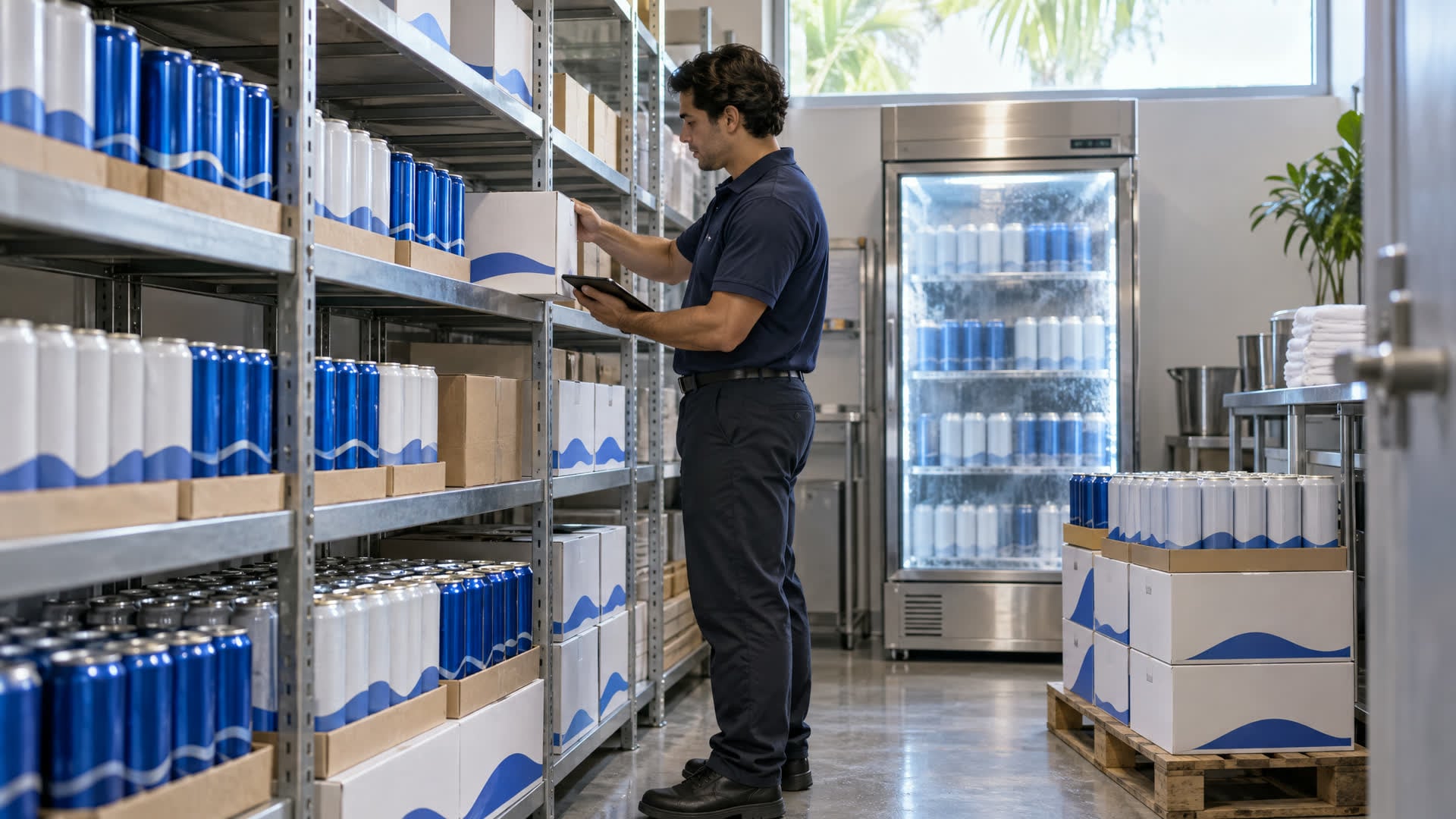
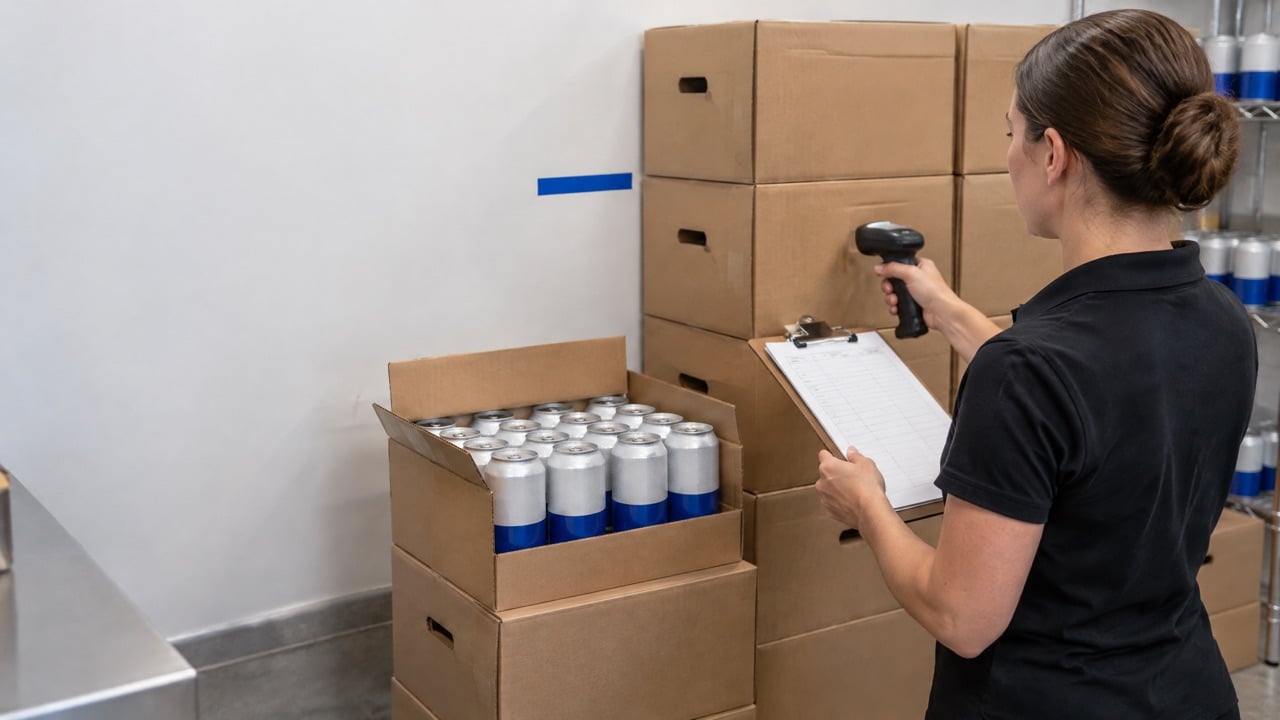
- Confirm ops owns receiving and station stocking.
- Confirm measurement plan (scans, content, case burn).
- Confirm reorder owner after the first week.
How teams brief agencies and freelancers
When an agency owns creative and you own the cooler, misalignment is expensive. Use one shared brief with five fields only: guest moment, primary promise in one sentence, water type mix and why, must-have legal or brand constraints, and success metric for the first reorder decision. Everything else is decoration. Briefs that try to solve twelve goals produce packaging that solves none.
Common campaign mistakes
Designing only for Instagram and discovering the wrap is unreadable on metal. Launching content before cans arrive. Printing QR to a page that is not live. Ordering sparkling-only for a still-thirsty audience. No ops owner for dock day. Changing art every week so recognition never builds. Reporting vanity likes without case burn or scan data.
Each of those mistakes is preventable with a joint brief and a pilot floor. They are expensive only when ignored.
What the two weeks before art lock look like
Day 1 to 2: Align brief, audience, and budget band with brand, content, and ops. Day 3 to 4: Can design and content concepts in parallel so geometry and crops match. Day 5: Proof approval, quote lock, shot list freeze. Then production: Typical window is about 2 to 3 weeks from approval. Pad for freight and content production buffers. After delivery: Stock stations, publish content, measure, reorder.
If the flight date cannot fit that window, change the date or the scope.
Expanding from pilot campaign to always-on program
Keep art stable once it works. Adjust case counts by season and channel. Add sparkling only when still is trusted. Rotate content angles more often than you rotate the wrap. Recognition is a feature. Always-on programs fail when every month gets a new can design and no month gets enough repetition for guests to remember the brand in their hand.
A simple operating rhythm helps. After each pilot week, review three things in the same meeting: case burn by station, content that actually used the real can, and scan or journey completions if QR is live. Then decide keep, fix, or kill before the next media flight. That is how cans stop being a launch stunt and start being a campaign system.
Related posts: QR branded water first-party data and low minimum pilots.
What good looks like after 90 days
Ninety days in, you should see a reorder placed without redesign panic, content libraries that show the same brand system as the cooler, finance that sees pilot-to-program math next to media results, staff who can explain the can in one sentence, and guests who notice the brand, not a generic bottle. Creative and ops no longer argue about who owned the cooler. That is the bar for branded canned water marketing campaigns that stay useful after launch week.
FAQ
How do marketing managers use branded canned water in campaigns?
As a physical proof point that hydrates, photographs, and optionally opens a QR journey, timed to content and distribution moments.
What is the minimum order for a campaign pilot?
21 cases (504 cans) at We Can It.
How long before a campaign should art be locked?
Reverse-plan about 2 to 3 weeks of production after artwork approval, plus freight and content production buffers.
Can still and sparkling share one campaign brand system?
Yes. Still for volume, sparkling for peak moments, same wrap system when designed that way.
Do you publish fixed campaign package prices?
No. Cost moves with quantity, size, print path, and water type. Use the instant quote calculator.
Get a quote for branded canned water marketing campaign
Align the wrap, the content, and the case count before the flight starts.