Gyms and Boutique Studios: Private Label Water That Earns at the Front Desk
Members buy a drink at the front desk after class. Here is how a gym or studio prices, stocks and reorders its own private label water as a retail product, and how to work out how many cases your studio really needs each month.
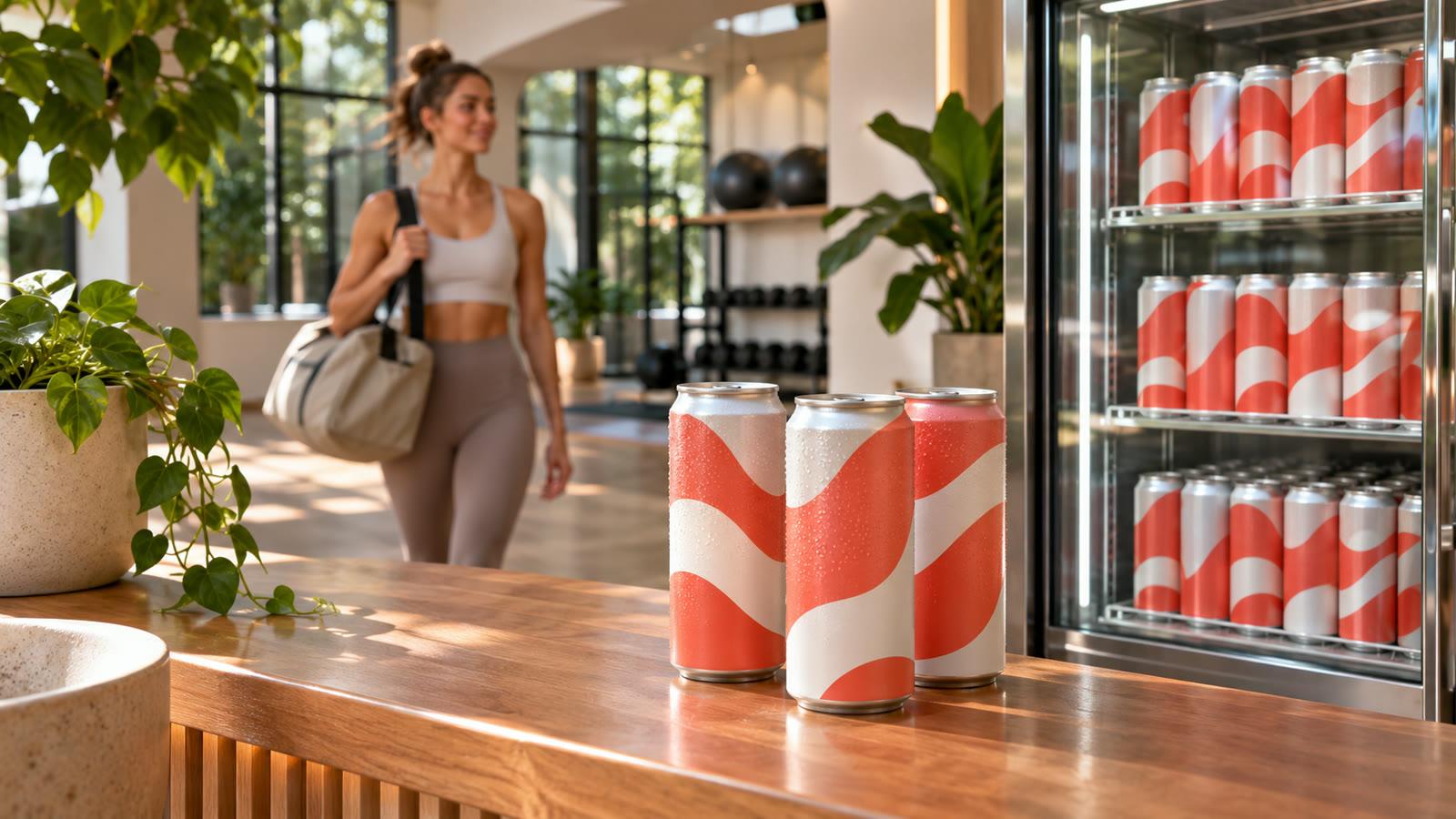
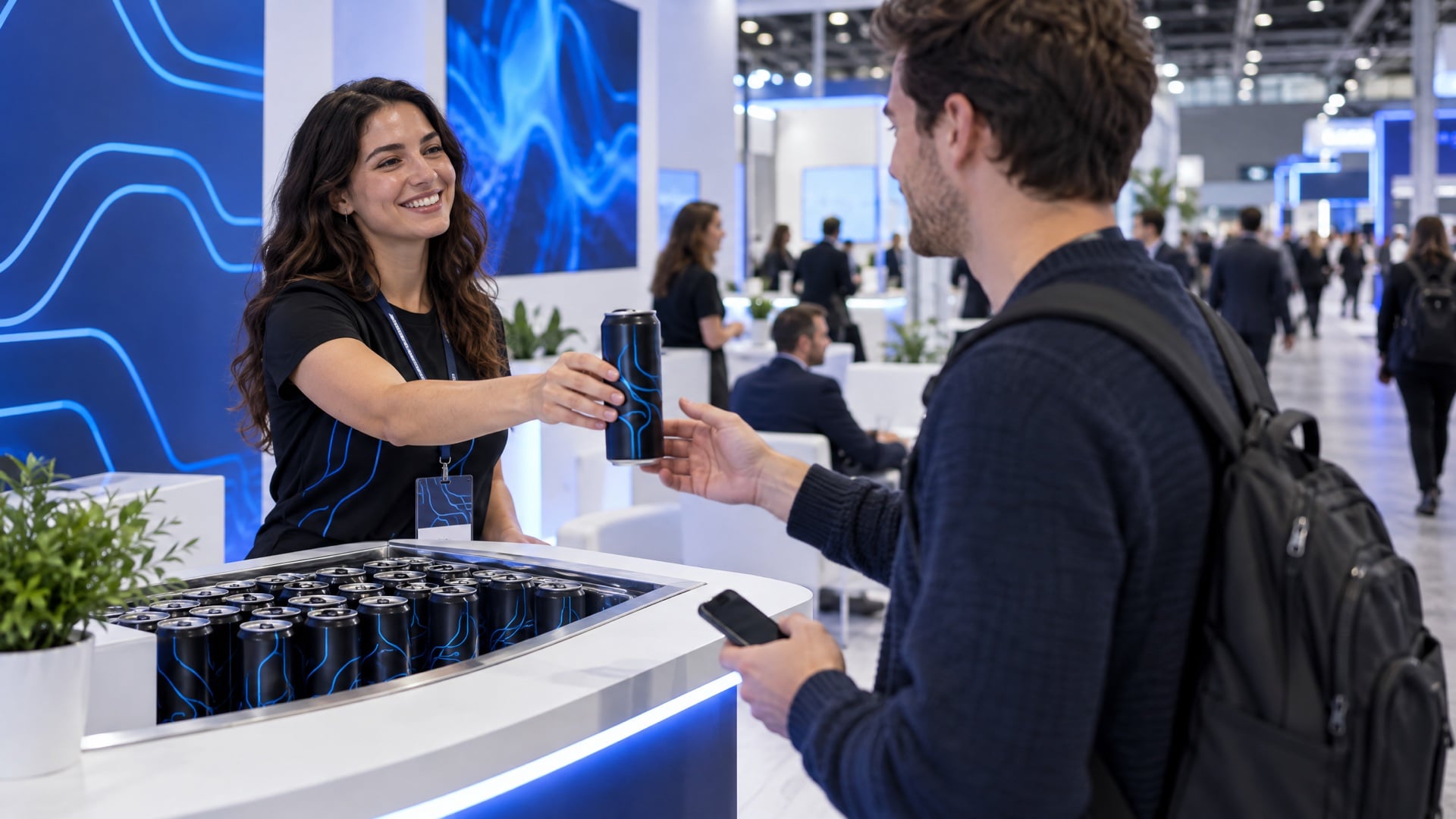
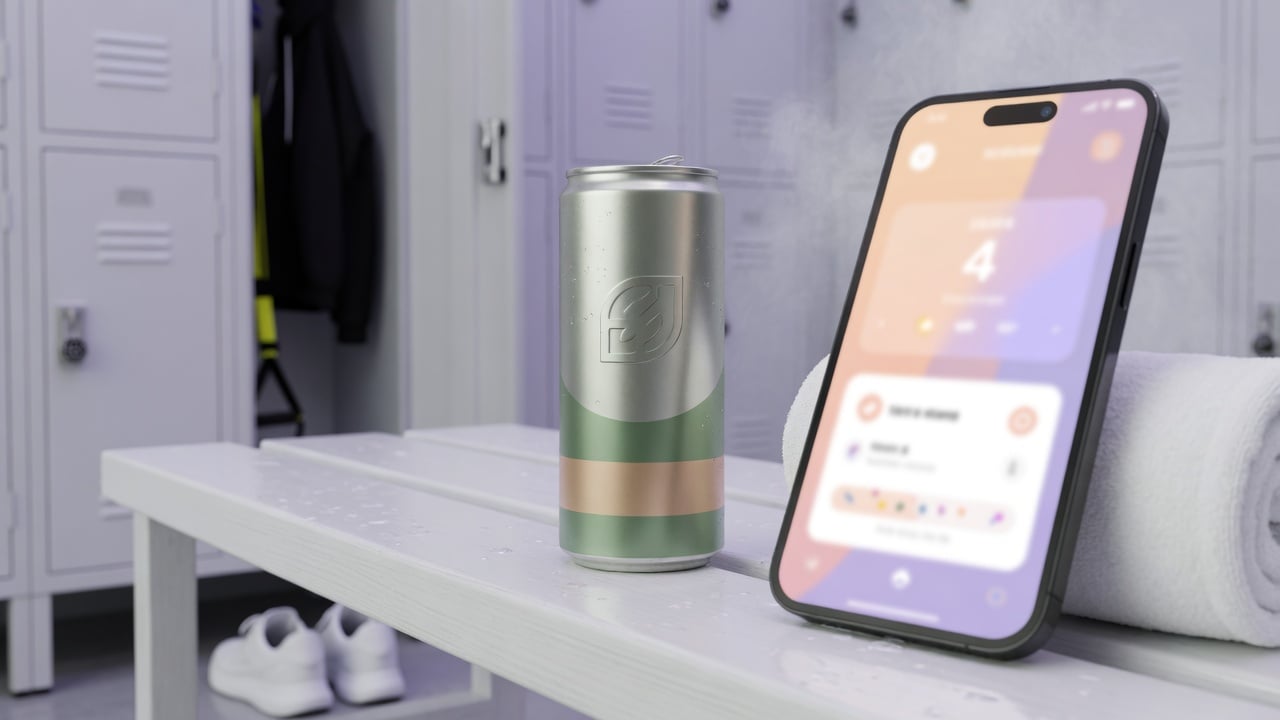
The 7 a.m. class lets out. Twenty people walk past the front desk at once, sweaty, a little out of breath and looking for something cold. Half of them forgot their bottle. The cooler by the desk is full of a generic brand you buy from a distributor, priced like every gas station in town. They grab one, tap a card and leave. Your studio made a few cents on the sale, and the brand on the bottle was someone else's.
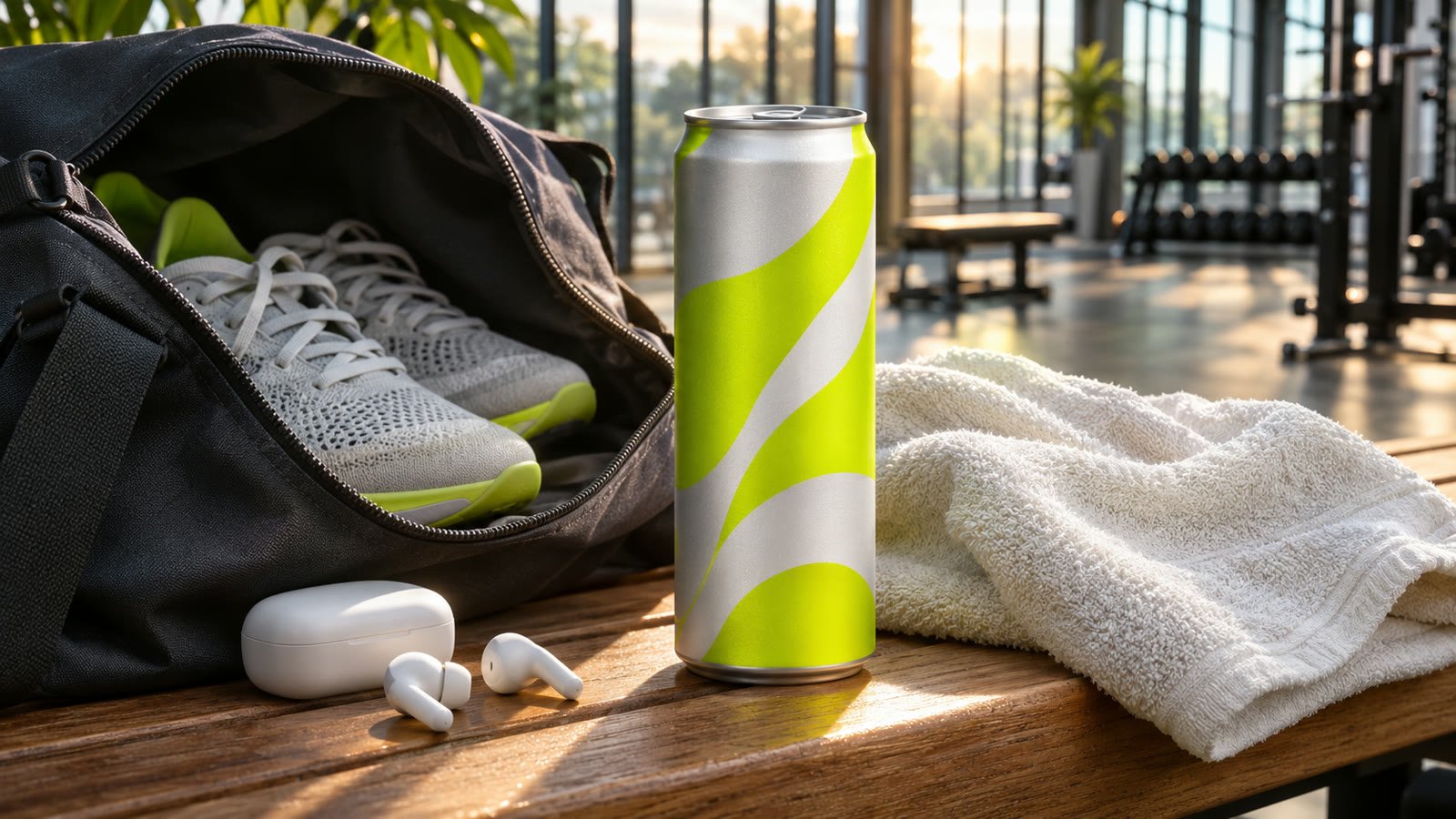
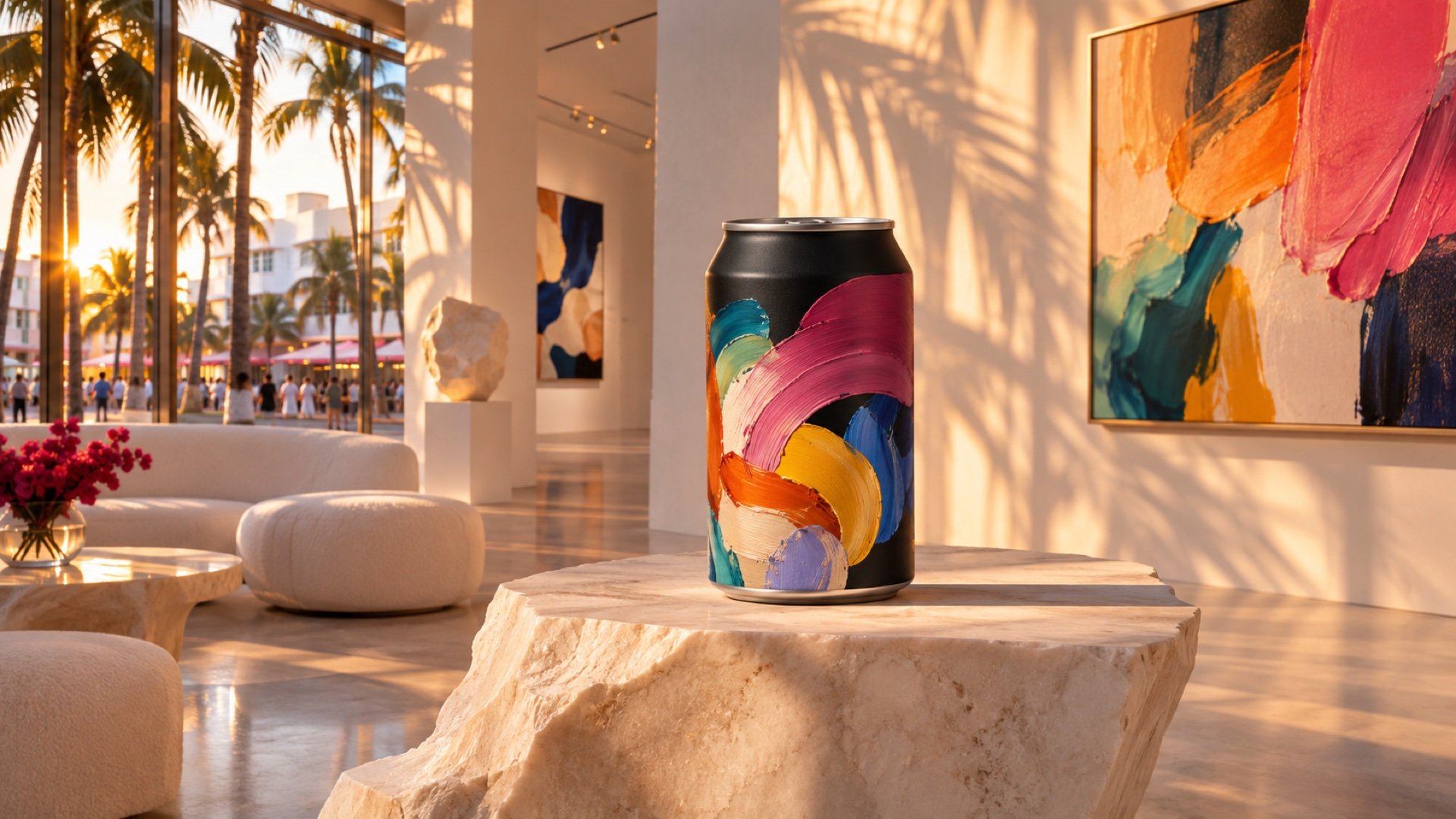
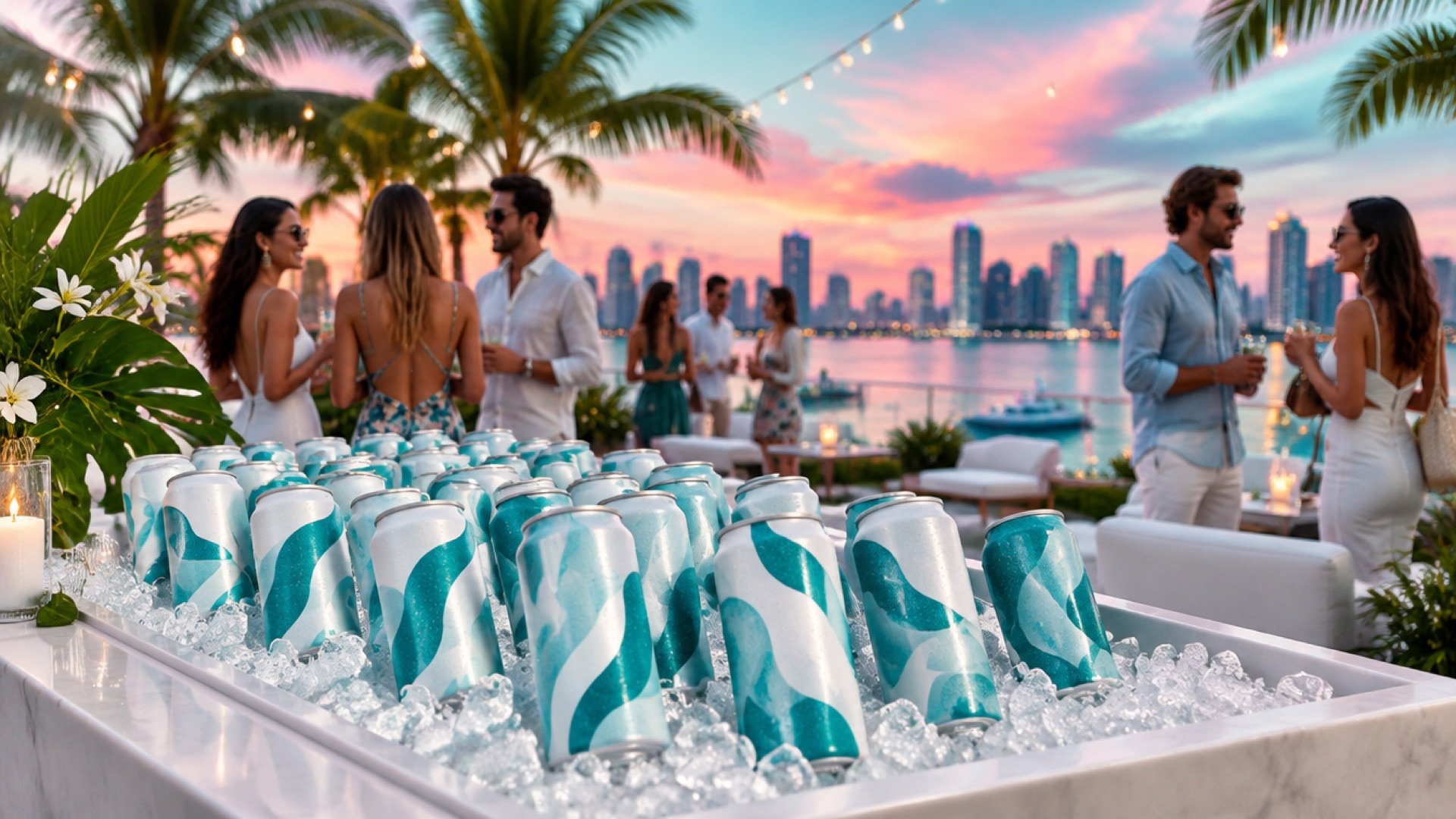
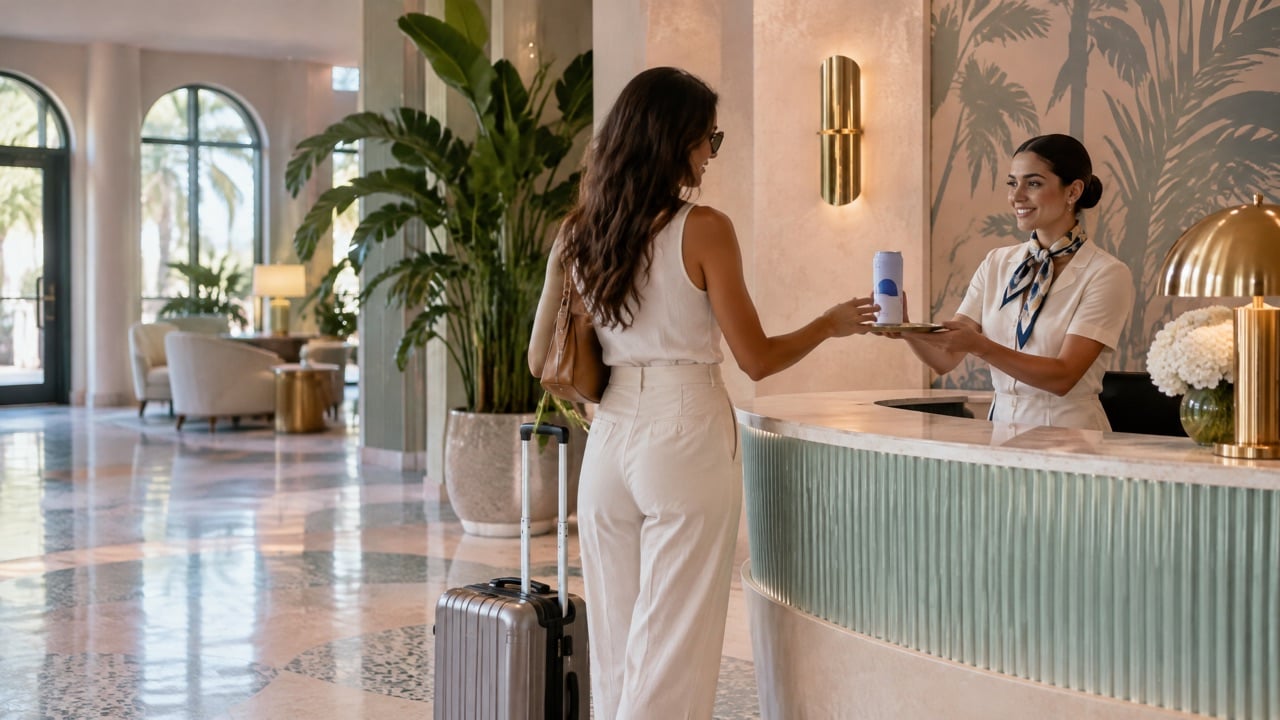
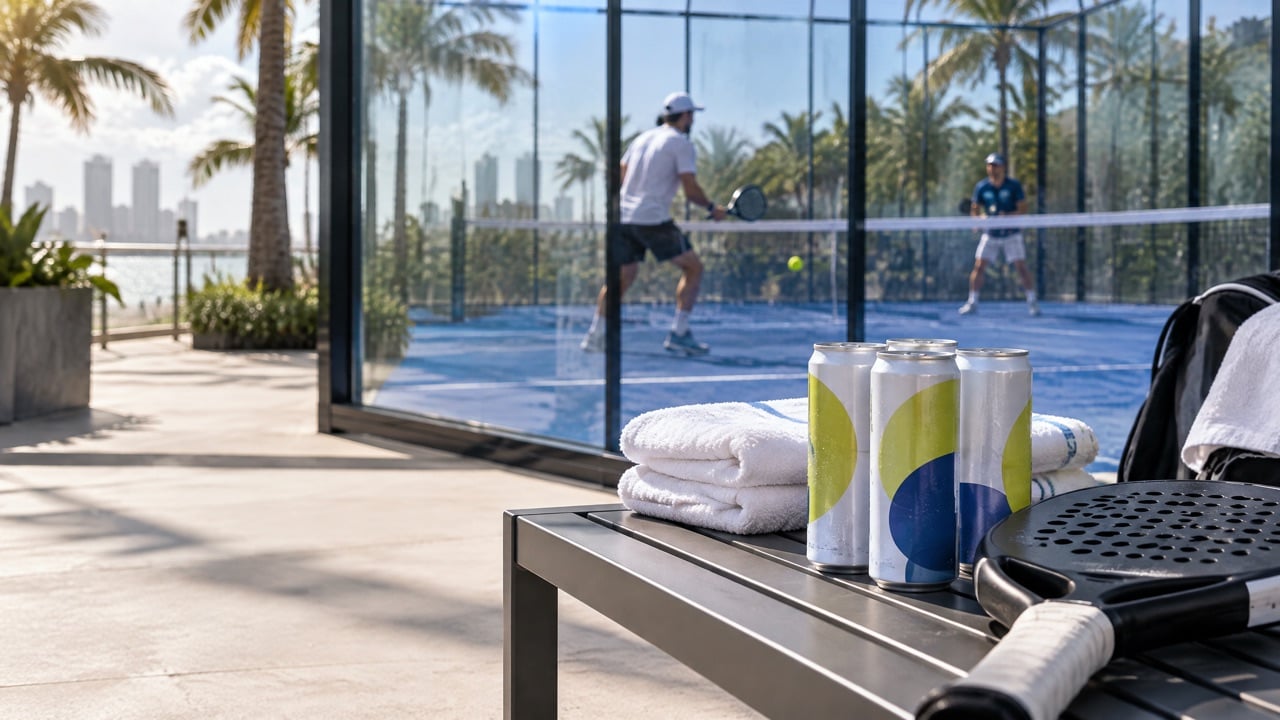
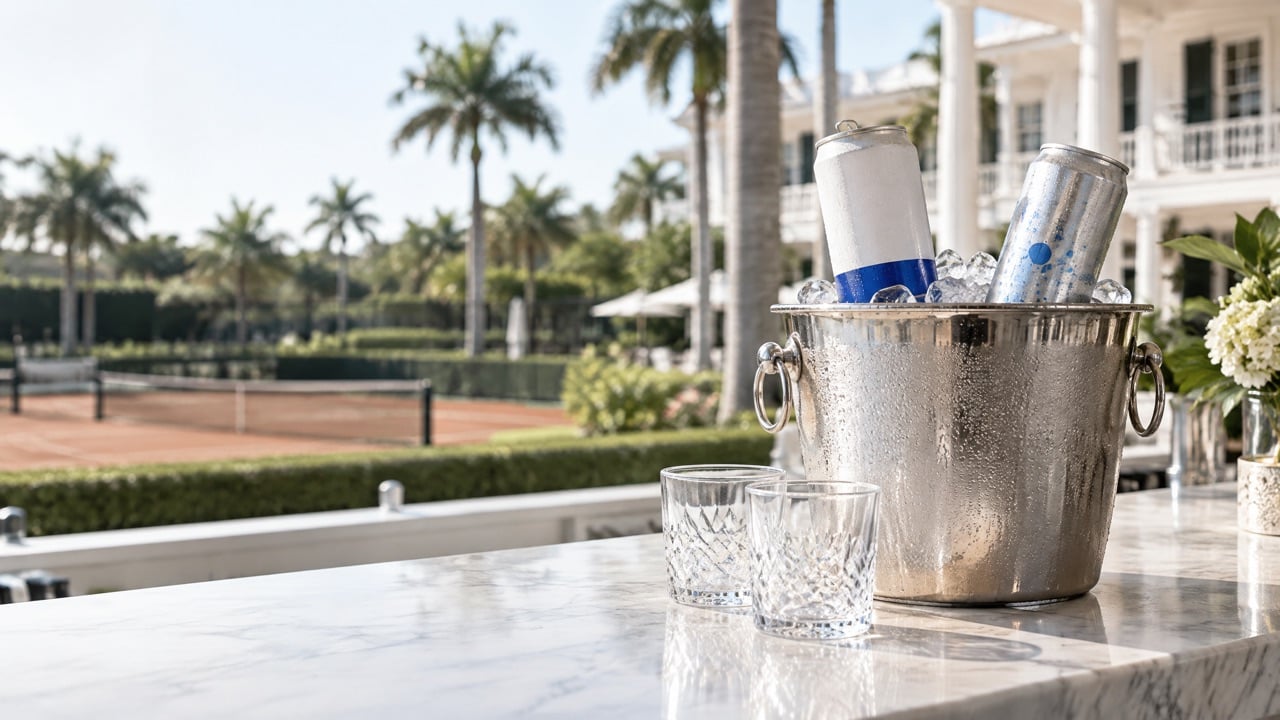
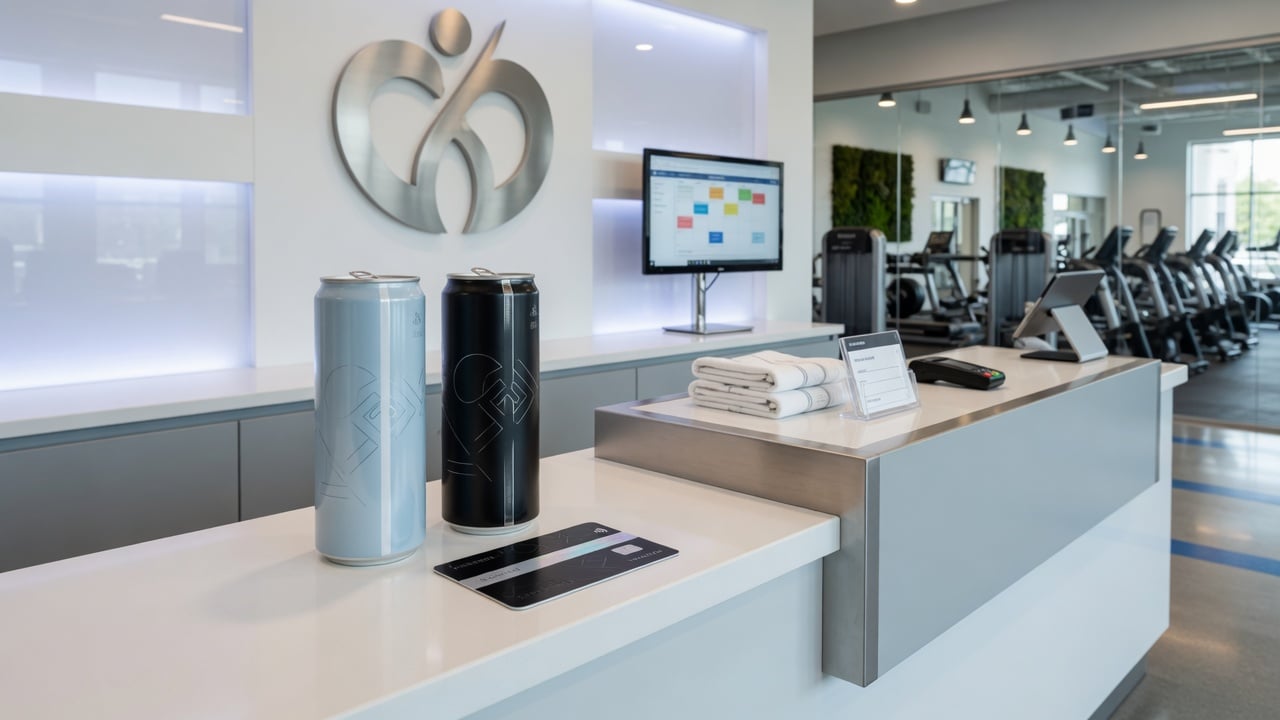
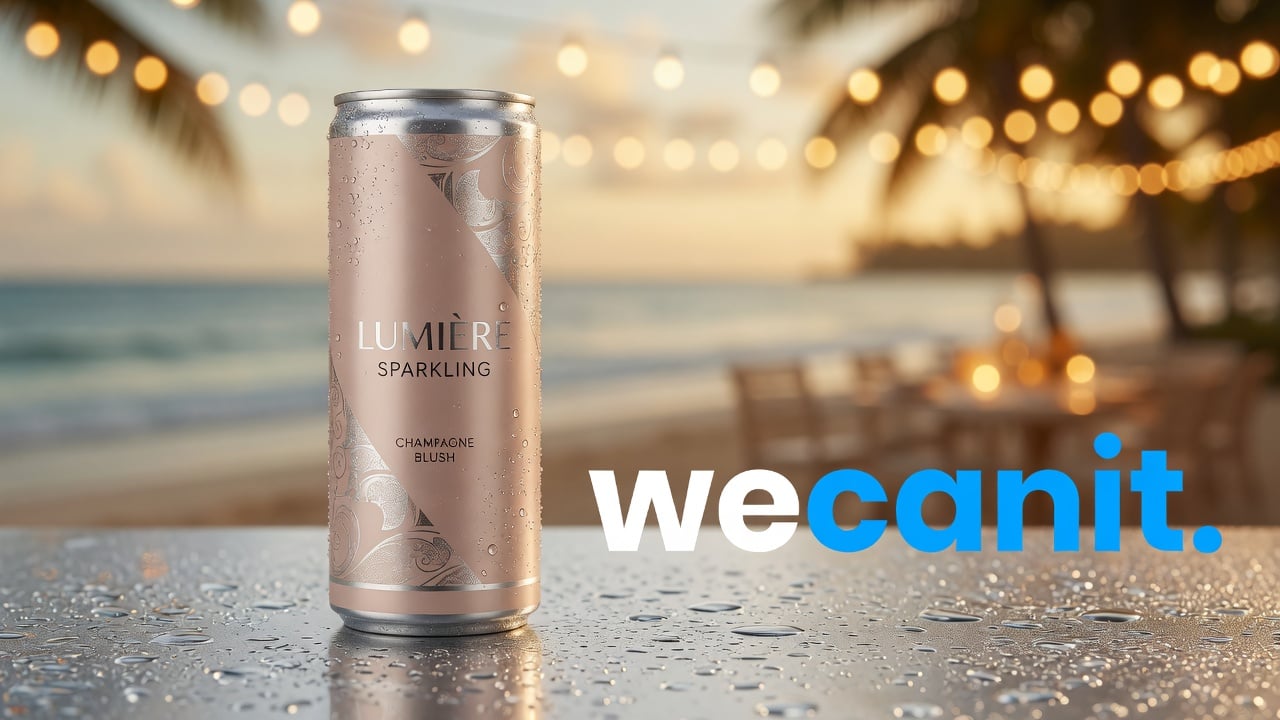
Now picture the same moment with your own water. The can in the cooler carries your studio's colors, it sits at a price that fits your brand and every member who walks out holds your logo on the way to the car. That is the idea behind private label water for gyms: turning a sale you already make into a product you own. This guide is for owners, general managers and marketing leads at gyms, boutique studios, padel clubs and wellness centers who want front desk retail to earn more.
What is private label water for gyms?
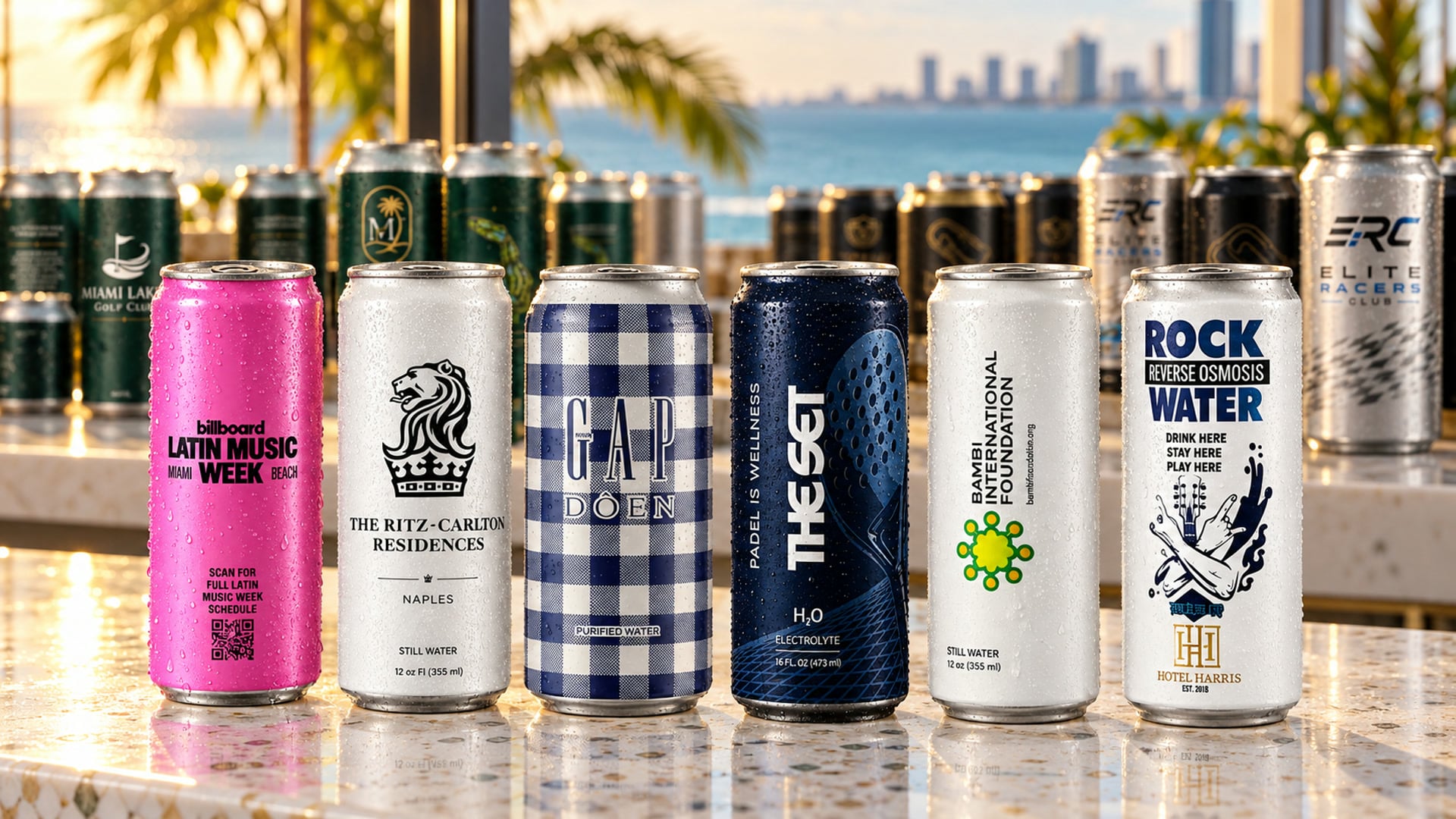
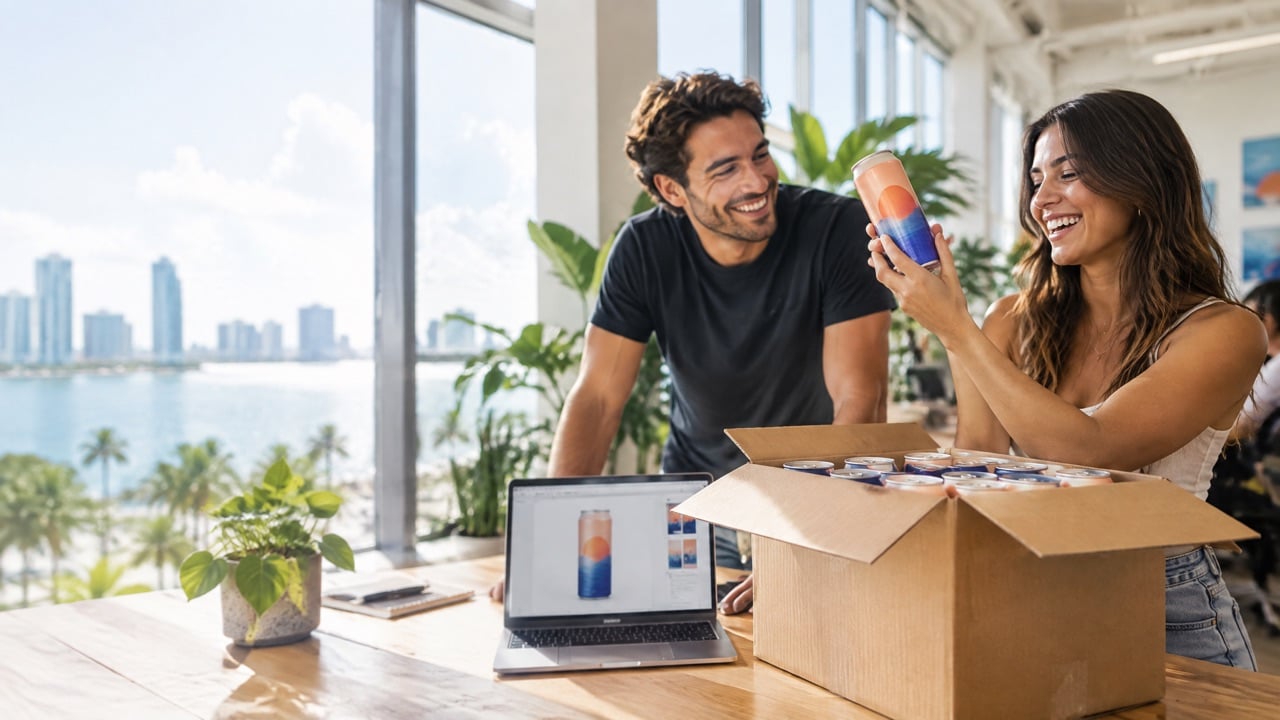
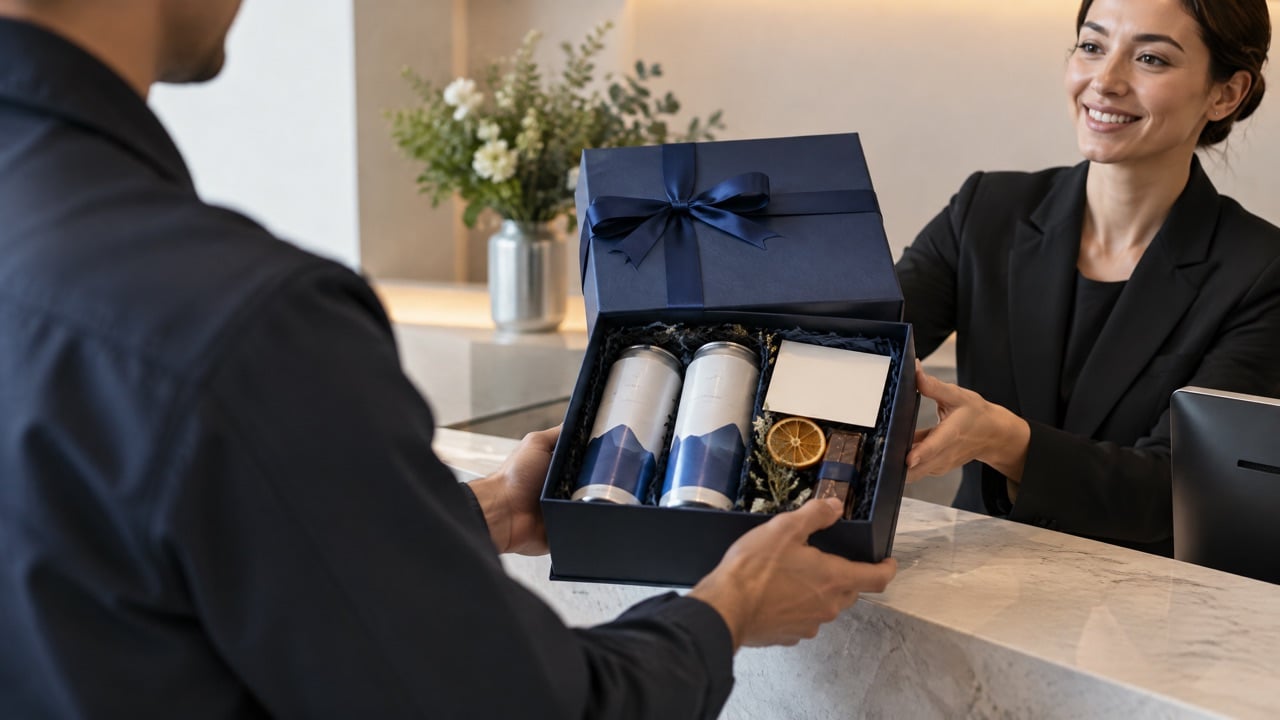
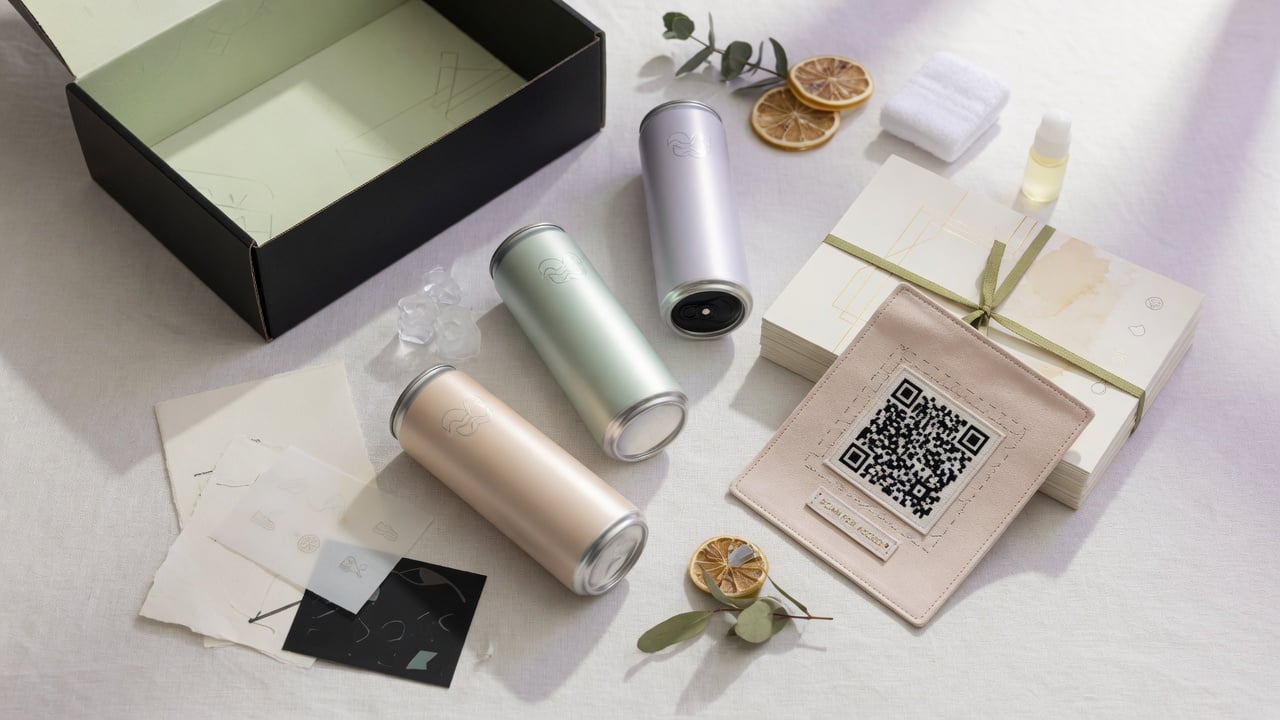
Private label water for gyms is water packaged under your gym or studio's own brand instead of a third-party label. A manufacturer fills and seals the water, and the can or bottle carries your design. You sell it at the front desk, in the cooler or in a smoothie bar like any retail item, but the brand and the pricing are yours.
It differs from simply reselling a branded water in three ways:
- You own the brand. Members see your studio, not a national label, every time they drink.
- You set the price. A product that only exists at your studio is harder to compare on price.
- You choose the format. Size, water type and design match your space and your members.
Why front desk water is a retail line worth fixing
Water is often the most frequent purchase at a gym's front desk, yet it is usually treated as a convenience rather than a product. When the water comes from a distributor's catalog, the margin is thin and members can find the same bottle cheaper next door. A private label can turns the same daily habit into a branded product with its own price point.
There is a second benefit. Every can that leaves your studio is a small, physical piece of your brand in the world. It ends up in a car cupholder, an office desk or a photo after a hard class. You do not need to overstate this. It is simply better than carrying someone else's logo.
How to price private label water at the front desk
Set your shelf price from three things: your cost per can, the margin you expect from other retail items and what members already pay for comparable drinks at your desk. Most studios price their own water in line with other premium drinks they sell, not at the lowest point in the cooler, because members are buying your brand rather than a commodity.
A simple pricing method:
- Know your landed cost per can. Use your quote, including freight, which We Can It bills at cost.
- Add handling. Cooler electricity, staff time and any loss from damaged stock.
- Apply your target retail margin. Use the same logic as your other front desk items.
- Check the neighbors. Look at what members pay for drinks in your cooler and nearby.
- Decide on member pricing. Some studios offer a lower price for members or bundle water into class packs.
For reference, digitally printed cans from We Can It range from $1.60 to $2.00 per can depending on volume, with lower prices at higher volumes. Labeled cans run $1.15 to $1.55 per can. Your exact cost comes from the calculator or a quote.
How many cases does a gym or studio need each month?
Estimate monthly demand from your visit count and how often members buy a drink. Multiply weekly visits by the share of visitors who buy water, then multiply by four. Divide by 24 cans per case. Start a little lean, track sales for a month and adjust your next order.
Here is the formula in plain steps:
- Count weekly visits. Use your booking system or door check-ins.
- Estimate the buy rate. What share of visitors buy a drink at the desk today? Your point of sale data will tell you.
- Multiply visits by the buy rate. That is your weekly cans sold.
- Multiply by four for a monthly figure.
- Divide by 24 to convert cans into cases.
- Add a small reserve for hot months, challenges and events.
Use your own numbers. A small boutique studio and a large club with a pool will land in very different places, and that is fine. The useful part is that the formula is the same, so you can explain the order to an owner or a partner in one line.
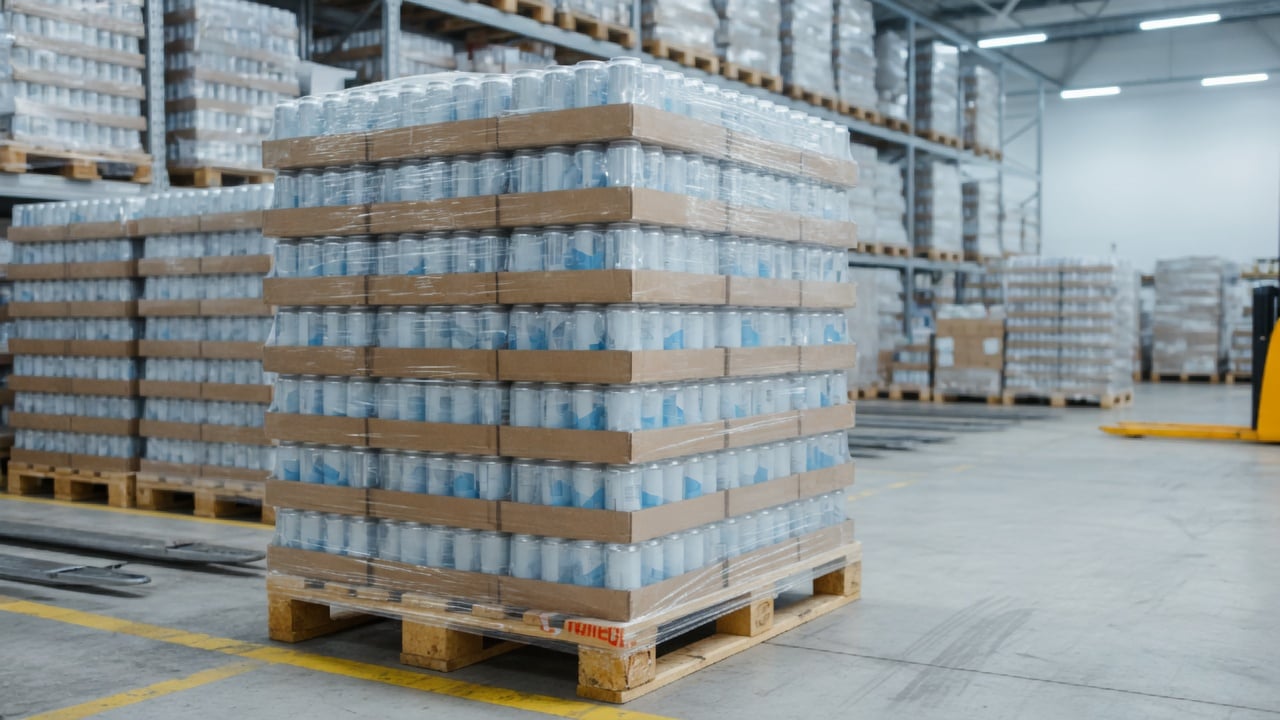
With We Can It, labeled cans start at 10 cases, which is 240 cans, which is small enough for a single studio to test without filling a storage room. Digitally printed cans start at 21 cases (504 cans), which fits multi-location groups or high-traffic clubs.
Setting up the cooler and the front desk
Where and how the water sits matters as much as the price. Members decide in a few seconds on the way out, so make the choice easy and visible.
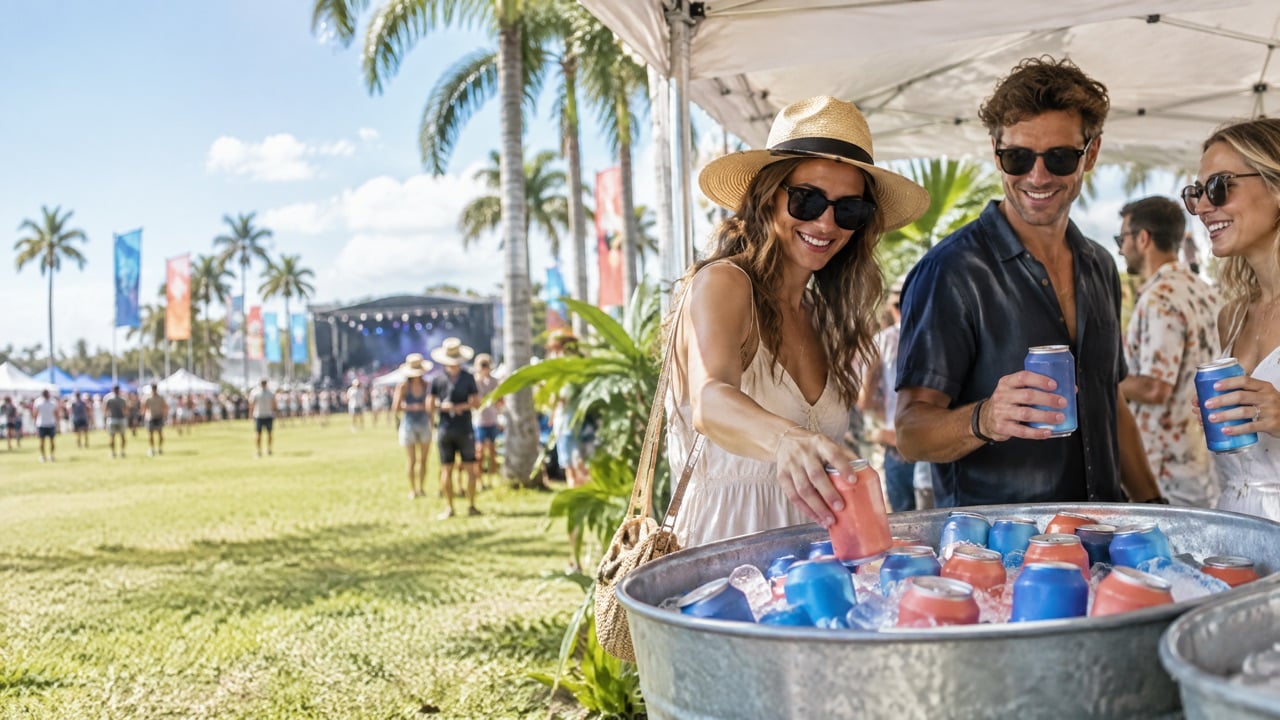
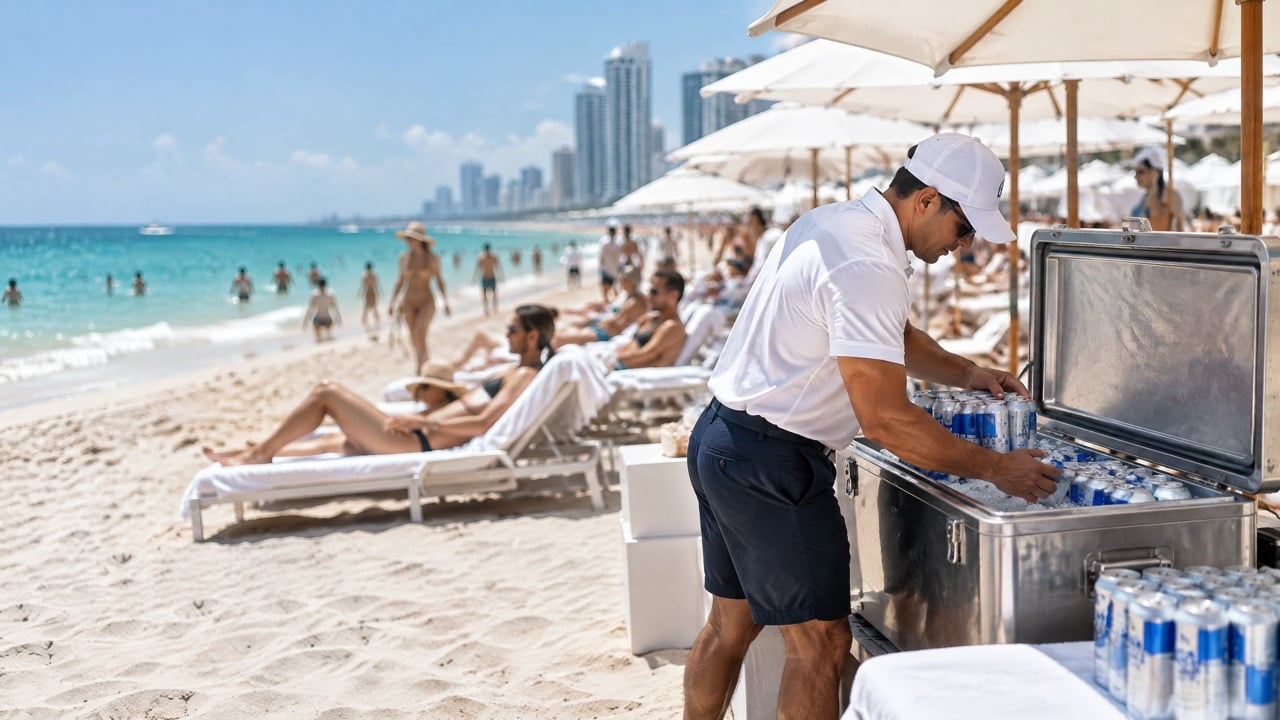
- Put the cooler in the exit path. Members should pass it after class without a detour.
- Keep it full and at eye level. An empty shelf at 7 a.m. is a lost sale.
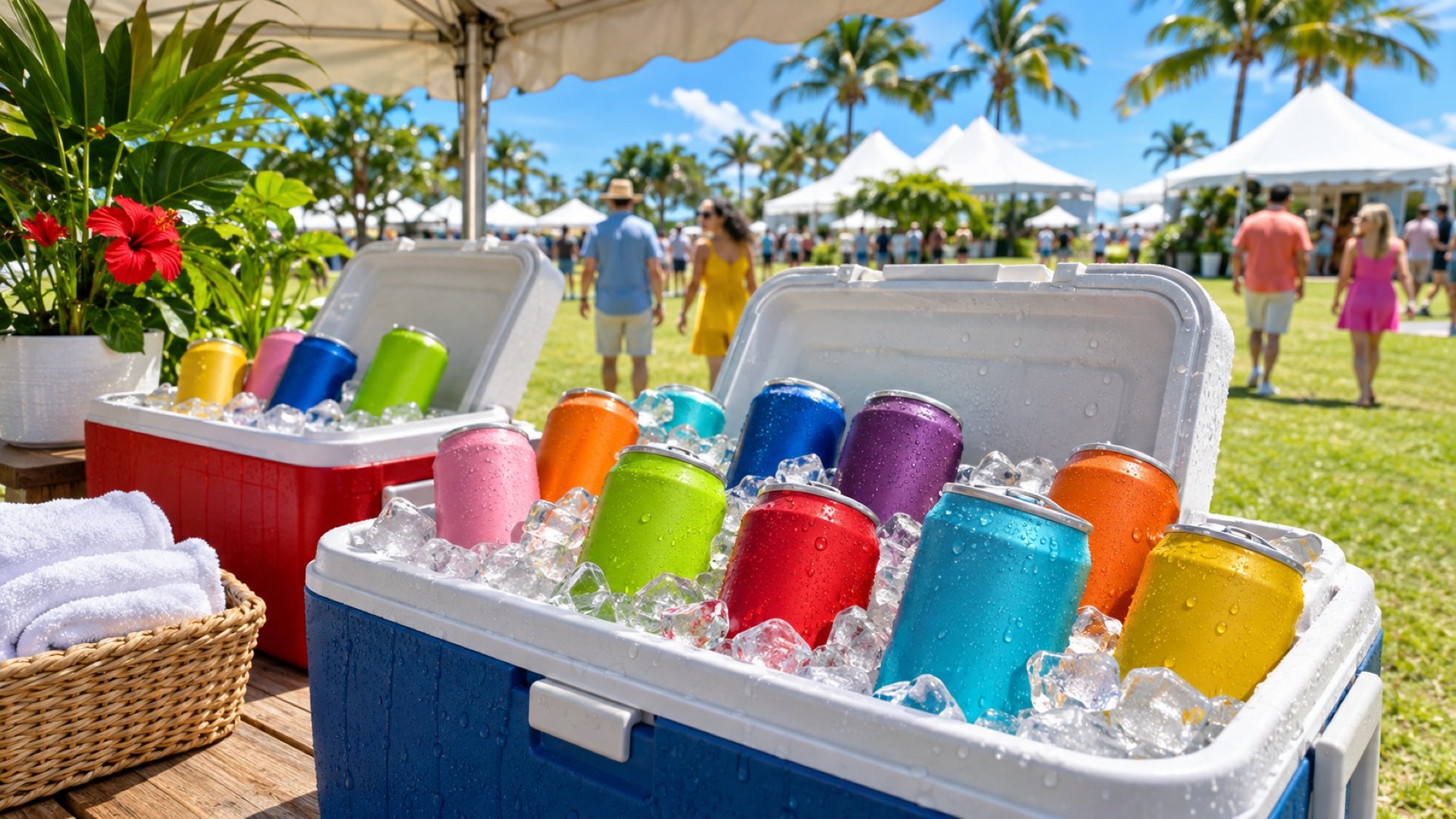
- Serve it very cold. Aluminum chills quickly, which helps on busy mornings.
- Show the price clearly. A small card with the price and a tap-to-pay reader speeds up the line.
- Train staff to mention it. "Grab a cold one on the way out" sells more than silence.
Choosing the right can for a fitness space
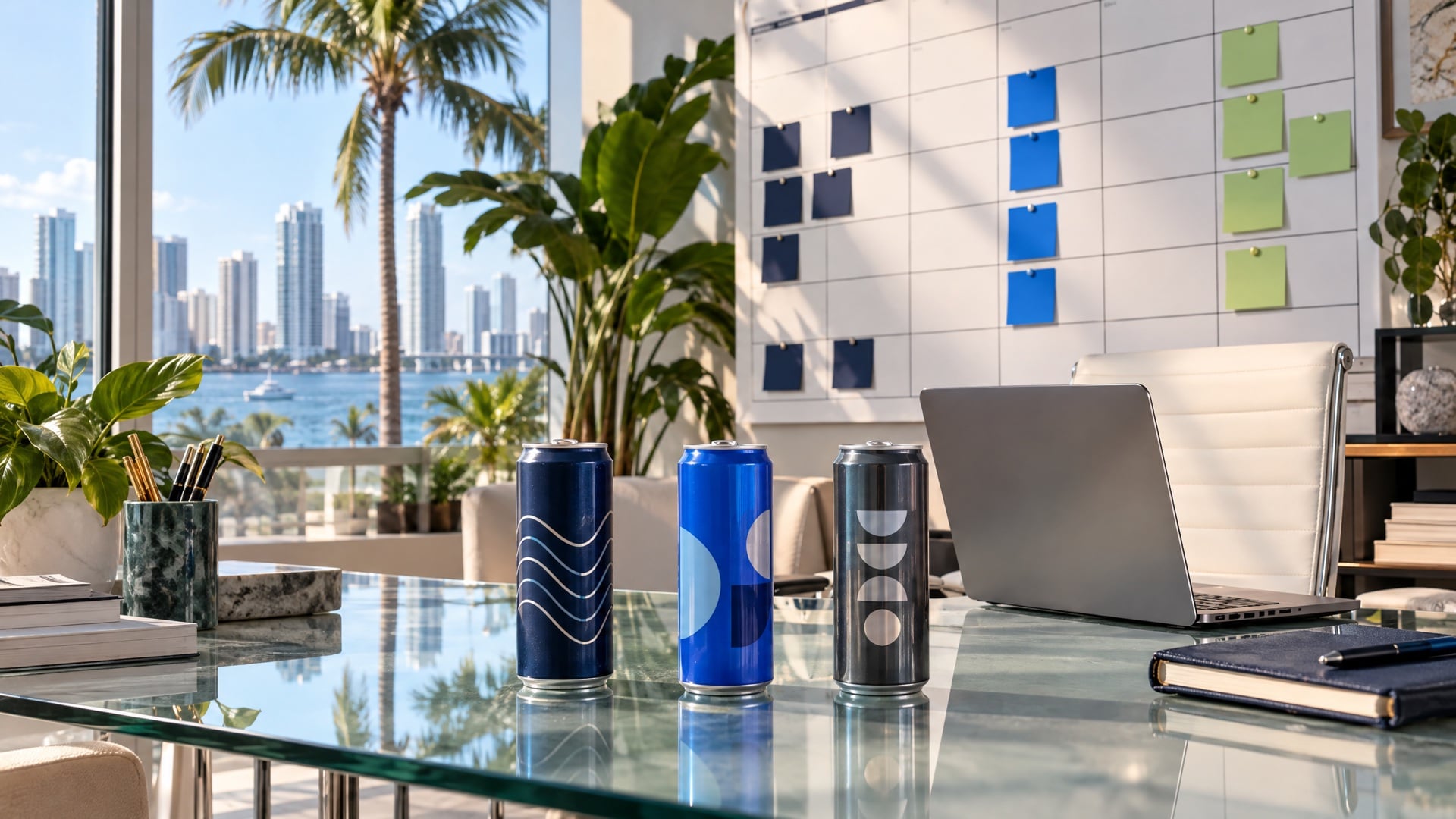
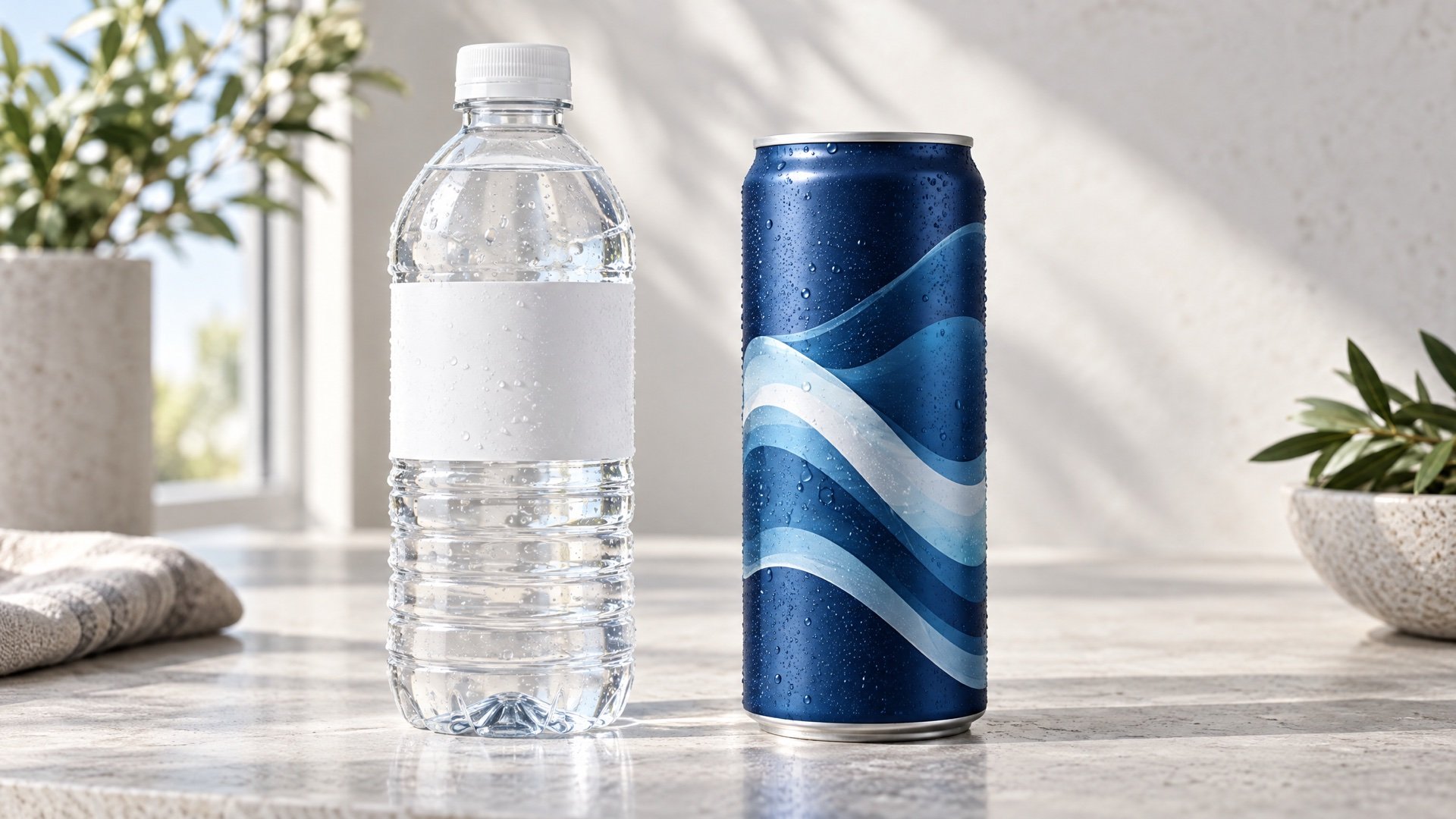
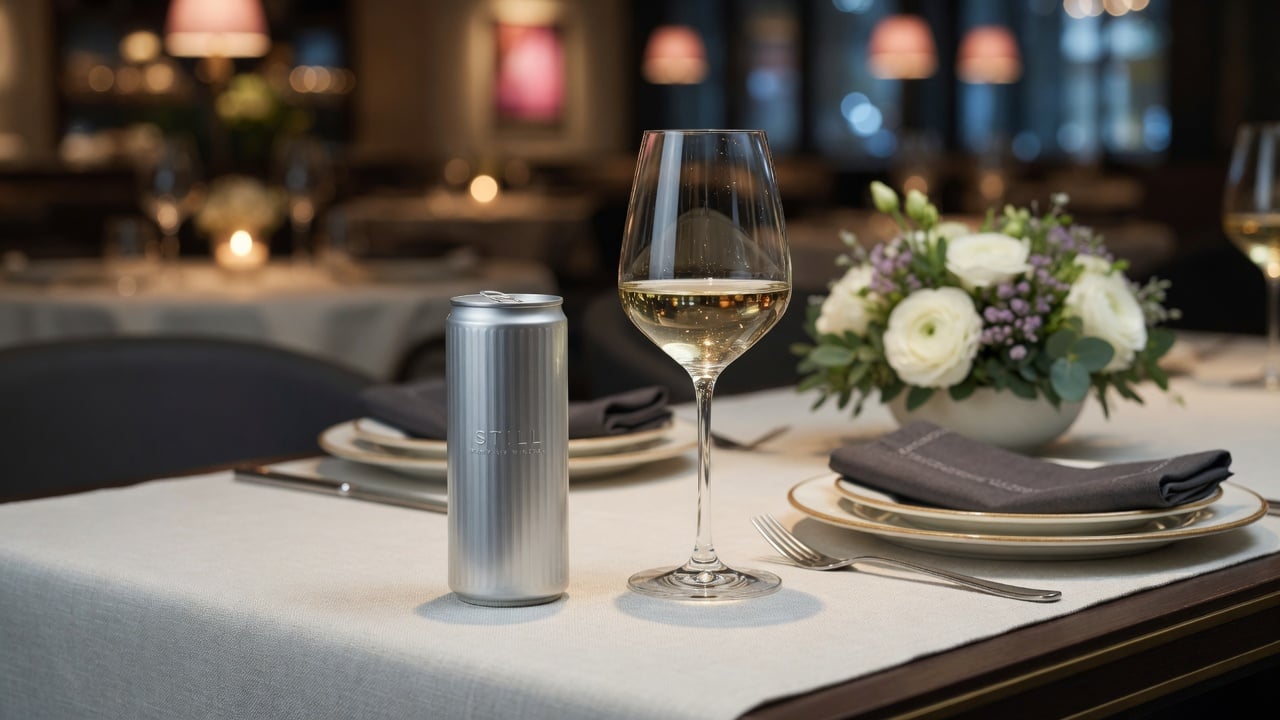
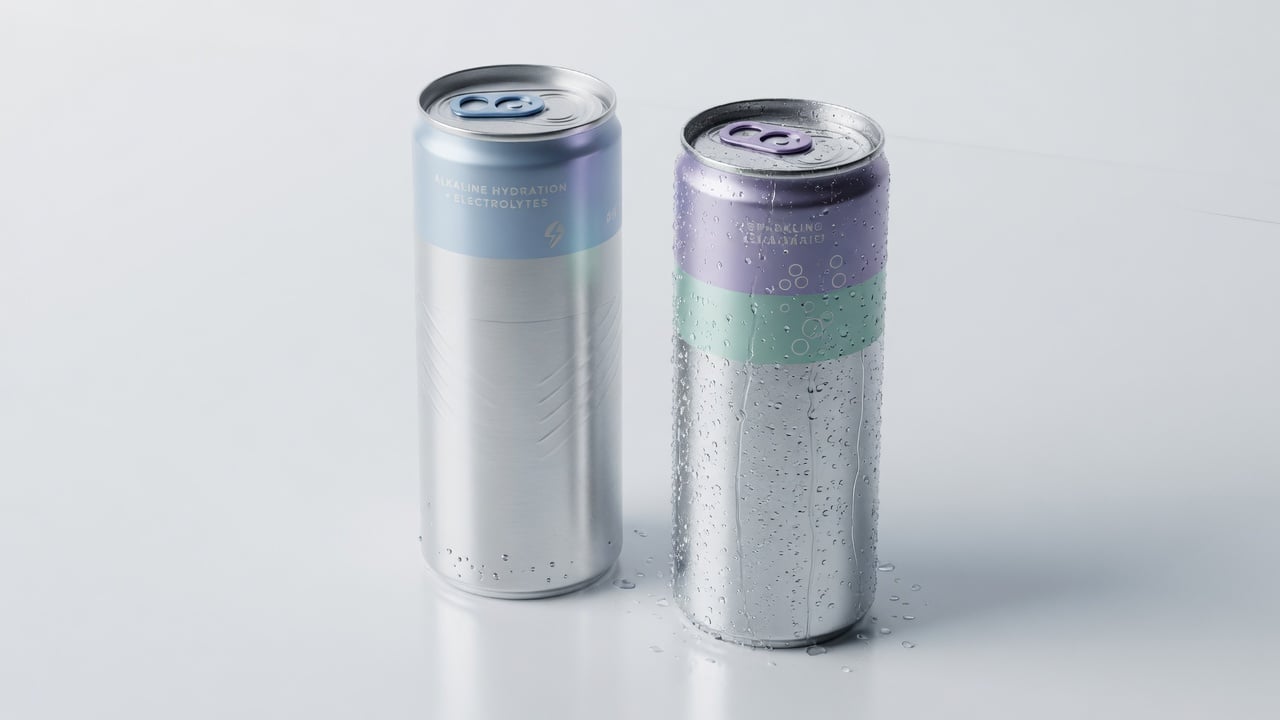
Pick a size and water type that match how your members drink. Many gyms prefer a larger can for after a workout, while boutique studios and spas often like a slimmer can that looks premium on a counter.
Your options with We Can It:
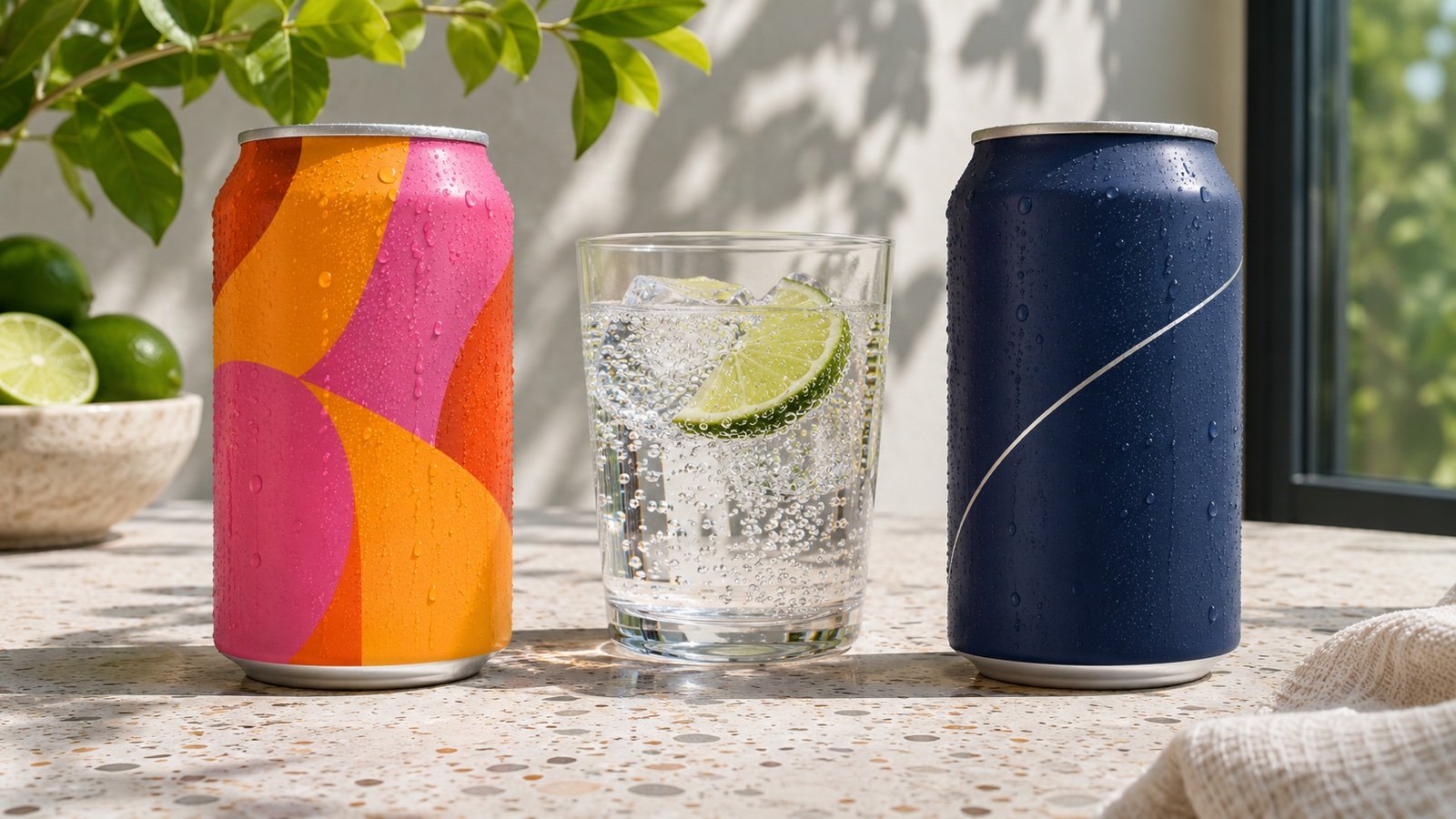
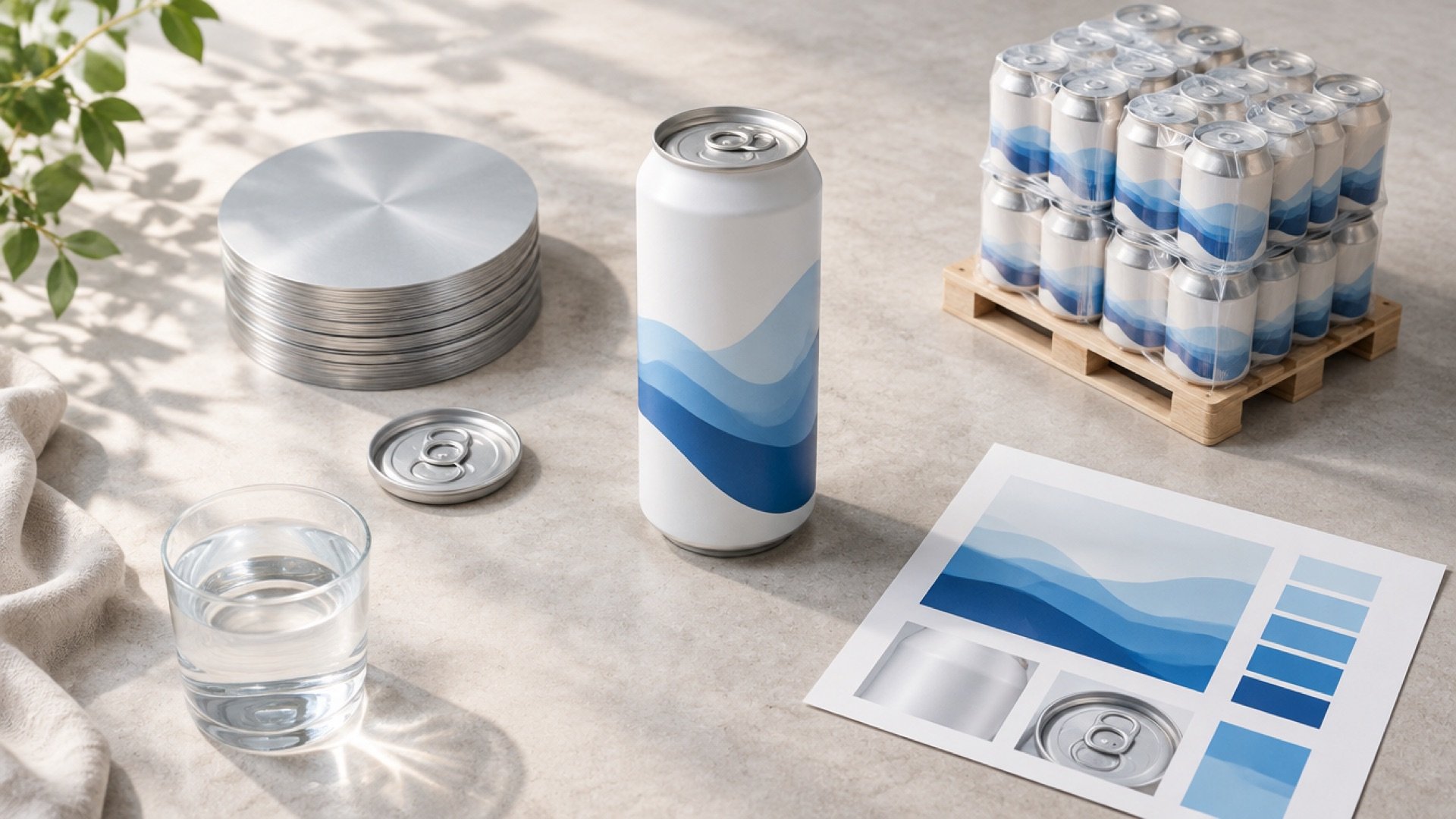
- Sizes: 12oz Regular, 12oz Sleek and 16oz.
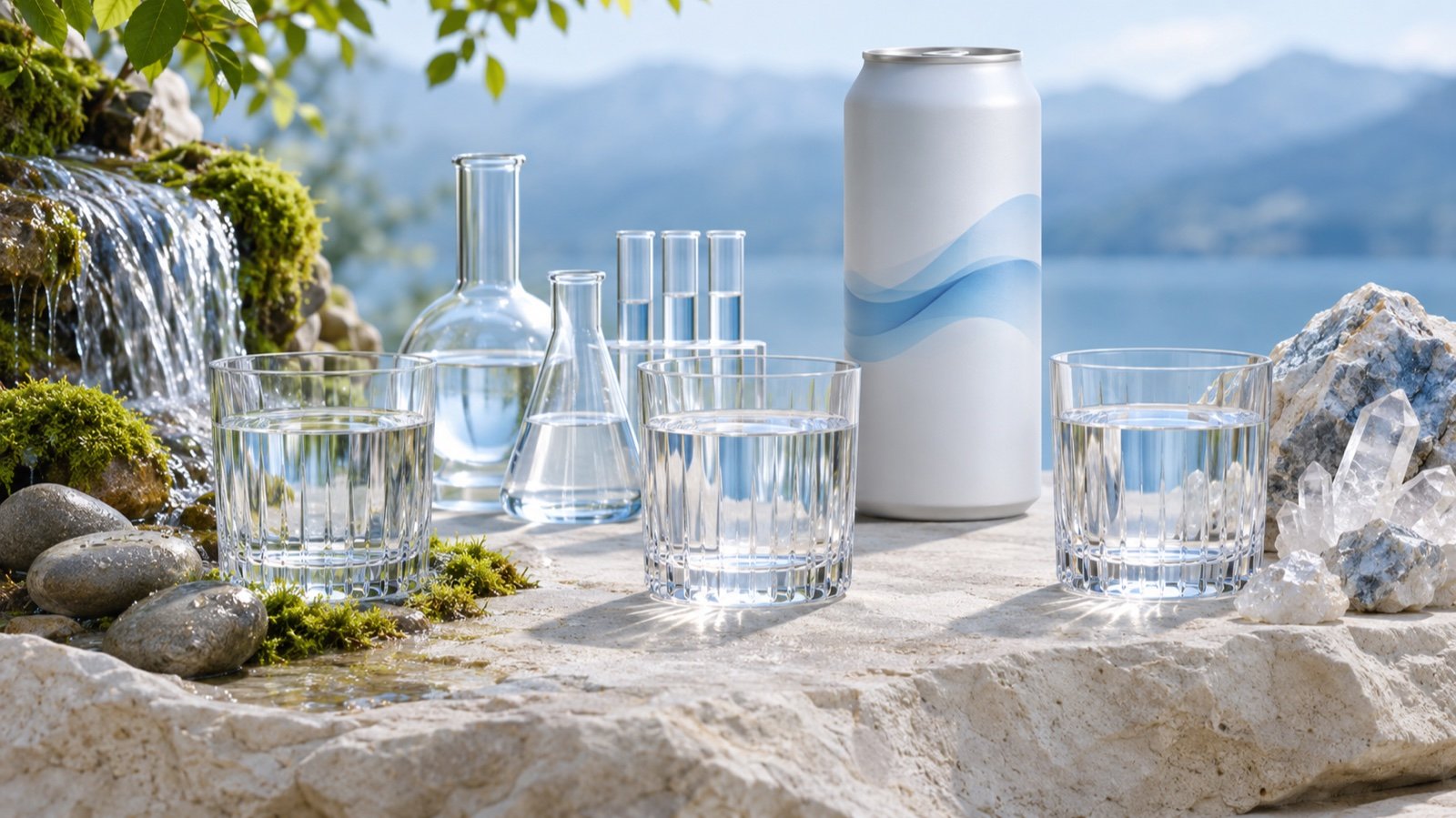
- Water types: Still, sparkling and alkaline. Many fitness brands lead with still or alkaline for after class.
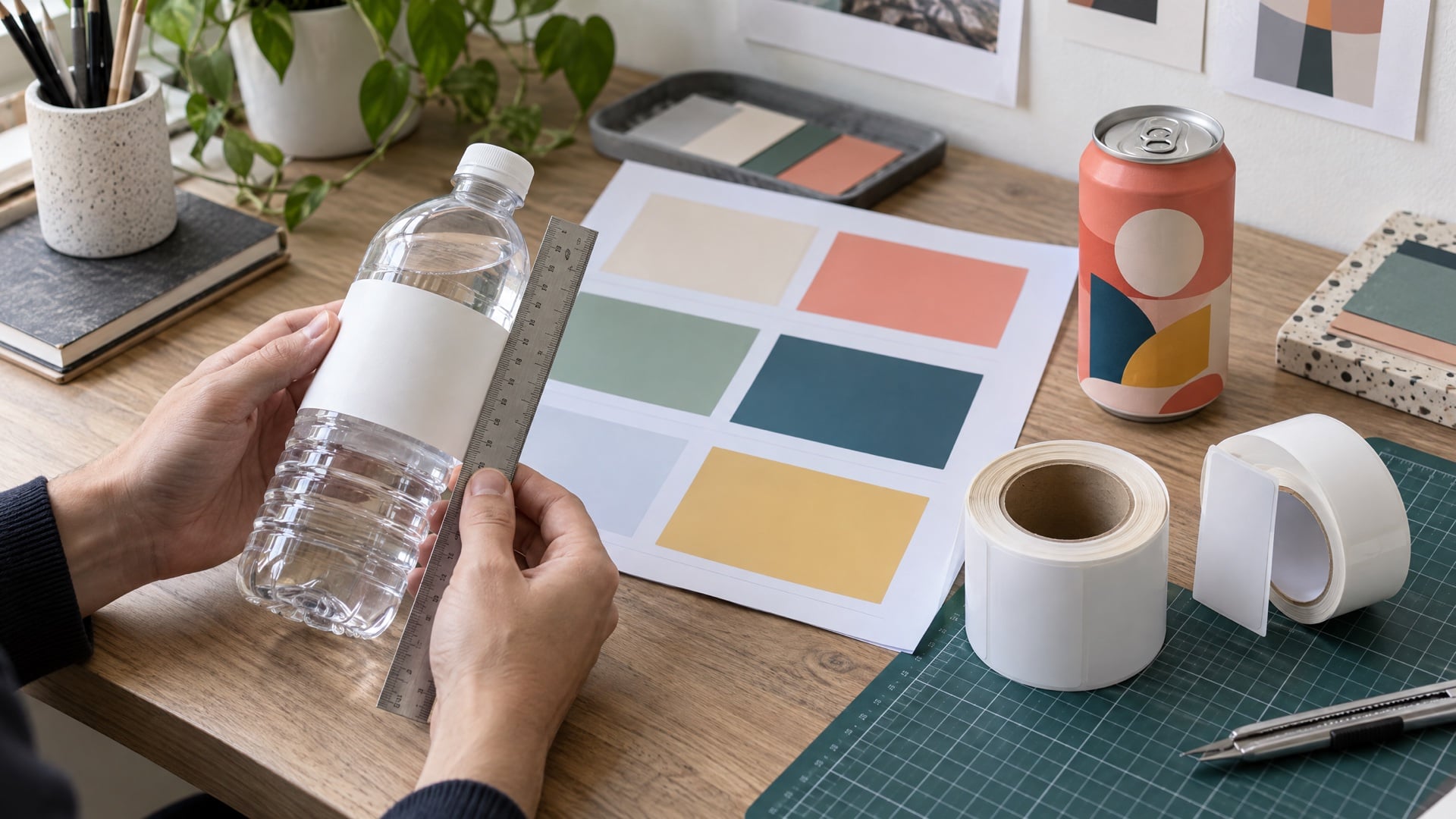
- Labels: From 10 cases, good for a first run or a seasonal design.
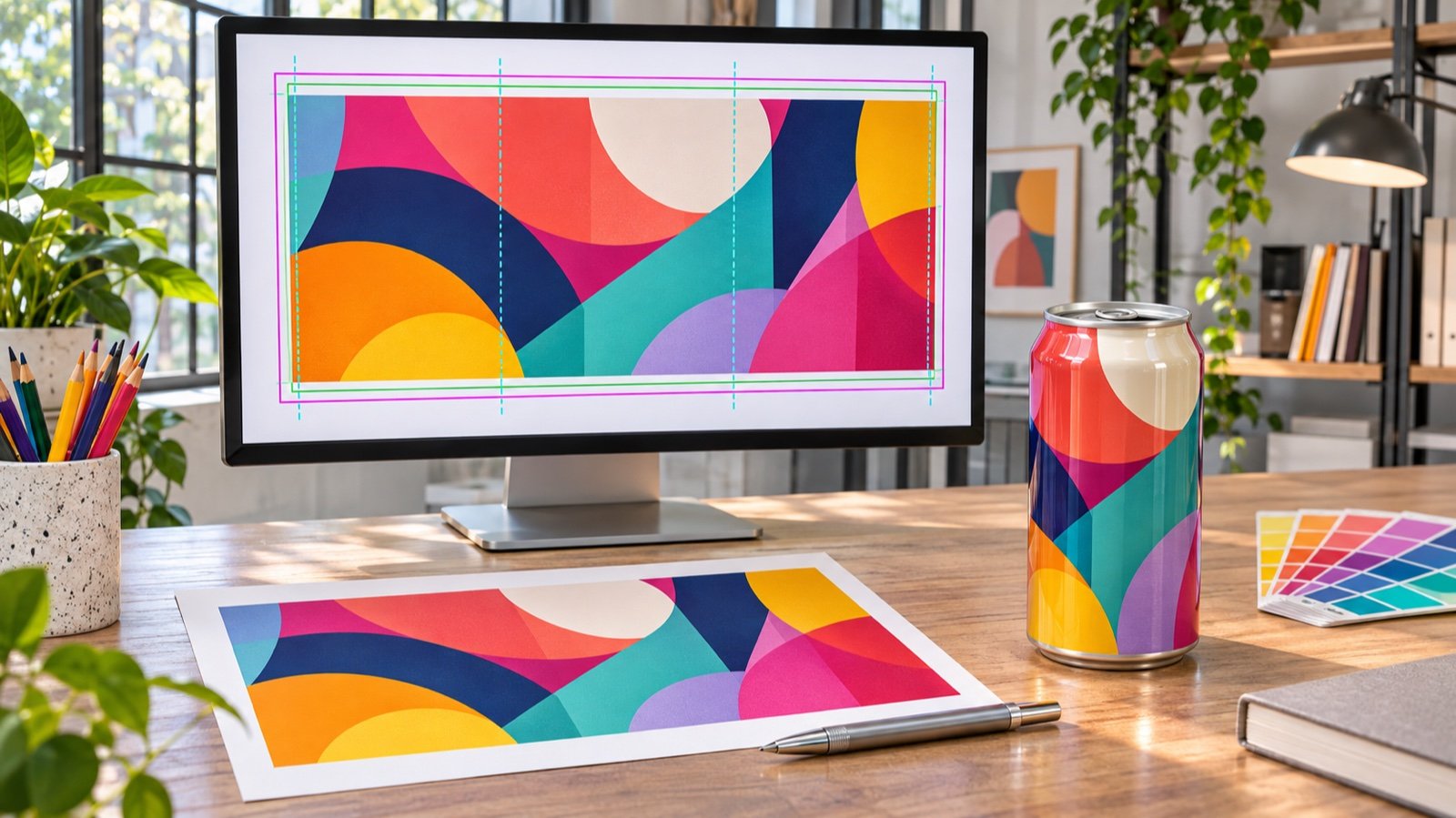
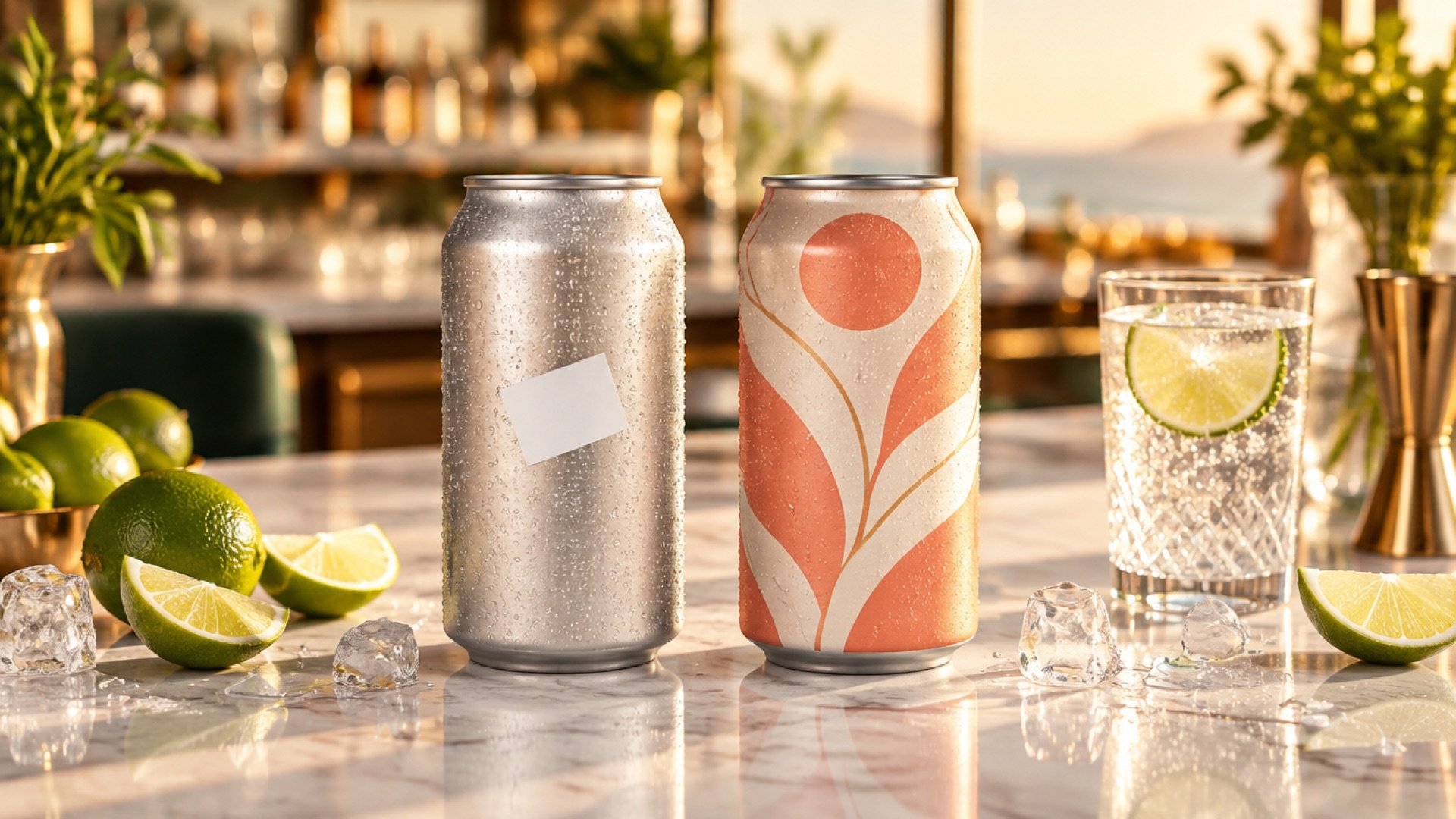
- Digital print: From 21 cases (504 cans), with your artwork printed directly on the aluminum.
- QR code: Included at no extra cost on both print types.
Members sometimes ask about electrolyte drinks. Our electrolyte water manufacturer page explains our current approach to that category honestly.
Reordering without running out
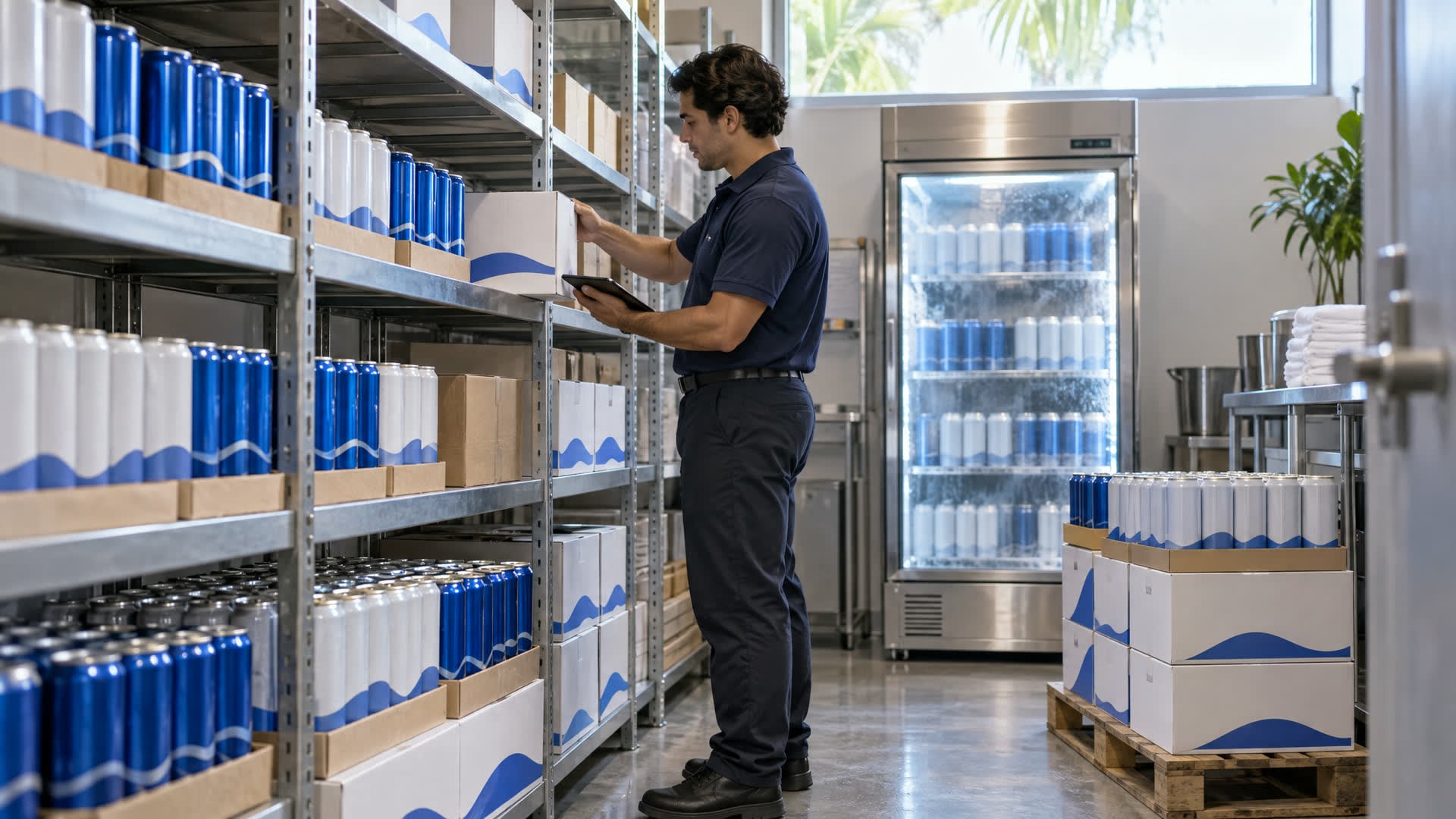
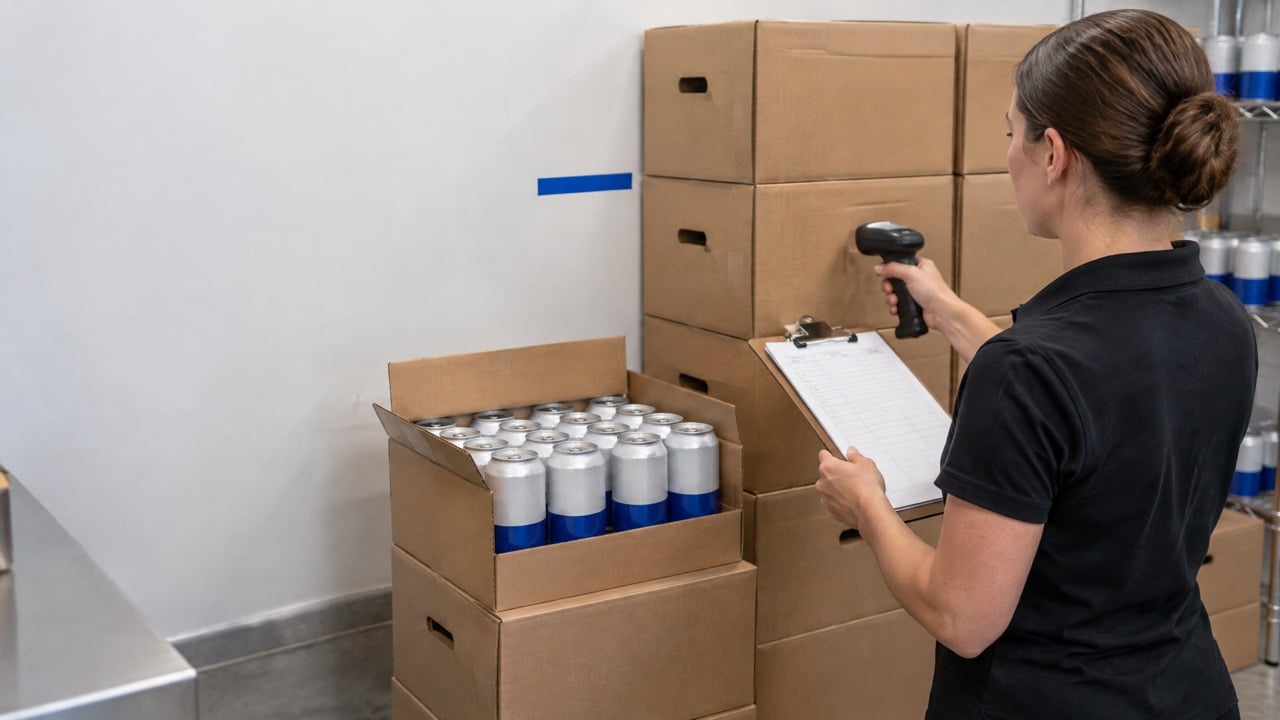
Front desk water fails most often on the boring part: the reorder. Set a simple rule so nobody has to remember.
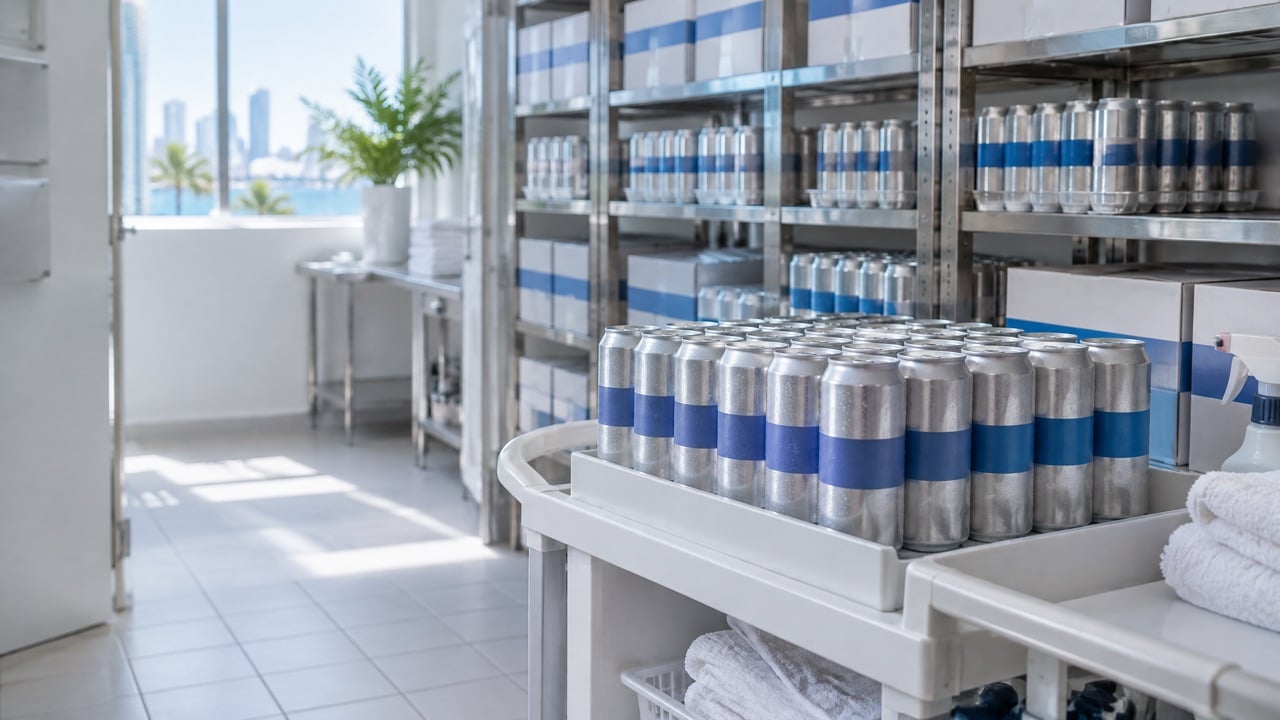
- Set a par level. The number of cases you want on hand at the start of each week.
- Set a reorder point. When stock falls to that number, place the next order.
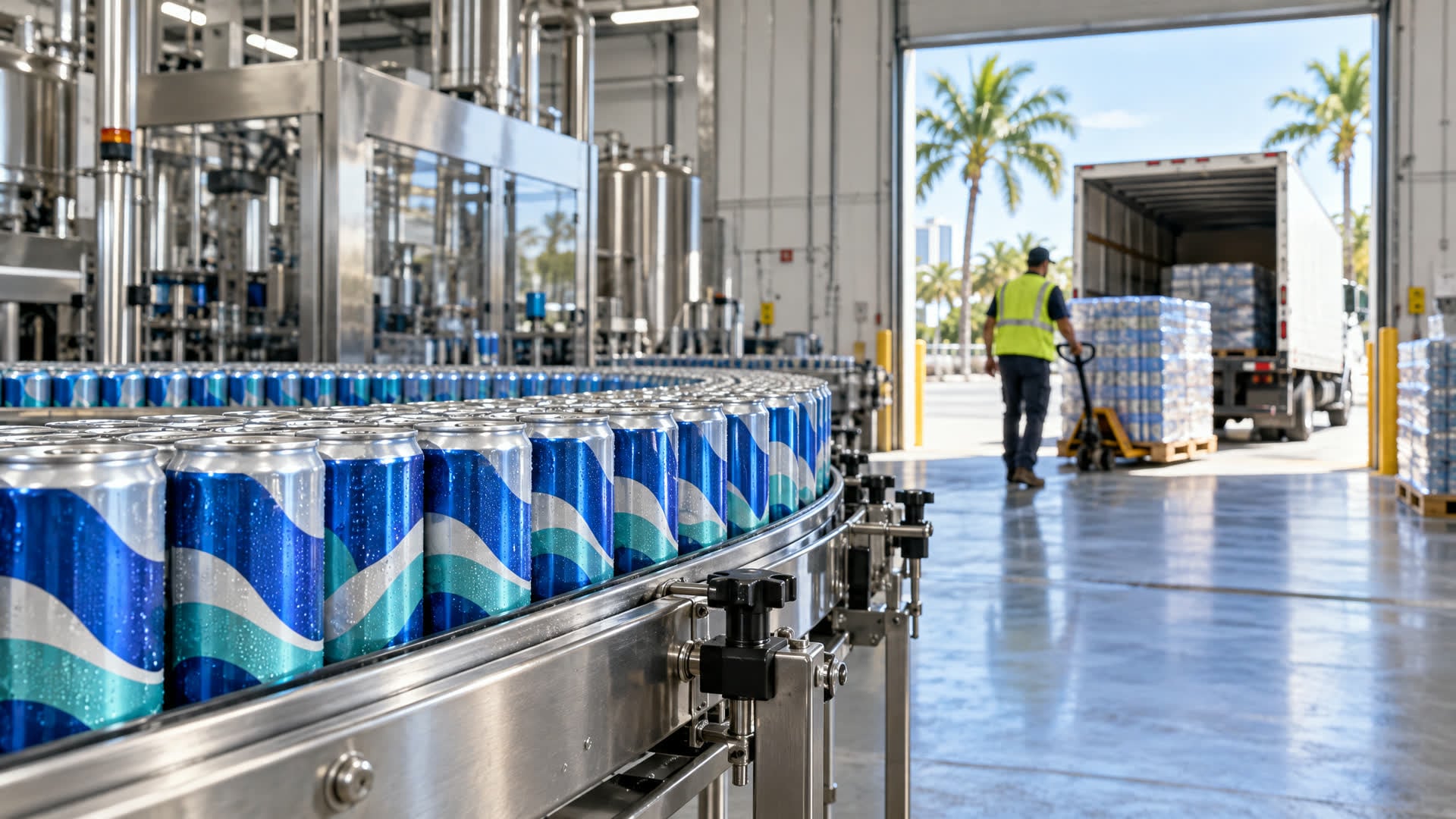
- Account for lead time. Labeled cans can be ready in 3 weeks, and digital print on the aluminum takes 4 weeks, plus freight.
- Check sales monthly. Adjust the par level for summer, January sign-ups and studio events.
Our guide for operations leaders on par levels and reorder points for branded cans walks through this in more detail.
Going beyond the sale
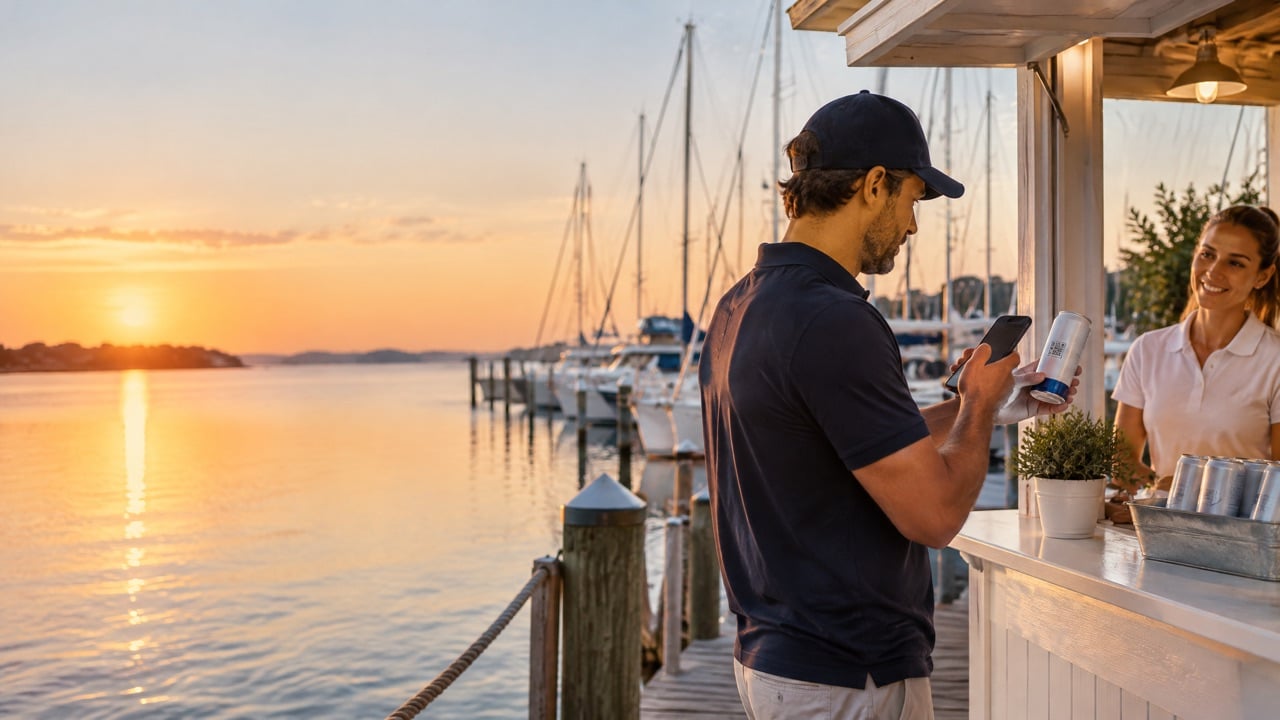
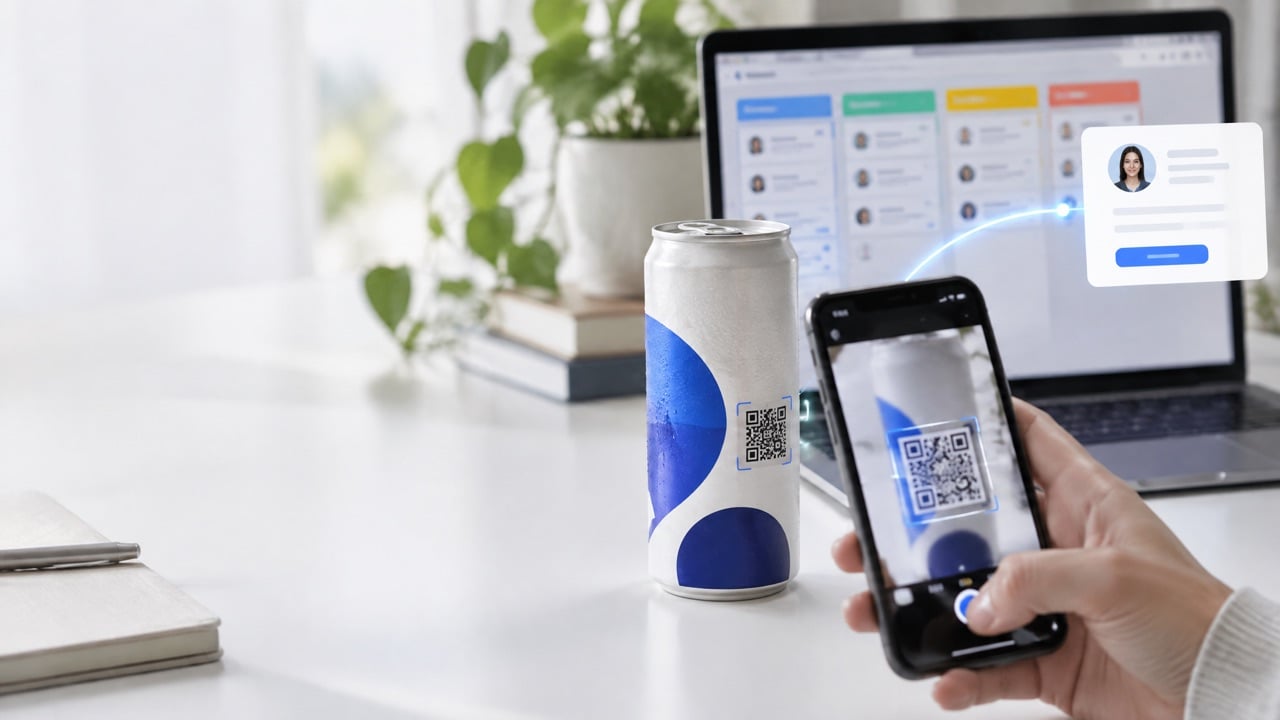
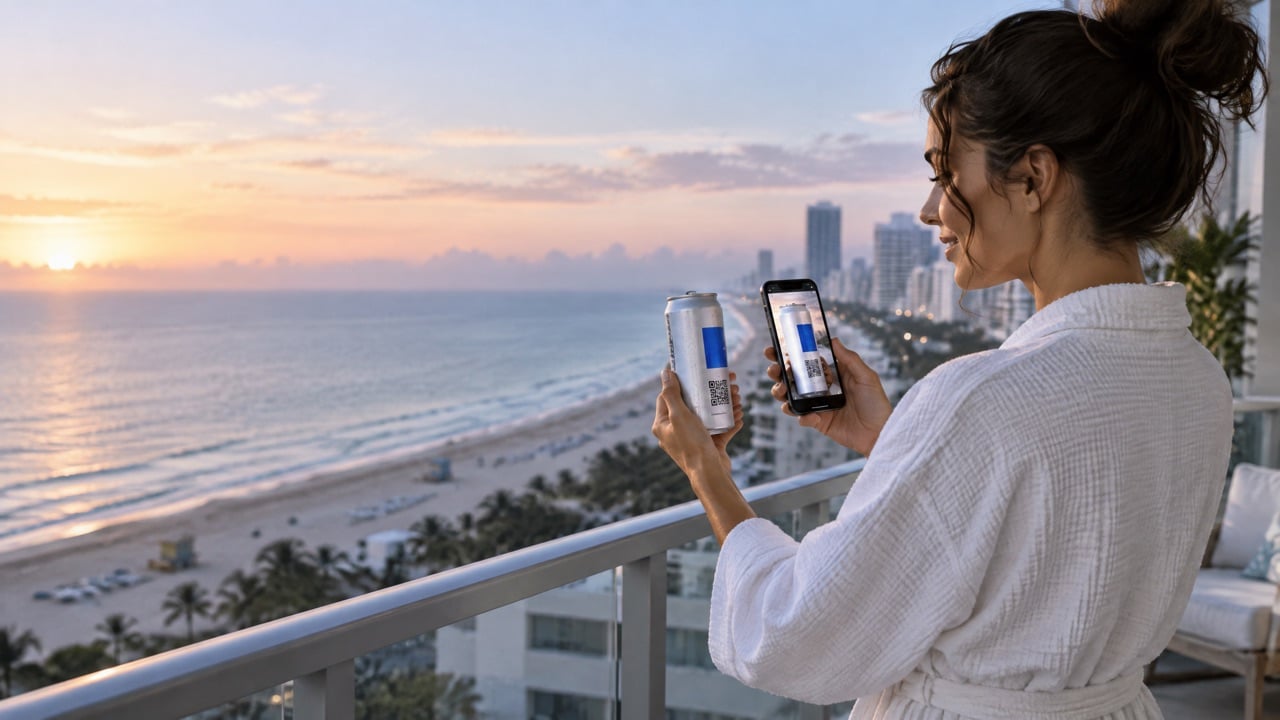
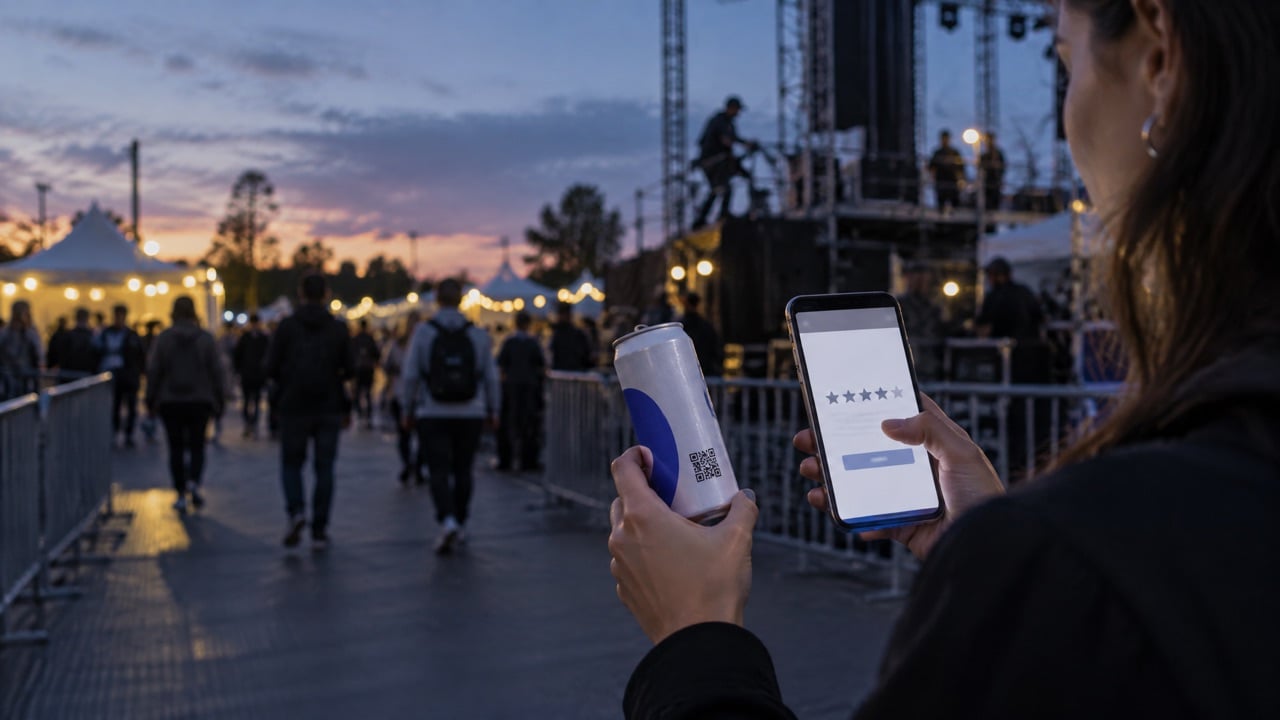
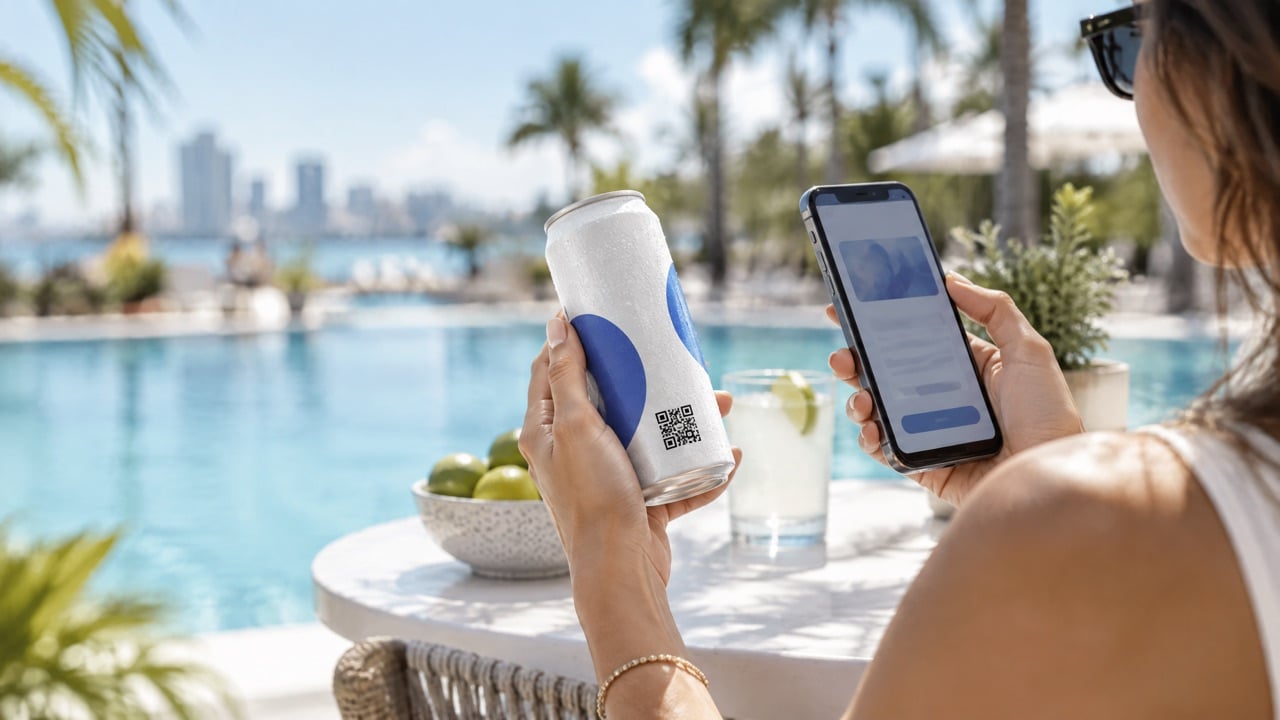
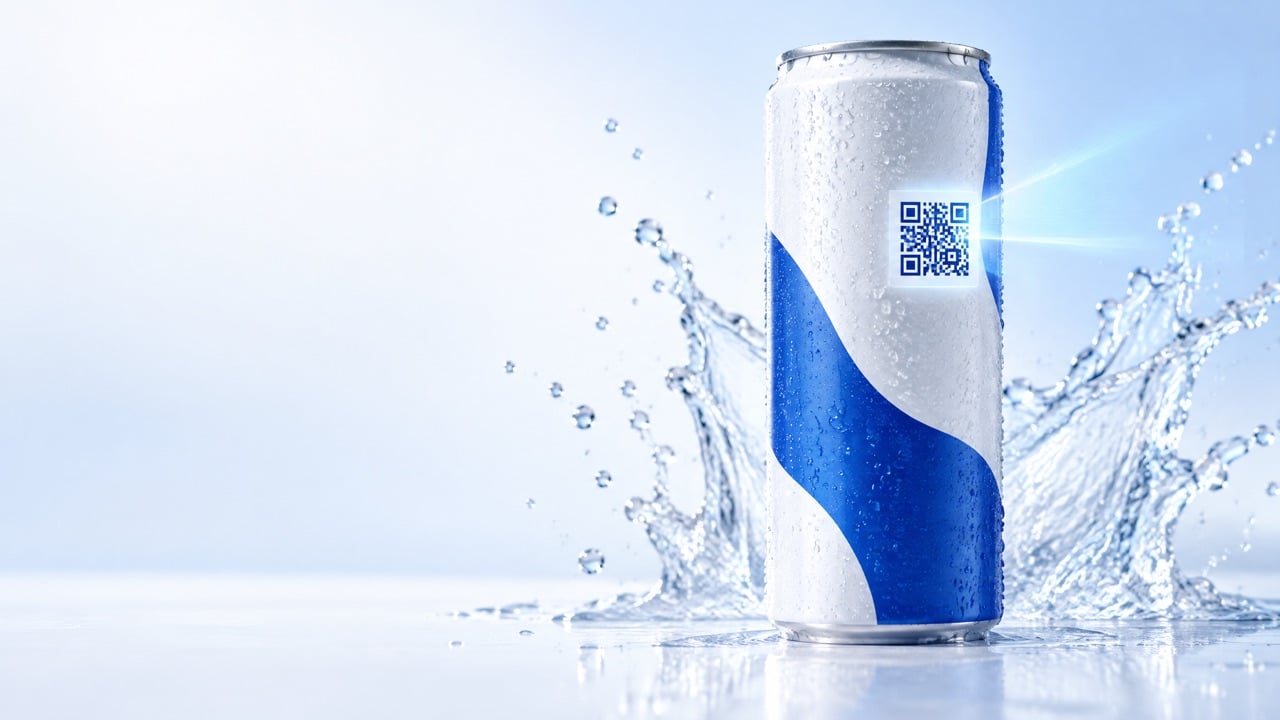
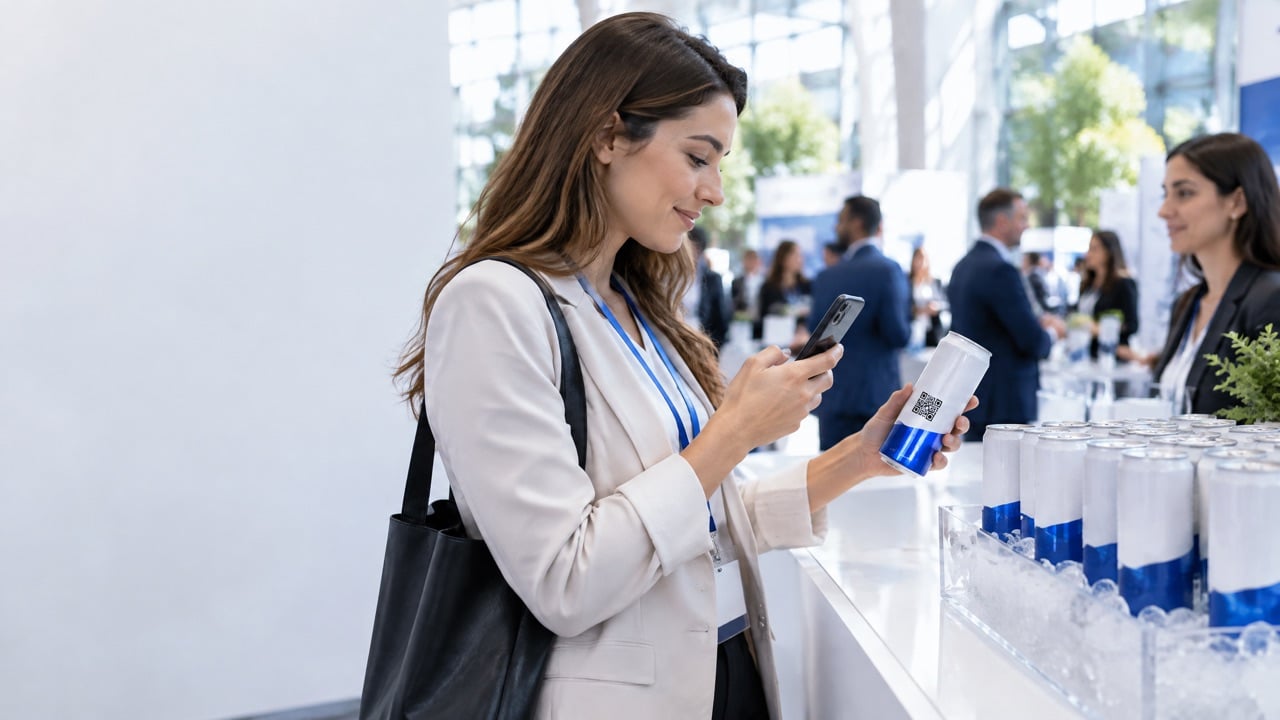
Once your water is on the counter, a QR code on the can can do more than look nice. It can link to the class schedule, a referral offer, a short feedback survey or a free guest pass for a friend. If member engagement is your main goal rather than retail margin, our guide on QR branded water for fitness and wellness clubs covers that side in depth.
Common mistakes gyms make with front desk water
- Pricing it like a commodity. Your own brand supports a price in line with other premium drinks.
- Ordering too much the first time. Start lean and reorder. It is easier than storing extra cases.
- Hiding the cooler. If members cannot see it on the way out, they will not buy.
- Letting stock run out. A par level and reorder point fix this.
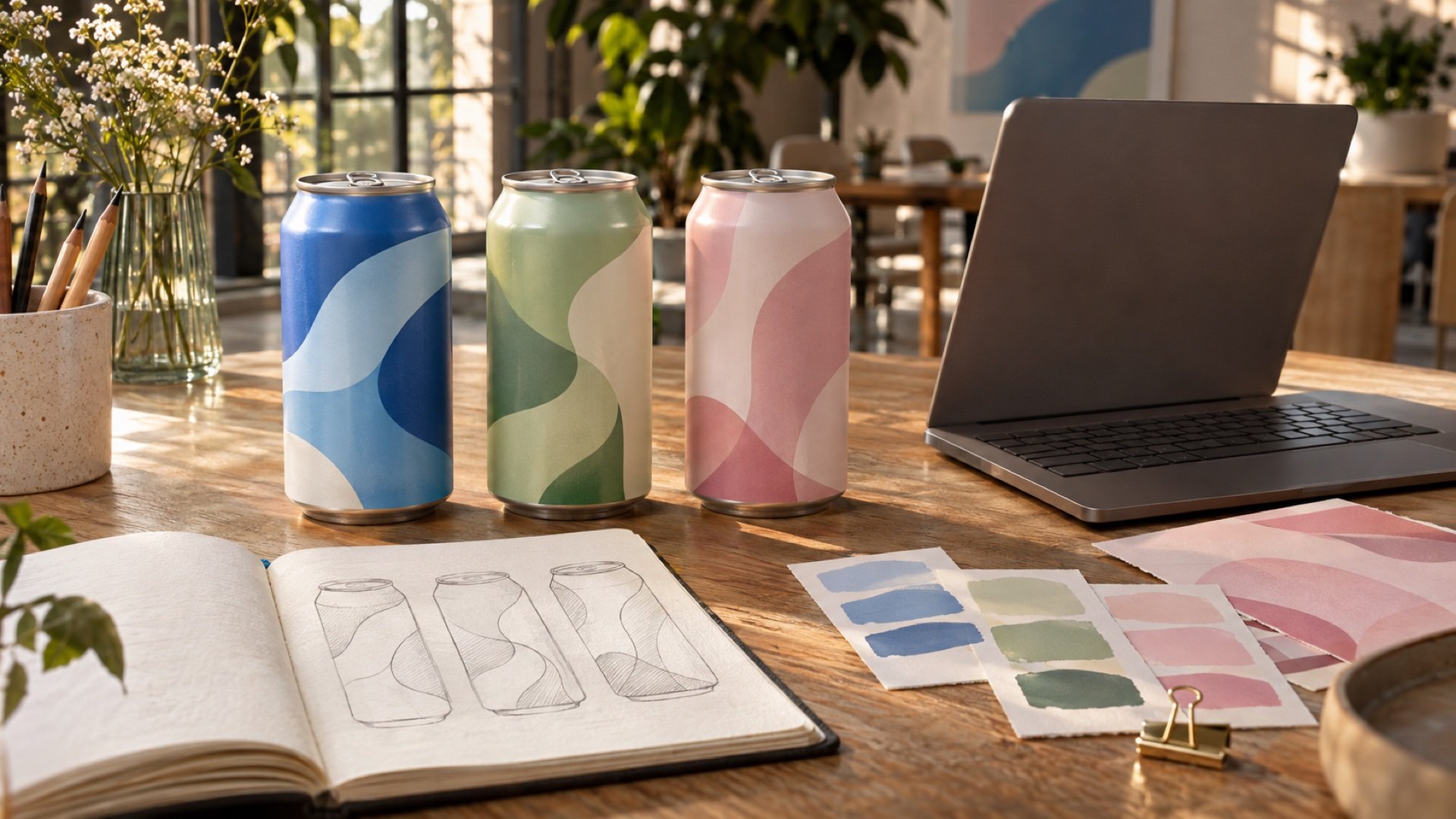
- Skipping the design brief. A clear, simple design looks better on a counter than a crowded one.
Frequently asked questions
Is private label water worth it for a small studio?
It can be. Labeled cans start at 10 cases, which is 240 cans, so a single boutique studio can test its own water without a large minimum order. Track sales for a month, then decide whether to keep, grow or change the program.
How should a gym price its own water?
Start from your landed cost per can, add handling, apply your usual retail margin and compare with other drinks in your cooler. Most studios place their own water alongside premium drinks rather than at the lowest price point.
How do I estimate monthly water sales at my gym?
Multiply weekly visits by the share of visitors who buy a drink, multiply by four for a month and divide by 24 cans per case. Use your own booking and point of sale data, then adjust after the first month.
What can size is best for gyms?
Many gyms choose the 16oz can for after a workout, while boutique studios and spas often prefer the 12oz Sleek for its premium look. The 12oz Regular is a flexible middle option.
How long does it take to get branded water for a gym?
Labeled cans can be ready in 3 weeks, and digital print on the aluminum takes 4 weeks. Allow extra time for design, proof approval and freight to your studio.
Can the can link members to our app or class schedule?
Yes. A QR code is included at no extra cost on both labeled and digitally printed cans, and it can point to your schedule, a referral offer or a feedback form.
Get a quote for private label water for your gym
Your members already buy water at the front desk. Make it yours. Tell us about your studio, visit counts and preferred can, and a product advisor will help you size your first order and price it for your cooler.