Emergency Water for Businesses: How Much Canned Water to Store
Offices, condos and hotels in Florida need water on hand before the next storm, not during it. Here is how much water to store per person, why cans hold up well on a shelf and how to rotate stock so your supply is always fresh.
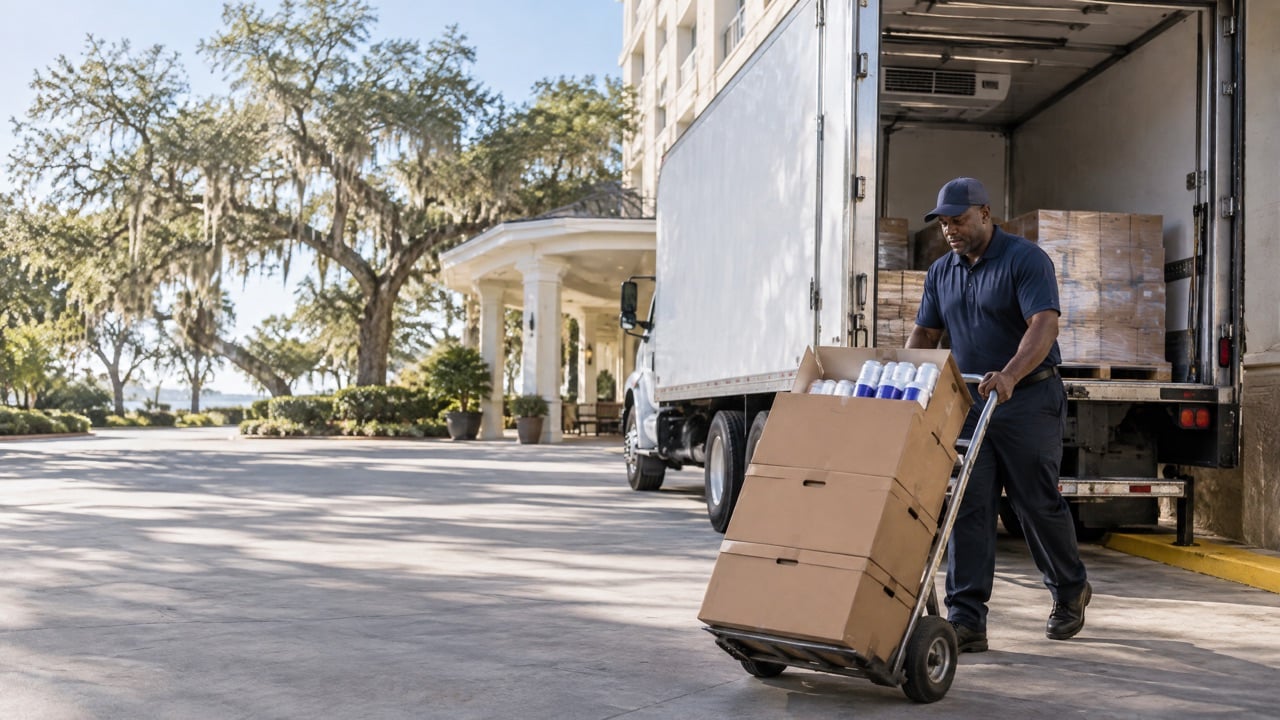
Three days before landfall, every store shelf in the county is empty. The building manager has a list of residents who cannot easily get out, a front desk team that will be on site through the storm and a lobby that will become a gathering place. The question on everyone's mind is the same: do we have enough water?
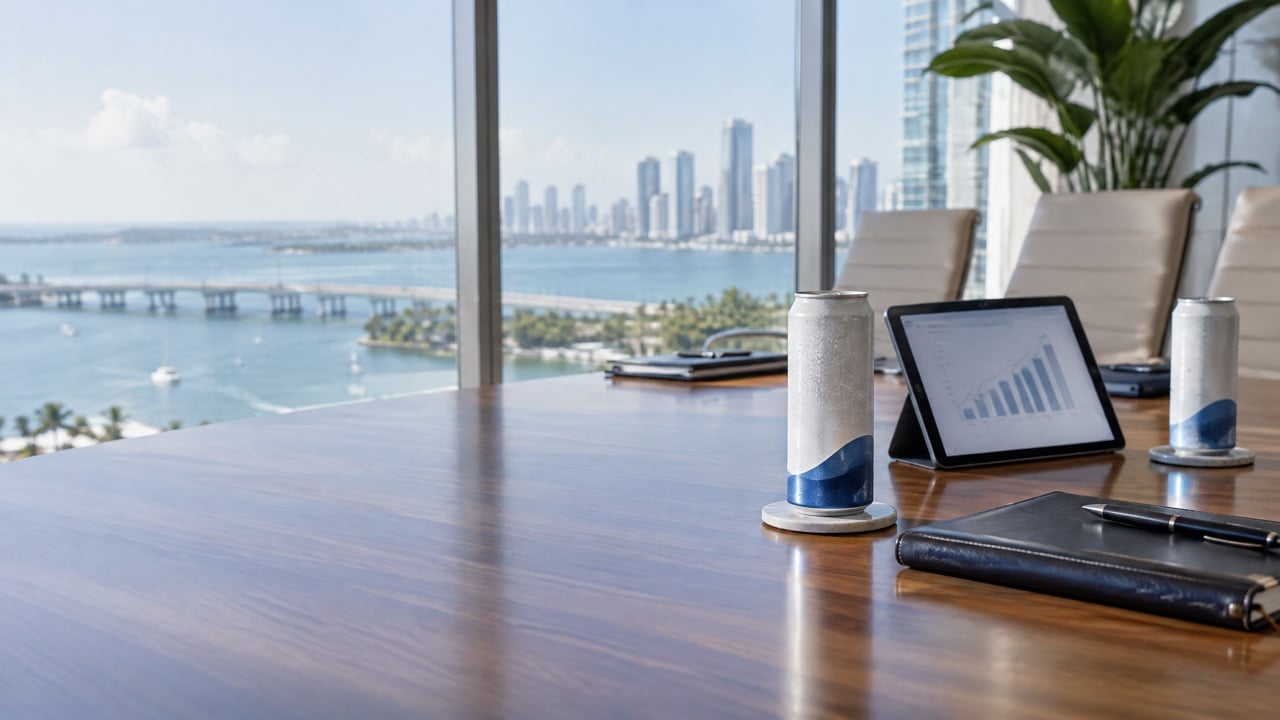
For businesses in Florida and other storm-prone regions, emergency water is not a personal shopping trip. It is an operations plan. Offices, condo associations, hotels, property managers and venues all have people who depend on them when supply chains break. This guide explains how much water to store, why canned water is a good fit for long term storage and how to keep your supply fresh year after year.
How much emergency water should a business store?
A common guideline is at least one gallon of water per person per day. Ready.gov recommends at least one gallon per person per day for several days, and Florida's state preparedness guidance recommends a supply for at least seven days. For a business, multiply the number of people you may need to support by the number of days, then add a buffer for heat, cleaning and visitors.
The simple formula:
- People. Staff on site during and after an emergency, plus residents, guests or visitors you may need to support.
- Days. At least several days, and many Florida plans use seven.
- Gallons per person per day. At least one.
- Buffer. Add extra for heat, physical work and unexpected visitors.
You can find the official guidance at Ready.gov and the Florida Department of Health.
How many cans of water is a gallon?
A US gallon is 128 fluid ounces. That makes it easy to convert the gallon guideline into cans:
- 12oz cans: about 10.7 cans per gallon.
- 16oz cans: 8 cans per gallon.
So one person for one day at one gallon is roughly eleven 12oz cans or eight 16oz cans. With cases of 24 cans, one case of 16oz cans covers three person-days at one gallon each, and one case of 12oz cans covers a bit more than two.
Example: emergency water for a small office
Here is how the math works for an example office. Use your own numbers.
- People: 20 staff who may need to stay on site.
- Days: 3 days.
- Gallons per person per day: 1.
- Total: 60 gallons.
- In 16oz cans: 60 gallons times 8 cans equals 480 cans, or 20 cases of 24.
Add a buffer and you are close to the We Can It starting minimum of 21 cases, or 504 cans, for labeled cans. Larger buildings, hotels and condo associations will need considerably more, especially if they plan for seven days or support residents and guests.
Why canned water works well for emergency storage
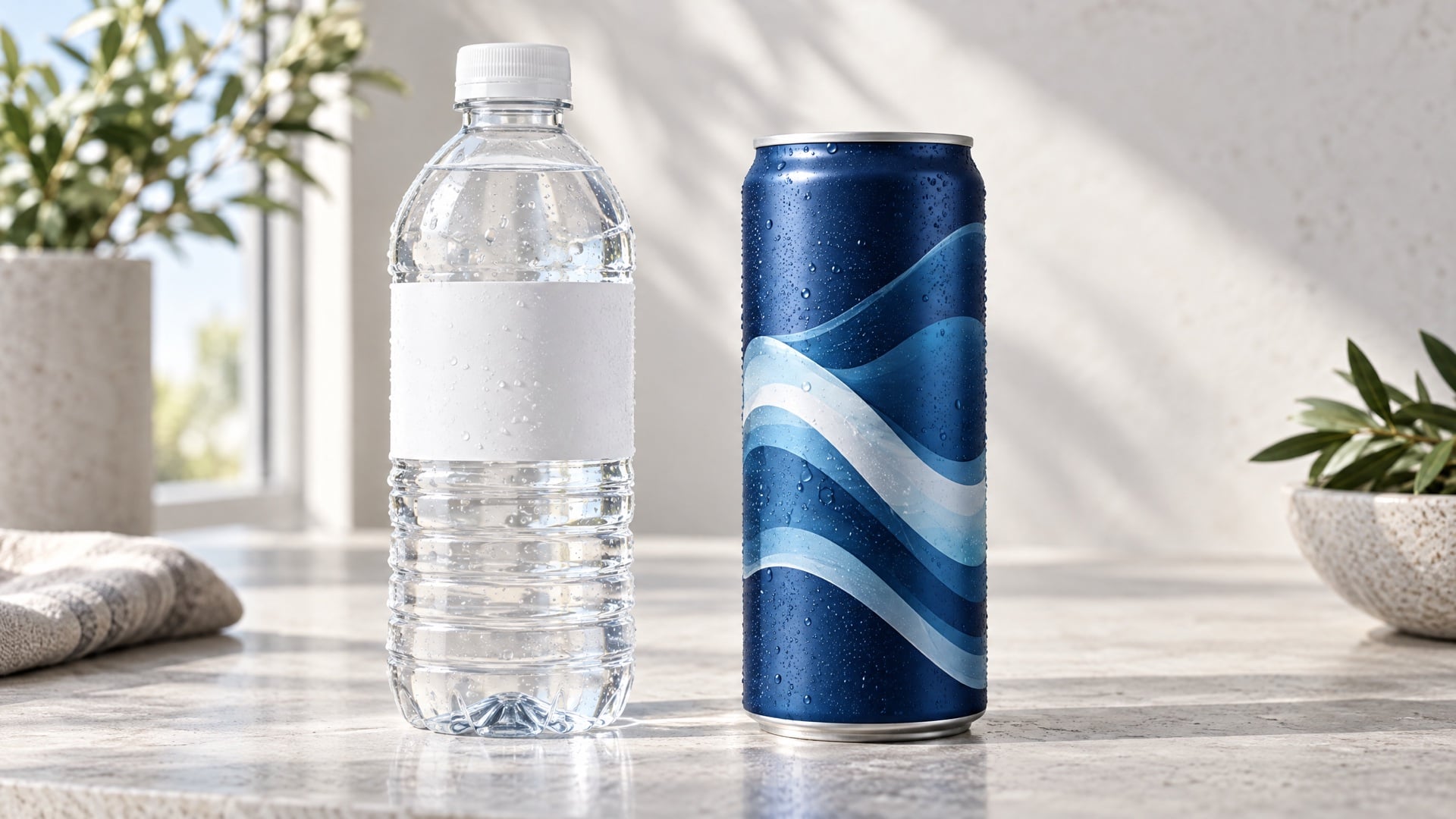
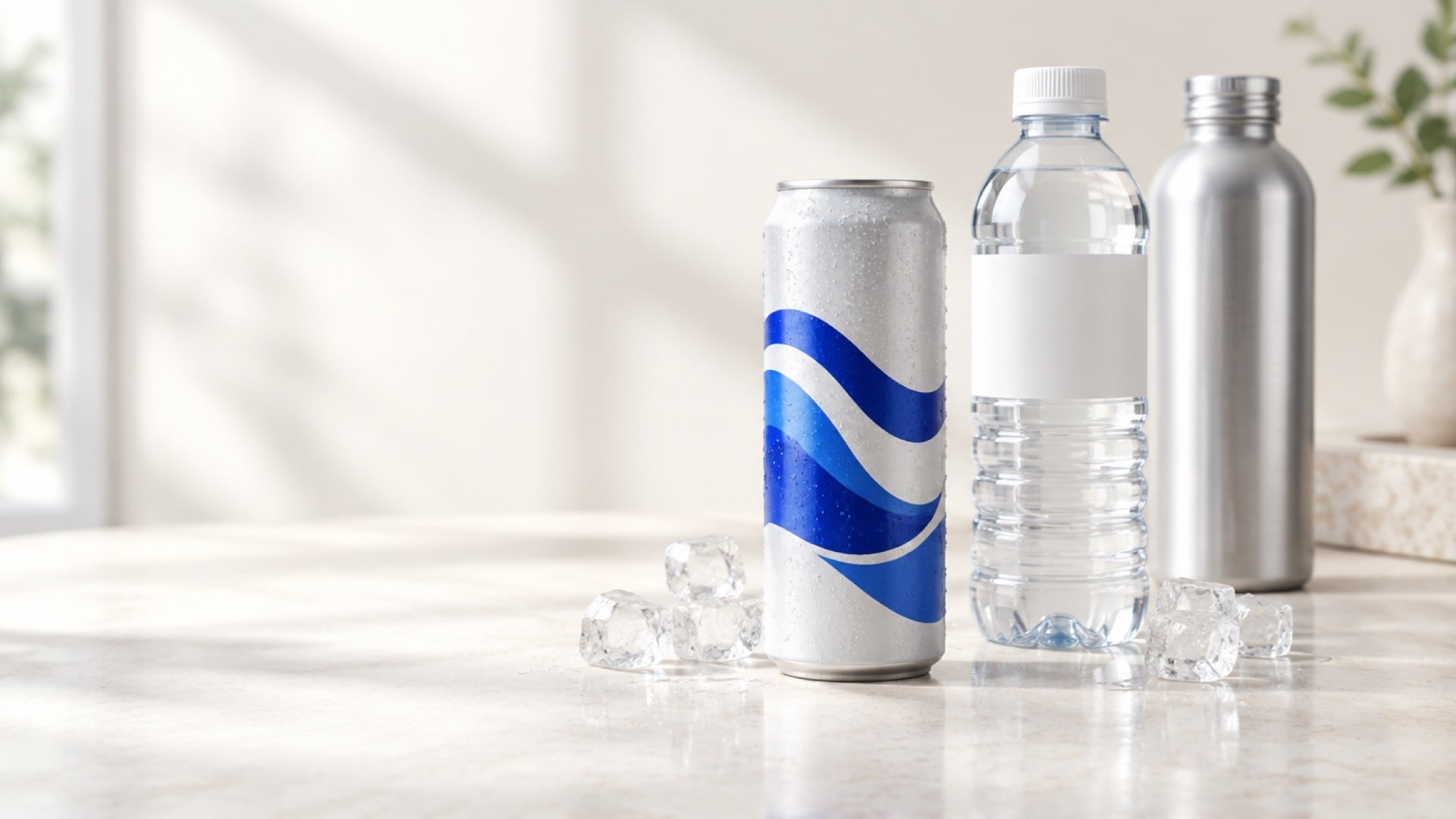
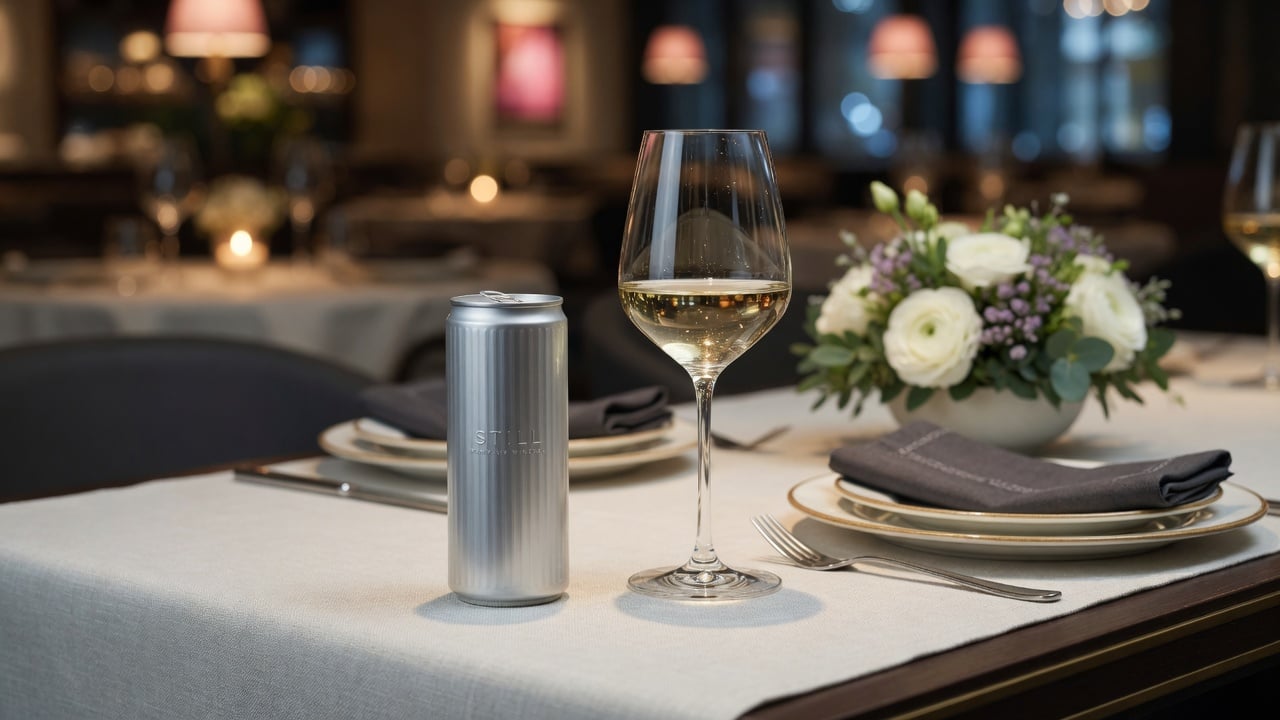
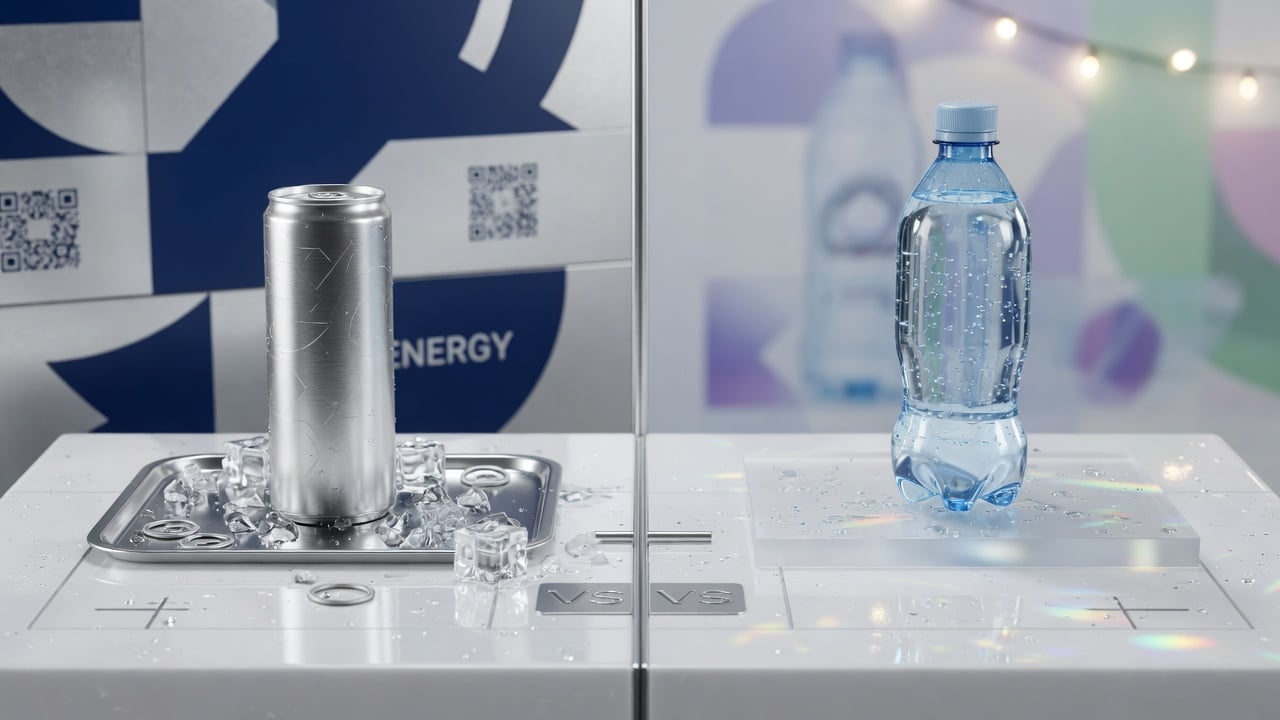
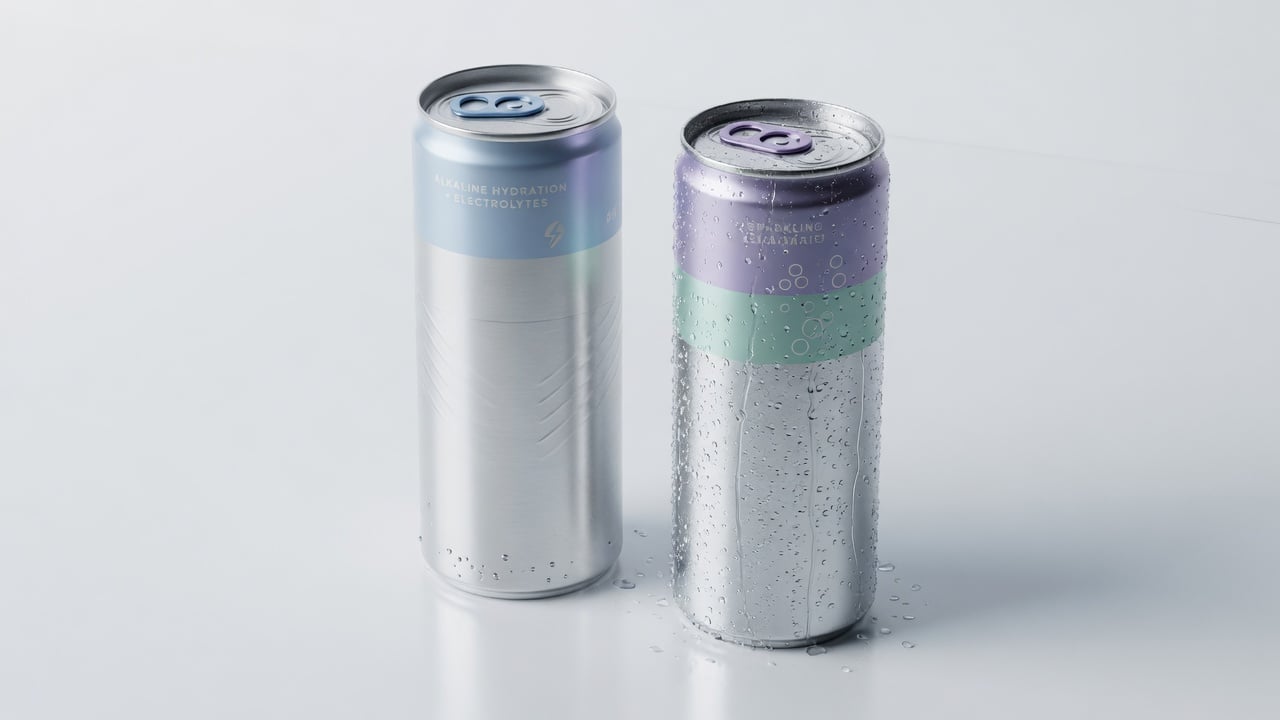
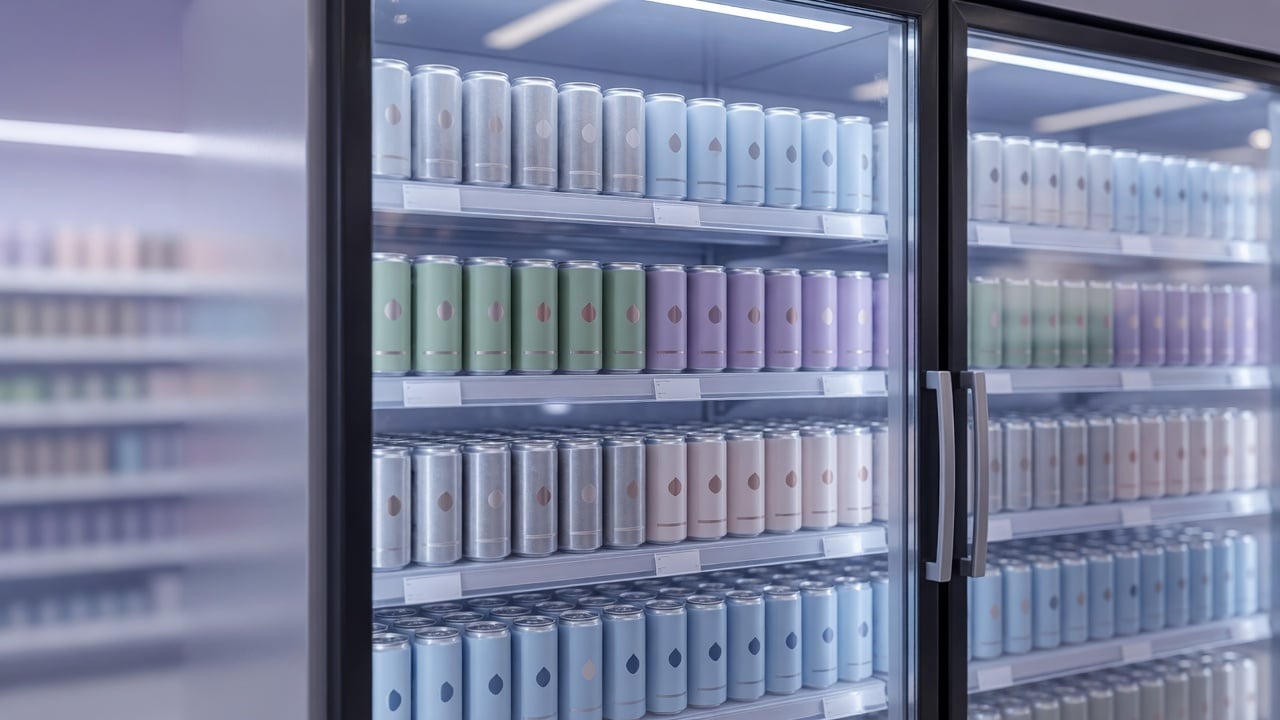
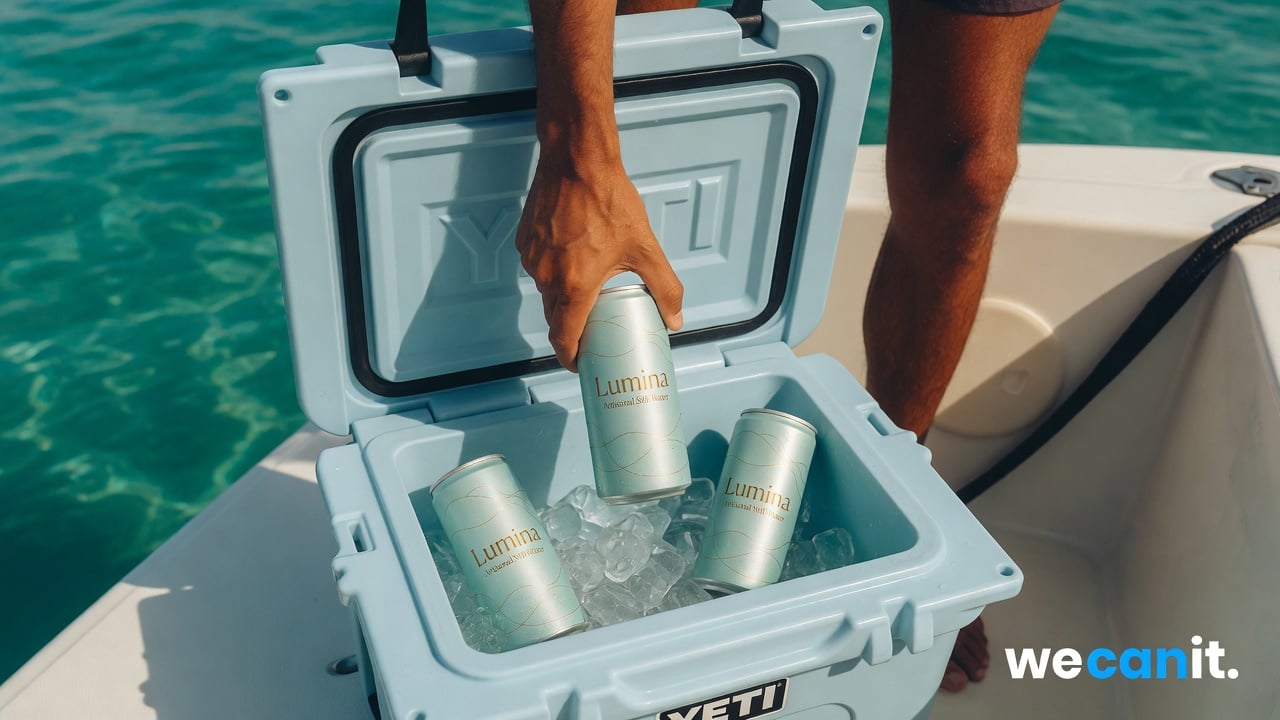
Canned water is a strong option for emergency supplies because aluminum blocks light and air and does not break. Sealed cans stack neatly, store in less awkward shapes than jugs and are easy to hand out one at a time. Most brands print a best-by date commonly around two years after production, which is a quality window rather than a safety cutoff.
Practical advantages for a business:
- No breakage. Cans survive being moved, stacked and dropped far better than glass.
- Light protection. Aluminum blocks light completely.
- Easy to hand out. Individual servings are simple to distribute to staff, residents or guests.
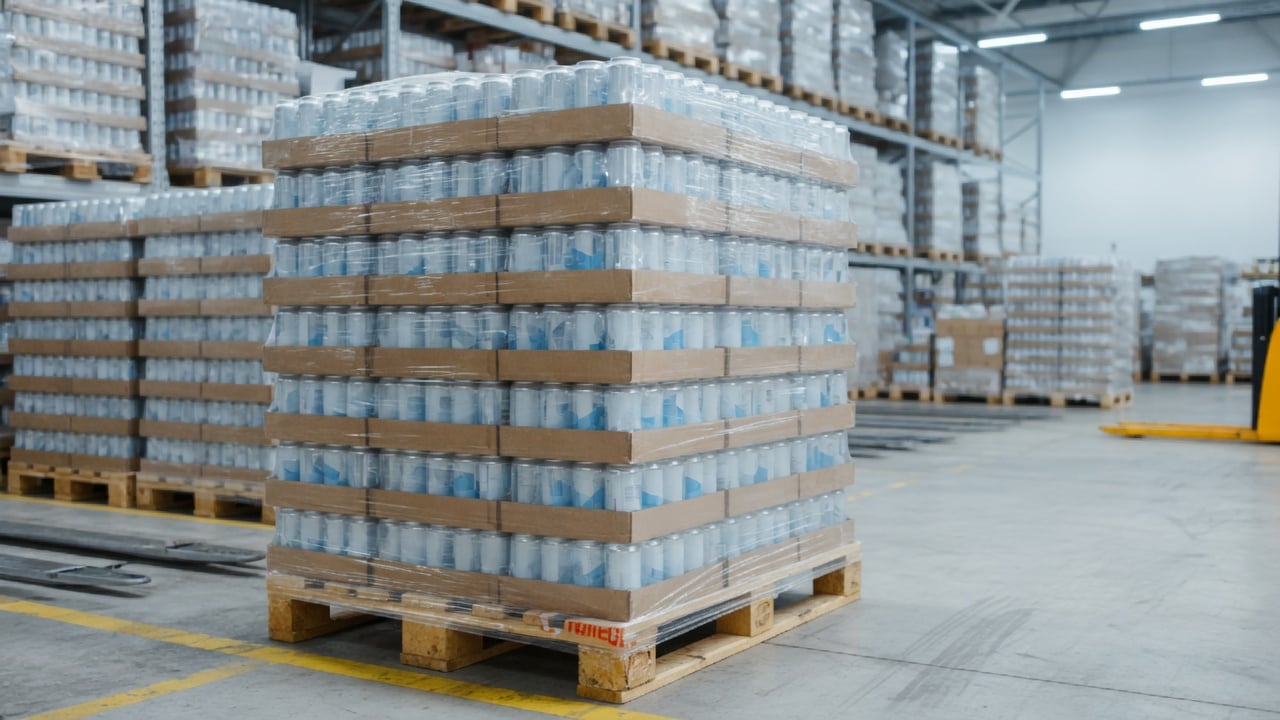
- Neat storage. Cases stack on pallets or shelving.
- Recyclable. Empties go in the same recycling as soda cans.
Our full guide on how long canned water lasts explains best-by dates and storage conditions.
Where should a business store emergency water?
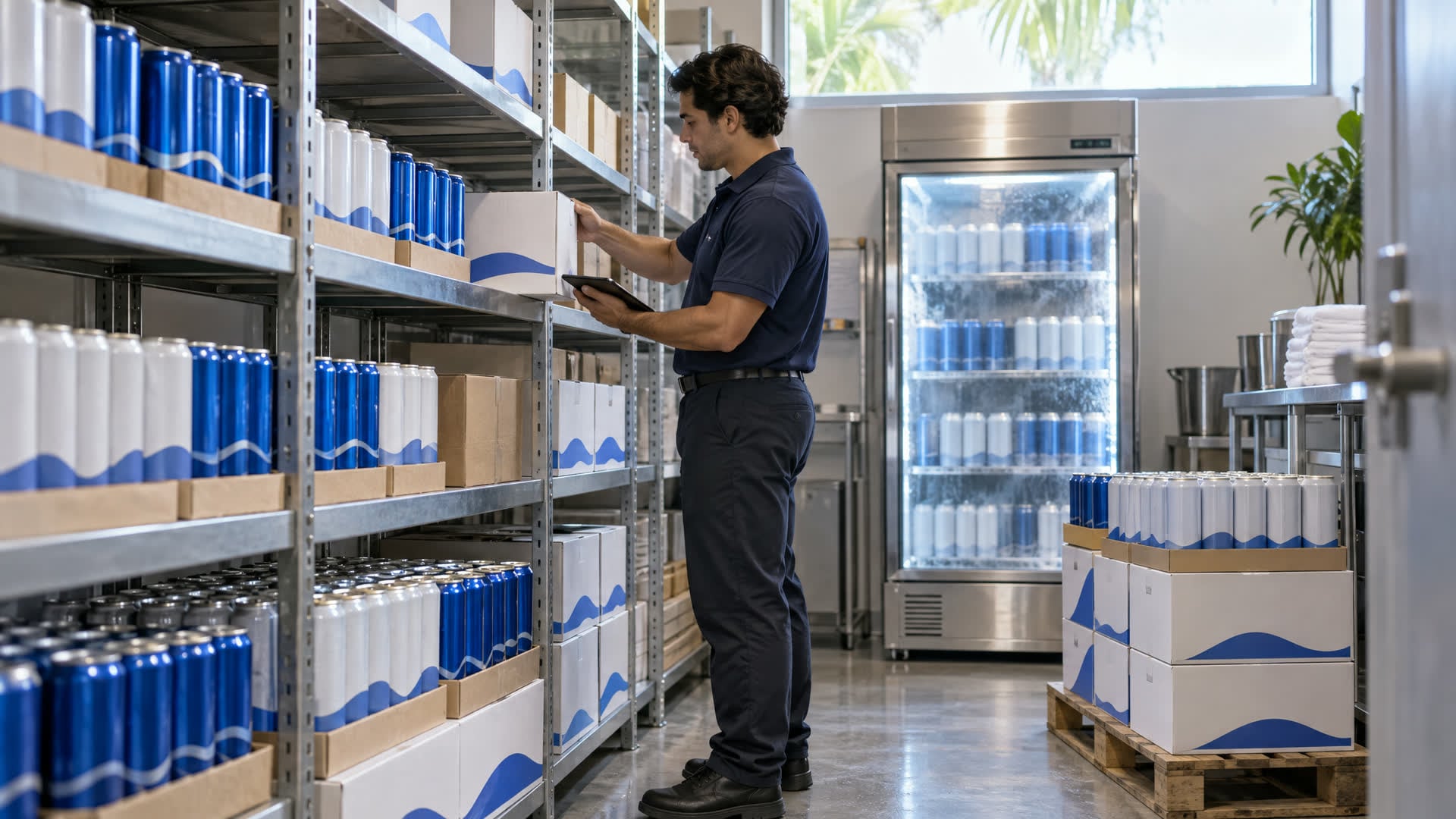
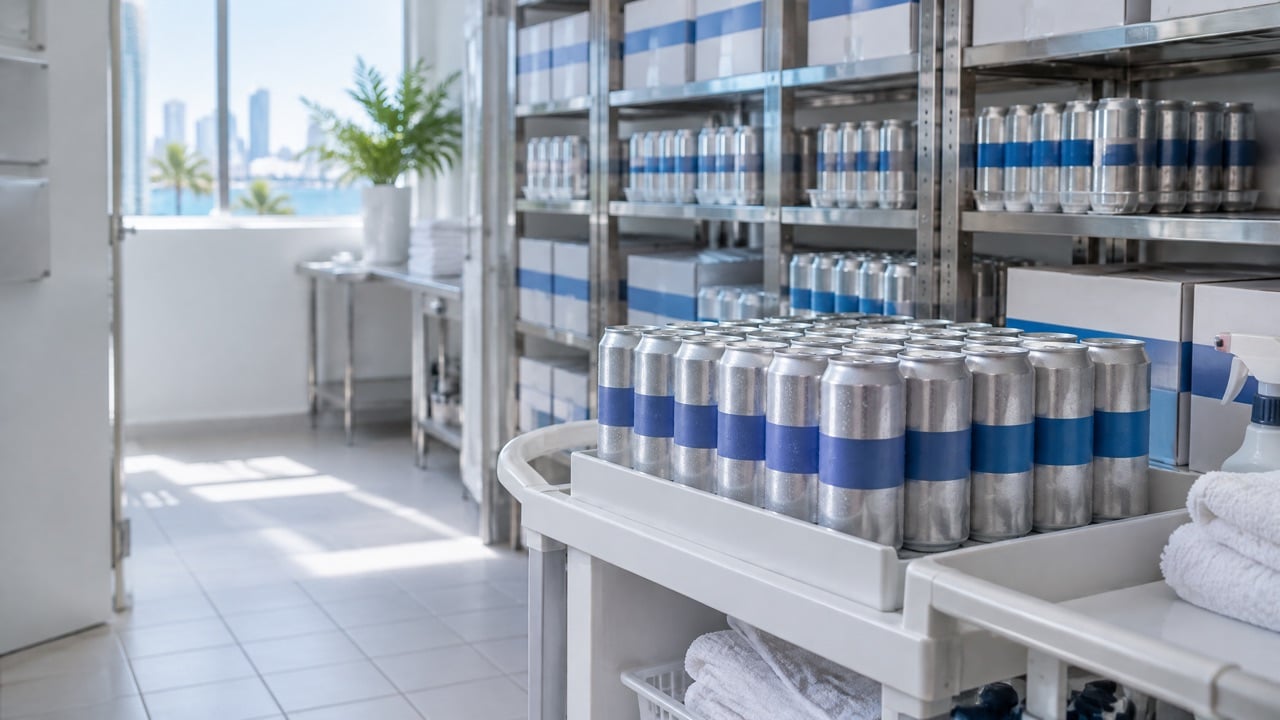
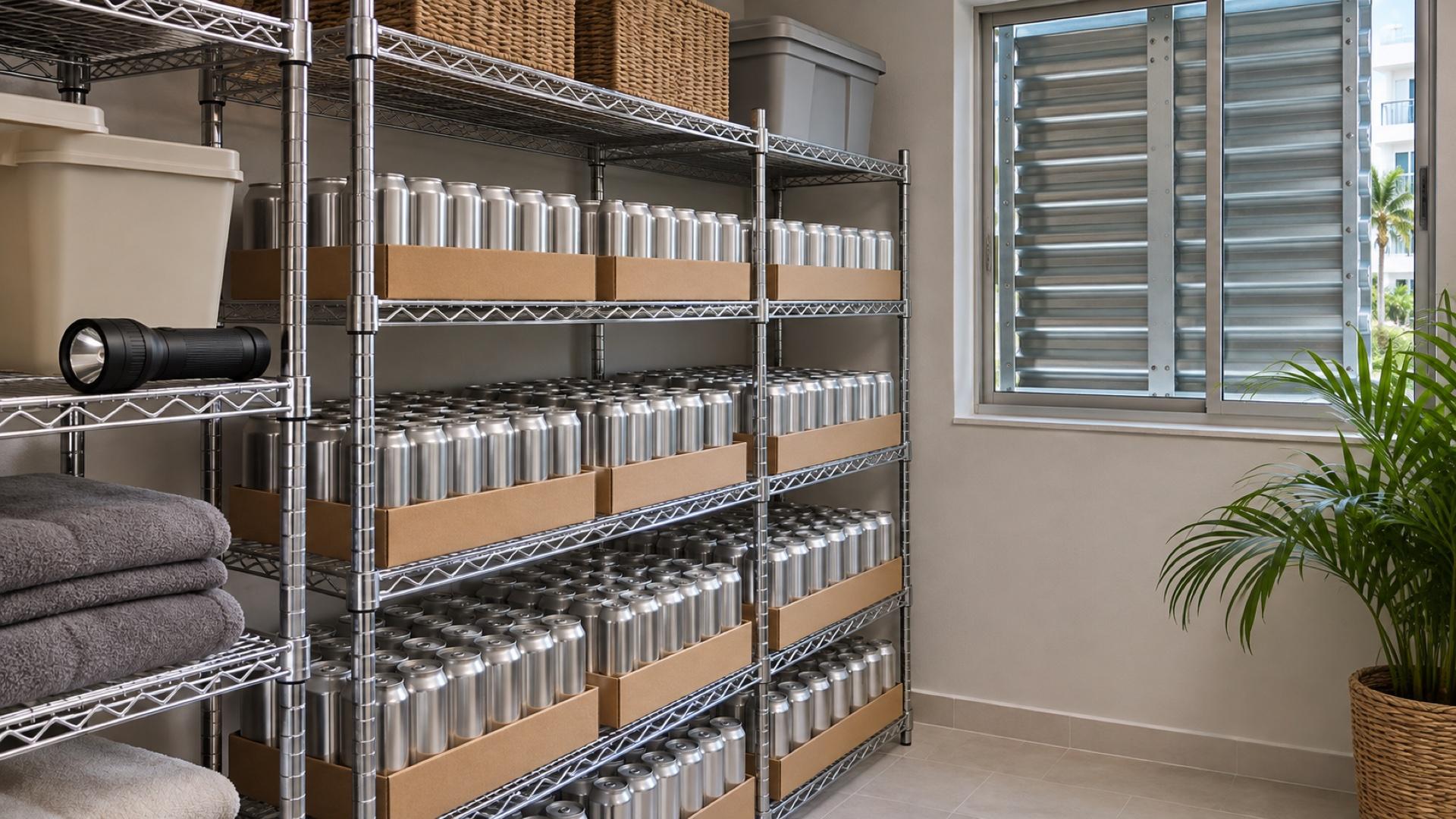
Store emergency water somewhere cool, dry, dark and easy to reach, away from chemicals and out of flood risk. For many buildings that means an interior storage room on a floor above ground level, not a hot garage or a basement that may flood.
A storage checklist:
- Cool and dry. Avoid hot loading docks, attics and rooftops.
- Off the floor. Use shelving or pallets.
- Away from chemicals and fuel.
- Above flood level where possible.
- Accessible during an outage. Think about stairs, locked doors and lighting when the power is out.
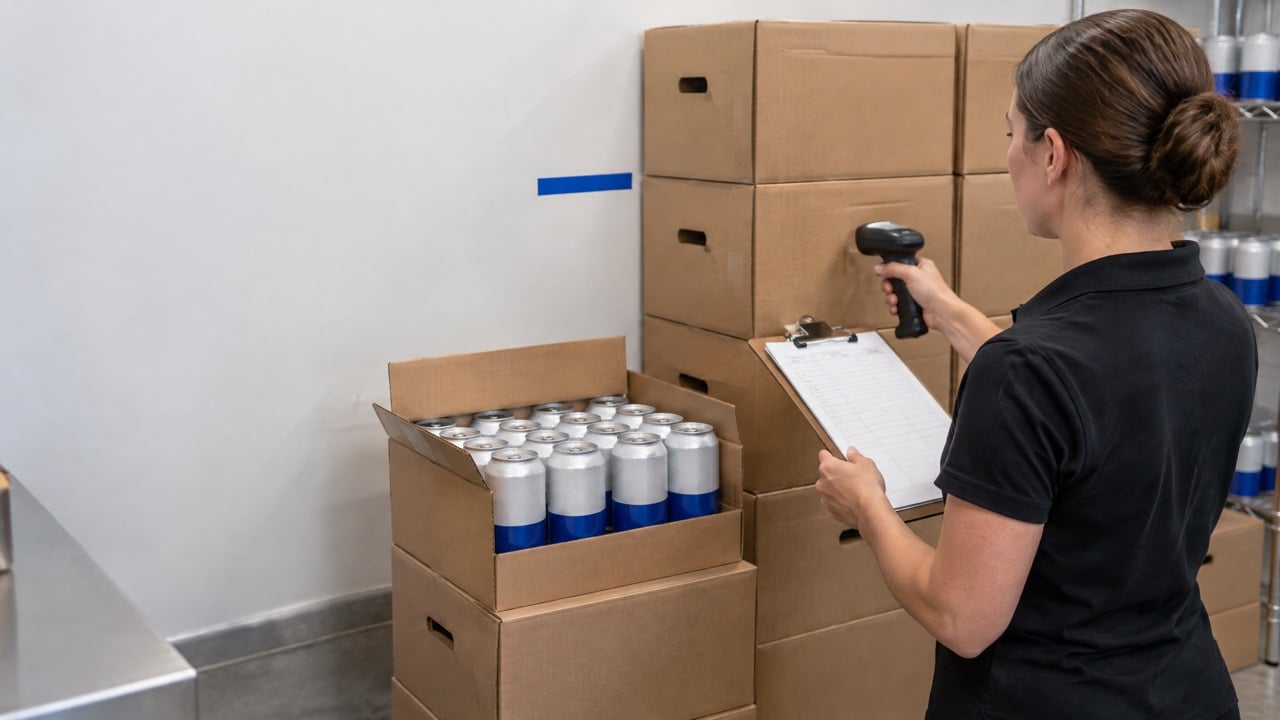
- Labeled and logged. Note quantities and best-by dates.
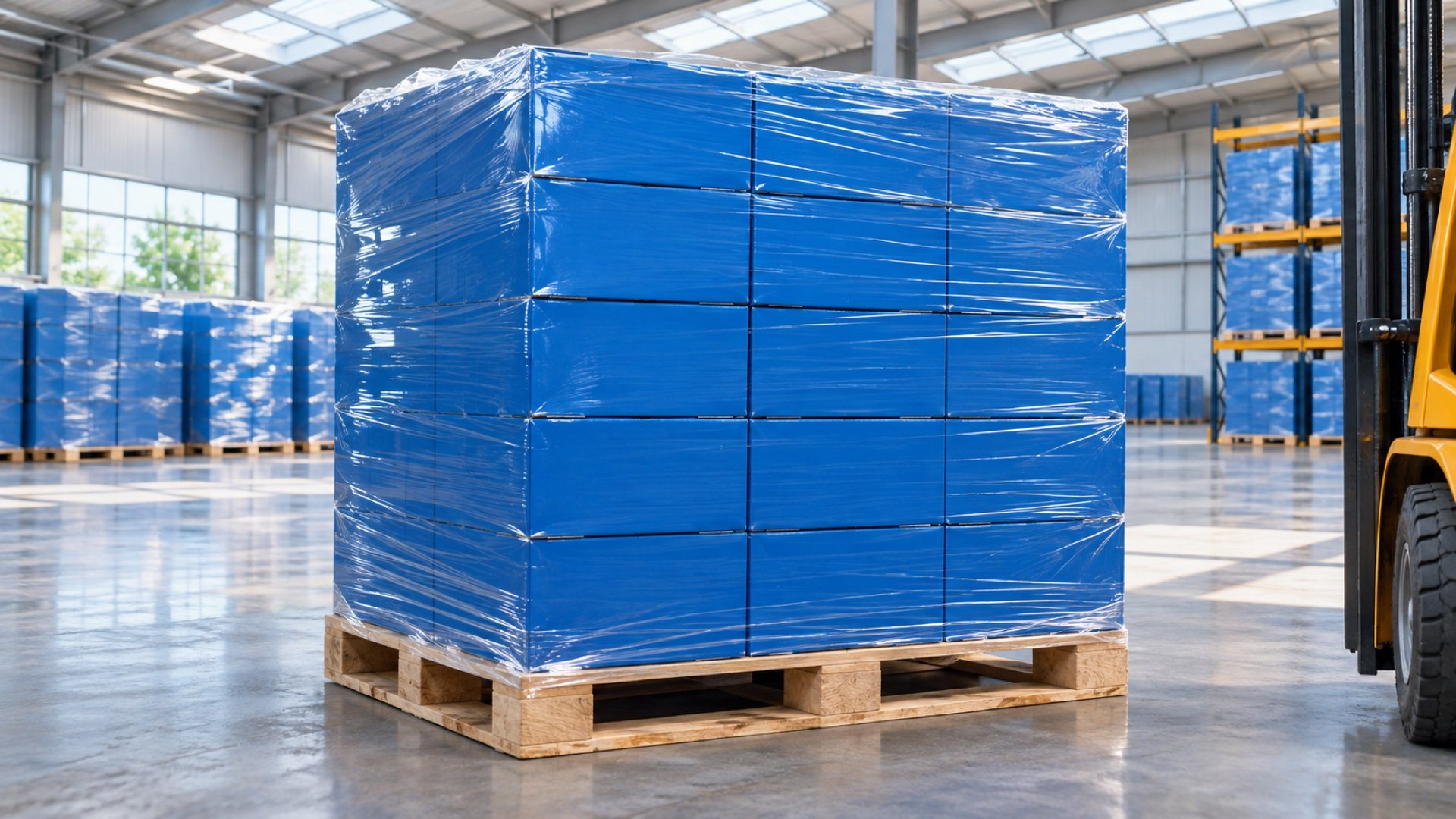
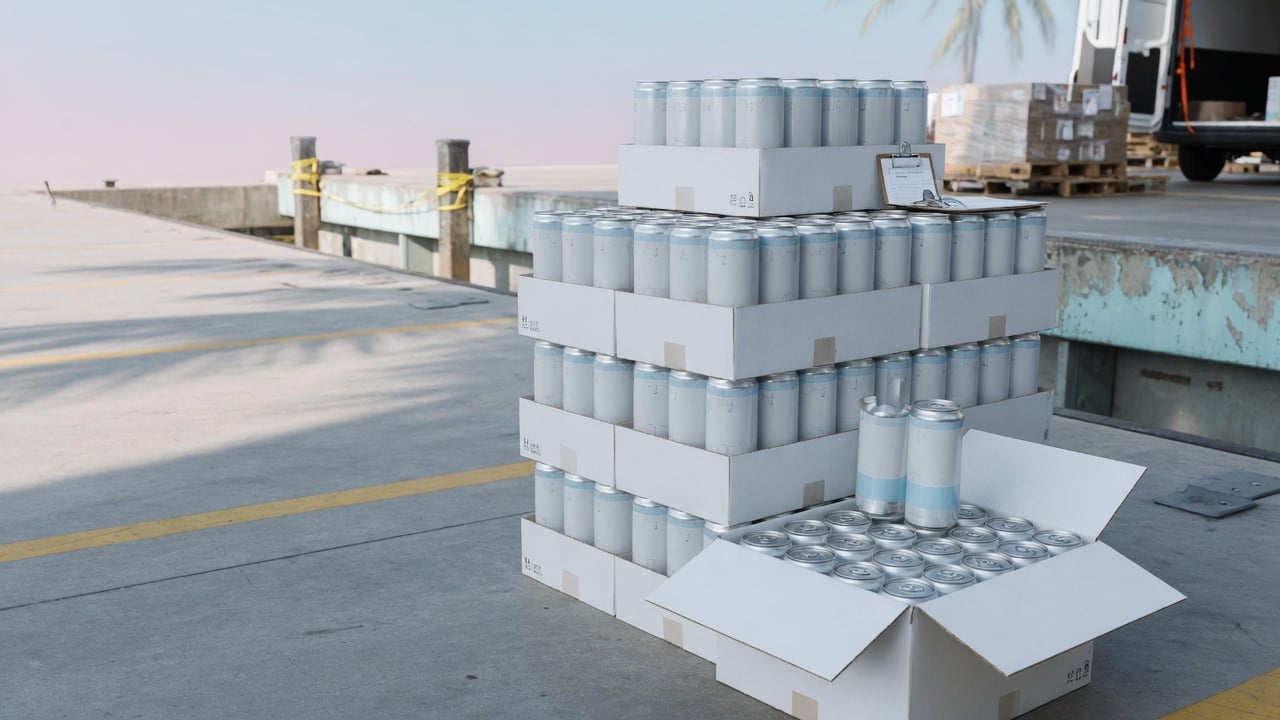
If you are planning by the pallet, our guide on pallet of water: cases, weight and cost explains footprint, weight and floor load questions.
How to rotate emergency water so it stays fresh
The most common emergency water problem is not running out. It is discovering, the week a storm is coming, that the stored supply is several years old and nobody remembers when it was bought. A simple rotation plan fixes this.
- Log every delivery with the date and best-by date.
- Set an annual review, ideally before hurricane season starts on June 1.
- Use older stock in everyday operations, such as meetings, events or staff kitchens, before it reaches its best-by date.
- Replace what you use so the emergency supply stays at your target level.
- Check storage conditions each time you rotate.
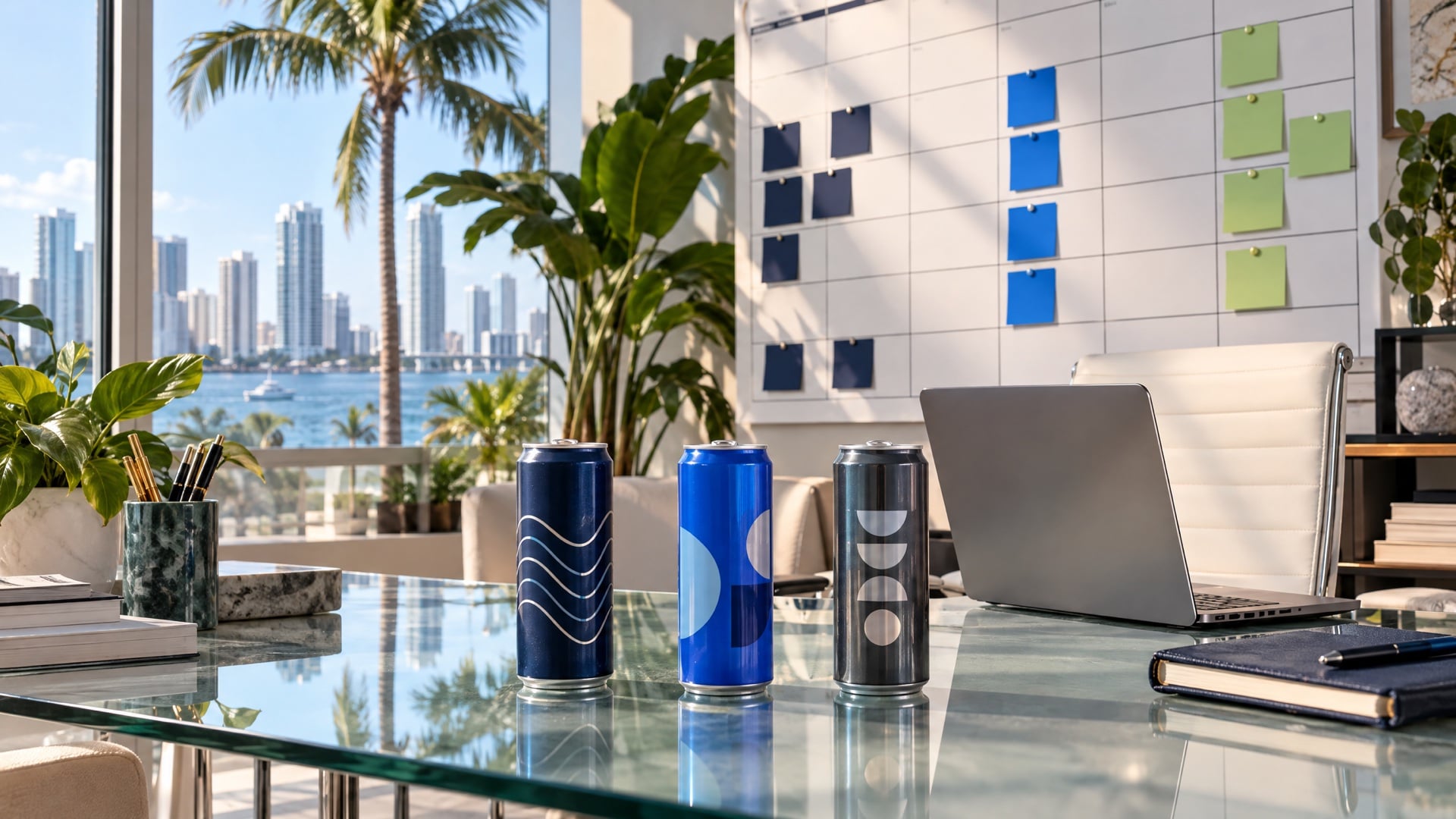
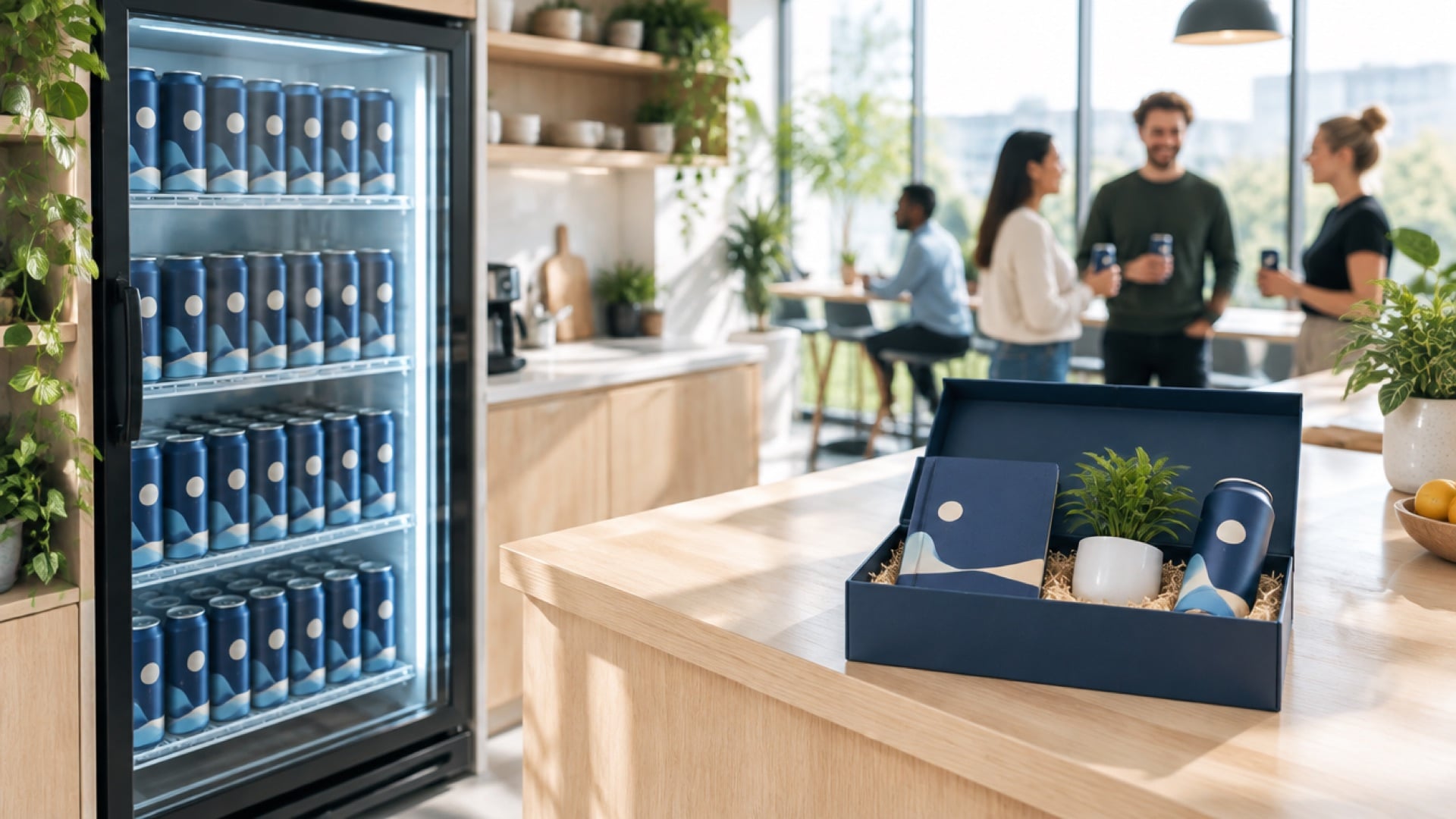
For a business that already uses canned water in daily operations, rotation is easy: emergency stock simply becomes everyday stock on a schedule. Our guide on branded water for workplace teams shows how offices use canned water day to day.
Should emergency water be branded?
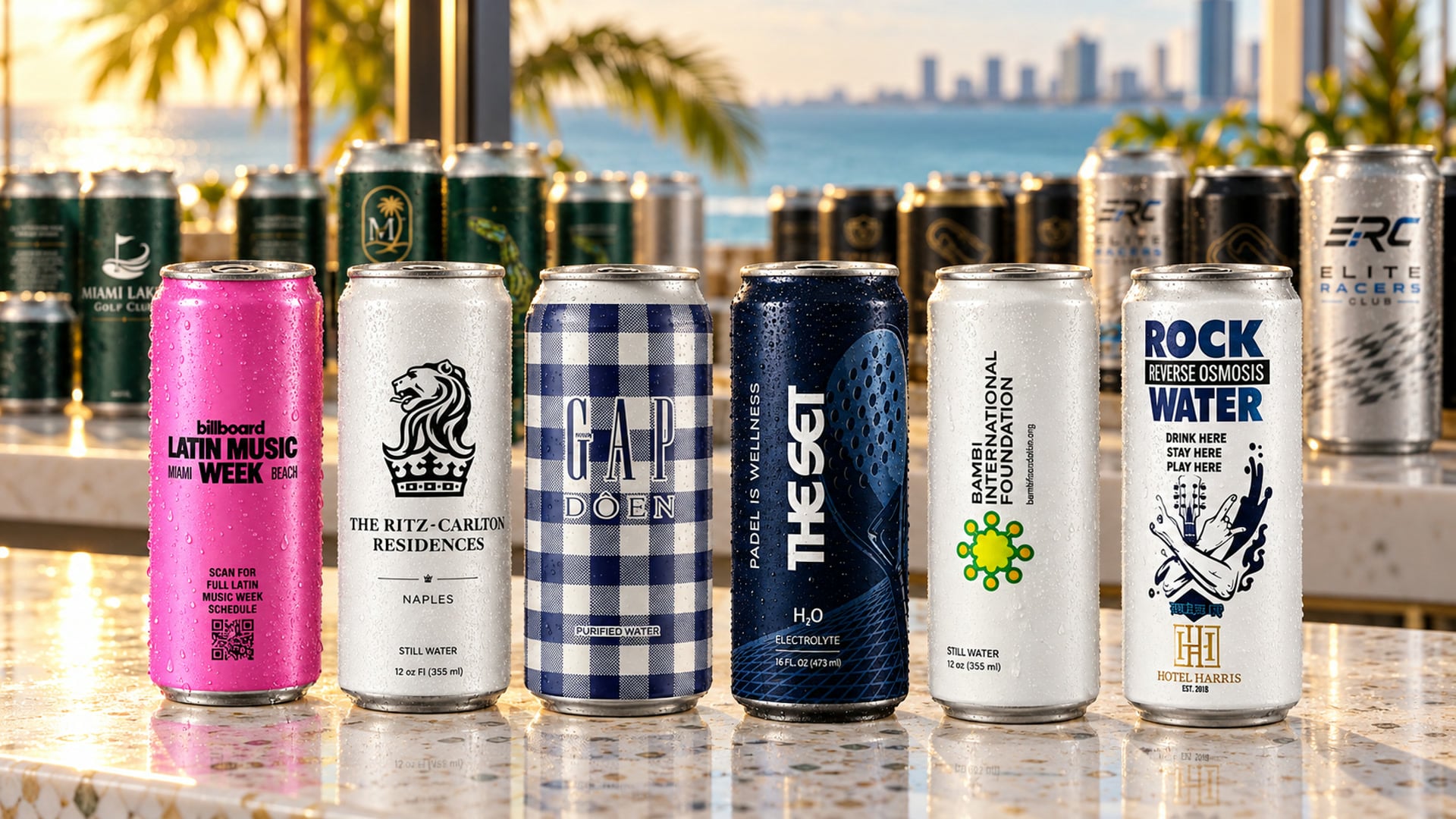
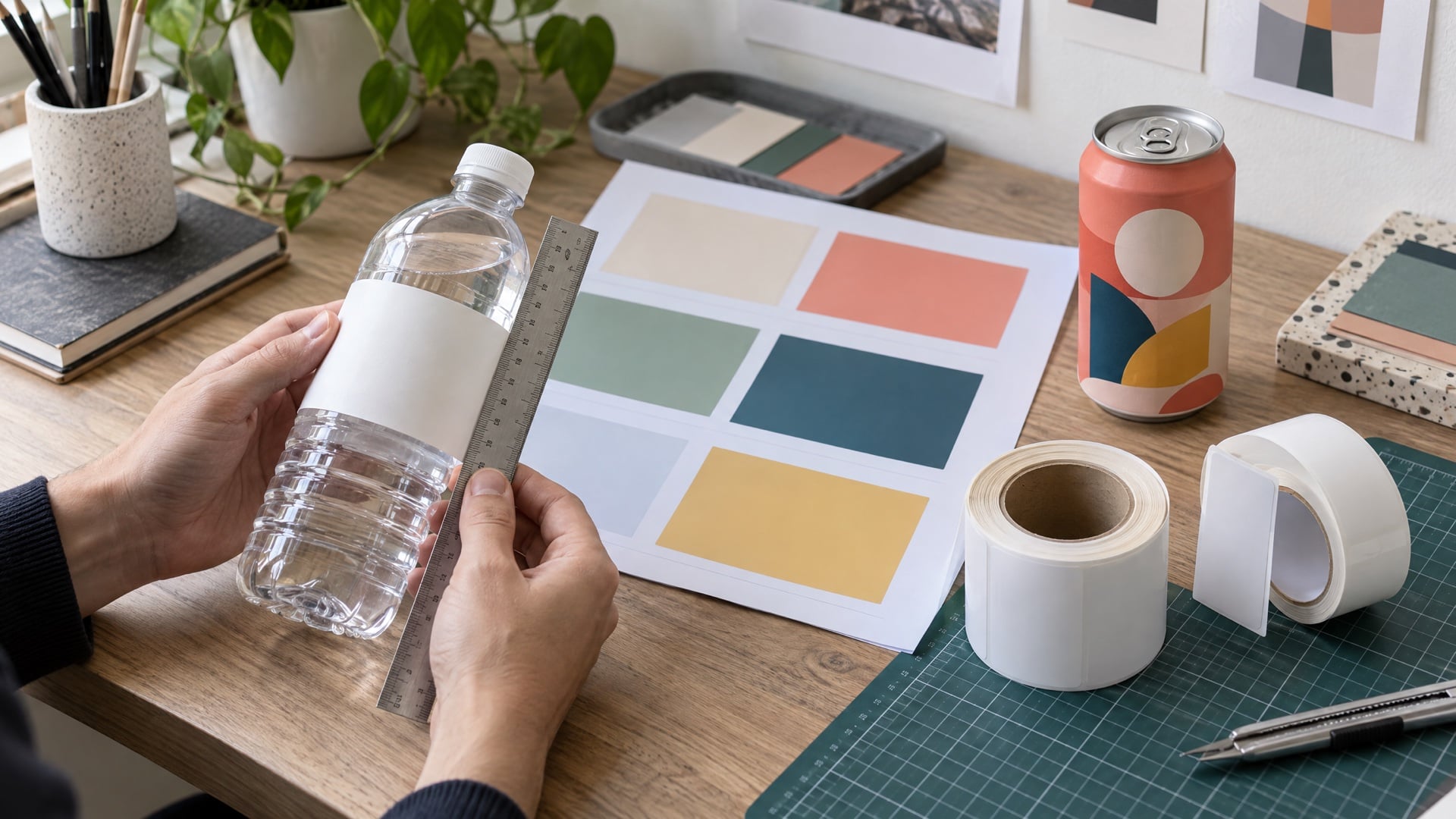
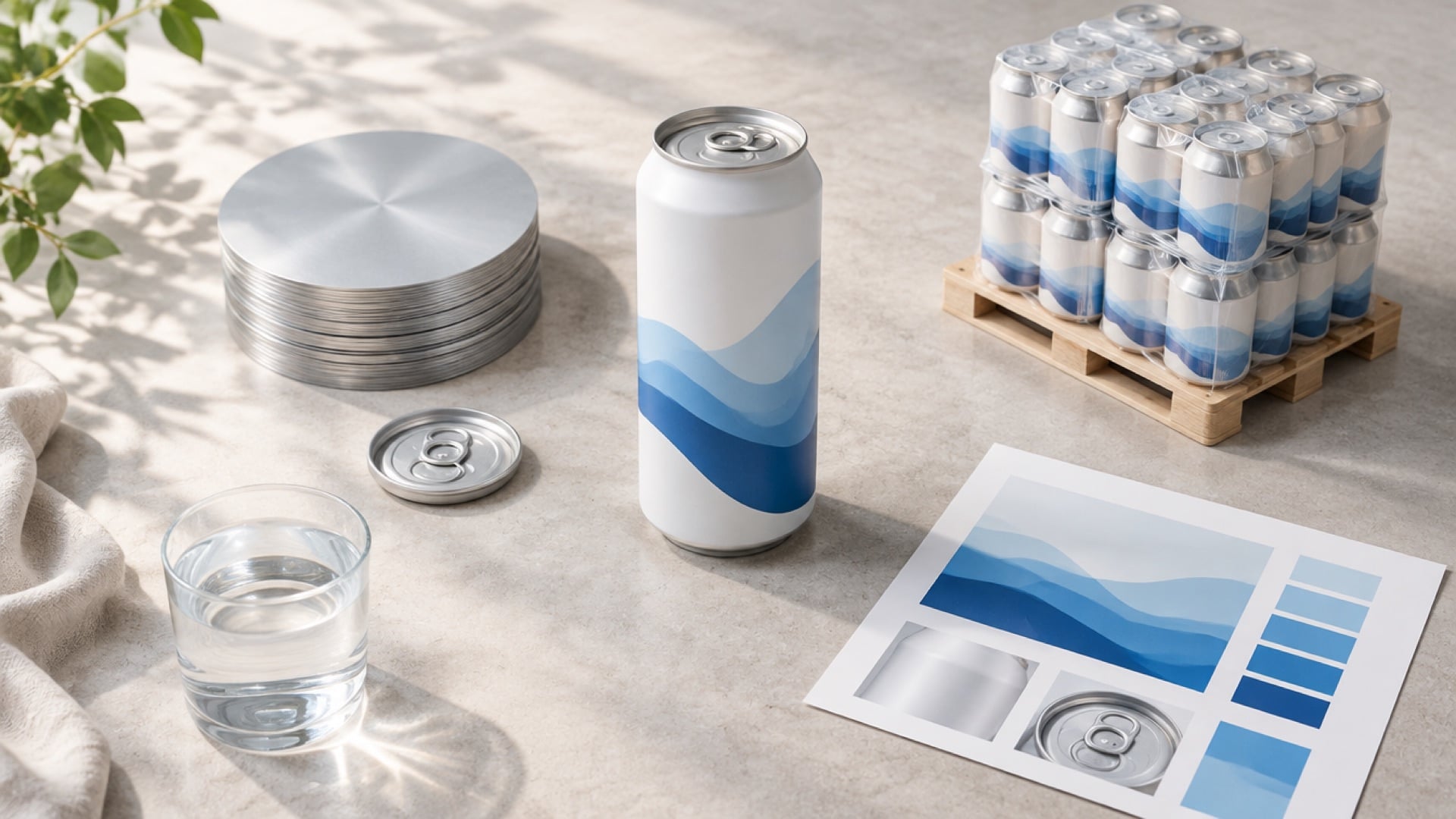
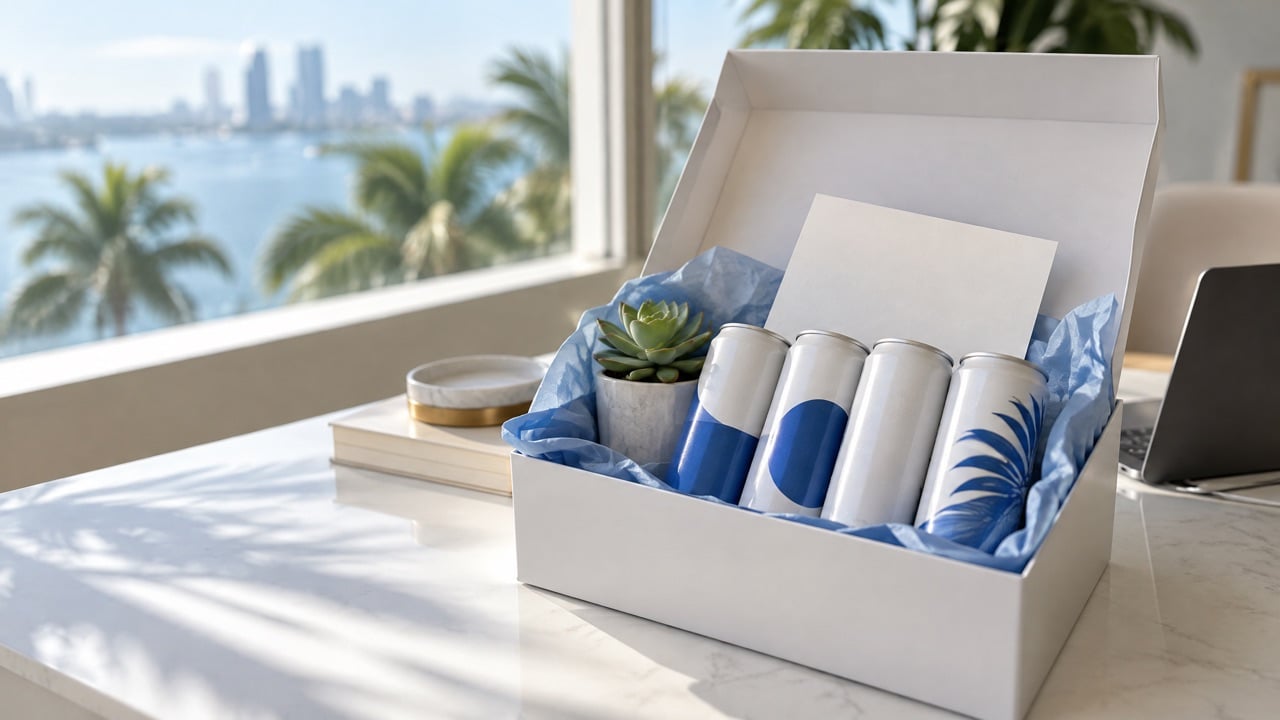
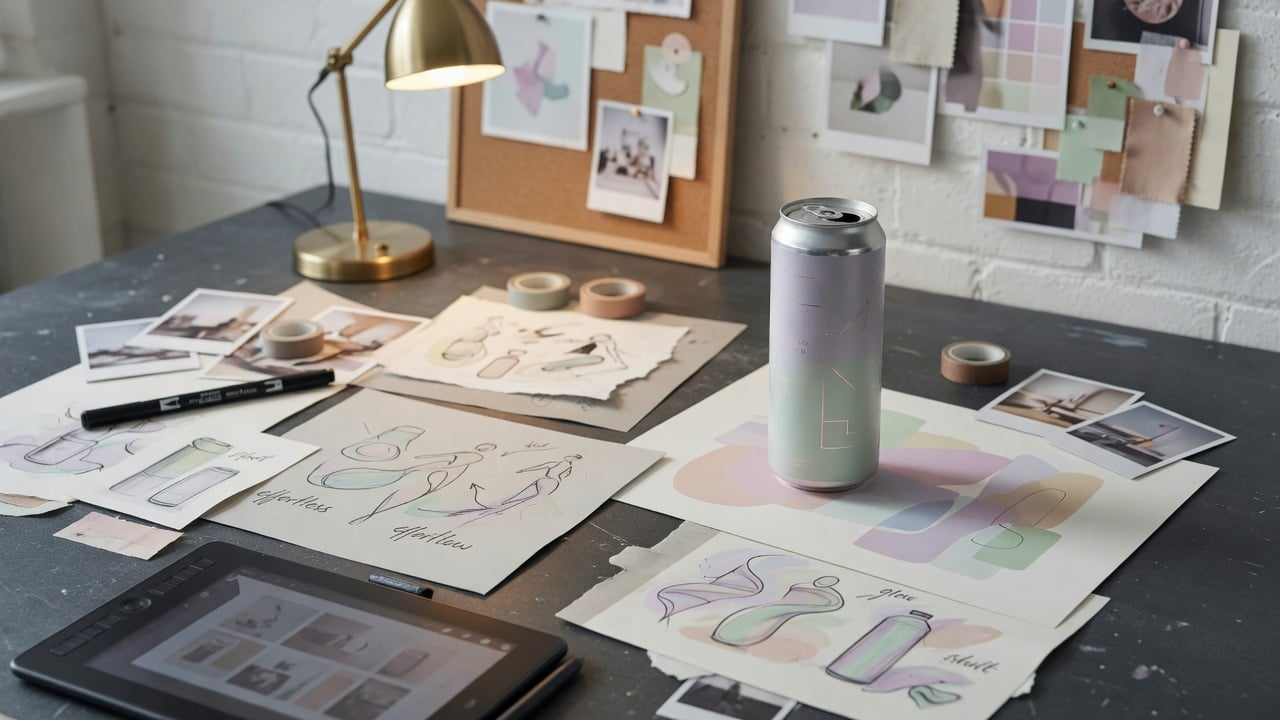
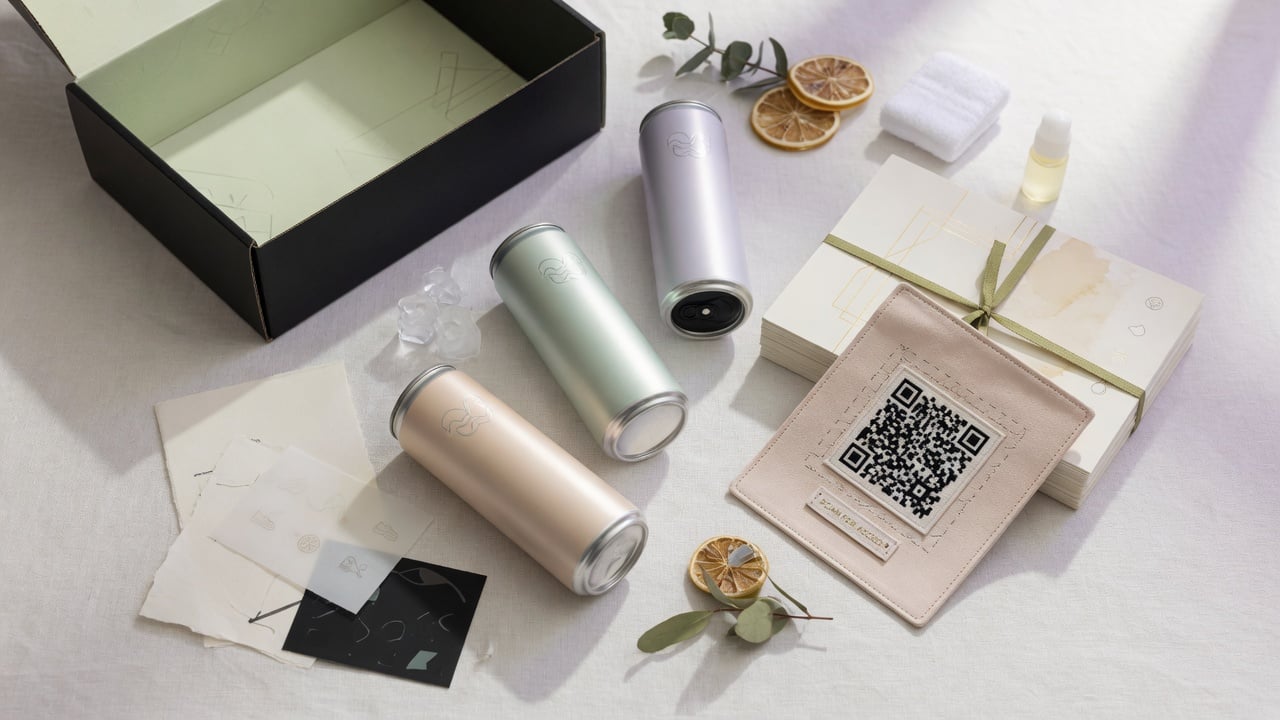
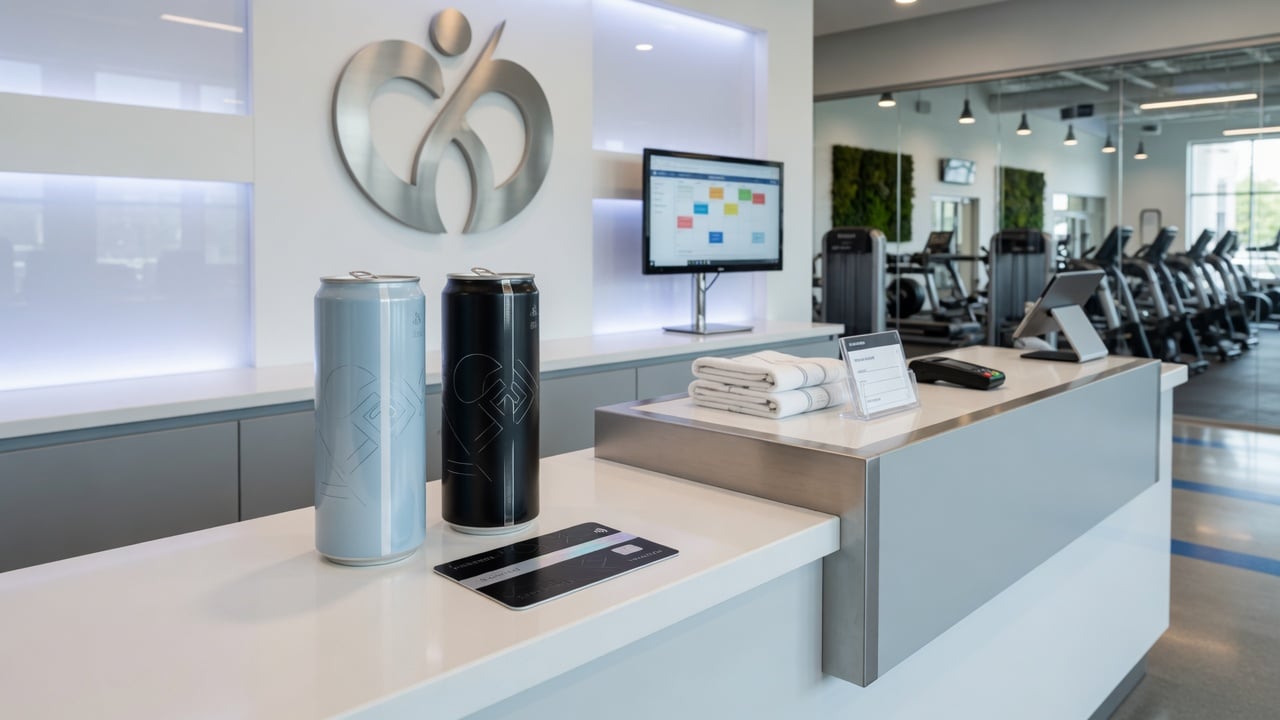
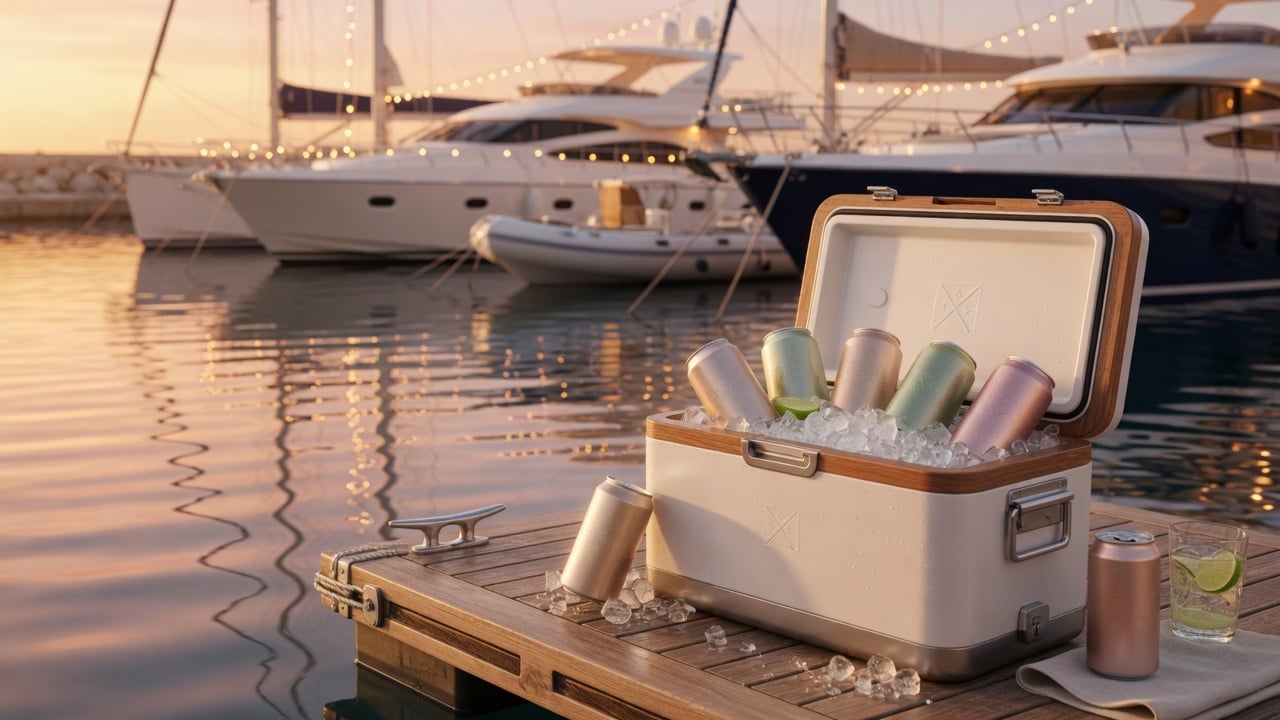
It does not have to be, but there are good reasons many businesses choose their own cans. A branded can with your building, hotel or company design makes it clear the supply belongs to you, reduces "walk-away" losses and turns a stressful moment into a sign that you planned ahead for the people you serve.
Ideas that work well:
- Condo associations and property managers: cans with the building name for residents during and after storms.
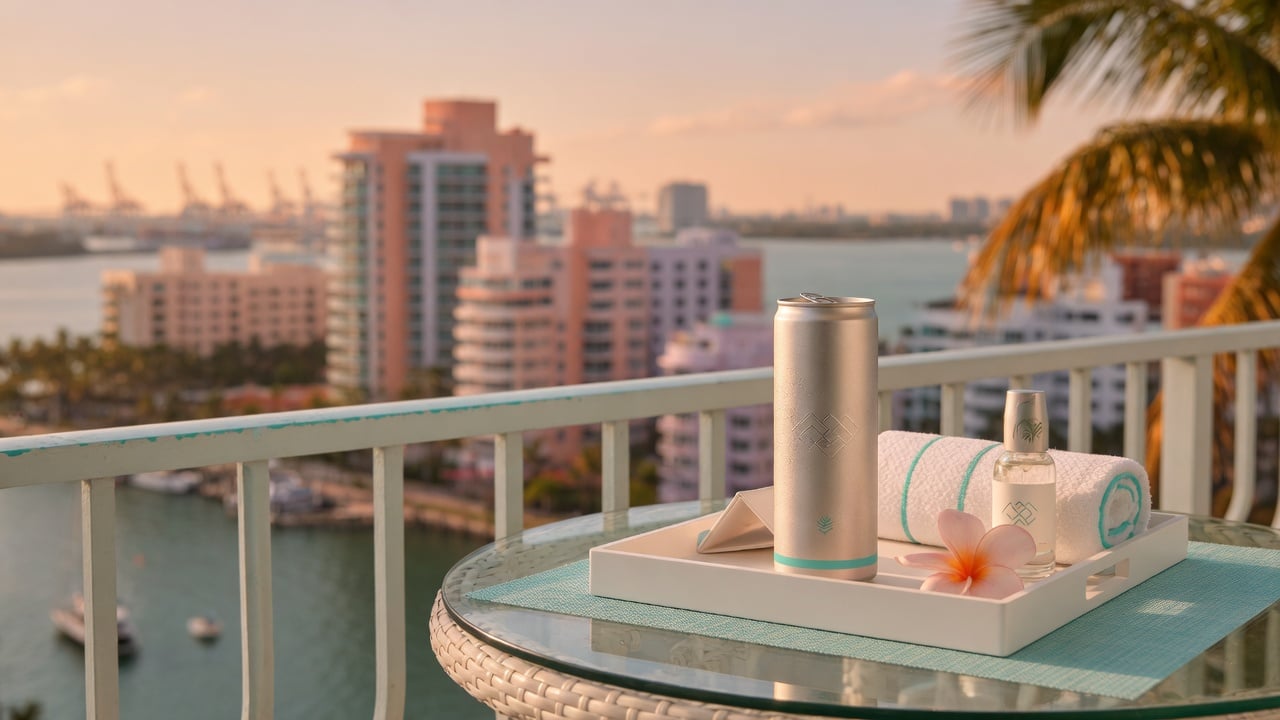
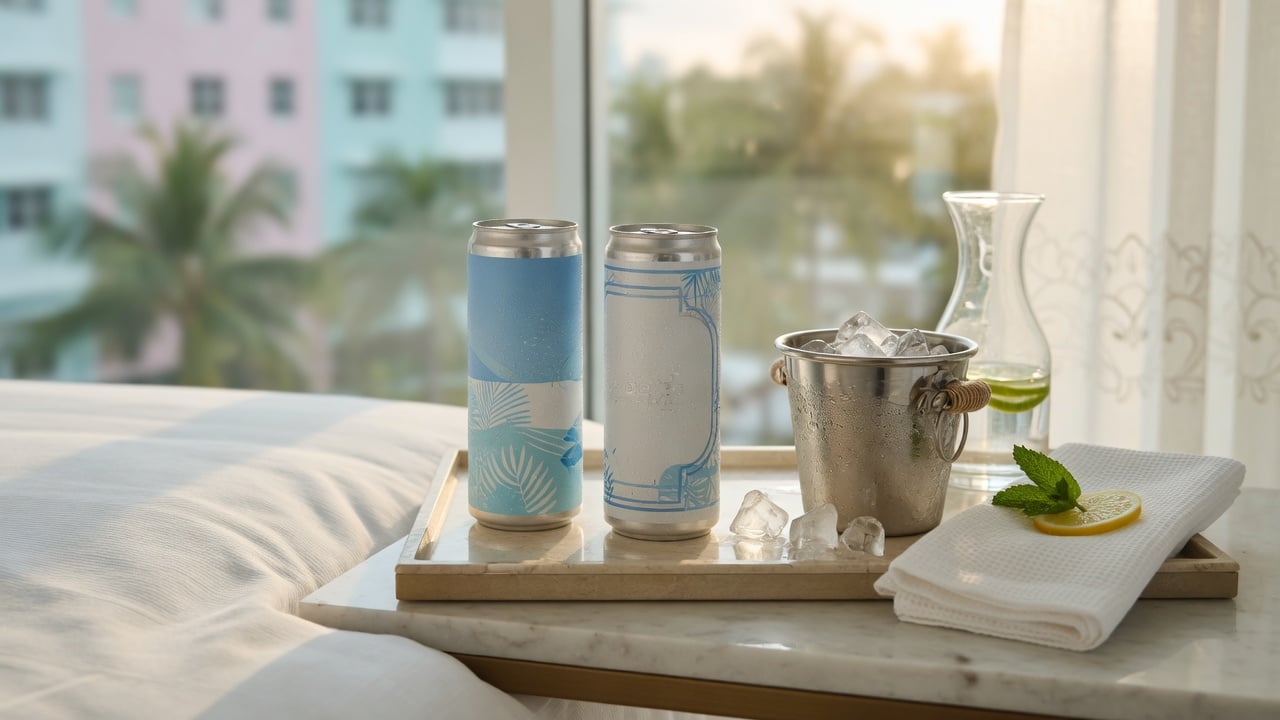
- Hotels: cans for guests sheltering in place, matching the in-room amenity design.
- Offices: cans for staff who stay on site, which double as everyday office water during rotation.
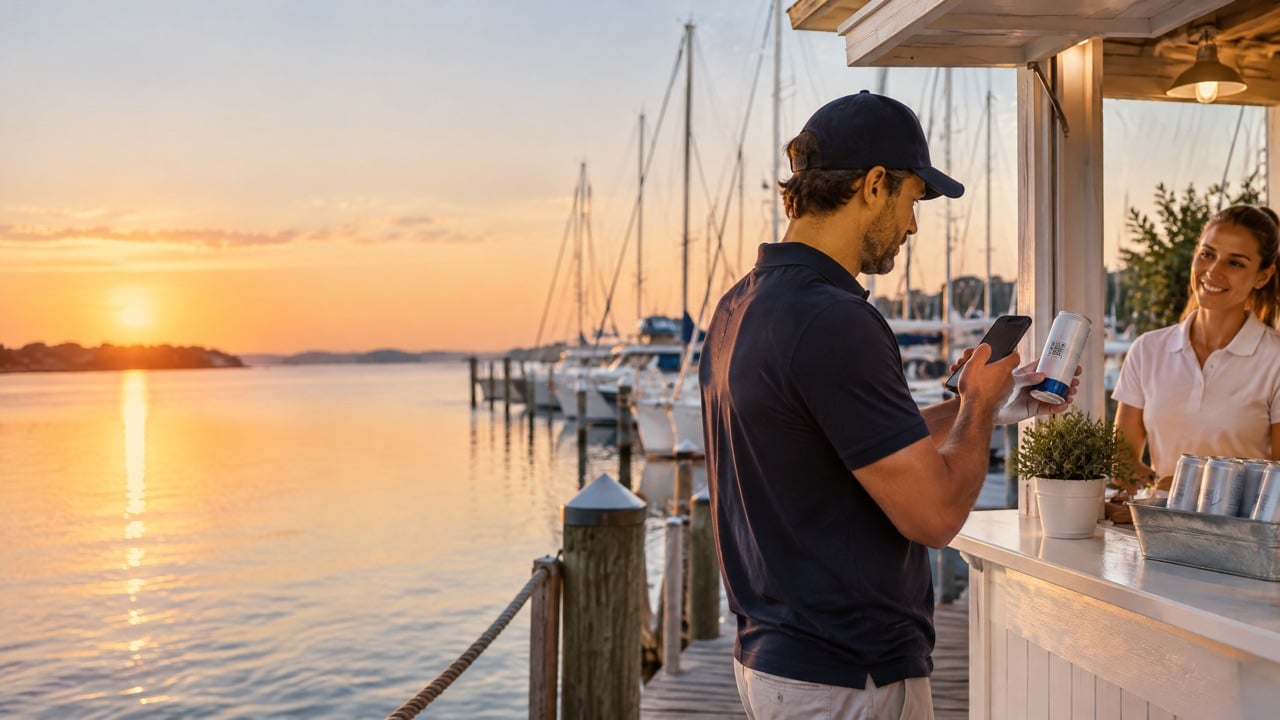
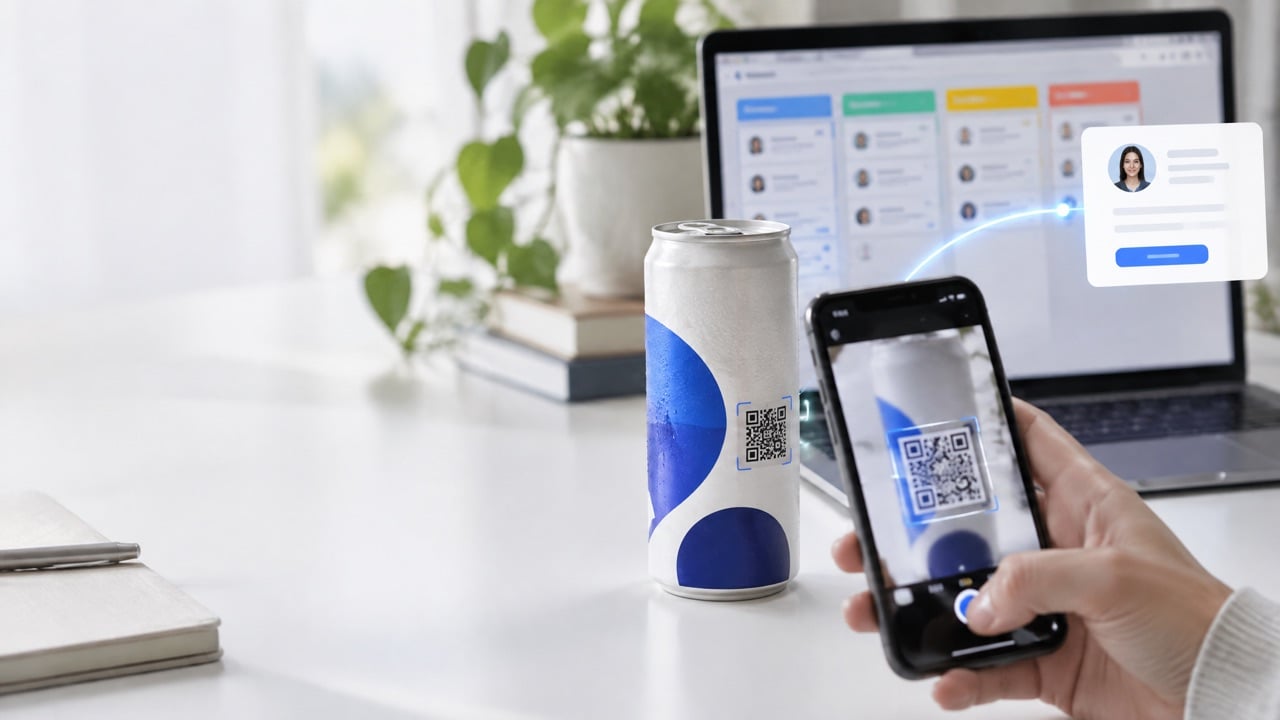
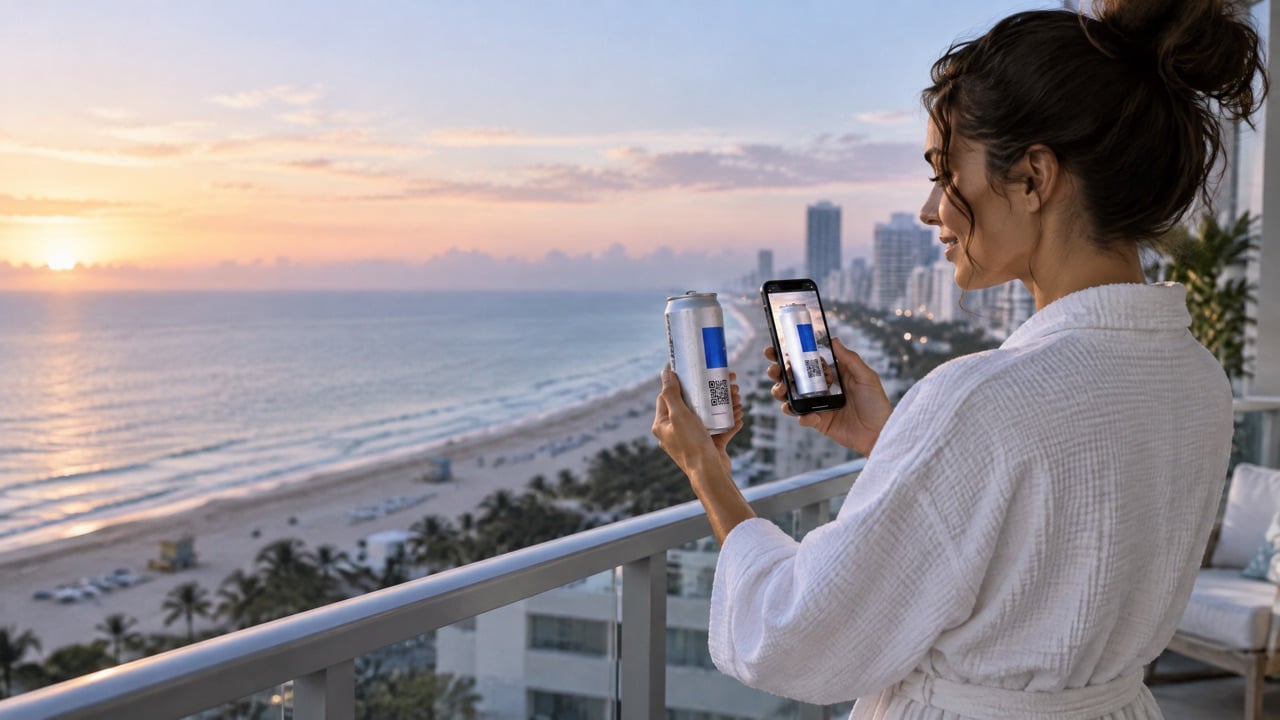
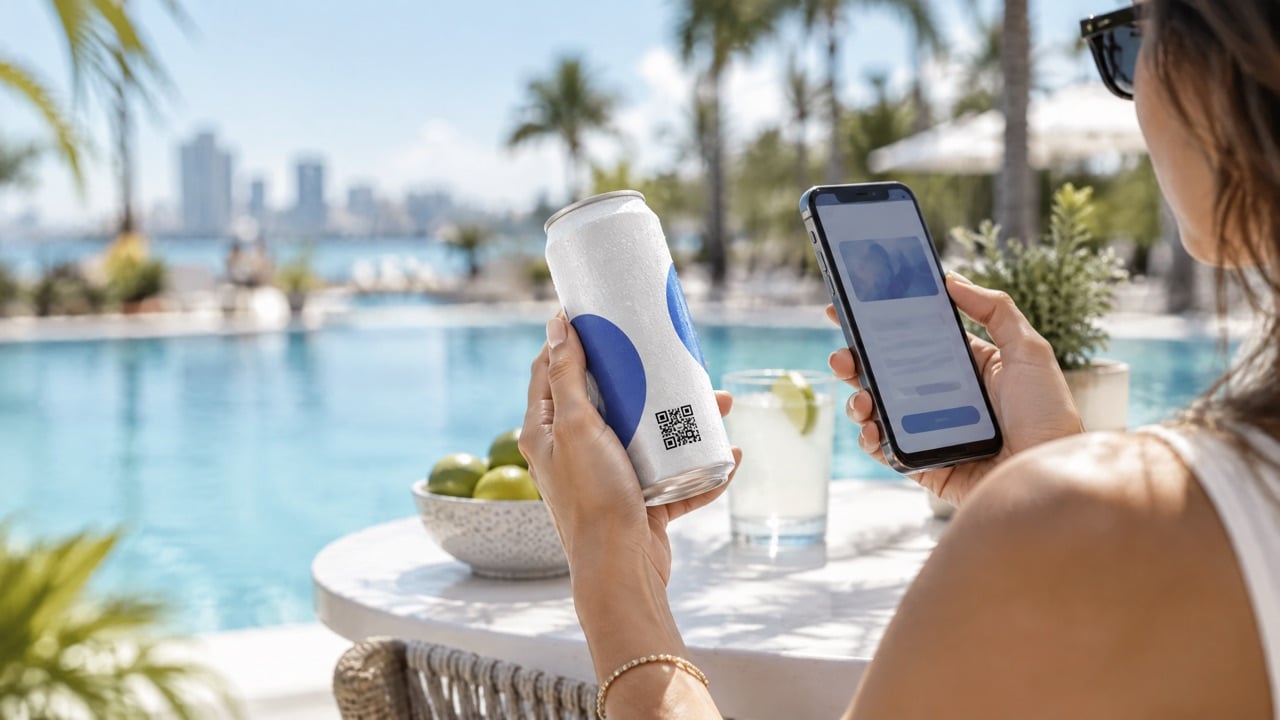
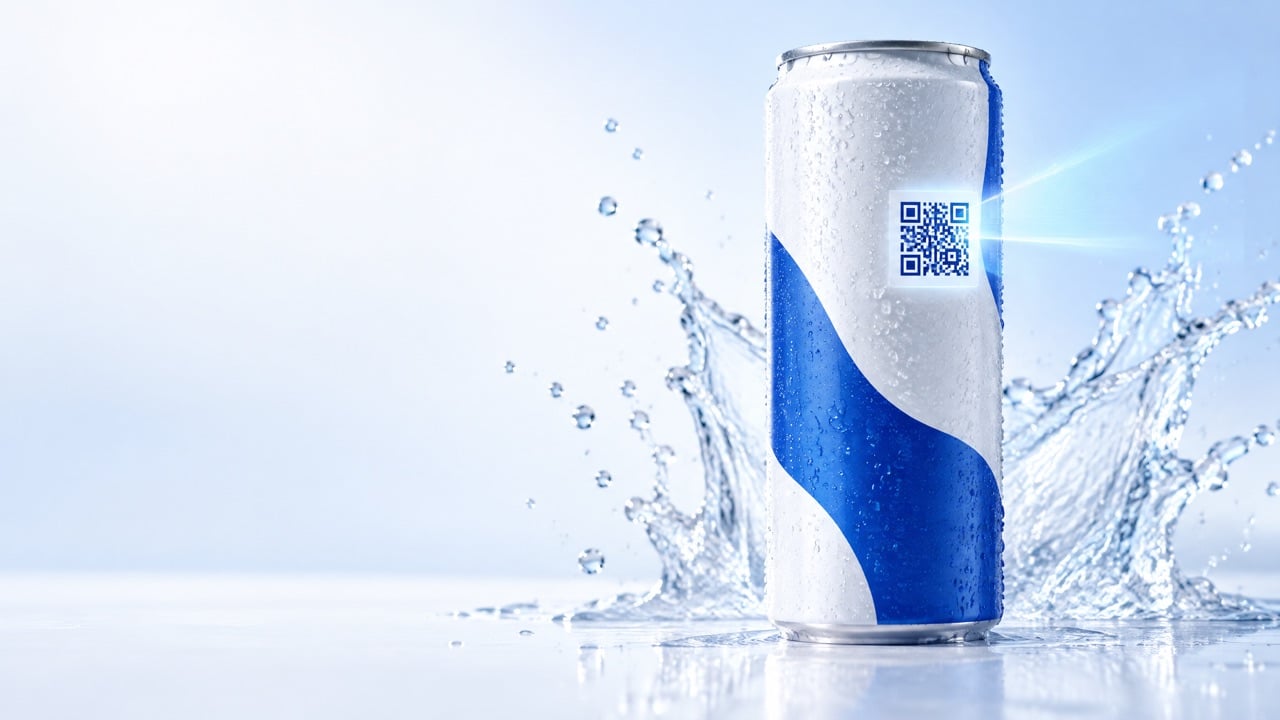
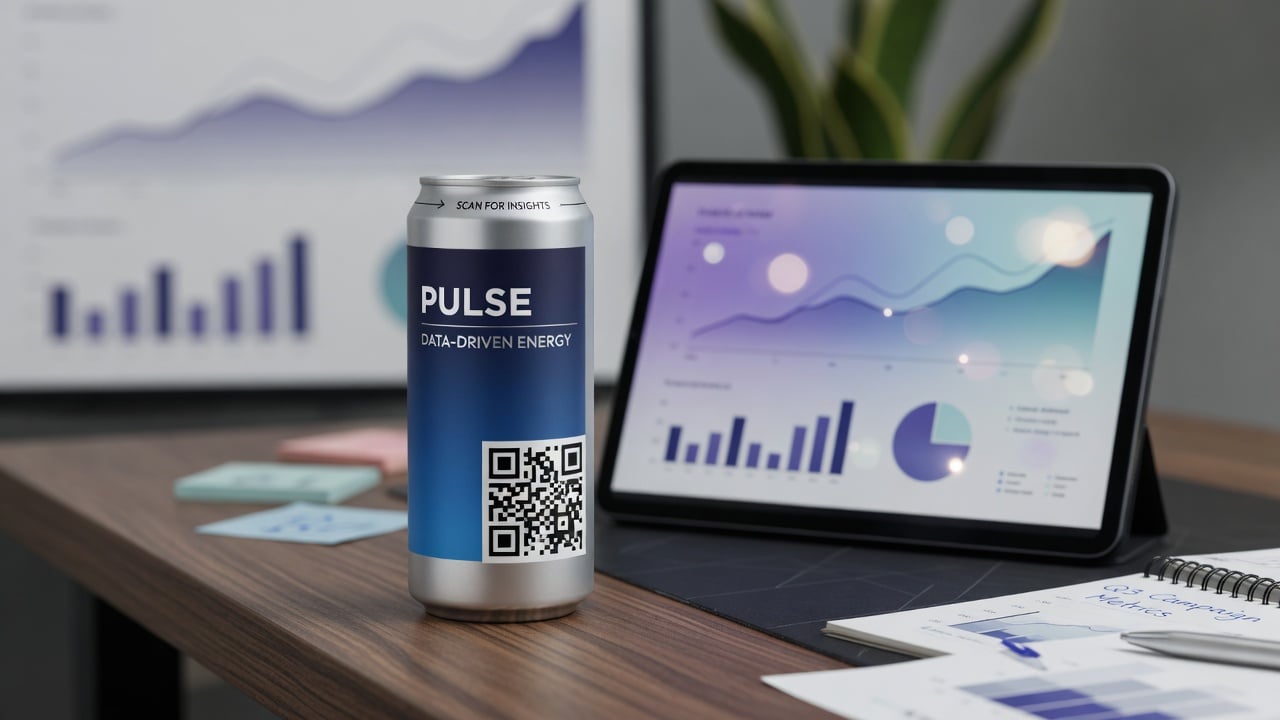
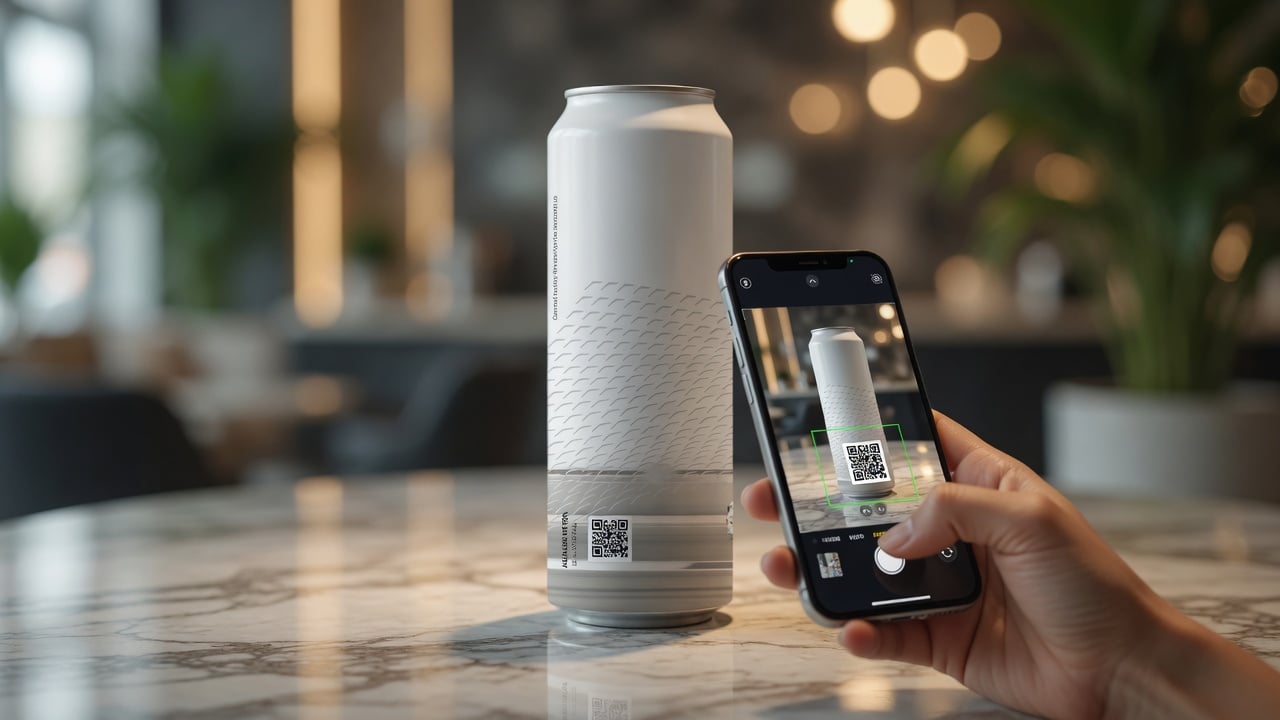
A QR code on the can can also open your emergency information page, contact numbers or check-in form. QR codes are included at no extra cost on our cans.
When should you order emergency water?
Order well before you need it. The worst time to buy water is the week a storm is forecast, when demand spikes and deliveries slow down. For Florida businesses, the best time to build or refresh a supply is the off-season, between December and May, ahead of the Atlantic hurricane season that runs from June 1 to November 30.
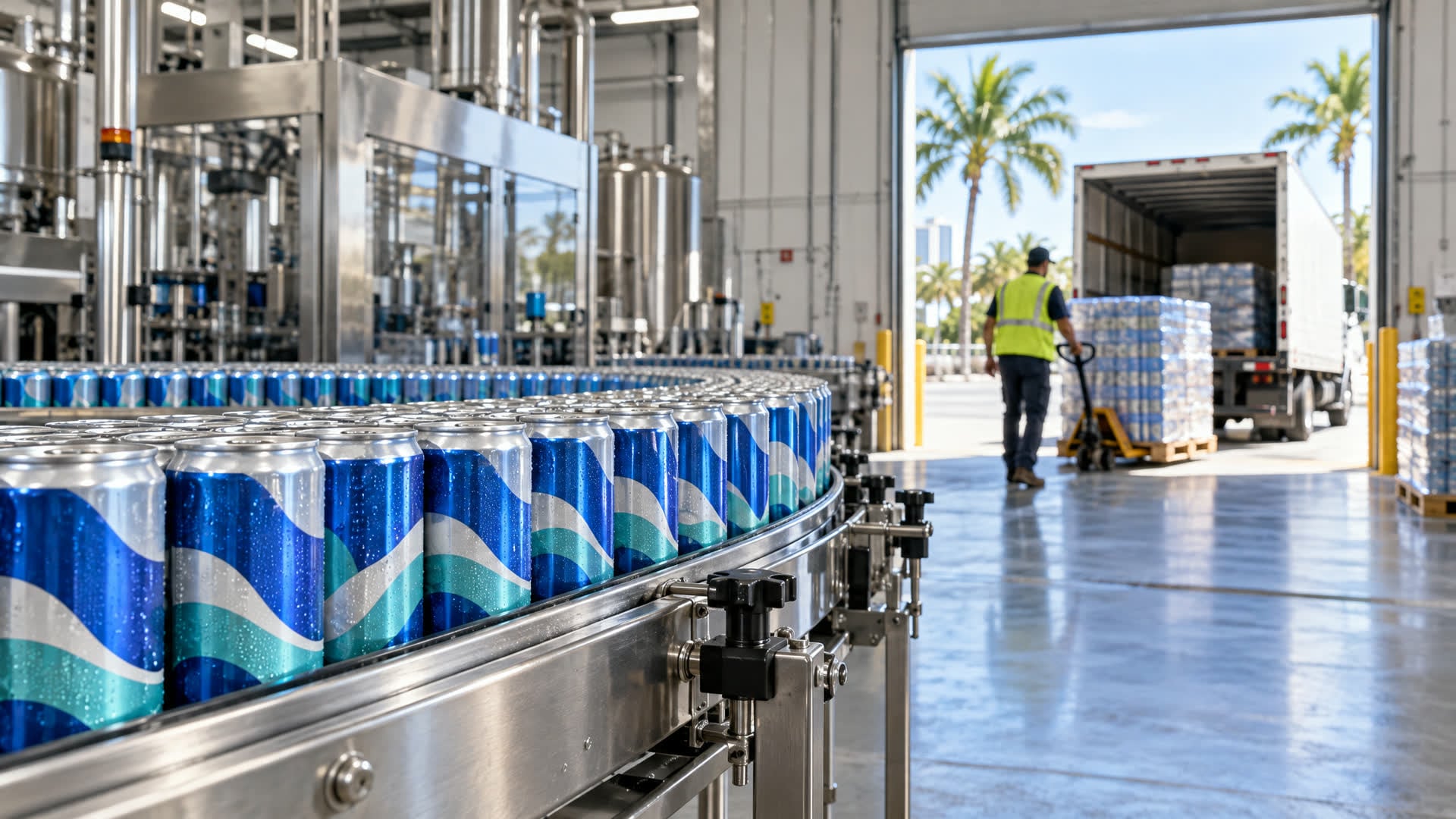
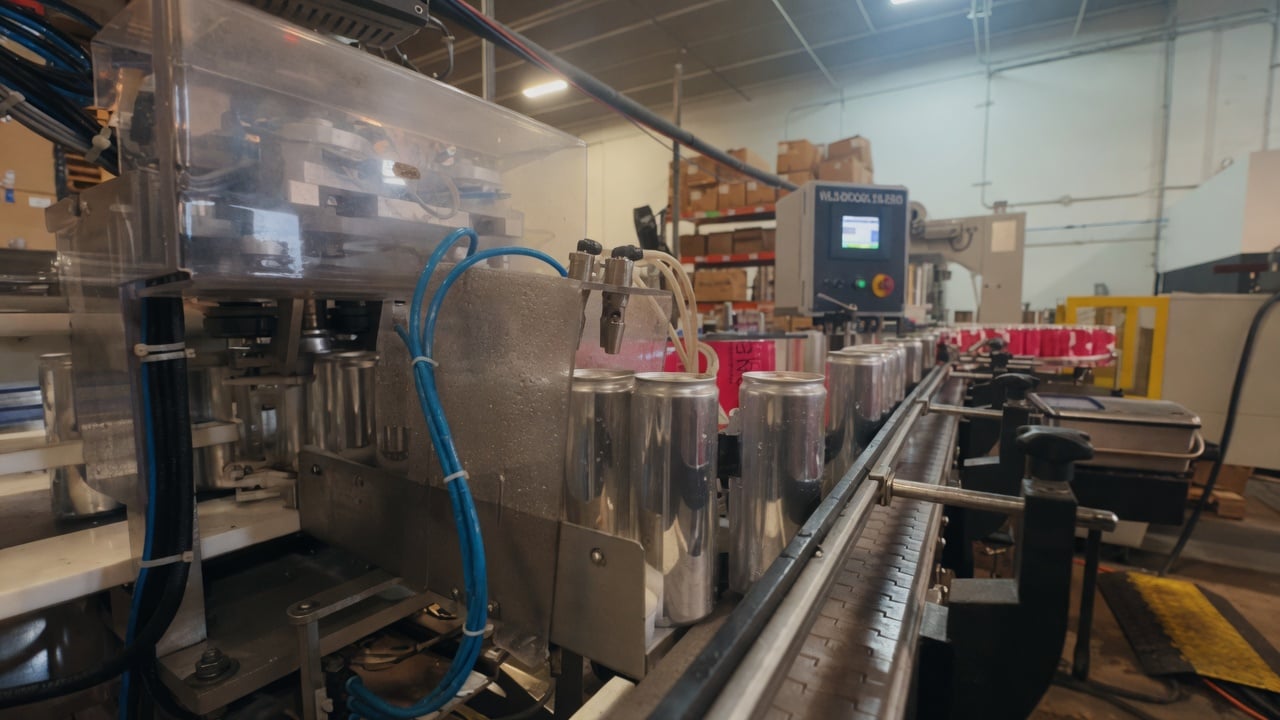
With We Can It, production takes about 2 to 3 weeks from artwork approval, and we ship from Miami with logistics billed at cost. Planning ahead means you can choose your can size, design and delivery date without pressure.
Emergency water planning checklist
- Count the people you may need to support and for how many days.
- Calculate gallons and convert to cans and cases.
- Add a buffer.
- Choose a storage location that is cool, dry and accessible.
- Order ahead of hurricane season.
- Log quantities and best-by dates.
- Schedule an annual rotation review.
- Include water distribution in your emergency plan.
Frequently asked questions
How much water should a business store for emergencies?
Plan for at least one gallon per person per day. Ready.gov recommends a supply for several days, and Florida's state preparedness guidance recommends at least seven days. Multiply people by days, then add a buffer for heat and visitors.
How many cans of water equal one gallon?
A gallon is 128 fluid ounces, so it equals about 10.7 cans of 12oz or 8 cans of 16oz.
Is canned water good for emergency storage?
Yes. Aluminum cans block light and air, do not break and stack neatly. Most brands print a best-by date commonly around two years after production. Store cans somewhere cool, dry and dark for the best quality.
How often should emergency water be replaced?
Review your supply at least once a year, ideally before hurricane season begins on June 1. Use older stock in daily operations before its best-by date and replace what you use.
What is the minimum order for emergency canned water from We Can It?
Labeled cans start at 21 cases, which is 504 cans, and digitally printed cans start at 100 cases.
How much does custom canned water cost?
Digitally printed cans range from $0.90 to $2.50 per can depending on volume, with lower prices at higher volumes. Labeled cans are very competitive. Use the calculator for an exact estimate.
Get a quote for emergency canned water for your building
The best emergency plan is the one you set up before the forecast changes. Tell us how many people you support and how many days you plan for, and a product advisor will help you size, schedule and deliver your supply.