Sweepstakes Rules for QR Can Giveaways: A Plain-English Checklist
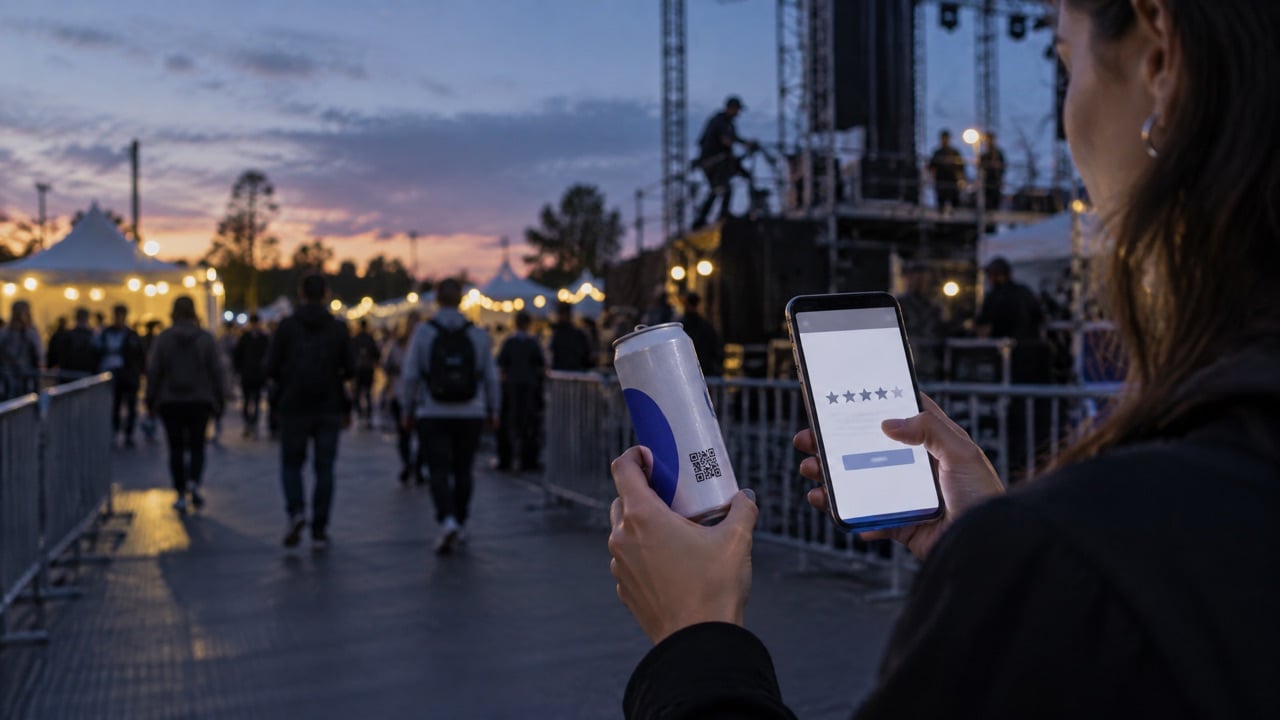
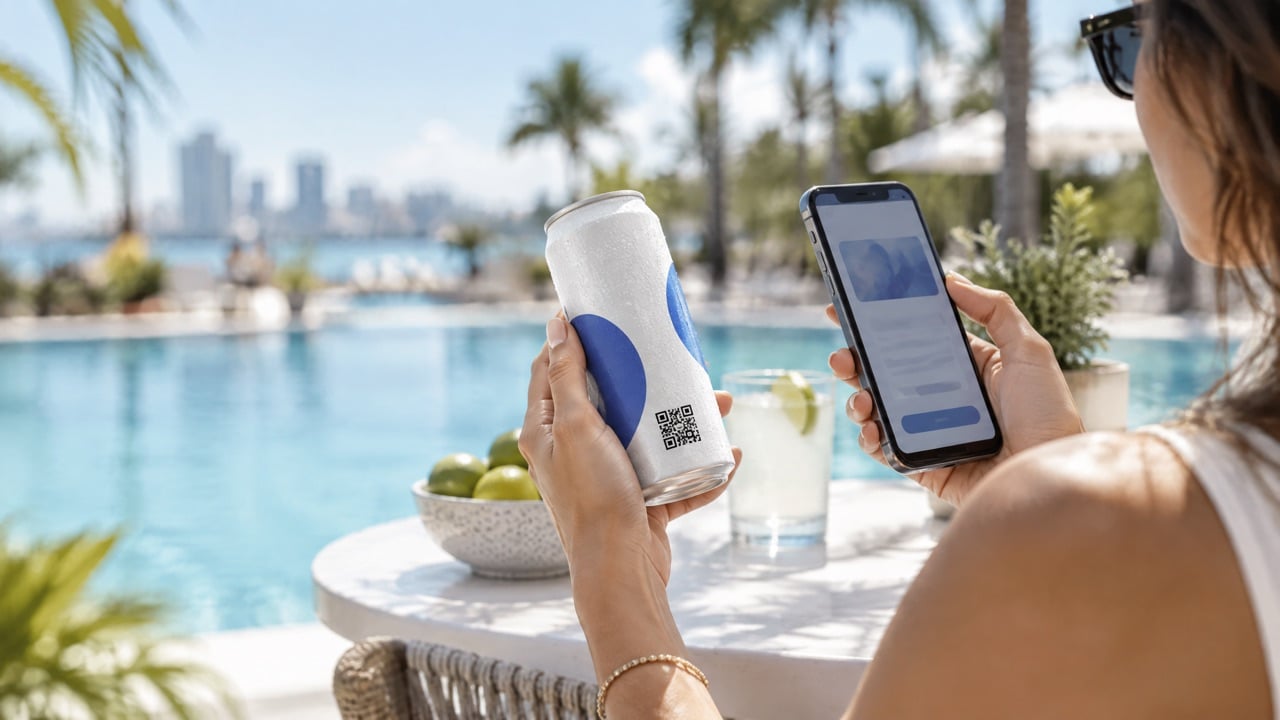
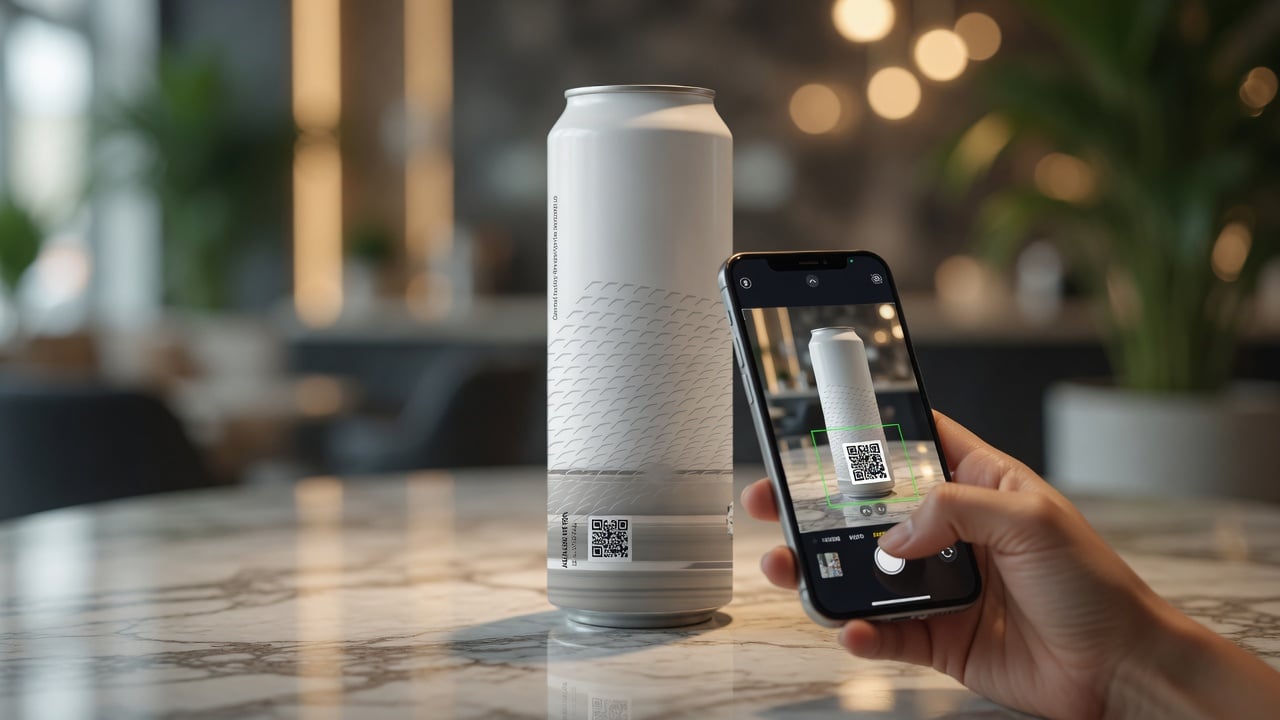
"Scan to win" is one of the most effective lines you can print on a can. Guests love a chance to win something, and a giveaway gives them a clear reason to scan. But a giveaway is not only a marketing idea.
"Scan to win" is one of the most effective lines you can print on a can. Guests love a chance to win something, and a giveaway gives them a clear reason to scan. But a giveaway is not only a marketing idea. It is a promotion with rules, and if those rules are missing or unclear, a fun campaign can turn into complaints, disputes, or worse.
This guide is for marketing managers, event producers, and venue teams planning a scan-to-win giveaway on branded cans. It explains, in plain language, the rules and details you should settle before the cans go to print. It is not legal advice. Sweepstakes rules vary by state and country, so review your final rules with a qualified lawyer before launch.
What is the difference between a sweepstakes and a contest?
These words are often used loosely, but they mean different things.
- A sweepstakes picks winners by chance, such as a random drawing from everyone who entered.
- A contest picks winners by skill, such as the best photo or caption, judged by criteria.
- A lottery combines a prize, chance, and a required payment, and is generally not something private businesses can run.
Most "scan to win" can promotions are sweepstakes. That is why the rules below focus on keeping entry free and the selection fair.
Why does "no purchase necessary" matter?
When a promotion picks winners by chance, many places require that people can enter without buying anything. If the only way to get a can is to buy it, you usually need a free alternative way to enter, such as an online form or a mail-in entry.
- Say "No purchase necessary" clearly in the rules and in short form near the QR code.
- Offer a free entry method that gives equal chances.
- Do not give extra entries for buying more, unless your lawyer confirms it is allowed.
If your cans are handed out free at an event, this is simpler, but the rules should still say entry is free.
What must the official rules include?
Official rules are the full terms of the giveaway. Link to them from the page the QR code opens.
- Sponsor: the name and address of the business running the giveaway.
- Eligibility: age, location, and who is excluded, such as employees and their families.
- Entry period: start and end date and time, with time zone.
- How to enter: scanning the can and any free alternative method.
- Entry limits: for example, one entry per person per day.
- Prizes: a clear description and approximate retail value of each prize.
- Odds: usually stated as depending on the number of eligible entries.
- Winner selection: how and when winners are chosen, and by whom.
- Winner notification: how winners are contacted and how long they have to respond.
- Taxes and conditions: who pays taxes, and any conditions such as travel dates.
- Privacy: how entrant information is used.
- Disputes and limitations: standard terms your lawyer will advise on.
What should be printed on the can itself?
The can has little space, so print only the short version and link to the full rules.
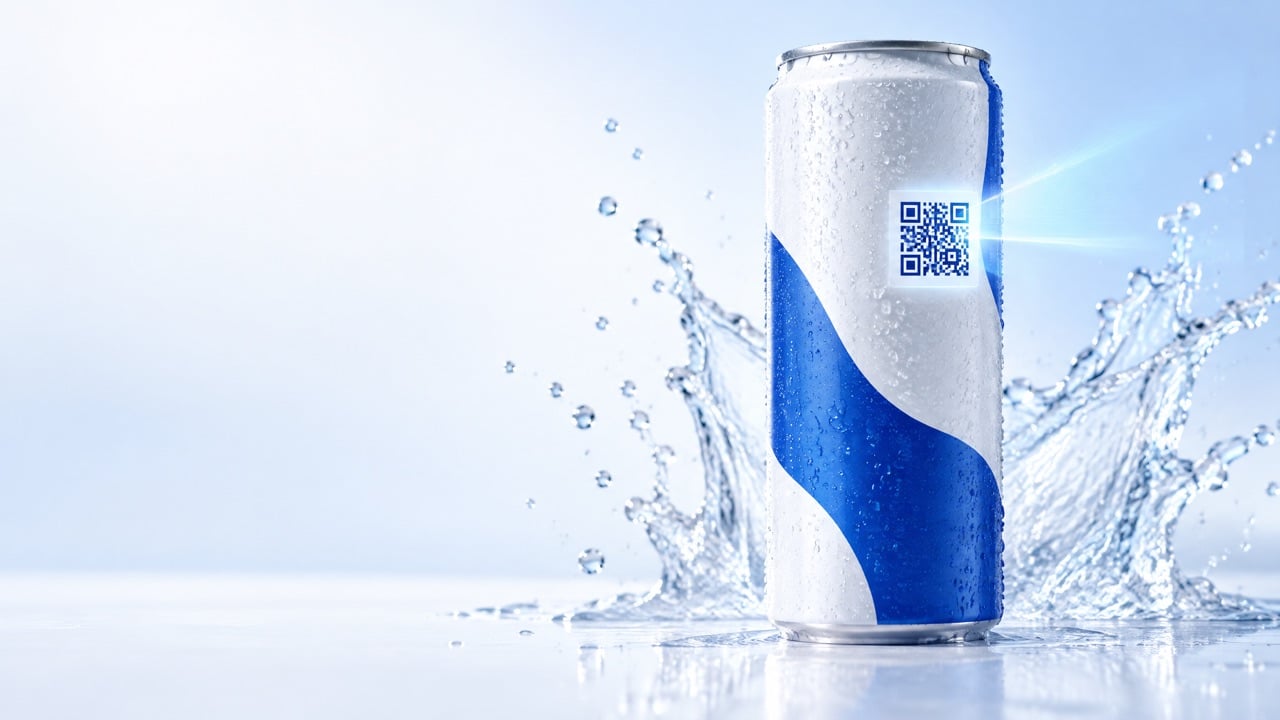
- The call to action: "Scan to win."
- "No purchase necessary."
- The end date: "Ends June 30."
- Eligibility in brief: for example, "US residents 18+."
- "Rules at" followed by a short web address, or a note that rules are on the scan page.
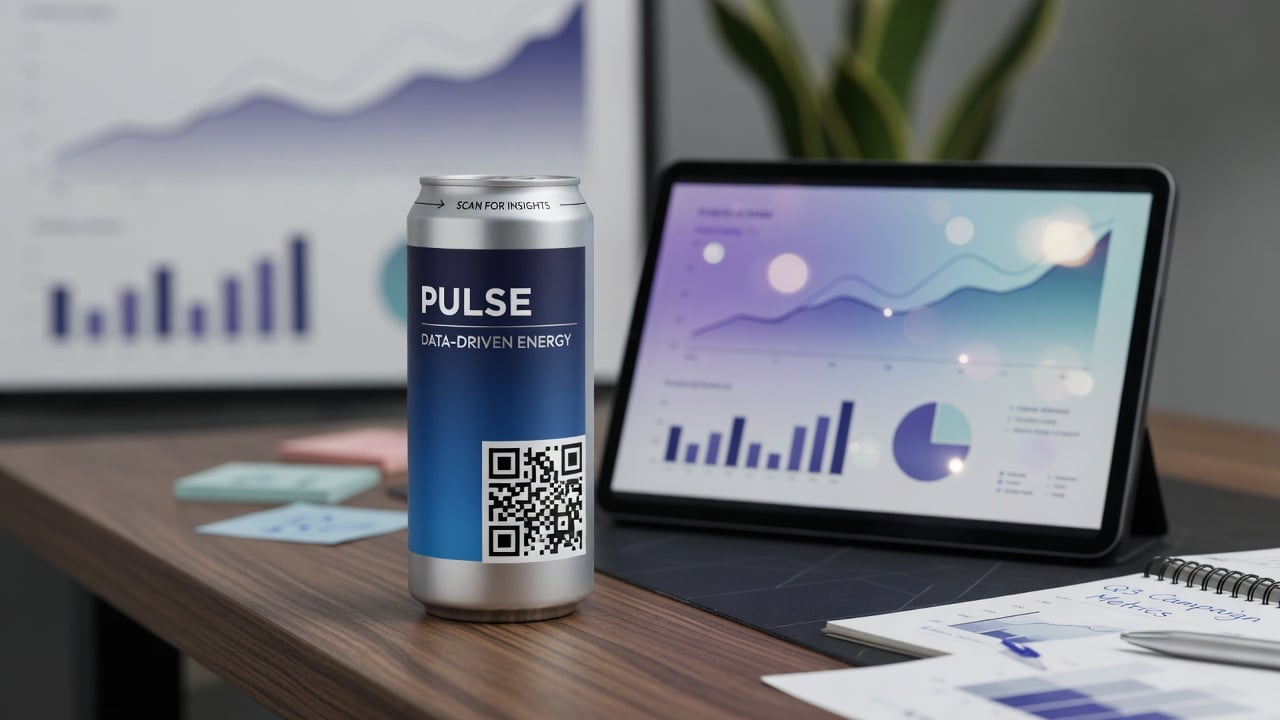
Design the can so this text is readable. How QR codes and messages fit on the label is covered on Technology · Labels.
How do you choose prizes that work?
Prizes should match your audience and your brand.
- Experiences: a stay, a dinner, a boat day, a golf round.
- Products: your own products or partner products.
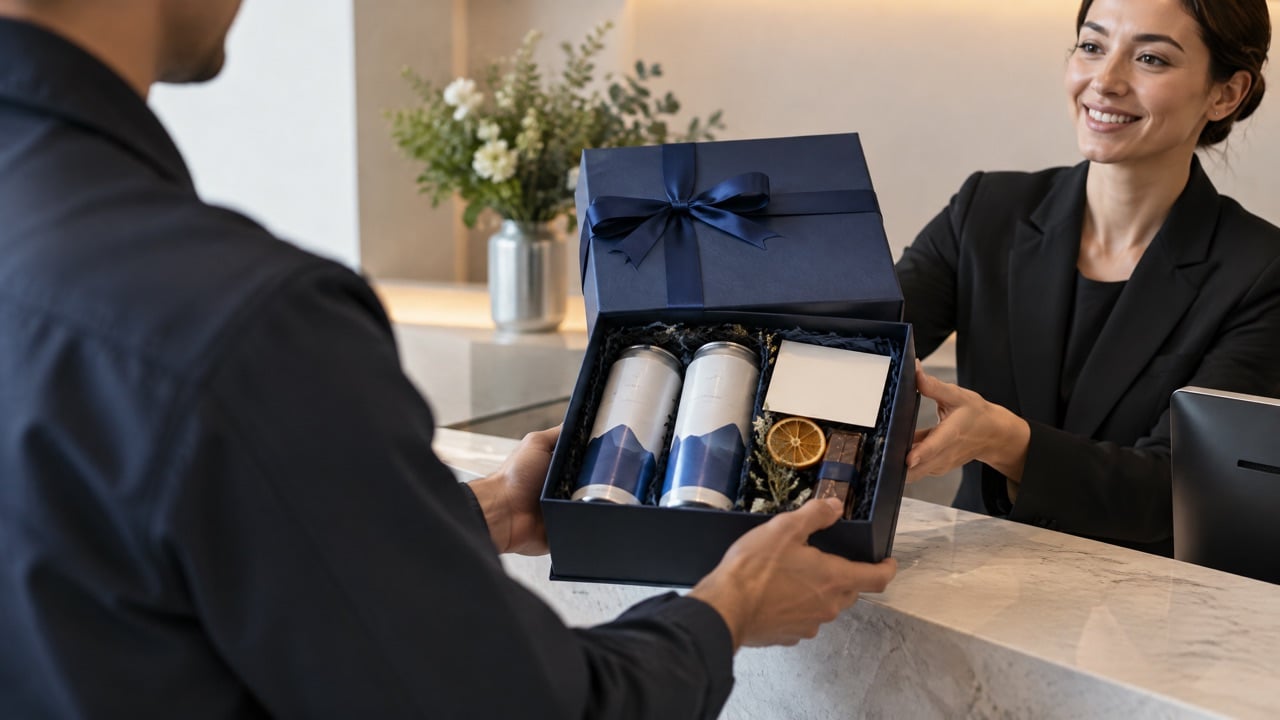
- Upgrades: VIP access, a private tour, or a membership month.
- Many small prizes can drive more participation than one big prize.
State the approximate value of each prize in the rules. High-value prizes can trigger extra requirements in some places, so check with your lawyer.
How do you prevent fraud and duplicate entries?
Popular giveaways attract people trying to enter many times.
- Limit entries per person, per email, or per phone number.
- Use a simple verification such as email confirmation.
- Watch for patterns like many entries from one device.
- Reserve the right in the rules to disqualify fraudulent entries.
- Keep records of all entries and how the winner was selected.
How should winners be selected and announced?
- Use a random, documented method for sweepstakes.
- Have someone independent oversee the draw if the prize is significant.
- Notify winners as described in the rules.
- Verify eligibility before awarding the prize.
- Announce winners only with their permission, and follow your privacy terms.
How do you plan the timeline?
- Six to eight weeks before launch: draft rules and have them reviewed.
- Five weeks before: finalize can artwork with the short rules text. Production at We Can It takes about 2 to 3 weeks from artwork approval.
- Two weeks before: build and test the entry page.
- Launch: cans go out.
- End date: close entries on time.
- Within the stated time: select, verify, and notify winners.
What does a well-run scan-to-win promotion look like?
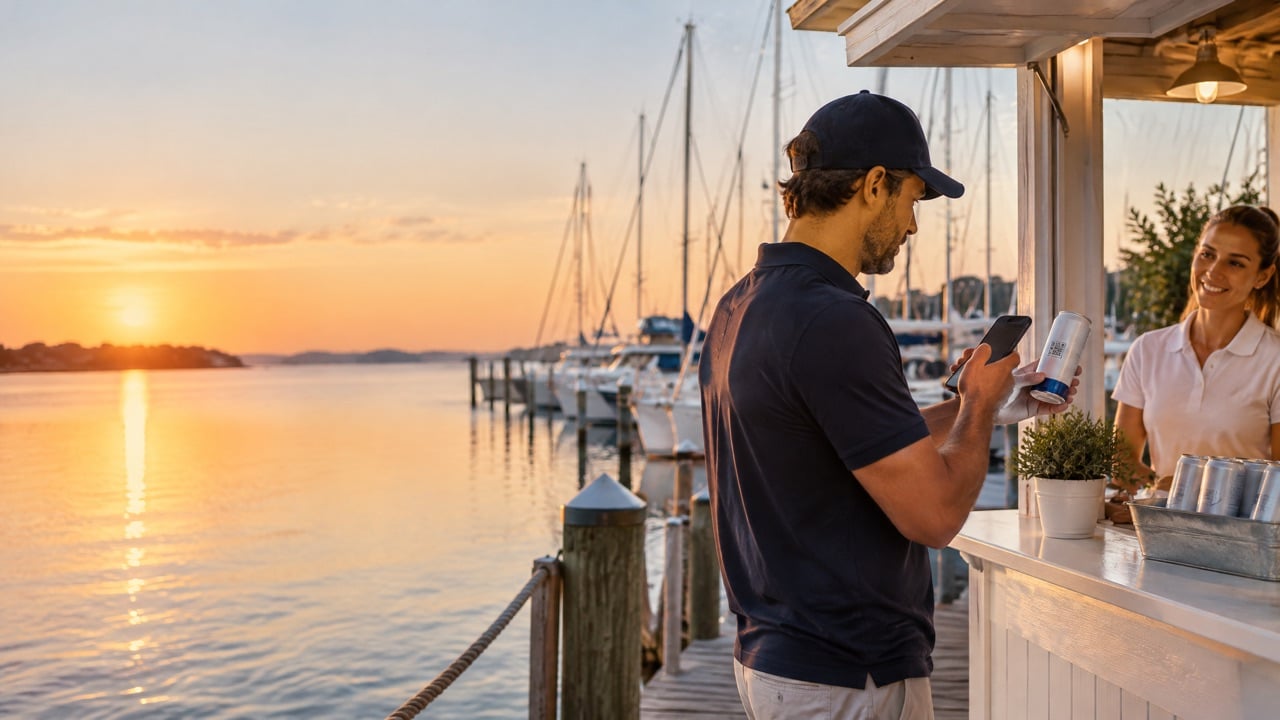
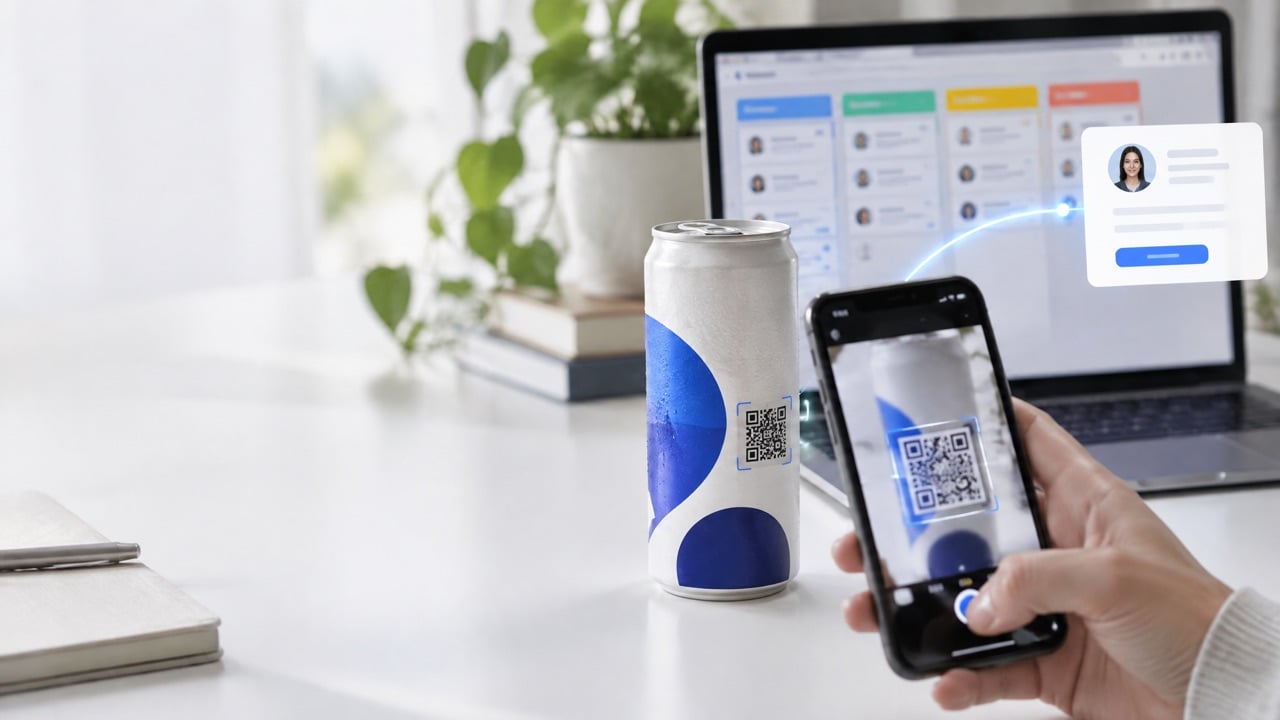
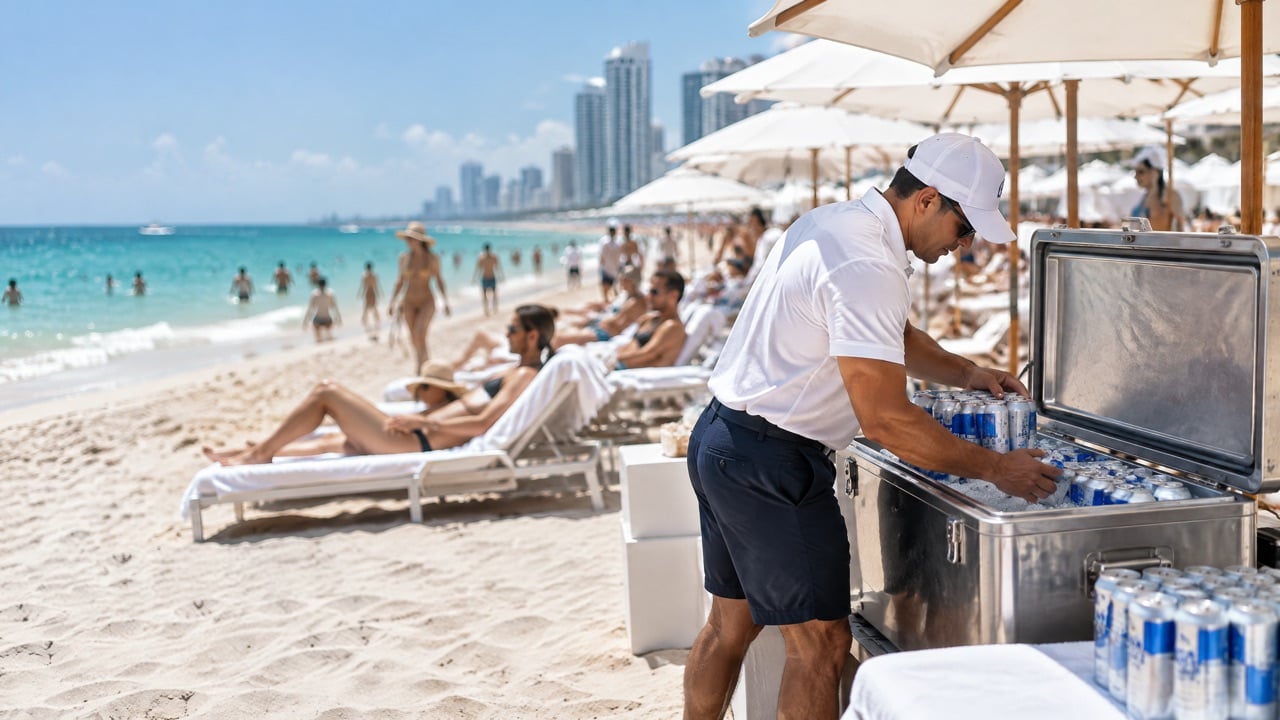
Picture a beach club launching a summer giveaway. The can says "Scan to win a sunset cruise for four. No purchase necessary. Ends August 31. US residents 18+. Rules on the scan page." The page asks for a first name and email, confirms one entry per person per day, and links to the full rules. It also offers a free entry form for people who want to enter without a can.
Every week, the marketing team checks entries for duplicates and suspicious patterns. On September 2, as the rules state, a manager runs a random draw from all eligible entries, with a second person present, and saves a record of how it was done. The winner is emailed, confirms eligibility within the stated time, and receives the prize. With permission, the club posts a photo of the winner on the cruise.
Every step matches what the rules promised. That consistency is what keeps a giveaway fun for guests and safe for the business.
Who should own the giveaway internally?
Assign one person to own the promotion from start to finish: rules review, artwork approval, entry monitoring, the draw, and prize delivery. When ownership is spread across marketing, legal, and operations without a clear lead, deadlines slip and promises in the rules get missed.
What if a partner provides the prize?
Partner prizes are common and useful. Put the arrangement in writing: who provides the prize, who delivers it, who is named as sponsor in the rules, and how the partner may use entrant data, if at all. Entrants should always know exactly who is running the giveaway.
How much should you order for a giveaway?
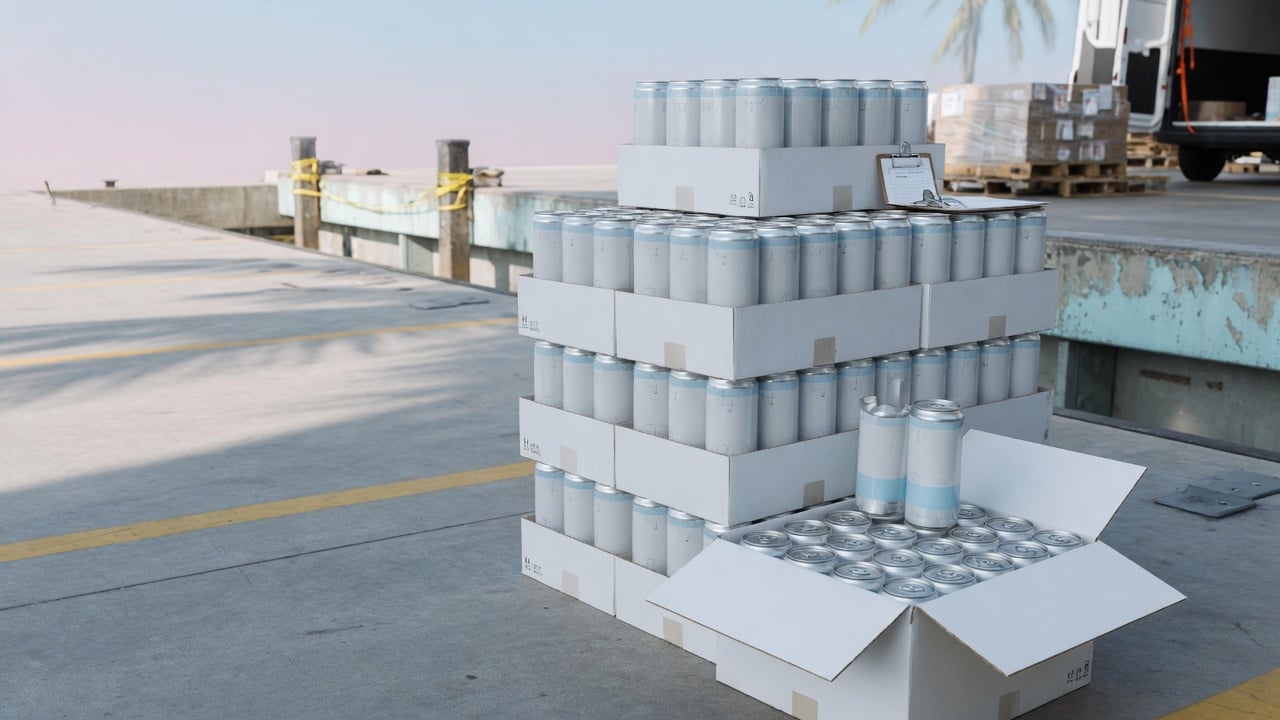
Order based on where cans will be distributed, not on hoped-for entries. At We Can It, runs start at 21 cases, which is 504 cans. For events, our water per guest guide helps you estimate quantities.
Sweepstakes checklist for QR can giveaways
- Confirm it is a sweepstakes, not a lottery.
- Offer free entry and say "No purchase necessary."
- Write full official rules and have them reviewed.
- Print short rules text on the can.
- Choose prizes and state their values.
- Set entry limits and fraud controls.
- Document winner selection.
- Close on time and notify winners as promised.
Frequently asked questions
Do I need official rules for a QR code giveaway?
Yes. A scan-to-win giveaway should have full official rules covering the sponsor, eligibility, dates, entry, prizes, odds, winner selection, and privacy. Have them reviewed by a lawyer.
What does "no purchase necessary" mean?
It means people can enter without buying anything. Many chance-based promotions require a free way to enter with equal chances.
What should be printed on a giveaway can?
A short call to action, "No purchase necessary," the end date, brief eligibility, and where to find the full rules.
How do I pick a sweepstakes winner fairly?
Use a random, documented method, verify eligibility, and follow the notification process described in your rules.
Is a sweepstakes the same as a contest?
No. A sweepstakes picks winners by chance, while a contest picks winners by skill using judging criteria.
What is the minimum order for giveaway cans?
We Can It starts at 21 cases, which is 504 cans, with about 2 to 3 weeks of production after artwork approval.
Get a quote for scan-to-win giveaway cans
Share your giveaway dates and distribution plan, and a product advisor will help you fit the rules text and QR code on the can.