How to Collect First-Party Data from QR Scans the Right Way
First-party data is information people share directly with your business: their name, email, phone number, preferences, and answers to your questions. It is the most valuable data a brand can have, because it comes with a real relationship.
First-party data is information people share directly with your business: their name, email, phone number, preferences, and answers to your questions. It is the most valuable data a brand can have, because it comes with a real relationship. It is also the easiest to lose, because one confusing form or one unwanted message can end that relationship before it starts.
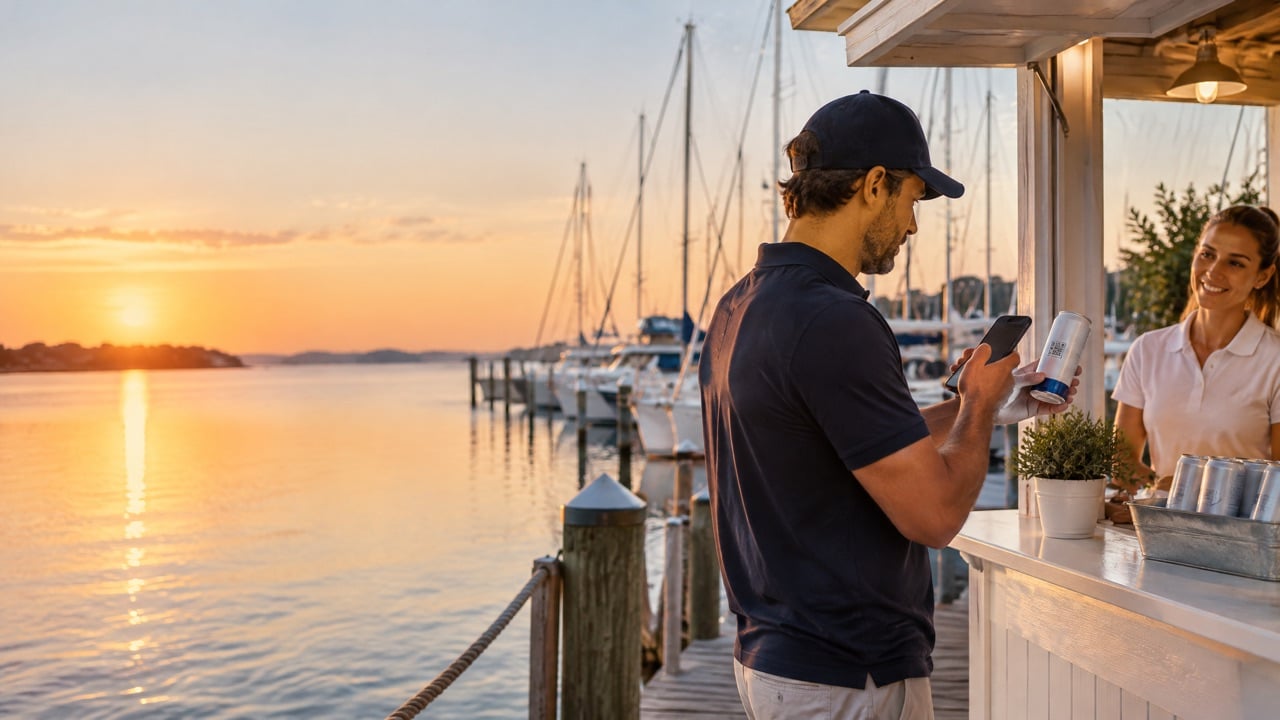
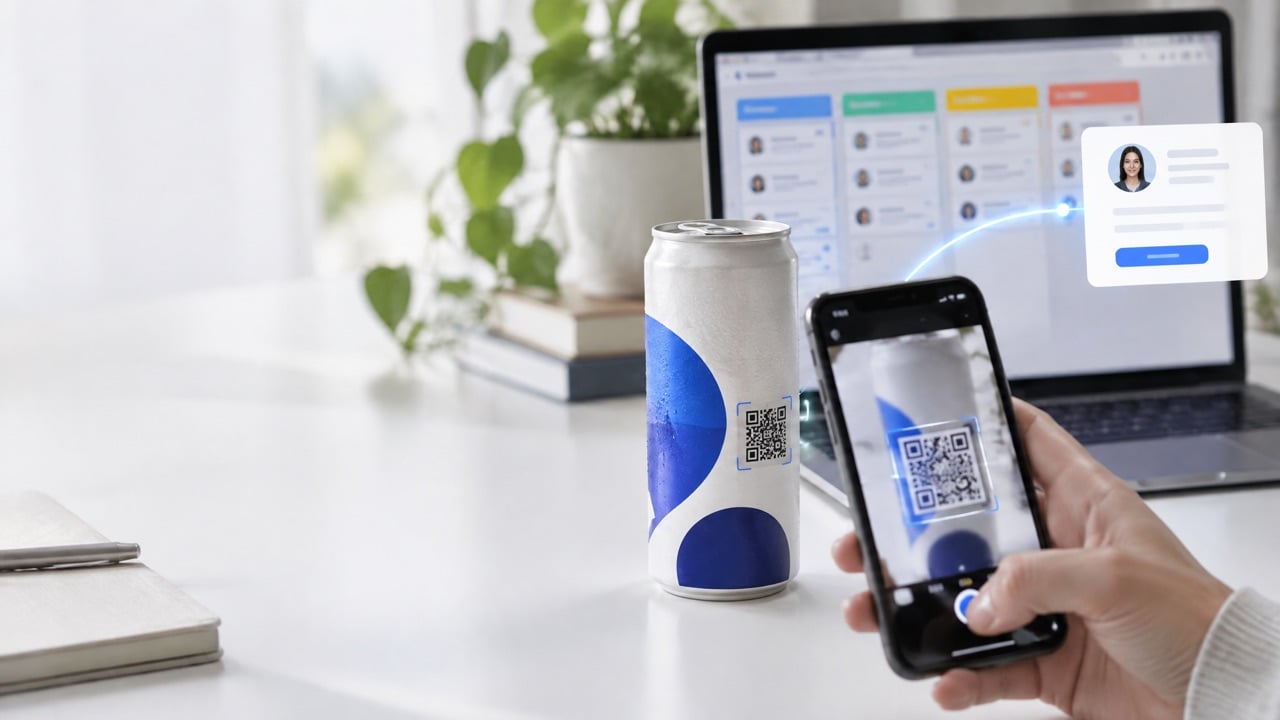
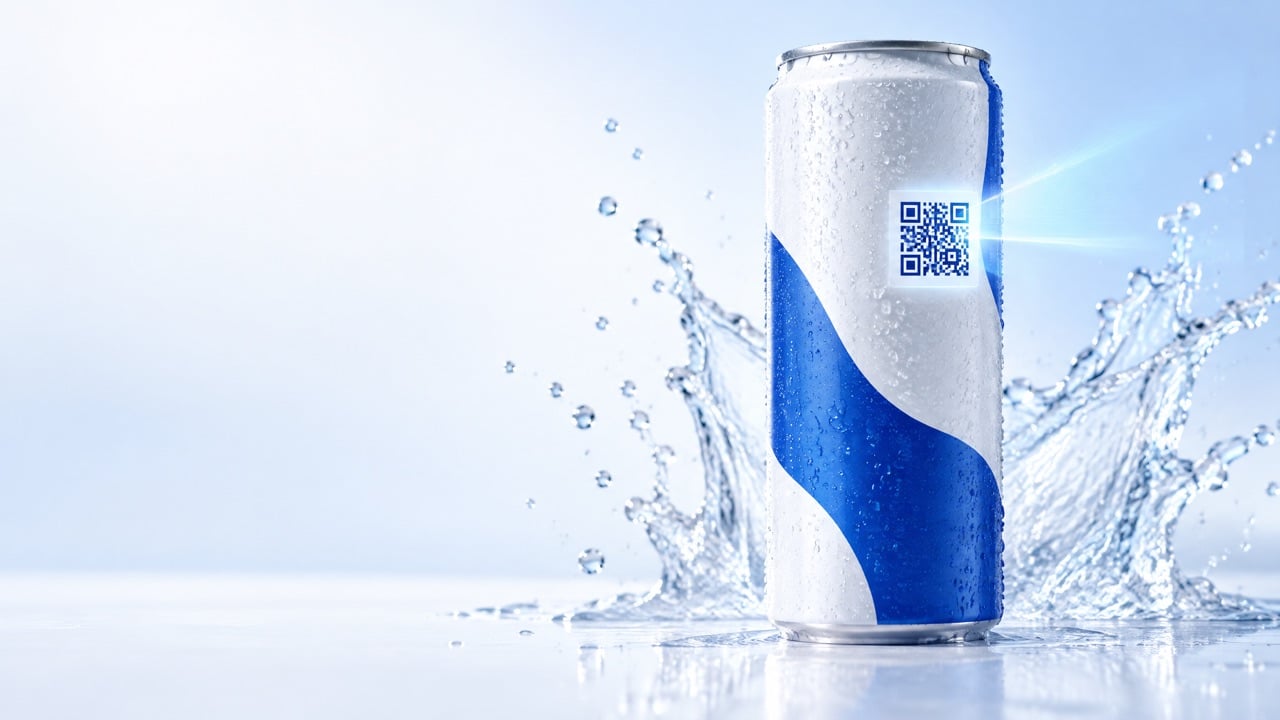
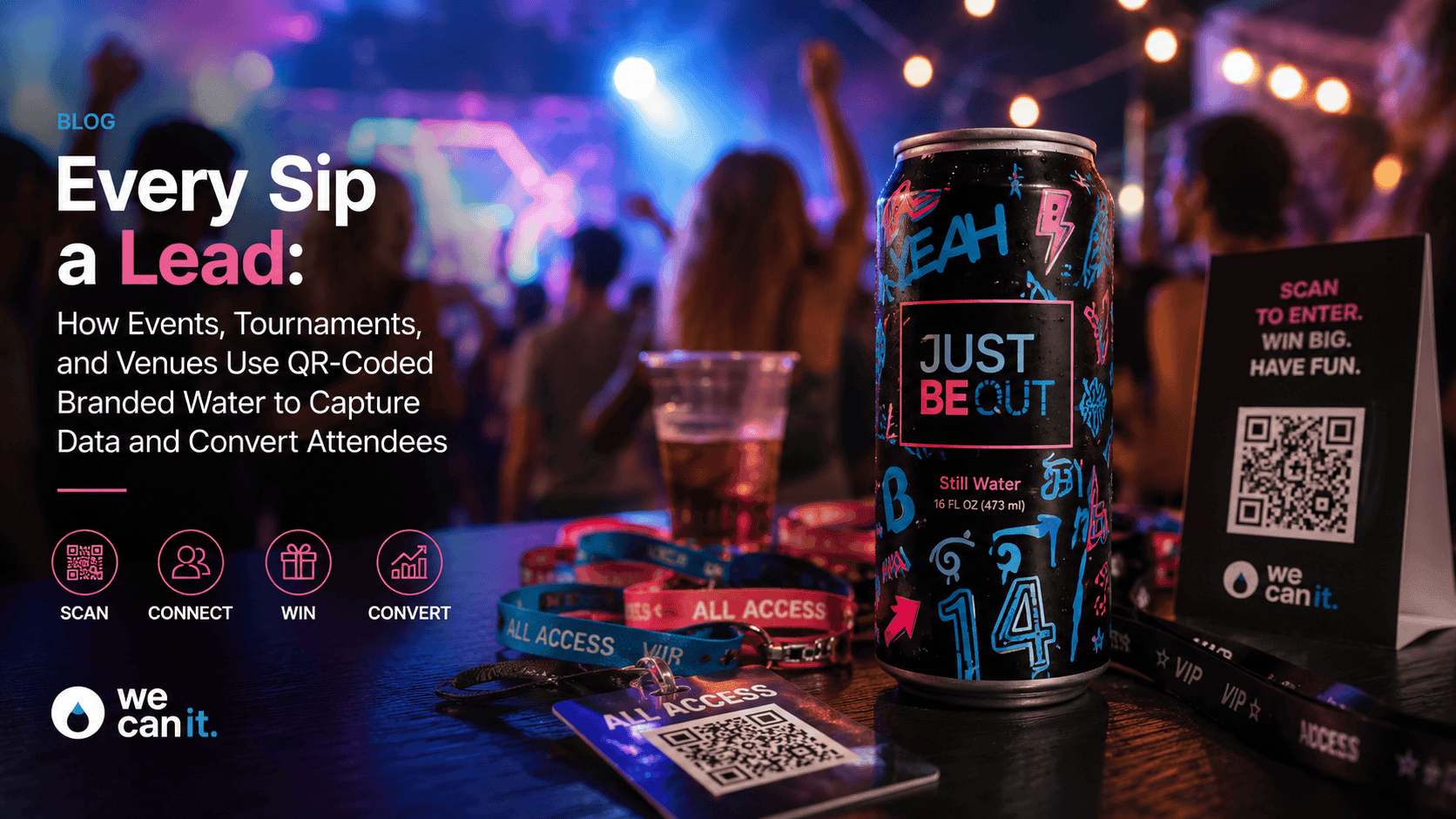
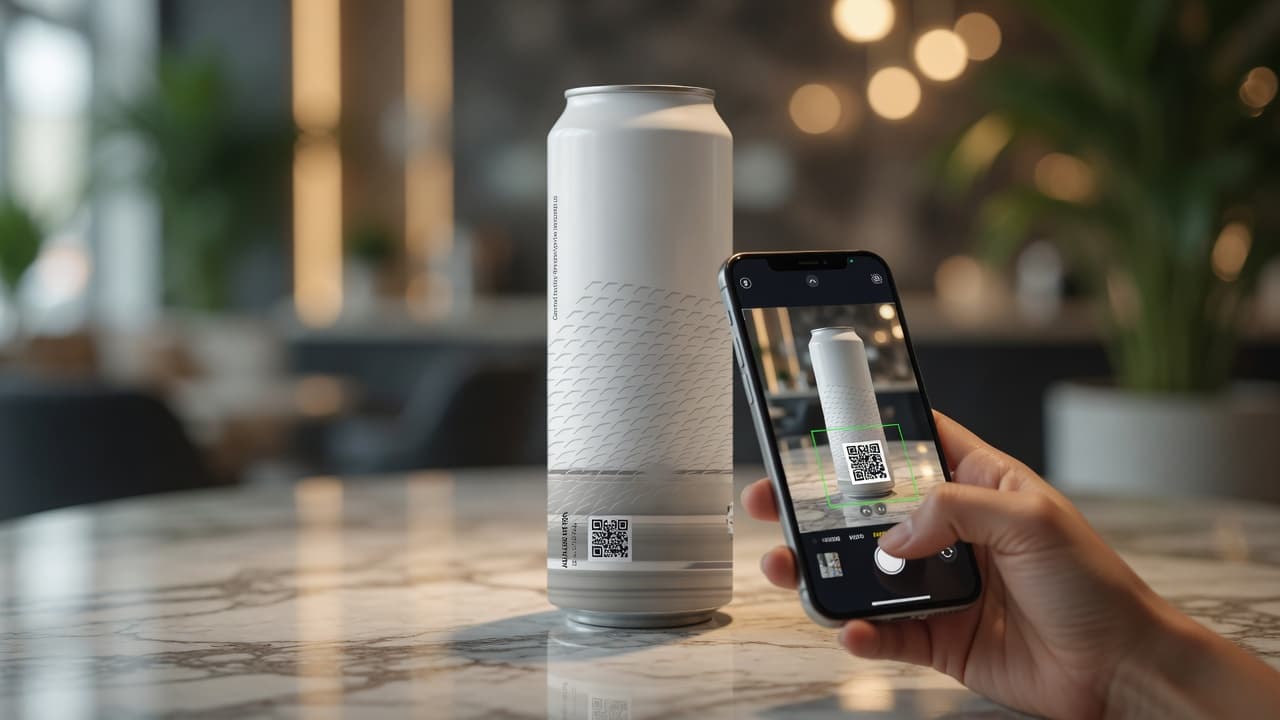
A QR code on a branded can is a natural place to ask for first-party data. The guest is holding your product, enjoying the moment, and has chosen to scan. This guide is for marketers, venue managers, and brand teams who want to collect that data in a way guests trust: clear opt-in, honest wording, careful storage, and respect for their choices. It is written in plain language and is not legal advice, so check the rules that apply to your business and region.
What is first-party data, and why does consent matter?
First-party data is collected directly from your audience, with their knowledge. That is what makes it different from data bought from third parties or inferred from browsing.
Consent matters for two reasons. First, many laws require clear permission before you send certain marketing messages, especially text messages and emails in some regions. Second, trust: people who knowingly opted in are far more likely to open, reply, and buy.
What should you ask for after a scan?
Ask for less than you think you need. Every field reduces the number of people who finish.
- First name, so messages feel personal.
- One contact method, email or mobile, based on how you will follow up.
- One preference question, such as what they are interested in.
- A consent choice, clearly separate from other terms.
Birthday, full address, and company details can come later, once the relationship exists and there is a reason to ask.
How should consent be worded?
Consent wording should be short, specific, and honest. The guest should understand exactly what they are agreeing to.
Good consent wording usually includes:
- Who will contact them, your brand name.
- How they will be contacted, email, text, or both.
- What they will receive, such as offers, event invites, or news.
- How often, if you can say it, such as "about twice a month."
- How to stop, such as "unsubscribe any time."
For example: "Yes, send me event invites and offers from Brand by email, about twice a month. I can unsubscribe any time."
Should the consent box be pre-checked?
No. Consent should be an active choice. A pre-checked box is not a clear opt-in, and in many places it does not count as consent. Leave the box unchecked and let the guest decide.
How is text message consent different from email?
Text messages are more personal and often more regulated than email. In the United States, for example, marketing text messages generally require clear written consent, and the rules can be strict. If you plan to send texts:
- Ask for text consent separately from email consent.
- State that message and data rates may apply, and how often you will text.
- Explain how to opt out, such as replying STOP.
- Keep records of when and how consent was given.
Check the specific requirements with a qualified adviser before launching a text program.
What should the privacy note say?
Link to your privacy policy from the form, and add one short sentence in plain words, such as: "We use your details to send what you asked for and never sell them." Make sure that sentence is true. Your privacy policy should explain what you collect, why, how long you keep it, and how people can ask you to delete it.
Where should the data be stored?
Store first-party data in one secure place, usually your CRM or email platform, not in spreadsheets on personal laptops.
- Record the consent with each contact: what they agreed to, when, and where.
- Record the source, such as the event or venue the can came from.
- Limit access to the people who need it.
- Delete data you no longer need.
How do you honor preferences and opt-outs?
Consent is not a one-time checkbox. It is an ongoing promise.
- Include an unsubscribe link in every email.
- Process opt-outs quickly, ideally automatically.
- Let people choose topics or frequency if you send several types of messages.
- Never re-add someone who opted out because they scanned a new can without asking again.
- Respect deletion requests promptly.
What does a trustworthy scan experience look like?
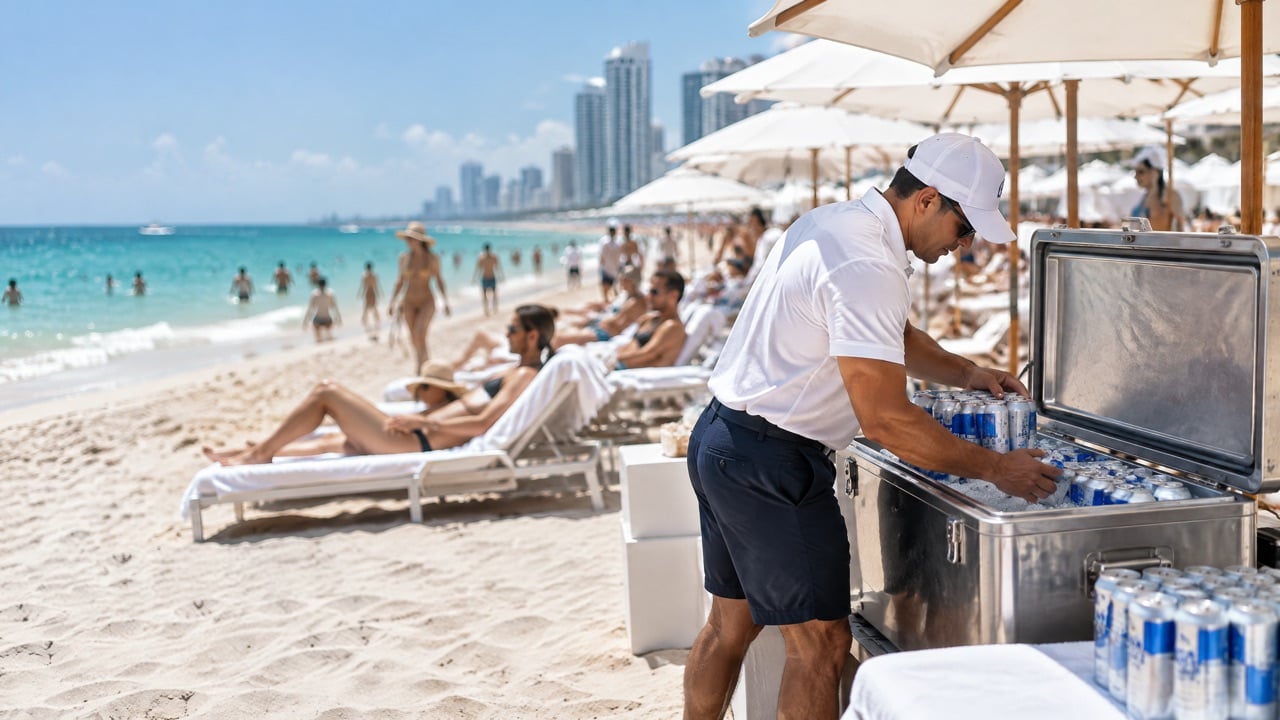
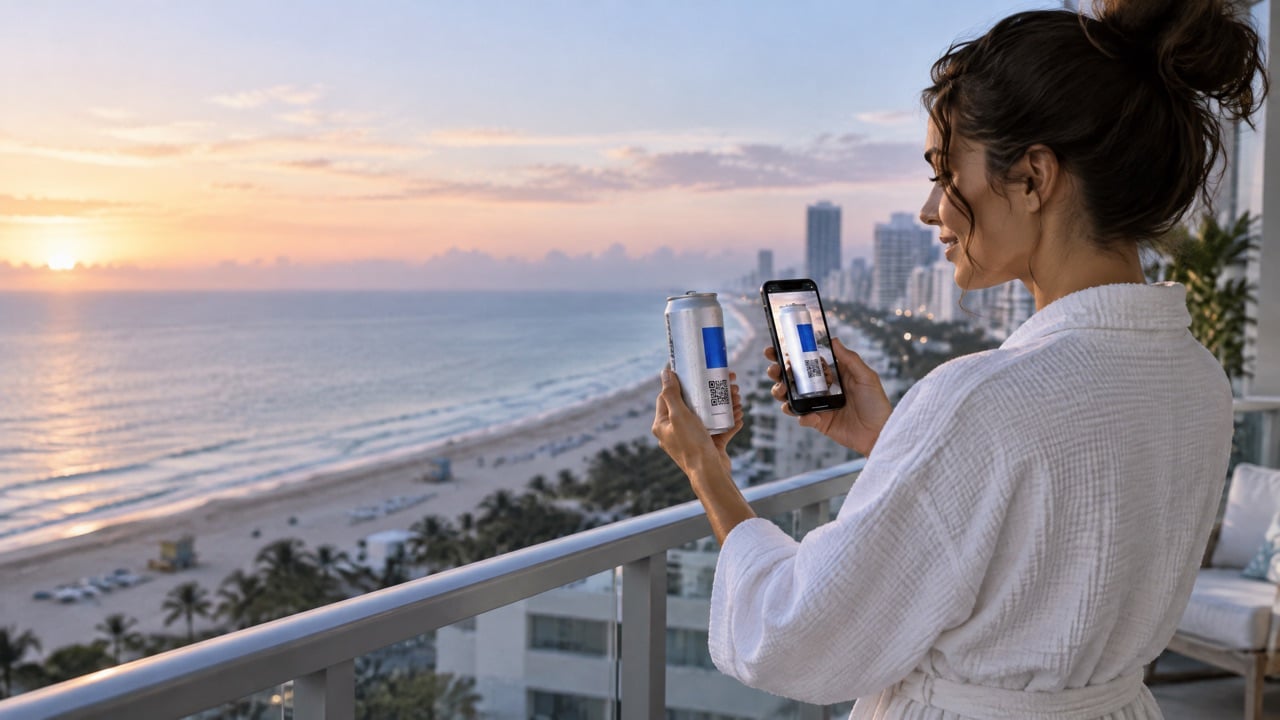
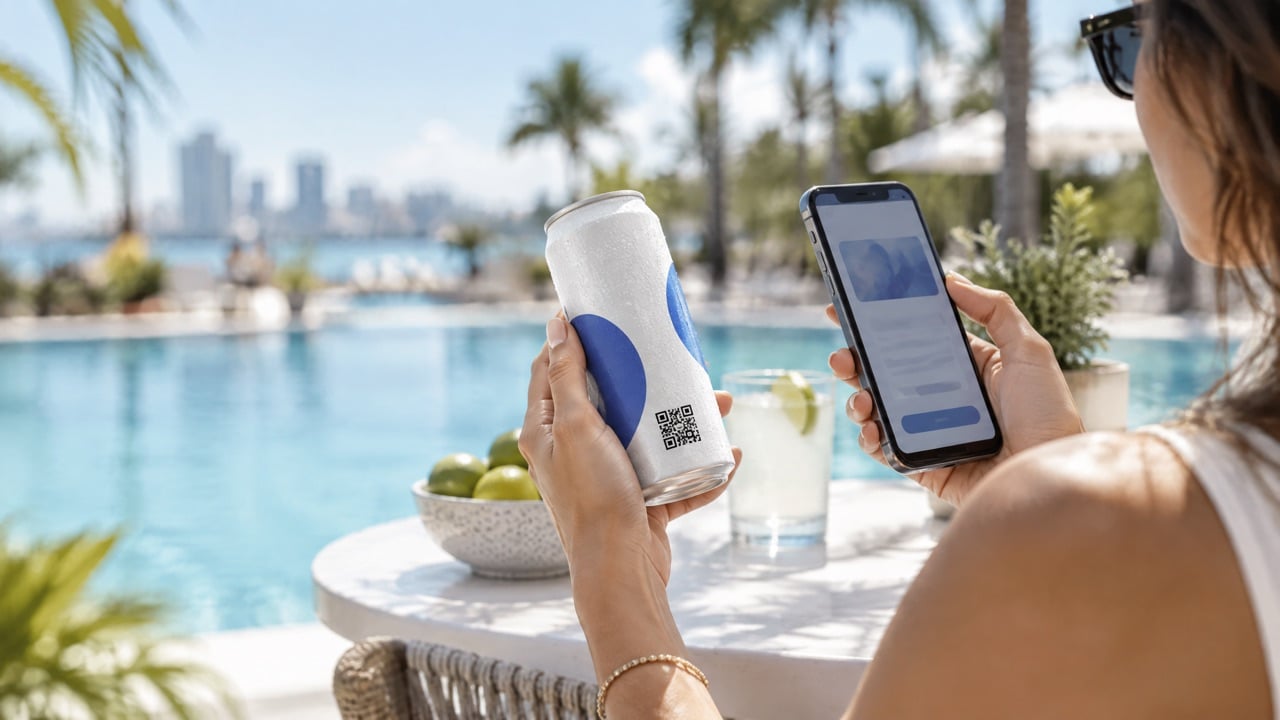
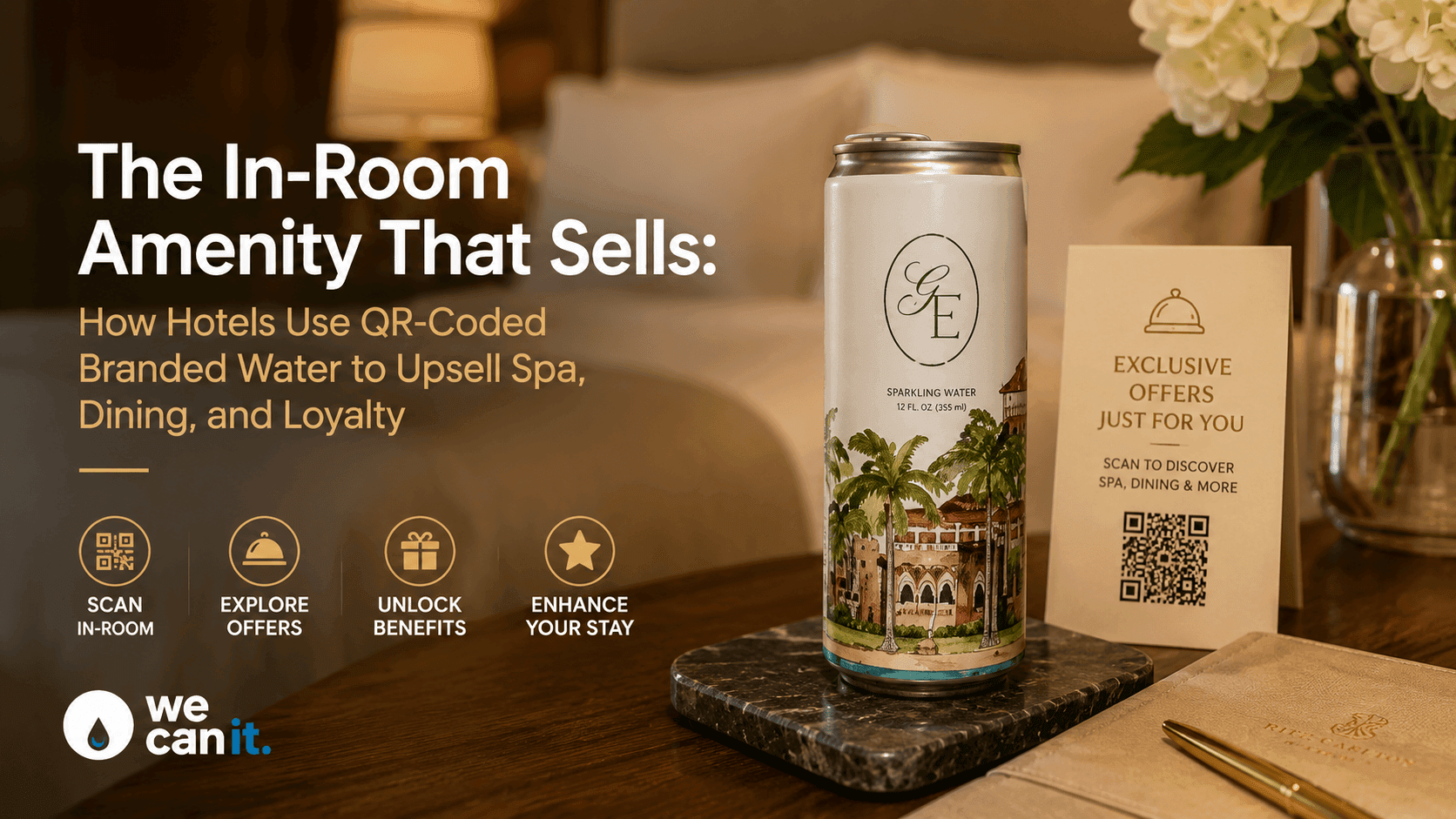
Picture a guest at a hotel pool who scans the can because it says "Scan for poolside specials." The page shows today's specials immediately, no form required. Below the specials is a short optional box: "Want our monthly offers? Name, email, and a checkbox that says what they will receive and how often." She reads it, ticks the box, and submits. A minute later, a welcome email arrives with exactly what was promised.
She got value before being asked for anything, understood what she agreed to, and received what she expected. That is the pattern to copy. Value first, a clear ask second, and a promise kept third.
How should you use the data once you have it?
Collecting data is the easy part. Using it well is what turns a scan into a relationship.
Start by sending exactly what the guest asked for, as fast as possible. If they wanted poolside specials, send poolside specials, not a newsletter about everything the hotel does. Use the preference answer to segment your list, so people interested in events hear about events and people interested in dining hear about dining. Use the source, such as the venue or event, to personalize the first message: "Thanks for joining us at the marina on Saturday."
Over time, look at who opens and who does not. People who never open are telling you something. Send them less, or ask whether they still want to hear from you. A smaller list of people who want your messages is worth far more than a big list of people who ignore them, and it keeps your sender reputation healthy.
Finally, give something back. Exclusive offers, early access, or useful information for subscribers remind people why they shared their details in the first place.
What mistakes damage trust?
- Forcing a form before the guest sees anything useful.
- Hiding consent inside long terms.
- Pre-checked boxes.
- Sending more, or different, messages than promised.
- Slow or ignored unsubscribes.
- Sharing data with partners without clear permission.
How do cans fit into a first-party data strategy?
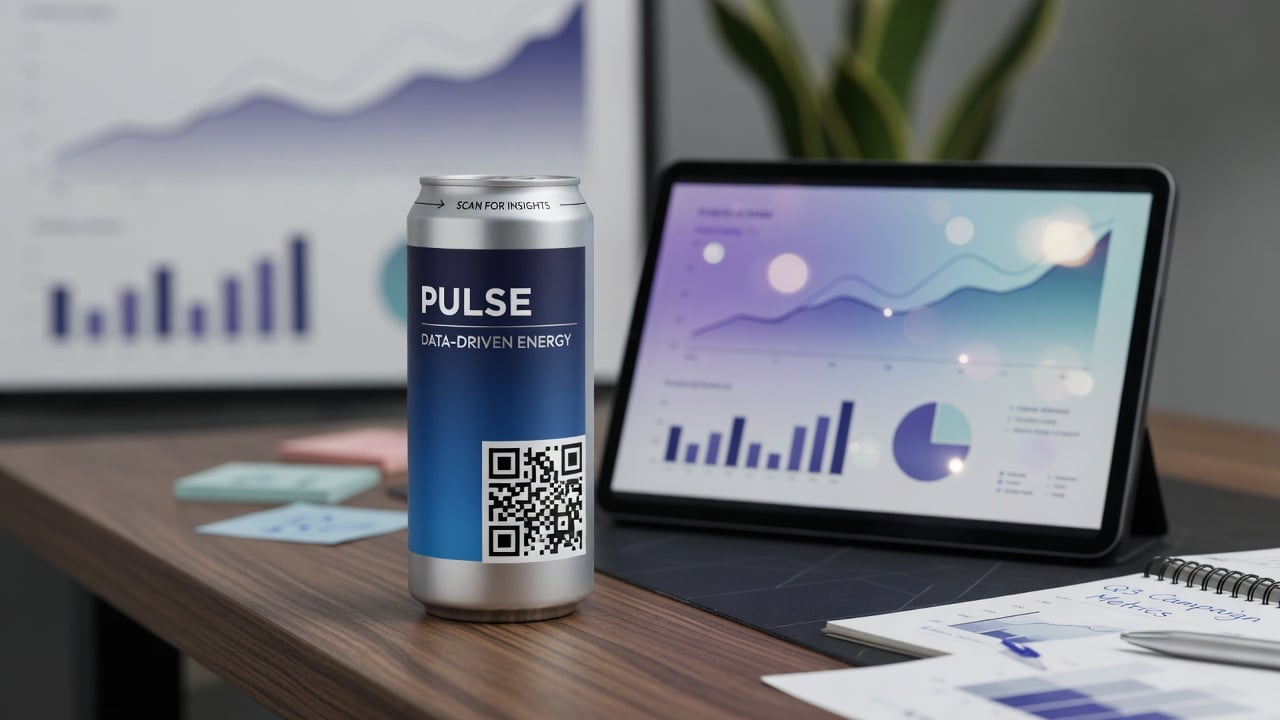
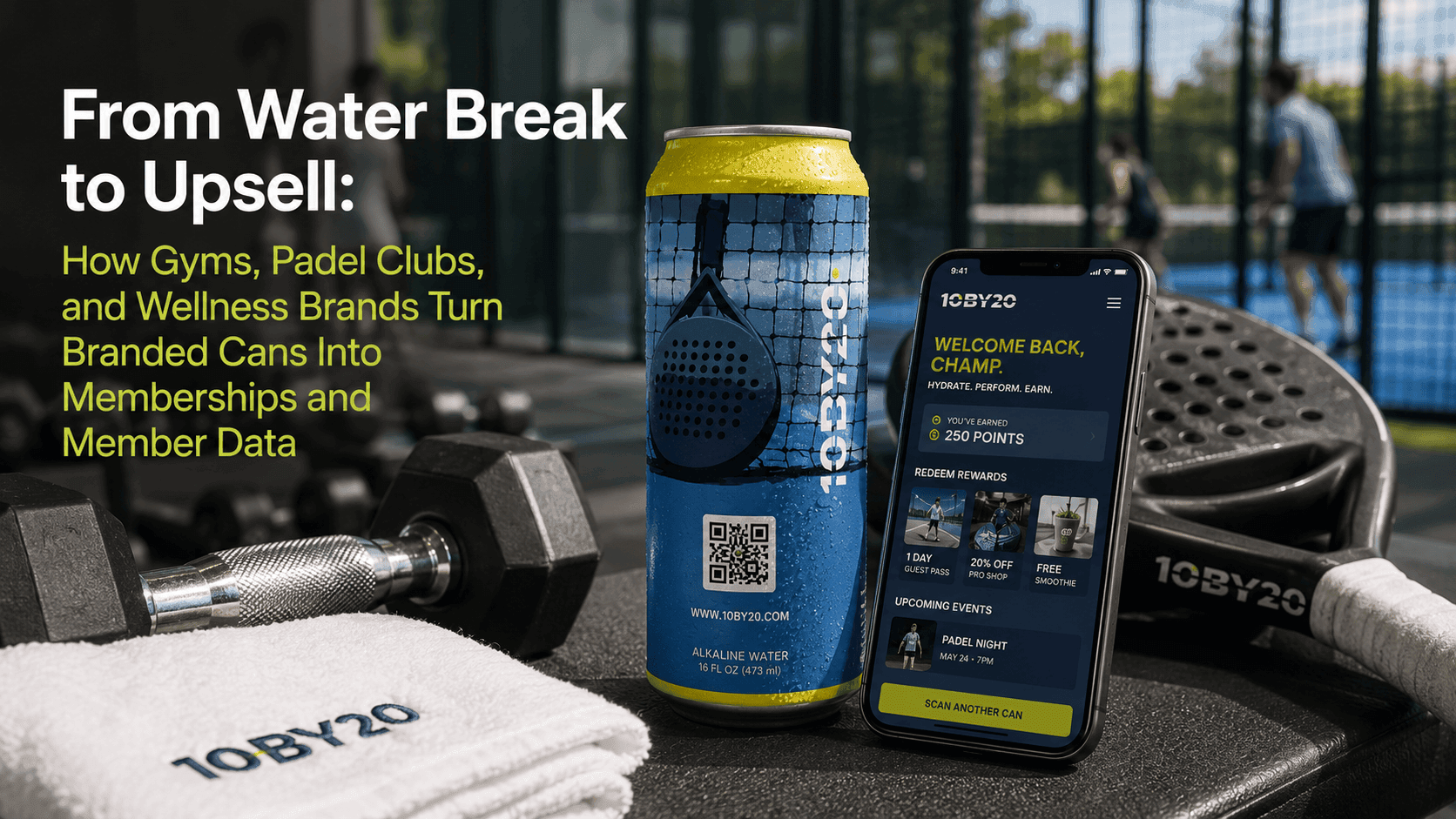
Branded cans reach people in real places: pools, events, gyms, marinas, and hotels. The QR code turns that moment into an invitation. How QR experiences are built is described on Technology · Digital experience.
At We Can It, runs start at 21 cases, which is 504 cans, and production takes about 2 to 3 weeks from artwork approval. Test your form and consent flow before printing, and use a link you control so you can update the page later.
First-party data checklist for QR cans
- Give value before asking for details.
- Ask for a first name, one contact method, and one preference.
- Write specific, honest consent wording.
- Leave consent boxes unchecked.
- Ask for text consent separately.
- Link to a clear privacy policy.
- Store data and consent records in one secure place.
- Honor opt-outs and deletion requests quickly.
Frequently asked questions
What is first-party data?
Information people share directly with your business, such as their name, email, phone number, and preferences, with their knowledge.
How do you collect first-party data from a QR code?
Open a page that gives value first, then offer a short optional form with a clear consent choice, and store the details and consent record in your CRM.
Should consent checkboxes be pre-checked?
No. Consent should be an active choice, so leave the box unchecked.
Is text message consent different from email consent?
Often, yes. Text messages usually need separate, clear written consent, with opt-out instructions. Check the rules that apply to you.
What should a privacy note say on a QR form?
One honest sentence about how you use the details, plus a link to your full privacy policy.
What is the minimum order for QR branded cans?
We Can It starts at 21 cases, which is 504 cans, with about 2 to 3 weeks of production after artwork approval.
Get a quote for QR cans that build trusted first-party data
Tell us where your cans will be scanned and what you want to offer, and a product advisor will help you plan the can and code.