Rush Order Timeline: Custom Canned Water Day by Day
Sometimes the event date arrives faster than the plan. A sponsor confirms late, a client adds a launch party, or someone realizes the branded water was never ordered.
Sometimes the event date arrives faster than the plan. A sponsor confirms late, a client adds a launch party, or someone realizes the branded water was never ordered. When that happens, the question is not only "how fast can you make it?" It is "what exactly has to happen, and when, so the cans arrive on time?"
This guide walks through a custom canned water order day by day, from the first quote request to cans on your dock. It is for event producers, marketing managers, and operations teams working to a tight deadline. You will see where time is spent, which decisions cause delays, and how to protect your date.
How fast can custom canned water be made?
At We Can It, production takes about 2 to 3 weeks from artwork approval, compared with the 8 to 12 weeks common in industry co-pack queues. The key phrase is "from artwork approval." Everything before approval, such as quoting, design, and proof changes, depends largely on how quickly decisions are made on your side.
The day-by-day timeline
The timeline below shows a smooth rush order where artwork is ready and decisions are quick. Your order may move faster or slower depending on the details.
Day 1: Quote request
You send your quantity, can size, water type, print method, delivery address, and event date, or use the calculator to price the order. The more complete your first message, the faster the quote.
Day 1 to 2: Quote and confirmation
You receive the quote, confirm the order, and confirm payment terms. A named account manager becomes your contact.
Day 2 to 3: Artwork submitted
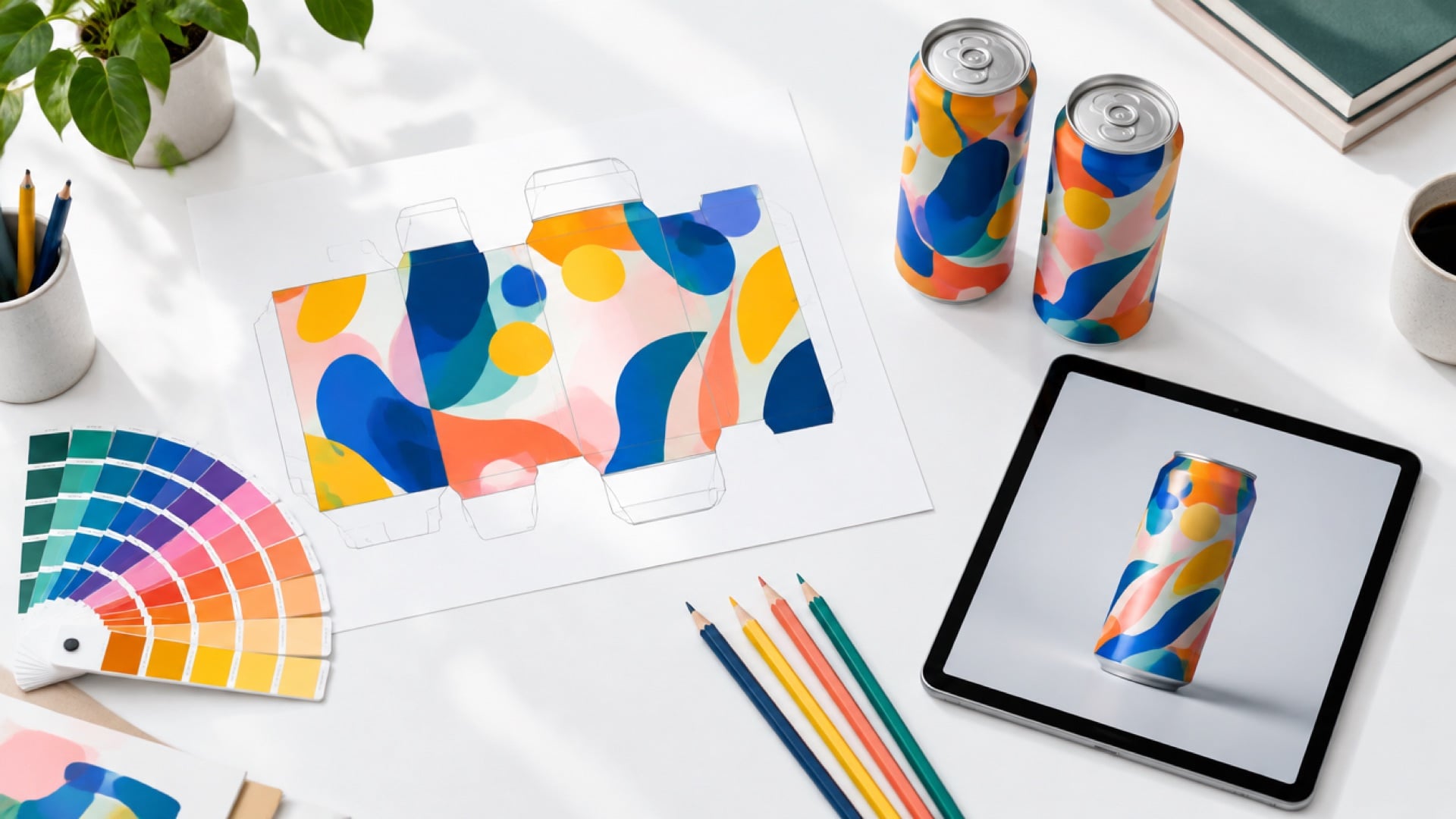
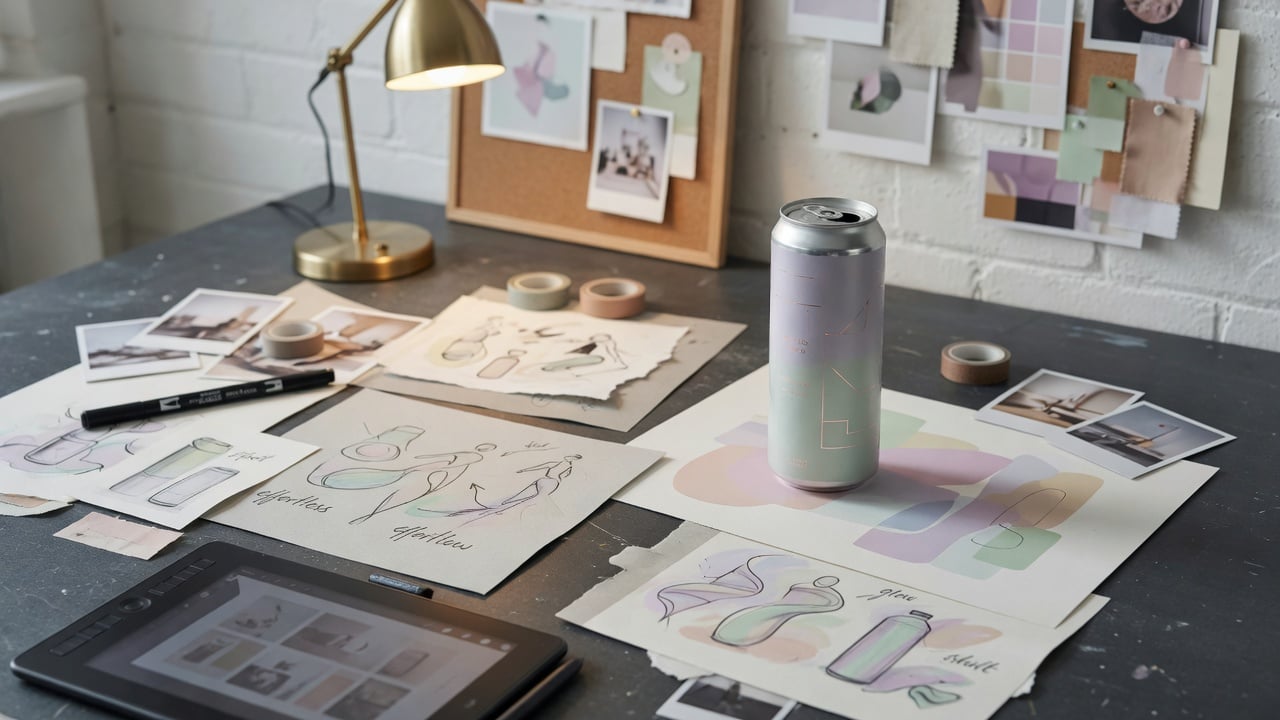
You send final artwork in the right format, or build it in the live 3D can designer. Artwork templates are on the artwork templates page.
Day 3 to 4: Digital proof
You receive a proof showing the design on the can. This is the most important review of the whole order.
Day 4 to 5: Proof approval
You approve the proof in writing. The production clock starts here. If you need changes, each round adds time, so gather all feedback into one response.
Days 5 to about 19 to 26: Production
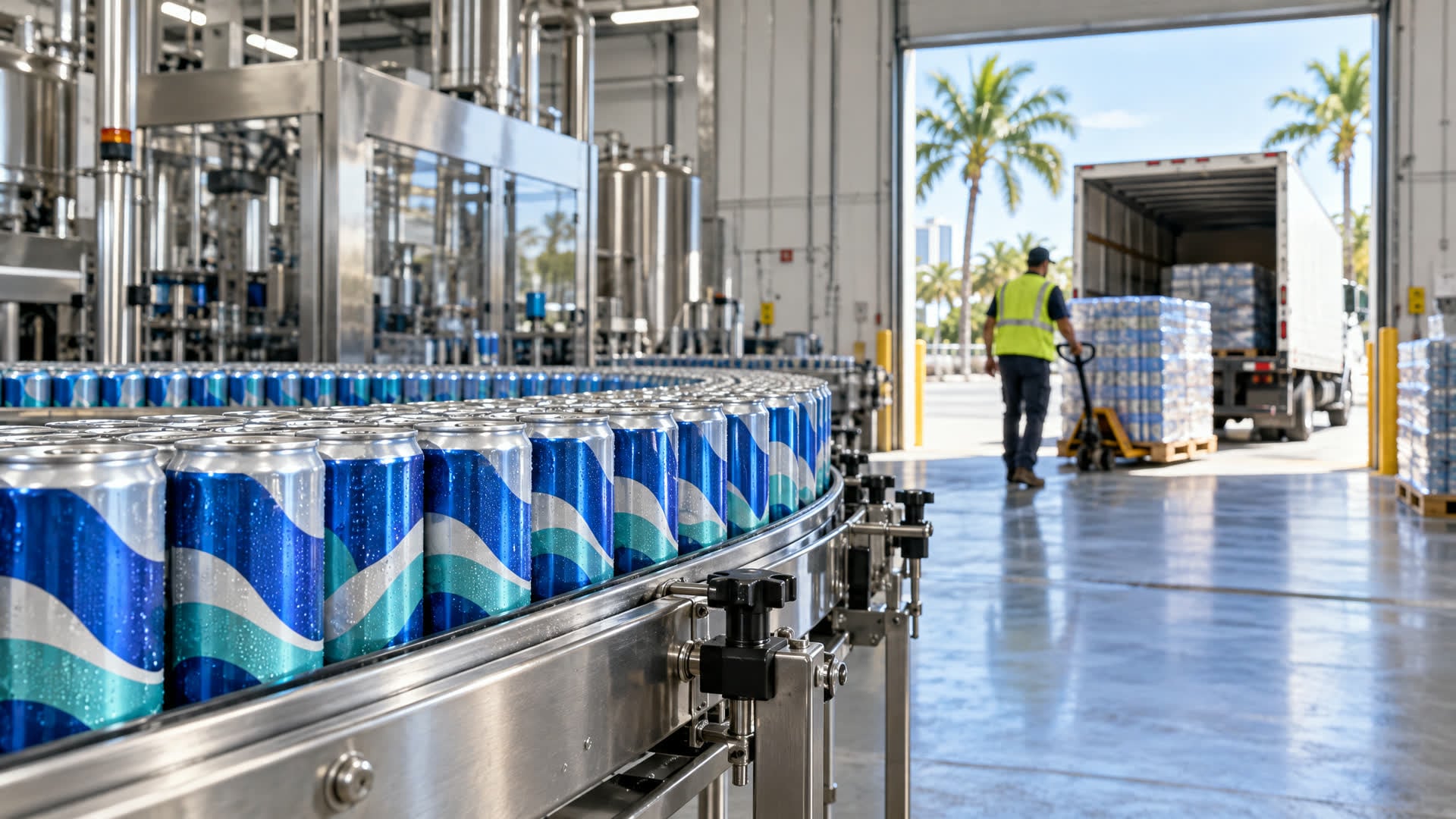
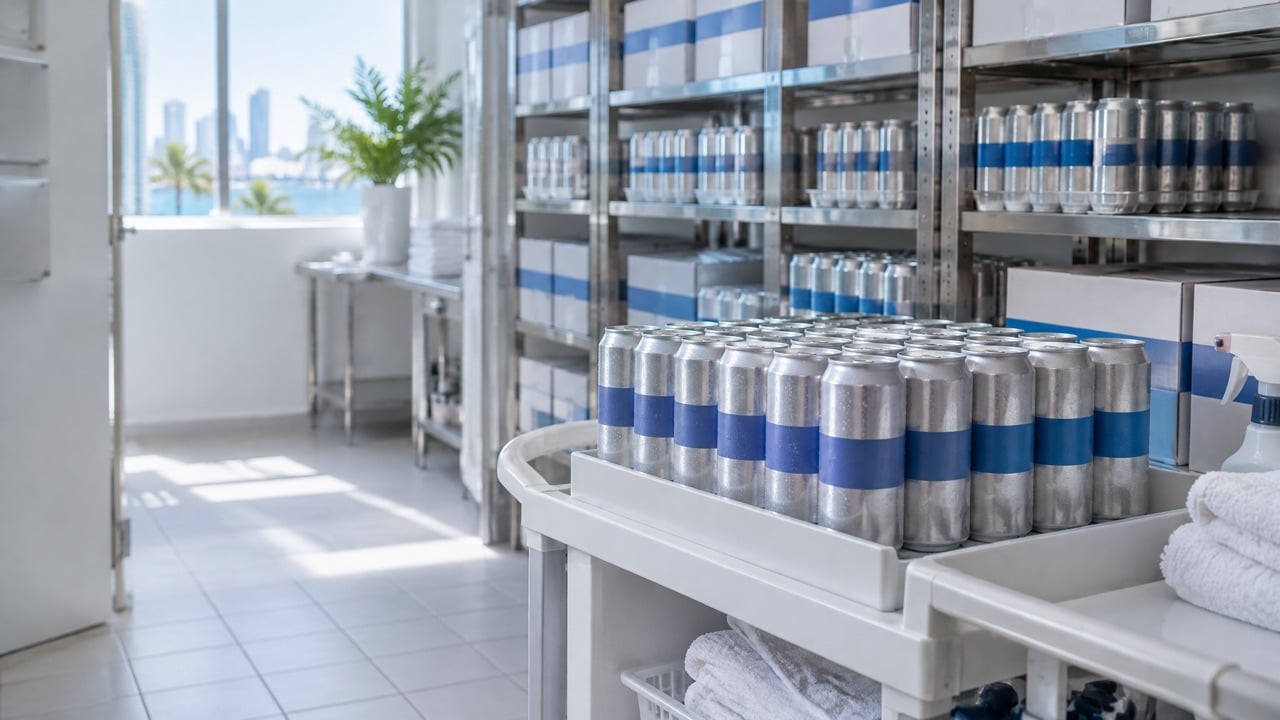
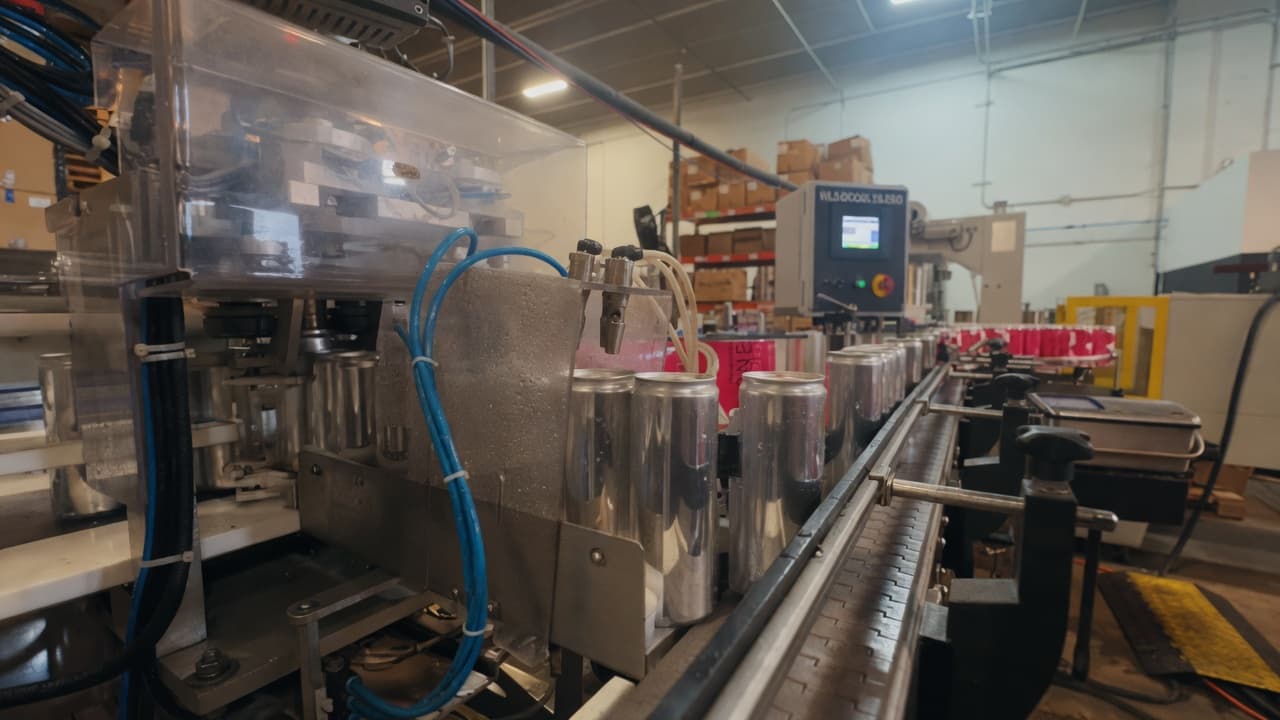
The cans are produced in Miami over roughly 2 to 3 weeks. During this time, prepare storage, confirm the delivery address, and brief your event team.
Final days: Delivery
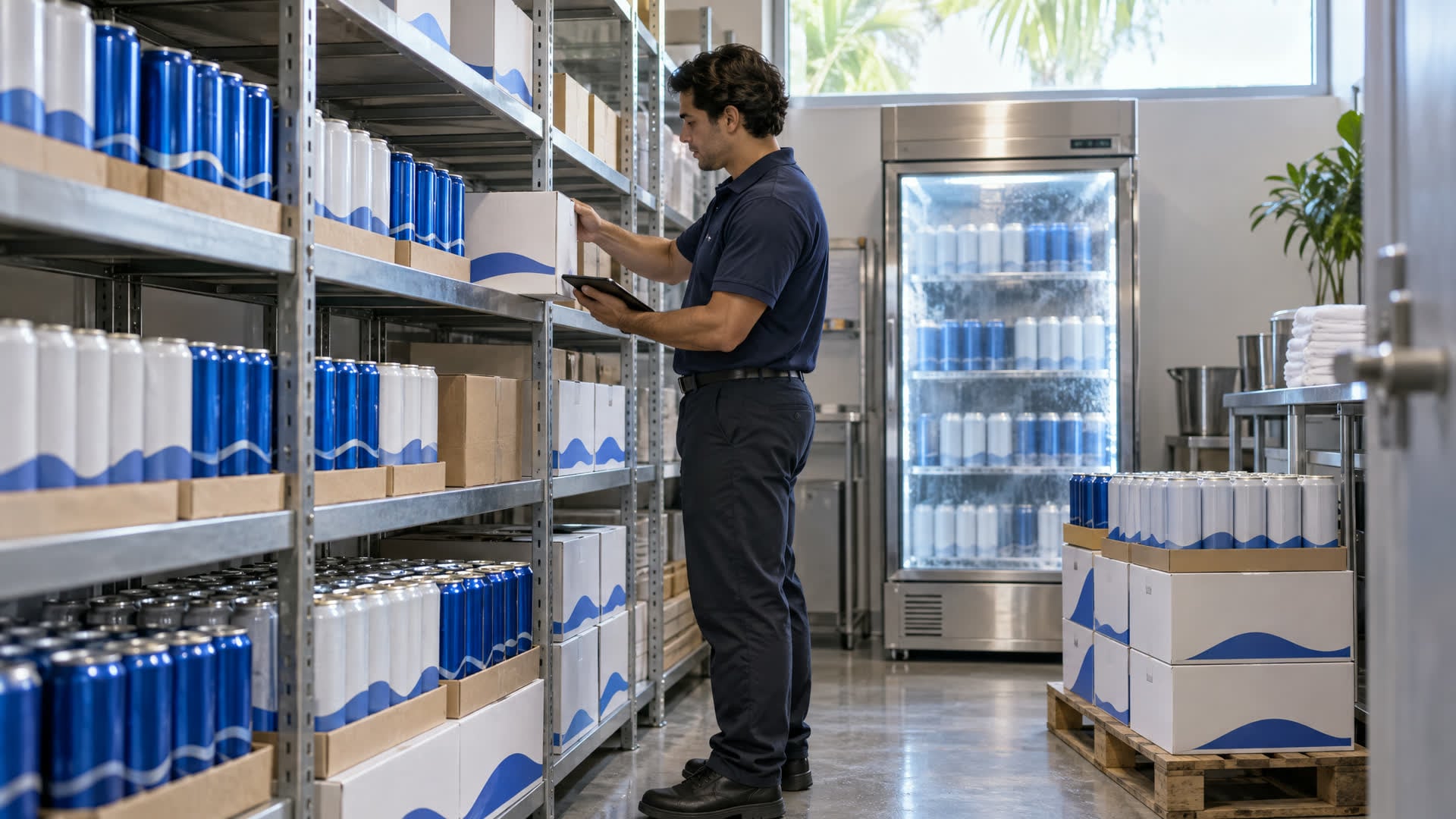
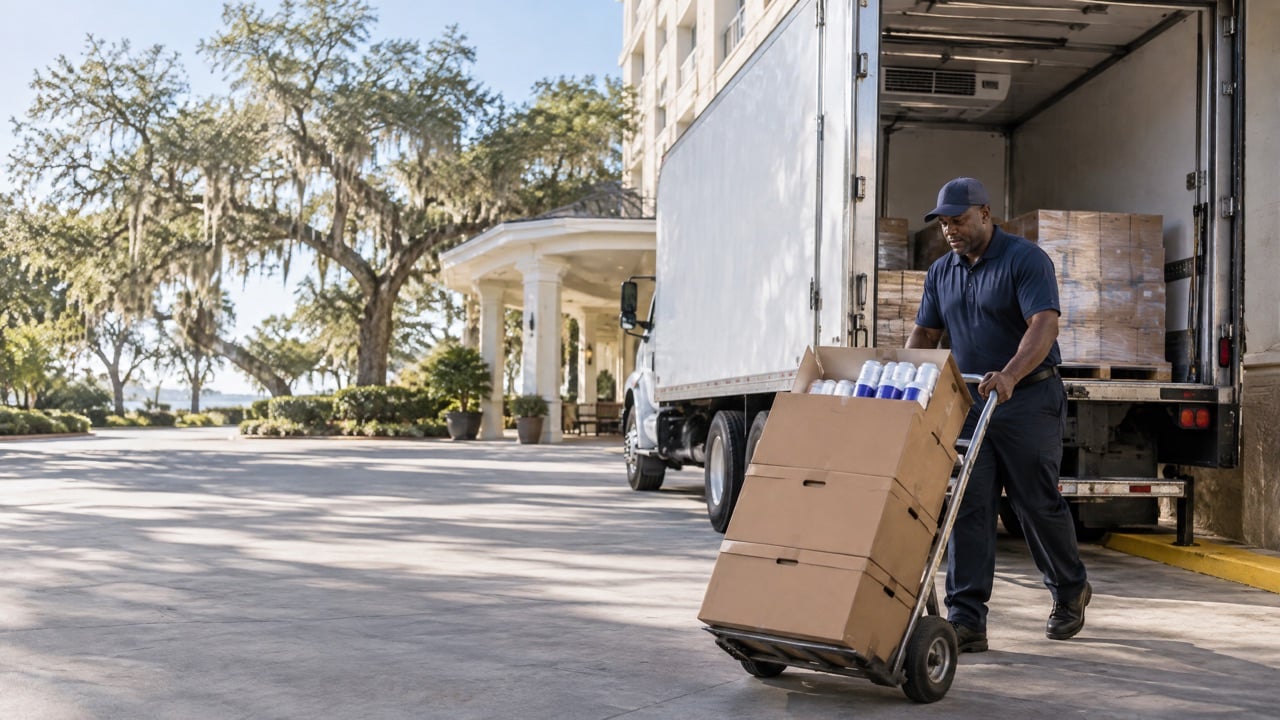
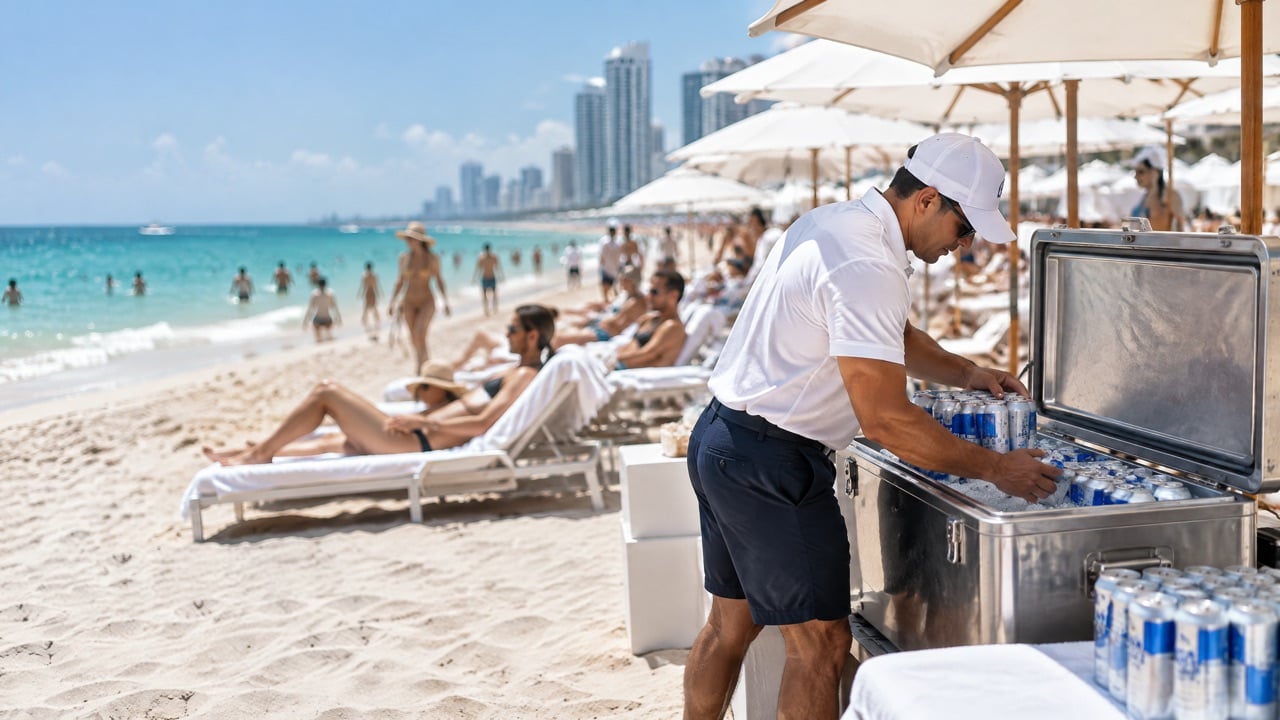
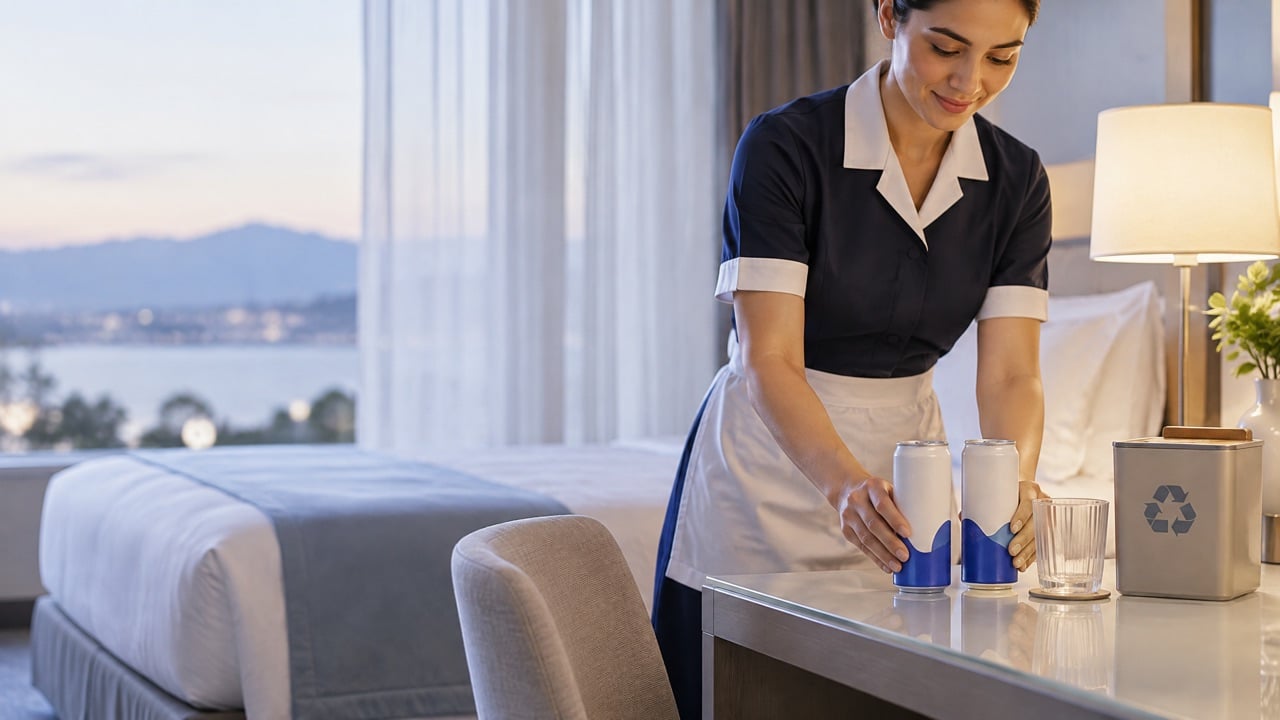
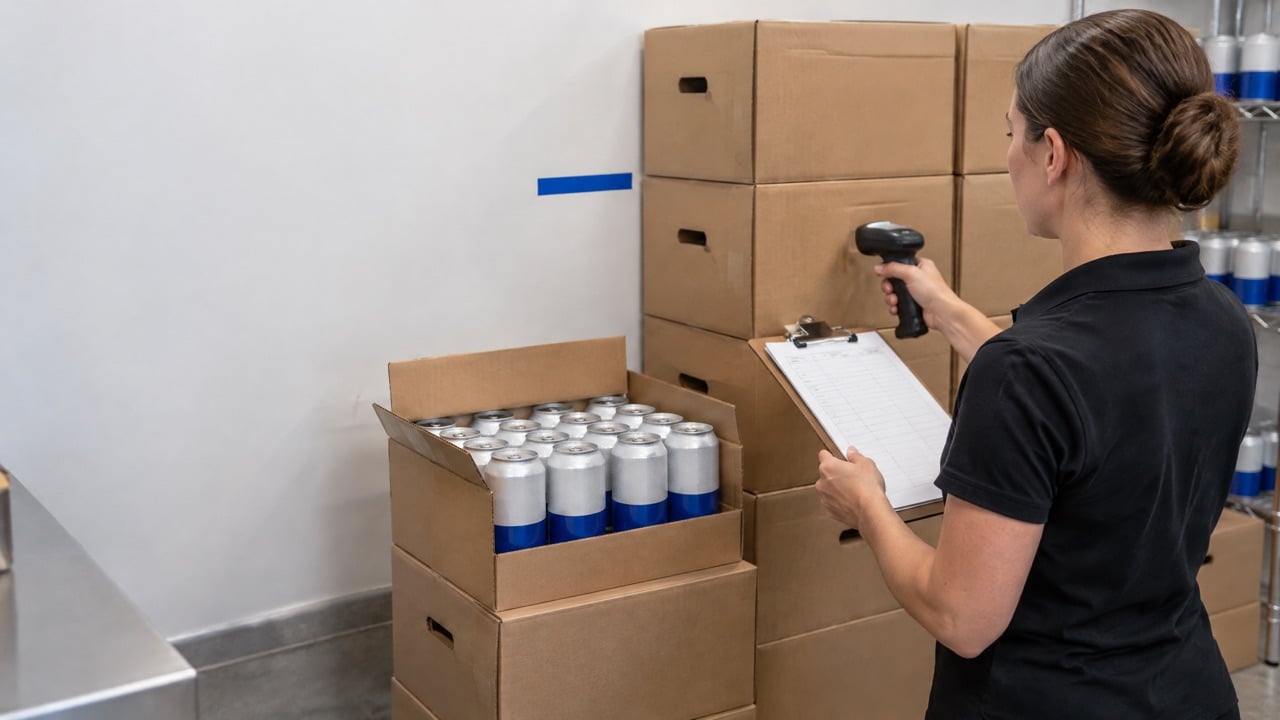
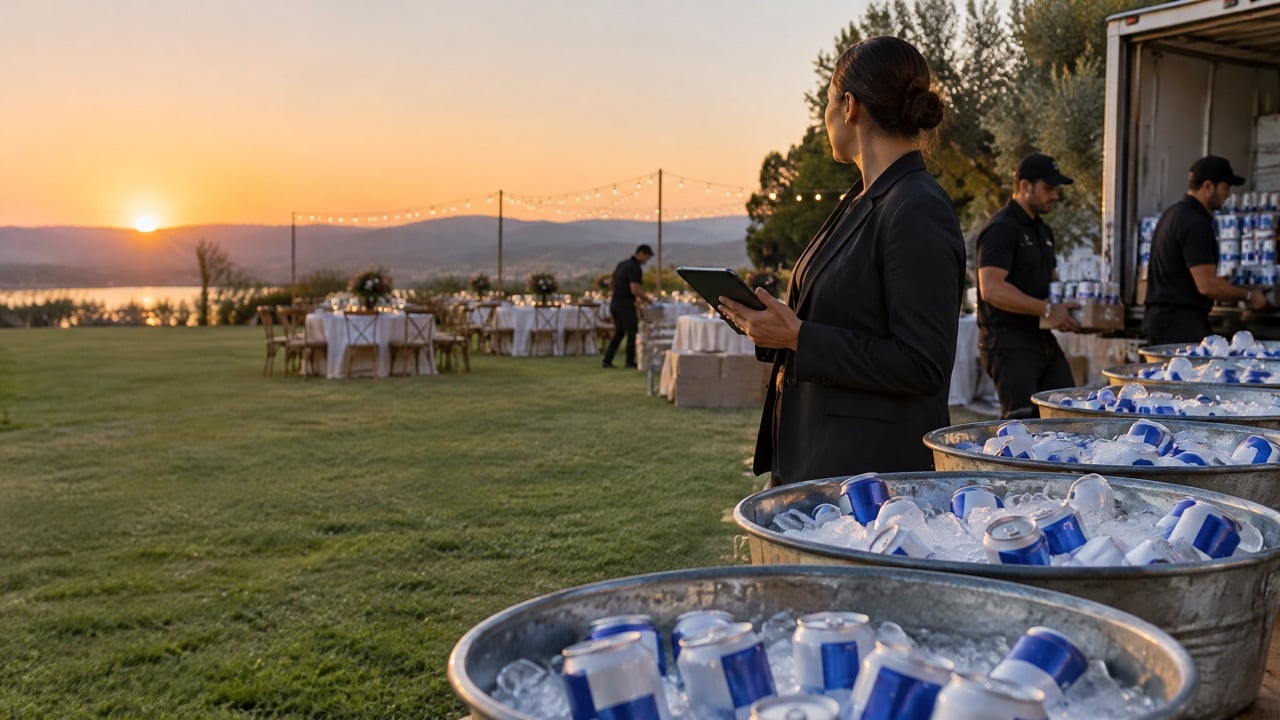
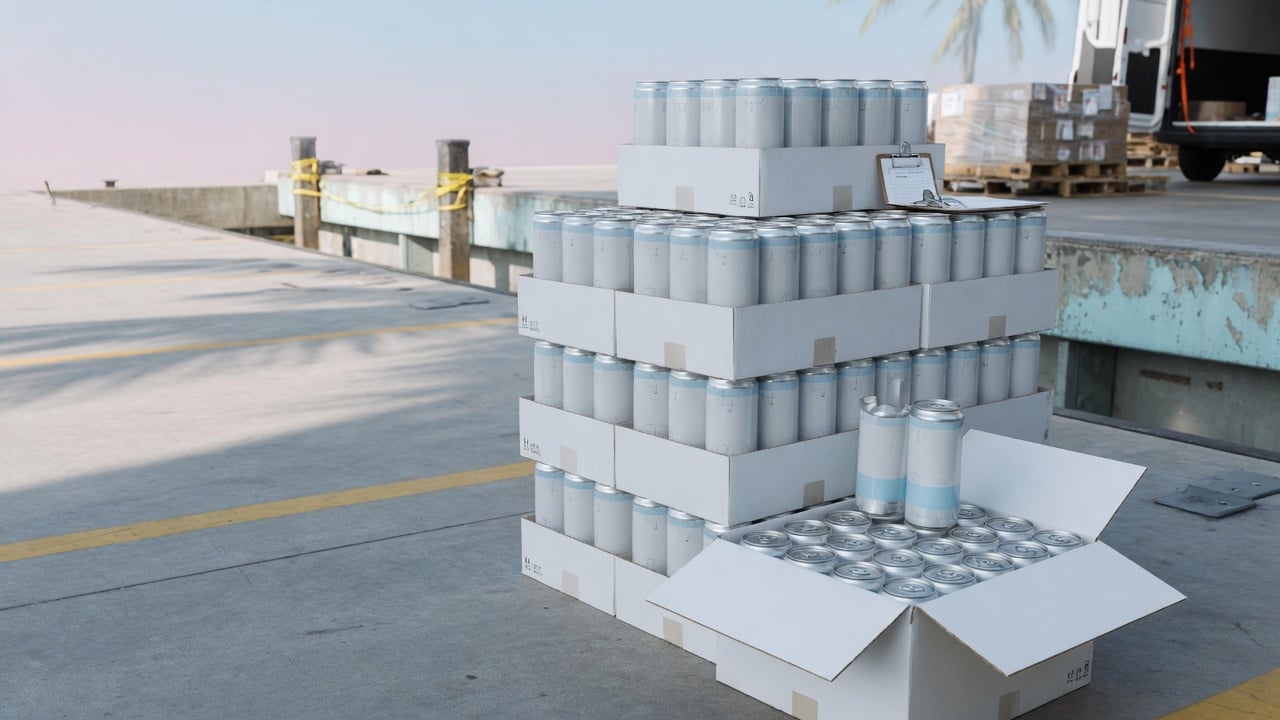
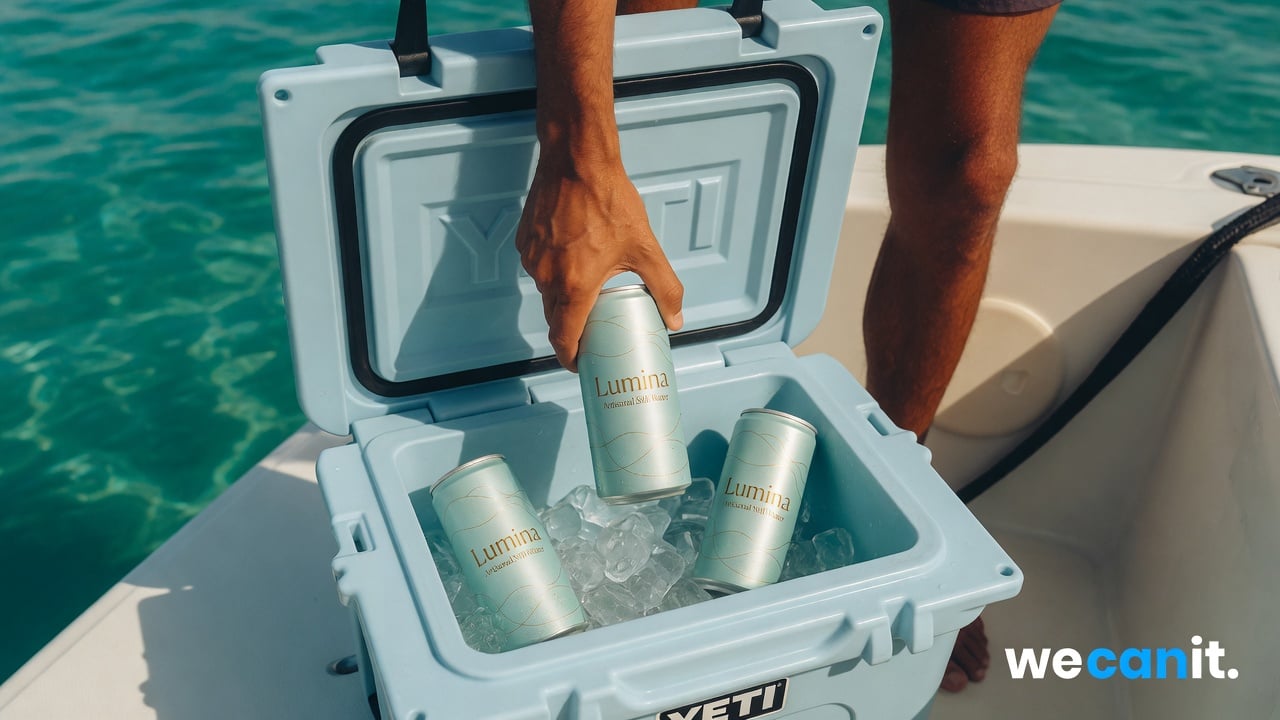
The cans are delivered to your address. Count and inspect on arrival, store them somewhere cool, and chill what you need for the event.
What slows a rush order down?
Most delays happen before production, not during it.
- Artwork not ready, or in the wrong format.
- Several rounds of proof changes.
- Too many approvers who each want a say.
- Late sponsor logos or co-branding approvals.
- Changing the quantity or size after the quote.
- Unclear delivery details, such as no dock information.
- Waiting on payment or purchase order approval.
How do you protect your event date?
- Name one decision-maker for artwork approval.
- Collect all feedback before replying to a proof.
- Use the 3D designer to catch problems early.
- Confirm delivery details on day one.
- Target delivery a week before the event, not the day before.
- Have a backup plan for any late co-brand logos, such as printing without them.
What information speeds up the quote?
Send this in your first message:
- Quantity in cases or cans
- Can size: 12oz Regular, 12oz Sleek, or 16oz
- Water type: still, sparkling, or alkaline
- Print method: label or digital
- Delivery address and receiving details
- Event date and must-have delivery date
- Artwork status: ready or needs help
What is the minimum for a rush order?
The minimum order is 21 cases, which is 504 cans, at 24 cans per case. Label print starts at 21 cases and digital print starts at 100 cases. For tight deadlines, simpler designs and label print are often the quickest path.
What does a realistic rush plan look like?
If your event is four weeks away, the order can work, but there is little room for delay. Aim to approve the proof within the first week. If your event is three weeks away or less, talk to your account manager immediately about what is possible and what to simplify.
What does a successful rush order look like?
Here is an example of a tight timeline that worked. A marketing team learned on a Monday that their company would host a client appreciation event 29 days later. That afternoon, they sent a complete request: 30 cases of 12oz Sleek still water, label print, their office address with dock hours, and the event date. Their logo files were ready.
On Tuesday, they confirmed the quote. On Wednesday, they built the can in the 3D designer and sent it for proofing. On Thursday, the proof arrived. The marketing director reviewed it with the one other person who needed to see it, combined their notes into a single reply, and approved a small color change. On Friday, the corrected proof was approved in writing, and production started.
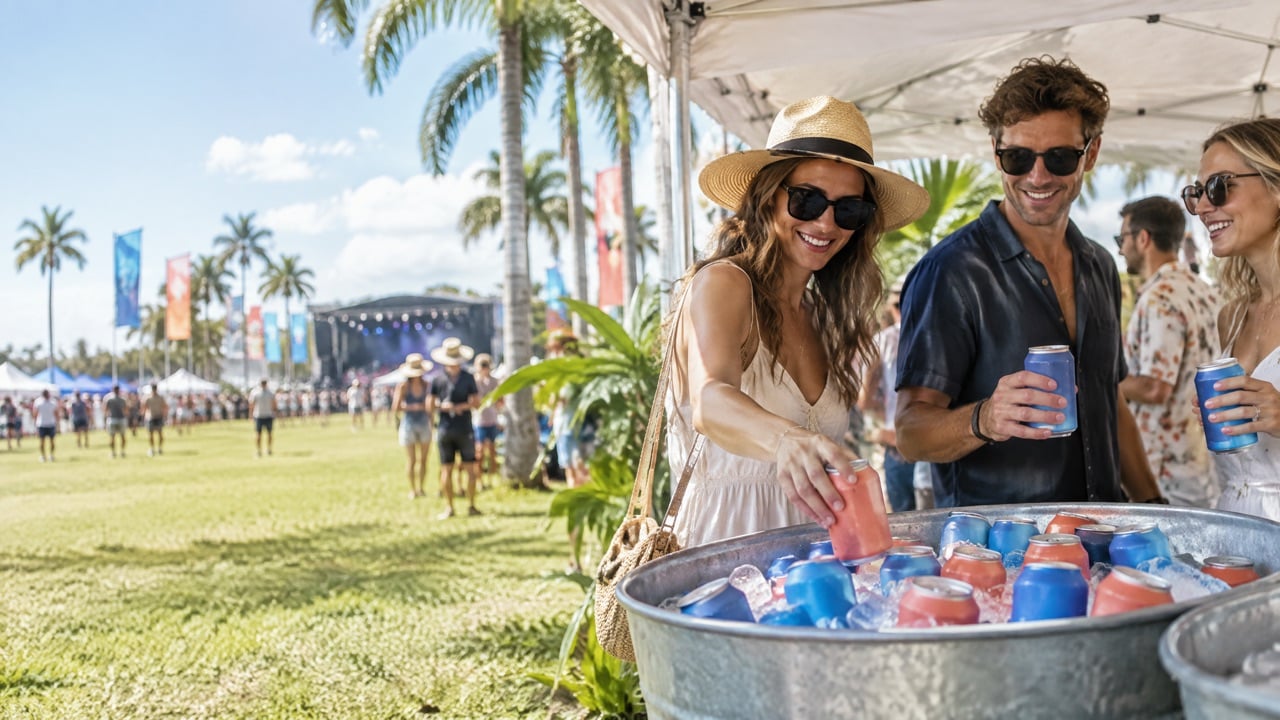
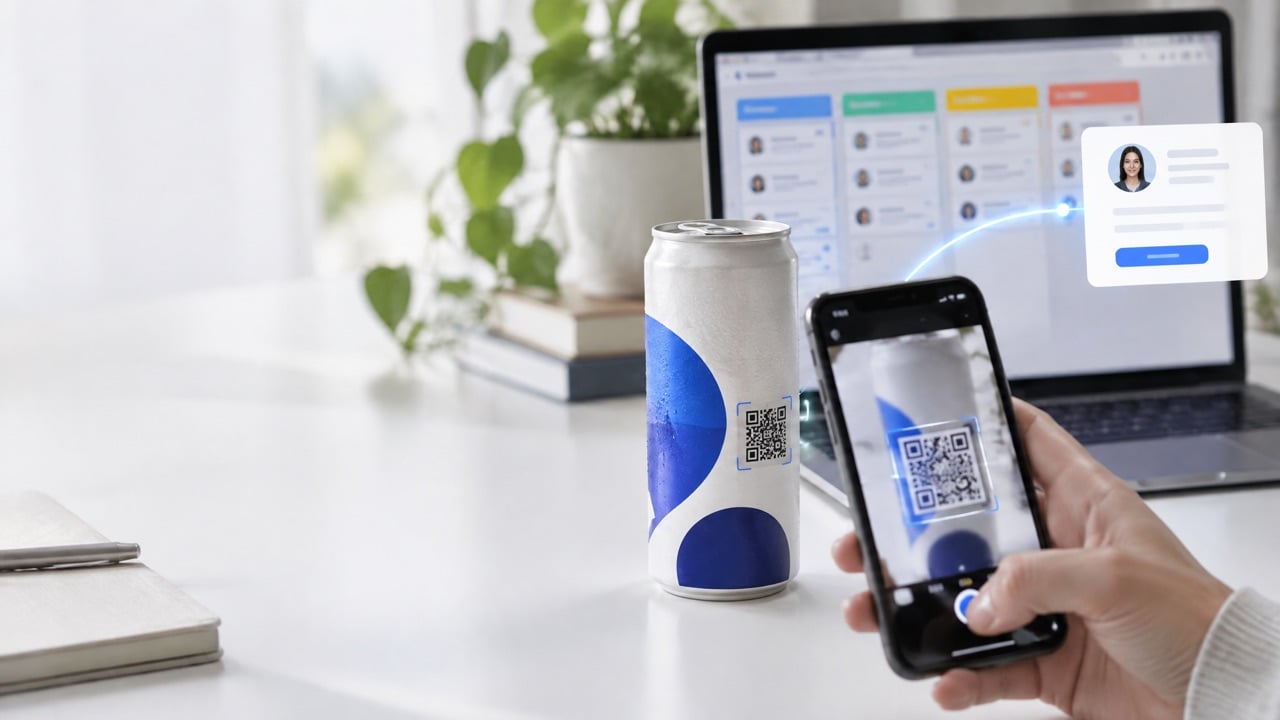
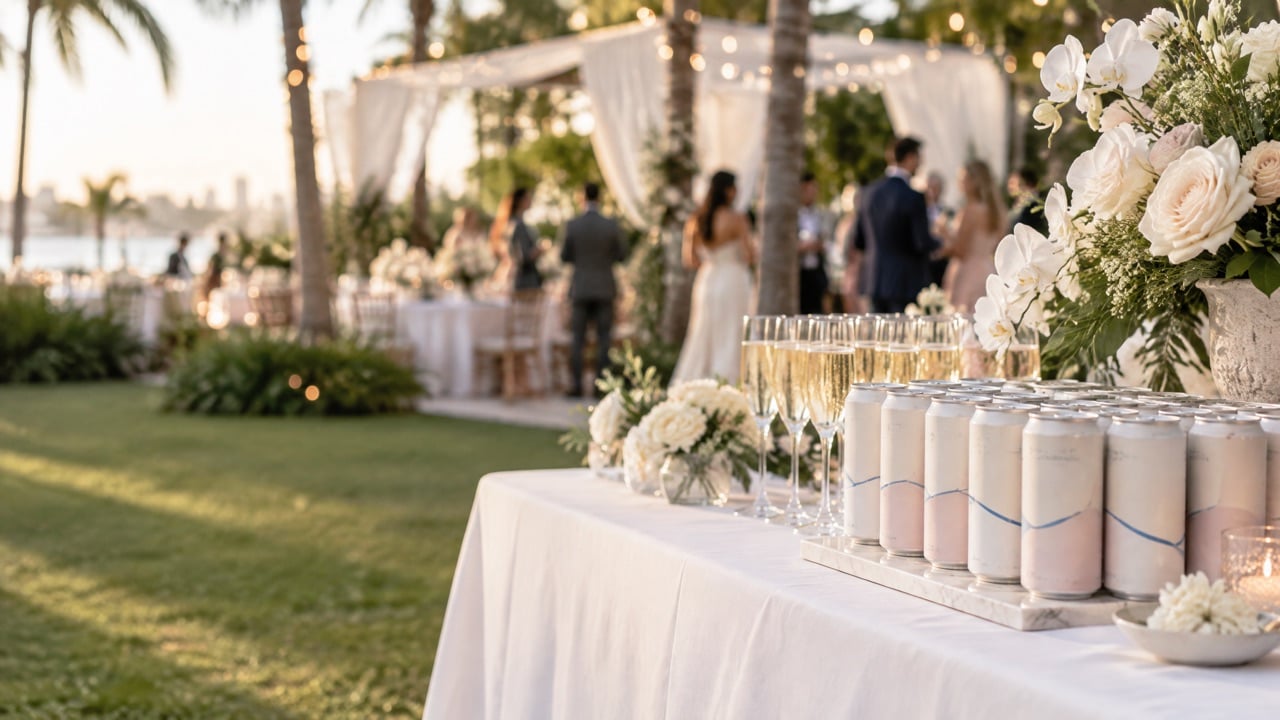
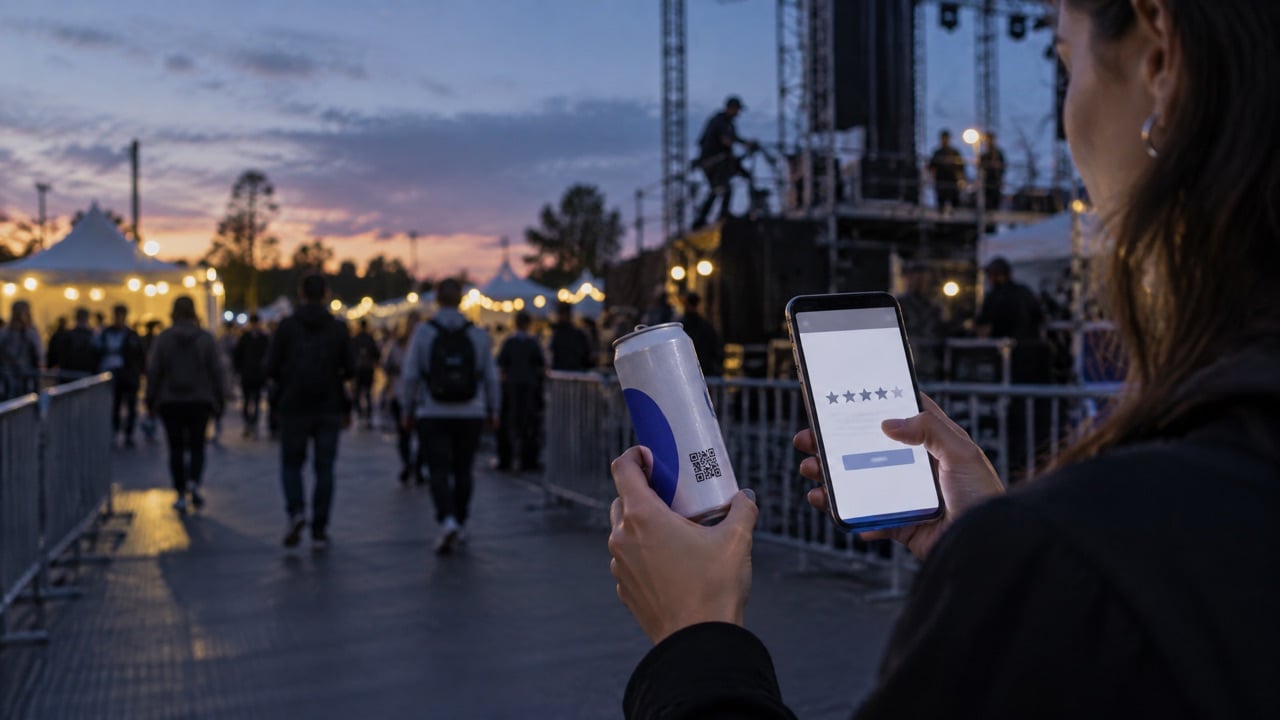
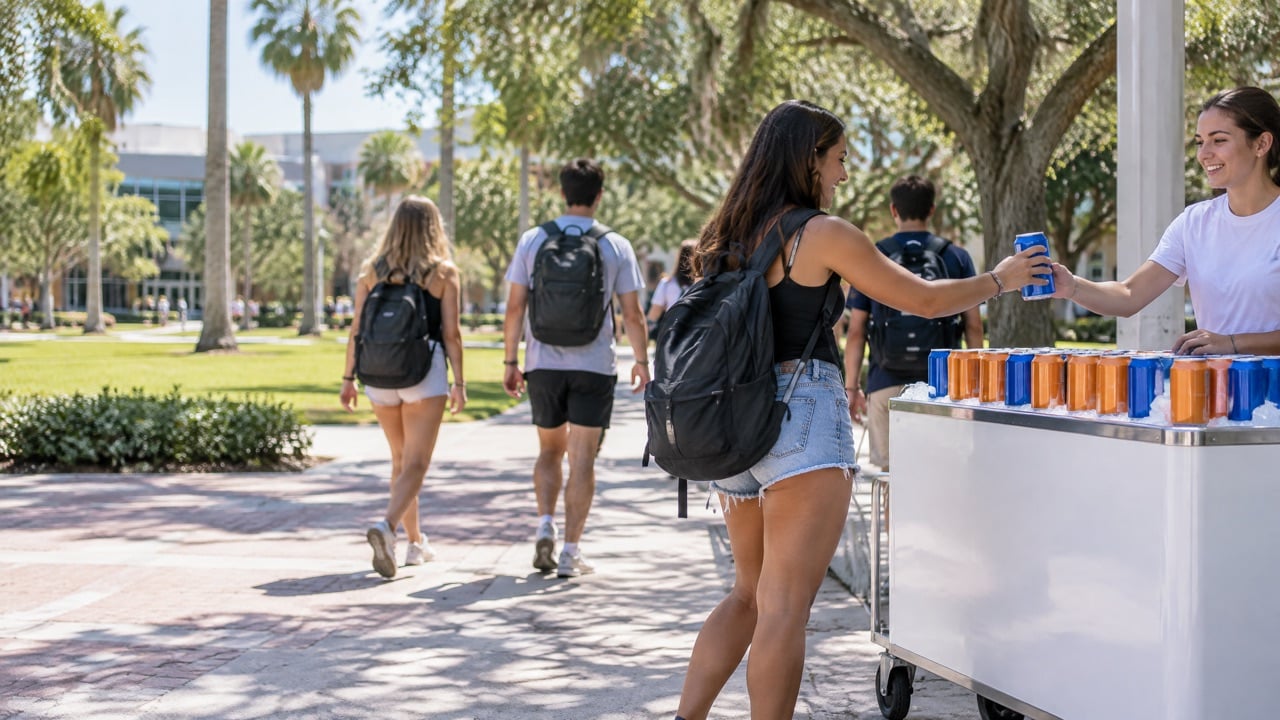
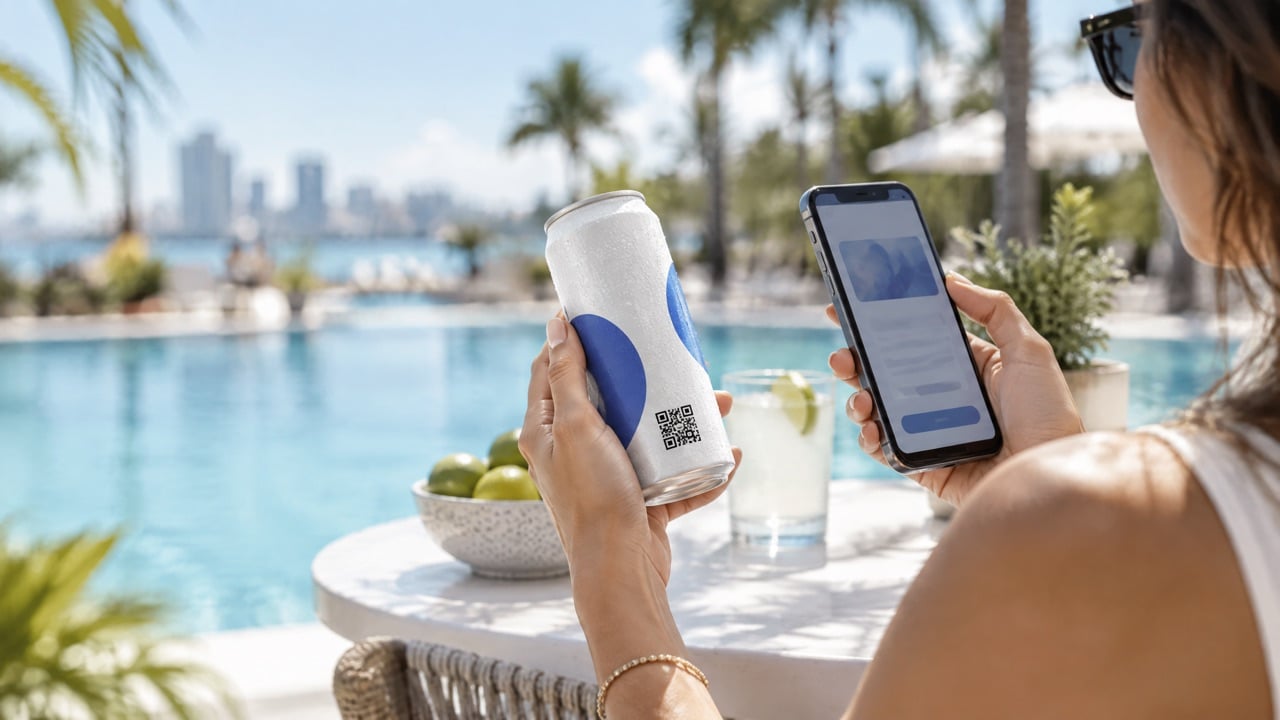
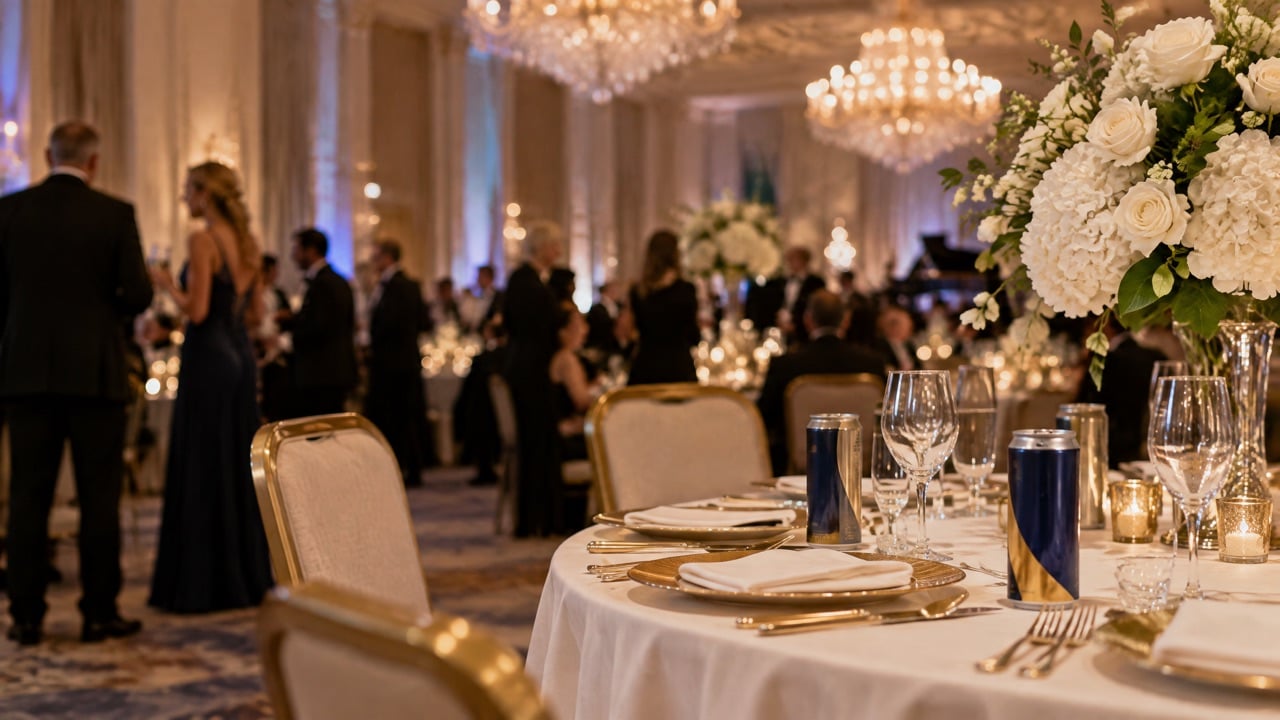
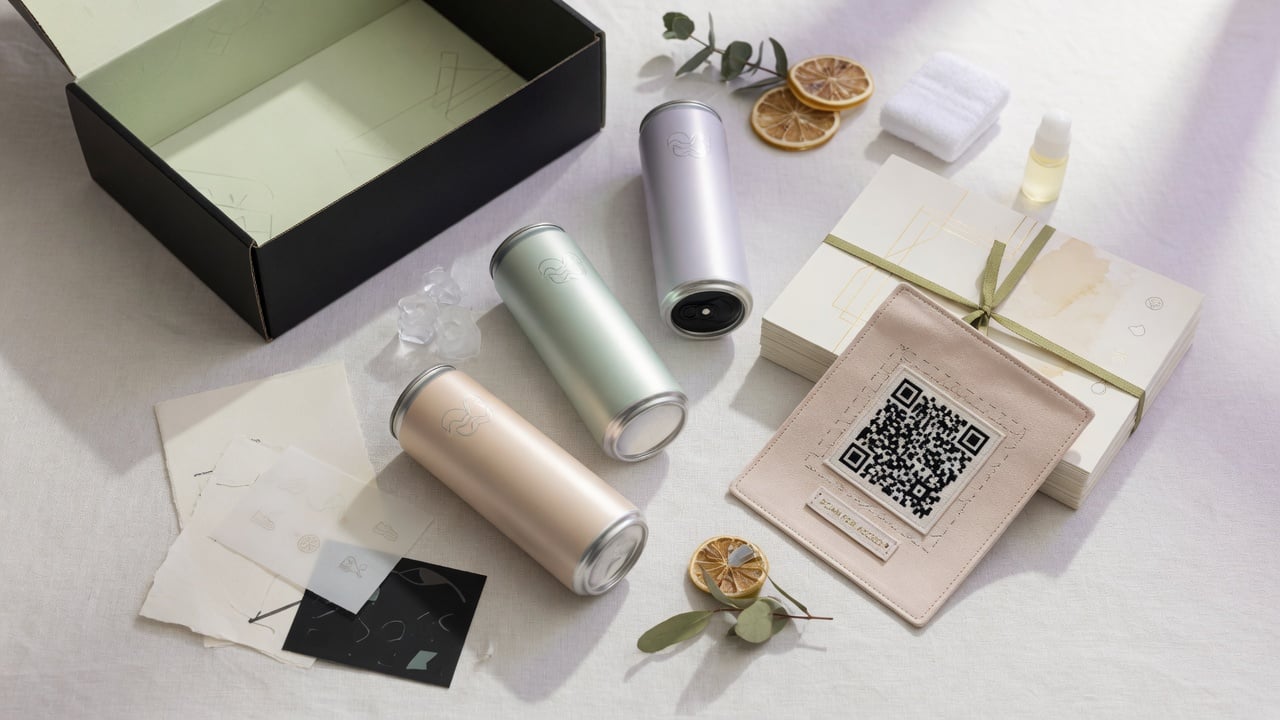
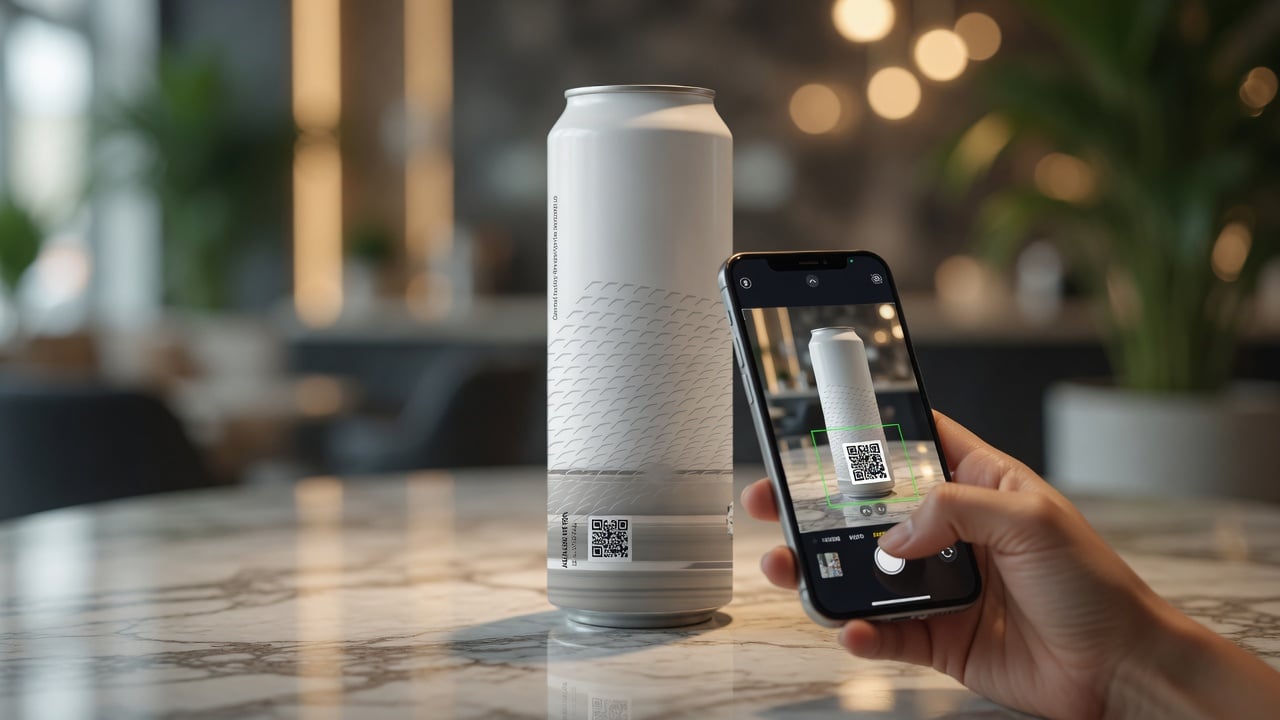
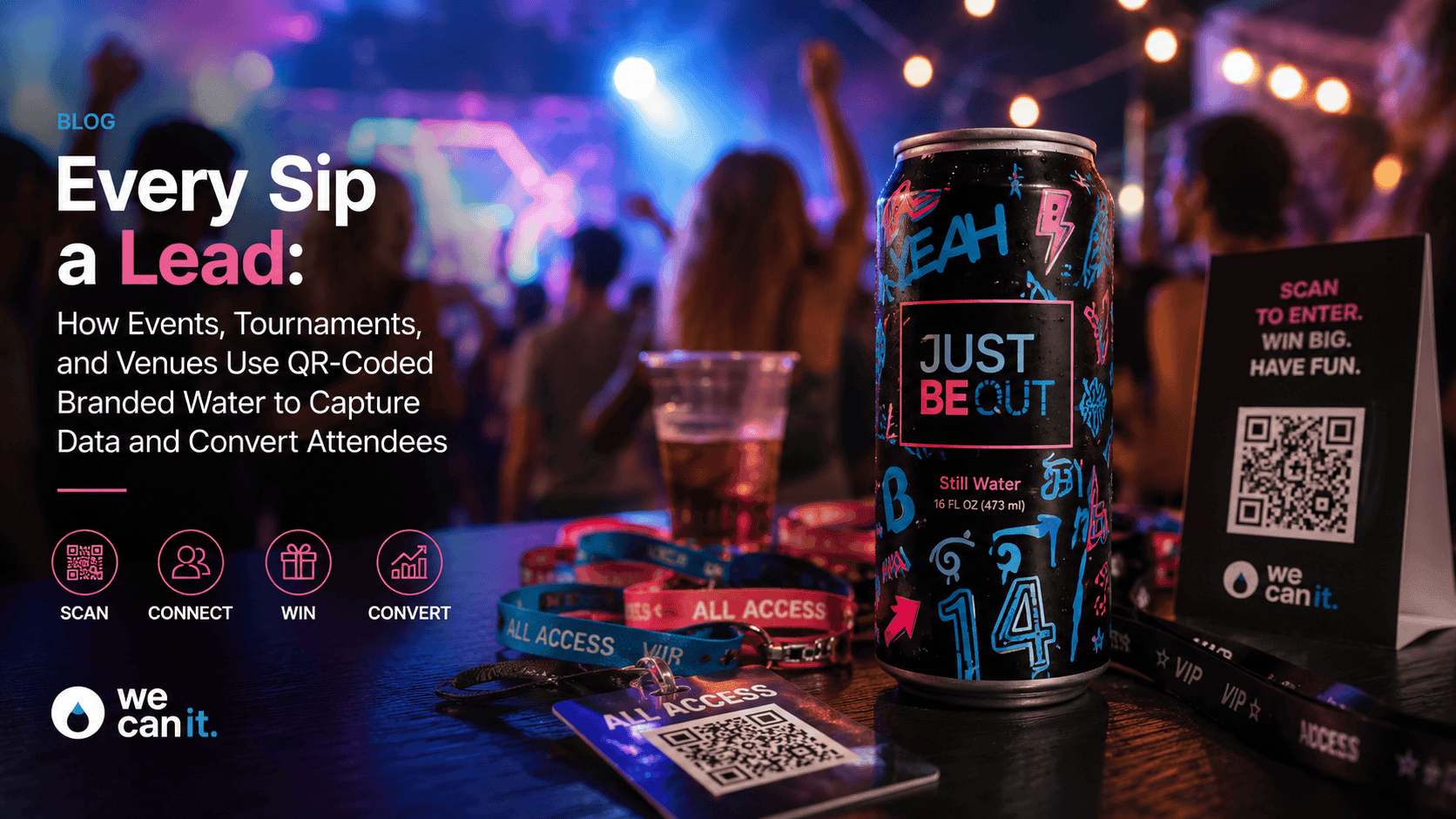
The cans arrived about three weeks later, a week before the event. The team stored them in an air-conditioned room, chilled what they needed the day before, and served them at the event with a QR code that opened a thank-you page. Nothing about it was dramatic. It worked because every decision before approval happened quickly, and delivery was planned for a week early instead of the day before.
How do rush orders differ for reorders?
Reorders of an existing design are usually faster to start, because the artwork is already approved and there is no proofing step. If you know you will need cans regularly, keeping an approved design on file is the simplest way to make future rush orders easier. Tell your account manager about recurring events so the next order can start as soon as you confirm quantities.
Label or digital print for a rush order?
Both print paths follow the same production timeline after approval, but they suit different situations.
- Label print starts at 21 cases, which is 504 cans. It is flexible for smaller quantities and simpler designs, which often makes it the practical choice when time is short.
- Digital print starts at 100 cases and suits full-wrap, photo-heavy, or gradient designs across larger quantities.
If your design is complex and your timeline is tight, ask your account manager whether a simplified version would move faster through proofing. Our print options are described on Technology · Labels.
Who should be on your side of a rush order?
Keep the group small. You need one person who owns the order and talks to the account manager, one person who can approve artwork, and one person who handles receiving and storage. For co-branded orders, add one contact at the sponsor with authority to approve their logo. Every extra approver adds time, and on a rush order, a single day of waiting for one more opinion can decide whether the cans arrive a week early or the day before.
What should you prepare while cans are in production?
- Storage in a cool, dry place.
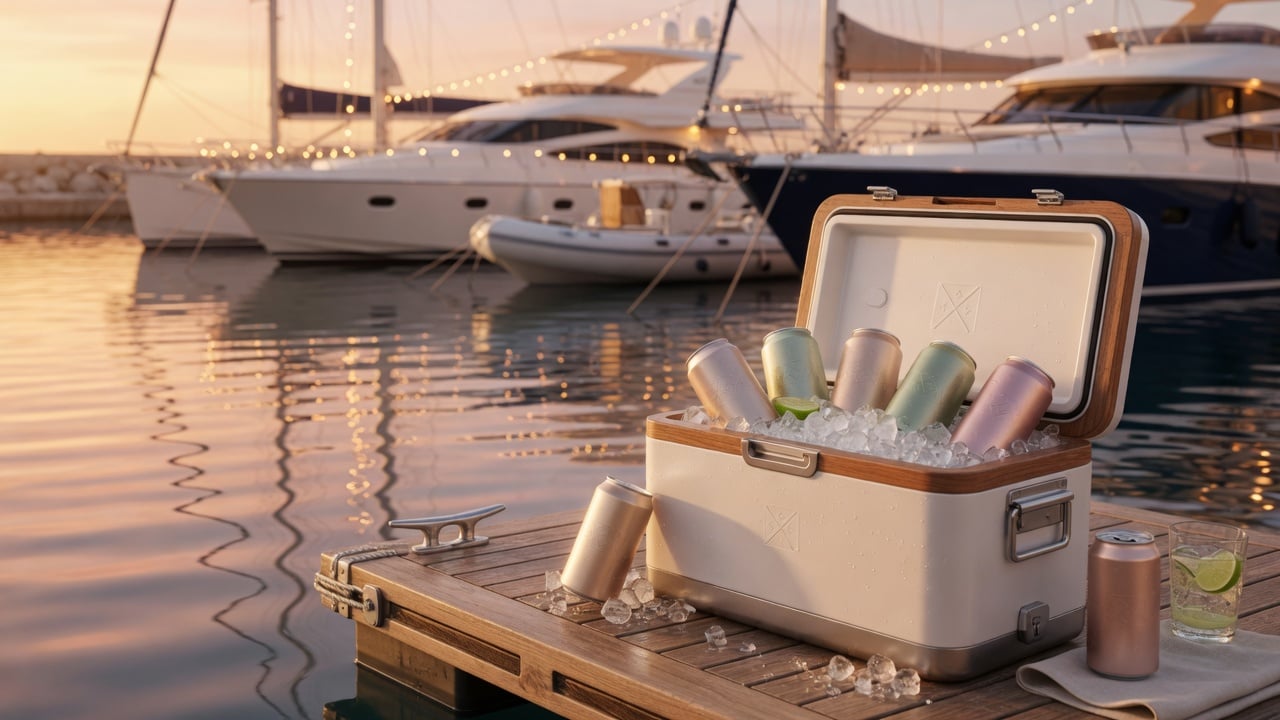
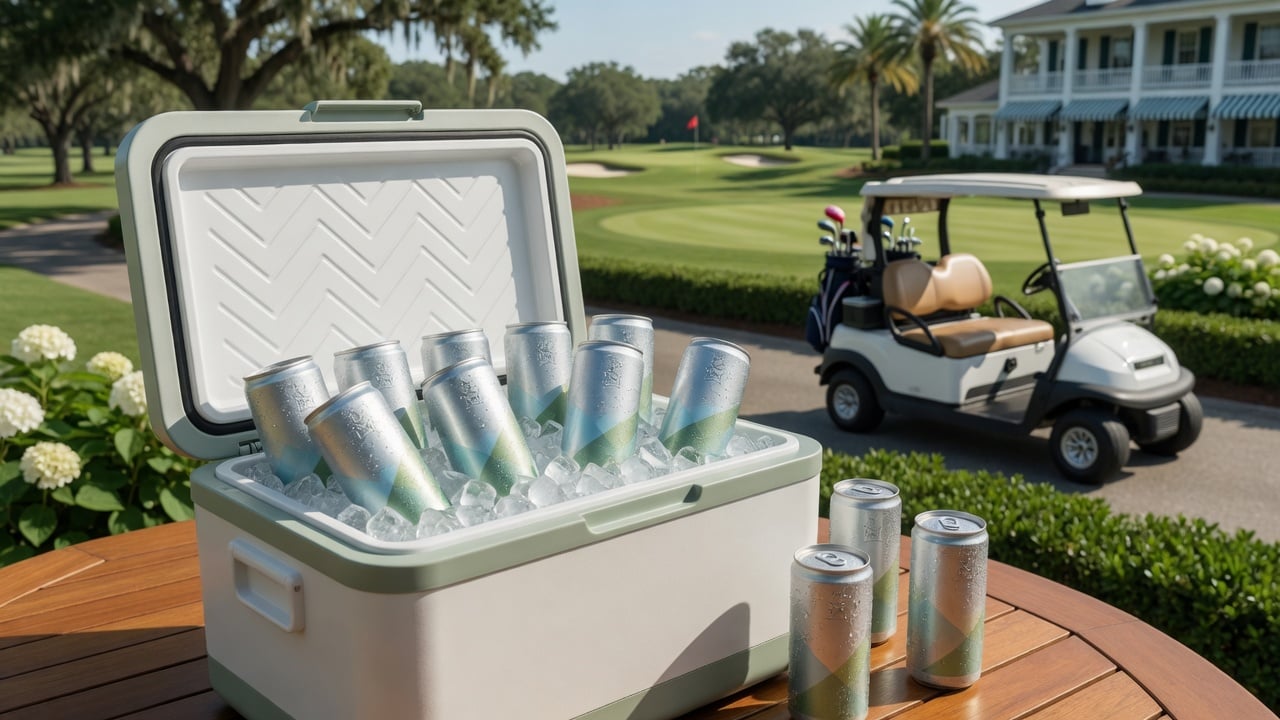
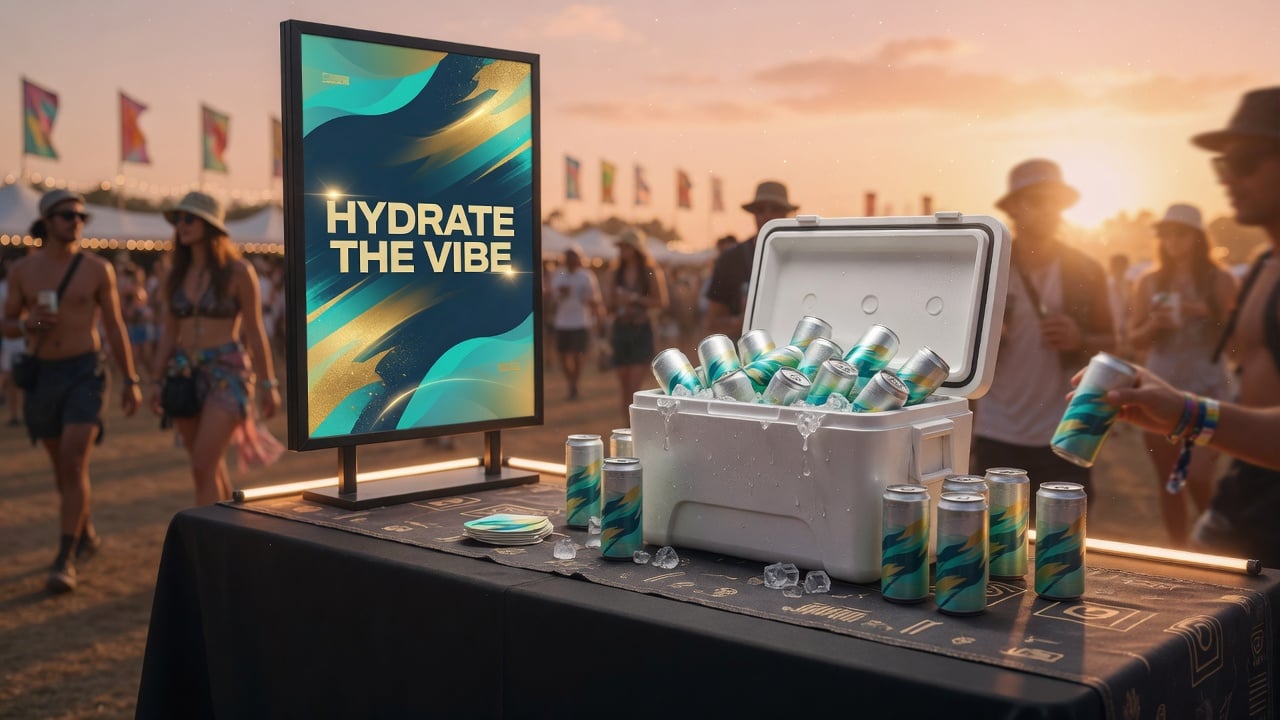
- Coolers and ice for the event.
- A placement plan for where cans go on site.
- Staff briefing on serving and restocking.
- Recycling bins next to every station.
Rush order checklist
- Send complete details in the first message.
- Name one artwork decision-maker.
- Submit print-ready artwork.
- Review the proof once, with all feedback combined.
- Approve in writing to start production.
- Confirm delivery details early.
- Target delivery a week before the event.
- Prepare storage and service while cans are made.
Frequently asked questions
How fast can I get custom canned water?
At We Can It, production takes about 2 to 3 weeks from artwork approval, compared with 8 to 12 weeks common in industry co-pack queues.
When does the production clock start?
When you approve the digital proof in writing. Time spent on quoting, artwork, and proof changes comes before that.
What causes rush orders to be late?
Unready artwork, several proof rounds, too many approvers, late sponsor logos, and unclear delivery details.
What is the minimum order for a rush order?
21 cases, which is 504 cans.
How early should cans arrive before an event?
Aim for about a week before, so there is time to receive, count, store, and chill.
Can a rush order include co-branded logos?
Yes, but late logo approvals are a common delay. Have a backup plan to print without them if needed.
Get a fast quote for custom canned water
Send your quantity, size, water type, and date, and a product advisor will reply quickly with a timeline.