How to Run a Branded Water Pilot at One Venue Before You Scale
Big decisions are easier with evidence. If you run several hotels, clubs, venues, or event programs, rolling branded water out everywhere at once is a leap of faith.
Big decisions are easier with evidence. If you run several hotels, clubs, venues, or event programs, rolling branded water out everywhere at once is a leap of faith. You do not yet know how guests will react, how fast the cans will move, how your team will handle storage and service, or which design and water type fit best.
A pilot answers those questions at low risk. You choose one venue, order a small run, measure what happens for a few weeks, and decide with real numbers whether to expand. This guide is for operators, marketing leaders, and procurement teams who want to test custom water cans before committing to a full program. It covers how to choose the venue and dates, what to measure, how to read the results, and when to scale.
Why run a pilot instead of launching everywhere?
A pilot protects your budget and your reputation.
- You learn real demand before ordering large quantities.
- You test operations: storage, chilling, restocking, and recycling.
- You test the design with real guests, not only in a meeting room.
- You find problems early while they are small and cheap to fix.
- You build an internal case with evidence leadership trusts.
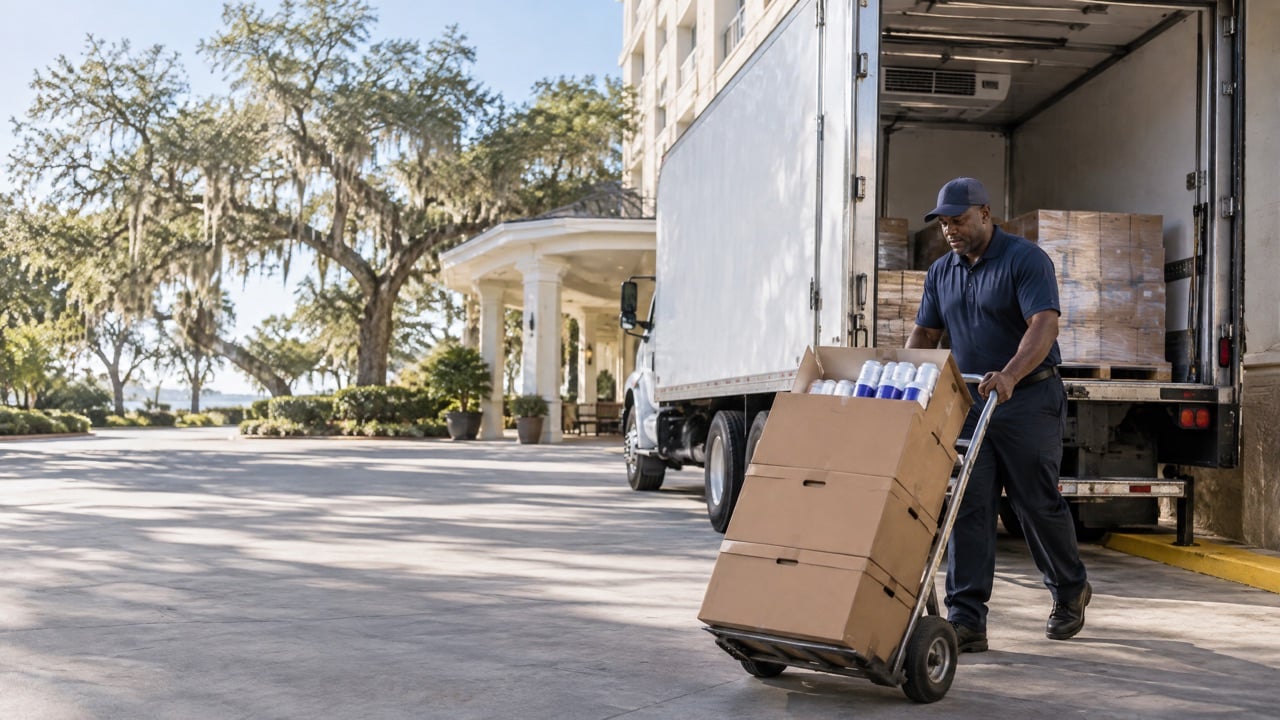
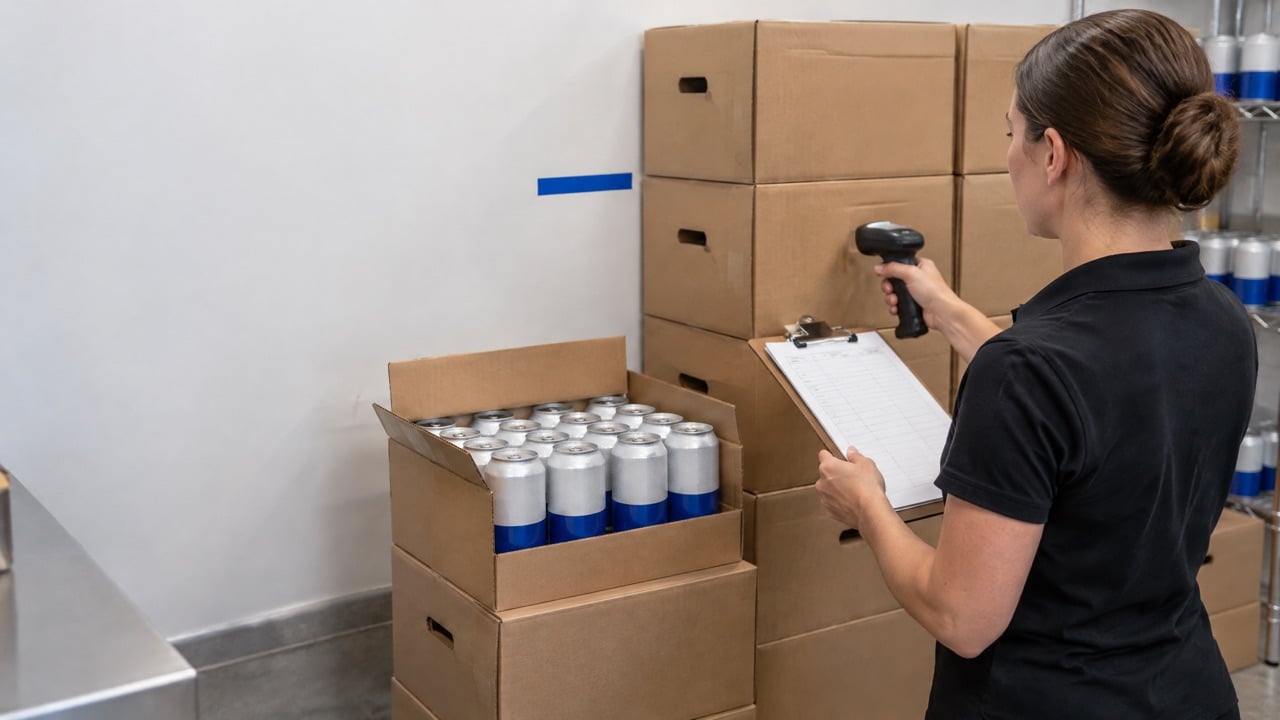
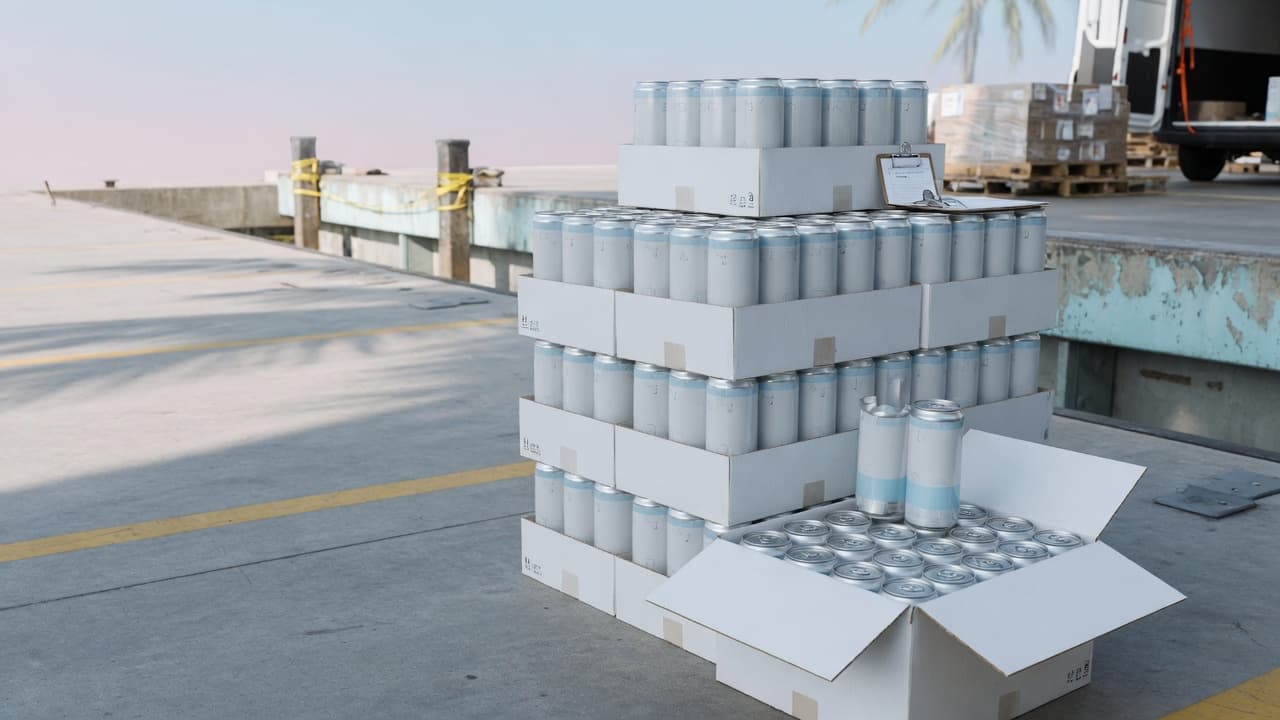
A low minimum order makes this possible. At We Can It, runs start at 21 cases, which is 504 cans, far below the 10,000-unit minimums common in the industry.
How do you choose the pilot venue?
Pick a venue that represents your wider business, not your easiest or hardest location.
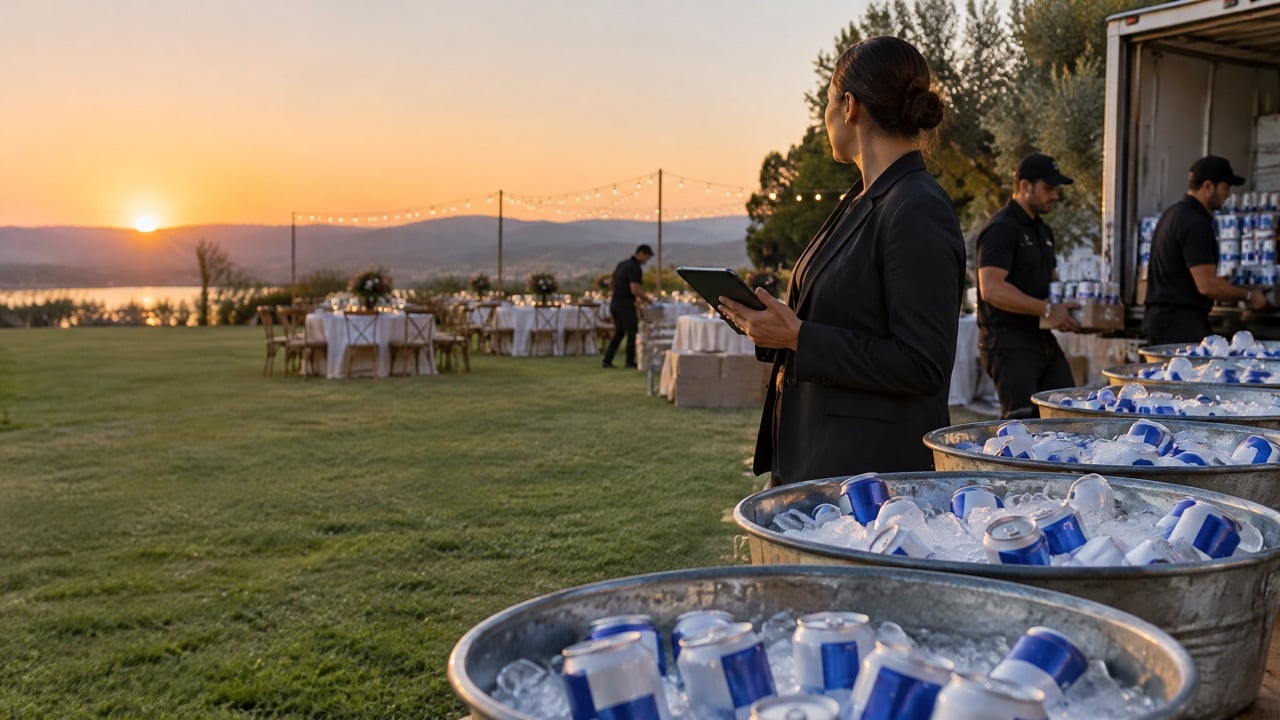
- Typical traffic: a venue with average volume gives more useful results than your busiest or quietest.
- A supportive manager who will run the pilot properly and report honestly.
- Clear serving points where cans will be offered.
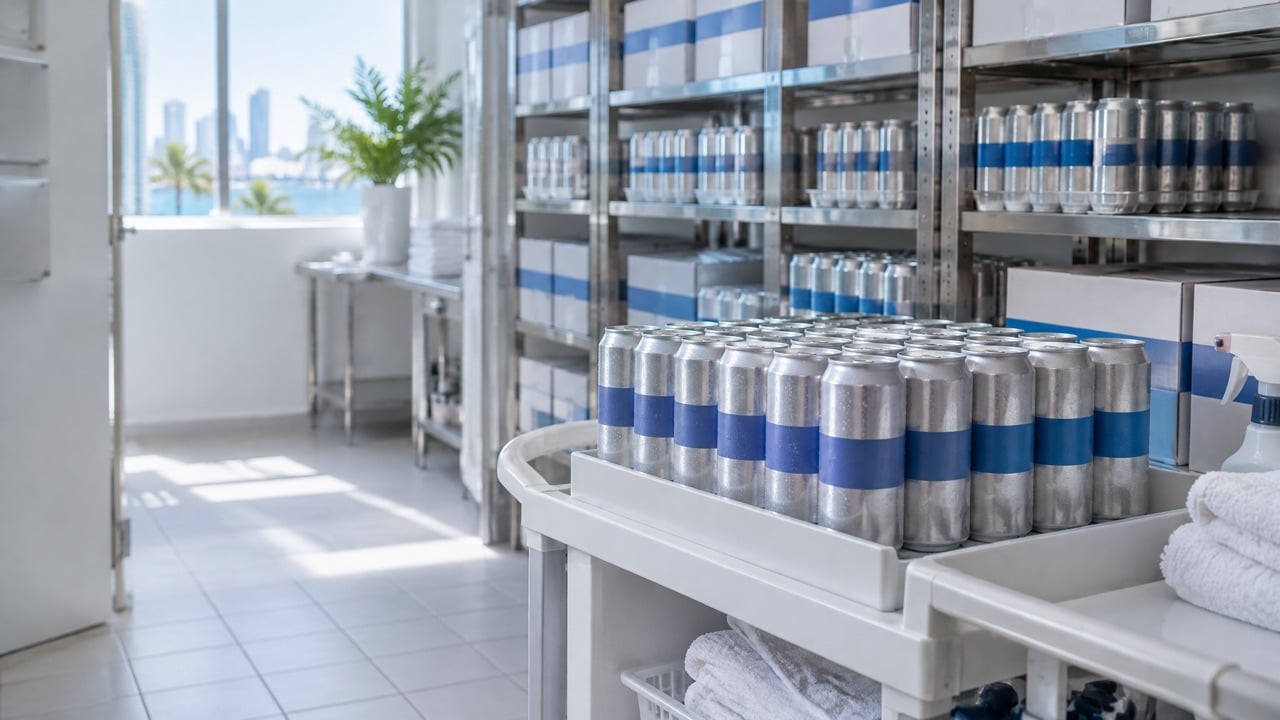
- Enough storage for a few weeks of stock.
- Measurable activity, such as sales, amenity counts, or events.
How long should a pilot run?
Four to eight weeks is a good range. Shorter pilots can be distorted by one unusual weekend or event. Longer pilots delay the decision. Include at least one busy period and one normal period so you see both.
What should you decide before the pilot starts?
Write these down so everyone agrees on what success looks like.
- The goal: for example, replace generic bottled water, add a retail product, or improve guest experience.
- The serving points: rooms, pool, front desk, events, or retail.
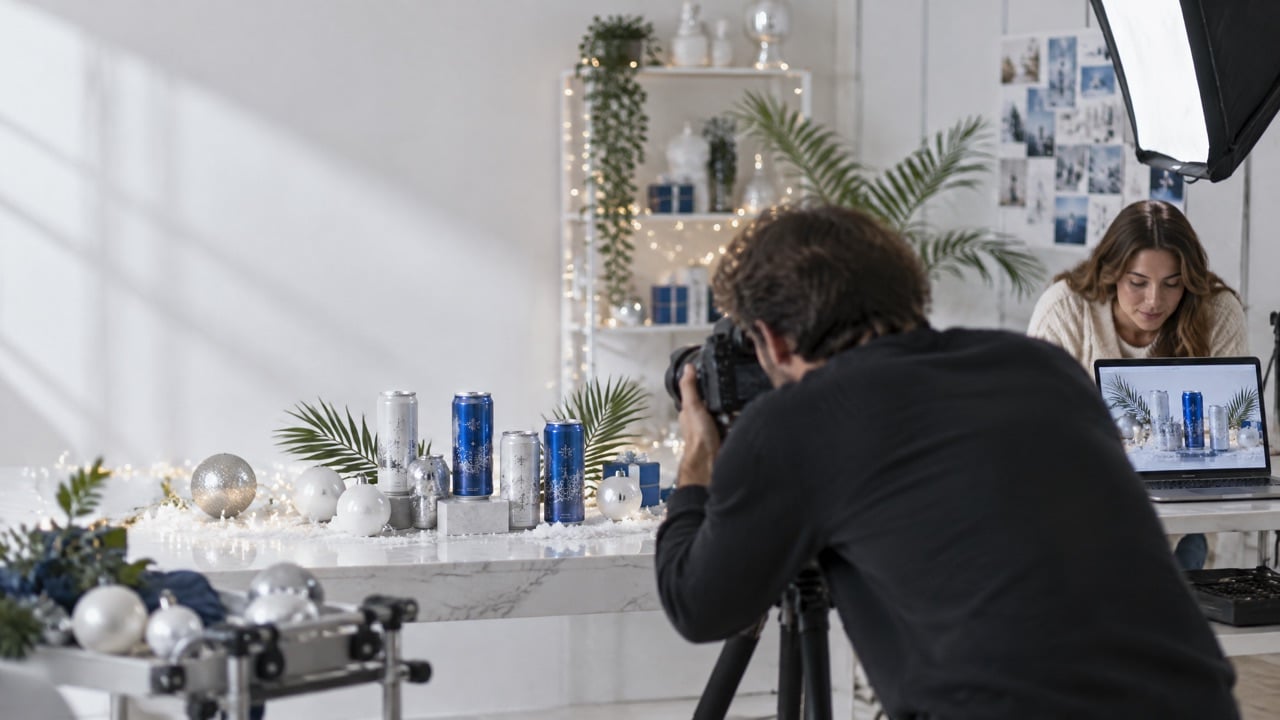
- The design and water type you are testing.
- What you will measure and who collects it.
- The decision rule: what result would lead you to expand, adjust, or stop.
What should you measure during the pilot?
Keep measures simple and consistent.
- Cans used or sold per week by serving point.
- Stockouts: how often a serving point ran out.
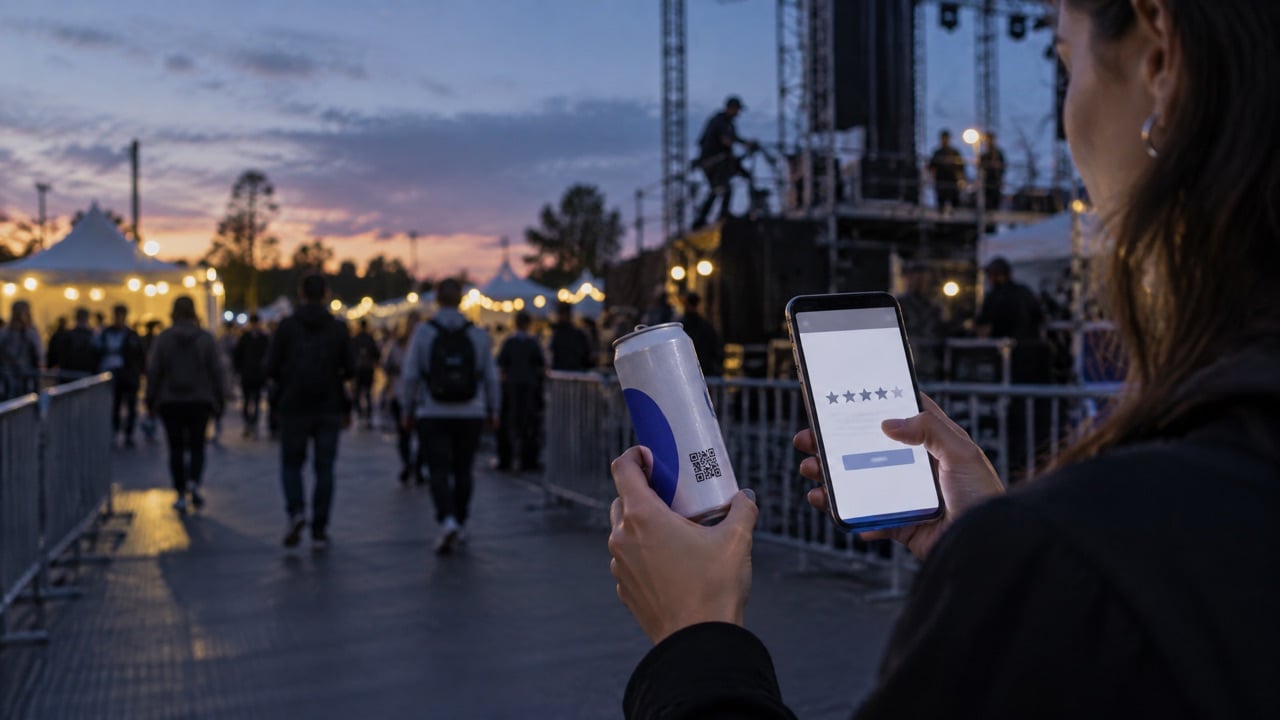
- Guest reaction: comments, reviews, photos, or a short survey.
- Staff feedback: how easy the cans were to store, chill, and serve.
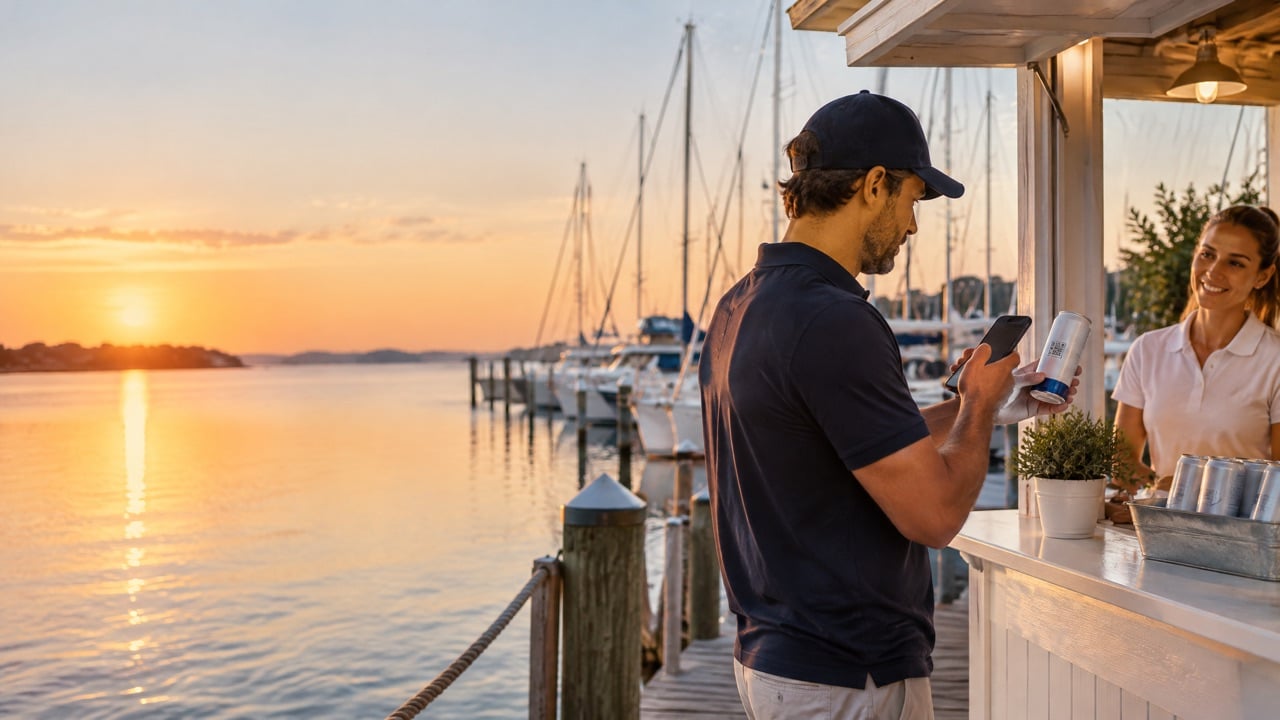
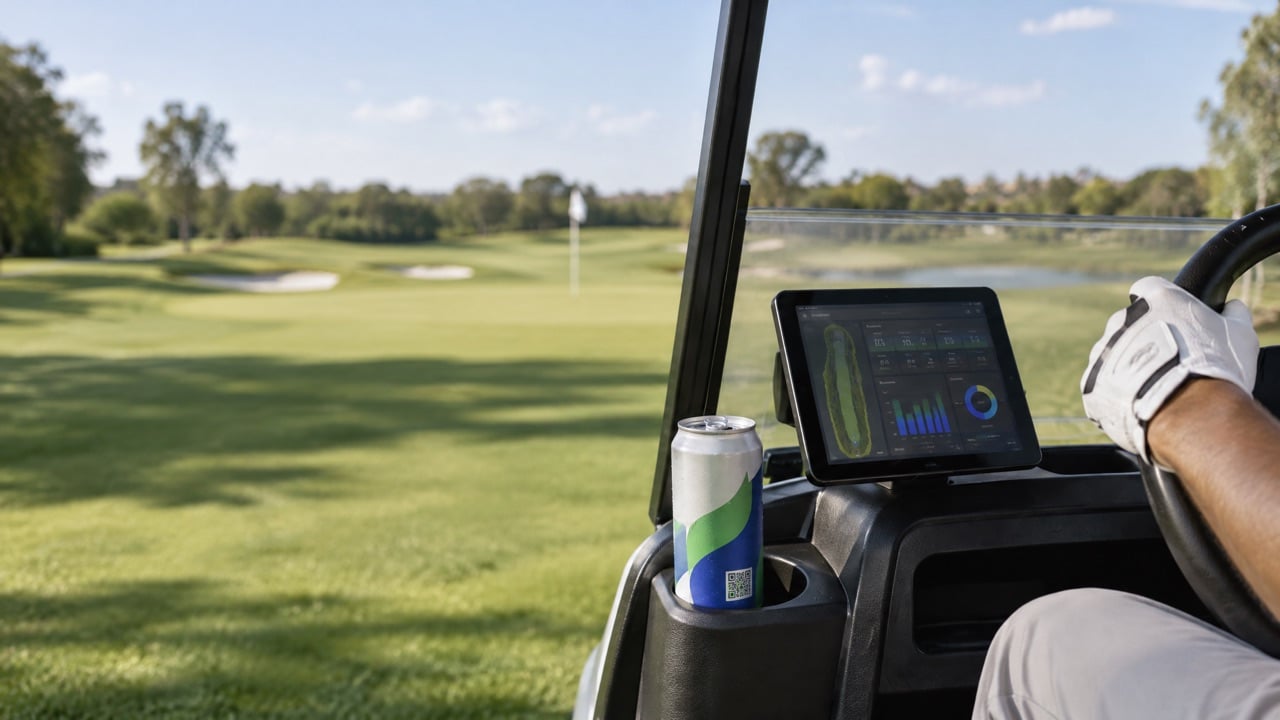
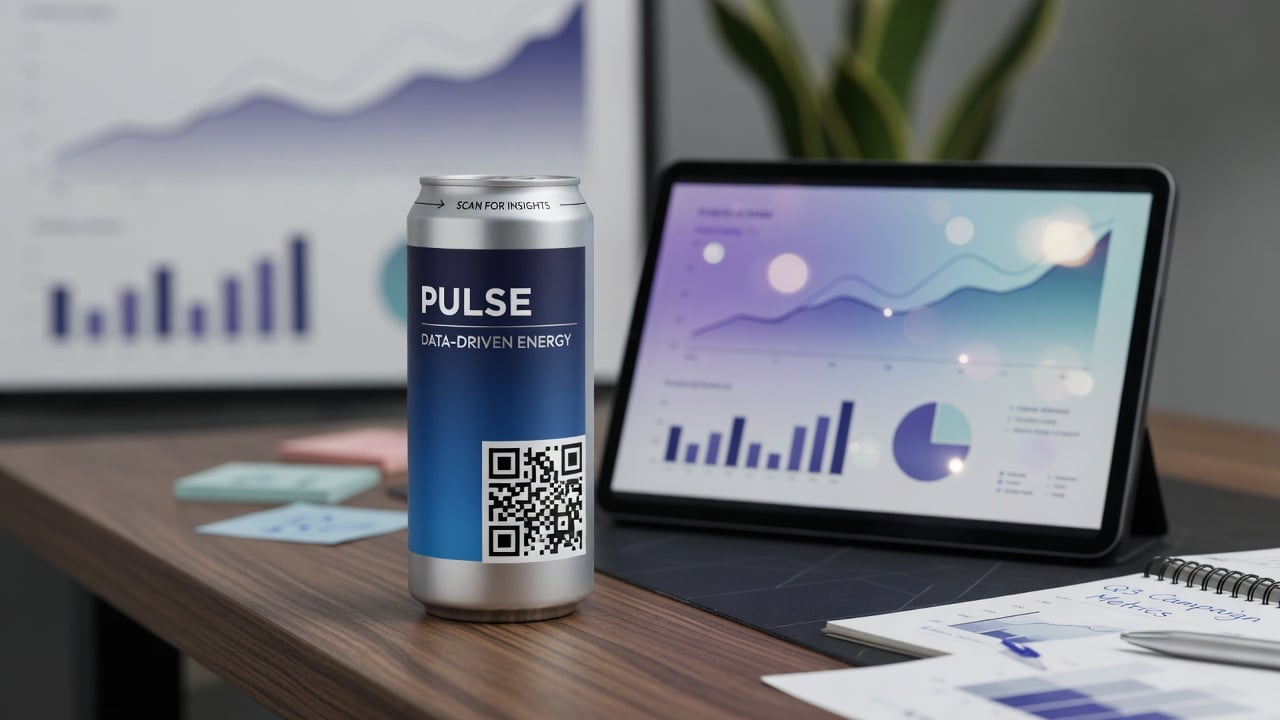
- QR scans, if the can has a code.
- Cost per can delivered, compared with what it replaced.
How much should you order for a pilot?
Estimate weekly use at the pilot venue, multiply by the pilot length, and add a small buffer. For many single venues, one minimum run of 504 cans covers a four to six week pilot. If your estimate is much higher, order enough for the full pilot so you do not run out halfway and distort the results.
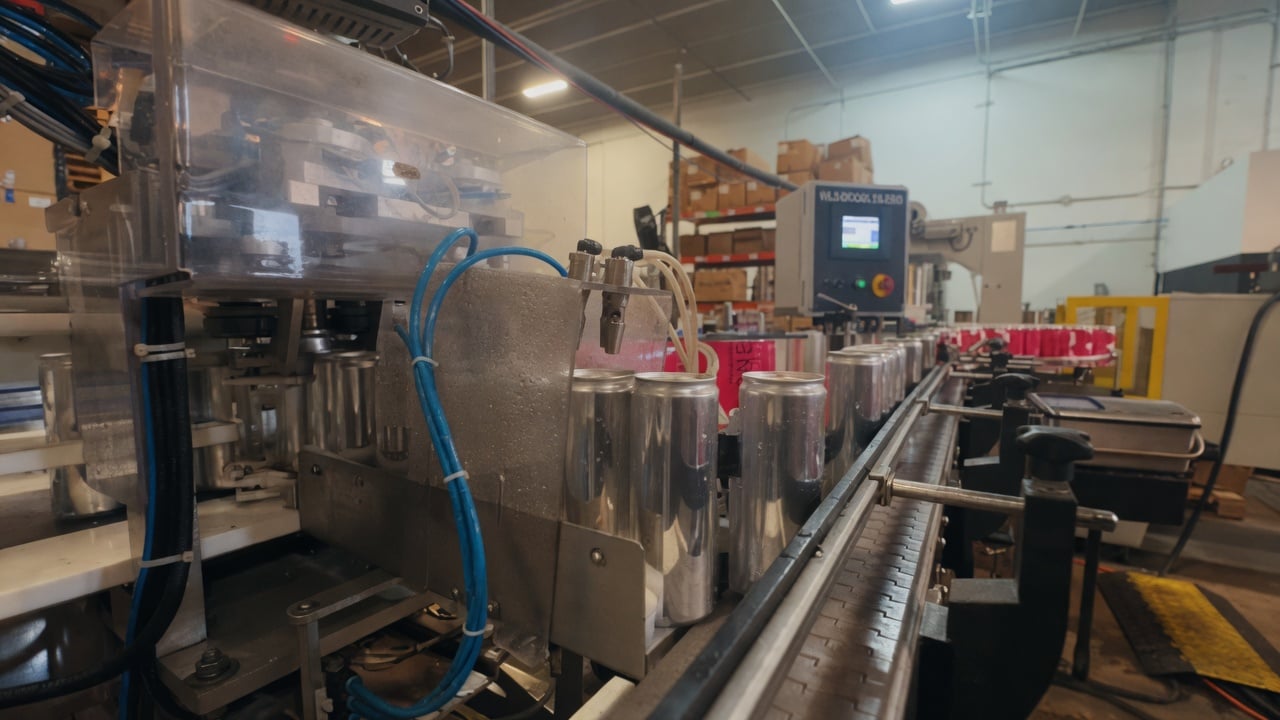
Production takes about 2 to 3 weeks from artwork approval, so plan the pilot start date around that.
What does a pilot look like in practice?
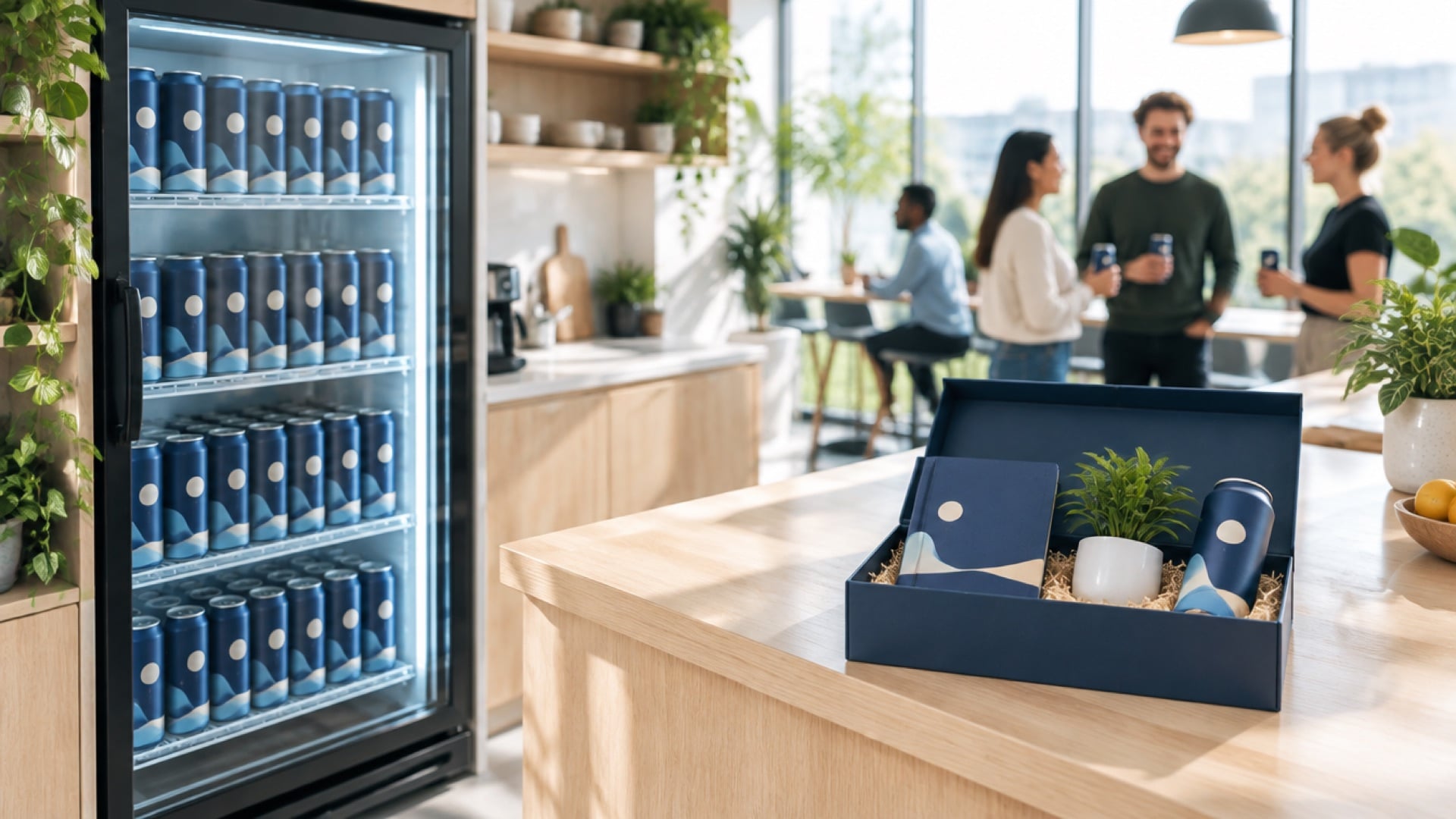
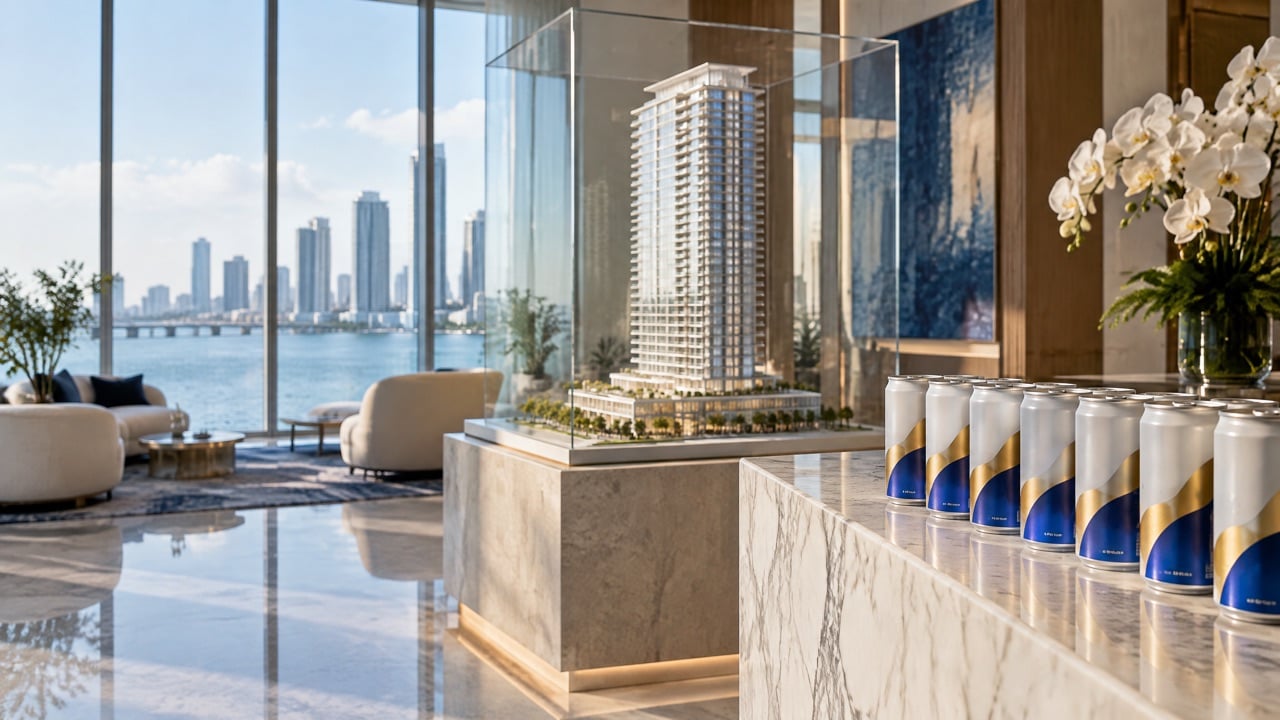
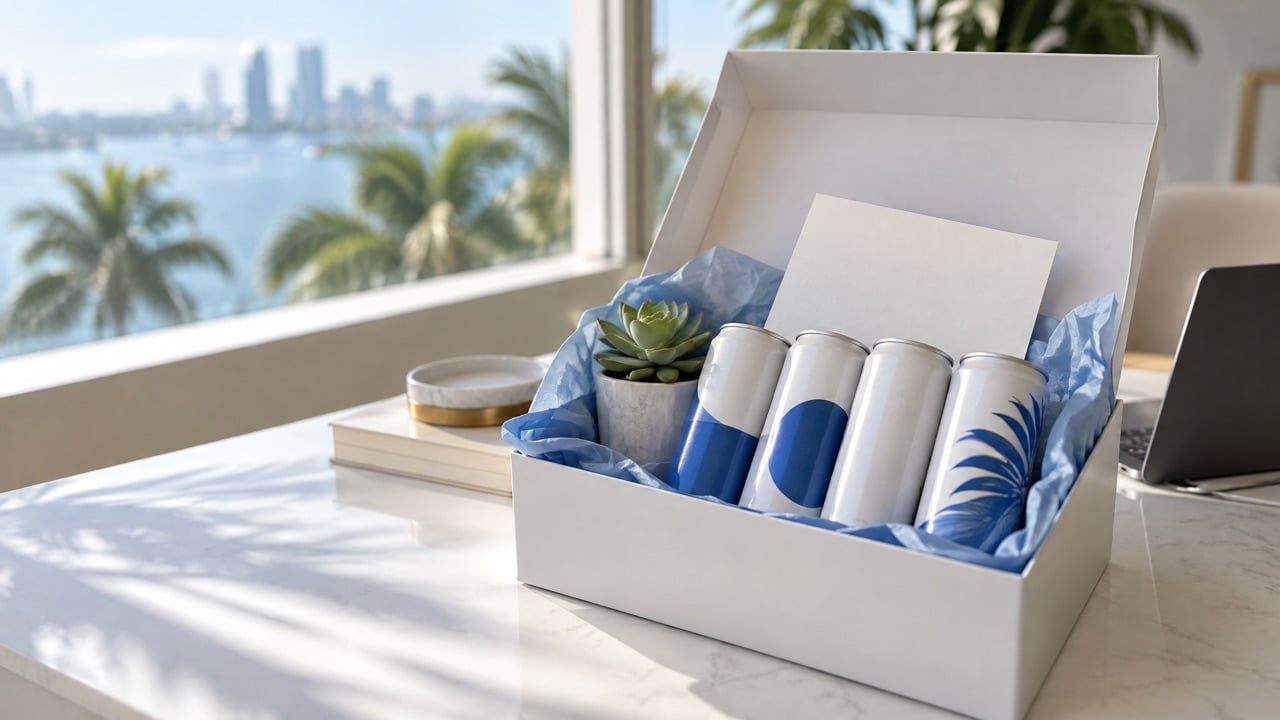
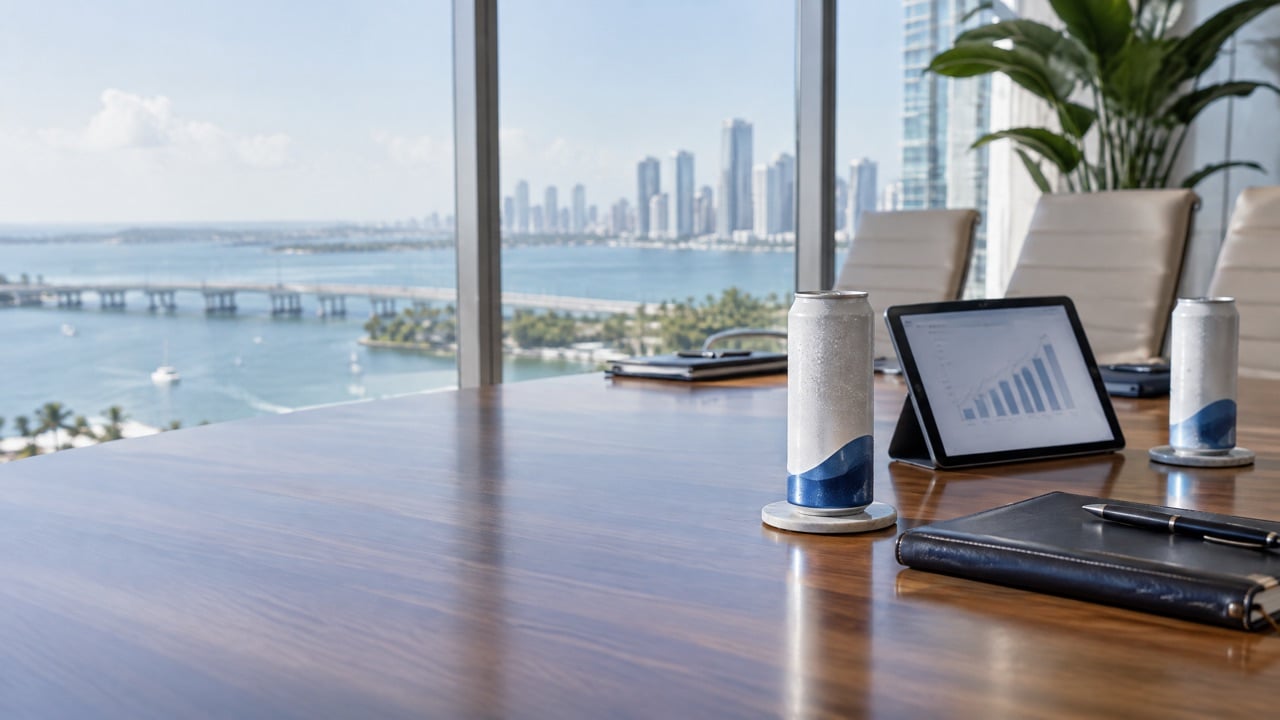
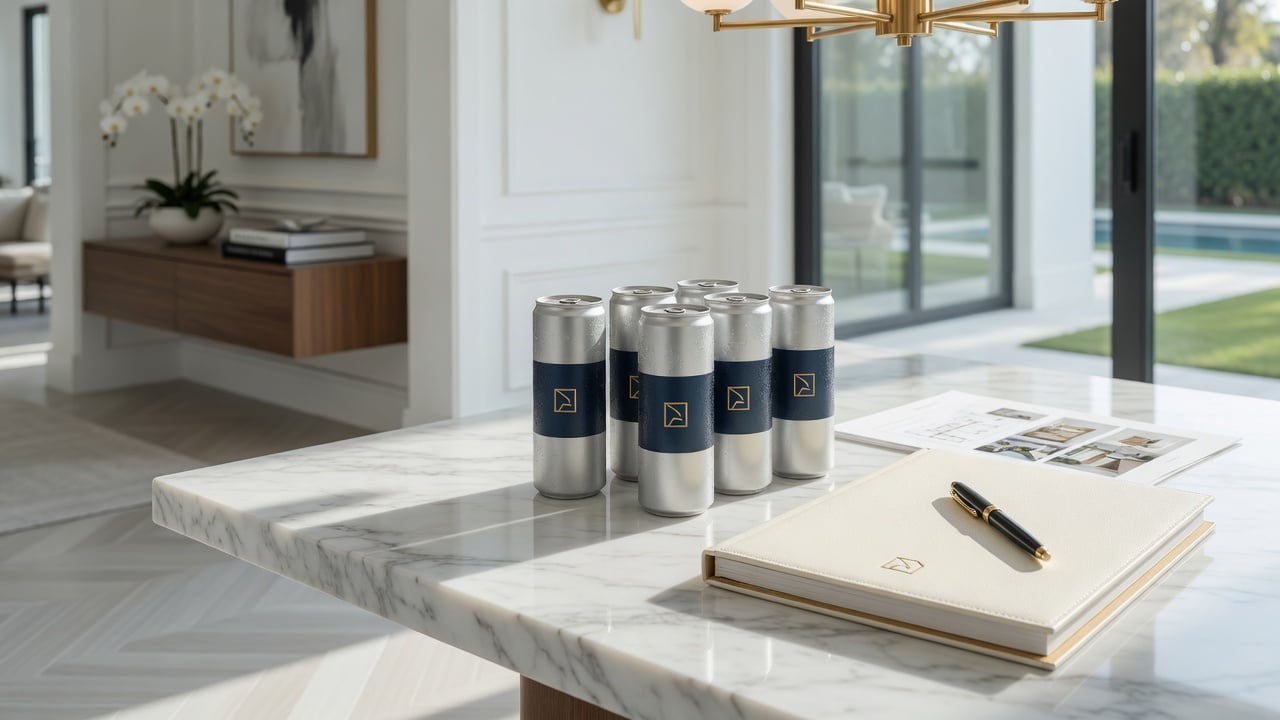
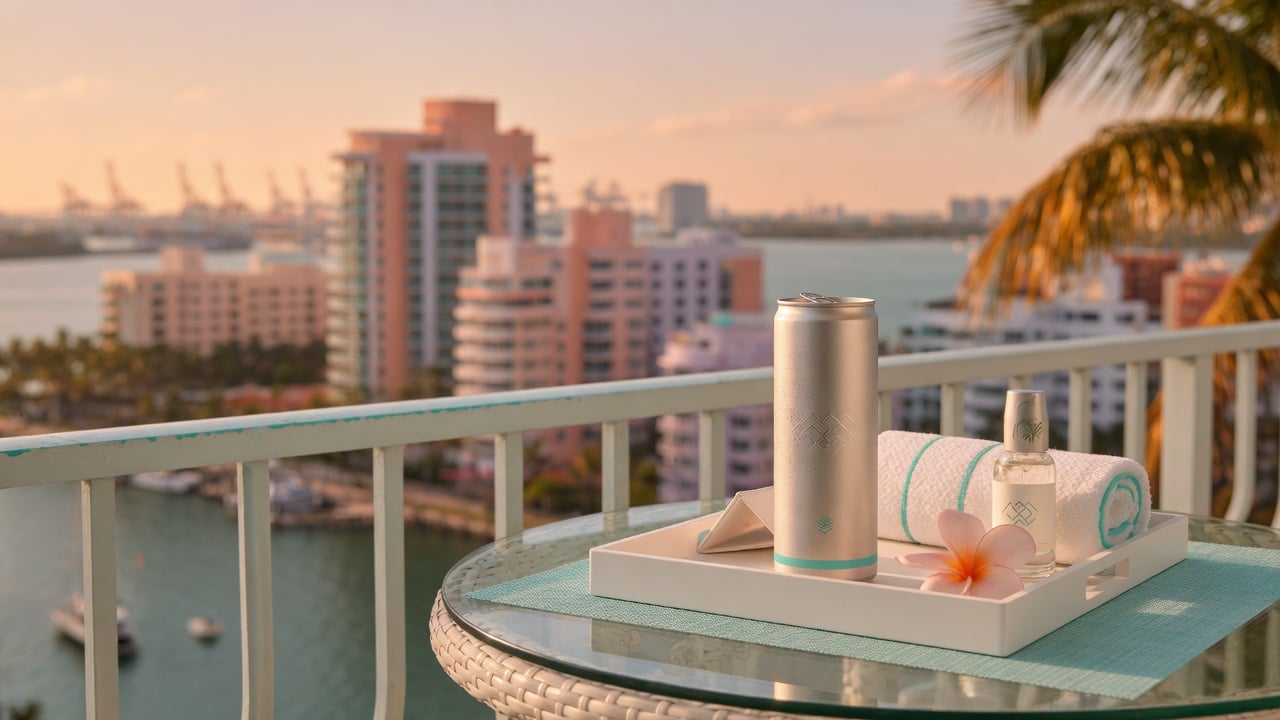
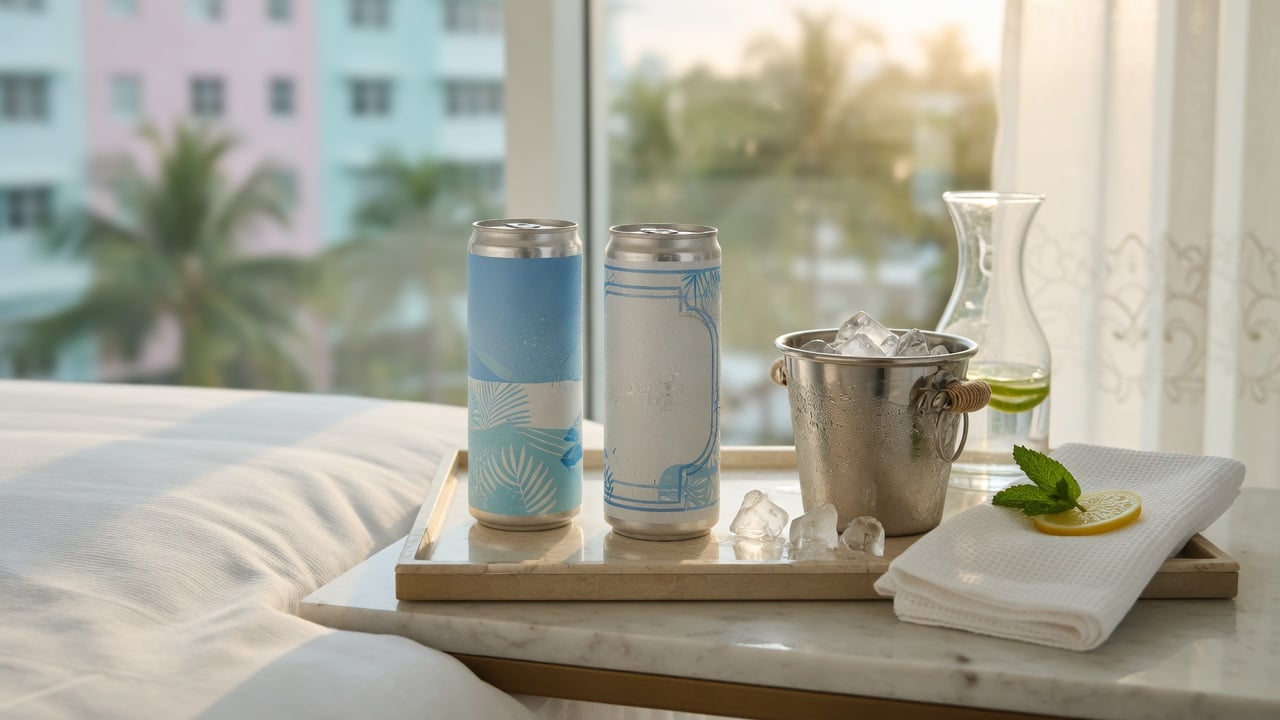
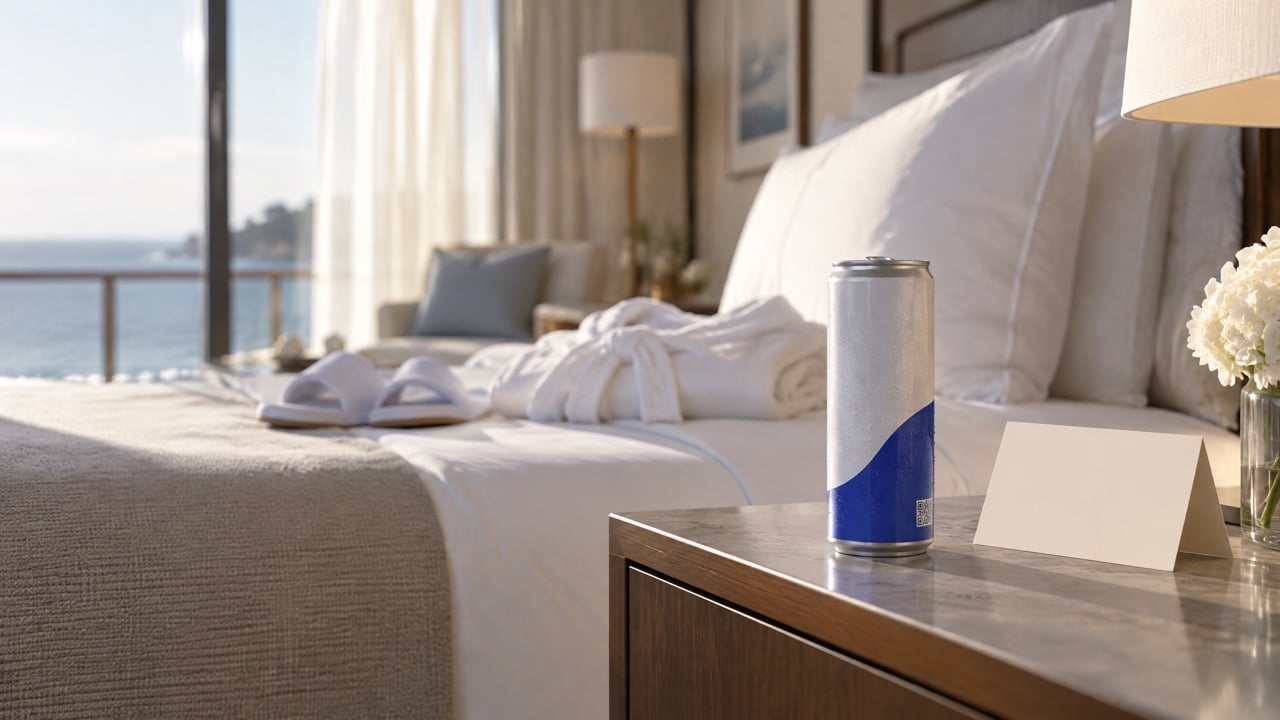
Imagine a group of four boutique hotels considering branded water for rooms and pools. They choose their mid-sized property as the pilot and order one minimum run of 12oz Sleek still water with the hotel's logo.
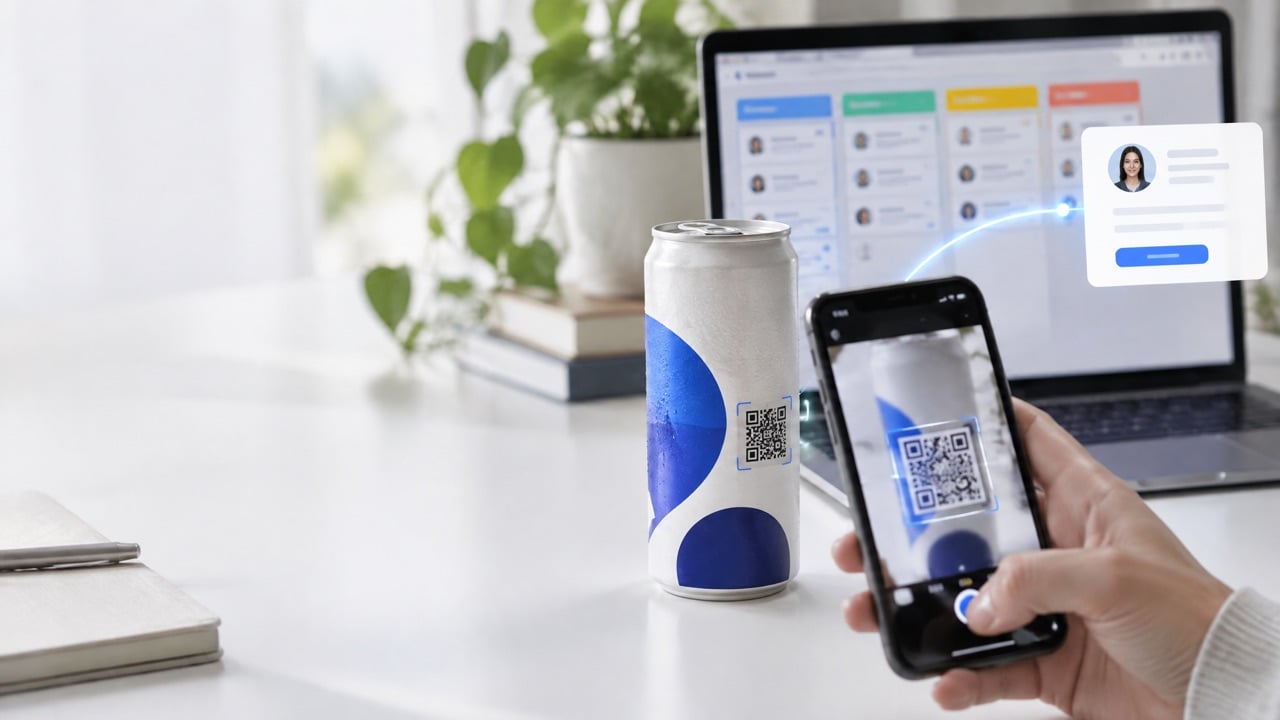
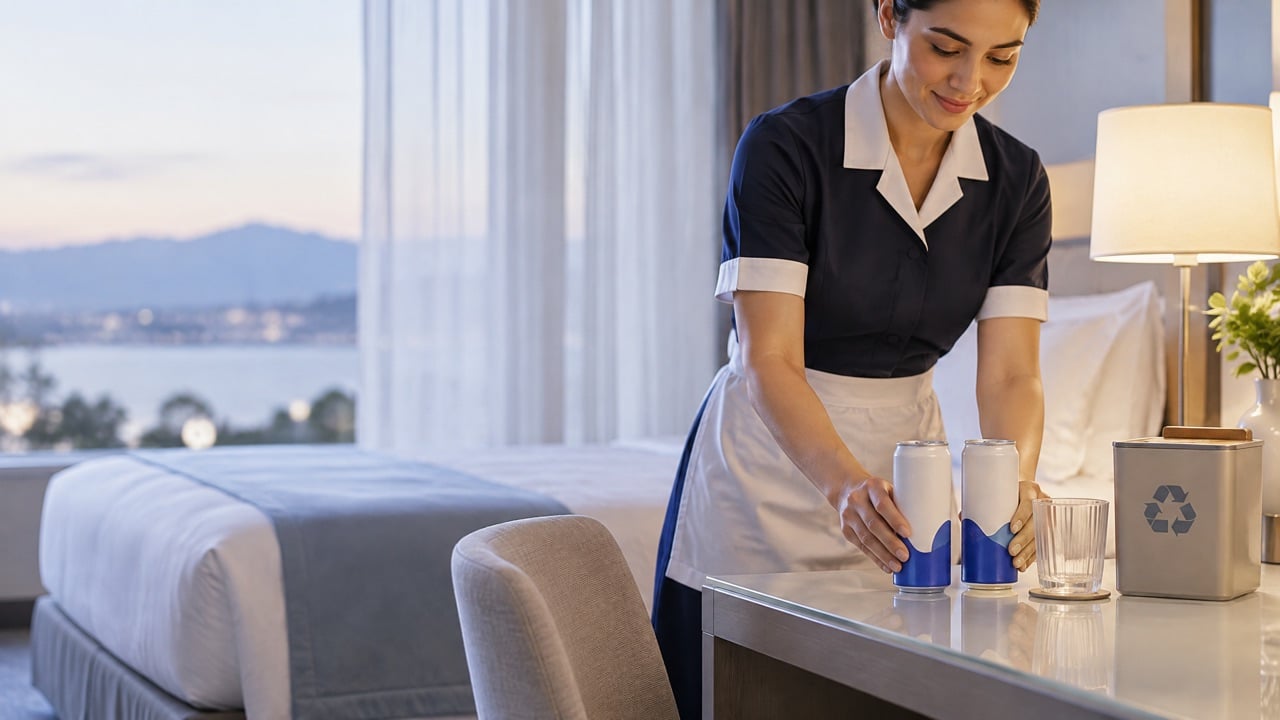
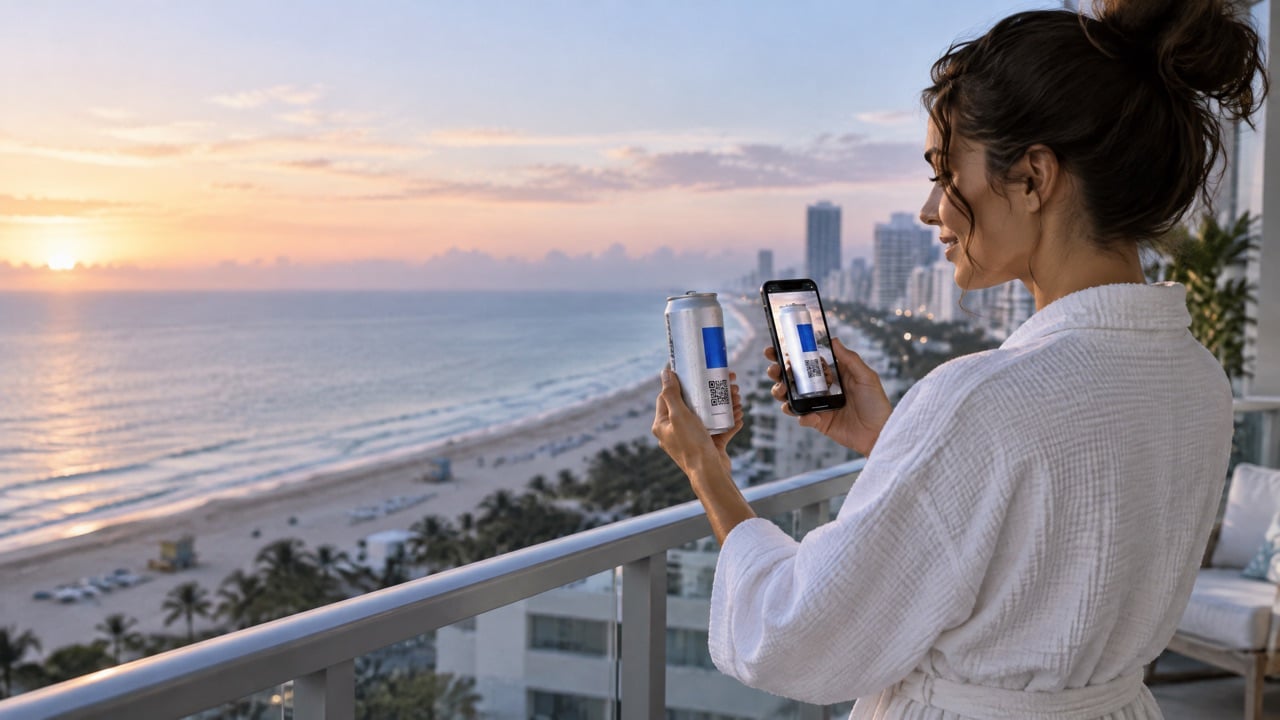
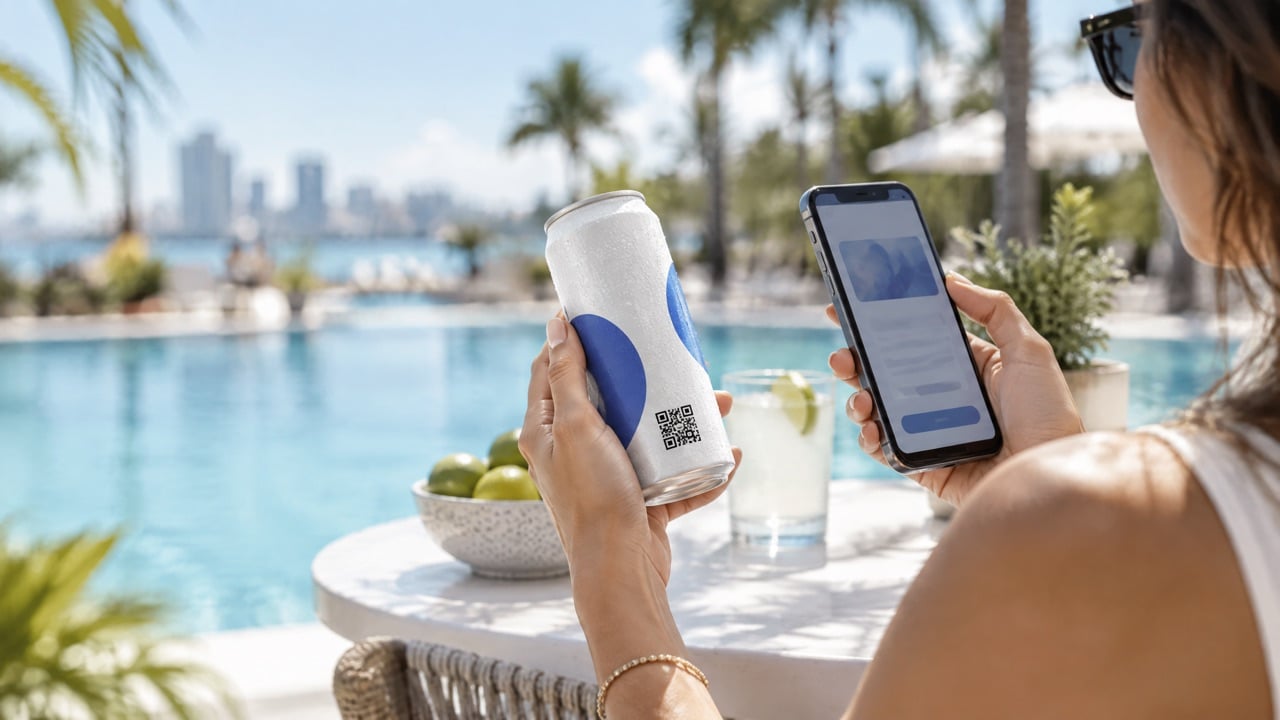
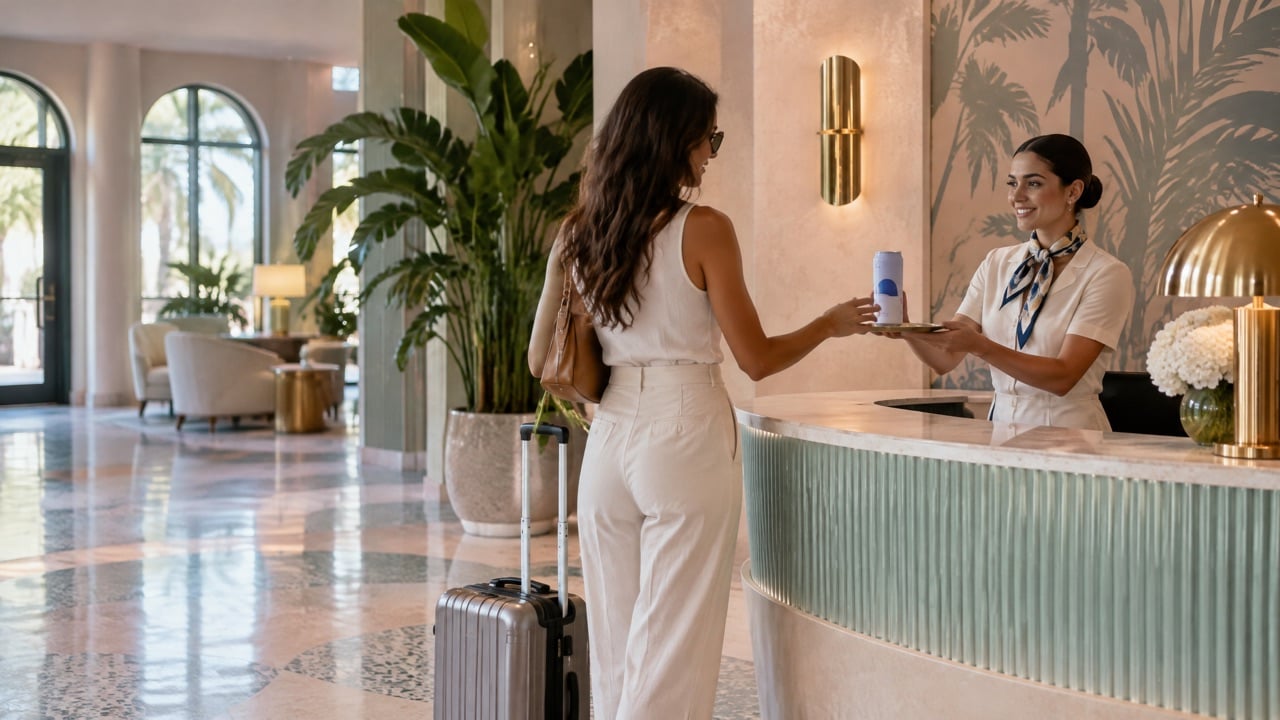
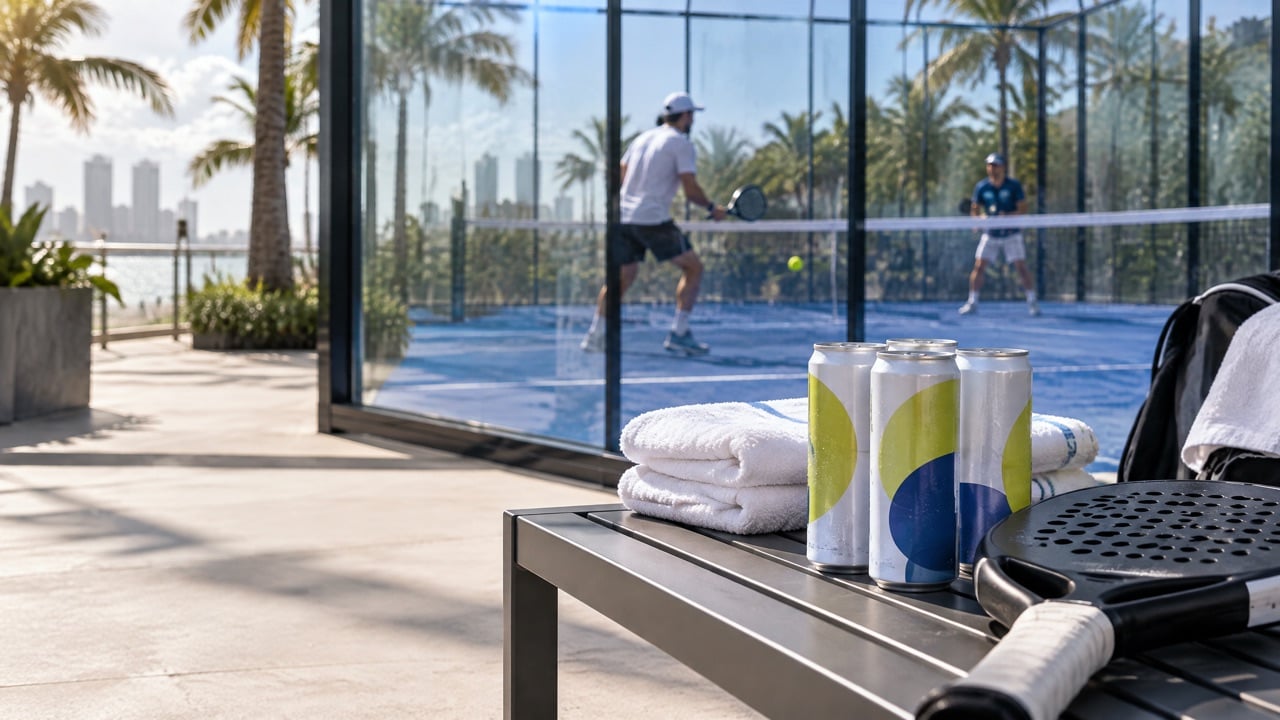
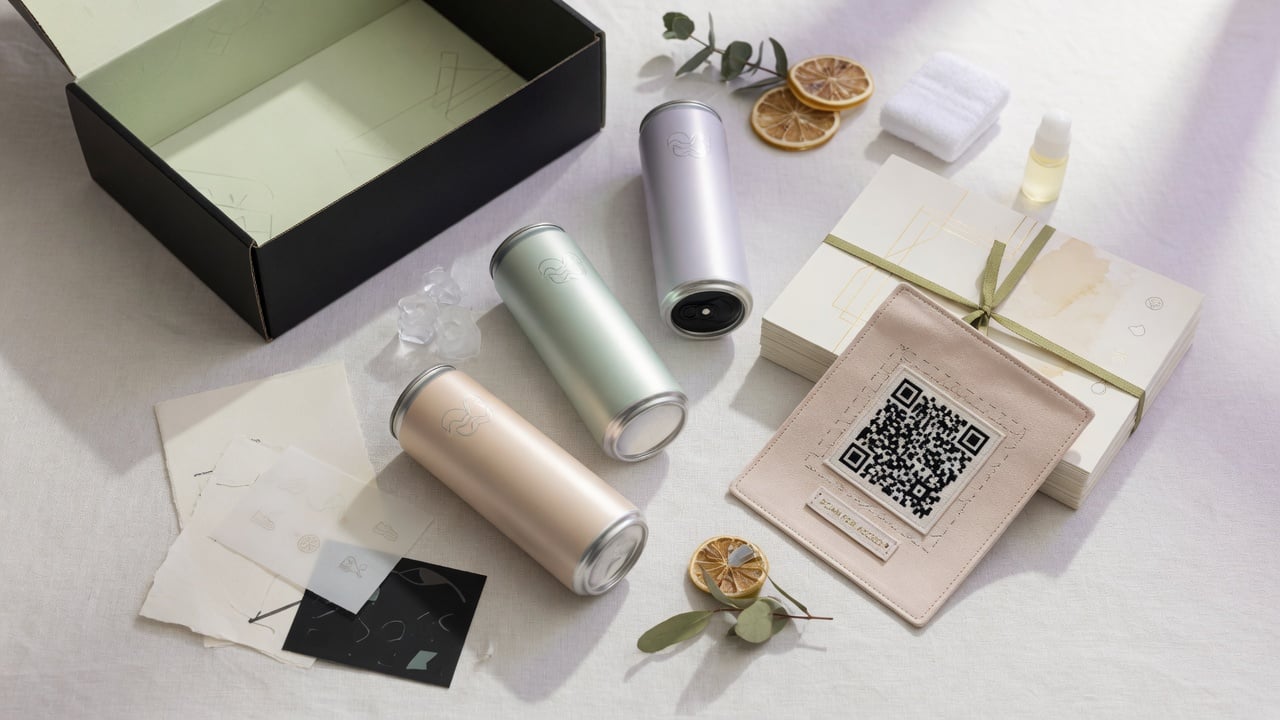
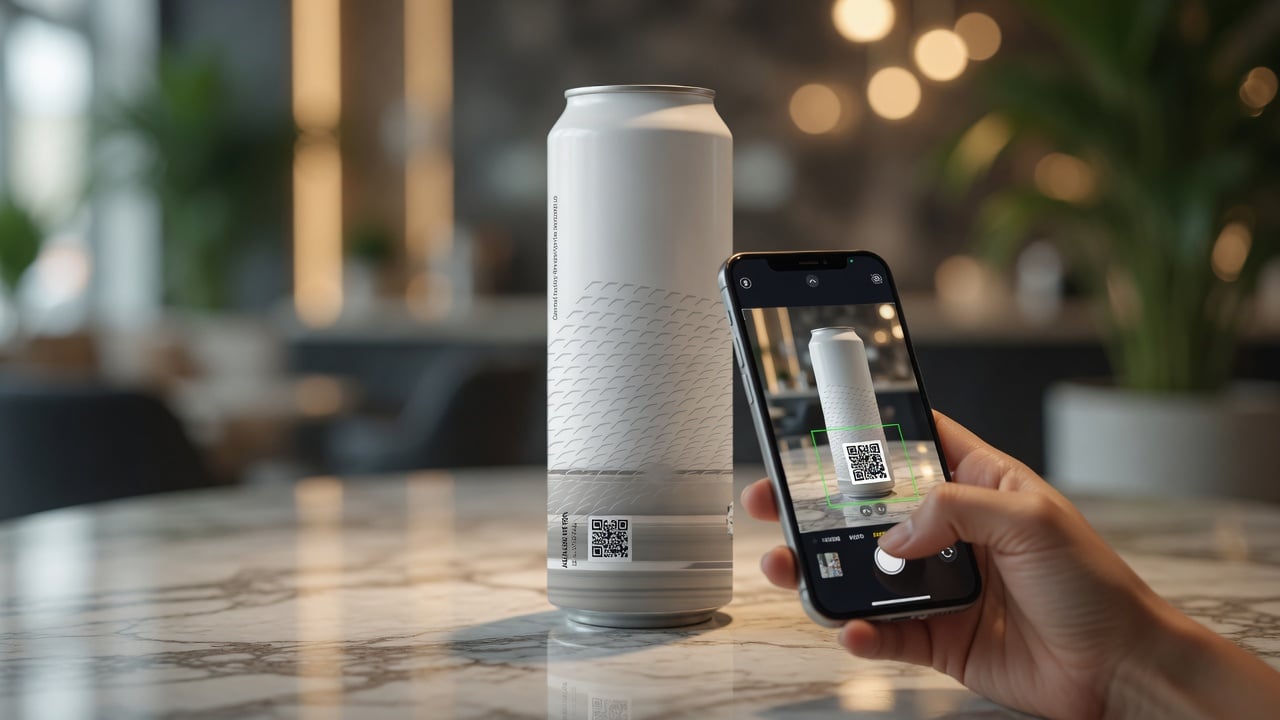
For six weeks, housekeeping places two cans per room on arrival, the pool team serves cans on the deck, and the front desk offers one at check-in. The manager records cans used each week, stockouts, and any guest comments. A QR code on the can opens a short welcome page with the spa menu.
At the end, the numbers show steady use, only one stockout on a holiday weekend, positive guest comments, and a smoother housekeeping routine than the old plastic bottles. The team adjusts the pool par for weekends and decides to roll out to the other three properties with the same design. They now have a real usage rate per room to plan the larger order.
Why does a low minimum matter so much for pilots?
The whole point of a pilot is to learn before you commit. If the smallest order a supplier accepts is 10,000 units, a single venue could take many months to use it, and a pilot turns into a full commitment. You are stuck with the design, the water type, and the size you chose on day one, even if the pilot shows a better option.
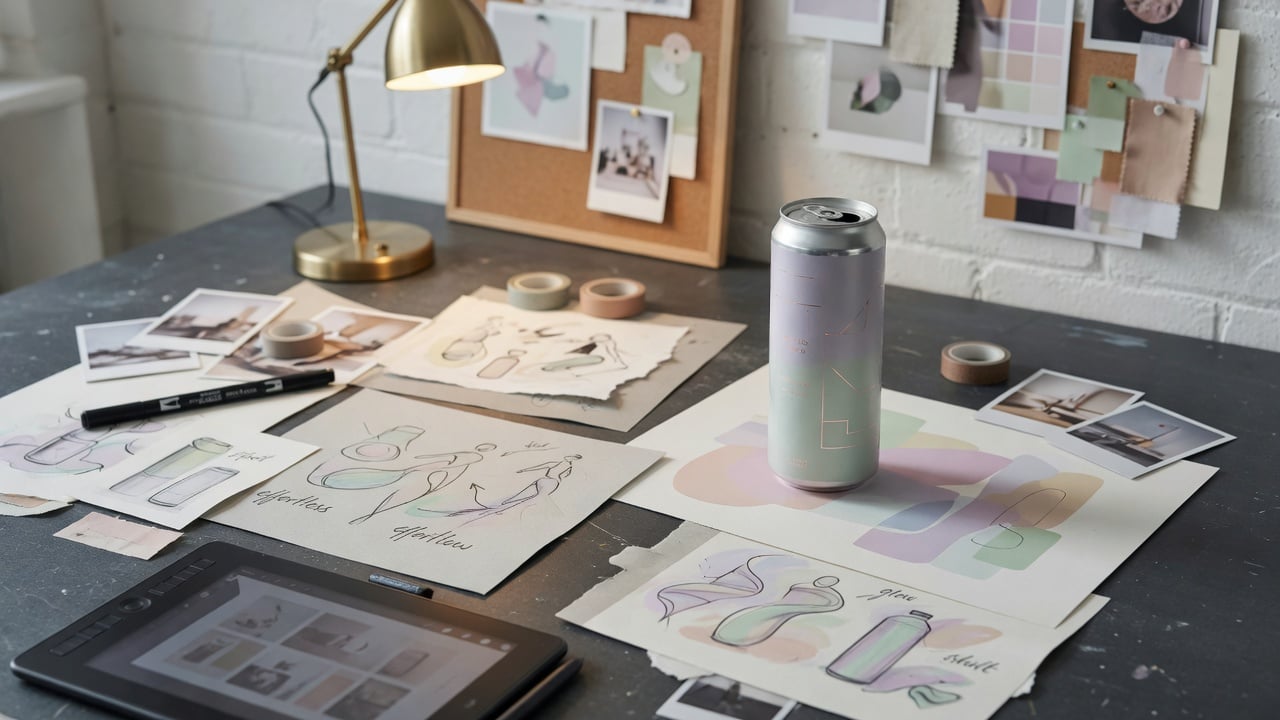
A 504-can minimum changes that. You can test at one venue for a few weeks, learn what works, and adjust the next order. If guests prefer sparkling in the evening, you add it. If the 16oz moves faster at the pool, you switch. If the design needs a stronger logo, you update it before the rollout. Each learning costs one small run, not a warehouse of inventory.
Low minimums also make it possible to test more than one idea at once. Some operators pilot two designs or two water types at the same venue, each with its own QR code, to compare guest response directly.
What mistakes should you avoid in a pilot?
- Choosing your best venue, which makes results look better than a rollout will be.
- Changing several things mid-pilot, so you cannot tell what caused a result.
- Not measuring the baseline before the pilot starts.
- Ending early after one strong or weak weekend.
- Ignoring staff feedback, which often reveals operational issues guests never see.
How do you read the results fairly?
- Compare with the baseline, such as what the venue used before.
- Look at trends, not single weeks.
- Separate design feedback from operations issues. A great design can be hurt by warm cans.
- Listen to staff as much as to guests.
- Be honest about what did not work.
When should you scale, adjust, or stop?
- Scale when demand is steady, operations work, and guests respond well.
- Adjust when results are promising but something needs fixing, such as size, water type, or par levels. Run a short second pilot if the change is big.
- Stop if the program clearly does not fit your guests or operations. That is a useful answer too, and the pilot kept the cost small.
How do you plan the rollout after a successful pilot?
- Use the pilot's usage rate to estimate each venue's volume.
- Keep the same design unless the pilot showed a clear reason to change.
- Roll out in waves rather than all at once, if you have many locations.
- Share the pilot playbook with each venue manager.
- Set par levels and reorder points for each venue.
Our par level guide for COOs explains how to set reorder points across locations.
What can sizes and options are available for a pilot?
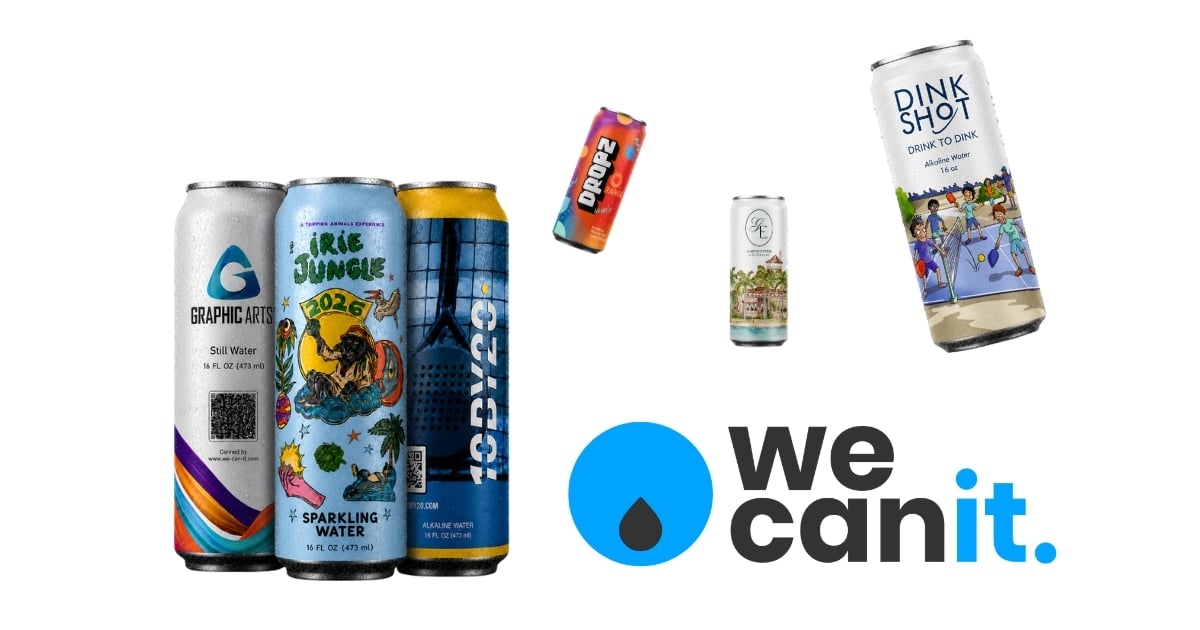
- Sizes: 12oz Regular, 12oz Sleek, and 16oz.
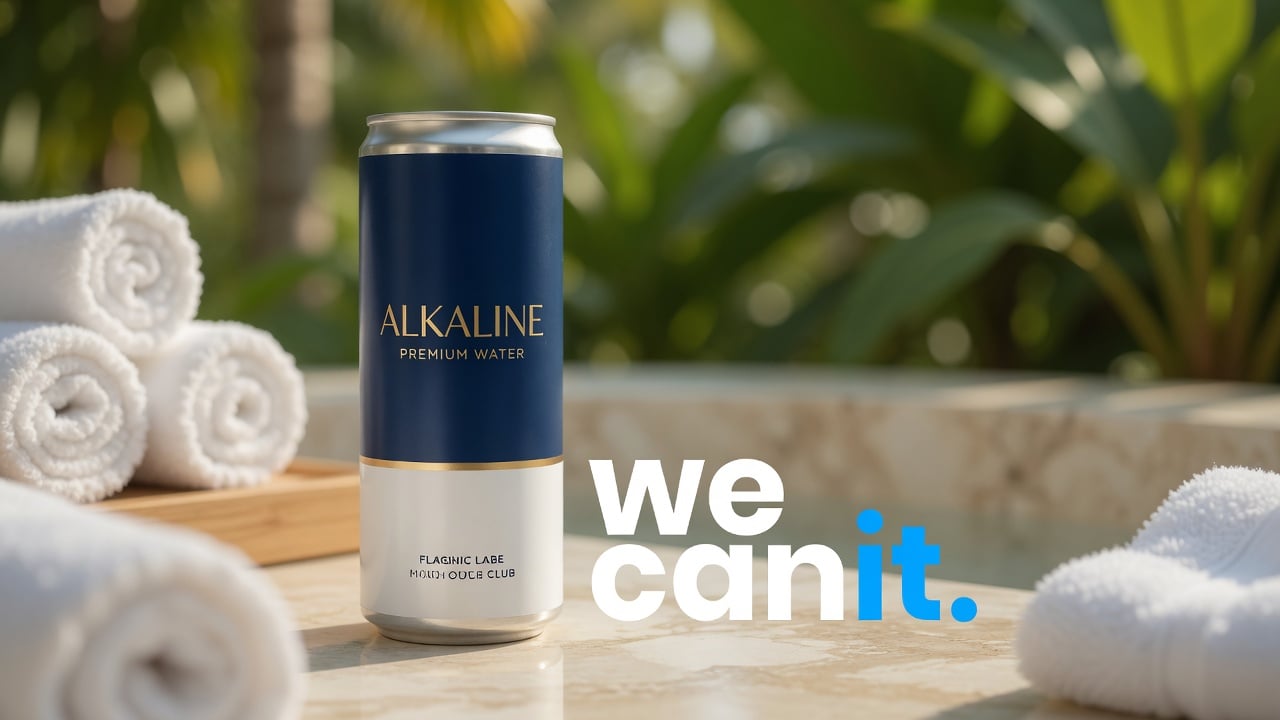
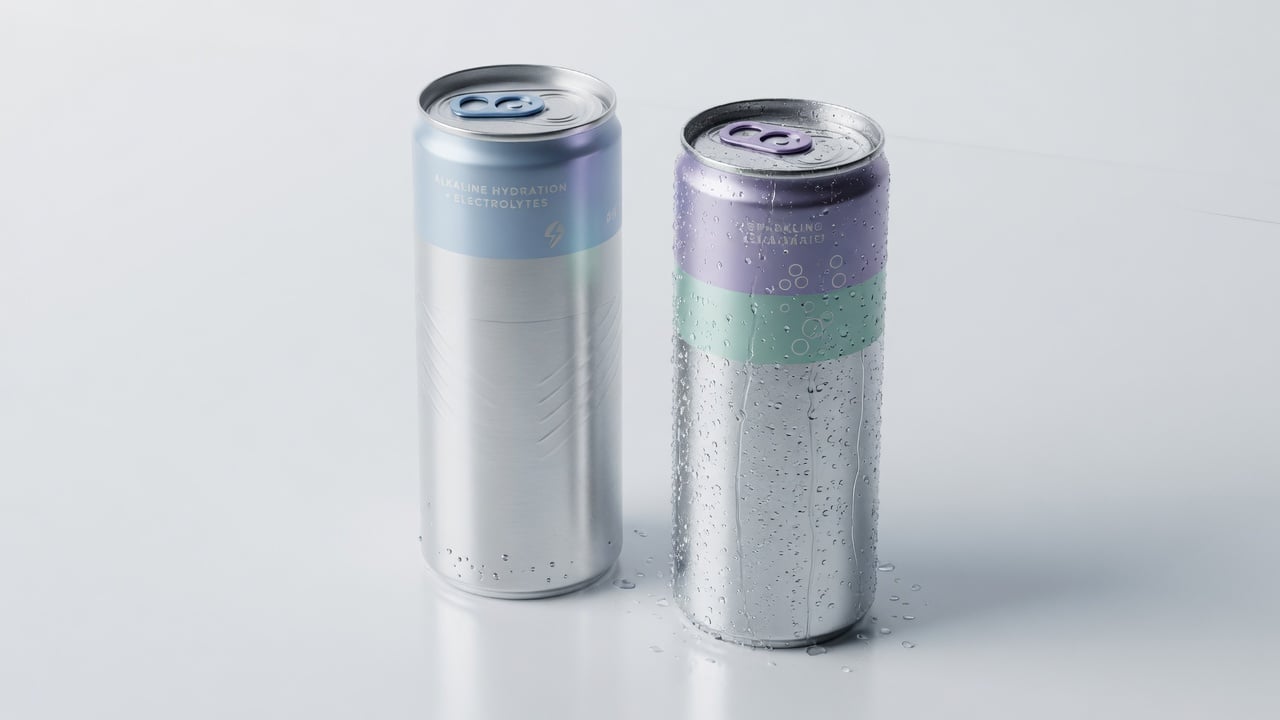
- Water types: still, sparkling, and alkaline.
- Print: label from 21 cases, digital print from 100 cases.
For a first pilot, label print and one water type keep things simple. Product details are on the products page.
Pilot checklist
- Choose a representative venue.
- Set the goal, serving points, and decision rule.
- Order one run sized to four to eight weeks.
- Brief the venue team.
- Measure weekly: use, stockouts, feedback, scans, and cost.
- Review trends at the end.
- Scale, adjust, or stop based on evidence.
Frequently asked questions
What is the minimum order for custom water cans?
We Can It starts at 21 cases, which is 504 cans, far below the 10,000-unit minimums common in the industry.
How do I test branded water before a full rollout?
Run a four to eight week pilot at one representative venue, measure use, stockouts, guest and staff feedback, and cost, then decide whether to scale.
How long should a branded water pilot last?
Four to eight weeks, including at least one busy period and one normal period.
What should I measure in a pilot?
Cans used per week by serving point, stockouts, guest reaction, staff feedback, QR scans, and delivered cost per can.
How many cans do I need for a pilot?
Estimate weekly use at the venue and multiply by the pilot length. For many venues, one minimum run of 504 cans covers four to six weeks.
How long does production take for a pilot order?
About 2 to 3 weeks from artwork approval at We Can It.
Get a quote for a low minimum branded water pilot
Tell us about your pilot venue and dates, and a product advisor will help you size the first run.