How Hotels Use QR Cans to Collect Guest Reviews Mid-Stay
Most hotels ask for feedback at the worst possible time: after the guest has left.

Most hotels ask for feedback at the worst possible time: after the guest has left. The post-stay email arrives two days later, when the guest is back at work, the small problem with the air conditioning has turned into a bad memory, and there is nothing the hotel can do to fix it. Guests who had a problem write the review. Guests who had a lovely time often never answer at all.
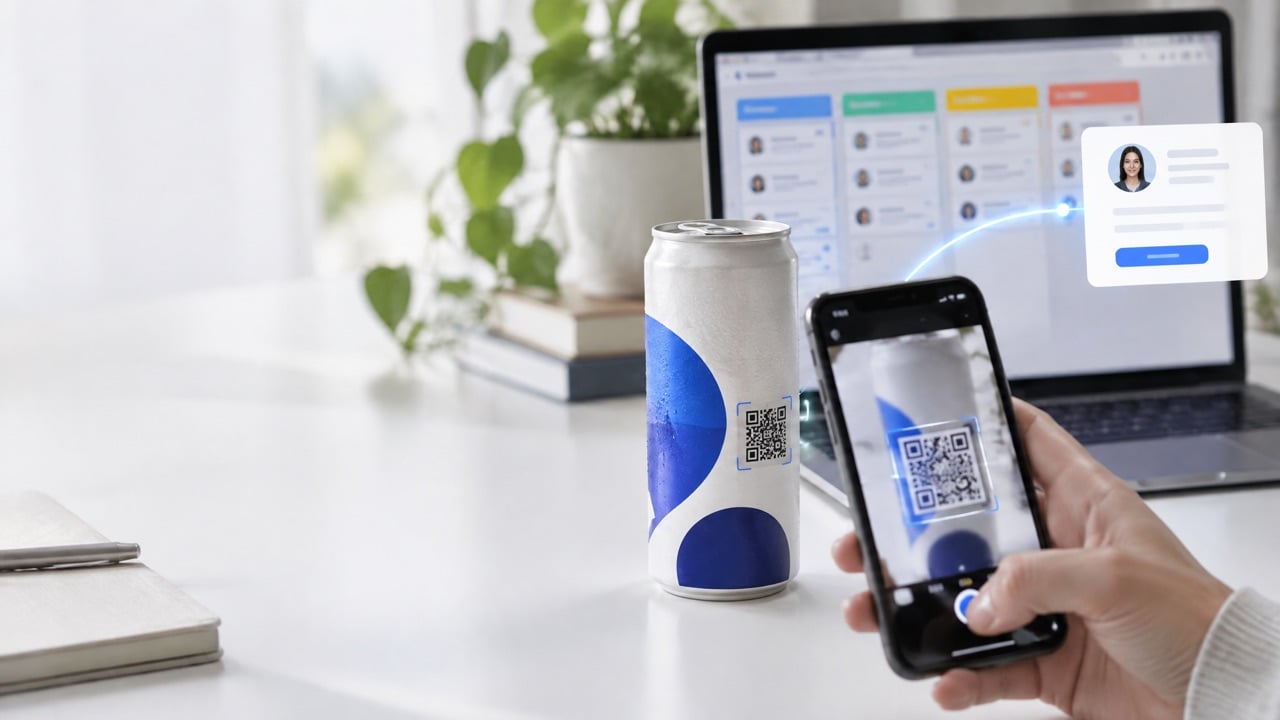
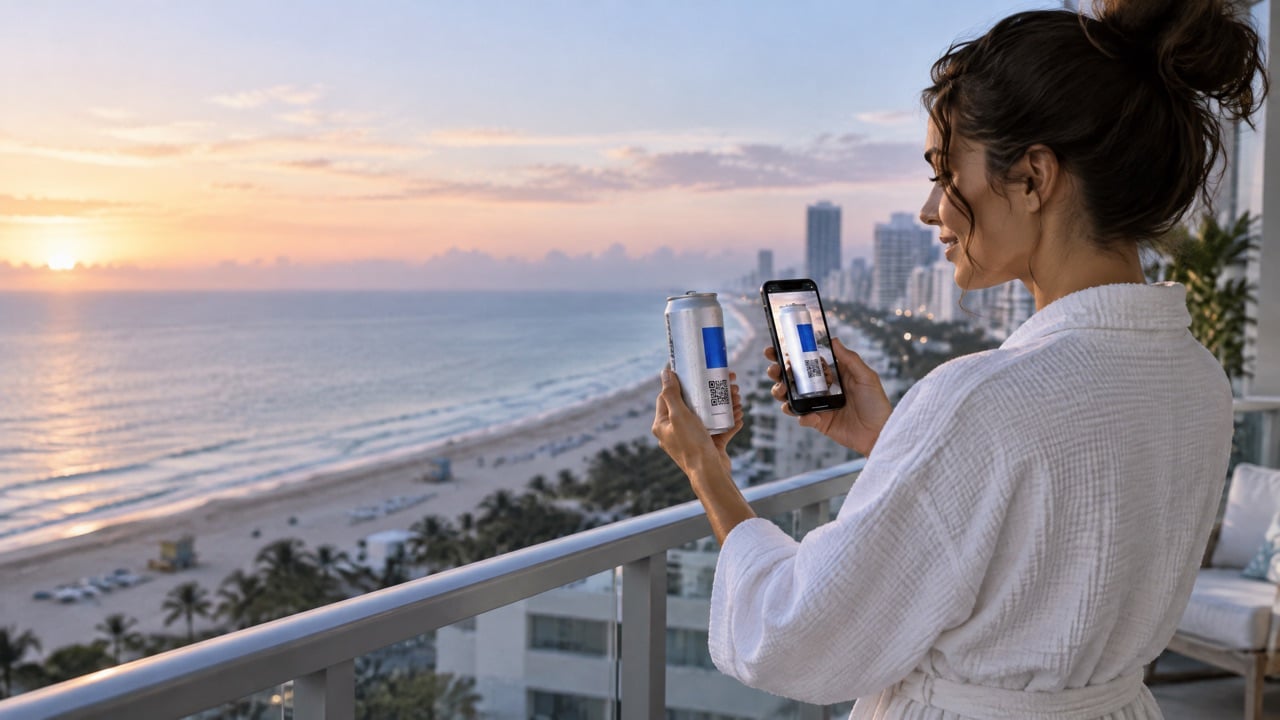
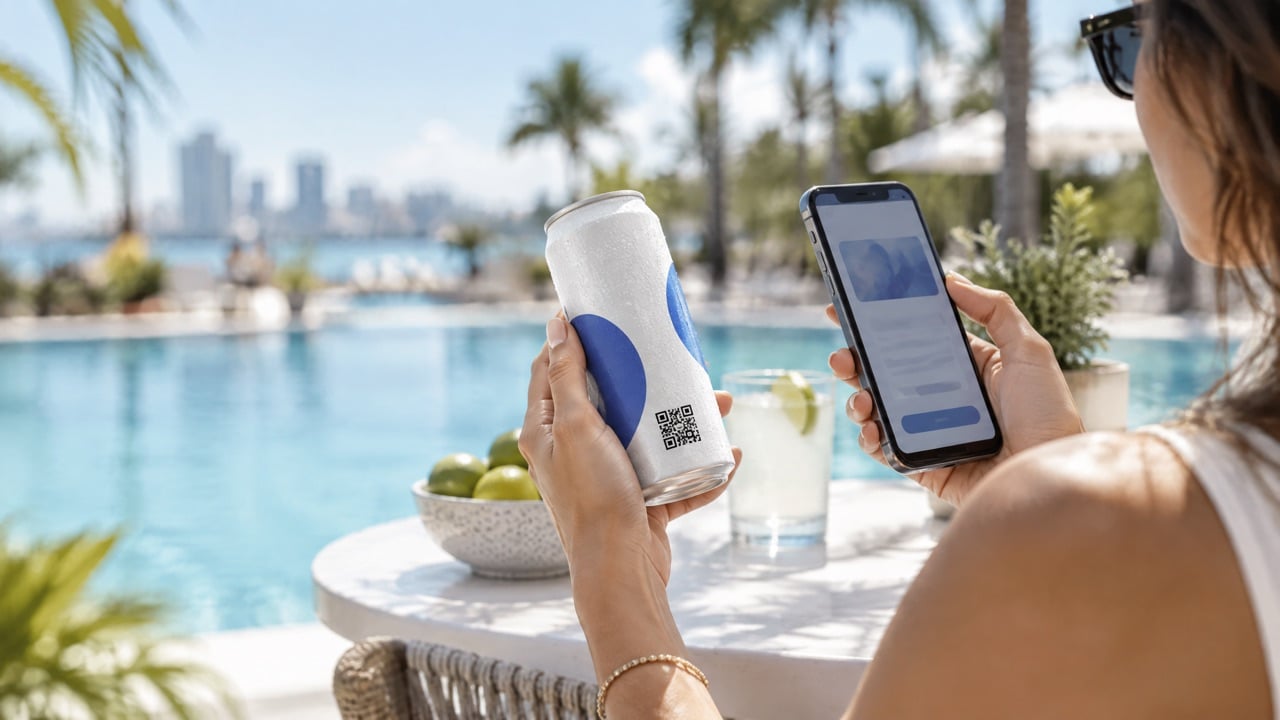
The fix is to ask during the stay, in the room, at a moment when the guest is relaxed. A QR code on the in-room water can is one of the simplest ways to do it. This guide is for front office managers, guest relations teams, and general managers who want to catch problems early and invite happy guests to leave a review before they check out.
Why ask for guest feedback during the stay?
Mid-stay feedback gives you something post-stay surveys cannot: time to act.
- Problems get fixed while the guest is still in the building.
- Guests feel heard, which often turns a complaint into loyalty.
- Happy guests are invited to review while the experience is fresh.
- Response rates are higher because the guest is already holding their phone and has time to spare.
- Your team learns faster about recurring issues in specific rooms or departments.
Why put the QR code on the water can?
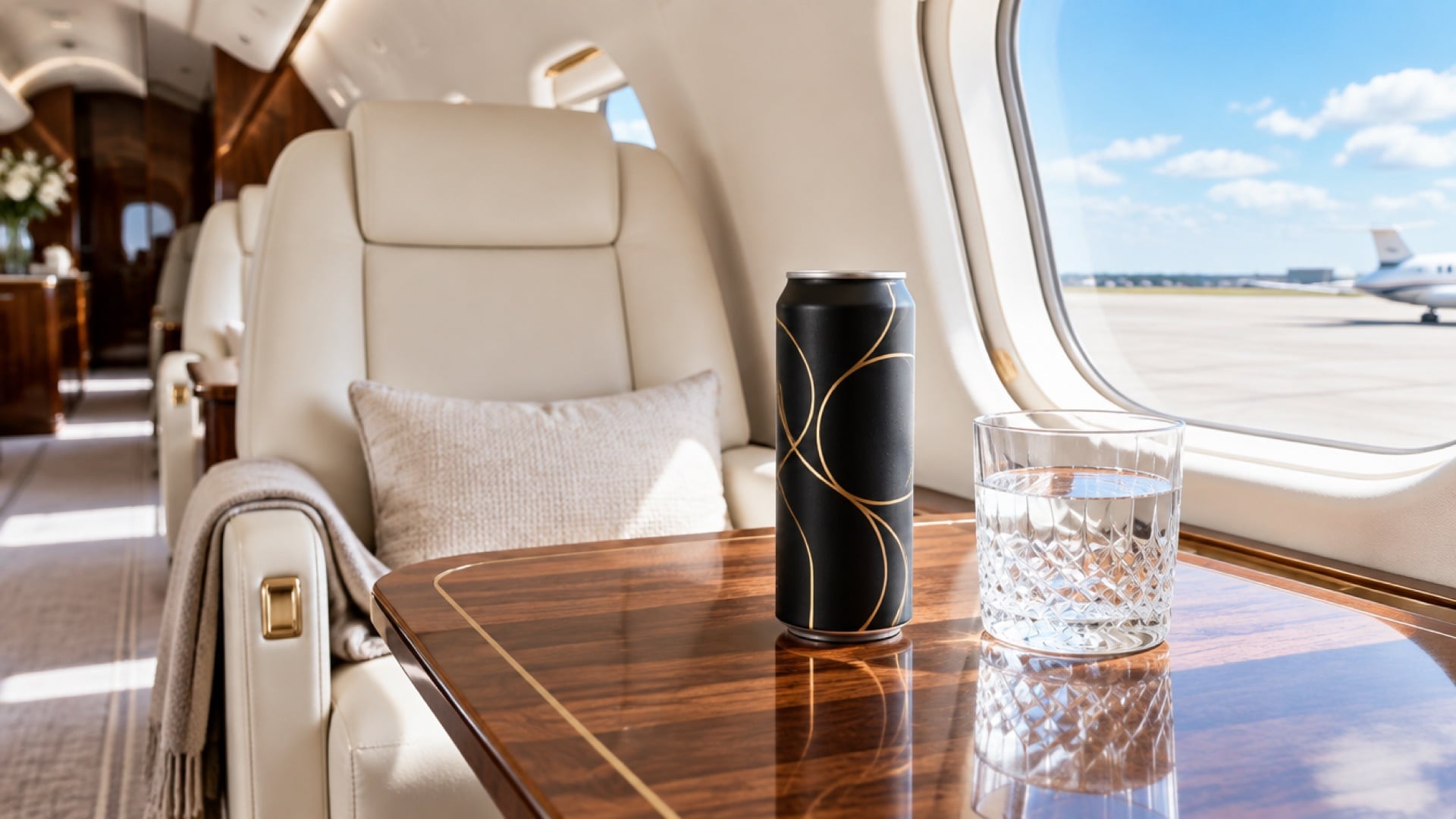
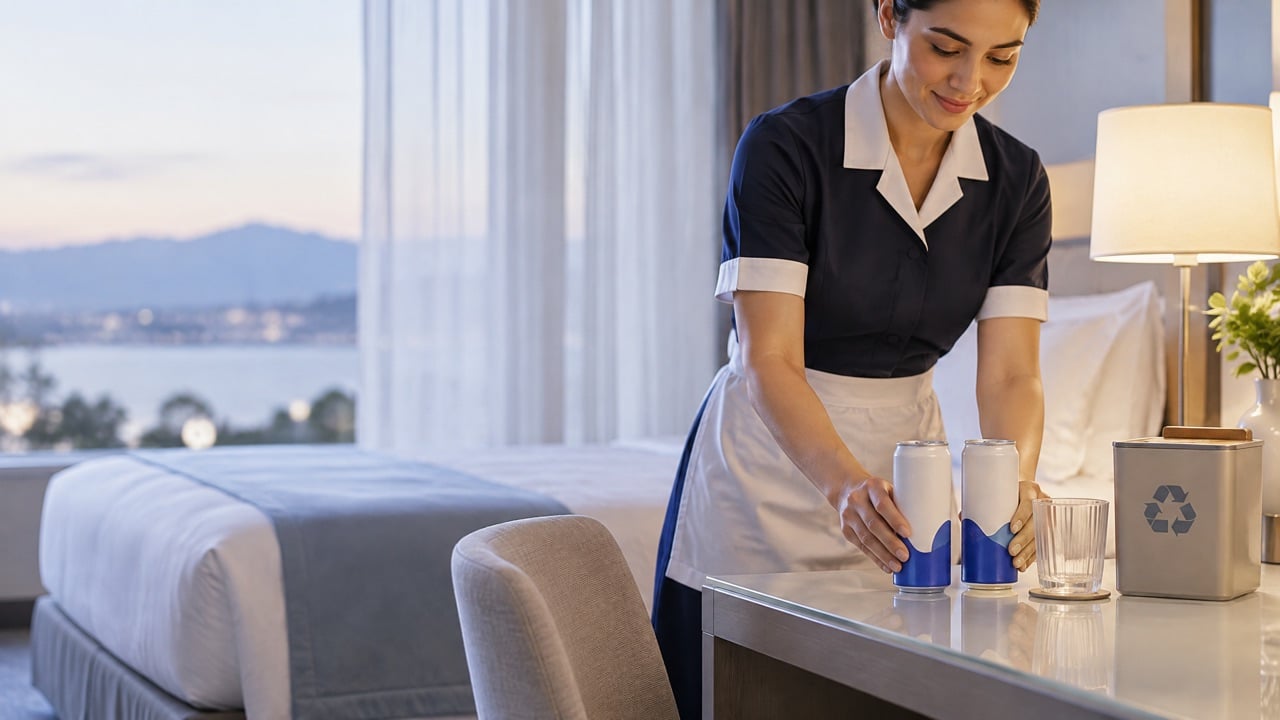
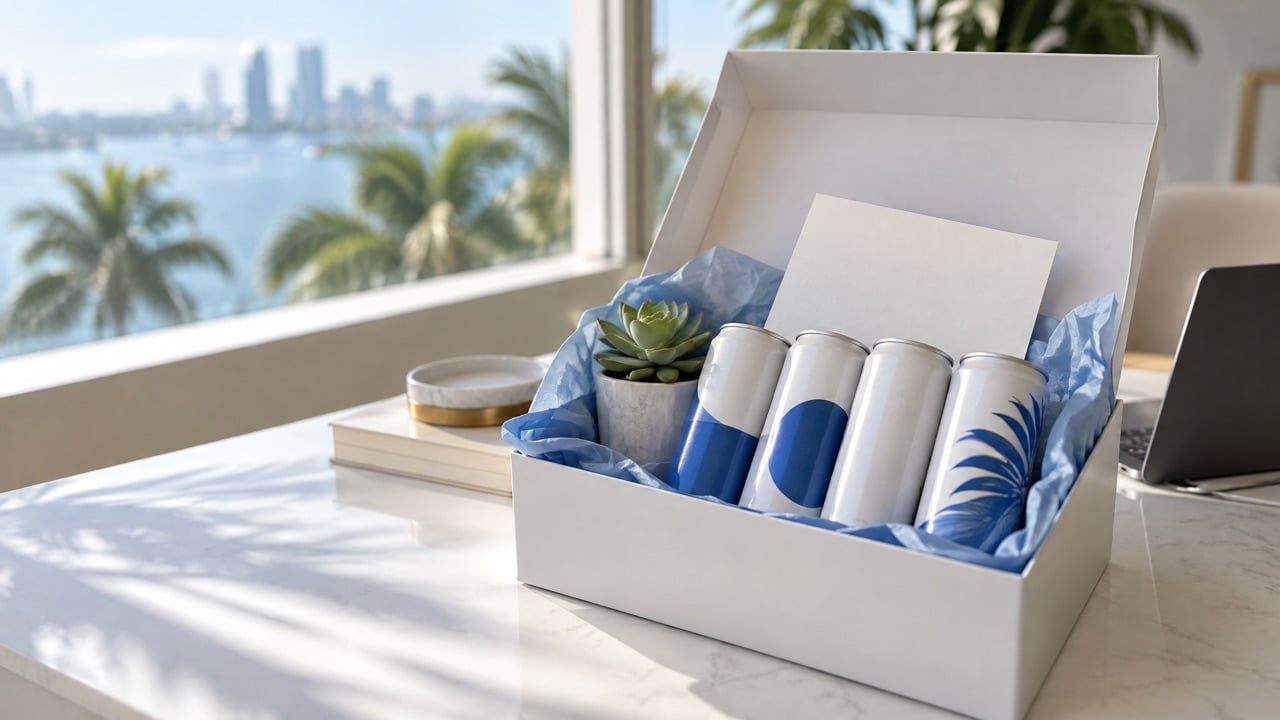
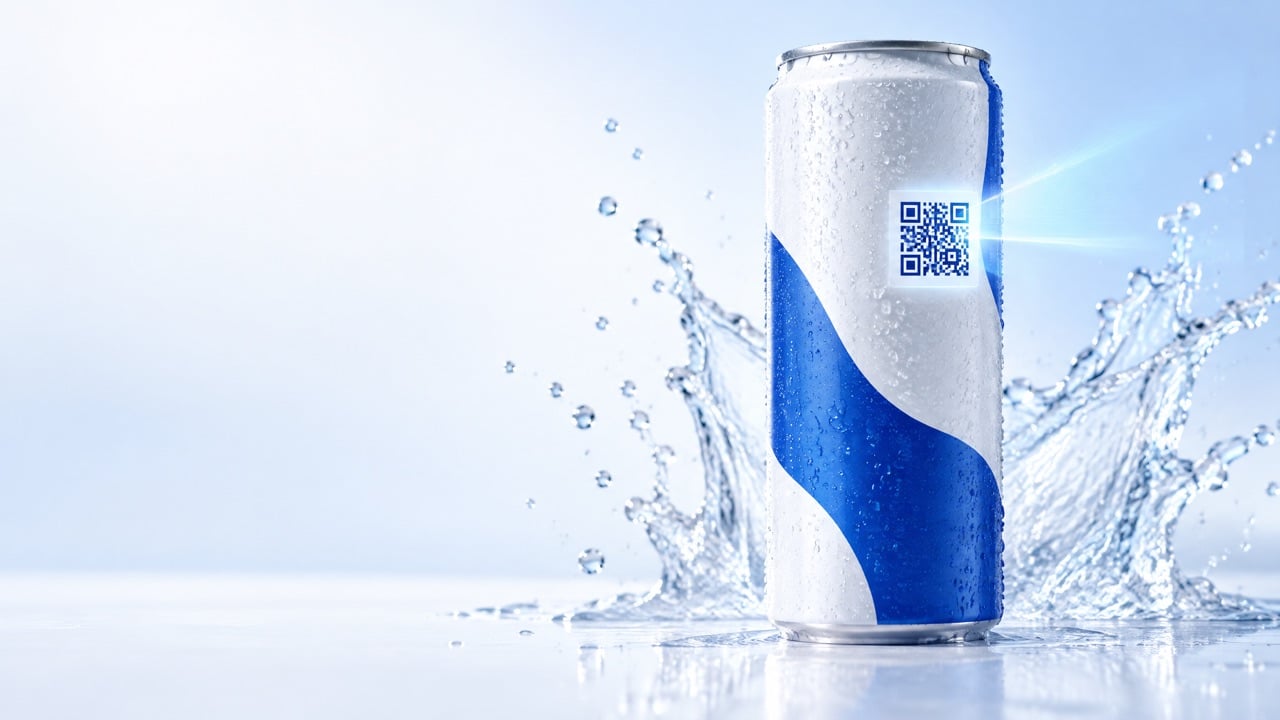
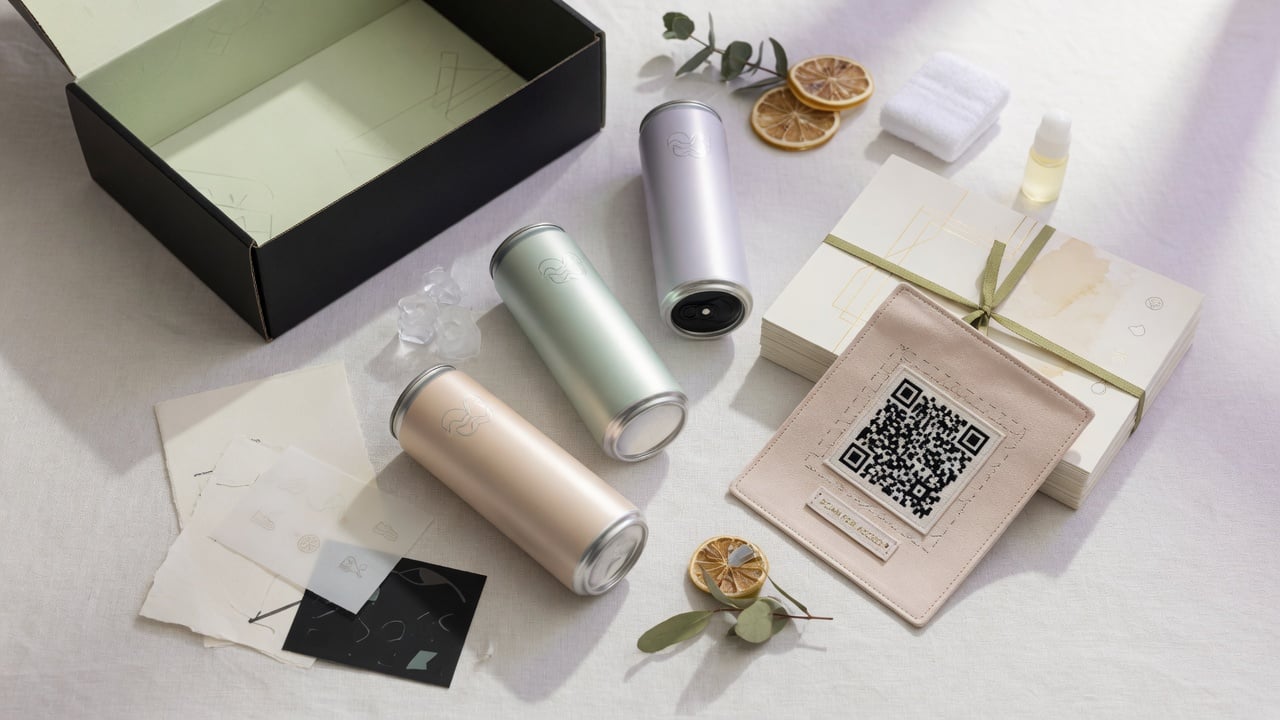
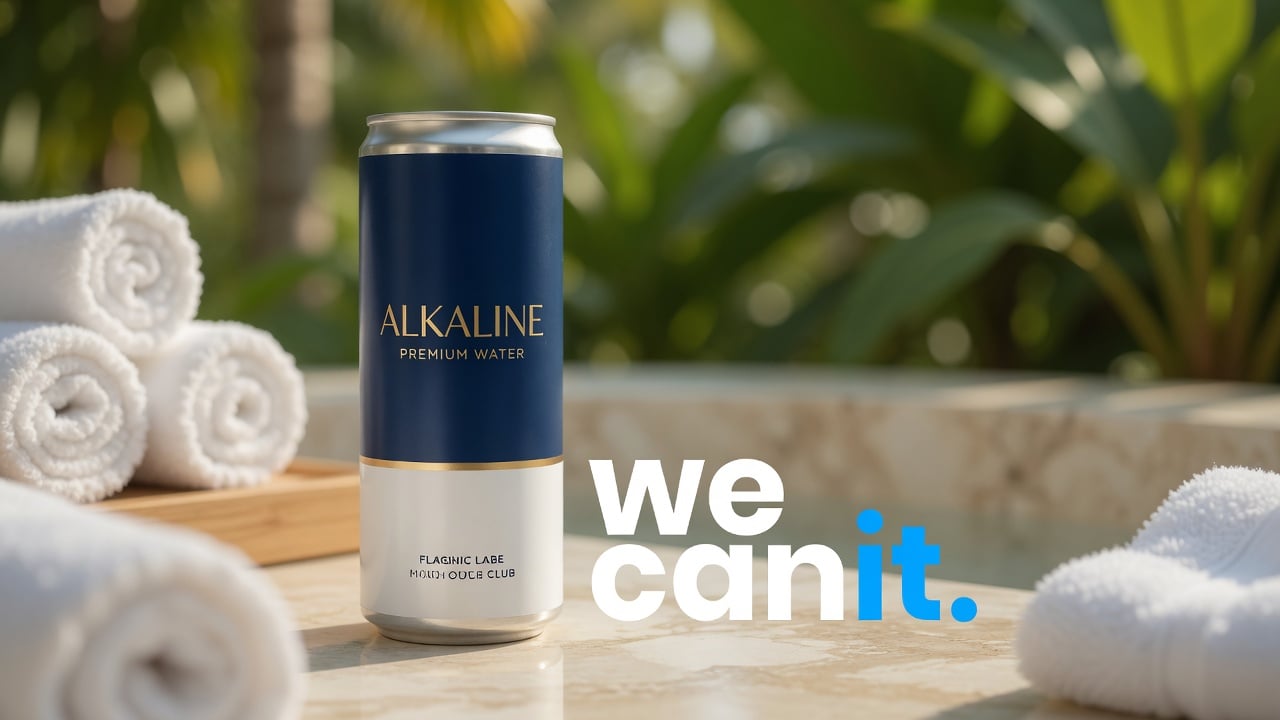
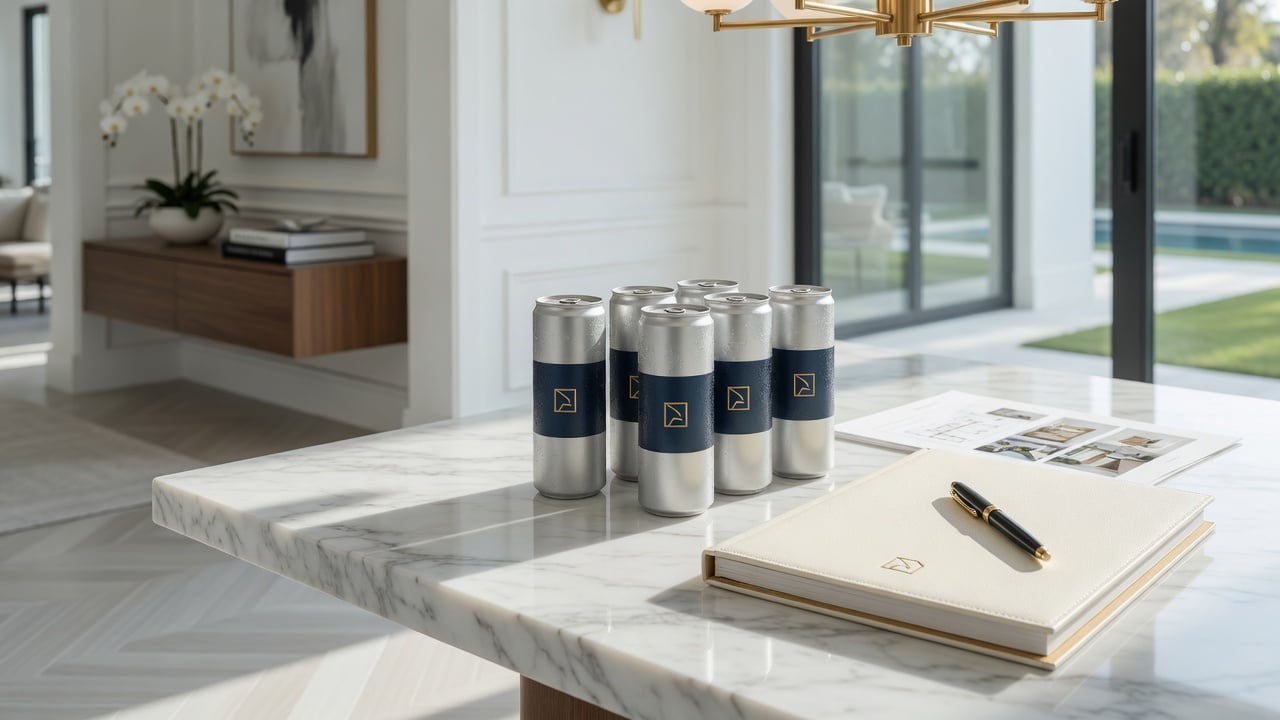
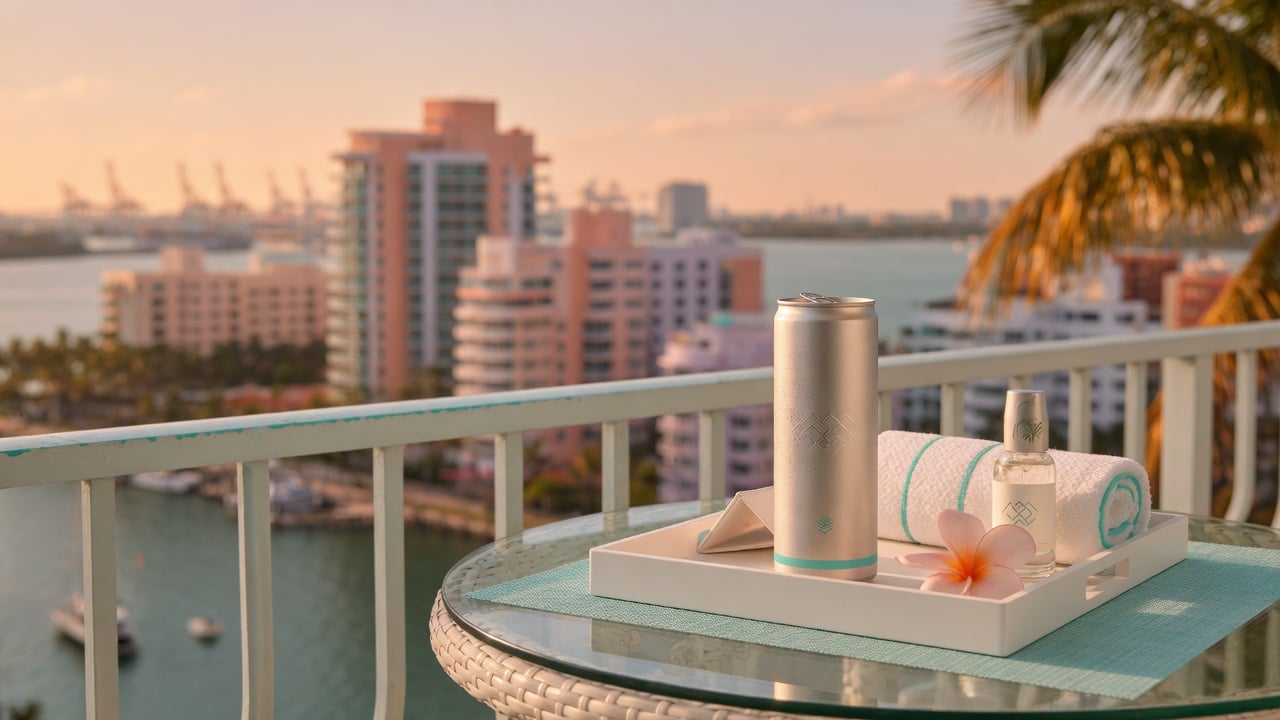
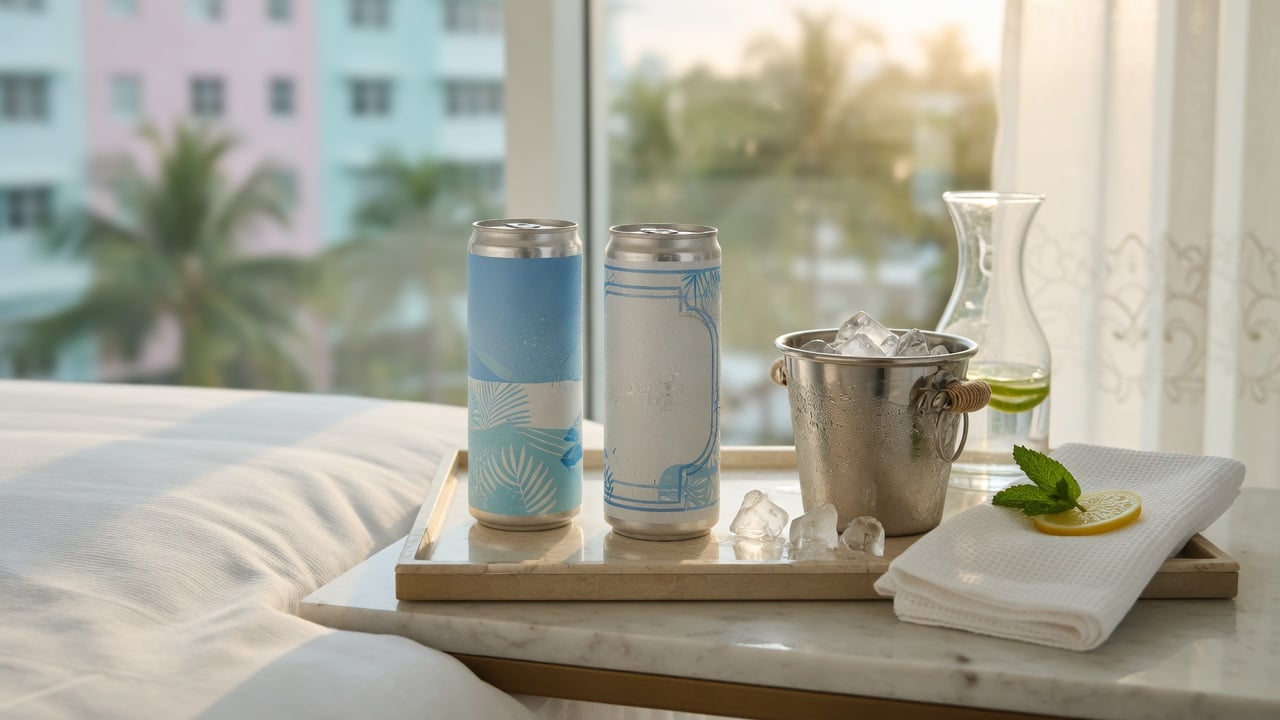
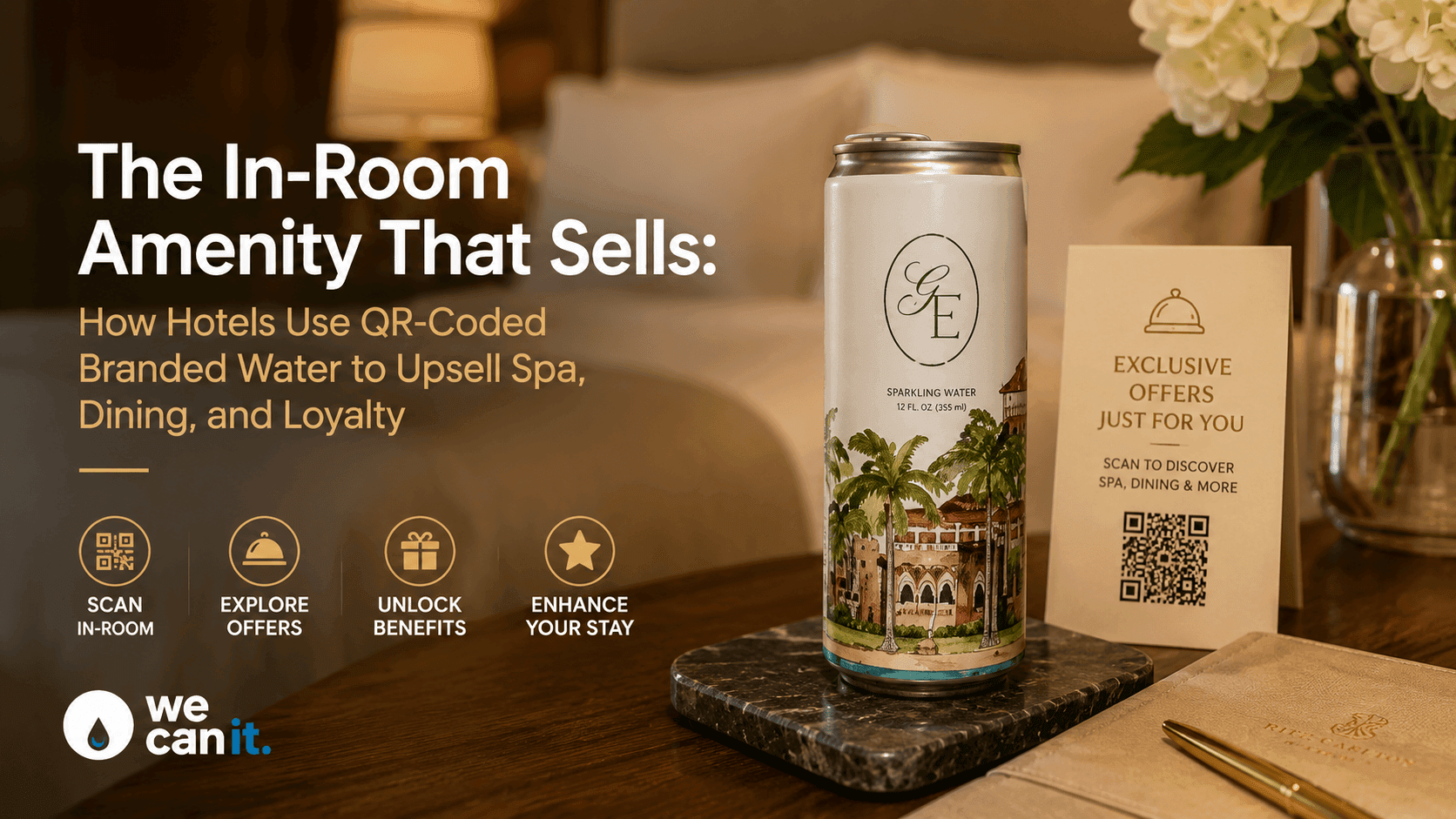
Guests pick up the water can within hours of arriving, often in the evening when they are settling in. Unlike a tent card that gets moved aside, the can is held, opened, and looked at.
A small line on the can such as "How is your stay? Scan to tell us" feels natural, not pushy. It also keeps the room free of extra cards and paper, which fits a clean, modern room design.
What should guests see after they scan?
Keep the page short and mobile-friendly. Two questions are enough to start.
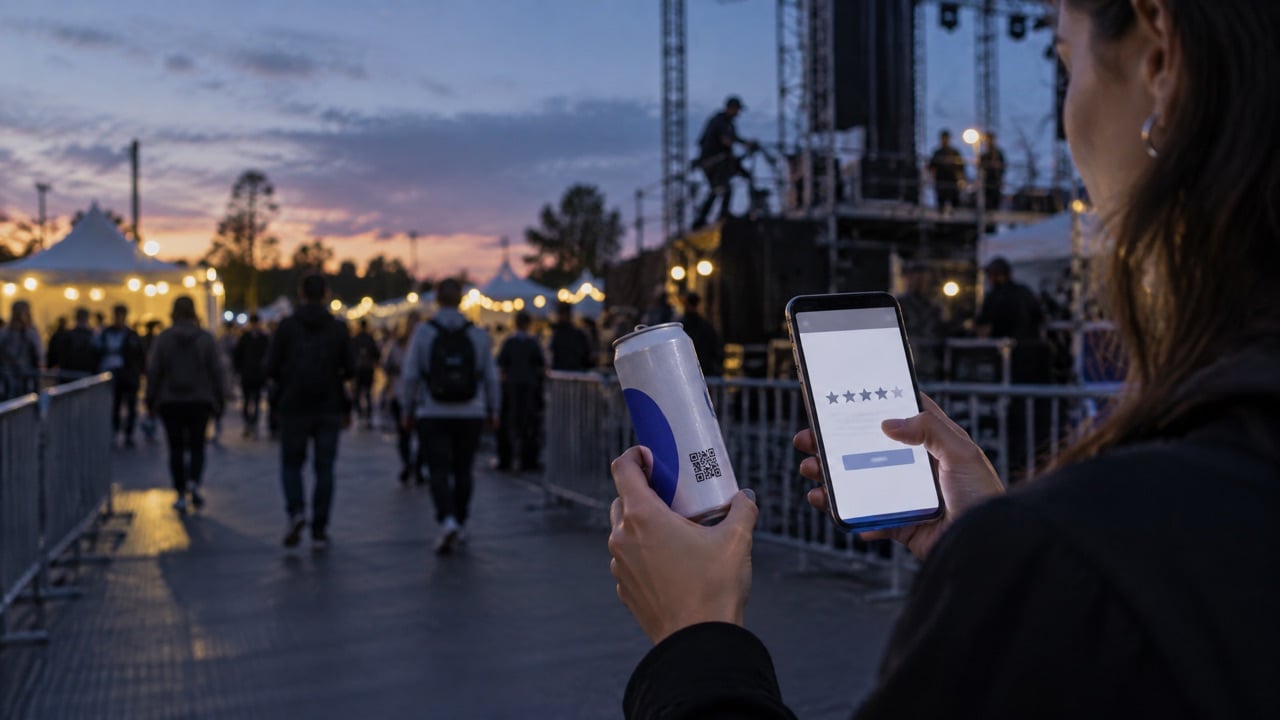
- How is your stay so far? A simple scale, such as one to five.
- Is there anything we can do to make it better? An open text box.
Then route the guest based on their answer.
- Guests who choose four or five see a thank-you message and a friendly invitation to share their experience on the review site of their choice.
- Guests who choose one to three see a message that the team will follow up, and the feedback goes straight to the duty manager.
Invite every guest to review in the same way, whatever their score, if your review platforms require it. The goal is to fix problems quickly, not to hide negative feedback.
How should the team respond to mid-stay feedback?
The page is only half of the system. The response is what guests remember.
- Send alerts to the duty manager in real time, by email or messaging.
- Respond within 30 minutes during the day and within an hour at night.
- Fix the issue or offer a clear plan, then check back with the guest.
- Log the issue by room and department.
- Review patterns weekly in the department heads meeting.
Even a quick call to say "we saw your note and maintenance is on the way" changes how a guest feels about the whole stay.
Where does the QR code appear on the can?
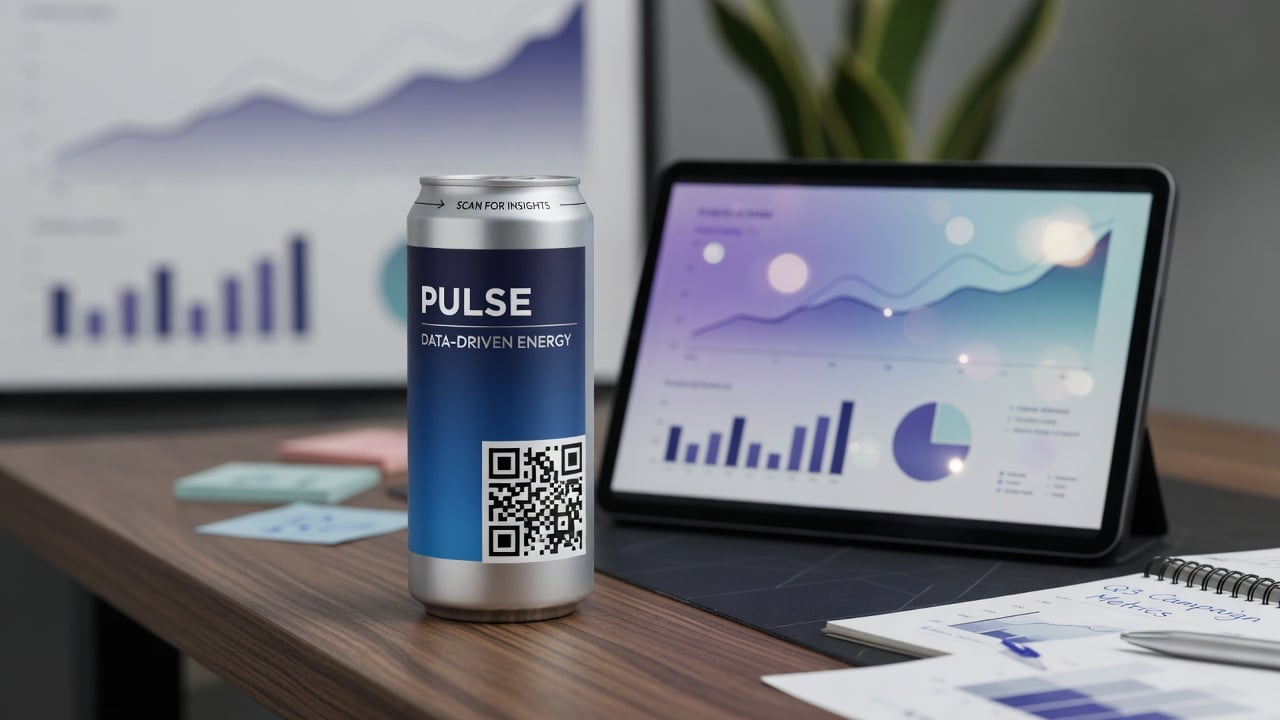
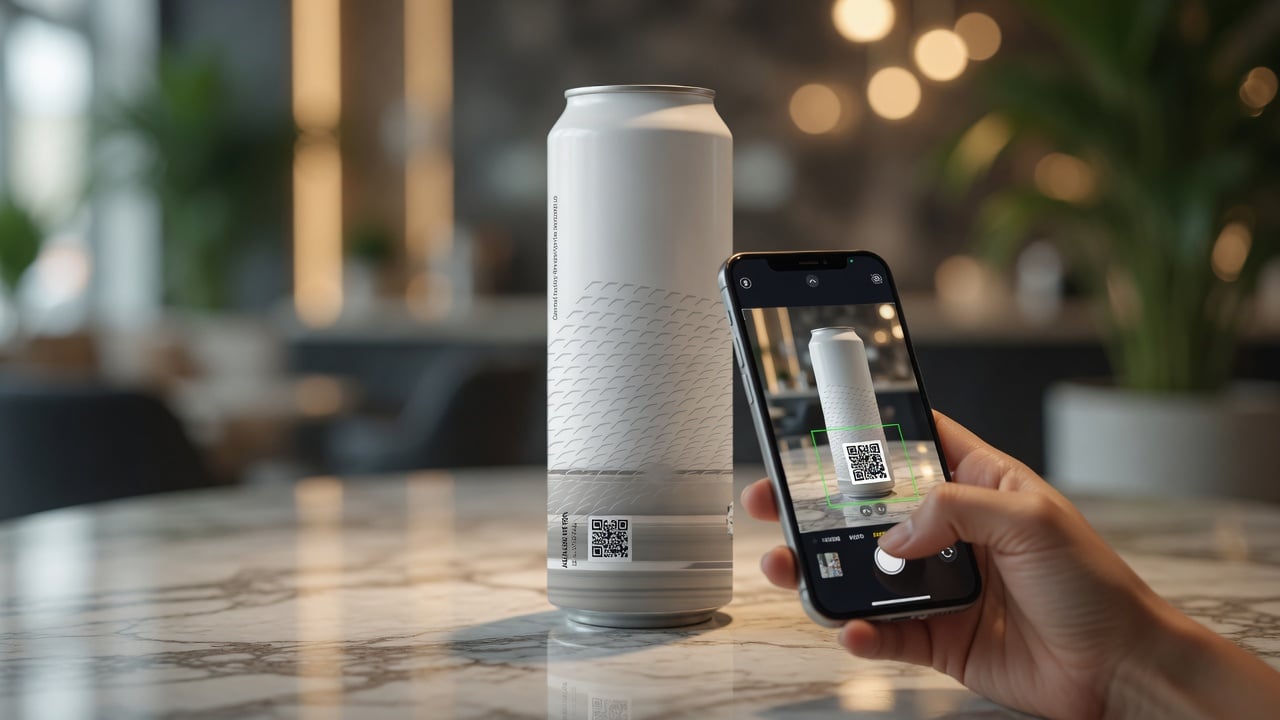
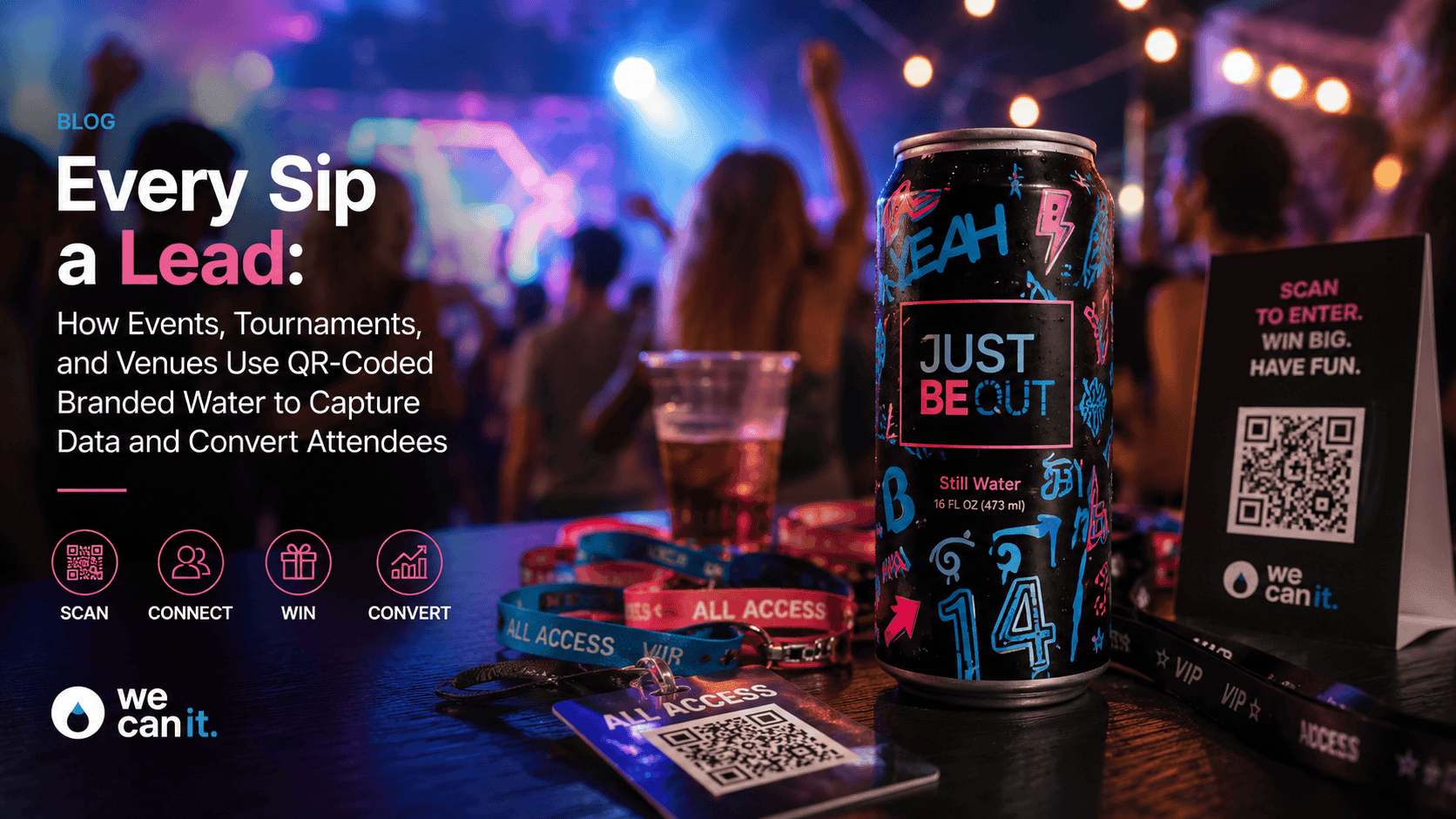
The code needs a flat, clear area on the label and a short line that explains why to scan.
- Place the code on the back of the can, with the hotel logo on the front.
- Use high contrast so the code scans easily in soft room lighting.
- Add a short call to action in plain language.
- Test scanning from different angles before approving artwork.
How codes are printed and tested is explained on Technology · Digital experience.
Can you track feedback by room or floor?
Yes, if you want to. Some hotels print one code for the whole property and ask guests to enter their room number. Others use location-specific codes by floor or wing. The simplest approach is one code with an optional room number field, so guests who want a follow-up can give it and guests who prefer anonymity do not have to.
How do you respect guest privacy?
- Make the room number optional unless the guest wants help.
- Say what you collect and why in one line.
- Do not add guests to marketing lists from a feedback form unless they choose to.
- Keep feedback inside the hotel team that needs it.
What results can hotels expect?
Every property is different, so measure your own baseline rather than relying on outside benchmarks. In the first month, track how many guests scan, how many problems are resolved during the stay, and how your review volume and ratings move compared with the month before. Most hotels find the biggest value is not the scores themselves but the problems they catch and fix before checkout.
Which can setup works best for in-room feedback?
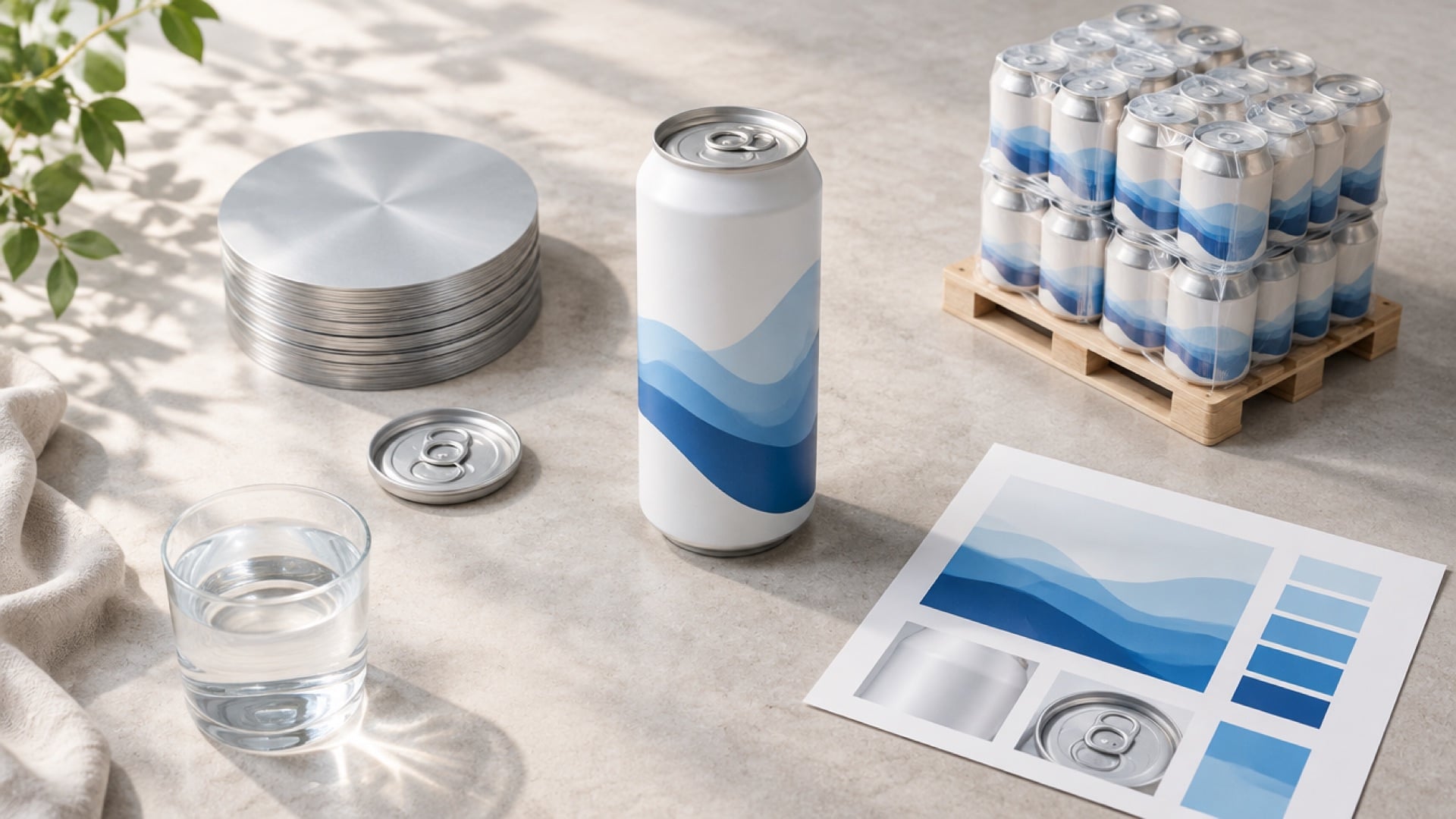
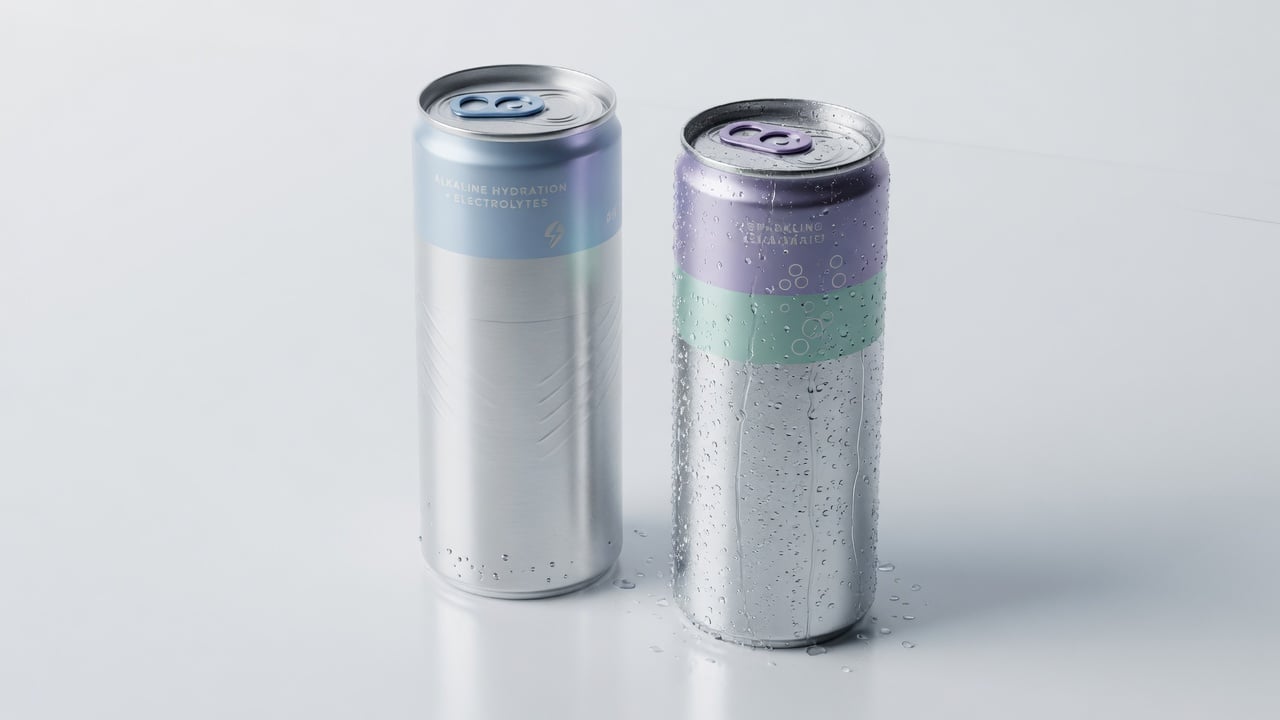
- 12oz Sleek on the desk or nightstand tray.
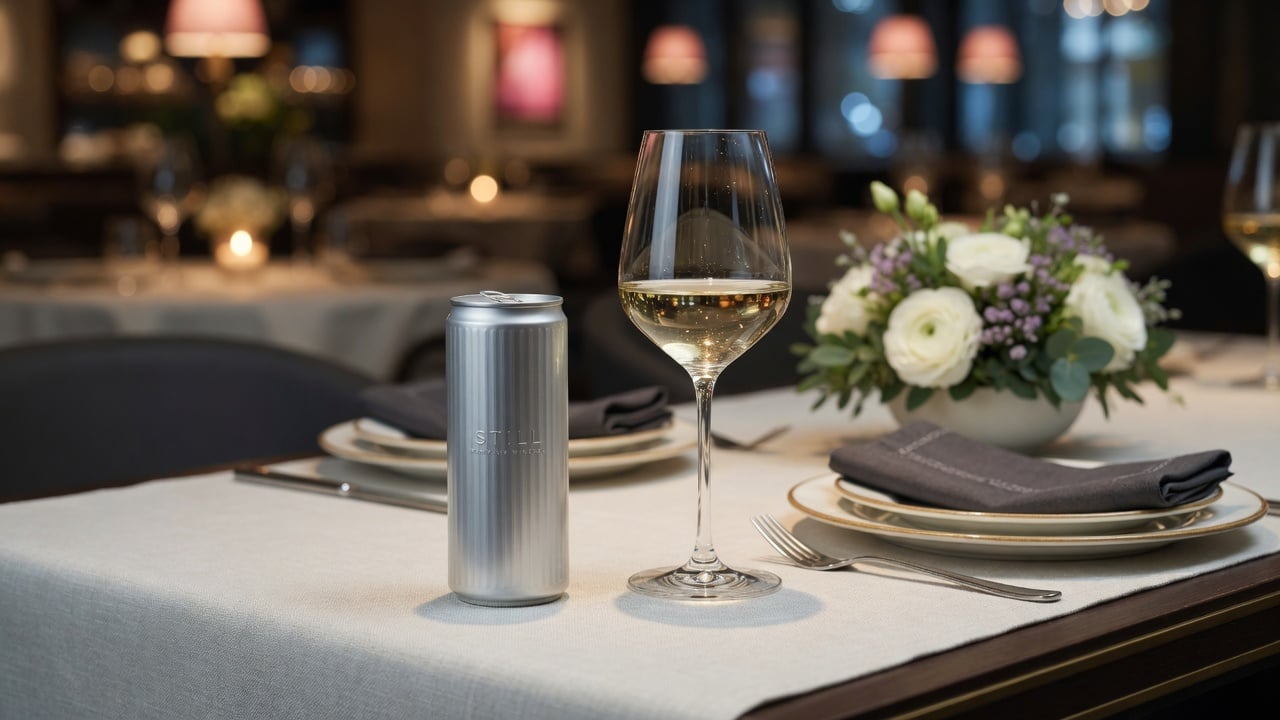
- Still water as the in-room standard.
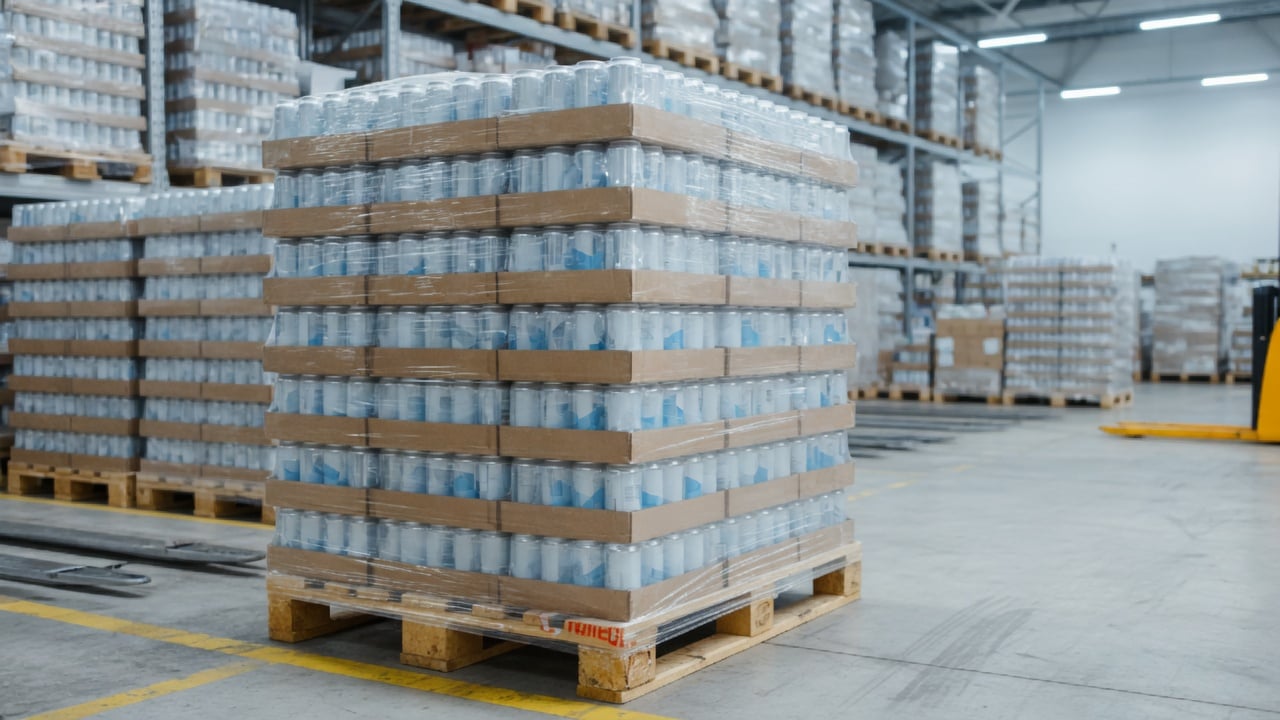
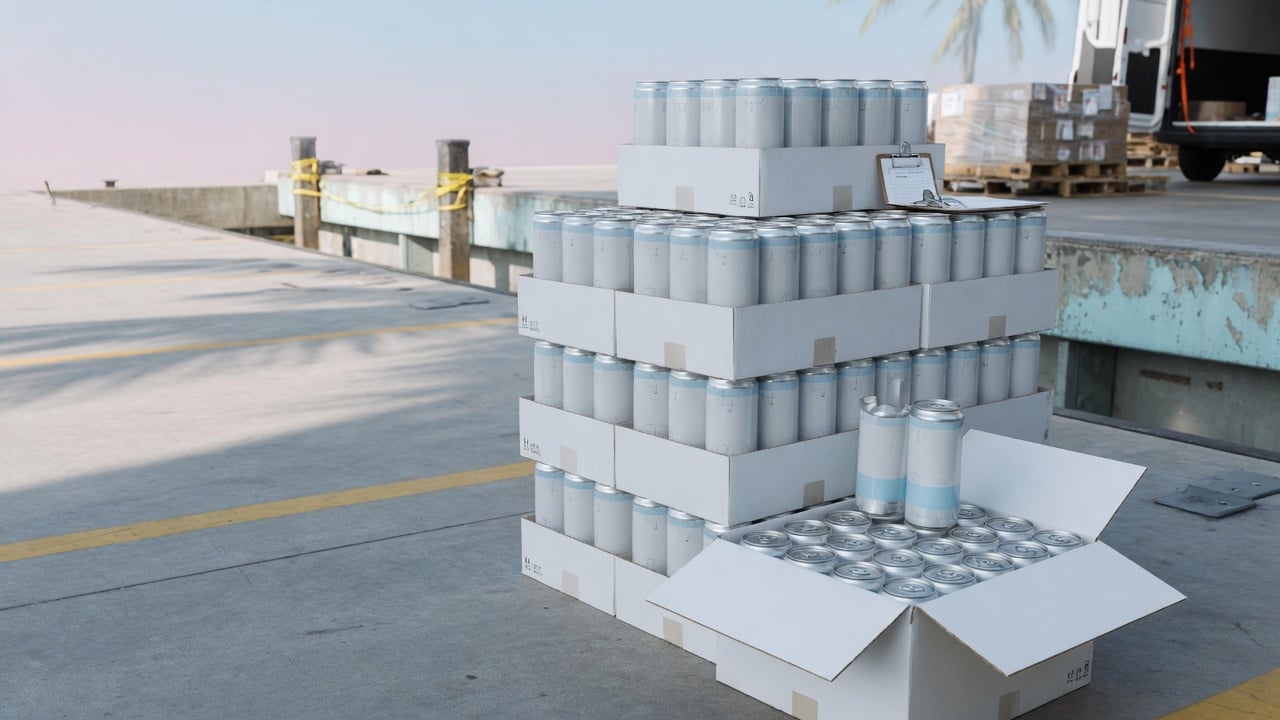
- Label print from 21 cases for a first run. The minimum is 21 cases, or 504 cans.
- Digital print from 100 cases for fuller designs across larger properties.
Production takes about 2 to 3 weeks from artwork approval.
How do you roll out mid-stay feedback cans?
- Write the two questions and the thank-you messages.
- Set up alerts to the duty manager.
- Design the can with the code on the back.
- Train the front office on response times.
- Launch on two floors for two weeks.
- Review results and adjust wording or routing.
- Roll out to the whole property.
What does a good mid-stay recovery look like?
Here is a simple example of how the system works on a normal evening.
A guest checks in at 6:00 p.m., goes to the room, and opens the water can. The room is warmer than they like, and the air conditioning seems slow. They scan the code, choose a three, and write "AC not cooling well." The duty manager receives the alert at 7:12 p.m., calls the room at 7:20, and sends engineering. By 7:45 the unit is fixed, and at 8:00 the front desk sends a short message asking if everything is comfortable now, with a complimentary drink at the bar.
Without the code, that guest might have slept badly, said nothing at checkout, and written a two-star review about the room temperature three days later. With it, the hotel had a chance to fix the problem and show that it cares. That is the real value of mid-stay feedback.
How do you share results with the team?
Share a short weekly summary with department heads: number of scans, average score, problems resolved during the stay, and the top two recurring issues. Celebrate fast recoveries and the team members who handled them. When staff see that feedback leads to action and recognition, they respond faster.
What mistakes should hotels avoid?
- Asking too many questions, which lowers completion.
- No one watching the alerts on nights and weekends.
- Filtering out negative guests from review invitations.
- A slow, desktop-style page that frustrates guests on phones.
- Changing questions every week, which makes results impossible to compare.
Frequently asked questions
How can hotels collect guest feedback during the stay?
Place a QR code on the in-room water can that opens a short two-question page. Route low scores to the duty manager for a quick fix and invite all guests to share a review.
Why use the water can instead of a tent card?
Guests pick up and open the water can soon after arriving, so the code is seen at a relaxed moment, and the room stays free of extra paper.
How quickly should hotels respond to mid-stay feedback?
Within 30 minutes during the day and within an hour at night, followed by a check-back once the issue is resolved.
Is it acceptable to only ask happy guests for reviews?
It is better to invite all guests in the same way. Use mid-stay feedback to fix problems, not to filter who can review.
What is the minimum order for QR hotel water cans?
We Can It starts at 21 cases, which is 504 cans, with about 2 to 3 weeks of production after artwork approval.
Should guests have to enter their room number?
Make it optional. Guests who want help will share it, and others can respond anonymously.
Get a quote for QR feedback cans for your hotel
Tell us your room count and how you want feedback routed, and a product advisor will help you plan the can and the code.