Customer Journey Mapping: Where a Branded Can Fits at Each Stage
Every customer relationship is a series of moments. Someone notices your brand, becomes curious, tries you, decides to come back, and eventually tells a friend.
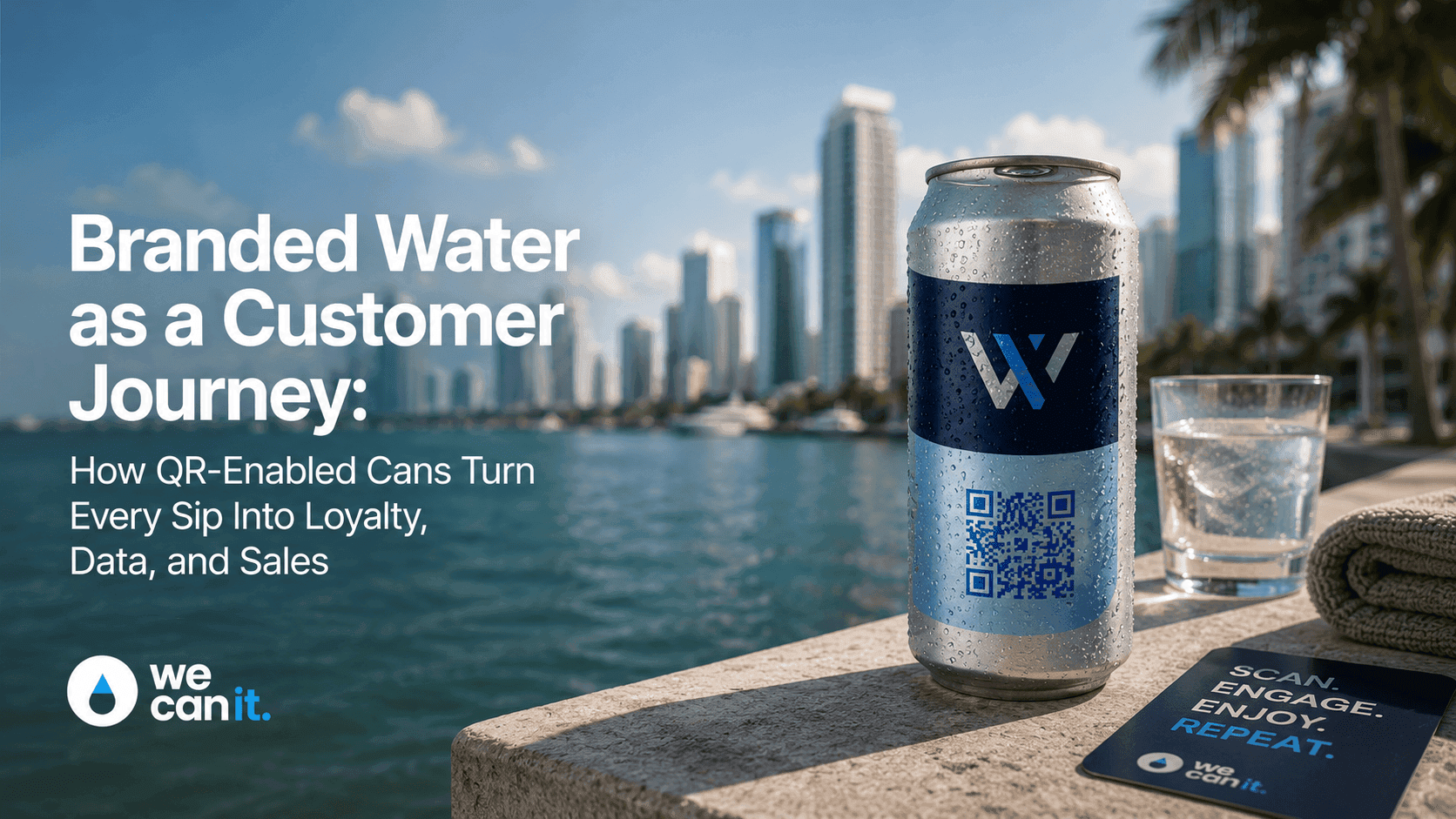
Every customer relationship is a series of moments. Someone notices your brand, becomes curious, tries you, decides to come back, and eventually tells a friend. Marketers call this the customer journey, and mapping it helps you see where you are strong, where customers drop off, and where a small change could make a big difference.
This guide is for marketers, founders, and hospitality leaders who want to map their customer journey in a practical way. It explains the five common stages, the touchpoints that matter at each one, and where a physical object like a branded water can fits in. It ends with a simple worksheet you can use with your team in an hour.
What is a customer journey map?
A customer journey map is a simple picture of the steps a customer goes through with your business, from first hearing about you to becoming a loyal advocate. For each step, it shows what the customer is doing, thinking, and feeling, and which touchpoints they meet: ads, websites, staff, products, emails, and physical items.
The goal is not a perfect diagram. It is a shared understanding across your team of what customers actually experience, so you can improve it.
What are the five stages of the customer journey?
Most journeys can be described in five stages. Names vary, but the ideas are the same.
- Awareness: the customer first notices your brand.
- Consideration: they become curious and compare options.
- Purchase or first visit: they try you for the first time.
- Retention: they come back and build a habit.
- Advocacy: they recommend you to others.
Where does a branded can fit at each stage?
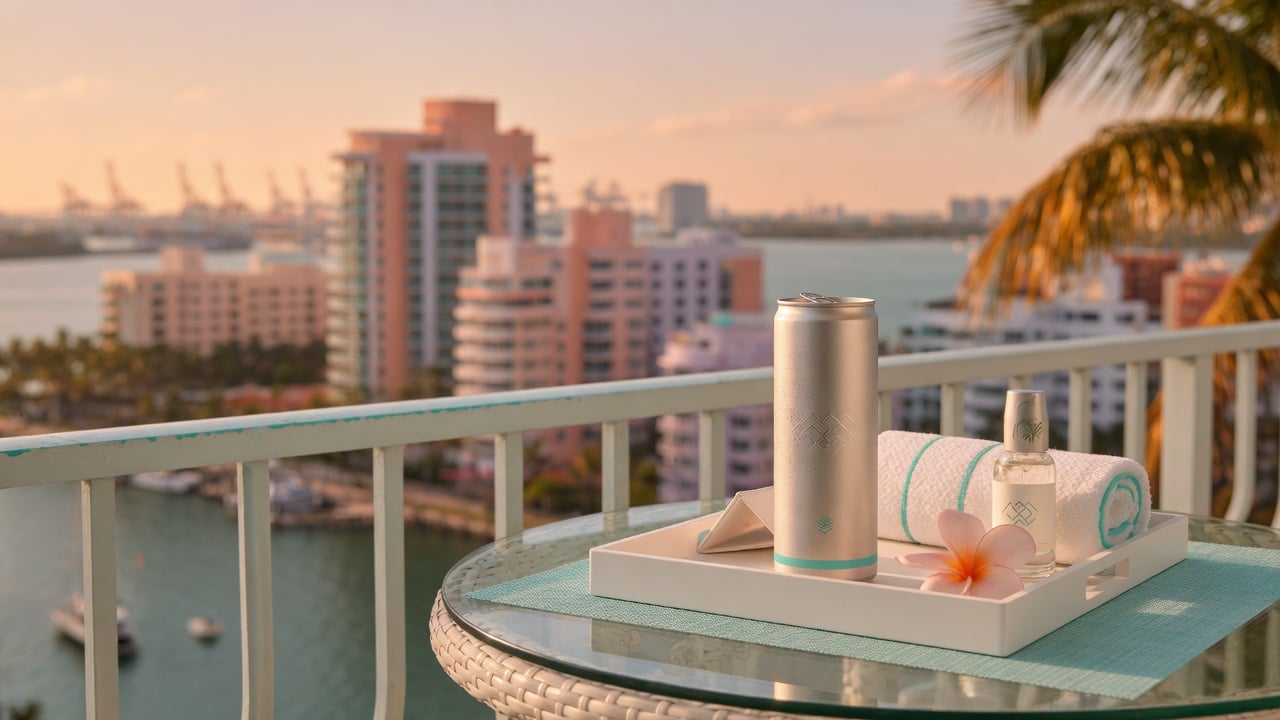
Most brand touchpoints are digital or verbal. A branded can is one of the few physical touchpoints that people hold, keep, photograph, and share. It can play a role at every stage.
Awareness
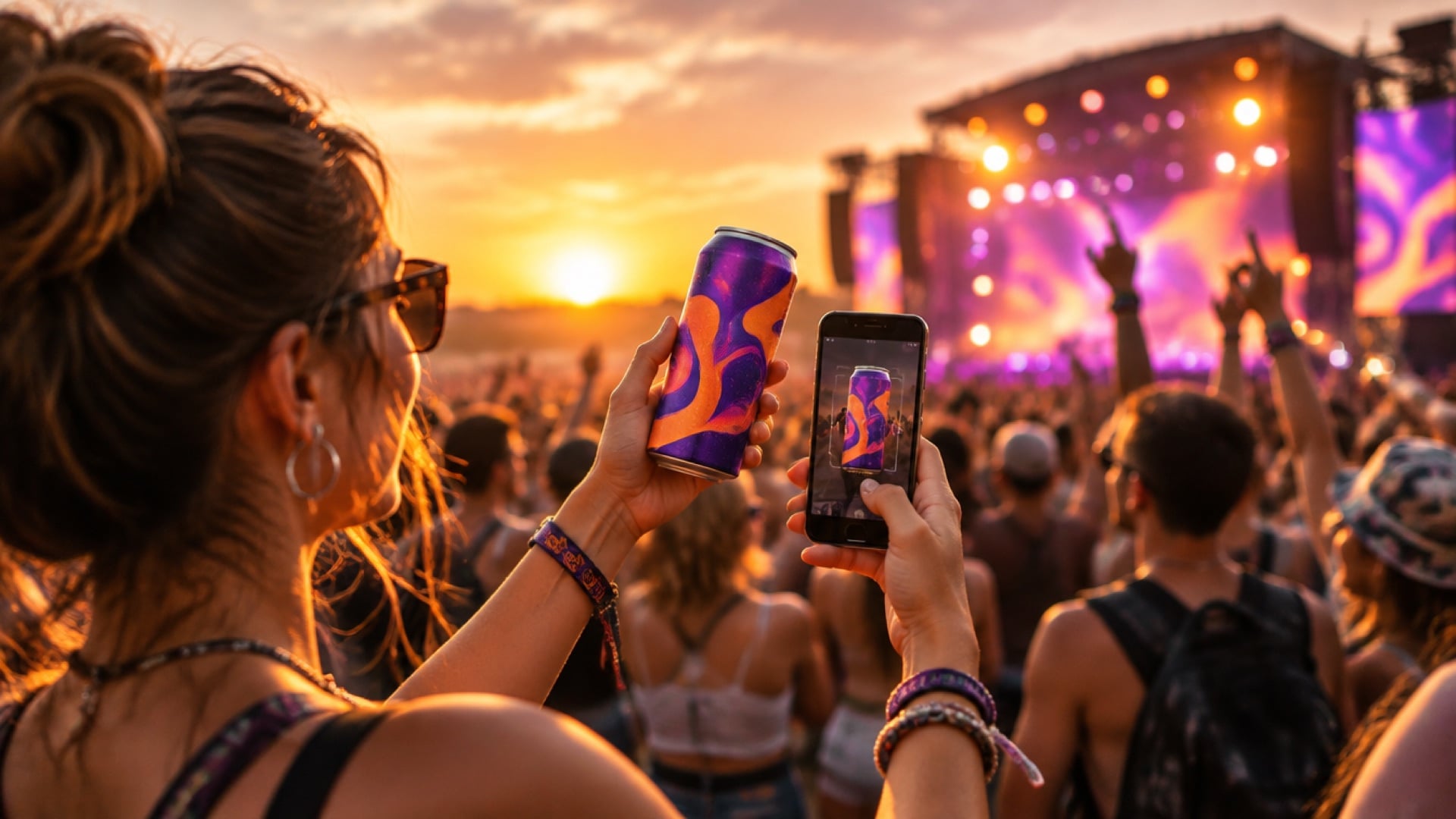
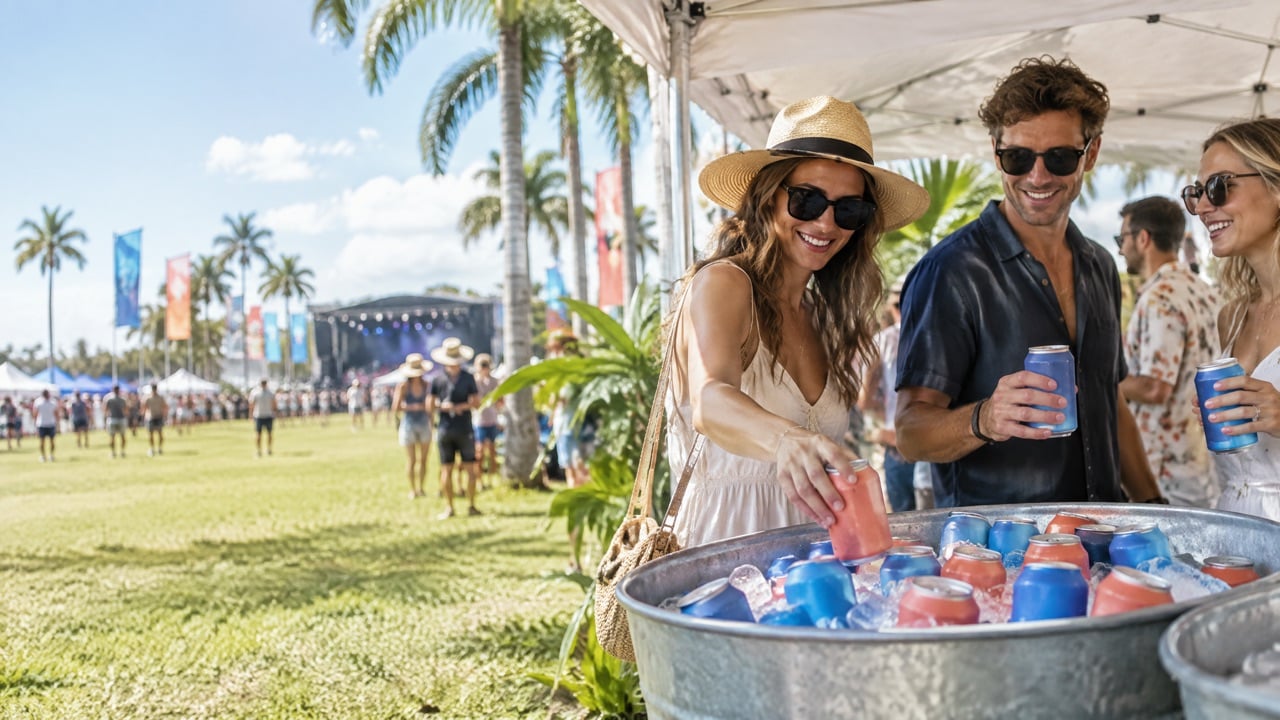
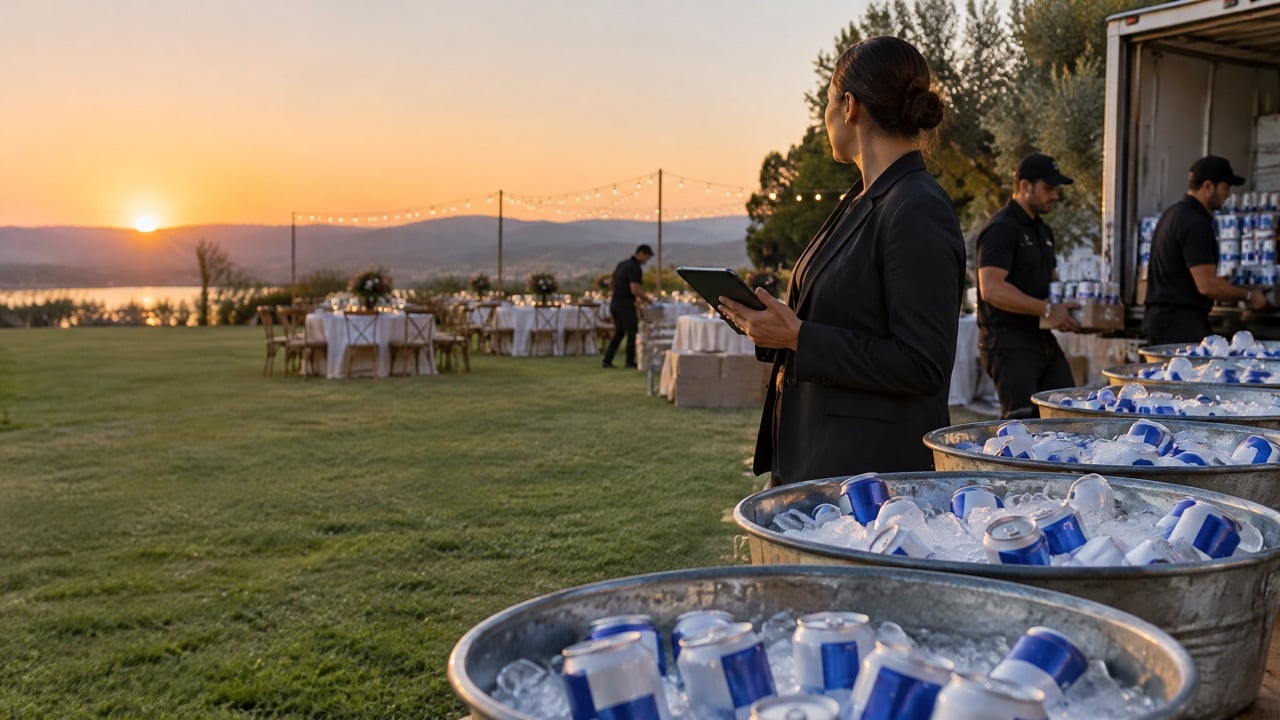
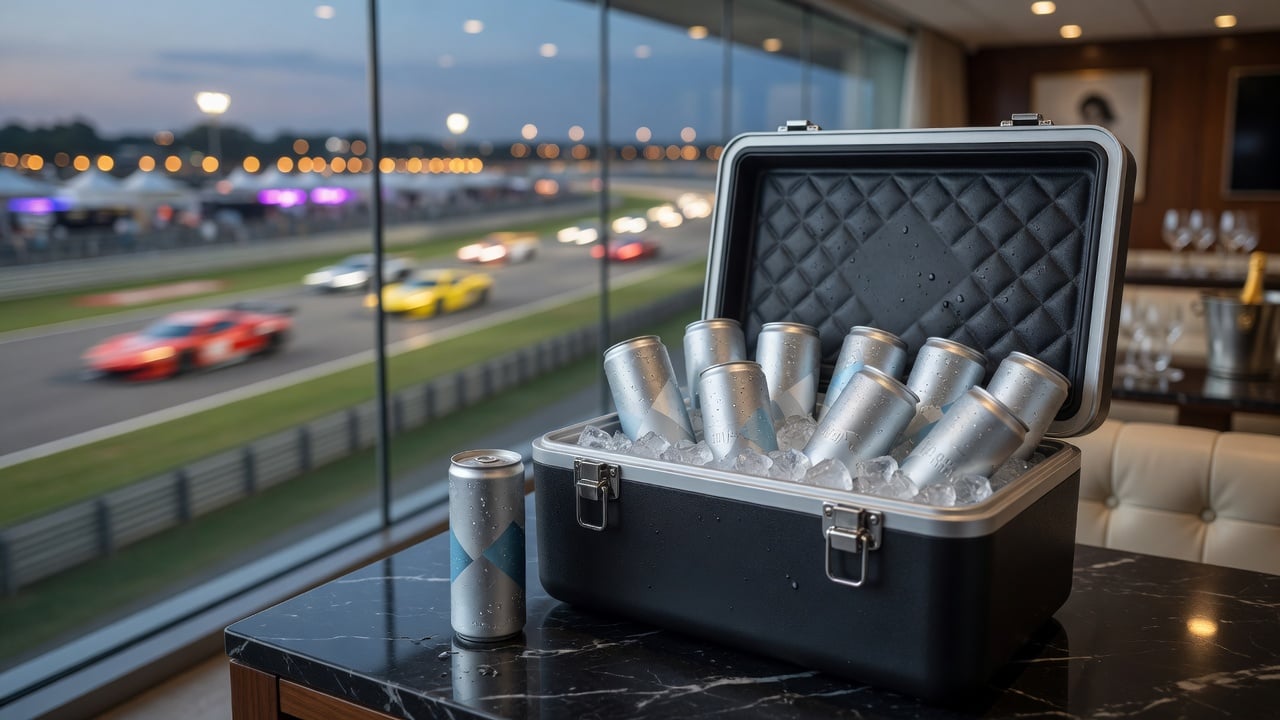
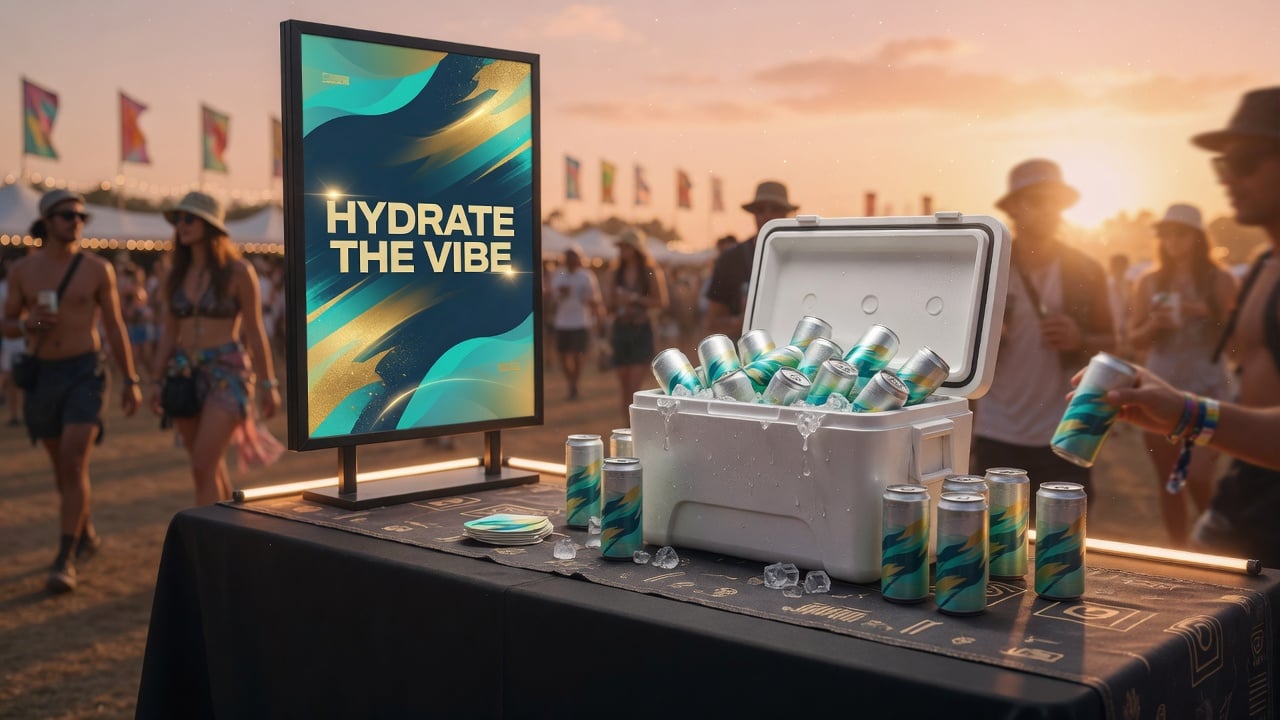
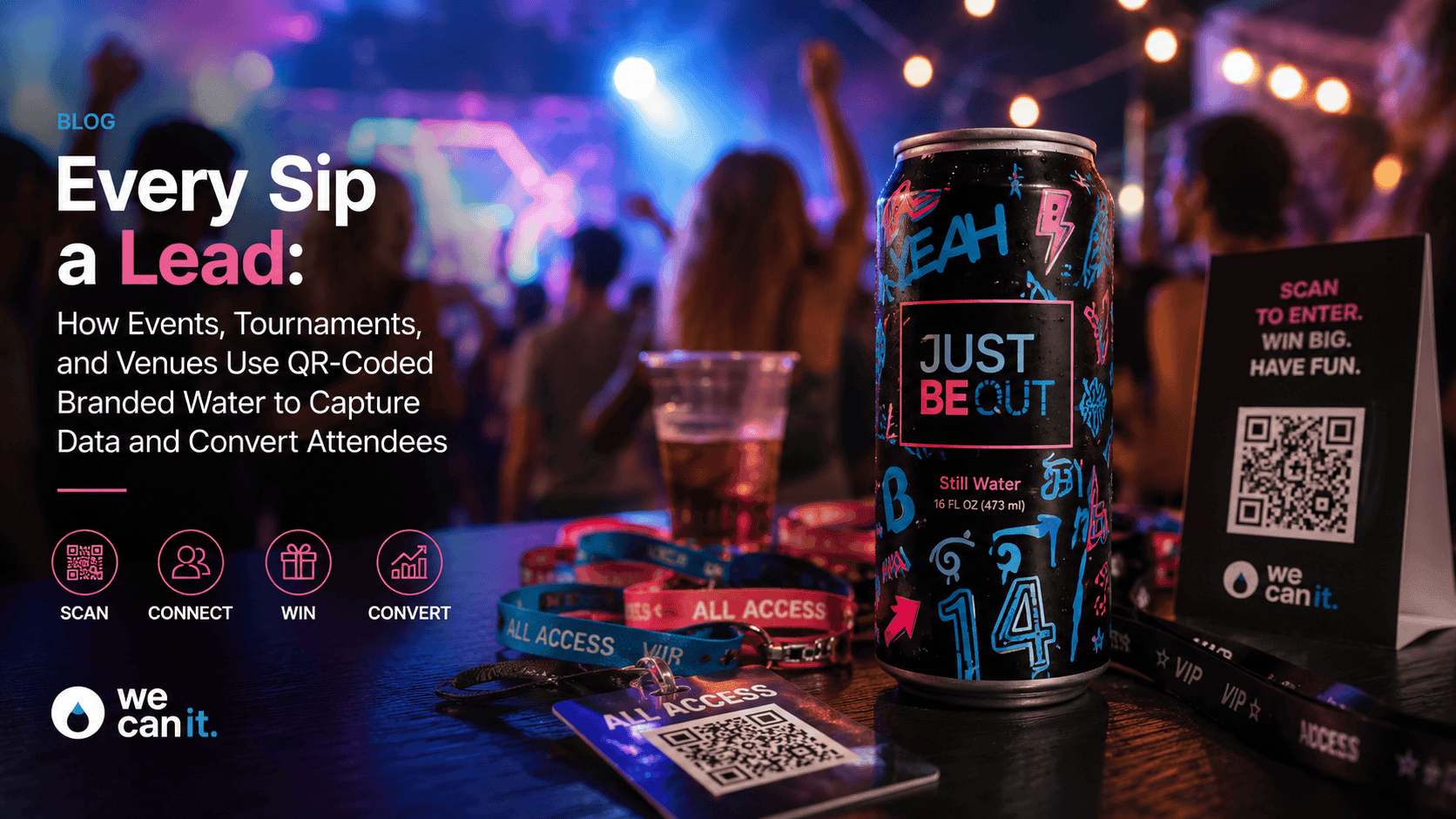
- Events and sponsorships where new people receive a can with your brand.
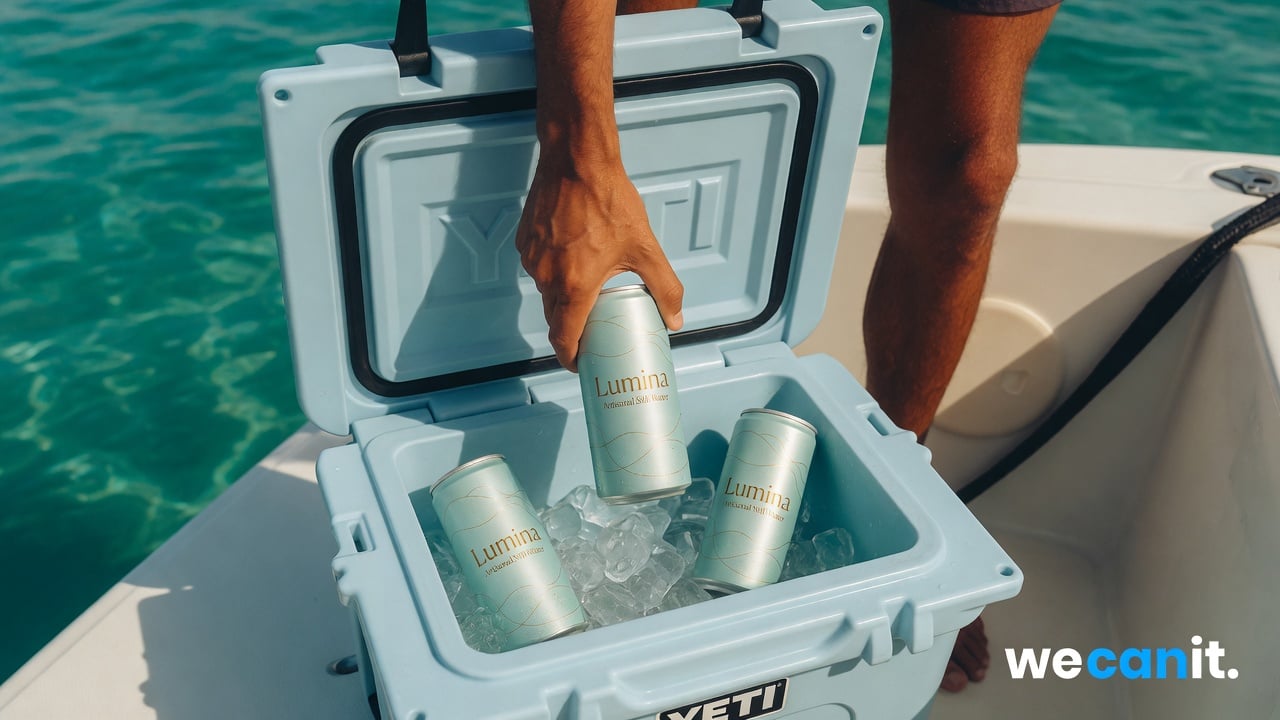
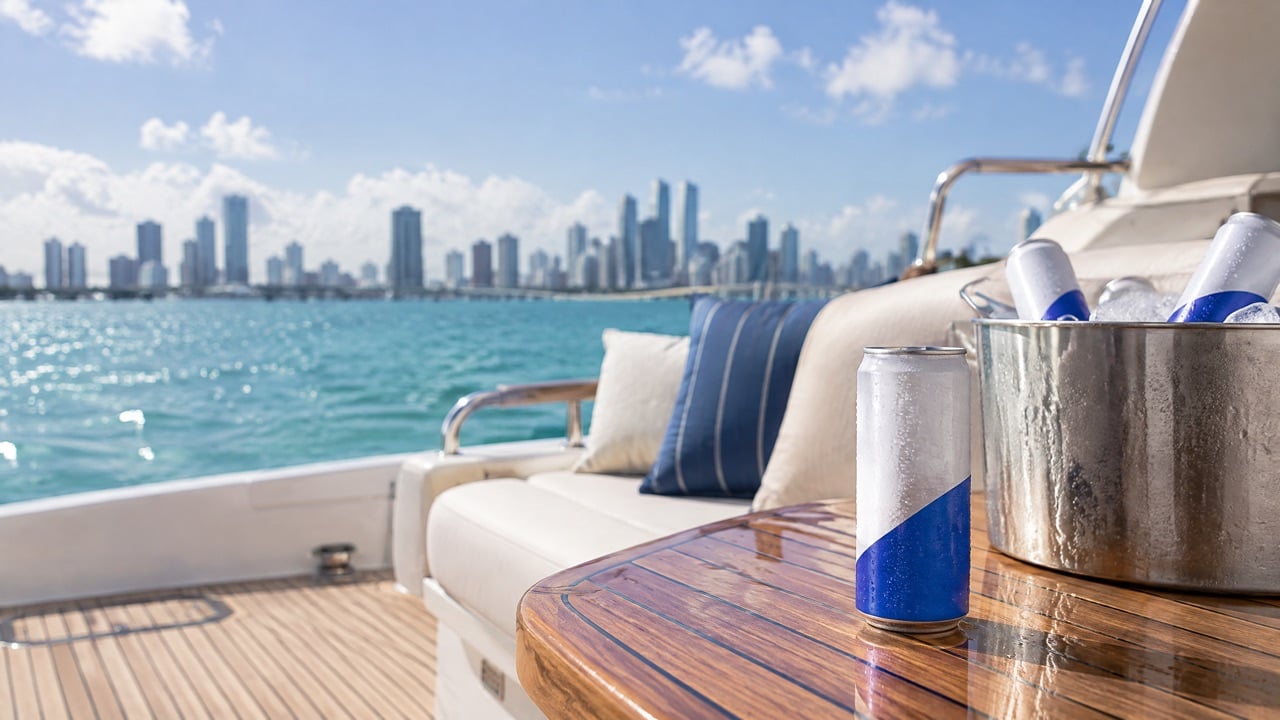
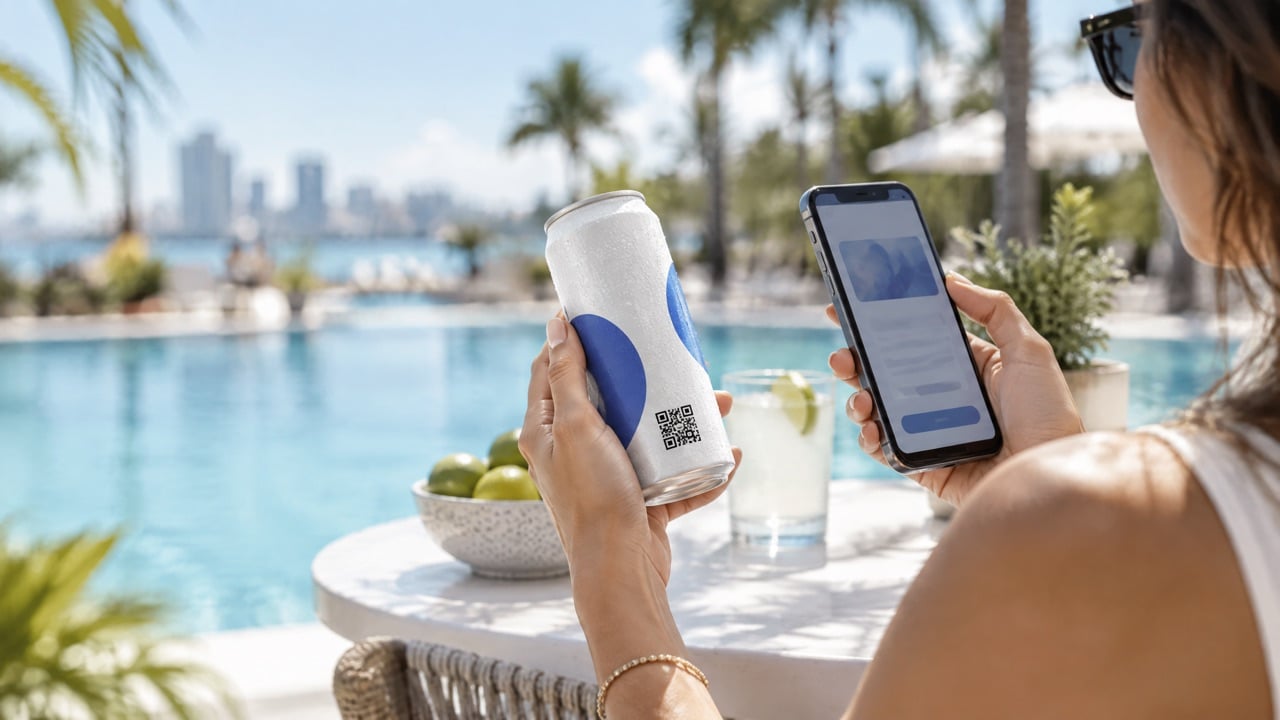
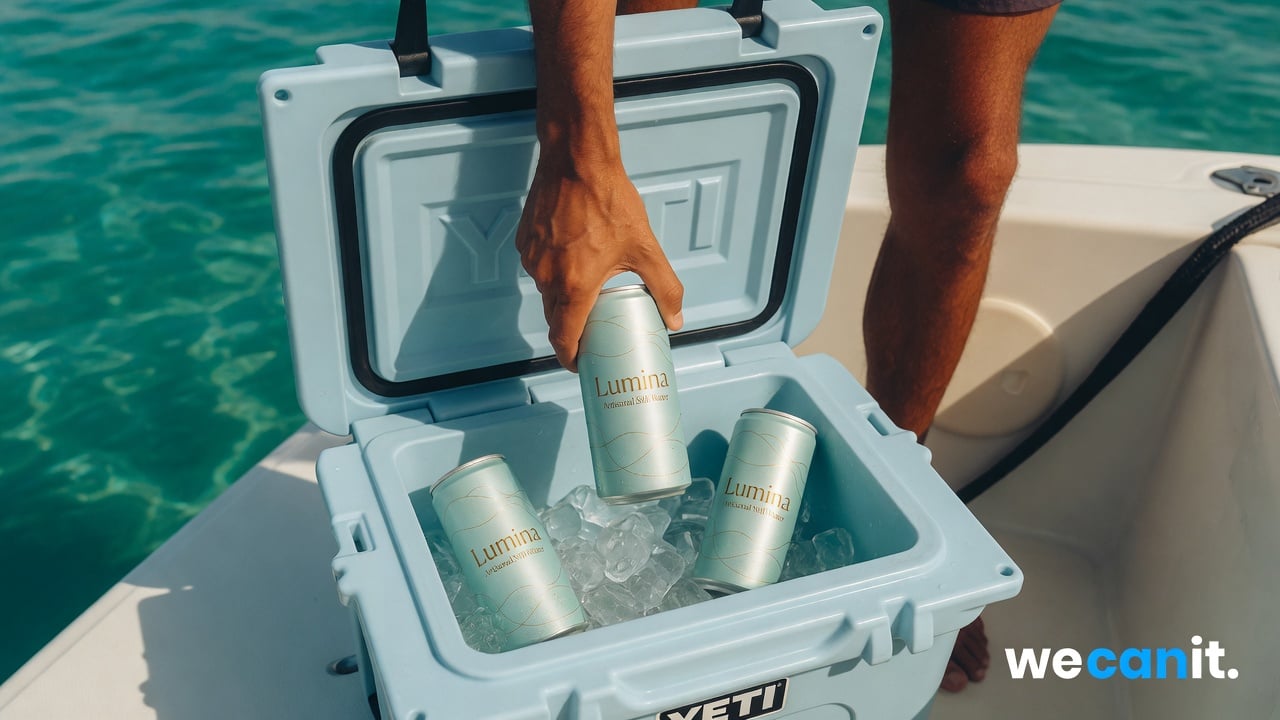
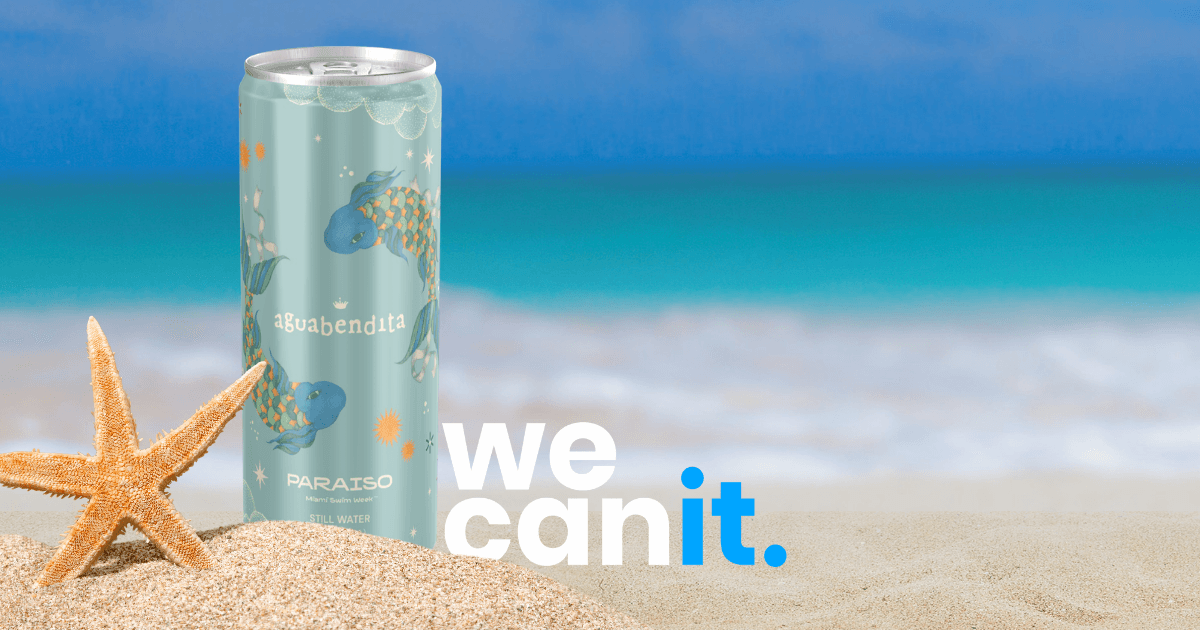
- Photos on social media of your can at pools, events, and boats.
- Partner venues serving your can to their guests.
At this stage, the can is a small, portable piece of advertising that people choose to hold.
Consideration
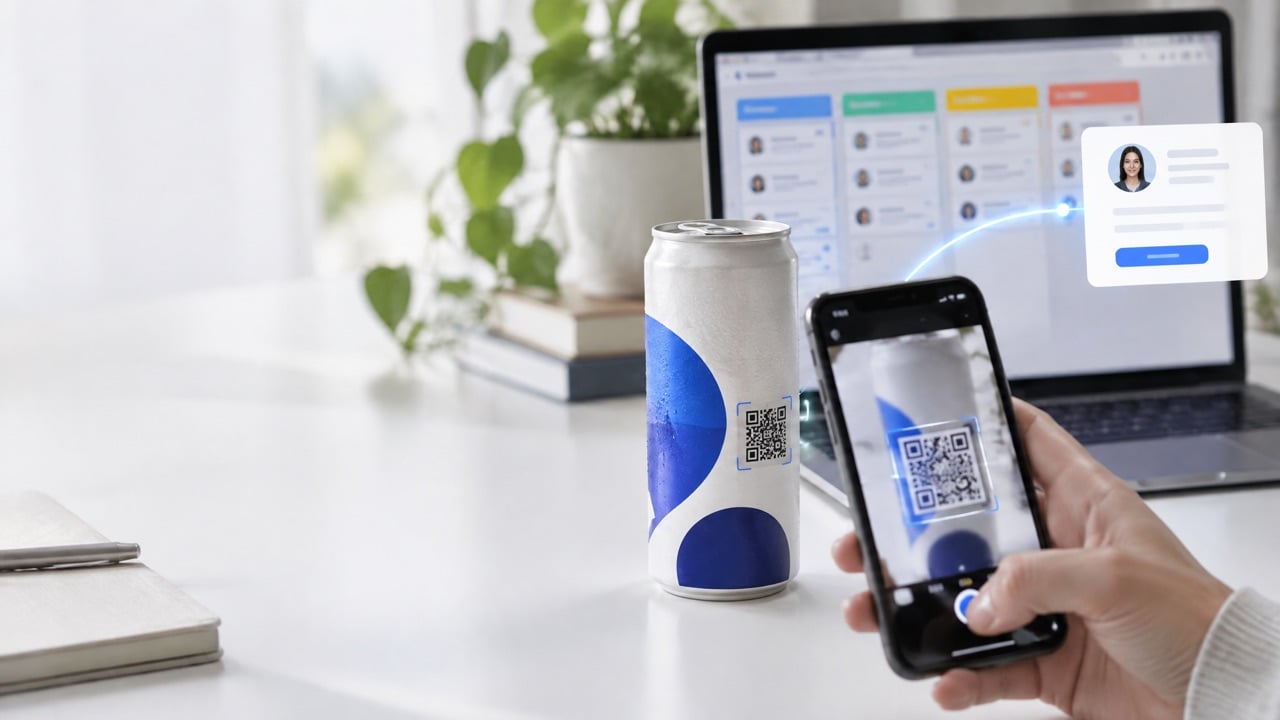
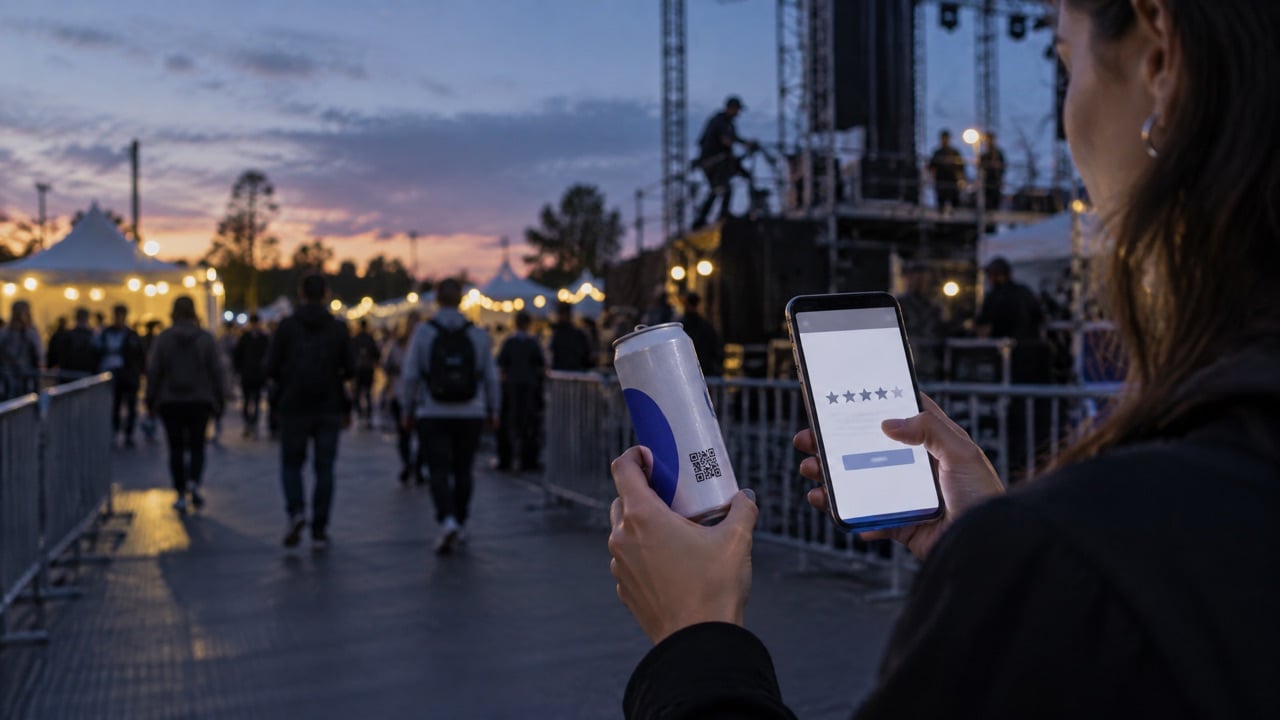
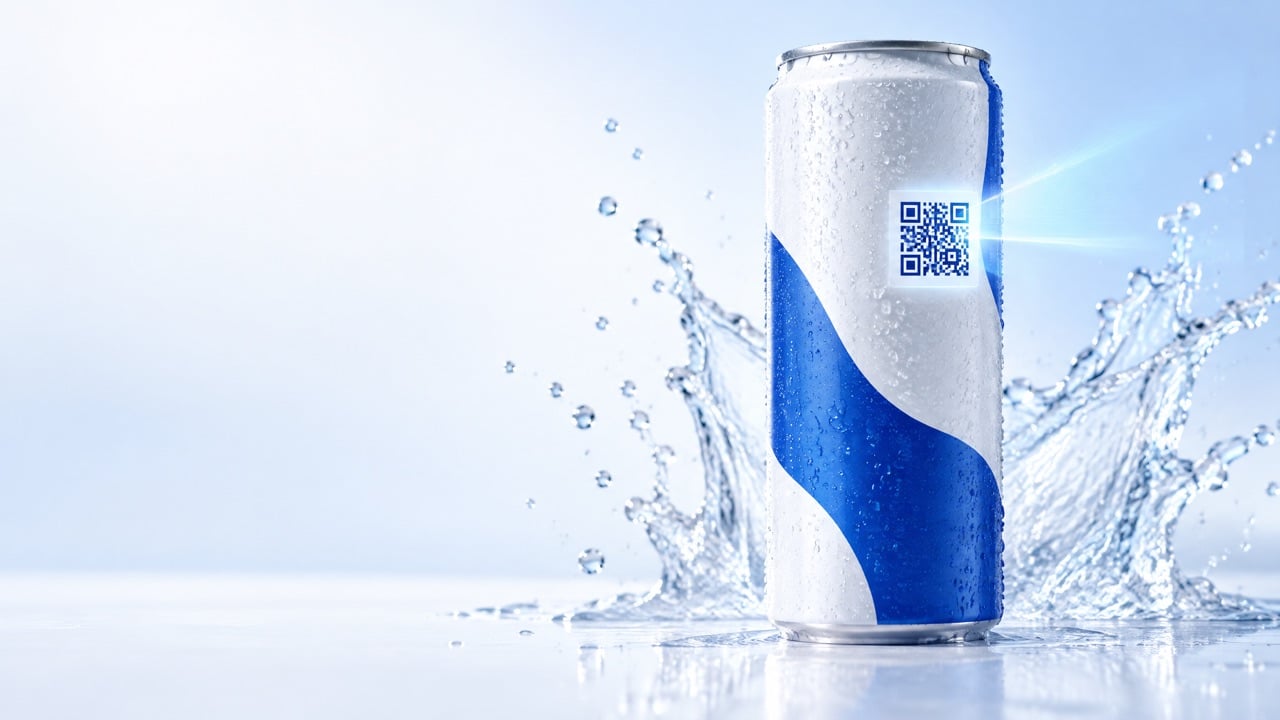
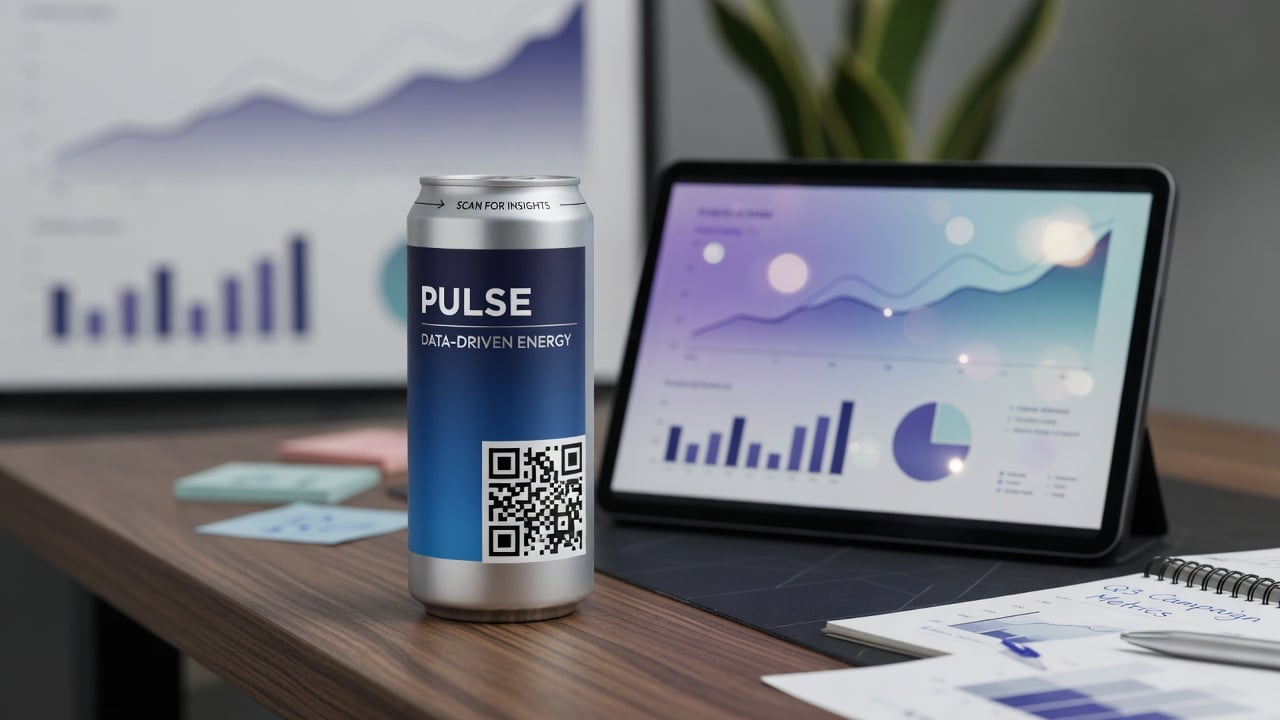
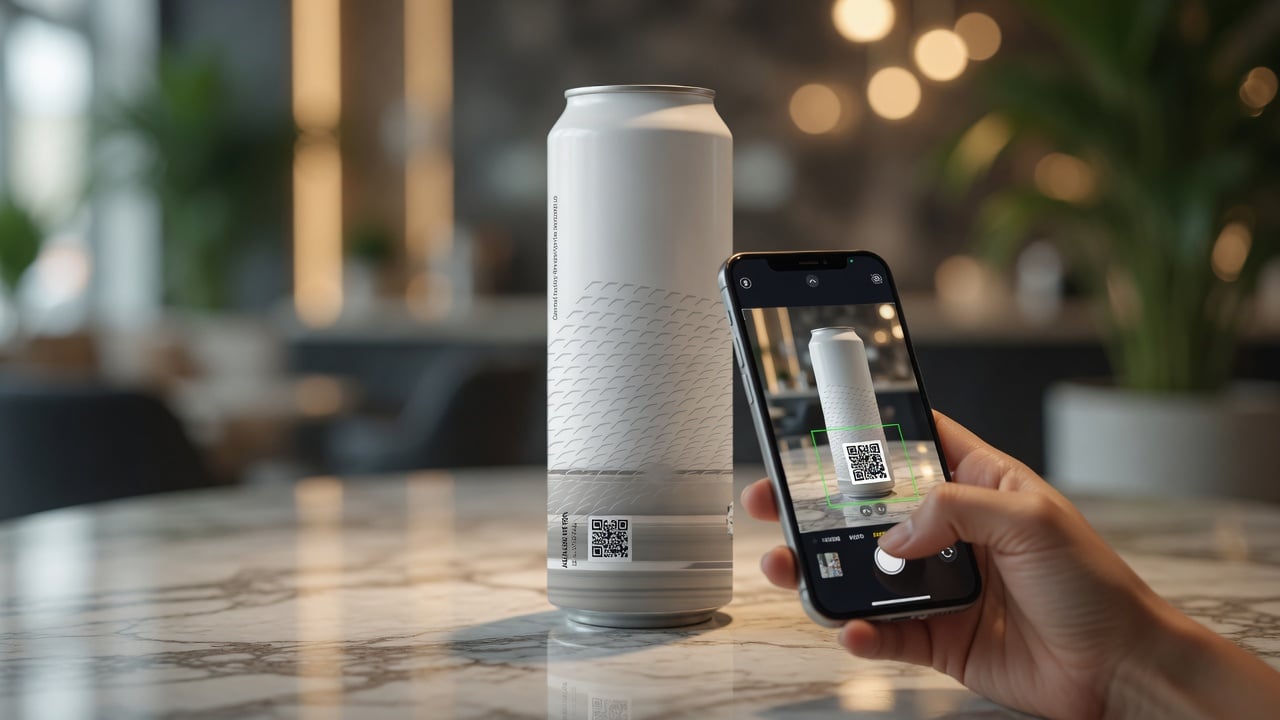
- A QR code on the can that opens your story, menu, or offer.
- Samples at pop-ups and events, where people can try before they buy.
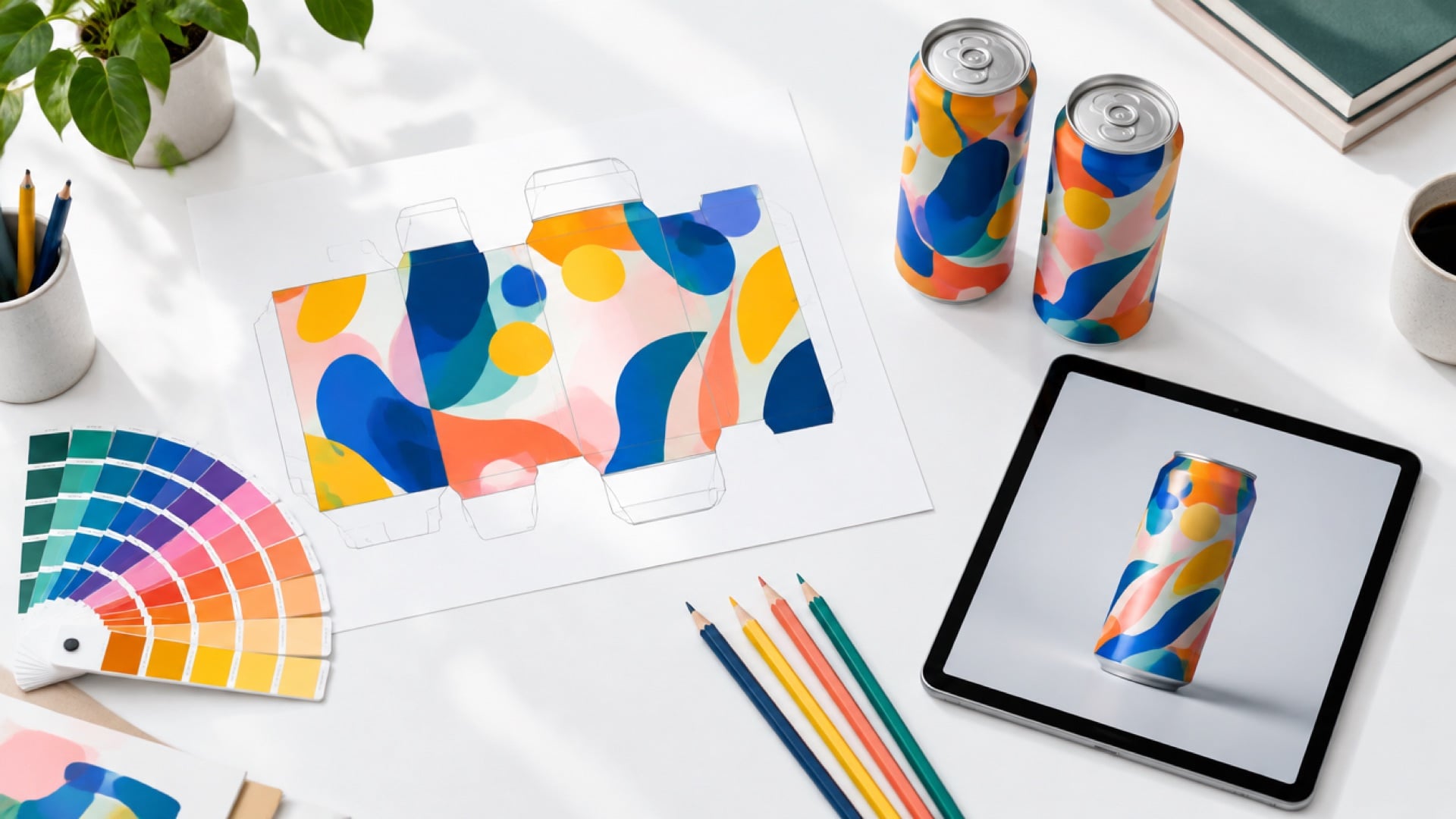
- Design quality that signals what kind of brand you are.
Purchase or first visit
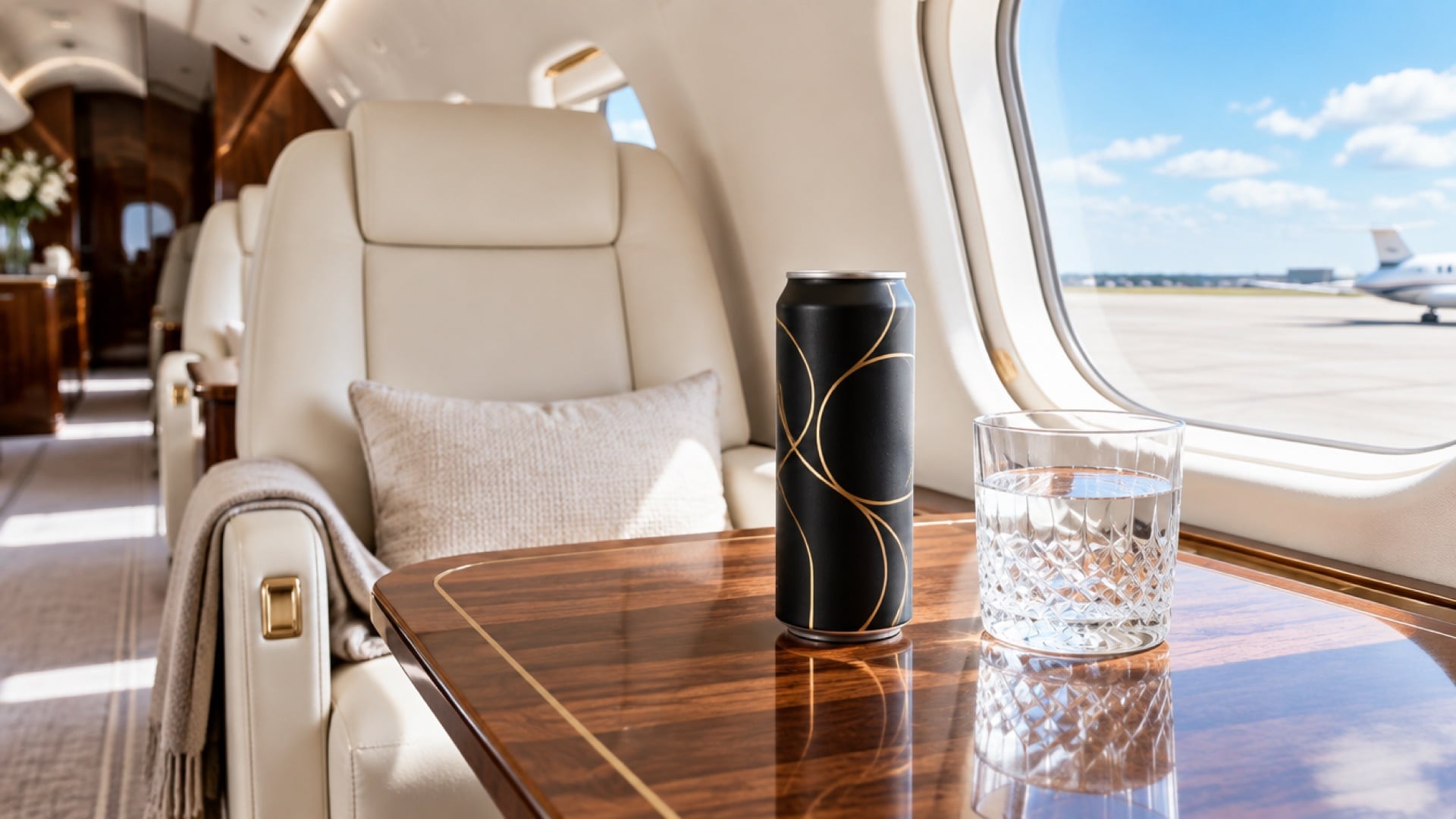
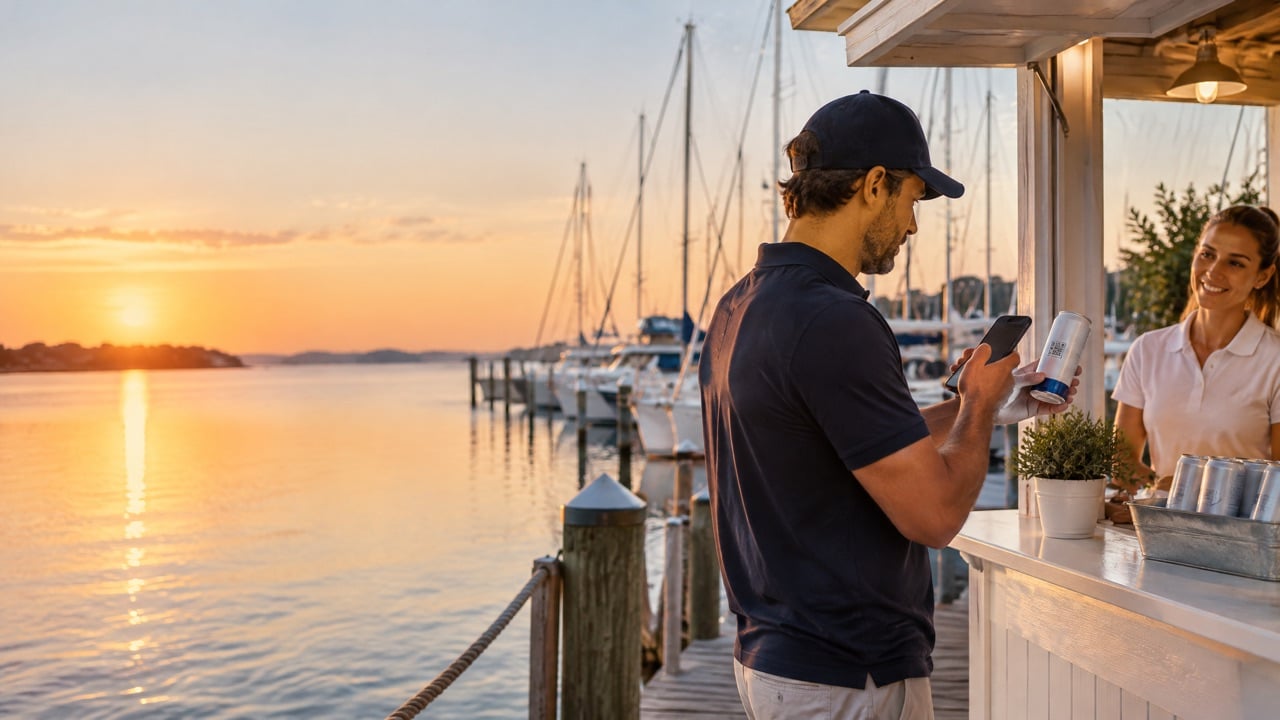
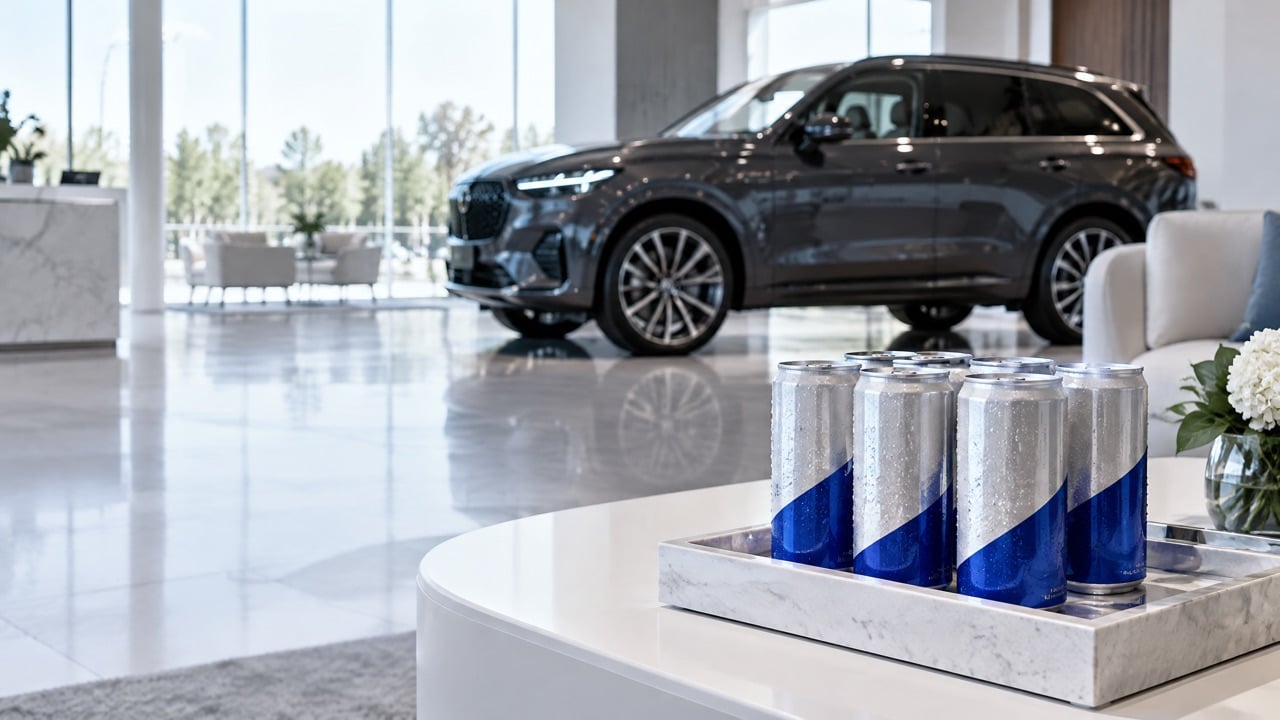
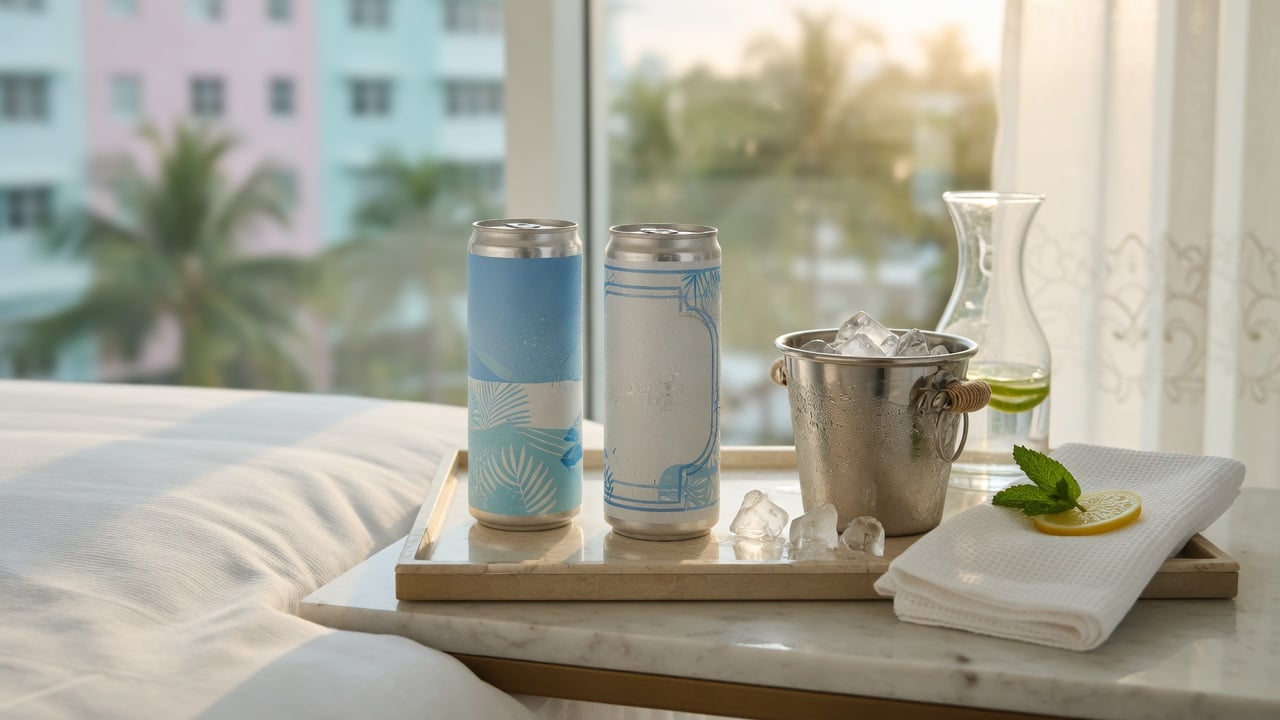
- A welcome can at check-in, first class, or first appointment.
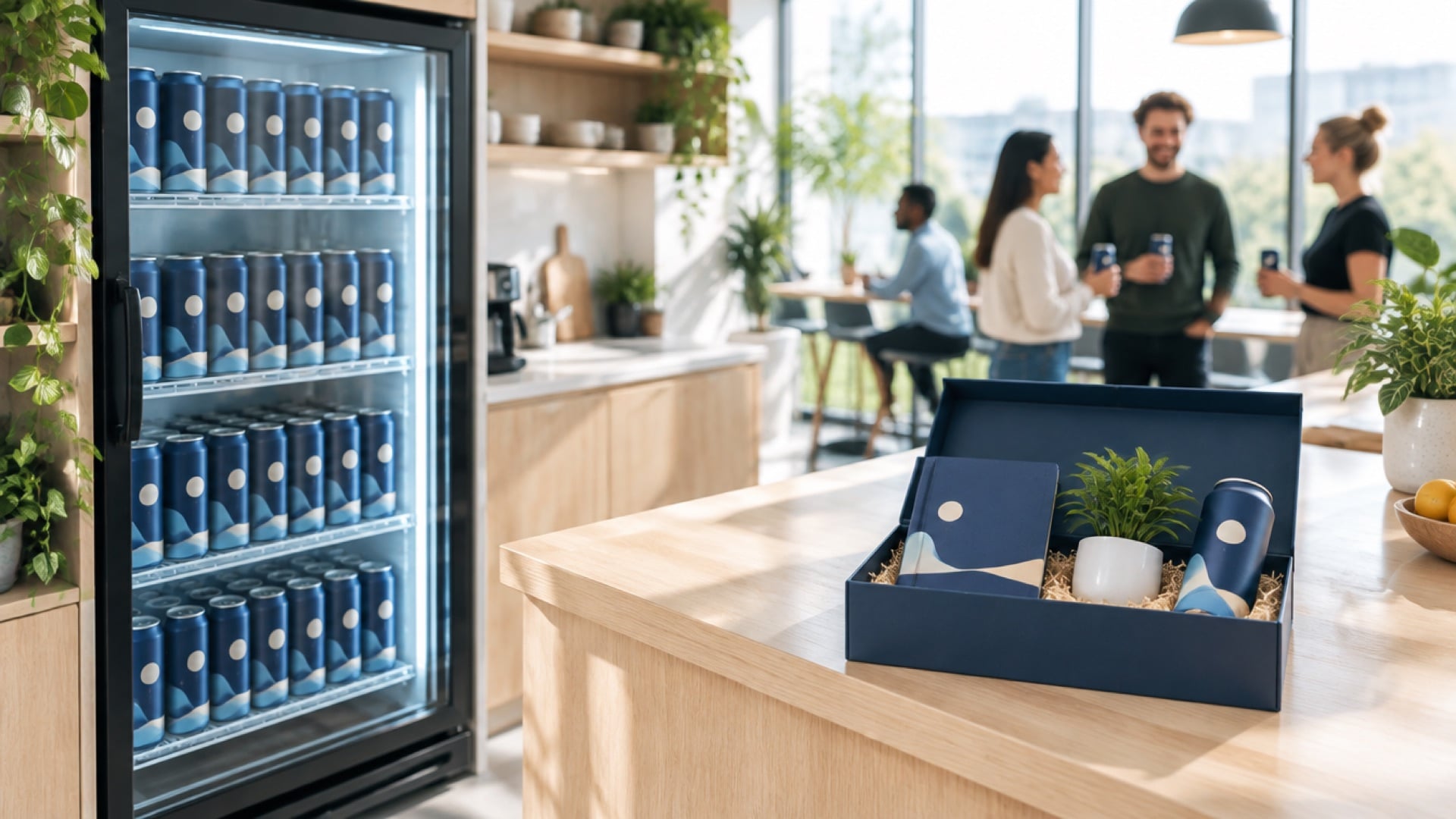
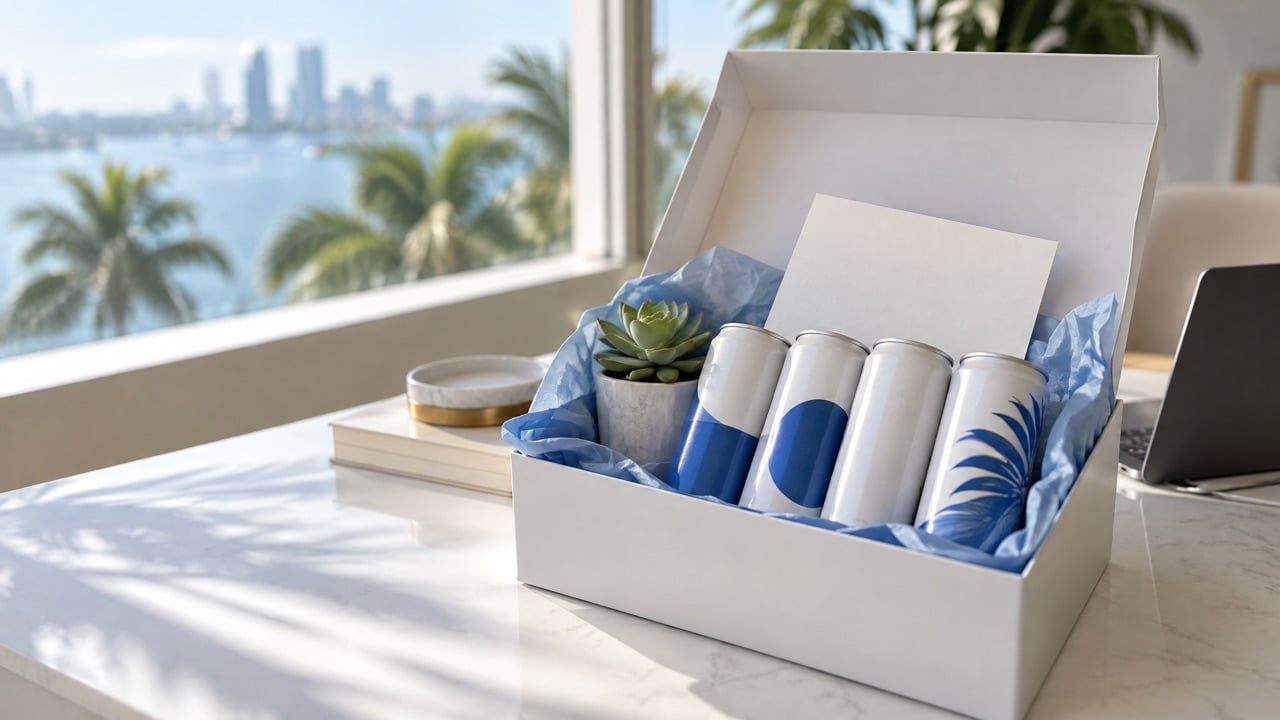
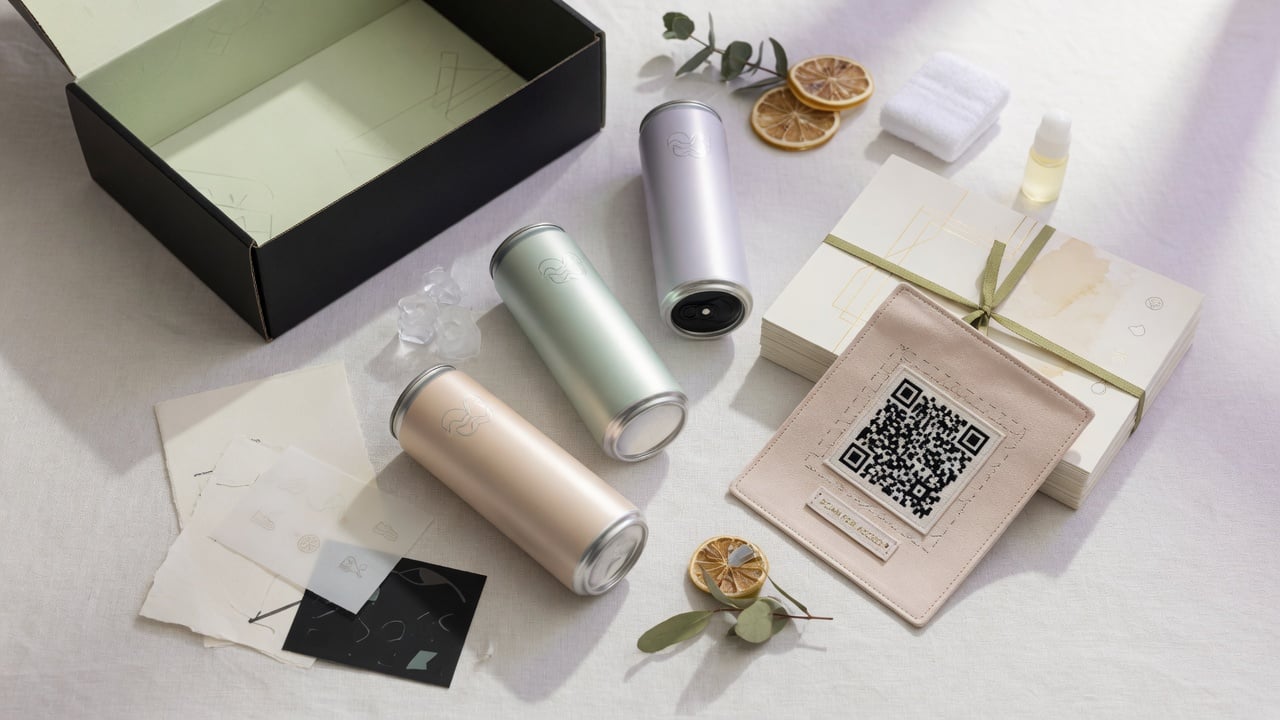
- A can in the welcome kit for new members or clients.
- The first-visit experience that feels considered and generous.
Retention
- The same can at every visit, building familiarity.
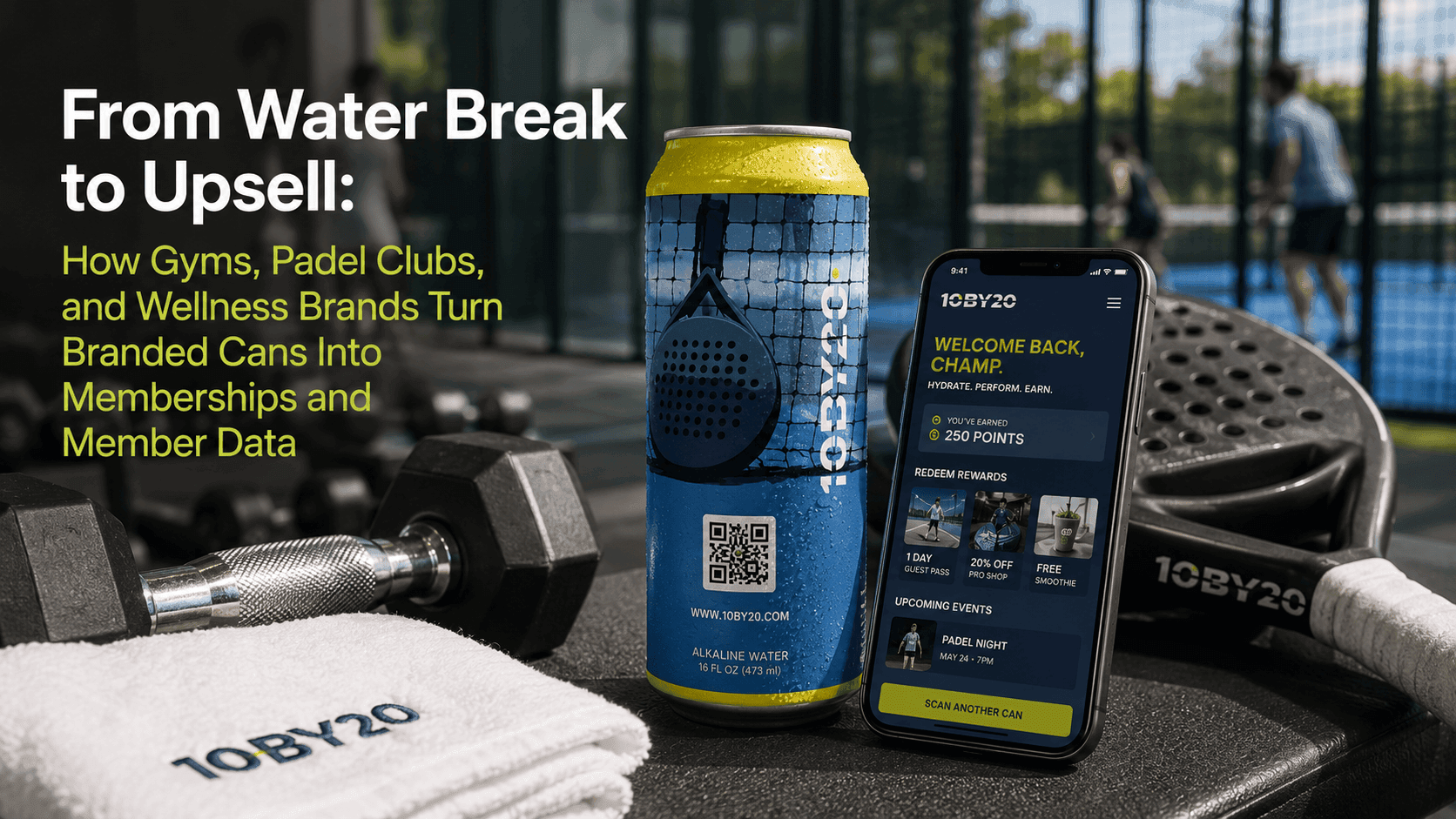
- A QR code to loyalty perks, bookings, or member news.
- Seasonal or limited editions that give regulars something new.
Advocacy
- A can people are proud to photograph and share.
- Referral offers behind the QR code.
- Gifts for loyal customers, such as personalized cans.
How do you map your own customer journey?
You do not need special software. A whiteboard, sticky notes, and your team are enough.
- Choose one customer type to map first, such as a new hotel guest or a new gym member.
- Write the five stages across the top.
- List every touchpoint the customer meets at each stage.
- Note what the customer thinks and feels at each stage.
- Mark the weak spots, where customers drop off or feel frustrated.
- Pick one or two improvements to test first.
Bring people from different teams, such as front desk, sales, marketing, and operations. Each sees different moments.
What does a mapped journey look like?
Here is a simple example for a boutique fitness studio.
- Awareness: a friend posts a photo after class, holding the studio's branded can.
- Consideration: the prospect scans the QR code in the photo's caption link, reads about classes, and books a free trial.
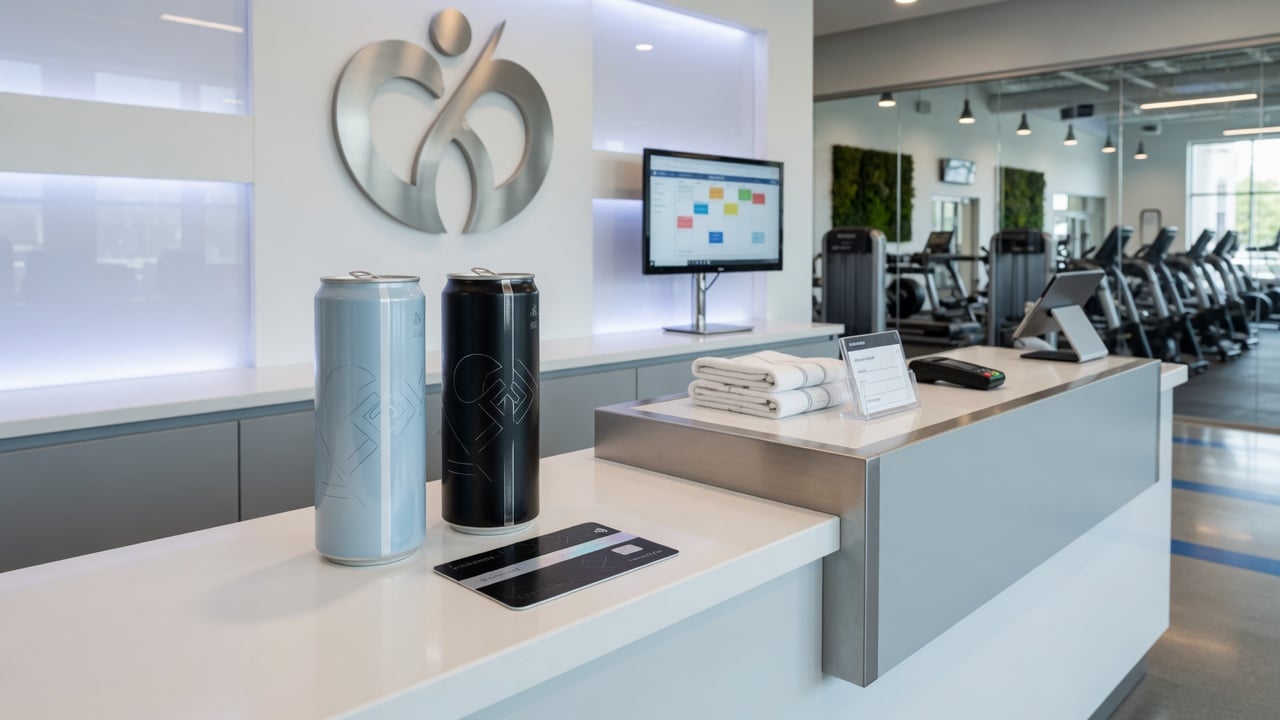
- First visit: the front desk hands them a cold can after class, with a QR code to the new member offer.
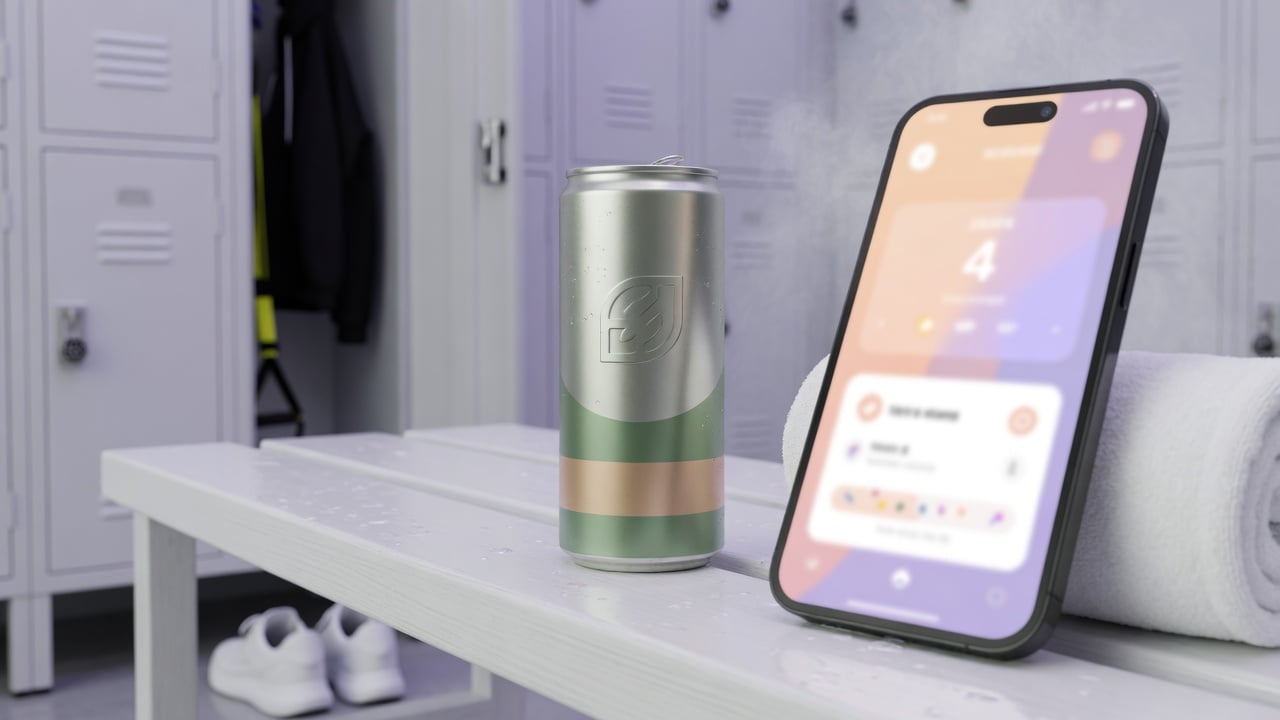
- Retention: the same can is in the cooler every visit, and the QR page shows next week's schedule and challenges.
- Advocacy: after a month, the member gets two guest passes and a can to share, and brings a friend.
Mapping it this way shows that the studio's weakest moment was between the first visit and the second. The fix: a follow-up message the next day, triggered by the QR sign-up.
How do journeys differ by industry?
The five stages are the same everywhere, but the moments inside them change with the business.
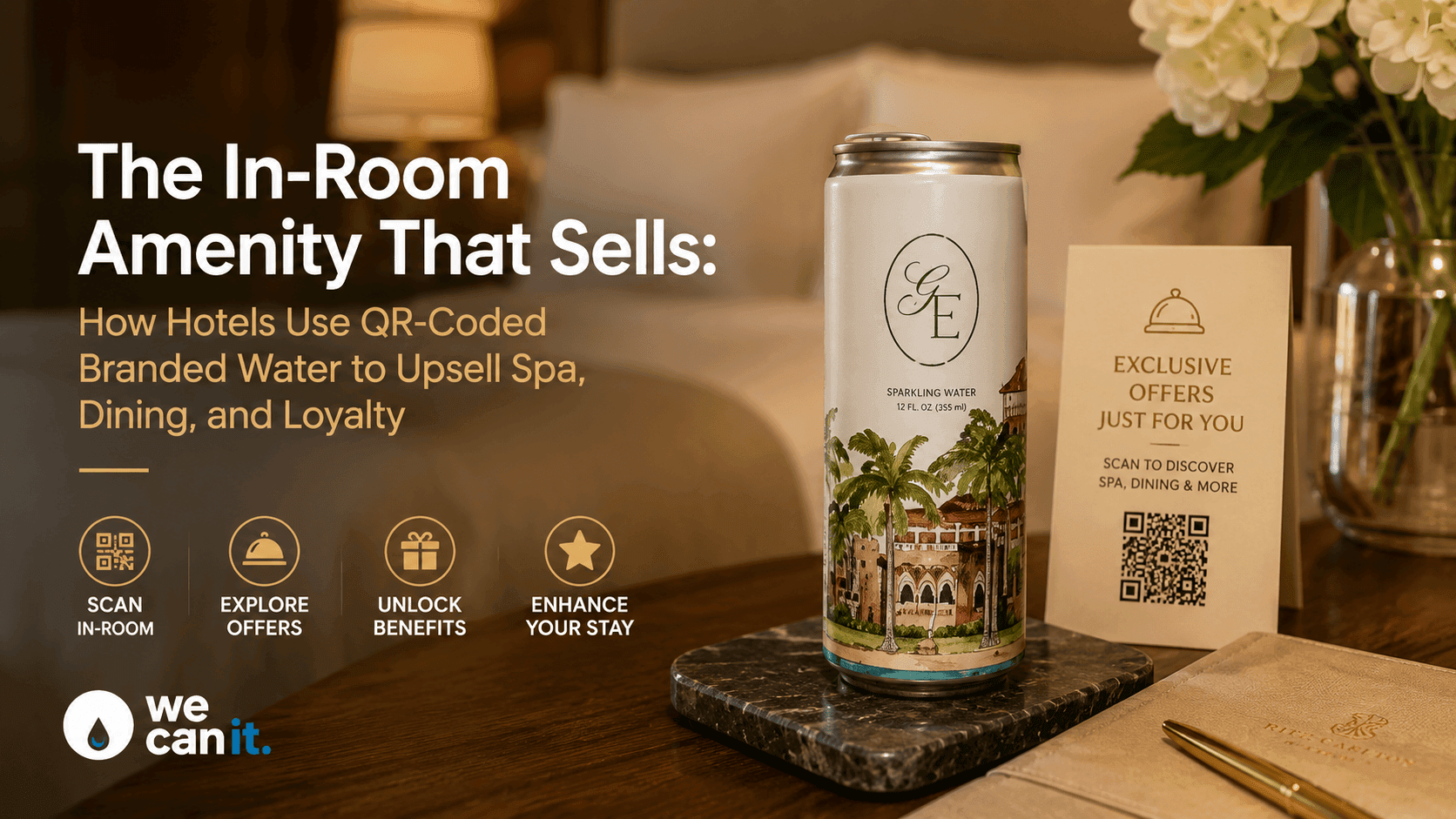
Hotels often see awareness through travel sites and social media, consideration through reviews and the hotel website, and the first visit at check-in. Retention depends on the stay itself and on the loyalty program, and advocacy shows up in reviews. A branded can fits at check-in, in the room, at the pool, and as a departure gift.
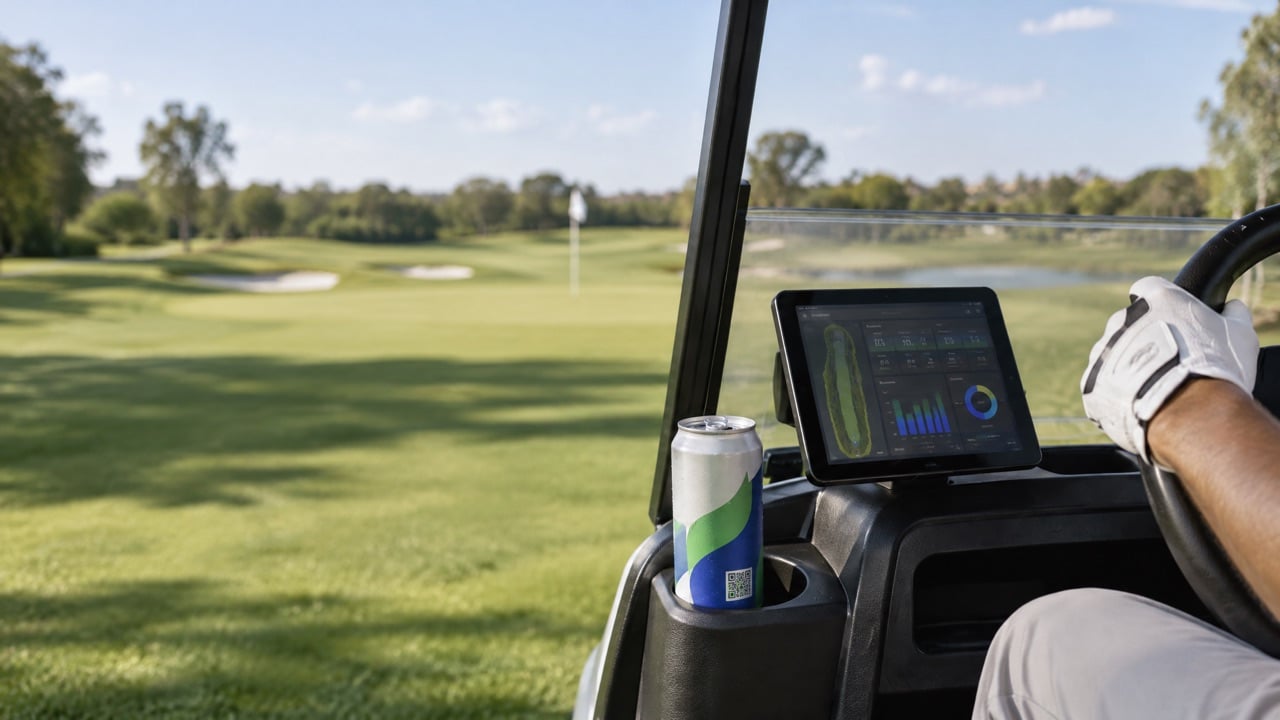
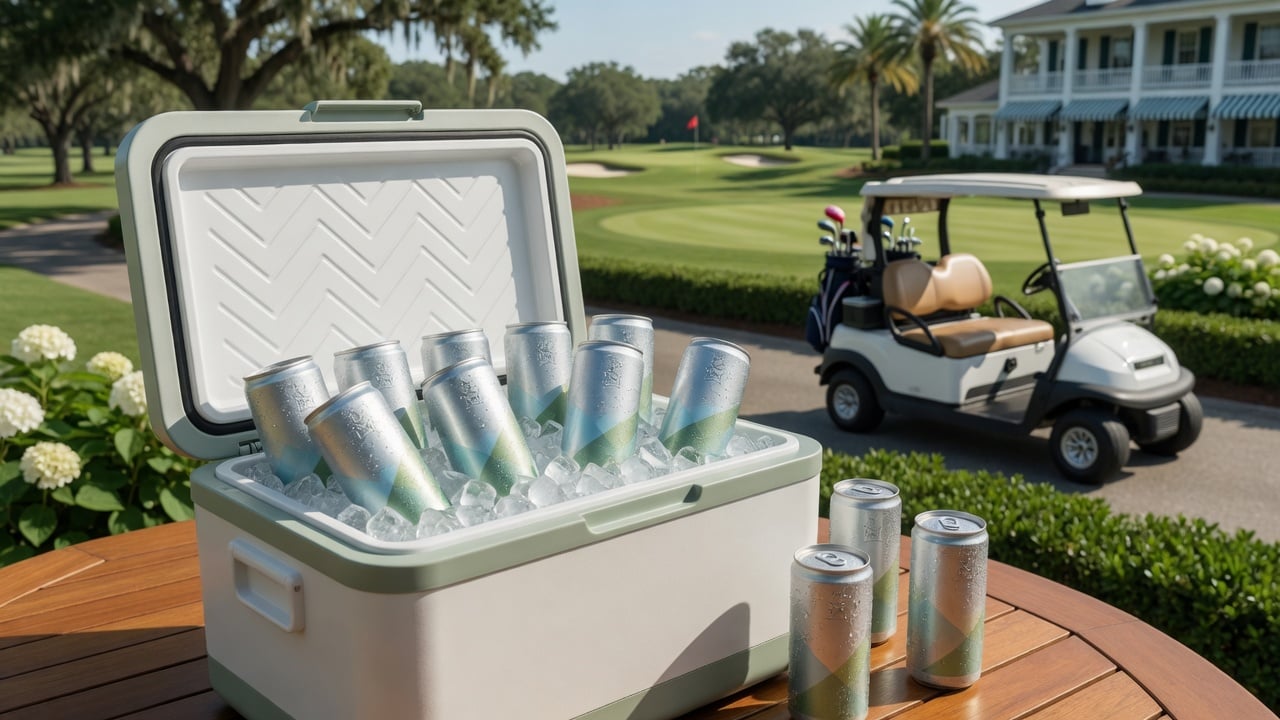
Golf and country clubs rely heavily on word of mouth for awareness and on guest play for consideration. The first visit is often a guest round or a member-guest tournament. Retention is about programs and community, and advocacy is about members bringing friends. Branded cans work on the course, in tournament kits, and in welcome packs for new members.
Event brands and conferences build awareness through marketing and partners, drive consideration through the agenda and speakers, and hold the first visit at registration. Retention is attending again next year, and advocacy is bringing colleagues. Cans work at registration, in sessions, at sponsor activations, and at the exit with a feedback survey.
Consumer brands launching a product see awareness at events and in retail, consideration through sampling, and the first purchase at the shelf or online. Cans are the product itself at every stage, and the QR code can carry the relationship forward.
Mapping your own industry's version of each stage makes the exercise concrete for your team.
How do you measure each stage?
- Awareness: reach, event attendance, social mentions.
- Consideration: website visits, QR scans, inquiries.
- Purchase: first visits, first orders, trials.
- Retention: repeat visits, renewals, repeat purchases.
- Advocacy: referrals, reviews, user-generated photos.
Pick one measure per stage and track it monthly.
What mistakes do teams make with journey maps?
- Mapping what they wish happened instead of what actually happens.
- Only mapping digital touchpoints and forgetting physical ones like staff and products.
- Trying to fix everything at once.
- Never updating the map as the business changes.
- Leaving frontline staff out of the exercise.
How do branded cans support the whole journey?
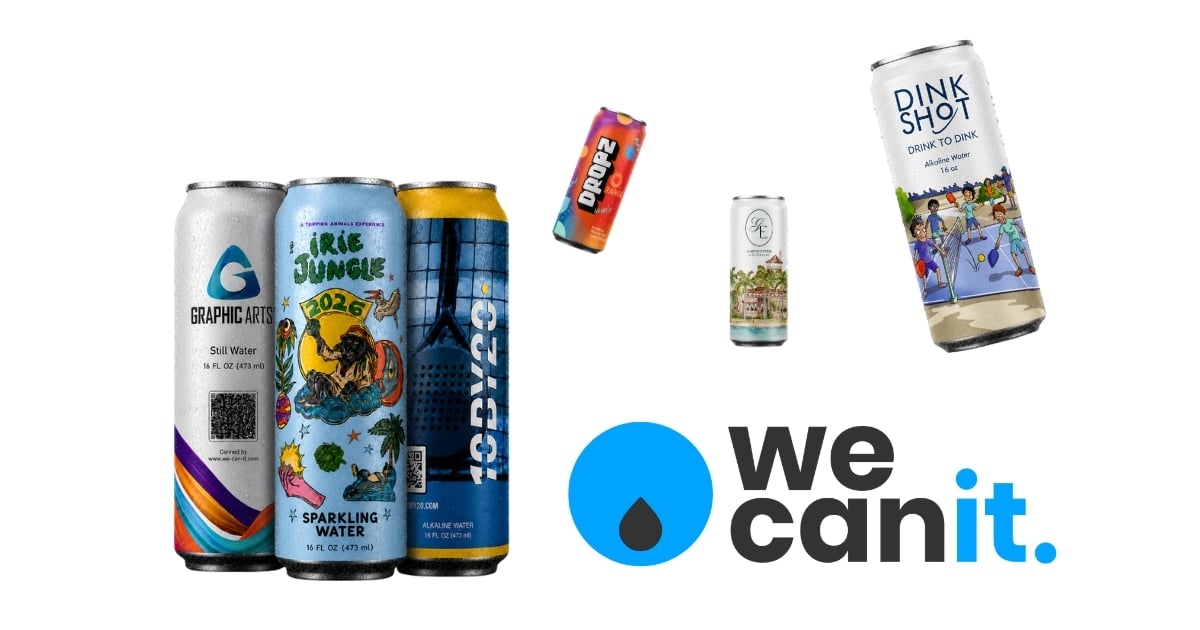
A branded can is not a strategy on its own, but it is a useful tool because it travels across stages. The same can that introduces your brand at an event can welcome a new customer, remind a regular of their routine, and end up in a photo that brings a friend. The QR code adds a digital doorway at each of those moments. How QR experiences work is described on Technology · Digital experience, and Digital Journey examples are in our guide on what a Digital Journey is.
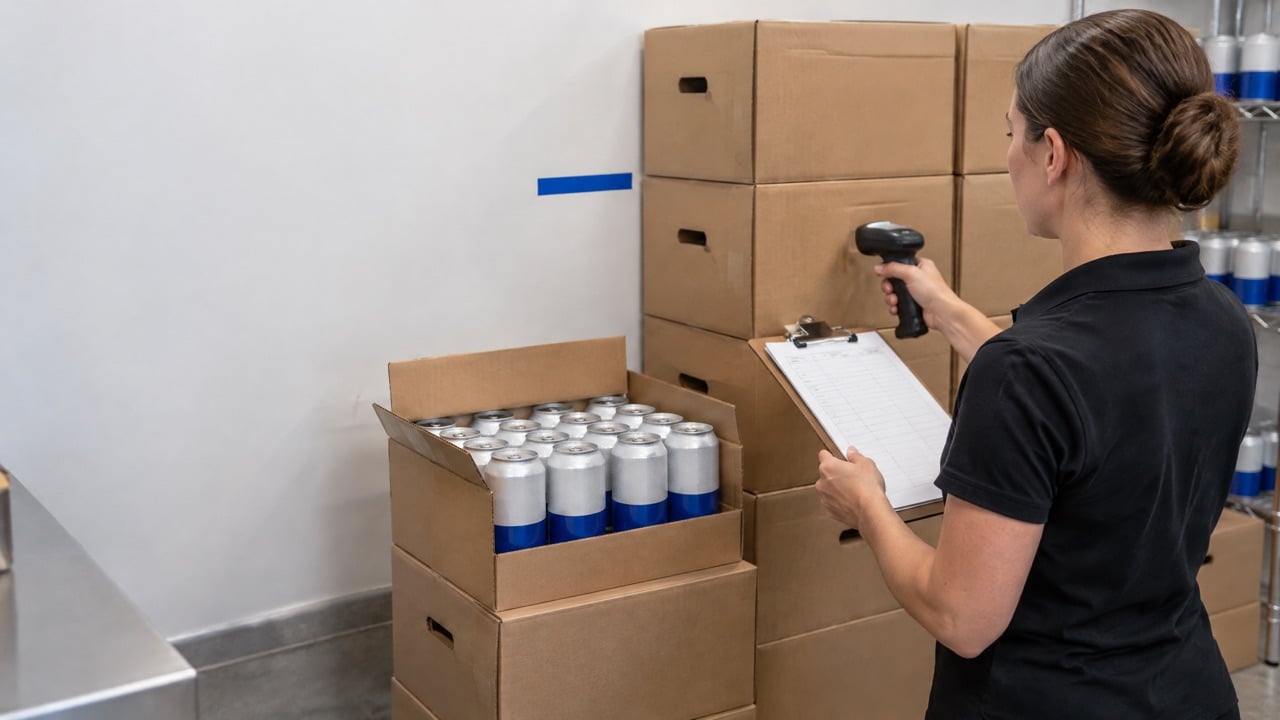
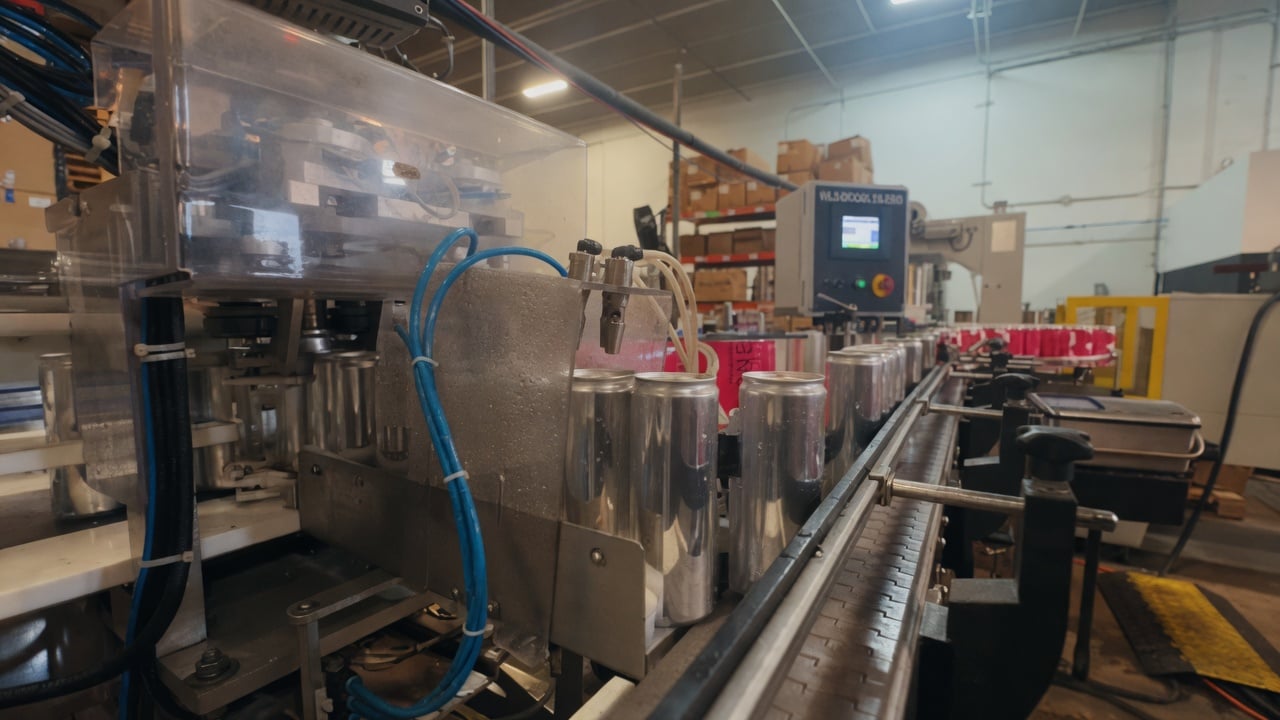
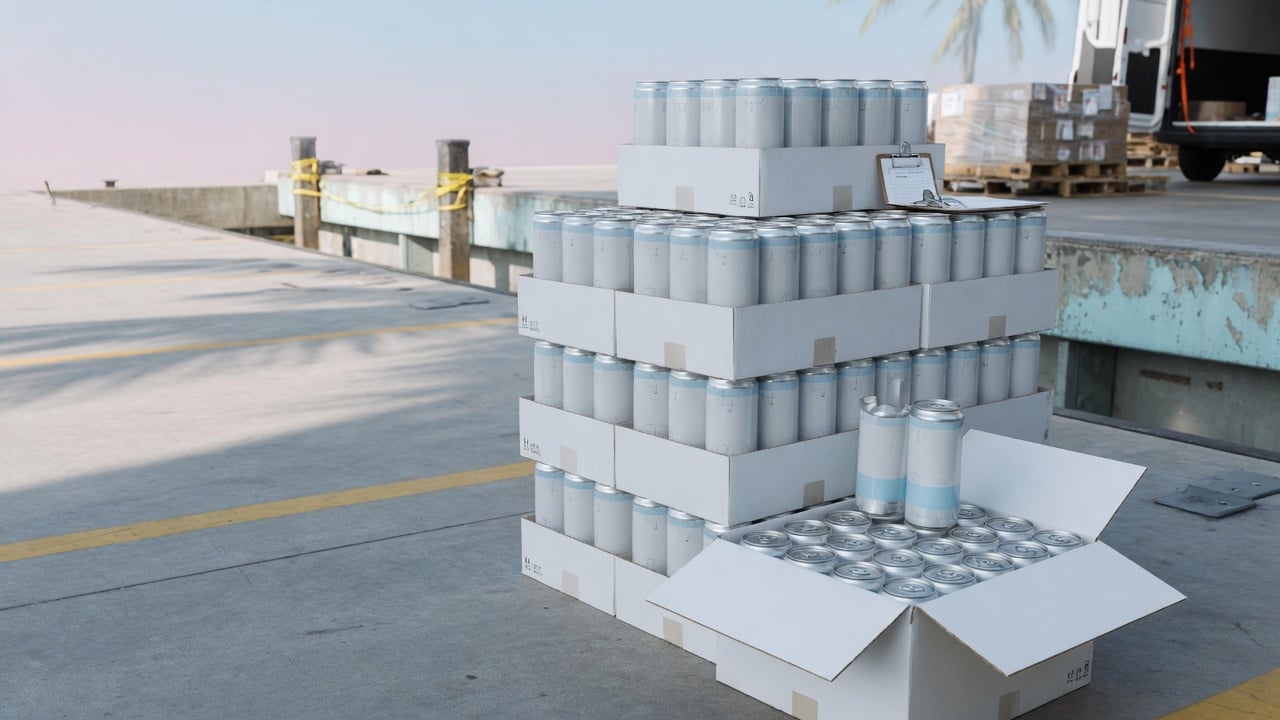
At We Can It, runs start at 21 cases, which is 504 cans, and production takes about 2 to 3 weeks from artwork approval.
Customer journey mapping worksheet
- Customer type:
- Awareness touchpoints:
- Consideration touchpoints:
- First visit touchpoints:
- Retention touchpoints:
- Advocacy touchpoints:
- Weakest stage and why:
- One improvement to test this month:
- Measure for that stage:
Frequently asked questions
What are the stages of the customer journey?
A common model uses five stages: awareness, consideration, purchase or first visit, retention, and advocacy.
How do you create a customer journey map?
Choose one customer type, list the stages, add every touchpoint at each stage, note what the customer thinks and feels, mark weak spots, and pick one or two improvements to test.
Where do physical products fit in a customer journey?
Physical items like branded cans are touchpoints people hold, keep, and share. They can support awareness at events, first visits, retention, and advocacy.
How do you measure each stage of the journey?
Use one simple measure per stage, such as reach for awareness, QR scans for consideration, first visits for purchase, repeat visits for retention, and referrals for advocacy.
How often should a journey map be updated?
Review it every few months, and whenever you change a major part of the customer experience.
What is the minimum order for branded cans?
We Can It starts at 21 cases, which is 504 cans, with about 2 to 3 weeks of production after artwork approval.
Get a quote for branded cans that support your customer journey
Tell us which stage you want to strengthen first, and a product advisor will help you plan the can and the QR experience.